Photo Essay: Ryderville Ink’s Tsunami Over Mt. Baker

WaveTat-234-Edit

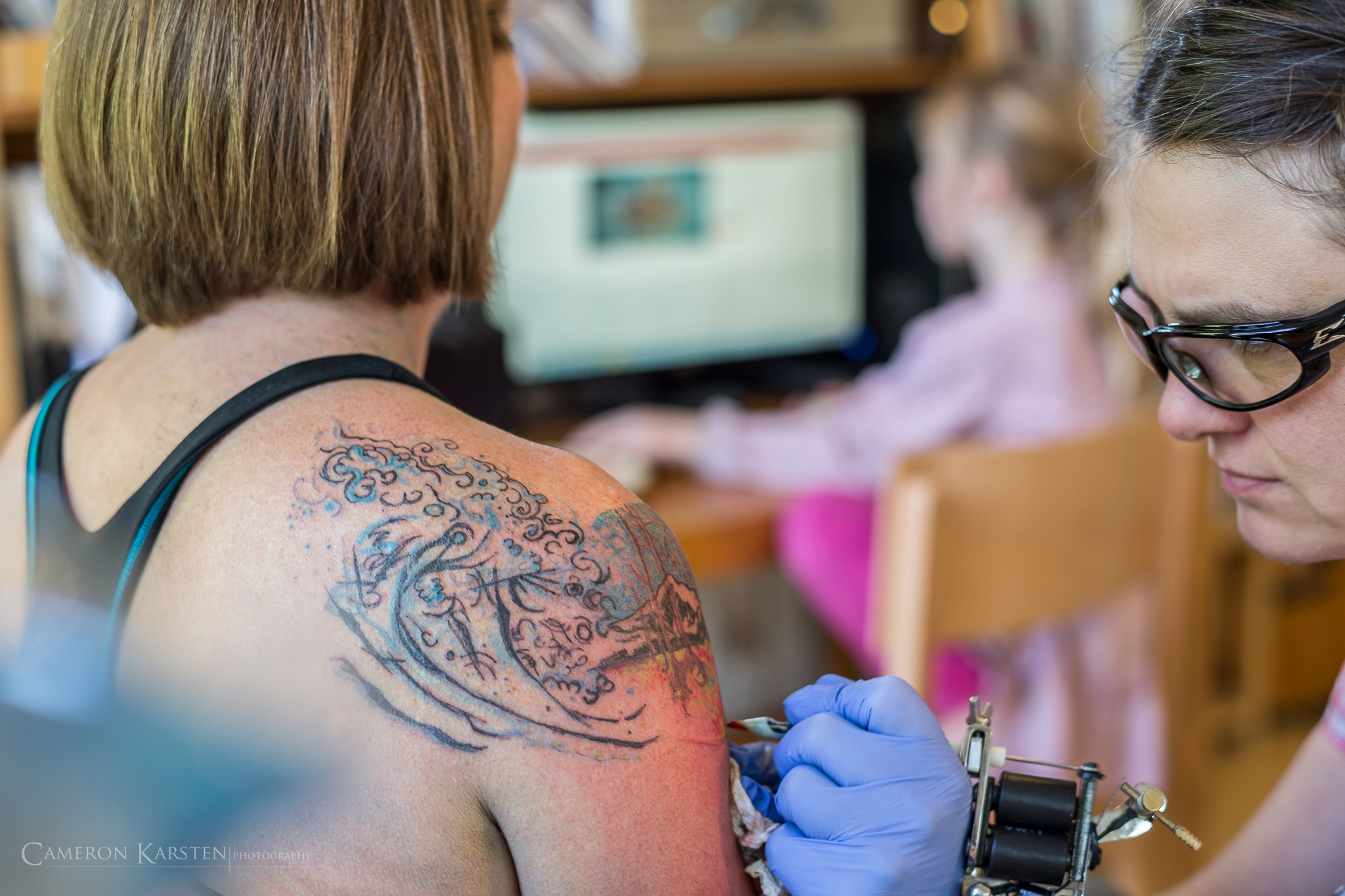
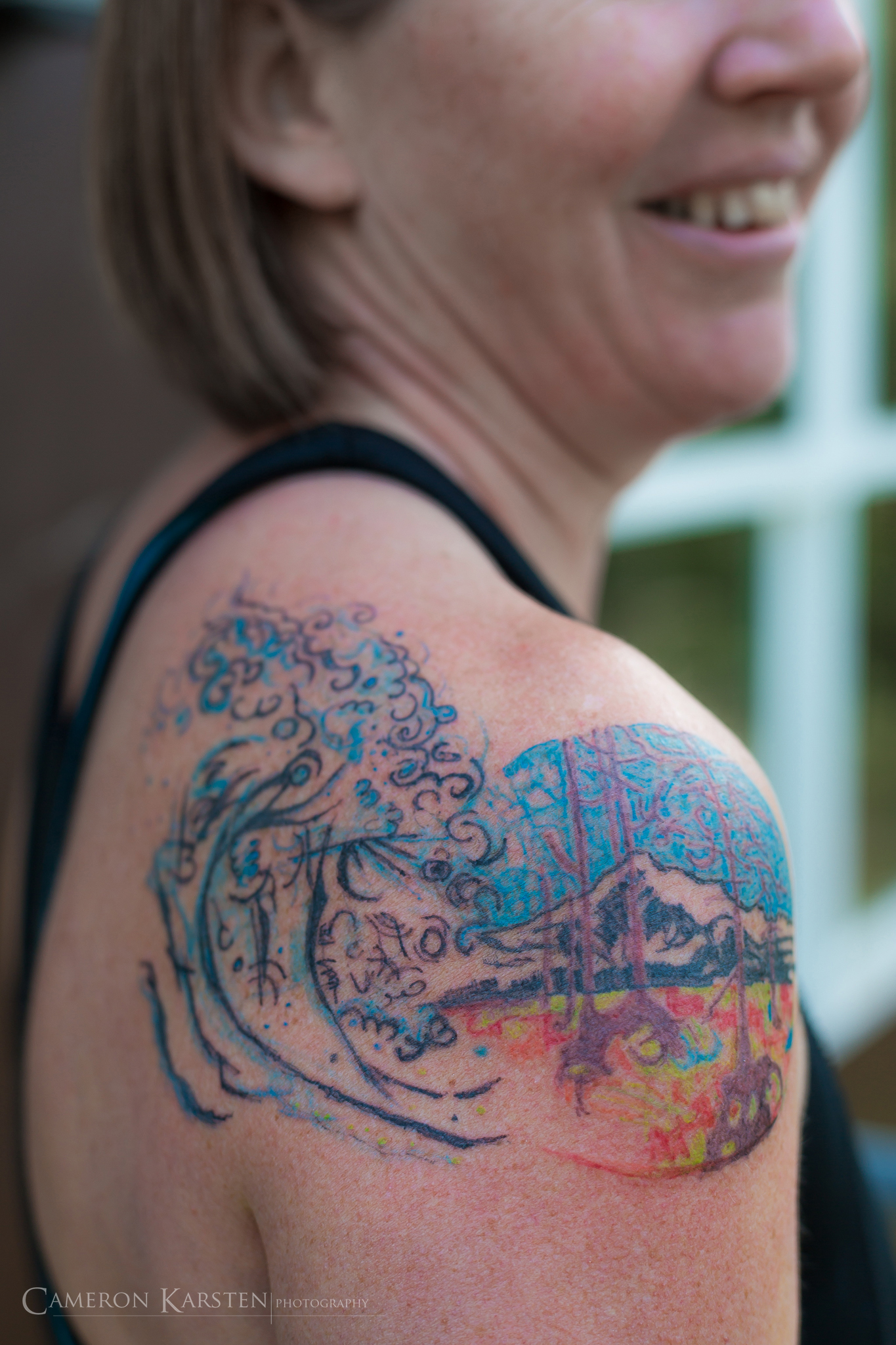
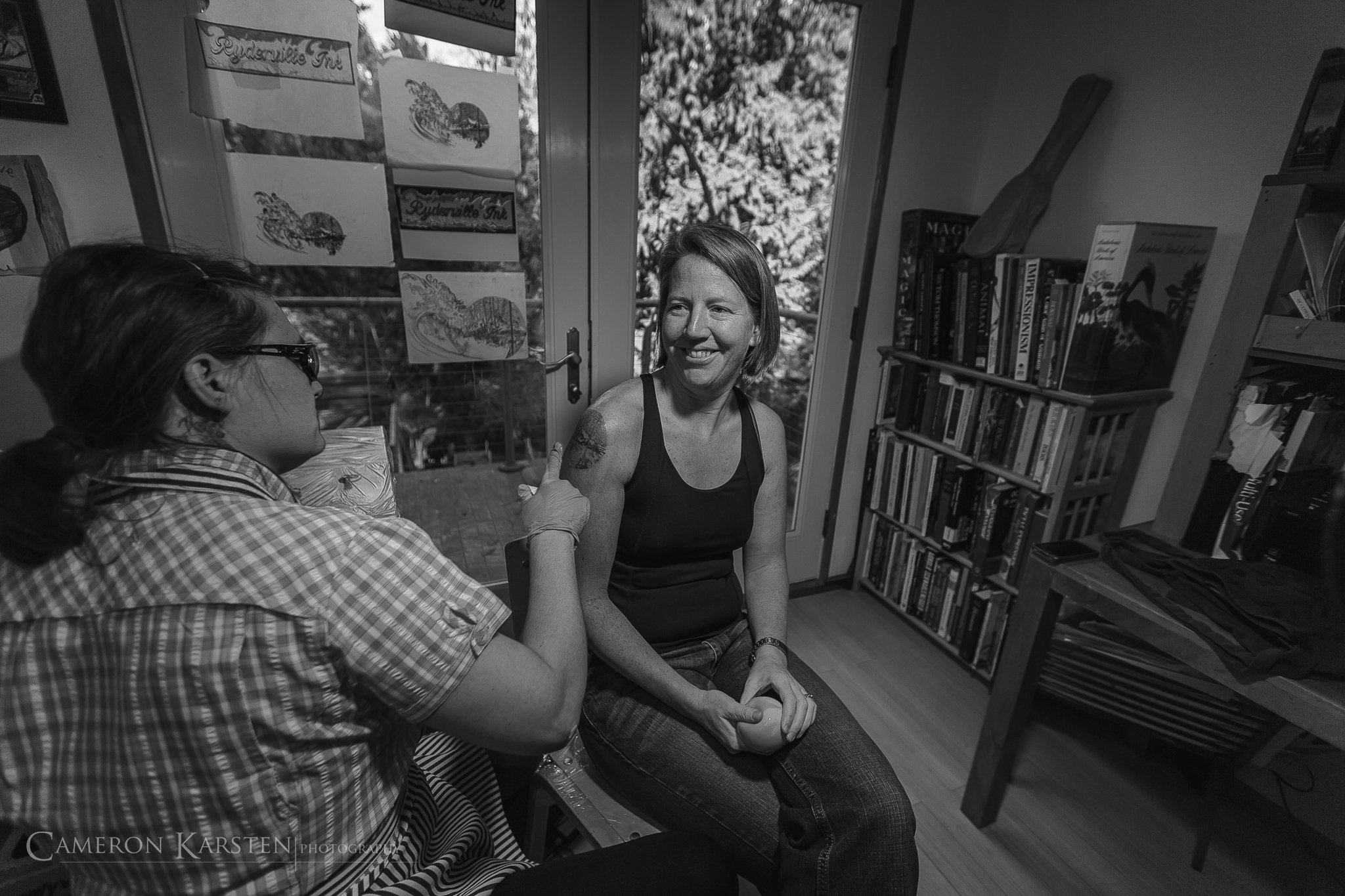
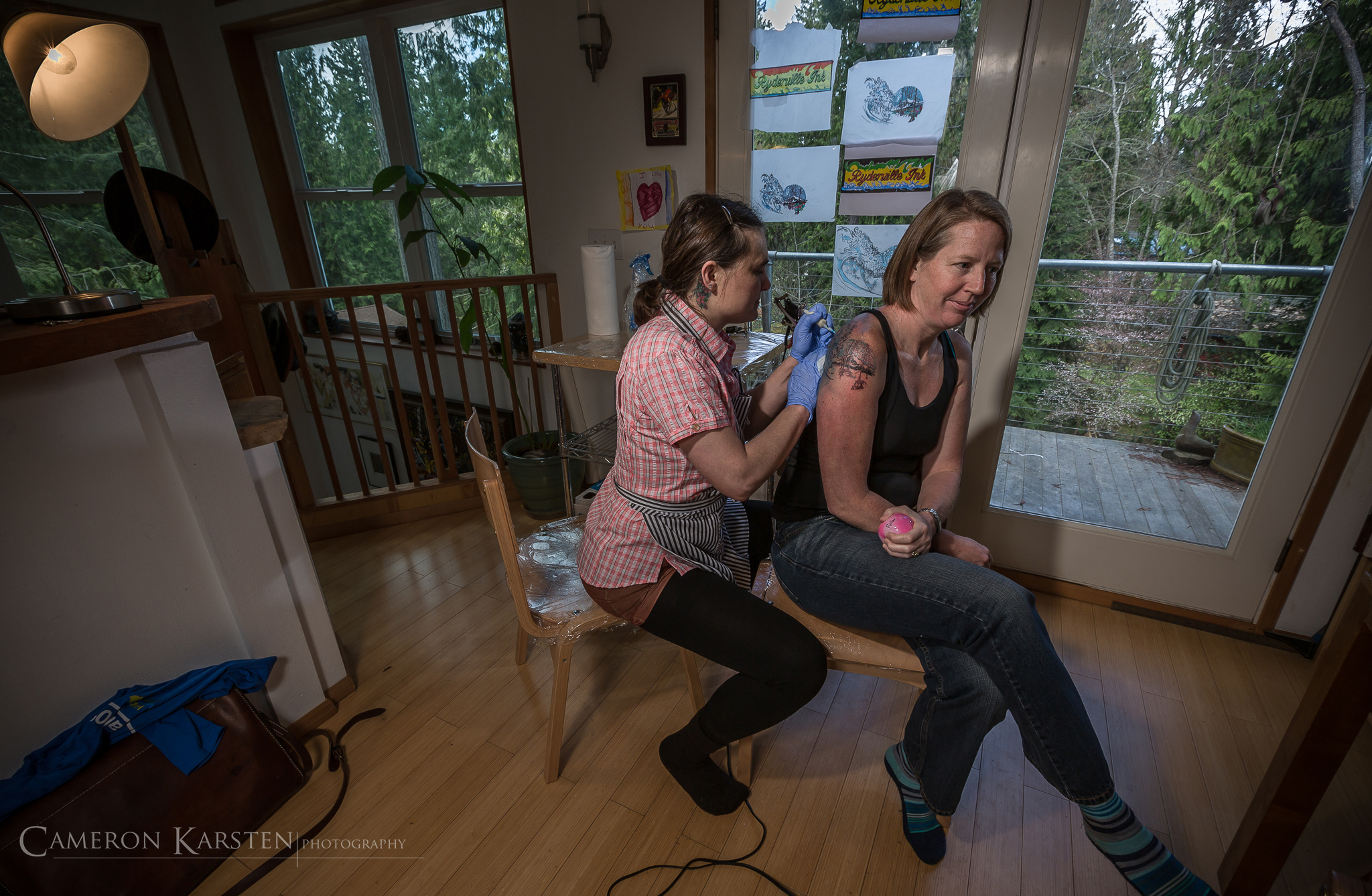
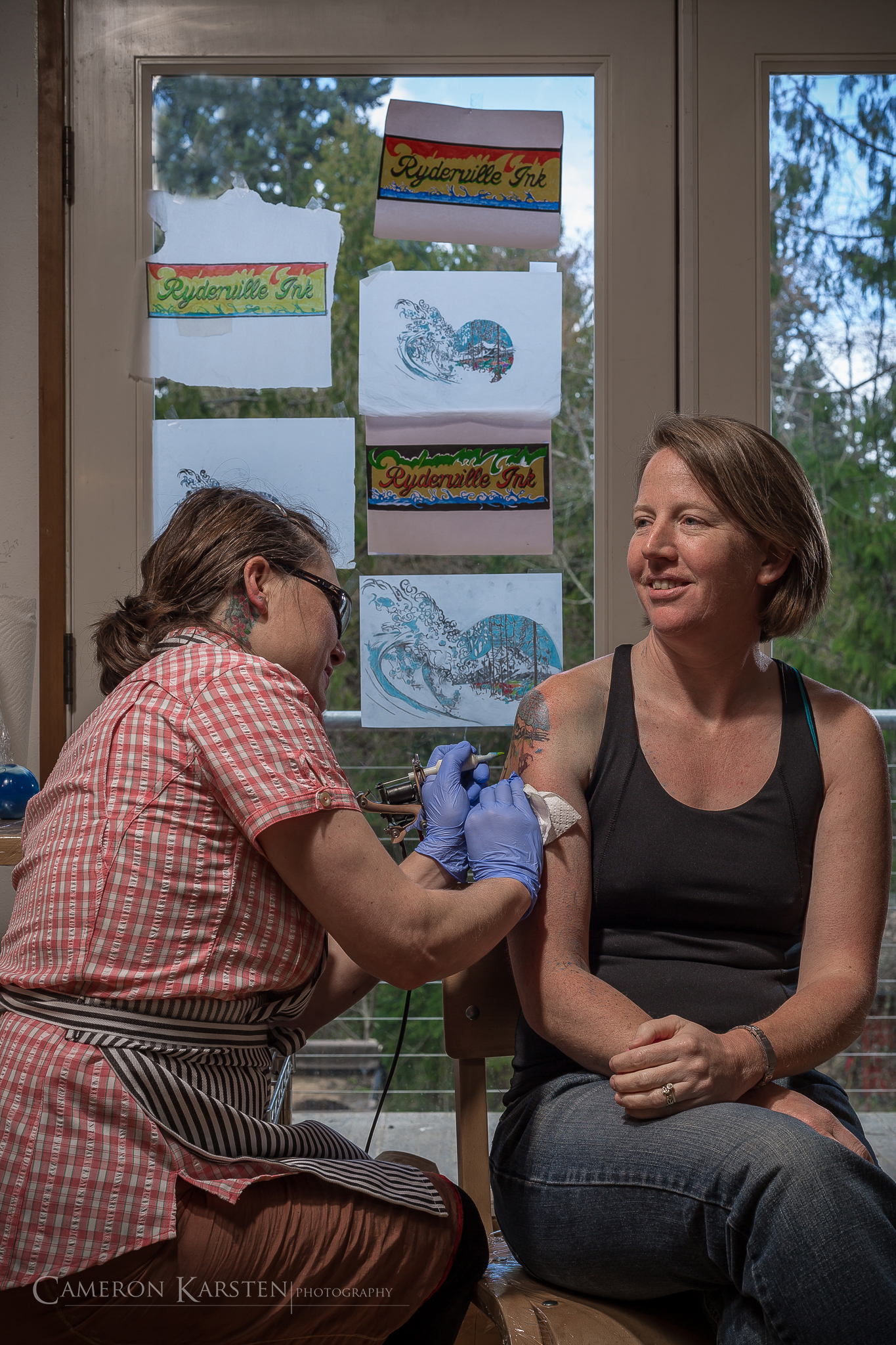
Tracy Lang moves from huge woodblock prints to the art of the tattoo.  Welcome the new Ryderville Ink.  Unlike any tattoo I’ve seen before, her Tsunami Over Mt. Baker wraps the right shoulder with a pinhole view of Mt. Baker as the body’s shoulder blade carries a wispy yet powerful Japanese-style tsunami over its summit.  Bad ass. And if you would ever want a piece of art on your body, it would be by Tracy Lang of Ryderville Ink.

I shot this series of images as Tracy’s friend Shelley from Whidbey Island sat through the final three hours of work.
WaveTat-86

WaveTat-196

WaveTat-37

WaveTat-238

WaveTat-10

WaveTat-141

WaveTat-121

WaveTat-293

WaveTat-115-Edit

WaveTat-281

WaveTat-301-Edit

WaveTat-178-Edit

Cameron Karsten Photography

Photo Essay: International Rescue Committee (IRC) Seattle Chapter

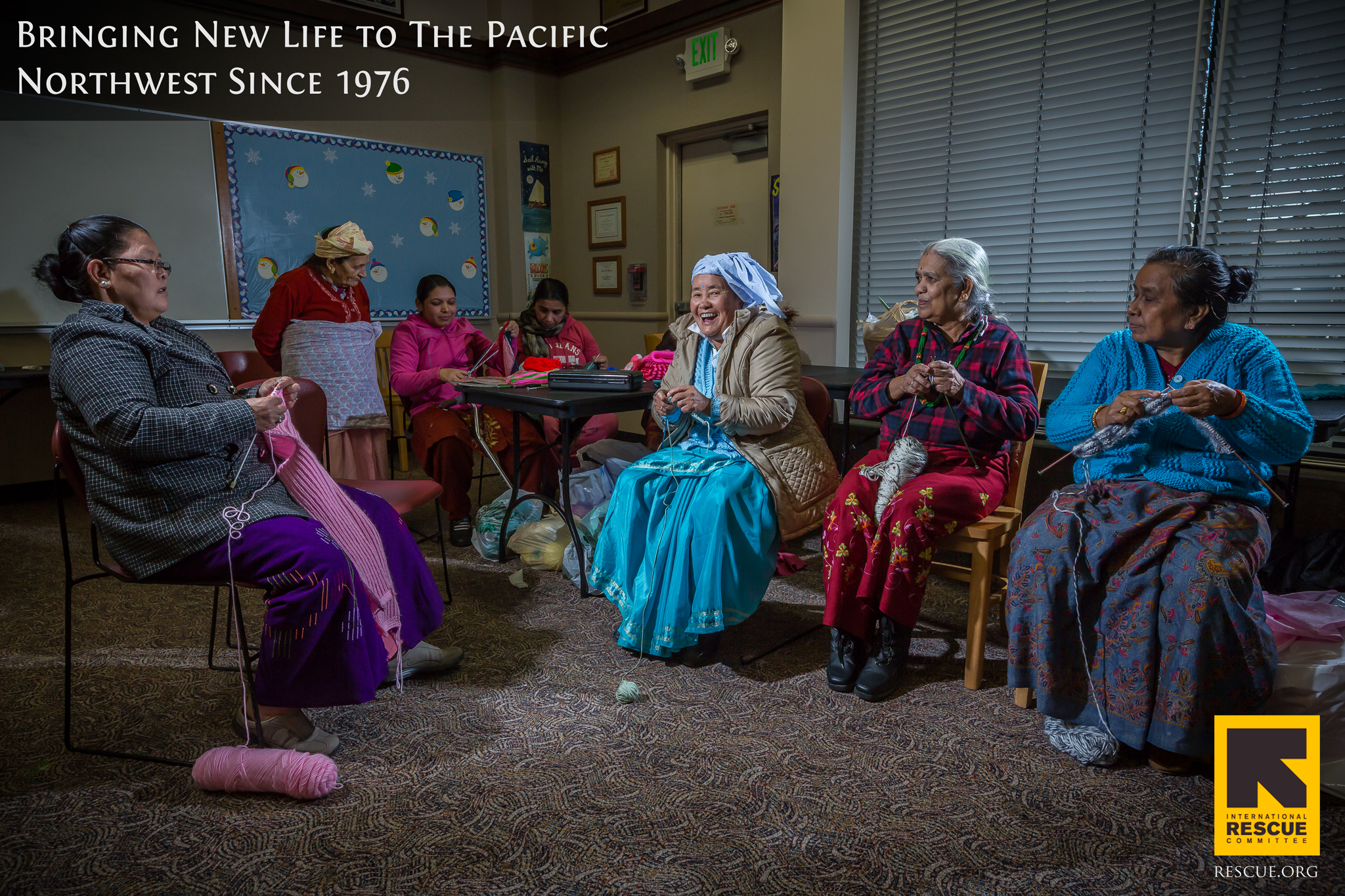
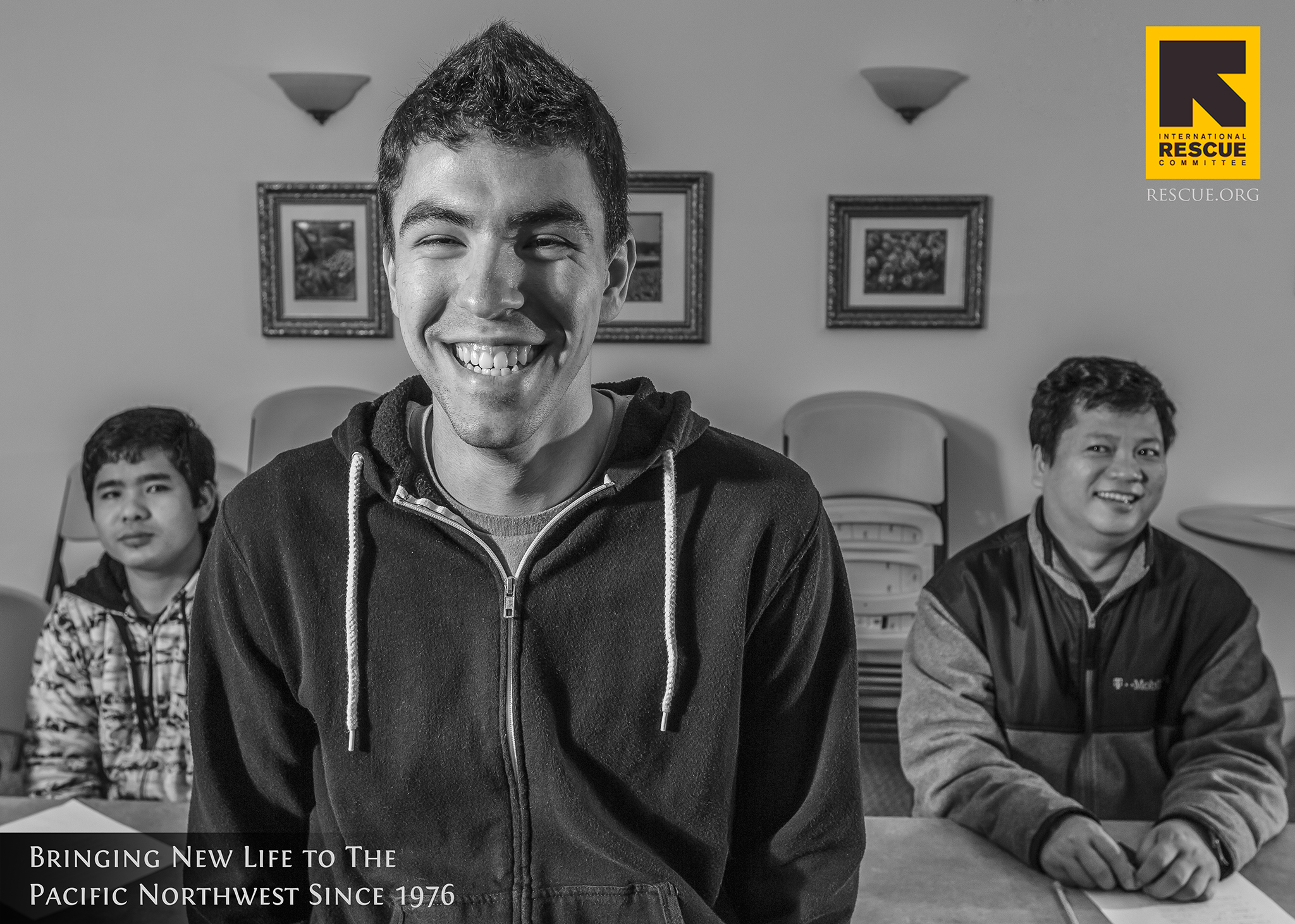
CameronKarsten2013_NonProf1Having recently connected with International Rescue Committee’s (IRC) Seattle Chapter, doors opened to a host of incredibly humbling experiences.  Shooting for them takes me back to my travel roots, experiencing other cultures and the people.  The above photograph is a group of recently arrived refugees from Nepal and Bhutan who wanted to create a knitting community.  The experience being there resulted in the women erupting in traditional song and laughter, with communication spoken via hand and body gesture.

Started in Seattle in 1976, little presence is known of their existence within the city.  The continuing goal working with them is to create a library of imagery that they can utilize as posters, thank you cards, newsletters, website material and more.  Below are more images taken for IRC’s Seattle Chapter.

CameronKarsten2013_NonProf2

A knitting community created by recent arrivals of IRC’s Seattle Chapter

CameronKarsten2013_NonProf3

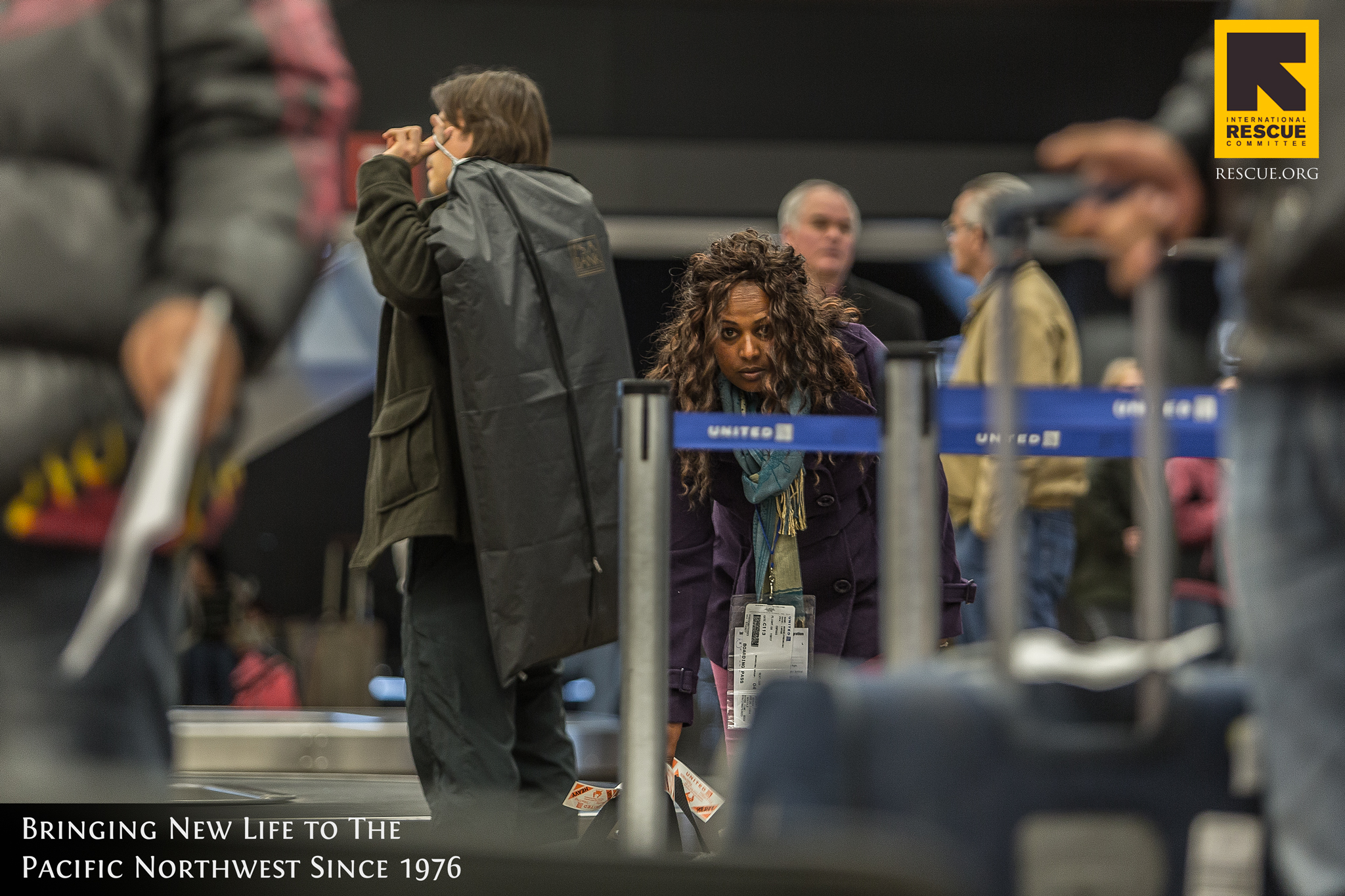
A daughter who recently arrived from Eritrea sees her father for the first time in over one year.

CameronKarsten2013_NonProf4

A joyous father is happily reunited with his daughters after flying into SeaTac from Eritrea.

CameronKarsten2013_NonProf5

A woman practices job training skills at an activity created by IRC for newly arrived refugees.

CameronKarsten2013_NonProf6

A man from Burma studies basic job training skills in Tukwila, WA after arriving to the United States three months ago.

CameronKarsten2013_NonProf7

A teacher back in Burma, now faces a new language, a new culture, and a new set of skills acquired at IRC’s job training class.

CameronKarsten2013_NonProf8

Denis, a refugee from Bosnia under IRC from over 14 years ago, now volunteers to help new arrivals adapt to American culture and job market.

Learn more by visiting IRC Seattle Chapter

IRC

Cameron Karsten Photography

Photo of the Day: The Gun Buy-Back Program

CameronKarsten2013_GunBuyBack


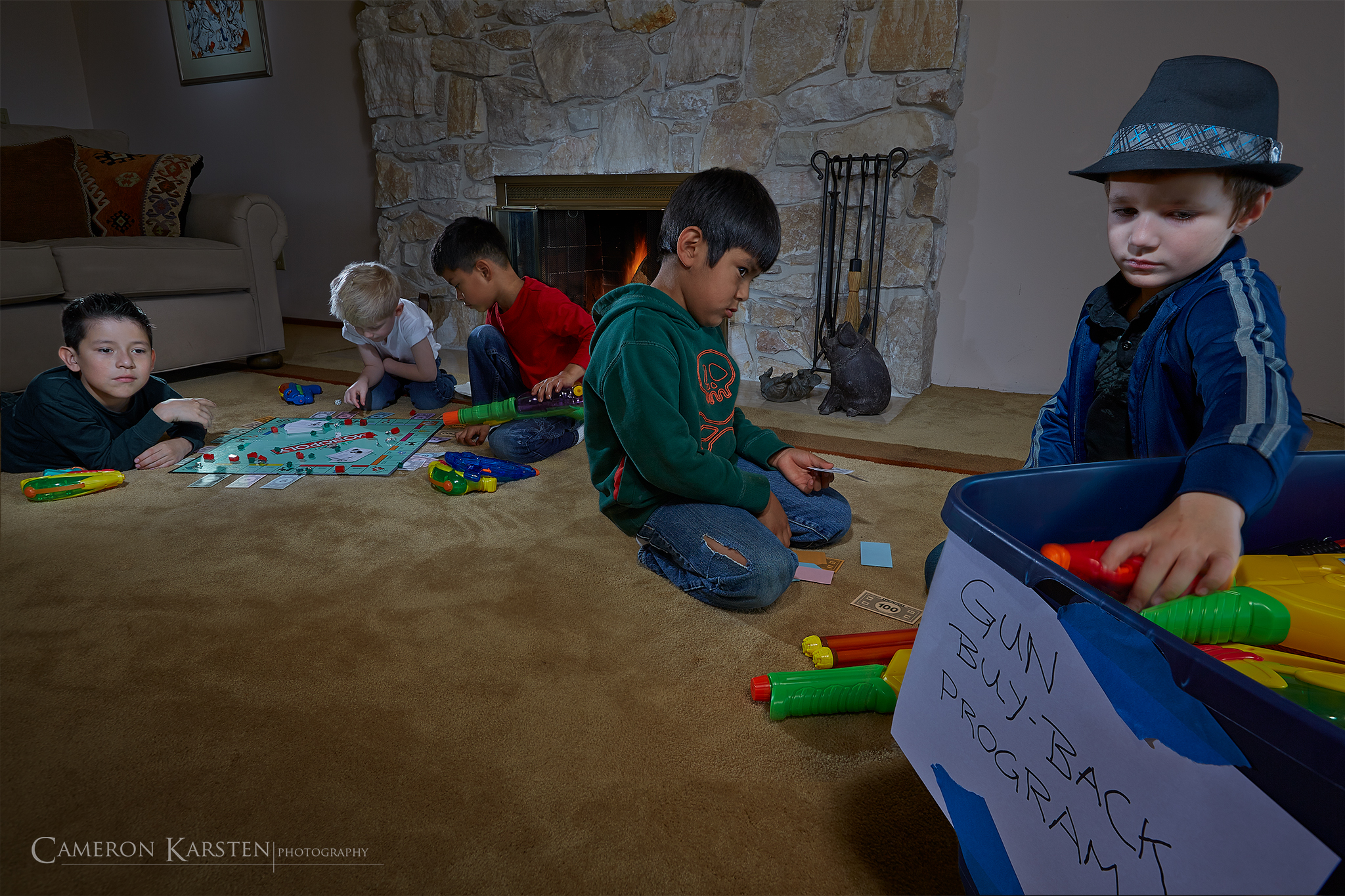
An idea pops into your.  You’ve been listening to the radio, following current events, examining your place in the constant shifting world.  Then the idea takes shape, morphs into words, thoughts, conversations and a variety of imagery.

The gun buy-back program has been incorporating our society.  The process flowed through my brain-waves and thus the above image.  I wondered about the origins, the beginnings of such violence permeating humanity.  Then I read an article in this month’s National Geographic entitled The Left Bank Ape, which explores the unique adaptations between two species along the Africa’s Congo River.  The north side (or right bank) are our common ancestors, the chimpanzee, whom we share 98.4% of our genetic DNA, while the south side (or left bank) is the bonobo.  And what makes these two species of primates markedly different are their social behaviors; during disputes the chimp is more aggressive, often resulting in death, while the bonobo prefers the tender acts of affection and using sex to solve issues within the community.

Observing today’s violence around the world, I ask:  Where did we come from?  Where are we going?  And what are we doing to get there?

Cameron Karsten Photography

Product Photography: Rwanda Partners Bowl Series

RwandaPartners_6inBowl

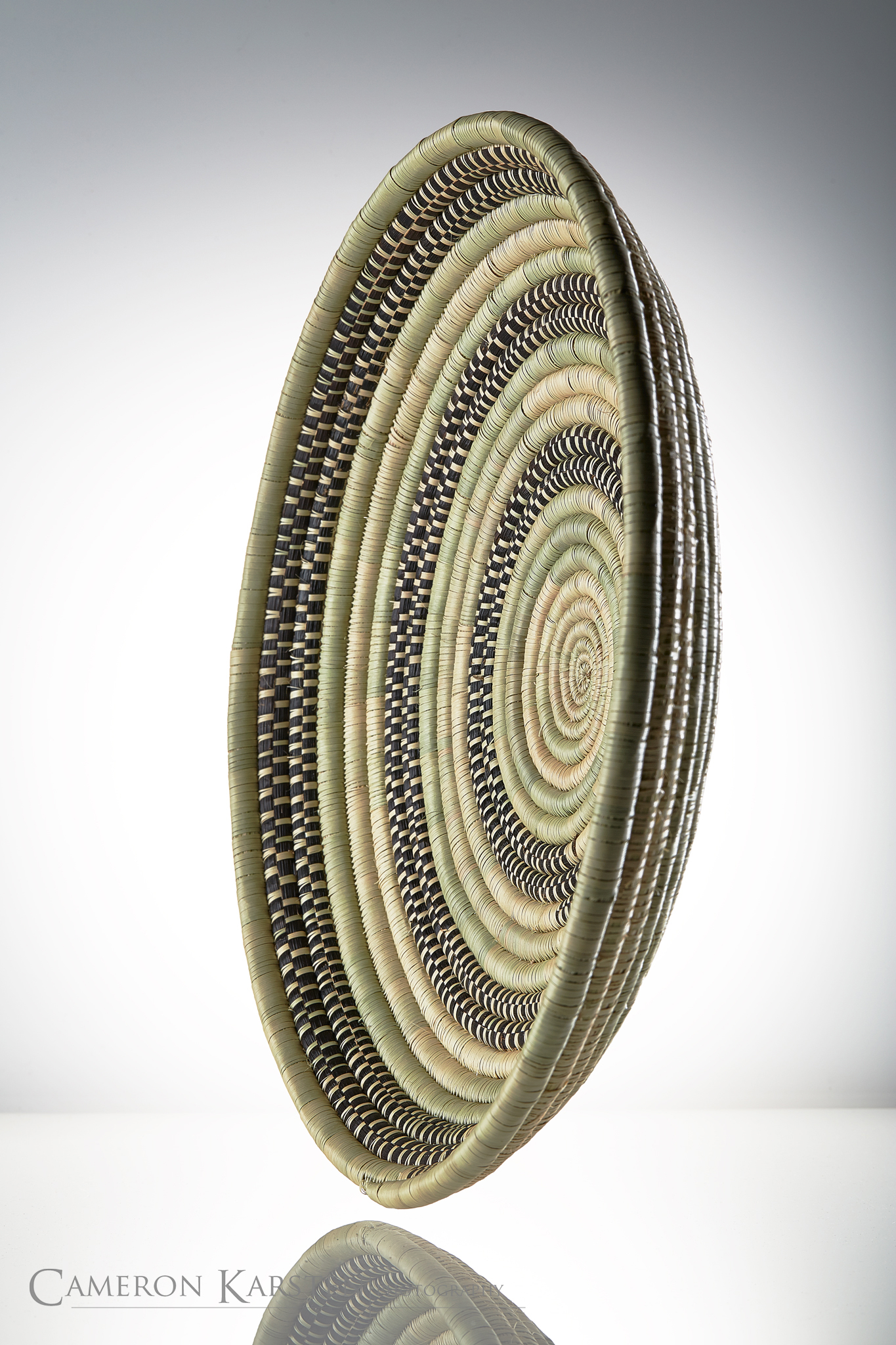
By approaching Rwanda Partners and offering them my help, I scored the opportunity to take a selection of their bowls into the studio and photograph them for their website.  With three lights, some plexi glass and fishing line, I was able to create a clean, depth-defining product shot to help them better portray their products.  Hopefully, more opportunities will arise with Rwanda Partners after the initial shoot.  Visit RwandaPartners.org for more.

Location: SCCA Studios

Camera/Lens Specifics: Canon 5D Mark III with Canon EF 100mm f/2.8L IS USM Macro Lens

100mm, 1/160 sec at ƒ/16, ISO 100, tripod.

Post: Capture One & Adobe PS6

RwandaPartners_16inJumboBowl

RwandaPartners_12inBowl

RwandaPartners_12inTray

RwandaPartners_BreadBasket

RwandaPartners_Trivet

Cameron Karsten Photography

Photography Essay: CannaTest, LLC. (Location – Bainbridge Island, WA)

CannaTest-55-Edit

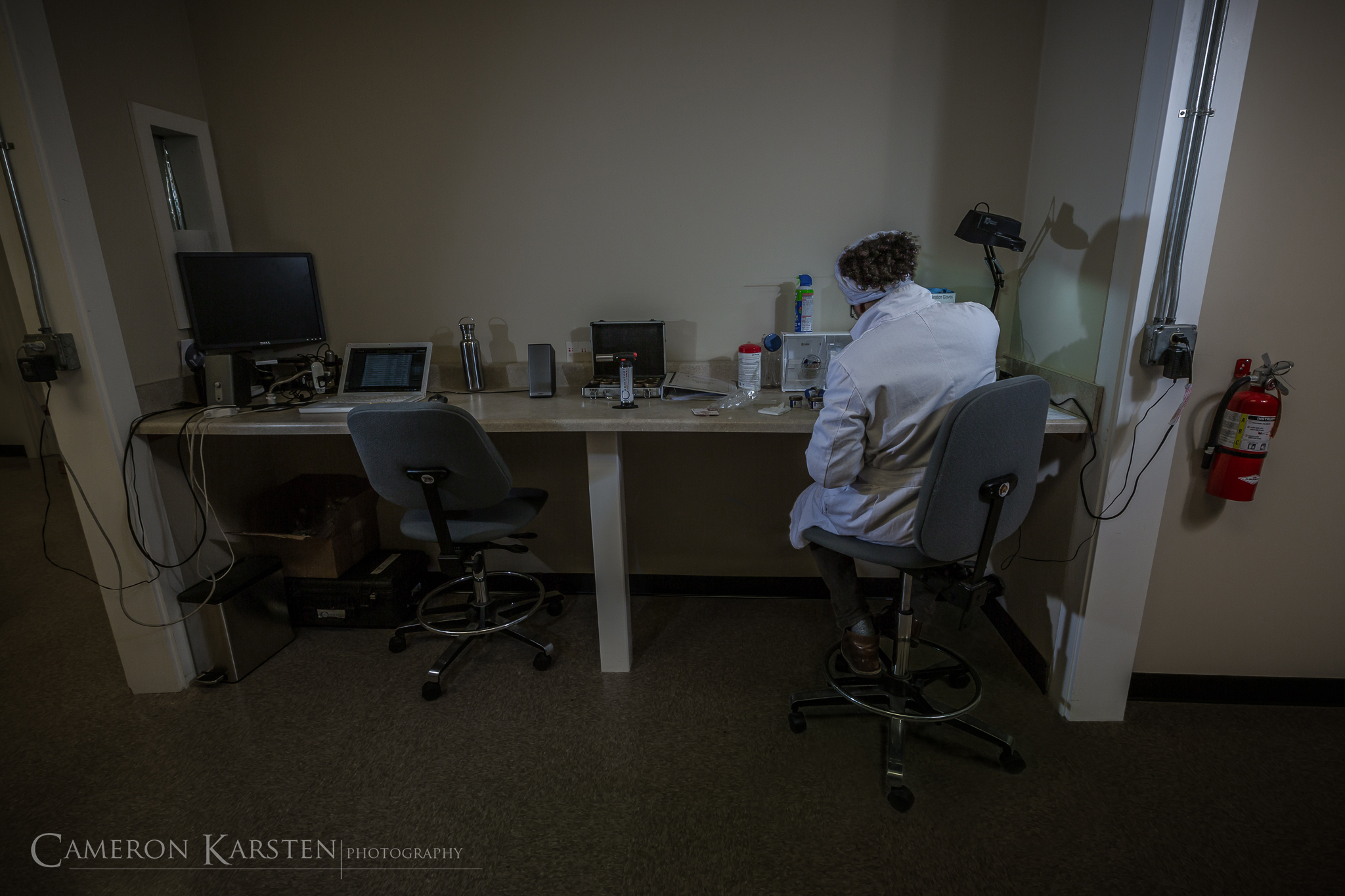
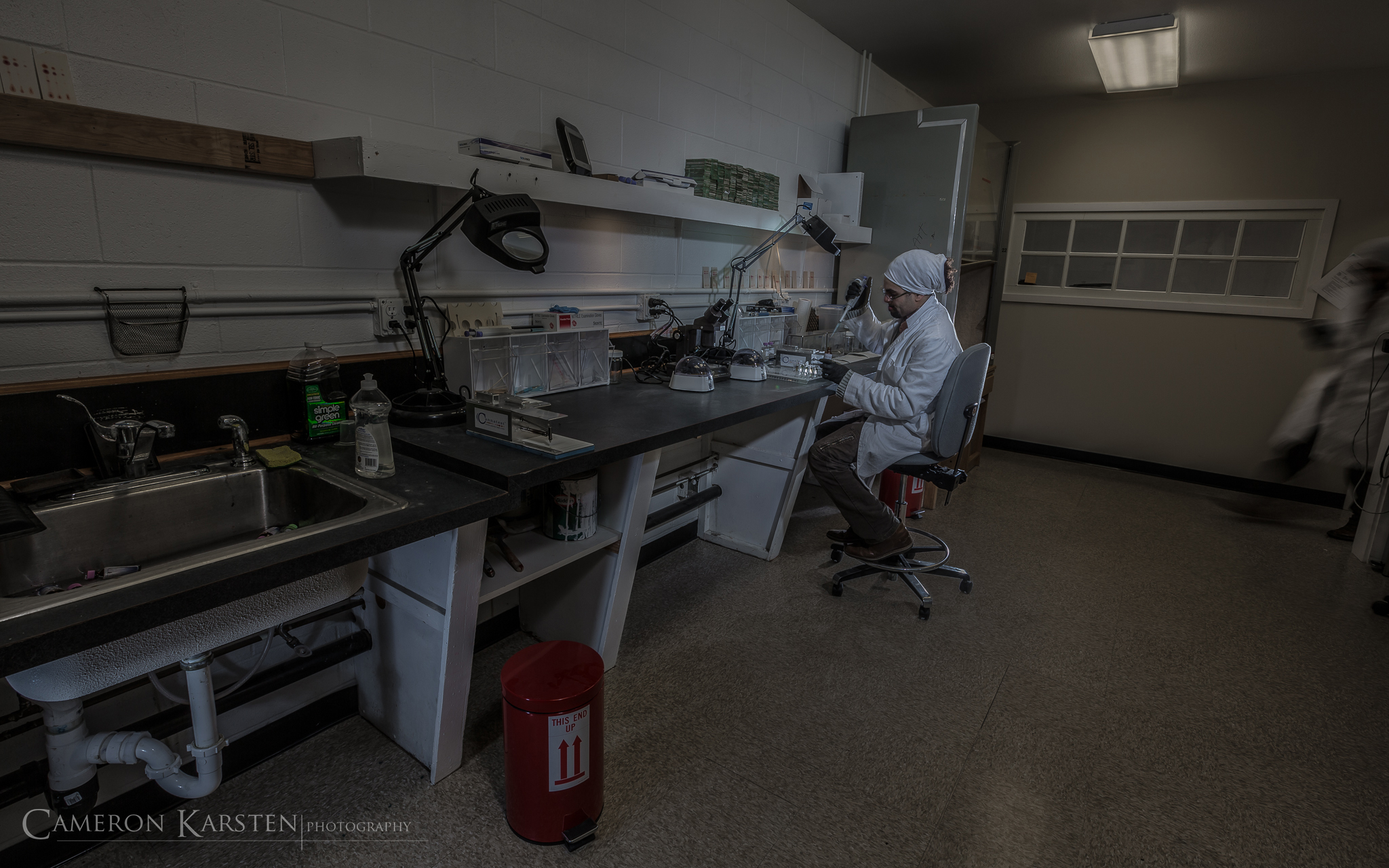
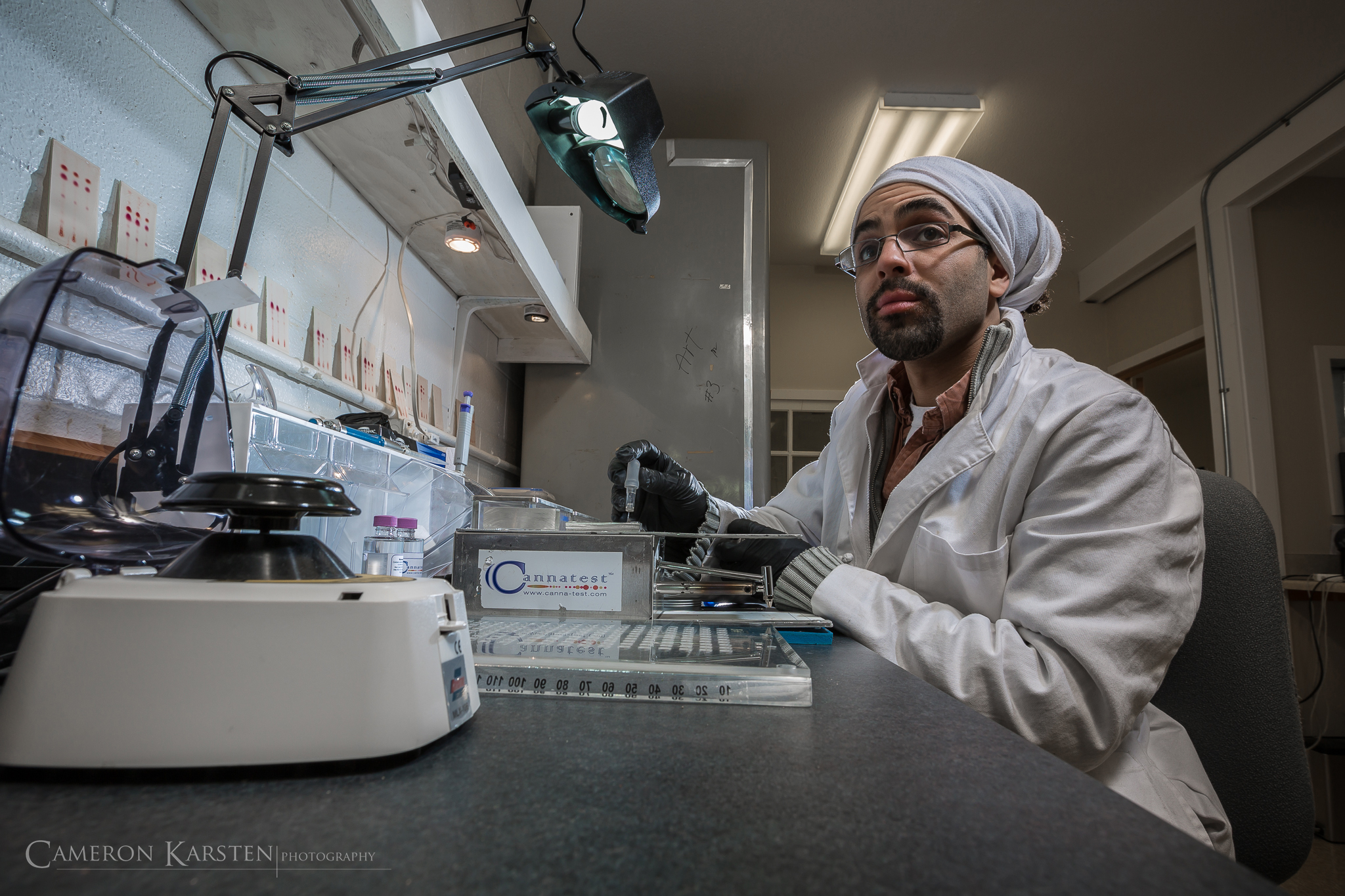
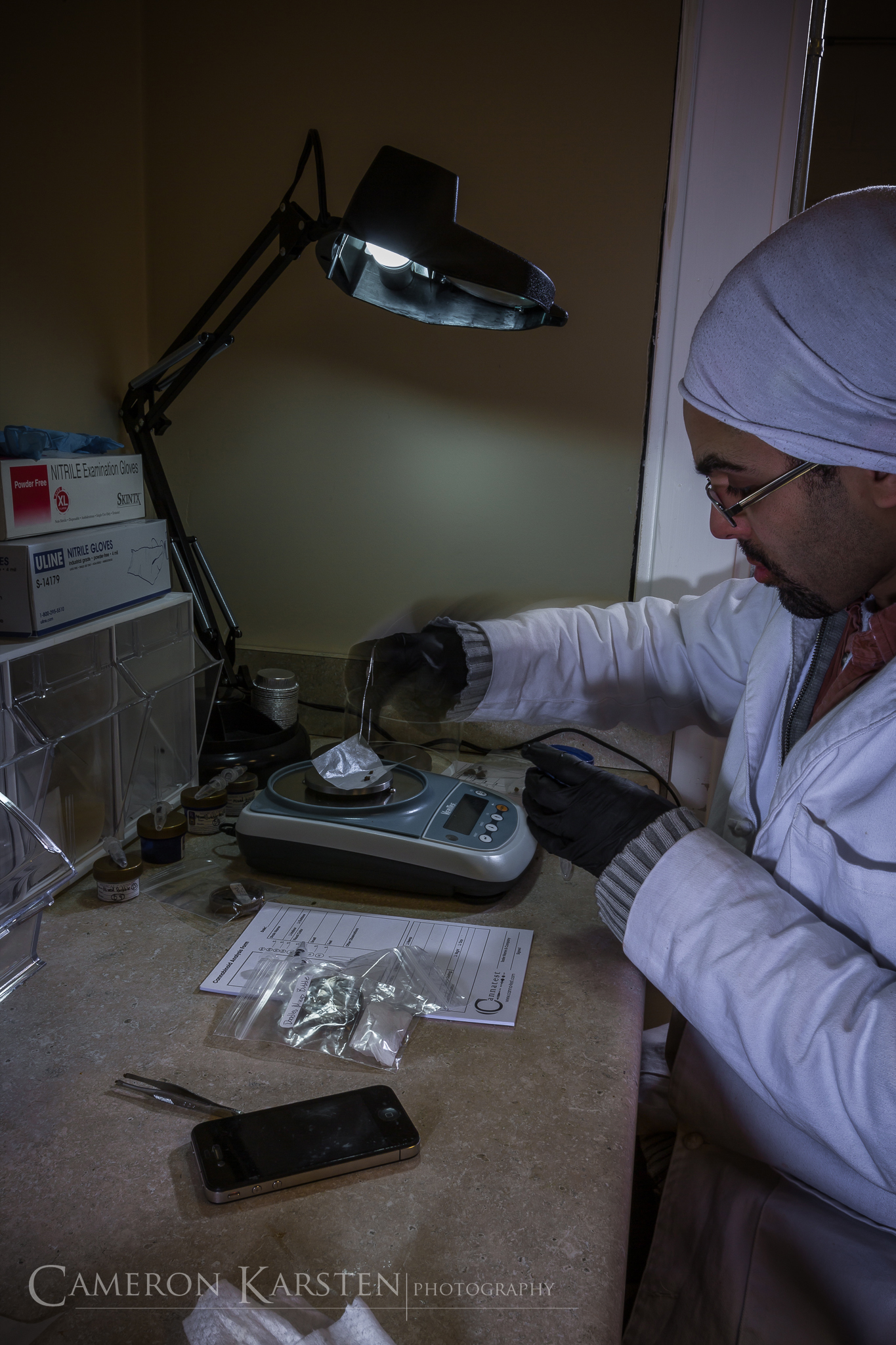
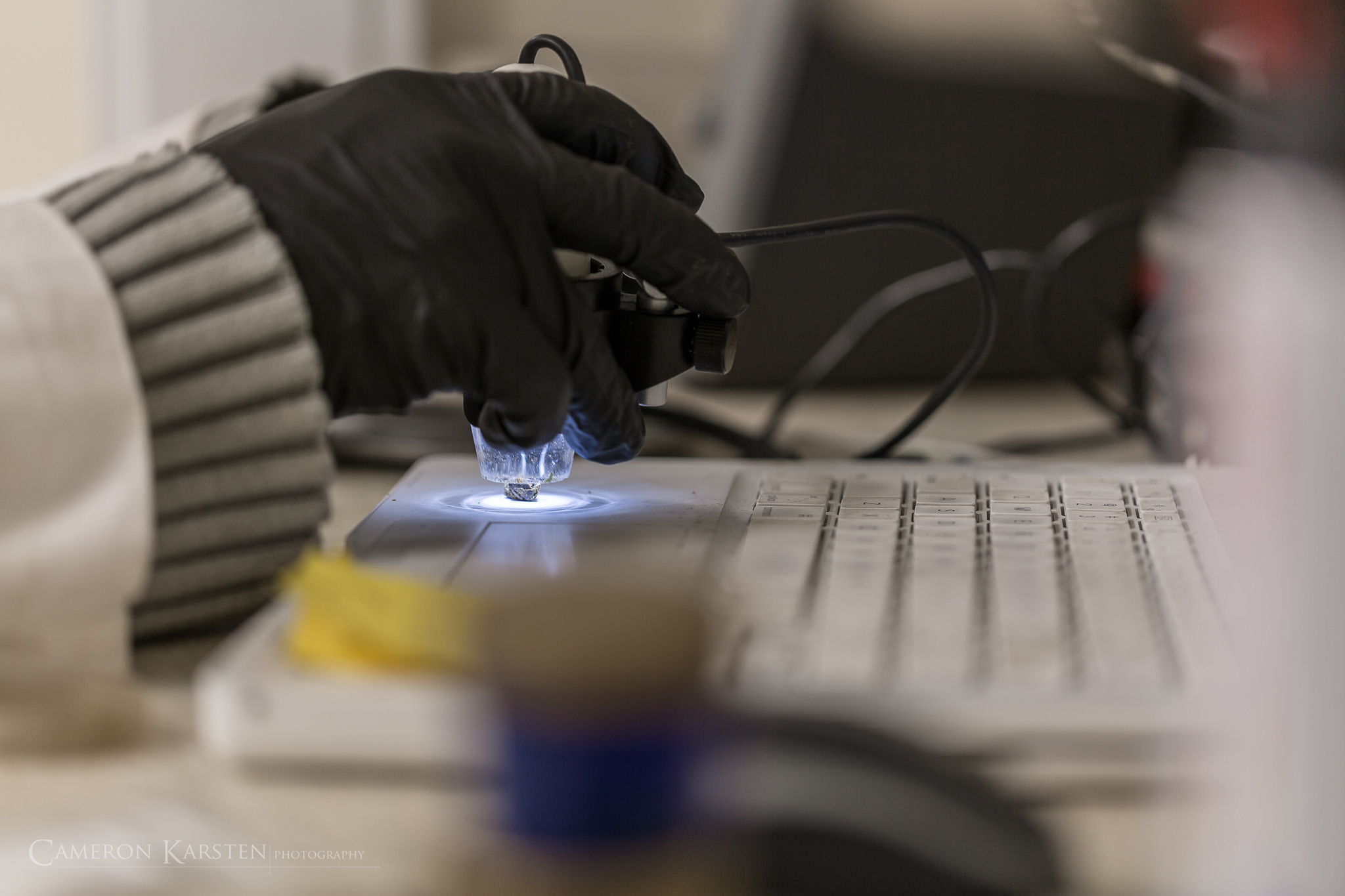
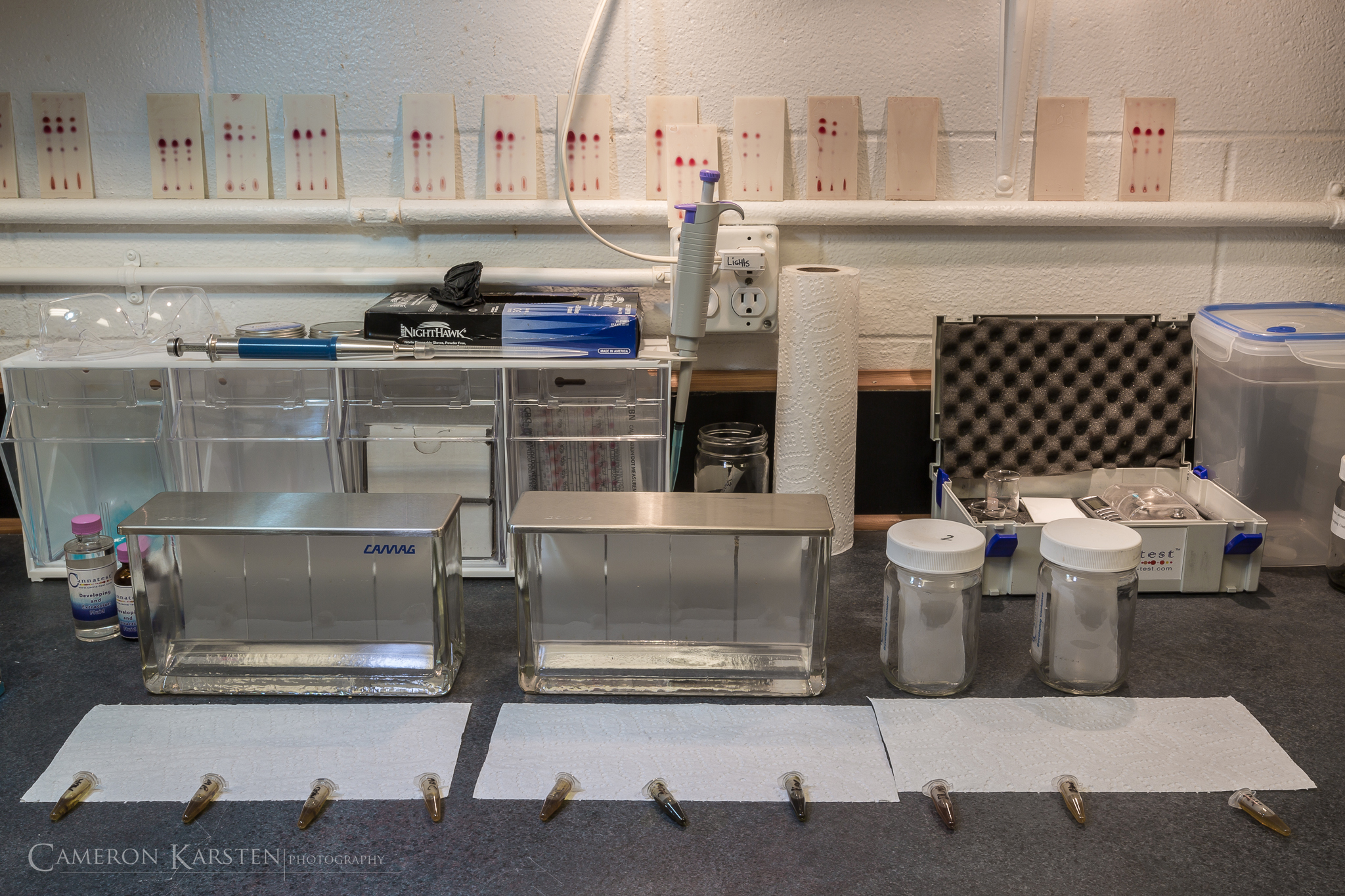
I had the opportunity to connect with CannaTest, LLC. to explore the new changes in Washington State regarding the passing of Initiative 502 and the legalization of recreational marijuana.  CannaTest’s tagline “What’s in your medicine?” legitimizes the professionalism of medical cannabis in the emerging industry, breaking down the percentages of Cannabinoids that are within each strain of plant.  From THC to THCV, CBD, CBG and other active ingredients, CannaTest provides qualitative numbers for accurate labeling to insure clients are receiving the necessary medicine for their specified therapy.

Visit www.Canna-Test.com for more information.

CannaTest-135-Edit

CannaTest-188-Edit

CannaTest-201

CannaTest-103

CannaTest-87-Edit

CannaTest-159

CannaTest-208

CannaTest-217

CannaTest-239

CannaTest-266-Edit

CannaTest-288

CannaTest-299

CannaTest-318

CannaTest-348

Cameron Karsten Photography

Studio Photography: Out of Context – A Recycling Program

CameronKarsten2013_Recycling

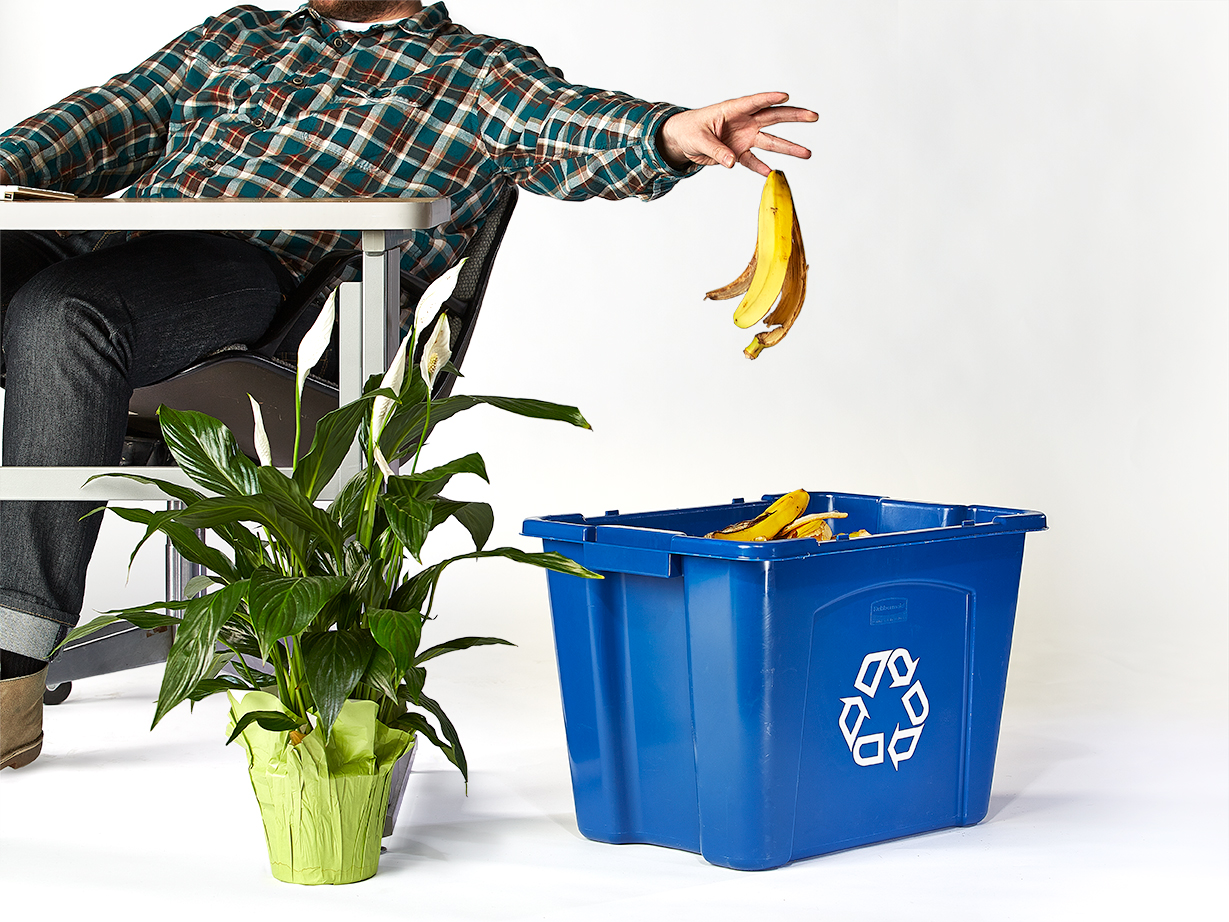
America’s recycling program.  It’s fantastic in my city, sucks in others.  So I took the idea of recycling into the studio, and placed one shot in context (above) and took the other two slightly out of the box.

CameronKarsten2013_Compost

Composting.  Try it, you’ll cut back on your weekly load of trash and also create a healthy garden

CameronKarsten2013_CPS

CPS: Child Protective Services or the Department of Social Services.  Putting children through America’s foster care system since 1974.

logo_blackTrajan

Photo Essay: Bainbridge Island Boxing Club

CameronKarsten2013_Red-7

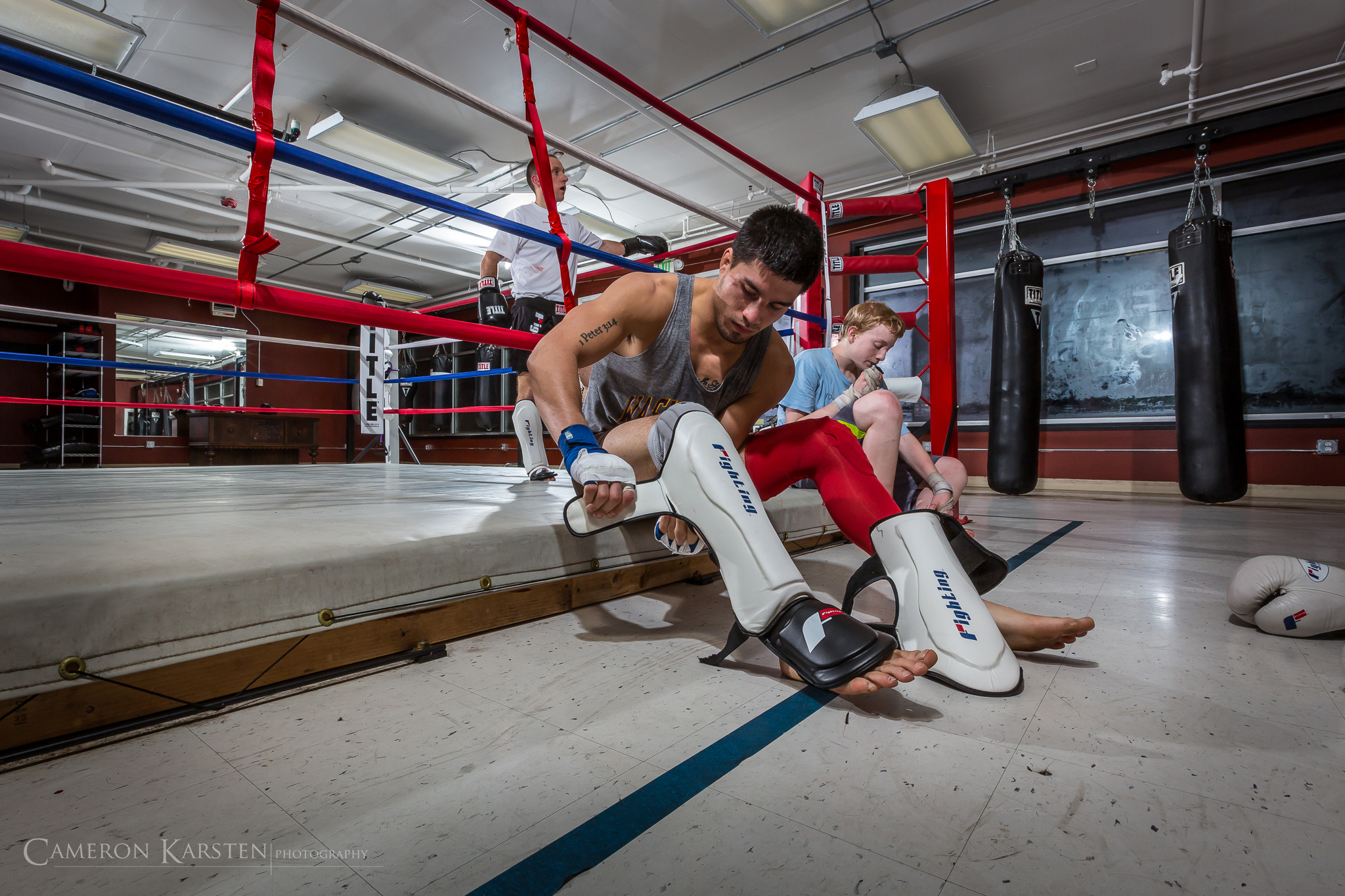
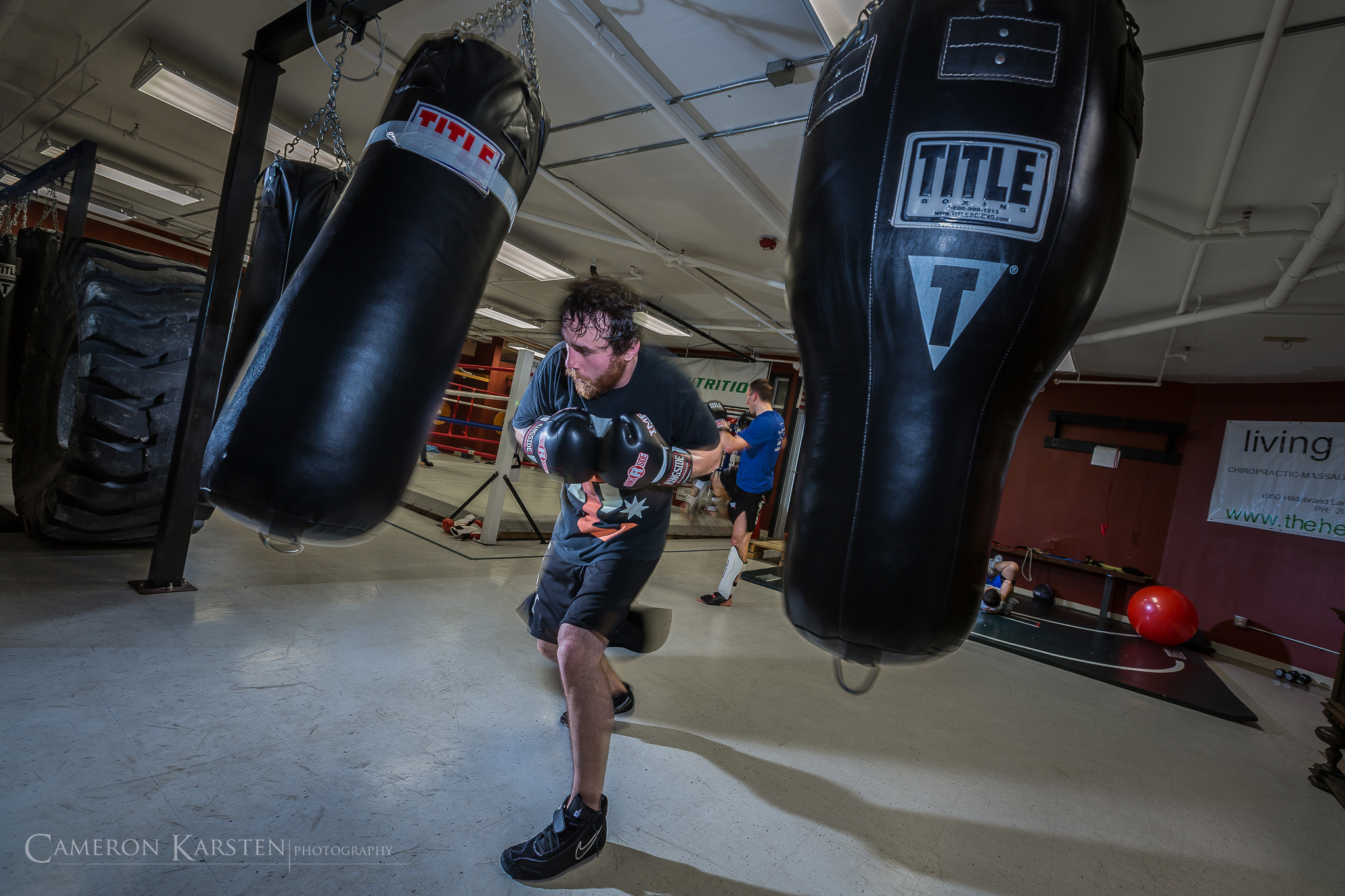
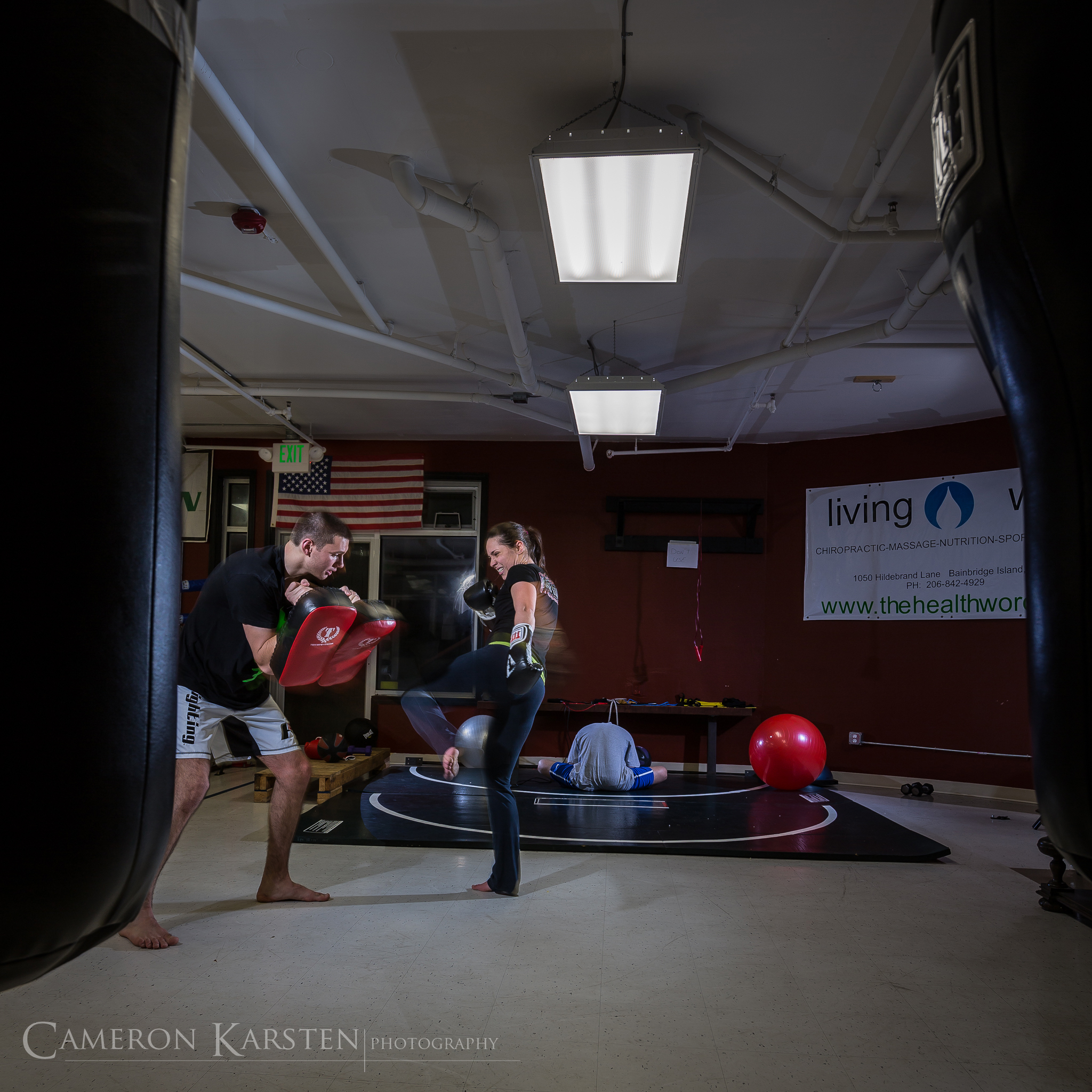
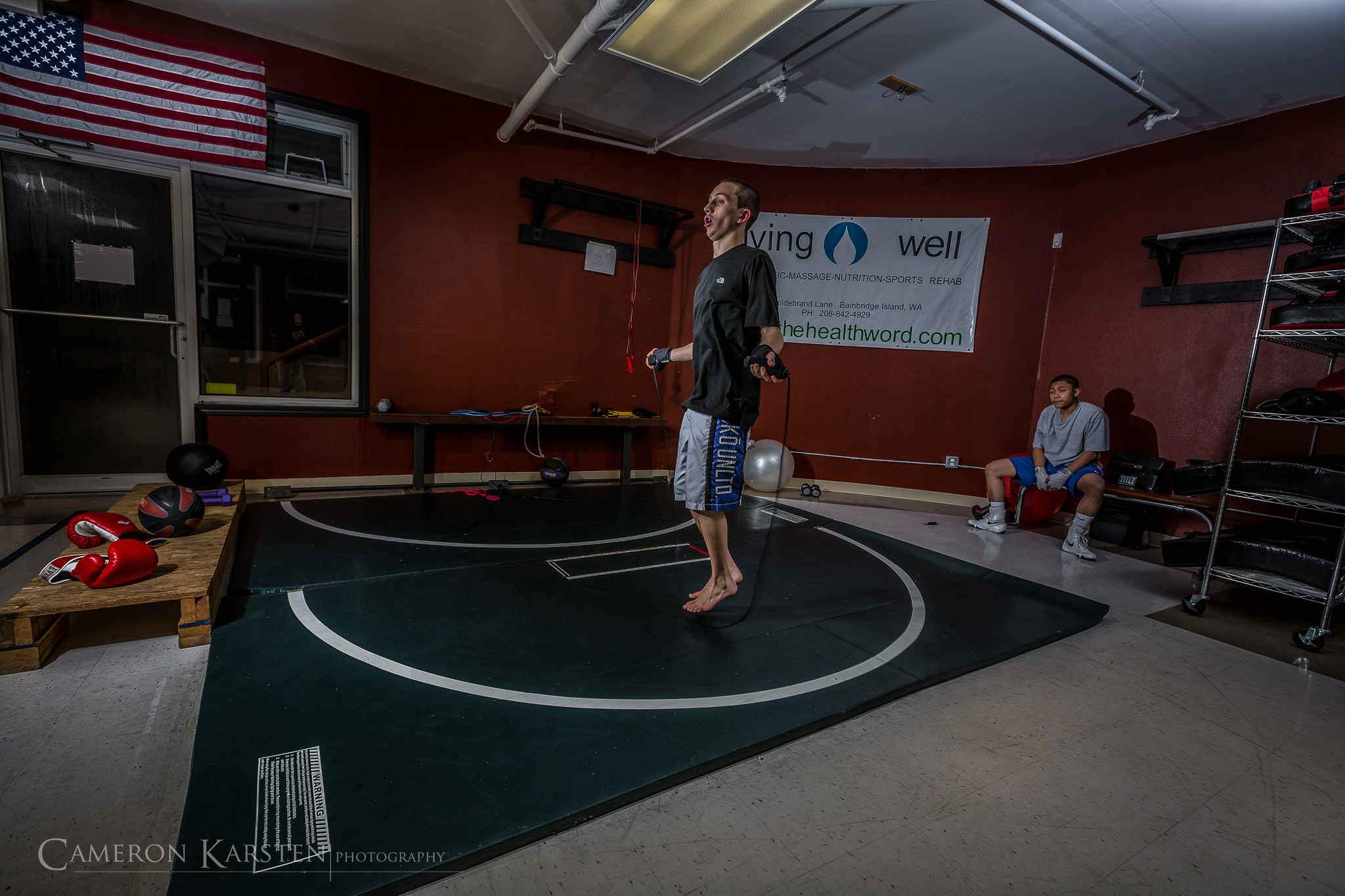
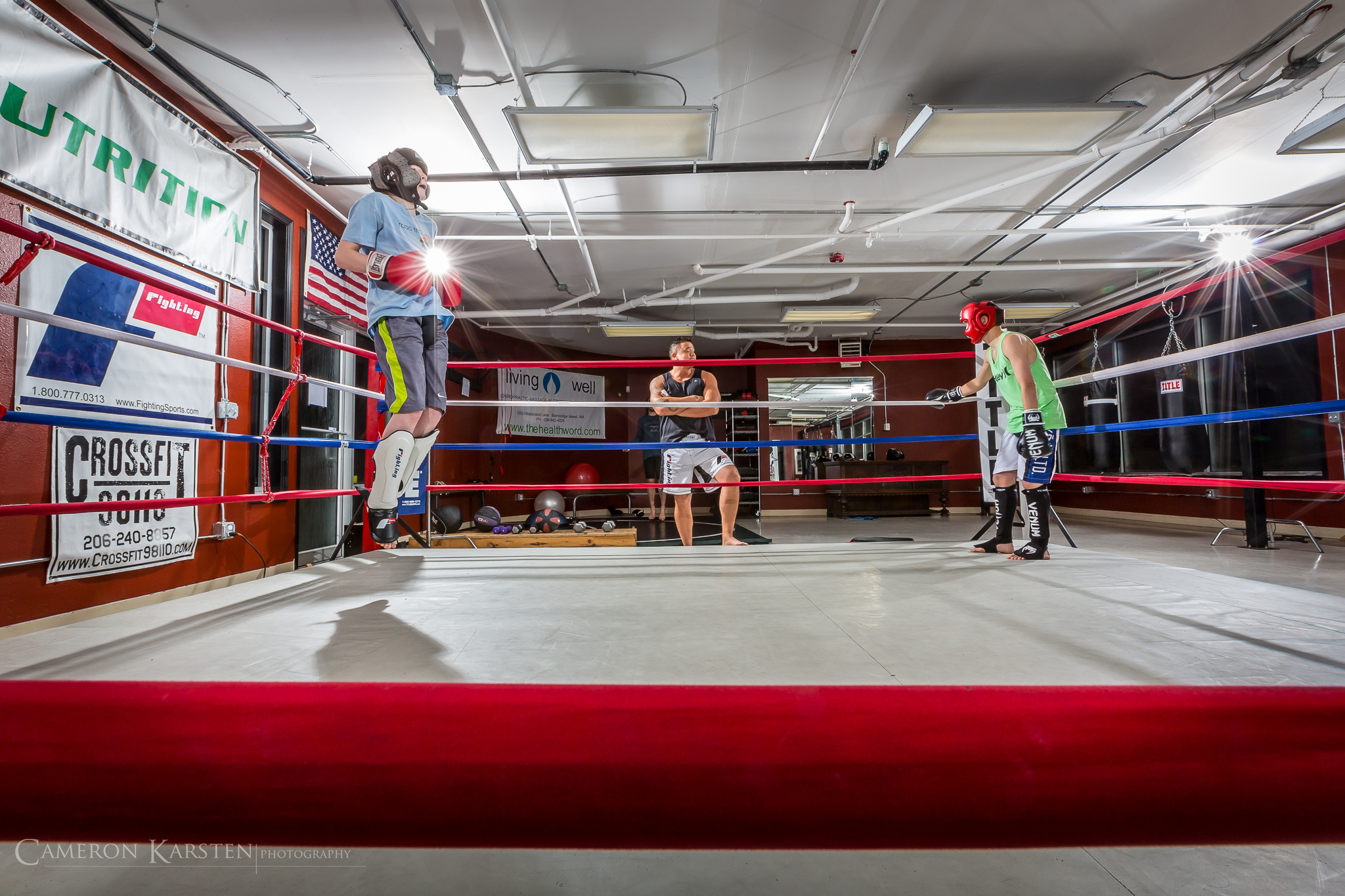
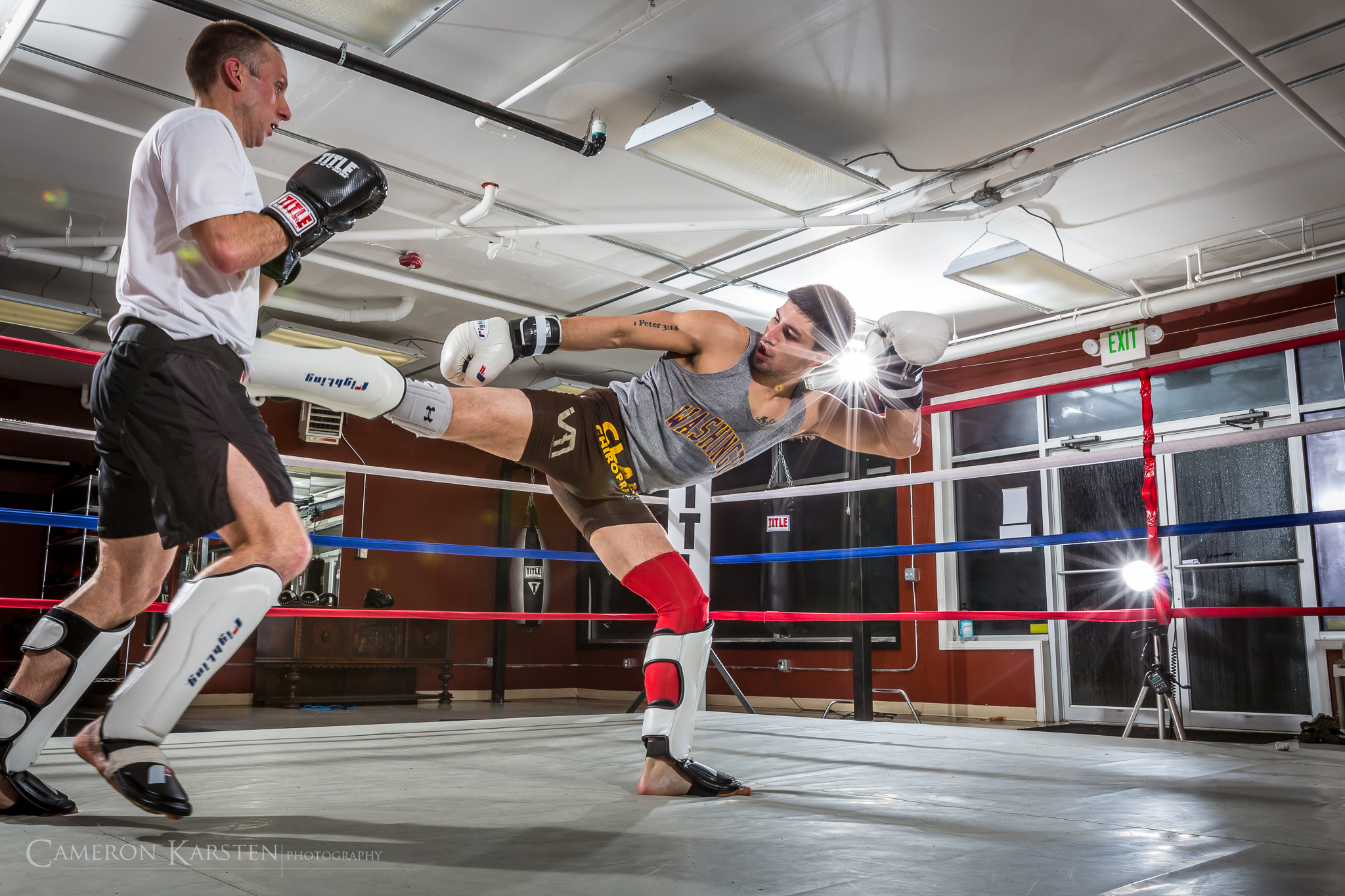
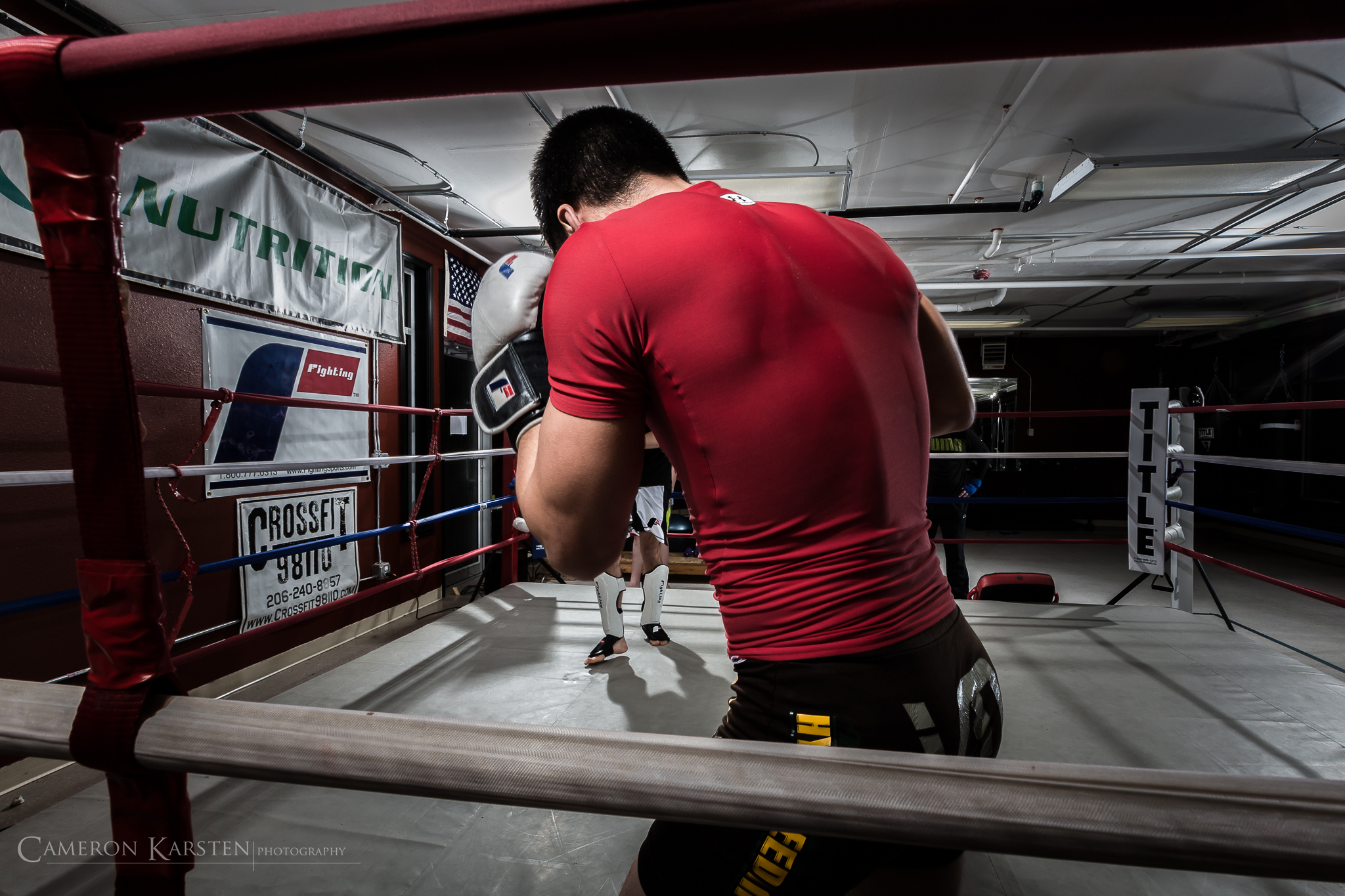
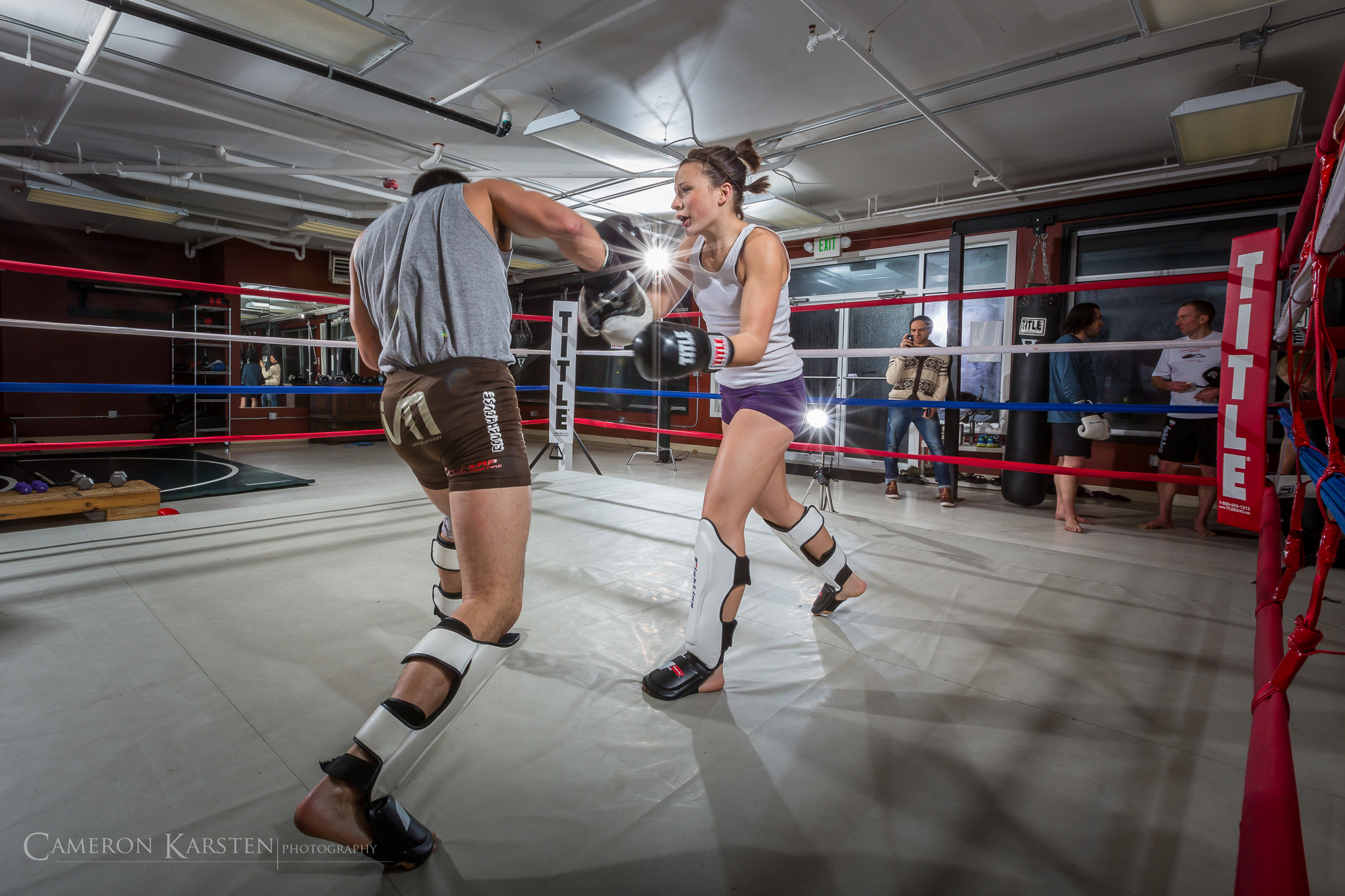
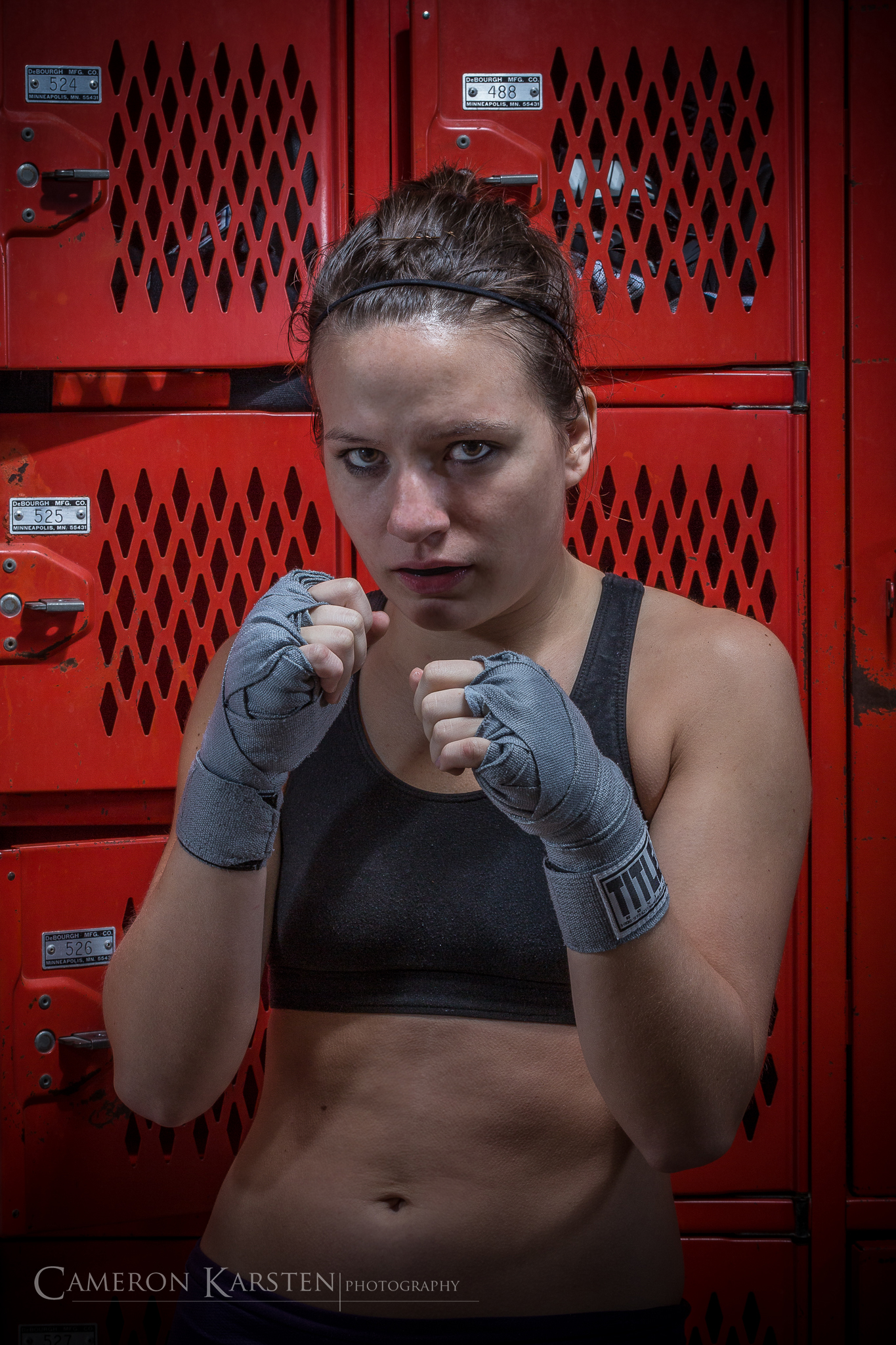
I had the opportunity to shoot some promotional material for Bainbridge Island Boxing Club.  The owner, Ben (i.e. The Bear), is an ex-pro, coaching his students in both traditional boxing as well as Muay Thai, or Thai boxing.  It was thrilling to spend a couple of evenings with them, watching as they used every muscle in their bodies with agility and speed.  Next time I step foot in the gym, hopefully it will be without camera and only gloves.

CameronKarsten2013_Red-17

CameronKarsten2013_Red-18

CameronKarsten2013_Red-16

CameronKarsten2013_Red-15

CameronKarsten2013_Red-4

CameronKarsten2013_Red-3

CameronKarsten2013_Red-6

CameronKarsten2013_Red-9

CameronKarsten2013_Red-1

CameronKarsten2013_Red-2

CameronKarsten2013_Red-12

CameronKarsten2013_Red-13

CameronKarsten2013_Red-14

Photo Essay: 12/21/12, Lamanai, Mayan Ruins, Belize (not the end of the world)

As prophesied throughout the Western world, 12/21/12 was thought to be the last day of civilization, the last Friday, the end of the Mayan calendar.  But as expressed via the wisest of the oldest known cultures (i.e. Hindu culture, i.e. Mayan culture), civilization does not come to an end, but embarks upon a new era.  Within tens to hundreds of thousands of years, humanity lives through periods of certain growth.  The Hindu calendar currently resides within the Kali Yuga, which according to ancient scriptures began in 3012 BC and is expect to last 10,000 years.  The Mayans have a similar system.  December 21st, 2012 was the end of an era, specifically the 13th Baktun, a 5,125-year cycle overall.  The Mayan Long Count Calendar continues.

Belize2012-625-Edit

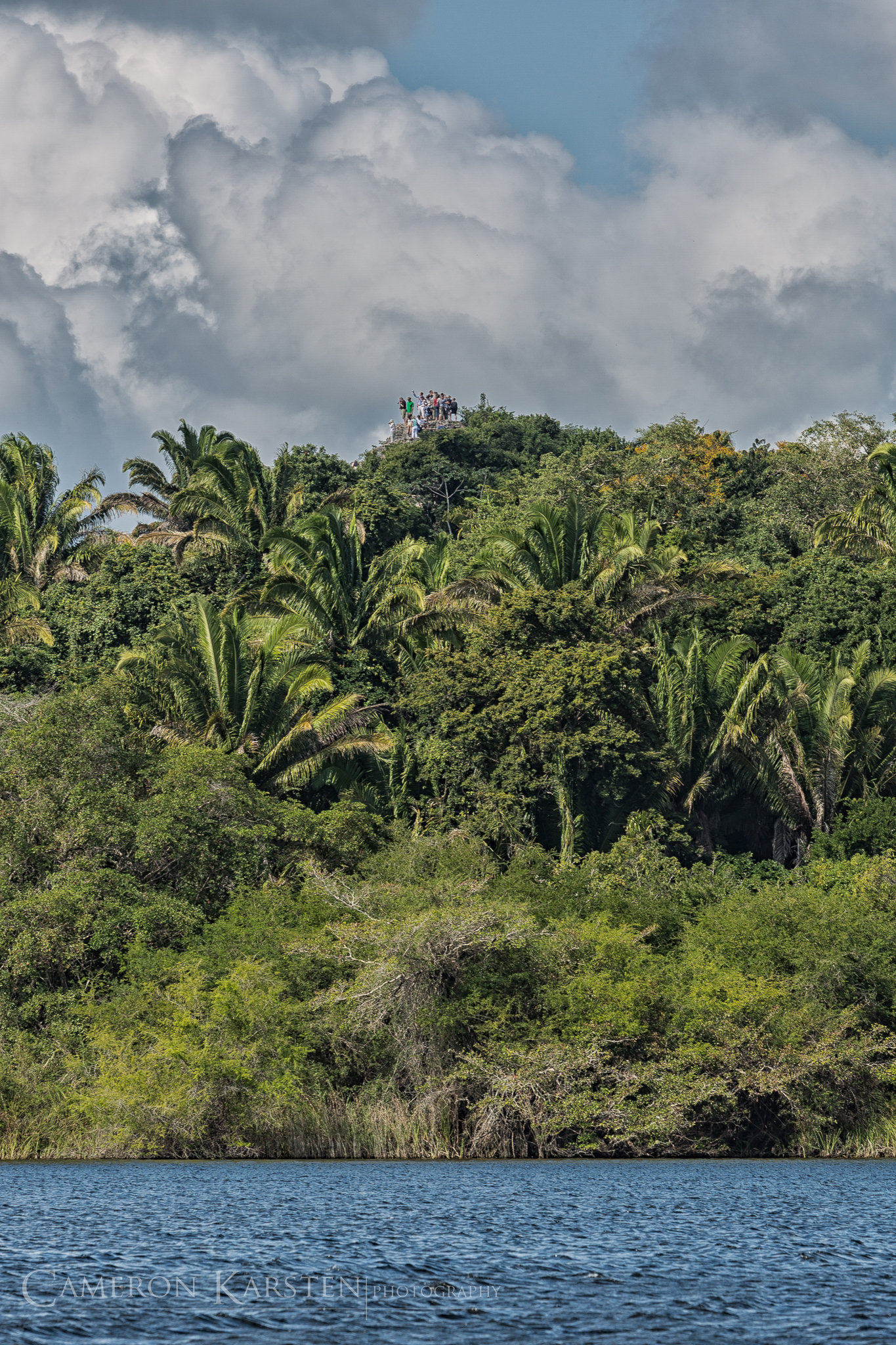
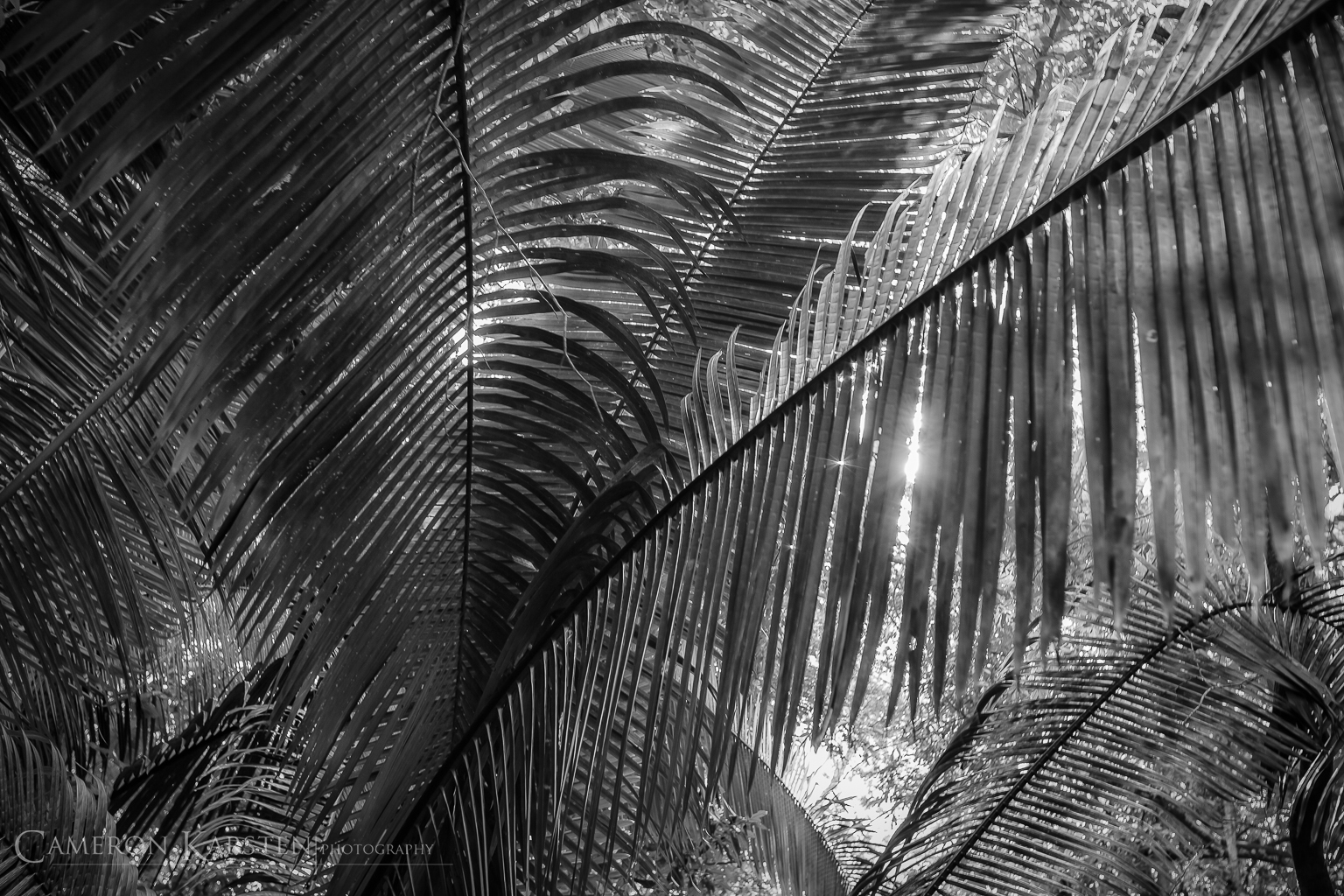
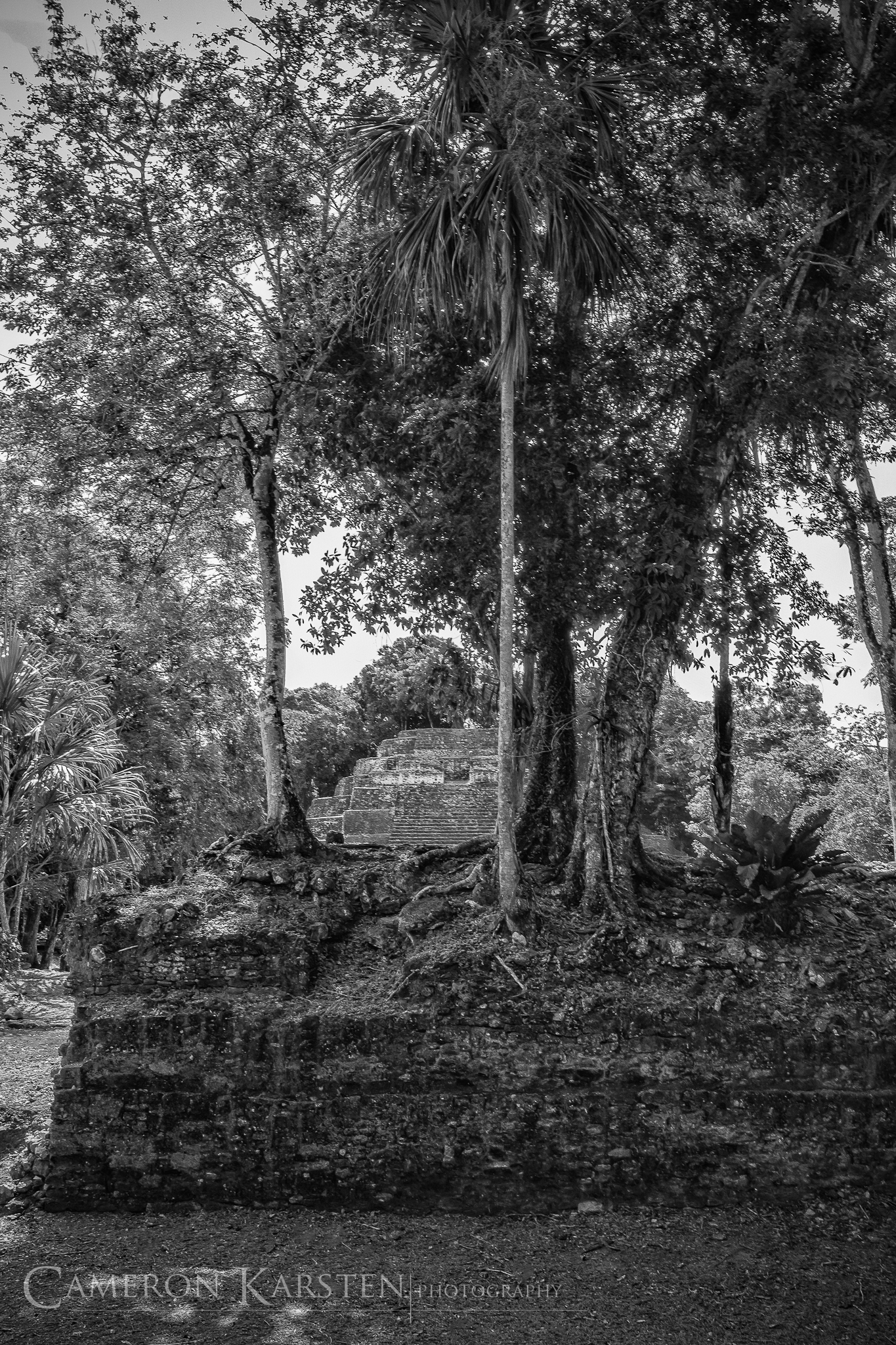
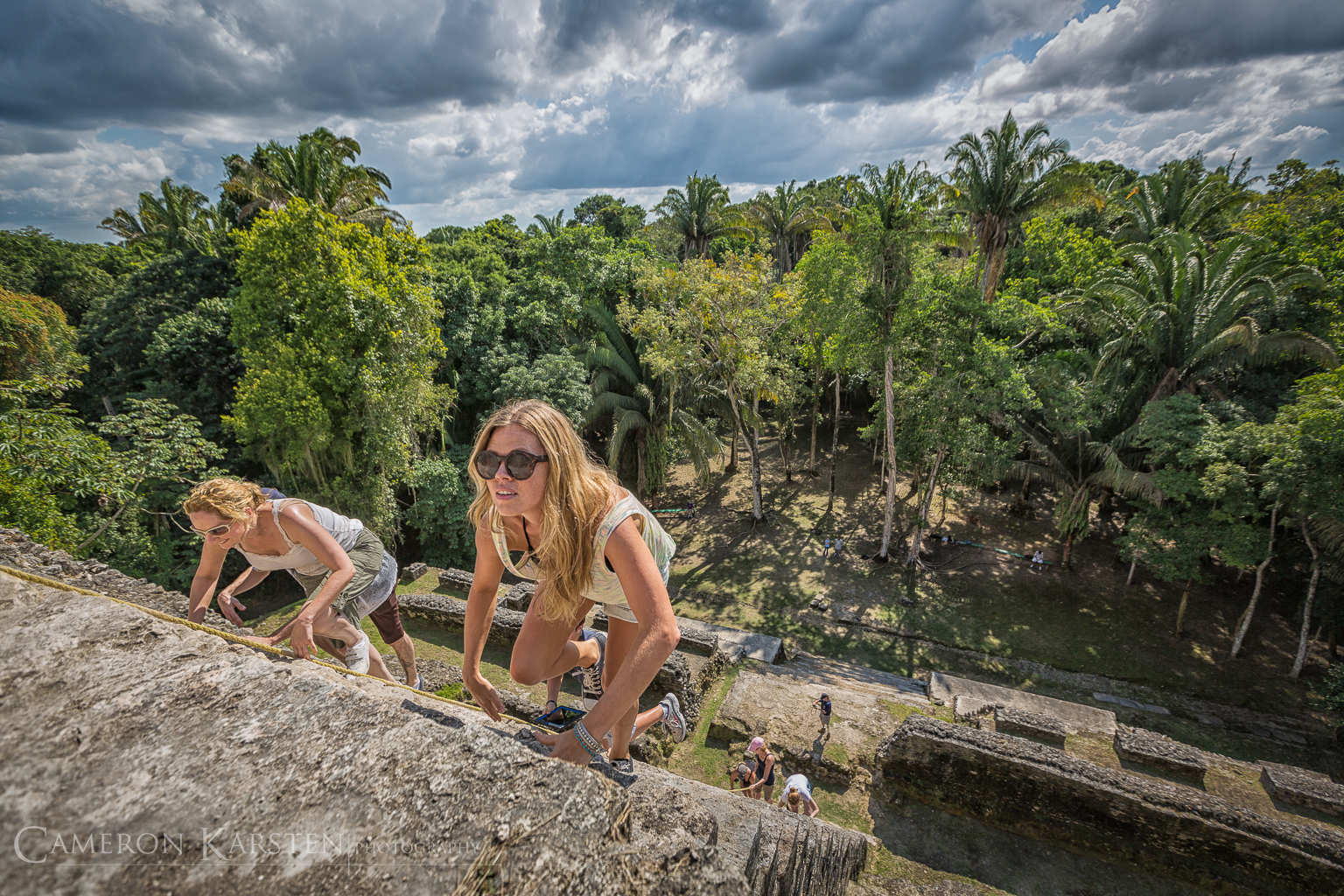
And so, we embark into a new cycle of life (according to the Mayans), and on that fateful day of Friday, December 21st, 2012, we visited Lamanai, the one of many Mayan ruins located within the jungles of Belize.  We found plenty of old, and many things anew.

Belize2012-536-Edit

Belize2012-523-Edit

Belize2012-524-EditVisitors standing atop the largest remaining temple dedicated to astrological research.

Belize2012-584-Edit

Belize2012-591-Edit

Belize2012-616-Edit

Belize2012-636-Edit

Belize2012-580-Edit

Belize2012-587-Edit

Belize2012-601-Edit

Belize2012-620-Edit

Belize2012-520-Edit

A local rum distillery, located directly next to a rehabilitation center for rich foreigners…

Belize2012-638-EditWelcome to the jungle

Photo Essay: Hands on Ambergris

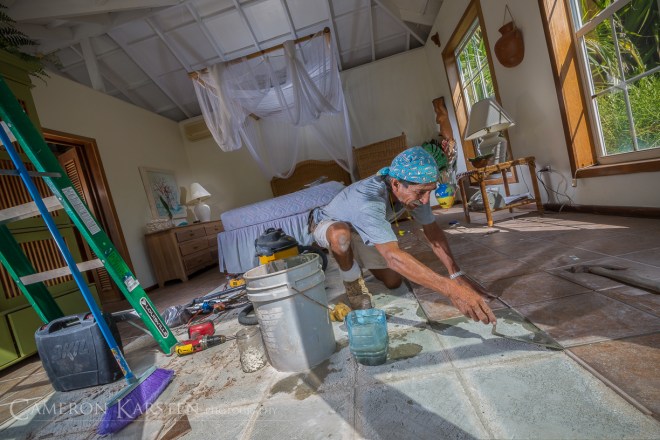
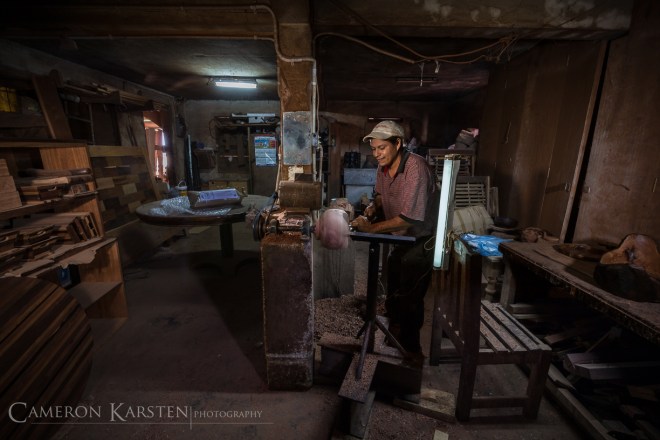
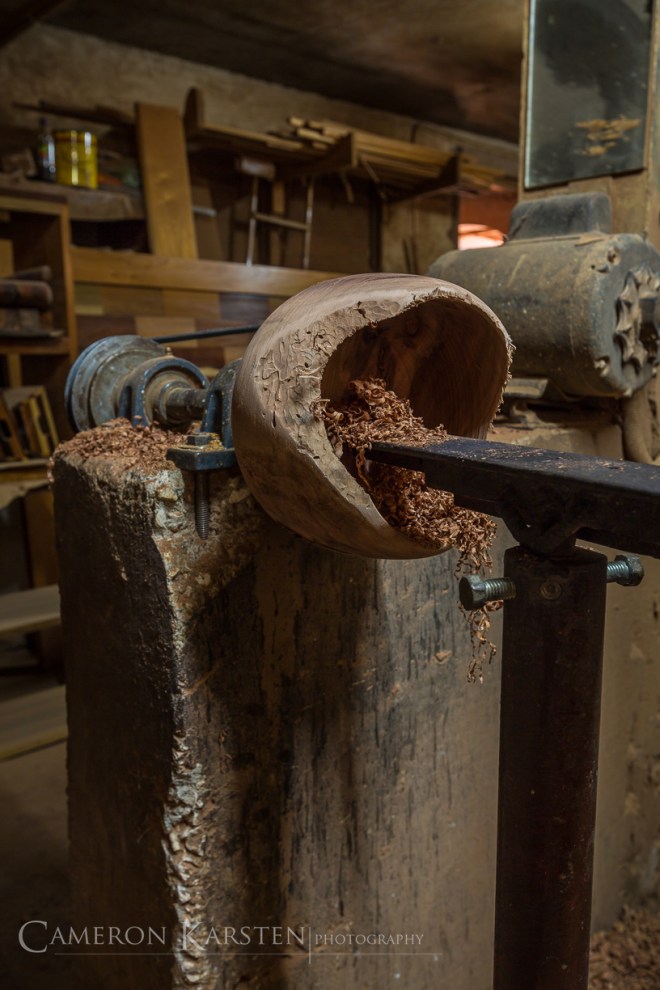
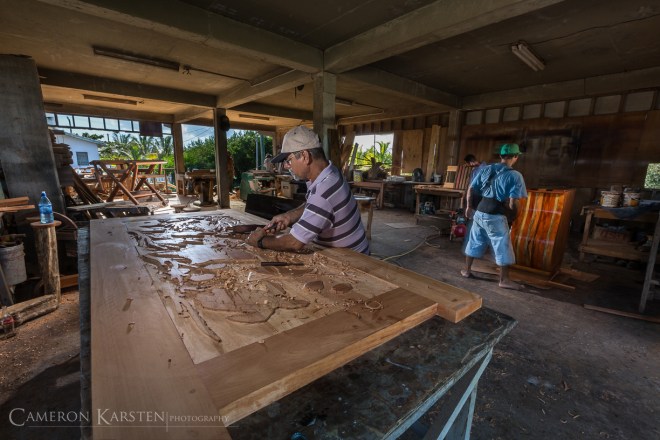
While traveling to Ambergris Caye in Belize, I reached out to local workers and artists about creating captivating imagery about their careers or passions.  Below is a taste of what came to be while visiting.

Belize2012-135-Edit

Local handyman and contractor, Landy T. laying tiles in a vacation home.

Belize2012-237-Edit

Belize2012-276-Edit

Belize2012-305-Edit

Belize2012-280

Belize2012-310

Belize2012-295-Edit

Belize2012-317-Edit

Belize2012-351-Edit

Workers at Graniel’s Dreamland build furniture, piers, bowls and anything wood out of locally harvested trees from the mainland of Belize.

Belize2012-418-Edit

Belize2012-455-Edit

Belize2012-460-Edit

Belize2012-463-Edit

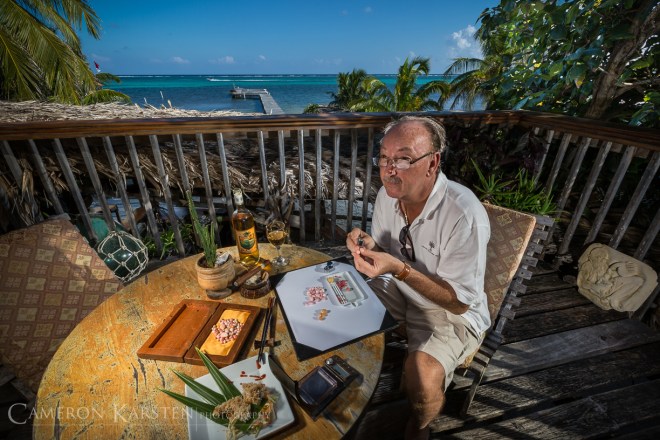
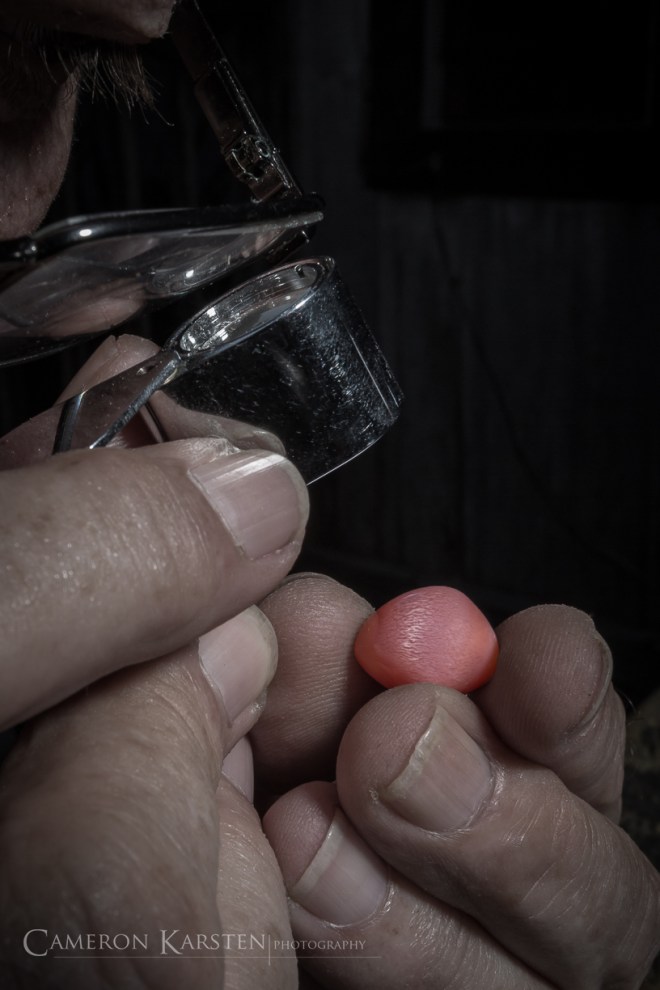
Glenn Schwendinger is an entrepeneur extraordinaire.  Fourteen years ago he landed on Ambergris Caye with his wife and chef Colleen, opened the fabulous Rendezvous Restaurant on the north end, created it’s own wine label and became the world’s largest conch pearl dealer.  Conch pearls? you might ask.  The world’s rarest gem found in 1 of every 10,000 conch shells.

Tracy Lang and the Grapefruit Tattoos

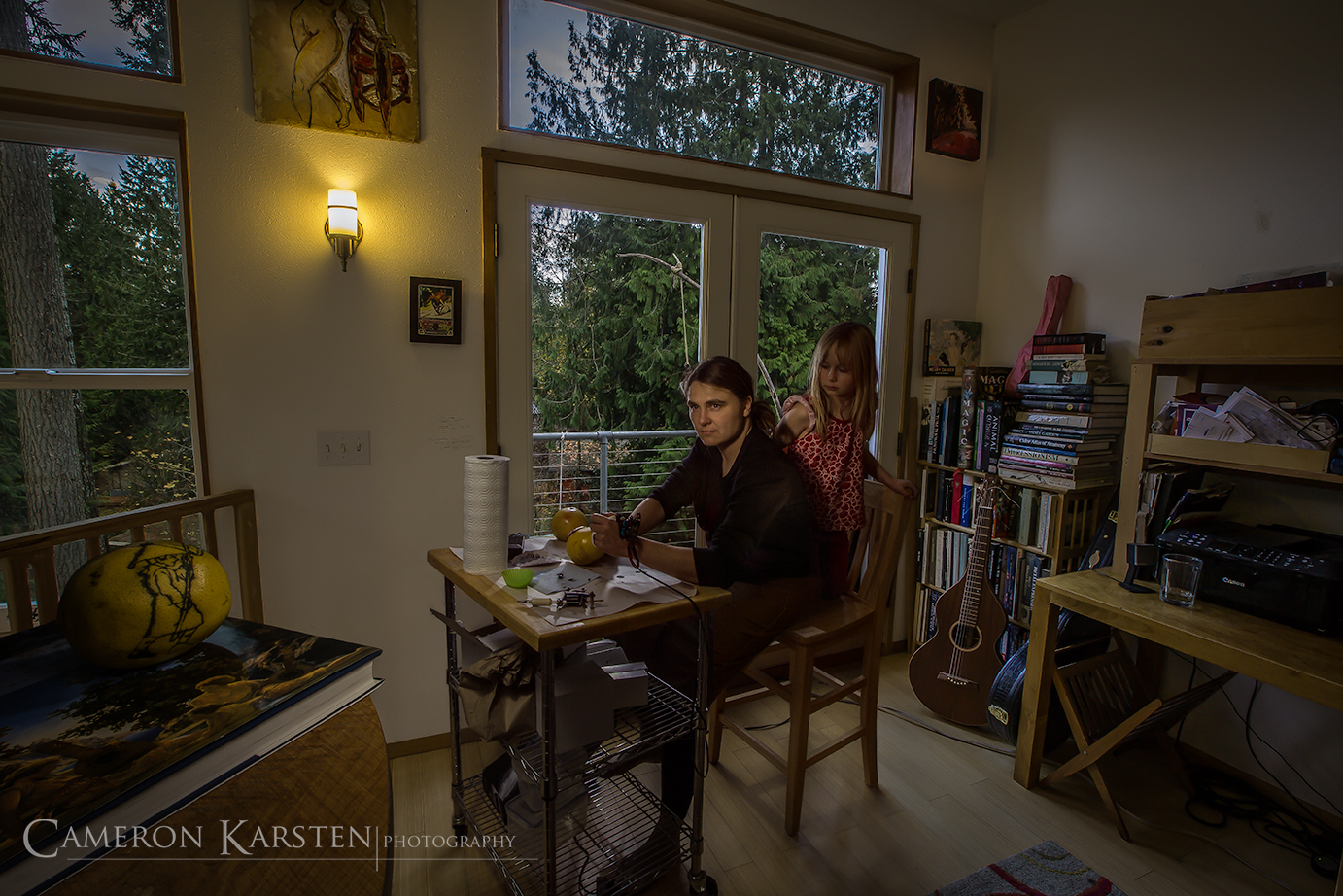
The other day I had the chance to photograph Tracy Lang, an accomplished woodblock print artist.  But she wasn’t doing woodblock.   Tracy was doing grapefruits, practicing her new tattooing skills on the skins of this fruit with the inspiration of the late writer and watercolor artist Henry Darger, painter Maxfield Parrish, and tattoo artist Musa

Location: Bainbridge Island, WA

Camera/Lens Specifics: Canon 5D Mark III with Canon EF 16-35mm f/2.8L II USM Lens

16mm, 1/5 sec at ƒ/18, ISO 100, tripod.

Post: Adobe LR4 & PS6