A Man and The Mountain

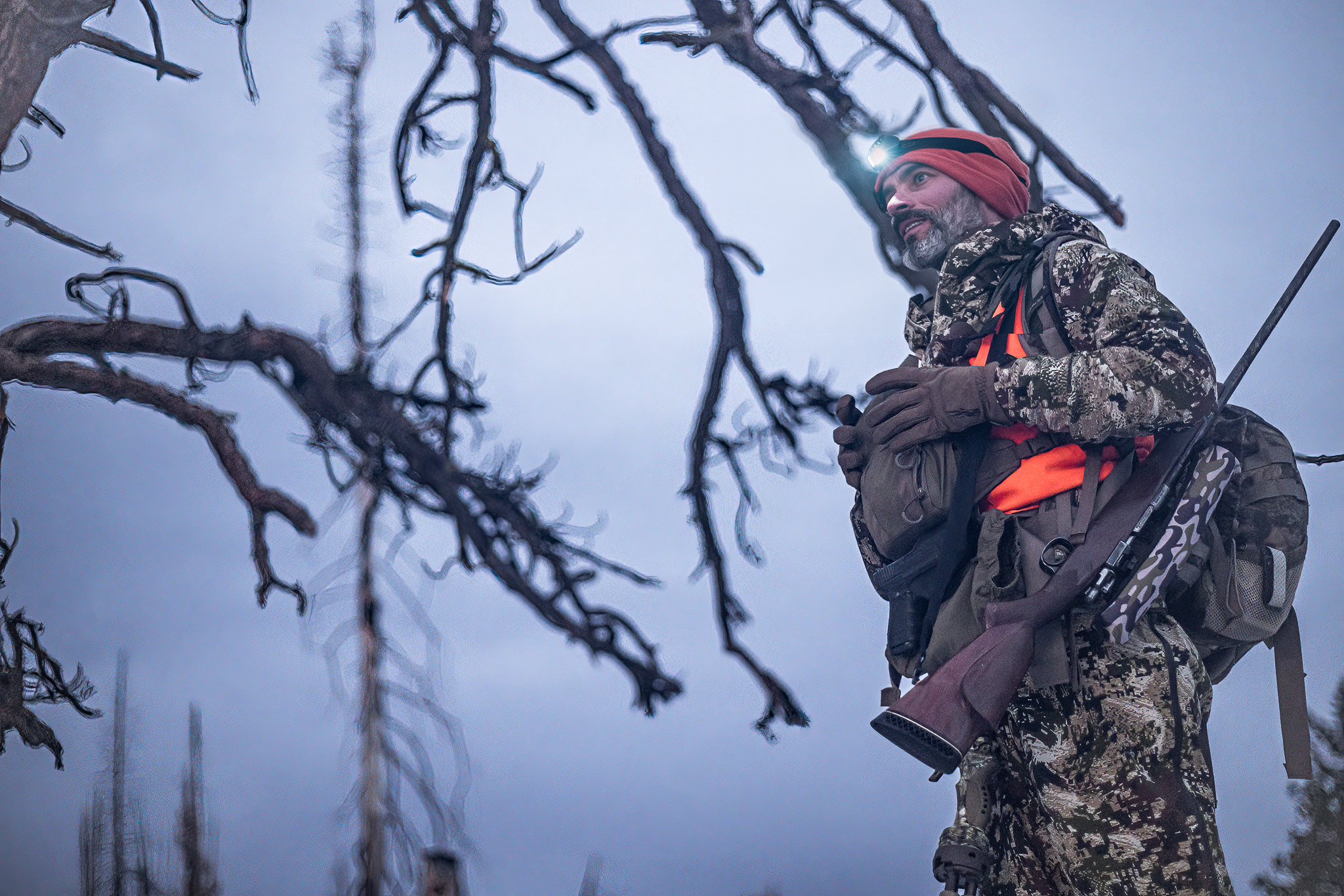
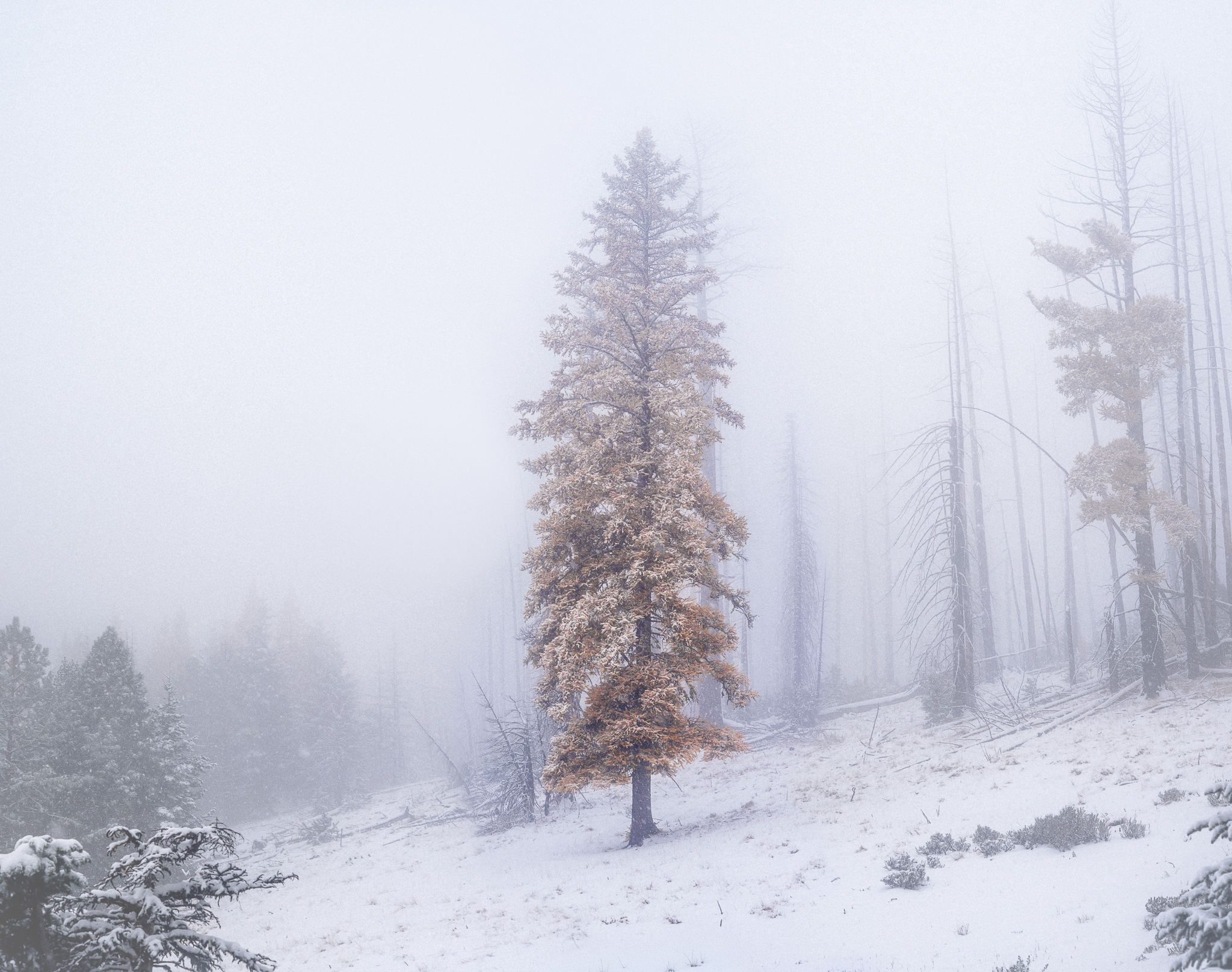
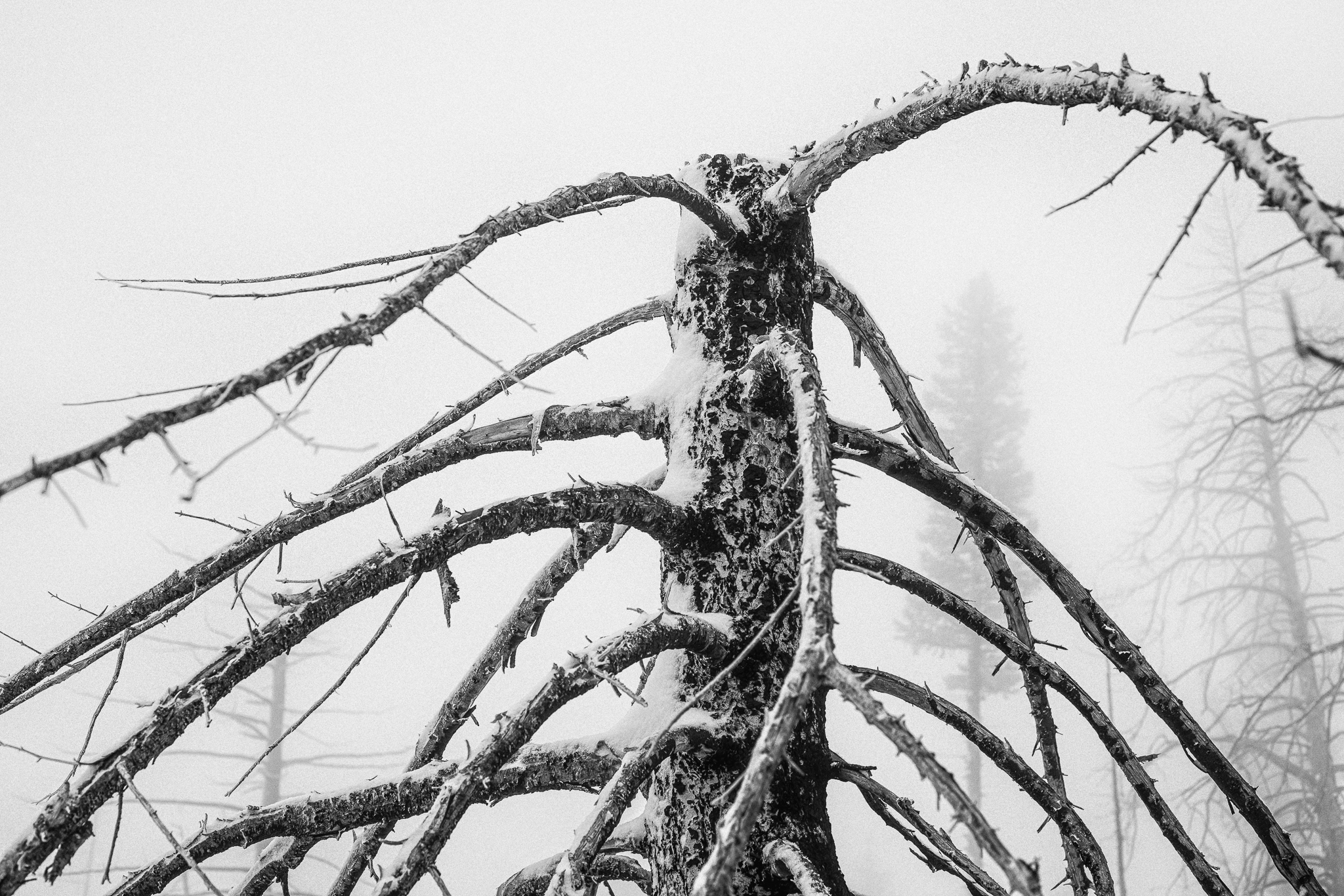
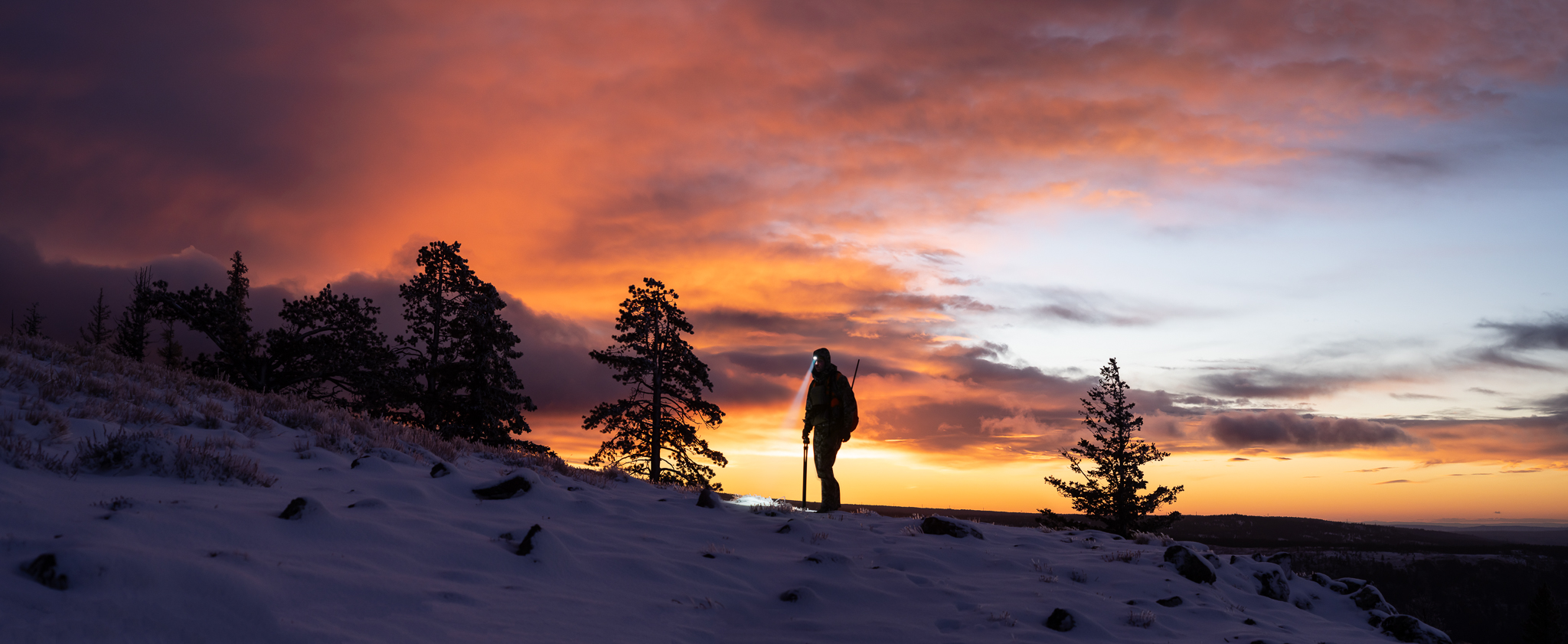
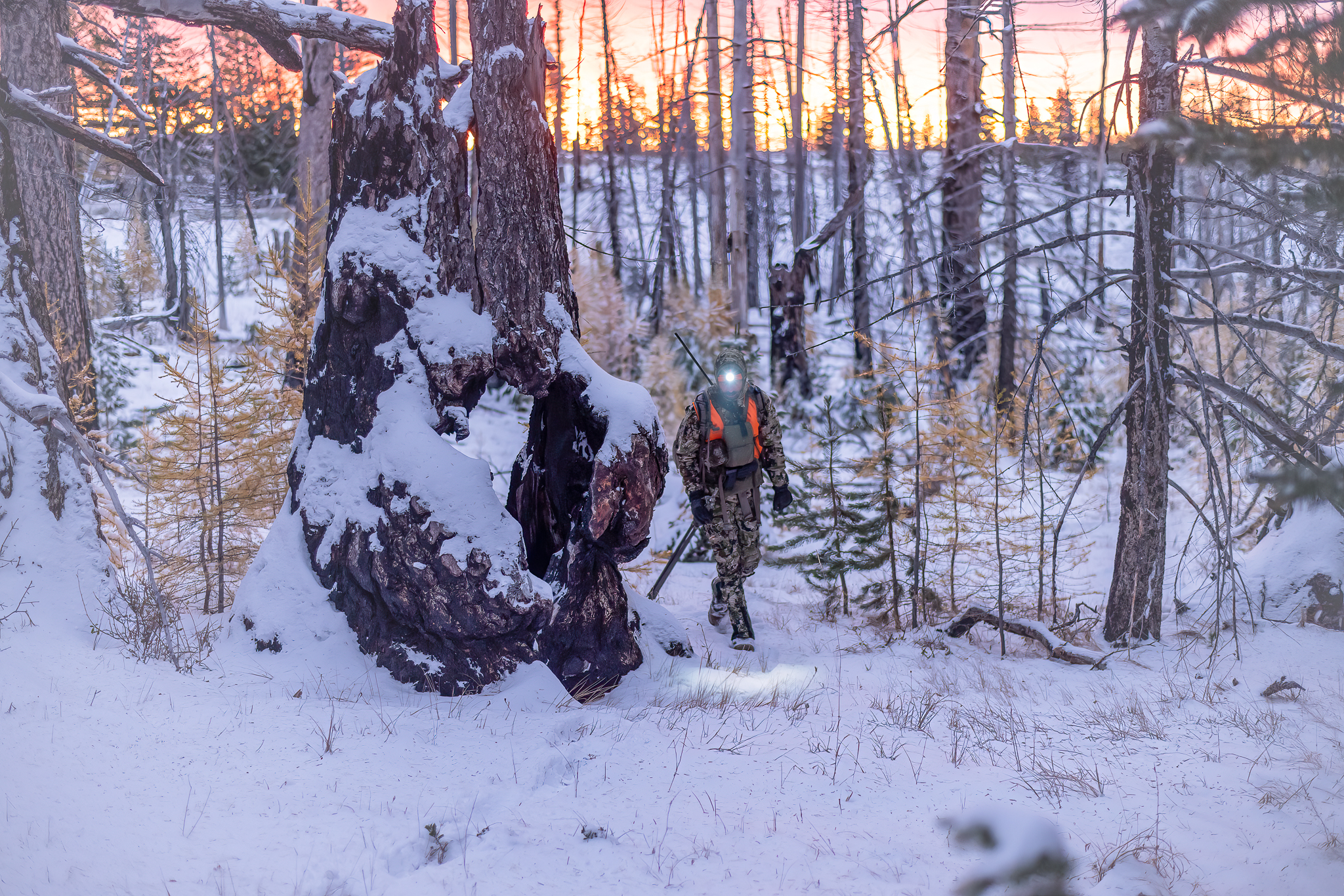
On the first clear morning, the dark atmosphere freezes. I’m guessing it is 6AM. And in the northern mountains, it is not yet winter as told by the calendar year. But this ethereal environment already reads cold, driving deeper with Mother Earth’s immemorial hand of time. She’s waving at us in this wintertide moment when I suddenly stop to look away from her, and up into the night sky I find that array of stars, unpolluted and rich, far off in an endless view. With my neck craned, I see zero clouds blocking the scene, just snowcapped mountains on the very edges of my peripheral view. And yet somehow the beam of my headlamp illuminates something falling around me. Above and everywhere I look there is a fine dust. It glistens and sparkles like billions of priceless diamonds. The atmosphere is deeply frozen. Sky is clear. A breeze pushes around an imperceptible and now perceptible degree of moisture. And yet within this mystical experience it is snowing – the finest of snow – across the landscape. It is then I realize I have never felt so close to the stars.
Day 3 of 5, or maybe Day 4 of 6. I am in the mountains with three colleagues who are hunting elk. For a couple of years my friend Daniel has asked me to join him to document the experience, and months prior I finely agreed. Now we are on our way to the morning’s location overlooking a long valley. There we will sit and wait in twilight. He will wait for elk, while I will wait for the sun to rise to warm my body.

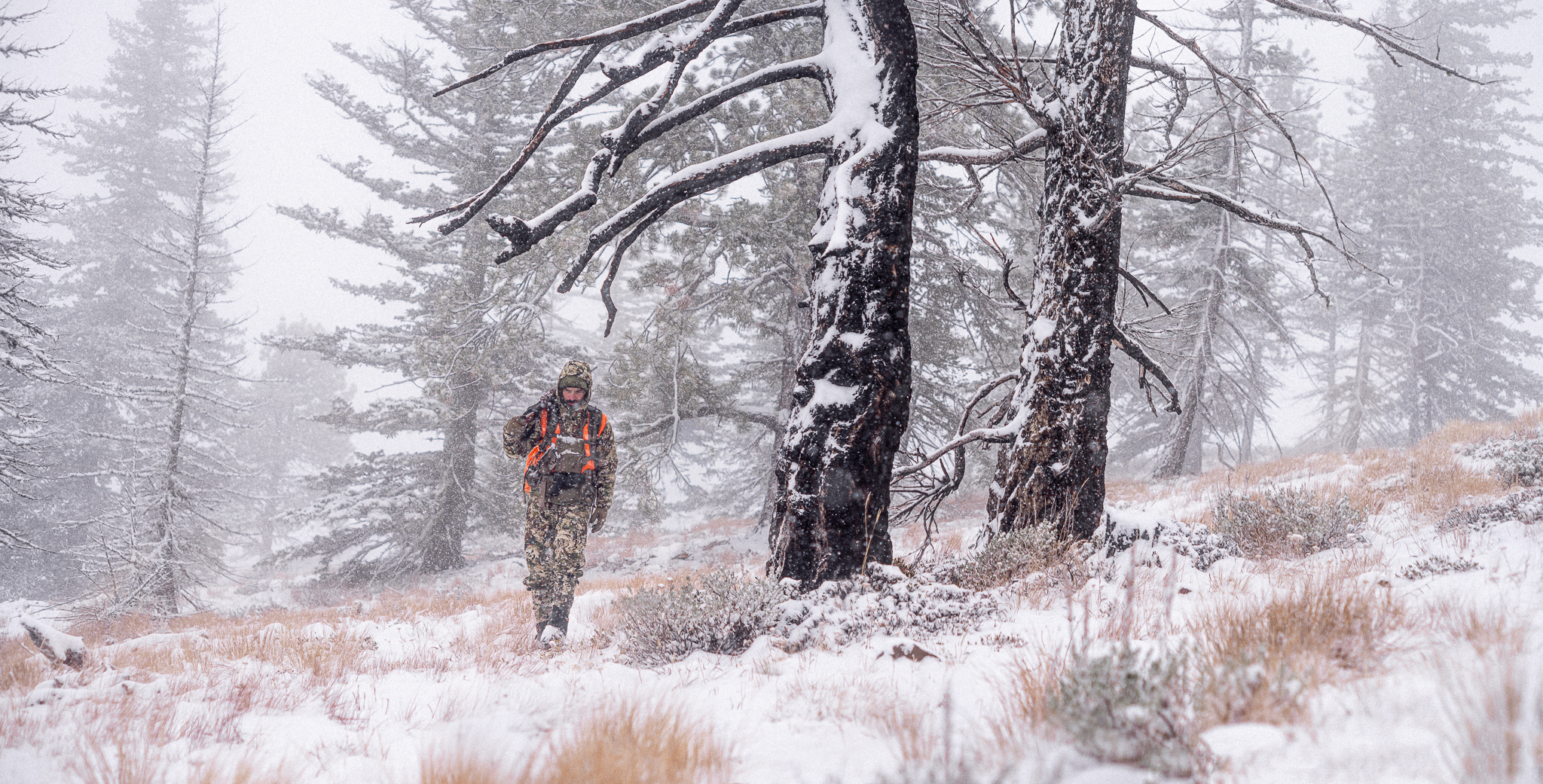
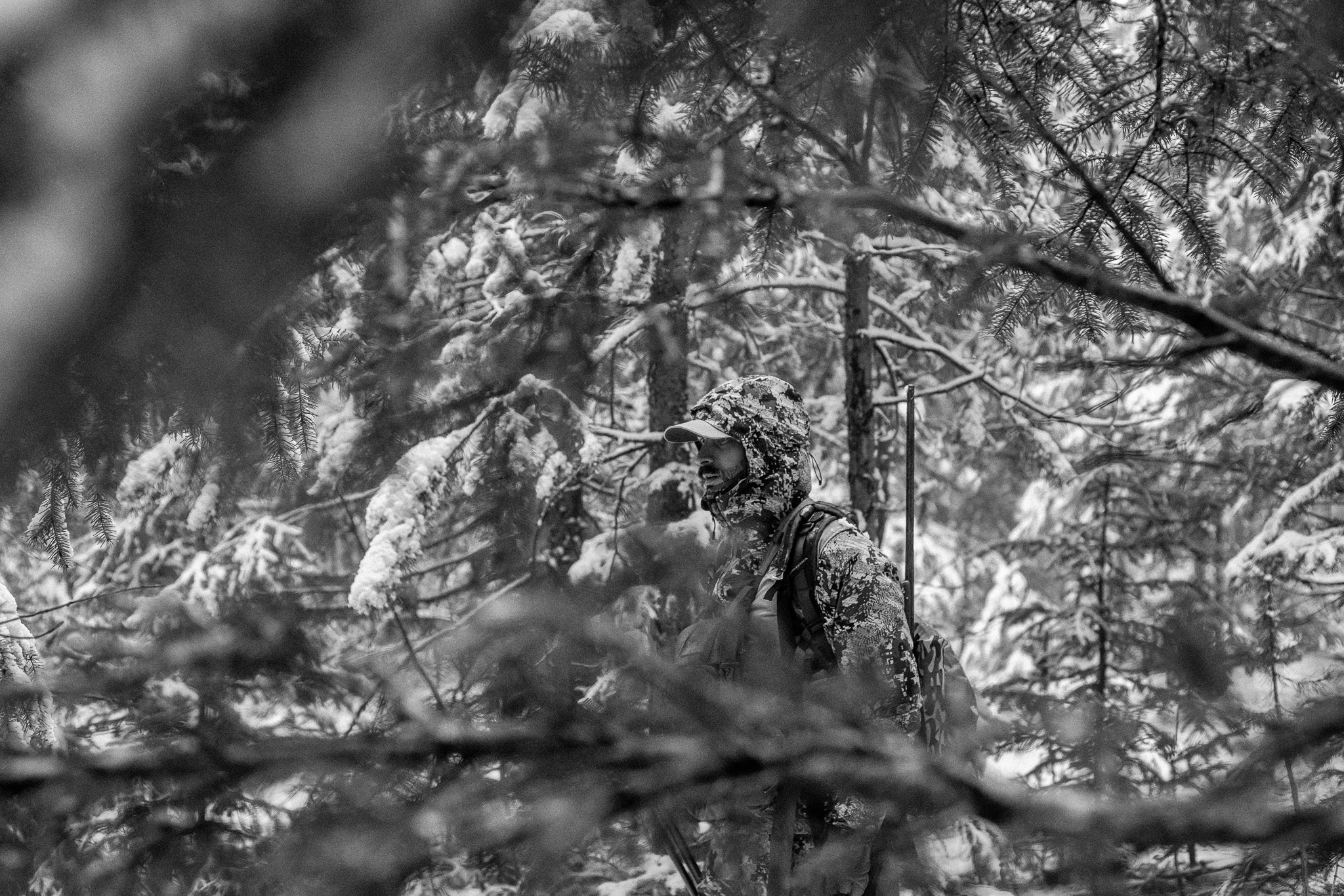
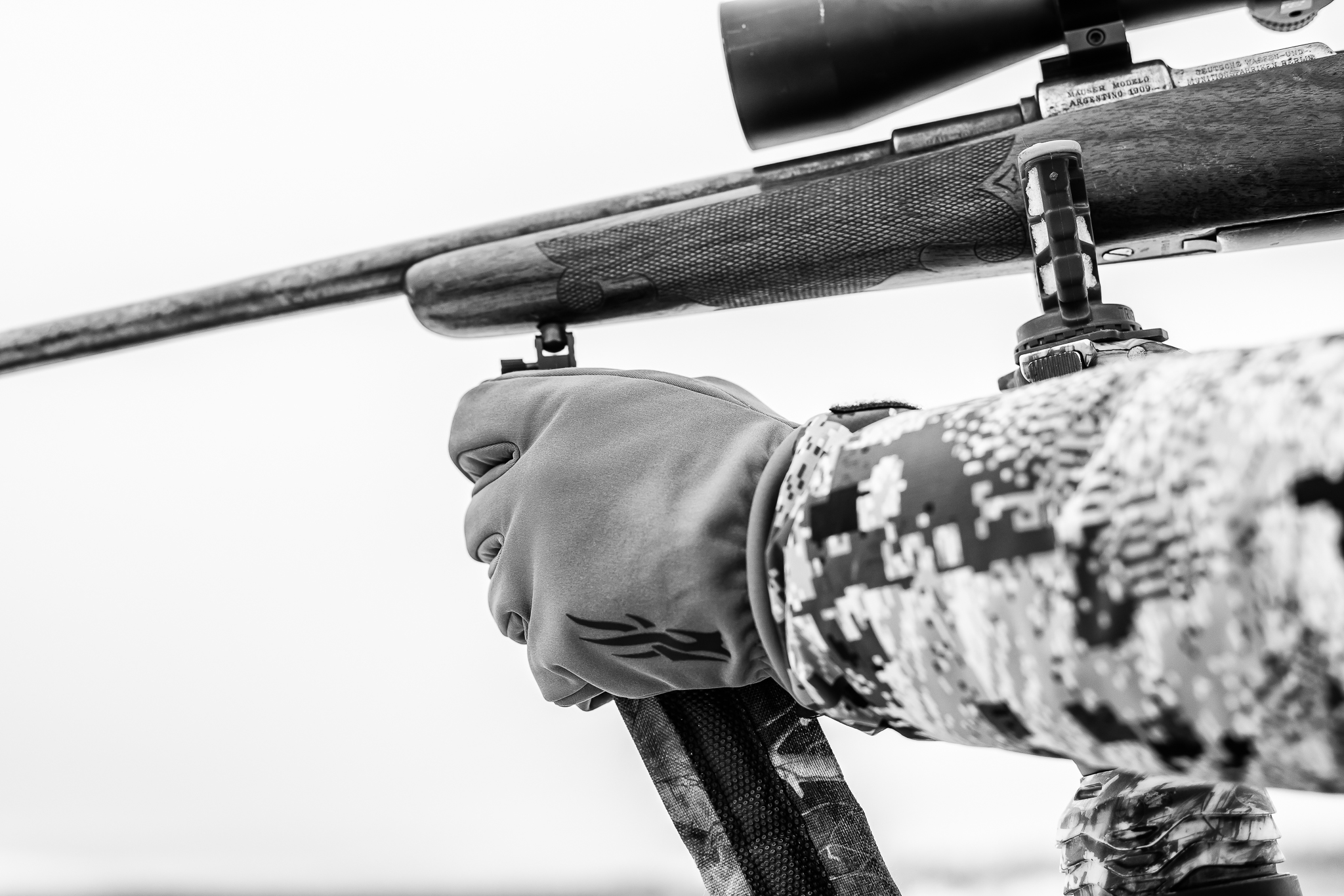
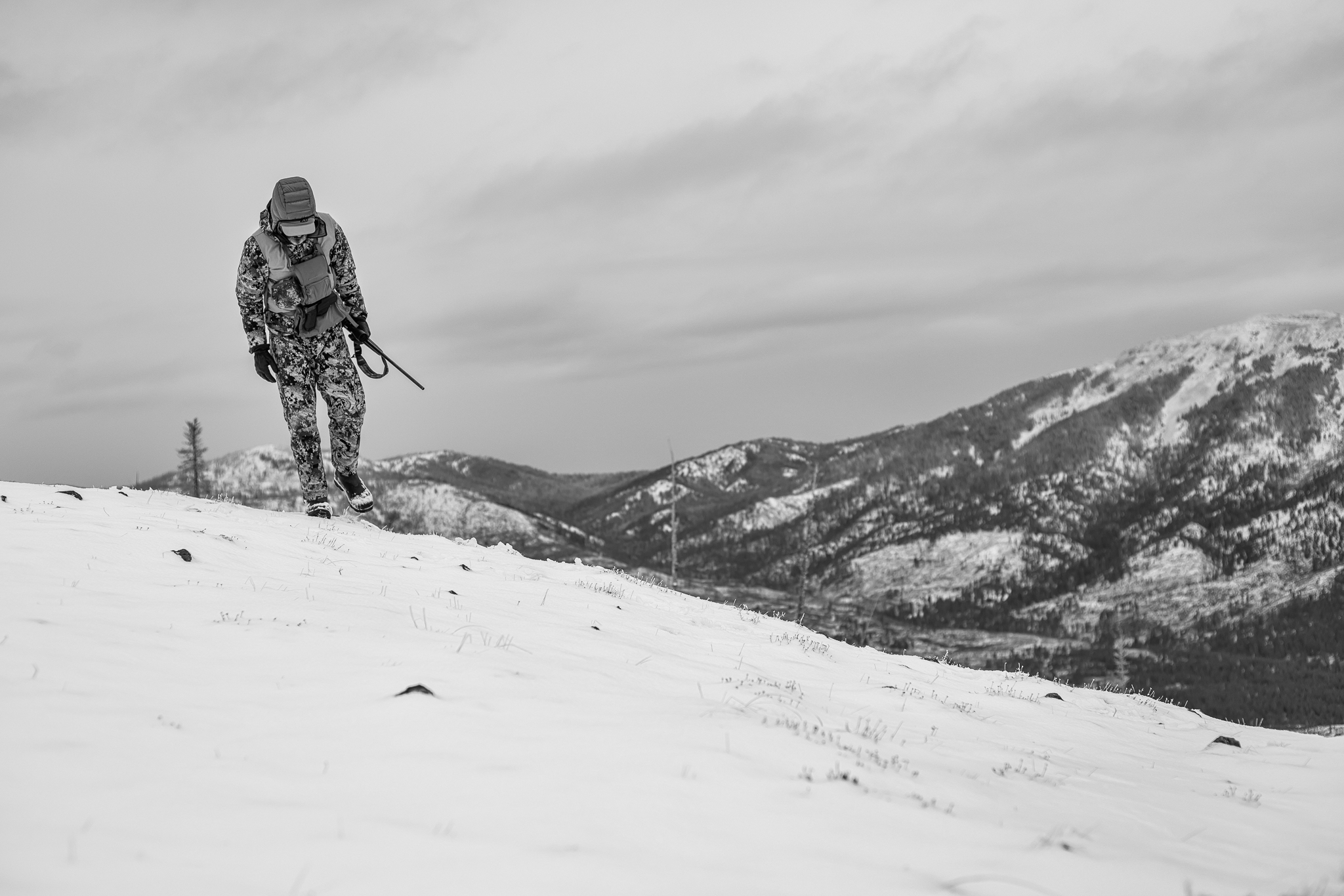
I get colder the longer I stare up at the sky, watching a cavas of diamonds painted high in the ceiling, becoming enamored by the crystal sheets descending all around me, wherever the light beam glances. Up ahead, the team still walks, single file, spaced apart by 20 feet or more. All I see of them are silhouettes, cast by the light of their headlamps watching the passing snow at their feet. The three of them shoulder rifles and each a small pack with an extra layer of warmth, provisions for the day, maybe a knife or two, binoculars, cigarettes and joints or whatever, and water.

My rifle is my camera, slung over my shoulder. On my back I carry an arsenal of tools to capture the story; prime lenses, a motion camera, another photo camera, extra batteries, and a drone. I have little room for food and much else. However, in my pants pocket is a flask, and switching between my hands is a gimbal system for the motion cam to steady the shot. A small plastic tarp covers its electrical components from the water and wind, from those silent diamonds. I switch the gimbal from one hand to the other before continuing onwards, staring at the snow before me, carefully aligning to the path of least resistance led by my colleagues.

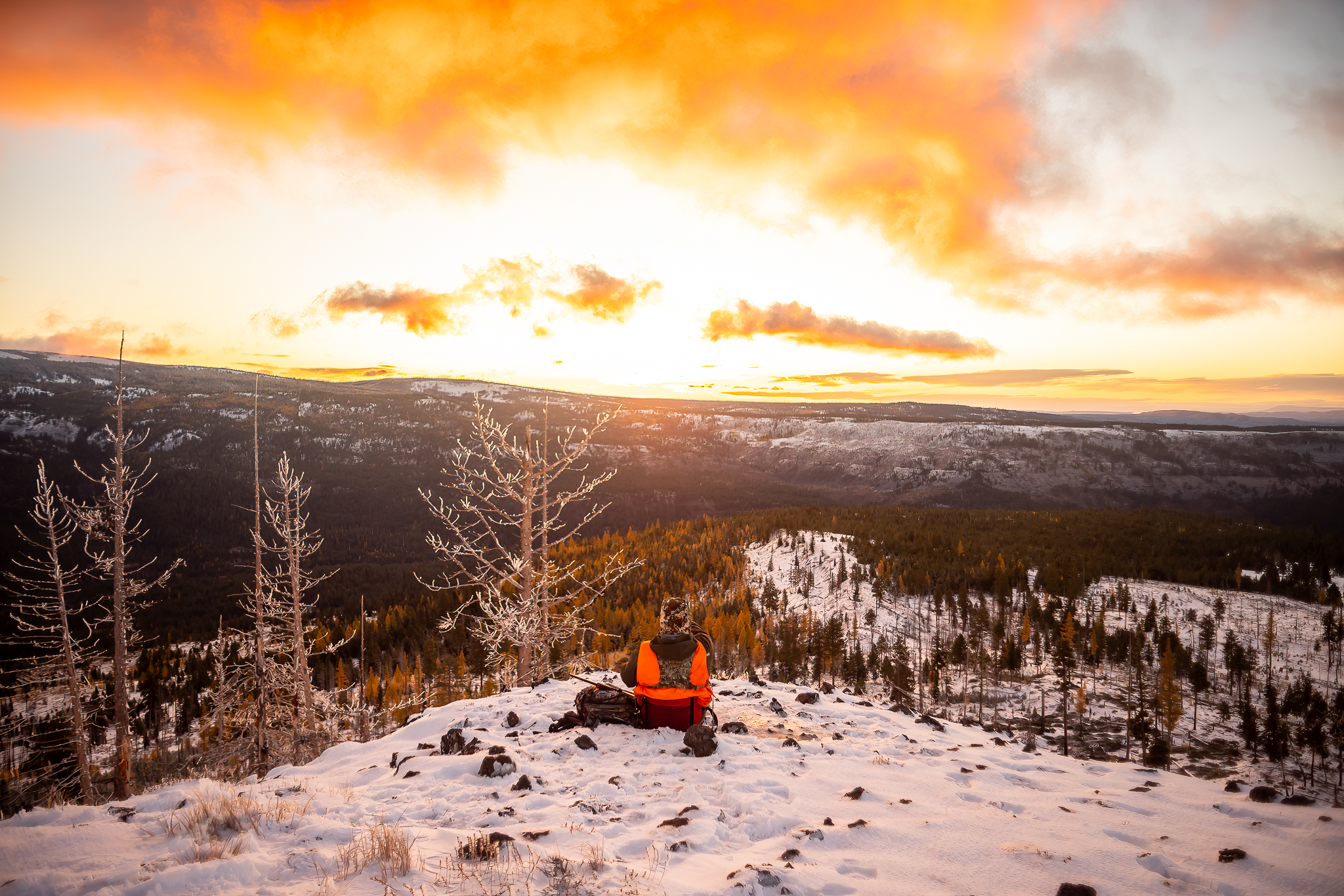
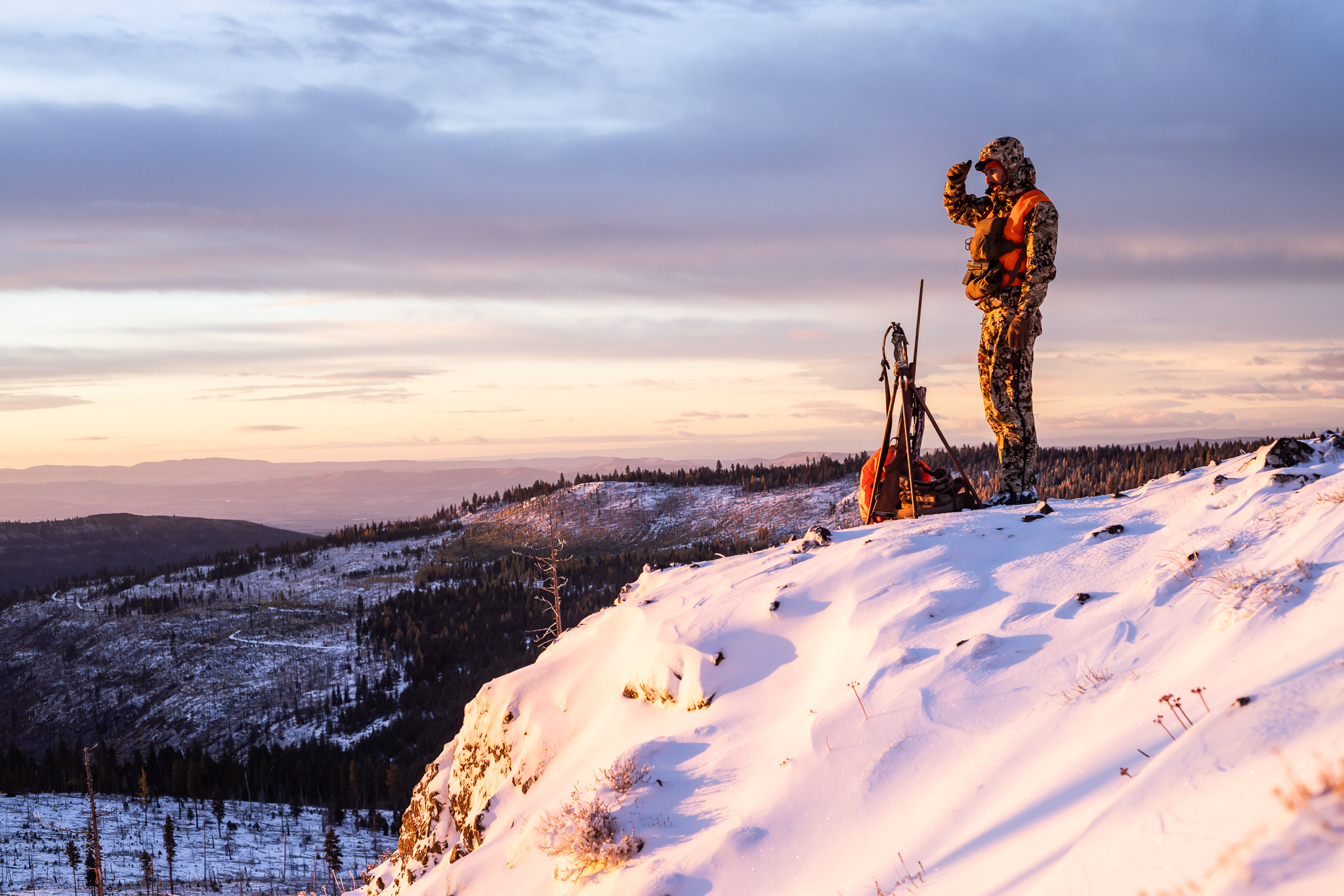
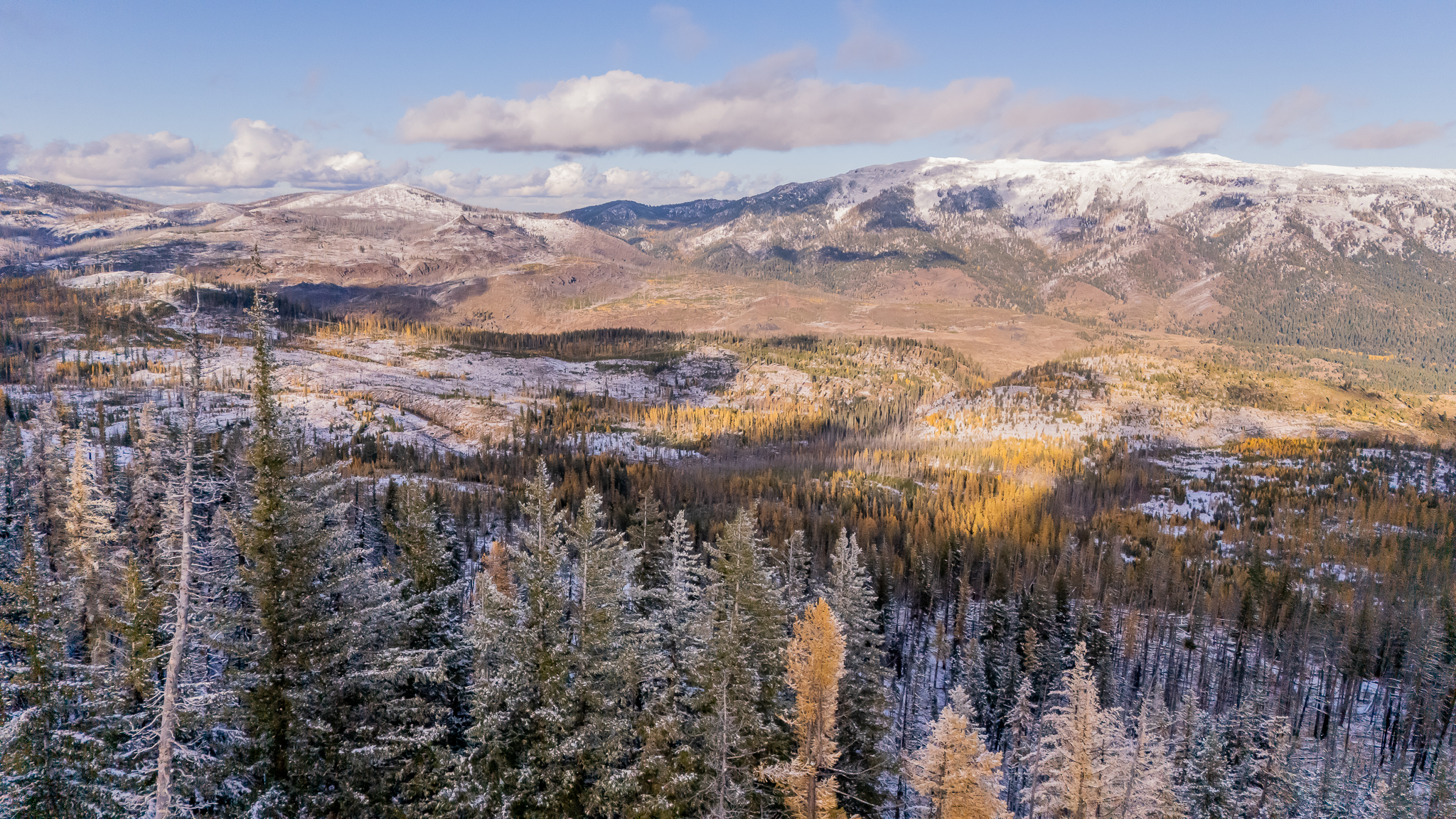
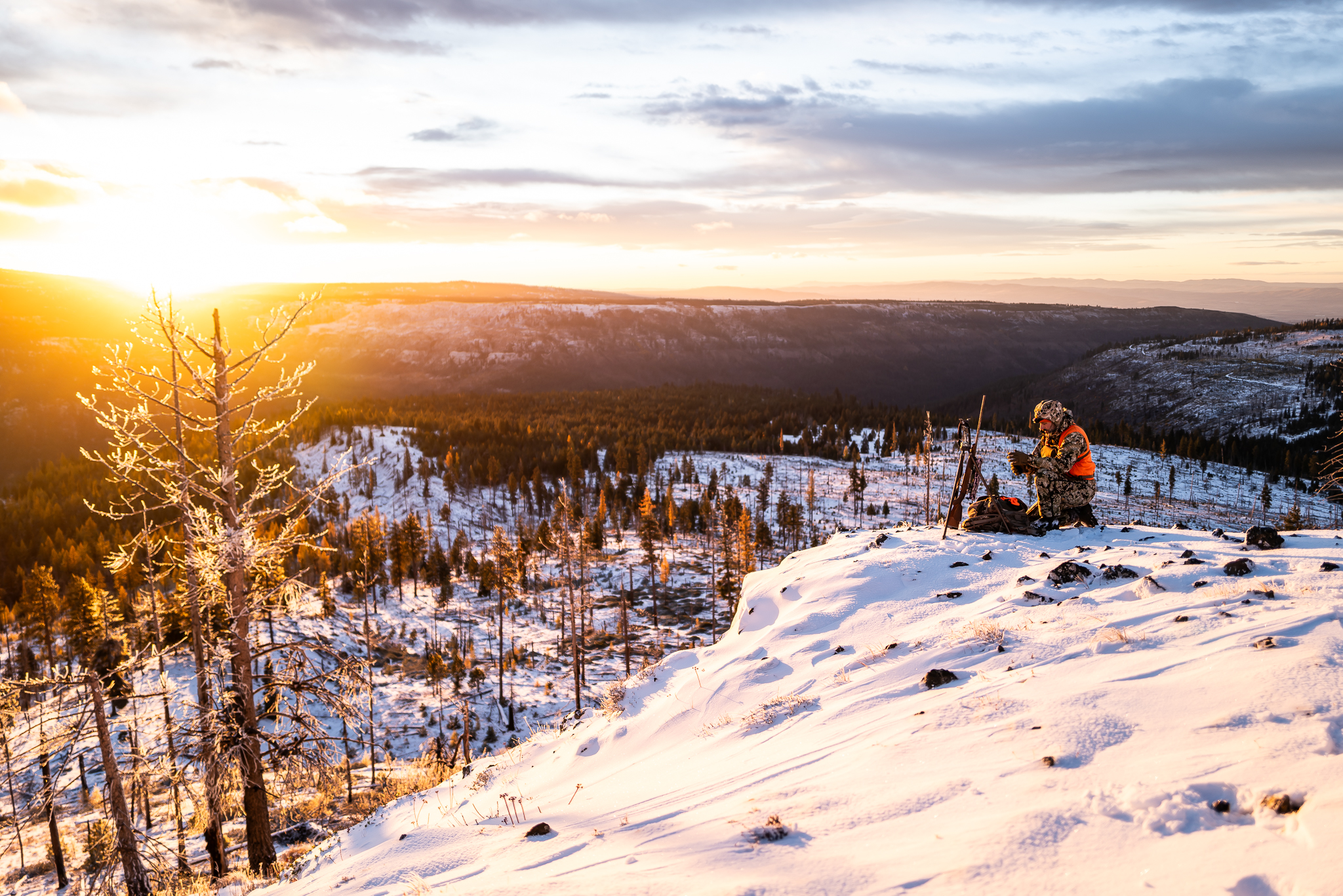
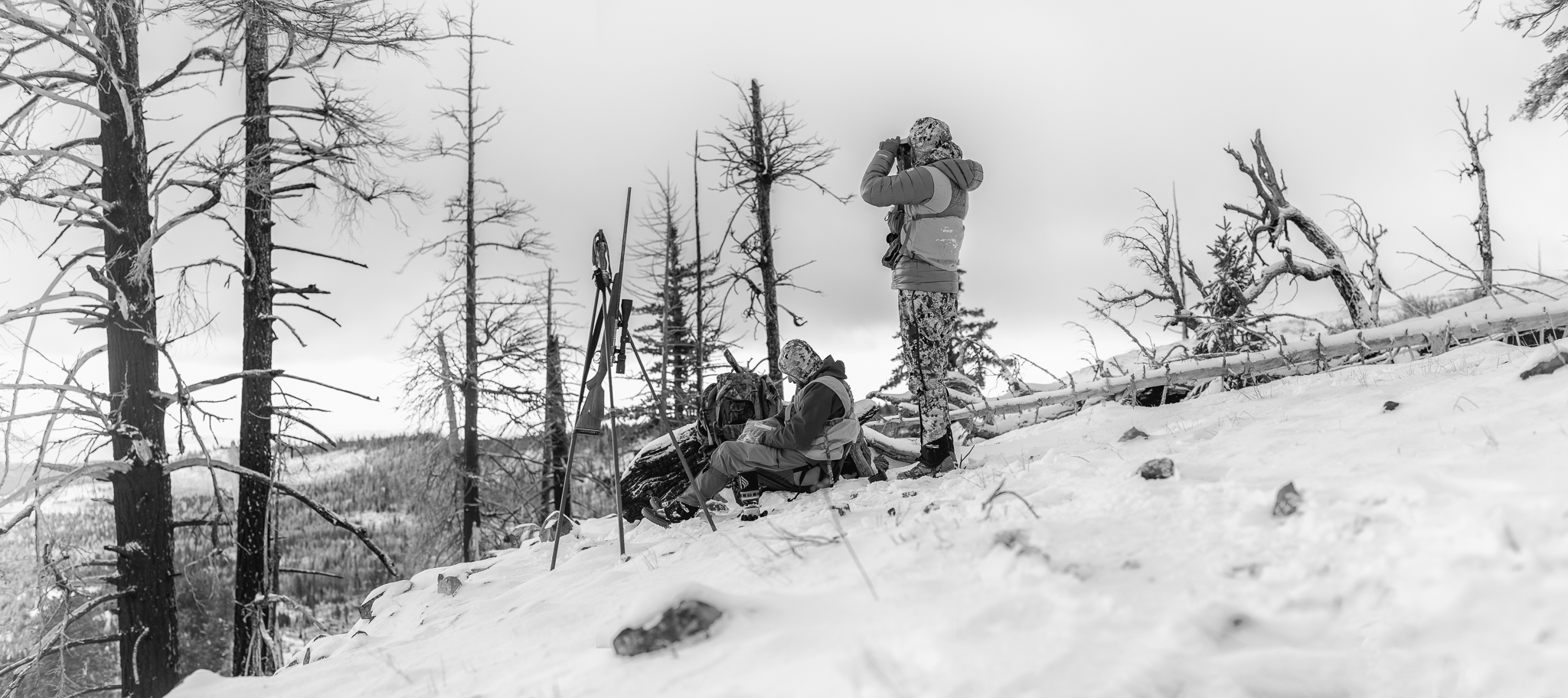
We reach our spot before sunrise, and quickly darkness becomes light. I sit with him having parted ways with our two other companions, each at their own respective hunting spots. Here we will wait for hours, silently witnessing the landscape awaken in dazzling colors from deep purples and blues and vibrant oranges, patient for Cervus canadenis to emerge from the yellowing larch forests below. As we sit and watch, our minds compose of the many different thoughts found in isolation. We are removed from the human world. Its cacophony lying a region away, days behind us. The innate responsibility of hunting takes over, while our camp awaits miles to the west, with fire, with food. Only the synthetics of modernity in the form of sleeping bags and garments take us from this prehistoric consciousness. No Internet or cellphone coverage. No tools but our two feet and our two hands. Within the weather and the quiet of nature we look for Her movements and the sounds of their language.

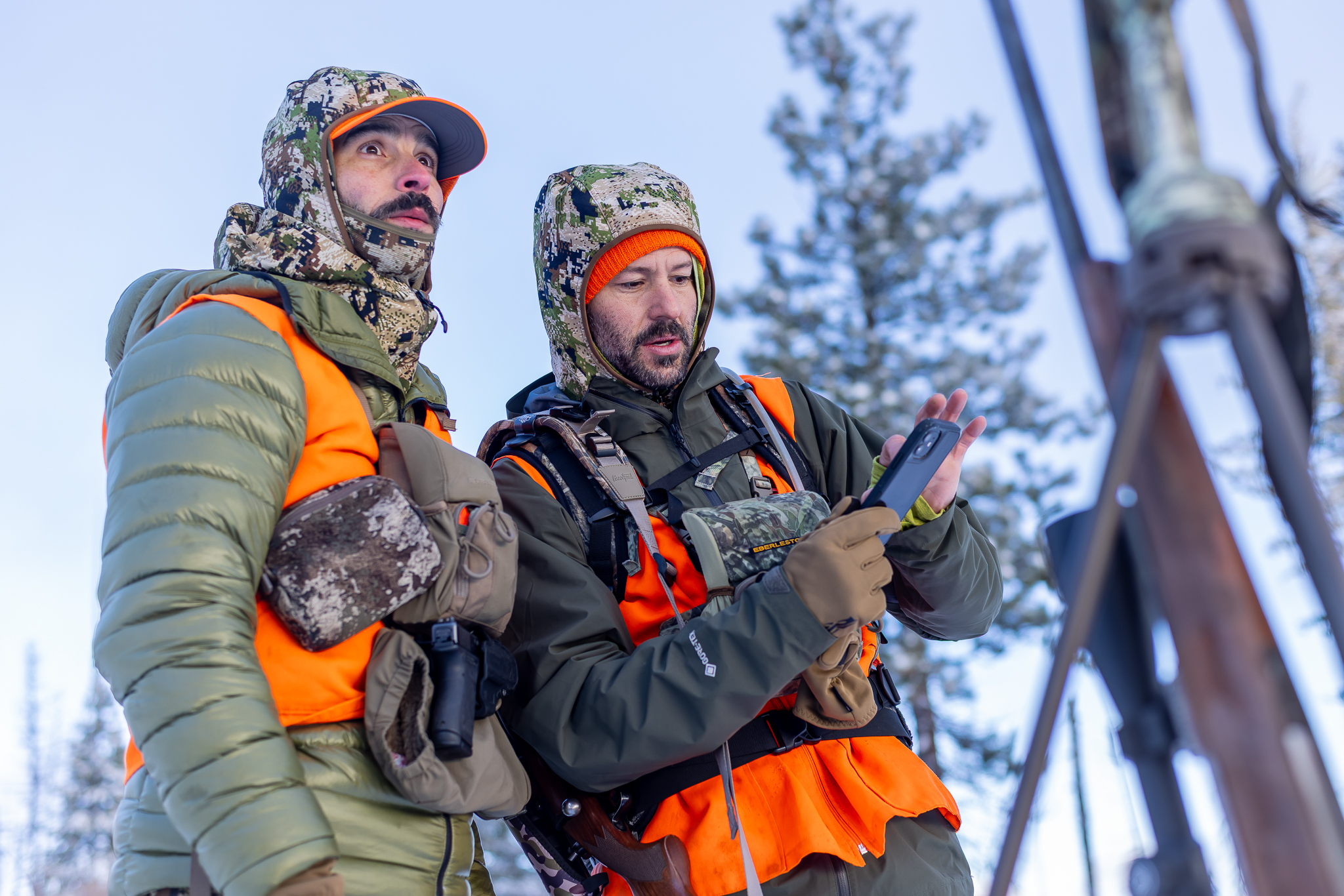
Daniel points off into the distance. He pulls his binoculars to his face. Five hundred yards away there is a clearing in the forest, and like mini stick figurines we suddenly see action. A herd of elk. First there is a handful, but over time about fifty appear, imperceptible within the flora but miraculously magician-like within the small white clearing. To us, Daniel notes, they are too far for a shot. But his hope is there are other hunters like ourselves, further in the valley who might be on the move, searching, trudging through the snow. This human disturbance, with luck, might push the elk our direction, close enough to provide Daniel a shot, that is if they don’t smell us first.

As we watch their slow amiable gate move from one patch of evergreen into another grove dotted with yellow larch trees, Daniel whispers his favorite part of the elk. It’s the backstrap, the most tender and flavorful cut running along the outside of the spine from the shoulder to the hip. With the remaining meat, he’d prepare chorizo and elk burger, freezing the game to feed his family and friends over the course of the year. But first he had to put one in his crosshairs, his first one. This is Daniel’s fifth year elk hunting, while his father Juan, an older man born in Spain who emigrated to the United States with his wife Linda and young family, has been hunting within this valley for thirty or so years. Only a handful of times has his father been successful downing an elk, but it is the hunt that draws them all back, the removal from modern society, and the return to a primal existence for at least a few days out of the year.

I whisper back to Daniel, “What happens if you shoot an elk say down there,” pointing down the embankment. “Say it’s on that hill in the valley below?”

“My dad and I have a signal we’ll make so we’ll all recognize one of us made a kill. From wherever the kill lies, we’ll gut and skin the elk and over the course of the day or following day, then hauling the meat back to camp, including the head and antlers.”

From where we were, camp was an approximate seventy-five minute hike, in the snow, with gear and weather. And between the three of them, four if I include myself, a large bull elk would easily take multiple trips to get back to camp. But the elk don’t come. Any hunters below don’t rustle them out of their protection and up towards us. But we take joy in watching them from afar, relaxed in their environment but constantly aware of the risks within the wilderness. They know nothing other.

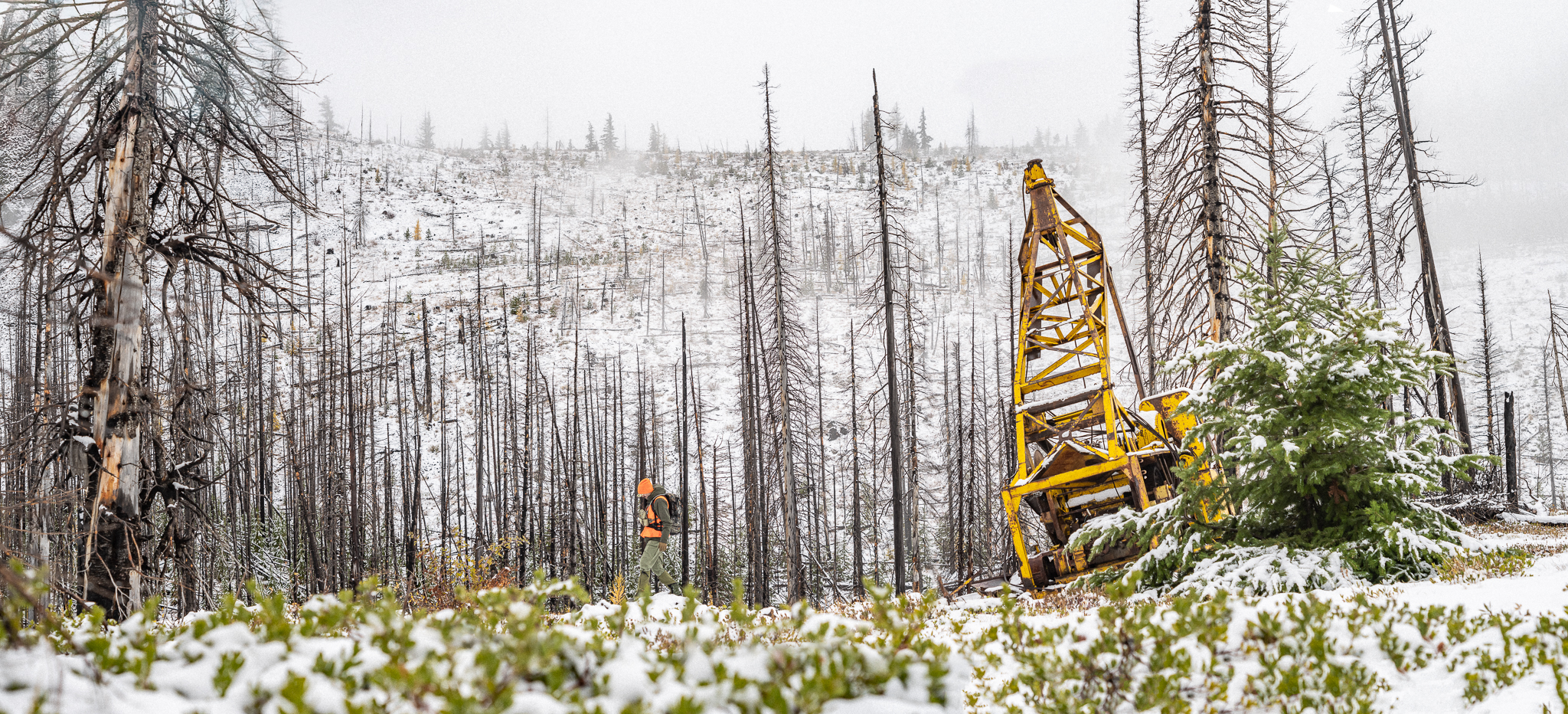
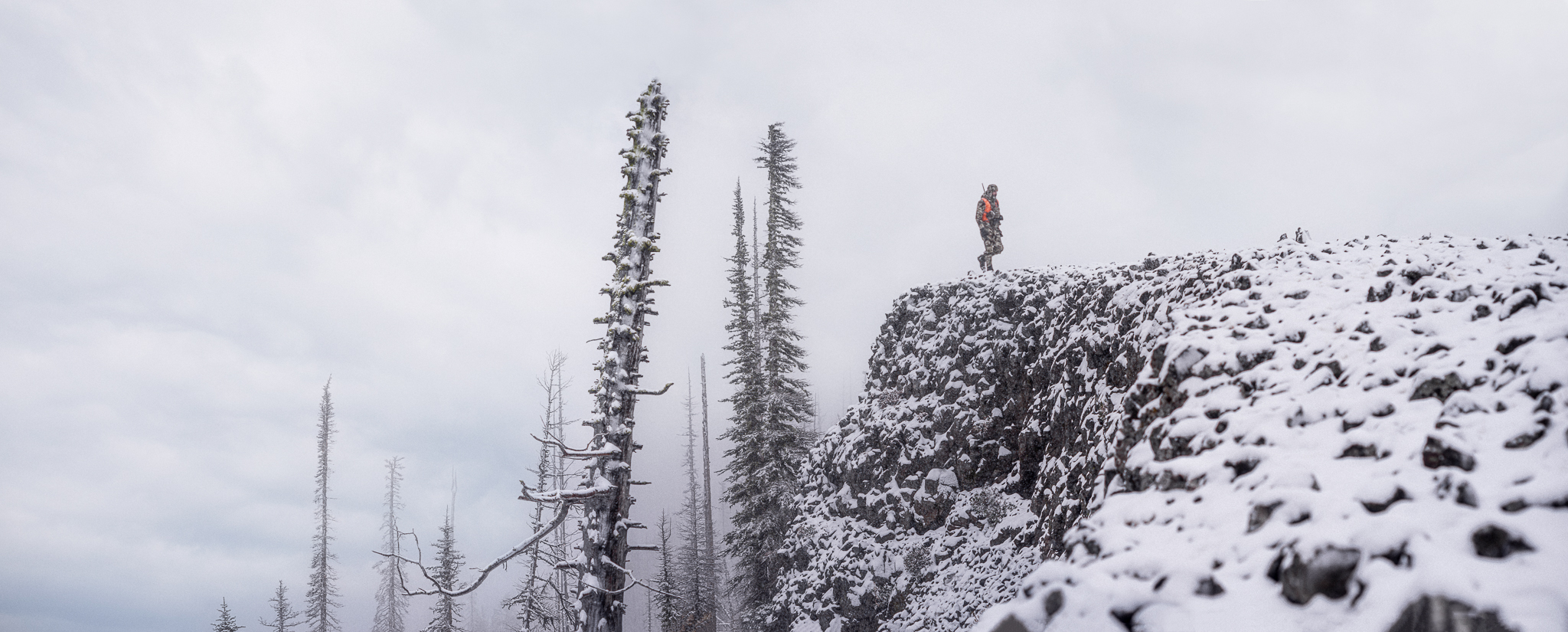
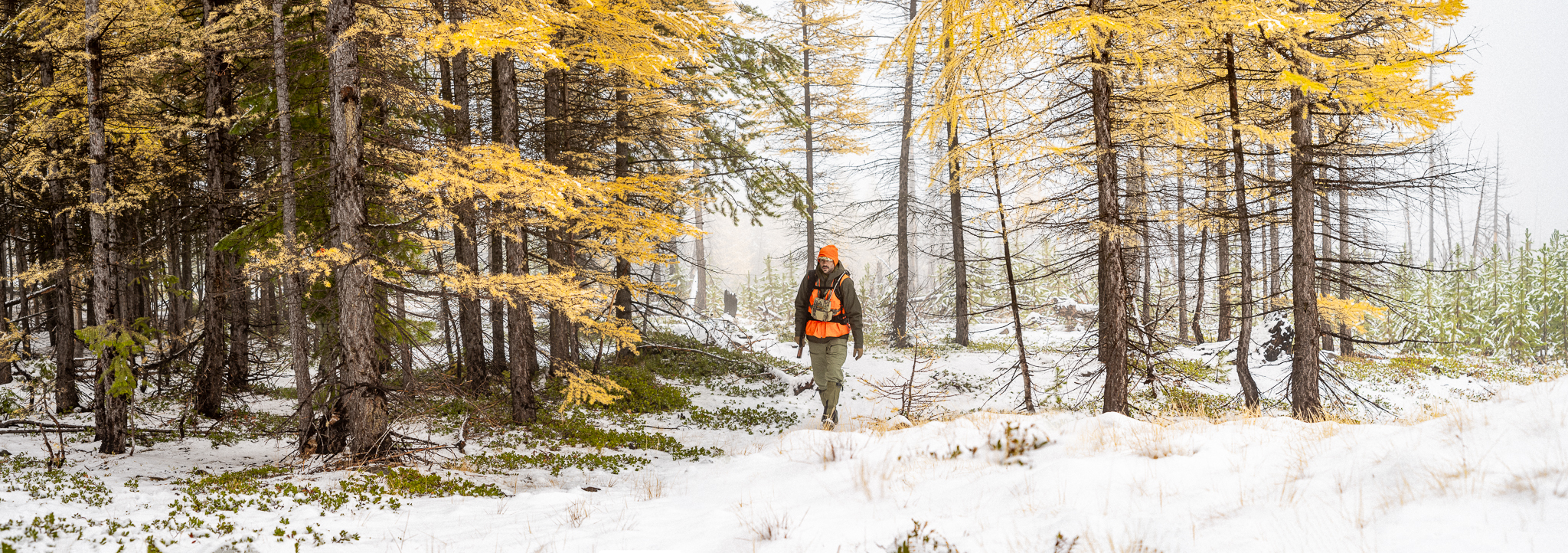
Eventually the sun is higher but the cold threatens furthermore, so we stand, stretch and load up. There are multiple modes of elk hunting, and we witnessed them. Juan prefers to stay in one spot, waiting as quiet as a mouse, for that happenstance of a herd crossing. He’ll wait all day if he has too, eight hours maybe, maybe more. We spotted other hunters doing the same. They rode in from camp on horseback, tied them up to a tree at a distance, and sat like Buddhas in camo. But Daniel’s methodology is slightly different; sit then move. Sit then move. Both style of hunting needs one another, because the sitters wait, and the movers help flush the elk. One’s yin to the other’s yang. I preferred the hybrid role of Daniel’s liking, and that is what we did, explore the hills and valleys, the streams and thickets of woods. We spotted owls, old mining equipment, and frightened deer. Crows cawed at our approach and hung high in the air, their echos ringing for what seemed like eternity.

And each night we returned, wild with anticipation of a cold beer and stories to tell – all the things we saw and didn’t see – and the feelings and thoughts had while exploring a wintry woodland, as if we had it all to ourselves. But it was elk season, and others were out there, unseeing, but most likely watching our experimental activities. And we feasted. Pallae with meat and shrimp. Tacos and burritos. Fresh pasta and marinara. And whiskey. And each night the winds returned and the snow pounded the tent. That one sunrise was all we were gifted as winter made Herself welcome.

The great naturalist, conservationist, writer, explorer and all-around observer John Muir put it succinctly when we witness nature at its core, whether out in the eastern mountains as gray northern clouds roll over the terrain bringing a fresh sheet of frozen rain, to the symbiosis of all things breathing within the sweaty tropics of Earth’s rainforests: “When we try to pick out anything by itself we find it is bound fast by a thousand invisible cords that cannot be broken, to everything in the universe.”

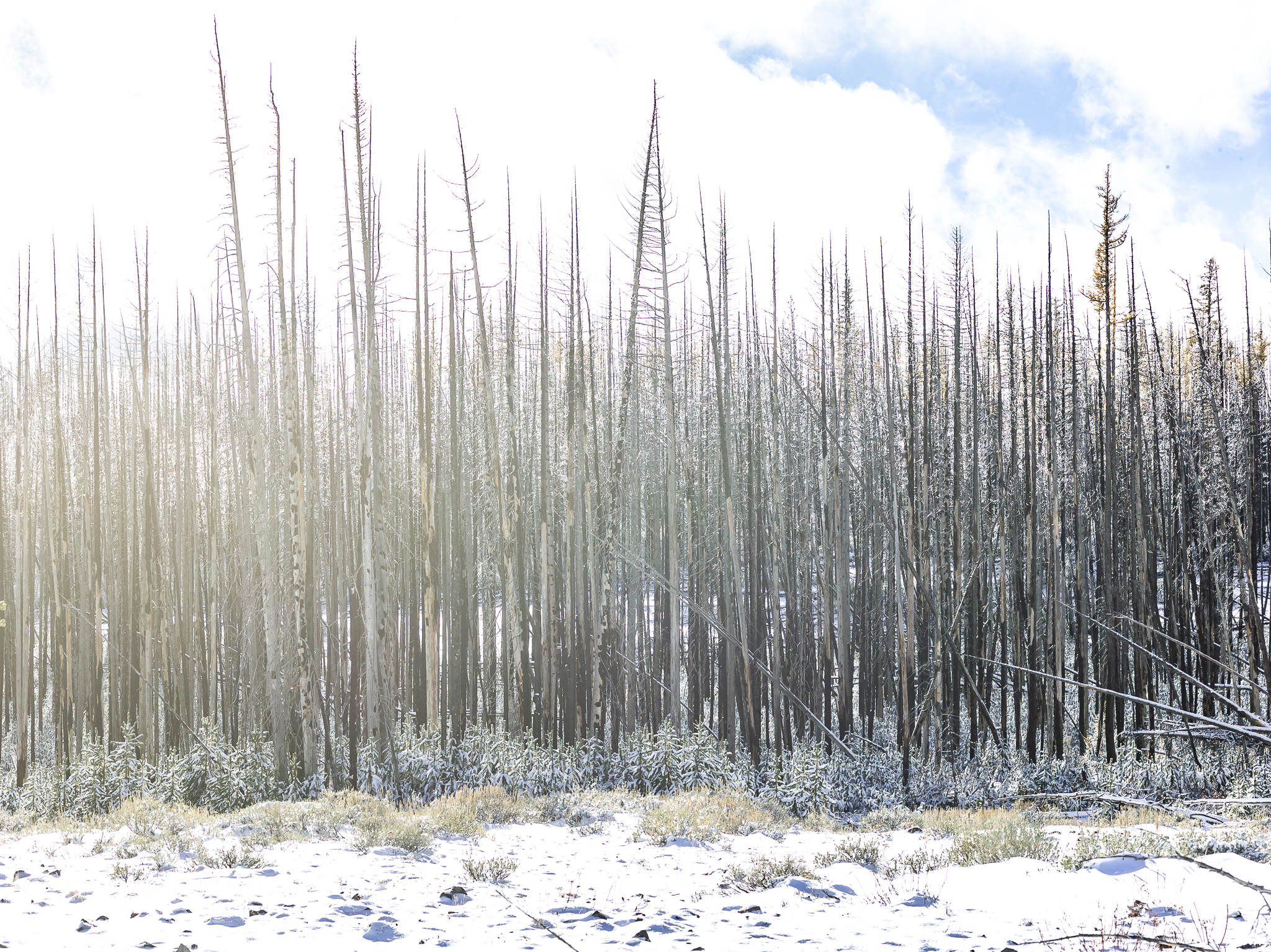
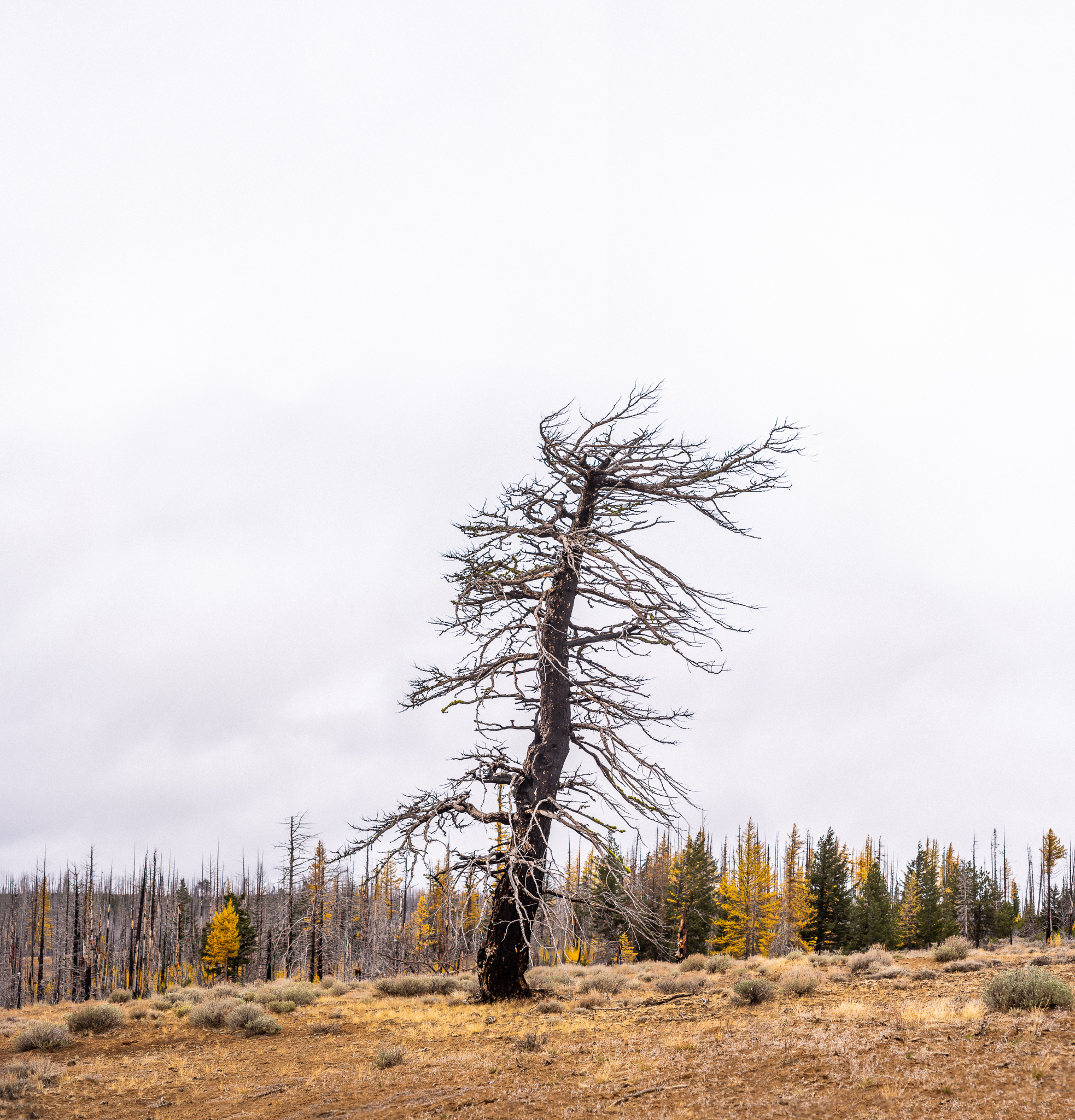
Time in nature, a nature as uninterrupted by human intervention as possible, is priceless. It is a reset to a truer existence as well as a break from the monotony of modern civilization. Looking back at the experience of days and nights on the mountainside, enduring weather and fatigue and often all-out boredom of sitting, watching, waiting in absolute silence… was as magical as being showered by a billion soundless diamonds. It is a time to withdraw into one’s Self and focus on one goal – to survive – but also to hunt for the basics food (albeit for me to capture it all as authentically and as richly as possible). And right now, still snow covered and winterized, that valley persists effortlessly; the elk hidden within the yellowing larches, the crows drifting across drafts of wind that whistle through kaleidoscopes of bare branches, while the northern clouds will soon be shifting, arriving dryer, lighter from a more southernly direction. And the hand of time will continue, as it has, undeterred by anything in its rotation, but waiting to see what we will do to the place we call home.

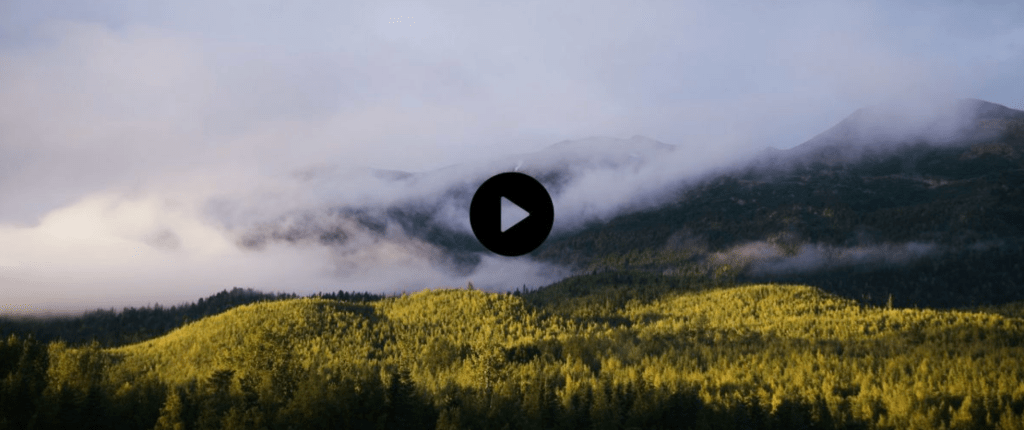
Watch the motion piece below:

For more, please visit www.CameronKarsten.com & www.The-Subconscious.com

The Forgotten Seasons – Santa Barbara

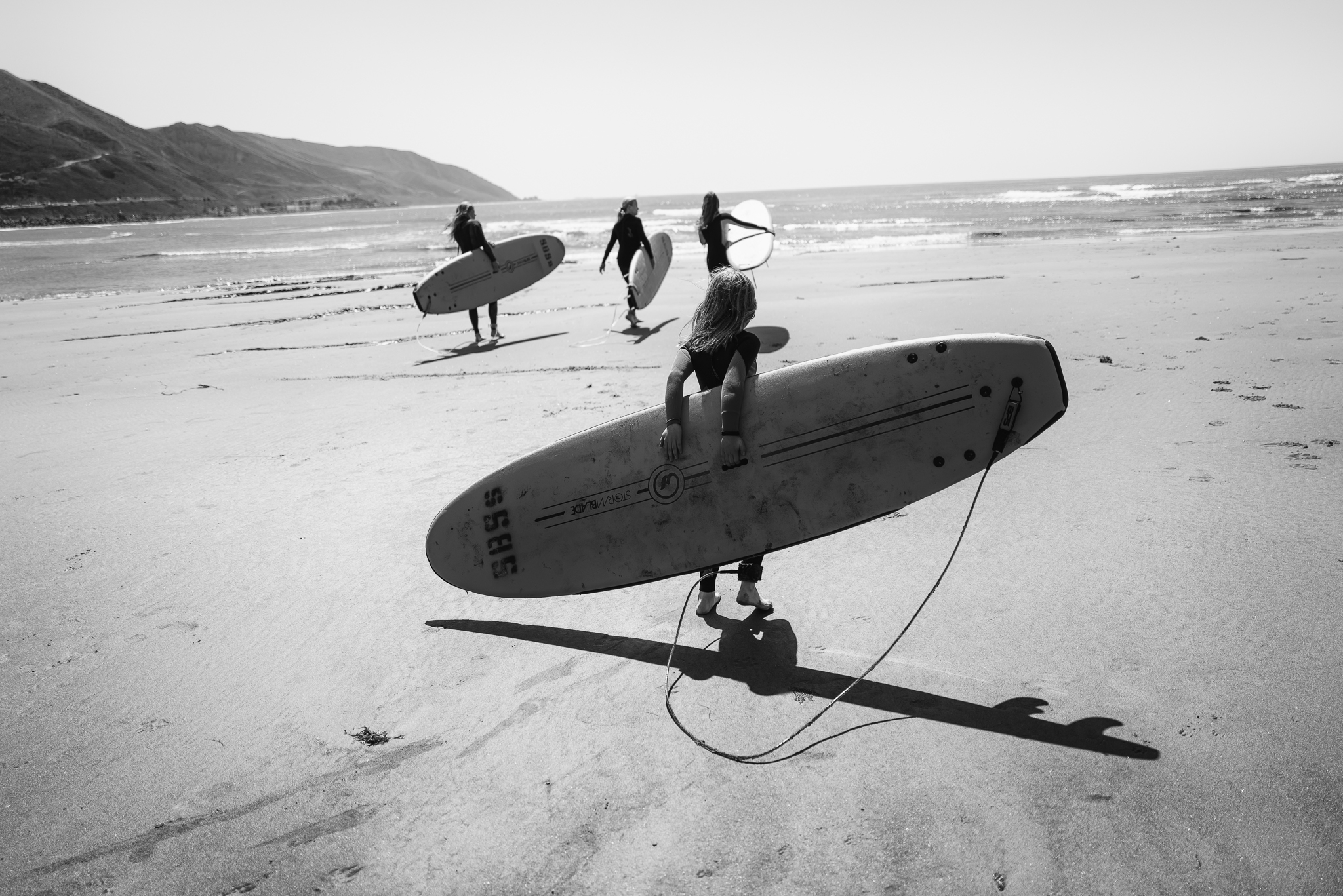
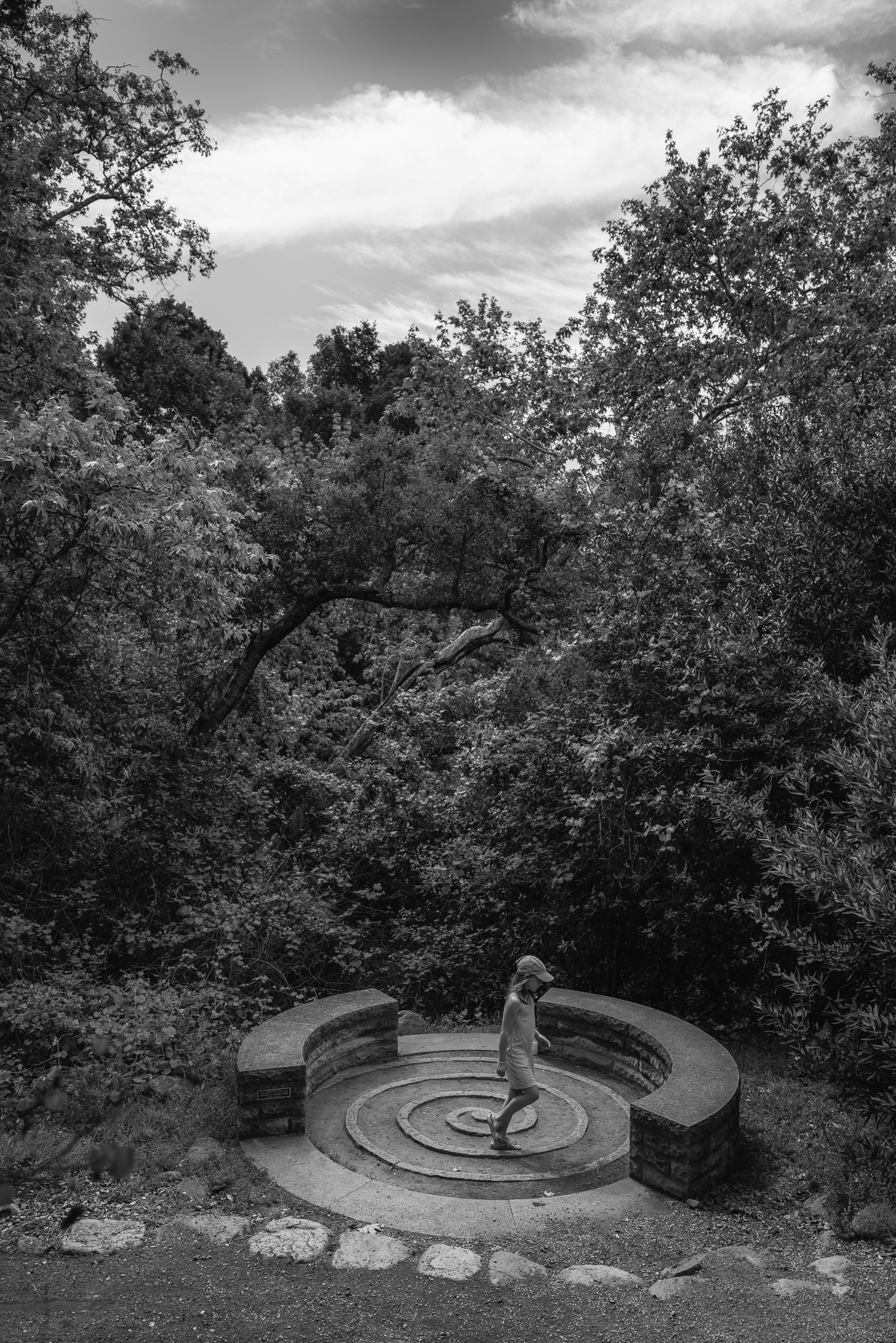
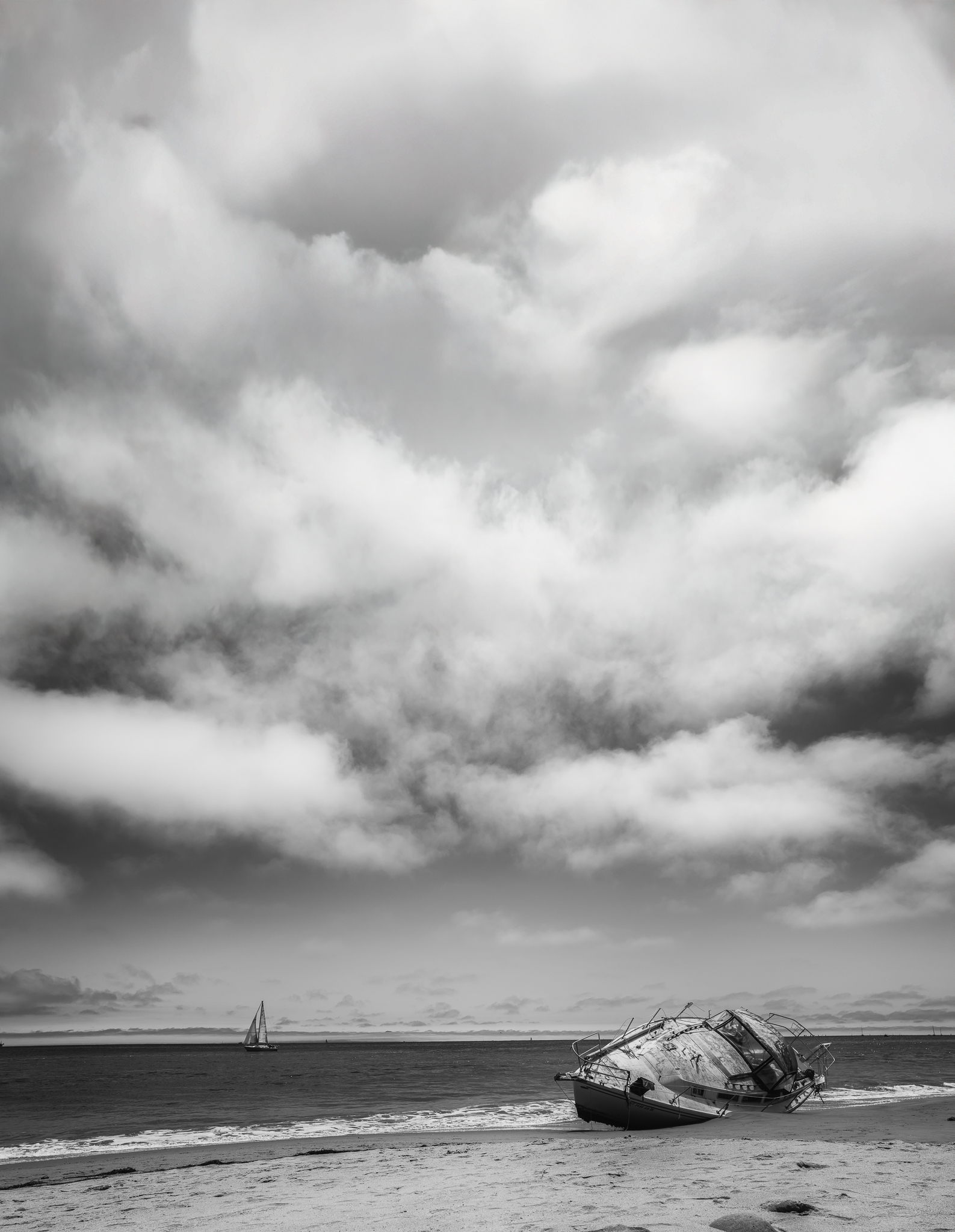
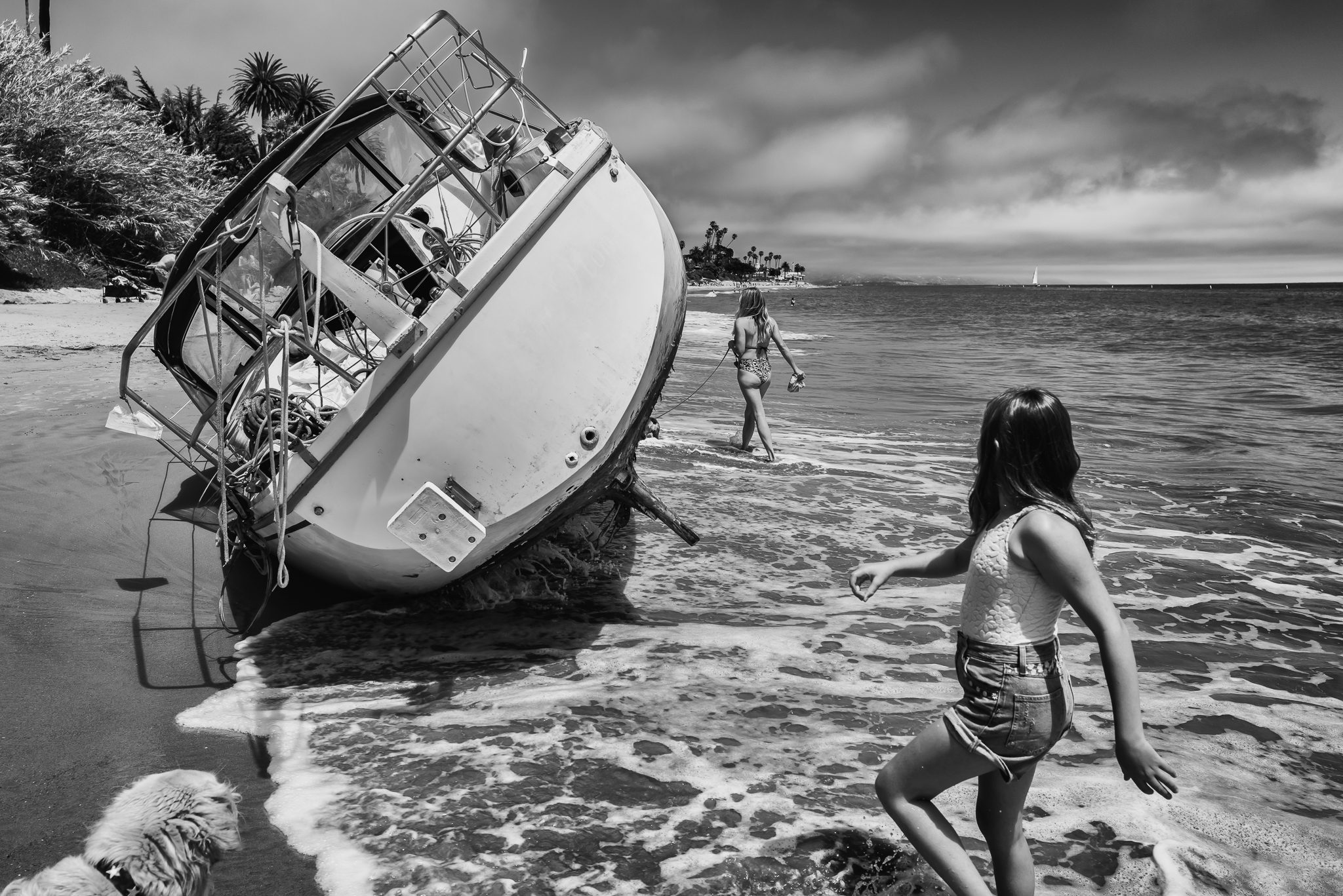
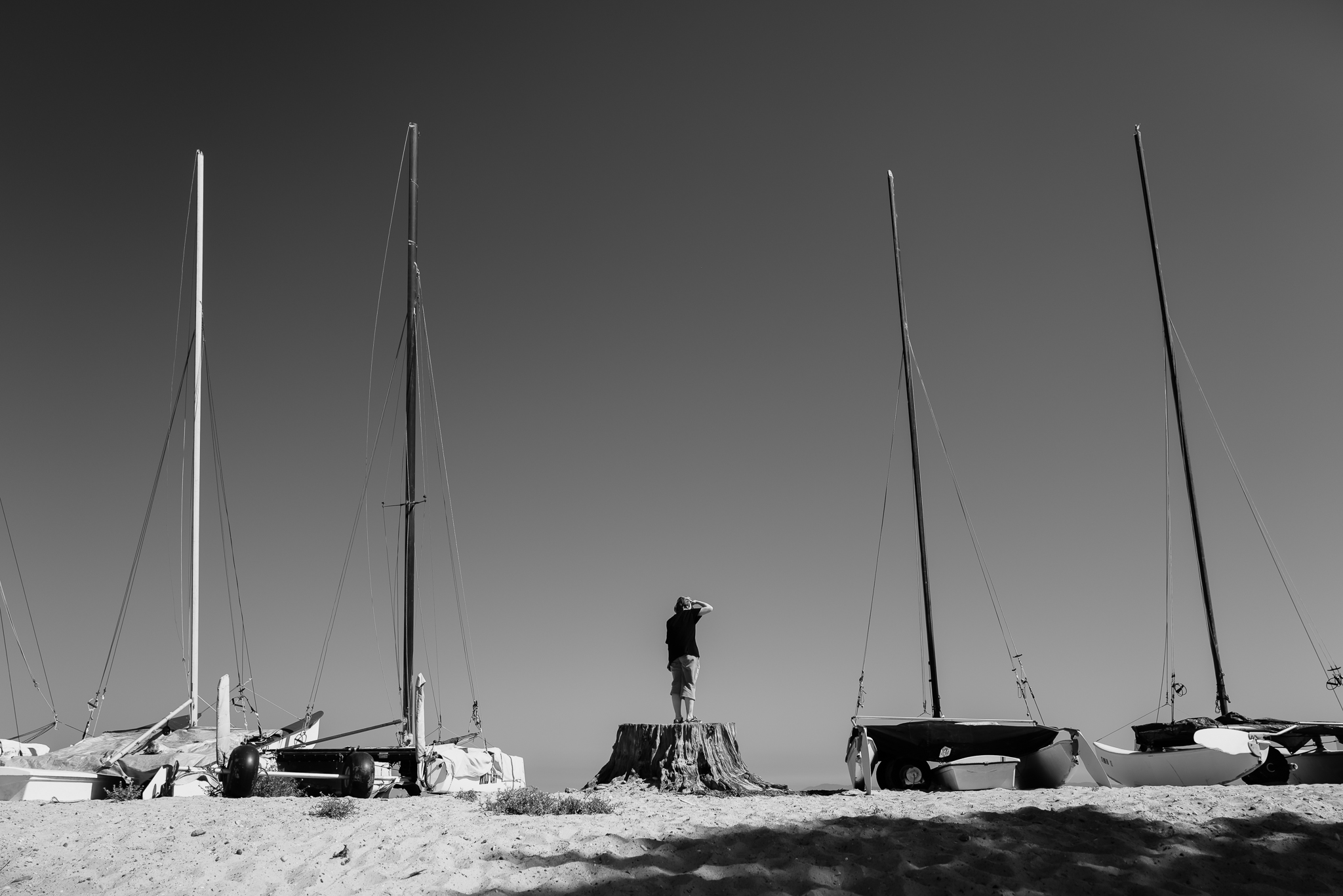
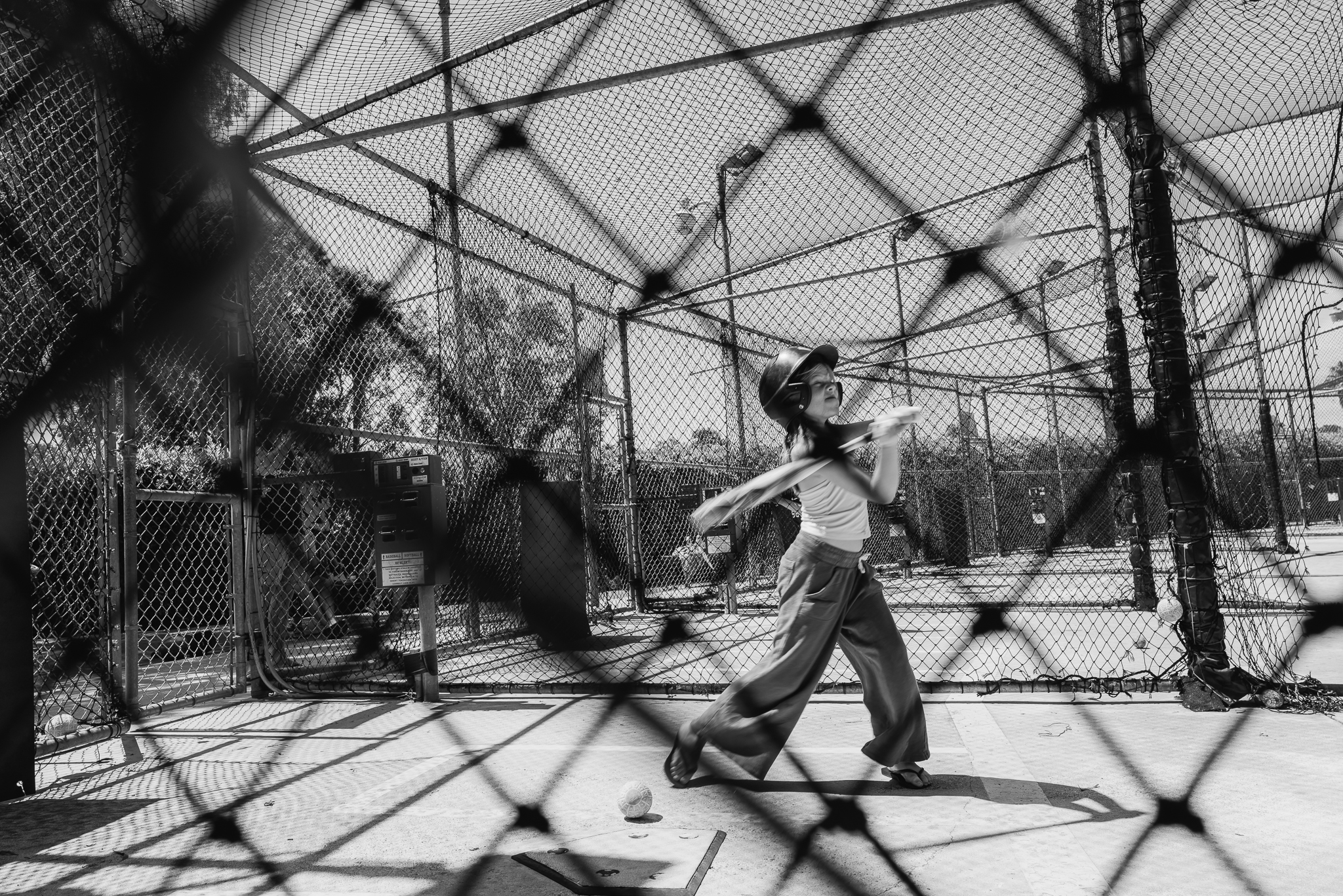
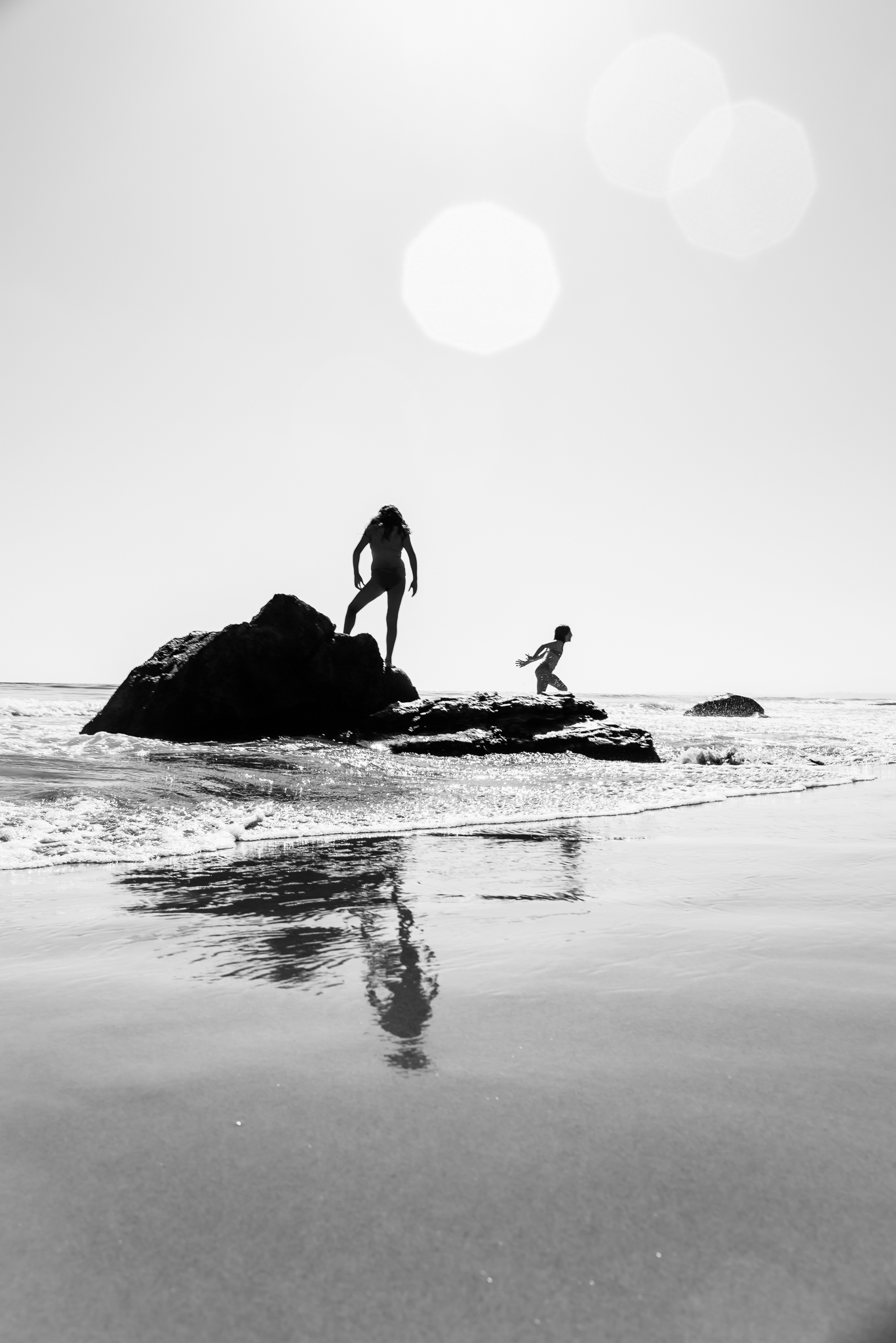
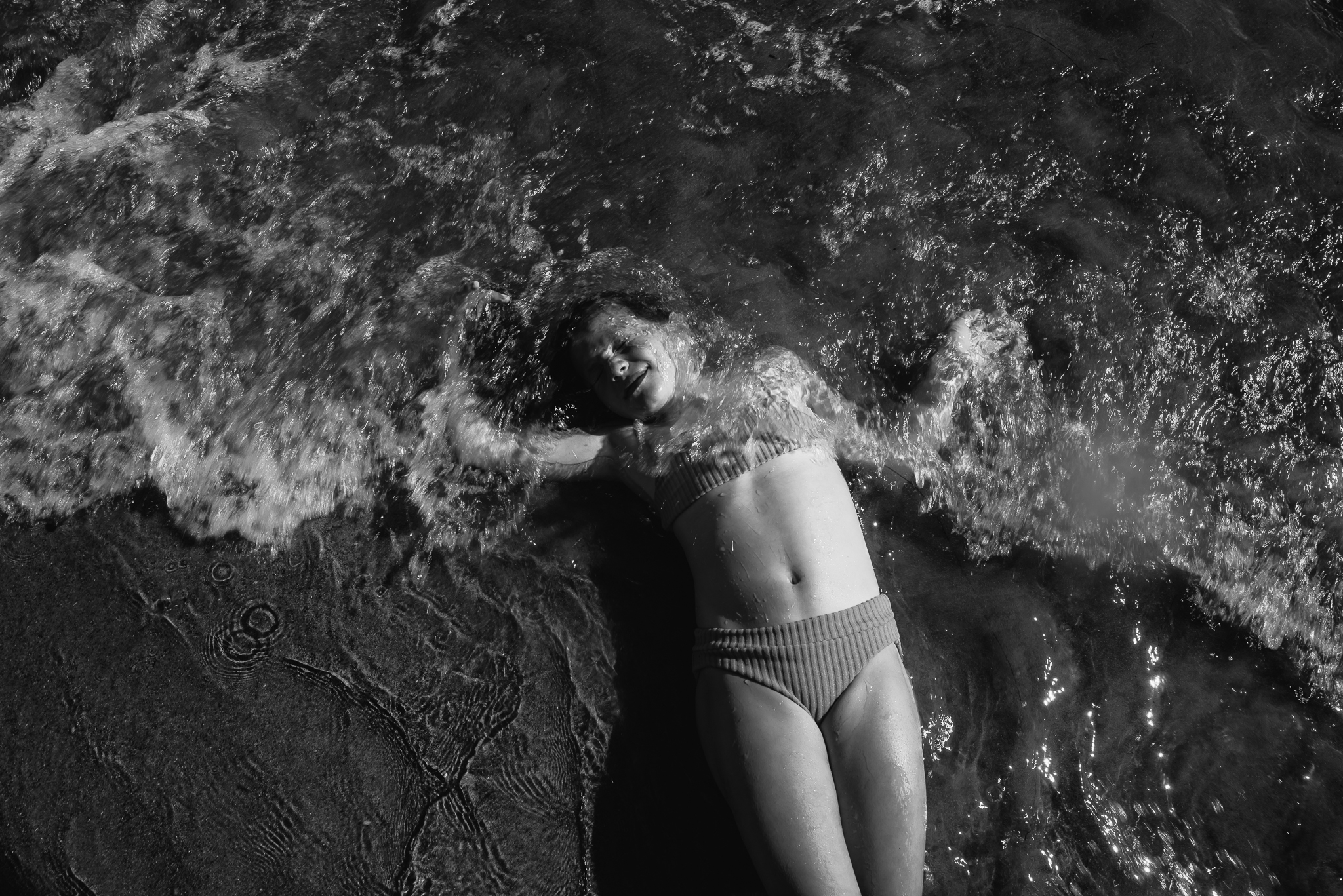
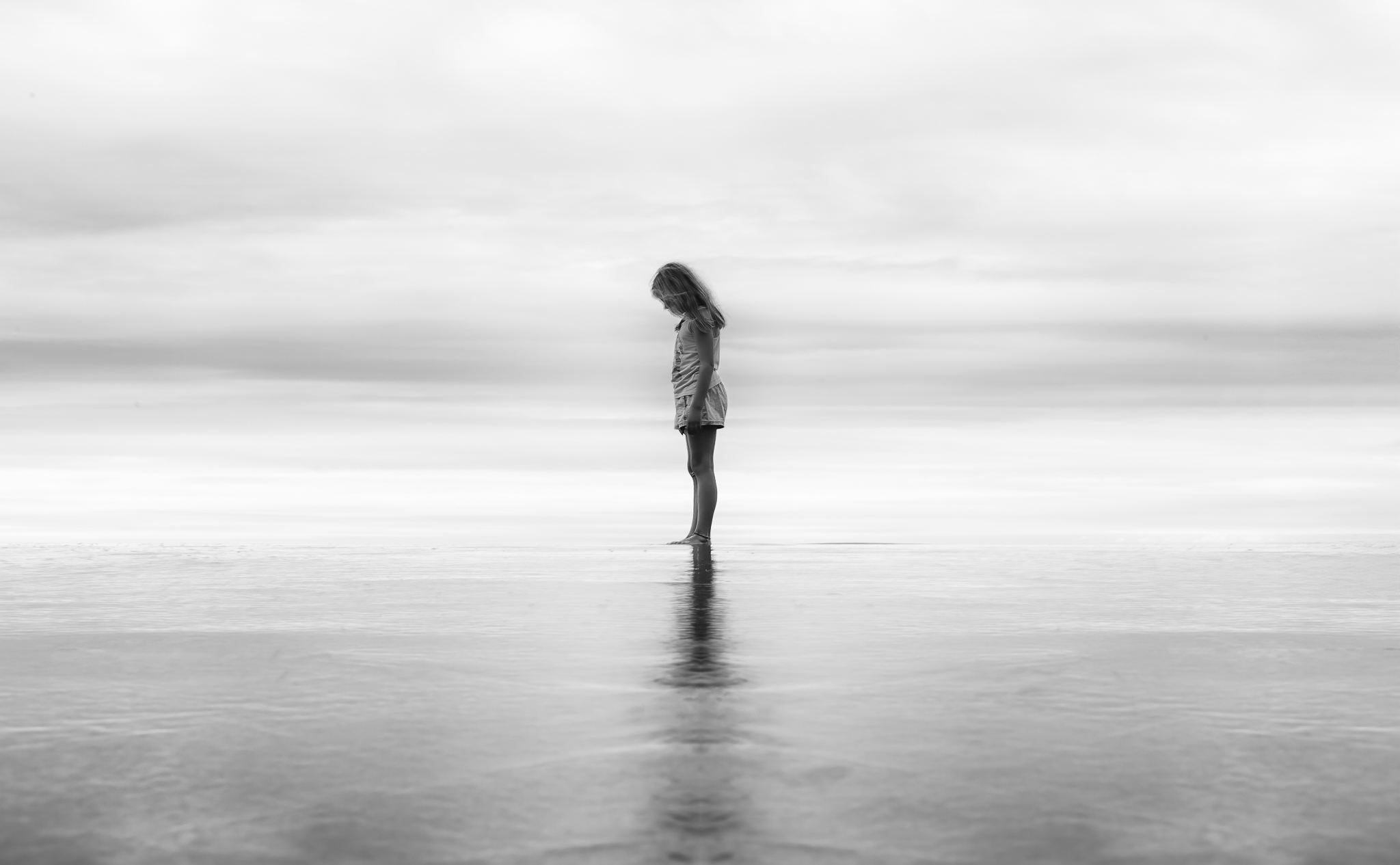
It’s like a poem, watching your children in a new space, a new environment. Free to roam, to be, to discover. Add in immaculate beaches and warm sunshine, there seems to be a world of possibilities with undeterred happiness. Your children look at you and smile.

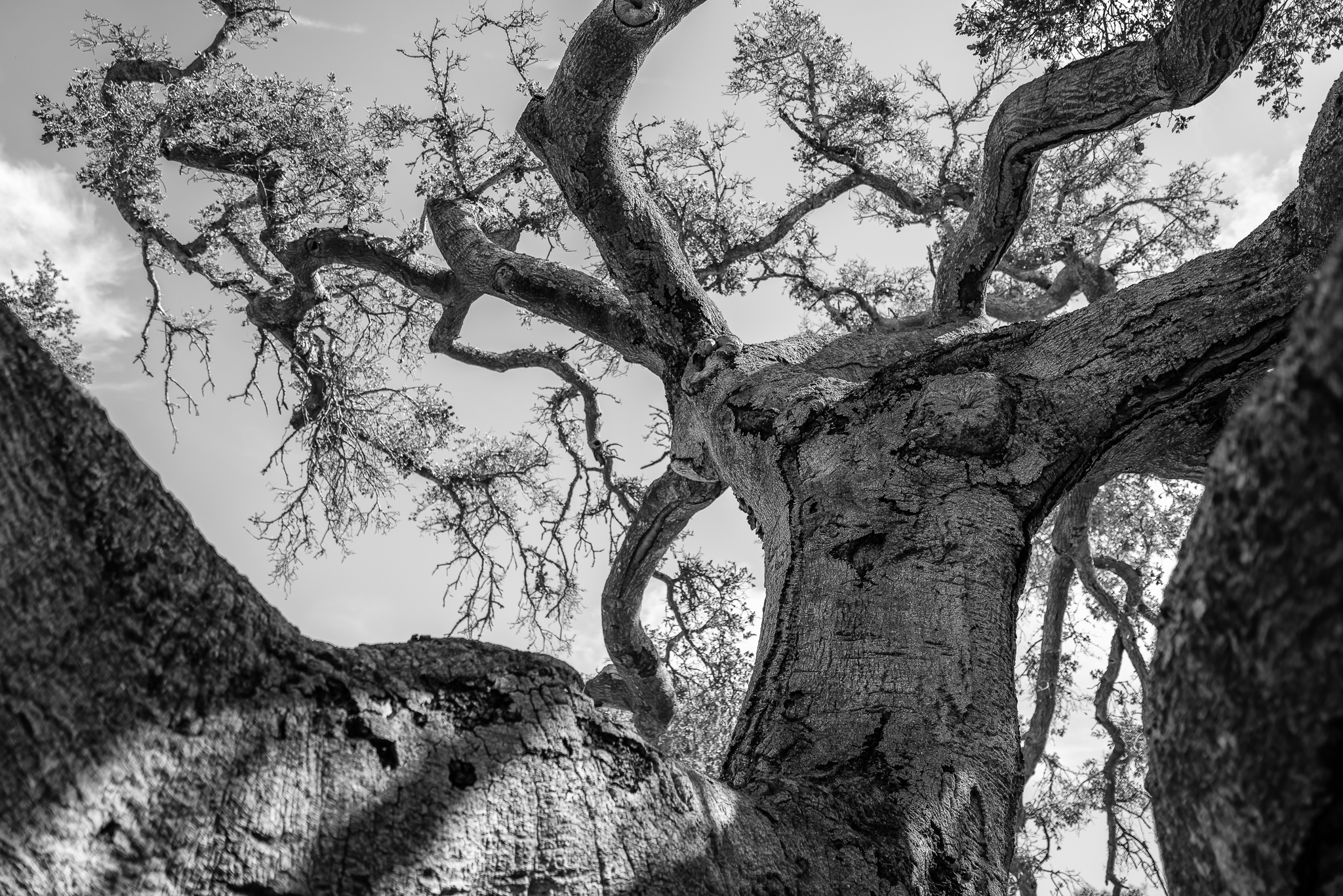
Here there are wide open vistas, singular simplified moments, to textured geological timeframes. For a view of the whole series, visit The Forgotten Seasons and fine art sales available at the Here & Now Gallery.

For more visit www.CameronKarsten.com | www.Here-Now-Gallery.com

Preserving 38: A Bainbridge Island Land Trust Success Story

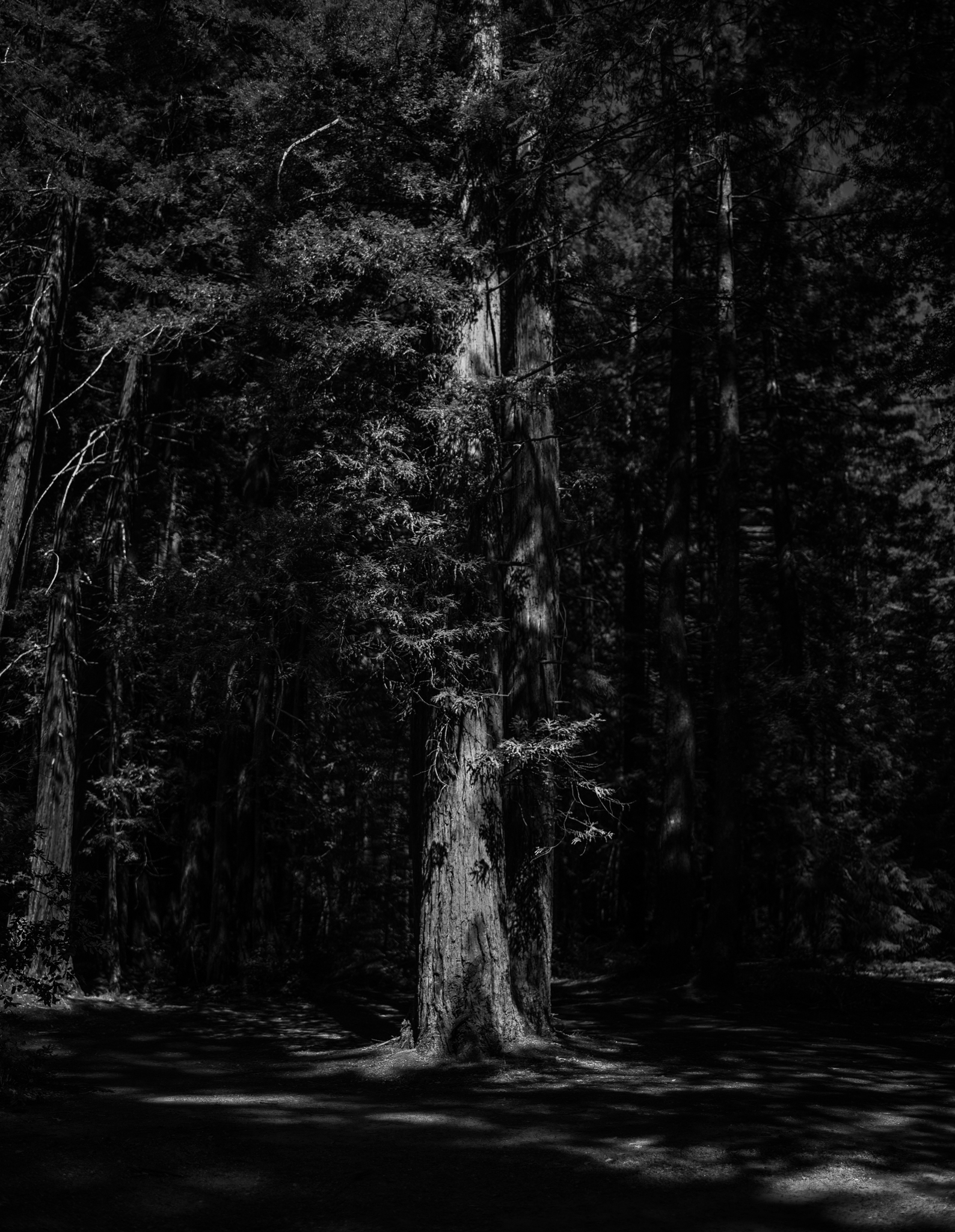
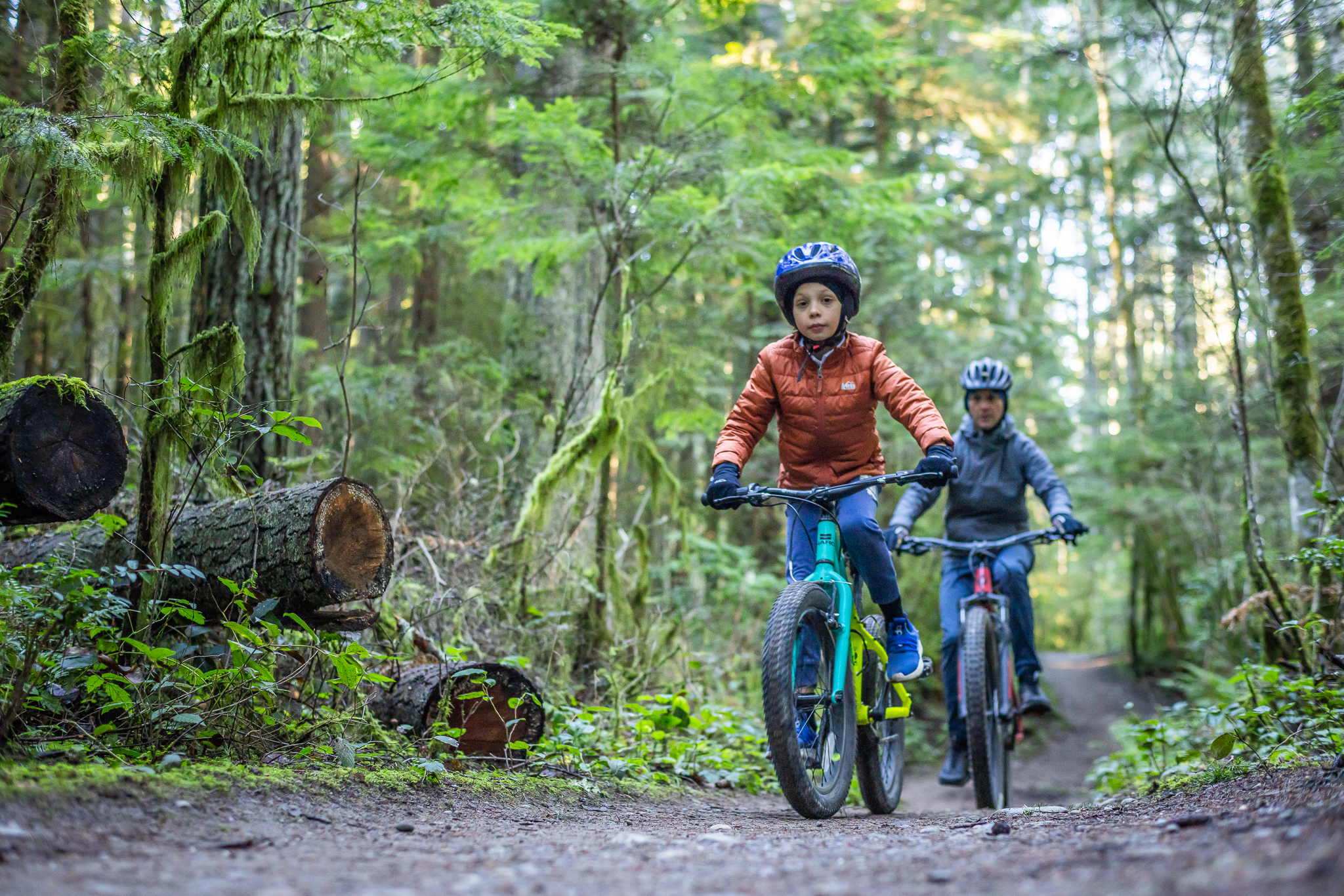
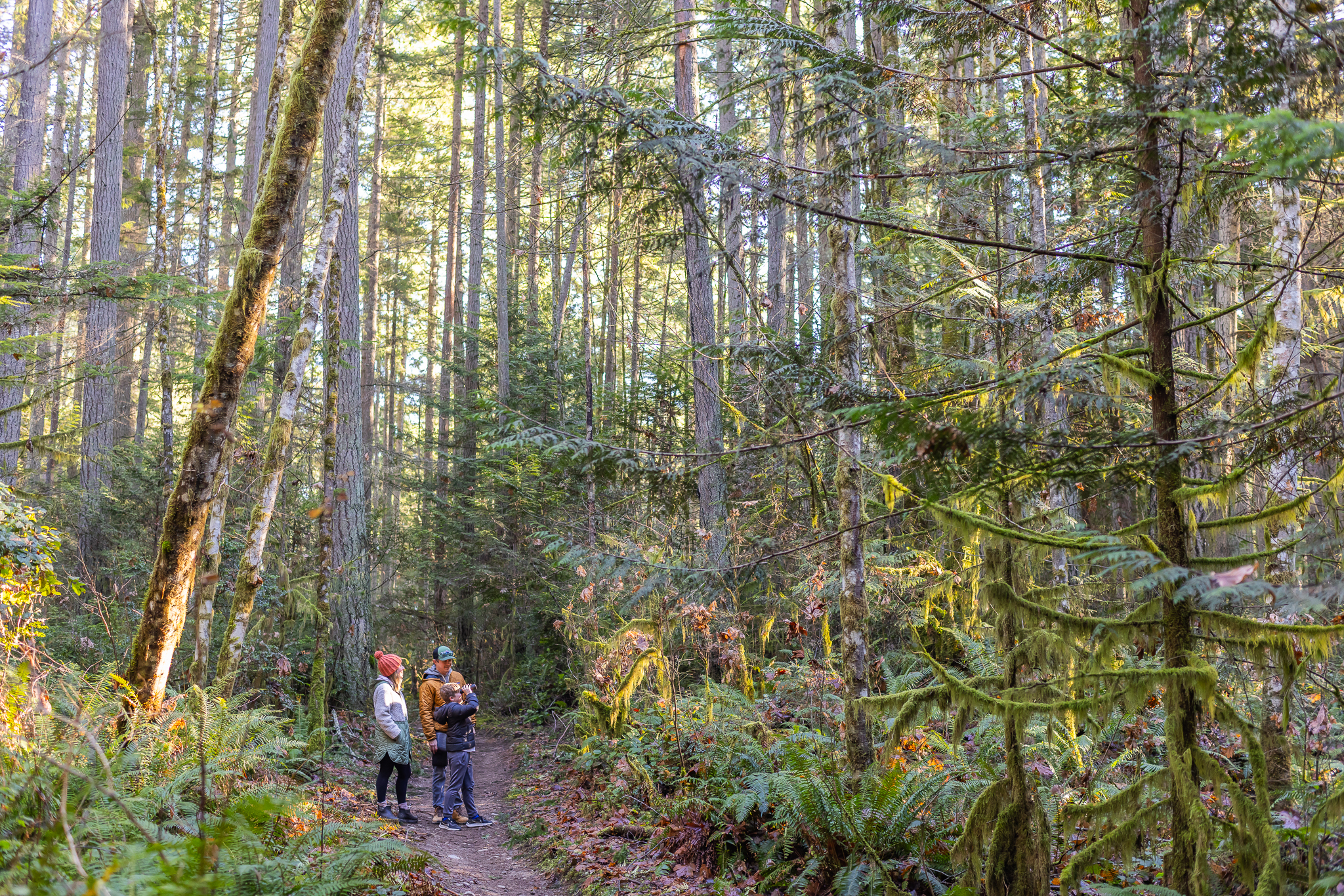
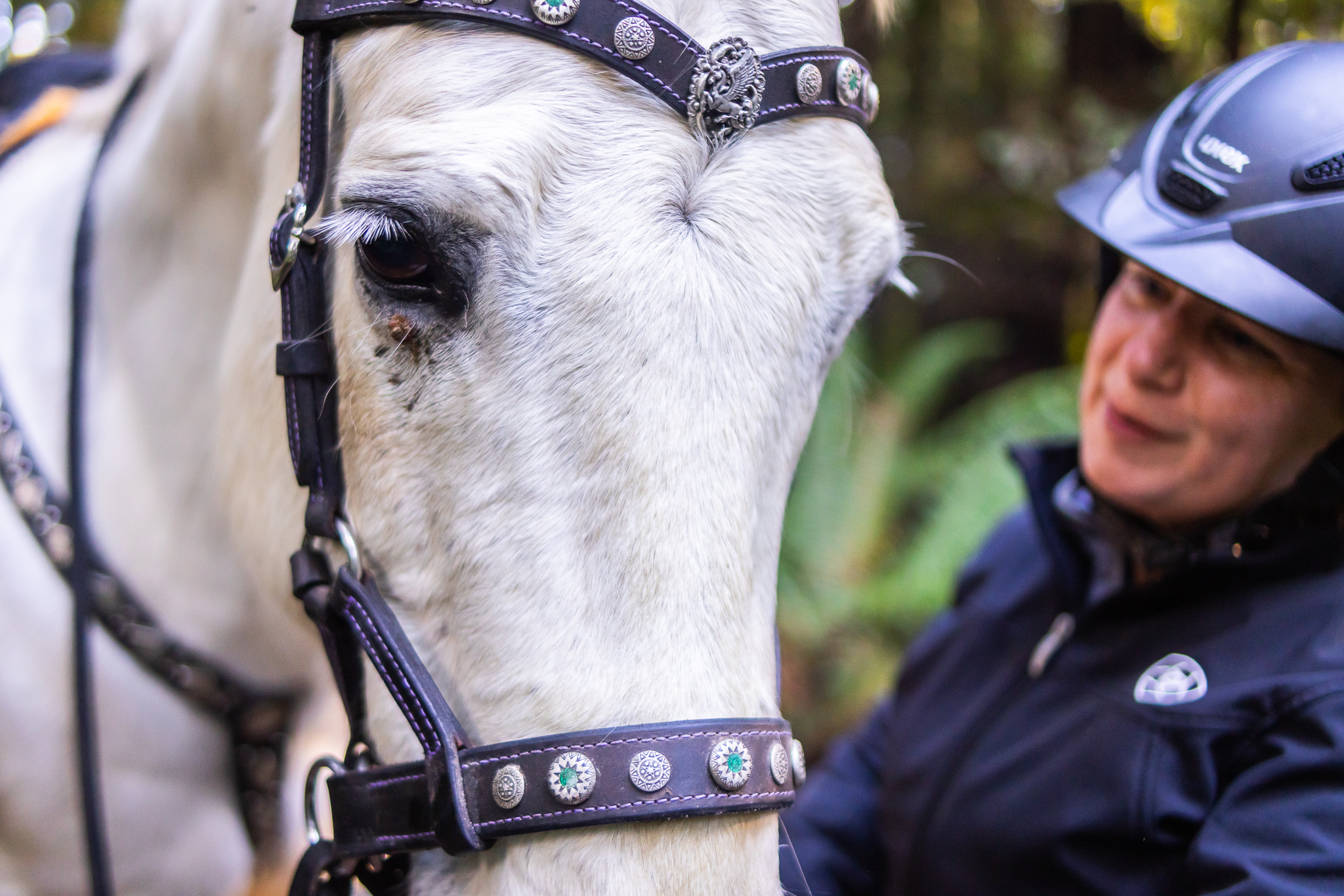
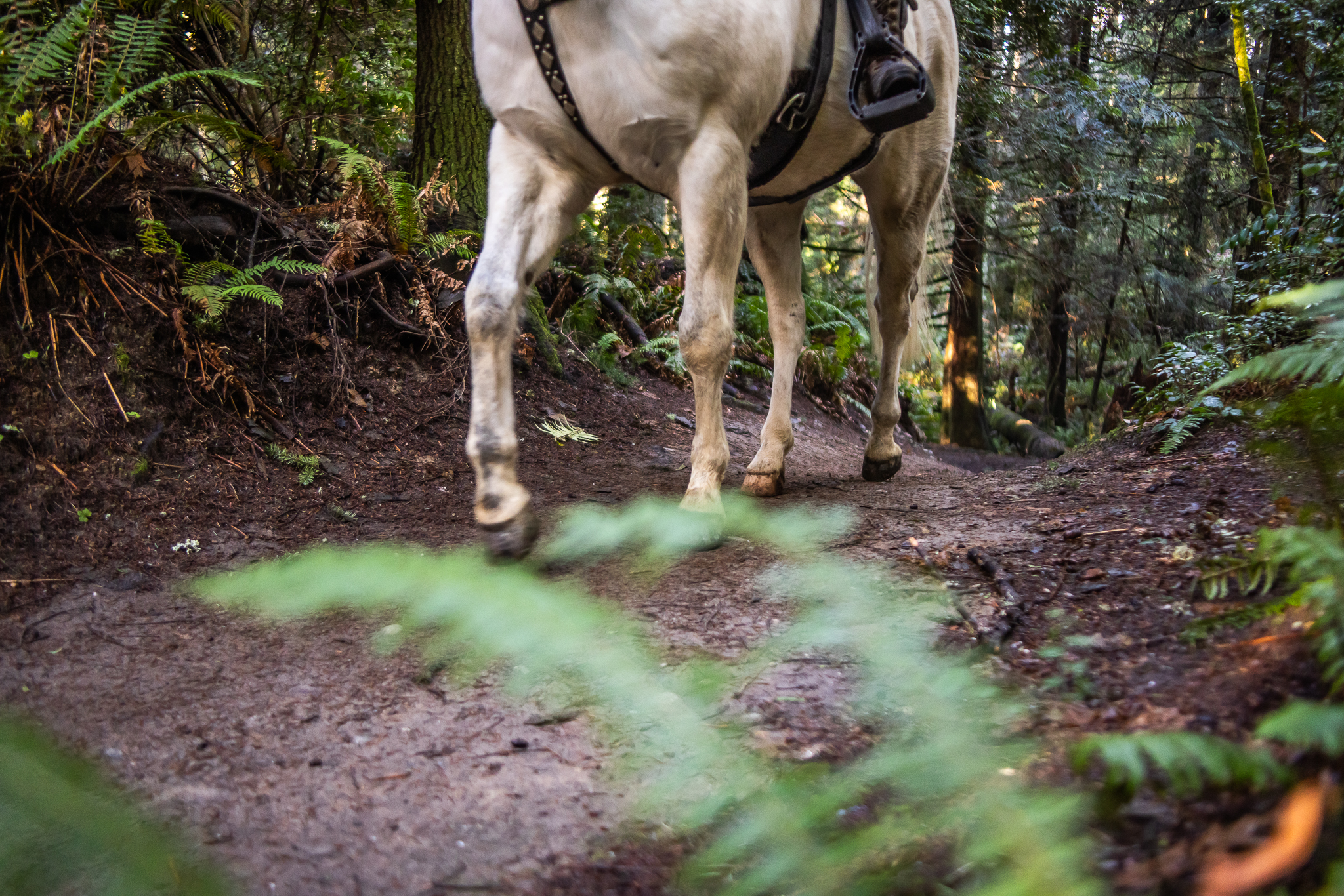
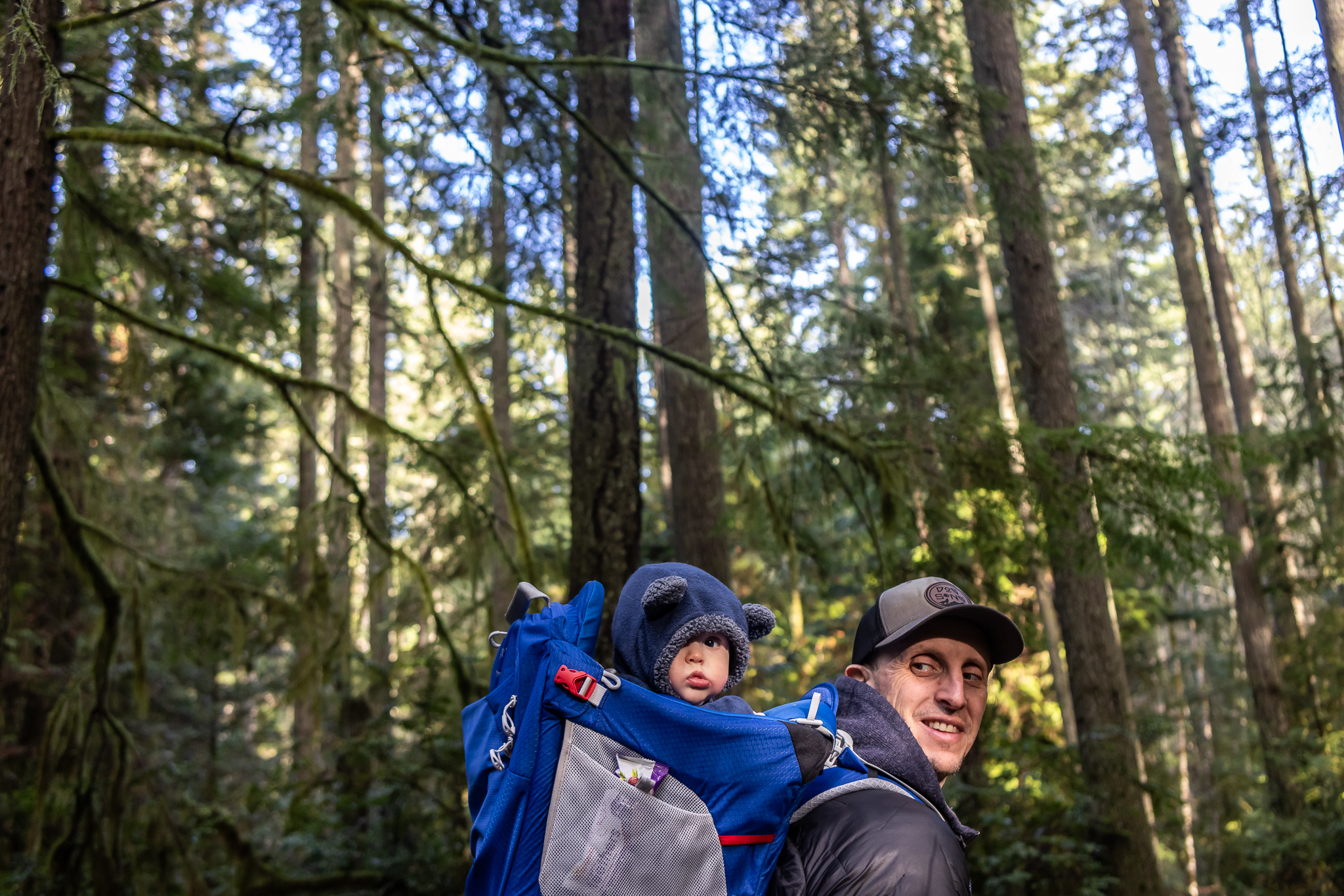
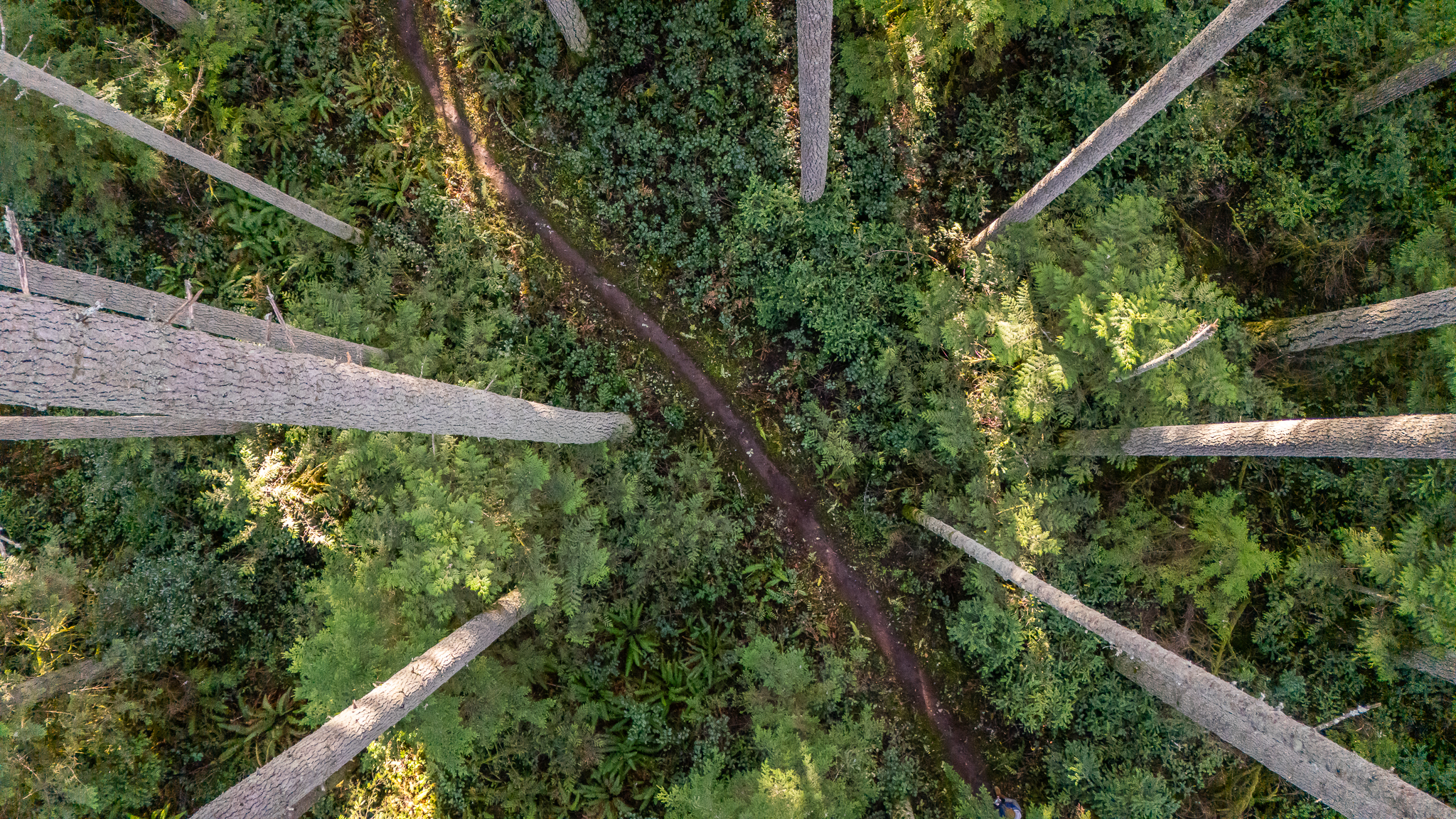
At the start of 2025, Bainbridge Island Land Trust came to me with urgency; 38 acres of pristine forest was up for sale to the highest bidder. The Grand Forest East now had a price tag, and in today’s land grab, the outcome could be disastrous. Within this expanse of wildland is a network of intertwining pathways that allows the broader community to experience the serenity of the outdoors. It is a place of activity, hills and valleys of ferns and moss were people gather to walk, hike and bike; and safe trails for the local cross-country team to train upon; as well as horseback riders searching for rays of sunlight piercing through the canopy up high. It is a room without walls for an overall experience of mental health.

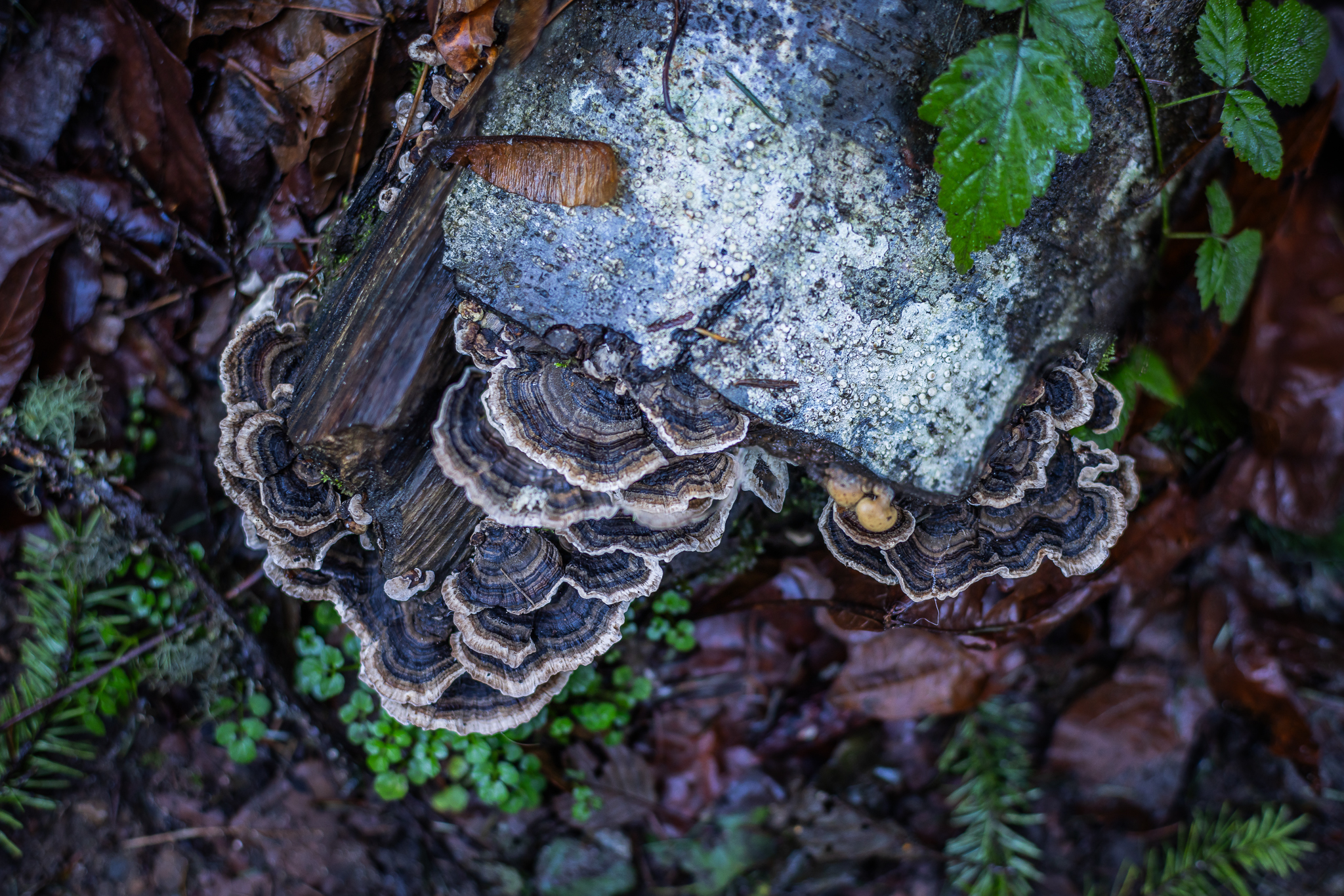
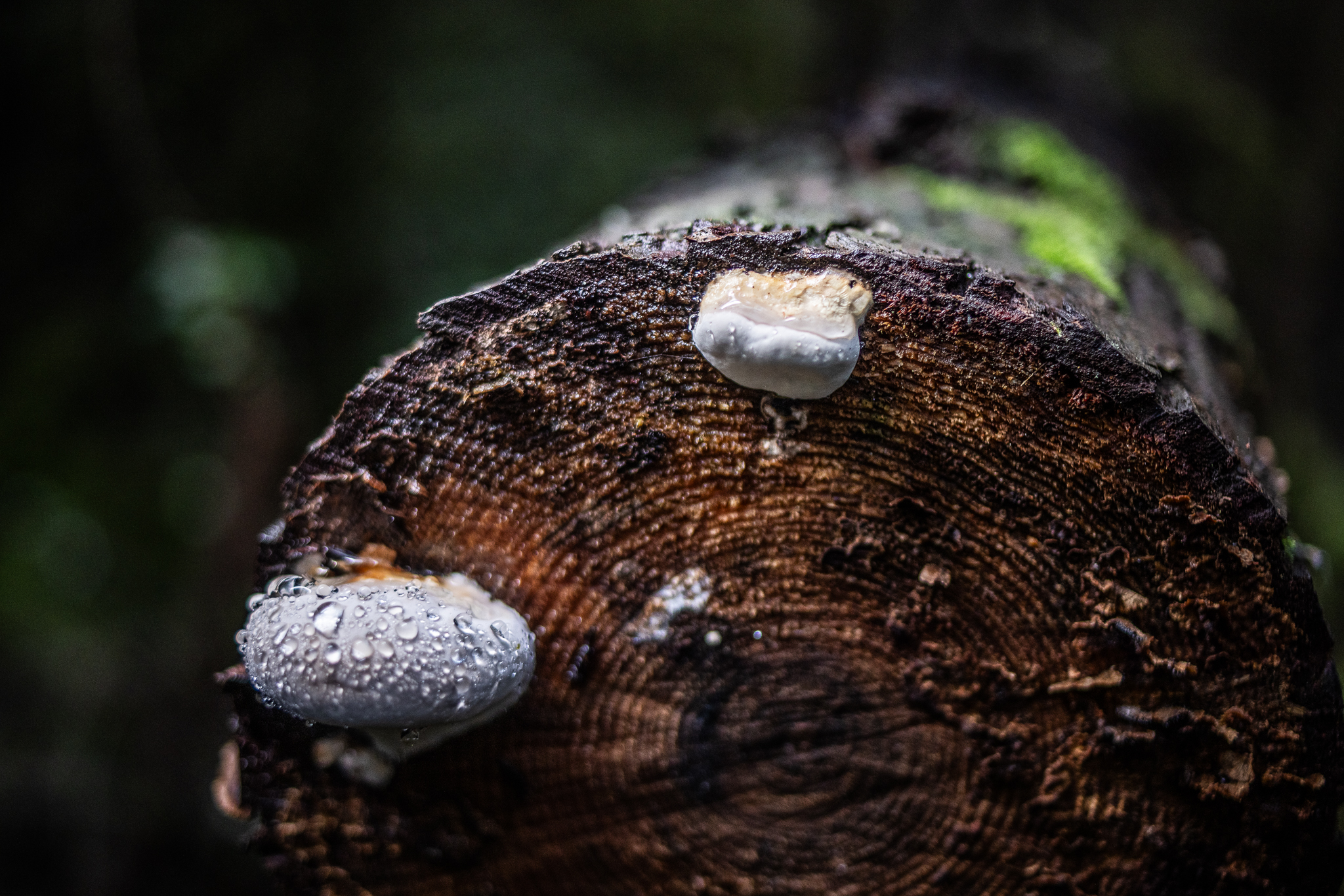
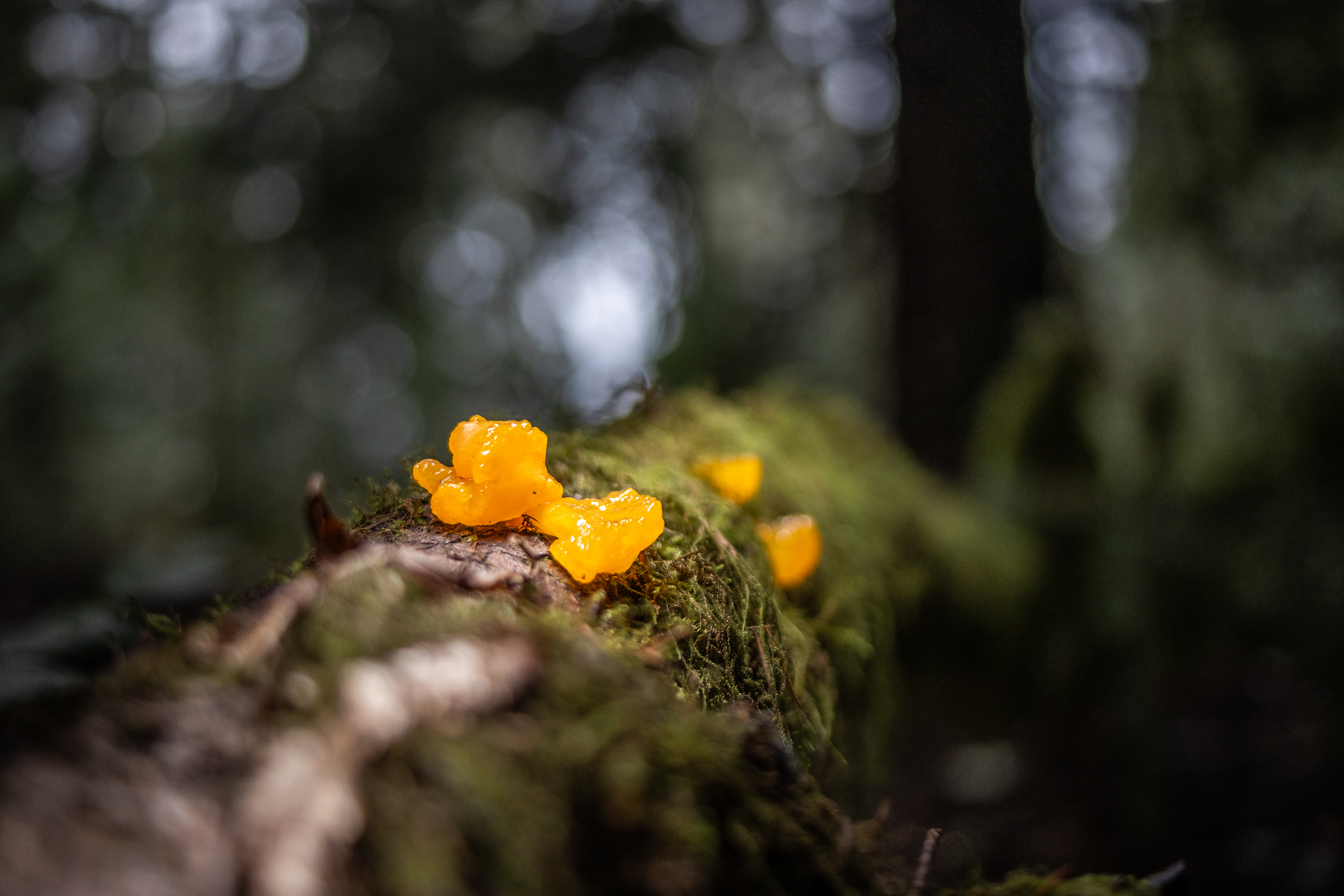
Not only do the local residents thrive within, but the native flora and fauna thrive as well with little to no noise pollution disturbing the air between the woodland’s thick fur stands. Various fungi find the shade and moisture between a natural compost, and species from raccoon, owl, black bear and deer pass through as a part of a larger natural causeway for animal passage.

So with a deadline of one month I was tasked to capture still photography and a dozen or so motion vignettes of the people and their activities within the 38 acres that represent for the community as a whole. Released online and varying social media channels, the BI Land Trust in partnership with the Parks and Trails Foundation were able to secure the necessary funding to purchase the land and preserve the heritage of a wild outdoor space for generations to come.

For more visit www.CameronKarsten.com | www.the-subconscious.com

Amazon from A to Z

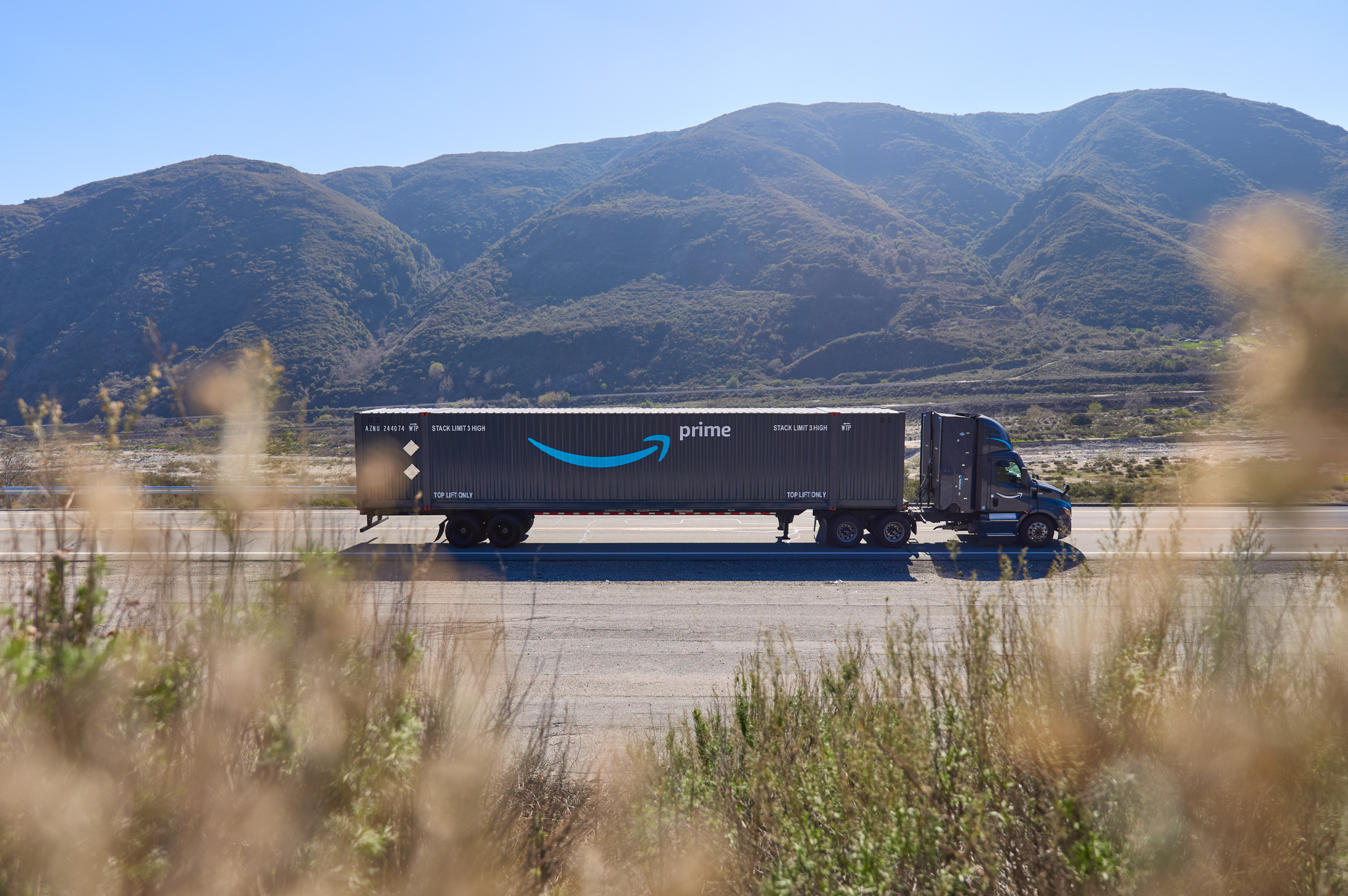
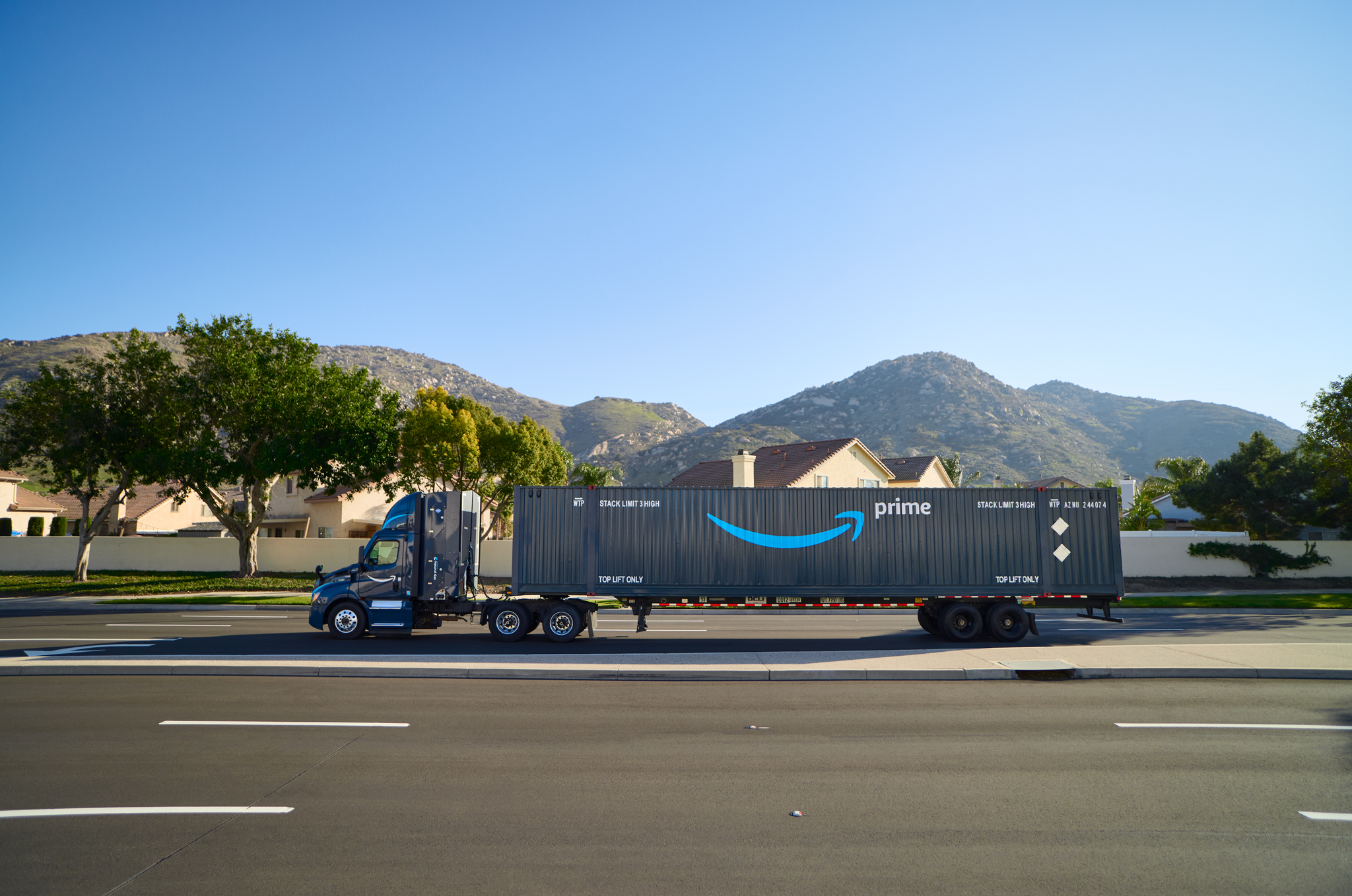
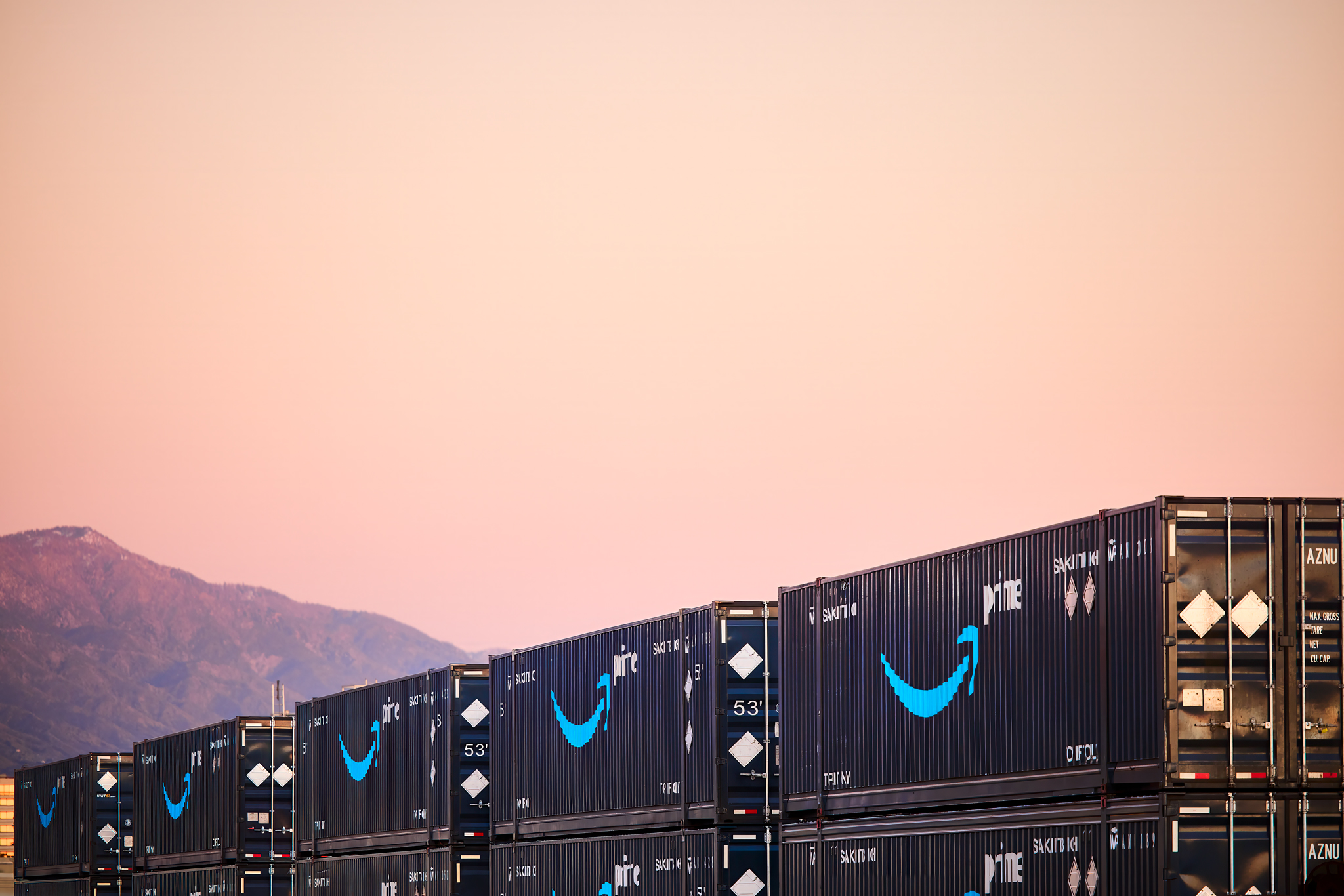
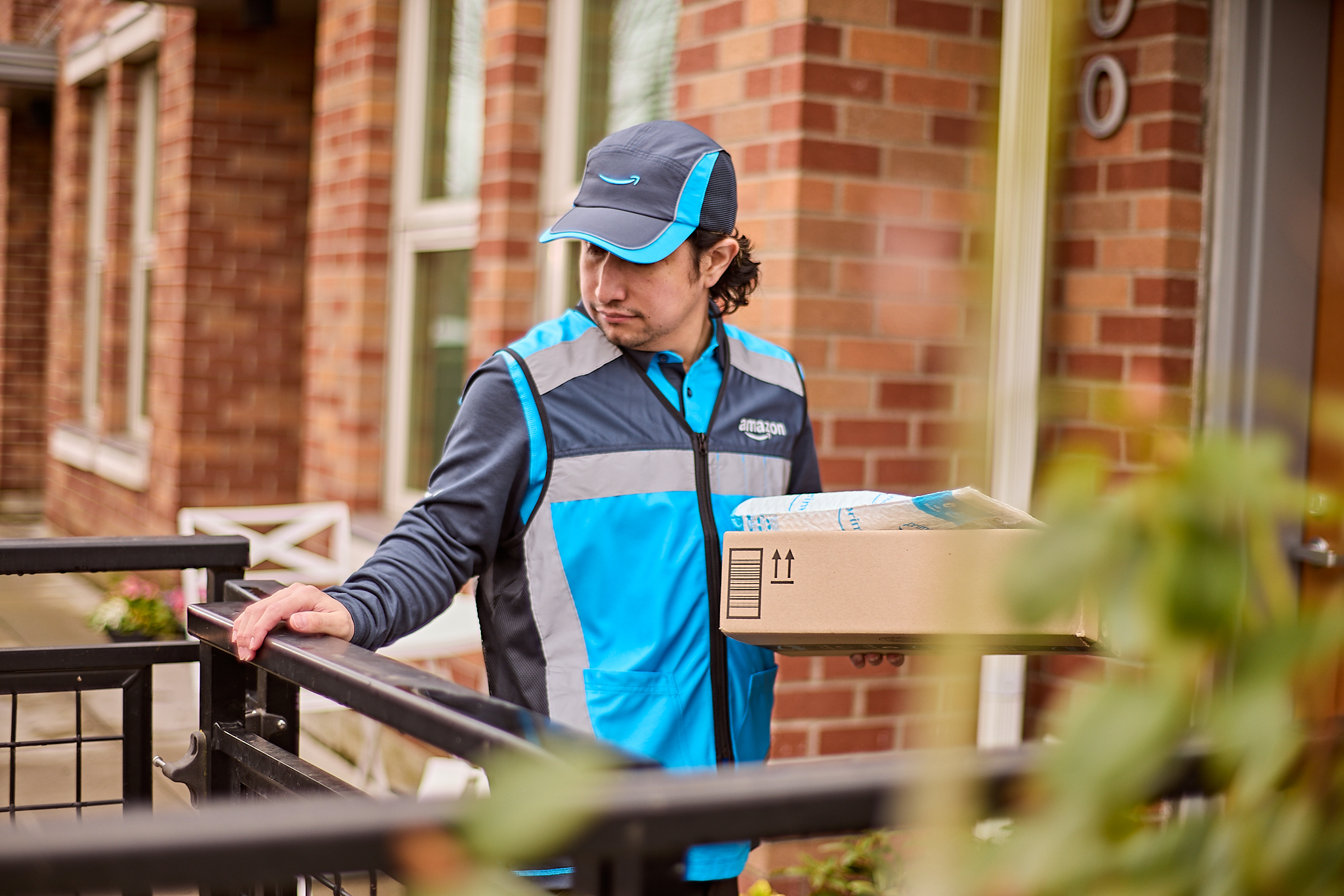
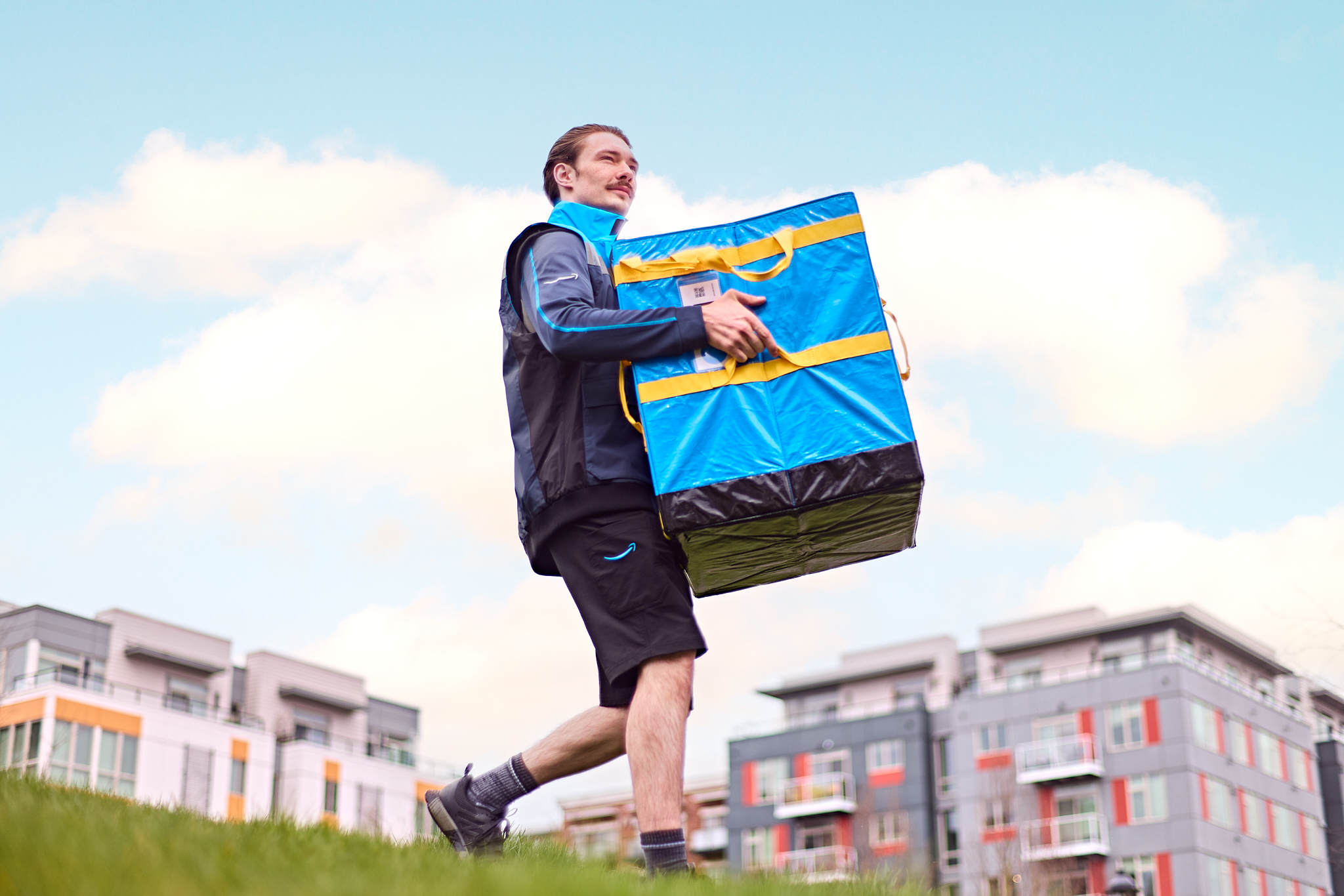
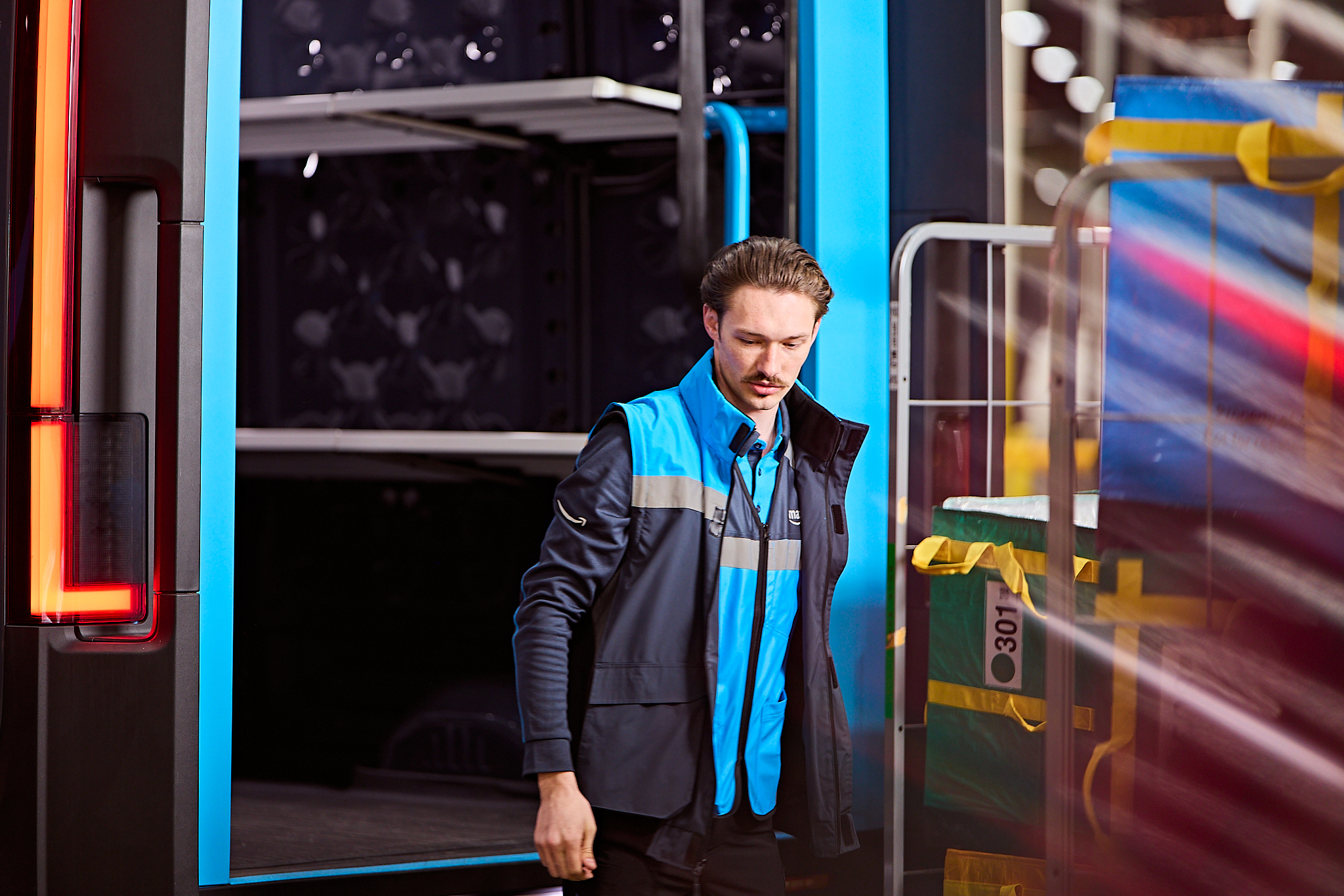
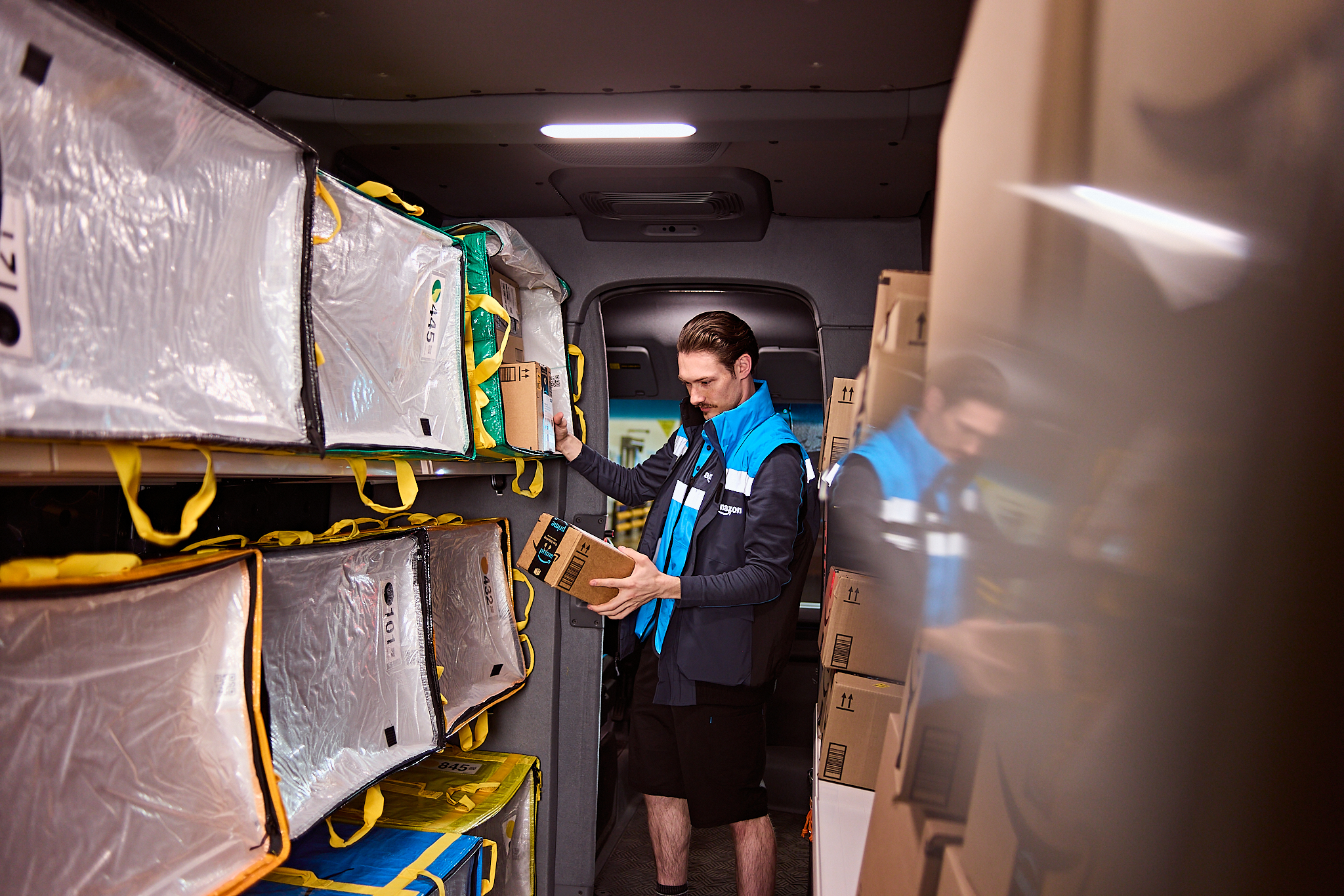
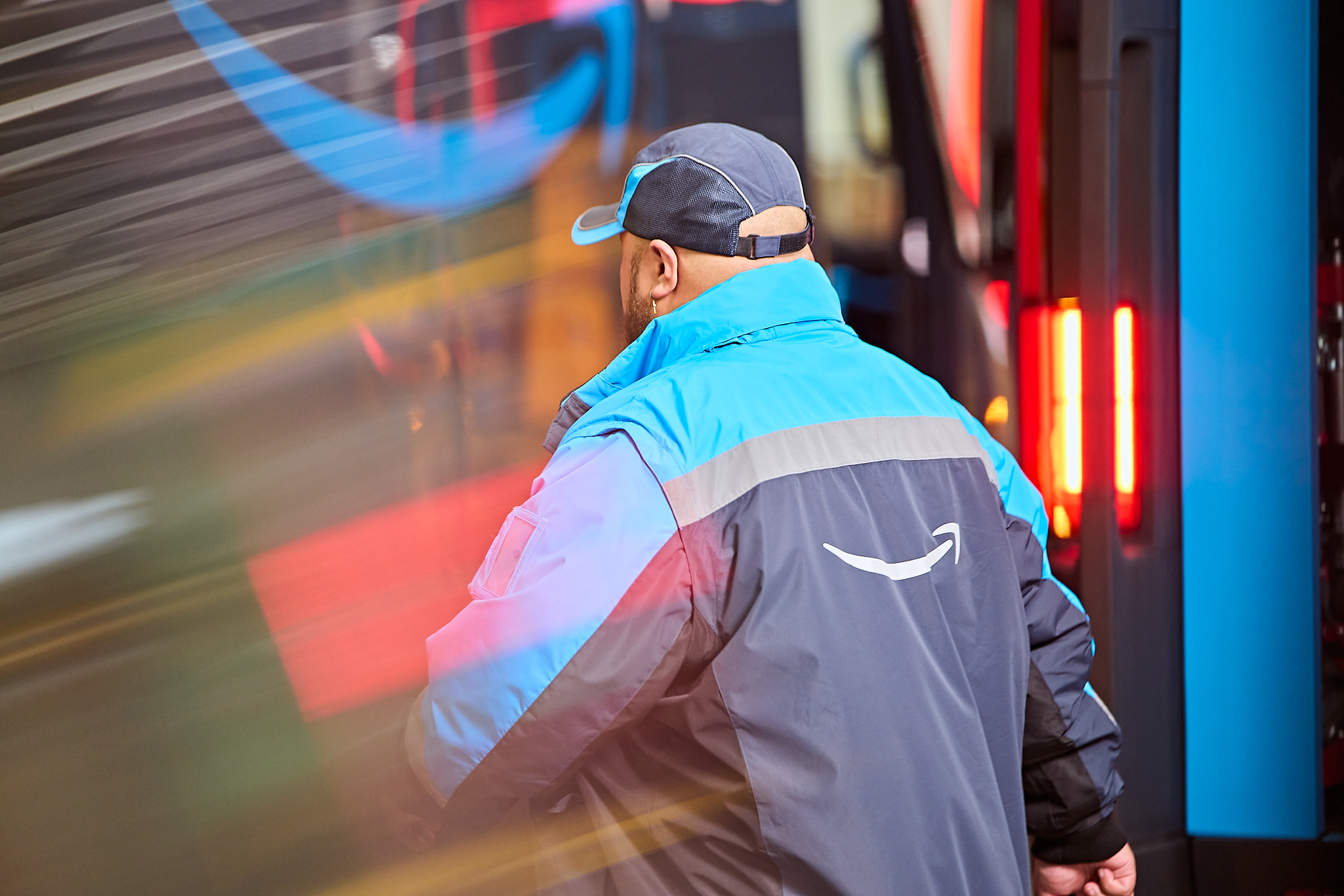
We covered the spectrum this year with Amazon, capturing 3 different campaigns for various departments. The first one was my favorite in terms of planing and logistics, and making sure the skill of anticipation was properly tuned. The 2nd and 3rd were more storytelling processes, highlighting the teamwork, effort and energy put into Amazon deliveries. Ultimately, this is a story about commerce and how it moves, and the people that move it, across the country.

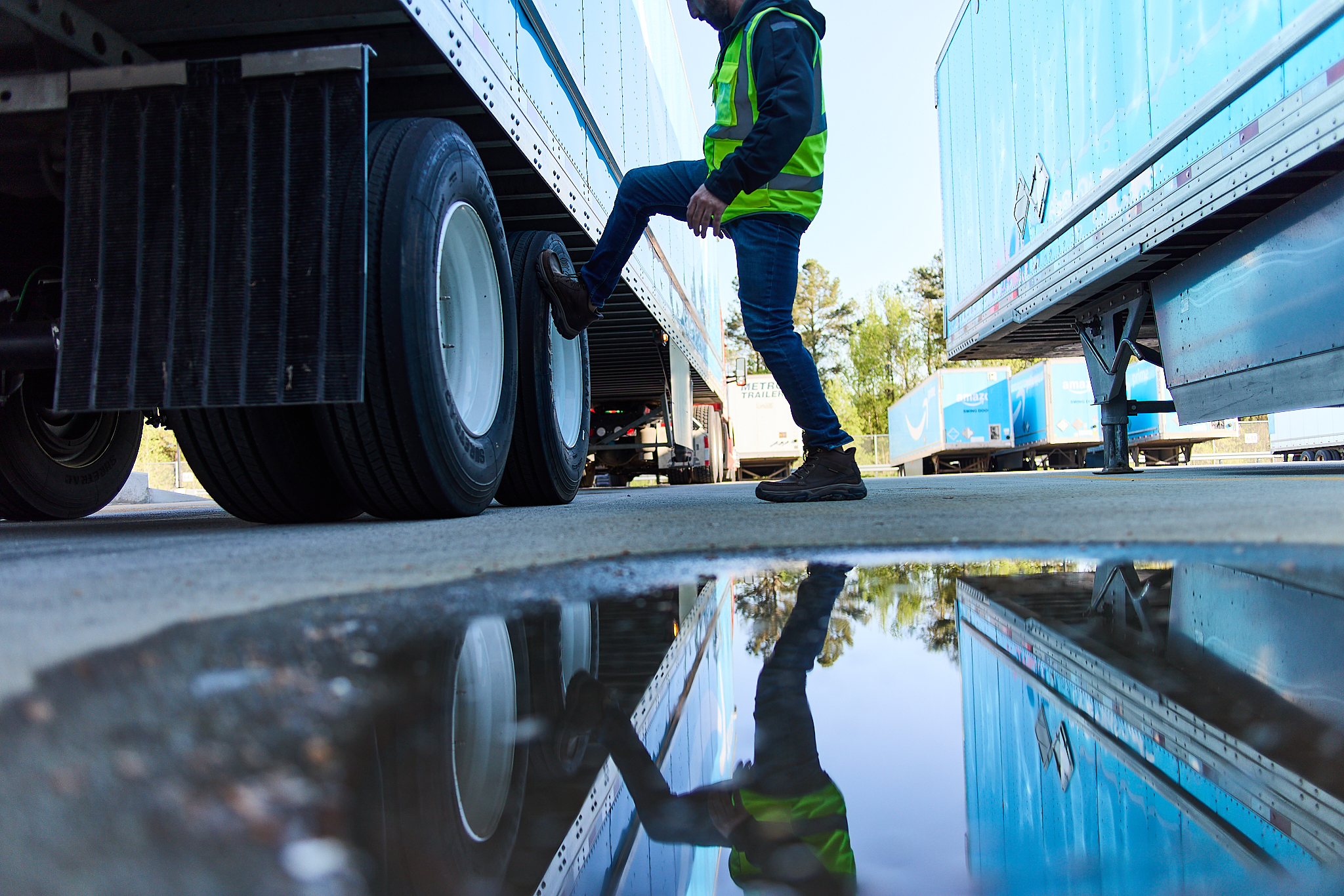
For the 1st campaign we traveled to Los Angeles, piggybacking on a motion campaign. We captured the A to Z of Amazon delivery, specifically highlighting the new Amazon Intermodal container branding. From trains and tracks and yards, to trucks and the excitement of fulfillment centers, to passing planes, it was an extensive effort in planning, including loading a BNSF train with only Amazon Intermodal containers and traveling from Chicago to LA just for a mountain pass shot.

The 2nd campaign was a quick 1-day shoot of personnel delivering boxes, from the sorting centers to the delivery truck and on the streets to a front doorstep. The final assets land as classroom wraps where trainees will be taught the process. It was an in-the-moment shoot, often creating something out of nothing, whether camera angles, foreground elemental distractions or manipulating backgrounds to appear as if we were not located in the Pacific Northwest.

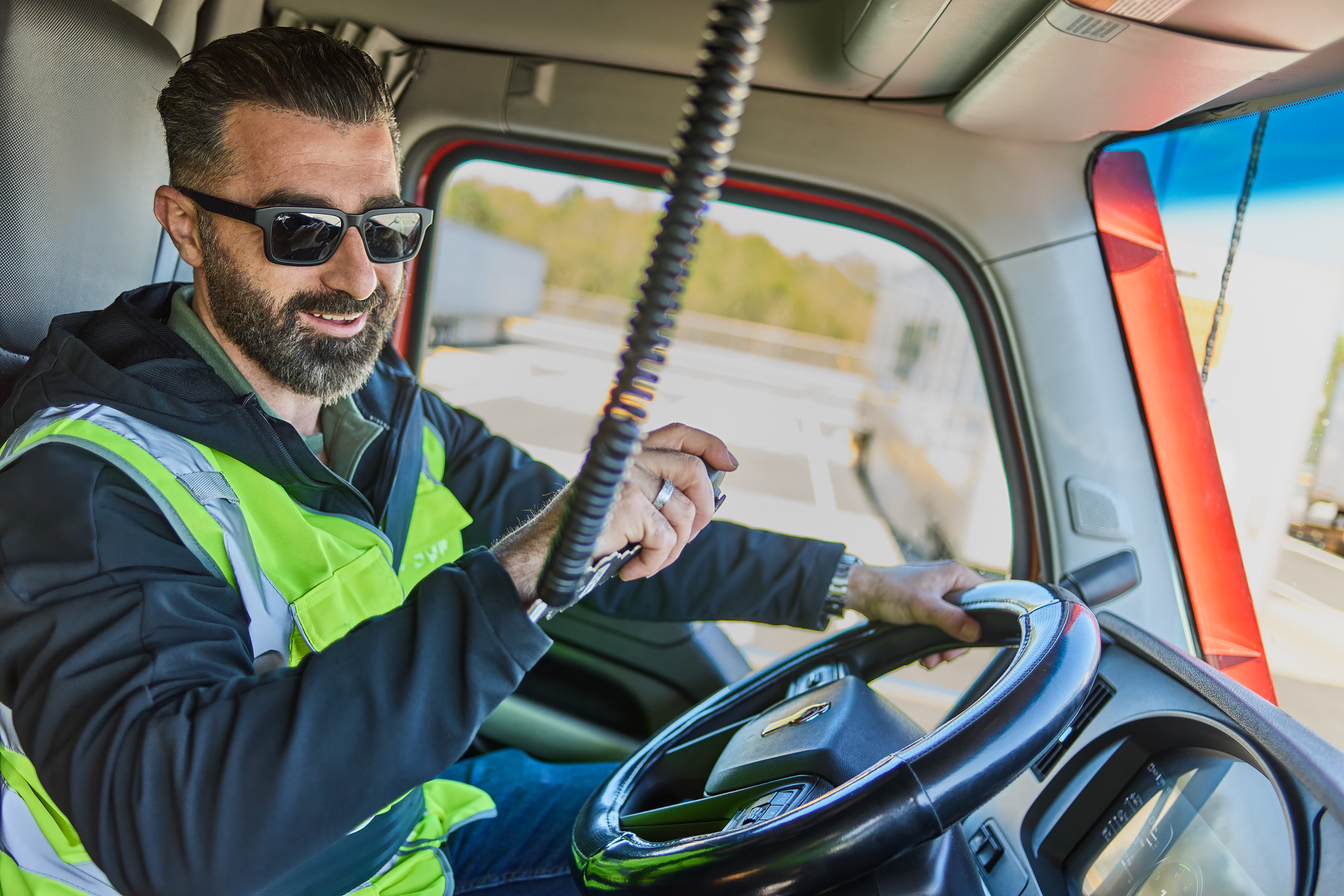
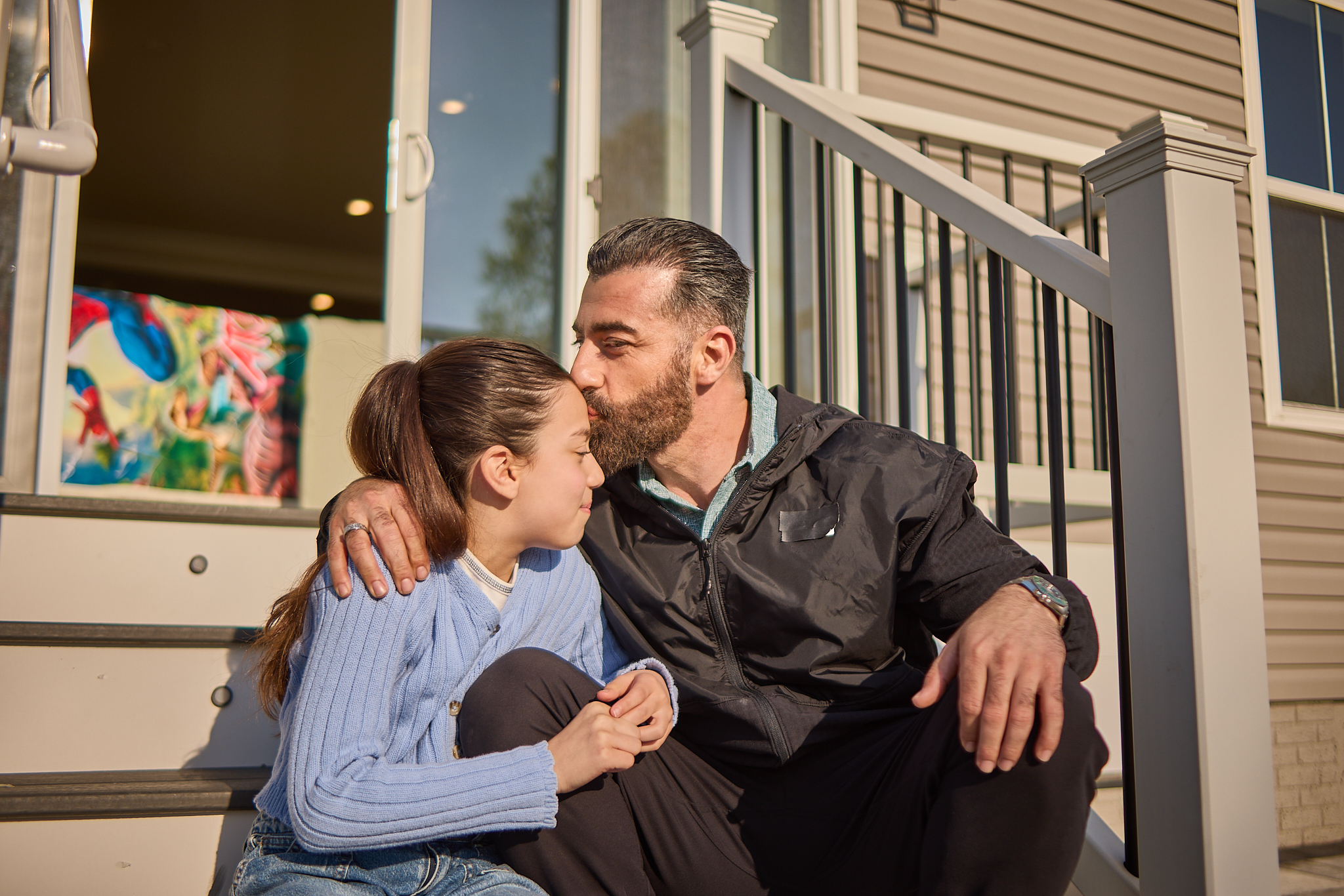
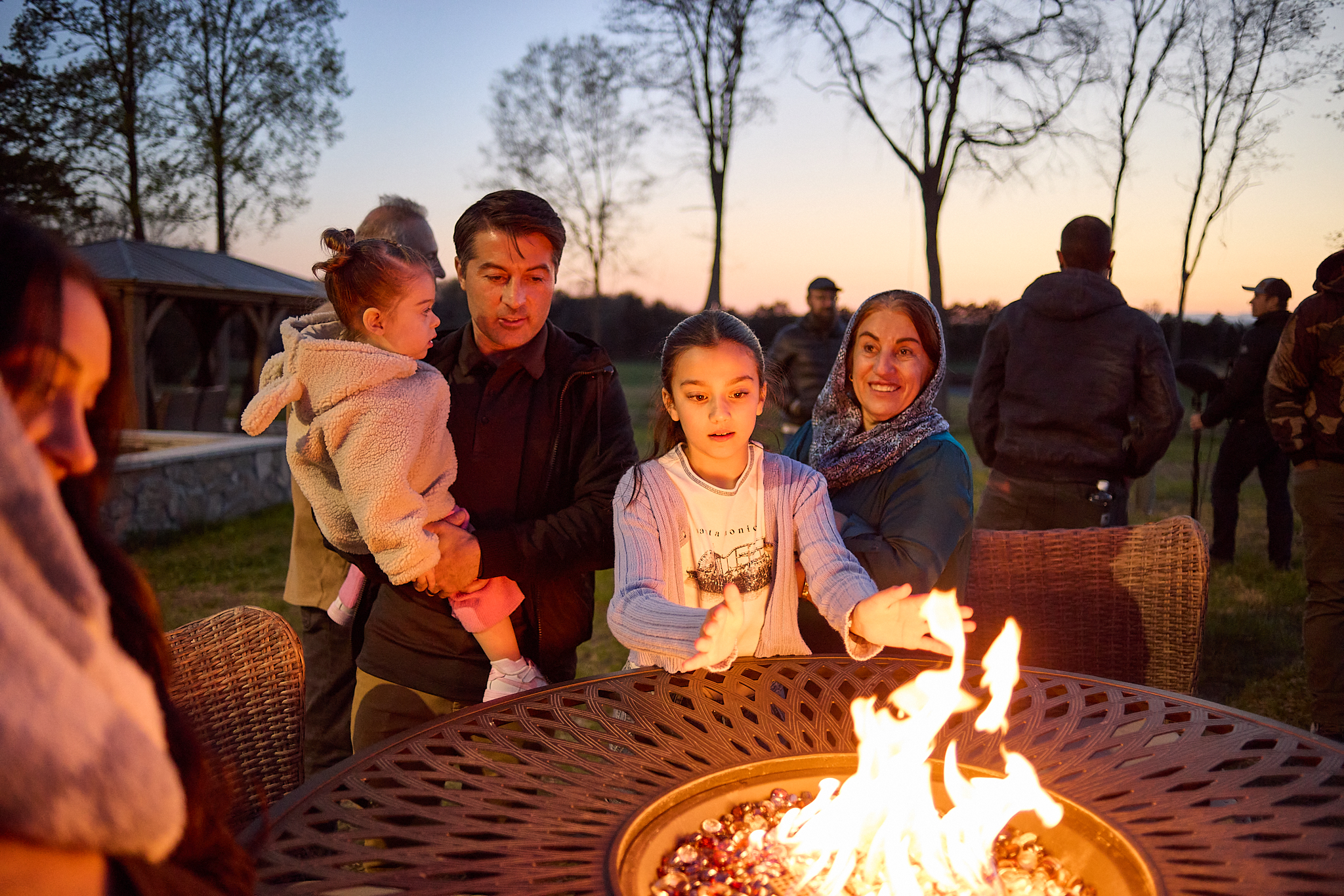
Lastly we were in Virginia, where a man by the name of Bayar Palani has partnered with Amazon Relay to help deliver Amazon packages throughout the region. This partnership has helped Bayar grow his business exponentially and create the dream-life for he and his family. As an immigrant, whom traveled halfway around the world with his parents to seek better opportunity, he is a perfect example of what hard work, dedication, belief, and persistence take to open the right doors and fully live one’s dreams for a better future. He is the perfect example of what all persons should have the opportunity to create.

For more visit www.CameronKarsten.com

An Italian Garmin

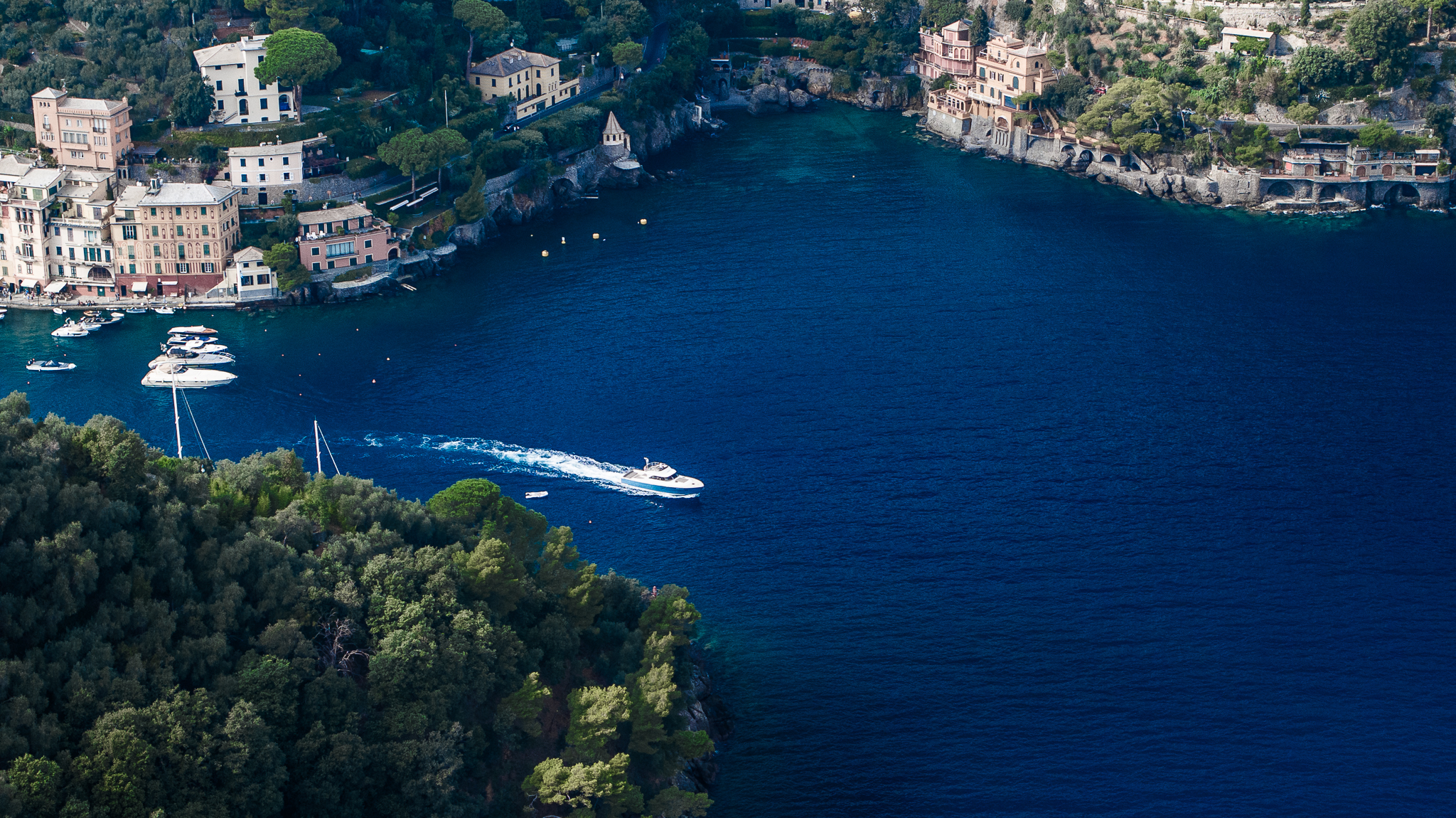
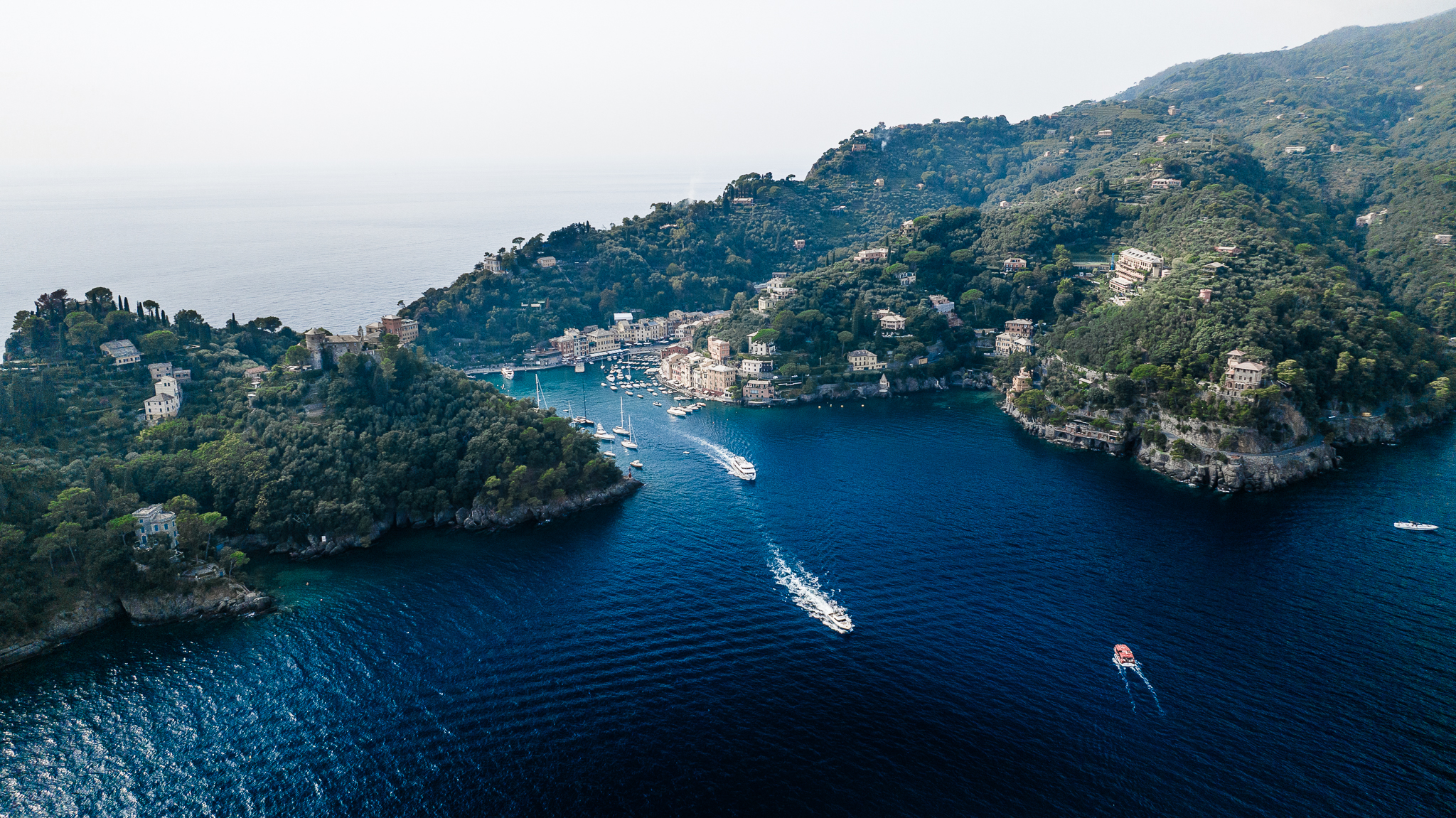
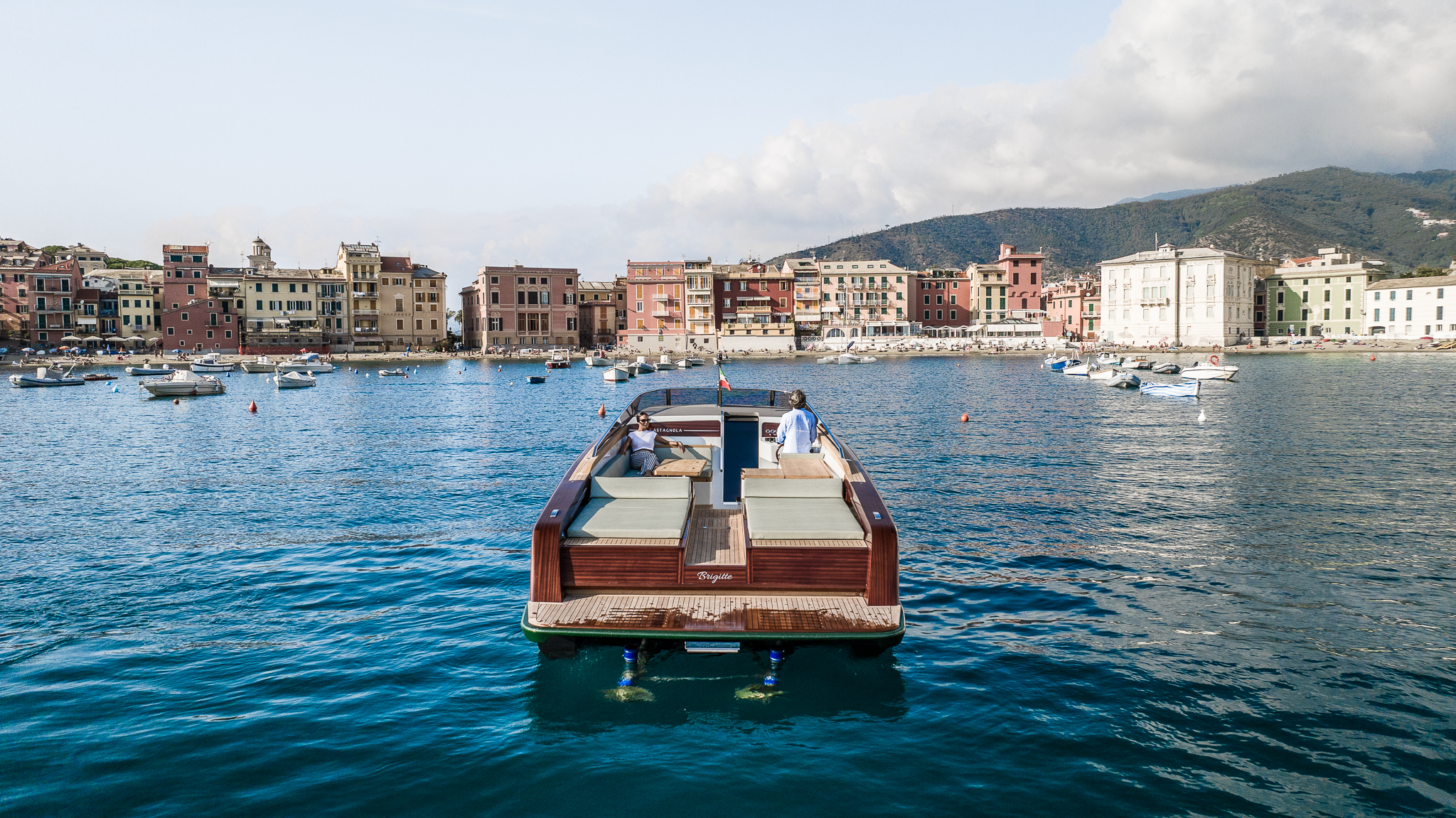
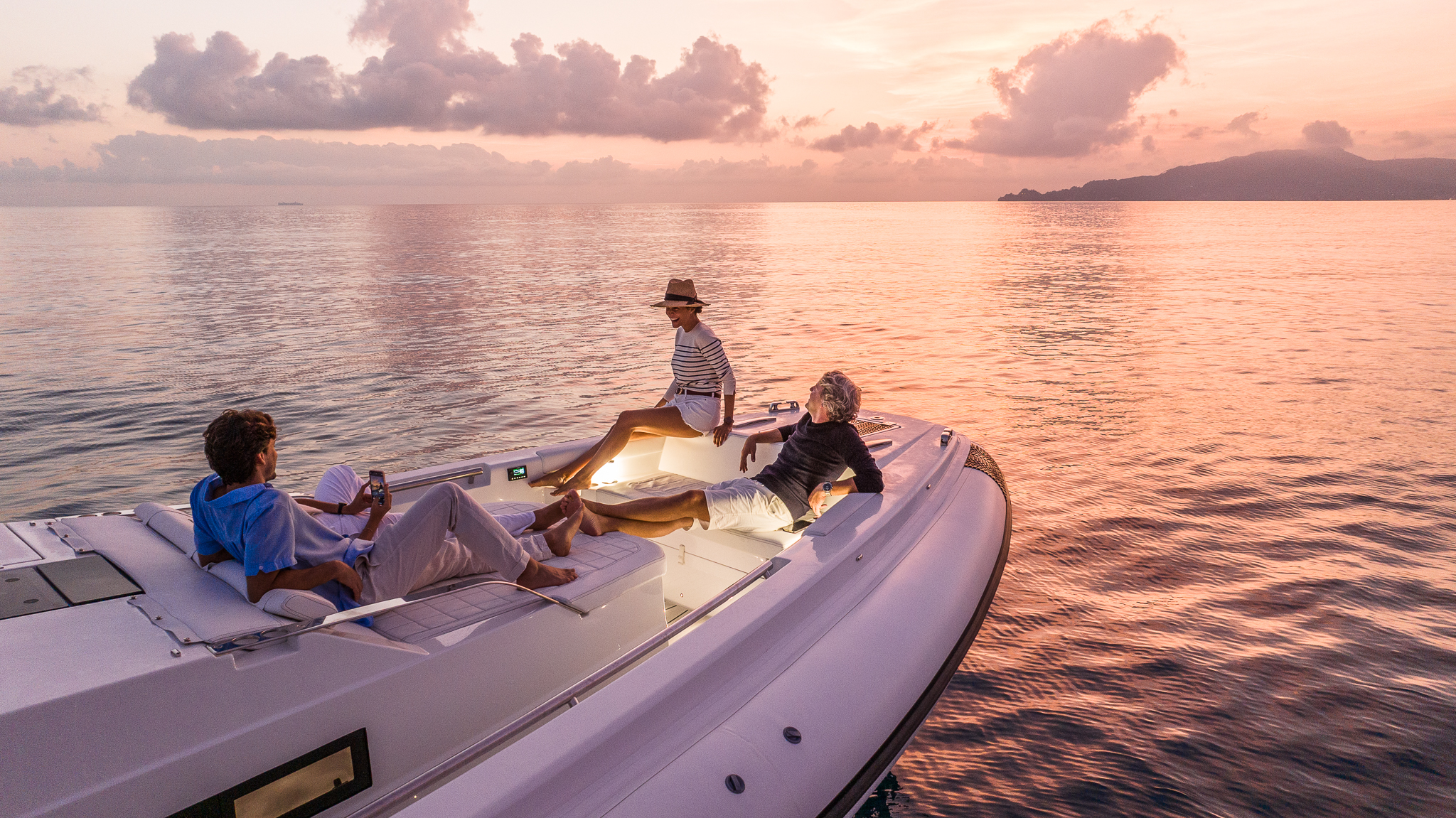
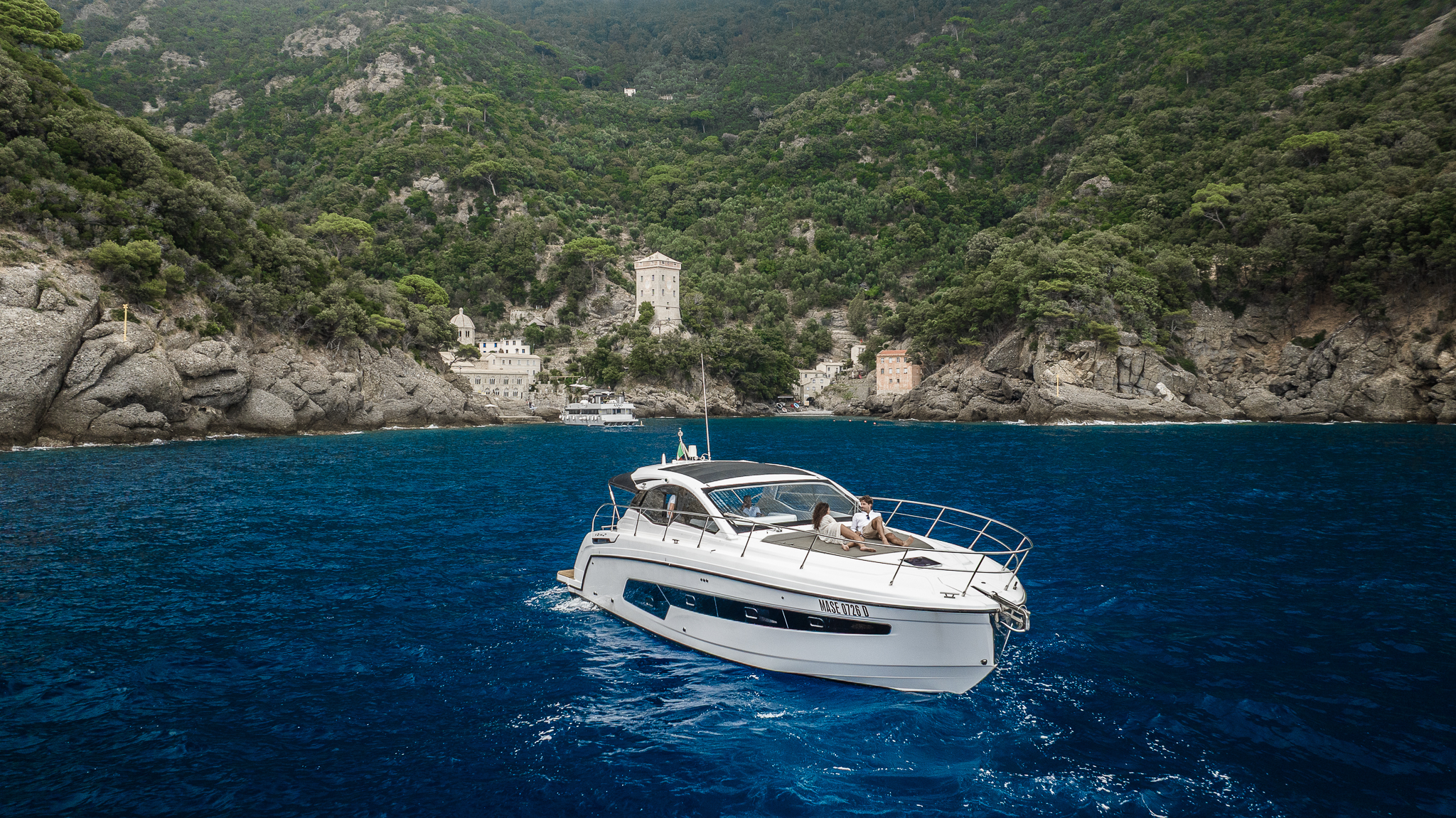
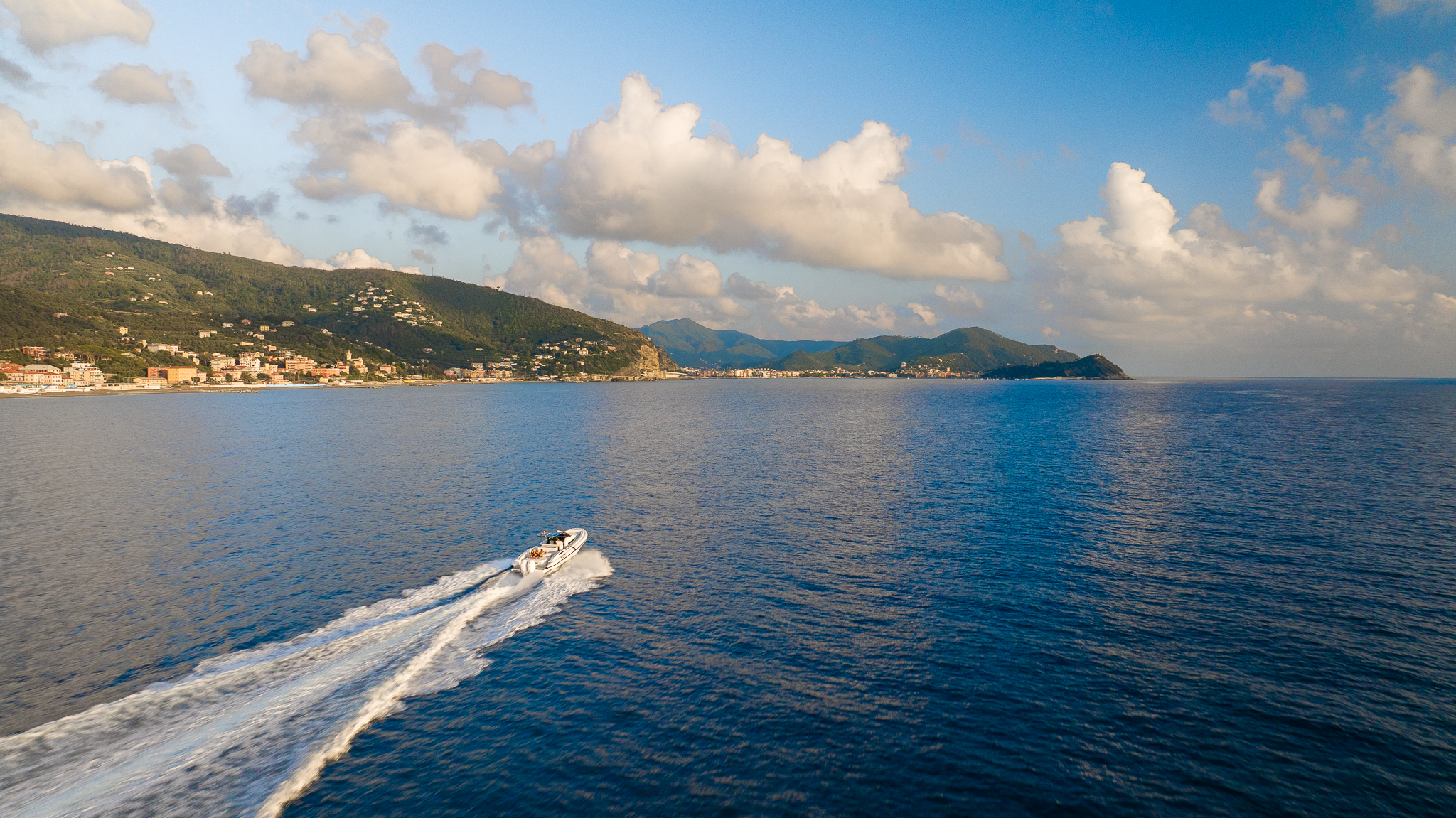
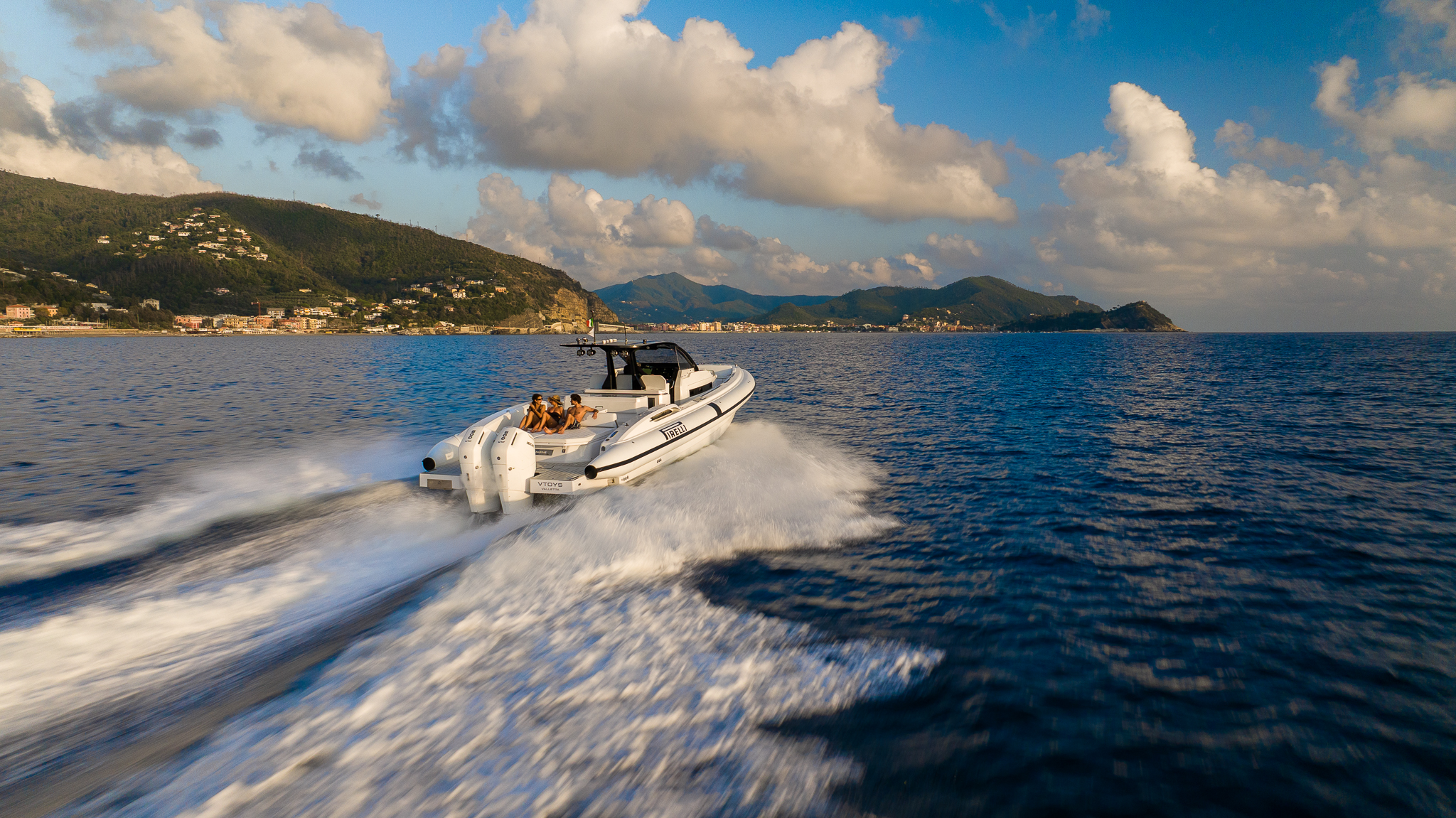
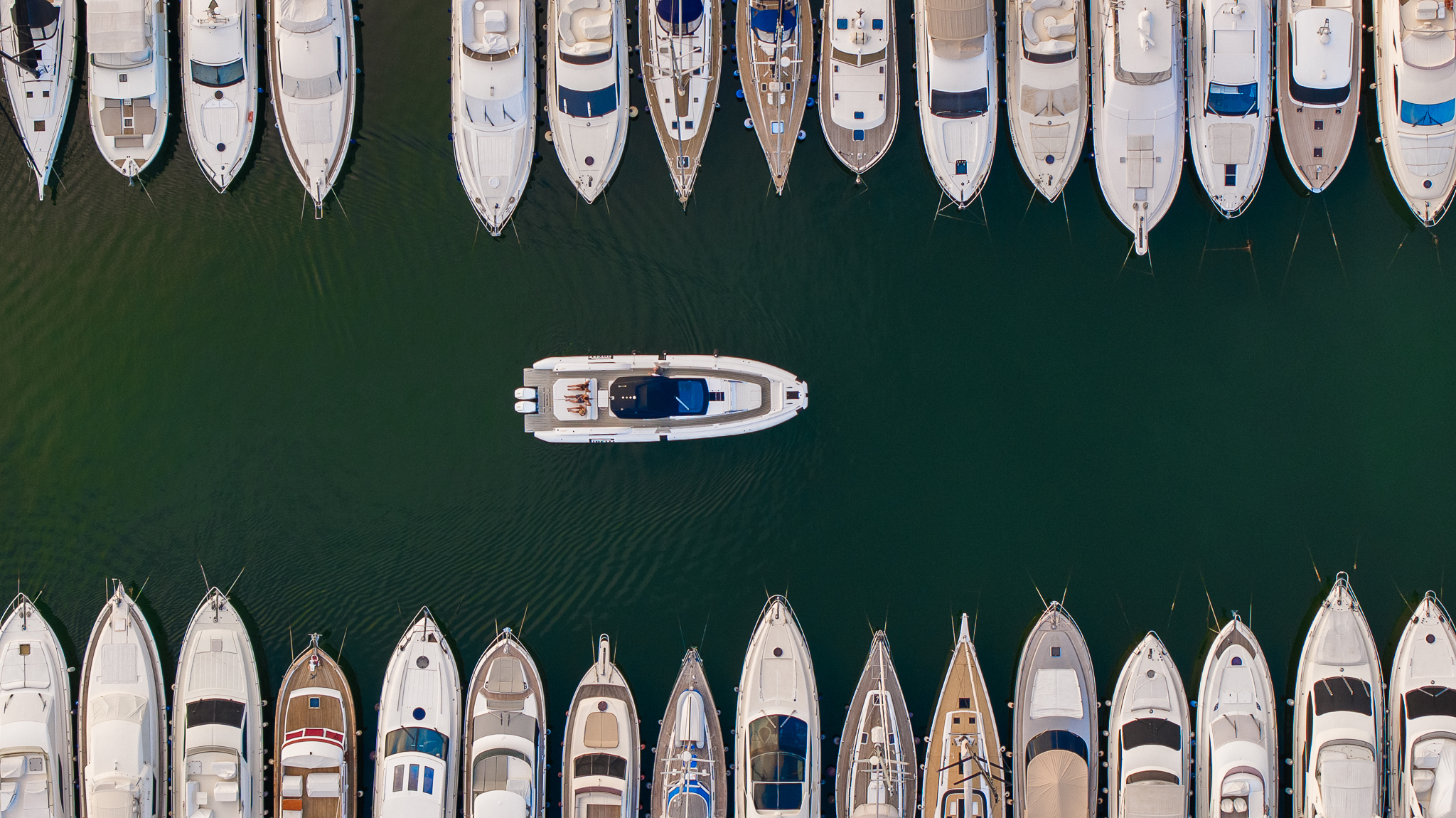
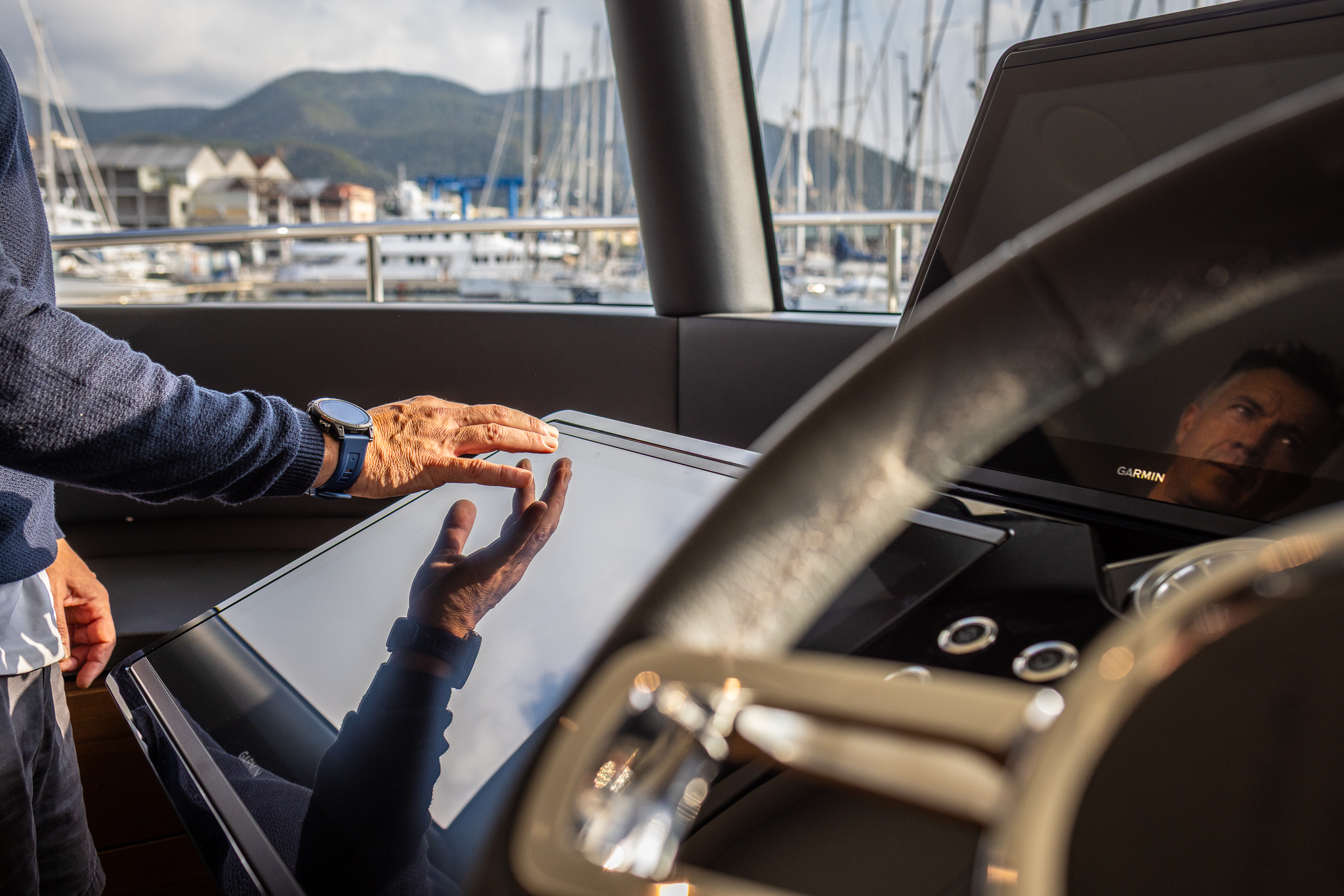
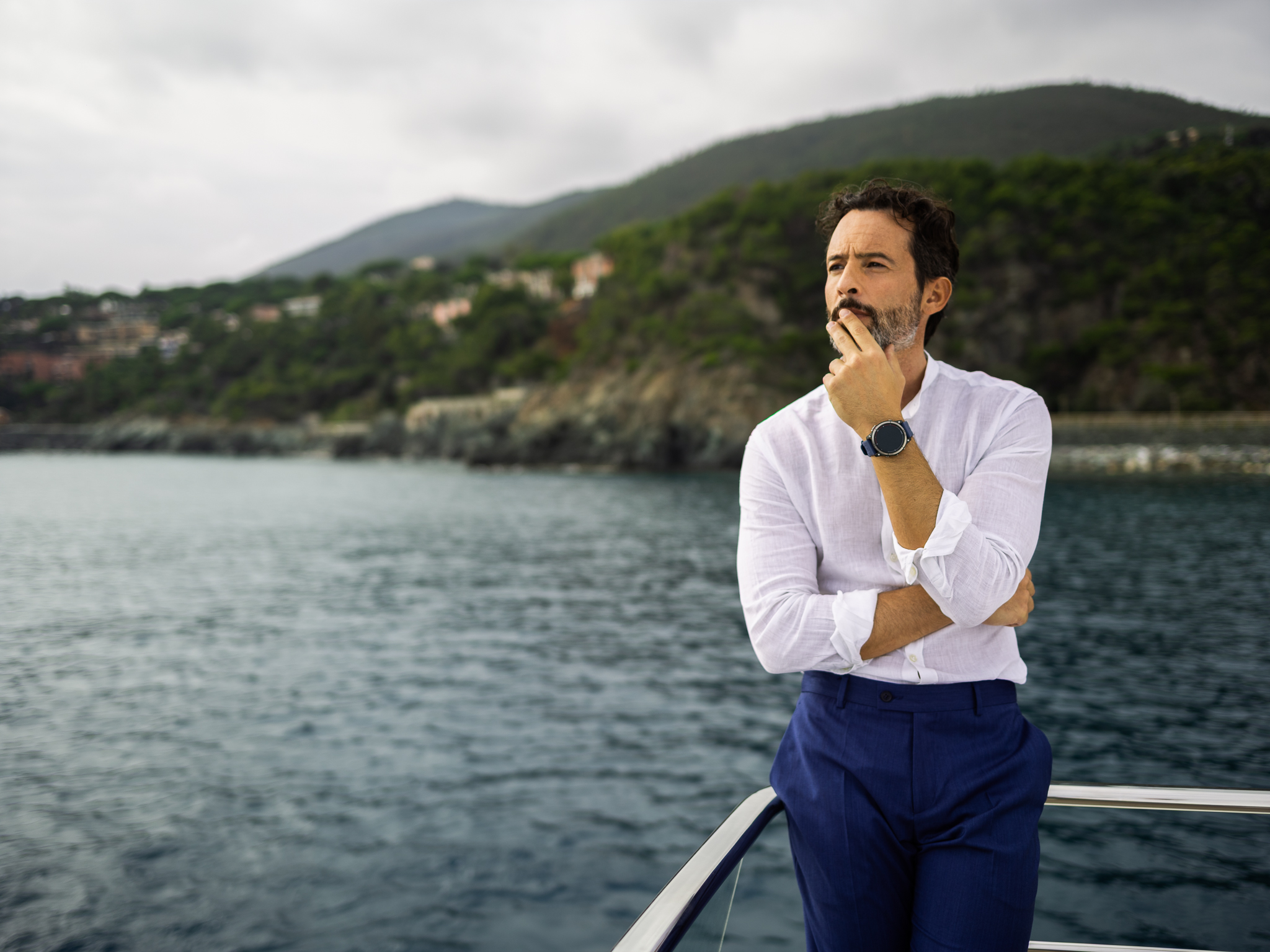
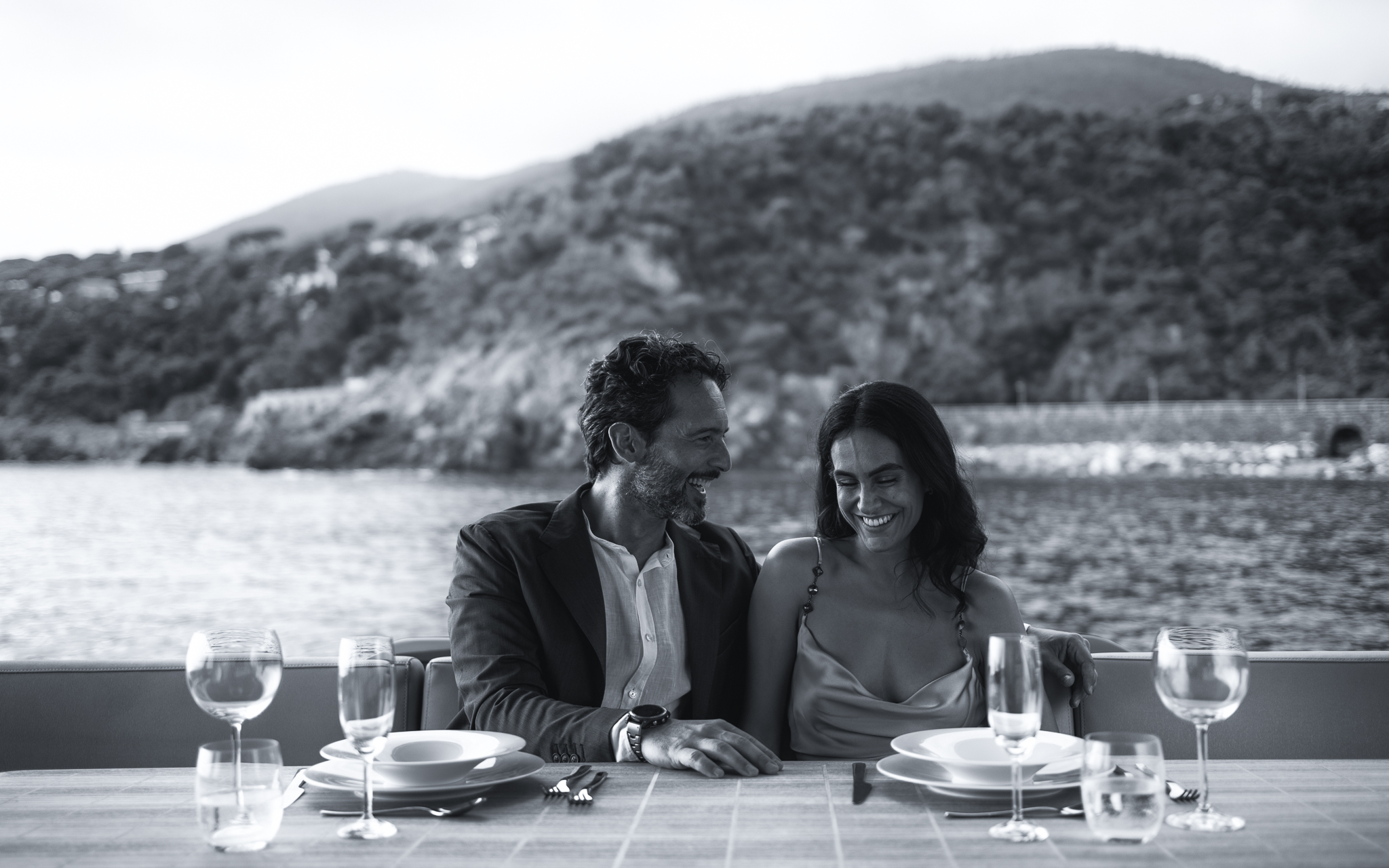
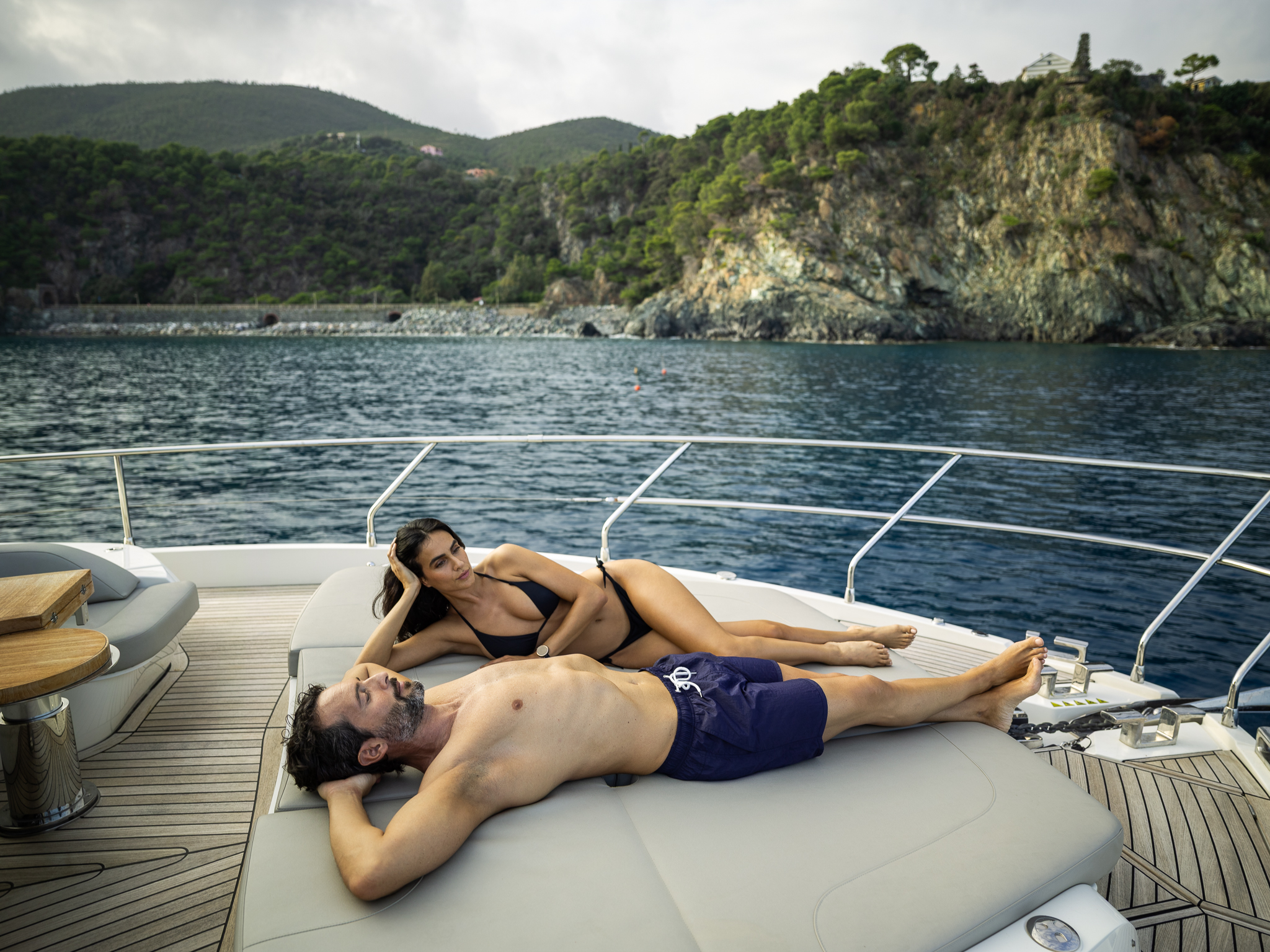
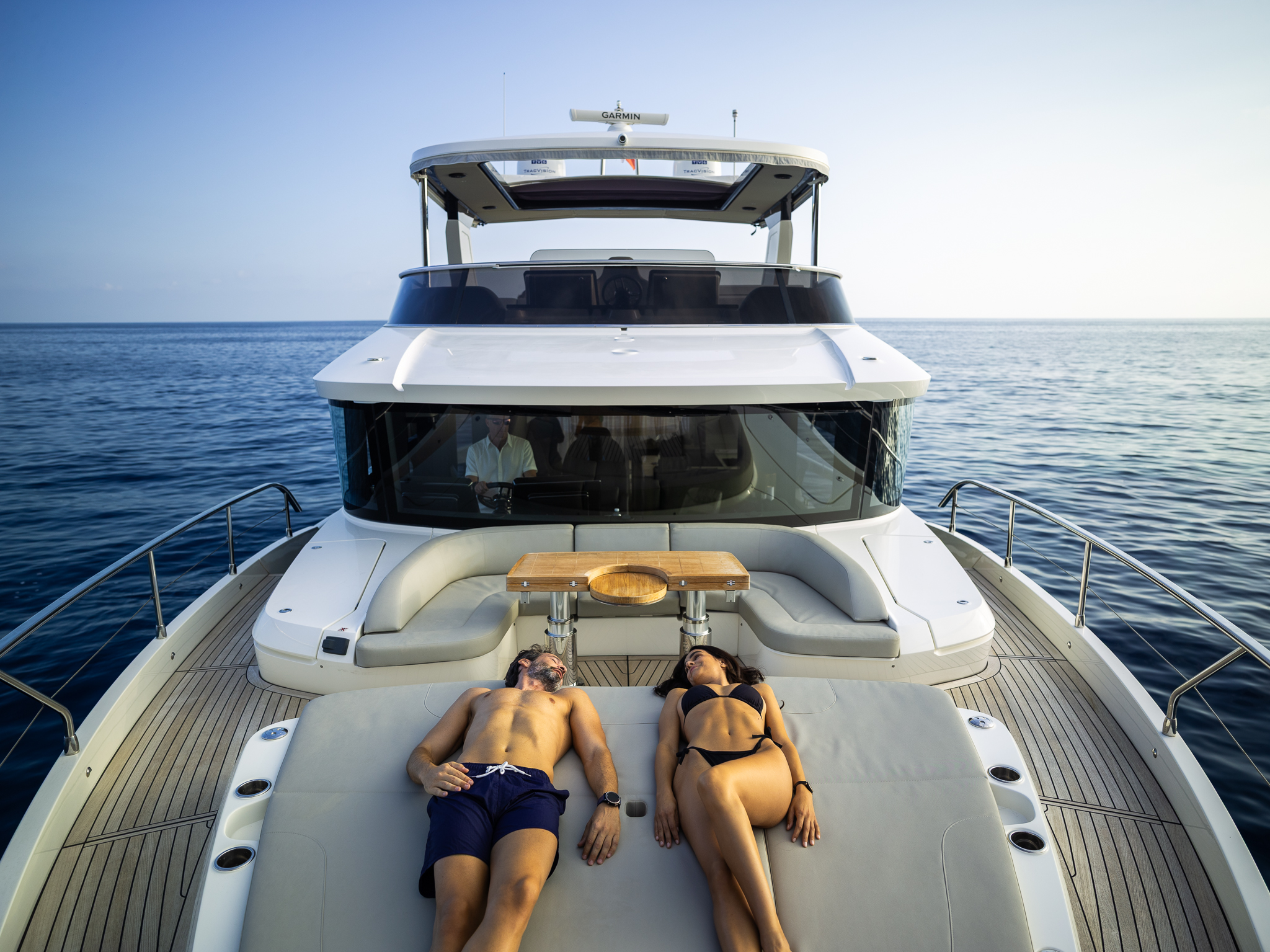
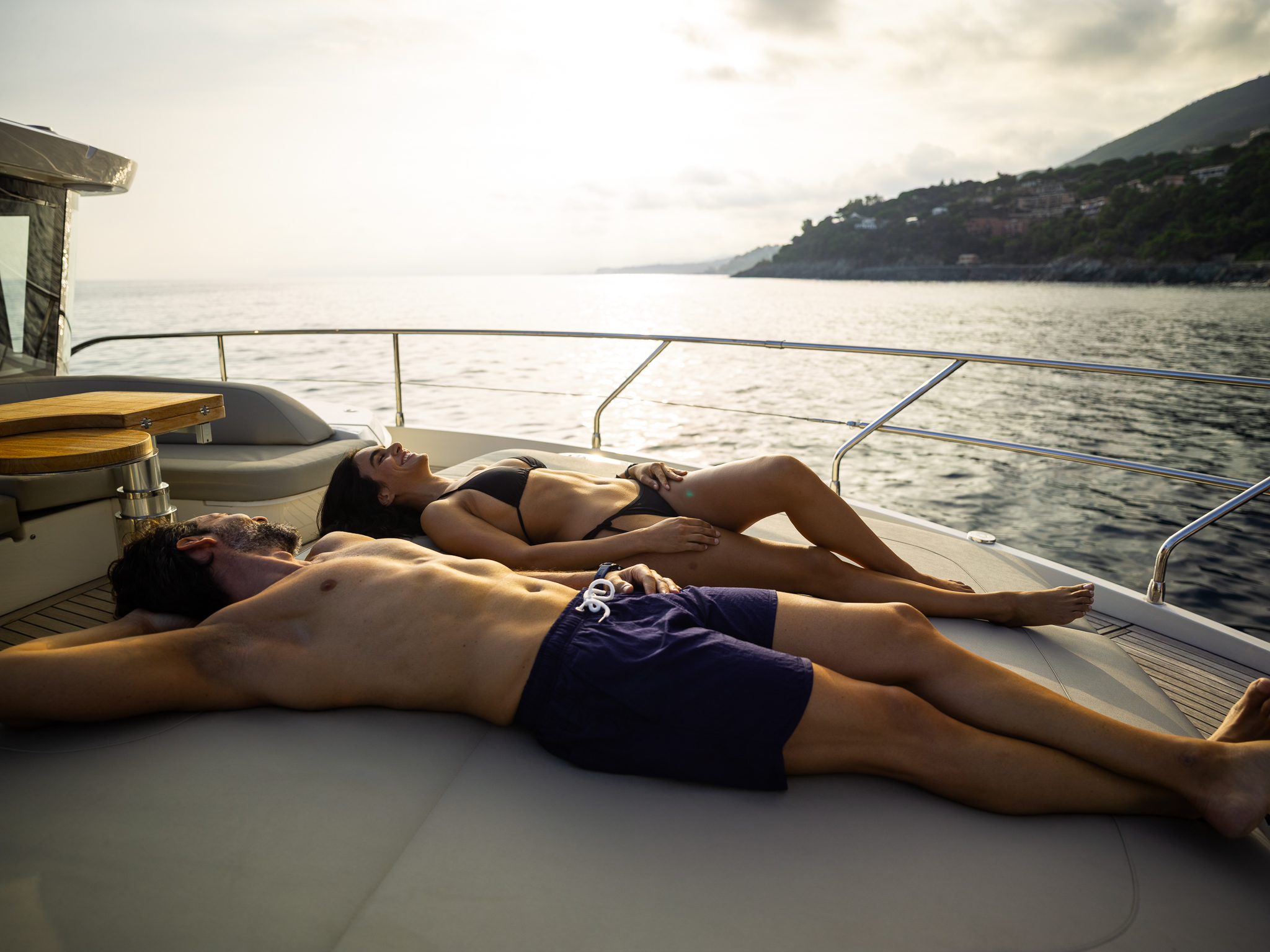
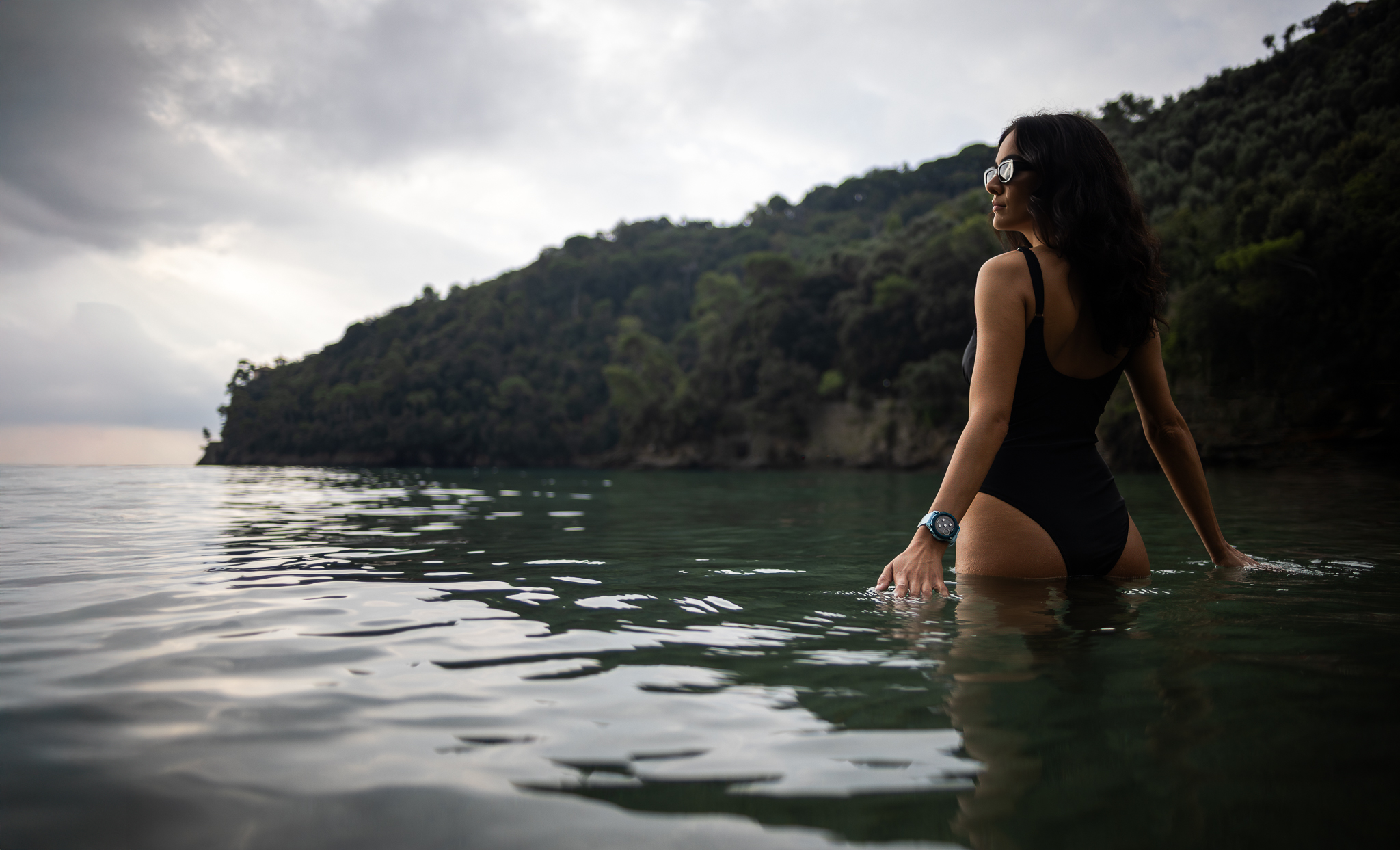
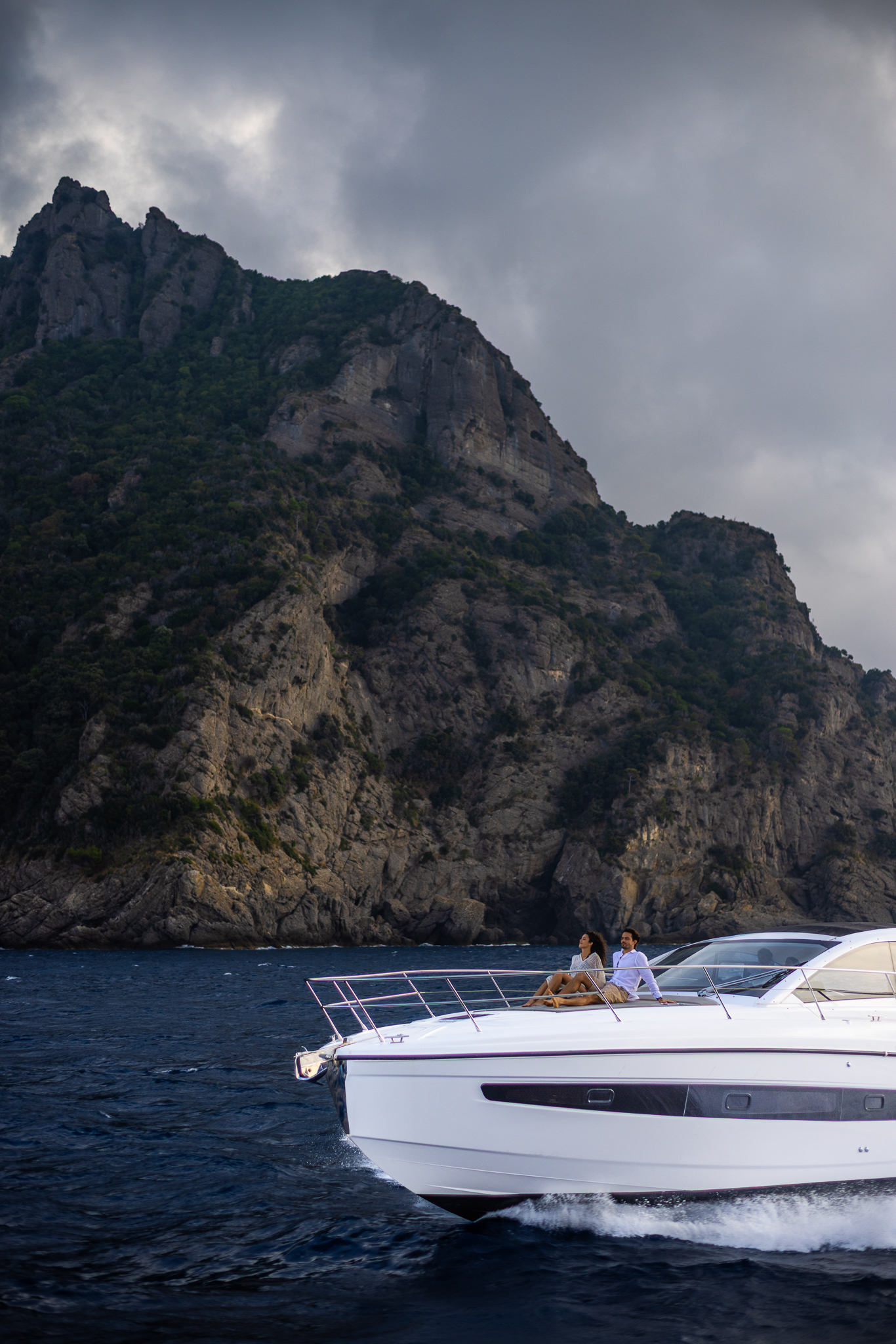
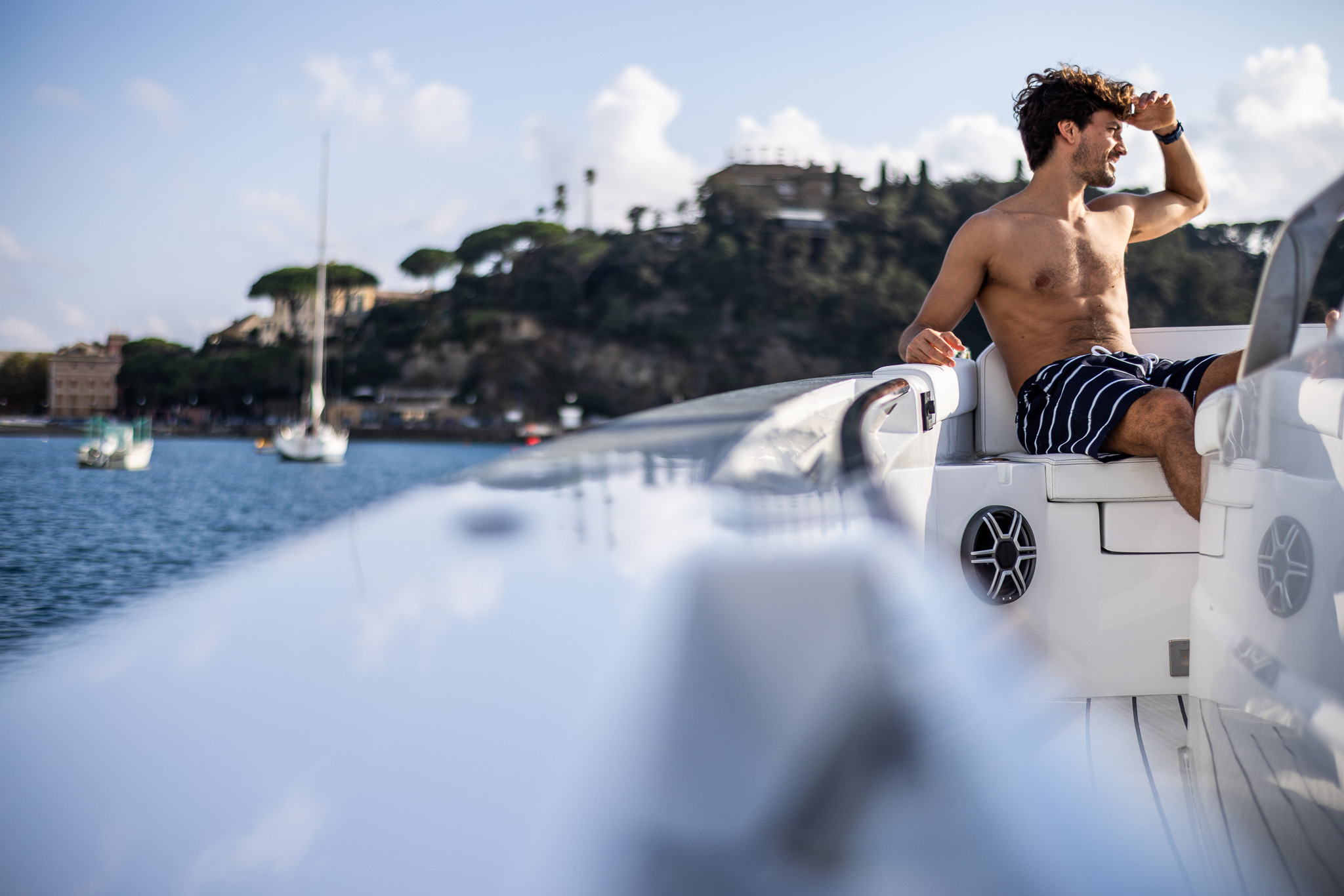
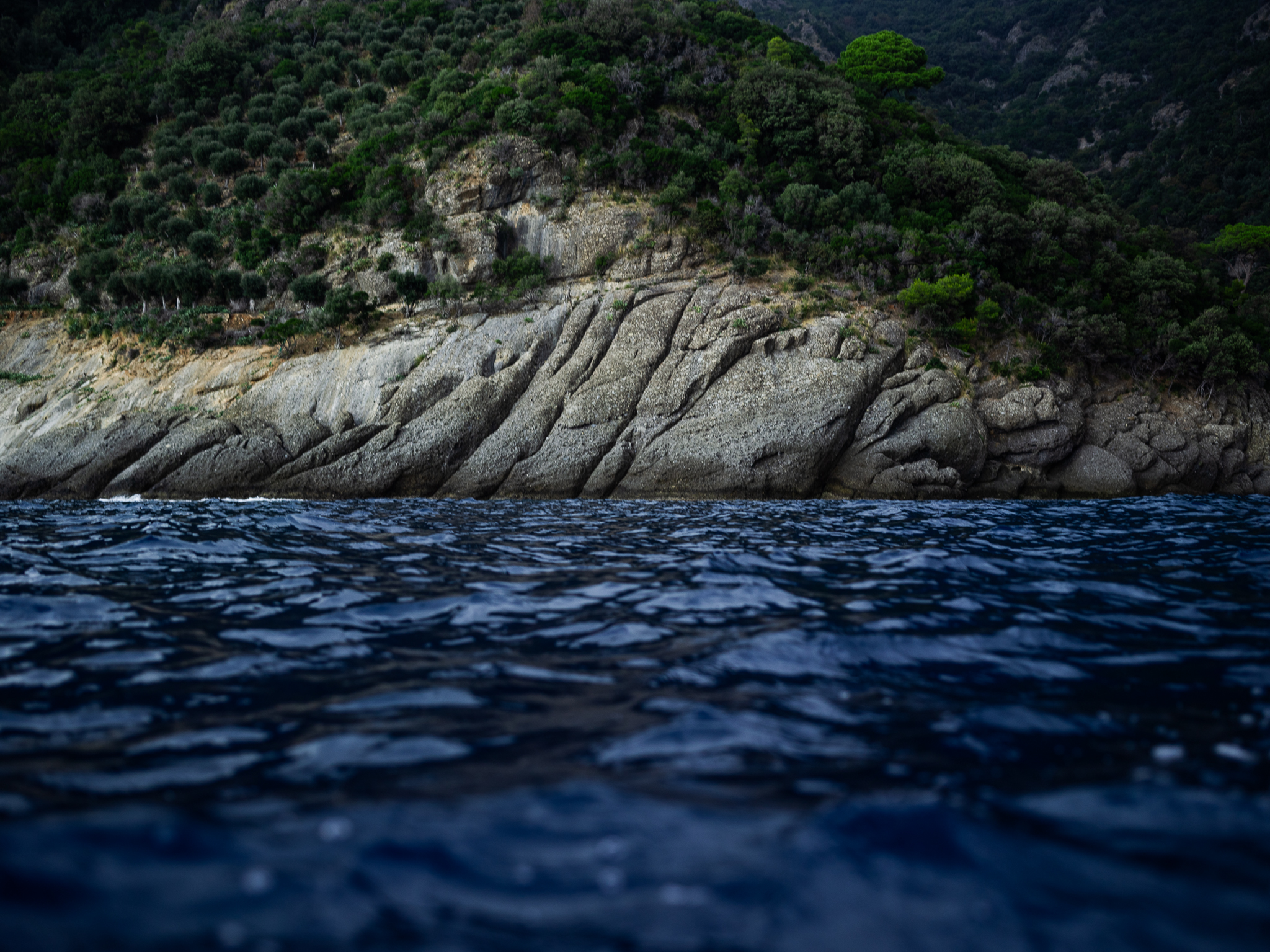
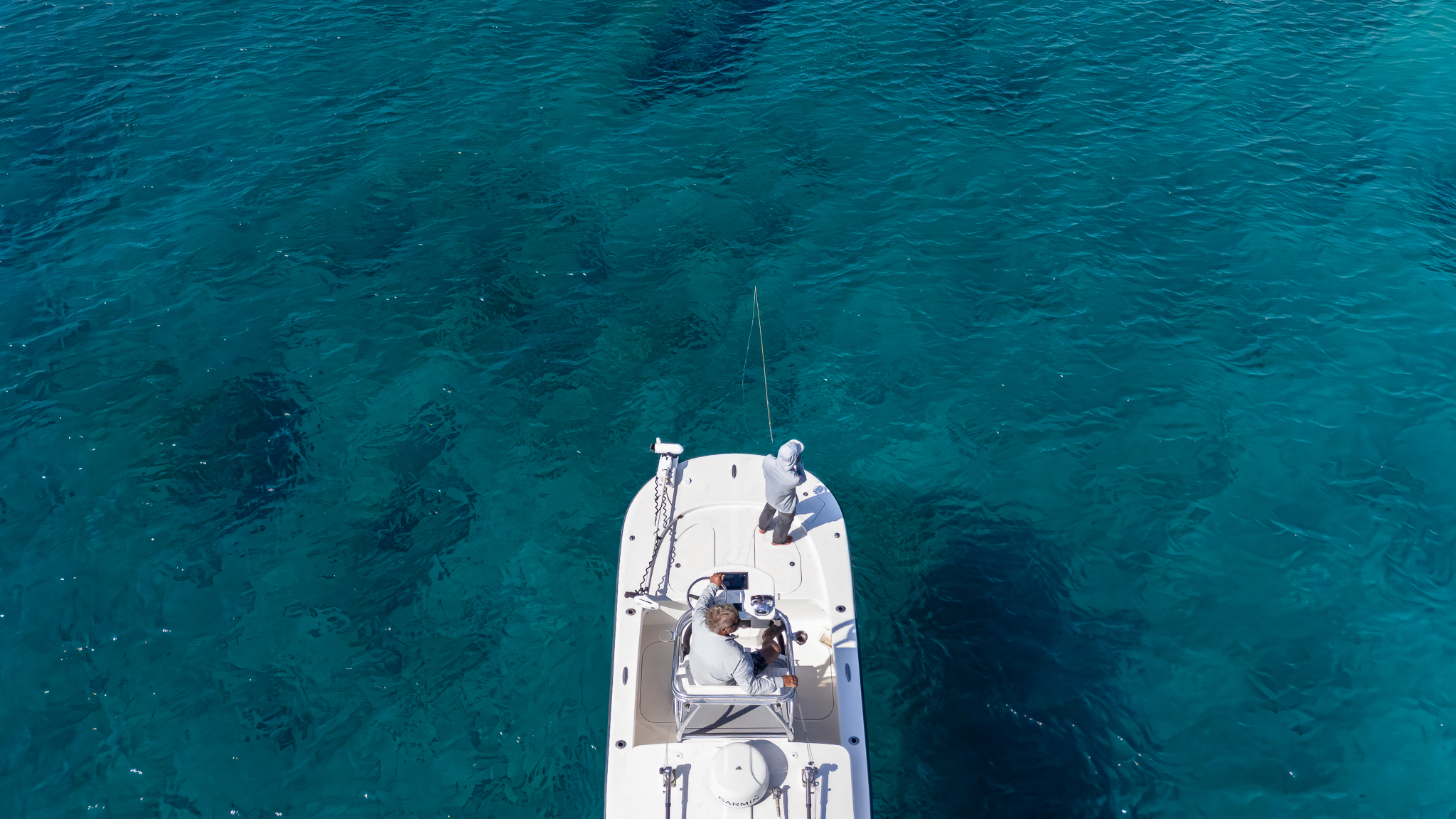
Well, when you get a call like this, there is no answer besides an astounding YES! With the request for a more luxury marine shoot for Garmin in the Mediterranean waters off the coast of Genoa, we dropped all other things and flew east.

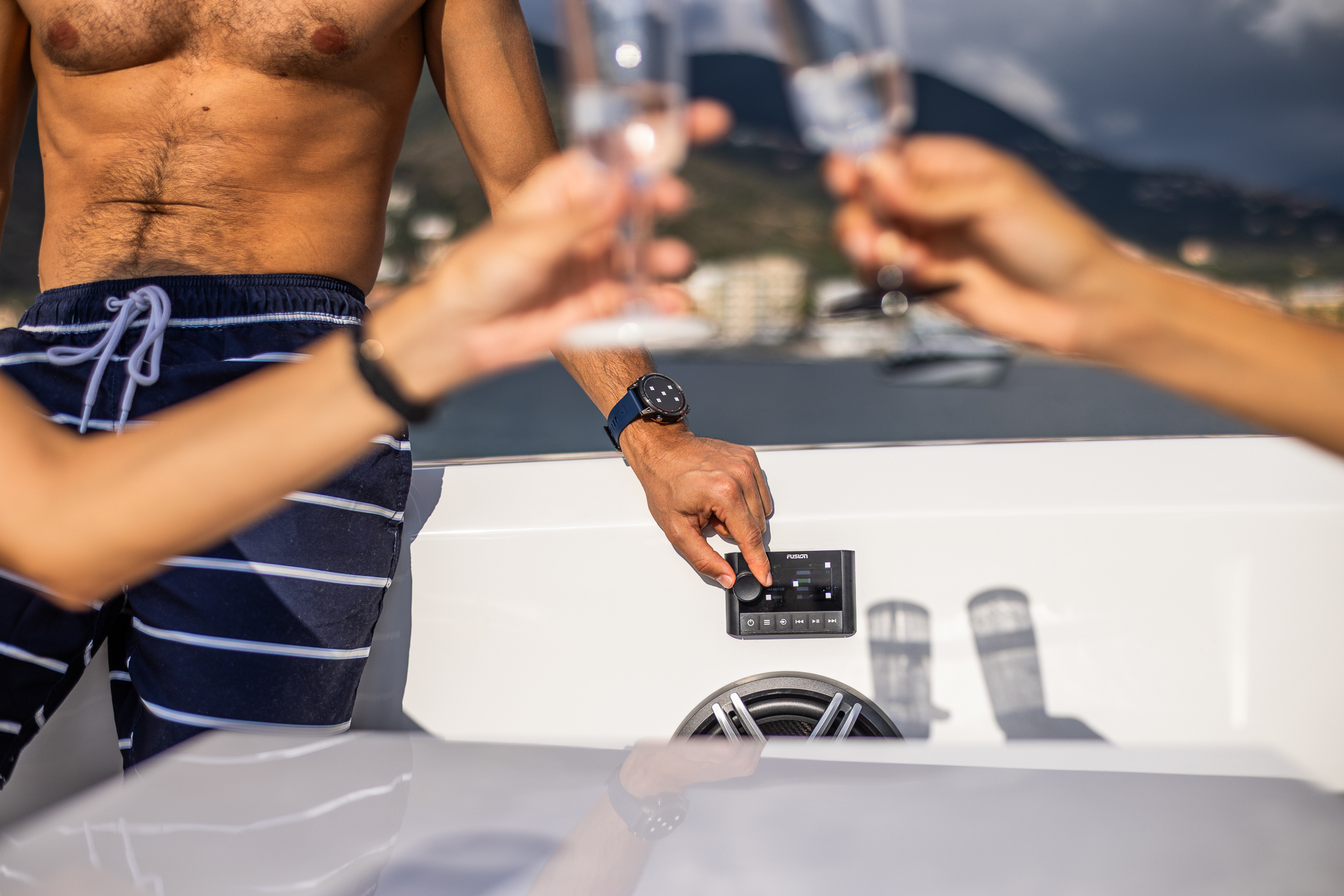
For deliverables we created a library of still assets for mutliple products, the main being their large Chatplotter screens, as well as their new Fusion Apollo speakers, and various marine watches built for the boating industry. Likewise my team produced 4 motion pieces for the necessary product releases. Of course there were travel delays, equipment hiccups, and the need to pivot and accept the difficulties of creating a campaign in a foreign culture.

For more visit www.cameronkarsten.com and www.the-subconscious.com

Spring in January: Tideland Magazine and WaveKelly

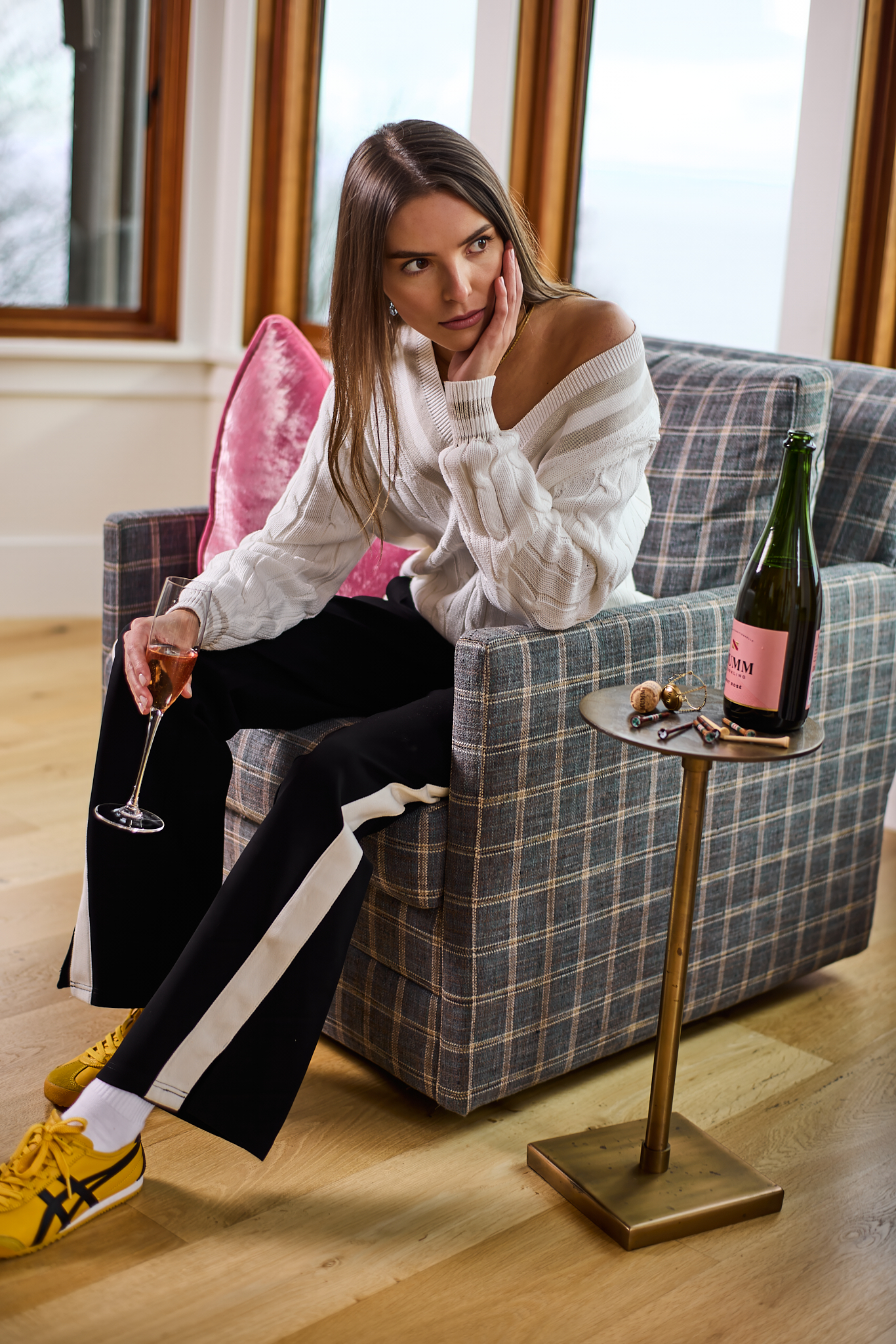
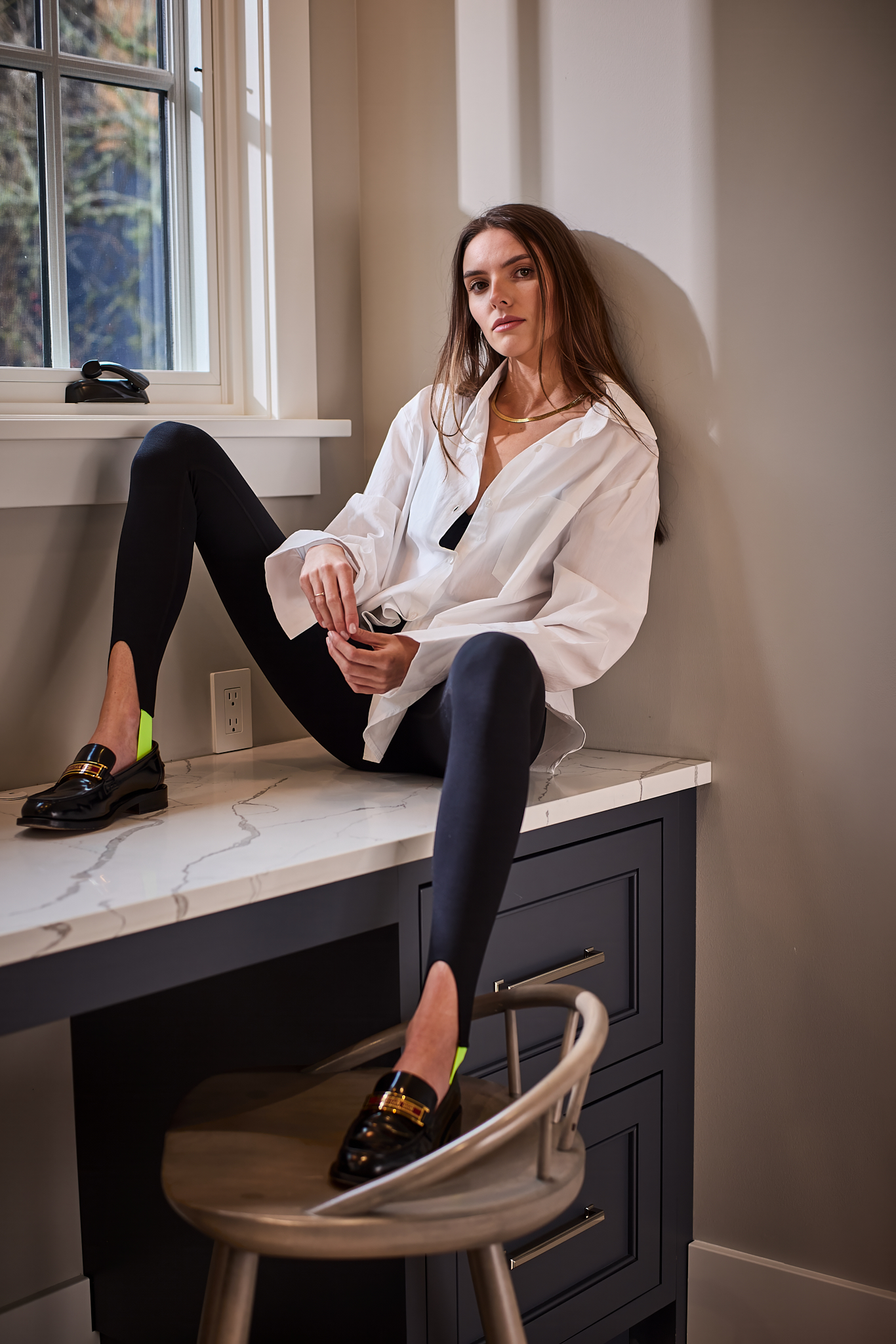
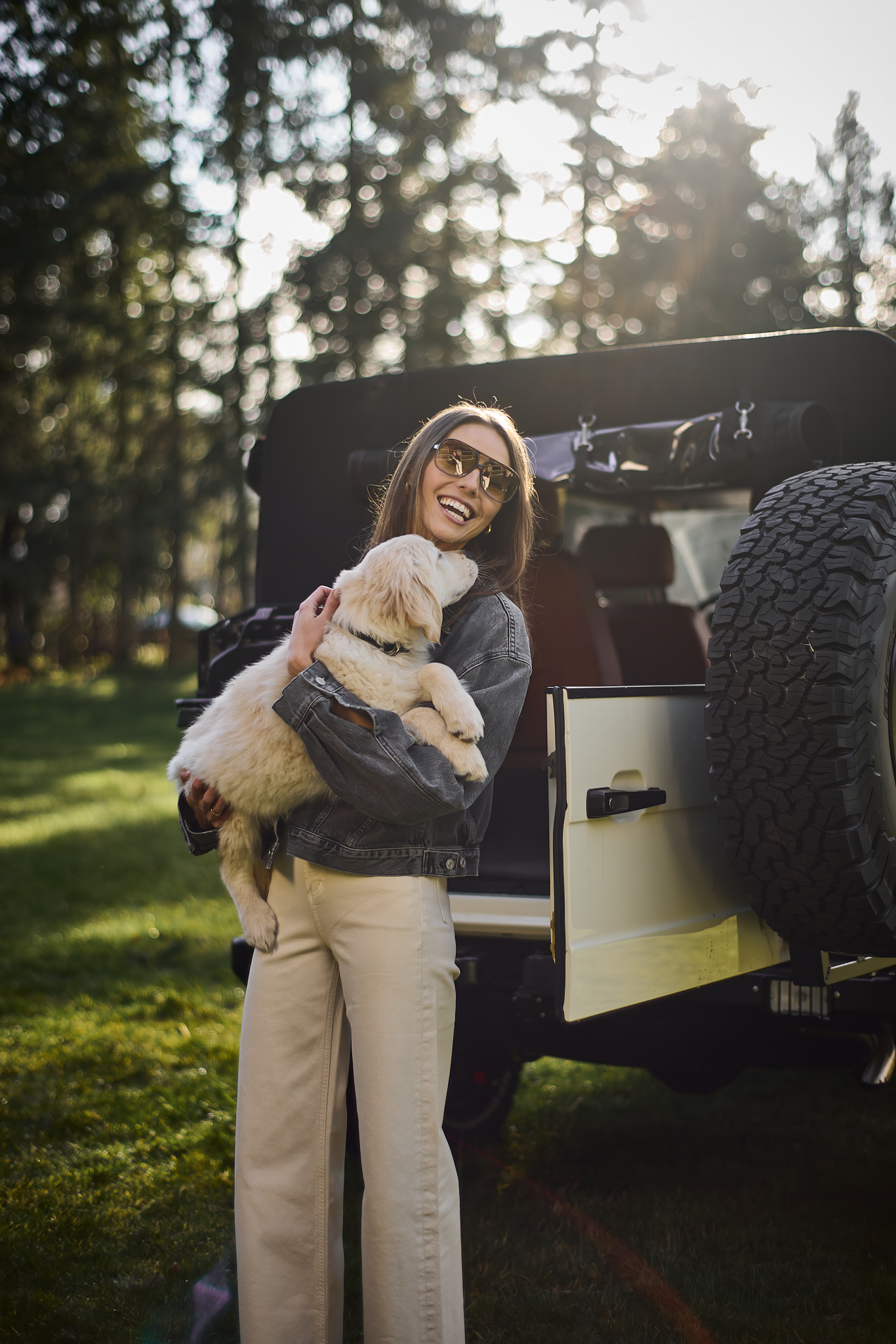
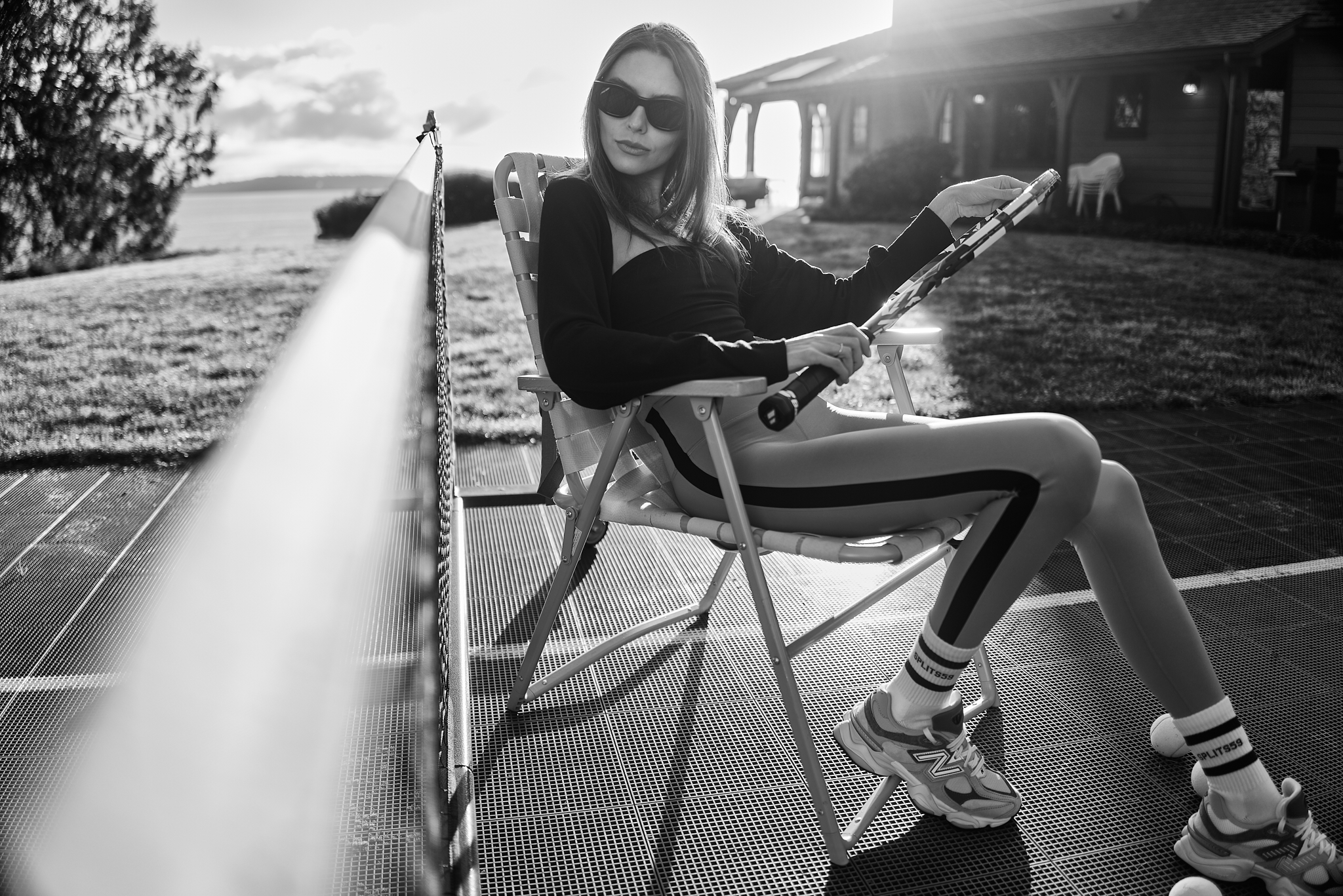
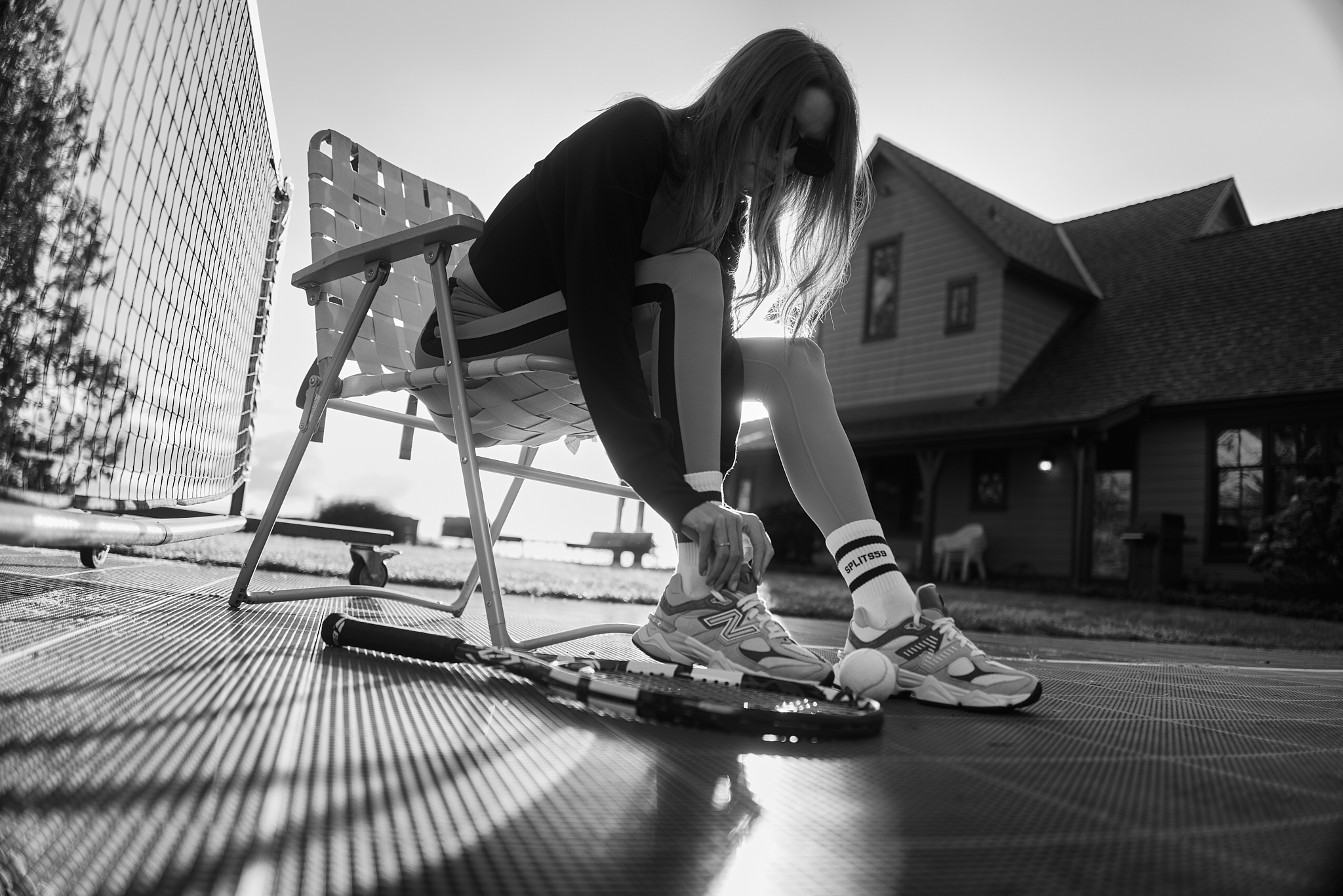
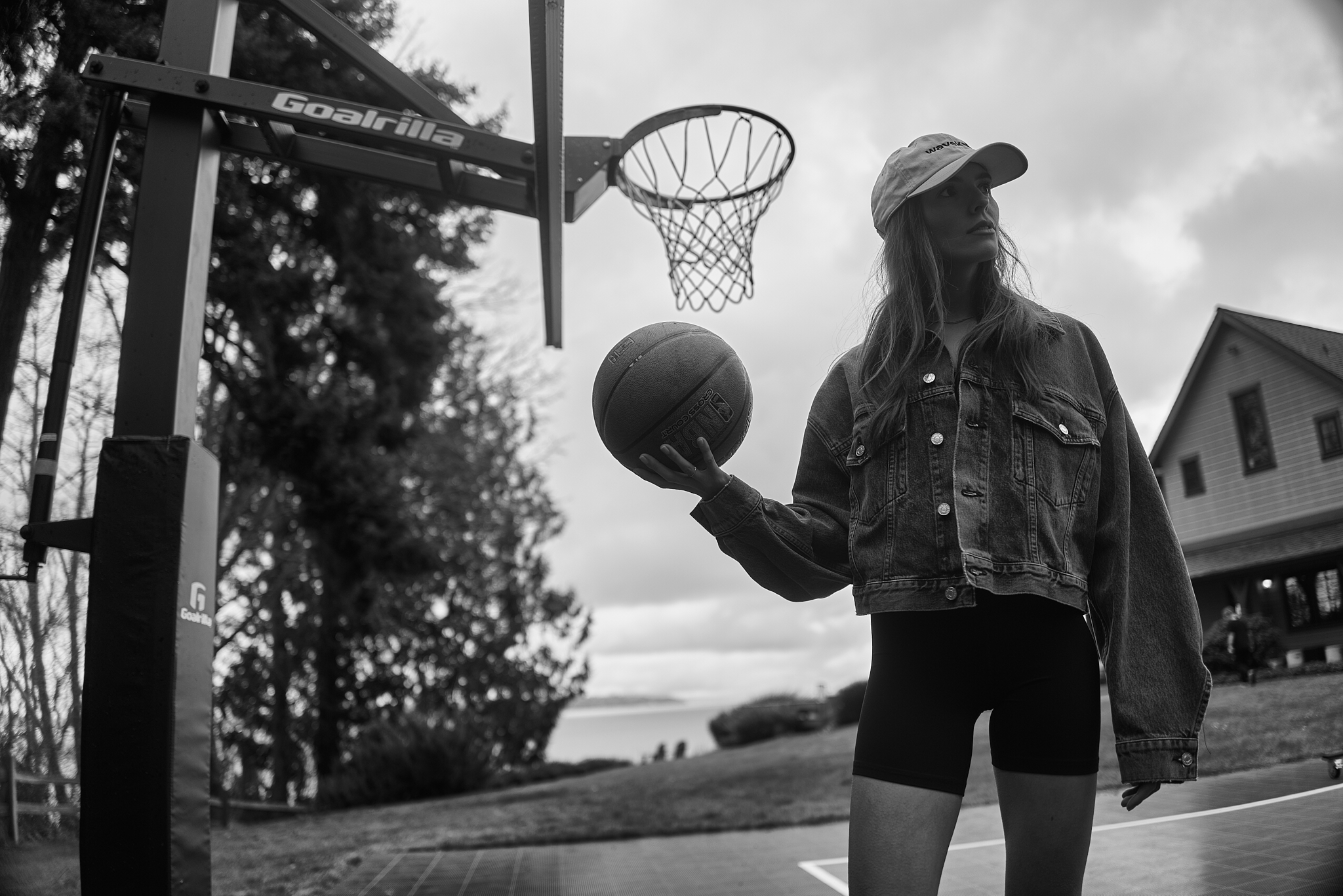
This was a tiny editorial shoot in January, with an emphasis on spring outdoor athletic wear by WaveKelly. The trick? Find the best model, a Pacific Northwest talent who knows the PNW cold in January. Meet Lauren Alexander. Pro.

For more visit www.CameronKarsten.com and www.the-subconscious.com

Baja Sur – Grundens South of the Border

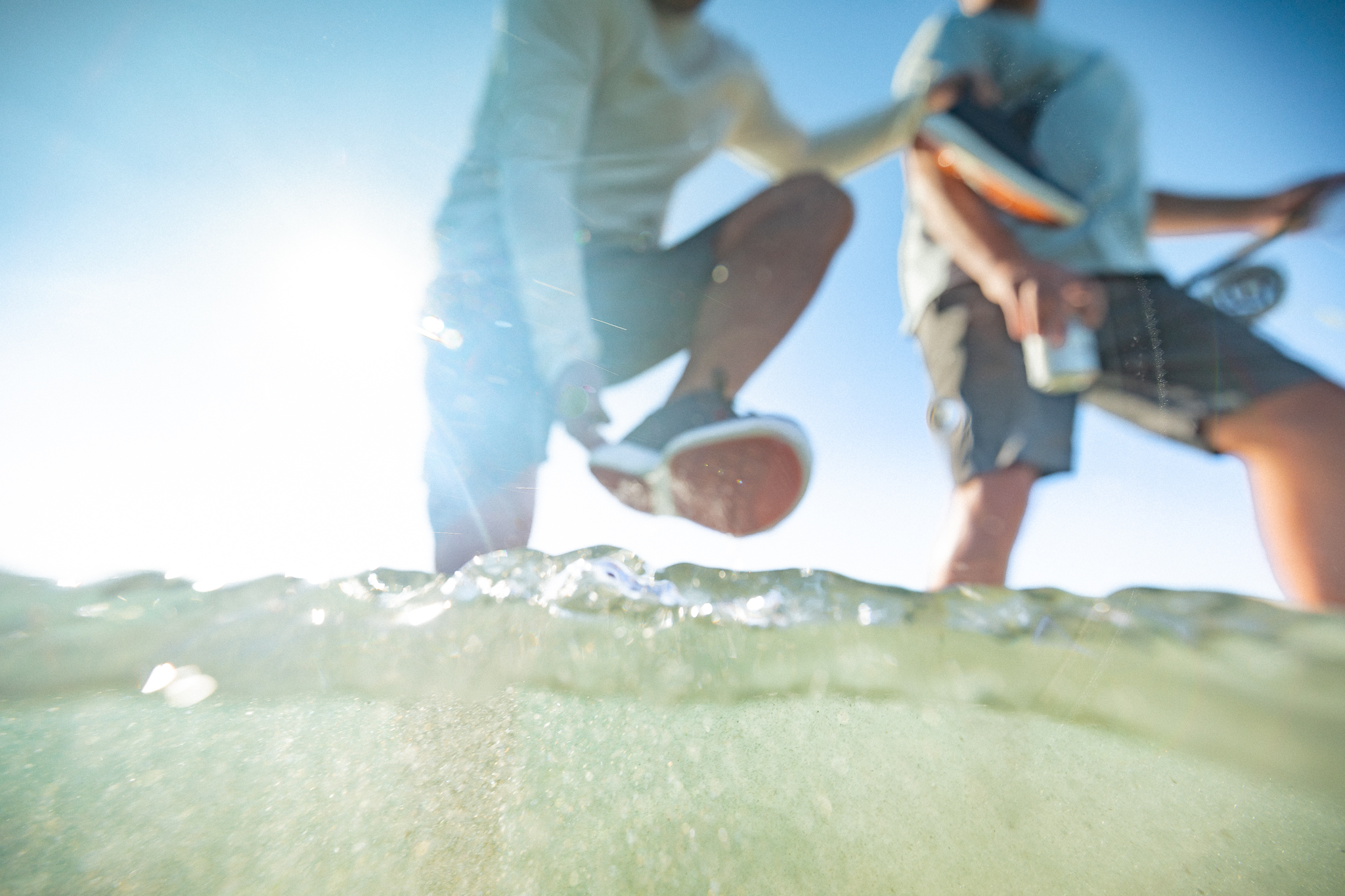
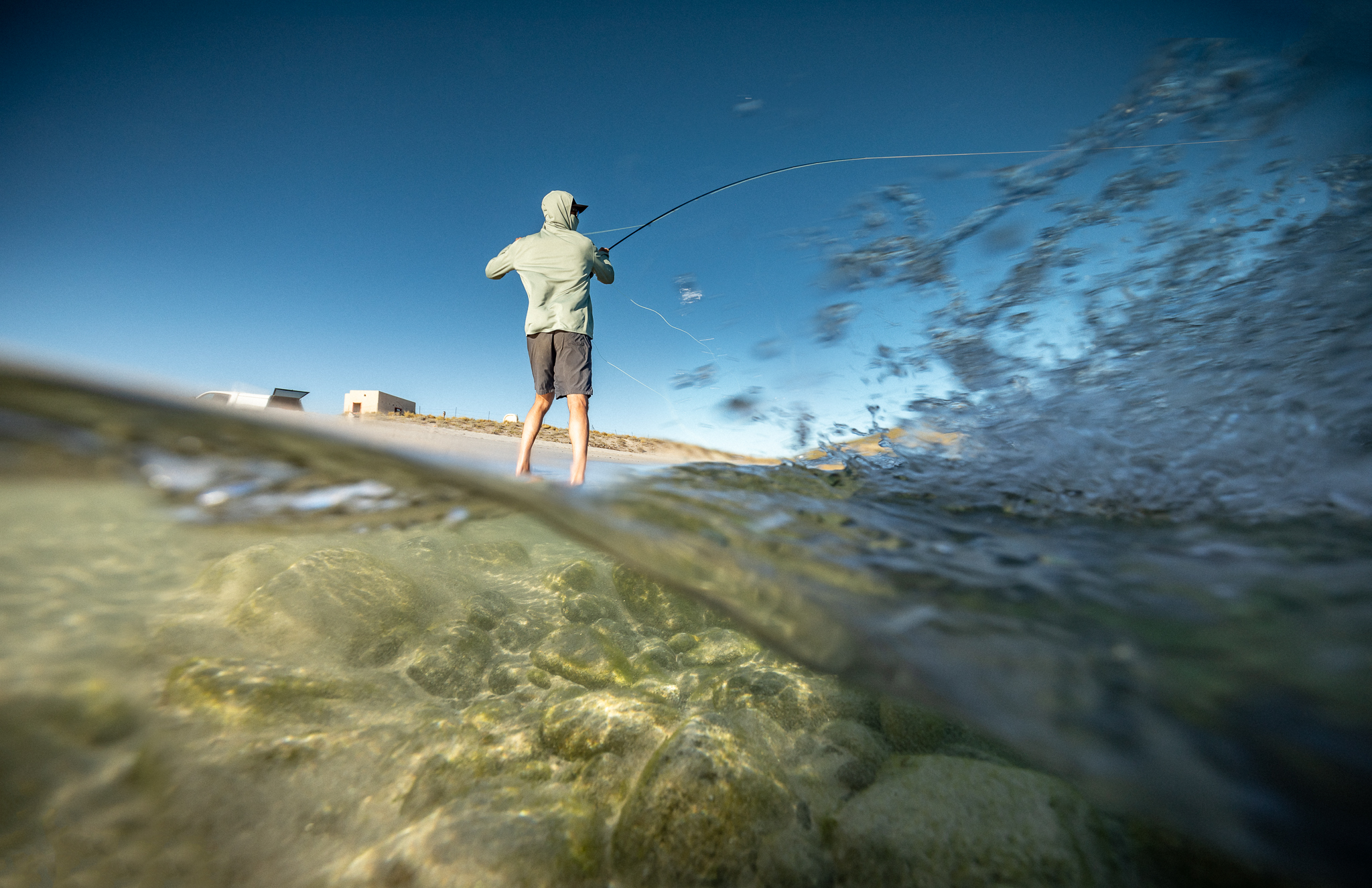
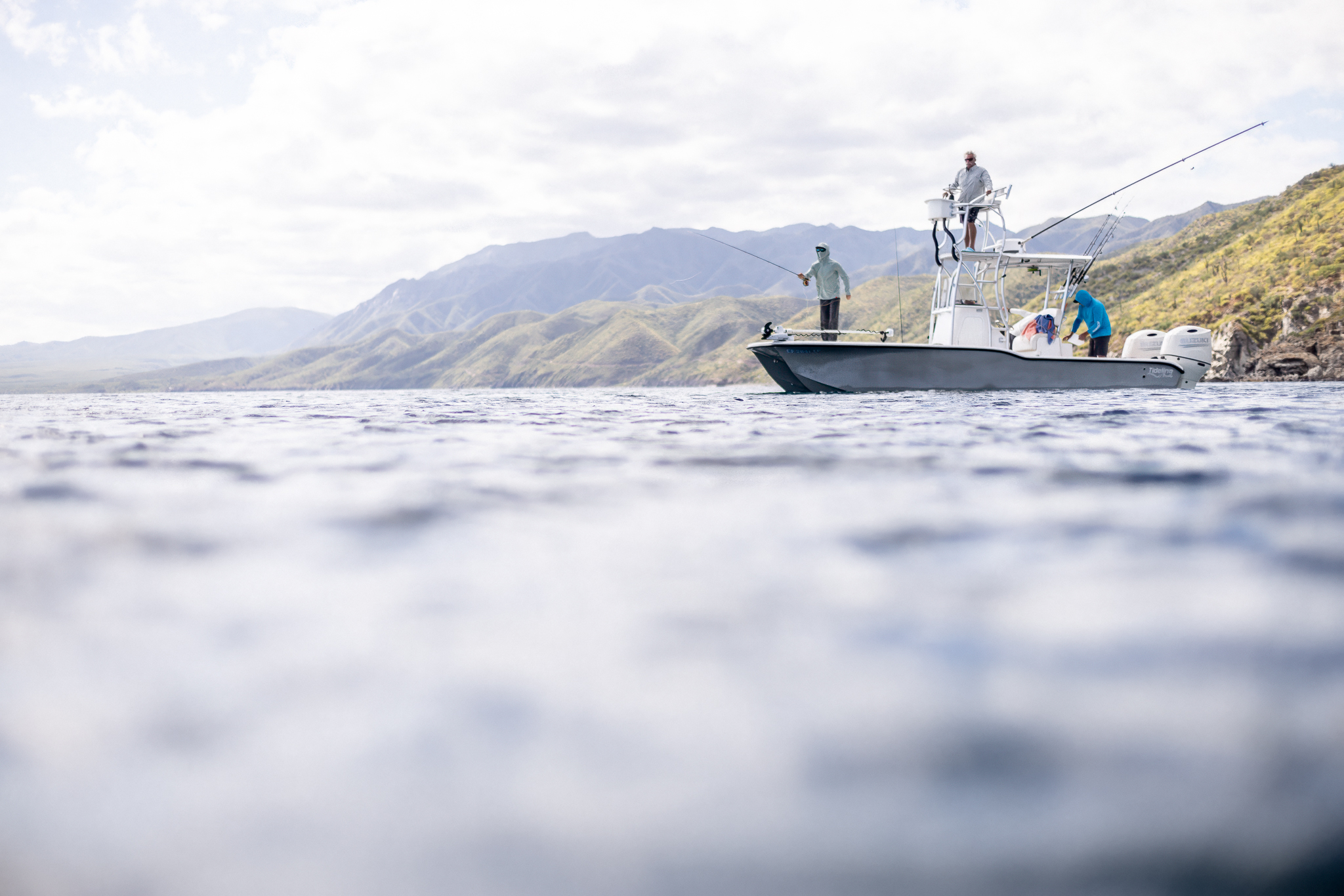
Baja California… everything is always better with Baja in it. A taste of Grundens 2025 Spring Collection from where the desert meets the sea. A source of inspiration for your weekend of adventure. Get outside.

For more visit www.cameronkarsten.com | www.the-subconscious.com

Represented by The Gren Group

The LV in Las Vegas

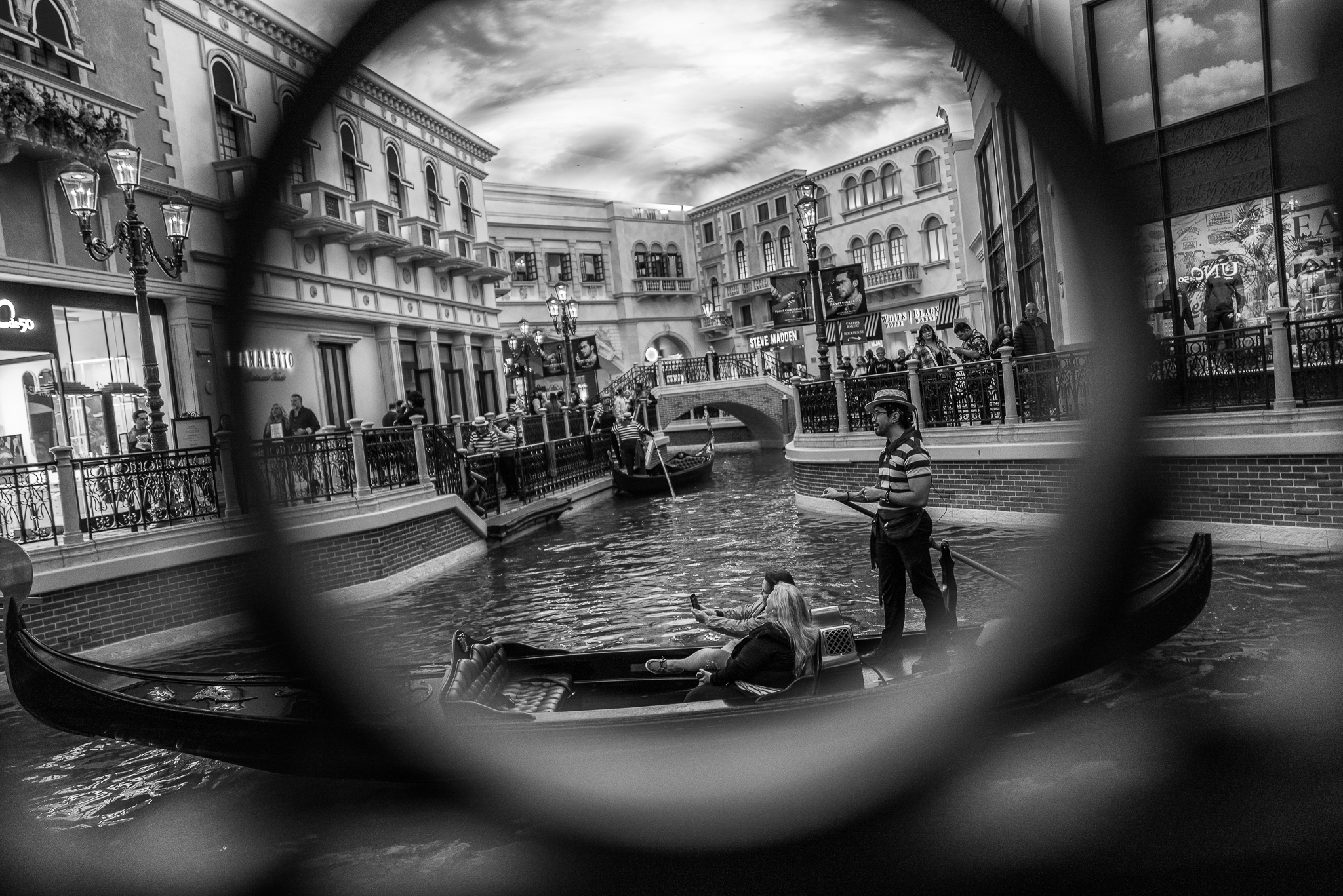
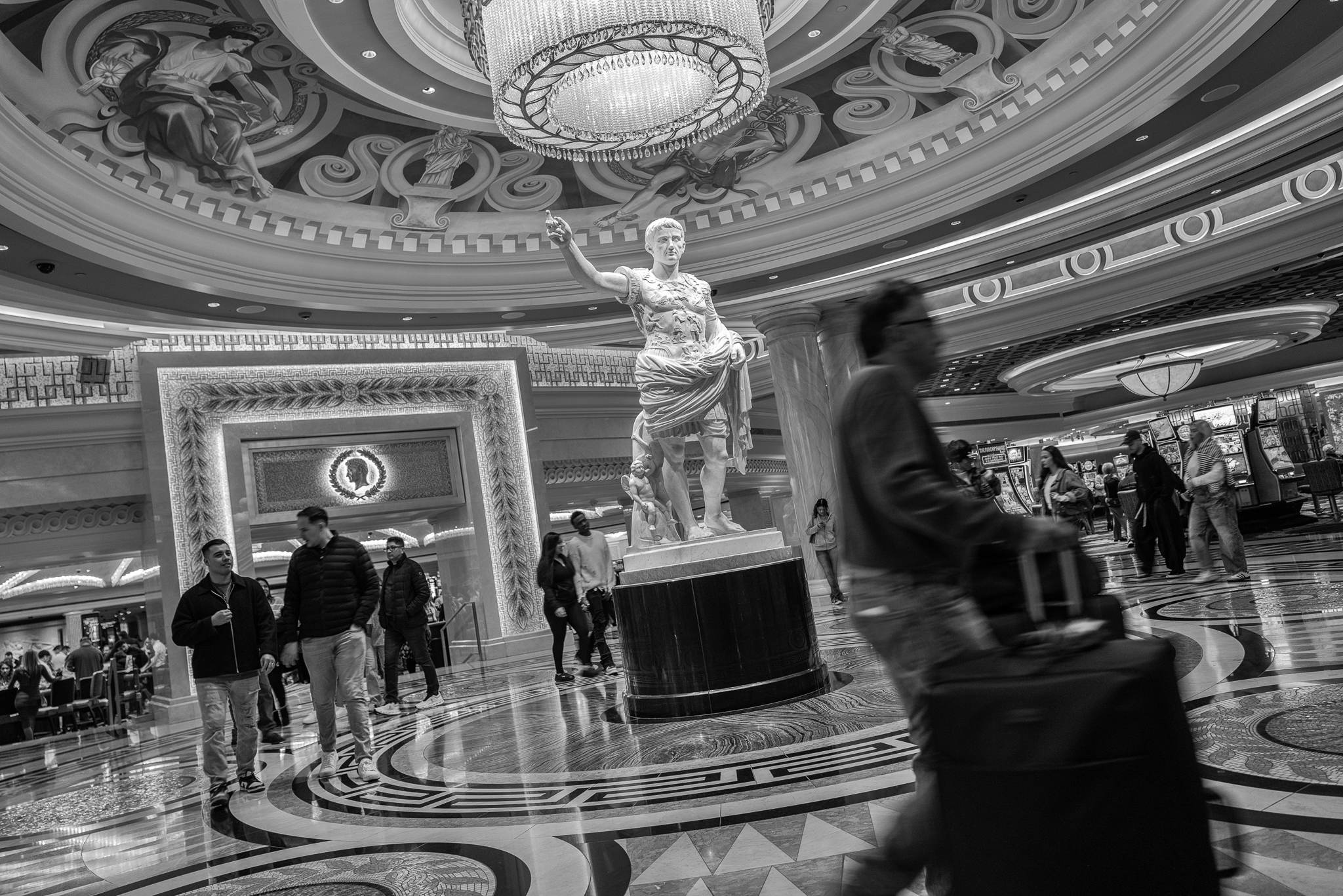
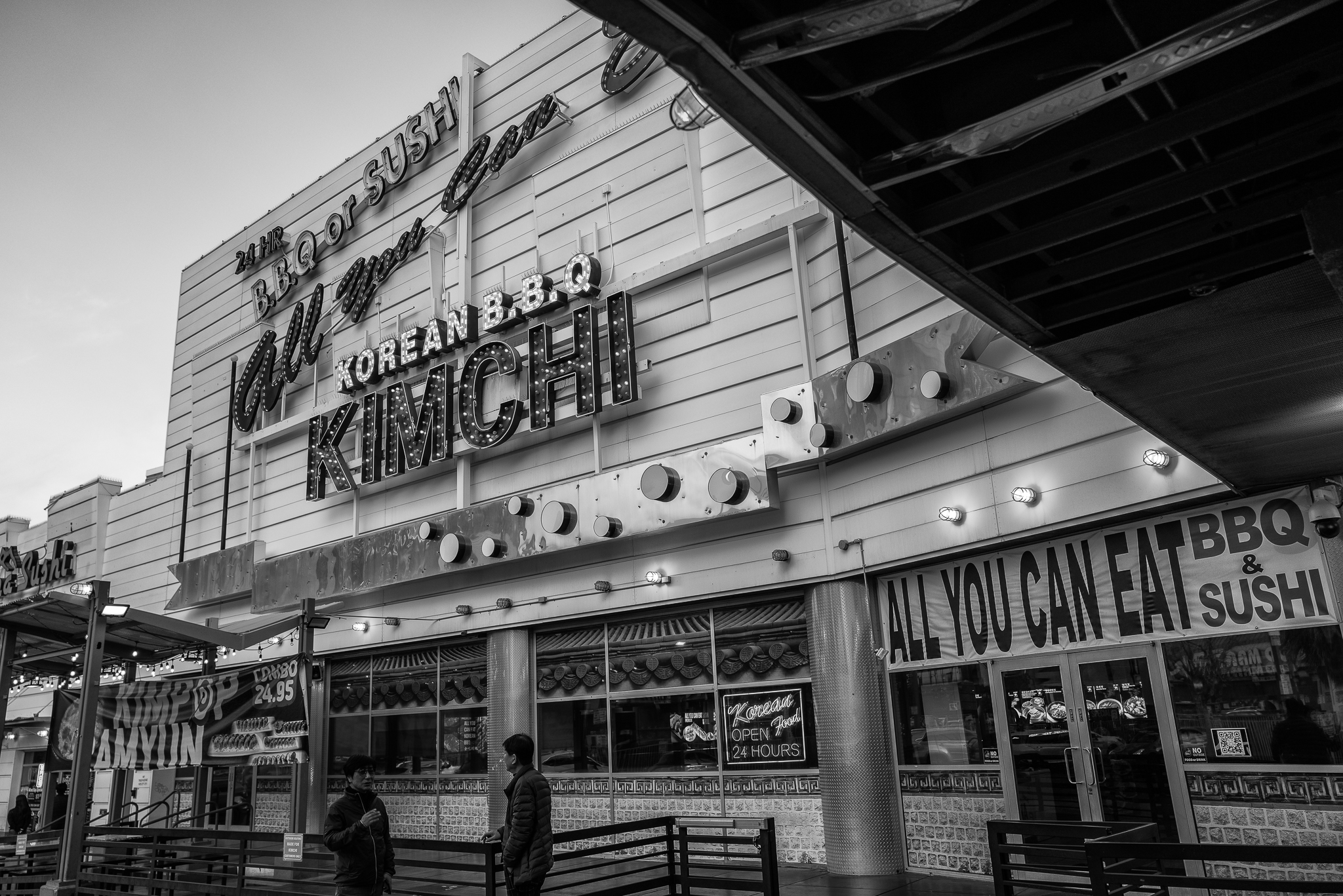
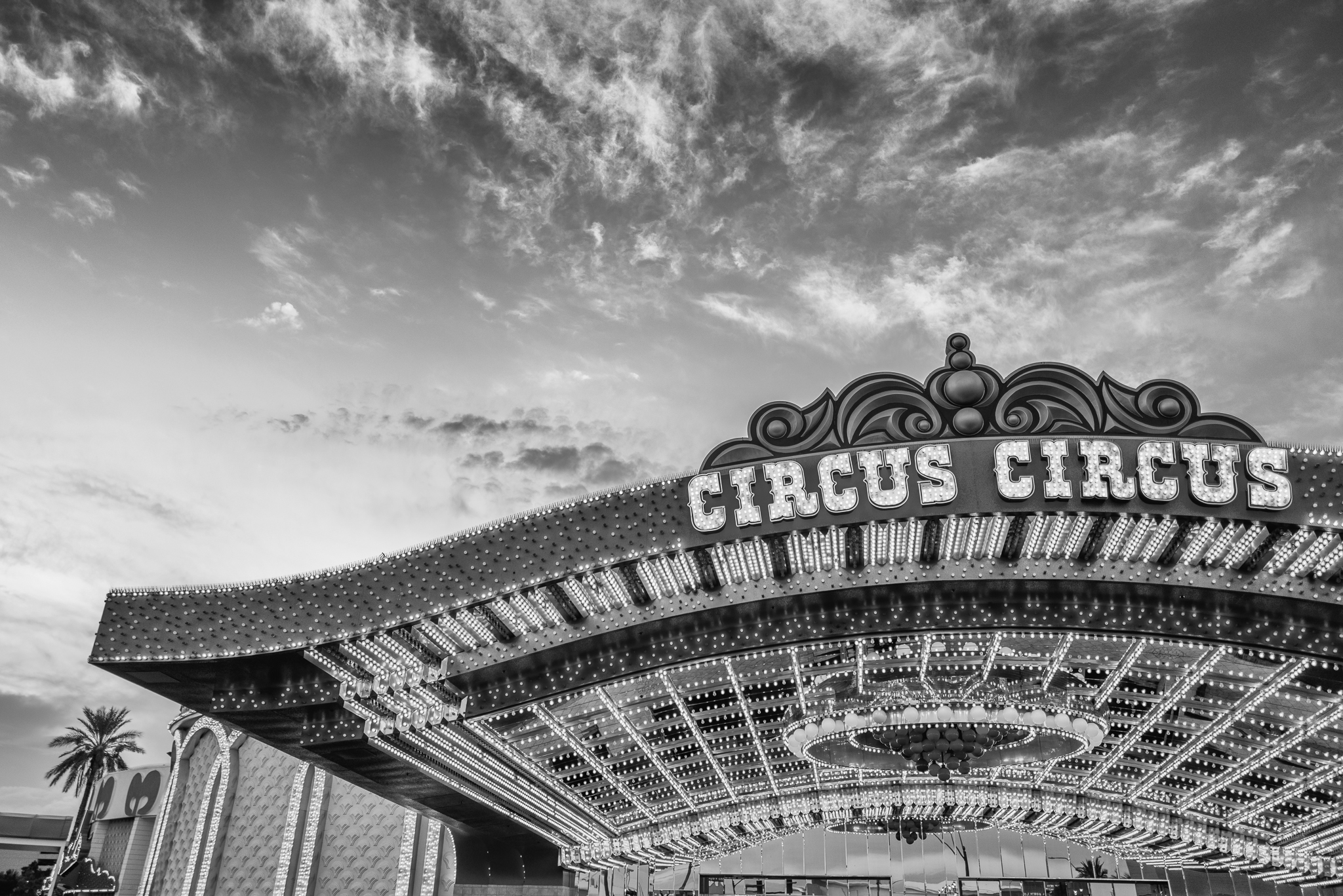
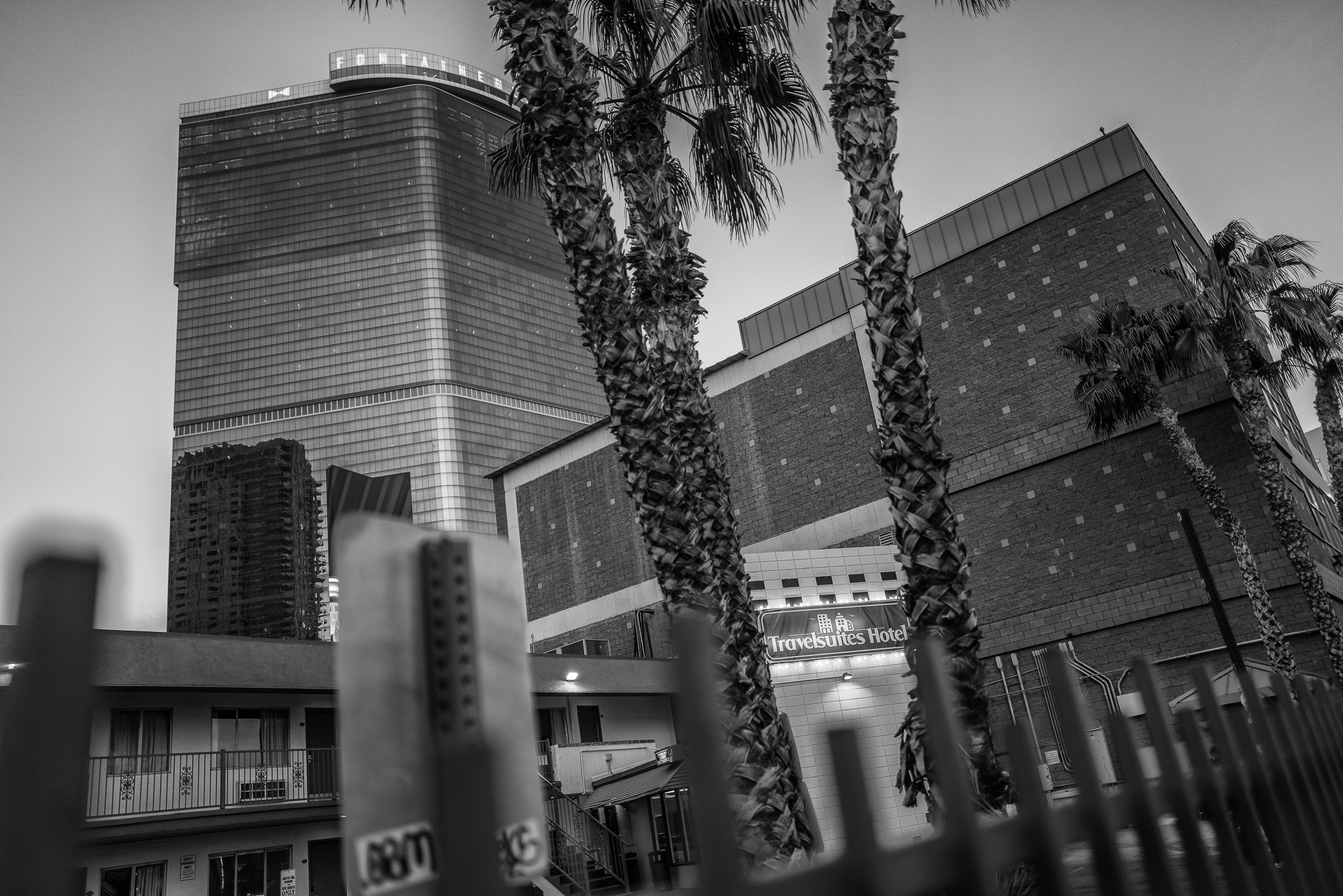
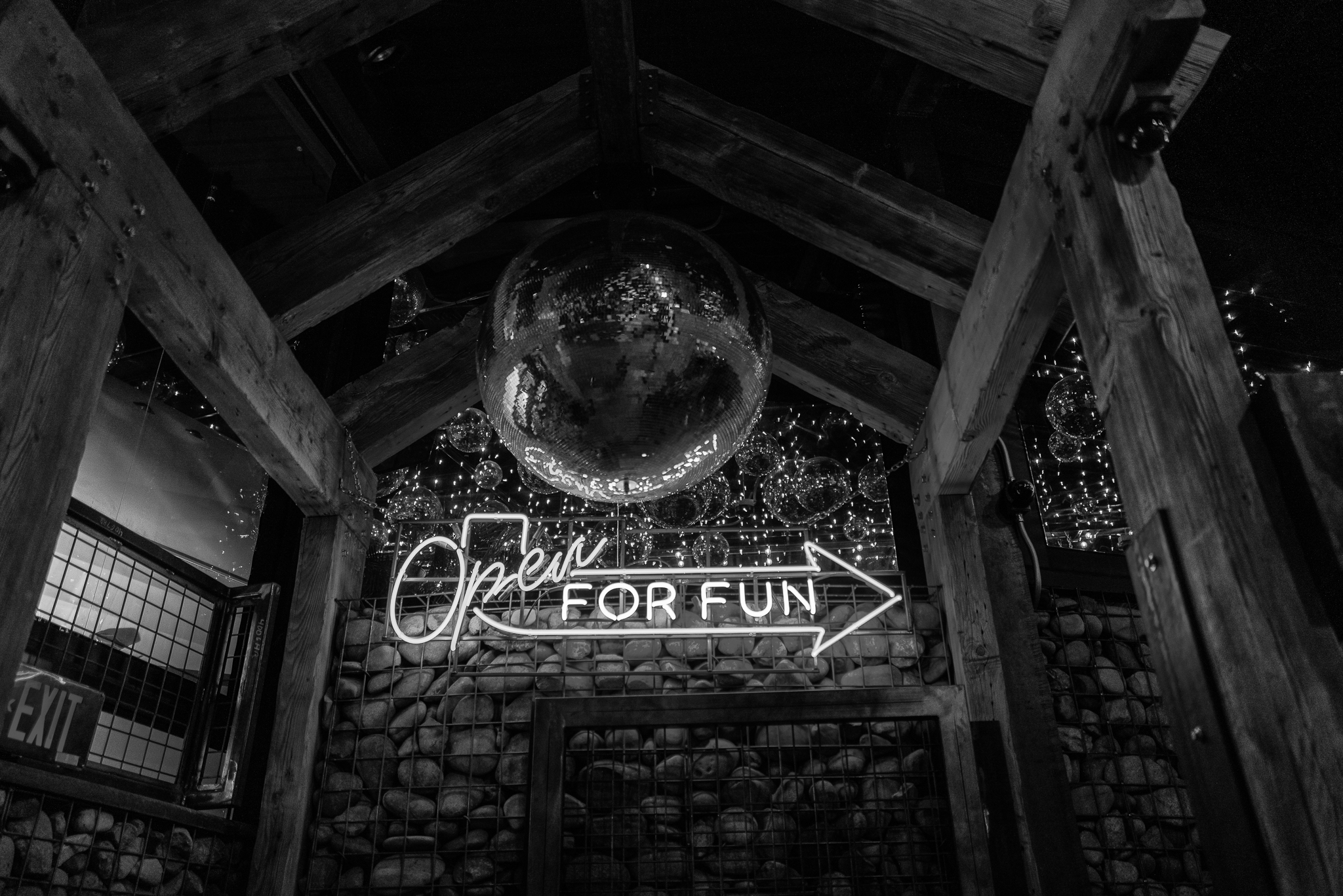
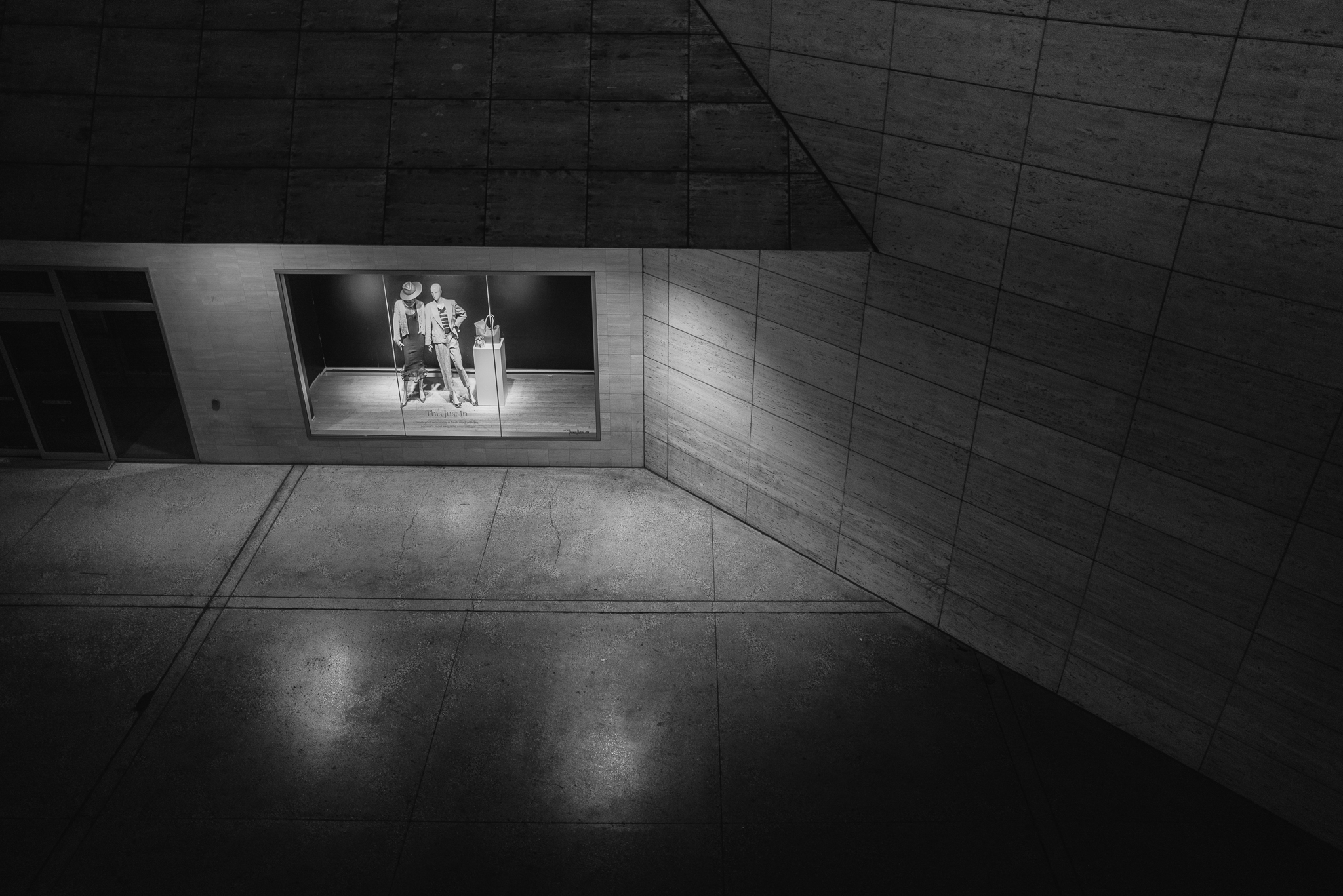
I have an extreme love/hate relationship with Las Vegas. I love the food. I love the energy. I love the visuals. I love the stimulation. But I hate the purpose and the sole reason for Las Vegas’ existence. It is a magnificent desert drained by the behemoth of humanity’s opulence and overtly outrageous drive for more. The stark contrast to nature is superior to all cities but few, and the resources to make it grander are what suffer the most. I often say The best part of Vegas is when you’re leaving Vegas.

But I love Vegas because it is a rare chance to walk the streets and gawk at the marvel of it all. It is manmade’s most wildest, daring, and creative. It is like the conception of the nearby Hoover Dam, a neighboring monstrosity impeding the natural flow of the West’s greatest and most wildest tributary. It is like the drawing of an island in the shape of a palm in the mild of a desert oasis, and actually having the wherewithal to do it so large that 25,000 residents can live there. Las Vegas is like the discovery of fire and the evolution of its usages to advance modernity.

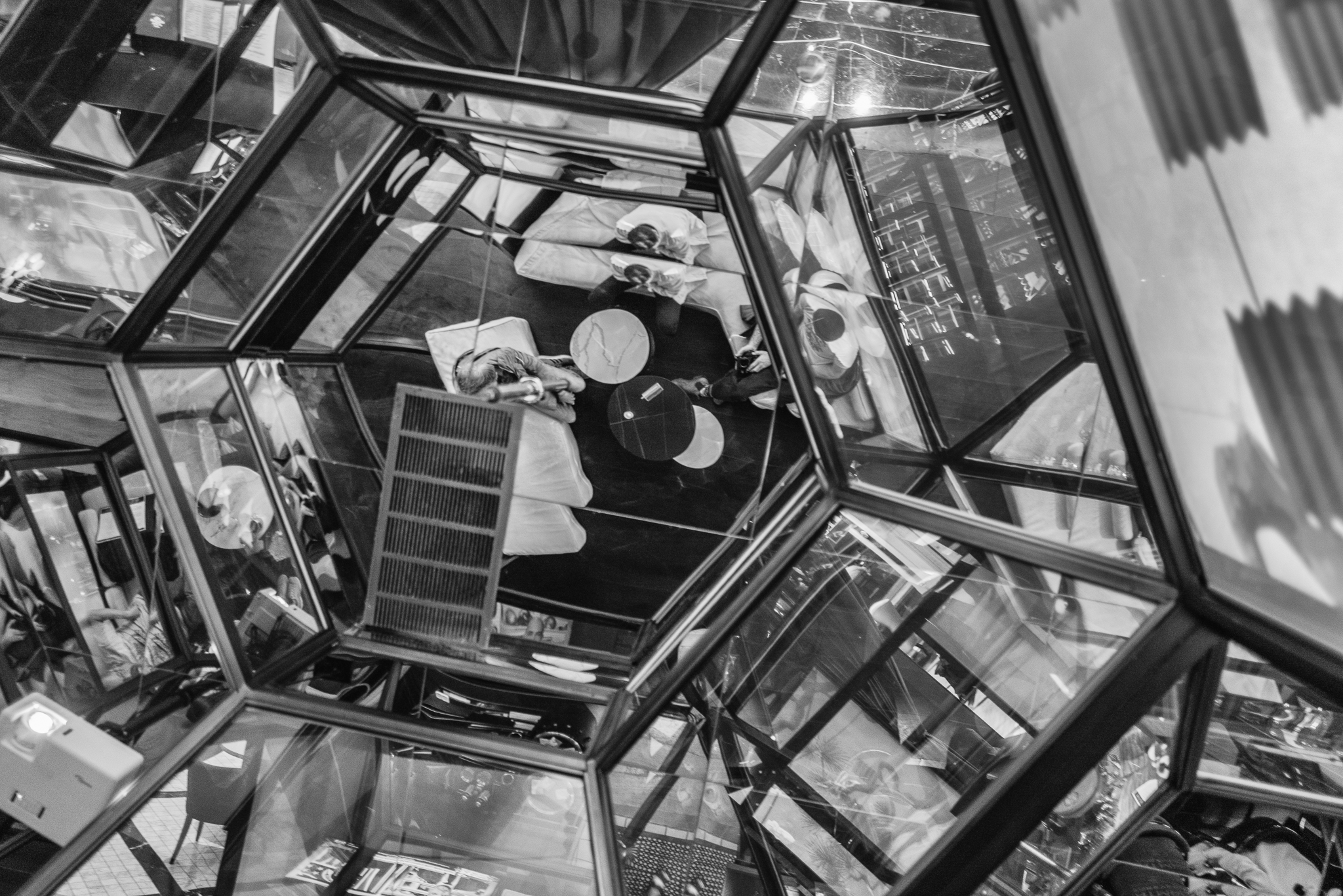
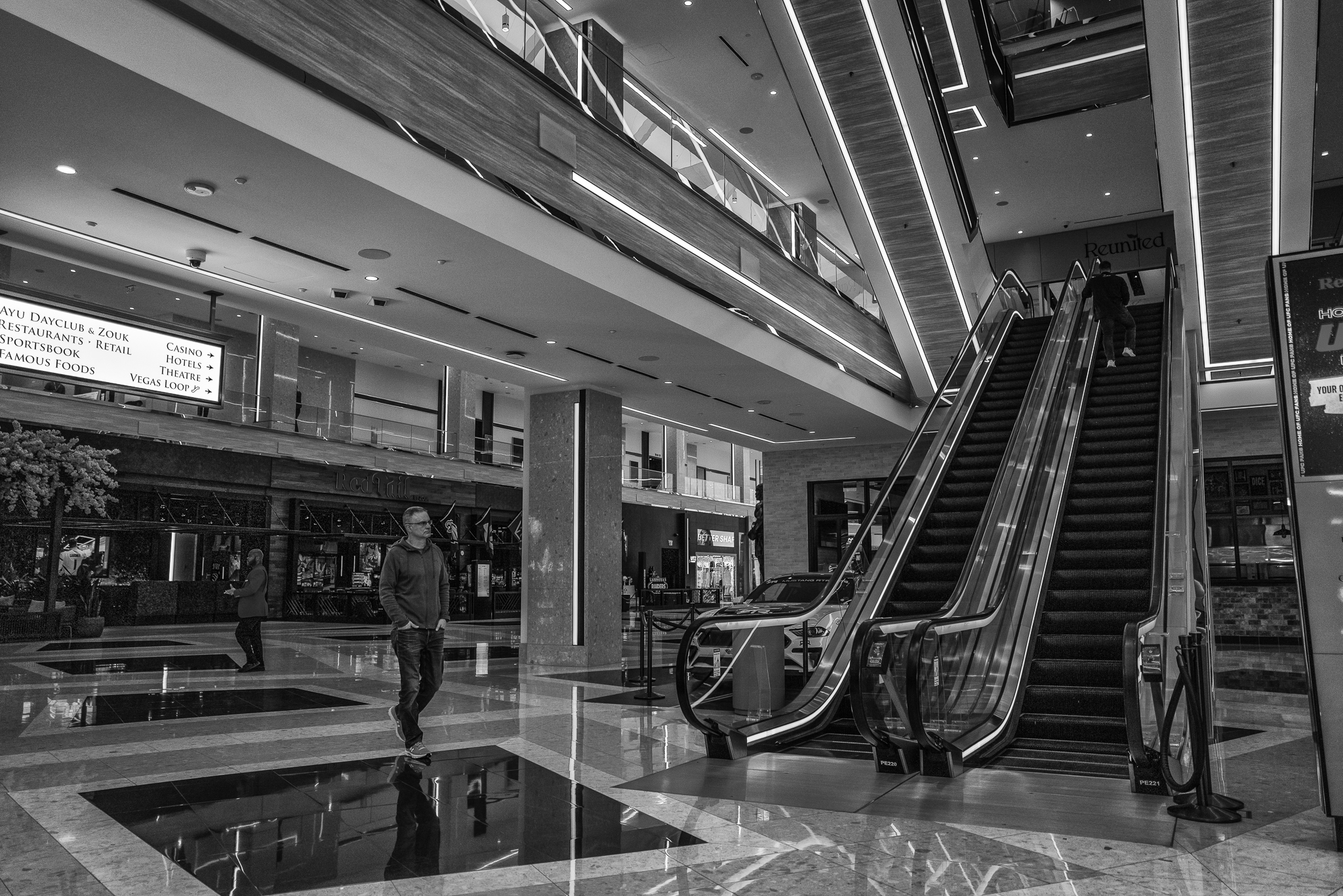
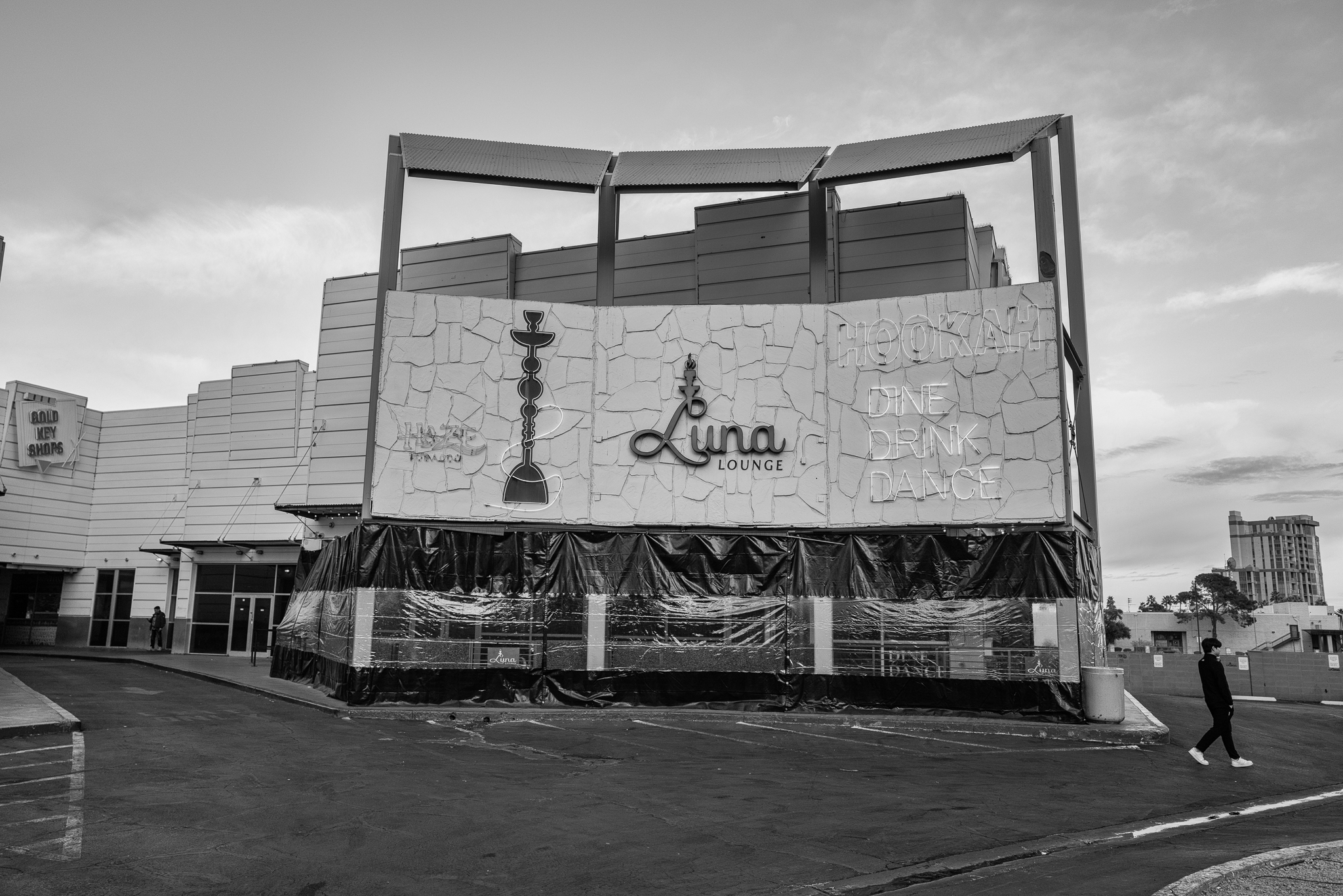
These images were taken with the Leica Q2 after days on production, mostly in the fading light to near complete darkness (however nothing is not illuminated in Las Vegas).

For more visit www.CameronKarsten.com | www.The-Subconscious.com

Seattle Central’s Alumni Spotlight: Cam Karsten

Here’s a retrospective of my path to commercial photography via Seattle Central’s Creative Academy. Always a treat to have someone interested in your story, and the hope to inspire others to follow their dreams. Original post can be found here.

For budding photographers, Seattle Central Creative Academy alumni Cameron Karsten (‘12 [I think ’13…]) offers simple, yet pragmatic advice: “Shoot what you love.”

After developing a passion for photography while backpacking and blogging across the globe, Karsten was eager to turn his passion into a career. Now, as a highly sought-after commercial photographer with an expansive clientele, he has made a living from capturing those very things he loves: hiking, surfing, and fishing.

Raised in California and the Pacific Northwest, Karsten developed an early love for the outdoors. “I was an explorer,” he explained. “I was outside most of the time, whether it was riding bikes, fishing for salmon in the fall, or just experiencing nature.” Karsten also feels lucky that his single mom instilled in him a love of travel from a young age too and recalled driving to Mexico several times a year when the family was based in southern California. “And so that imbued a love of travel and of going somewhere new and not knowing the final destination,” he added.

When Karsten wasn’t exploring outside, he recreated scenes from the outdoors in the classroom. He never gravitated towards formal art classes, instead filling his notebooks for other subjects with realistic sketches. “I’d picture a place that I wanted to go, and I would draw it realistically,” he said. “And I think that also played into telling stories with pictures, instead of with words.”

Karsten attended college in Los Angeles, where he quickly realized city life wasn’t for him. “I didn’t like much of anything except the ocean down there,” he admitted. This dissatisfaction led him to take what he thought would be a one-year break from college — a gap year that ended up stretching into six years of travel around the world.

Karsten’s goal during this academic hiatus was to become a writer. “I was collecting stories and characters, learning through real-world experiences rather than studying books and taking tests,” he explained. At first, Karsten would hunker down at internet cafes to write stories to his friends and family. But when he discovered a travel blog community of fellow backpackers, he started sharing his travelling tales to a much more global audience under the blog name cam2yogi, a nod to his deep interest in Buddhist philosophy he developed travelling through Asia.

It was during this time that Karsten’s interest in photography began to take shape as well. With his film camera — and later, a tiny digital point-and-shoot gifted by his family — he began using photography to complement his written storytelling.

To his surprise, readers praised his photos as much as — and sometimes more than — his writing. “People would say, ‘your photos are fantastic.’ Because of that encouragement and feedback, I started falling in love with taking pictures and looked forward to capturing the best moment to include in whatever story I was trying to tell.” As his network and skills grew, Karsten sold some of his blog posts as articles to smaller travel magazines.

After six years of wandering the world with his pack, his stories, and his cameras, Karsten returned to the Pacific Northwest — and felt more restless than ever. His travels had provided him with a wealth of experiences, but he was still searching for a way to channel his creativity into a sustainable career.

It was a woman he met — now his wife — who helped him put down roots in Seattle. She worked as a photo stylist at the time and connected Karsten to several commercial photographer contacts.

“I realized that the whole traveling lifestyle was going to be on pause because I was in this serious relationship, and I started learning more about the commercial world and what was available to me as a career,” he said. “And every commercial photographer I worked with within the Seattle area was like, ‘Hey, if you want to do this seriously, go back to school.’”

Karsten took their advice and looked into Seattle Central College’s Creative Academy. “It was a no-brainer,” he said. “The program was highly recommended and close to home.” He enrolled in the two-year Commercial Photography program, which has since been folded into the current Visual Media program.

At Seattle Central, Karsten found the structure and mentorship he needed to hone his craft. “The first year was all about learning the fundamentals of commercial photography — like continuous versus strobe lighting,” he said. By the second year, the structure of the program shifted towards encouraging students to find their niche and lean into their creative strengths to set them up for real-world success. For Karsten, that meant focusing on storytelling through outdoor photography.

“Growing up in nature, I could not stand being in the studio working with inanimate objects,” he said. His instructors, like the retired Alejandro Tomas and the late Robert Milne, recognized his passion and gave him the freedom to pursue it. “They said, ‘If you want to be outside, go be outside.’ That support made all the difference.”

“[This photo] resembles my path to steer away from the studio and practice my light skills to shoot outside,” Karsten said referencing the following photo from his days as a student at the Creative Academy.

Karsten remembers feeling like he was in a vastly different stage of life than his classmates who were fresh out of high school. He and his wife were starting a family by his second year of the program, and knew he had to take school seriously. “It was my career,” he said.

He credits his professors, Tomas and Milne, with imparting the technical skills necessary to make his career but also offering mentorship that bridged the gap between the classroom and the professional world.

“I loved the one-on-one conversations with them,” he recalled. “They weren’t just teachers — they were adults, and I could relate to them. Those conversations were less about school and more about photography as a career. That’s what really stands out to me.”

After graduating from Central in 2012 (2013…), Karsten made it his goal to build up a professional portfolio of work while simultaneously enjoying his favorite outdoor activities in the Pacific Northwest. He took his camera with him whenever he and his friends would camp, hike, or hit up the beach.

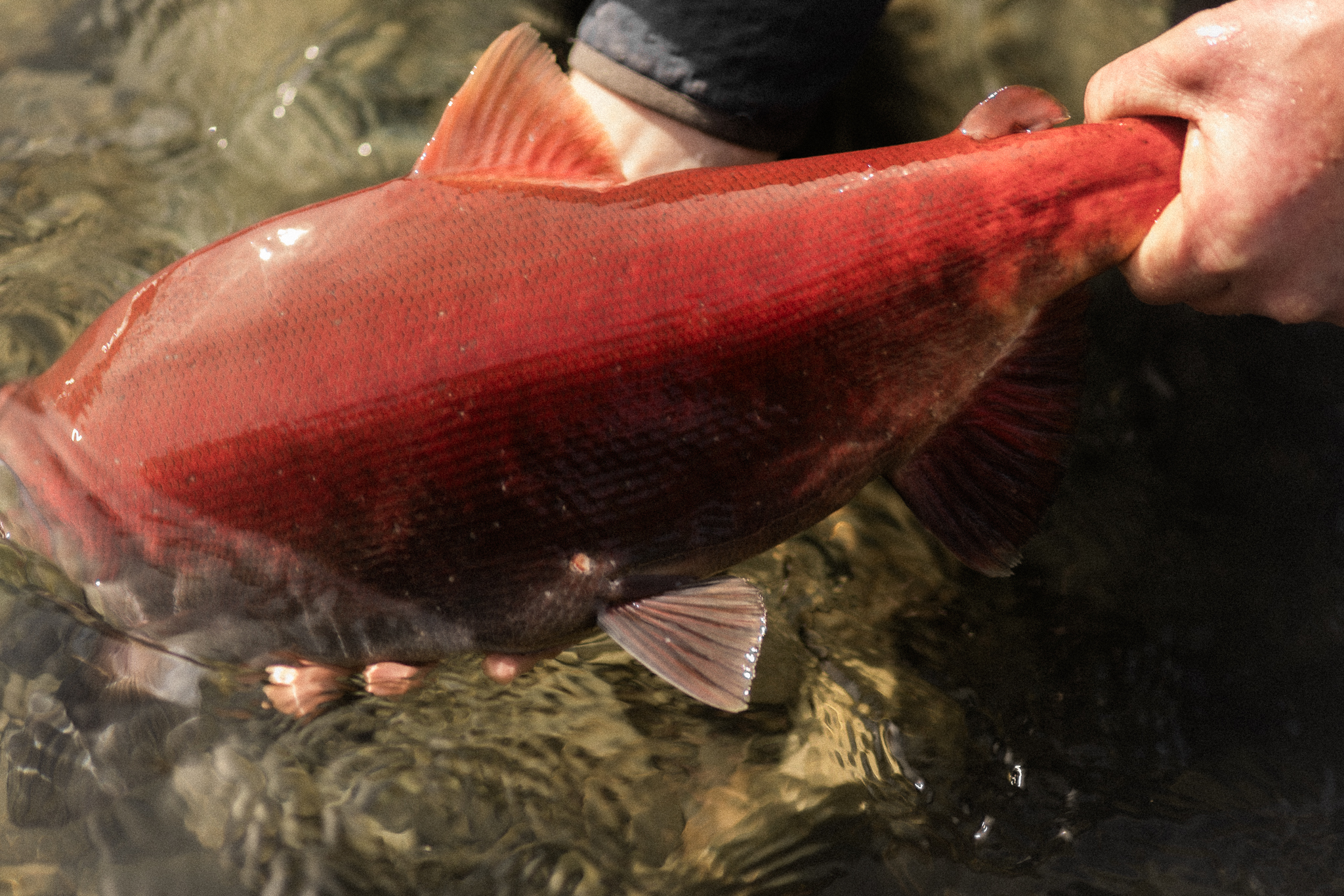
Karsten tried photographing surfing at first, but found it was too hard to stay off the waves. He realized that shooting his friends fly fishing was different, and it soon became a subject that dominated his portfolio. This work also caught the eye of his first major client, Grundéns, a commercial fishing gear company.

“I brought a really nice, printed portfolio and as [the marketing professional] was going through my work, he was like, ‘Hey, this is great. You want to go to Norway?’ and I was like, ‘what!?’” he explained. “So, the next thing I knew, I was on a plane to Norway to photograph cod fishing for this company. And from there we went to Guatemala, the Florida Keys, and Alaska.”

By continuing to capture subjects he was passionate about, Karsten’s portfolio expanded to include work with other high profile outdoor recreation and technology brands, like Patagonia and Garmin Marine.

In recent years, Karsten has returned to Seattle Central, not as a student but as a professional, supporting the college in a variety of photography and videography projects.

“I’m always like, ‘Yep, let me block my calendar because of course I’m there for you,” he shared. “It’s part of just paying it forward and trying to give them my all, since they gave me their all and got me to where I am today,” he said.

While Karsten continues to shoot a variety of subjects for his clients, he finds the most enjoyment — and conveniently, work — shooting those very things he loves, like nature and outdoor recreation, echoing the subject matter he captured on the point-and-shoot he carried with him throughout his backpacking adventures. “When it’s a personal project, your passion shows through, and that’s what attracts clients,” he said.

He travels less now, prioritizing quality time with his wife and two daughters, eight and 10, but still cherishes every moment he gets to spend outside with a camera in hand.

As Karsten prepares for his next project (Nov. ’24) — photographing warm-water fishing in Baja California for Grundéns — he reflects on the impact Seattle Central has had on his less-than-traditional path. “Seattle Central gave me the tools, the trust, and the freedom to build a career I love.”

For more visit www.CameronKarsten.com | www.the-subconscious.com

Albertsons’ Memorial Day & Summer Campaigns

Summer in Los Angeles in February. We spent three days capturing the warm summer vibes of LA at 70 degrees. Produced by HyperionLA with a skilled crew of assistants, DigiTech, HMU and food stylists, let alone the creatives from Albertsons – it was all perfect… except for the locations. One house’s online profile turned out to be smoke and mirrors; completely disheveled, which included an immobile RV parked in the yard trailing a long yellow extension cord through a maze of untidiness, a dilapidated trampoline with it’s walled netting looking like a marooned salmon fleet, broken and water-logged playsets and plastic debris from the pool’s detritus filled waters, all nestled on patchy green crab grass, which didn’t offset the large swaths of chocolate brown dirt bearing no life (and not to mention the pile of dog shit which filled a commercial-grade trash can to the brim… and sat in the yard’s corner). Our first shot on the list was, needless to say, behind schedule.

The second location housed a menacing manager who restricted all movement until he offered a bribe and was paid an additional fee. This eventually permitted further access into his four-walled cavern. And as it turned out, the homeowner was his father, a kind man who had no idea what was actually happening as about 20 personnel moved gear throughout the interior and exterior of his home. It was true. We needed all the space we could get. And it paid off.

For more visit the Albertsons’ Project gallery

www.CameronKarsten.com | www.the-subconscious.com

Photographer + Director represented by The Gren Group