Vodou Footprints: A Faraway Land in Benin’s Cradle of Vodou

Day6_AlladaVodou-452

Geography, for many Americans, is that daunting and embarrassing mystery—a dim knowledge largely confined to wartime allies, historical enemies, and the occasional topical hotspot. Beyond this so-called important handful—Western Europe, the Middle East, possibly China or Japan—everything else is clumped together into a world of unknowns.

When I told acquaintances of my impending trip, the average response was somewhere between hesitance and puzzlement. Like a jargoning doctor to the common patient, my words didn’t ring many bells.

Well, perhaps Benin is a faraway land.

Day3_Ganvie-356

Admittedly, I too couldn’t place Benin in its exact location prior. West Africa, I’d say evasively, somehow hopeful that several nations would willingly surrender their unique identities to their greater region. Technically, I wasn’t wrong. But not surprisingly, I soon discovered that Benin deserved far more respect and scrutiny than I had originally expected. Take a closer look and you’ll begin to unravel a majestic tangle of complexity and misconception.

Benin borders Nigeria’s western edge, touches Togo’s eastern boundary, and supports Niger and Burkina Faso above. It is one of those tiny West African countries that stretch north to south. Sneeze and you’ll miss it. In fact, picture Africa’s western shoreline as a nose. Benin sits just beyond where the mouth and the nose would meet—at the nostrils, if you will—a sliver of land anchored by the fabled Bight of Benin.

And then there’s magic. In the West, the word conjures up David Blaine, television’s greatest living magician. A levitating, fire-breathing, death-defying illusionist. A beloved celebrity of record-setting endurance. A talent, no doubt. From the Beninese perspective, however, he is not a man of magic. Call him master of deception. Magic in Benin is a way of life.

Day1_Ouidah-112

Everywhere there is magic. It’s in the red earth of the landscape, the throbbing fury of the sun, and the relentless currents of the great flowing rivers. It’s their religion—a religion in which the interactions between nature and humanity are cherished and respected every day. Magic is Vodou. And with 4,000 years of magic backing it up, Benin is the undisputed cradle of Vodou.

Personally, I believe in magic, both as a form of deception as well as a supernatural expression of the energies beyond ordinary comprehension. For millennia, Homo sapiens—the self-proclaimed wise man—has existed, evolved, and generally erred, all the while attempting to explain: What lies beneath? What forces create the churning seas of the ocean and the gyrating clouds of the sky? What energies course through veins and roots alike? Indeed, what does our cunning and craft amount to aside vast incomprehensibilities? Our attempts to solve breed yet further questions. No matter our advancements or industry, the sun still rises and the moon ever orbits to a language seemingly all their own.
Day5_Allada-173

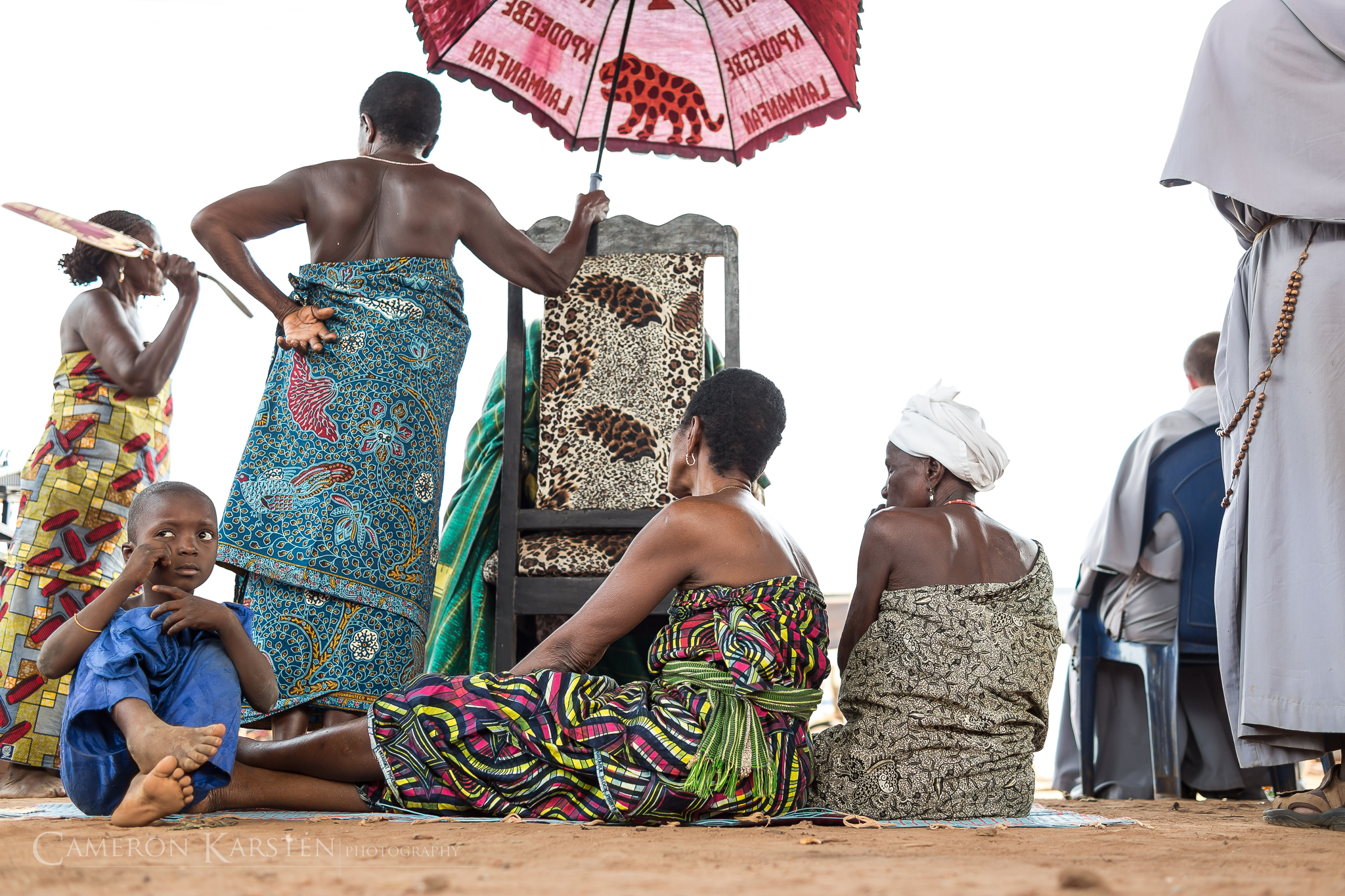
Countless cultures have contrived to explain these fundamental phenomena. Some grow. Most fade beneath the all-consuming flames of war and oppression. And yet, incredibly, amidst the largest powerhouses of the world, there exists a small country—undeterred by the folly of others and sorely ravaged by the horrible histories of slavery—where the primeval practices still prevail and the honor of the mysteries of the world take precedence.

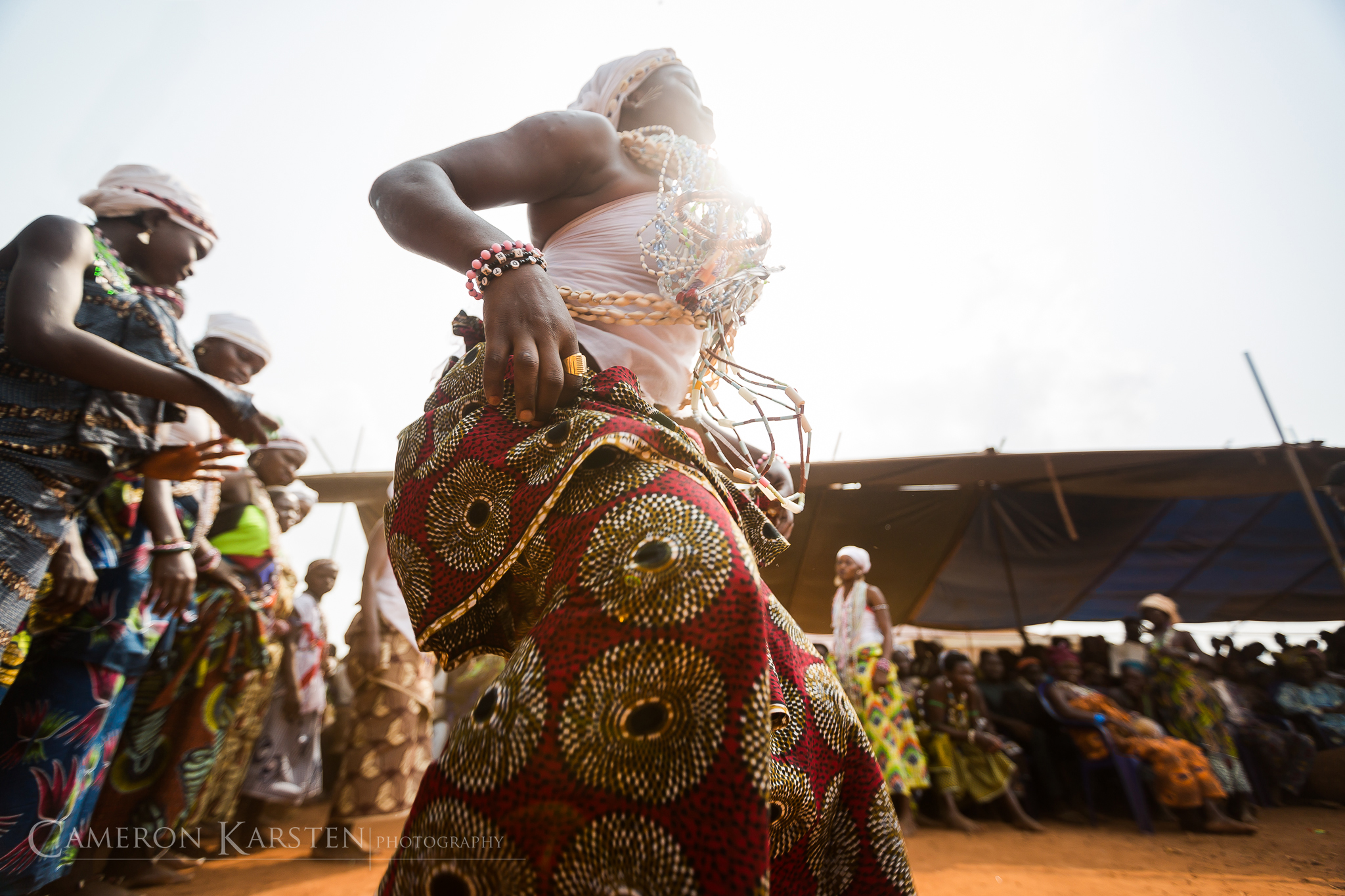
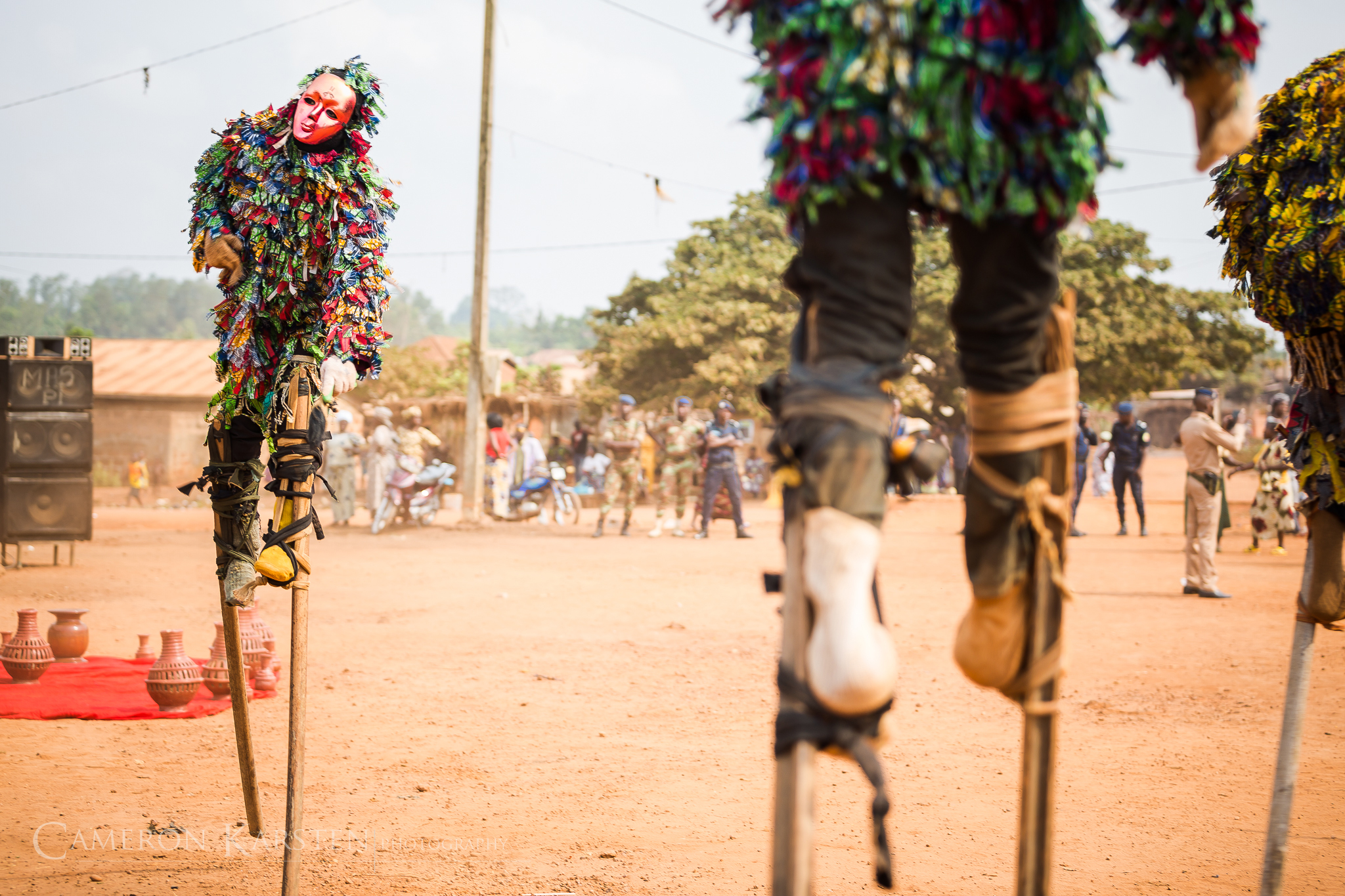
Cast aside the linear mindset and the textual teachings of the West. Simply observe what is before you and what has come to pass. Only then will you understand Benin. Here the supernatural and natural worlds converge; everyday occurrences take on special meanings; and the privileged traveler may join the setting sun into the obscurity of a secret and sacred society to appreciate the mysteries of what Benin declares its official religion: the worship of the Vodou.
Day6_AlladaVodou-366

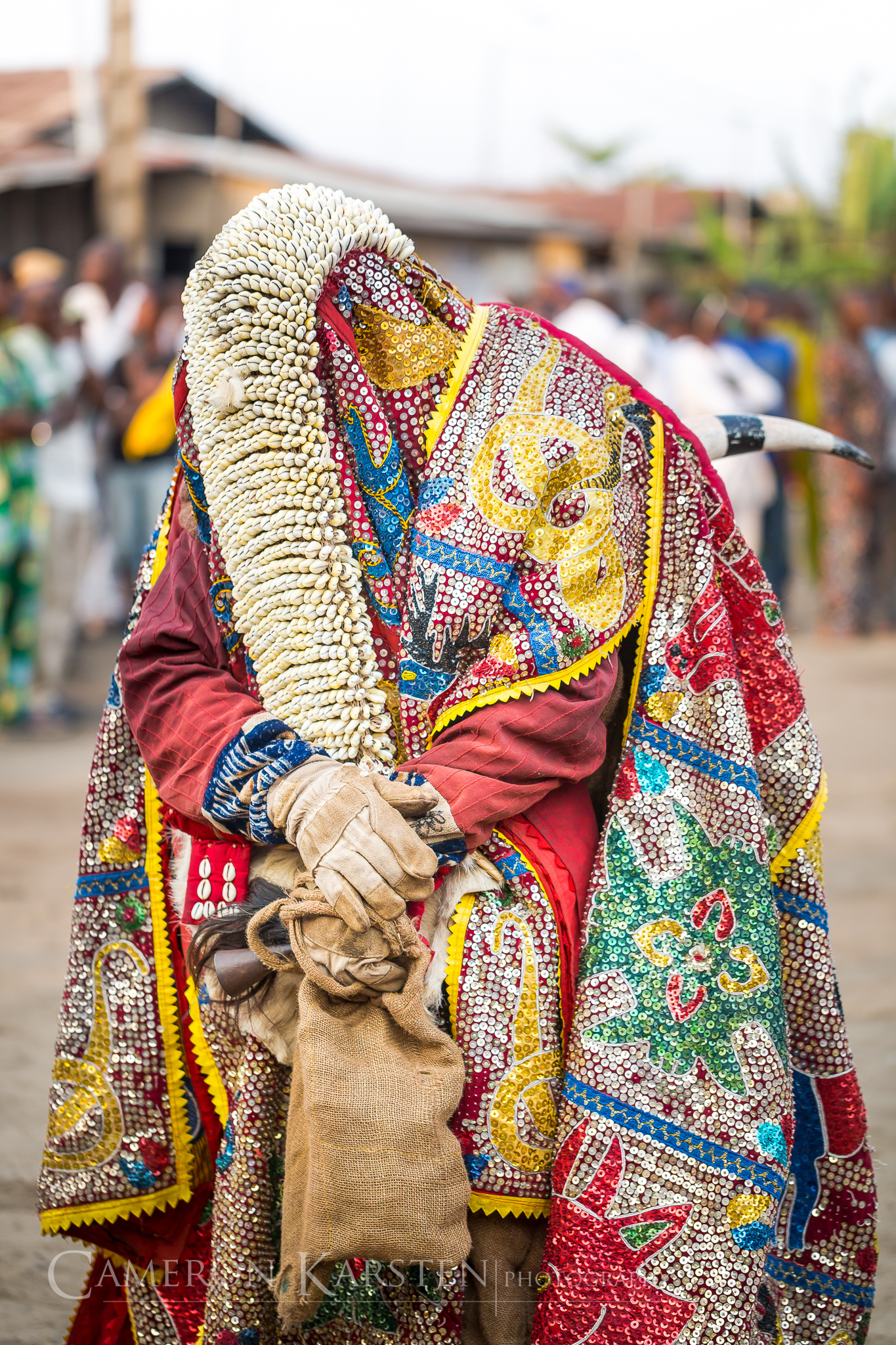
It is a world of shadow and dance. Of masks, scars, and tattoos. A country where Kings remain the Kings of Kings, and the leopard and snake reign in the household tale. Feel the pulsing rhythm of Vodou, transcend the merely tangible, and let the beat of the drum lift your mind into the realm of the metaphysical. Once you have crossed this threshold, once you have heeded this singular call, the world around can never be the same.

For us, there is no retreat. There is only the universal language of Vodou, and together we will drink from this bottomless cup.

Together we’ll reach a faraway land.

Next essay –>

Day6_AlladaVodou-507

Day2_Cotonou_Egungun-236

Day6_AlladaVodou-173

Day2_Cotonou_Egungun-1

Day6_AlladaVodou-578

Day4_AbomeyCalavi-197

logo_blackTrajan

Vodou Footprints: Origins of Vodou (West Africa)

The Mono flows out into the sea on a bleak, wind and sand-blasted beach that is not very likely to entice you in for a swim…If your interest is in Voodoo then with luck (and some bravery) you might be able to persuade someone to paddle you over to one of the villages hidden on the backwaters where the Voodoo spirits are especially active…One village especially, Kpossou Gayou, would be fascinating to explore, but the chances of getting someone to take you are very remote because of the sheer power of the Voodoo here and the bad vibes surrounding it. It’s said that the fetish is so strong that almost anyone can hear it speaking quite openly and most of the boatmen in the area are much too frightened to take a foreigner there.

Butler, Stuart. “West of Cotonou.” In Benin: The Bradt Travel Guide. Chalfont St. Peter: Bradt Travel Guides, 2006.

Giving-Self---Version-2

These were the words that sealed my fate—that stirred an inexplicably ancient power and compelled my to explore. Something deep within was awoken. Something unfamiliar, incomprehensible, perhaps unknowable. While the boatmen supposedly trembled with fear at the mysterious forces, I tingled with desire. With each new mist-shrouded image or wind-savaged vision, a growing vortex drew me down towards the vague, inscrutable center. Determined not to flee, I embraced it unnervingly.

The more I read, the more I realized the sheer inevitability. Wants became needs, and more than curious, I was famished for answers and driven by pure adventure. There was no turning back.

Magic-Makers

But first, some backwater backstory: Vodou, established by short-term president Nicephoro Soglo, became the official religion of Benin on Jan. 10, 1996. Subsequently, this day became the National Day of Vodou, when the world’s largest Vodou festival occurs every year in the old slave port of Ouidah. And yes, I soon realized I was going.

A project plan emerged. Guesthouse. Driver. Guide. An itinerary with just enough structure, but purposefully rough to match the raw mystique of our journey. In total, 37 hours of travel, 37,000 feet above the earth, separated us from departure in Seattle to touchdown in Cotonou, the unofficial capital of this land called Benin. Across ocean, sea and desert, those fateful readings would finally come to life.

Of course, Vodou (or voodoo to our ears) is anything but the doll-and-pins novelty it’s often indifferently ascribed. Rather, it is an active mysticism that has weathered thousands of years on the continent of humanity’s birthplace. As such, in undertaking our own journey, we also endeavored to understand Vodou’s journey: from its cradle in West Africa, its reluctant passage across the unforgiving slave route, and its ultimate assimilation into the cultural and religious stew of the West—thousands of miles and meanings away from its native land. But I digress; it’s time to approach the destination ahead. Pluck up your courage. Open your eyes and ears to the spirits. And follow closely as we enter: Vodou Footprints – Origins of Vodou.

Next essay –>

Global-Educates

The heart of the Lower Omo Valley, Ethiopia

Spine-of-Lower-Omo

Hamar territory – Lower Omo Valley, Ethiopia 

The-Elephant-That-Could

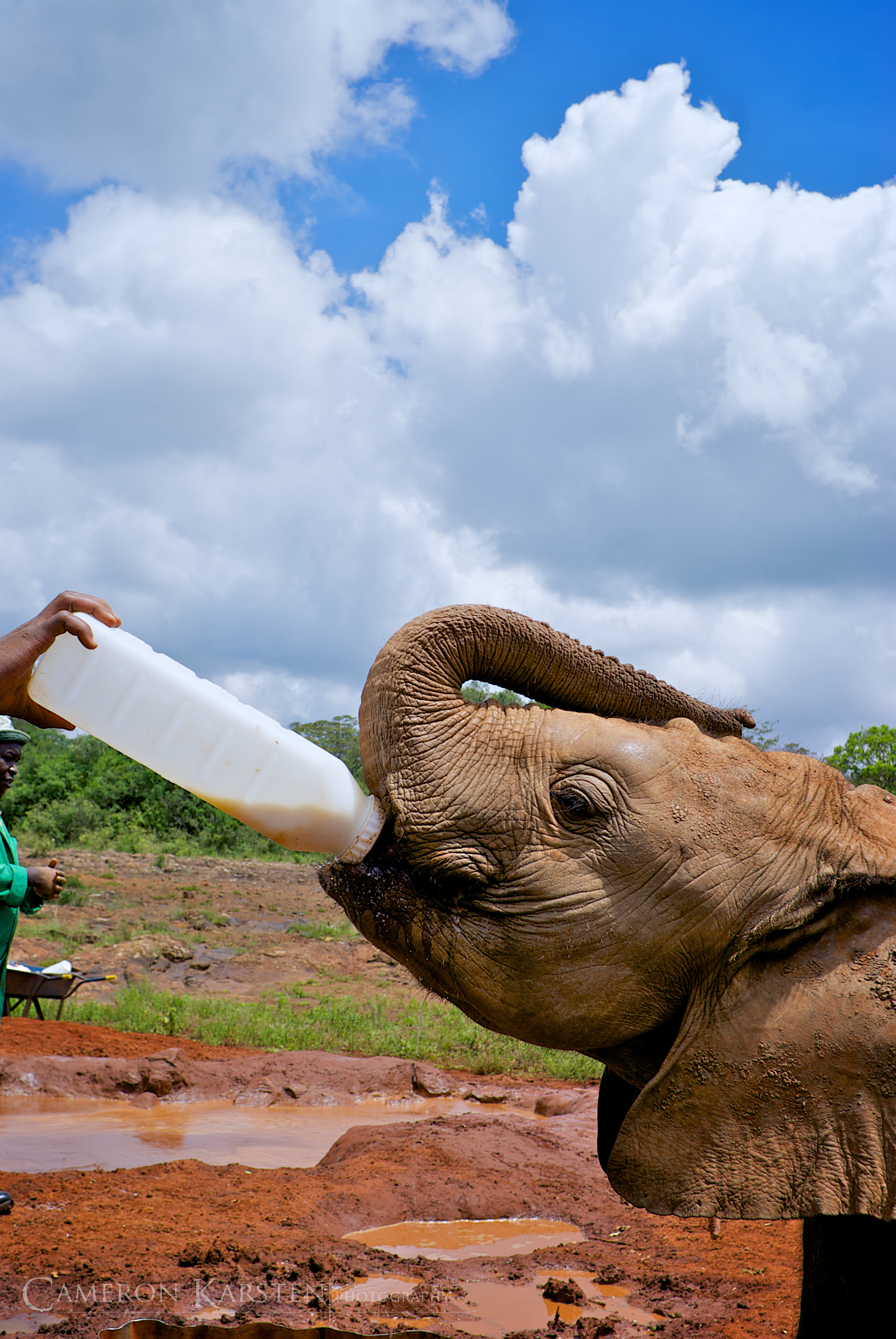
An orphaned elephant being fed at the David Sheldrick Wildlife Trust – Nairobi, Kenya 

DSC_0092-(4)---Version-4

 A dry riverbed in the Lower Omo Valley. The government’s proposed dams have dried up the Hamar’s traditional water sources

Colee's-Retribution

In the riverbed – Lower Omo Valley, Ethiopia

Wild-West

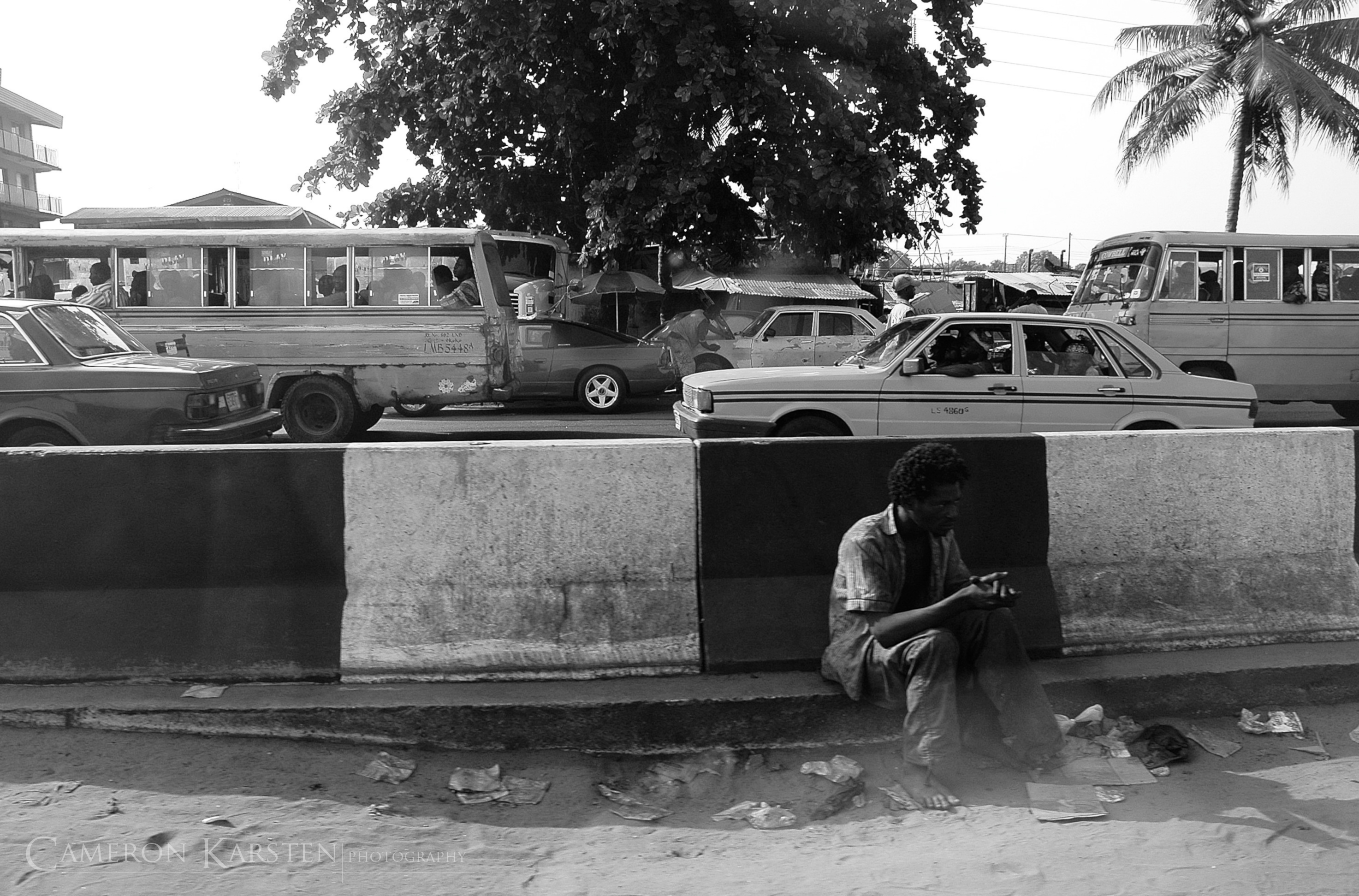
The Wild West of Nigeria – Niger Delta, Nigeria

DSC_0085-(3)---Version-3

Jinka’s town square – Jinka, Ethiopia

logo_blackTrajan

America’s Gun Culture: The Young Guns

MatixC-243

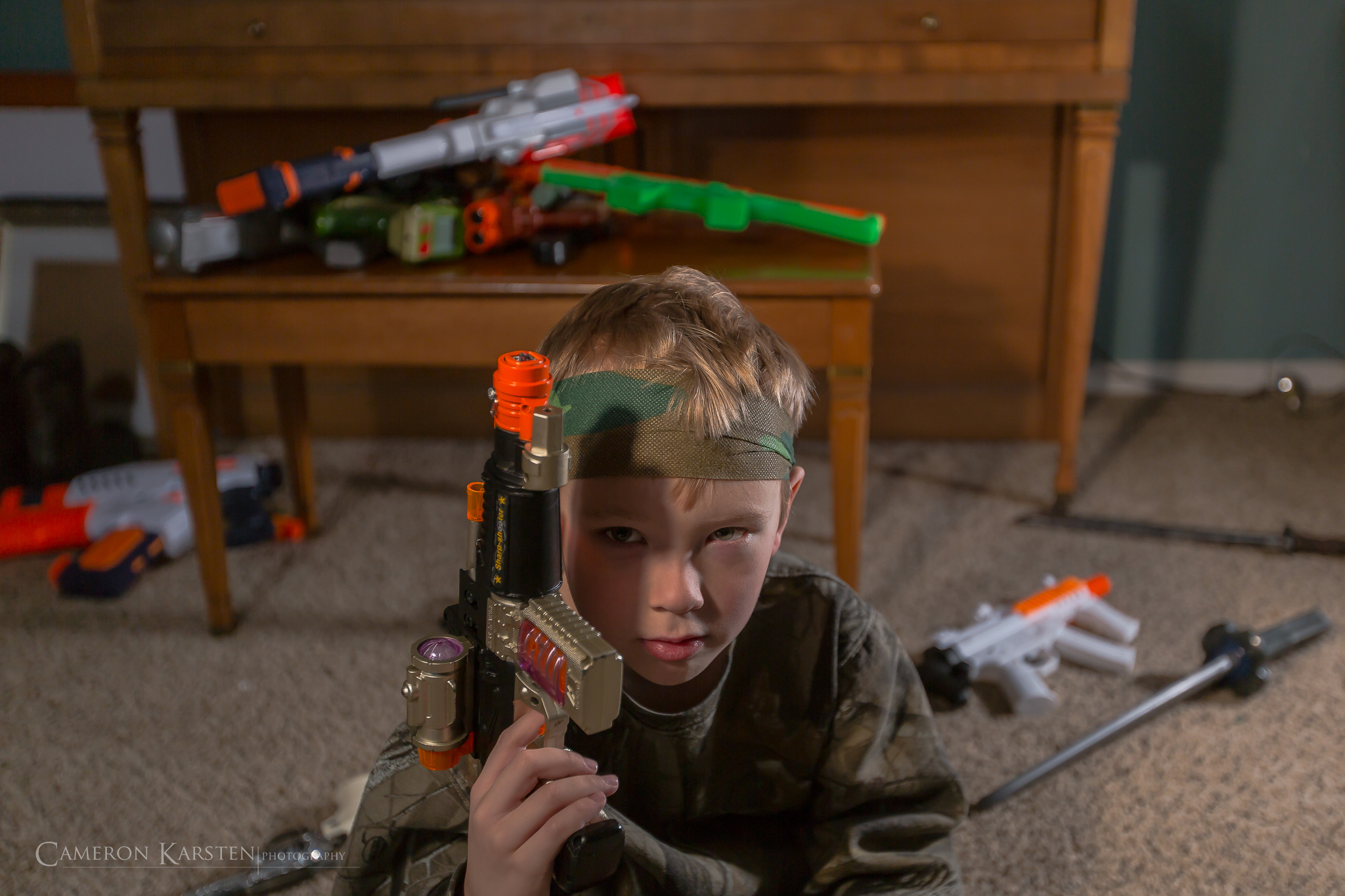
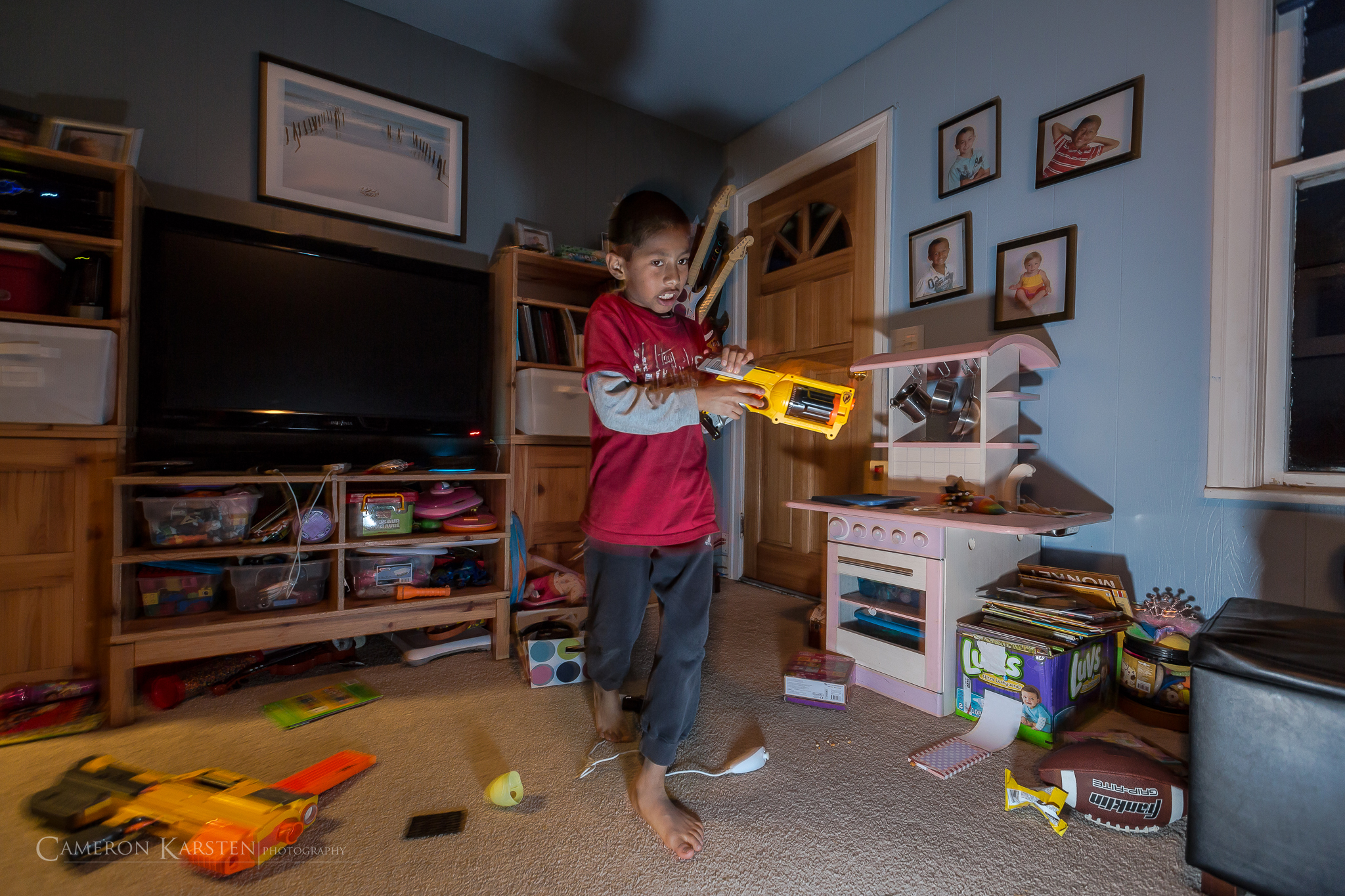
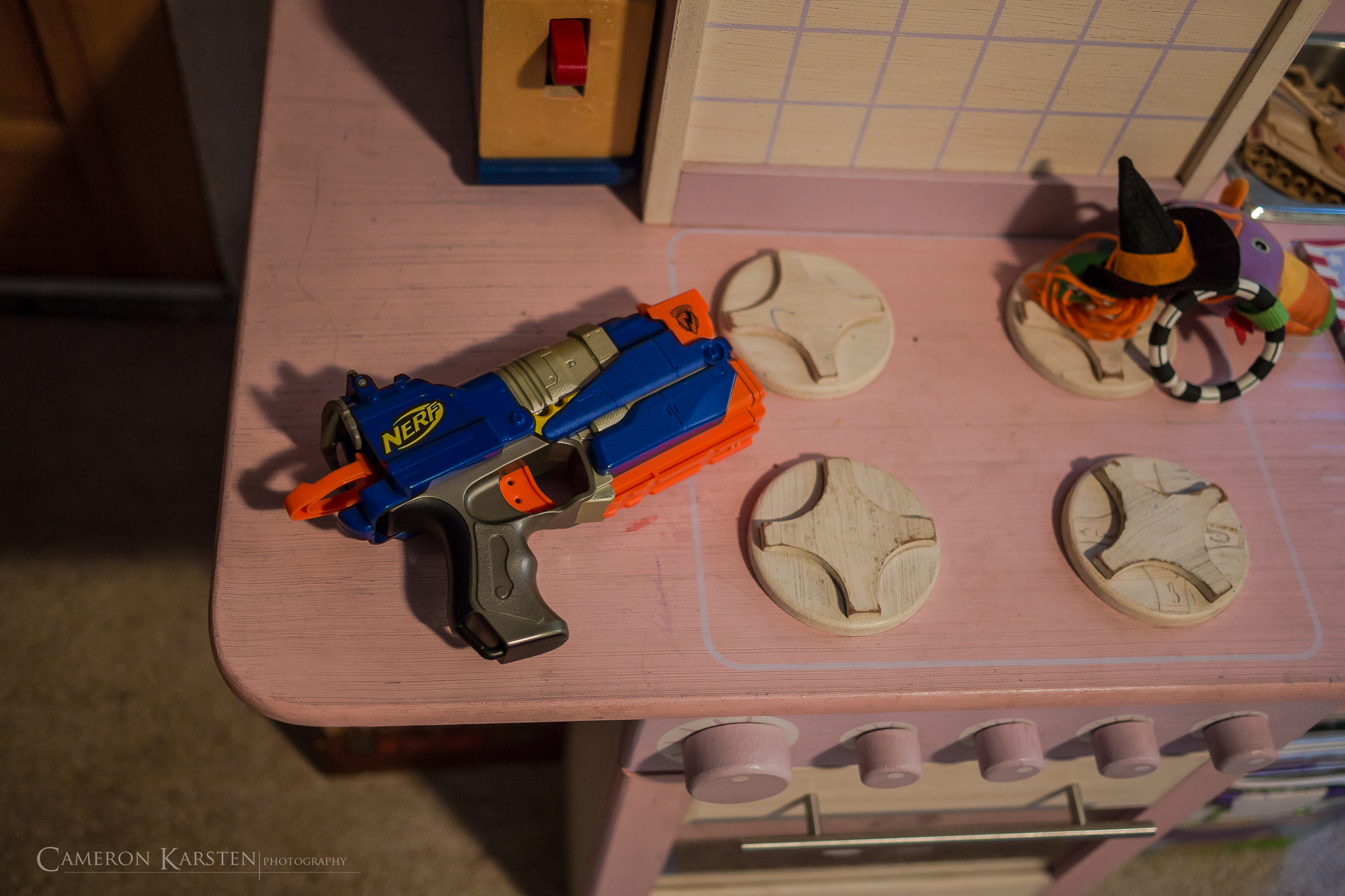
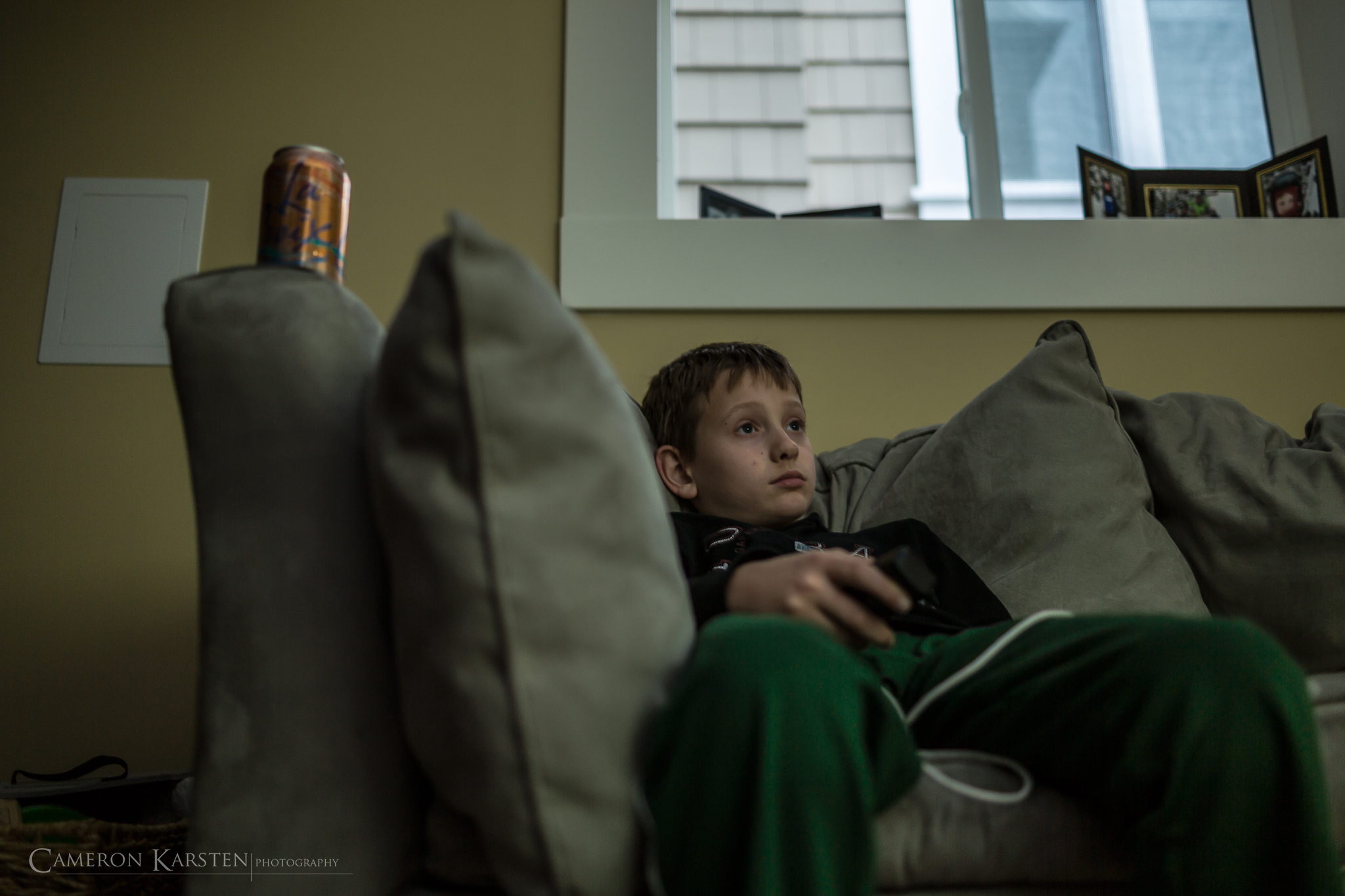
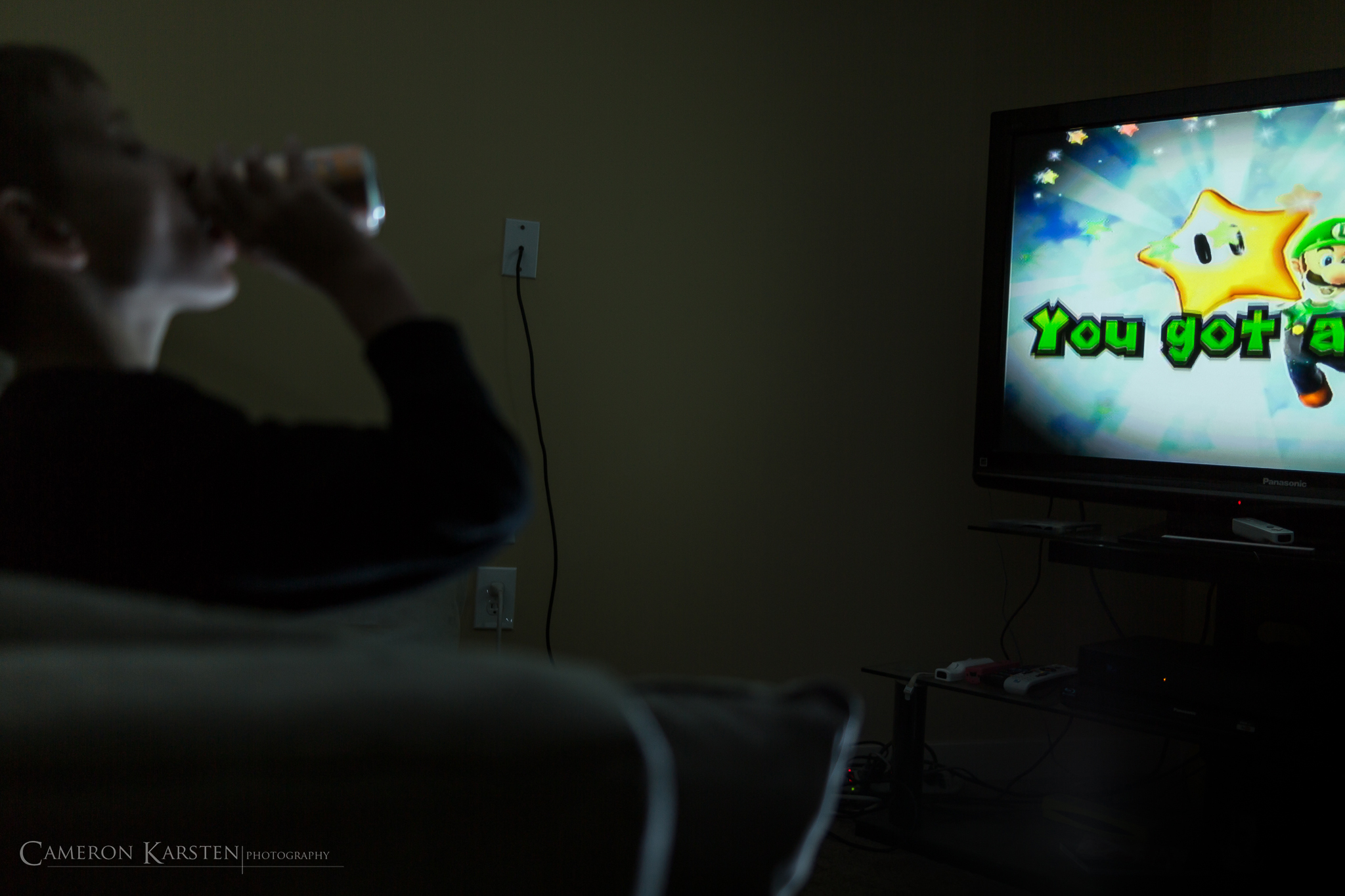
America has a gun problem. According to a Small Arms Survey in 2007 , 88 out of 100 Americans own a gun. That’s worthy of world domination. And after the latest elementary outbreak of gun violence in Sandyhook, Conn., questions continue to raise about the connections between guns, violent video games, and our American youth. Here are some images from an on-going project involving America’s young guns.

FieldsPlay-257

FieldsPlay-199

FieldsPlay-129

FieldsPlay-128

FieldsPlay-120

FieldsPlay-14

FieldsPlay-27

FieldsPlay-60

FieldsPlay-57

One mother I spoke with regarding the project declined to take part, but mentioned a story about her son. He was never permitted to play with toy guns. He wasn’t ever exposed to them in their household or on television. And she was unaware about any activities involving toy guns at their friends’ homes, but as soon as he reached a certain age where he began to develop his own personality, walk and make decisions on his own, something became apparent. When they would stroll on the beach or trek in the woods, the boy was instantly drawn toward sticks. These inanimate objects took on a life of their own. They became his toy guns. To this day she refuses to buy him any of these colorful plastic pieces.

DanePortrait-22

BroganVG-60

BroganVG-41

BroganVG-20

MatixC-110

MatixC-75

MatixC-27

When the United States military encourages their soldiers to play violent video games while on leave, and as the advent of drones is taking presence above foreign skies, it is intriguing how large the gaming industry has become. Not only is it exciting, competitive and imaginative, but it is also a fantasy world without consequences besides GAME OVER. From Mario Brothers to Grand Theft Auto, there has been an incredible evolution, blurring the lines of reality. America’s youth are also hooked.

MatixC-208

MatixC-273

MatixC-251

MatixC-287

For more, please visit America’s Gun Culture

logo_blackTrajan

Africa – People + Places

Cultures-ClashI’ve been sifting through imagery as I prepare to head to New York City for the 2013 Eddie Adams Workshop and meetings with potential clients.  What I’ve found has allowed me to relive the beautiful memories of past travels and the people and places I met.  Here, Africa represents itself in all its wondrous enjoyment, with the hopes of near returns on future assignments.

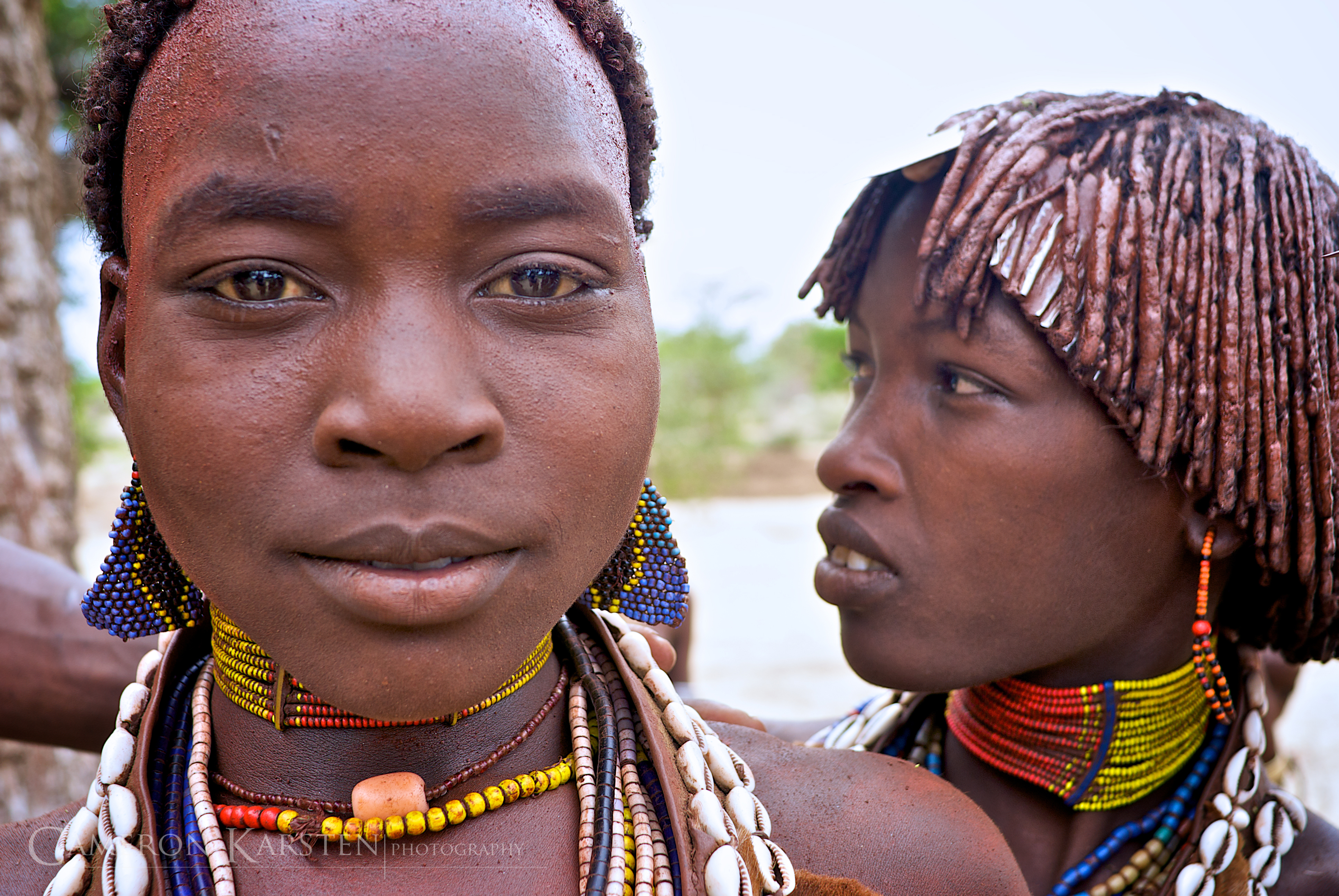
DSC_0086-(4)---Version-3Hamar, Omo Valley, Ethiopia

DSC_0206---Version-3Somewhere in the Afar Desert, Ethiopia

Gold-Stars,-Happy-FacesThe Layla House Adoption House, Addis Ababa, Ethiopia

DSC_0179---Version-3The streets of Lagos, Nigeria

DSC_0024---Version-2The David Sheldrick Wildlife Trust, Nairobi, Kenya

DSC_0307-(1)---Version-5Hamar boy, Omo Valley, Ethiopia

High-RisenDiani Beach, Kenya

DSC_0009-(4)---Version-3Hamar girls, Omo Valley, Ethiopia

Tuti-AliveTuti, Omo Valley, Ethiopia

For more please visit: Travel

Cameron Karsten Photography

International Rescue Committee’s Summer Youth Programs – Seattle, WA

YouthSummerPrograms-407

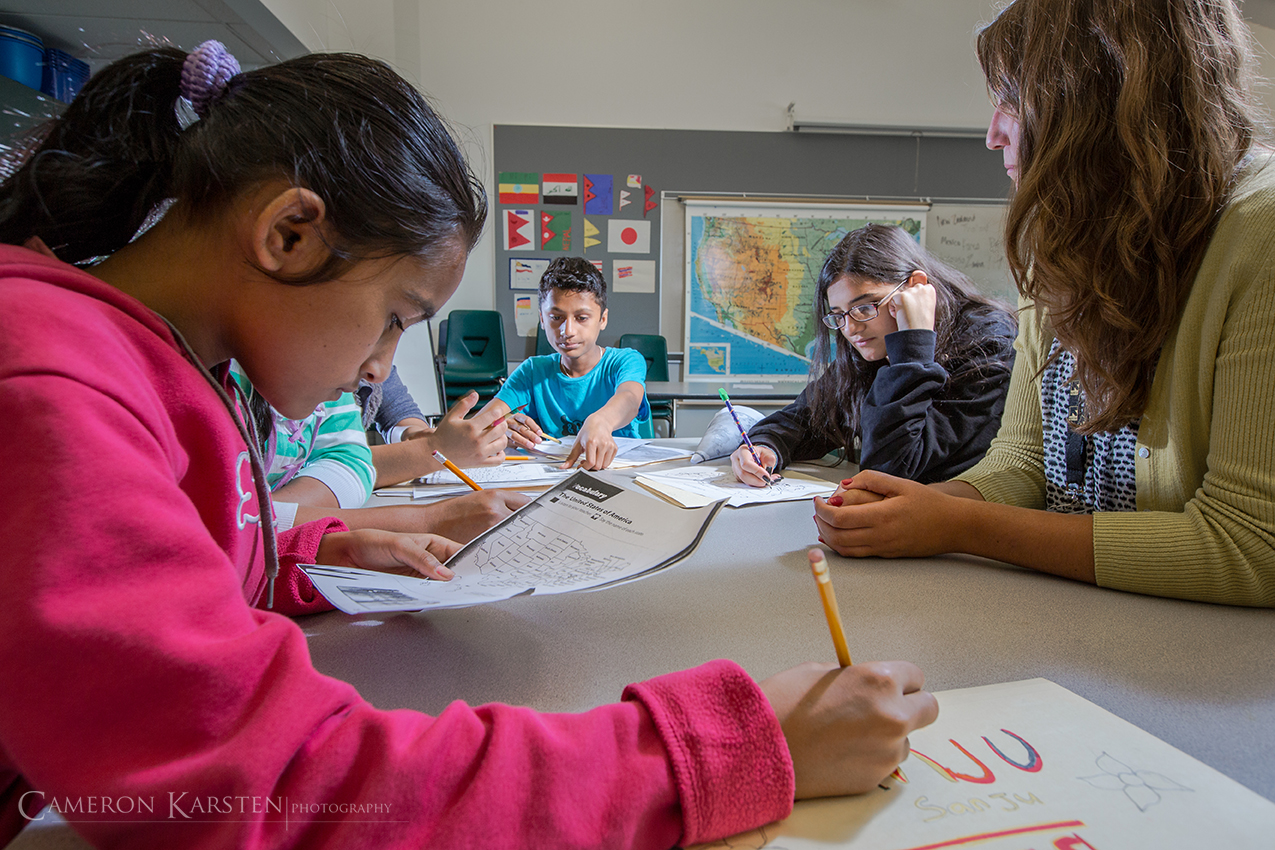
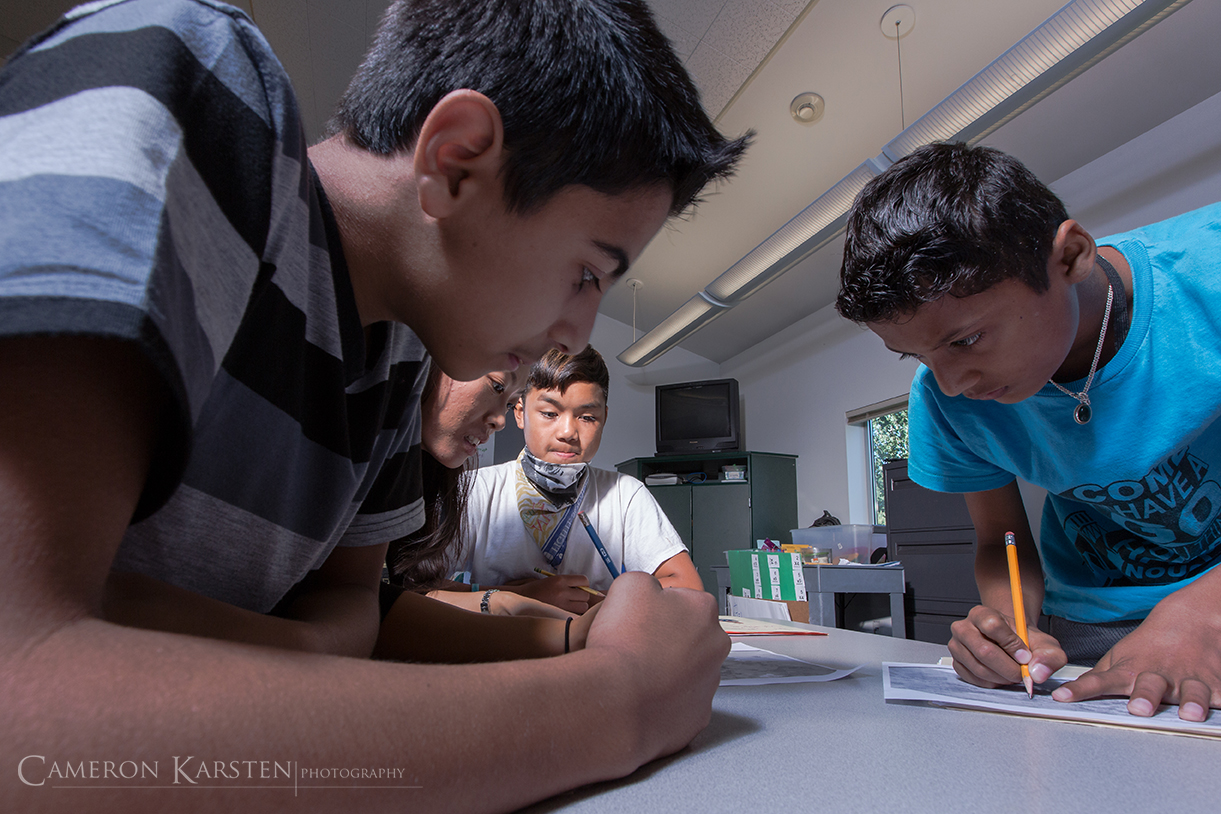
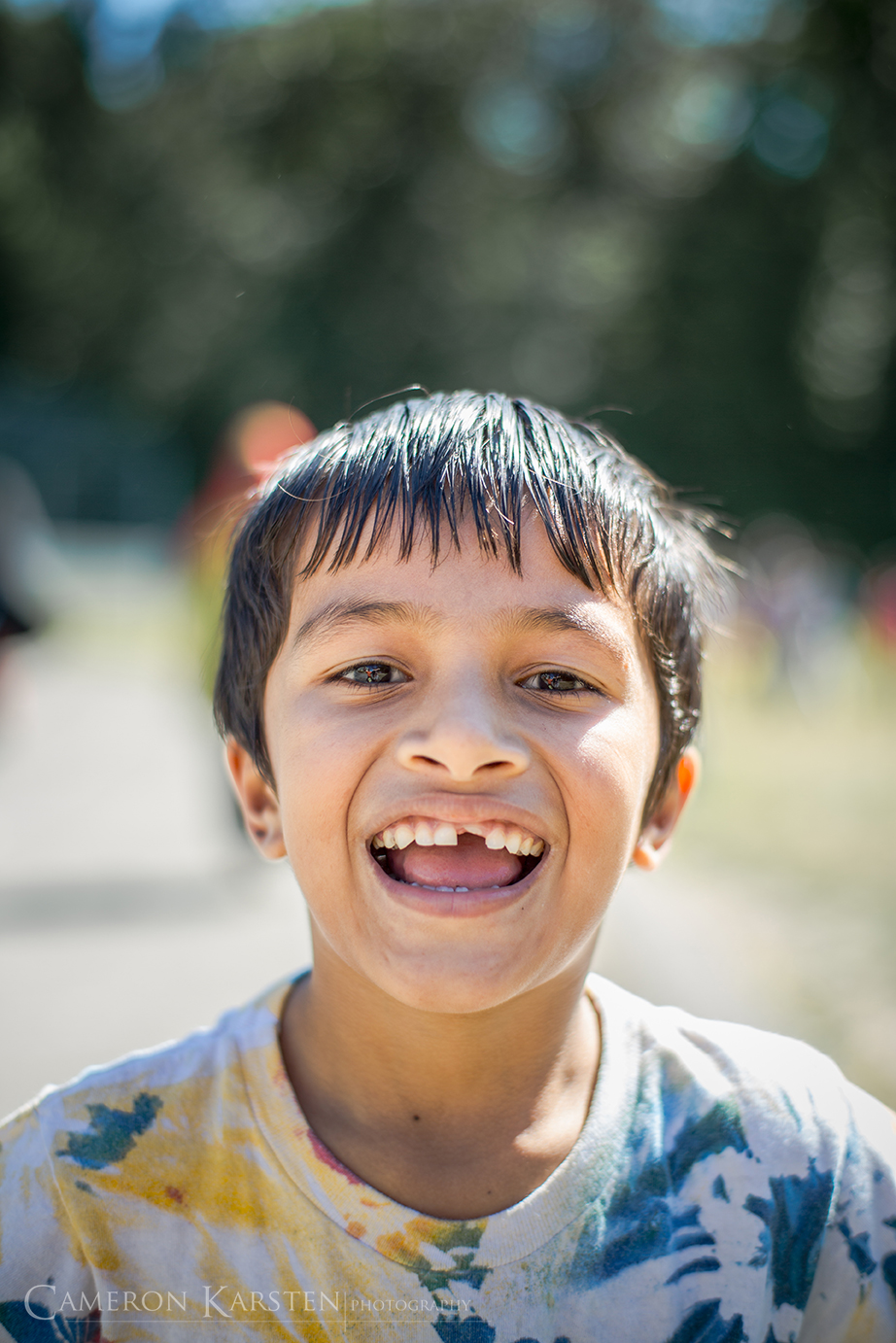
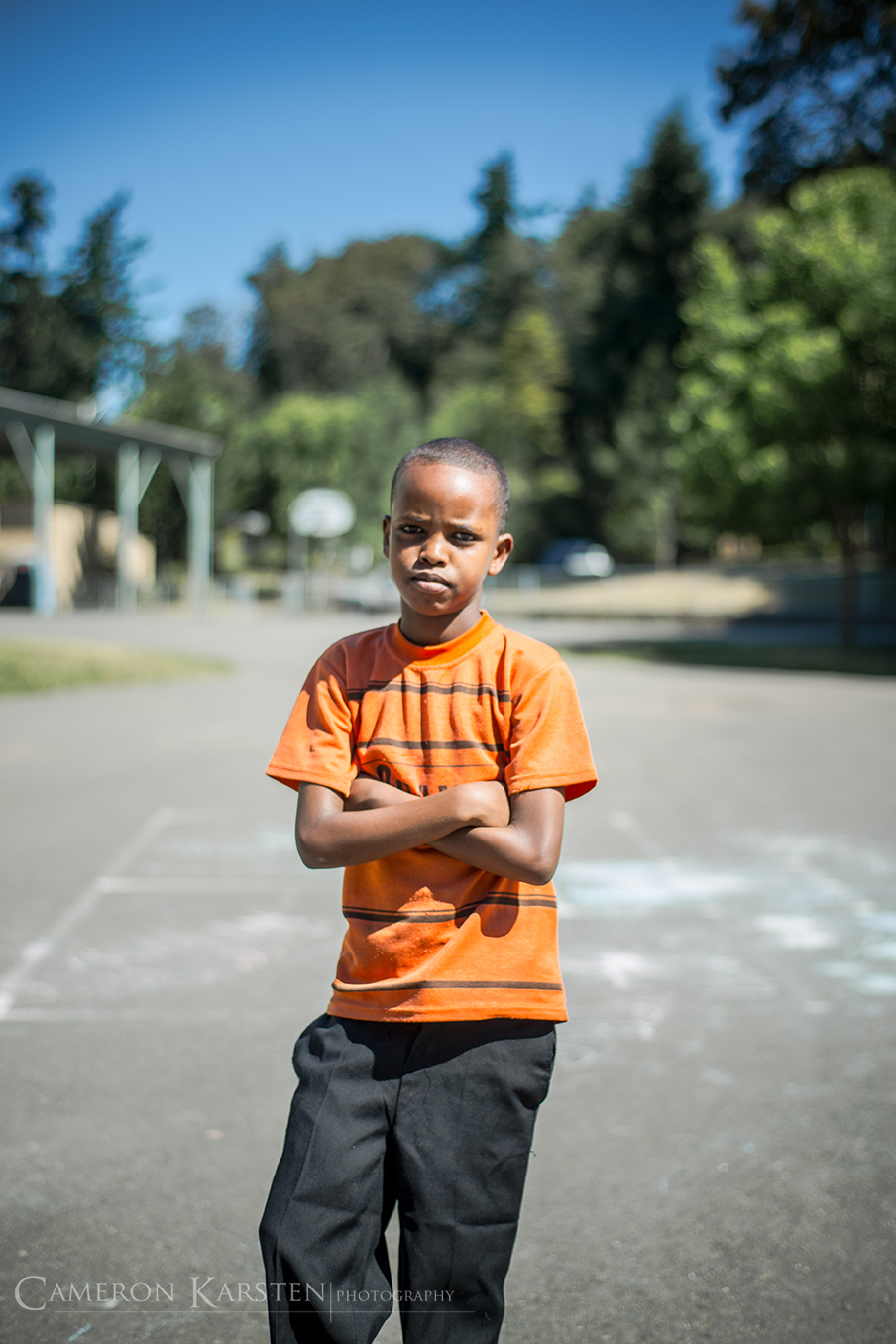
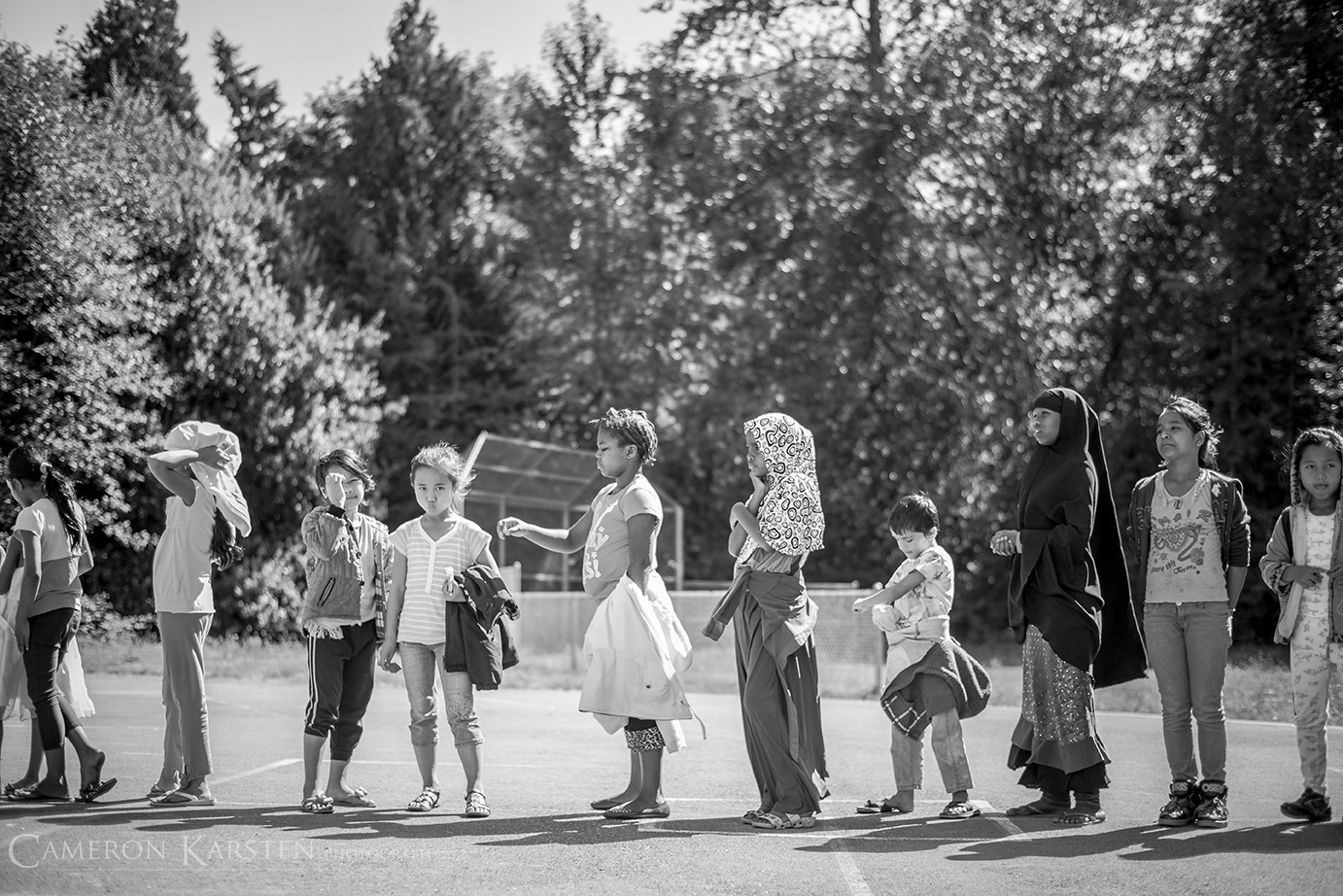
The International Rescue Committee (IRC) puts on two summer youth programs, bringing recently resettled refugees together into the American school system.  Some have basic English skills, others have none.  This is just the intro into their new life, from harm to home in the U.S.

YouthSummerPrograms-144

YouthSummerPrograms-147

YouthSummerPrograms-169

YouthSummerPrograms-434

YouthSummerPrograms-244

YouthSummerPrograms-274

YouthSummerPrograms-316

YouthSummerPrograms-351

YouthSummerPrograms-335

YouthSummerPrograms-329

YouthSummerPrograms-359

YouthSummerPrograms-364

IRC

Cameron Karsten Photography

Ocean Acidification and our Oyster Culture – Part II

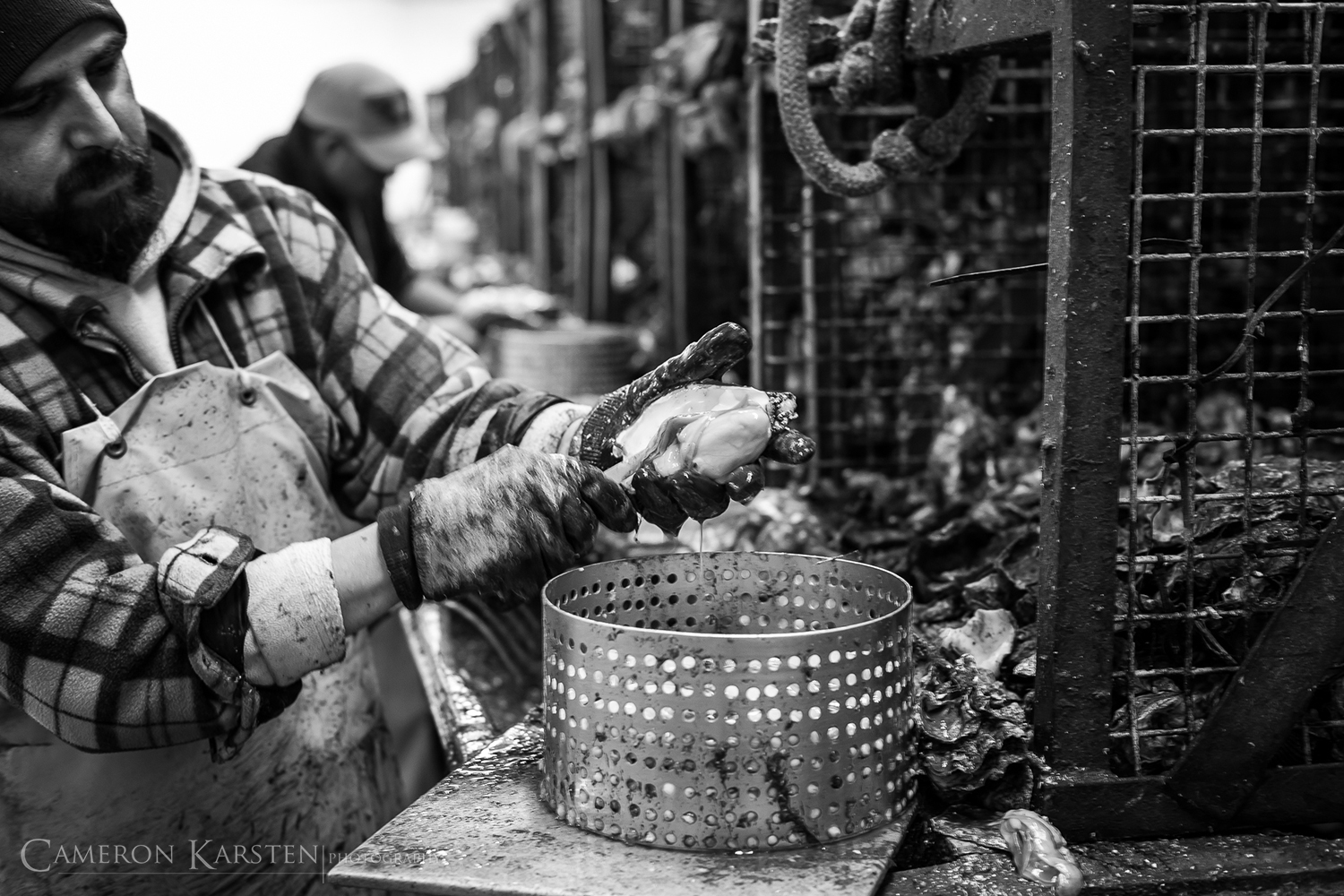
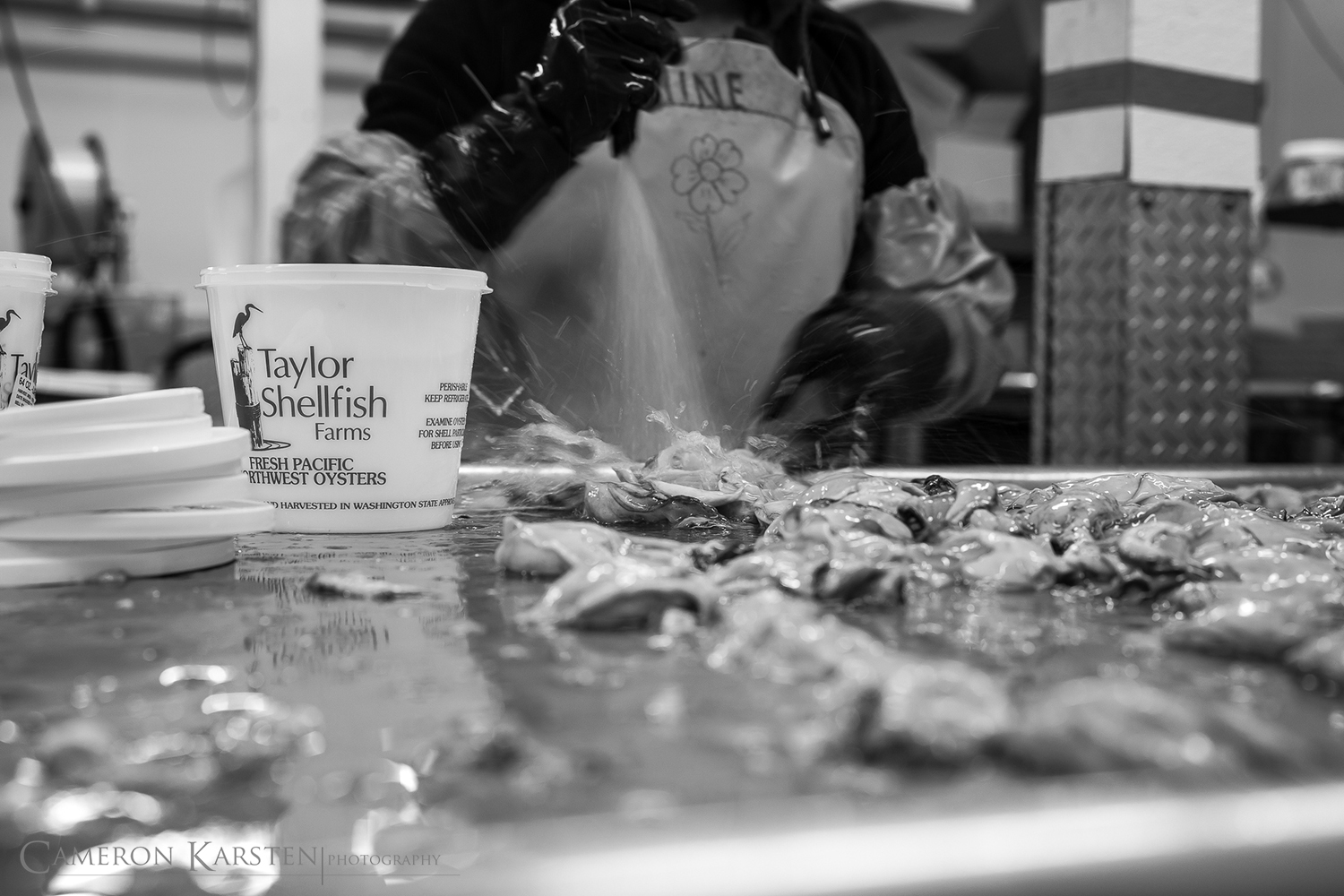
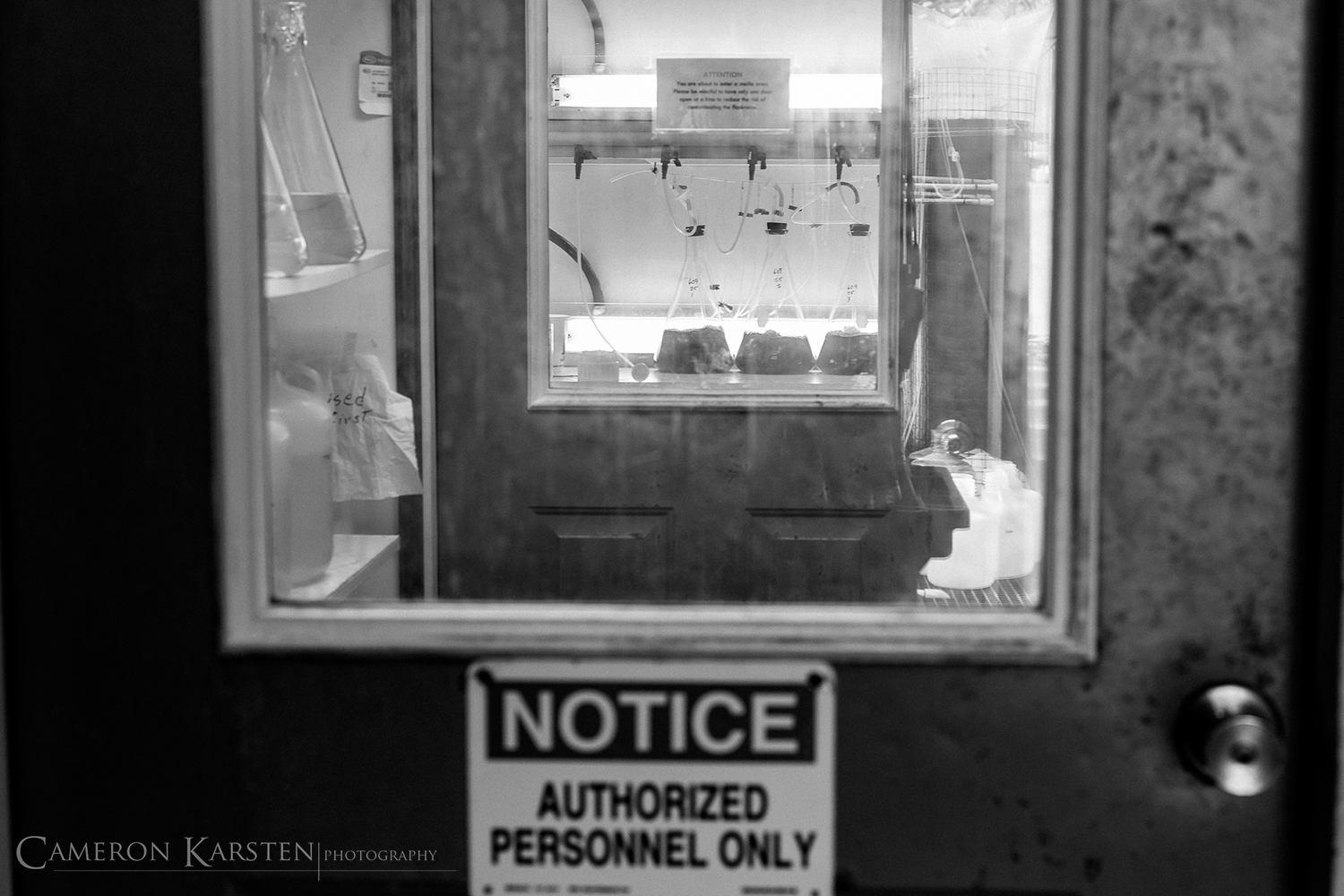
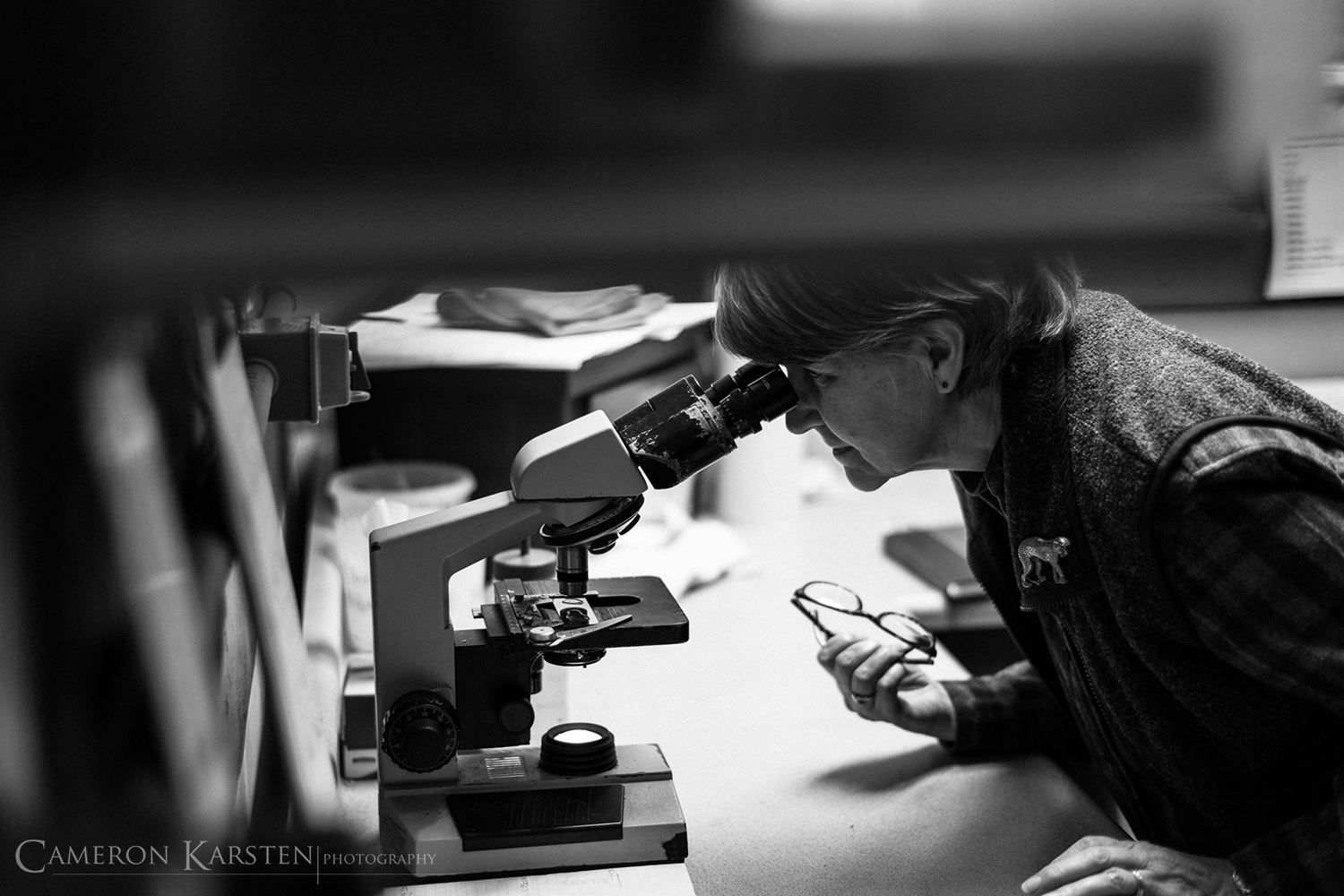
karsten_cameron_12In order to prosper, every living creature requires clean air, clean water and abundant food.  For ocean-thriving mollusks, clean seawater is a must.  In December 2011, Washington State Governor Christine Gregoire formed a Blue Ribbon Panel.  Their purpose: to investigate and study a new threat to Pacific Northwest waters.  They were putting Ocean Acidification (OA) under the microscope.

karsten_cameron_11

karsten_cameron_13
karsten_cameron_14What is occurring is evidence of our Industrial Period 100 years prior as heavy carbon dioxide (CO2) elements now begin surfacing in the shallow waters of the Puget Sound.  As the spring and fall seasons of the Pacific Northwest bring strong northwesterly winds, currents in the Pacific Ocean stir up these century-old pollutants, pushing them upwards and east into the estuaries.  These so-called up-wellings decrease pH levels, causing normal numbers of 8.25 to sink lower into the acidic levels of 8.14 (The pH scale is representative of aqueous solutions from zero to fourteen; where zero characterizes hydrochloric acid or battery acid, and fourteen is sodium hydroxide, better known as bleach).  Acid is a solvent.  It dissolves what it comes in contact with.  Add acidic waters to oyster seed and you find its ingredients eating away at the calcium carbonate that makes up the mollusk’s shell.

karsten_cameron_15

karsten_cameron_16

karsten_cameron_17

karsten_cameron_18

karsten_cameron_19

karsten_cameron_20Taylor Shellfish Farms is the first to experience this threat.  They are attracting globe attention to what is occurring within their hatcheries and throughout their farms.  They rely on clean healthy water for larvae seed to develop, but ocean acidification is effecting the development of these mollusks, prohibiting full and consistent growth of their calcium carbonate shells.  What is the future of the mollusk culture if we continue burning fossil fuels and causing the climate to warm-up at faster then expected rate?  Our industrial state affects more then just our air quality.

To see Part II of the multimedia project Ocean Acidification and our Oyster Culture, please click here

Ocean Acidification and our Oyster Culture – Part I

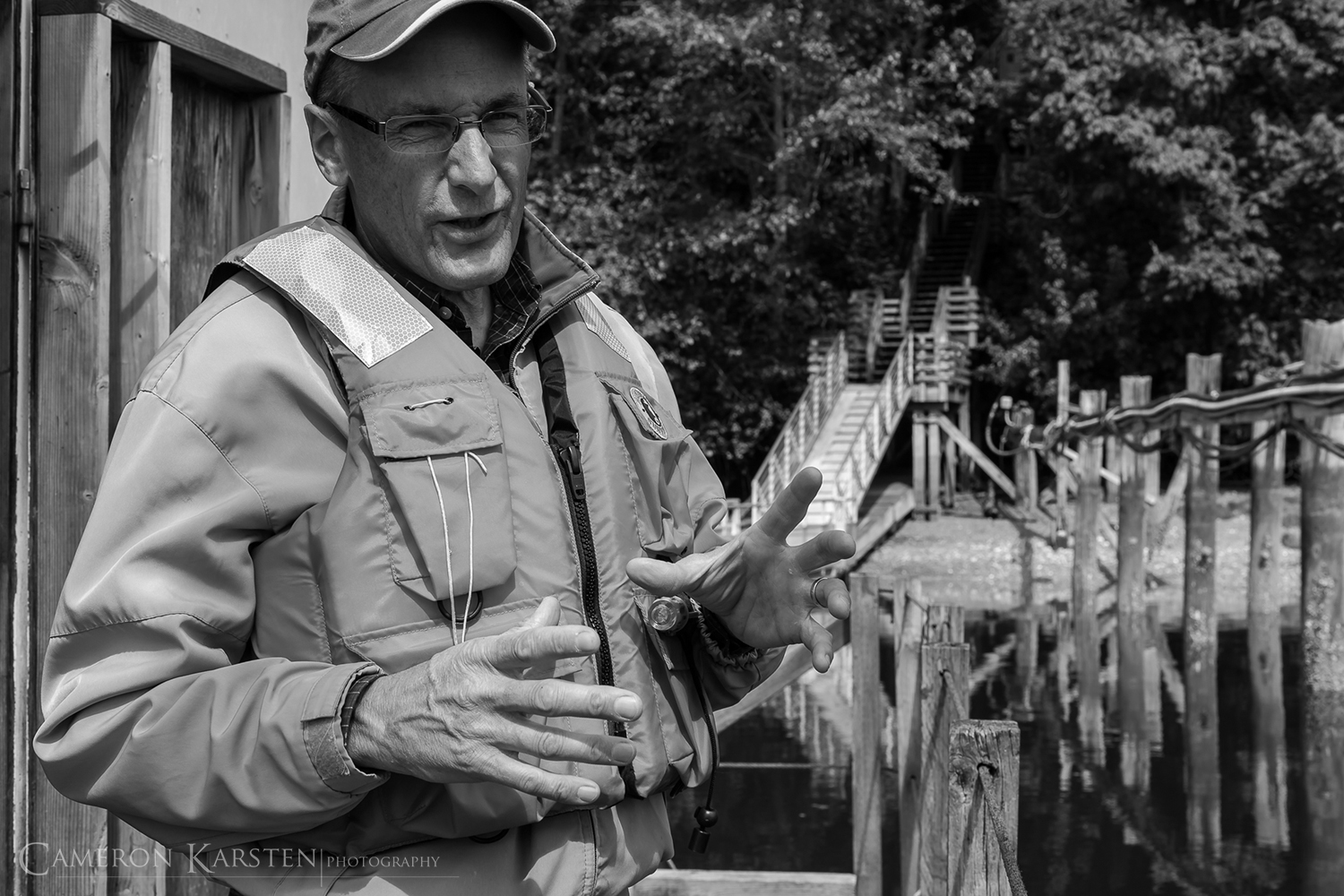
karsten_cameron_01In March 2013, I met Benoit Eudeline. Benoit speaks in a thick French accent and is the lead scientific researcher at Taylor Shellfish Farms’ hatchery.  Located in the pristine Dabob Bay, Taylor Shellfish is Washington State’s foremost producer of farm-raised shellfish, supplying the industry with top-grade oysters, mussels, clams and geoduck.  It produces two-thirds of the state’s mollusk aquaculture and is the country’s largest supply to Asia, boosting its’ economy and solidifying the region’s bearing as a premium seafood culture.  But in 2008, all this came to a screeching halt.  Something was happening.  Numbers were falling at Taylor Shellfish and each of the other farms in the area.  Production was at a loss.  Larvae within the confines of the hatcheries became insolvent at surviving.  Holes appeared in their developing shells.  Disease and predators disrupted growth.  Something was brewing in the Pacific Northwest.

karsten_cameron_02

karsten_cameron_03

karsten_cameron_04

karsten_cameron_05

karsten_cameron_06

karsten_cameron_07

karsten_cameron_08

karsten_cameron_09

karsten_cameron_10Nowhere else in the world was this environmental phenomenon occurring.  Mollusks, particularly oysters, were thriving as usual, but in the northwestern estuaries of the Pacific Ocean, the declining health of young shellfish became obvious.  First, the oysters; then slowly the shells of young geoducks and the tendrils of mussels, which they rely on to suspend to their host, began showing signs of frailty.  As the seasons over the next few years passed in confusion, scientists began studying the changing environments until one thing became evident.

To see Part 1 of the multimedia project Ocean Acidification and our Oyster Culture, please click here

The Explorers’ Club

_N9A6670The Explorers’ Club hiking through the jungles of Bainbridge Island.  When I was a child, I was obsessed with exploring.  I wanted to go everywhere and find anything new that I could set my eyes upon and reach for.  The above image was shot for a family with this exactly in mind, putting me in their feet back when I was a child in search for adventure.

_N9A6692

_N9A6728

_N9A6760

_N9A6809

Cameron Karsten Photography

International Rescue Commitee’s Naturalization Ceremony – Seattle, WA

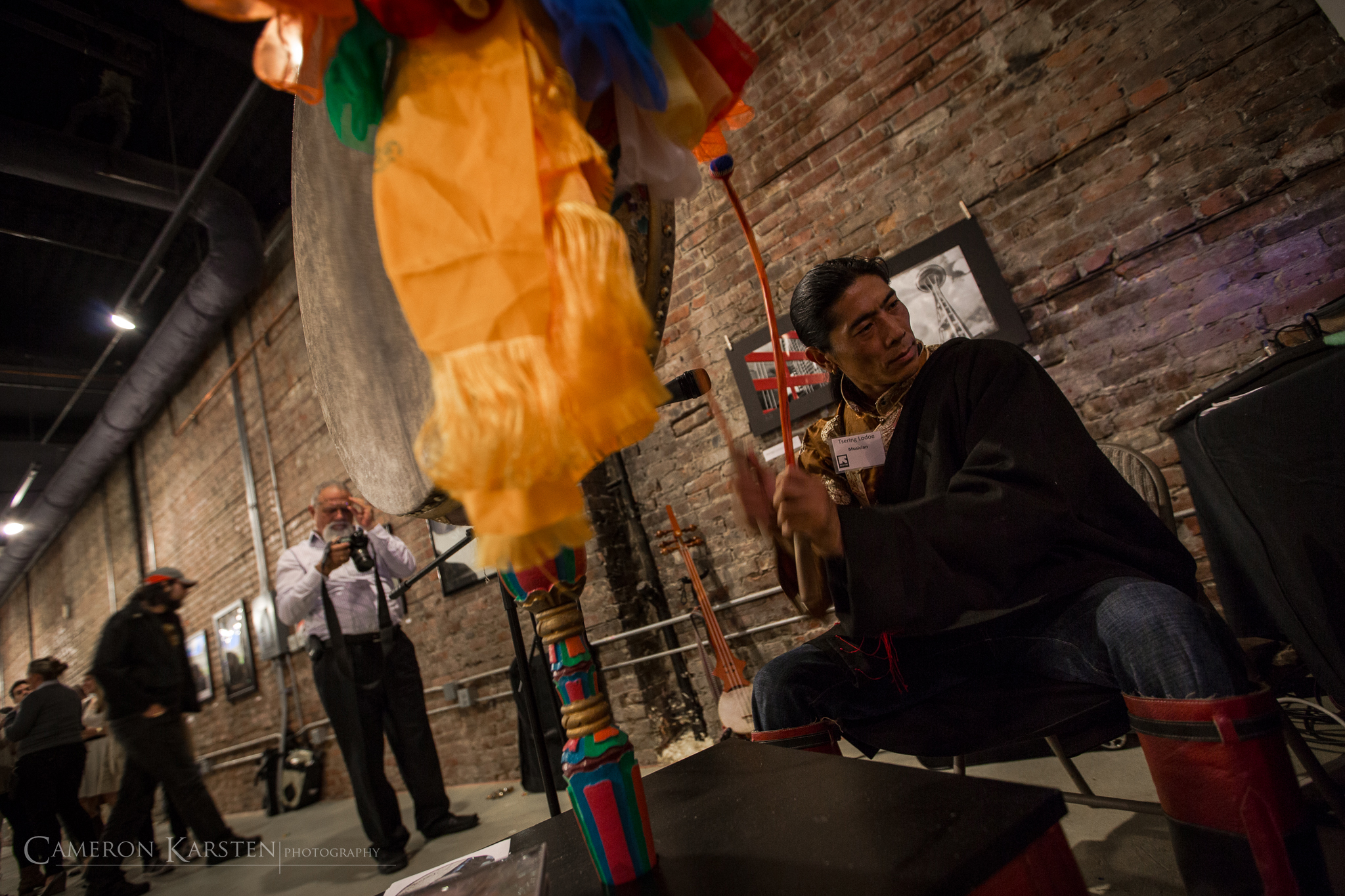
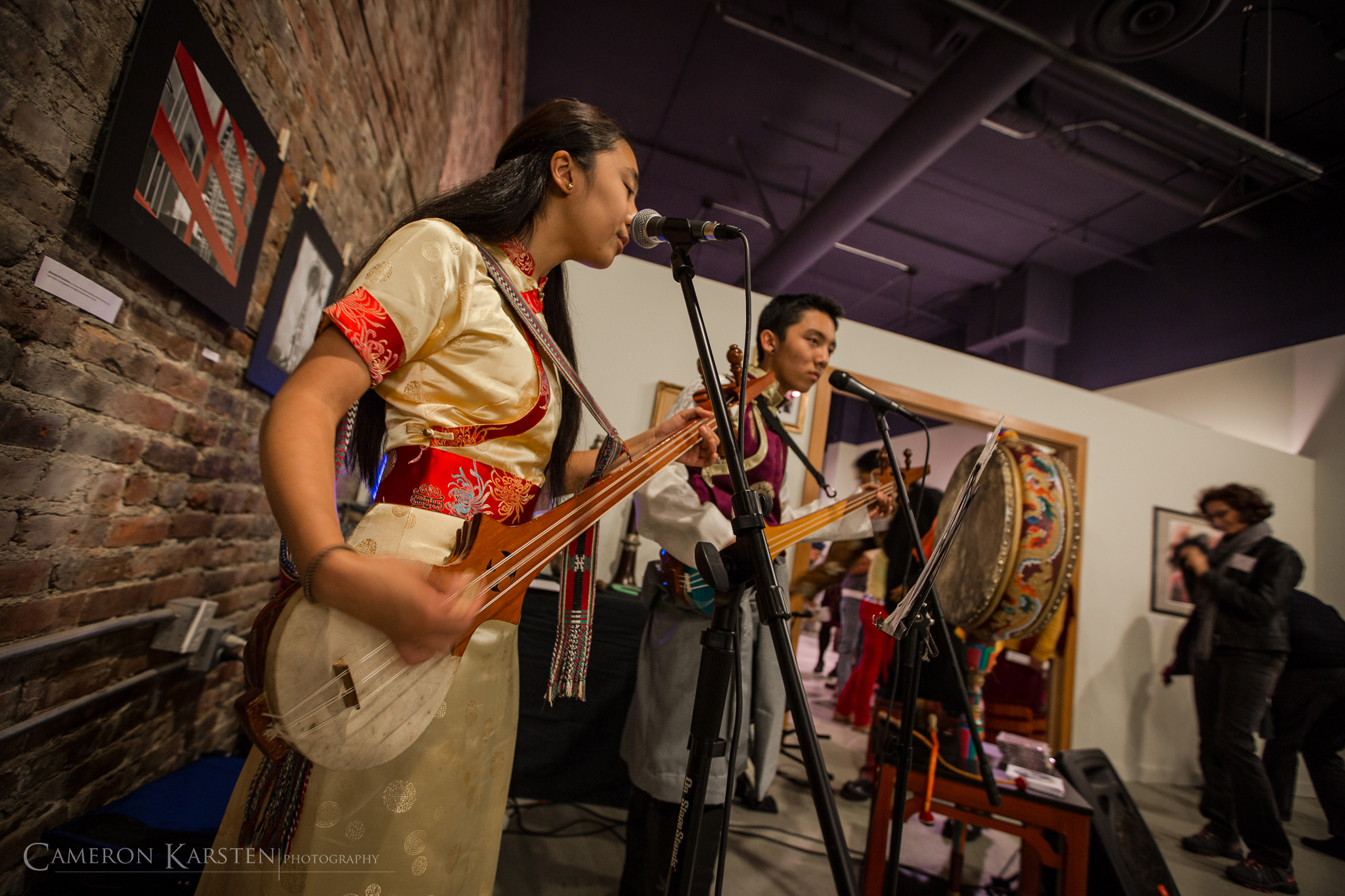
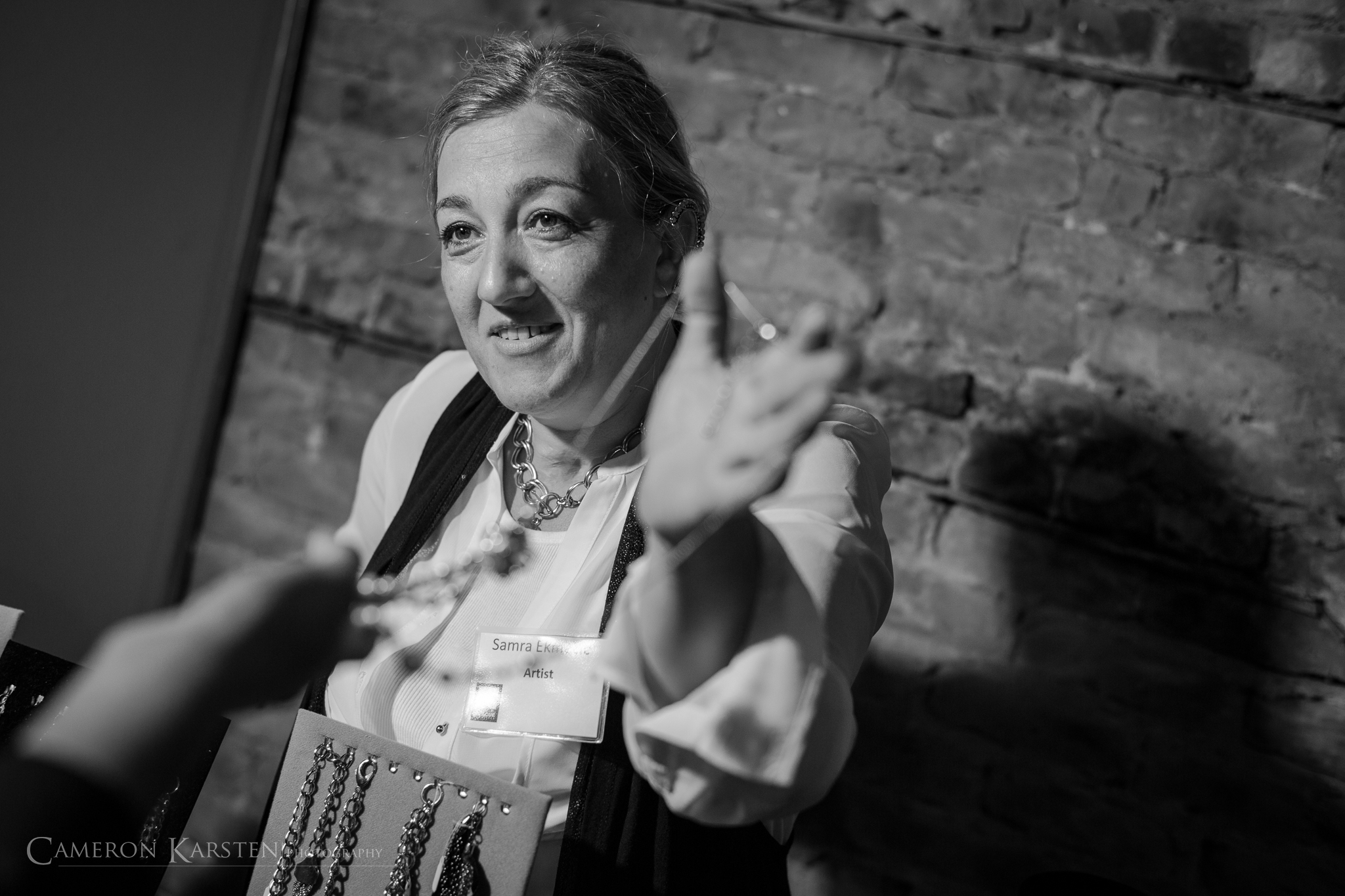
Naturalization-66I’ve had the pure joy of working with IRC’s Seattle Chapter since the start of 2013, connecting with a broad range of international community members around the Pacific Northwest region.  June 20th, 2013 was none other then World Refugee Day where a handful of individuals received their United States Citizenship at a local art gallery in downtown Seattle, which exhibited art by IRC-sponsored refugees turned U.S. citizens.  Here is a look at a naturalization ceremony, welcoming these newly-recognized U.S. citizens.

Naturalization-24

Naturalization-27

Naturalization-19

Naturalization-50

Naturalization-54

Naturalization-120

Naturalization-86

Naturalization-92

Naturalization-219

Naturalization-338

Naturalization-199

Naturalization-116

Naturalization-154

Naturalization-133

Naturalization-317

Naturalization-109

Naturalization-266

Naturalization-40

Naturalization-358

IRC

Cameron Karsten Photography

Post-Apocalyptic Youth Survival Group

YouthResilience

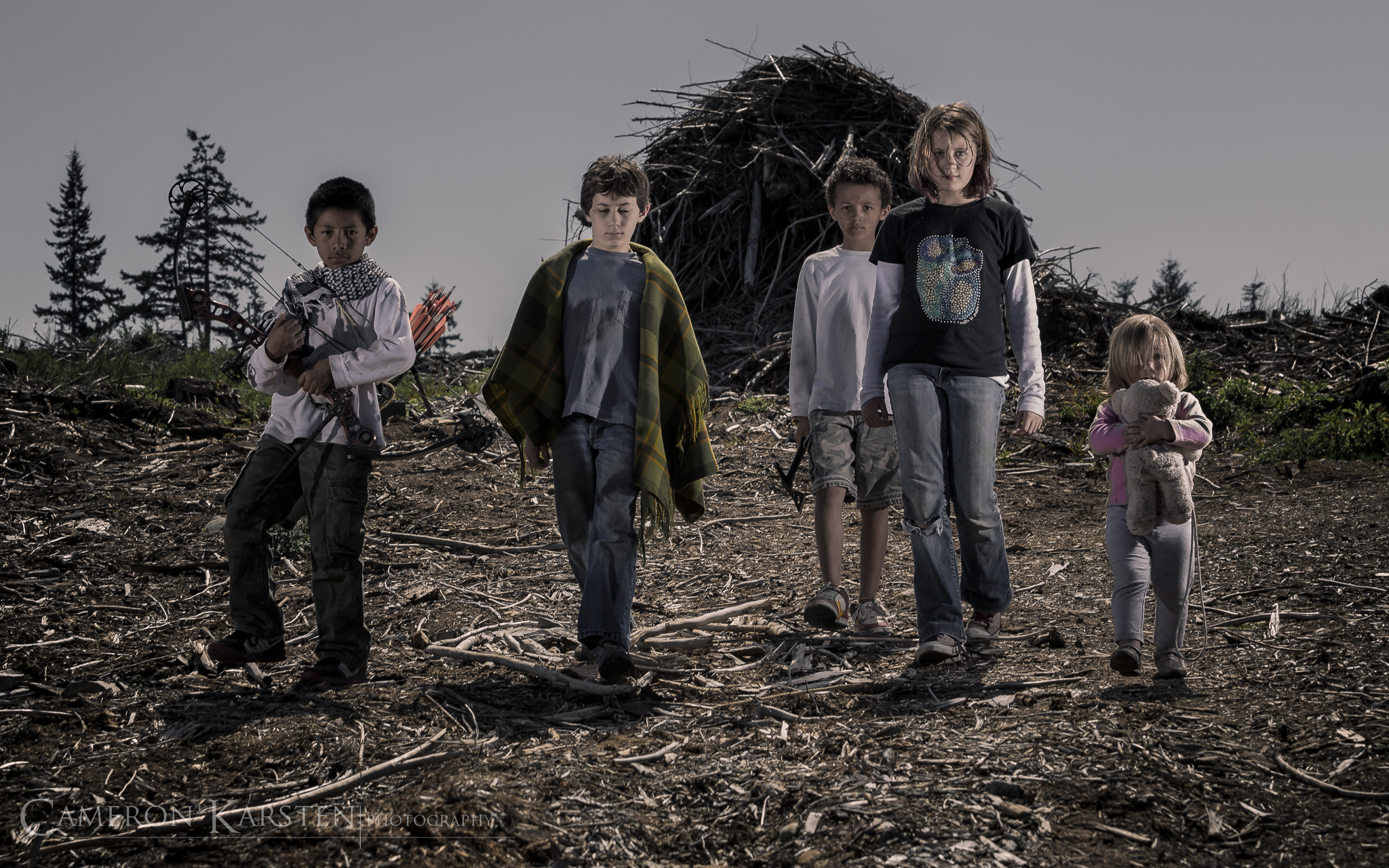
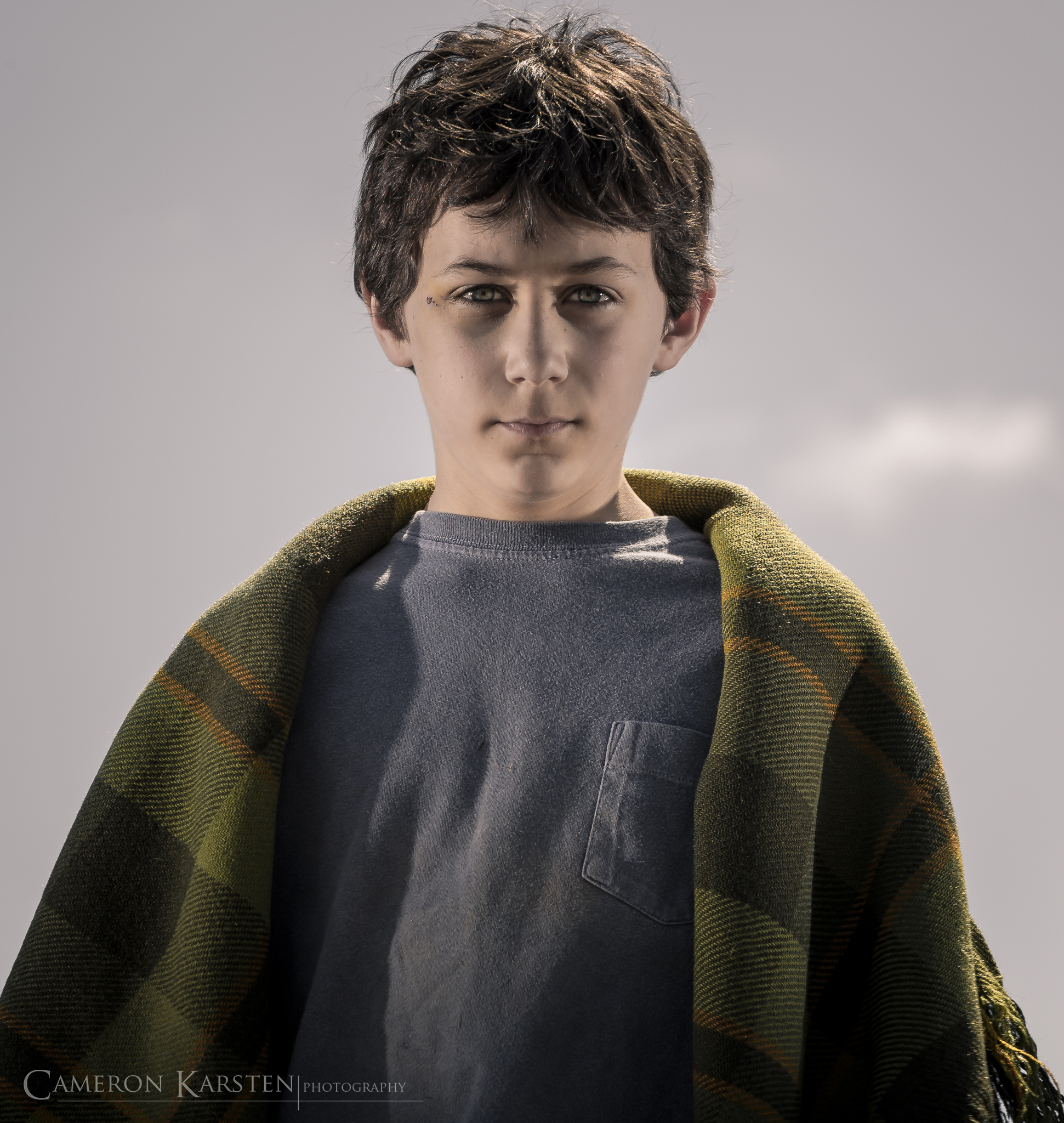
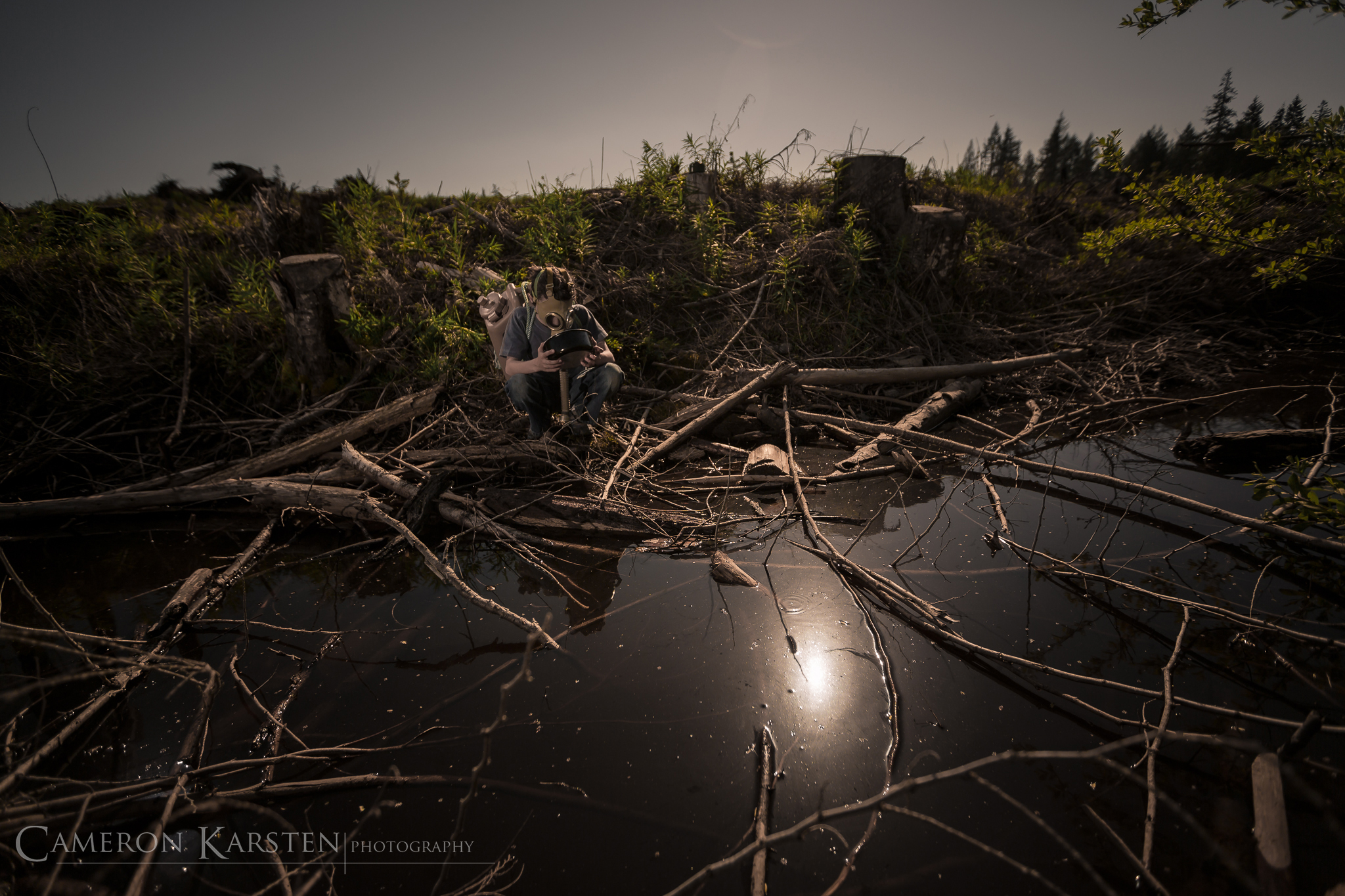
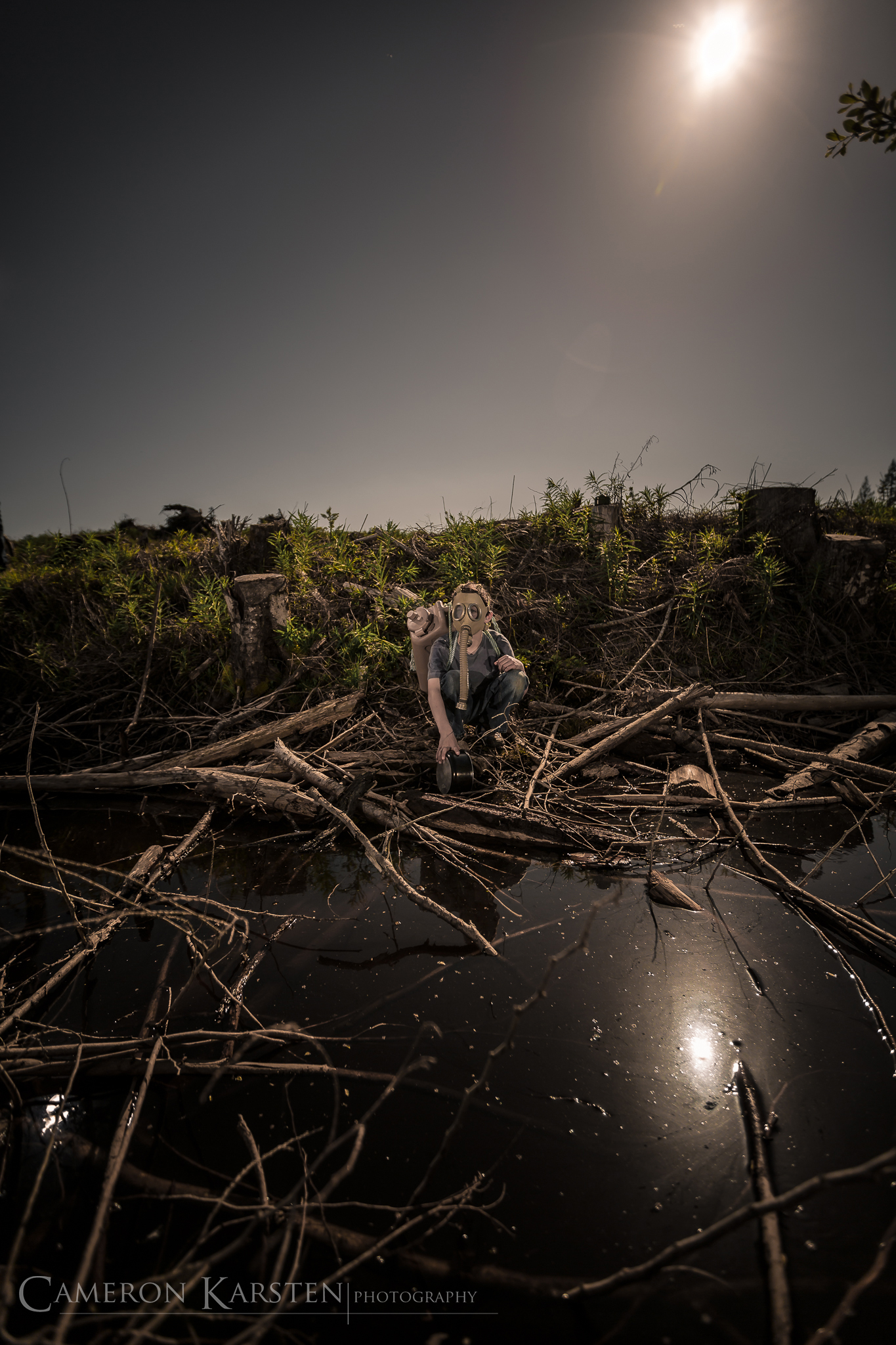
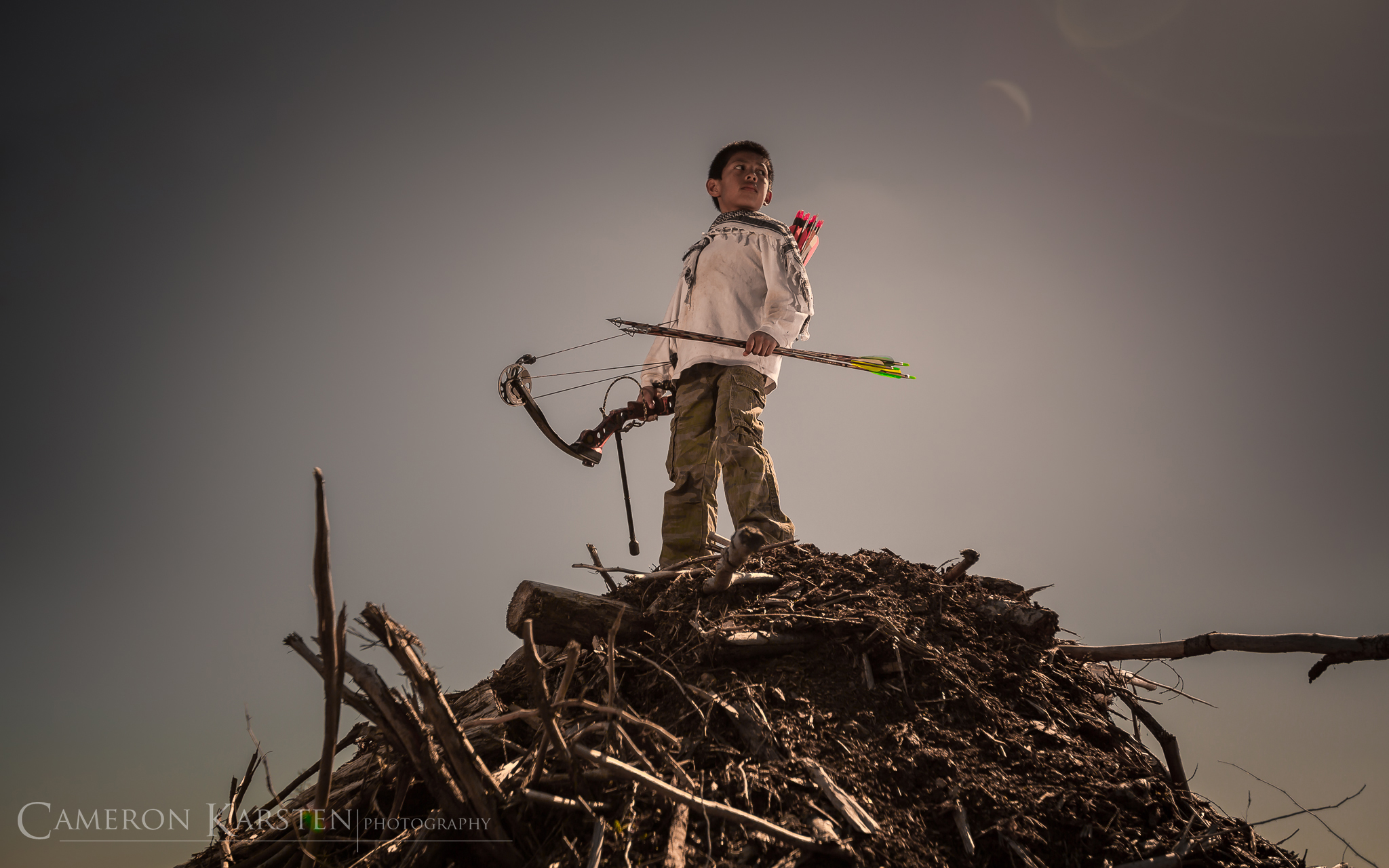
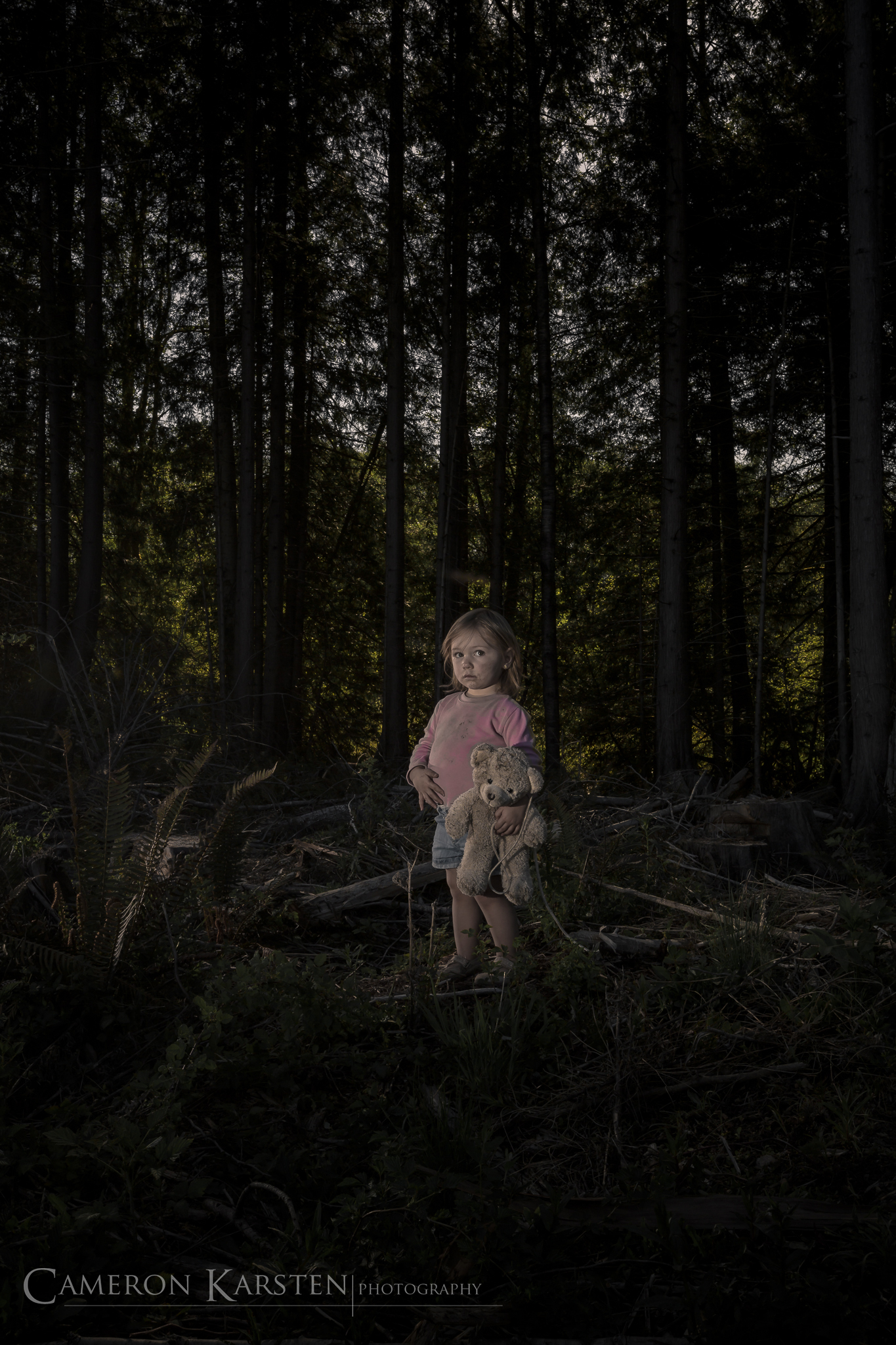
Here’s a look at the newest project, creating a youth group surviving in a post-apocalyptic world.  Living as a nomadic family, these characters have bonded and divided up the tasks in order to hunt, cook, carry, prepare and maintain within a hostile world.  They’re in constant threat, picking their way through a tattered landscape, foraging for their everyday amenities.  Thank you to the Field’s family for participating and going along with my vision.

YouthPortraits-28On the move

YouthPortraits-35Portrait of the Water-Bearer

YouthPortraits-40Portrait of the Fire-Carrier

YouthPortraits-67-EditPortrait of the Fire-Carrier II

YouthPortraits-102The Hunter and The Hunted

YouthPortraits-124

Eagle Eyes

YouthPortraits-113The Kill

YouthPortraits-178Portrait of The Hunter

YouthPortraits-217The Pool of the Un-Drinkable

YouthPortraits-215Spotted

YouthPortraits-213Fishing the Uninhabitable

YouthPortraits-219Alone and Surviving

YouthPortraits-97-Edit

Portrait of the Warrior

YouthPortraits-92

Portrait of the Warrior II

YouthPortraits-247The End of Innocence

YouthPortraits-224Back to the Woods

Cameron Karsten PhotographyFor more visit http://www.CameronKarsten.com