The Reefnetters of Lummi Island – Human/Nature

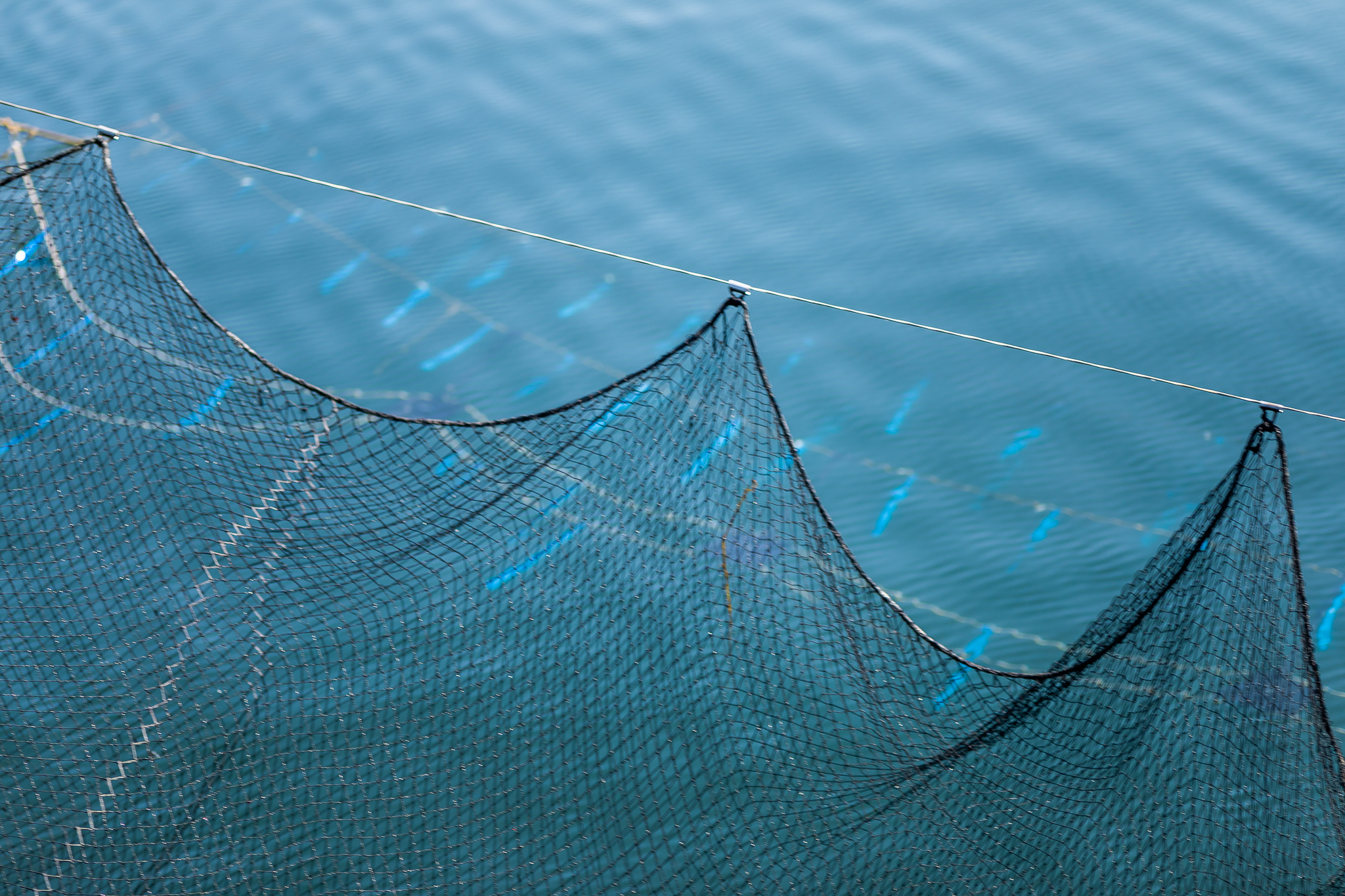
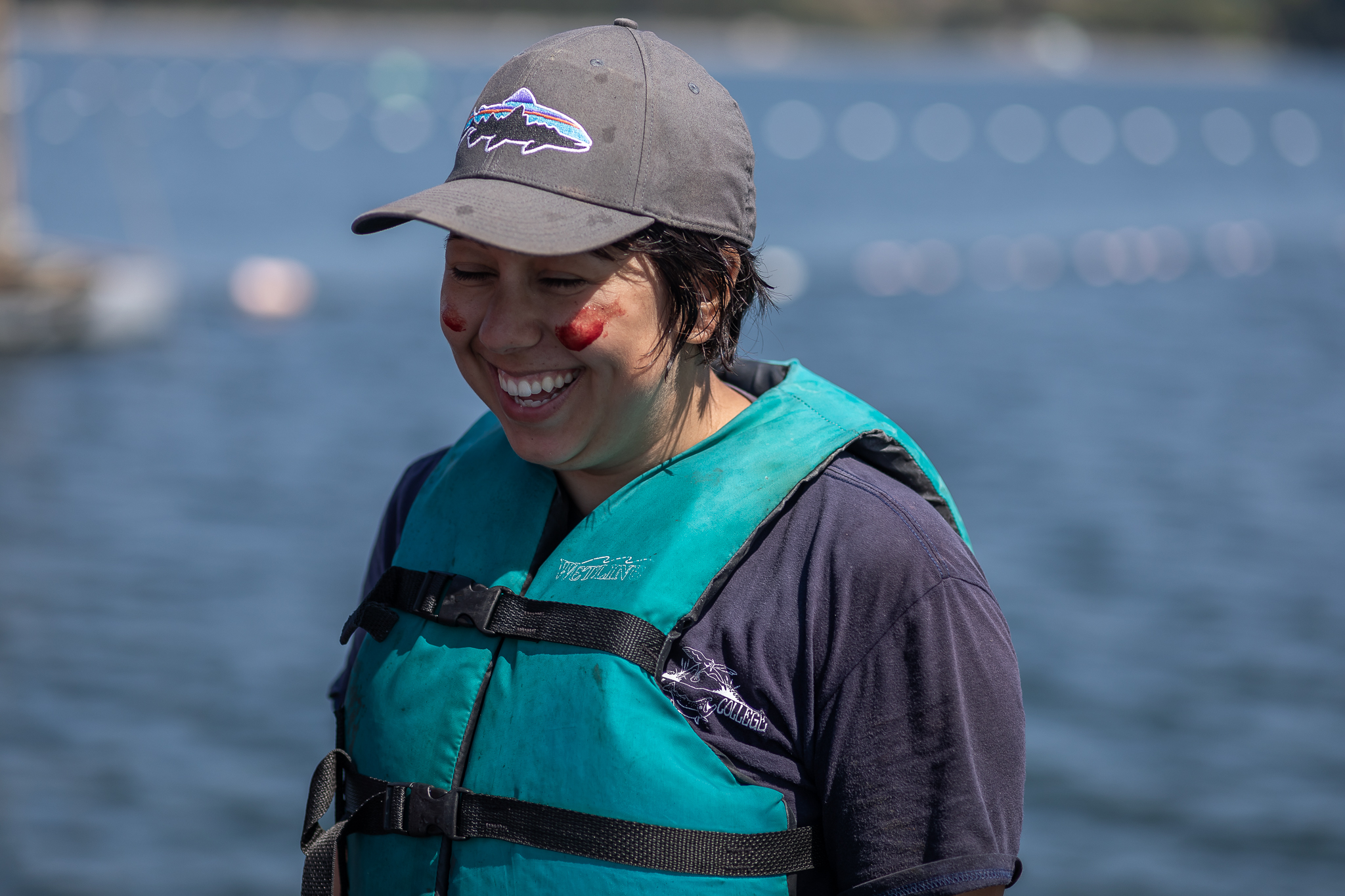
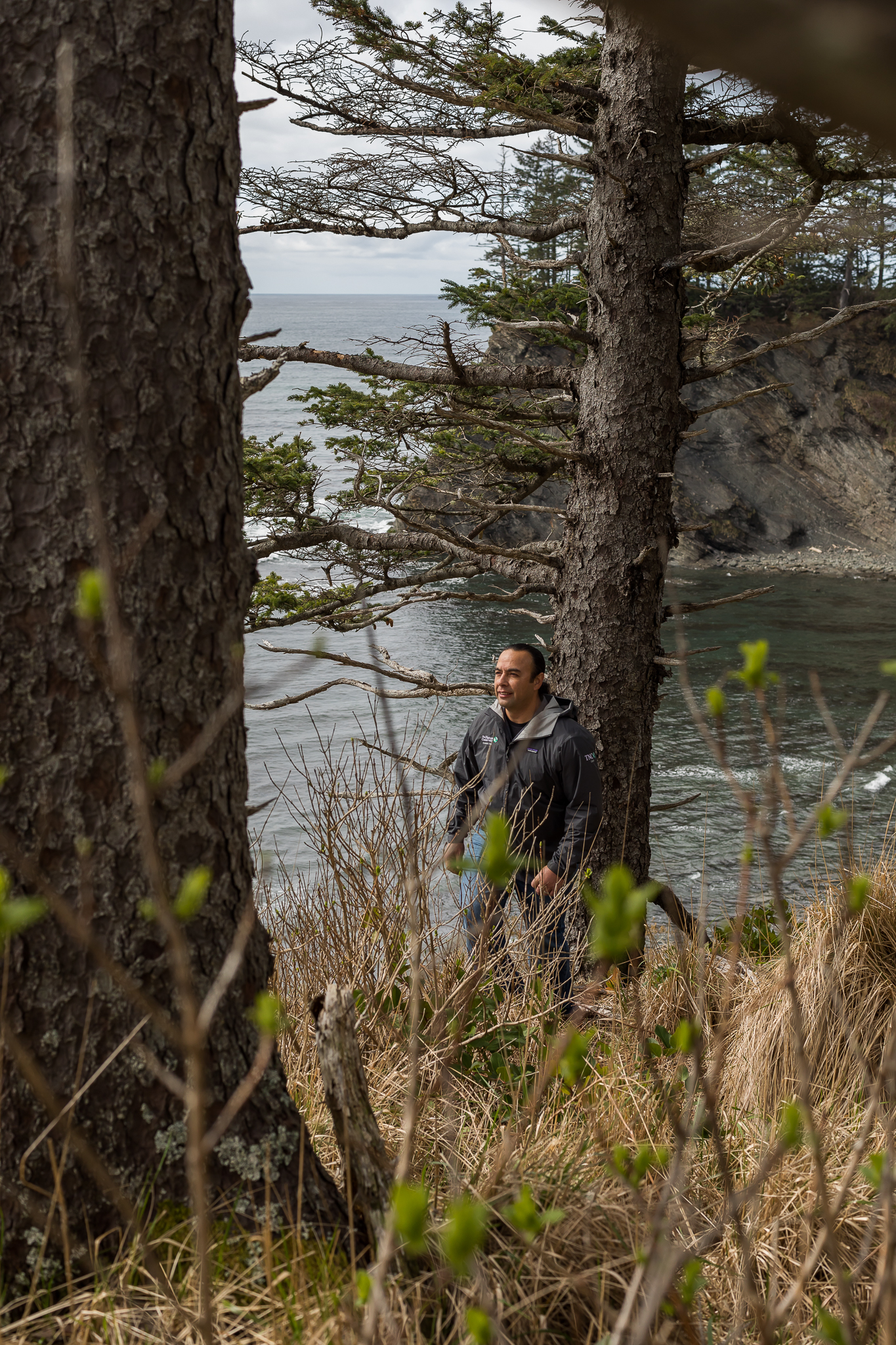
© Cameron Karsten Photography for The Nature Conservancy’s photographing reef netting with Riley Starks of Lummi Island Wild on Lummi Island, WA

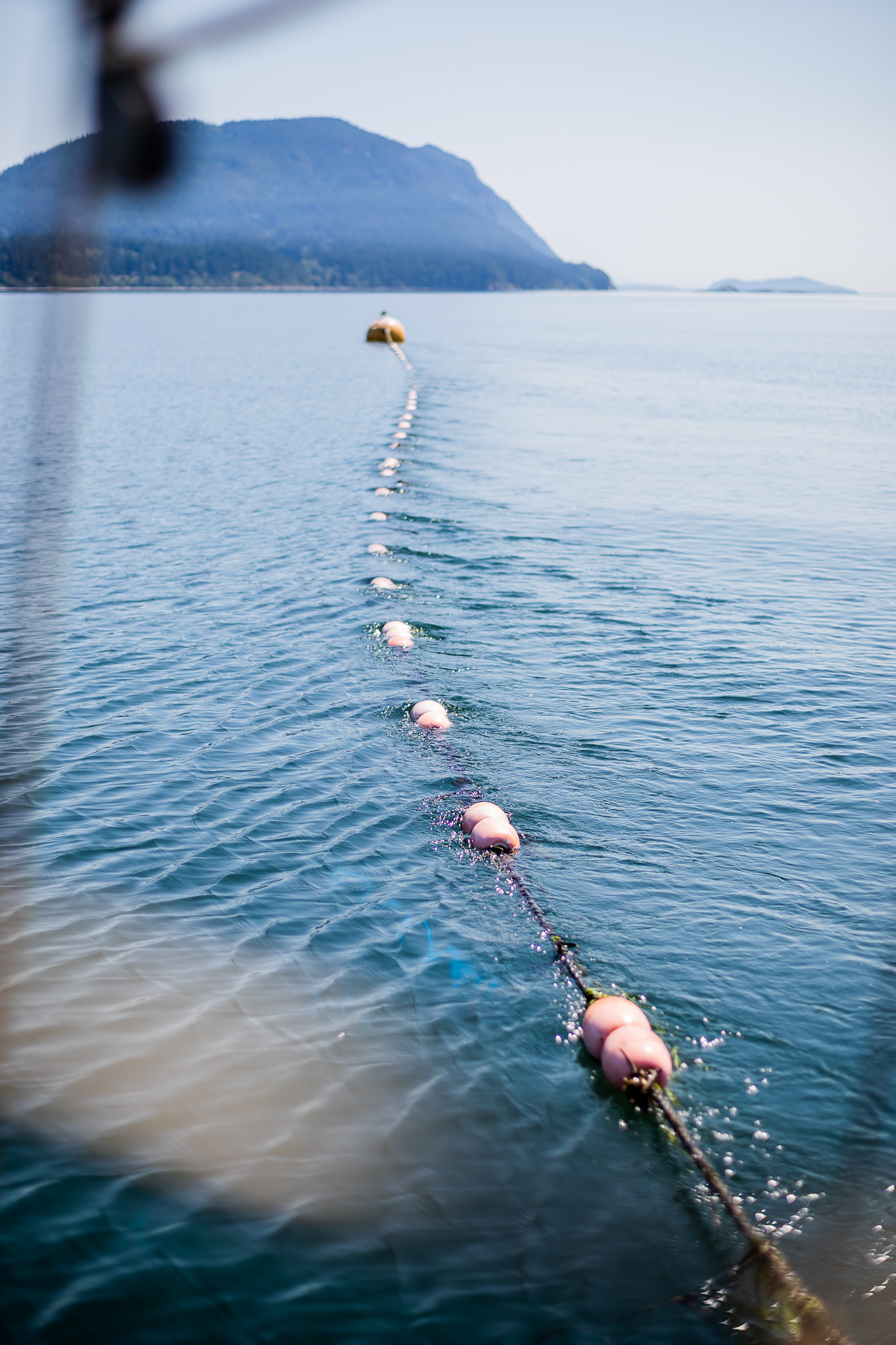
To get to the island you take a tiny ferry. Max vehicle load around 15, maybe less. If I lived on the island, I’d have a canoe and do the short crossing for free. Once you’re on the island there is one main road that circumnavigates the land. Homes are rustic, beautiful. Driveways are quaint, simple, forested with evergreens. Everything is shrunken to the simplicity of truly small island living.

I was there to photograph the Lummi Island Reefnetters, a community of commercial fisherman/women taking part in an historical practice of harvesting wild salmon runs. Known as the oldest salmon net fishery in the world, it was begun by the First Peoples of the Pacific Northwest, where the angler watched the ebb and flow of the tides as the salmon came and went on their route to spawn, and used a net or trap once the fish were lured onto a “reef”. I honestly had never heard of it, albeit being a salmon-obsessed angler since I was 10 years old, I was immediately intrigued. I think of salmon and I think of a beautifully sculpted fish, muscular and angular for the perfect oceanic journey. From the rivers at birth to an epic multiyear voyage through ocean currents, and then back once and forever to the very freshwaters they were birthed in to create life again.
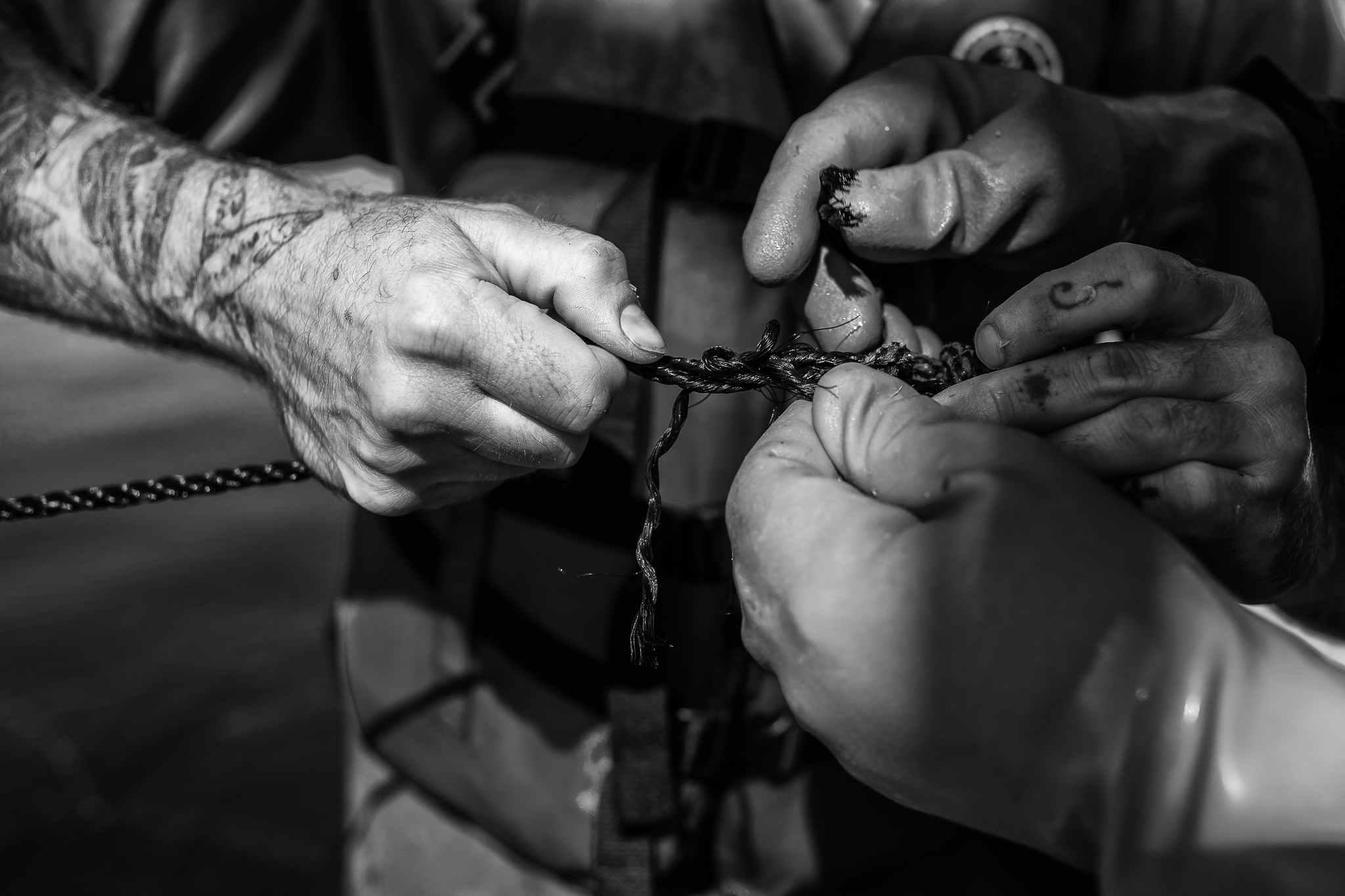
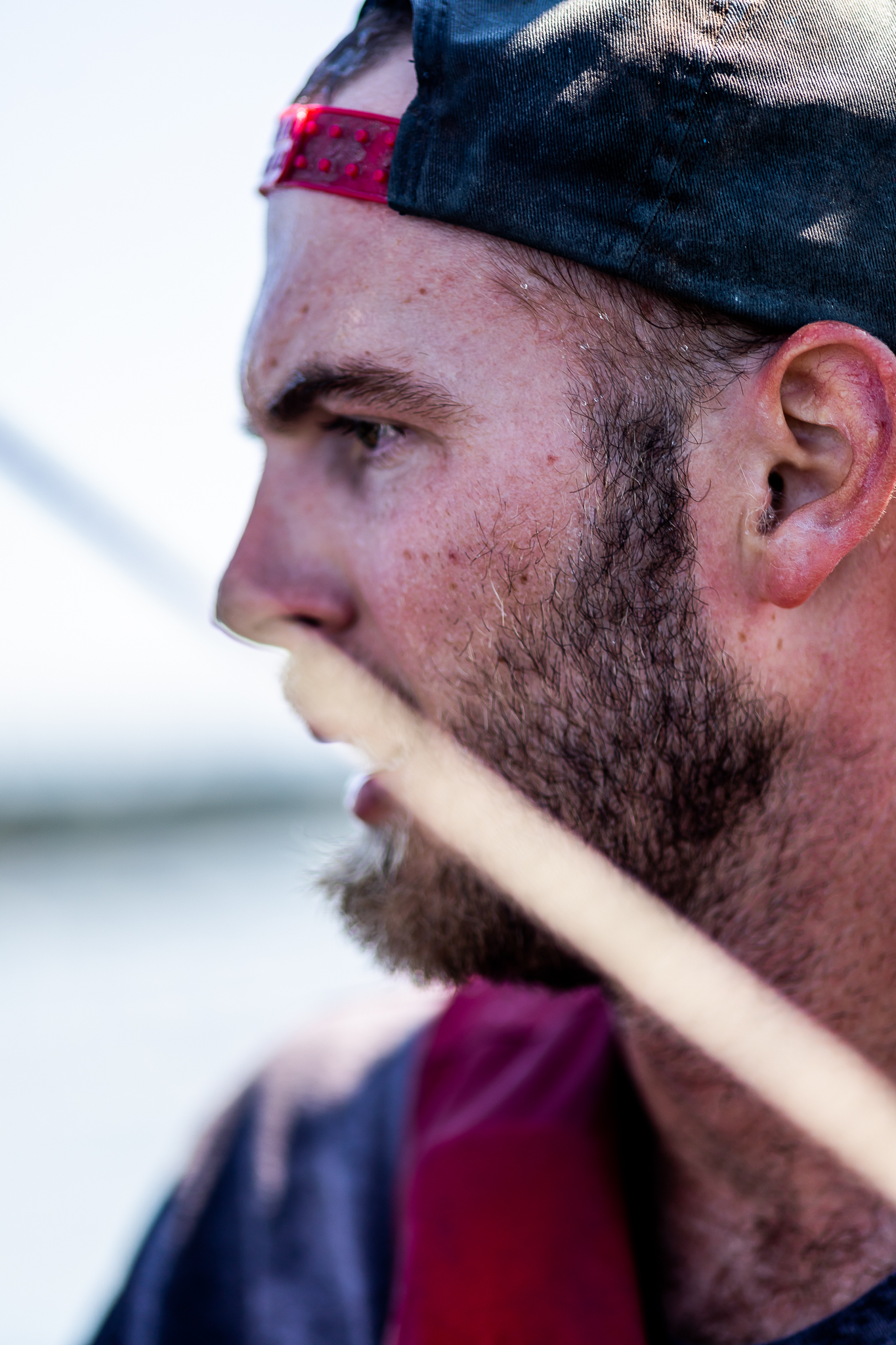
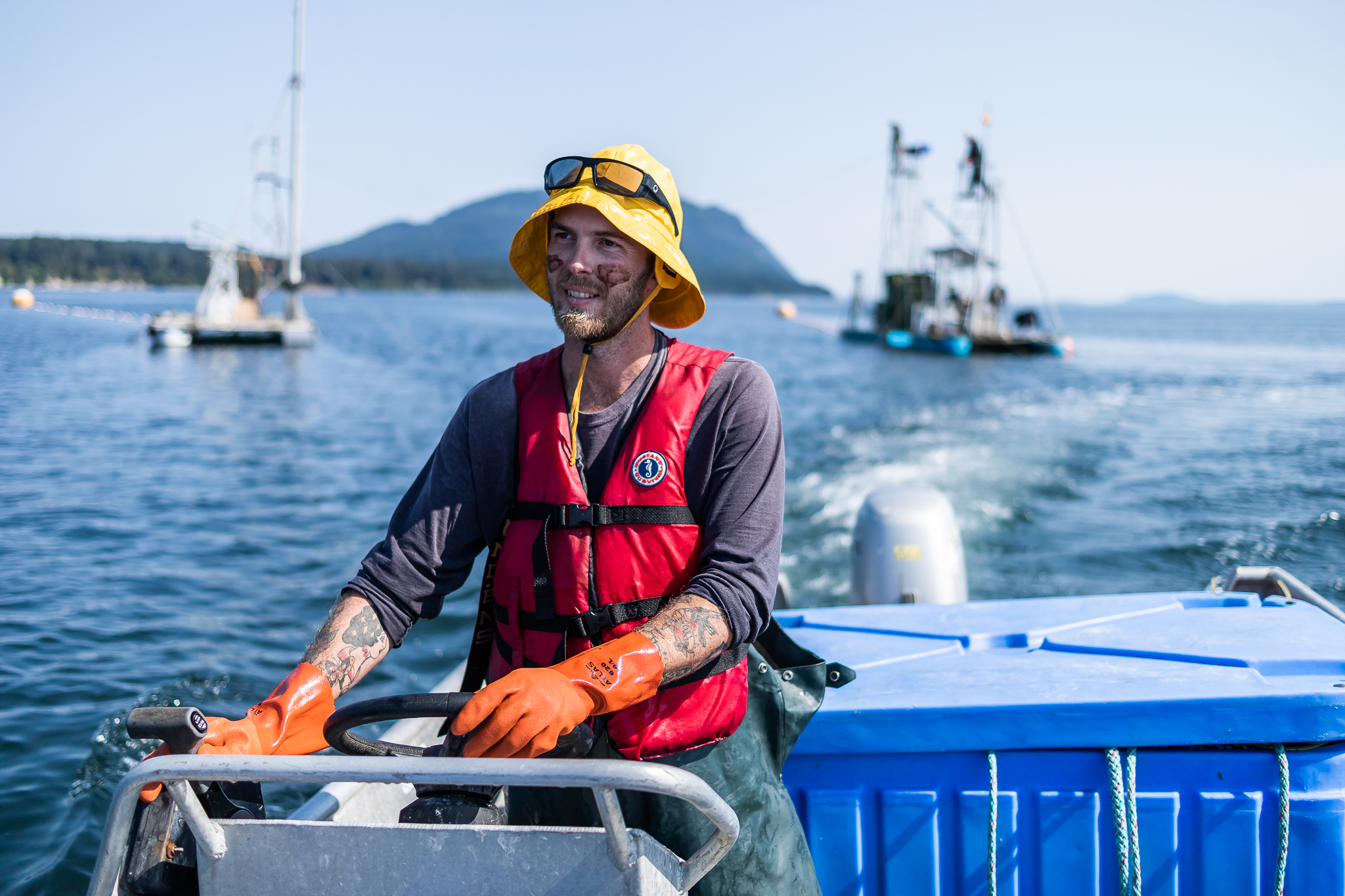
© Cameron Karsten Photography for The Nature Conservancy’s photographing reef netting with Riley Starks of Lummi Island Wild on Lummi Island, WA

I was told to ask for Riley Starks, a partner of Lummi Island Wild which sells reefnet-caught salmon and other seafood from the Salish Sea. He also owns and operates Nettle Farms, a small B&B established in 1992. The land was rugged as I pulled up, green and wild, but suitable to raise 50 different birds from chickens to turkeys. There were knotted fruit trees strewn about the earth and a solitude of a farm tucked into the forest. Riley himself cleared the land, and as we shook hands I could feel his calloused hands, thick with years of work on land and water. His beard was grayish-black and his stature short, he quickly threw a pair of rubber boots in his truck and told be to follow him down to the reefnets.

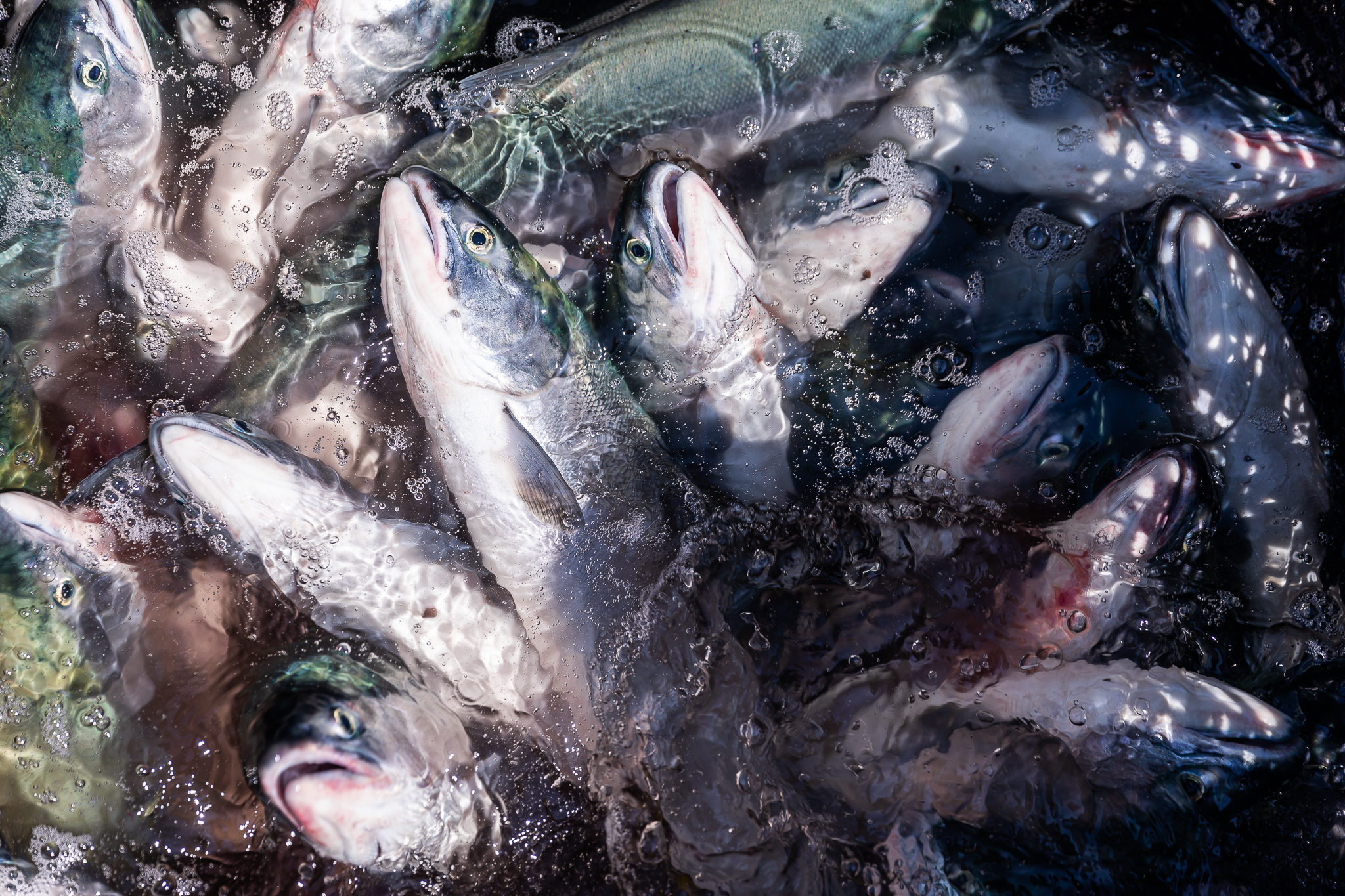
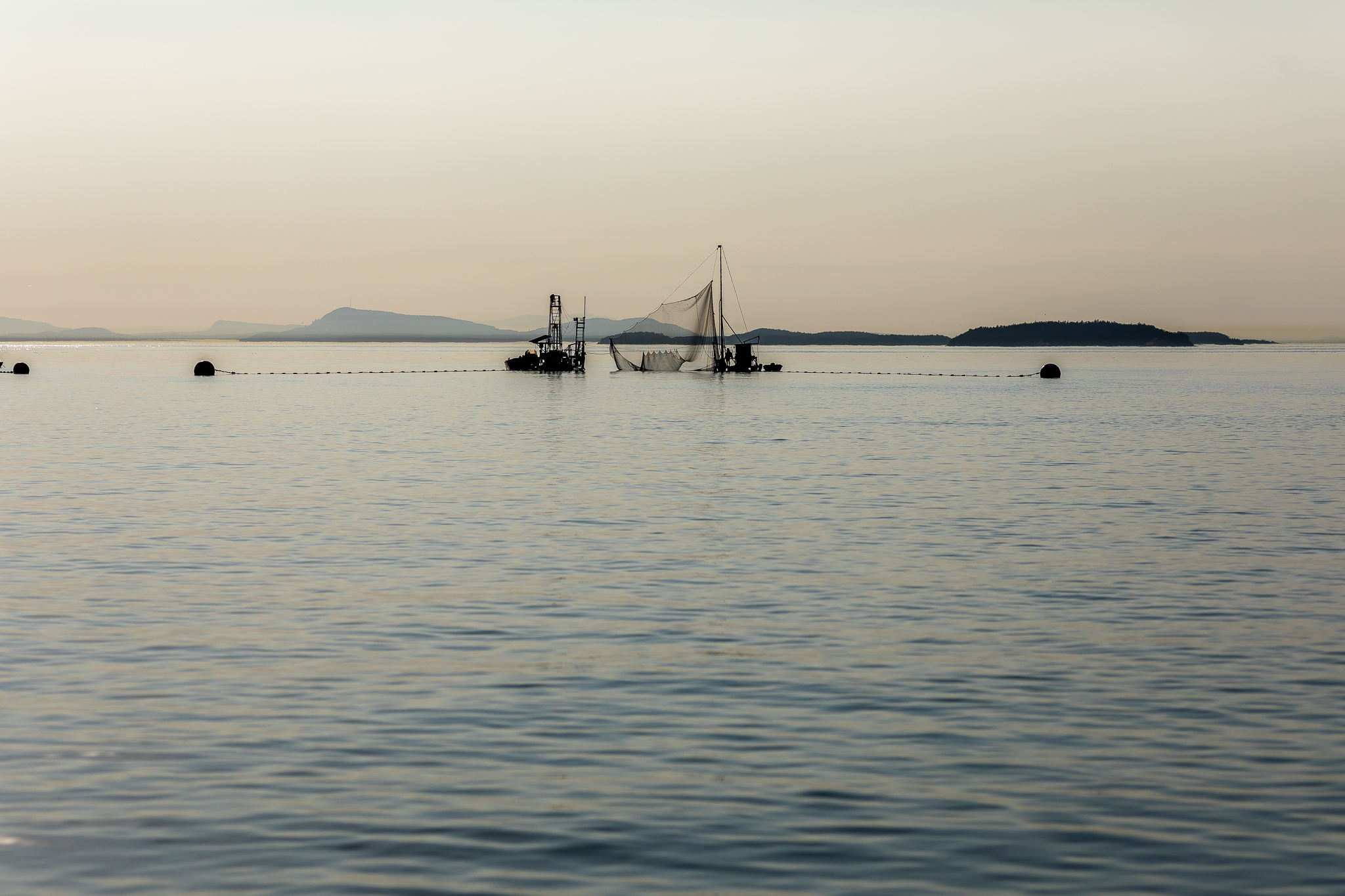
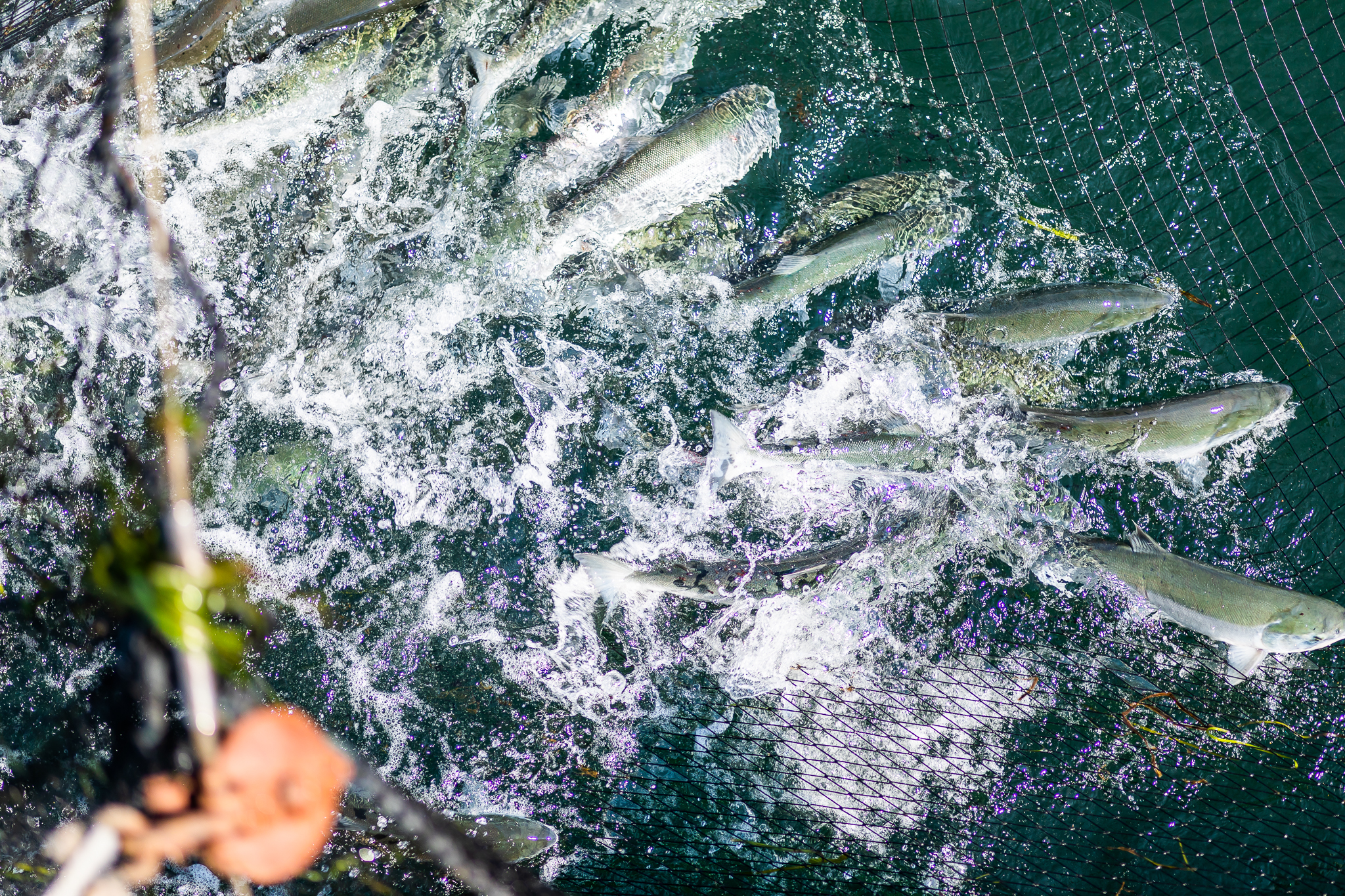
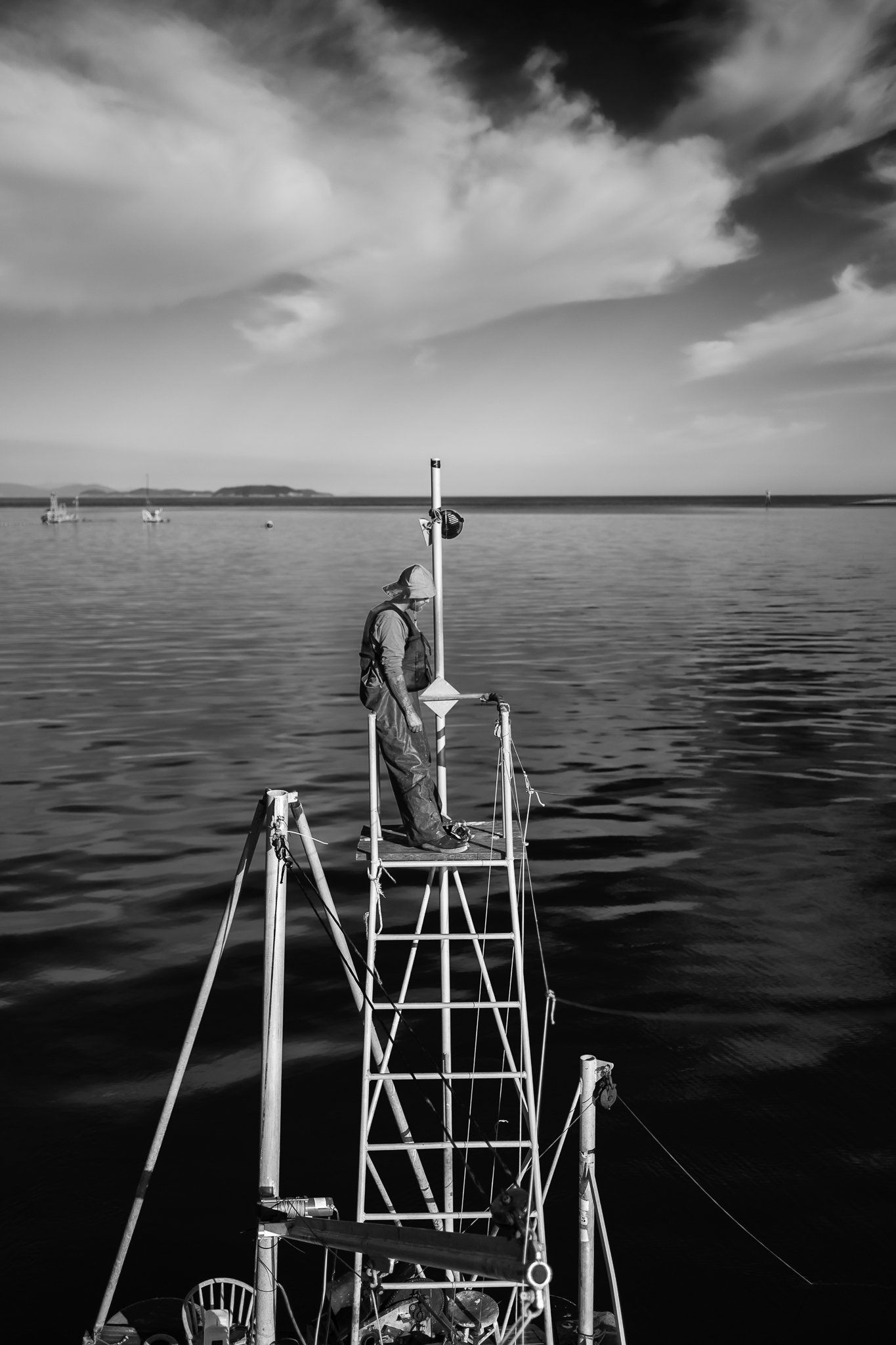
In about 5 minutes we were at his office, a beautiful bay facing south towards the San Juan Islands of Orcas and Cypress. We loaded up into a skiff and shot out to one of the anchored barges. It was a flood tide in a couple hours, simply meaning an incoming tide that brings in schools of salmon to the tidal bay. From there, they swim over an artificial reef suspended between two platforms. A spotter is stationed above the gear, watching and waiting until the school enters the reef, and then instructs to crew to draw up the nets. The salmon are enclosed, quickly hauled into small holding tanks, wherein the their gills are ripped out for a quick death. Any bycatch is released back into the water.
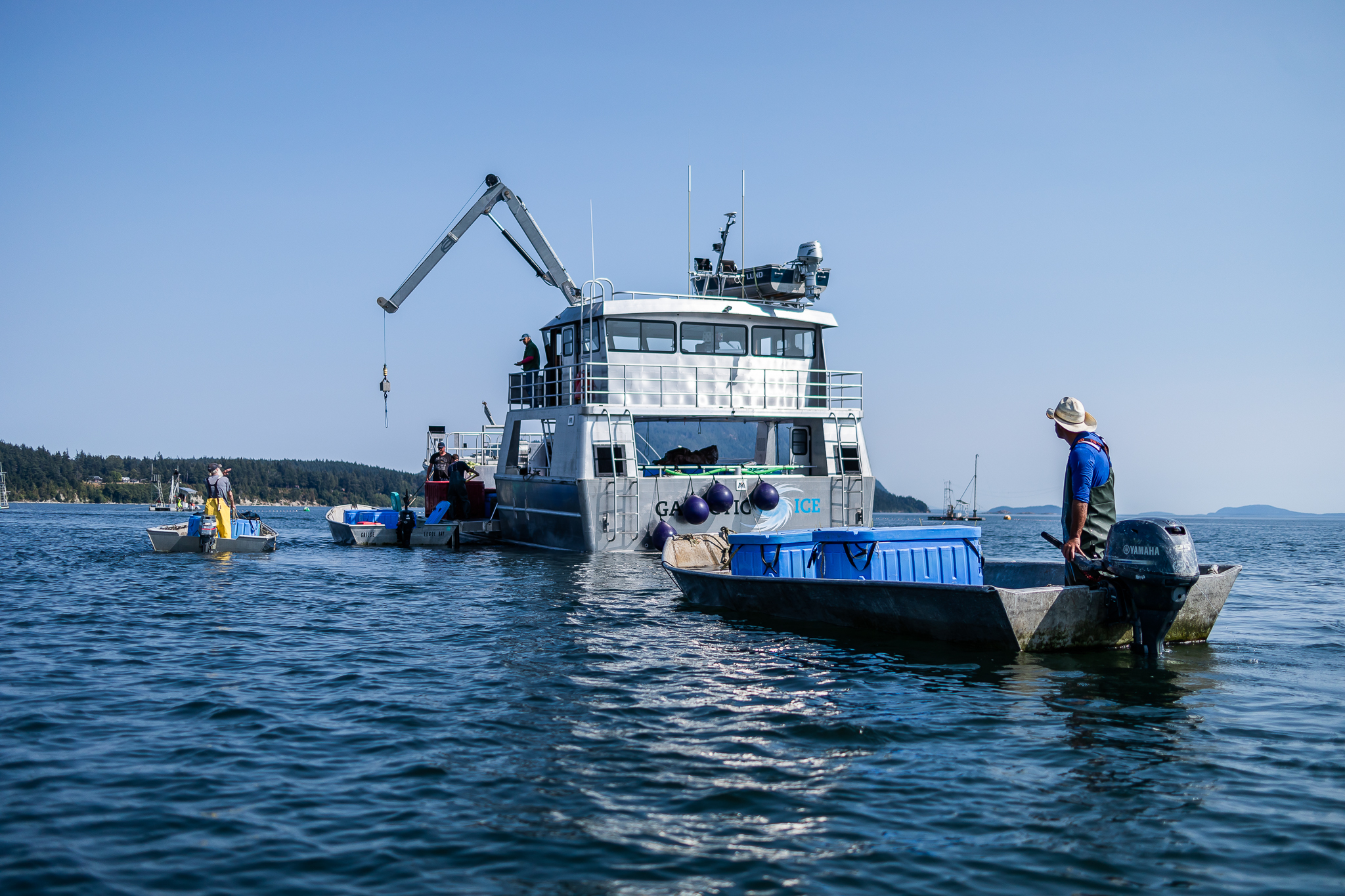
© Cameron Karsten Photography for The Nature Conservancy’s photographing reef netting with Riley Starks of Lummi Island Wild on Lummi Island, WA

I watched in amazement at the efficiency of the operation, as schools of salmon followed the tides and entered the reefnets, drawn in by glittering strands of line that gave an appearance of a reef emerging from the depths. All net gear was battery powered, charged via solar panels, making the whole operation completely sustainable. The skiff was the only gas-powered engine, which ferried the crew back to shore and the afternoon’s catch to an awaiting tender.

Within a few hours, the tides shifted and the crew cleaned the operations gear. We rode back to shore. I was fortunate enough to have brought my cooler wherein Riley placed two 8lb pink salmon on ice.

Shot on assignment for The Nature Conservancy for the book Human/Nature.
Cosa Buena in VOGUE Mexico

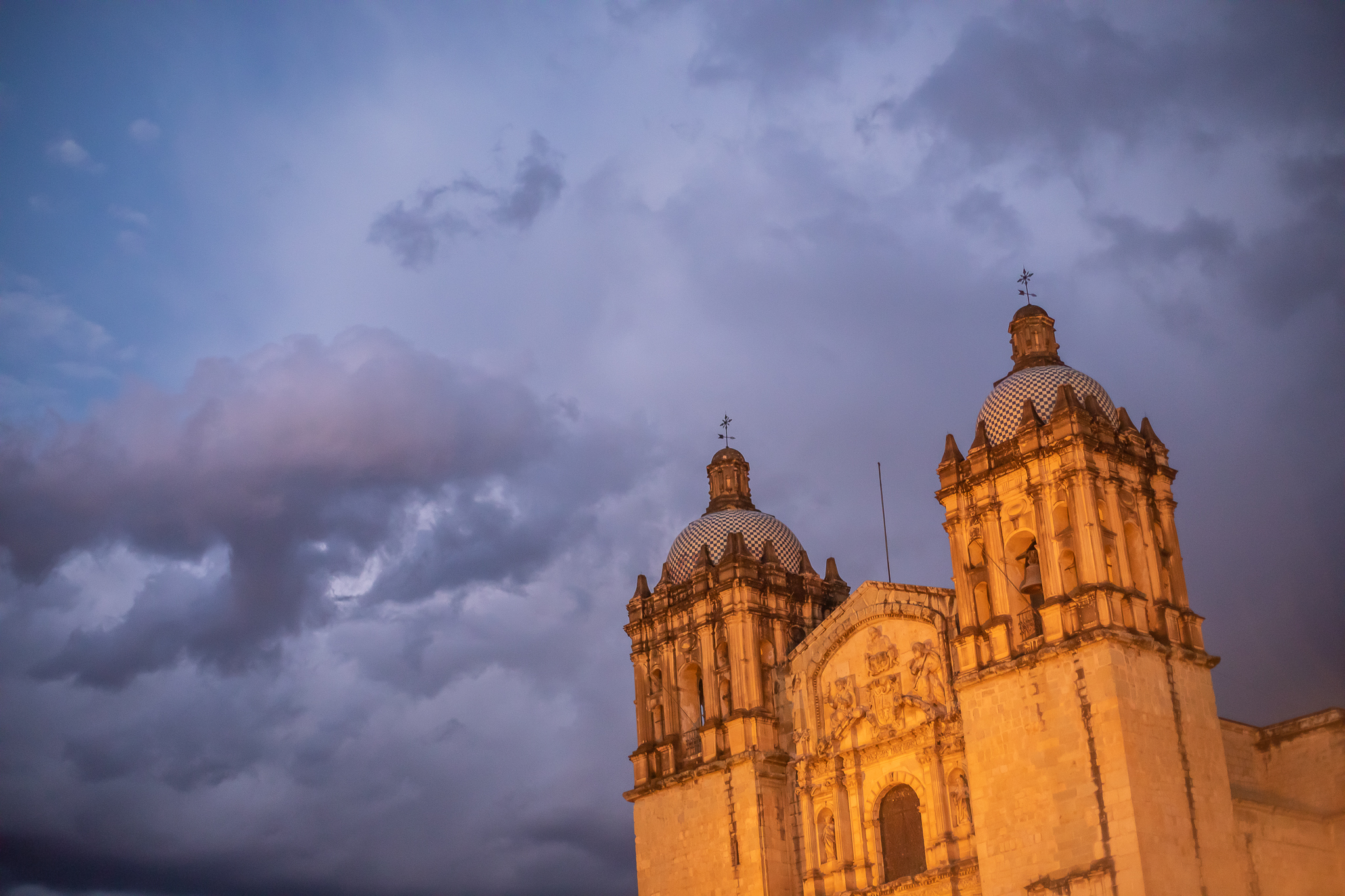
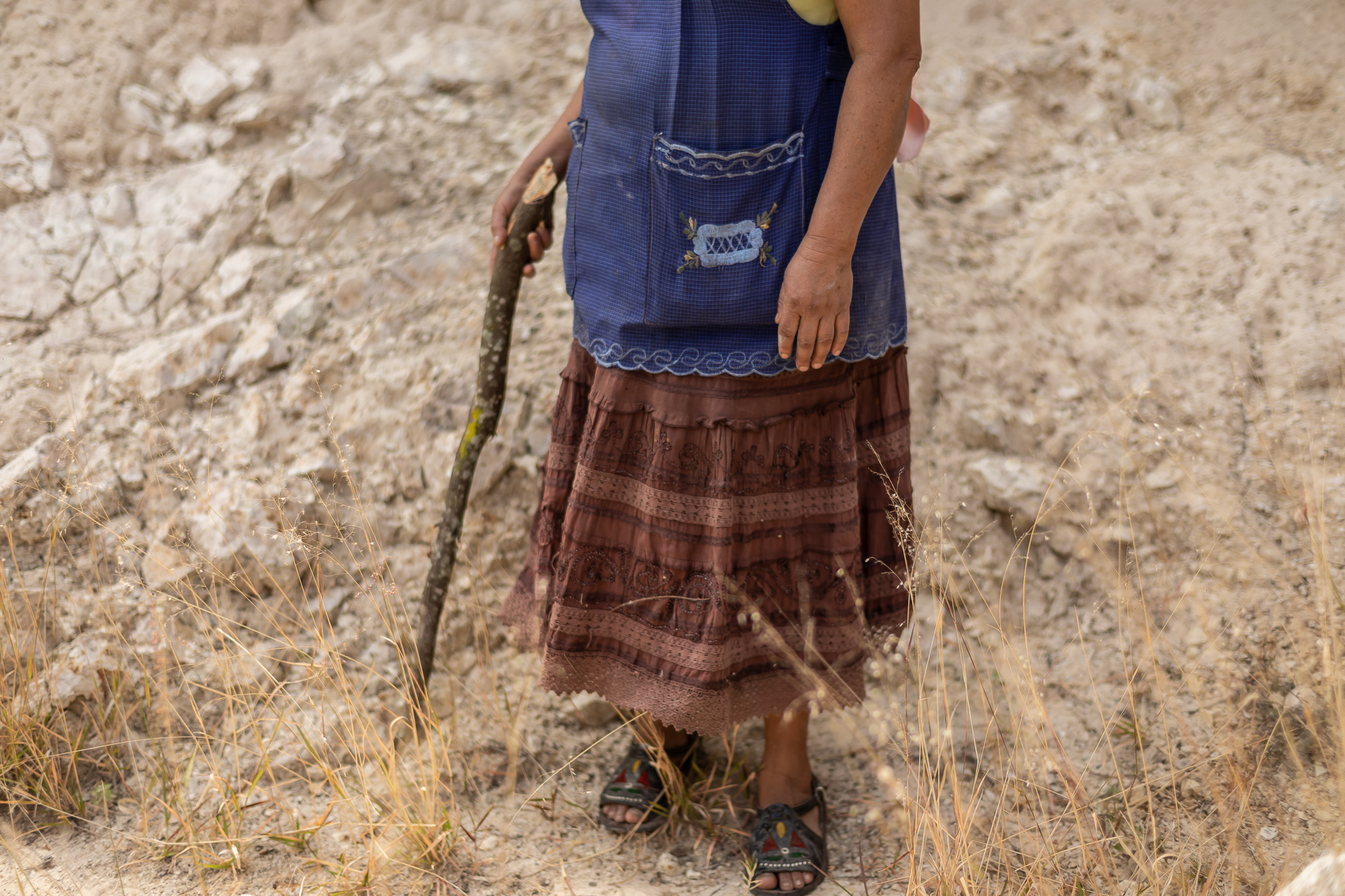
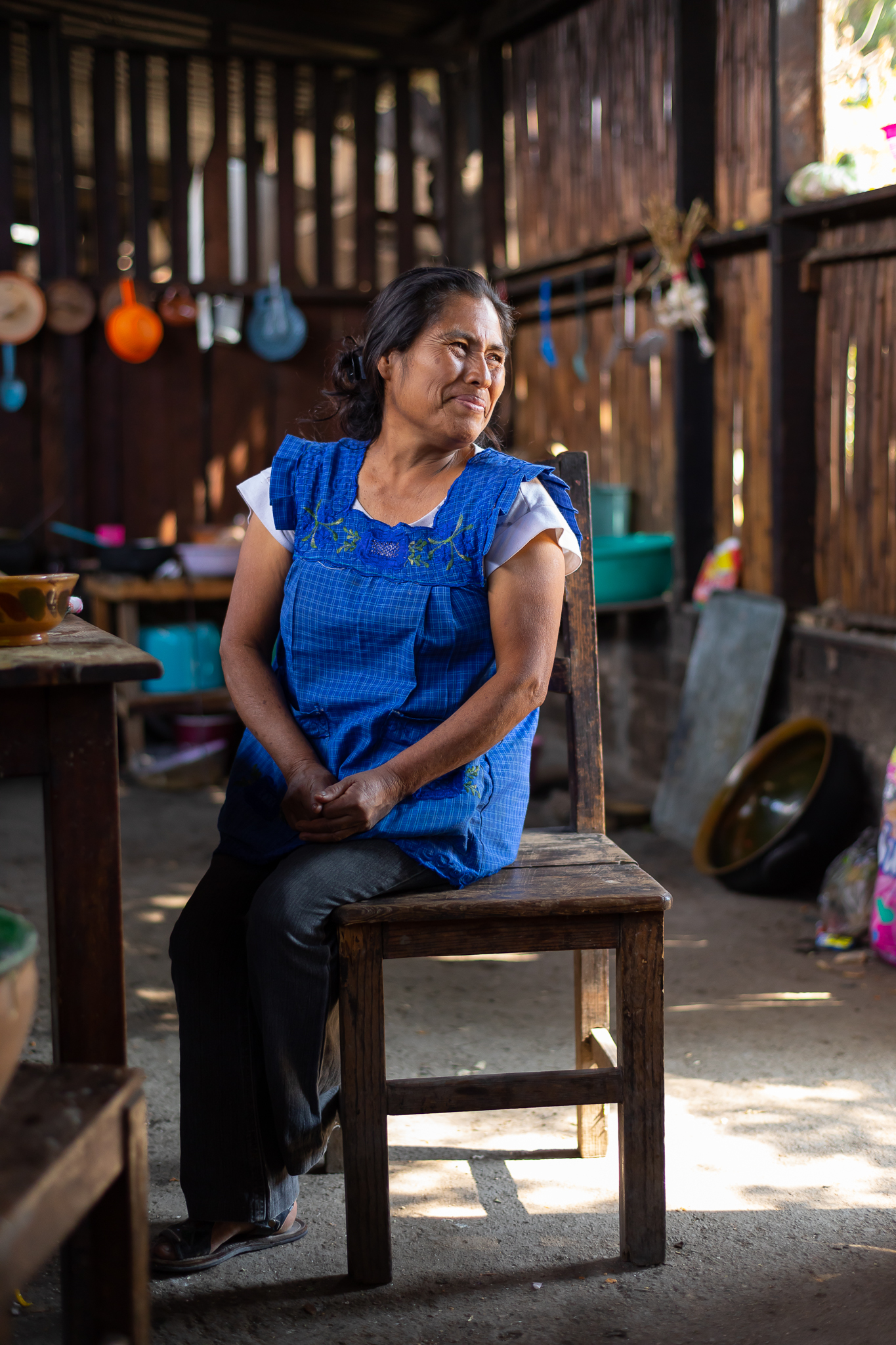
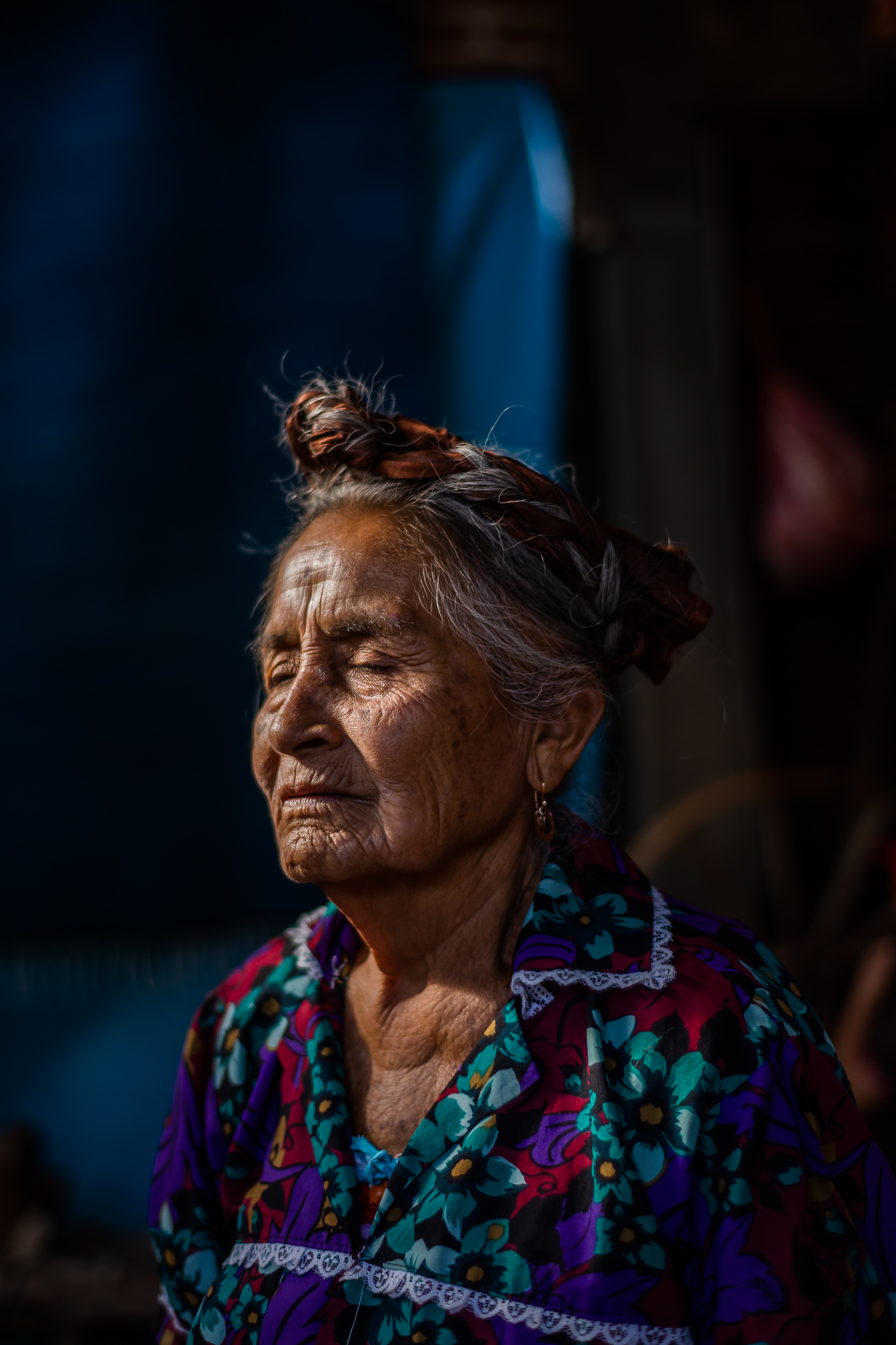
It brings great excitement and joy reflecting on projects that are not only culturally enriching, but visually stunning and successful. Our friend Vera Claire, founder of Cosa Buena, reached new heights networking and promoting their community-based work after getting published in VOGUE Mexico (as well as Architecture Digest and MEDIUM, among others). Below is a link to the article published in print and online, as well as a selection of other images from our time exploring the artisan-cooperatives of Oaxaca, Mexico. Someday, we’ll return.

PERFIL COSA BUENA-VOGUE MEXICO

© Cameron Karsten Photography in Oaxaca, Mexico

© Cameron Karsten Photography in Oaxaca, Mexico

© Cameron Karsten Photography in Oaxaca, Mexico

© Cameron Karsten Photography in Oaxaca, Mexico

© Cameron Karsten Photography in Oaxaca, Mexico

© Cameron Karsten Photography in Oaxaca, Mexico

© Cameron Karsten Photography in Oaxaca, Mexico

© Cameron Karsten Photography in Oaxaca, Mexico

© Cameron Karsten Photography in Oaxaca, Mexico

© Cameron Karsten Photography in Oaxaca, Mexico

© Cameron Karsten Photography in Oaxaca, Mexico

© Cameron Karsten Photography in Oaxaca, Mexico

© Cameron Karsten Photography in Oaxaca, Mexico

© Cameron Karsten Photography in Oaxaca, Mexico

© Cameron Karsten Photography in Oaxaca, Mexico

© Cameron Karsten Photography in Oaxaca, Mexico

© Cameron Karsten Photography in Oaxaca, Mexico

© Cameron Karsten Photography in Oaxaca, Mexico

The Unstoppable Grads of Seattle Colleges 2020

Seattle Colleges is a place I call home, as well as a wonderful client with enriching creative projects. Last month we visited 8 different locations to film and photograph recent graduates. Below are the finals, as well as a link to the video created by Grant, Jordan and the crew of C+C Marketing in Seattle, WA

 Watch the film – Seattle Colleges Class of 2020: Unstoppable

The Todd Kline for Grundens

Honestly, bass fishing was a new thing for me. I watched it as a kid on local fishing channels. I asked my mom to purchase a handful of VHS tapes on bass fishing highlights. And I got sucked into those info-mercials advertising squiggly worms and rubbery baits as the total tackle package (they were great birthday presents). But, I never found it intriguing as an adult, I never viewed it as an opportunity to shoot, but along comes Grundens with a new avenue for revenue. The challenge? The small fishing boat. The reward? New angles, new frames, and the opportunity to jump off the boat and find more for my client. The easy bit? The subject. Todd Kline and company were rad! Here are a few select panos from SoCal’s reservoirs.

logo_blackTrajan_NEW

2019 Pictorial ReCap

Good times all around. A few selects from 2019 including clients Discovery Channel, Grundens, Sage, Patagonia, Danner Boots, Cornerstone Ranches, and more from the Pacific Northwest to Belize and Costa Rica. Here’s to another year and more relationships being built. Visit http://www.cameronkarsten.com for more:

Book published! “Human/Nature” by The Nature Conservancy

Thrilled to announce the publication of a recent book project with The Nature Conservancy! Over a course of 12 months, I traveled around Washington State to showcase how humans interact with nature in relationships both recreational and commercial. Here are a few selects, as well as a link to purchase. All proceeds support The Nature Conservancy in Washington State: Human/Nature

Belize Pt 2 – YETI

On water or land, there’s always a place to be thirsty and carry the right vessel.

logo_blackTrajan_NEW

Wind + Energy

Wind is a powerful thing. Why not harness it? With luck and great joy I had the chance to visit the Kittitas Wind Farm in Eastern Washington.

The Last Great Wild Place

The Olympic National Park is in my mind one of the last great wild places on earth. It’s absolutely remarkable with thick rich flora and fauna, and some of the last largest stands of trees. To venture into its rivers is an experience in and of itself, especially when you’re walking with two great anglers. Dylan Tomine and Nate Mantua are highly educated about the remaining wild fisheries around the world, especially the great steelhead runs along the West Coast. With Sage and Patagonia, I had the opportunity to spend two days wandering up and down the tributaries with them, and a host of other wildlife.


logo_blackTrajan_NEW

Seattle Times Op-Ed: Indigenous knowledge is critical to understanding climate change

© Cameron Karsten Photography The Nature Conservancy at the Makah Reservation in Neah Bay, WA with Tribal member TJ

As we prepare to join Saturday’s March for Science, please understand that by integrating traditional knowledge with Western science, we can solve some of our biggest challenges, including those brought by our changing climate.

Good science is critical to our health, ability to live full lives and community well-being. We use science to advance medicine, enhance our use of natural resources, ensure our food supply and much more. That’s why more than a million people around the world joined the March for Science in 2017 and why we are gearing up again to march for science on April 14.

Western science is just one way of knowing. Indeed, traditional knowledge and wisdom of indigenous peoples is recognized by the United Nations for its potential to sustainably manage complex ecosystems. Yet all too often, Western science has disregarded centuries of science-based knowledge coming from Native Americans and other indigenous peoples.

© Cameron Karsten Photography The Nature Conservancy at the Makah Reservation in Neah Bay, WA with Tribal member TJ

Indigenous peoples have lived in our particular locations for many generations, and we define ourselves in relation to our home environment. Our deep and long-standing relationships with the environment are unique; our very existence depends on our ability to conserve and maintain our lands and waters for future generations.

Today, tribes, First Nations, indigenous peoples and Aboriginals are sounding a loud alarm about the impacts of climate change. Rising sea levels, broken natural systems, and increasing fire and flooding are apparent and documented.

For example, stocks of many fish species like Pacific hake are sensitive to ocean temperature along the California Current, and recent declines in their numbers have serious implications for the well-being of my own Makah Tribe.

While others debate the causes of climate change, we who live close to the land are experiencing major impacts from our changing climate and call for immediate and strong action to protect the resources on which we all rely. We can’t afford to disregard indigenous knowledge about climate change.

© Cameron Karsten Photography The Nature Conservancy at the Makah Reservation in Neah Bay, WA with Tribal member TJ

Growing up as a member of the Makah Tribe, I relied on the empirical knowledge of my ancestors to determine where to fish and how to locate other sources of food. My community relied on indigenous experiences to understand how to keep ourselves healthy.

When I was a child, my father taught me to navigate our ocean territory through currents, tides and landmarks. This knowledge, along with the life cycle of fish and time of year, allowed for the successful, sustainable harvest of species such as halibut, black cod and lingcod. In the years that followed, my peers and I transferred knowledge to other members of the family who integrated the information into current fishing and management practices.

As a youth, I’d get up in the mornings, often before sunrise, and leave the house overlooking a beach. There was no backpack, no lunch box. I was taught what our land would provide through all the seasons: roots, berries, sea urchins and mussels, to name a few. The knowledge of how, where and when to harvest is a way of life, always done in a manner that ensures the resources are sustained for the next person. These teachings and values laid the foundation for the work I completed in tribal leadership.

© Cameron Karsten Photography The Nature Conservancy at the Makah Reservation in Neah Bay, WA with Tribal member TJ

To our north, Tlingit and Haida elders observe young herring following older herring to spawning grounds. When industrial fishing removes the elder herring from spawning sites, the stock is destroyed, as the young fish can no longer find their way home. Failure to heed these traditional observations is leading to the demise of herring and threatening aspects of Tlingit and Haida culture that are closely tied to herring.

A recent news item featured the astonishing observation that birds in Australia intentionally spread fire by carrying burning sticks. While this is fascinating, it has long been known to the Aboriginals. Using fire as a management tool is widespread throughout indigenous cultures. Makah is no exception. For centuries our ancestors used fire to manage crops of cranberries and tea. These resources are currently threatened by our changing climate, as well as the laws and regulations that govern the use of fire.

© Cameron Karsten Photography The Nature Conservancy at the Makah Reservation in Neah Bay, WA with Tribal member TJ

Respecting and embracing indigenous knowledge as important science benefits all of us. In looking for solutions to the environmental dilemmas that confront us, it is critical to apply indigenous knowledge. All of us are looking for a better understanding of the Earth and her ecosystems. By integrating traditional knowledge with Western science, together we can solve some of our biggest challenges, including those brought by our changing climate.

As communities worldwide prepare to March for Science, this focus is appropriate and important. Threats to scientific knowledge must be rejected, and decision making based on fact must be embraced. Equally important, we should also embrace 10,000-plus years of field observation by indigenous peoples around the world.

This empirical knowledge has sustained people and cultures and has laid the groundwork for many modern “discoveries.” Indigenous peoples are truly the experts of their area and place, with a deep understanding of the interconnectedness of nature and our role in conserving resources for future generations.

Original Post (April 10, 2018)