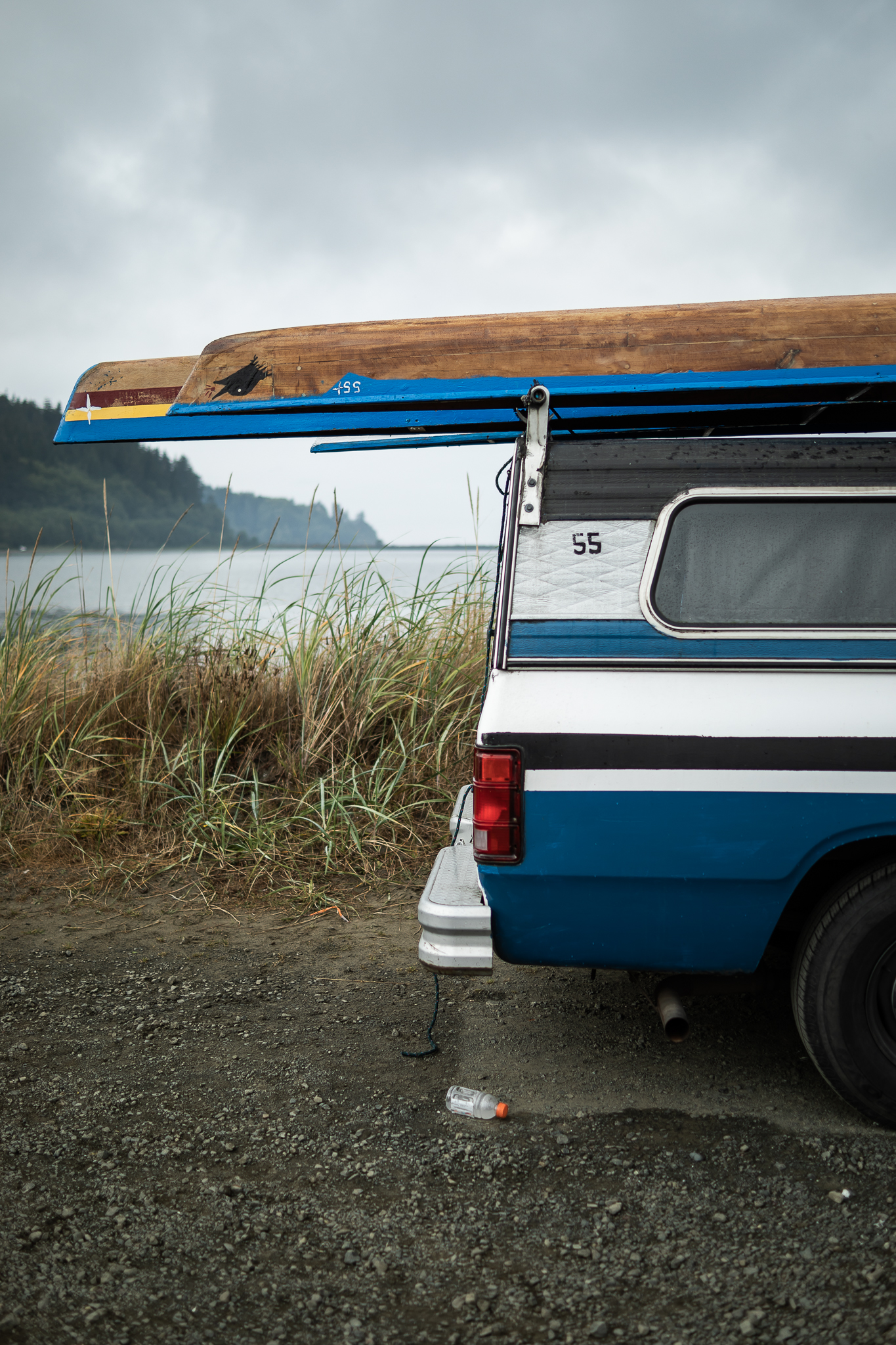
As soon as we could drive, my friends and I would pile in my ’78 two-tone brown VW Bus and head out to the edge of the world. It was so wet and so cold, I’d have to run the defroster on high the whole drive and have the windows cracked. With surfboards stacked inside, along the way we’d make the ritualized surf checks, turning our 3.5hr expedition into a full day. It’s was the journey and we always made the most of it, finding some wave, some beachbreak or rivermouth to get wet and catch a few waves.
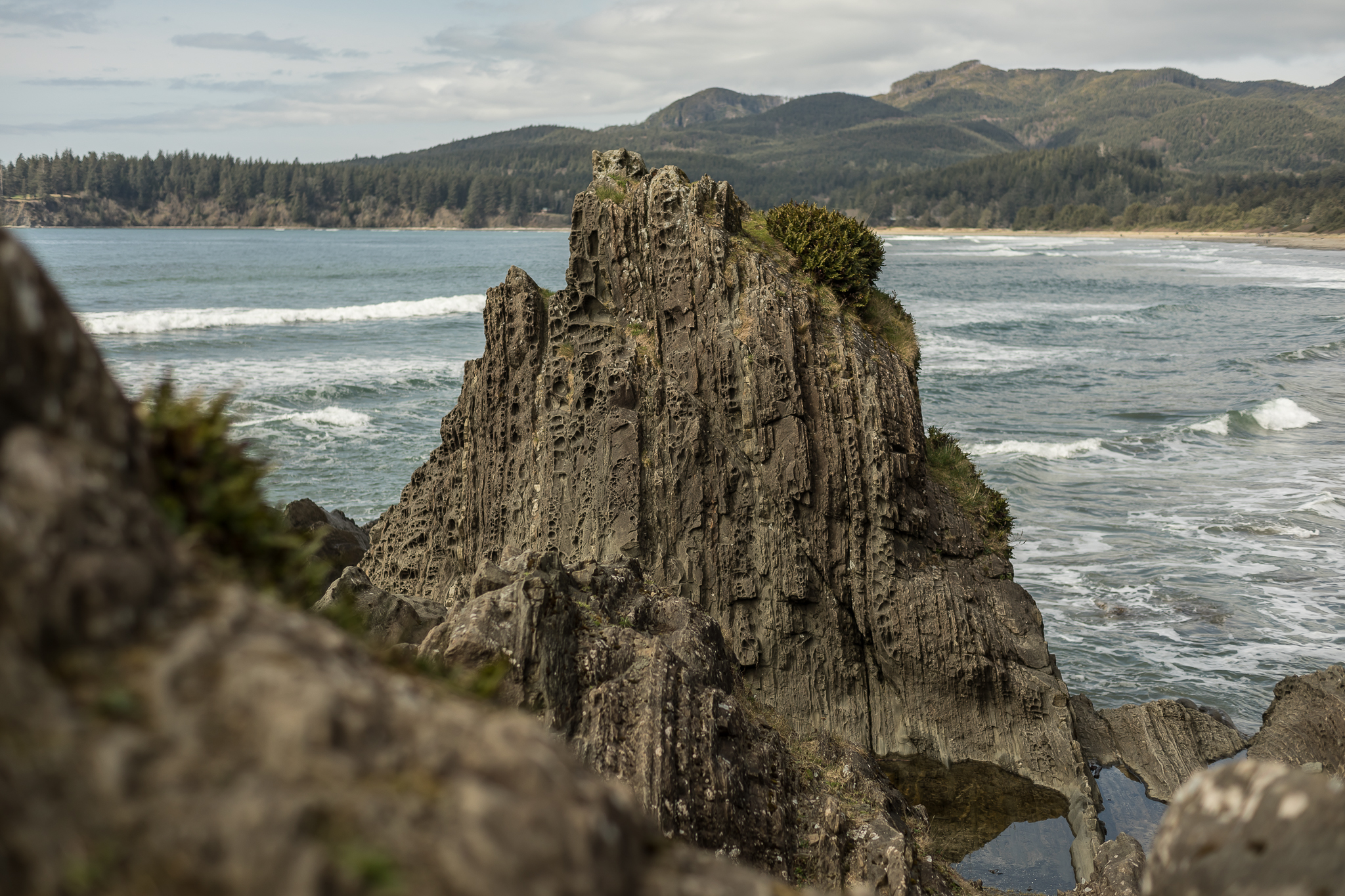
Before the hype, we were often the only ones in the lineup. Maybe a sprinkling of locals or travelers, but otherwise, just us and the rolling fog beneath perched eagles staring off into the distance. Finally, after a long winding route, we’d make camp at the end where evergreen mountains and their scarred clearcuts dropped straight into the Pacific. It was where sea stacks stood the ultimate test of time, wavering to none but the water and wind. It was where gulls battled the chop and the bull-headed seals crested just beyond the break. They would come so close, emerging out of the murky grey waters, we’d often jumpstart with fear and begin paddling to shore until our hearts stopped thumping and we could laugh at each other. This was wild land; empty bone-chilling drip of strong tree stands whispering of a moss-strewn giant living among the hollows. Our edge of the world was Neah Bay and the Makah Reservation. Those were the memories.
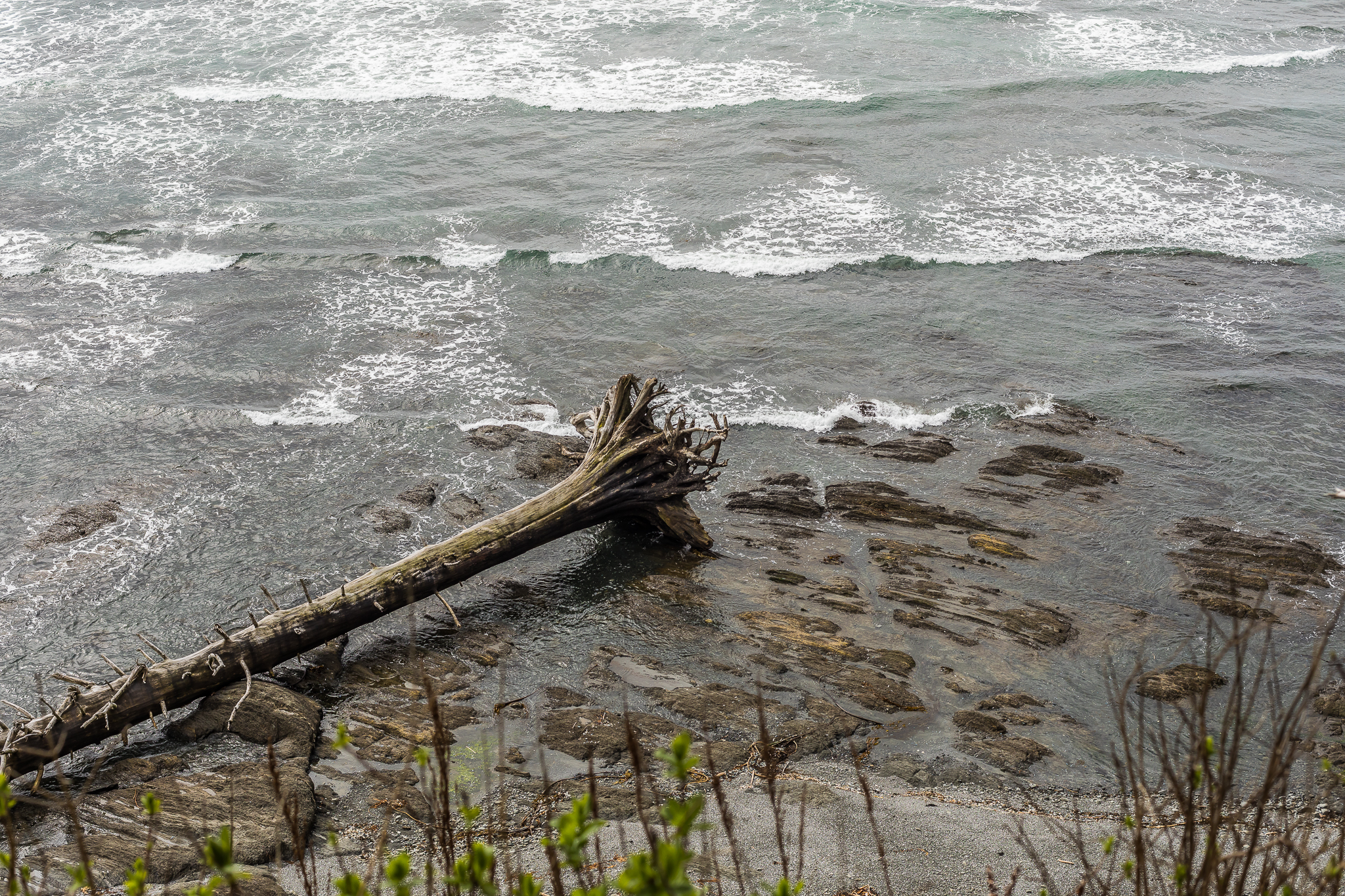
I return as often as possible, to relive and resume the wildness at the edge of the world. With surfboard or camera, life is different at Neah. Society at large has discovered its open beauty, and the thrill called surfing has become mainstream even along the frigid fickle northwest shoreline. We’re never alone now.
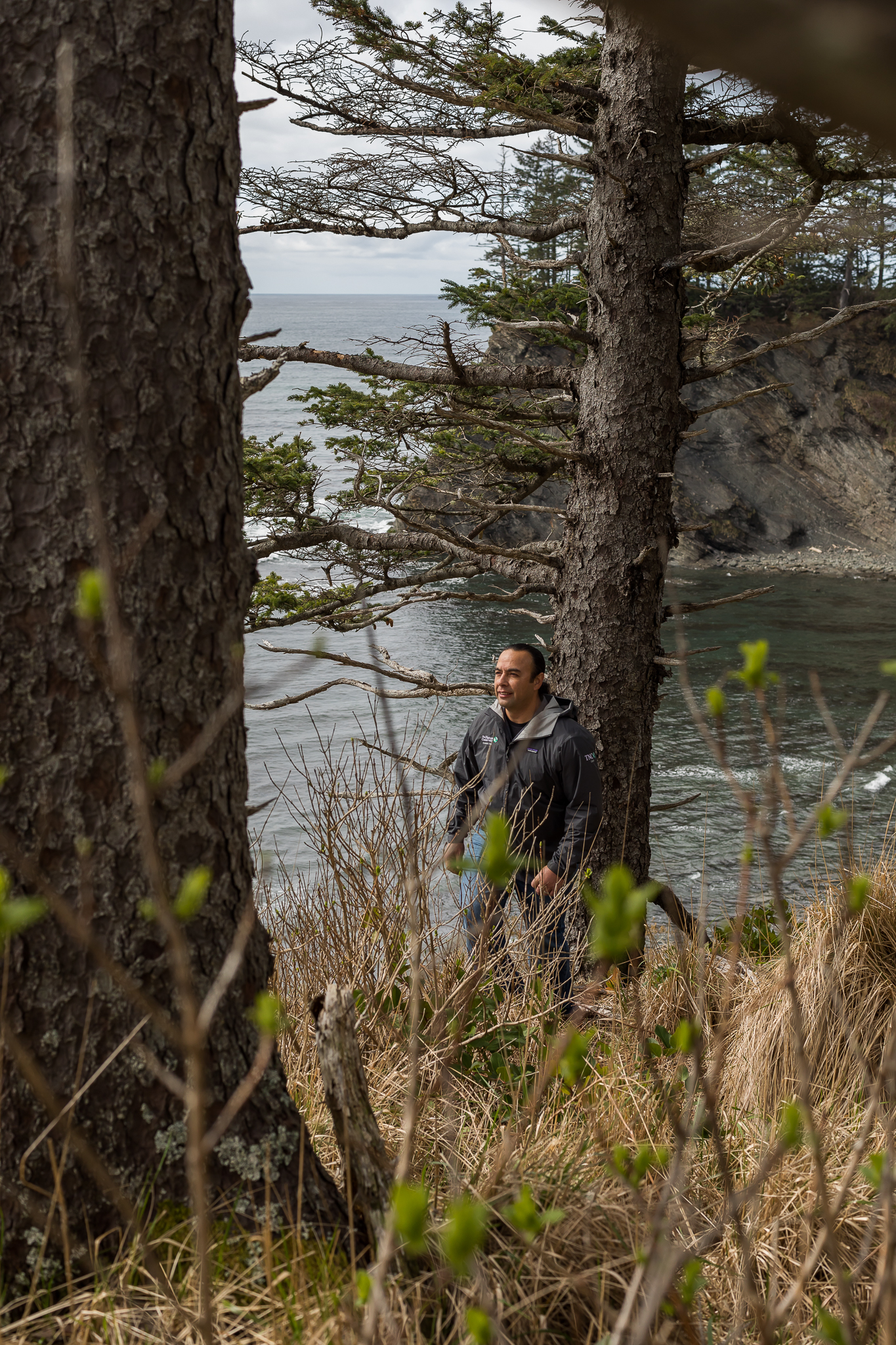
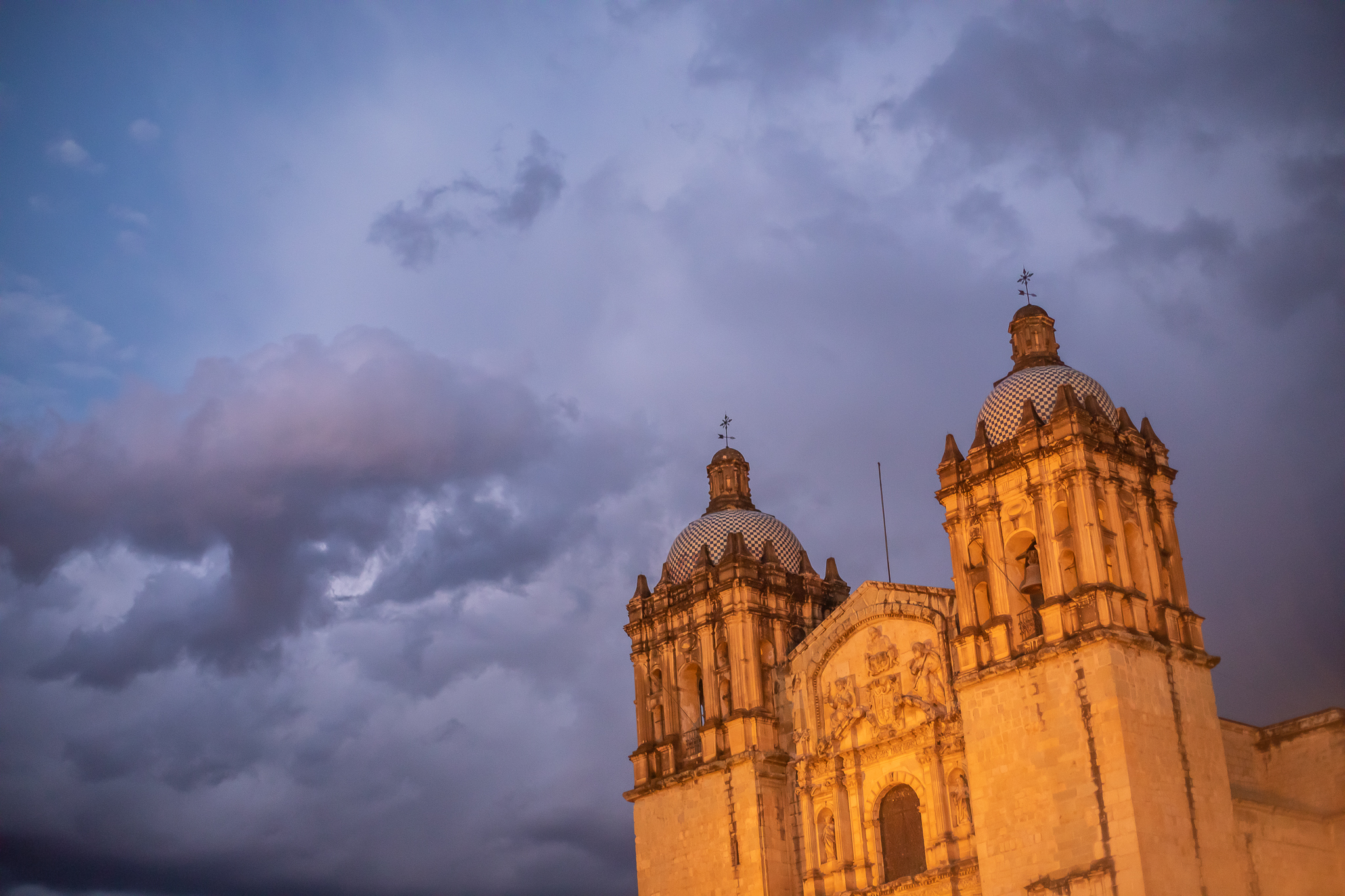
Recently, I returned on assignment for The Nature Conservancy during a 14-month long book project titled Human/Nature photographing the beauty, the bounty – the legacy – and the joys of Washington culture. I drove Deborah Kidd, the TNC project manager, out along the route of my windswept memories where we met TJ Greene. TJ is a Councilman on the Makah Tribal Council, who escorted Deb and I to the northern plateau jutting into the Pacific just beyond town. It was ancestral land, an outcropping I watched for years as I lulled over the swells and scanned the horizon. He pointed out midden, un-excavated artifacts left over from centuries past, as well as various plants and bark species his ancestors used for medicine. And in a clearing at the absolute edge of the world, he pointed to where one of the Makah people’s original longhouses once stood. It was a moment, a whole experience, that put perspectives into perspective, my memories cemented into a new appreciation for where I have been and who I’ve become. All those laughs with friends. All those frightening drops on monster storm-brewed waves pumped straight from the cold waters of the northern Pacific, dropped directly onto my head. The wildlife. The soaking woods. The storms, foggy windows, wipers screeching frantically. Holes in tents, sand between our toes, books on a beach log at sunset. They formed a part of me, made me me. This place gave so much and I knew so little of it.

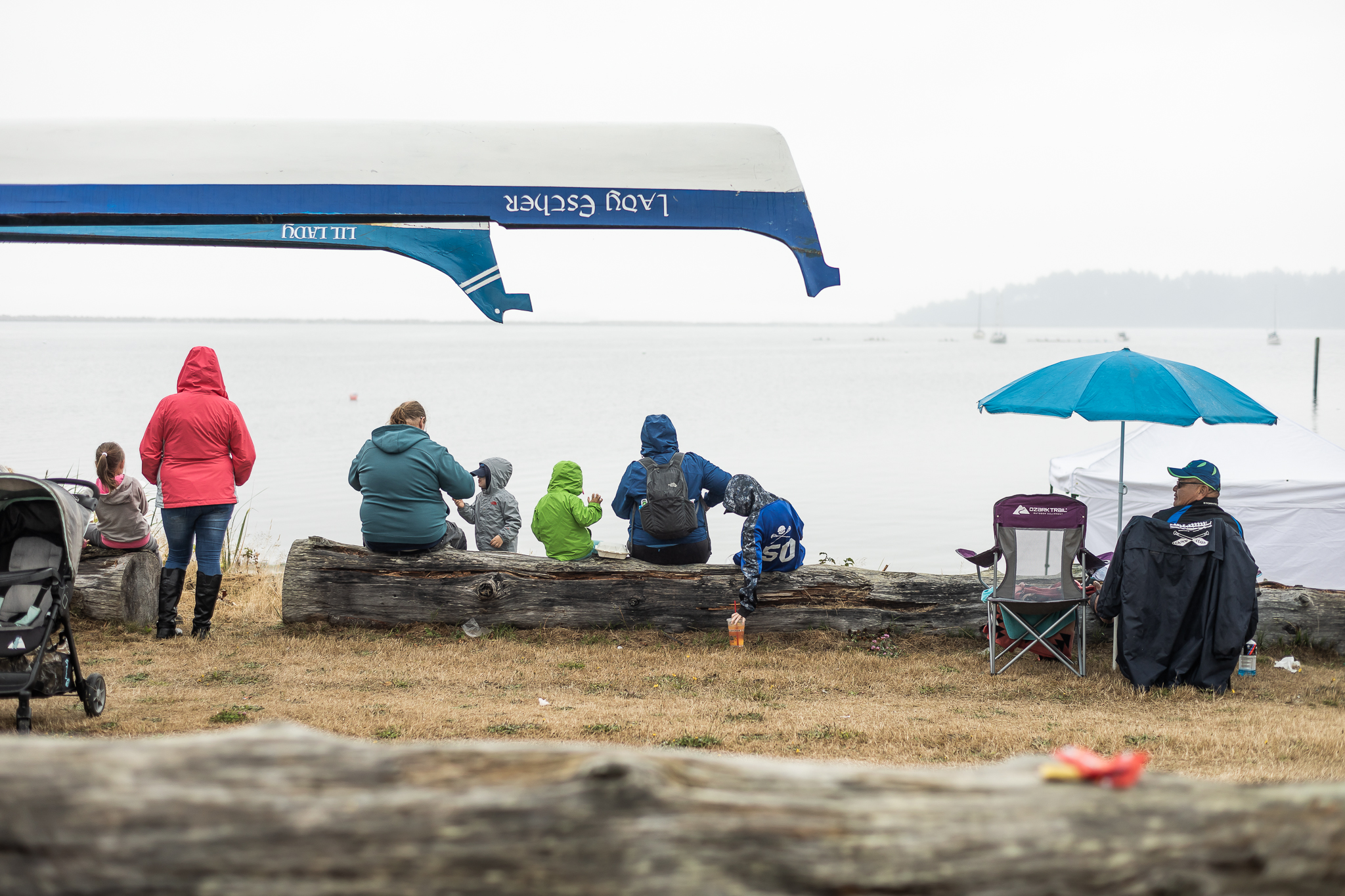
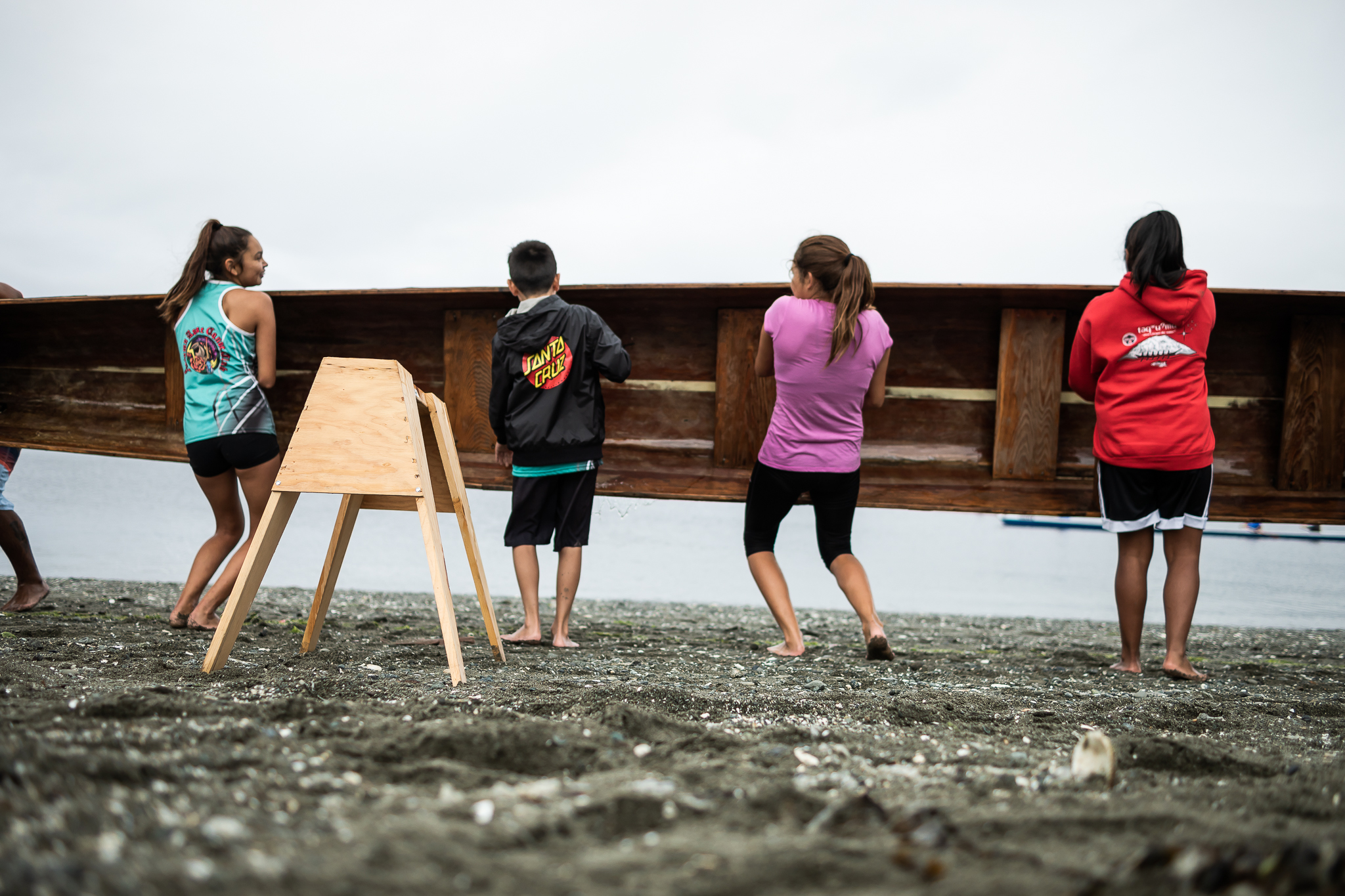
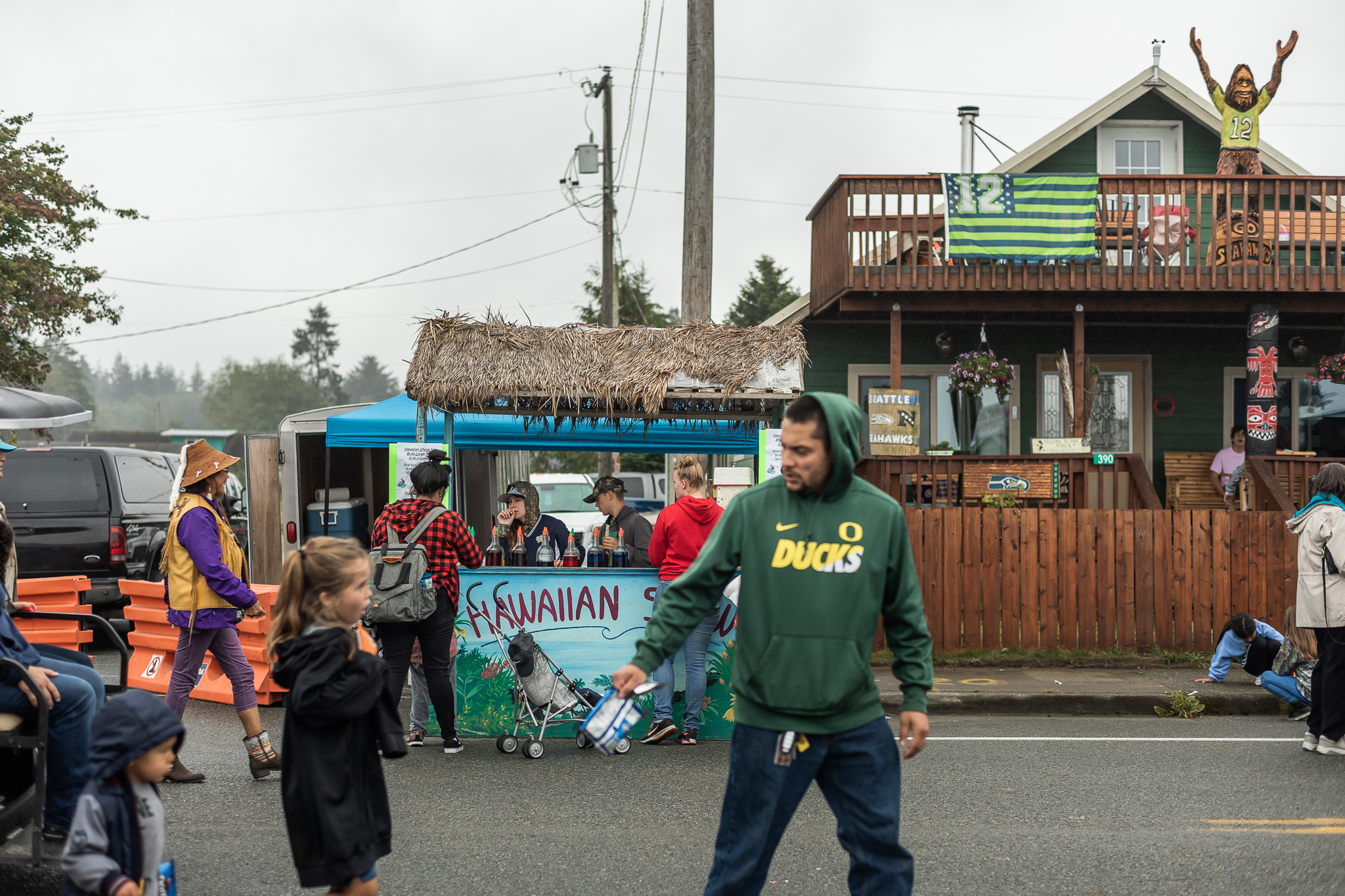
TJ brought me and Deb back into town and showed us around during the annual Makah Days celebration, where we ate cedar smoked salmon with potatoes and watermelon while watching canoe races in the bay. We slowed down to take in the moment; the sounds of laughter and shouts of encouragement, the millennia this land at the edge of the world has heard these sounds pass by.
For more information regarding Human/Nature visit The Nature Conservancy.

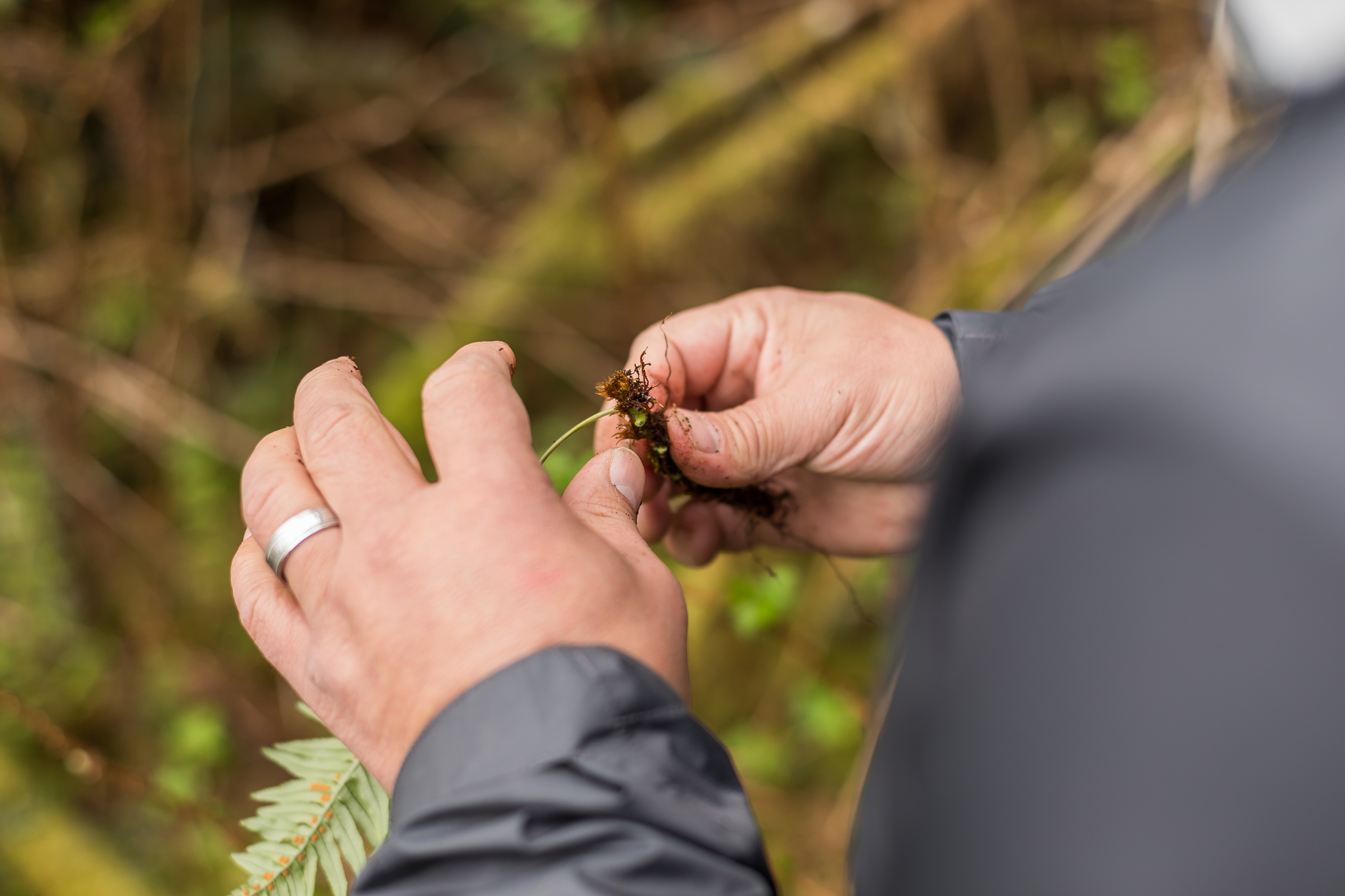

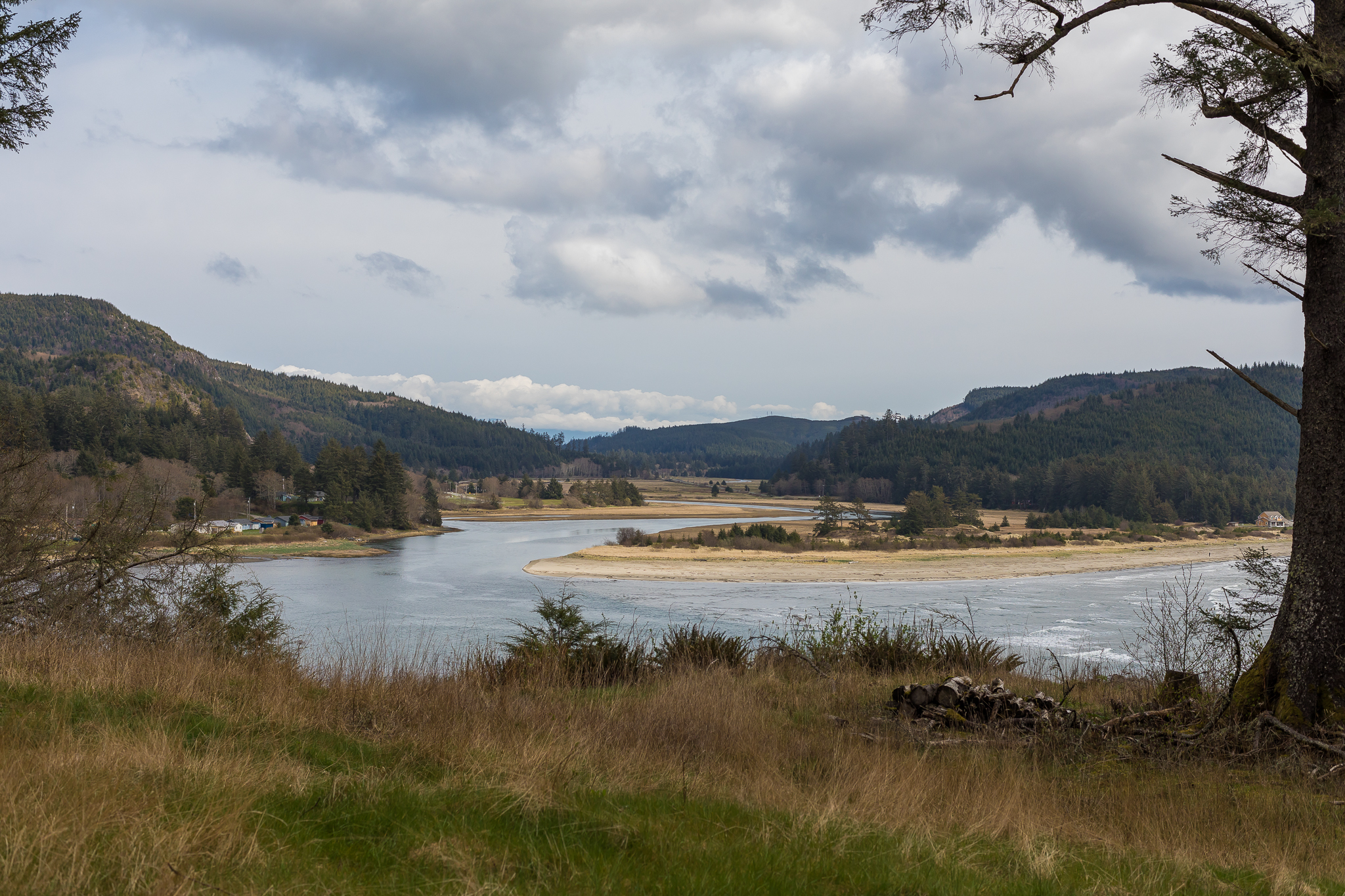


















































 It was dripping; the sun shrouded by cloud, the cloud returning to damp where dew ran with rain and rain soaked into thick rivulets of sand. All these paths led to a tempest of gray salt, growling together as an always-temperamental Northwest coastline. We shouldered our loads, pack mules down scree slopes, each step sinking into the shifting earth.
 Walking off the beach, skin tensing from the drying salt water, we turned and marveled at the temptation we left, but the promise of additional companions and a new adventure forced us back through the thick fern fronds and salal fields that guarded those secrets. We pulled into a freshwater bay to meet our other companions: Sam from Ocean Beach and Kris from hometown.
 Each canoe weighed heavy in the soft mud as the four of us laughed, organized and inspected everything. We had the gear and a malleable plan. Now we needed waves. Under a milky afternoon, still with high, wafting clouds, we embarked waters teaming with perch, pikeminnow, coastal cutthroats and kokanee to a point of cache and then further across deeper waters into the middle of nowhere.
 Camp One welcomed us with an evening storm that lulled us to sleep with the soft, synthetic patter of raindrops on nylon. As we emerged into the light of day two, all was sodden, the leaching wetness of winter – the rotting season. Nothing remained dry outside our expedition packs. And as we cooked packets of instant oatmeal, we scanned the angry horizon for signs of contour.
 Camp Two was a sand bank, a small cove of great fortune that was ours, alone, for four days. From this vantage point, we watched the sea. Corduroy lines of swell marched like infantry. That clean A-frame was gone, replaced by a meaty little slab.
 These instances were often the most memorable, the time away from time where scrutiny of an industrial civilization weighed weight upon a ticking time bomb. Omniscient and harmonious was the mind, free to soar in solitude like the eagles above, and glide like a Pelican upon the updraft of rolling sea. We found more scat; bear, raccoon, coyote. We stepped over the skins of dogfish and collected Japanese plastics from disasters far away and seemingly long ago. Then we ended.
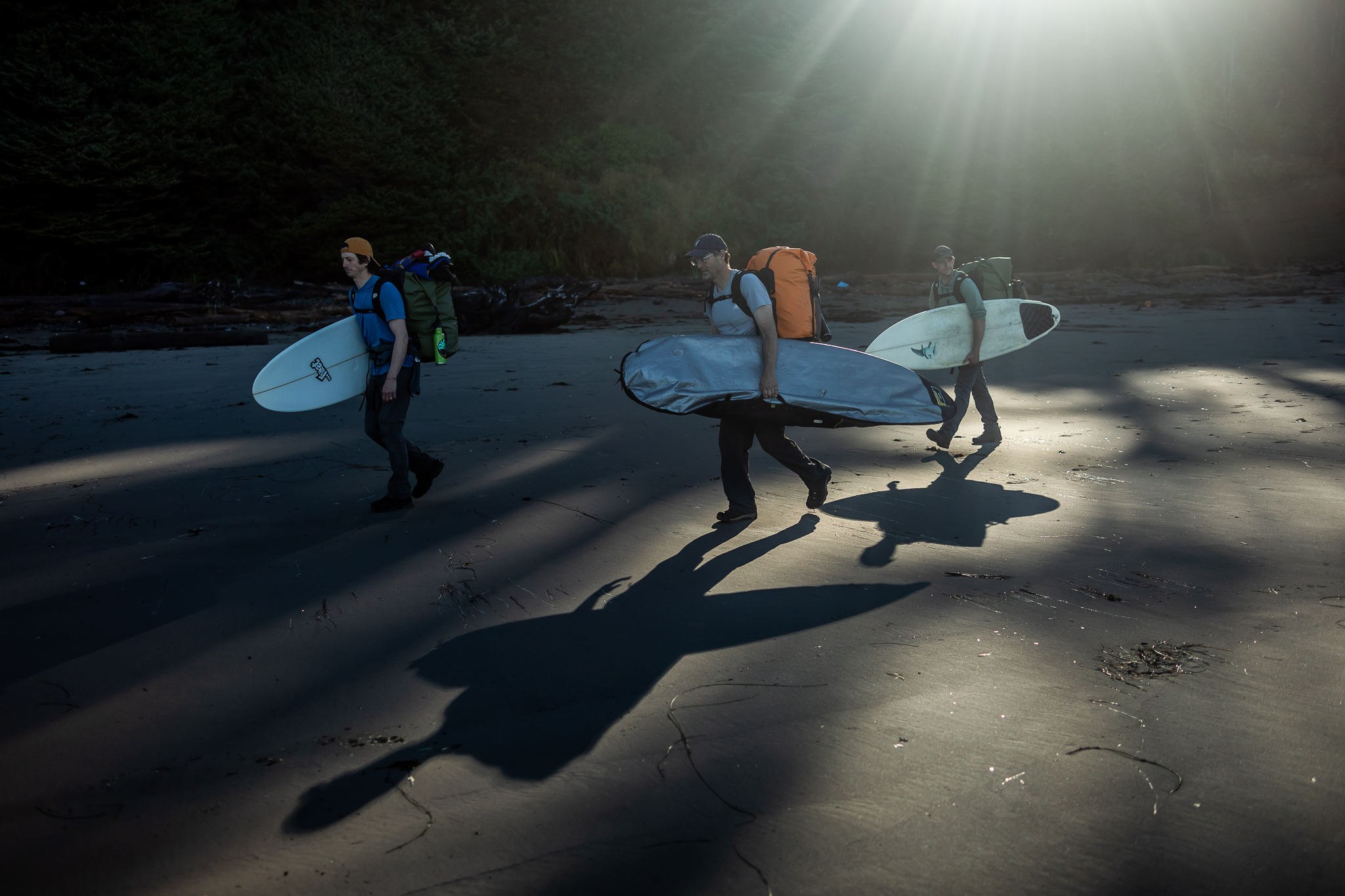 The morning of our departure, the sun broke and alighted our long playful shadows across the sand as we slipped northward towards Camp One, back through the fern forest and salal fields to a freshwater point. We had work to do.
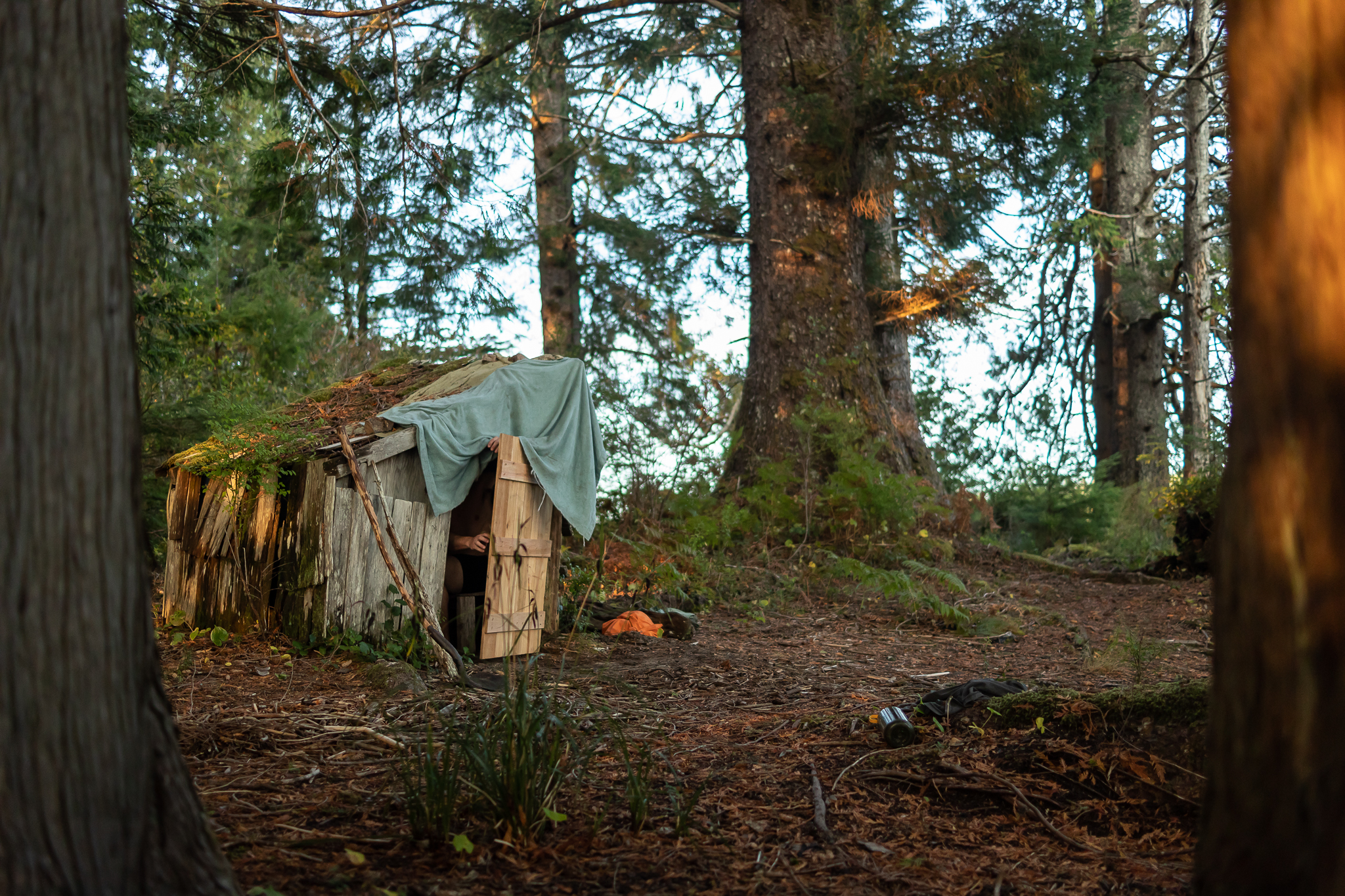 We slid onto the sandy beach, found our stores of wood and hardware, beer and fire, and set to work. Skyler repaired the lean-to with his fashioned door. Sam built a hot fire of cedar wood and lava rock, while Kris fashioned a shovel to carry the stones from heat to shelter. Over the course of three hours we took turns bathing in the sweet sweat of a traditional sauna, removing all traces of bitter cold from our bones. And then just before dusk we set off for home, just as we had done days prior when we entered the shadows of fern and salal that guarded the undiscovered surf in the wilds of our backyard.


 Cameron Karsten's Imaginarium