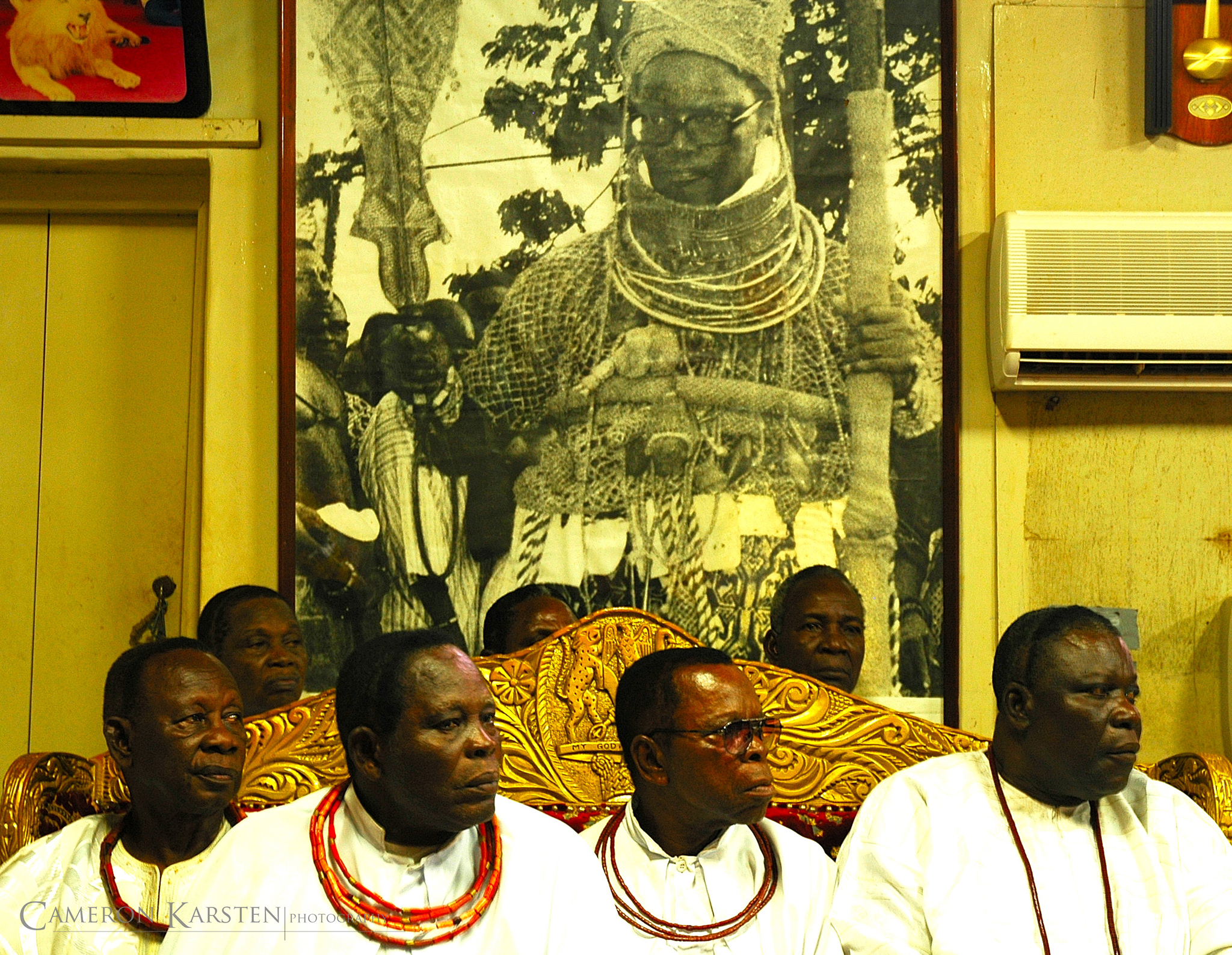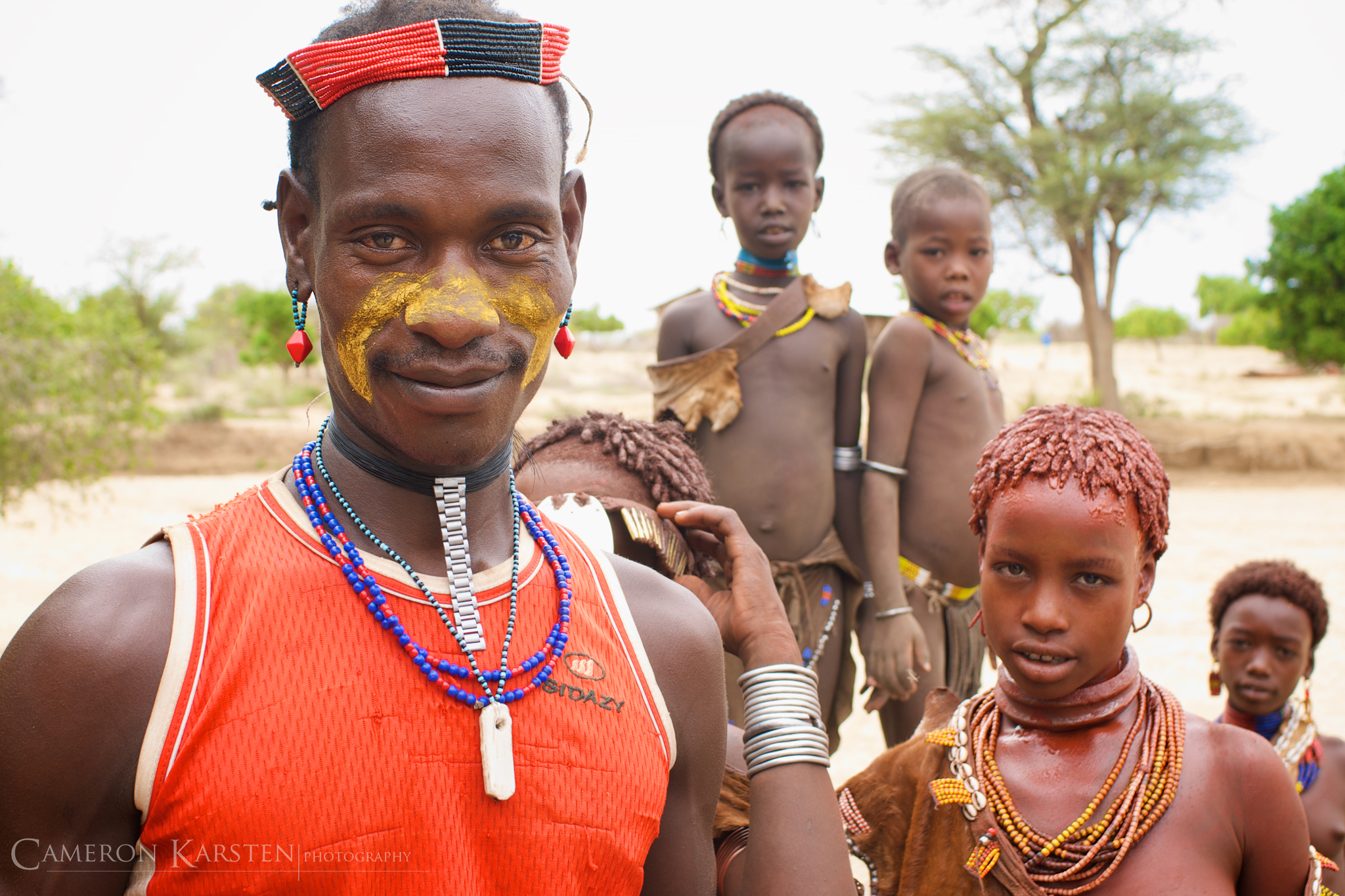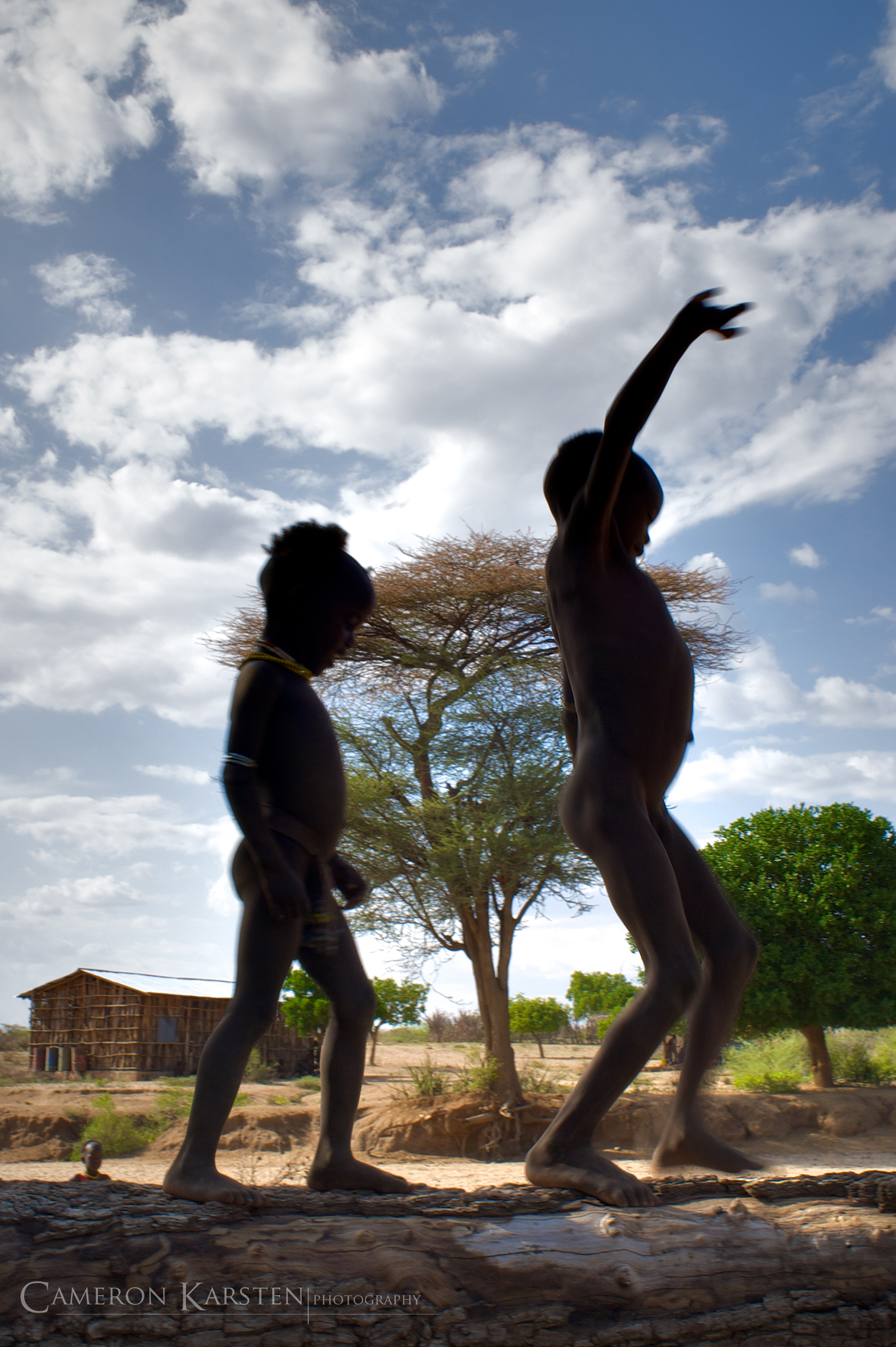
I’m stoked that the countdown has begun! On December 31st, I’ll be heading to Benin, Togo and Ghana for roughly four weeks to begin a project about the origins and evolution of Voodoo. As a practice of animistic worship of spirits, Vodun is the official religion of Benin and considered one of its birthplaces. I’ll be traveling with friend and fellow photographer Constantine Savvides to create a multi-continent multimedia series including still, motion, audio and text. West Africa will be the first of several locations, retracing the spread of Voodoo via the slave trade to the West Indies and Americas, to its survival in today’s organized societies. These guys, chiefs of the old slave port in Badagry, Nigeria, know what I’m talkin’ about.
The Countdown Begins: The Origins of Vodun
Ethan Currier – Sculpting the Power of Stone
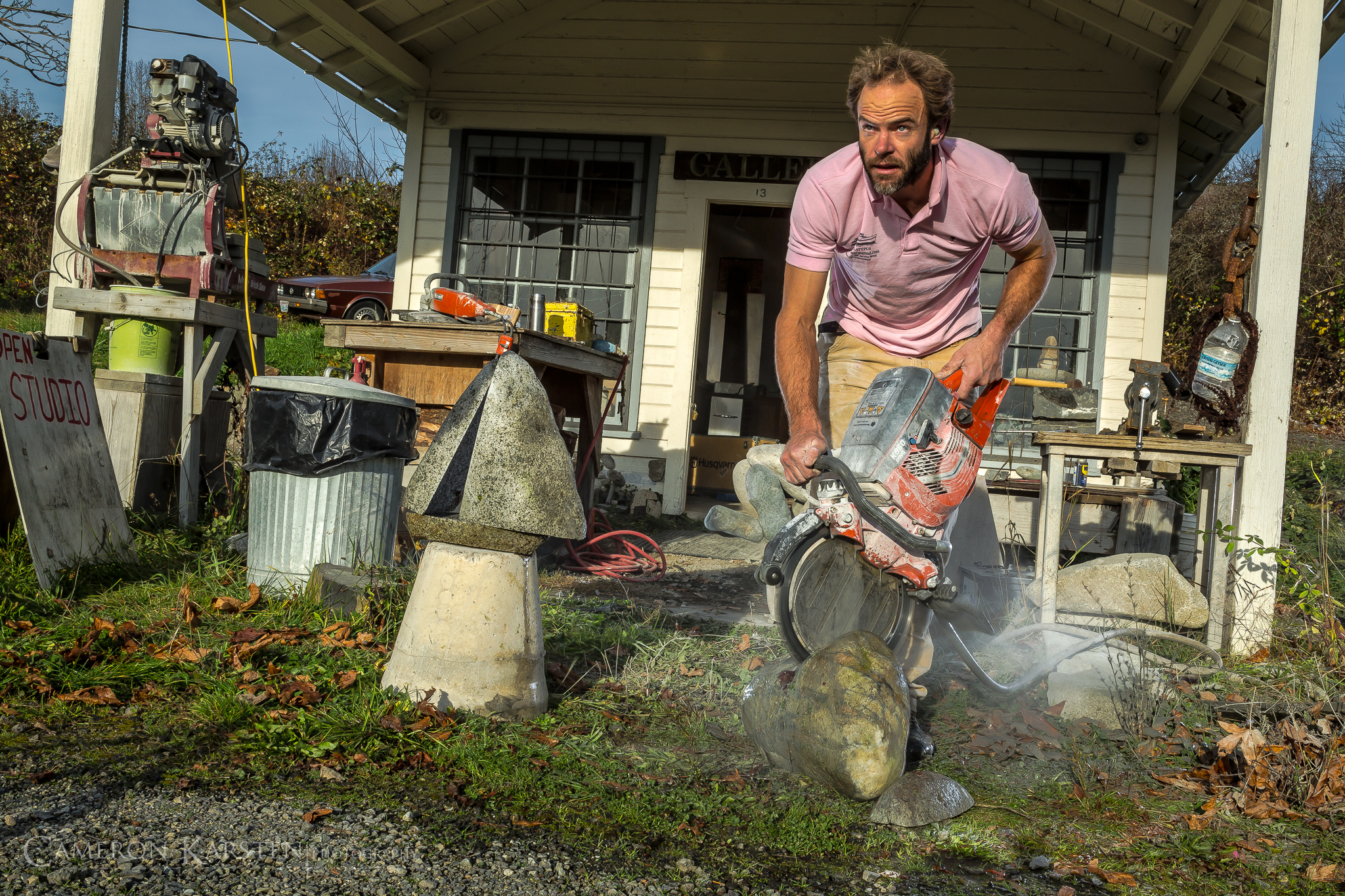
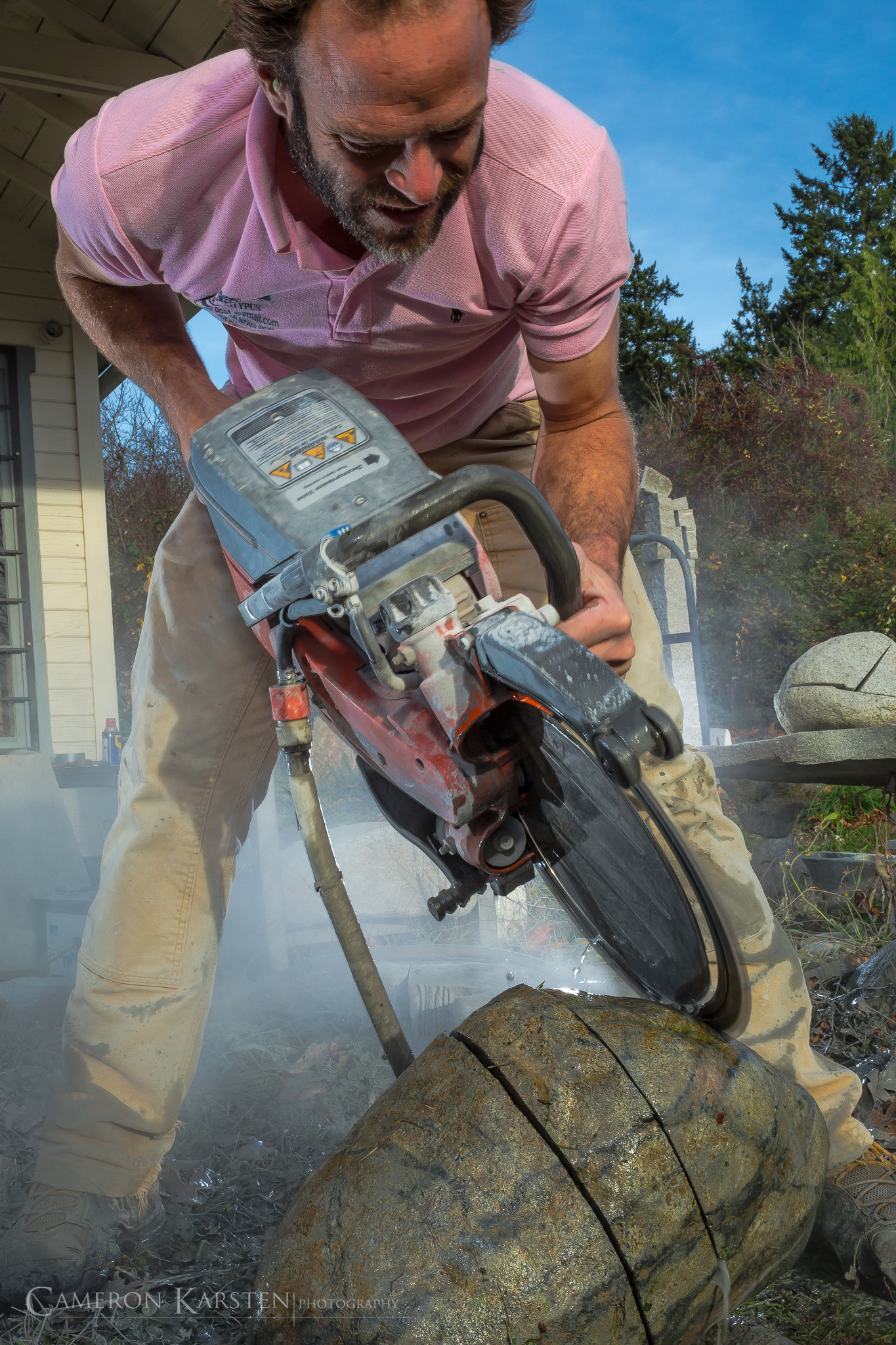
To cut stone sounds like a recipe of alchemy. But it takes power, not always the power of enormous piston-driven spikes and powder-lit explosives. Often, with the right hand-tools and visionary skill, rocks can be as easily molded as clay. Meet Ethan Currier.
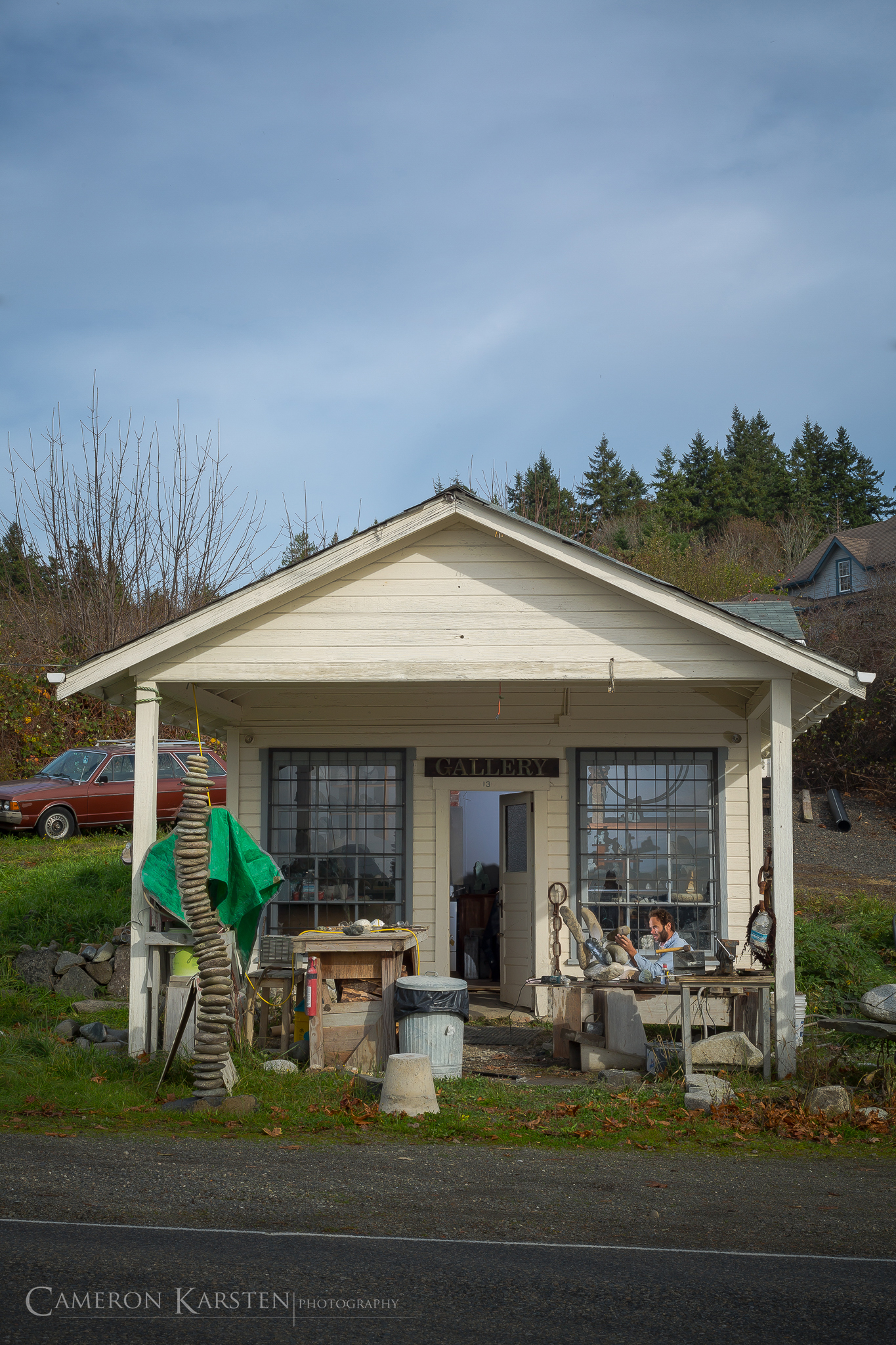
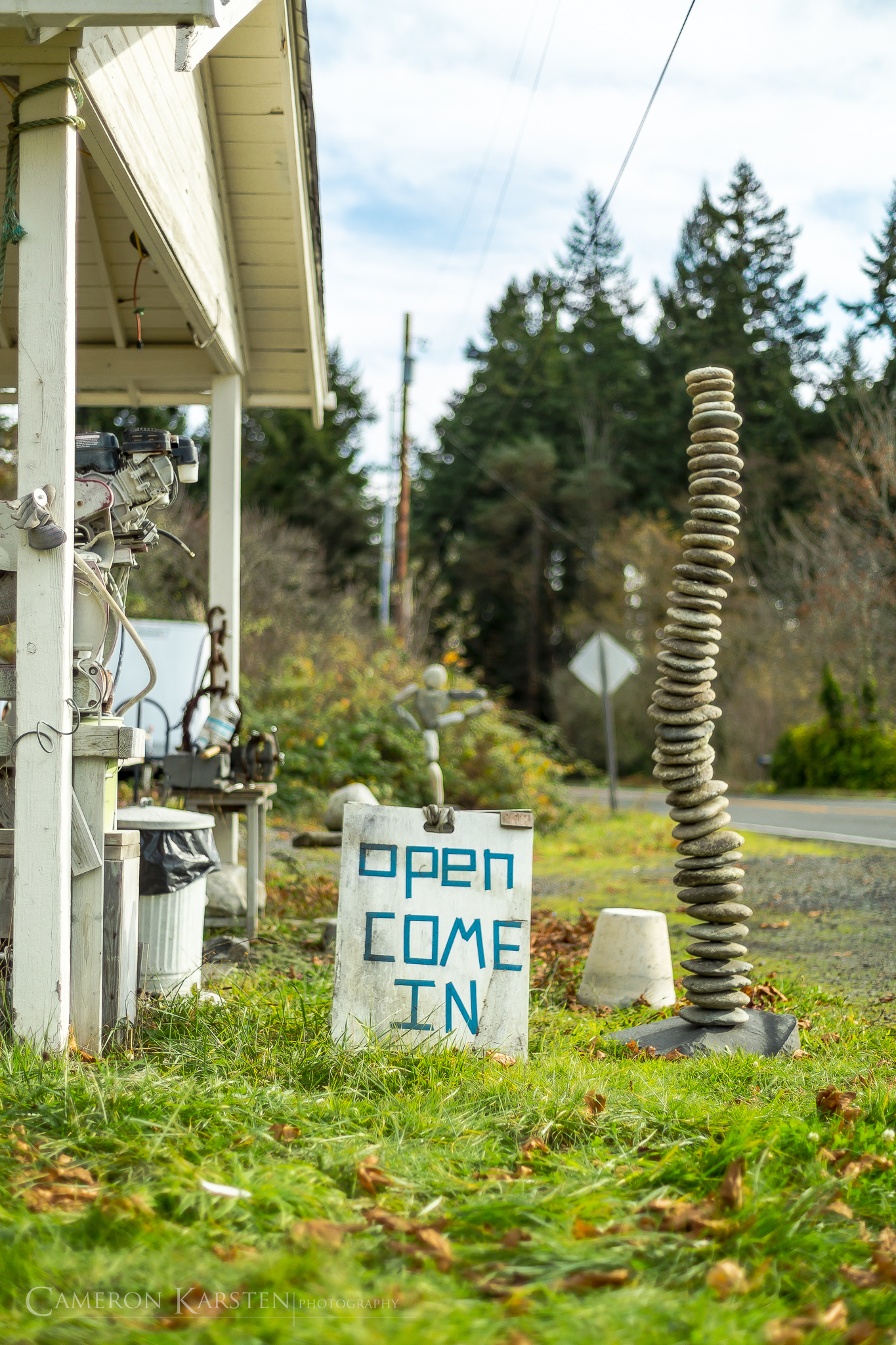
When on Bainbridge Island, Ethan lives in Eagle Harbor aboard his 1940s’ refurbished navy boat, building unique rock sculptures by day. Located in a small modest workshop, which once ran as a single-pump gas station, Ethan brings in specific stones to match his concept of upcoming projects, visualizing their forms and structure prior. By design and with the use of few hand-tools, these ordinary stones take on new organic shapes.
Having spent the summer on the east coast working on boats and building commissioned pieces for personal gardens and cityscapes, Ethan continues to create, building a reputation and potential-future following like those of artists Andy Goldsworthy and Dale Chihuly. A controvertial sculpture on a city-owned island Blakely Rock brought him in contact with people who both love and disapprove of his work. Over four nights in the middle of winter in 2012, Ethan installed a 12-foot tall stone man in the common yoga posture Tree Pose. Visible from the east shores of Bainbridge Island, as well as along the Seattle-Bainbridge ferry route, the sculpture has become in need of further special attention. Upon his recent return, people have continually asked him about it. He responds with a calming smile, “It needs repairs.” Locals now are expressing their interest in helping in anyway possible in its resurrection.
Robert Carlson’s Glass Mind
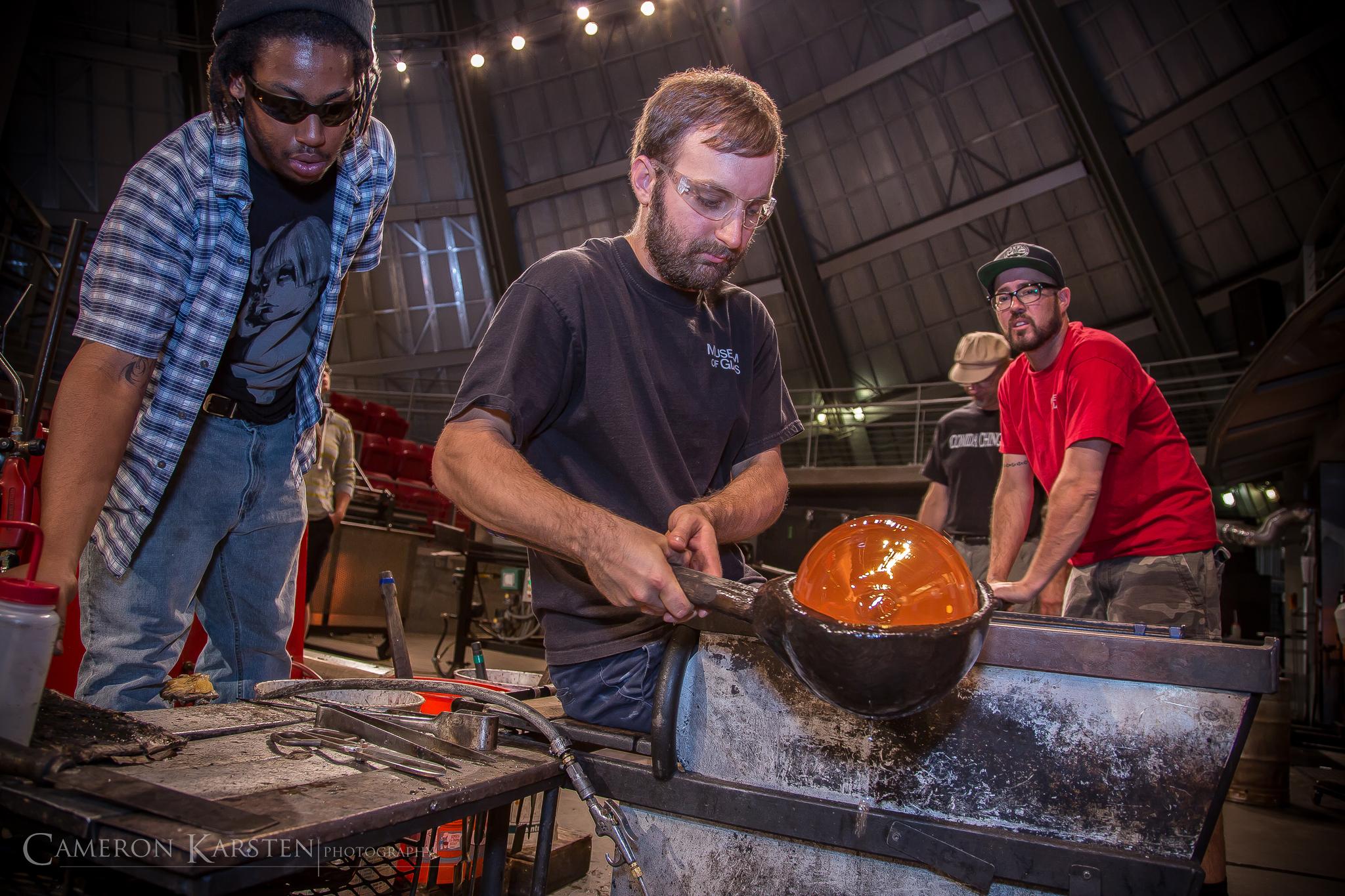
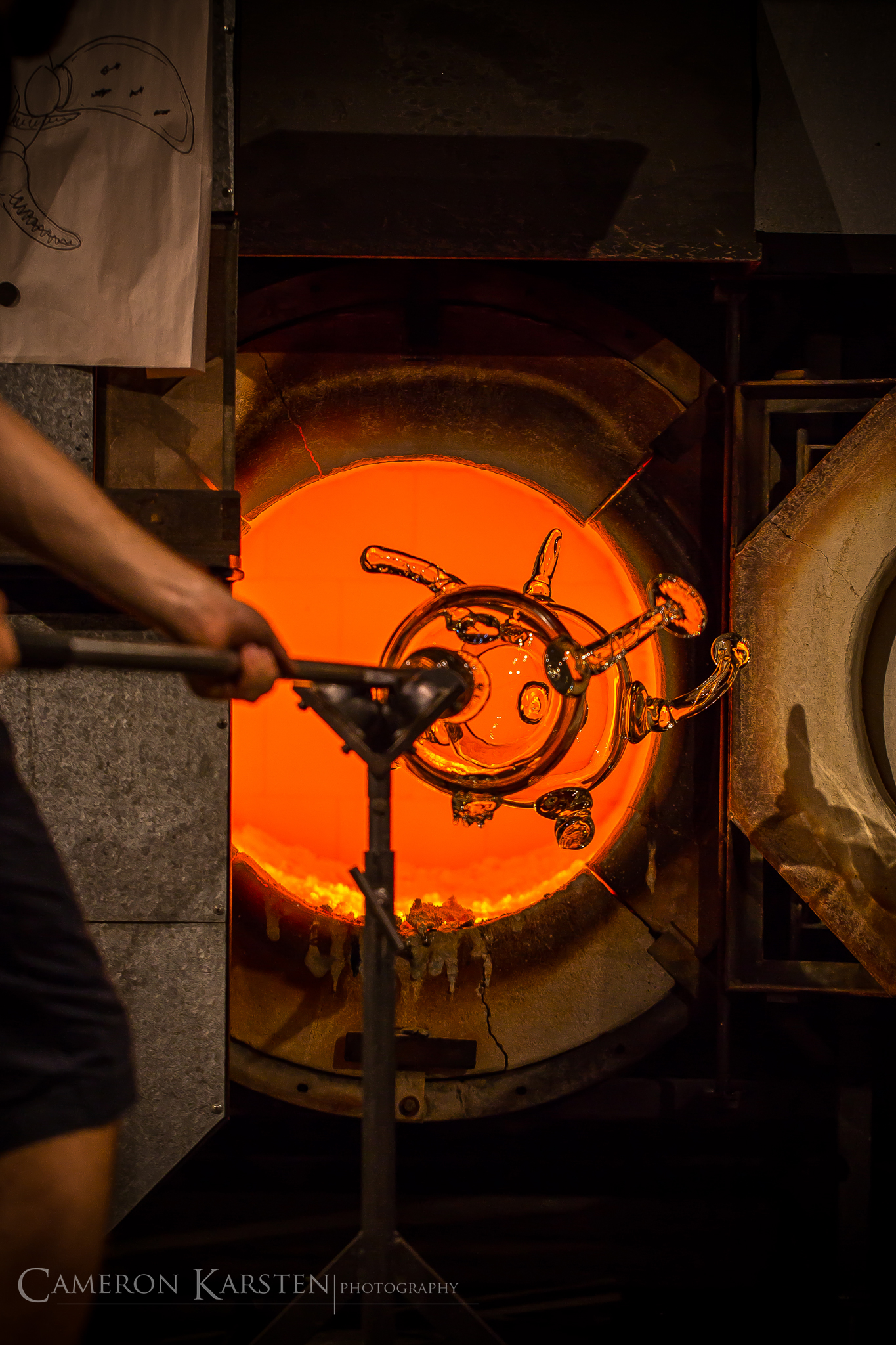
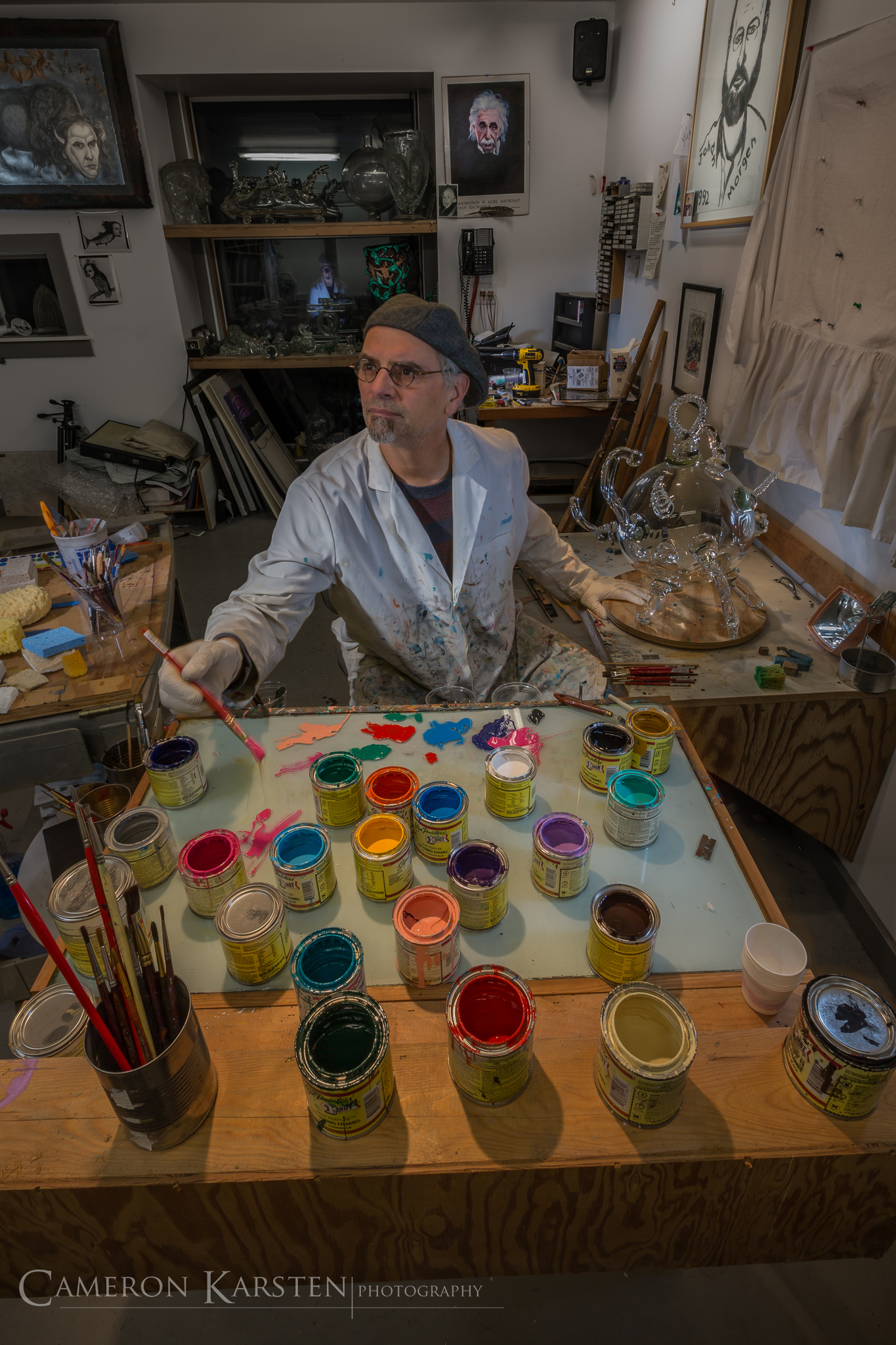
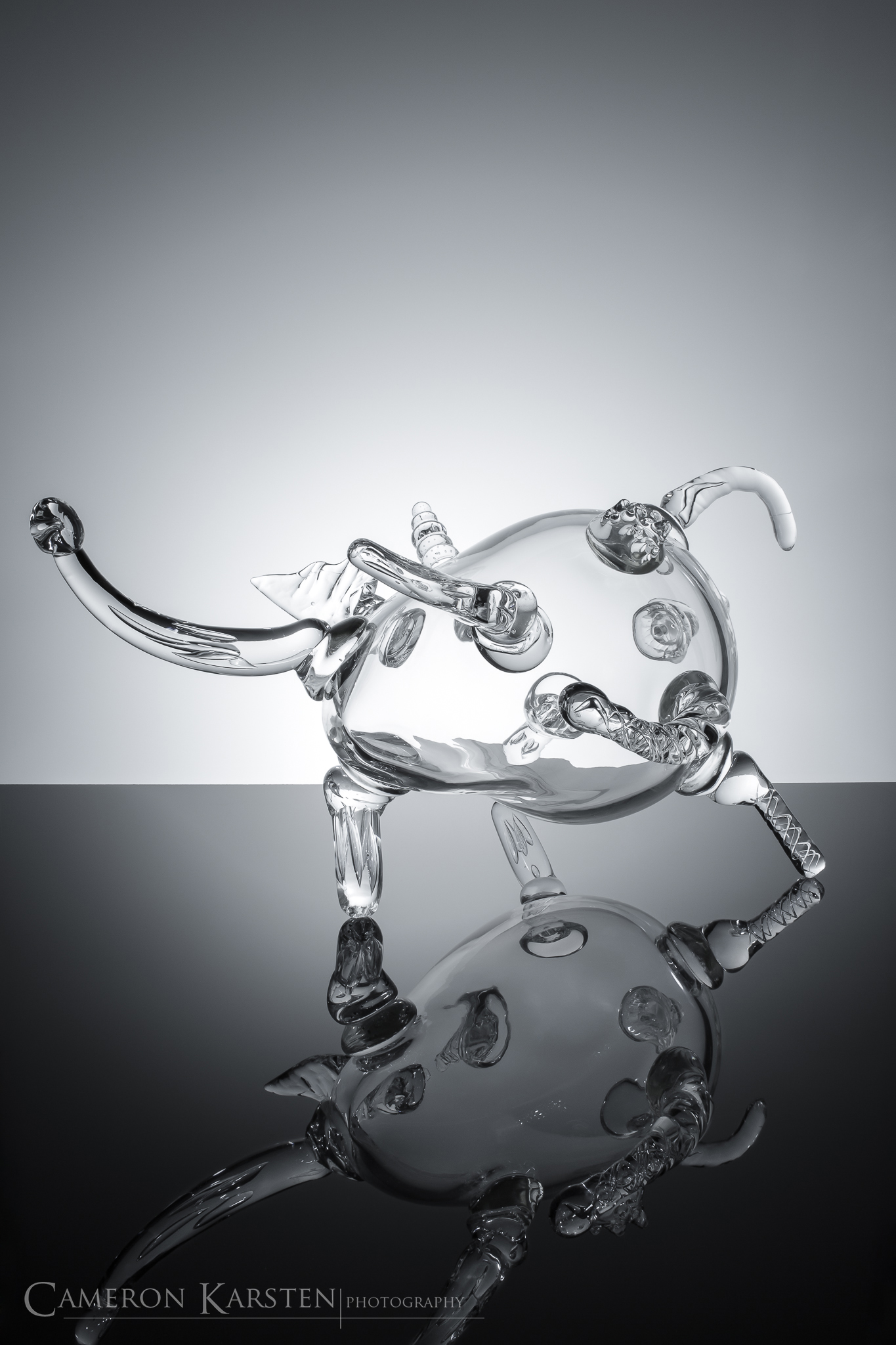
Robert Carlson is an internationally-renowned glass artist and a master not in disguise. Bob lives his life as an artist, from his work to his art collections and the uniqueness of his home, to the way he parties and likes his martinis. I had the opportunity to photograph Bob while he was an artist-in-residence at the Museum of Glass Hot Shop in Tacoma, Washington, where he came up with and devised his newest creations from an imagination wild. Bob is pictured up, sketching his latest invention, pulling from depths of his mind something real.
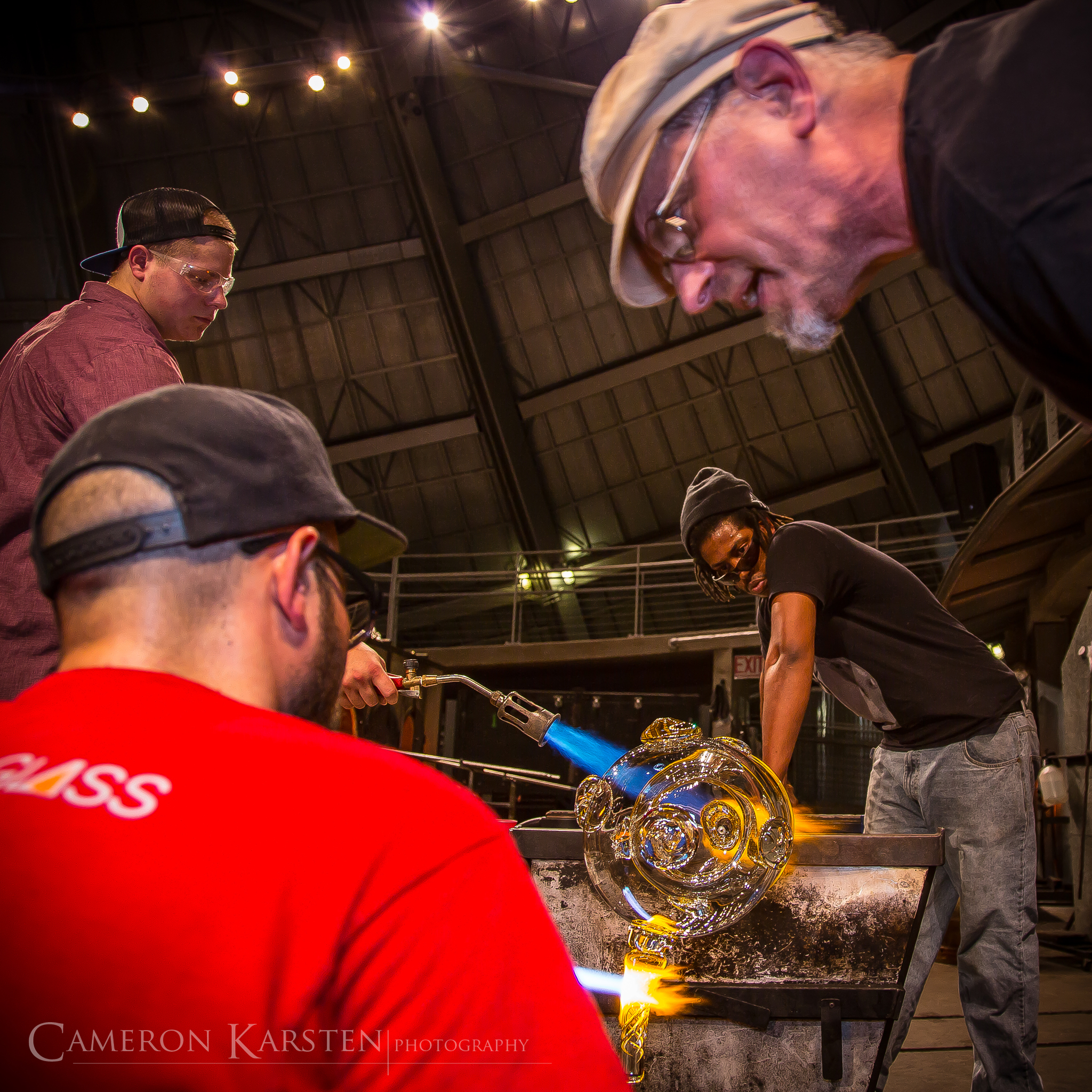
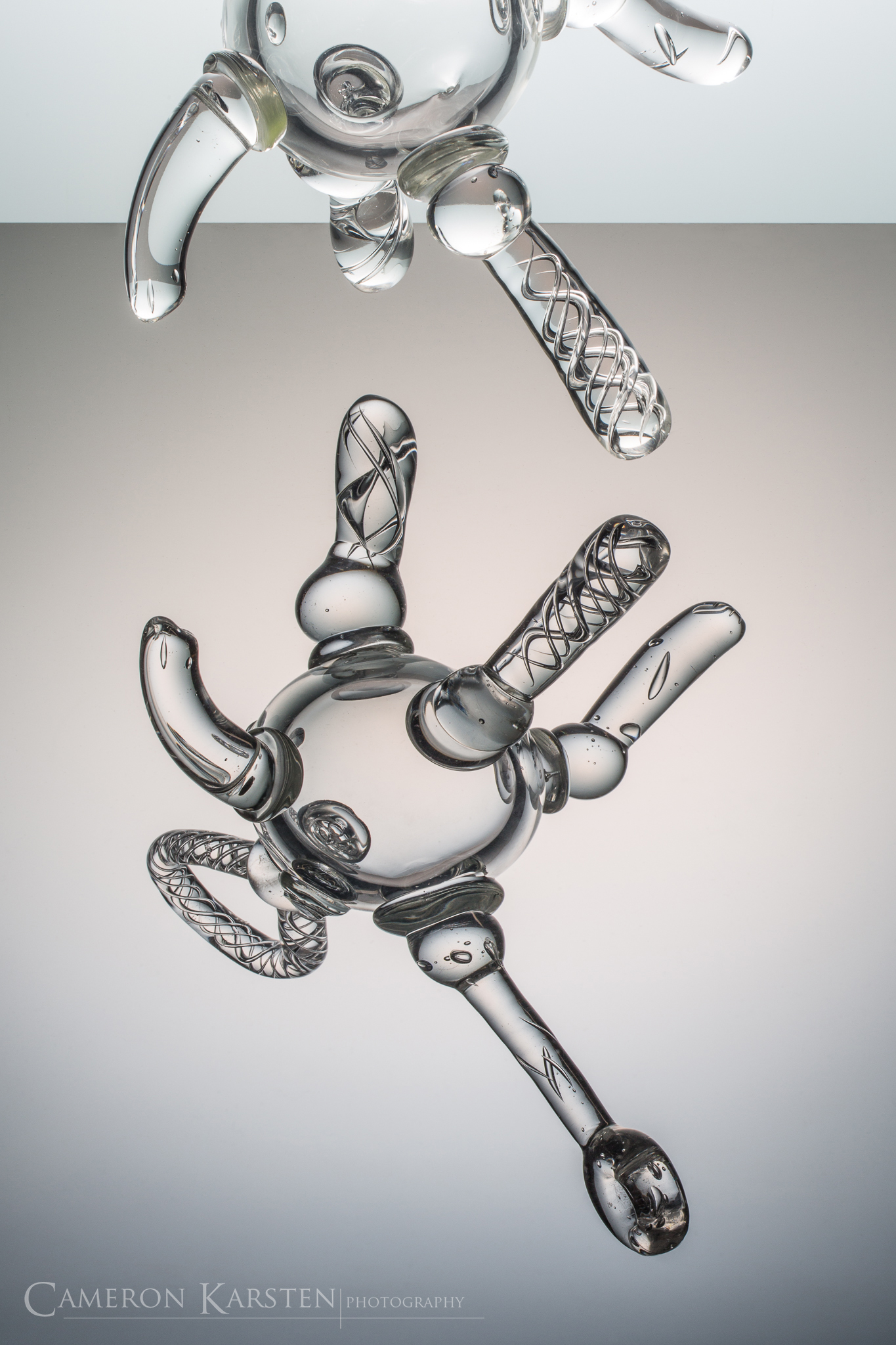
On-hand apprentices assisted Bob throughout the week-long residency. Typically, after the glass is blown and cooled, he’ll spends months with the pieces, studying their forms and subtle messages found within shapes and processes. Next he employs a reverse-painting technique using mirrors to create the imagery. These will appear on the back side of the glass structures, which take on a whole new dimension while viewing through the various refractions of glass.
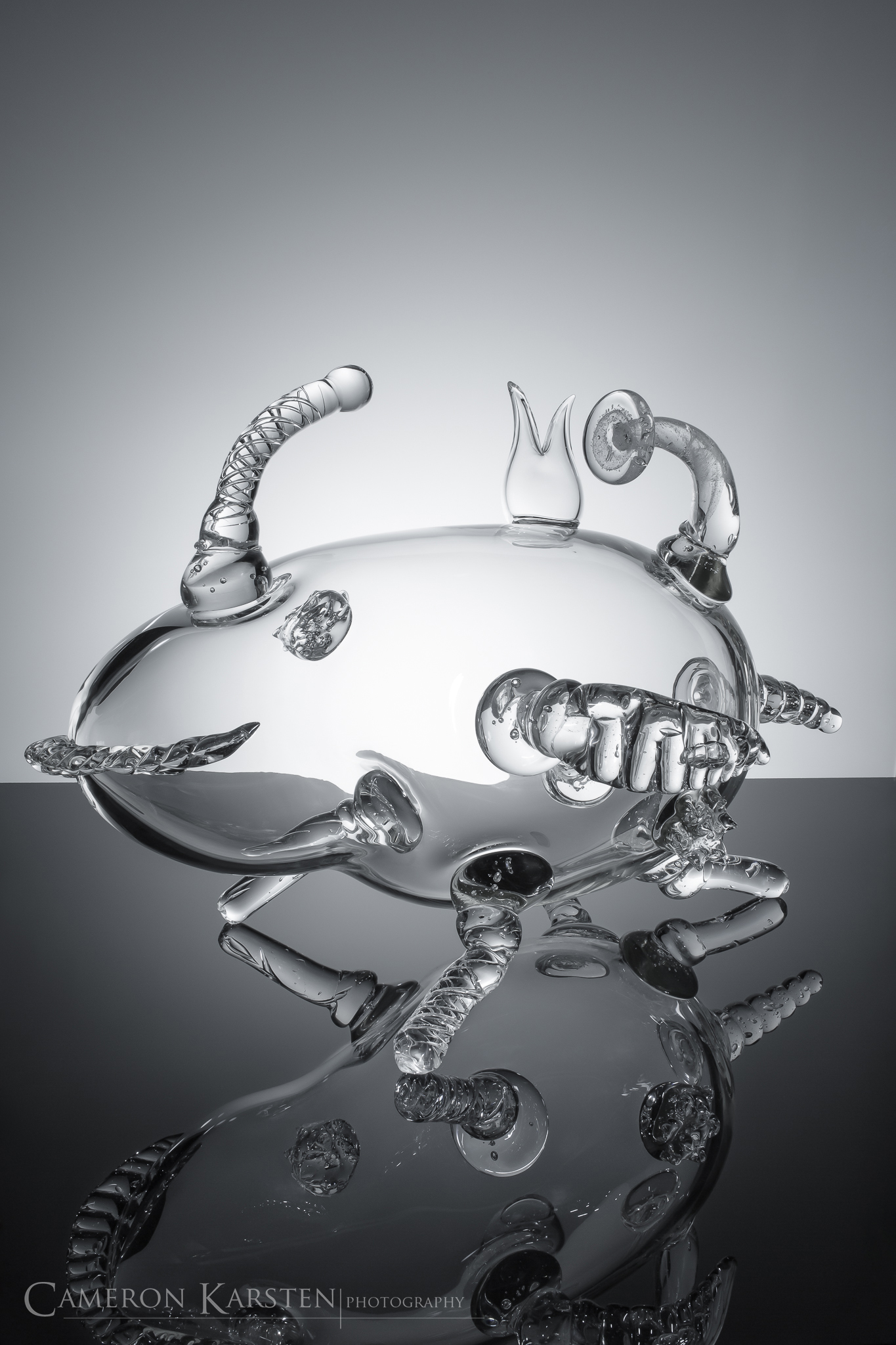
However, after observing the unusual orbs and their phalangeal crystals, Bob decided otherwise and kept the mirrors on their walls and the pigments in their cans. The work was completely new and glorious in their own form. They are both animalistic and alien. They explore the connection of sexuality and misplaced possession. The glass art can be placed on one side and quickly flipped to be placed on a new set of legs, changing the viewers understanding of what is and what can be. These pieces are works of a genius, derived from a life undisguised from beauty itself.
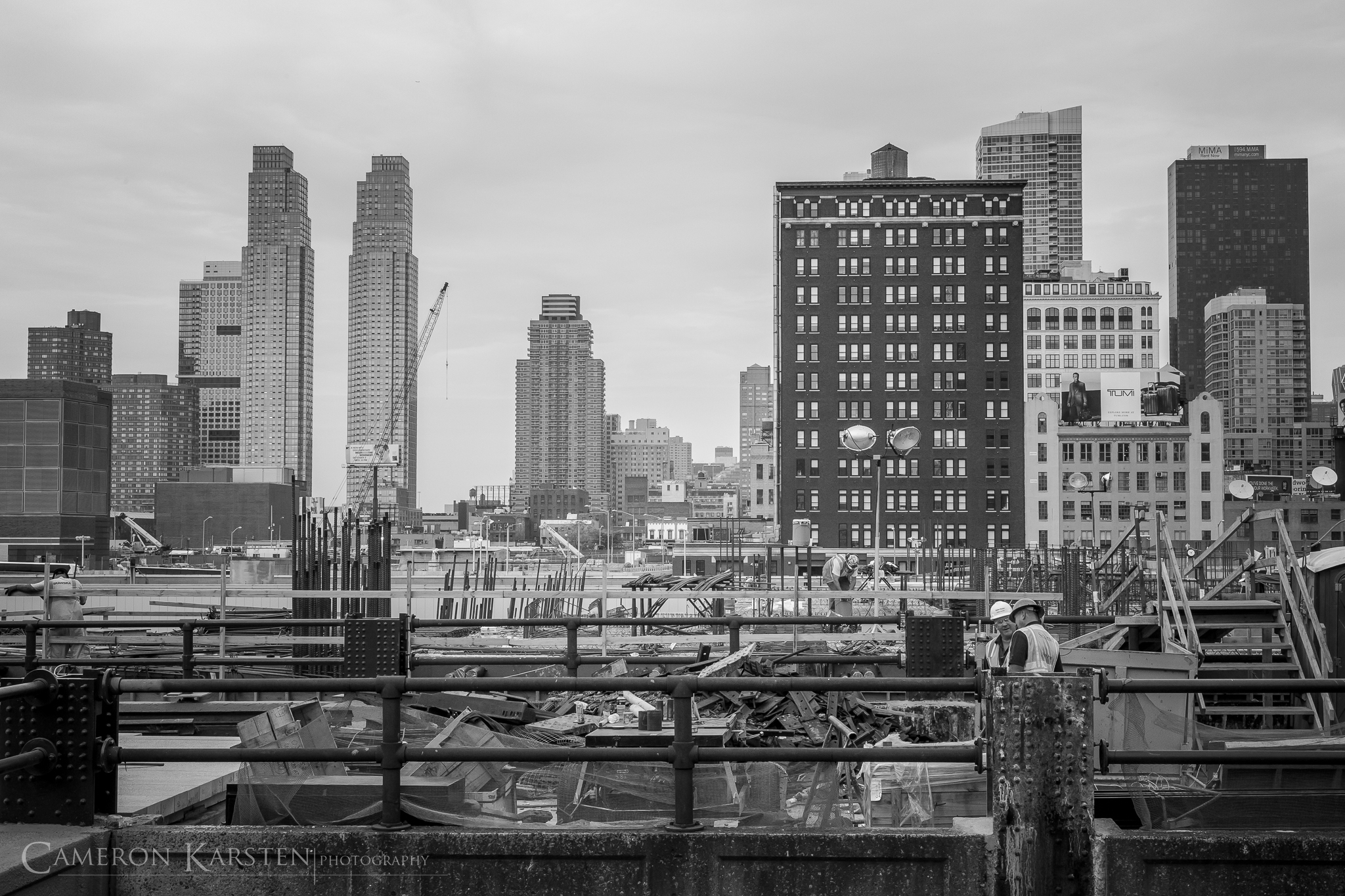
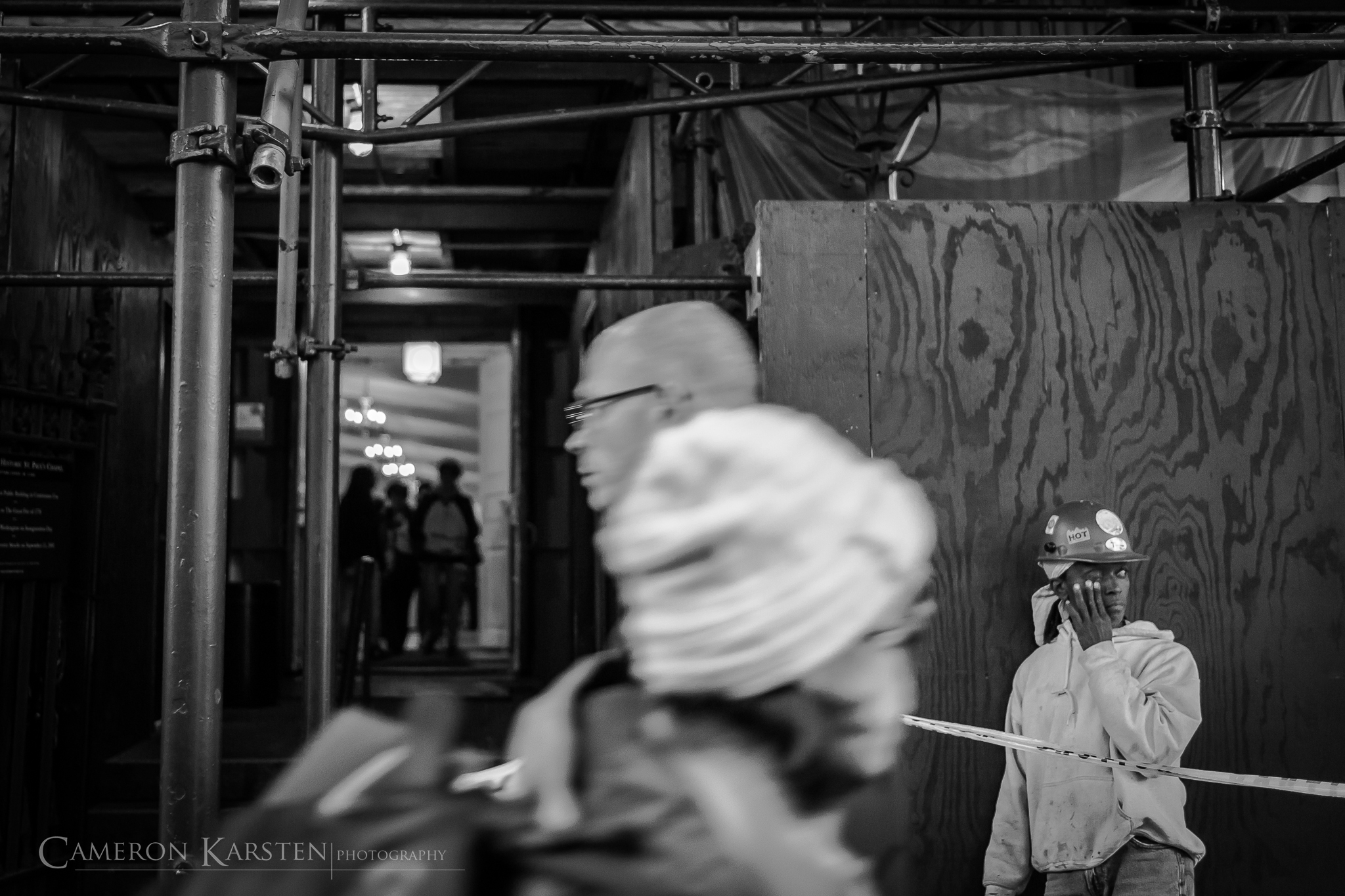
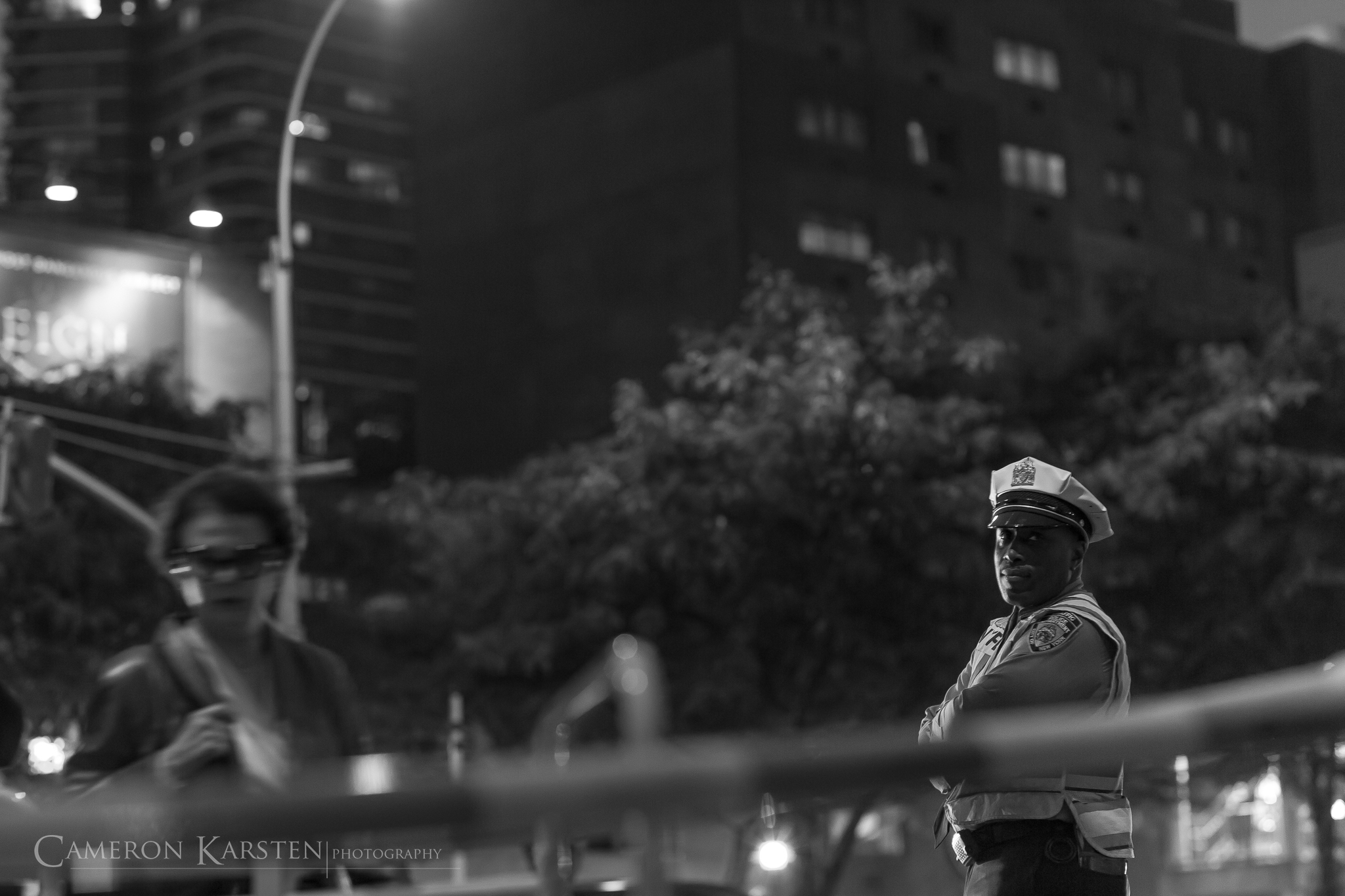
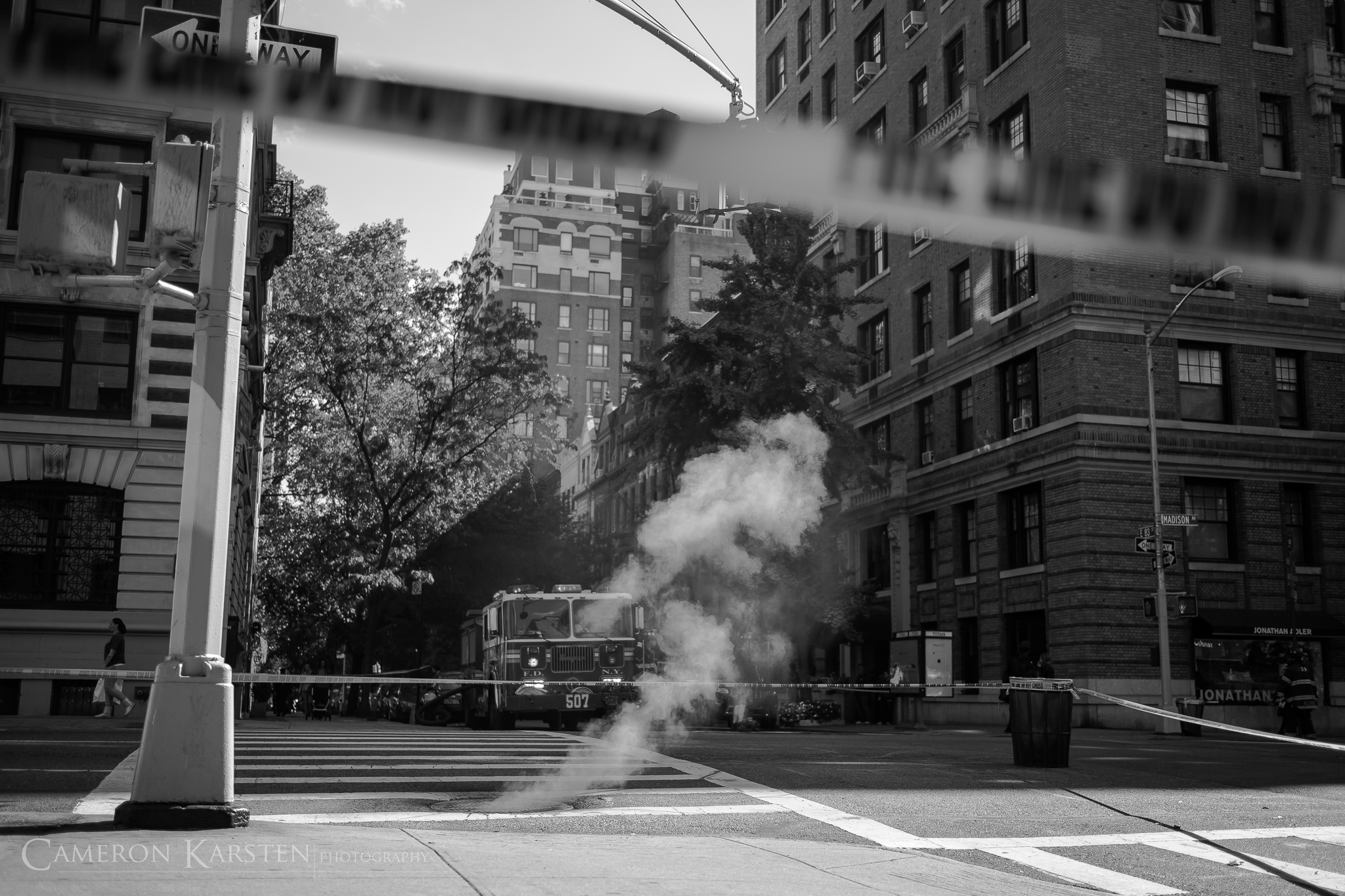
New York City is Black, White and All-Encompassing
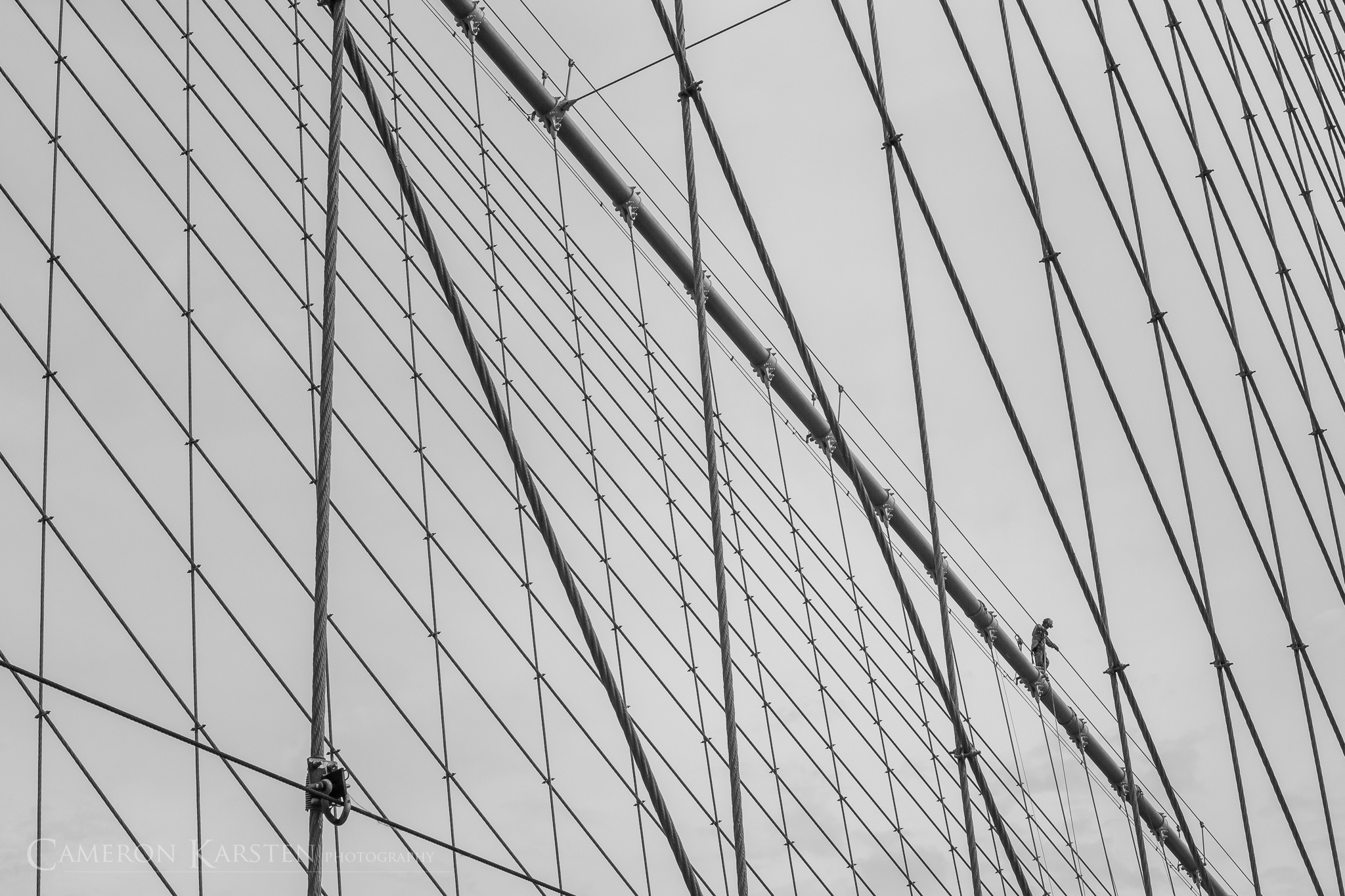
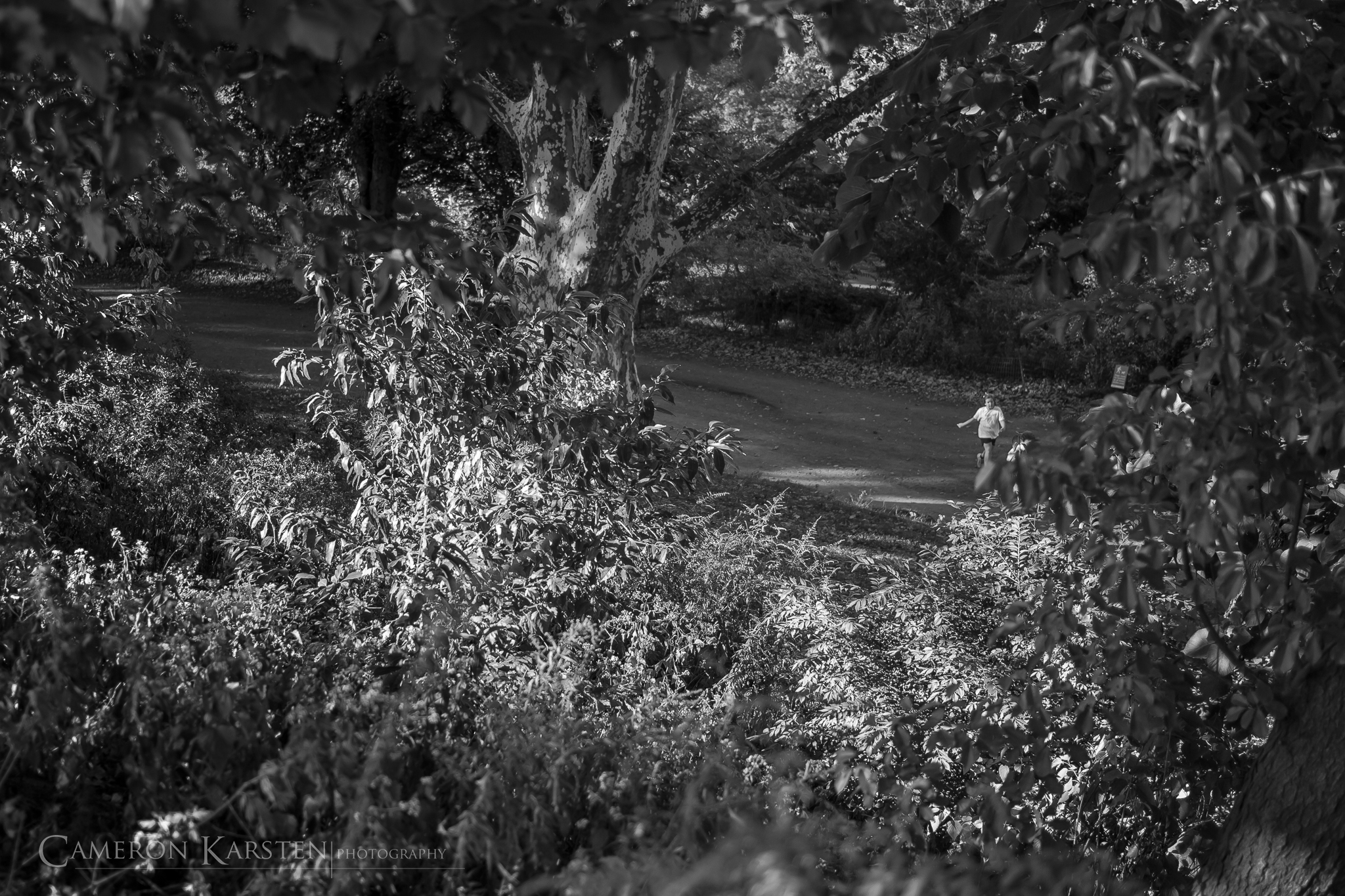
I see New York City in black and white.
Take away all the flickering lights, the sirens and neon dashboards of Time Square. Strip away the info panels and varying colors of orange, yellow and blue emanating from street posts, from billboards of business and commerce. Add a sunny fall day. Let it stretch out those oblong shadows, appearing like identical characterizations chasing every man, woman, child, pet dog and moving transportation. Let it bounce off the glass cathedrals that tear into the sky, reflecting once, twice, maybe three times into the soft shower of diffusion. Add clouds and see the geometry of humanity unfold in pattern after pattern, revealing how intrinsically woven we are into the chaos of Mother Nature.
It’s maddening among the crowds as they each race toward their God-given creed.
Now, turn all to black and white and there only remains a lingering elegance of time passed, one cherished from the yesteryears that will only be forgotten as one shiny element after another flares passed the weary observer.
Eddie Adams Workshop 2013 – The Monticello Motor Club
Attending the 26th Eddie Adams Workshop was like stepping into a stadium at bat. The pitcher was Randy Johnson and you were expected to preform like any of the greats because in the audience master photographers like Jodi Cobb, Gregory Heisler, Howard Schatz and Marco Grob watched on. Their friends were there, including AP photographer Rodrigo Abd, Afghan photographer Zalmai, young gun Peter Yang and more. And they brought their friends; Directors of Photography like AP’s Santiago Lyon, Nat Geo’s Photo Editor Elizabeth Grist and Time’s Photo Editor Kira Pollack. That was just to name a few, and they were there among others, watching, waiting to see you preform your work.
One hundred students were selected from a vast pool of applicants, and these one hundred students were given a free 4-day workshop with the industry’s best of the best. All we had to do was get there. So we show up at B+H Photo in New York City with ants in our pants, butterflies in our stomachs. We’re loaded up in vans and buses and head north into the Catskills of Upstate New York. We arrive at The Barn, the late and great Eddie Adams’ home away from home. Teams are selected, we’re divided up. Myself and nine other students have our work cut out for ourselves: Our team leader was AP photographer based in Peru, Rodrigo Abd; our team producer was freelance photographer who covered the last elections Eric Thayer; and our team editor was a man larger then his title, AP Director of Photography Santiago Lyon.
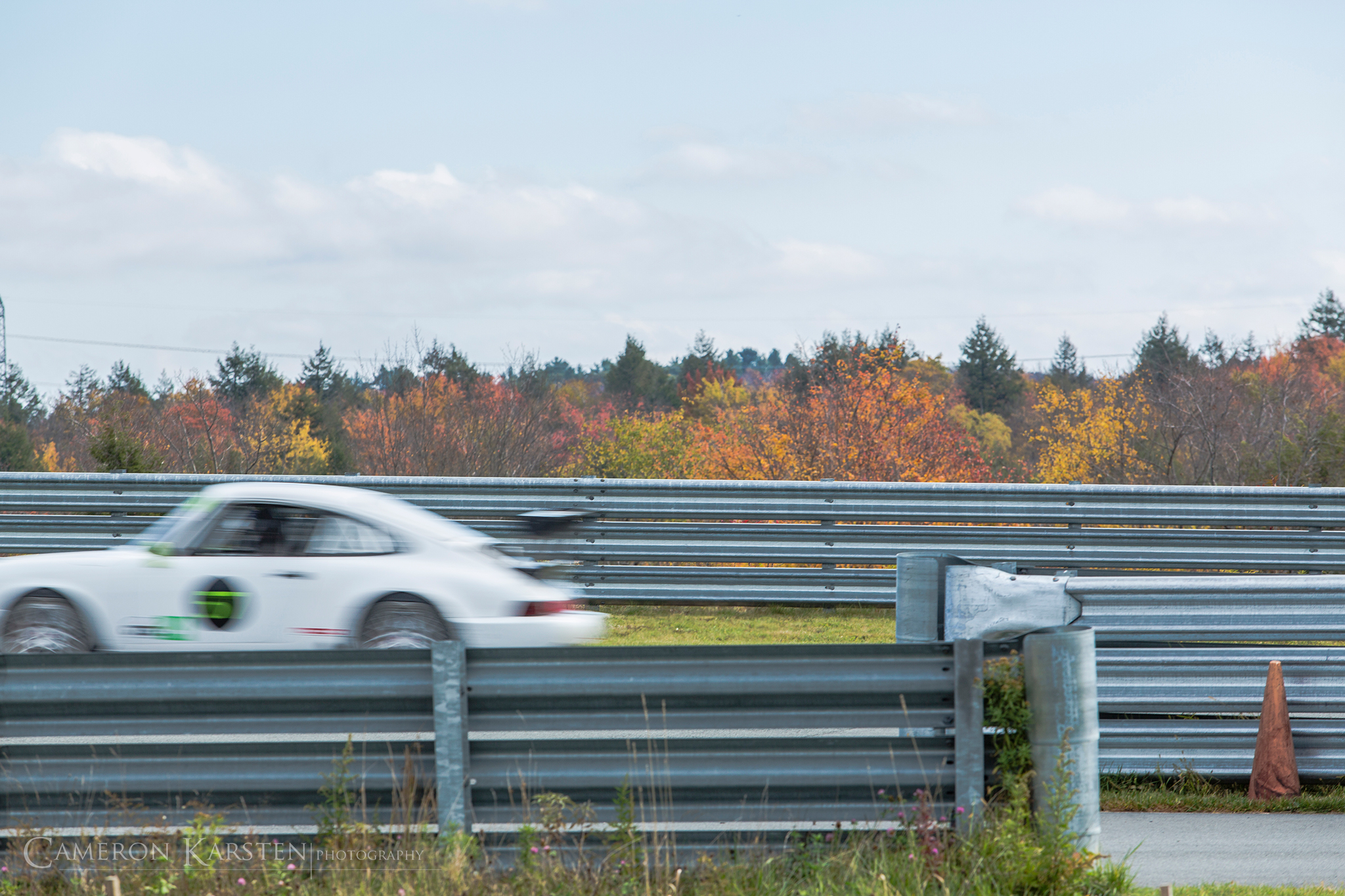
Our theme: The Golden Years. My personal assignment: The Monticello Motor Club.
While we were not shooting, we were listening to speakers, whose particular list resides above. The inspiration soaked within our blood and bones for the talent and passion within the Barn’s room permeated every living cellular structure. It was simply awe-striking for everyone attending, participating, facilitating and preforming. When not listening to speakers, we were sharing our excitement with new young colleagues, and sitting down with the industry’s leaders for portfolio reviews. Sleep found us at the wee hours in the morning before rising once more an hour or two later for breakfast and departure.
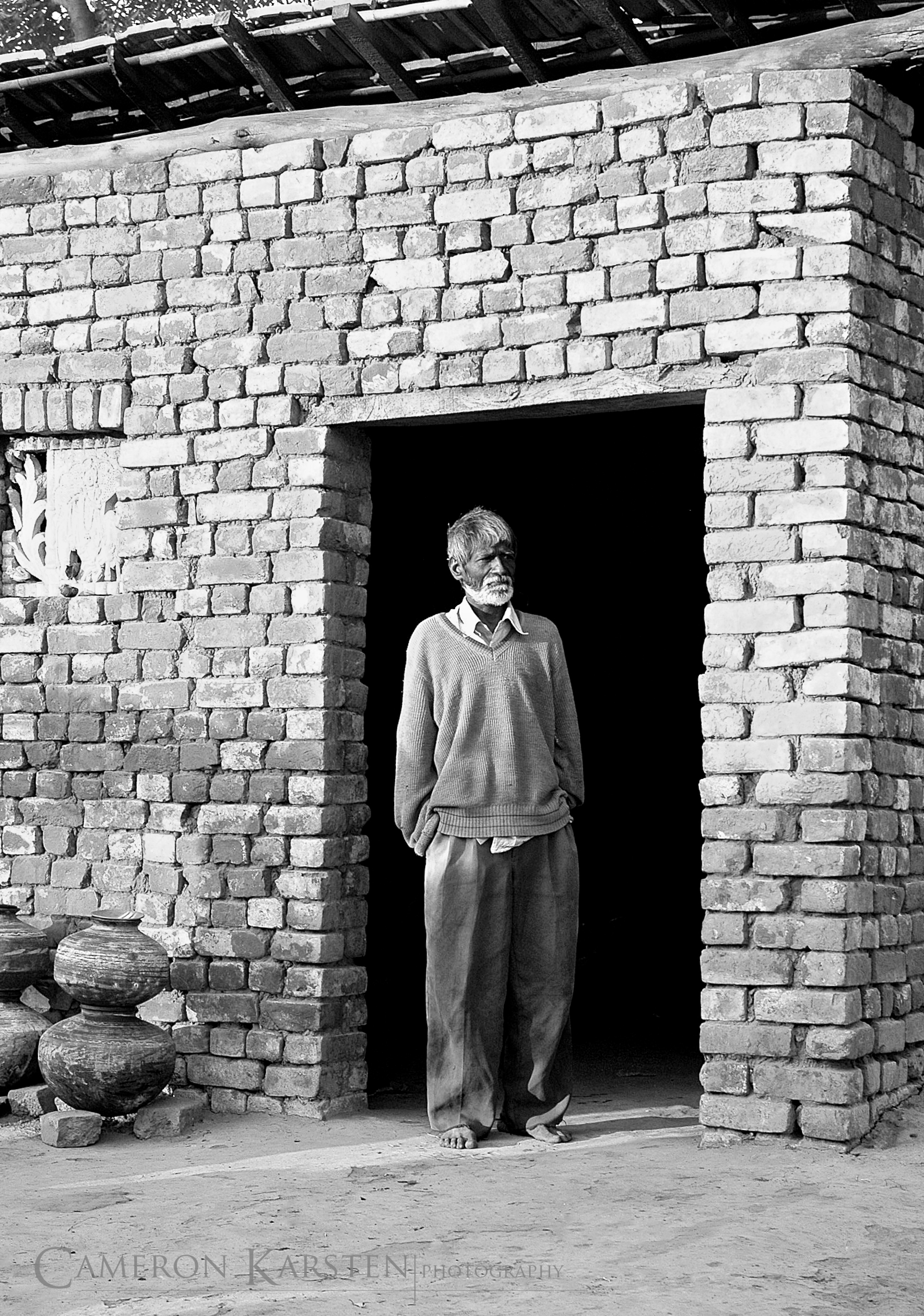
As I said, my team’s theme was The Golden Years, an idea reflecting on our elders, the joy they receive to keep them young, vibrant and passionate. Below is the produced work, with a link at the end to view the full multimedia slideshow, including audio.
For more please visit the entire multimedia piece at The Monticello Motor Club: A Day’s Race Away
India – People + Places
India is a monstrous mothership of light. I’ve spent 8 months total in the country, traveling from north to south along the west edges. It is its’ own planet, huge and all-consuming. I love reflecting back on my travels; the people, culture, food, the lessons learned. I can’t wait to return.
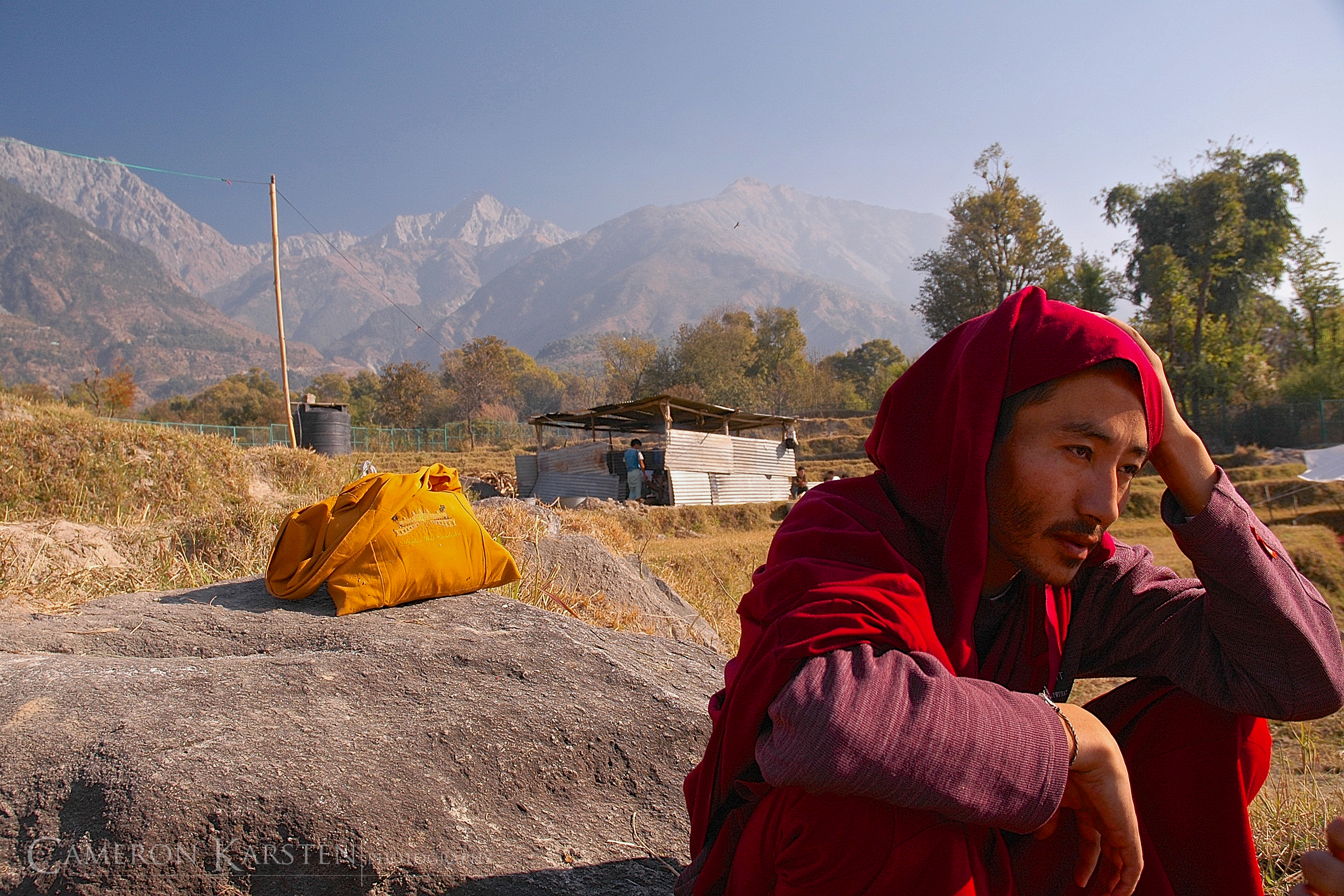
Buddhist monk passing along a Peace Crane made out of origami paper
Man & hut in the Gujarat Desert
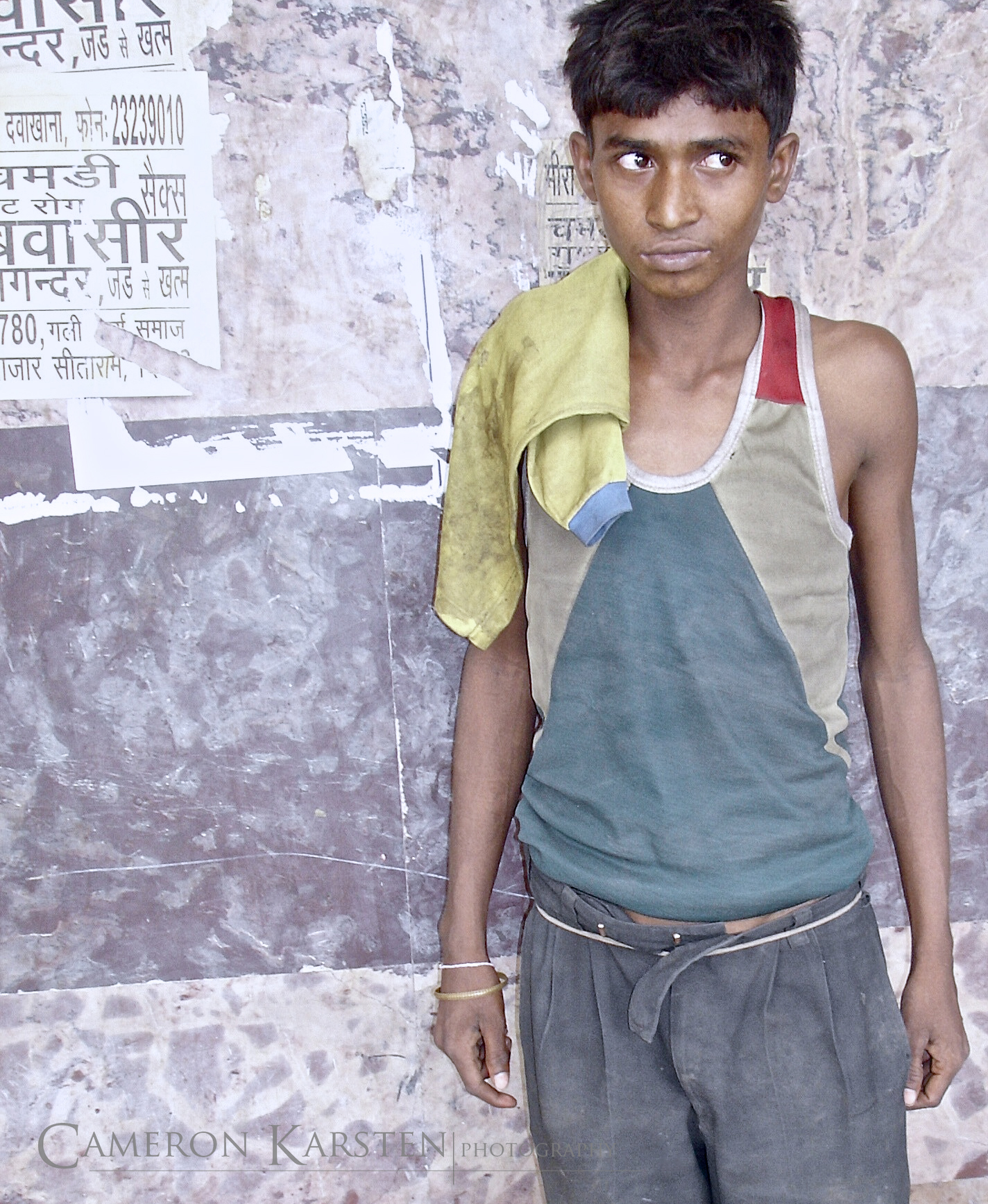
Shiva on the streets of New Delhi
Exhaustion in exile in the Himalayas
For more, please visit Travel at cameronkarsten.com
Africa – People + Places
I’ve been sifting through imagery as I prepare to head to New York City for the 2013 Eddie Adams Workshop and meetings with potential clients. What I’ve found has allowed me to relive the beautiful memories of past travels and the people and places I met. Here, Africa represents itself in all its wondrous enjoyment, with the hopes of near returns on future assignments.
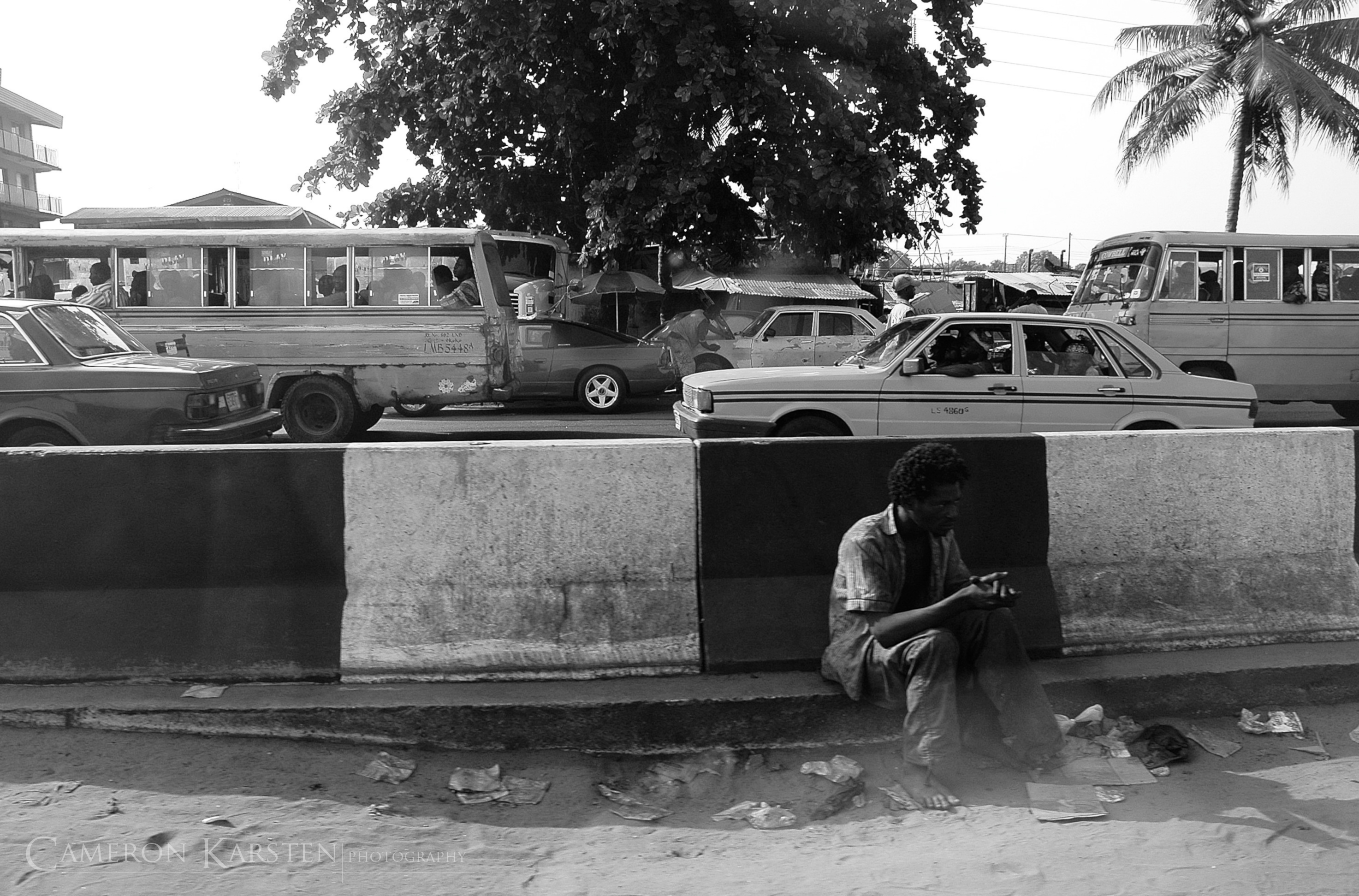
Somewhere in the Afar Desert, Ethiopia
The Layla House Adoption House, Addis Ababa, Ethiopia
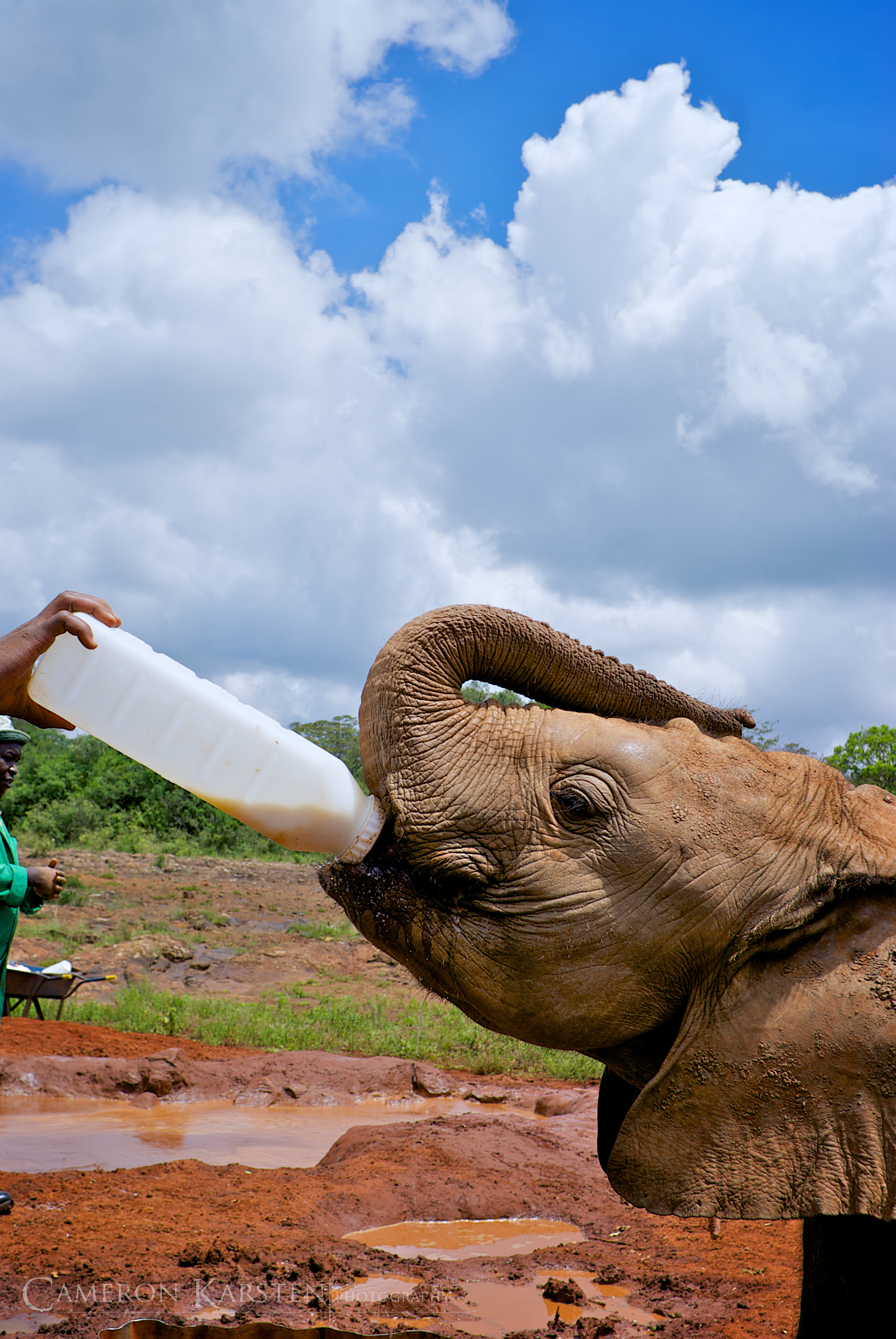
The David Sheldrick Wildlife Trust, Nairobi, Kenya
Hamar boy, Omo Valley, Ethiopia
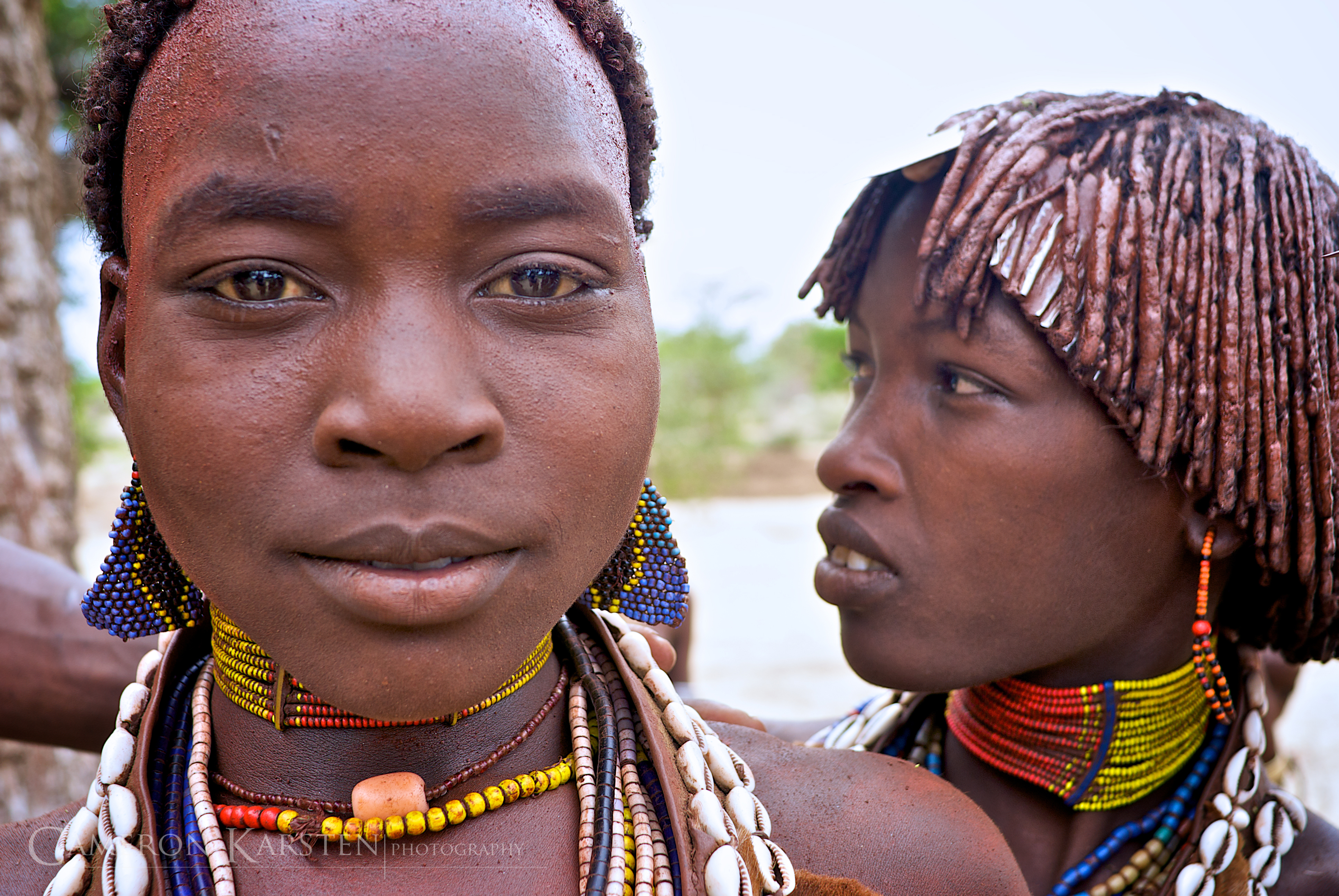
Hamar girls, Omo Valley, Ethiopia
For more please visit: Travel
Alpine Lakes Wilderness Area (B+W)
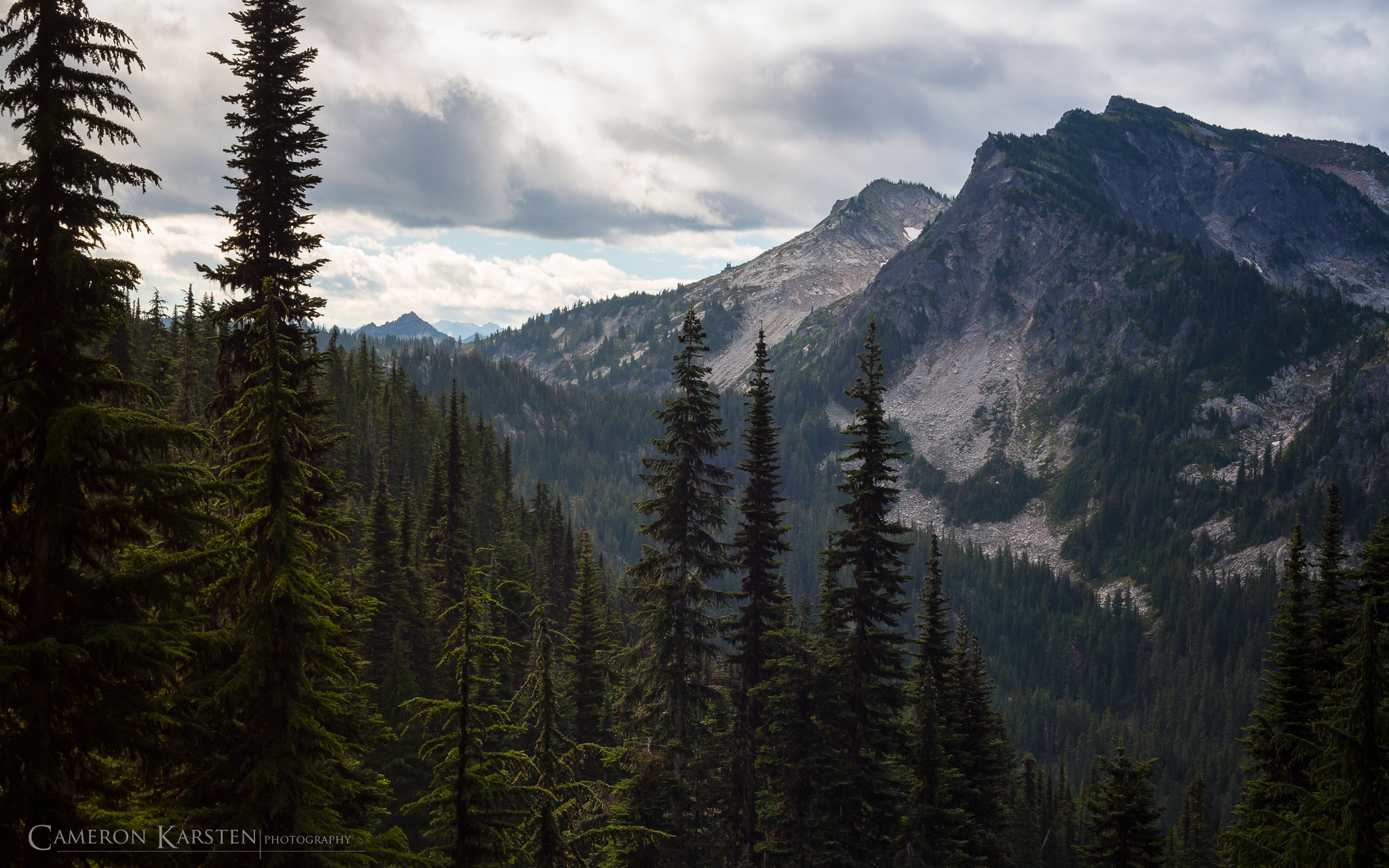
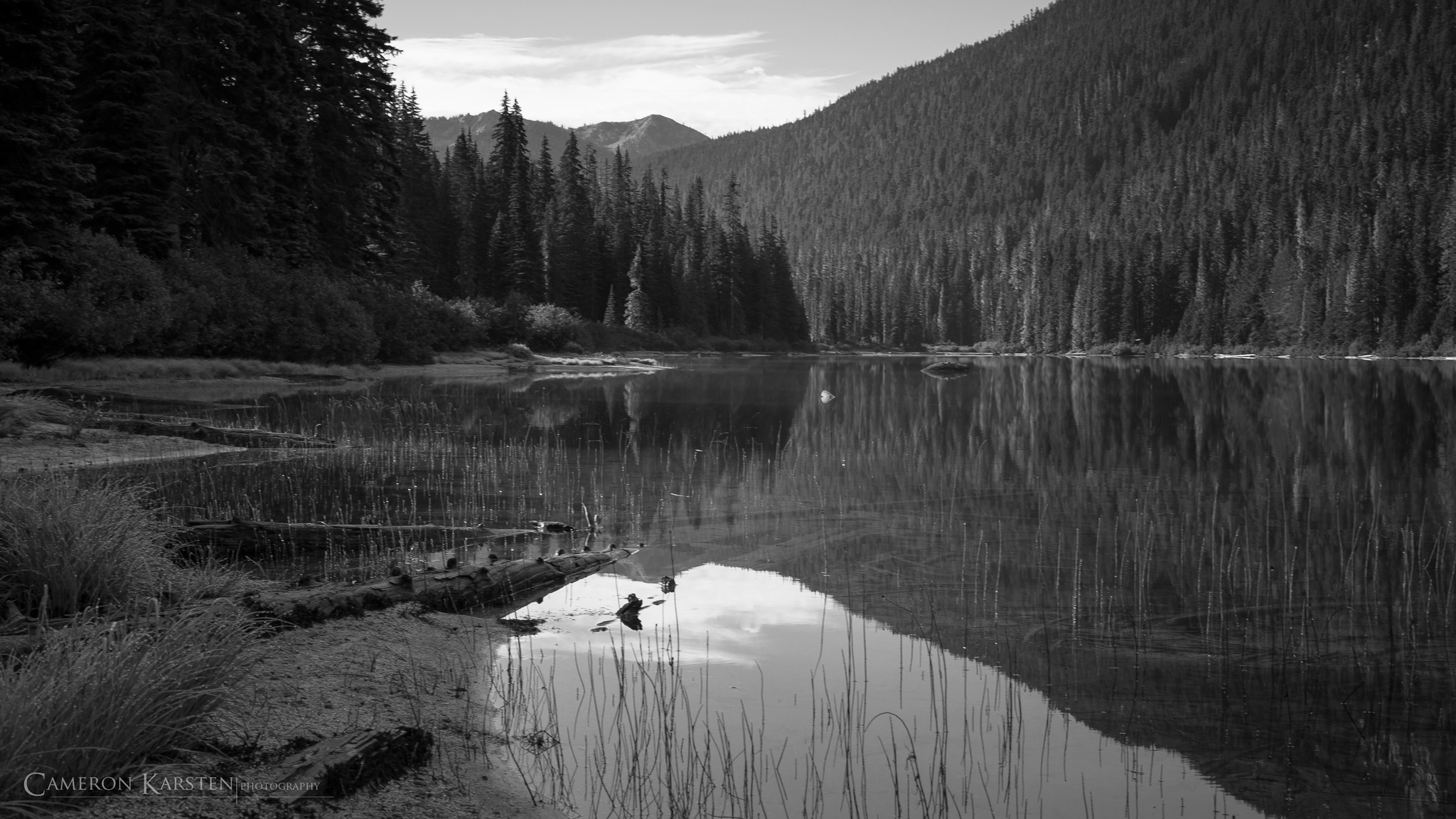
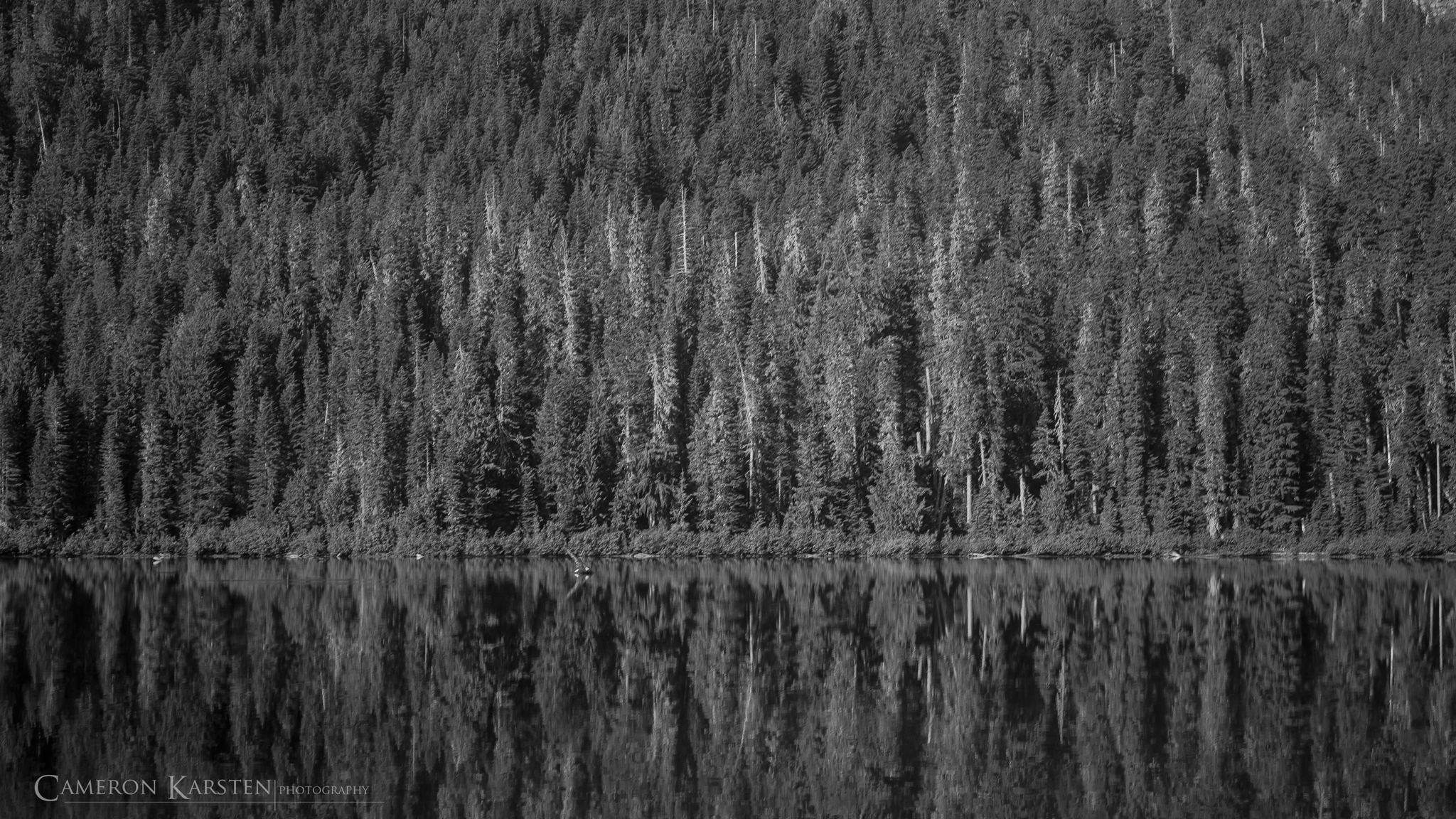
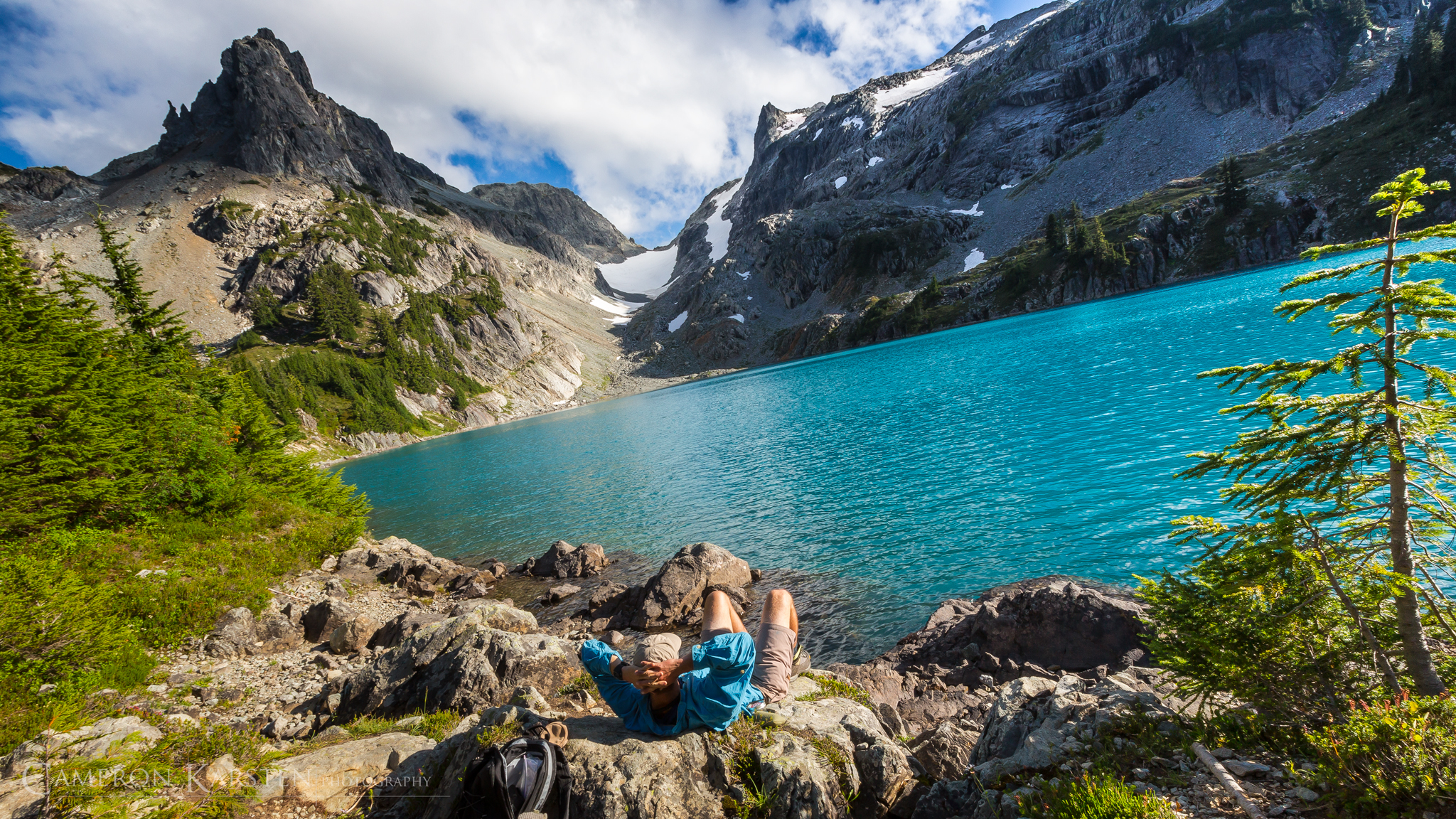
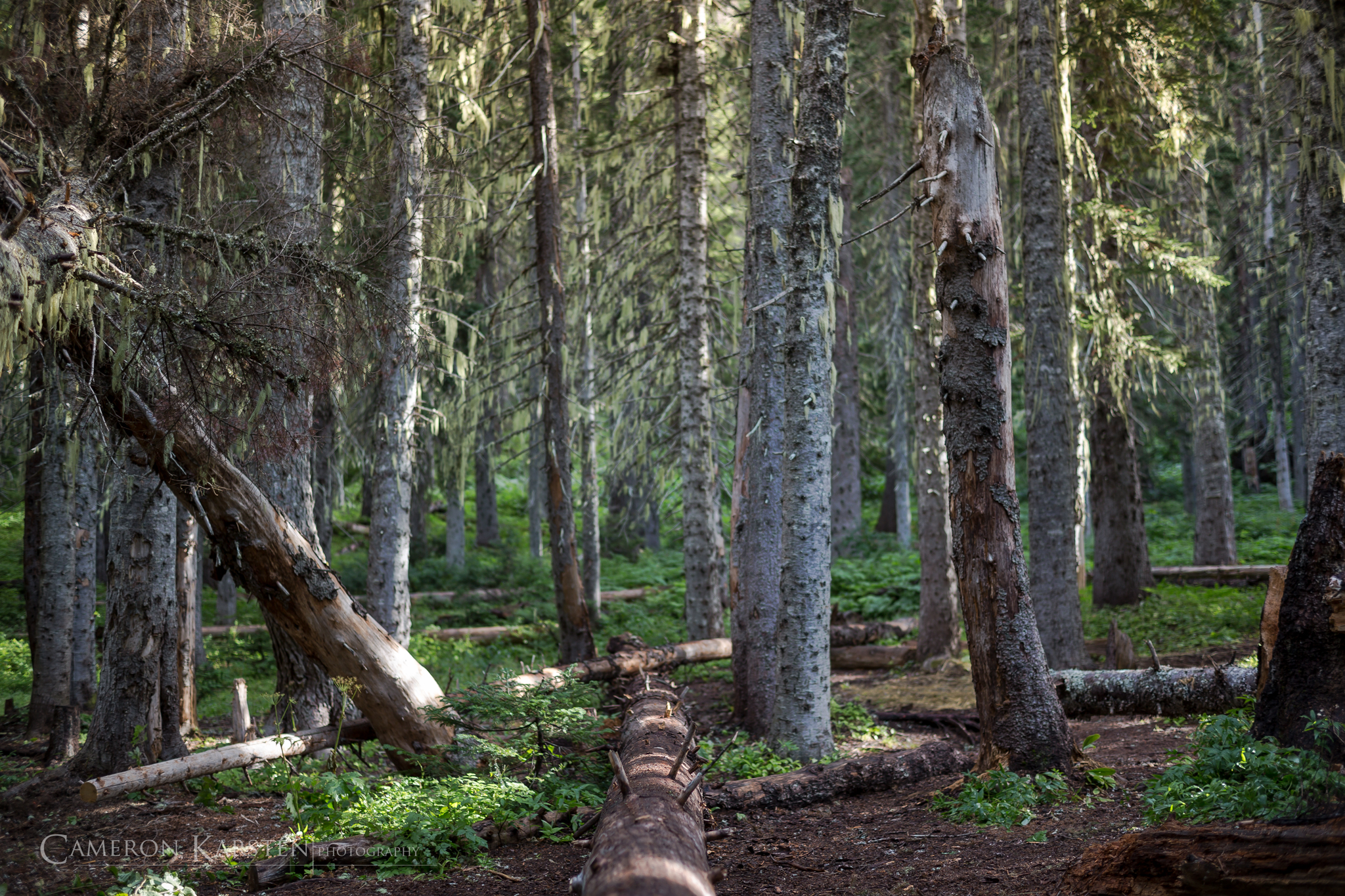
Washington State’s Alpine Lakes Wilderness (Cascade Mountains)
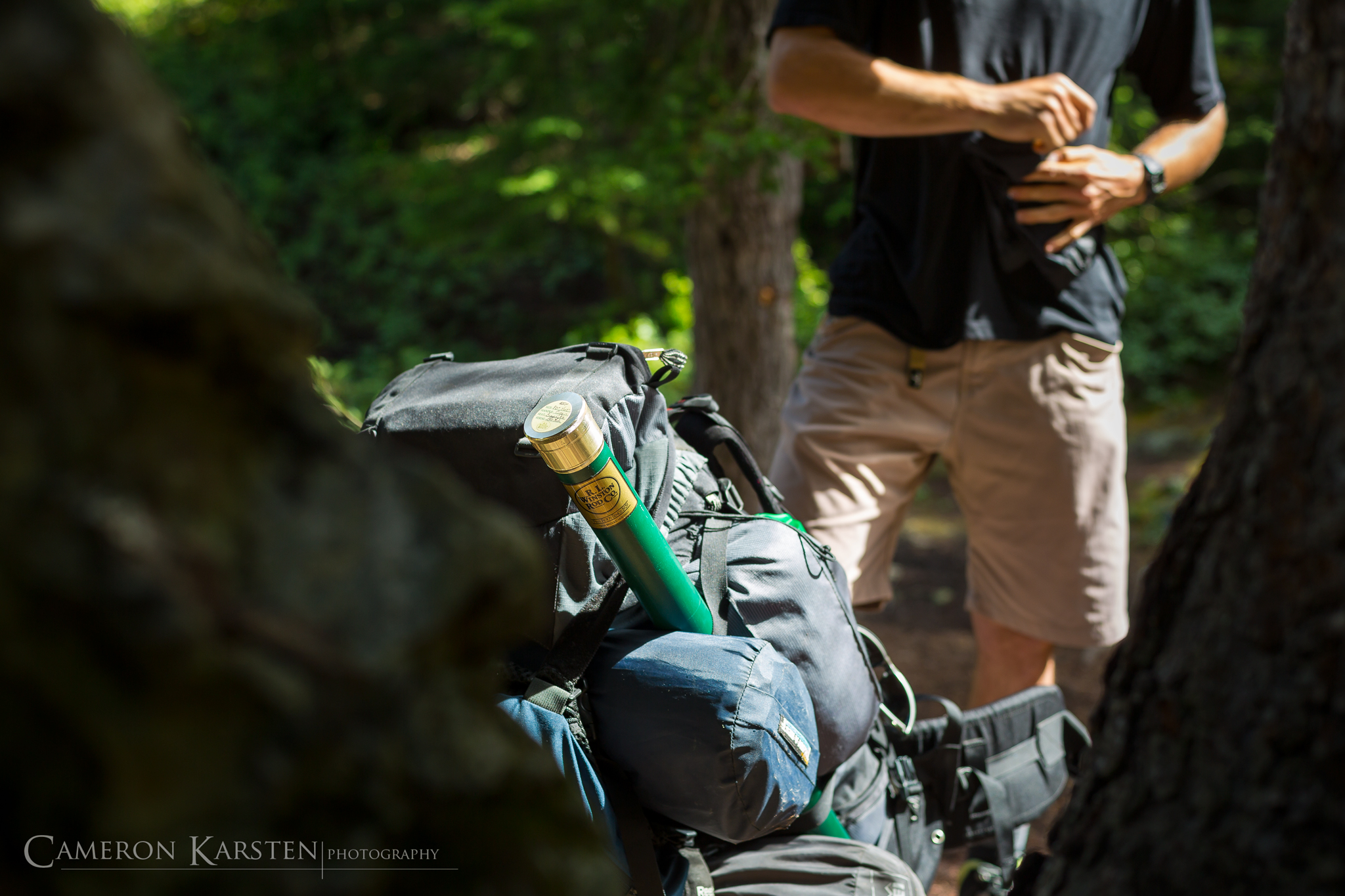
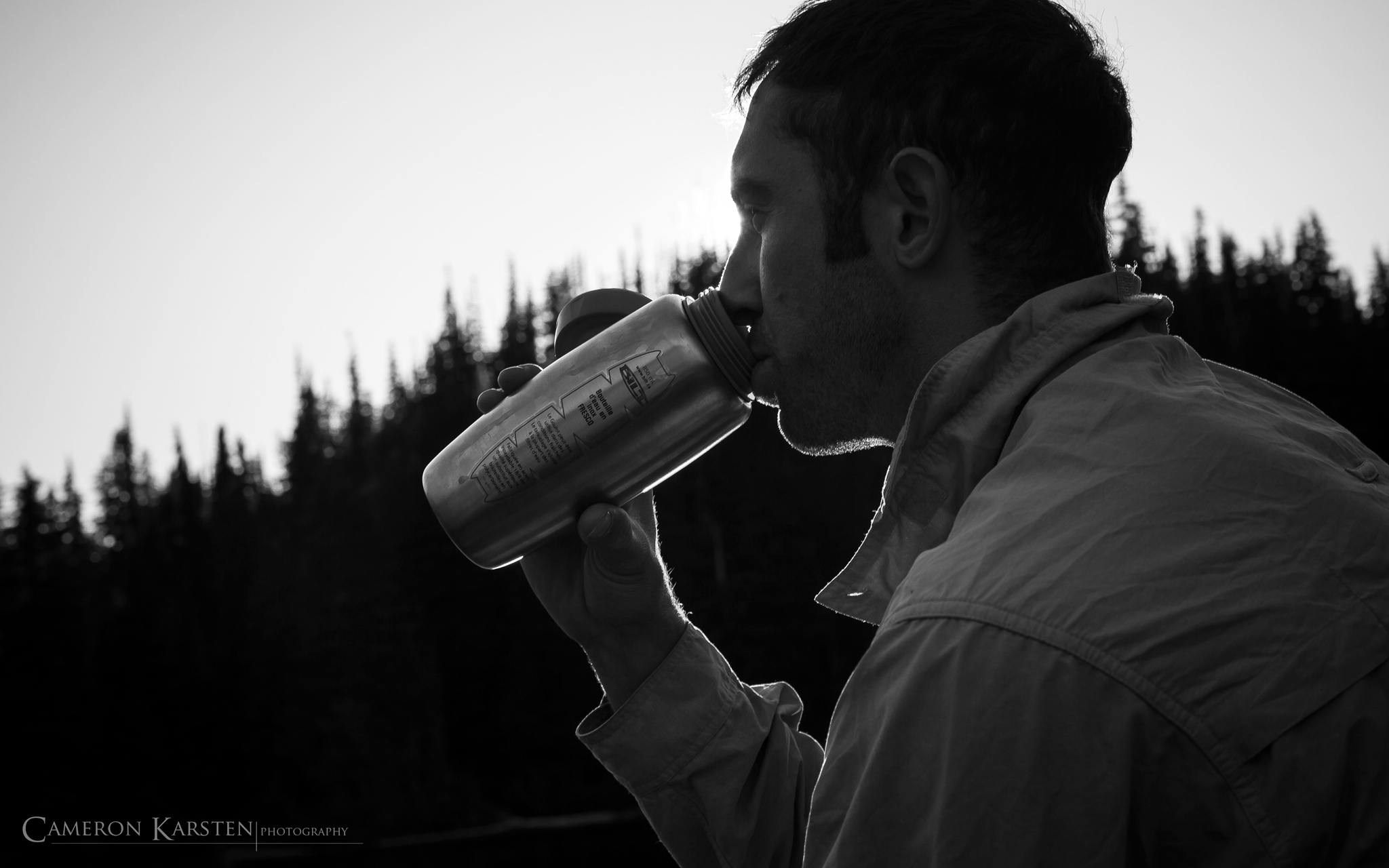
A short week of city work and then we were out. It was 6pm and we were stocking up, eating, forgetting things, stocking up again, getting licenses, and then heading east up and over Interstate 90. Seattle – Snoqualimie Pass – Roslyn – Salmon La Sac. It was dark by the time we reached the trailhead, about 11PM, and we were beat from the seemingly endless dirt road that only became visible through the truck’s headlights. Everything else was black as the sky above. We took swigs of whiskey, unrolled our pads and bags, and slept like babies under the canvas’ cover.
From Deception Pass trailhead, we enjoyed the wide path to Hyass Lake, before a slowly inclining climb got us sweating. Simon and I were conditioned. It had been too long since we were on the trail, so our mind’s excitement took up the body’s slack. In less then three hours we reached the pass, an uneventful merging with the Pacific Crest Trail.
We had no plans except a start date and the last day we needed to be back down heading home. We pulled out the topo maps and traced lines with our fingers.
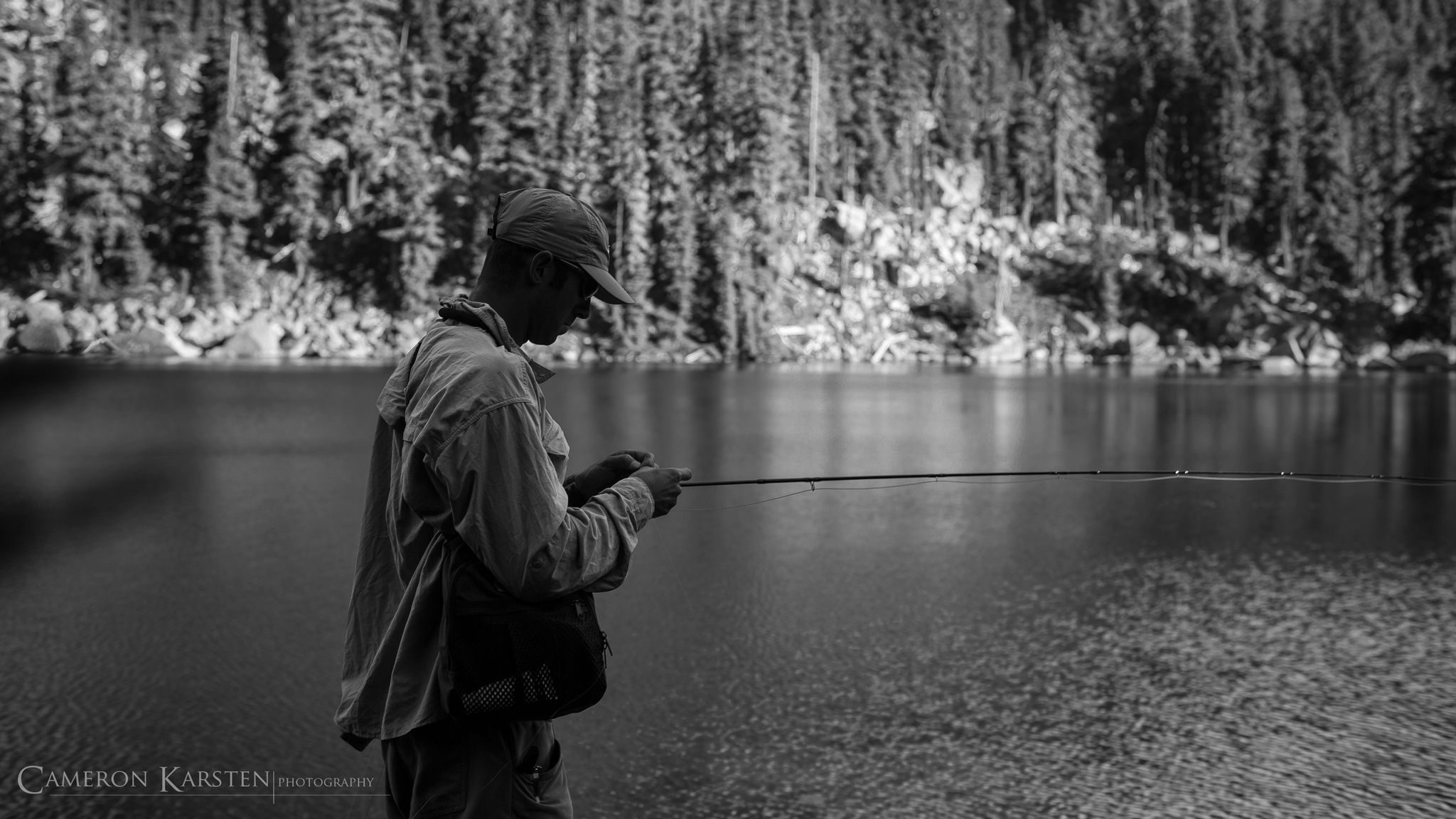
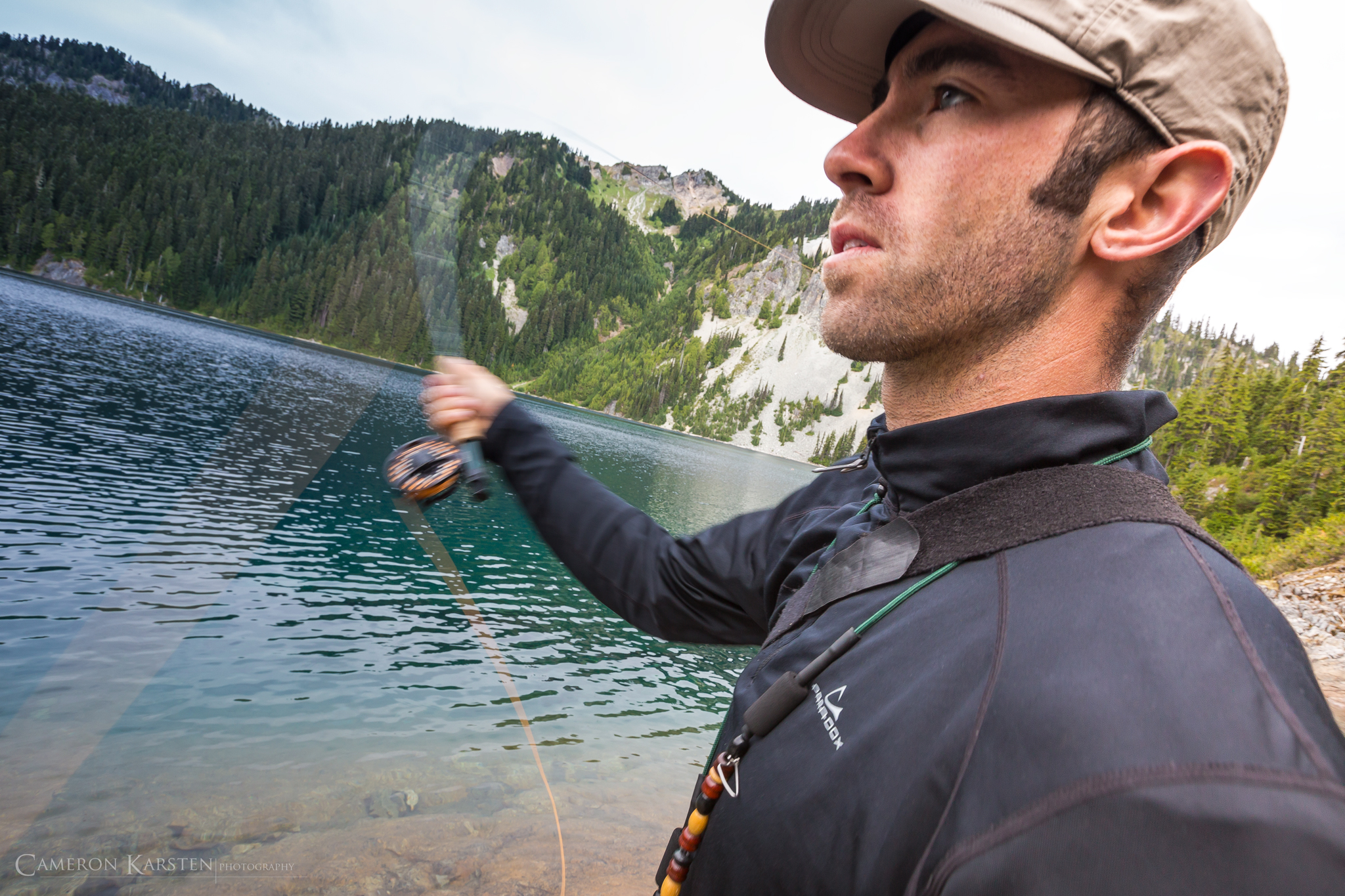
Our pace didn’t slow, it quickened with ease. We couldn’t contain the thrill of being out, winding north from Snoqualimie Pass in Washington State’s Cascade Mountains to Steven’s Pass. The area we were exploring was the Alpine Lakes Wilderness Area, a land nestled between I-90 and Hwy 2 with enough lakes to last you 10 lifetimes. And at high altitudes, many cresting above the timber line, they were quiet, and well stocked. Fly-rods: check.
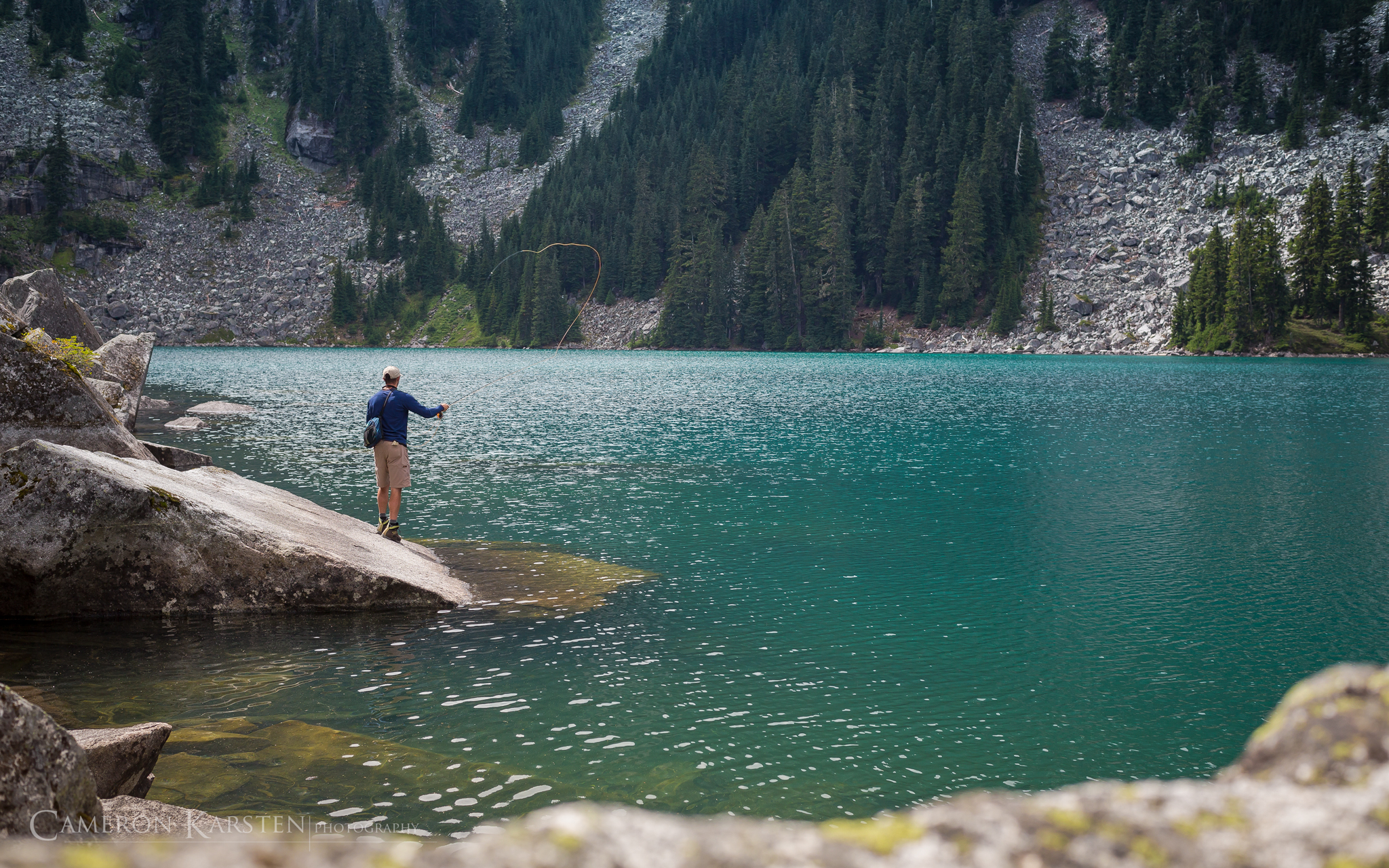
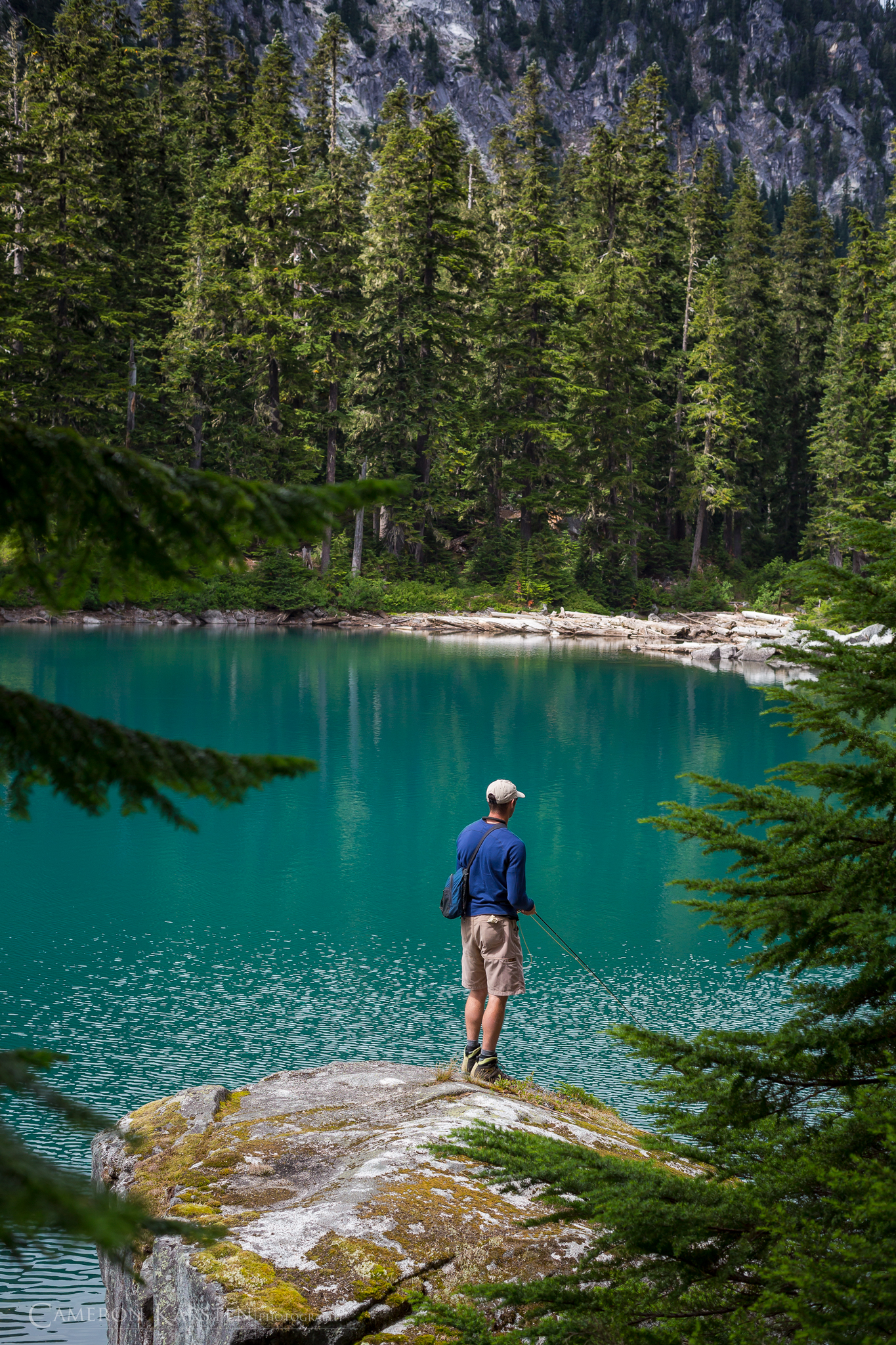
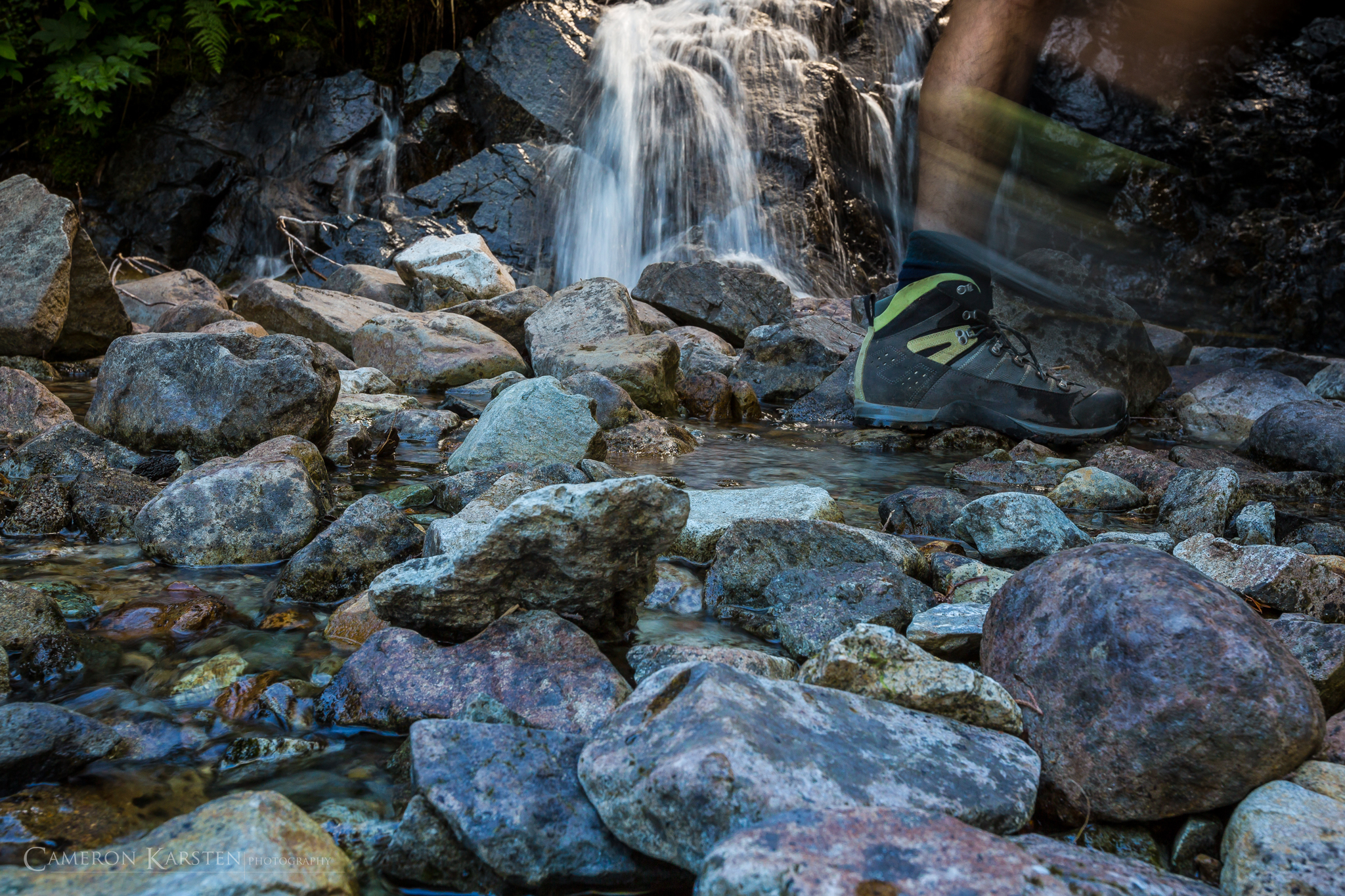
In less then 5.5 hrs from the trailhead, up to Deception Pass and north along the PCT we reached our first night’s destination: Deception Lakes. And they were exquisite. Two glistening bodies of water with long shallow shores that dropped into deep emerald hues. The fish were going crazy. Set up camp, pull shoes, rig the rods and throw some line. But there was one problem. These rainbow, brook and cutthroat trout were tiny, skipping across the water as they emerged for a vast array of insect life the size of gnats buzzing around your wine. We had nothing, they had everything. Hooking one small brook did not afford us the glamorous backpacking dinner we hoped, but the excitement to be here and how far exceeded expectations.
The next day we rose and kept camp at Deception. With light packs, food, water and fly gear, we headed up to Mt. Surprise for a summit before dropping down further north to Glacier and Surprise Lakes. More fish, more action, but the same small size. But what made the day was the Saturday morning spent atop Mt. Surprise. With a thick rolling cloud cover the temperature of a warm bath and nobody within eyesight or earshot, Simon and I sat, played a deck or two and sipped our libations. Nowhere else was more accommodating before dropping down through Piper Pass onto Glacier and Surprise Lakes.
To return to camp that evening, we continued along a loop, rejoining the PCT south to Deception Lakes, trying to never walk the same path twice.
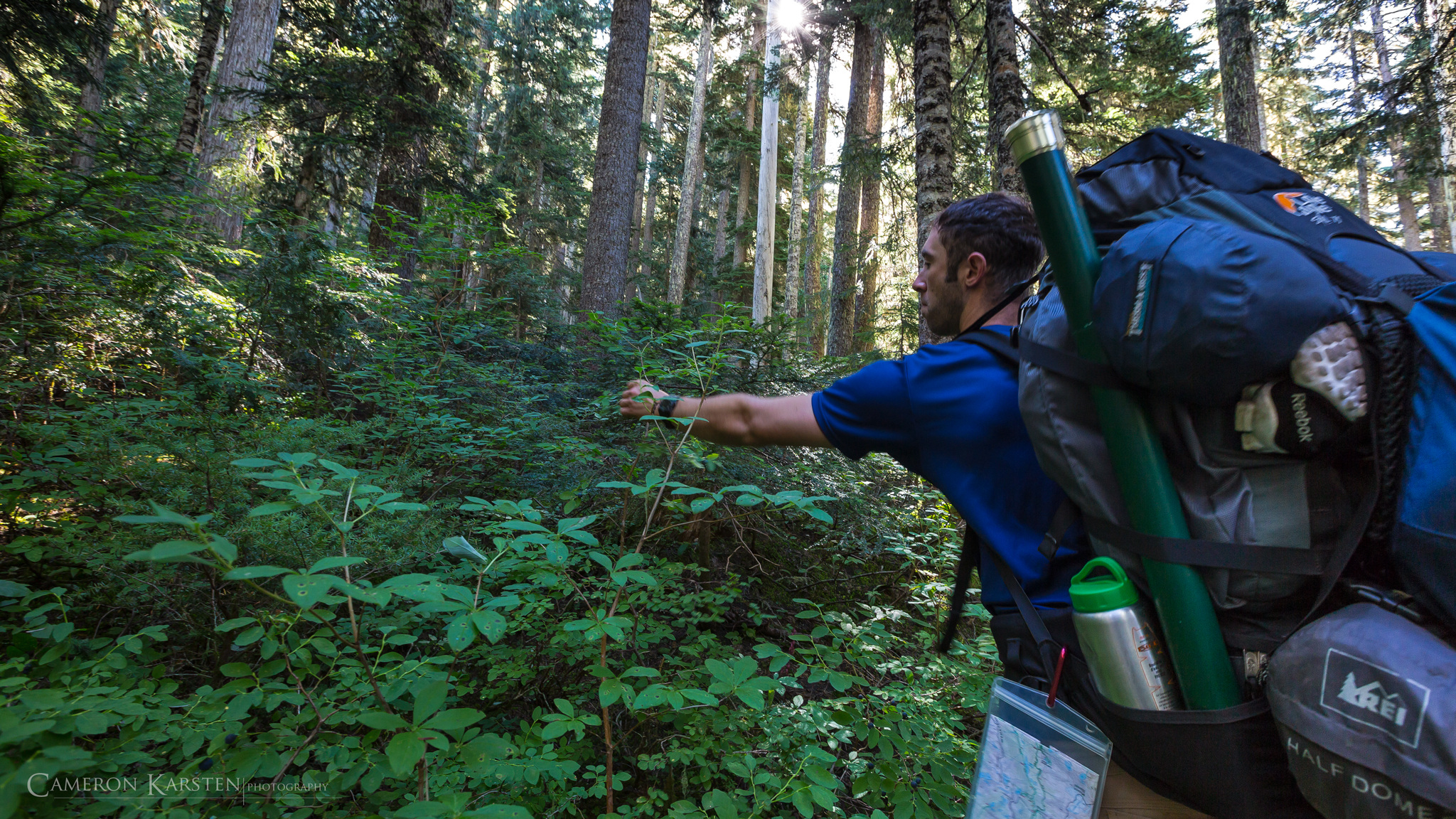
With sunrise, oats, and full water jugs, we packed camp and headed west down to Deception Creek, a small tight valley that originated at the base of Mt Daniels. Simon and I hiked south toward Deception Pass, taking a new less-traveled trail that brought us through a rich land of moss and wild mountain blueberries. The trail was minimal and our eyes were awake for lingering bears.
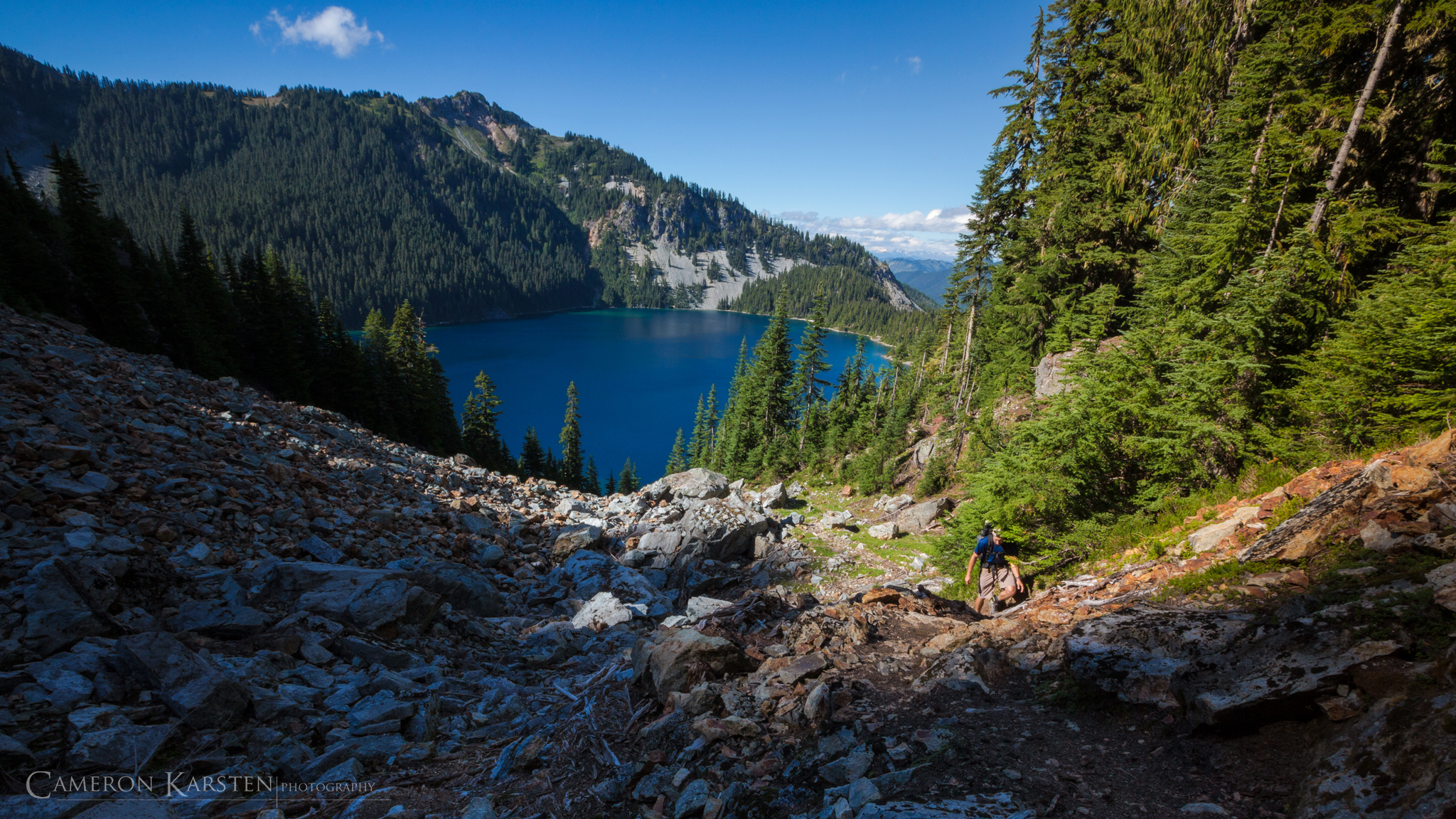
By noon we were back at Deception Pass, before turning west along Marmot Trail to Marmot Lake. And beyond that, a Shangri La called Jade. It was a long afternoon hike as we took side routes for smaller excursions to ampitheatres of rock and screen. The views were vast, as if we could reach out to the trails we were on just days prior. Shortly before the late afternoon, the thick blue waters of Marmot met us, but it was the Jade that took our breath away.
Jade Lake was an additional mile above Marmot, a steep perilous hike under darkness, but just manageable with light packs and three days of hiking under our feet and within our knees. Jade Lake with it’s hushing sounds of wind screaming through the pass just south, was all to ourselves and the large trolling trout that could be seen beneath the surface, careless about our imitation flies.
One more night, one more morning before the trail descended beneath our boots back to Salmon La Sac (after a morning fish of course). Beers and billiards at The Brick in Roslyn washed down the 4 day/3 night dream to mere memories. Next summer will be just as beautiful.
The Honey Harvest is Near
With the nearing end of the the summer, a north hemisphere-wide honey harvest is about to begin, and I’m feeling pretty damn excited. Longtime friend and fellow traveler Dennie P (aka D) stopped by and had the opportunity to check in on my hives. I’m hoping he’s hooked! He looks like it.
Location: BI, WA
Camera/Lens Specifics: Canon 5D MarkIII w/Canon EF 16-35mm 2.8L II USM Lens
35mm, 1/200 sec at ƒ/7.1, ISO 100, tripod.
Post: LR4 & Adobe PSCC