Amazon from A to Z

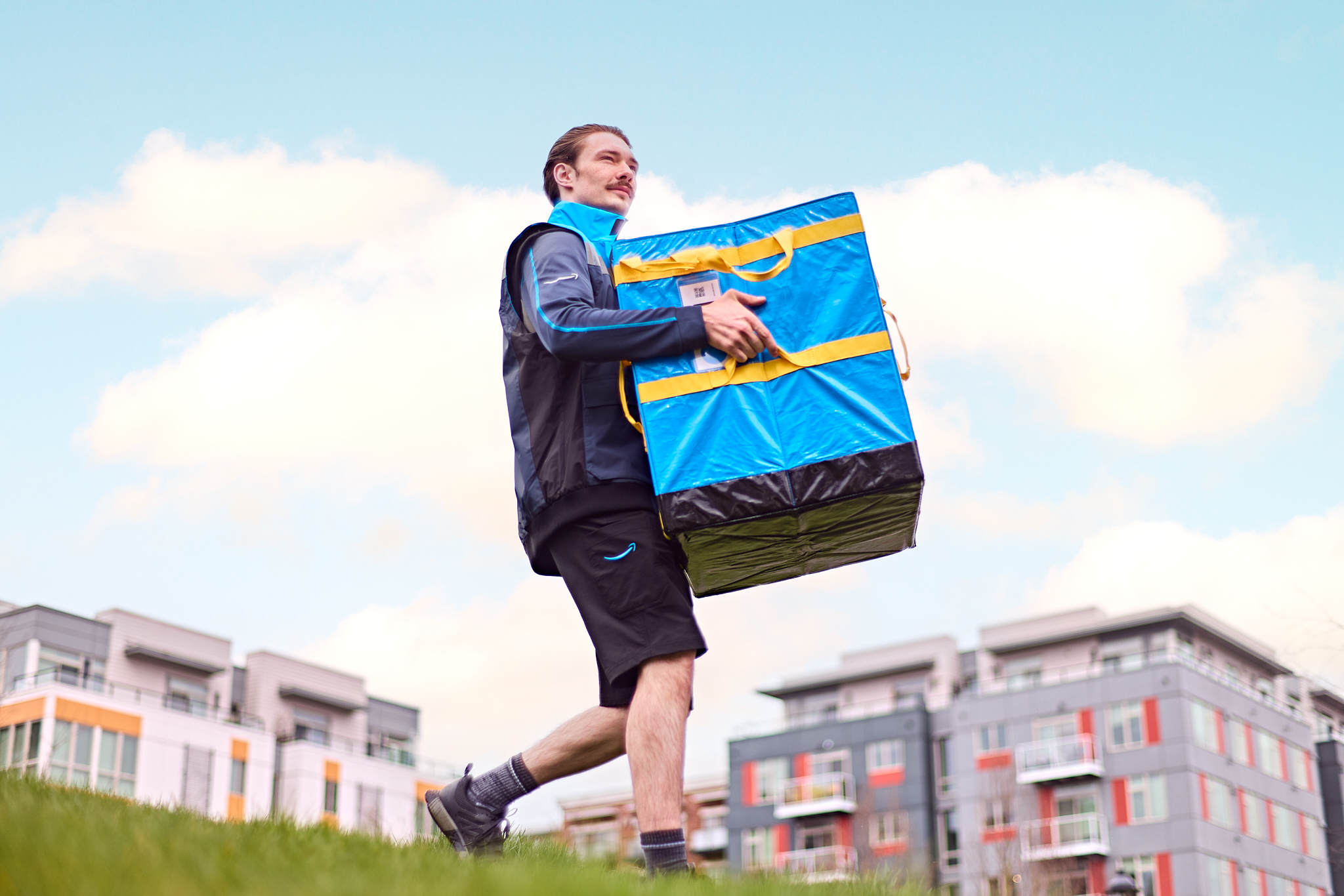
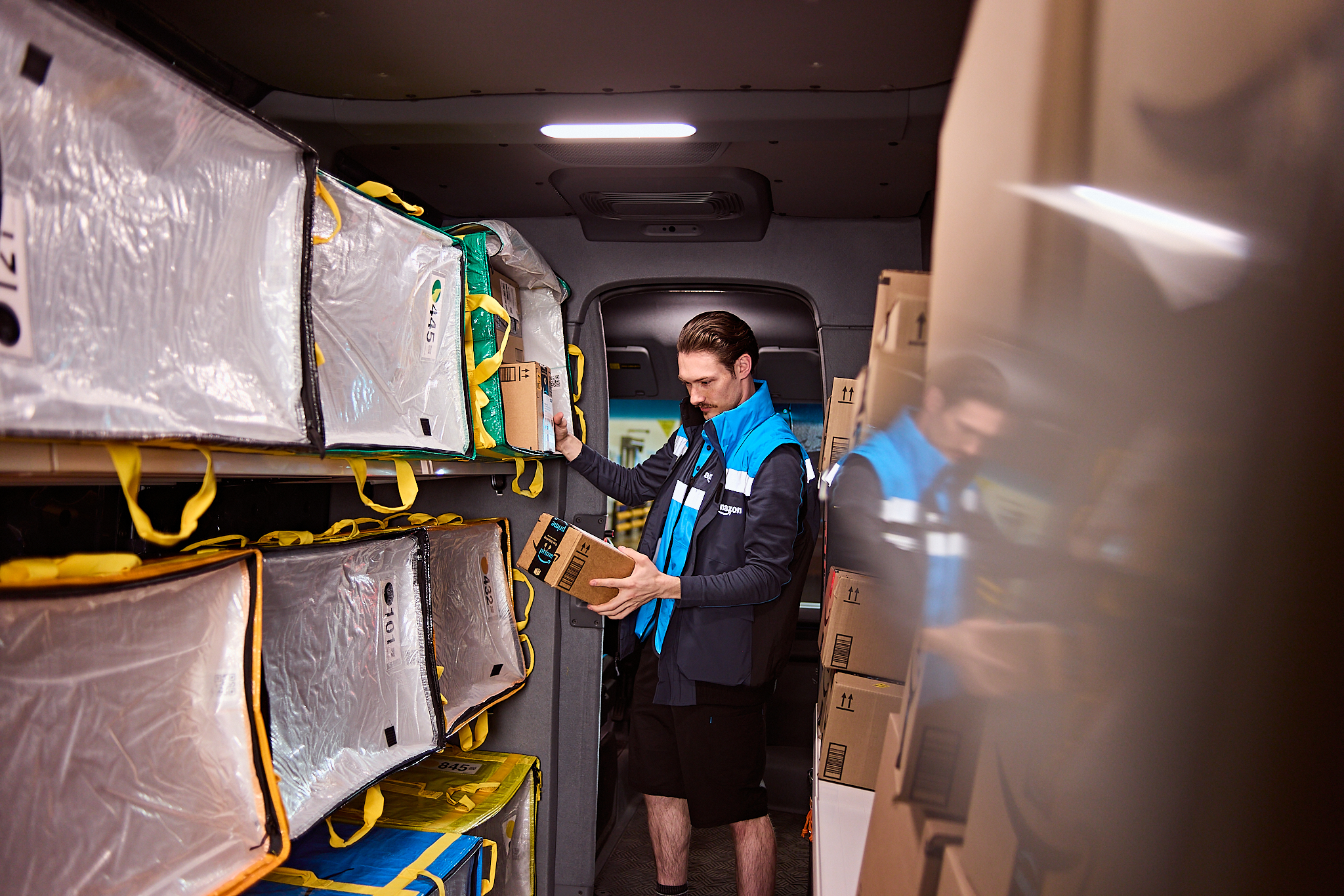
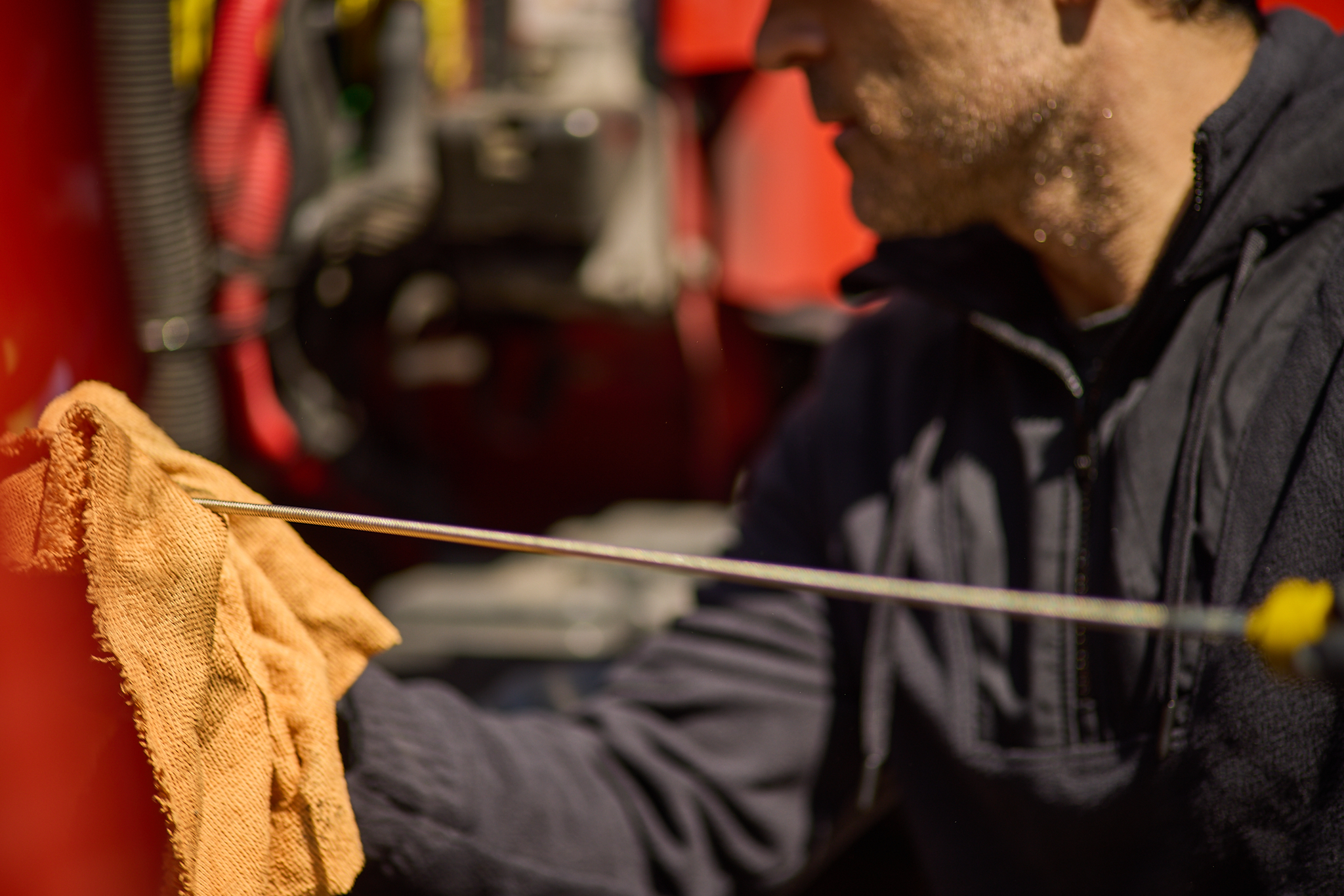
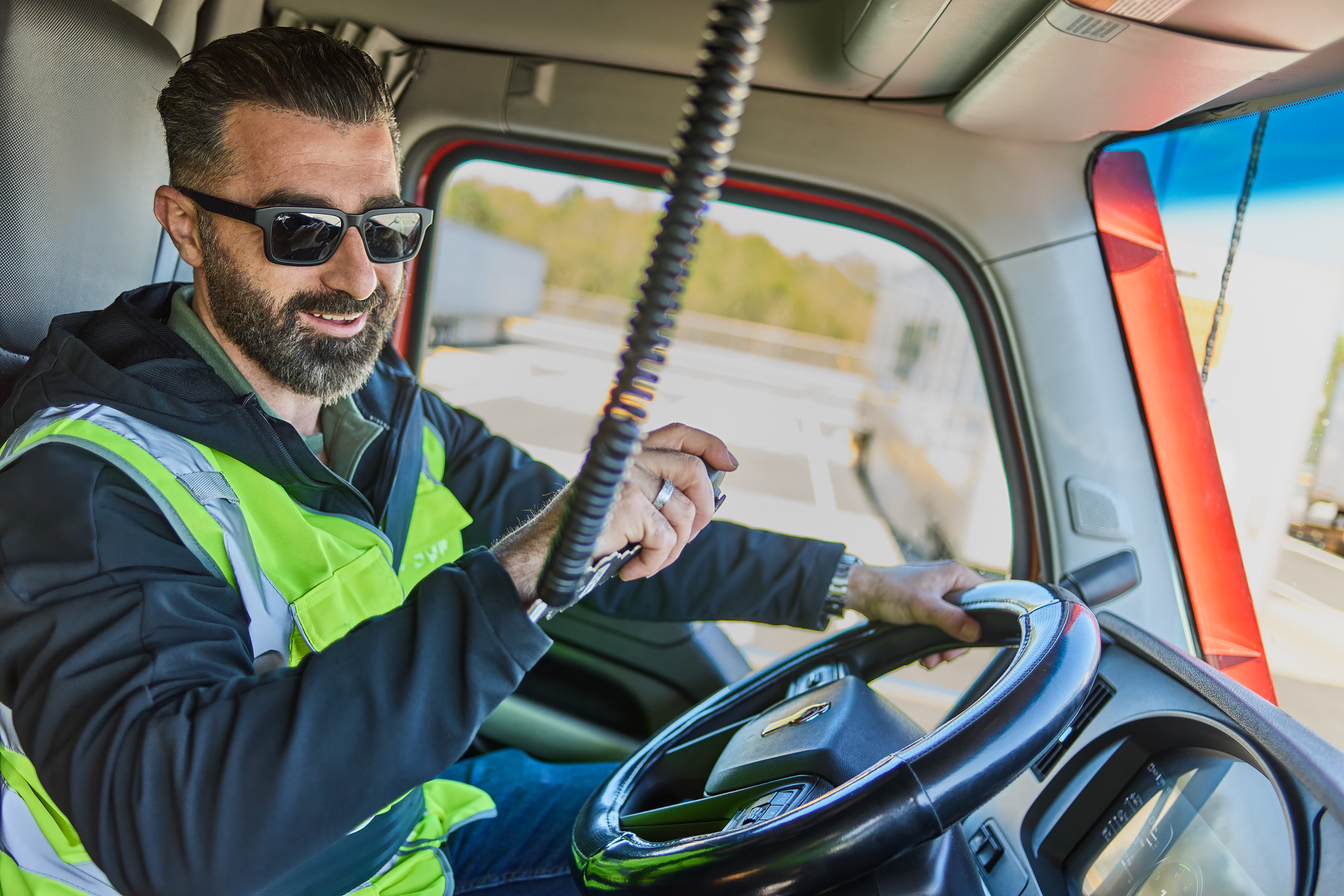
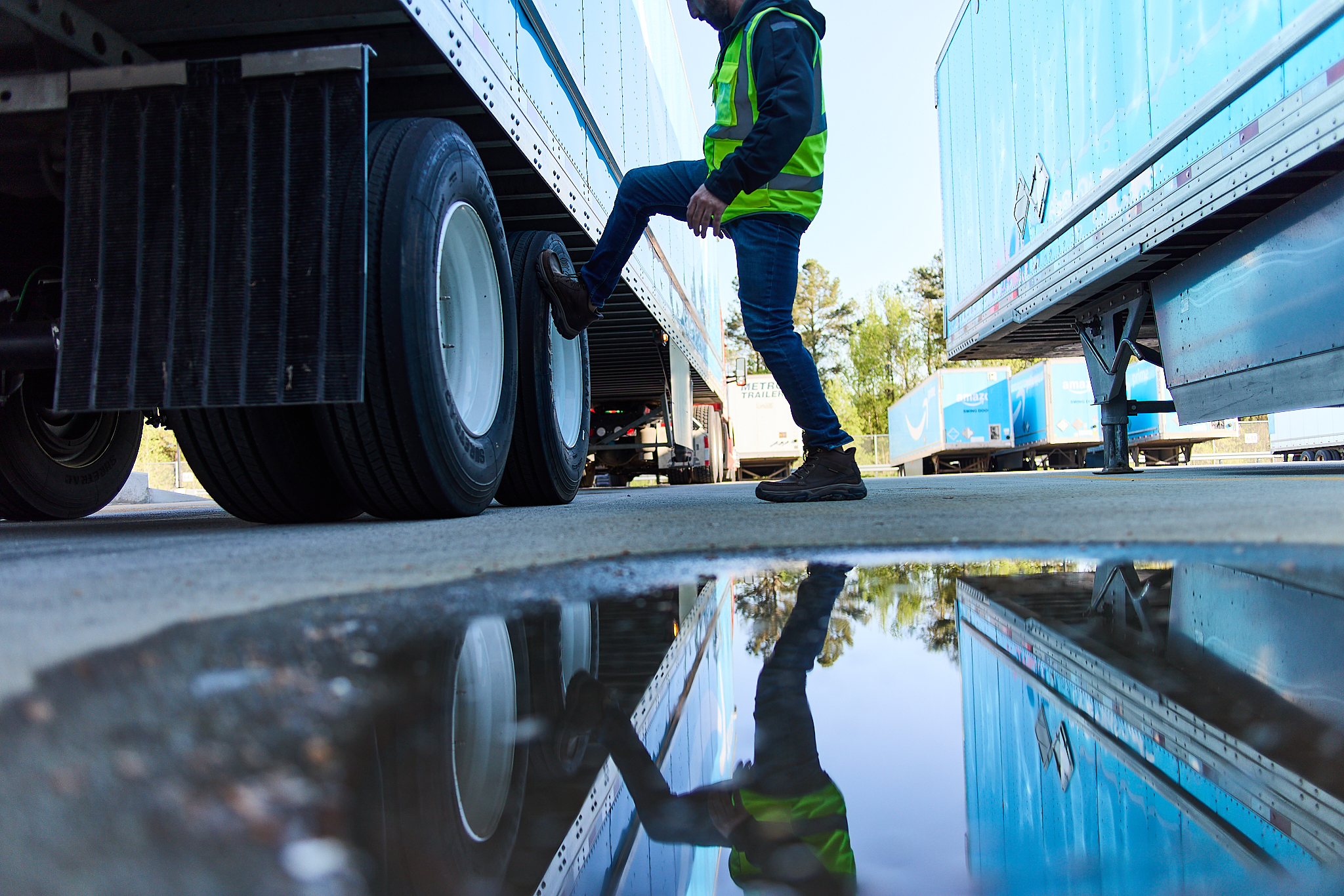
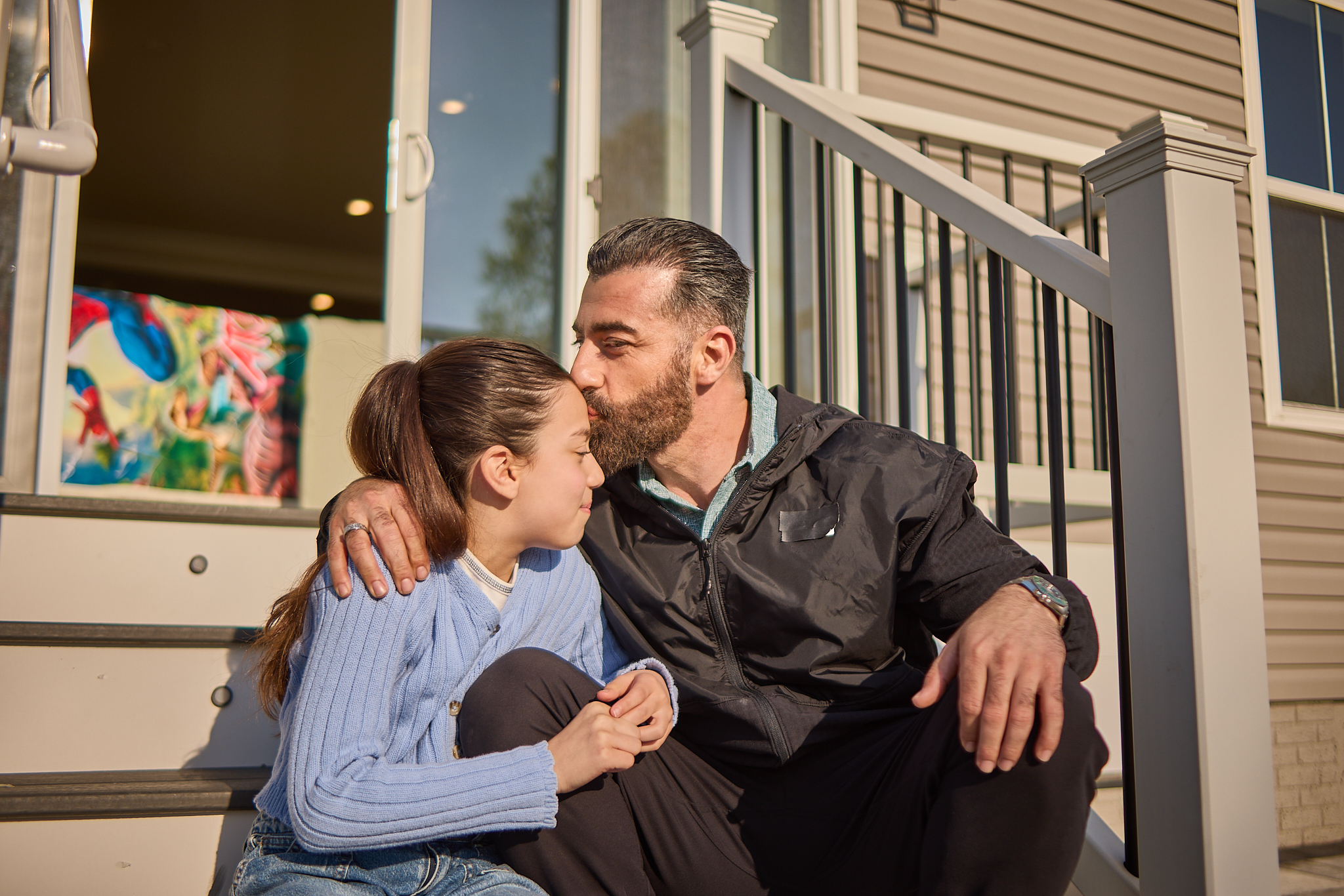
We covered the spectrum this year with Amazon, capturing 3 different campaigns for various departments. The first one was my favorite in terms of planing and logistics, and making sure the skill of anticipation was properly tuned. The 2nd and 3rd were more storytelling processes, highlighting the teamwork, effort and energy put into Amazon deliveries. Ultimately, this is a story about commerce and how it moves, and the people that move it, across the country.

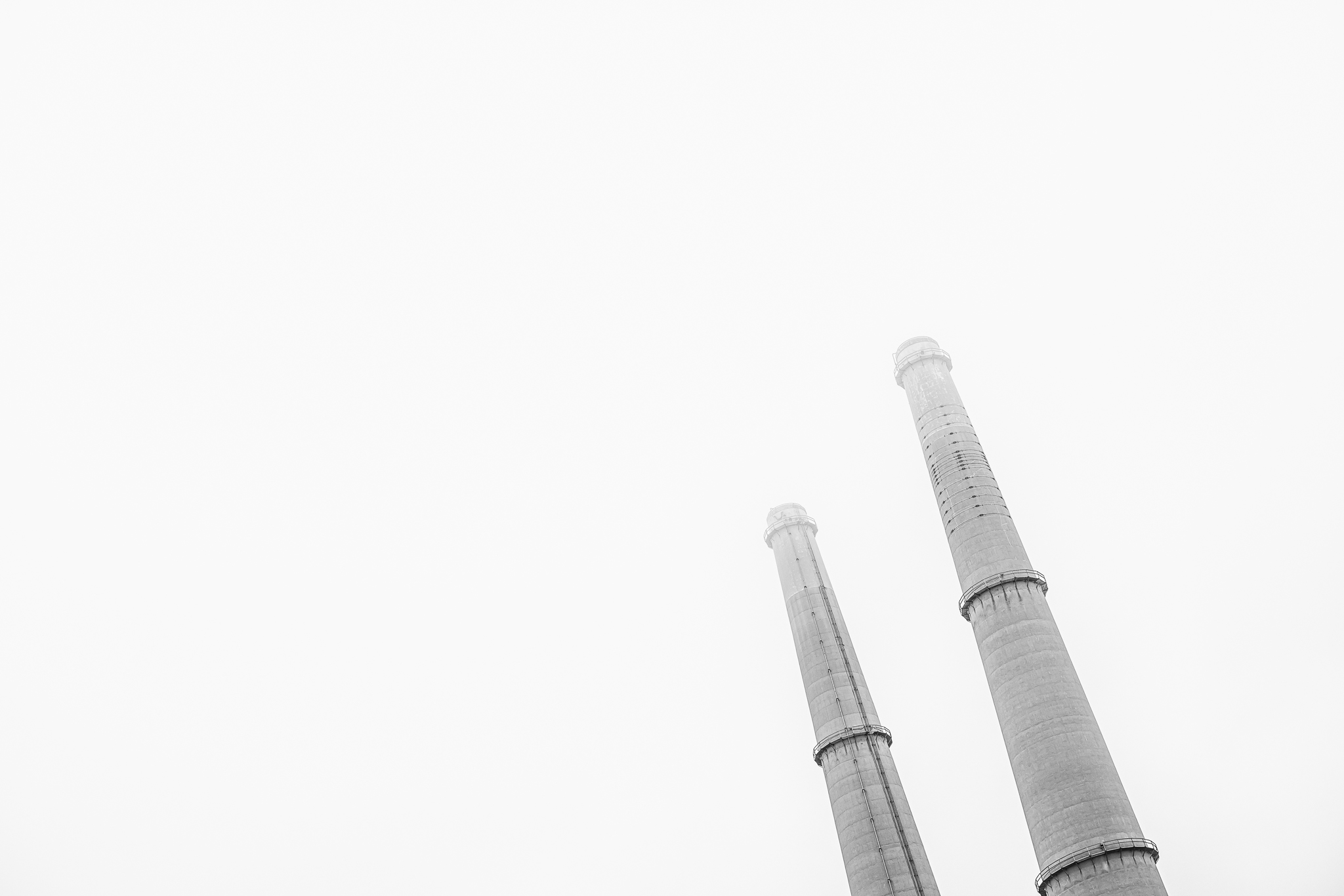
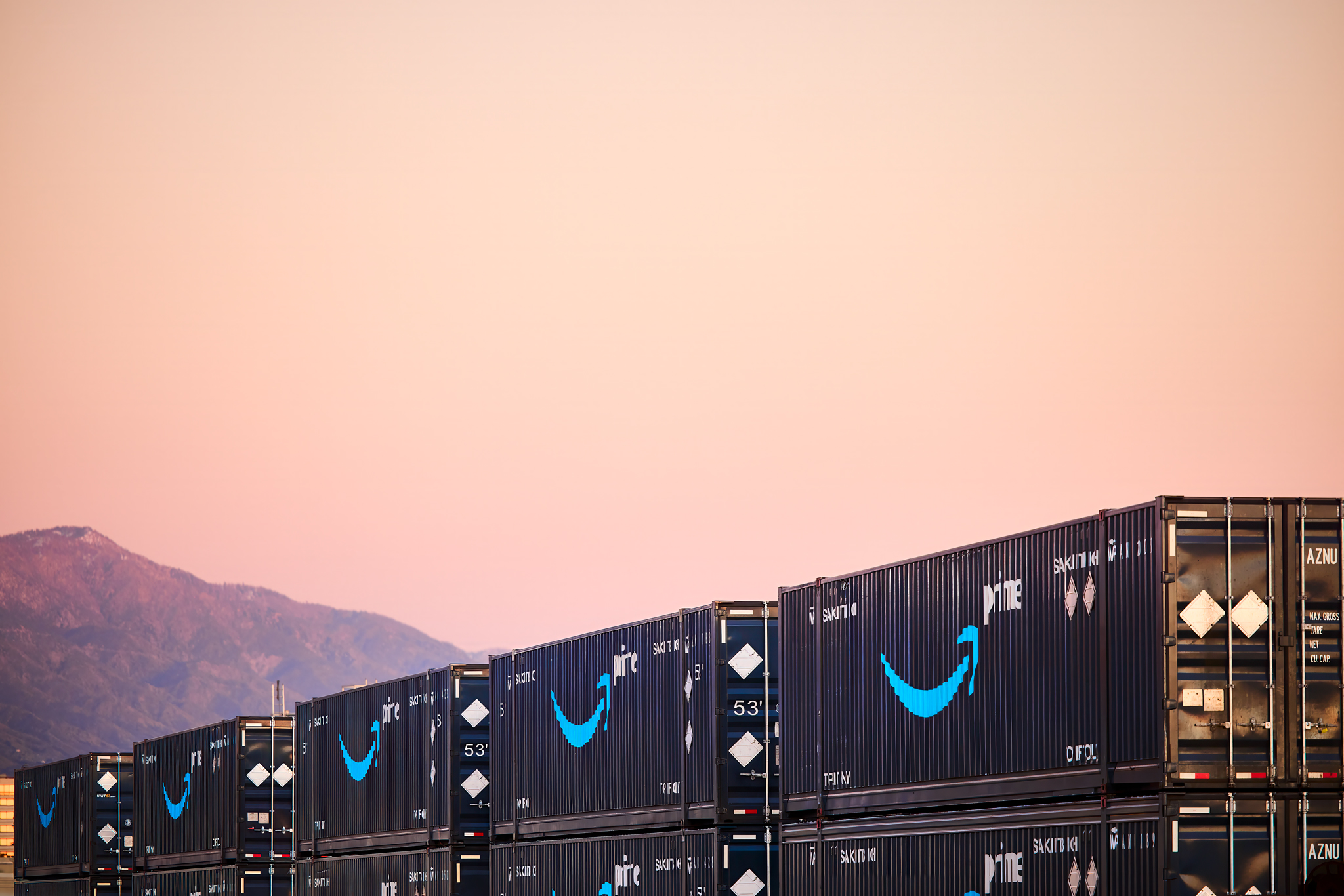
For the 1st campaign we traveled to Los Angeles, piggybacking on a motion campaign. We captured the A to Z of Amazon delivery, specifically highlighting the new Amazon Intermodal container branding. From trains and tracks and yards, to trucks and the excitement of fulfillment centers, to passing planes, it was an extensive effort in planning, including loading a BNSF train with only Amazon Intermodal containers and traveling from Chicago to LA just for a mountain pass shot.

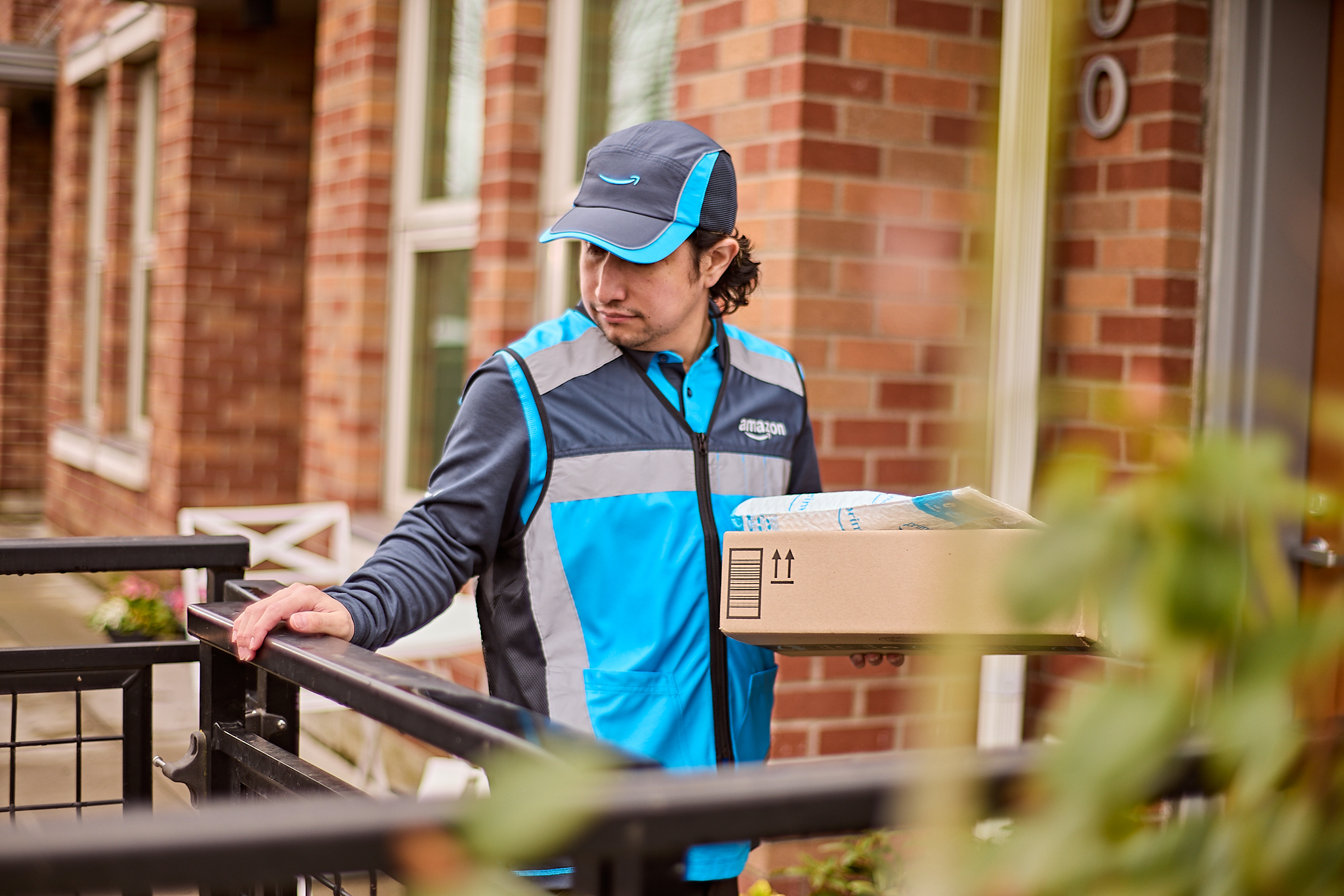
The 2nd campaign was a quick 1-day shoot of personnel delivering boxes, from the sorting centers to the delivery truck and on the streets to a front doorstep. The final assets land as classroom wraps where trainees will be taught the process. It was an in-the-moment shoot, often creating something out of nothing, whether camera angles, foreground elemental distractions or manipulating backgrounds to appear as if we were not located in the Pacific Northwest.

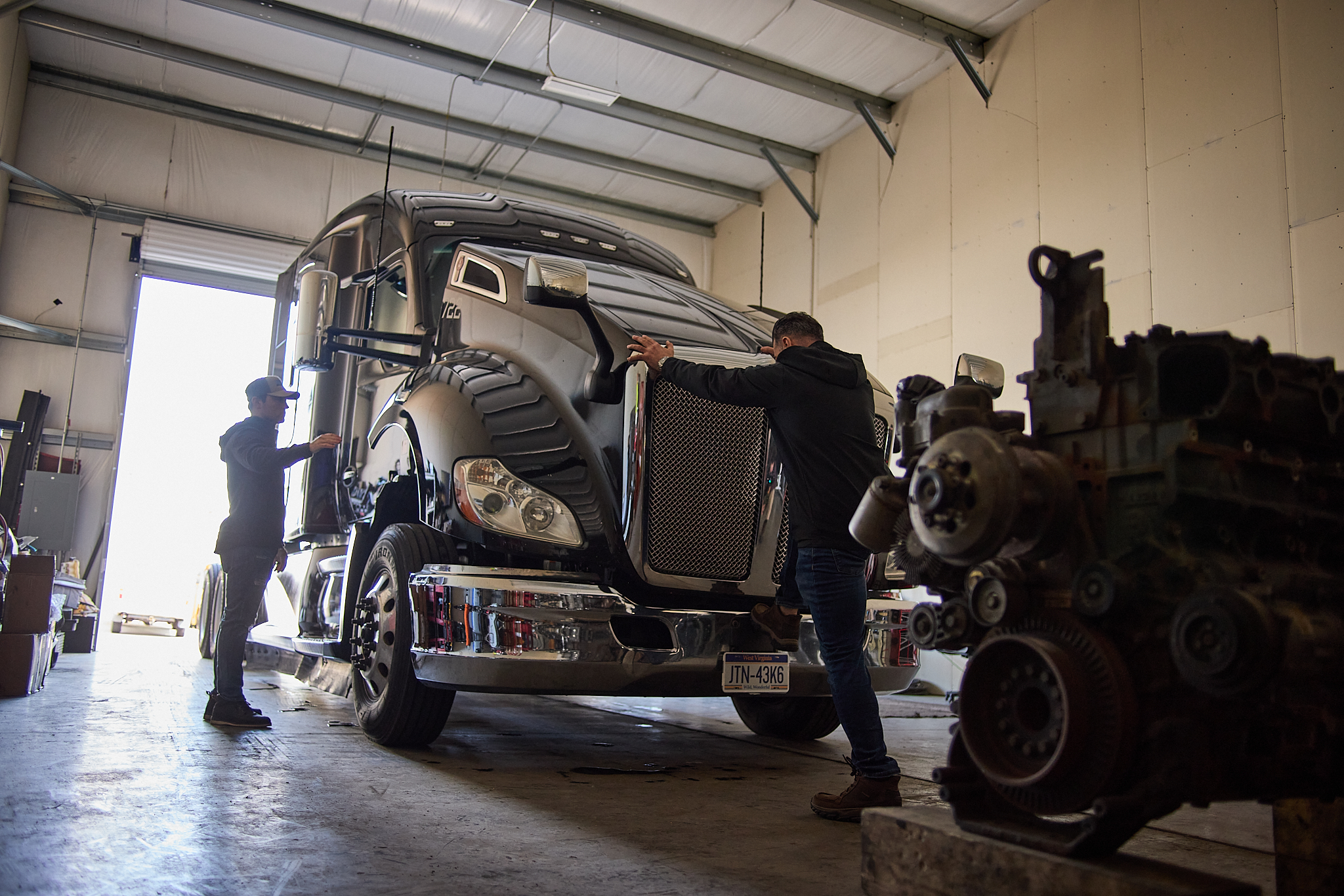
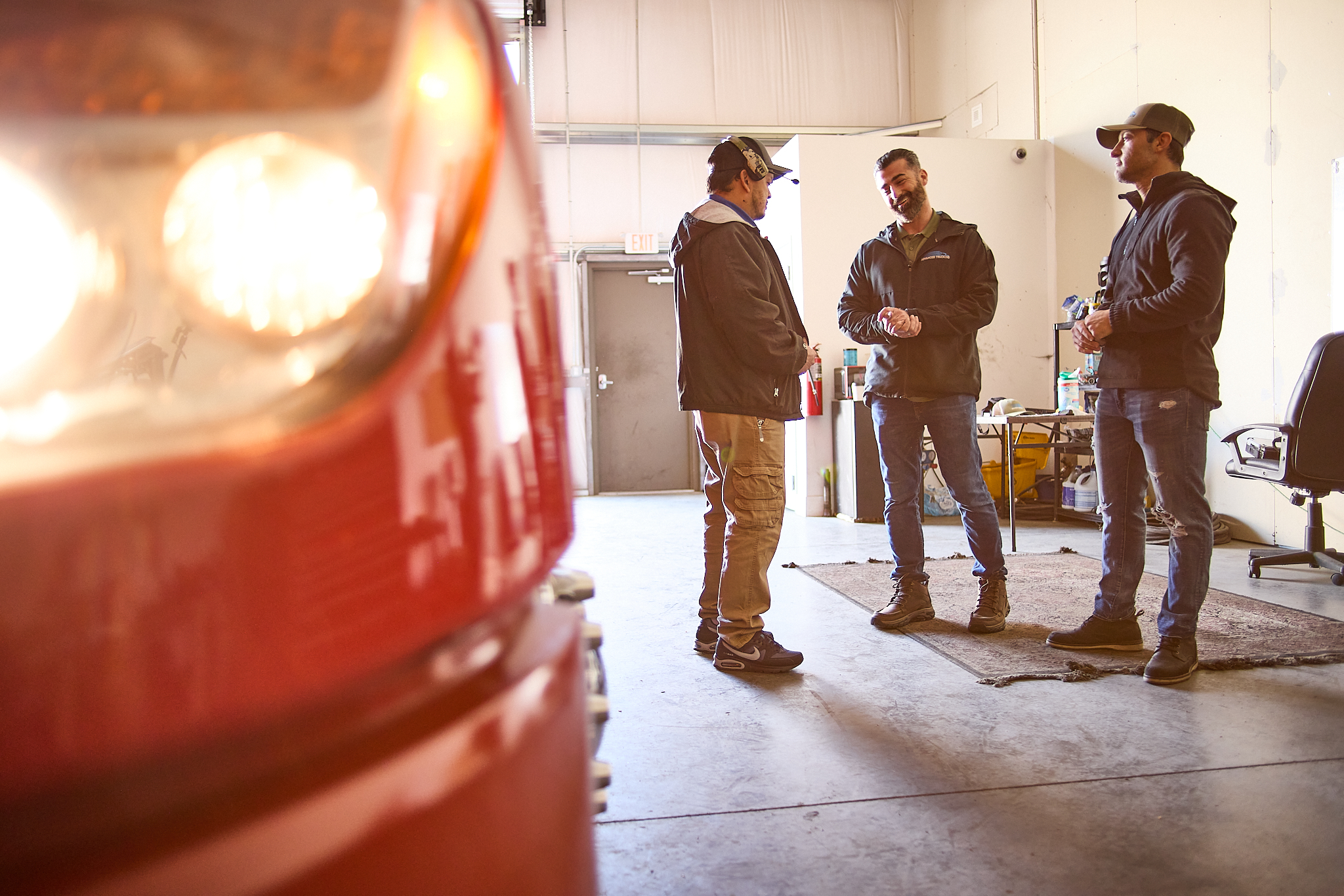
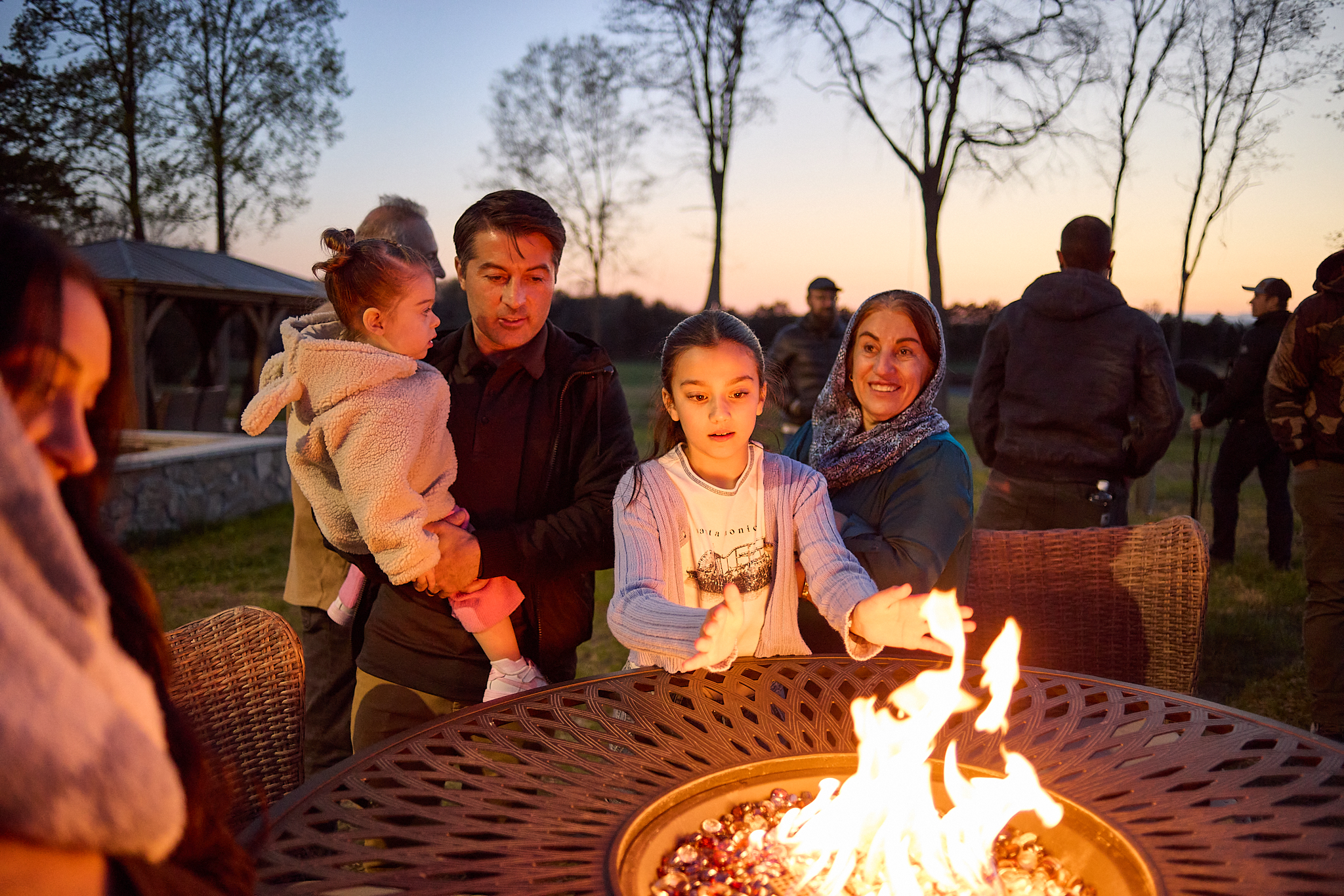
Lastly we were in Virginia, where a man by the name of Bayar Palani has partnered with Amazon Relay to help deliver Amazon packages throughout the region. This partnership has helped Bayar grow his business exponentially and create the dream-life for he and his family. As an immigrant, whom traveled halfway around the world with his parents to seek better opportunity, he is a perfect example of what hard work, dedication, belief, and persistence take to open the right doors and fully live one’s dreams for a better future. He is the perfect example of what all persons should have the opportunity to create.

For more visit www.CameronKarsten.com

Seattle Central’s Alumni Spotlight: Cam Karsten

Here’s a retrospective of my path to commercial photography via Seattle Central’s Creative Academy. Always a treat to have someone interested in your story, and the hope to inspire others to follow their dreams. Original post can be found here.

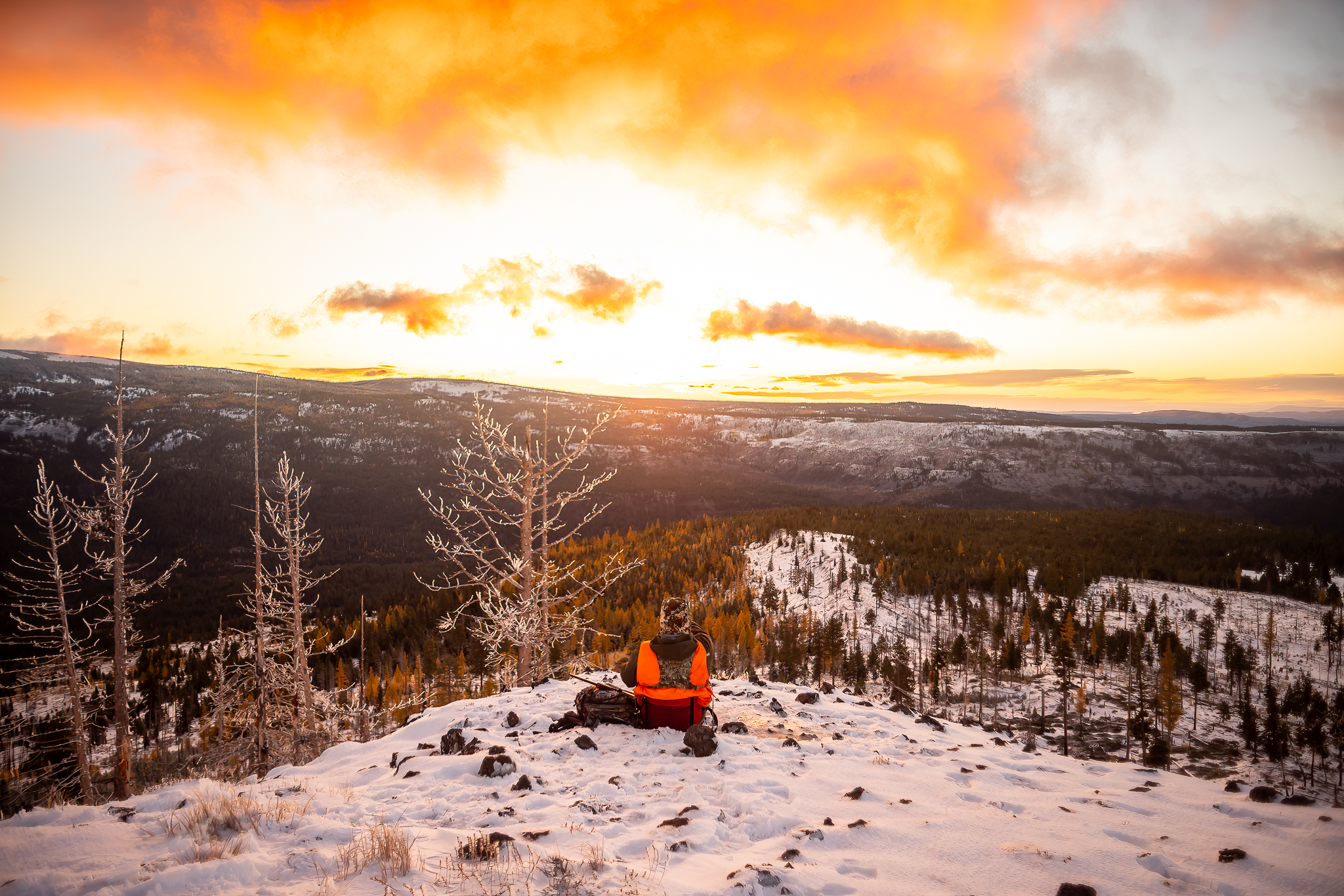
For budding photographers, Seattle Central Creative Academy alumni Cameron Karsten (‘12 [I think ’13…]) offers simple, yet pragmatic advice: “Shoot what you love.”

After developing a passion for photography while backpacking and blogging across the globe, Karsten was eager to turn his passion into a career. Now, as a highly sought-after commercial photographer with an expansive clientele, he has made a living from capturing those very things he loves: hiking, surfing, and fishing.

Raised in California and the Pacific Northwest, Karsten developed an early love for the outdoors. “I was an explorer,” he explained. “I was outside most of the time, whether it was riding bikes, fishing for salmon in the fall, or just experiencing nature.” Karsten also feels lucky that his single mom instilled in him a love of travel from a young age too and recalled driving to Mexico several times a year when the family was based in southern California. “And so that imbued a love of travel and of going somewhere new and not knowing the final destination,” he added.

When Karsten wasn’t exploring outside, he recreated scenes from the outdoors in the classroom. He never gravitated towards formal art classes, instead filling his notebooks for other subjects with realistic sketches. “I’d picture a place that I wanted to go, and I would draw it realistically,” he said. “And I think that also played into telling stories with pictures, instead of with words.”

Karsten attended college in Los Angeles, where he quickly realized city life wasn’t for him. “I didn’t like much of anything except the ocean down there,” he admitted. This dissatisfaction led him to take what he thought would be a one-year break from college — a gap year that ended up stretching into six years of travel around the world.

Karsten’s goal during this academic hiatus was to become a writer. “I was collecting stories and characters, learning through real-world experiences rather than studying books and taking tests,” he explained. At first, Karsten would hunker down at internet cafes to write stories to his friends and family. But when he discovered a travel blog community of fellow backpackers, he started sharing his travelling tales to a much more global audience under the blog name cam2yogi, a nod to his deep interest in Buddhist philosophy he developed travelling through Asia.

It was during this time that Karsten’s interest in photography began to take shape as well. With his film camera — and later, a tiny digital point-and-shoot gifted by his family — he began using photography to complement his written storytelling.

To his surprise, readers praised his photos as much as — and sometimes more than — his writing. “People would say, ‘your photos are fantastic.’ Because of that encouragement and feedback, I started falling in love with taking pictures and looked forward to capturing the best moment to include in whatever story I was trying to tell.” As his network and skills grew, Karsten sold some of his blog posts as articles to smaller travel magazines.

After six years of wandering the world with his pack, his stories, and his cameras, Karsten returned to the Pacific Northwest — and felt more restless than ever. His travels had provided him with a wealth of experiences, but he was still searching for a way to channel his creativity into a sustainable career.

It was a woman he met — now his wife — who helped him put down roots in Seattle. She worked as a photo stylist at the time and connected Karsten to several commercial photographer contacts.

“I realized that the whole traveling lifestyle was going to be on pause because I was in this serious relationship, and I started learning more about the commercial world and what was available to me as a career,” he said. “And every commercial photographer I worked with within the Seattle area was like, ‘Hey, if you want to do this seriously, go back to school.’”

Karsten took their advice and looked into Seattle Central College’s Creative Academy. “It was a no-brainer,” he said. “The program was highly recommended and close to home.” He enrolled in the two-year Commercial Photography program, which has since been folded into the current Visual Media program.

At Seattle Central, Karsten found the structure and mentorship he needed to hone his craft. “The first year was all about learning the fundamentals of commercial photography — like continuous versus strobe lighting,” he said. By the second year, the structure of the program shifted towards encouraging students to find their niche and lean into their creative strengths to set them up for real-world success. For Karsten, that meant focusing on storytelling through outdoor photography.

“Growing up in nature, I could not stand being in the studio working with inanimate objects,” he said. His instructors, like the retired Alejandro Tomas and the late Robert Milne, recognized his passion and gave him the freedom to pursue it. “They said, ‘If you want to be outside, go be outside.’ That support made all the difference.”

“[This photo] resembles my path to steer away from the studio and practice my light skills to shoot outside,” Karsten said referencing the following photo from his days as a student at the Creative Academy.

Karsten remembers feeling like he was in a vastly different stage of life than his classmates who were fresh out of high school. He and his wife were starting a family by his second year of the program, and knew he had to take school seriously. “It was my career,” he said.

He credits his professors, Tomas and Milne, with imparting the technical skills necessary to make his career but also offering mentorship that bridged the gap between the classroom and the professional world.

“I loved the one-on-one conversations with them,” he recalled. “They weren’t just teachers — they were adults, and I could relate to them. Those conversations were less about school and more about photography as a career. That’s what really stands out to me.”

After graduating from Central in 2012 (2013…), Karsten made it his goal to build up a professional portfolio of work while simultaneously enjoying his favorite outdoor activities in the Pacific Northwest. He took his camera with him whenever he and his friends would camp, hike, or hit up the beach.

Karsten tried photographing surfing at first, but found it was too hard to stay off the waves. He realized that shooting his friends fly fishing was different, and it soon became a subject that dominated his portfolio. This work also caught the eye of his first major client, Grundéns, a commercial fishing gear company.

“I brought a really nice, printed portfolio and as [the marketing professional] was going through my work, he was like, ‘Hey, this is great. You want to go to Norway?’ and I was like, ‘what!?’” he explained. “So, the next thing I knew, I was on a plane to Norway to photograph cod fishing for this company. And from there we went to Guatemala, the Florida Keys, and Alaska.”

By continuing to capture subjects he was passionate about, Karsten’s portfolio expanded to include work with other high profile outdoor recreation and technology brands, like Patagonia and Garmin Marine.

In recent years, Karsten has returned to Seattle Central, not as a student but as a professional, supporting the college in a variety of photography and videography projects.

“I’m always like, ‘Yep, let me block my calendar because of course I’m there for you,” he shared. “It’s part of just paying it forward and trying to give them my all, since they gave me their all and got me to where I am today,” he said.

While Karsten continues to shoot a variety of subjects for his clients, he finds the most enjoyment — and conveniently, work — shooting those very things he loves, like nature and outdoor recreation, echoing the subject matter he captured on the point-and-shoot he carried with him throughout his backpacking adventures. “When it’s a personal project, your passion shows through, and that’s what attracts clients,” he said.

He travels less now, prioritizing quality time with his wife and two daughters, eight and 10, but still cherishes every moment he gets to spend outside with a camera in hand.

As Karsten prepares for his next project (Nov. ’24) — photographing warm-water fishing in Baja California for Grundéns — he reflects on the impact Seattle Central has had on his less-than-traditional path. “Seattle Central gave me the tools, the trust, and the freedom to build a career I love.”

For more visit www.CameronKarsten.com | www.the-subconscious.com
The Forgotten Seasons: Down the Pacific and Back

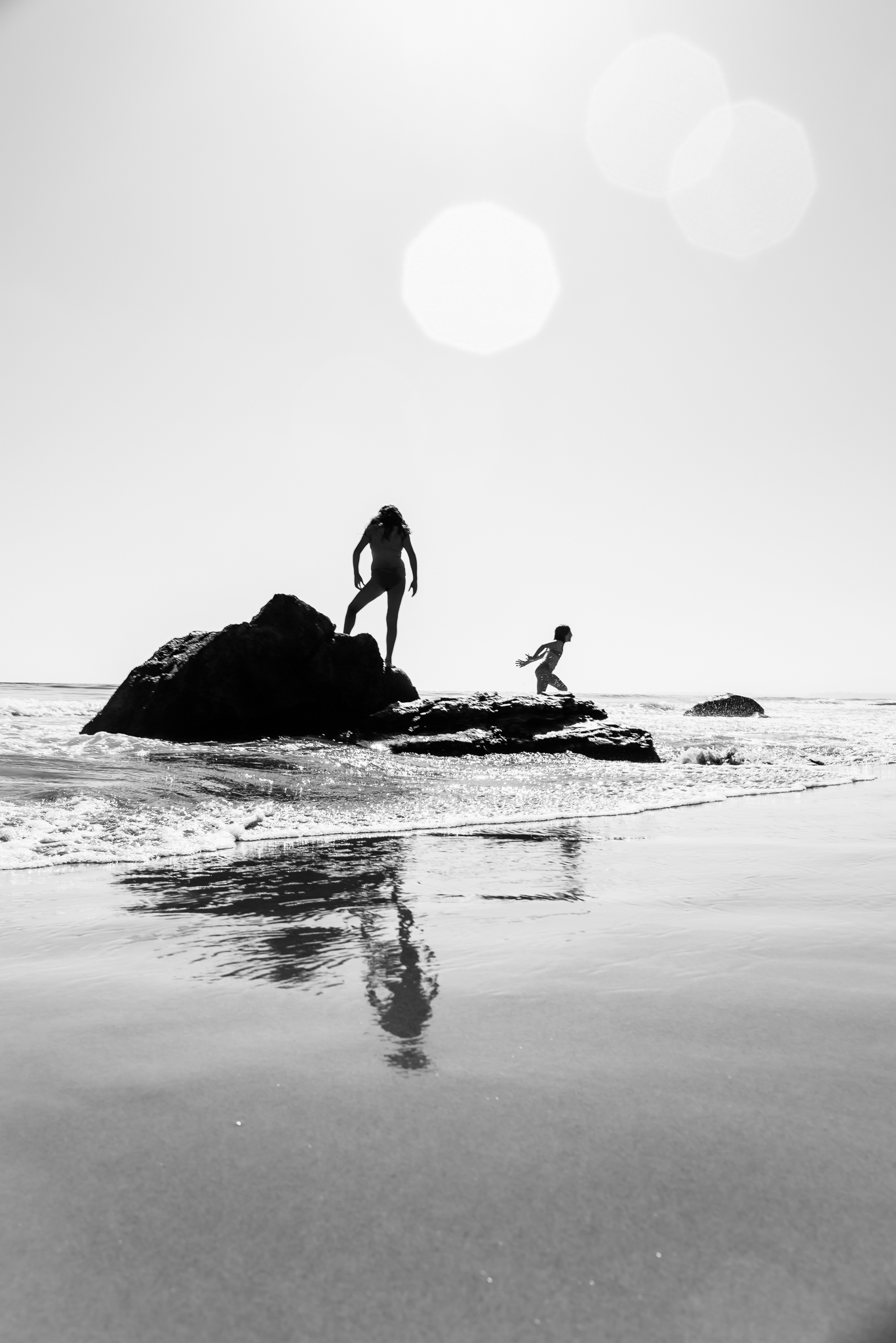
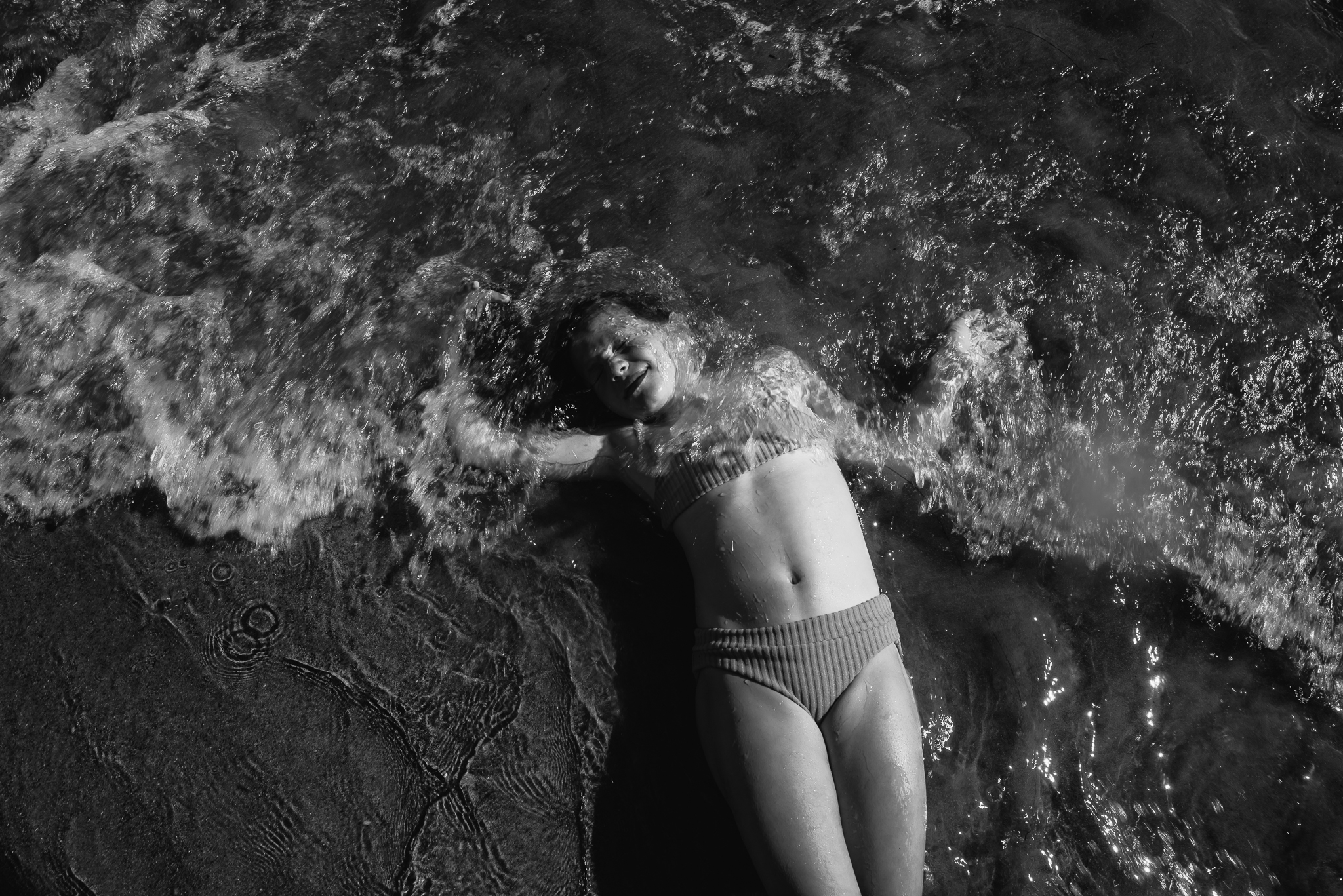
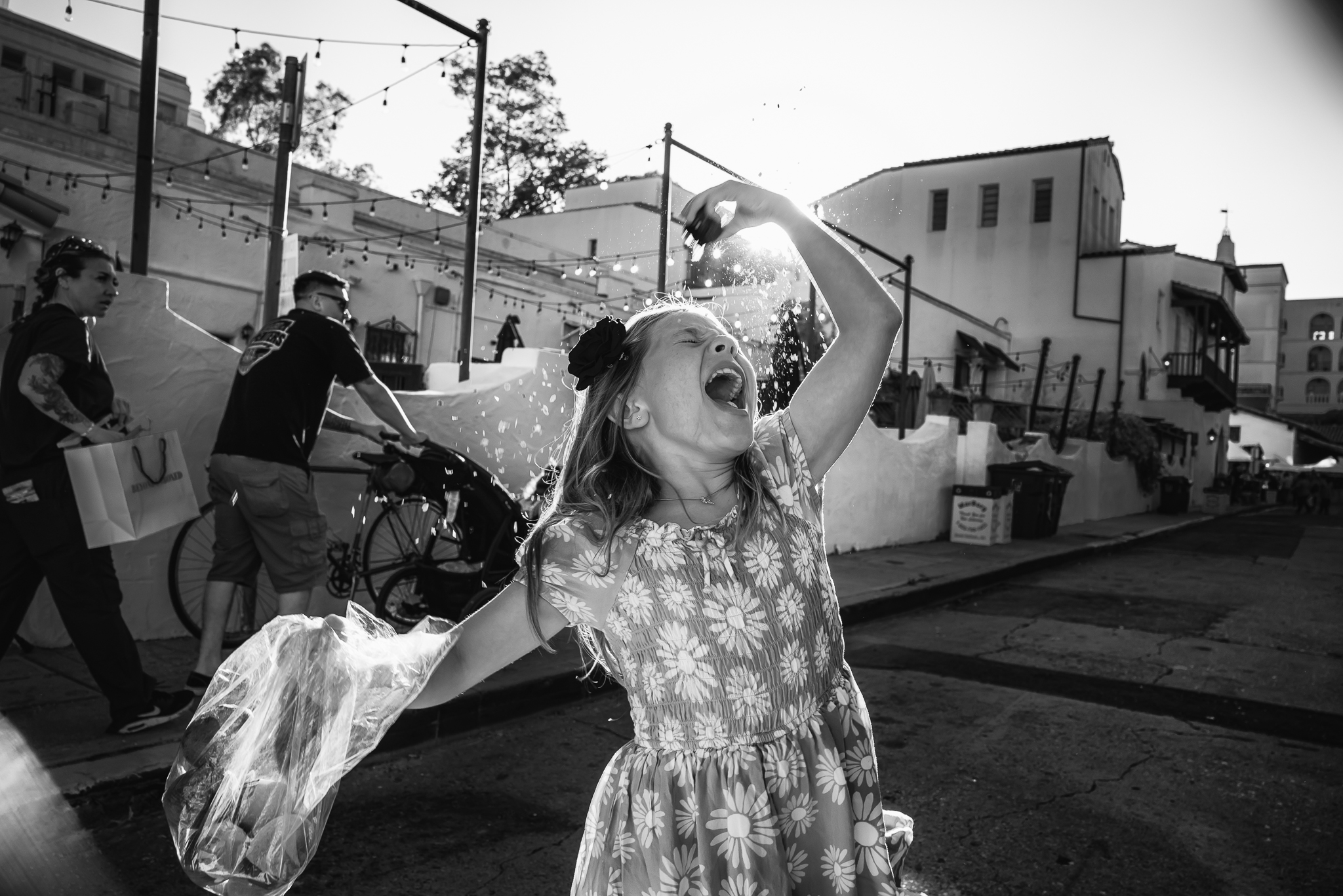
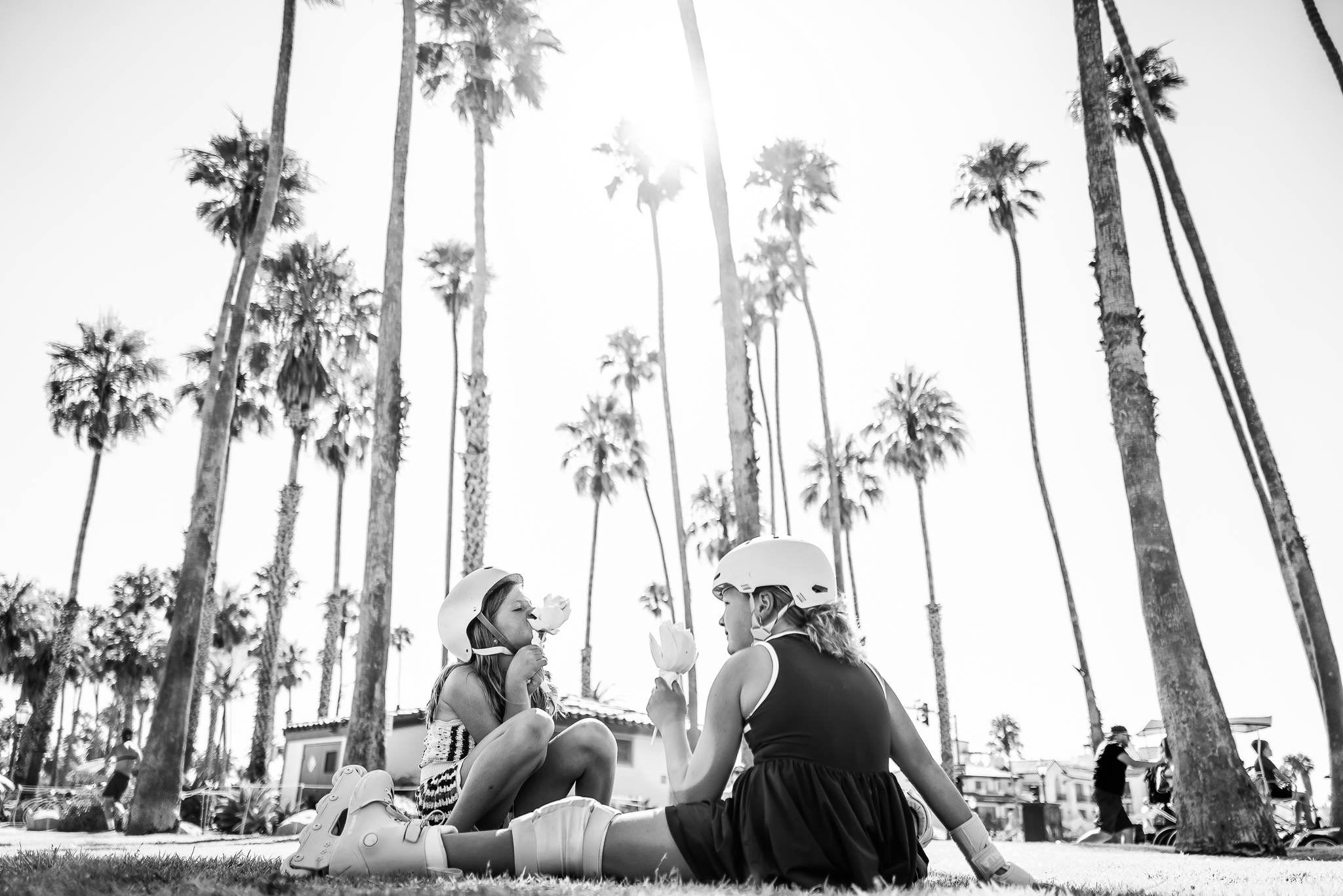
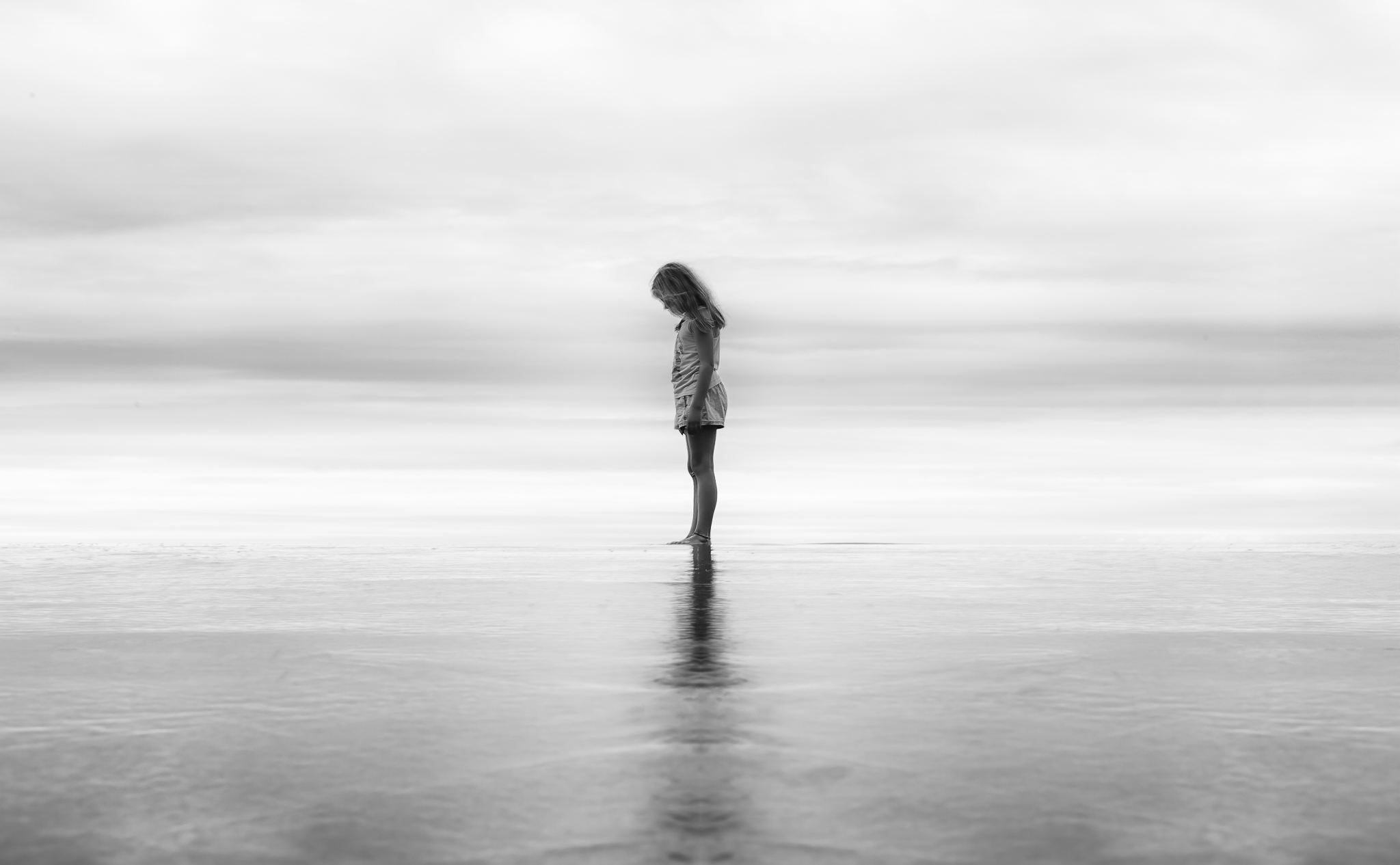
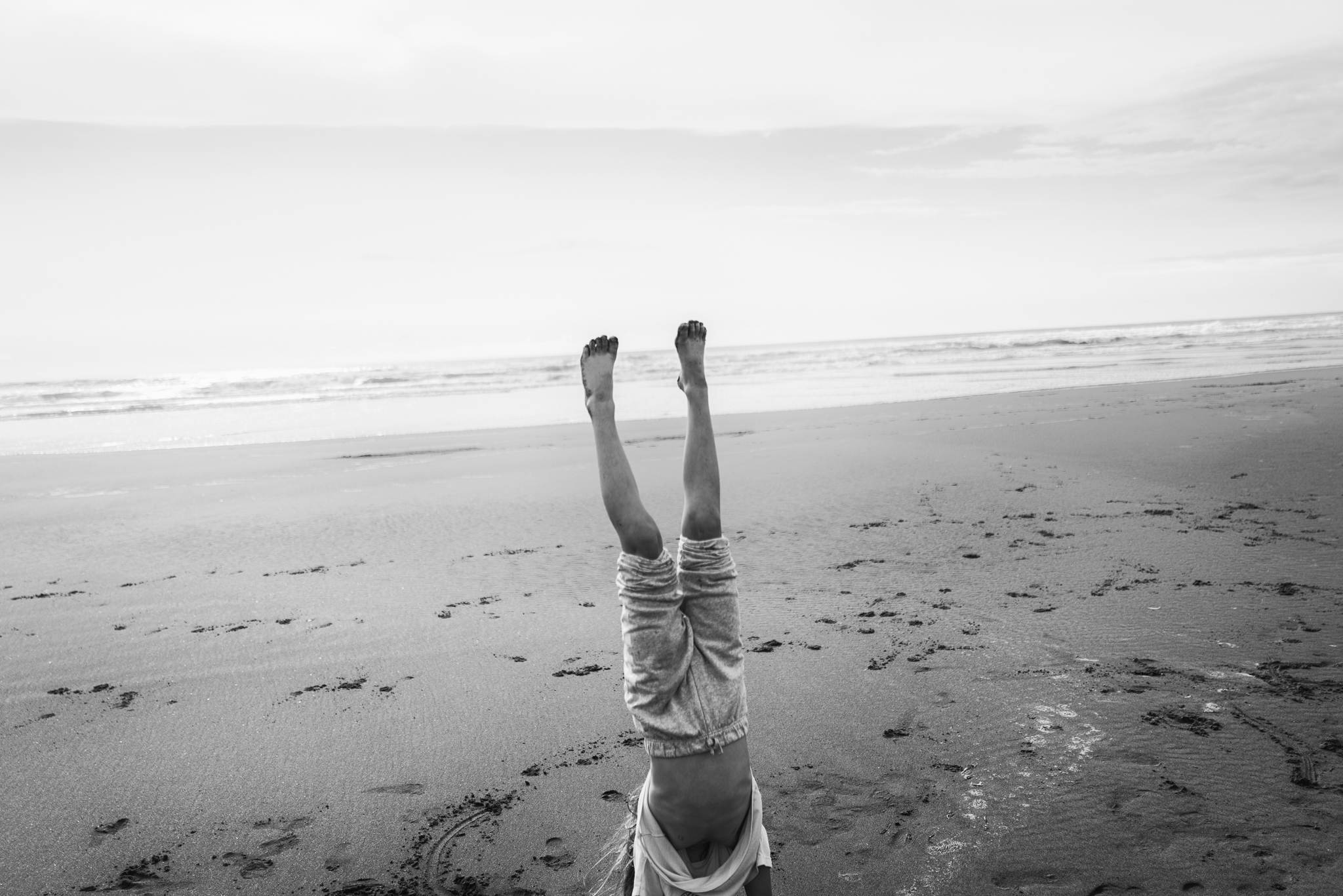
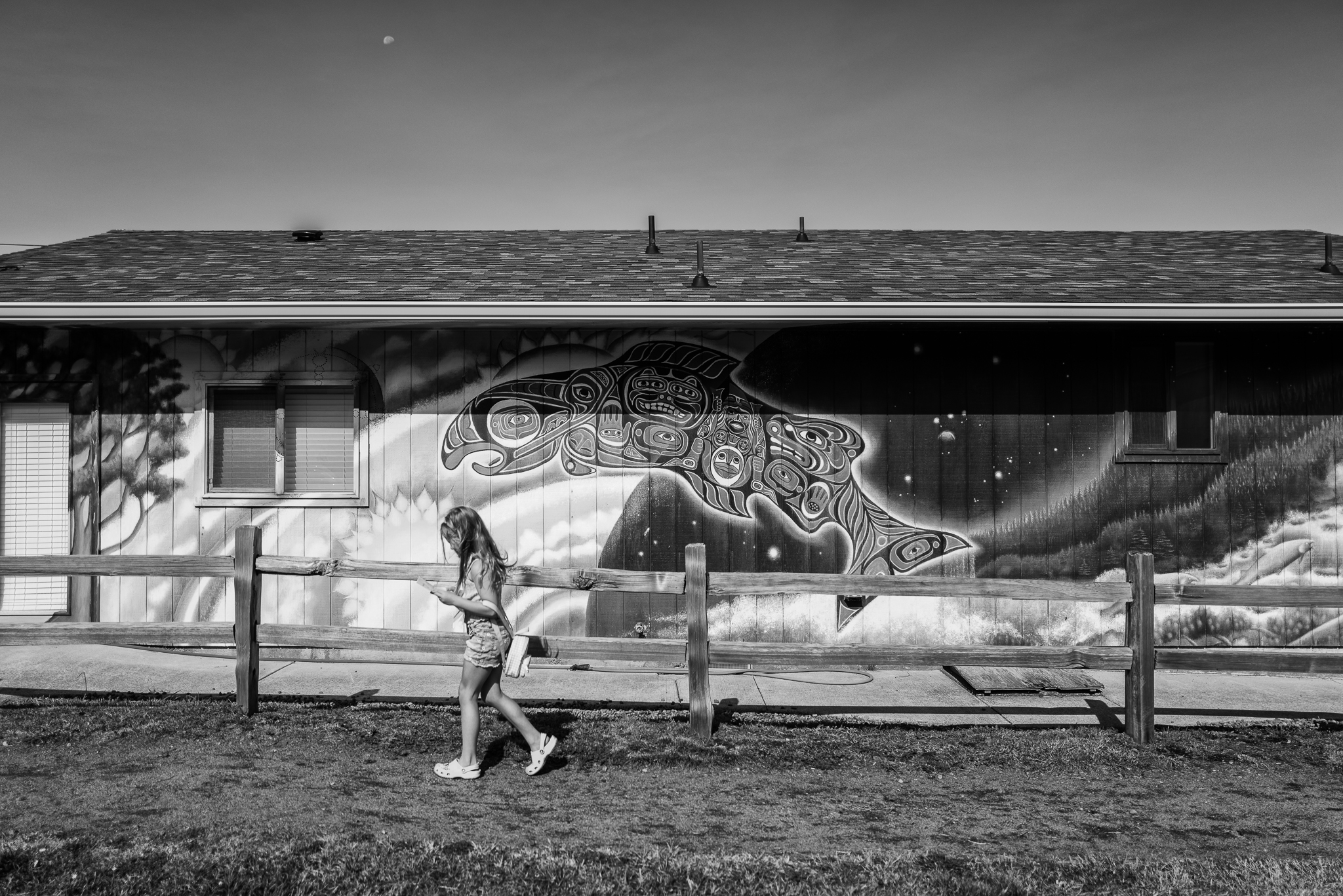
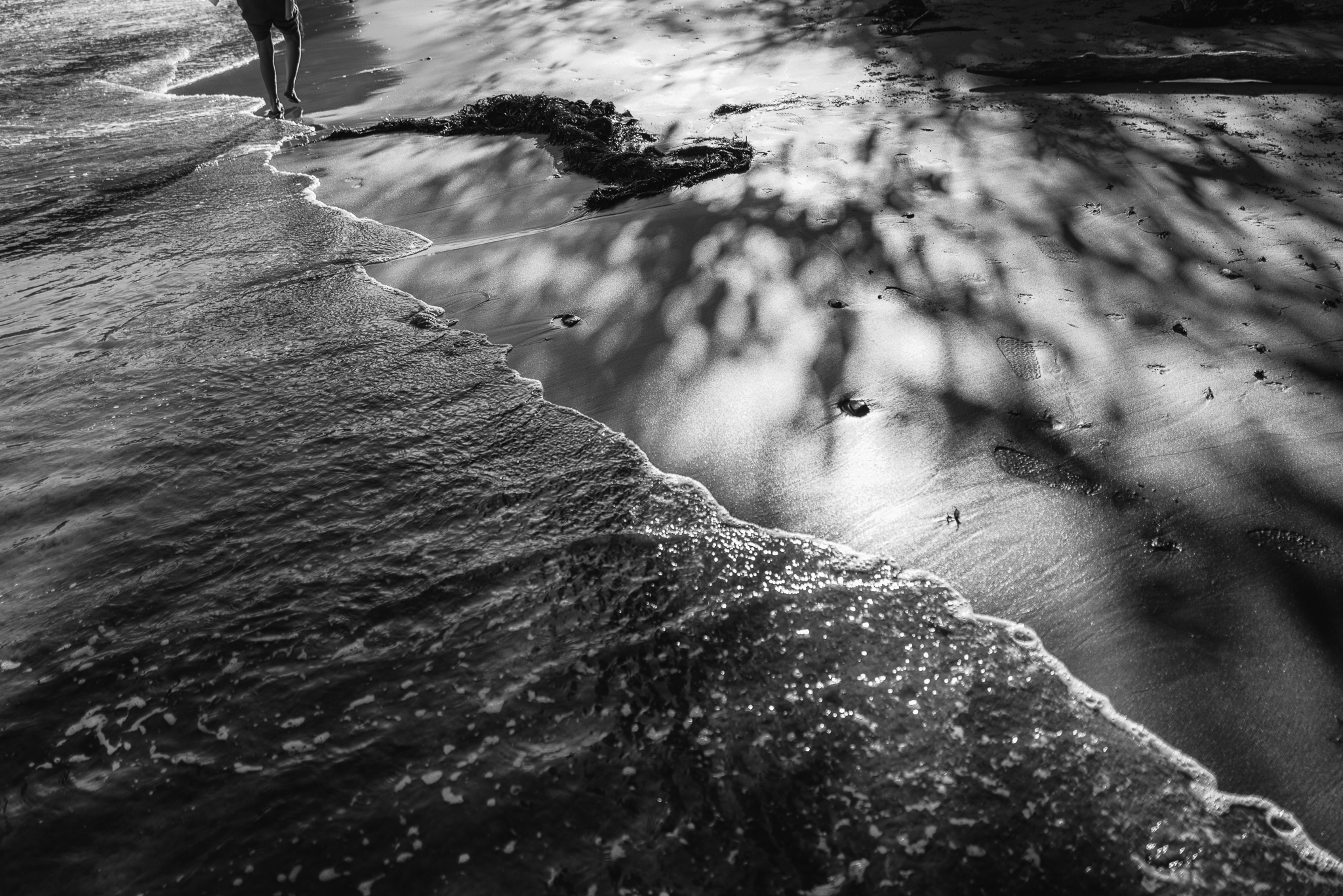
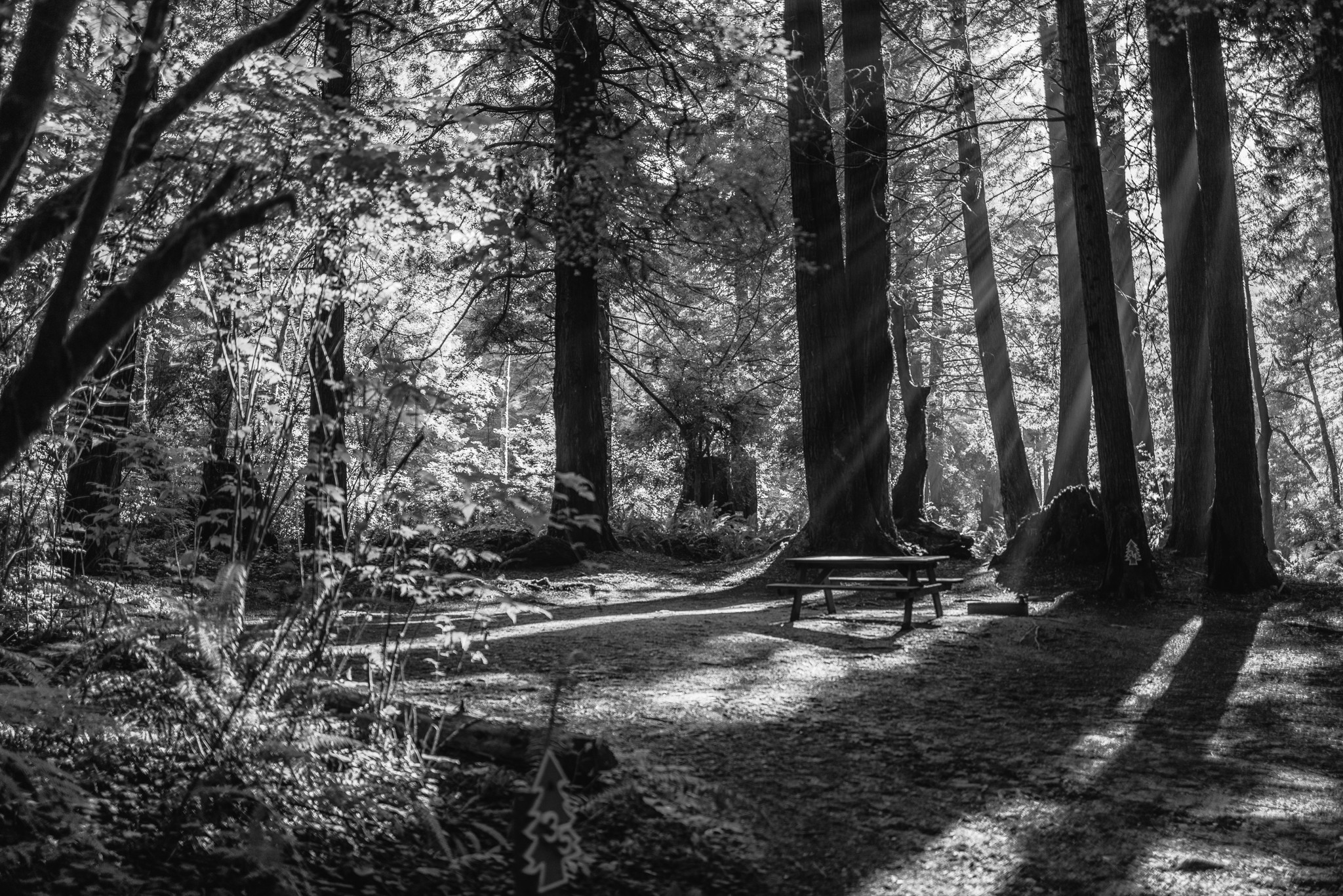
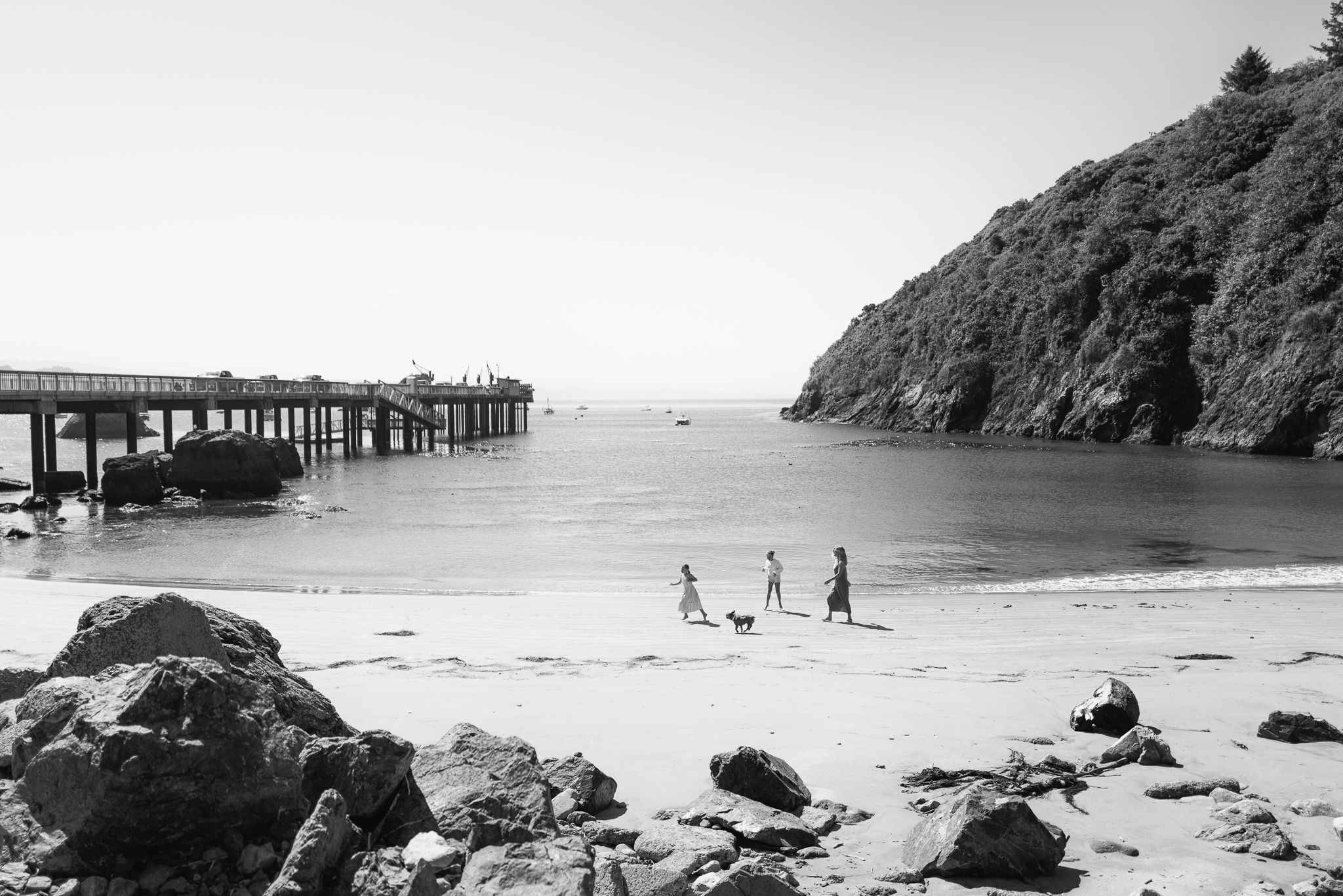
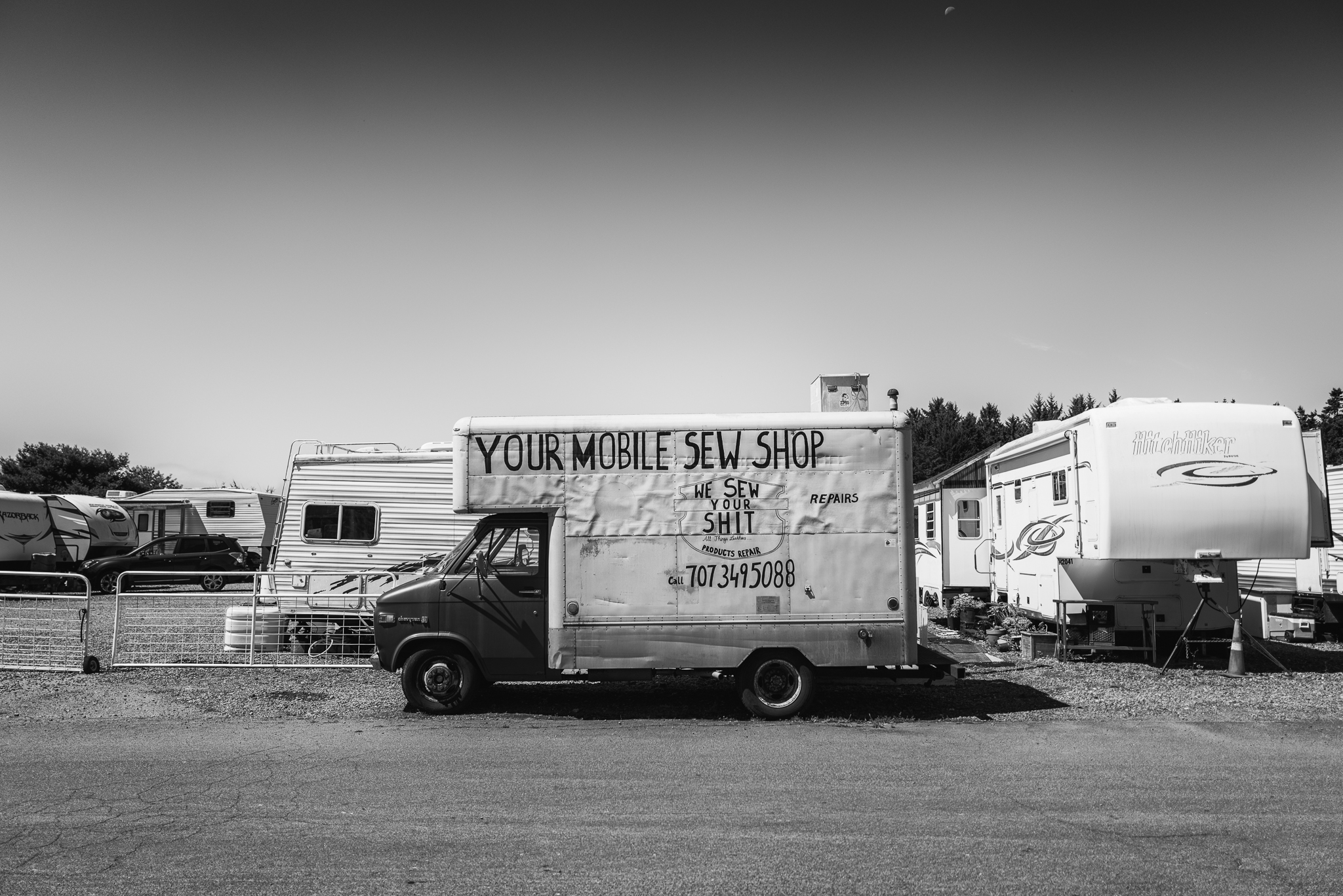
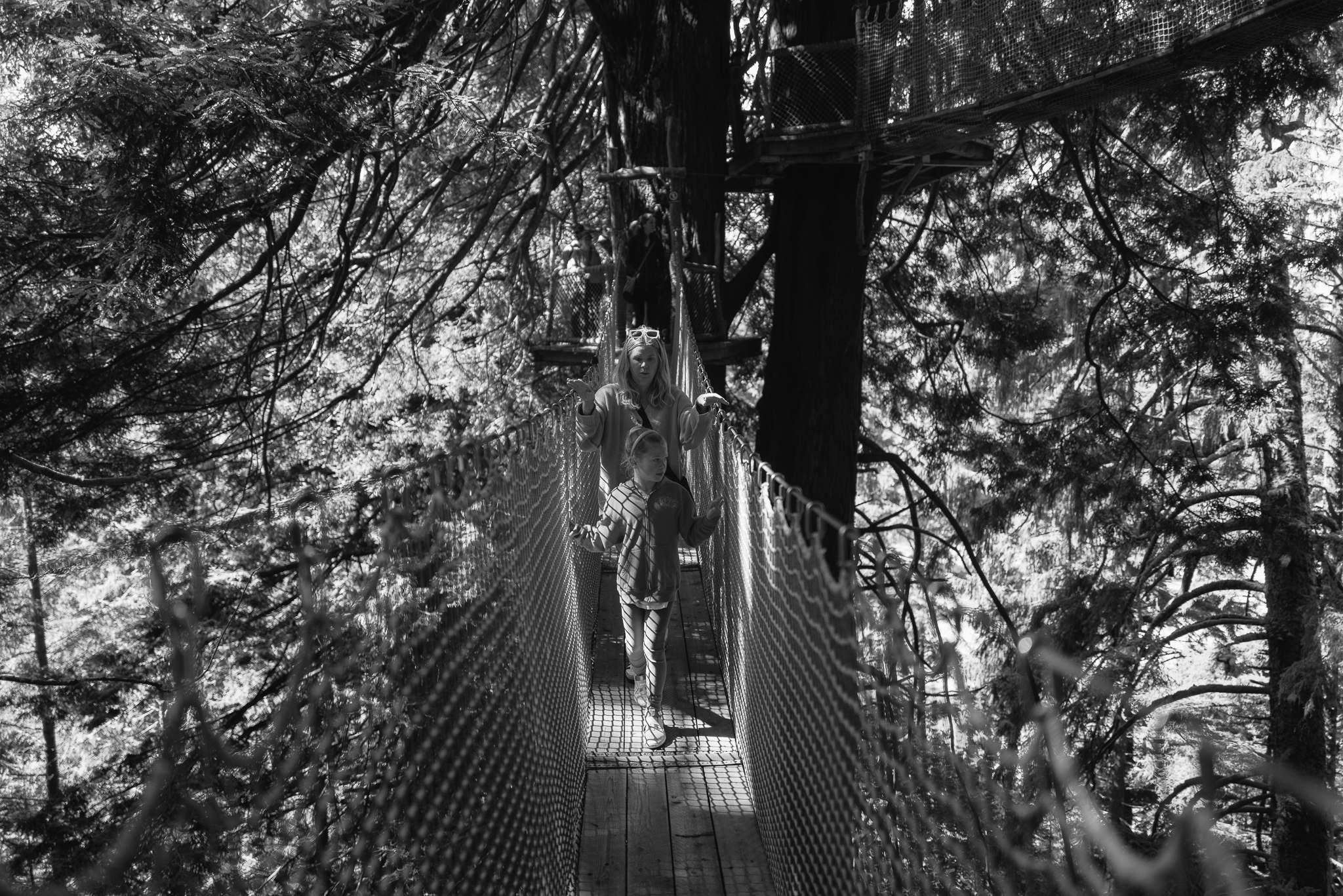
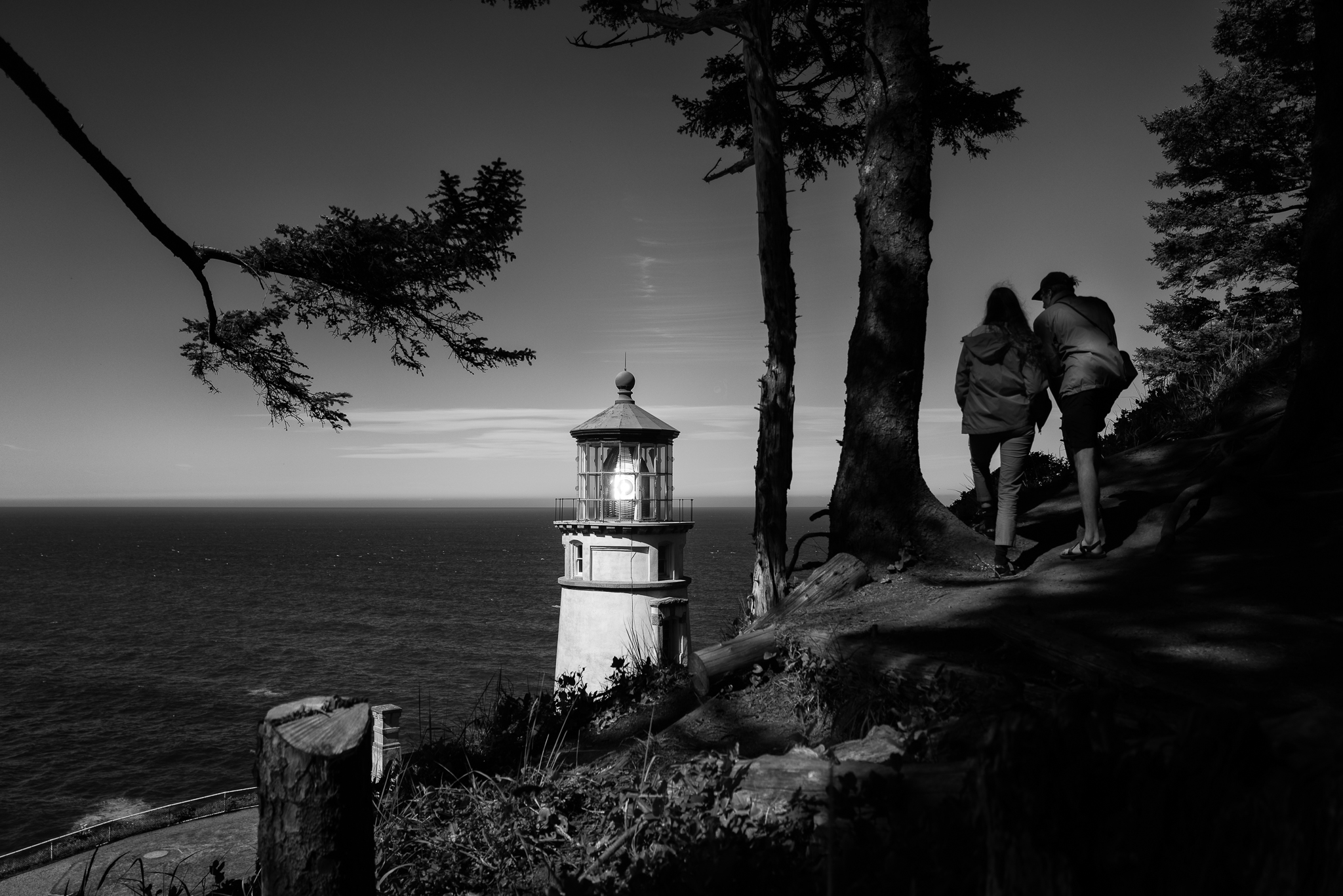
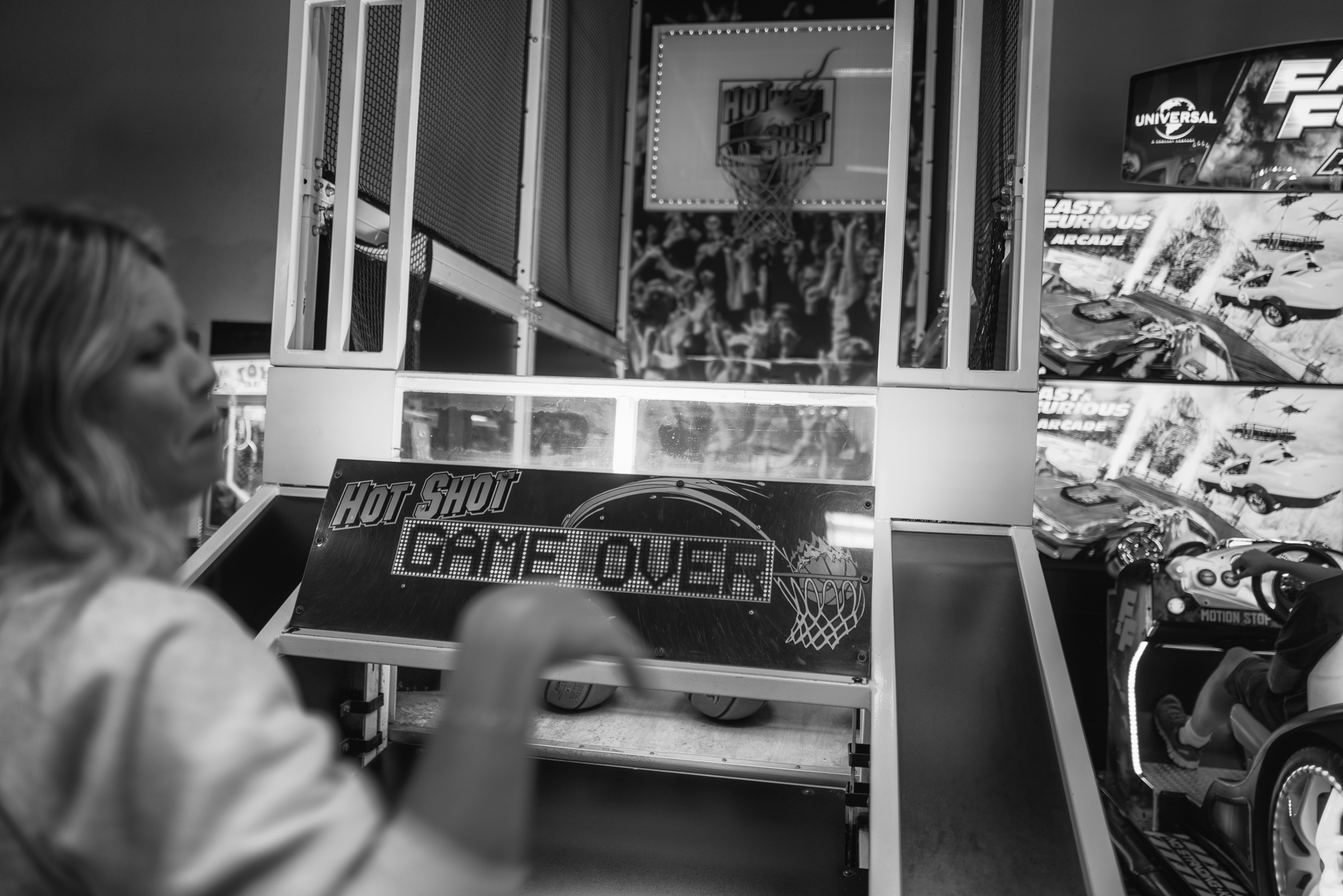
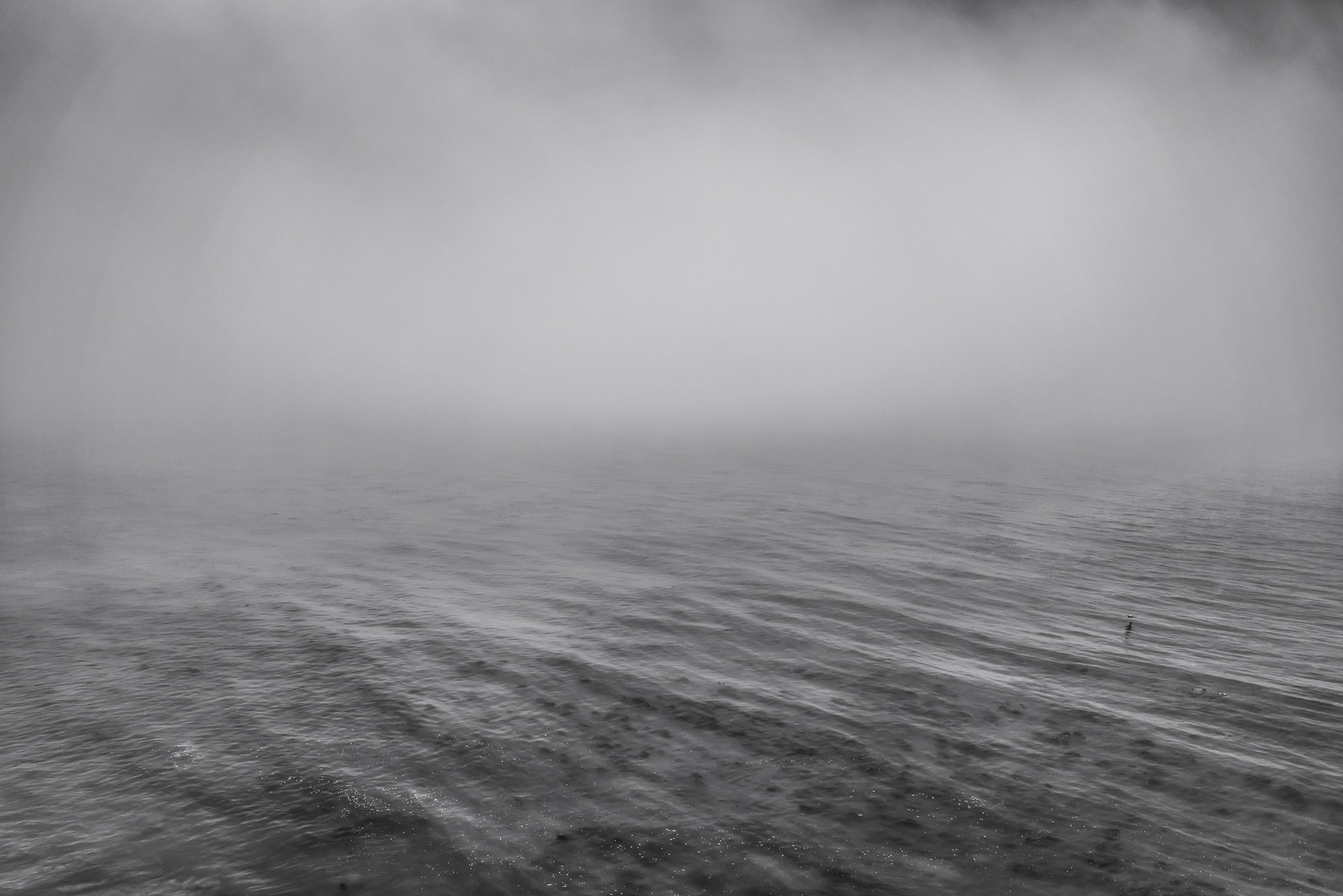
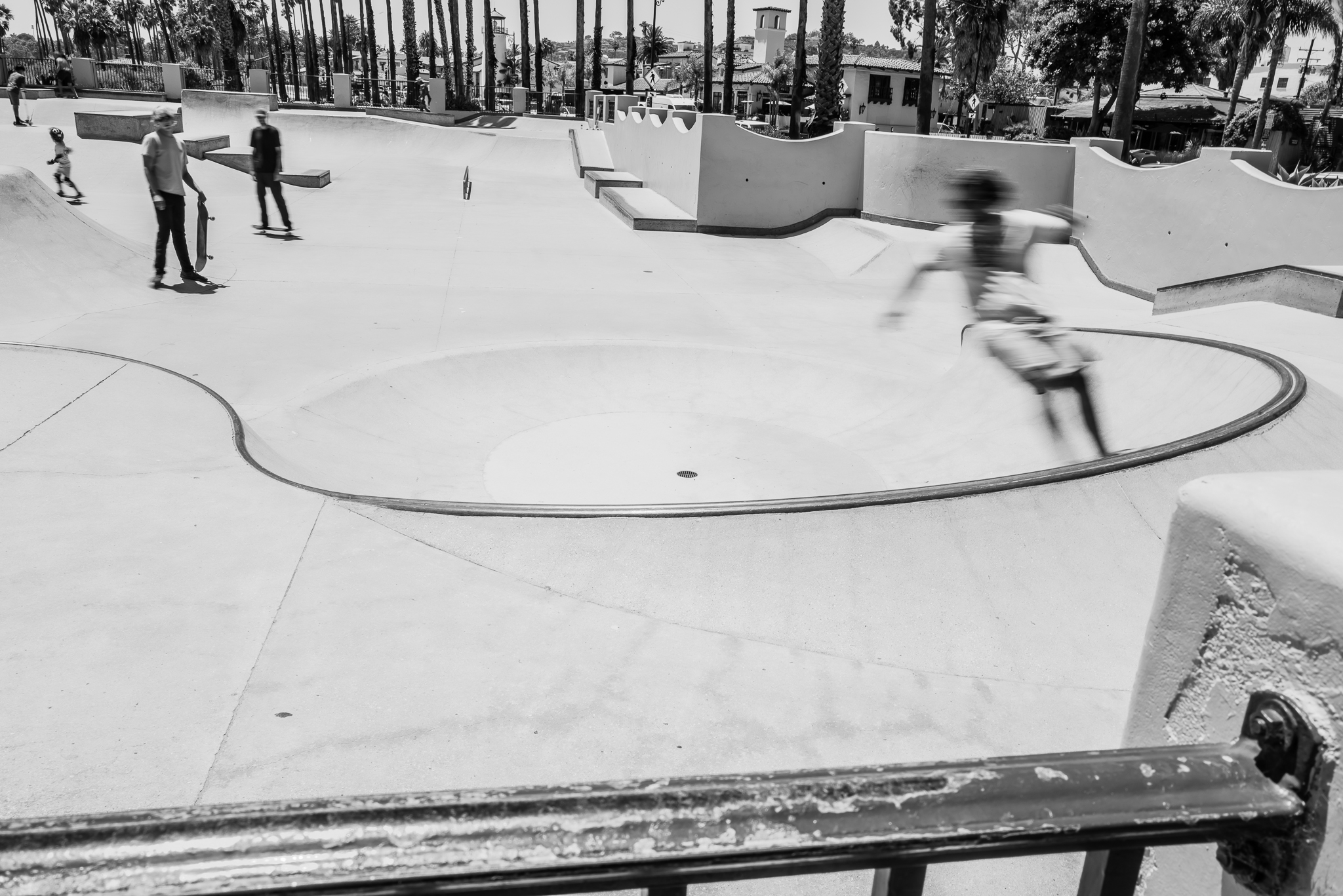
As part of an on-going series titled The Forgotten Seasons, I’m constantly training my eye on my family, not only as a father and partner, but as a photographer, seeking those moment of joy and elation, those times of overt emotion and strained tension, as well as the things of pure absolute beauty.

The project began back during 2020 Covid lockdown, when our expanding worlds as a young family shrunk and became isolated. Work disappeared and we found ways to be creative with what was within our immediate circles. To keep developing my career among the long hours of idleness, I enrolled in an online photography program taught by David Alan Harvey, and it was here I was encouraged to pursue the muses right in front of me; the ever-changing growth and evolution of familyhood.

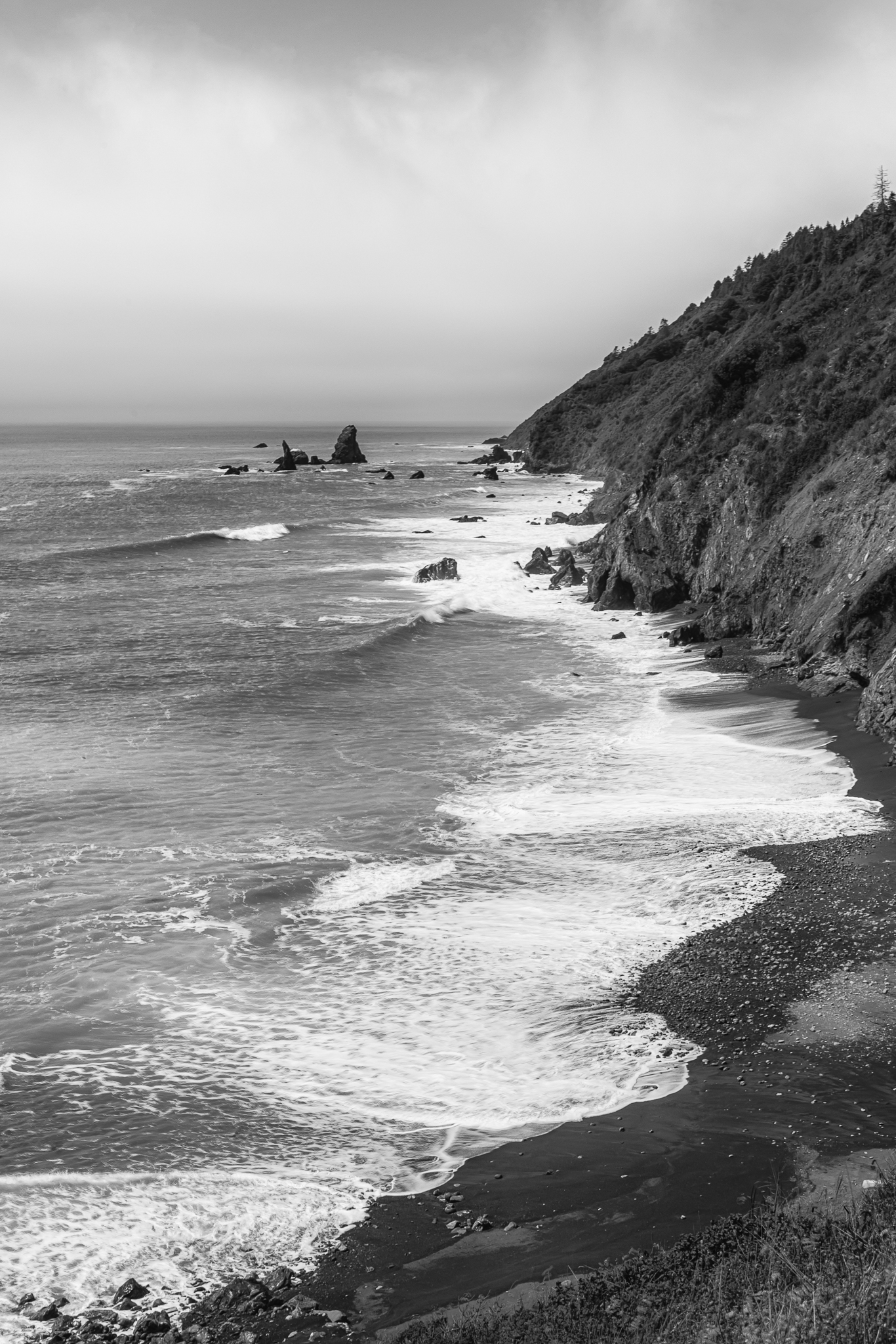
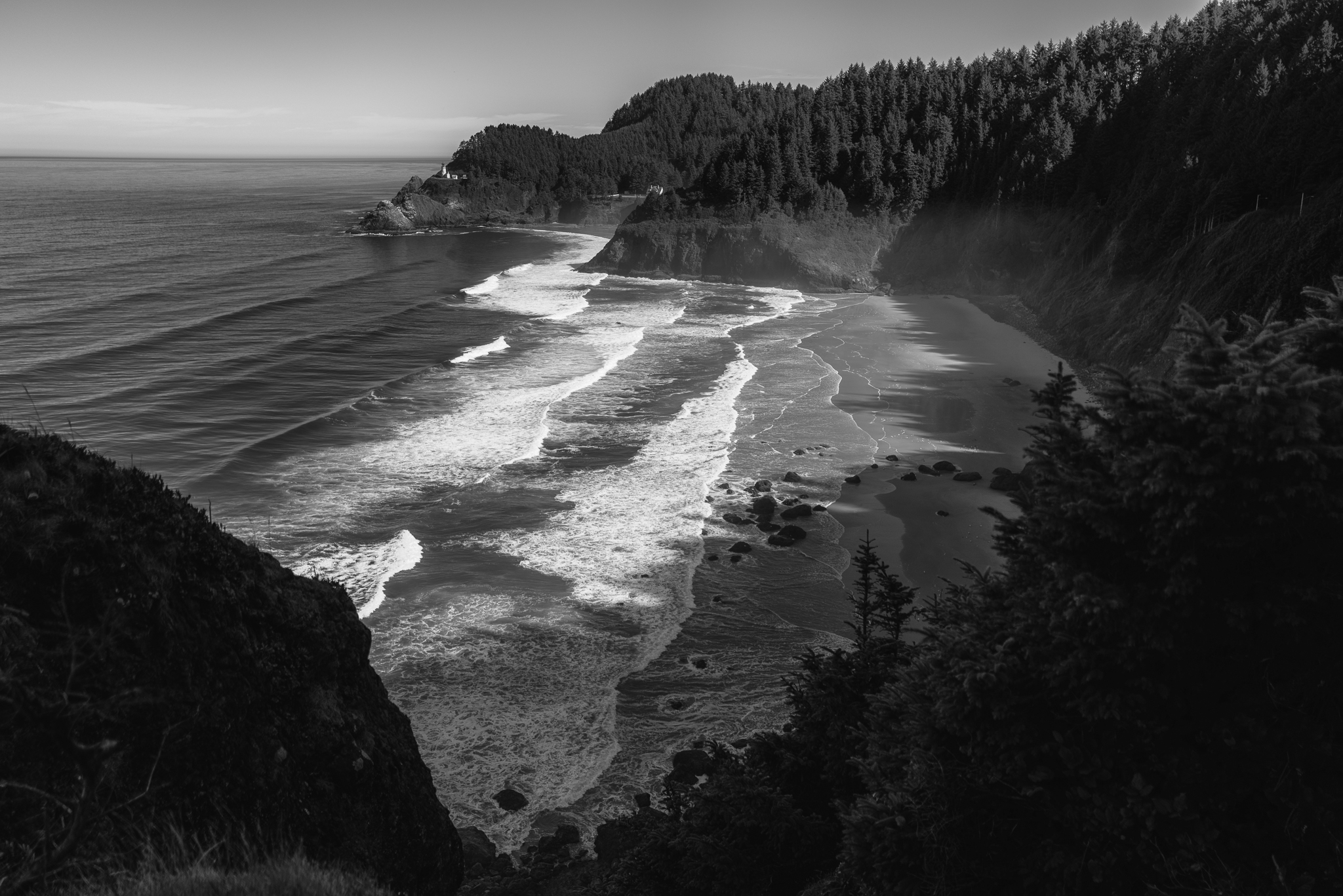
This current series reflects an end-of-the-summer roadtrip, with our parental patience already worn thin, down the Pacific Coast and back before the long-awaited start of the next school year.

For more visit www.CameronKarsten.com

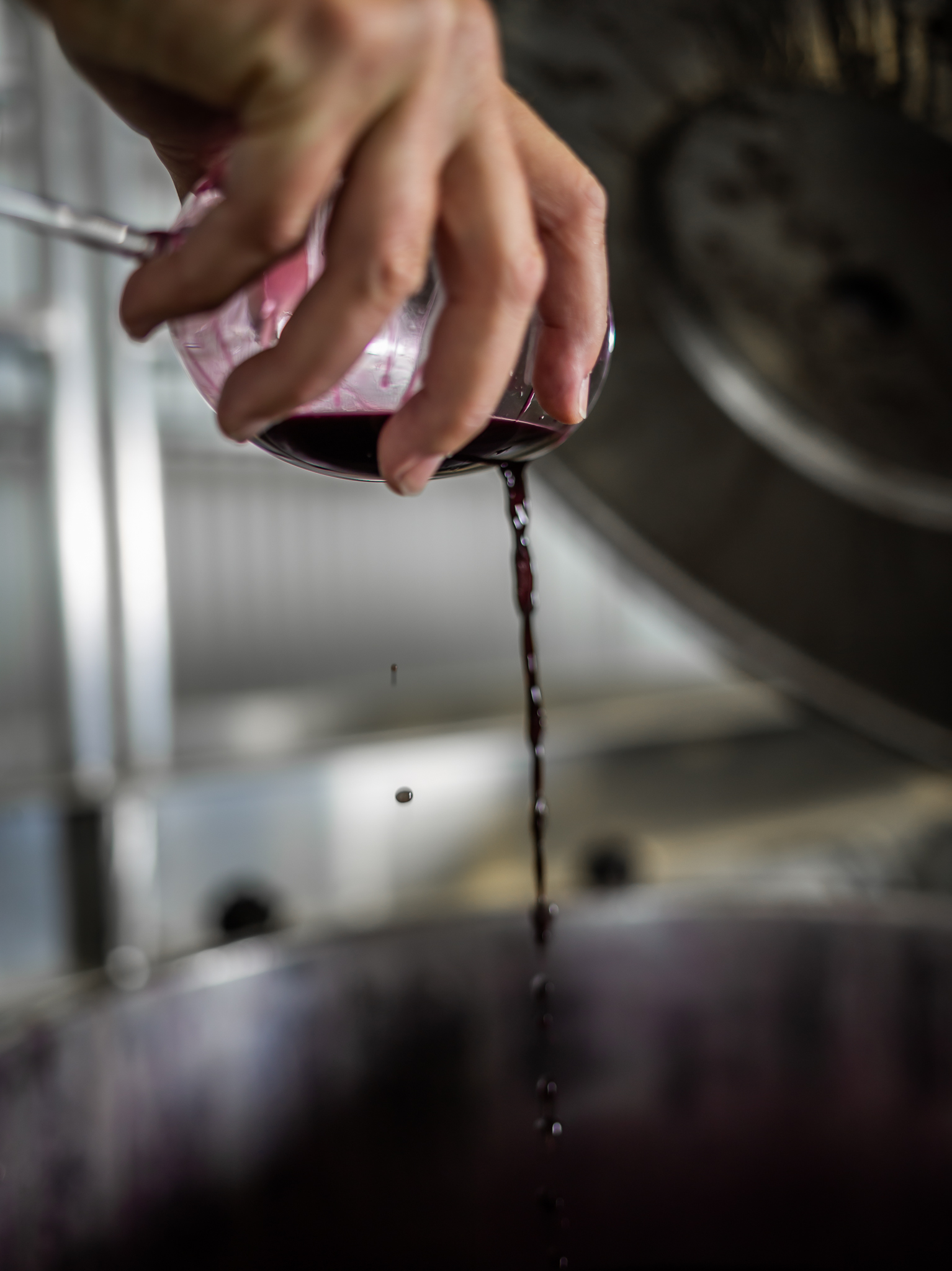
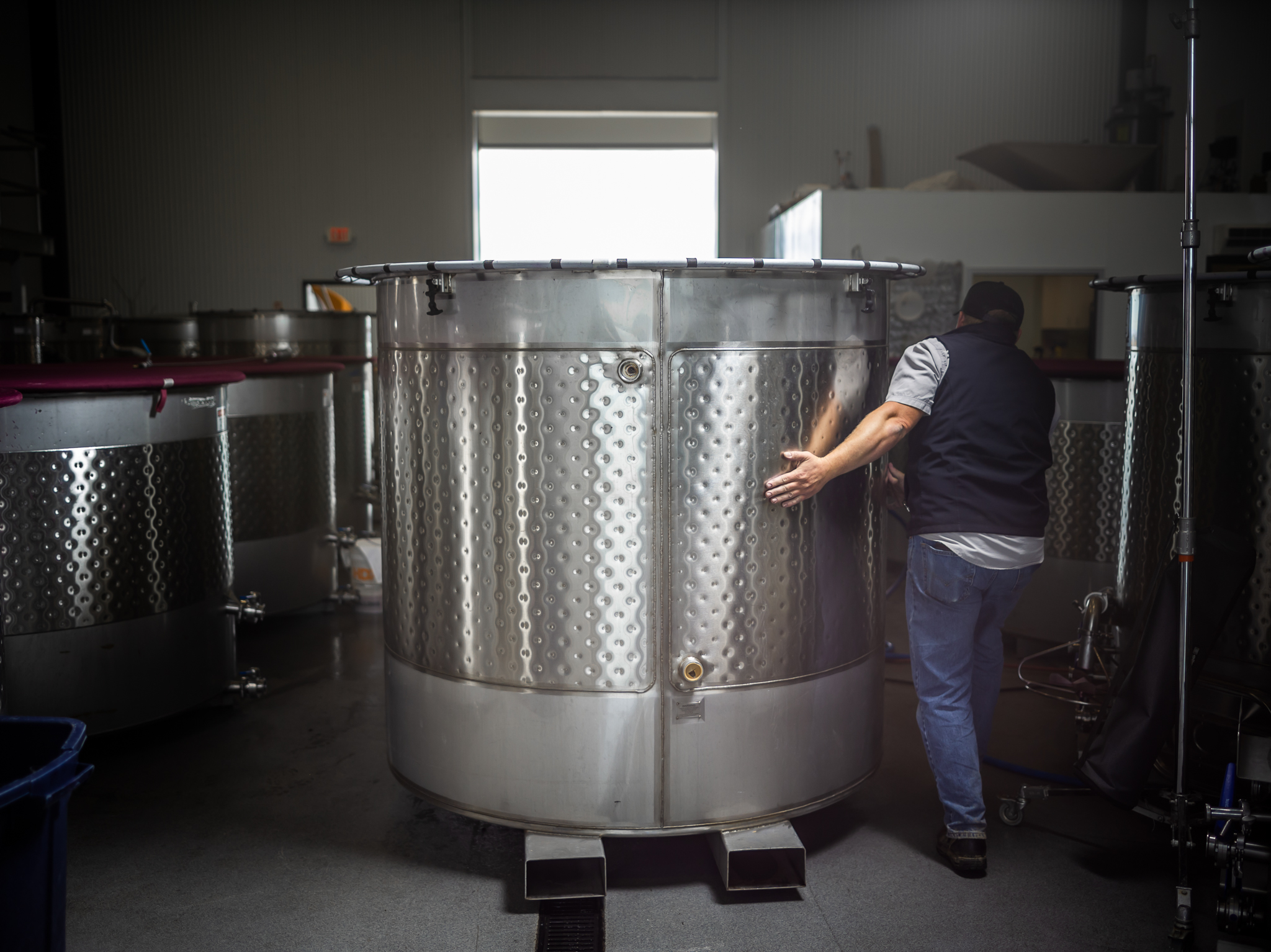
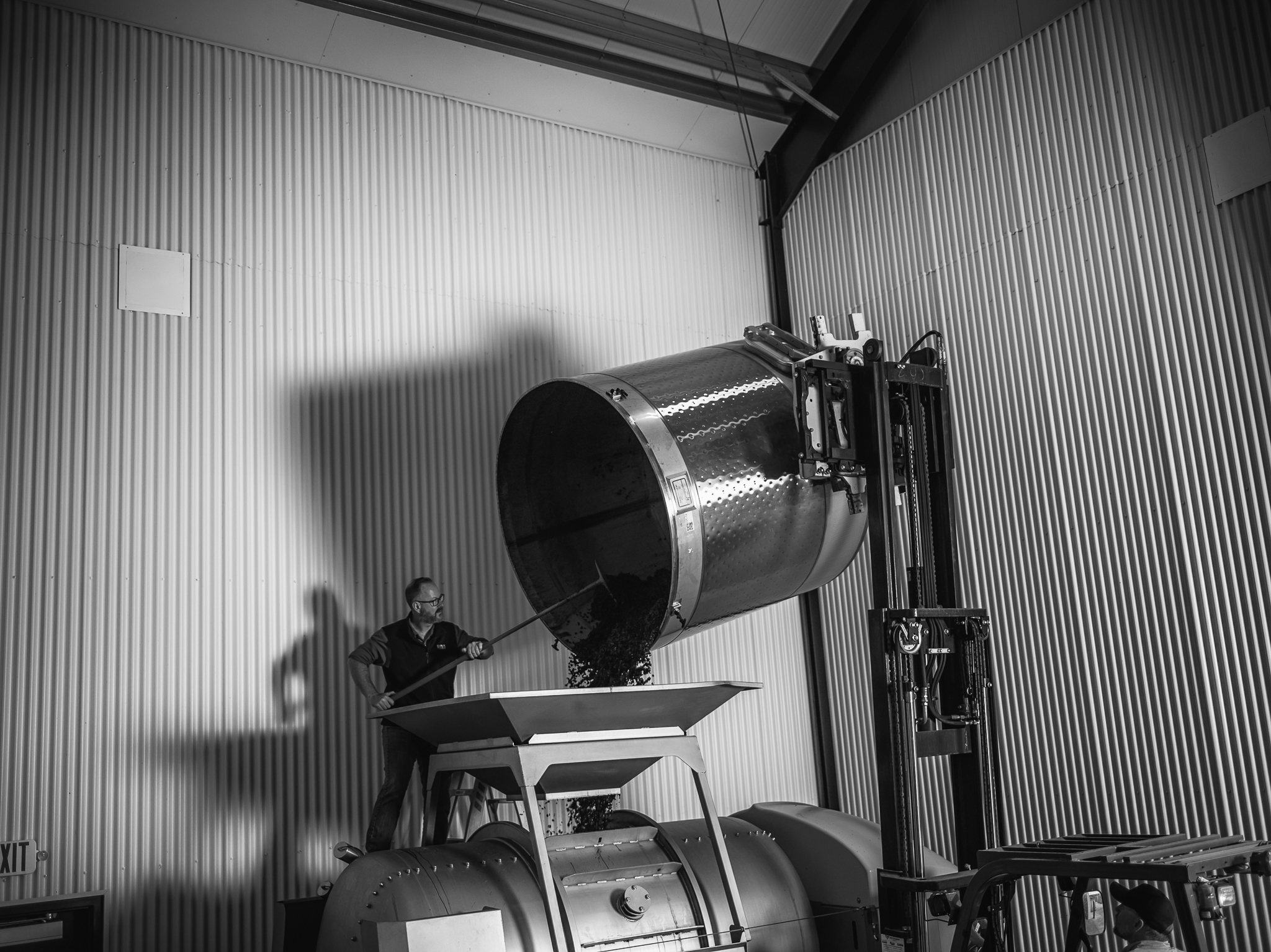
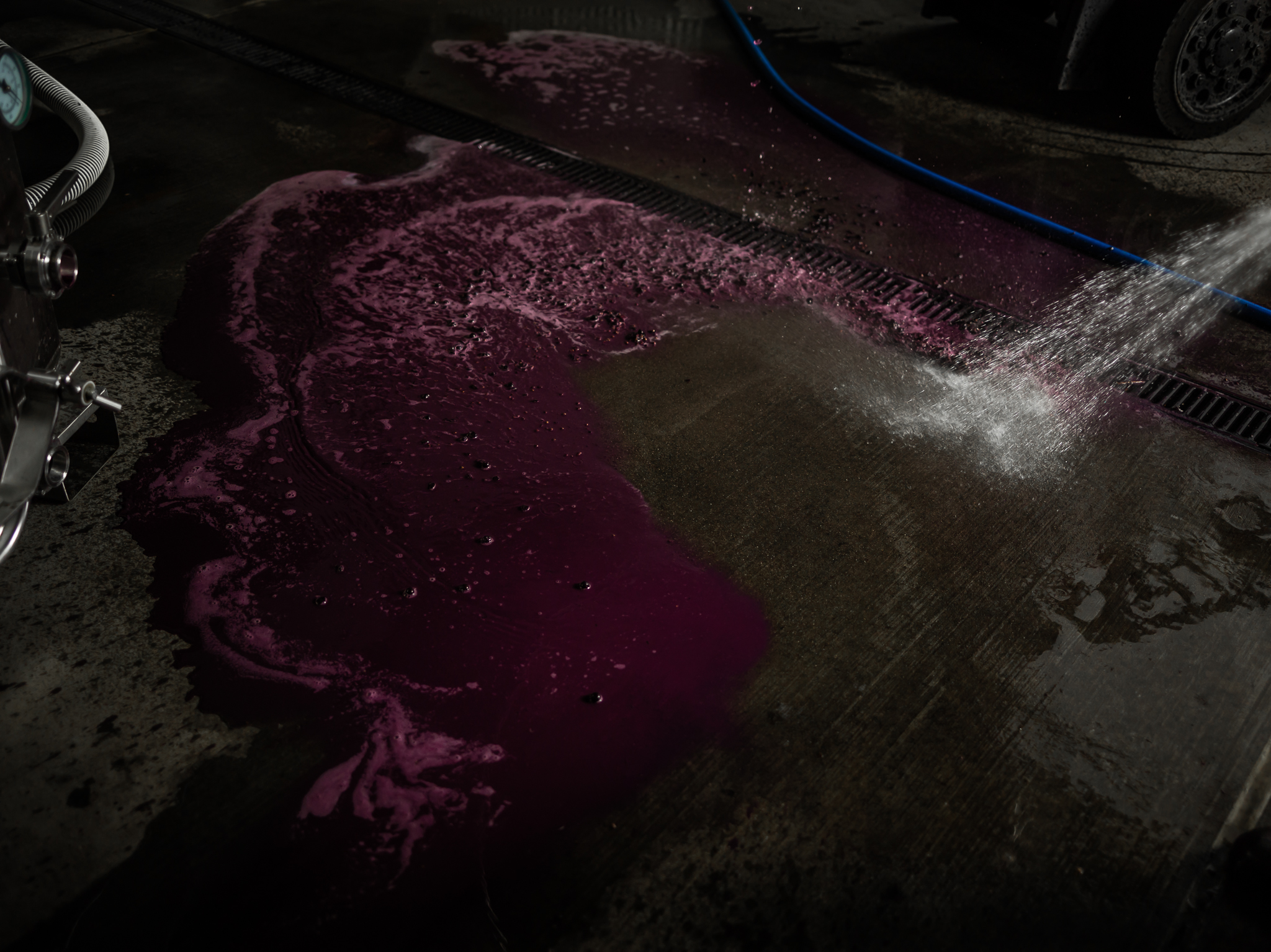
Trothe Wine 2024 Harvest

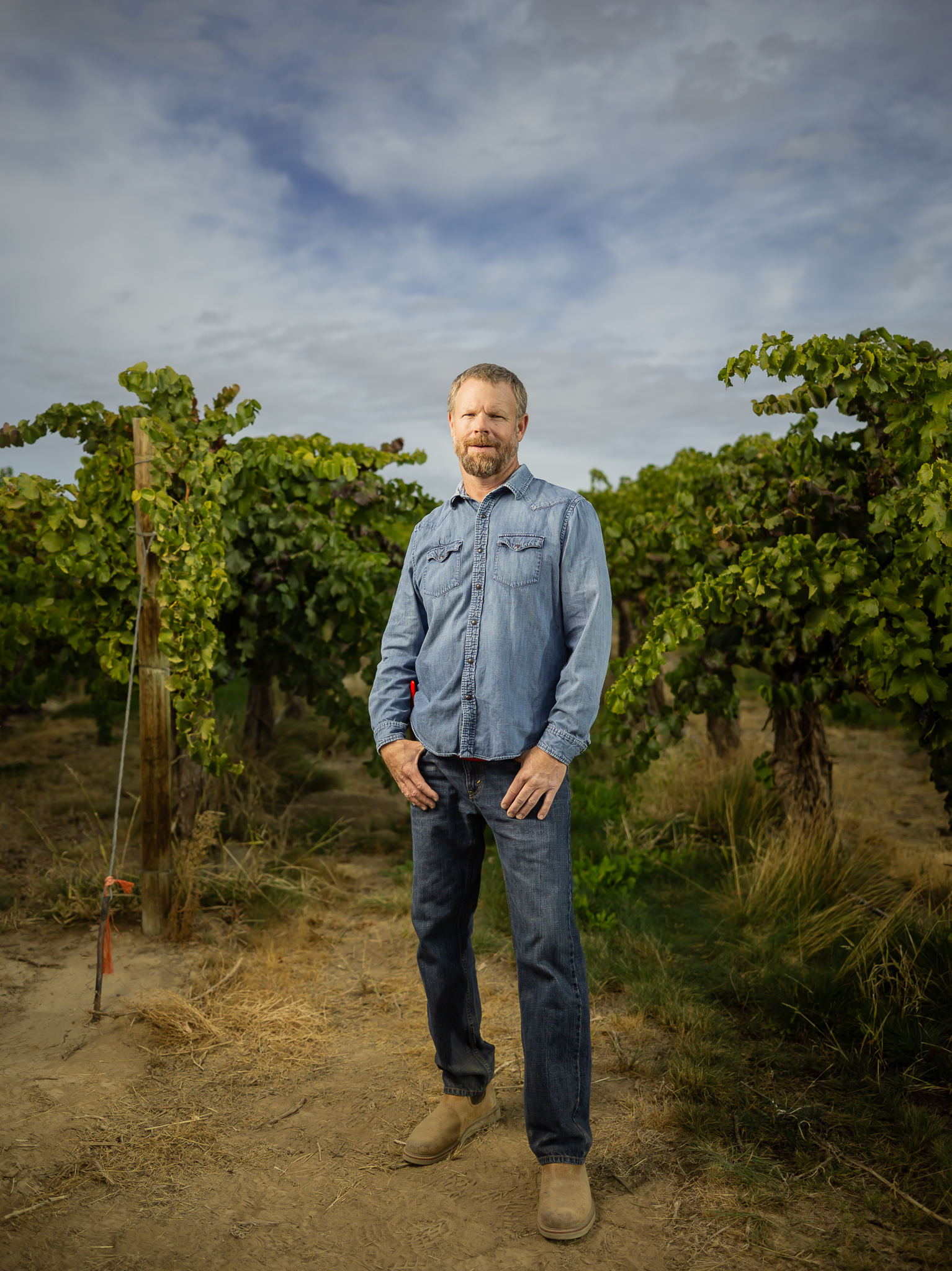
I absolutely dig the client who also becomes a friend and a colleague, along with his staff of people working hard to create and grow the business. Jeff Andrews at Trothe Wines is one of those people and clients.

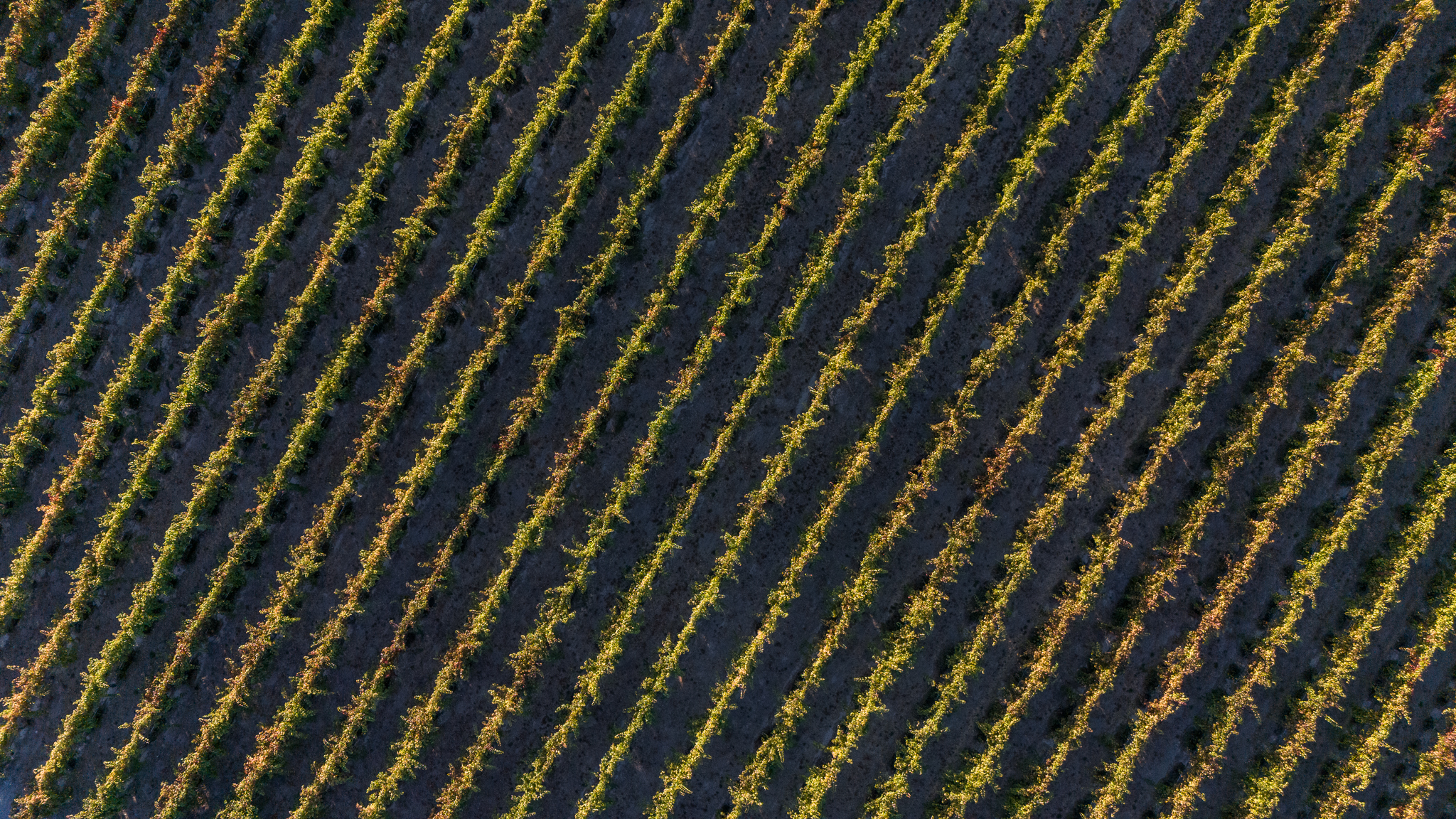
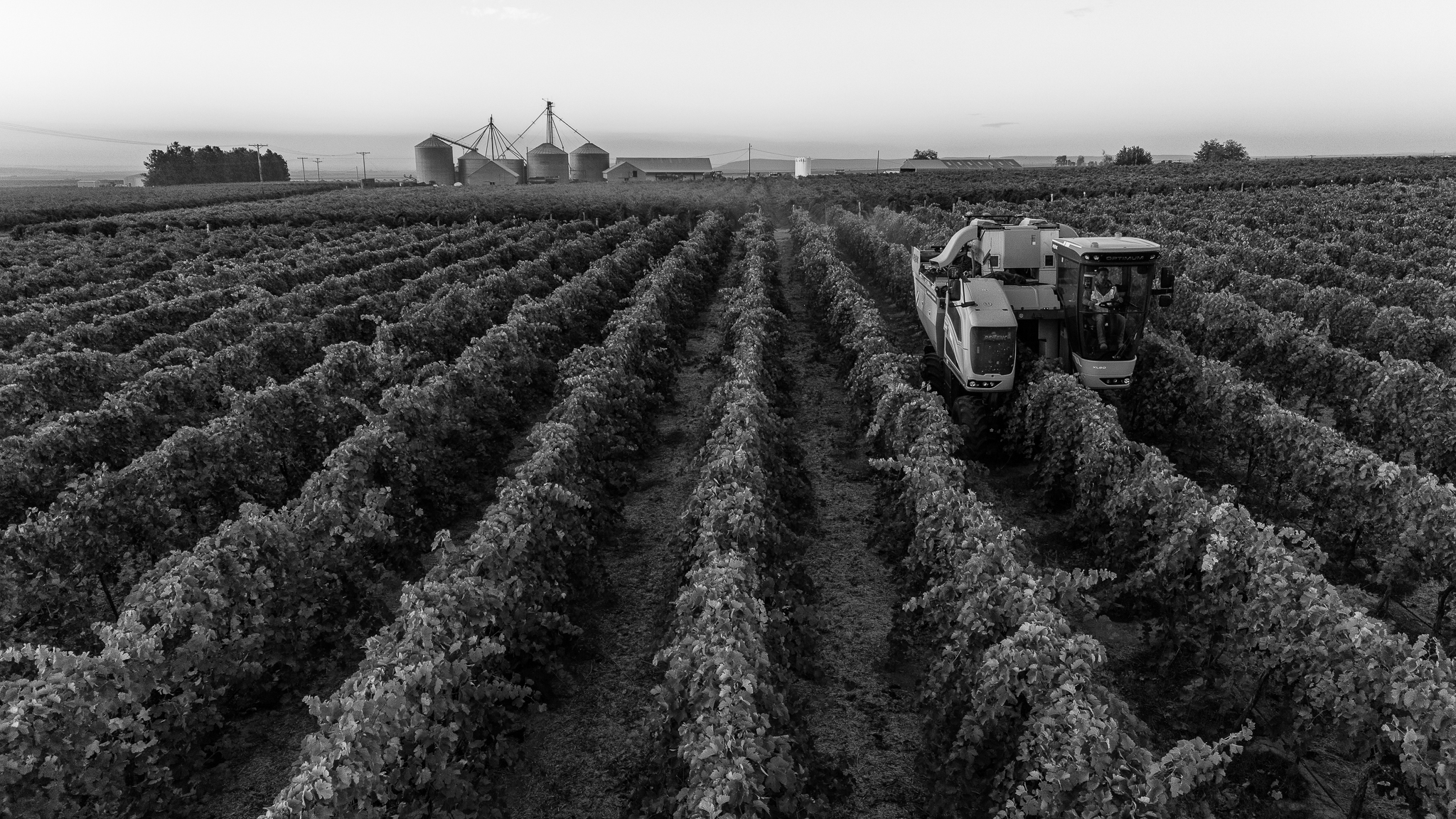
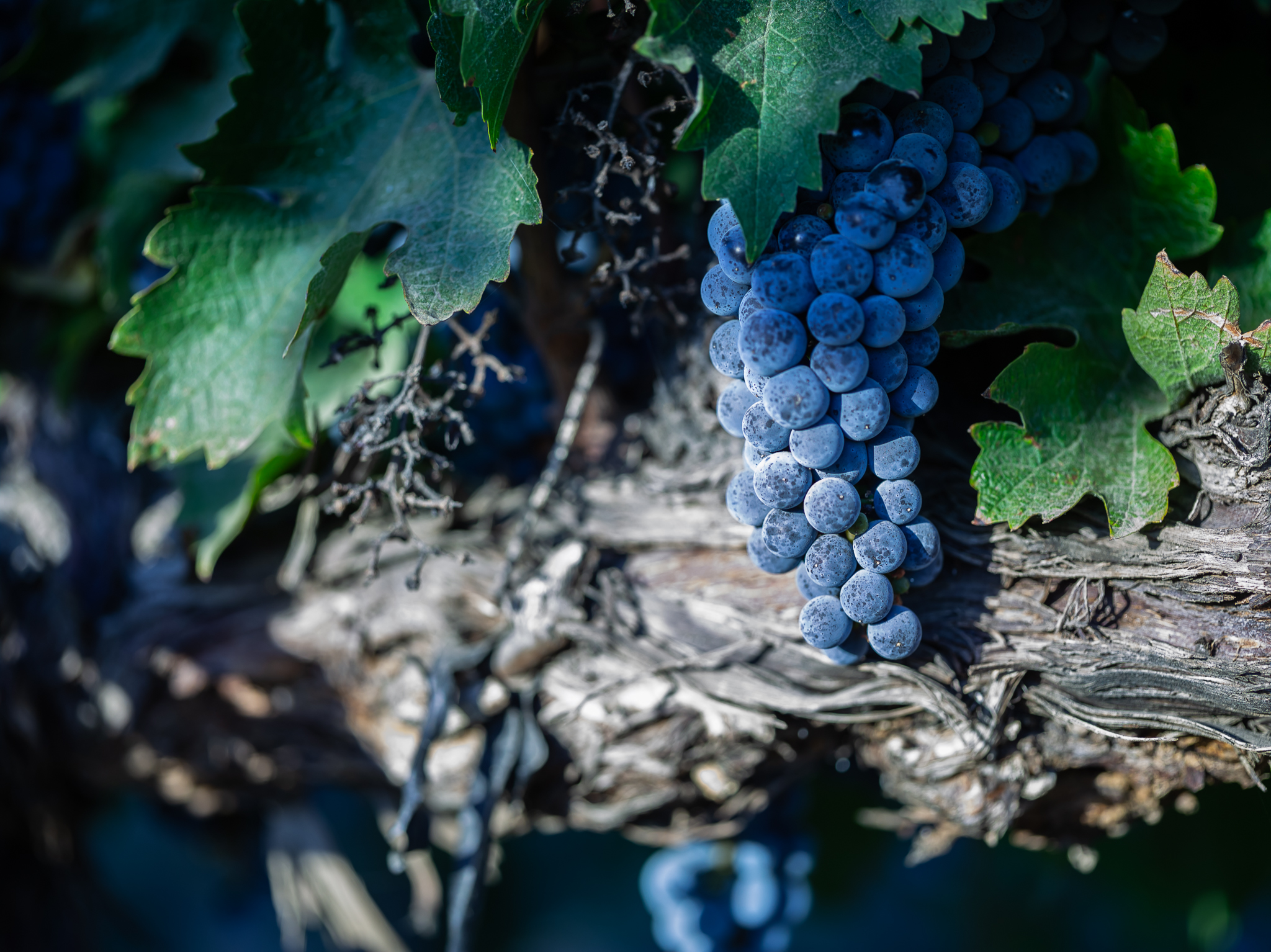
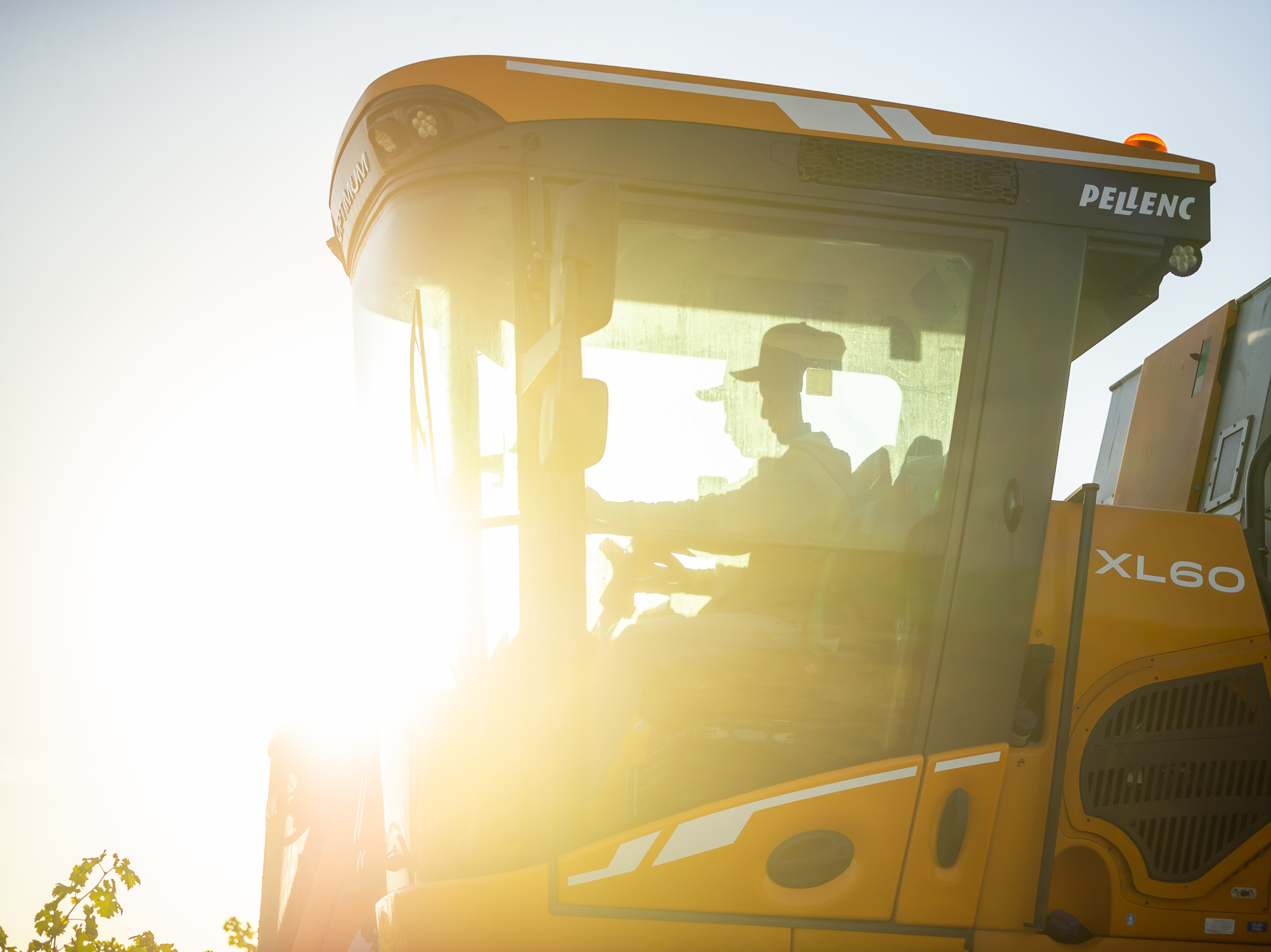
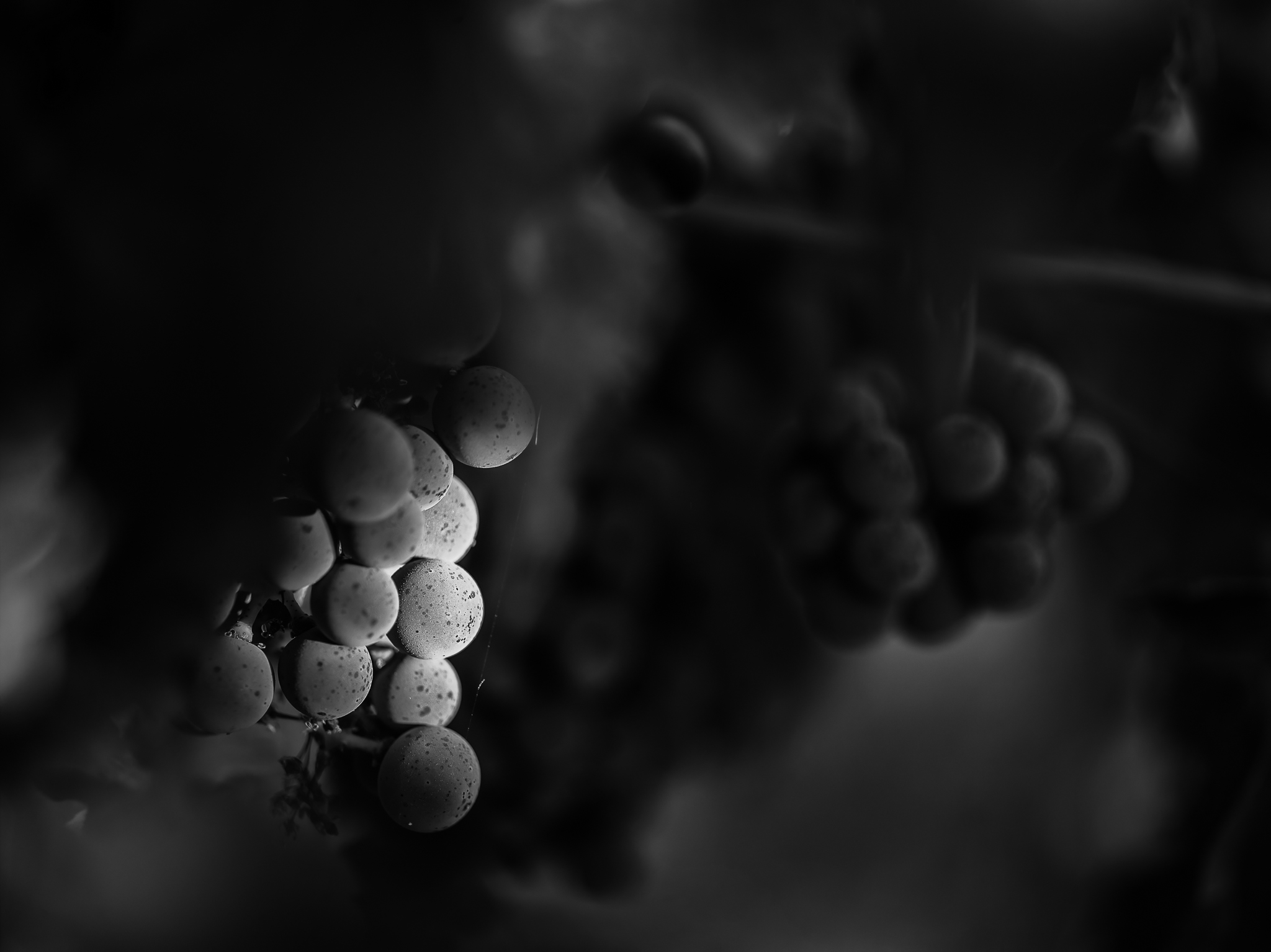
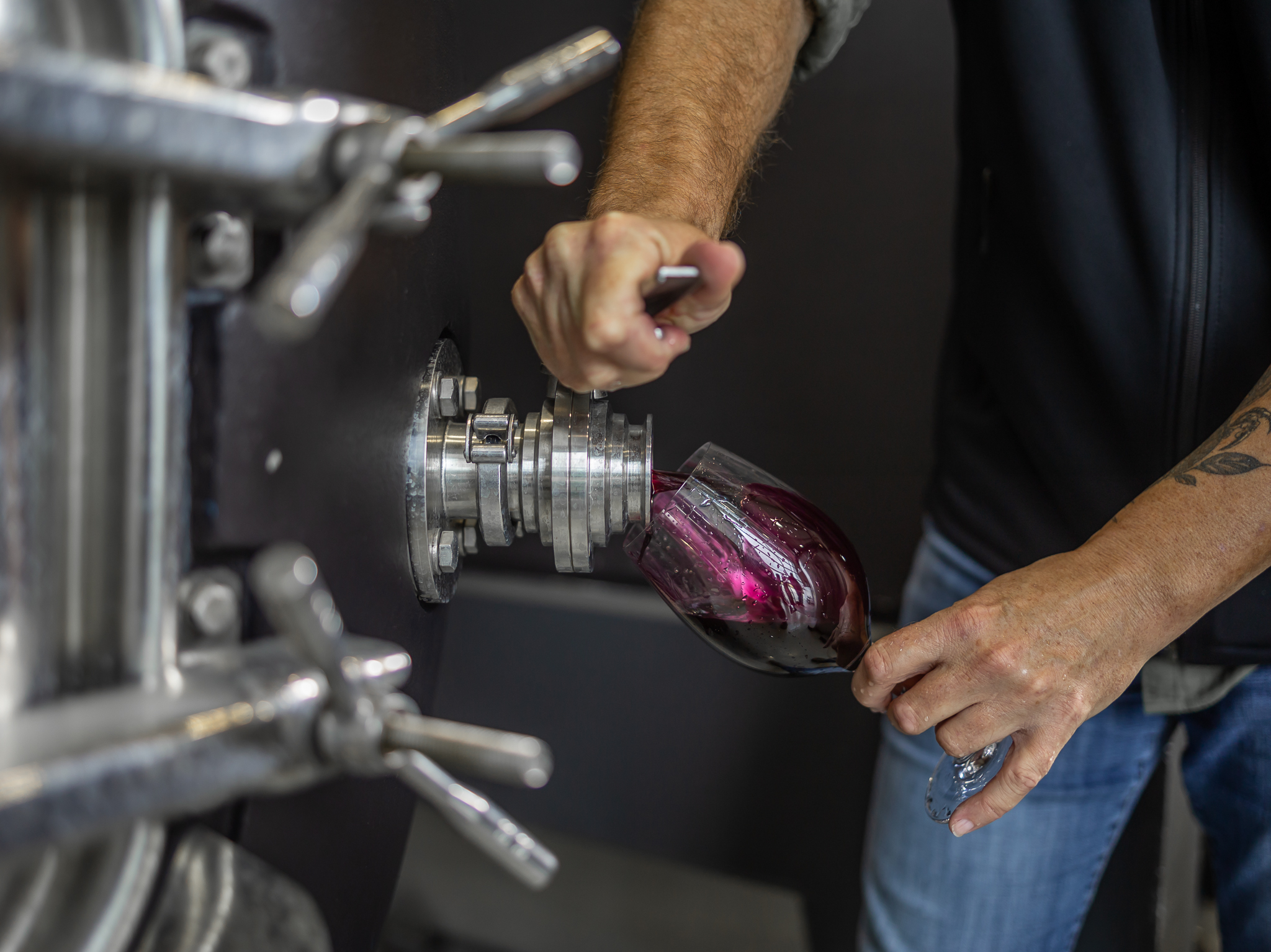
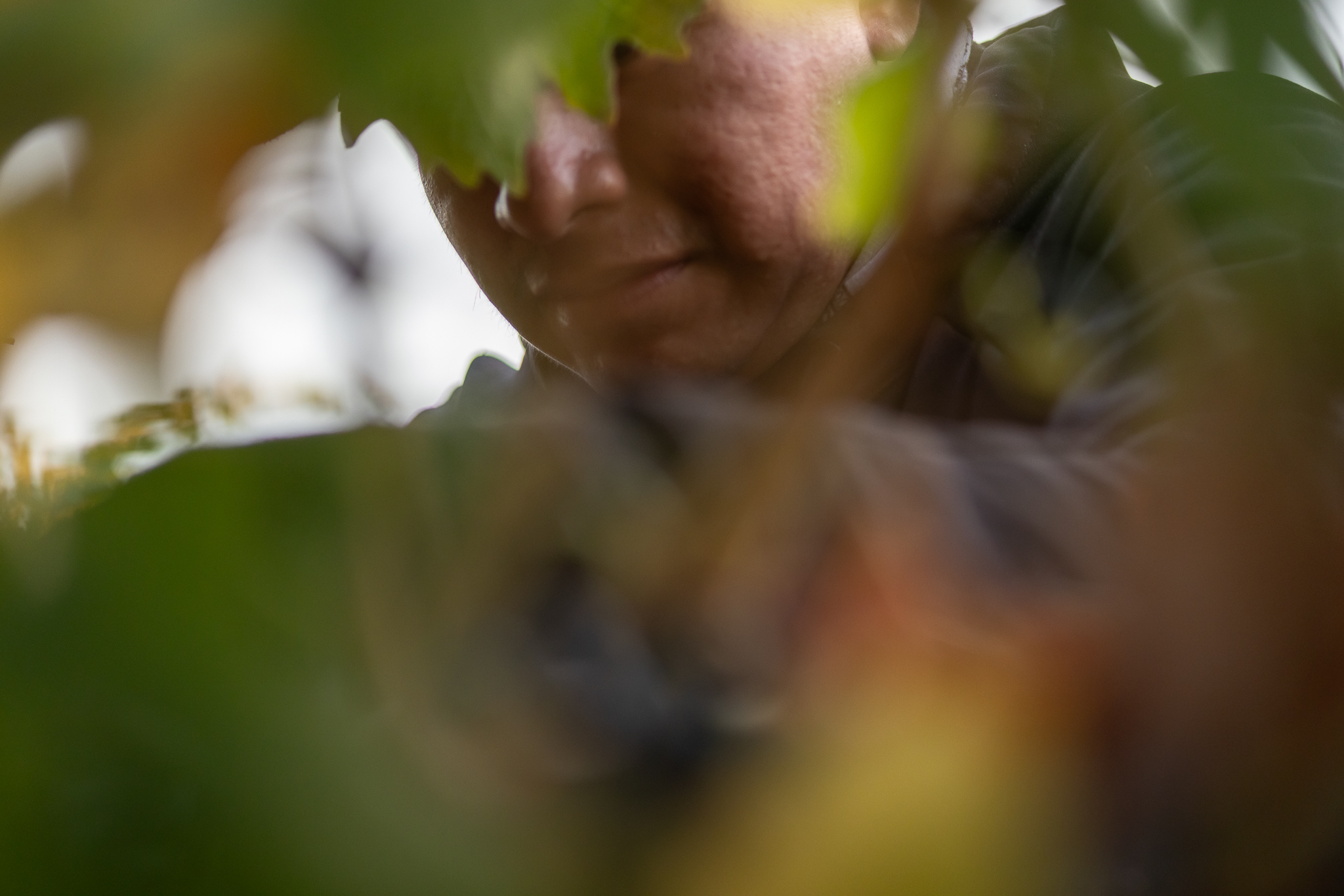
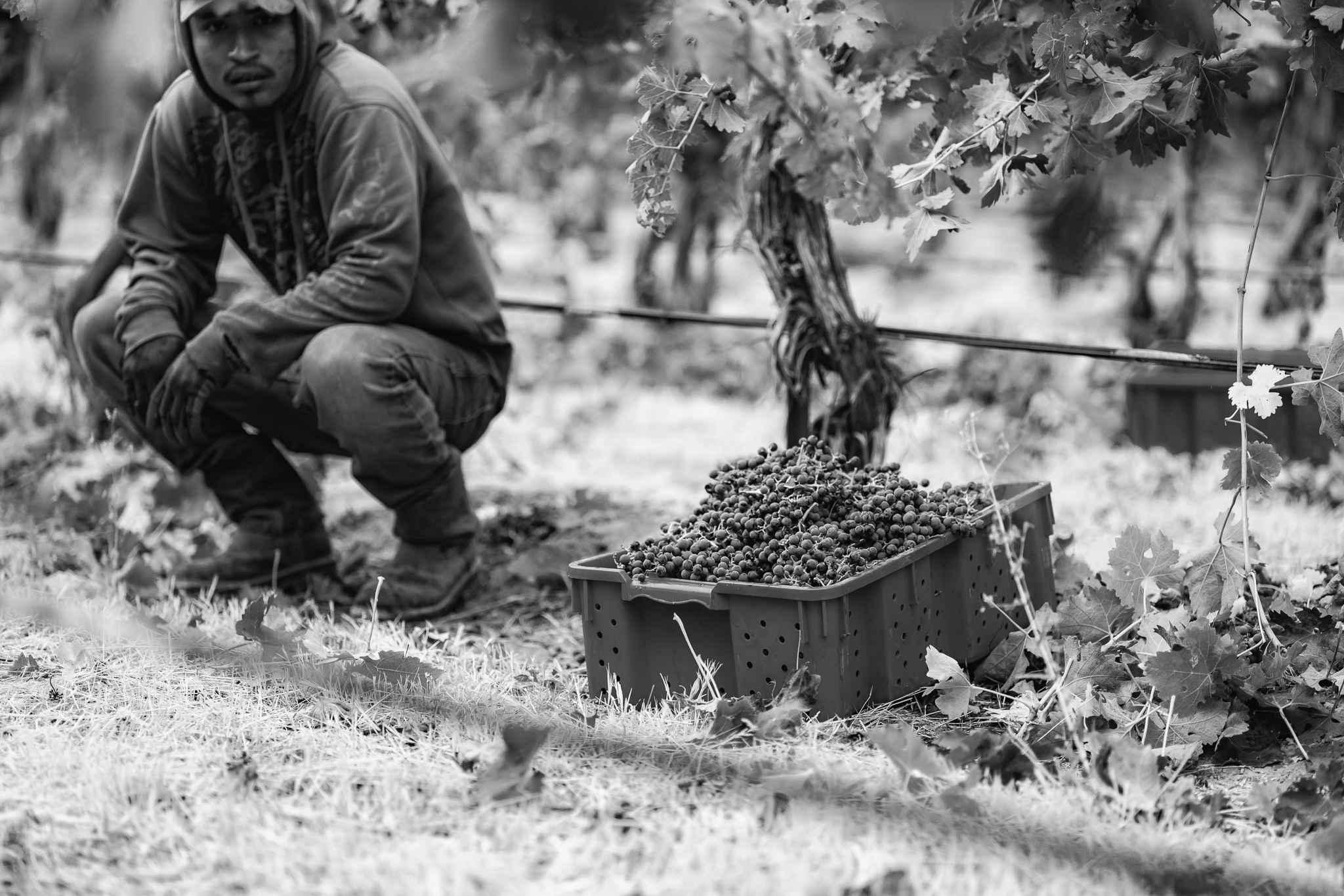
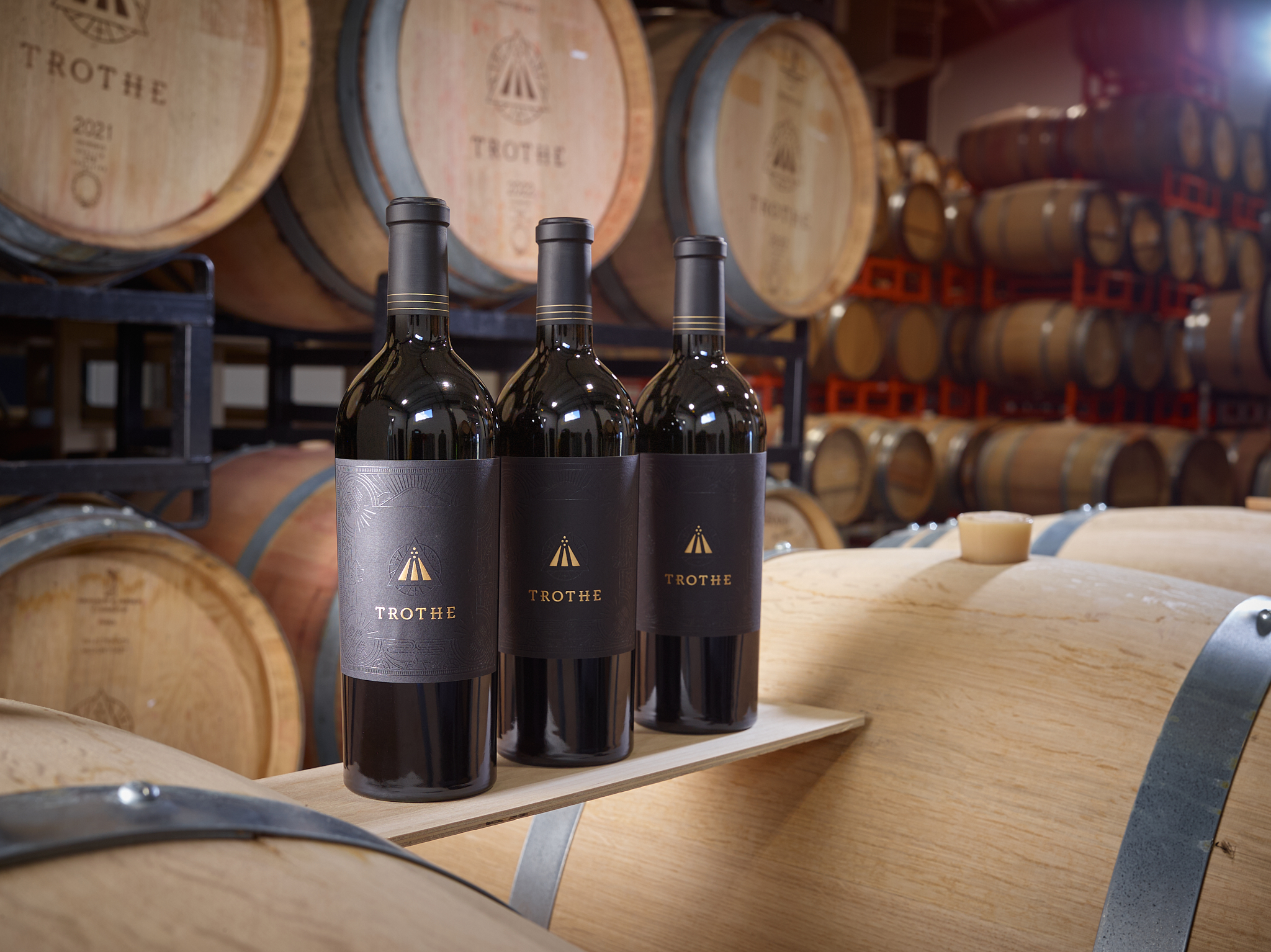
It was the 3rd time I visited their vineyards, whom I was introduced to via the Seattle-based creative agency DoubleKnot back in 2021. I returned this fall to capture stills and motion of their new harvest, helping their luxury wine brand grow from its foundation to a profitable consumer product.

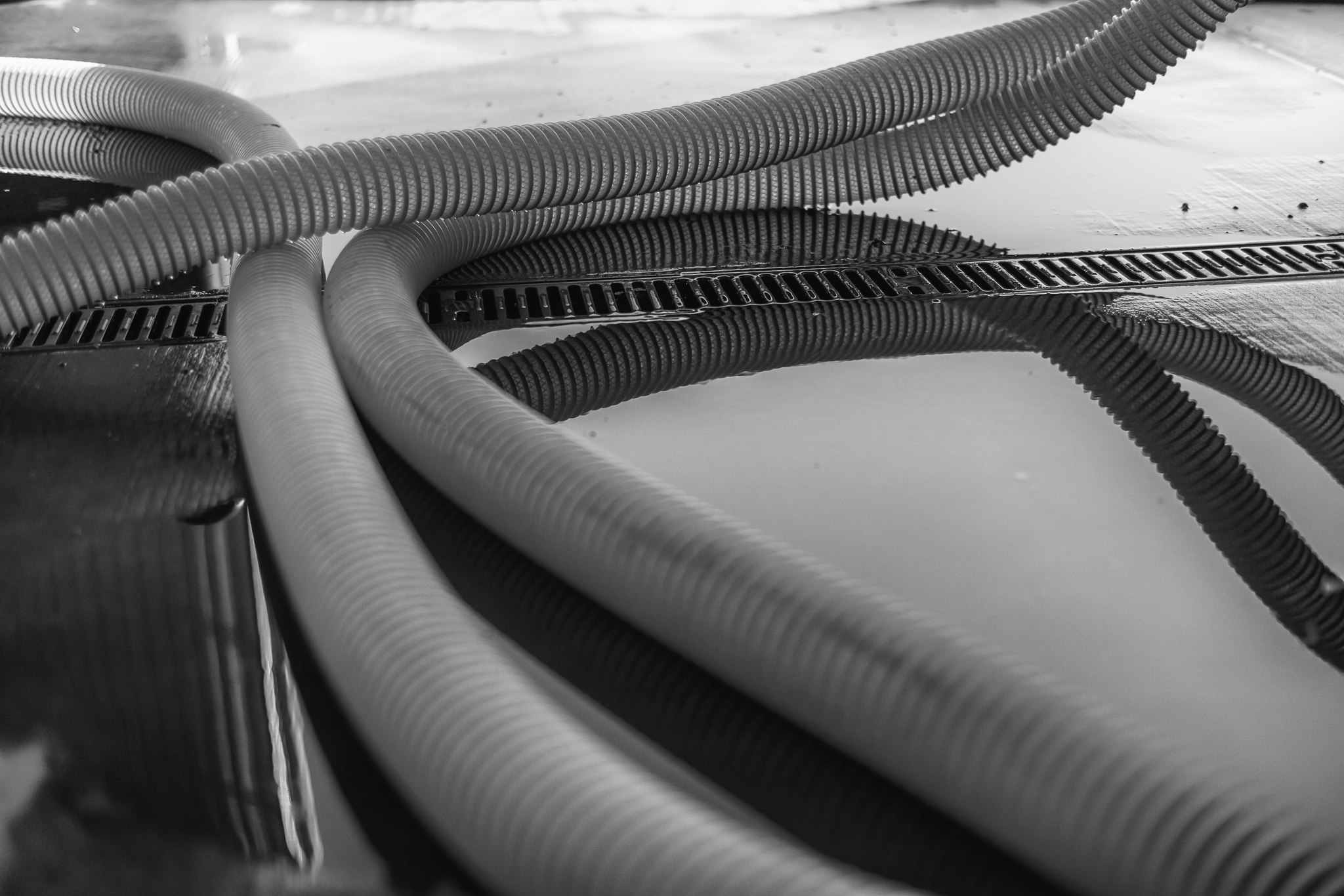
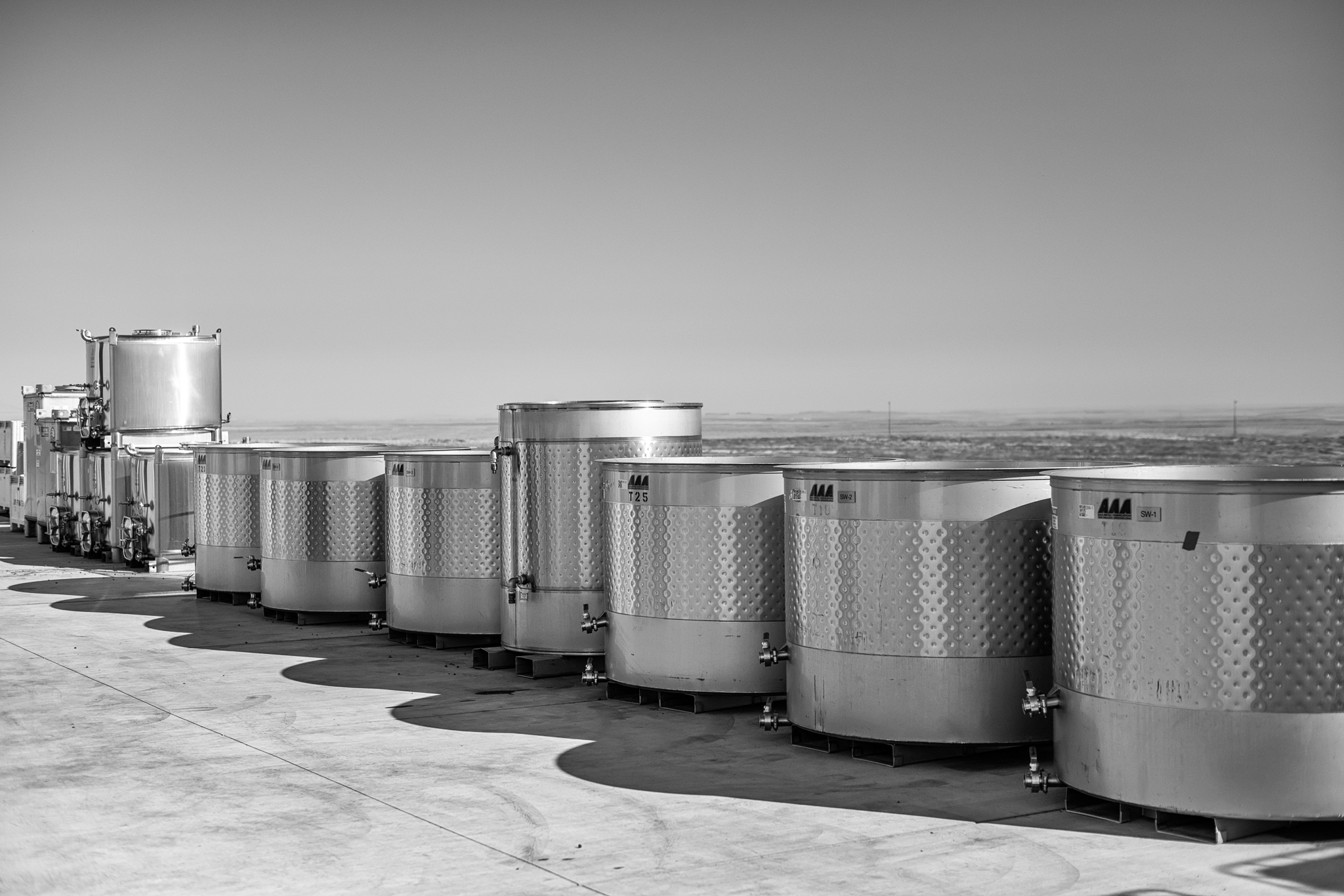
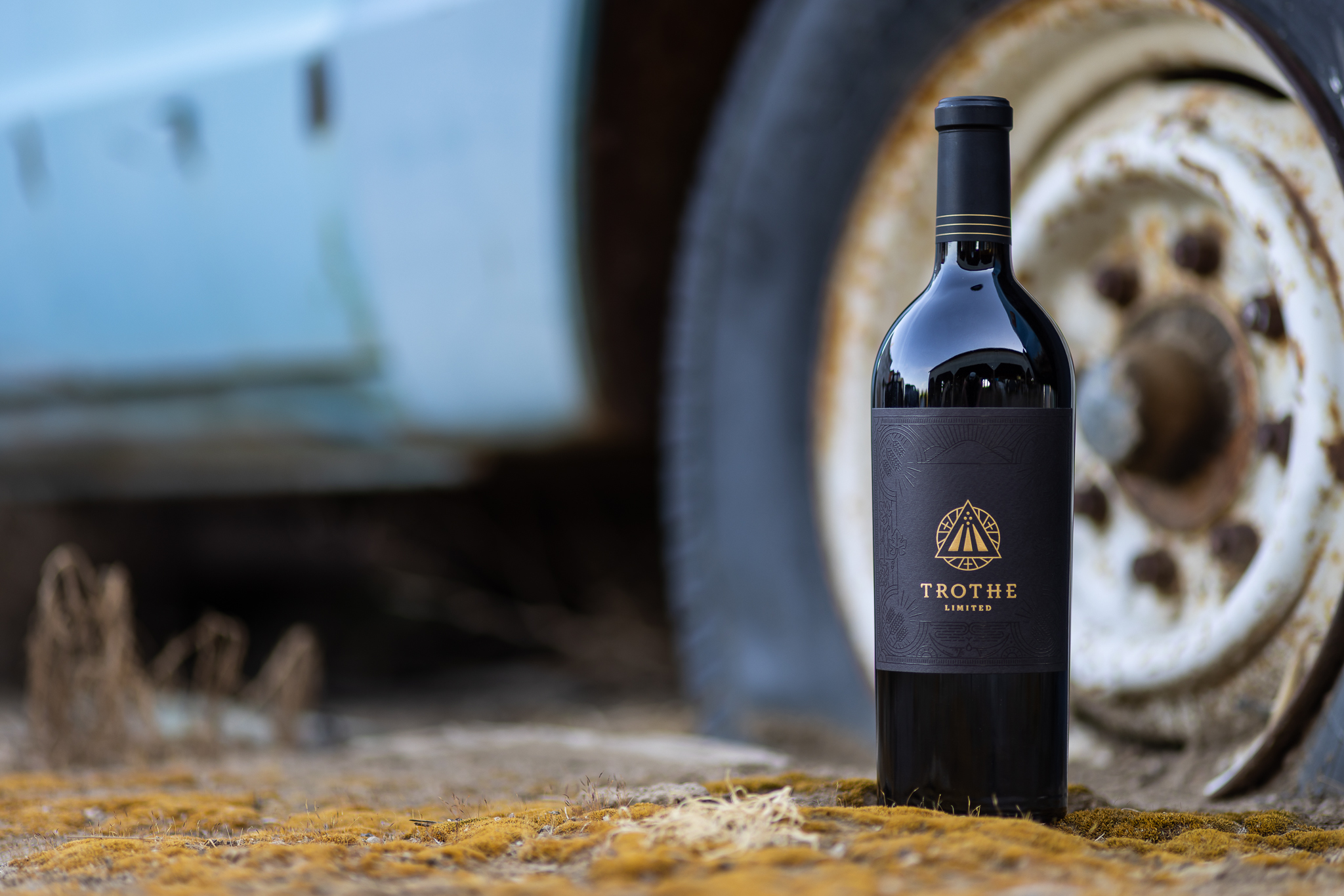
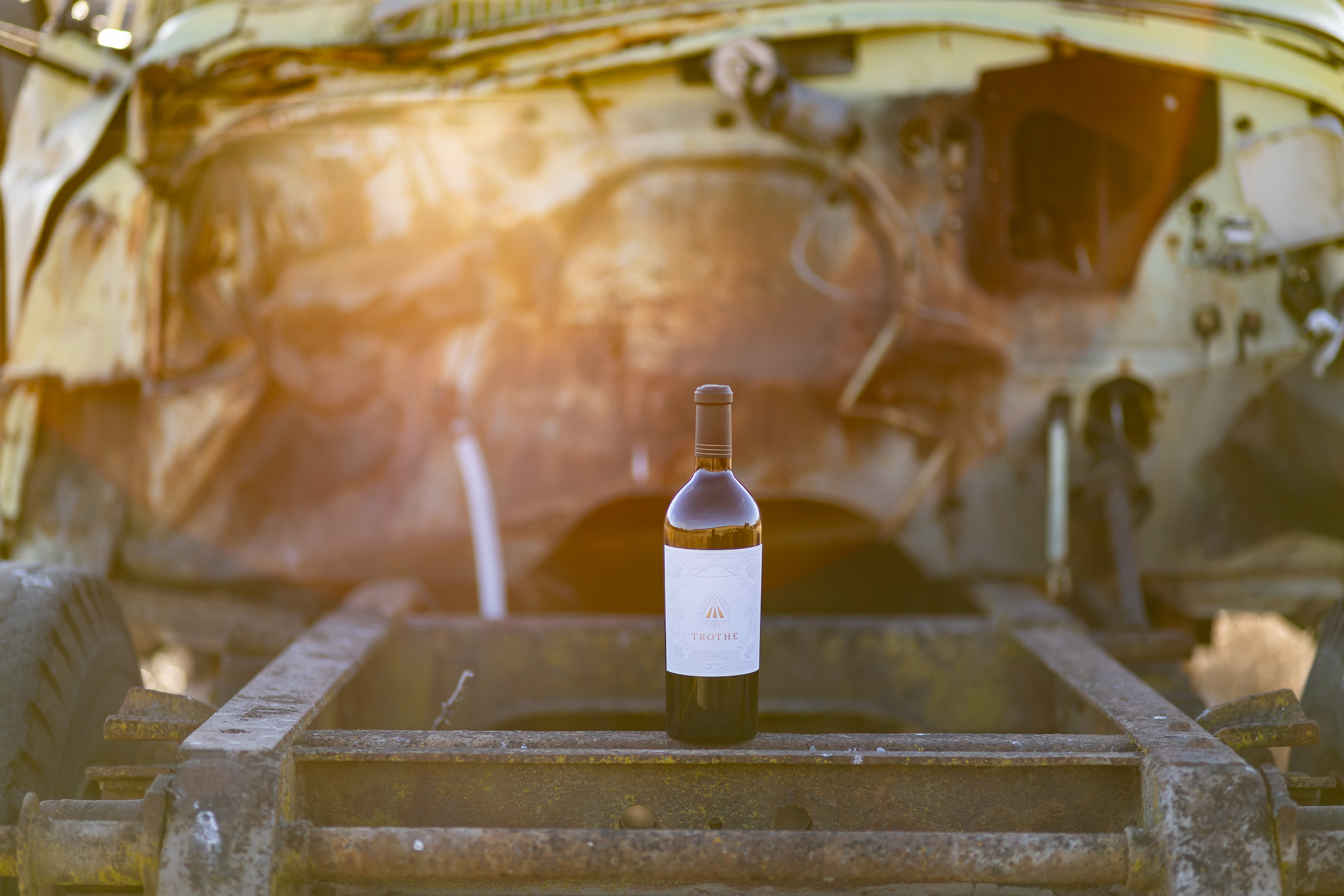
Throughout the 2.5 days I spent at the vineyards, I shot on 3 different still cameras (Canon R5C, PhaseOne XF with an IQ260 back and Leica Q2), two RED cameras (Komodo on gimbal system and Epic handheld), and one drone (DJI Mini 4 Pro). I shot natural light and Profoto strobes for portraits and accents on subjects, as well as tethered for product bottle shots. All-in-all, the diversity of mediums and imagery keeps my creativity spinning, an inexhaustible source following the light and creating the light when necessary. Motion edited by Sam McJunkin. Visit http://www.trothe.com for more.

For more work visit www.CameronKarsten.com

For video production www.the-subconscious.com
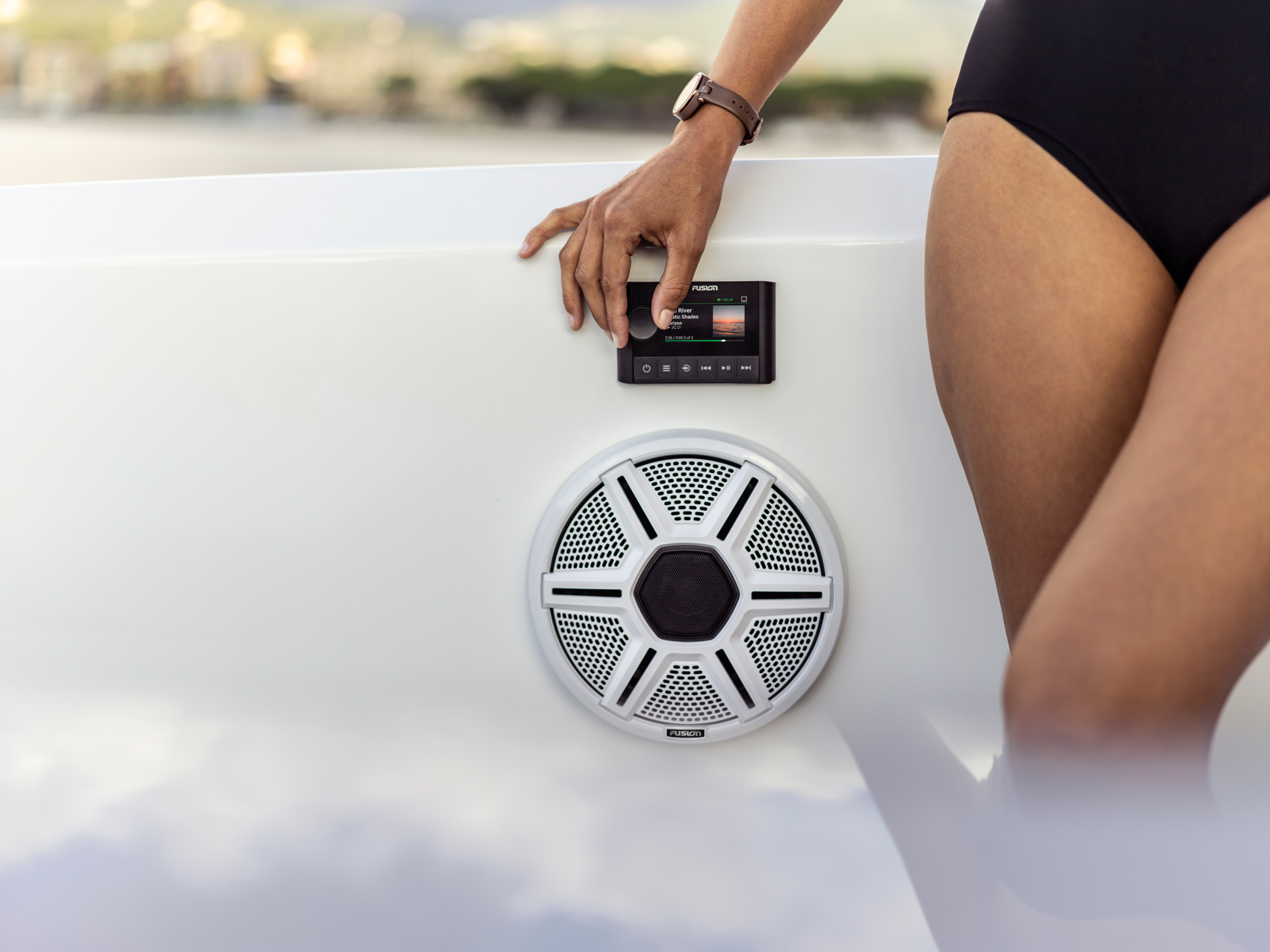
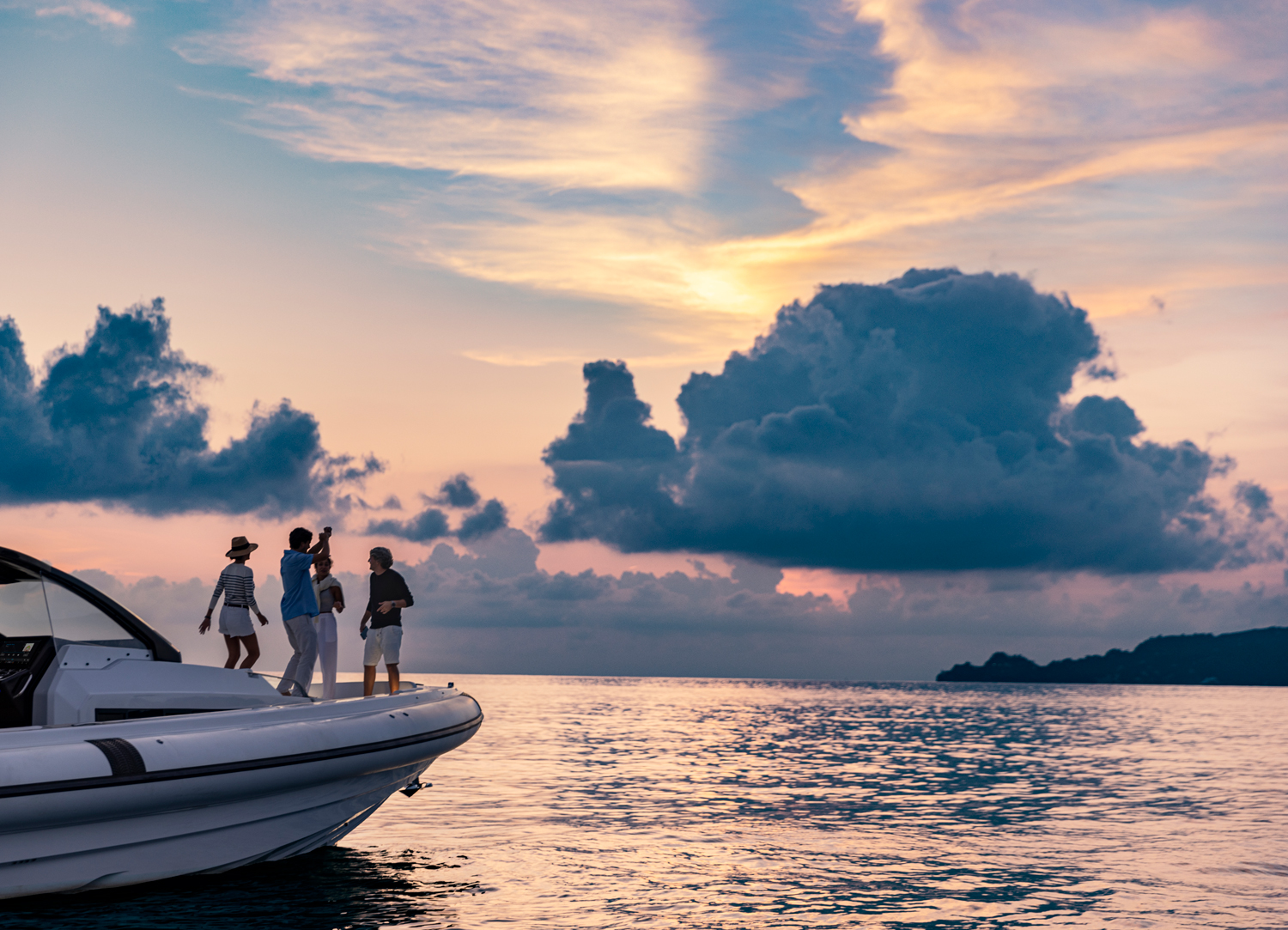
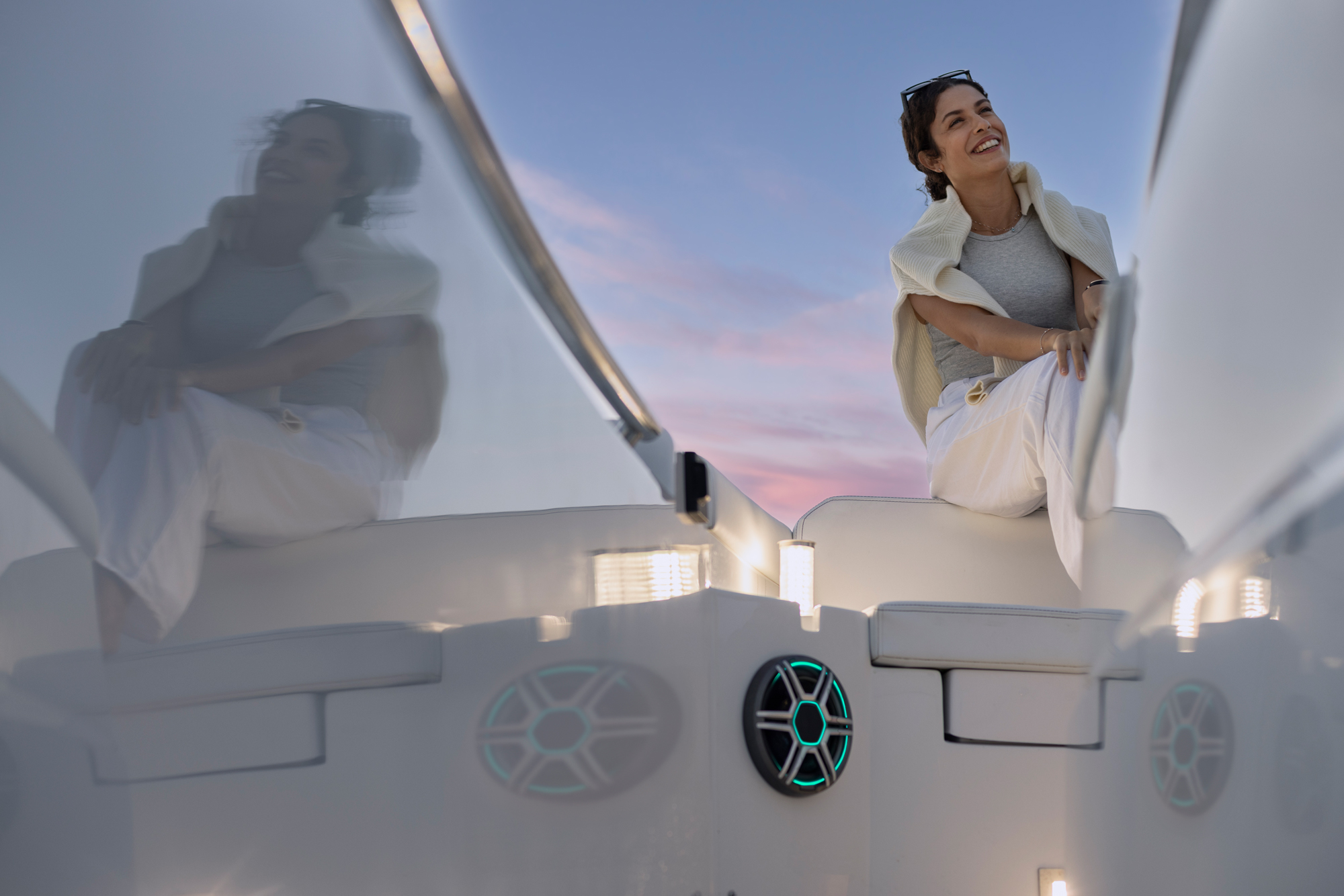
Capturing Italy’s Beauty with Garmin’s Fusion Apollo Speakers

Shot for Garmin in Italy (and North Carolina).

When any great, exciting, unknown, adventurous project lands in the Inbox, my mind jolts with a sense of thrill before settling right into its natural state – calm, clear, and anticipating.

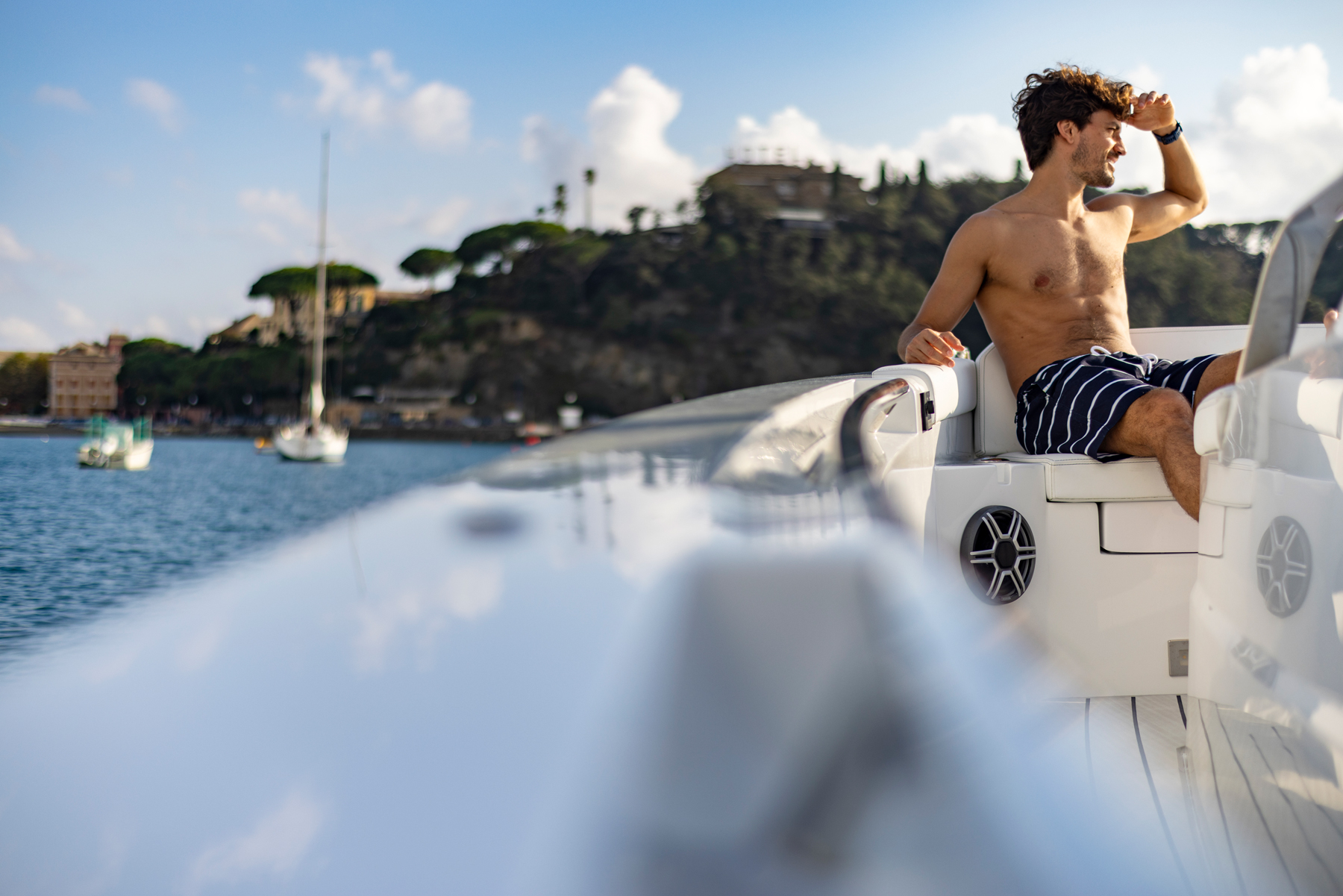
Filming on the Mediterranean was as it should be – luxurious. Cruising off the shores of Portofino and Santa Margarita was a dream. And while there, I stepped into the mindset of all the great Italian artists, harnessing their visions and inspirations, their energies and need to create: Michelangelo, Donatello, Filippo Brunelleschi, Vivaldi. It has all already been done.

For more visit:

www.CameronKarsten.com | www.the-subconscious.com
New Garmin Marine work!

Garmin Marine GPSMAP16x3 in Italy

The GPSMAP16x3 chartplotter and a Garmin Marine reel. This was a treat to head to Italy and shoot around Portofino. An absolutely stunning location on beautiful boats with the Spanish based production company Let’s.film.

North Carolina was a gem, too, albeit not the most ideal weather for shooting. All-in-all, these are the moments of full appreciation for what I do and who I work with. Thank you Garmin Marine team and for all involved! Watch here: Garmin Marine GPSMAP16x3 (https://www.cameronkarsten.com/Motion/2)

Directed by Cameron Karsten

Shot by Leo Phillips and Tyron Waas

Edited by Luke McJunkin

Produced by Let’s.film

Represented by The Gren Group

Garmin Marine reel – Seattle to Italy and in-between

Lastly, after three Garmin Marine campaigns in 5 locations, from sailing in Seattle, speed boating in Miami, to walleye fishing in Minnesota and cruising in Italy and coastal fishing North Carolina, my editor Luke pulled together a stylish Garmin Marine reel. Take a look and enjoy the water: Garmin Marine reel (https://www.cameronkarsten.com/Motion/3)
Cosa Buena in VOGUE Mexico

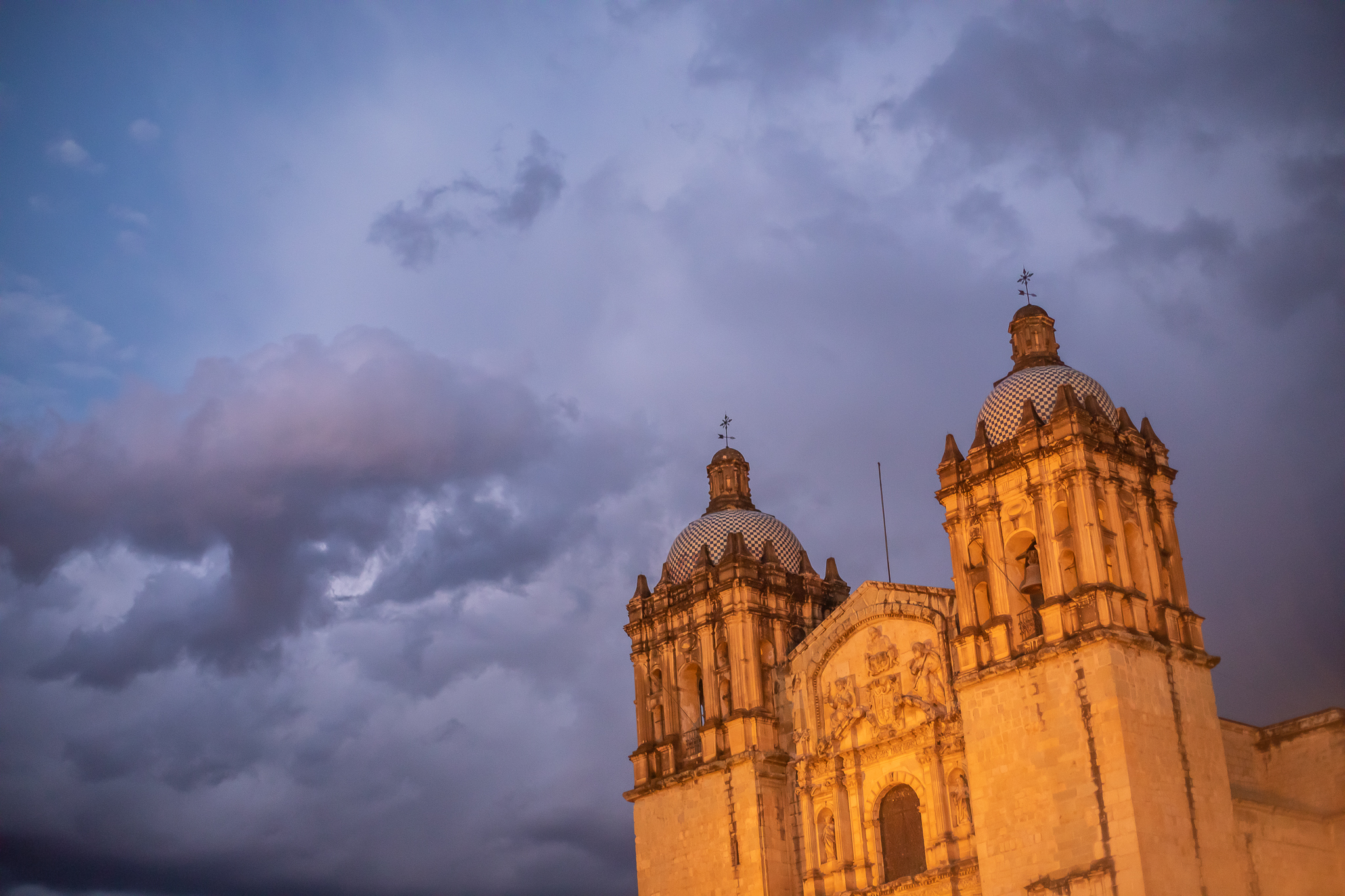
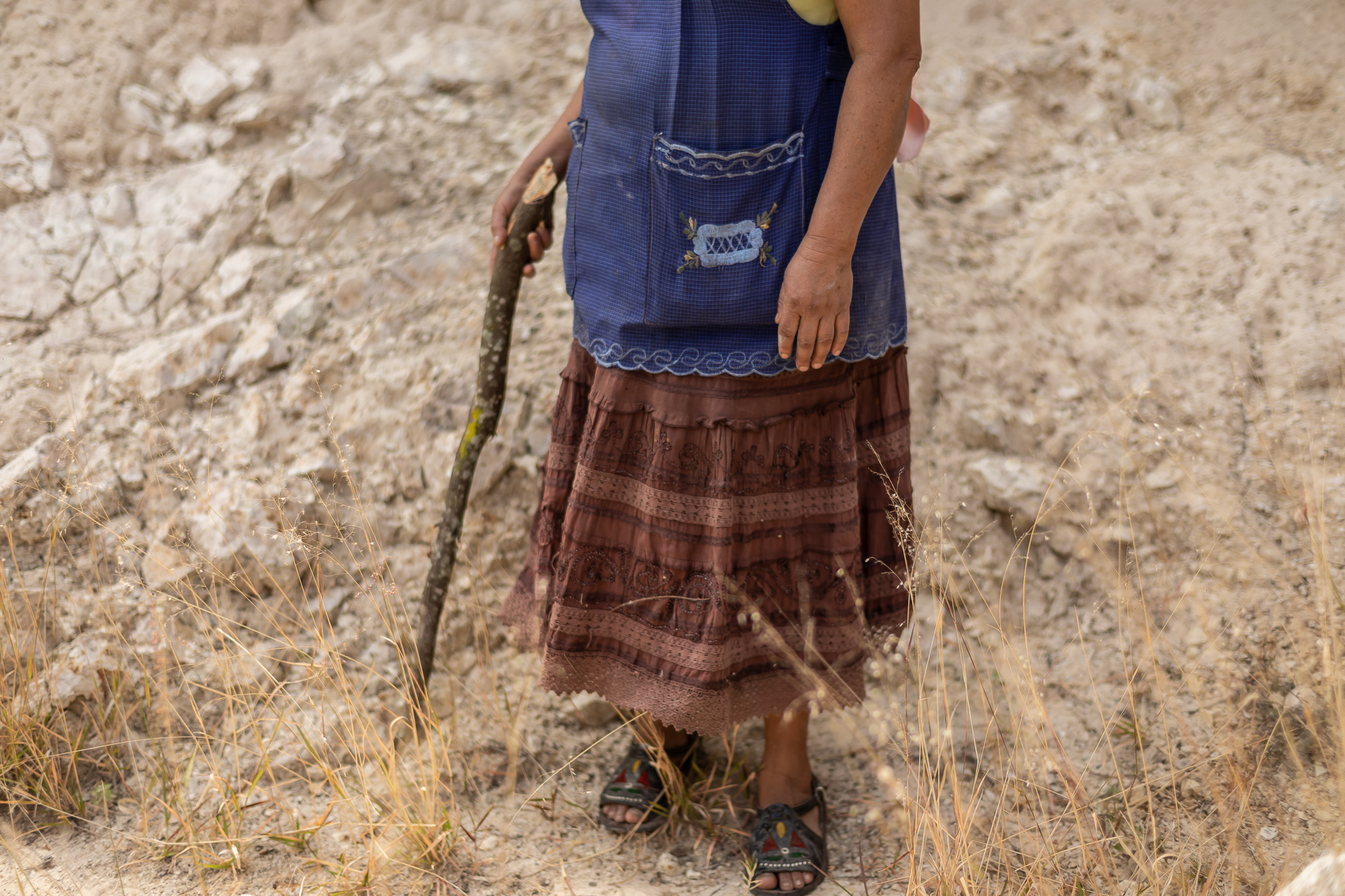
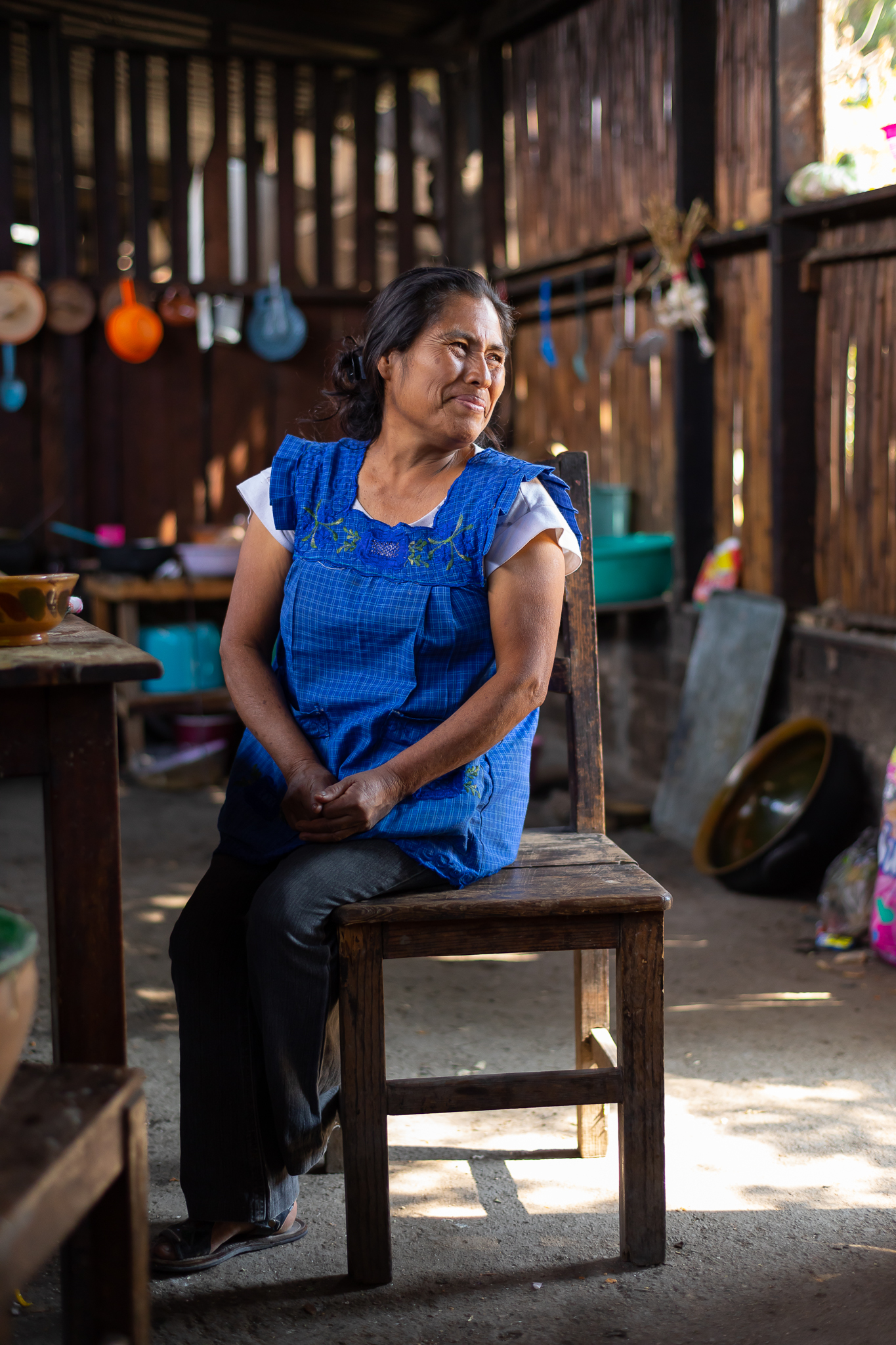
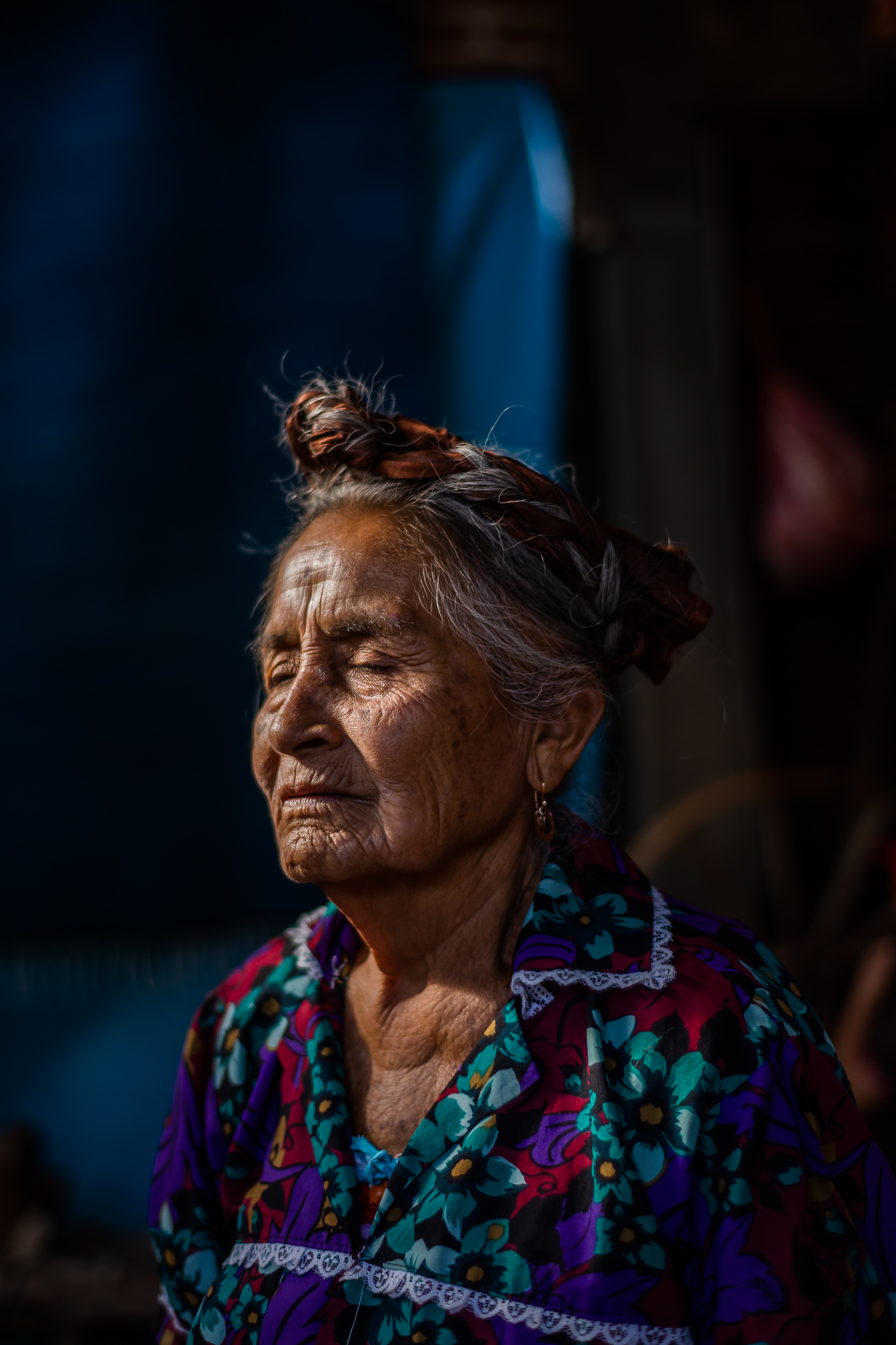
It brings great excitement and joy reflecting on projects that are not only culturally enriching, but visually stunning and successful. Our friend Vera Claire, founder of Cosa Buena, reached new heights networking and promoting their community-based work after getting published in VOGUE Mexico (as well as Architecture Digest and MEDIUM, among others). Below is a link to the article published in print and online, as well as a selection of other images from our time exploring the artisan-cooperatives of Oaxaca, Mexico. Someday, we’ll return.
PERFIL COSA BUENA-VOGUE MEXICO

© Cameron Karsten Photography in Oaxaca, Mexico

© Cameron Karsten Photography in Oaxaca, Mexico

© Cameron Karsten Photography in Oaxaca, Mexico

© Cameron Karsten Photography in Oaxaca, Mexico

© Cameron Karsten Photography in Oaxaca, Mexico

© Cameron Karsten Photography in Oaxaca, Mexico

© Cameron Karsten Photography in Oaxaca, Mexico

© Cameron Karsten Photography in Oaxaca, Mexico

© Cameron Karsten Photography in Oaxaca, Mexico

© Cameron Karsten Photography in Oaxaca, Mexico

© Cameron Karsten Photography in Oaxaca, Mexico

© Cameron Karsten Photography in Oaxaca, Mexico

© Cameron Karsten Photography in Oaxaca, Mexico

© Cameron Karsten Photography in Oaxaca, Mexico

© Cameron Karsten Photography in Oaxaca, Mexico

© Cameron Karsten Photography in Oaxaca, Mexico

© Cameron Karsten Photography in Oaxaca, Mexico

© Cameron Karsten Photography in Oaxaca, Mexico

Wonderful Machine Blog: Cameron Karsten Helps Sage Fly Fish Market Itself to New Demographics

Here’s a nice little write up at Wonderful Machine’s blog. The original post can be found here.

Screen Shot 2020-05-02 at 8.57.30 PM

A leap of faith that companies take from time to time involves marketing themselves to demographics outside their main consumer base. It’s a risk, to be sure, considering the number of resources these companies need to invest in this kind of advertising push. This is what fishing rod manufacturer Sage Fly Fish, with the help of photographer Cameron Karsten, is trying to do.

Fly fishing is mostly known as a retiree’s sport, so Sage wants to break the old model and show imagery of all persons young and old, as well as shots of both seasoned anglers and novices.

Sage is a leading brand in this market, and it sells products for a wide variety of fishing locations, from freshwater streams to saltwater oceans. As a result, Cameron has done a good bit of traveling in and out of the country.

Every season, Sage utilizes their imagery for the different seasonal fishing taking place around the globe. For example, there is a heavy winter steelhead run in the Pacific Northwest, so new products are unveiled for this technique during this season.

Screen Shot 2020-05-02 at 8.56.48 PM

These images are shot months in advance and are rolled out within their appropriate season, used on everything from social media channels to print runs in select fly-fishing periodicals. Their also published on the web for online sales and made into big banners for trade-shows.

Of course, fishing takes a ton of patience, but that’s to Cameron’s benefit. The hours-long process allows him to think creatively and try new things, which helps both him and the client.

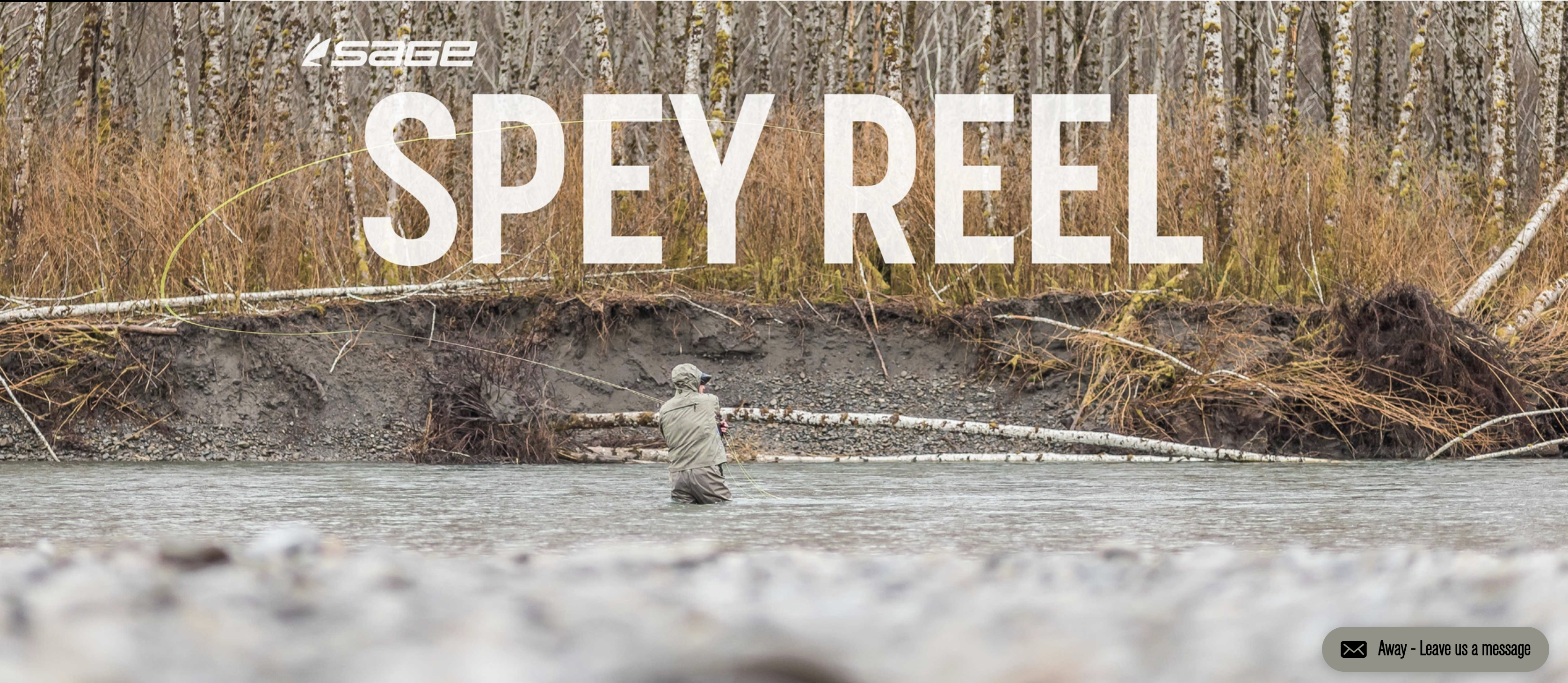
Fly fishing is a very slow methodical process, whether sighting fish, working a hole in the river, or spey casting a stretch of nice running water. As a photographer, I have a lot of time to work the angles, get the shot of the cast, and then try something unique, creative, out-of-the-box.

Screen Shot 2020-05-02 at 8.51.46 PM

During these shoots I’m a fly-on-a-rock, following the angler as he fishes various holes and ripples, chasing tailing fish on the flats, or doing the basic mechanics of tying on a fly, changing line, or releasing a fish. The goal is to capture not only the cast, but the culture and story of a fly-fishing angler.

In getting the whole picture, Cameron sometimes has to create wide shots for specific uses. His arresting panoramas perfectly capture all there is to soak in while fishing in some gorgeous places, and they’re used quite nicely by Sage.

These wide shots are meant for large banner presentations at trade-shows or on the web. The goal is to show the beauty of the location with the subject within the setting. To set these up, I place the individual within the space and allow my eye to find the perfect positioning so I can capture the perfect cast that represents Sage and the sport. I then shoot plates surrounding the subject, which creates a large banner image once stitched together in PhotoShop. The images often render 4GB or more in size.

Screen Shot 2020-05-02 at 8.57.48 PM

Another nice development within these shoots is the sense of camaraderie amongst the brands that market products aimed at the same people. Where Sage wants to sell equipment, Patagonia wants to sell merchandise, and YETI wants to sell gear. As the person who mixes everything together, Cameron can produce batches of imagery that tell a full story and help each organization.

The great thing about this culture of fly fishing is there are so many high-end companies who want to work together — brands that have similar stories in their own light but look to affiliate with one another due to their experience, quality, and value. On a lot of these fly fishing campaigns, I’ve been able to bring on different partners. Companies like Patagonia and YETI have fantastic gear for all of these environments. So, to bring on these brands is wonderful and makes the whole adventure complete with quality equipment.

Below is a link to a booklet we shot on-location in Idaho, and more work can be found at www.CameronKarsten.com.

Sage_2020_DigitalBook_TROUT LL

Over the Salal Fields And Far Away

© Cameron Karsten Photography of surfing the Washington coast, Pacific NorthwestIt was dripping; the sun shrouded by cloud, the cloud returning to damp where dew ran with rain and rain soaked into thick rivulets of sand. All these paths led to a tempest of gray salt, growling together as an always-temperamental Northwest coastline. We shouldered our loads, pack mules down scree slopes, each step sinking into the shifting earth.

The first day was different. From the golden sun reflecting off a classic green pearl, a perfect wave was ridden with friends yelping like small creatures in a wide world. Slowly, in its own time, the swell built into a fortress of play. A soft offshore breeze told ancient stories of the last days of summer, like secrets spoken only to the two of us out that morning.

© Cameron Karsten Photography of surfing the Washington coast, Pacific NorthwestWalking off the beach, skin tensing from the drying salt water, we turned and marveled at the temptation we left, but the promise of additional companions and a new adventure forced us back through the thick fern fronds and salal fields that guarded those secrets. We pulled into a freshwater bay to meet our other companions: Sam from Ocean Beach and Kris from hometown.

As we spread our gear across the gravel, we reveled in what was just had and the anticipation of what was to come—a sea of imagination. Tents and tarps; jackets and neoprene layers; stoves, filtration systems and amenities; all stuffed into bear canisters and assertively packed within the confines of four new SealLine expedition packs. Canoes and paddles, boards, wetsuits, a small wooden door, screwdriver and hardware made the trip. Finally, amenities for the sun and the cold: beer.

© Cameron Karsten Photography of surfing the Washington coast, Pacific NorthwestEach canoe weighed heavy in the soft mud as the four of us laughed, organized and inspected everything. We had the gear and a malleable plan. Now we needed waves. Under a milky afternoon, still with high, wafting clouds, we embarked waters teaming with perch, pikeminnow, coastal cutthroats and kokanee to a point of cache and then further across deeper waters into the middle of nowhere.

This was our annual expedition in search of far-away waves—often not there, often there. We scanned bays and points, searched maps and planned routes. One year the Lost Coast Range, another south to Baja. This year we wanted to stay home and discover the little-known secrets of our wild backyard.

On far western shores we moored the vessels under thick drooping cedar boughs and trekked into the shadows, dusk above us and wet bog beneath. We slipped on decaying boardwalks, falling sideways and forward as we toddled, drawn to the roar of a thundering ocean a mile away. Our boards acted like crutches under our arms and our thick waterproof packs like mattresses. As the trail rose and fell, twisting through the forest terrain and between protective eight-foot-tall salal fields, we were in a florist’s dreamland, as well as our own. Suddenly, darkness gorged upon the remaining light, birds fell still and night insects began their choir. Surf hissed as it crashed upon salty shores. Thousands upon thousands of pounds of hypertension breaking, tumbling over and over one another. The animals, the dripping canopy, the ancient muttering streams tinged brown by Fall leaves was drowned by excitement.

© Cameron Karsten Photography of surfing the Washington coast, Pacific NorthwestCamp One welcomed us with an evening storm that lulled us to sleep with the soft, synthetic patter of raindrops on nylon. As we emerged into the light of day two, all was sodden, the leaching wetness of winter – the rotting season. Nothing remained dry outside our expedition packs. And as we cooked packets of instant oatmeal, we scanned the angry horizon for signs of contour.

North was a mark on the map, a point, as well as lingering deer tame enough to comb with a pick. South was a bay with few signs of humanity and, straight west, into the heart of the Pacific was a madness of gray matter combusting without pattern, ending in a wall of white frigidity. So we checked north. We ventured south. And came to the conclusion over much deliberation, pseudo-scientific nonsense and amateur forecasting that south was the answer to our dreams. There, miles from camp we witnessed a clean, A-frame peak dashing itself upon a hardened black shoals, falling to rest after its long journey. So we tore like madmen, over silky seaweed and mounds of purple bear scat back to camp in a rush to beat a pulsing tide. Packed a little lighter, we double-time over bleached-tree graveyards, through gaping stone holes and slippery cavernous passages.

© Cameron Karsten Photography of surfing the Washington coast, Pacific NorthwestCamp Two was a sand bank, a small cove of great fortune that was ours, alone, for four days. From this vantage point, we watched the sea. Corduroy lines of swell marched like infantry. That clean A-frame was gone, replaced by a meaty little slab.

Wet in the water and wet ashore, the weather carpeted the coastline each passing day. We ate food the consistency of porridge and drank small cups of instant coffee. Shaded by the rainforest above, picking our way through fern and salal below, we scoured for any bits of dry wood we could find. At the end, we divvied the remaining food and gear between us to lighten our return. Mosses and lichen draped over any uncovered surface.

© Cameron Karsten Photography of surfing the Washington coast, Pacific NorthwestThese instances were often the most memorable, the time away from time where scrutiny of an industrial civilization weighed weight upon a ticking time bomb. Omniscient and harmonious was the mind, free to soar in solitude like the eagles above, and glide like a Pelican upon the updraft of rolling sea. We found more scat; bear, raccoon, coyote. We stepped over the skins of dogfish and collected Japanese plastics from disasters far away and seemingly long ago. Then we ended.

© Cameron Karsten Photography of surfing the Washington coast, Pacific NorthwestThe morning of our departure, the sun broke and alighted our long playful shadows across the sand as we slipped northward towards Camp One, back through the fern forest and salal fields to a freshwater point. We had work to do.

As we paddled towards our cache near a hollowed-out burnt cedar remnant, abandoned hundreds of years ago by the People of the Canoe, a fire blazed in a clear-cut swathe just over the park boundary lines. It filled the lake’s reflection an even deeper brown, eerily reminding us of the forgotten emptiness that now lies still on the coastal banks, watching the same shoal morph and erode with the ocean’s power.

© Cameron Karsten Photography of surfing the Washington coast, Pacific NorthwestWe slid onto the sandy beach, found our stores of wood and hardware, beer and fire, and set to work. Skyler repaired the lean-to with his fashioned door. Sam built a hot fire of cedar wood and lava rock, while Kris fashioned a shovel to carry the stones from heat to shelter. Over the course of three hours we took turns bathing in the sweet sweat of a traditional sauna, removing all traces of bitter cold from our bones. And then just before dusk we set off for home, just as we had done days prior when we entered the shadows of fern and salal that guarded the undiscovered surf in the wilds of our backyard.

Vodou Footprints: Photo Essay (Haiti)

A Haitian bathes and prays in the waterfall of Saut d'Eau during the annual pilgrimage.

A Haitian bathes and prays in the waterfall of Saut d’Eau during the annual pilgrimage.

Haiti is a magical island with a heart of generosity and resilience. It is a nation of peoples who were sent to their new home in the iron shackles and rusted chains, having crossed the tumultuous Atlantic Ocean in the bowels of wooden hulls, from a homeland of ancestral purity. The darkest hour of humanity was the Western slave trade, taking tribes from Guinea to the New World. One of their first stops, Hispaniola (Haiti). And there, centuries later, occurred the world’s only successful slave revolt. This, among many other feats of survival, including buckling before the atrocities of successive dictatorships, earthshaking natural disasters and a hopeless material poverty wrought with the inhumane forces of international policies and internal governmental corruption, couldn’t have happened without Haitians’ spirituality, the worship of the Loas, the great Les Mysteres, from the motherland of Africa.

A man spreads his arms under the falls of Saut d'Eau.

A man spreads his arms under the falls of Saut d’Eau.


A pilgrim at Saut d'Eau sits still in the rushing waters.

A pilgrim at Saut d’Eau sits still in the rushing waters.


Two pilgrims bathe with soap near the falls of Saut d'Eau.

Two pilgrims bathe with soap near the falls of Saut d’Eau.


A man sells candles for pilgrims at the waterfalls of Saut d’Eau.

A man sells candles for pilgrims at the waterfalls of Saut d’Eau.


A man finds stillness among the throngs of pilgrims who often get completely nude to bathe in the waters.

A man finds stillness among the throngs of pilgrims who often get completely nude to bathe in the waters.


Pilgrims gather to bathe, scrub and offer prayers to the Virgin Mary and vodou spirits Iwa Damballah (the snake) and his wife Ayido Wedo (the rainbow).

Pilgrims gather to bathe, scrub and offer prayers to the Virgin Mary and vodou spirits Iwa Damballah (the snake) and his wife Ayido Wedo (the rainbow).


In a moment of solitude, a pilgrim enjoys the cool healing waters of Saut d'Eau.

In a moment of solitude, a pilgrim enjoys the cool healing waters of Saut d’Eau.


A young man prays before the waterfalls of Saut d'Eau in the Artibonite Valley.

A young man prays before the waterfalls of Saut d’Eau in the Artibonite Valley.


A young boy is bathed by his parents in the sacred waters of Saut d'Eau. He will also be scrubbed with a mixture of herbs including parsley and tree leaves believed to cleanse the body of sins that also bring good luck.

A young boy is bathed by his parents in the sacred waters of Saut d’Eau. He will also be scrubbed with a mixture of herbs including parsley and tree leaves believed to cleanse the body of sins that also bring good luck.


A man climbs the slick rocks to retrieve water from the waterfall to bring with him on his return home.

A man climbs the slick rocks to retrieve water from the waterfall to bring with him on his return home.


A pilgrim cleanses and scrubs himself of his sins in the waters of Saut d'Eau.

A pilgrim cleanses and scrubs himself of his sins in the waters of Saut d’Eau.


A young woman goes through a consultation with a vodou Mambo. Haitians visit Houngans or Mambos, vodou priests, in search of health, happiness and prosperity.

A young woman goes through a consultation with a vodou Mambo. Haitians visit Houngans or Mambos, vodou priests, in search of health, happiness and prosperity.


Cemeteries are both part of the Catholic and vodou traditions. For vodouisants, many of the celebrations surrounding the dead are held at cemeteries, as well as the much misconceived zombie phenomenon.

Cemeteries are both part of the Catholic and vodou traditions. For vodouisants, many of the celebrations surrounding the dead are held at cemeteries, as well as the much misconceived zombie phenomenon.


Charcoal is a huge commodity for the Haitian economy, yet as of 2006 there was only 2% of Haiti's original forests remaining. From the city streets to the country roads, charcoal can be found in large white canvas sacks sold by the "marmit" and not by weight. A marmit is approximately the size of your average coffee can, which in Haiti is the equivalent of about $0.60 USD.

Charcoal is a huge commodity for the Haitian economy, yet as of 2006 there was only 2% of Haiti’s original forests remaining. From the city streets to the country roads, charcoal can be found in large white canvas sacks sold by the “marmit” and not by weight. A marmit is approximately the size of your average coffee can, which in Haiti is the equivalent of about $0.60 USD.


Construction vehicles and earthmovers dot the landscape from the failed efforts of international aid organizations to rebuild Haiti after the devastating 2010 earthquake. The earthquake registered a 7.0 magnitude, killing unconfirmed citizens. Estimates range widely from 100,000 to 316,000, leaving families ruined, debilitating the infrastructure and crippling an already suffering economy.

Construction vehicles and earthmovers dot the landscape from the failed efforts of international aid organizations to rebuild Haiti after the devastating 2010 earthquake. The earthquake registered a 7.0 magnitude, killing unconfirmed citizens. Estimates range widely from 100,000 to 316,000, leaving families ruined, debilitating the infrastructure and crippling an already suffering economy.


Haitians collect water and wash laundry in a dry river bed north of Port-au-Prince in the Artibonite Valley.

Haitians collect water and wash laundry in a dry river bed north of Port-au-Prince in the Artibonite Valley.


A view of the Port-au-Prince slum Jalousie, just above the affluent neighborhood of Petionville. Visible walls within the slum were painted a rainbow of colors to make the hillside more beautiful for Petionville residents.

A view of the Port-au-Prince slum Jalousie, just above the affluent neighborhood of Petionville. Visible walls within the slum were painted a rainbow of colors to make the hillside more beautiful for Petionville residents.


Sanba Zao is an internationally-renowned Haitian drummer with a rife knowledge of the history of vodou drums. Each drum has a specific role and is the key to calling Les Mysteres from across the waters in Africa to the island of Hispaniola.

Sanba Zao is an internationally-renowned Haitian drummer with a rife knowledge of the history of vodou drums. Each drum has a specific role and is the key to calling Les Mysteres from across the waters in Africa to the island of Hispaniola.


The Virgin Mary resides within an altar of a vodou temple, representing the facade Catholicism has played for the very survival of Haitian vodou.

The Virgin Mary resides within an altar of a vodou temple, representing the facade Catholicism has played for the very survival of Haitian vodou.


Catholicism and Haitian vodou are syncretic religions. Catholicism acted as the facade during the era of slavery, vodouisants utilizing the religion's idols to hide the true rituals of their African ancestors.

Catholicism and Haitian vodou are syncretic religions. Catholicism acted as the facade during the era of slavery, vodouisants utilizing the religion’s idols to hide the true rituals of their African ancestors.


A vodouisant prepares to receive the spirit Ogue Feray, the warrior spirit whose main color is red.

A vodouisant prepares to receive the spirit Ogue Feray, the warrior spirit whose main color is red.


The houngan Sanba Zelle excites his congregation at his hounfour in Montagne Noire outside of Port-au-Prince. Haitian vodou is as much a party for the community as it is a religious celebration. Vodouisants gather to sing and dance, shedding the hardships they face in a post-earthquake Haiti. As of 2011, 61.7% of the population lives below the poverty line.

The houngan Sanba Zelle excites his congregation at his hounfour in Montagne Noire outside of Port-au-Prince. Haitian vodou is as much a party for the community as it is a religious celebration. Vodouisants gather to sing and dance, shedding the hardships they face in a post-earthquake Haiti. As of 2011, 61.7% of the population lives below the poverty line.


Vodouisants pray in congregation at Montagne Noire outside Port-au-Prince.

Vodouisants pray in congregation at Montagne Noire outside Port-au-Prince.


A vodouisant in attendance goes into trance as the congregation calls Les Mysteres from across the waters in Africa by the sound of the drums, the singing and pure merriment of the people. Vodou spirits are believed to have been mortals in past eras. By entering the body of a human, trance is the spirit's way of enjoying the pleasantries of humanity once again.

A vodouisant in attendance goes into trance as the congregation calls Les Mysteres from across the waters in Africa by the sound of the drums, the singing and pure merriment of the people. Vodou spirits are believed to have been mortals in past eras. By entering the body of a human, trance is the spirit’s way of enjoying the pleasantries of humanity once again.


A woman in trance by Ogue Feray embraces another vodouisant. When in trance, vodou spirits are looking to experience the physicality of humanity.

A woman in trance by Ogue Feray embraces another vodouisant. When in trance, vodou spirits are looking to experience the physicality of humanity.


Two congregation members in trance embrace at a hounfour in Montagne Noire, Port-au-Prince.

Two congregation members in trance embrace at a hounfour in Montagne Noire, Port-au-Prince.


Sanba Zelle is a Houngan, or Vodou priest, leading his community of vodou practitioners in Montagne Noir outside of Port-au-Prince. As a Houngan he is a leader who contacts Les Mysteres from across the waters in Guinea (Africa), helping his people find health, happiness and prosperity through Vodou.

Sanba Zelle is a Houngan, or Vodou priest, leading his community of vodou practitioners in Montagne Noir outside of Port-au-Prince. As a Houngan he is a leader who contacts Les Mysteres from across the waters in Guinea (Africa), helping his people find health, happiness and prosperity through Vodou.


A sculpture by André Eugène. All of the skulls in his work are real human skulls. I asked him how he was able to get a hold of the skulls and he said, “Many things are easy to come by in Haiti. All my work is recycled. You ask for a human skull, you can easily get one.”

A sculpture by André Eugène. All of the skulls in his work are real human skulls. I asked him how he was able to get a hold of the skulls and he said, “Many things are easy to come by in Haiti. All my work is recycled. You ask for a human skull, you can easily get one.”


André Eugène, founder of Atis Rezistans in downtown Port-au-Prince believes that Haitian culture must be preserved, from its past to present. Vodou is a part of Haitian culture. It is said that 95% of Haitians are Christian while 100% are vodou.

André Eugène, founder of Atis Rezistans in downtown Port-au-Prince believes that Haitian culture must be preserved, from its past to present. Vodou is a part of Haitian culture. It is said that 95% of Haitians are Christian while 100% are vodou.


A sculpture of Osama bin Laden from recycled bits by André Eugène, founder of Atis Rezistans on Grand Rue in downtown Port-au-Prince, Haiti.

A sculpture of Osama bin Laden from recycled bits by André Eugène, founder of Atis Rezistans on Grand Rue in downtown Port-au-Prince, Haiti.


Vodou Footprints is an intercontinental multimedia project that traces this millennia-old belief system from its roots in West Africa to the shores of the New World and beyond. For most people, the word “voodoo” conjures up images of needle-pierced dolls, imbued with dark magic, made to harm unsuspecting targets. This project shatters these narrow misconceptions by documenting the truth, both positive and negative, about the clandestine practices that make up Vodou. 

logo_blackTrajan