
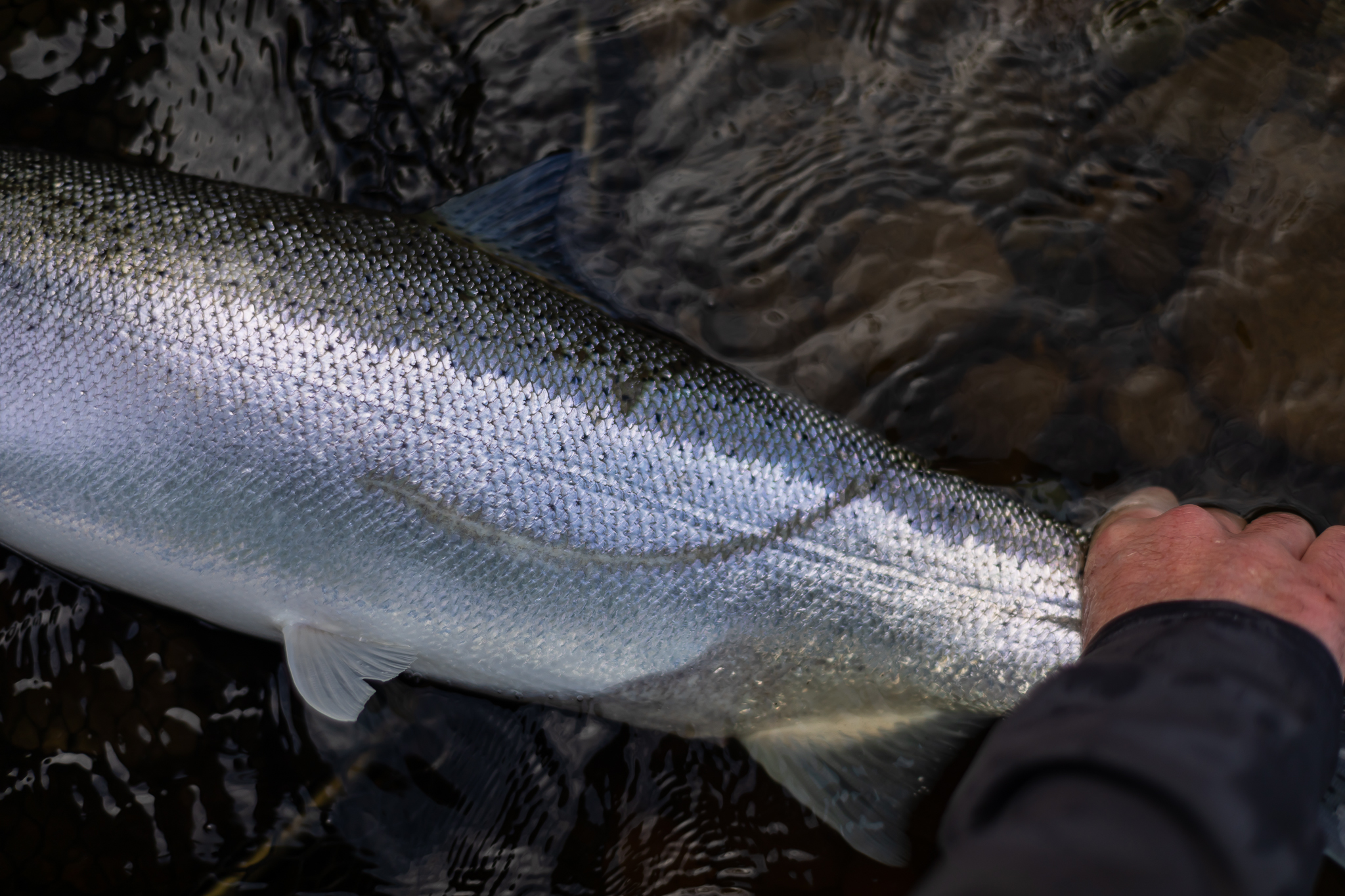
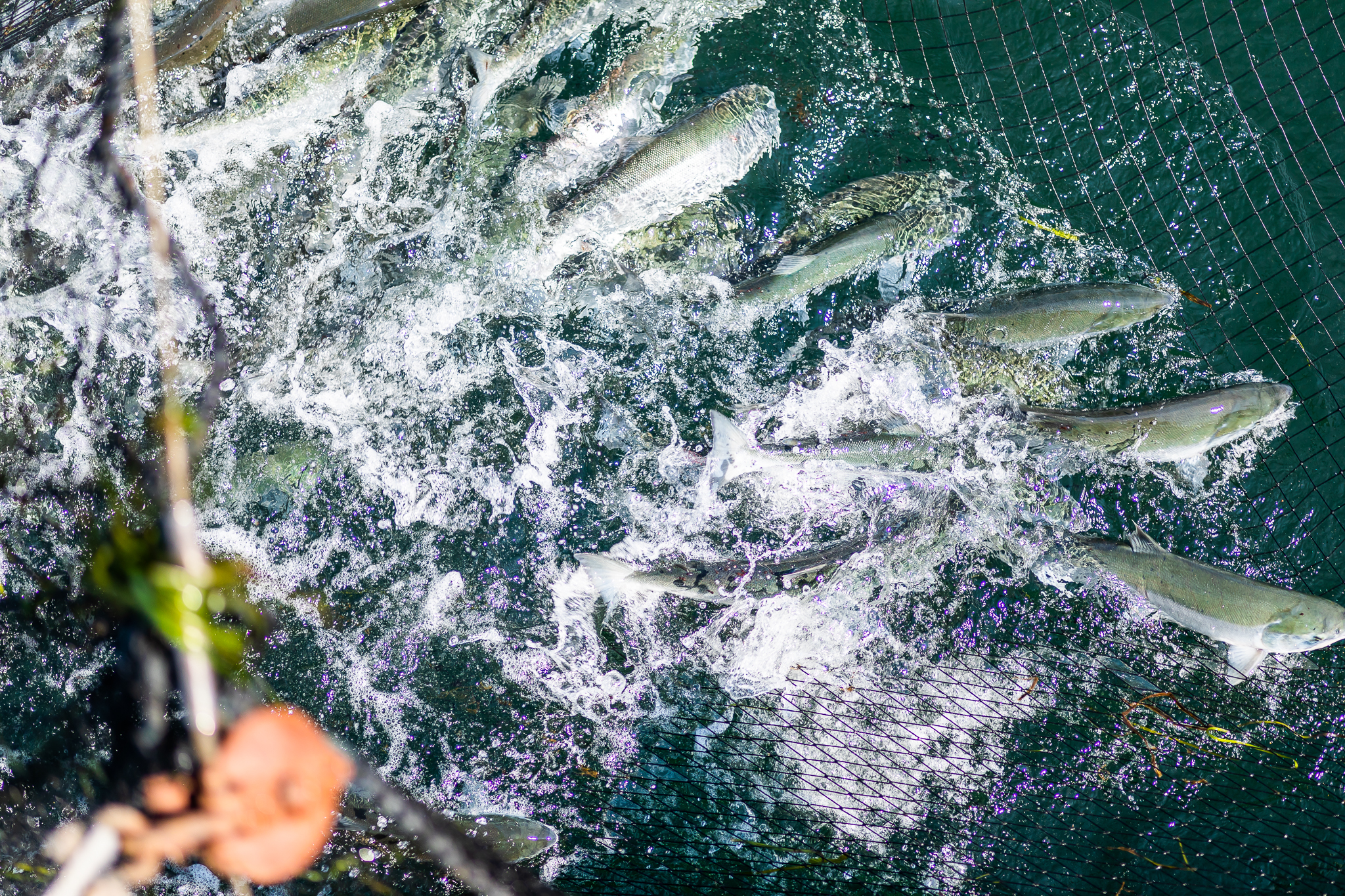
“The Olympic Peninsula (OP) is home to one of the last remnants of primeval temperate rain forest in the continental United States, but it is the rivers that draw anglers to the coast each winter. Named for the Indigenous peoples who’ve lived here for thousands of years, the Hoh, Queets, Quinault, Quillayute, Elwha and other rivers are volatile, wild watersheds with a powerful strain of large steelhead that evolved to migrate during the cold winter deluge.“
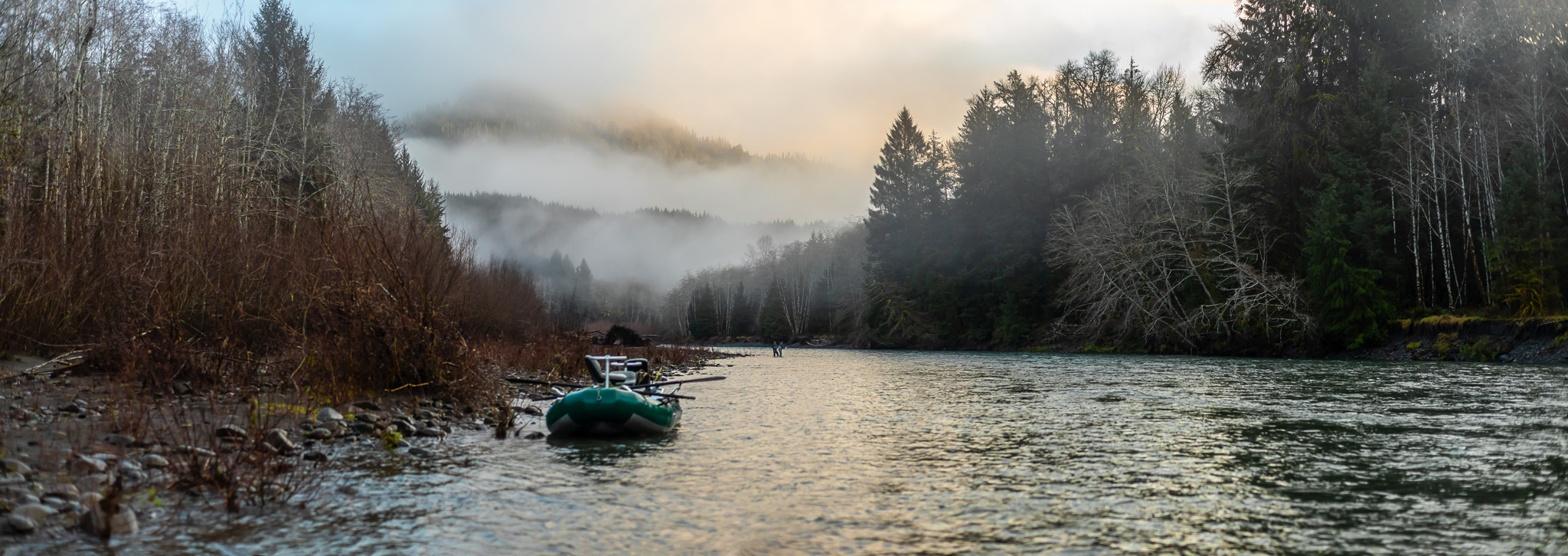
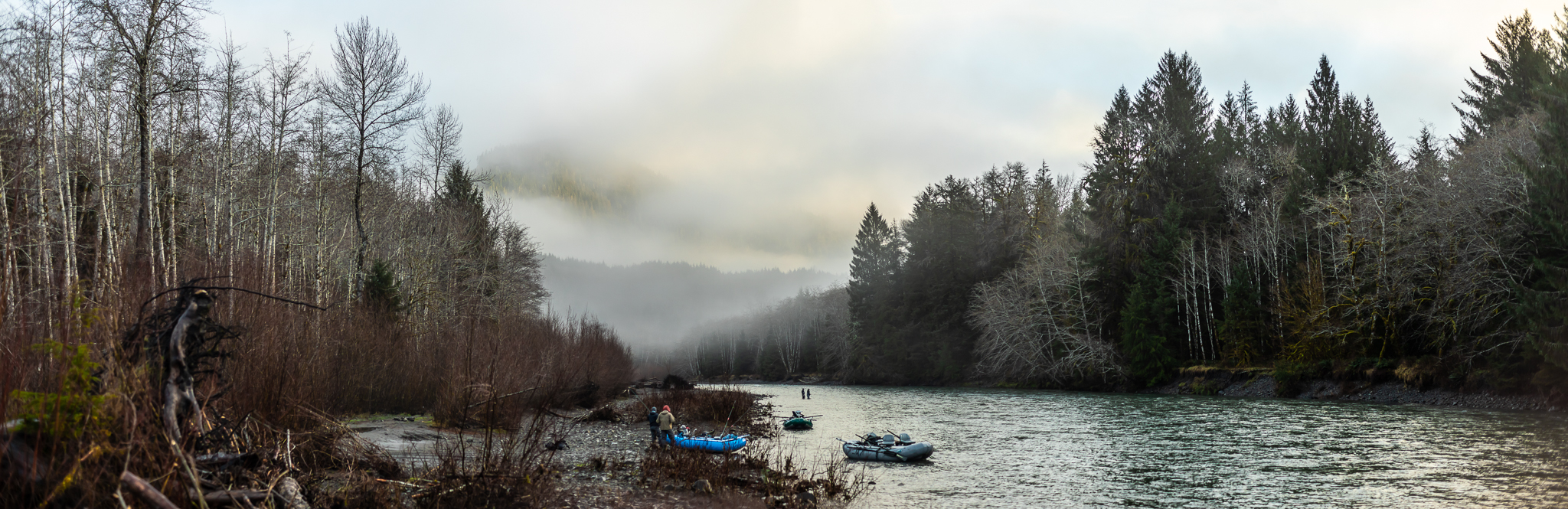
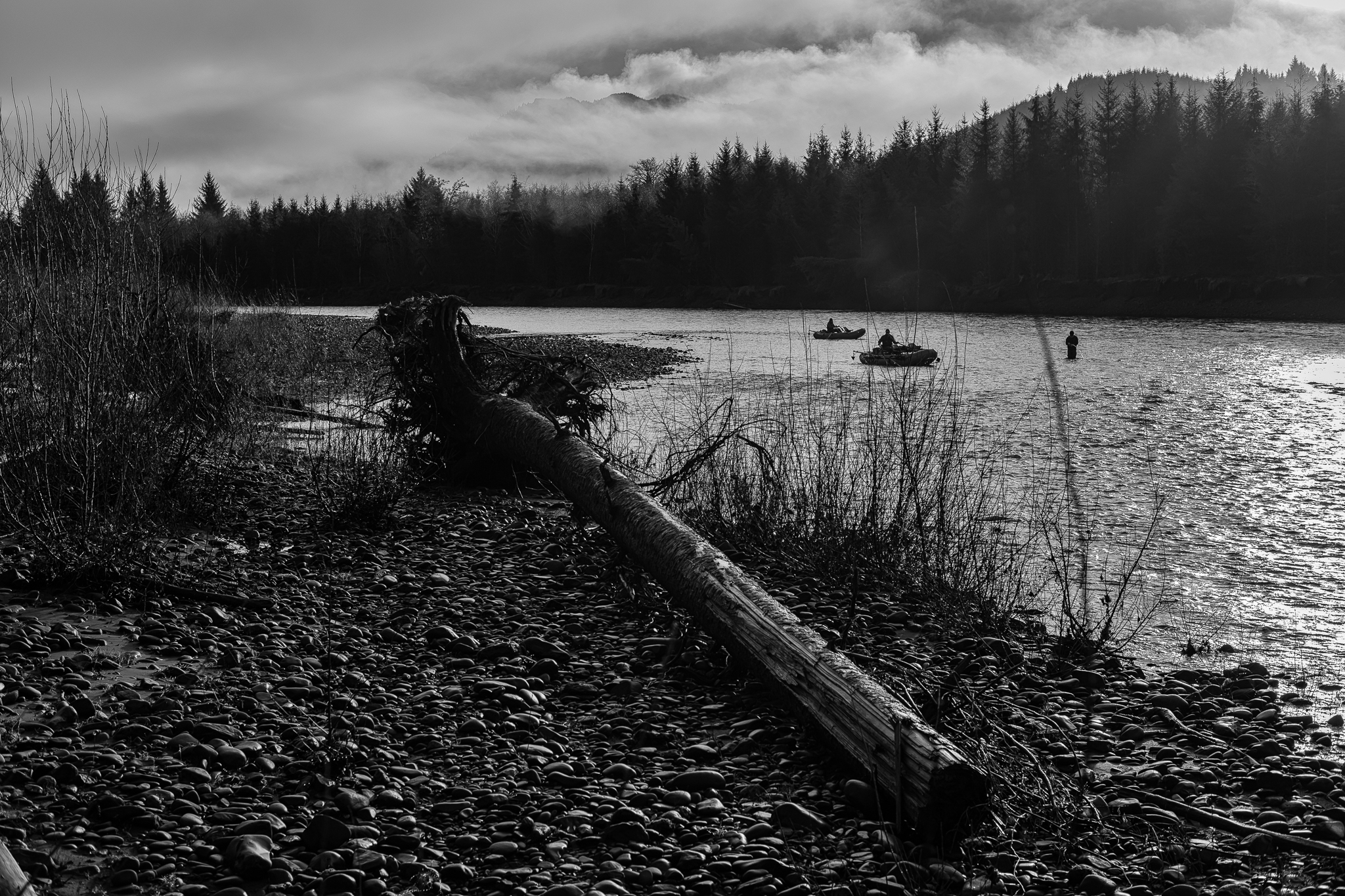
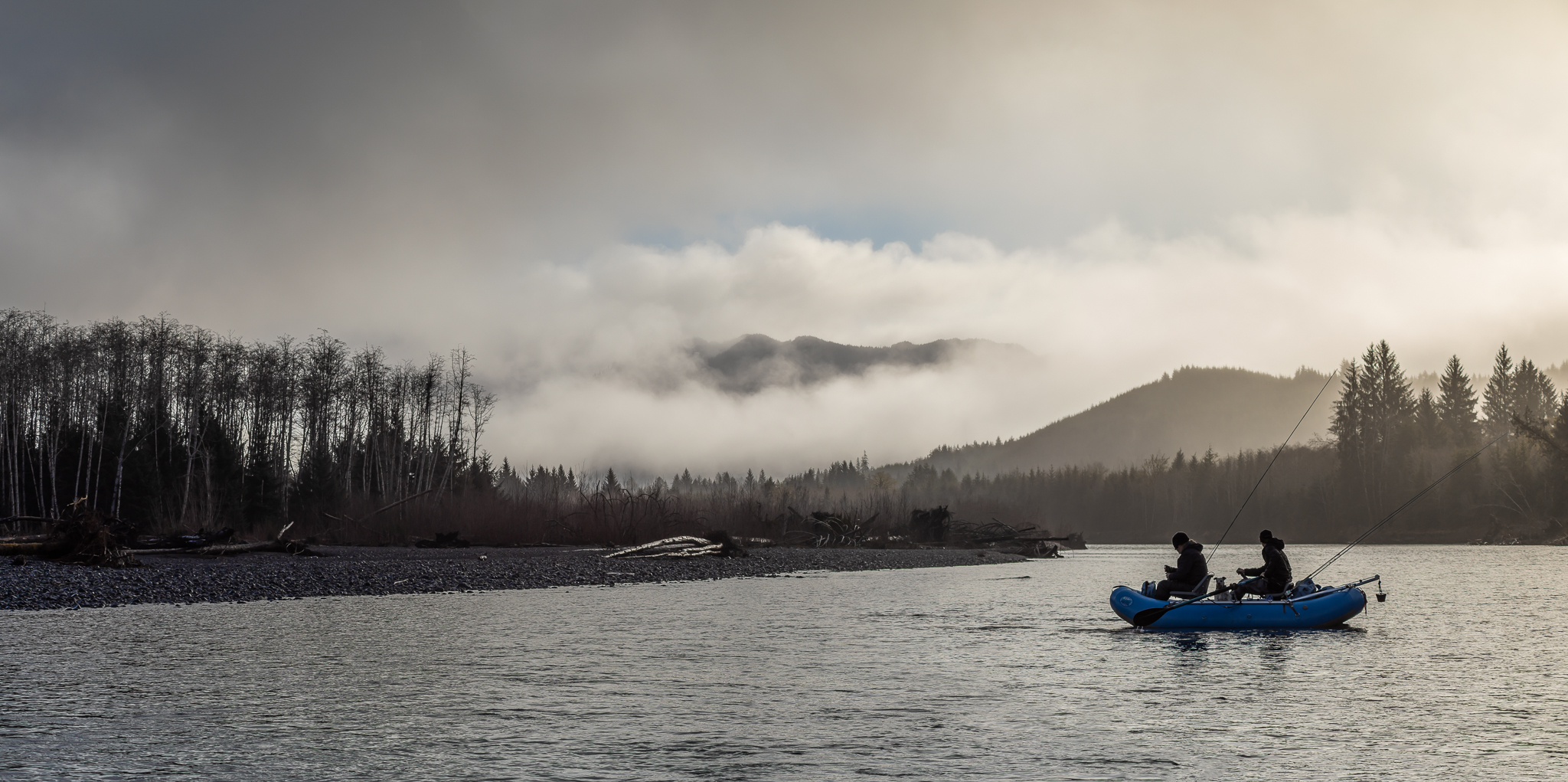
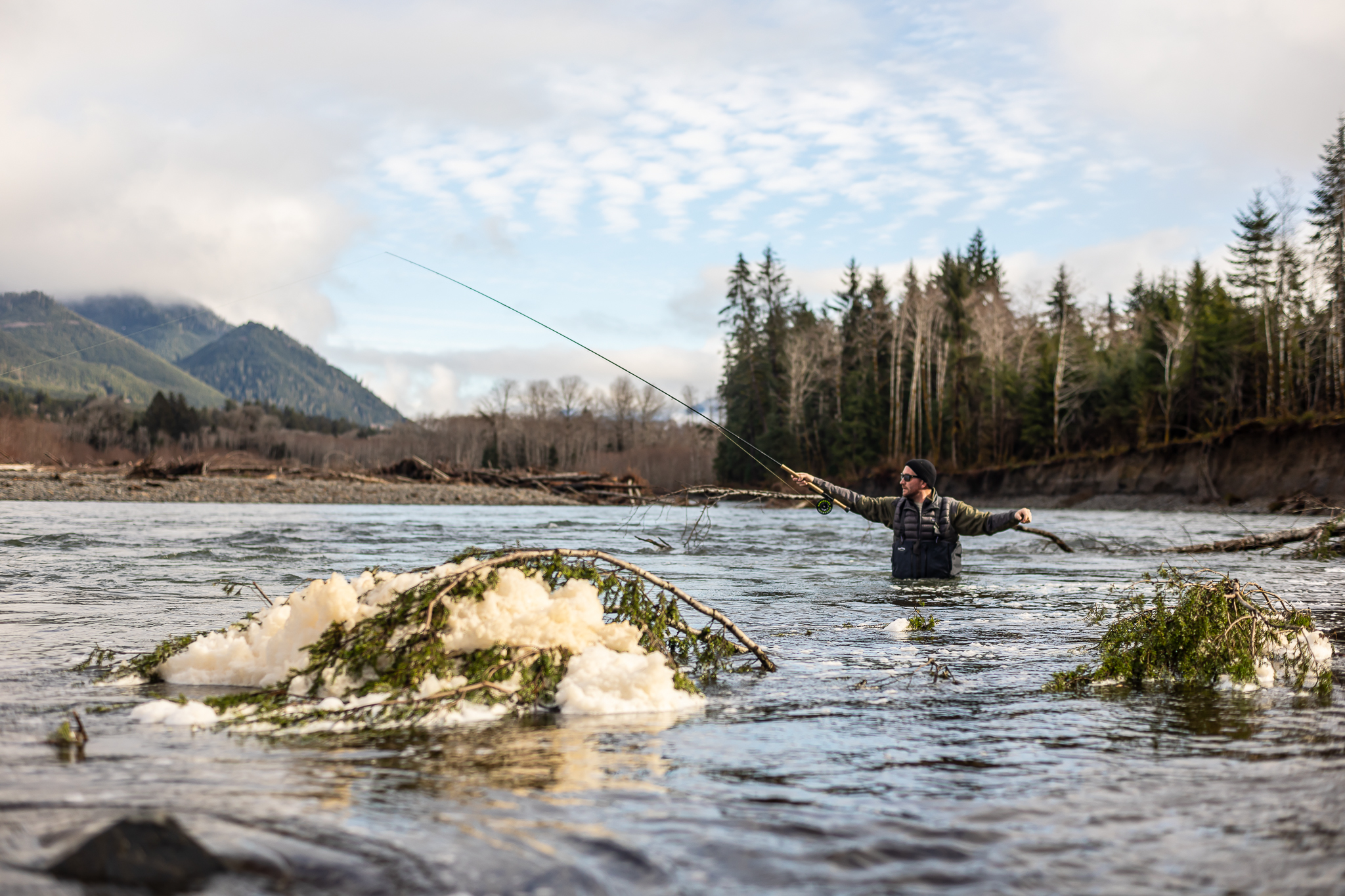
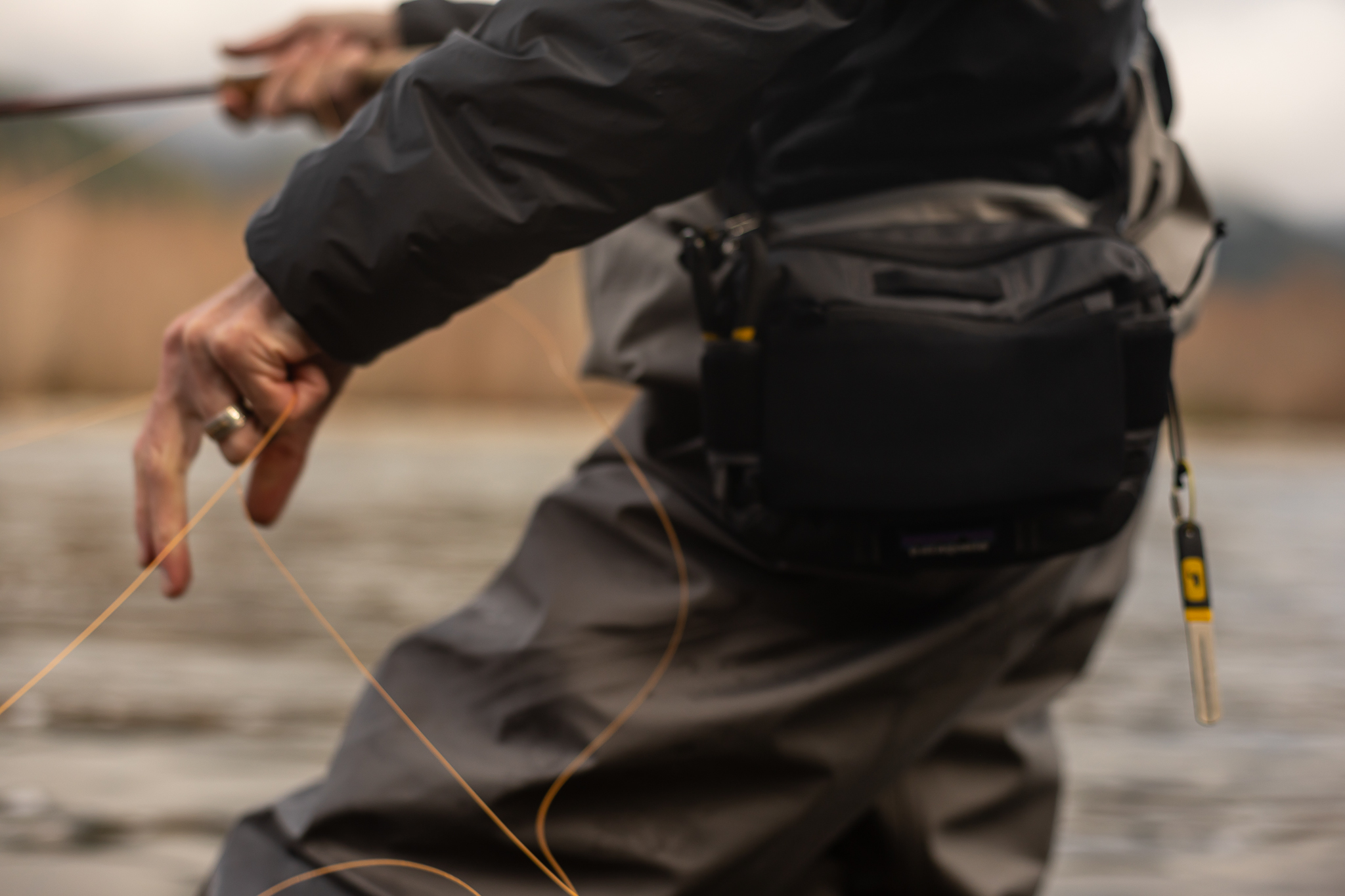
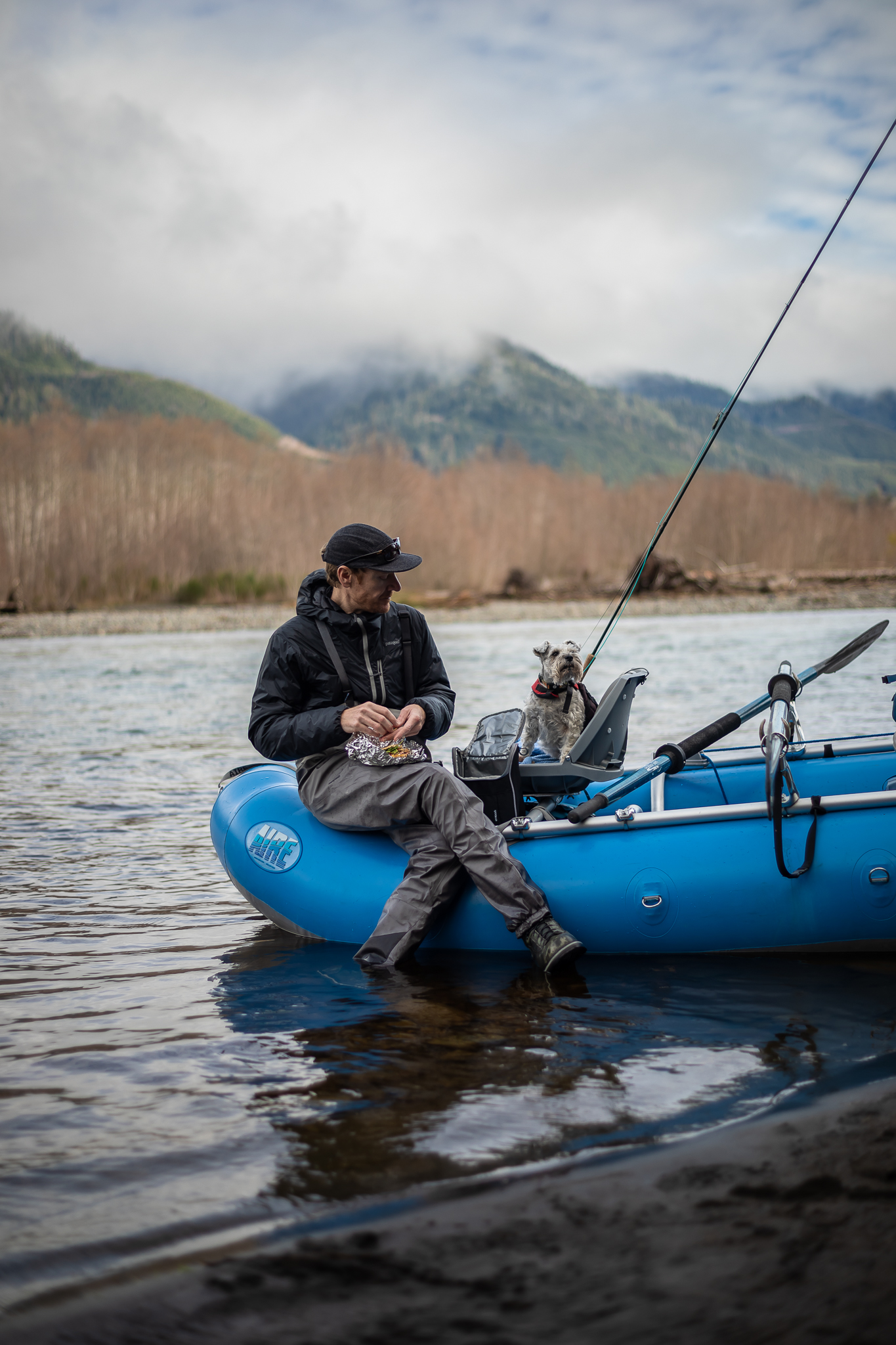
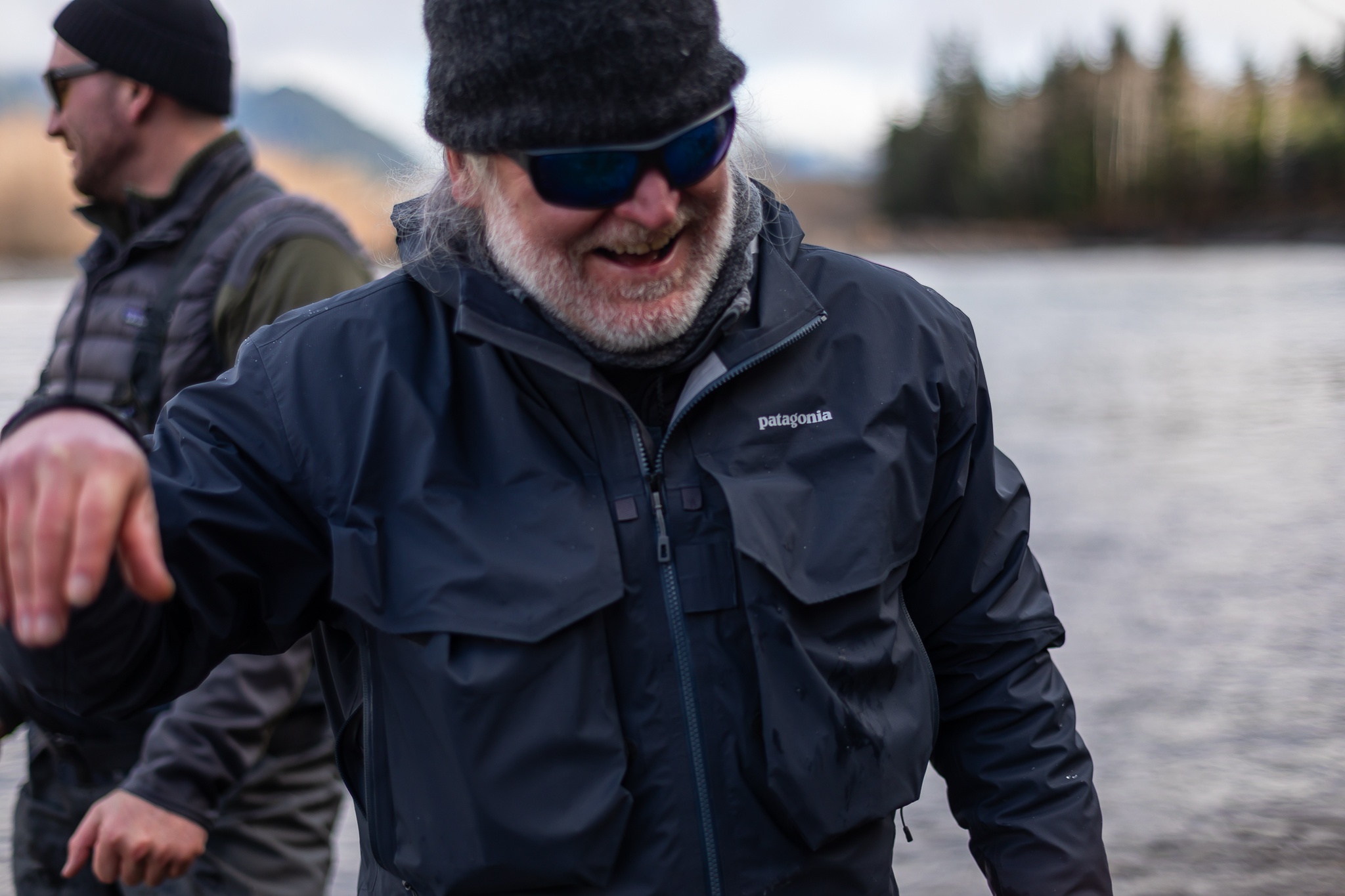
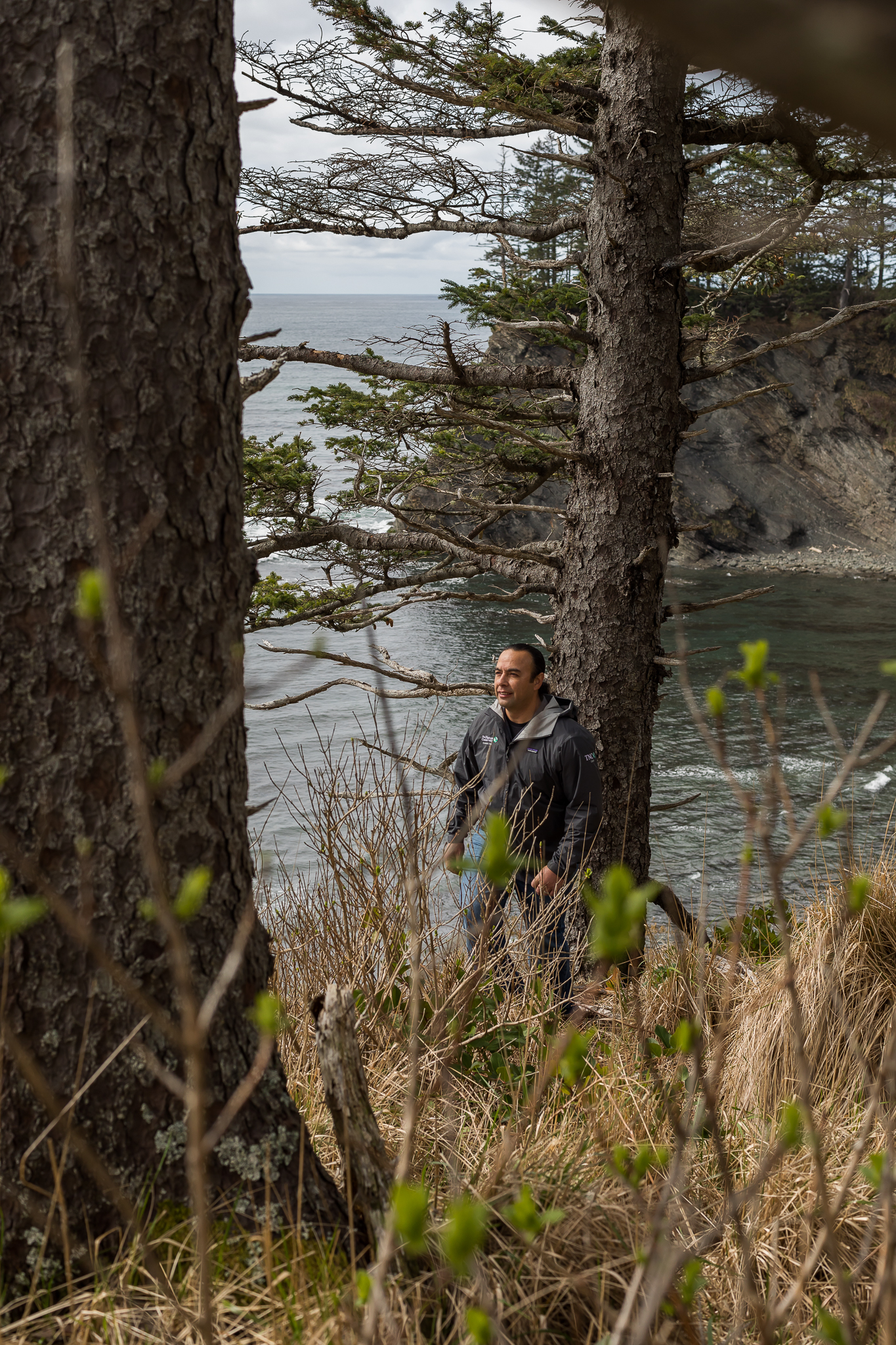
The above is an excerpt from an article written by Gregory Fitz for Patagonia regarding the state of wild steelhead within the wild tributaries of The Olympic Peninsula of Washington State. I had the pleasure of photographing Greg, Steve Duda (Patagonia’s Managing Editor for Fly Fishing), Matt Millette (Head of Marketing, Patagonia Fly Fishing) and Gray Struznik (Fly Fishing Legend and Guide) for two days as they floated, waded and wandered the waters in search of the seasonal steelhead run.
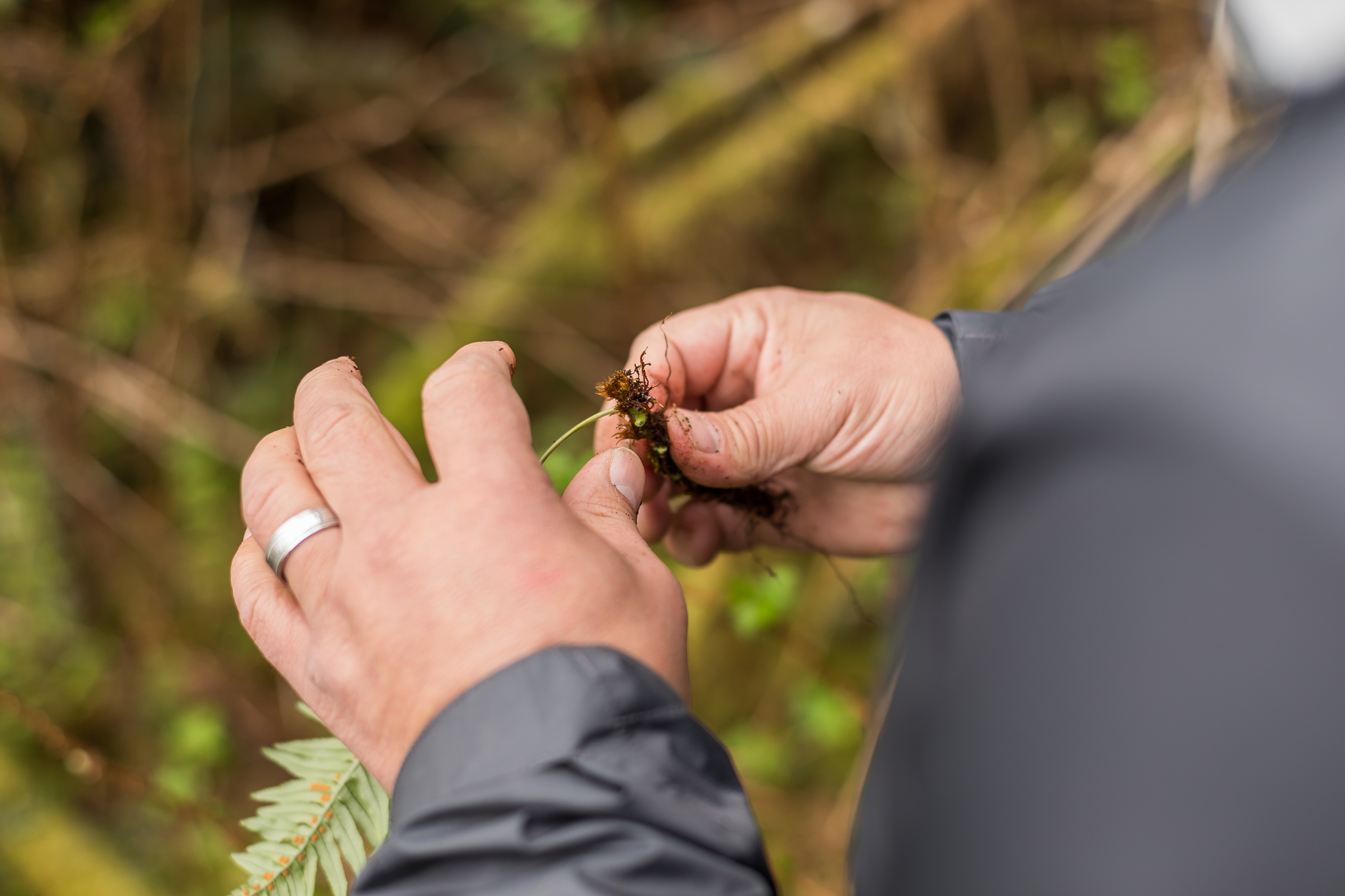
The published article speaks for itself. It is poignant, crafted with an ease of the need to spring to action, as well as consider all parties involved. Gregory paints a picture of the OP as it is – a rainforest of endless ferns, brambles, huckleberries and salal with climbing towers of ancient breathing wood carpeted with wet mosses. It is a place of beauty that is on the edge of imminent disaster.
“Can we embrace restraint and become guardians of these rivers and wild fish, instead of mobs of enthusiastic user groups? Long days of fishing give a guy plenty of time to dwell on this question. When I’m leaning against the current, and the fly is swinging through the cold water at the right speed, I find myself settling into a blend of gratitude and anticipation that I struggle to describe to anyone who isn’t an angler. Time seems to slow, and I feel connected to the river, the ancient cycle of fresh and saltwater, and the weight of what we have already lost. I want to believe that we can do better and demand better of our peers. If we can’t meet this higher standard, then the only option is for all of us to stop fishing here until we can adequately honor the privilege, and our responsibility, instead of taking it for granted.“
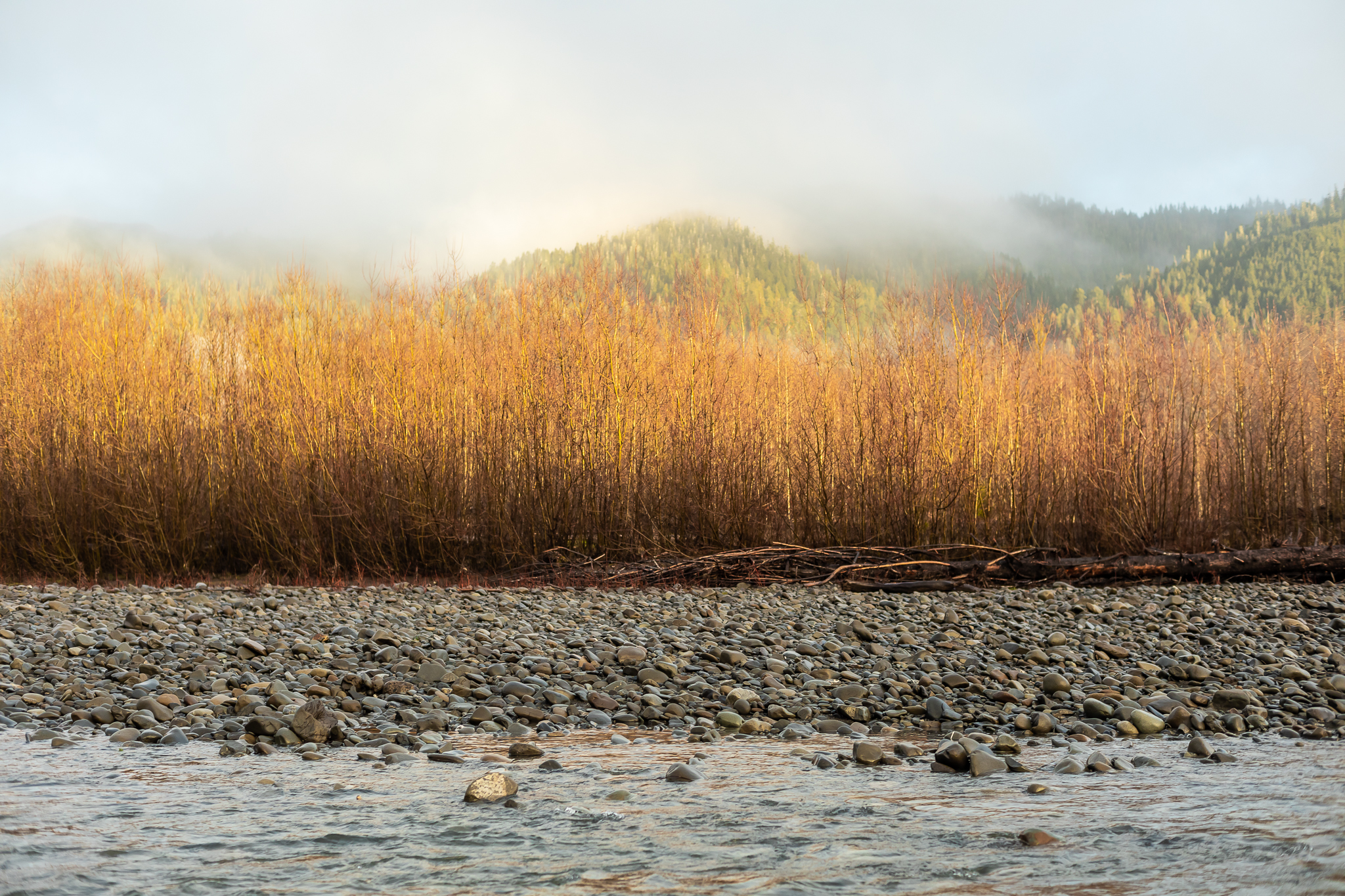
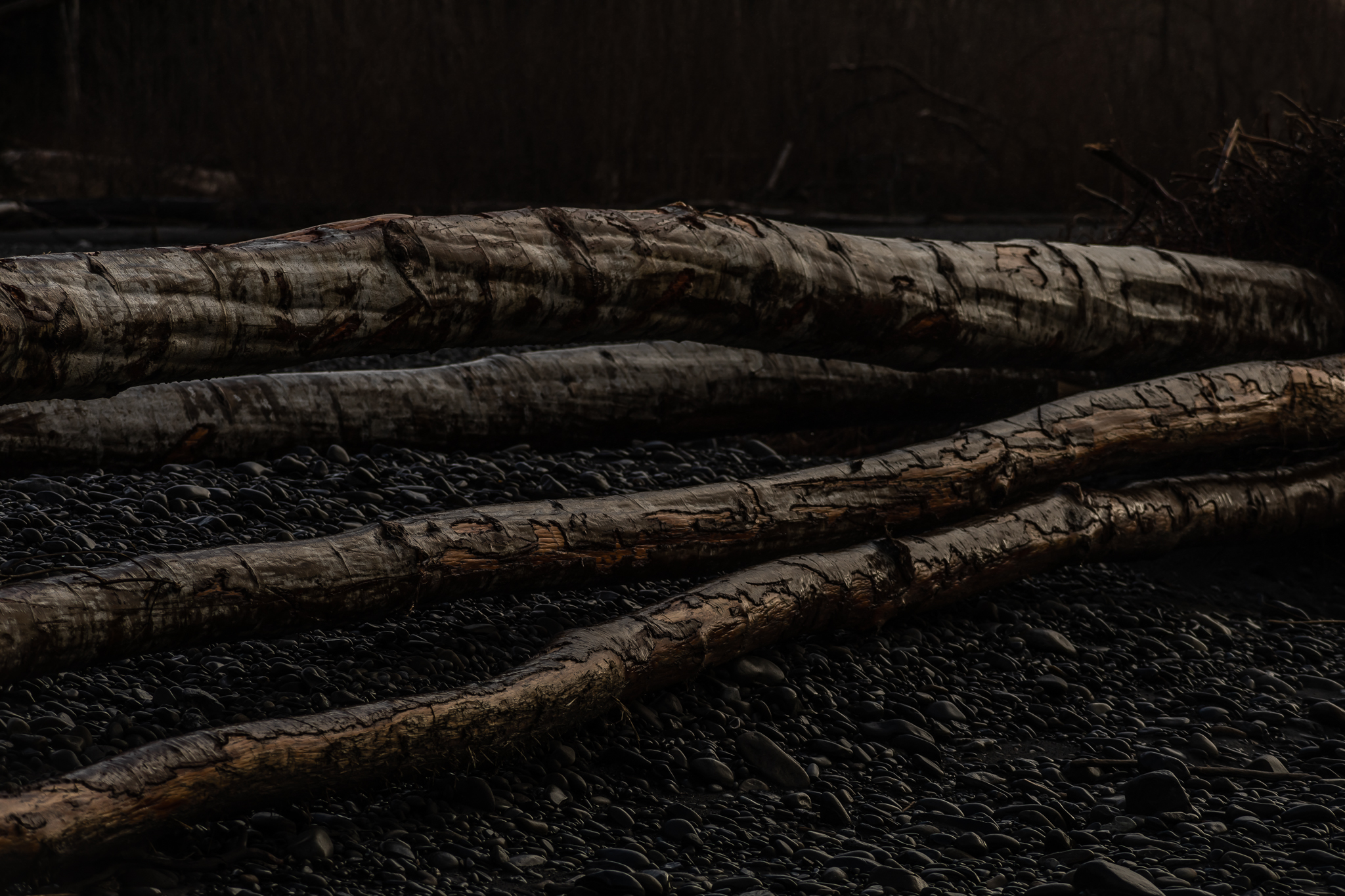
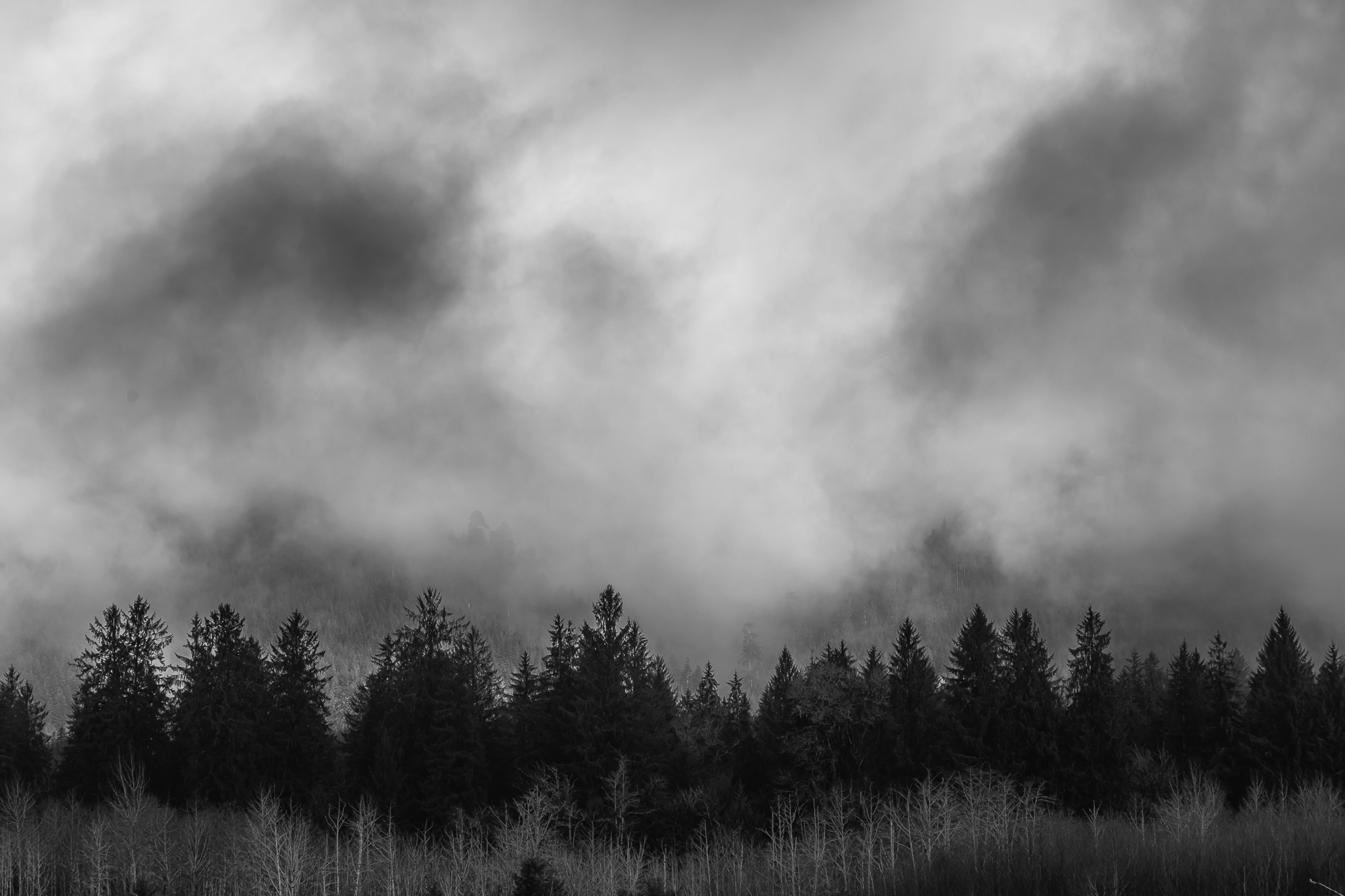
I offer the link to the full article published on Patagonia’s website Last Chance to Get It Right as well as additional photography from this winter’s assignment. Speak up for our planet and take action with the following organizations:









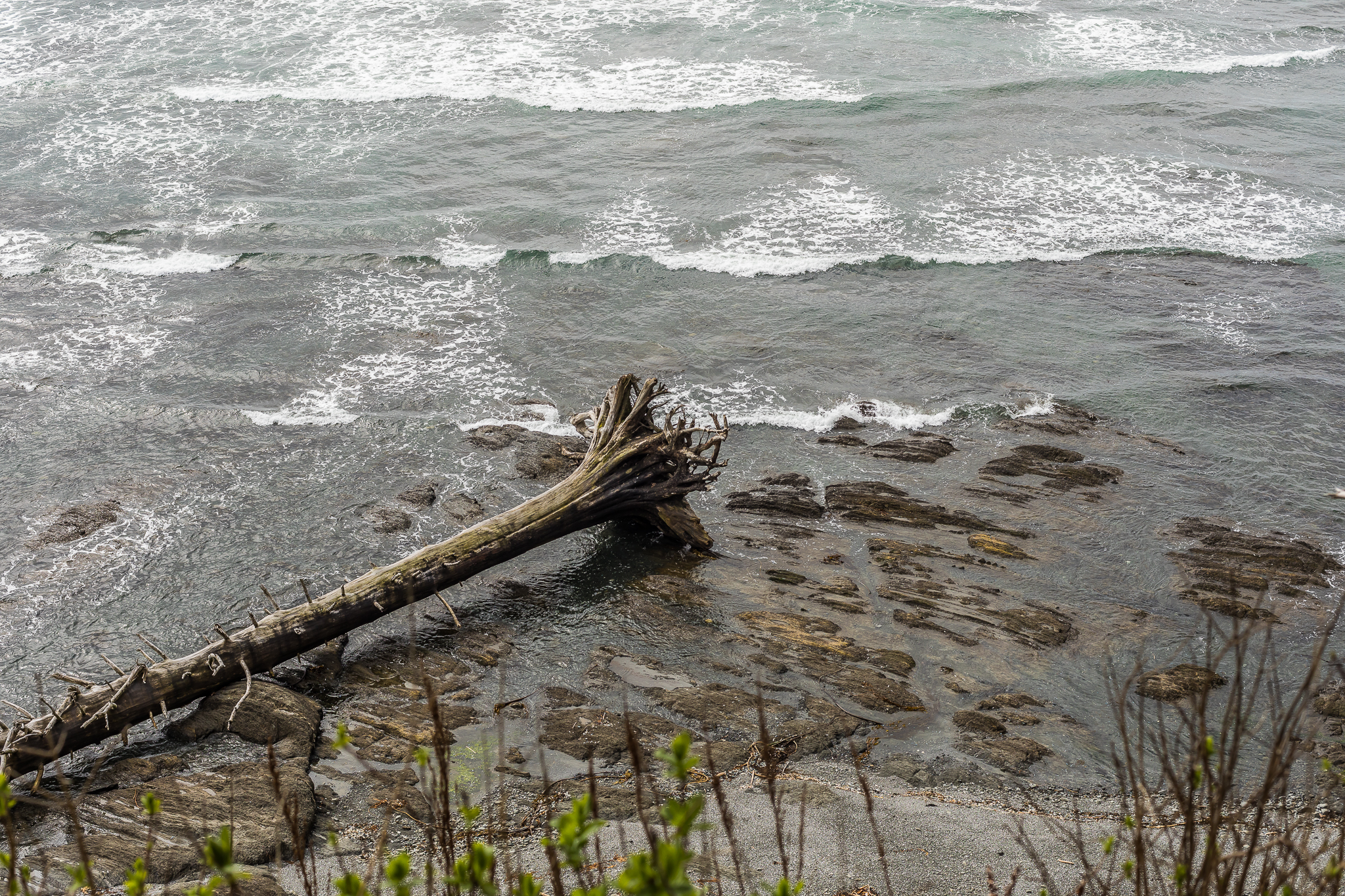



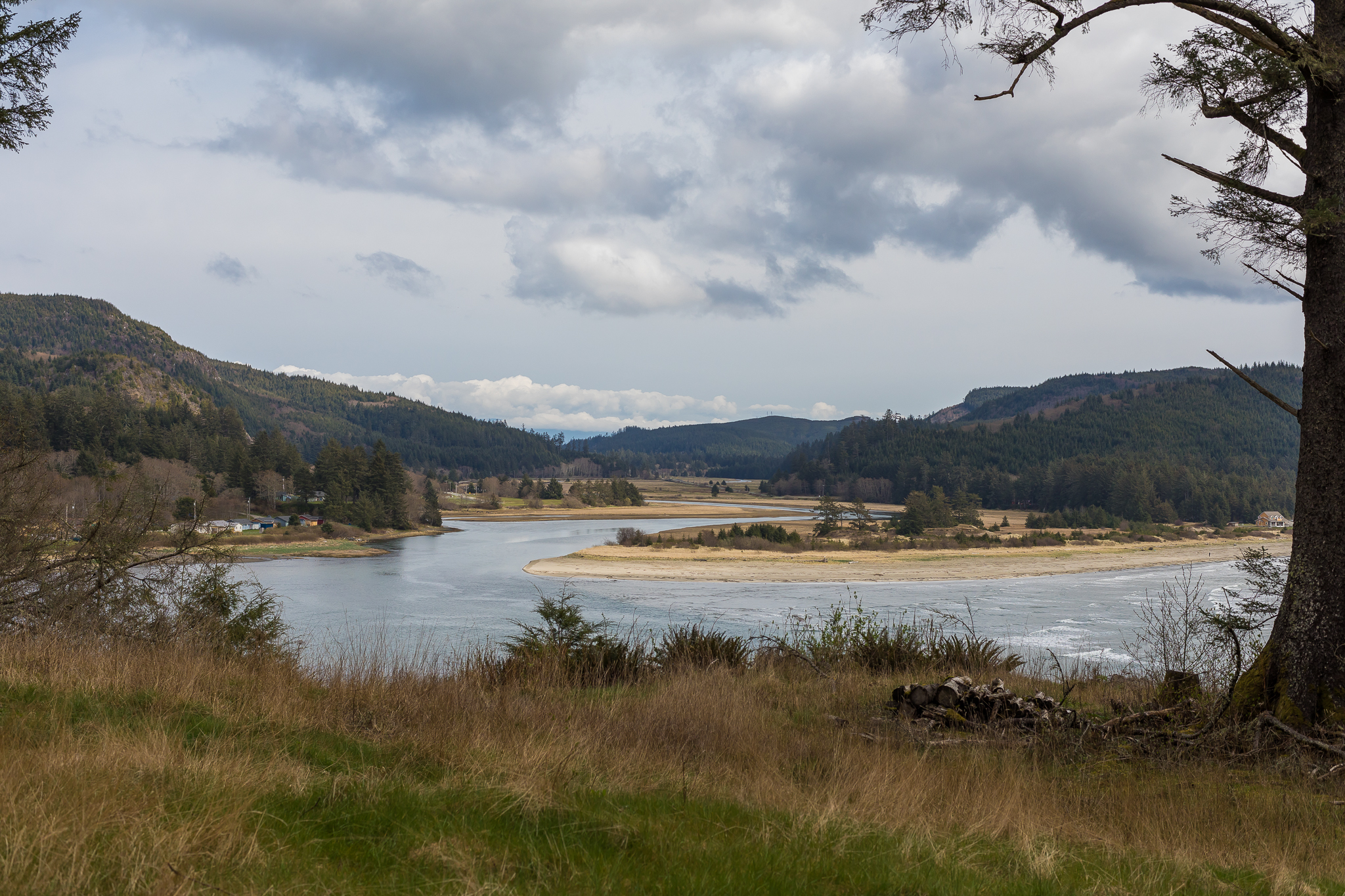

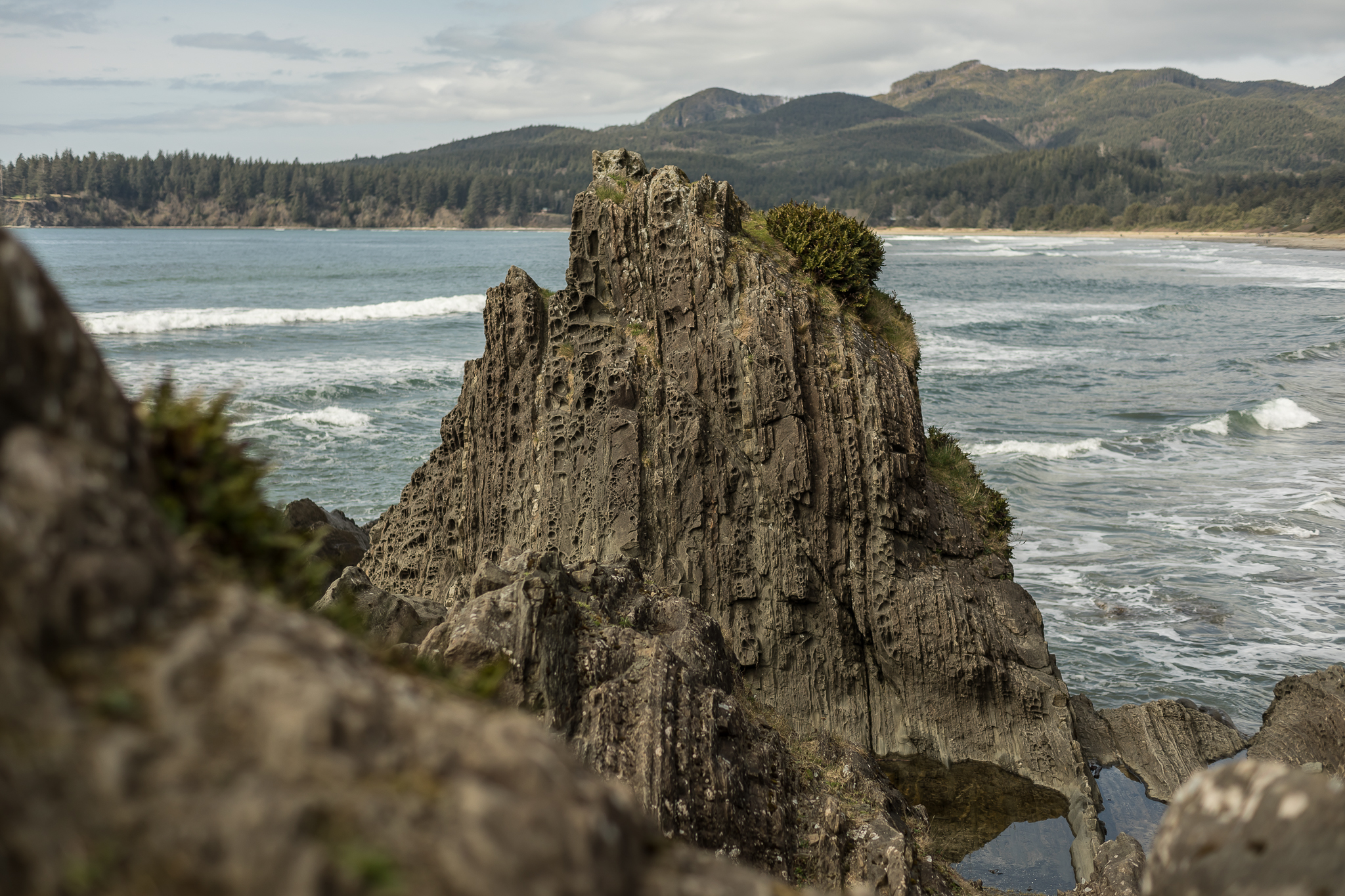

































 It was dripping; the sun shrouded by cloud, the cloud returning to damp where dew ran with rain and rain soaked into thick rivulets of sand. All these paths led to a tempest of gray salt, growling together as an always-temperamental Northwest coastline. We shouldered our loads, pack mules down scree slopes, each step sinking into the shifting earth.
 Walking off the beach, skin tensing from the drying salt water, we turned and marveled at the temptation we left, but the promise of additional companions and a new adventure forced us back through the thick fern fronds and salal fields that guarded those secrets. We pulled into a freshwater bay to meet our other companions: Sam from Ocean Beach and Kris from hometown.
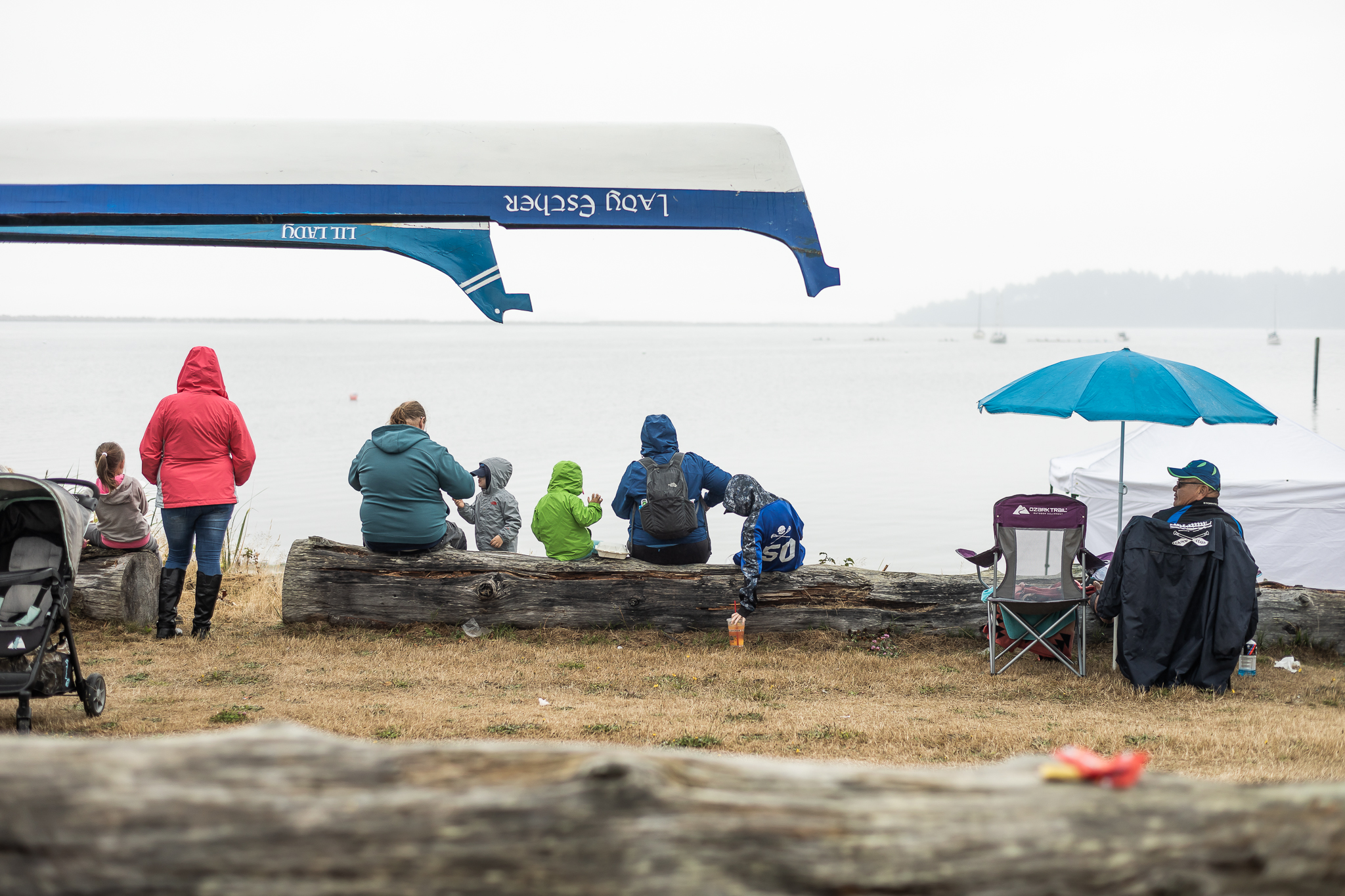
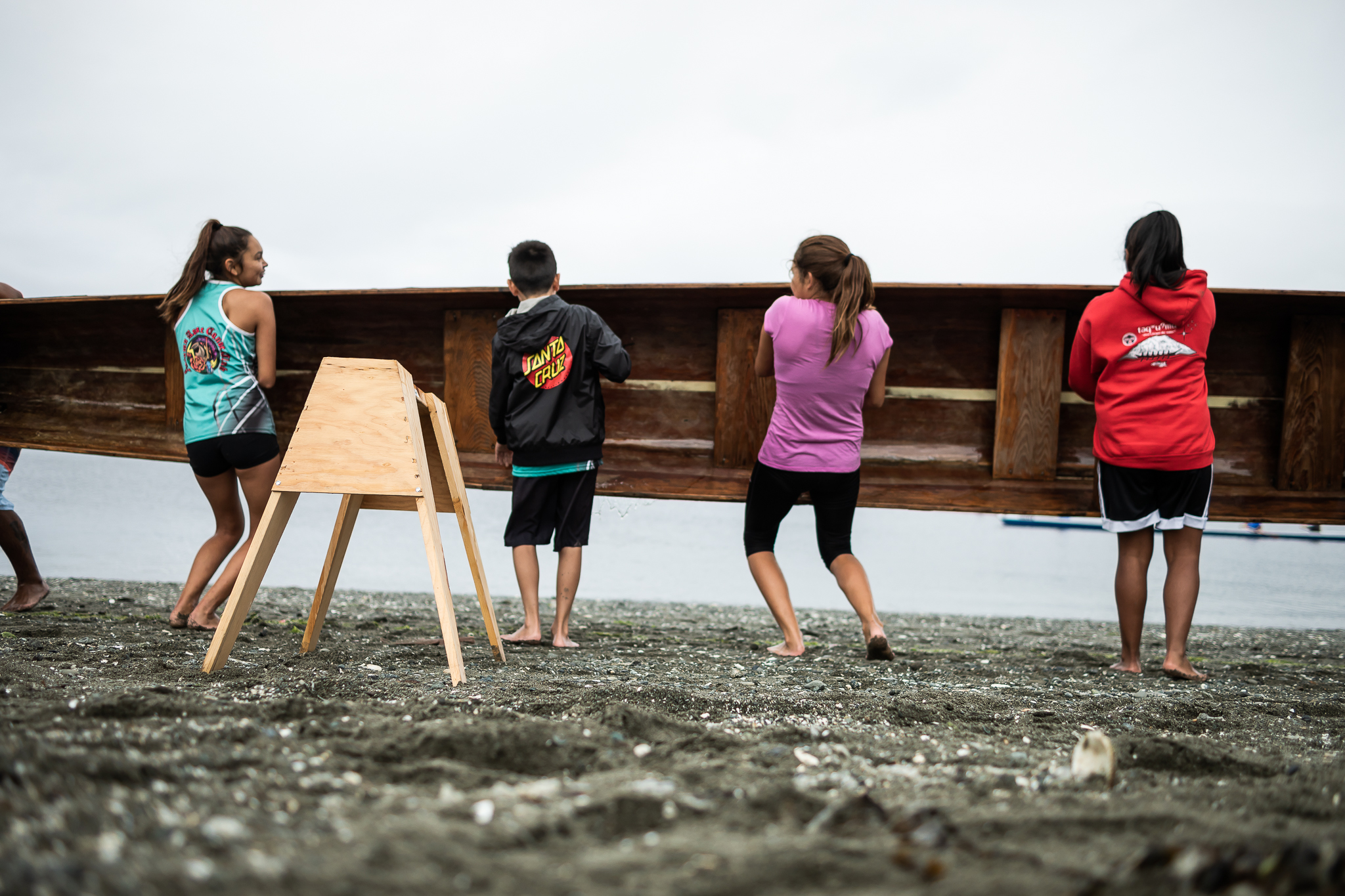
 Each canoe weighed heavy in the soft mud as the four of us laughed, organized and inspected everything. We had the gear and a malleable plan. Now we needed waves. Under a milky afternoon, still with high, wafting clouds, we embarked waters teaming with perch, pikeminnow, coastal cutthroats and kokanee to a point of cache and then further across deeper waters into the middle of nowhere.
 Camp One welcomed us with an evening storm that lulled us to sleep with the soft, synthetic patter of raindrops on nylon. As we emerged into the light of day two, all was sodden, the leaching wetness of winter – the rotting season. Nothing remained dry outside our expedition packs. And as we cooked packets of instant oatmeal, we scanned the angry horizon for signs of contour.
 Camp Two was a sand bank, a small cove of great fortune that was ours, alone, for four days. From this vantage point, we watched the sea. Corduroy lines of swell marched like infantry. That clean A-frame was gone, replaced by a meaty little slab.
 These instances were often the most memorable, the time away from time where scrutiny of an industrial civilization weighed weight upon a ticking time bomb. Omniscient and harmonious was the mind, free to soar in solitude like the eagles above, and glide like a Pelican upon the updraft of rolling sea. We found more scat; bear, raccoon, coyote. We stepped over the skins of dogfish and collected Japanese plastics from disasters far away and seemingly long ago. Then we ended.
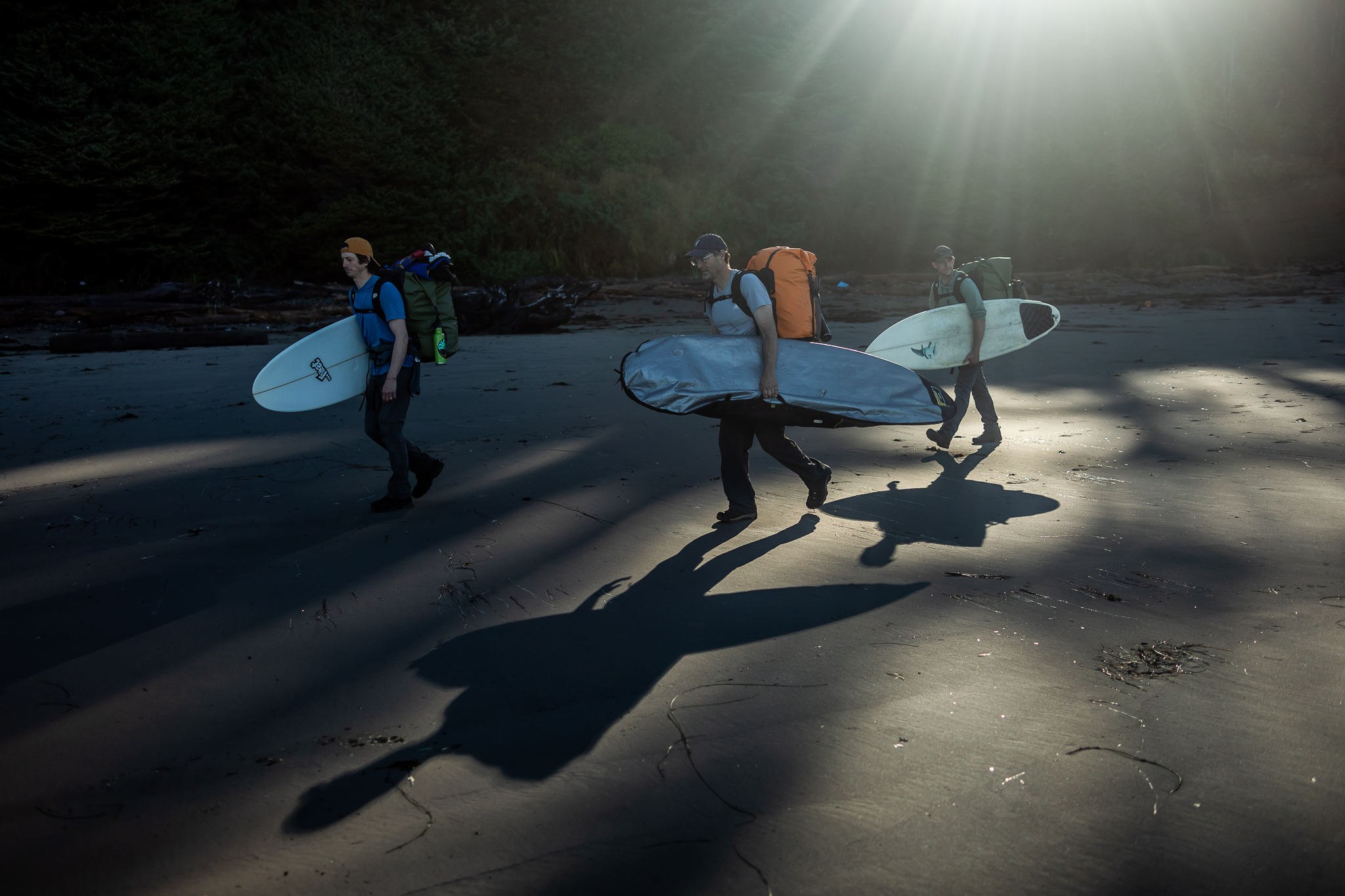 The morning of our departure, the sun broke and alighted our long playful shadows across the sand as we slipped northward towards Camp One, back through the fern forest and salal fields to a freshwater point. We had work to do.
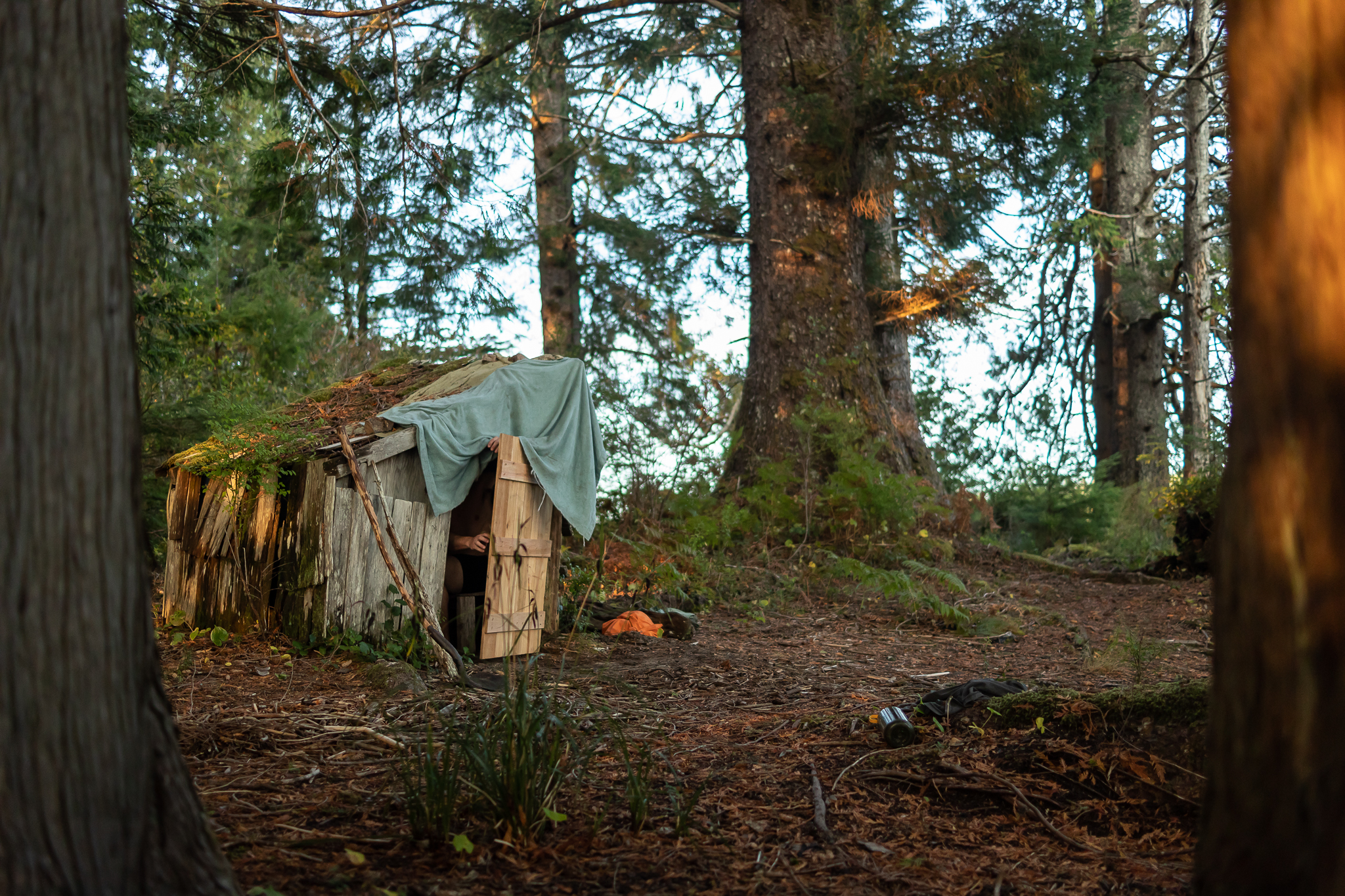 We slid onto the sandy beach, found our stores of wood and hardware, beer and fire, and set to work. Skyler repaired the lean-to with his fashioned door. Sam built a hot fire of cedar wood and lava rock, while Kris fashioned a shovel to carry the stones from heat to shelter. Over the course of three hours we took turns bathing in the sweet sweat of a traditional sauna, removing all traces of bitter cold from our bones. And then just before dusk we set off for home, just as we had done days prior when we entered the shadows of fern and salal that guarded the undiscovered surf in the wilds of our backyard.


 Cameron Karsten's Imaginarium