Albertsons’ Memorial Day & Summer Campaigns

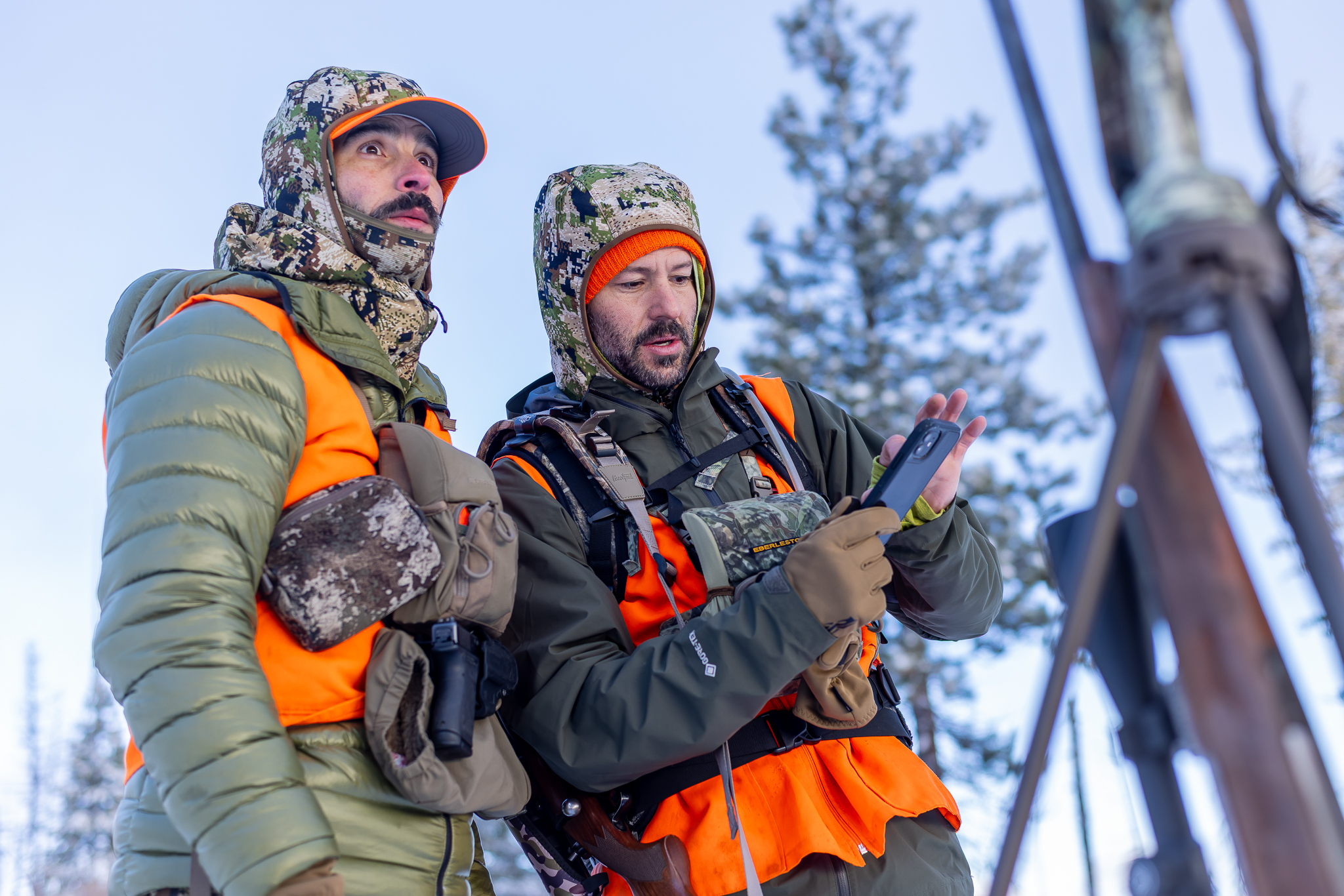
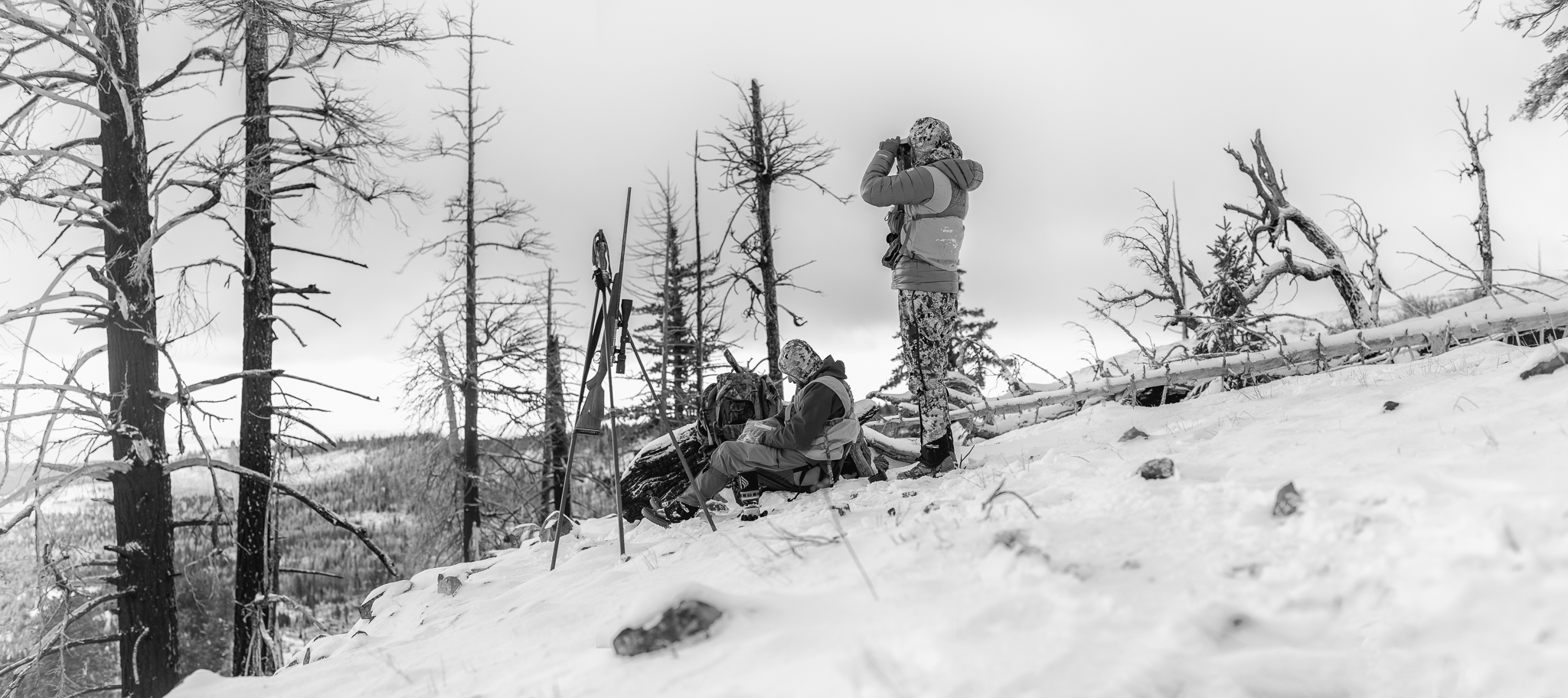
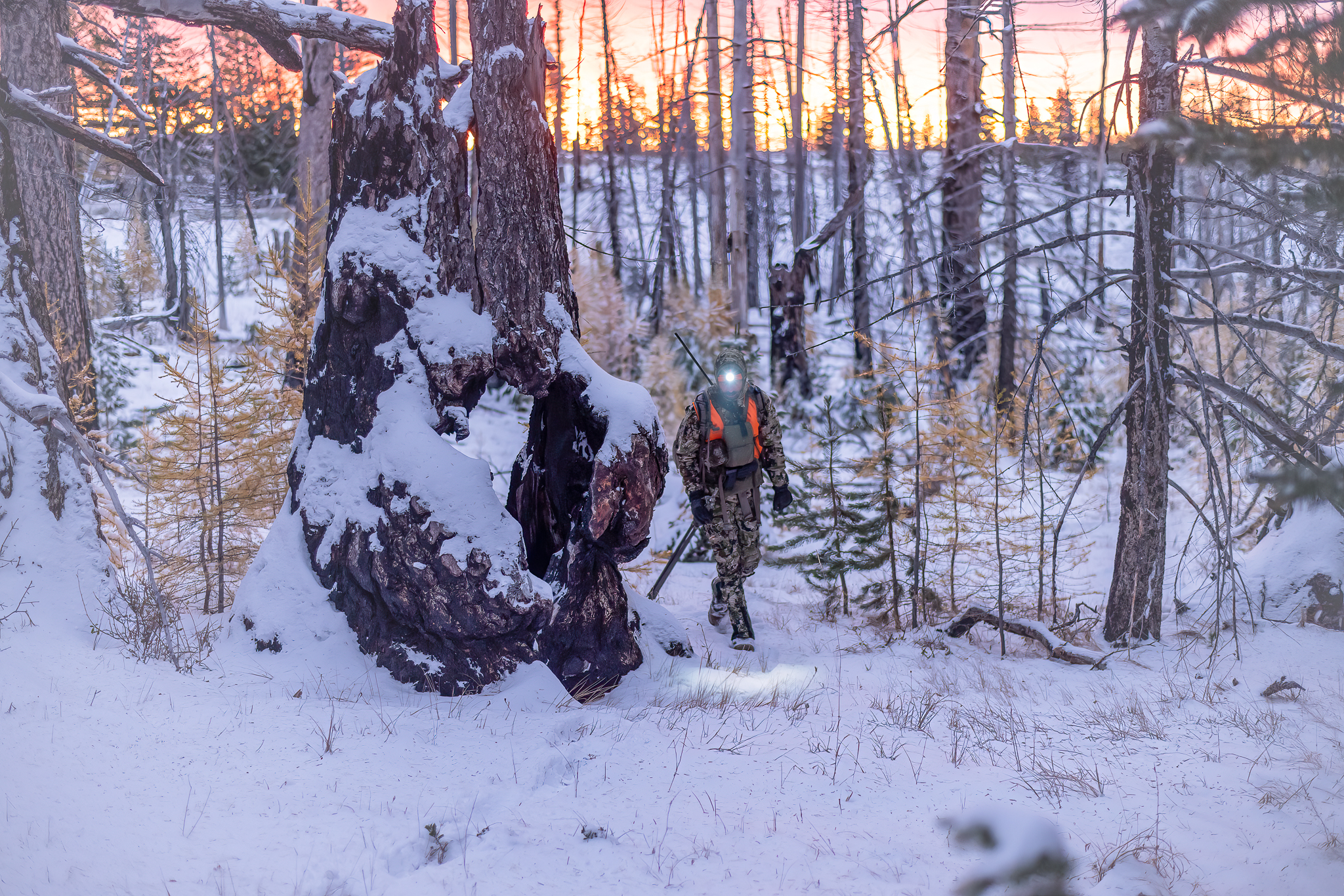
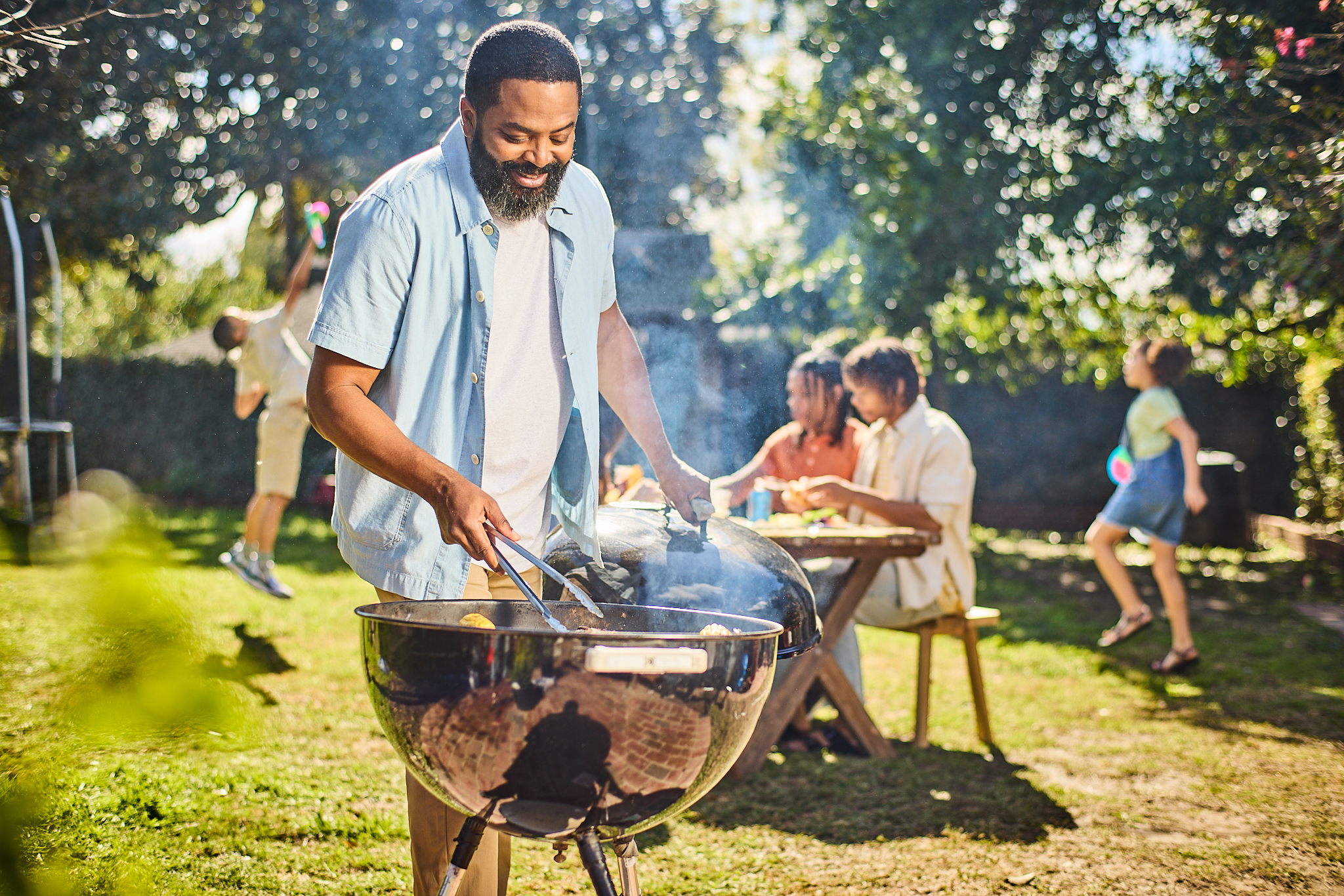
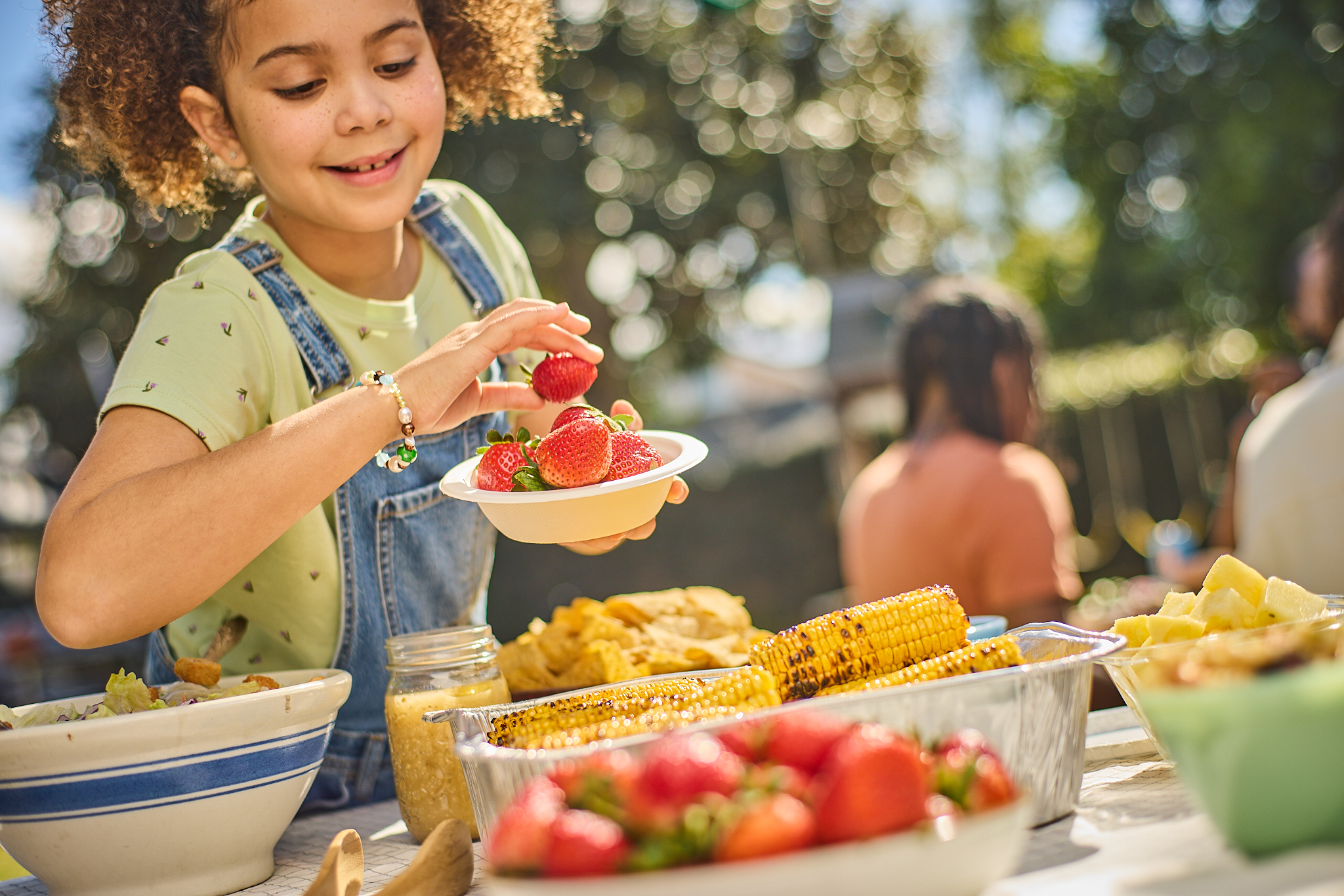
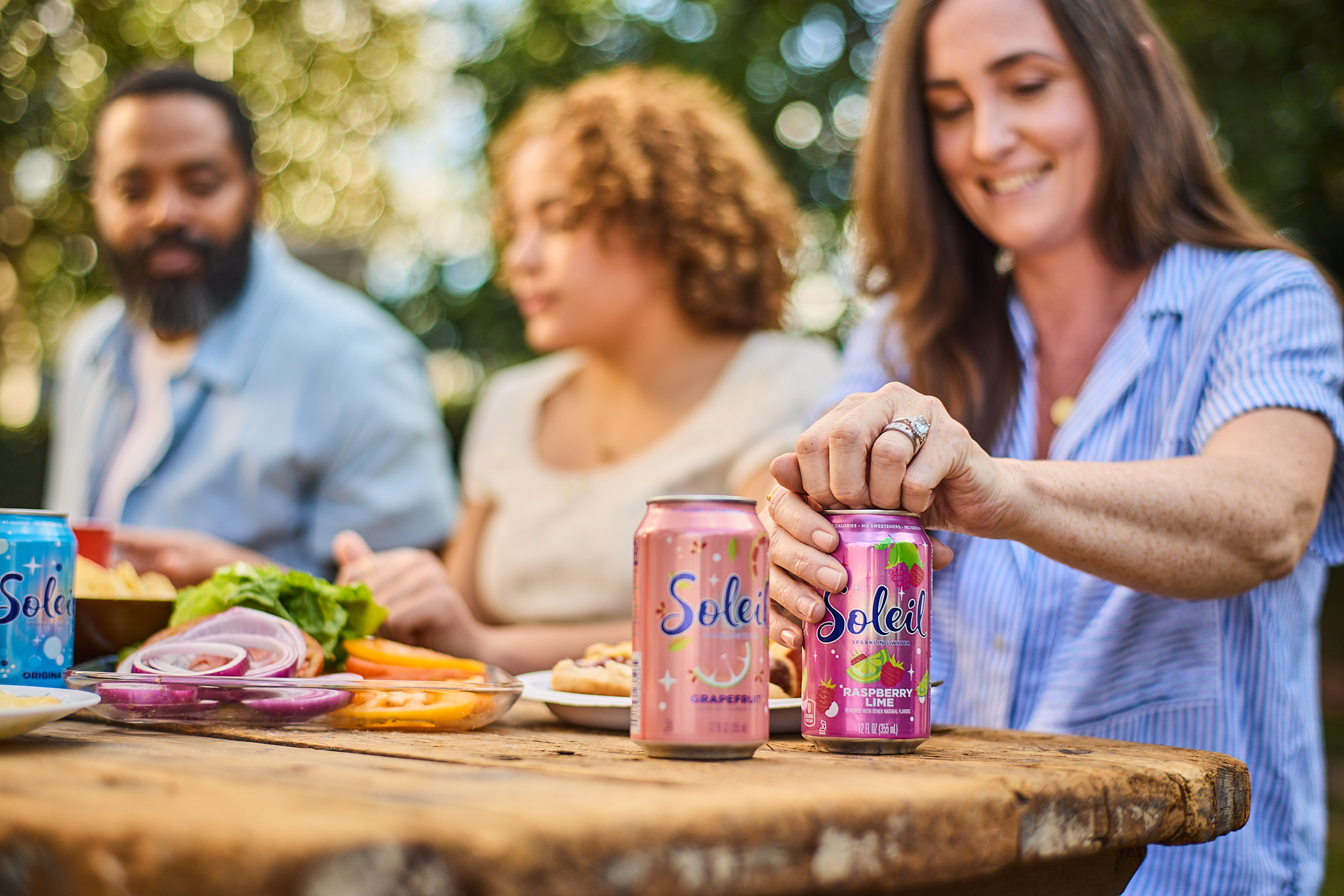
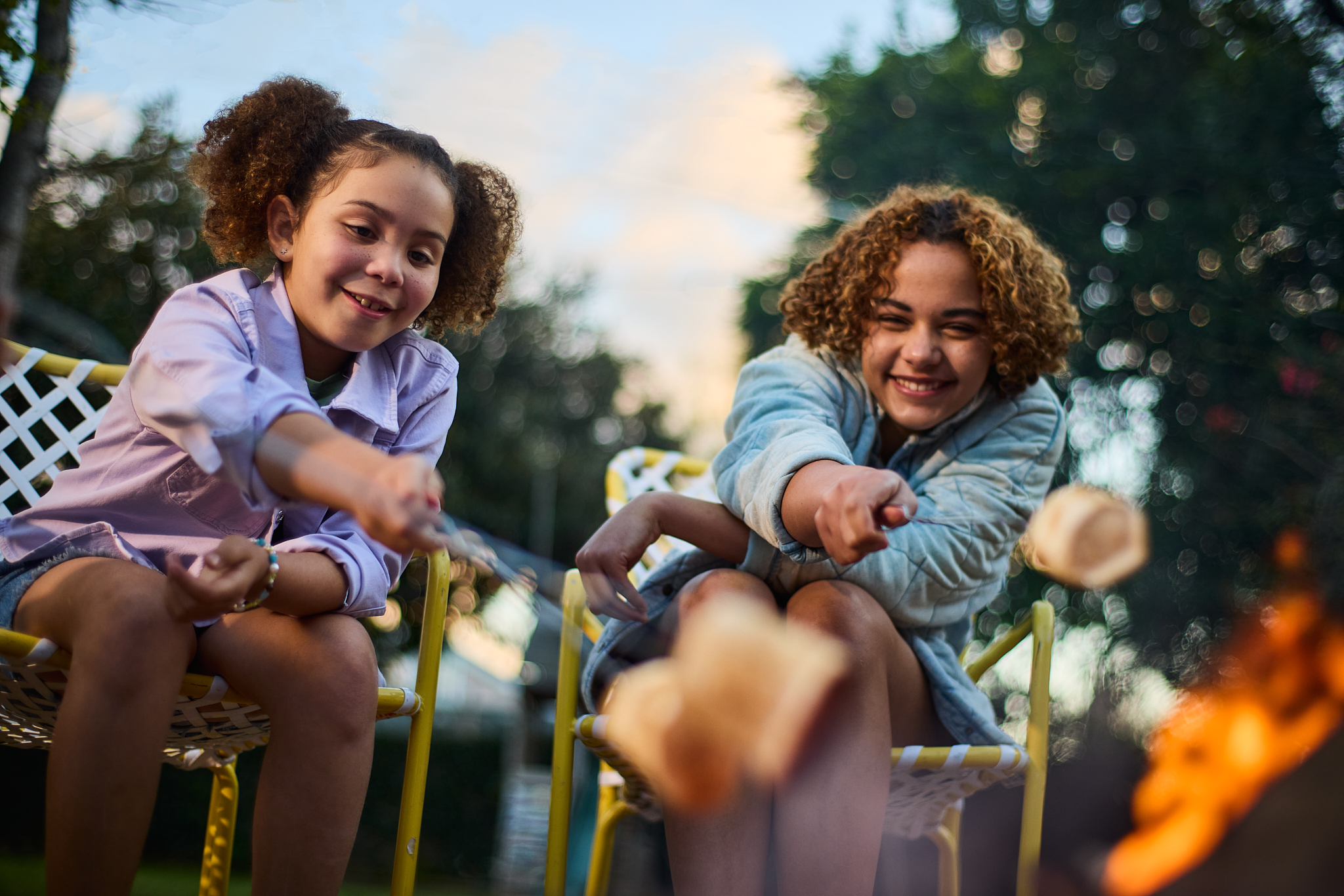
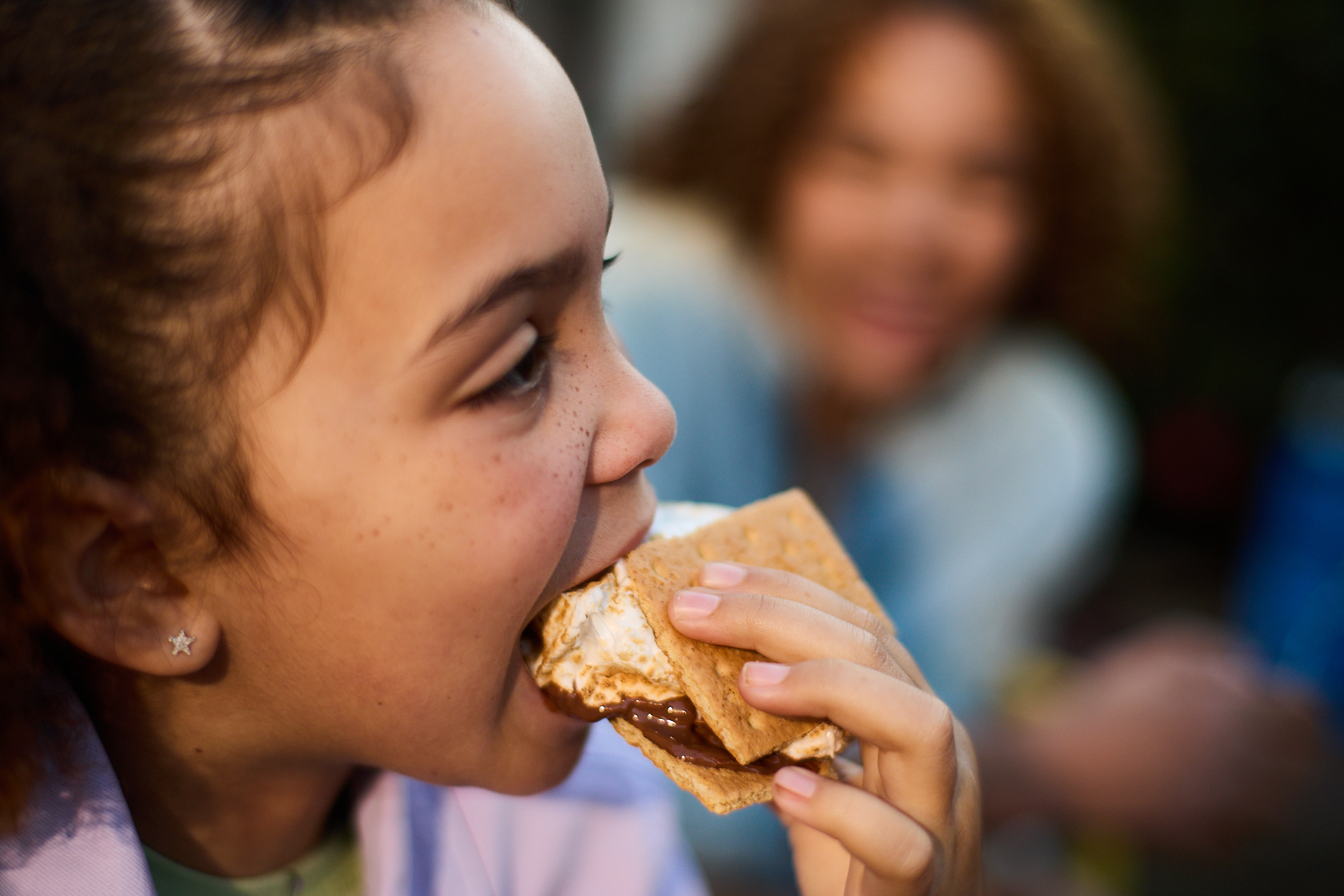
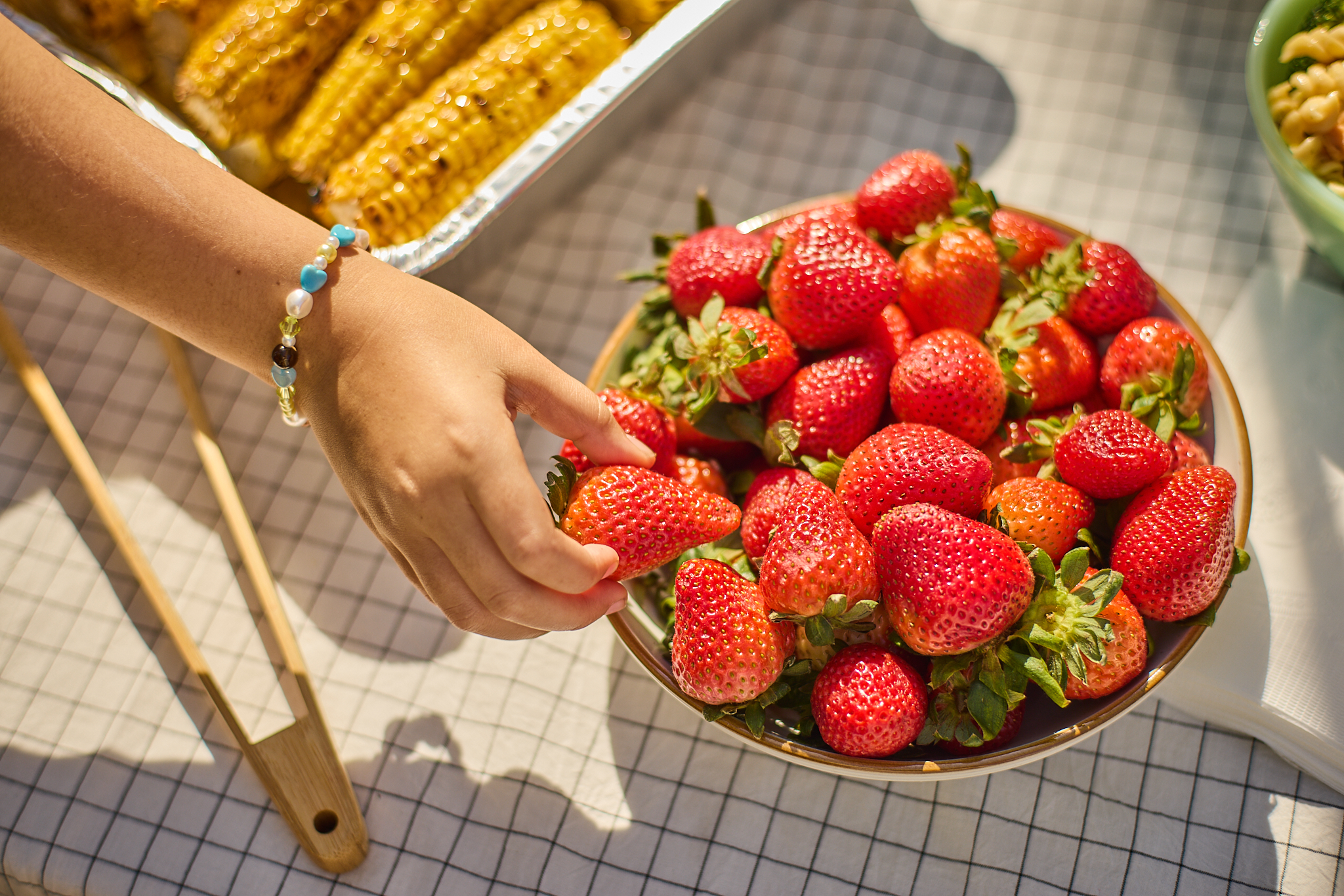
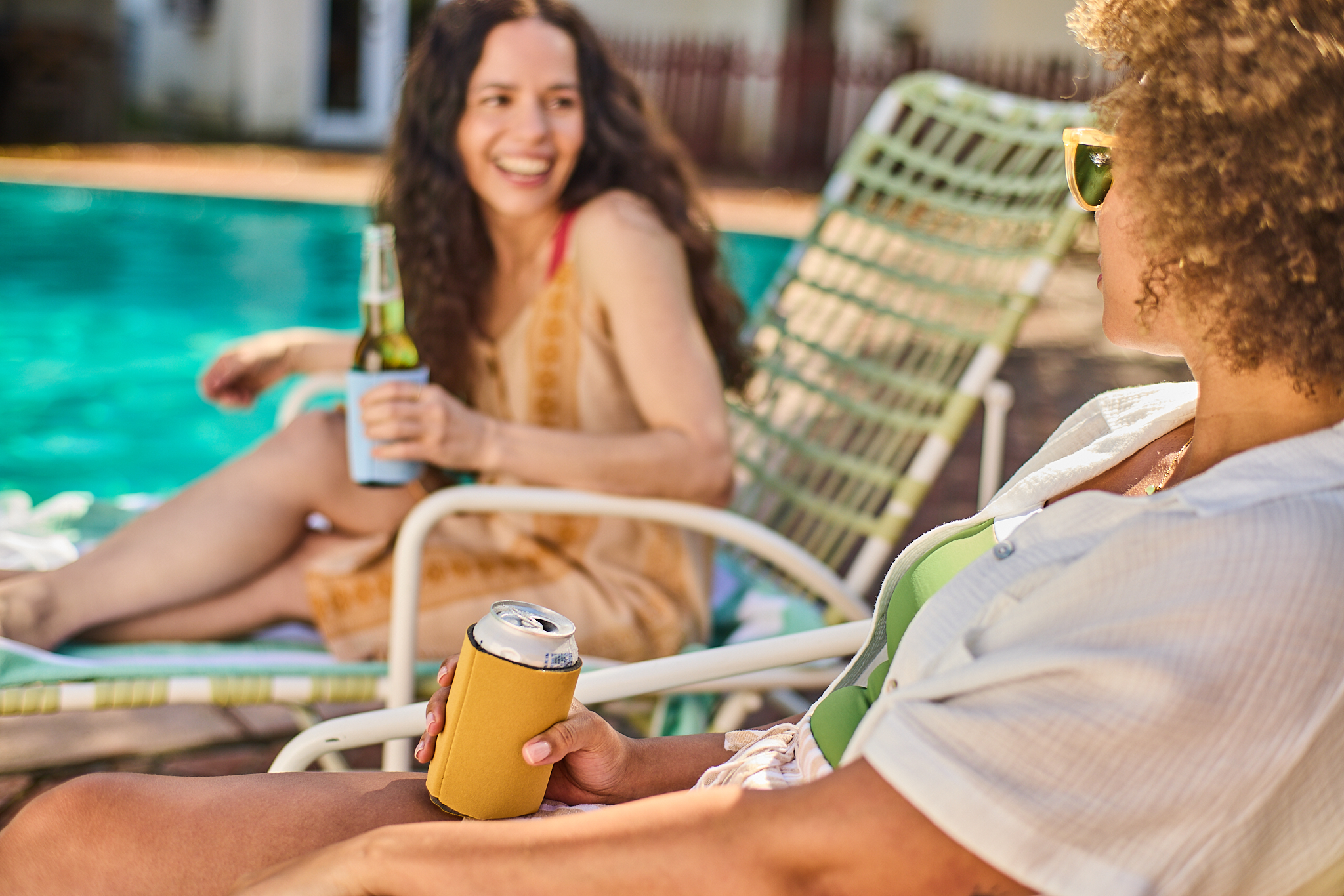
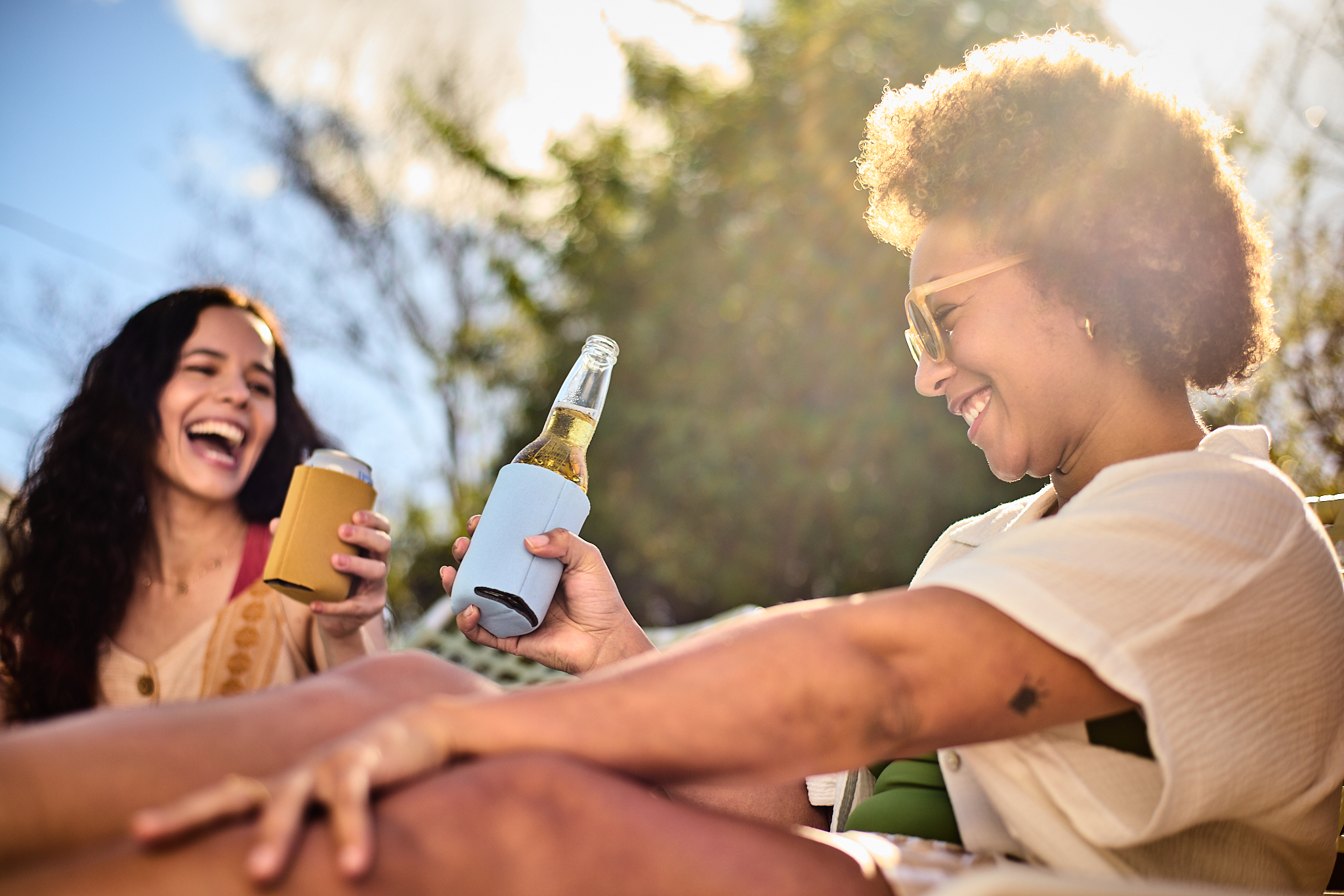
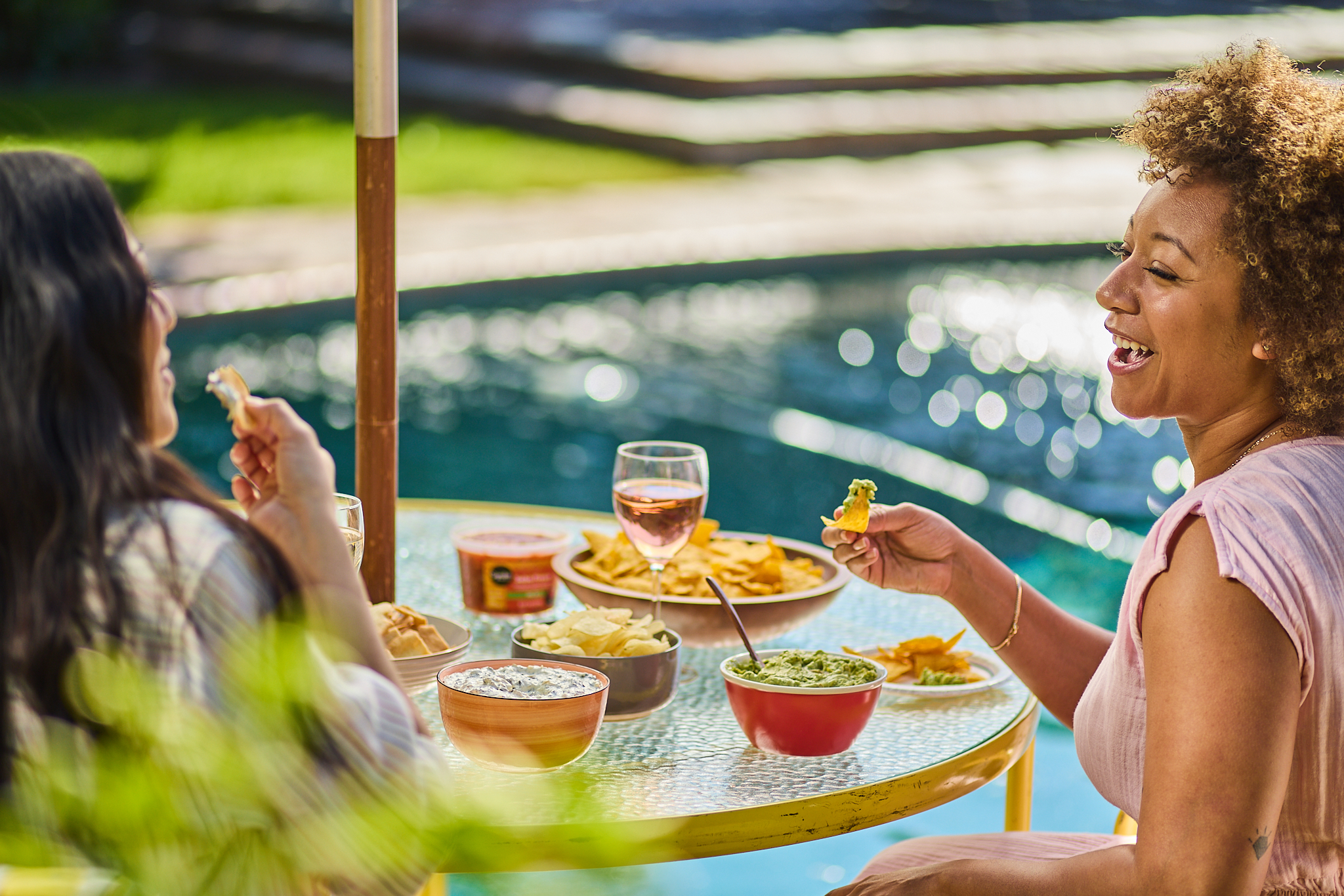
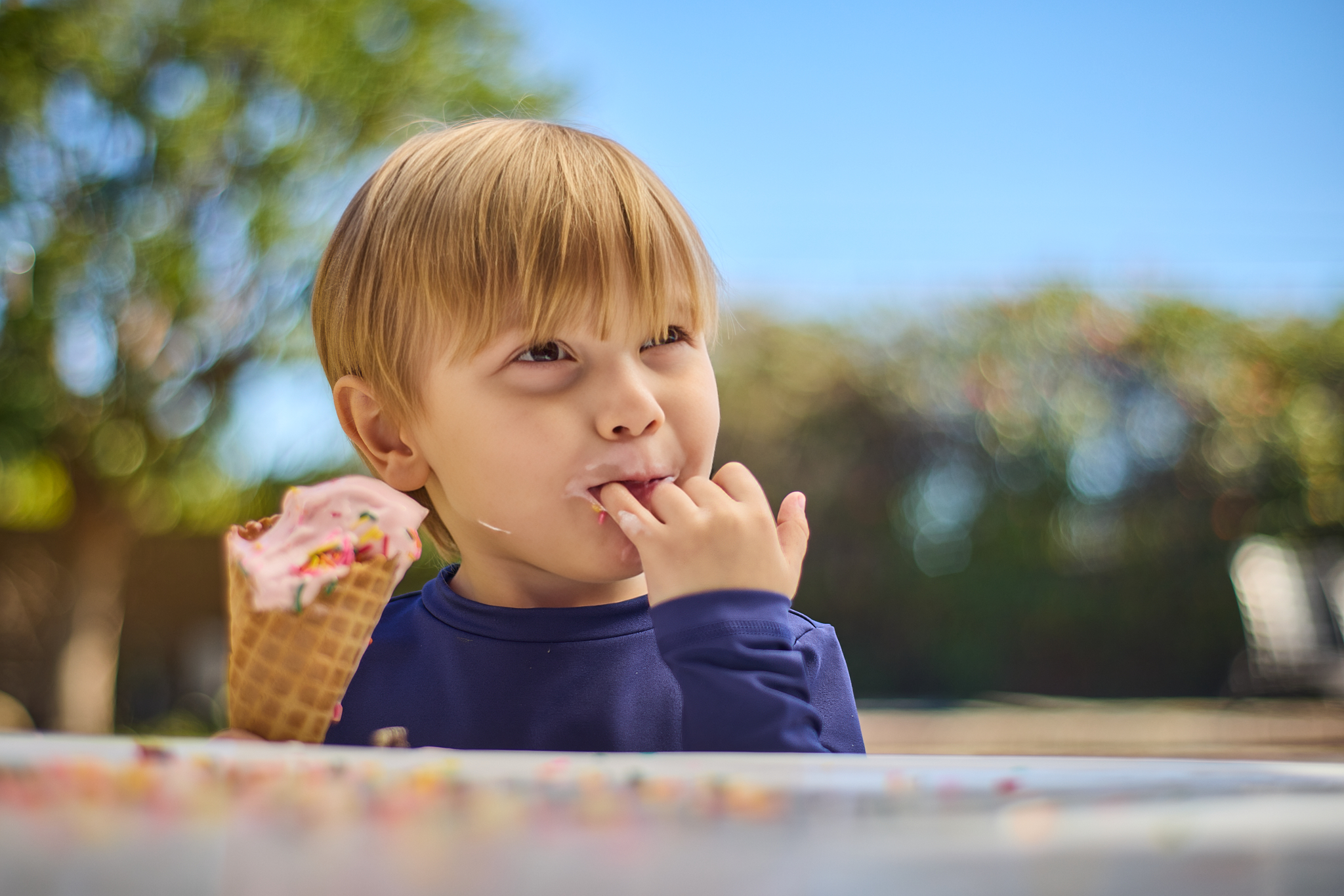
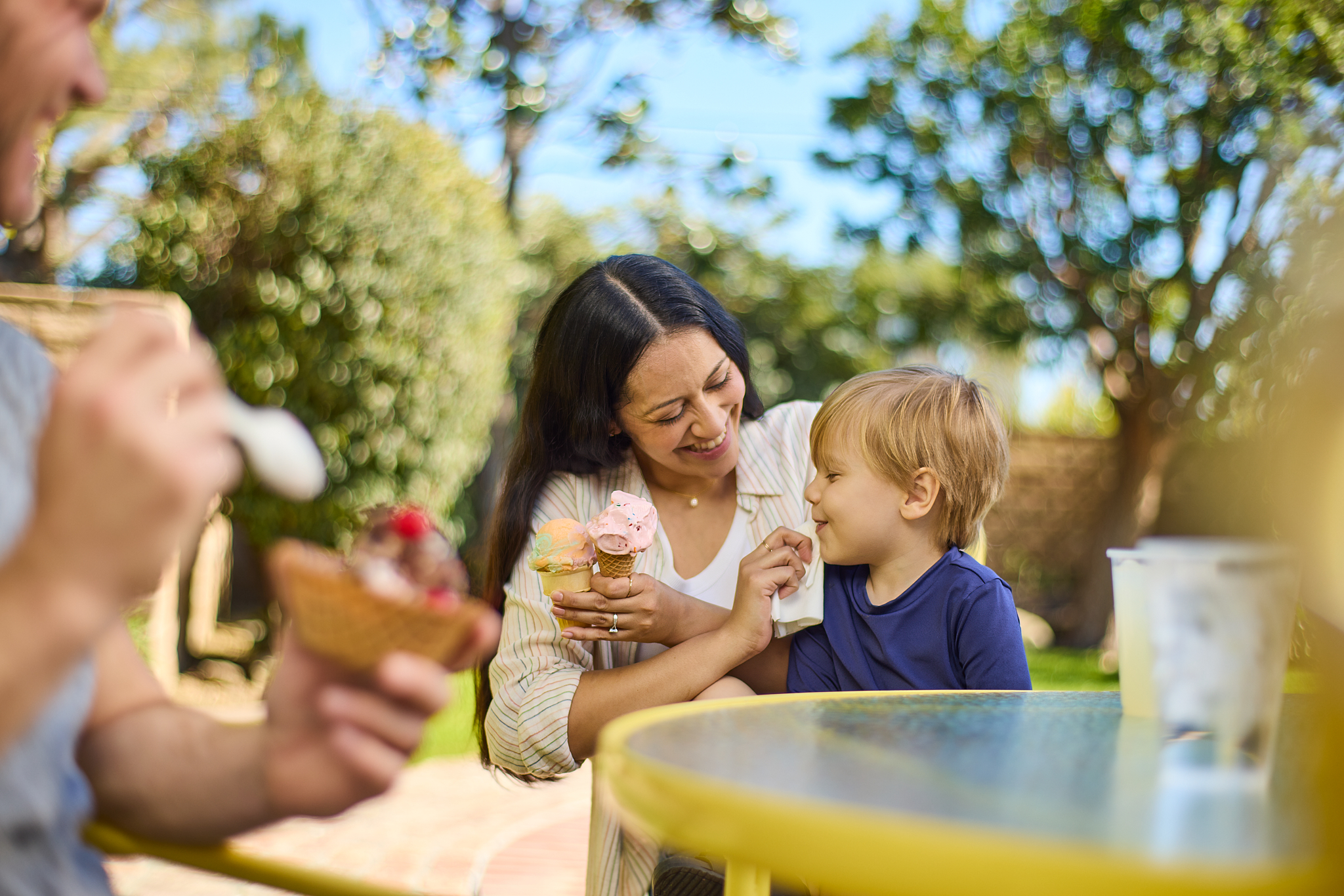
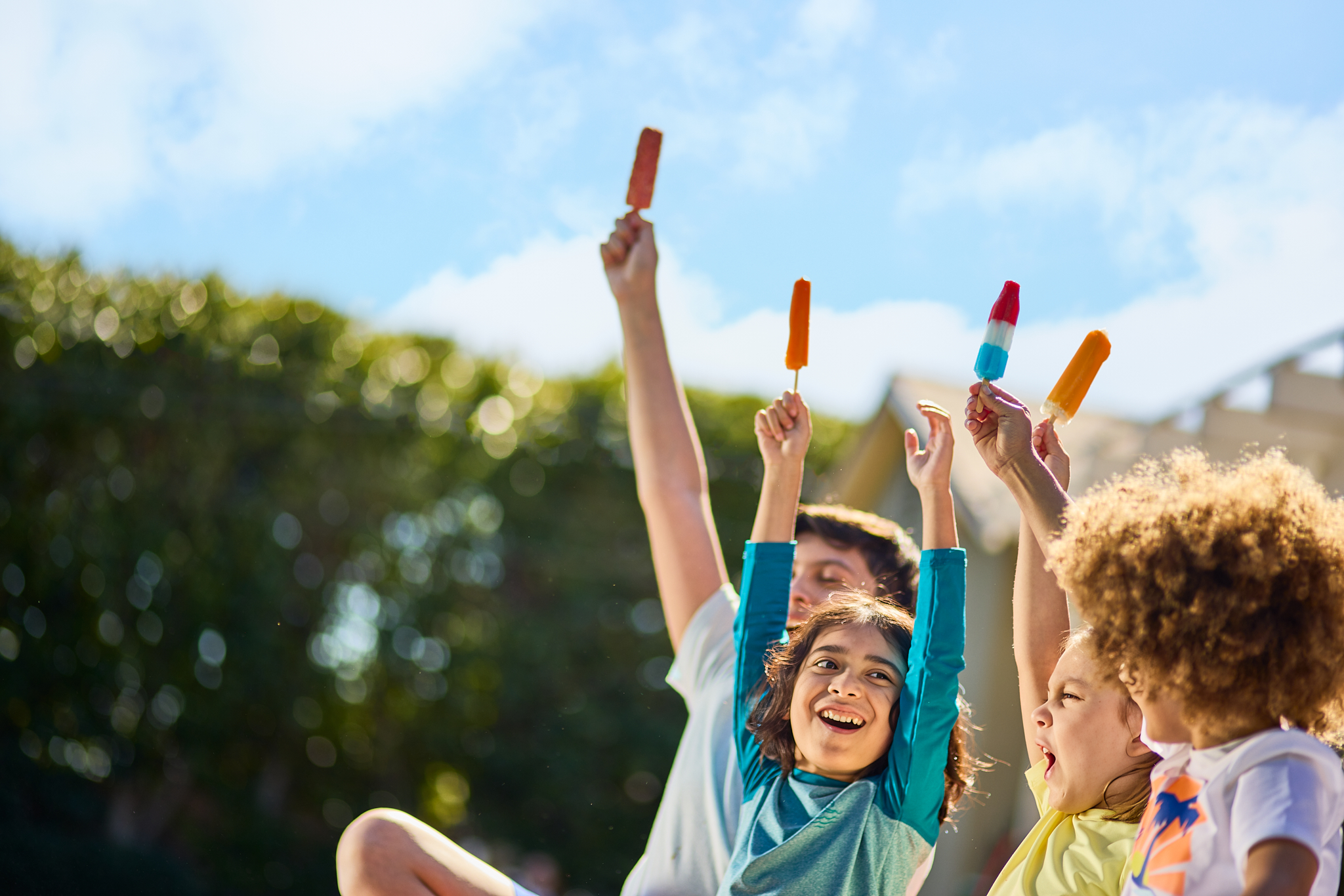
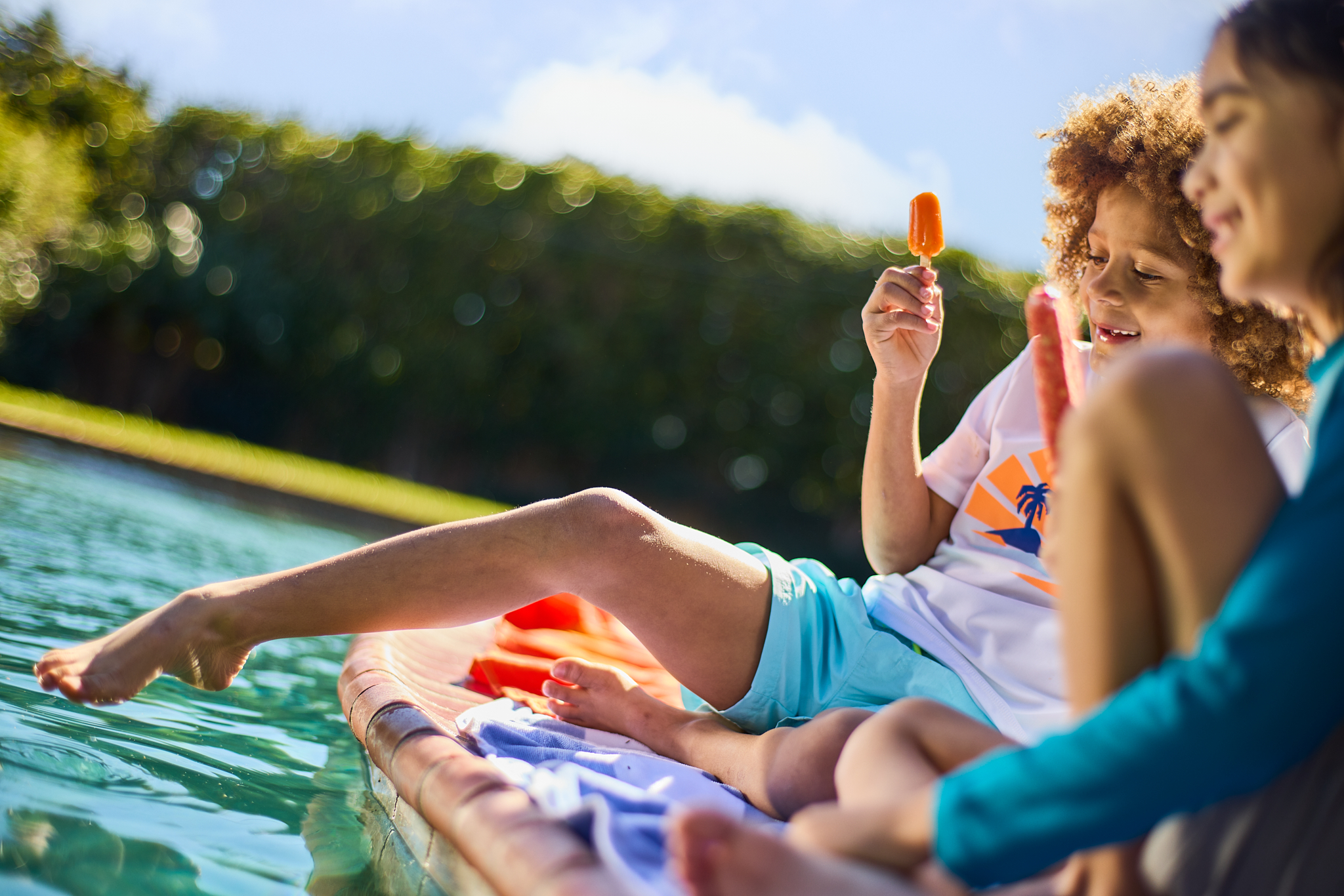
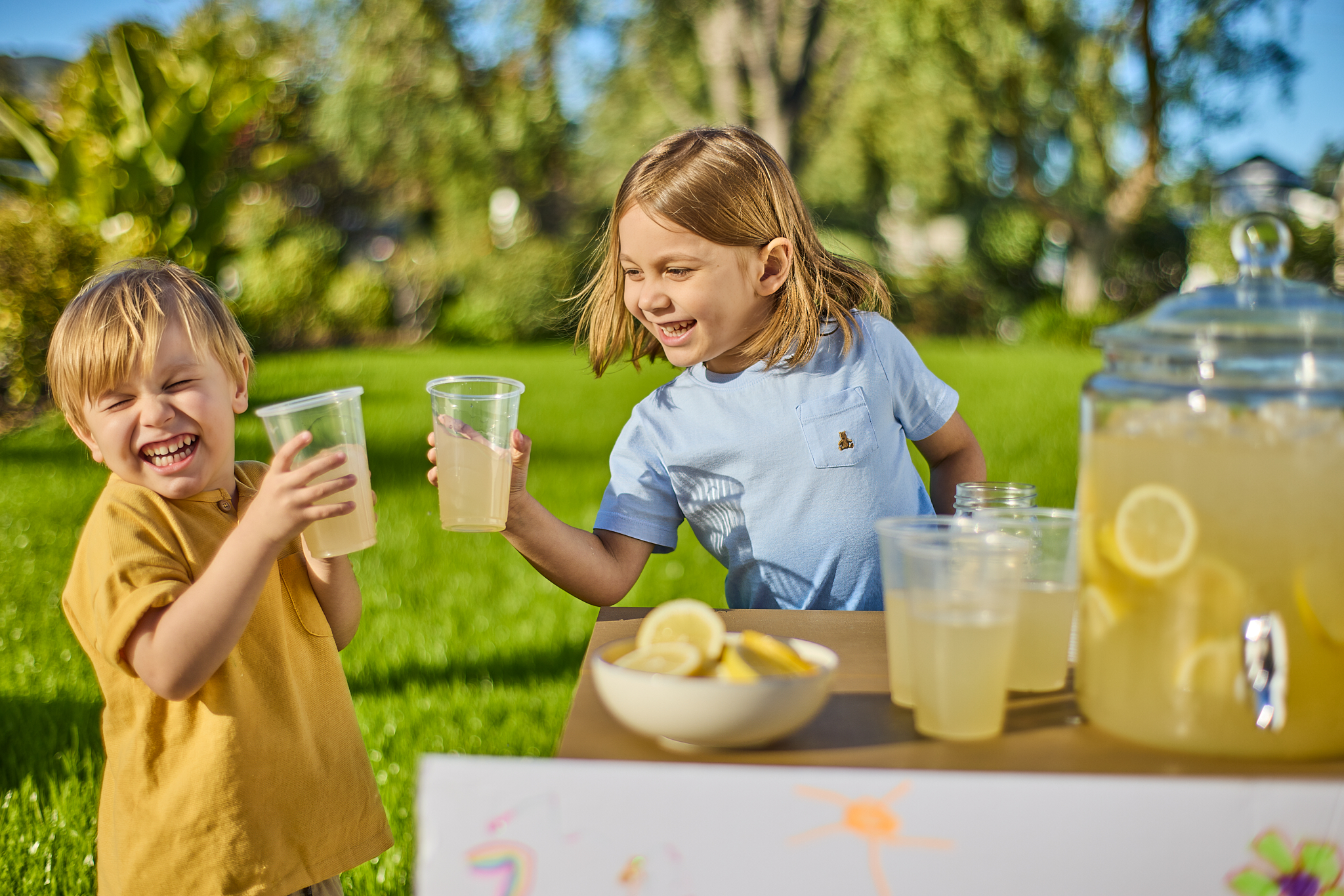
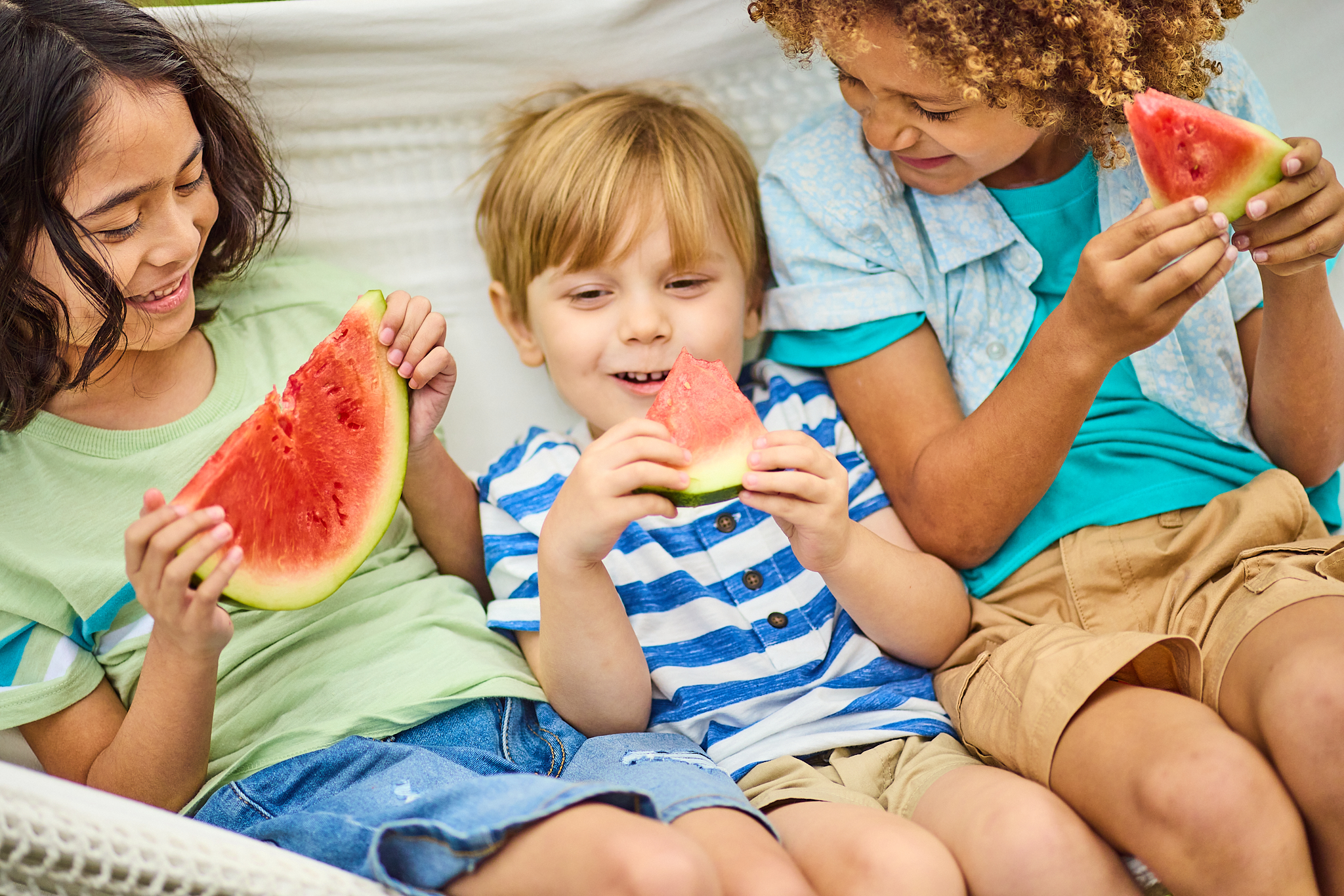
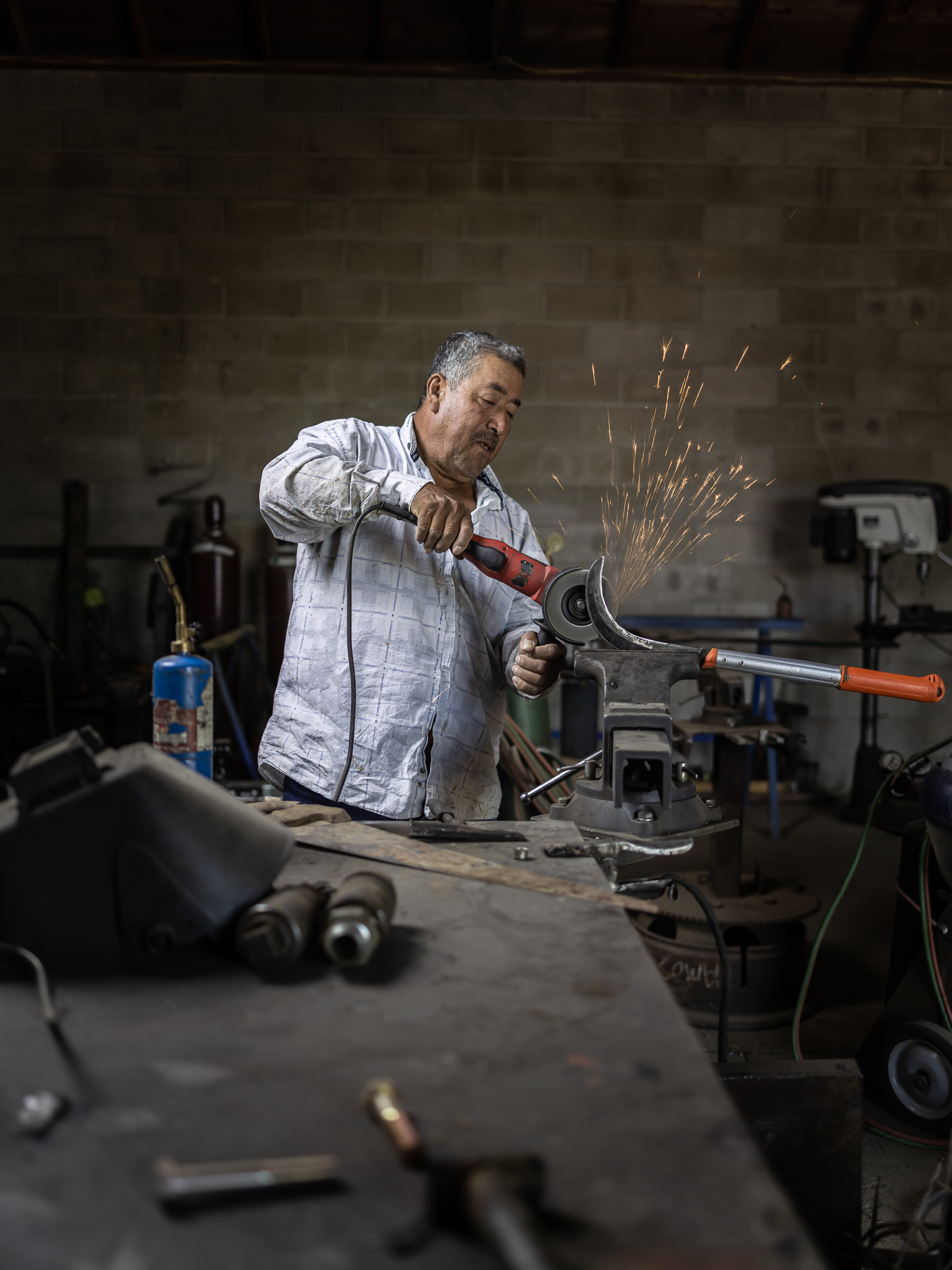
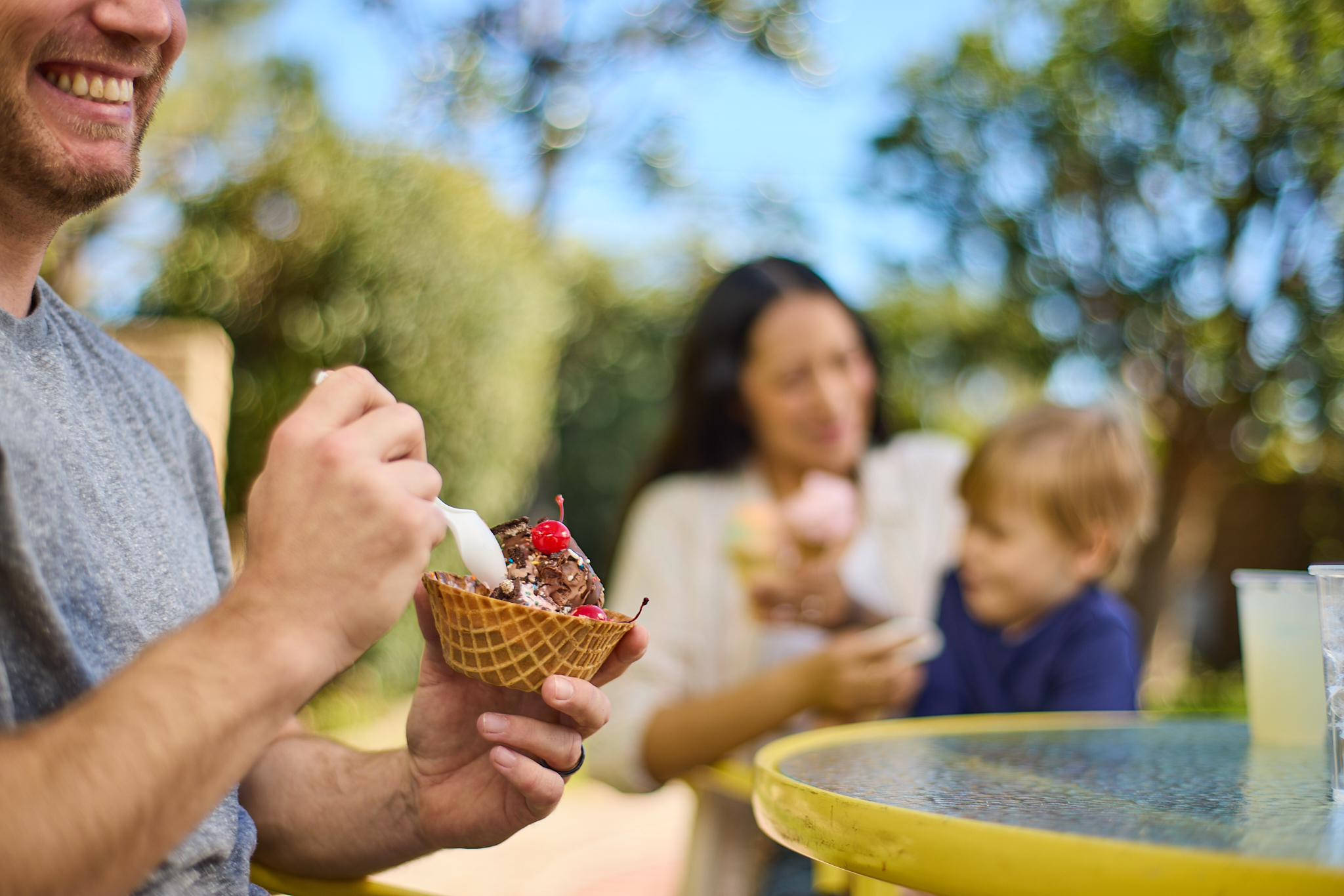
Summer in Los Angeles in February. We spent three days capturing the warm summer vibes of LA at 70 degrees. Produced by HyperionLA with a skilled crew of assistants, DigiTech, HMU and food stylists, let alone the creatives from Albertsons – it was all perfect… except for the locations. One house’s online profile turned out to be smoke and mirrors; completely disheveled, which included an immobile RV parked in the yard trailing a long yellow extension cord through a maze of untidiness, a dilapidated trampoline with it’s walled netting looking like a marooned salmon fleet, broken and water-logged playsets and plastic debris from the pool’s detritus filled waters, all nestled on patchy green crab grass, which didn’t offset the large swaths of chocolate brown dirt bearing no life (and not to mention the pile of dog shit which filled a commercial-grade trash can to the brim… and sat in the yard’s corner). Our first shot on the list was, needless to say, behind schedule.

The second location housed a menacing manager who restricted all movement until he offered a bribe and was paid an additional fee. This eventually permitted further access into his four-walled cavern. And as it turned out, the homeowner was his father, a kind man who had no idea what was actually happening as about 20 personnel moved gear throughout the interior and exterior of his home. It was true. We needed all the space we could get. And it paid off.

For more visit the Albertsons’ Project gallery

www.CameronKarsten.com | www.the-subconscious.com

Photographer + Director represented by The Gren Group

CREAM OF THE CROP! CAMERON KARSTEN FOR CORNERSTONE RANCHES

BY ISAAC ROBLETT

Originally posted via Wonderful Machine

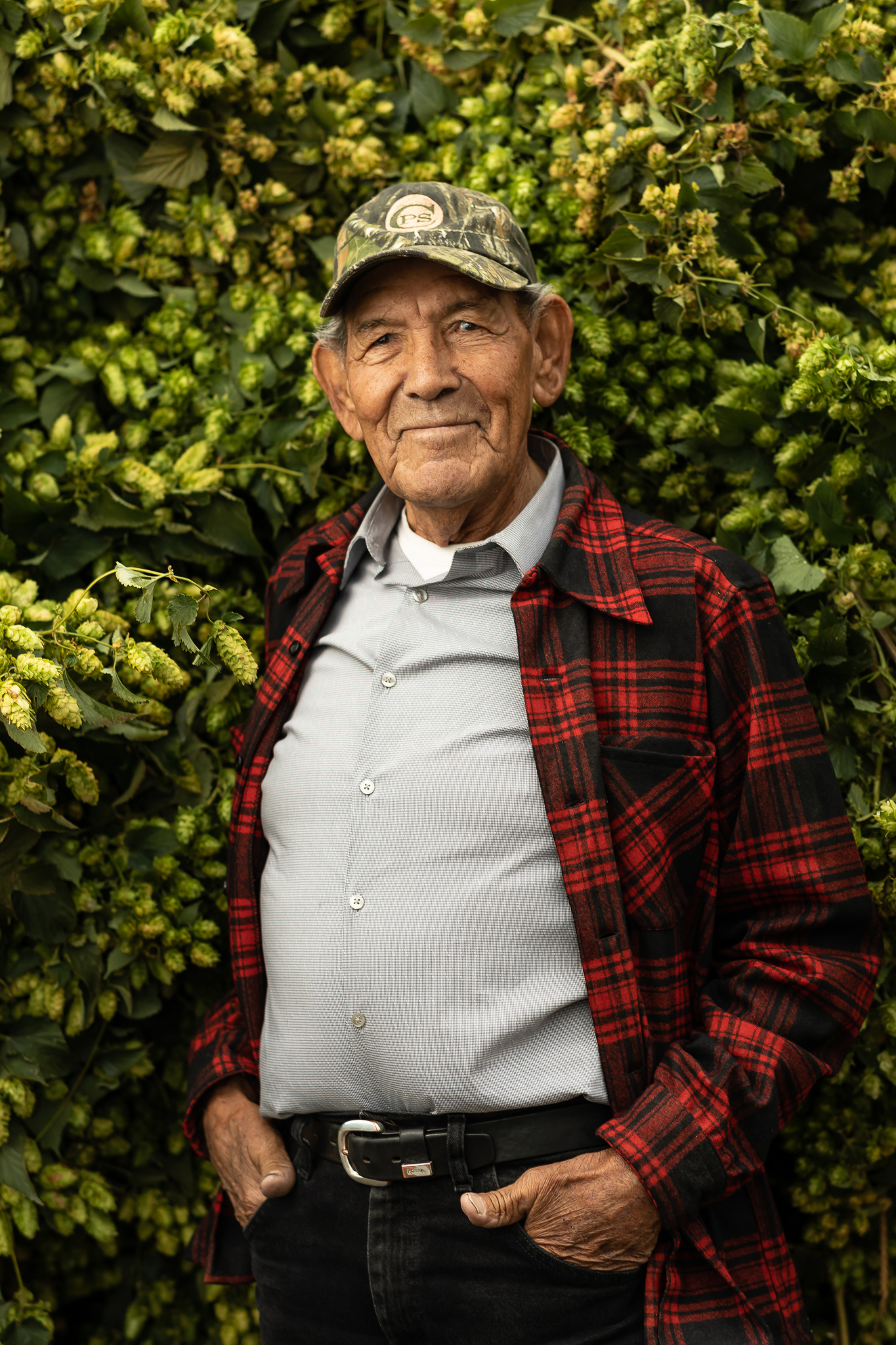
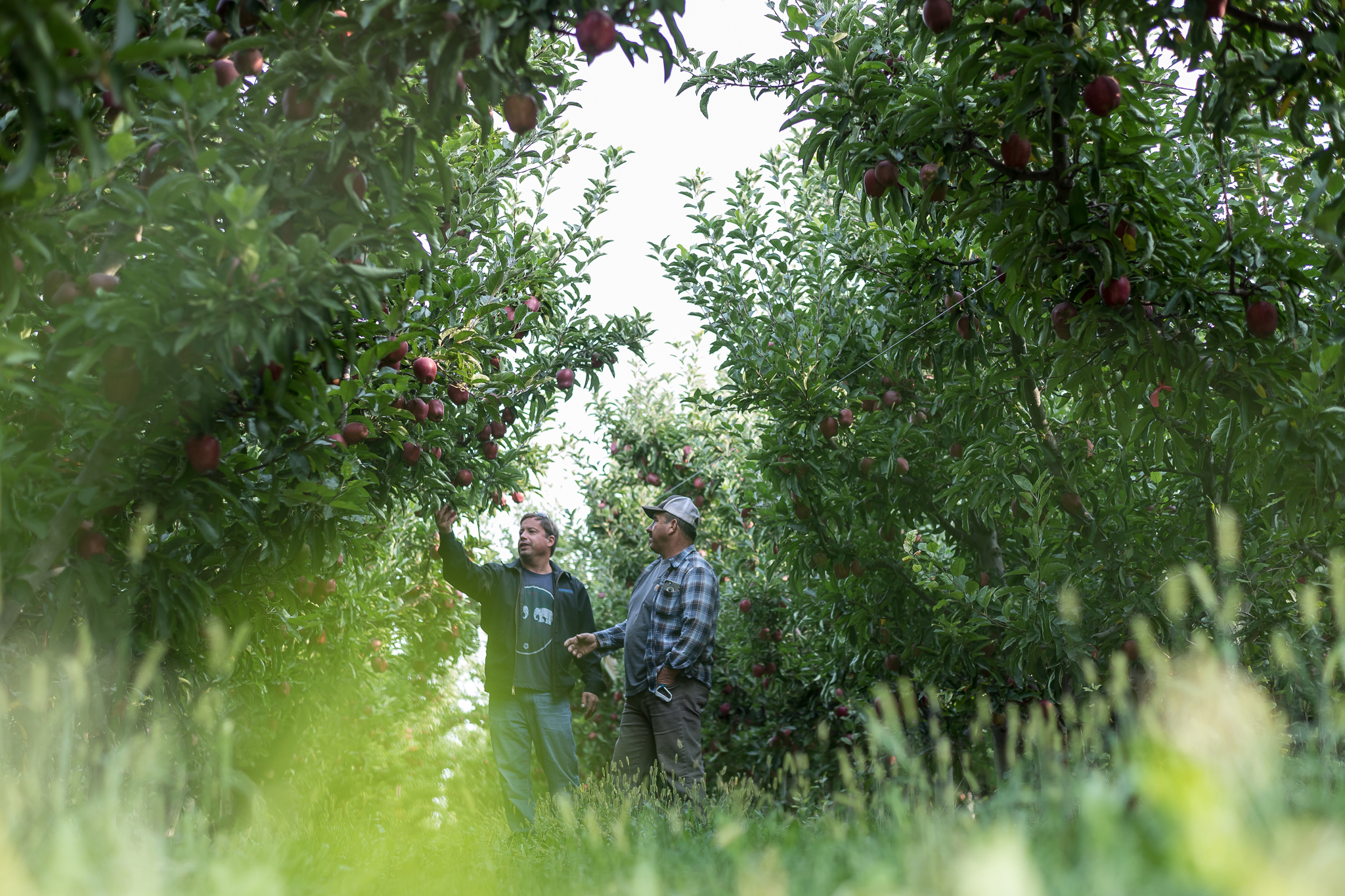
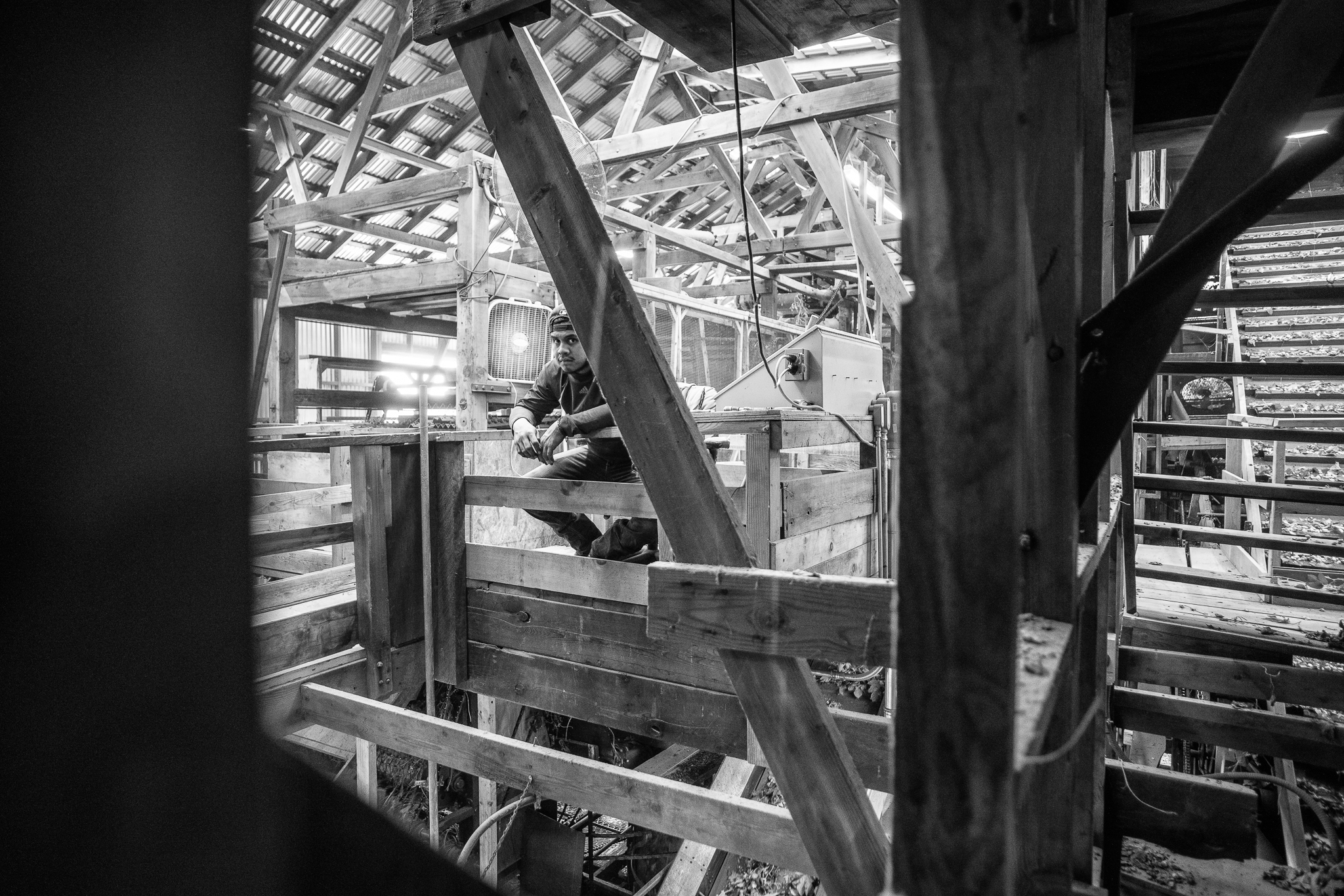
Located in the beautiful Yakima Valley, Washington, Cornerstone Ranches is a fifth-generation (since 1897) family farm that grows a variety of hops, apples, and grapes on over 1,000 acres of land. 

In anticipation of autumn’s weather changes, the Valley is abuzz with activity as the harvest season approaches. In October, Cornerstone Ranches owner Graham Gamache hired Seattle-based agriculture photographer/director Cameron Karsten to document this year’s harvest. 

I’ve been out to the ranch on four different harvests, as well as during other seasons of the year. Graham and I have become friends, and we’re constantly discussing other projects that we both want to do to benefit each other’s businesses and relationship.

Cameron was a perfect partner for the project due to his extensive experience photographing people, whether environmental portraits or people in action within their spaces, doing what they do for hobby or profession.

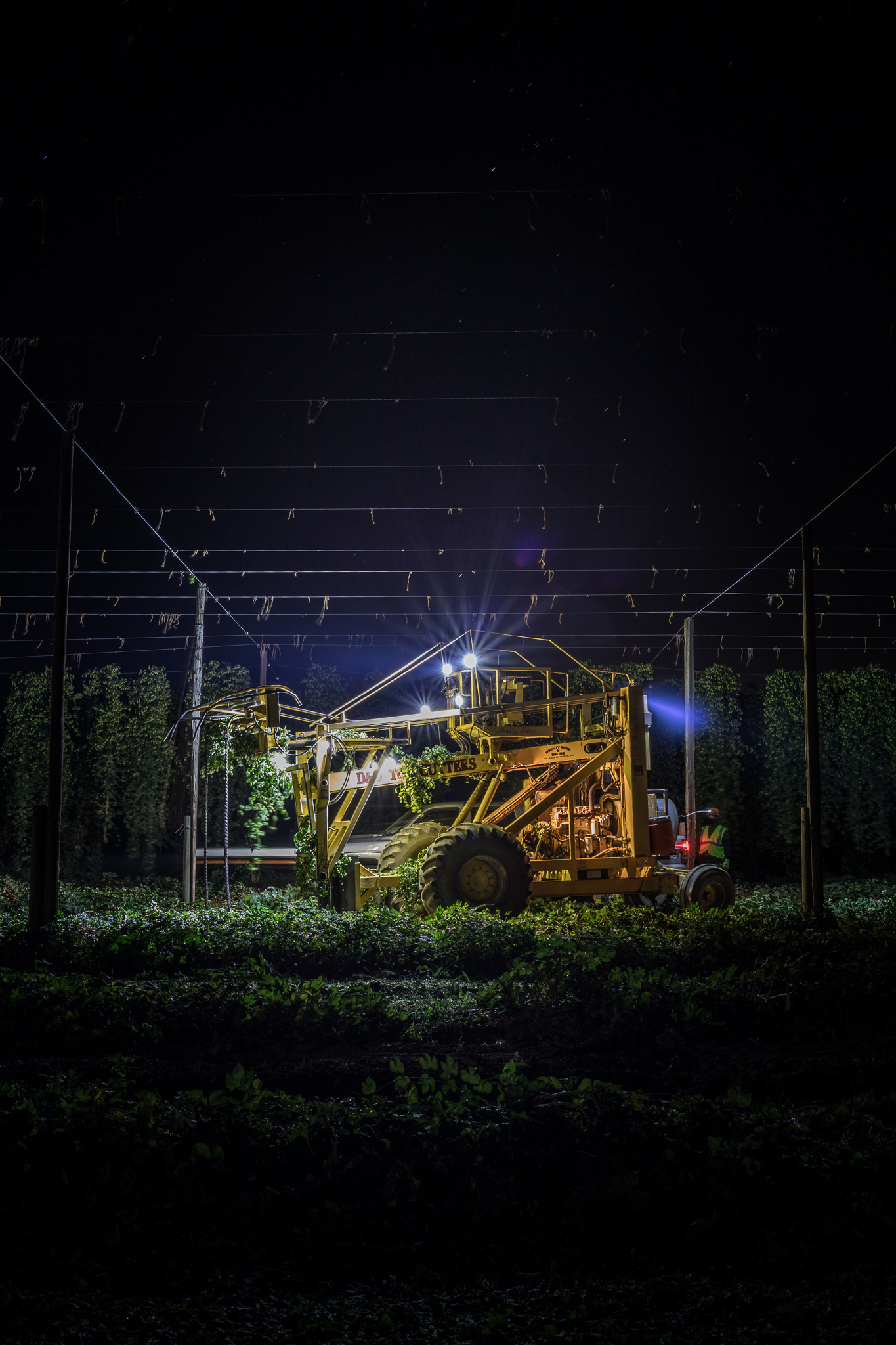
Whether bringing in additional lighting or utilizing the play of light and dark in the late summer sun, it just adds to my ability to adapt to the situation and problem-solve to keep shooting and creating a cohesive library of imagery for the client.

Each time Cameron heads out to Cornerstone Ranches, which is about a five-hour drive from his home in Bainbridge Island, he speaks with Graham to see what is happening at the farm and discuss what he can do to bring his vision to life. The harvest is a particularly poignant time as it brings an array of seasonal workers. Some of whom have traveled far to support themselves and their families, an opportunity that only comes once a year.

I have such a keen ability to connect with the various people working at the farm. The majority speak Spanish as their primary language. Graham just asks me to do what I do and connect with them naturally.

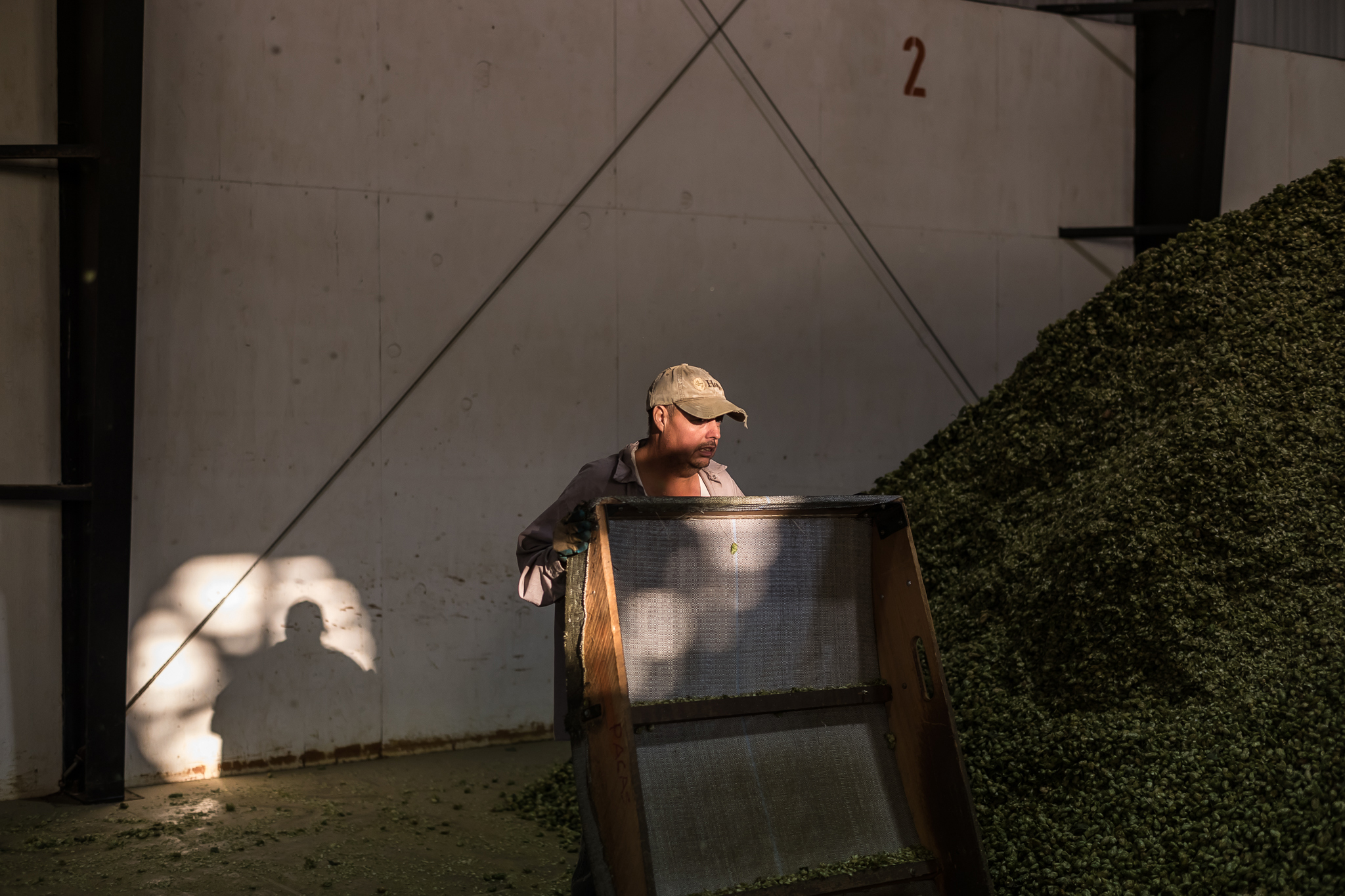
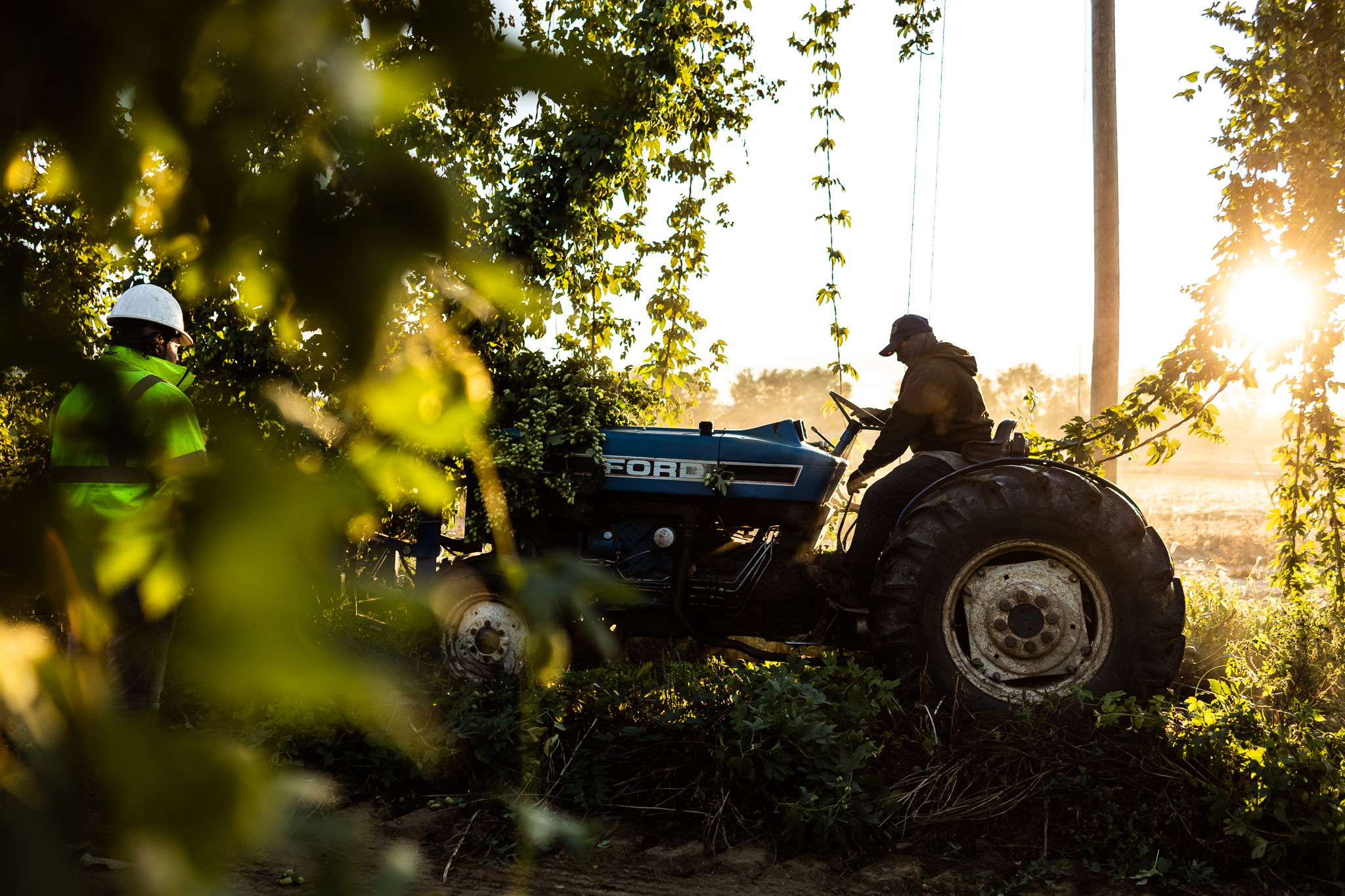
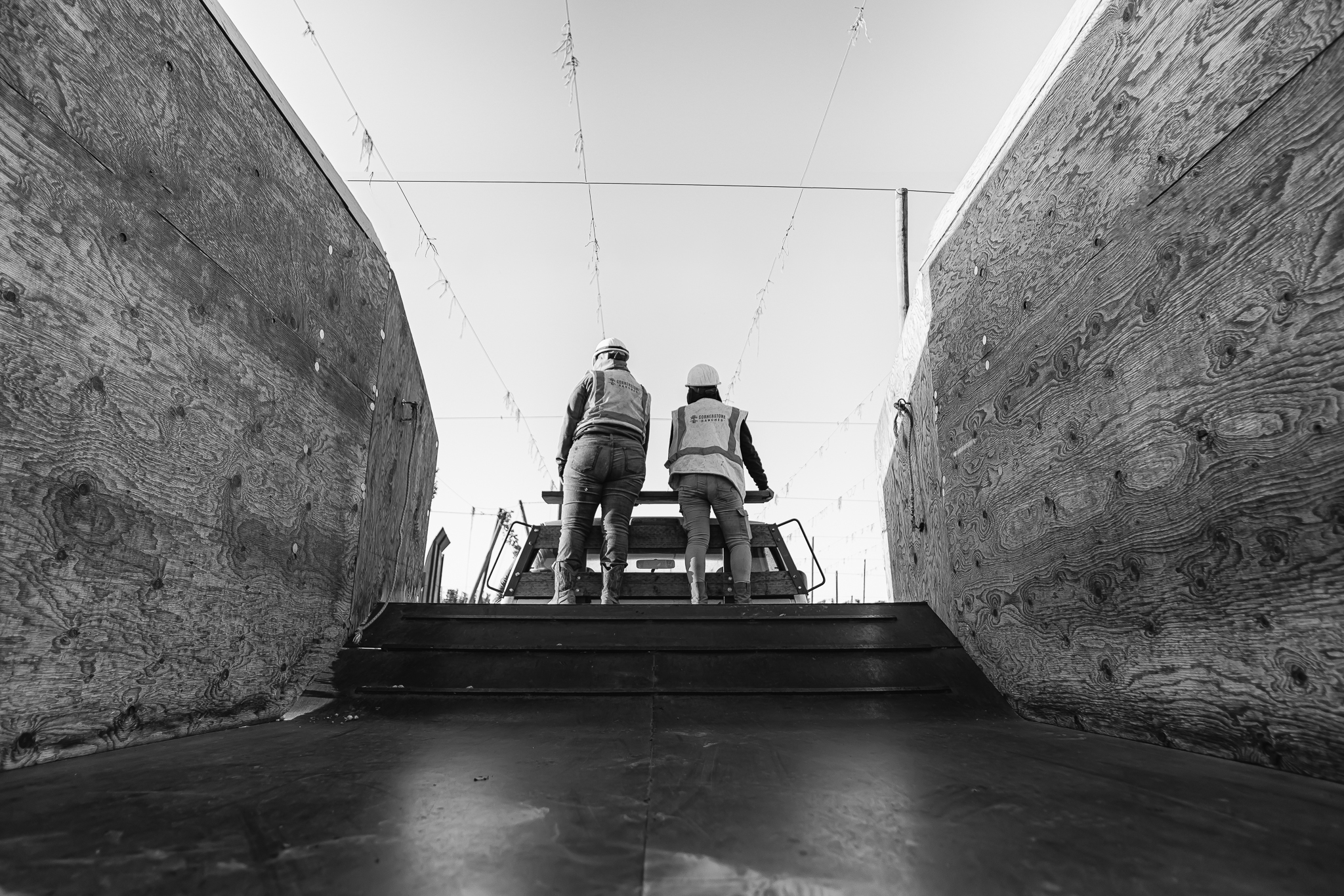
The harvest is operational 24/7, with three eight-hour shifts for five to six weeks picking and processing the hops. The whole region is alive with action, and the earthy aroma of hops can be smelled throughout the Yakima Valley. The hard work and dedication that goes into the day-to-day process of the farm is felt in Cameron’s ability to find the subject’s ​​genuineness in his imagery. 

Authenticity is always the intent. There is little to no post-production in the imagery. It’s as it is. Real people working hard around the clock to accomplish the year’s beer-brewing hops harvest. And everyone that I know of on the farm loves working for Cornerstone. They treat their employees wonderfully, and all are grateful for this. So authenticity and hard work shine through within the images and throughout the company’s identity.

The Yakima Valley produces around 75% of the world’s beer-brewing hops, thanks to its fertile and productive agricultural lands, which are rich with volcanic soil and water from the Cascade Mountains. This, combined with the knowledge of generational family farms like the Gamache’s, makes for emphatic results.  

The nights are always cold. Yet throughout the years, I’ve never seen any rain. Dry and hot. Or dry and cold.

It’s a fast-paced, around-the-clock environment within the hop fields or the apple orchards. There is a race to pick the fruits before the weather turns cold and disturbs the quality of the crops. Cameron used his discretion to not intrude on the workers’ busy schedules. Instead, he was attentive without interfering to allow the most authentic moments to transpire while he captured the spirit of the work and the aura that comes with harvest season.

Working in a wide-open landscape allowed Cameron to let his creative juices flow to examine the composition possibilities and find the soul of the assignment.

I love showing the energy and efforts behind the scenes of such commodities. I love walking the landscapes and the machinery, capturing the moments’ humanity interacts with nature and harvests her fruits. And capturing the honest emotions of people through portraiture and all the nitty-gritty of agriculture/industrial details. It makes me happy and ignites that creativity within.

The fatigue of cold early mornings pre-dawn or late nights after a long day is a big challenge when all I want is a beer!

Cameron utilized his innate people skills to engage with the employees, allowing for an open and comfortable shooting environment. Despite the language barrier with some workers, he still managed to form a connection.

Through body language and understanding, I can step in without disrupting the flow of the harvest’s operations. It’s all like a fluid river, and I don’t want to dam it up. Rather, I can jump within it at certain times and then jump back out.

Like any other industry, people within the agriculture sector work as hard as any human being to bring the world its most basic and fundamental commodities. To view the imagery, I want to come away with an appreciation of these efforts and realize something doesn’t come from nothing.

See more of Cameron’s work on his website.

Credits

Cornerstone Ranches Owner: Graham Gamache
Video Editor: Sam McJunkin
Video Editor: Luke McJunkin 

The Reefnetters of Lummi Island – Human/Nature

© Cameron Karsten Photography for The Nature Conservancy’s photographing reef netting with Riley Starks of Lummi Island Wild on Lummi Island, WA

To get to the island you take a tiny ferry. Max vehicle load around 15, maybe less. If I lived on the island, I’d have a canoe and do the short crossing for free. Once you’re on the island there is one main road that circumnavigates the land. Homes are rustic, beautiful. Driveways are quaint, simple, forested with evergreens. Everything is shrunken to the simplicity of truly small island living.

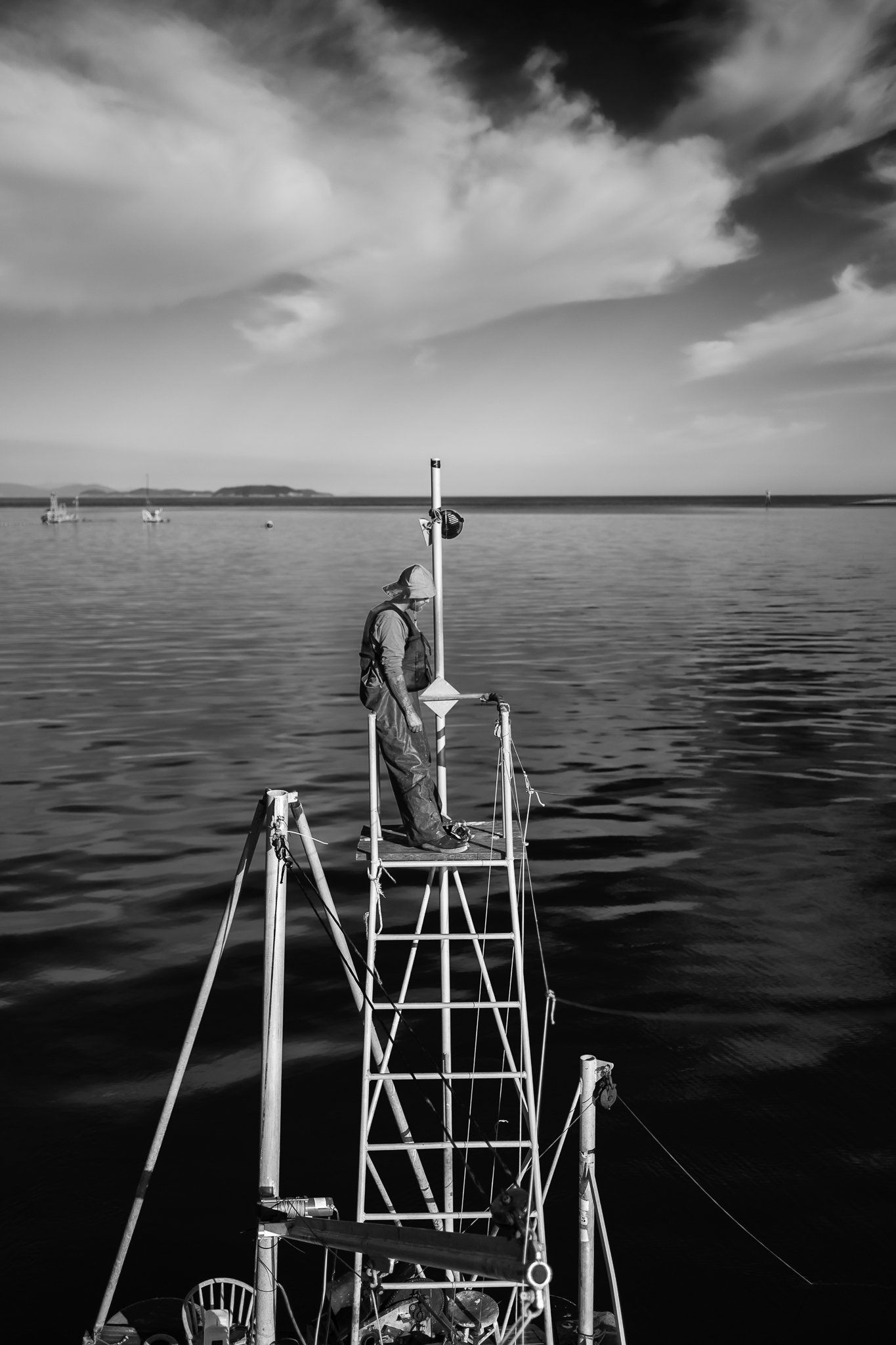
I was there to photograph the Lummi Island Reefnetters, a community of commercial fisherman/women taking part in an historical practice of harvesting wild salmon runs. Known as the oldest salmon net fishery in the world, it was begun by the First Peoples of the Pacific Northwest, where the angler watched the ebb and flow of the tides as the salmon came and went on their route to spawn, and used a net or trap once the fish were lured onto a “reef”. I honestly had never heard of it, albeit being a salmon-obsessed angler since I was 10 years old, I was immediately intrigued. I think of salmon and I think of a beautifully sculpted fish, muscular and angular for the perfect oceanic journey. From the rivers at birth to an epic multiyear voyage through ocean currents, and then back once and forever to the very freshwaters they were birthed in to create life again.

© Cameron Karsten Photography for The Nature Conservancy’s photographing reef netting with Riley Starks of Lummi Island Wild on Lummi Island, WA

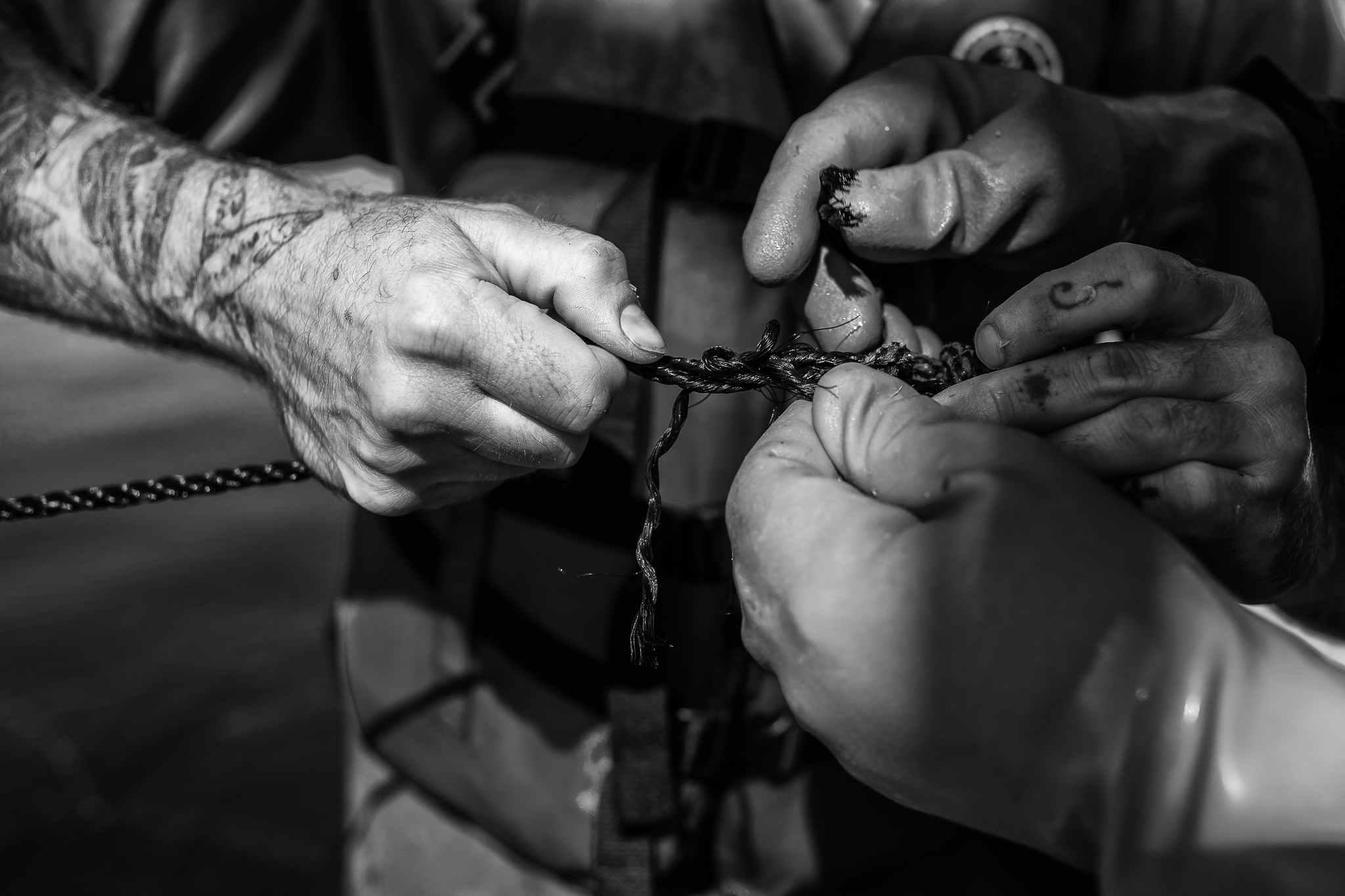
I was told to ask for Riley Starks, a partner of Lummi Island Wild which sells reefnet-caught salmon and other seafood from the Salish Sea. He also owns and operates Nettle Farms, a small B&B established in 1992. The land was rugged as I pulled up, green and wild, but suitable to raise 50 different birds from chickens to turkeys. There were knotted fruit trees strewn about the earth and a solitude of a farm tucked into the forest. Riley himself cleared the land, and as we shook hands I could feel his calloused hands, thick with years of work on land and water. His beard was grayish-black and his stature short, he quickly threw a pair of rubber boots in his truck and told be to follow him down to the reefnets.

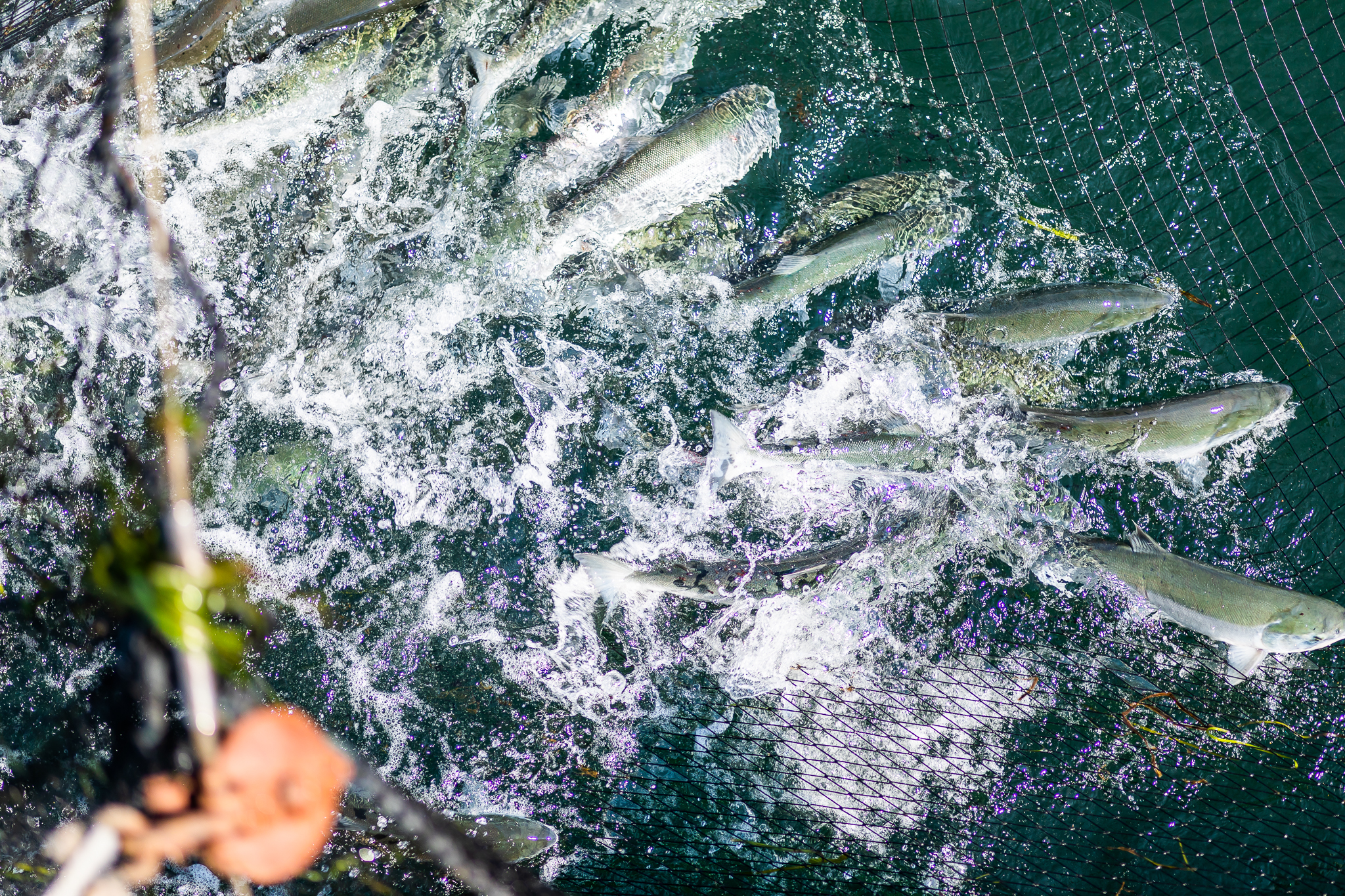
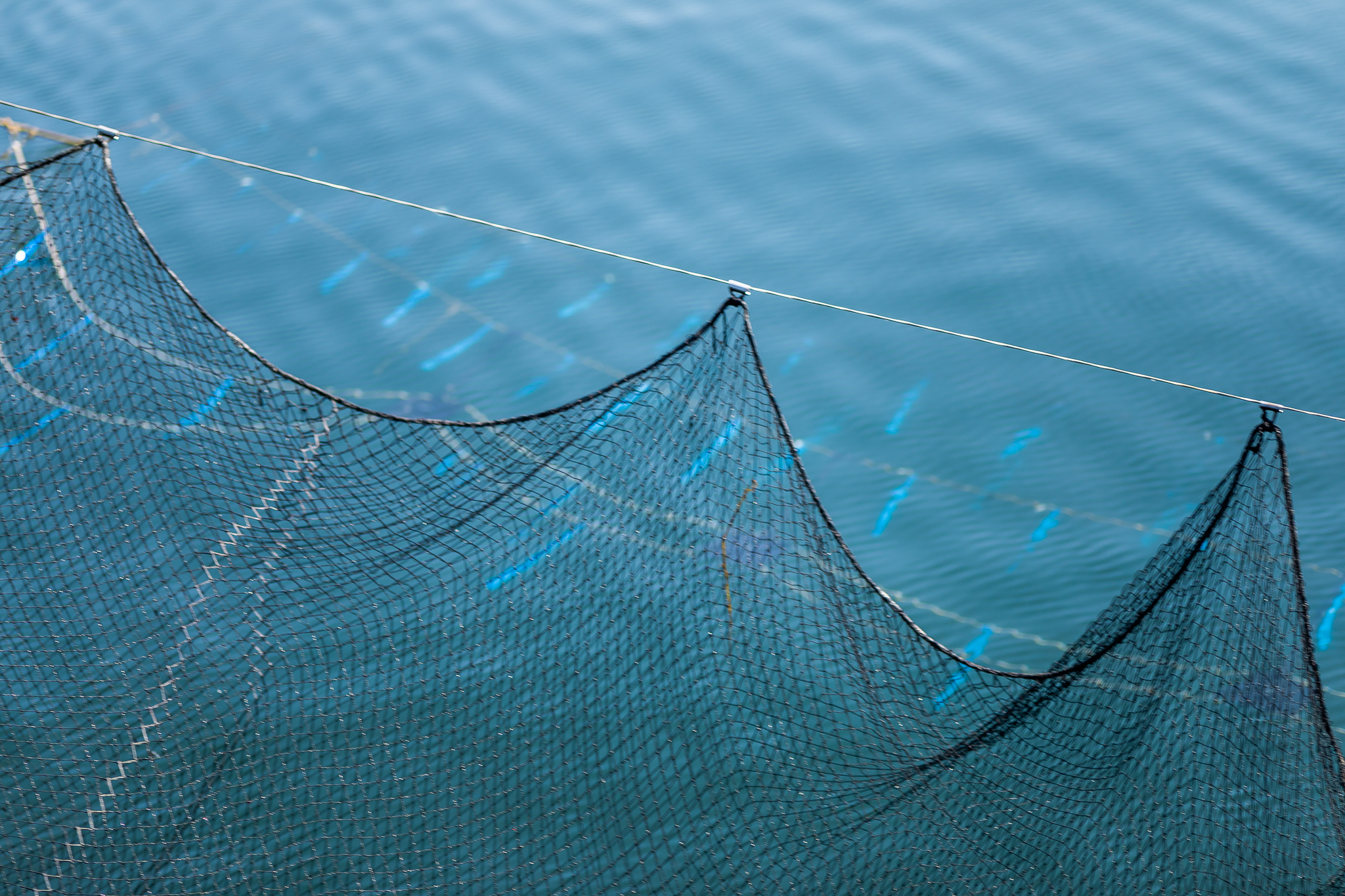
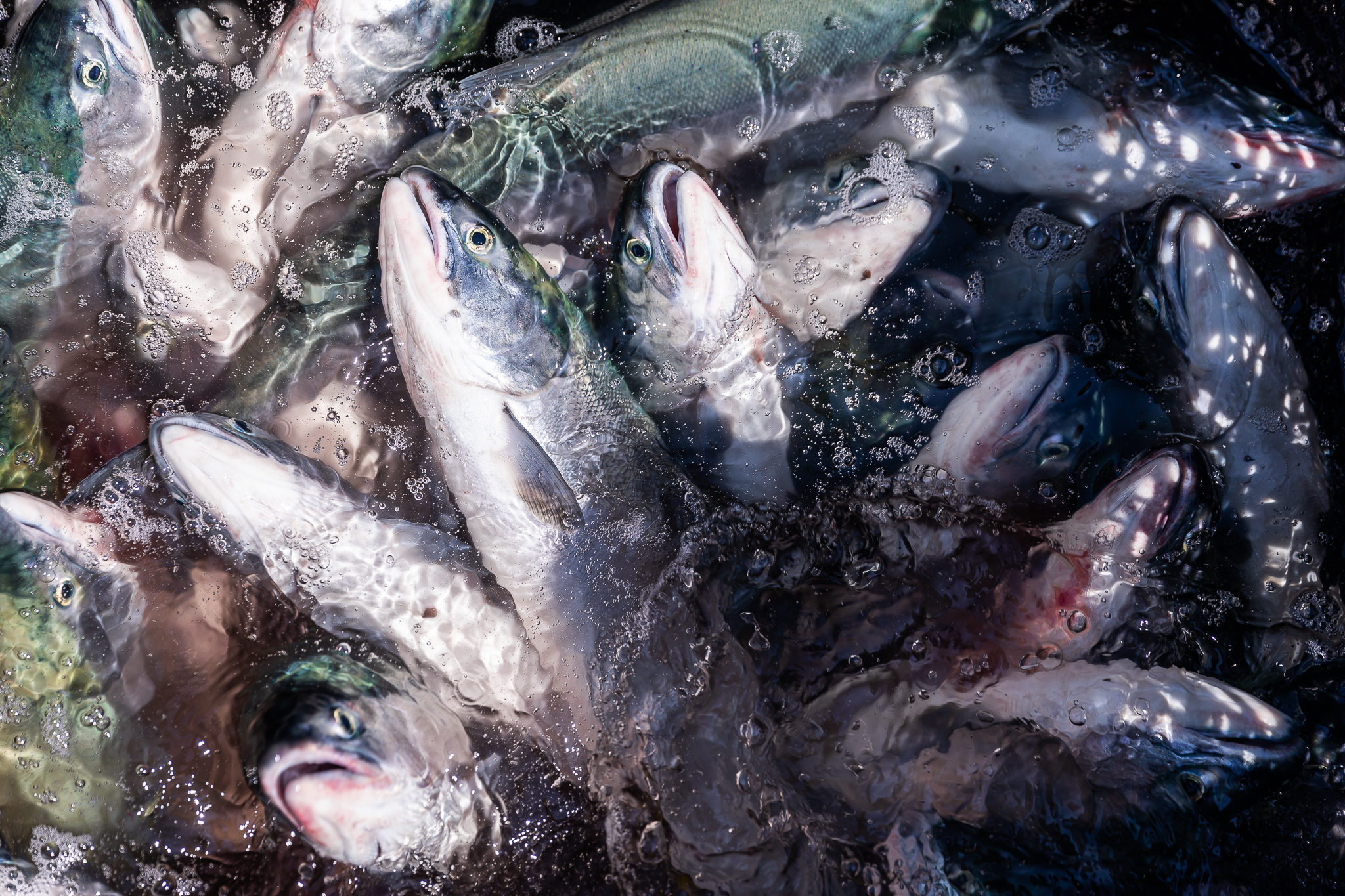
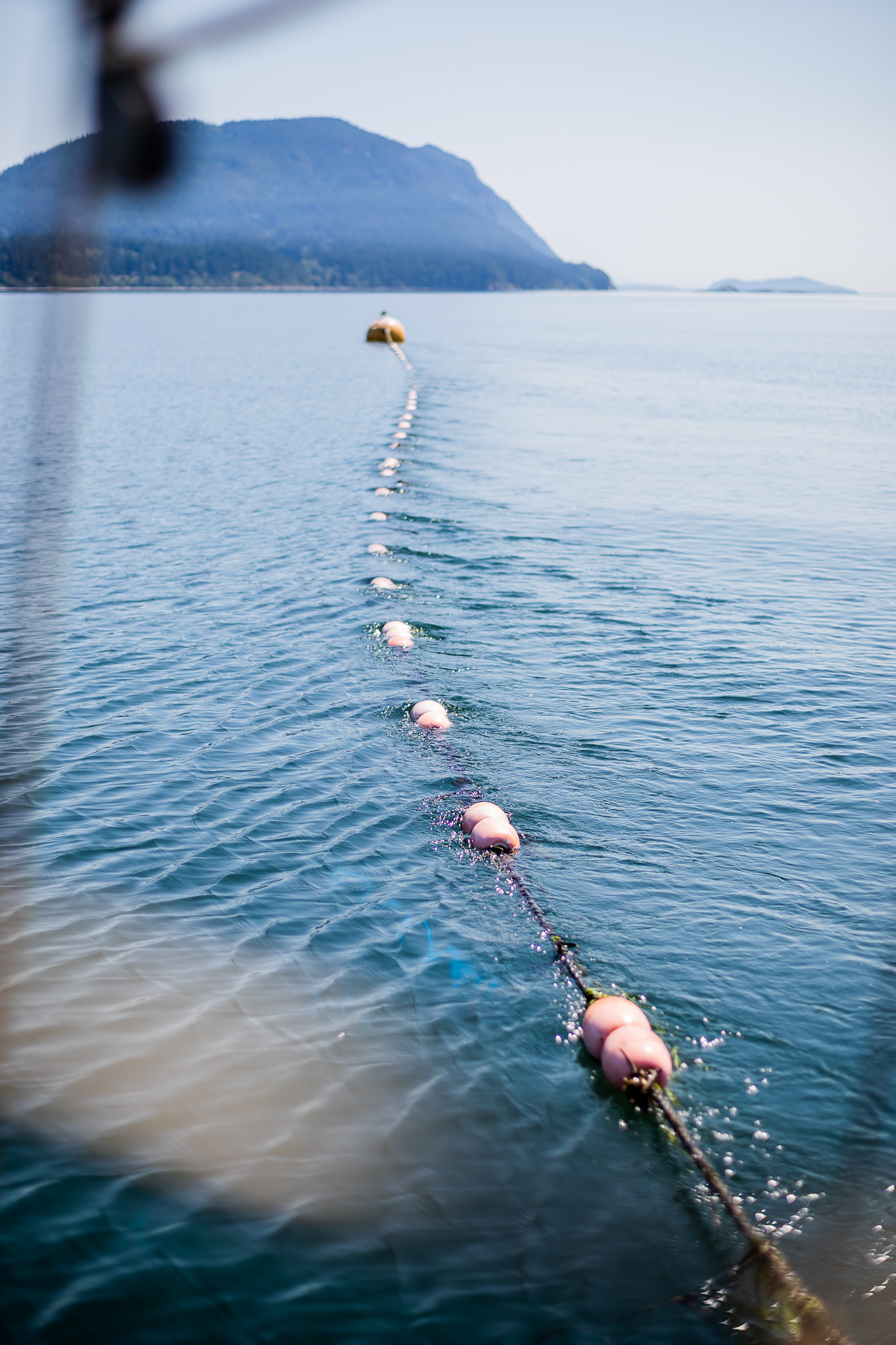
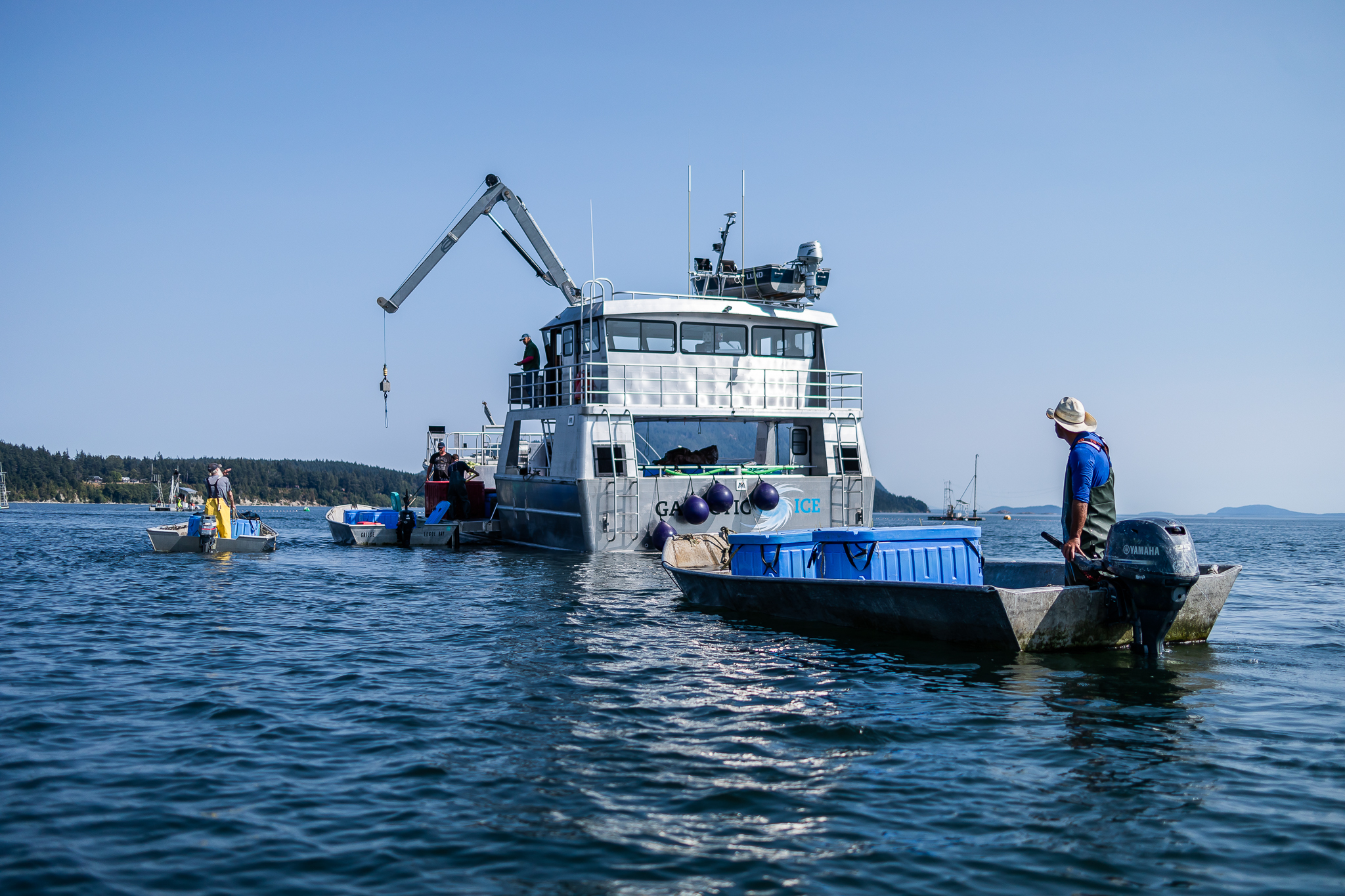
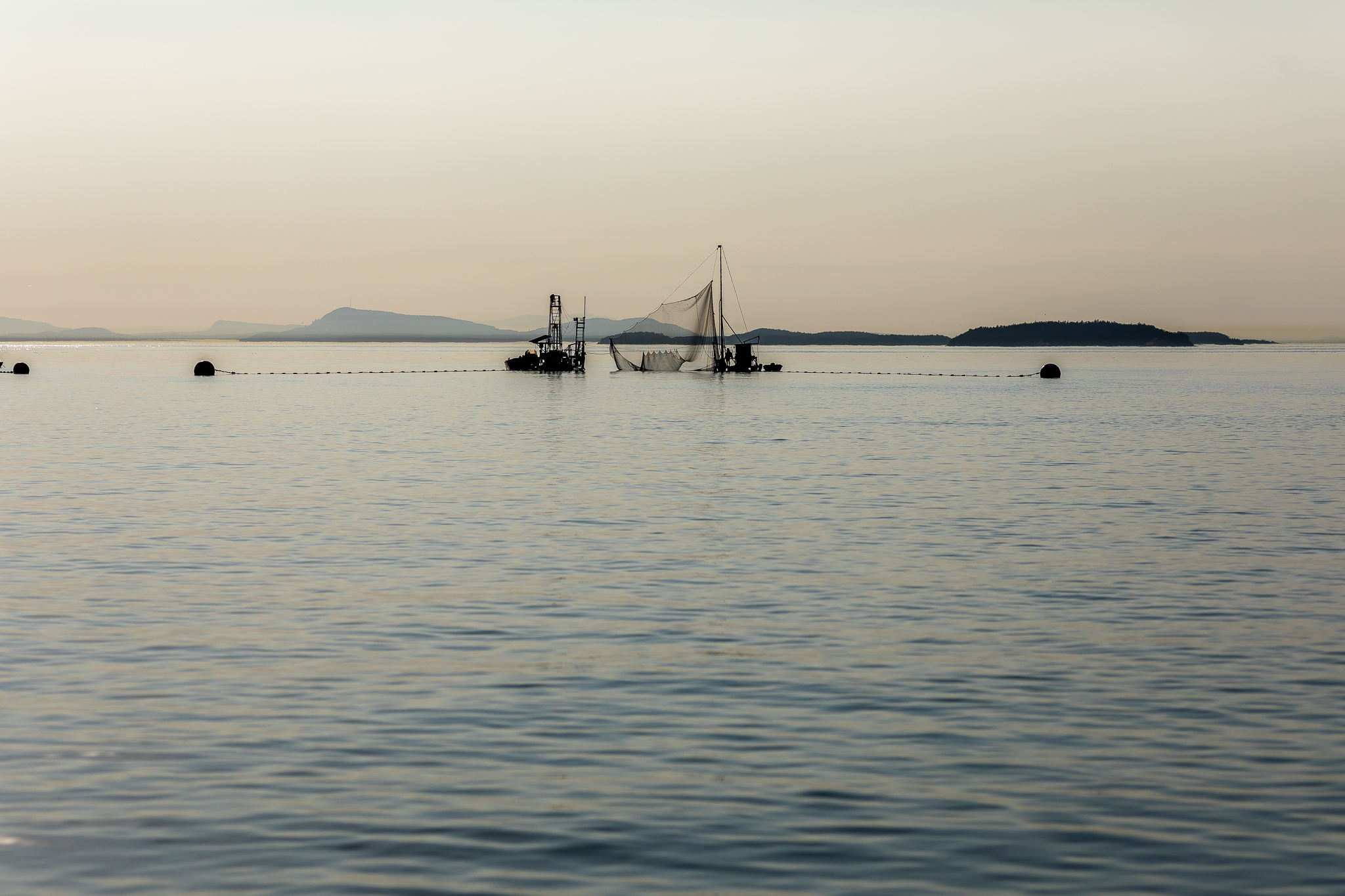
In about 5 minutes we were at his office, a beautiful bay facing south towards the San Juan Islands of Orcas and Cypress. We loaded up into a skiff and shot out to one of the anchored barges. It was a flood tide in a couple hours, simply meaning an incoming tide that brings in schools of salmon to the tidal bay. From there, they swim over an artificial reef suspended between two platforms. A spotter is stationed above the gear, watching and waiting until the school enters the reef, and then instructs to crew to draw up the nets. The salmon are enclosed, quickly hauled into small holding tanks, wherein the their gills are ripped out for a quick death. Any bycatch is released back into the water.

© Cameron Karsten Photography for The Nature Conservancy’s photographing reef netting with Riley Starks of Lummi Island Wild on Lummi Island, WA

I watched in amazement at the efficiency of the operation, as schools of salmon followed the tides and entered the reefnets, drawn in by glittering strands of line that gave an appearance of a reef emerging from the depths. All net gear was battery powered, charged via solar panels, making the whole operation completely sustainable. The skiff was the only gas-powered engine, which ferried the crew back to shore and the afternoon’s catch to an awaiting tender.

Within a few hours, the tides shifted and the crew cleaned the operations gear. We rode back to shore. I was fortunate enough to have brought my cooler wherein Riley placed two 8lb pink salmon on ice.

Shot on assignment for The Nature Conservancy for the book Human/Nature.

Grundens 2020

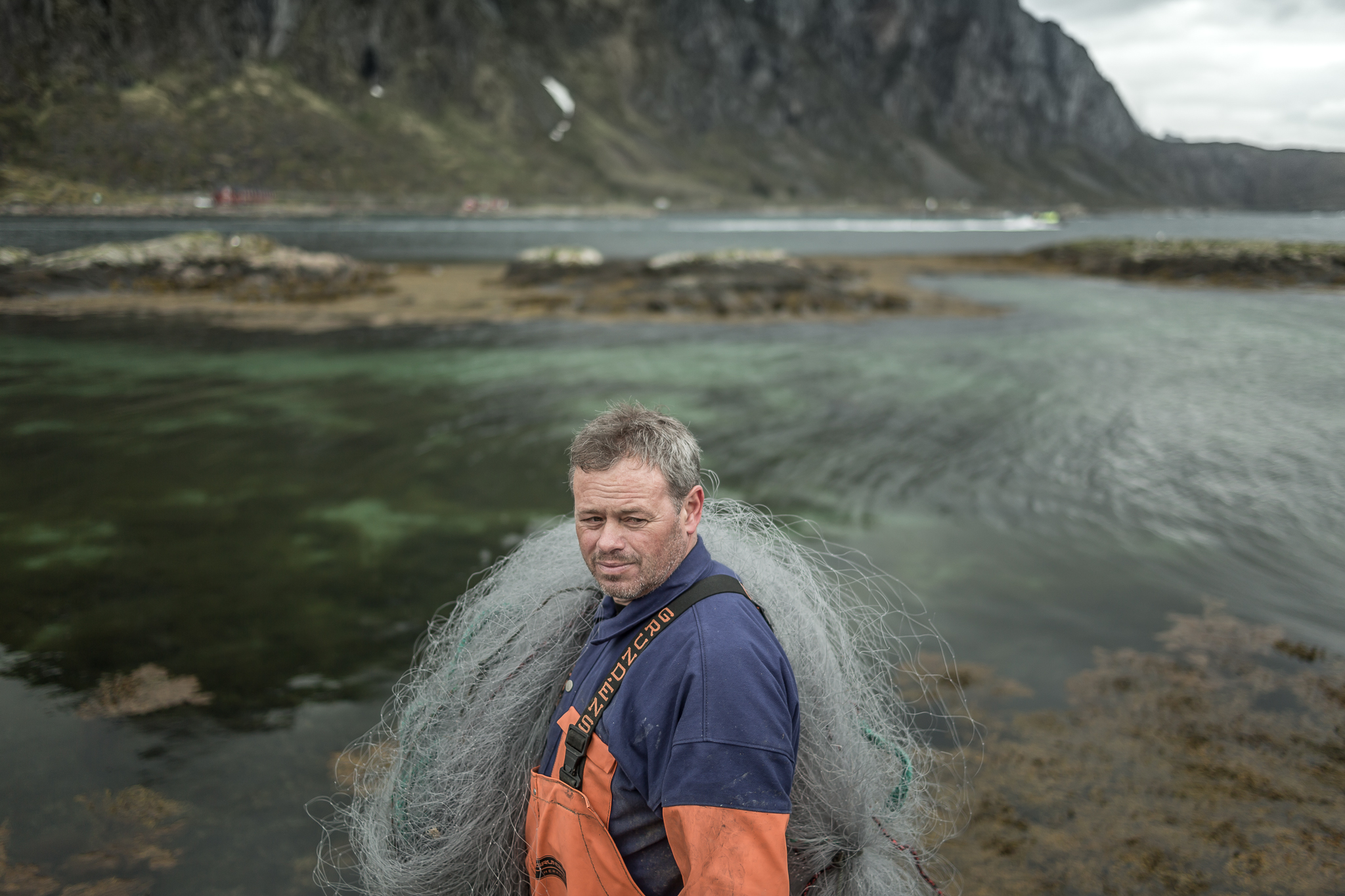
Pre-COVID photoshoots seem… like they never happened. Looking back on the projects and campaigns of early 2020 and beyond are an enigma. We shook hands? We laughed next to someone, brushed shoulders, spoke to them while visually observing the movements of their mouth and their complete facial expressions?

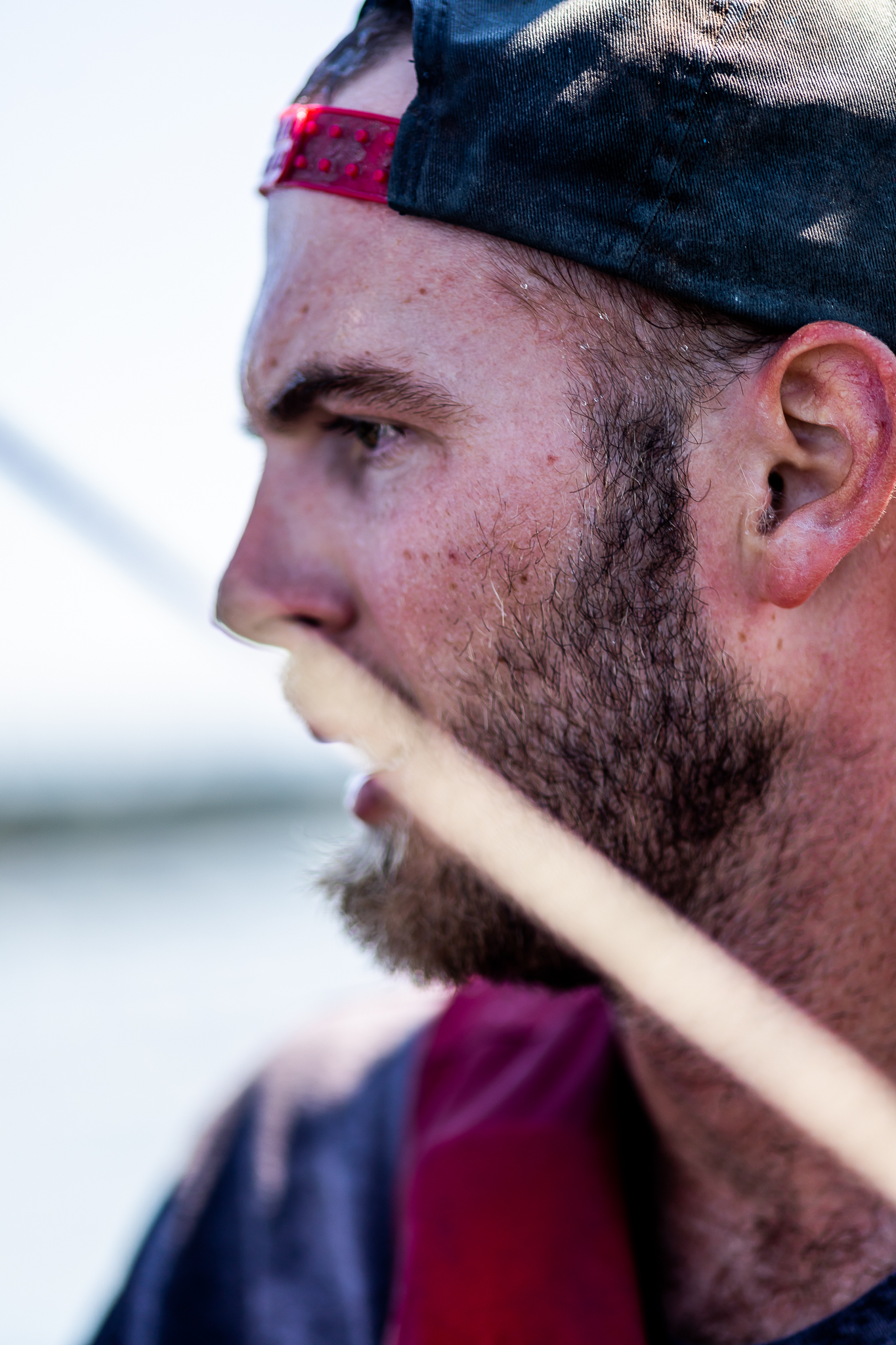
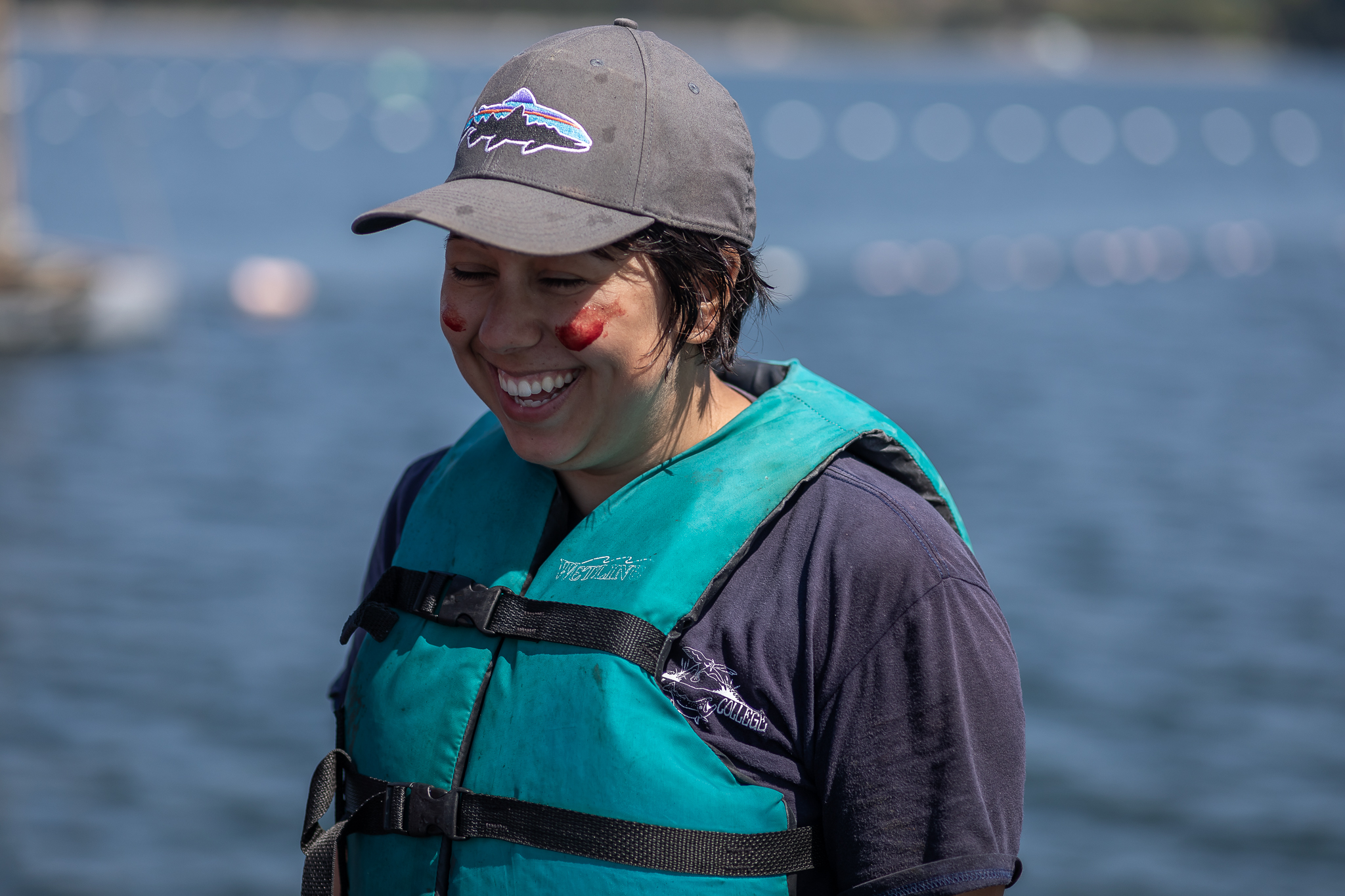
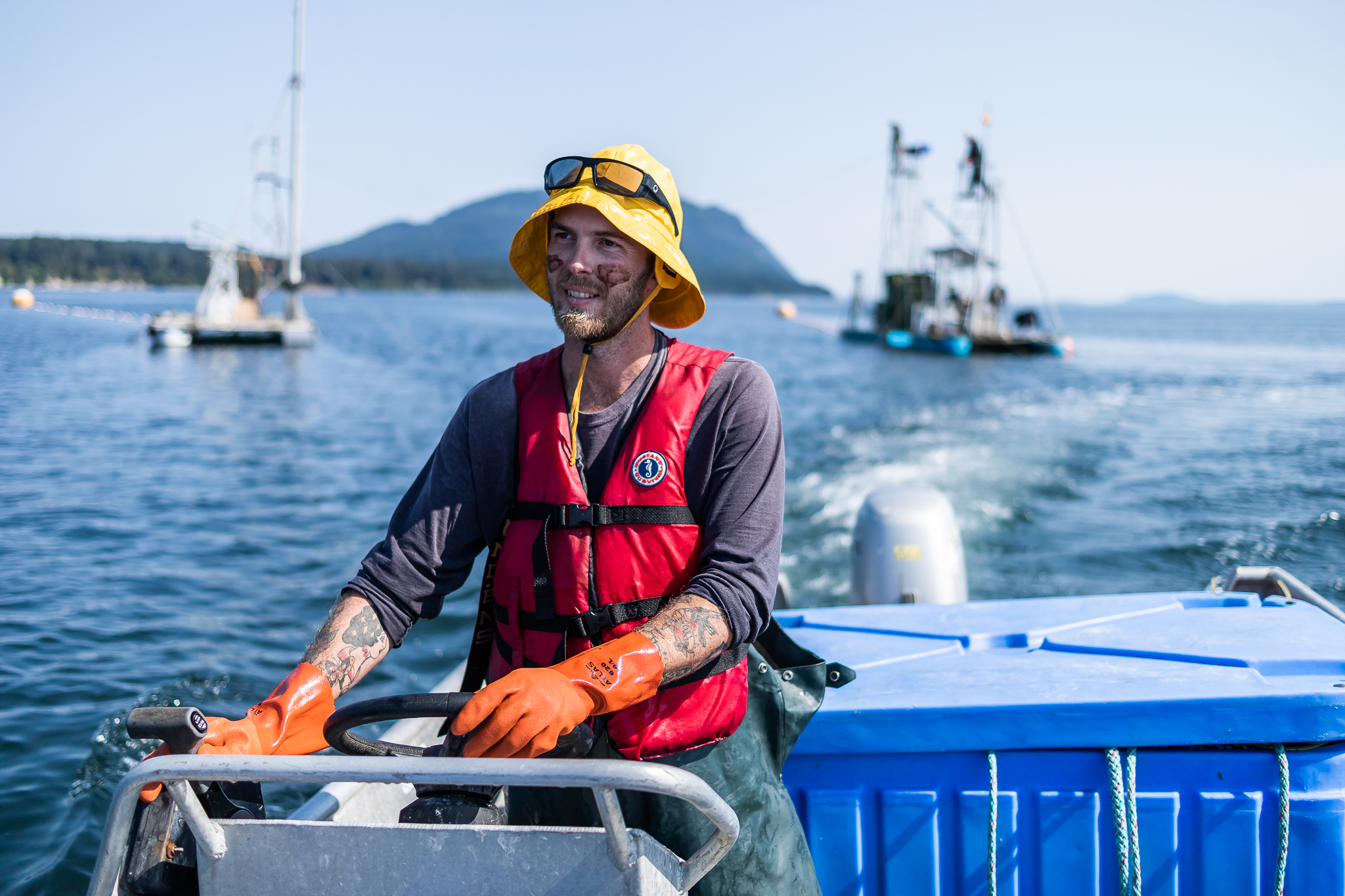
A smile is something to share. A smirk is something to behold, especially on a fishing vessel. This guy for Grundens on the Silverwave at Fisherman’s Terminal, Seattle, WA. May COVID-19 disappear from the human race as soon as possible.

For more work visit www.cameronkarsten.com
Seattle Times Op-Ed: Indigenous knowledge is critical to understanding climate change

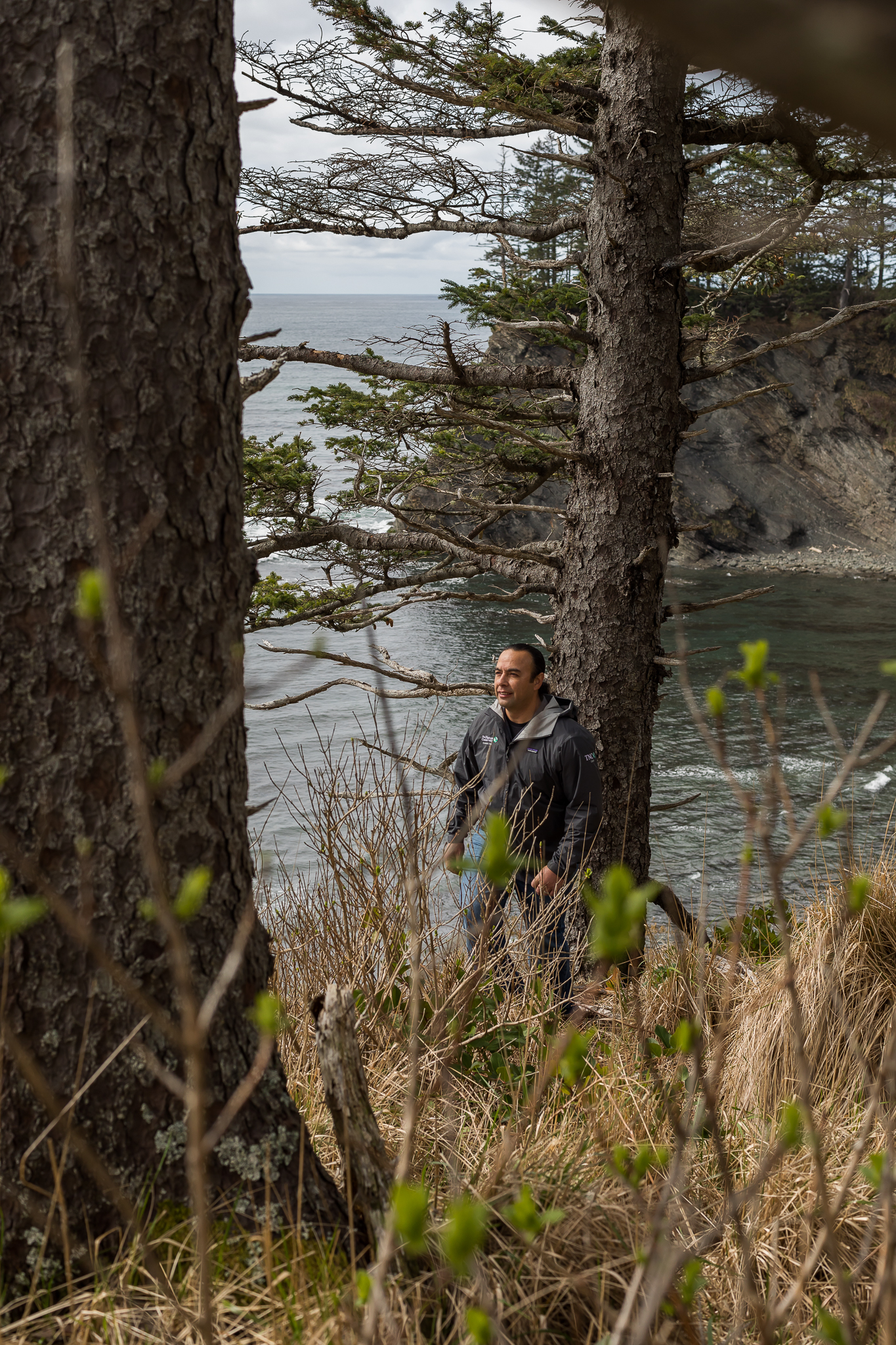
© Cameron Karsten Photography The Nature Conservancy at the Makah Reservation in Neah Bay, WA with Tribal member TJ

As we prepare to join Saturday’s March for Science, please understand that by integrating traditional knowledge with Western science, we can solve some of our biggest challenges, including those brought by our changing climate.

Good science is critical to our health, ability to live full lives and community well-being. We use science to advance medicine, enhance our use of natural resources, ensure our food supply and much more. That’s why more than a million people around the world joined the March for Science in 2017 and why we are gearing up again to march for science on April 14.

Western science is just one way of knowing. Indeed, traditional knowledge and wisdom of indigenous peoples is recognized by the United Nations for its potential to sustainably manage complex ecosystems. Yet all too often, Western science has disregarded centuries of science-based knowledge coming from Native Americans and other indigenous peoples.

© Cameron Karsten Photography The Nature Conservancy at the Makah Reservation in Neah Bay, WA with Tribal member TJ

Indigenous peoples have lived in our particular locations for many generations, and we define ourselves in relation to our home environment. Our deep and long-standing relationships with the environment are unique; our very existence depends on our ability to conserve and maintain our lands and waters for future generations.

Today, tribes, First Nations, indigenous peoples and Aboriginals are sounding a loud alarm about the impacts of climate change. Rising sea levels, broken natural systems, and increasing fire and flooding are apparent and documented.

For example, stocks of many fish species like Pacific hake are sensitive to ocean temperature along the California Current, and recent declines in their numbers have serious implications for the well-being of my own Makah Tribe.

While others debate the causes of climate change, we who live close to the land are experiencing major impacts from our changing climate and call for immediate and strong action to protect the resources on which we all rely. We can’t afford to disregard indigenous knowledge about climate change.

© Cameron Karsten Photography The Nature Conservancy at the Makah Reservation in Neah Bay, WA with Tribal member TJ

Growing up as a member of the Makah Tribe, I relied on the empirical knowledge of my ancestors to determine where to fish and how to locate other sources of food. My community relied on indigenous experiences to understand how to keep ourselves healthy.

When I was a child, my father taught me to navigate our ocean territory through currents, tides and landmarks. This knowledge, along with the life cycle of fish and time of year, allowed for the successful, sustainable harvest of species such as halibut, black cod and lingcod. In the years that followed, my peers and I transferred knowledge to other members of the family who integrated the information into current fishing and management practices.

As a youth, I’d get up in the mornings, often before sunrise, and leave the house overlooking a beach. There was no backpack, no lunch box. I was taught what our land would provide through all the seasons: roots, berries, sea urchins and mussels, to name a few. The knowledge of how, where and when to harvest is a way of life, always done in a manner that ensures the resources are sustained for the next person. These teachings and values laid the foundation for the work I completed in tribal leadership.

© Cameron Karsten Photography The Nature Conservancy at the Makah Reservation in Neah Bay, WA with Tribal member TJ

To our north, Tlingit and Haida elders observe young herring following older herring to spawning grounds. When industrial fishing removes the elder herring from spawning sites, the stock is destroyed, as the young fish can no longer find their way home. Failure to heed these traditional observations is leading to the demise of herring and threatening aspects of Tlingit and Haida culture that are closely tied to herring.

A recent news item featured the astonishing observation that birds in Australia intentionally spread fire by carrying burning sticks. While this is fascinating, it has long been known to the Aboriginals. Using fire as a management tool is widespread throughout indigenous cultures. Makah is no exception. For centuries our ancestors used fire to manage crops of cranberries and tea. These resources are currently threatened by our changing climate, as well as the laws and regulations that govern the use of fire.

© Cameron Karsten Photography The Nature Conservancy at the Makah Reservation in Neah Bay, WA with Tribal member TJ

Respecting and embracing indigenous knowledge as important science benefits all of us. In looking for solutions to the environmental dilemmas that confront us, it is critical to apply indigenous knowledge. All of us are looking for a better understanding of the Earth and her ecosystems. By integrating traditional knowledge with Western science, together we can solve some of our biggest challenges, including those brought by our changing climate.

As communities worldwide prepare to March for Science, this focus is appropriate and important. Threats to scientific knowledge must be rejected, and decision making based on fact must be embraced. Equally important, we should also embrace 10,000-plus years of field observation by indigenous peoples around the world.

This empirical knowledge has sustained people and cultures and has laid the groundwork for many modern “discoveries.” Indigenous peoples are truly the experts of their area and place, with a deep understanding of the interconnectedness of nature and our role in conserving resources for future generations.

Original Post (April 10, 2018)

Alaska with GrundensUSA

In the summer of ’17, I finally got assigned my first voyage to Alaska. It has been a deep-seated desire to visit one of the states’ last frontiers, and do to it with GrundensUSA in collaboration with Dark Seas Division and Silver Wave Seafood Co. aboard the Seine fishing vessel Silver Wave was nothing short of epic.

Check out my fully redesigned website at http://www.CameronKarsten.com
Nathan Myhrvold for French “Les Echos”

Intellectual Ventures with Nathan Myhrvold in Bellevue, WA

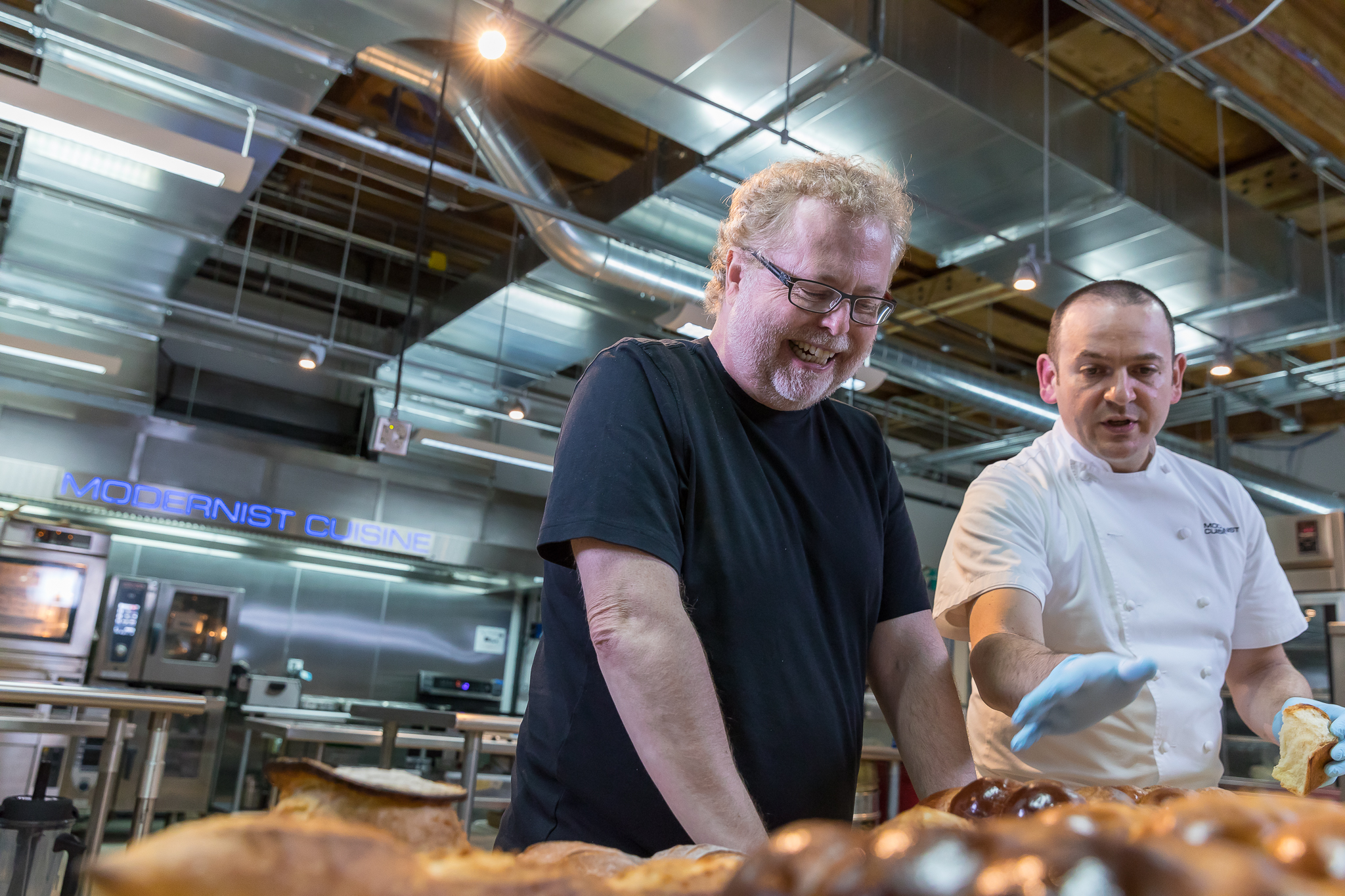
Nathan Myhrvold’s reactions are as unusual as the man himself. His bursts of laughter would awaken the dead. His voice soars to high registers with each burst of enthusiasm – and these are frequent because the number of passions he holds boggles the mind (Anois Moutot for Les Echos).

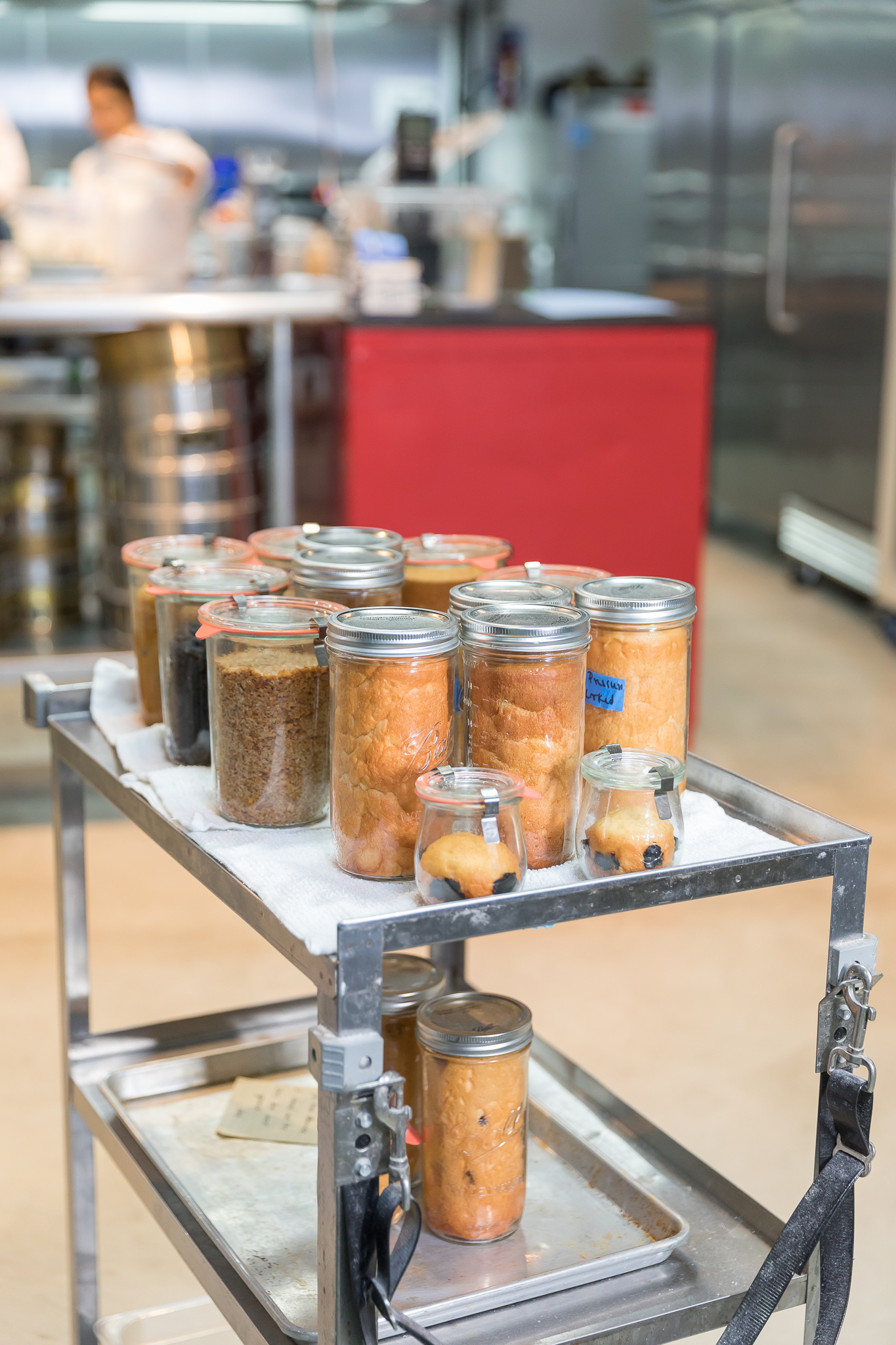
A fascinating man following his dreams and helping the world one can of canned bread at a time. Assignment for French newspaper Les Echos earlier this year at Myhrvold’s Intellectual Ventures compound in Bellevue, WA.

Intellectual Ventures with Nathan Myhrvold in Bellevue, WA

Intellectual Ventures with Nathan Myhrvold in Bellevue, WA

Intellectual Ventures with Nathan Myhrvold in Bellevue, WA

Intellectual Ventures with Nathan Myhrvold in Bellevue, WA

Intellectual Ventures with Nathan Myhrvold in Bellevue, WA

Intellectual Ventures with Nathan Myhrvold in Bellevue, WA

Intellectual Ventures with Nathan Myhrvold in Bellevue, WA

Intellectual Ventures with Nathan Myhrvold in Bellevue, WA

Intellectual Ventures with Nathan Myhrvold in Bellevue, WA

Intellectual Ventures with Nathan Myhrvold in Bellevue, WA

Intellectual Ventures with Nathan Myhrvold in Bellevue, WA

Intellectual Ventures with Nathan Myhrvold in Bellevue, WA

Intellectual Ventures with Nathan Myhrvold in Bellevue, WA

Intellectual Ventures with Nathan Myhrvold in Bellevue, WA

Intellectual Ventures with Nathan Myhrvold in Bellevue, WA

Intellectual Ventures with Nathan Myhrvold in Bellevue, WA

Intellectual Ventures with Nathan Myhrvold in Bellevue, WA

Intellectual Ventures with Nathan Myhrvold in Bellevue, WA

Intellectual Ventures with Nathan Myhrvold in Bellevue, WA

Intellectual Ventures with Nathan Myhrvold in Bellevue, WA

Intellectual Ventures with Nathan Myhrvold in Bellevue, WA

Intellectual Ventures with Nathan Myhrvold in Bellevue, WA

Intellectual Ventures with Nathan Myhrvold in Bellevue, WA

Intellectual Ventures with Nathan Myhrvold in Bellevue, WA


Grundens Campaign Pt III – Florida Keys

Driving south over long interloping bridges connecting the dots of sands and mangrove swamps, where history tells a story of shipwrecks and jewels, and wise adventurers who lived the edge forging these sunken treasures. It was hot then, and it’s hot today, as the sun and gulf stream tropics stir an air of heat and humidity. Our treasure also lies underwater, lurking among the throngs of baitfish and circling sharks.

Grundens takes us to the Florida Keys, a tropical paradise for vacationers stretching back to the early 1900s when railroad tycoon Henry Flagler completed the first railway connecting the Keys to the mainland. Destroyed by hurricanes and now part of the world’s longest segmental bridge, we roll atop the Florida Keys Overseas Highway just waiting to  get off pavement for turquoise waters. For more visit the Grundens’ Florida gallery.


Grundens Campaign Pt II – Norway

Grundens recreational and commercial fishing clothing line in Norway

I asked the Cod Father where the heads go.

“Nigeria,” he laments with a sigh. “Ahh, yes. We sell them to the Nigerians. They come all the way up here to buy the heads for soup. You know,” he grunts with a pause. “Fish head soup.”

All the way up here was speaking very literally. I was in Lofoten, an archipelago in northwestern Norway, a carved land where plummeting cliffs meet dark azul waters, and sea eagles circle at snow lines searching for prey.

We were hanging with Gier the Cod Father of Lofoten, a masterful fisherman who scours the frigid waters all year long, especially from February thru April when the world famous cod fish enter the fjords to mate. At times the temperatures reach far below zero, freezing the water’s surface, along with his buoys and long nets.

Geir continued, “Our fish are the finest quality called skrei. It dries on large racks in the perfect temperature. This is what makes our stockfish so prized. The Italians pay premium, and this trade with Nigerians, Italians and others has been happening for centuries.”

But as I learn from Geir and my research, this skrei is facing a dilemma. In the past few years, temperatures have fluctuated, becoming unseasonably warm when winter temps should reign, and dropping to frigid numbers when the sun should be high. It rains when it should be dry, and it’s arid when it needs to be wet. This, unsurprisingly, effects the outdoor drying process of the cod fishery, putting the Lofoten’s largest and oldest fishery on edge. For more visit the Grundens gallery

TearSheet: Seattle Met’s “The 5 Oysters You Meet in Washington”

As part of an on-going multimedia project on the Puget Sound’s ocean acidification issues and the effects it’s having on the shellfish industry, Seattle Metropolitan Magazine’s March 2016 issue published a story about Washington State’s oyster species, utilizing some of the imagery from The Ocean’s Acid. It’s a great article written by Allecia Vermillion, with interesting characters and historical background of WA’s 5 main oysters.

0316_66-73_Oyster_Page_1

0316_66-73_Oyster_Page_2

0316_66-73_Oyster_Page_3

0316_66-73_Oyster_Page_4

logo_blackTrajan