New York City is Black, White and All-Encompassing

_N9A9714

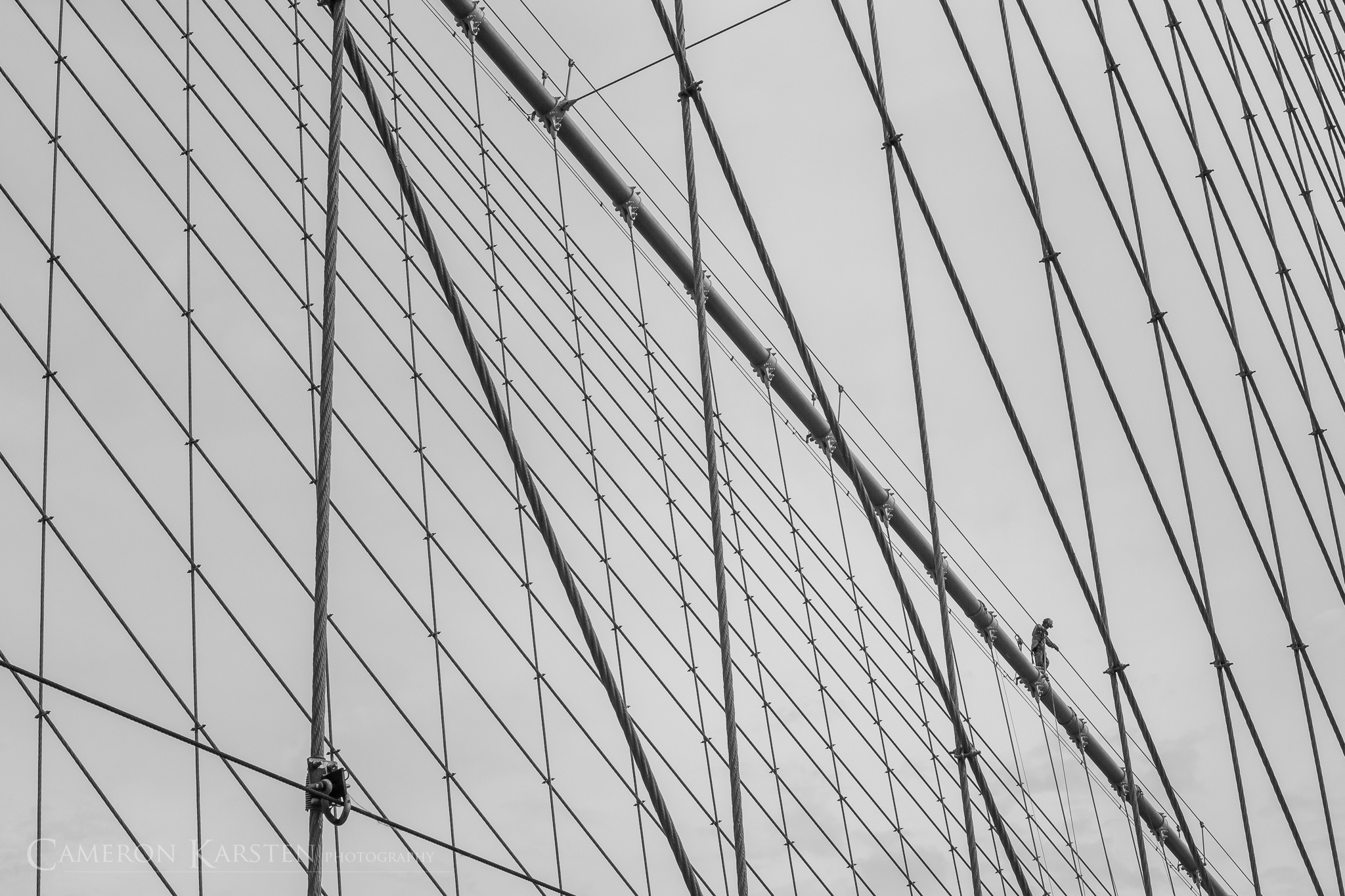
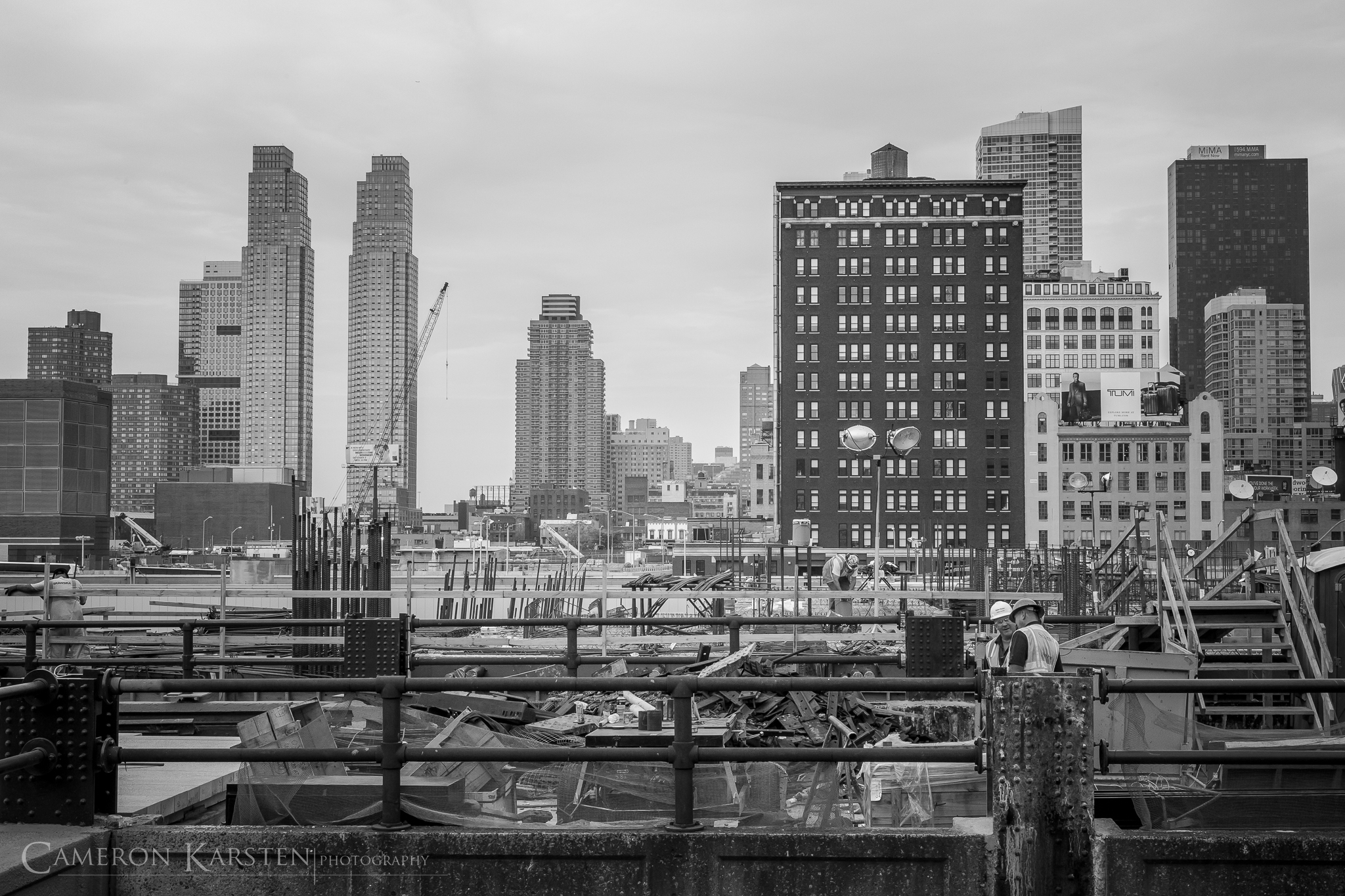
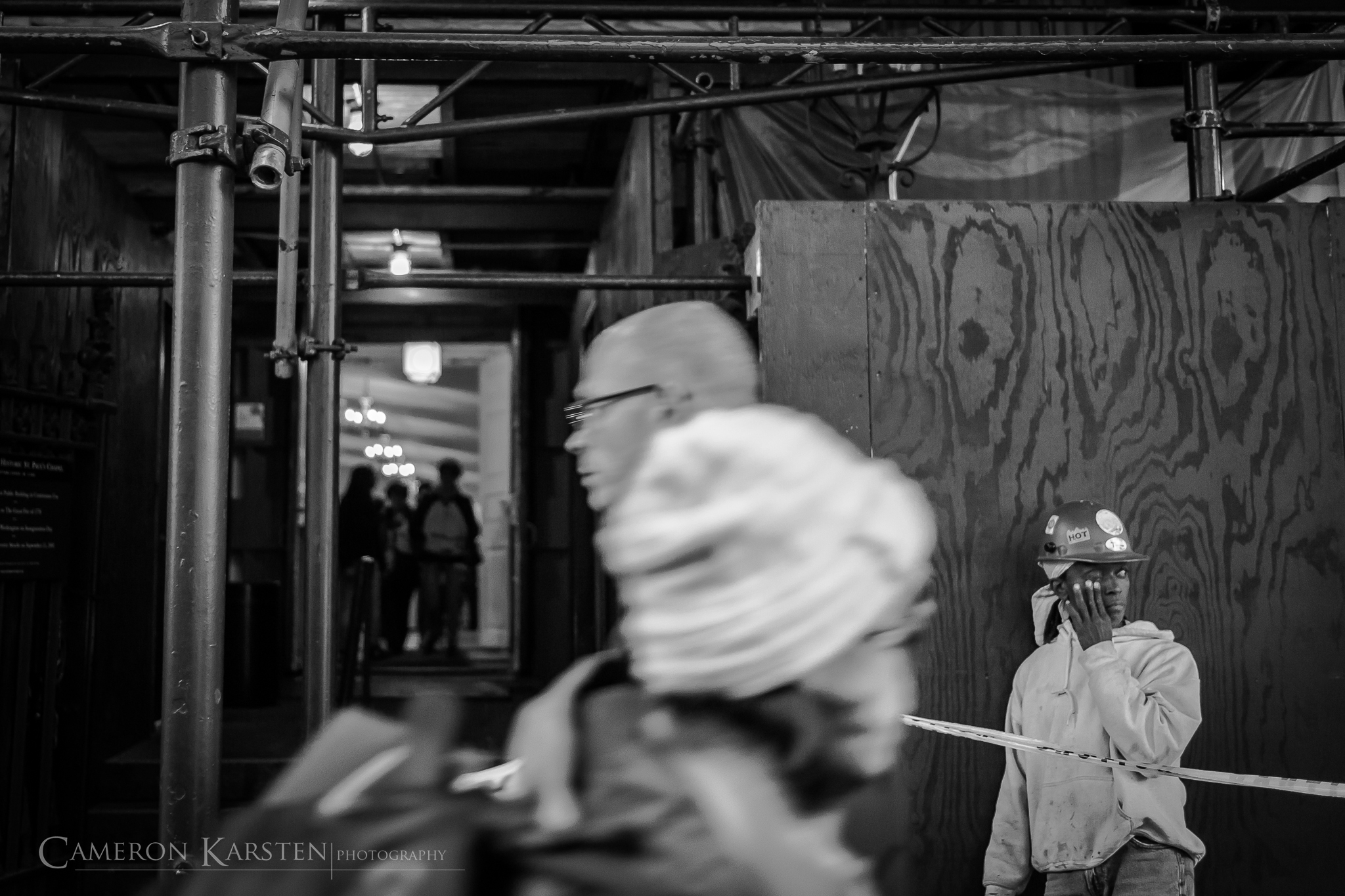
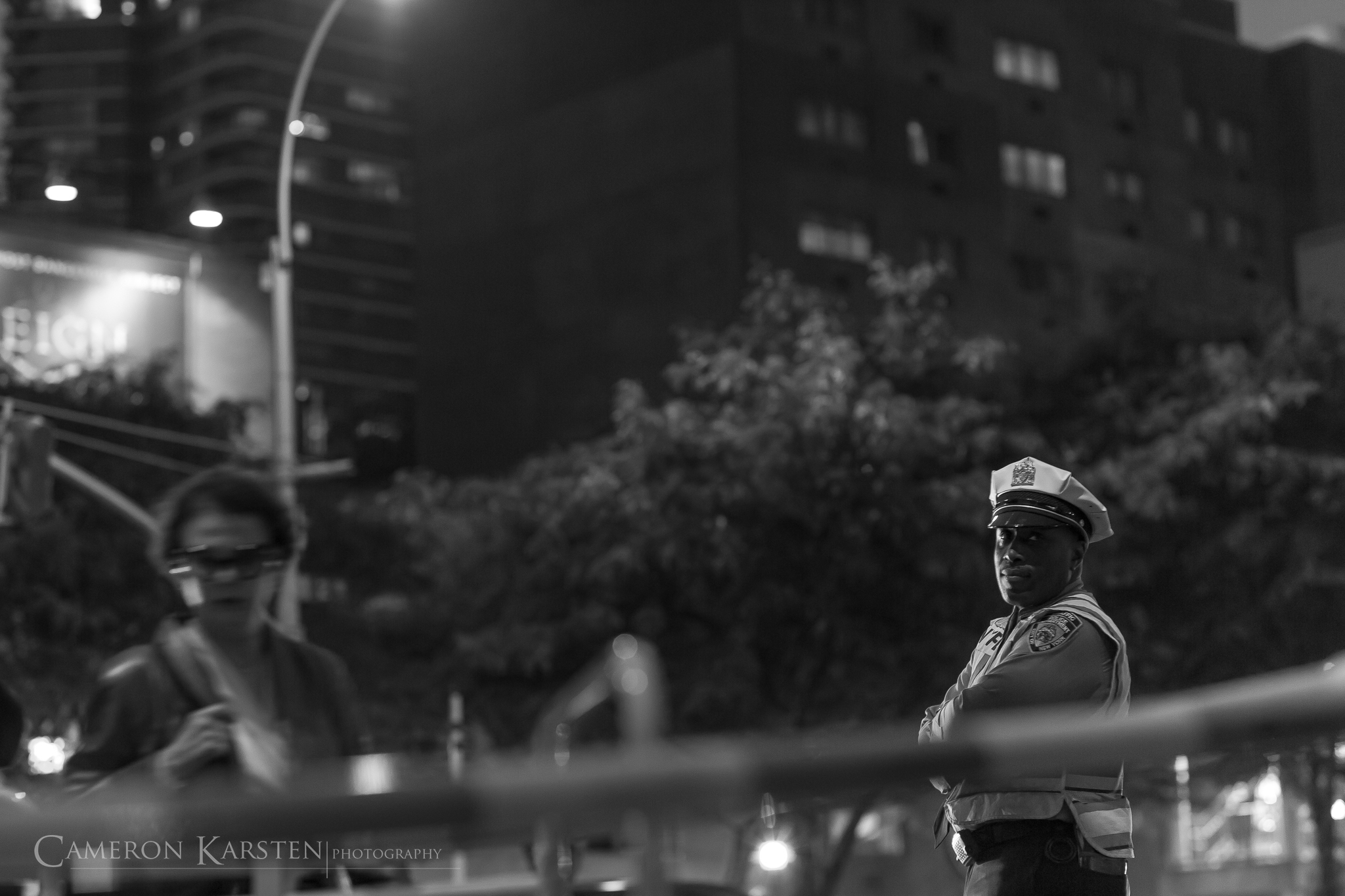
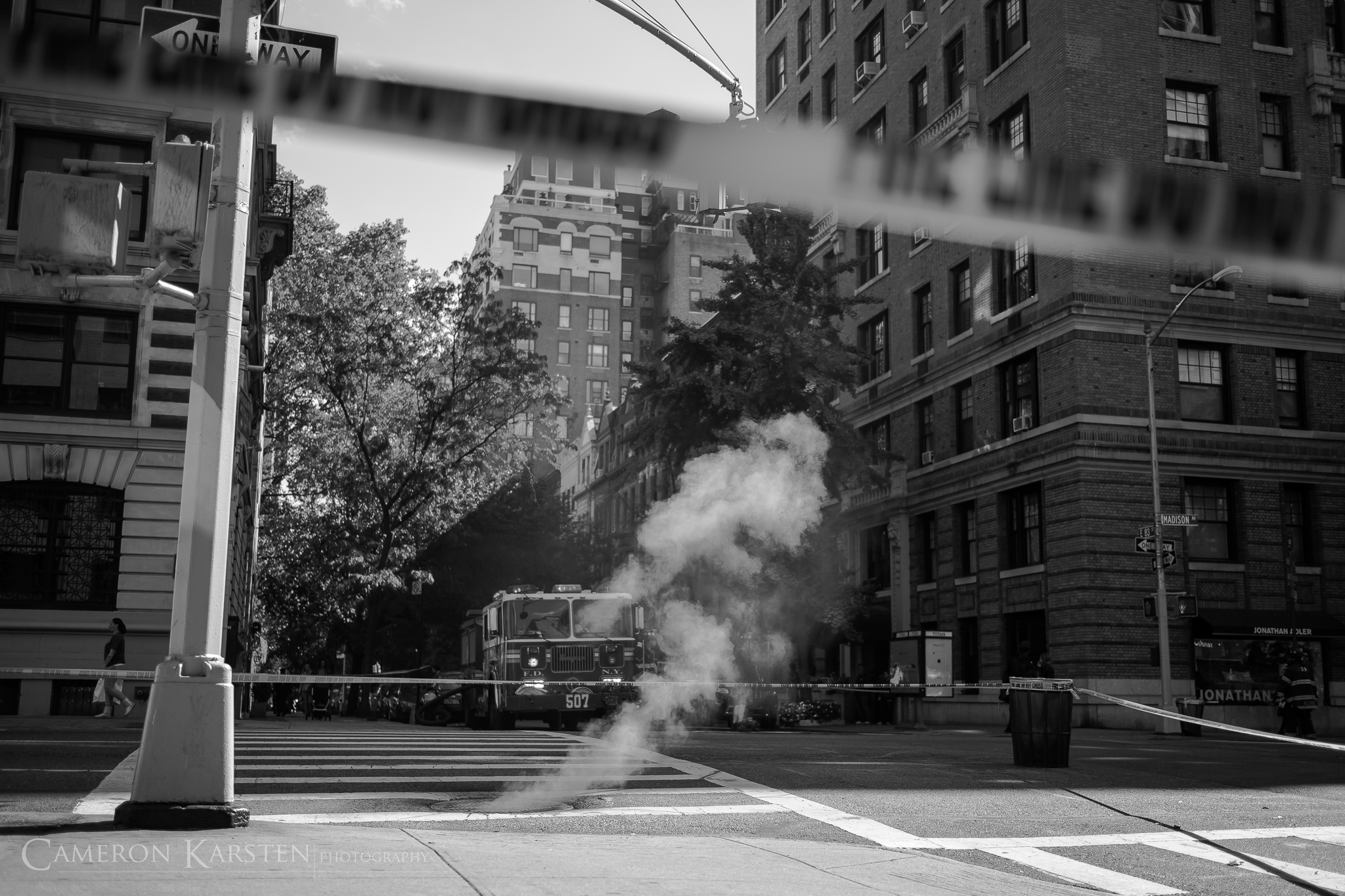
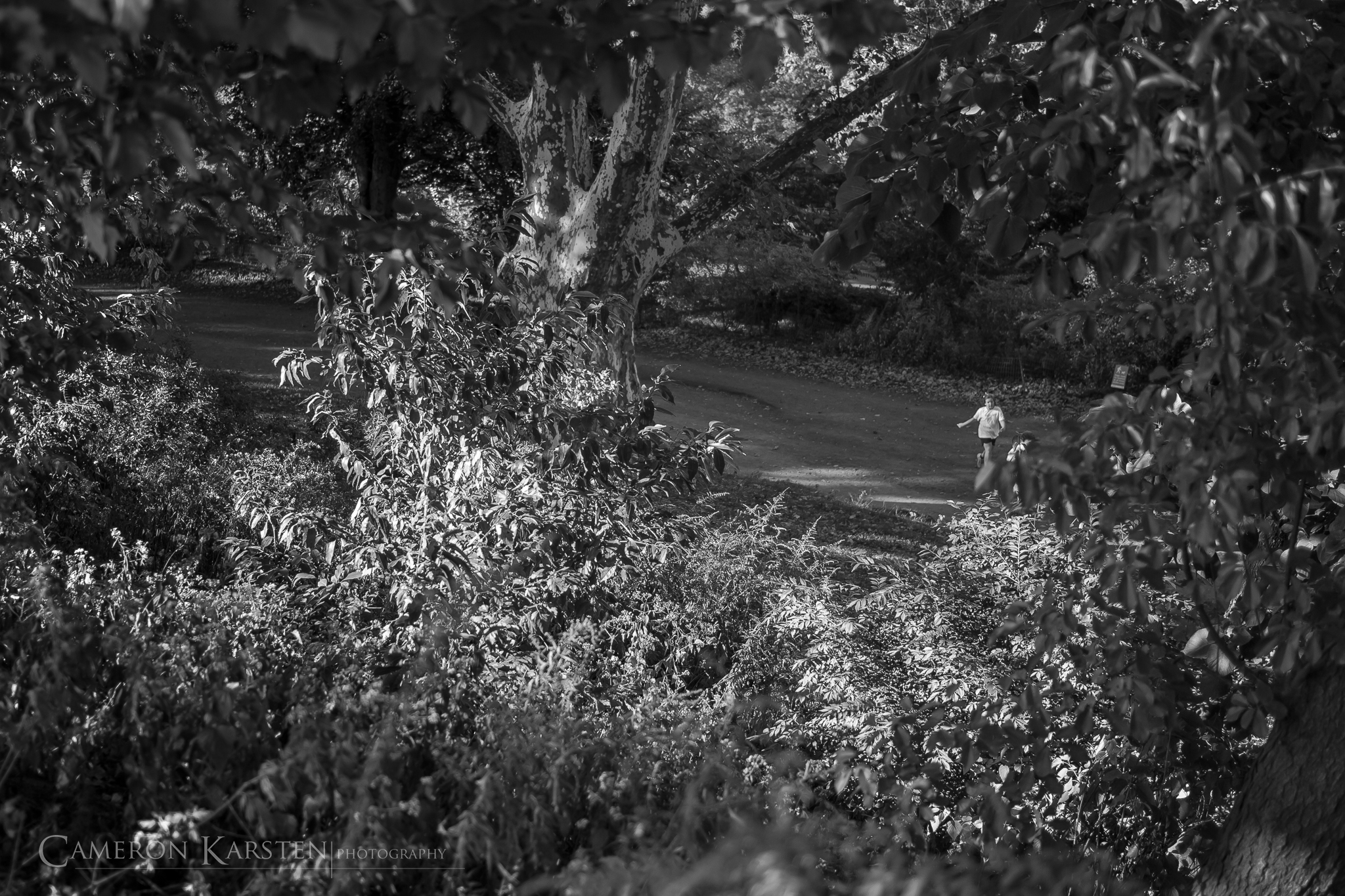
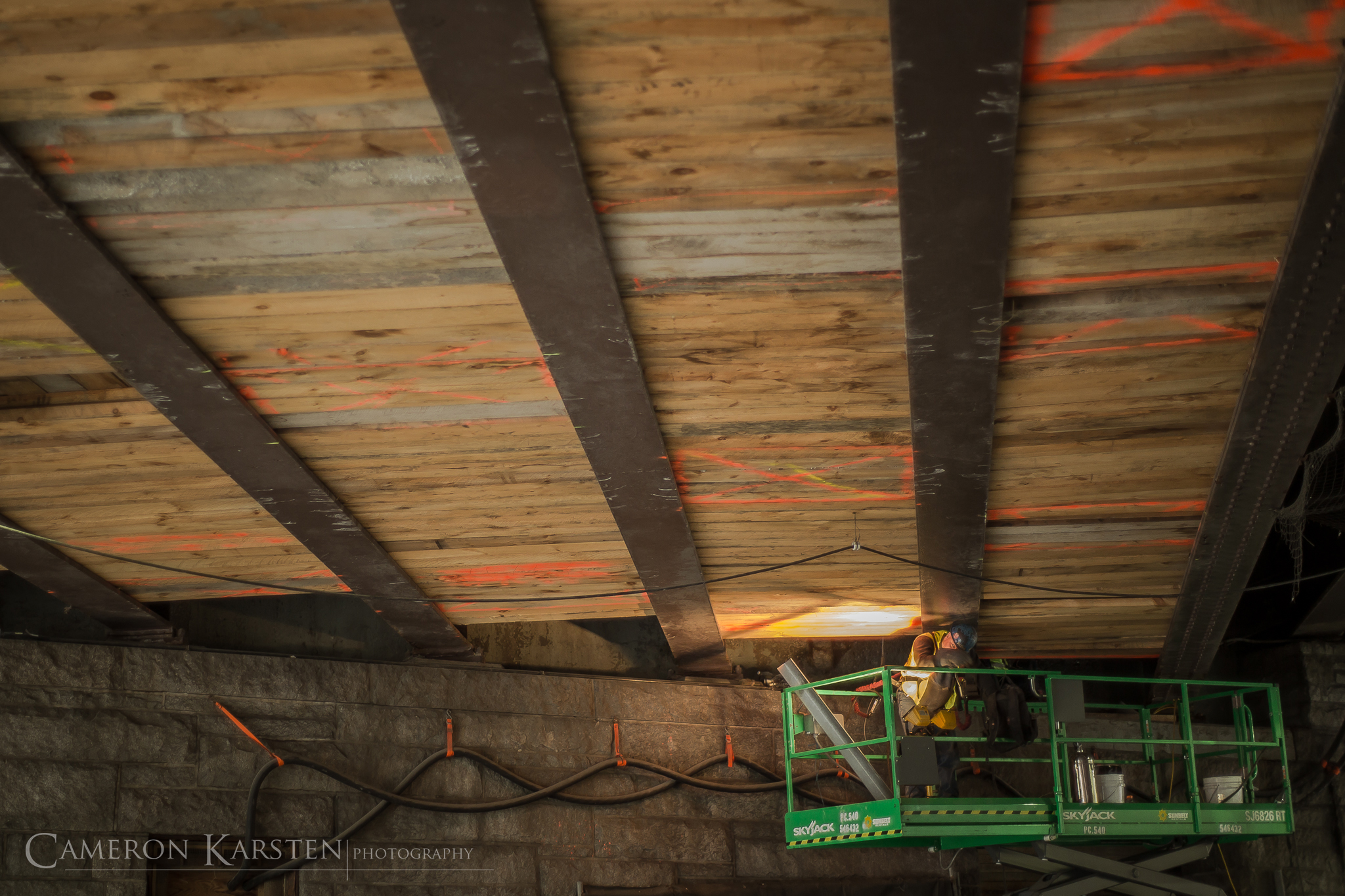
I see New York City in black and white.

Take away all the flickering lights, the sirens and neon dashboards of Time Square.  Strip away the info panels and varying colors of orange, yellow and blue emanating from street posts, from billboards of business and commerce.  Add a sunny fall day.  Let it stretch out those oblong shadows, appearing like identical characterizations chasing every man, woman, child, pet dog and moving transportation.  Let it bounce off the glass cathedrals that tear into the sky, reflecting once, twice, maybe three times into the soft shower of diffusion. Add clouds and see the geometry of humanity unfold in pattern after pattern, revealing how intrinsically woven we are into the chaos of Mother Nature.

It’s maddening among the crowds as they each race toward their God-given creed.

Now, turn all to black and white and there only remains a lingering elegance of time passed, one cherished from the yesteryears that will only be forgotten as one shiny element after another flares passed the weary observer.

_N9A9661

_N9A9851

_N9A9865

_N9A9853

_N9A9582

_N9A9607

_N9A9539

_N9A0406

_N9A9572

_N9A9796

_N9A9802

_N9A9489

_N9A9884

_N9A9809

logo_blackTrajan

New York City

_N9A9693New York’s is pretty damn great.  The thinner the dough, the crispier the crust, the more one can indulge in the topping’s flavors.  Another spectacular characteristic about the city of New York are its’ people.  There are millions.  And thousands of languages.  With my couple of weeks exploring NYC I’ve taken to walking, using two feet to get everywhere.  I find it’s the absolute best way to observe one’s surroundings, watch city-life pass by and happen upon those split-second moments that will never occur again.

_N9A9844

_N9A9576

_N9A9505

_N9A9628

_N9A9654

_N9A9680

_N9A9642

_N9A9870

logo_blackTrajan

Alpine Lakes Wilderness Area (B+W)

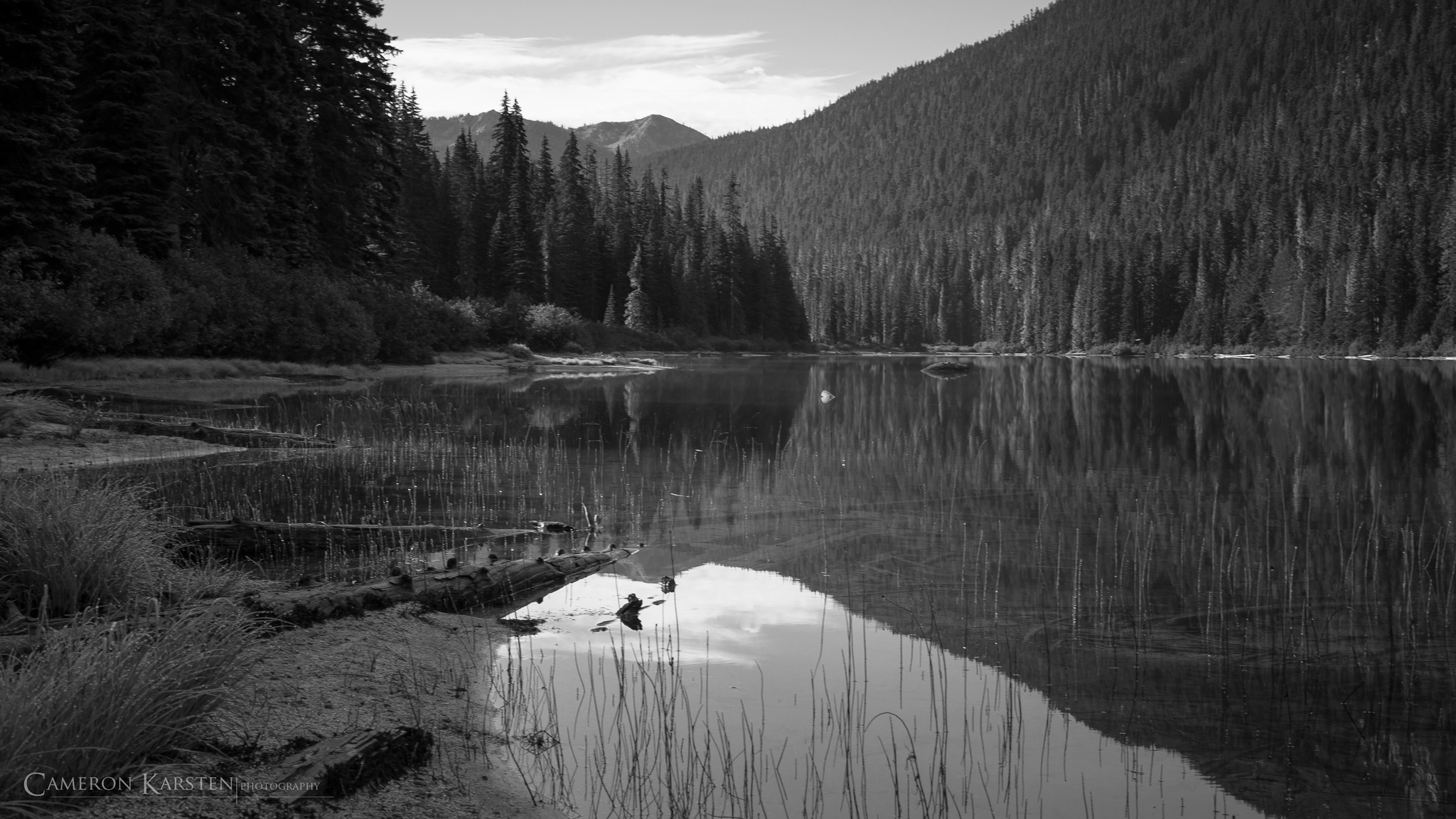
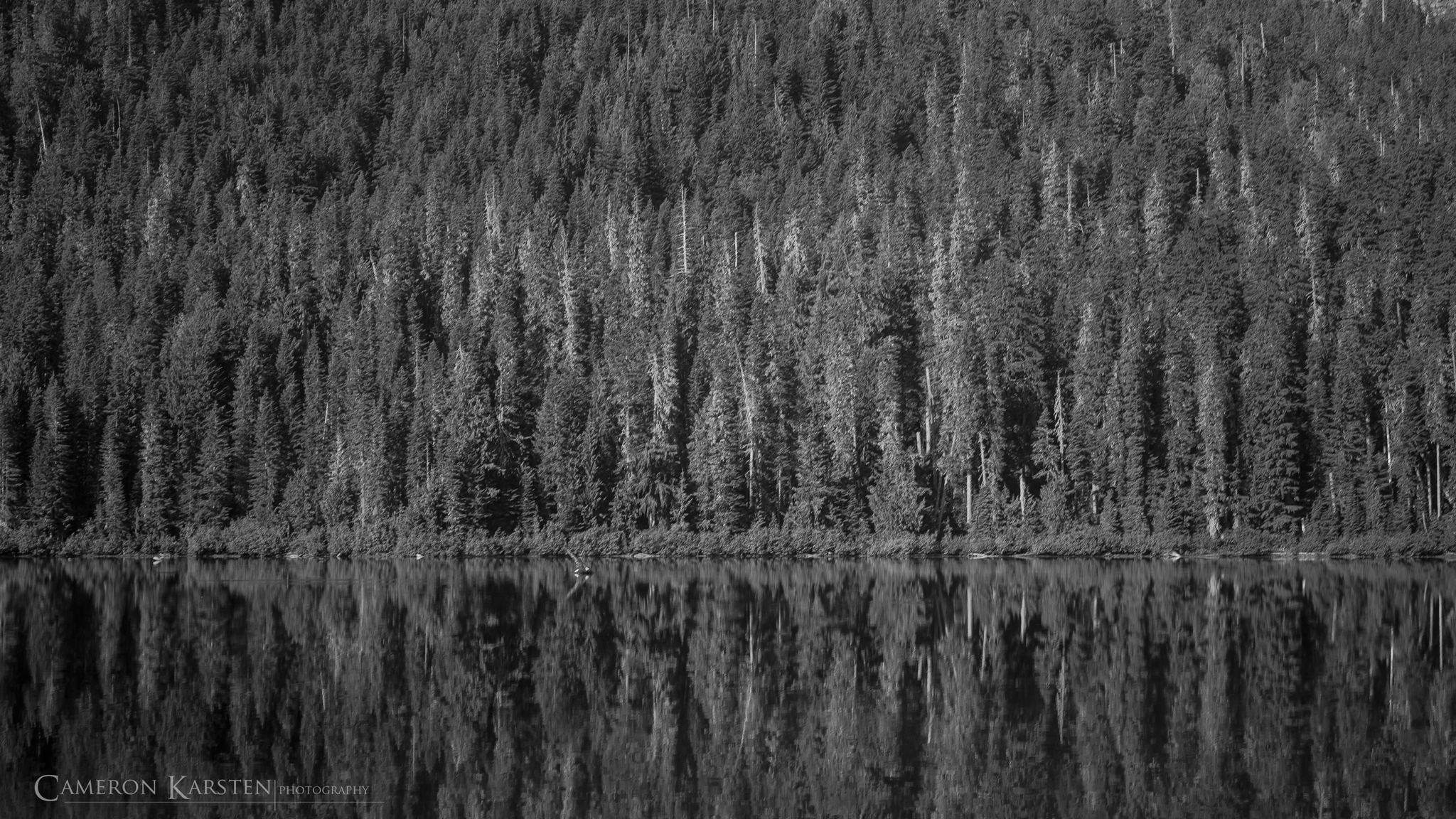
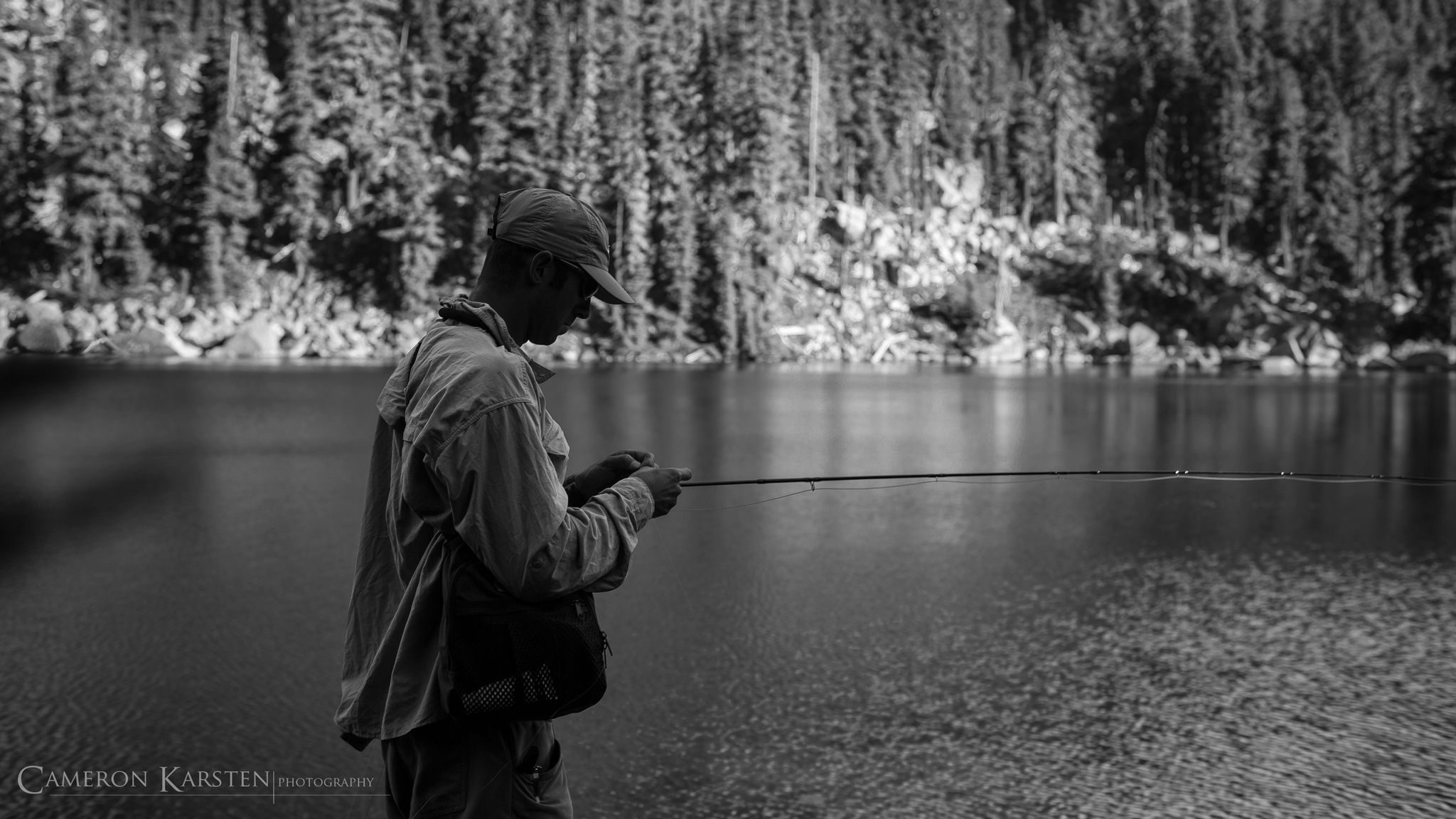
AlpineLakes2-29The Alpine Lakes Wilderness Area north of Interstate 90 in the Cascade Mountains of Washington State.  The land of 700 lakes.

AlpineLakes-41

AlpineLakes-58

AlpineLakes-160

AlpineLakes-128

AlpineLakes-470

AlpineLakes-213

AlpineLakes-169

AlpineLakes-181

AlpineLakes-295

AlpineLakes2-3

Cameron Karsten Photography

The Honey Harvest is Near

DennisBeePortrait

With the nearing end of the the summer, a north hemisphere-wide honey harvest is about to begin, and I’m feeling pretty damn excited.  Longtime friend and fellow traveler Dennie P (aka D) stopped by and had the opportunity to check in on my hives.  I’m hoping he’s hooked!  He looks like it.

Location: BI, WA

Camera/Lens Specifics: Canon 5D MarkIII w/Canon EF 16-35mm 2.8L II USM Lens

35mm, 1/200 sec at ƒ/7.1, ISO 100, tripod.

Post: LR4 & Adobe PSCC

Ocean Acidification and our Oyster Culture – Part II

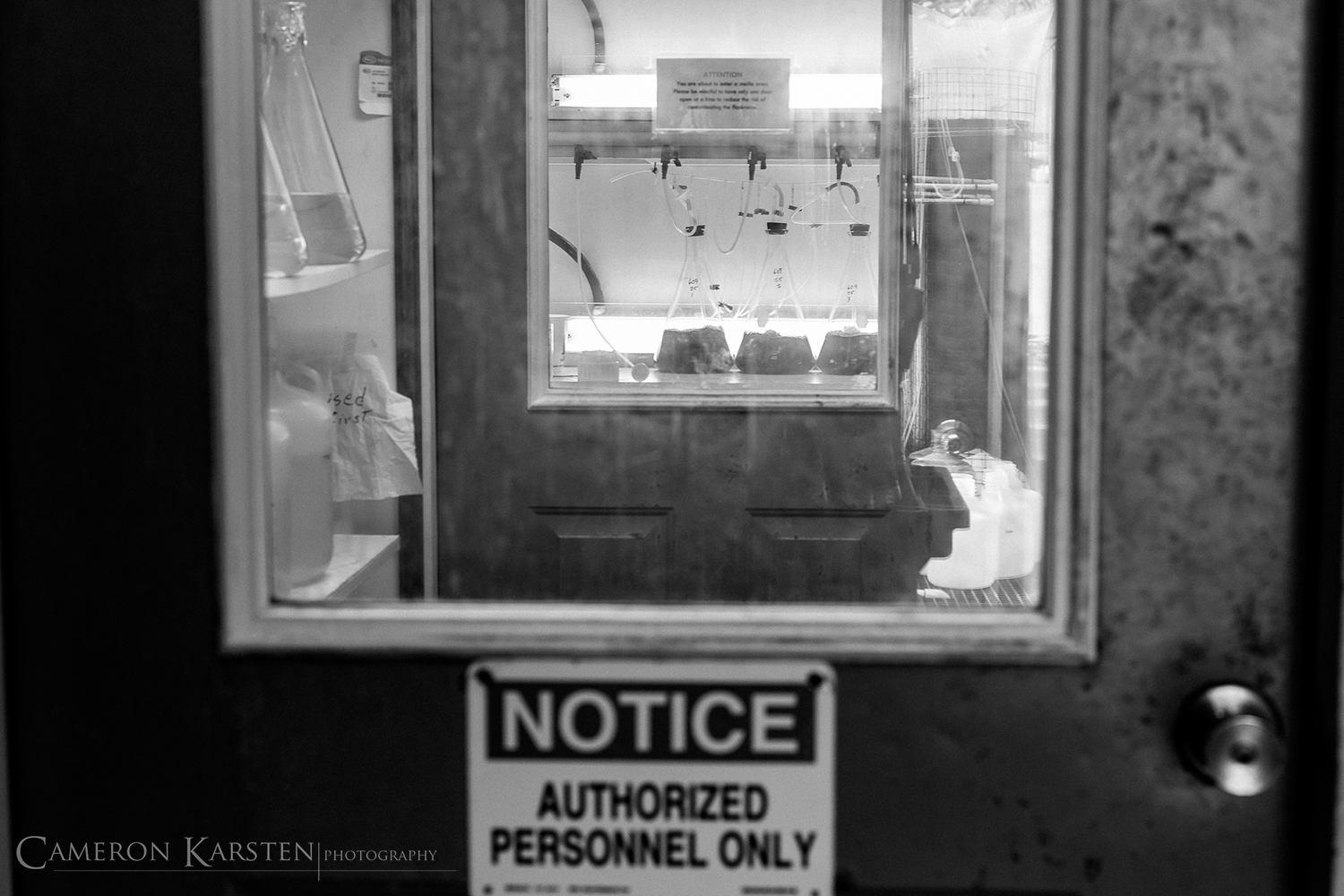
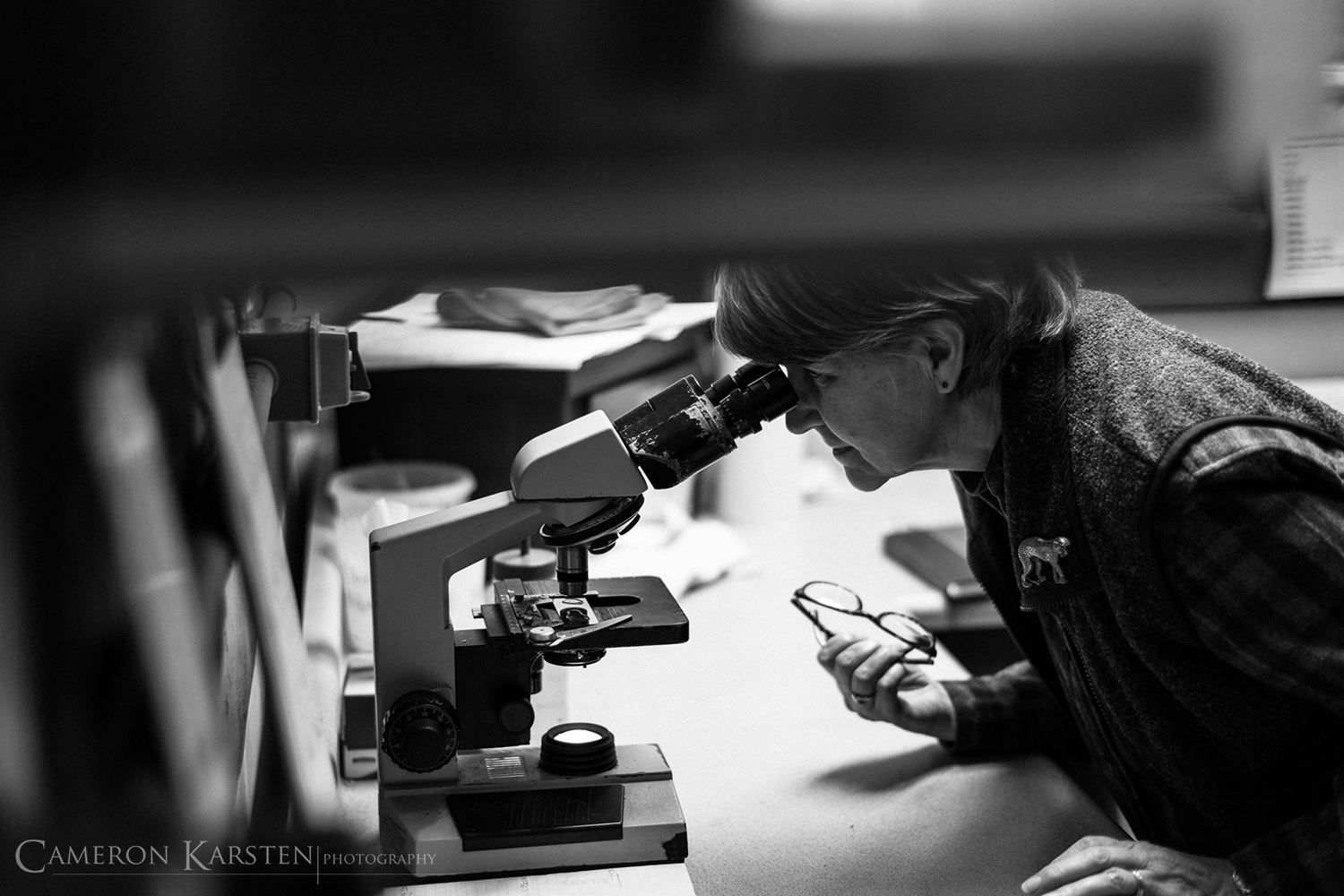
karsten_cameron_12In order to prosper, every living creature requires clean air, clean water and abundant food.  For ocean-thriving mollusks, clean seawater is a must.  In December 2011, Washington State Governor Christine Gregoire formed a Blue Ribbon Panel.  Their purpose: to investigate and study a new threat to Pacific Northwest waters.  They were putting Ocean Acidification (OA) under the microscope.

karsten_cameron_11

karsten_cameron_13
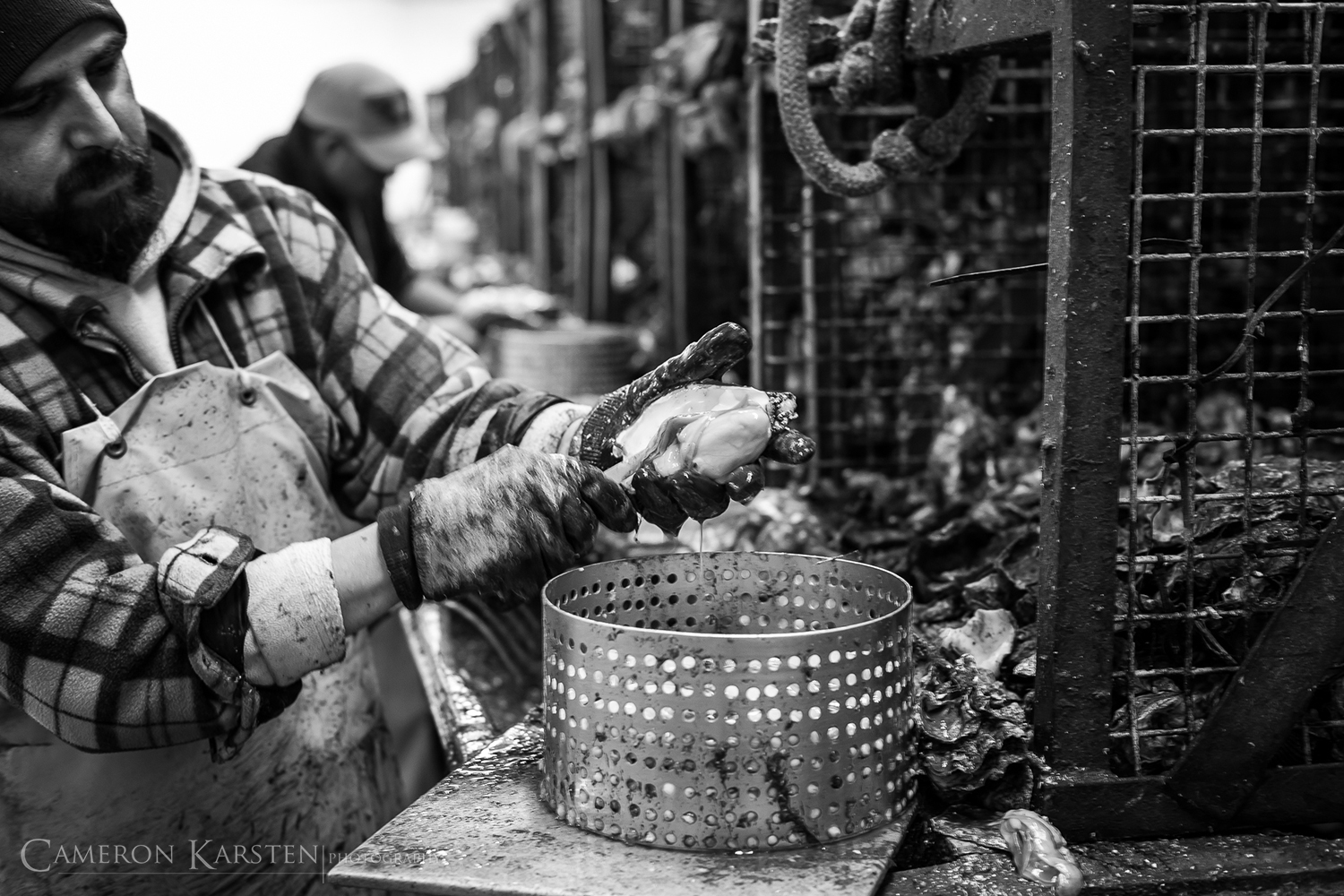
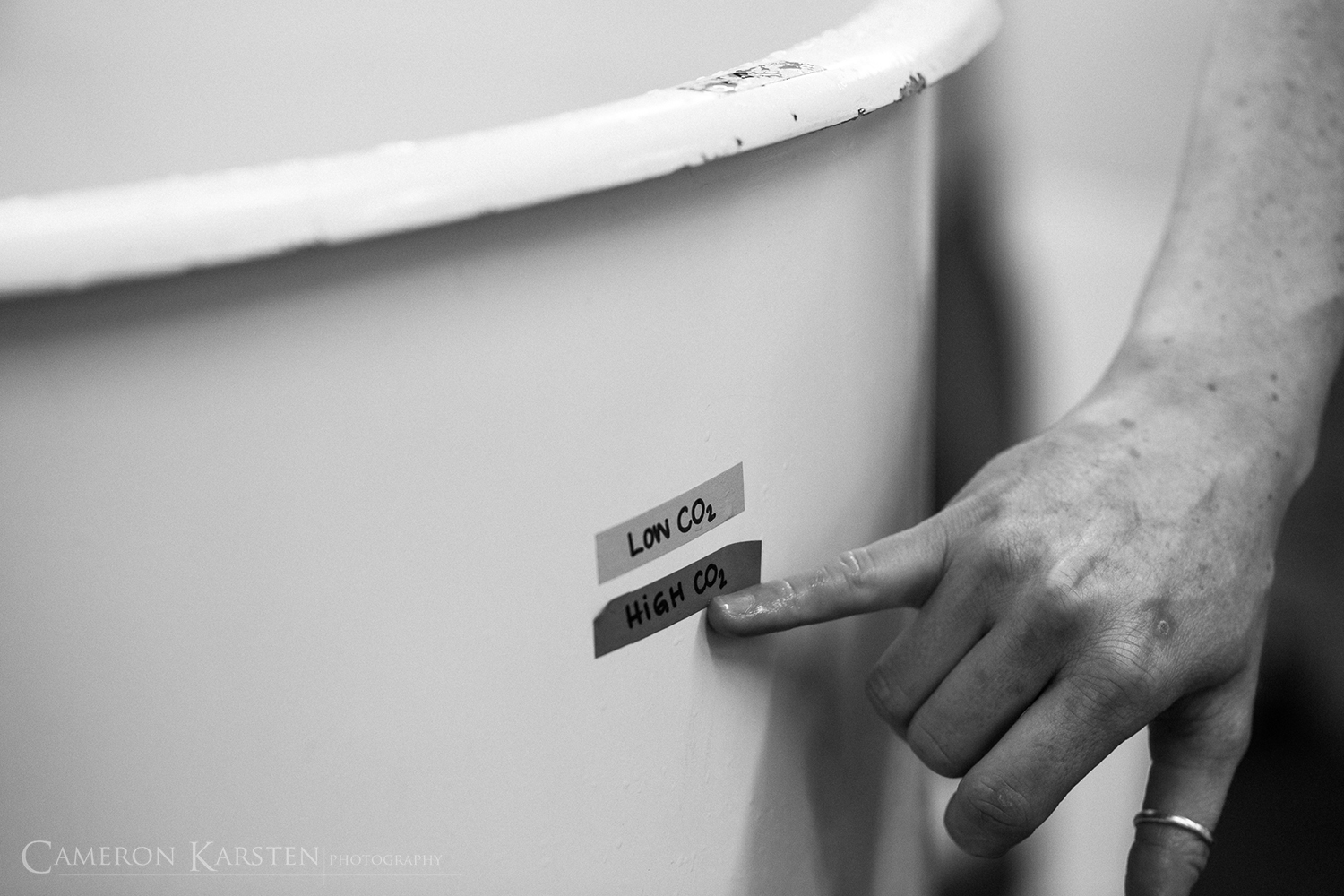
karsten_cameron_14What is occurring is evidence of our Industrial Period 100 years prior as heavy carbon dioxide (CO2) elements now begin surfacing in the shallow waters of the Puget Sound.  As the spring and fall seasons of the Pacific Northwest bring strong northwesterly winds, currents in the Pacific Ocean stir up these century-old pollutants, pushing them upwards and east into the estuaries.  These so-called up-wellings decrease pH levels, causing normal numbers of 8.25 to sink lower into the acidic levels of 8.14 (The pH scale is representative of aqueous solutions from zero to fourteen; where zero characterizes hydrochloric acid or battery acid, and fourteen is sodium hydroxide, better known as bleach).  Acid is a solvent.  It dissolves what it comes in contact with.  Add acidic waters to oyster seed and you find its ingredients eating away at the calcium carbonate that makes up the mollusk’s shell.

karsten_cameron_15

karsten_cameron_16

karsten_cameron_17

karsten_cameron_18

karsten_cameron_19

karsten_cameron_20Taylor Shellfish Farms is the first to experience this threat.  They are attracting globe attention to what is occurring within their hatcheries and throughout their farms.  They rely on clean healthy water for larvae seed to develop, but ocean acidification is effecting the development of these mollusks, prohibiting full and consistent growth of their calcium carbonate shells.  What is the future of the mollusk culture if we continue burning fossil fuels and causing the climate to warm-up at faster then expected rate?  Our industrial state affects more then just our air quality.

To see Part II of the multimedia project Ocean Acidification and our Oyster Culture, please click here

Ocean Acidification and our Oyster Culture – Part I

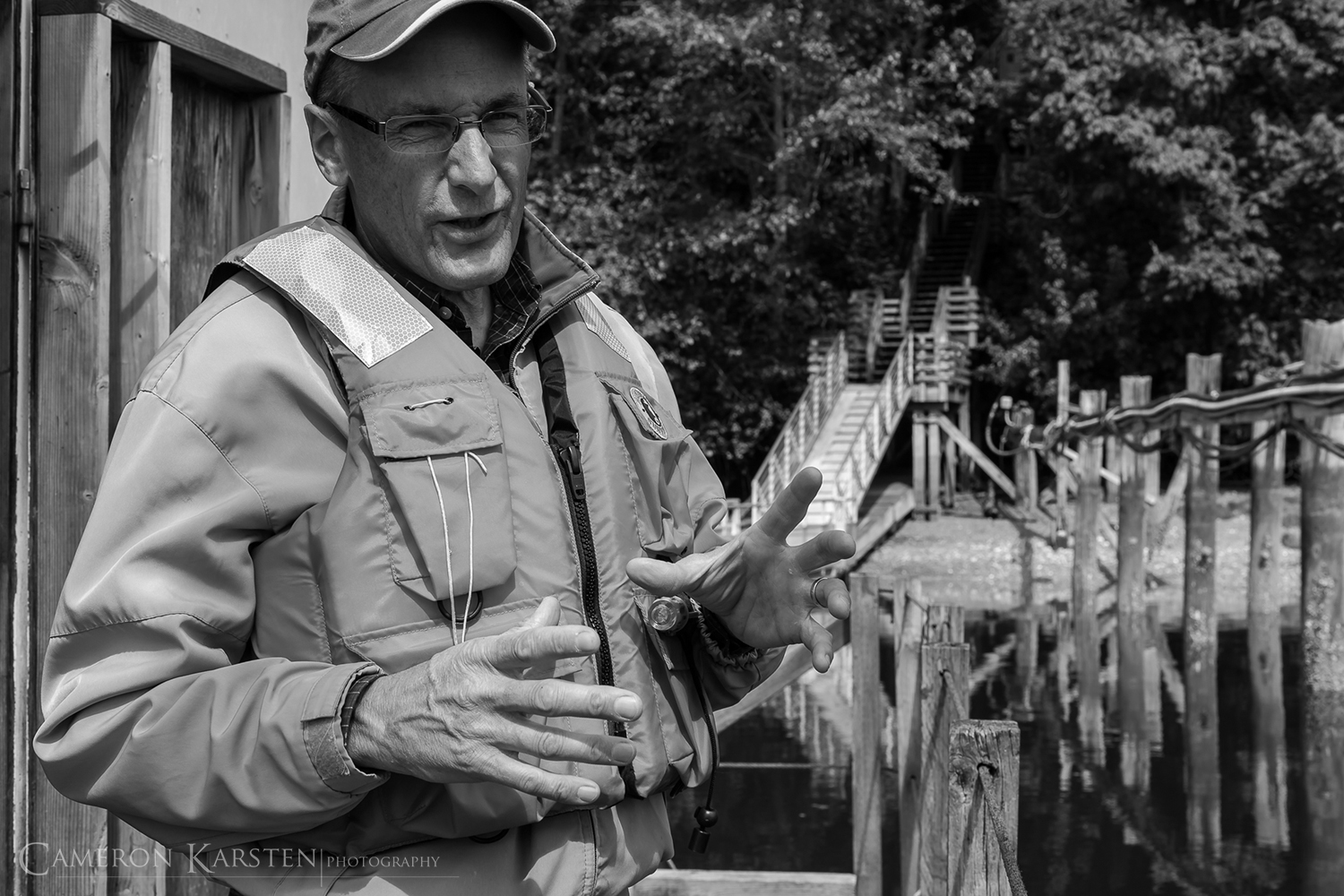
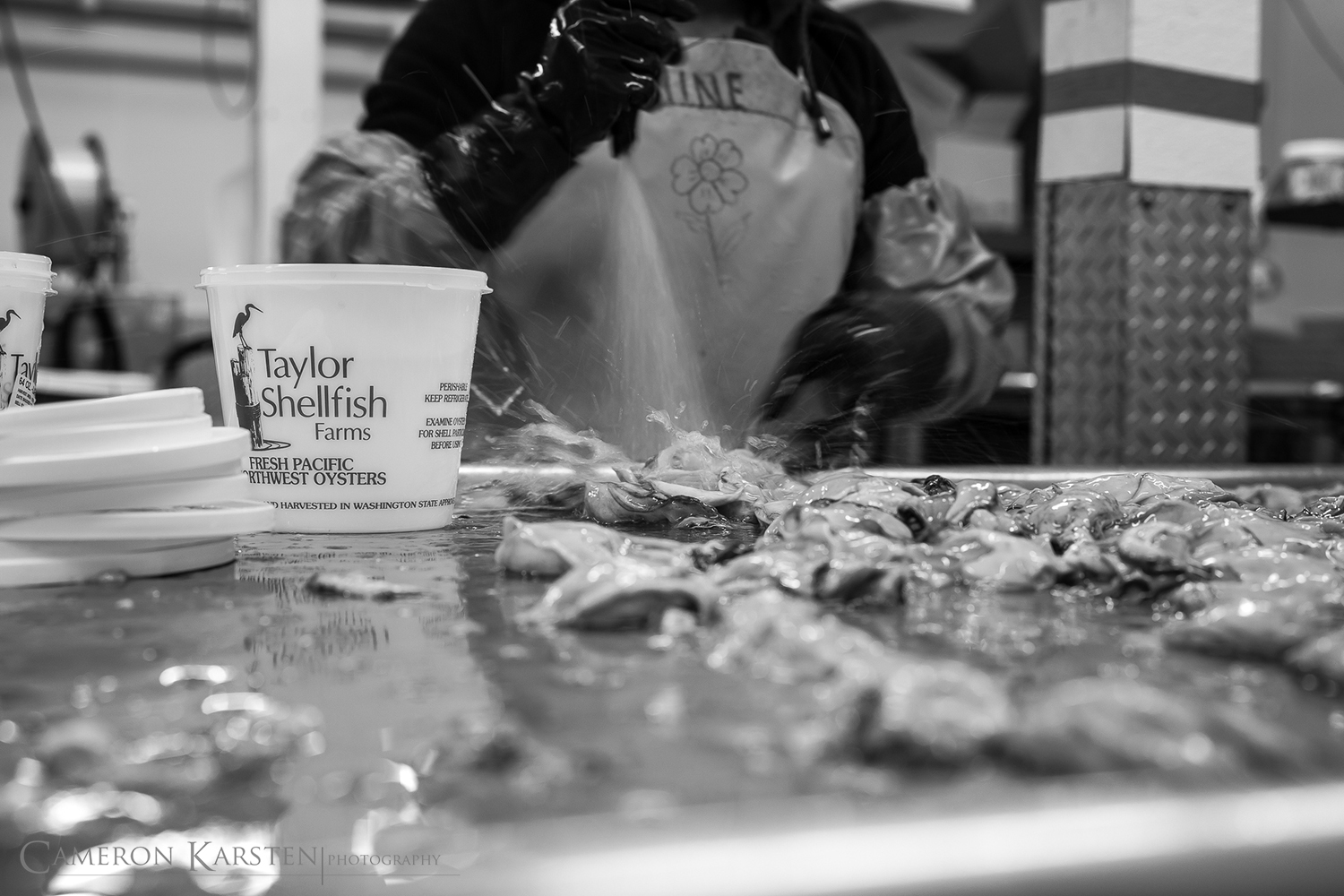
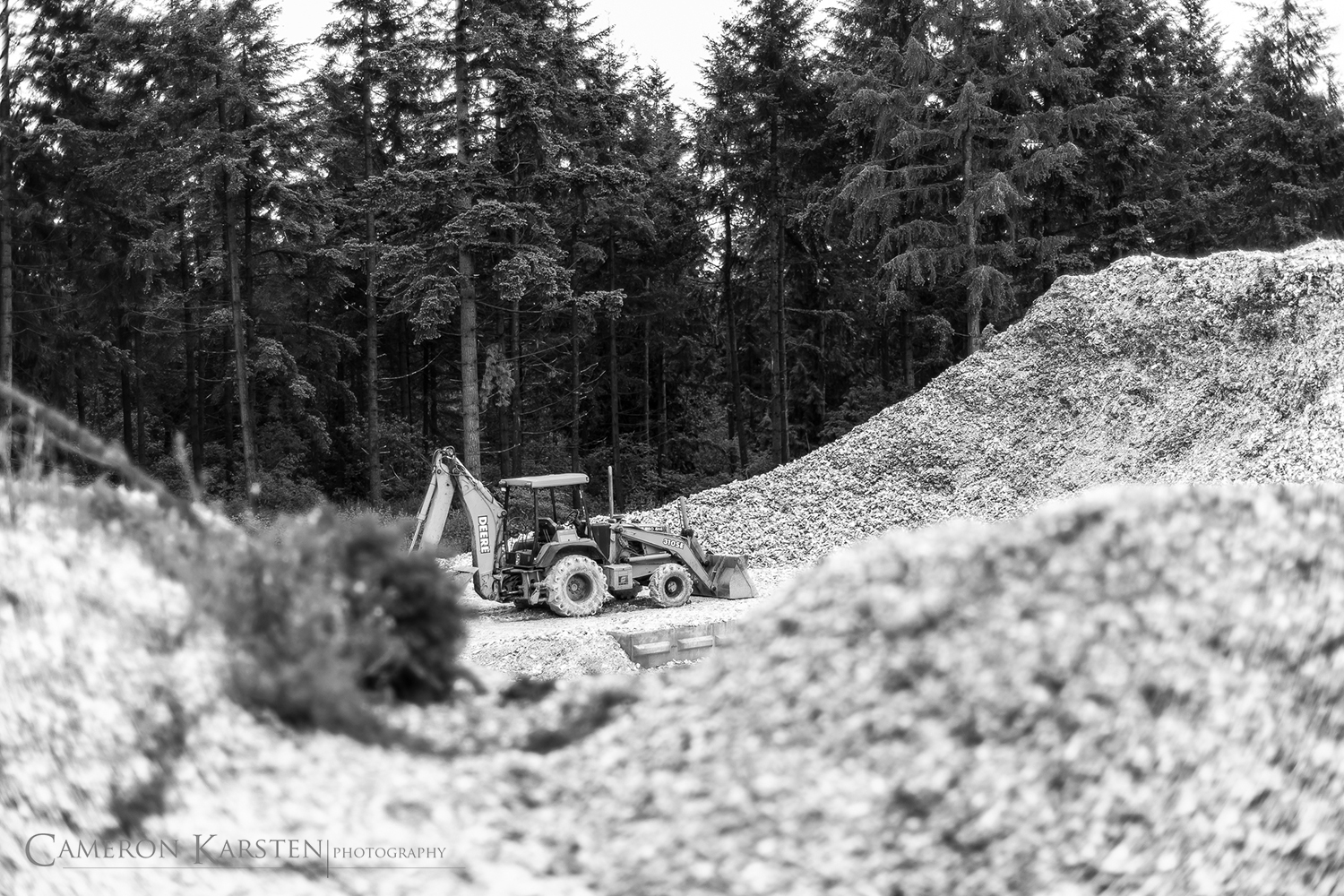
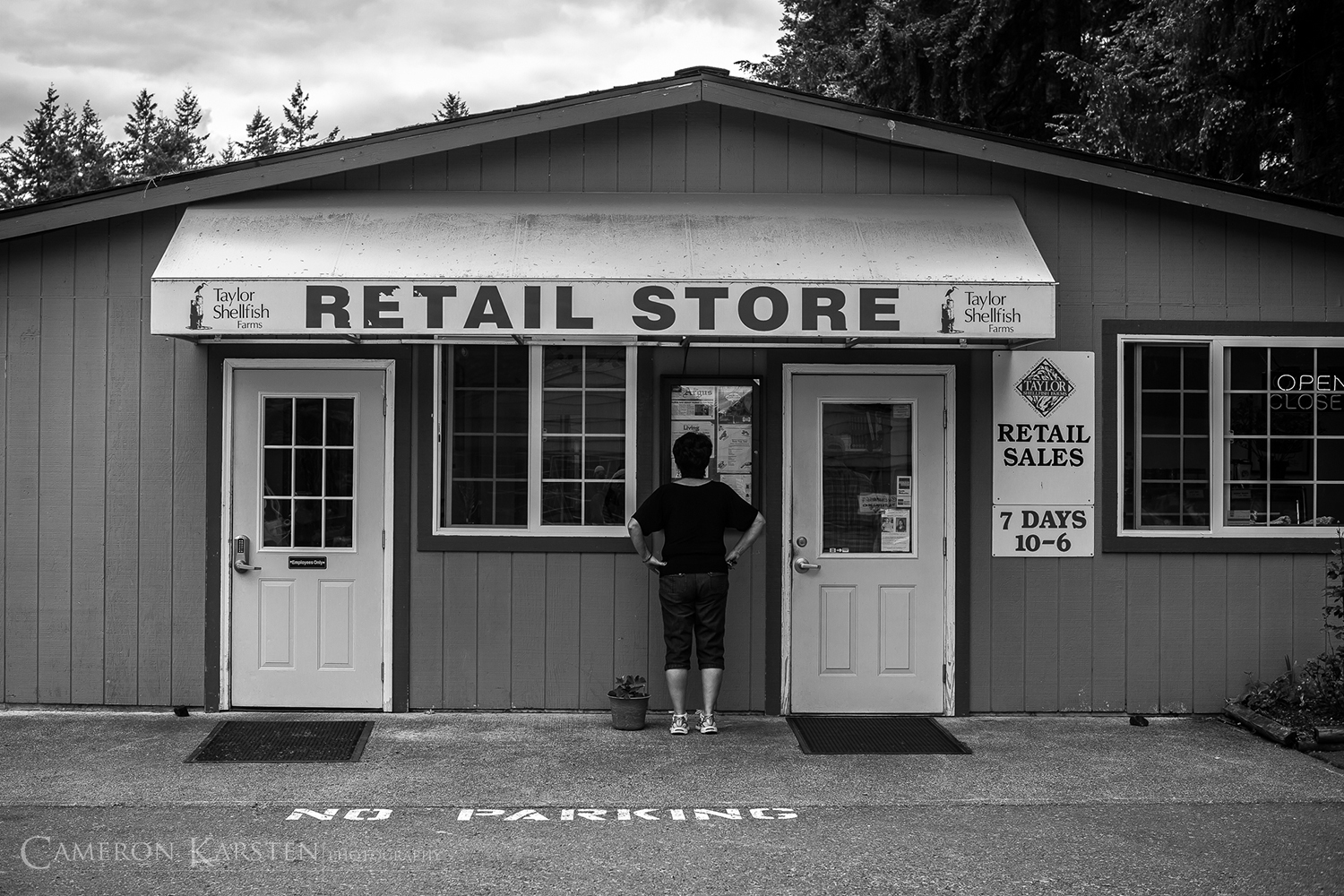
karsten_cameron_01In March 2013, I met Benoit Eudeline. Benoit speaks in a thick French accent and is the lead scientific researcher at Taylor Shellfish Farms’ hatchery.  Located in the pristine Dabob Bay, Taylor Shellfish is Washington State’s foremost producer of farm-raised shellfish, supplying the industry with top-grade oysters, mussels, clams and geoduck.  It produces two-thirds of the state’s mollusk aquaculture and is the country’s largest supply to Asia, boosting its’ economy and solidifying the region’s bearing as a premium seafood culture.  But in 2008, all this came to a screeching halt.  Something was happening.  Numbers were falling at Taylor Shellfish and each of the other farms in the area.  Production was at a loss.  Larvae within the confines of the hatcheries became insolvent at surviving.  Holes appeared in their developing shells.  Disease and predators disrupted growth.  Something was brewing in the Pacific Northwest.

karsten_cameron_02

karsten_cameron_03

karsten_cameron_04

karsten_cameron_05

karsten_cameron_06

karsten_cameron_07

karsten_cameron_08

karsten_cameron_09

karsten_cameron_10Nowhere else in the world was this environmental phenomenon occurring.  Mollusks, particularly oysters, were thriving as usual, but in the northwestern estuaries of the Pacific Ocean, the declining health of young shellfish became obvious.  First, the oysters; then slowly the shells of young geoducks and the tendrils of mussels, which they rely on to suspend to their host, began showing signs of frailty.  As the seasons over the next few years passed in confusion, scientists began studying the changing environments until one thing became evident.

To see Part 1 of the multimedia project Ocean Acidification and our Oyster Culture, please click here

The Explorers’ Club

_N9A6670The Explorers’ Club hiking through the jungles of Bainbridge Island.  When I was a child, I was obsessed with exploring.  I wanted to go everywhere and find anything new that I could set my eyes upon and reach for.  The above image was shot for a family with this exactly in mind, putting me in their feet back when I was a child in search for adventure.

_N9A6692

_N9A6728

_N9A6760

_N9A6809

Cameron Karsten Photography

International Rescue Commitee’s Naturalization Ceremony – Seattle, WA

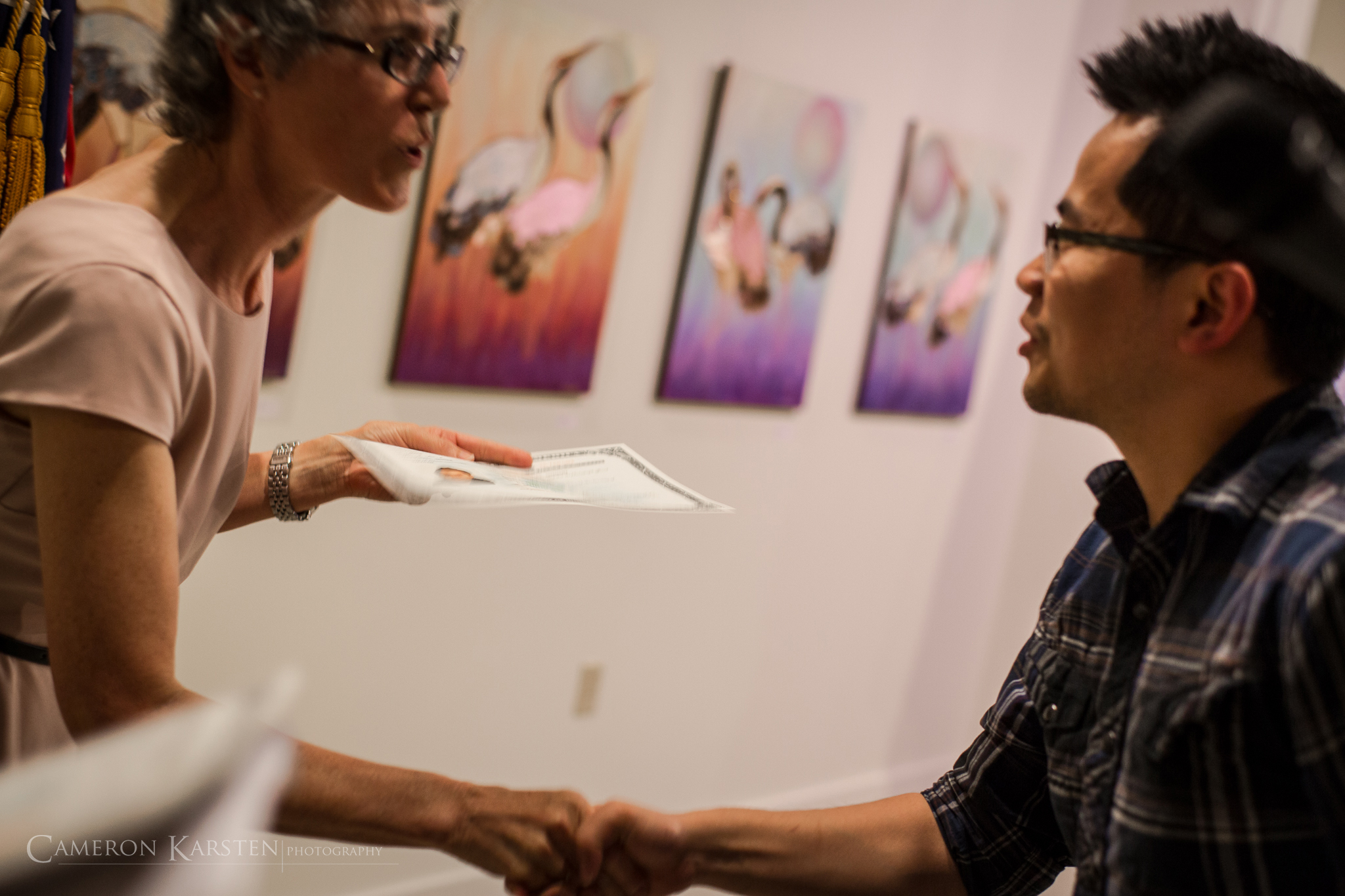
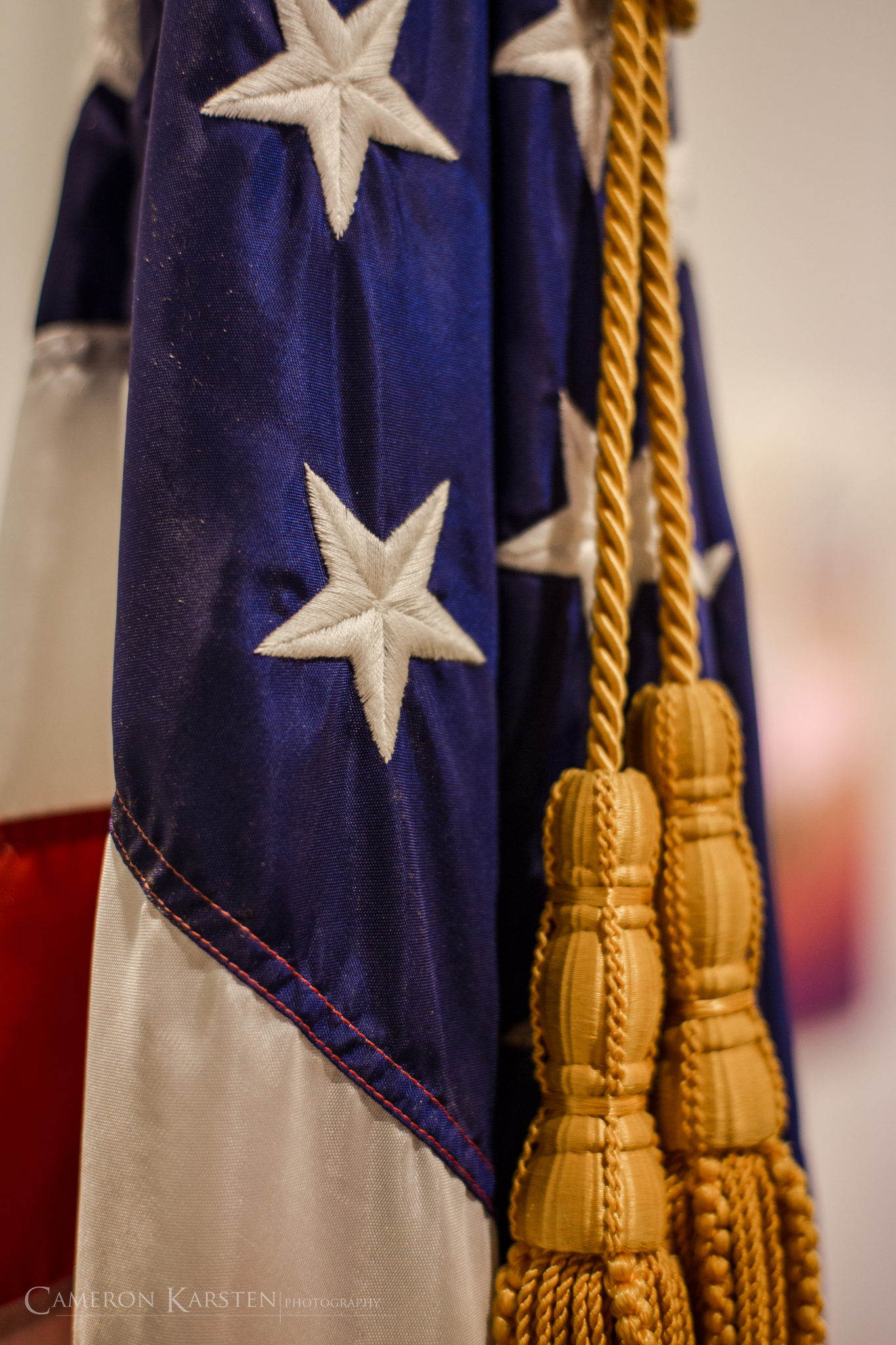
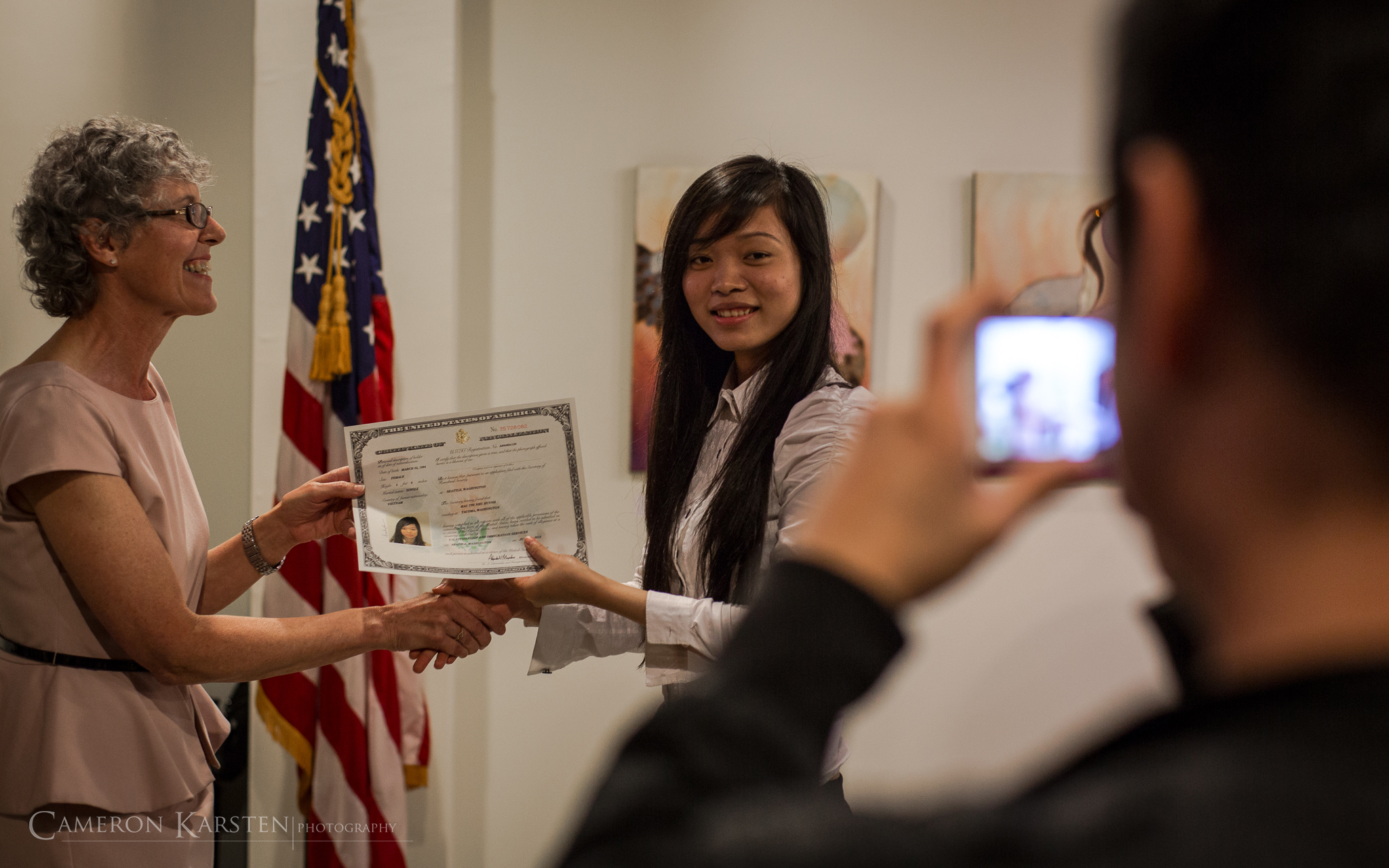
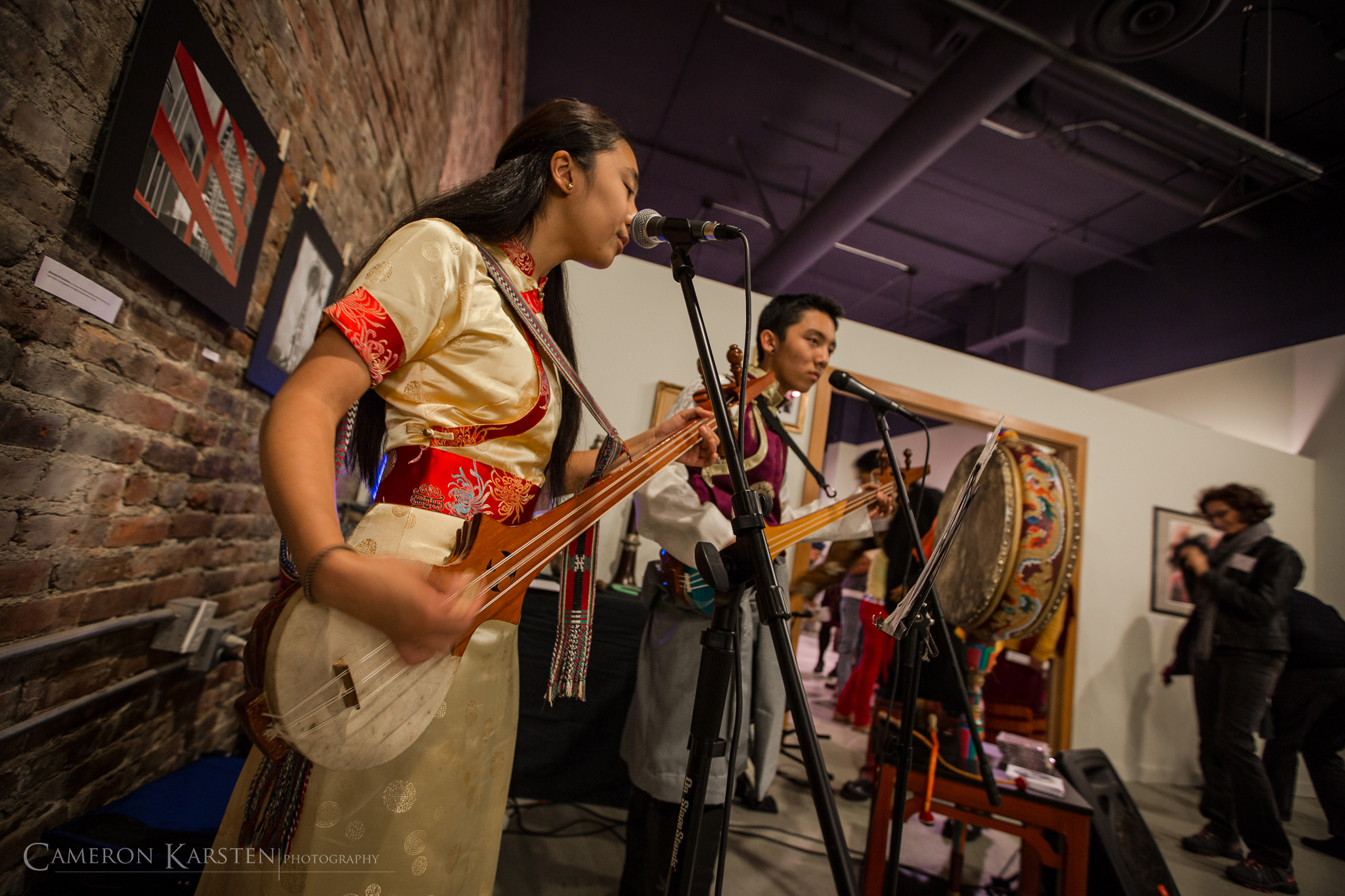
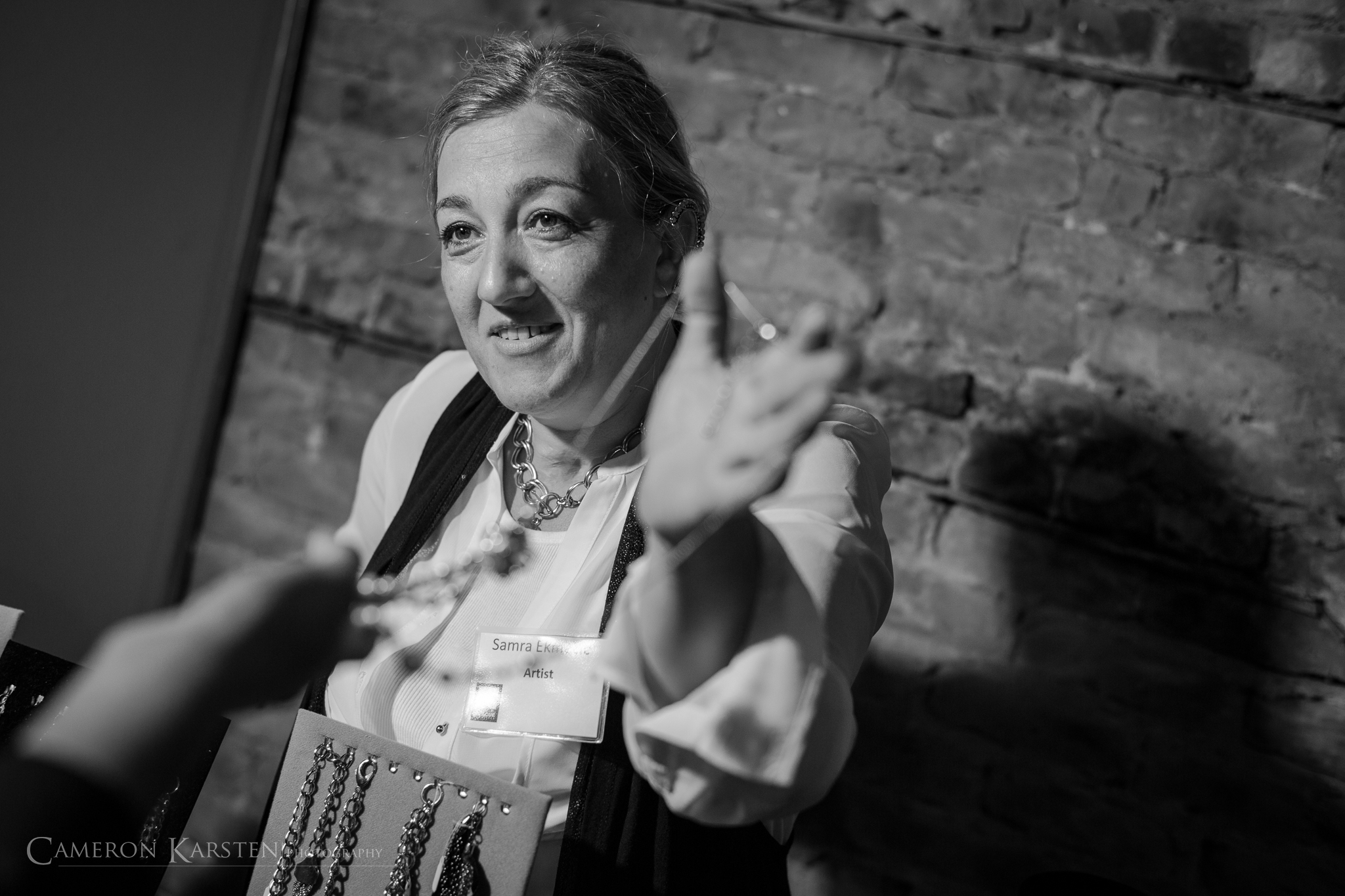
Naturalization-66I’ve had the pure joy of working with IRC’s Seattle Chapter since the start of 2013, connecting with a broad range of international community members around the Pacific Northwest region.  June 20th, 2013 was none other then World Refugee Day where a handful of individuals received their United States Citizenship at a local art gallery in downtown Seattle, which exhibited art by IRC-sponsored refugees turned U.S. citizens.  Here is a look at a naturalization ceremony, welcoming these newly-recognized U.S. citizens.

Naturalization-24

Naturalization-27

Naturalization-19

Naturalization-50

Naturalization-54

Naturalization-120

Naturalization-86

Naturalization-92

Naturalization-219

Naturalization-338

Naturalization-199

Naturalization-116

Naturalization-154

Naturalization-133

Naturalization-317

Naturalization-109

Naturalization-266

Naturalization-40

Naturalization-358

IRC

Cameron Karsten Photography

Olympic Day Hiking – The Brothers

OlympicHiking-34

Spent a sunny summer day hiking to the base of The Brothers on the Olympic Peninsula, reaching just above the tree-line before running out of time.  An hour and twenty minutes up to Lena Lake and then an additional three hours upwards.  We passed below massive pines and wound through streams that disappeared beneath the riverbeds.

OlympicHiking-45

OlympicHiking-62

OlympicHiking-13

OlympicHiking-4

OlympicHiking-205

OlympicHiking-78

OlympicHiking-115

OlympicHiking-119

OlympicHiking-206

OlympicHiking-122

OlympicHiking-132

OlympicHiking-99

OlympicHiking-105

Cameron Karsten Photography

Post-Apocalyptic Youth Survival Group sneak peek!

YouthResilience

Sneak peak of a Youth Survival Group shoot: In a post-apocalyptic world, a band of youths group together to fight the threats of day-to-day survival.

More imagery to come!

Location: Clear-Cut Field – Olympic Peninsula, WA

Camera/Lens Specifics: Canon 5D MarkIII w/Canon EF 24mm f/1.4L II USM Autofocus Lens

24mm, 1/160 sec at ƒ/18, ISO 100, tripod, composite.

Post: Capture One & Adobe PS6

Cameron Karsten Photography