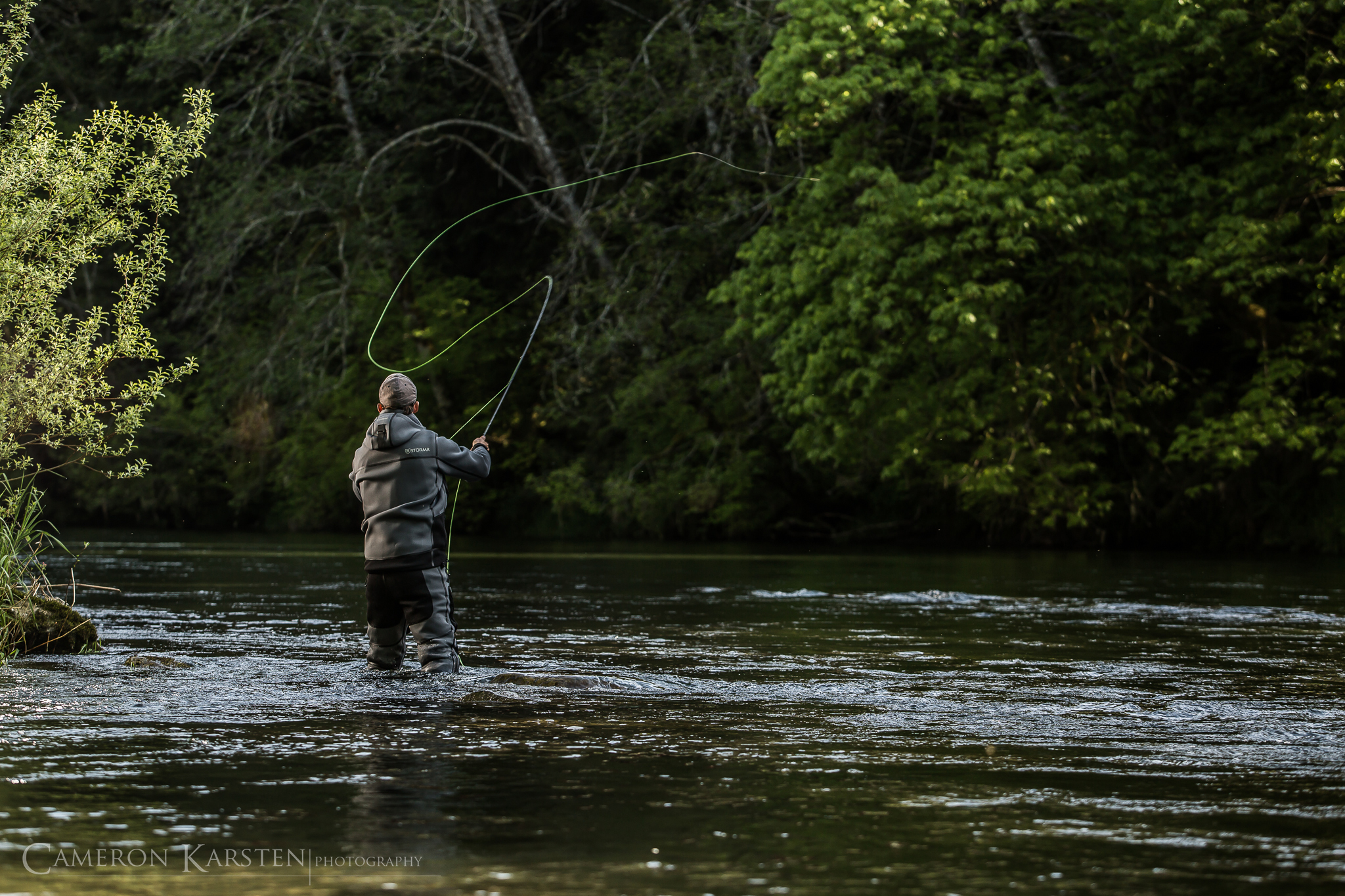
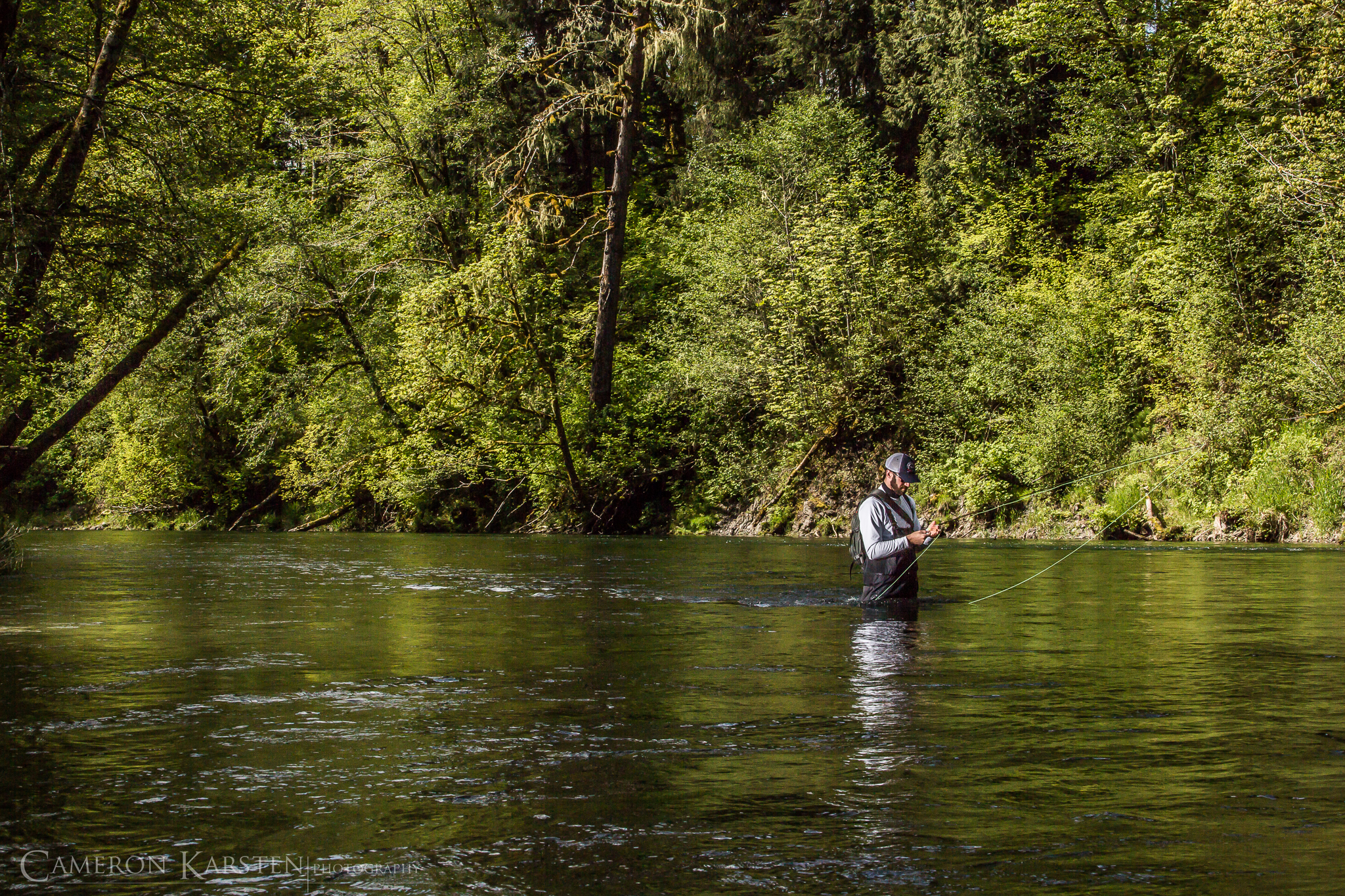
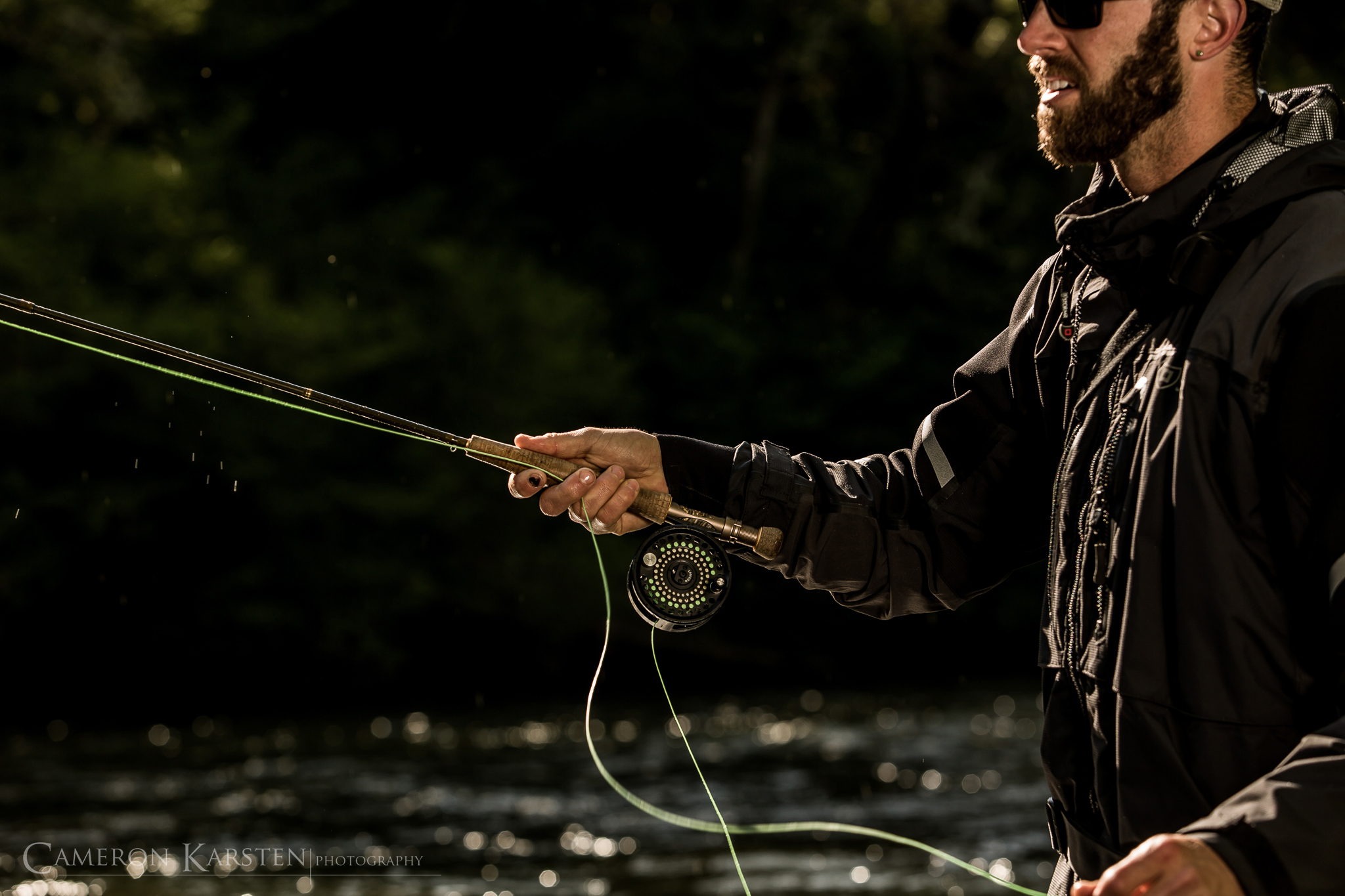
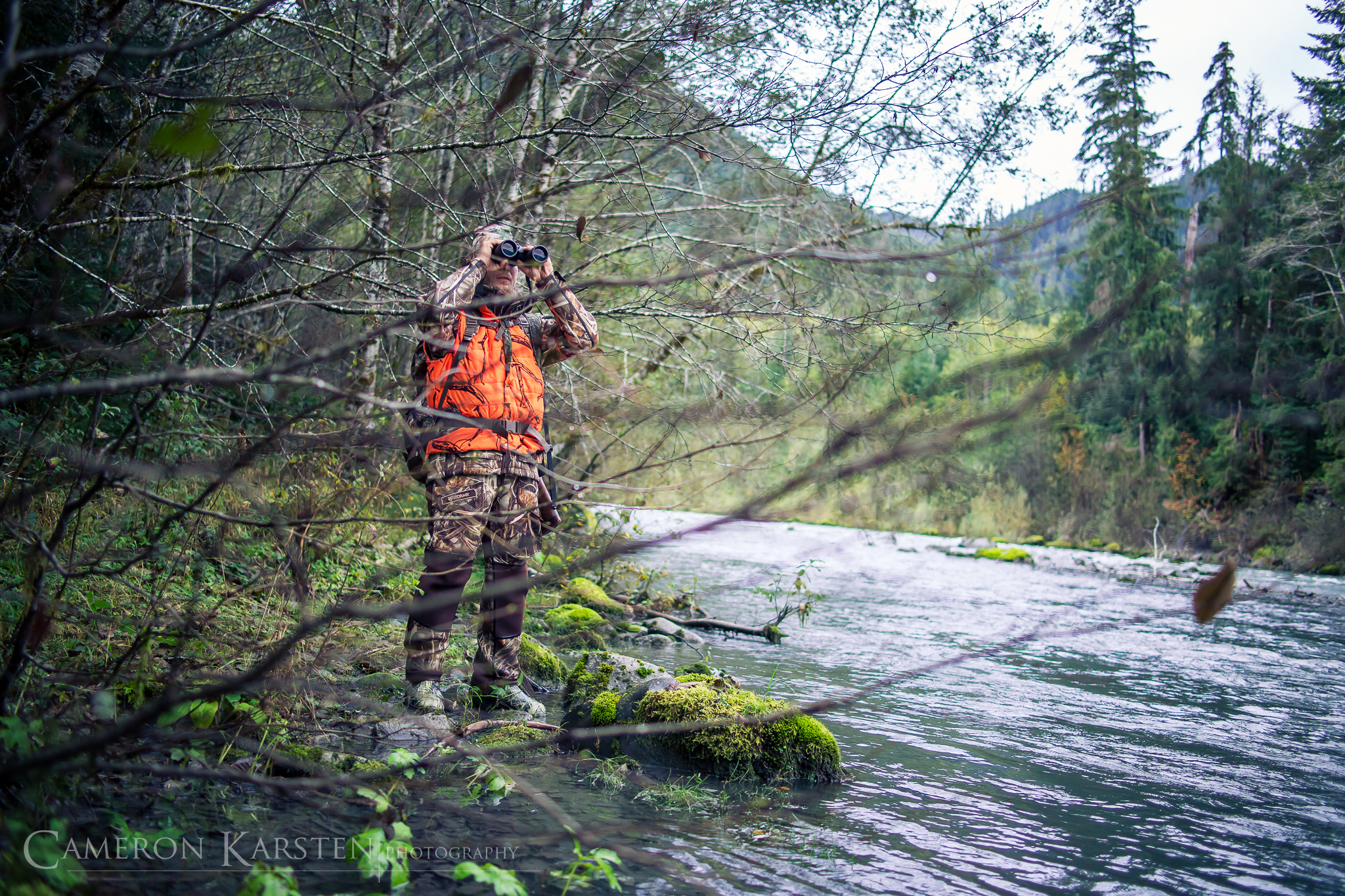
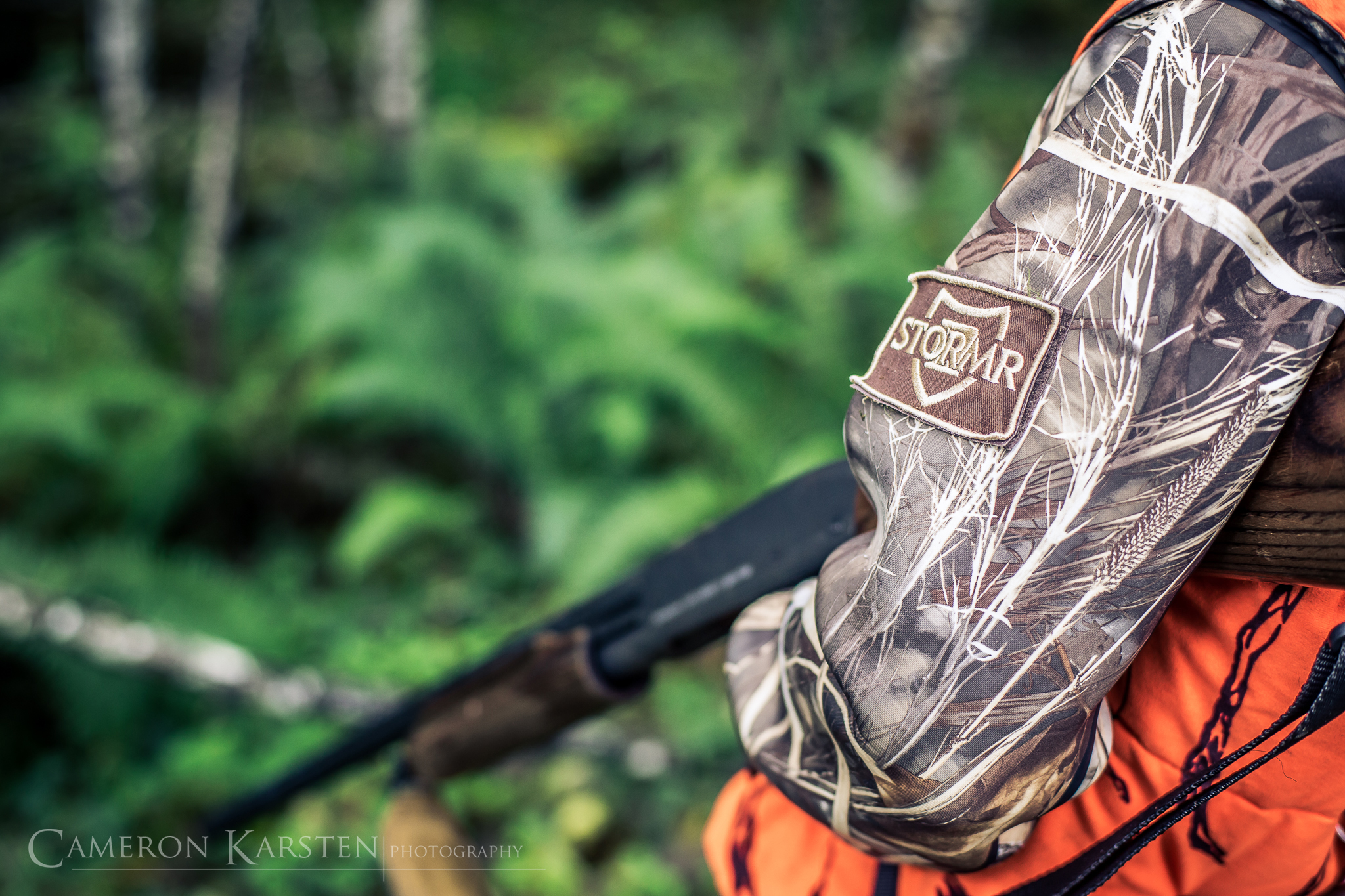
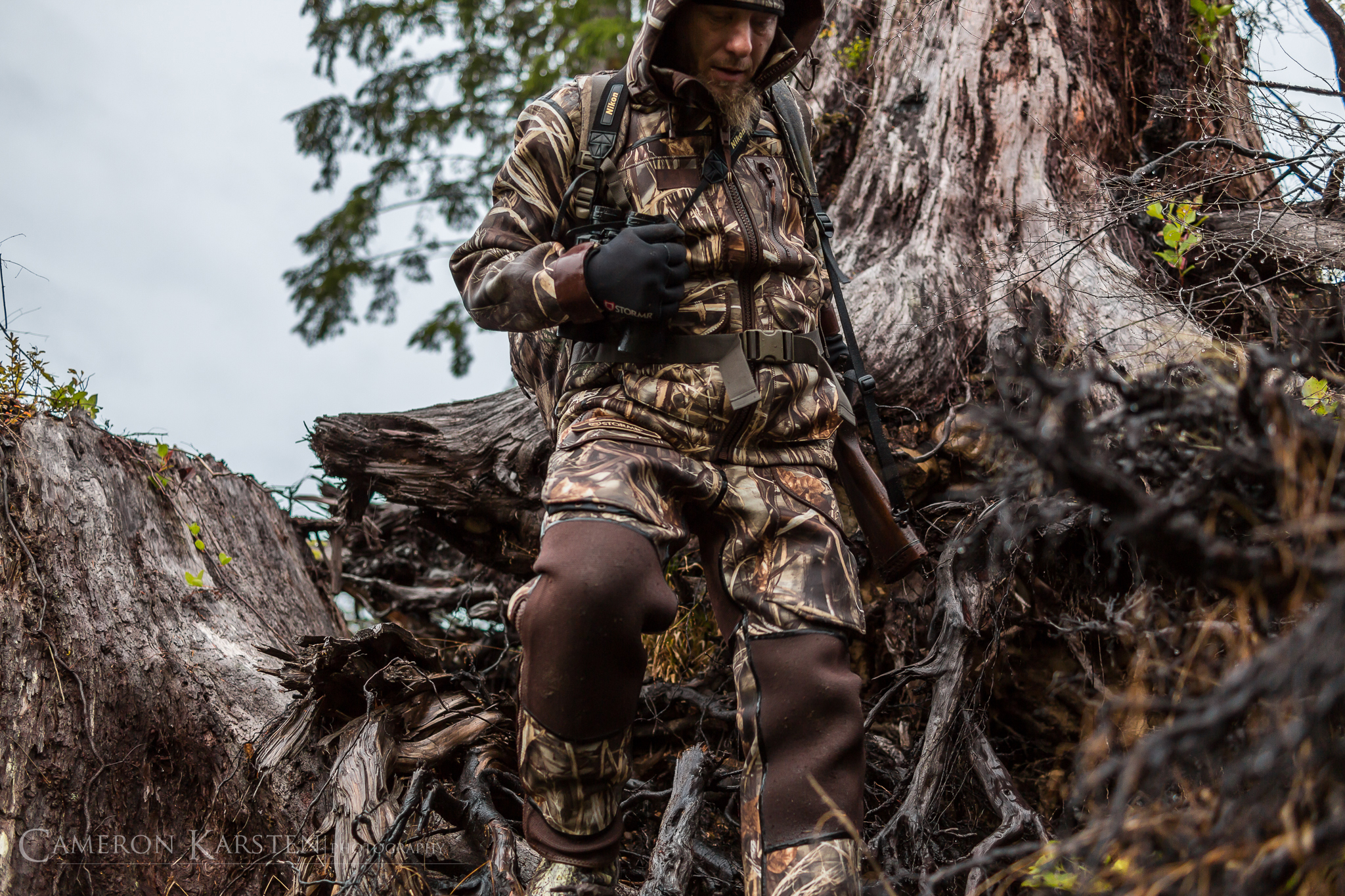
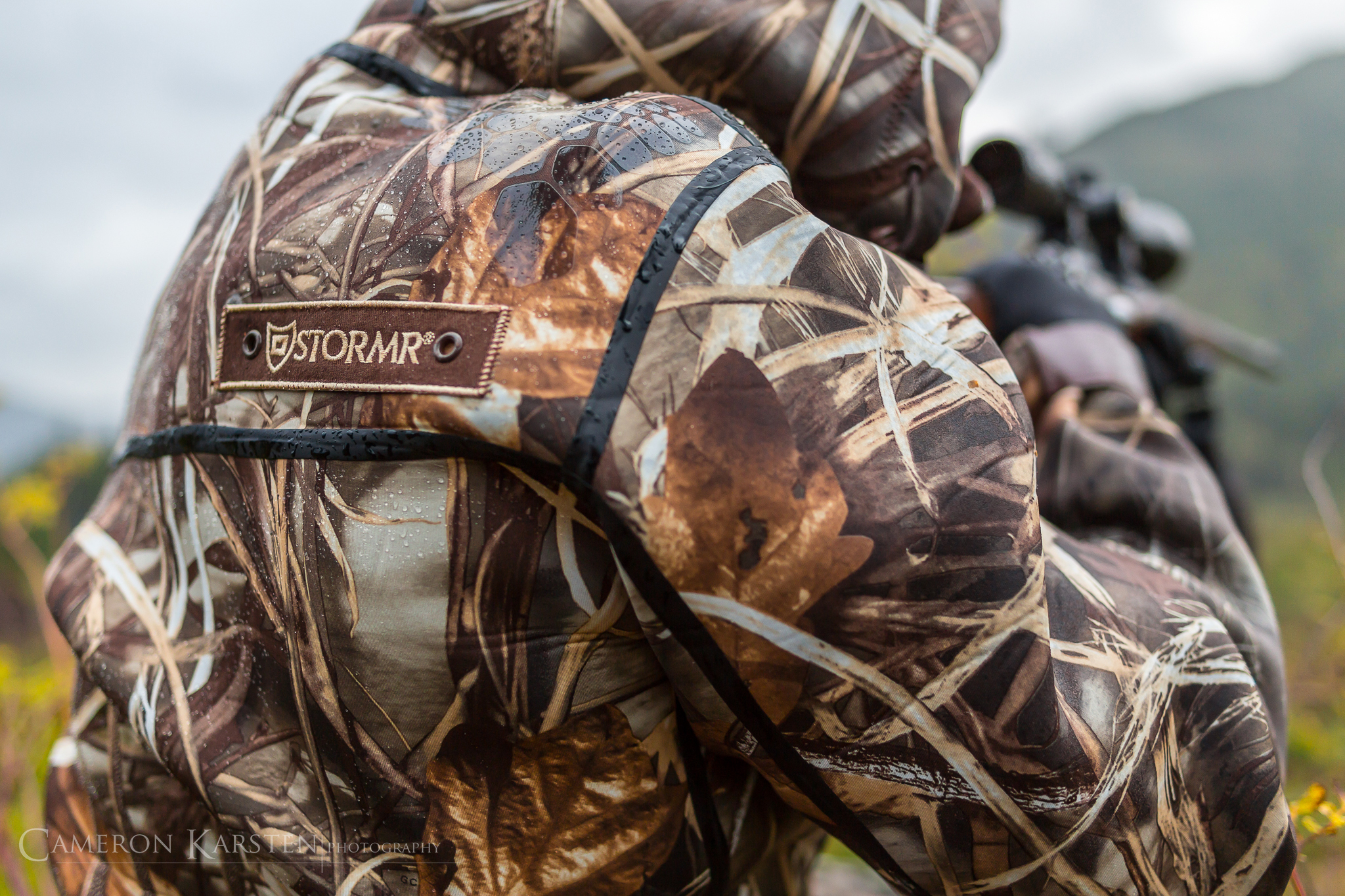
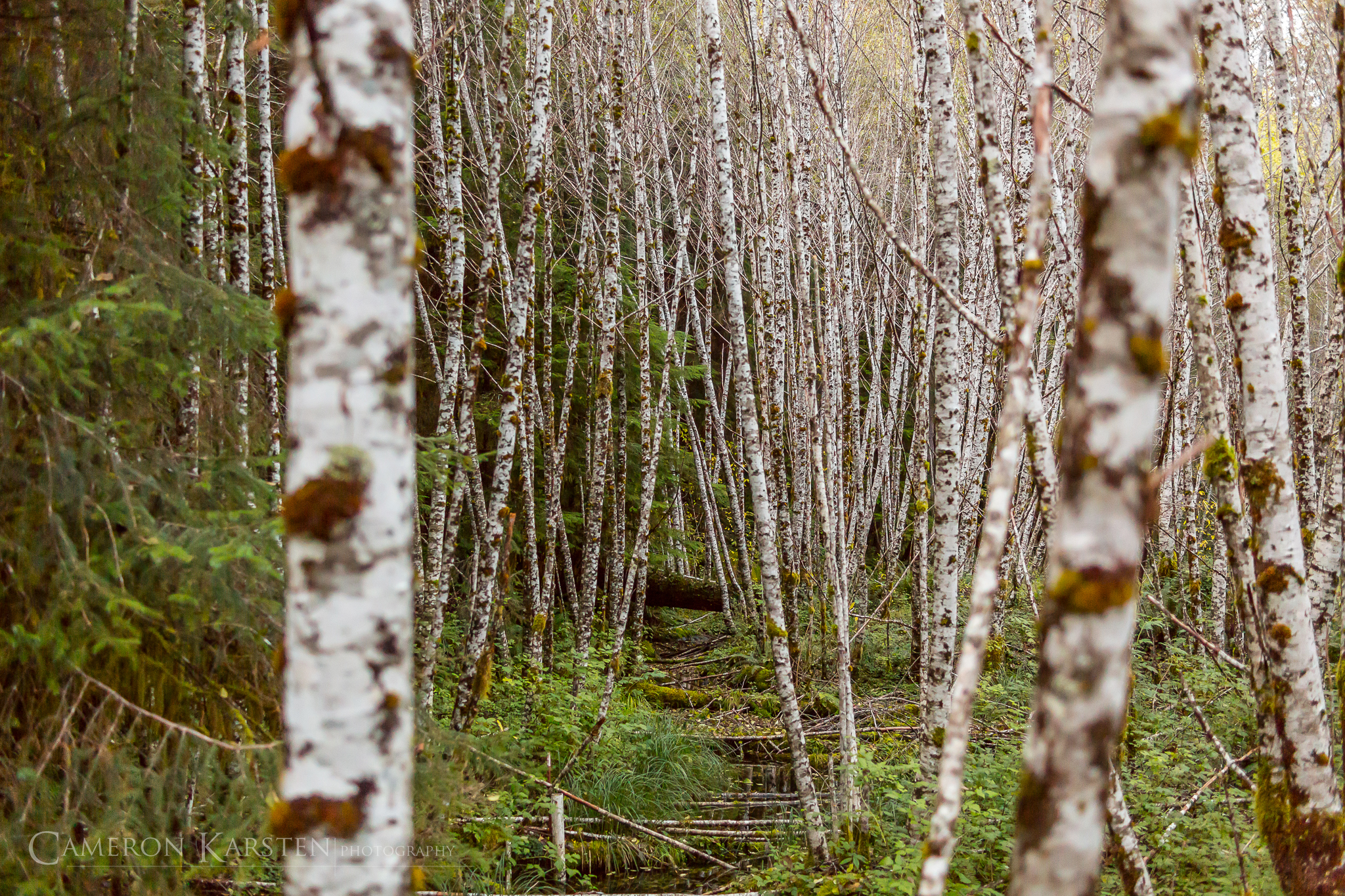
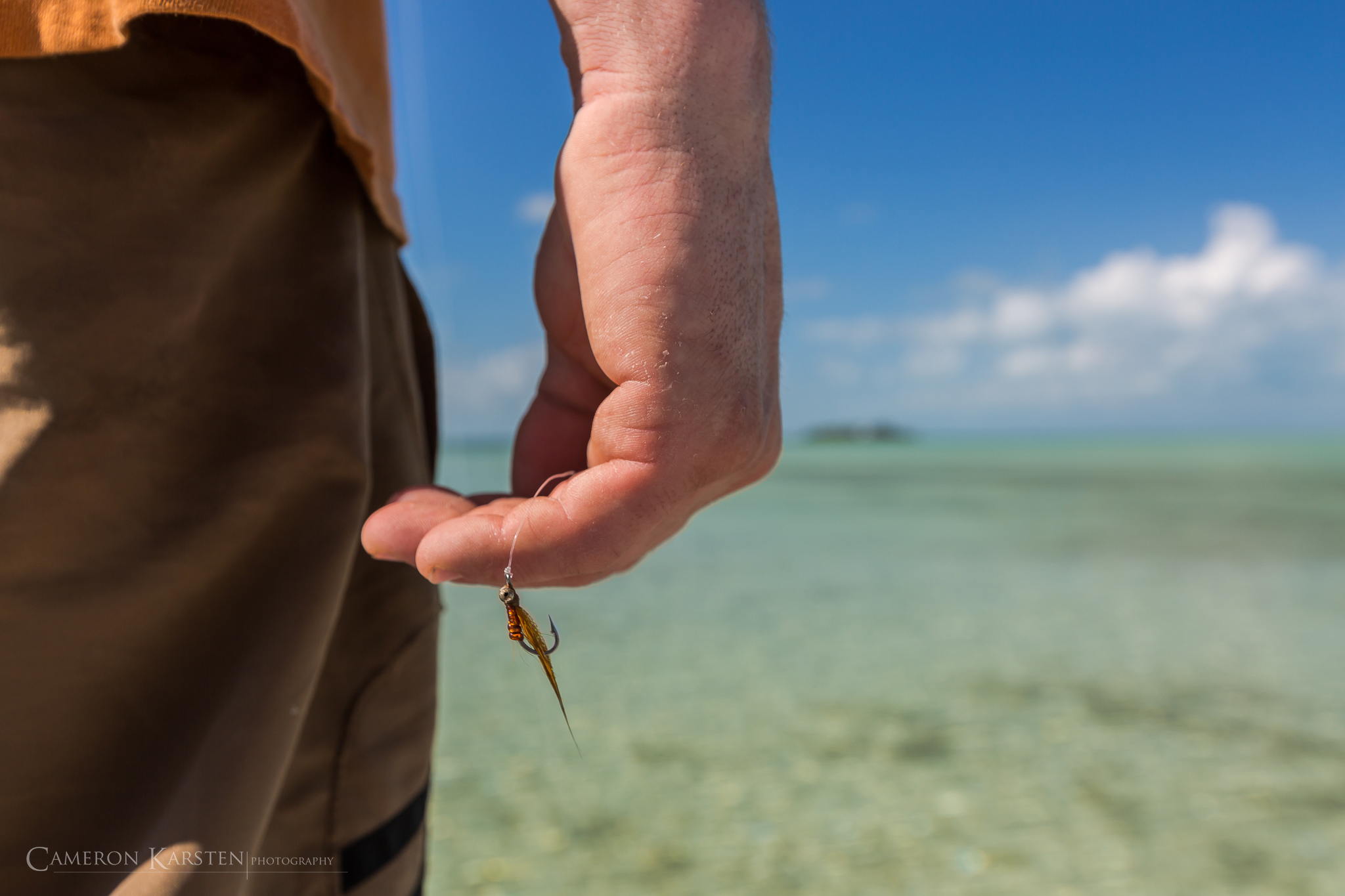
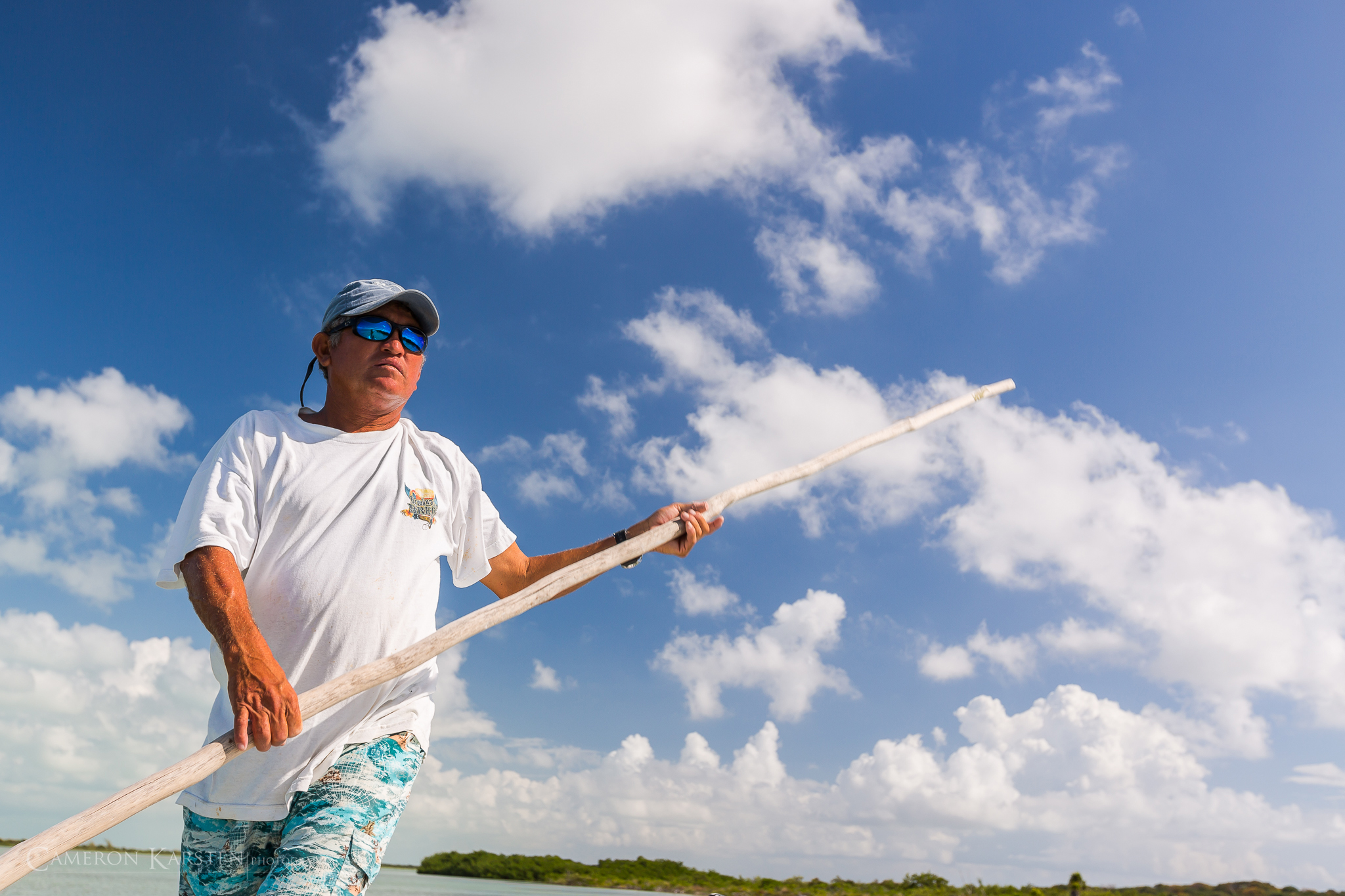
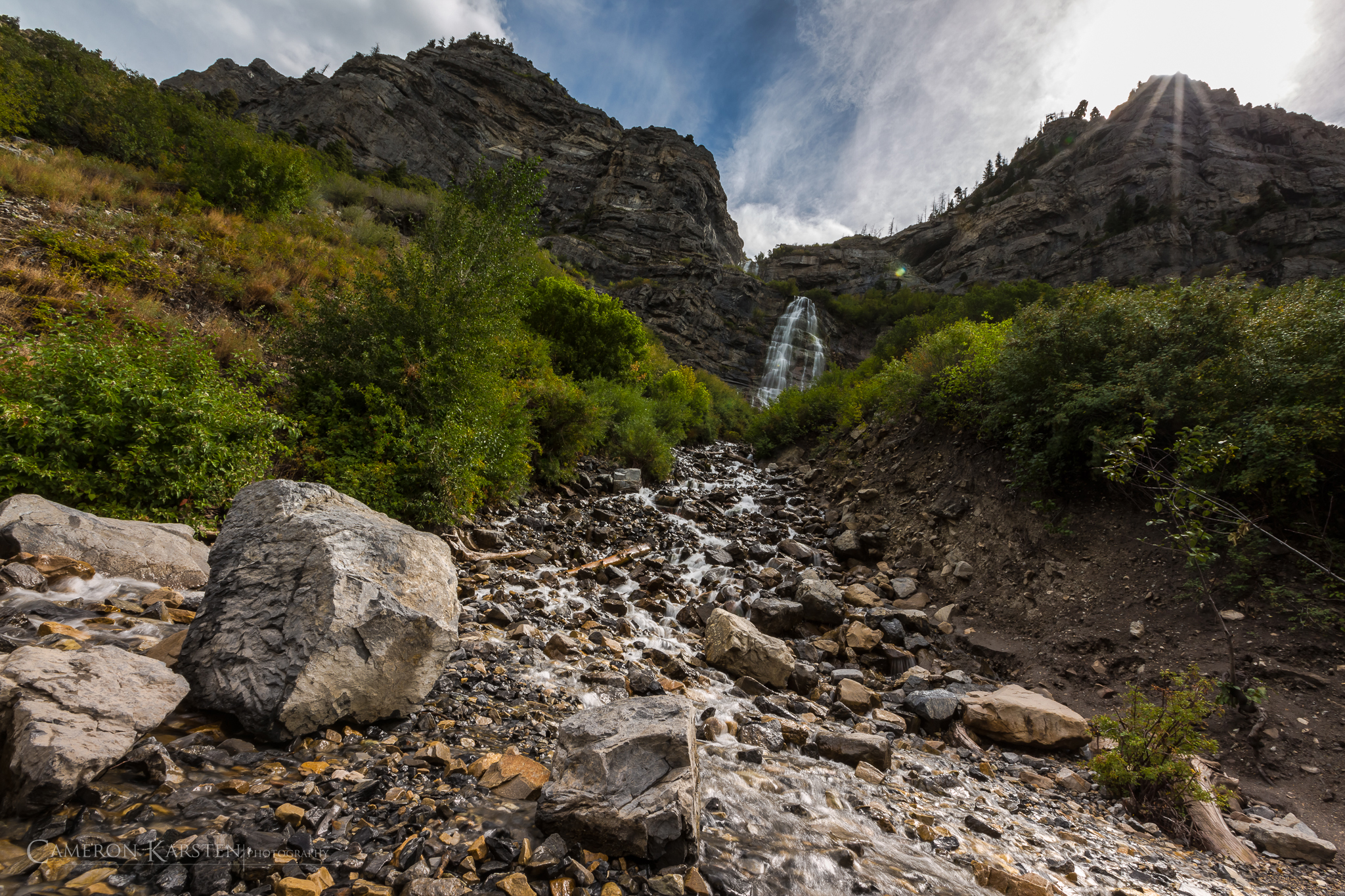
When there is a river nearby, there must be fish. Always bring your fly rod, seek the thrill and reel in those steelhead. Somewhere up the S. Fork Hoh River on the Olympic Peninsula of Washington State on a Stormr assignment.
STORMR Deer Camp: Into the Hoh Rainforest (Pt. III)
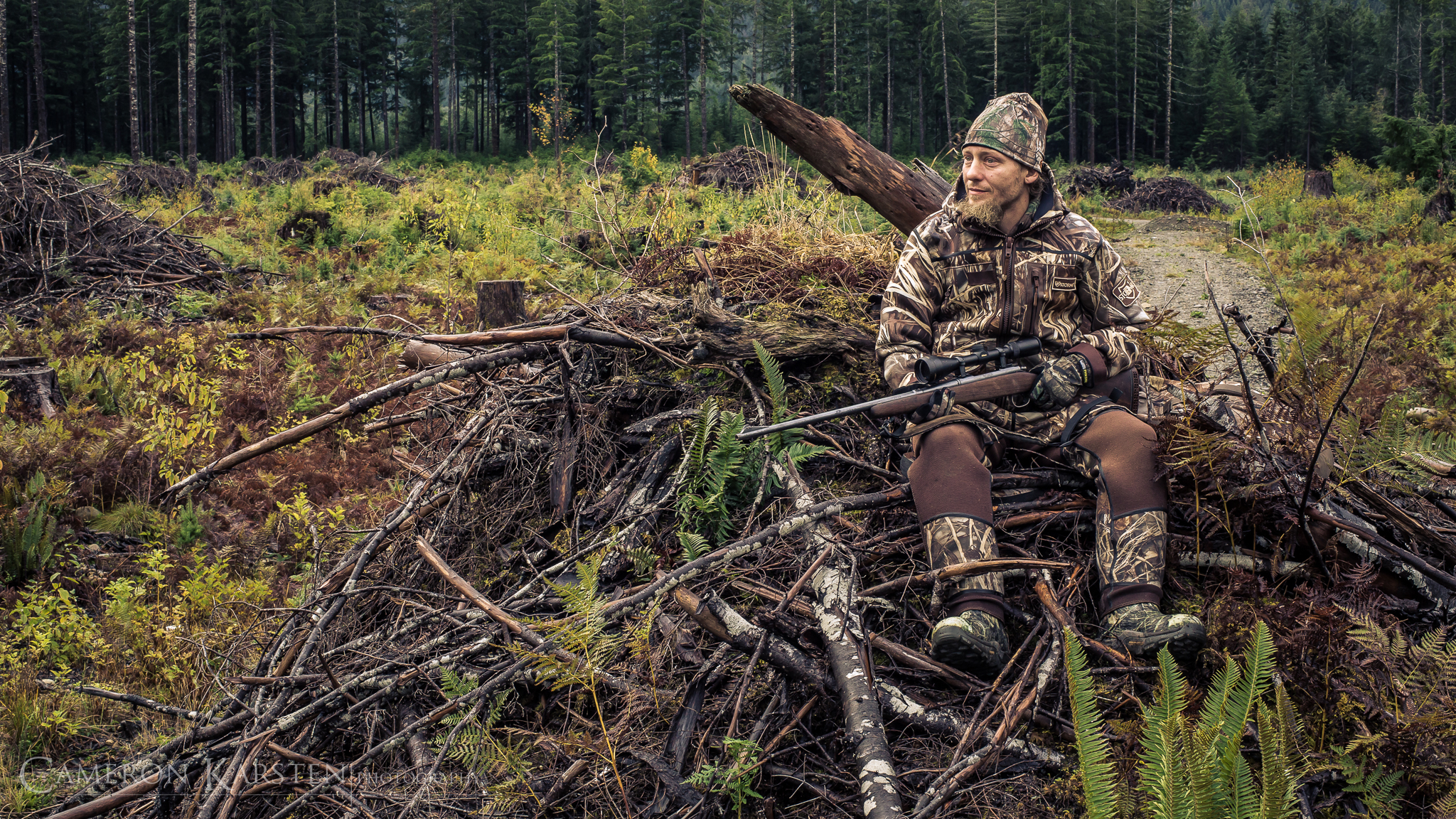
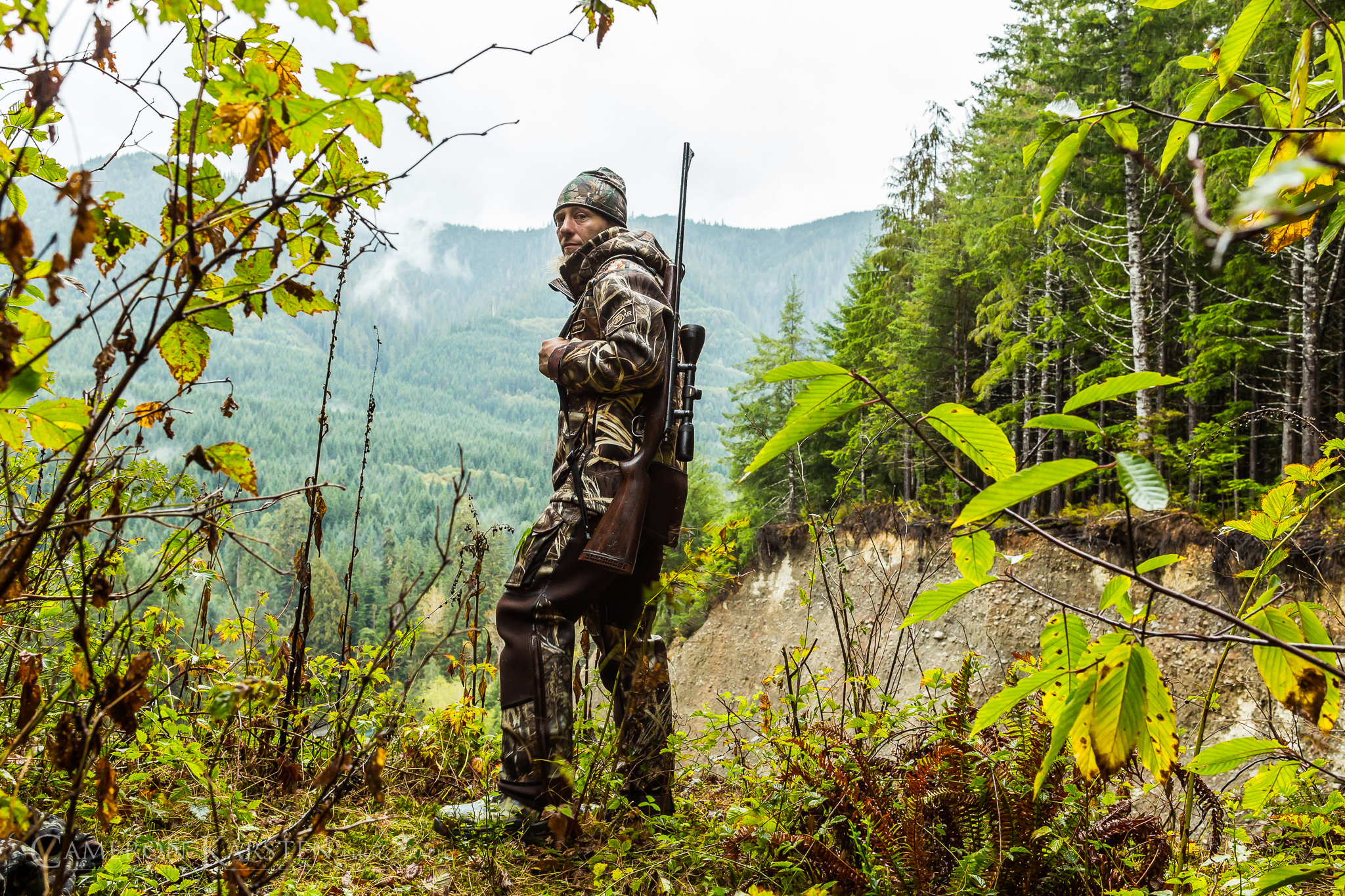
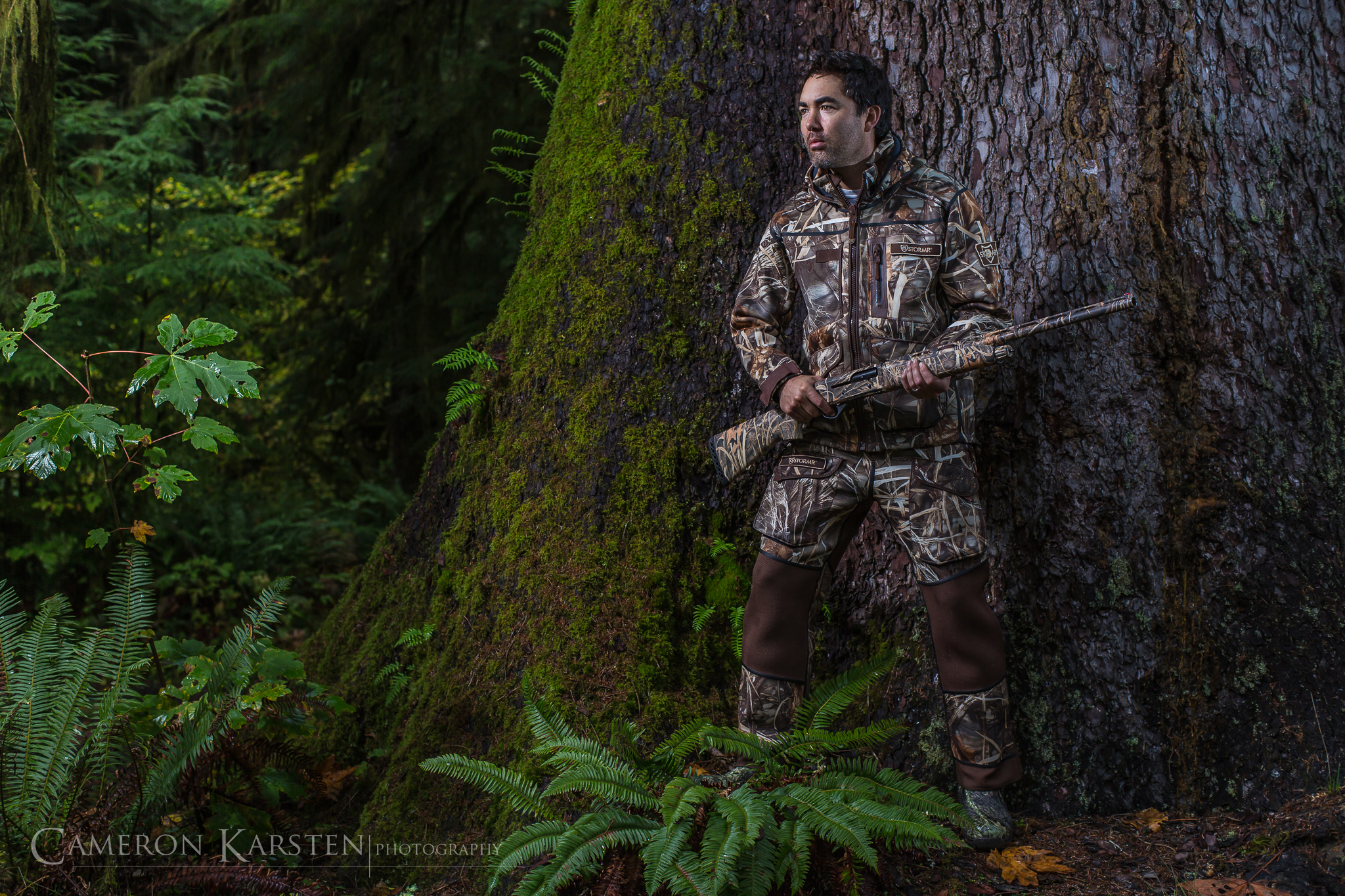
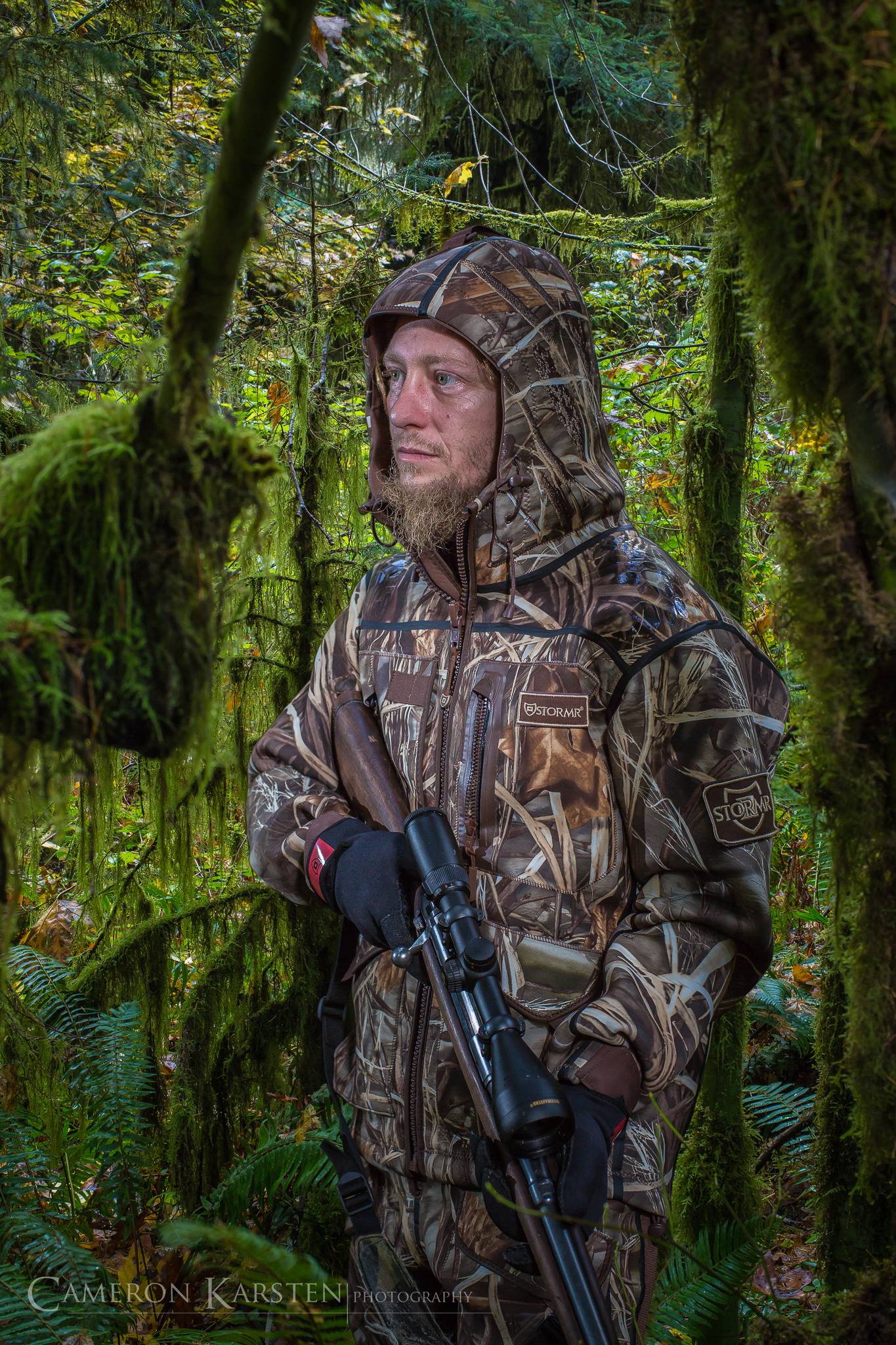
Nature is stealth. Walk out into the woods and count the number of wild animals spotted. Many are heard, but few are seen. However there are eyes watching you and scents tracing your every movement. Stalking and hunting a wild animal is one of the most difficult thing to do, especially in the shadows of the Hoh Rainforest, but the rewards are one that will feed your family for months to follow. Practice the art of patience, endurance and awareness while chilled temperatures permeate the saturated environments of the Olympic Peninsula. On the hunt with STORMR foul-weather gear.
STORMR Deer Camp: Into the Hoh Rainforest (Pt. II)
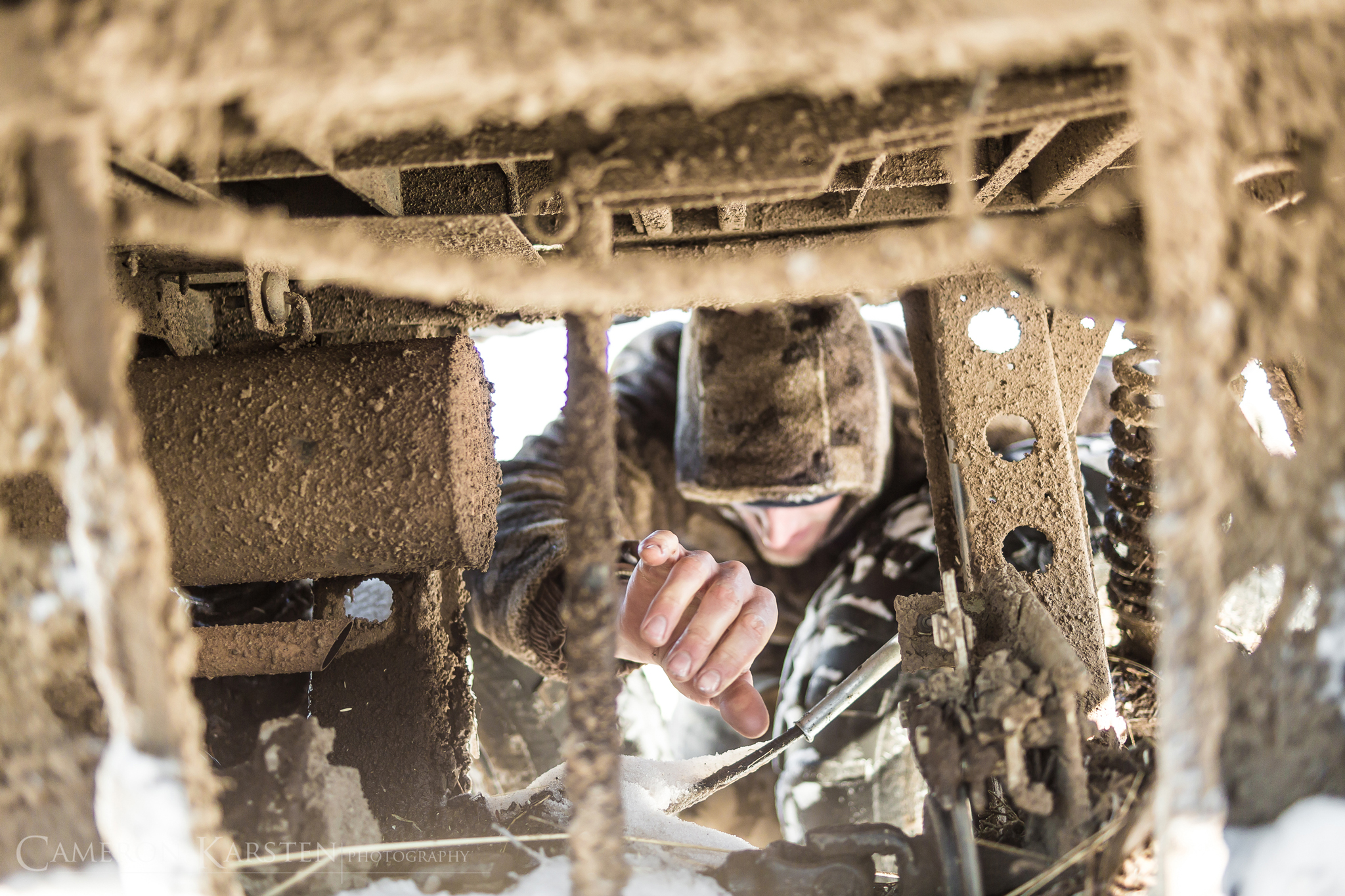
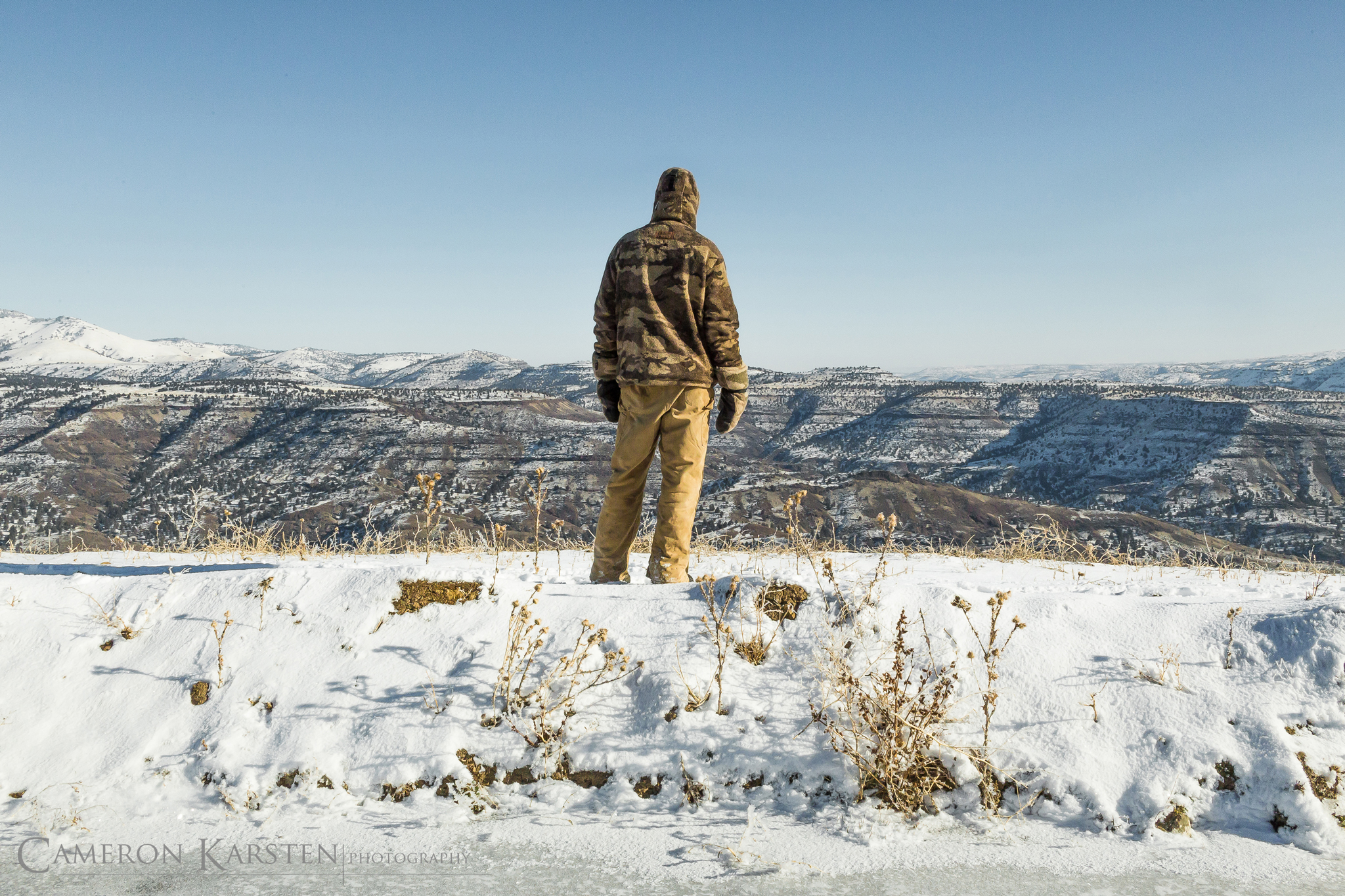
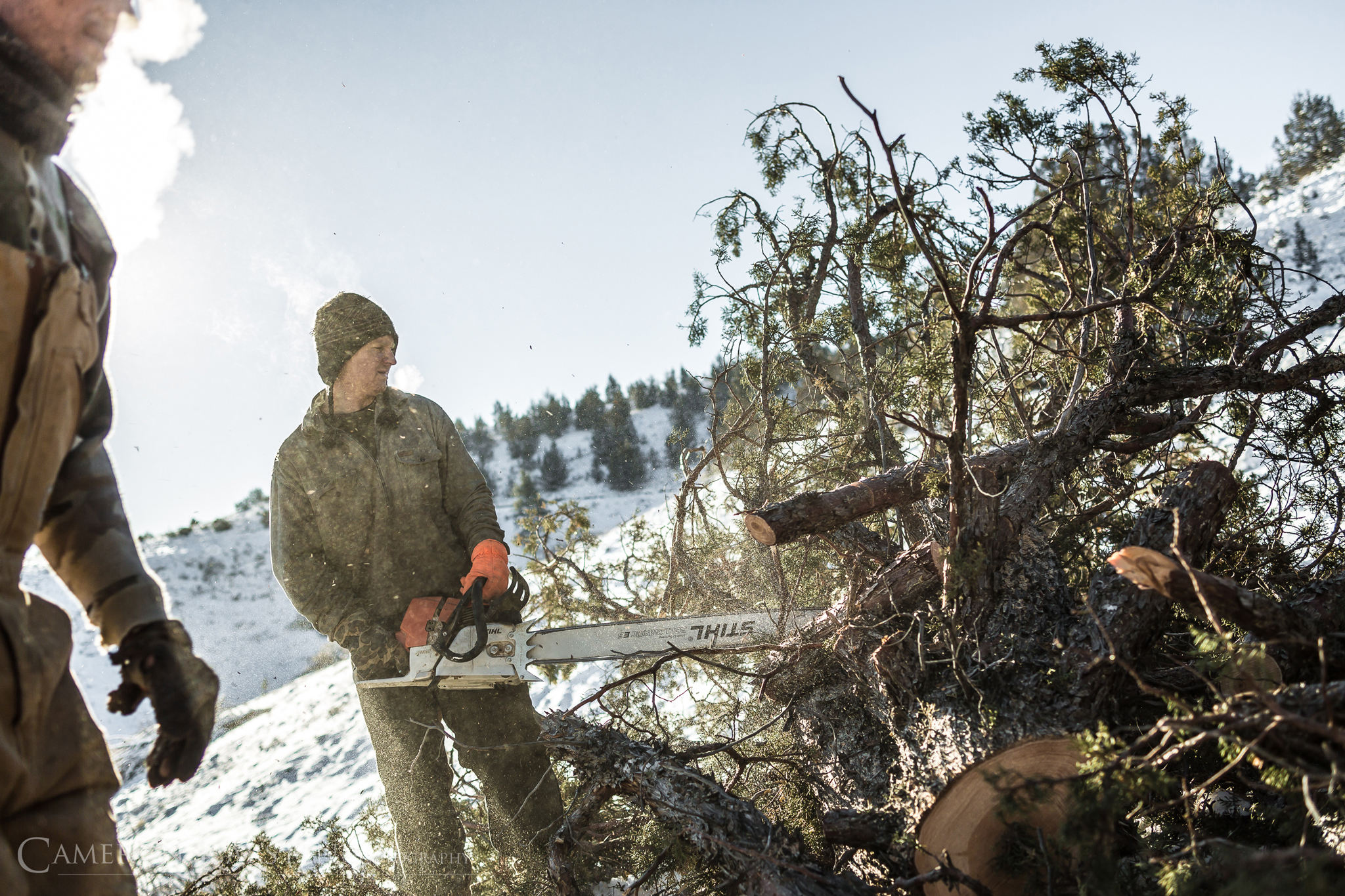
It rained and then it poured. With STORMR gear, the woodsmen were kept warm as a low ceiling of clouds passed, and dry as the hiking became arduous with sweat and fatigued. Heavy ferns draped in our path while carpets of green moss stretched before us. Animal trails were easy to find, their beaten paths the only thing breaking the wildness of the Hoh Rainforest. These led us to the wide open swaths of America’s logging industry.
STORMR Deer Camp: Into the Hoh Rainforest (Pt. I)
Recently, I ventured into the Hoh Rainforest with STORMR foul-weather gear for a 4-day 3-night adventure. With four woodsmen we explored a sodden mossy wilderness furthest from humanity. These are the western edges of the Olympic Peninsula; a place so remote and ecologically diverse that it could be considered its own evolutionary island.
What we were in search of was the elusive black-tail buck. What we discovered were torrential downpours, rivers full of returning steelhead and King salmon, as well as pockets of clear-cut forests amidst pristine woodlands of idyllic nature where migratory elk bugled near the trails of deer, bear, and cougar scat.
For more visit www.STORMRrusa.com and www.CameronKarsten.com
Puget Sound Restoration Fund: The Oyster Harvest
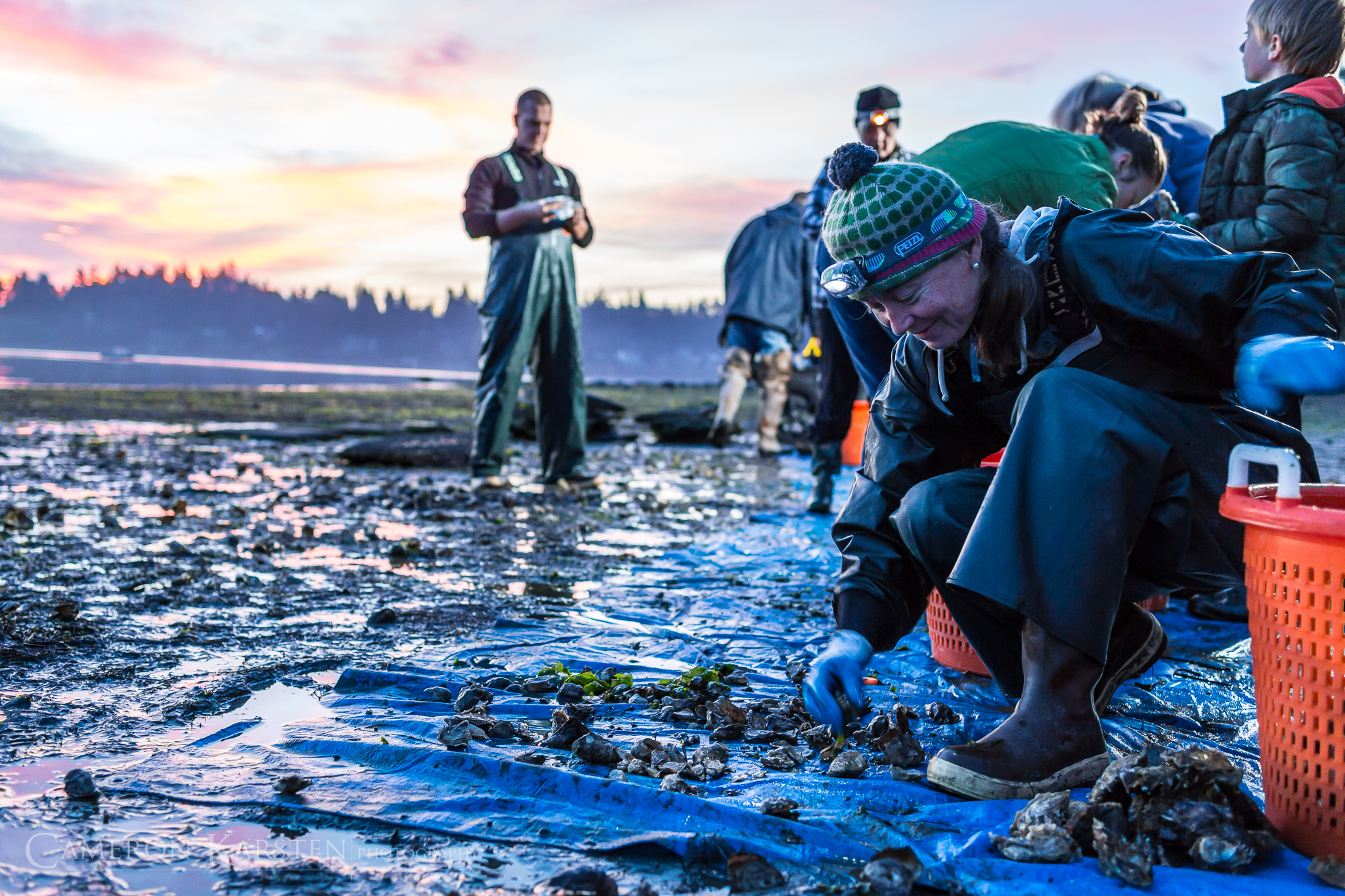
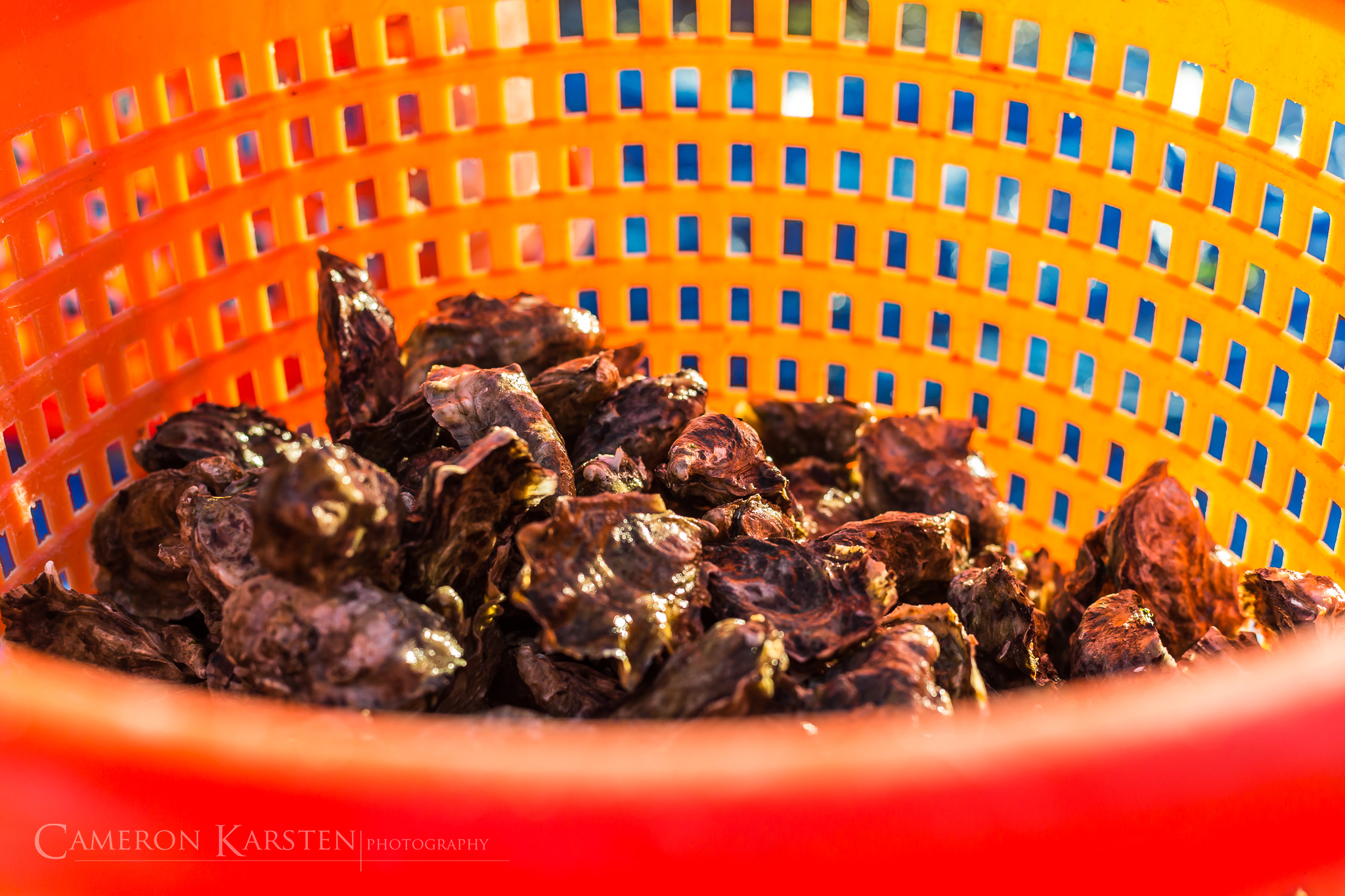
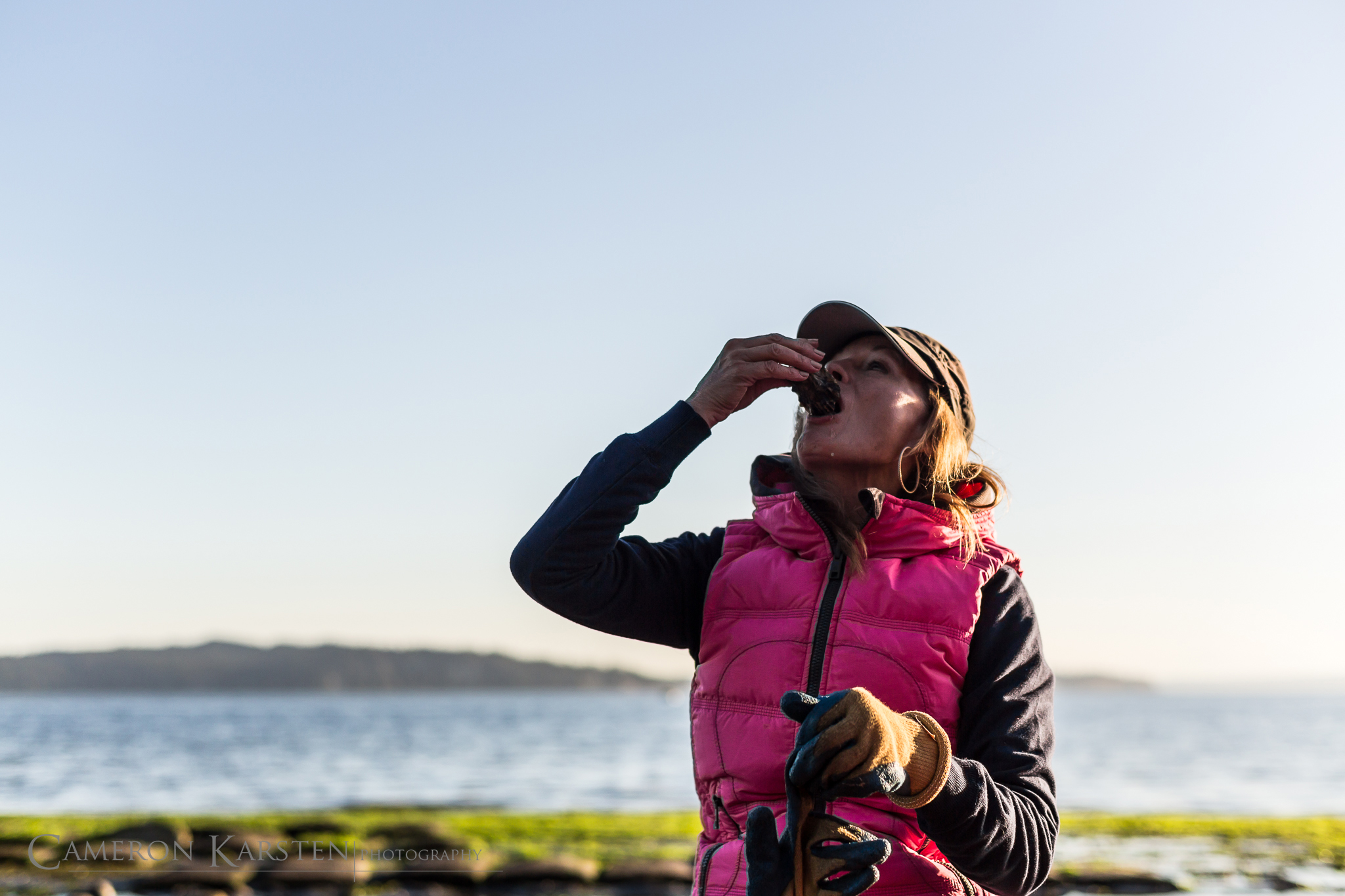
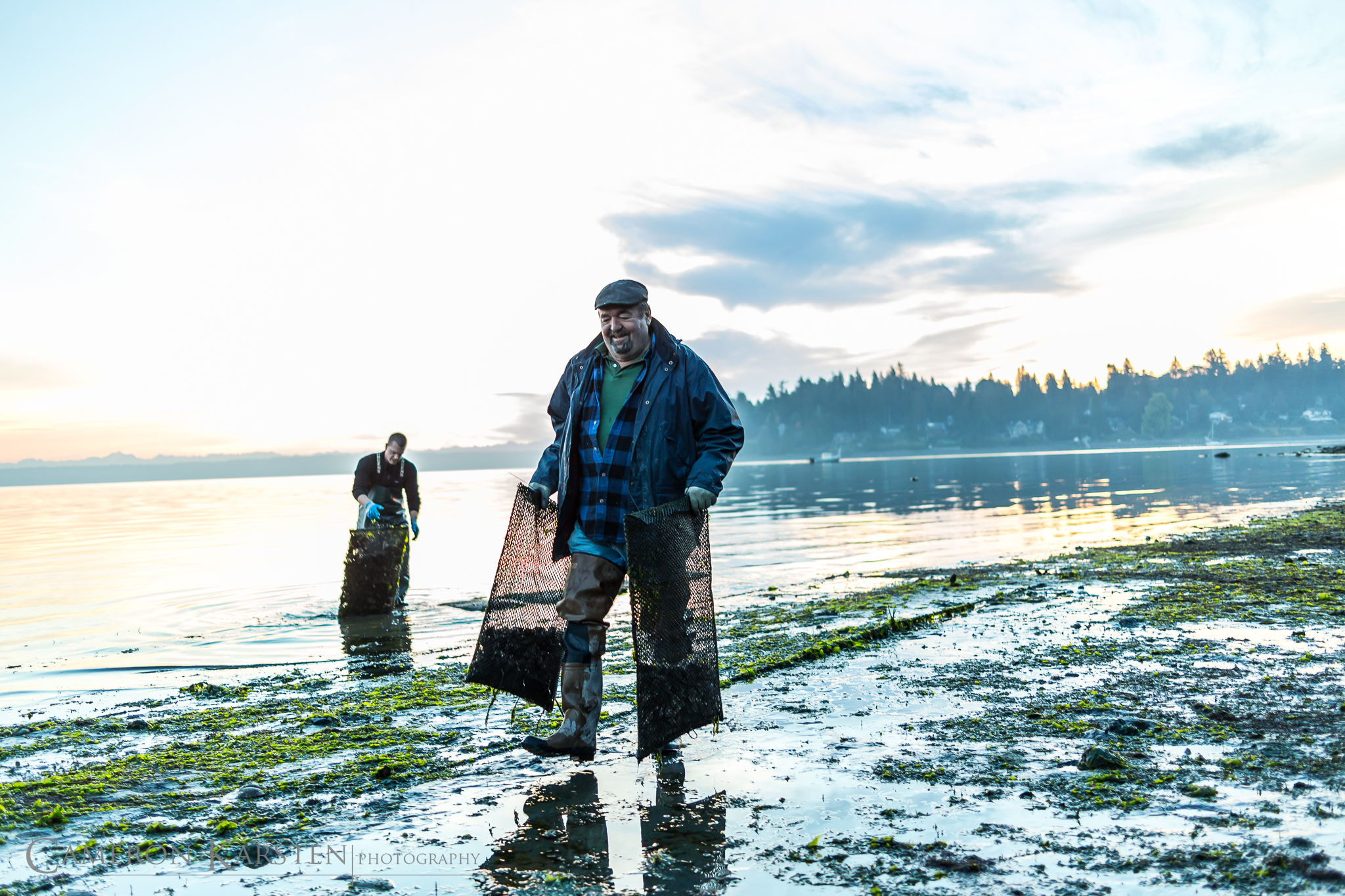
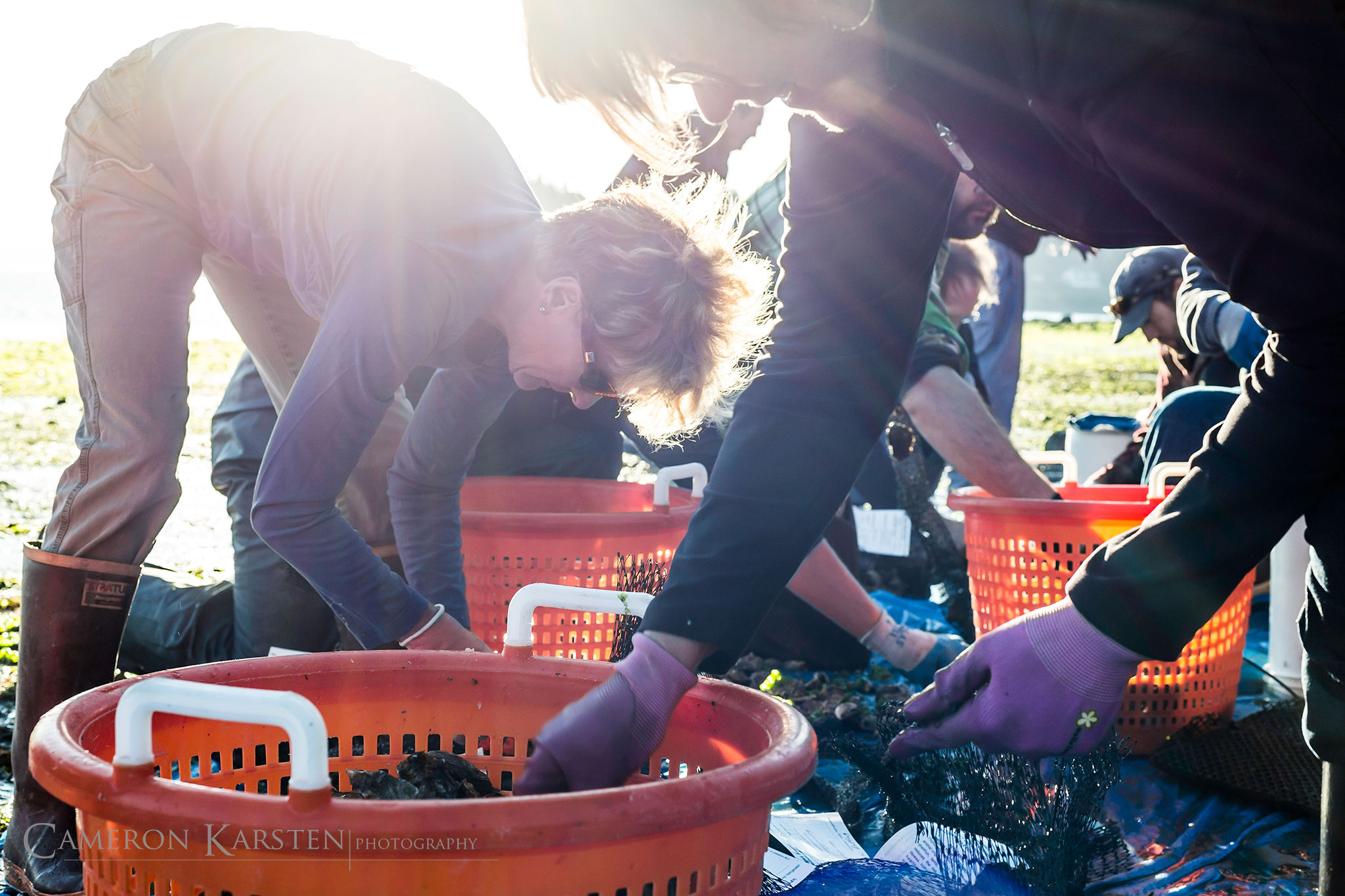
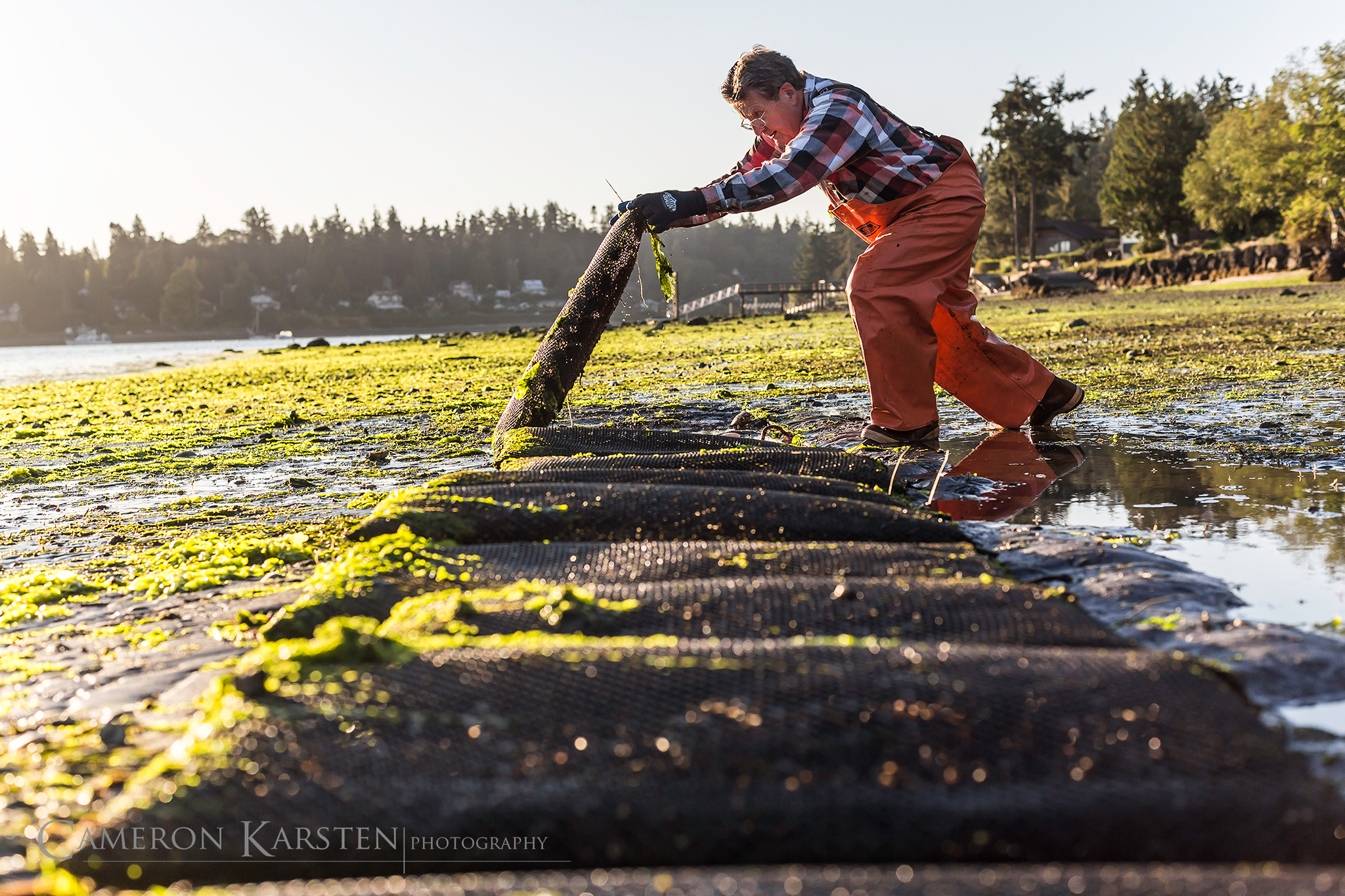
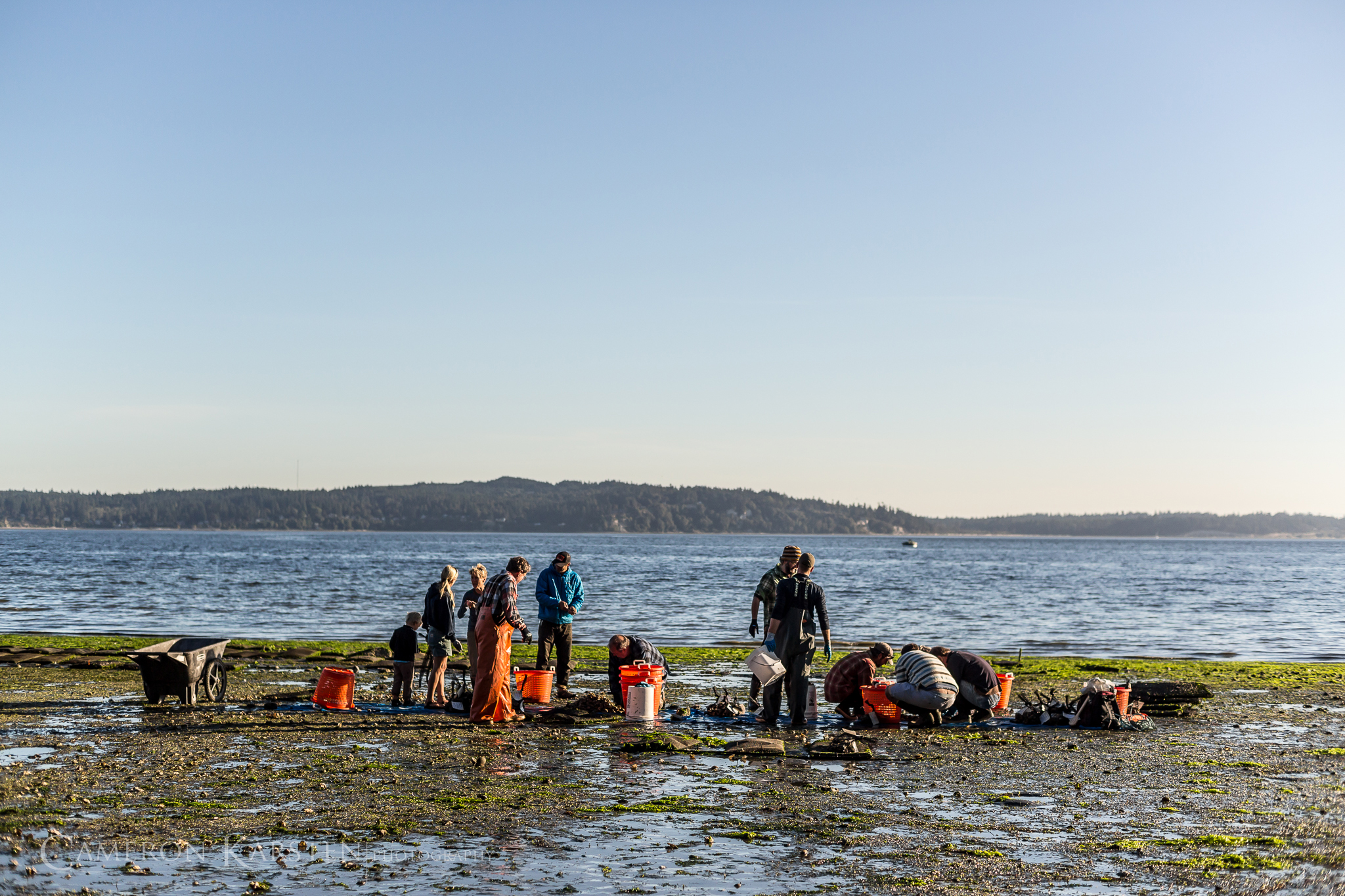
Oysters are delicious, but they’re also highly important to our marine ecosystem. They’re natural filtration systems, removing toxins and cycling nutrients back into the water that help combat pollution. Oysters within the Puget Sound are also some of the first species to feel the effects of a new threat called Ocean Acidification (OA). As the ocean becomes more acidic due to decreasing pH levels from human industrialization, oyster seed shells begin to dissolve causing holes, disease and early death.
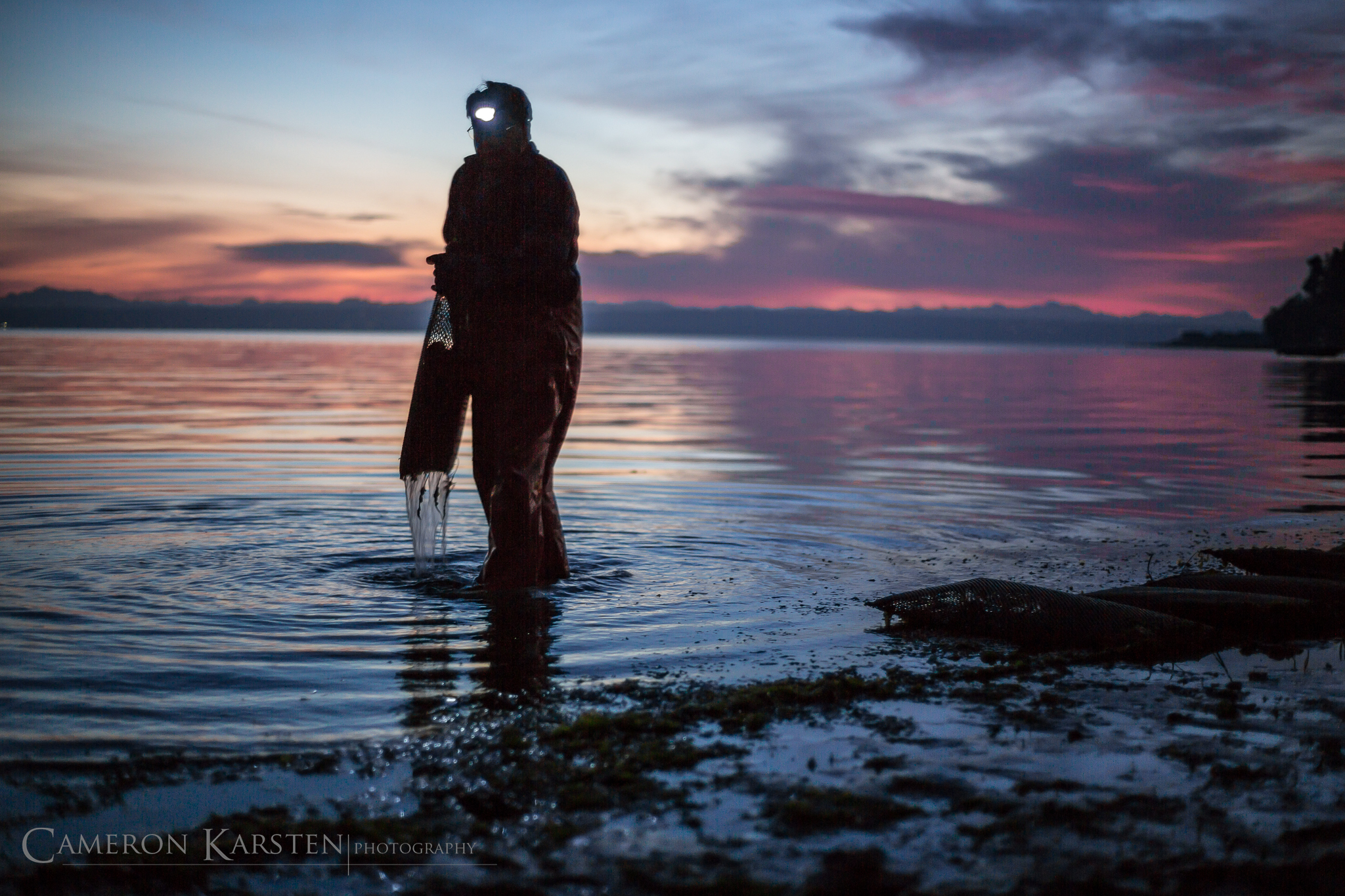
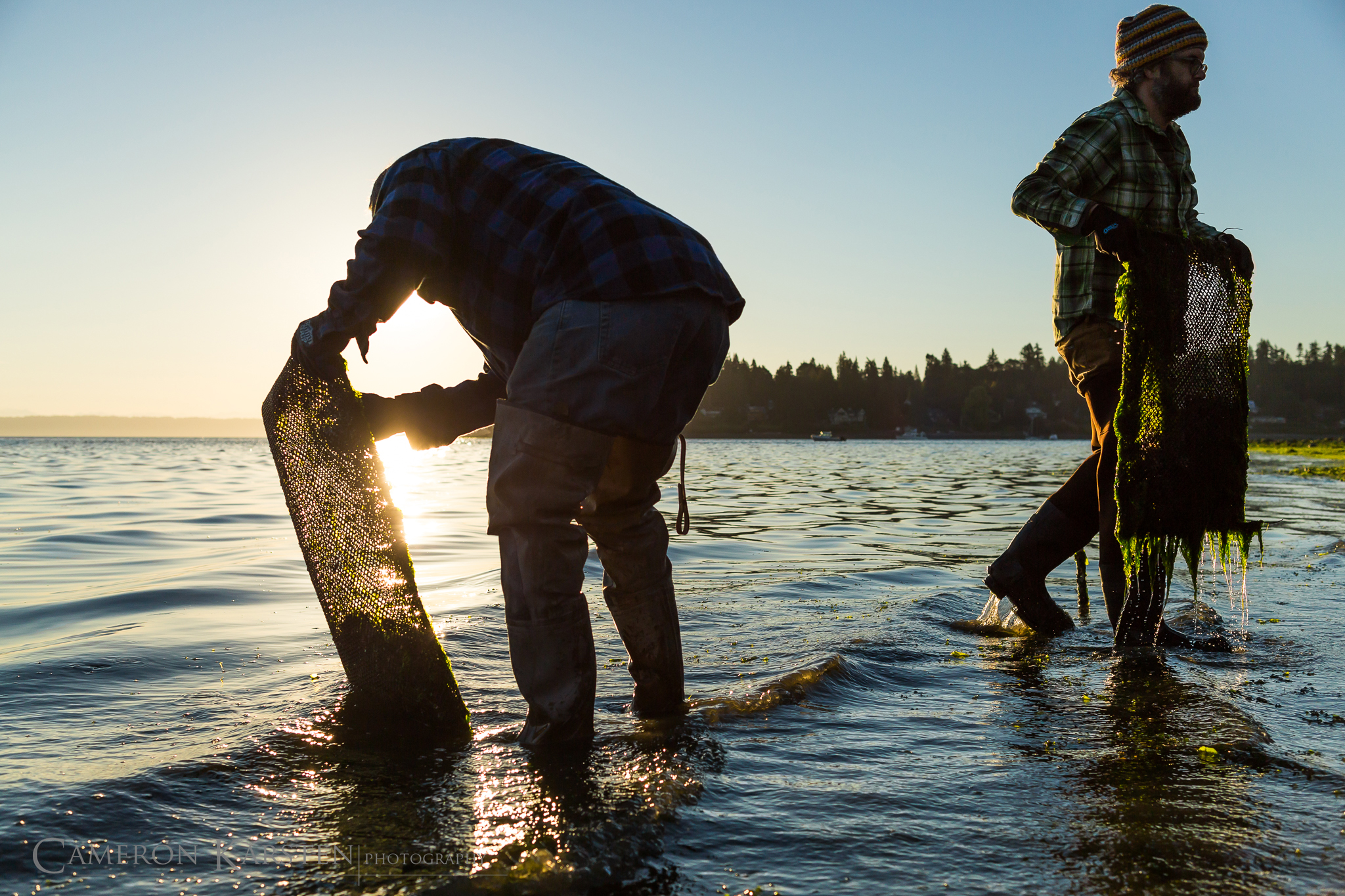
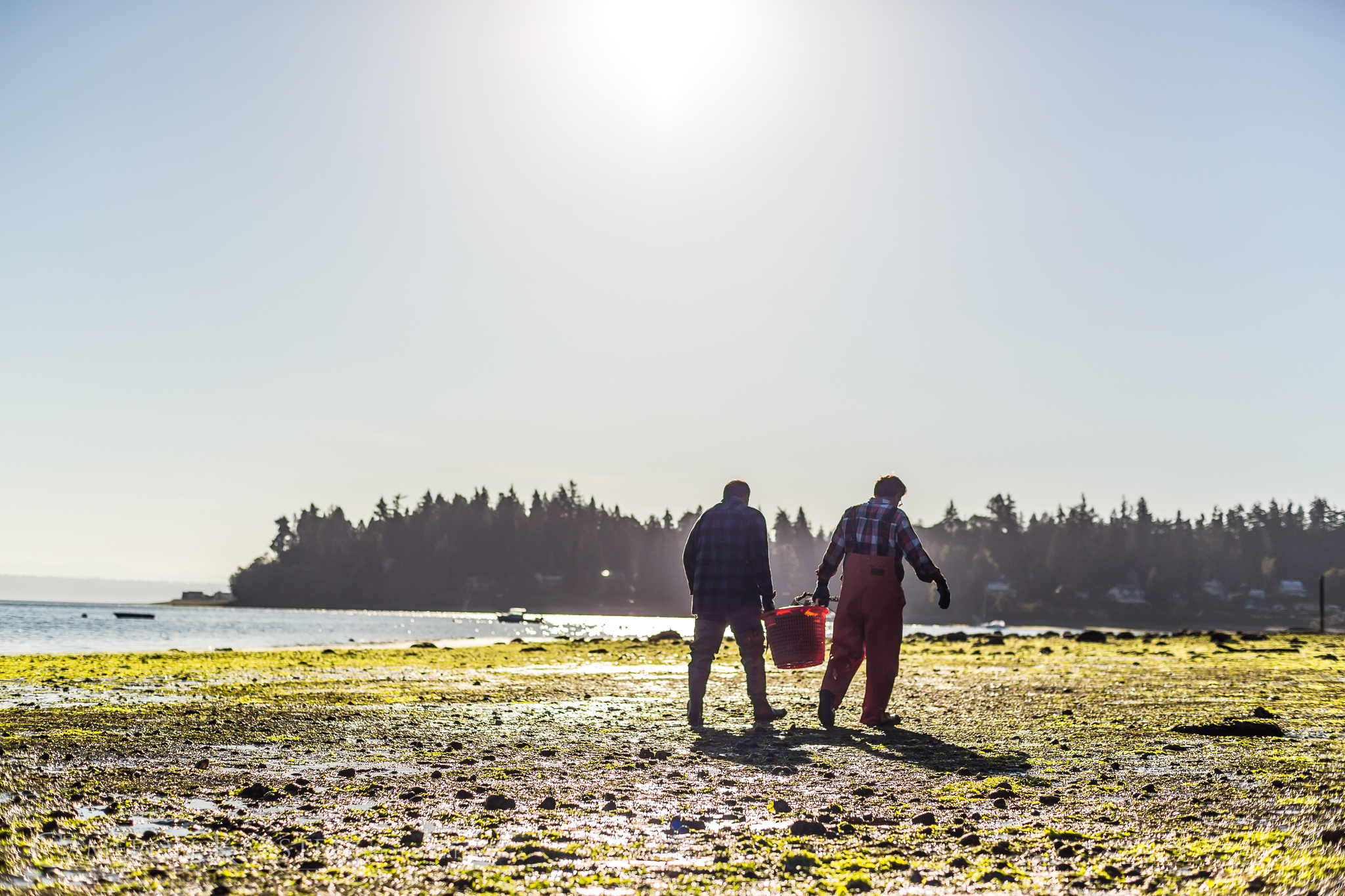
Puget Sound Restoration Fund (PSRF) is helping restore these mollusks by planting native oyster beds throughout Puget Sound. They’re creating a community of oyster harvesters through their CSA program, as well as partnering with research institutes to further study and treat the effects of OA. On an early morning on Bainbridge Island, Washington local volunteers gather to take advantage of the low tide and collect the native oysters.
For more visit the Ocean Acidification Project
Pastorals Gone East
“Simplicity is the glory of expression.” -Walt Whitman
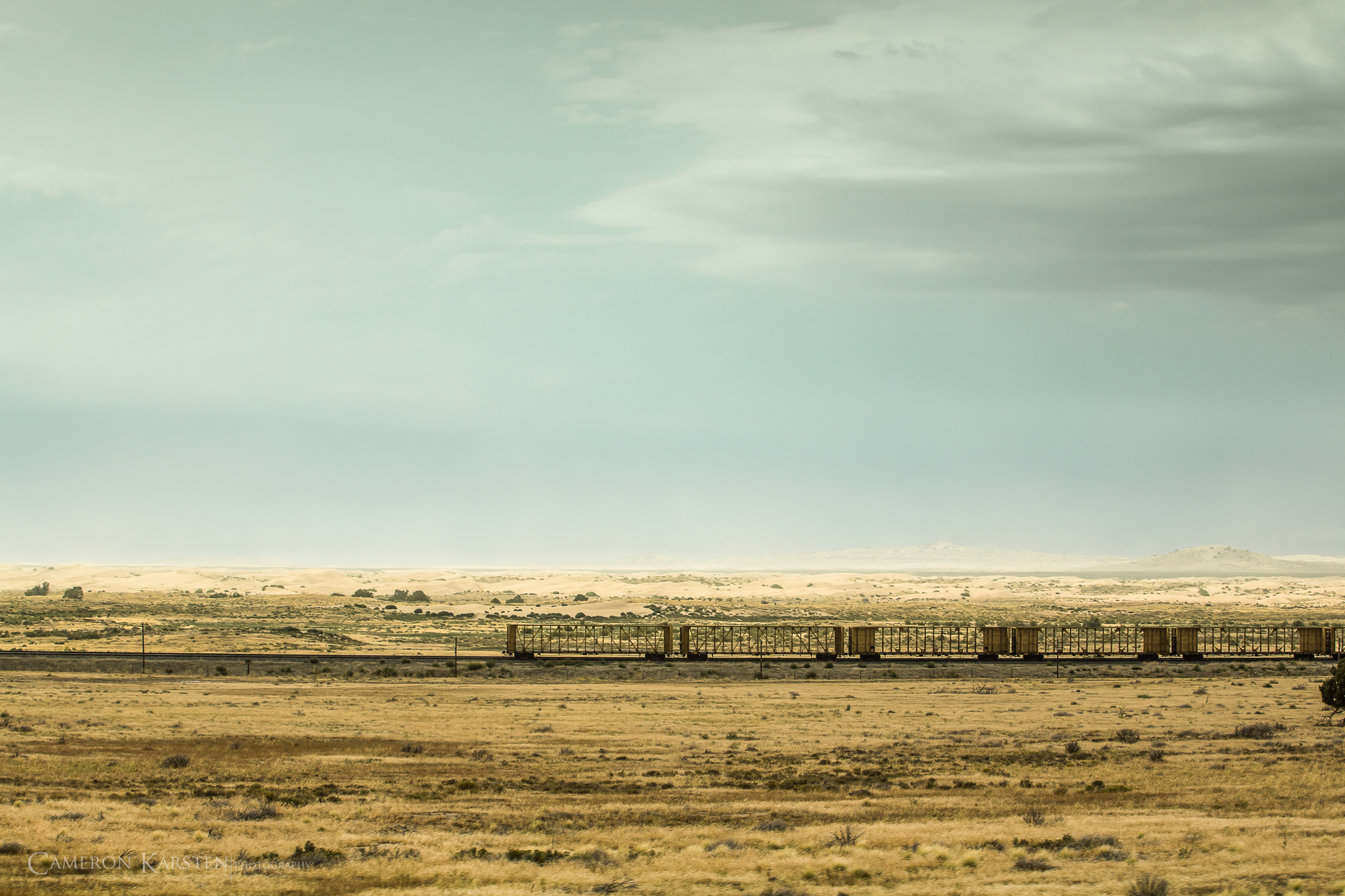
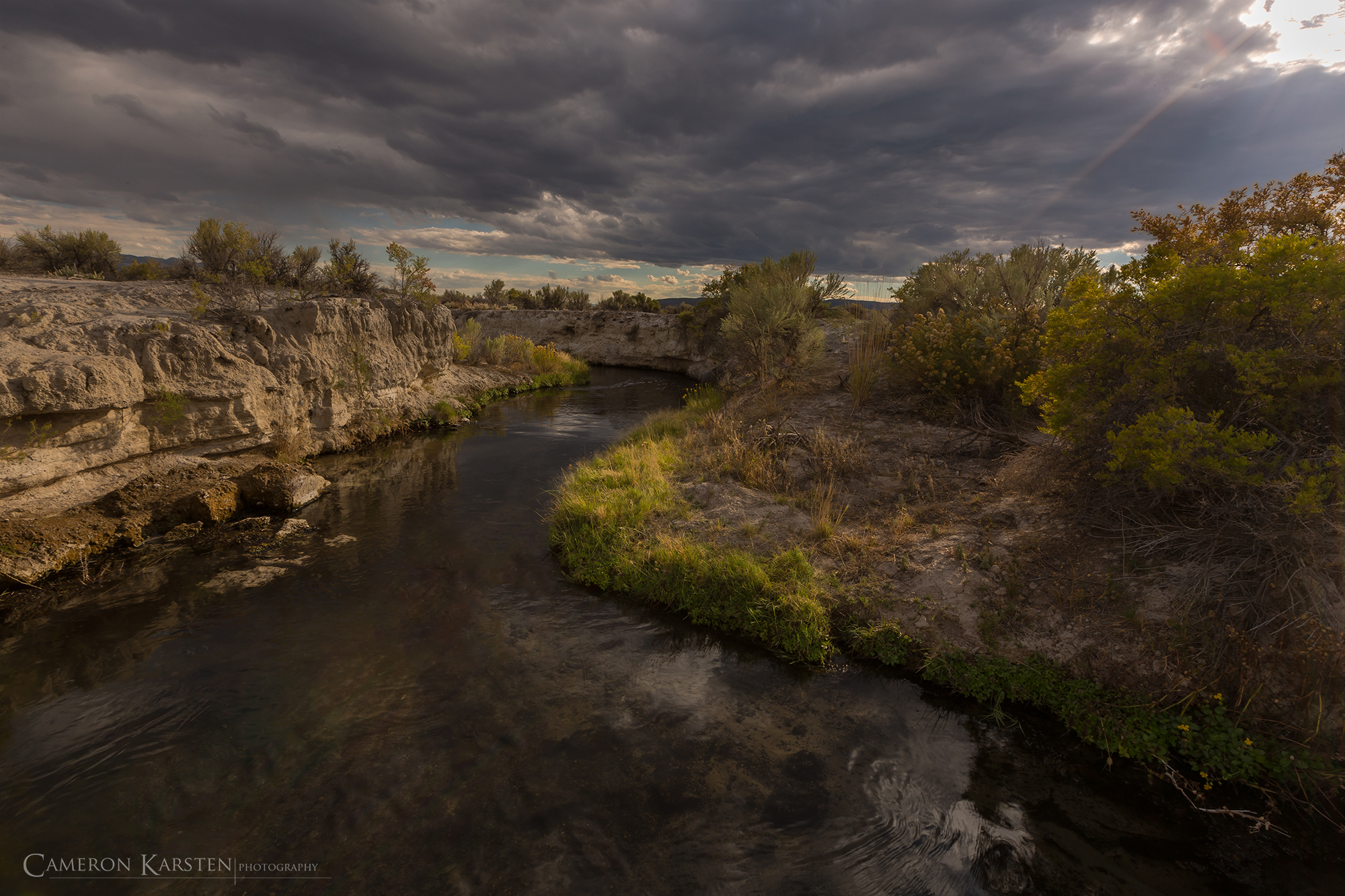
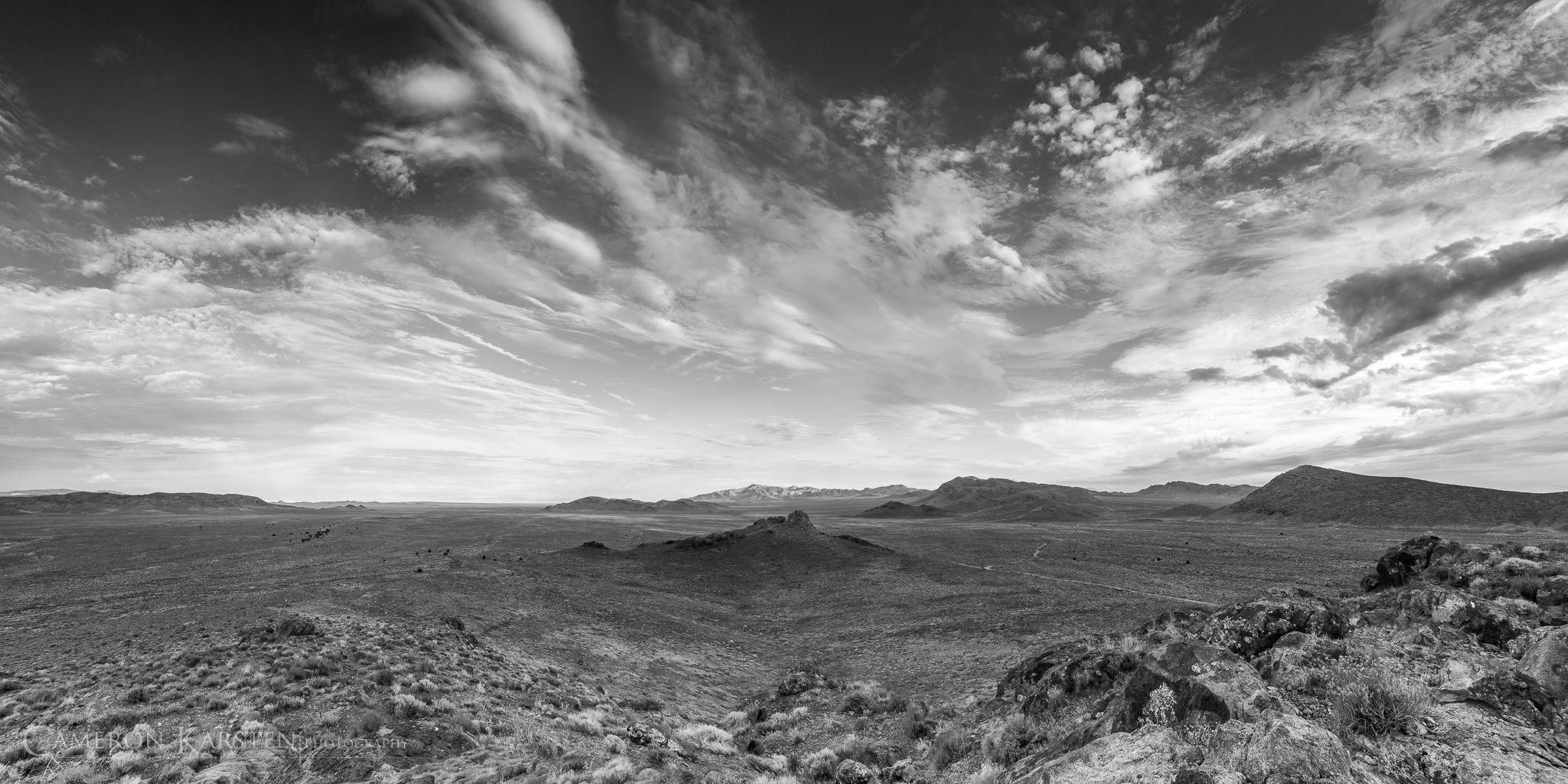
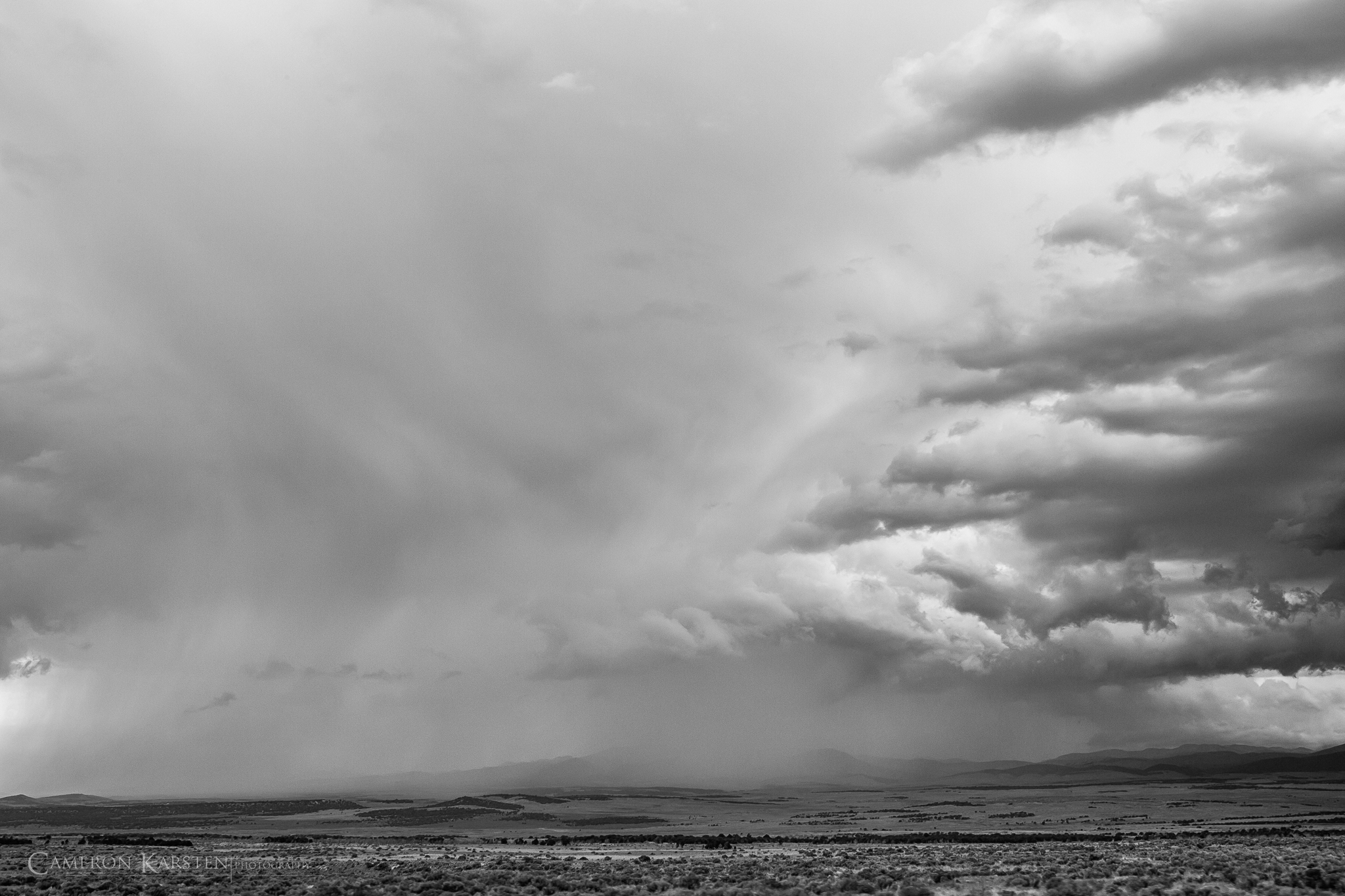
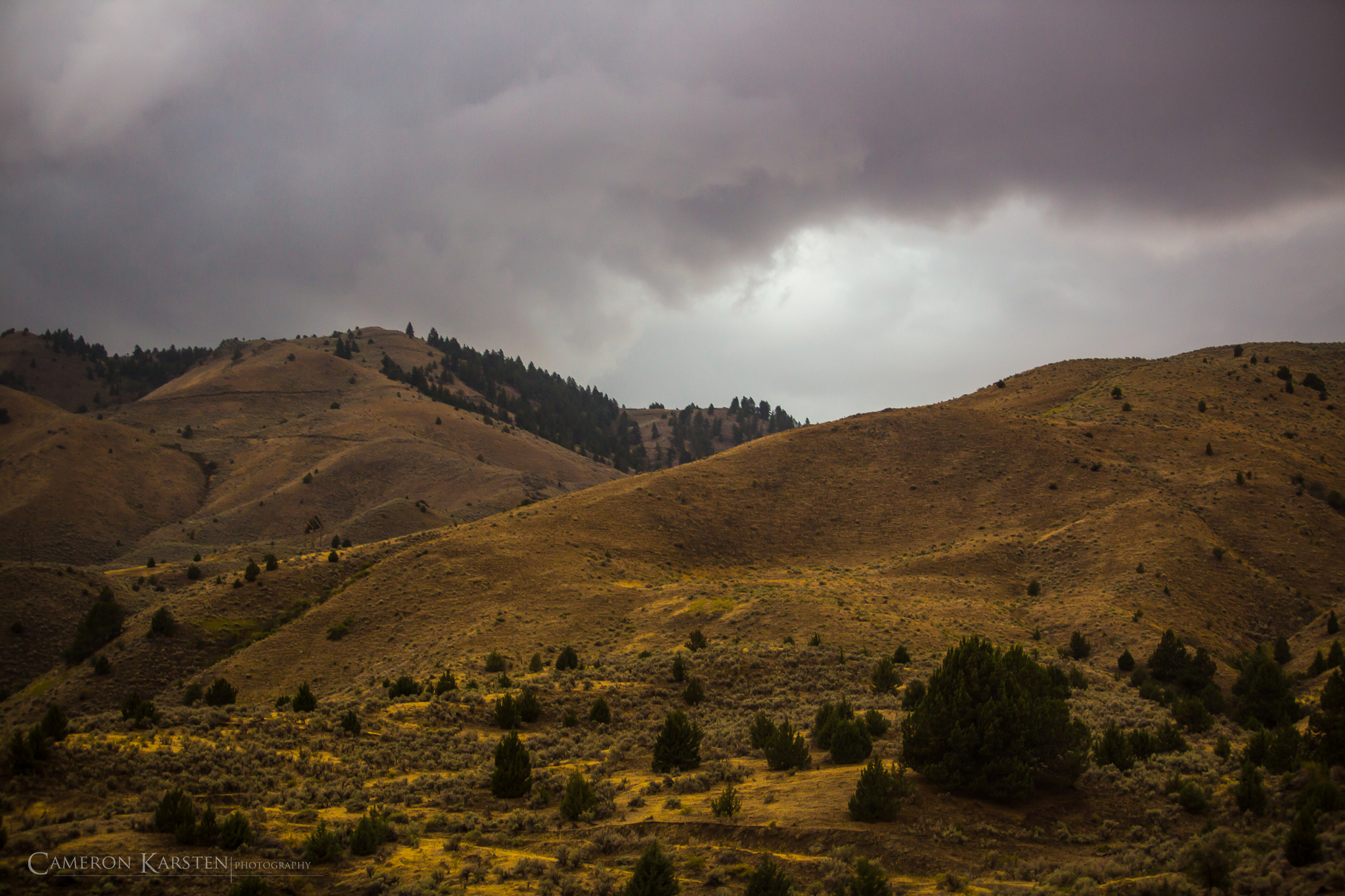
A road trip last summer into the high plains off the eastern slopes of the Rocky Mountains.
For more work please visit http://www.CameronKarsten.com
All Across Africa – Designs by Nightingale Handmade
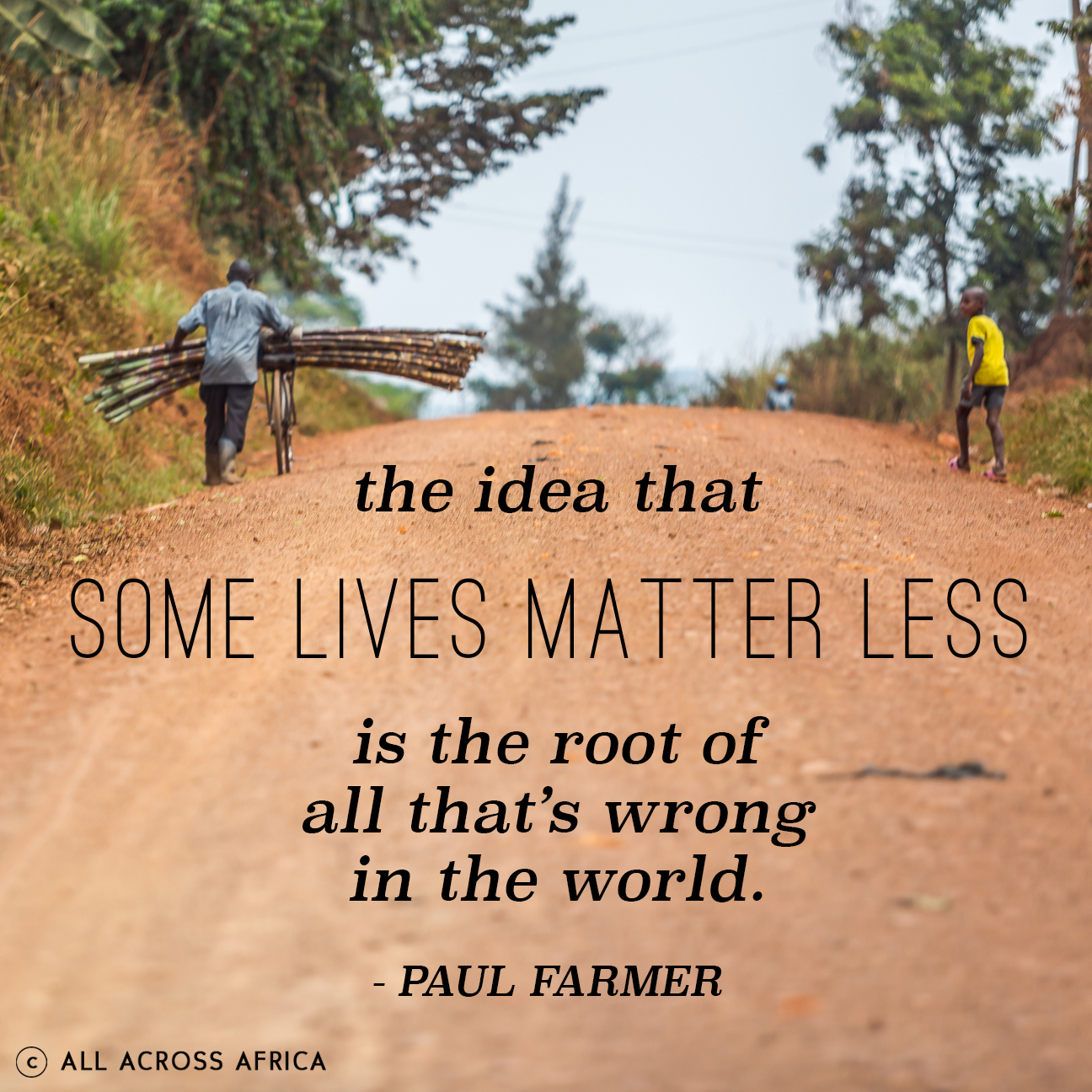
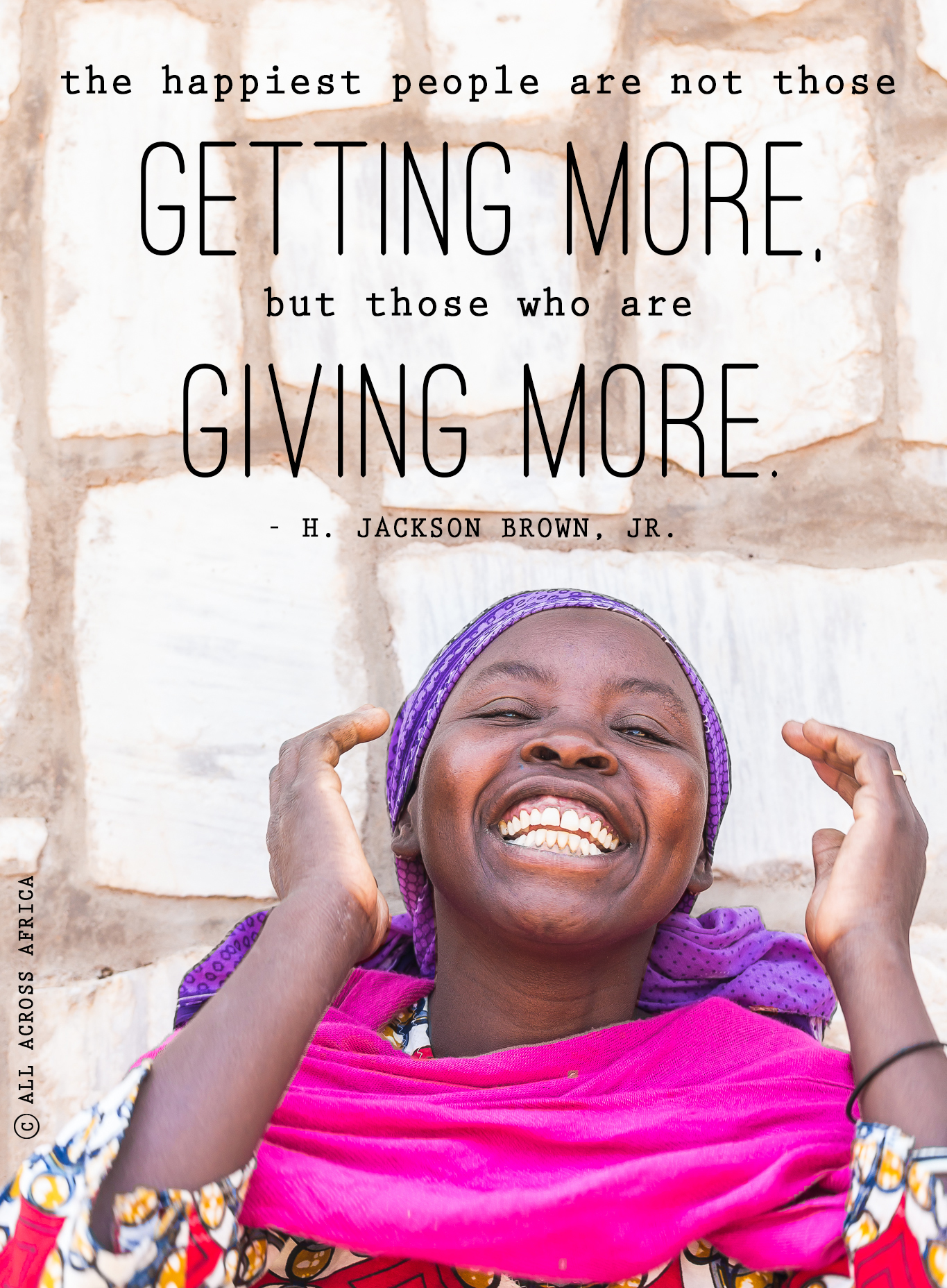
Earlier this year I spent two weeks with All Across Africa helping them rebrand their work throughout Rwanda, Uganda and Burundi. With their new website up and running, I’ve fallen in love with Margaret’s (Nightingale Handmade) designs on a few of the images created for AAA. Enjoy these beautiful postcards and go visit www.AllAcrossAfrica.org to make a purchase for the women of East Africa.
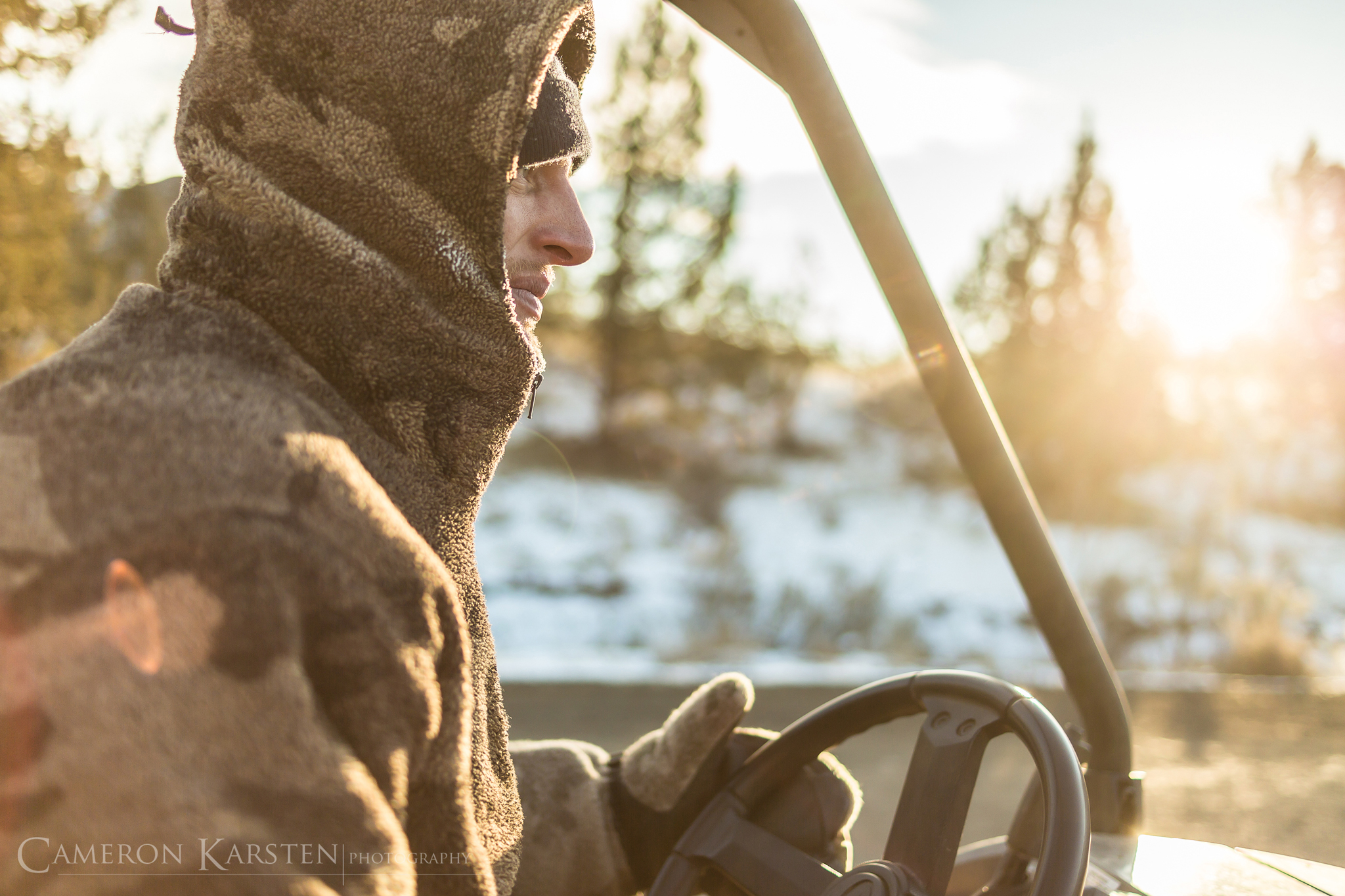
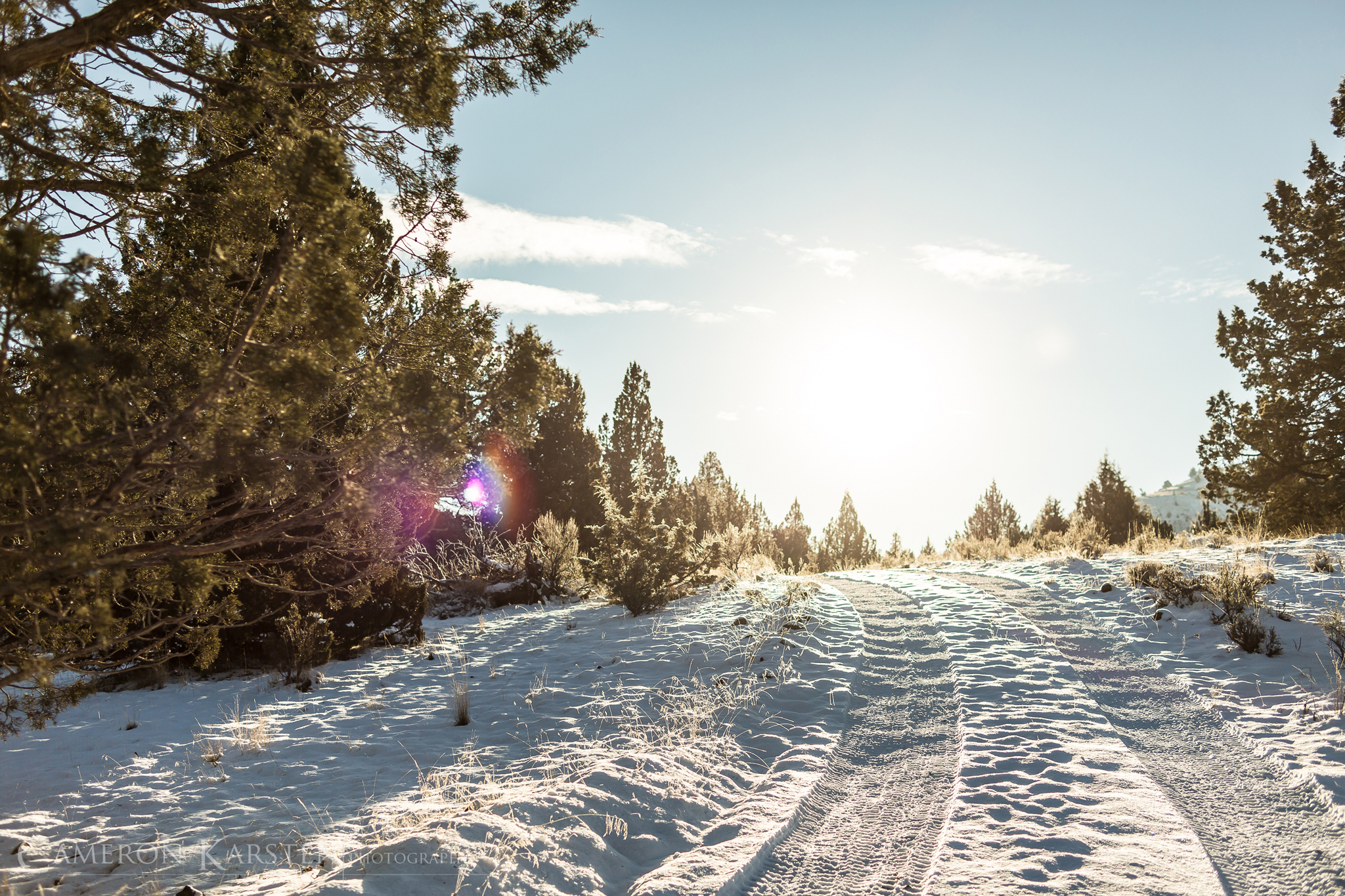
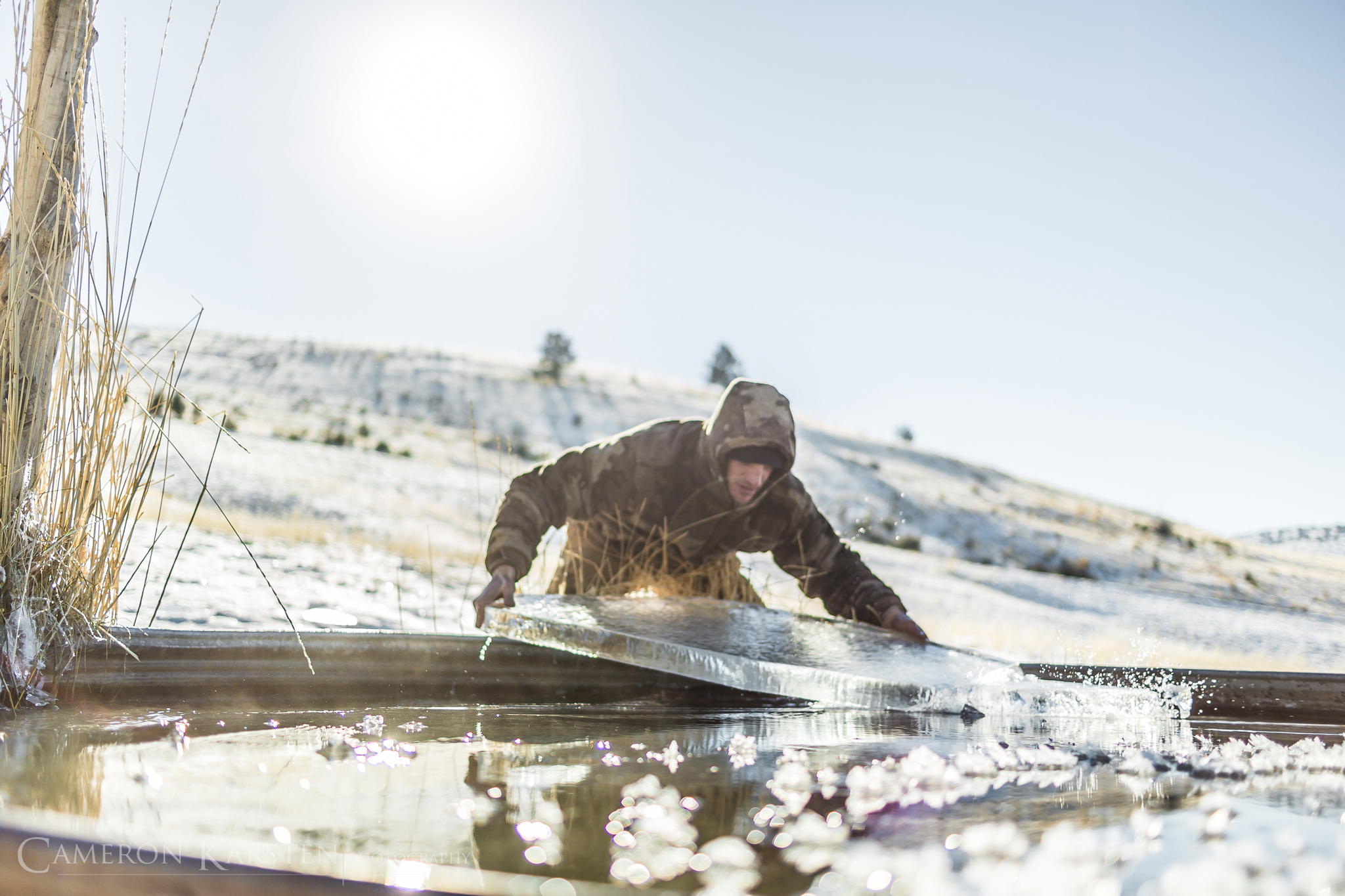
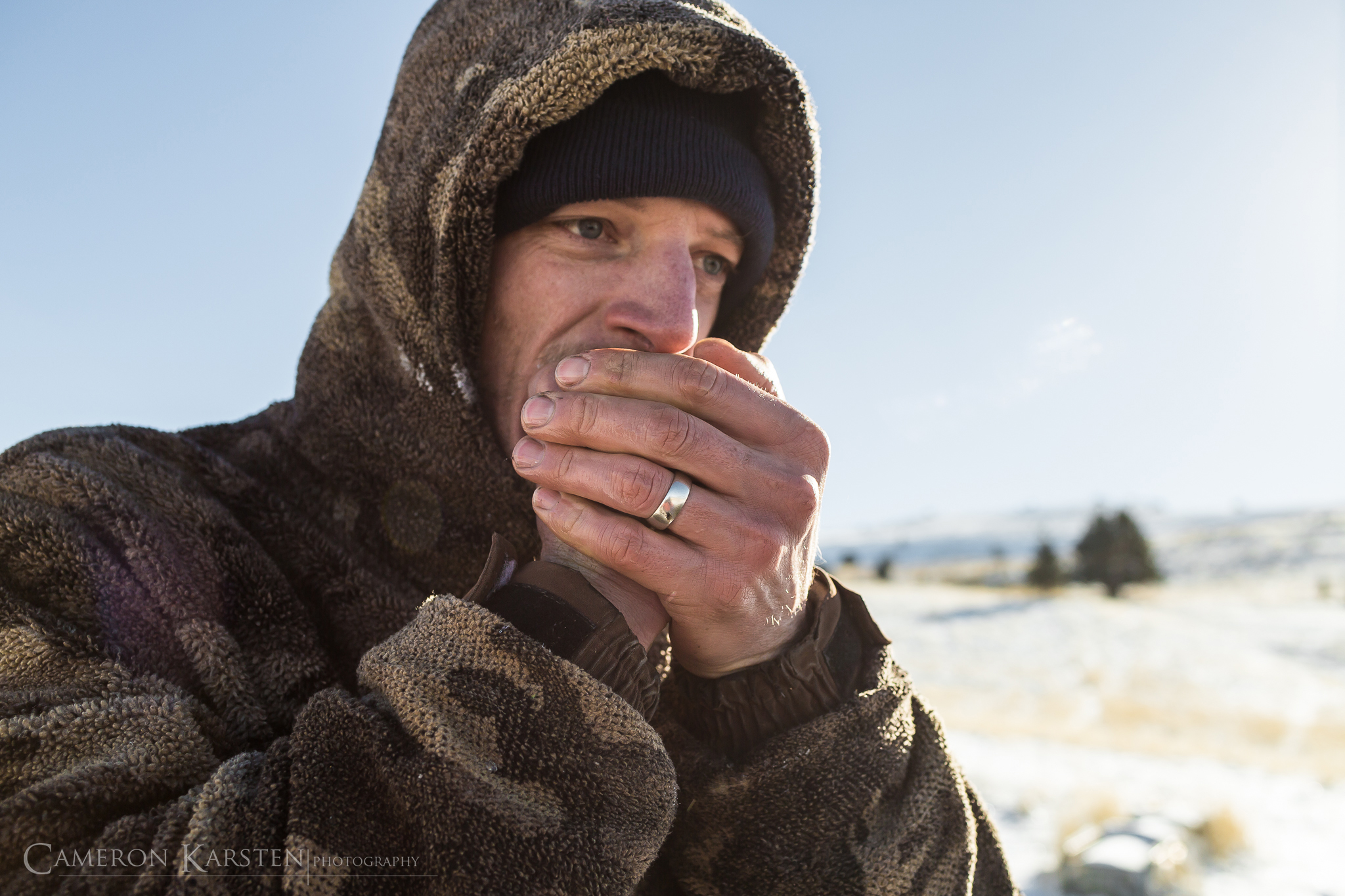
STORMR Campaign: Olympic Wildness Pt. III
After a night’s rest, the men returned to the waters, this day wading into the flowing waters of the Olympic tributaries. Their STORMR foul-weather gear proved protective and durable as fishermen Simon Pollack and Skyler Vella threw flies before returning steelhead and salmon.
For a complete portfolio, please visit www.CameronKarsten.com
Africa Transporting
While on assignment in Africa for the first two months of 2014, I was captivated by the way humanity transports itself and its’ cargo. This new project highlights the unique and massive modes of transportation the African continent moves about. From West African countries Benin and Togo to East Africa’s Rwanda, Uganda and Burundi, all modes are the same: extreme, beautiful and oddly delicate.
The paddle boat is an easy means of transportation for fisherman and the obvious choice for floating villages – Lake Tanganyika, Bujumbura, Burundi.
A woman paddles with her child in the early morning to the floating market of Ganvie – Lake Nakoue, Ganvie, Benin.
Bikes are cheap and easy to fix, but the roadway and traffic can be horrendous – Bujumbura, Burundi.
Oil drums being transported through downtown Bujumbura, Burundi.
Bicycles are ubiquitous, and so are mountainous hills, in northern Burundi. Men hitch rides by grabbing onto the sides and rear of large lorry trucks heading up and heading down – Northern Burundi.
Many young men hop lorry trucks when traveling up and down the northern hills of Burundi – Northern Burundi.
A long walk to the border from Bujumbura, Burundi to The Democratic Republic of Congo. Burundi is ripe with agriculture, so many travel to the border to sell their harvests to Congolese – Bujumbura, Burundi.
In the countryside, the movement of people on foot often looks like a mass exodus. People walk miles to crop land, distant markets, and back home within a day – Virunga Mountains, Rwanda.
Slopes are carved out with foot paths that lead to neighboring villages and fields – Virunga Mountains, Rwanda.
Dotting Africa are a host of infrastructure projects, most sponsored by Chinese firms. Here a Djagli, a mythical bird in Vodou culture, rests between performances – Allada, Benin.
An infrastructure project in Northern Burundi, which was washed out by the previous season’s flash floods – Northern Burundi.
A tea picker near Ngozi, Burundi walks home after a day’s work – Burundi.
An empty wheel barrel on the tea plantation – Ngozi, Burundi.
A young boy fishing on Lake Nakoue – Ganvie, Benin.
Along a construction road, young boys and men haul bananas to roadside stands offering produce, charcoal grilled corn, meats, and assorted snacks – Northern Burundi.
Traffic careens and passes the two-lane highways, passing villages, bustling markets and school courtyards. Traffic hazards are many for motors, cyclists and children heading to and from school – Northern Burundi.
For more visit http://www.CameronKarsten.com