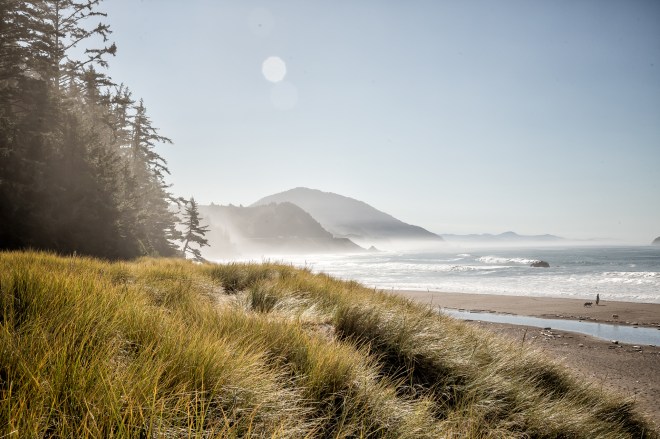
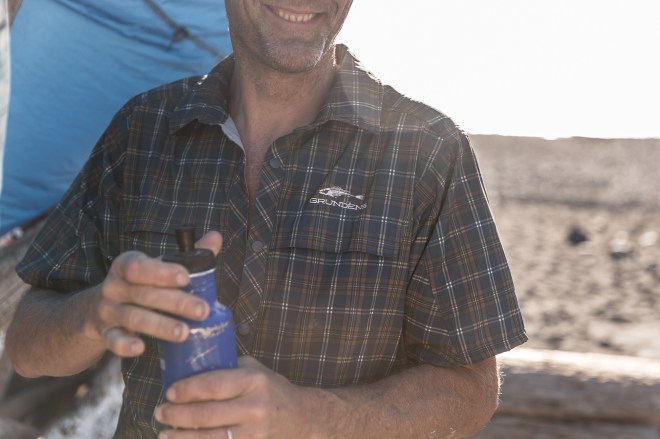
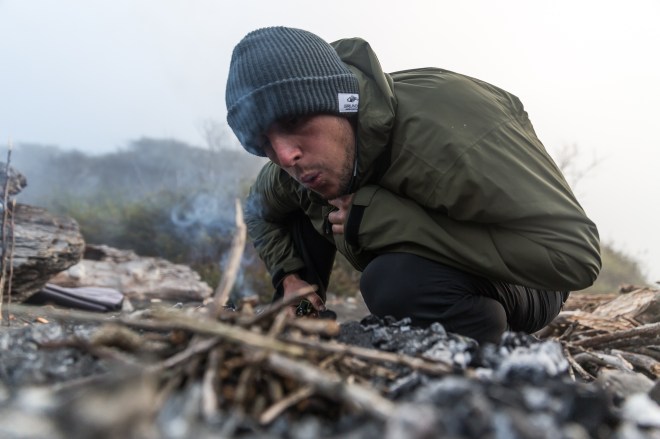
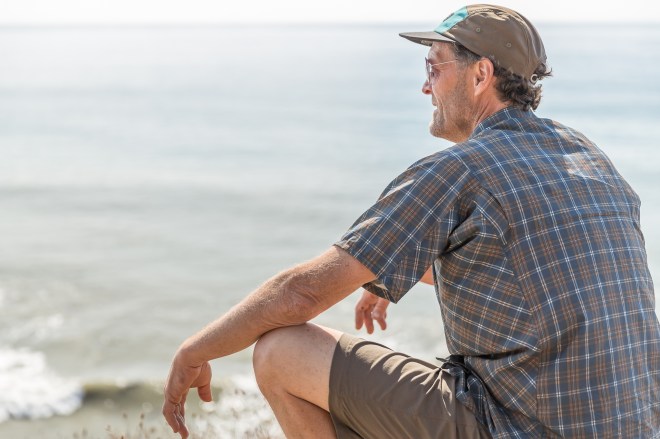
Grundens Campaign Pt III – Florida Keys

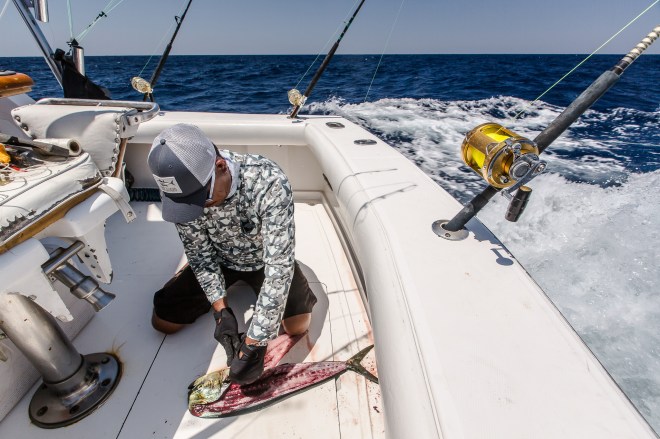
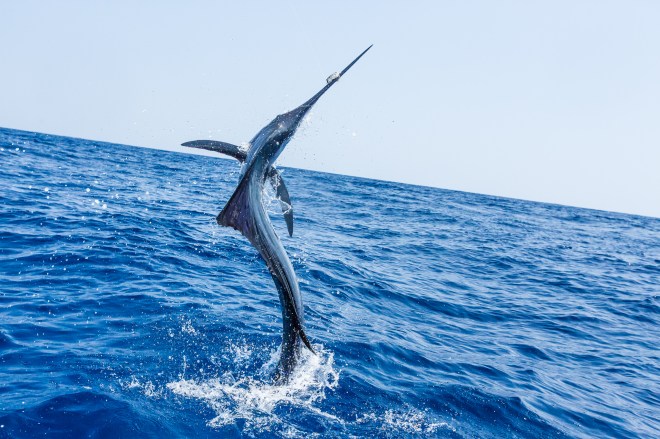
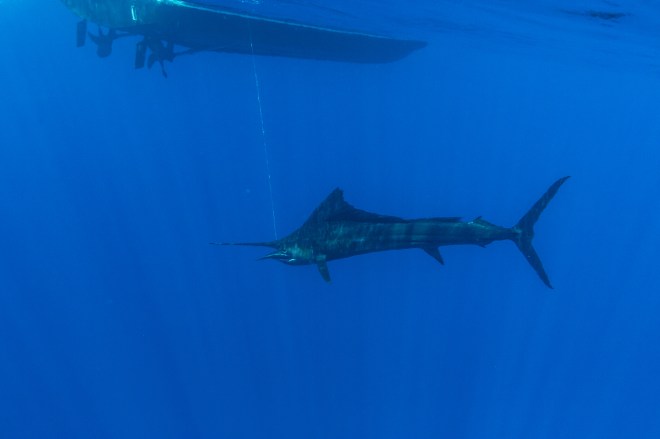
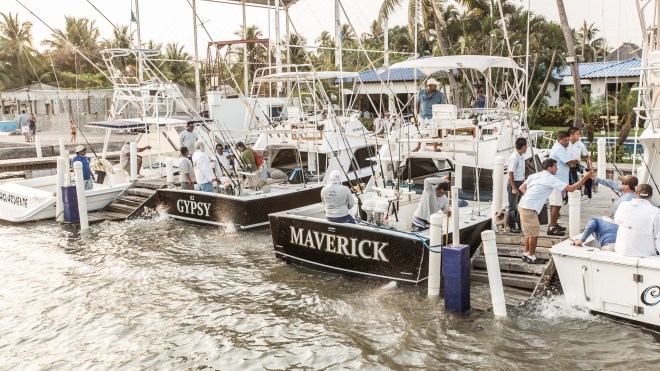
Driving south over long interloping bridges connecting the dots of sands and mangrove swamps, where history tells a story of shipwrecks and jewels, and wise adventurers who lived the edge forging these sunken treasures. It was hot then, and it’s hot today, as the sun and gulf stream tropics stir an air of heat and humidity. Our treasure also lies underwater, lurking among the throngs of baitfish and circling sharks.

Grundens takes us to the Florida Keys, a tropical paradise for vacationers stretching back to the early 1900s when railroad tycoon Henry Flagler completed the first railway connecting the Keys to the mainland. Destroyed by hurricanes and now part of the world’s longest segmental bridge, we roll atop the Florida Keys Overseas Highway just waiting to  get off pavement for turquoise waters. For more visit the Grundens’ Florida gallery.


Grundens Campaign Pt II – Norway

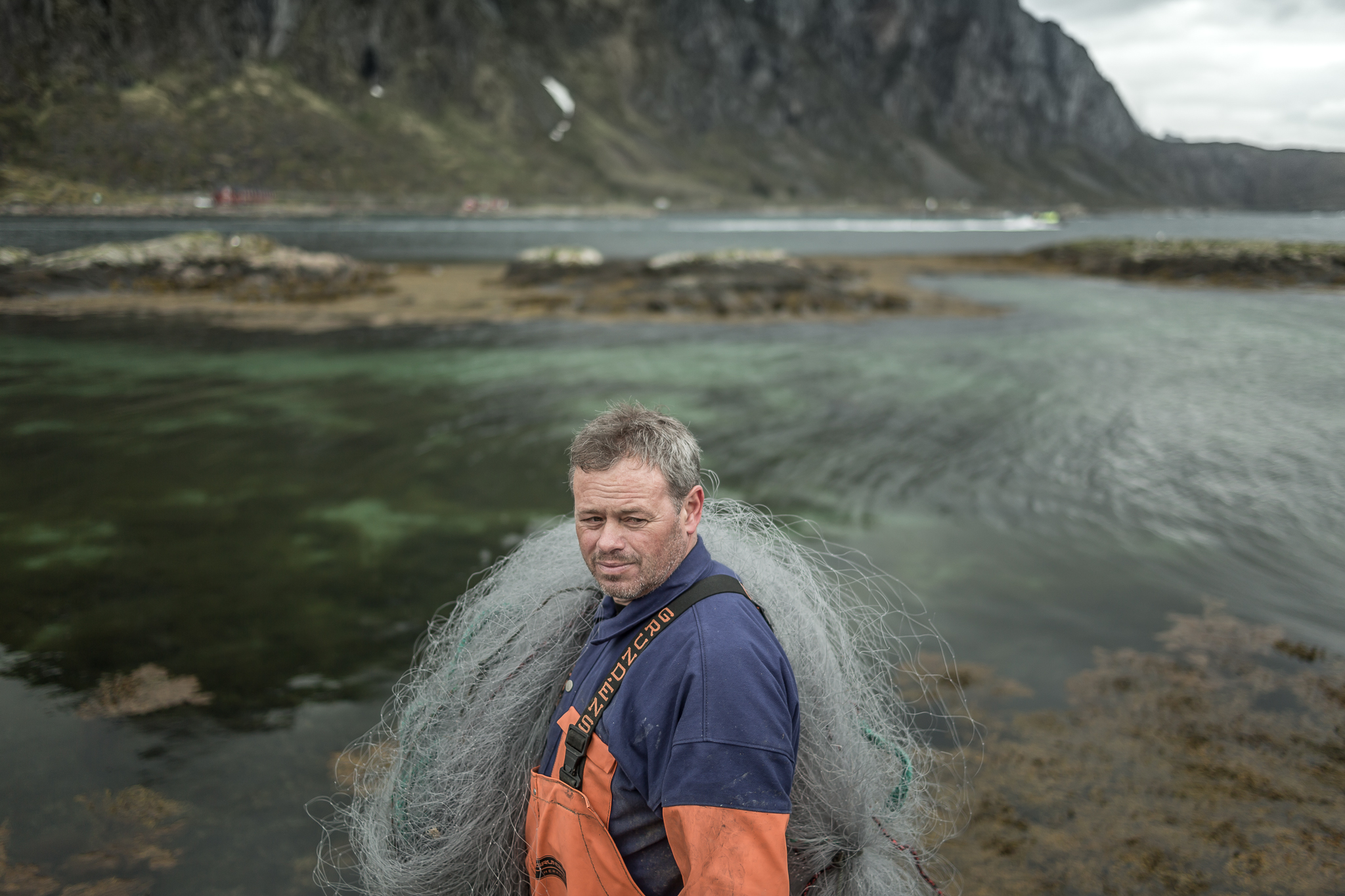
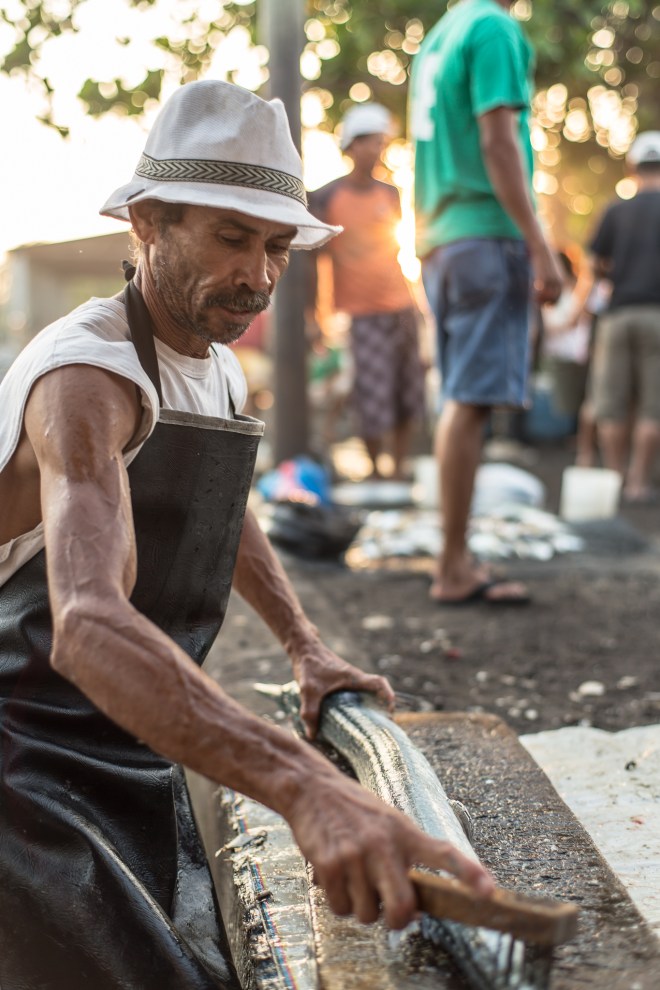
Grundens recreational and commercial fishing clothing line in Norway

I asked the Cod Father where the heads go.

“Nigeria,” he laments with a sigh. “Ahh, yes. We sell them to the Nigerians. They come all the way up here to buy the heads for soup. You know,” he grunts with a pause. “Fish head soup.”

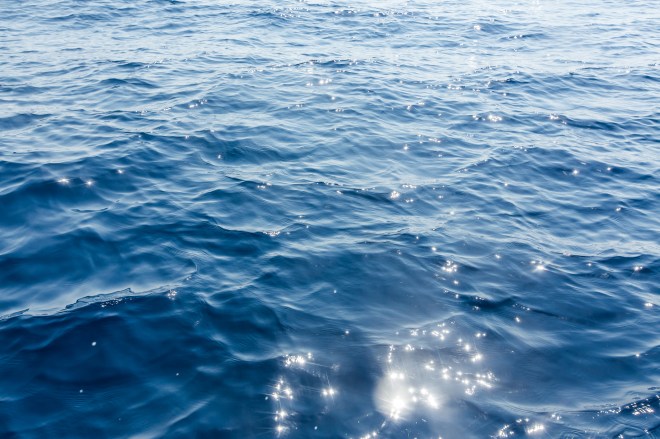
All the way up here was speaking very literally. I was in Lofoten, an archipelago in northwestern Norway, a carved land where plummeting cliffs meet dark azul waters, and sea eagles circle at snow lines searching for prey.

We were hanging with Gier the Cod Father of Lofoten, a masterful fisherman who scours the frigid waters all year long, especially from February thru April when the world famous cod fish enter the fjords to mate. At times the temperatures reach far below zero, freezing the water’s surface, along with his buoys and long nets.

Geir continued, “Our fish are the finest quality called skrei. It dries on large racks in the perfect temperature. This is what makes our stockfish so prized. The Italians pay premium, and this trade with Nigerians, Italians and others has been happening for centuries.”

But as I learn from Geir and my research, this skrei is facing a dilemma. In the past few years, temperatures have fluctuated, becoming unseasonably warm when winter temps should reign, and dropping to frigid numbers when the sun should be high. It rains when it should be dry, and it’s arid when it needs to be wet. This, unsurprisingly, effects the outdoor drying process of the cod fishery, putting the Lofoten’s largest and oldest fishery on edge. For more visit the Grundens gallery

Grundens Campaign Pt I – Guatemala

Grundens recreational sportfishing clothing line in Guatemala

You go through the orders of meetings and conference calls. You wait and wait, a confirmation biting the nails. Will I or will I not? Because I can see it. The palm trees, an array of dancing heat waves rising from the sand. An illusion of adventure, wanderlust, a new pathway in what you love to do most. The fight. The fish. They pull your lines taut and fill you with cravings to want more. All that anticipation pulses your blood and boils down to one simple email. An itinerary. Departure dates, arrival times and the unknown expedition ahead. It’s your confirmation. Guatemala.

What transpires is a journey into peoples’ lives and the characters discovering about what they love most in this world; that is fishing. They travel around the world. They take hours upon hours, days to weeks to months of their lives to reach the furthest shoreline to cast a line, throw a leader, and let the water speak about its’ darkest kept secrets. These individuals are fishing. They do it for an occupation. They do it for recreation. They do it alone, with colleagues and family members, sharing in the thrill of the catch. This is passion.

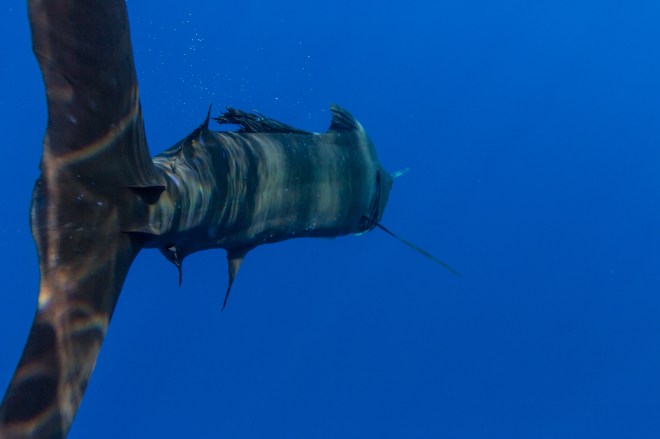
And with Grundens’ new release of a warm-water recreational clothing line, whose tradition weighs in the dense northern waters of commercial cold-water fishing, I head south with them first to the evanescent blue waters off Guatemala to participate in the annual Billfish Invitational Tournament, whose goal is to educate the growing community about the ocean’s rich economic resources off Guatemala. We’re talking about catch-and-release bill-fishing. Giant black and blue marlin and sailfish being the two geese that lay the region’s golden eggs.

Hosted by Pacific Fins Resort in Iztapa, Guatemala, a cast of fishermen embark to share with people how much they appreciate the sea and its resources, for the sake of thrill or occupation, and the need to promote a sustainable industry for the local and global economy. Without fish, there is no sea. Without fish, there is no fisherman. For more visit Grundens’ Guatemala gallery.

Grundens recreational sportfishing clothing line in Guatemala

The dry dock in Iztapa provides numerous jobs for the local economy.

Grundens recreational sportfishing clothing line in Guatemala

The dry dock in Iztapa provides numerous jobs for the local economy.

Grundens recreational sportfishing clothing line in Guatemala

The dry dock in Iztapa provides numerous jobs for the local economy.

Grundens recreational sportfishing clothing line in Guatemala

The dry dock in Iztapa provides numerous jobs for the local economy.

Grundens recreational sportfishing clothing line in Guatemala

The dry dock in Iztapa provides numerous jobs for the local economy.

Grundens recreational sportfishing clothing line in Guatemala

The dry dock in Iztapa provides numerous jobs for the local economy.

Grundens recreational sportfishing clothing line in Guatemala

Grundens recreational sportfishing clothing line in Guatemala

The dry dock in Iztapa provides numerous jobs for the local economy.

Grundens recreational sportfishing clothing line in Guatemala

The dry dock in Iztapa provides numerous jobs for the local economy.

Grundens recreational sportfishing clothing line in Guatemala

The dry dock in Iztapa provides numerous jobs for the local economy.

Grundens recreational sportfishing clothing line in Guatemala

Grundens recreational sportfishing clothing line in Guatemala

Grundens recreational sportfishing clothing line in Guatemala

The dry dock in Iztapa provides numerous jobs for the local economy.

Grundens recreational sportfishing clothing line in Guatemala

Grundens recreational sportfishing clothing line in Guatemala

The dry dock in Iztapa provides numerous jobs for the local economy.

Grundens recreational sportfishing clothing line in Guatemala

Grundens recreational sportfishing clothing line in Guatemala

Grundens recreational sportfishing clothing line in Guatemala

Grundens recreational sportfishing clothing line in Guatemala

Grundens recreational sportfishing clothing line in Guatemala

Grundens recreational sportfishing clothing line in Guatemala

logo_blackTrajan

Grundens’ Campaign Pt II – Norway coming soon…


Bloomberg Businessweek Shoot: Willapa Bay’s Future w/Neonicotinoids

KimPatten_Bloomberg-5

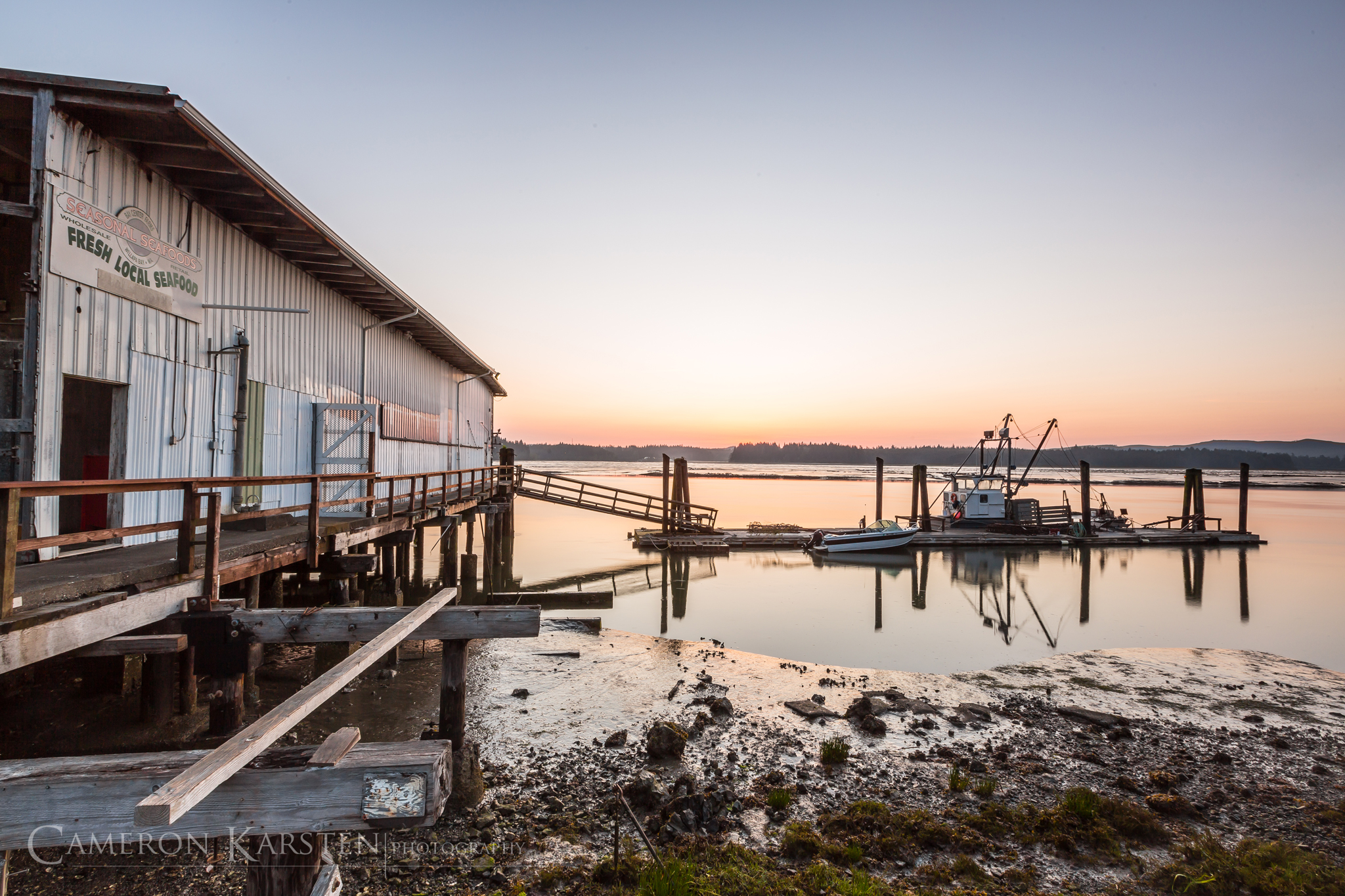
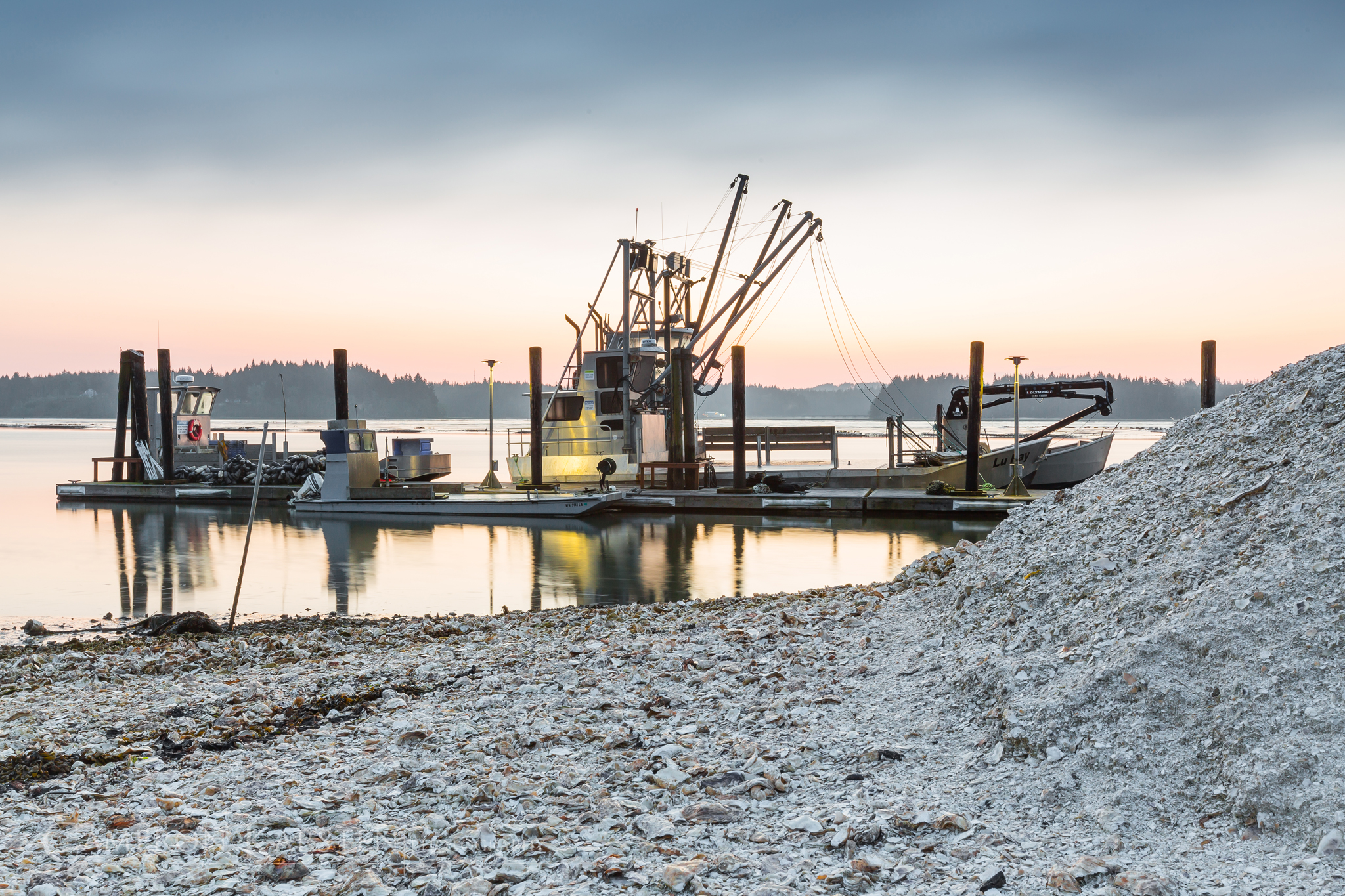
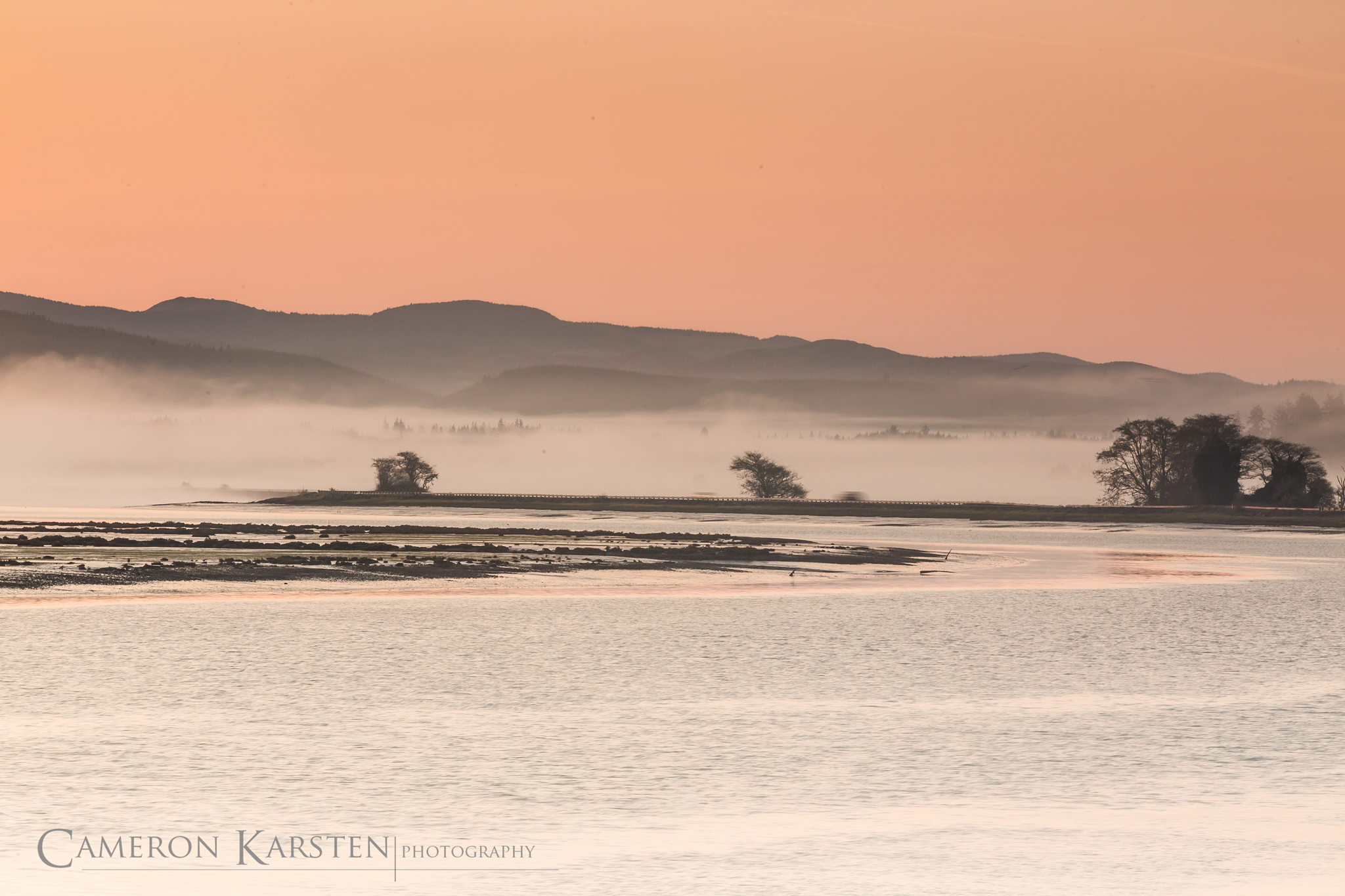
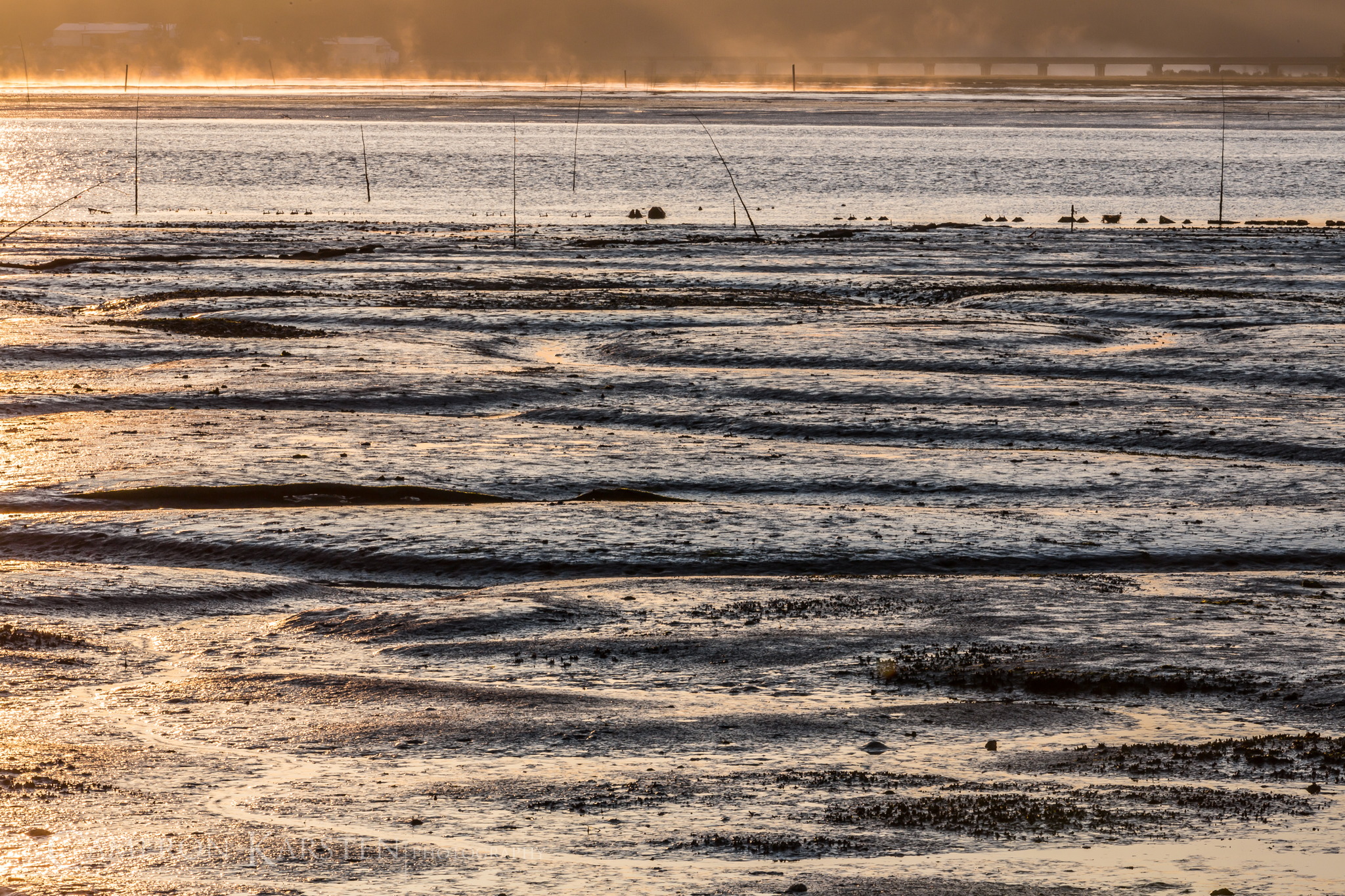
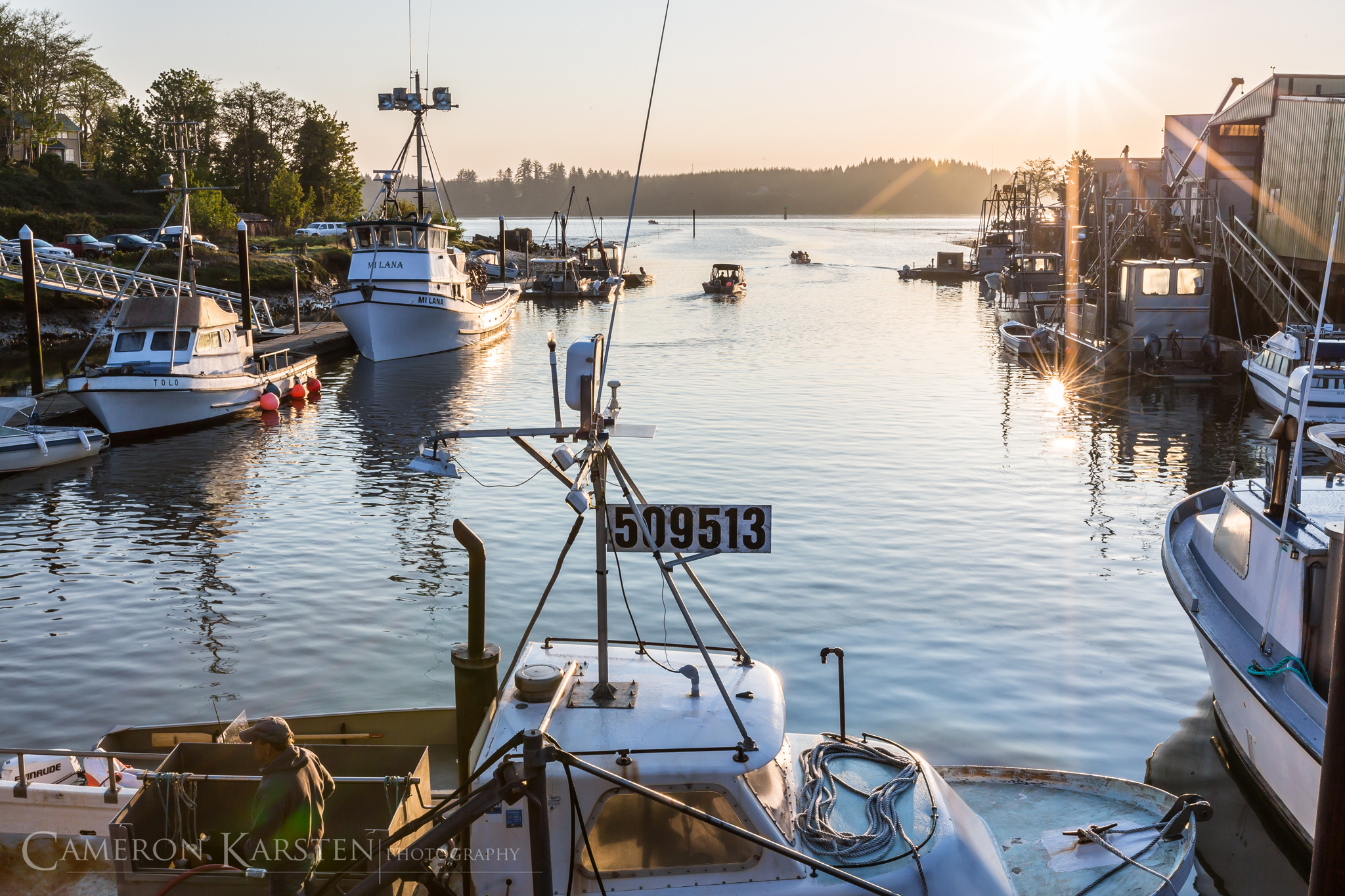
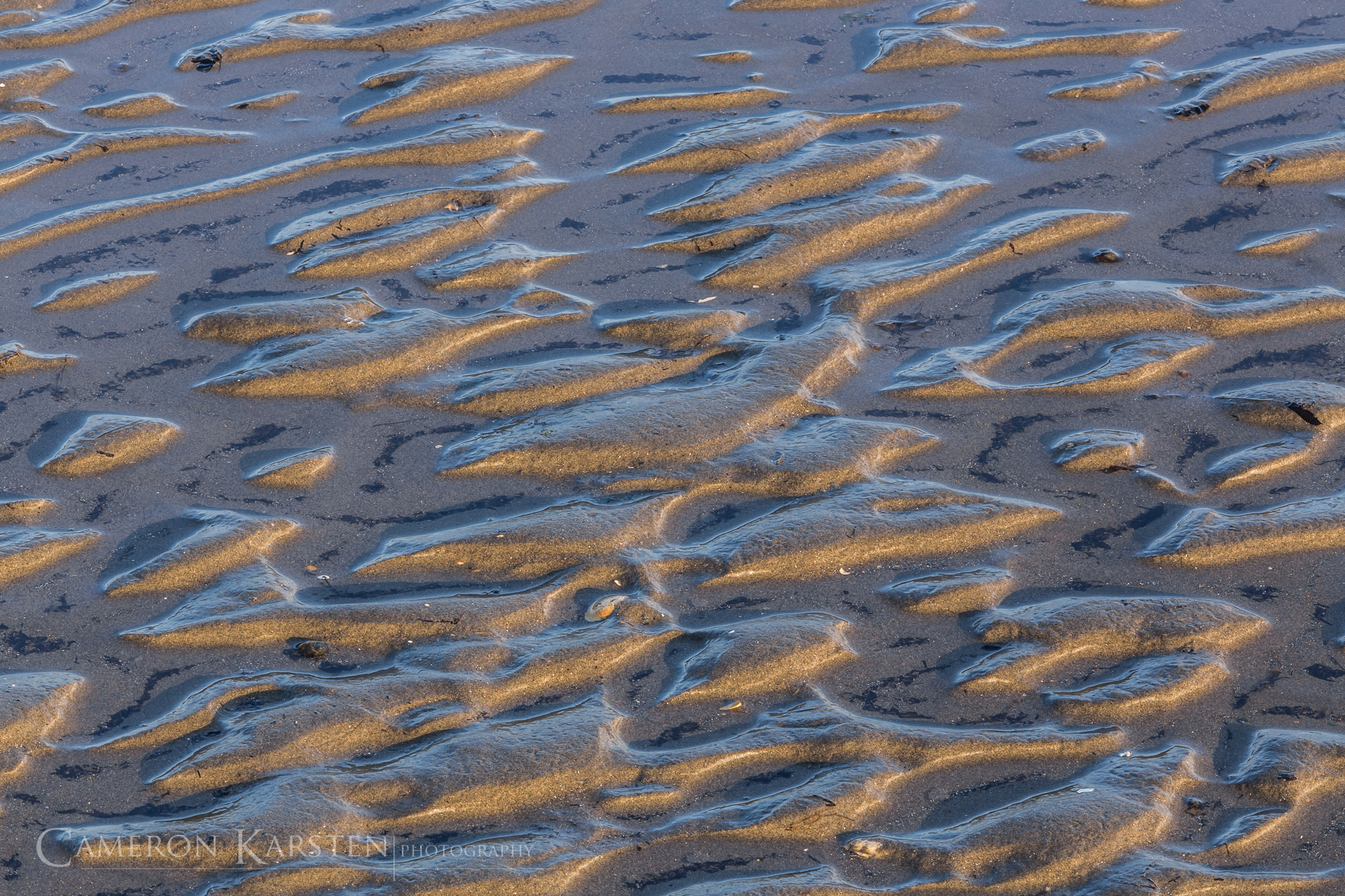
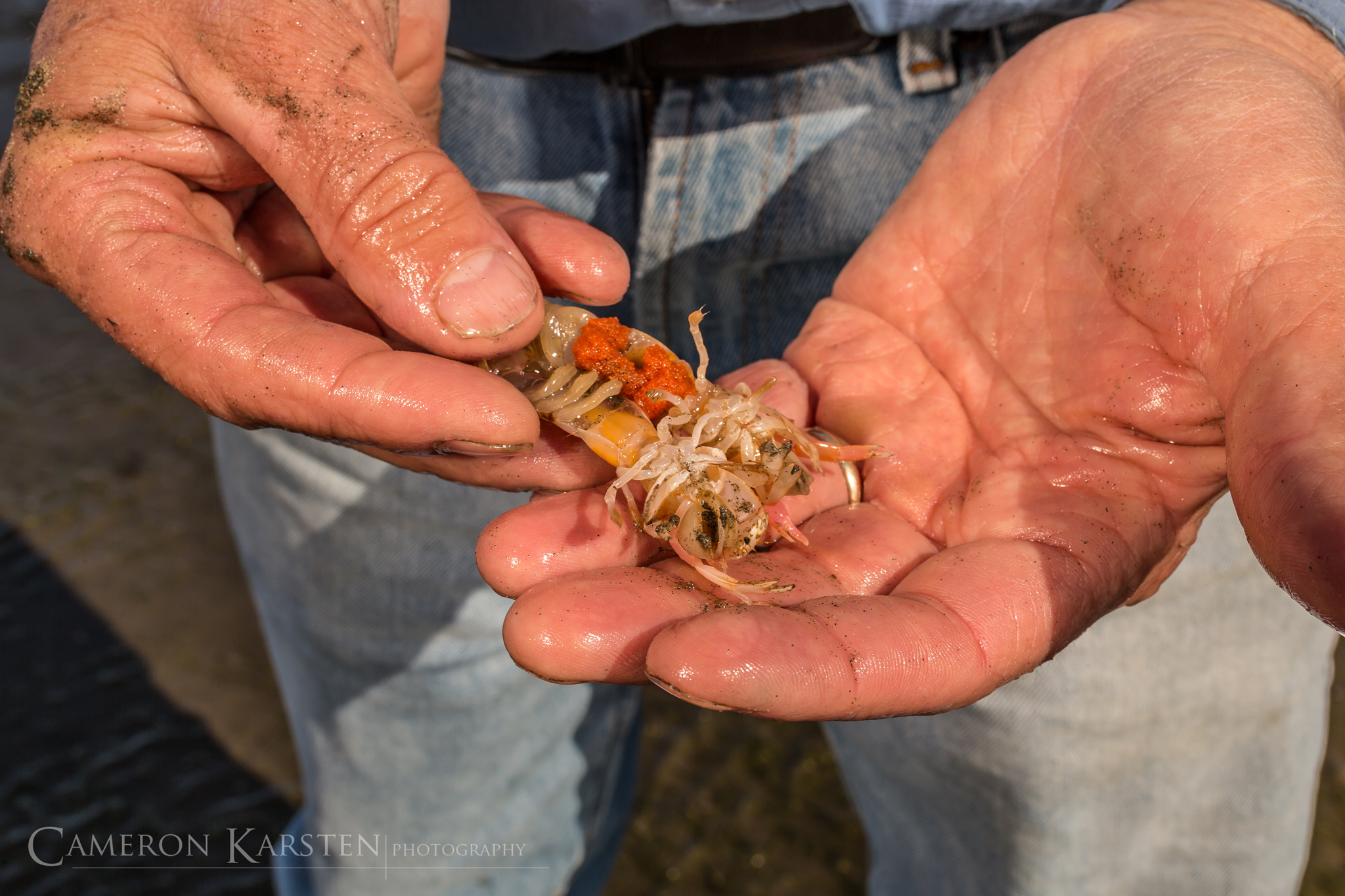
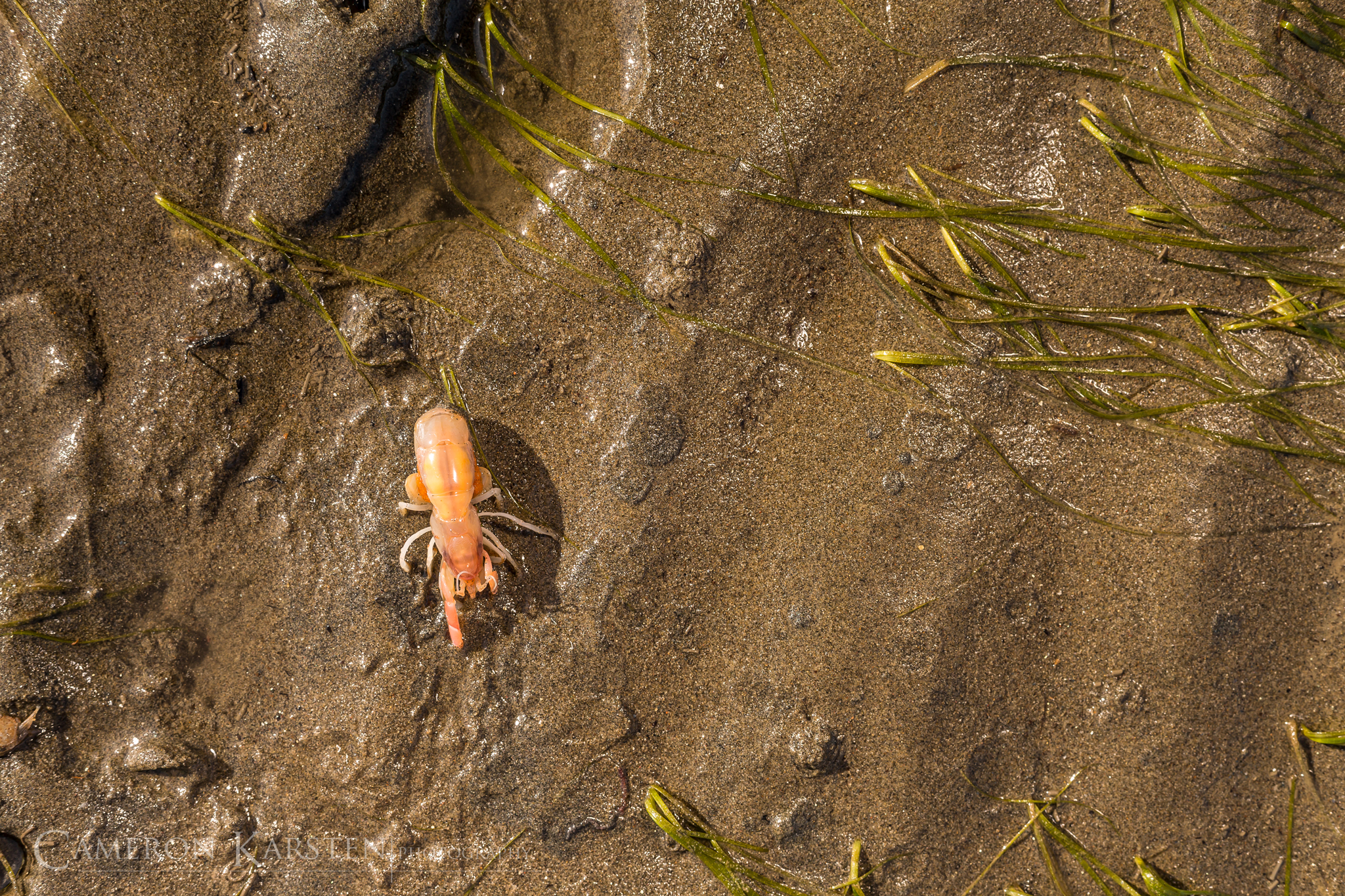
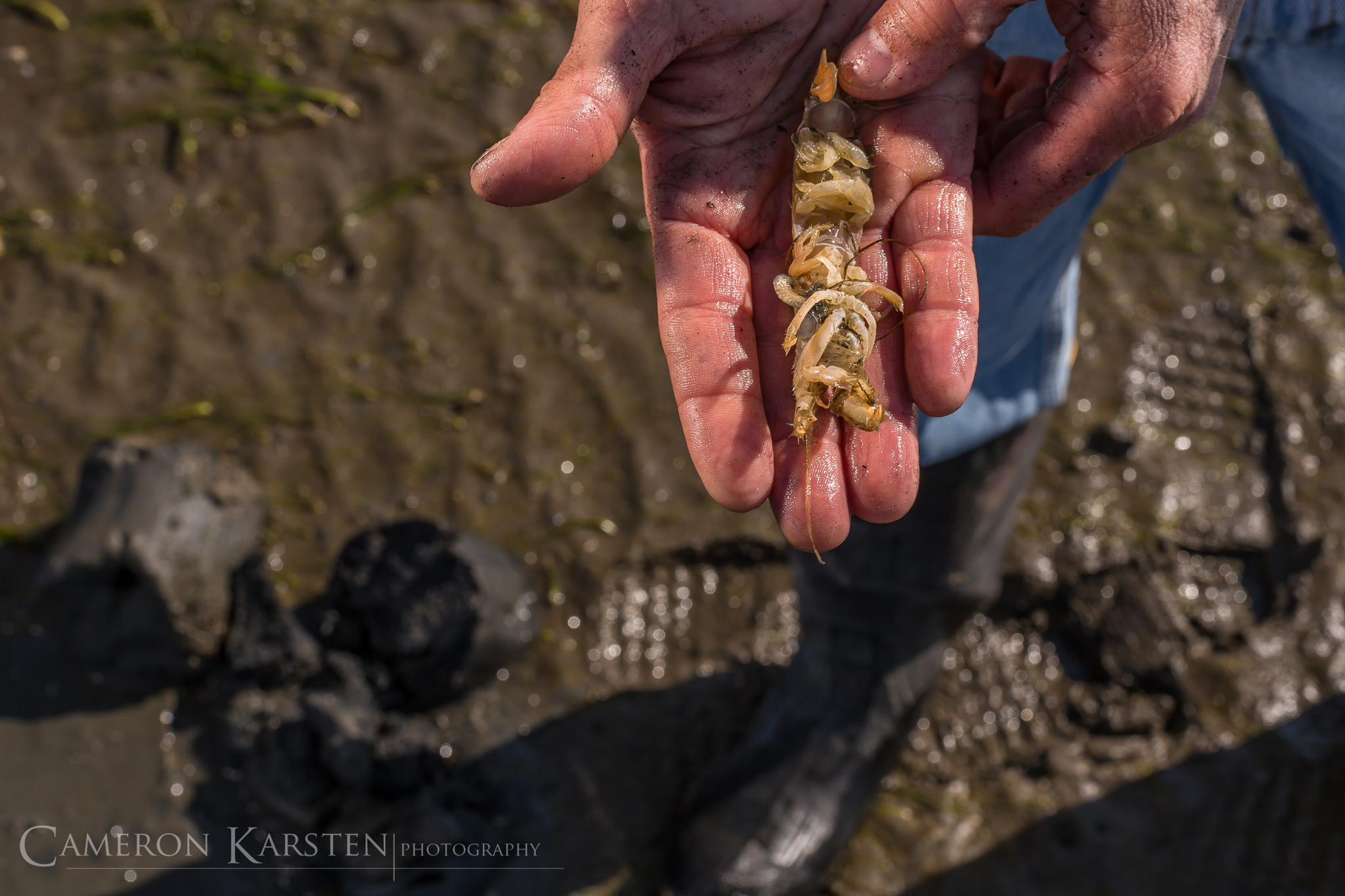
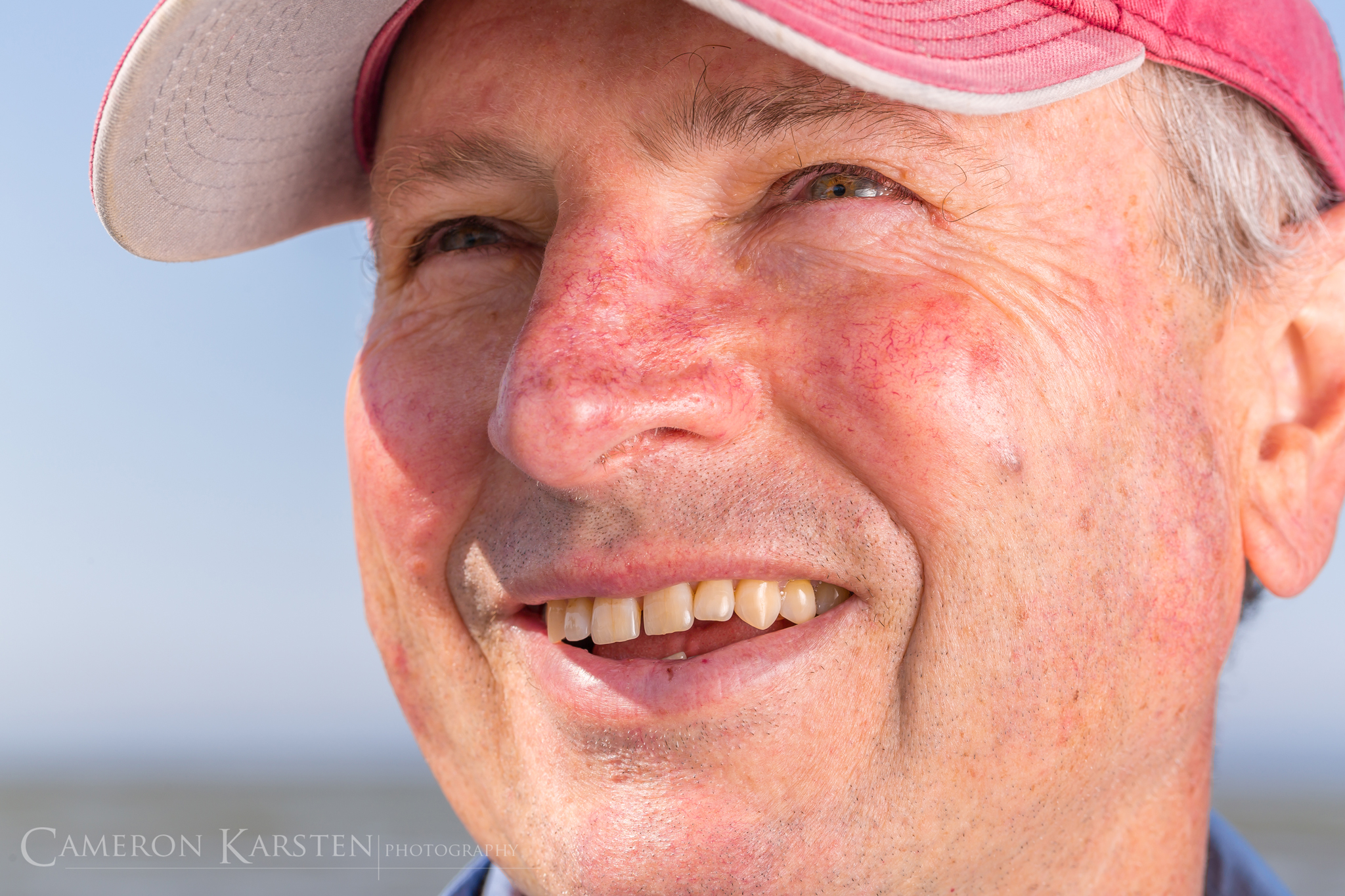
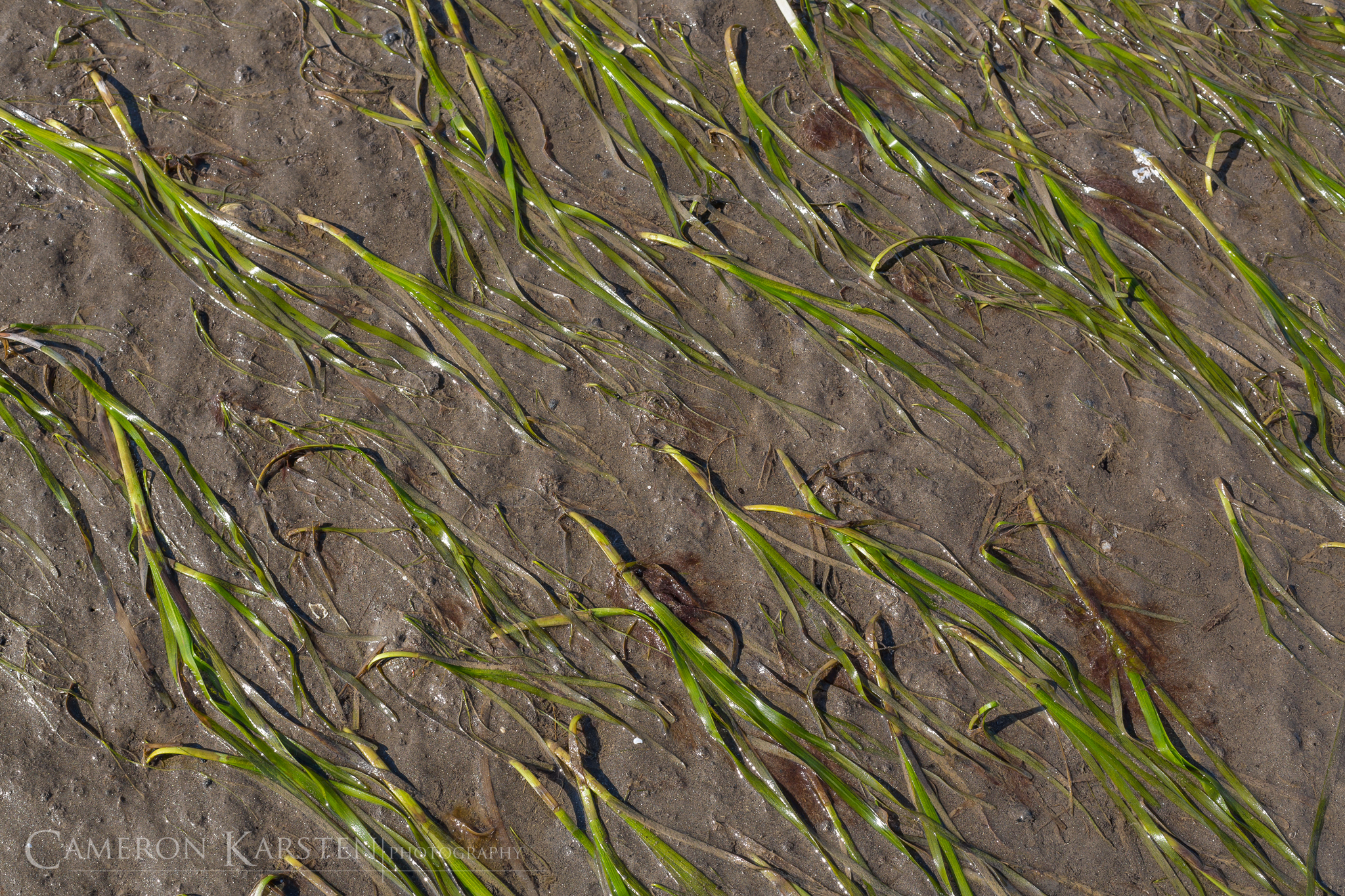
Last week I was called by Bloomberg and headed to Willapa Bay in southwestern Washington to photograph WSU scientist Kim Patten and the surrounding environment of Bay Center, WA. Waking up at 2:30am on Monday, I spent the morning driving 3hrs to catch a clear sunrise over the waters, which have been the center of Washington’s oyster industry for generations. At over 260 square miles, the bay nearly empties at low tide, creating the second largest estuary on the U.S.’s west coast. But a local shrimp has been disrupting the area’s economy for too long, suffocating oyster beds as the crustacean burrows 1 to 2 feet beneath the surface, turning mudflats into quicksand. The published article is available in the link and the selects from the morning’s shoot are below.

Bloomberg Businessweek: Washington State Turns to Neurotoxins to Save Its Oysters

KimPatten_Bloomberg-23

KimPatten_Bloomberg-10

KimPatten_Bloomberg-63

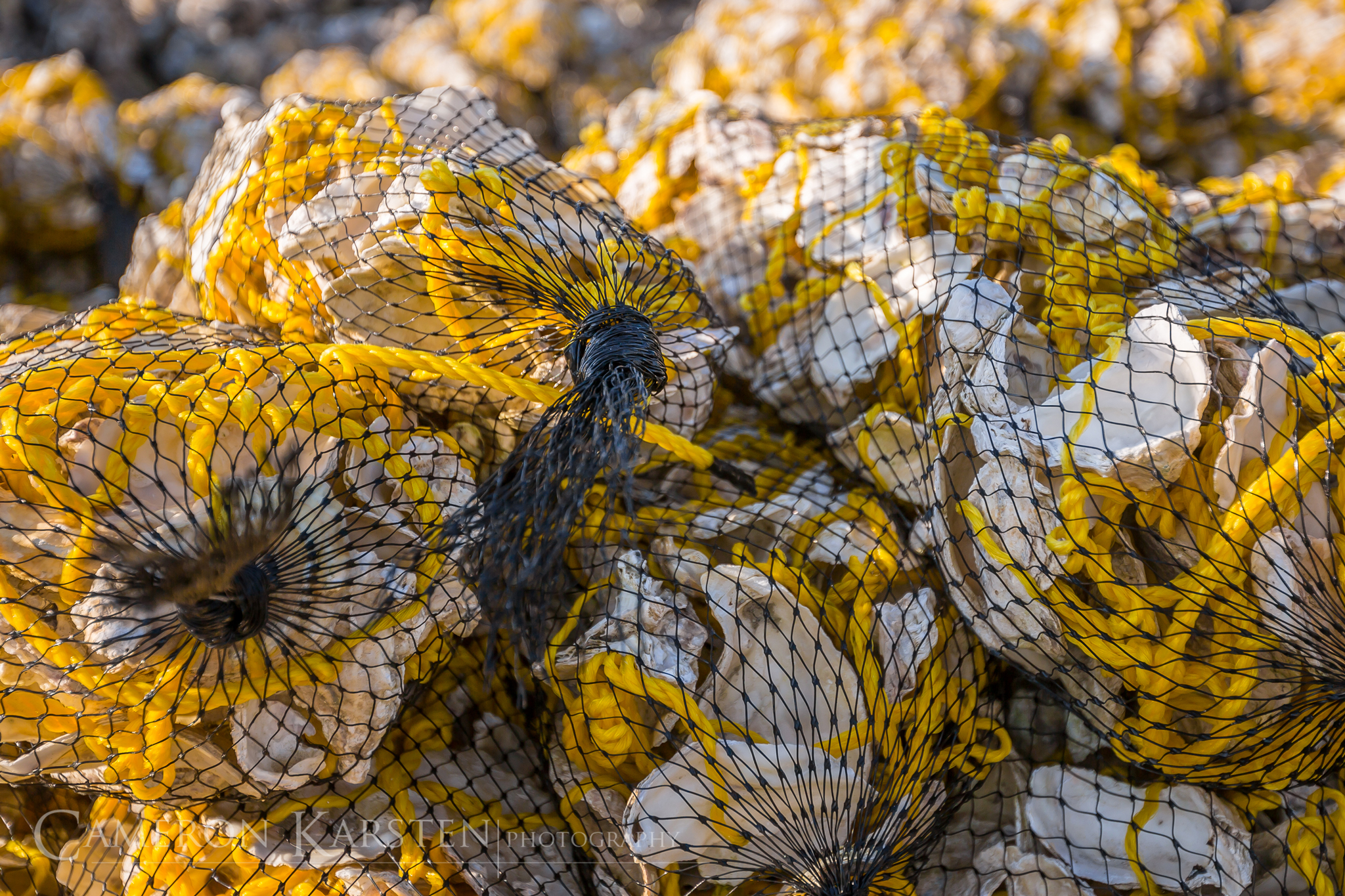
A pile of discarded oyster shells are left in the sun so organic matter can decompose before being bagged and placed back in the water as a refuge for young oyster seed.

KimPatten_Bloomberg-51

KimPatten_Bloomberg-44

KimPatten_Bloomberg-68

KimPatten_Bloomberg-77

KimPatten_Bloomberg-88

KimPatten_Bloomberg-105

KimPatten_Bloomberg-112

KimPatten_Bloomberg-122

KimPatten_Bloomberg-137

Long-line oyster beds stretch across the tidal flats of Willapa Bay as a front of morning fog recedes westward.

KimPatten_Bloomberg-157

Old oyster shells wrapped in bags ready for delivery outside an oyster nursery

KimPatten_Bloomberg-147

KimPatten_Bloomberg-150

KimPatten_Bloomberg-142

KimPatten_Bloomberg-207

WSU scientist and researcher Kim Patten uses a clam digger to pull out an invasive shrimp from one to two feet beneath the mud.

KimPatten_Bloomberg-252

KimPatten_Bloomberg-227

A male and female shrimp (the female is carrying orange egg sacks)

KimPatten_Bloomberg-261

KimPatten_Bloomberg-295

KimPatten_Bloomberg-272

KimPatten_Bloomberg-392

KimPatten_Bloomberg-334

KimPatten_Bloomberg-349

KimPatten_Bloomberg-364

KimPatten_Bloomberg-289

KimPatten_Bloomberg-338

KimPatten_Bloomberg-381

KimPatten_Bloomberg-399

KimPatten_Bloomberg-403

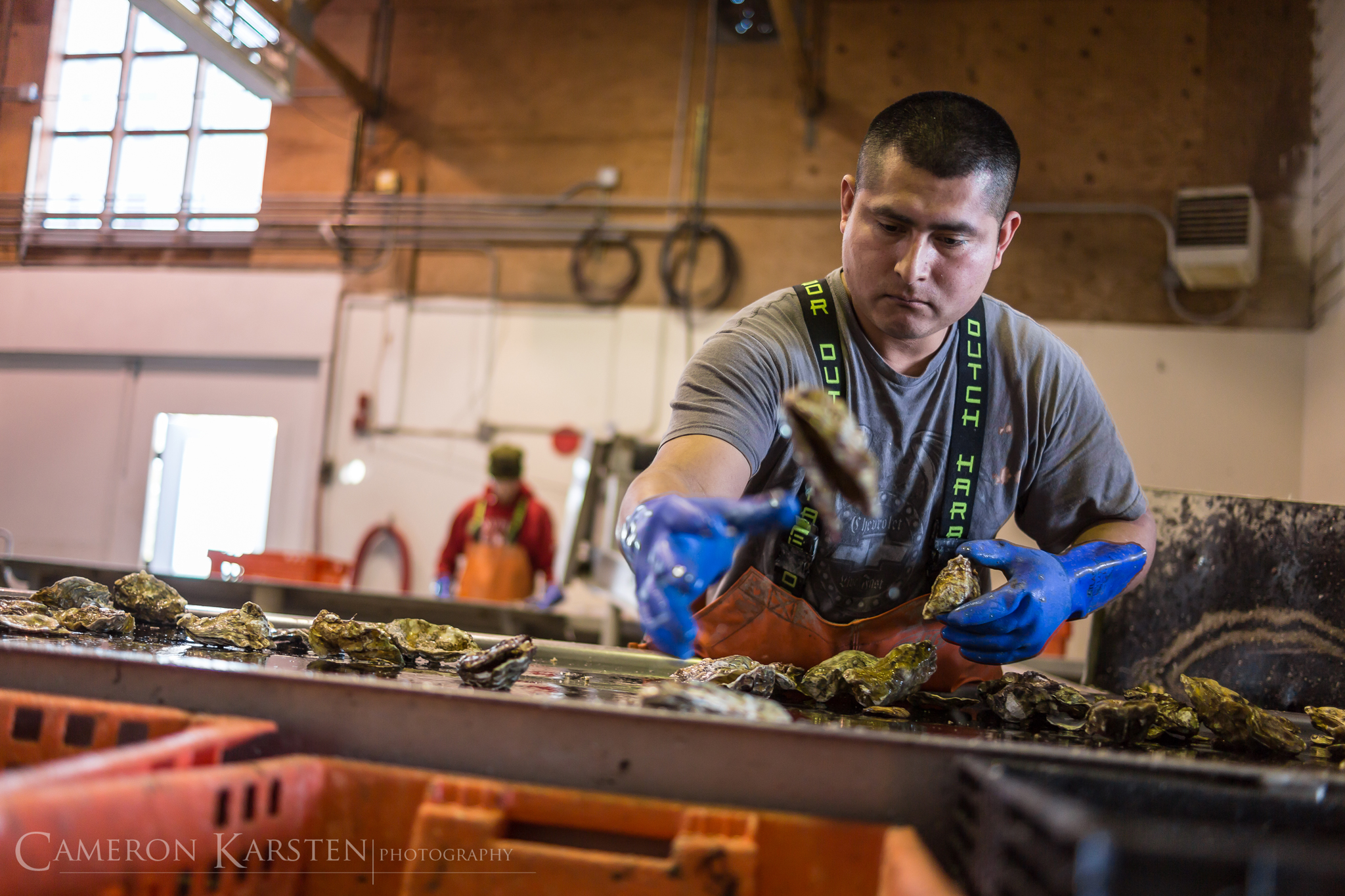
An oyster shucker in Bay Center, WA

KimPatten_Bloomberg-430

KimPatten_Bloomberg-484

KimPatten_Bloomberg-458

KimPatten_Bloomberg-497

KimPatten_Bloomberg-510

KimPatten_Bloomberg-534

logo_blackTrajan

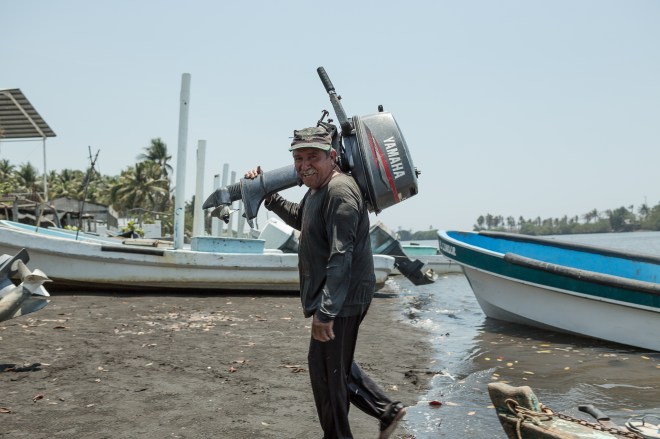
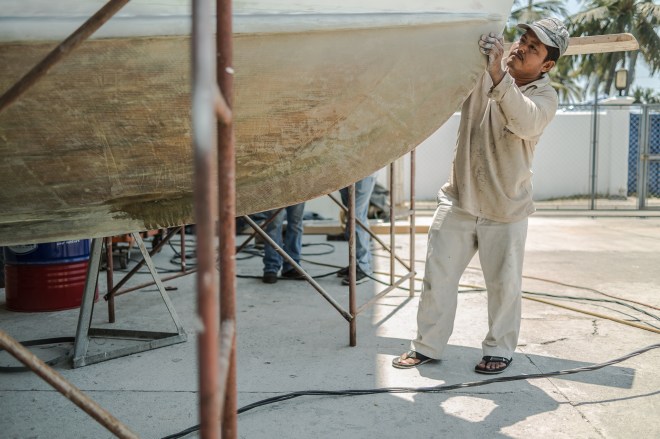
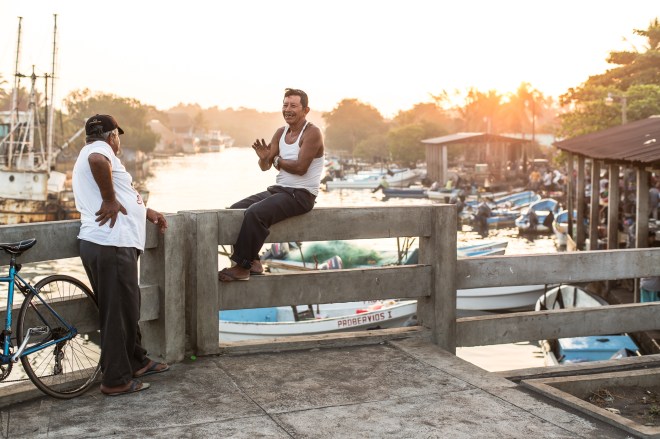
Mexico: The Land of the Craft

2015_Mazatlan-2029

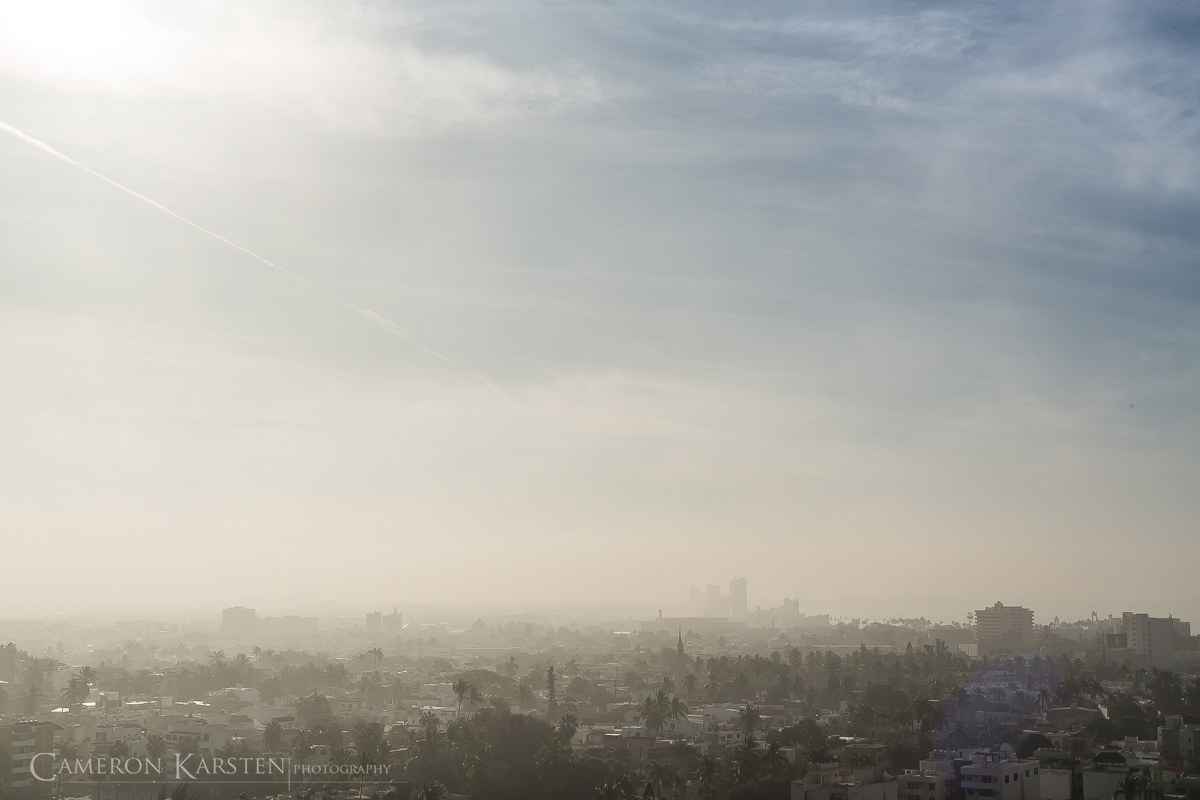
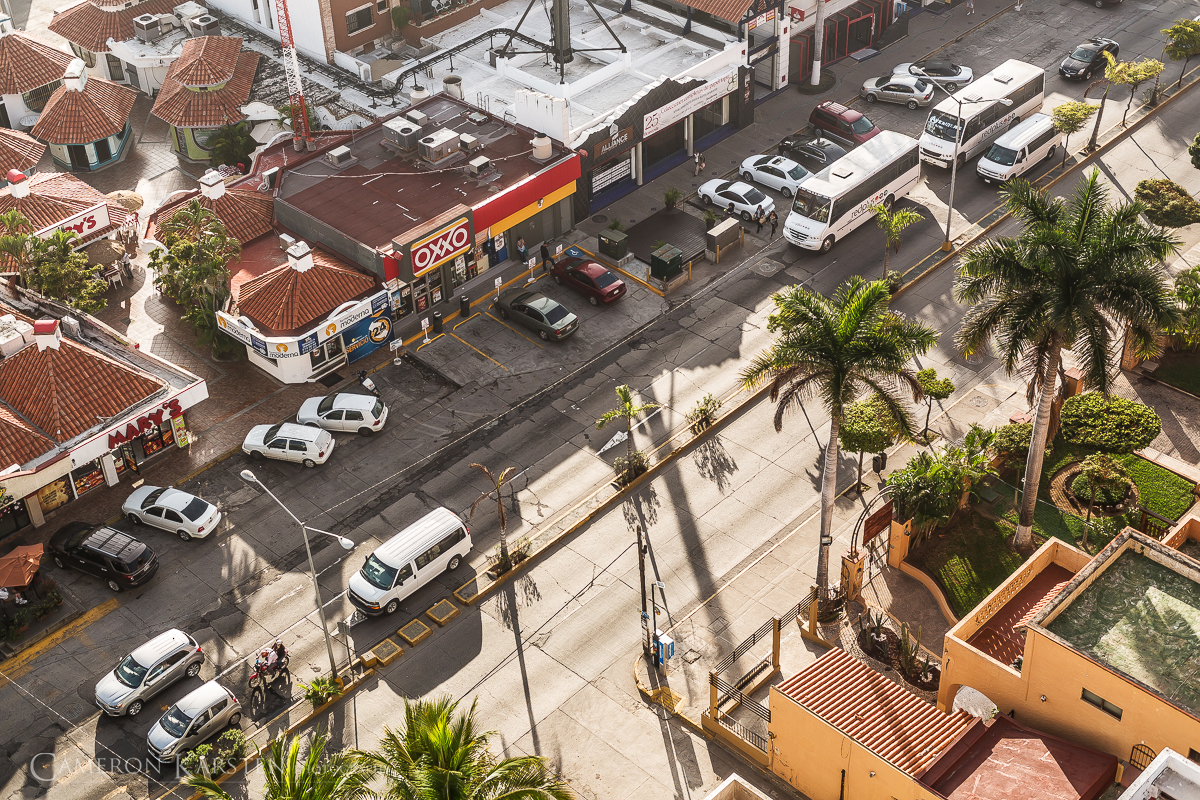
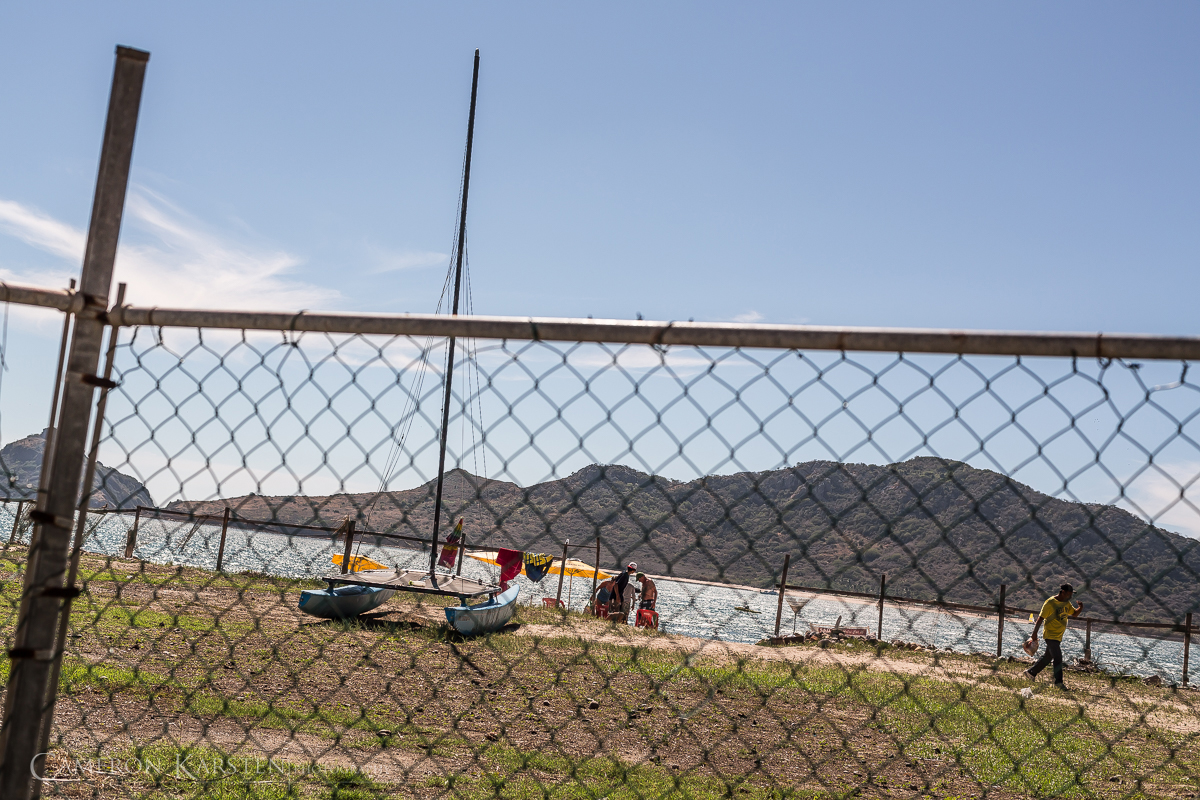
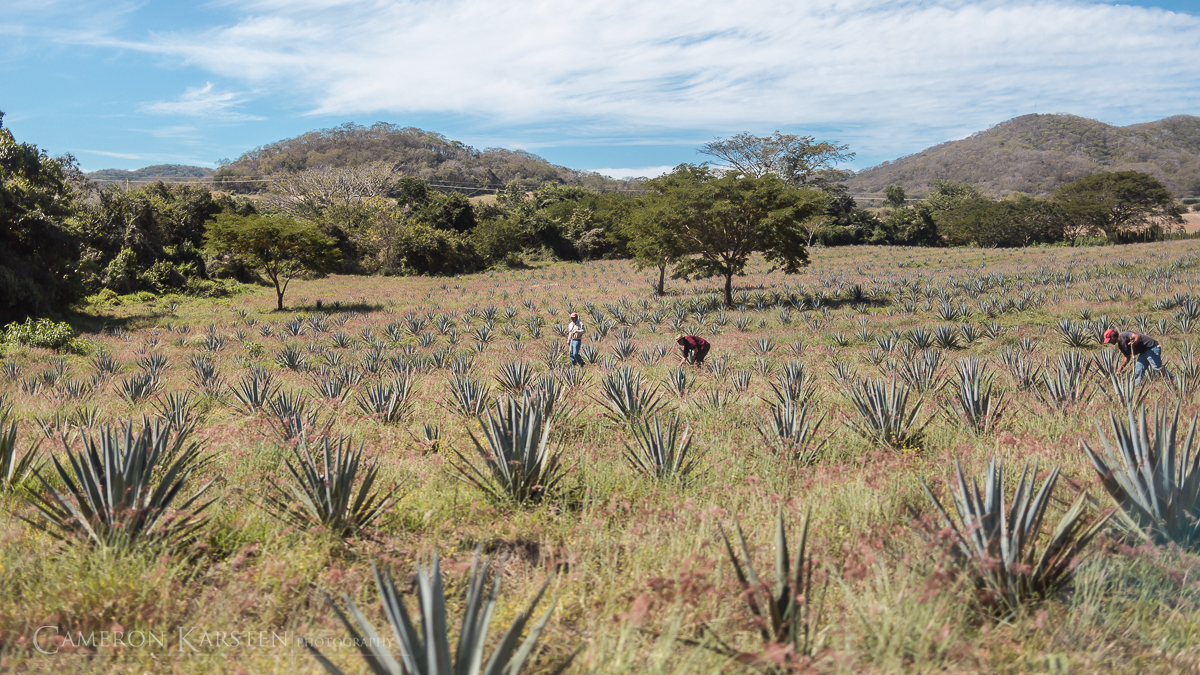
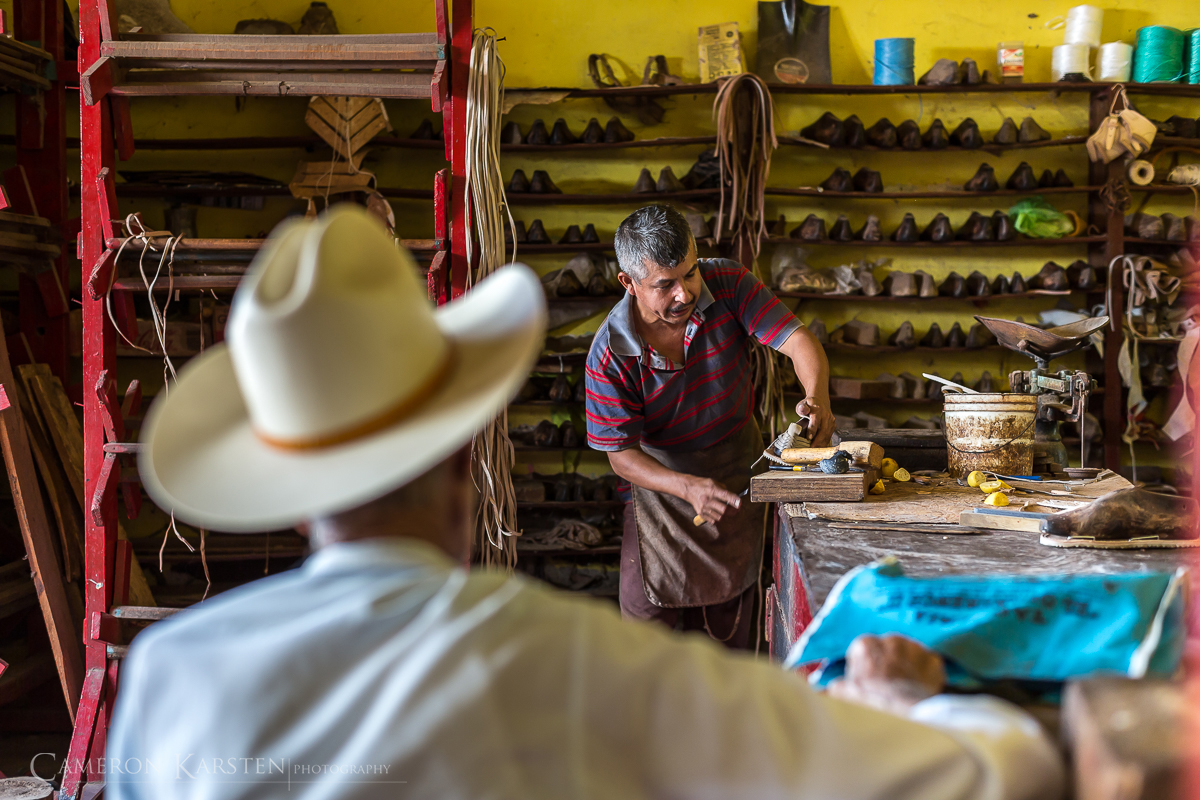
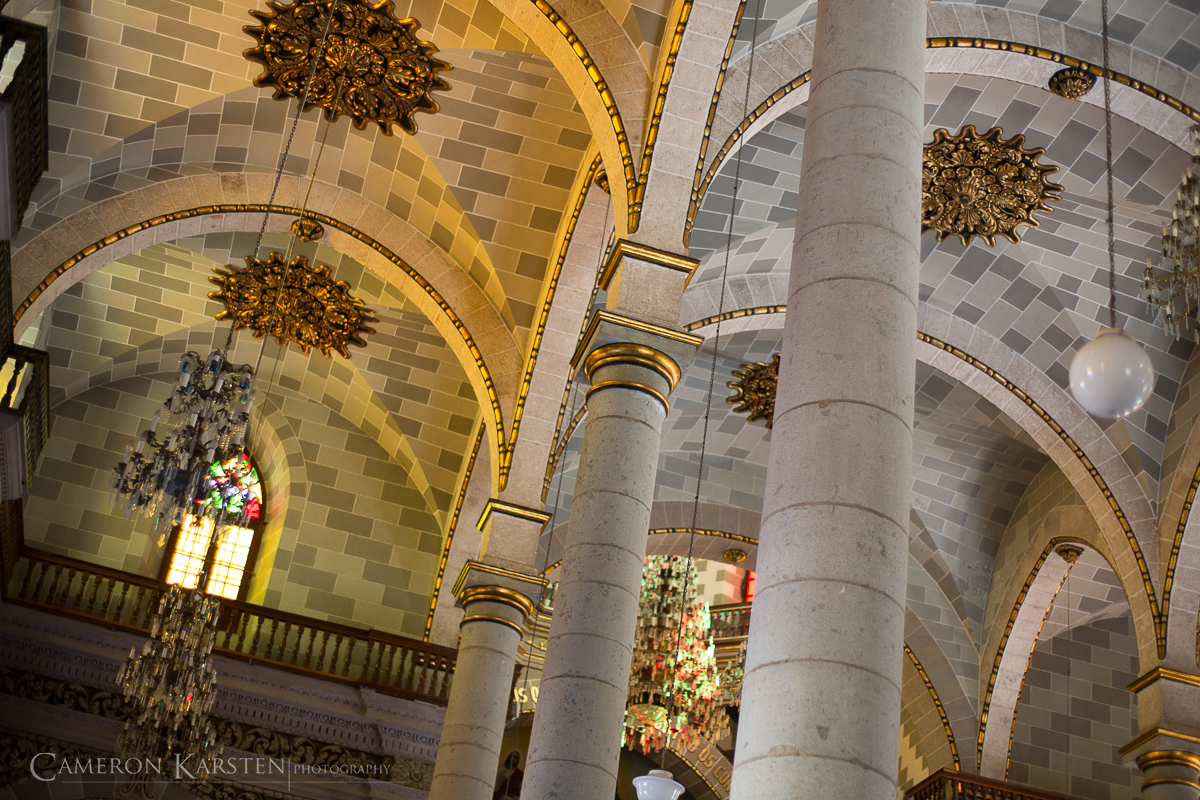
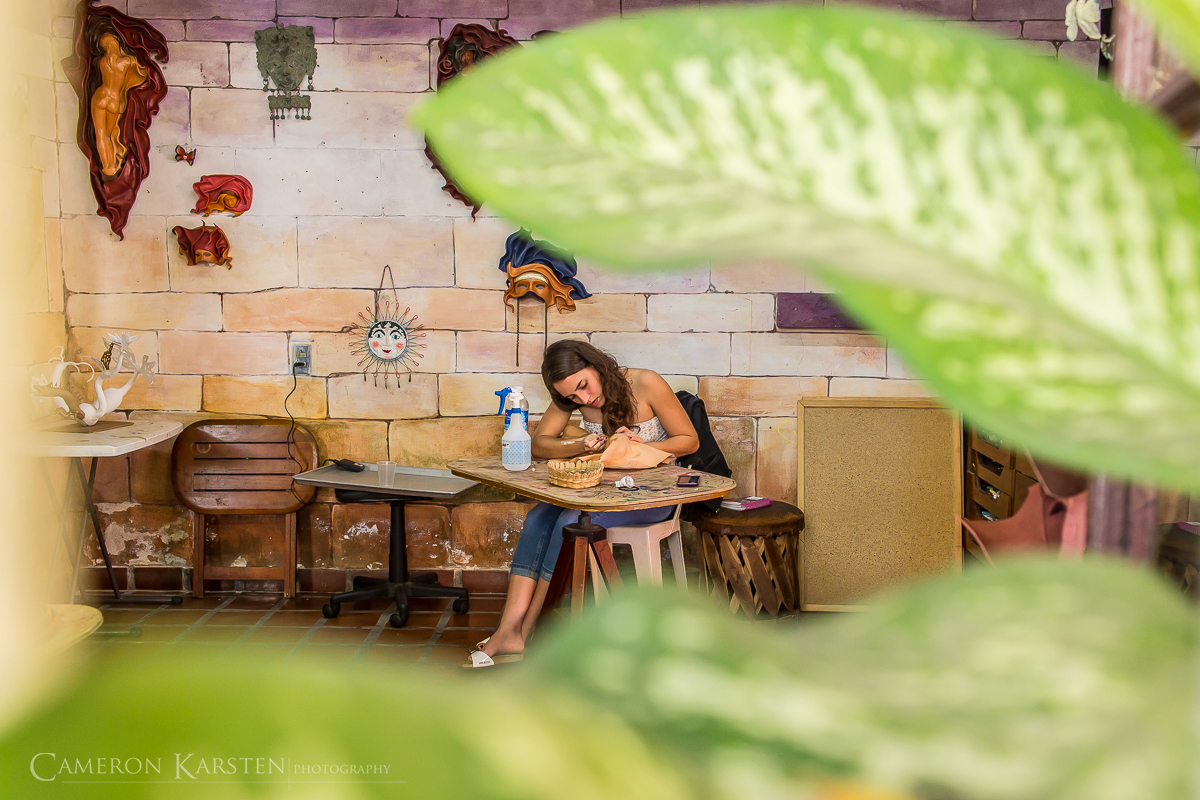
Mexico is a land of southern sun, warm sands, dusty cobbled streets filled with wafting scents of freshly grilled meats, buttery shrimp skewers and braying donkeys laying idle under the shades of ruffled palm fronds. It is a humble mix of ocean beaches to classic hacienda-style farmland below centuries-old ranches to the hurrying belches of city horns and graffitied buses intermixed within a colored historic city center. The people of Mexico know very well how to eat like ruling kings and drink like maddening queens. They choose their ingredients from the busy market stalls where meats and seafoods, produce and local spices and herbs carry lines of shoppers out to the homegrown rows of agave that stretch along arid rolling landscapes into the wild brushes of the traditional vaquero. Their culture very much resembles a barter and trade system of long ago, with real crafts-people, who to this very day continue to subsist on a technique passed down from generations.

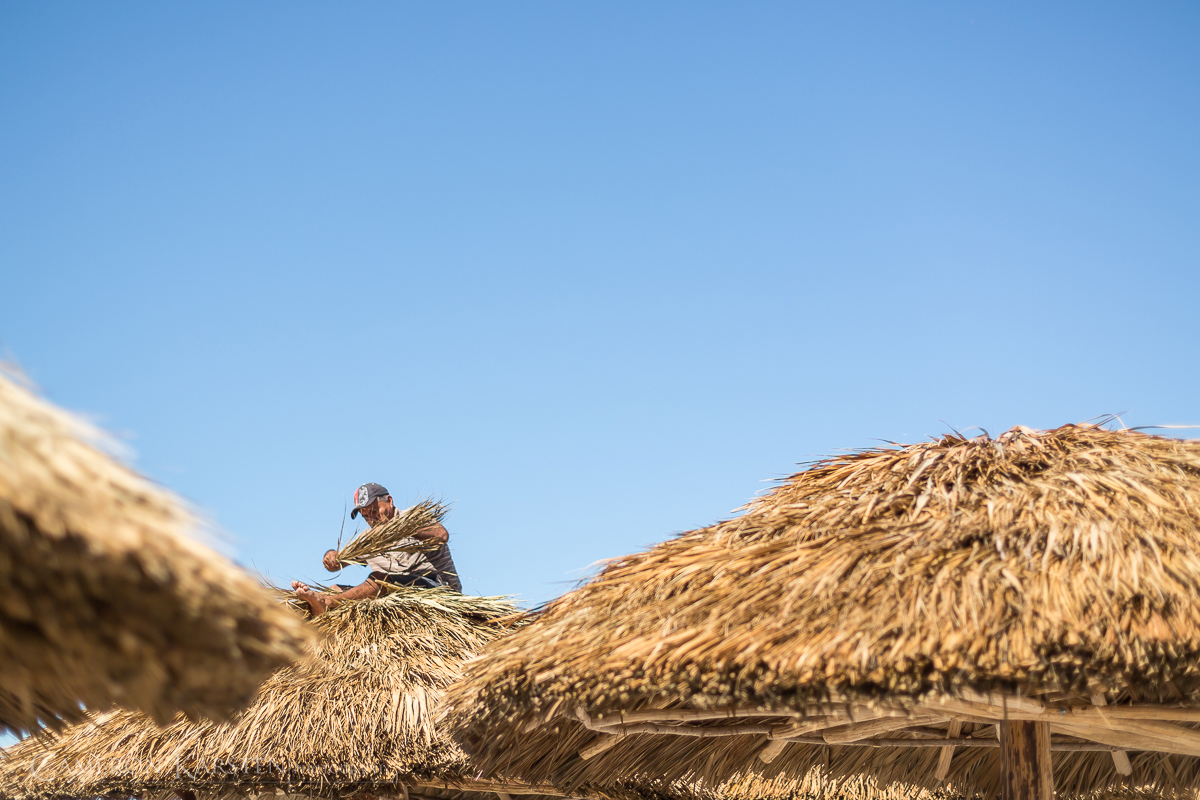
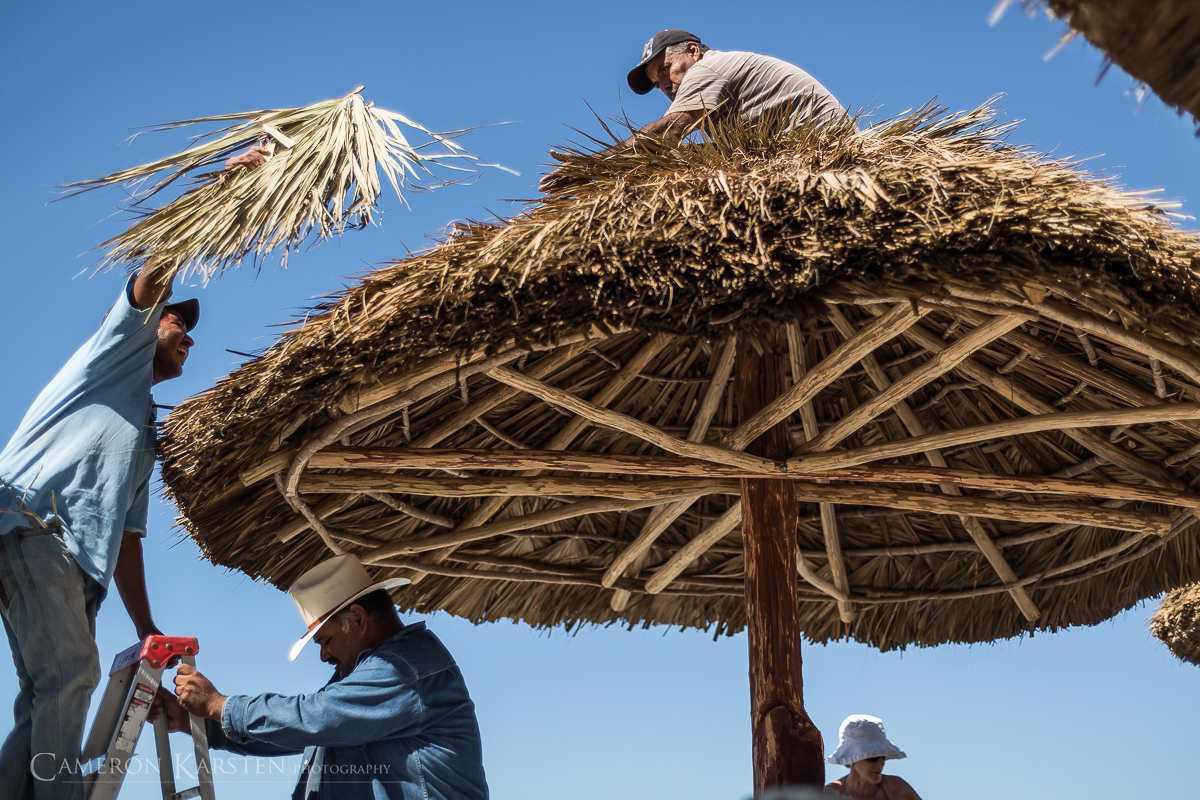
There is pride in the people, the ones who truly know how to carve a cow into the choicest of meats, to the repairman that returns the hurricane-battered palapa back into that exotic specimen above brown leathery Texans and Californians. South of the border is where the Americas’ craftsmanship dwells, behind the colonial walls and feathered into the waves left by the dawn-patrolling ponga. What is in Mexico is from Mexico, built by the people.

2015_Mazatlan-1152015_Mazatlan-1282015_Mazatlan-6932015_Mazatlan-6252015_Mazatlan-10482015_Mazatlan-10572015_Mazatlan-10522015_Mazatlan-6852015_Mazatlan-13912015_Mazatlan-14382015_Mazatlan-14402015_Mazatlan-14982015_Mazatlan-15112015_Mazatlan-20242015_Mazatlan-20422015_Mazatlan-24412015_Mazatlan-24292015_Mazatlan-2461

logo_blackTrajan

The Last American Homesteaders: Pt III

NewYearsRanch_2014_2015-535

These photographs depict the otherworldly slices of land built by undefined hands. Each image brings a revelatory peace of mind, one normally construed around the mazes of walls, stop lights and traffic signs. They are the places where the wind blows freely, sweeping across spaces that allow weather to continually shape and form an existence meant to do exactly that – be shaped, formed and changed. There are no bricks, no concrete, no rebar. Only the elements of time appear unnatural.

NewYearsRanch_2014_2015-208

NewYearsRanch_2014_2015-156

NewYearsRanch_2014_2015-515-Edit

NewYearsRanch_2014_2015-522-Edit

NewYearsRanch_2014_2015-526-Edit-Edit

NewYearsRanch_2014_2015-394

NewYearsRanch_2014_2015-377

NewYearsRanch_2014_2015-277

logo_blackTrajan

The Last American Homesteaders: Pt II

CountryLife-126

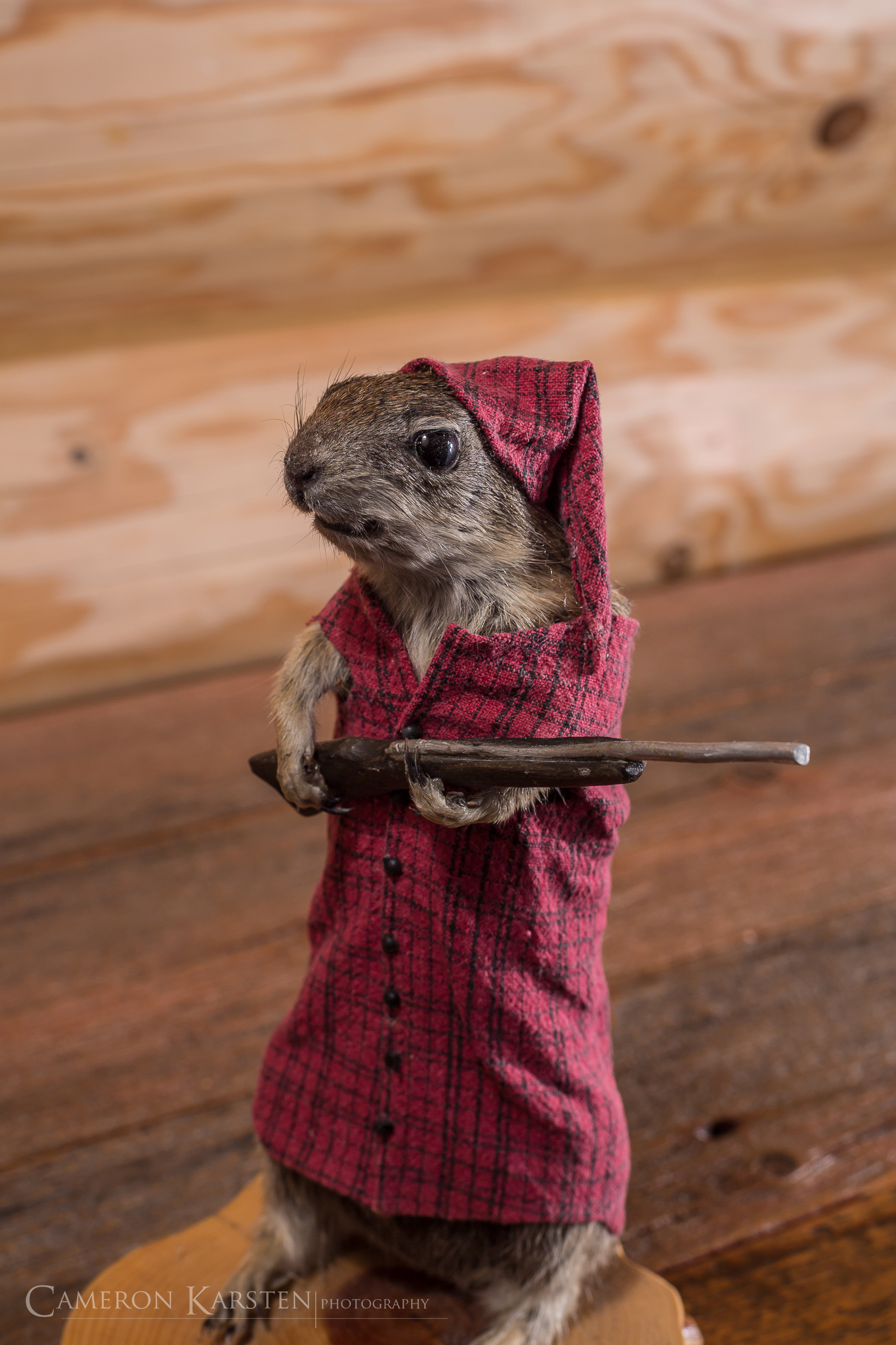
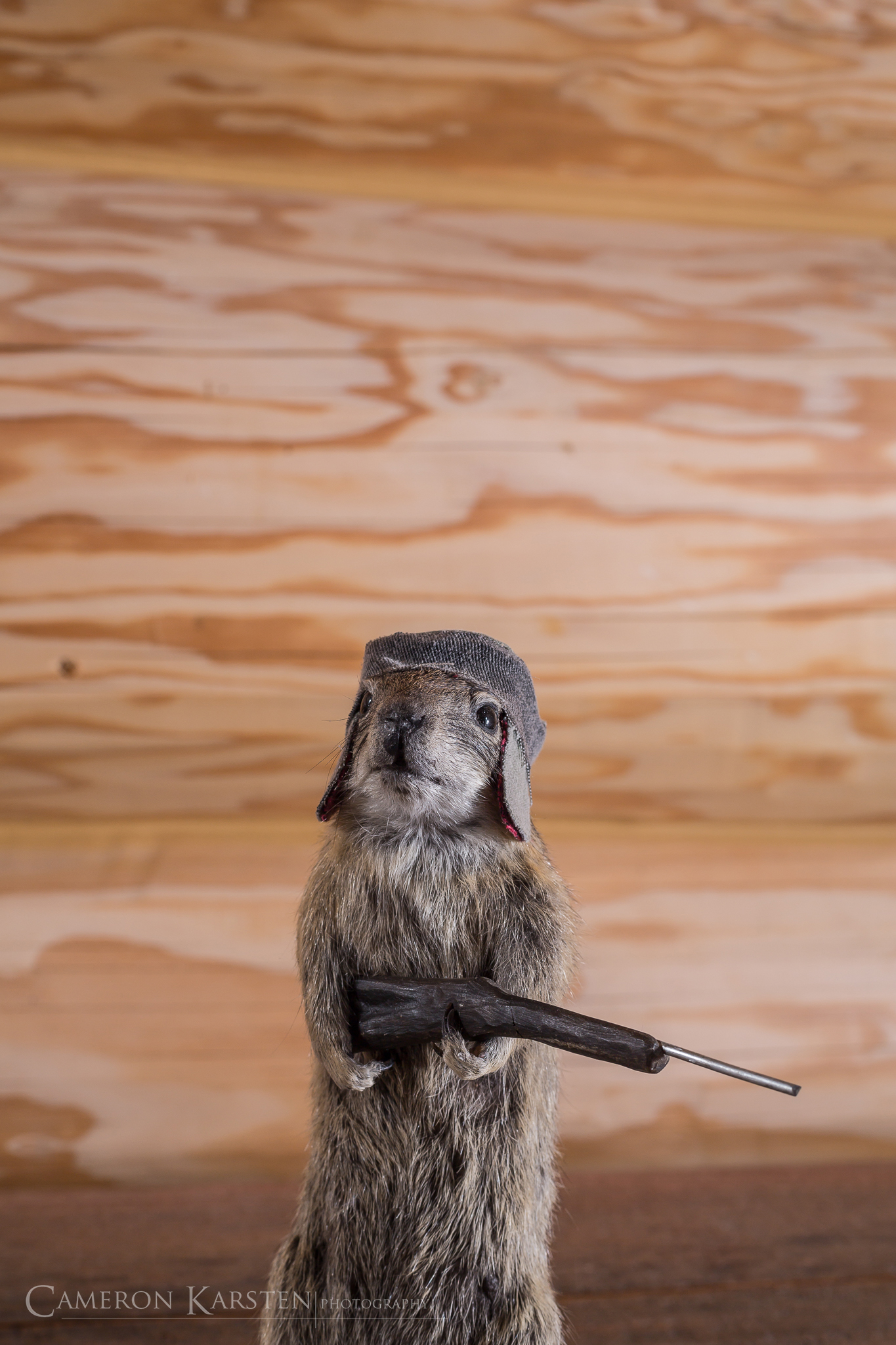
Country living is dynamic, inside the cabin and out. Things don’t appear the same as if you’re living in an urban environment. Instead of concrete or brick foundations, walls are made of not just wood, but entire logs…big logs. And instead of finding house plants and framed pictures on these wall of beautiful distant locations, you’ll find what was once living in your yard stuffed, anthropomorphized and placed inside. Once again, country living is all about being in harmony, or being one, with nature, and then taking that to a new level.

CountryLife-143

Sand rats are friendly despite their appearance once giving a human personality

CountryLife-130

CountryLife-153

A coyote guarding the door

CountryLife-163-Edit

A black bear and badger go head-to-head for a dead sand rat.

CountryLife-7-Edit

Stepping outside you’ll spot a frozen land awaken as a river passes listlessly through the valley. Hints of pinks and oranges wash away the purples of night while geese begin to ruffle and hawks take flight. Another day in the country.

Next Post (Pt. III) –>

logo_blackTrajan

The Last American Homesteaders: Pt I

RanchHand-102

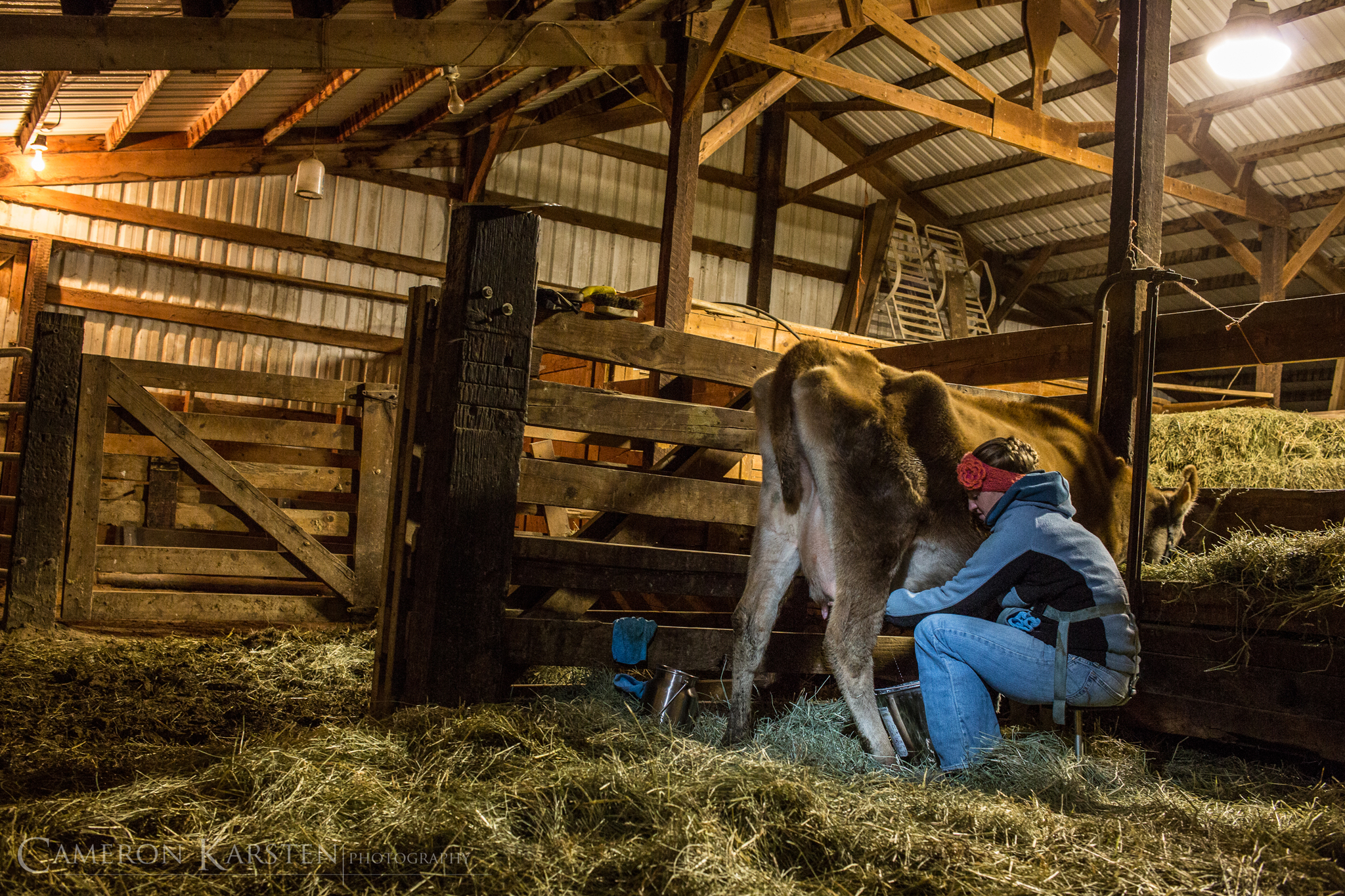
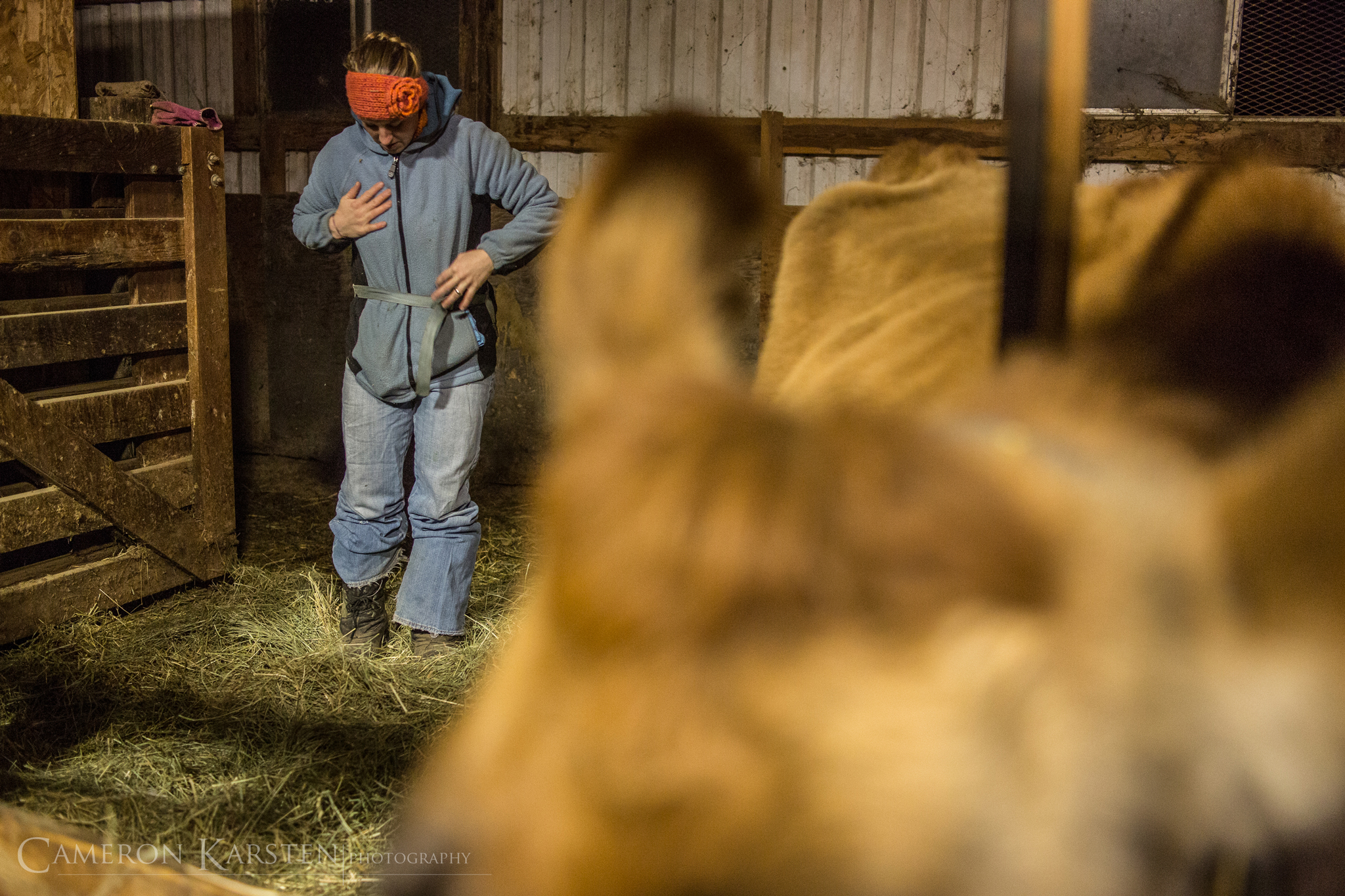
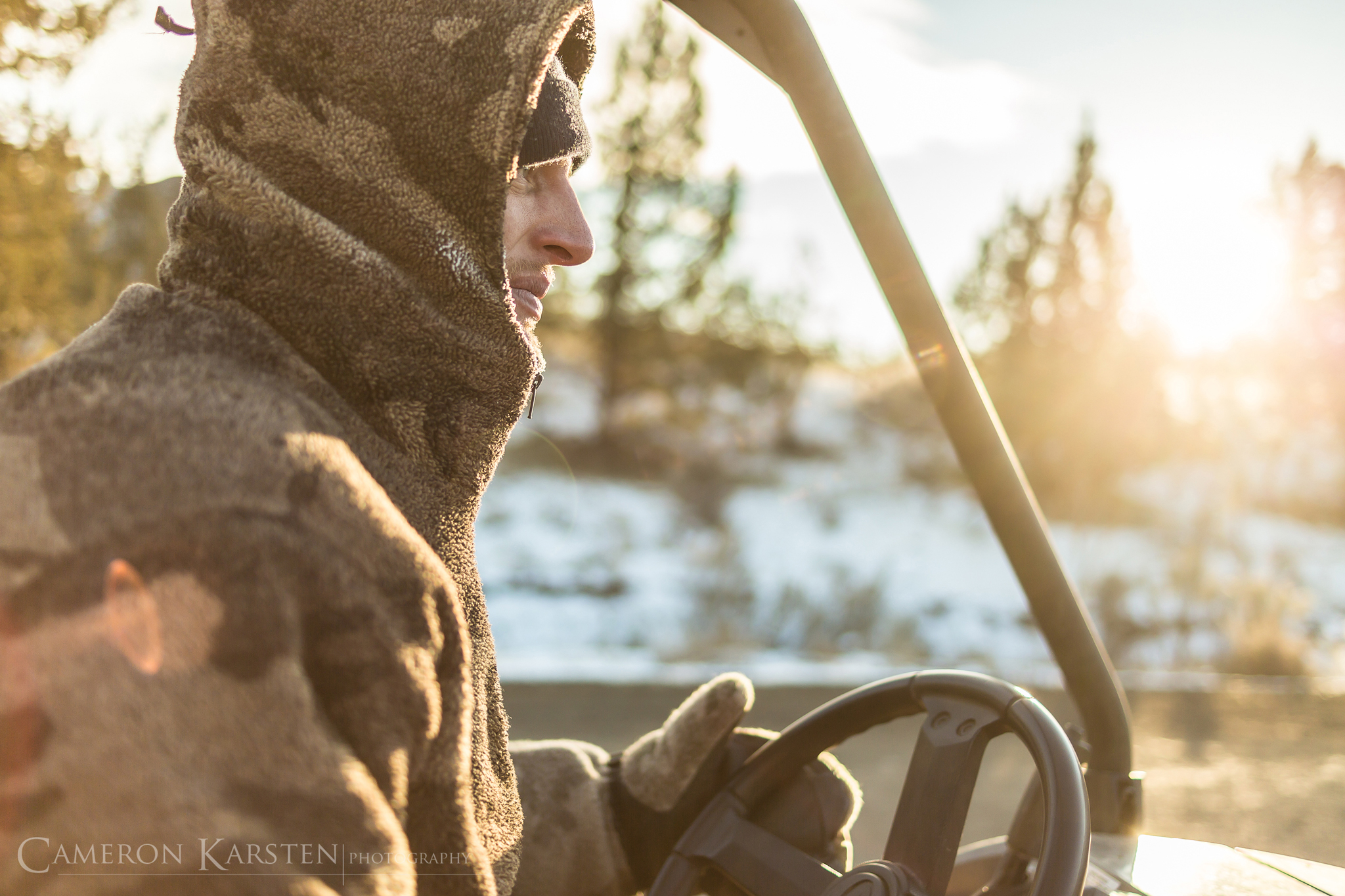
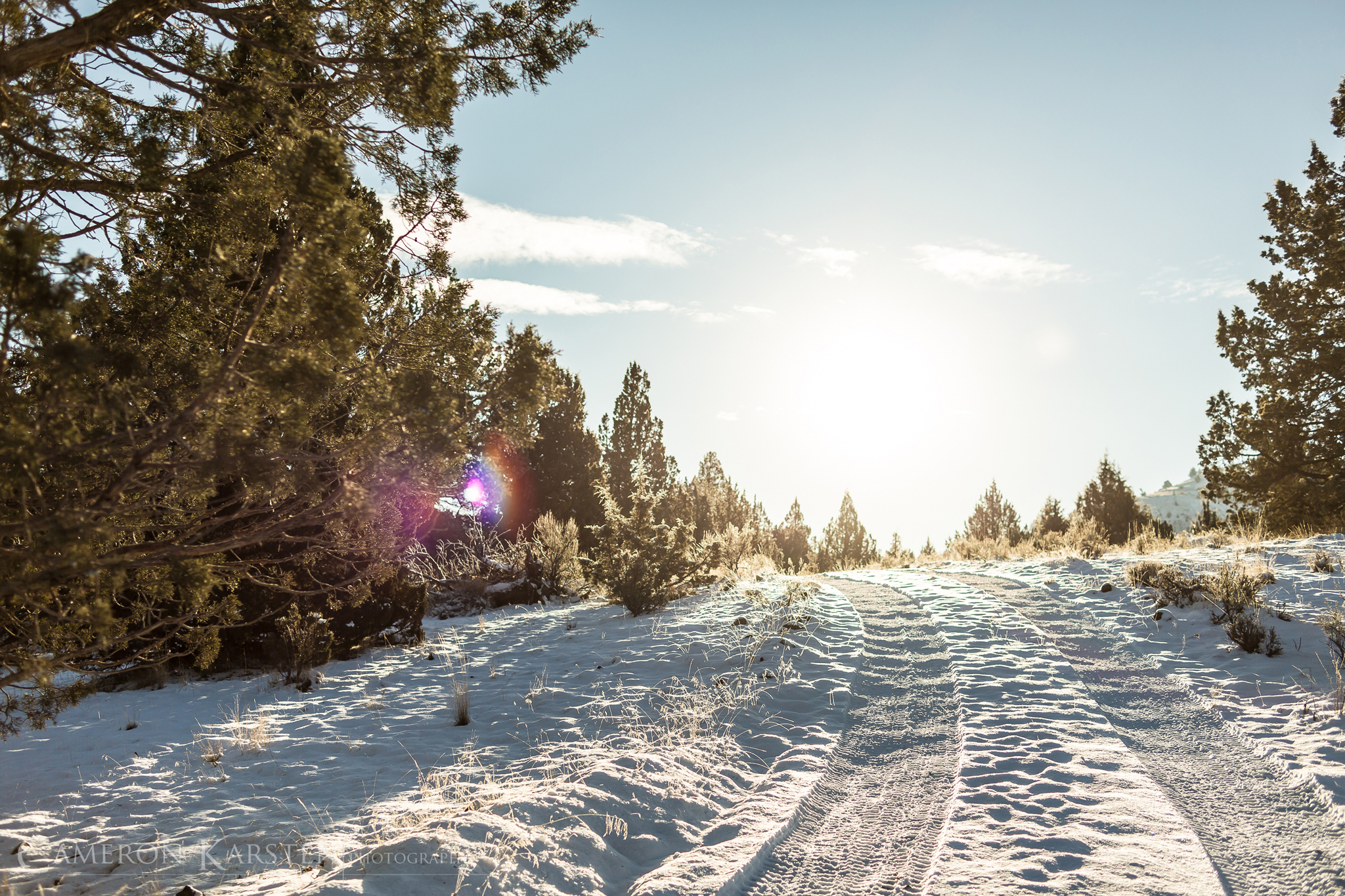
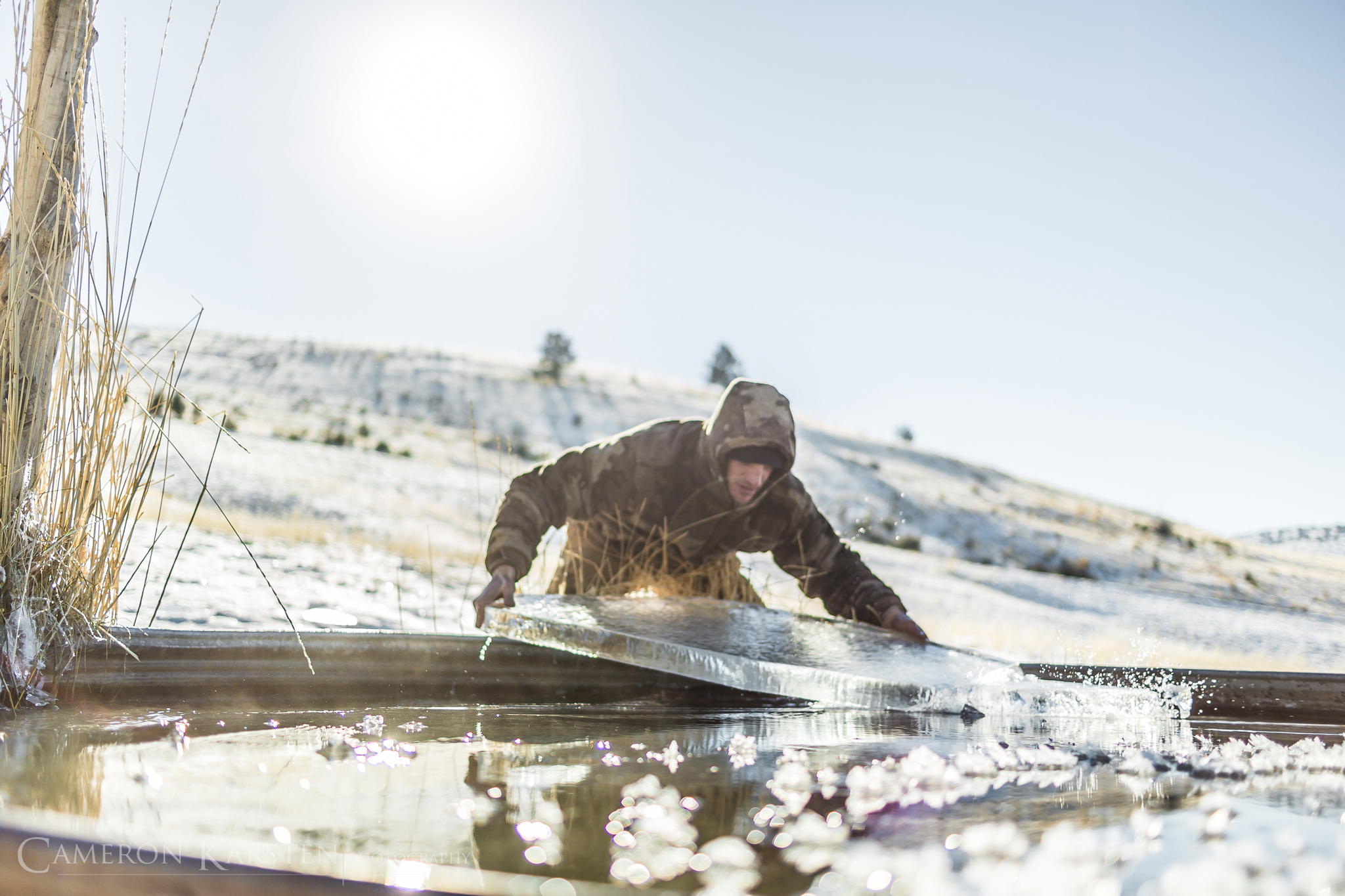
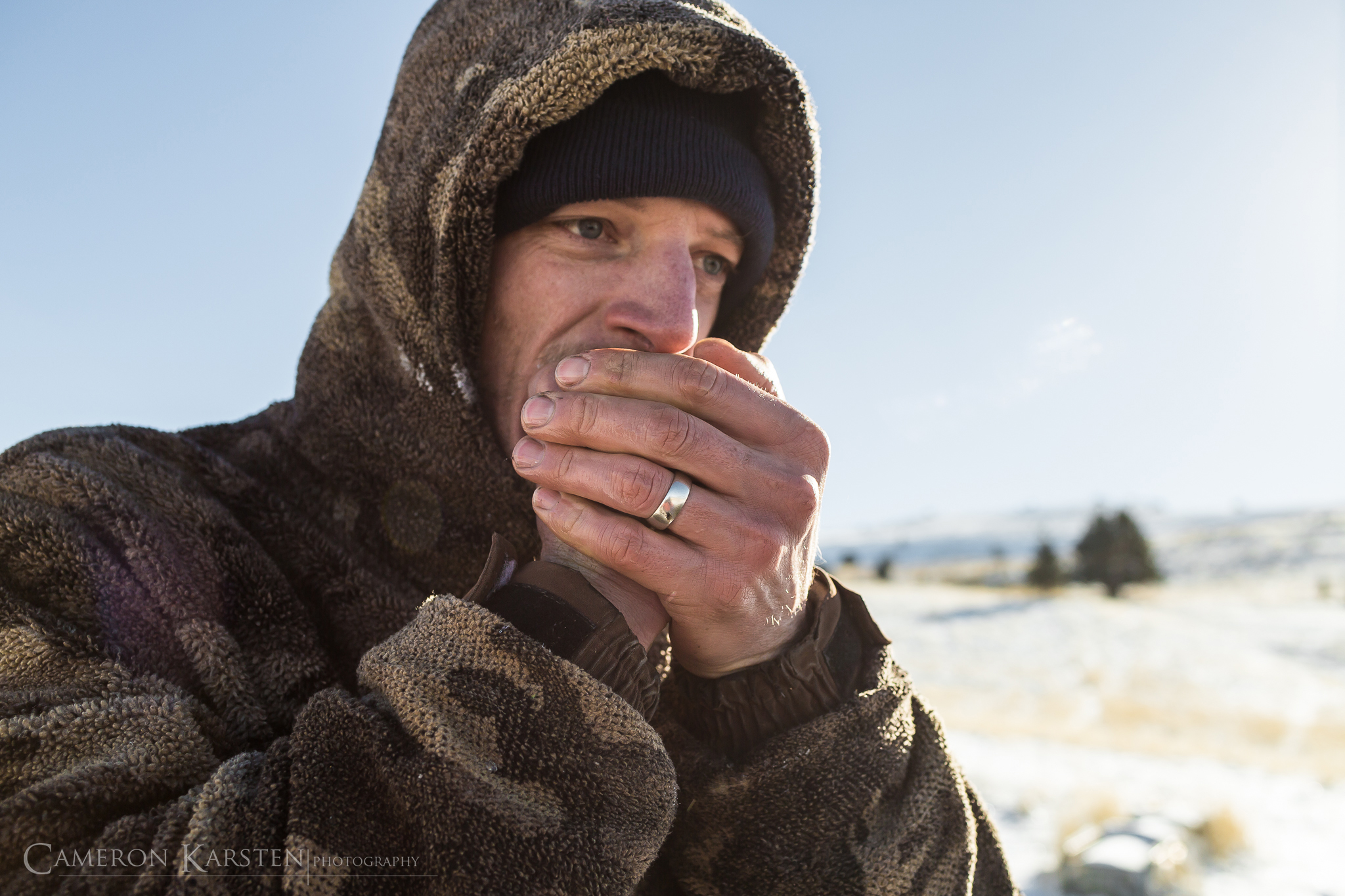
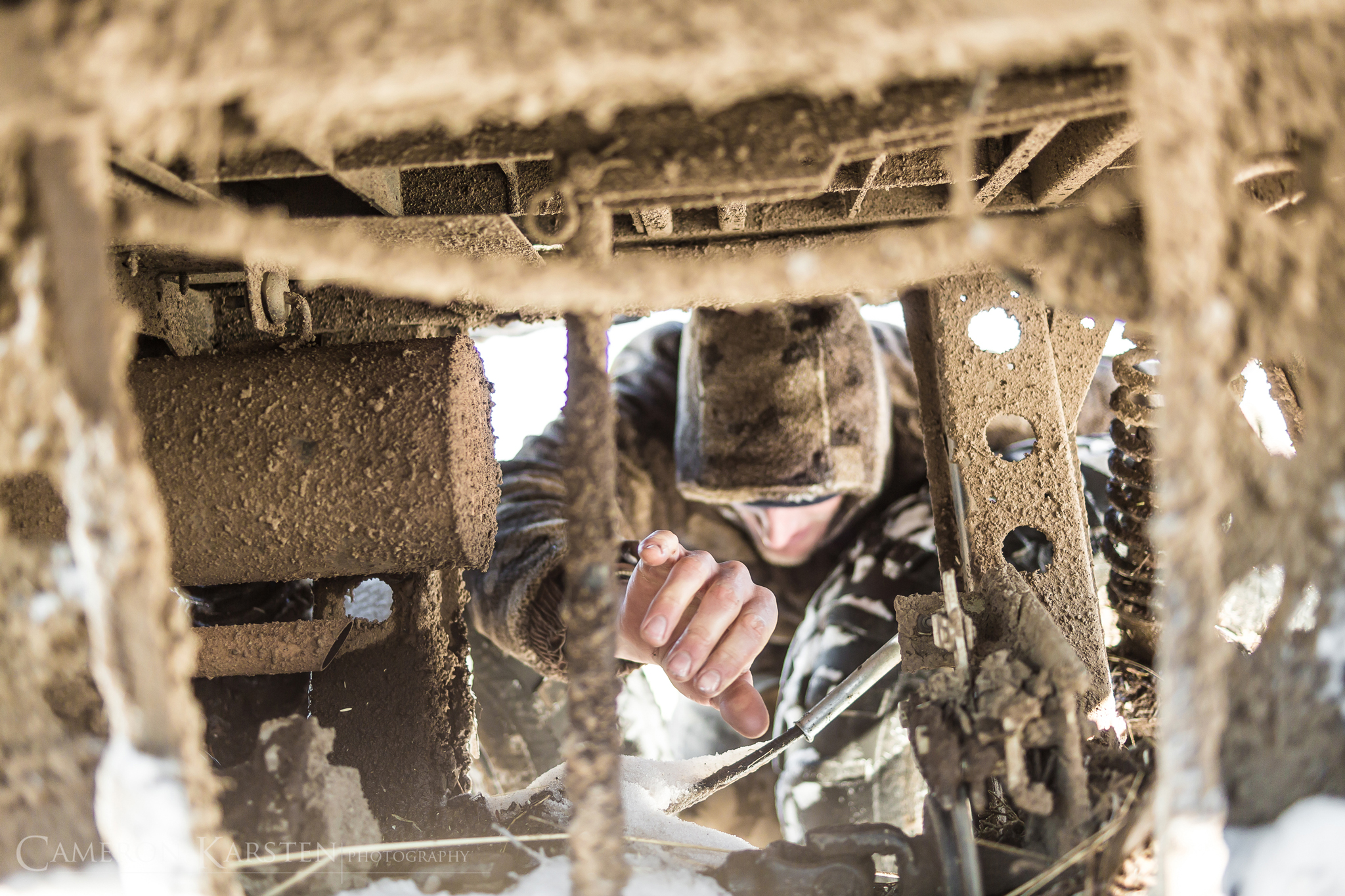
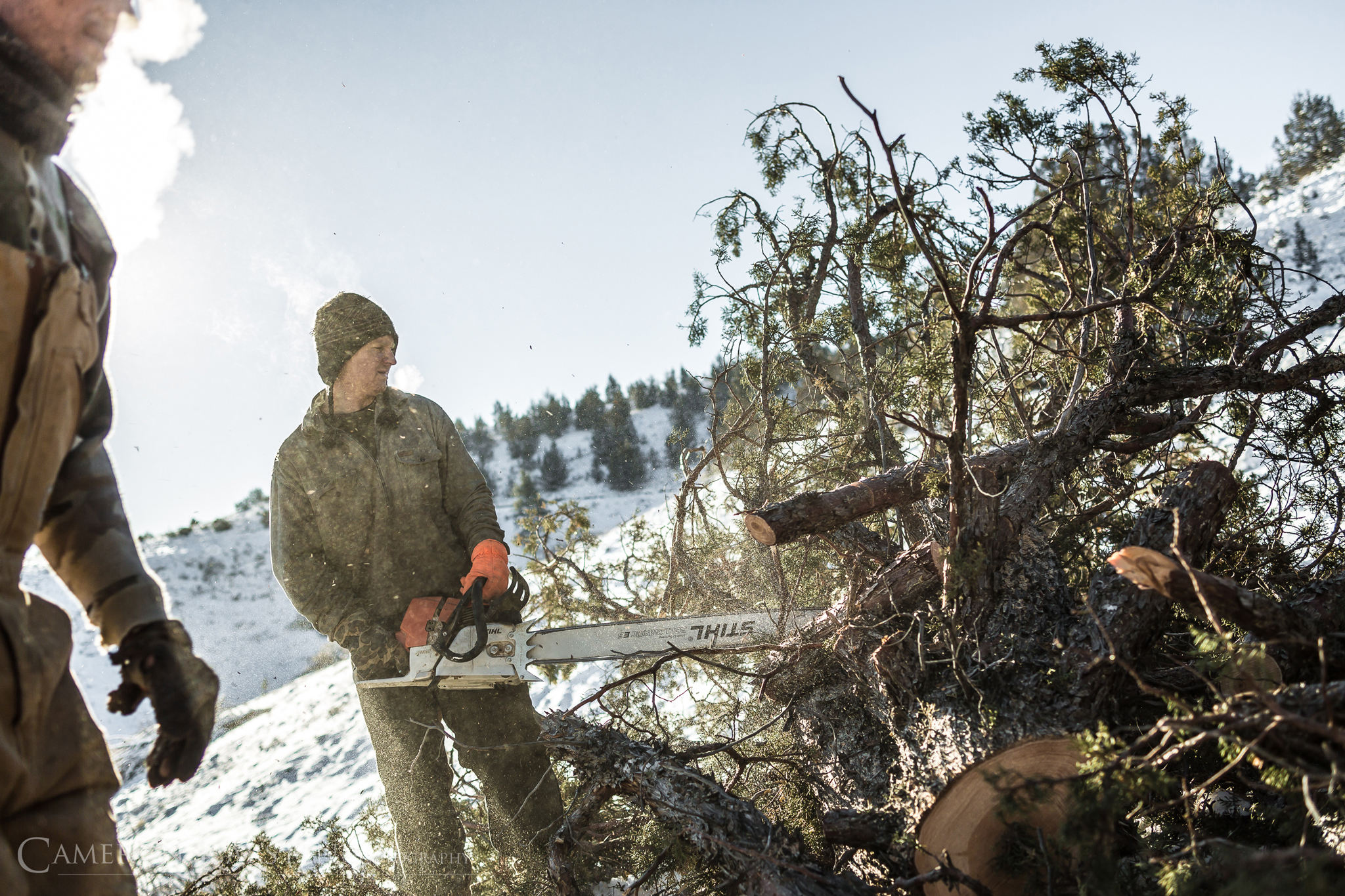
Life in the country is not an idealized peaceful existence unless you subscribe to the following as elements of such; 5AM start times to milk Daisy Bell the Cow, -5 degree temperatures while hopping on a quad with windchill factors in the -20s, your tears turning eyelashes into frozen shelves, your lips taut and crisp, ears and hands burning as if squeezed in a vice just before numbness sets in, and full days in the field, combing the backcountry for livestock and breaks in the fence line. Add to this clearing pathways of 50 foot toppled trees using a 32 inch chain saw or employing the exhaust of your Polaris’ engine to warm freezing hands after removing three inch thick ice sheets from the numerous watering troughs the cattle need to survive during these cold winter months.

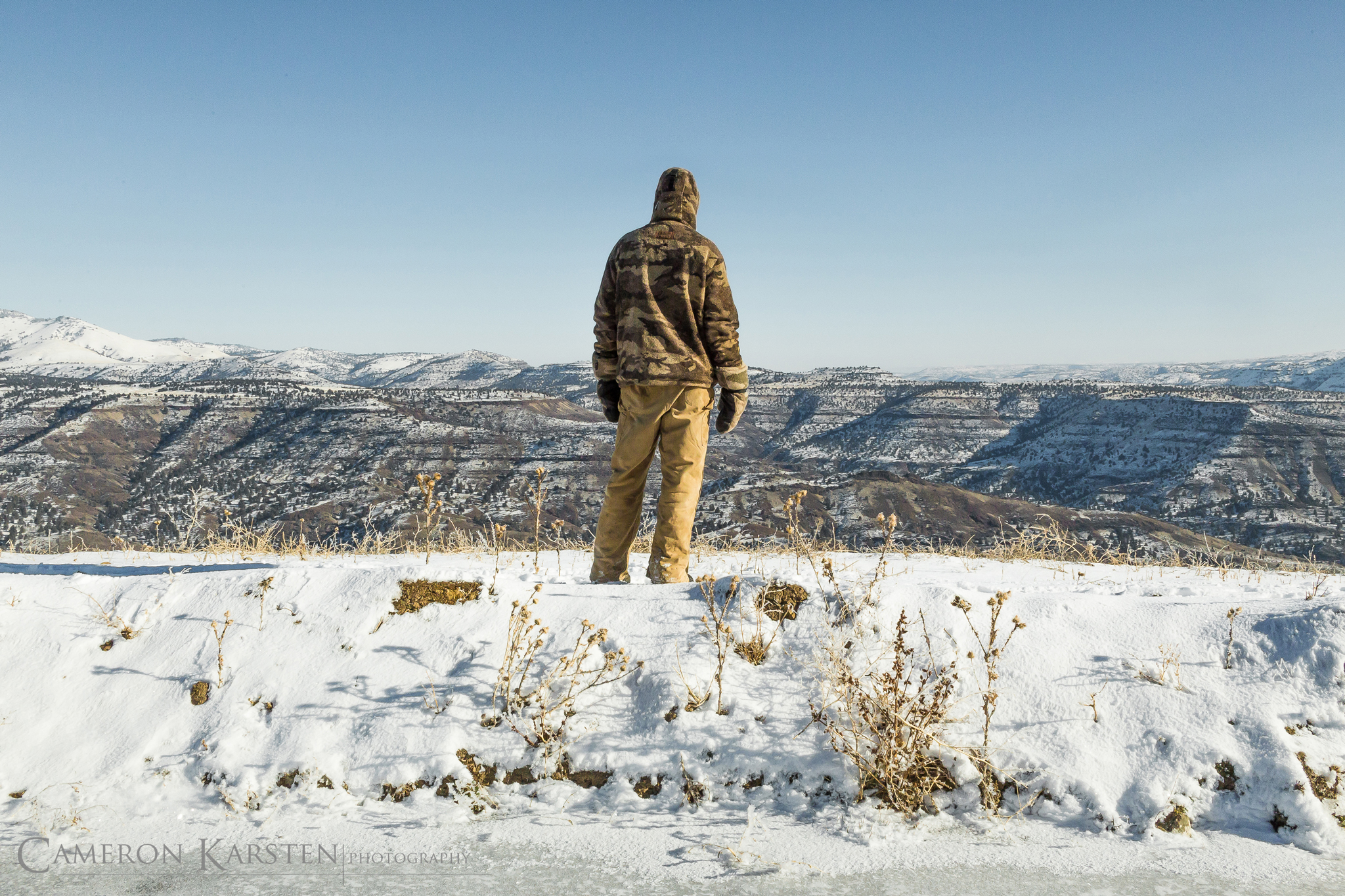
To the ranchers and farmers who thrive out here around the John Day river near Spray OR on the east side of the Cascade mountains, these elements feed their deep spiritual and physical connection to the land. Our rewards for their sacrifice are fresh fruit, vegetables, grains and grass fed beef. Their rewards though are profound and pure. Fresh unpasteurized milk, with warm chicken and duck eggs, and turkeys for Thanksgiving. Here life is shared with elk herds that roam the pristine hills, with bears that hibernate in their caves while cougars and bobcats stalk deer and other game through the sparse pine forests of the hillsides and valleys. The setting sun with its darkening sky reveal, in this high desert, an Atlas of stars, shining with a native brilliance undimmed by the light pollution we’ve all grown accustomed to. A moody fog, lit by that brilliance, courses along the path of the frozen John Day below. As day turns to night, the night crawlers fall into their sleep as the daytrippers awaken.

All around the sounds of the natural world play unspoiled by human industry. The meter of this hard but simple life is not kept by a clock, rather, by the dawn’s early light, the shrunken shadows of high noon, and finally their elongated statures as the sun begins to set are, the timepieces of these hills. As the sky’s hues expand and intensify at sunset and the temperature begins to plummet, the body’s hunger will be satisfied in a kitchen where a pot of steaming milk with honey and spices warms and perfumes the air. Here is a glimpse of life in the high country of Spray, Oregon.

RanchHand-13

RanchHand-79

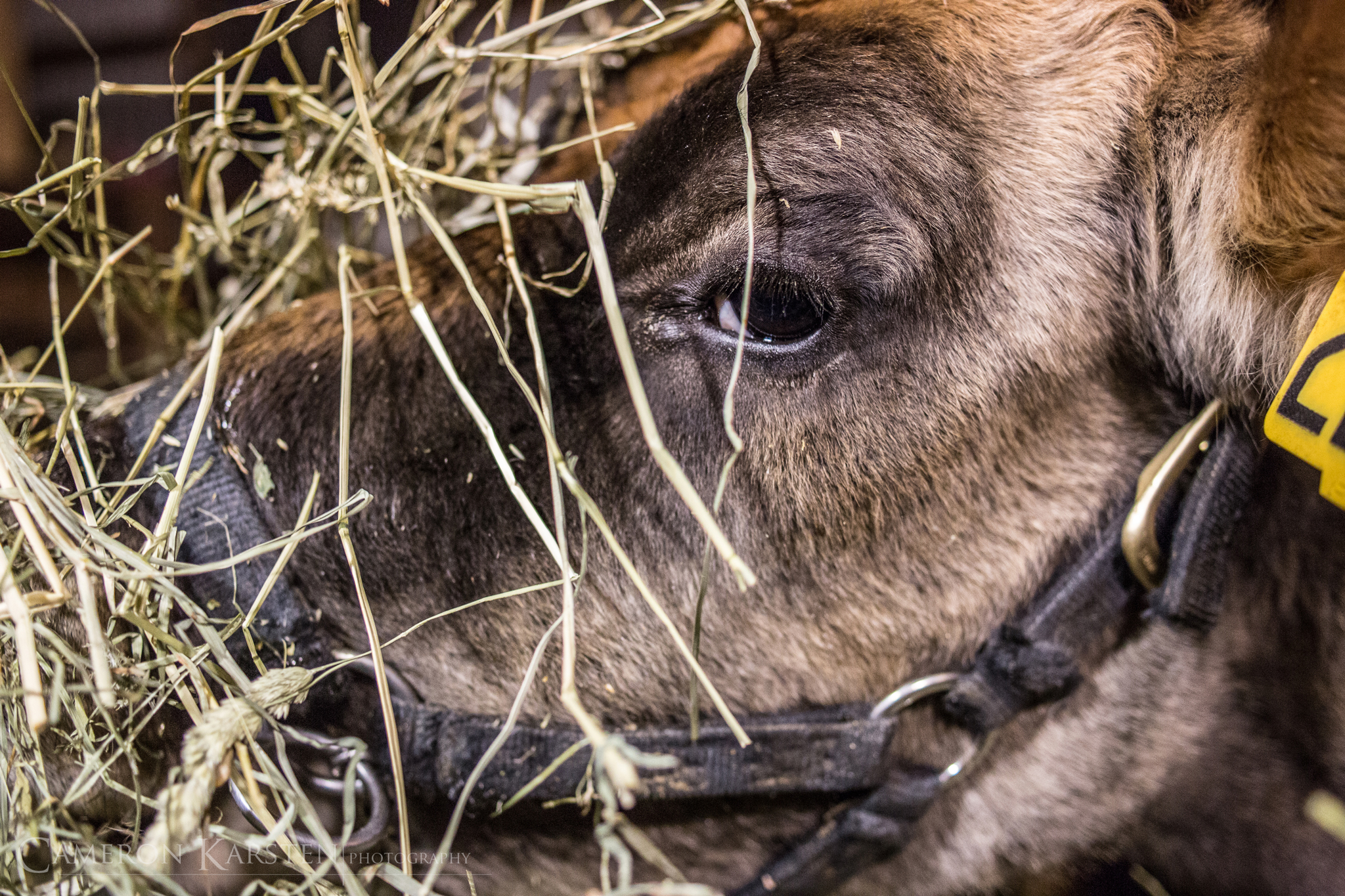
Daisy Bell the Cow being milked in the barn just after 5AM

RanchHand-11

RanchHand-171-Edit

At -5 degrees, this 2,000lb mare had no issue watching the morning sun rise

RanchHand-142

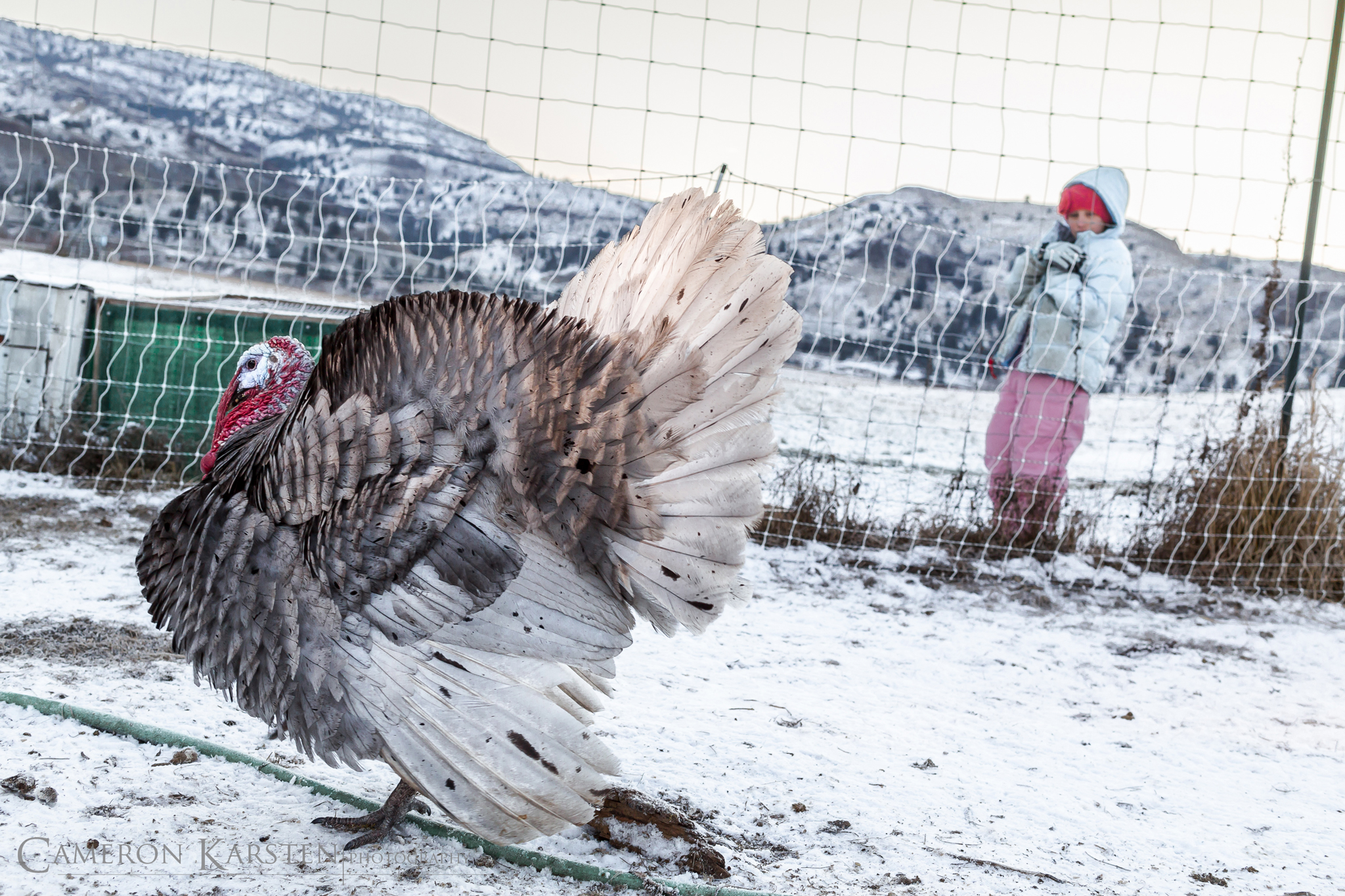
Tom the Turkey was the stud

RanchHand-124

RanchHand-216

RanchHand-219

Micheal F. starts the day with his wife at 5AM and as soon as there is light he is off into the backcountry. Micheal provides full-care to ranch owners; managing and operating a ranch, and learning new ways to evolve the farmer’s marketplace.

RanchHand-222

RanchHand-419

RanchHand-437

Clearing watering troughs requires thick skin, but the breath and the Polaris offer enough relief. The daily high while in Spray was 10 degrees.

RanchHand-442

RanchHand-366

RanchHand-368

The John Day River below

RanchHand-520

Providing mineral and salt blocks in the backcountry

RanchHand-324

RanchHand-274

Juniper trees are weeds in the high country. They are clear cut to make room for grasses in order to form pasture.

RanchHand-295

RanchHand-352

Sunset in the backcountry pasture at an elevation of 4000 feet

Next Post (Pt. II) –>

logo_blackTrajan

STORMR Deer Camp: Into the Hoh Rainforest (Pt. IV)

STORMR_Deer-859

When there is a river nearby, there must be fish. Always bring your fly rod, seek the thrill and reel in those steelhead. Somewhere up the S. Fork Hoh River on the Olympic Peninsula of Washington State on a Stormr assignment.

STORMR_Deer-863

STORMR_Deer-829

STORMR_Deer-838

STORMR_Deer-825

STORMR_Deer-846

logo_blackTrajan

STORMR Deer Camp: Into the Hoh Rainforest (Pt. III)

STORMR_Deer-1060

Nature is stealth. Walk out into the woods and count the number of wild animals spotted. Many are heard, but few are seen. However there are eyes watching you and scents tracing your every movement. Stalking and hunting a wild animal is one of the most difficult thing to do, especially in the shadows of the Hoh Rainforest, but the rewards are one that will feed your family for months to follow. Practice the art of patience, endurance and awareness while chilled temperatures permeate the saturated environments of the Olympic Peninsula. On the hunt with STORMR foul-weather gear.

STORMR_Deer-1130

STORMR_Deer-1239

STORMR_Deer-1175

STORMR_Deer-1048

STORMR_Deer-1086

STORMR_Deer-1334

STORMR_Deer-1327

STORMR_Deer-930

STORMR_Deer-899

STORMR_Deer-1332

STORMR_Deer-1316

STORMR_Deer-1394

STORMR_Deer-1420

imgres

logo_blackTrajan