Amazon from A to Z

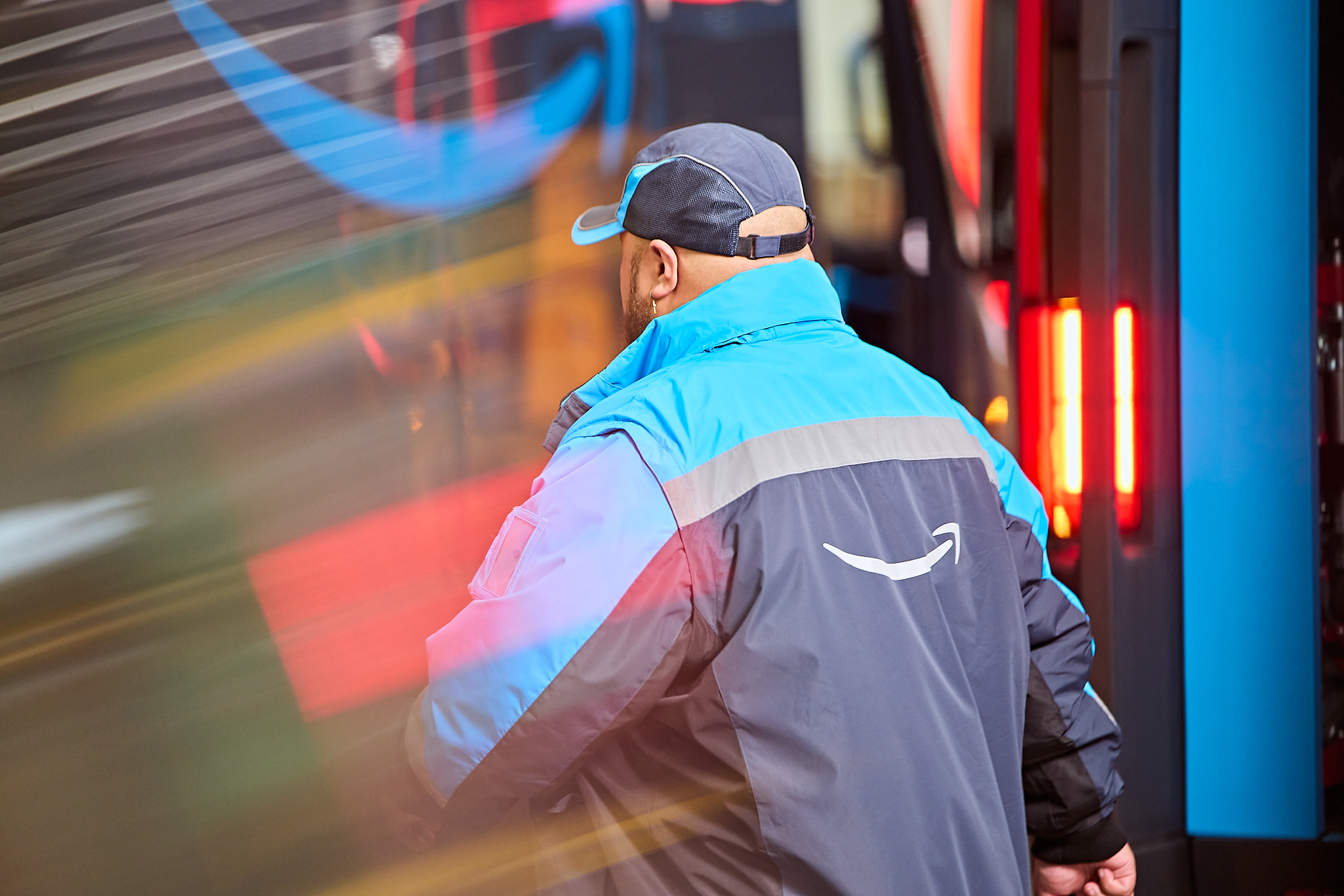
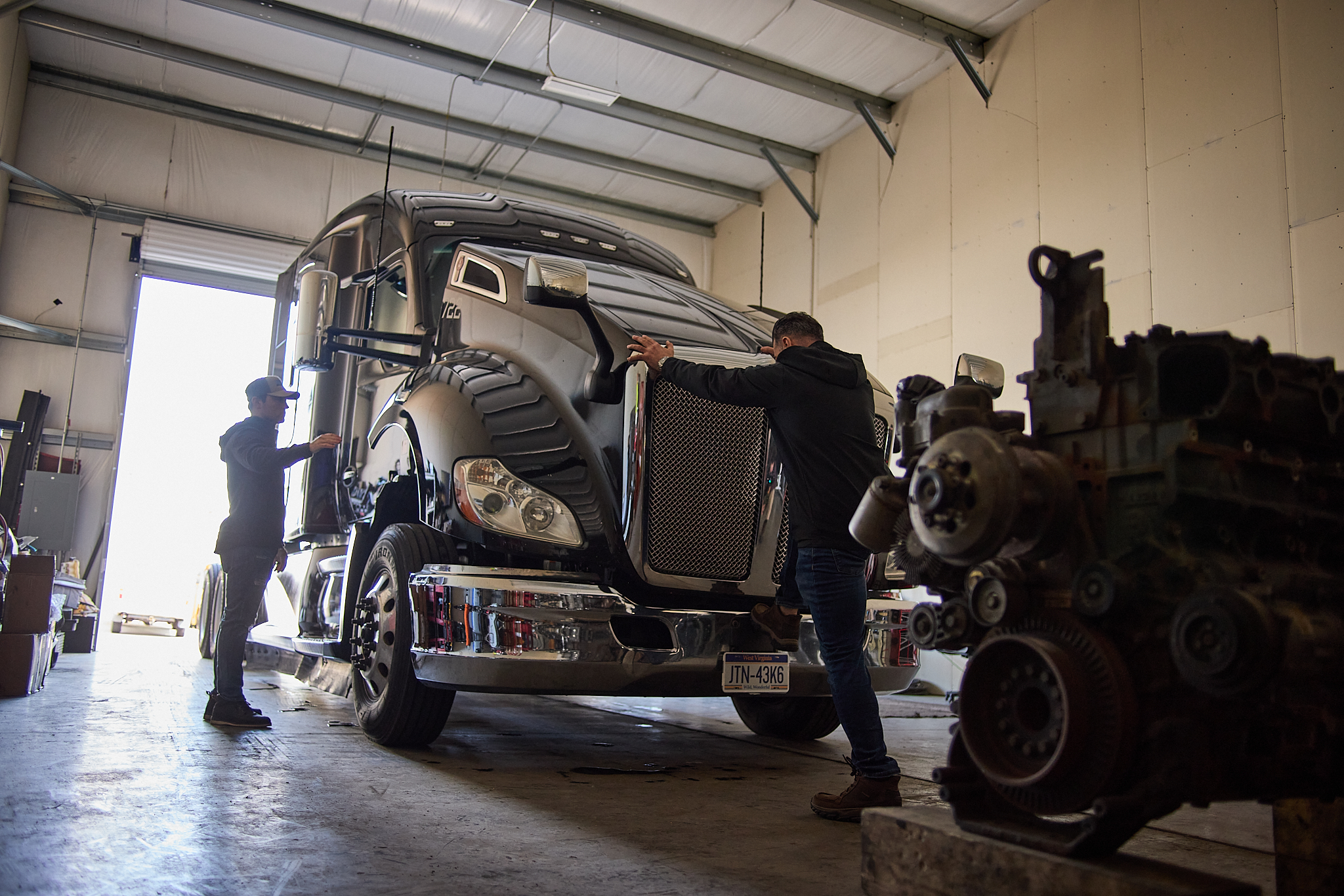
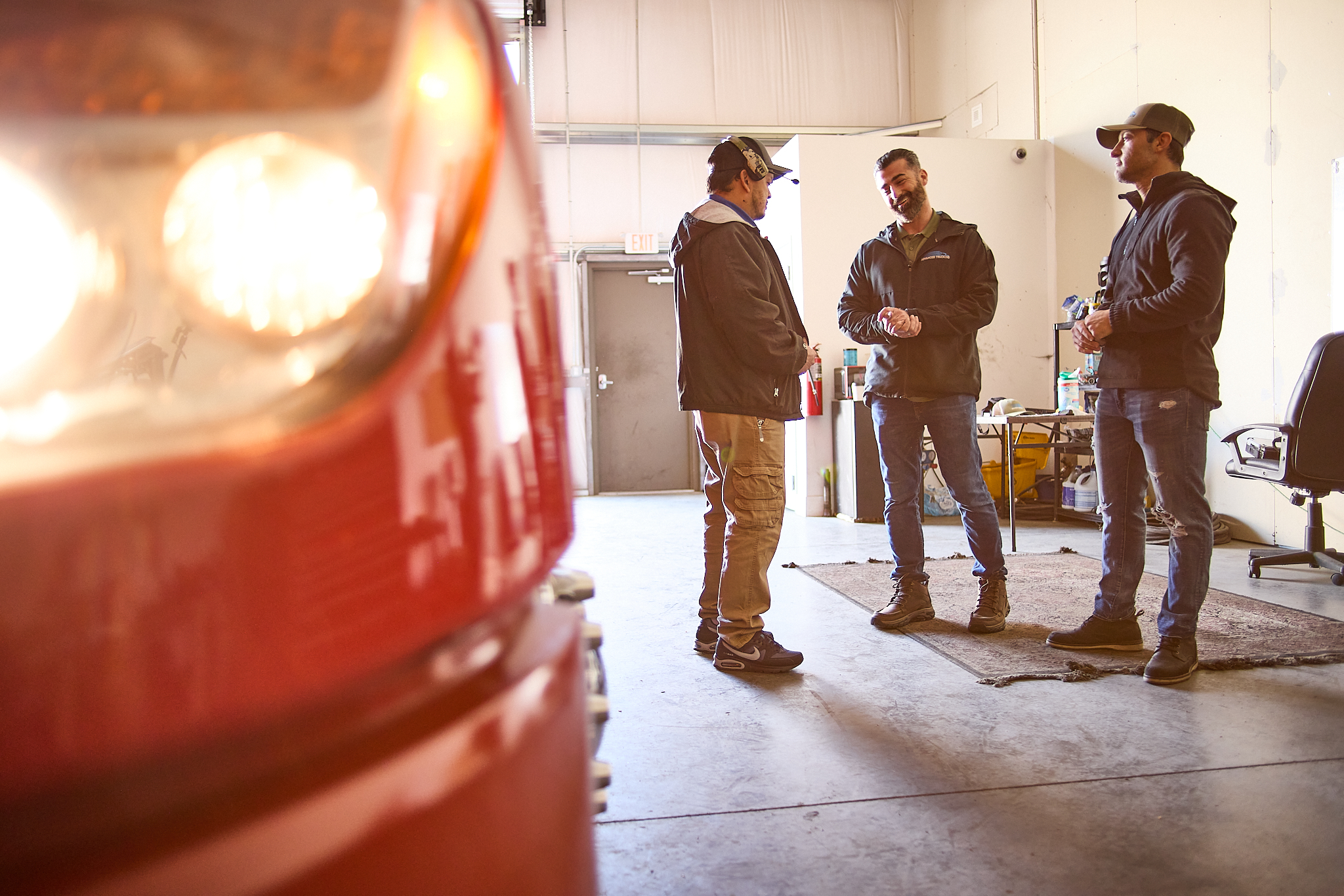
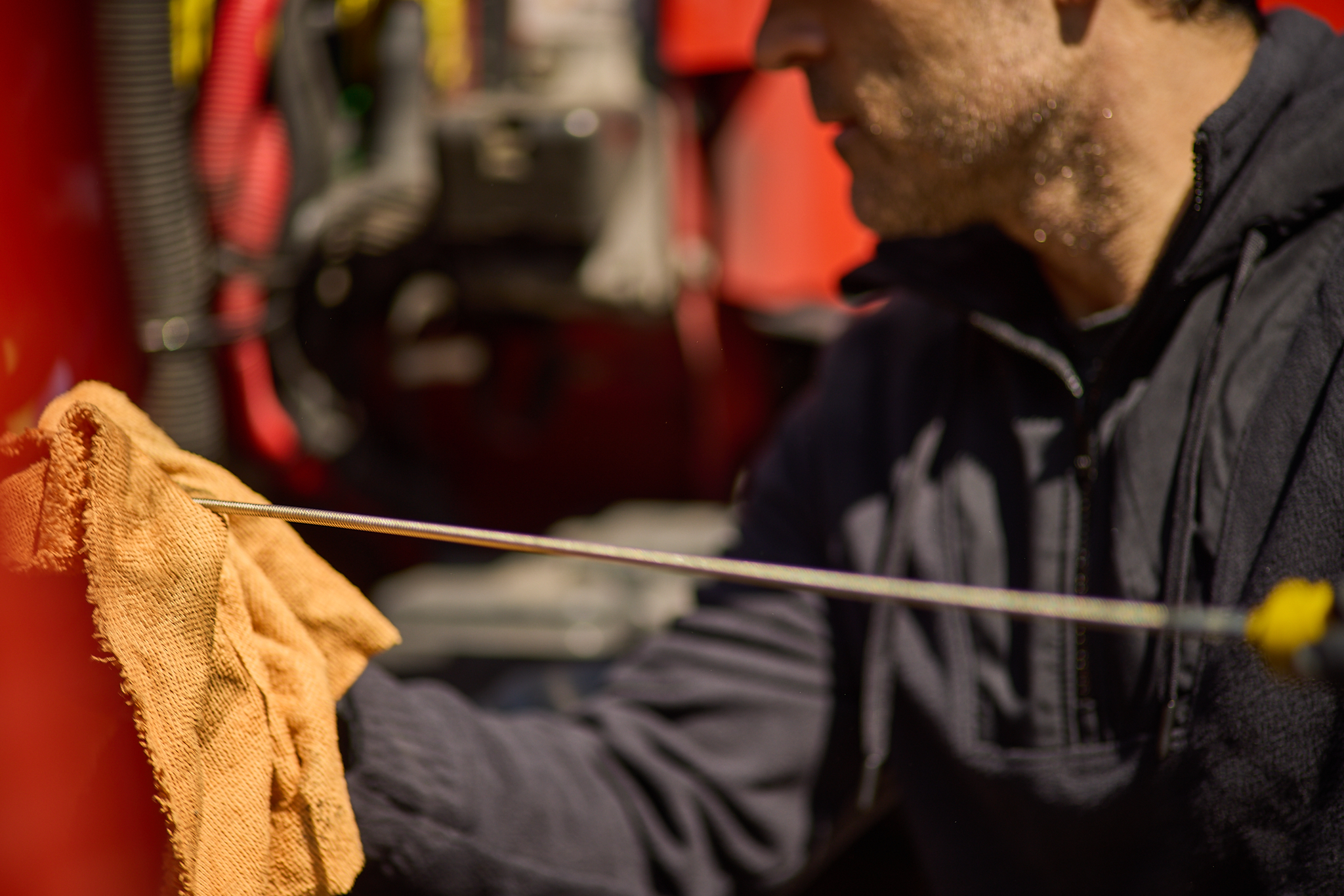
We covered the spectrum this year with Amazon, capturing 3 different campaigns for various departments. The first one was my favorite in terms of planing and logistics, and making sure the skill of anticipation was properly tuned. The 2nd and 3rd were more storytelling processes, highlighting the teamwork, effort and energy put into Amazon deliveries. Ultimately, this is a story about commerce and how it moves, and the people that move it, across the country.

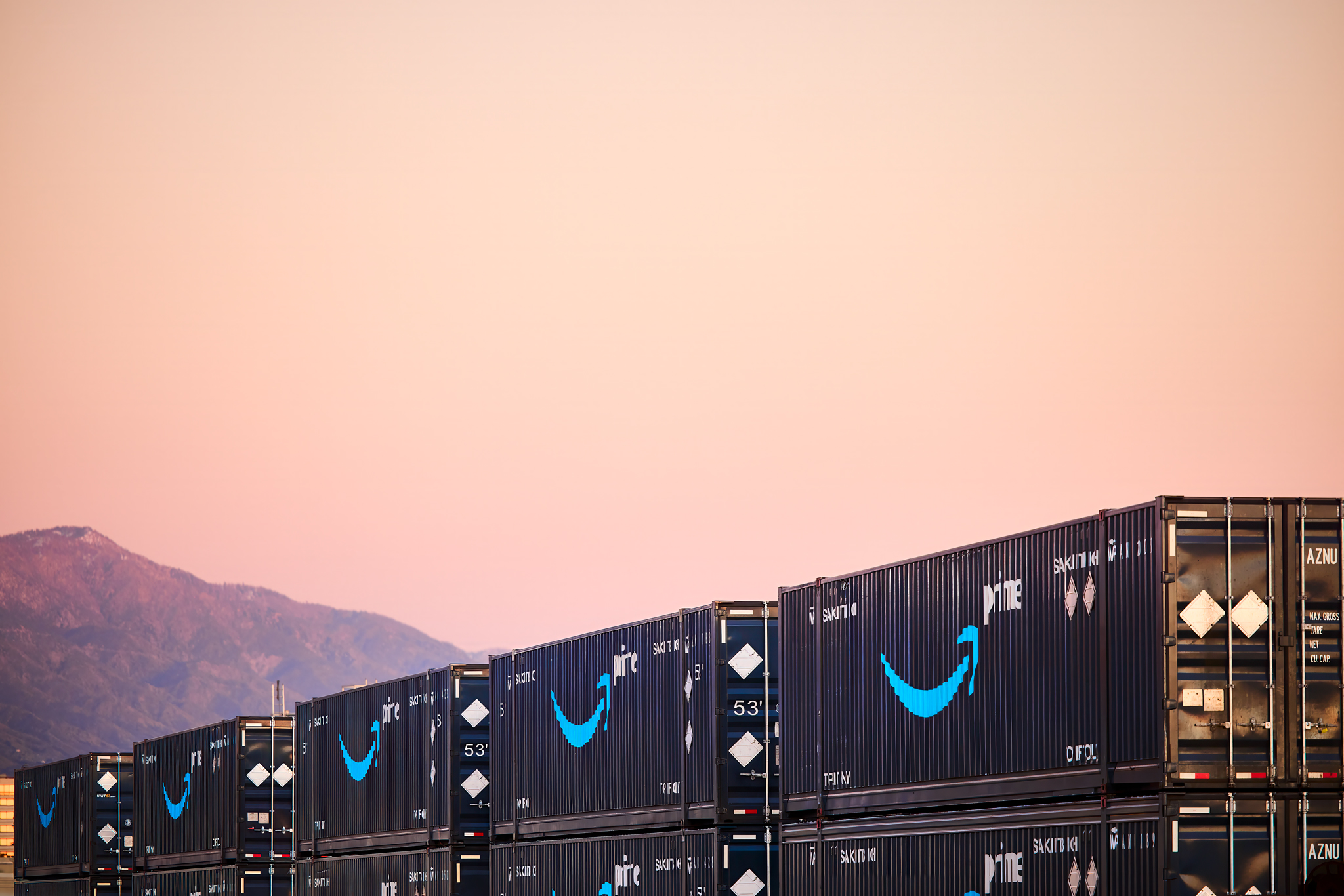
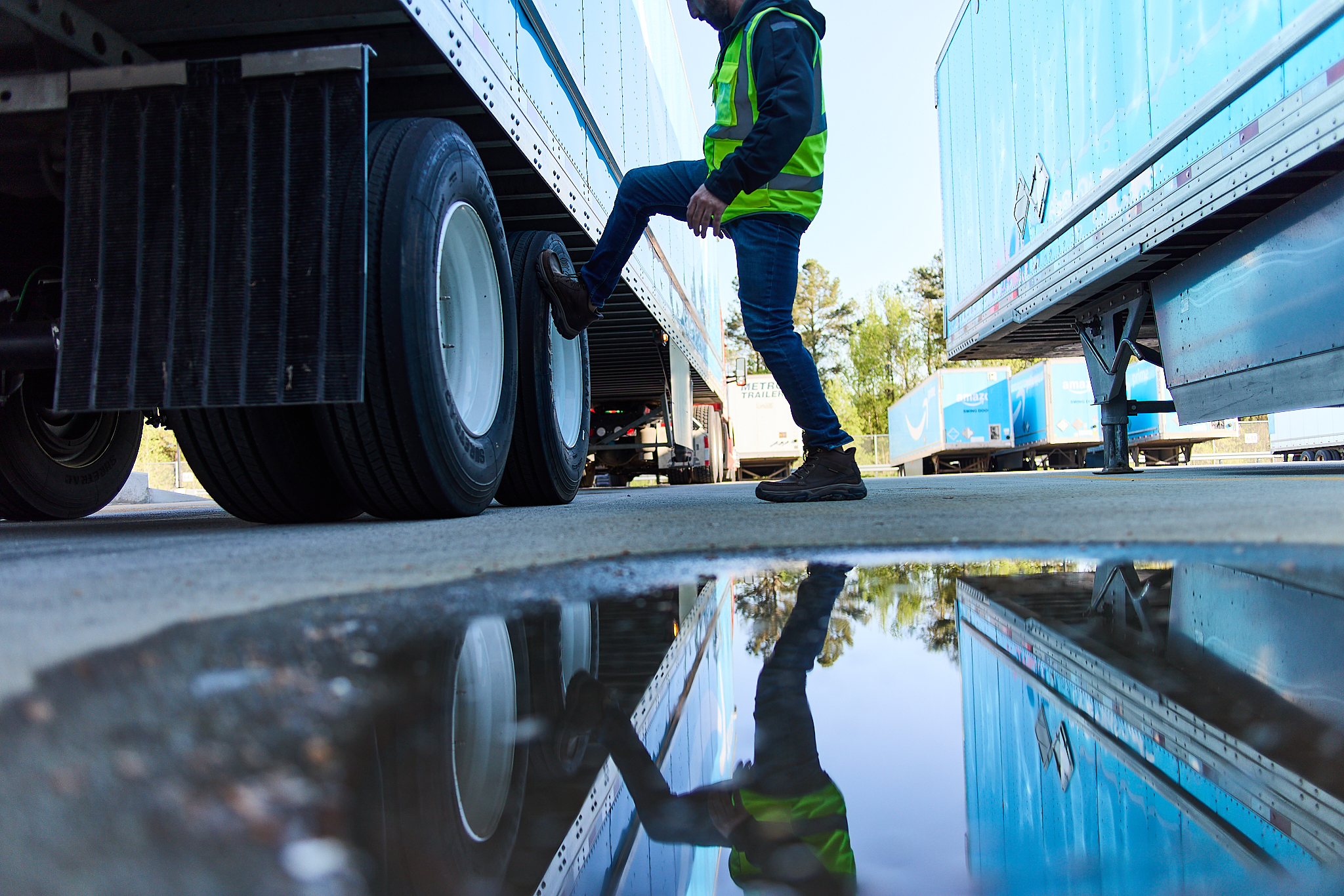
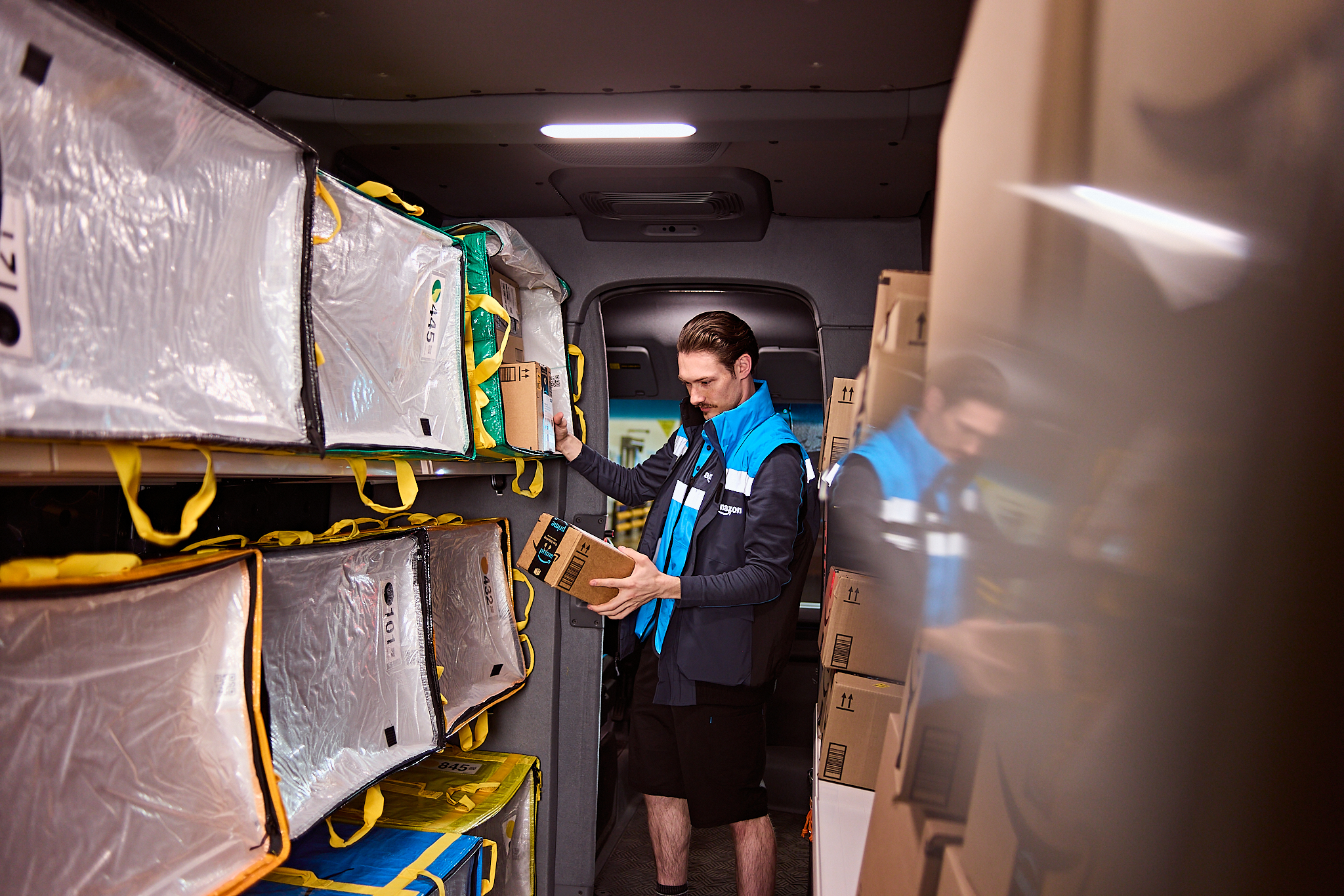
For the 1st campaign we traveled to Los Angeles, piggybacking on a motion campaign. We captured the A to Z of Amazon delivery, specifically highlighting the new Amazon Intermodal container branding. From trains and tracks and yards, to trucks and the excitement of fulfillment centers, to passing planes, it was an extensive effort in planning, including loading a BNSF train with only Amazon Intermodal containers and traveling from Chicago to LA just for a mountain pass shot.
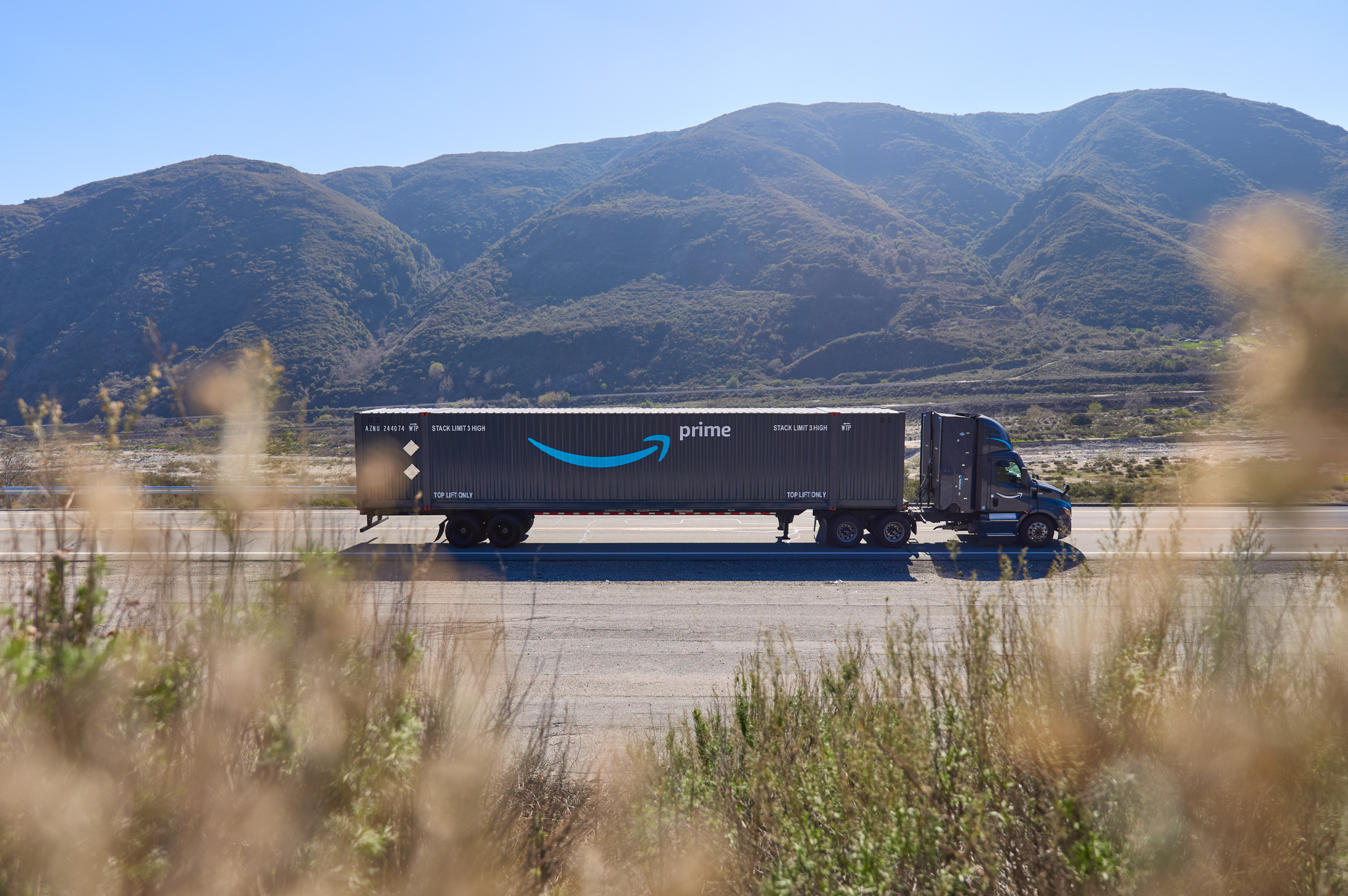
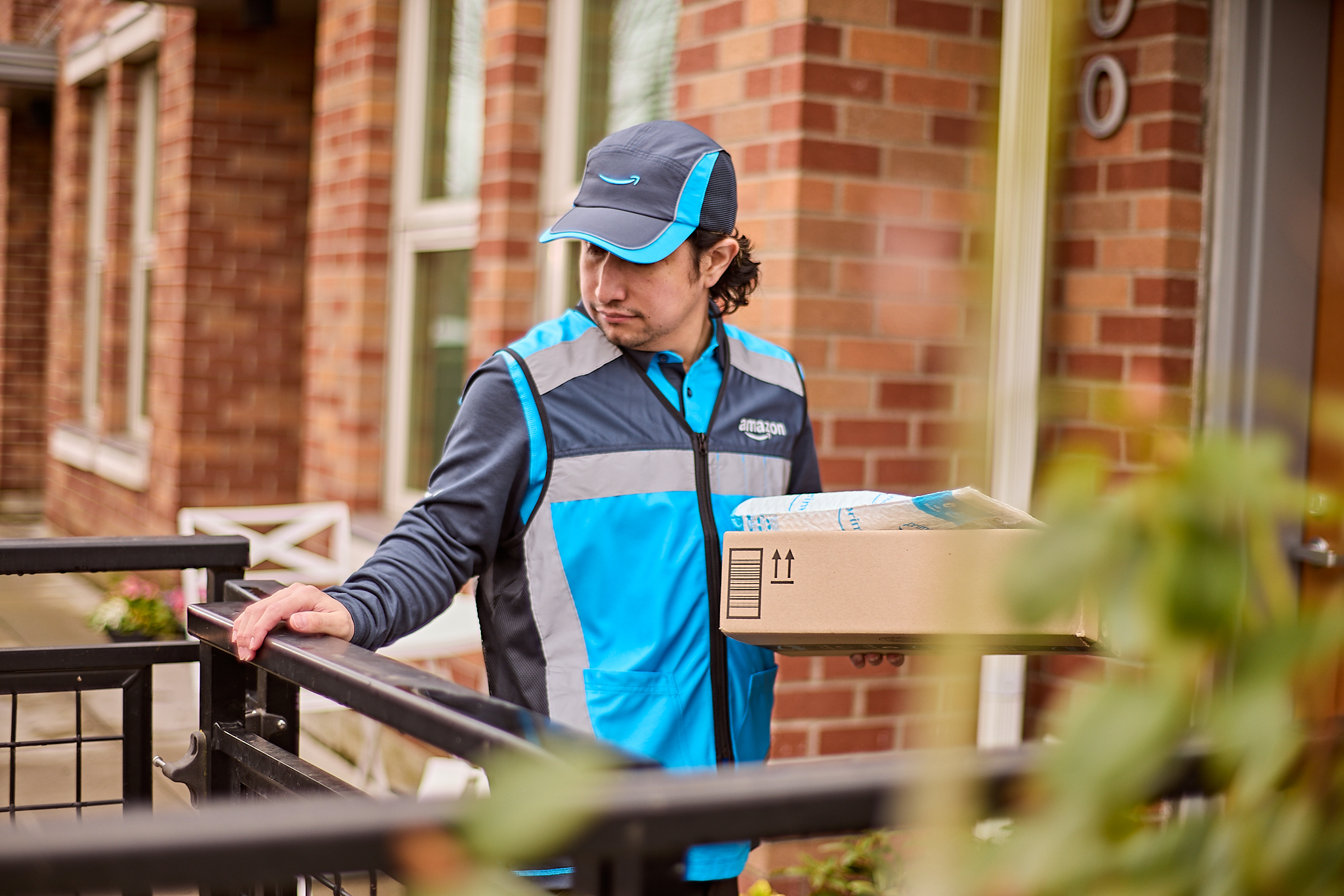
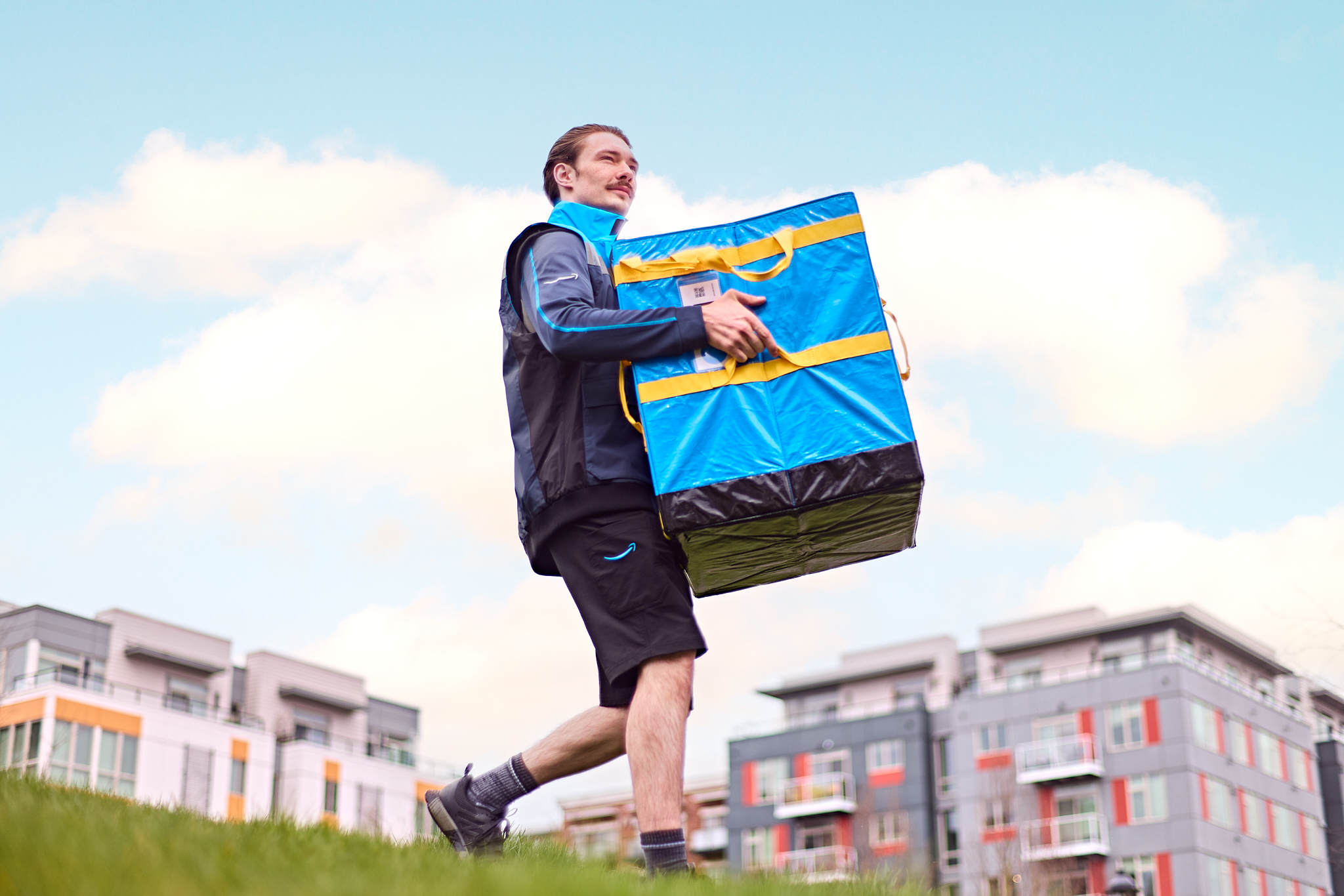
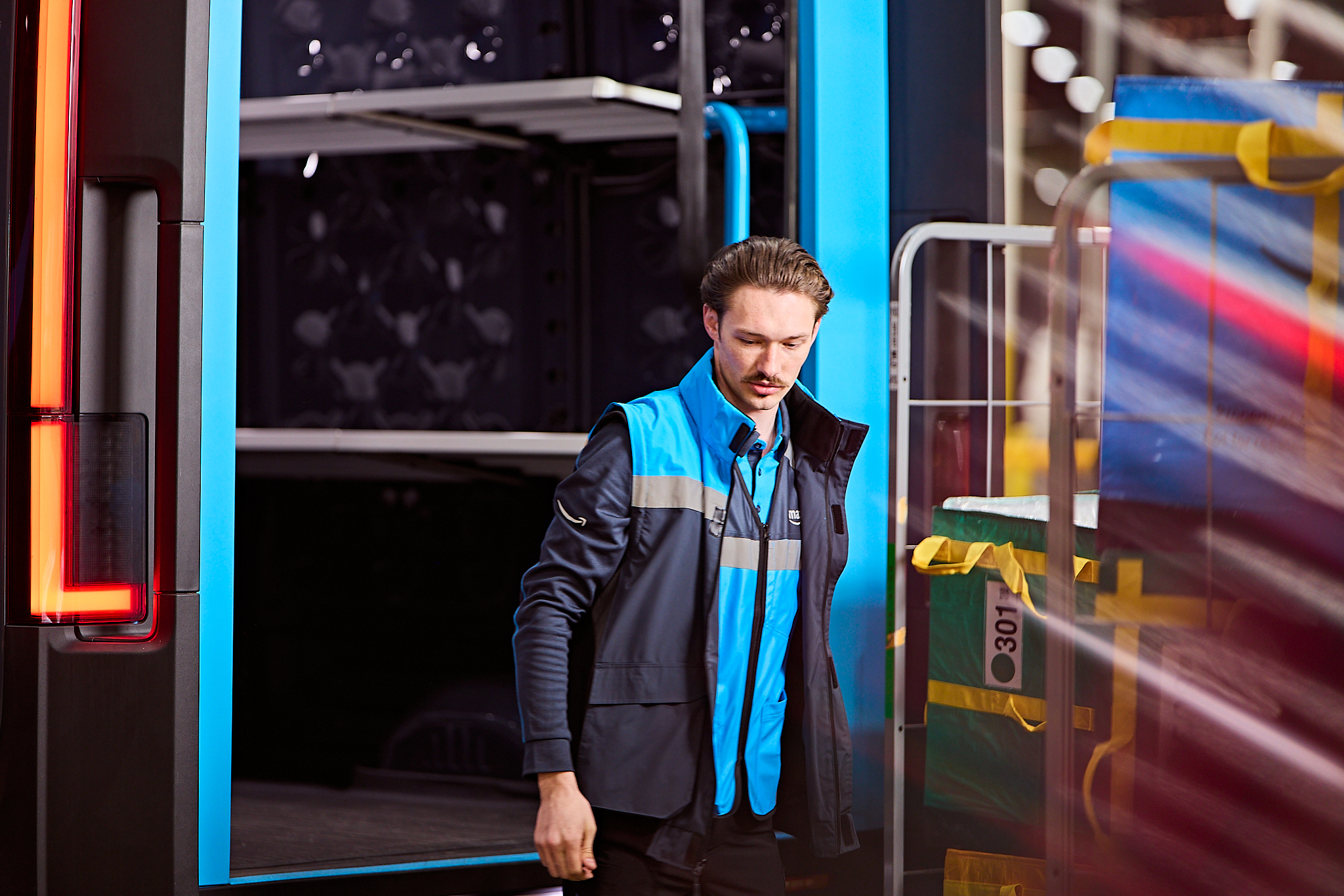
The 2nd campaign was a quick 1-day shoot of personnel delivering boxes, from the sorting centers to the delivery truck and on the streets to a front doorstep. The final assets land as classroom wraps where trainees will be taught the process. It was an in-the-moment shoot, often creating something out of nothing, whether camera angles, foreground elemental distractions or manipulating backgrounds to appear as if we were not located in the Pacific Northwest.

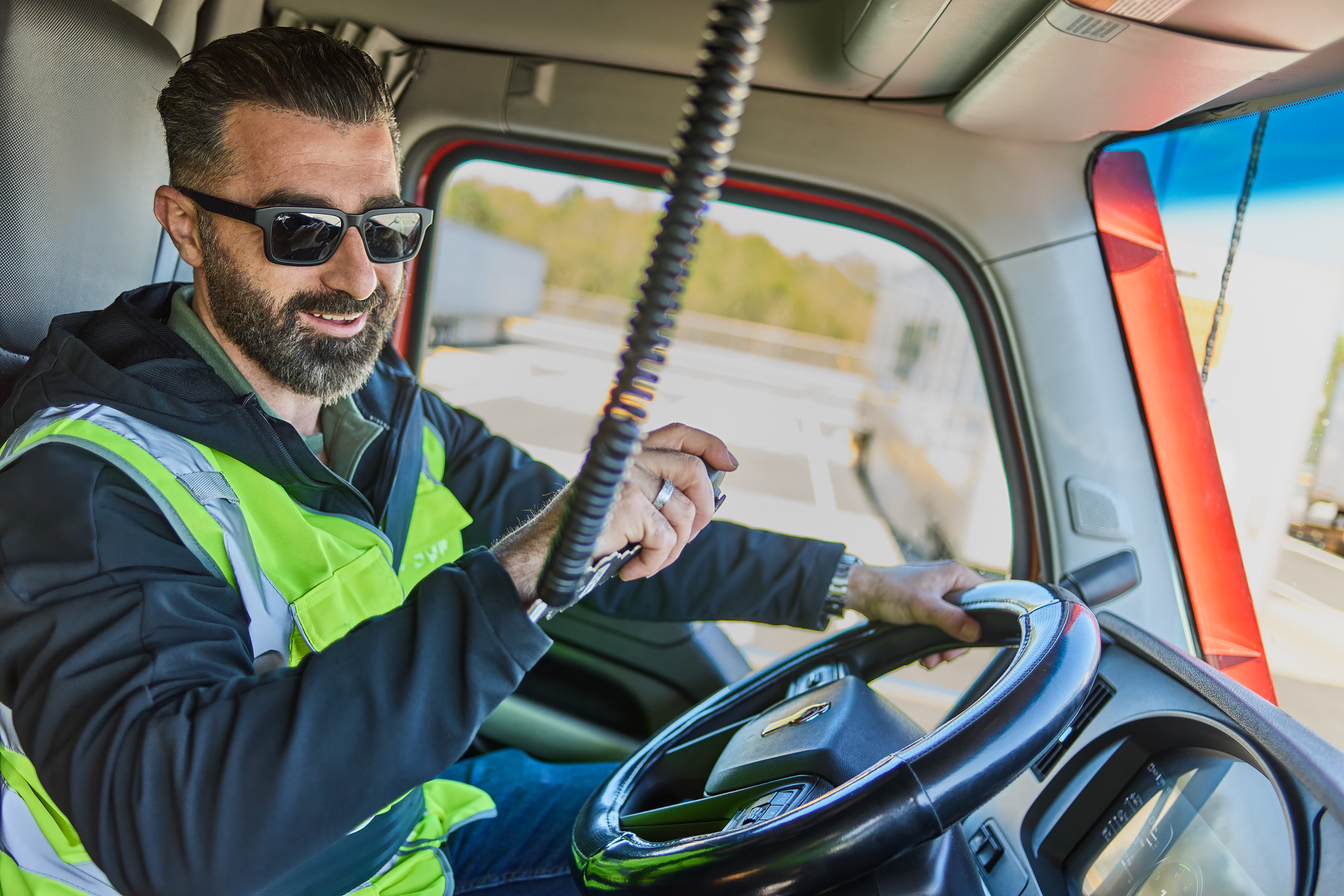
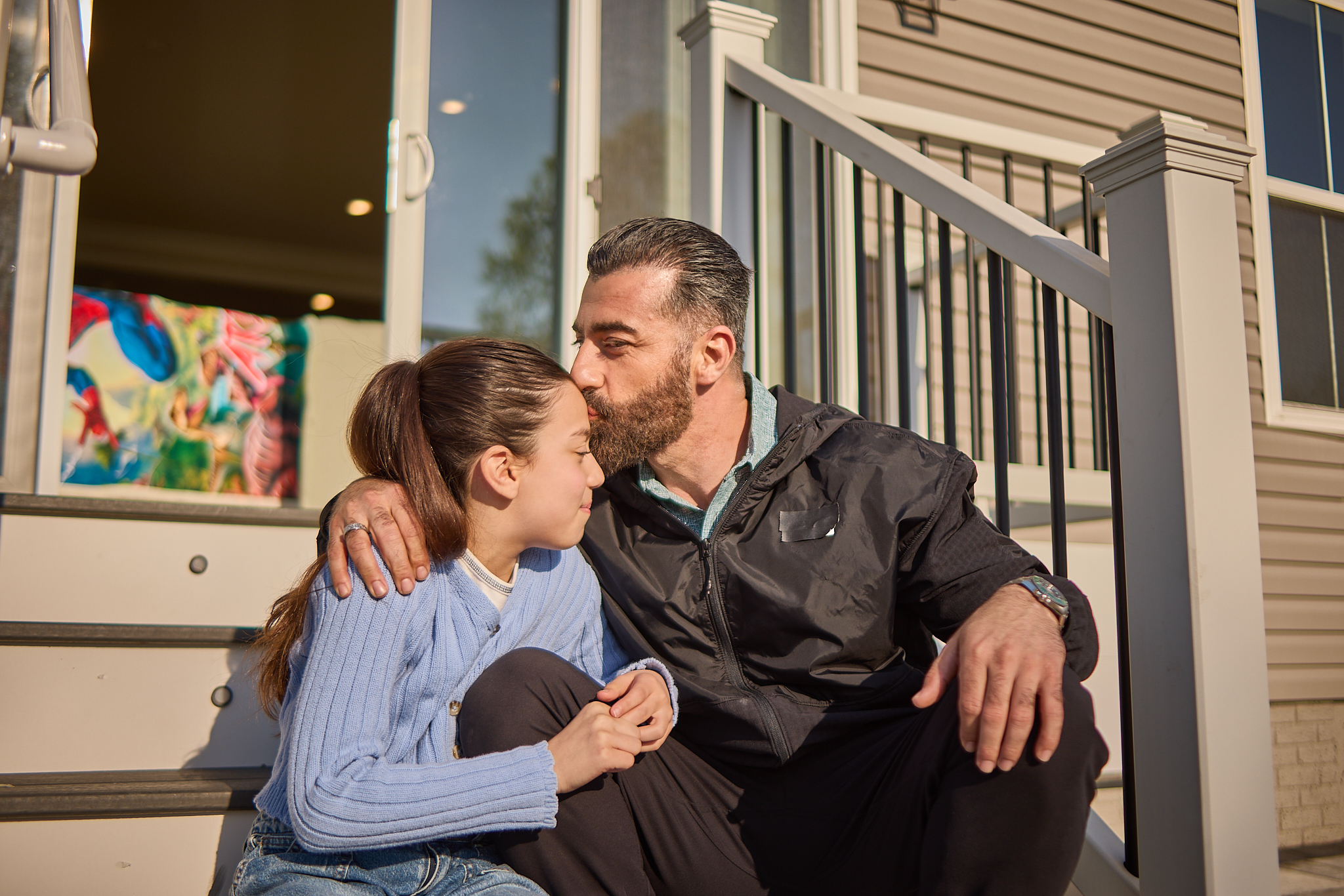
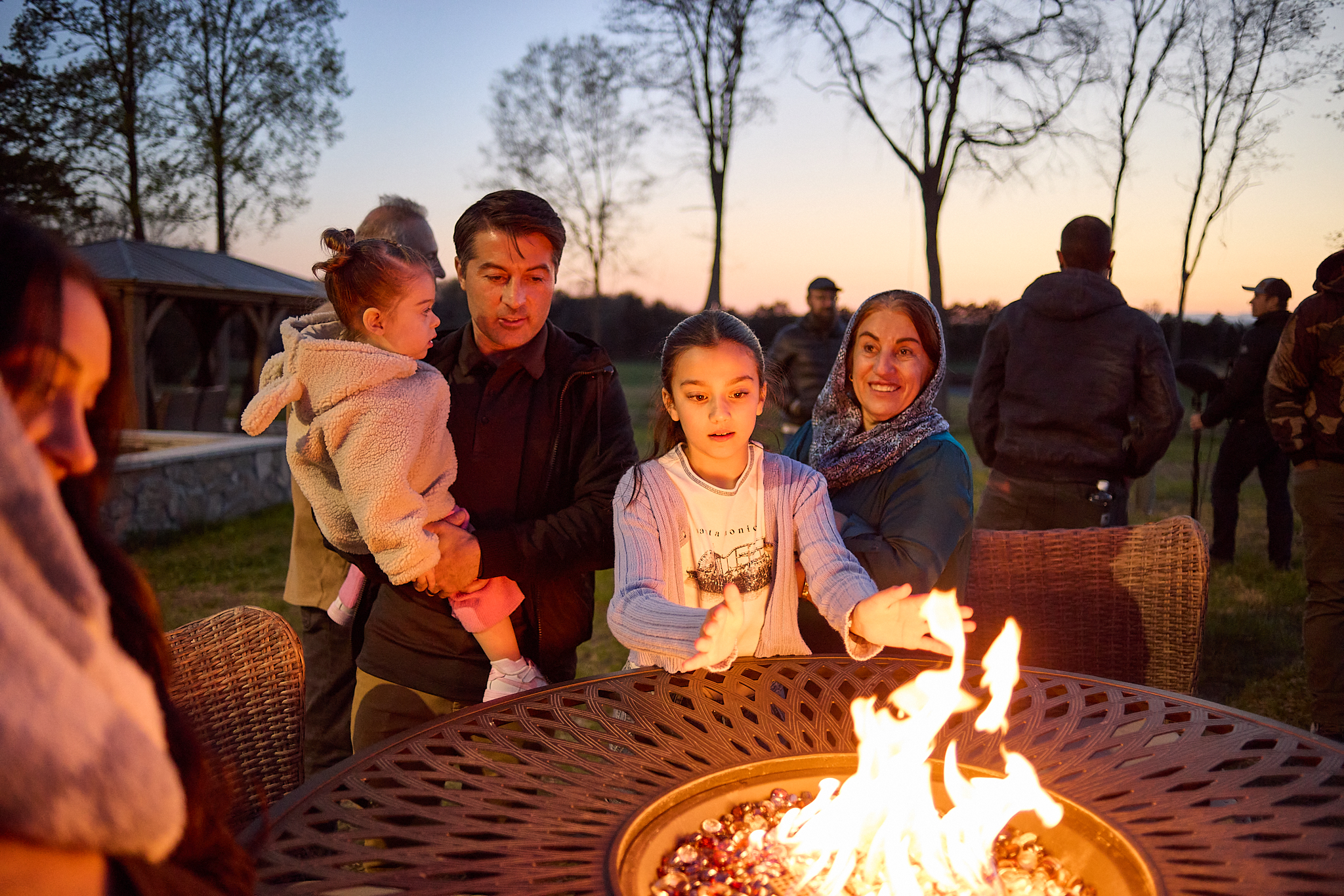
Lastly we were in Virginia, where a man by the name of Bayar Palani has partnered with Amazon Relay to help deliver Amazon packages throughout the region. This partnership has helped Bayar grow his business exponentially and create the dream-life for he and his family. As an immigrant, whom traveled halfway around the world with his parents to seek better opportunity, he is a perfect example of what hard work, dedication, belief, and persistence take to open the right doors and fully live one’s dreams for a better future. He is the perfect example of what all persons should have the opportunity to create.

For more visit www.CameronKarsten.com

Seattle Central’s Alumni Spotlight: Cam Karsten

Here’s a retrospective of my path to commercial photography via Seattle Central’s Creative Academy. Always a treat to have someone interested in your story, and the hope to inspire others to follow their dreams. Original post can be found here.

For budding photographers, Seattle Central Creative Academy alumni Cameron Karsten (‘12 [I think ’13…]) offers simple, yet pragmatic advice: “Shoot what you love.”

After developing a passion for photography while backpacking and blogging across the globe, Karsten was eager to turn his passion into a career. Now, as a highly sought-after commercial photographer with an expansive clientele, he has made a living from capturing those very things he loves: hiking, surfing, and fishing.

Raised in California and the Pacific Northwest, Karsten developed an early love for the outdoors. “I was an explorer,” he explained. “I was outside most of the time, whether it was riding bikes, fishing for salmon in the fall, or just experiencing nature.” Karsten also feels lucky that his single mom instilled in him a love of travel from a young age too and recalled driving to Mexico several times a year when the family was based in southern California. “And so that imbued a love of travel and of going somewhere new and not knowing the final destination,” he added.

When Karsten wasn’t exploring outside, he recreated scenes from the outdoors in the classroom. He never gravitated towards formal art classes, instead filling his notebooks for other subjects with realistic sketches. “I’d picture a place that I wanted to go, and I would draw it realistically,” he said. “And I think that also played into telling stories with pictures, instead of with words.”

Karsten attended college in Los Angeles, where he quickly realized city life wasn’t for him. “I didn’t like much of anything except the ocean down there,” he admitted. This dissatisfaction led him to take what he thought would be a one-year break from college — a gap year that ended up stretching into six years of travel around the world.

Karsten’s goal during this academic hiatus was to become a writer. “I was collecting stories and characters, learning through real-world experiences rather than studying books and taking tests,” he explained. At first, Karsten would hunker down at internet cafes to write stories to his friends and family. But when he discovered a travel blog community of fellow backpackers, he started sharing his travelling tales to a much more global audience under the blog name cam2yogi, a nod to his deep interest in Buddhist philosophy he developed travelling through Asia.

It was during this time that Karsten’s interest in photography began to take shape as well. With his film camera — and later, a tiny digital point-and-shoot gifted by his family — he began using photography to complement his written storytelling.

To his surprise, readers praised his photos as much as — and sometimes more than — his writing. “People would say, ‘your photos are fantastic.’ Because of that encouragement and feedback, I started falling in love with taking pictures and looked forward to capturing the best moment to include in whatever story I was trying to tell.” As his network and skills grew, Karsten sold some of his blog posts as articles to smaller travel magazines.

After six years of wandering the world with his pack, his stories, and his cameras, Karsten returned to the Pacific Northwest — and felt more restless than ever. His travels had provided him with a wealth of experiences, but he was still searching for a way to channel his creativity into a sustainable career.

It was a woman he met — now his wife — who helped him put down roots in Seattle. She worked as a photo stylist at the time and connected Karsten to several commercial photographer contacts.

“I realized that the whole traveling lifestyle was going to be on pause because I was in this serious relationship, and I started learning more about the commercial world and what was available to me as a career,” he said. “And every commercial photographer I worked with within the Seattle area was like, ‘Hey, if you want to do this seriously, go back to school.’”

Karsten took their advice and looked into Seattle Central College’s Creative Academy. “It was a no-brainer,” he said. “The program was highly recommended and close to home.” He enrolled in the two-year Commercial Photography program, which has since been folded into the current Visual Media program.

At Seattle Central, Karsten found the structure and mentorship he needed to hone his craft. “The first year was all about learning the fundamentals of commercial photography — like continuous versus strobe lighting,” he said. By the second year, the structure of the program shifted towards encouraging students to find their niche and lean into their creative strengths to set them up for real-world success. For Karsten, that meant focusing on storytelling through outdoor photography.

“Growing up in nature, I could not stand being in the studio working with inanimate objects,” he said. His instructors, like the retired Alejandro Tomas and the late Robert Milne, recognized his passion and gave him the freedom to pursue it. “They said, ‘If you want to be outside, go be outside.’ That support made all the difference.”

“[This photo] resembles my path to steer away from the studio and practice my light skills to shoot outside,” Karsten said referencing the following photo from his days as a student at the Creative Academy.

Karsten remembers feeling like he was in a vastly different stage of life than his classmates who were fresh out of high school. He and his wife were starting a family by his second year of the program, and knew he had to take school seriously. “It was my career,” he said.

He credits his professors, Tomas and Milne, with imparting the technical skills necessary to make his career but also offering mentorship that bridged the gap between the classroom and the professional world.

“I loved the one-on-one conversations with them,” he recalled. “They weren’t just teachers — they were adults, and I could relate to them. Those conversations were less about school and more about photography as a career. That’s what really stands out to me.”

After graduating from Central in 2012 (2013…), Karsten made it his goal to build up a professional portfolio of work while simultaneously enjoying his favorite outdoor activities in the Pacific Northwest. He took his camera with him whenever he and his friends would camp, hike, or hit up the beach.
Karsten tried photographing surfing at first, but found it was too hard to stay off the waves. He realized that shooting his friends fly fishing was different, and it soon became a subject that dominated his portfolio. This work also caught the eye of his first major client, Grundéns, a commercial fishing gear company.

“I brought a really nice, printed portfolio and as [the marketing professional] was going through my work, he was like, ‘Hey, this is great. You want to go to Norway?’ and I was like, ‘what!?’” he explained. “So, the next thing I knew, I was on a plane to Norway to photograph cod fishing for this company. And from there we went to Guatemala, the Florida Keys, and Alaska.”

By continuing to capture subjects he was passionate about, Karsten’s portfolio expanded to include work with other high profile outdoor recreation and technology brands, like Patagonia and Garmin Marine.

In recent years, Karsten has returned to Seattle Central, not as a student but as a professional, supporting the college in a variety of photography and videography projects.

“I’m always like, ‘Yep, let me block my calendar because of course I’m there for you,” he shared. “It’s part of just paying it forward and trying to give them my all, since they gave me their all and got me to where I am today,” he said.

While Karsten continues to shoot a variety of subjects for his clients, he finds the most enjoyment — and conveniently, work — shooting those very things he loves, like nature and outdoor recreation, echoing the subject matter he captured on the point-and-shoot he carried with him throughout his backpacking adventures. “When it’s a personal project, your passion shows through, and that’s what attracts clients,” he said.

He travels less now, prioritizing quality time with his wife and two daughters, eight and 10, but still cherishes every moment he gets to spend outside with a camera in hand.

As Karsten prepares for his next project (Nov. ’24) — photographing warm-water fishing in Baja California for Grundéns — he reflects on the impact Seattle Central has had on his less-than-traditional path. “Seattle Central gave me the tools, the trust, and the freedom to build a career I love.”

For more visit www.CameronKarsten.com | www.the-subconscious.com

Albertsons’ Memorial Day & Summer Campaigns

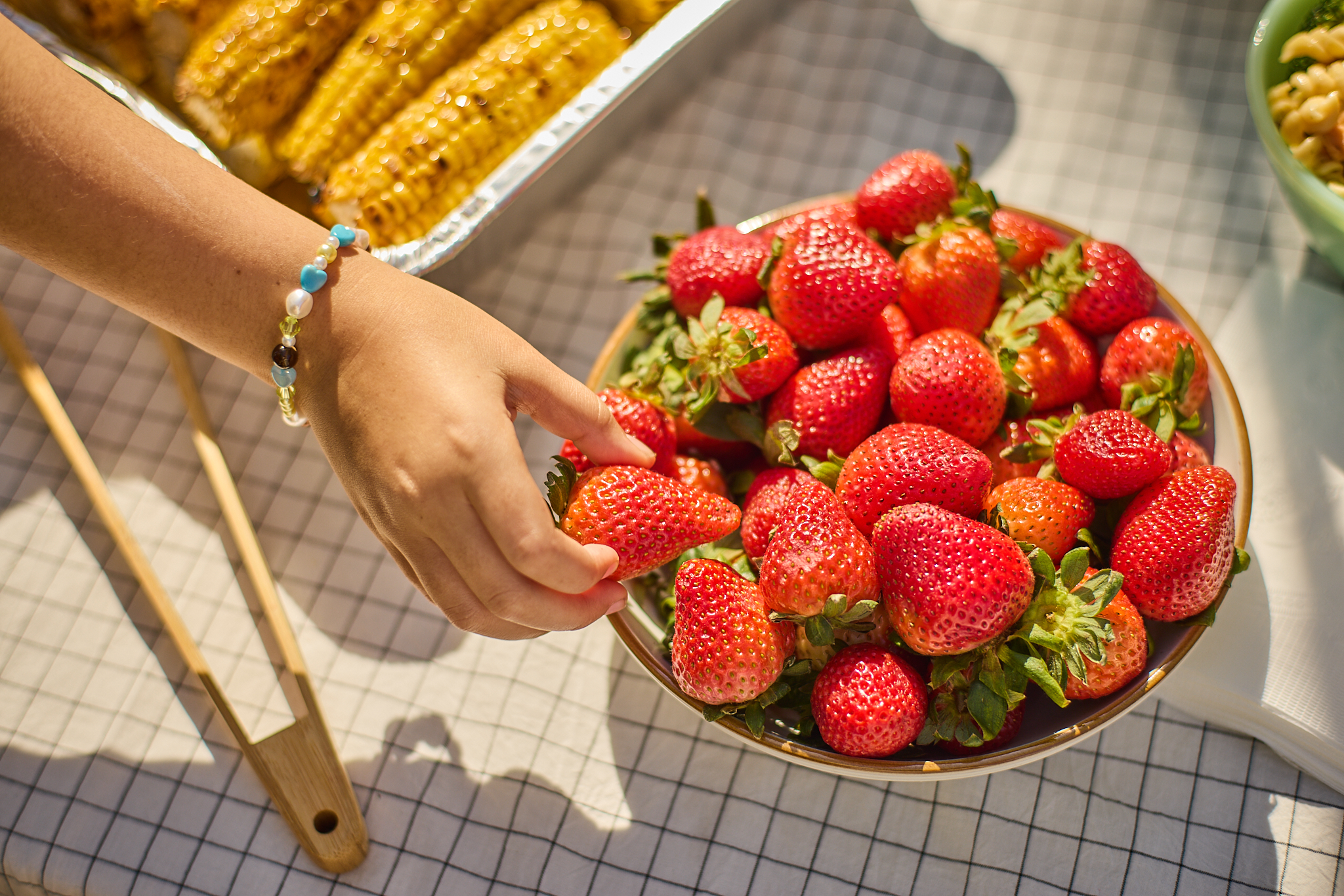
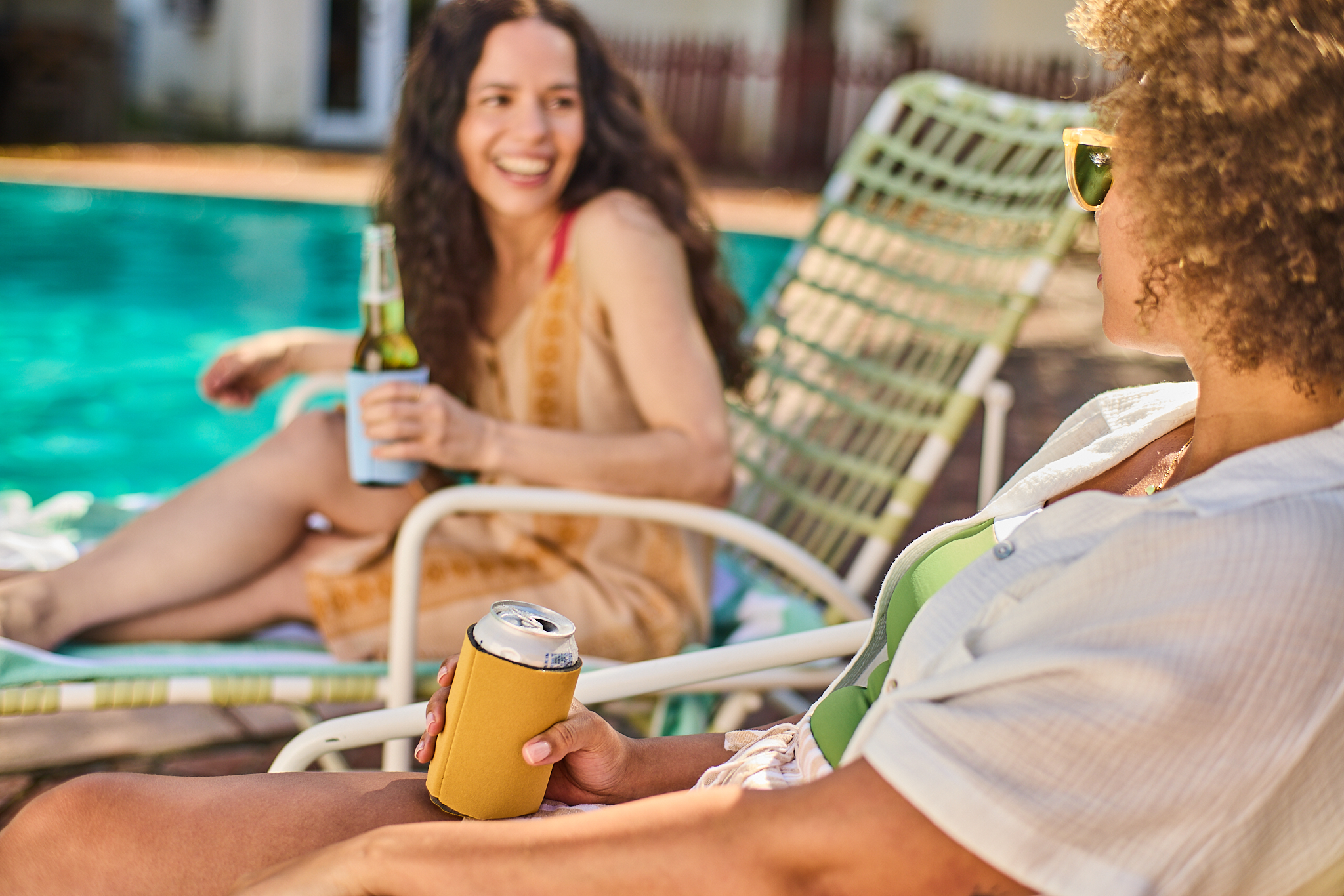
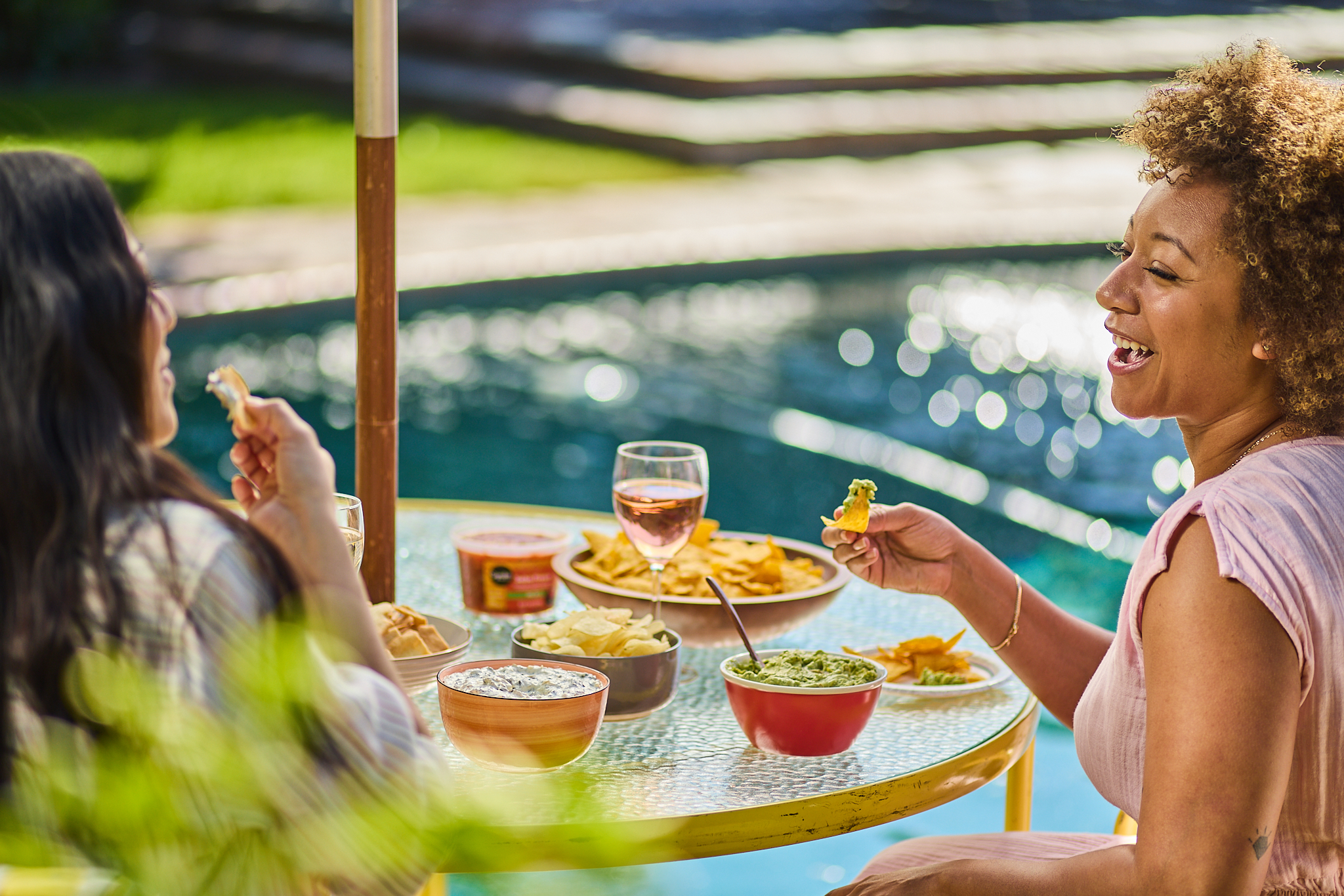
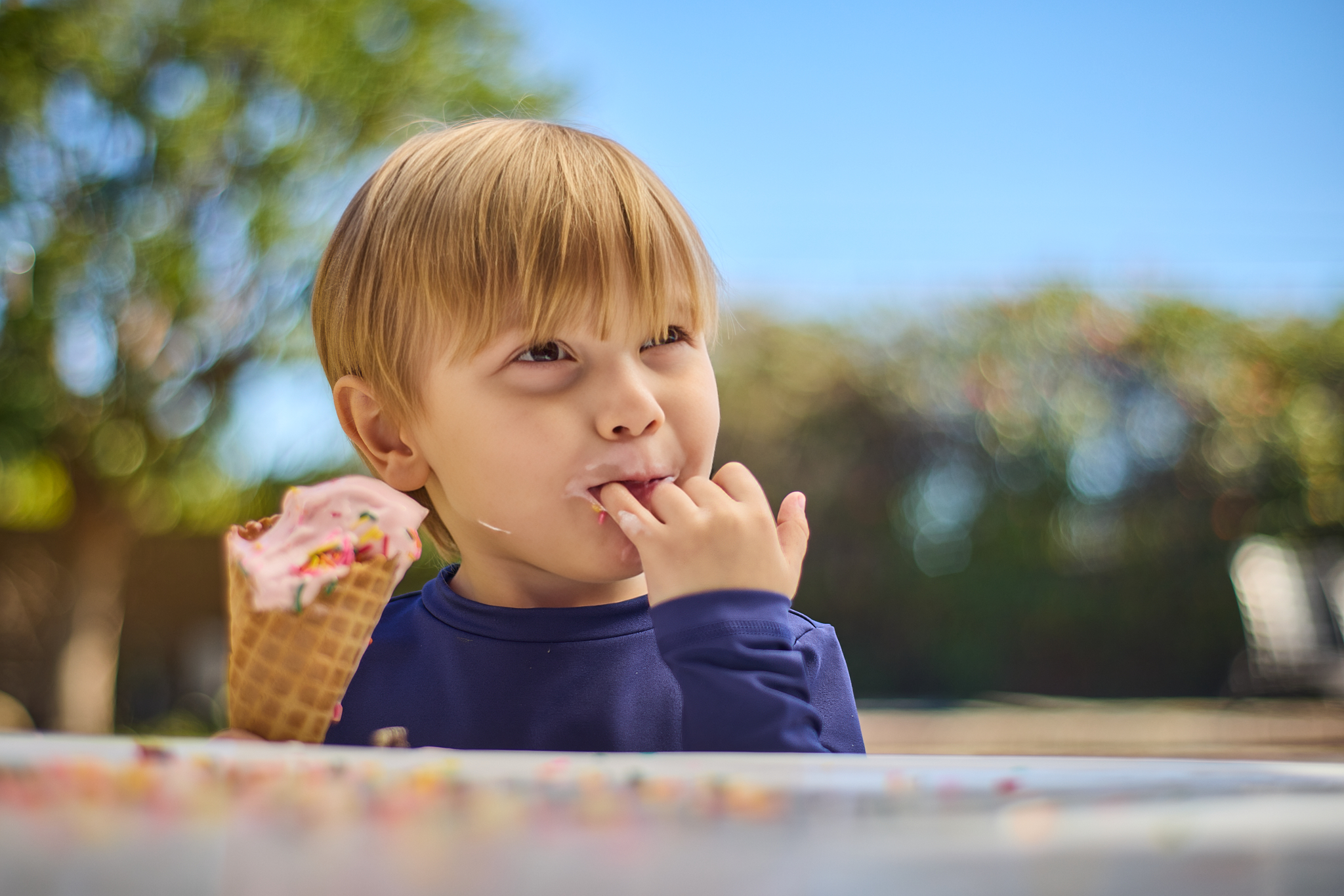
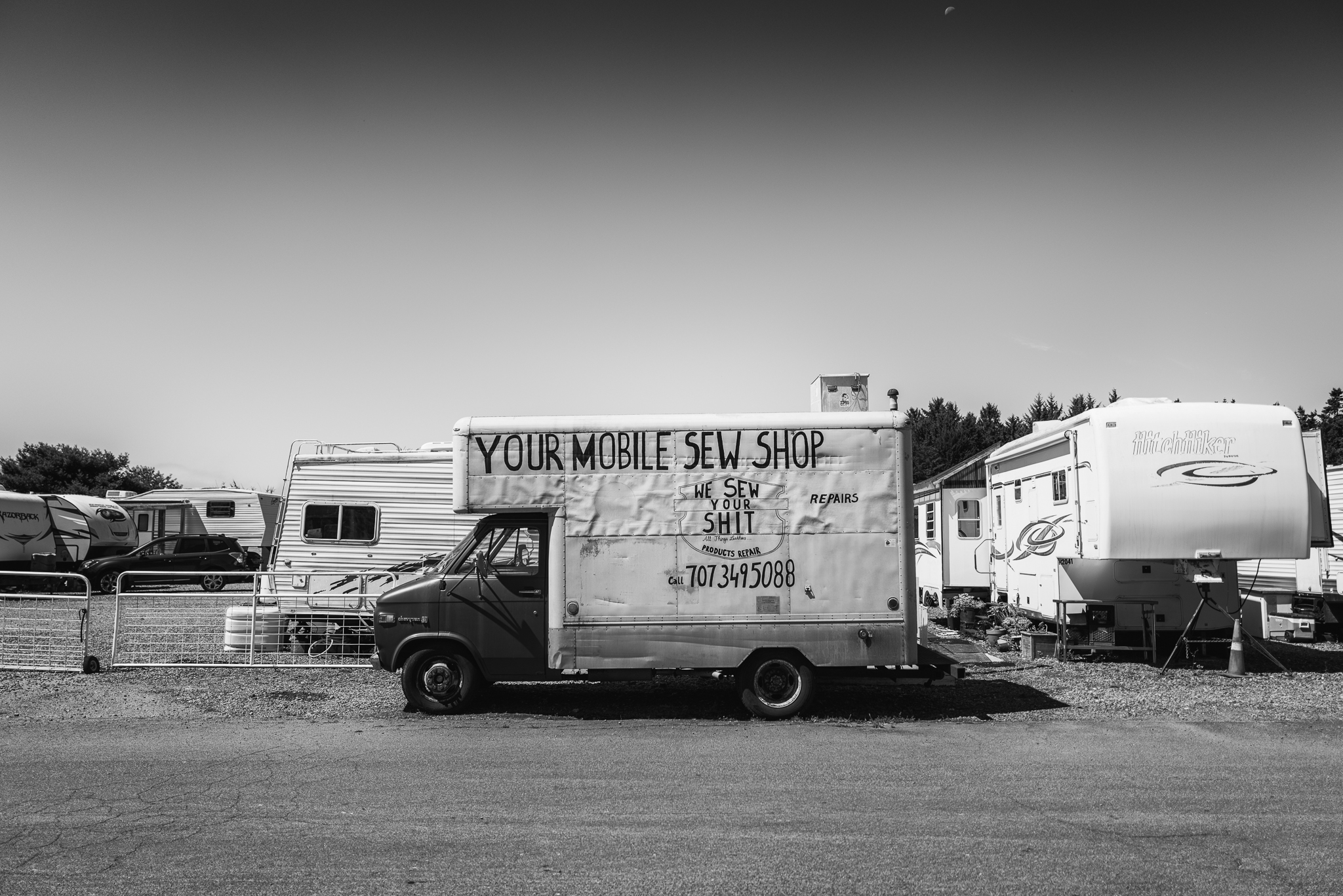
Summer in Los Angeles in February. We spent three days capturing the warm summer vibes of LA at 70 degrees. Produced by HyperionLA with a skilled crew of assistants, DigiTech, HMU and food stylists, let alone the creatives from Albertsons – it was all perfect… except for the locations. One house’s online profile turned out to be smoke and mirrors; completely disheveled, which included an immobile RV parked in the yard trailing a long yellow extension cord through a maze of untidiness, a dilapidated trampoline with it’s walled netting looking like a marooned salmon fleet, broken and water-logged playsets and plastic debris from the pool’s detritus filled waters, all nestled on patchy green crab grass, which didn’t offset the large swaths of chocolate brown dirt bearing no life (and not to mention the pile of dog shit which filled a commercial-grade trash can to the brim… and sat in the yard’s corner). Our first shot on the list was, needless to say, behind schedule.

The second location housed a menacing manager who restricted all movement until he offered a bribe and was paid an additional fee. This eventually permitted further access into his four-walled cavern. And as it turned out, the homeowner was his father, a kind man who had no idea what was actually happening as about 20 personnel moved gear throughout the interior and exterior of his home. It was true. We needed all the space we could get. And it paid off.

For more visit the Albertsons’ Project gallery

www.CameronKarsten.com | www.the-subconscious.com

Photographer + Director represented by The Gren Group

The Forgotten Seasons: Down the Pacific and Back

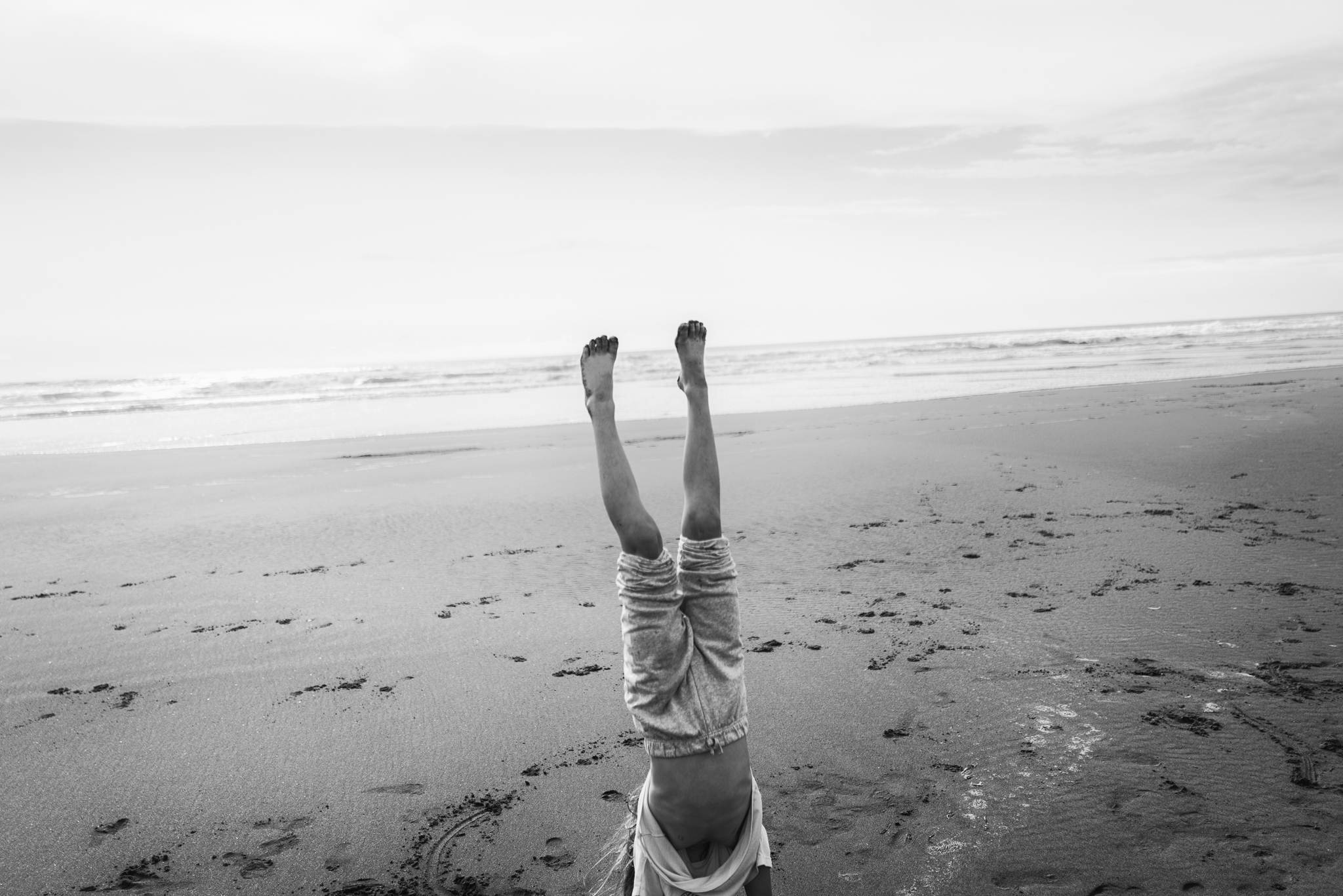
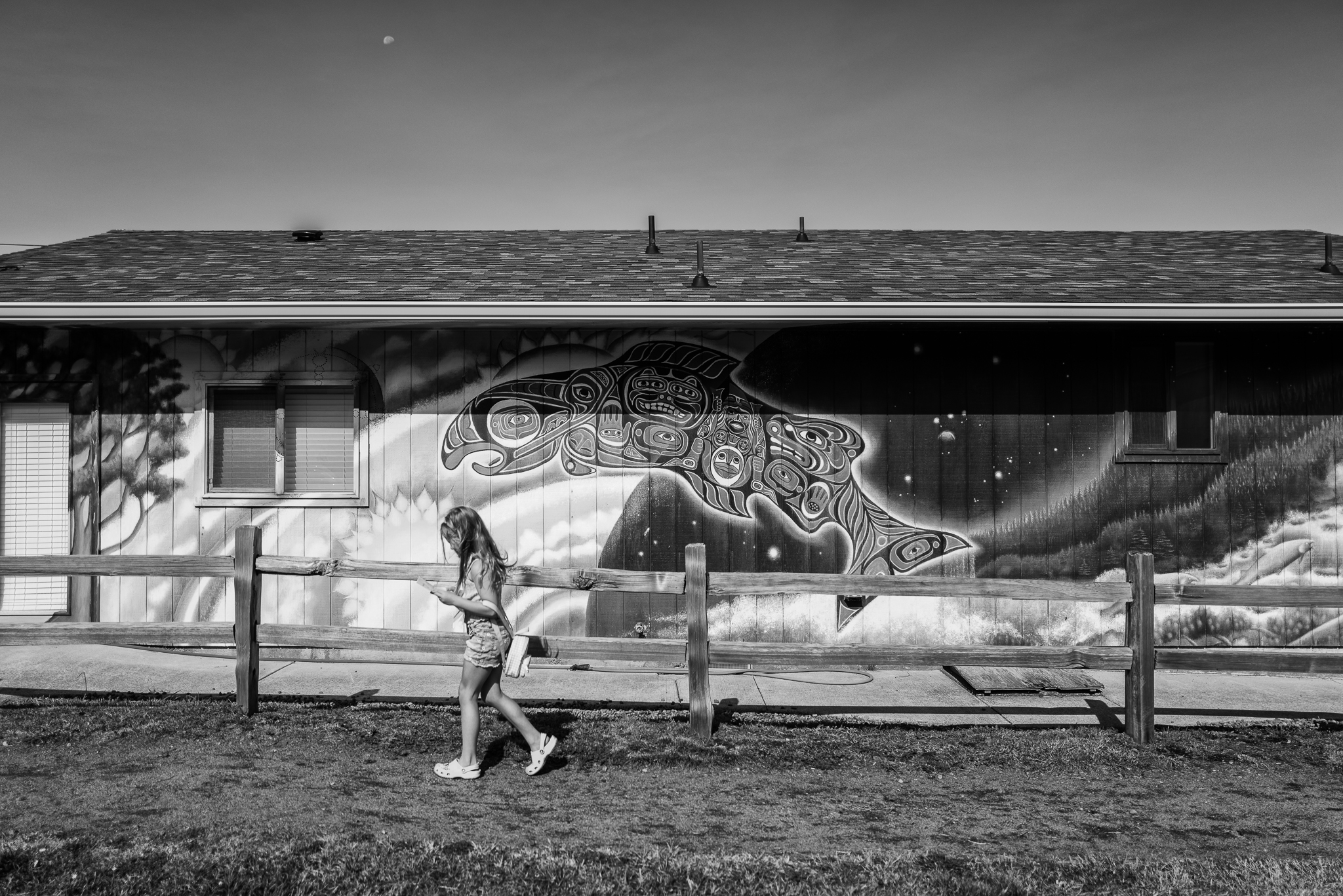
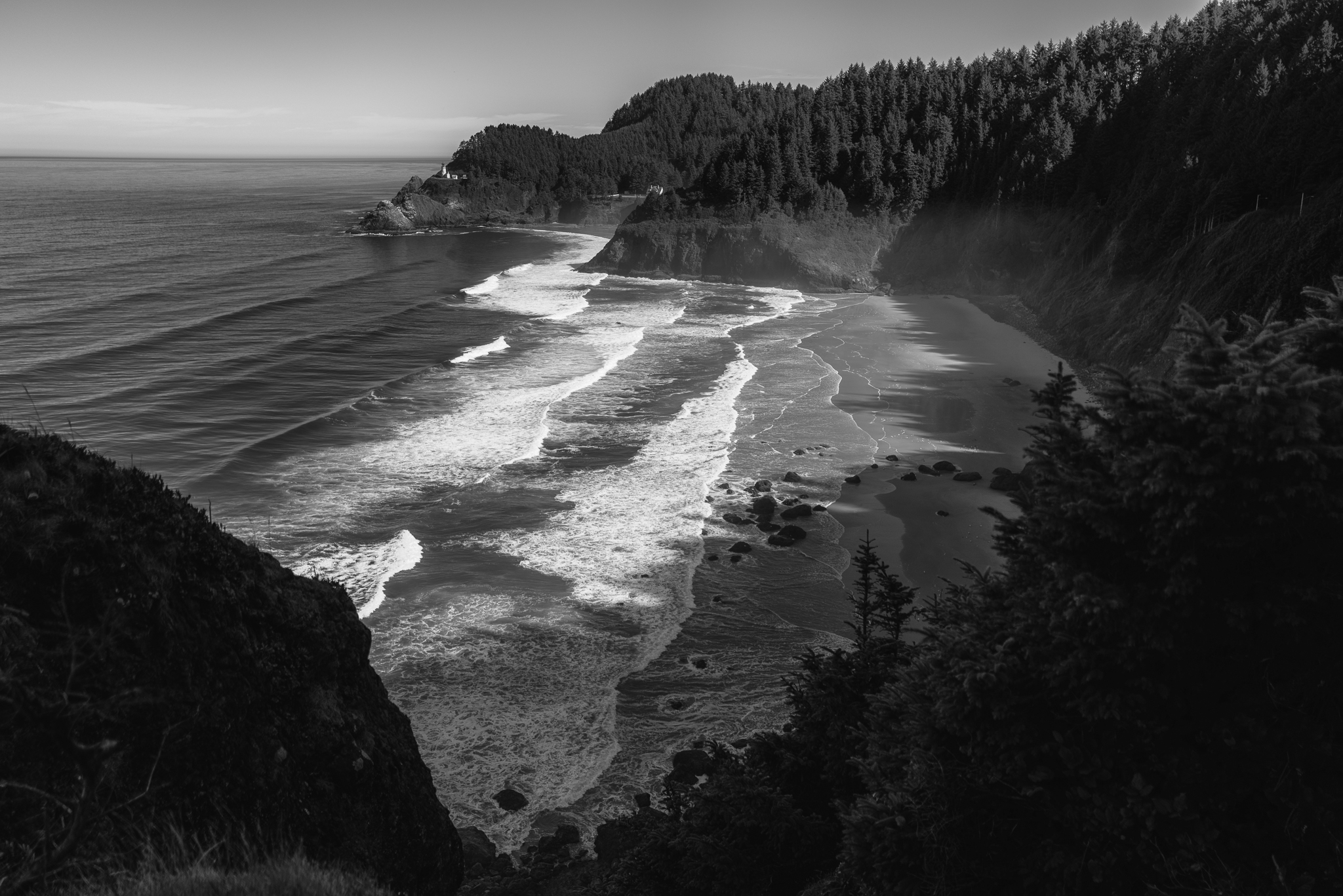
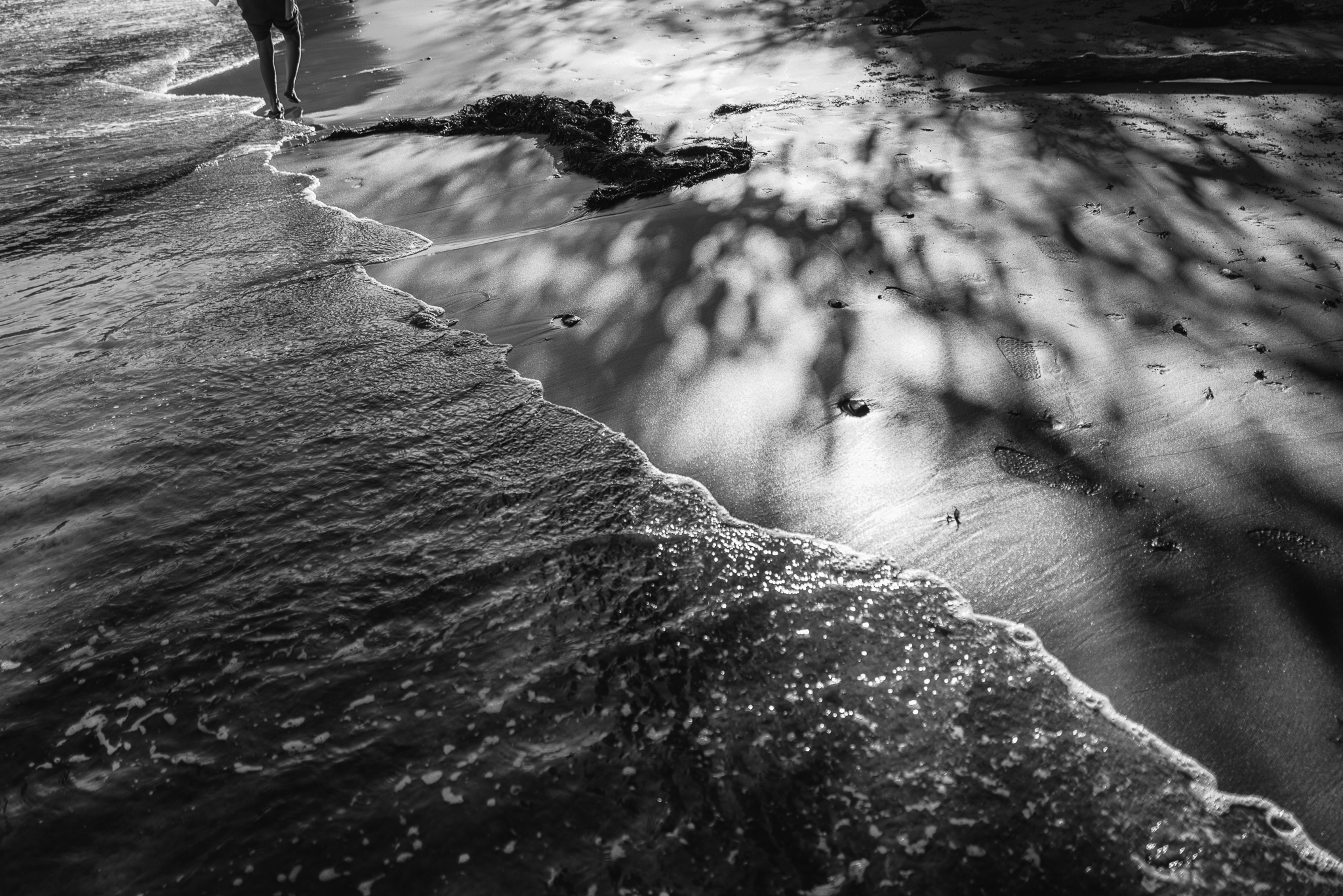
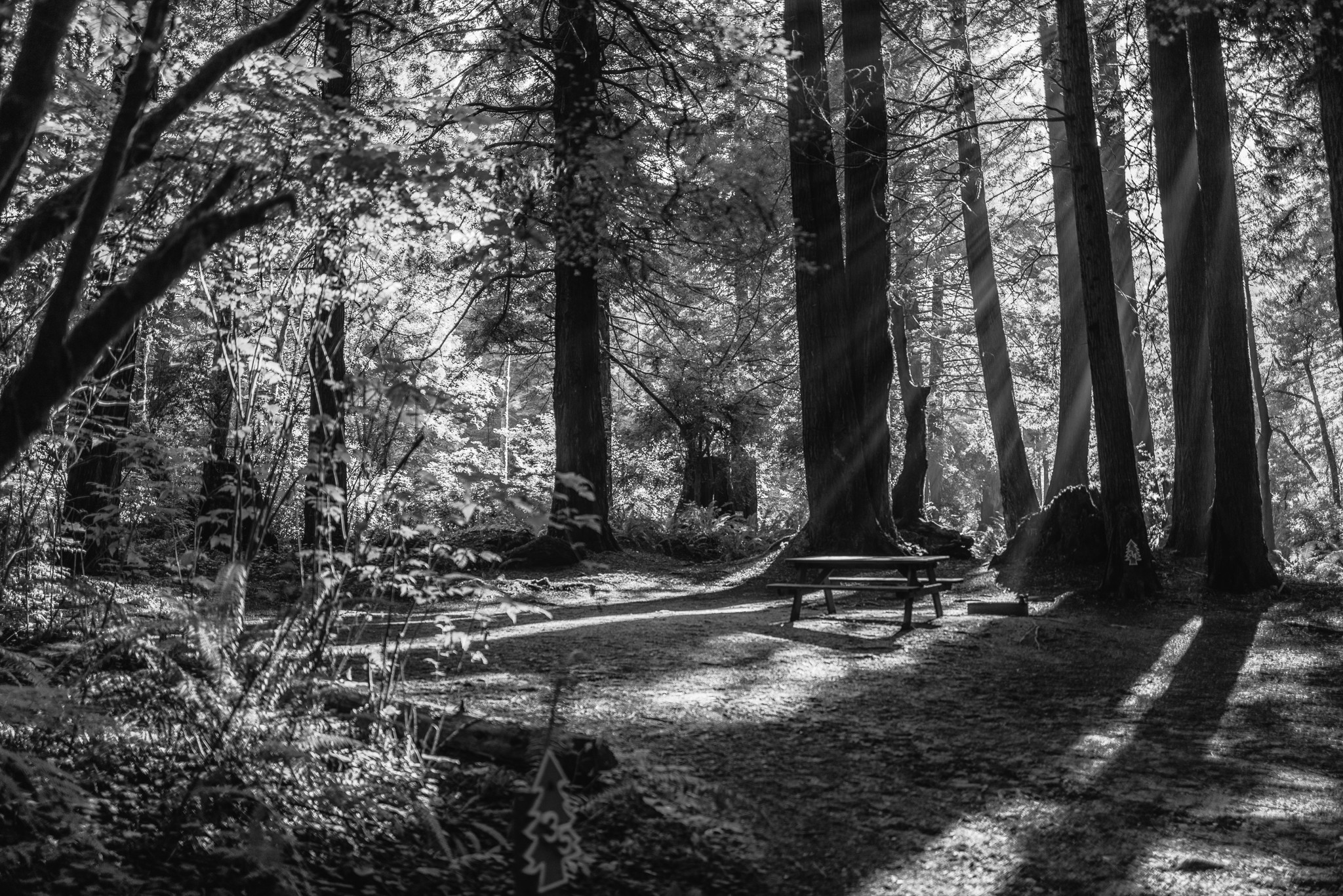
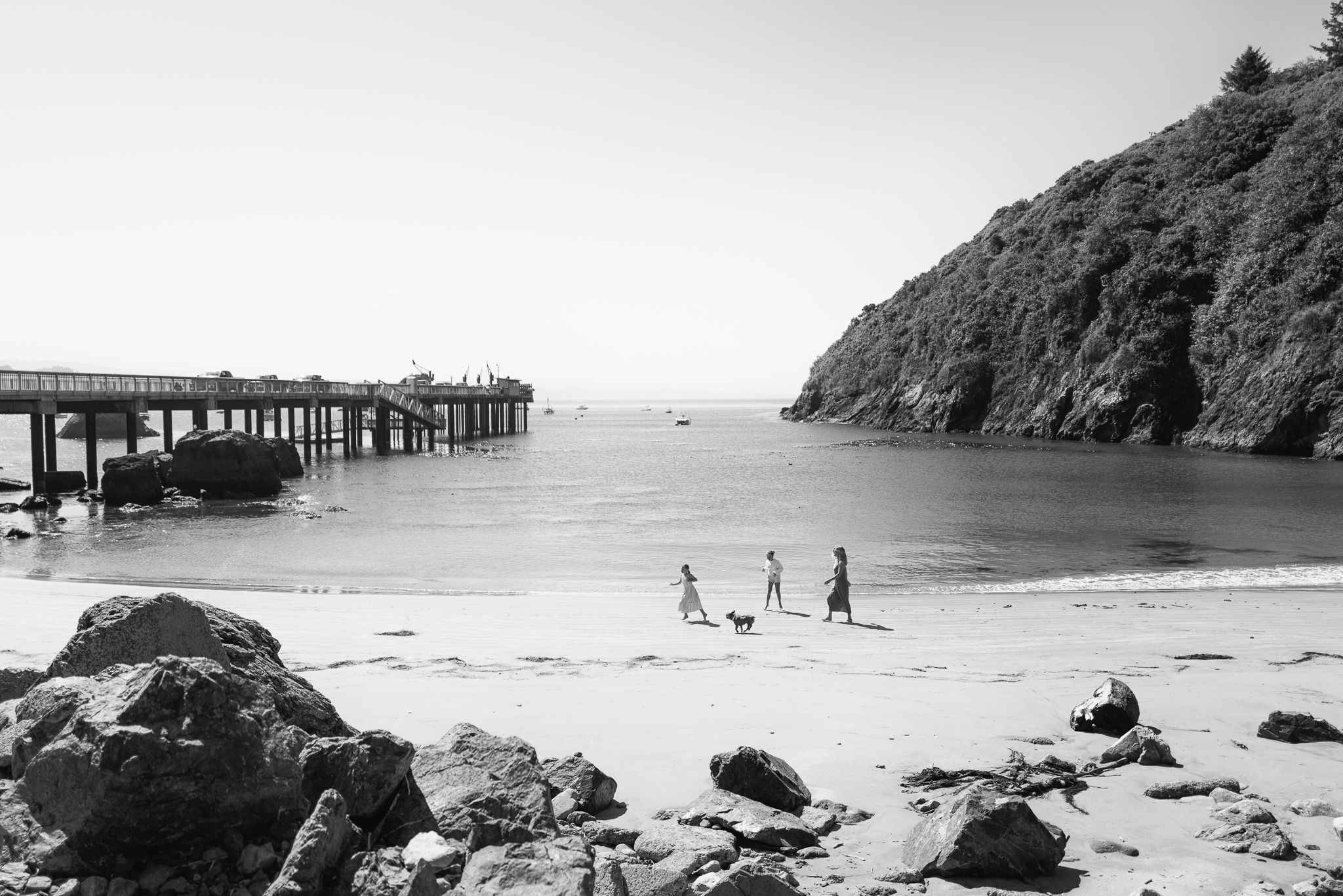
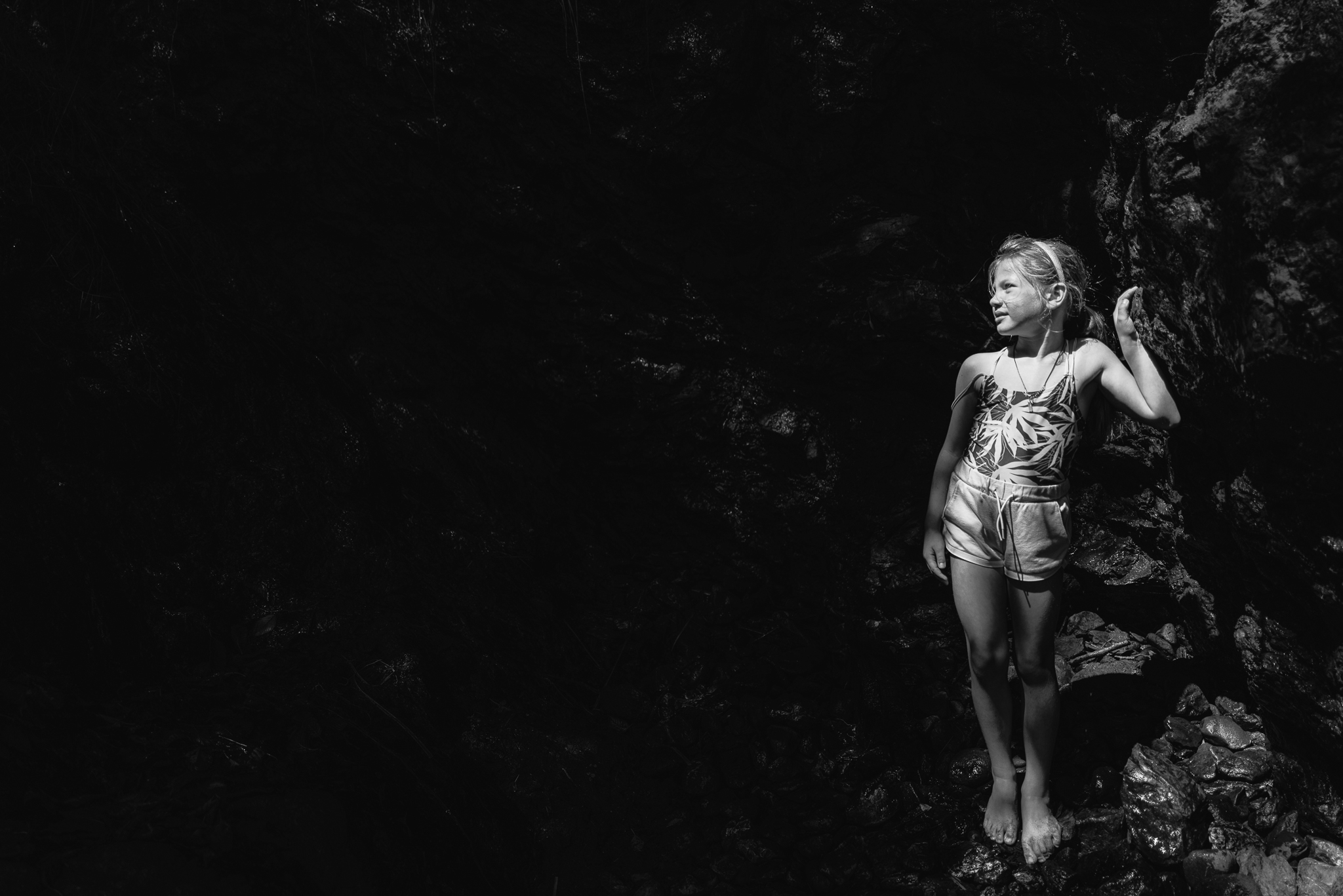
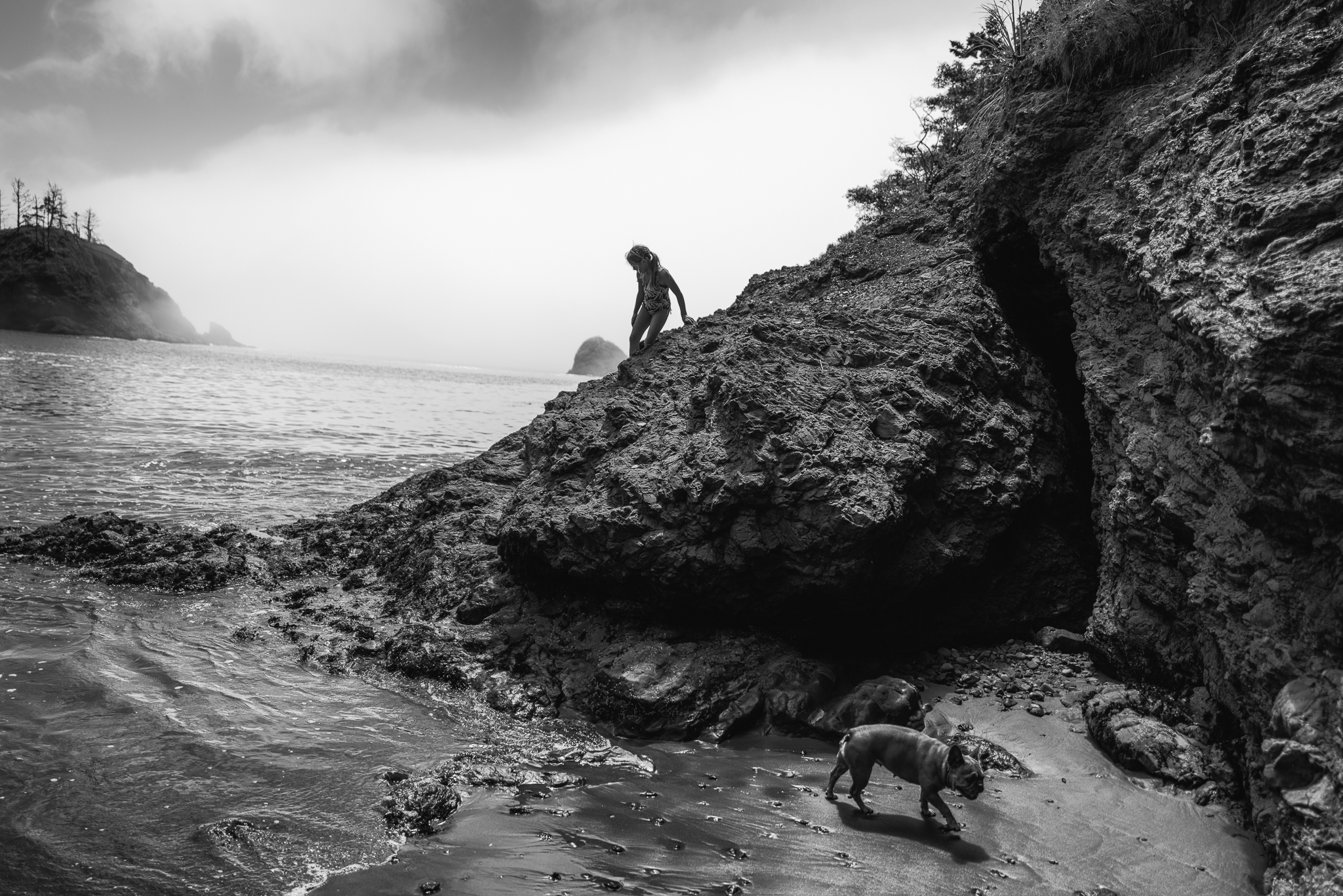
As part of an on-going series titled The Forgotten Seasons, I’m constantly training my eye on my family, not only as a father and partner, but as a photographer, seeking those moment of joy and elation, those times of overt emotion and strained tension, as well as the things of pure absolute beauty.

The project began back during 2020 Covid lockdown, when our expanding worlds as a young family shrunk and became isolated. Work disappeared and we found ways to be creative with what was within our immediate circles. To keep developing my career among the long hours of idleness, I enrolled in an online photography program taught by David Alan Harvey, and it was here I was encouraged to pursue the muses right in front of me; the ever-changing growth and evolution of familyhood.

This current series reflects an end-of-the-summer roadtrip, with our parental patience already worn thin, down the Pacific Coast and back before the long-awaited start of the next school year.

For more visit www.CameronKarsten.com

New Garmin Marine work!

Garmin Marine GPSMAP16x3 in Italy

The GPSMAP16x3 chartplotter and a Garmin Marine reel. This was a treat to head to Italy and shoot around Portofino. An absolutely stunning location on beautiful boats with the Spanish based production company Let’s.film.

North Carolina was a gem, too, albeit not the most ideal weather for shooting. All-in-all, these are the moments of full appreciation for what I do and who I work with. Thank you Garmin Marine team and for all involved! Watch here: Garmin Marine GPSMAP16x3 (https://www.cameronkarsten.com/Motion/2)

Directed by Cameron Karsten

Shot by Leo Phillips and Tyron Waas

Edited by Luke McJunkin

Produced by Let’s.film

Represented by The Gren Group

Garmin Marine reel – Seattle to Italy and in-between

Lastly, after three Garmin Marine campaigns in 5 locations, from sailing in Seattle, speed boating in Miami, to walleye fishing in Minnesota and cruising in Italy and coastal fishing North Carolina, my editor Luke pulled together a stylish Garmin Marine reel. Take a look and enjoy the water: Garmin Marine reel (https://www.cameronkarsten.com/Motion/3)

Unveiling Authenticity Through the Lens: An Interview with Cameron Karsten

The Vodou Trail in Haiti exploring the ceremonies and rituals of Haitian Vodou – © Cameron Karsten Photography 2015

This original interview was posted on Production Paradise’s website. It is always a pleasure to sit down at an interview and reflect upon my career, where I’ve come, and ultimately where I keep striving to get to. It is a constant development, creating something new, fresh, enduring, and most importantly, something entirely me. See below for the full interview:

Cameron Karsten is a photographer [and director] who seamlessly melds authentic moments with artistic brilliance. In this interview, we delve into Cameron’s unique approach, where the art of preserving authenticity harmonizes with visual aesthetics. From creating profound relationships with subjects to harnessing light and shadow, Cameron shares insights into his creative journey, highlighting the essence of genuine storytelling.

Based on your work, I can see you like to seamlessly incorporate candid and authentic shots with the products you’re shooting. How do you strike a balance between creating visually stunning images and preserving the authenticity of the subject or moment?

When going into a scene, a situation, a job or project, I do my best to really first observe and listen to the environment, surroundings, people and talent. I learn as much as I can from where I am and who I am working with and start by creating a relationship. This creates trust, something beyond just work. It’s a commonality, which then allows things to unfold naturally, authentically.

The Discovery Channel and Dish Network photographing Capt. Wild Bill for The Deadliest Catch – © Cameron Karsten Photography 2019.

As a photographer, you have a unique ability to capture the small details that make a scene come alive. Can you walk us through your thought process when scouting a location or setting up a shot, particularly in terms of how you select and emphasize those captivating details?

I love to create depth, and almost 100% of the time shoot wide open. This allows me to isolate the scene and tell the story with varying layers of foreground, middle and background. Revealing the story in front of me is what I strive to do, almost like a fly on the wall, or an out-of-body experience – something to ponder, observe and listen to.

The interplay of light and shadow is a prominent feature in your work. Could you share some insights into how you approach lighting in your photography to enhance the overall impact of the image and evoke specific emotions?

I went to school for photography and spent the hours inside a studio playing with continuous and strobe lighting. Once I felt confident, I took these outside the four walls and intermingled it all with natural light. That’s the ultimate trick utilizing the natural light, then adding light subtly enough to not make it look so. As I’ve developed in my career, I’ve come to appreciate the harder shadows, similarly portraying a scene as an act revealing and or hiding. 

Garmin’s new Livescope XR in Millie Lacs Lake, Minnesota – © Cameron Karsten Photography 2022.

How do you think your unique process and style separate you from other photographers?

I’m a firm believer in paving your own path. I look at others’ work and appreciate it, but keep using my intuition and inspiration to make it my own. It might not necessarily be new, but it is wholeheartedly from my source of creativity and desires. And understanding that I’ll never stop developing my work and career helps push me farther down this path when it gets difficult or stagnant.

You have had the opportunity to work with renowned brands such as Camelbak, The Discovery Channel, and Patagonia. How have these collaborations allowed you to merge your creative vision with the brand’s identity? Can you share an example of a project where you felt particularly fulfilled in bringing your artistic vision to life while representing the brand effectively?

Every client is different. They want something from you that you provide, and knowing this, that they didn’t come out of nowhere, builds a sense of confidence in my own brand and what I can bring to the table. When on these projects out in the field, it starts with a relationship and ends with a relationship… all the while we are creating together or “working”. In the end it does not feel like work. It feels like each member of the team being themselves – the popular adage You Do You.

Shot in Monterey, CA for CamelBak – © Cameron Karsten Photography 2022.

‍Establishing a connection with your subjects is a vital aspect of your photography process. Can you describe how you connect with people during a shoot to bring out their authentic selves and create powerful, emotionally resonant images? Additionally, how do you handle challenging situations when trying to establish that connection?

It’s all about creating a relationship by asking questions and listening and then finding the commonality. I think humor and humility bring a lot to the table too. However, sometimes it feels like hitting your head against a wall and on those rare occasions, you just have to keep being YOU and have a clear knowledge of “how to read the room”.

Can you tell us about one of your favorite memories from working on a campaign shoot?

One of my favorite memories was with one of my first clients on the first big campaign. We flew to Norway, Guatemala, Florida Keys and the Pacific Northwest. I remember thinking,“Holy shit! This is amazing that I am doing what I absolutely love to do, and someone is paying me to do this!” And then my next thoughts were similar to, “Don’t fuck this up, Cameron!”

I see you like to do a lot of traveling, taking lots of photos along the way. How does exploring different locations and cultures influence your creative process? Could you describe a specific instance where a travel experience significantly impacted your photography and led to a unique discovery or insight?

I started out by wanting to be a writer and write about my travels through various cultures around the world – a young Paul Theroux in the making. I spent six years backpacking around the world on the frugalist’s budget, writing stories as I went. I carried a film camera with me and would ship rolls of film home. Around this time a small consumer digital camera came on the market and having that in my pocket on my travels with the ability to share the image on the back of the camera with the subject changed my life. I loved seeing how their faces lit up, the joy and the unending smiles. I instantly wanted to tell their stories with pictures instead of just words.

Reddington fly rods in eastern Washington – © Cameron Karsten Photography 2023.

When photographing in diverse locations, how do you balance capturing the essence of a place while incorporating your personal creative touch? Are there specific techniques or approaches you employ to ensure your images convey both the authenticity of the location and your unique artistic perspective?

When walking into a new place, there is an instinct in me to just observe with all my senses and take it all in. It’s a meditative experience, letting the eyes dash about the scene without any judgement. When I come into a place with the idea of taking photos, I allow this to happen and then at some point start to move around the scene, learning more whether it’s a structural scene and its’ angles, or a person filled with personality, or a natural landscape with sun, clouds, flora and fauna. I then find the right moment to press the shutter.

Do you have any upcoming projects you can share with us?

I have a doozy of a project in Italy, that keeps shifting due to the availability of the boats we’ll be utilizing. I just purchased my tickets for me and my camera op, but just had to cancel them since it all appears to be a moving target. There are less than two weeks until production begins, and still no one knows where we need to be and what we will be on… (postscript; the shoot in Italy went off without a hitch, the whole team making the seemingly impossible perfectly possible – see post here).

We extend our gratitude to Cameron for offering us a glimpse into their world of photography. His insights and artistic journey have been an inspiring revelation, and we look forward to witnessing more of his captivating work in the future. Too see more work, visit www.CameronKarsten.com.

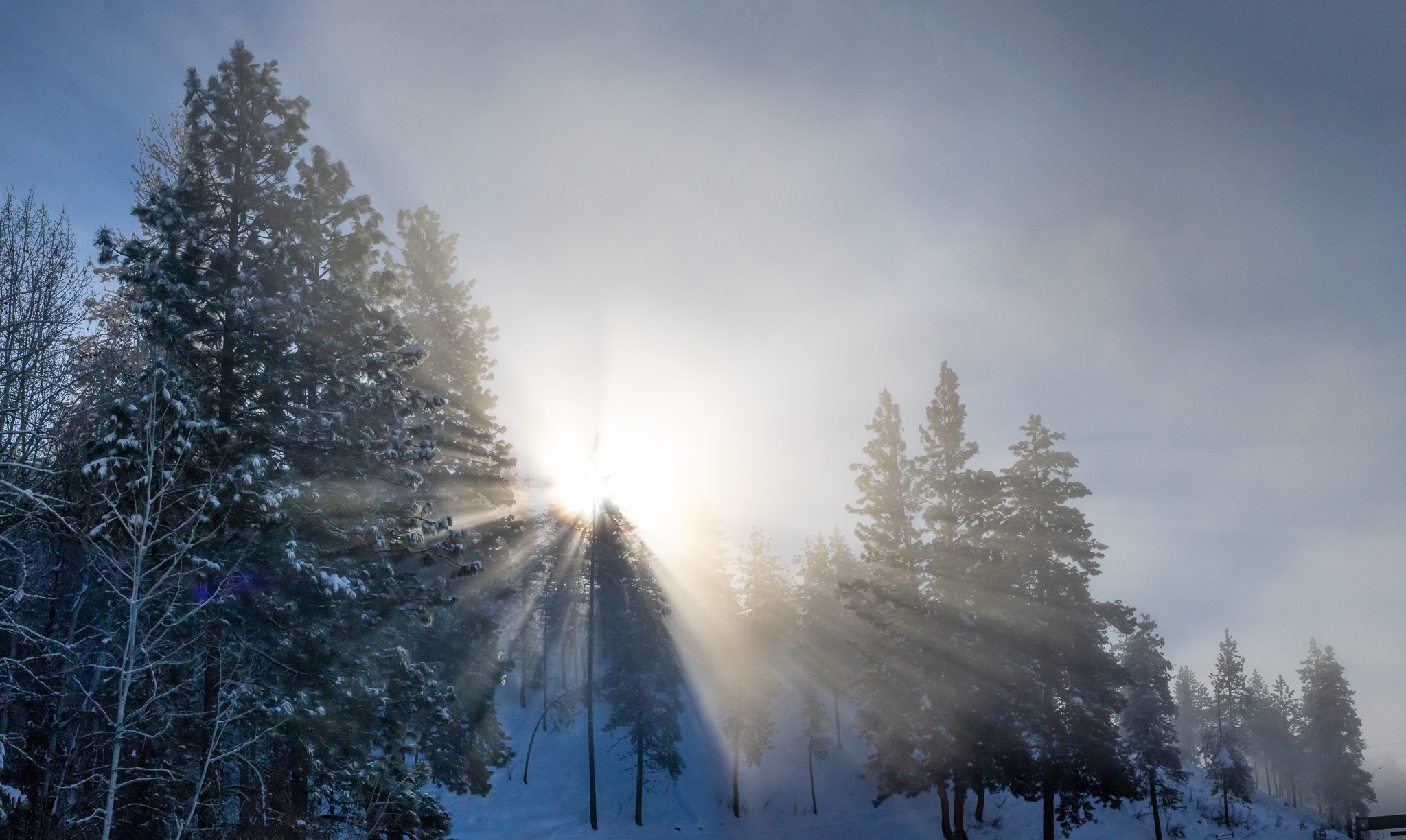
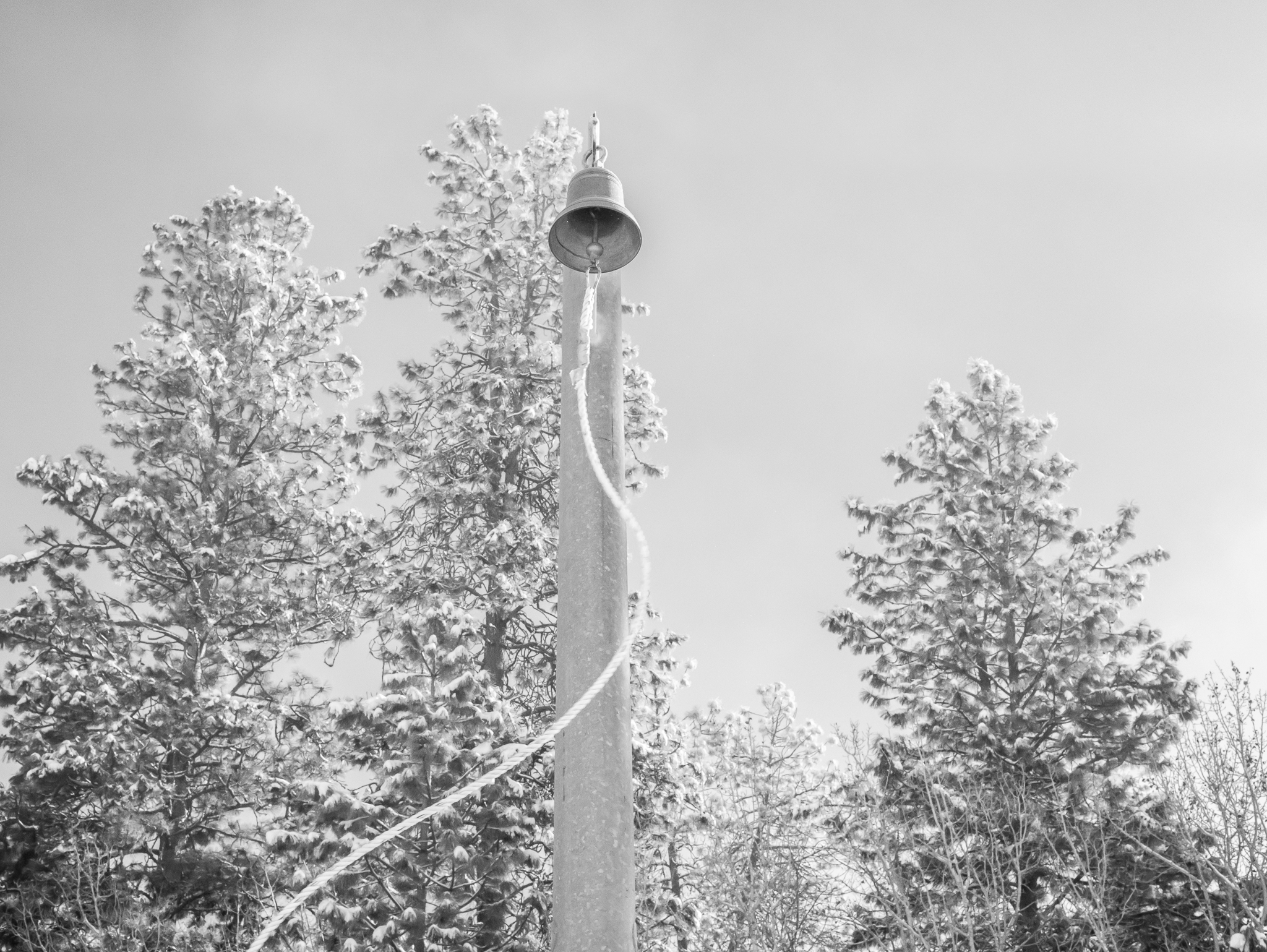
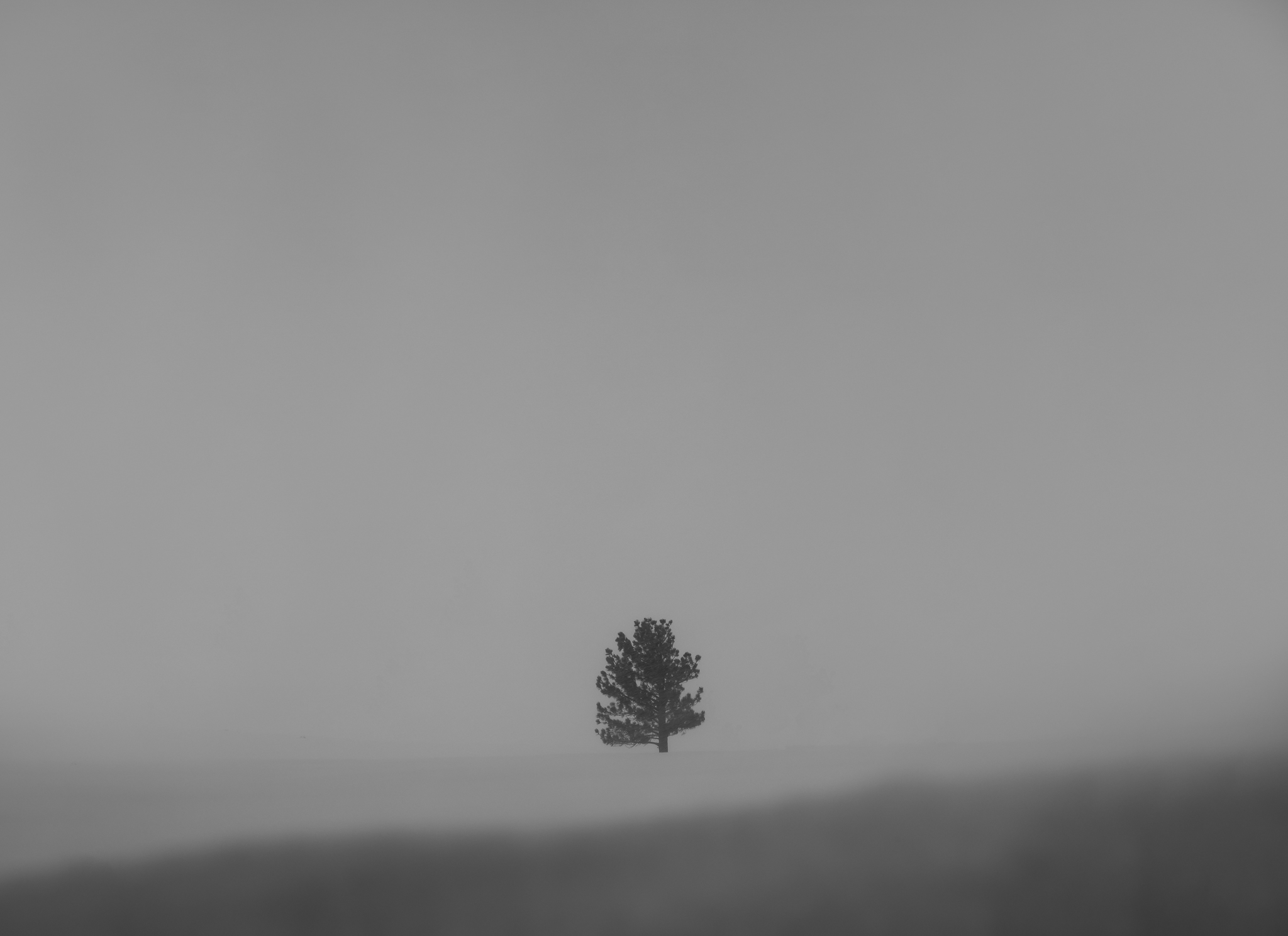
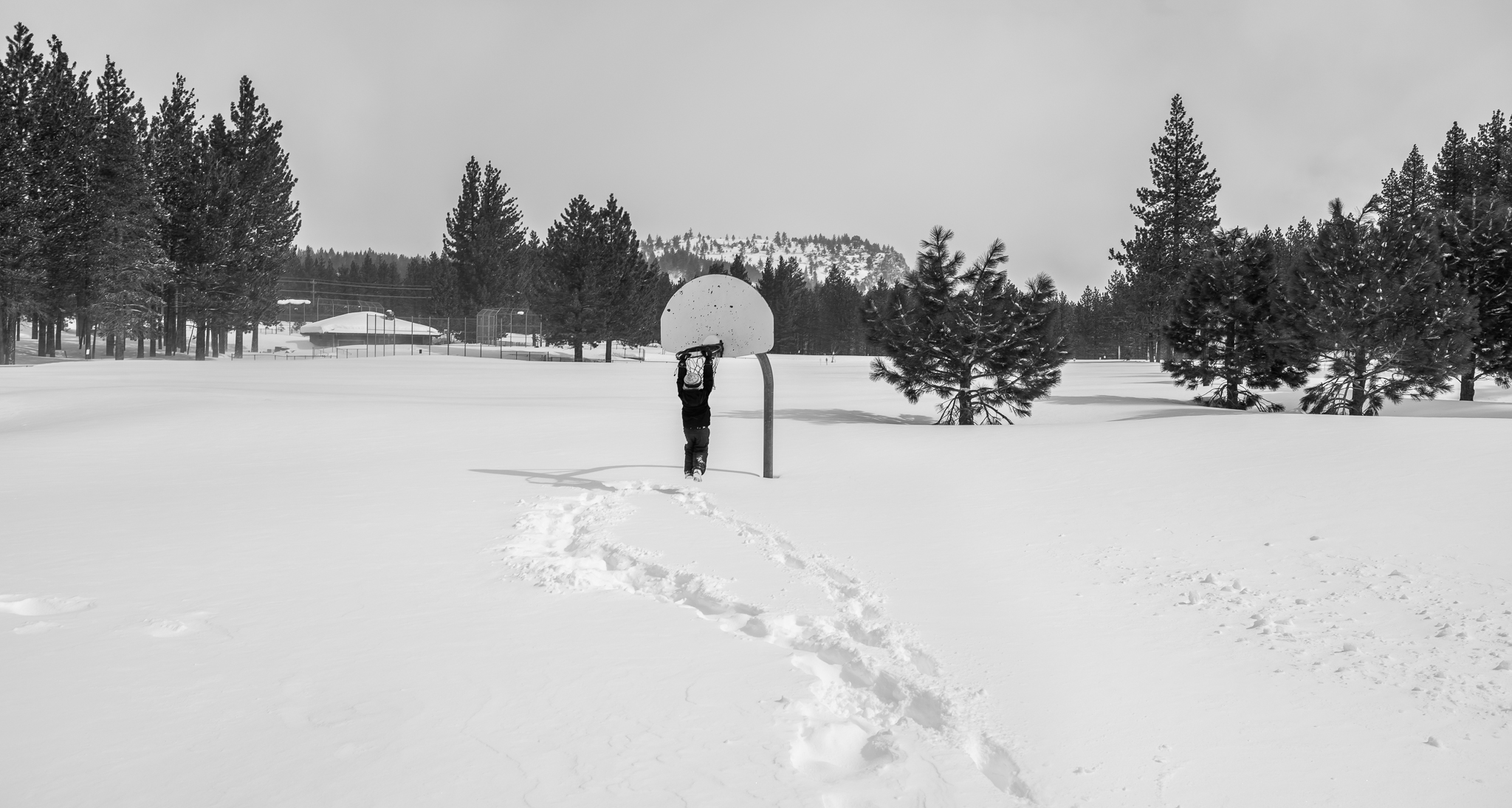
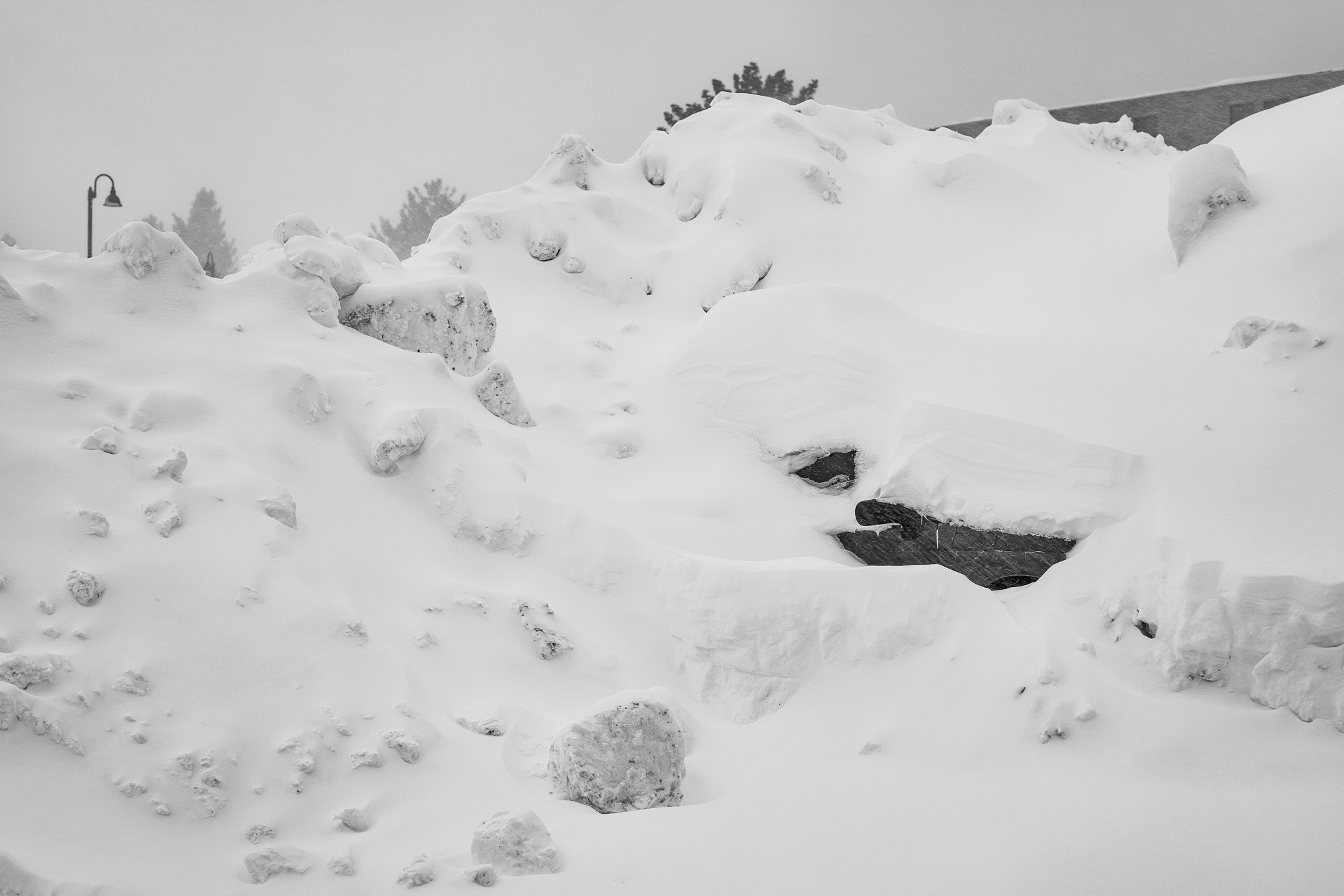
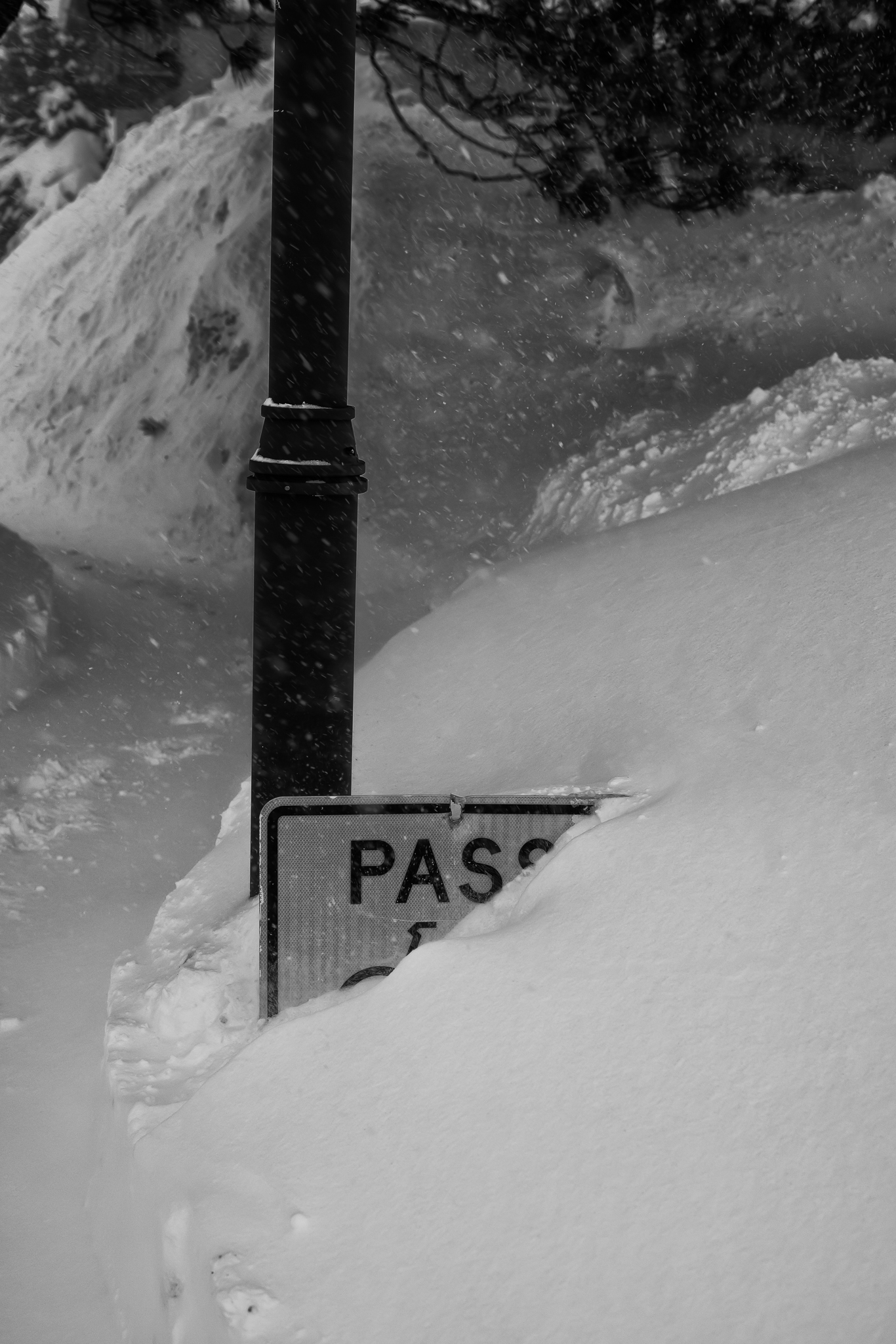
Reflective Layering: Winter

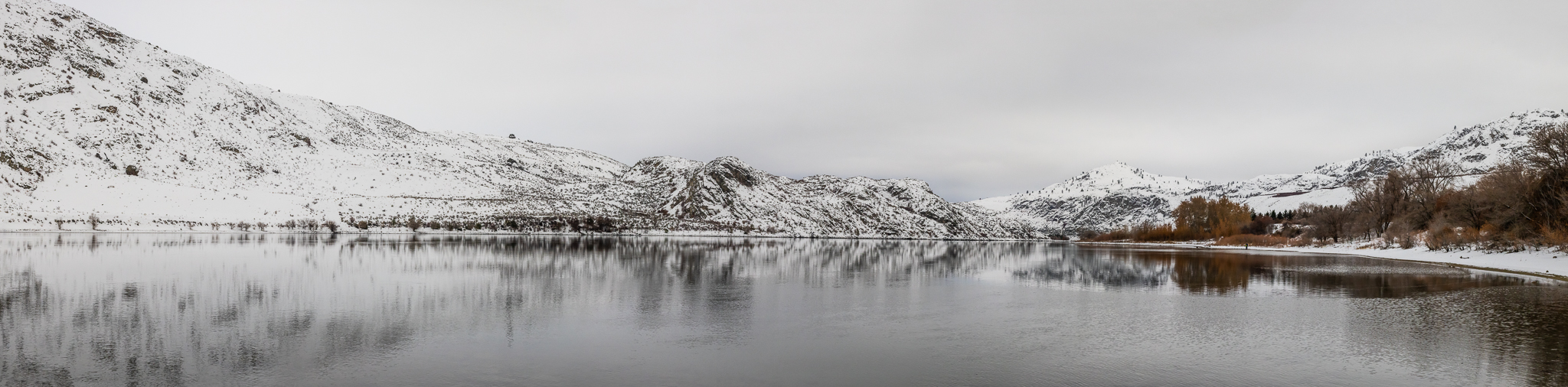
Lake Chelan, WA – New Years 2023 © Cameron Karsten Photography

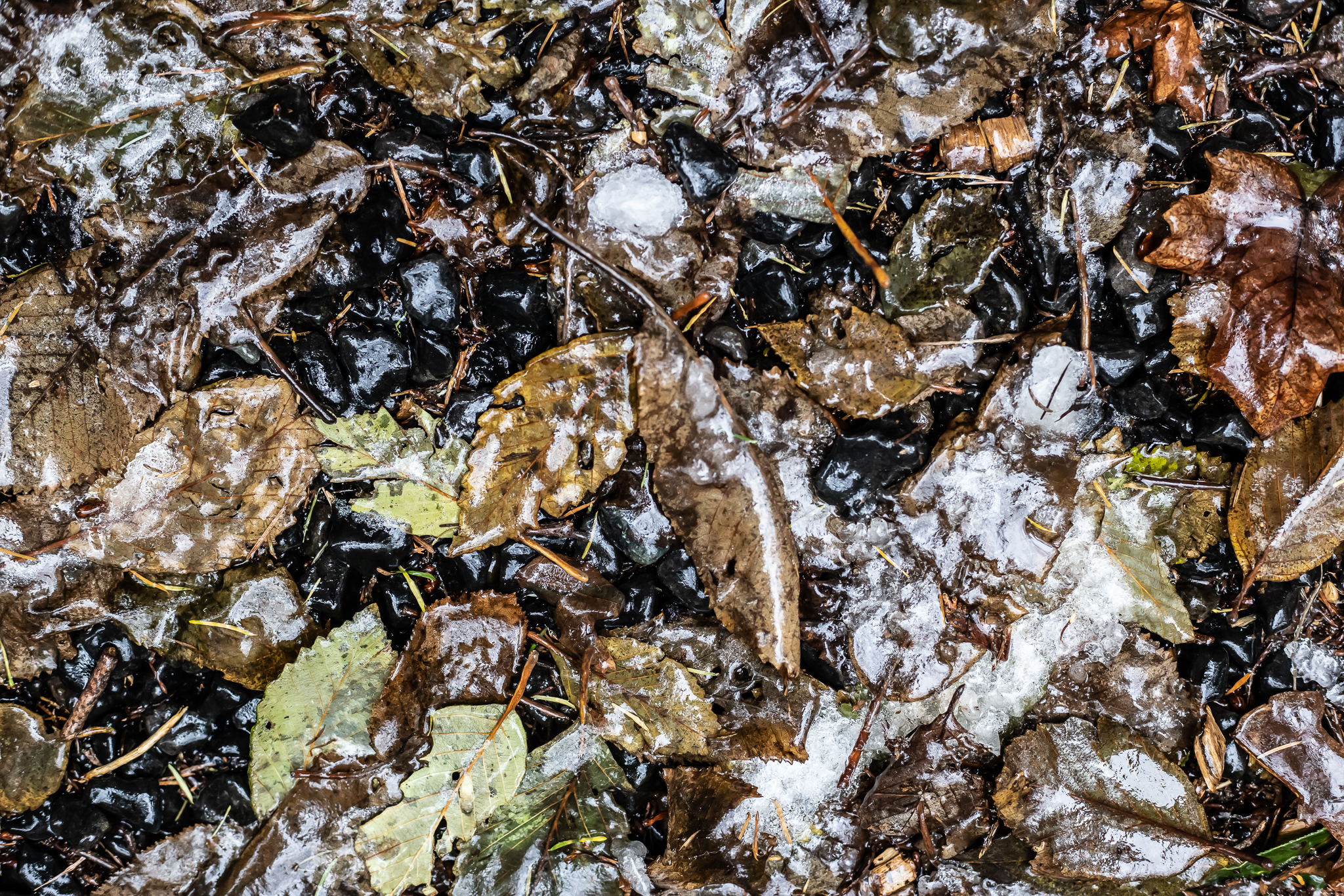
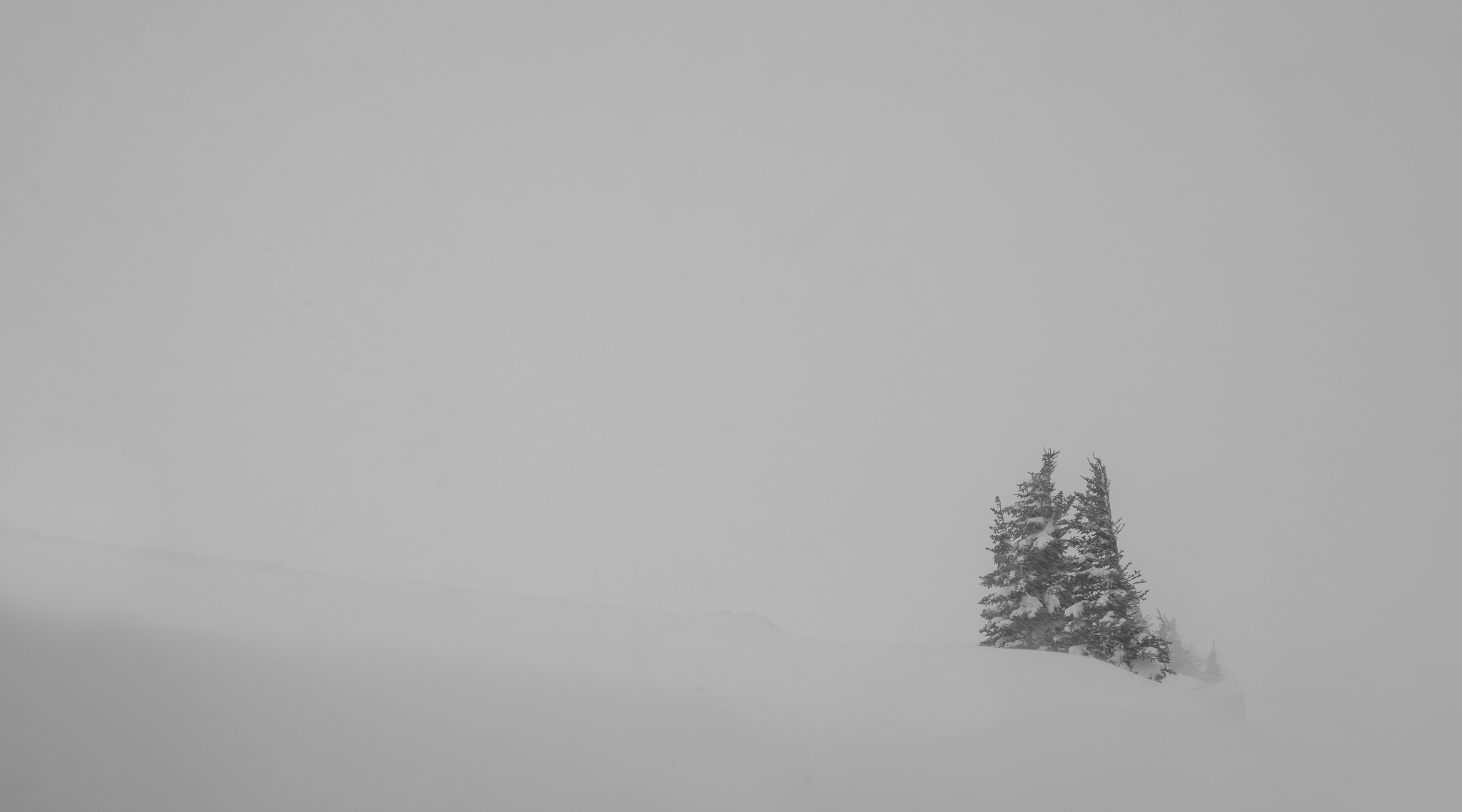
I think about seasons as temporary transformations of emotion, physicality and the obvious surrounding environs. To me, winter is dark, cold, unforgiving, and often turbulent. A time of rest, thick socks, hot wood-burning stoves, and dark beers to ease my moodier outlook of the external world. Being from the Pacific Northwest, winter is more or less all those things, but milder with intermittent wind storms and snow that lasts a day or two before melting into a brown slushy soup that you can’t help but wish away sooner rather than later. Back to the rain.

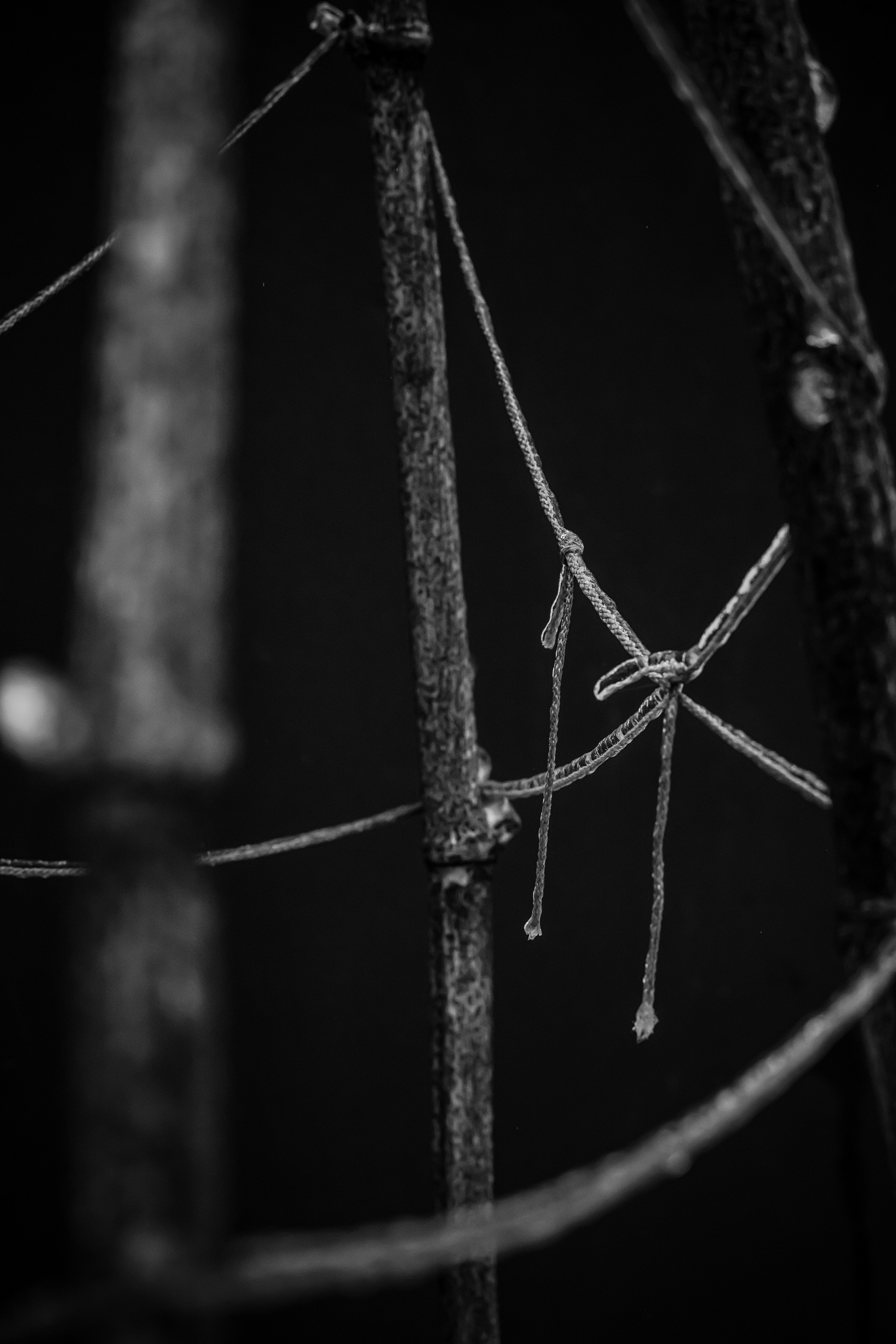
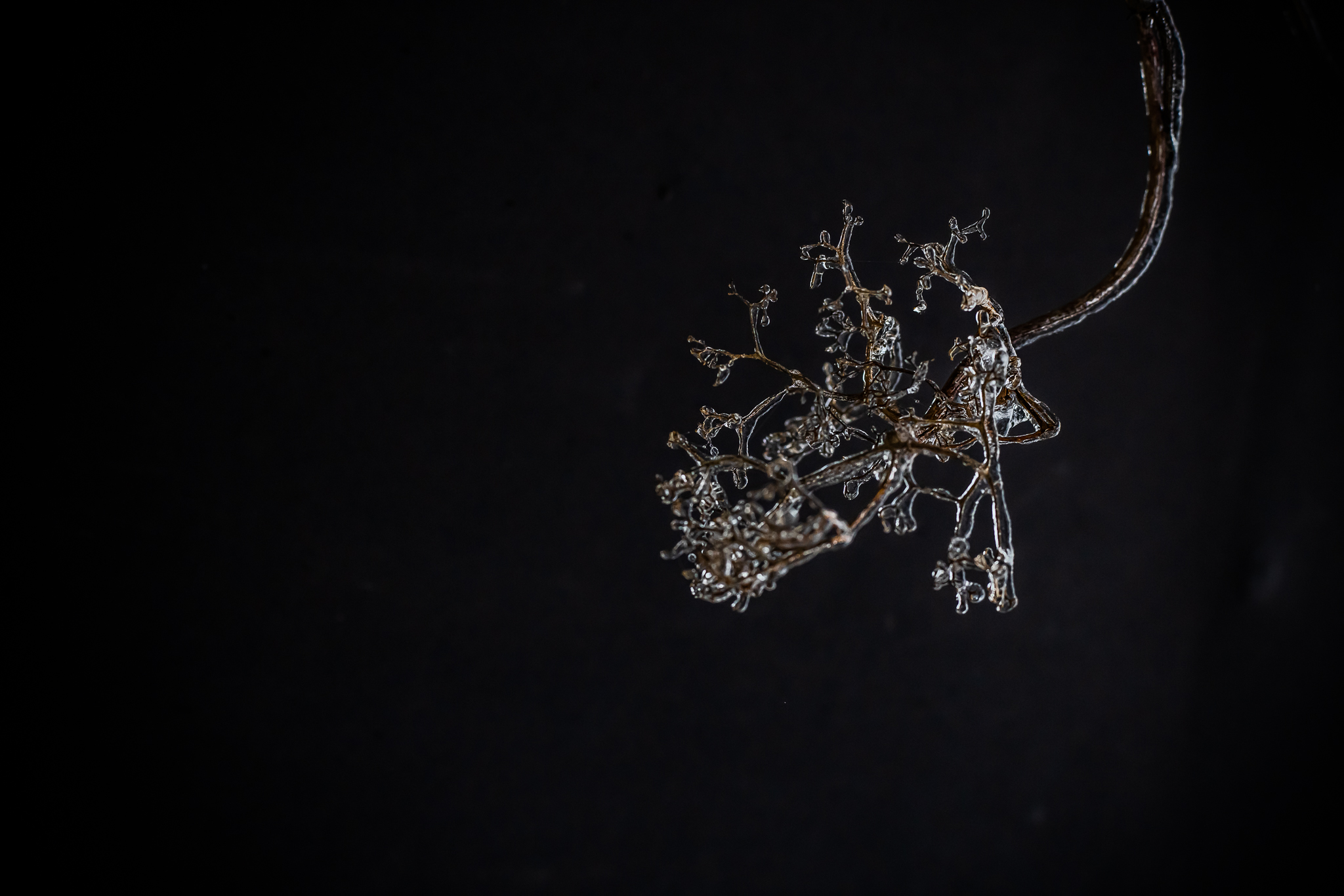
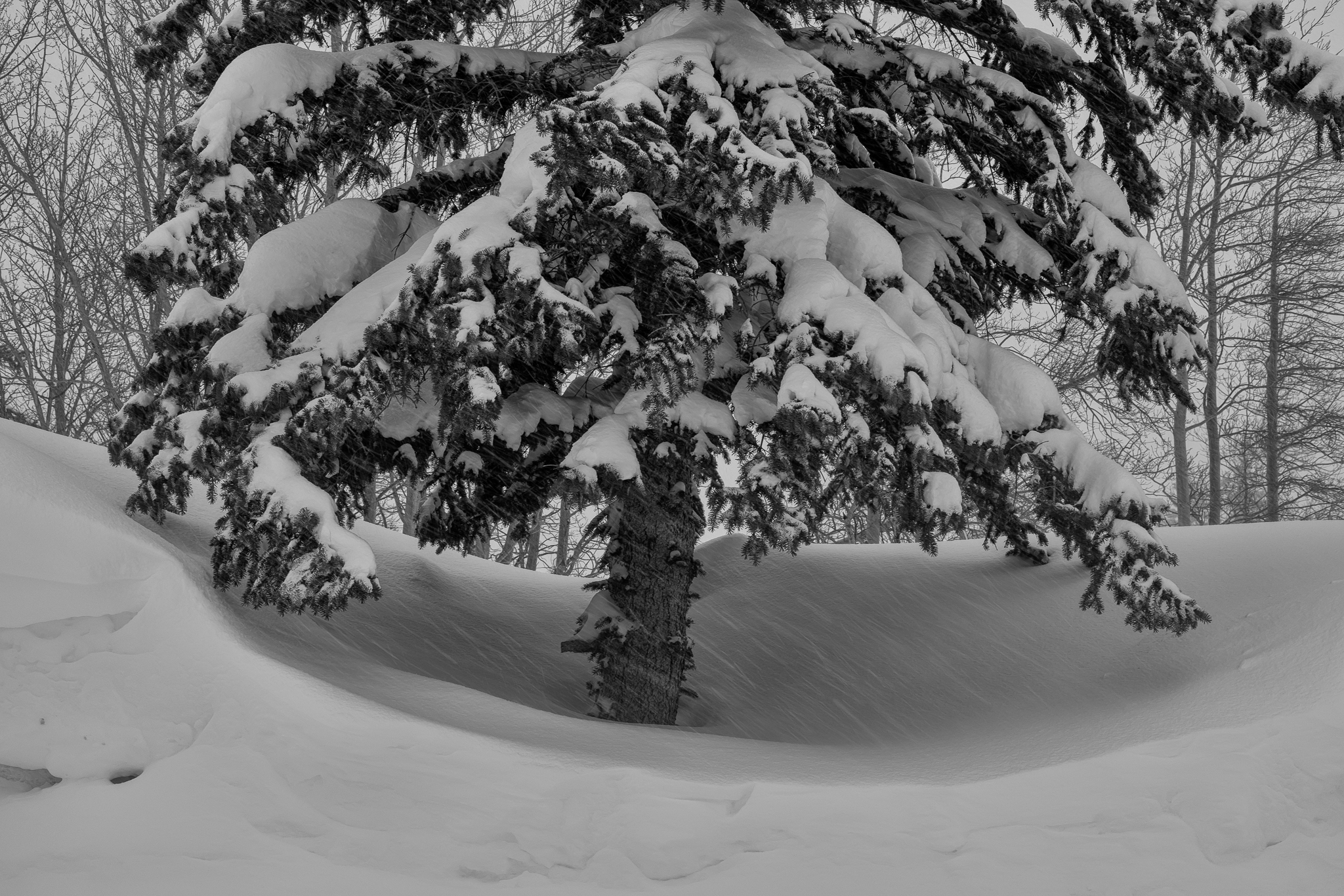
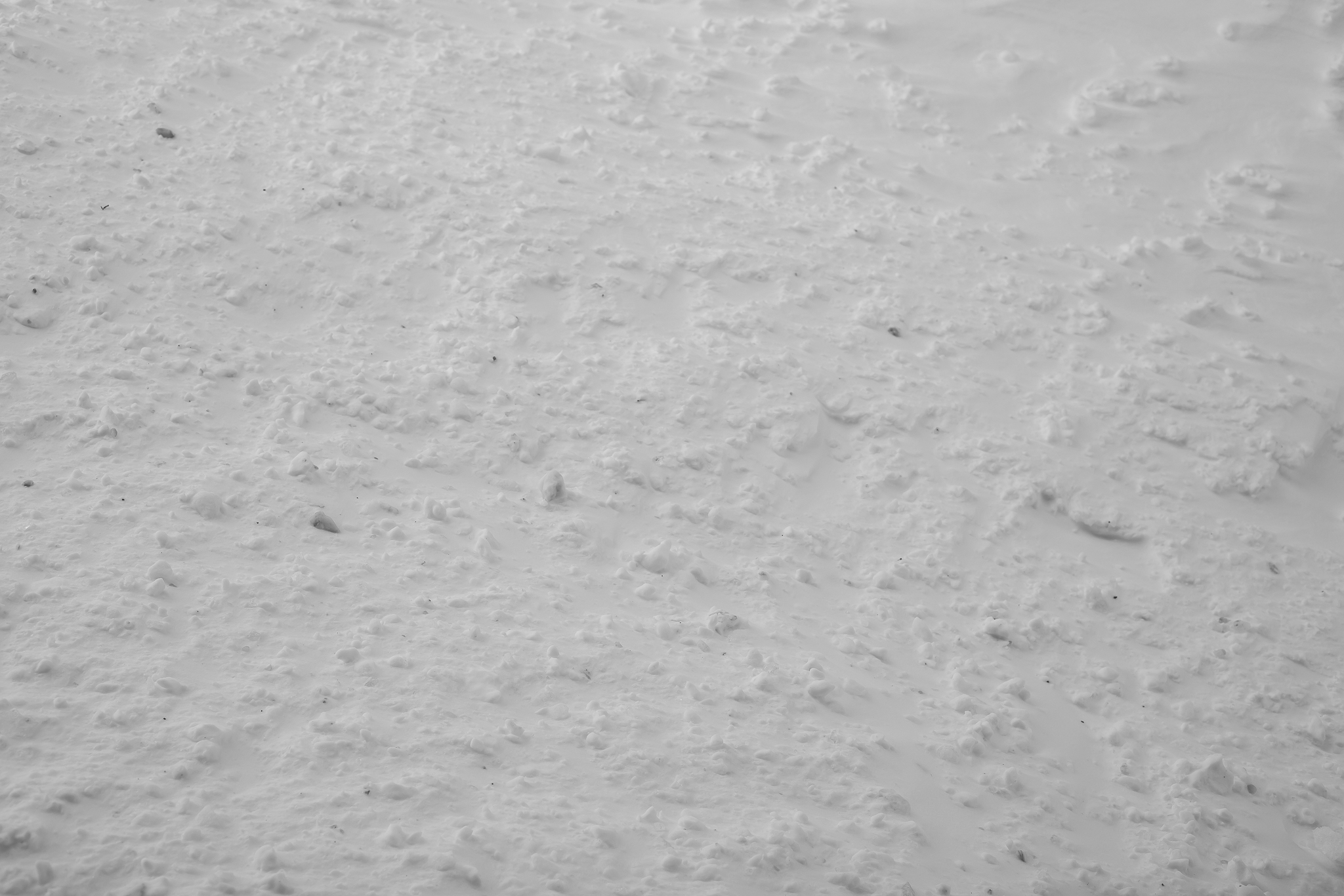
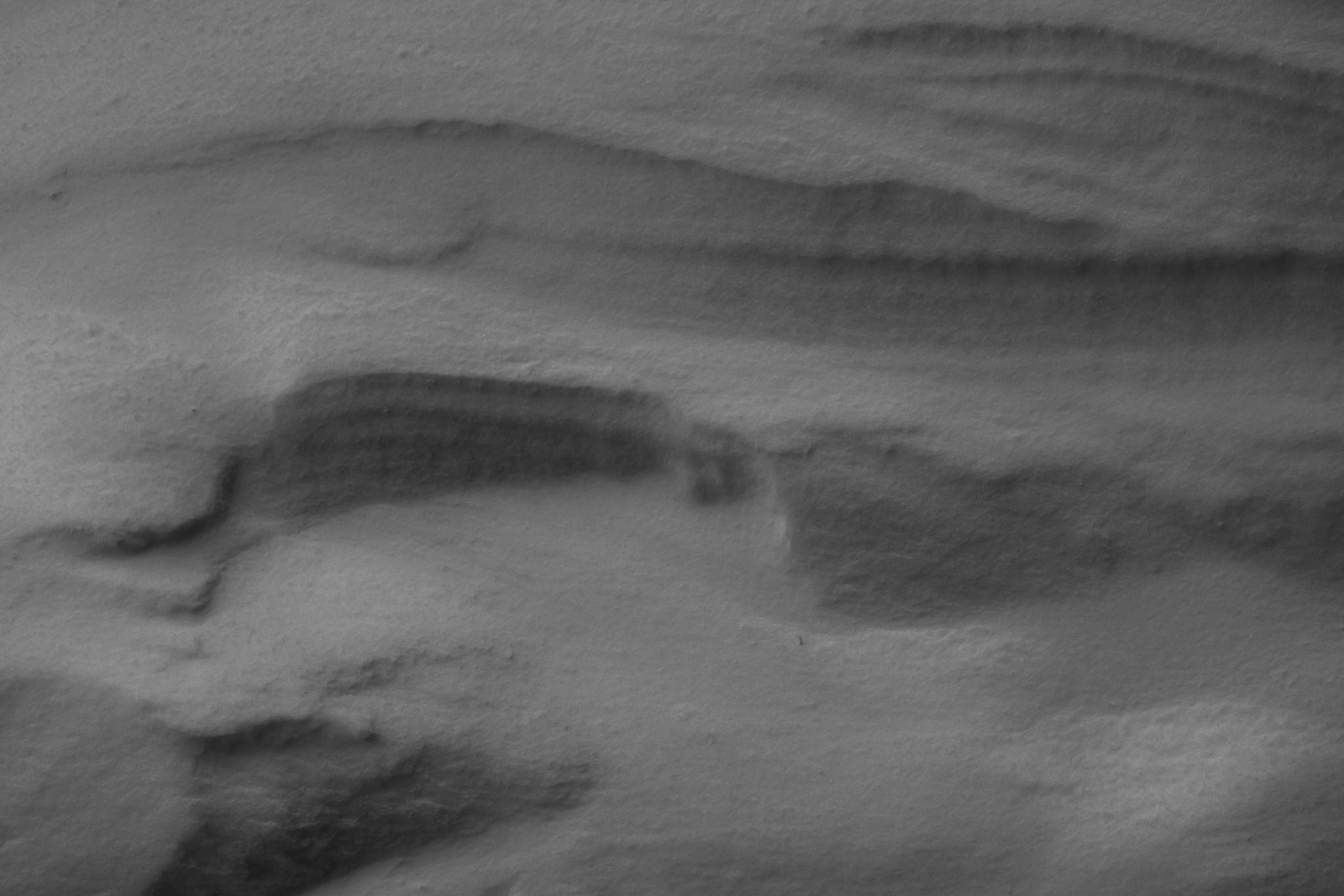
However, as a father with two daughters, it is a season of new adventures and explorations. Getting the young outside to discover is no easy task. The layering, the timing, the coaxing with gallons of hot chocolate… It is never for naught, but an opportunity to expand the horizons and see the new; the soft tones of grays, whites, blacks and muted greens, with the occasional shocking blues. And it is a time to go within, to be still and watch the passing clouds and the water drops fall from the eves. In the PNW the sun is forever low on the winter horizon, if it appears at all, and the shadows always long, creating the ever contrasted frames of intrigue. Wherever you look, there is a place to go and train your eye.

I love when the light pierces through the canopy. I love when patterns and symmetry line up. I love when a tree stands out, tall like a monolith, a representation of the ages still strong, still remaining, like a wise sage oblivious to it all. I love when it all comes crashing down: When the light is flat and the waters still. When the forms shatter and chaos creates the creative imagination. When there is busy-ness infused with light and darkness. I think this is what makes the world go round, the brain taking in all the senses every waking hour and the heart making sense of it all through one simple thing – a feeling.

“To examine oneself makes good use of sight.” – Chuang Tzu

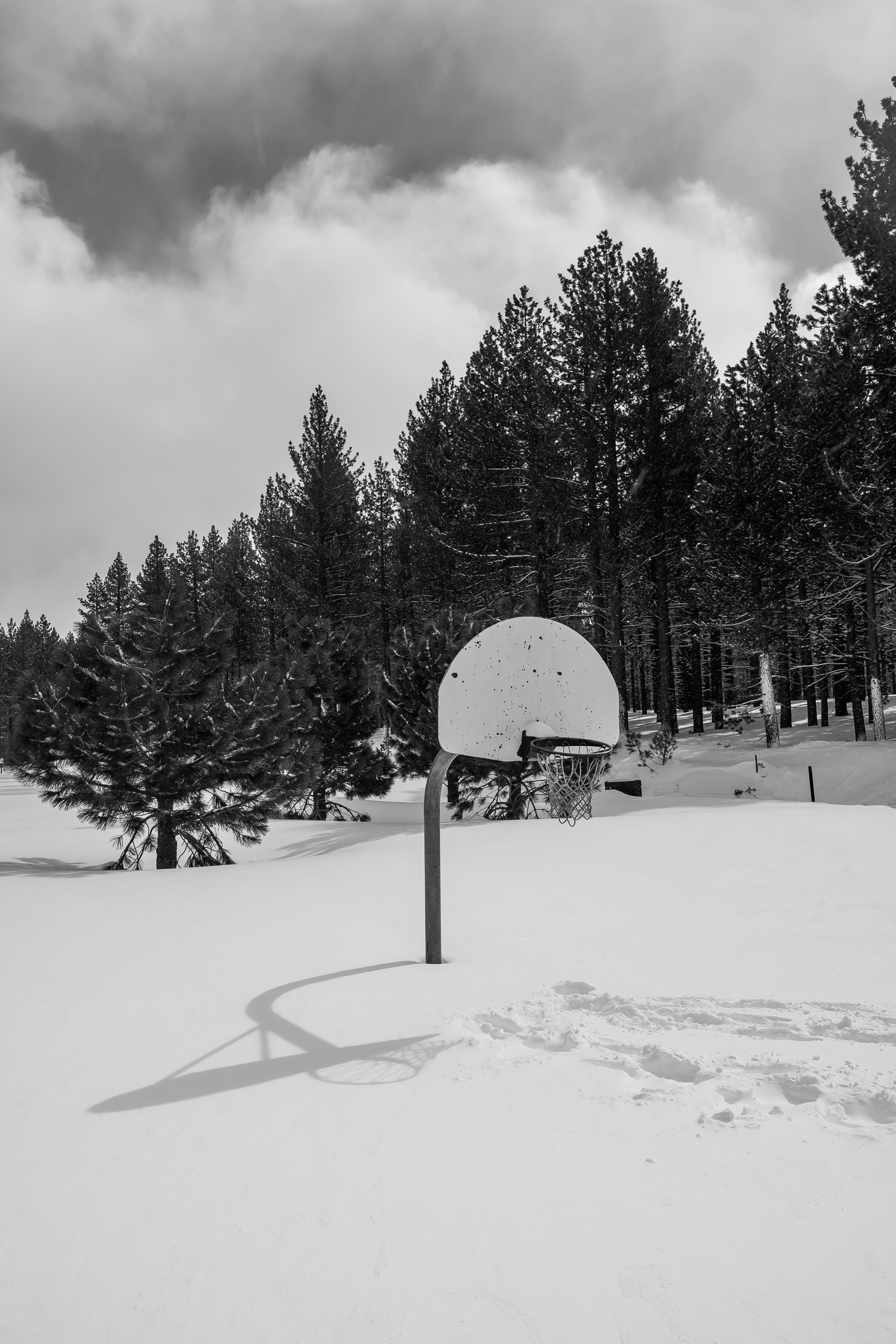
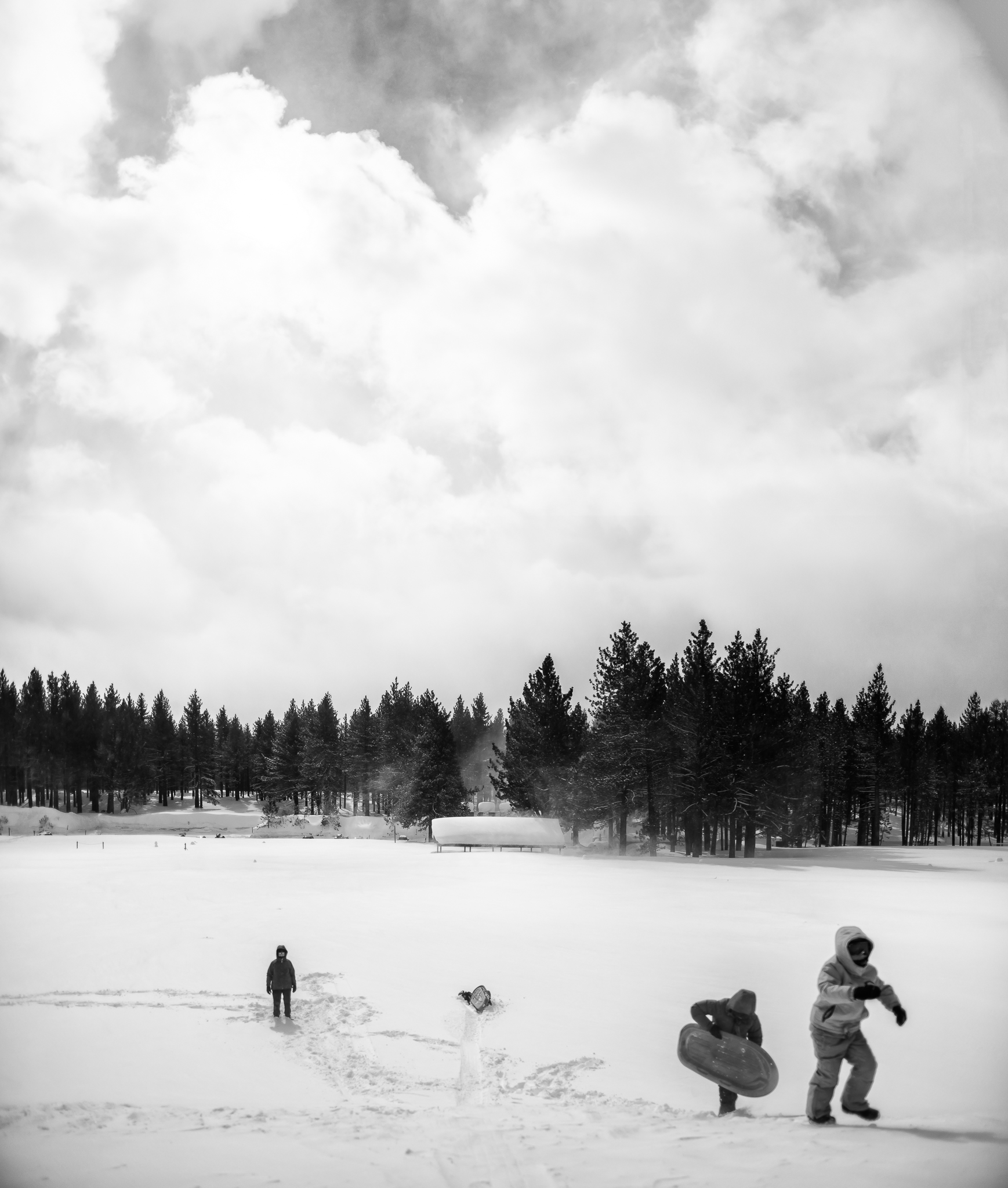
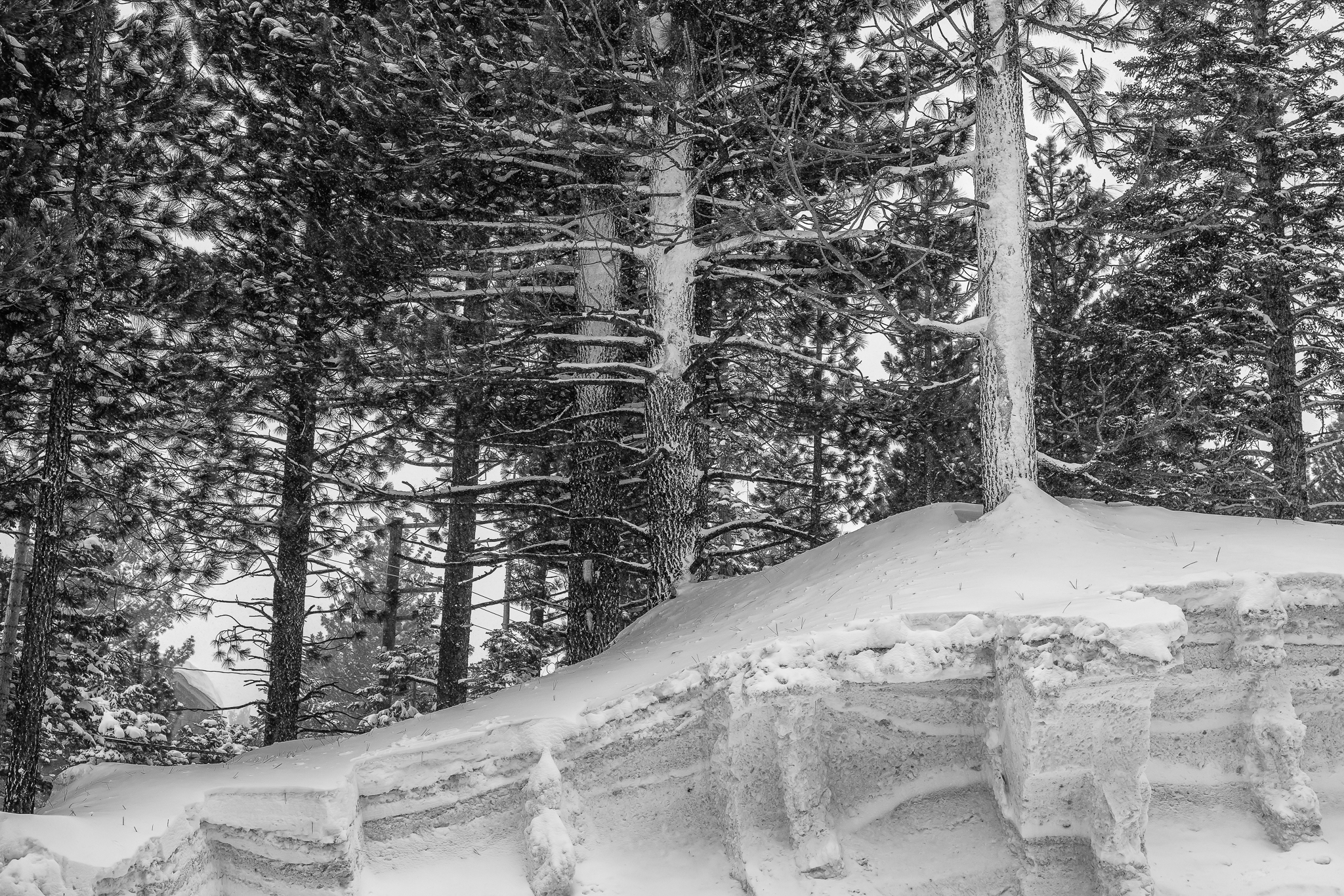
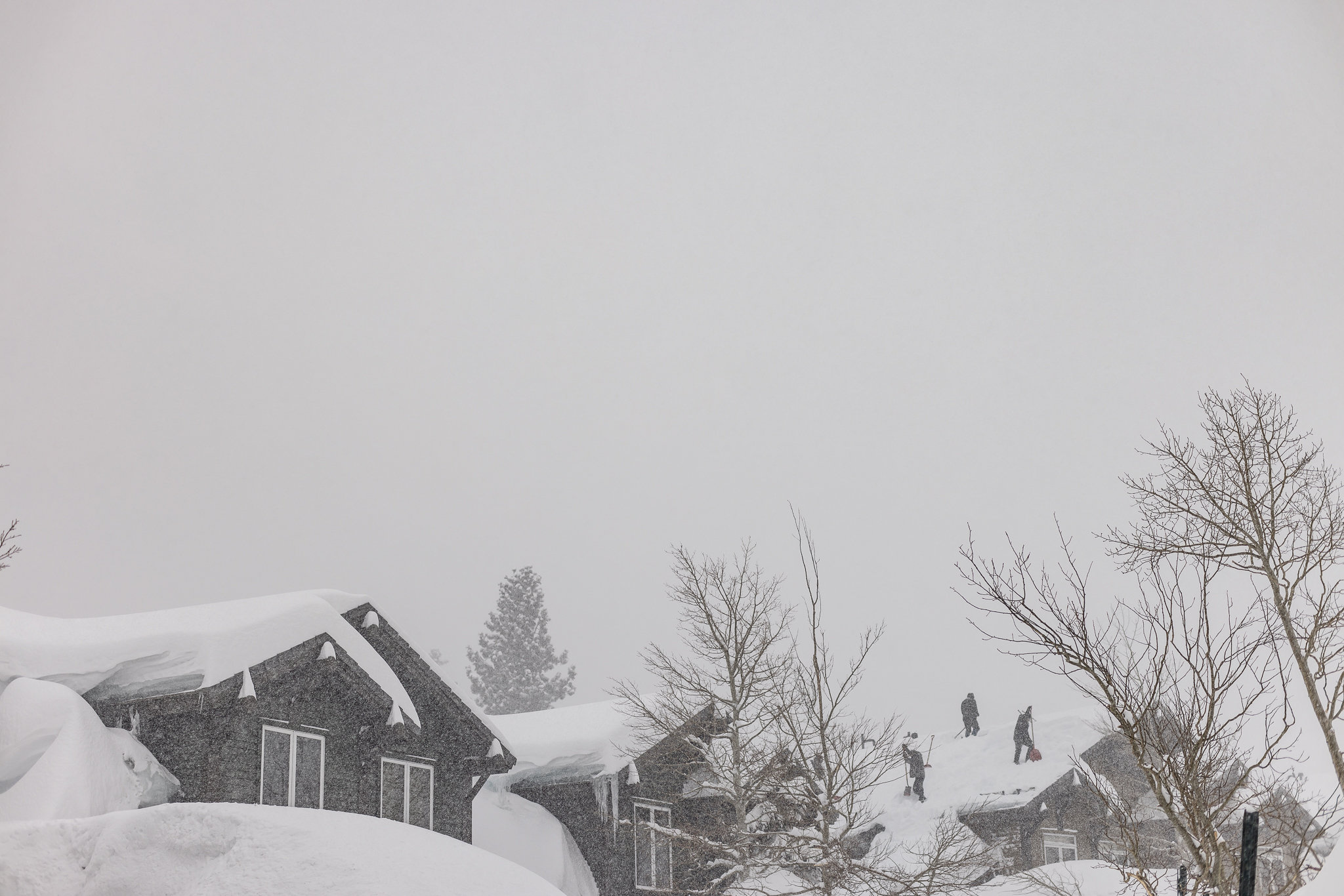
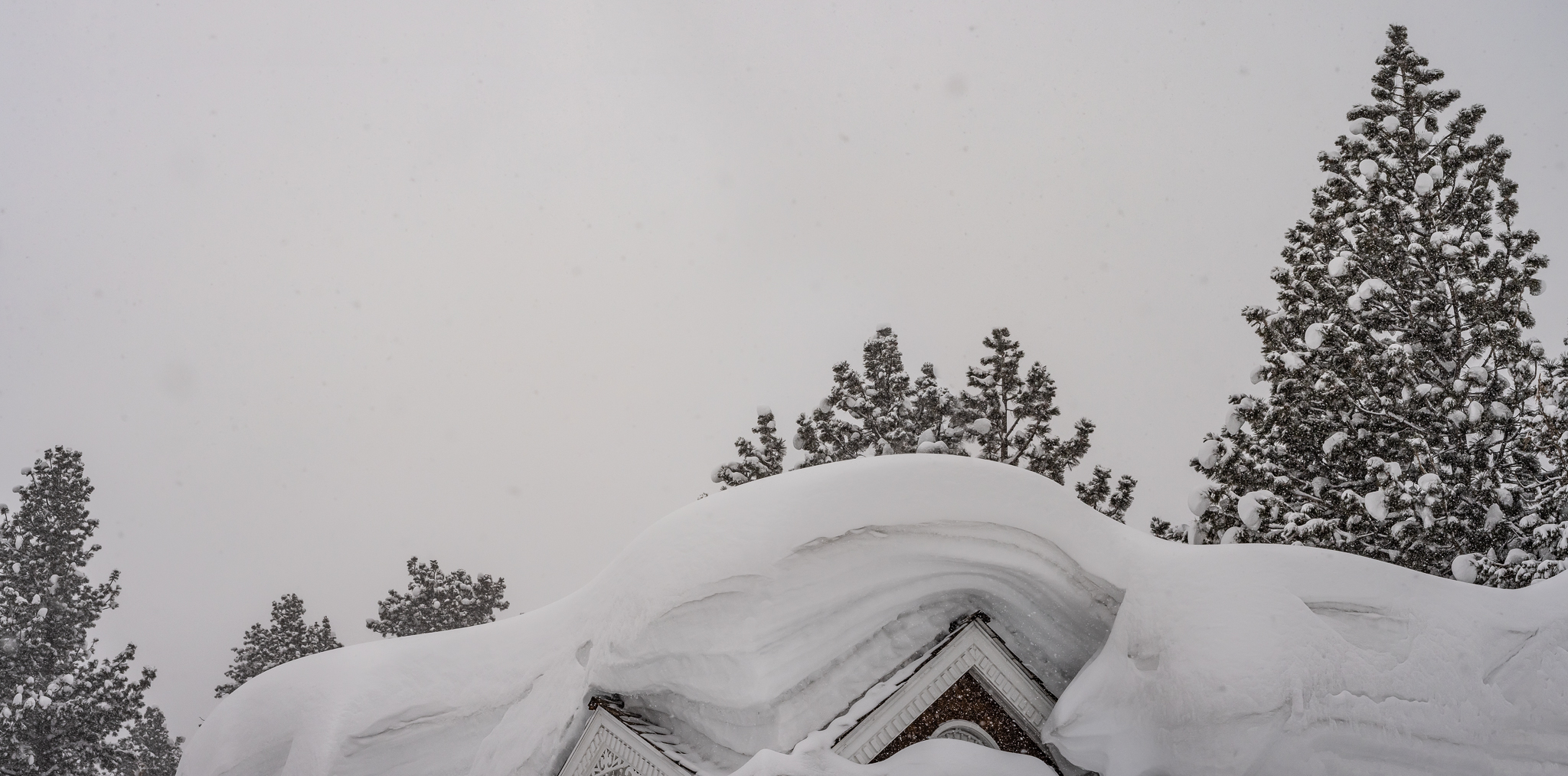
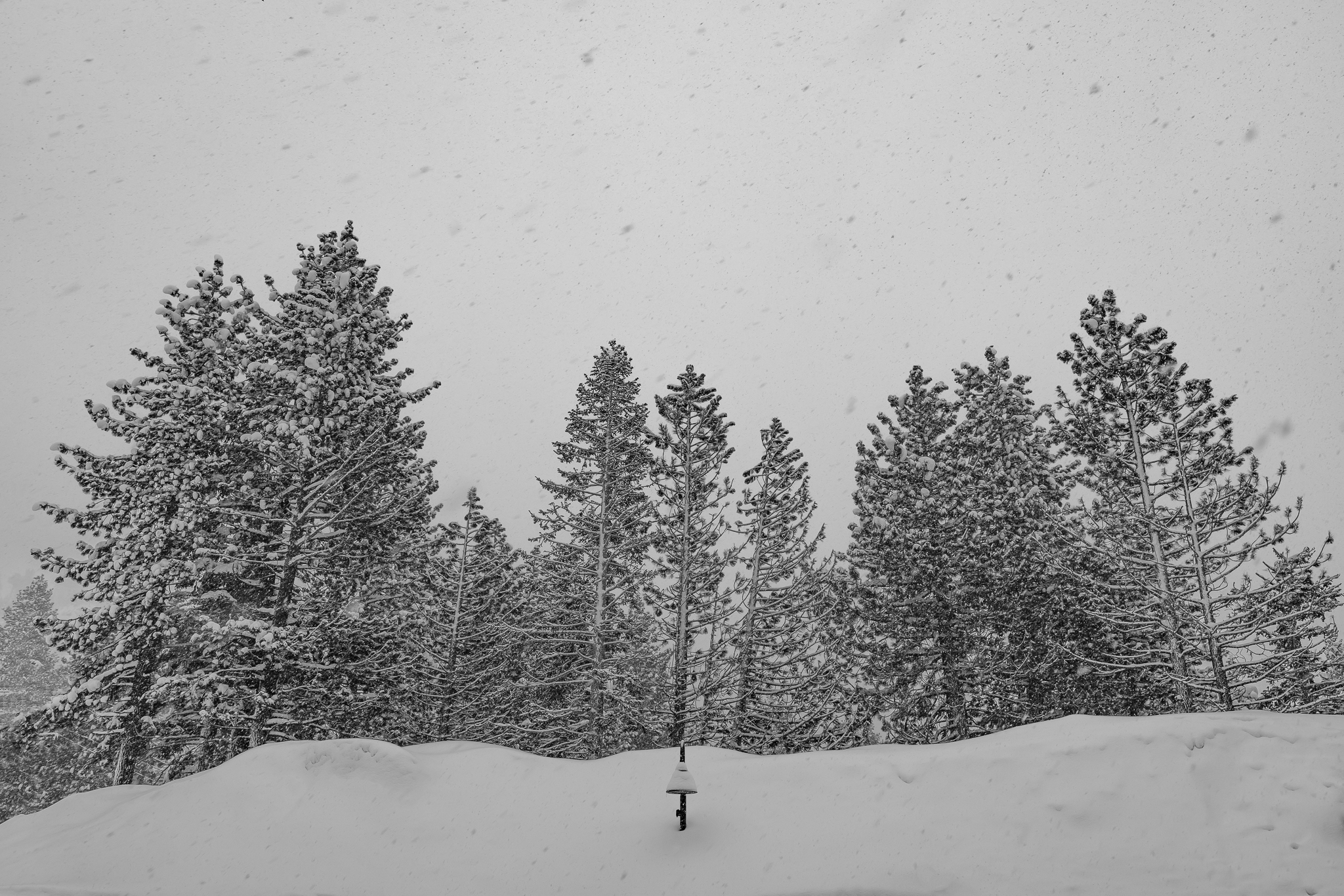
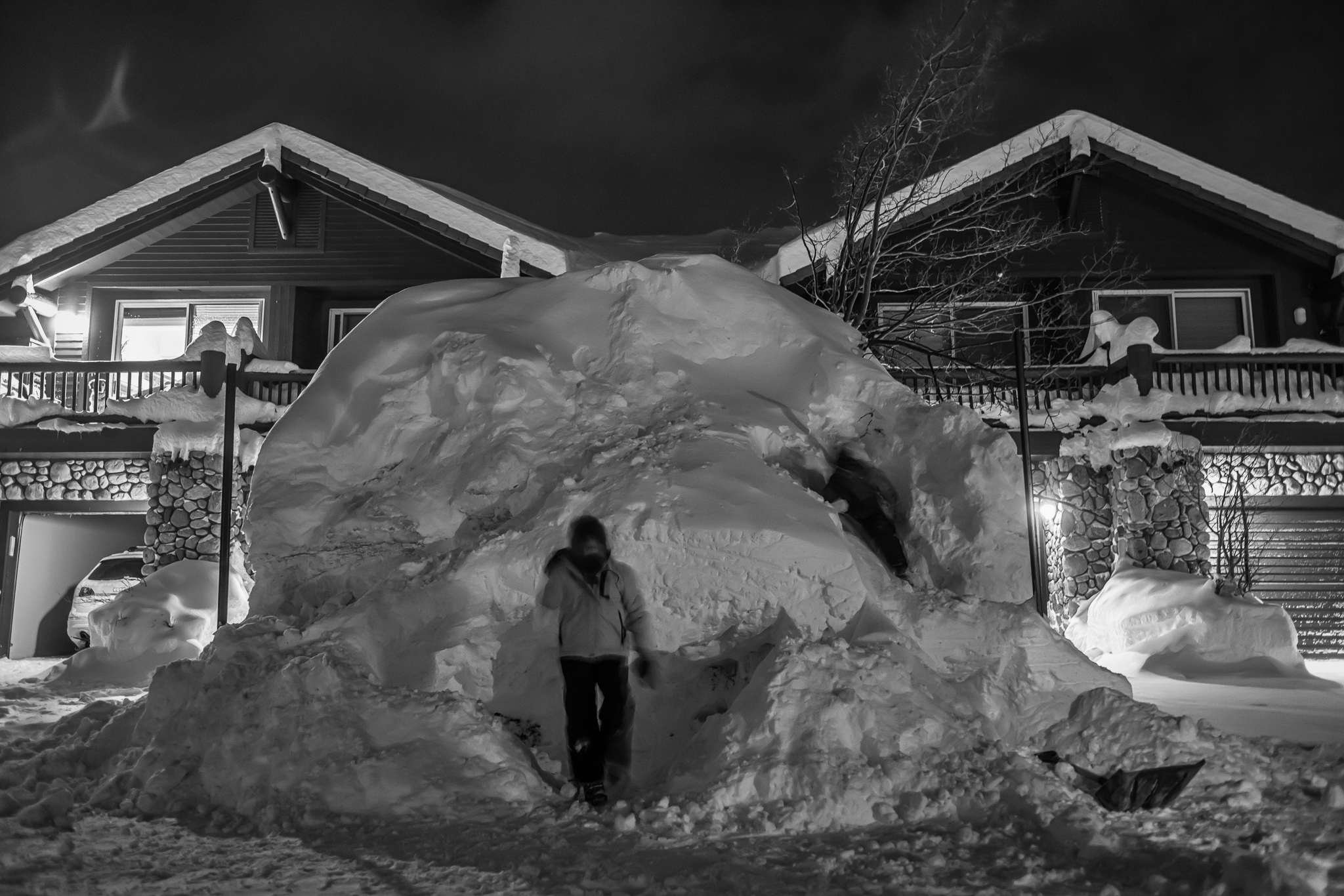
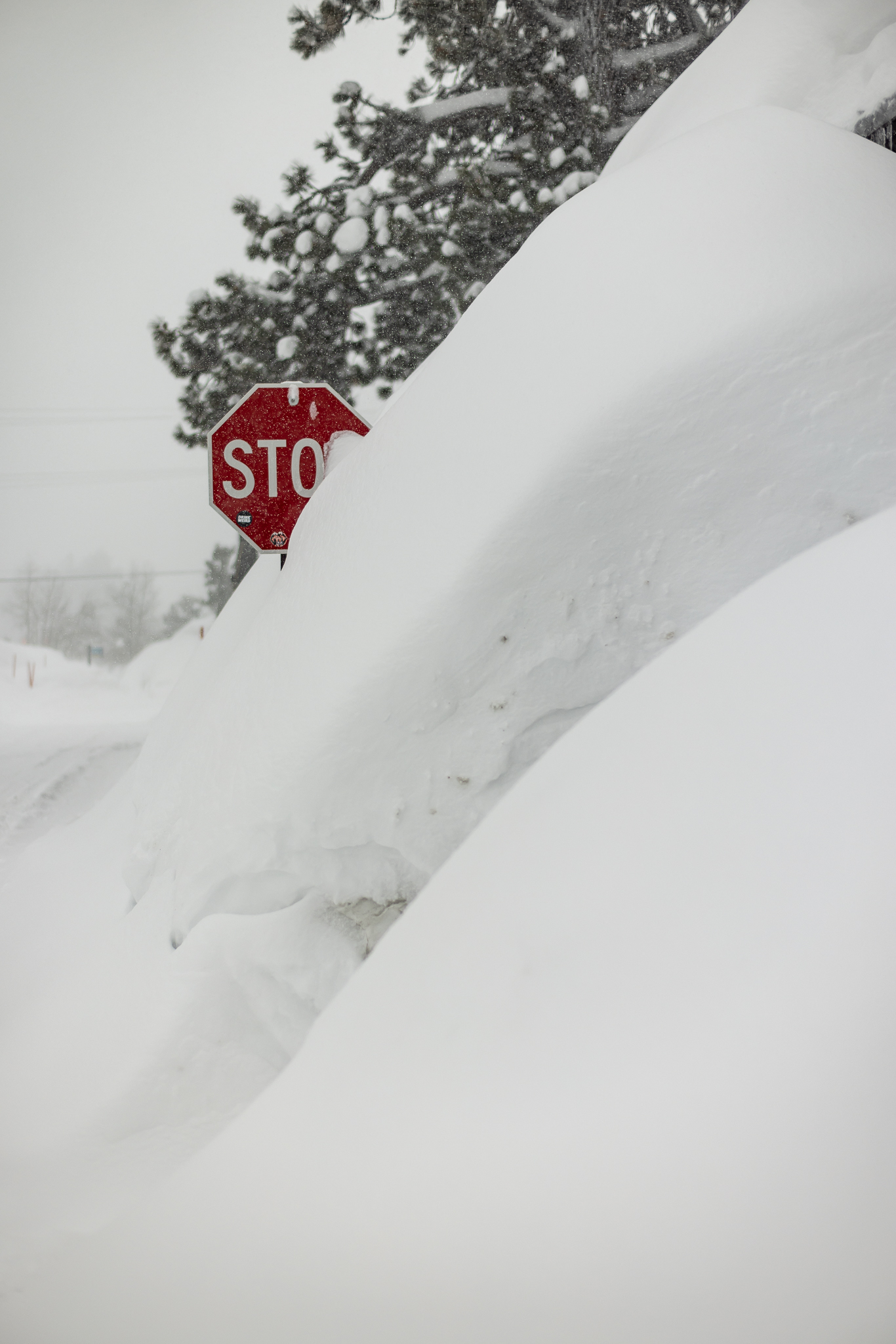
Mammoth Lakes, CA – 2022-2023 winter’s historic season, one atmospheric river after another. © Cameron Karsten Photography

This is my winter monologue; an exposé of images, thoughts, examinations, feelings and wonderment. It is a time of cabin fevers and extreme endurance. A place of stillness and wild abandon, often digging deep to remain true to oneself or simply to remain alive per the elements. All outcomes are a possibility.

CAMERON KARSTEN PHOTOGRAPHY

Active, Lifestyle, Portrait | Photographer + Director

Represented by The Gren Group | SEATTLE • LA

www.CameronKarsten.com | 206.605.9663
The Edge of the World – Human/Nature

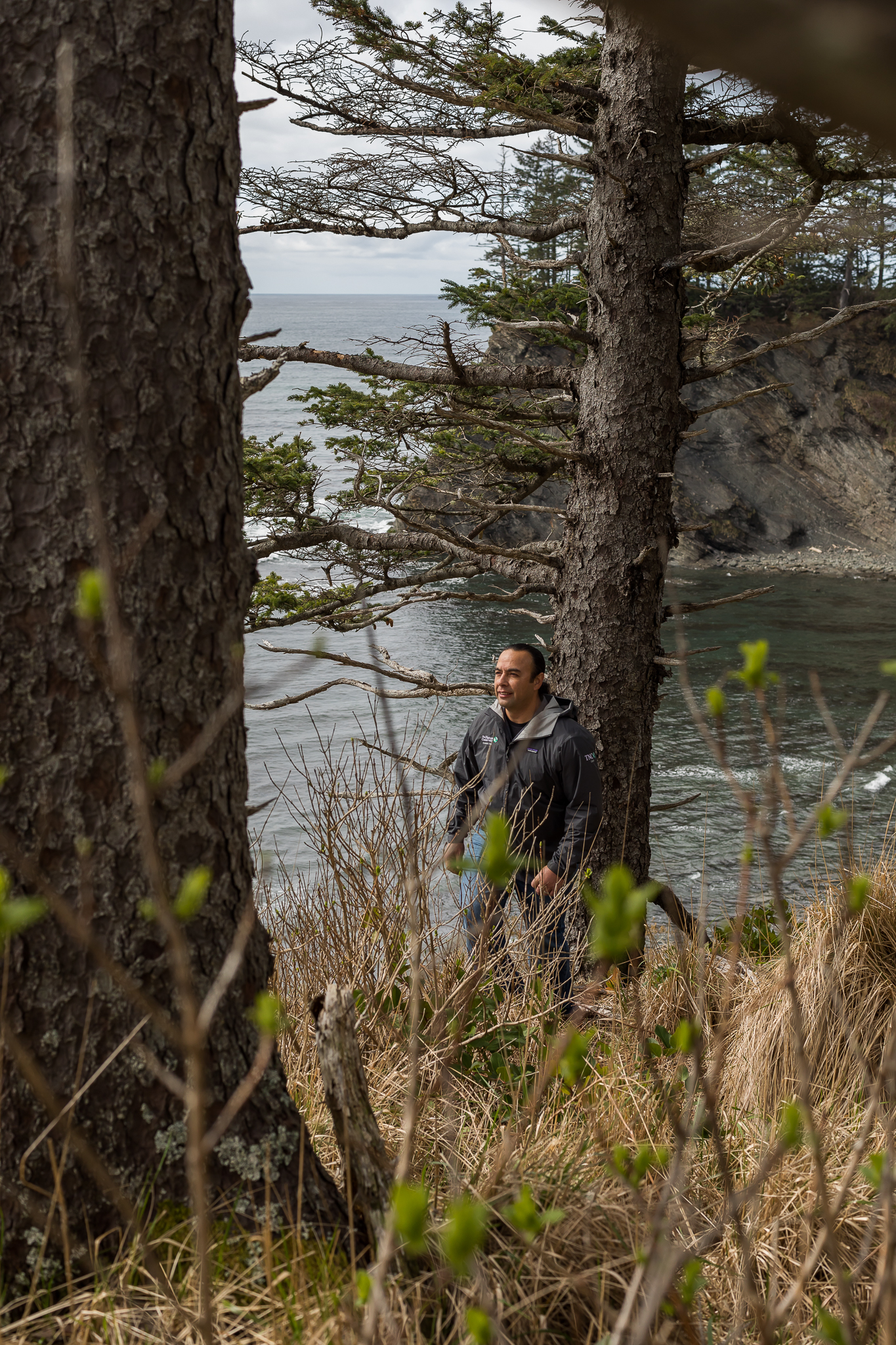
© Cameron Karsten Photography The Nature Conservancy at the Makah Reservation in Neah Bay, WA with Tribal member TJ

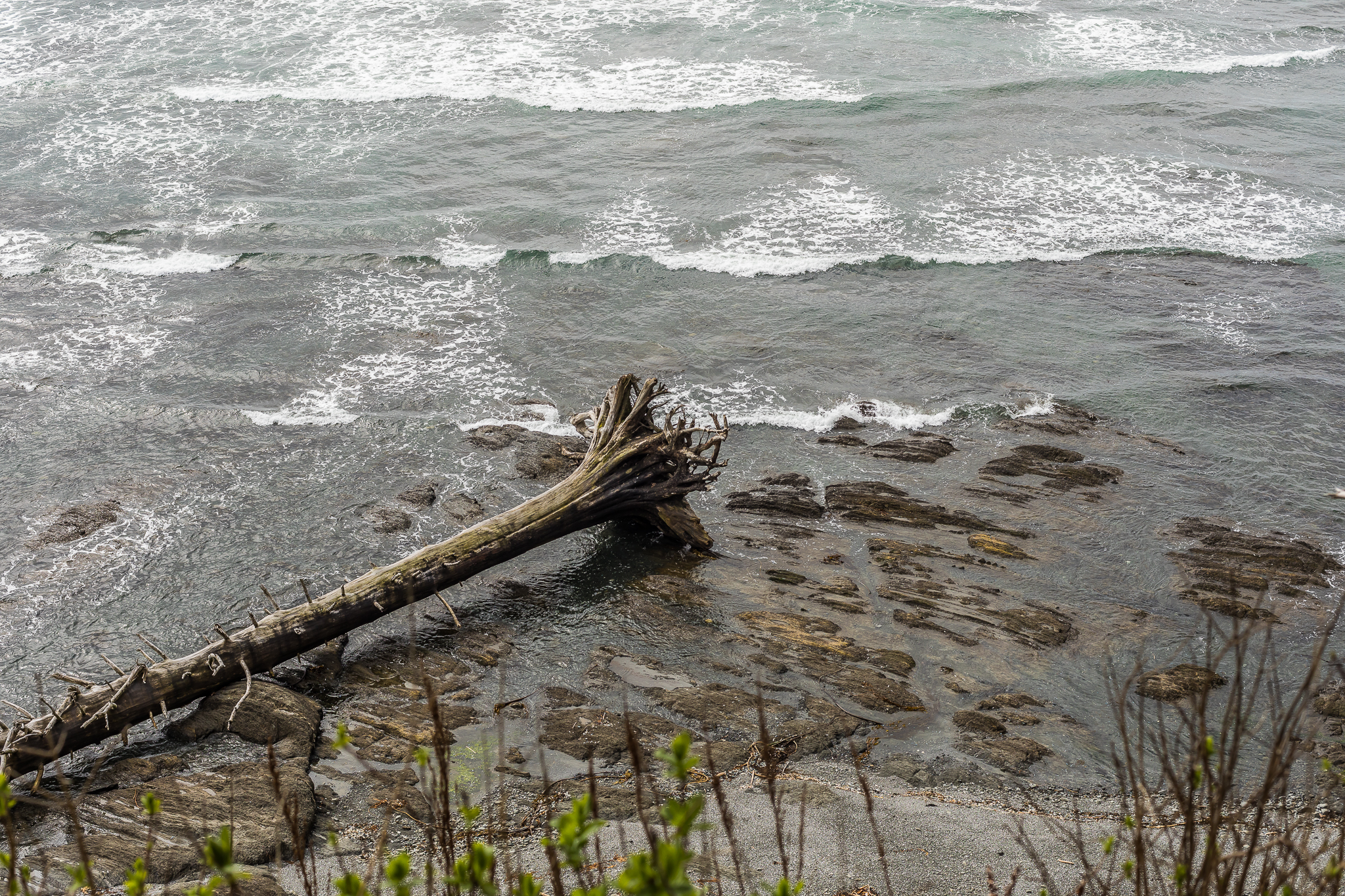
As soon as we could drive, my friends and I would pile in my ’78 two-tone brown VW Bus and head out to the edge of the world. It was so wet and so cold, I’d have to run the defroster on high the whole drive and have the windows cracked. With surfboards stacked inside, along the way we’d make the ritualized surf checks, turning our 3.5hr expedition into a full day. It’s was the journey and we always made the most of it, finding some wave, some beachbreak or rivermouth to get wet and catch a few waves.

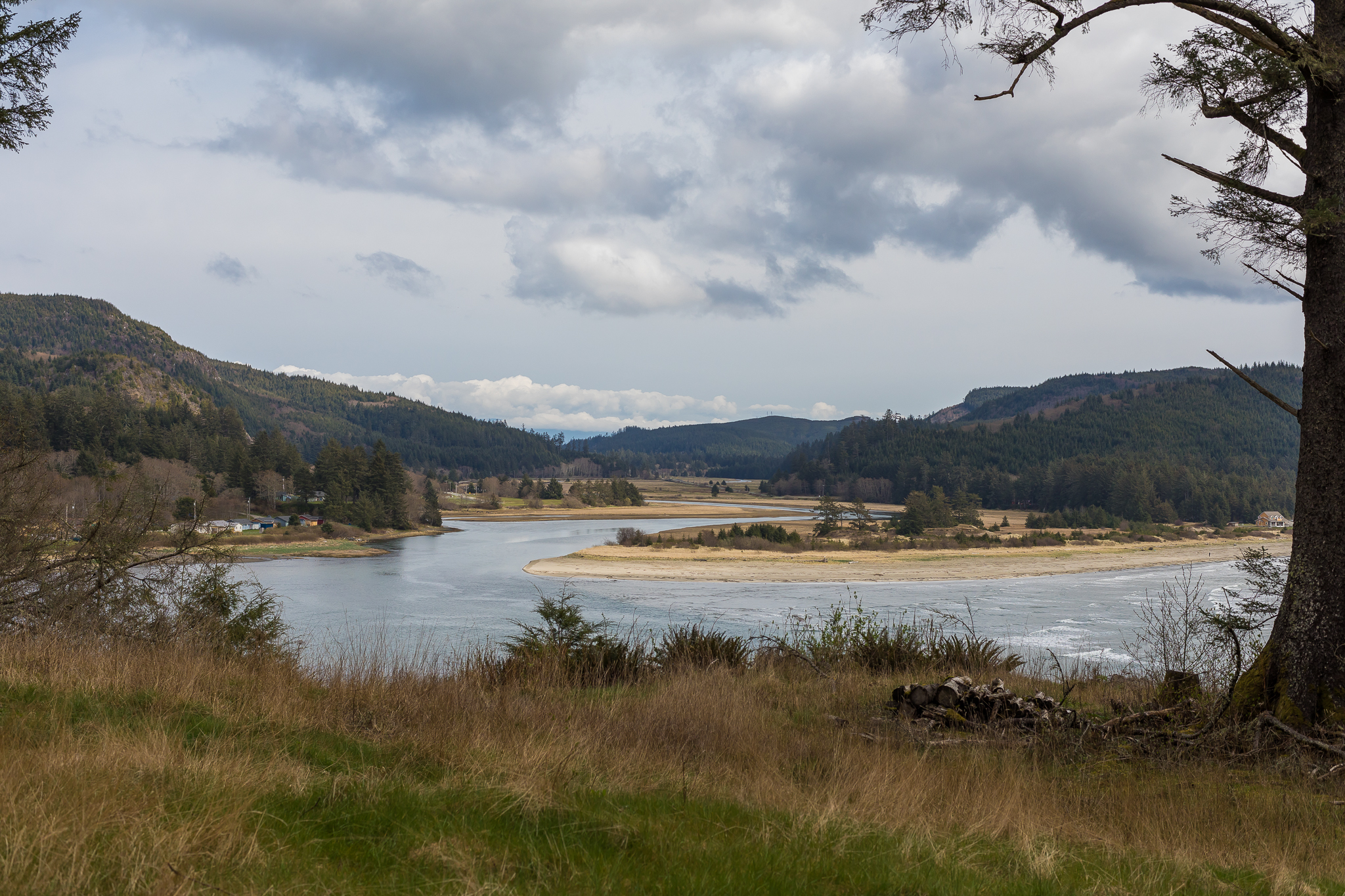
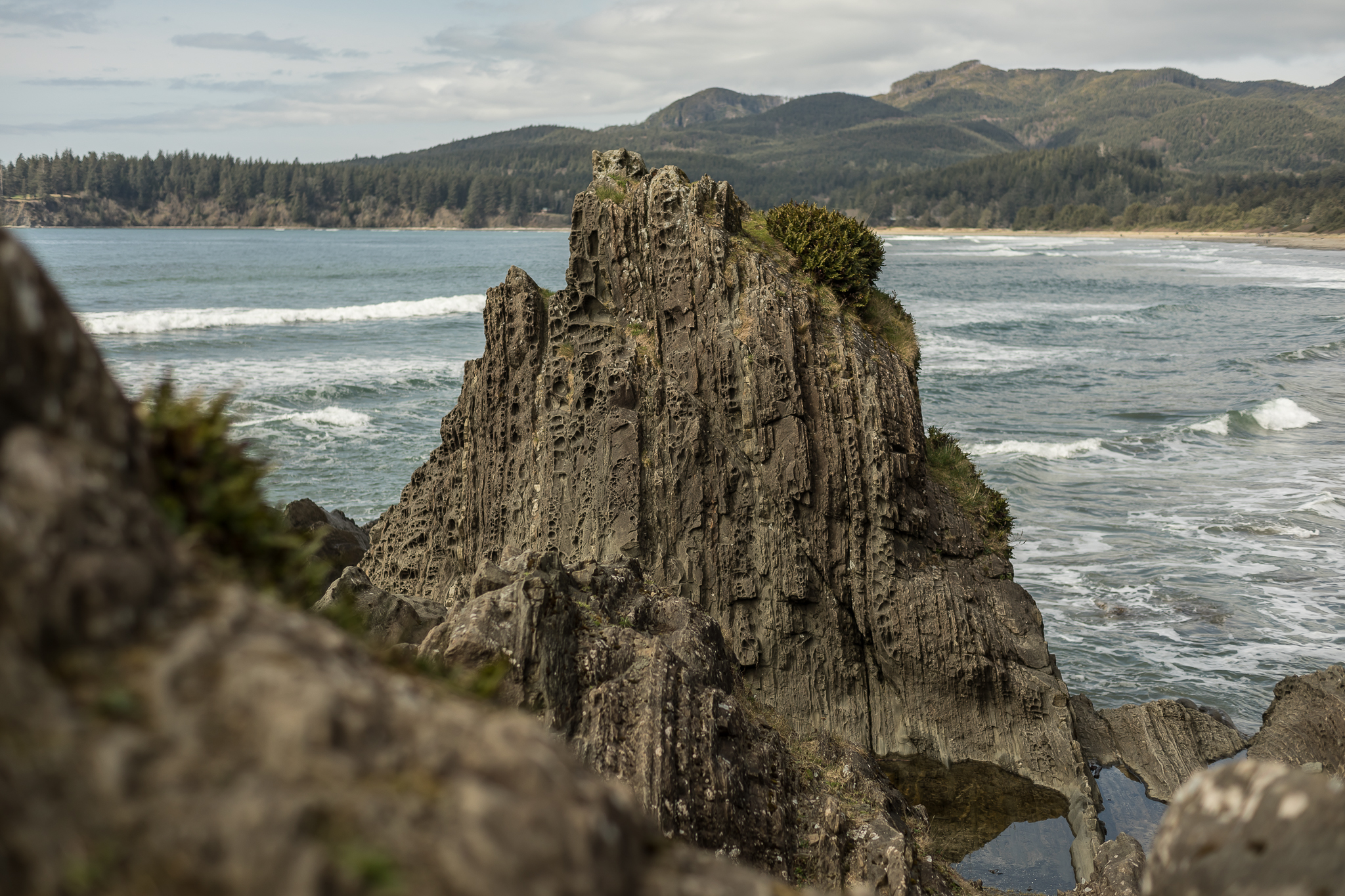
Before the hype, we were often the only ones in the lineup. Maybe a sprinkling of locals or travelers, but otherwise, just us and the rolling fog beneath perched eagles staring off into the distance. Finally, after a long winding route, we’d make camp at the end where evergreen mountains and their scarred clearcuts dropped straight into the Pacific. It was where sea stacks stood the ultimate test of time, wavering to none but the water and wind. It was where gulls battled the chop and the bull-headed seals crested just beyond the break. They would come so close, emerging out of the murky grey waters, we’d often jumpstart with fear and begin paddling to shore until our hearts stopped thumping and we could laugh at each other. This was wild land; empty bone-chilling drip of strong tree stands whispering of a moss-strewn giant living among the hollows. Our edge of the world was Neah Bay and the Makah Reservation. Those were the memories.

© Cameron Karsten Photography The Nature Conservancy at the Makah Reservation in Neah Bay, WA with Tribal member TJ

I return as often as possible, to relive and resume the wildness at the edge of the world. With surfboard or camera, life is different at Neah. Society at large has discovered its open beauty, and the thrill called surfing has become mainstream even along the frigid fickle northwest shoreline. We’re never alone now.

Recently, I returned on assignment for The Nature Conservancy during a 14-month long book project titled Human/Nature photographing the beauty, the bounty – the legacy – and the joys of Washington culture. I drove Deborah Kidd, the TNC project manager, out along the route of my windswept memories where we met TJ Greene. TJ is a Councilman on the Makah Tribal Council, who escorted Deb and I to the northern plateau jutting into the Pacific just beyond town. It was ancestral land, an outcropping I watched for years as I lulled over the swells and scanned the horizon. He pointed out midden, un-excavated artifacts left over from centuries past, as well as various plants and bark species his ancestors used for medicine. And in a clearing at the absolute edge of the world, he pointed to where one of the Makah people’s original longhouses once stood. It was a moment, a whole experience, that put perspectives into perspective, my memories cemented into a new appreciation for where I have been and who I’ve become. All those laughs with friends. All those frightening drops on monster storm-brewed waves pumped straight from the cold waters of the northern Pacific, dropped directly onto my head. The wildlife. The soaking woods. The storms, foggy windows, wipers screeching frantically. Holes in tents, sand between our toes, books on a beach log at sunset. They formed a part of me, made me me. This place gave so much and I knew so little of it.

© Cameron Karsten Photography The Nature Conservancy at the Makah Reservation in Neah Bay, WA with Tribal member TJ

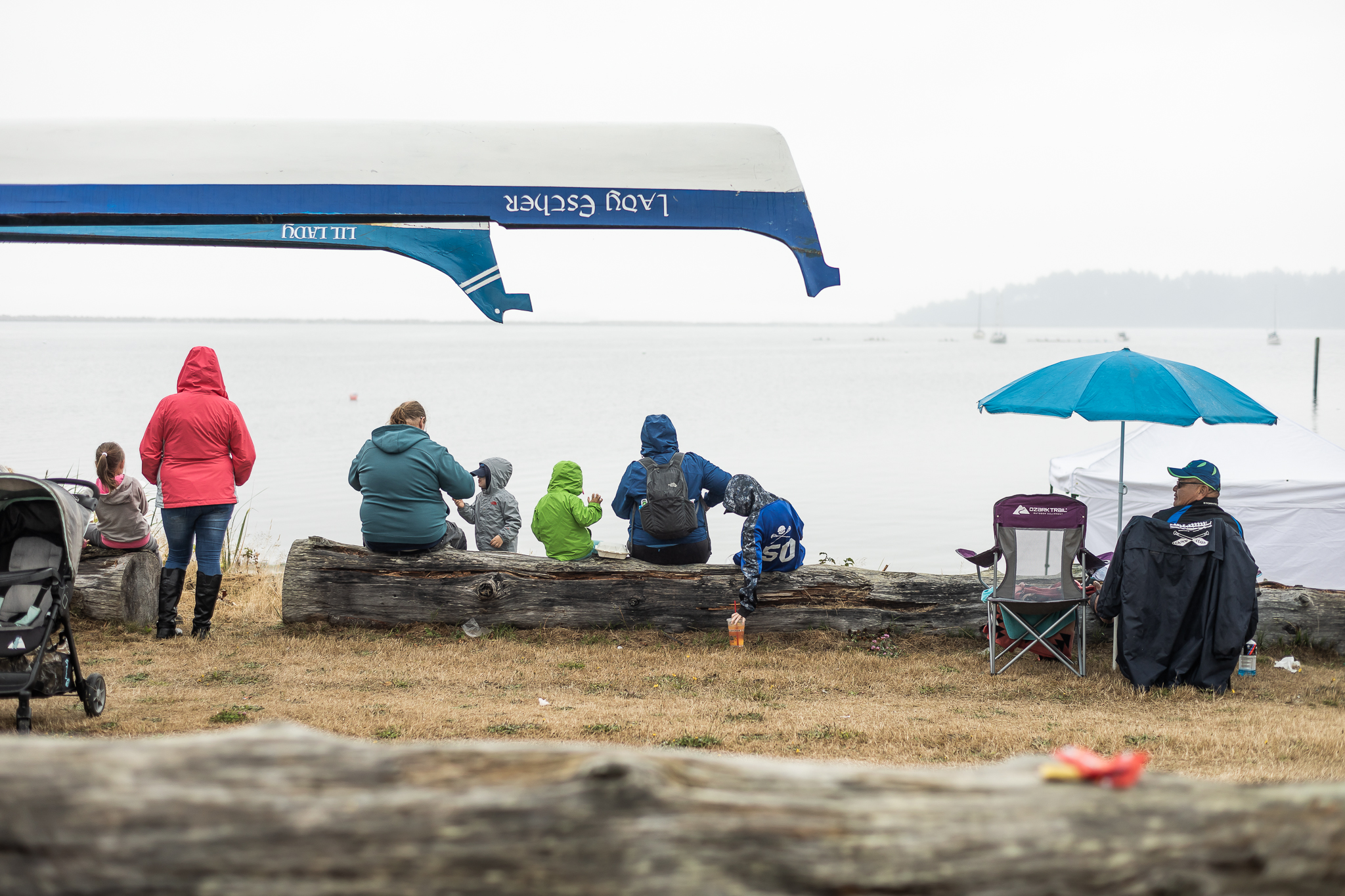
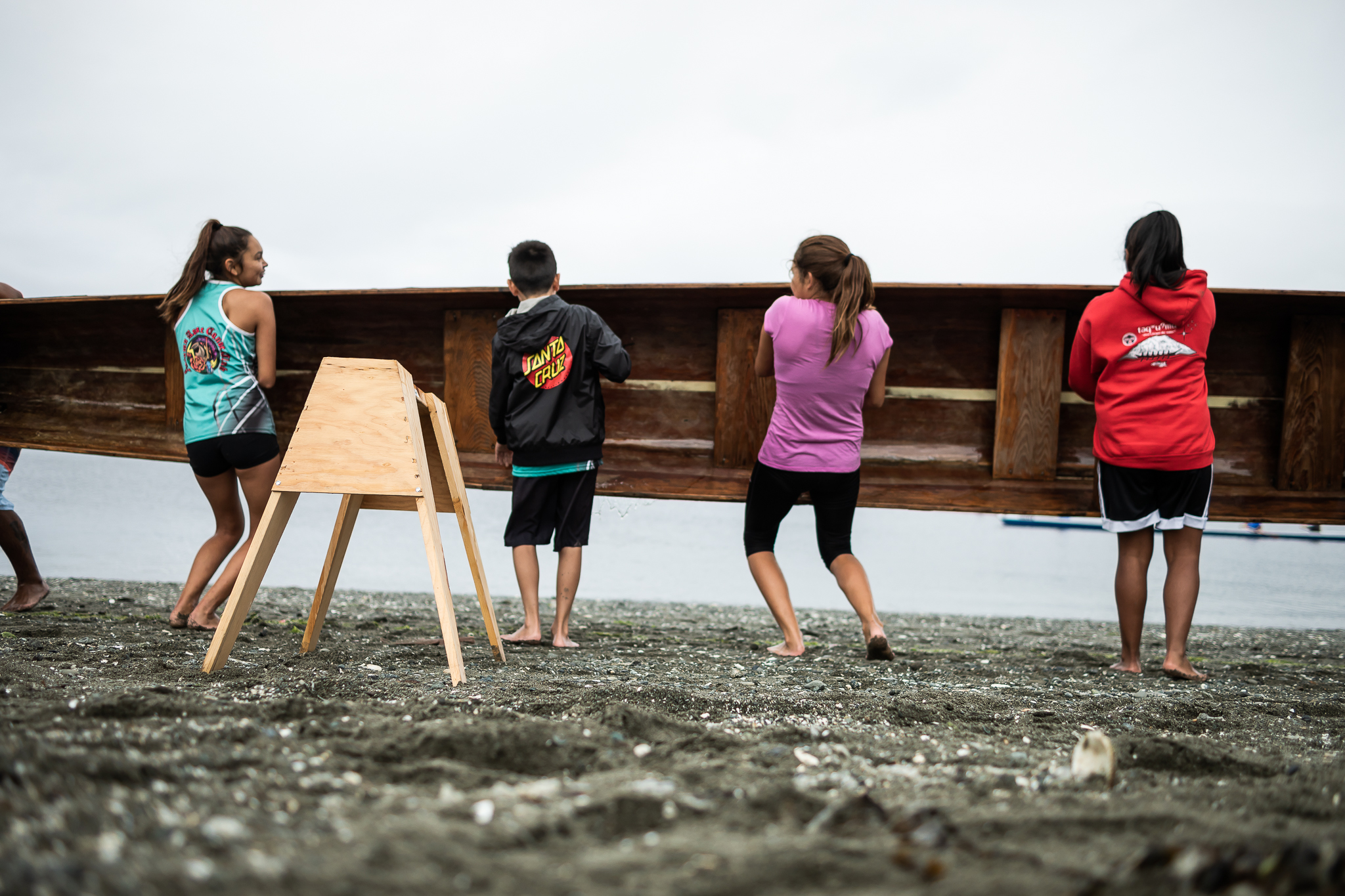
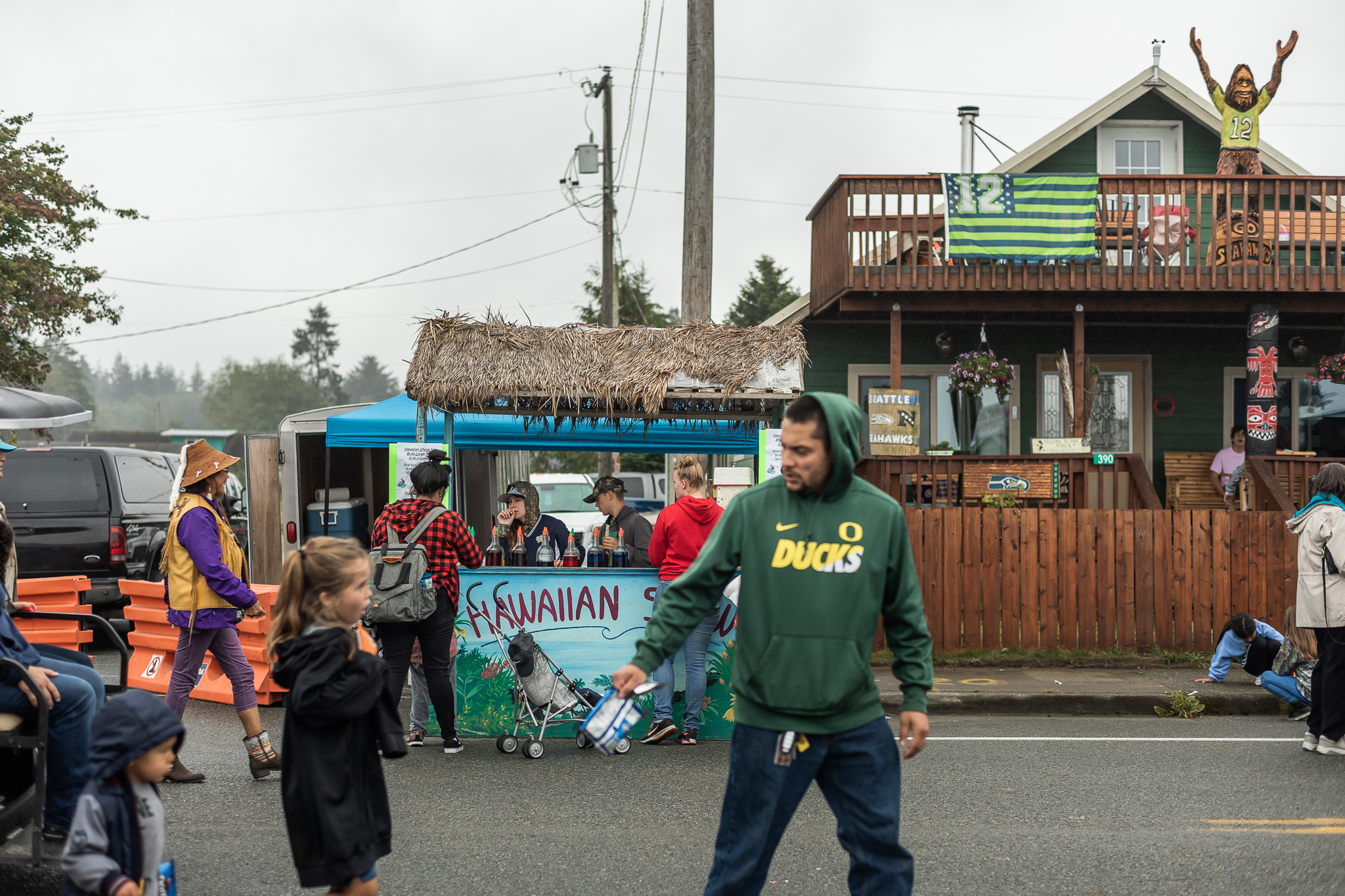
TJ brought me and Deb back into town and showed us around during the annual Makah Days celebration, where we ate cedar smoked salmon with potatoes and watermelon while watching canoe races in the bay. We slowed down to take in the moment; the sounds of laughter and shouts of encouragement, the millennia this land at the edge of the world has heard these sounds pass by.

For more information regarding Human/Nature visit The Nature Conservancy.

www.CameronKarsten.com

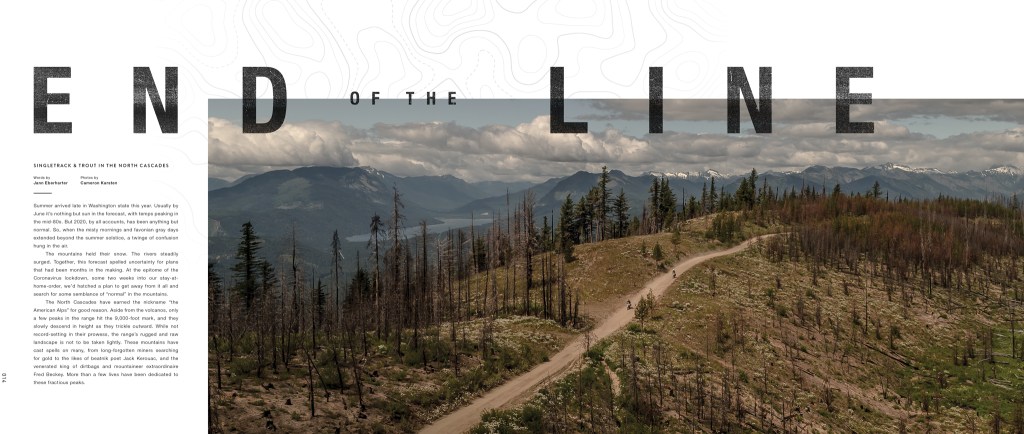
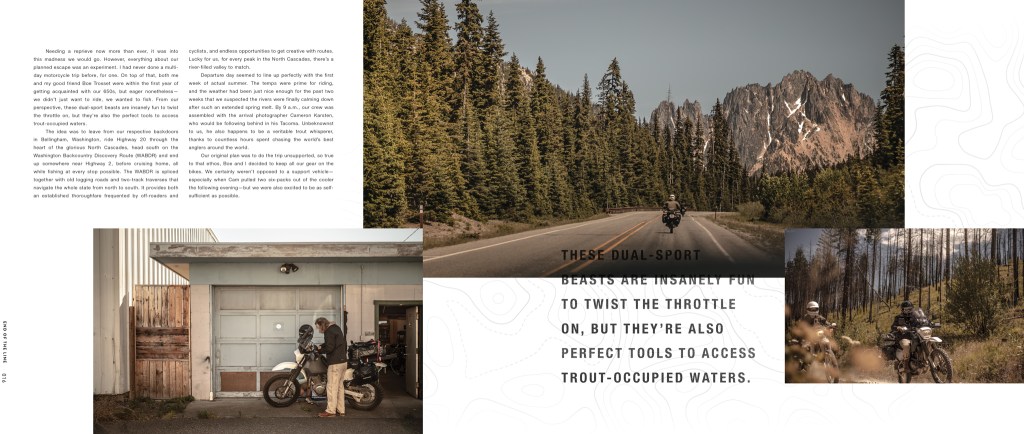
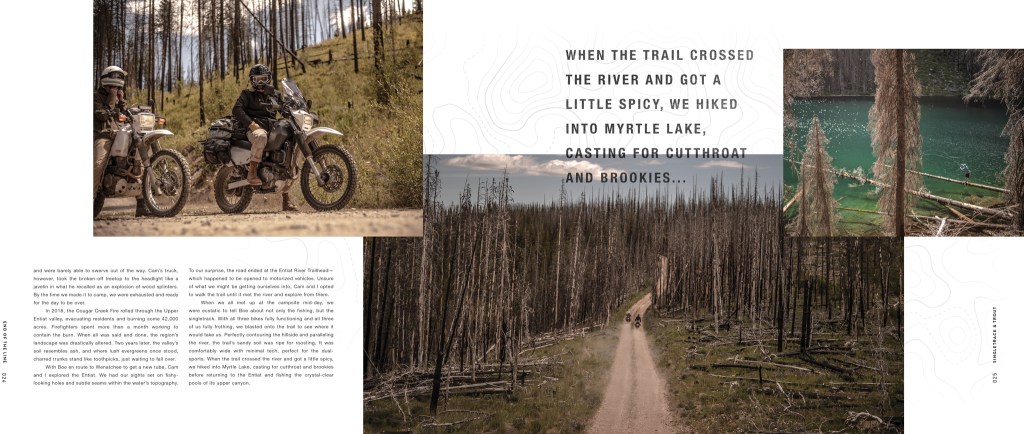
“End of the Line” Meta Magazine Issue #19

For more, visit www.cameronkarsten.com

The Todd Kline for Grundens

Honestly, bass fishing was a new thing for me. I watched it as a kid on local fishing channels. I asked my mom to purchase a handful of VHS tapes on bass fishing highlights. And I got sucked into those info-mercials advertising squiggly worms and rubbery baits as the total tackle package (they were great birthday presents). But, I never found it intriguing as an adult, I never viewed it as an opportunity to shoot, but along comes Grundens with a new avenue for revenue. The challenge? The small fishing boat. The reward? New angles, new frames, and the opportunity to jump off the boat and find more for my client. The easy bit? The subject. Todd Kline and company were rad! Here are a few select panos from SoCal’s reservoirs.

logo_blackTrajan_NEW