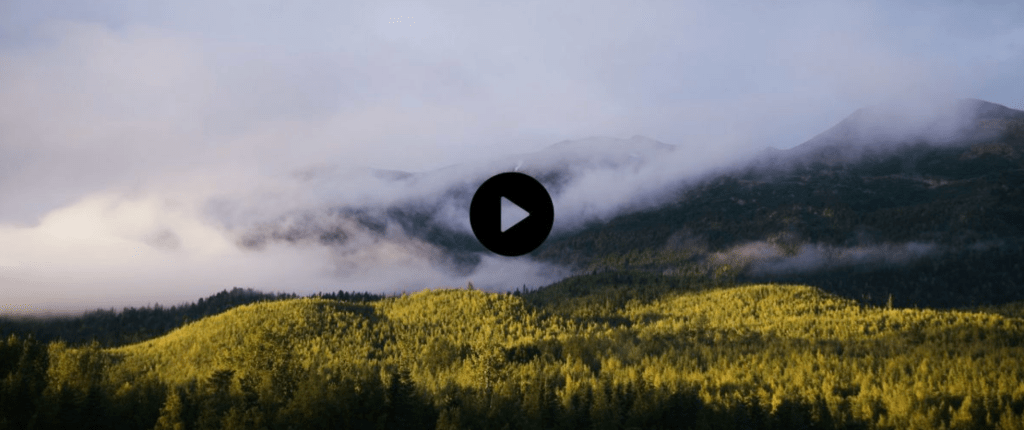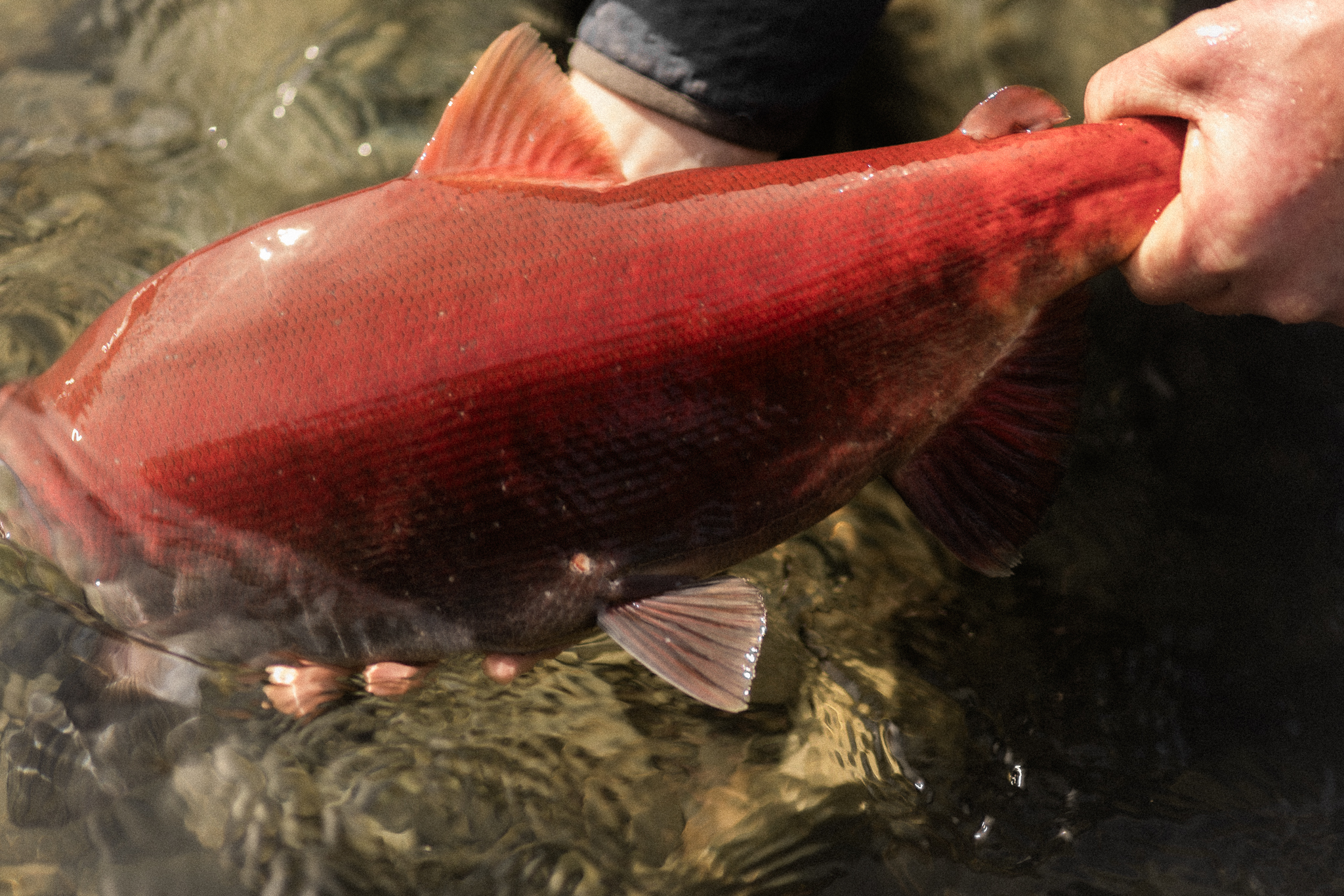
They said it was a record run. A river gushing red, not with death, but with life. Sockeye. Blood red. In the millions. 4.4 million. The previous record was 2.7 million in 2024. There was color everywhere. Glittering swathes as far as the bend could go. It was like a poem by Nature, spoken by Her very self. A liquid ballet of many organisms pirouetting as one single force of energy, making its final encore of strength and will within a life of complete and wholly endurance.
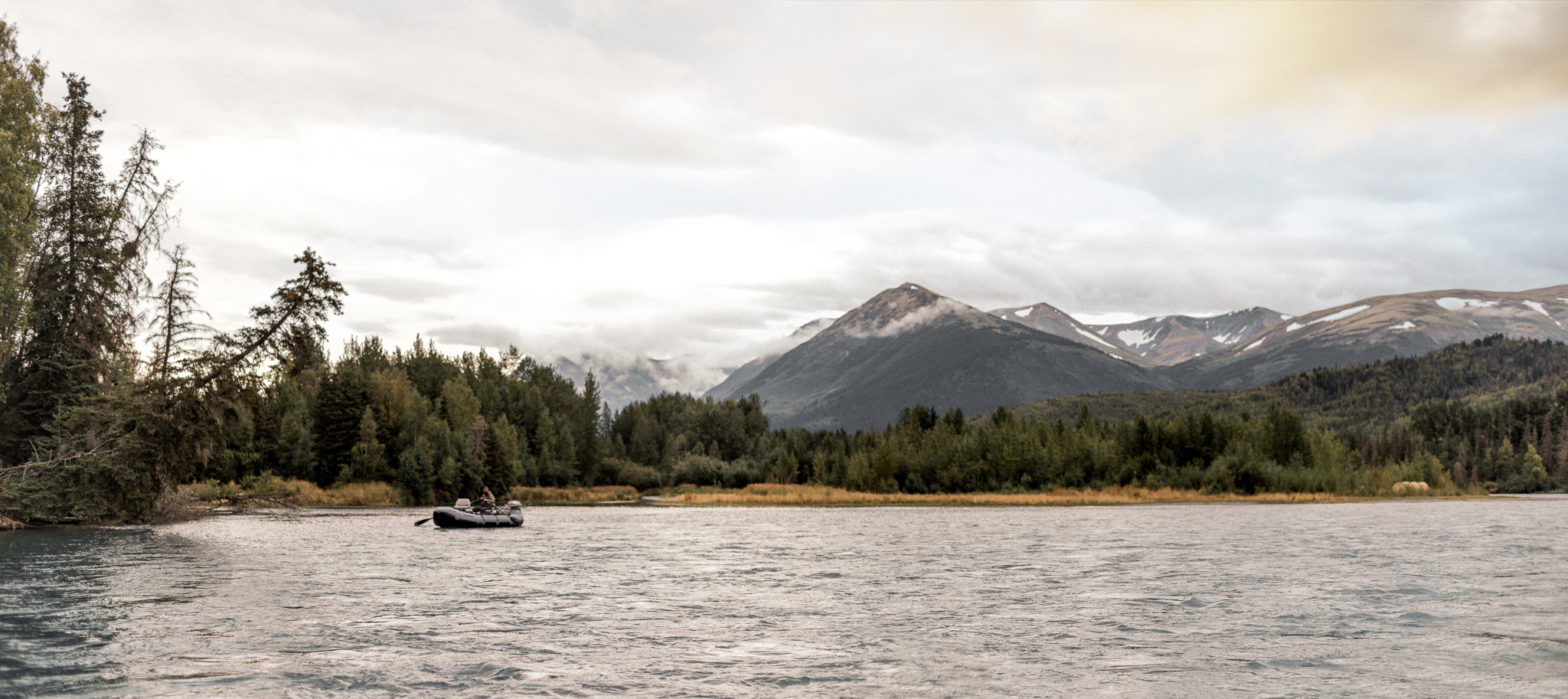
I was here on the Kenai River with a client to capture all we could within this spectacle, amazing and awestruck, confounded with the inspiration that is this absolute Nature. We were camping and fishing for five days, floating the river on inflatable rafts, fishing with an array of fly rods and reels, and setting up tents and the accoutrements of a glamping campsite. We had a lot of gear.
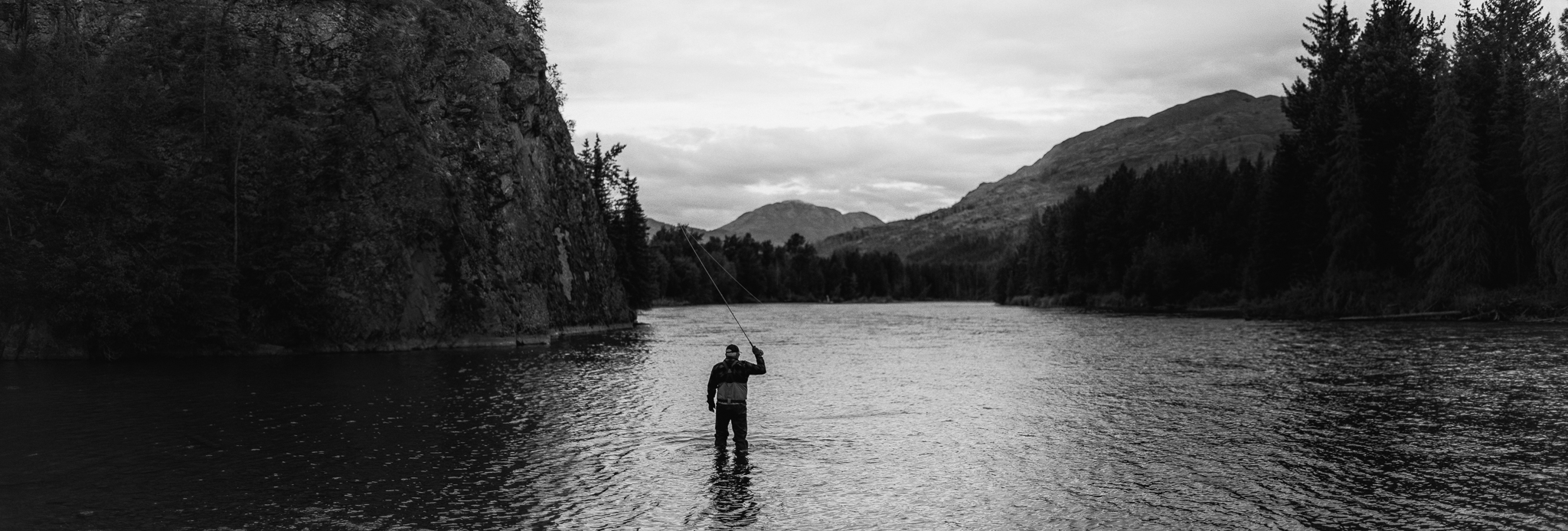
We flew into Anchorage from Seattle, loaded our amalgam off the carousels and into trunks. We stopped at Cabela’s for licenses and of course, more gear. Then into what is Alaska, driving southward along the winding 1, the Seaward Highway and its fjord-like vistas of steep mountain passes across narrow inlets. This was the Turnagain Arm, a finger of sea with a tidal bore of change. It absorbs the ocean with massive tide swings filling full until emptying again to its muddy bed, only to repeat itself endlessly. And this is where we see the beluga whale. Where I saw the mythical pods themselves, a creature only witnessed in the imaginations of my youth.
One could spot them next to the hordes of tourists—vans, campers, motorcycles and charter buses pulled off onto the shoulder of the highway. There they’d perch on an outcrop and watch as the incoming tide flushed the mud beds. And what followed were the hungry belugas, chasing salmon up to the estuaries and beyond. Their white bulbous heads would emerge from the milky waters in what often looked like pods of fifty or more whales. But we didn’t stop to count. We headed for the river of Kings.
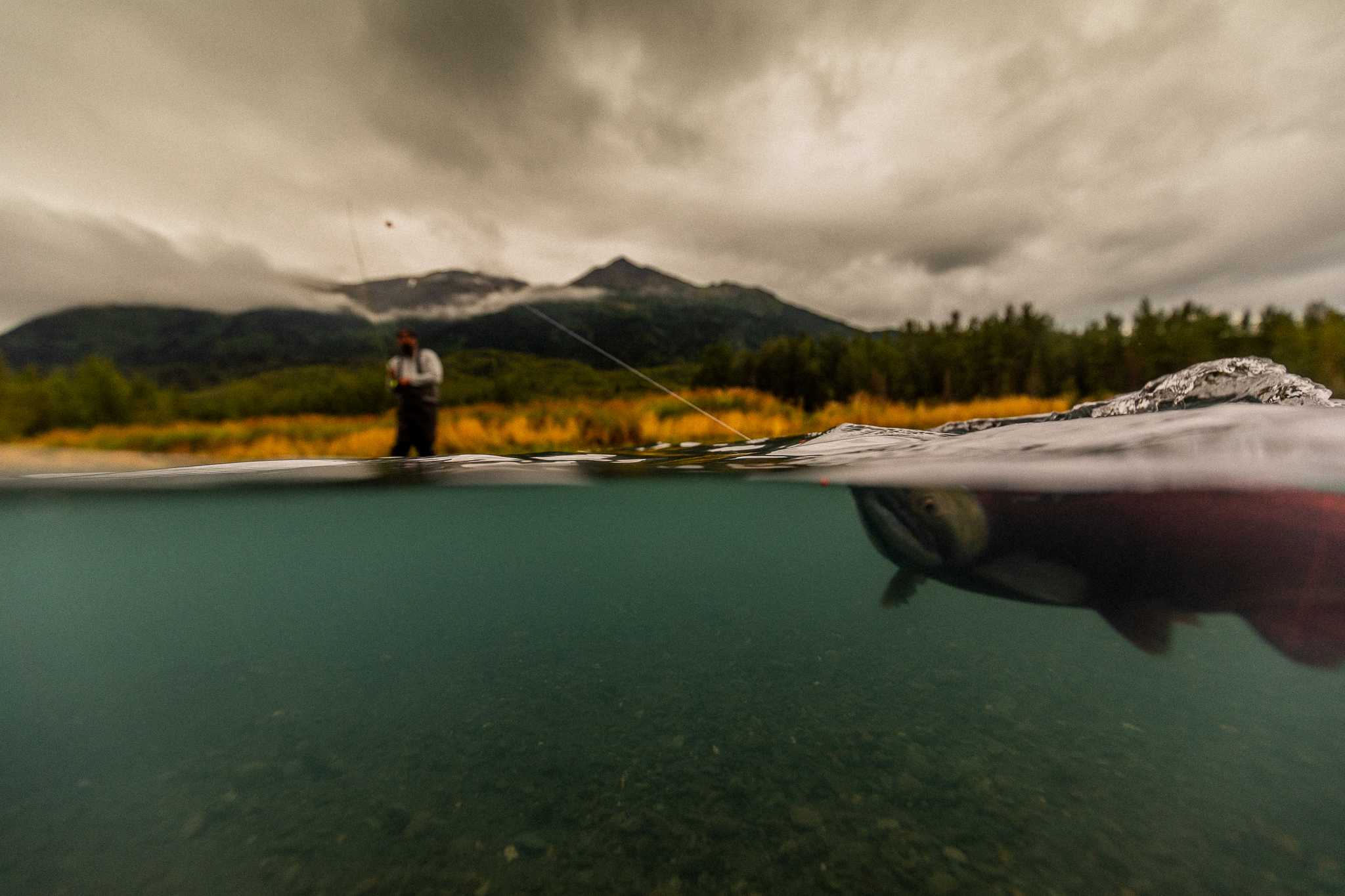
I was sitting on the bow of our inflatable. Currents of red danced beneath the surface, like droplets of a watersplash, arcing away from our disturbances. They rolled one way, the diamonds of red, pink, silver and brown glinting in the refracting sunlight. Their scales like solar panels in a desert heat. Then they’d settle for a calming second before spontaneously dashing up the river like hawks in the sky chasing an imminent death. Only twice did I see the massive shadows.
“Kings,” said our local guide. King salmon. The Kenai was once known as the River of Kings. Large, no… massive, ginormous King salmon up to 50+ pounds of muscle once flooded these waters. Les Anderson knew. In 1985 he landed the behemoth of behemoths. 97 pounds. But that was back when I was a one-year-old; forty years of environmental degradation, industrial destruction and an unquenchable need to fill our plates with every possible sea creature no matter how threatened or endangered they might be, brought us to this end game. There was and still is a domino effect in place.
In the book The Good Rain by Timothy Egan, he stated a fact about every tributary in the region and their role in the fish’s existence: The Pacific Northwest is simply this—wherever the salmon can get to. Historically there have been so many, their populations incomprehensibly abundant that it has been stated that during salmons’ migratory runs upriver to spawn, their numbers are so vast they have been known to create a moving bridge, bridges where settlers could walk across their backs from one side of a river to the other. Obviously, this was an over-dramatized expression, but the visuals of what once were left a mark.
There it went, faster than any sockeye, like a lightning bolt through the atmosphere; a scar upon memory. It was a stealth bomber programed with a singular mission like never before; to save the world—its own existence—before time ran out. The second shadow was more savored. Once spotted in the swift current, we all stopped the doings we were doing and observed in silence. Our heads twisted upriver in unison. Our eyes locked on the target, searching through the mosaics of reds, pinks, silvers and browns while our boat carried us away in an opposite direction. King salmon.
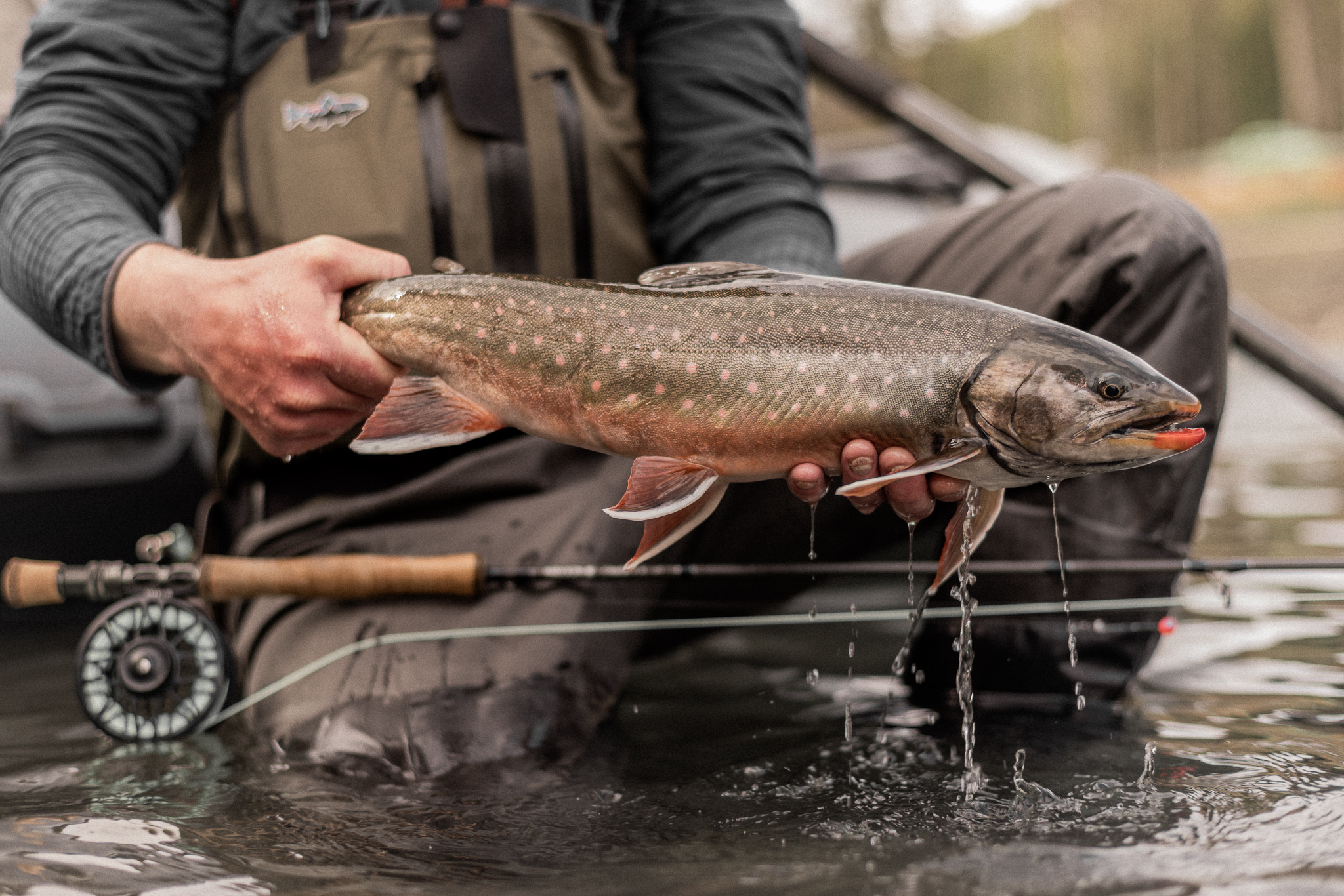
We caught fish. Heaps of them. From thick meaty sockeye—a deep dark maroon red—to 20-inch rainbows that followed them like hounds to feast on their rich fatty roe. Heavy speckled bull trout, one of my favorite fish to witness with their white-lined fins and often red lipstick jawline, bent our rods down low toward the water, and a few silver salmon made it ashore. They were sleek and bullet-like. Our own desires eclipsed judgement as we filleted and fried them under the night sky. On the last evening, a mother black bear and her cub appeared across the river with no bridge to cross, and like the King, they left as if never there. Only a memory of what came before us.
See the full project gallery here: https://www.cameronkarsten.com/Projects/River’s-Portrait/thumbs
And watch the motion piece below: https://www.the-subconscious.com/motion/v/alaska