Preserving 38: A Bainbridge Island Land Trust Success Story

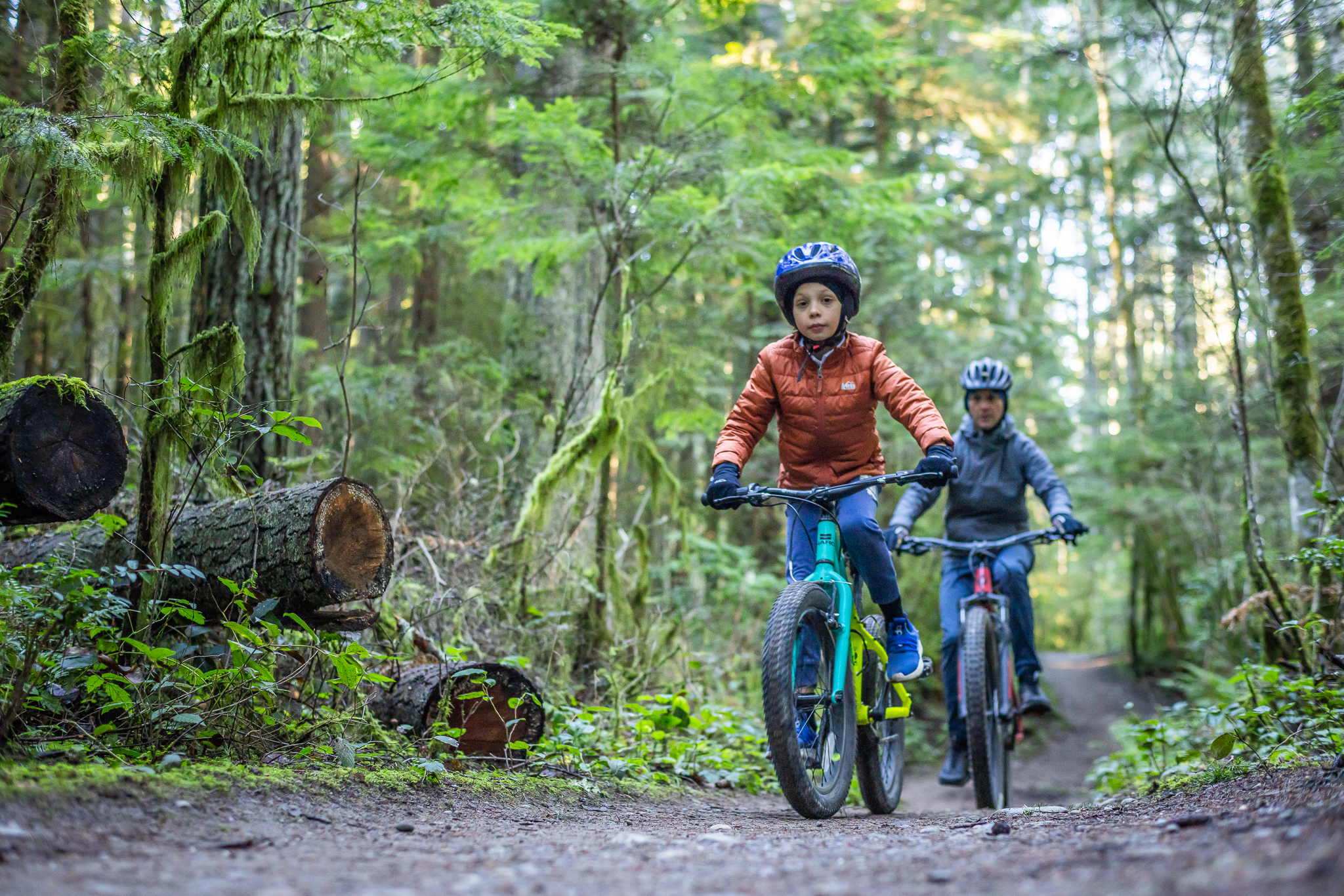
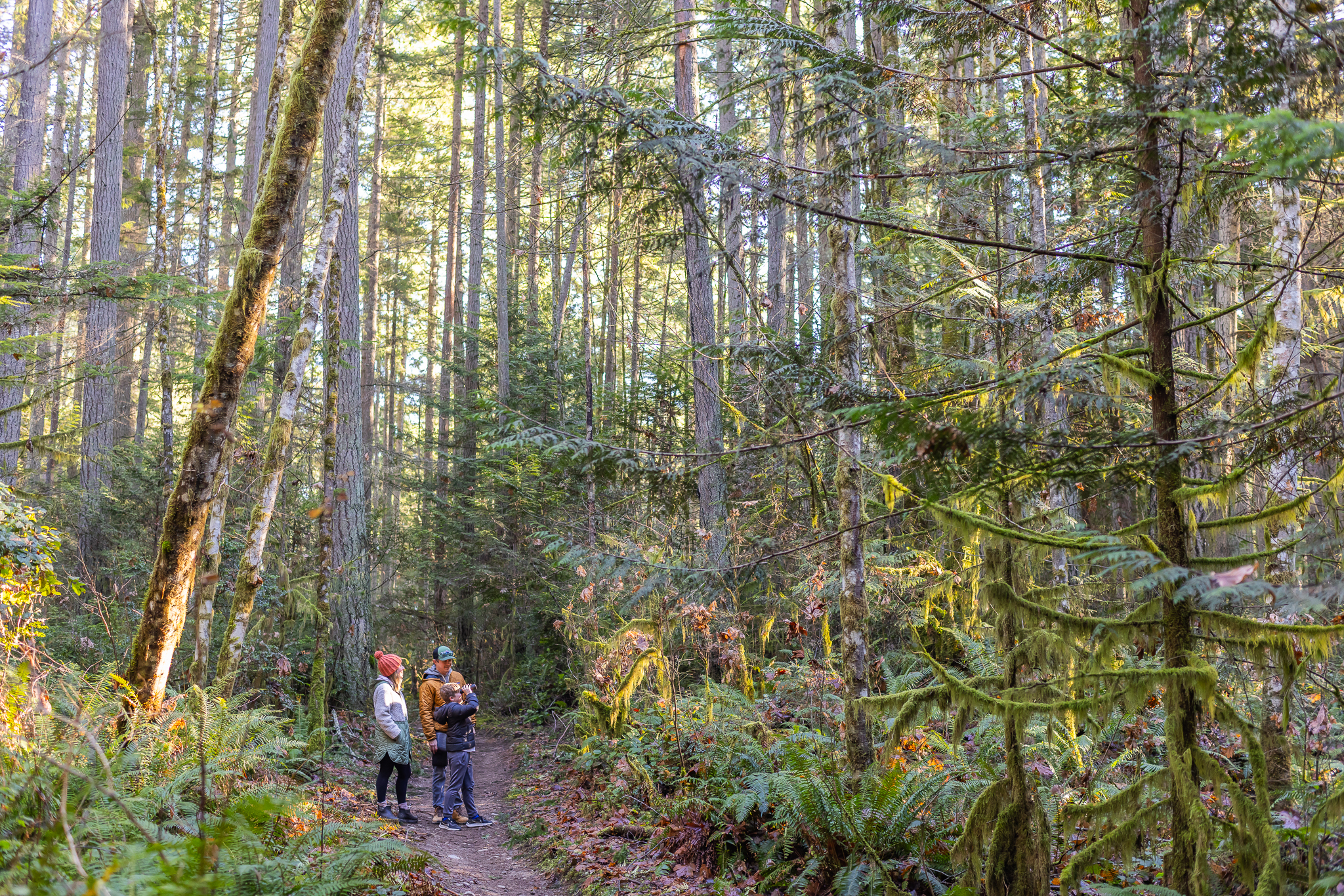
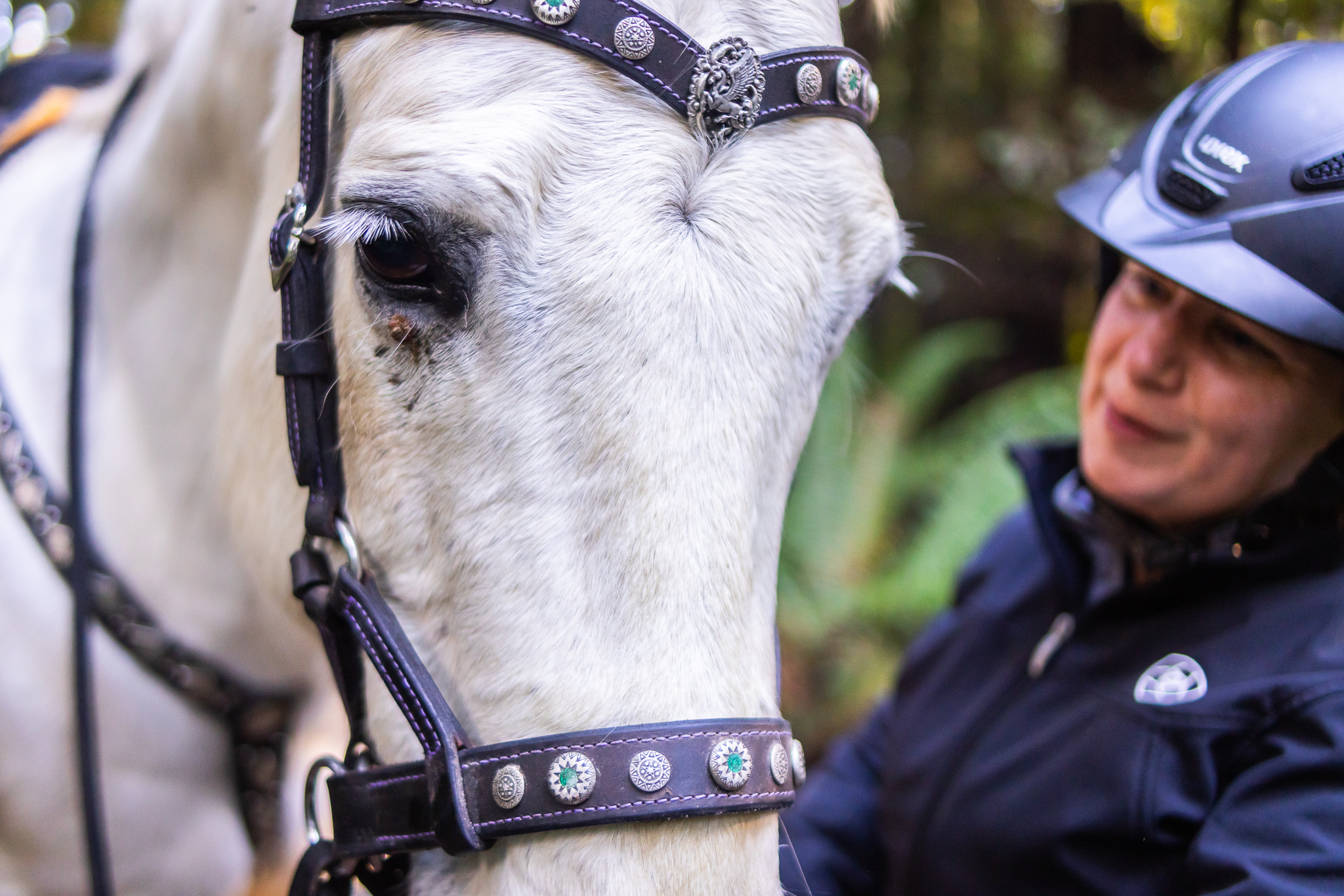
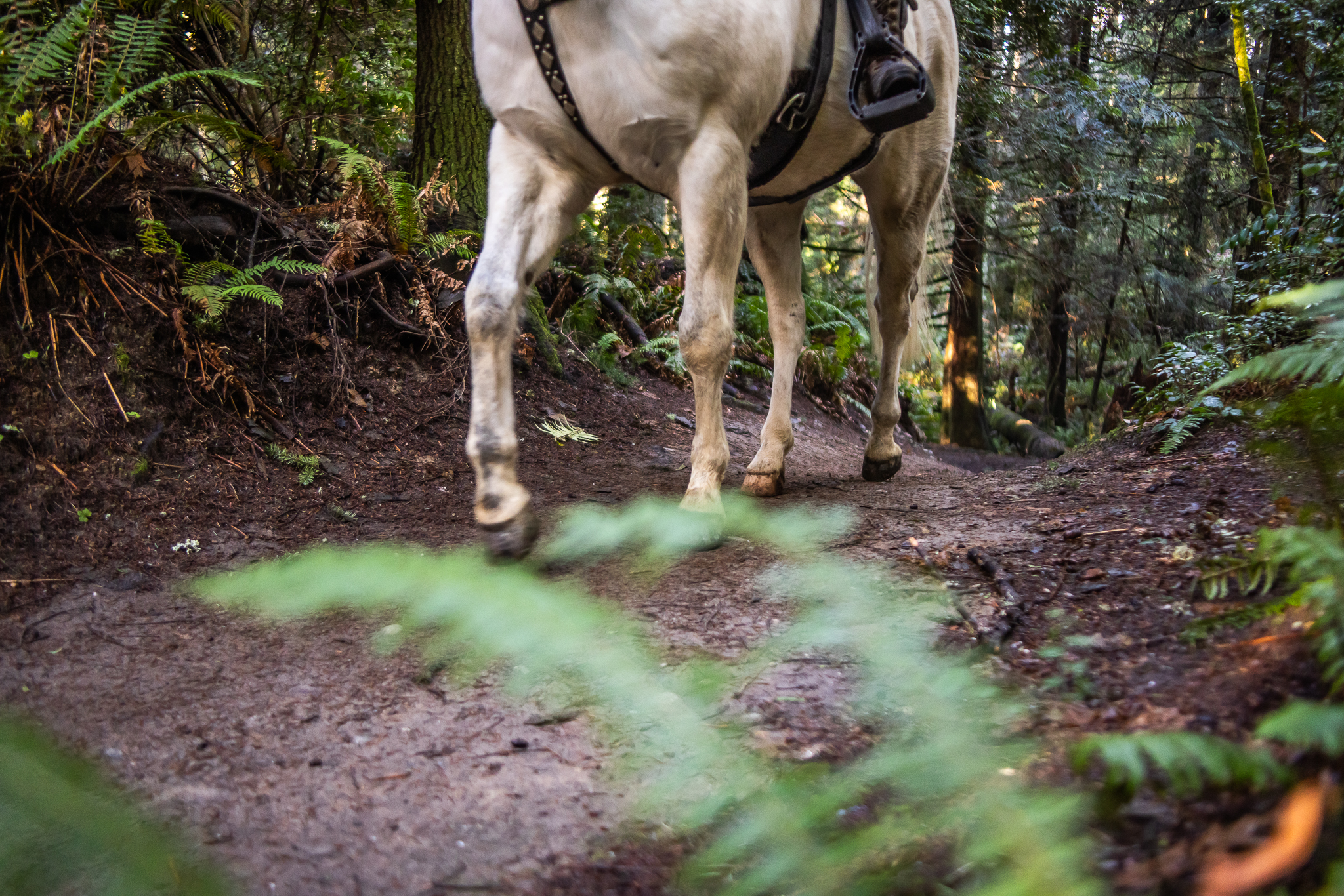
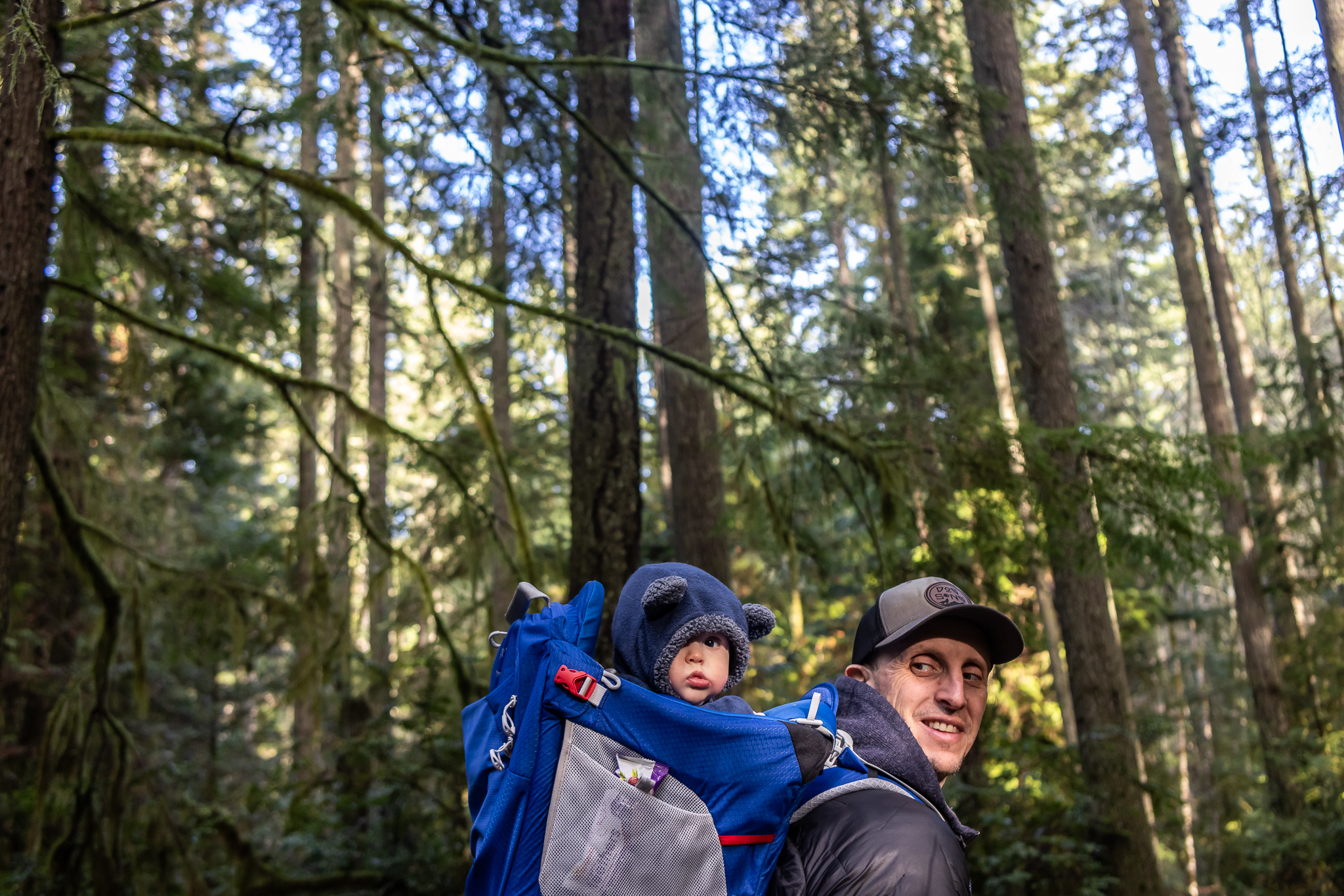
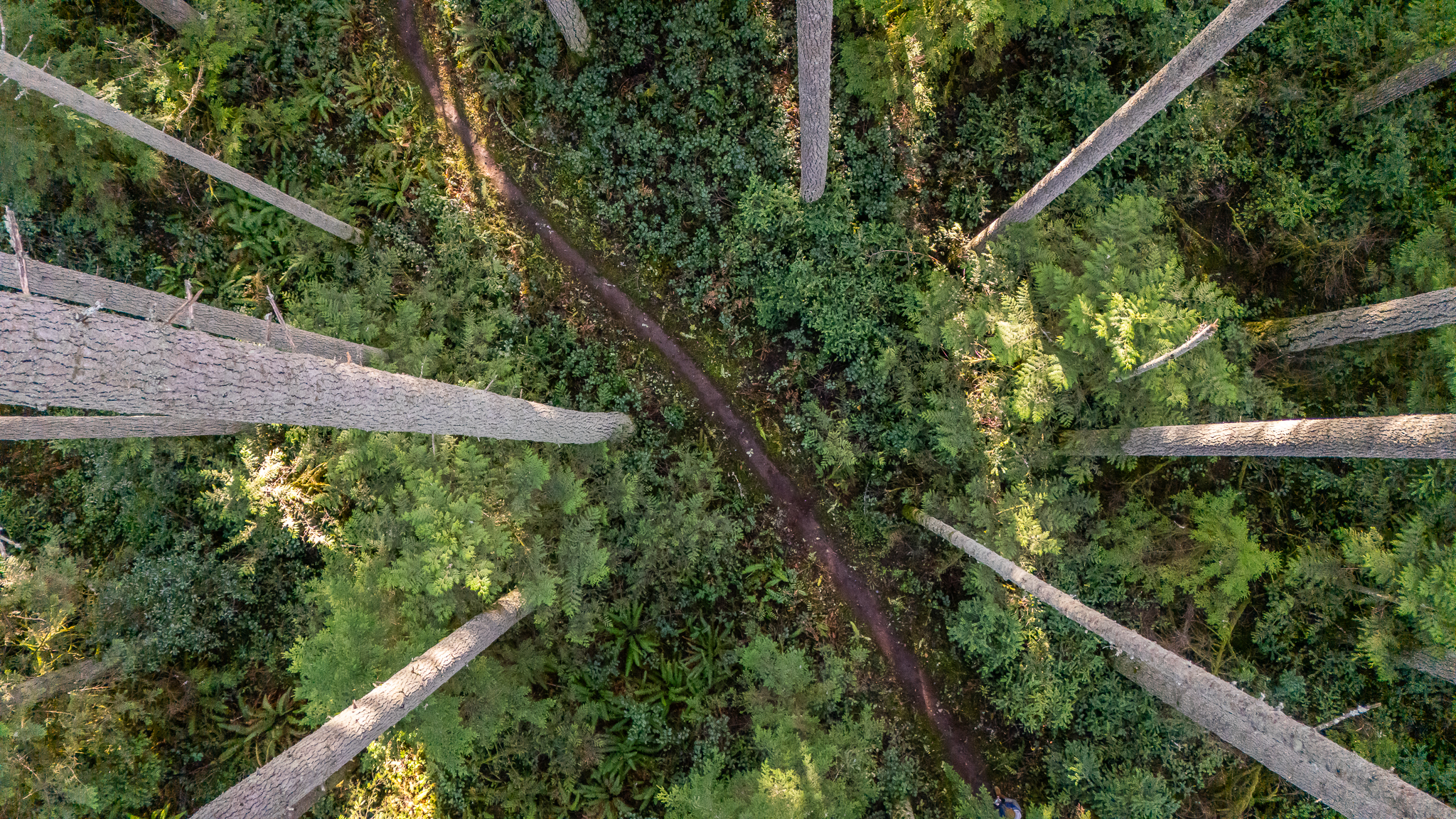
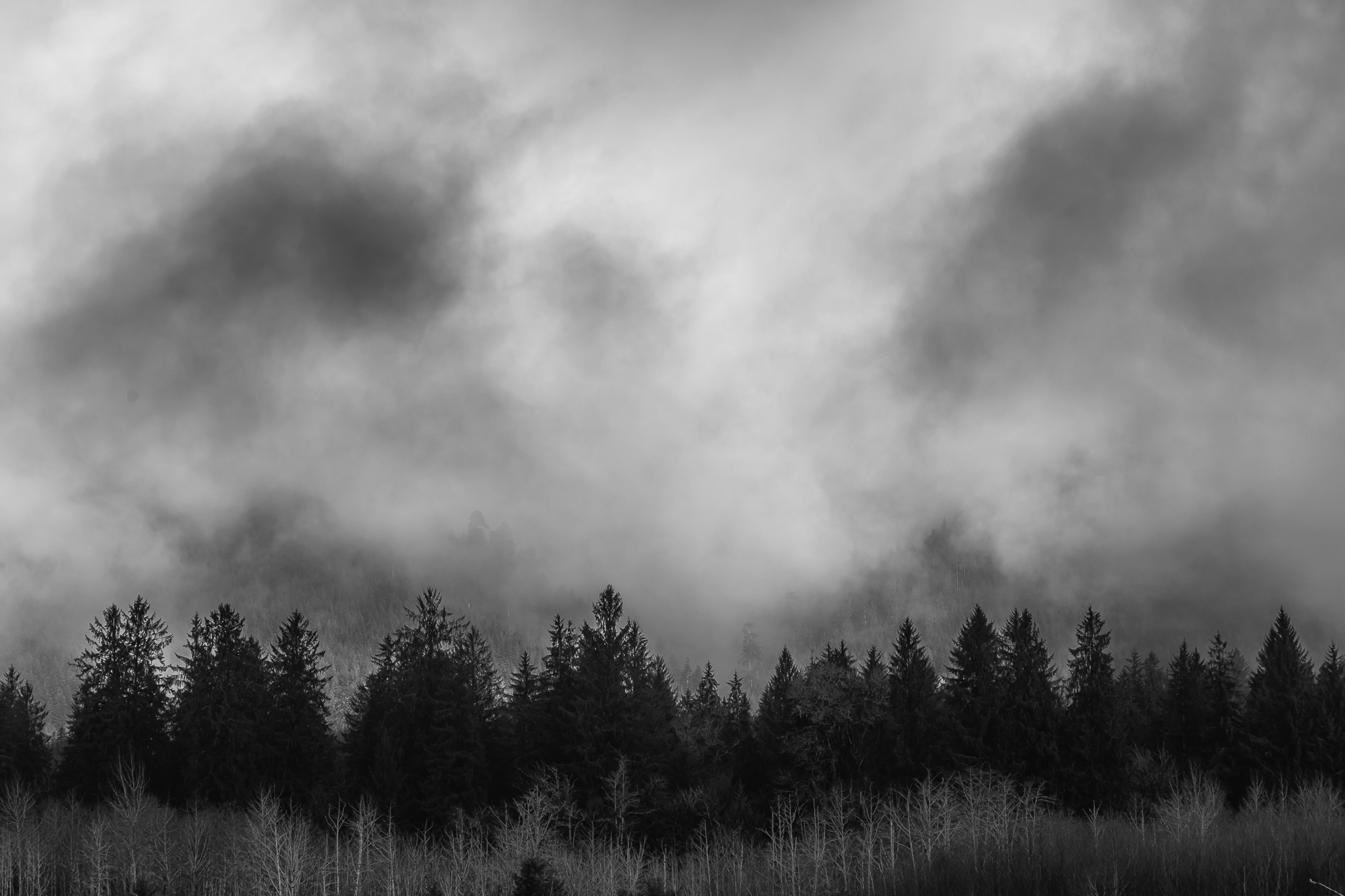
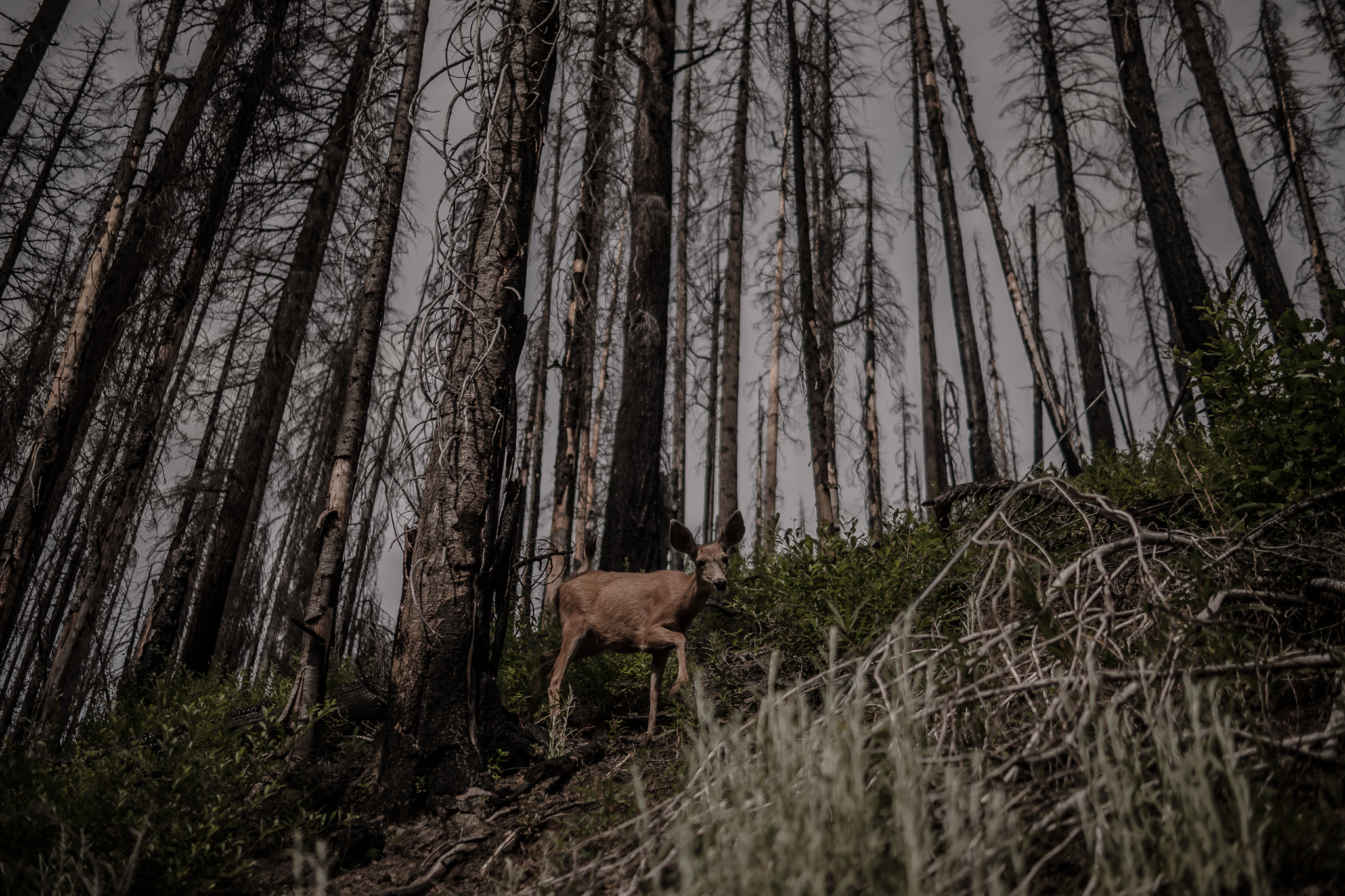
At the start of 2025, Bainbridge Island Land Trust came to me with urgency; 38 acres of pristine forest was up for sale to the highest bidder. The Grand Forest East now had a price tag, and in today’s land grab, the outcome could be disastrous. Within this expanse of wildland is a network of intertwining pathways that allows the broader community to experience the serenity of the outdoors. It is a place of activity, hills and valleys of ferns and moss were people gather to walk, hike and bike; and safe trails for the local cross-country team to train upon; as well as horseback riders searching for rays of sunlight piercing through the canopy up high. It is a room without walls for an overall experience of mental health.

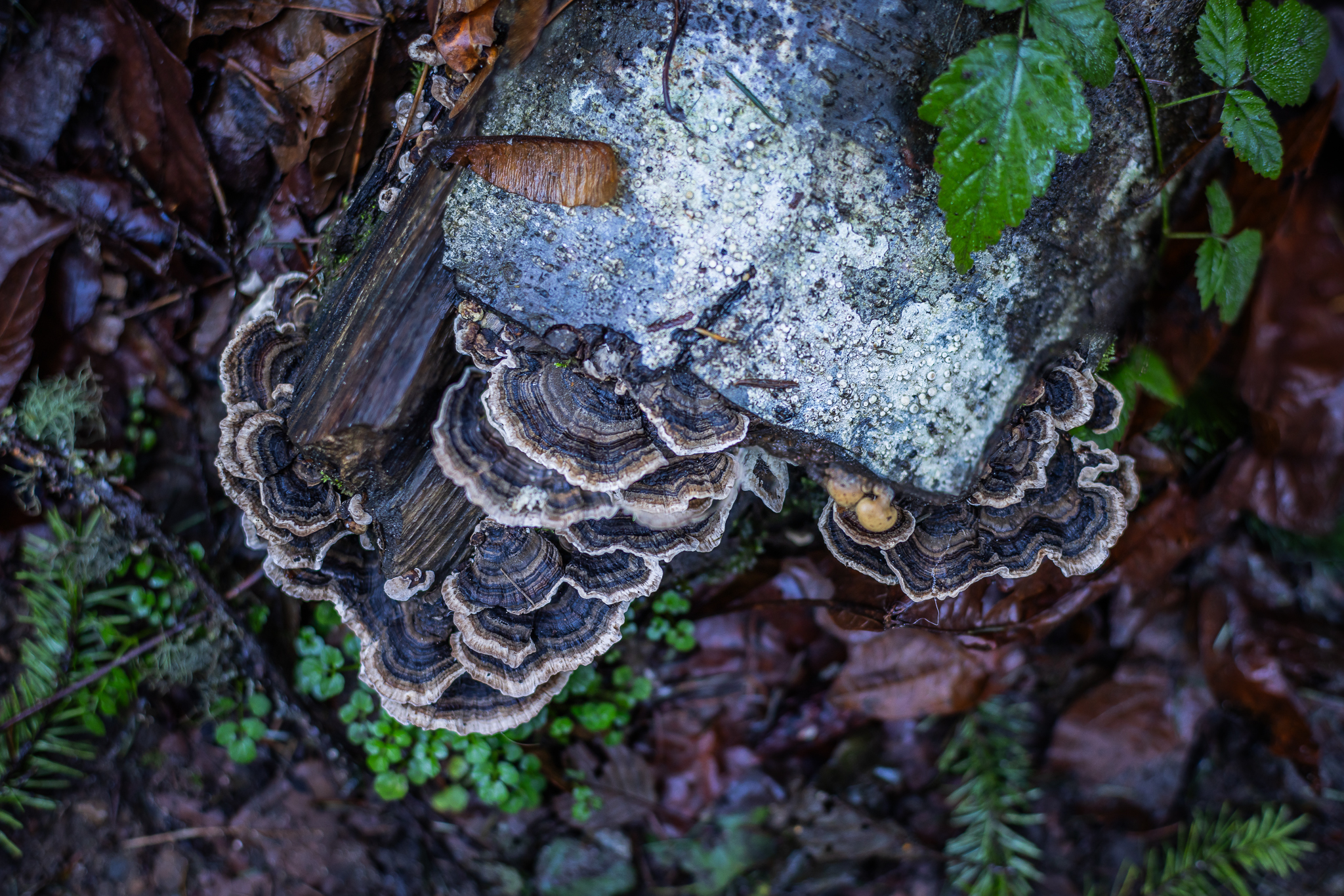
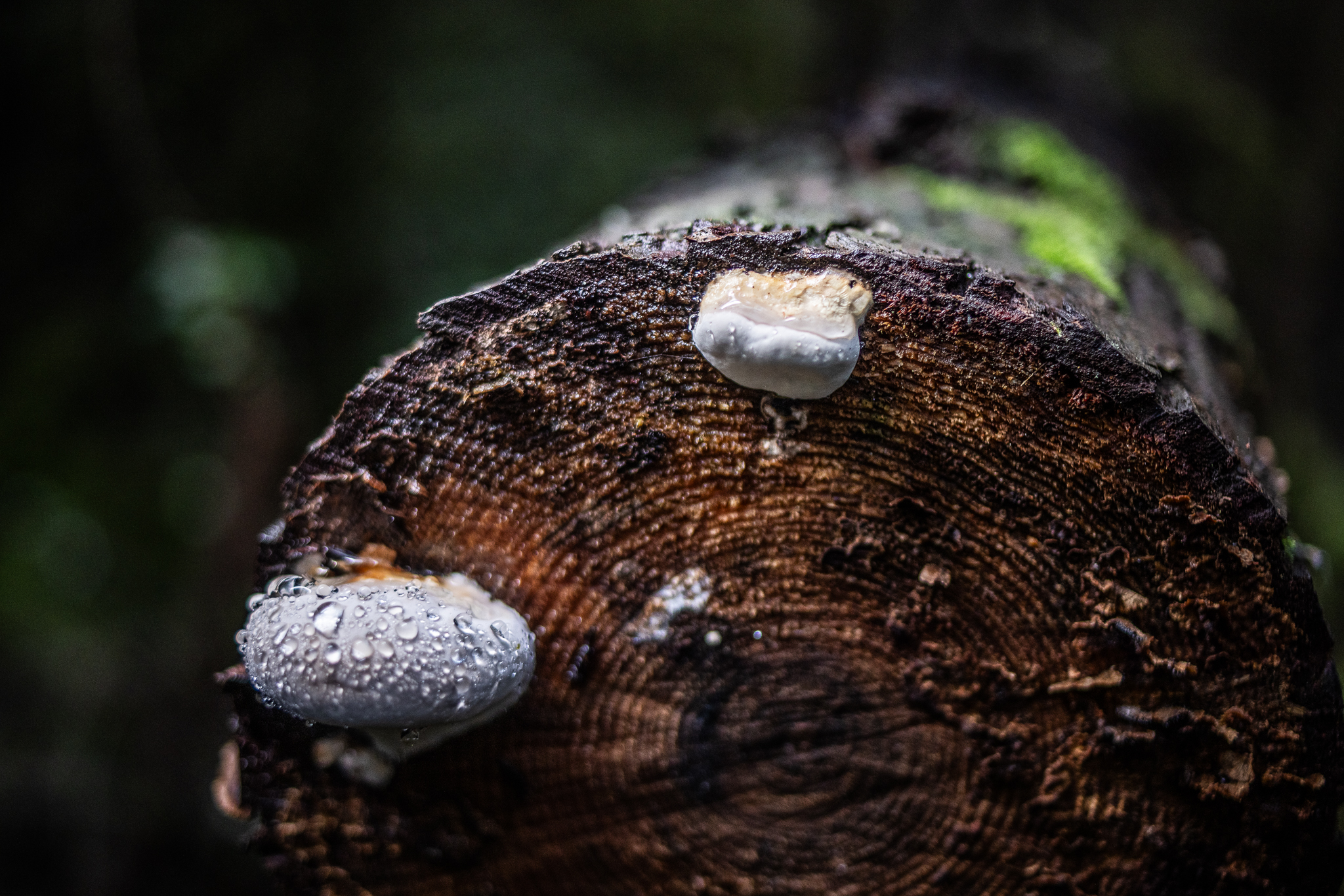
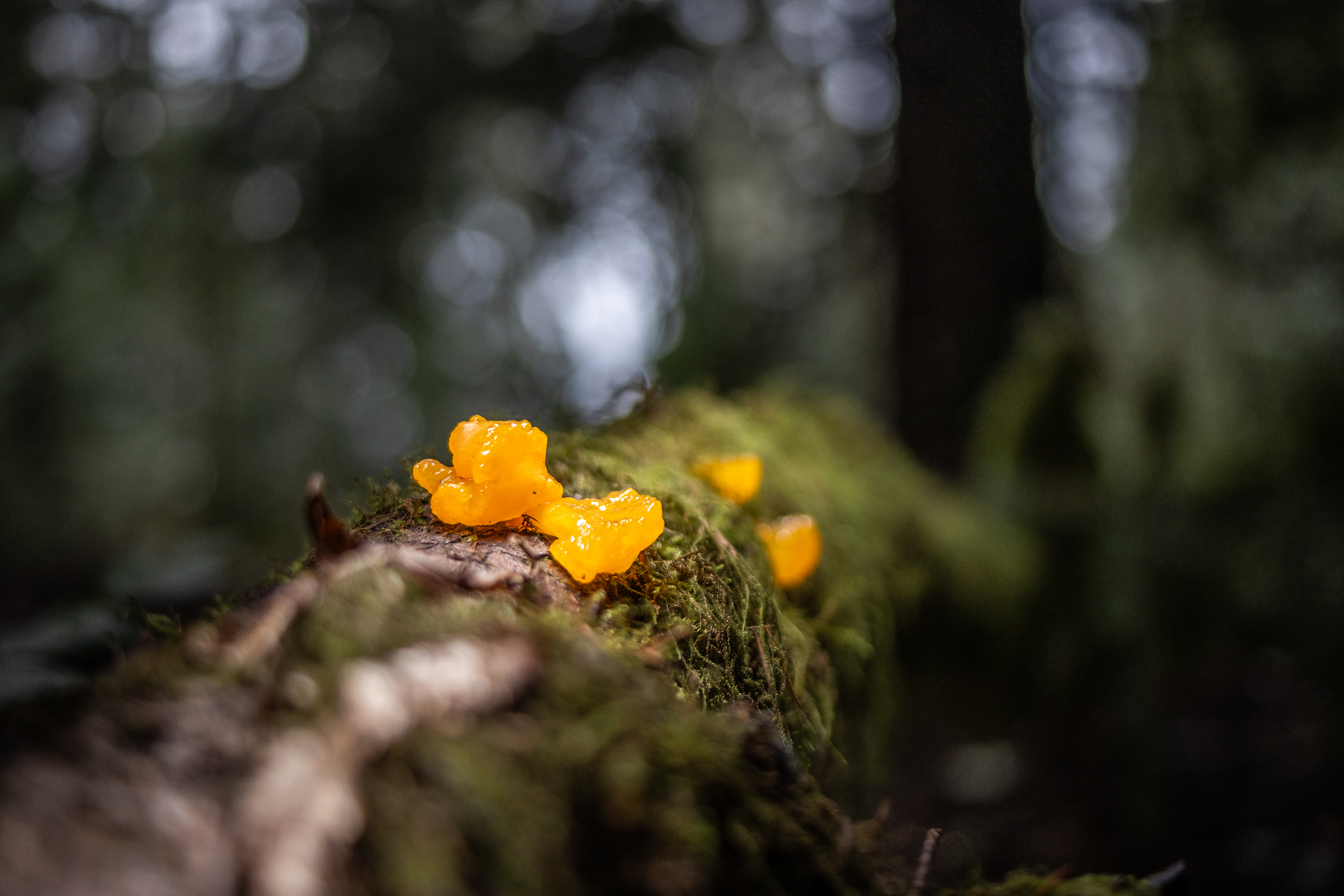
Not only do the local residents thrive within, but the native flora and fauna thrive as well with little to no noise pollution disturbing the air between the woodland’s thick fur stands. Various fungi find the shade and moisture between a natural compost, and species from raccoon, owl, black bear and deer pass through as a part of a larger natural causeway for animal passage.

So with a deadline of one month I was tasked to capture still photography and a dozen or so motion vignettes of the people and their activities within the 38 acres that represent for the community as a whole. Released online and varying social media channels, the BI Land Trust in partnership with the Parks and Trails Foundation were able to secure the necessary funding to purchase the land and preserve the heritage of a wild outdoor space for generations to come.

For more visit www.CameronKarsten.com | www.the-subconscious.com

New Garmin Marine work!

Garmin Marine GPSMAP16x3 in Italy

The GPSMAP16x3 chartplotter and a Garmin Marine reel. This was a treat to head to Italy and shoot around Portofino. An absolutely stunning location on beautiful boats with the Spanish based production company Let’s.film.

North Carolina was a gem, too, albeit not the most ideal weather for shooting. All-in-all, these are the moments of full appreciation for what I do and who I work with. Thank you Garmin Marine team and for all involved! Watch here: Garmin Marine GPSMAP16x3 (https://www.cameronkarsten.com/Motion/2)

Directed by Cameron Karsten

Shot by Leo Phillips and Tyron Waas

Edited by Luke McJunkin

Produced by Let’s.film

Represented by The Gren Group

Garmin Marine reel – Seattle to Italy and in-between

Lastly, after three Garmin Marine campaigns in 5 locations, from sailing in Seattle, speed boating in Miami, to walleye fishing in Minnesota and cruising in Italy and coastal fishing North Carolina, my editor Luke pulled together a stylish Garmin Marine reel. Take a look and enjoy the water: Garmin Marine reel (https://www.cameronkarsten.com/Motion/3)

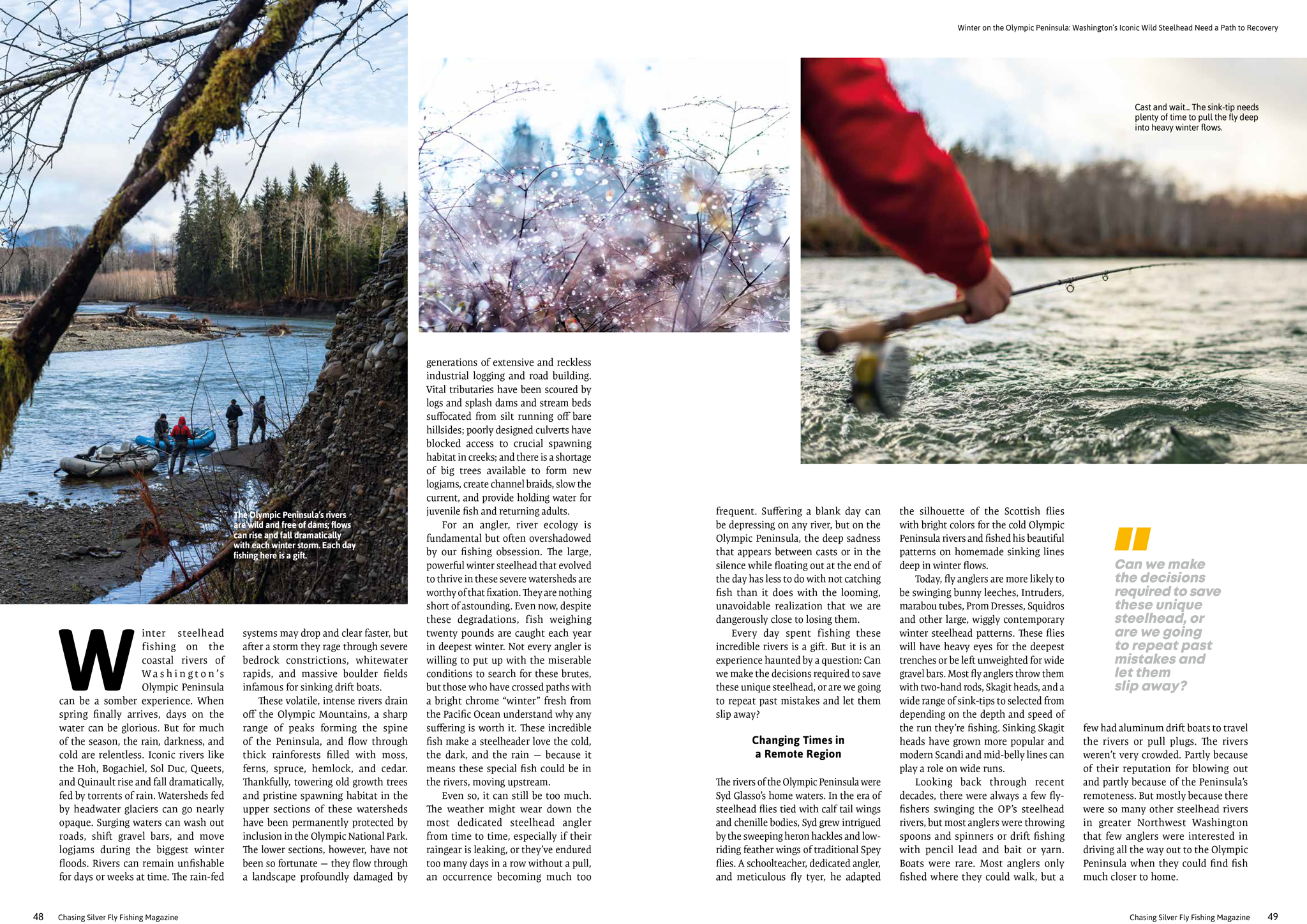
Chasing Silver’s “Washington’s Iconic Wild Steelhead Need a Path to Recovery”

Written by Gregory Fitz. Photographed by Cameron Karsten

Any day on the river with Gregory Fitz fishing, learning, exploring waterways and discovering how best to save this iconic species is a wonderful day.

Last Chance to Get It Right – by Gregory Fitz PT – 1

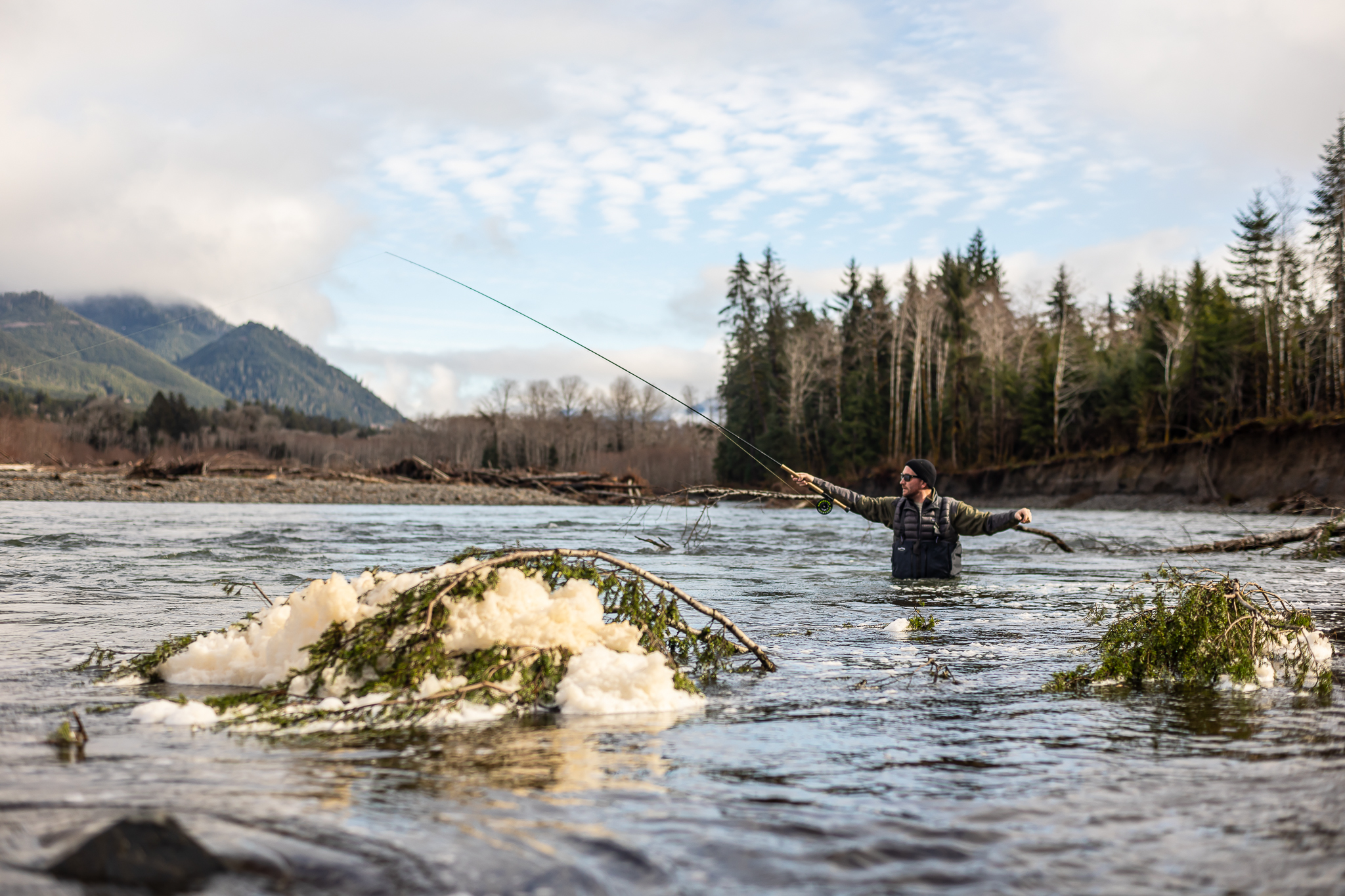
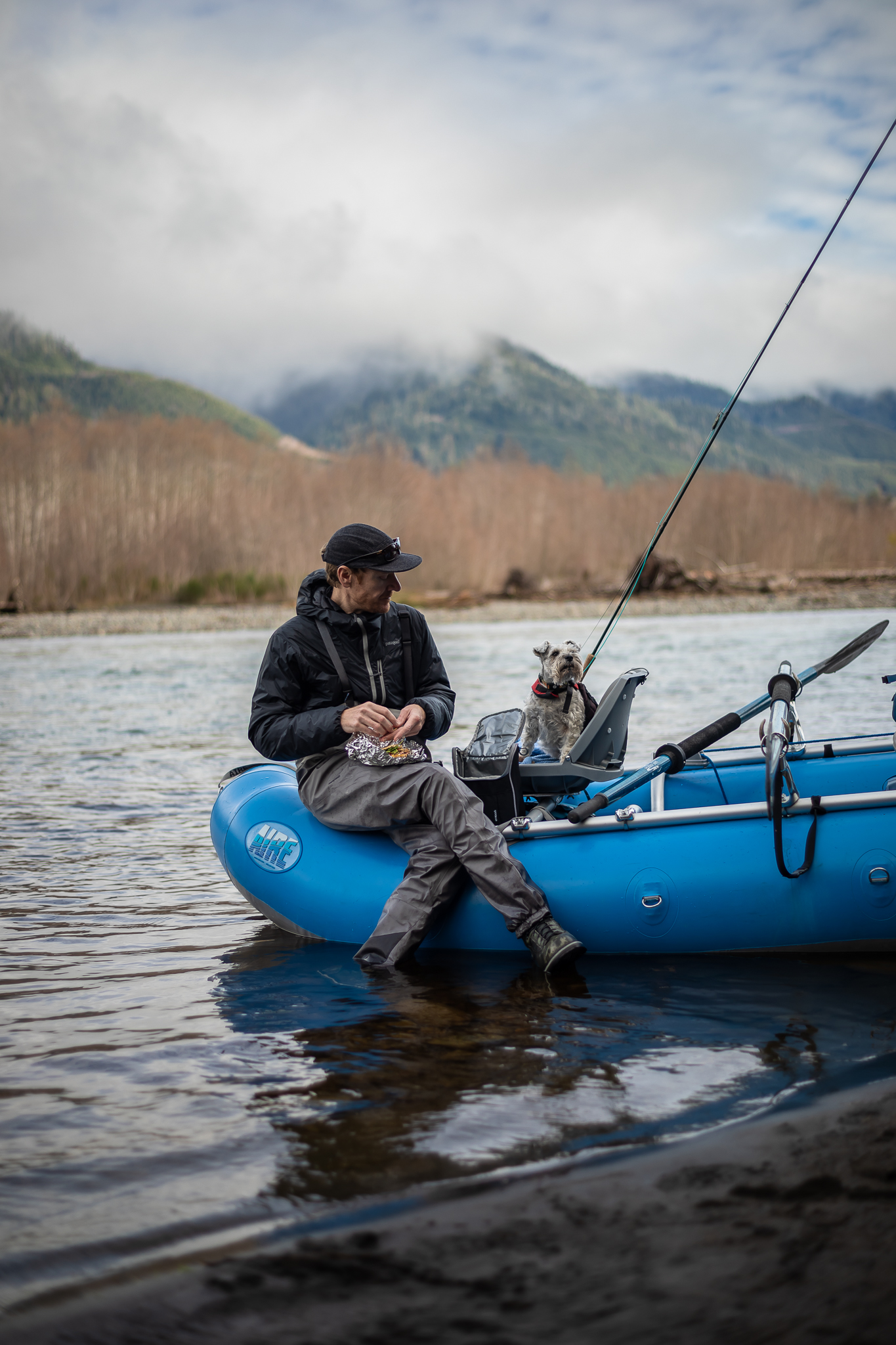
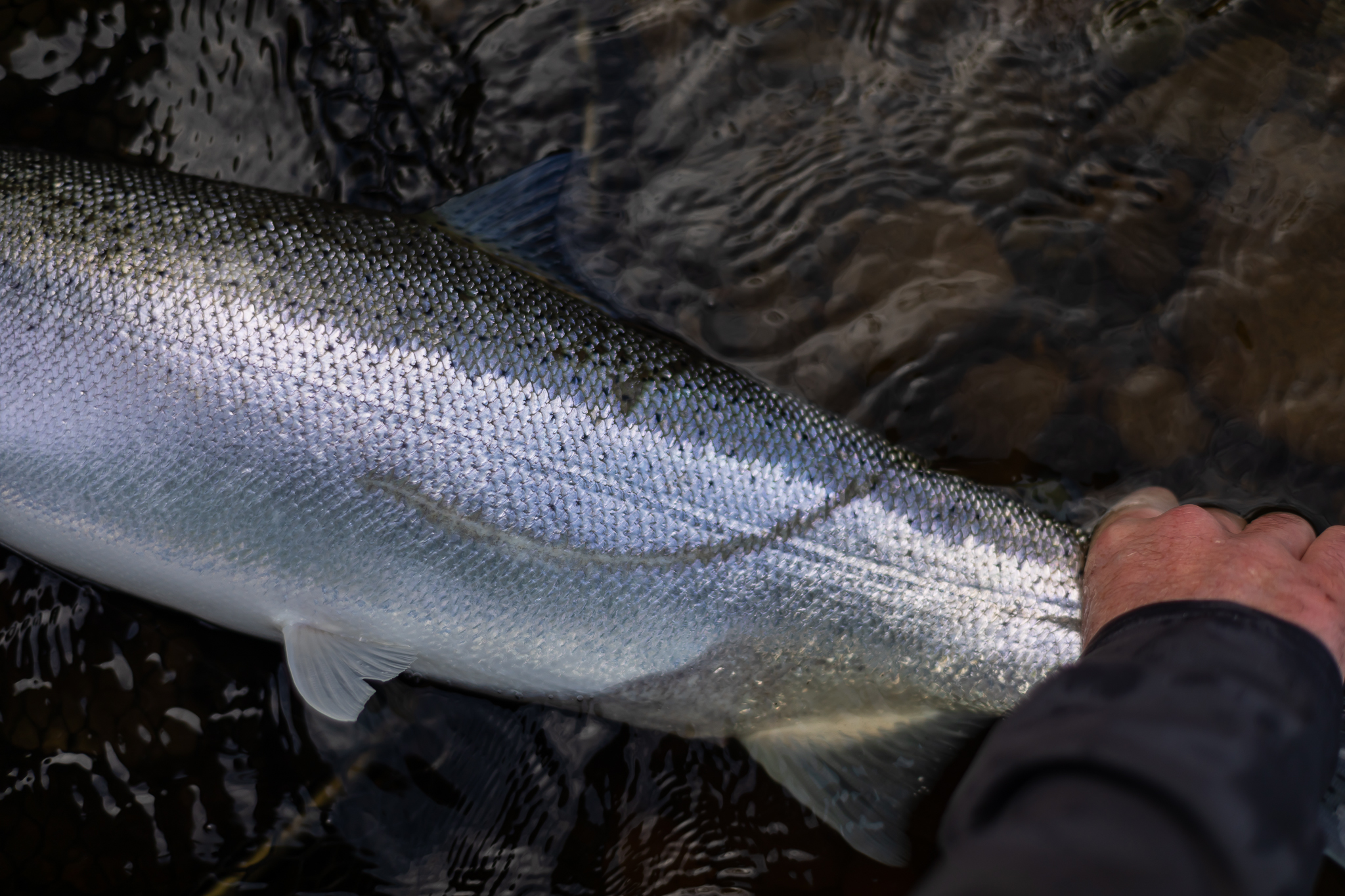
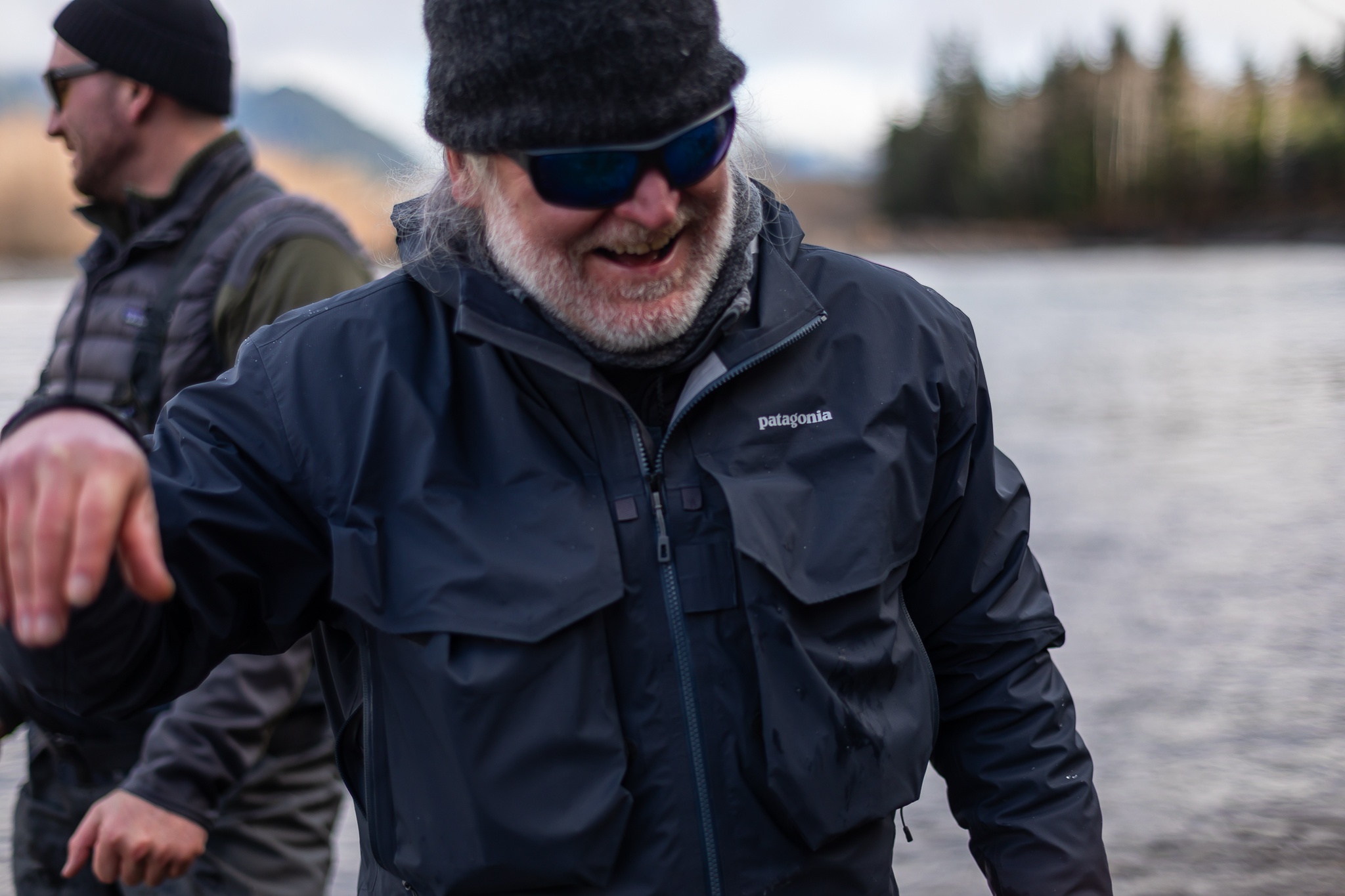
© Cameron Karsten Photography photographs steelhead fly fising on the Olympic Peninsula in Washington State for Patagonia and the Wild Steelhead Coalition

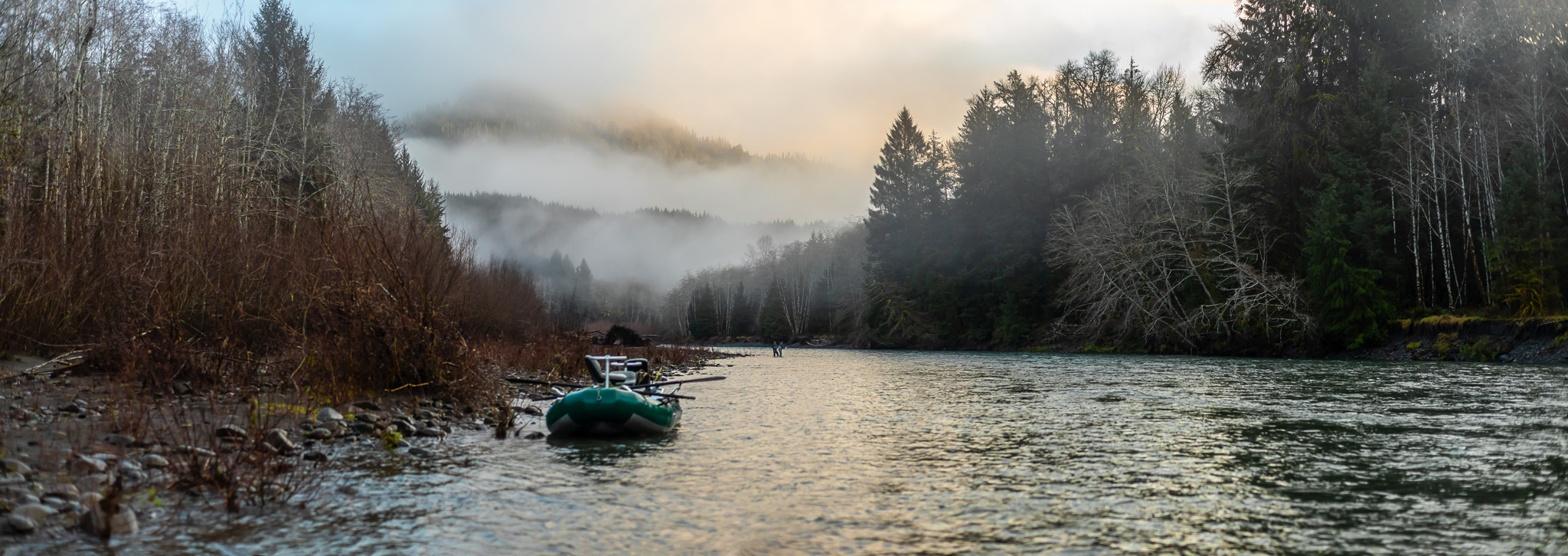
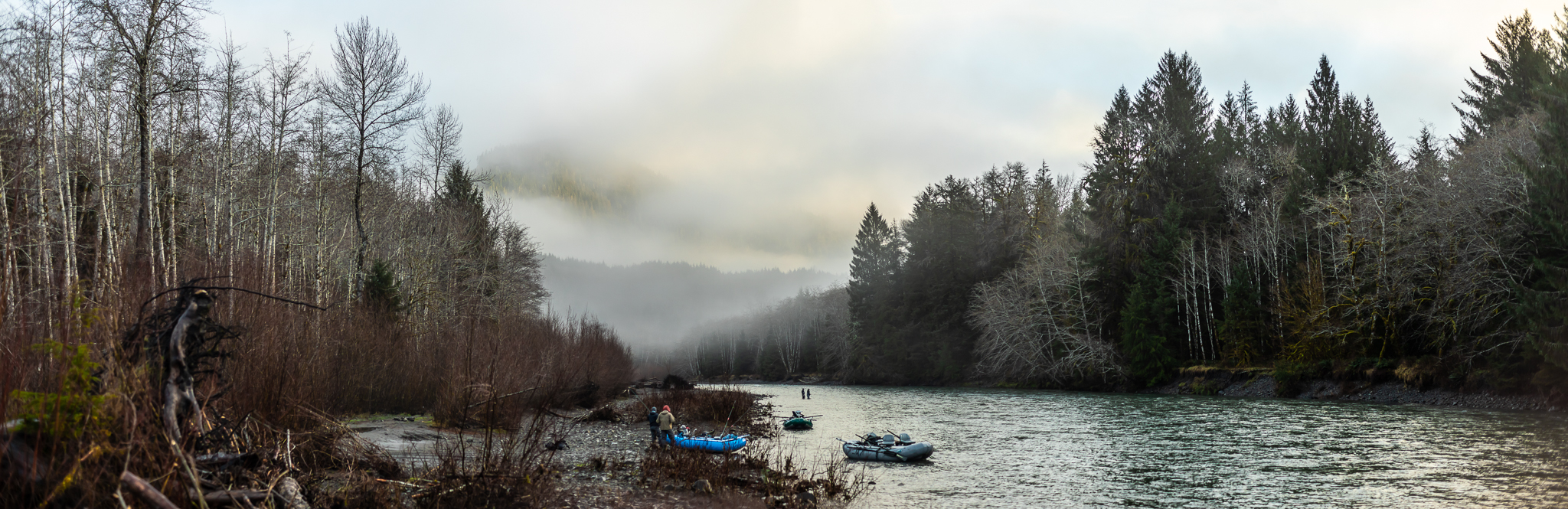
The Olympic Peninsula (OP) is home to one of the last remnants of primeval temperate rain forest in the continental United States, but it is the rivers that draw anglers to the coast each winter. Named for the Indigenous peoples who’ve lived here for thousands of years, the Hoh, Queets, Quinault, Quillayute, Elwha and other rivers are volatile, wild watersheds with a powerful strain of large steelhead that evolved to migrate during the cold winter deluge.

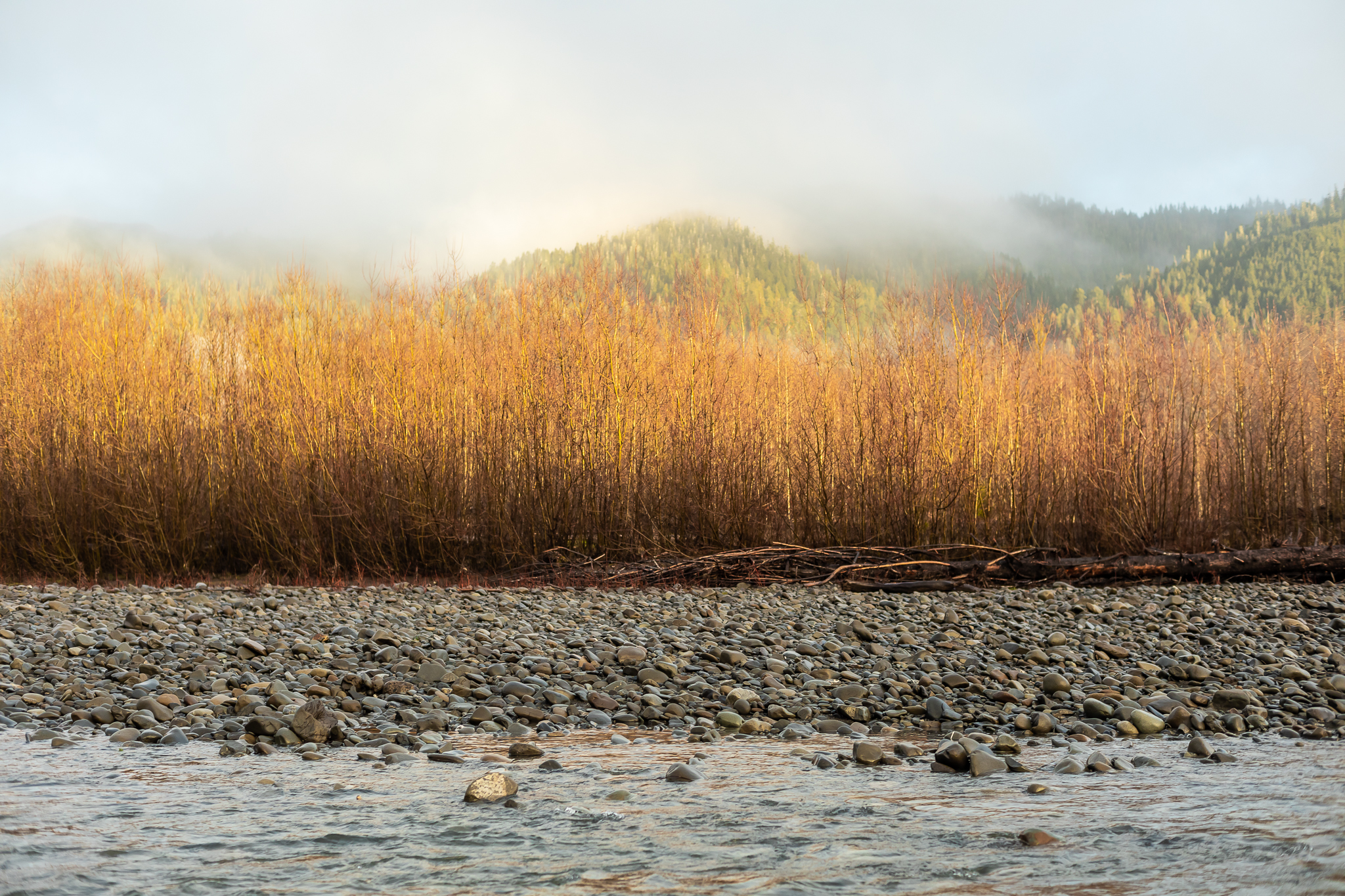
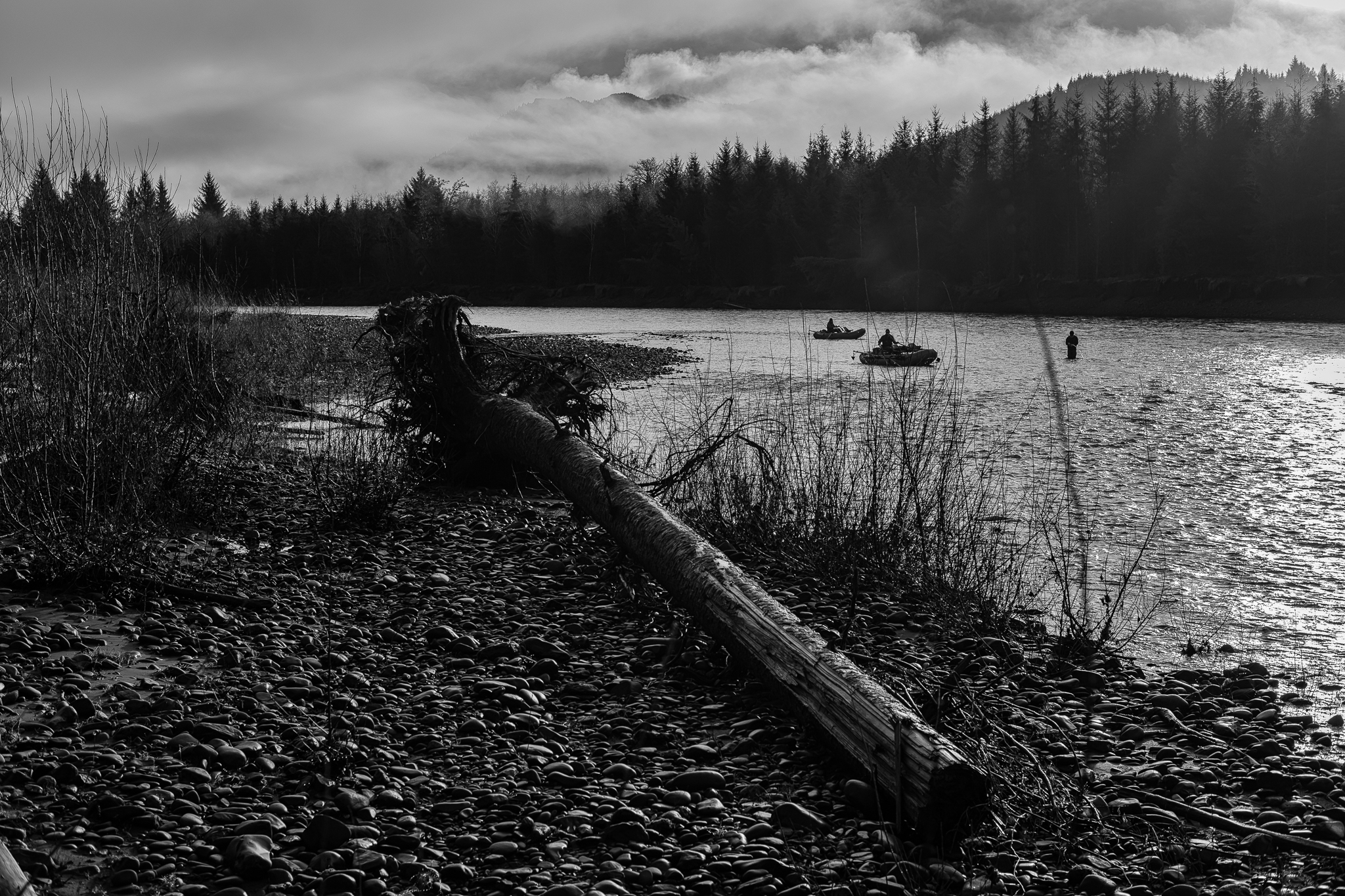
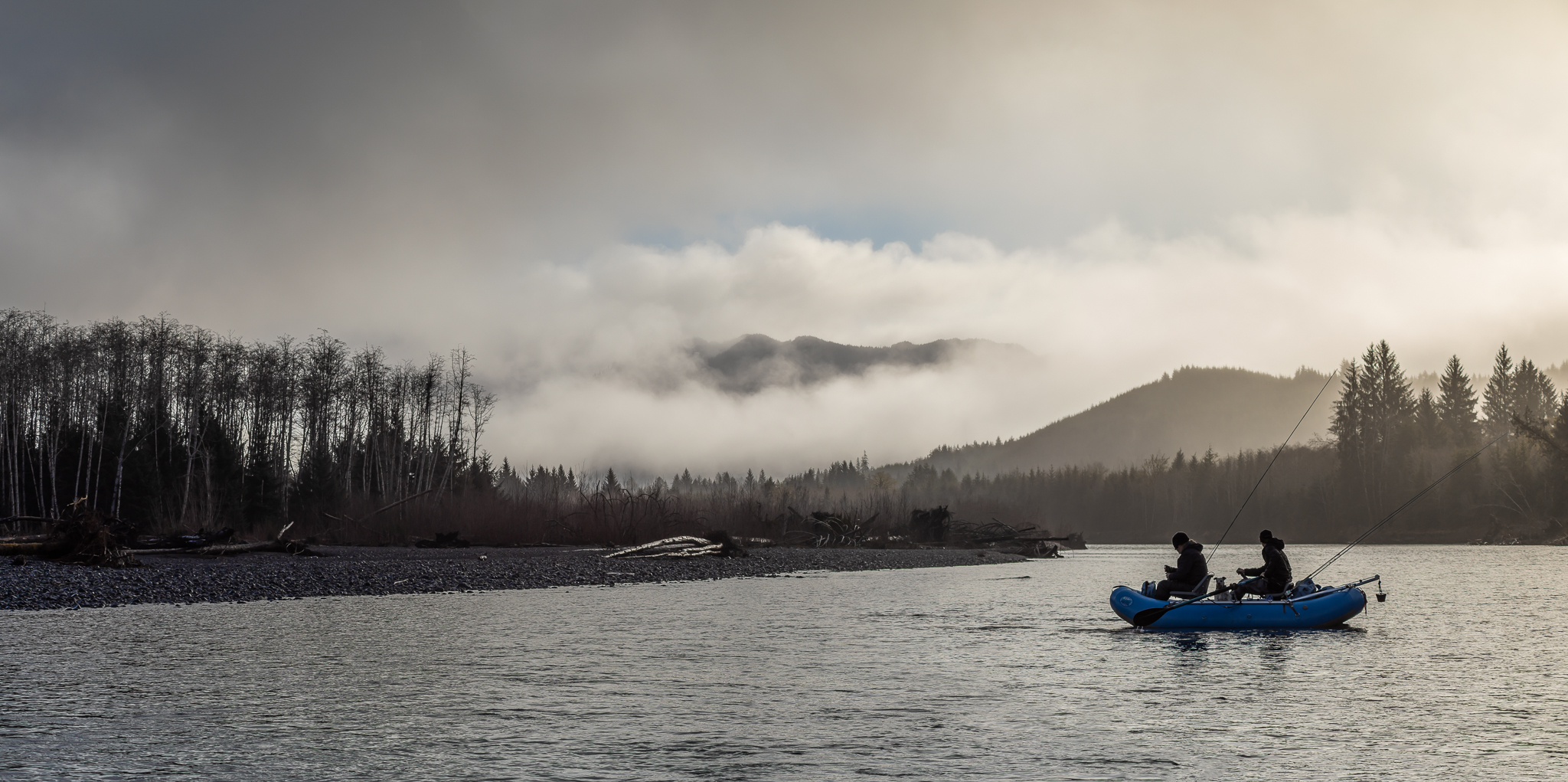
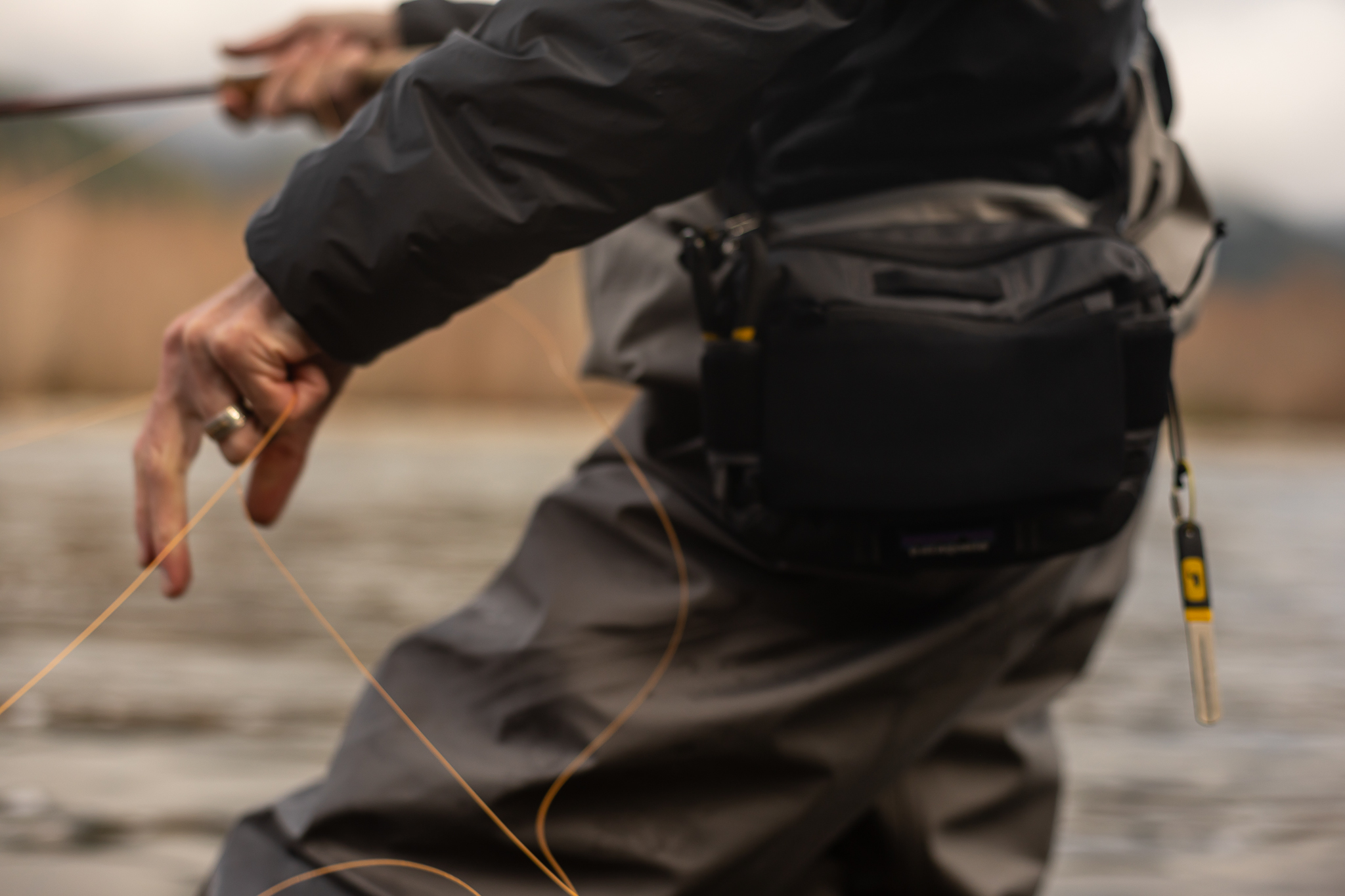
The above is an excerpt from an article written by Gregory Fitz for Patagonia regarding the state of wild steelhead within the wild tributaries of The Olympic Peninsula of Washington State. I had the pleasure of photographing Greg, Steve Duda (Patagonia’s Managing Editor for Fly Fishing), Matt Millette (Head of Marketing, Patagonia Fly Fishing) and Gray Struznik (Fly Fishing Legend and Guide) for two days as they floated, waded and wandered the waters in search of the seasonal steelhead run.

The published article speaks for itself. It is poignant, crafted with an ease of the need to spring to action, as well as consider all parties involved. Gregory paints a picture of the OP as it is – a rainforest of endless ferns, brambles, huckleberries and salal with climbing towers of ancient breathing wood carpeted with wet mosses. It is a place of beauty that is on the edge of imminent disaster.

Can we embrace restraint and become guardians of these rivers and wild fish, instead of mobs of enthusiastic user groups? Long days of fishing give a guy plenty of time to dwell on this question. When I’m leaning against the current, and the fly is swinging through the cold water at the right speed, I find myself settling into a blend of gratitude and anticipation that I struggle to describe to anyone who isn’t an angler. Time seems to slow, and I feel connected to the river, the ancient cycle of fresh and saltwater, and the weight of what we have already lost. I want to believe that we can do better and demand better of our peers. If we can’t meet this higher standard, then the only option is for all of us to stop fishing here until we can adequately honor the privilege, and our responsibility, instead of taking it for granted.

I offer the link to the full article published on Patagonia’s website Last Chance to Get It Right as well as additional photography from this winter’s assignment. Speak up for our planet and take action with the following organizations:

Wild Steelhead Coalition

The Nature Conservancy

American Rivers

Meta Magazine (A Life Well Ridden) – “End of the Line”

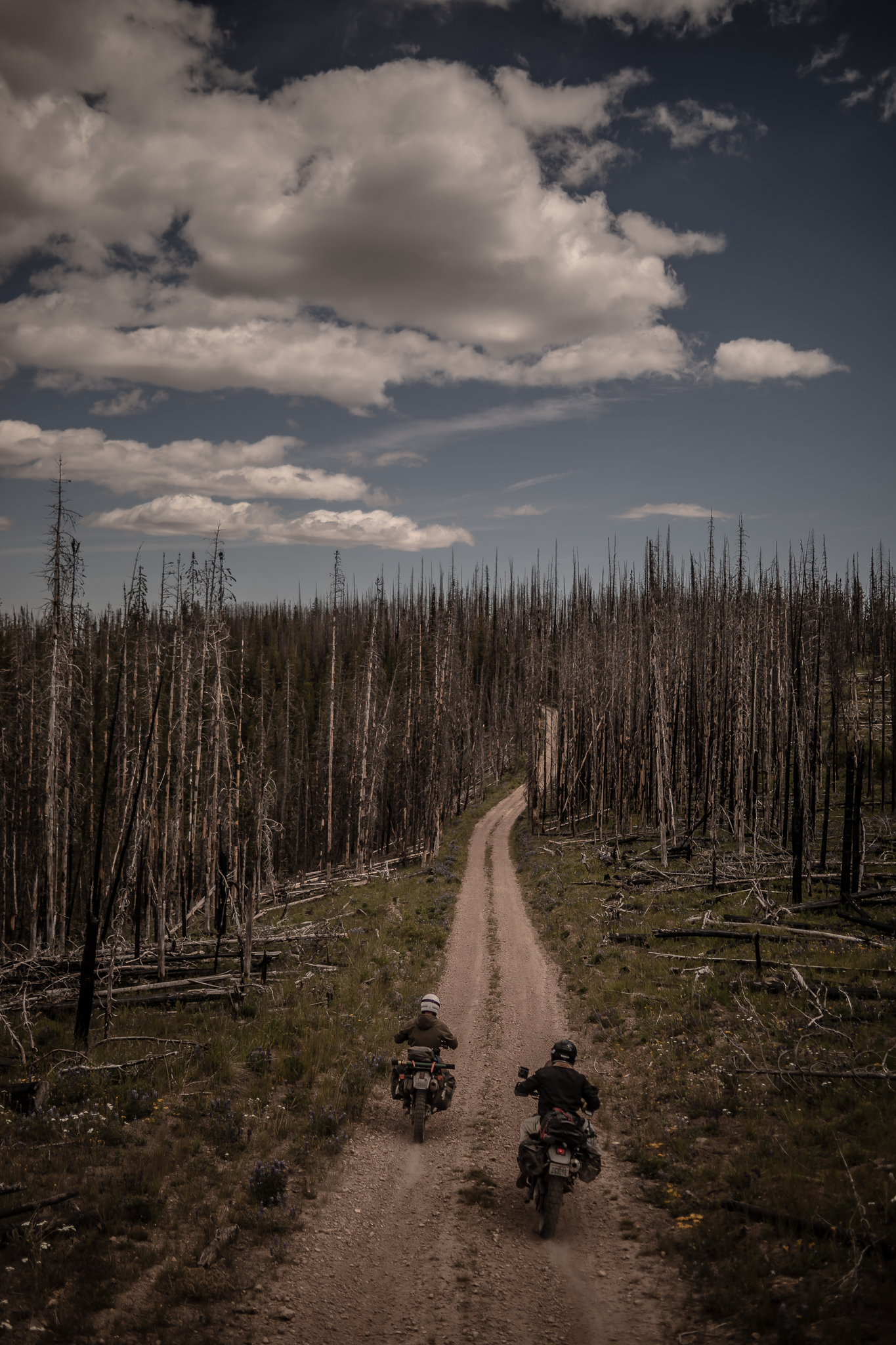
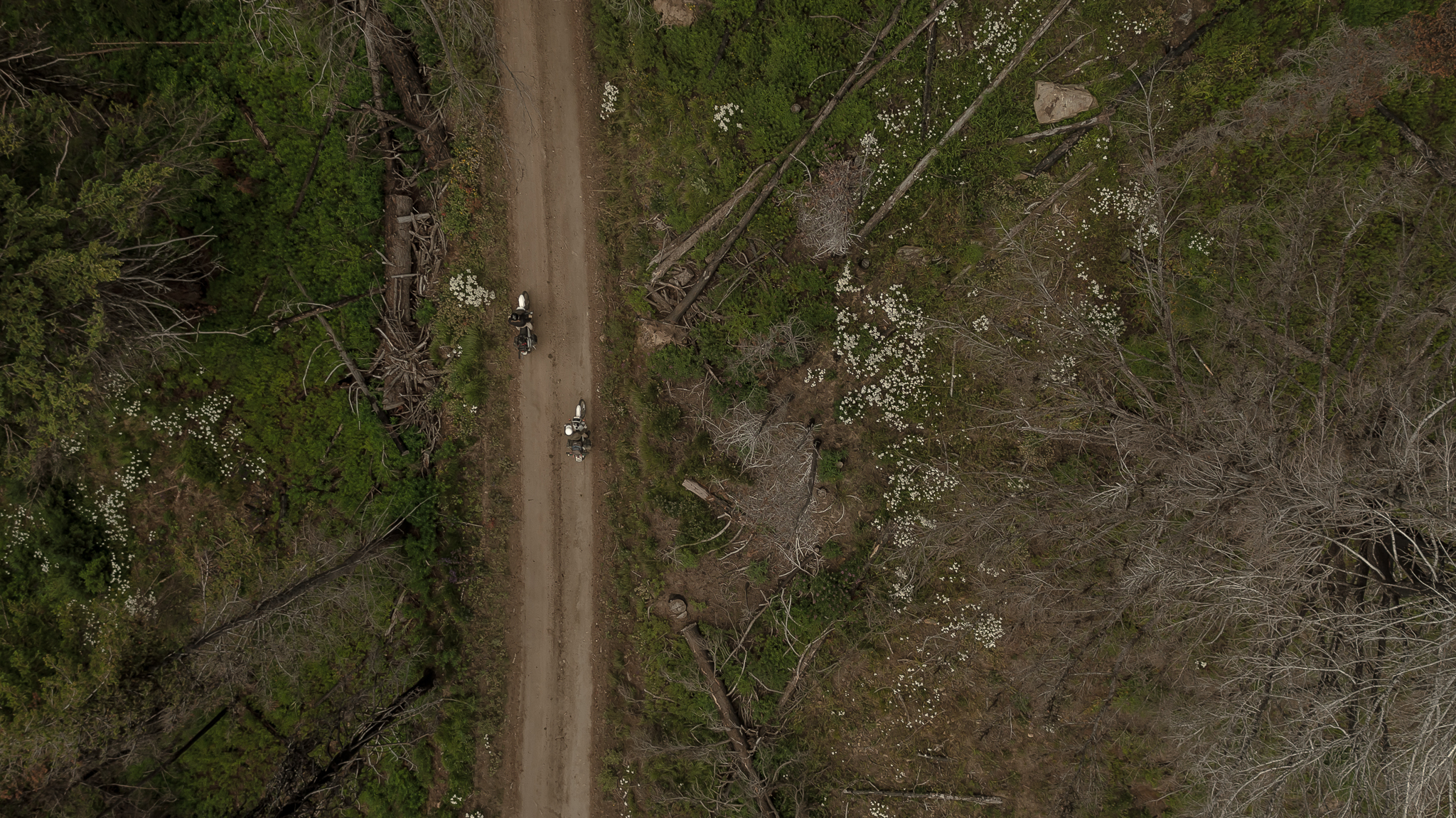
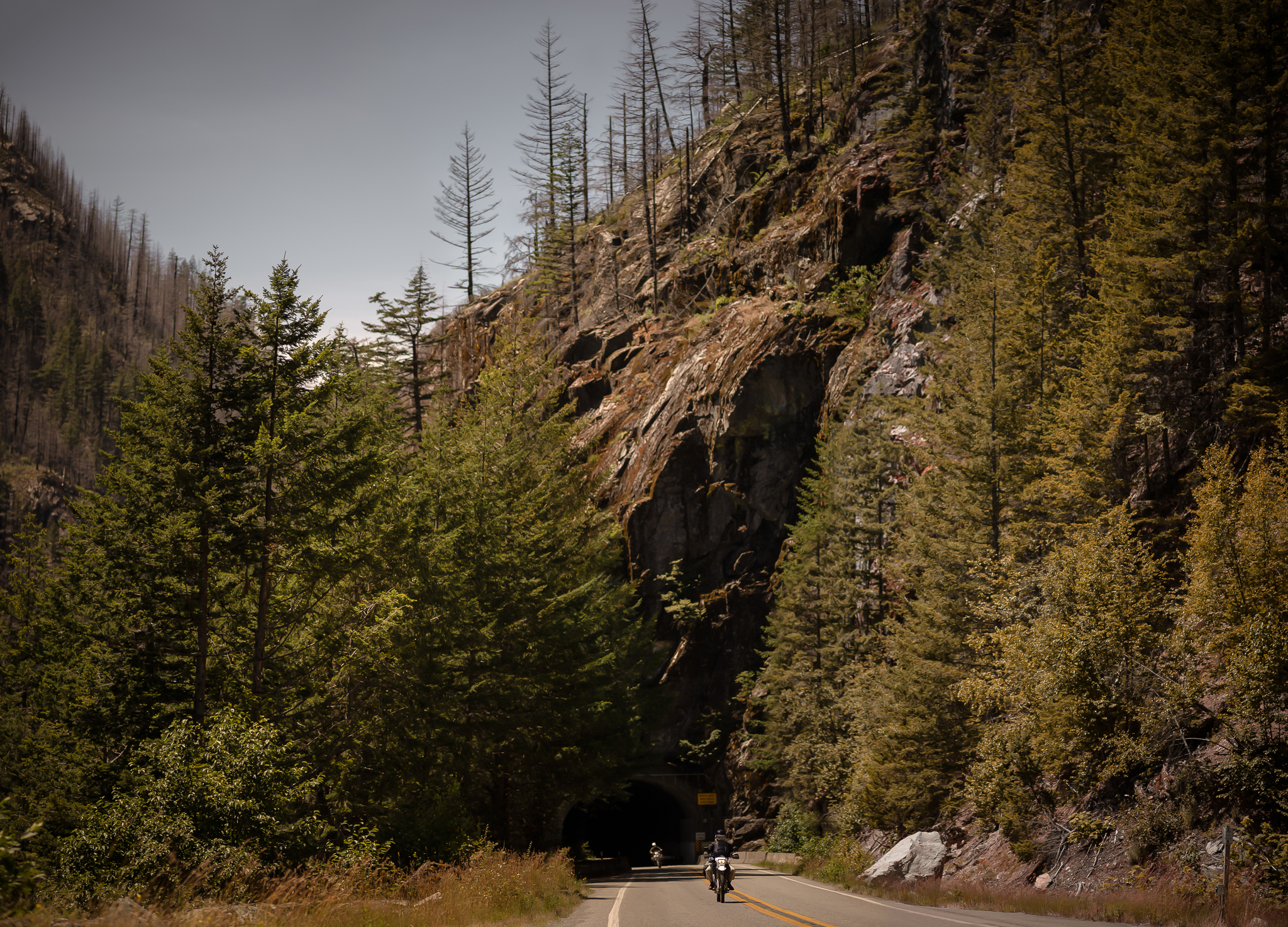
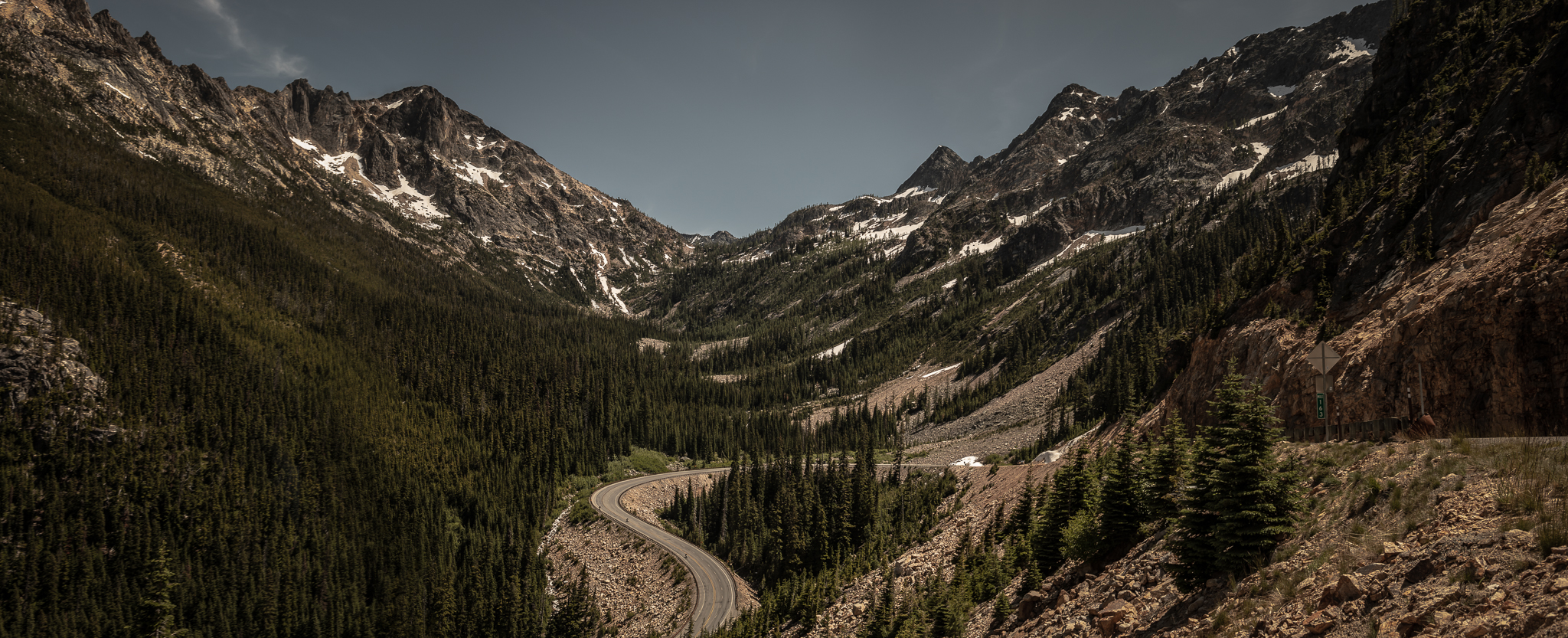
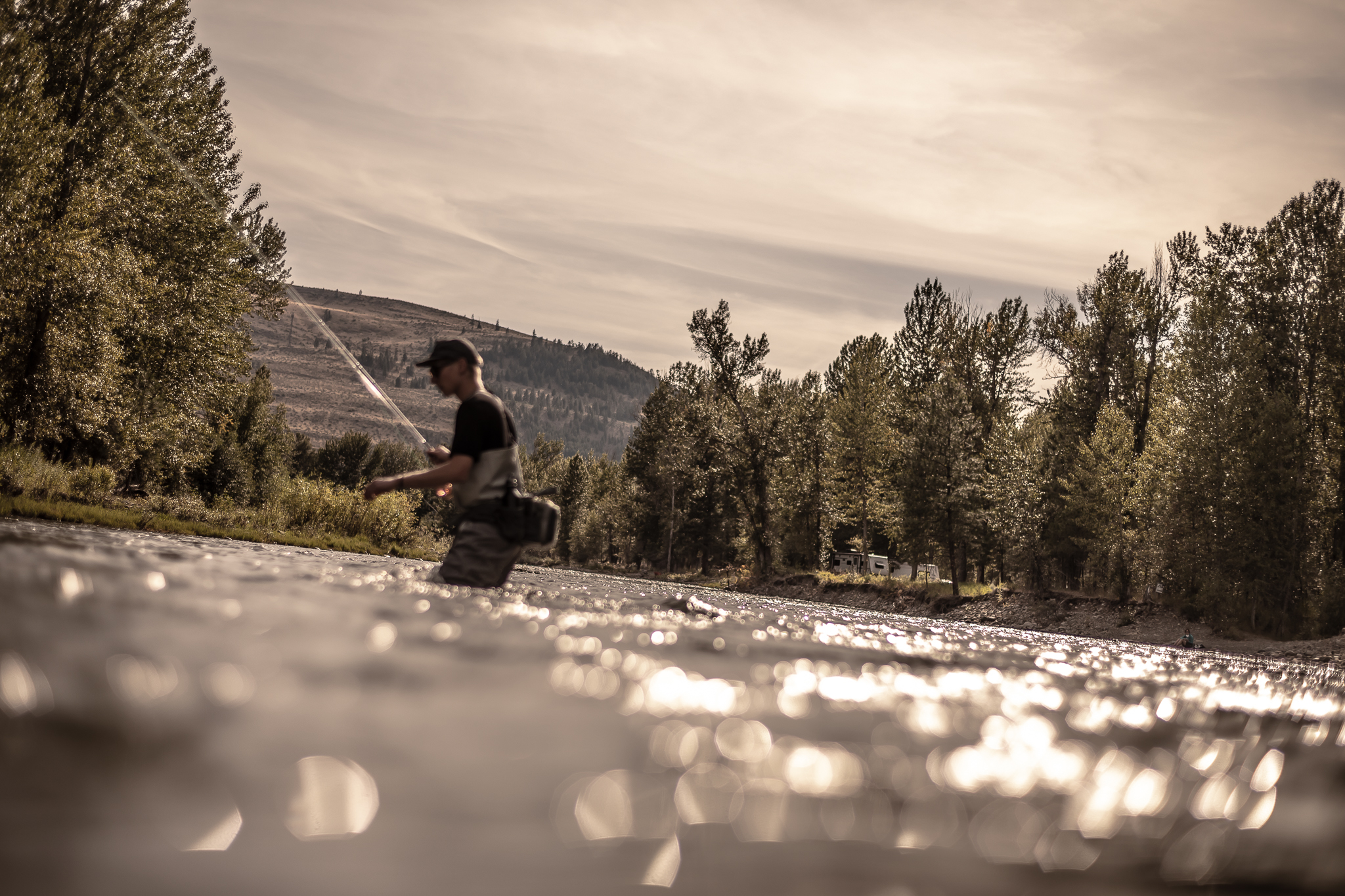
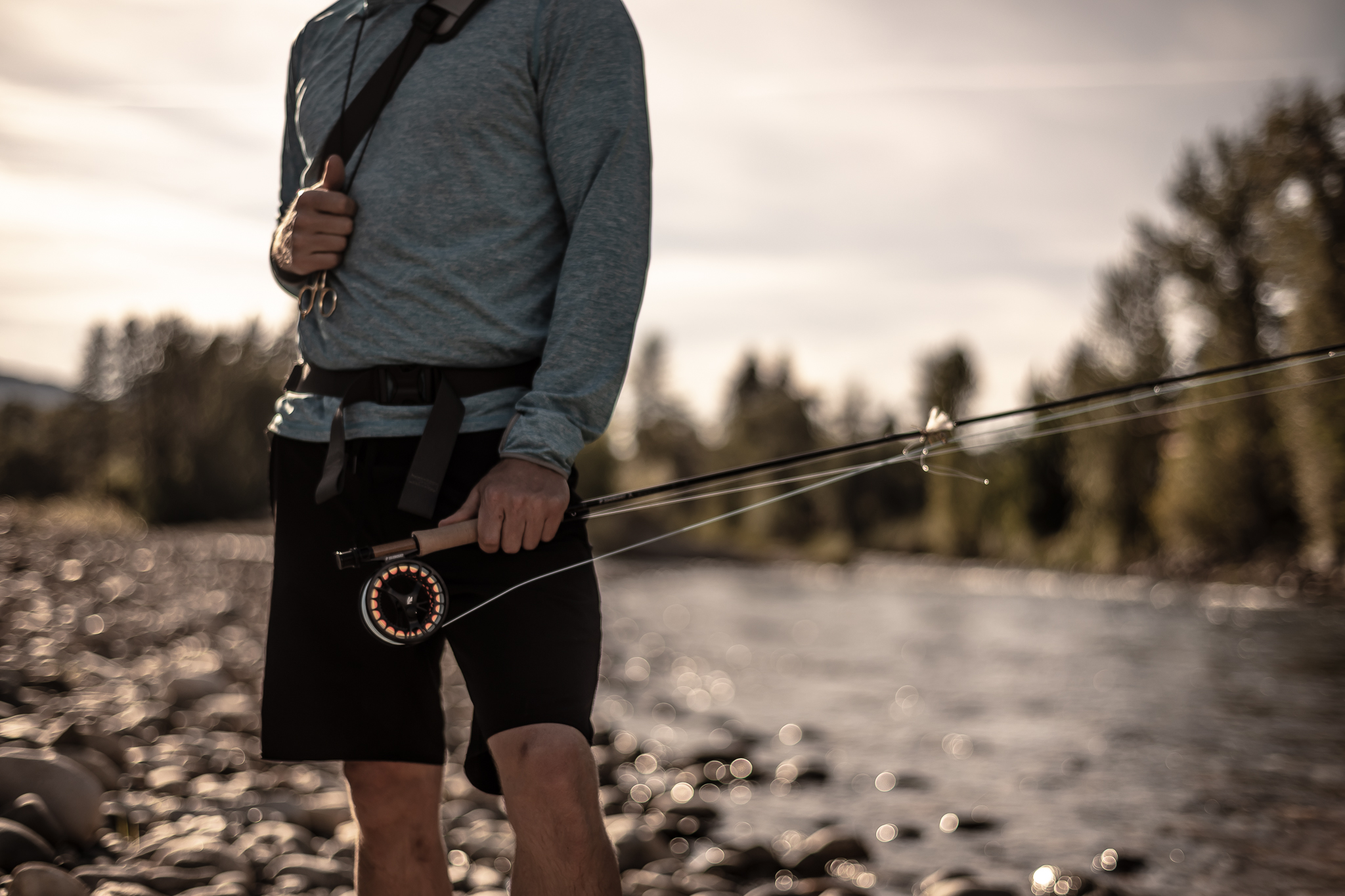
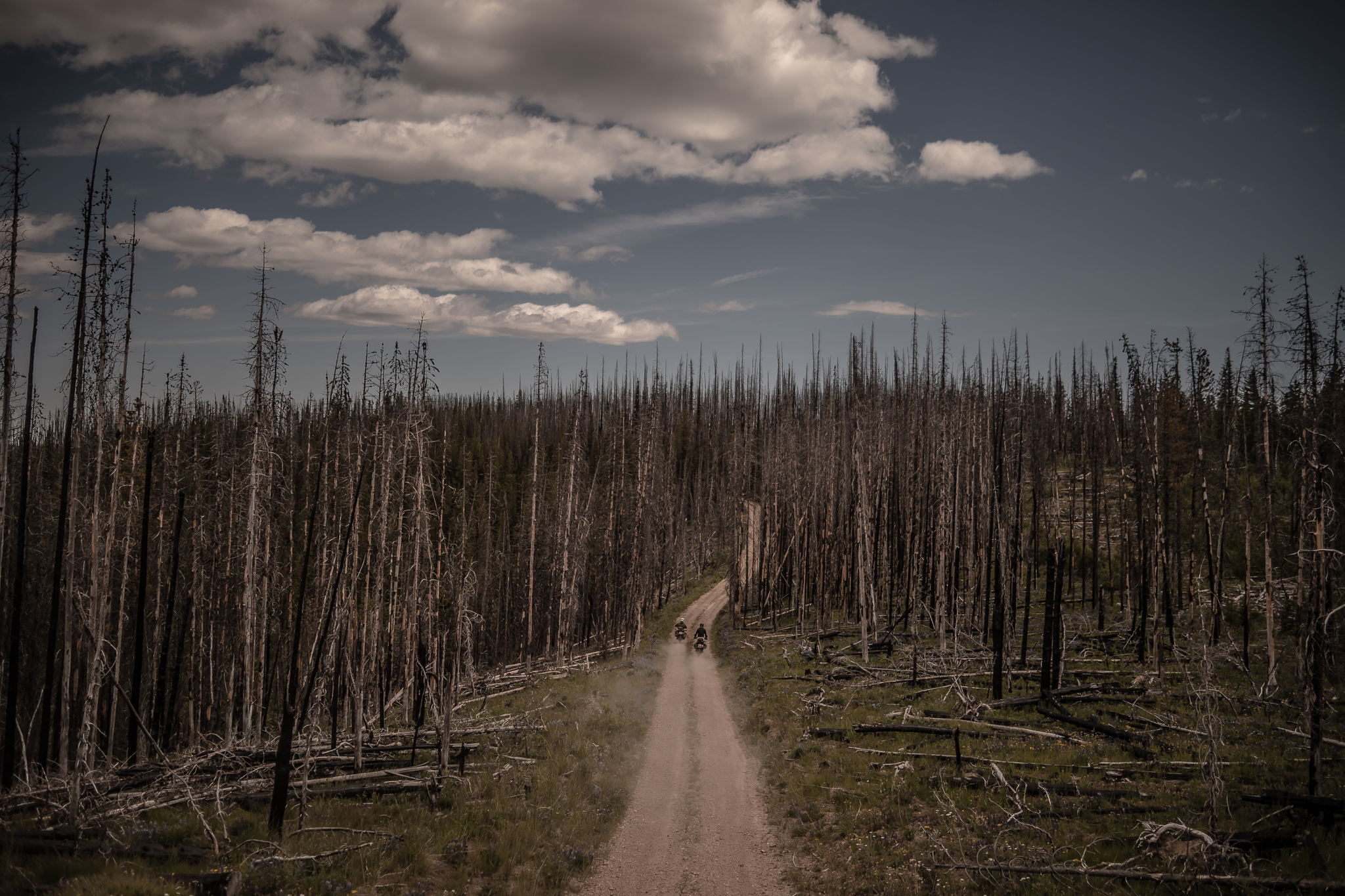
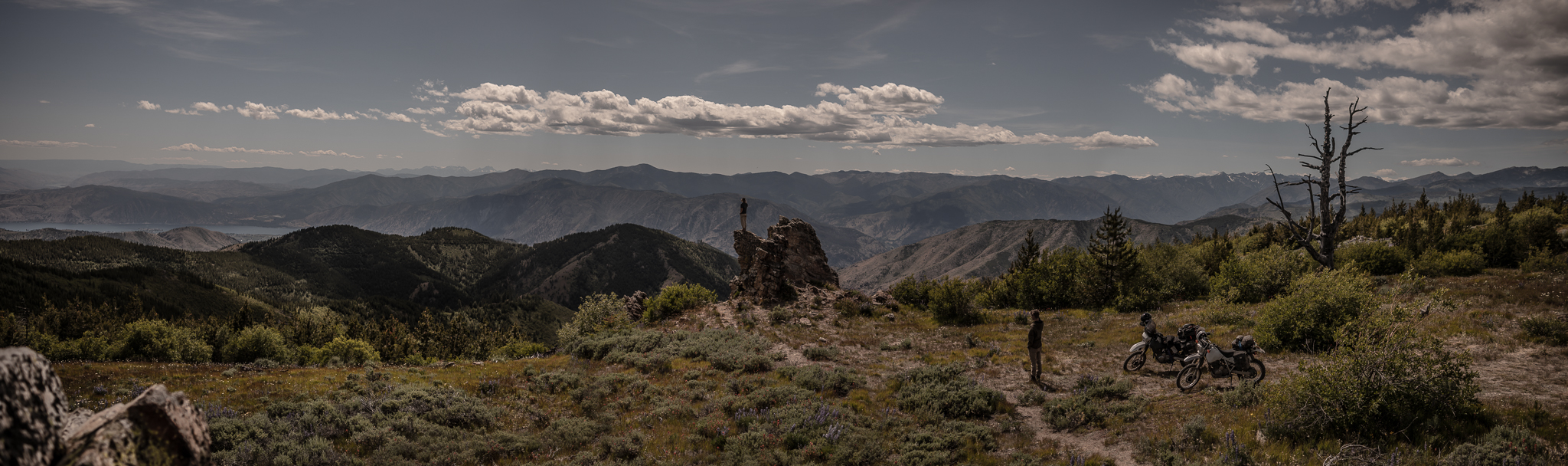
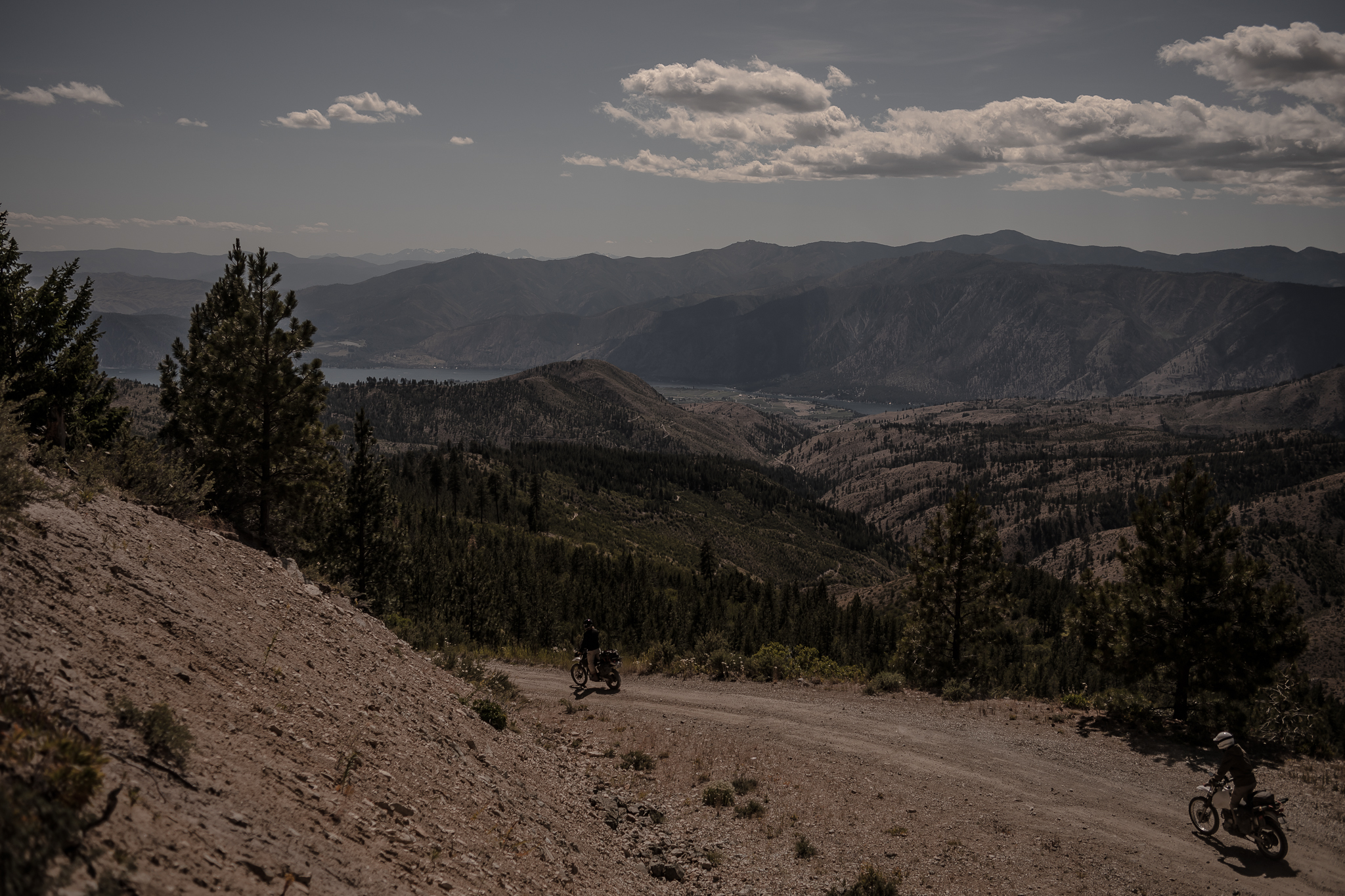
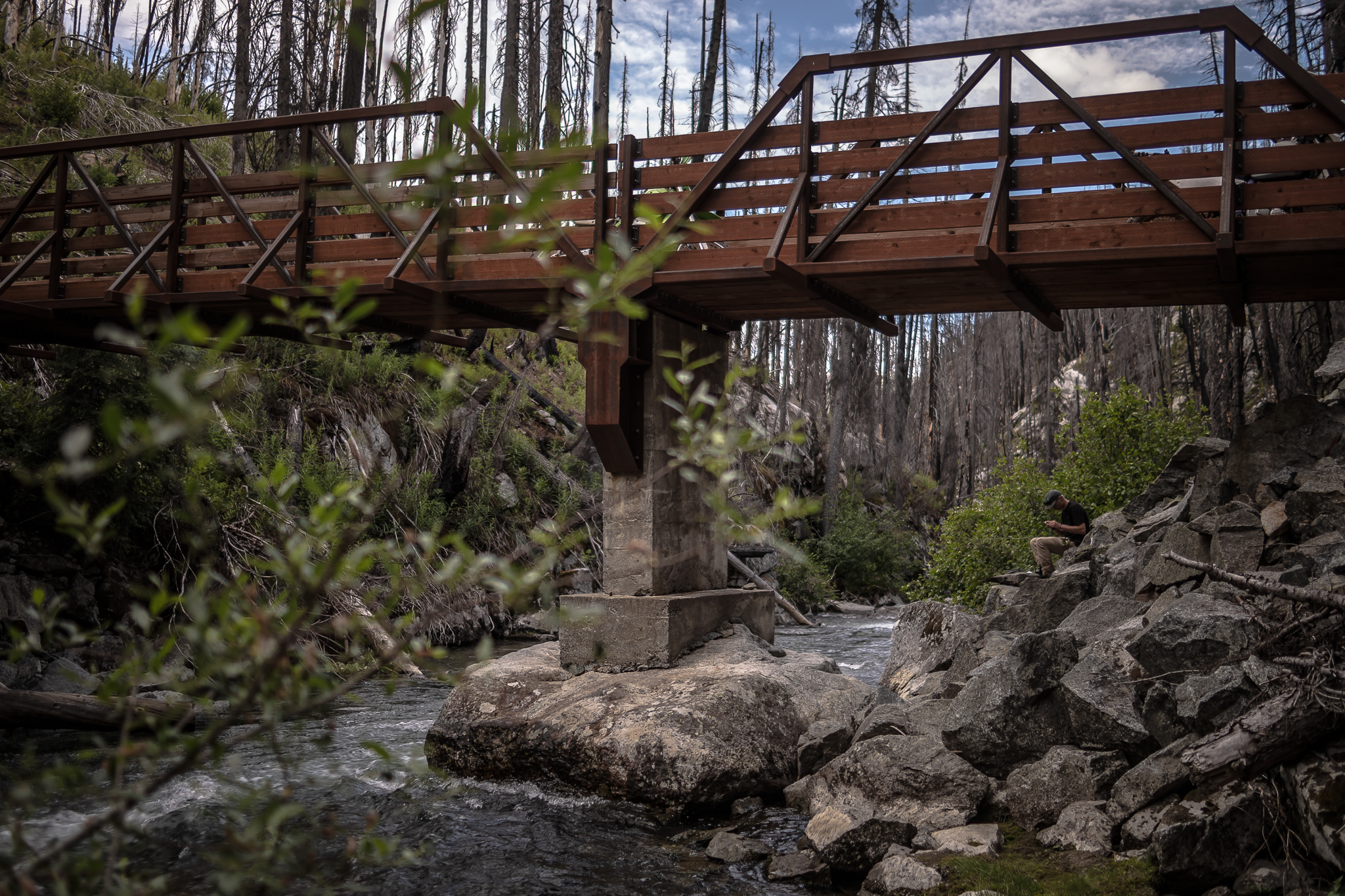
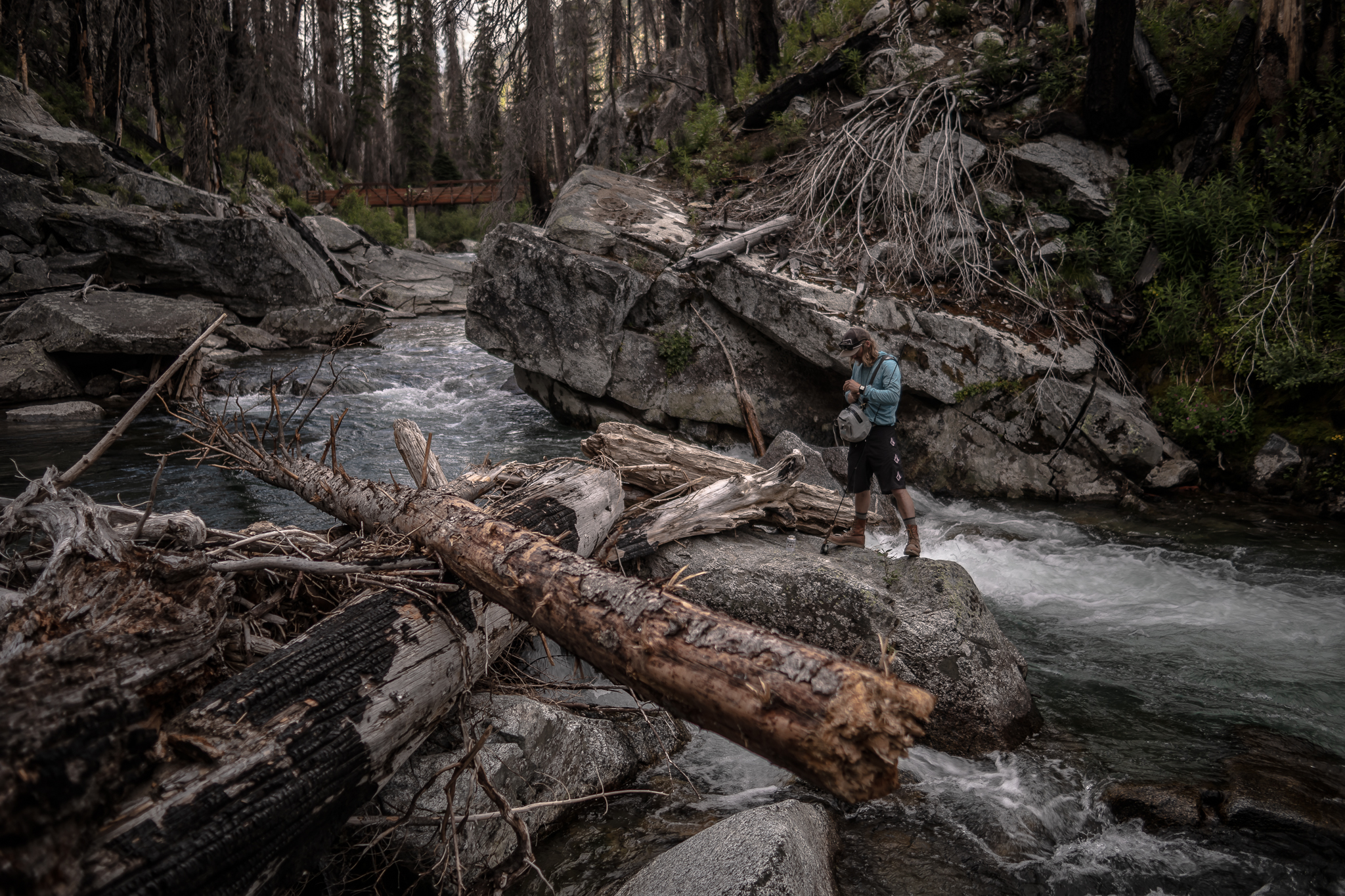
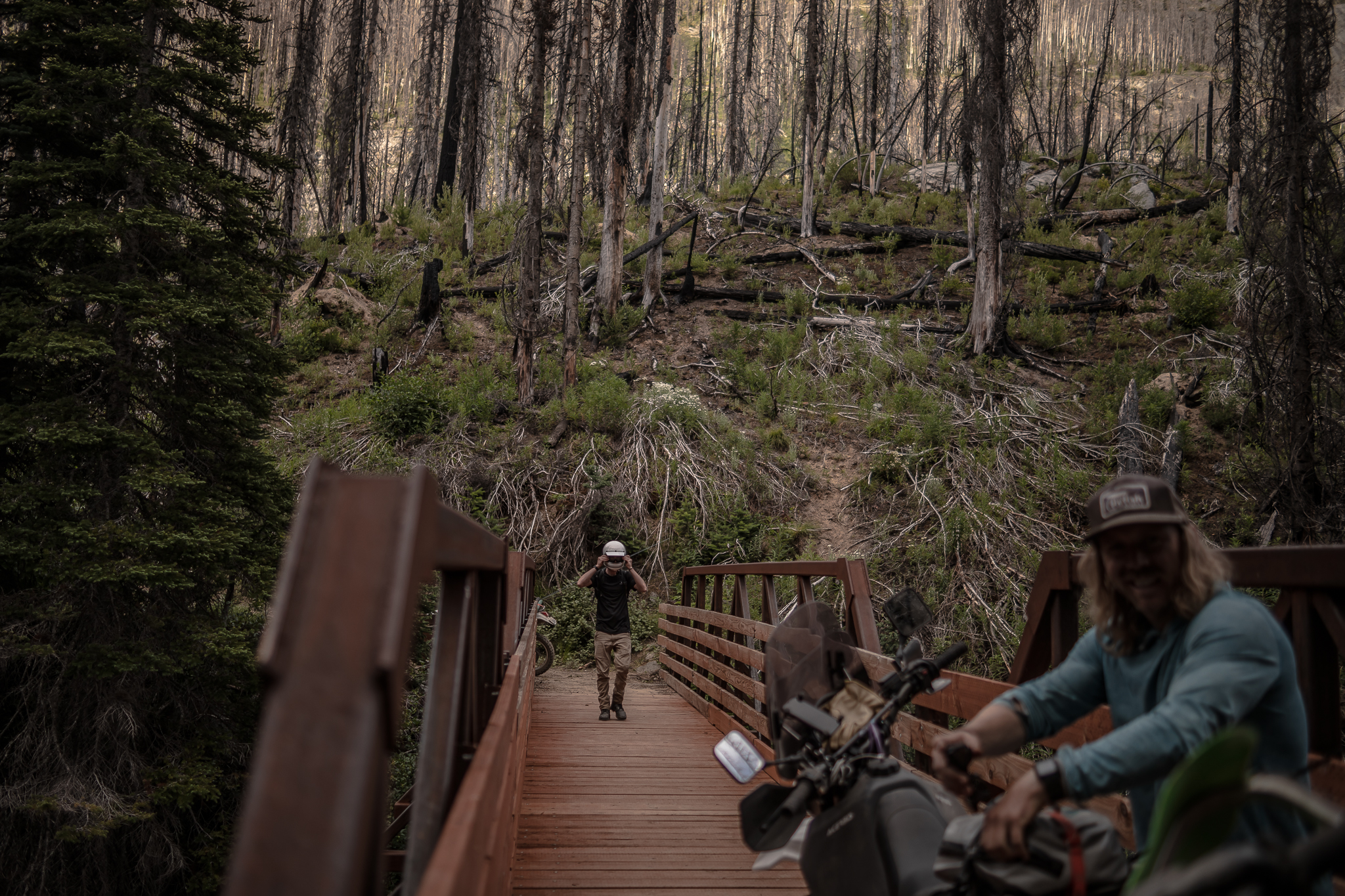
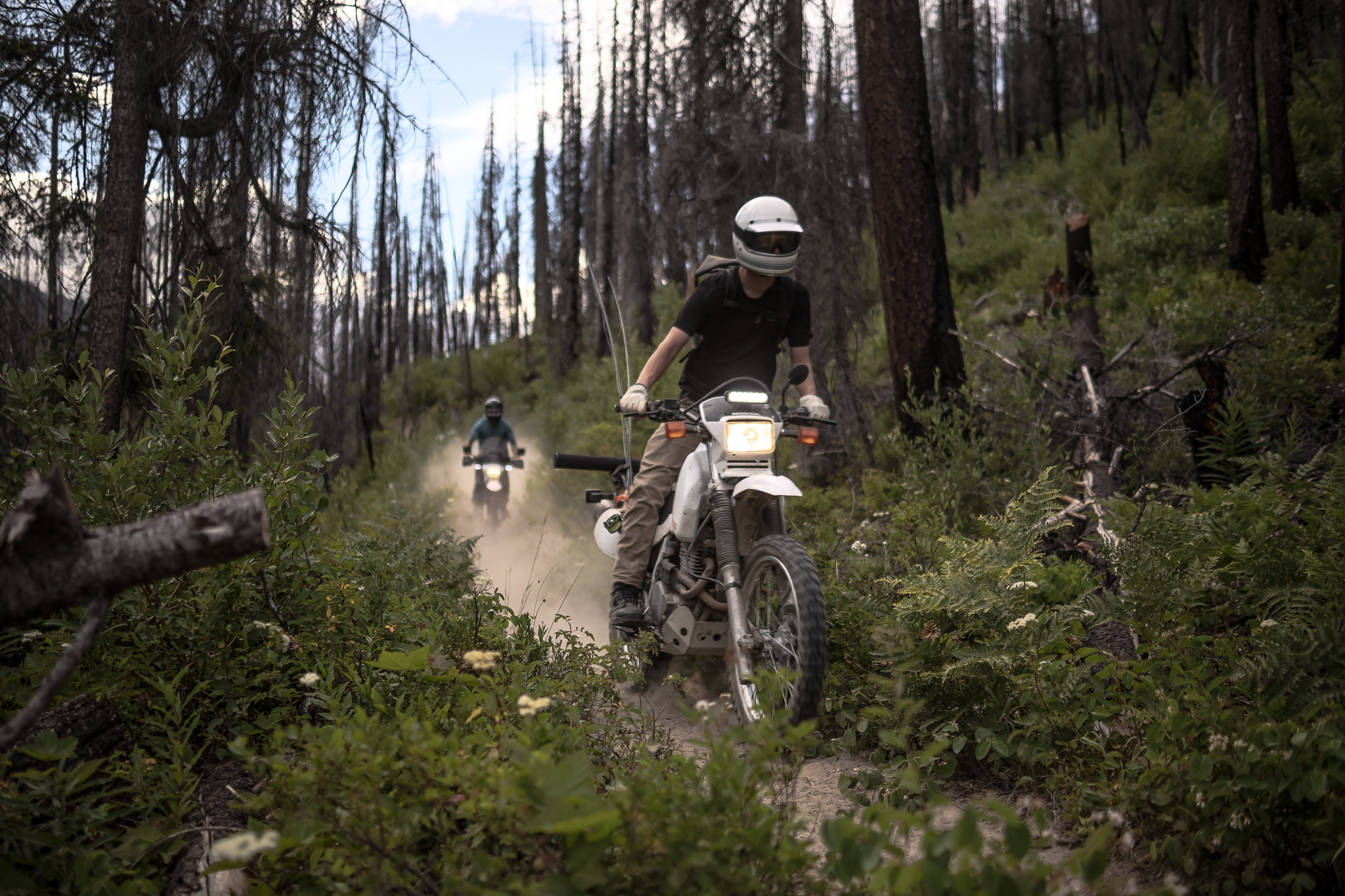
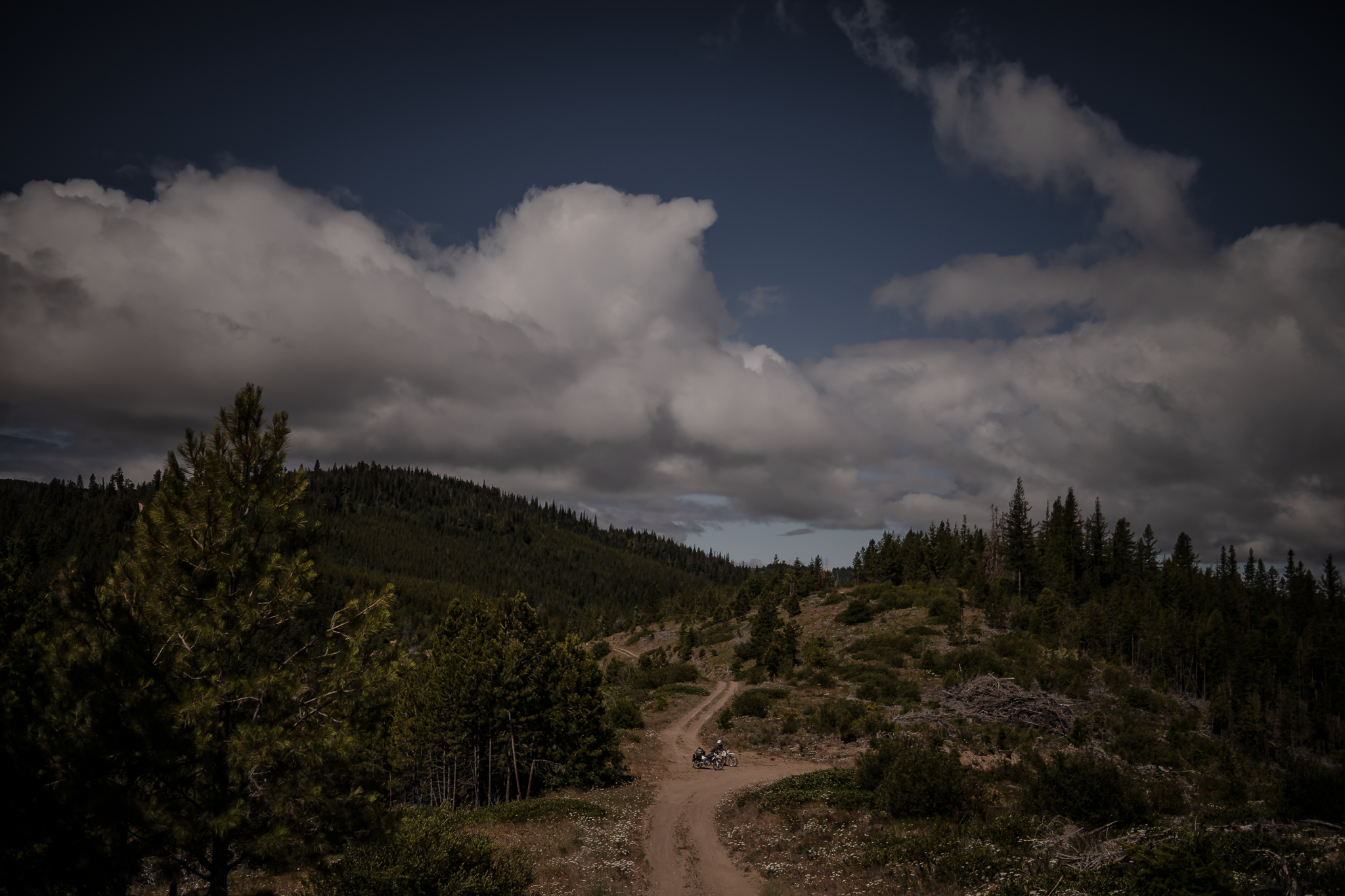
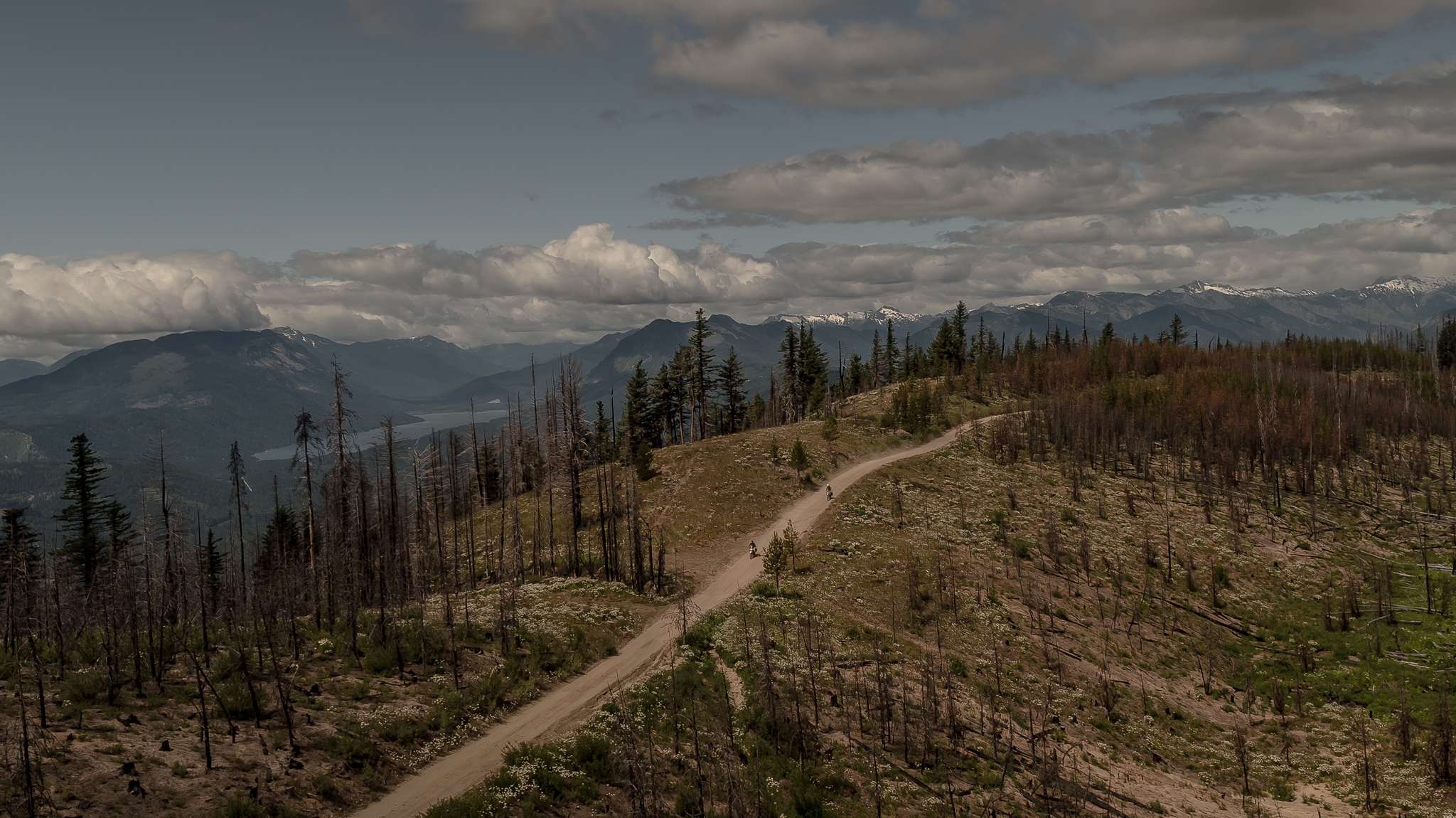
© Cameron Karsten Photography photographs Jann and Boe for Meta Magazine as they fly fish and camp while riding the WA Discovery Route in Washington State

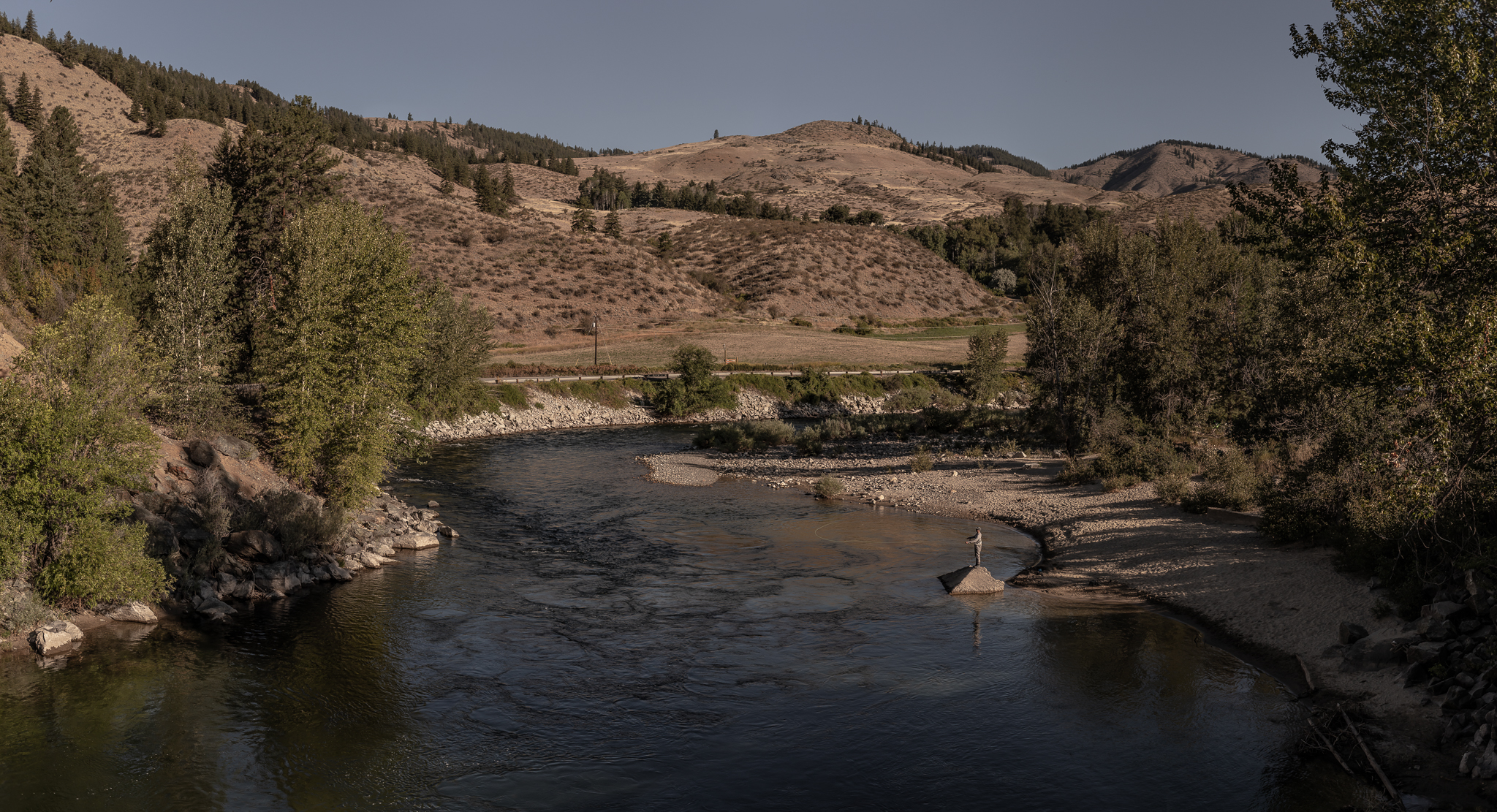
This was not supposed to be my trip. A buddy of mine, Paris Gore, photographer extraordinaire and skilled pilot, called me up and dropped few details. He was out, busy with other projects, and knowing my flyfishing experience and love of motorcycles, he thought I’d be interested.

Honestly, I was hesitant. Unsure of the crew, the route, the timing, the COVID. I called the writer, Jann Eberharter, fellow angler and rider leading the charge. We chatted, and soon I was in. No need to blink. And thank god I didn’t because the proposed trip for Meta Magazine was a must.

Below is an excerpt from End of the Line, written by Jann Eberharter for Volume 19 of Meta Magazine (A Life Well Ridden):

“Darkness began to surround us as we rolled out of out sleeping bags on the edge of a beautiful stretch of water some 20 miles south of town. A big chunk of concrete served as a perch above the hole, letting us cast into the black abyss, wait for a tug, and then set the hook with a loud ‘Yeowww!’ The fish were hungry enough that we kept serving up an all-you-can-eat buffet of stimulators and chubby Chernobyls, prolonging our own dinner late into the evening.”

Visit www.CameronKarsten.com for more.
Belize Pt I – Dark Seas

There’s a place in paradise with a little casita along its shores. Here, the whole world slips away.

visit www.CameronKarsten.com

Seattle Times Op-Ed: Indigenous knowledge is critical to understanding climate change

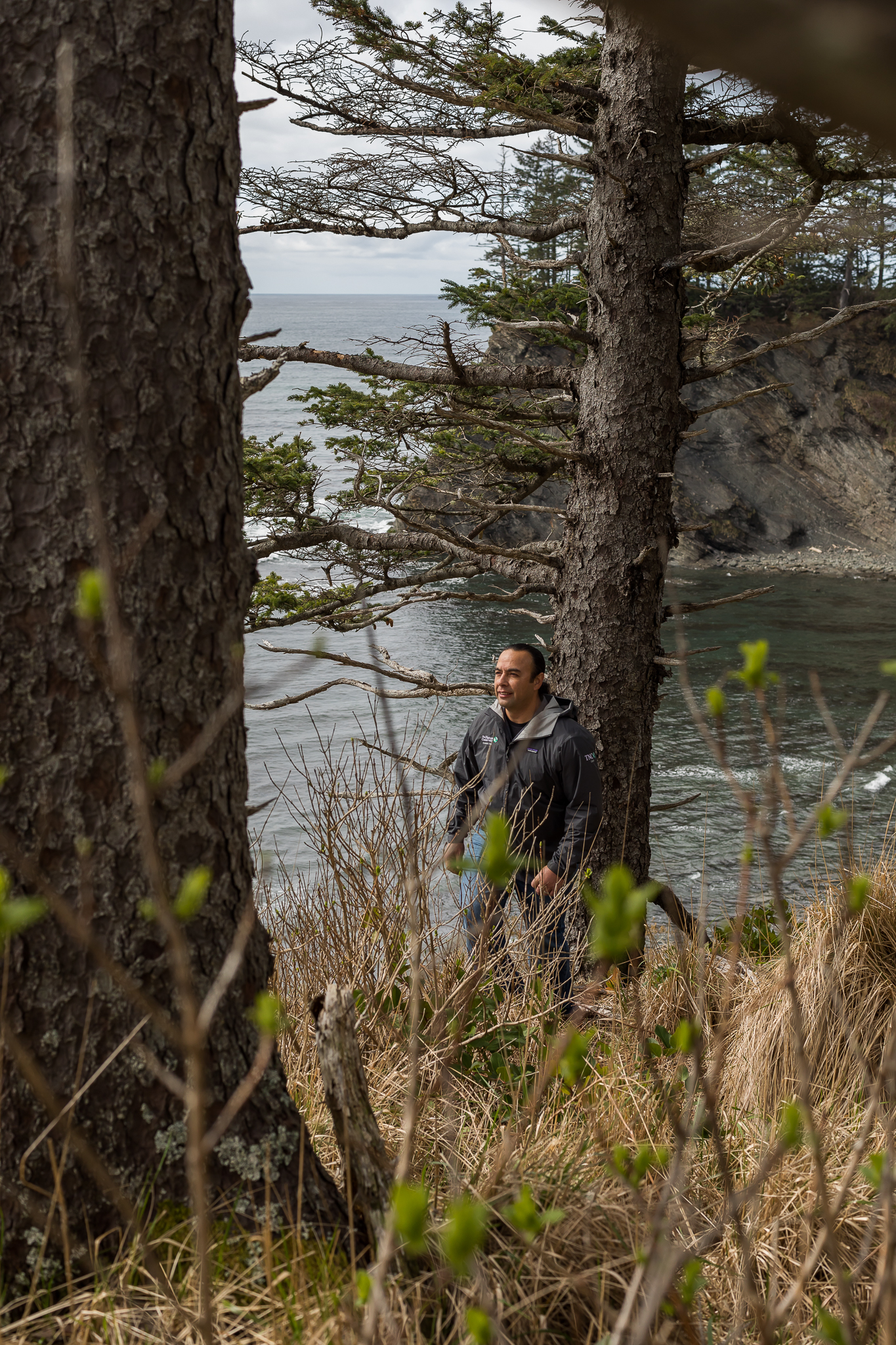
© Cameron Karsten Photography The Nature Conservancy at the Makah Reservation in Neah Bay, WA with Tribal member TJ

As we prepare to join Saturday’s March for Science, please understand that by integrating traditional knowledge with Western science, we can solve some of our biggest challenges, including those brought by our changing climate.

Good science is critical to our health, ability to live full lives and community well-being. We use science to advance medicine, enhance our use of natural resources, ensure our food supply and much more. That’s why more than a million people around the world joined the March for Science in 2017 and why we are gearing up again to march for science on April 14.

Western science is just one way of knowing. Indeed, traditional knowledge and wisdom of indigenous peoples is recognized by the United Nations for its potential to sustainably manage complex ecosystems. Yet all too often, Western science has disregarded centuries of science-based knowledge coming from Native Americans and other indigenous peoples.
© Cameron Karsten Photography The Nature Conservancy at the Makah Reservation in Neah Bay, WA with Tribal member TJ

Indigenous peoples have lived in our particular locations for many generations, and we define ourselves in relation to our home environment. Our deep and long-standing relationships with the environment are unique; our very existence depends on our ability to conserve and maintain our lands and waters for future generations.

Today, tribes, First Nations, indigenous peoples and Aboriginals are sounding a loud alarm about the impacts of climate change. Rising sea levels, broken natural systems, and increasing fire and flooding are apparent and documented.

For example, stocks of many fish species like Pacific hake are sensitive to ocean temperature along the California Current, and recent declines in their numbers have serious implications for the well-being of my own Makah Tribe.

While others debate the causes of climate change, we who live close to the land are experiencing major impacts from our changing climate and call for immediate and strong action to protect the resources on which we all rely. We can’t afford to disregard indigenous knowledge about climate change.

© Cameron Karsten Photography The Nature Conservancy at the Makah Reservation in Neah Bay, WA with Tribal member TJ

Growing up as a member of the Makah Tribe, I relied on the empirical knowledge of my ancestors to determine where to fish and how to locate other sources of food. My community relied on indigenous experiences to understand how to keep ourselves healthy.

When I was a child, my father taught me to navigate our ocean territory through currents, tides and landmarks. This knowledge, along with the life cycle of fish and time of year, allowed for the successful, sustainable harvest of species such as halibut, black cod and lingcod. In the years that followed, my peers and I transferred knowledge to other members of the family who integrated the information into current fishing and management practices.

As a youth, I’d get up in the mornings, often before sunrise, and leave the house overlooking a beach. There was no backpack, no lunch box. I was taught what our land would provide through all the seasons: roots, berries, sea urchins and mussels, to name a few. The knowledge of how, where and when to harvest is a way of life, always done in a manner that ensures the resources are sustained for the next person. These teachings and values laid the foundation for the work I completed in tribal leadership.

© Cameron Karsten Photography The Nature Conservancy at the Makah Reservation in Neah Bay, WA with Tribal member TJ

To our north, Tlingit and Haida elders observe young herring following older herring to spawning grounds. When industrial fishing removes the elder herring from spawning sites, the stock is destroyed, as the young fish can no longer find their way home. Failure to heed these traditional observations is leading to the demise of herring and threatening aspects of Tlingit and Haida culture that are closely tied to herring.

A recent news item featured the astonishing observation that birds in Australia intentionally spread fire by carrying burning sticks. While this is fascinating, it has long been known to the Aboriginals. Using fire as a management tool is widespread throughout indigenous cultures. Makah is no exception. For centuries our ancestors used fire to manage crops of cranberries and tea. These resources are currently threatened by our changing climate, as well as the laws and regulations that govern the use of fire.

© Cameron Karsten Photography The Nature Conservancy at the Makah Reservation in Neah Bay, WA with Tribal member TJ

Respecting and embracing indigenous knowledge as important science benefits all of us. In looking for solutions to the environmental dilemmas that confront us, it is critical to apply indigenous knowledge. All of us are looking for a better understanding of the Earth and her ecosystems. By integrating traditional knowledge with Western science, together we can solve some of our biggest challenges, including those brought by our changing climate.

As communities worldwide prepare to March for Science, this focus is appropriate and important. Threats to scientific knowledge must be rejected, and decision making based on fact must be embraced. Equally important, we should also embrace 10,000-plus years of field observation by indigenous peoples around the world.

This empirical knowledge has sustained people and cultures and has laid the groundwork for many modern “discoveries.” Indigenous peoples are truly the experts of their area and place, with a deep understanding of the interconnectedness of nature and our role in conserving resources for future generations.

Original Post (April 10, 2018)

Alaska by Air for RdM – Ketchikan Helicopters

Summer in Alaska is a beautiful thing, especially above the canopy. Shot for RdM – Ketchikan Helicopters out of Ketchikan, AK.

Newly redesigned website at www.CameronKarsten.com

logo_blackTrajan_NEW

SealLine Dry Bags and the Unknown Waters of Winter

SealLine, a kayak, an outdoorsman, and a calm foggy winter morning. + 2hrs before work…

New website via PhotoFolio up at http://www.CameronKarsten.com

Vodou Footprints: Levoy Exil – Saint Soleil’s Vodou Mystic

_N9A3774

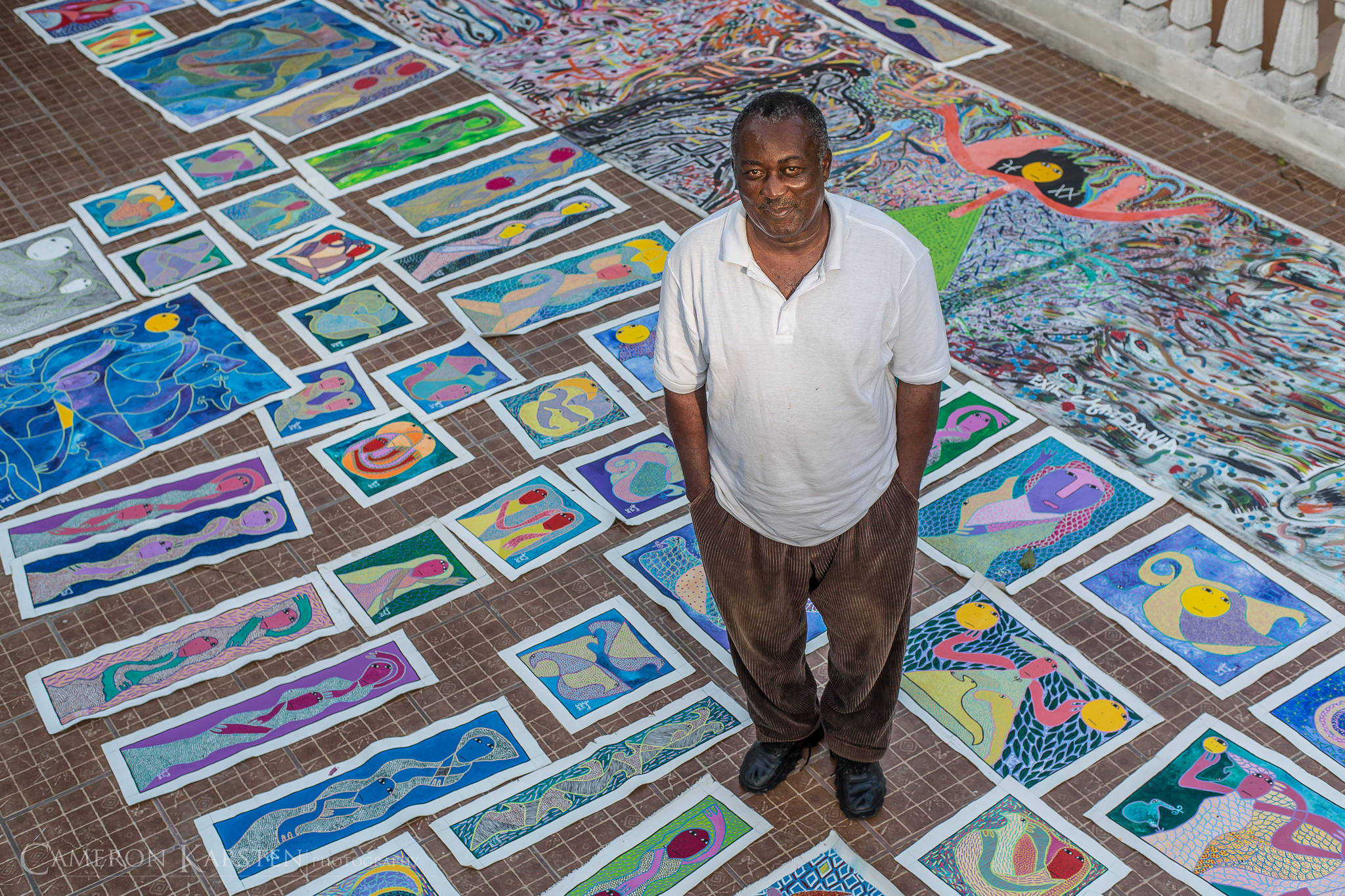
Levoy Exil is an artist. He’s from Haiti. He lives in Haiti. He is a visionary with deep roots into the mysticism of Haitian vodou. “I have revelations when I’m asleep. In black and white. The black is the body, the white is the spirit. I sing the song of creation to Damballah. I offer him blue, white and mauve. There are lines of dots all around the shapes, in relief. There are dots of light. The red is part of the body. It’s also a symbol of goodness, and it’s good for healing too. Damballah is a snake, made up of all colors.”

Levoy is an original member of the famous Haitian artistic movement called Saint Soleil, which began in 1972. Inspired by vodou religion and the cosmological energies called loa, or vodou spirits, St Soleil (Holy Sun) grew from the peasant mountainsides outside of Port-au-Prince into an internationally-renowned style specific to the culture of Haiti. Levoy still practices the art of the movement, and today is an icon of Haitian creativity and vodou symbology, helping bring to light the true beauty of this ancient belief system.

_N9A3758

_N9A3771

_N9A3741

logo_blackTrajan