Seattle Central’s Alumni Spotlight: Cam Karsten

Here’s a retrospective of my path to commercial photography via Seattle Central’s Creative Academy. Always a treat to have someone interested in your story, and the hope to inspire others to follow their dreams. Original post can be found here.

For budding photographers, Seattle Central Creative Academy alumni Cameron Karsten (‘12 [I think ’13…]) offers simple, yet pragmatic advice: “Shoot what you love.”

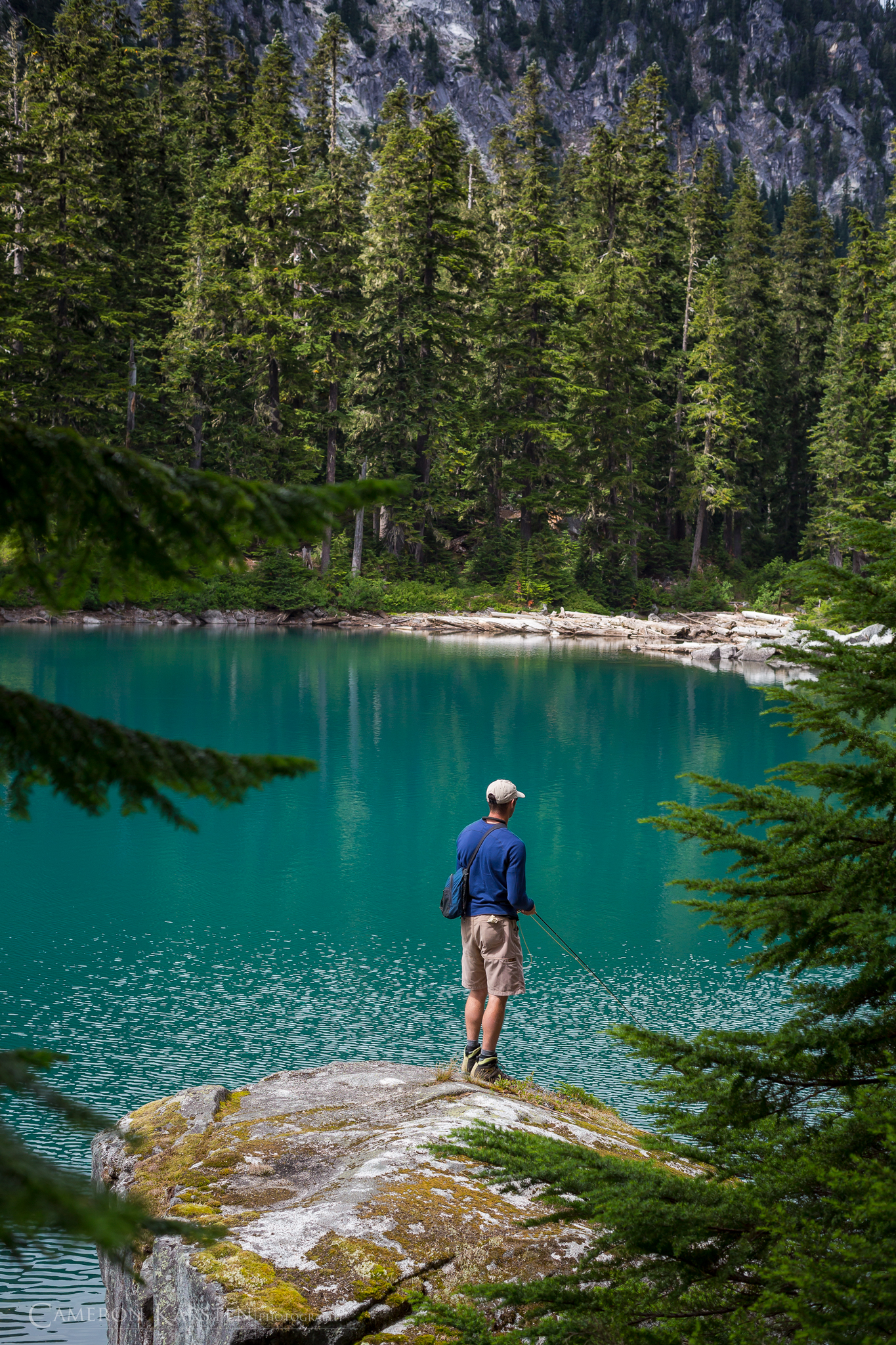
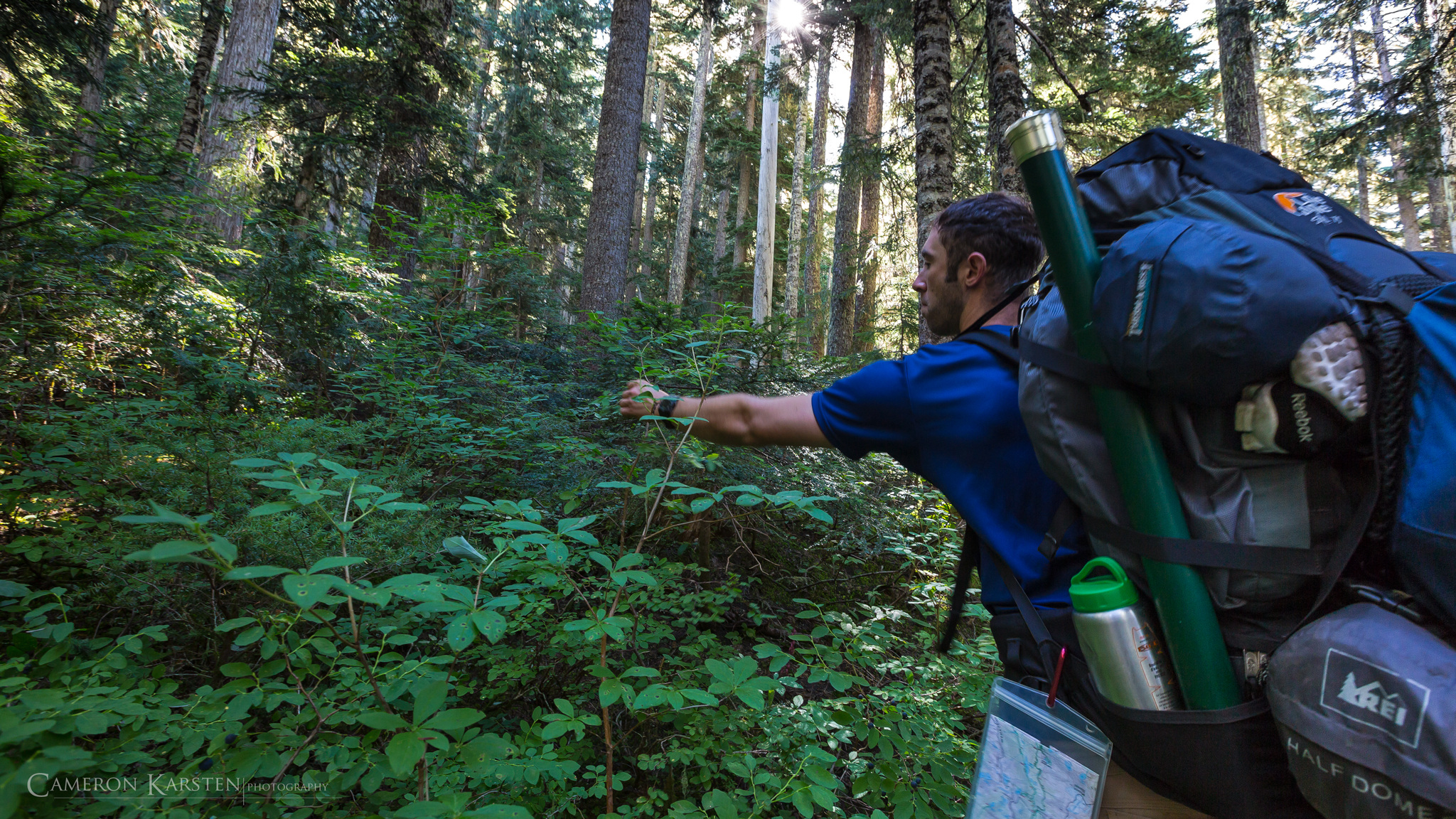
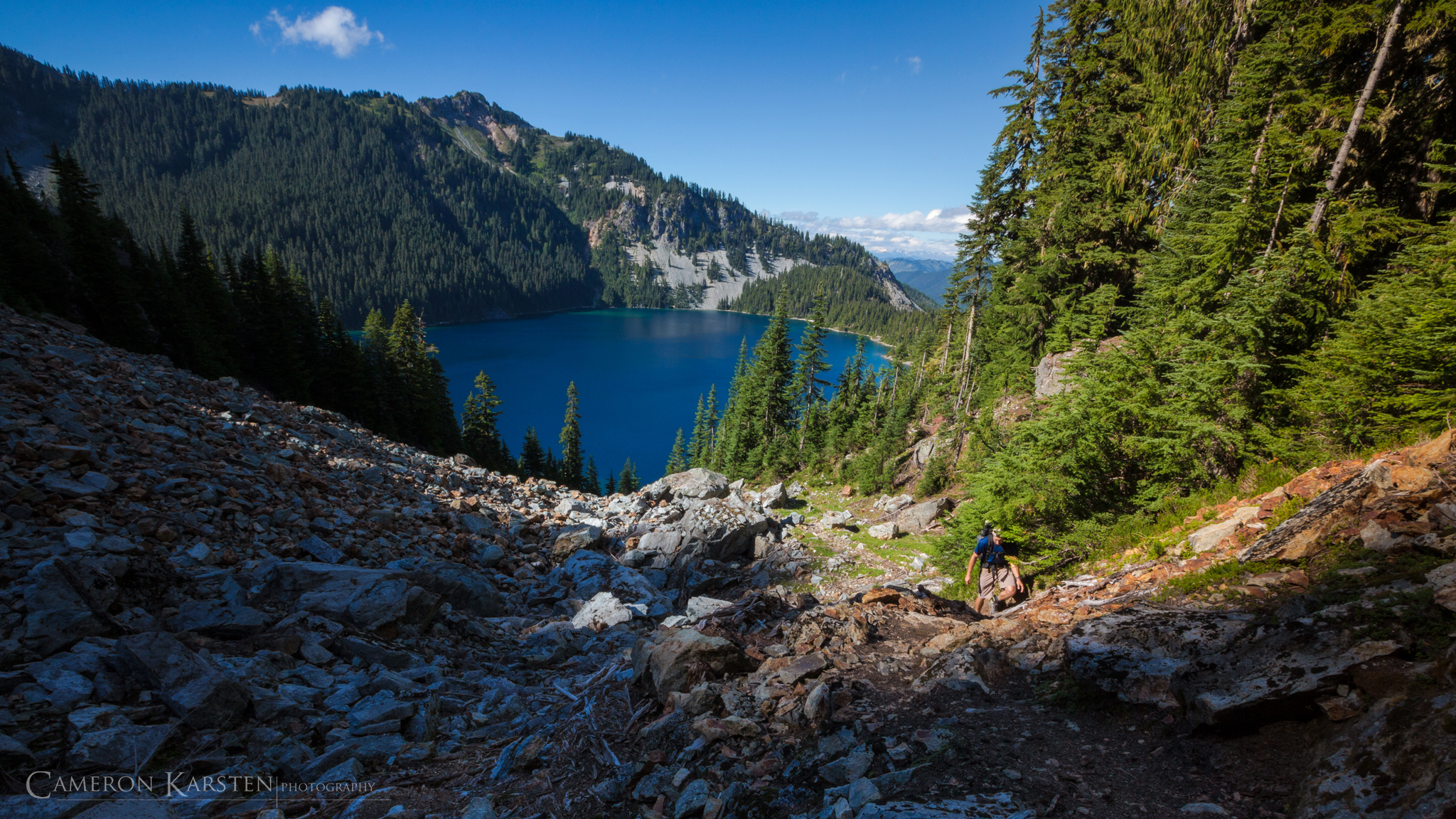
After developing a passion for photography while backpacking and blogging across the globe, Karsten was eager to turn his passion into a career. Now, as a highly sought-after commercial photographer with an expansive clientele, he has made a living from capturing those very things he loves: hiking, surfing, and fishing.

Raised in California and the Pacific Northwest, Karsten developed an early love for the outdoors. “I was an explorer,” he explained. “I was outside most of the time, whether it was riding bikes, fishing for salmon in the fall, or just experiencing nature.” Karsten also feels lucky that his single mom instilled in him a love of travel from a young age too and recalled driving to Mexico several times a year when the family was based in southern California. “And so that imbued a love of travel and of going somewhere new and not knowing the final destination,” he added.

When Karsten wasn’t exploring outside, he recreated scenes from the outdoors in the classroom. He never gravitated towards formal art classes, instead filling his notebooks for other subjects with realistic sketches. “I’d picture a place that I wanted to go, and I would draw it realistically,” he said. “And I think that also played into telling stories with pictures, instead of with words.”

Karsten attended college in Los Angeles, where he quickly realized city life wasn’t for him. “I didn’t like much of anything except the ocean down there,” he admitted. This dissatisfaction led him to take what he thought would be a one-year break from college — a gap year that ended up stretching into six years of travel around the world.

Karsten’s goal during this academic hiatus was to become a writer. “I was collecting stories and characters, learning through real-world experiences rather than studying books and taking tests,” he explained. At first, Karsten would hunker down at internet cafes to write stories to his friends and family. But when he discovered a travel blog community of fellow backpackers, he started sharing his travelling tales to a much more global audience under the blog name cam2yogi, a nod to his deep interest in Buddhist philosophy he developed travelling through Asia.

It was during this time that Karsten’s interest in photography began to take shape as well. With his film camera — and later, a tiny digital point-and-shoot gifted by his family — he began using photography to complement his written storytelling.

To his surprise, readers praised his photos as much as — and sometimes more than — his writing. “People would say, ‘your photos are fantastic.’ Because of that encouragement and feedback, I started falling in love with taking pictures and looked forward to capturing the best moment to include in whatever story I was trying to tell.” As his network and skills grew, Karsten sold some of his blog posts as articles to smaller travel magazines.

After six years of wandering the world with his pack, his stories, and his cameras, Karsten returned to the Pacific Northwest — and felt more restless than ever. His travels had provided him with a wealth of experiences, but he was still searching for a way to channel his creativity into a sustainable career.

It was a woman he met — now his wife — who helped him put down roots in Seattle. She worked as a photo stylist at the time and connected Karsten to several commercial photographer contacts.

“I realized that the whole traveling lifestyle was going to be on pause because I was in this serious relationship, and I started learning more about the commercial world and what was available to me as a career,” he said. “And every commercial photographer I worked with within the Seattle area was like, ‘Hey, if you want to do this seriously, go back to school.’”

Karsten took their advice and looked into Seattle Central College’s Creative Academy. “It was a no-brainer,” he said. “The program was highly recommended and close to home.” He enrolled in the two-year Commercial Photography program, which has since been folded into the current Visual Media program.

At Seattle Central, Karsten found the structure and mentorship he needed to hone his craft. “The first year was all about learning the fundamentals of commercial photography — like continuous versus strobe lighting,” he said. By the second year, the structure of the program shifted towards encouraging students to find their niche and lean into their creative strengths to set them up for real-world success. For Karsten, that meant focusing on storytelling through outdoor photography.

“Growing up in nature, I could not stand being in the studio working with inanimate objects,” he said. His instructors, like the retired Alejandro Tomas and the late Robert Milne, recognized his passion and gave him the freedom to pursue it. “They said, ‘If you want to be outside, go be outside.’ That support made all the difference.”

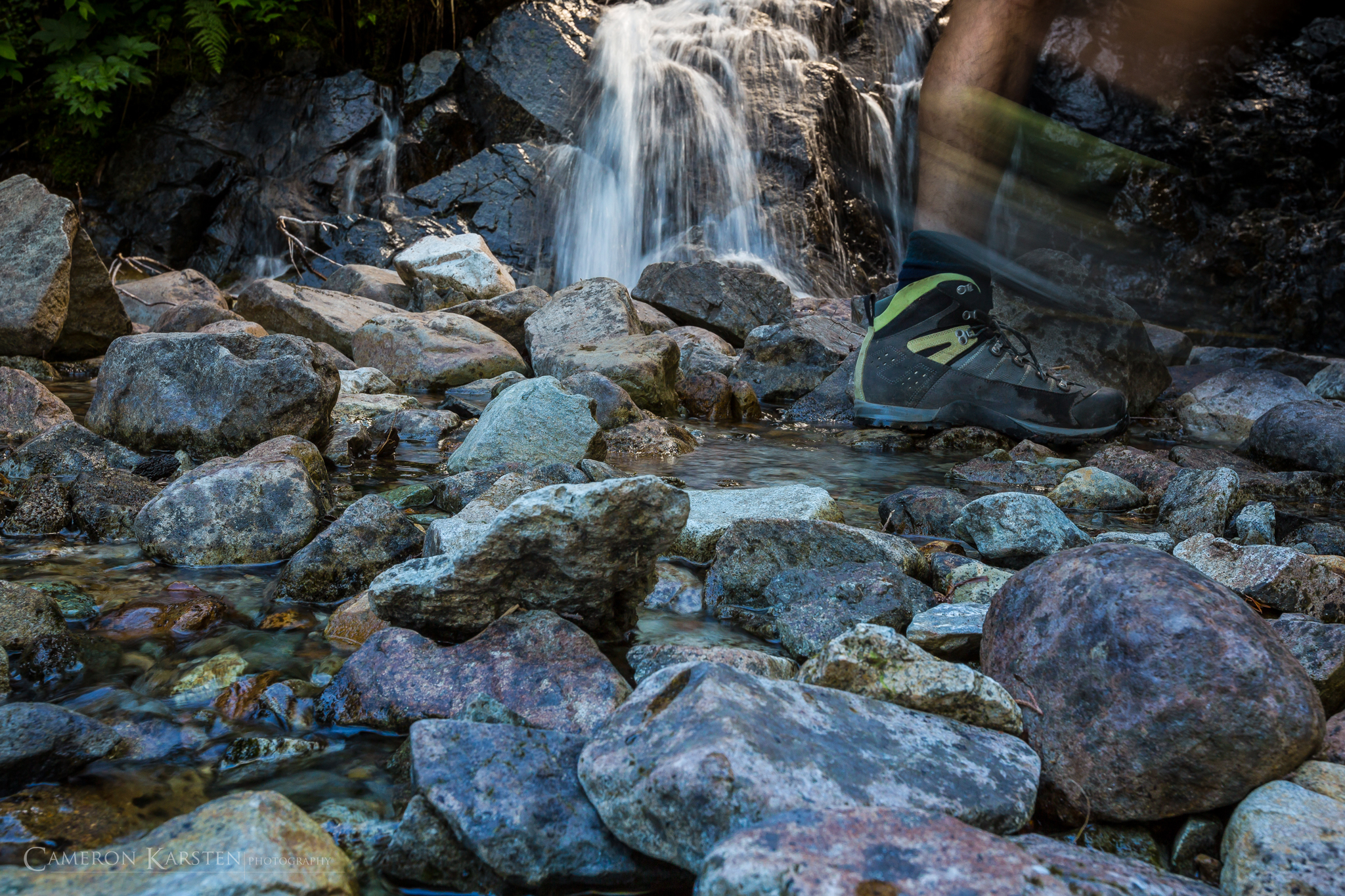
“[This photo] resembles my path to steer away from the studio and practice my light skills to shoot outside,” Karsten said referencing the following photo from his days as a student at the Creative Academy.

Karsten remembers feeling like he was in a vastly different stage of life than his classmates who were fresh out of high school. He and his wife were starting a family by his second year of the program, and knew he had to take school seriously. “It was my career,” he said.

He credits his professors, Tomas and Milne, with imparting the technical skills necessary to make his career but also offering mentorship that bridged the gap between the classroom and the professional world.

“I loved the one-on-one conversations with them,” he recalled. “They weren’t just teachers — they were adults, and I could relate to them. Those conversations were less about school and more about photography as a career. That’s what really stands out to me.”

After graduating from Central in 2012 (2013…), Karsten made it his goal to build up a professional portfolio of work while simultaneously enjoying his favorite outdoor activities in the Pacific Northwest. He took his camera with him whenever he and his friends would camp, hike, or hit up the beach.

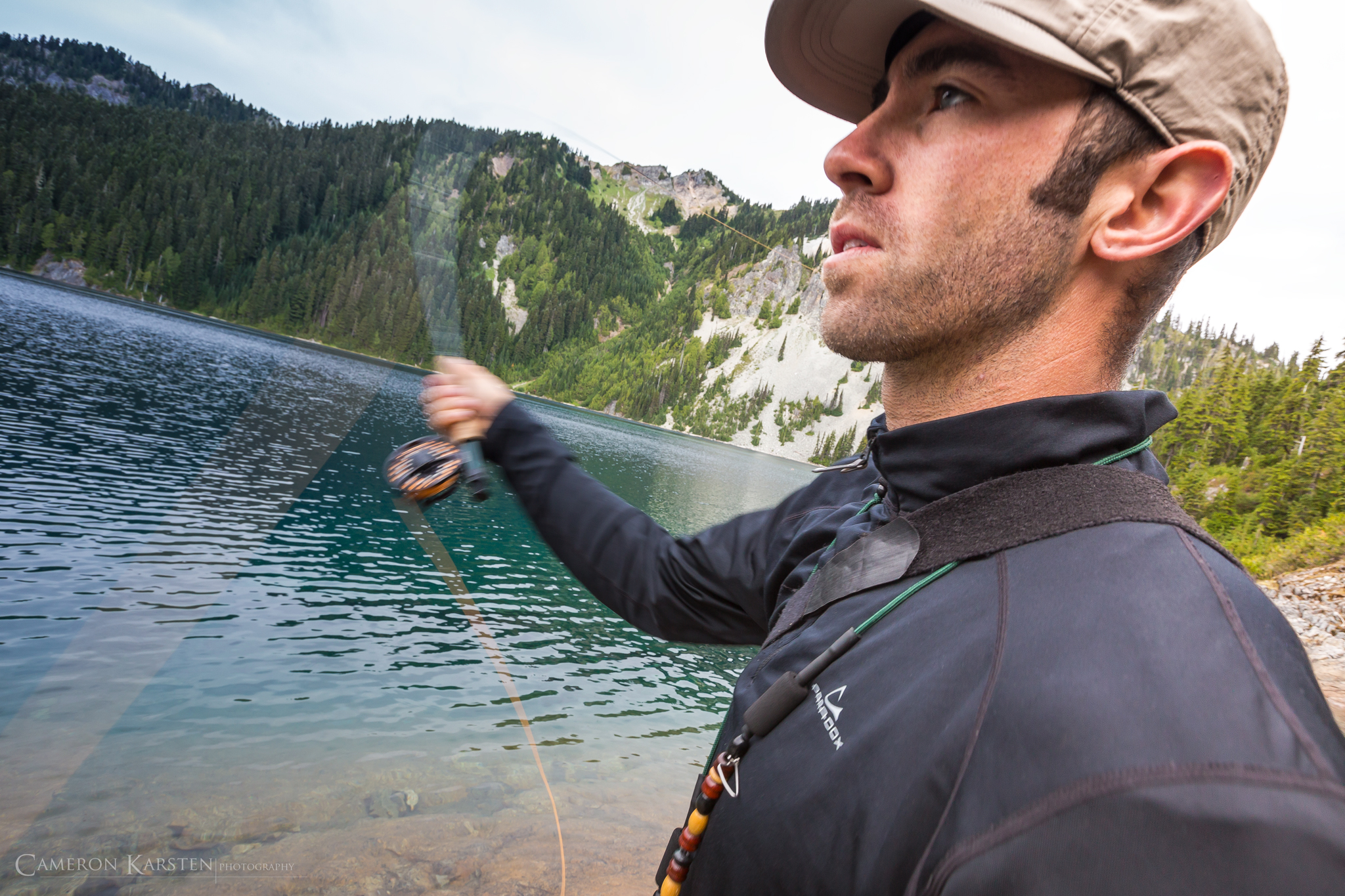
Karsten tried photographing surfing at first, but found it was too hard to stay off the waves. He realized that shooting his friends fly fishing was different, and it soon became a subject that dominated his portfolio. This work also caught the eye of his first major client, Grundéns, a commercial fishing gear company.

“I brought a really nice, printed portfolio and as [the marketing professional] was going through my work, he was like, ‘Hey, this is great. You want to go to Norway?’ and I was like, ‘what!?’” he explained. “So, the next thing I knew, I was on a plane to Norway to photograph cod fishing for this company. And from there we went to Guatemala, the Florida Keys, and Alaska.”

By continuing to capture subjects he was passionate about, Karsten’s portfolio expanded to include work with other high profile outdoor recreation and technology brands, like Patagonia and Garmin Marine.

In recent years, Karsten has returned to Seattle Central, not as a student but as a professional, supporting the college in a variety of photography and videography projects.

“I’m always like, ‘Yep, let me block my calendar because of course I’m there for you,” he shared. “It’s part of just paying it forward and trying to give them my all, since they gave me their all and got me to where I am today,” he said.

While Karsten continues to shoot a variety of subjects for his clients, he finds the most enjoyment — and conveniently, work — shooting those very things he loves, like nature and outdoor recreation, echoing the subject matter he captured on the point-and-shoot he carried with him throughout his backpacking adventures. “When it’s a personal project, your passion shows through, and that’s what attracts clients,” he said.

He travels less now, prioritizing quality time with his wife and two daughters, eight and 10, but still cherishes every moment he gets to spend outside with a camera in hand.

As Karsten prepares for his next project (Nov. ’24) — photographing warm-water fishing in Baja California for Grundéns — he reflects on the impact Seattle Central has had on his less-than-traditional path. “Seattle Central gave me the tools, the trust, and the freedom to build a career I love.”

For more visit www.CameronKarsten.com | www.the-subconscious.com

Unveiling Authenticity Through the Lens: An Interview with Cameron Karsten

The Vodou Trail in Haiti exploring the ceremonies and rituals of Haitian Vodou – © Cameron Karsten Photography 2015

This original interview was posted on Production Paradise’s website. It is always a pleasure to sit down at an interview and reflect upon my career, where I’ve come, and ultimately where I keep striving to get to. It is a constant development, creating something new, fresh, enduring, and most importantly, something entirely me. See below for the full interview:

Cameron Karsten is a photographer [and director] who seamlessly melds authentic moments with artistic brilliance. In this interview, we delve into Cameron’s unique approach, where the art of preserving authenticity harmonizes with visual aesthetics. From creating profound relationships with subjects to harnessing light and shadow, Cameron shares insights into his creative journey, highlighting the essence of genuine storytelling.

Based on your work, I can see you like to seamlessly incorporate candid and authentic shots with the products you’re shooting. How do you strike a balance between creating visually stunning images and preserving the authenticity of the subject or moment?

When going into a scene, a situation, a job or project, I do my best to really first observe and listen to the environment, surroundings, people and talent. I learn as much as I can from where I am and who I am working with and start by creating a relationship. This creates trust, something beyond just work. It’s a commonality, which then allows things to unfold naturally, authentically.

The Discovery Channel and Dish Network photographing Capt. Wild Bill for The Deadliest Catch – © Cameron Karsten Photography 2019.

As a photographer, you have a unique ability to capture the small details that make a scene come alive. Can you walk us through your thought process when scouting a location or setting up a shot, particularly in terms of how you select and emphasize those captivating details?

I love to create depth, and almost 100% of the time shoot wide open. This allows me to isolate the scene and tell the story with varying layers of foreground, middle and background. Revealing the story in front of me is what I strive to do, almost like a fly on the wall, or an out-of-body experience – something to ponder, observe and listen to.

The interplay of light and shadow is a prominent feature in your work. Could you share some insights into how you approach lighting in your photography to enhance the overall impact of the image and evoke specific emotions?

I went to school for photography and spent the hours inside a studio playing with continuous and strobe lighting. Once I felt confident, I took these outside the four walls and intermingled it all with natural light. That’s the ultimate trick utilizing the natural light, then adding light subtly enough to not make it look so. As I’ve developed in my career, I’ve come to appreciate the harder shadows, similarly portraying a scene as an act revealing and or hiding. 

Garmin’s new Livescope XR in Millie Lacs Lake, Minnesota – © Cameron Karsten Photography 2022.

How do you think your unique process and style separate you from other photographers?

I’m a firm believer in paving your own path. I look at others’ work and appreciate it, but keep using my intuition and inspiration to make it my own. It might not necessarily be new, but it is wholeheartedly from my source of creativity and desires. And understanding that I’ll never stop developing my work and career helps push me farther down this path when it gets difficult or stagnant.

You have had the opportunity to work with renowned brands such as Camelbak, The Discovery Channel, and Patagonia. How have these collaborations allowed you to merge your creative vision with the brand’s identity? Can you share an example of a project where you felt particularly fulfilled in bringing your artistic vision to life while representing the brand effectively?

Every client is different. They want something from you that you provide, and knowing this, that they didn’t come out of nowhere, builds a sense of confidence in my own brand and what I can bring to the table. When on these projects out in the field, it starts with a relationship and ends with a relationship… all the while we are creating together or “working”. In the end it does not feel like work. It feels like each member of the team being themselves – the popular adage You Do You.

Shot in Monterey, CA for CamelBak – © Cameron Karsten Photography 2022.

‍Establishing a connection with your subjects is a vital aspect of your photography process. Can you describe how you connect with people during a shoot to bring out their authentic selves and create powerful, emotionally resonant images? Additionally, how do you handle challenging situations when trying to establish that connection?

It’s all about creating a relationship by asking questions and listening and then finding the commonality. I think humor and humility bring a lot to the table too. However, sometimes it feels like hitting your head against a wall and on those rare occasions, you just have to keep being YOU and have a clear knowledge of “how to read the room”.

Can you tell us about one of your favorite memories from working on a campaign shoot?

One of my favorite memories was with one of my first clients on the first big campaign. We flew to Norway, Guatemala, Florida Keys and the Pacific Northwest. I remember thinking,“Holy shit! This is amazing that I am doing what I absolutely love to do, and someone is paying me to do this!” And then my next thoughts were similar to, “Don’t fuck this up, Cameron!”

I see you like to do a lot of traveling, taking lots of photos along the way. How does exploring different locations and cultures influence your creative process? Could you describe a specific instance where a travel experience significantly impacted your photography and led to a unique discovery or insight?

I started out by wanting to be a writer and write about my travels through various cultures around the world – a young Paul Theroux in the making. I spent six years backpacking around the world on the frugalist’s budget, writing stories as I went. I carried a film camera with me and would ship rolls of film home. Around this time a small consumer digital camera came on the market and having that in my pocket on my travels with the ability to share the image on the back of the camera with the subject changed my life. I loved seeing how their faces lit up, the joy and the unending smiles. I instantly wanted to tell their stories with pictures instead of just words.

Reddington fly rods in eastern Washington – © Cameron Karsten Photography 2023.

When photographing in diverse locations, how do you balance capturing the essence of a place while incorporating your personal creative touch? Are there specific techniques or approaches you employ to ensure your images convey both the authenticity of the location and your unique artistic perspective?

When walking into a new place, there is an instinct in me to just observe with all my senses and take it all in. It’s a meditative experience, letting the eyes dash about the scene without any judgement. When I come into a place with the idea of taking photos, I allow this to happen and then at some point start to move around the scene, learning more whether it’s a structural scene and its’ angles, or a person filled with personality, or a natural landscape with sun, clouds, flora and fauna. I then find the right moment to press the shutter.

Do you have any upcoming projects you can share with us?

I have a doozy of a project in Italy, that keeps shifting due to the availability of the boats we’ll be utilizing. I just purchased my tickets for me and my camera op, but just had to cancel them since it all appears to be a moving target. There are less than two weeks until production begins, and still no one knows where we need to be and what we will be on… (postscript; the shoot in Italy went off without a hitch, the whole team making the seemingly impossible perfectly possible – see post here).

We extend our gratitude to Cameron for offering us a glimpse into their world of photography. His insights and artistic journey have been an inspiring revelation, and we look forward to witnessing more of his captivating work in the future. Too see more work, visit www.CameronKarsten.com.

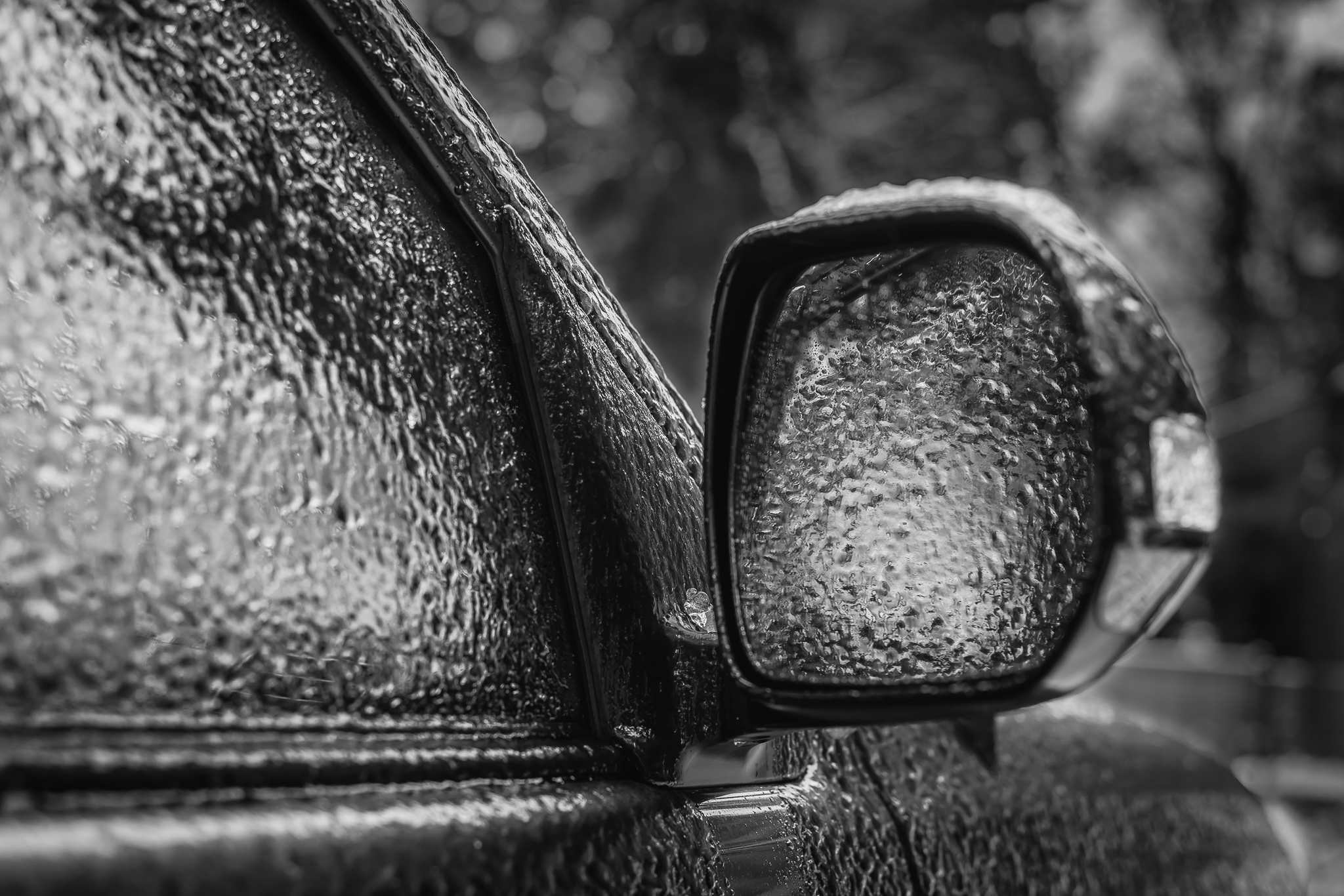
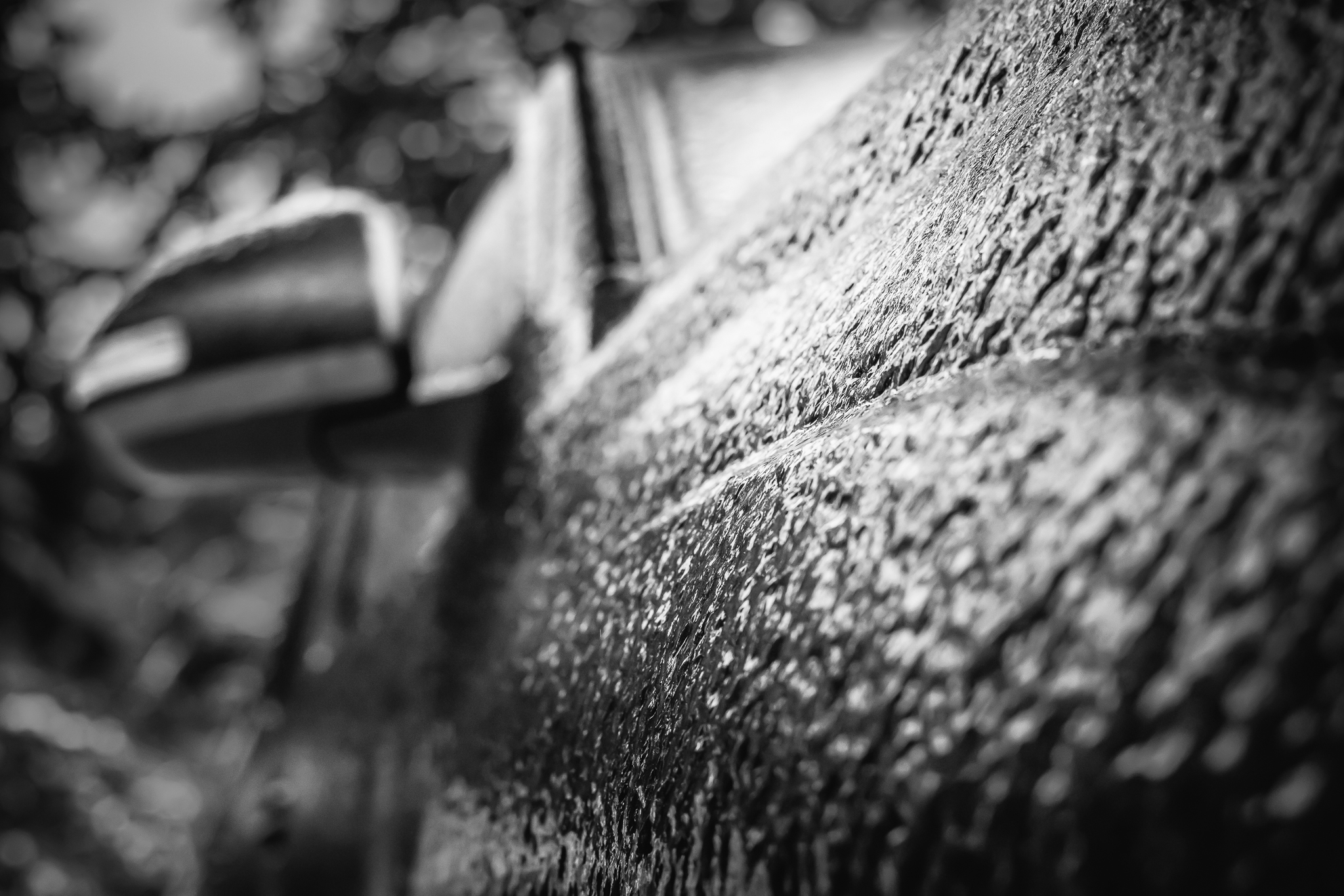
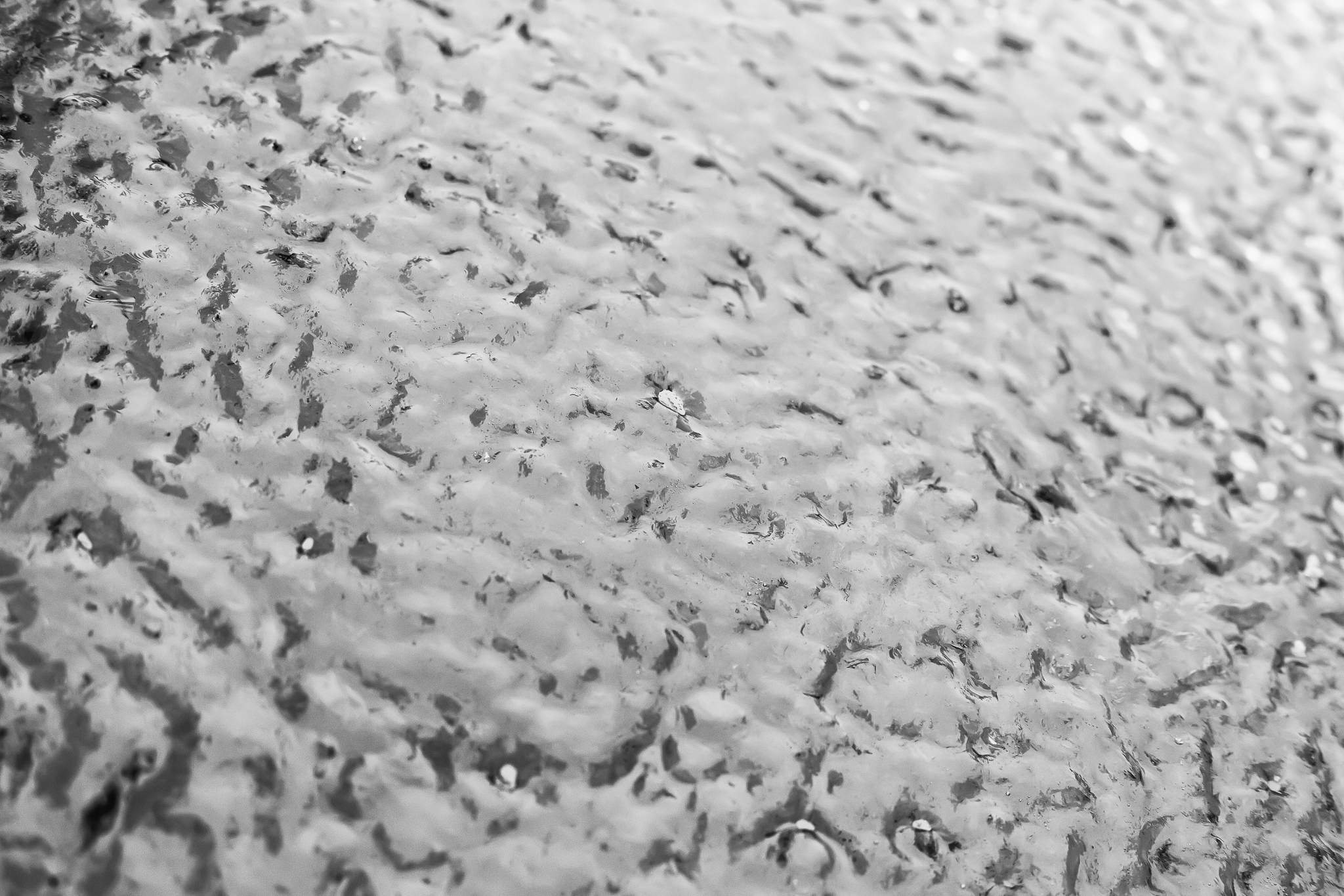
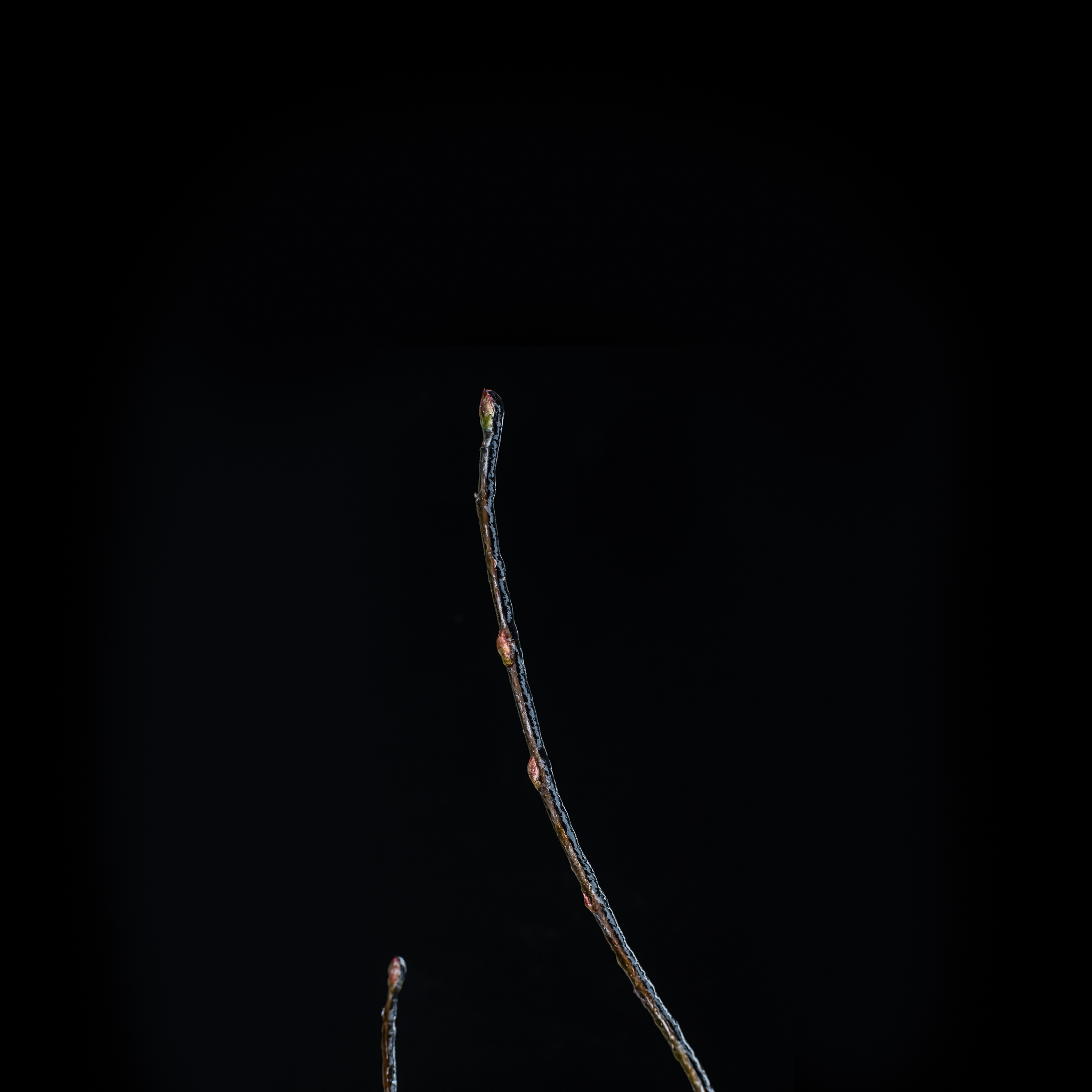
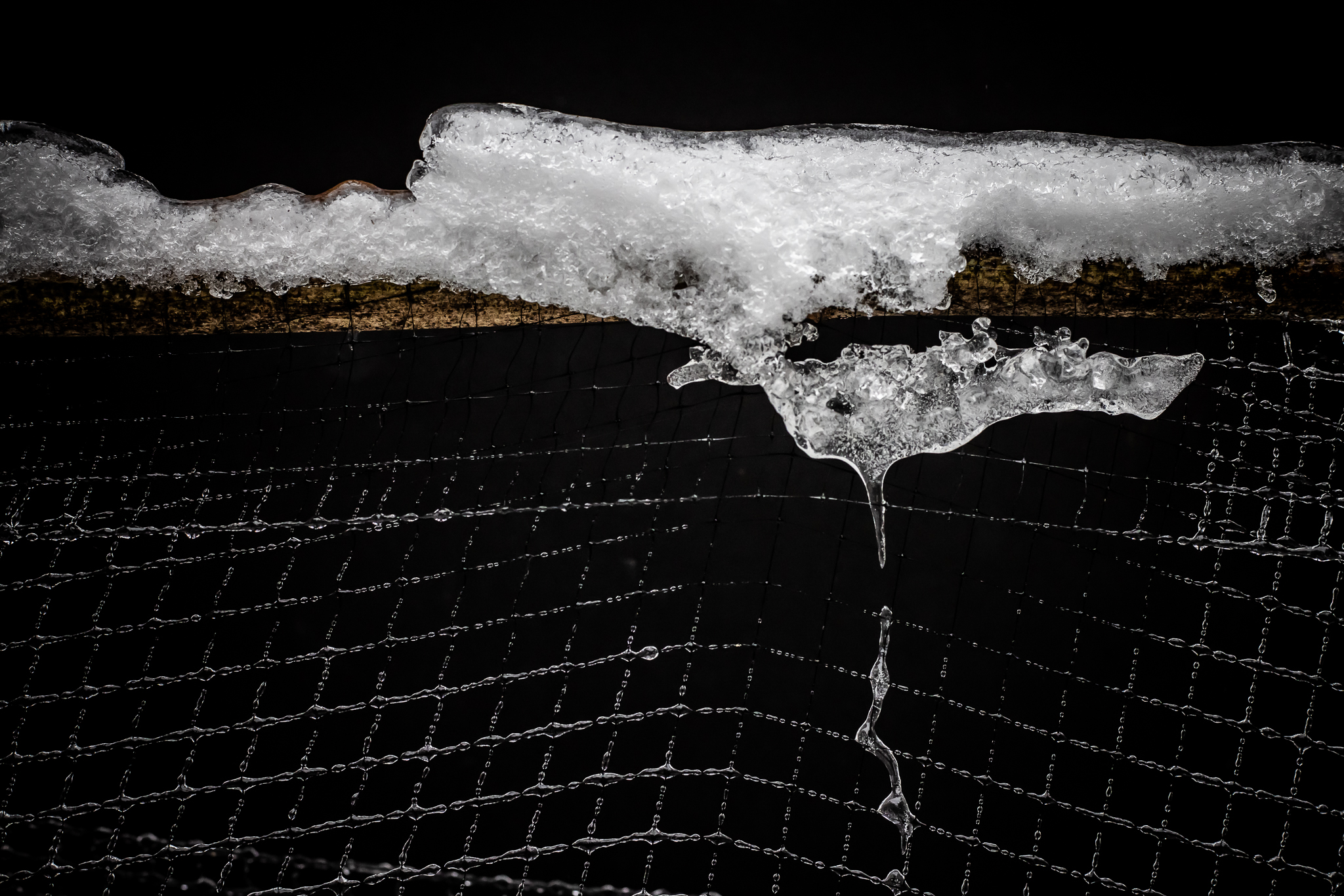
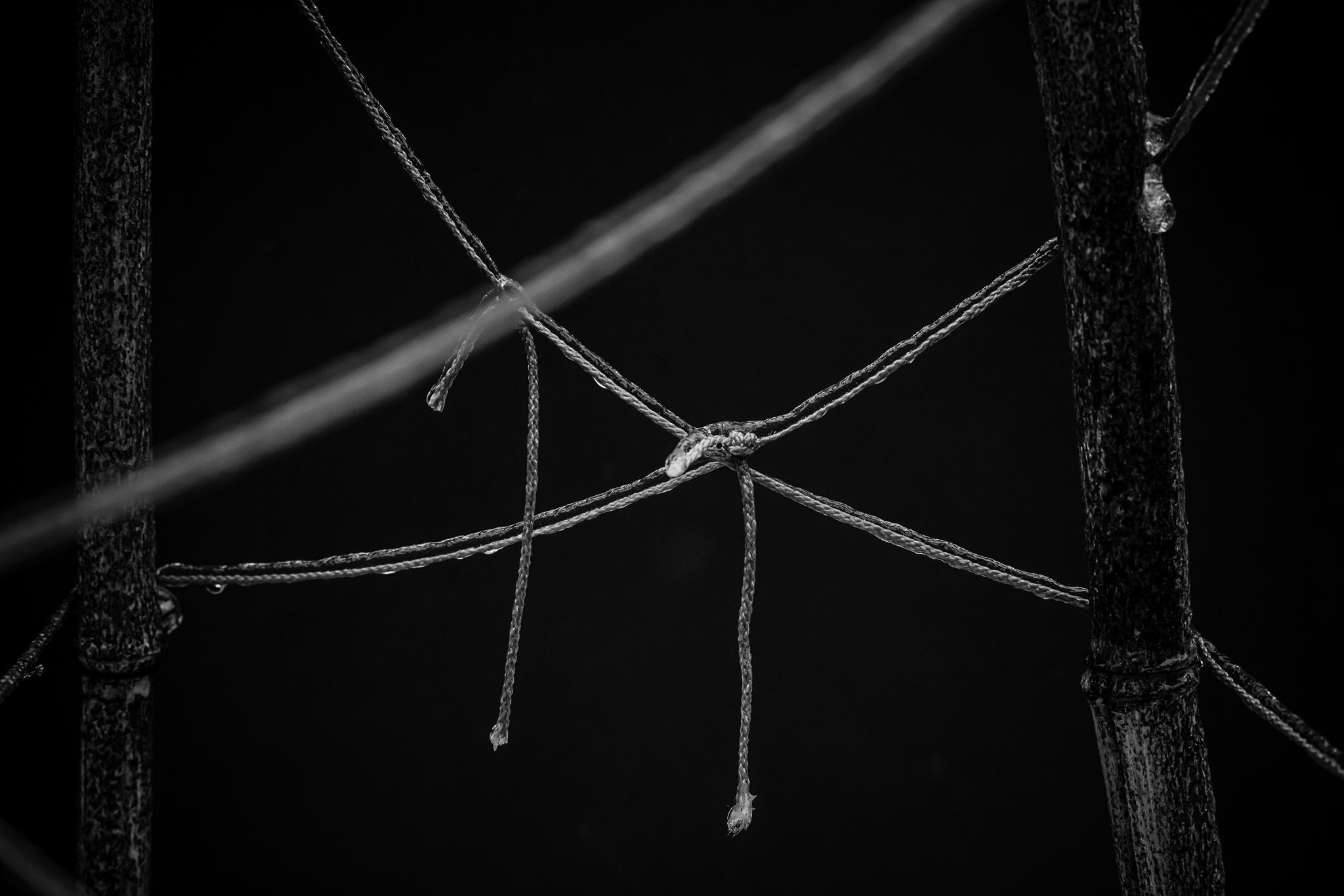
A Day For Ice

For one day in the Pacific Northwest, everything frozen.

Looking at my Tacoma was a detailed spectacle.

From the truck, I grabbed a sheet of black foam core and wandered around the garden.

Placing the black background behind the frozen elements helped isolate the subjects and make the ice pop.

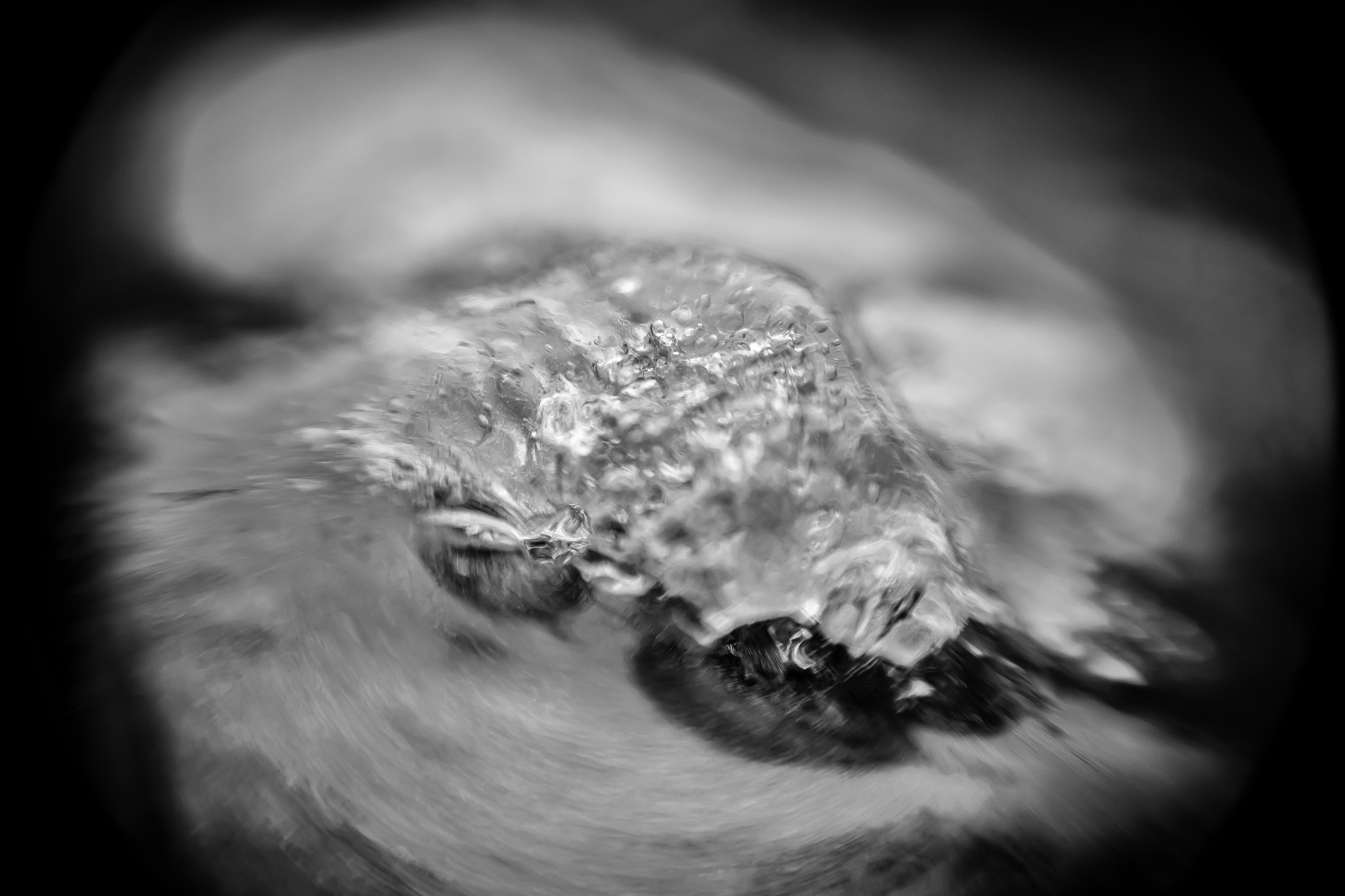
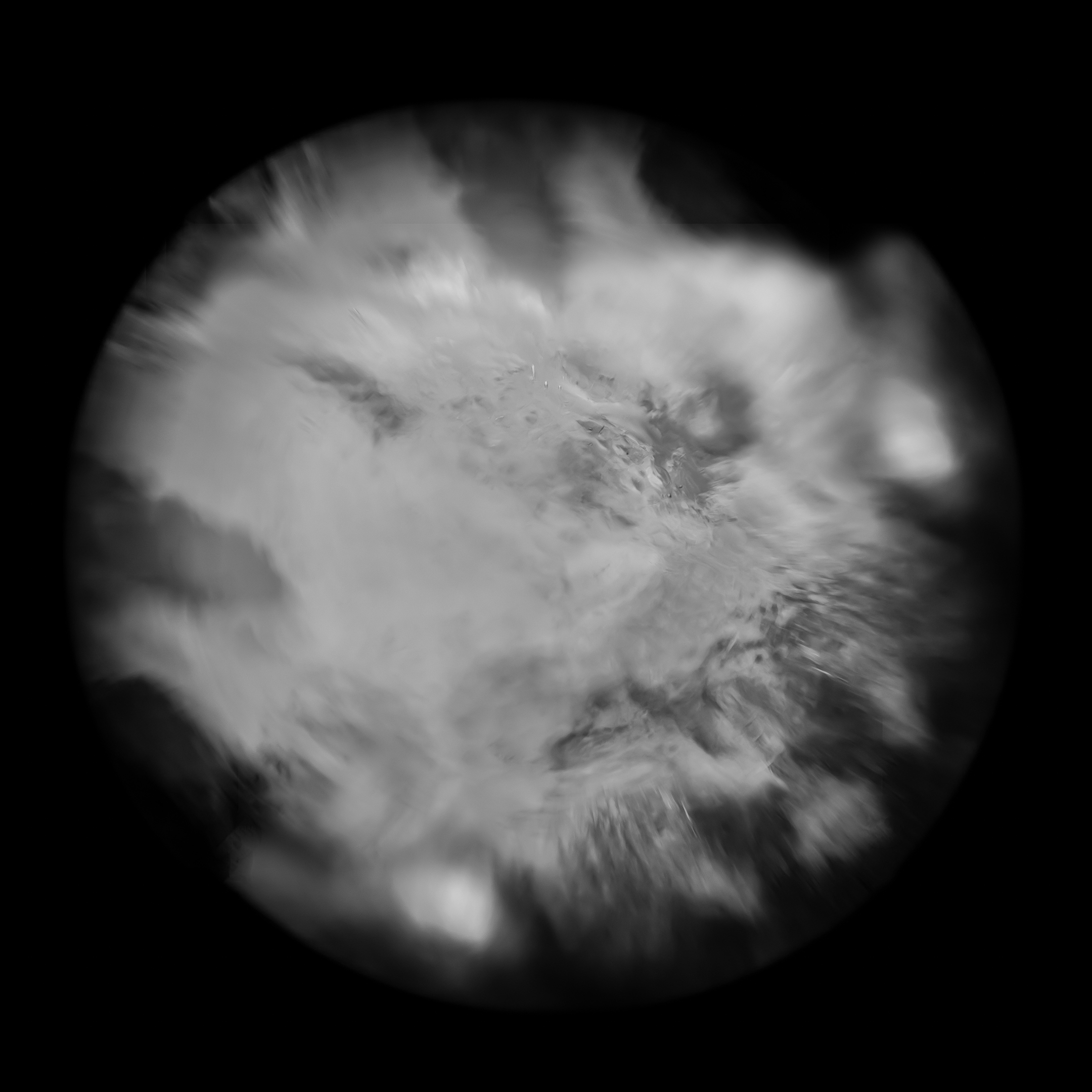
Then with an old camera, and an even older lens, I returned to the truck to photograph the macro world of ice encapsulating the Toyota Tacoma.

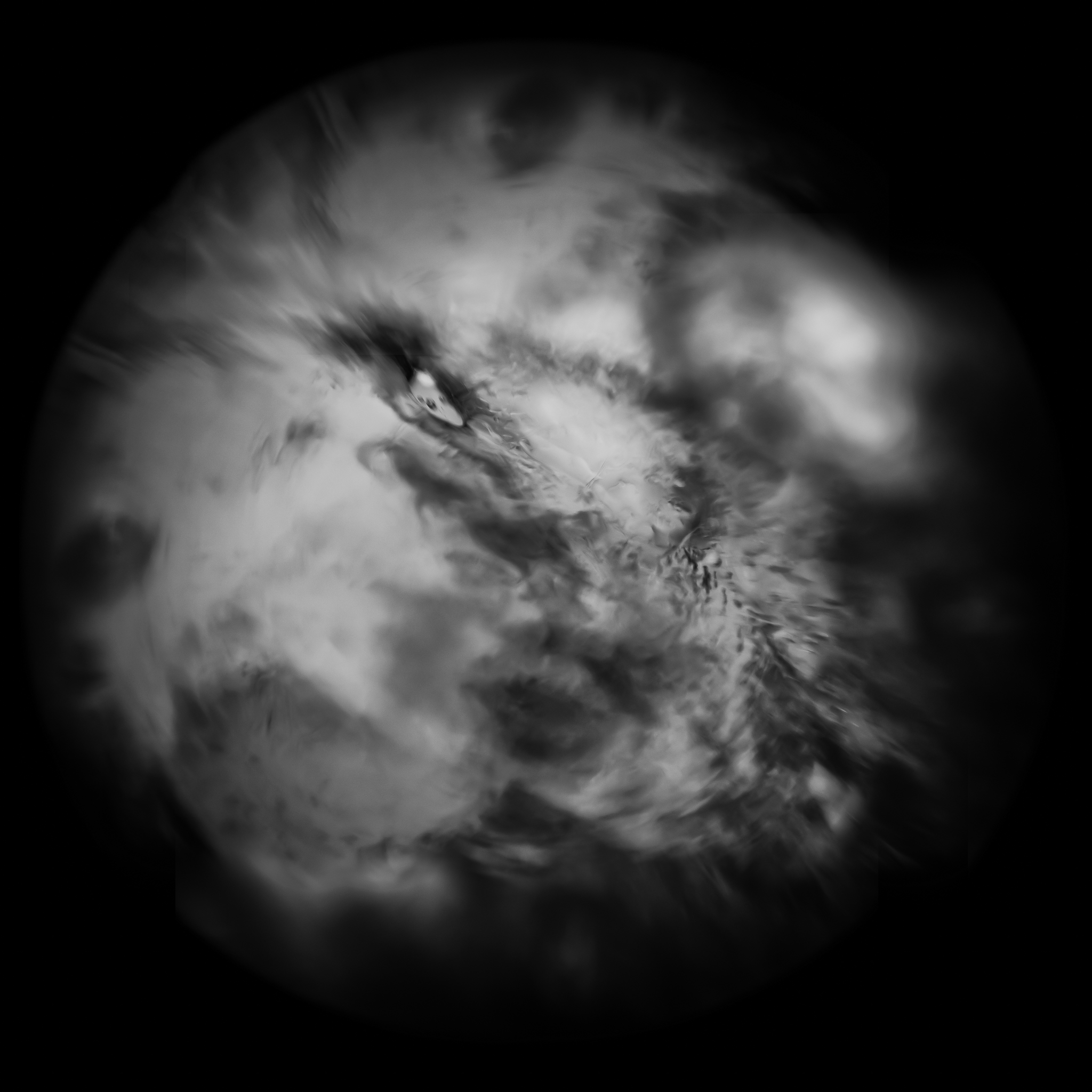
They each look like a study of ice, or a picture of a frozen planet far out in the galaxy.

The Unstoppable Grads of Seattle Colleges 2020

Seattle Colleges is a place I call home, as well as a wonderful client with enriching creative projects. Last month we visited 8 different locations to film and photograph recent graduates. Below are the finals, as well as a link to the video created by Grant, Jordan and the crew of C+C Marketing in Seattle, WA

 Watch the film – Seattle Colleges Class of 2020: Unstoppable

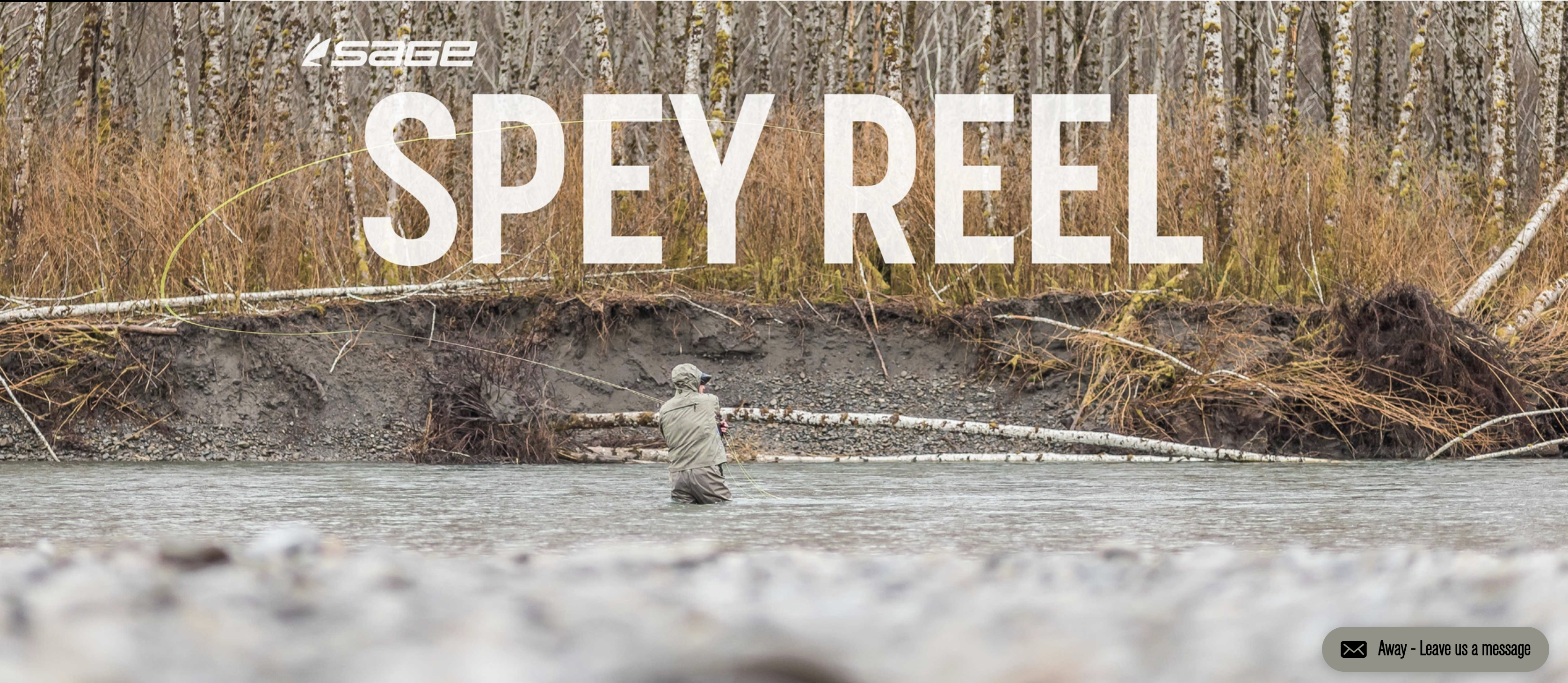
Wonderful Machine Blog: Cameron Karsten Helps Sage Fly Fish Market Itself to New Demographics

Here’s a nice little write up at Wonderful Machine’s blog. The original post can be found here.

Screen Shot 2020-05-02 at 8.57.30 PM

A leap of faith that companies take from time to time involves marketing themselves to demographics outside their main consumer base. It’s a risk, to be sure, considering the number of resources these companies need to invest in this kind of advertising push. This is what fishing rod manufacturer Sage Fly Fish, with the help of photographer Cameron Karsten, is trying to do.

Fly fishing is mostly known as a retiree’s sport, so Sage wants to break the old model and show imagery of all persons young and old, as well as shots of both seasoned anglers and novices.

Sage is a leading brand in this market, and it sells products for a wide variety of fishing locations, from freshwater streams to saltwater oceans. As a result, Cameron has done a good bit of traveling in and out of the country.

Every season, Sage utilizes their imagery for the different seasonal fishing taking place around the globe. For example, there is a heavy winter steelhead run in the Pacific Northwest, so new products are unveiled for this technique during this season.

Screen Shot 2020-05-02 at 8.56.48 PM

These images are shot months in advance and are rolled out within their appropriate season, used on everything from social media channels to print runs in select fly-fishing periodicals. Their also published on the web for online sales and made into big banners for trade-shows.

Of course, fishing takes a ton of patience, but that’s to Cameron’s benefit. The hours-long process allows him to think creatively and try new things, which helps both him and the client.

Fly fishing is a very slow methodical process, whether sighting fish, working a hole in the river, or spey casting a stretch of nice running water. As a photographer, I have a lot of time to work the angles, get the shot of the cast, and then try something unique, creative, out-of-the-box.

Screen Shot 2020-05-02 at 8.51.46 PM

During these shoots I’m a fly-on-a-rock, following the angler as he fishes various holes and ripples, chasing tailing fish on the flats, or doing the basic mechanics of tying on a fly, changing line, or releasing a fish. The goal is to capture not only the cast, but the culture and story of a fly-fishing angler.

In getting the whole picture, Cameron sometimes has to create wide shots for specific uses. His arresting panoramas perfectly capture all there is to soak in while fishing in some gorgeous places, and they’re used quite nicely by Sage.

These wide shots are meant for large banner presentations at trade-shows or on the web. The goal is to show the beauty of the location with the subject within the setting. To set these up, I place the individual within the space and allow my eye to find the perfect positioning so I can capture the perfect cast that represents Sage and the sport. I then shoot plates surrounding the subject, which creates a large banner image once stitched together in PhotoShop. The images often render 4GB or more in size.

Screen Shot 2020-05-02 at 8.57.48 PM

Another nice development within these shoots is the sense of camaraderie amongst the brands that market products aimed at the same people. Where Sage wants to sell equipment, Patagonia wants to sell merchandise, and YETI wants to sell gear. As the person who mixes everything together, Cameron can produce batches of imagery that tell a full story and help each organization.

The great thing about this culture of fly fishing is there are so many high-end companies who want to work together — brands that have similar stories in their own light but look to affiliate with one another due to their experience, quality, and value. On a lot of these fly fishing campaigns, I’ve been able to bring on different partners. Companies like Patagonia and YETI have fantastic gear for all of these environments. So, to bring on these brands is wonderful and makes the whole adventure complete with quality equipment.

Below is a link to a booklet we shot on-location in Idaho, and more work can be found at www.CameronKarsten.com.

Sage_2020_DigitalBook_TROUT LL

Over the Salal Fields And Far Away

© Cameron Karsten Photography of surfing the Washington coast, Pacific NorthwestIt was dripping; the sun shrouded by cloud, the cloud returning to damp where dew ran with rain and rain soaked into thick rivulets of sand. All these paths led to a tempest of gray salt, growling together as an always-temperamental Northwest coastline. We shouldered our loads, pack mules down scree slopes, each step sinking into the shifting earth.

The first day was different. From the golden sun reflecting off a classic green pearl, a perfect wave was ridden with friends yelping like small creatures in a wide world. Slowly, in its own time, the swell built into a fortress of play. A soft offshore breeze told ancient stories of the last days of summer, like secrets spoken only to the two of us out that morning.

© Cameron Karsten Photography of surfing the Washington coast, Pacific NorthwestWalking off the beach, skin tensing from the drying salt water, we turned and marveled at the temptation we left, but the promise of additional companions and a new adventure forced us back through the thick fern fronds and salal fields that guarded those secrets. We pulled into a freshwater bay to meet our other companions: Sam from Ocean Beach and Kris from hometown.

As we spread our gear across the gravel, we reveled in what was just had and the anticipation of what was to come—a sea of imagination. Tents and tarps; jackets and neoprene layers; stoves, filtration systems and amenities; all stuffed into bear canisters and assertively packed within the confines of four new SealLine expedition packs. Canoes and paddles, boards, wetsuits, a small wooden door, screwdriver and hardware made the trip. Finally, amenities for the sun and the cold: beer.

© Cameron Karsten Photography of surfing the Washington coast, Pacific NorthwestEach canoe weighed heavy in the soft mud as the four of us laughed, organized and inspected everything. We had the gear and a malleable plan. Now we needed waves. Under a milky afternoon, still with high, wafting clouds, we embarked waters teaming with perch, pikeminnow, coastal cutthroats and kokanee to a point of cache and then further across deeper waters into the middle of nowhere.

This was our annual expedition in search of far-away waves—often not there, often there. We scanned bays and points, searched maps and planned routes. One year the Lost Coast Range, another south to Baja. This year we wanted to stay home and discover the little-known secrets of our wild backyard.

On far western shores we moored the vessels under thick drooping cedar boughs and trekked into the shadows, dusk above us and wet bog beneath. We slipped on decaying boardwalks, falling sideways and forward as we toddled, drawn to the roar of a thundering ocean a mile away. Our boards acted like crutches under our arms and our thick waterproof packs like mattresses. As the trail rose and fell, twisting through the forest terrain and between protective eight-foot-tall salal fields, we were in a florist’s dreamland, as well as our own. Suddenly, darkness gorged upon the remaining light, birds fell still and night insects began their choir. Surf hissed as it crashed upon salty shores. Thousands upon thousands of pounds of hypertension breaking, tumbling over and over one another. The animals, the dripping canopy, the ancient muttering streams tinged brown by Fall leaves was drowned by excitement.

© Cameron Karsten Photography of surfing the Washington coast, Pacific NorthwestCamp One welcomed us with an evening storm that lulled us to sleep with the soft, synthetic patter of raindrops on nylon. As we emerged into the light of day two, all was sodden, the leaching wetness of winter – the rotting season. Nothing remained dry outside our expedition packs. And as we cooked packets of instant oatmeal, we scanned the angry horizon for signs of contour.

North was a mark on the map, a point, as well as lingering deer tame enough to comb with a pick. South was a bay with few signs of humanity and, straight west, into the heart of the Pacific was a madness of gray matter combusting without pattern, ending in a wall of white frigidity. So we checked north. We ventured south. And came to the conclusion over much deliberation, pseudo-scientific nonsense and amateur forecasting that south was the answer to our dreams. There, miles from camp we witnessed a clean, A-frame peak dashing itself upon a hardened black shoals, falling to rest after its long journey. So we tore like madmen, over silky seaweed and mounds of purple bear scat back to camp in a rush to beat a pulsing tide. Packed a little lighter, we double-time over bleached-tree graveyards, through gaping stone holes and slippery cavernous passages.

© Cameron Karsten Photography of surfing the Washington coast, Pacific NorthwestCamp Two was a sand bank, a small cove of great fortune that was ours, alone, for four days. From this vantage point, we watched the sea. Corduroy lines of swell marched like infantry. That clean A-frame was gone, replaced by a meaty little slab.

Wet in the water and wet ashore, the weather carpeted the coastline each passing day. We ate food the consistency of porridge and drank small cups of instant coffee. Shaded by the rainforest above, picking our way through fern and salal below, we scoured for any bits of dry wood we could find. At the end, we divvied the remaining food and gear between us to lighten our return. Mosses and lichen draped over any uncovered surface.

© Cameron Karsten Photography of surfing the Washington coast, Pacific NorthwestThese instances were often the most memorable, the time away from time where scrutiny of an industrial civilization weighed weight upon a ticking time bomb. Omniscient and harmonious was the mind, free to soar in solitude like the eagles above, and glide like a Pelican upon the updraft of rolling sea. We found more scat; bear, raccoon, coyote. We stepped over the skins of dogfish and collected Japanese plastics from disasters far away and seemingly long ago. Then we ended.

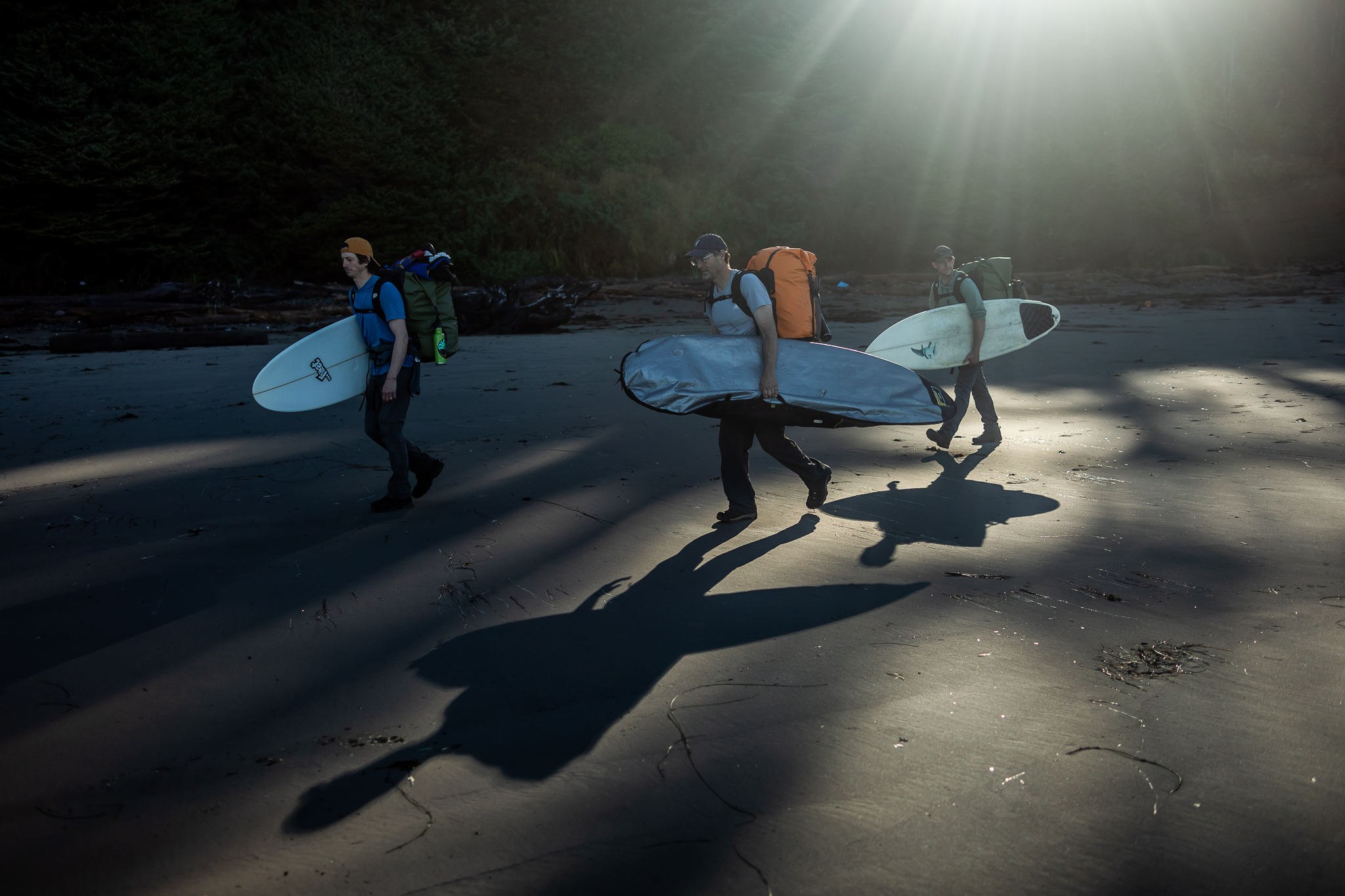
© Cameron Karsten Photography of surfing the Washington coast, Pacific NorthwestThe morning of our departure, the sun broke and alighted our long playful shadows across the sand as we slipped northward towards Camp One, back through the fern forest and salal fields to a freshwater point. We had work to do.

As we paddled towards our cache near a hollowed-out burnt cedar remnant, abandoned hundreds of years ago by the People of the Canoe, a fire blazed in a clear-cut swathe just over the park boundary lines. It filled the lake’s reflection an even deeper brown, eerily reminding us of the forgotten emptiness that now lies still on the coastal banks, watching the same shoal morph and erode with the ocean’s power.

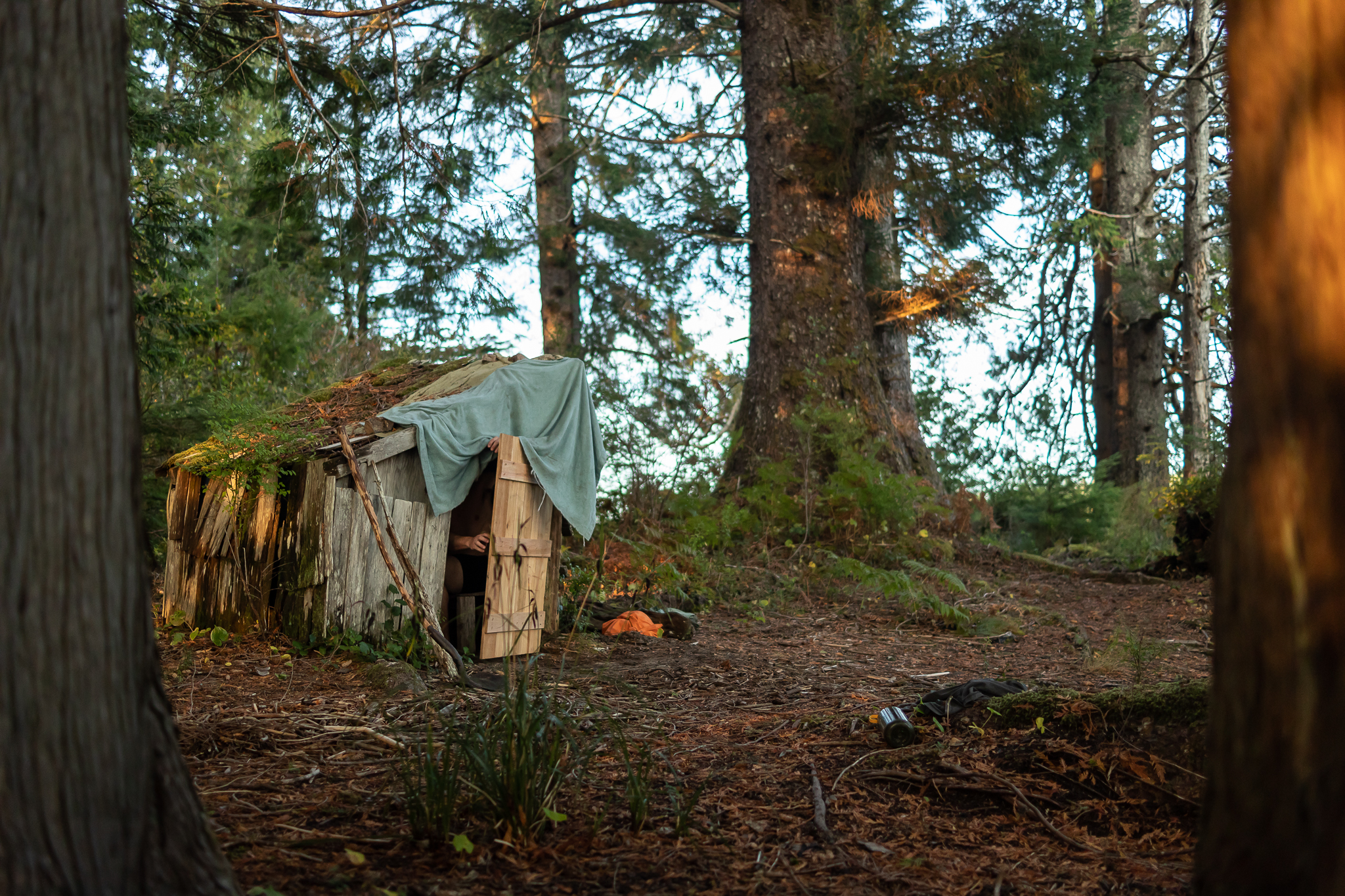
© Cameron Karsten Photography of surfing the Washington coast, Pacific NorthwestWe slid onto the sandy beach, found our stores of wood and hardware, beer and fire, and set to work. Skyler repaired the lean-to with his fashioned door. Sam built a hot fire of cedar wood and lava rock, while Kris fashioned a shovel to carry the stones from heat to shelter. Over the course of three hours we took turns bathing in the sweet sweat of a traditional sauna, removing all traces of bitter cold from our bones. And then just before dusk we set off for home, just as we had done days prior when we entered the shadows of fern and salal that guarded the undiscovered surf in the wilds of our backyard.

Stories of the World: A Q&A with Photographer Cameron Karsten

A while back, I was fortunate to be interviewed by WordPress.com’s Discover, a fantastic blog platform that I’ve been using for years. Below is a great post from last week about my work as a professional photographer and the range of projects I’ve had the opportunity to work on. Enjoy, share and spread the love!

Day7_KampalaBeads-943

Give photographer Cameron Karsten an assignment, anywhere in the world, and he’ll bring the story to life with his lens. From documenting the Vodou religion in Benin to exploring the remote Hoh Rainforest in Olympic National Park in the US, Cameron photographs people, customs, and processes, breaking down the barrier between viewer and subject in vivid scenes and stunning landscapes. We’re thrilled to chat with him about his body of work and the photography on his blog, Cameron Karsten’s Imaginarium.

You photograph a range of subjects, from oyster harvesters in Washington State’s Puget Sound to American children holding toy guns. What attracts you to a story?

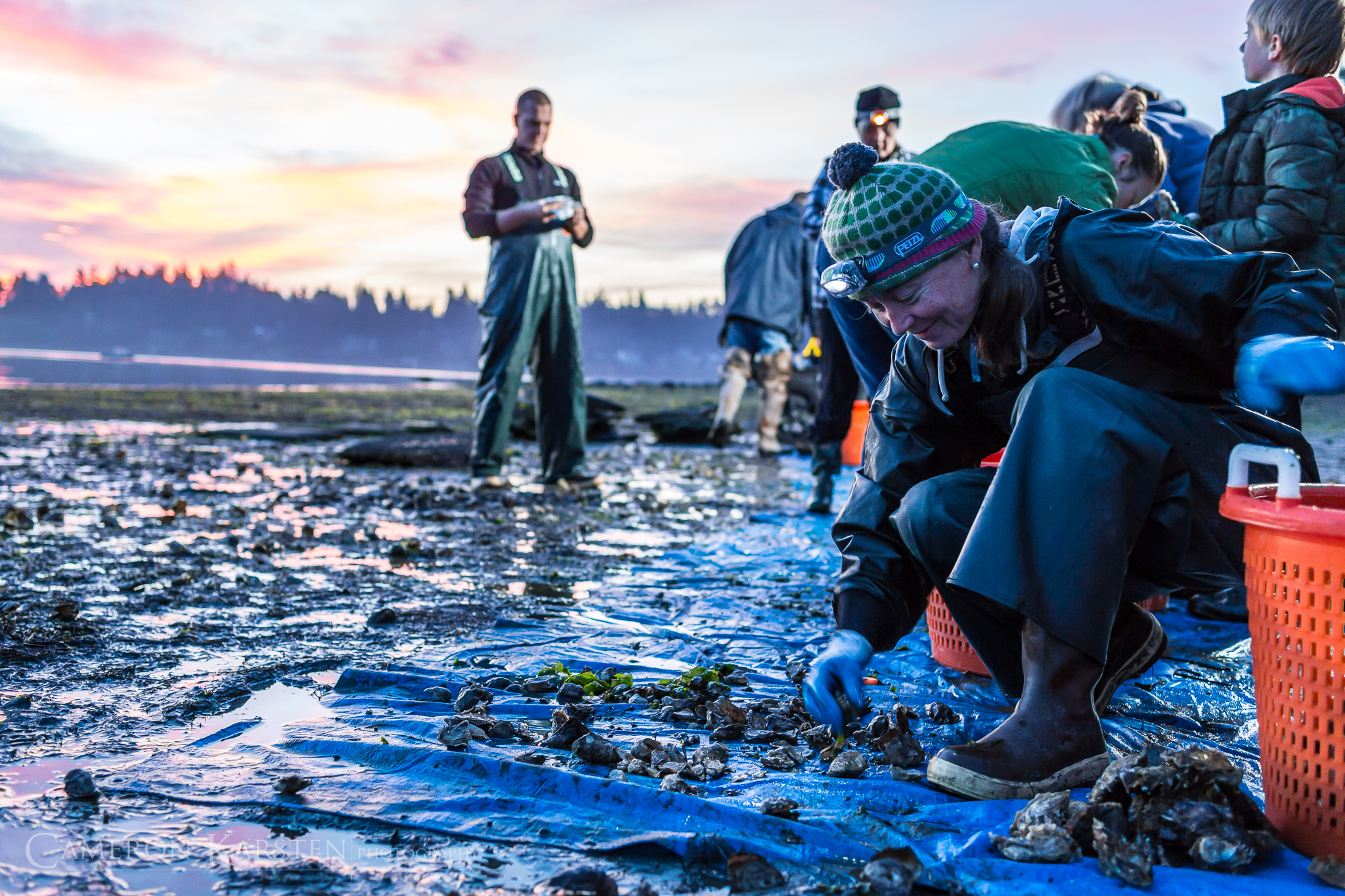
I’m attracted to people, and events that will make a significant difference in our lives. My oyster harvest photo essay is a larger project about ocean acidification, which is little known to the public and picked up by Bloomberg Business. The story will potentially endure beyond this generation and not just affect the oyster industry, but the entire seafood industry and the chemistry of every ocean. That’s huge, and the story is extremely complex involving all kinds of individuals.

PSRF2-126

The American gun culture project involves a disturbing matter: children playing with guns, bringing them into our schools, and the consequences.

Originally, these projects started with questions and a deeper curiosity I wanted to explore. Stories are ever-evolving and they take me to new places of understanding, meeting new people, and learning what is happening within our society.

For one past project, you joined All Across Africa through Rwanda, Uganda, and Burundi. Can you tell us about it? What are your goals as a photographer on a trip like this?

All Across Africa (AAA) is an organization based in San Diego that helps build women-owned cooperatives who specialize in artisanal East African crafts. These women have been affected by their country’s violent conflicts and geopolitical histories. With business training by AAA, they’re able to lift themselves out of their past to create job opportunities to send their children to school, put a roof over their heads, and empower their lives.

Day8_UgandaJinja-657

On the assignment, I traveled with the COO, Alicia Wallace. With her familiarity of each country and individual involved, I was able to photograph people who were filled with excitement, appreciation, and joy. Their energy was infectious and inspiring, and it was such a fulfilling assignment, which I think shows in my images. That was the end goal: beautiful images of the women and people involved with AAA.

You effortlessly capture warmth in your images, especially in your portraits. Can you talk about your approach to photographing people?

I look forward to photographing people when I pick up a camera. I approach a person not as a subject but as a person who has needs and wants, a history of joys and sorrows, of gains and losses.

I’ve never connected with the industry’s idea of using a camera to hide behind a lens as if to separate myself from the rest of the world.

I’ve never connected with the industry’s idea of using a camera to hide behind a lens as if to separate myself from the rest of the world. People aren’t subjects to me. Inanimate objects are what I call a subject. I first try to relate to and connect with a person by just being myself. Taking the photograph comes later.

Day5_Allada-204

Your photo essays are a rich, vivid mix of image and prose, as shown in your Vodou Footprints series. What’s your thought process when creating a photo essay for your blog? How do you know when a photo essay is complete?

With each photo essay, I hope to create a compelling story. I want to develop a sense of intrigue, curiosity, and awareness. I want consistency and development in my own work, so I’ll edit and edit again. Then I’ll add more and edit more. But I realize I am my own worst editor and have begun to work with professional editors to hone my craft and present more polished stories.

In terms of form and style, I know I can always improve a piece. But it’s complete when it feels complete. I also remind myself that less is more.

Day6_AlladaVodou-452

You’ve traveled widely, documenting different locations, cultures, and people. What has been your most challenging shoot?

I love to travel. My blog began as a travel blog, backpacking around the world as an aspiring travel writer. Storytelling with words developed into storytelling with photographs. Today, I enjoy creating photographs as much as I enjoy traveling because of the unknown within each situation. Problems arise and you have to think and act quickly to continue. That’s like any photo shoot.

One challenging project was a shoot for a foul-weather gear company in the Hoh River Rainforest on the Olympic Peninsula of Washington State, in which I joined a hunting team in search of the elusive blacktail buck. It poured for four days and three nights, with few breaks in the weather. We rose every morning at 4:30 and spent the day bushwhacking through the forest — in silence.

STORMR_Deer-404

The challenge was getting the right shots in the pouring rain, while also experiencing fatigue and hunger — as well as giving up all sense of control. But in the end, it was a fantastic experience, and my client was happy.

What’s your go-to camera at the moment? What equipment do you always take along with you on outdoor shoots?

I shoot with a Canon 5D Mark III. It’s a durable workhorse, rain or shine. And for the size of the camera, the video is superb. For shoots, I’ll bring a variety of Canon and Zeiss lenses, as well as filters, a tripod and monopod, light stands, pocket wizards, portable strobes, batteries, and more. Now that I’m shooting more motion work, the list increases with audio gear, stabilizer, and slider.

It’s one thing to put this in the back of your car — it’s quite another to bring it into the rainforest. (And it’s an entirely different beast to pack it and put it on a plane to Africa.) Good insurance is a must.

Next step is a medium format Phase One 645DF+ with an IQ back, and a Sony a7R II for video work.

As a working photographer, what have been the benefits of having a blog?

My blog is a clean and simple outlet to share new projects, new adventures, and new stories. It exposes my work to an ever-widening audience and allows me to connect with like-minded storytellers. In the digital age when blogs seem as ubiquitous as photographers, my blog was an easy setup, allowing me to publish and share new work in minutes for my family, friends, and subscribers.


Follow Cameron Karsten on WordPress.com at Cameron Karsten’s Imaginarium, his website, Facebook (Cameron Karsten Photography), Instagram (@cameronkarsten), and Twitter (@CameronKarsten).

Vodou Footprints: A Wonderful Machine Interview

Below is an excerpt from Wonderful Machine, who earlier this week posted an interview about my project within the Vodou religion. It is an effort to learn more about the Vodou Footprints project, the preparation and experiences had within this magical culture, future direction and goals, as well as help spread the news about the successful publication in GEO Magazin. Share the knowledge and enjoy!

Cameron Karsten : Vodou

Dec 1, 2015
PHOTOGRAPHER NEWS

Largely misunderstood in Western culture, Vodou has often been depicted as an evil or sinister type of black magic, with the all too familiar dolls and accompanying pins and needles created to punish or torture your enemies. For photographer Cameron Karsten, who views exploring a new culture, place, or people as a continuous source of inspiration, he admittedly felt that he too hugely misunderstood this ancient religion. It wasn’t till extensive research and a one way ticket to West Africa that he began to have a clearer picture and deeper appreciation for this ancient religion. What transpired was a multimedia project spanning across two countries Benin in West Africa and Haiti uncovering the untold stories on the origins and evolution of Vodou. Read more of the Q&A with Cameron below!

The West Africa Project - Origins of Vodou, Ouidah Priest consultation

Zanzan the Witchdoctor of Ouidah pours a shot of venomous snake-infused gin. Take the shot, repeat, “Danji, Danji!” and you’ll be protected from your enemies.

How does this project fit into your photographic style? Were there any new approaches you took to capture it?

Having spent a ton of time out of the country around the world—traveling, writing and photographing—this project was a natural progression in the development of my career. The combination of both still and motion, along with audio components and writing, fit my skill set well. What I added to the stylistic approach is the option of lighting the individuals in an editorial style with strobes and modifiers. In the end, it’s a lot of gear, but with the amount of time I spent in-country and the amount of research, it was worthwhile and allowed for a unique form of storytelling.

Day10_11_Lome-162-Edit

A boy vendor sells a dried gorilla foot at the Akodessewa Market in Lome, Togo.

Were there any challenges involved with this project? If so, how did you overcome them? 

The challenges were plentiful, though rewarding. Securing attendance into specific rare ceremonies and the related logistics around the timing of these events or celebrations was understandably tough. Additionally, West African Vodou is entirely different from Haitian Vodou. Although the religion traveled westward to the New World with the slave trade route, the metamorphosis was great, and this is exactly why it survived the brutality of slavery and the successive dictatorships that crippled the people. Keeping track of these differences, as well as making and maintaining key contacts across two opposing continents, required the creation of a new volume of research and planning to fully understand each real and true Vodou ceremony.

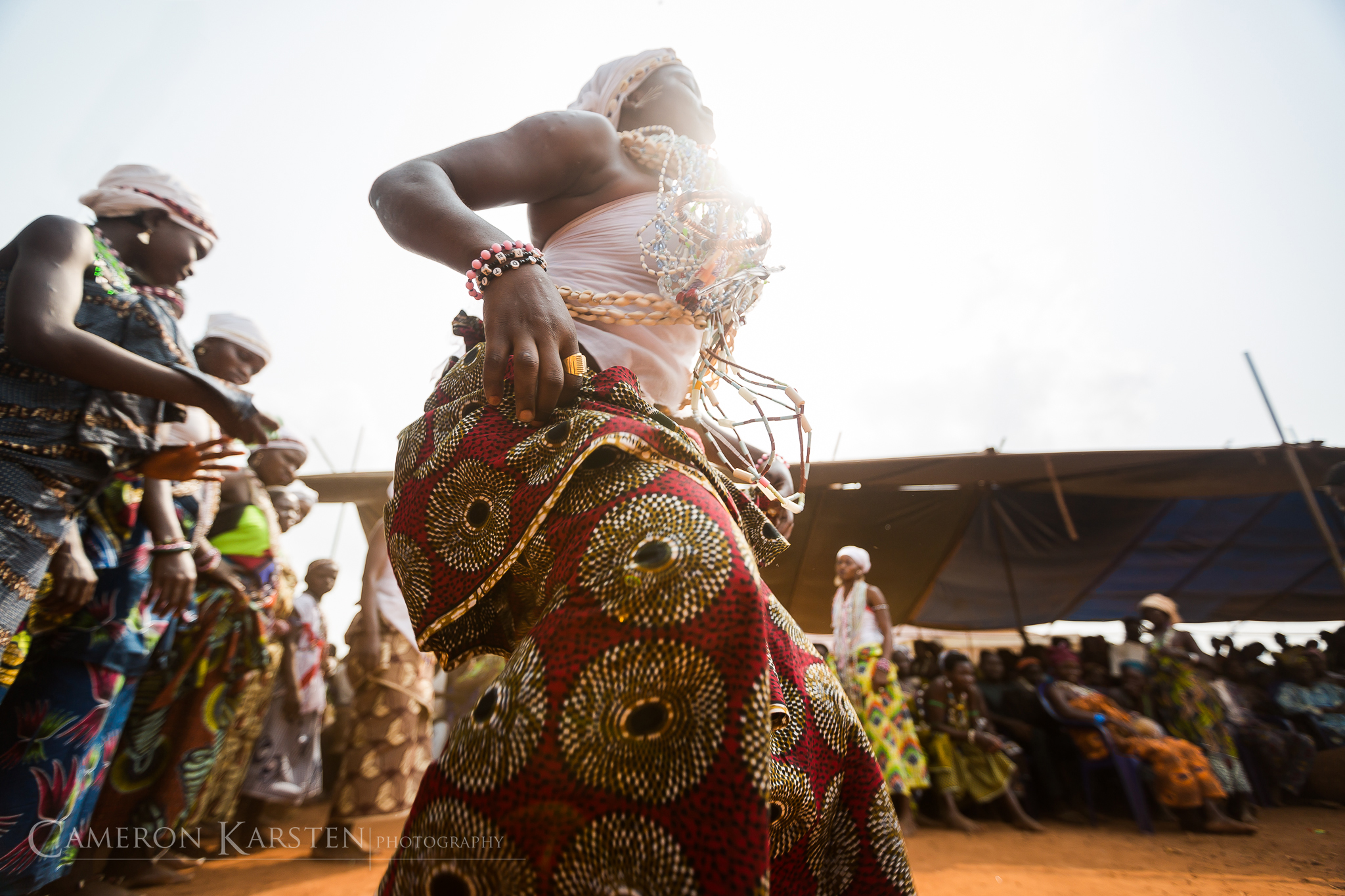
The West Africa Project - Origins of Vodou, Visiting the Kingdom of Allada in central Benin during Allada's Vodou FestivalDjagli spirits, known to chase witches from villages, rest after a performance in Allada during the National Vodou Day in Benin, West Africa.

What was involved in planning/preproduction? 

Before leaving home, I read and researched like mad. From books to blogs and personal tourist memoirs to anthropological university studies, I devoured as much as possible. Likewise, I reached out to locals via social media and email, asking for advice and on-the-ground knowledge. Finally, I organized, packed and carefully deliberated over gear—performing that rigorous judicial act of every seasoned traveler: what to bring.

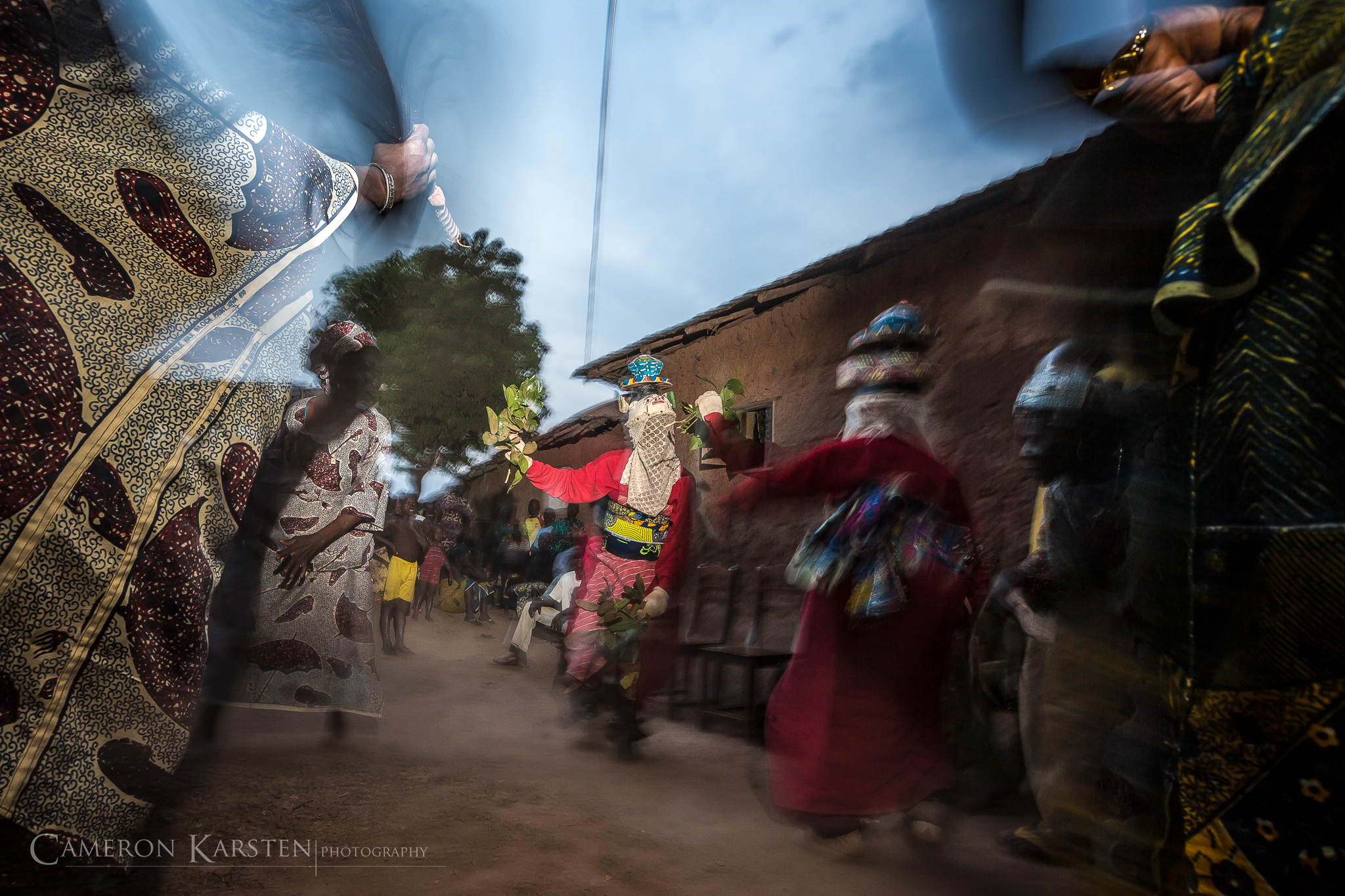
The West Africa Project - Origins of Vodou, Ketou Guelede dancing mask ceremoniesKetou Guelede dancing mask ceremonies last all night, from sunset to sunrise. The costumes are rare these days, made by artisans from the Yoruba tribes of Nigeria.

What has the reaction to the images been so far? 

Reactions to the work from West Africa, specifically Benin and Togo, from the first trip have been phenomenal. The still and motion work, combined with the essays, have offered people exposure to a culture that has never before been documented with such visual impact and cultural appreciation. With the subsequent chapter in Haiti, the response has been likewise, as the images have carried a little more darkness and mystery behind Vodou’s changes from its place of origin across the waters in Africa. GEO Magazin picked up the West African piece, utilizing both stills and motion for their publication. National Geographic continues to show interest, encouraging the project to develop and progress.

The Vodou Trail in Haiti exploring the ceremonies and rituals of Haitian VodouVodouisants pray in congregation at Montagne Noire outside Port-au-Prince, Haiti.

Any future plans for this project? 

The Vodou Footprints project has only just begun. In 2016, I will return to Haiti in July/August and October/November in order to complete that chapter before moving north in 2017 to document Vodou throughout the American south. After this, I intend to trace the historical spread of Vodou across the Caribbean, Central and South America, as well as east from West Africa into the surrounding countries as far as Zanzibar. The final goal for this long-term multimedia project is a complete visual encyclopedia of modern day Vodou, from where it originated in the cradle of Vodou to its evolution through the wake of the European slave trade. This will include a volume of books, traveling exhibitions, presentations and a documentary film.

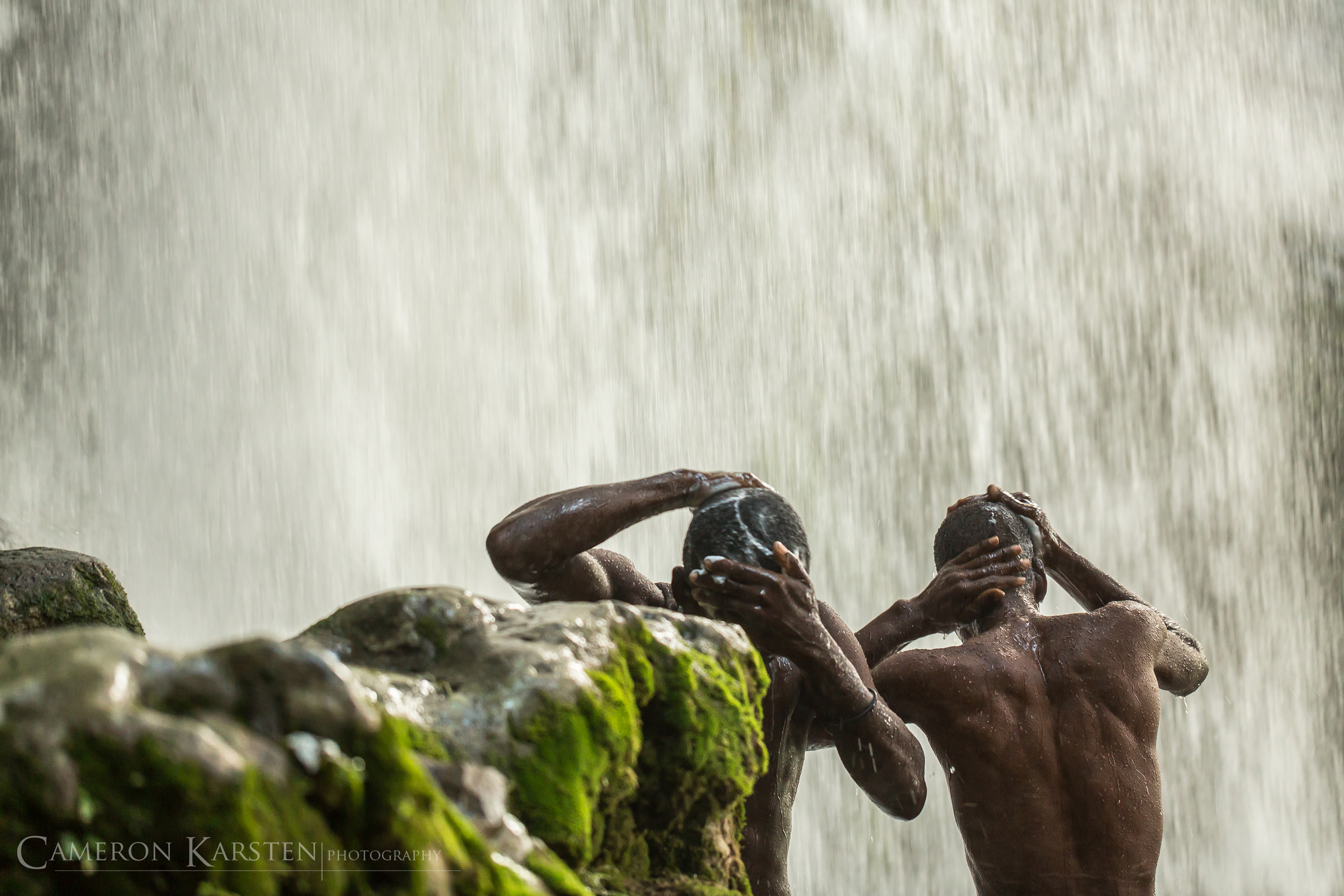
The Vodou Trail in Haiti exploring the ceremonies and rituals of Haitian Vodou

Two pilgrims bathe in the sacred falls of Saut d’Eau

Did you learn anything through the creation of this series?

As with every foreign culture, it’s offered me glimpses into the complexity yet simplicity of our world. Vodou’s sole purpose is to celebrate life and death while providing all participants access to every human right: health, happiness and prosperity. It is a beautiful, mysterious and unique tradition, which has nothing to do with a doll or pins and needles. And of course, the more I develop this project, the more I myself develop—both as a growing presence in this ever-changing technological industry and as a critical practitioner of compelling storytelling.

View the video Cameron created below :


logo_blackTrajan

To see more of Cameron’s work visit cameronkarsten.com

Washington State’s Alpine Lakes Wilderness (Cascade Mountains)

AlpineLakes-6

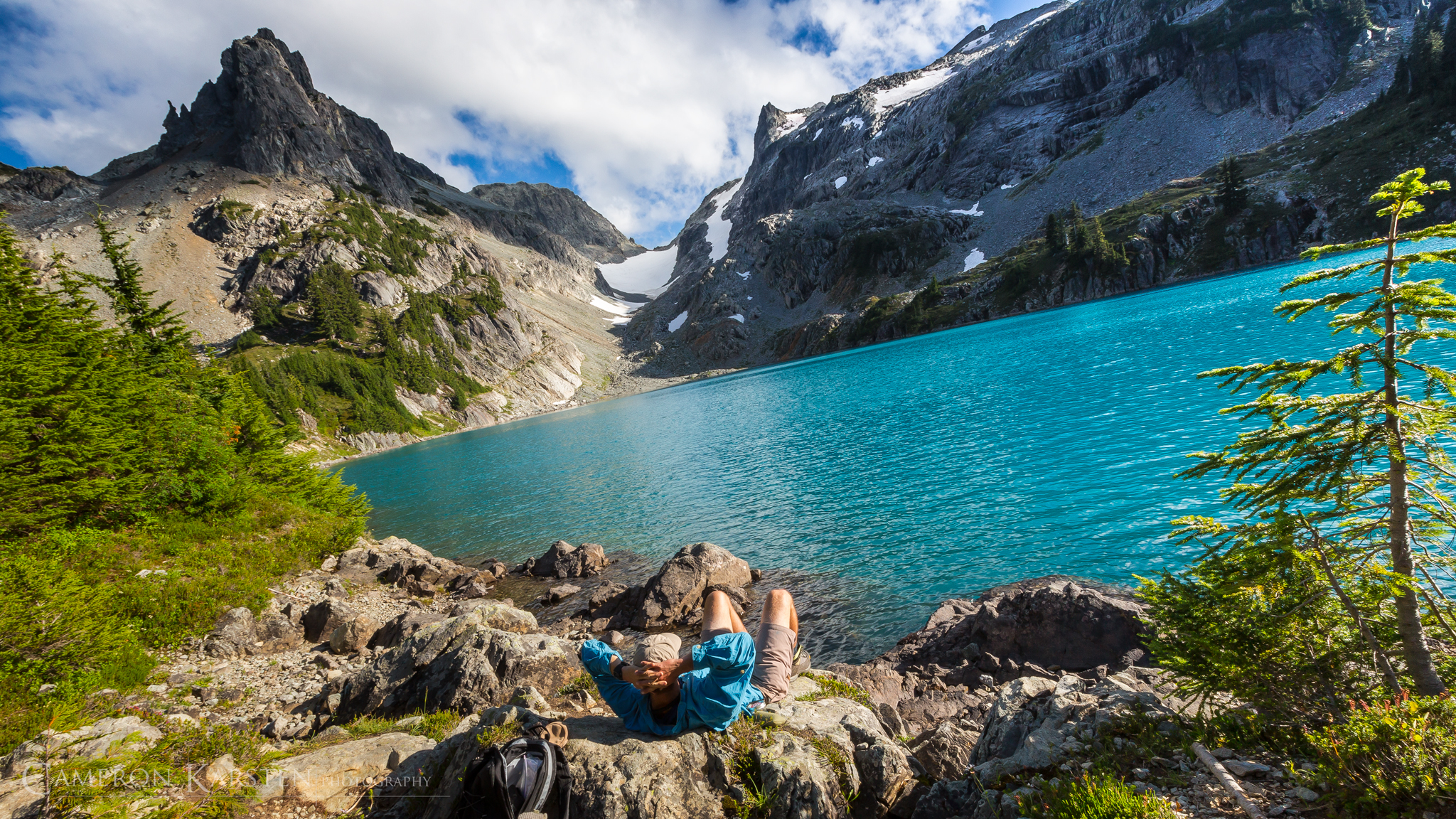
A short week of city work and then we were out.  It was 6pm and we were stocking up, eating, forgetting things, stocking up again, getting licenses, and then heading east up and over Interstate 90.  Seattle – Snoqualimie Pass – Roslyn – Salmon La Sac.  It was dark by the time we reached the trailhead, about 11PM, and we were beat from the seemingly endless dirt road that only became visible through the truck’s headlights.  Everything else was black as the sky above.  We took swigs of whiskey, unrolled our pads and bags, and slept like babies under the canvas’ cover.

From Deception Pass trailhead, we enjoyed the wide path to Hyass Lake, before a slowly inclining climb got us sweating.  Simon and I were conditioned.  It had been too long since we were on the trail, so our mind’s excitement took up the body’s slack.  In less then three hours we reached the pass, an uneventful merging with the Pacific Crest Trail.

We had no plans except a start date and the last day we needed to be back down heading home.  We pulled out the topo maps and traced lines with our fingers.

AlpineLakes-12

AlpineLakes-13

AlpineLakes-66

AlpineLakes-74

Our pace didn’t slow, it quickened with ease.  We couldn’t contain the thrill of being out, winding north from Snoqualimie Pass in Washington State’s Cascade Mountains to Steven’s Pass.  The area we were exploring was the Alpine Lakes Wilderness Area, a land nestled between I-90 and Hwy 2 with enough lakes to last you 10 lifetimes.  And at high altitudes, many cresting above the timber line, they were quiet, and well stocked.  Fly-rods: check.

AlpineLakes-83

AlpineLakes-97

AlpineLakes-198

AlpineLakes-236

AlpineLakes-457

In less then 5.5 hrs from the trailhead, up to Deception Pass and north along the PCT we reached our first night’s destination: Deception Lakes.  And they were exquisite.  Two glistening bodies of water with long shallow shores that dropped into deep emerald hues.  The fish were going crazy.  Set up camp, pull shoes, rig the rods and throw some line.  But there was one problem.  These rainbow, brook and cutthroat trout were tiny, skipping across the water as they emerged for a vast array of insect life the size of gnats buzzing around your wine.  We had nothing, they had everything.  Hooking one small brook did not afford us the glamorous backpacking dinner we hoped, but the excitement to be here and how far exceeded expectations.

AlpineLakes-124

AlpineLakes-140

AlpineLakes-380

AlpineLakes-399

The next day we rose and kept camp at Deception.  With light packs, food, water and fly gear, we headed up to Mt. Surprise for a summit before dropping down further north to Glacier and Surprise Lakes.  More fish, more action, but the same small size.  But what made the day was the Saturday morning spent atop Mt. Surprise.  With a thick rolling cloud cover the temperature of a warm bath and nobody within eyesight or earshot, Simon and I sat, played a deck or two and sipped our libations.  Nowhere else was more accommodating before dropping down through Piper Pass onto Glacier and Surprise Lakes.

AlpineLakes-247

AlpineLakes-264

AlpineLakes-271

AlpineLakes-308

AlpineLakes-328

To return to camp that evening, we continued along a loop, rejoining the PCT south to Deception Lakes, trying to never walk the same path twice.

With sunrise, oats, and full water jugs, we packed camp and headed west down to Deception Creek, a small tight valley that originated at the base of Mt Daniels.  Simon and I hiked south toward Deception Pass, taking a new less-traveled trail that brought us through a rich land of moss and wild mountain blueberries.  The trail was minimal and our eyes were awake for lingering bears.

AlpineLakes-484

AlpineLakes-490

AlpineLakes-501

AlpineLakes-510

AlpineLakes-491

By noon we were back at Deception Pass, before turning west along Marmot Trail to Marmot Lake.  And beyond that, a Shangri La called Jade.  It was a long afternoon hike as we took side routes for smaller excursions to ampitheatres of rock and screen.  The views were vast, as if we could reach out to the trails we were on just days prior.  Shortly before the late afternoon, the thick blue waters of Marmot met us, but it was the Jade that took our breath away.

AlpineLakes-522

AlpineLakes-553

AlpineLakes-564

AlpineLakes-569

Jade Lake was an additional mile above Marmot, a steep perilous hike under darkness, but just manageable with light packs and three days of hiking under our feet and within our knees.  Jade Lake with it’s hushing sounds of wind screaming through the pass just south, was all to ourselves and the large trolling trout that could be seen beneath the surface, careless about our imitation flies.

AlpineLakes2-9

AlpineLakes2-48

AlpineLakes2-59

One more night, one more morning before the trail descended beneath our boots back to Salmon La Sac (after a morning fish of course).  Beers and billiards at The Brick in Roslyn washed down the 4 day/3 night dream to mere memories.  Next summer will be just as beautiful.

AlpineLakes2-69

AlpineLakes2-80

SOG Knives: What Not To Do/Drunken Beach Party

SOGknivesBeachParty

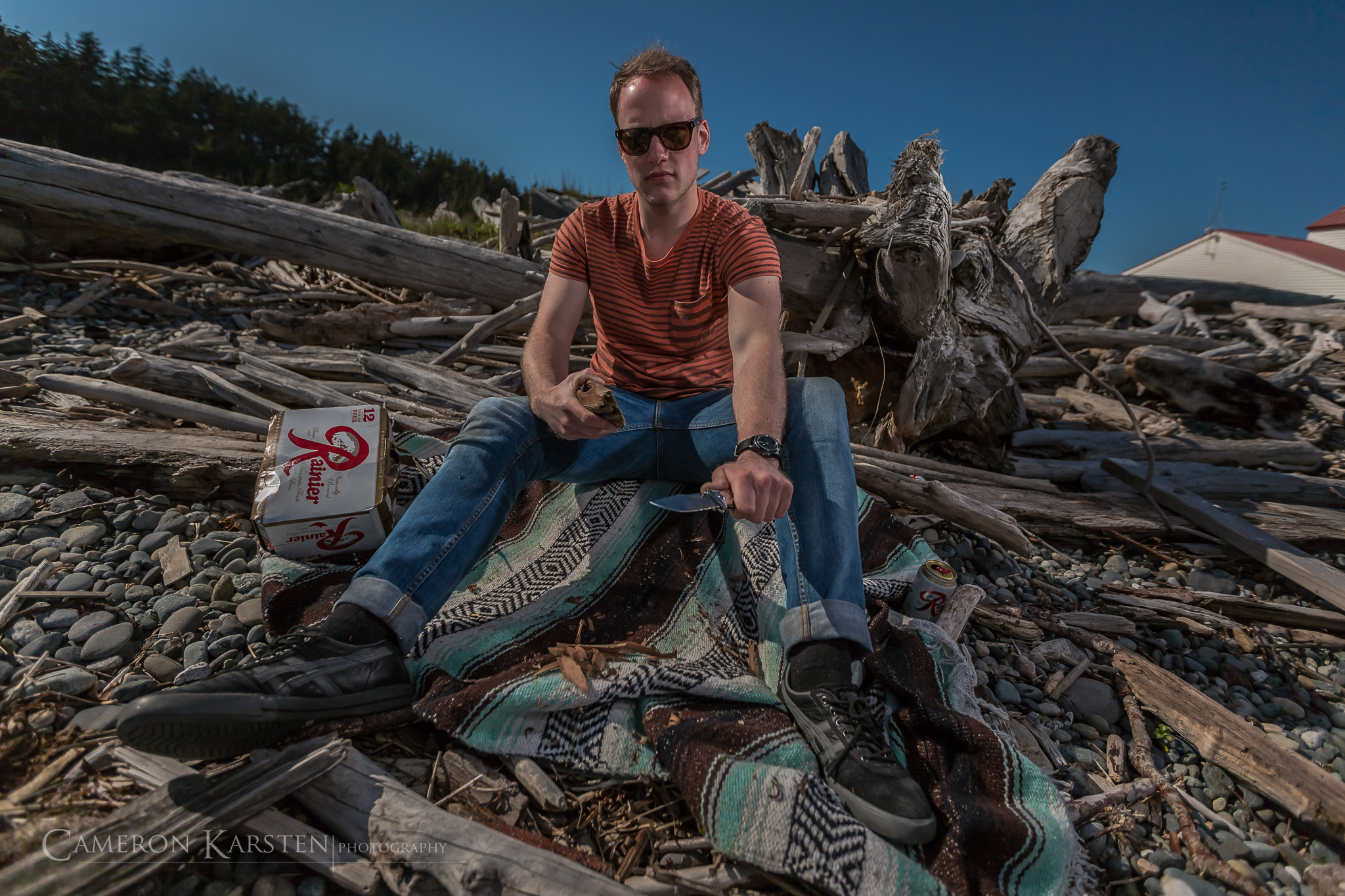
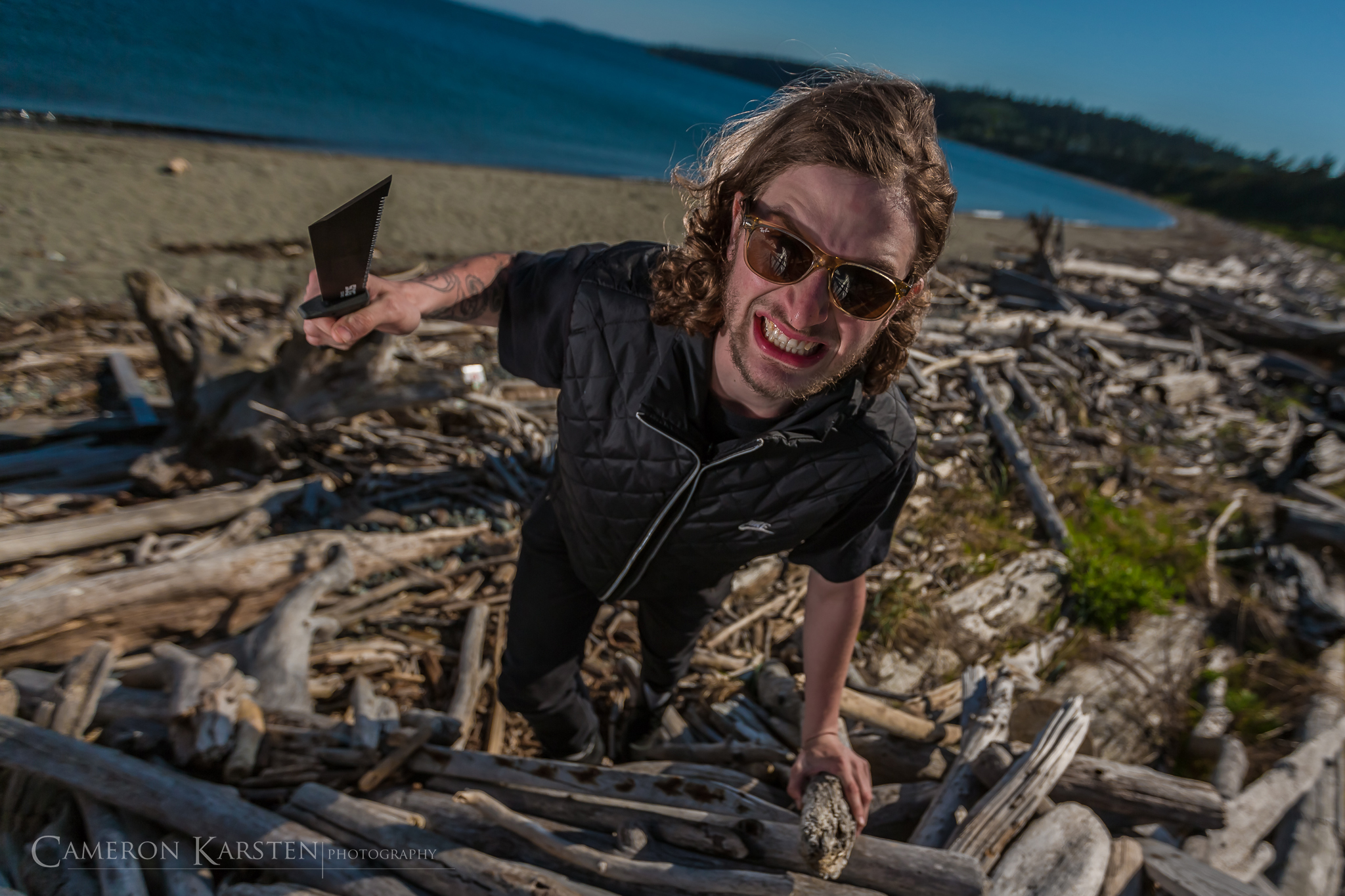
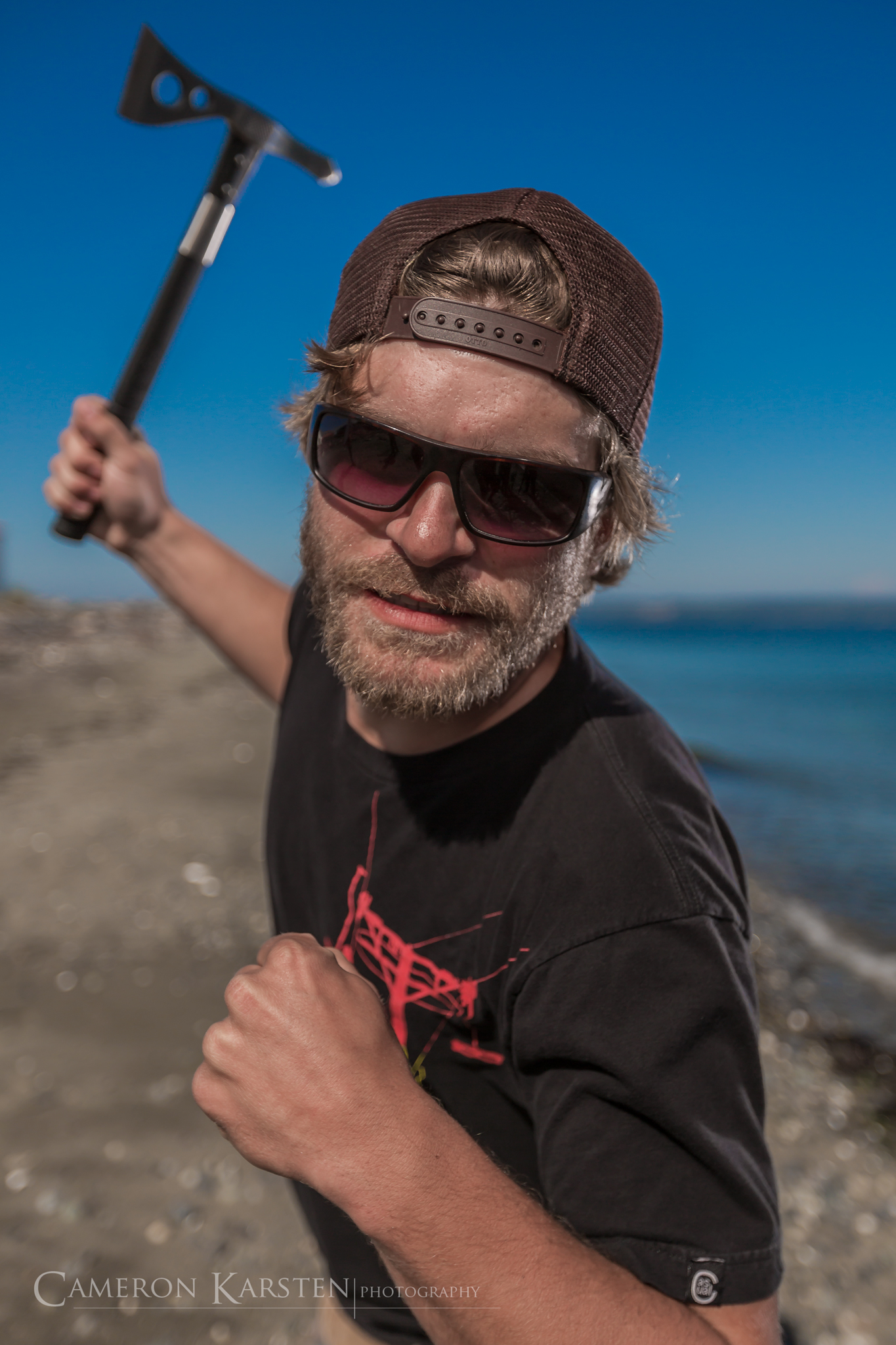
Unveiling the faux SOG Knives Beach Party Campaign.  I had a blast with this shoot, from vision to pre-production to execution outdoors and the very fine details in-studio.  Then there was post-production.  Here you have the SOG Fielder knife, the SOG Machete and two SOG Tomahawk throwing axes (one chrome, one black) – and the characters that like to use them.

SOGFielderKnife

SOGportraits-Fielder

SOGportraits-Machete

SOGMachete

SOGportraits-tomahawk2

SOGportraits-tomahawk1

SOGTomahawkThrowingAxes

Visit www.CameronKarsten.com for more

Cameron Karsten Photography