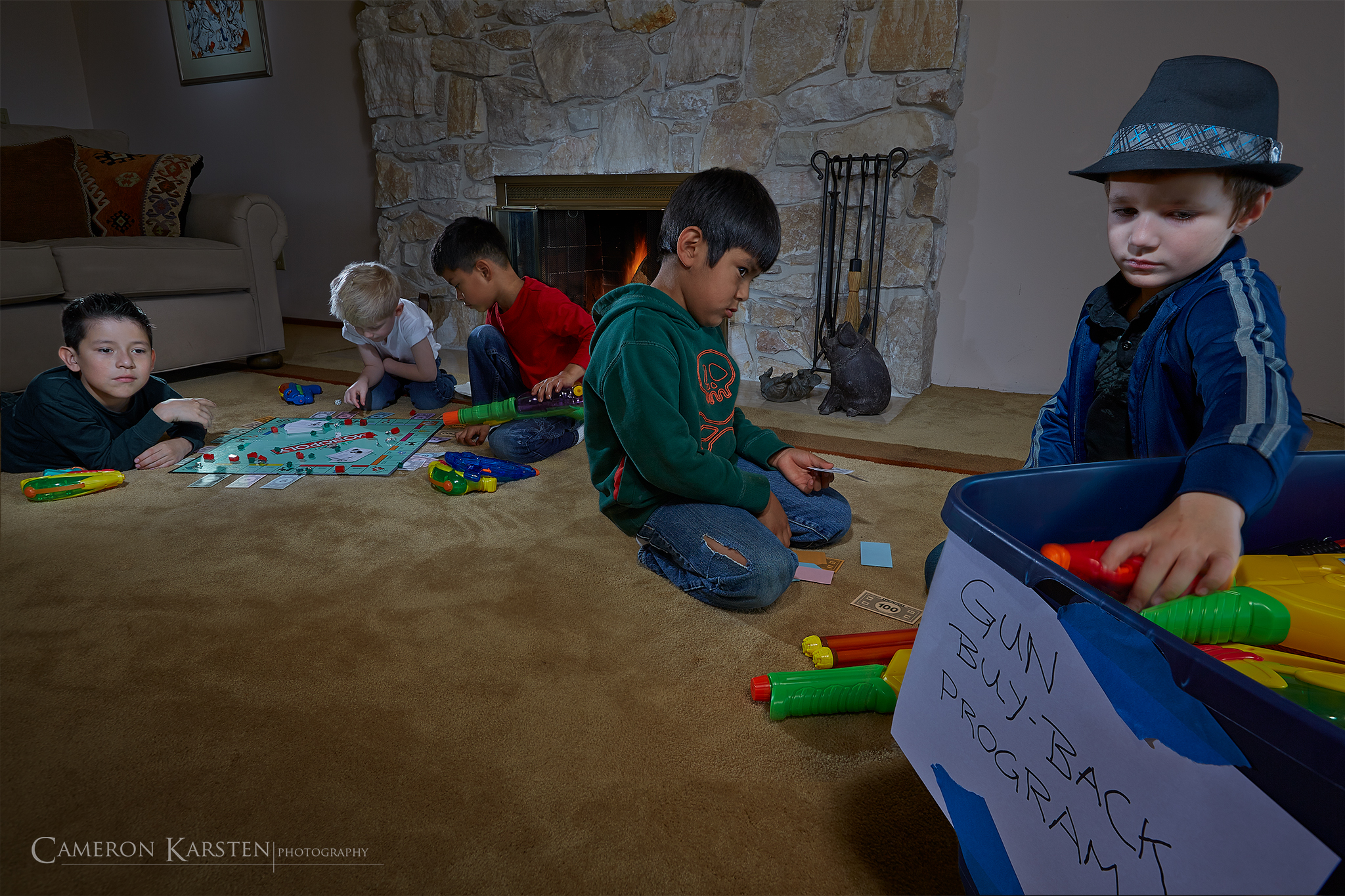
Vodou Footprints: A Faraway Land in Benin’s Cradle of Vodou

Day6_AlladaVodou-452

Geography, for many Americans, is that daunting and embarrassing mystery—a dim knowledge largely confined to wartime allies, historical enemies, and the occasional topical hotspot. Beyond this so-called important handful—Western Europe, the Middle East, possibly China or Japan—everything else is clumped together into a world of unknowns.

When I told acquaintances of my impending trip, the average response was somewhere between hesitance and puzzlement. Like a jargoning doctor to the common patient, my words didn’t ring many bells.

Well, perhaps Benin is a faraway land.

Day3_Ganvie-356

Admittedly, I too couldn’t place Benin in its exact location prior. West Africa, I’d say evasively, somehow hopeful that several nations would willingly surrender their unique identities to their greater region. Technically, I wasn’t wrong. But not surprisingly, I soon discovered that Benin deserved far more respect and scrutiny than I had originally expected. Take a closer look and you’ll begin to unravel a majestic tangle of complexity and misconception.

Benin borders Nigeria’s western edge, touches Togo’s eastern boundary, and supports Niger and Burkina Faso above. It is one of those tiny West African countries that stretch north to south. Sneeze and you’ll miss it. In fact, picture Africa’s western shoreline as a nose. Benin sits just beyond where the mouth and the nose would meet—at the nostrils, if you will—a sliver of land anchored by the fabled Bight of Benin.

And then there’s magic. In the West, the word conjures up David Blaine, television’s greatest living magician. A levitating, fire-breathing, death-defying illusionist. A beloved celebrity of record-setting endurance. A talent, no doubt. From the Beninese perspective, however, he is not a man of magic. Call him master of deception. Magic in Benin is a way of life.

Day1_Ouidah-112

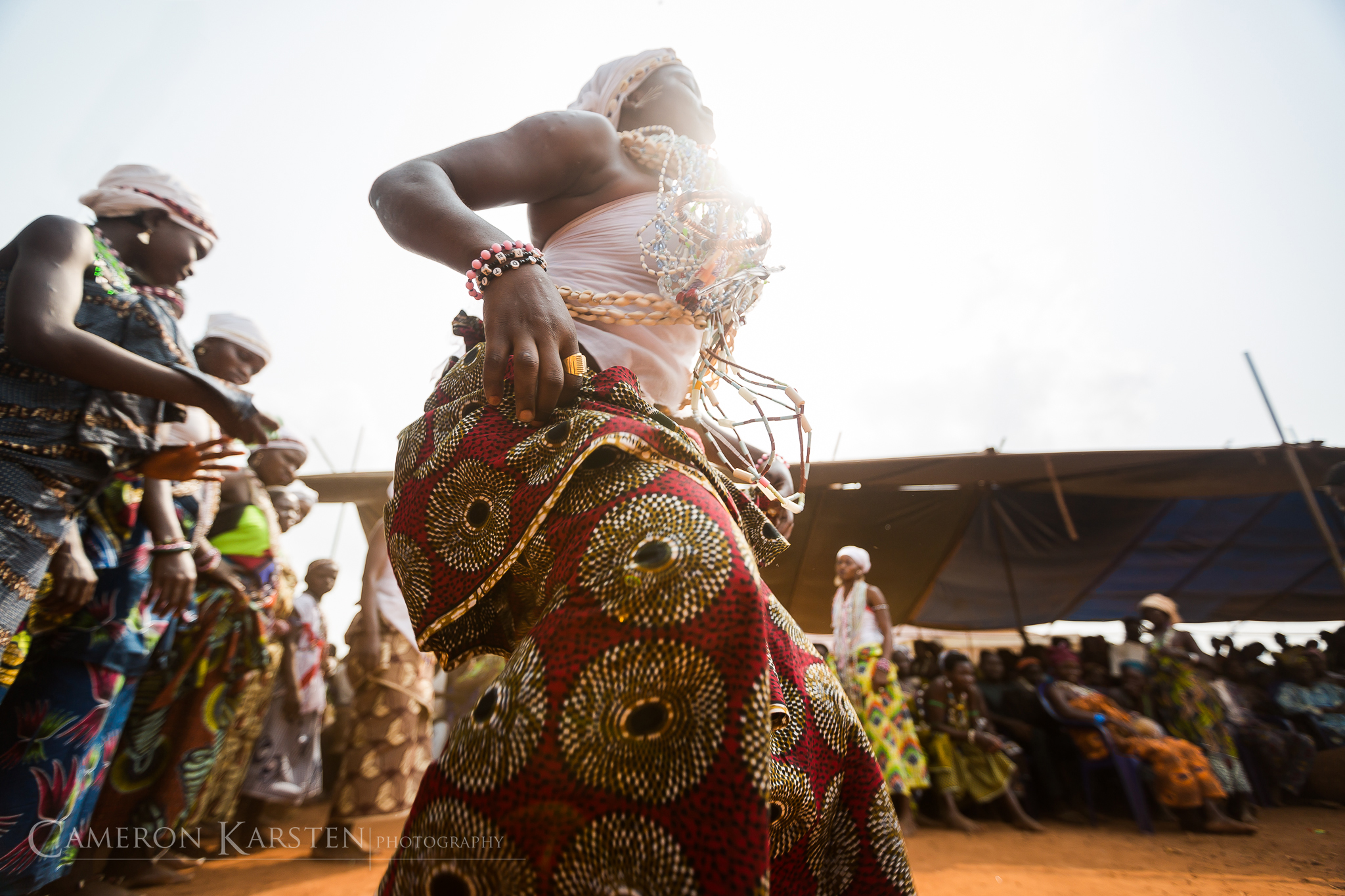
Everywhere there is magic. It’s in the red earth of the landscape, the throbbing fury of the sun, and the relentless currents of the great flowing rivers. It’s their religion—a religion in which the interactions between nature and humanity are cherished and respected every day. Magic is Vodou. And with 4,000 years of magic backing it up, Benin is the undisputed cradle of Vodou.

Personally, I believe in magic, both as a form of deception as well as a supernatural expression of the energies beyond ordinary comprehension. For millennia, Homo sapiens—the self-proclaimed wise man—has existed, evolved, and generally erred, all the while attempting to explain: What lies beneath? What forces create the churning seas of the ocean and the gyrating clouds of the sky? What energies course through veins and roots alike? Indeed, what does our cunning and craft amount to aside vast incomprehensibilities? Our attempts to solve breed yet further questions. No matter our advancements or industry, the sun still rises and the moon ever orbits to a language seemingly all their own.
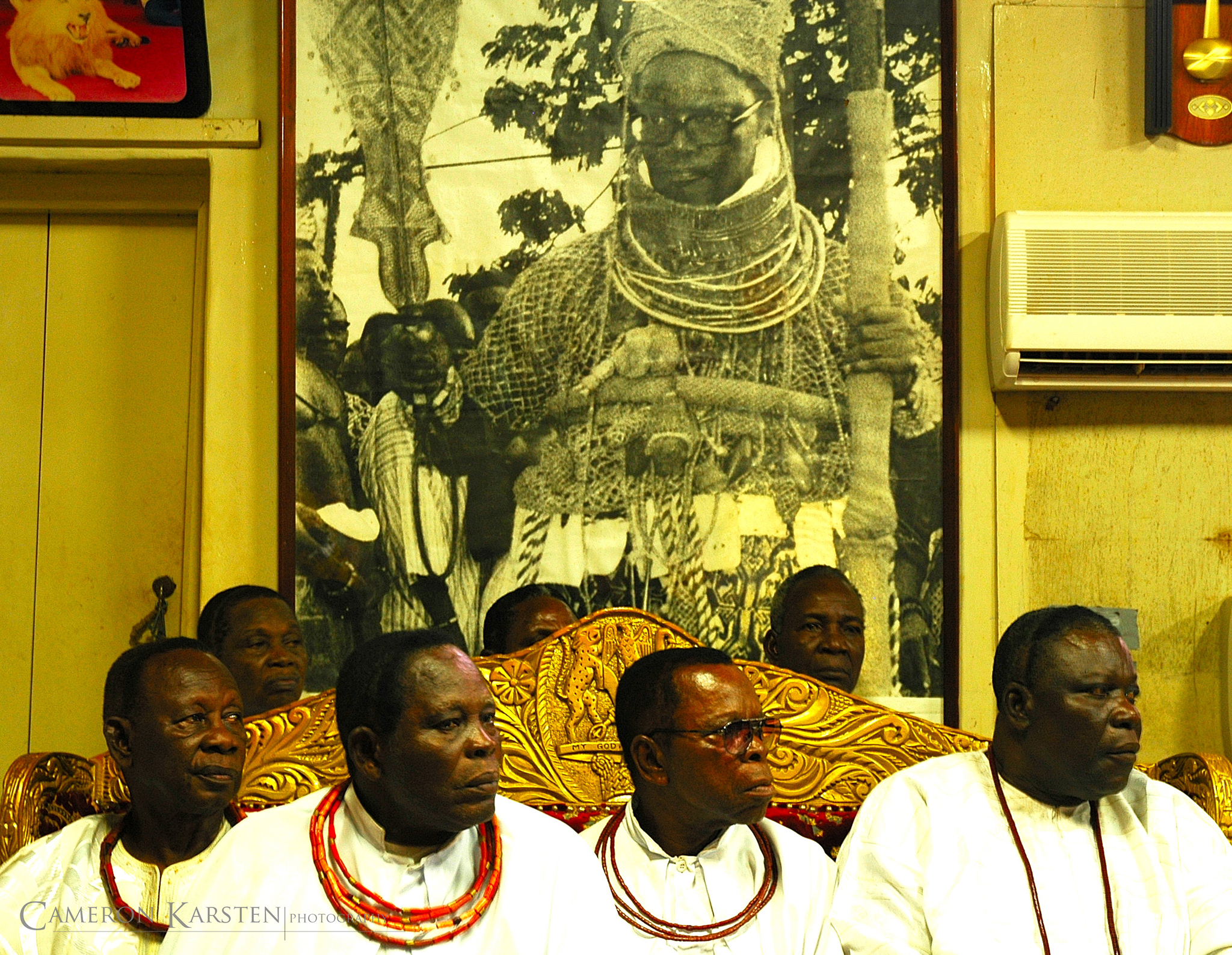
Day5_Allada-173

Countless cultures have contrived to explain these fundamental phenomena. Some grow. Most fade beneath the all-consuming flames of war and oppression. And yet, incredibly, amidst the largest powerhouses of the world, there exists a small country—undeterred by the folly of others and sorely ravaged by the horrible histories of slavery—where the primeval practices still prevail and the honor of the mysteries of the world take precedence.

Cast aside the linear mindset and the textual teachings of the West. Simply observe what is before you and what has come to pass. Only then will you understand Benin. Here the supernatural and natural worlds converge; everyday occurrences take on special meanings; and the privileged traveler may join the setting sun into the obscurity of a secret and sacred society to appreciate the mysteries of what Benin declares its official religion: the worship of the Vodou.
Day6_AlladaVodou-366

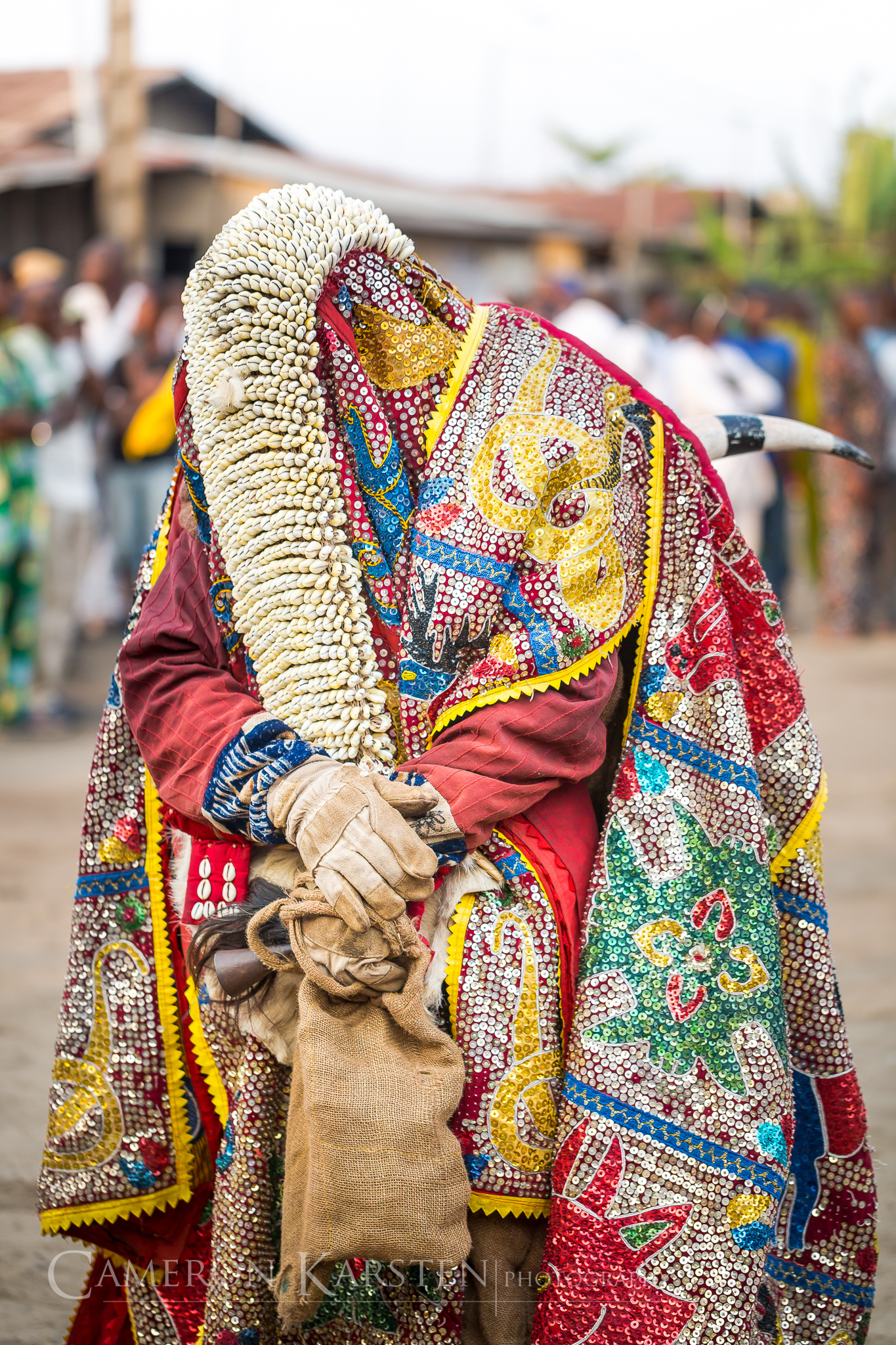
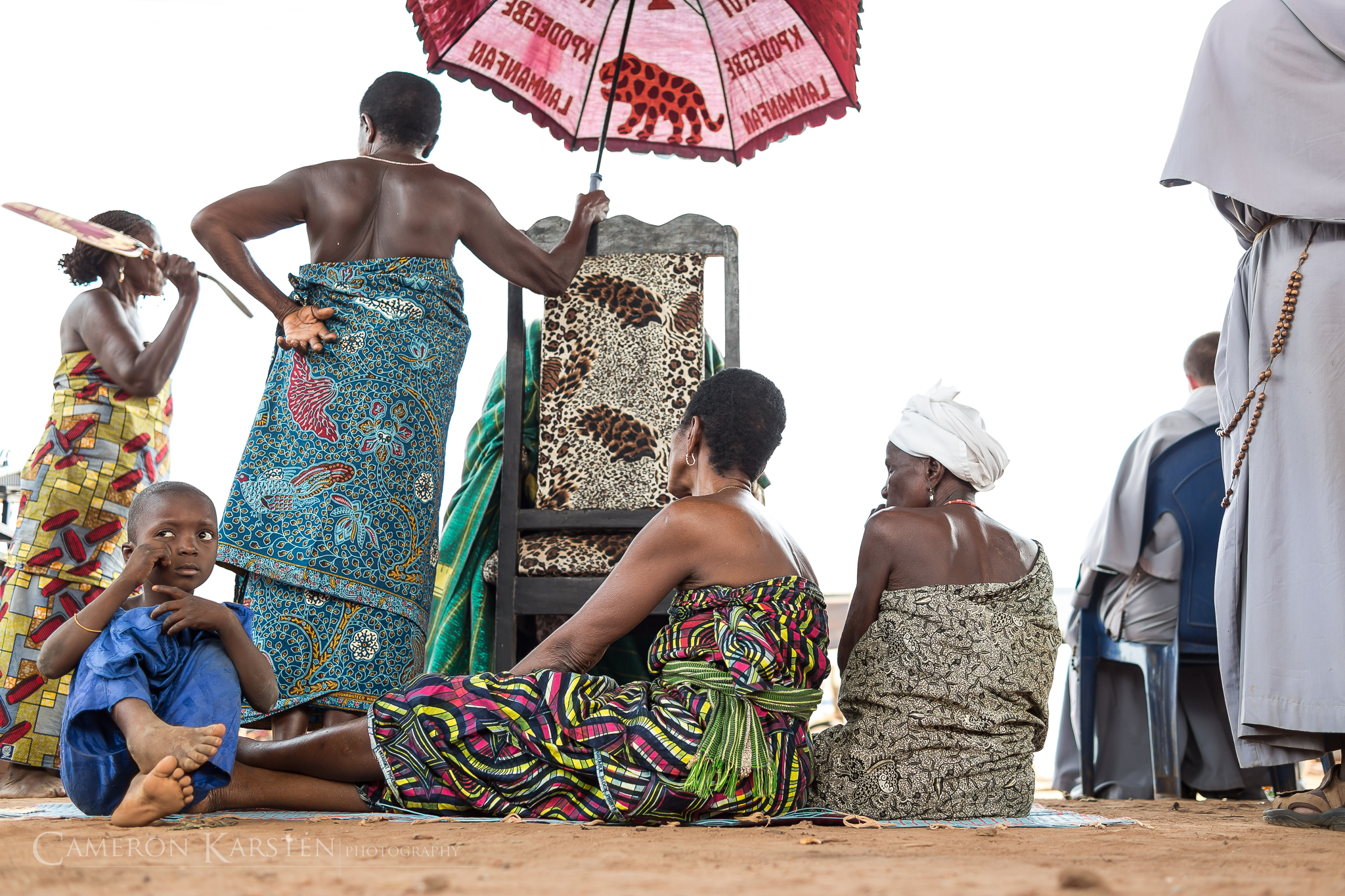
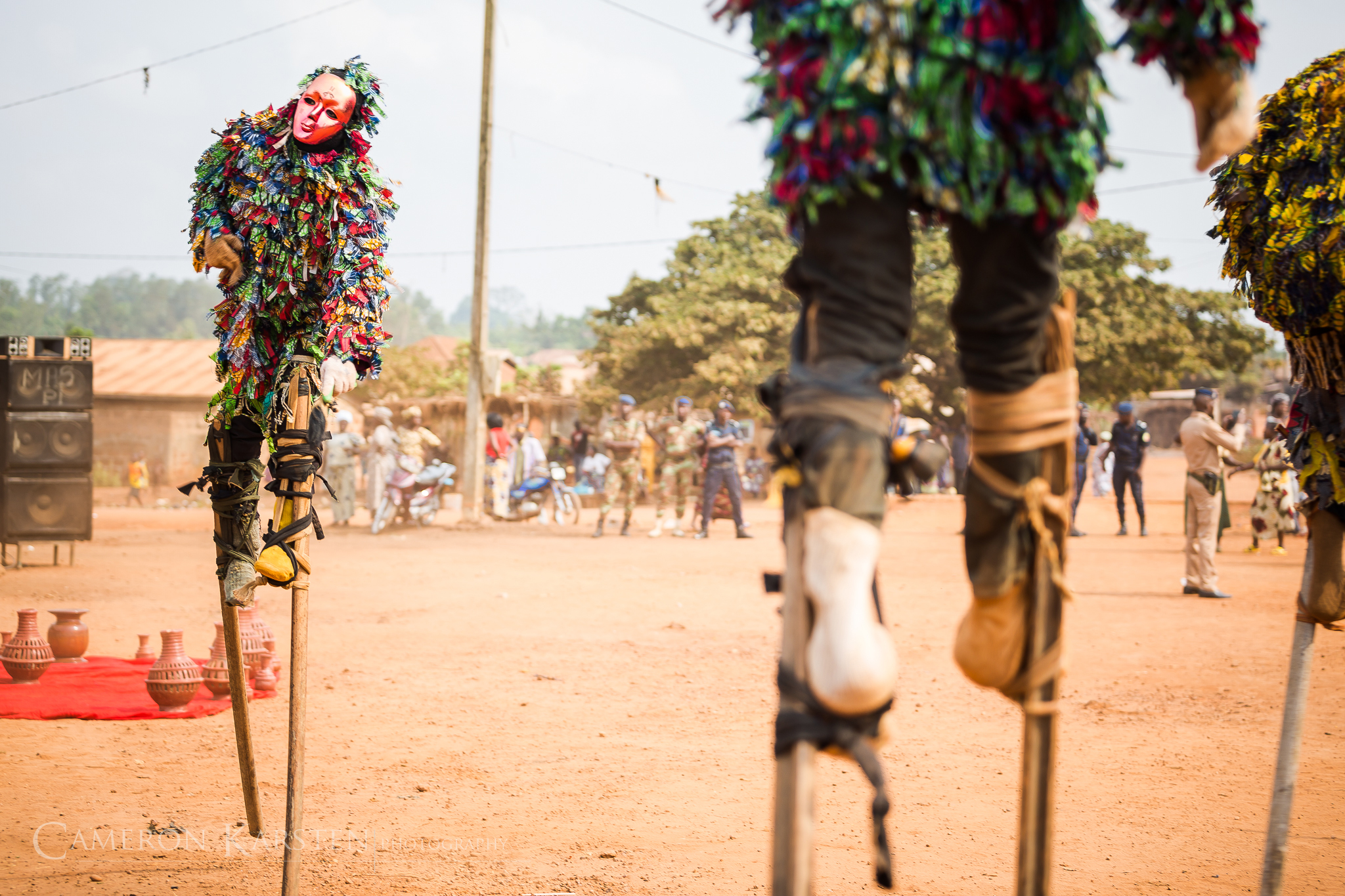
It is a world of shadow and dance. Of masks, scars, and tattoos. A country where Kings remain the Kings of Kings, and the leopard and snake reign in the household tale. Feel the pulsing rhythm of Vodou, transcend the merely tangible, and let the beat of the drum lift your mind into the realm of the metaphysical. Once you have crossed this threshold, once you have heeded this singular call, the world around can never be the same.

For us, there is no retreat. There is only the universal language of Vodou, and together we will drink from this bottomless cup.

Together we’ll reach a faraway land.

Next essay –>

Day6_AlladaVodou-507

Day2_Cotonou_Egungun-236

Day6_AlladaVodou-173

Day2_Cotonou_Egungun-1

Day6_AlladaVodou-578

Day4_AbomeyCalavi-197

logo_blackTrajan

America’s Gun Culture: The Young Guns

MatixC-243

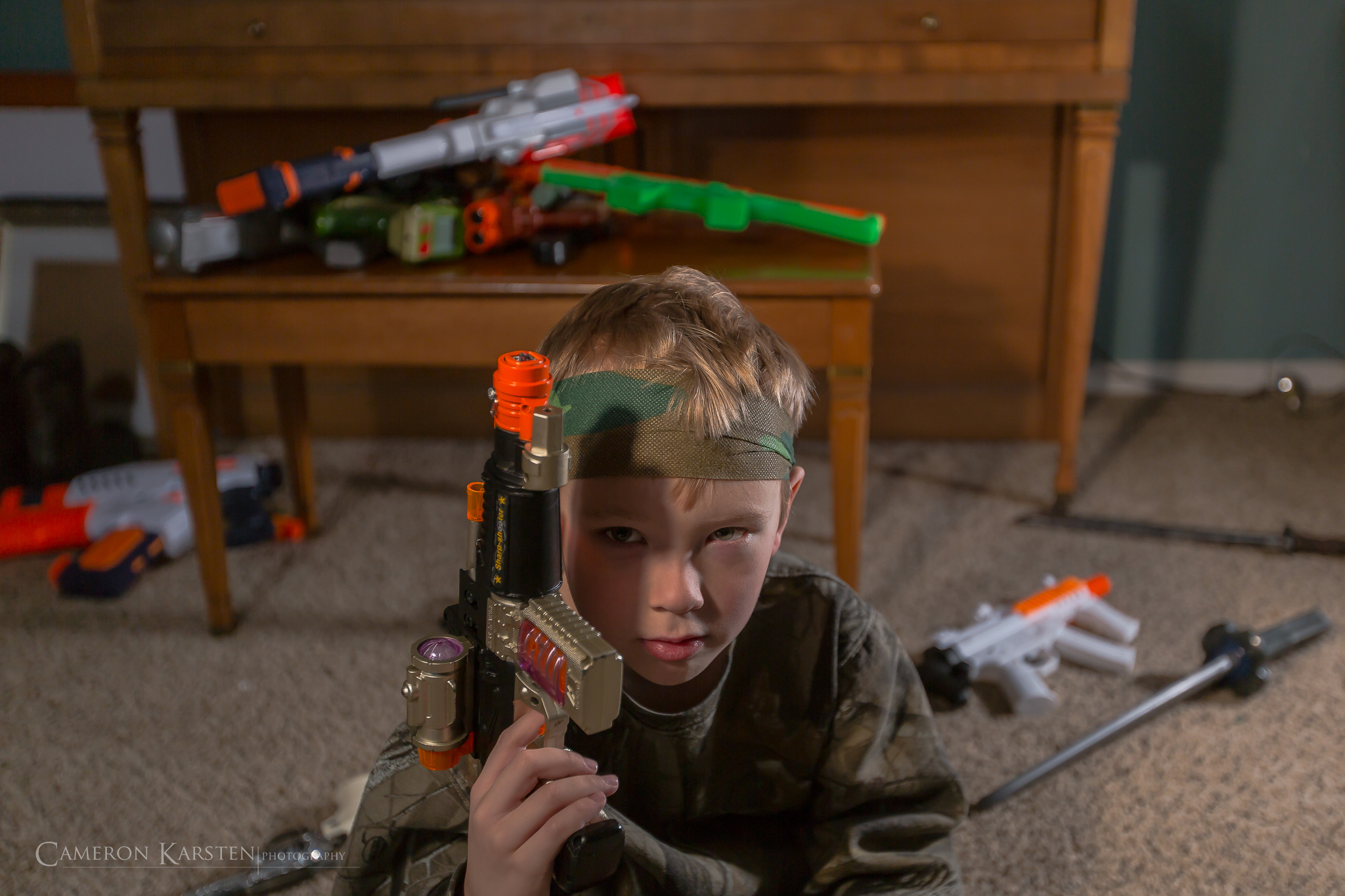
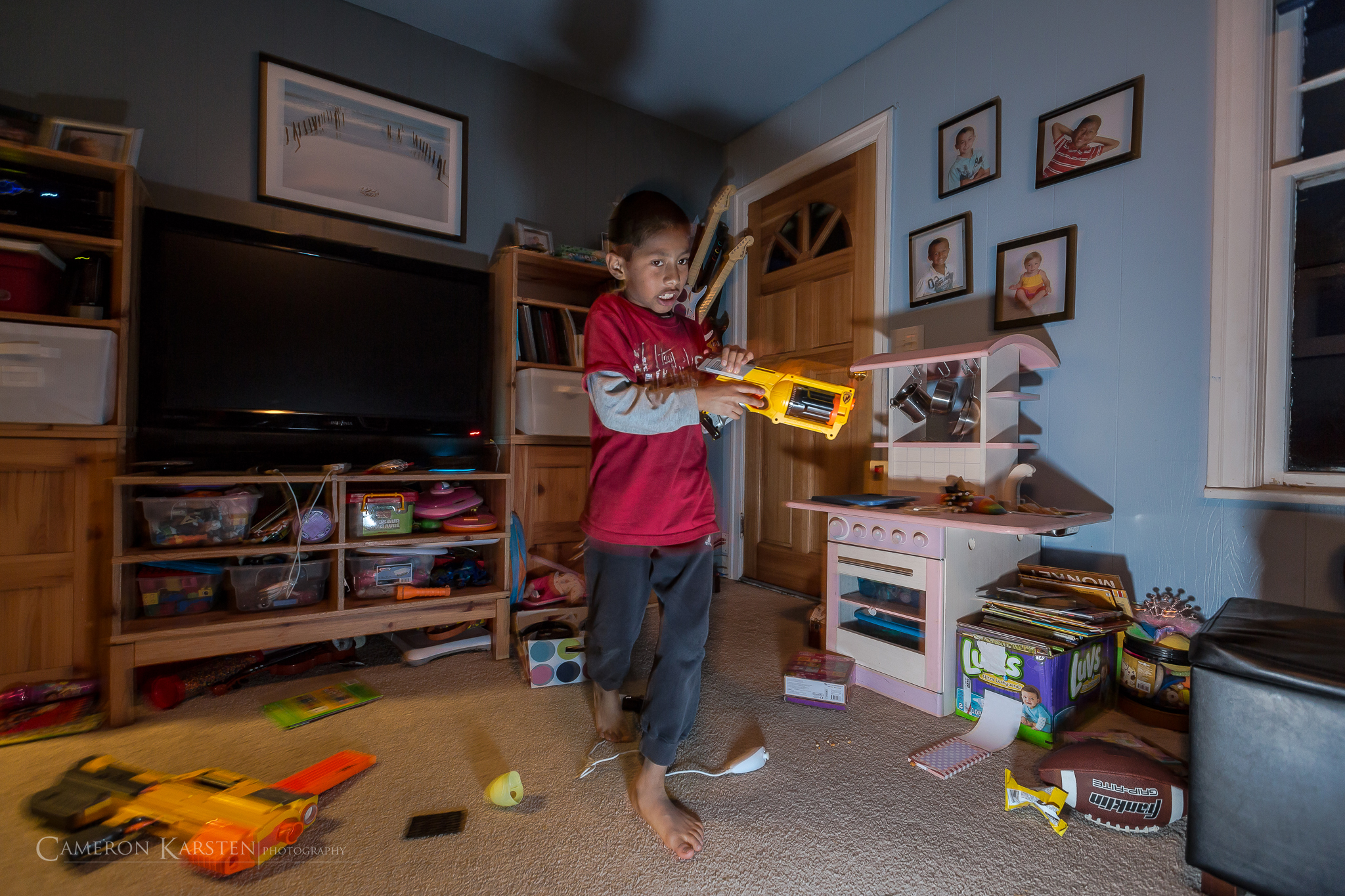
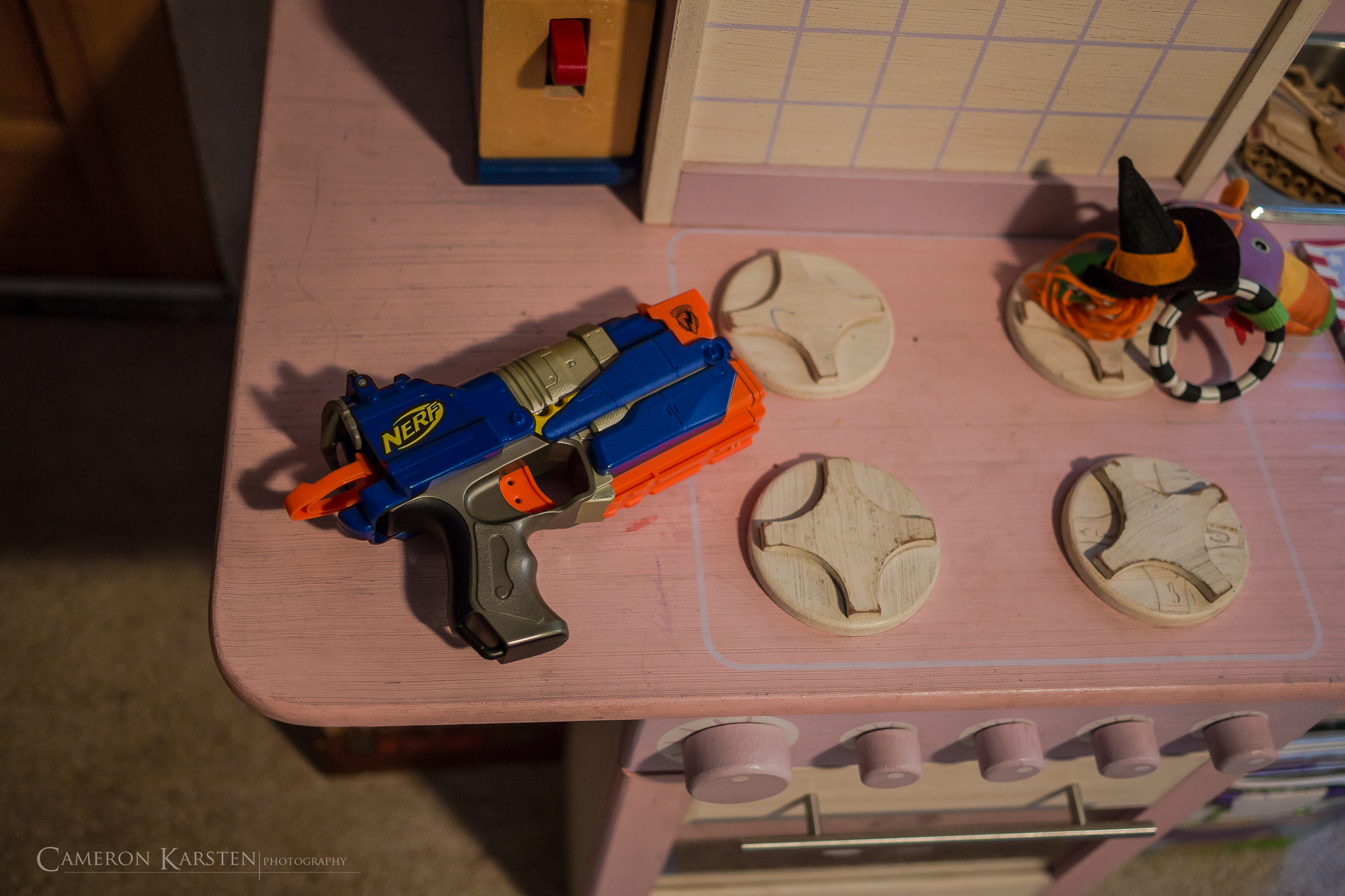
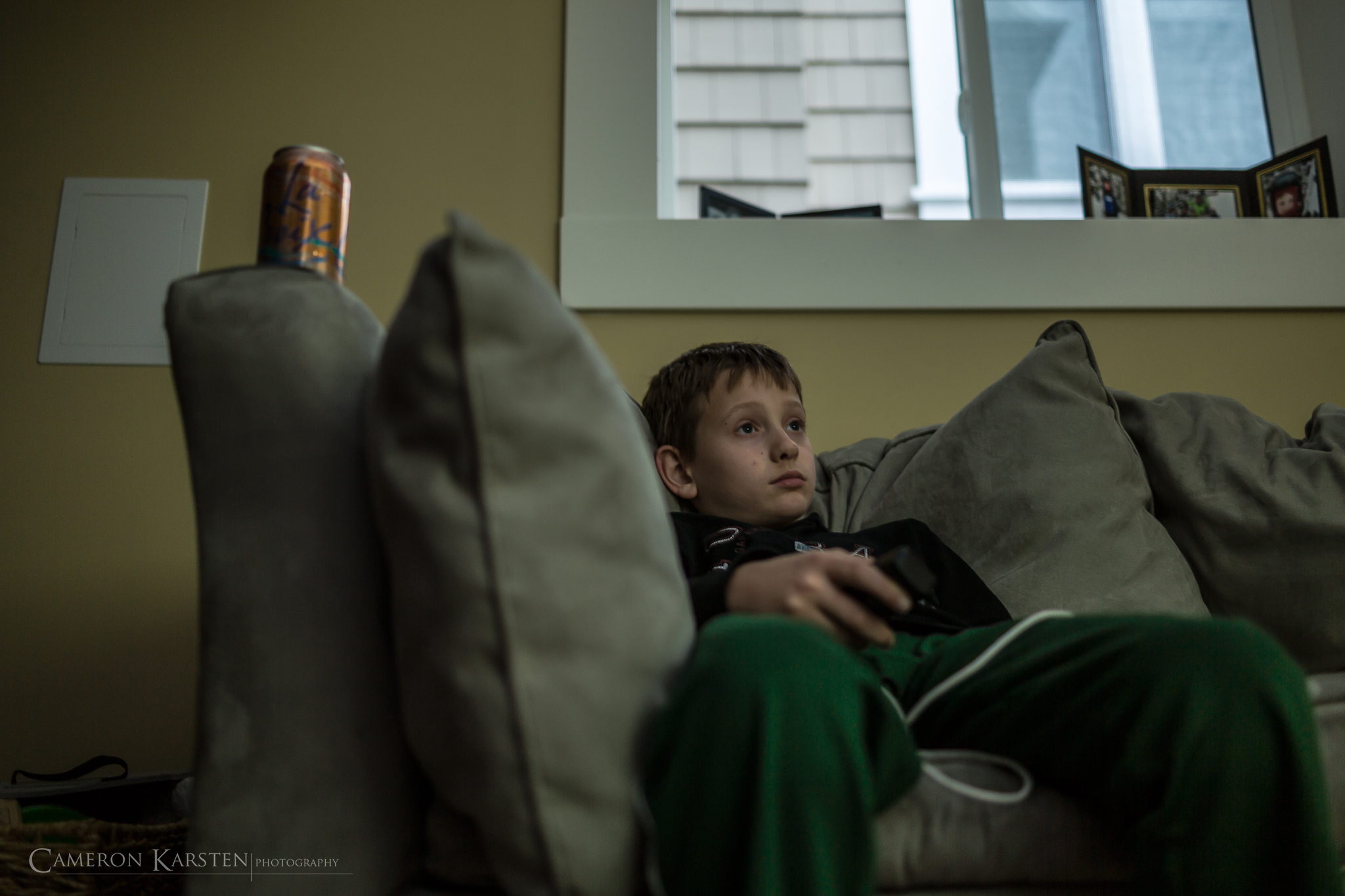
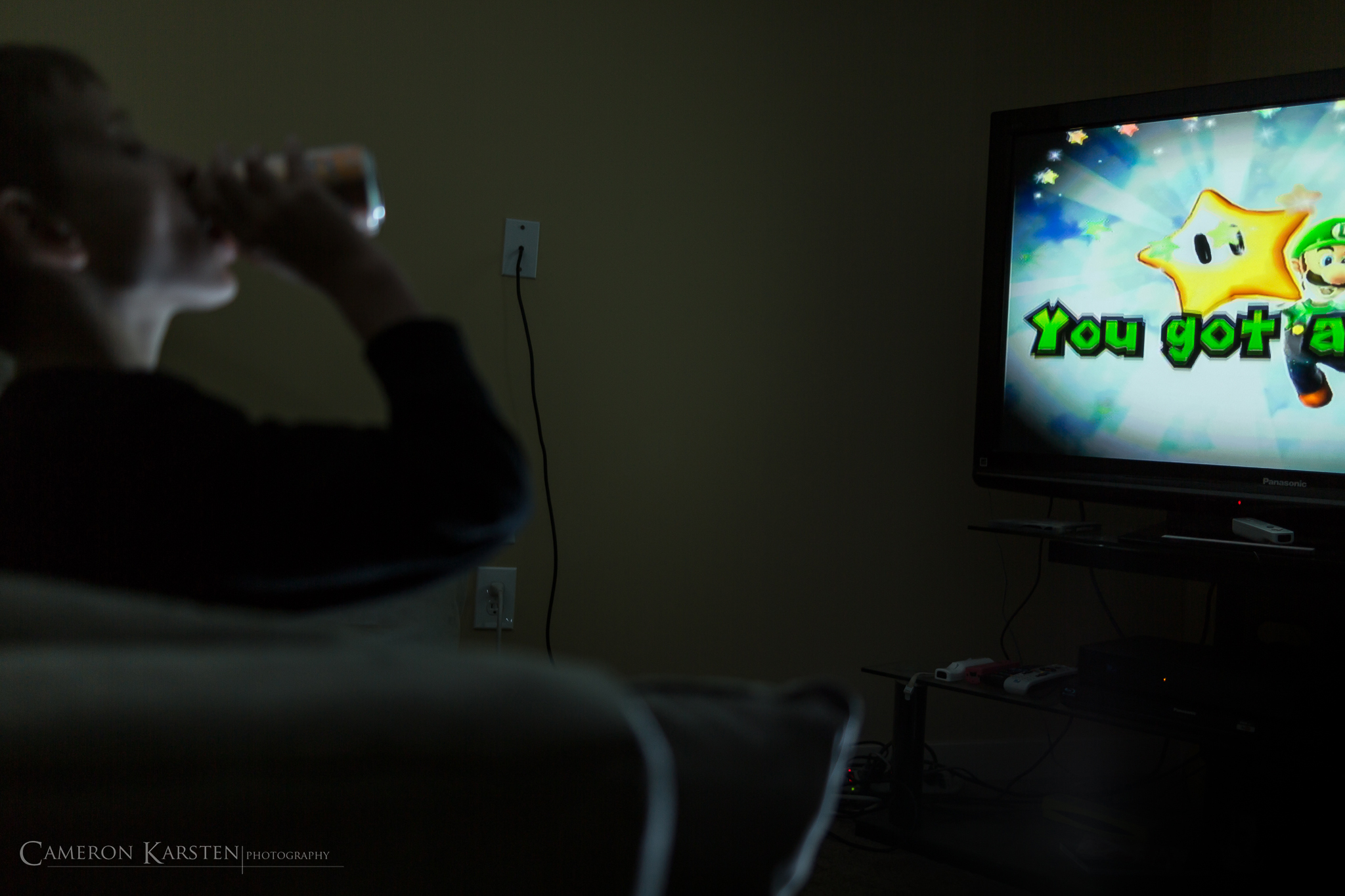
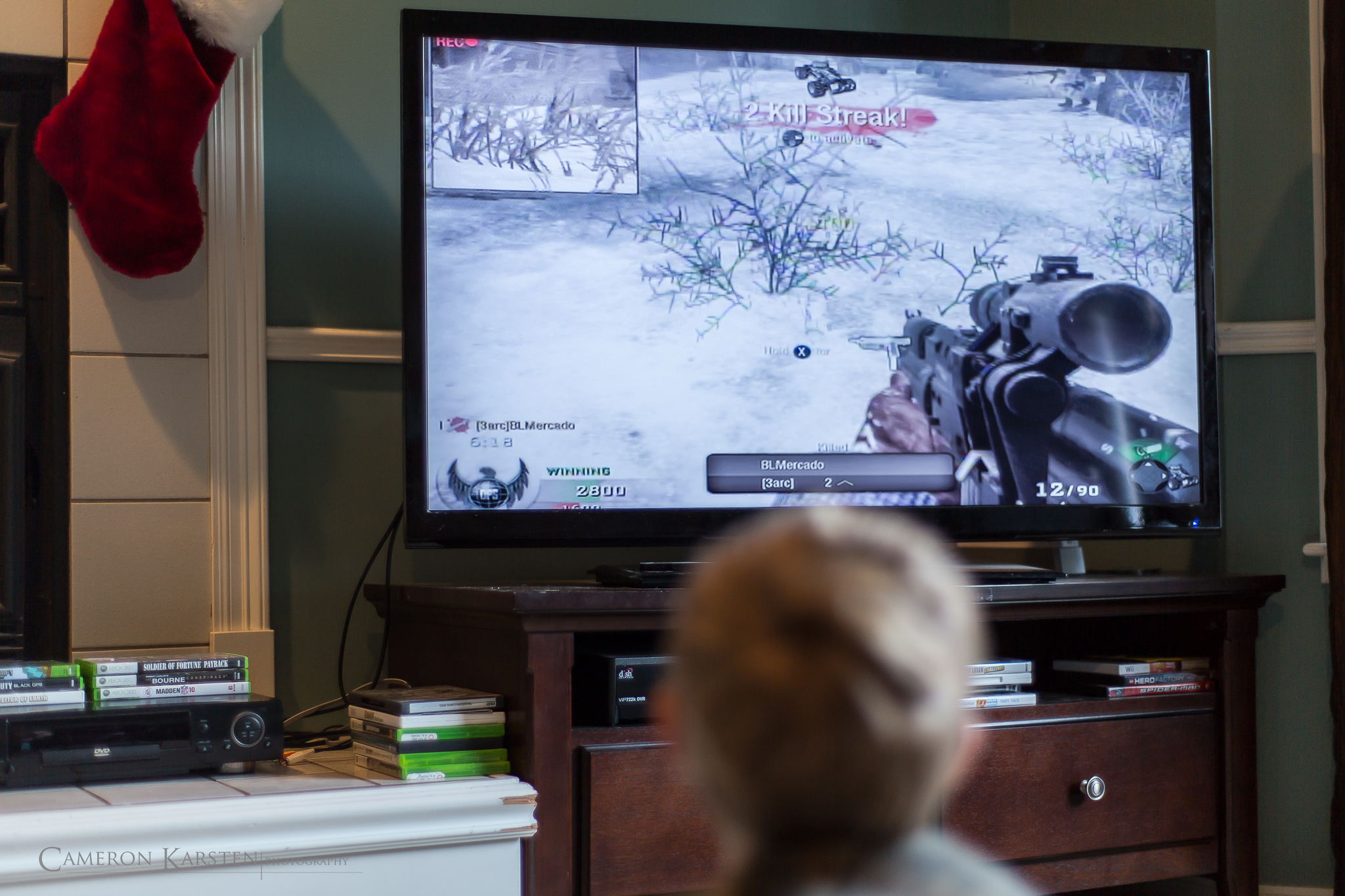
America has a gun problem. According to a Small Arms Survey in 2007 , 88 out of 100 Americans own a gun. That’s worthy of world domination. And after the latest elementary outbreak of gun violence in Sandyhook, Conn., questions continue to raise about the connections between guns, violent video games, and our American youth. Here are some images from an on-going project involving America’s young guns.

FieldsPlay-257

FieldsPlay-199

FieldsPlay-129

FieldsPlay-128

FieldsPlay-120

FieldsPlay-14

FieldsPlay-27

FieldsPlay-60

FieldsPlay-57

One mother I spoke with regarding the project declined to take part, but mentioned a story about her son. He was never permitted to play with toy guns. He wasn’t ever exposed to them in their household or on television. And she was unaware about any activities involving toy guns at their friends’ homes, but as soon as he reached a certain age where he began to develop his own personality, walk and make decisions on his own, something became apparent. When they would stroll on the beach or trek in the woods, the boy was instantly drawn toward sticks. These inanimate objects took on a life of their own. They became his toy guns. To this day she refuses to buy him any of these colorful plastic pieces.

DanePortrait-22

BroganVG-60

BroganVG-41

BroganVG-20

MatixC-110

MatixC-75

MatixC-27

When the United States military encourages their soldiers to play violent video games while on leave, and as the advent of drones is taking presence above foreign skies, it is intriguing how large the gaming industry has become. Not only is it exciting, competitive and imaginative, but it is also a fantasy world without consequences besides GAME OVER. From Mario Brothers to Grand Theft Auto, there has been an incredible evolution, blurring the lines of reality. America’s youth are also hooked.

MatixC-208

MatixC-273

MatixC-251

MatixC-287

For more, please visit America’s Gun Culture

logo_blackTrajan

The Countdown Begins: The Origins of Vodun

Who-Is-Oba-NowI’m stoked that the countdown has begun! On December 31st, I’ll be heading to Benin, Togo and Ghana for roughly four weeks to begin a project about the origins and evolution of Voodoo. As a practice of animistic worship of spirits, Vodun is the official religion of Benin and considered one of its birthplaces. I’ll be traveling with friend and fellow photographer Constantine Savvides to create a multi-continent multimedia series including still, motion, audio and text. West Africa will be the first of several locations, retracing the spread of Voodoo via the slave trade to the West Indies and Americas, to its survival in today’s organized societies. These guys, chiefs of the old slave port in Badagry, Nigeria, know what I’m talkin’ about.

I encourage you to follow my blog for in-country updates, where you’ll see us enticing boatmen to take us up river to black magic villages and feel the frantic energies of the world’s largest Vodun festival in Ouidah, Benin. A little throwback Sunday of past images taken in West and East Africa to stir the pot of adventure, culture and exploration!
Askar's-Ladies
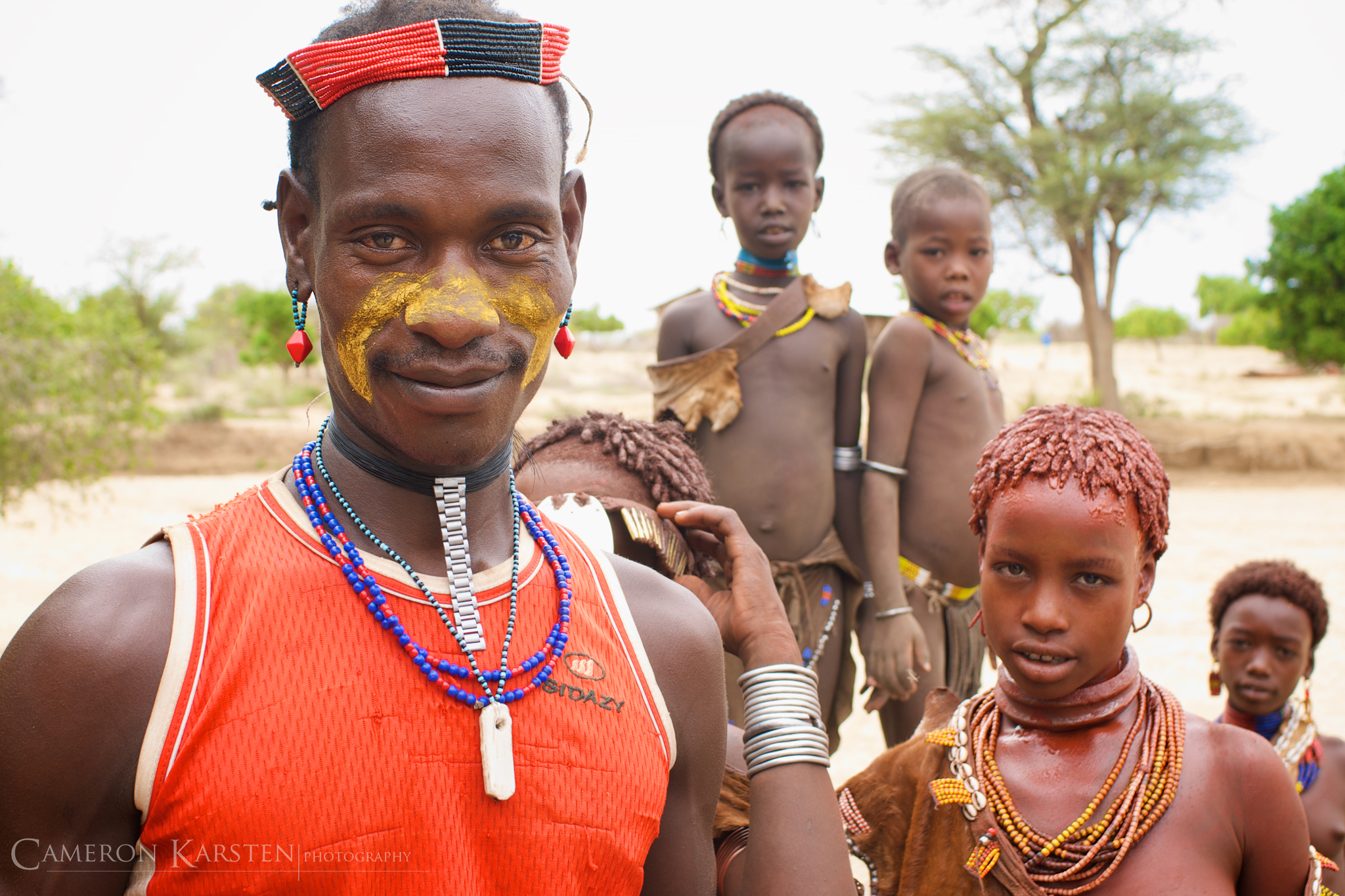
 Askar of the Hamar tribe in the Lower Omo Valley, Ethiopia
Balancing-Life
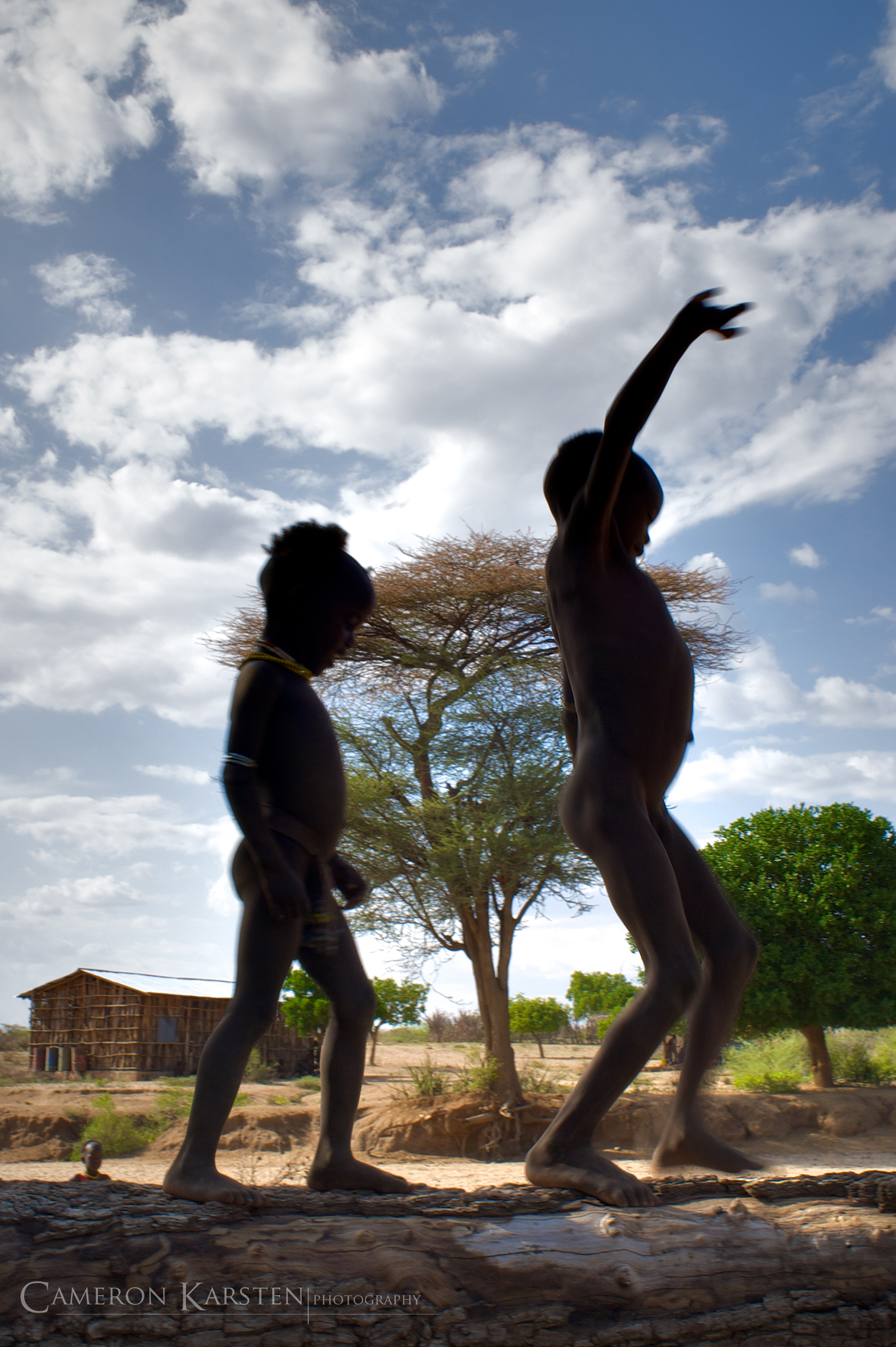
Hamar children playing in the shade – Lower Omo Valley, Ethiopia
DSC_0185---Version-2
The old train from Dira Dawa, Ethiopia to Djibouti City, Djibouti is a long slow uncomfortable slog through some of the most arid terrain in the world.
DSC_0895
A liquid gas burn-off at a Chevron oil platform in the Niger Delta of Nigeria
From-the-Ground
Local Hamar children in the Lower Omo Valley of Ethiopia
High-Risen
Sunrise along the Kenyan coastline near Diani Beach
The-FuryMonkeys will steal your things if you take too long of a nap – Diani Beach, Kenya
Dual-Reflects
Traffic – Lagos, Nigeria
Hyena-Reconciliation
A hyena-keeper feeds the wild dogs by moonlight in the Harer, Ethiopia
logo_blackTrajan

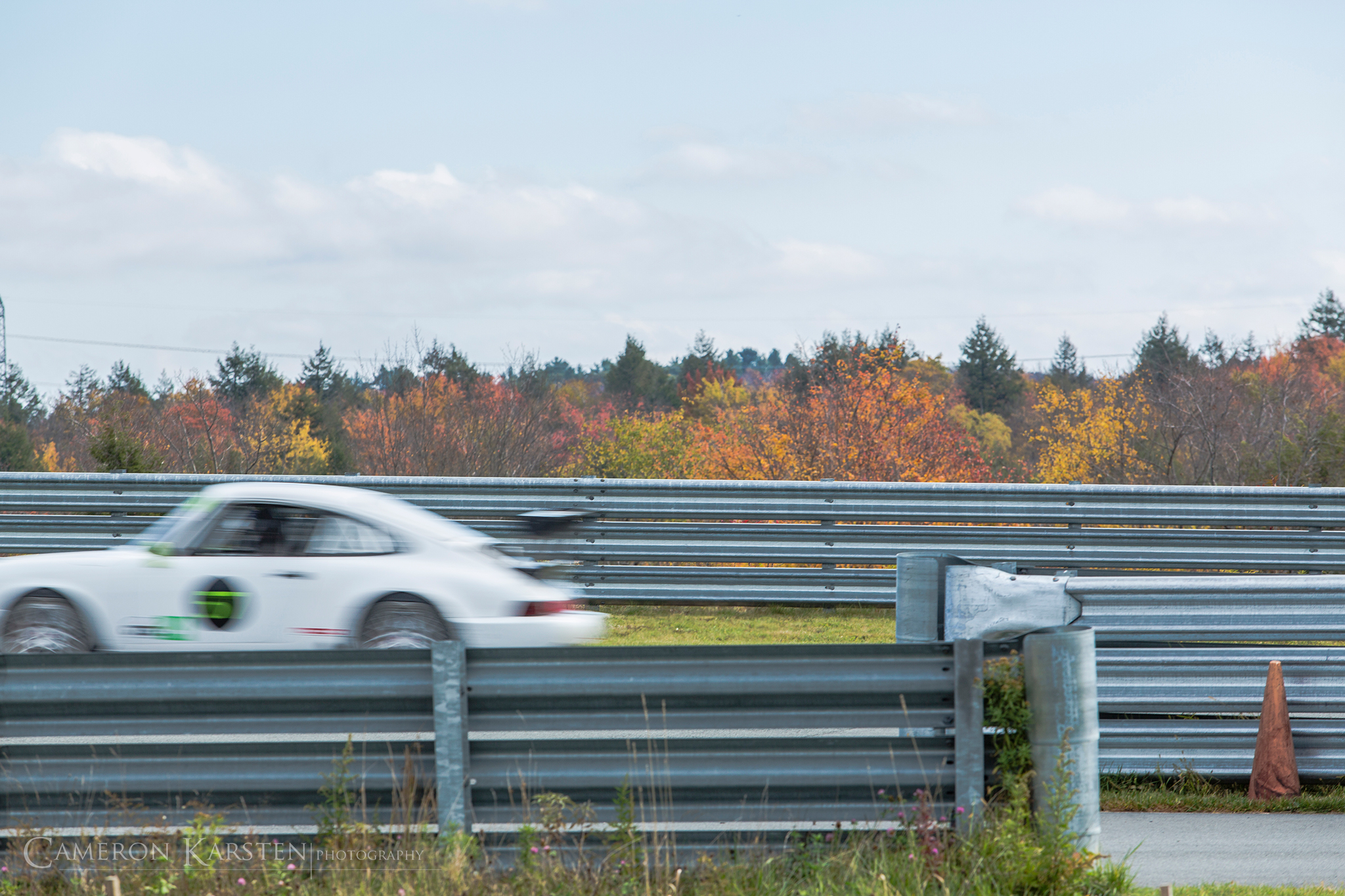
Eddie Adams Workshop 2013 – The Monticello Motor Club

_N9A9407

Attending the 26th Eddie Adams Workshop was like stepping into a stadium at bat.  The pitcher was Randy Johnson and you were expected to preform like any of the greats because in the audience master photographers like Jodi Cobb, Gregory Heisler, Howard Schatz and Marco Grob watched on.  Their friends were there, including AP photographer Rodrigo Abd, Afghan photographer Zalmai, young gun Peter Yang and more.  And they brought their friends; Directors of Photography like AP’s Santiago Lyon, Nat Geo’s Photo Editor Elizabeth Grist and Time’s Photo Editor Kira Pollack.  That was just to name a few, and they were there among others, watching, waiting to see you preform your work.

One hundred students were selected from a vast pool of applicants, and these one hundred students were given a free 4-day workshop with the industry’s best of the best.  All we had to do was get there.  So we show up at B+H Photo in New York City with ants in our pants, butterflies in our stomachs.  We’re loaded up in vans and buses and head north into the Catskills of Upstate New York.  We arrive at The Barn, the late and great Eddie Adams’ home away from home.  Teams are selected, we’re divided up.  Myself and nine other students have our work cut out for ourselves:  Our team leader was AP photographer based in Peru, Rodrigo Abd; our team producer was freelance photographer who covered the last elections Eric Thayer; and our team editor was a man larger then his title, AP Director of Photography Santiago Lyon.

Our theme: The Golden Years.  My personal assignment: The Monticello Motor Club.

While we were not shooting, we were listening to speakers, whose particular list resides above.  The inspiration soaked within our blood and bones for the talent and passion within the Barn’s room permeated every living cellular structure.  It was simply awe-striking for everyone attending, participating, facilitating and preforming.  When not listening to speakers, we were sharing our excitement with new young colleagues, and sitting down with the industry’s leaders for portfolio reviews.  Sleep found us at the wee hours in the morning before rising once more an hour or two later for breakfast and departure.

As I said, my team’s theme was The Golden Years, an idea reflecting on our elders, the joy they receive to keep them young, vibrant and passionate.  Below is the produced work, with a link at the end to view the full multimedia slideshow, including audio.

_N9A8558

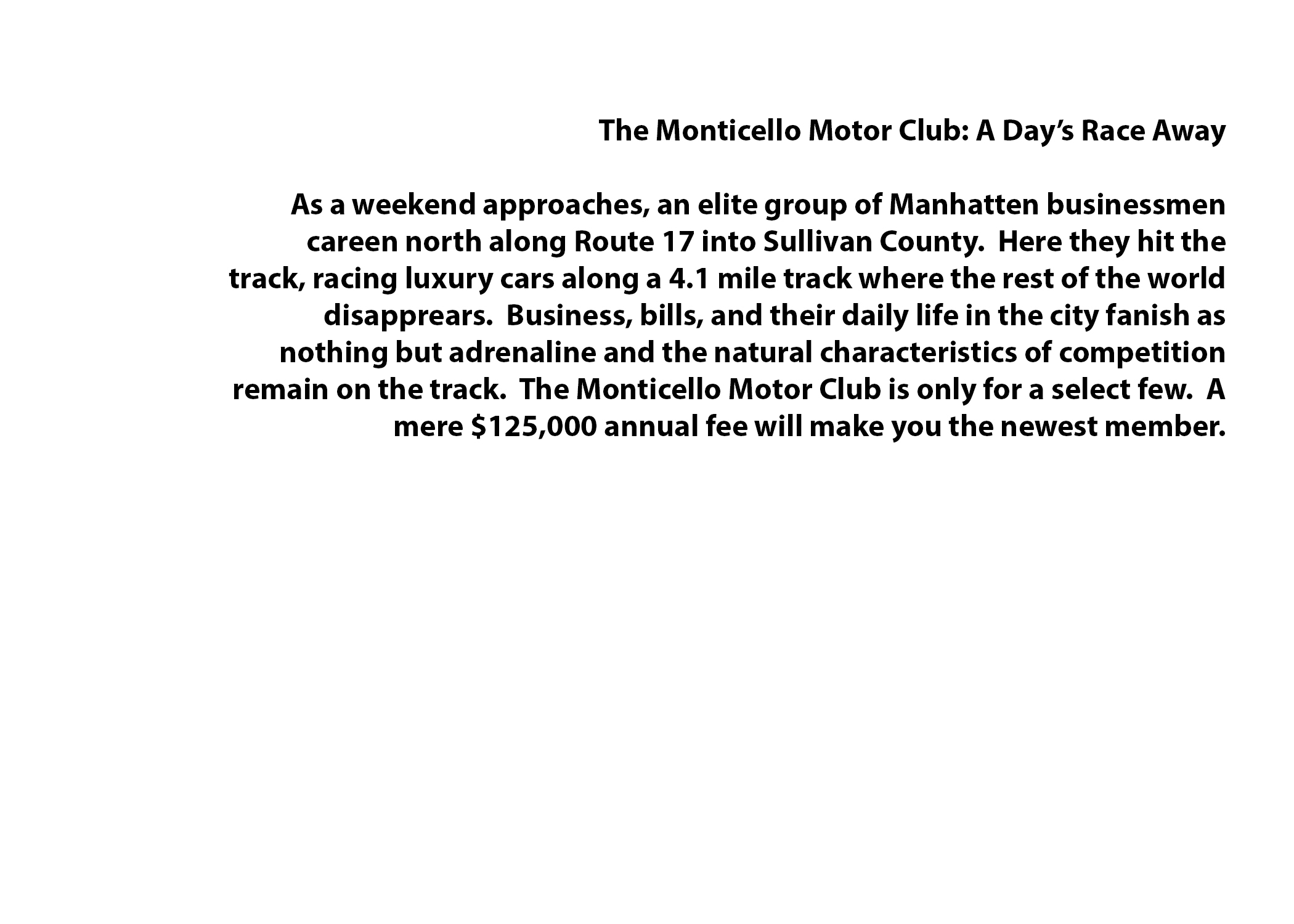
title

_N9A8548

_N9A8526

_N9A9351

_N9A9387

_N9A8677

_N9A8673

_N9A9036

_N9A9316

For more please visit the entire multimedia piece at The Monticello Motor Club: A Day’s Race Away

Cameron Karsten Photography

The Honey Harvest is Near

DennisBeePortrait

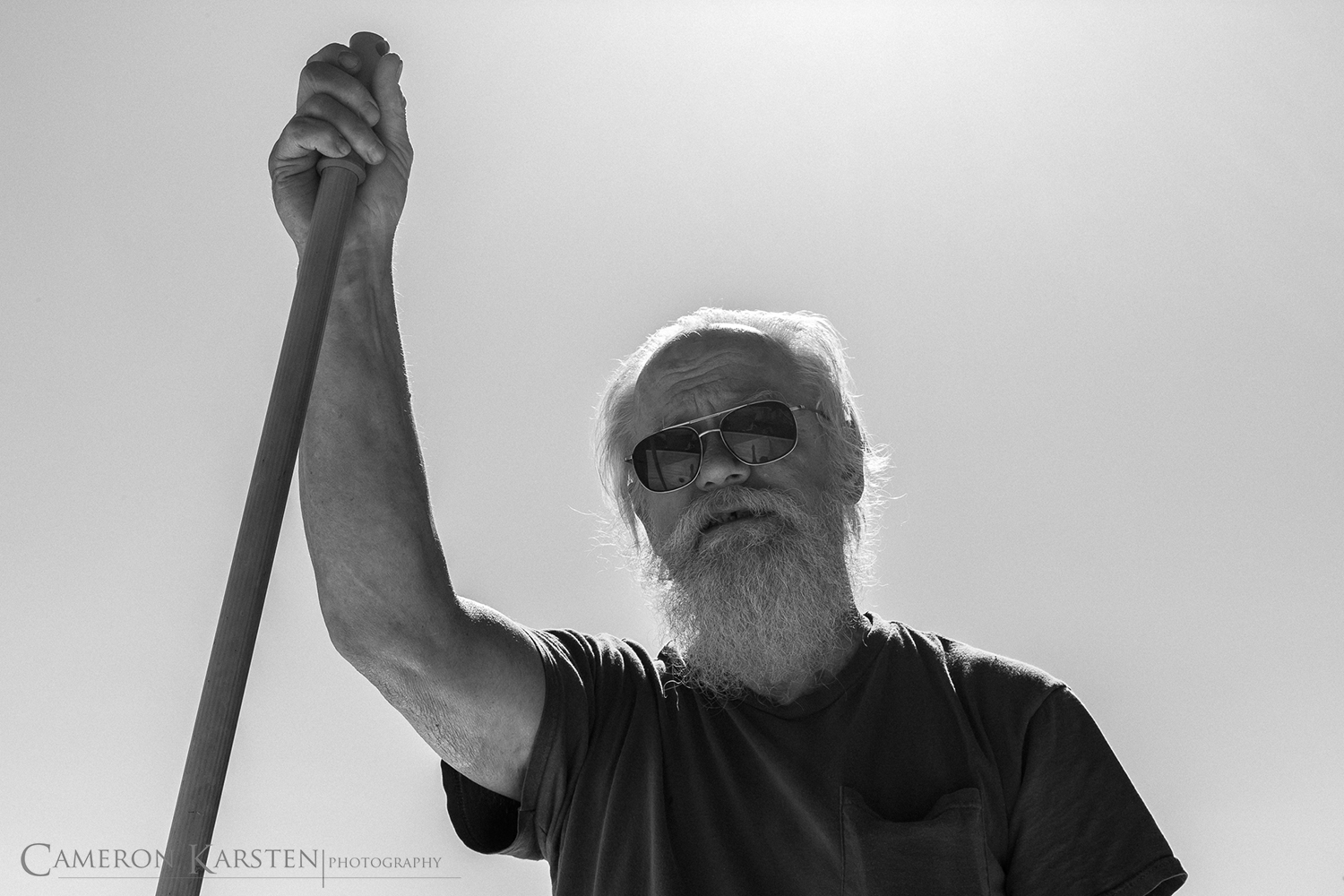
With the nearing end of the the summer, a north hemisphere-wide honey harvest is about to begin, and I’m feeling pretty damn excited.  Longtime friend and fellow traveler Dennie P (aka D) stopped by and had the opportunity to check in on my hives.  I’m hoping he’s hooked!  He looks like it.

Location: BI, WA

Camera/Lens Specifics: Canon 5D MarkIII w/Canon EF 16-35mm 2.8L II USM Lens

35mm, 1/200 sec at ƒ/7.1, ISO 100, tripod.

Post: LR4 & Adobe PSCC

International Rescue Committee’s Summer Youth Programs – Seattle, WA

YouthSummerPrograms-407

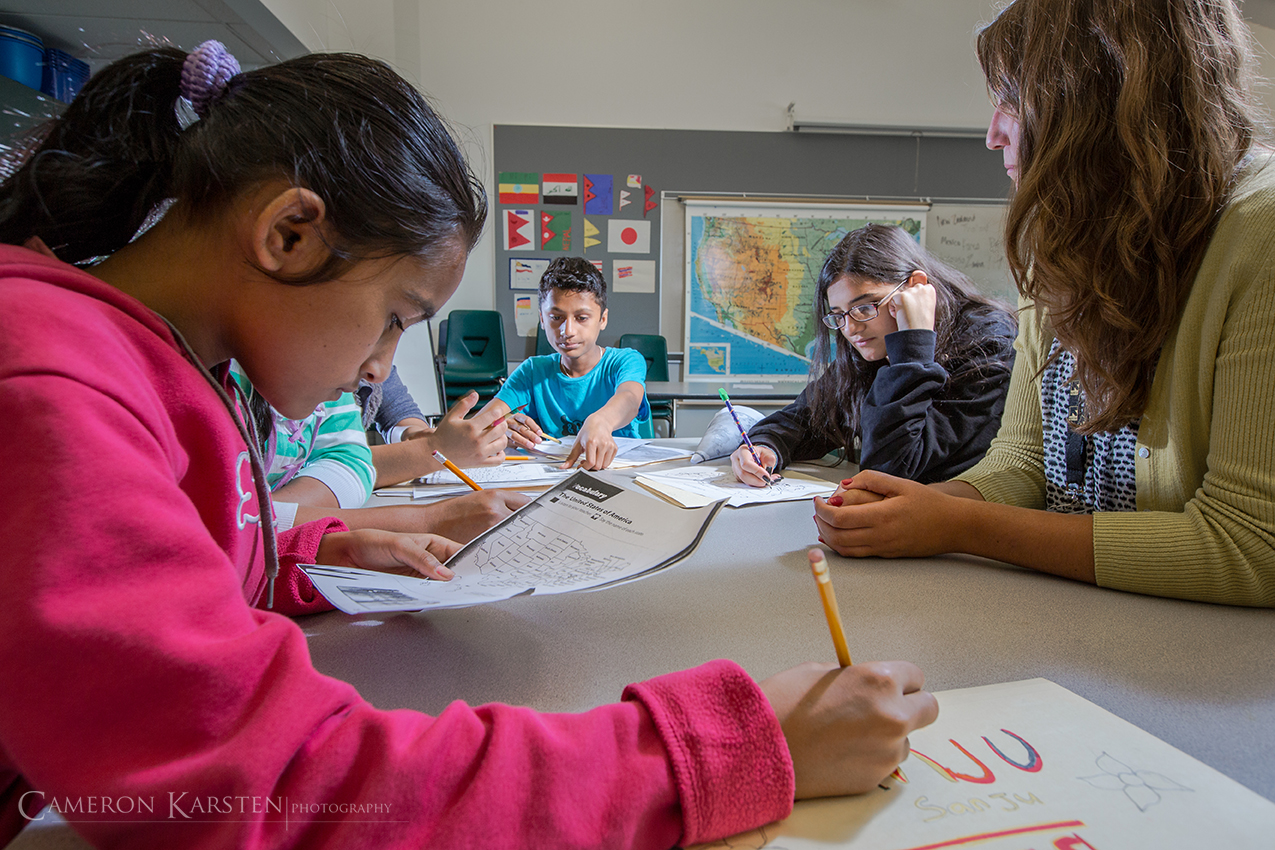
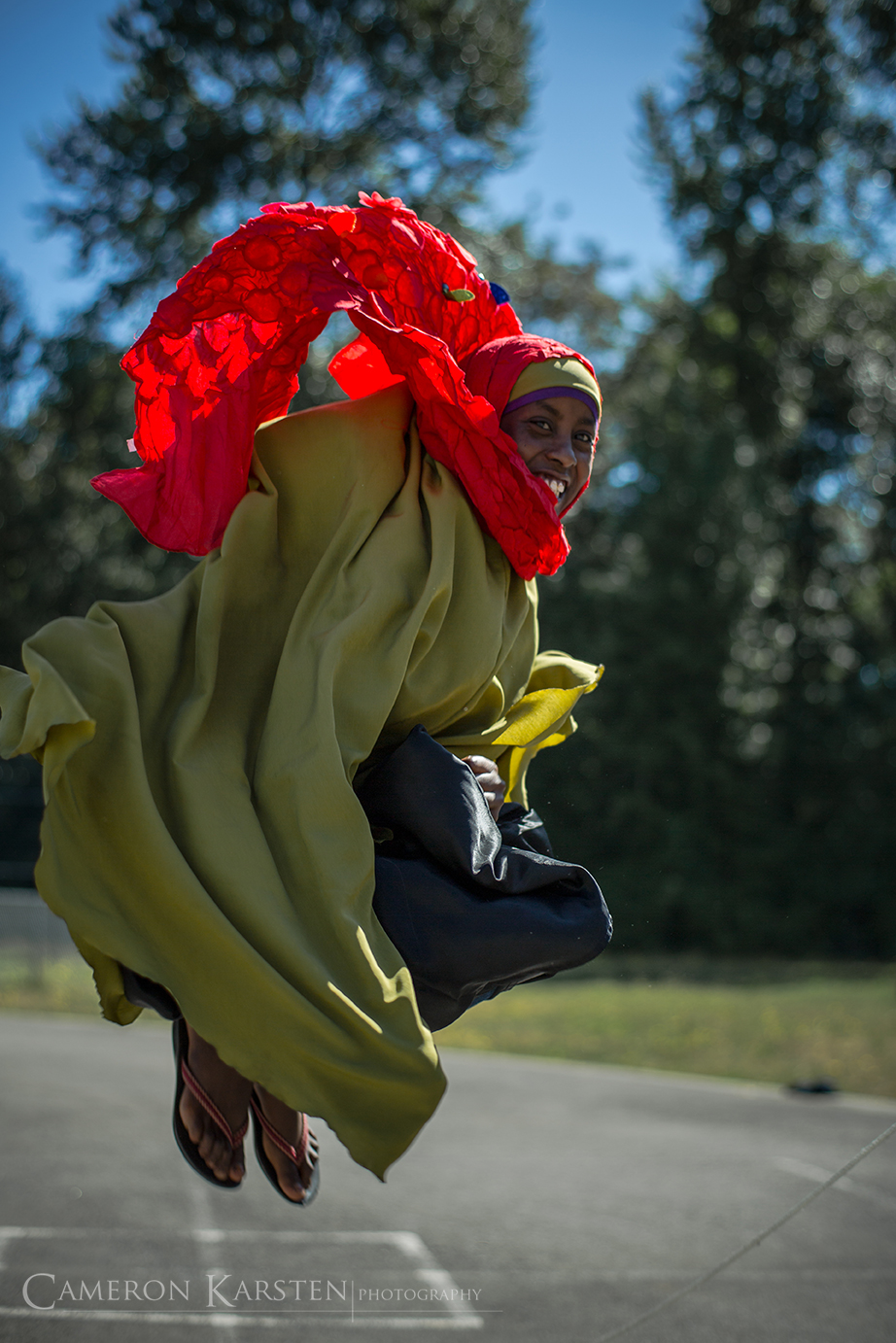
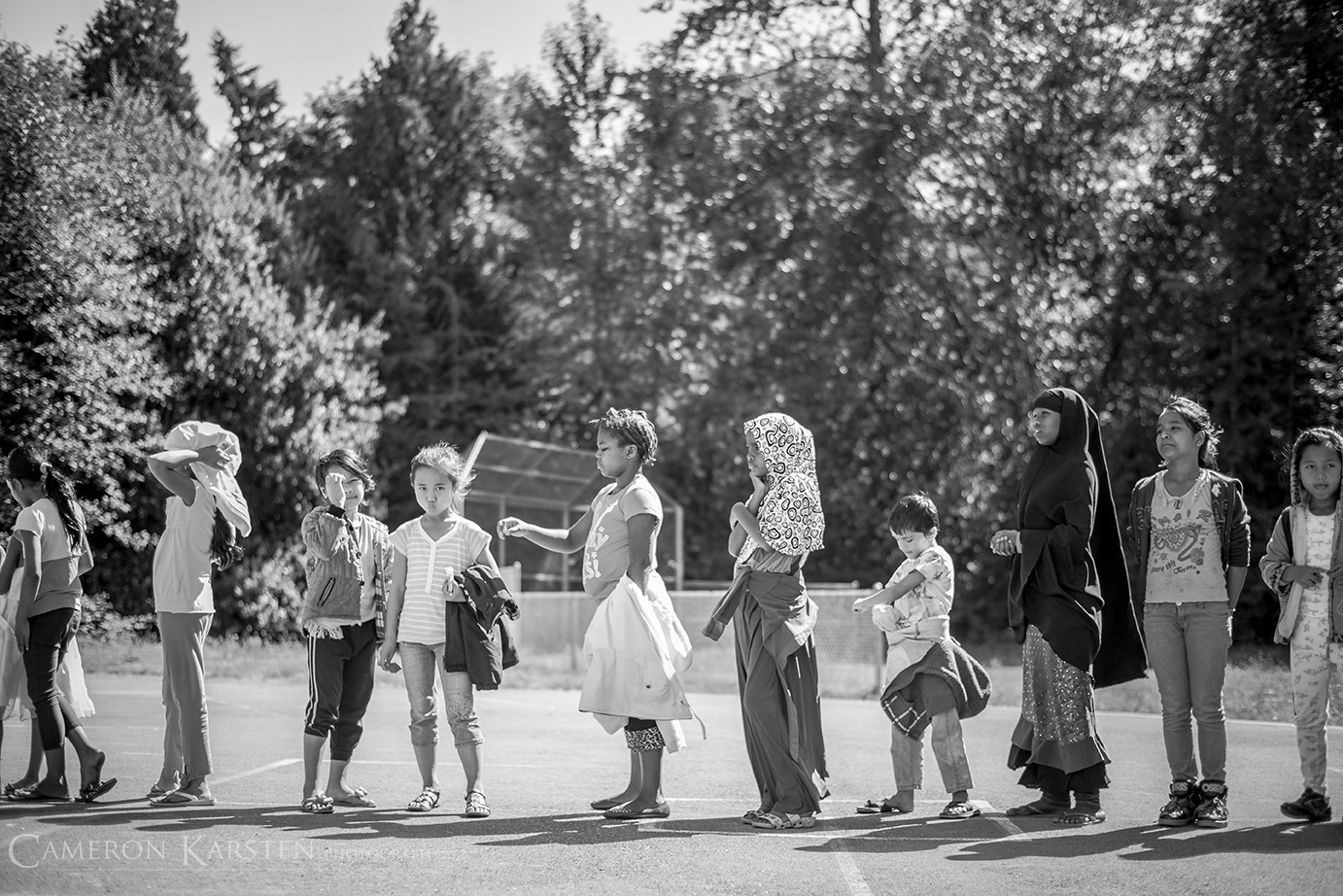
The International Rescue Committee (IRC) puts on two summer youth programs, bringing recently resettled refugees together into the American school system.  Some have basic English skills, others have none.  This is just the intro into their new life, from harm to home in the U.S.

YouthSummerPrograms-144

YouthSummerPrograms-147

YouthSummerPrograms-169

YouthSummerPrograms-434

YouthSummerPrograms-244

YouthSummerPrograms-274

YouthSummerPrograms-316

YouthSummerPrograms-351

YouthSummerPrograms-335

YouthSummerPrograms-329

YouthSummerPrograms-359

YouthSummerPrograms-364

IRC

Cameron Karsten Photography

Ocean Acidification and our Oyster Culture – Part II

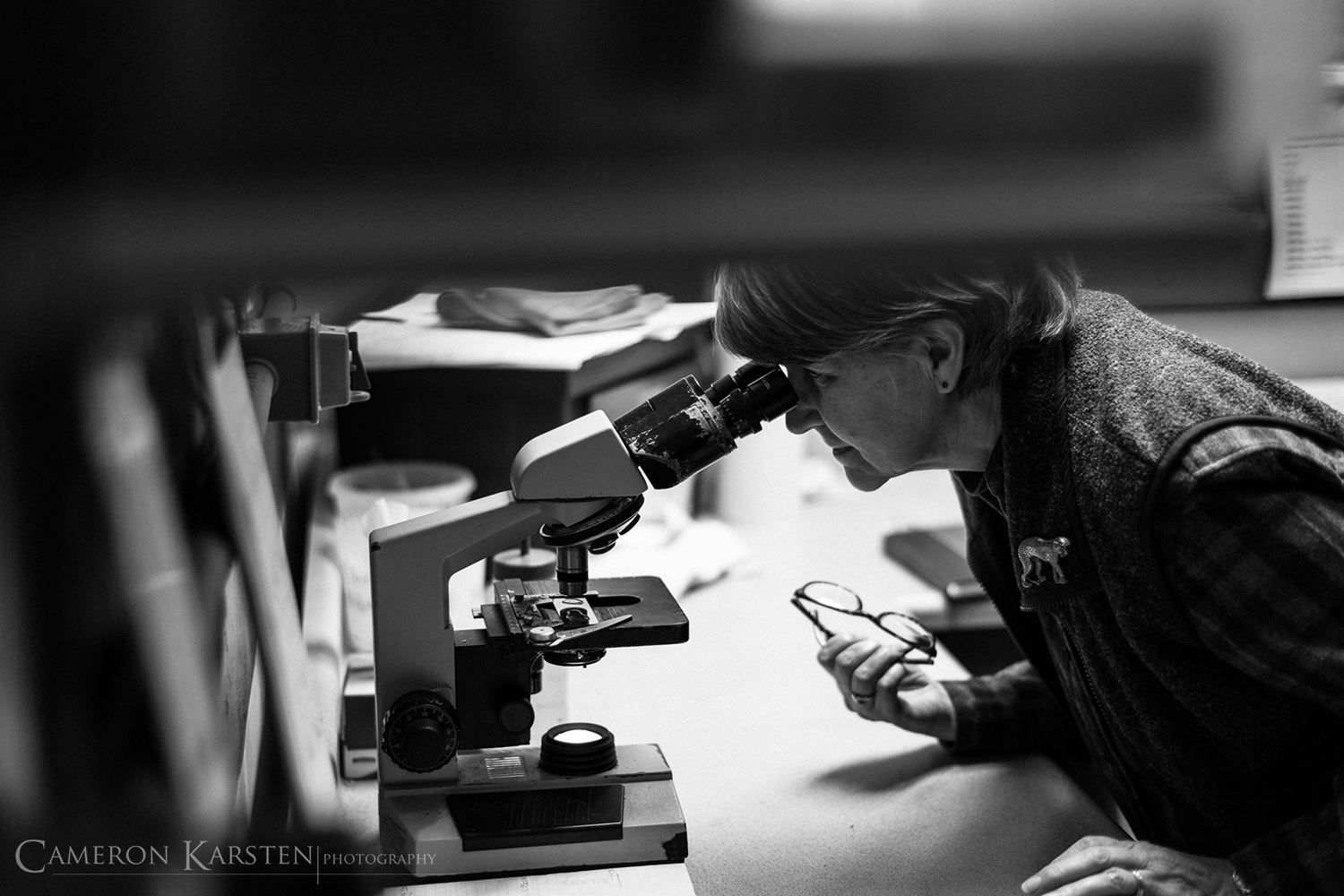
karsten_cameron_12In order to prosper, every living creature requires clean air, clean water and abundant food.  For ocean-thriving mollusks, clean seawater is a must.  In December 2011, Washington State Governor Christine Gregoire formed a Blue Ribbon Panel.  Their purpose: to investigate and study a new threat to Pacific Northwest waters.  They were putting Ocean Acidification (OA) under the microscope.

karsten_cameron_11

karsten_cameron_13
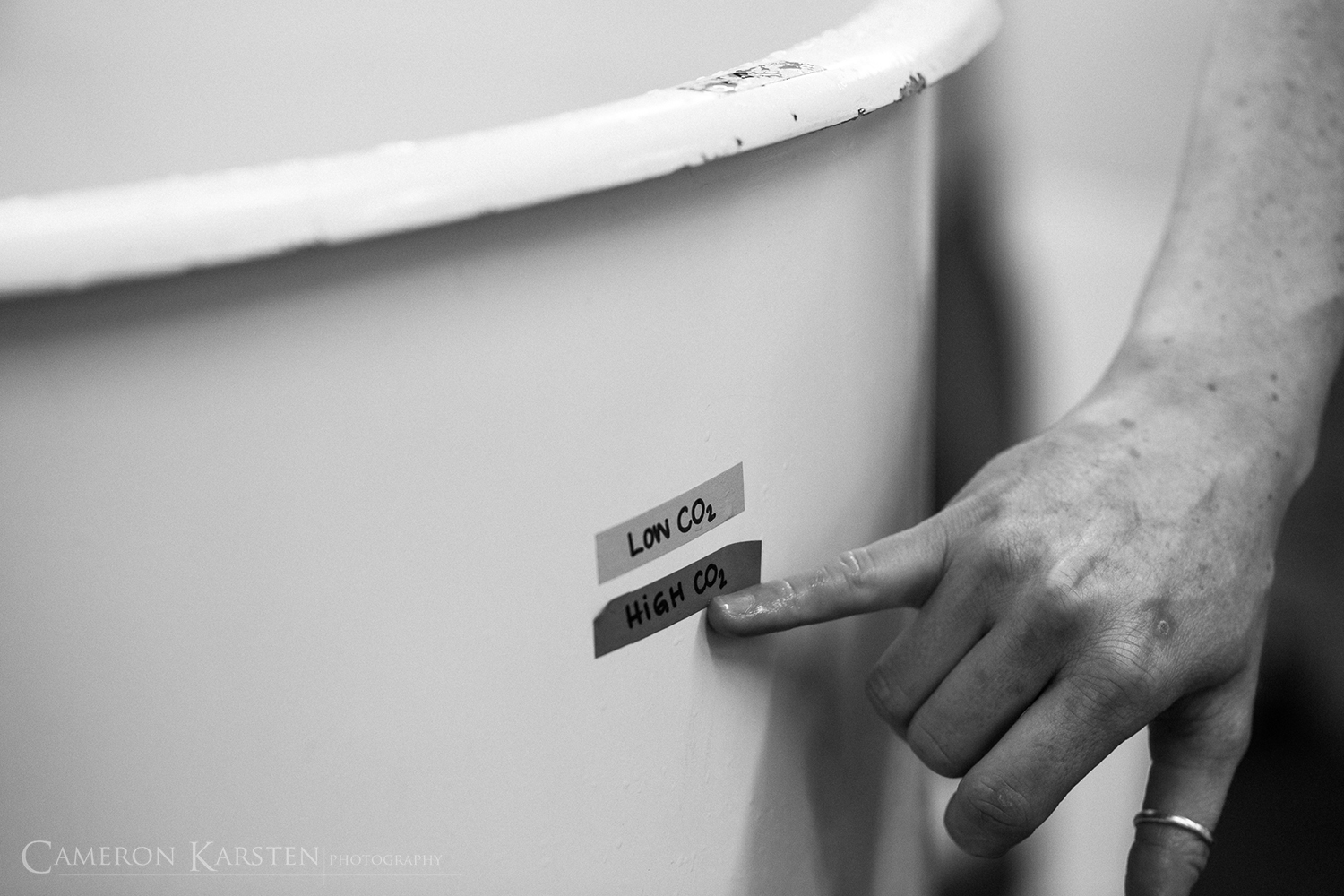
karsten_cameron_14What is occurring is evidence of our Industrial Period 100 years prior as heavy carbon dioxide (CO2) elements now begin surfacing in the shallow waters of the Puget Sound.  As the spring and fall seasons of the Pacific Northwest bring strong northwesterly winds, currents in the Pacific Ocean stir up these century-old pollutants, pushing them upwards and east into the estuaries.  These so-called up-wellings decrease pH levels, causing normal numbers of 8.25 to sink lower into the acidic levels of 8.14 (The pH scale is representative of aqueous solutions from zero to fourteen; where zero characterizes hydrochloric acid or battery acid, and fourteen is sodium hydroxide, better known as bleach).  Acid is a solvent.  It dissolves what it comes in contact with.  Add acidic waters to oyster seed and you find its ingredients eating away at the calcium carbonate that makes up the mollusk’s shell.

karsten_cameron_15

karsten_cameron_16

karsten_cameron_17

karsten_cameron_18

karsten_cameron_19

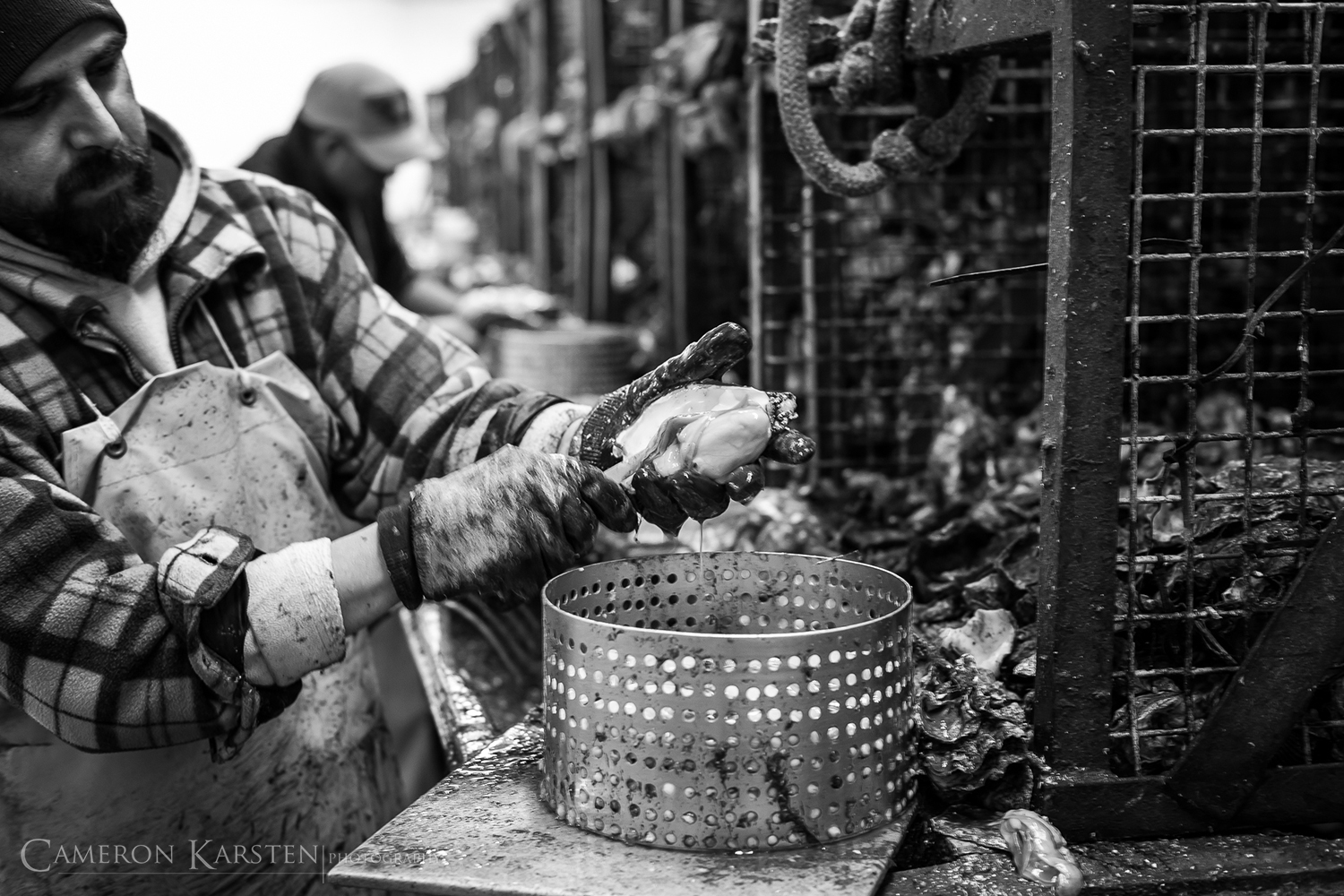
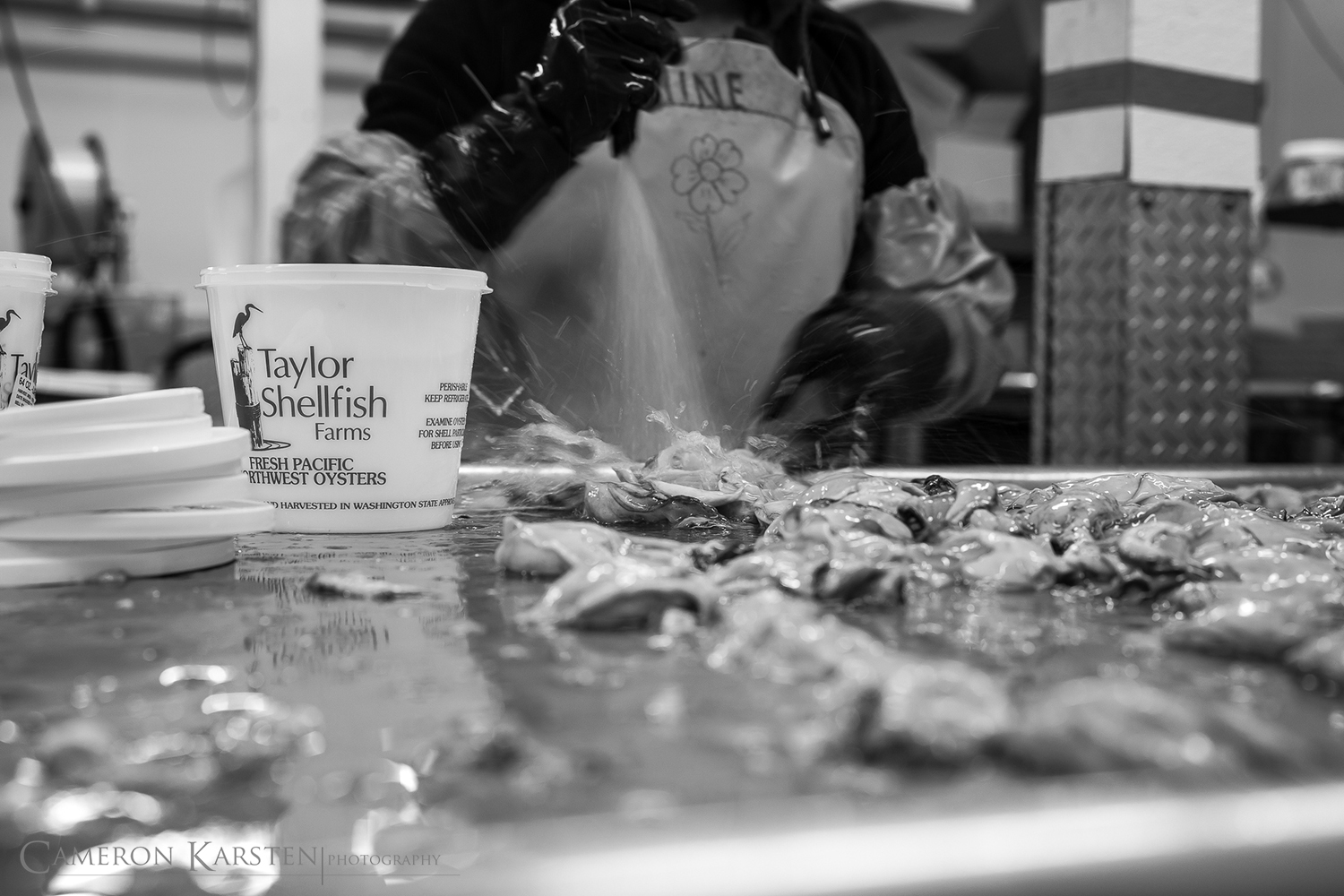
karsten_cameron_20Taylor Shellfish Farms is the first to experience this threat.  They are attracting globe attention to what is occurring within their hatcheries and throughout their farms.  They rely on clean healthy water for larvae seed to develop, but ocean acidification is effecting the development of these mollusks, prohibiting full and consistent growth of their calcium carbonate shells.  What is the future of the mollusk culture if we continue burning fossil fuels and causing the climate to warm-up at faster then expected rate?  Our industrial state affects more then just our air quality.

To see Part II of the multimedia project Ocean Acidification and our Oyster Culture, please click here

Ocean Acidification and our Oyster Culture – Part I

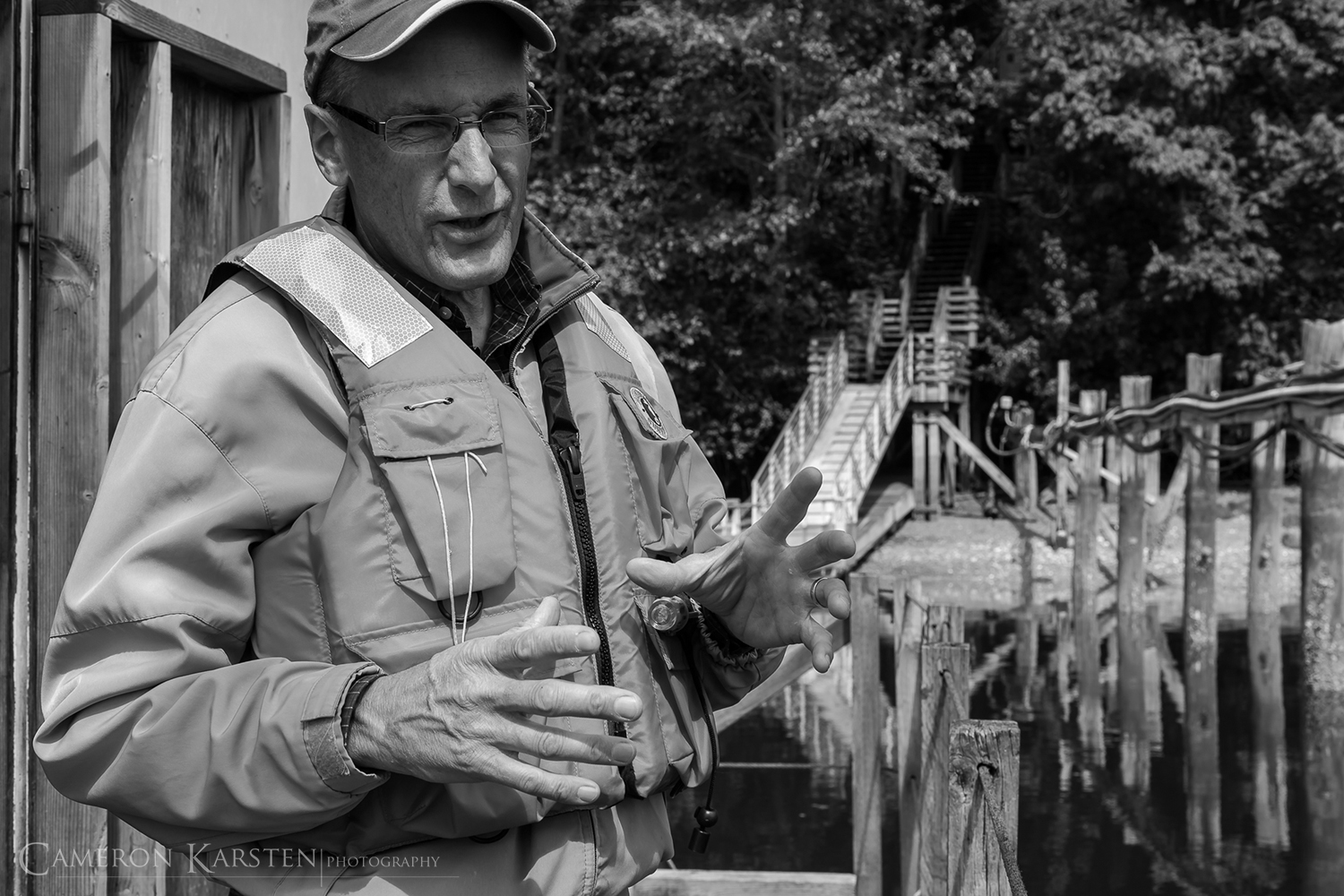
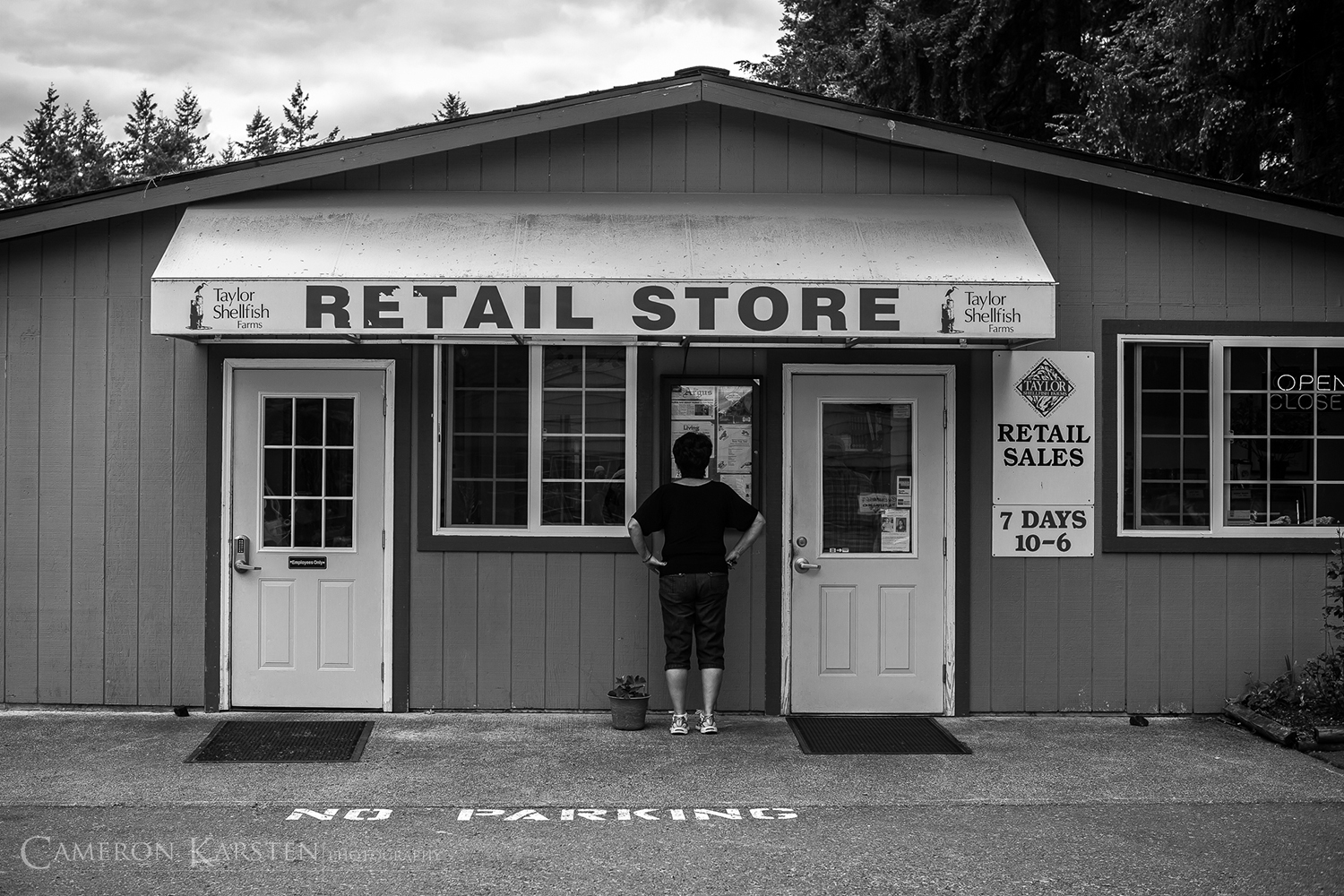
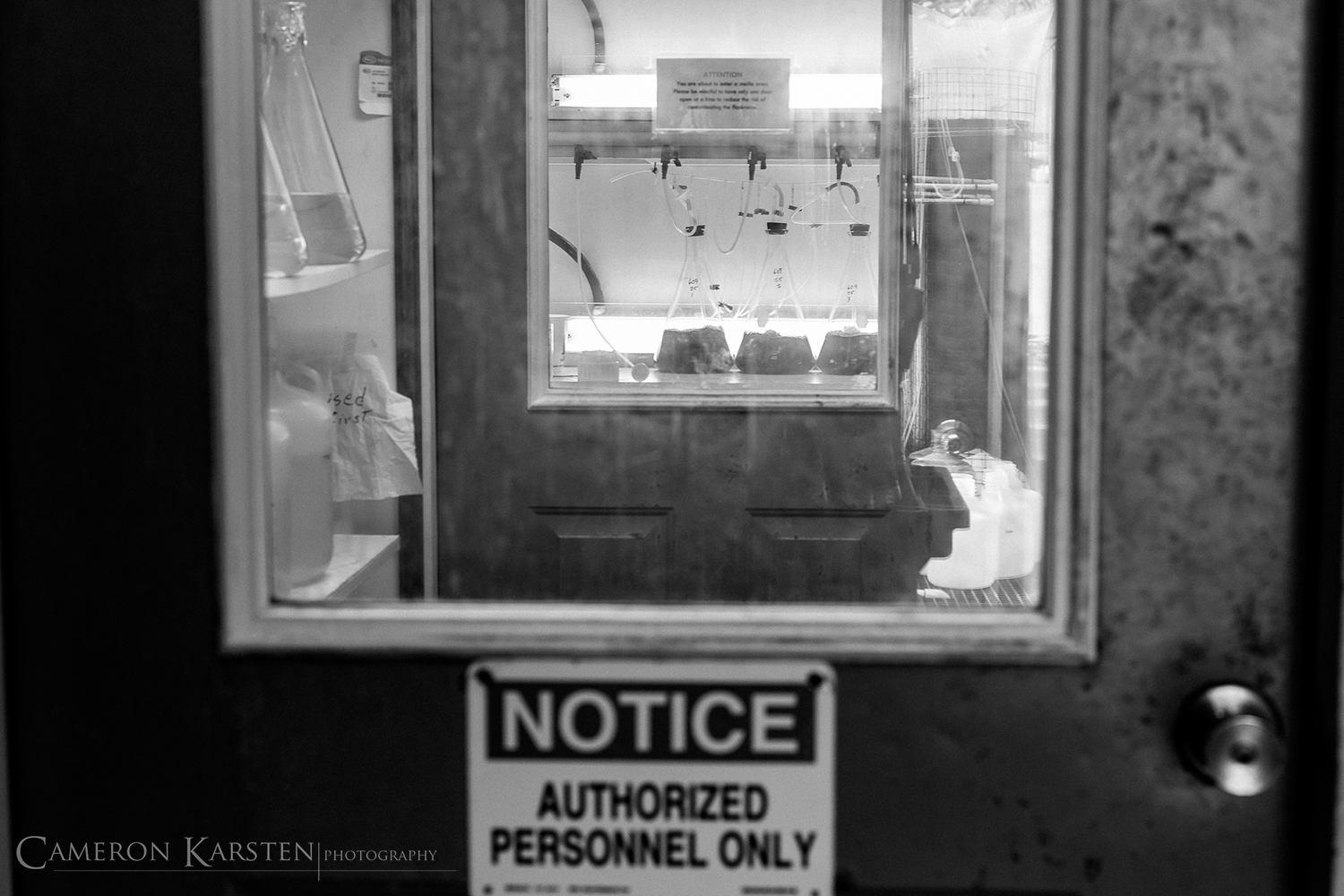
karsten_cameron_01In March 2013, I met Benoit Eudeline. Benoit speaks in a thick French accent and is the lead scientific researcher at Taylor Shellfish Farms’ hatchery.  Located in the pristine Dabob Bay, Taylor Shellfish is Washington State’s foremost producer of farm-raised shellfish, supplying the industry with top-grade oysters, mussels, clams and geoduck.  It produces two-thirds of the state’s mollusk aquaculture and is the country’s largest supply to Asia, boosting its’ economy and solidifying the region’s bearing as a premium seafood culture.  But in 2008, all this came to a screeching halt.  Something was happening.  Numbers were falling at Taylor Shellfish and each of the other farms in the area.  Production was at a loss.  Larvae within the confines of the hatcheries became insolvent at surviving.  Holes appeared in their developing shells.  Disease and predators disrupted growth.  Something was brewing in the Pacific Northwest.

karsten_cameron_02

karsten_cameron_03

karsten_cameron_04

karsten_cameron_05

karsten_cameron_06

karsten_cameron_07

karsten_cameron_08

karsten_cameron_09

karsten_cameron_10Nowhere else in the world was this environmental phenomenon occurring.  Mollusks, particularly oysters, were thriving as usual, but in the northwestern estuaries of the Pacific Ocean, the declining health of young shellfish became obvious.  First, the oysters; then slowly the shells of young geoducks and the tendrils of mussels, which they rely on to suspend to their host, began showing signs of frailty.  As the seasons over the next few years passed in confusion, scientists began studying the changing environments until one thing became evident.

To see Part 1 of the multimedia project Ocean Acidification and our Oyster Culture, please click here

The U.S. Senate and Your Children

DanePortrait-8


Thanks to the “shameful” state of our country’s Senators, the expanded gun-buyer background check failed yesterday with a 55-45 vote against the plan.  Without tougher gun-control laws, the US Senate potentially disregards the safety of our country’s children and citizens, allowing equal ease to gun access, and essentially setting up continued failure on the ban of assault-style weaponry and high-capacity magazines.  What school, Town Hall, movie theater and crowded shopping mall is next?

CameronKarsten2013_SquirtGunDyptch

CameronKarsten2013_GunBuyBack

Cameron Karsten Photography

Photo of the Day: The Gun Buy-Back Program

CameronKarsten2013_GunBuyBack


An idea pops into your.  You’ve been listening to the radio, following current events, examining your place in the constant shifting world.  Then the idea takes shape, morphs into words, thoughts, conversations and a variety of imagery.

The gun buy-back program has been incorporating our society.  The process flowed through my brain-waves and thus the above image.  I wondered about the origins, the beginnings of such violence permeating humanity.  Then I read an article in this month’s National Geographic entitled The Left Bank Ape, which explores the unique adaptations between two species along the Africa’s Congo River.  The north side (or right bank) are our common ancestors, the chimpanzee, whom we share 98.4% of our genetic DNA, while the south side (or left bank) is the bonobo.  And what makes these two species of primates markedly different are their social behaviors; during disputes the chimp is more aggressive, often resulting in death, while the bonobo prefers the tender acts of affection and using sex to solve issues within the community.

Observing today’s violence around the world, I ask:  Where did we come from?  Where are we going?  And what are we doing to get there?

Cameron Karsten Photography