IRC’s Winter Party in Seattle, WA

International Rescue Committee's Winter Party in Seattle, WA

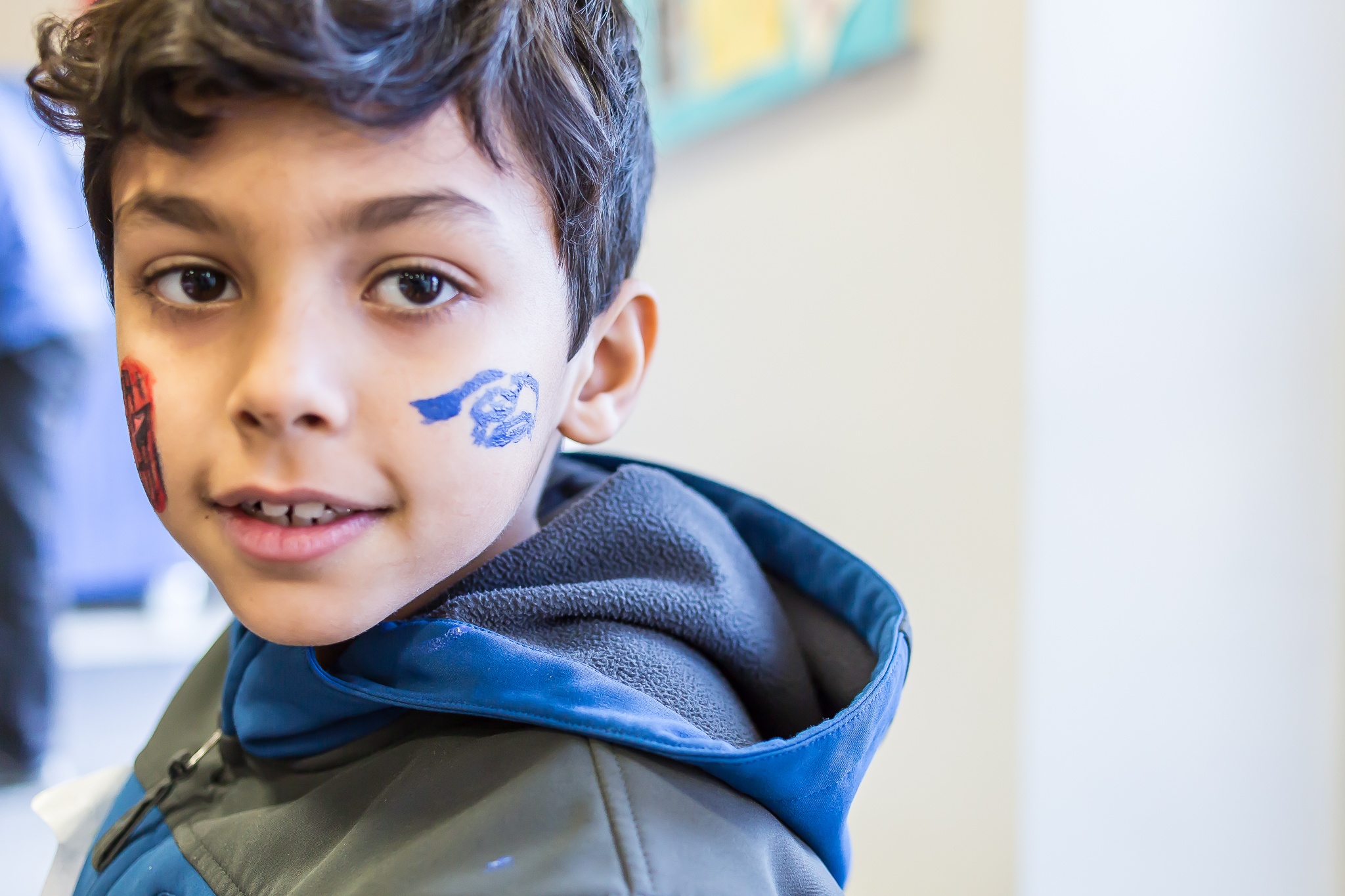
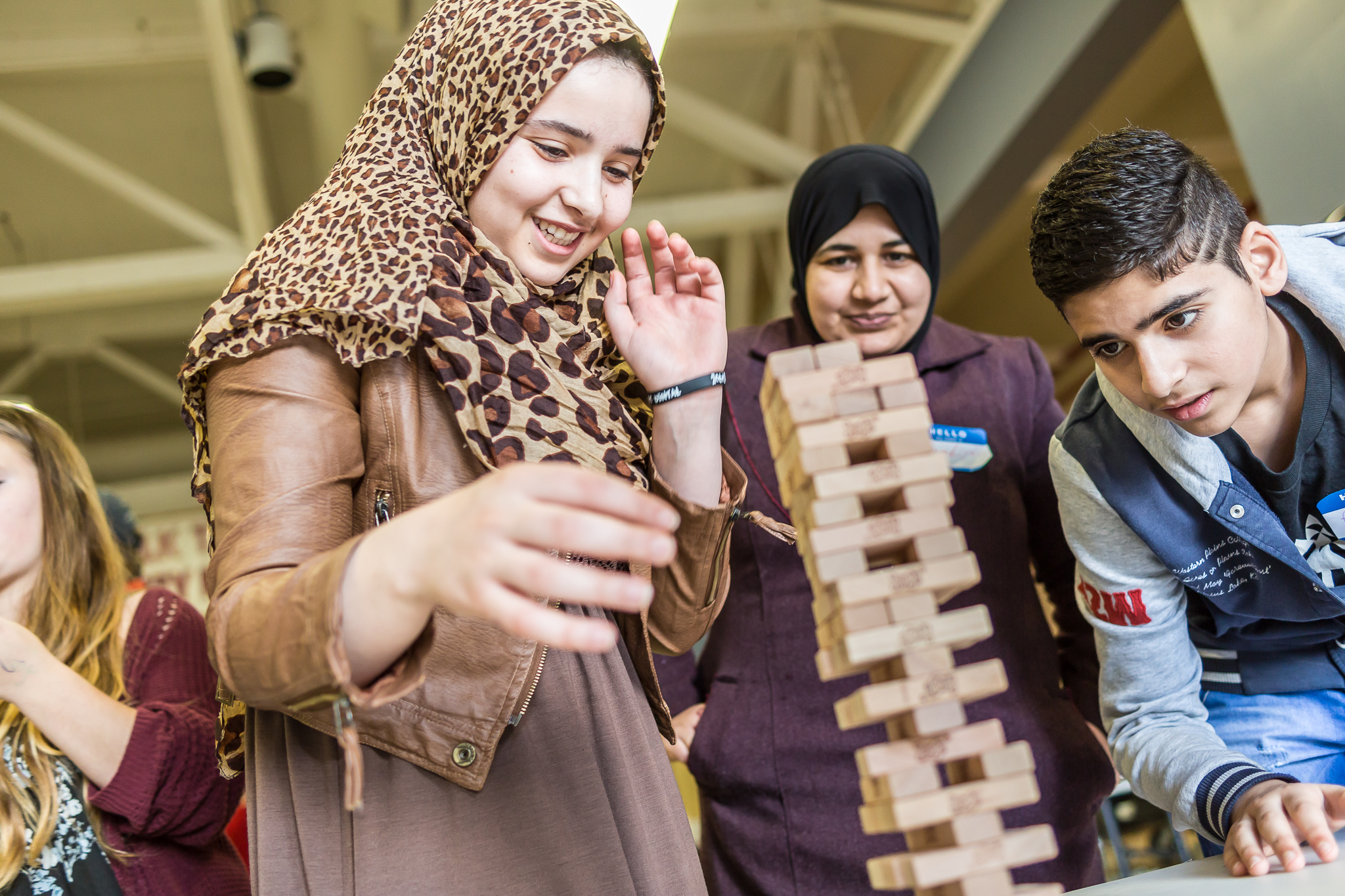
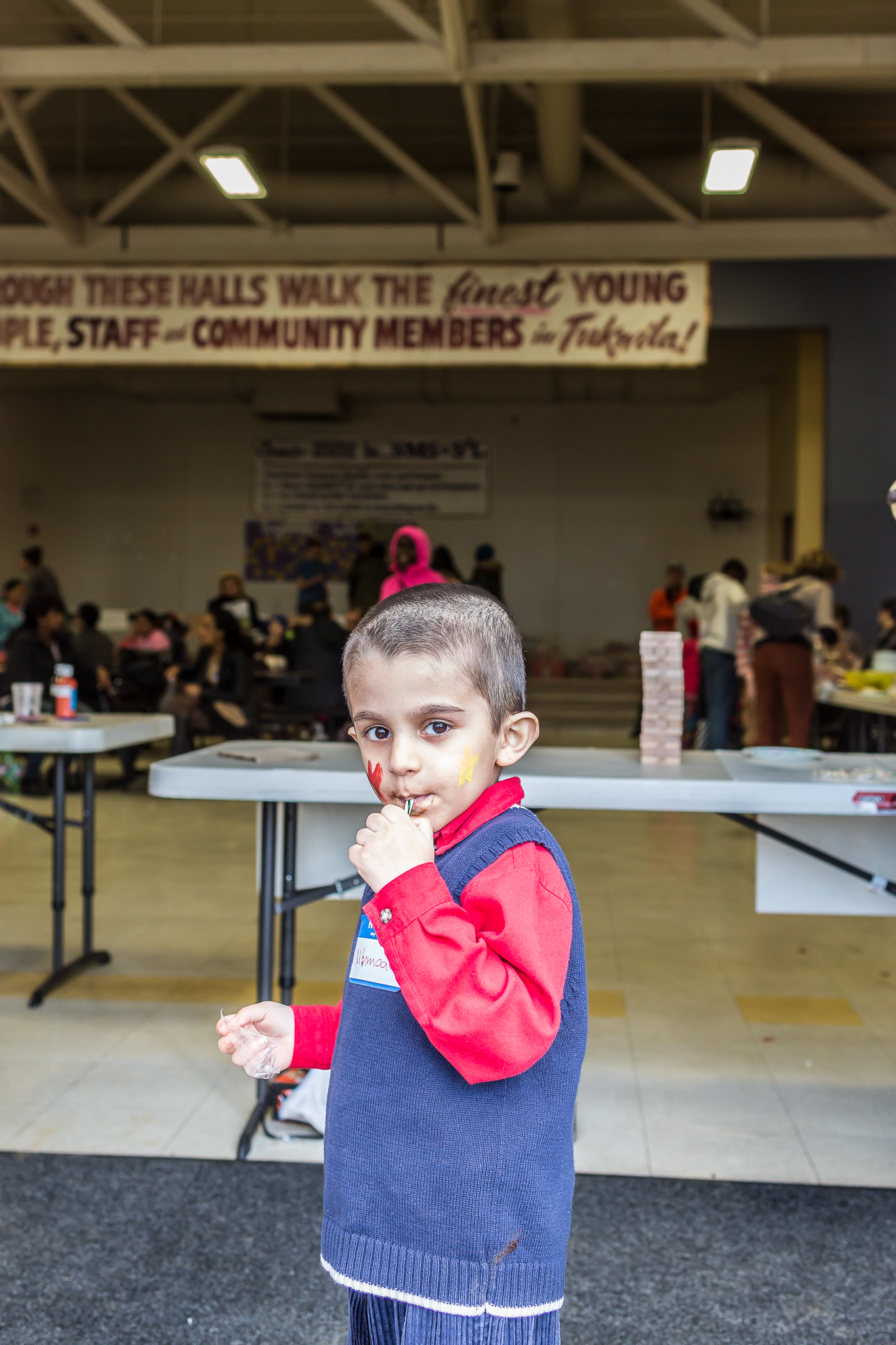
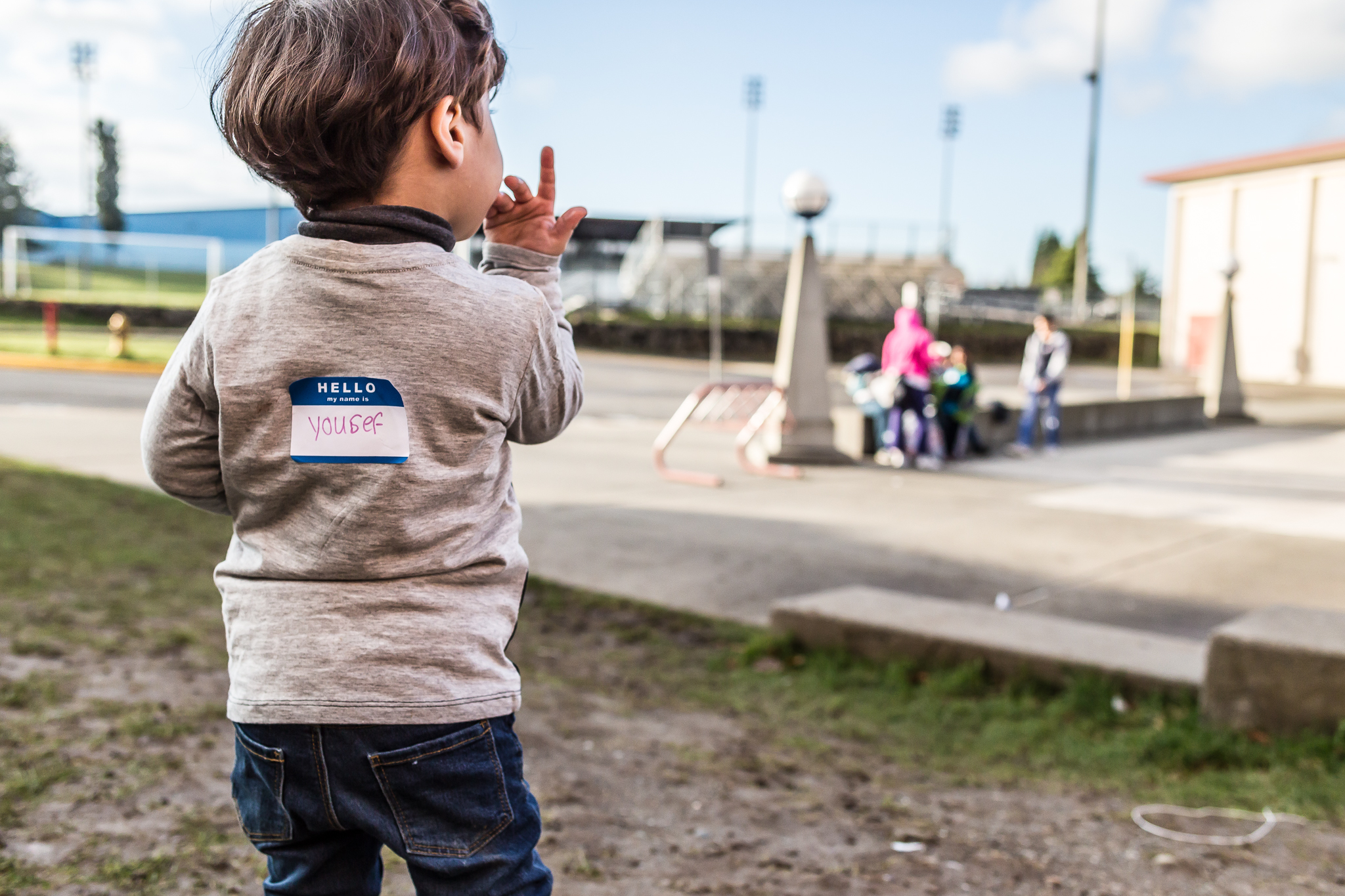
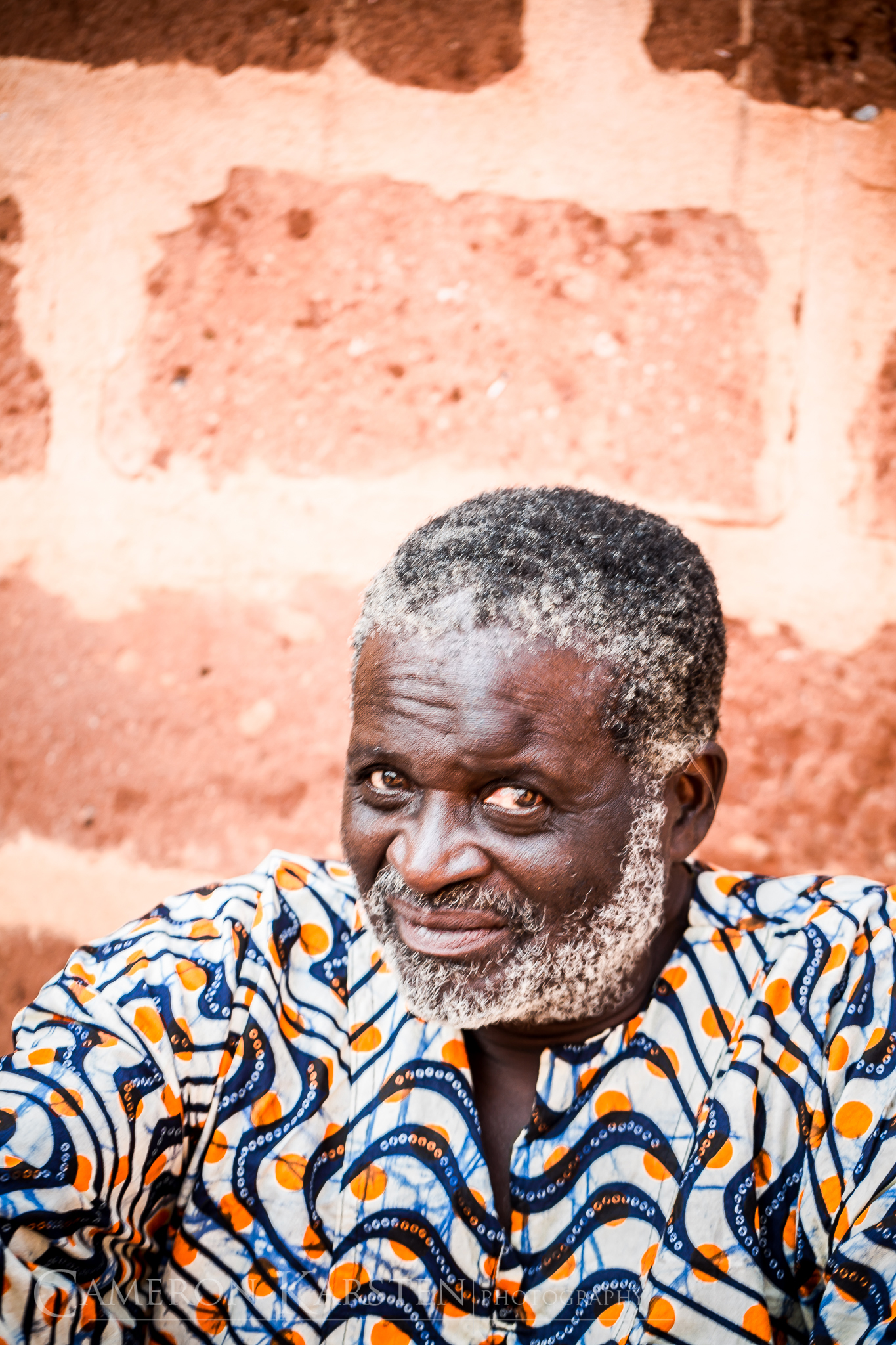
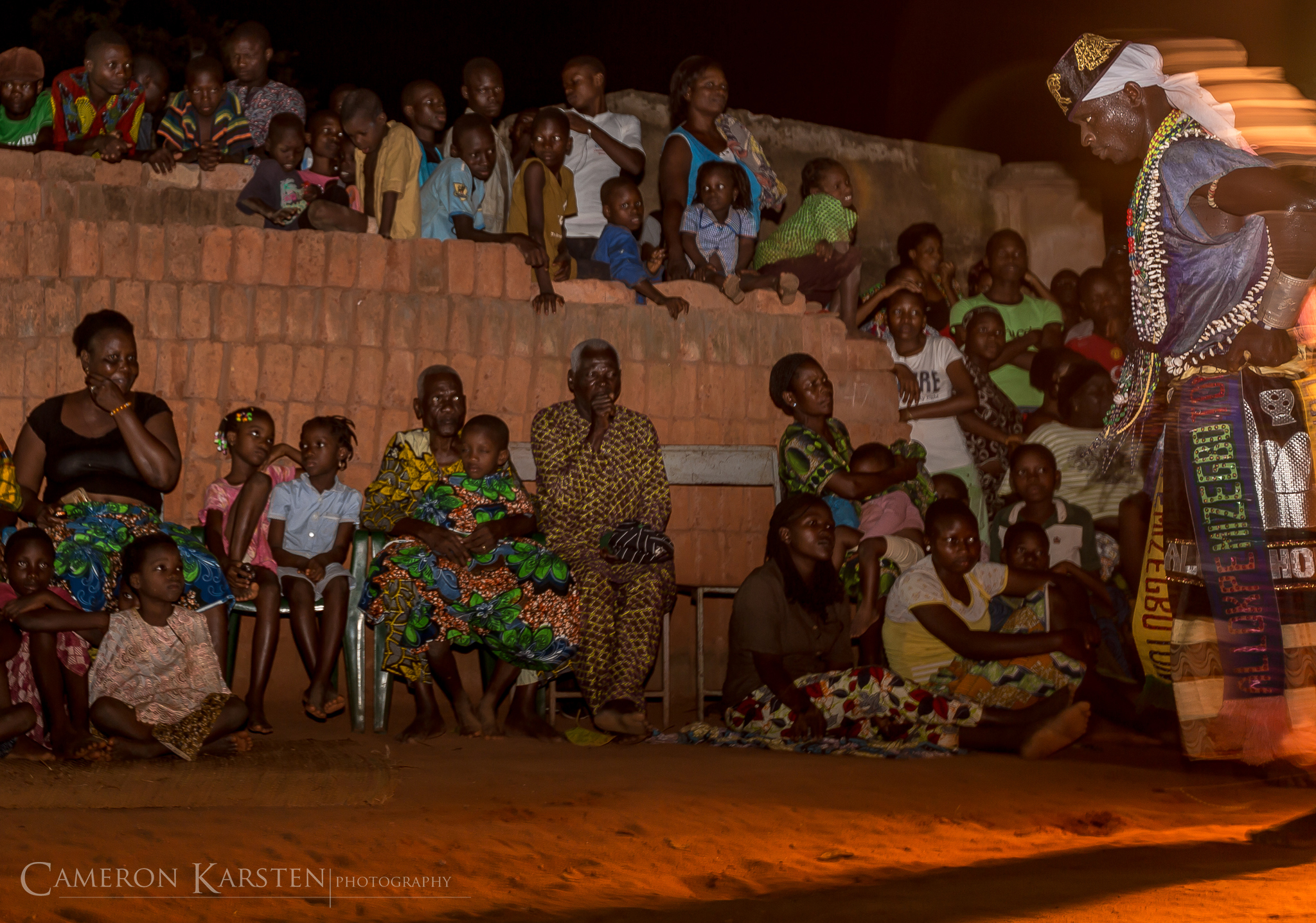
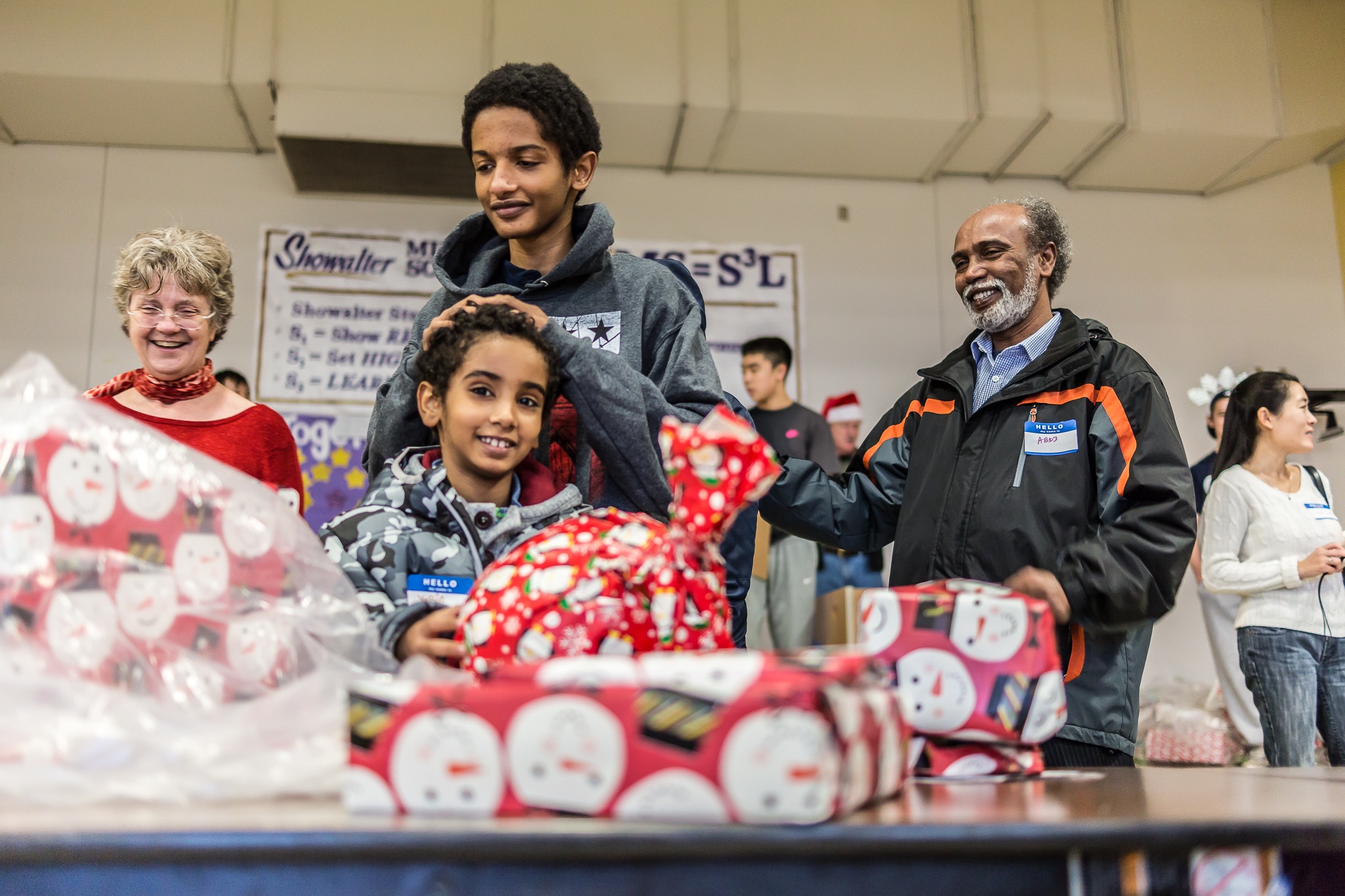
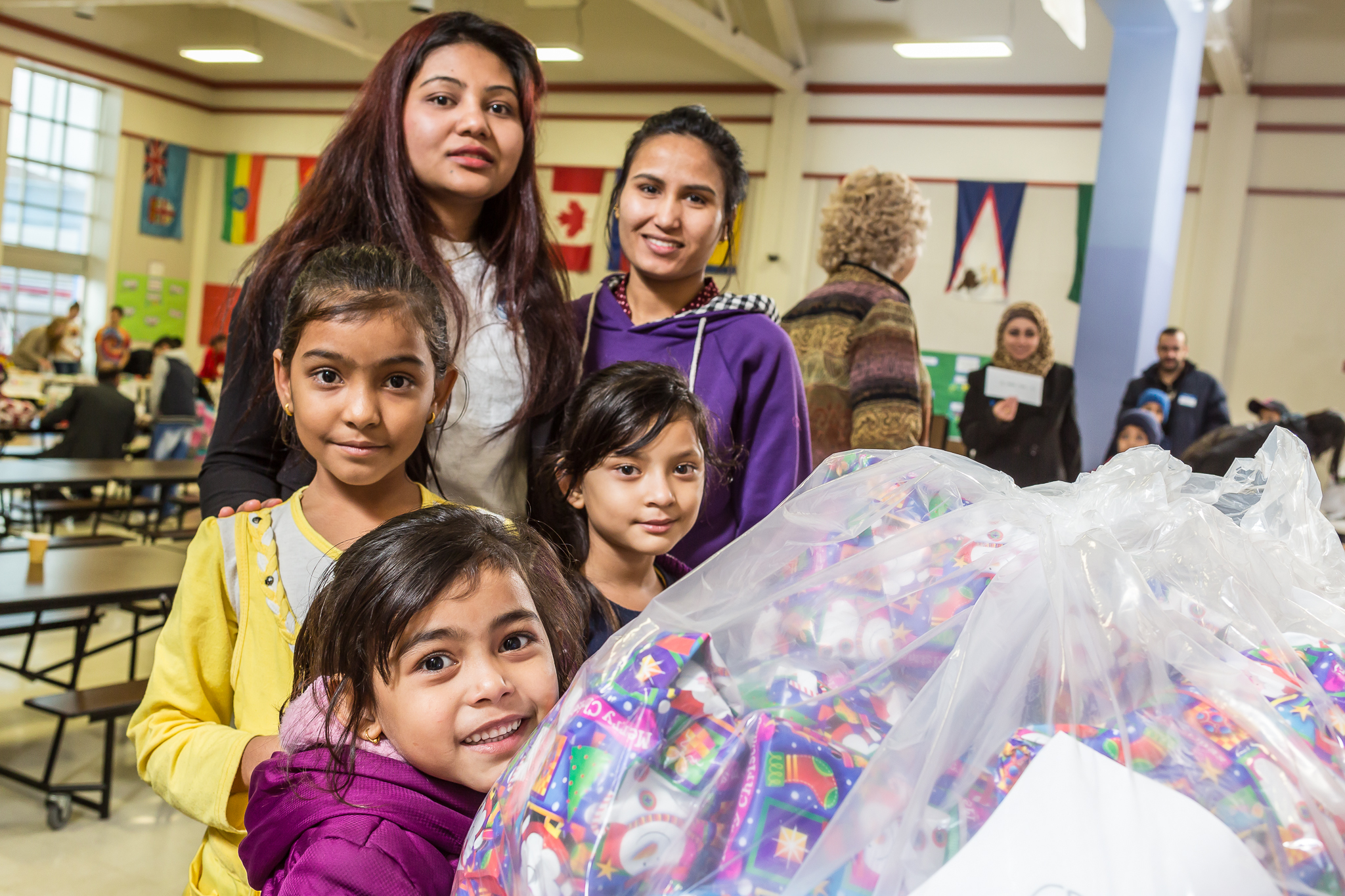
Seattle’s chapter of the International Rescue Committee celebrated a gift-exchange between refugees and sponsors this passed week. Families from around the world got together for gifts, games and activities, filling the auditorium with smiles, laughter and a few cries from the overwhelmed little ones.
International Rescue Committee's Winter Party in Seattle, WA

International Rescue Committee's Winter Party in Seattle, WA

International Rescue Committee's Winter Party in Seattle, WA

International Rescue Committee's Winter Party in Seattle, WA

International Rescue Committee's Winter Party in Seattle, WA

International Rescue Committee's Winter Party in Seattle, WA

International Rescue Committee's Winter Party in Seattle, WA

International Rescue Committee's Winter Party in Seattle, WA

International Rescue Committee's Winter Party in Seattle, WA

International Rescue Committee's Winter Party in Seattle, WA

International Rescue Committee's Winter Party in Seattle, WA

International Rescue Committee's Winter Party in Seattle, WA

IRC teams provide health care, infrastructure, learning and economic support to people in 40 countries, with special programs designed for women and children. Every year, the IRC resettles thousands of refugees in 22 U.S. cities.

IRC

logo_blackTrajan

Puget Sound Restoration Fund: The Oyster Harvest

PSRF2-76

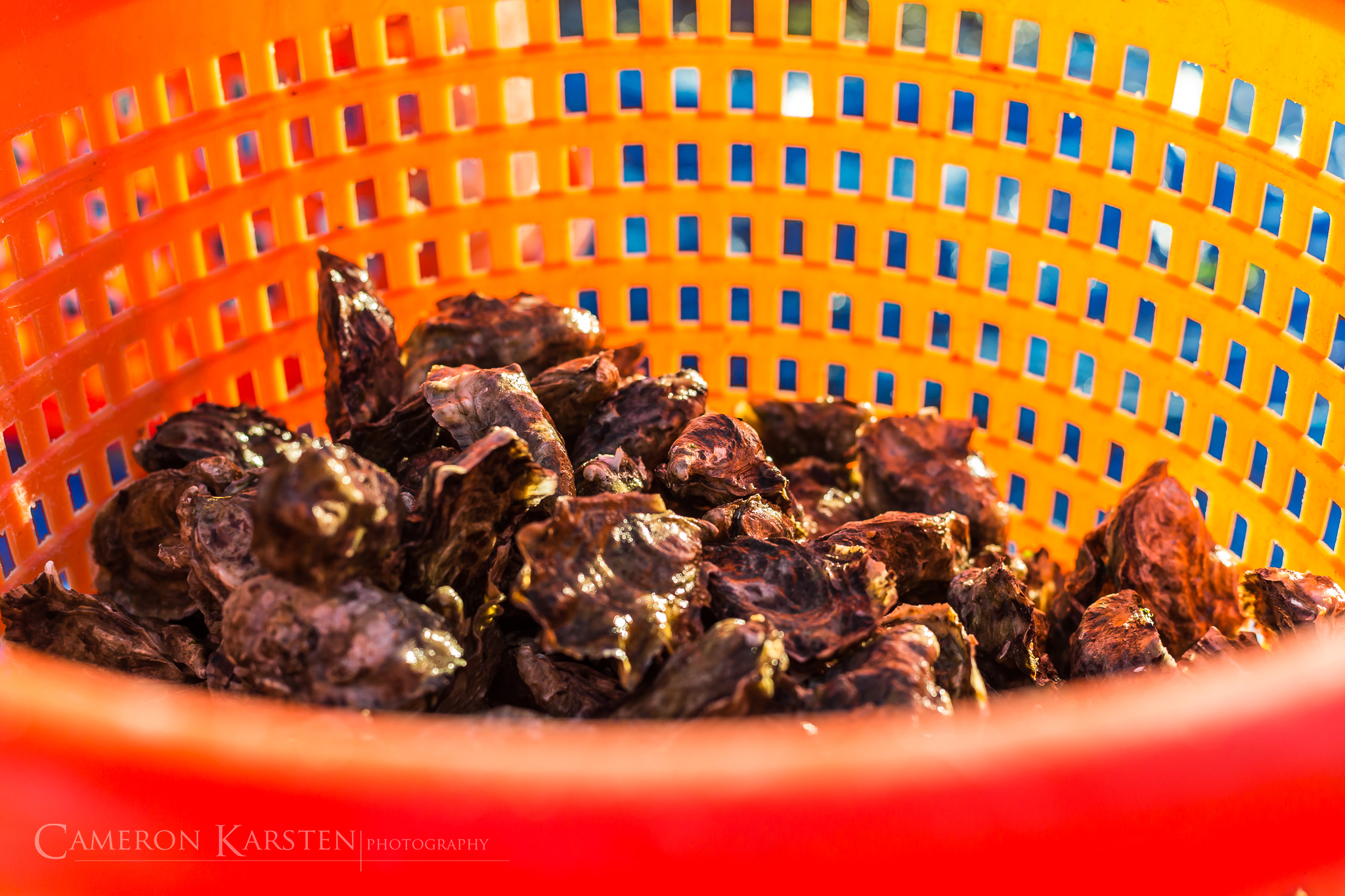
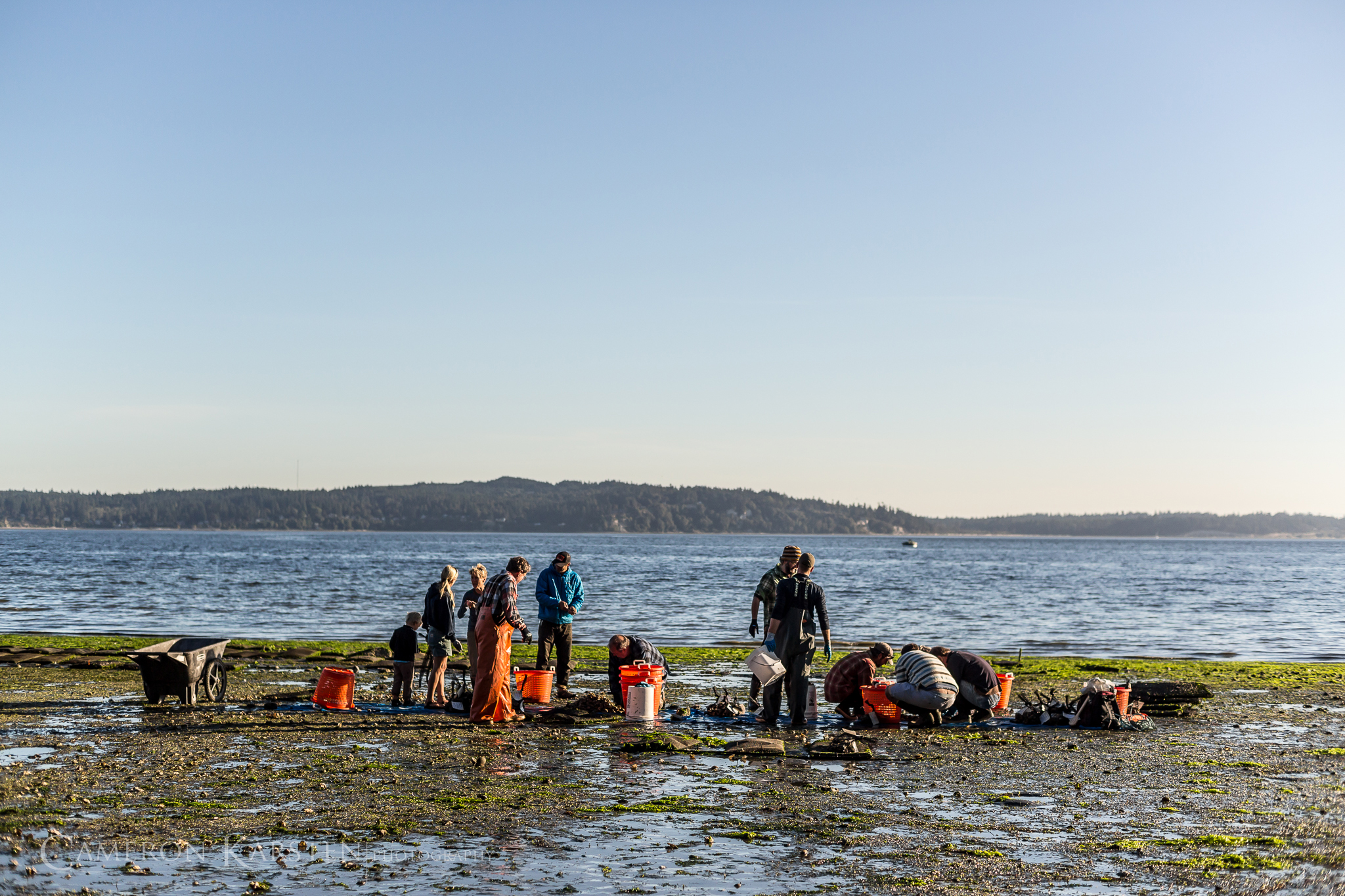
Oysters are delicious, but they’re also highly important to our marine ecosystem. They’re natural filtration systems, removing toxins and cycling nutrients back into the water that help combat pollution. Oysters within the Puget Sound are also some of the first species to feel the effects of a new threat called Ocean Acidification (OA). As the ocean becomes more acidic due to decreasing pH levels from human industrialization, oyster seed shells begin to dissolve causing holes, disease and early death.

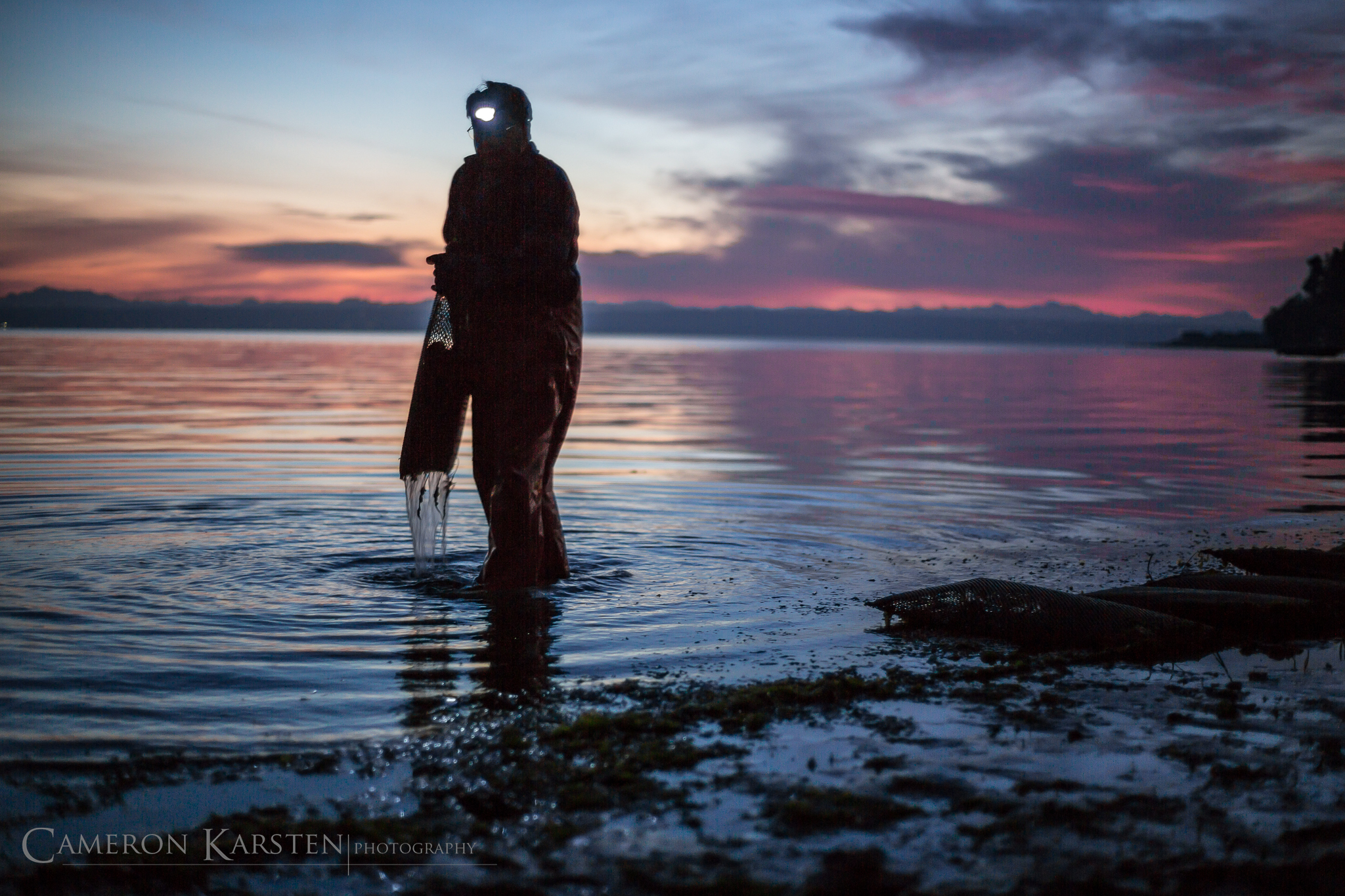
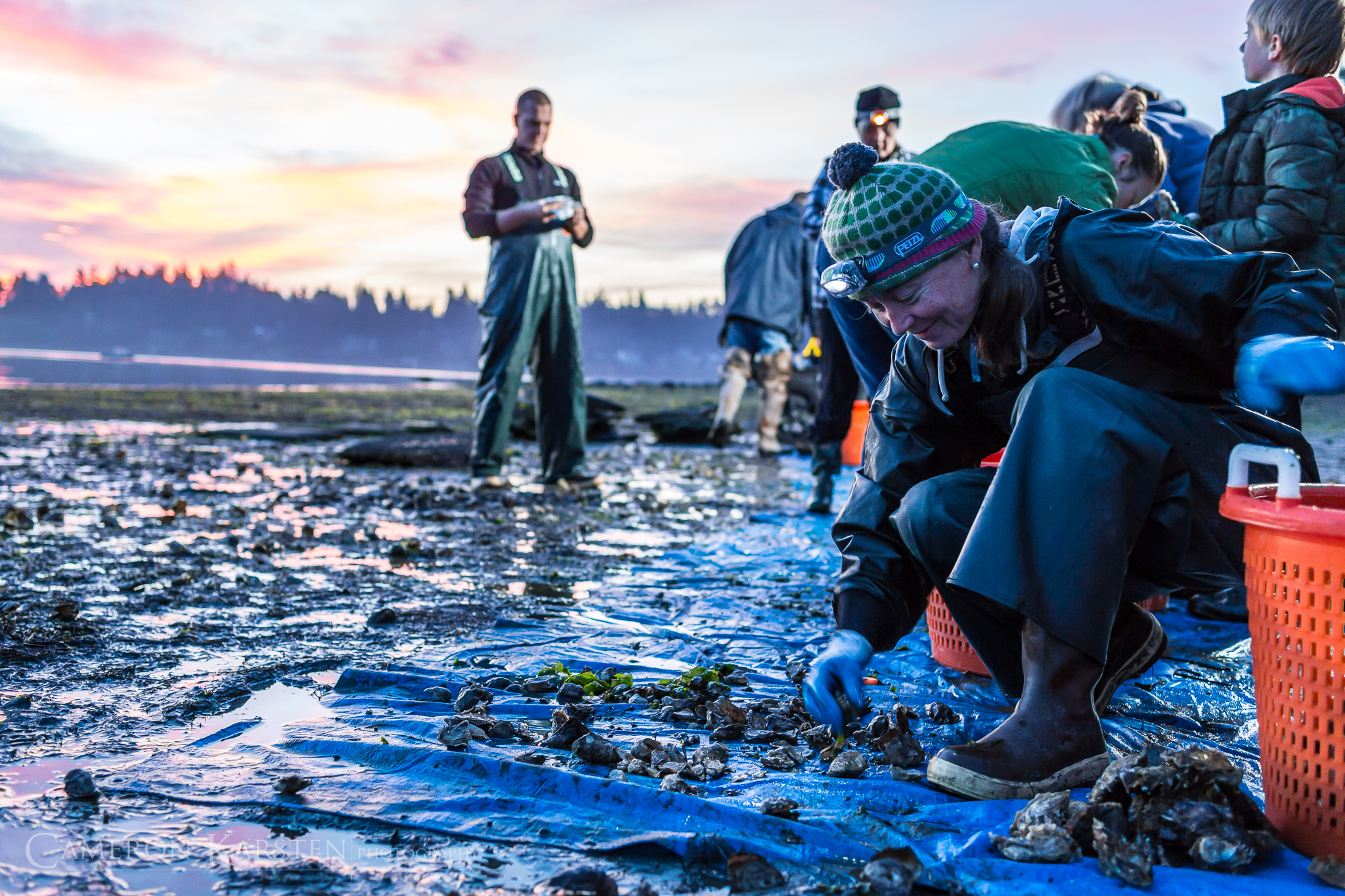
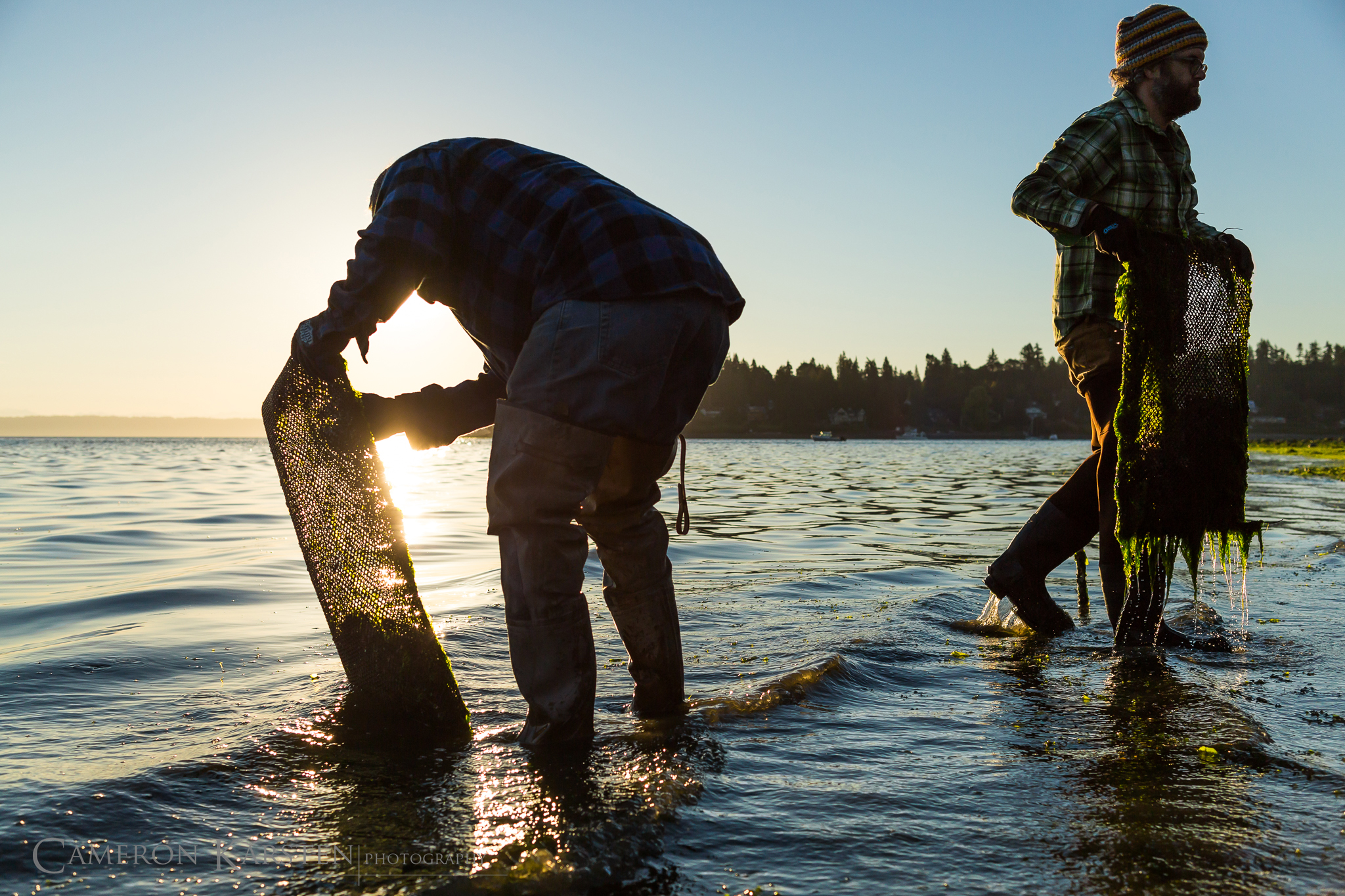
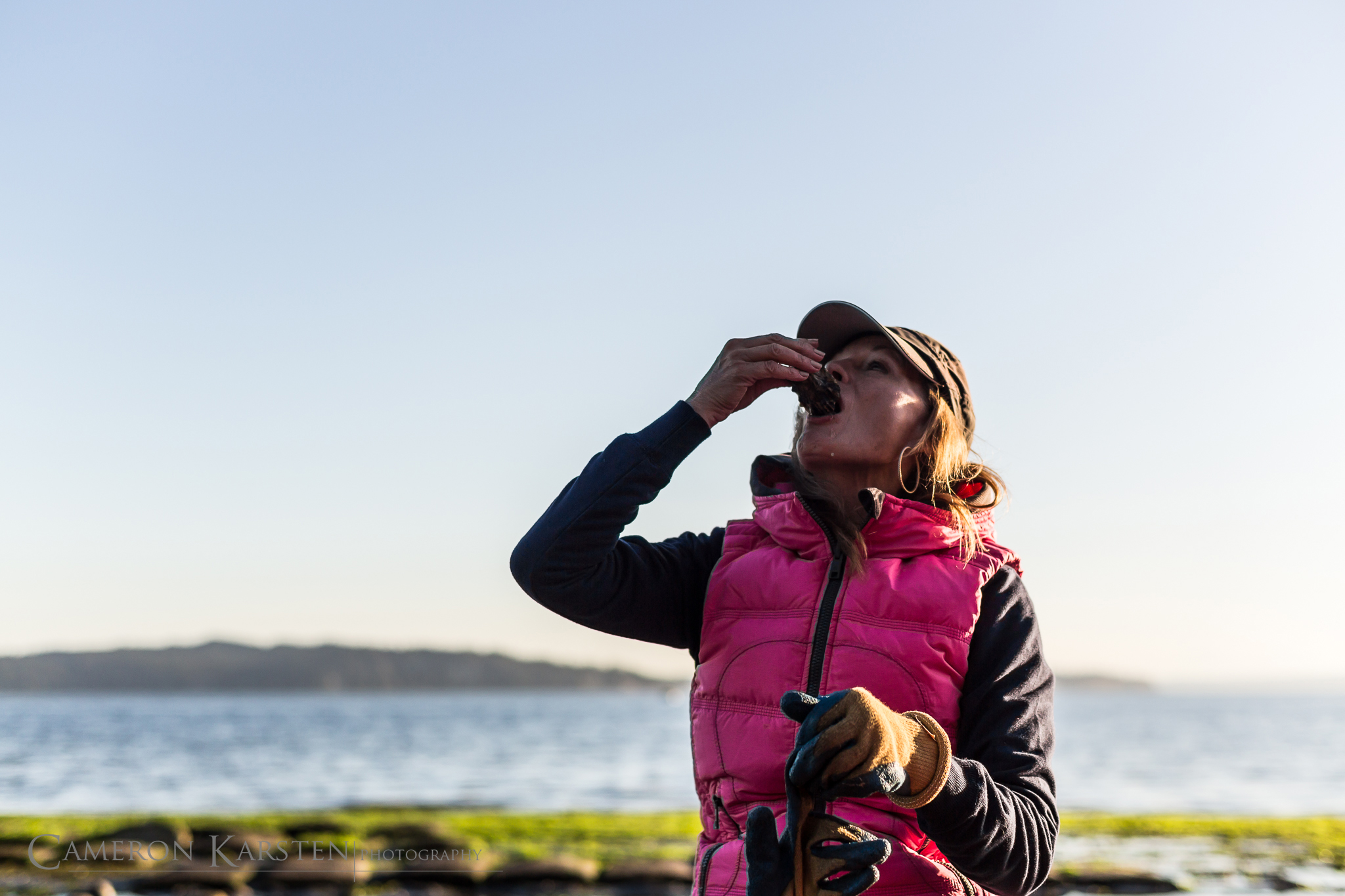
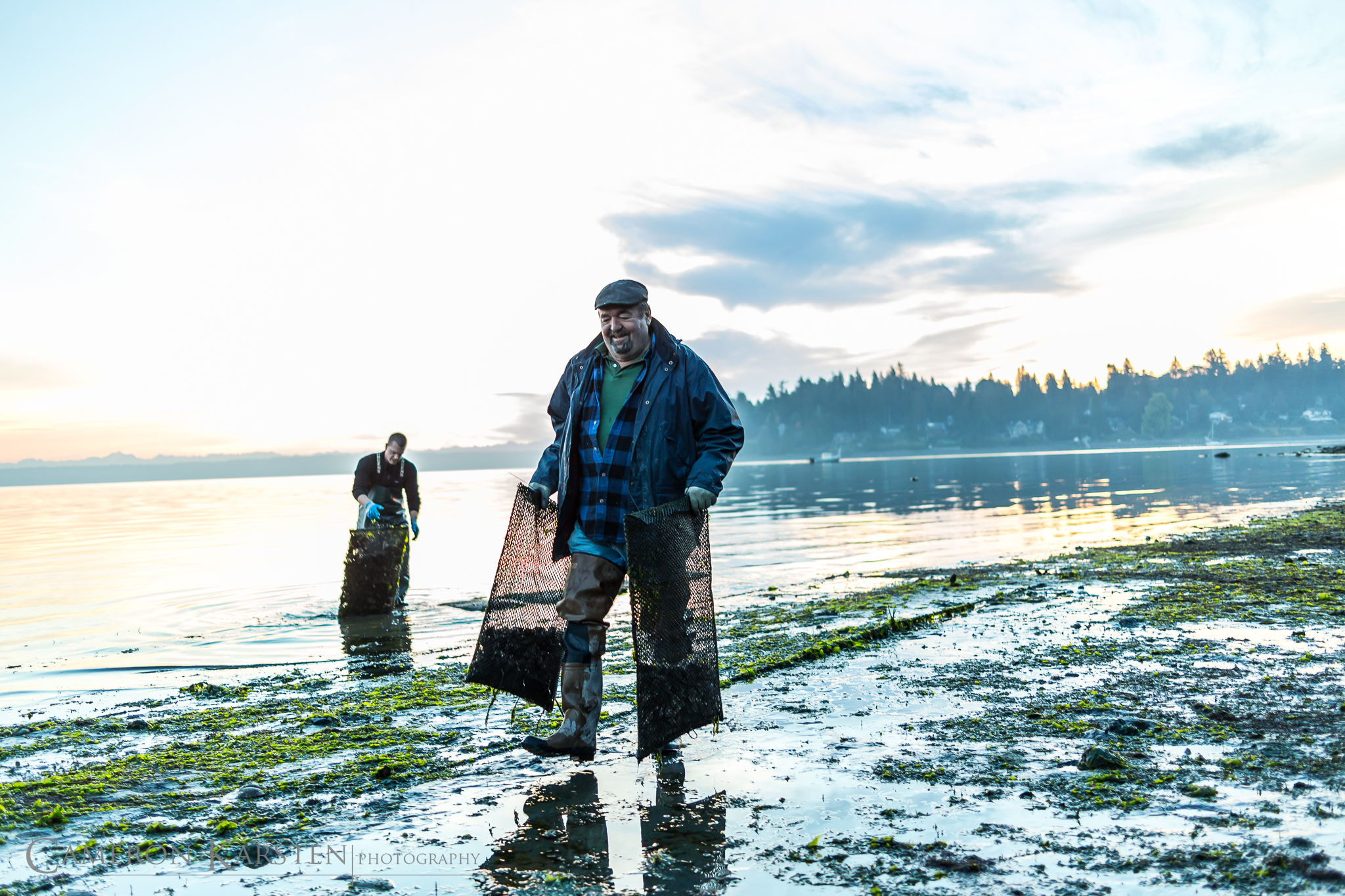
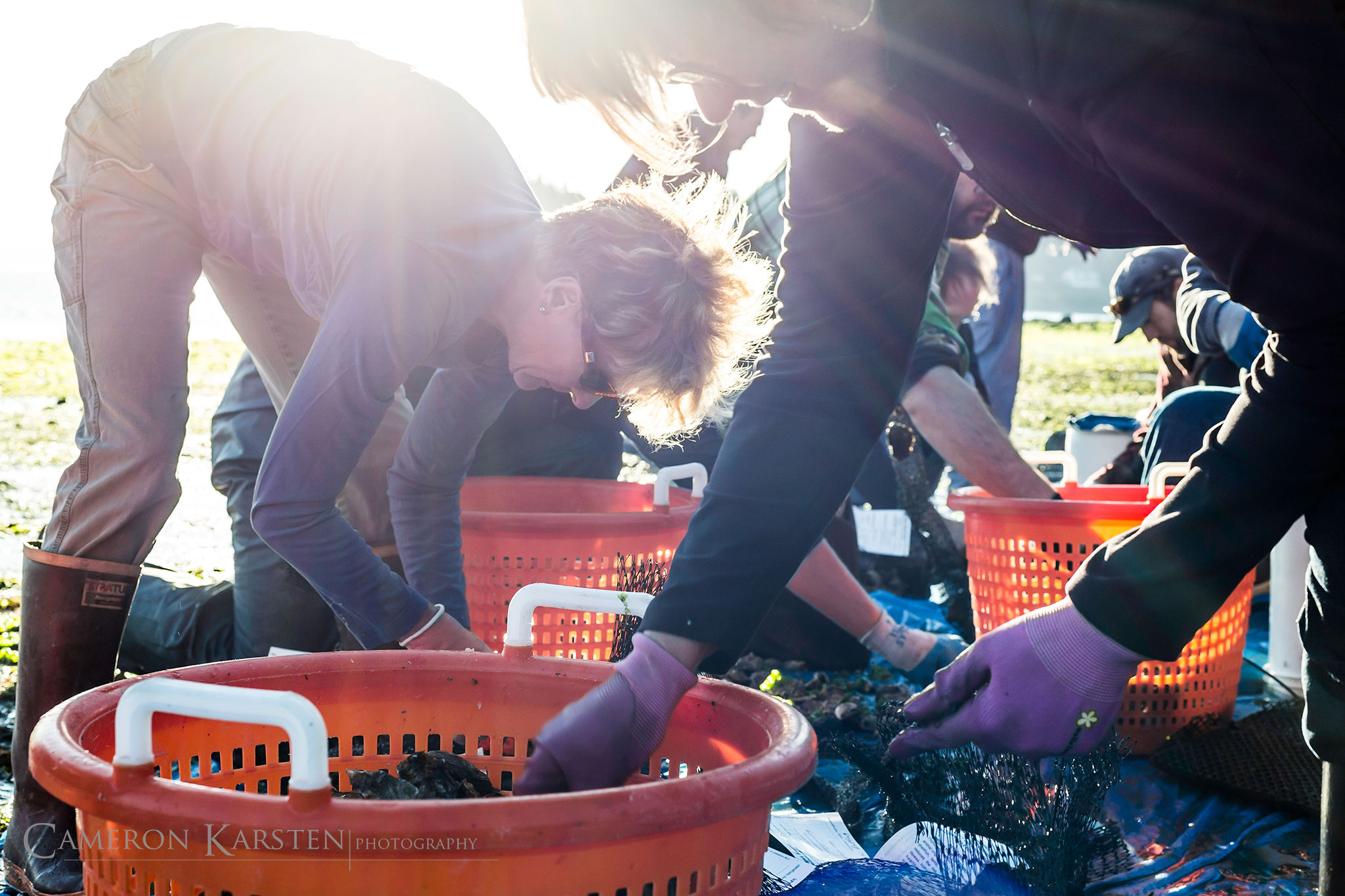
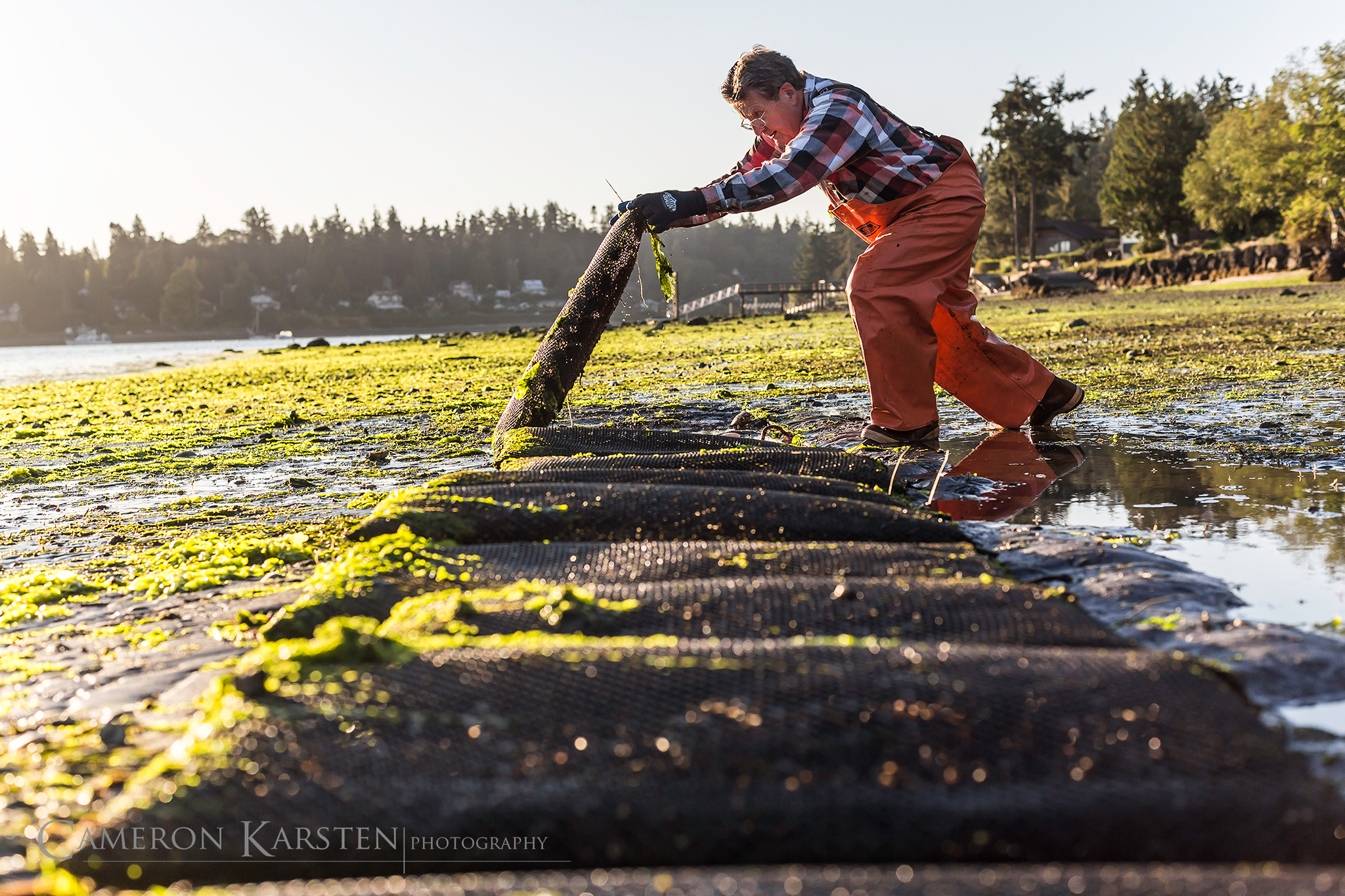
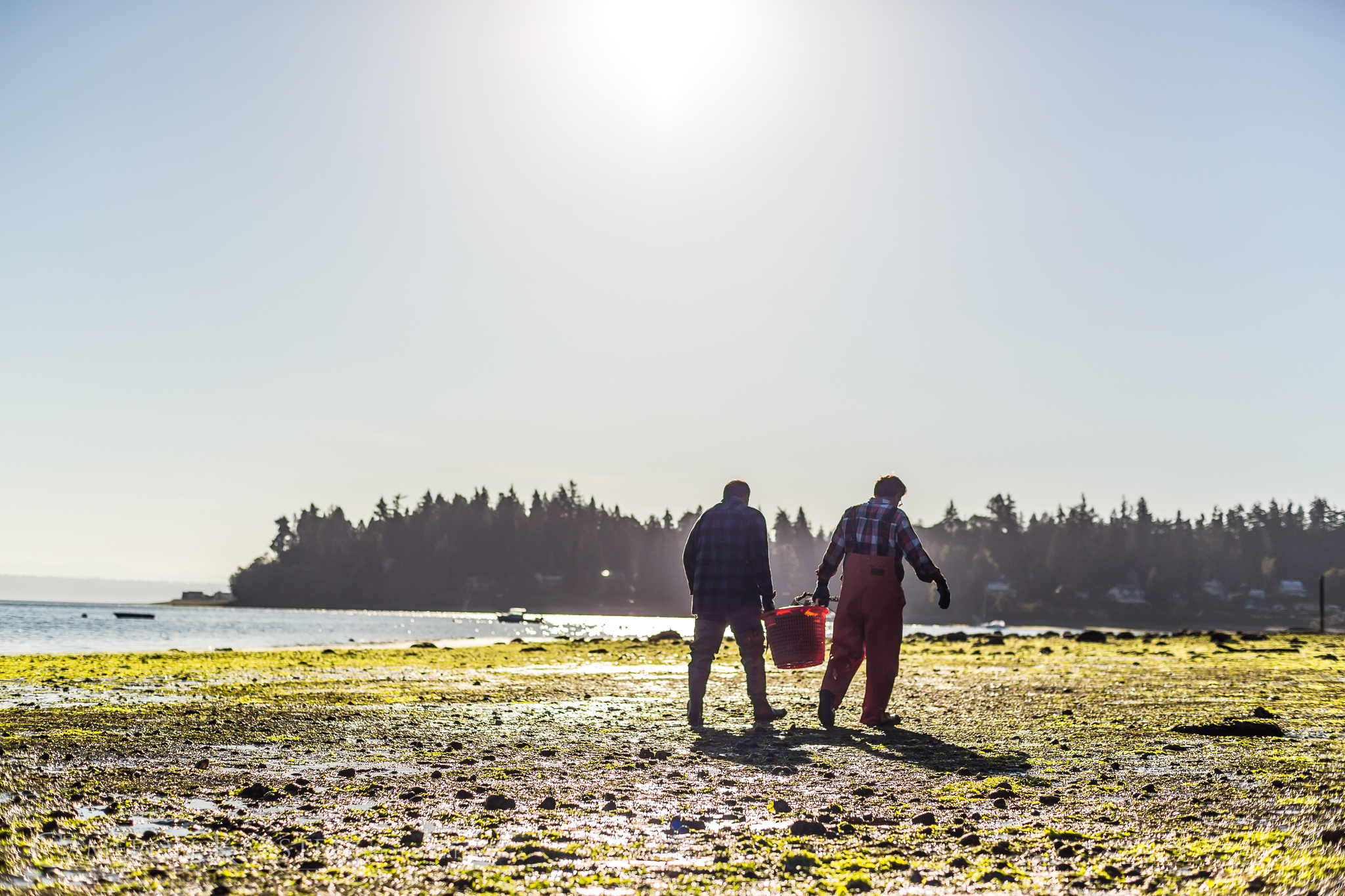
Puget Sound Restoration Fund (PSRF) is helping restore these mollusks by planting native oyster beds throughout Puget Sound. They’re creating a community of oyster harvesters through their CSA program, as well as partnering with research institutes to further study and treat the effects of OA. On an early morning on Bainbridge Island, Washington local volunteers gather to take advantage of the low tide and collect the native oysters.

PSRF2-23

PSRF2-38

PSRF2-16

PSRF2-109

PSRF2-137

PSRF2-126

PSRF_Harvest1-30

PSRF_Harvest1-46

PSRF_Harvest1-103

PSRF_Harvest1-168

PSRF_Harvest1-176

PSRF2-200

PSRF_Harvest1-239-copy

PSRF_Harvest1-204

PSRF_Harvest1-157-copy

PSRF_Harvest1-99

PSRF_Harvest1-249

PSRF_Harvest1-259

For more visit the Ocean Acidification Project

Cameron Karsten Photography

All Across Africa: In Uganda

Day8_UgandaJinja-657

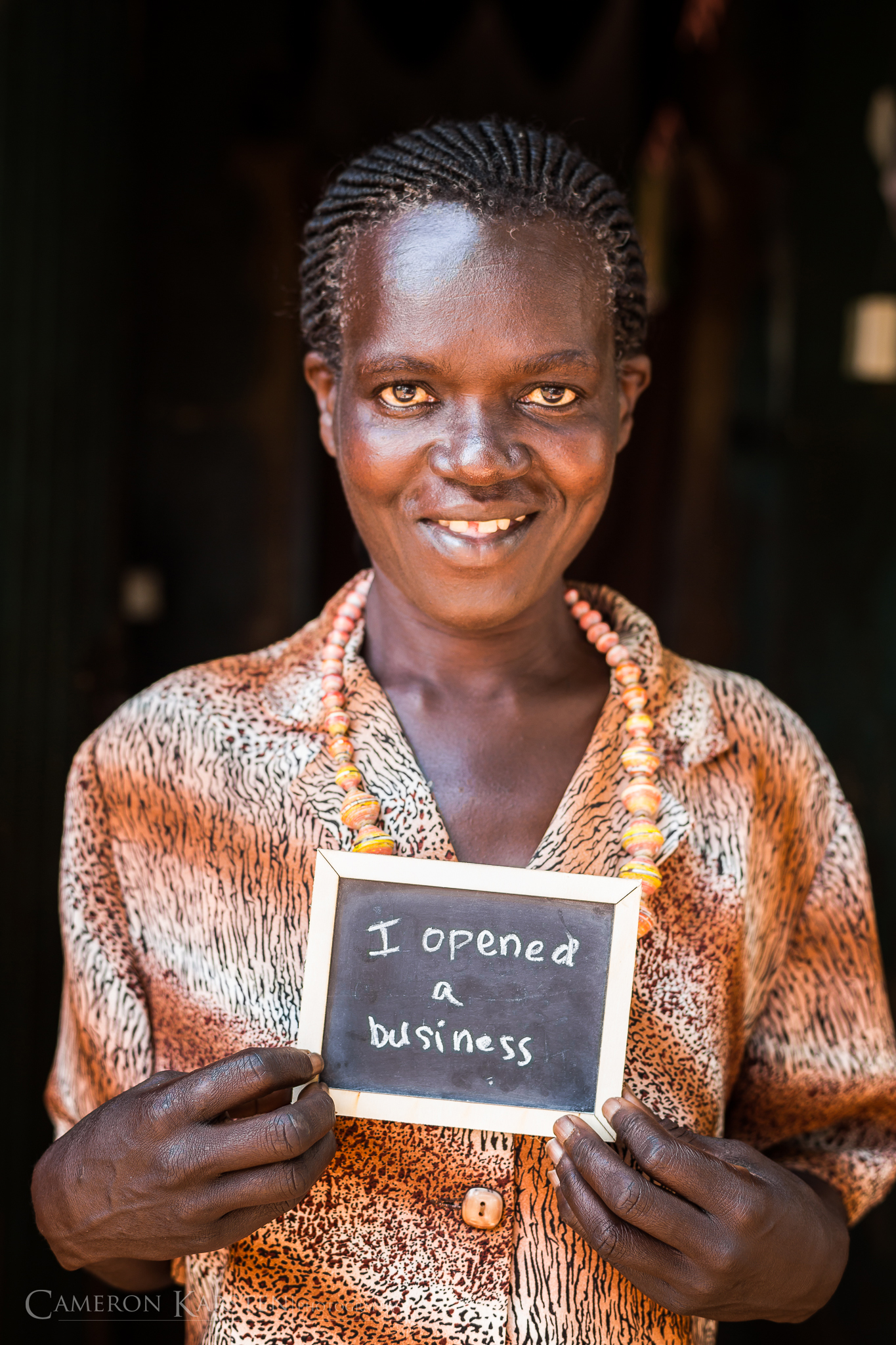
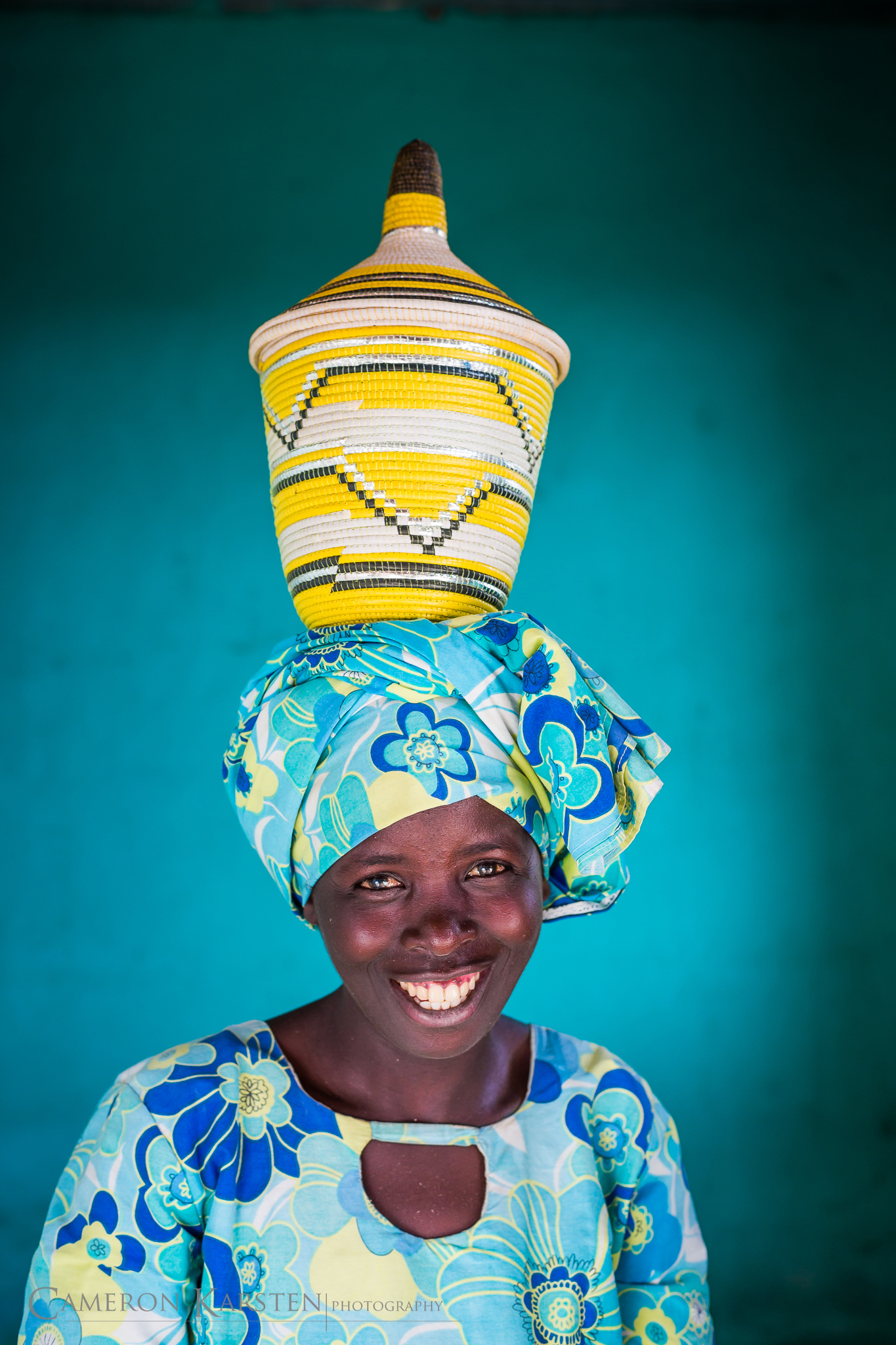
Meet Margaret, a paper bead jeweler from the Lira District in Northern Uganda. Margaret moved to Jinja in the early 1980s to escape the Lord’s Resistance Army. Today, she is able to pay rent each month all thanks to All Across Africa in Uganda.

Day9_UgandaHornsPalm-395

Day8_UgandaJinja-759

Day7_KampalaBeads-943

Day8_UgandaJinja-217

Day9_UgandaHornsPalm-357

Day8_UgandaJinja-359

Day8_UgandaJinja-467

Day7_KampalaBeads-129

Day7_KampalaBeads-648

Day7_KampalaBeads-752

Day9_UgandaHornsPalm-700

Day8_UgandaJinja-640

For more visit www.CameronKarsten.com

Cameron Karsten Photography

All Across Africa – Women’s Cooperatives in Rwanda

Day1_Weavers_BuyDay-891

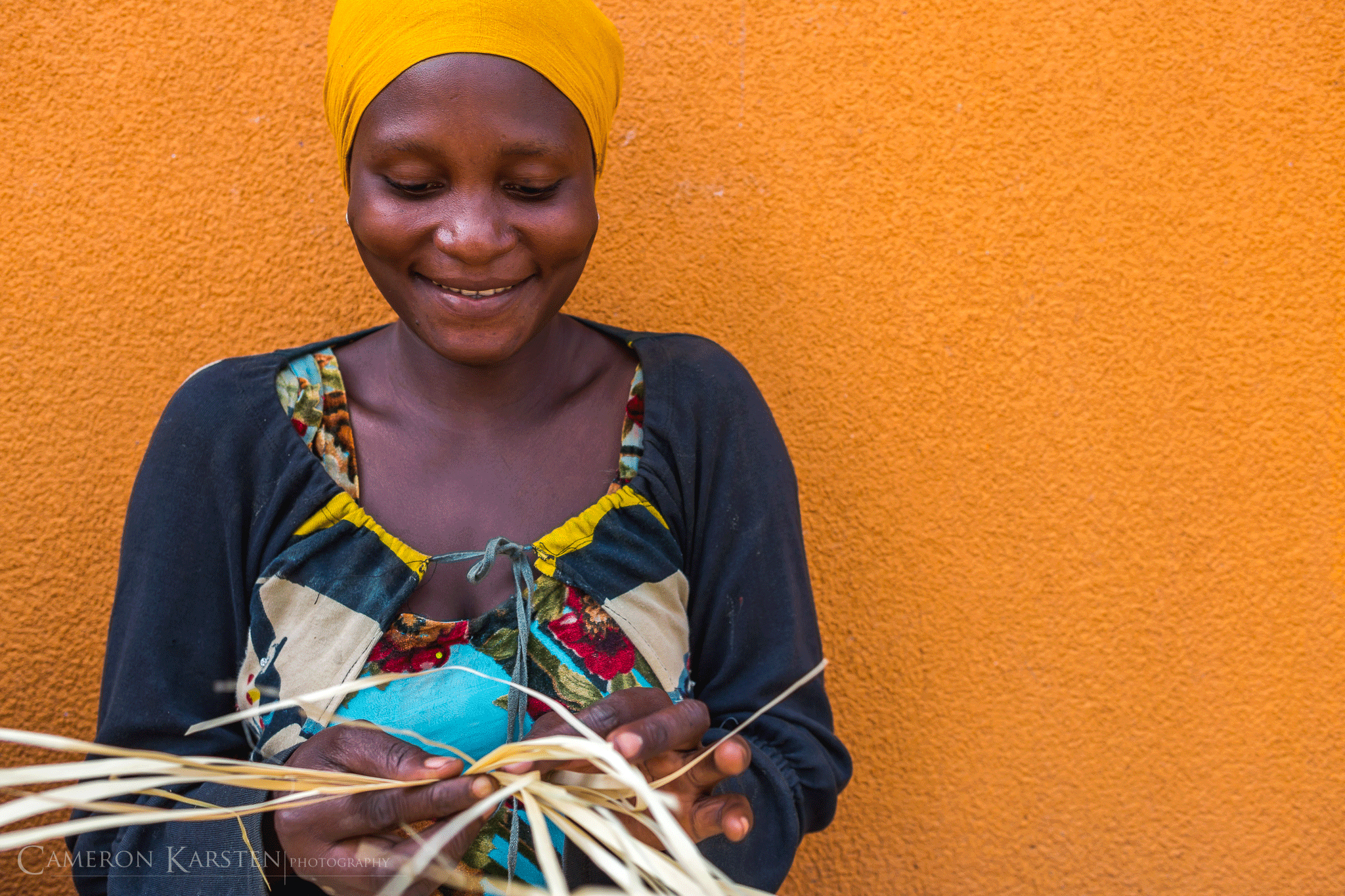
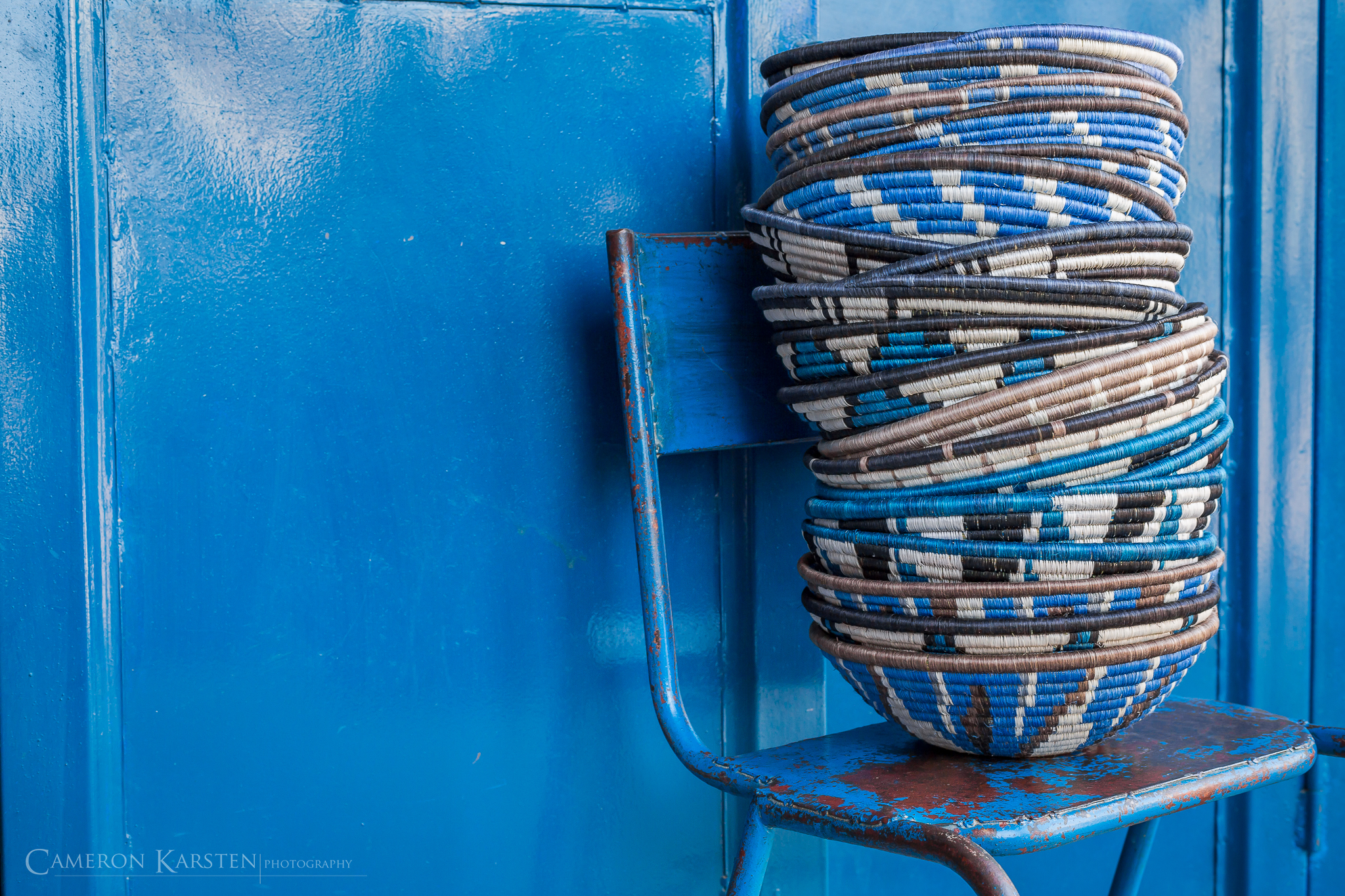
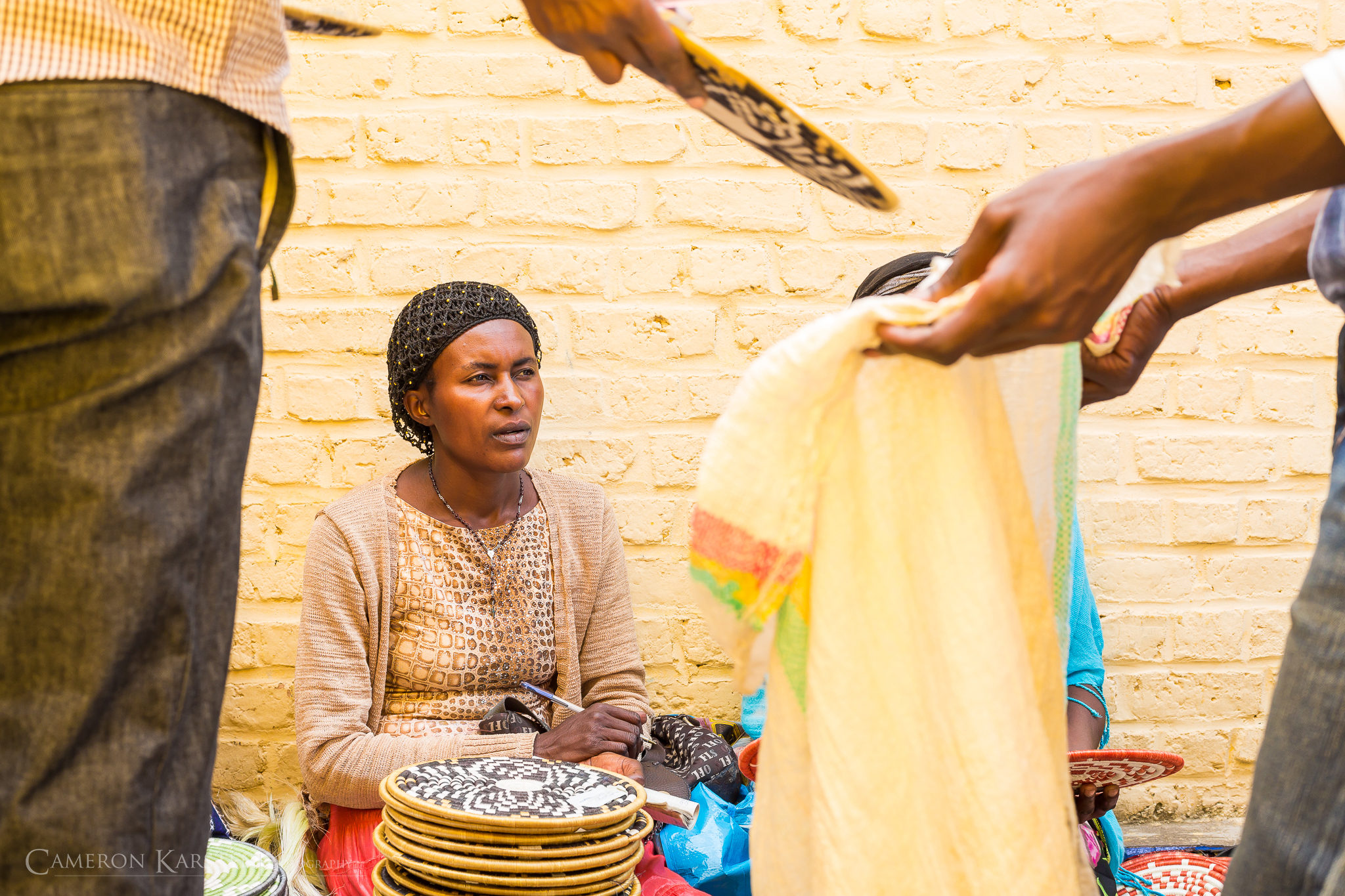
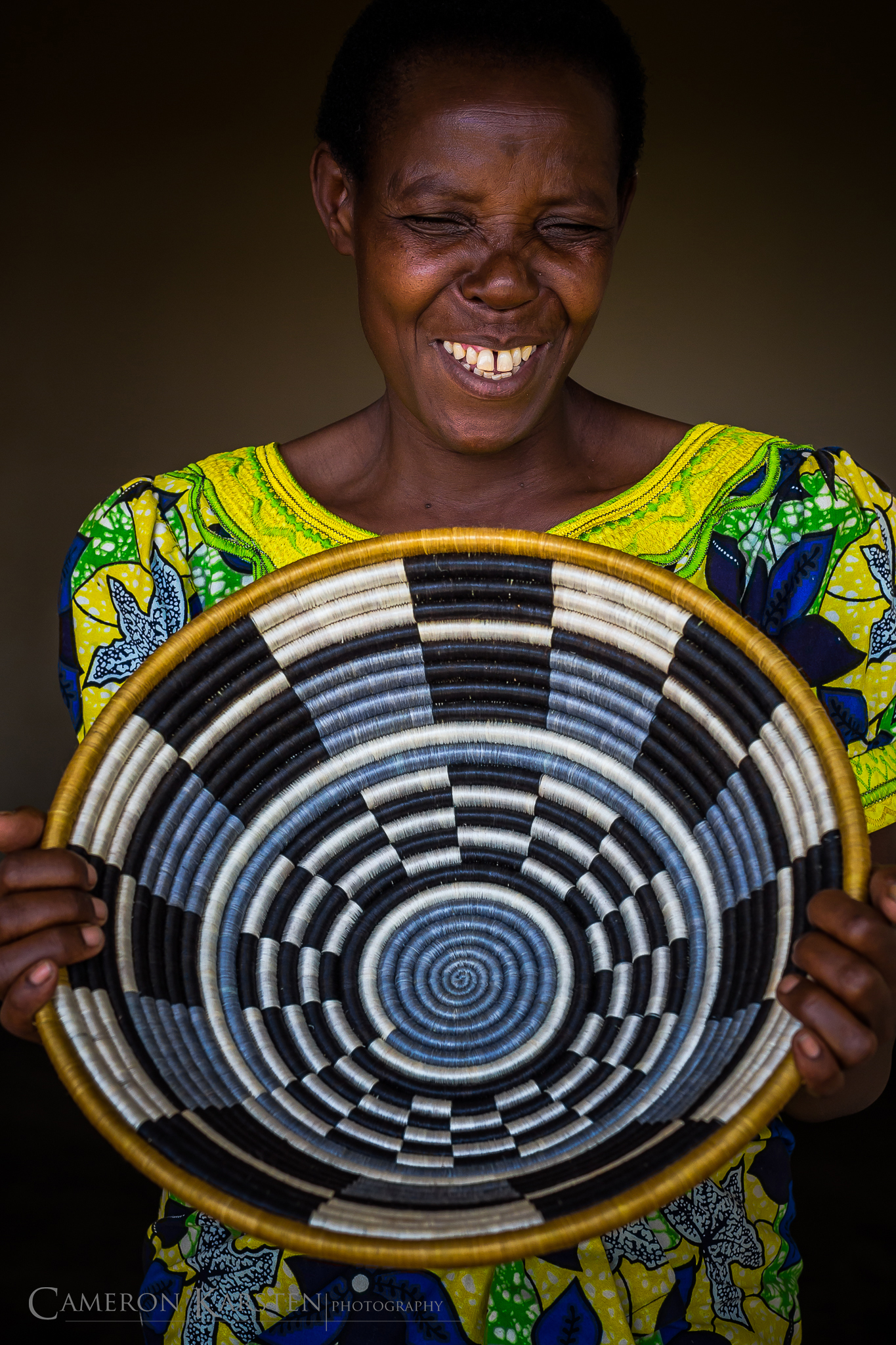
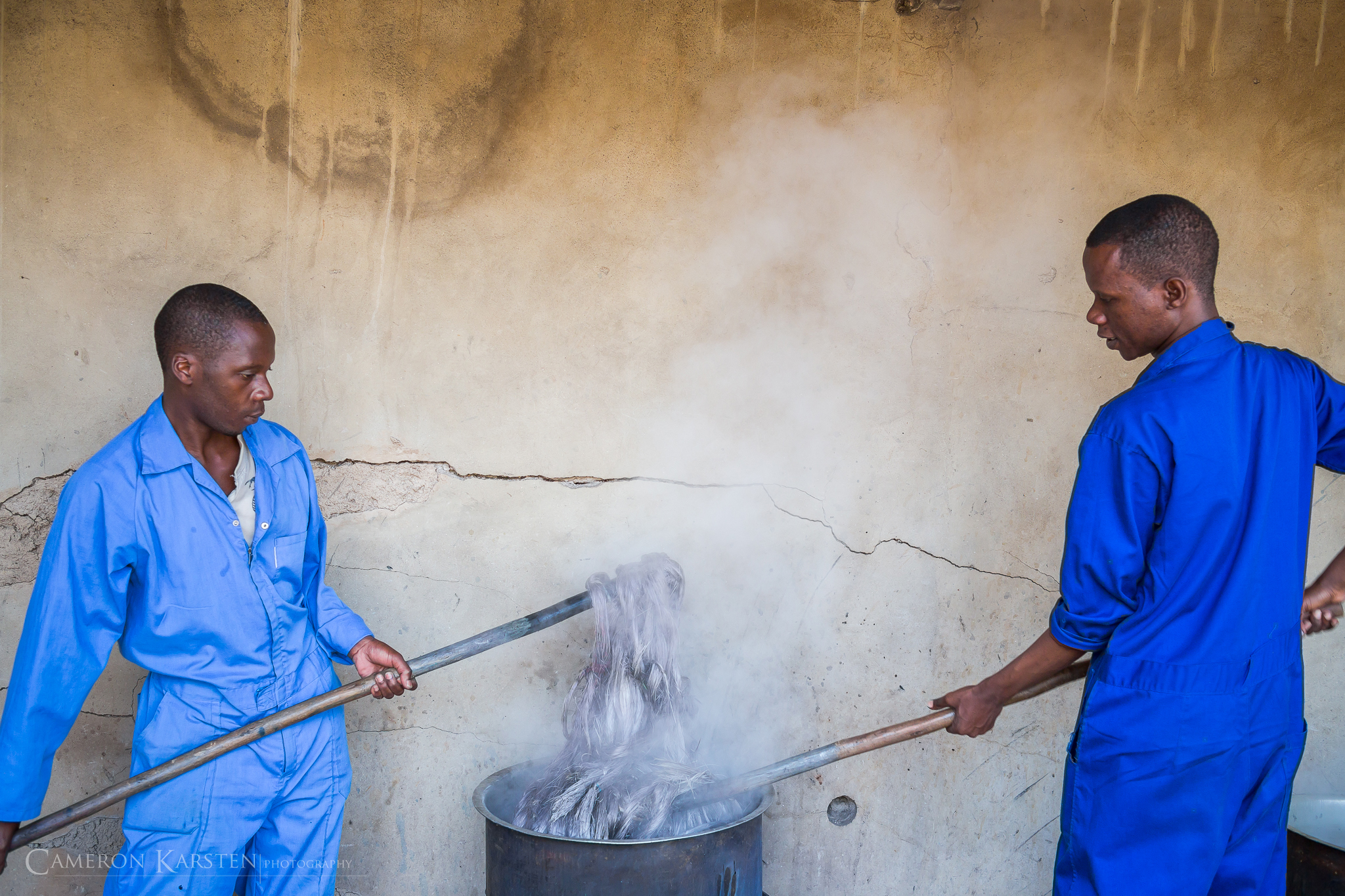
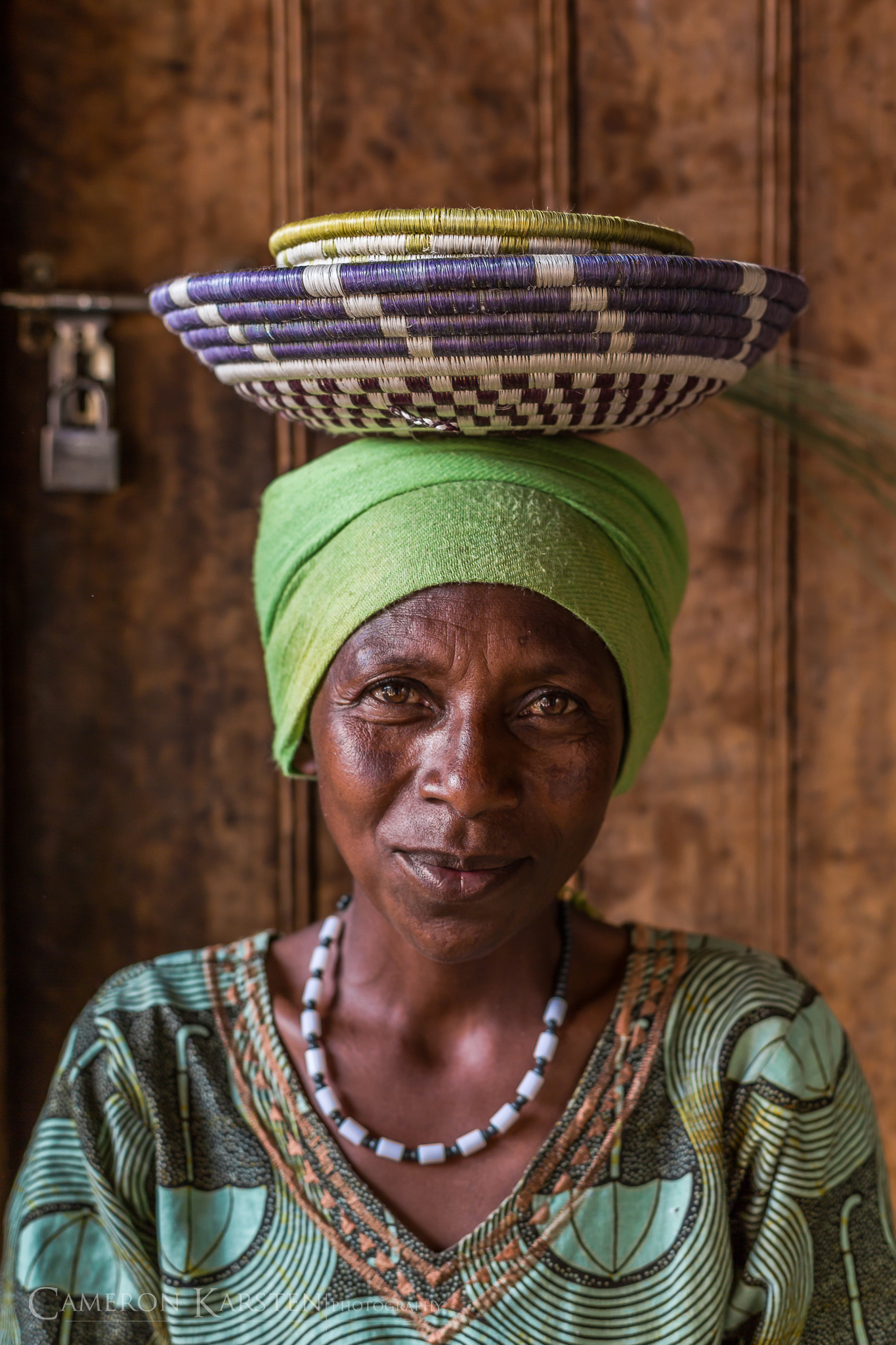
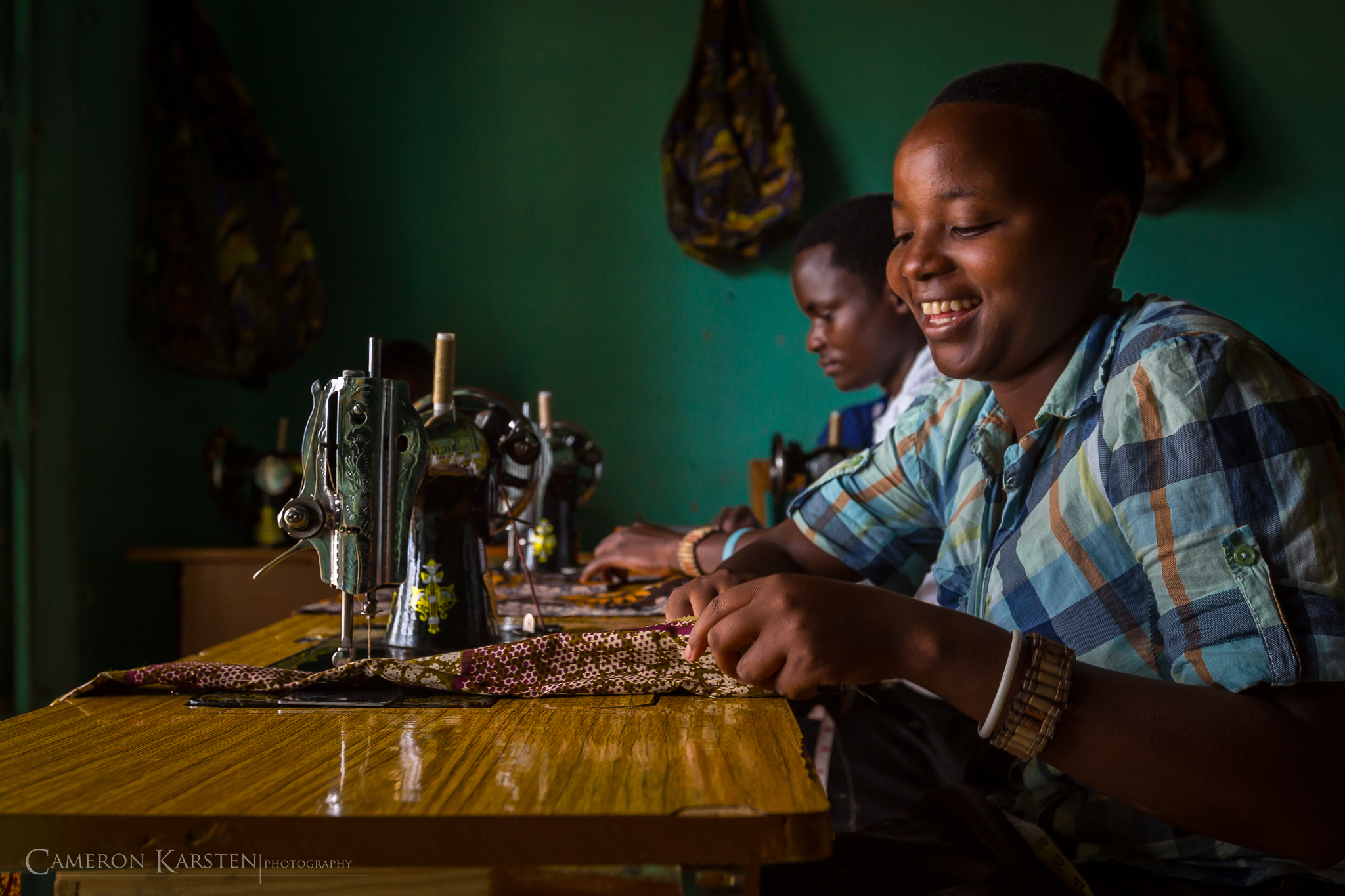
In February of this year, I joined All Across Africa in Rwanda, Uganda and Burundi for an amazing two-week journey through their women’s basket weaving cooperatives, as well as sewing schools designed for young adults. It was a beautiful experience showing the strength of a non-profit empowering locals by providing proper skill set training as well as a growing community of business development. The following are images throughout Rwanda. All products can be purchased by going to www.AllAcrossAfrica.org

Day13_RwandaSisalDye-576

Day2_Sewing_Bracelets-451

Day1_Weavers_BuyDay-522

Day13_RwandaSisalDye-1302

Day1_Weavers_BuyDay-425

Day1_Weavers_BuyDay-73

Day1_Weavers_BuyDay-1032

Day13_RwandaSisalDye-1163

Day2_Sewing_Bracelets-691

Day12_RwandaGikondo-296

Day1_Weavers_BuyDay-1258

Day2_Sewing_Bracelets-303

Day1_Weavers_BuyDay-1371

Day13_RwandaSisalDye-386

Day13_RwandaSisalDye-479

Day13_RwandaSisalDye-790

Day13_RwandaSisalDye-303

Please visit www.AllAcrossAfrica.org to support the women of Rwanda, Uganda and Burundi

Cameron Karsten Photography

All Across Africa – Designs by Nightingale Handmade

All Across Africa in Kampala, Uganda

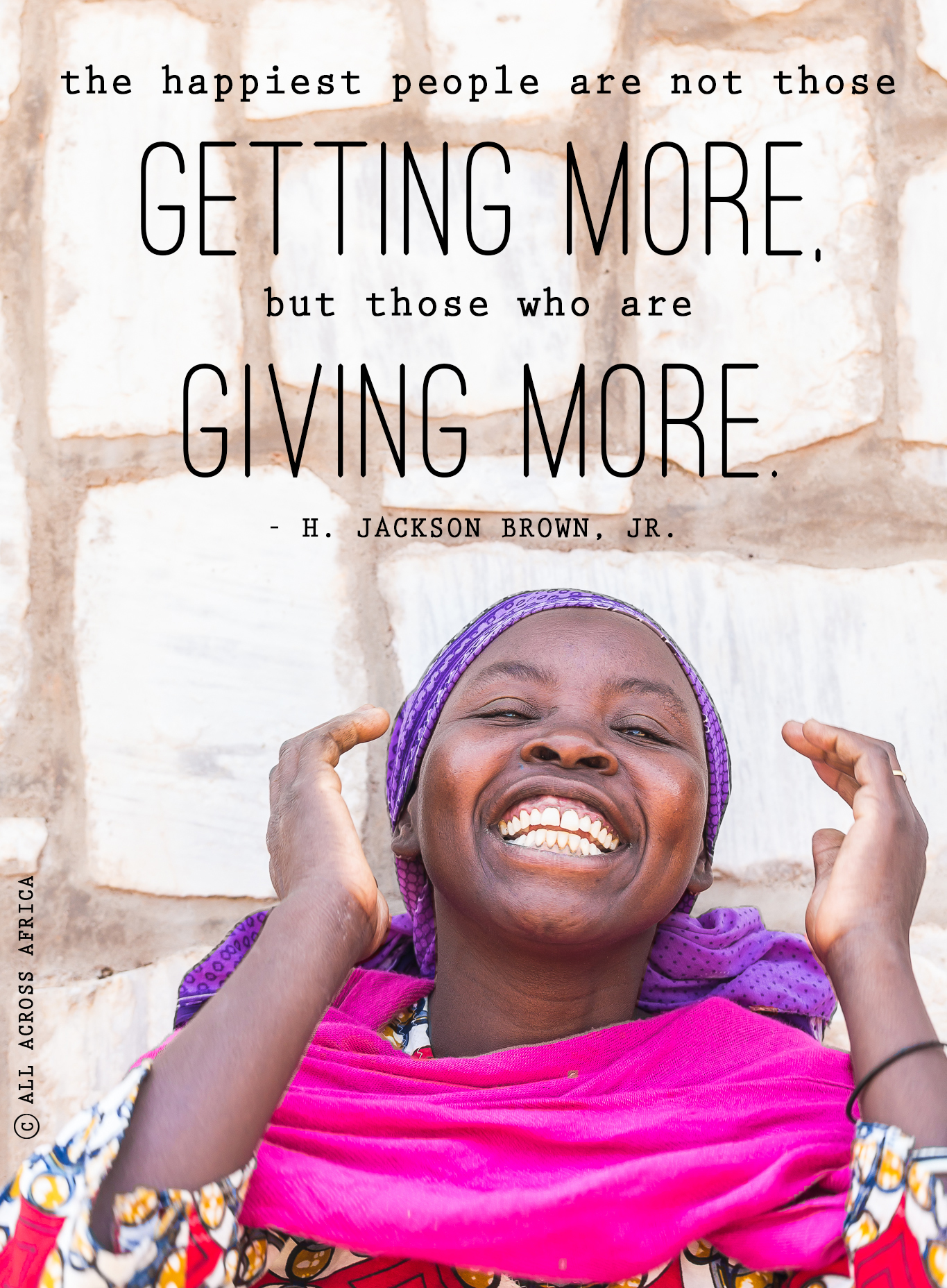
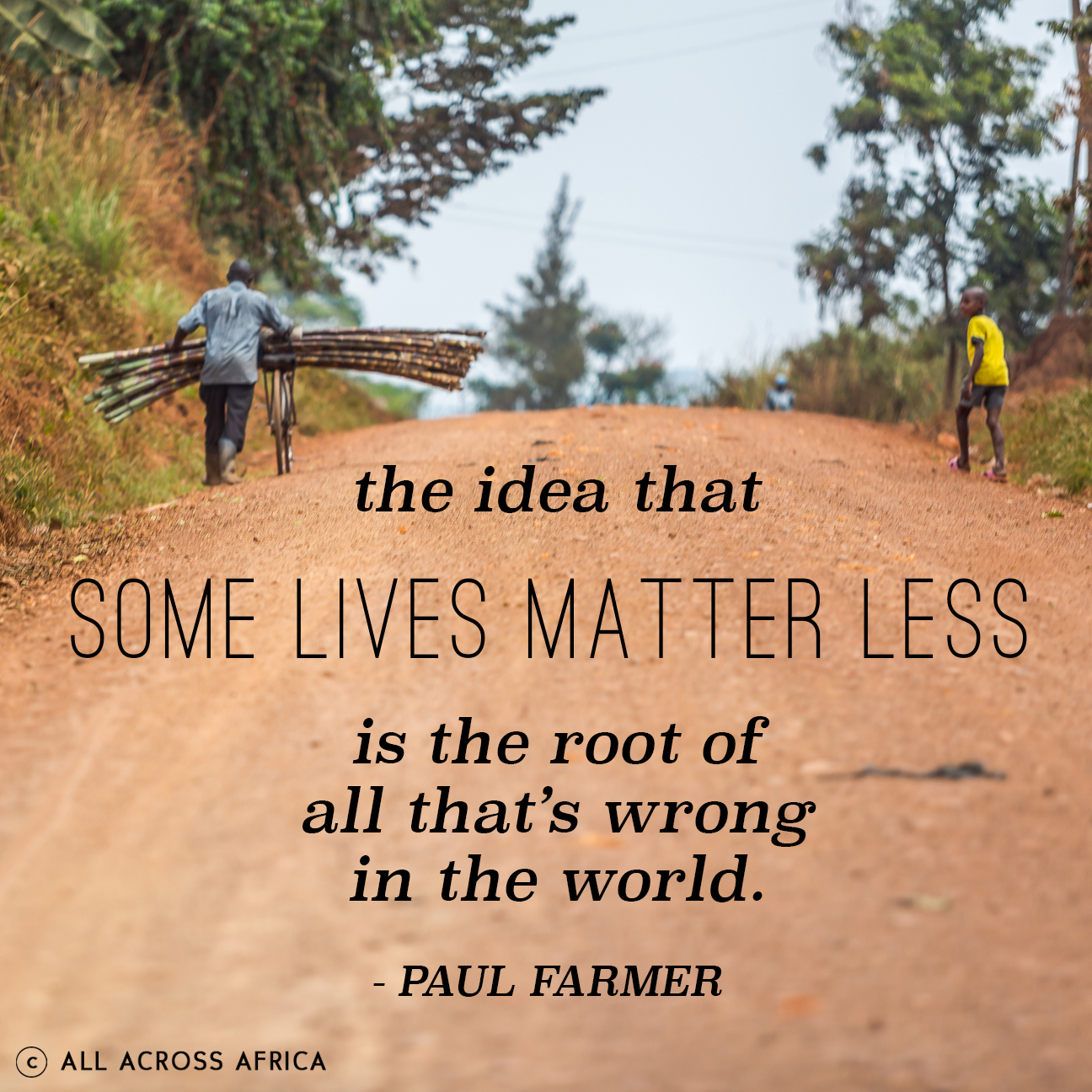
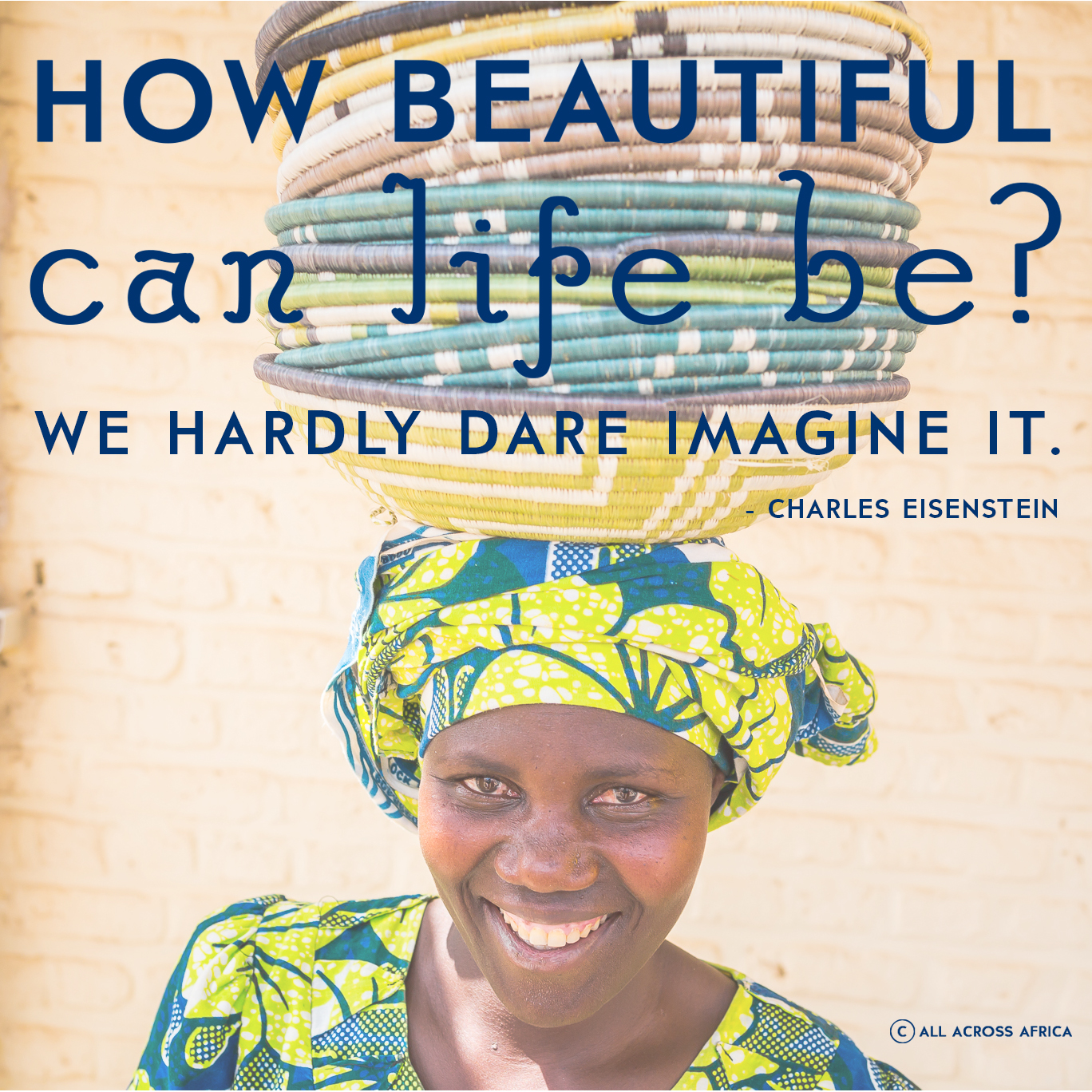
Earlier this year I spent two weeks with All Across Africa helping them rebrand their work throughout Rwanda, Uganda and Burundi. With their new website up and running, I’ve fallen in love with Margaret’s (Nightingale Handmade) designs on a few of the images created for AAA. Enjoy these beautiful postcards and go visit www.AllAcrossAfrica.org to make a purchase for the women of East Africa.

All Across Africa in Rwanda

Weavers and a Buy Day in Rwanda for All Across Africa

All Across Africa in Kampala, Uganda

All Across Africa in Rwanda

Weavers and a Buy Day in Rwanda for All Across Africa

Cameron Karsten Photography

Vodou Footprints: Resurrecting the Royal Wife

Day16_Houegbo-380

I’m exhausted. We’ve been traveling, working, shooting, exploring, discovering, eating, drinking throughout Benin, West Africa. It’s been almost three weeks. Now early morning, with already two hours of rough roads underneath our belts, I feel sick. We have come north to Houegbo; a small rural town, more or less community, spattered along a passing highway. We’ve come here to witness what we’ve been told would be an initiation rite of young practitioners emerging from a year of training, which includes dance, ritual, language and study of this ancient belief system, called Vodou. We’ve come to see them emerge into society as true initiates. But soon we learn this is not an initiation ceremony. Nope. Definitely not.

A woman approaches. She’s introduced to us as our guide Stephano’s aunt. He hasn’t seen her for over a year. She’s a Vodou practitioner. Stephano is not. He tells us before we see her that since he was a little boy he has always been scared of her. His Christian mother used to tell him stories of his aunt, demonic ones of strange impossible things she would participate in. Thanks to our recent escapades, he was willing to see her.

“I’m amazed. Just amazed!” he chimes in full of awe. “It’s too hard to explain, but it happens. And it’s beautiful.”

So he called his long lost aunt and she invited us into her home.

Day16_Houegbo-224

As mentioned, I’m exhausted. At 8:30 in the morning, it’s already balmy. The dry West African heat drenches me. The air I inhale burns my nostrils. My hair is wet, damp for what feels like weeks. Beads pour down my forehead. They sting the eyes as rivulets of dust crease my cheeks. My head slowly starts to pound.

Inside, the room is dark and the couches spring-less. We sit and sink into their frames. The Great Aunt offers us refreshments. Coke? Un Bier?

I take a beer. Within five minutes the 22oz of Les Beninoise is empty. She brings another. I’ll need it because we just found out the truth of our presence, the Why have we come so far?

Day15_Ketou-76

We ask The Great Aunt. “No,” she points out. “This is not an initiation ceremony. It’s a ritual for a young woman. She has been taken from us while working in the fields. We will attempt to bring her back.”

“Where’d she go?”

“While she was working she was struck down. Sakpata took her as his royal wife.”

I shook my head, not sure if I was hearing this correctly. “Sakpata?”

In Vodou mythology, Sakpata is the god of well being for mind, body and spirit. He is also the god of disease. To honor Sakpata, one will remain healthy throughout life, and if one were to become ill, sick, contract AIDS or a virus, one’s sole survival tactic would rely on Sakpata, worshiping him in every waking hour until one’s last breath. Apparently this woman we’re here to see failed to honor Sakpata. She birthed a child. The child died. She visited a Vodou priest who told her to perform specific rituals for Sakpata. She ignored the prescription. This angered Sakpata and so he was out for payment, which happened to be her.

This all sounded pretty dismal to our ears, but we soon learnt the great fortune this woman overcame by being struck down by Sakpata. She had been potentially chosen to be Sakpata’s royal wife, a huge honor in Vodou society. This upcoming ceremony was to confirm her royal matrimony. It would be an ancient practice long thought to be dead, but instead extremely rare and secretive when it does becomes necessary.

I finish my beer. It’s 9AM and the infamous Resurrection is about to take place.

Day16_Houegbo-54

We’re sitting before the priest of Houegbo. The man’s name is Hounnogan Letoby Hounfodje and he begins telling us about this ancient practice:

“The ceremony that takes place is Vodou. It is a very old Vodou ceremony that was performed by our ancestors. They handed this down to us.

But not all used to practice this. Zedego and Malego were the ones who brought Sakpata here. Then Sakpata took the whole region. They started to appoint Sakpata priests in every part of Houegbo. Here are the roots of Sakpata Vodou.”

“What ceremony are you performing today?”

“When Sakpata chooses to take a wife,” the priest continues, “it is something truly extraordinary. It doesn’t happen every day. Today, Sakpata has taken a wife here. Three days ago we showed the corpse of the girl to the whole village. Today, we’re going to bring the corpse out and resurrect her in front of everybody. Sometimes we try to resurrect, but the body doesn’t wake up and we call the family to come and bury it. But if Sakpata truly chose his wife and the priests do the resurrection, the person will come back to life. There is no other way.”

Day16_Houegbo-294

We listen to this man. He’s seated in a dashiki; colorful fabrics folded one over the other. A hat adorns his head as cowrie shells and metal beads hang from his neck and wrists. Seated around him are his people, his son and fellow practitioners. They listen contemplatively, their eyes cast down nodding in subtle submissive agreement. Their only other movements are hands that rise and grab a fold of fabric to wipe the heat from their faces.

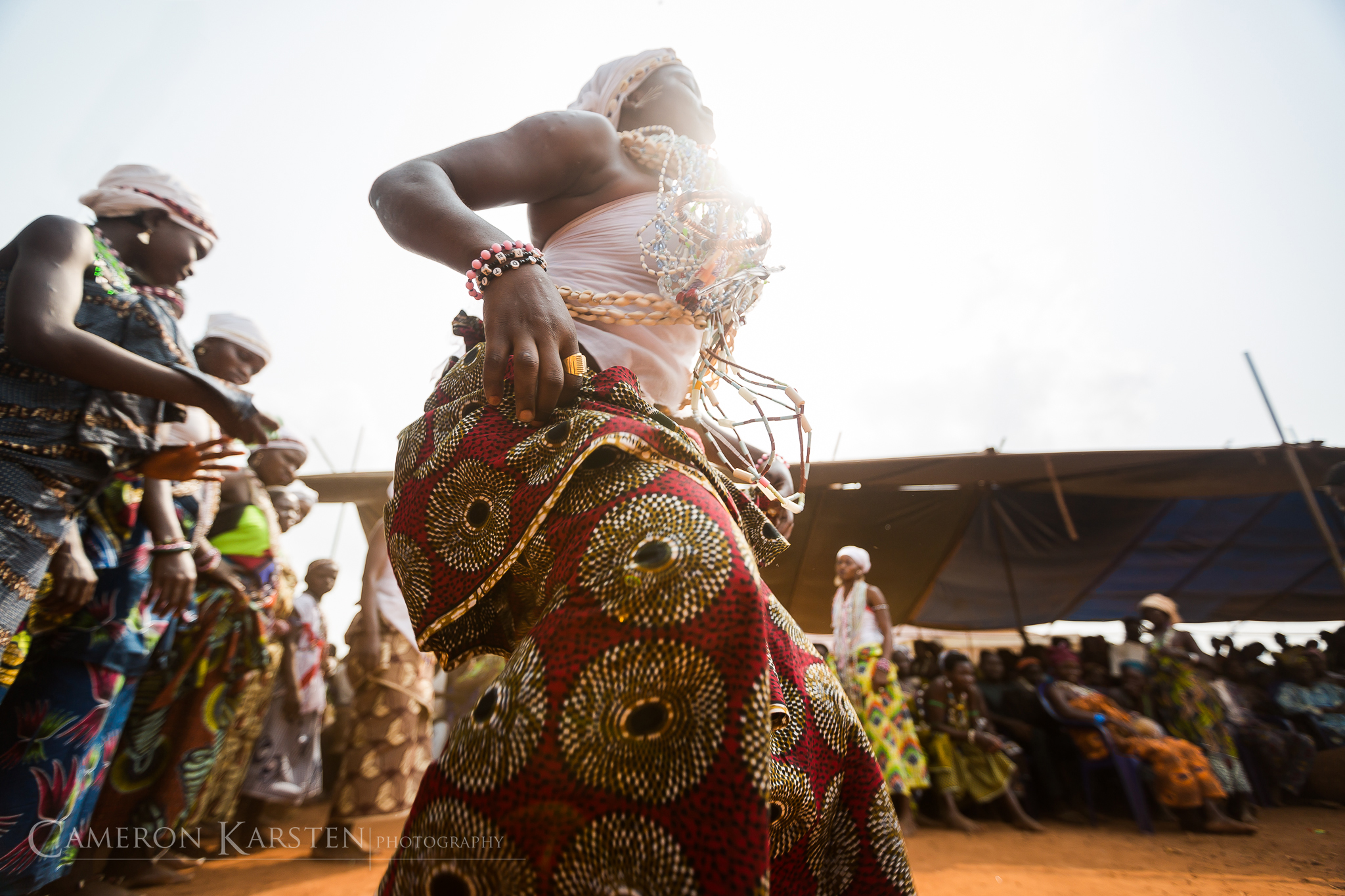
Beyond our interview are the chants of the village. Women wrapped in pagne garments. Beads and cowrie shells embellish. They’re dancing in circles, singing to the sounds of small drums and clanging bells. They’re all here to witness this event, to put the depths of their belief into the resurrection of this young beautiful girl. They want her alive as much as Sakpata does.

“What happens if she’s awoken?” I ask.

“She will dance throughout the night and then become devoted to Sakpata. She will be Vodou.”

Day16_Houegbo-122

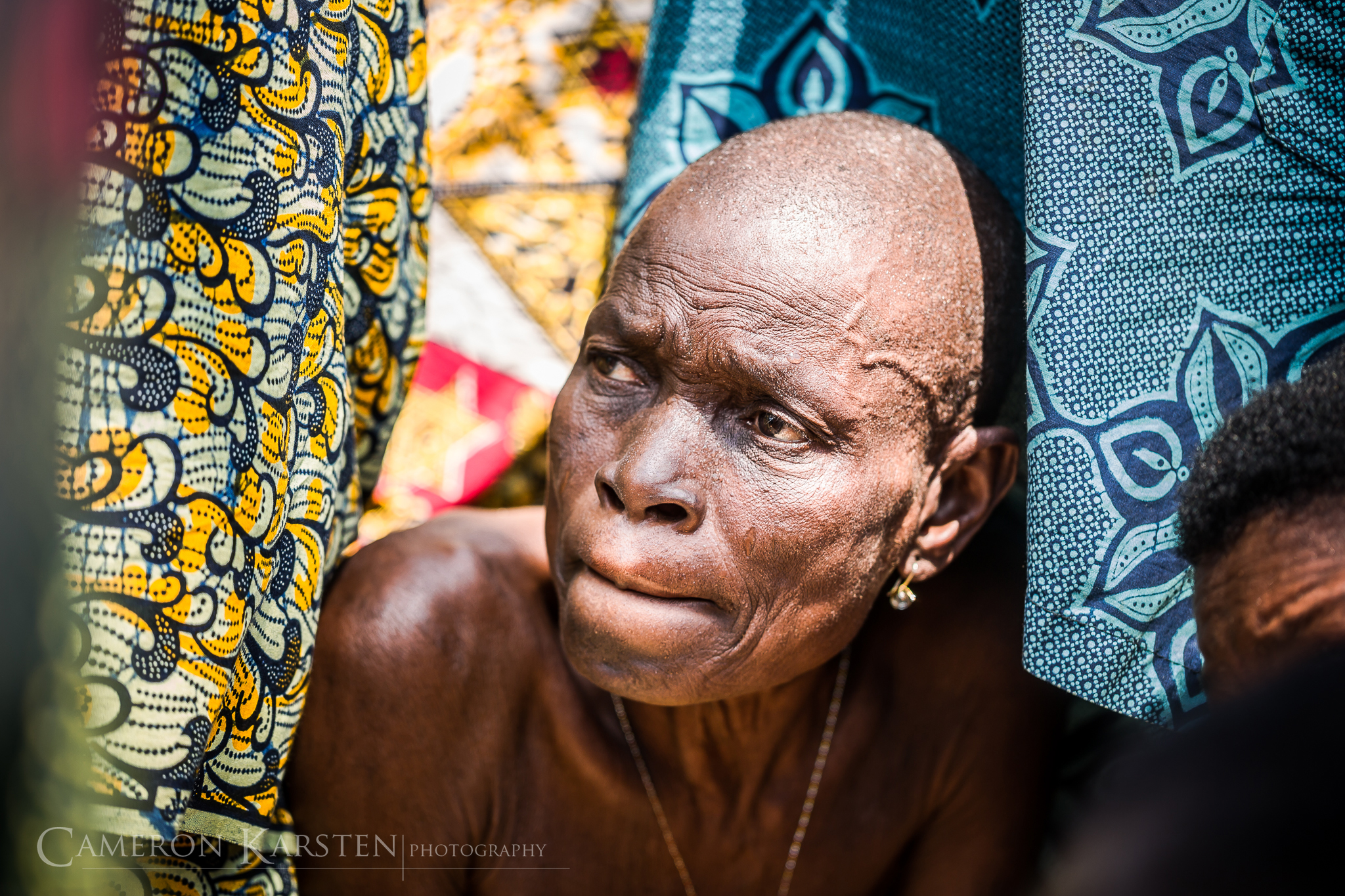
We’re watching the chanting women. Their scarification shines beneath pearly sweat, while hours of suffering and devotion pour into their song, the rhythm of stamping feet. Men throw coins and make offerings to their gods. Some ask for the resurrection. More ask for health to family and friends. Others need it themselves.

Inside the shrine, we are restricted behind an invisible line. Beyond it we see a courtyard where young devotees take shots of sodabi and perform more unique dancing. They twist their bodies as if in trance, throwing back their heads in swirls, before erupting in spurts of spontaneous laughter. Beyond them is a door.  And beyond that is a room where the woman is being prepped for her resurrection. We ask to enter, but are declined. We ask again. No. Only Vodou initiates.

At this point, as the hours pass and we wait, we wonder at the possibilities and suddenly realize the lack of suspicion we harbor. Up to this point I’ve believed everything the priest has told us. Of course we were going to witness a resurrection. Of course these practitioners believe in it. And of course I believe it. I’m in Benin, on the Vodou Trail, in search of the truth behind Vodou. Everything will happen.

Day16_Houegbo-142

Through this thought process when one is so immersed within the environment, the outside doesn’t exist. Like a climber on the slope of mountain ice, one doesn’t reflect on breakfast with family, that dinner party with friends, those personal or worldly affairs they’re missing. Like the climber summiting the moment before them, there is only one real world, the world they’re in, that mountain and the summit of their existence. It’s a Nano-second to Nano-second burst of life, there and gone to never exist again.

The Buddha proclaimed, “All that we are is the result of what we have thought. The mind is everything. What we think we become.”

Magic, myth, the Vodou Trail, this resurrection. An outside individual can only presume it is all fake, an illusion of the mind tricking one to believe the impossible. The community of Houegbo believes otherwise and has gathered with the full force of their believe system to help resurrect this young woman. They will be concentrating the power of their belief to help her reawaken into the world of the living.

Day16_Houegbo-89

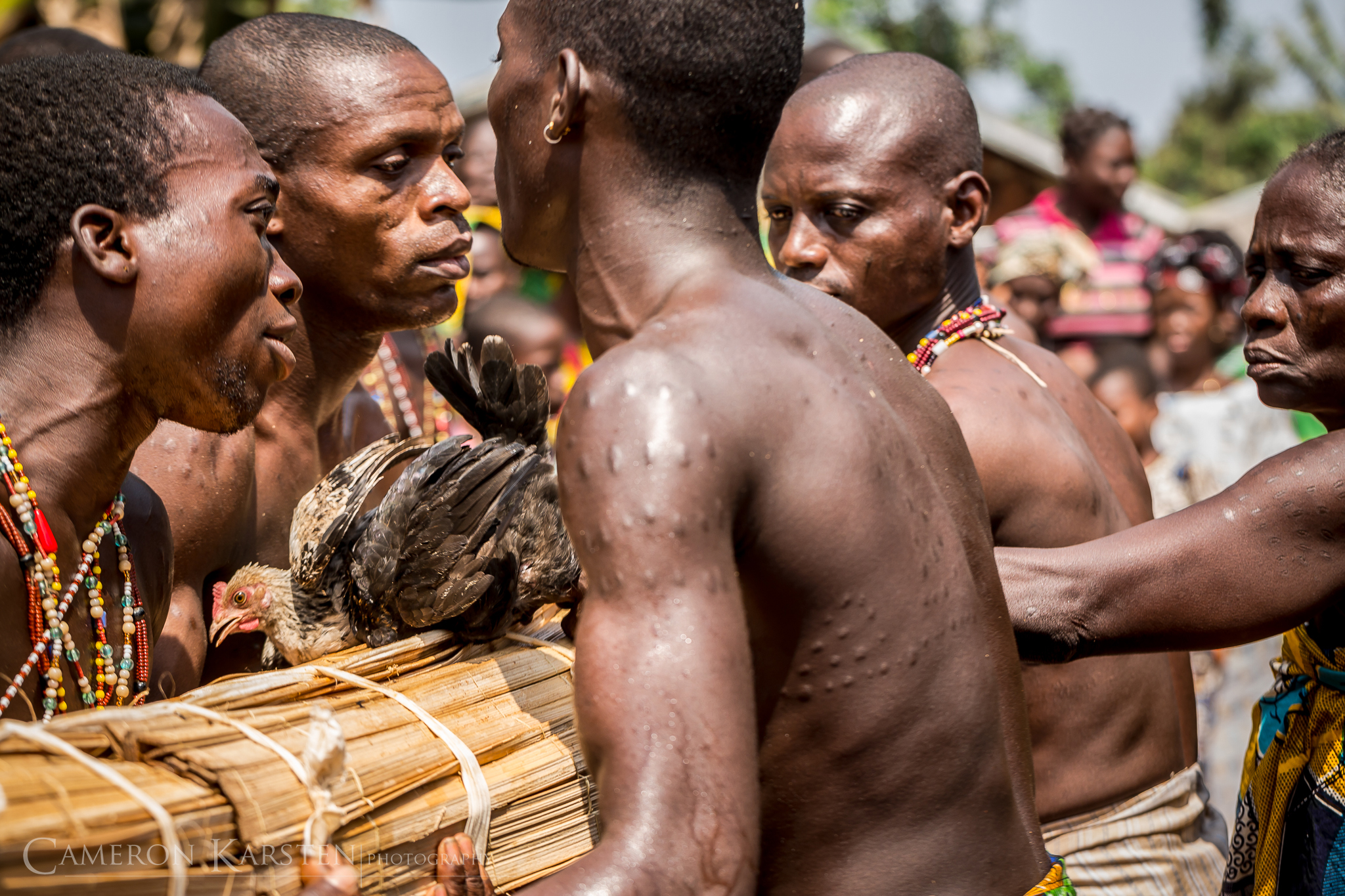
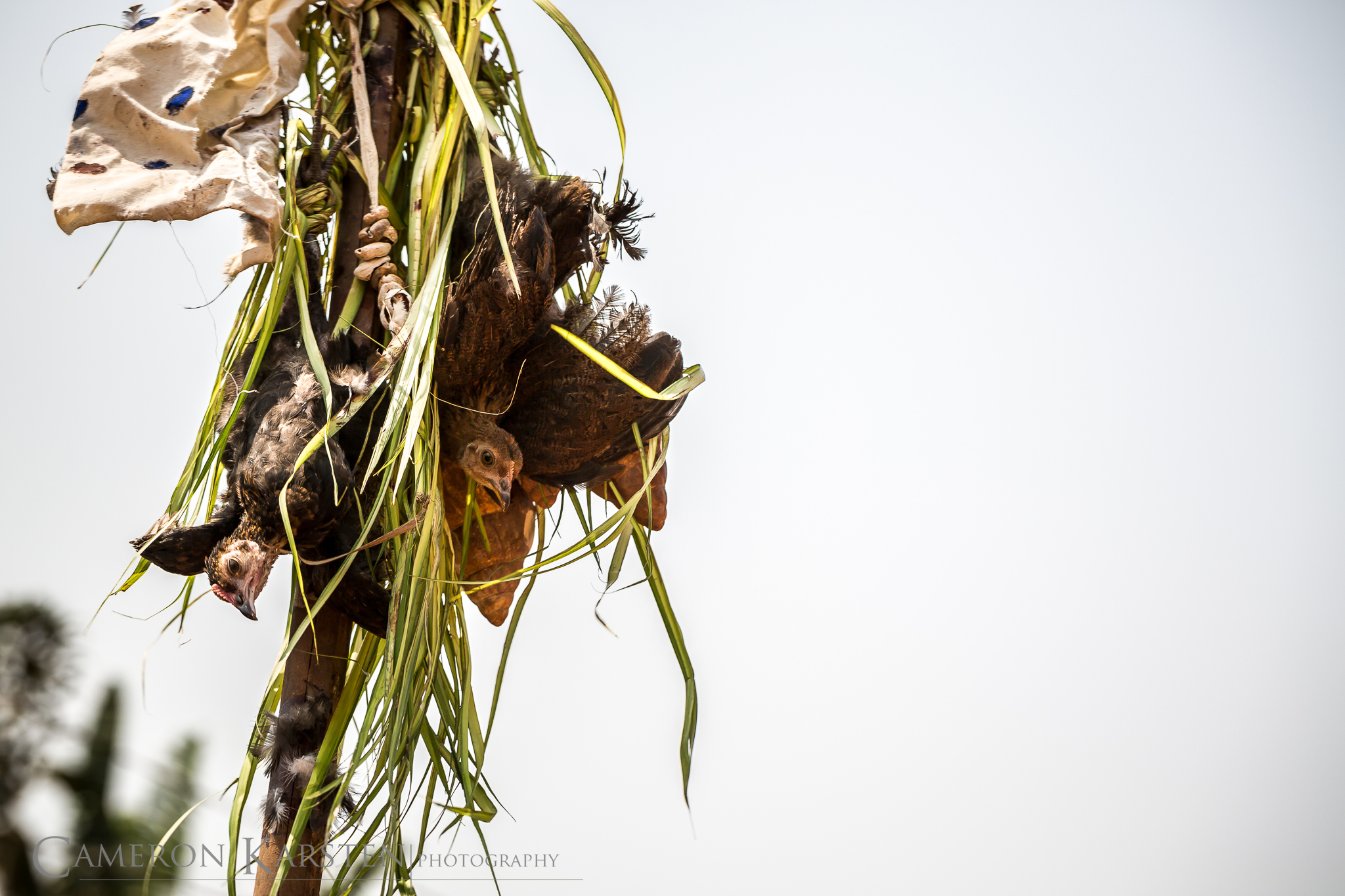
A cluster of young men appears. They are chanting, bodies covered in a pattern of scarification. Then a larger procession, and a larger, before a crowd carrying what looks to be a 6-foot long slimmed-down chile relleno appears. The priest is there. He’s holding a 12-foot pole topped with palm fronds, cowrie shells and two flailing chickens. Everybody is in a rush of frenzy as they slide out of the temple gate and onto the dirt pathways. They begin marching through the community. I follow.

For the next forty-five minutes the band of devotees sing and dance, speeding through the village in circles carrying this chile relleno. We soon learn this is the woman. She has been prepped and wrapped in a reed blanket. She looks tiny from how tightly wrapped the human relleno is, and as the ceremony’s procession continues, the crowds swell to observe. They all join in song and some create clusters of their own chanting and clapping. The band carrying the woman stops. They swing her side to side, spit sodabi over the reeds and slap chickens over its exterior. Then they bring it to rest on a mat. The crowd settles. Only the priest speaks, as well as another old man, whom we presume to be the village witch doctor. He carries a staff of cow jawbones and seven times repeats a prayer where the crowd calls out in response.

Day16_Houegbo-341

I find myself crouching close to the woman in the reed blanket. I’m pressed between the crowds who squeeze forward to have a closer look. I can’t see my partner, but I trust he is where he needs to be. We wait but have no idea what we’re waiting for.

Suddenly, on the seventh call and response, the priest yells out, drags the cow jawbones across the human relleno and in a stale moment of silence we hear a muffled shout. The sound emanates as if coming through a wall. It is brief, like a cheer of jubilant emotion. It is soft, like a young woman’s cry for release. It is apparently this very young woman, from beneath the tightly bound folds of the reeds, crying with fresh inhalation. The crowd immediately erupts in chaotic enthrallment, like a crazed New Years party, tearing at a gift from the gods.

What we see happen next is a caravan of people pull out a young woman from within the reeds. She is bare-chested, waist wrapped in a pagne, and with urgency she is hoisted in the air to be paraded through the grounds. They are moving fast, too fast to check if she is breathing. But her eyes are closed as if in sleep. We are shuffled away as the parade with the girl in the air makes their way back into the confines of the temple. She has arisen, or so we are told, thus the animal sacrifices begin.

Day16_Houegbo-409

We’re back in the Great Aunt’s house. “Tonight, the young woman will come out of the temple and dance Vodou all night. She is awake and will now be devoted to Sakpata. The ceremony was a success.”

I could see her pride. She was a believer and from what we saw, the Vodou ceremony worked and the woman was resurrected. People were excited. They believed, but we were skeptical. We could not stay to see the dance. We could not talk to her and confirm her… humanity. We were caught in a suspension of disbelief.

During our interview with the priest of Houegbo, his son Moladje Adime Hounssode spoke up about their god: “Sakpata, the God of the Earth, only does good for the world. If we are behind him we don’t lose ourselves. Everyone here is a Vodou adept. If we haven’t had goodness, we wouldn’t see them here. So that is why we are still behind him. Longevity, children, money and good fortune; that’s Sakpata. He never did any bad. It’s not only him that does good. All our Vodou divinities do good.”

A suspension of disbelief is the art of storytelling. In some philosophies, it is the world we live in, living a great dream where we all act in character, like a grain of sand in the ocean, ebbing and flowing with the tides of change. We witnessed this magical act as if in a circus, but it wasn’t a circus. It was these individuals’ lives. It was their grand dream. And it was this woman’s. It was enough to make me believe in the inexplicable powers of Vodou. All the more reason to return to find her breathing among the living, and learn more about this much-misunderstood practice and this ceremony believed to be extinct.

Day16_Houegbo-447

Day16_Houegbo-300

Day16_Houegbo-355

Day16_Houegbo-150

Day16_Houegbo-101

Day16_Houegbo-426

Day16_Houegbo-231

Day16_Houegbo-51

Day16_Houegbo-9

Vodou Footprints: Outside the Blood Walls

Day11_Abomey-4

Careening east we leave Togo and turn northward, passing into Central Benin. It is flat. I think Africa and I think extremes. Something like Vodou, yes. Extreme. And now when I think Central Benin, heading north just off the coastline, I picture extreme flatness. The roads are straight as an arrow, gray asphalt that moves with the sun’s curvature. Arid dirt lines the peripheral with scrubland leading into an empty horizon. Towns come and go, stopping points for megalithic lorry trucks that bump along the three-day journey into Burkina-Faso and Niger, names in and of themselves that feel extreme. Andretti, or Geoffrey, is a fast driver. He’s our driver, and he’s safe. But going through Central Benin to Abomey feels like forever.

Abomey is the central focal point for power, the power that once was called the great Kingdom of Dahomey. It was a royal city and it was feared by its neighbors (remember the first King of Ganvie? He turned into a stork and fled across waters he was so afraid). It was feared by the colonial powers and nearly defeated the French in the year 1892. It was feared by its own people, traitors who were captured, pushed off its towering walls and sacrificed to the gods. And it is here that Bruce Chatwin’s character Francisco Manoel de Silva in The Viceroy of Ouidah, the beguiled Brazilian slave trader, was sent to as a prisoner, only to escape with the King’s mad half-brother:

The palace of Abomey had tall walls made of mud and blood but very few doors. It lay at a distance of twenty-three thousand, five hundred and two bamboo poles from the beach. In its innermost compound lived the King, his eunuchs and three thousand armed women.

Day2_Cotonou-11

It is here where the walls are made from the blood of enemies, where the King had the pleasure of sitting on a throne of skulls, as well as choosing from a harem of 40+ women for an evening’s lover. It is here where protection came in the form of those three thousand armed women, the world’s only true knowledge of the existence of the famed Amazonian women warriors; bare-chested females who hacked off heads and bit their foe with razor sharp teeth filed to points. Extreme.

It was dark by the time we reached Abomey, dark just as the night da Silva walked the length of those many bamboo poles into the Kingdom of Dahomey. To foreigners the Kingdom itself could not even be pronounced. The French misspoke it, the culture’s native tongue Danhomé, which in Fon means in the belly of Dan. This is the name of the great Vodou snake god—bringer of life and fertility, the symbolism of eternal recycling. But today it has erased that meaning, succumbing to the French woes, contrived to an erred Dahomey.

Day8_Ouidah-168

We got our room and sat down for dinner. A man arrived. Menus? Instead he asked if we wanted to see a Vodou ceremony. Right now? Yes. We had to go now. We all looked at each other. He was serious. We were serious. This was our moment with Dan, the master of a fertile project— Danhomé reconciled! Let’s go.

The man flagged three motorbikes once we were out on the dark dusty roads. In Abomey, there are few streetlights and those that worked are as yellow as a melted crayon mixing with its close orange counterpart. The tungsten stain is eerie in the damp heat of inner Africa, with no breeze but passing transportation. Once on the back of our motorbikes, we sped off down foreign roads and eventually arrived at an alleyway. We got off, paid for our fare and our escort’s. There was no music. Hardly any people. we knew we were thinking the same thing: Shit. What have we done.

Day2_Cotonou-4

Follow me, he said. So we did like puny submissive sheep leaving the tungsten night to follow our shepherd into the shadows of a narrow alley. There was dust beneath our feet, fine red African dirt that would easily soak up the blood spilled from our dying bodies. He was just looking for another human sacrifice: The blood of two foreigners! Abomey’s new theme among the throngs of Vodou tourists.

The man who led us here was in front and he kept waving us onward as my fists clenched tighter with each twisting corner. I felt like the walls were closing in, my backpack of camera gear tightening on my chest with each heavy breath. Then there was music. Tam tams drumming. People singing. An air of excitement reaching our thriving bodies. The yellow-orange glow began to return. Suddenly from the darkness we rounded another corner and stepped into the thrill of a local Vodou ceremony.
Day11_Abomey-24-Edit

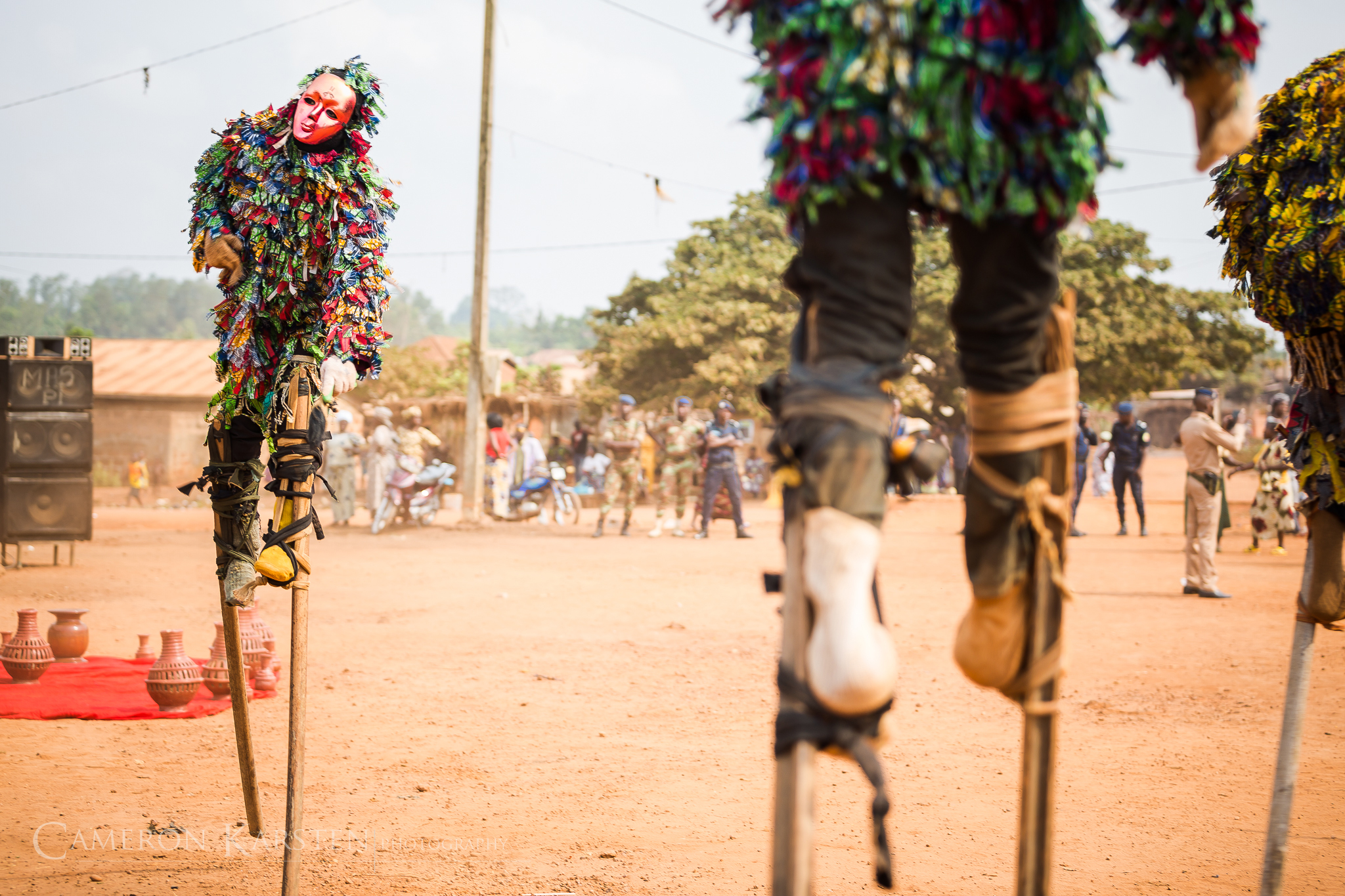
It took minutes that felt like hours to negotiate with the head priest. Meanwhile we were standing by in a thick crowd of black skin. Everyone was pushing together, inching closer to see the performers in trance, taking on the likeness of their gods. They spun in gallant costumes, led by the auditory energy of the drummers who sat under a dim light beneath an expansive green tree. People sat on the dirt, dignitaries in plastic chairs and locals up on the walls and roofs of the surrounding housing. I loosened my fists. Relaxed my shoulders and let out an air of tense breath. I felt my whole body relax into this sacred space of Vodou, a space that we have submersed ourselves in for close to two weeks. We were documenting, exploring and inevitably becoming a part of this culture, a practice that supersedes any other form of religion since the dawning of humanity. 24/7 we were breathing Vodou and spinning its threads within our minds.
Day11_Abomey-36-Edit

For the next two hours we secured the trust and permission of the people to photograph their local ceremony. Two white photographers with their cameras and lenses and one flash each. We crouched near the Vodou practitioners, studying their movements, watching their feet kick up the red earth and stamp back down to the timing of the many drum beats. We stared and felt that process when an outsider slowly melds into the inner circle. It was impossible not to become a part of the discovery.

As photojournalists and writers, we strive every second to learn more about our subject. Knowledge is the avenue to the complete intimacy of exposure. When the project was first proposed—Hey, how about Vodou?—we knew very little if anything. Pins, needles and a doll? No thanks Hollywood. This goes beyond the misnomer of one of the world’s most unidentified cultures that holds its complex belief system in absolute secrecy. But as the modern age reveals itself and as the lucrative endeavors within the tourism industry help provide for individuals, families and their country, Benin in particular has opened its doors just slightly, allowing those willing enough to go the distance, entrance into a place of origin where signs of evolution are omnipresent.

Day11_Abomey-30

The ceremony ends. Our guide, the man who led us to this remote part of Abomey, where the magic history of Vodou and the powers of a royal city in the likes of Timbuktu and Zanzibar dominate, took us away. We were back at our hotel, a sweet little spot called Chez Monique. It was late. The kitchen was asleep as a group of large women lounged next to a blaring television, only paying attention during fits of sleeplessness—a strange scene with the romantic French tongue licking at the shadowed night. A blue cast flickered into these thick crevasses. We sat down. Our food was still warm; a plate of couscous with half a chicken and half a rabbit. The night governed and that feeling permeated deeper: The traveler in a far land with the ebbs and flows of successes, not judged by good or bad, but merely by the feeling of excitement and the fluctuations of extremes, traveling from one end to the next and back again. A life of the unknown. This is Vodou land, beyond pins and needles.
Next essay –>

Day11_Abomey-35

Day11_Abomey-43

Day11_Abomey-41

Day11_Abomey-53

logo_blackTrajan

Vodou Footprints: A King, Kings, and Posers

Day5_Allada-298

Advice: When offered royal gin by a king, heartily accept—for drink is delectable. When pressed for support by the same king, heartily acquiesce—for money is replaceable. And always, when graced with the presence of royalty, let your intuition, not intellect, reign—for what a yes-man loses in pride, a dead man can’t retain.

Twenty-five minutes into our interview, we realized we had accomplished very little, if even pronouncing his name; but we were happy. We were seated before our first Beninese noble: His Majesty King Gbesso Adjiwatonou Allodji II, the King of Abomey-Calavi. Ancient tradition aside, the man himself looked old. Deep, furrowed wrinkles revealed a long and eventful life. His grandeur was undeniable, despite clear Parkinsonism; and, to our joy, he was noticeably flea-free. In fact, there wasn’t a flea in sight. Hell, we were sitting shirtless, out of the high noon sun, in a throne room at the feet of a Beninese king, with a human-powered palm fan at our backs and a row of gin shots by our sides. This place was not fit for a flea.

Day4_AbomeyCalavi-24

The walls were painted a crusty turquoise. A half-opened doorway, the only source of light, led into the red dirt courtyard and washed every attendee’s face with burgundy. In its center, the room held an ample leather loveseat with lion-inscribed armrests. The king appeared relaxed.

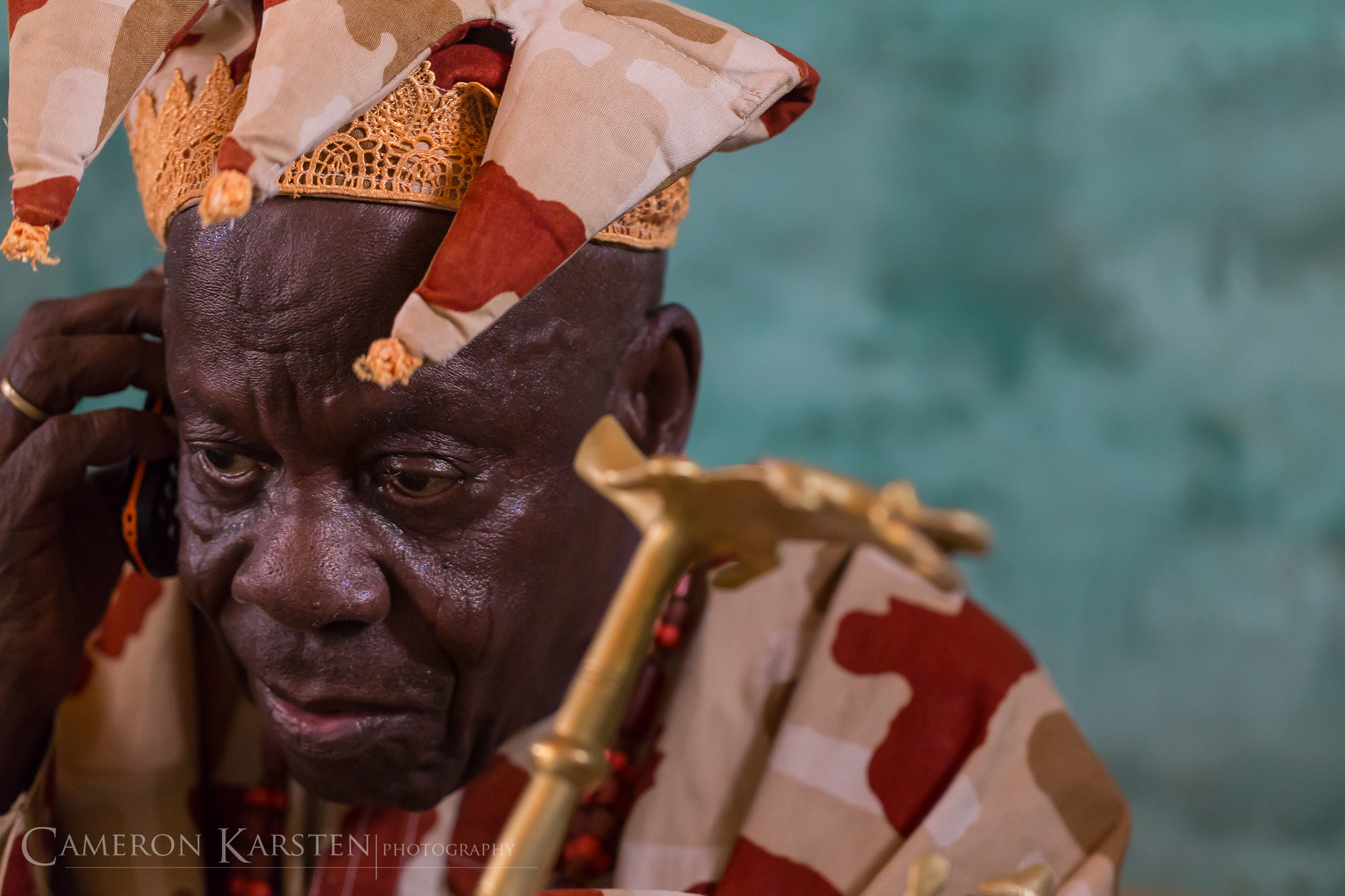
His royal raiment was made up of loose cotton pants and a stylishly-matching long cotton top. Instead of a crown, he was surmounted by an elegantly folded origami napkin. The corners of his hat were floppy, such that when he smiled, he looked uncannily like a basset hound. In each hand, the King held a golden scepter, likely made of bronze. We gathered these were his two most important possessions.

Day4_AbomeyCalavi-75

What are my scepters? My scepters are the King’s power!” We respected that without question.

Behind his right shoulder, and above a sizeable tube television, was a shelf lined with an ornate assortment of teddy bears. They were of all shapes and sizes, some brown, others black, but invariably covered in dust as though abandoned by a child in the field trash heap. We never learnt the where or why of this over-cuddled collection; but considering how he answered our questions—as though choosing responses at random—I’m sure our curiosity into the fixation would have been equally futile. It was obviously odd, but in a Vodou environment, the bizarre slowly becomes normal.

Day4_AbomeyCalavi-46

Adding to this sensory jumble, the King possessed a lovely ringtone, which sounded throughout our interview. Here, he would pause mid-sentence and begin frantically digging through his deep pockets. The searches were always long, and the ringtone loud. Eventually, the orange screen would be revealed, and the King would plaintively mutter like a lonely bird high on a perch.

Despite all this oddity, he was a hospitable character. One could only smile and appreciate him, for his days were numbered. Moreover, within Beninese politics, the King of Abomey-Calavi barely qualifies in the rankings of power—his dominion solely with civil disputes and local village development. Nevertheless, as with any Beninese king, he remains the final decision-maker regarding Vodou—and to him, Vodou is everything.

Day6_AlladaVodou-2

The word Vodou, or Vodun in Fon, means essentially the inexplicable. It is a way of life and a communing with the totality of earth, sky, and water—everything that has ever come, the entirety of today, and all that will ever be. It encompasses the physical, the spiritual, and the unnamable—forces and energies unseen, unknown, and even undetectable. It’s the living connection to the trees, the monkeys, and the snakes. To animals and ancestors alike. It is the source for the people to welcome these forms and to accept that some things are better left undefined; the mystical must remain so. In Vodou, once this understanding has been breached, the essential connection will be lost forever.

Each king we interviewed, each Vodou priest and adept—every person paying their respects and presenting their offerings—expanded on this vastness of Vodou. It was their path to achieving hopes and wishes, their health and fertility. It fed their families and fulfilled personal growth. Simply put, Vodou provided them with everything.

Day6_AlladaVodou-535

In Dana Rush’s Vodun in Coastal Benin, this pervasiveness is wonderfully described, even while the religion as a whole again resists simple definition. Rush relays Suzanne Blier’s conversation with two diviners who offer the emblematic image of Vodou: resting to draw water.

The essence of Vodun…lies in the need for one to be calm and composed. One must take time to sit quietly rather than rush through life. When women go to the spring or river to draw water, they rest for a moment on the bank before filling their container…Within the concept of Vodun there rests a deep-seated commitment to certain forms of human conduct in life. In this translation [of Vodun] we are made to understand in an ideal sense what it means to be human and how one’s life should be lived.

This is not something easily turned off and on. It is not a weekly visit, nor an annual feast. It is life. In Rush’s words, “Vodun constitutes a philosophy which places a primacy on patience, calmness, respect, and order both in the context of acquiring life’s basic necessities and in the pursuit of those extra benefits which make life at once full and pleasurable.”

Such a bountiful understanding of Vodou is often lost beneath the pin-pricked trinkets and cinematic horrors. Oddly enough, it is also occasionally lost upon the practitioners themselves. If you didn’t guess, I speak of the King of Allada—one obscene, headstrong, and utterly bad apple of a man.

Compared to Abomey-Calavi, the town of Allada is the central power of Benin. Its King is the Beninese King of Kings, and all political decisions go through him and his Vodou priests. We were in Allada for the Vodou festival, but prior to its start we hoped to have a sitting and spare a few minutes of His Majesty Kpodegbe Toyi Djigla’s time. At that point, we knew little of his demeanor.

Day6_AlladaVodou-518

The process was decidedly rigorous. First before us, the King’s secretary—a wry little man of wild sweeping gestures and legendary disorganization. He stuttered and rattled with the grace of an addict. Somehow, we got the thumbs up for the interview. Next, we waited. And waited some more. We were then led to another room, which turned out to be yet another waiting room. We sat. We waited. I began to contemplate that crucial concept of patience in Vodou philosophy. On cue, someone entered. He demanded a sum of money and instructed us to remove our shirts. Normally, this would be a cause for concern, but when waiting for a king, this was a good sign.

Before long, we were kneeling in the King of Beninese Kings’ royal throne room and frankly impressed. Like Abomey-Calavi’s room, this one contained stuffed animals: two FAO Schwarz life-size leopards on either side of his throne, surrounded by walls of photographs. The colors were ornate: gold, maroon, turquoise, yellow, green, and bronze. Amidst this outlandish splendor, we set up the cameras and audio. Then we waited.

Day6_AlladaVodou-681

After fifteen more minutes, the King Kpodegbe Toyi Djigla finally marched in. Kneeling shirtless on the floor, we bowed and touched our heads to the mats as a show of respect.

“Who are you?”

“I’m Constantine from Los Angeles, California.”

“I’m Cameron from Seattle, Washington.”

“Oh, Washington D.C.? Good.”

“No. Washington State. Way north, near Canada.”

The correction was instinctive; I didn’t want any misunderstandings. And after our grueling wait, my patience had worn thin. Our guide, Stephano, graciously intervened and explained our intentions to ask a limited amount of questions regarding the history and power of Vodou. The King paused. He sized us up. Then, in one brief instant, all semblance of civility fled from the room. The throned one was unleashed.

He thrashed and stormed about as words and spittle flew from his mouth. His eyes were furious. He pointed and flailed. Like a cornered leopard, he launched into a heedless attack. What could have been a fruitful and fascinating conversation became a diatribe against two allegedly brazen journalists and a boastful self-exaltation of international education. He veritably boomed with derision: How dare we come to him with such little prior notice? How dare we ask questions we knew so little about? How dare we even speak to him? The King went off his rocker.

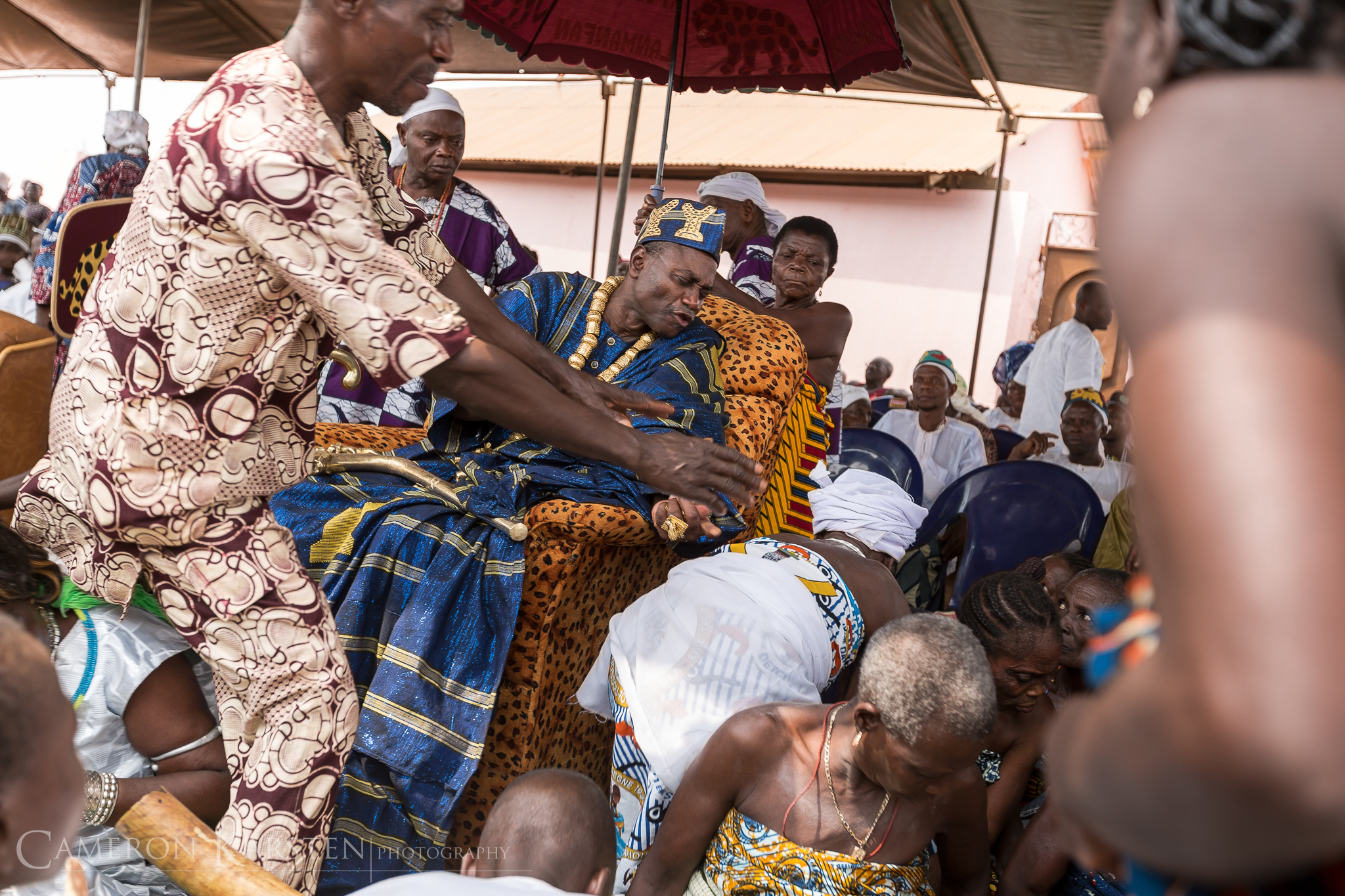
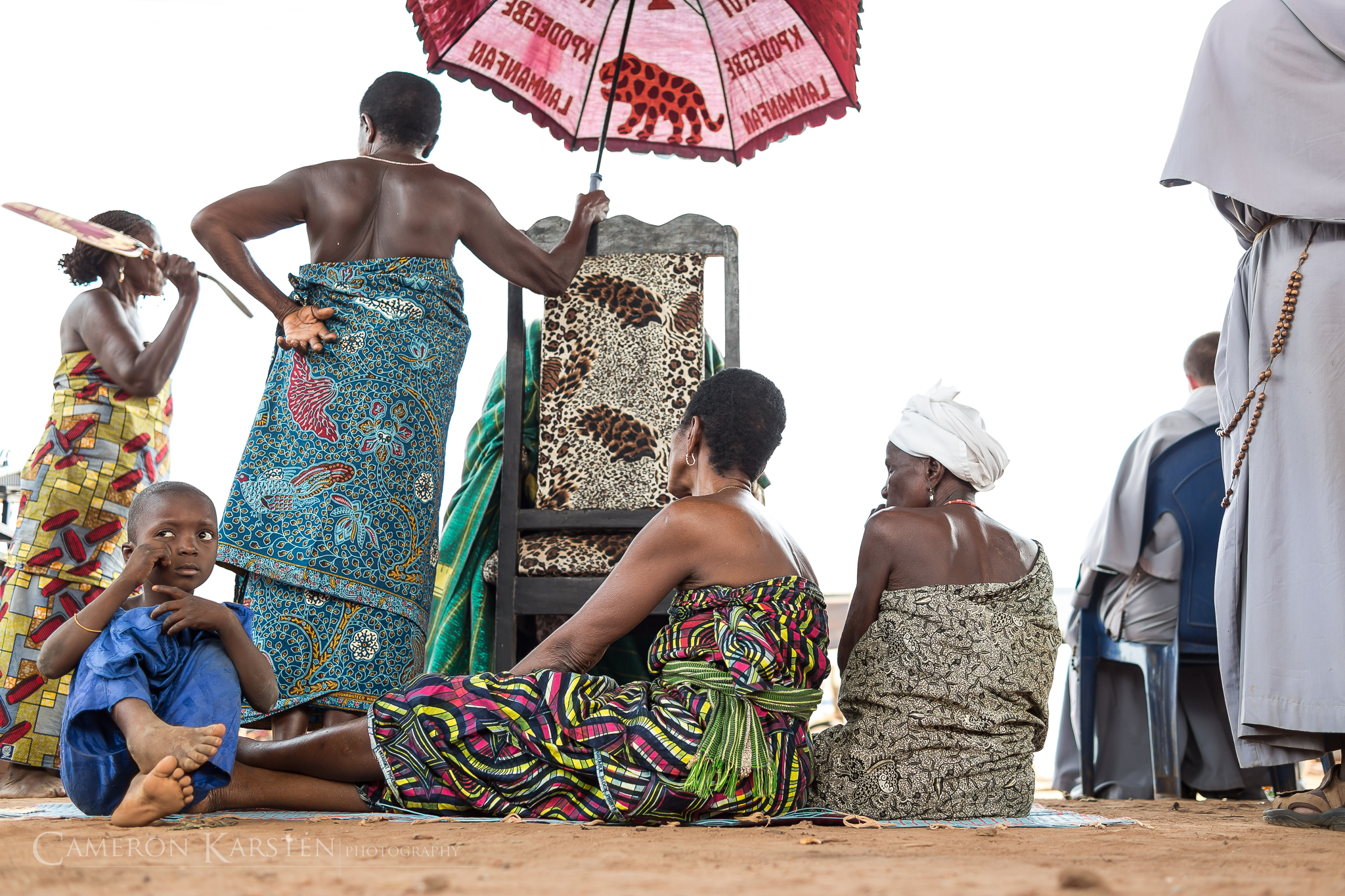
Incredibly, throughout this madness—sweeping green silk robes rousing the plumes of pale dust—his elderly female assistants performed unflinchingly. One fanned at his right, while opposite, another held high the royal umbrella. (Mind you, we were still indoors.) Then, after five solid minutes of scorn, he ordered a photograph of us at his bare feet, the stuffed leopards on one side, walls of photographs on the other. And just like that he departed.

Day8_Ouidah-16

Slightly shocked and sixty dollars lighter, we walked out of his royal room with only one good photograph: a picture of a picture of Muammar al-Gaddafi—Africa’s late King of Kings—next to a bundle of flowers. Evidently, the two had been close friends, with Gaddafi coming to Allada on several occasions to share servants and converse. Of course, those times were over. And with Gaddafi’s demise, it’s safe to assume that His Majesty Kpodegbe Toyi Djigla of Allada—Benin’s own King of Kings—rightly recognizes that a large crown entails a large target. In his case, the spirits of Vodou may very well prove the opposition. We were eager to find out.

Next essay –>

Day5_Allada-193

Day5_Allada-200

Day5_Allada-245

Day5_Allada-73

Day7_OuidahFestival-64

logo_blackTrajan

Vodou Footprints: Egunguns and Other Souls of the Dead

Day2_Cotonou_Egungun-122

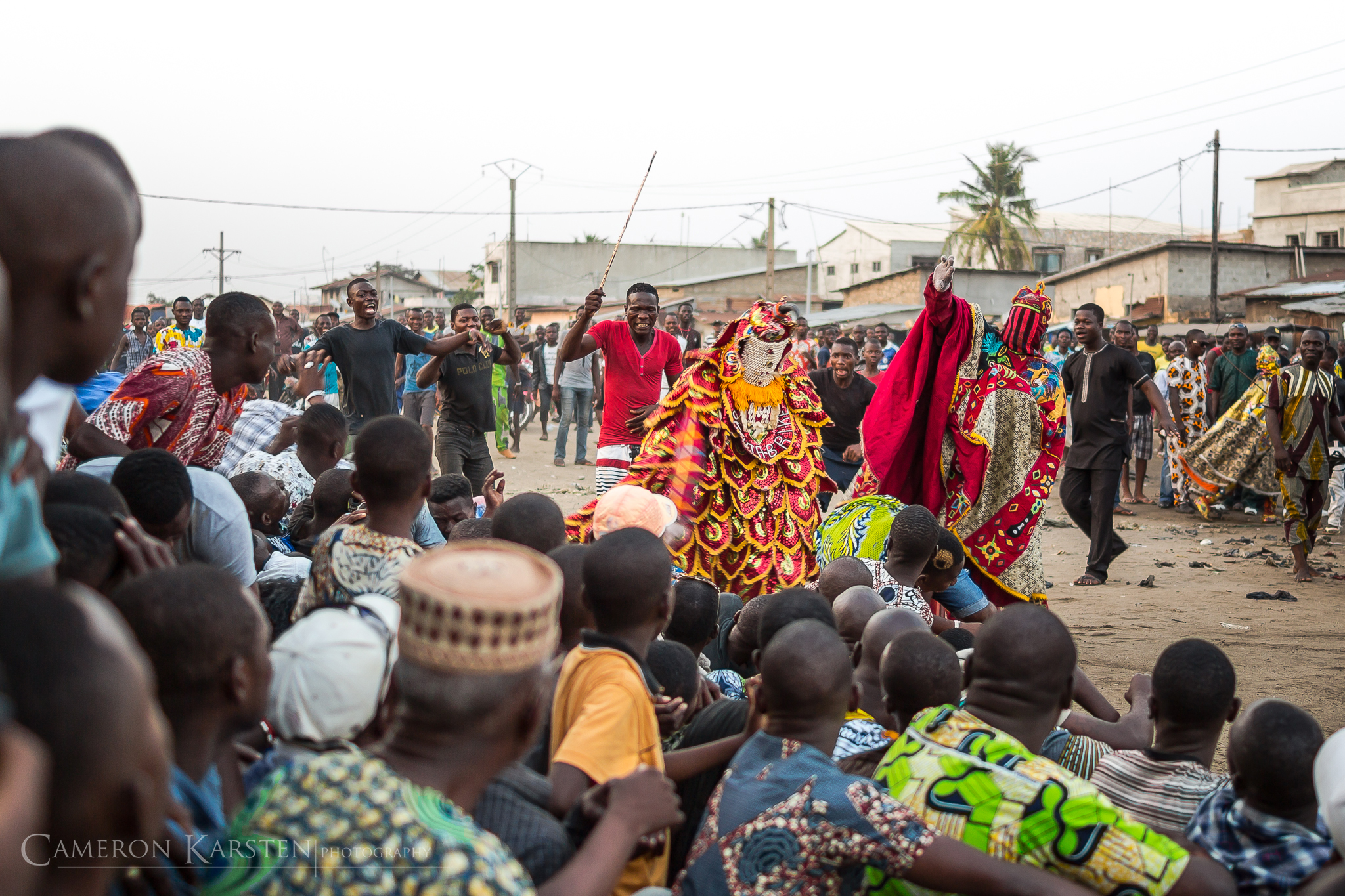
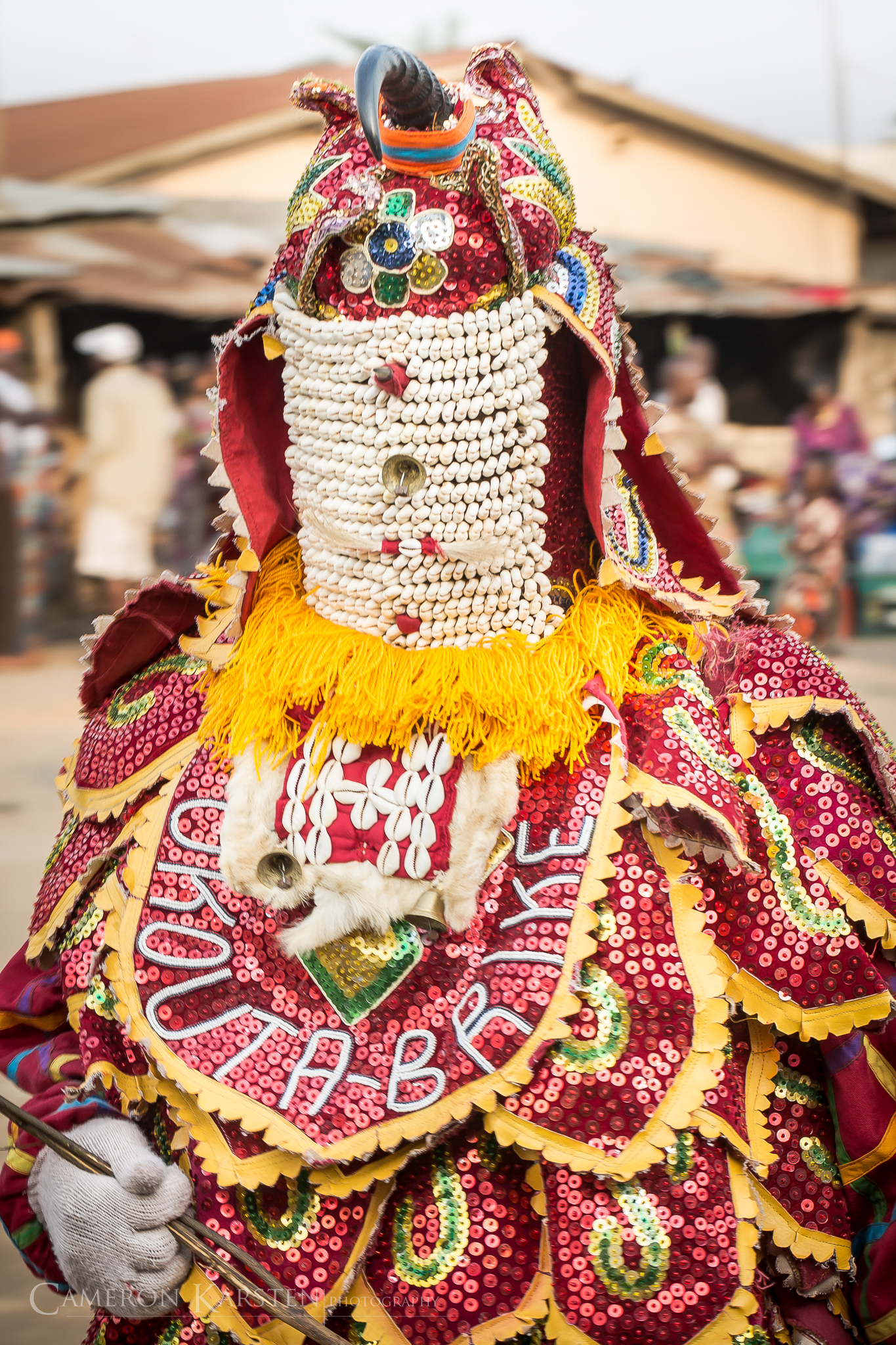
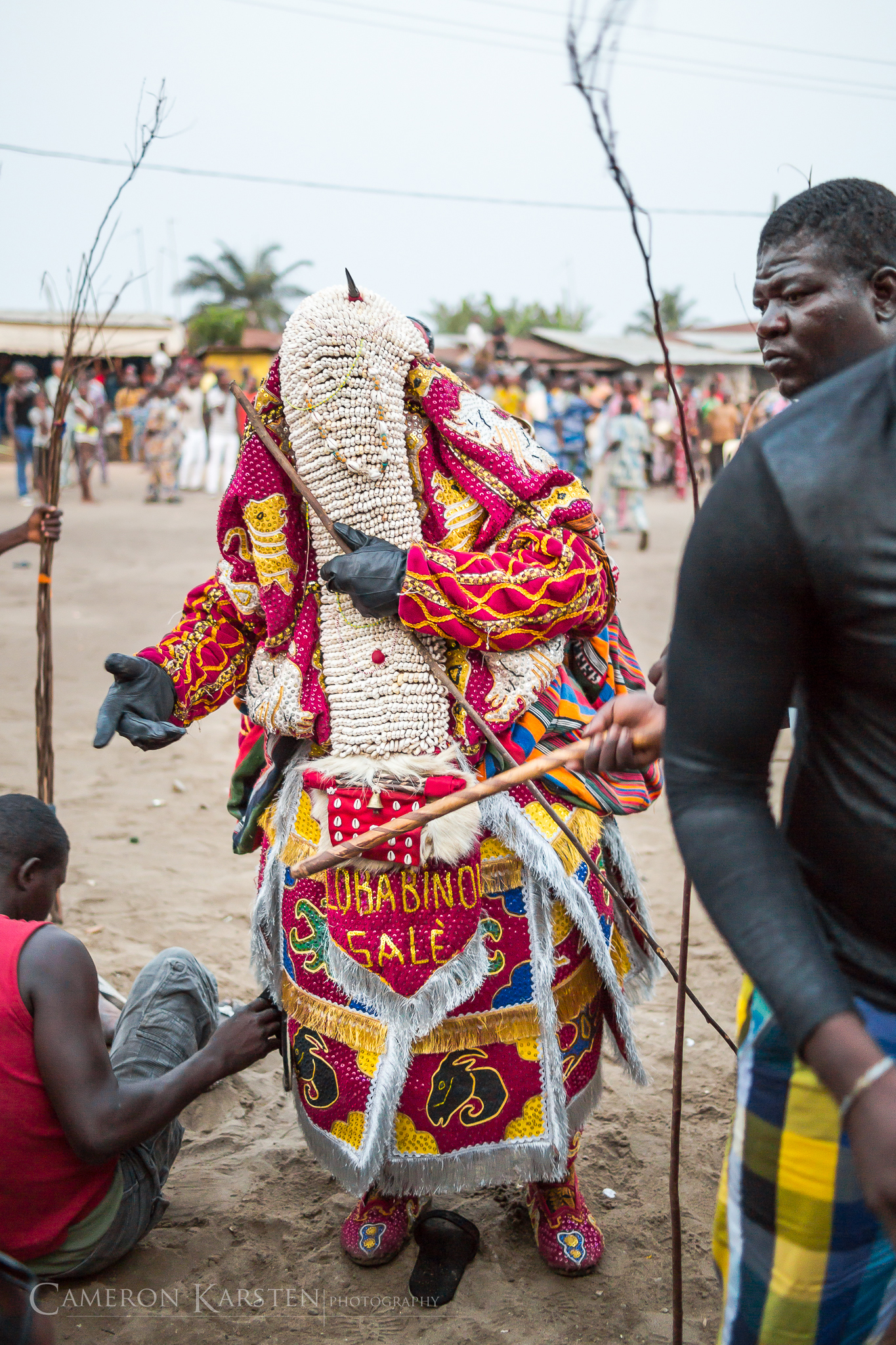
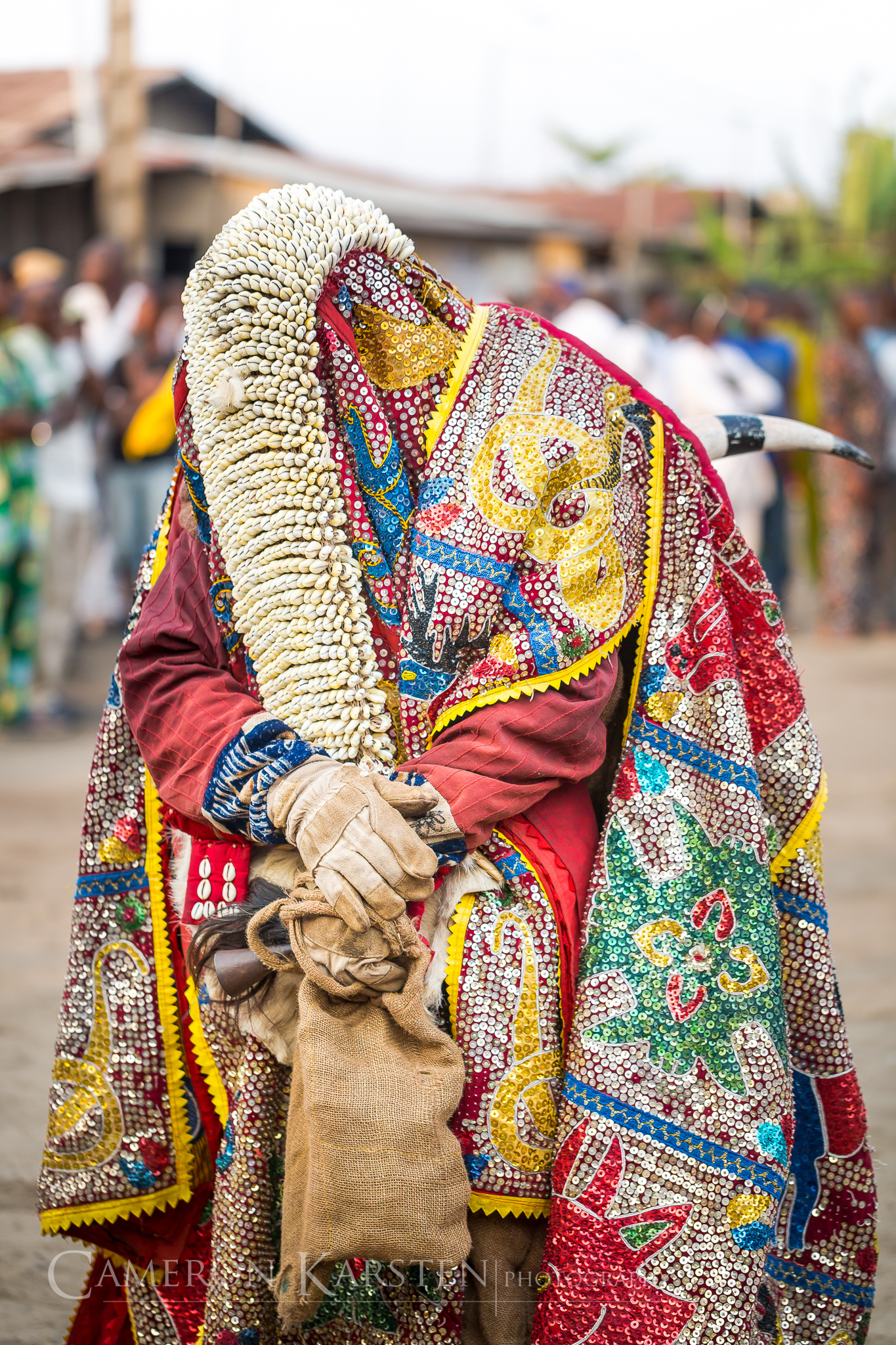
It is staring directly at me—there’s no doubt now. Looming up like a mythical beast, the spirit with bright blazing eyes has targeted me. Sequins, from mighty crown to lowly street, adorn the form in a glittering mist. Folds of thick fabric obscure the possessed body inside. Cowrie strands dangle and clash in the breathless fervor. Its movements are creased, unpredictable, and otherworldly. Transfixed, I turn to the face—yearning for the reassurance of something distinctly human. But no detail has been spared. Beneath the thin chainmail mask, all I can discern is the eerie soft suggestion of features as if pressed into a bedsheet—the phantasmagoric picture of death presiding over me. Now, I’m cowering.

A finger suddenly points in my direction. I raise a calming hand in supplication and instinctively squat lower. As the figure nears, I begin to hide my camera further below. My partner is but a few feet away and still squinting into his viewfinder. There is a brief moment of stillness. Then chachachachacha! His camera fires a fusillade of high-speed clicks.

Day2_Cotonou_Egungun-300

The spirit turns sharply and reveals a rising whip. The black crowd surrounding us joins in an uproar as the Egun slowly approaches my companion.

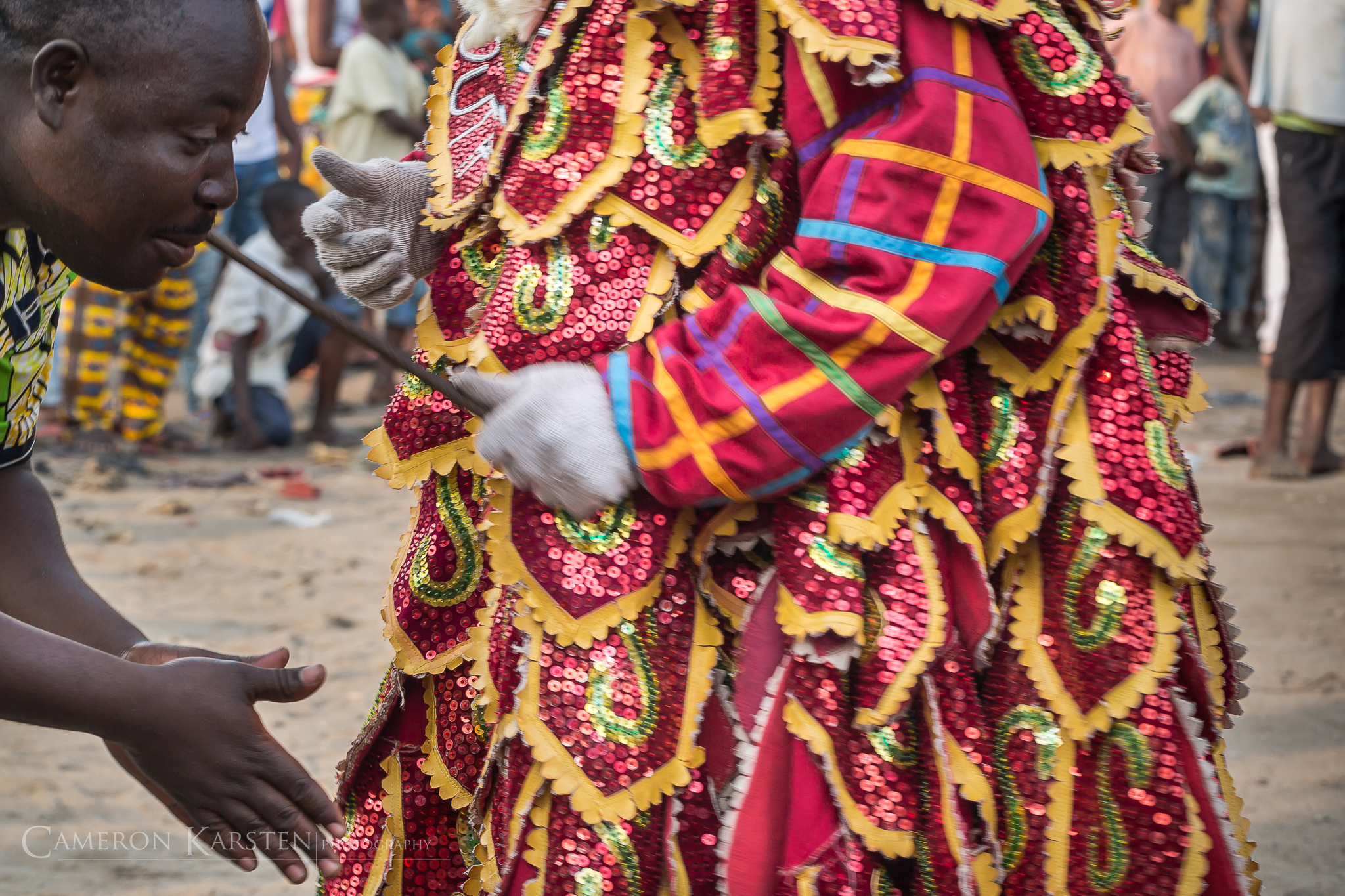
The whip is a tattered five-foot branch, split at its end into numerous lengths, which multiply and expand its powerful lashing. There are eight such instruments around the dirt field, each wielded by its own menacing spirit. Anyone foolish or daring enough to cross the area receives a brutal flogging—ceased only through rescue by the spirits’ guardians or that other time-honored savior, money.

Day2_Cotonou_Egungun-318

Lavishly costumed, variously colored, and elaborately festooned, these ominous dancers are the Egunguns. With garlands of yellow and orange, sequined waves of blue and green, and cloths of blood red, they are at once absurdly threatening and enchantingly beautiful. Atop each figure of dark elegance is a hat fit for a queen. Regal and lethal. The one bearing down on my partner also has a shield of horns on its back. And with each stride it twists and turns like a knife into flesh. Mortals cry beneath the might of the Egungun.

We’ve been accepted into this ceremony by luck (and a little loot), buying our way into the Yoruba ritual via our guide Stephano. In a backroad ghetto of Cotonou, we’re the only white people in a sea of a thousand celebrating Beninese. Men carry large cans of Guinness and Efes, while all are dressed in their Sunday best. With our pragmatic clothing and shiny camera gear, we admittedly stick out. Each time we raise a lens to shoot, even more attention is drawn by shouts from nearby spectators—and evidently, the spirits don’t need an excuse to investigate.

Day2_Cotonou_Egungun-178

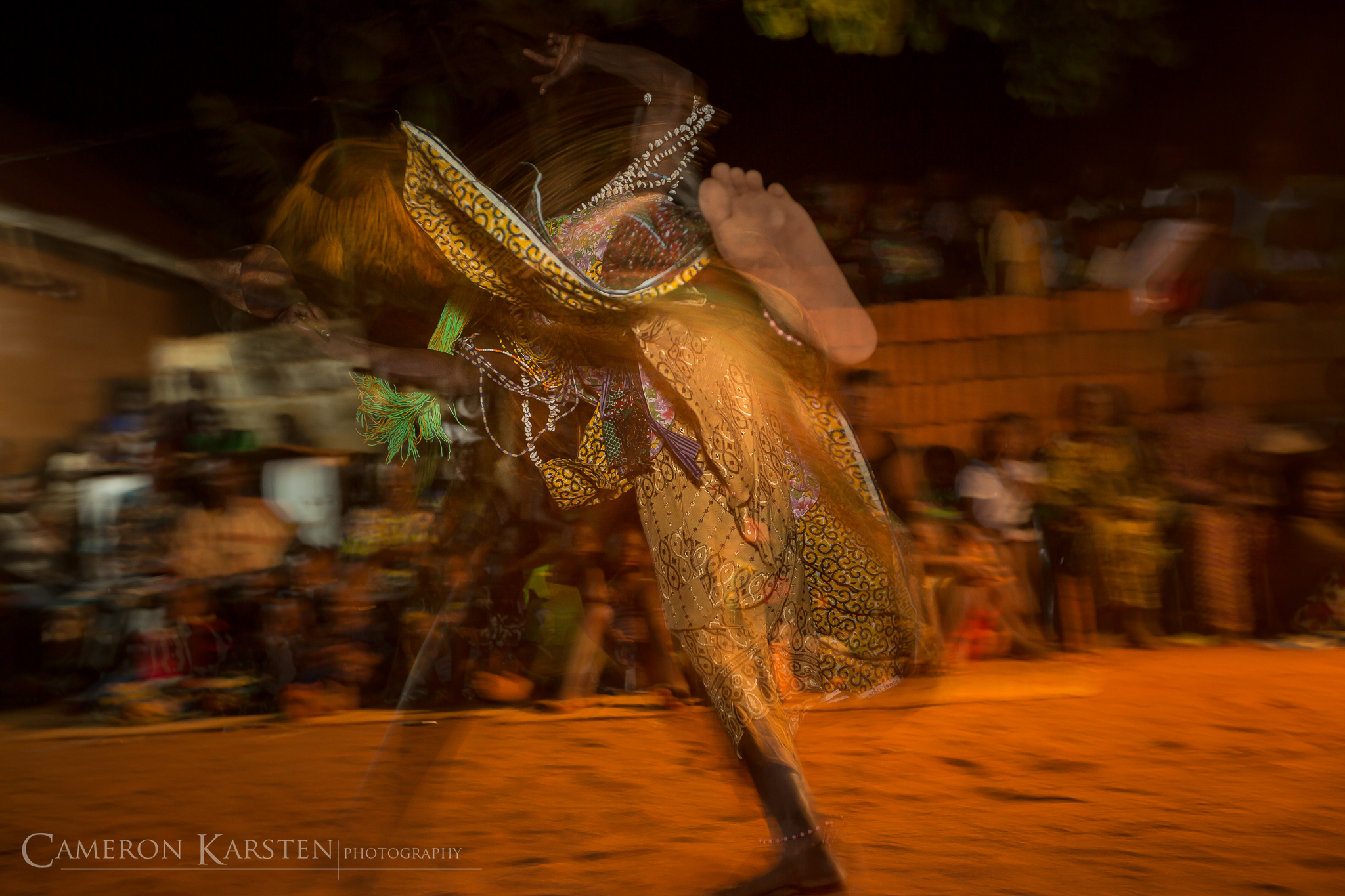
Egungun, literally “powers concealed,” are the souls of the dead—departed ancestors who have returned with advice to the living. Oddly, there appears to be more punishment than advice during this particular ceremony; but despite the imminent peril, it’s impossible not to feel something deep and ancestral about the whole spectacle. As these lively ghosts skate across the dust, they jump and stomp to the rhythm of the pulsating drums. The movement is infectious. With fluctuating spines and flailing arms, they fly as parrots in a trance.

And, in fact, the Egunguns are in a trance. Like all of Vodou, the Egungun society is a secret organization where only initiates are allowed access to the understanding, appreciation, and practice of opening one’s soul to trance state. Under the spell of music and sodabi (local palm alcohol), the Egungun spirit enters the body and becomes a direct translation of God. The Egungun’s words are final. Community members must obey; otherwise, their houses will be shaken. This obeisance is an essential tenant of any divinity in the ancient practice of Vodou.

Day2_Cotonou_Egungun-372

And right now, with the spirit upon us, obeisance sounds perfect. We can hear its breath. The whip is raised and threatens unmistakably. I keep my camera low. Hastily, our guide throws a wad of cash at the Egun. A guardian reaches down and examines it. The spirit, with a final glare, accepts and moves on. Others are not so fortunate, but the only two yovos, or whiteys, are spared today.

***

This was one of our first direct Vodou experiences—with many to follow. The energy was electric. The celebrations were riveting. The whole event seemed a fulfillment of spiritual rawness that transcended ordinary comprehension. Vodou is undoubtedly the inexplicable—and when we returned back to our room that night, we quickly rediscovered why.

Day2_Cotonou_Egungun-212

During the negotiations to attend the Egungun ceremony, we were told that if our offerings to the spirits were not accepted and we still remained to photograph, the mere presence of the Egungun within our lenses would completely halt our cameras’ systems. Memory cards would be wiped. Shutters locked. Only once departed would our equipment resume its normal operations. Fortunately, our offerings had been accepted.

That evening, however, something wasn’t quite right. While transferring our files—a task we’d each performed tens of thousands of times—we noticed that many were curiously missing. An entire flash card was corrupted. Substantial video footage from one of mine had also disappeared. There was no explanation. Our gear had worked flawlessly the whole time since arriving in Benin, including throughout the ceremony, and had never left our possessions. Bemused, but not convinced, we shook our heads and blamed the unbeliever’s trusted scapegoat, coincidence.

We set the room lock from the inside, as every night, and crawled off to sleep—the images of the day soon flashing and dancing beneath closed eyes. And as my mind began its graceful lengthening and gradual tumble into slow peaceful repose—I bolted up. Sunlight streamed in from the blinds. It was morning. Early. Then the door—the locked door—started to creak open, revealing the hallway’s dim florescent glare. Rising, I closed it. Reset the lock. And sneaking hesitantly back to sleep. I knew that coincidence had some serious explaining to do.

Day2_Cotonou_Egungun-90

On the following evening, I was again abruptly awoken, this time to two bewitching cries and a loud unnerving hiss. I had heard that wild cats occasionally roamed the guesthouse grounds, but these sounds came from an animal much larger and nearer. With my eyes alert in the pitch-black, I could just make out my partner upright in his own bed. Silence. Darkness. No more sounds were heard, but it was the feeling which followed that kept me wide awake—a feeling of otherworldliness and possession, as though in some other room, an inner spirit animal was haunting a fellow resident. I realized then that we were not alone in our endeavors. The Egungun had followed.

For the remainder of the trip along Vodou Footprints, similar oddities revealed themselves—occurrences that spun the uninitiated Western mind into perpetual circles of questioning and doubt. Everything that we had ever known suddenly became totteringly balanced on a precarious ledge of belief. A witchdoctor we would come to know and respect put it perfectly: “Human beings own the earth. But above the earth, there is only Vodou.”

After tales of human resurrection, piles of animal sacrifice, and bottles of snake venom wine, such simplicity resonates. Vodou is that onion whose inner ways are revealed only through time, discipline, and absolute respect. It will know when your purpose is false or uncertain—and if so, will shake your house to its feeble foundation. Remarkably, following Vodou Footprints, mine was only beginning to be built.

Next essay –>

Day2_Cotonou_Egungun-308

Day2_Cotonou_Egungun-588

Day2_Cotonou_Egungun-203

Day2_Cotonou_Egungun-100

logo_blackTrajan

Vodou Footprints: A Faraway Land in Benin’s Cradle of Vodou

Day6_AlladaVodou-452

Geography, for many Americans, is that daunting and embarrassing mystery—a dim knowledge largely confined to wartime allies, historical enemies, and the occasional topical hotspot. Beyond this so-called important handful—Western Europe, the Middle East, possibly China or Japan—everything else is clumped together into a world of unknowns.

When I told acquaintances of my impending trip, the average response was somewhere between hesitance and puzzlement. Like a jargoning doctor to the common patient, my words didn’t ring many bells.

Well, perhaps Benin is a faraway land.

Day3_Ganvie-356

Admittedly, I too couldn’t place Benin in its exact location prior. West Africa, I’d say evasively, somehow hopeful that several nations would willingly surrender their unique identities to their greater region. Technically, I wasn’t wrong. But not surprisingly, I soon discovered that Benin deserved far more respect and scrutiny than I had originally expected. Take a closer look and you’ll begin to unravel a majestic tangle of complexity and misconception.

Benin borders Nigeria’s western edge, touches Togo’s eastern boundary, and supports Niger and Burkina Faso above. It is one of those tiny West African countries that stretch north to south. Sneeze and you’ll miss it. In fact, picture Africa’s western shoreline as a nose. Benin sits just beyond where the mouth and the nose would meet—at the nostrils, if you will—a sliver of land anchored by the fabled Bight of Benin.

And then there’s magic. In the West, the word conjures up David Blaine, television’s greatest living magician. A levitating, fire-breathing, death-defying illusionist. A beloved celebrity of record-setting endurance. A talent, no doubt. From the Beninese perspective, however, he is not a man of magic. Call him master of deception. Magic in Benin is a way of life.

Day1_Ouidah-112

Everywhere there is magic. It’s in the red earth of the landscape, the throbbing fury of the sun, and the relentless currents of the great flowing rivers. It’s their religion—a religion in which the interactions between nature and humanity are cherished and respected every day. Magic is Vodou. And with 4,000 years of magic backing it up, Benin is the undisputed cradle of Vodou.

Personally, I believe in magic, both as a form of deception as well as a supernatural expression of the energies beyond ordinary comprehension. For millennia, Homo sapiens—the self-proclaimed wise man—has existed, evolved, and generally erred, all the while attempting to explain: What lies beneath? What forces create the churning seas of the ocean and the gyrating clouds of the sky? What energies course through veins and roots alike? Indeed, what does our cunning and craft amount to aside vast incomprehensibilities? Our attempts to solve breed yet further questions. No matter our advancements or industry, the sun still rises and the moon ever orbits to a language seemingly all their own.

Day5_Allada-173

Countless cultures have contrived to explain these fundamental phenomena. Some grow. Most fade beneath the all-consuming flames of war and oppression. And yet, incredibly, amidst the largest powerhouses of the world, there exists a small country—undeterred by the folly of others and sorely ravaged by the horrible histories of slavery—where the primeval practices still prevail and the honor of the mysteries of the world take precedence.

Cast aside the linear mindset and the textual teachings of the West. Simply observe what is before you and what has come to pass. Only then will you understand Benin. Here the supernatural and natural worlds converge; everyday occurrences take on special meanings; and the privileged traveler may join the setting sun into the obscurity of a secret and sacred society to appreciate the mysteries of what Benin declares its official religion: the worship of the Vodou.

Day6_AlladaVodou-366

It is a world of shadow and dance. Of masks, scars, and tattoos. A country where Kings remain the Kings of Kings, and the leopard and snake reign in the household tale. Feel the pulsing rhythm of Vodou, transcend the merely tangible, and let the beat of the drum lift your mind into the realm of the metaphysical. Once you have crossed this threshold, once you have heeded this singular call, the world around can never be the same.

For us, there is no retreat. There is only the universal language of Vodou, and together we will drink from this bottomless cup.

Together we’ll reach a faraway land.

Next essay –>

Day6_AlladaVodou-507

Day2_Cotonou_Egungun-236

Day6_AlladaVodou-173

Day2_Cotonou_Egungun-1

Day6_AlladaVodou-578

Day4_AbomeyCalavi-197

logo_blackTrajan