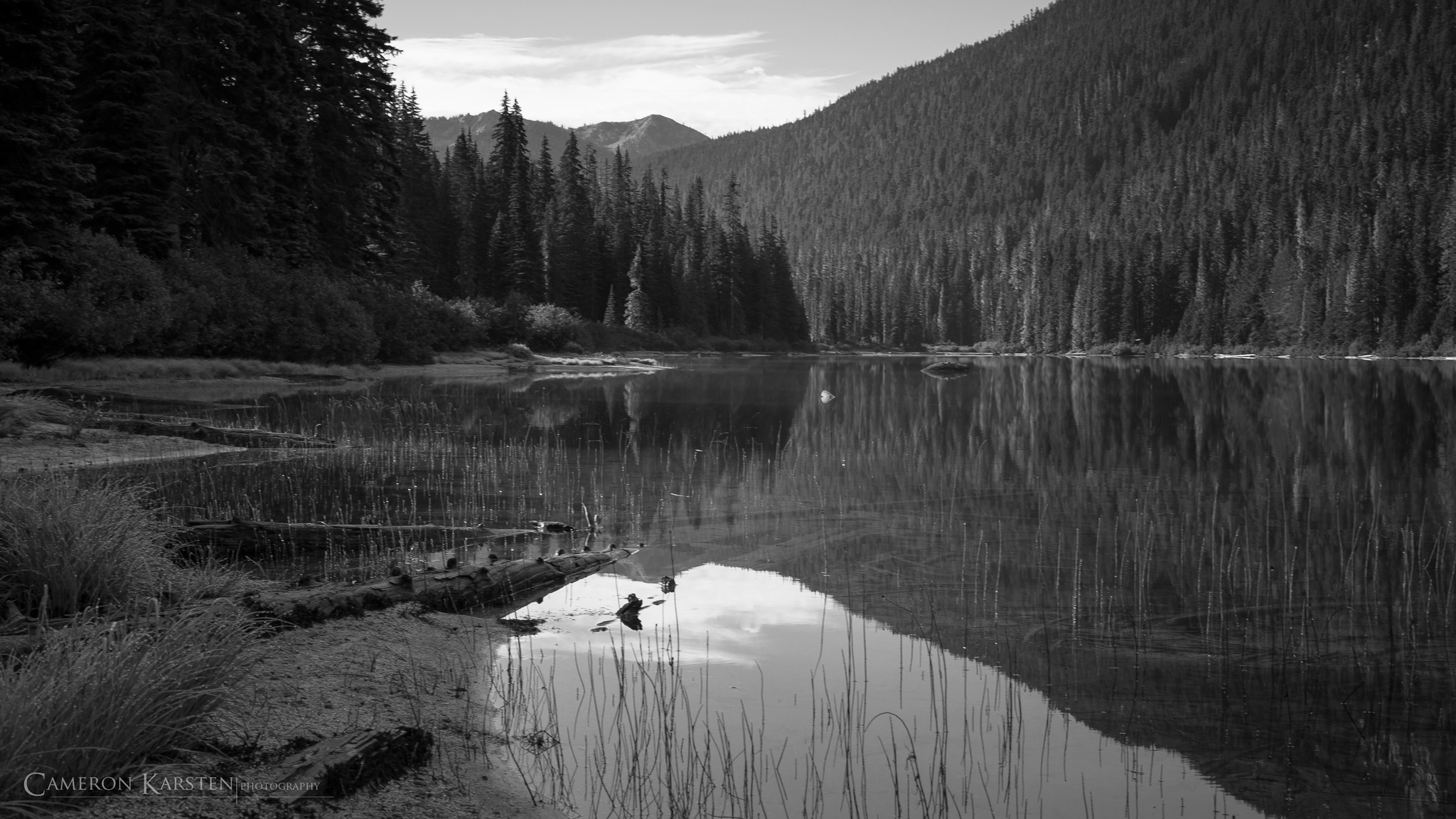
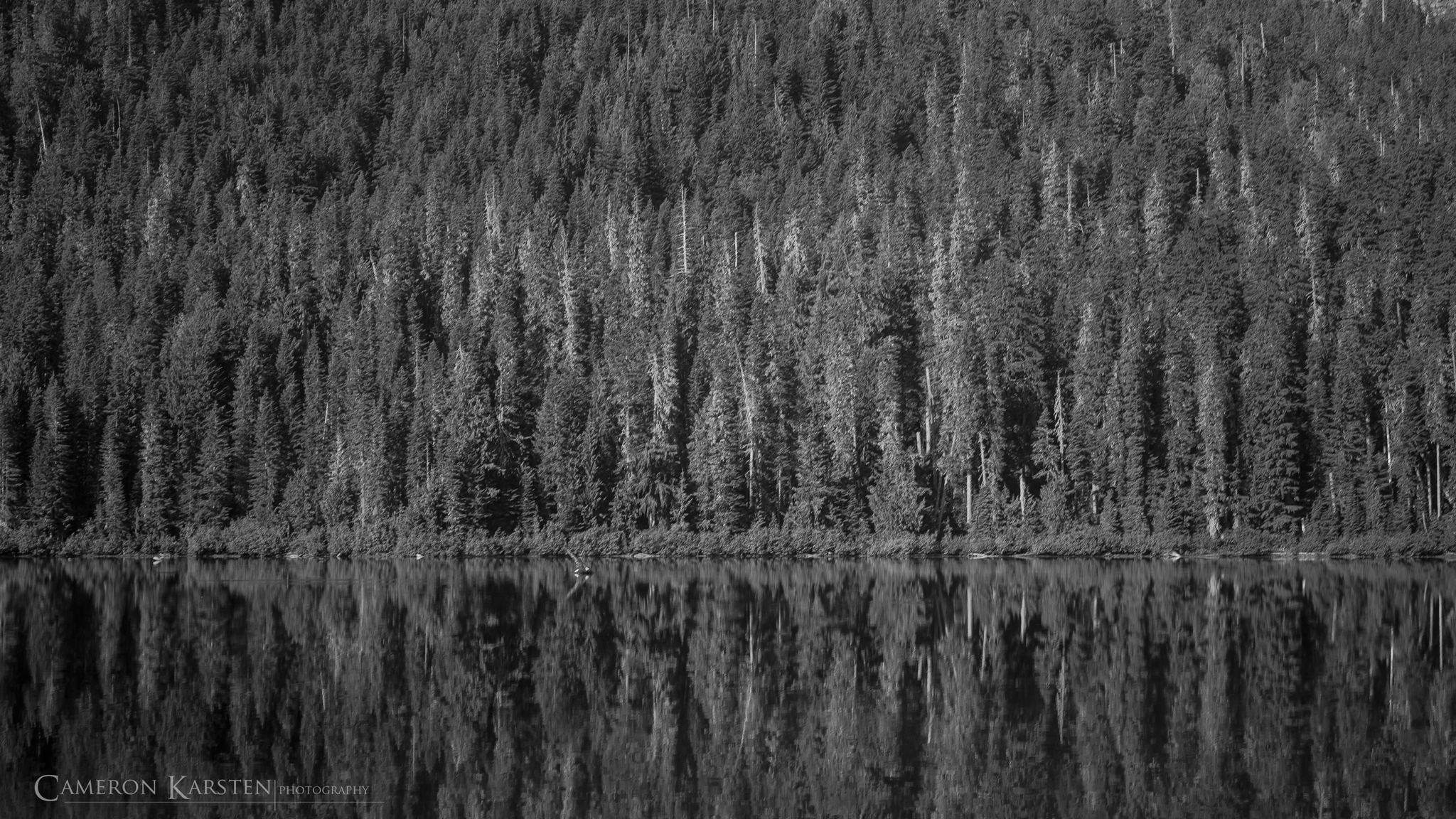
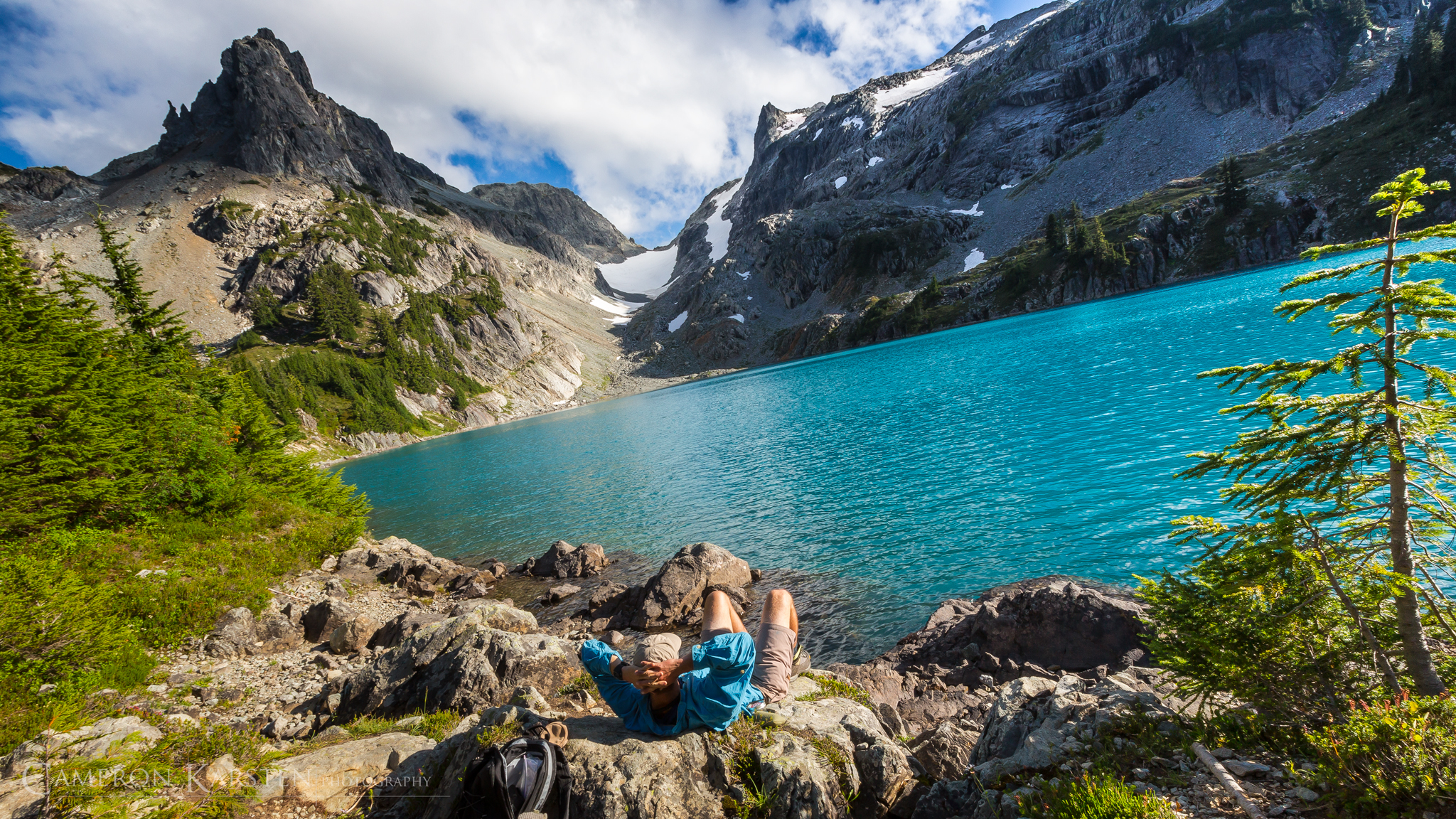
 The Alpine Lakes Wilderness Area north of Interstate 90 in the Cascade Mountains of Washington State. The land of 700 lakes.




Exploration with Culture
The Alpine Lakes Wilderness Area north of Interstate 90 in the Cascade Mountains of Washington State. The land of 700 lakes.

A short week of city work and then we were out. It was 6pm and we were stocking up, eating, forgetting things, stocking up again, getting licenses, and then heading east up and over Interstate 90. Seattle – Snoqualimie Pass – Roslyn – Salmon La Sac. It was dark by the time we reached the trailhead, about 11PM, and we were beat from the seemingly endless dirt road that only became visible through the truck’s headlights. Everything else was black as the sky above. We took swigs of whiskey, unrolled our pads and bags, and slept like babies under the canvas’ cover.
From Deception Pass trailhead, we enjoyed the wide path to Hyass Lake, before a slowly inclining climb got us sweating. Simon and I were conditioned. It had been too long since we were on the trail, so our mind’s excitement took up the body’s slack. In less then three hours we reached the pass, an uneventful merging with the Pacific Crest Trail.
We had no plans except a start date and the last day we needed to be back down heading home. We pulled out the topo maps and traced lines with our fingers.


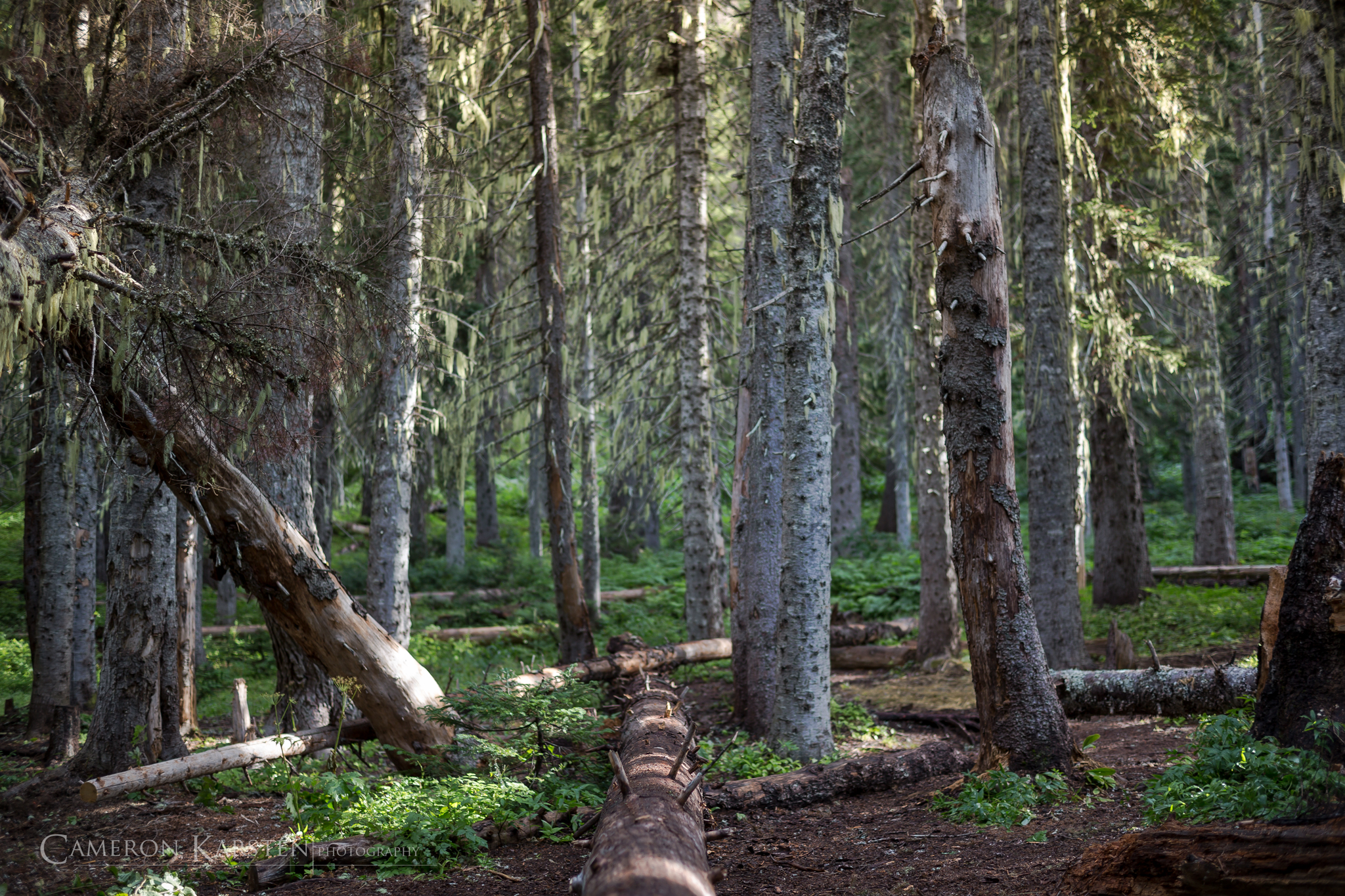

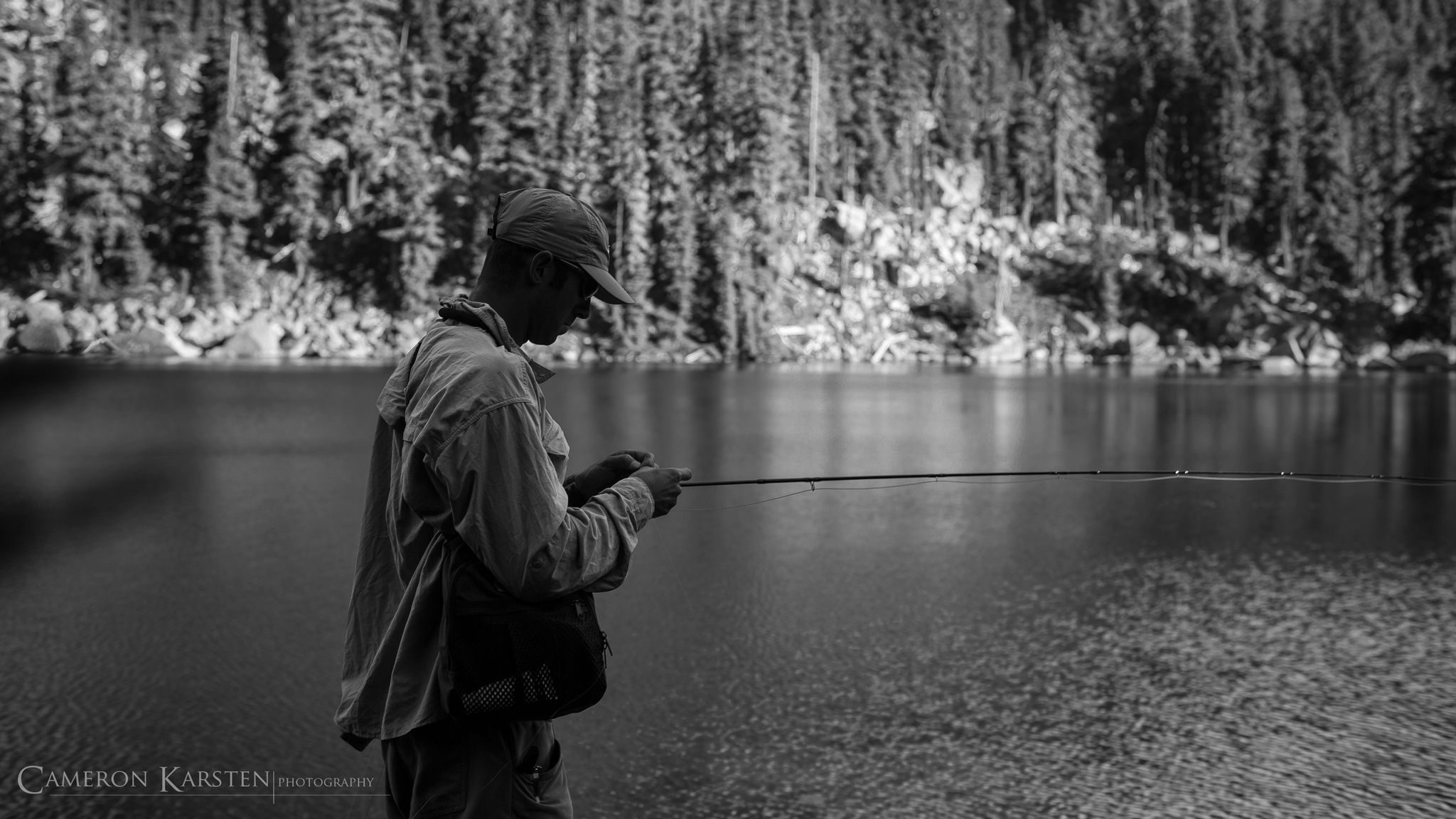
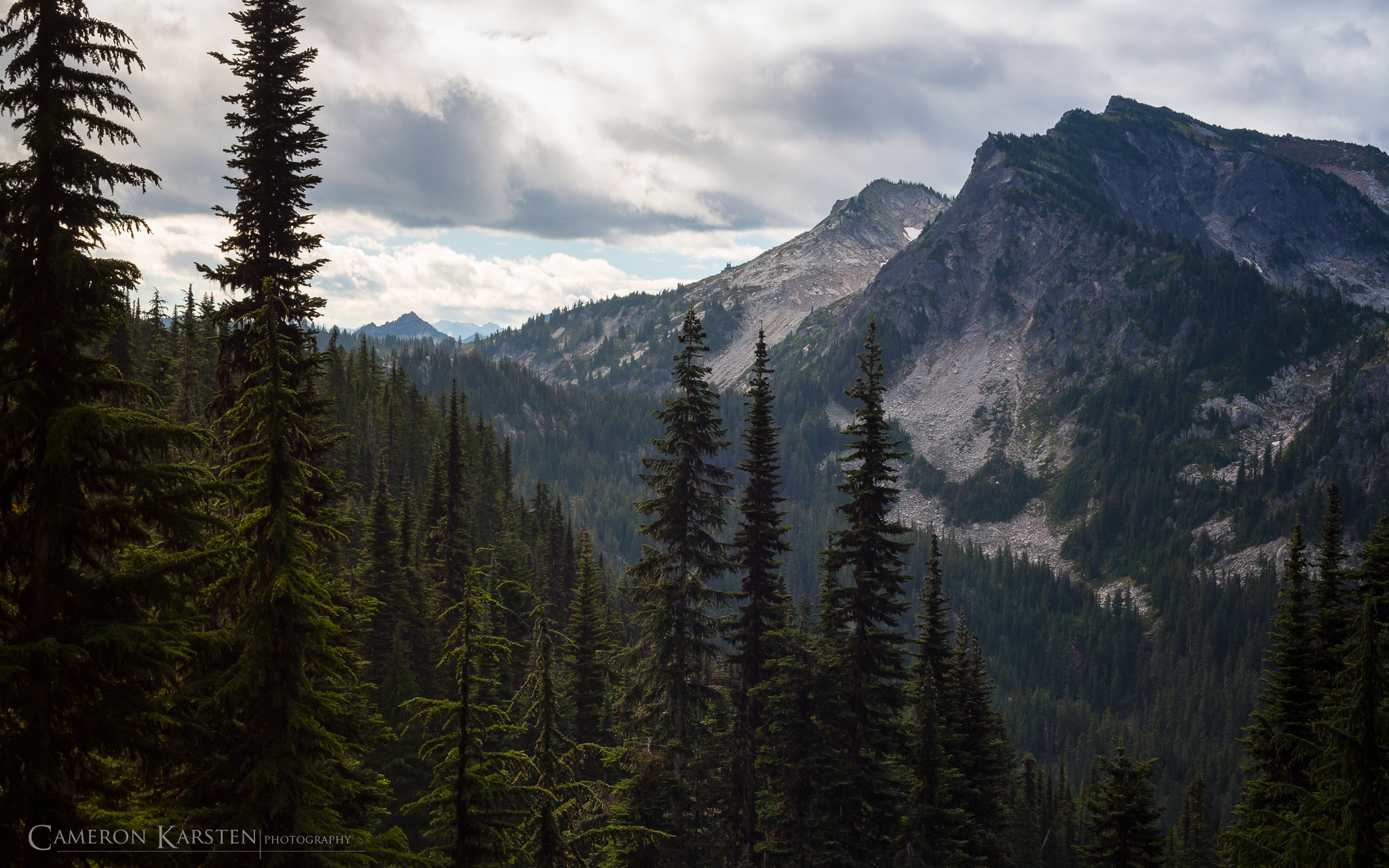
Our pace didn’t slow, it quickened with ease. We couldn’t contain the thrill of being out, winding north from Snoqualimie Pass in Washington State’s Cascade Mountains to Steven’s Pass. The area we were exploring was the Alpine Lakes Wilderness Area, a land nestled between I-90 and Hwy 2 with enough lakes to last you 10 lifetimes. And at high altitudes, many cresting above the timber line, they were quiet, and well stocked. Fly-rods: check.

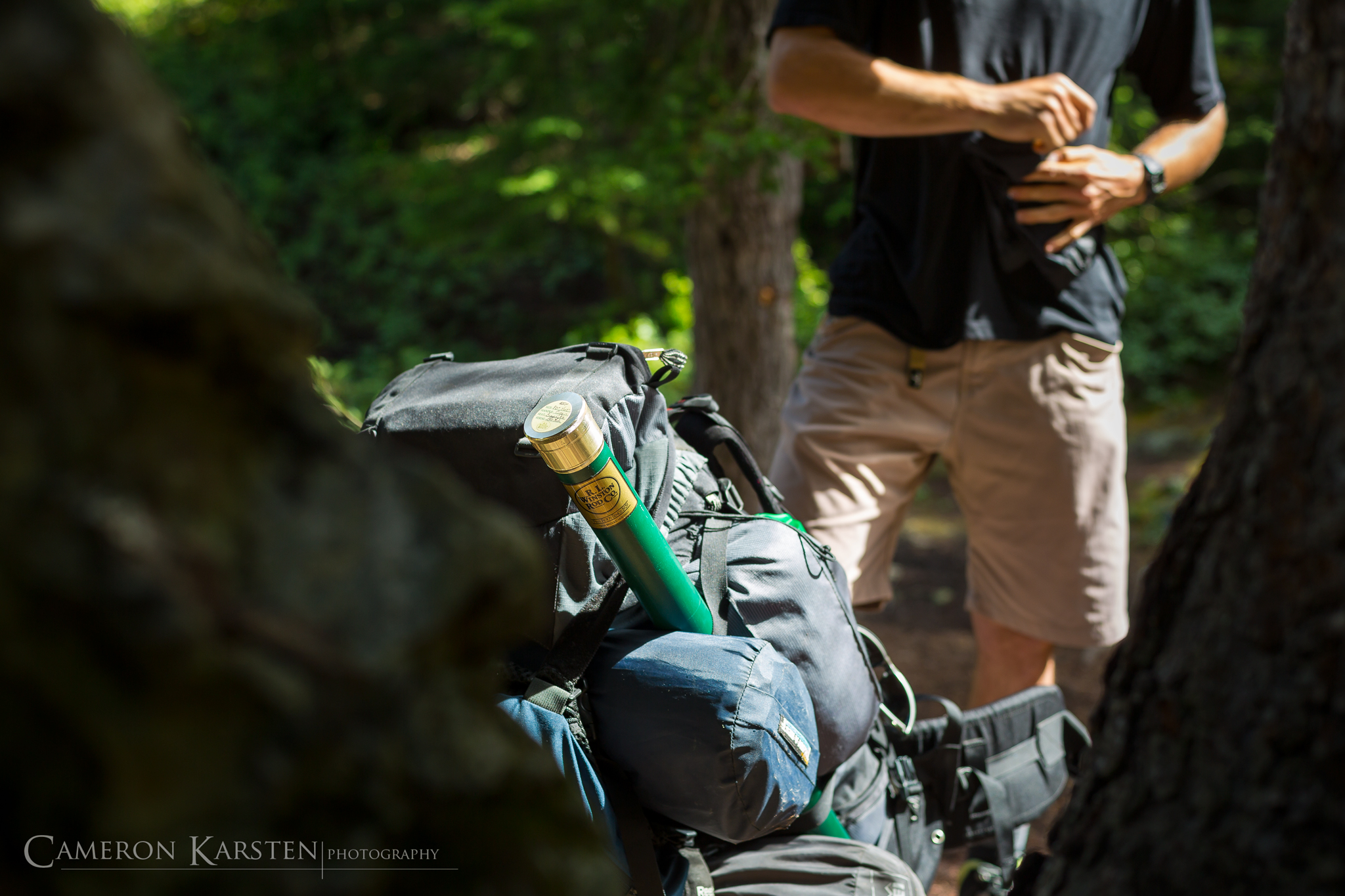


In less then 5.5 hrs from the trailhead, up to Deception Pass and north along the PCT we reached our first night’s destination: Deception Lakes. And they were exquisite. Two glistening bodies of water with long shallow shores that dropped into deep emerald hues. The fish were going crazy. Set up camp, pull shoes, rig the rods and throw some line. But there was one problem. These rainbow, brook and cutthroat trout were tiny, skipping across the water as they emerged for a vast array of insect life the size of gnats buzzing around your wine. We had nothing, they had everything. Hooking one small brook did not afford us the glamorous backpacking dinner we hoped, but the excitement to be here and how far exceeded expectations.


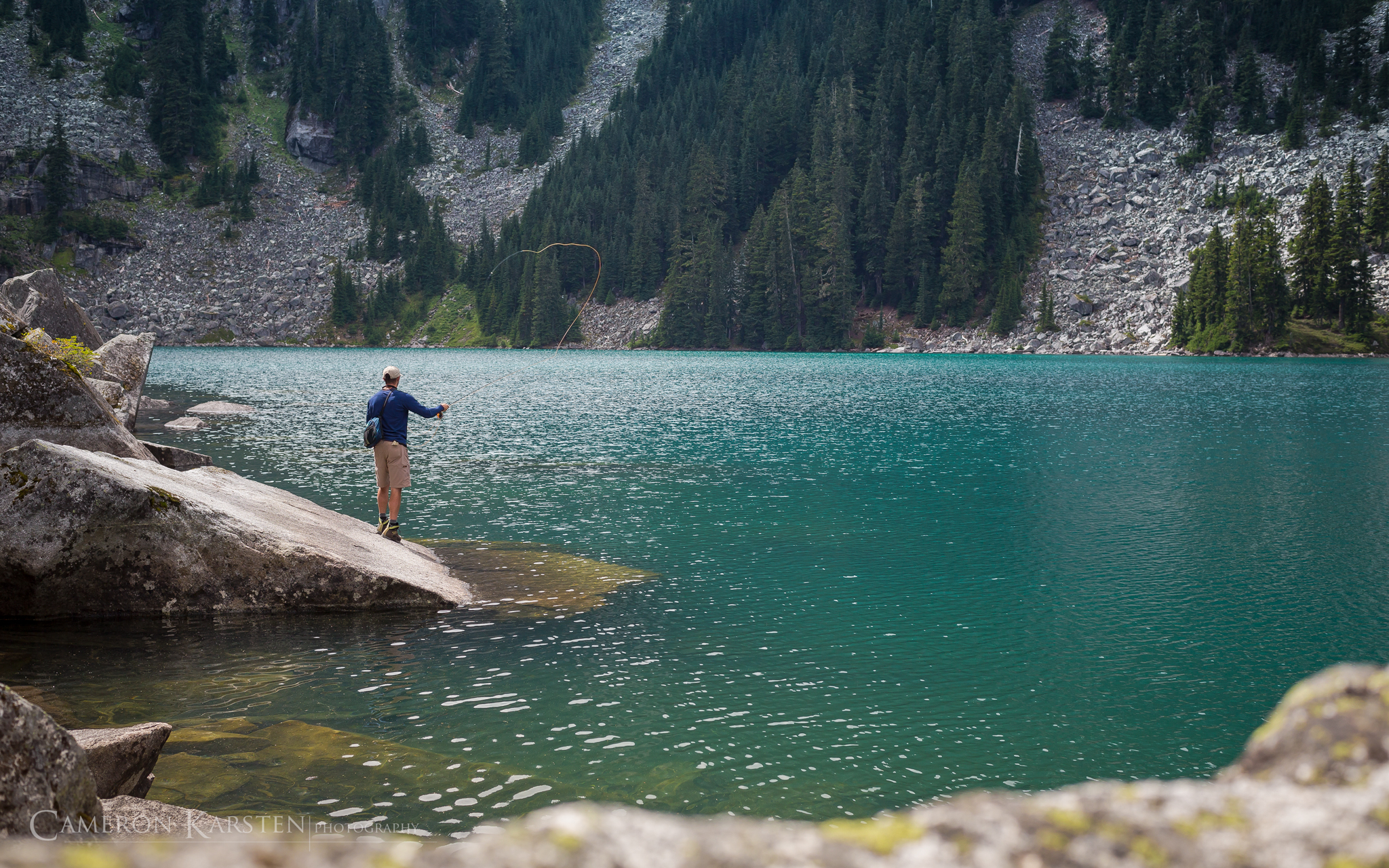
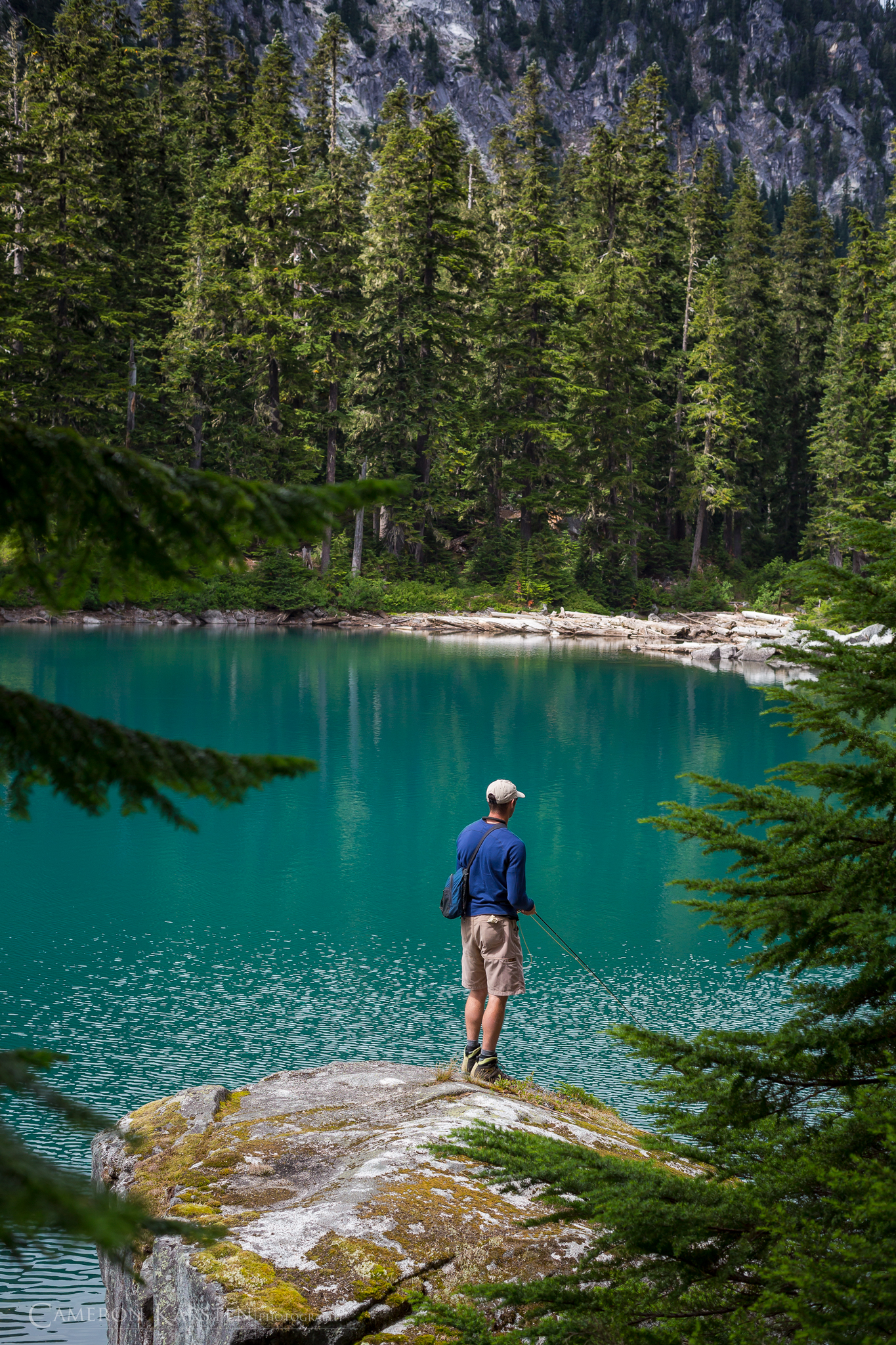
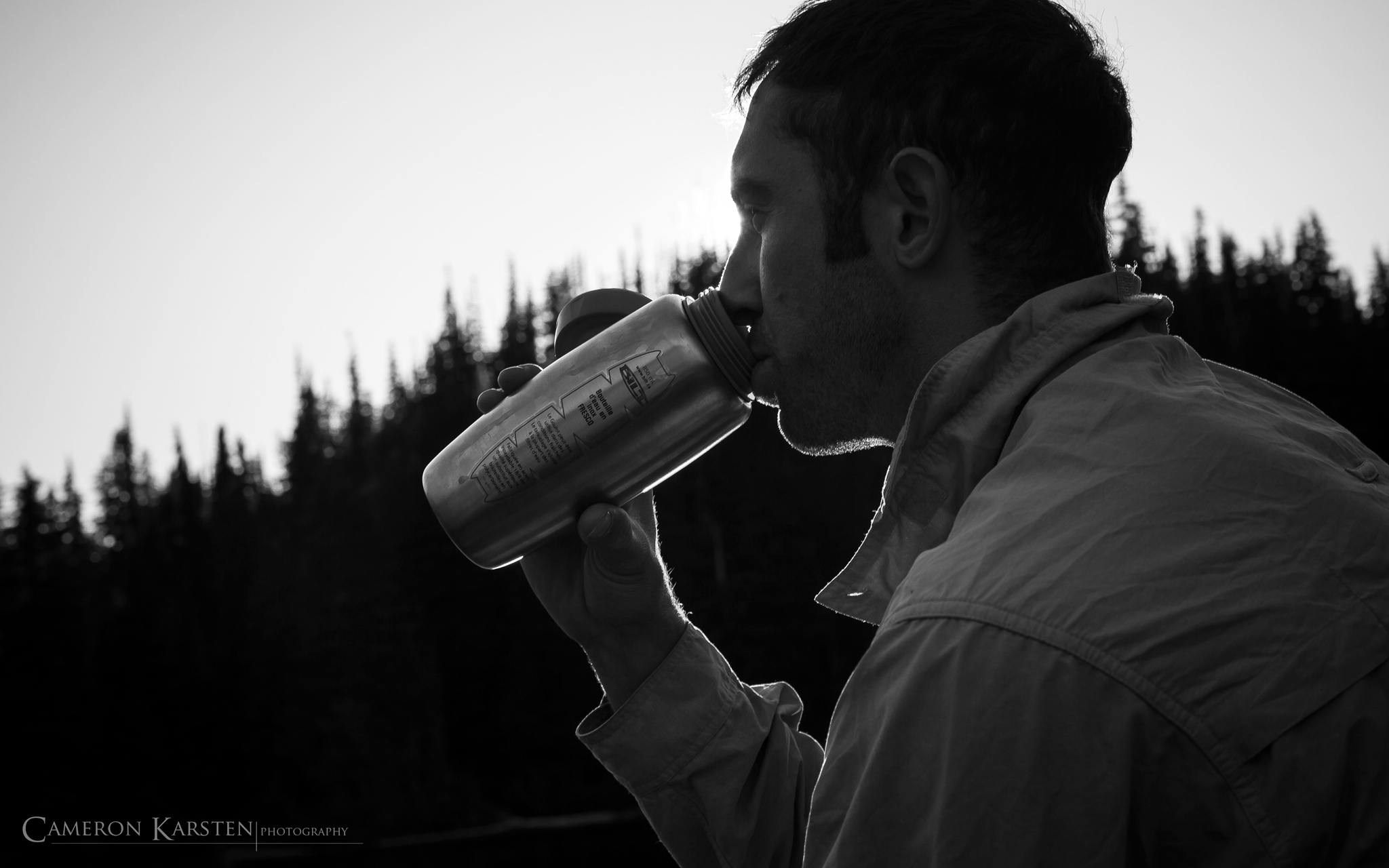
The next day we rose and kept camp at Deception. With light packs, food, water and fly gear, we headed up to Mt. Surprise for a summit before dropping down further north to Glacier and Surprise Lakes. More fish, more action, but the same small size. But what made the day was the Saturday morning spent atop Mt. Surprise. With a thick rolling cloud cover the temperature of a warm bath and nobody within eyesight or earshot, Simon and I sat, played a deck or two and sipped our libations. Nowhere else was more accommodating before dropping down through Piper Pass onto Glacier and Surprise Lakes.


To return to camp that evening, we continued along a loop, rejoining the PCT south to Deception Lakes, trying to never walk the same path twice.
With sunrise, oats, and full water jugs, we packed camp and headed west down to Deception Creek, a small tight valley that originated at the base of Mt Daniels. Simon and I hiked south toward Deception Pass, taking a new less-traveled trail that brought us through a rich land of moss and wild mountain blueberries. The trail was minimal and our eyes were awake for lingering bears.
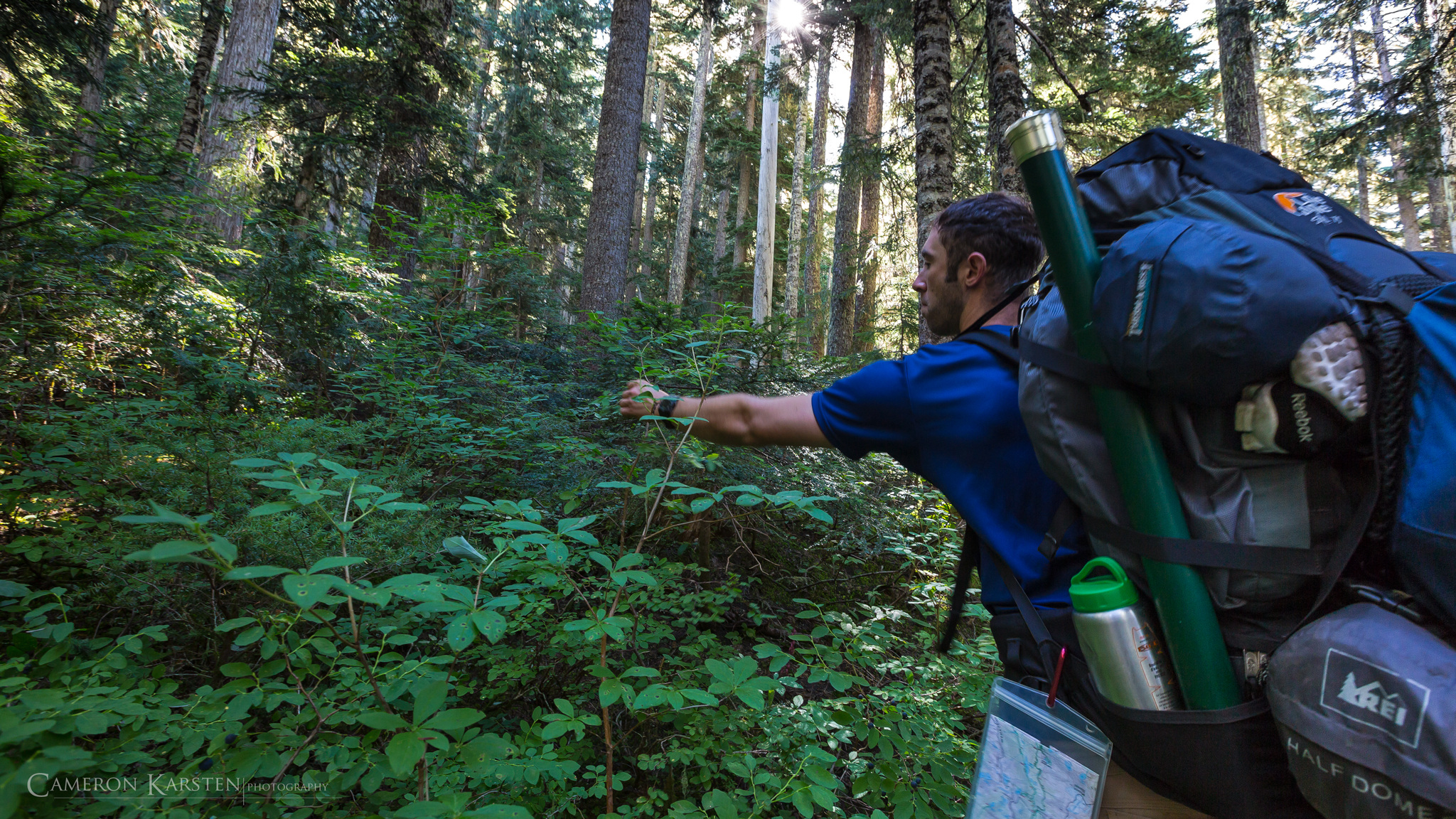


By noon we were back at Deception Pass, before turning west along Marmot Trail to Marmot Lake. And beyond that, a Shangri La called Jade. It was a long afternoon hike as we took side routes for smaller excursions to ampitheatres of rock and screen. The views were vast, as if we could reach out to the trails we were on just days prior. Shortly before the late afternoon, the thick blue waters of Marmot met us, but it was the Jade that took our breath away.

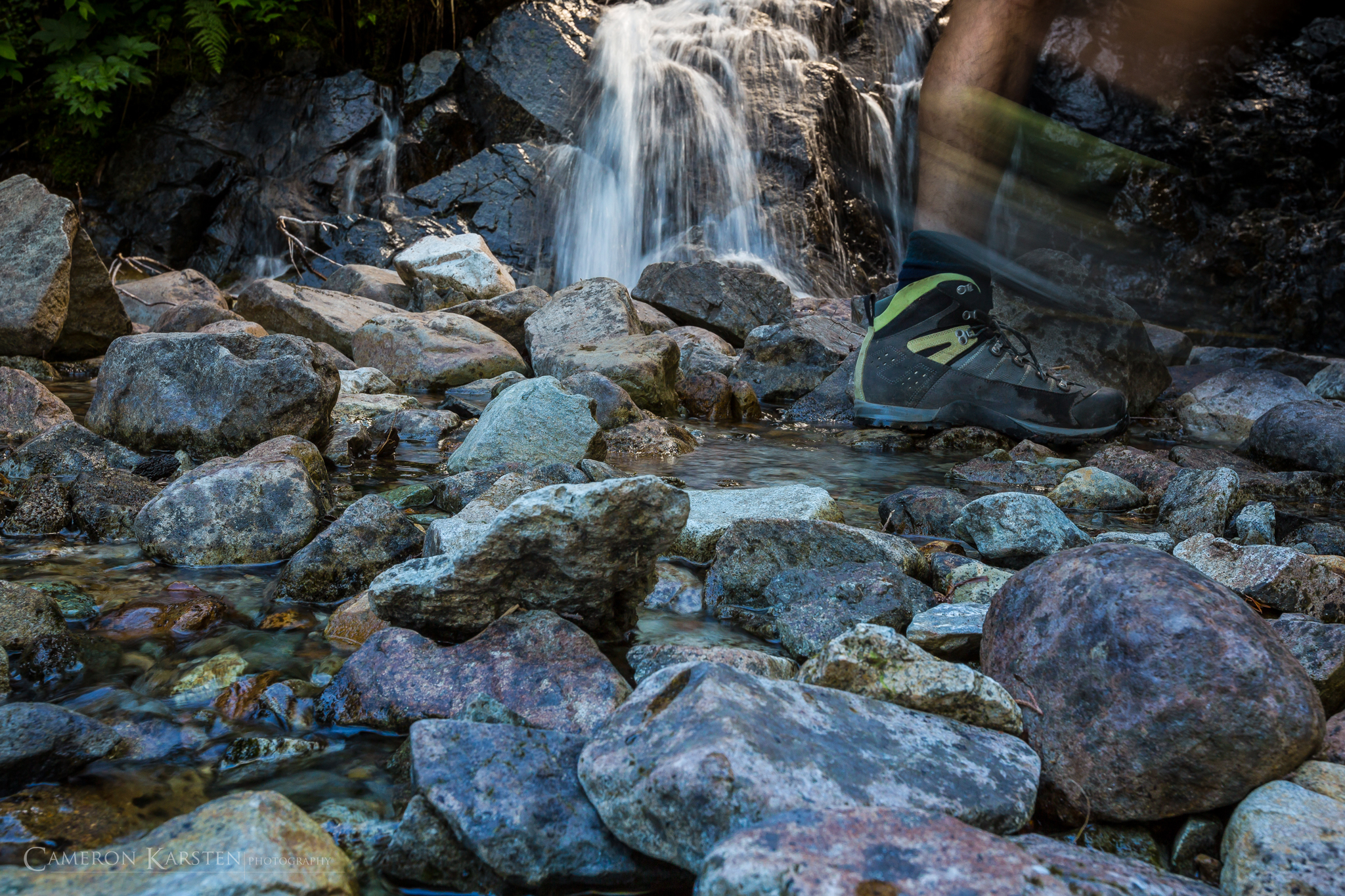

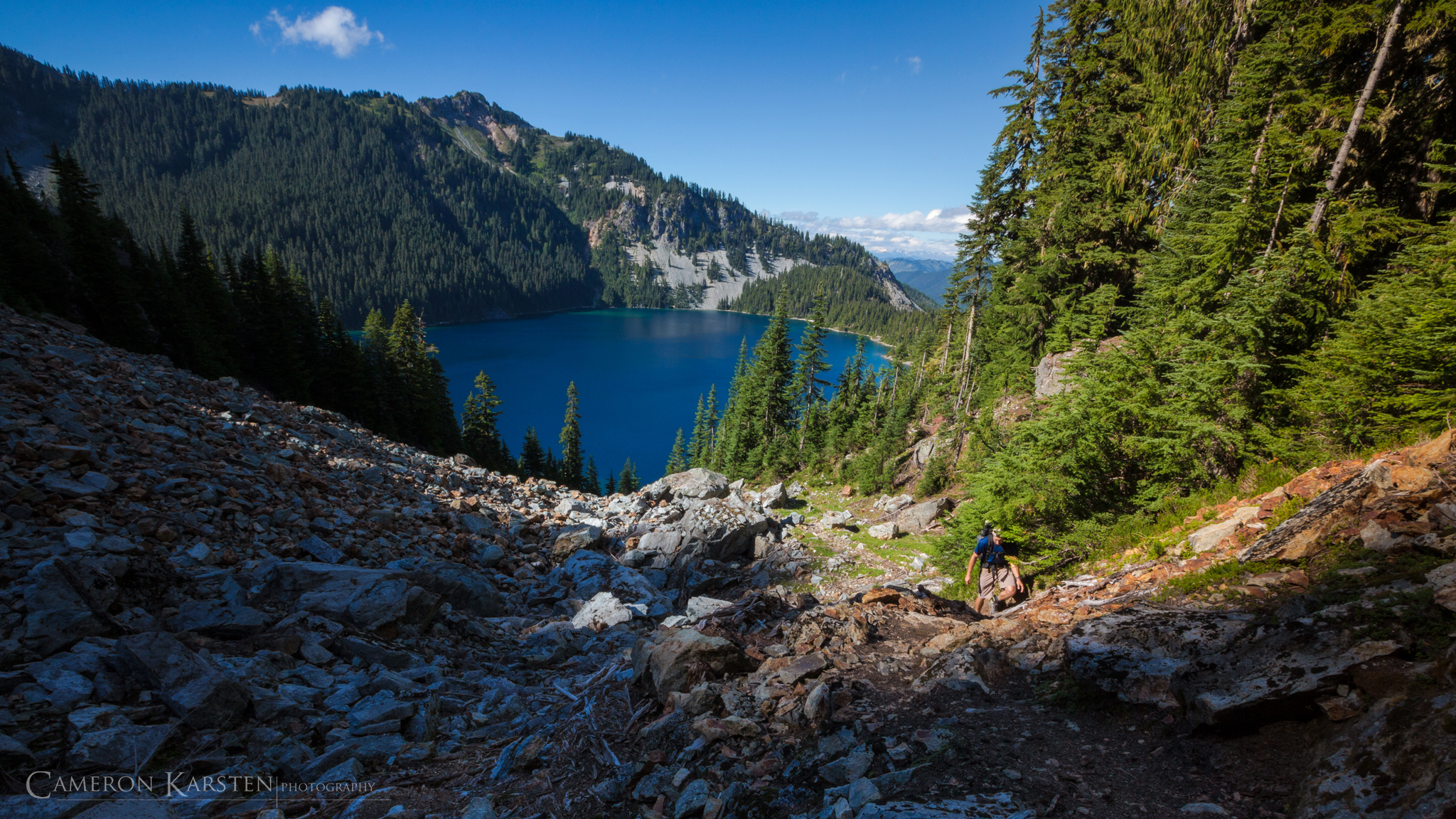
Jade Lake was an additional mile above Marmot, a steep perilous hike under darkness, but just manageable with light packs and three days of hiking under our feet and within our knees. Jade Lake with it’s hushing sounds of wind screaming through the pass just south, was all to ourselves and the large trolling trout that could be seen beneath the surface, careless about our imitation flies.


One more night, one more morning before the trail descended beneath our boots back to Salmon La Sac (after a morning fish of course). Beers and billiards at The Brick in Roslyn washed down the 4 day/3 night dream to mere memories. Next summer will be just as beautiful.
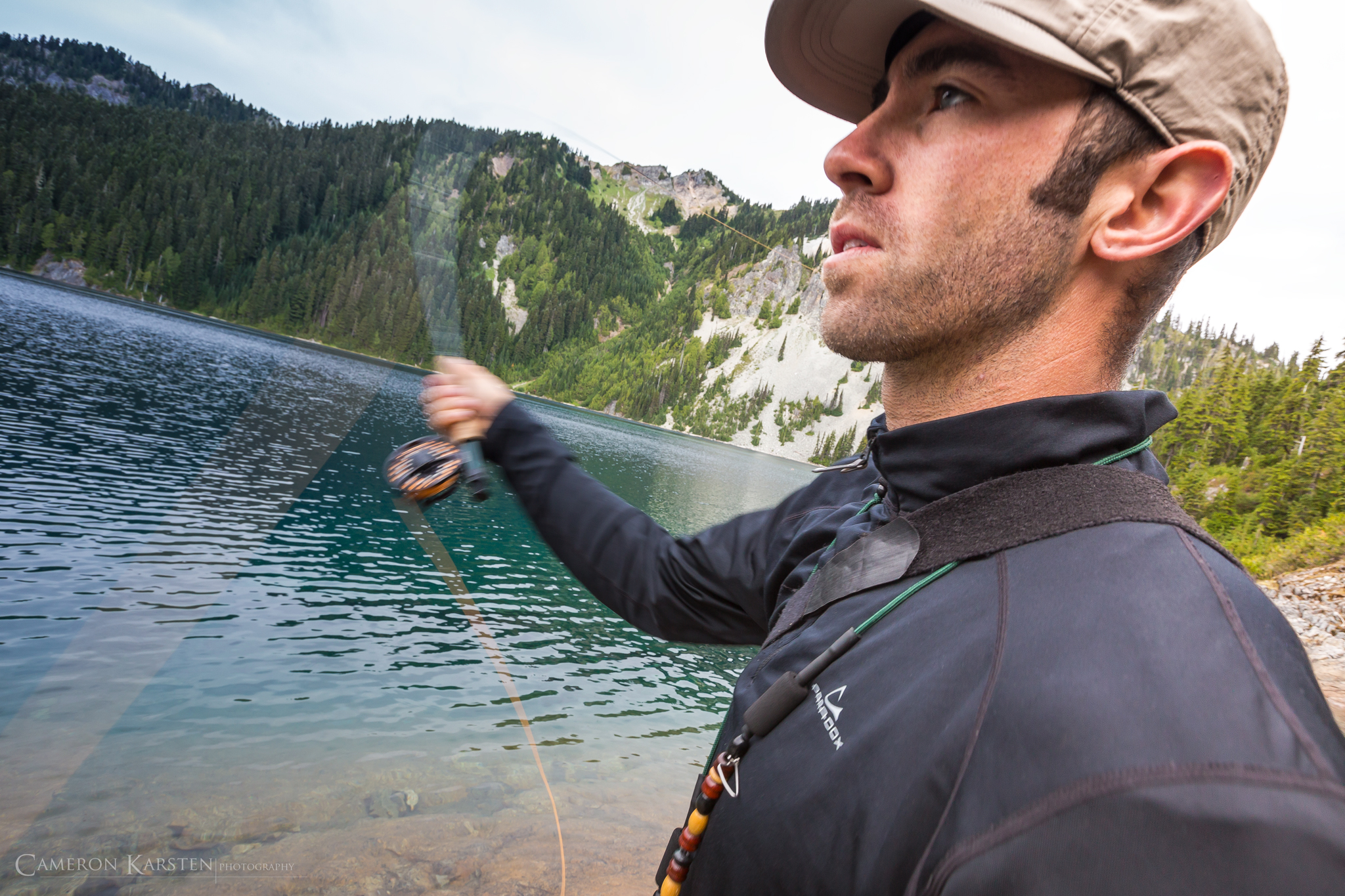


With the nearing end of the the summer, a north hemisphere-wide honey harvest is about to begin, and I’m feeling pretty damn excited. Longtime friend and fellow traveler Dennie P (aka D) stopped by and had the opportunity to check in on my hives. I’m hoping he’s hooked! He looks like it.
Location: BI, WA
Camera/Lens Specifics: Canon 5D MarkIII w/Canon EF 16-35mm 2.8L II USM Lens
35mm, 1/200 sec at ƒ/7.1, ISO 100, tripod.
Post: LR4 & Adobe PSCC

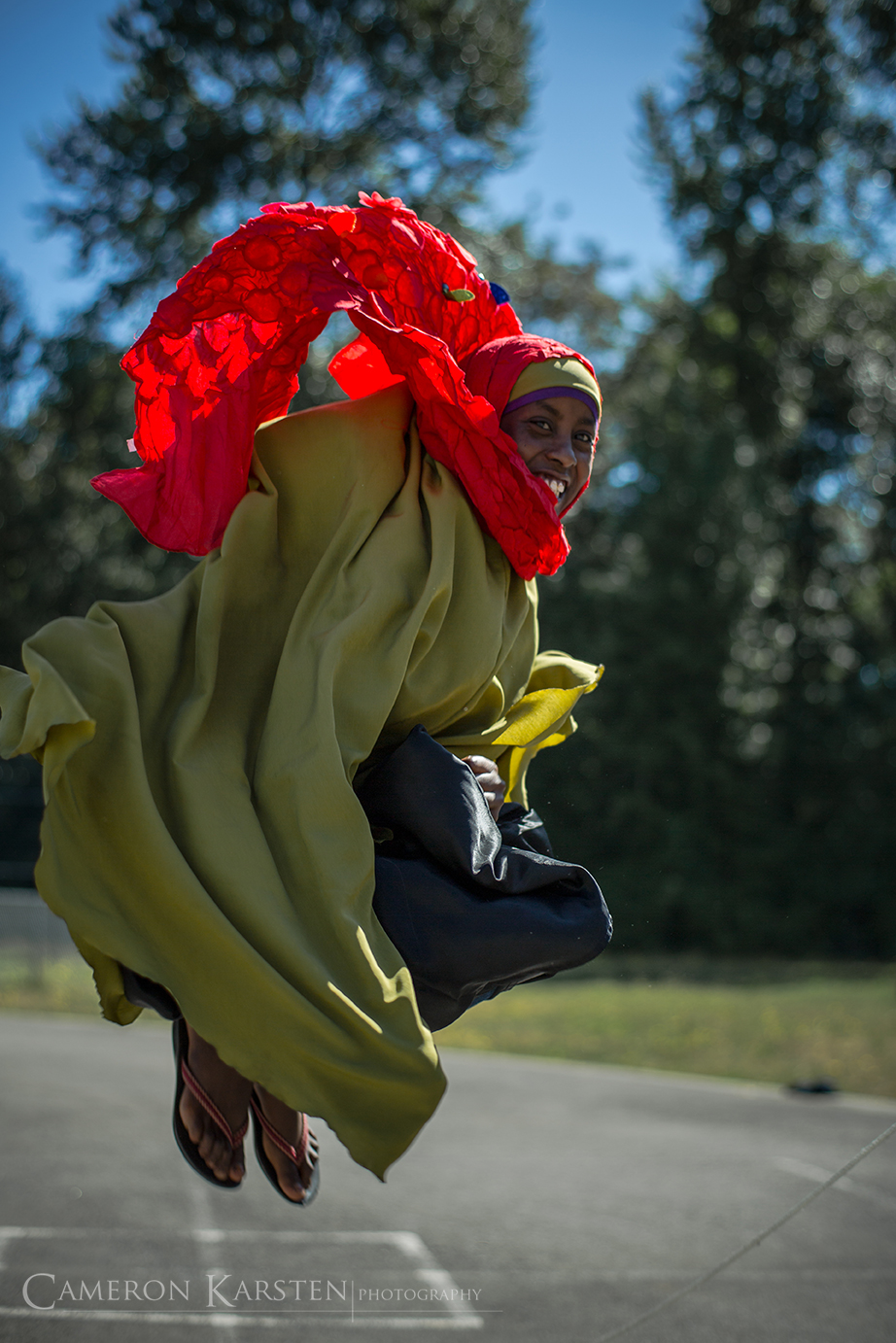
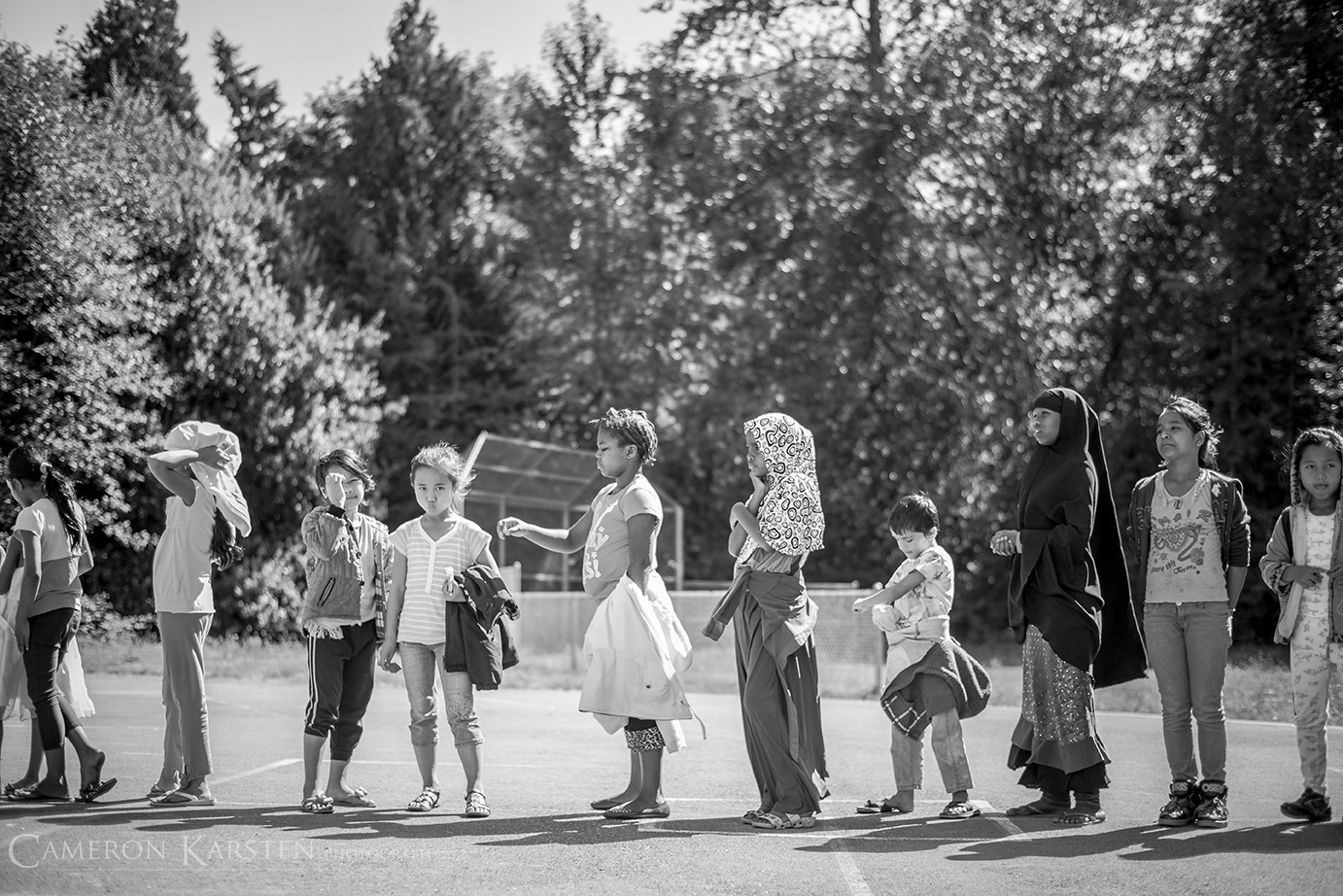
The International Rescue Committee (IRC) puts on two summer youth programs, bringing recently resettled refugees together into the American school system. Some have basic English skills, others have none. This is just the intro into their new life, from harm to home in the U.S.









 In order to prosper, every living creature requires clean air, clean water and abundant food. For ocean-thriving mollusks, clean seawater is a must. In December 2011, Washington State Governor Christine Gregoire formed a Blue Ribbon Panel. Their purpose: to investigate and study a new threat to Pacific Northwest waters. They were putting Ocean Acidification (OA) under the microscope.


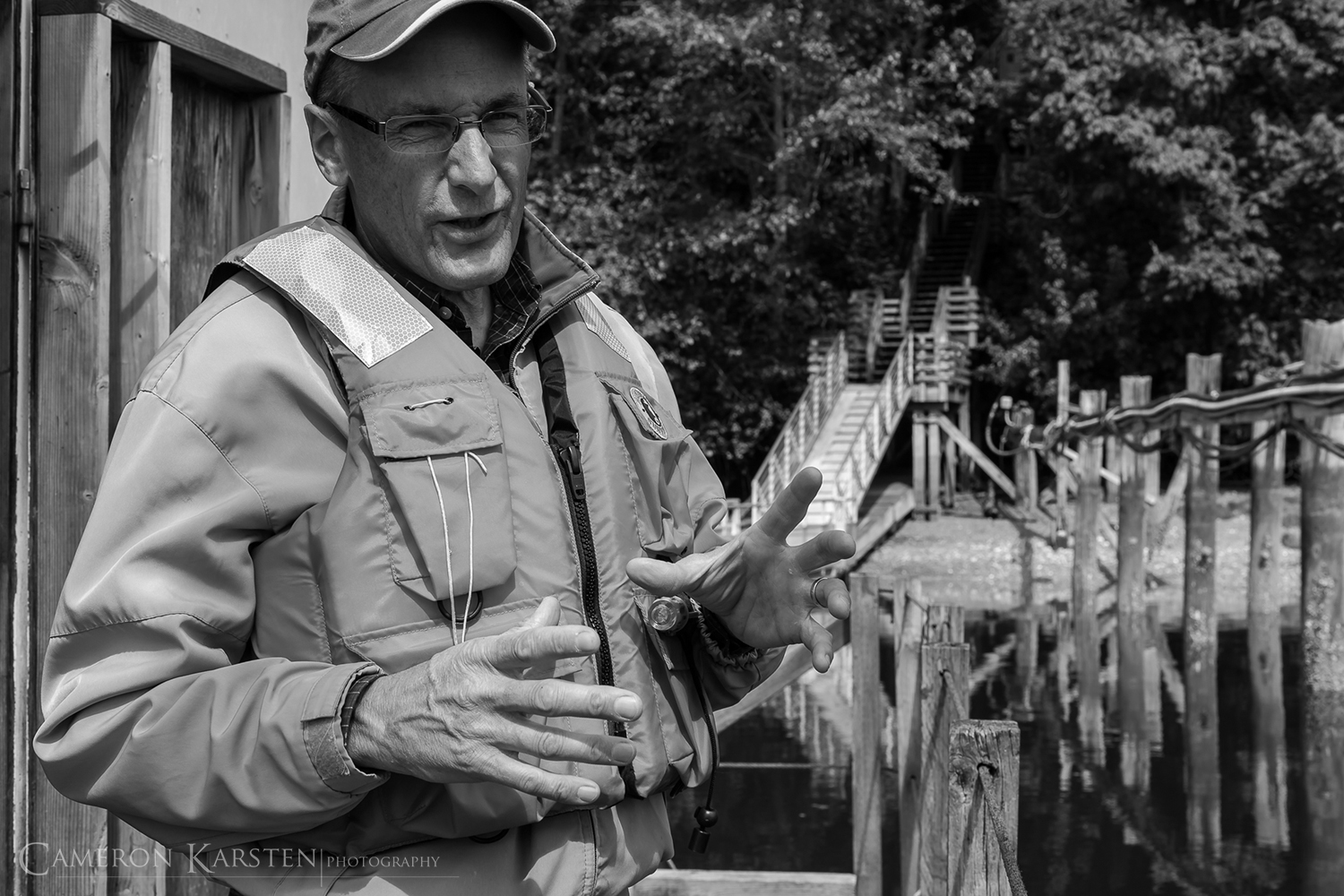 What is occurring is evidence of our Industrial Period 100 years prior as heavy carbon dioxide (CO2) elements now begin surfacing in the shallow waters of the Puget Sound. As the spring and fall seasons of the Pacific Northwest bring strong northwesterly winds, currents in the Pacific Ocean stir up these century-old pollutants, pushing them upwards and east into the estuaries. These so-called up-wellings decrease pH levels, causing normal numbers of 8.25 to sink lower into the acidic levels of 8.14 (The pH scale is representative of aqueous solutions from zero to fourteen; where zero characterizes hydrochloric acid or battery acid, and fourteen is sodium hydroxide, better known as bleach). Acid is a solvent. It dissolves what it comes in contact with. Add acidic waters to oyster seed and you find its ingredients eating away at the calcium carbonate that makes up the mollusk’s shell.

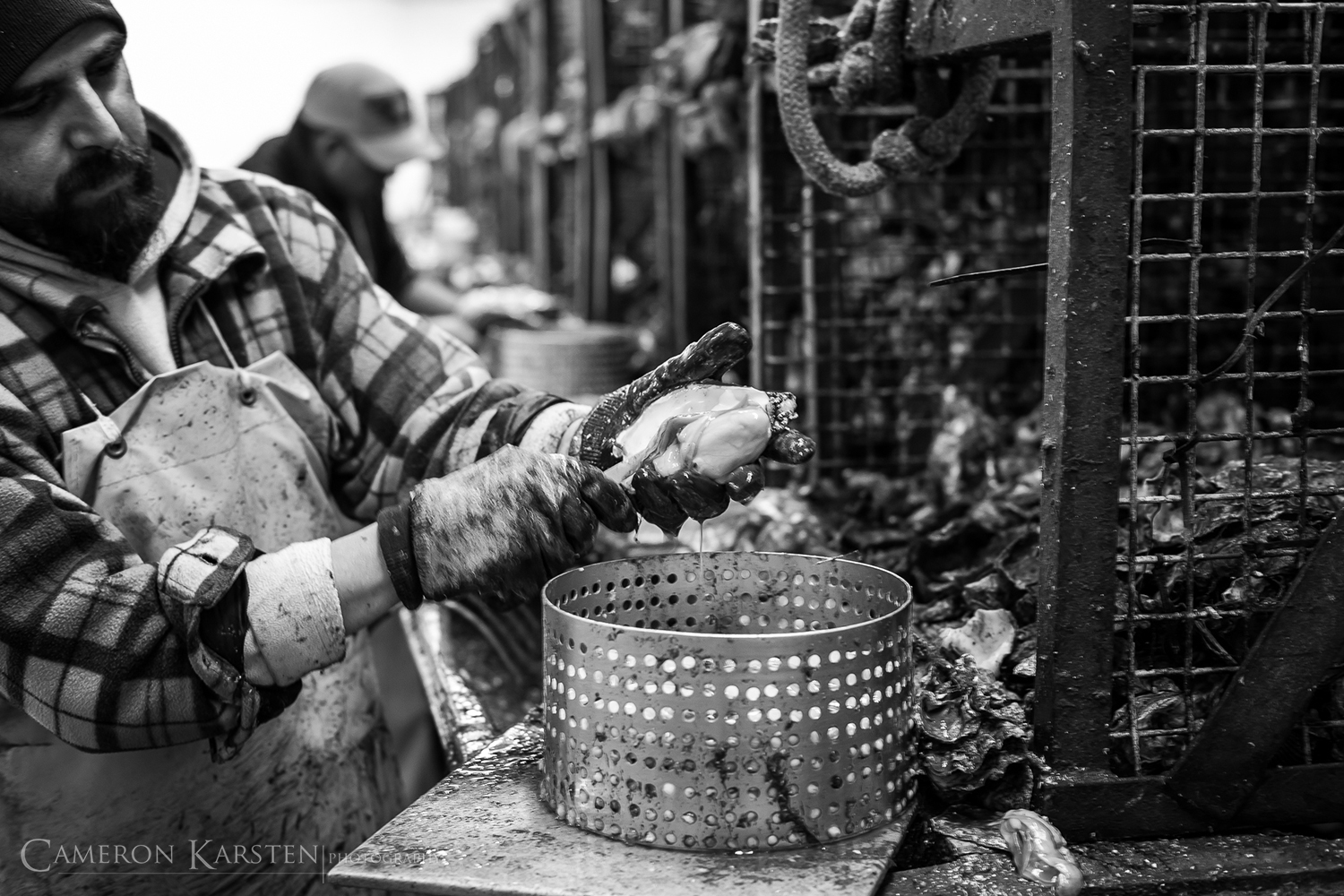
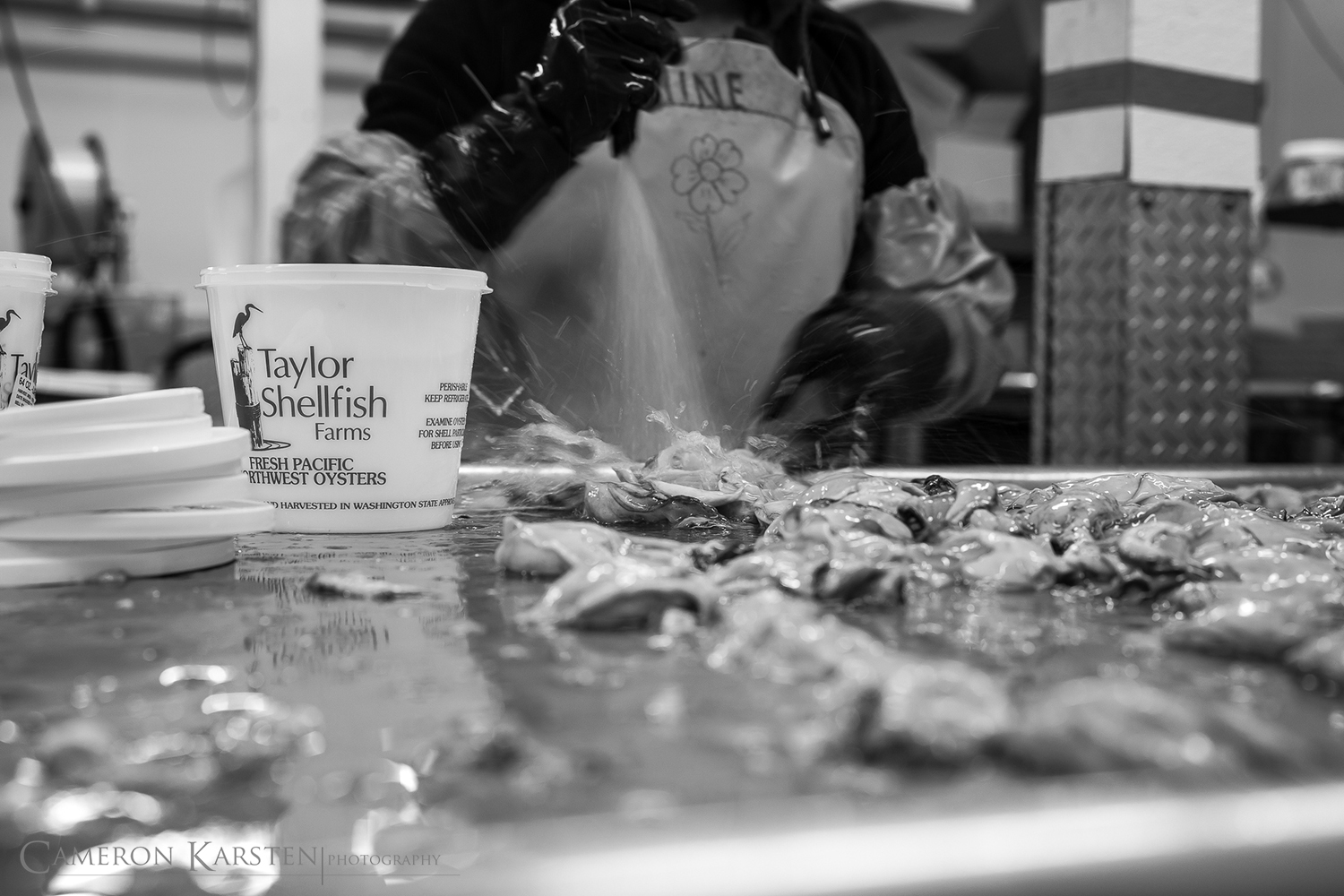

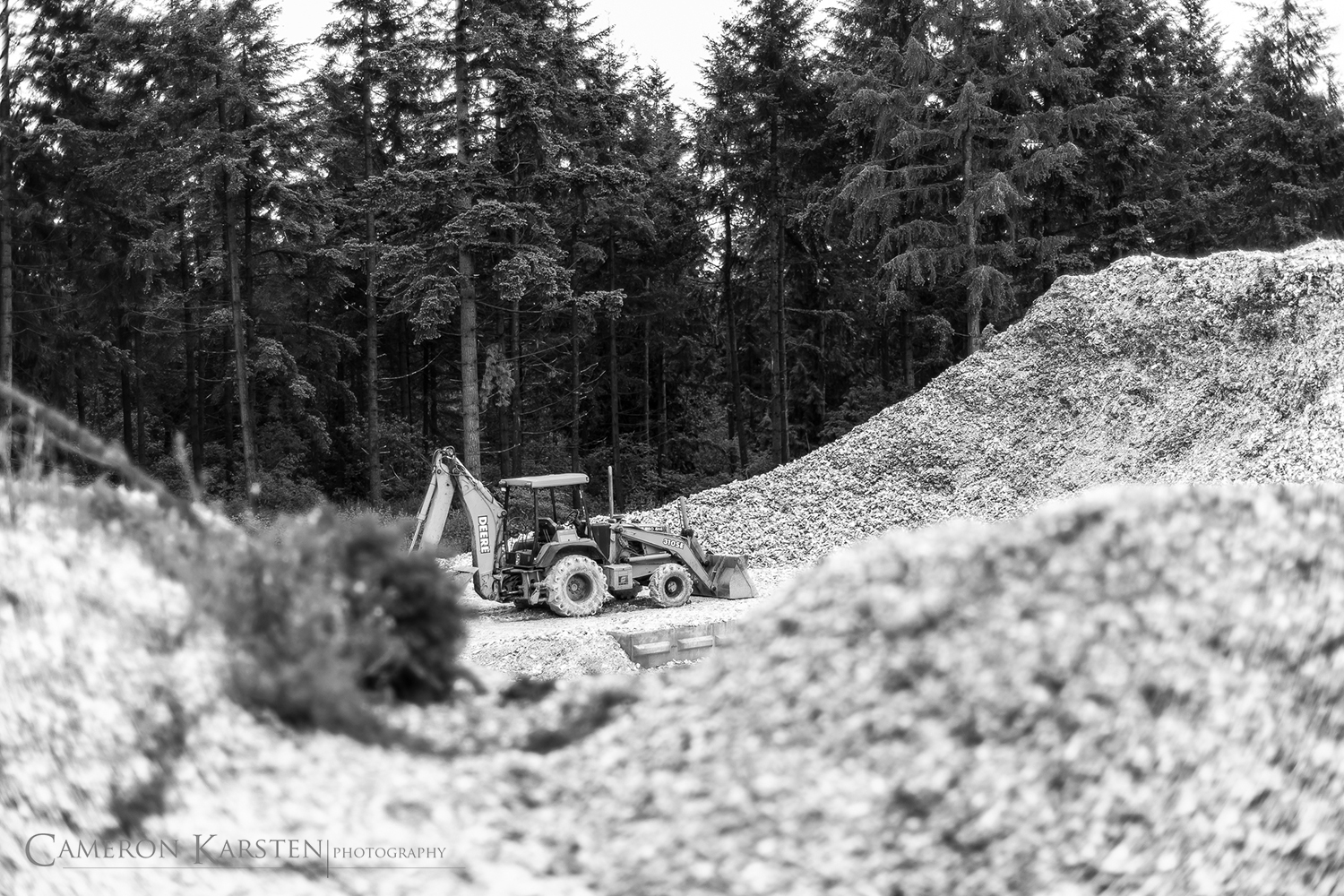
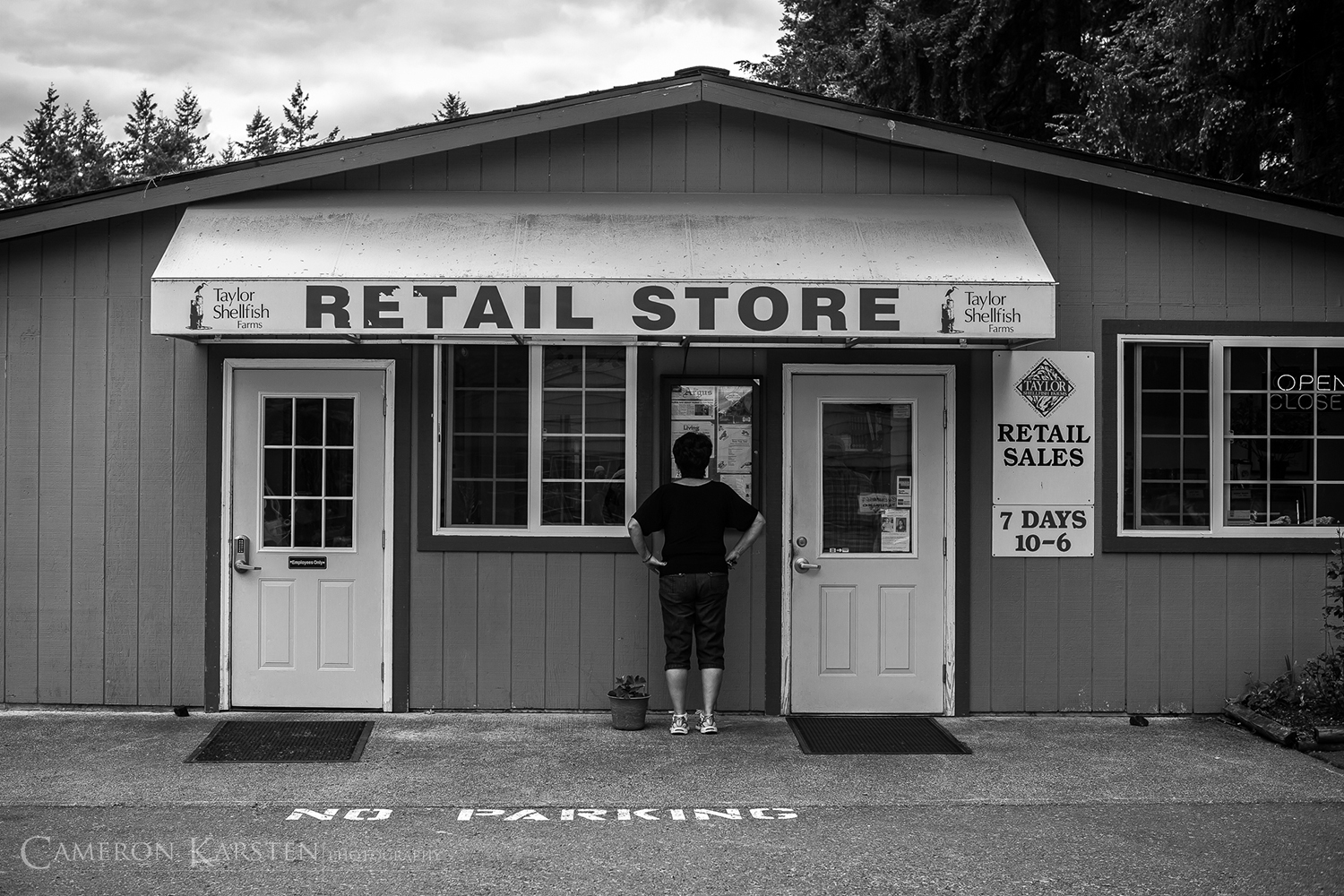 Taylor Shellfish Farms is the first to experience this threat. They are attracting globe attention to what is occurring within their hatcheries and throughout their farms. They rely on clean healthy water for larvae seed to develop, but ocean acidification is effecting the development of these mollusks, prohibiting full and consistent growth of their calcium carbonate shells. What is the future of the mollusk culture if we continue burning fossil fuels and causing the climate to warm-up at faster then expected rate? Our industrial state affects more then just our air quality.
To see Part II of the multimedia project Ocean Acidification and our Oyster Culture, please click here
 The Explorers’ Club hiking through the jungles of Bainbridge Island. When I was a child, I was obsessed with exploring. I wanted to go everywhere and find anything new that I could set my eyes upon and reach for. The above image was shot for a family with this exactly in mind, putting me in their feet back when I was a child in search for adventure.


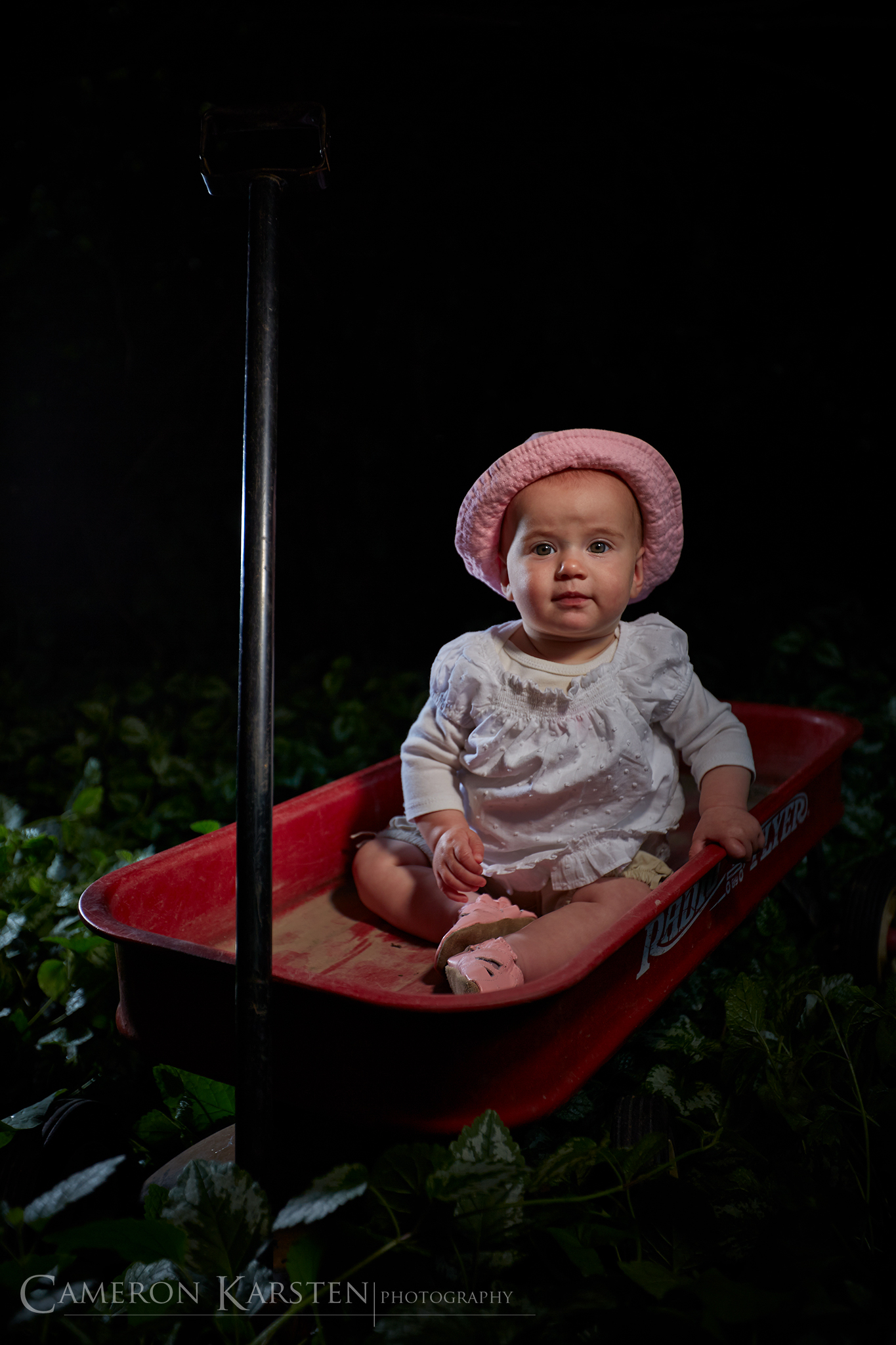


Here’s a look at the newest project, creating a youth group surviving in a post-apocalyptic world. Living as a nomadic family, these characters have bonded and divided up the tasks in order to hunt, cook, carry, prepare and maintain within a hostile world. They’re in constant threat, picking their way through a tattered landscape, foraging for their everyday amenities. Thank you to the Field’s family for participating and going along with my vision.
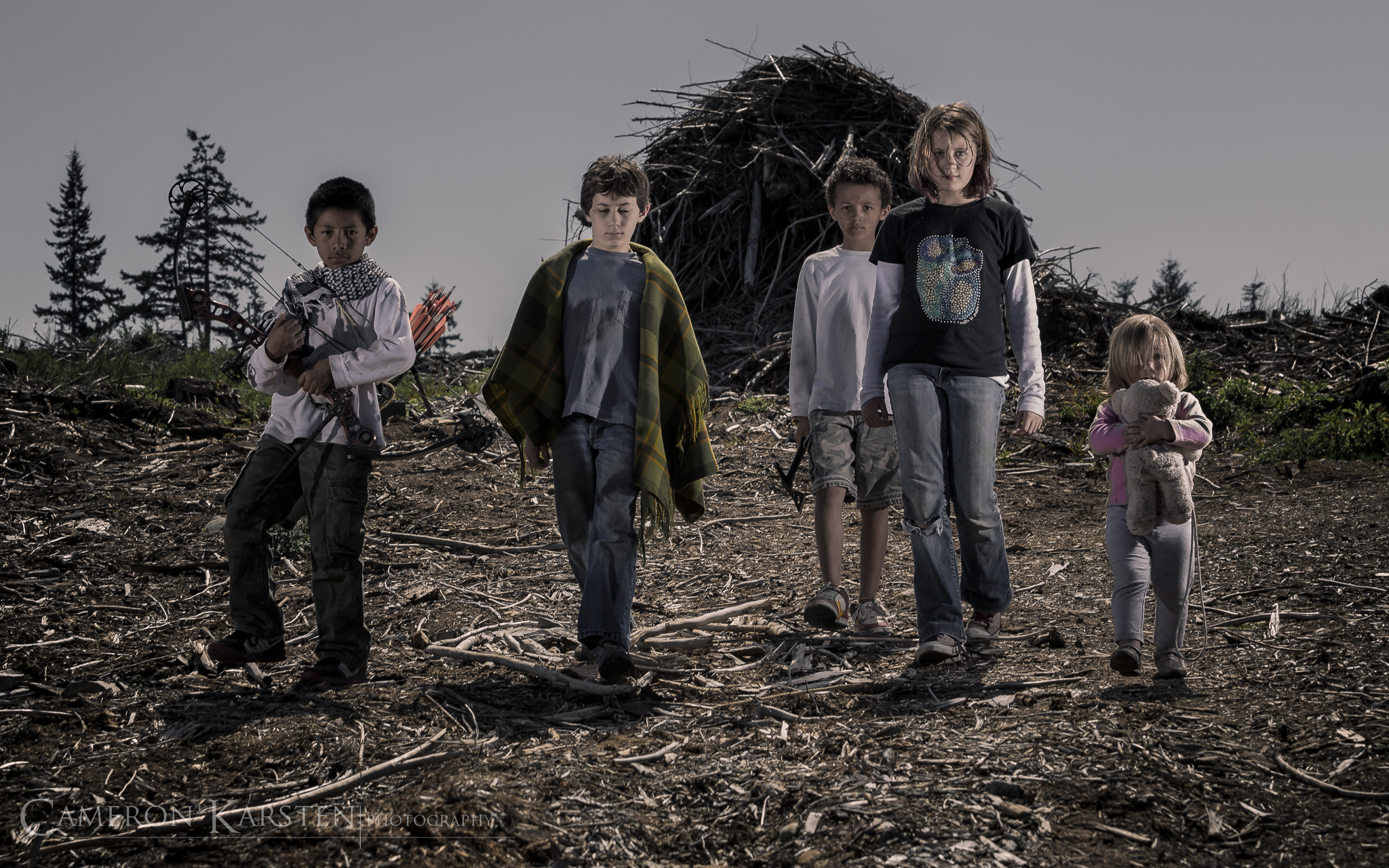 On the move
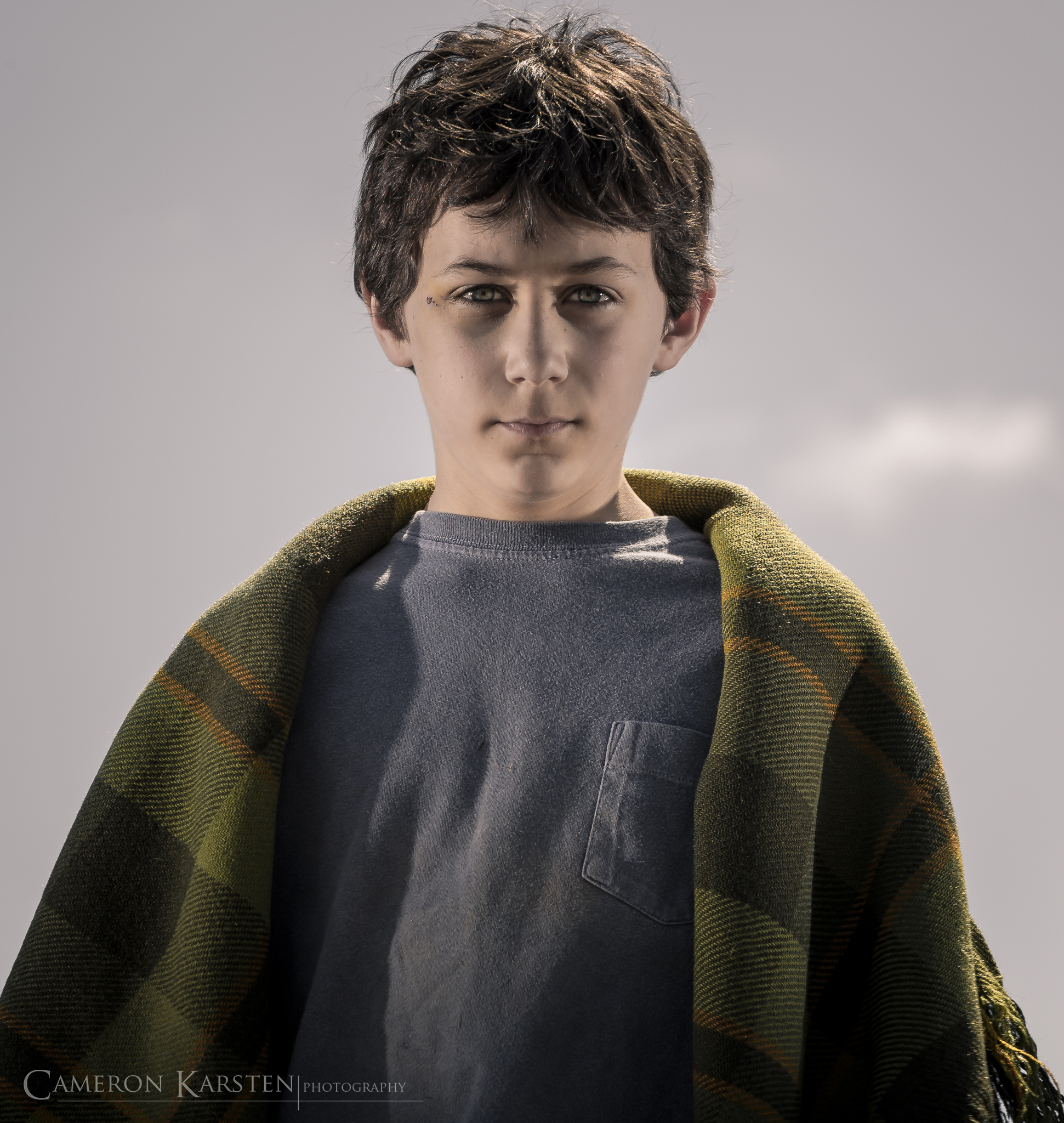 Portrait of the Water-Bearer
 Portrait of the Fire-Carrier
 Portrait of the Fire-Carrier II
 The Hunter and The Hunted

Eagle Eyes
 The Kill
 Portrait of The Hunter
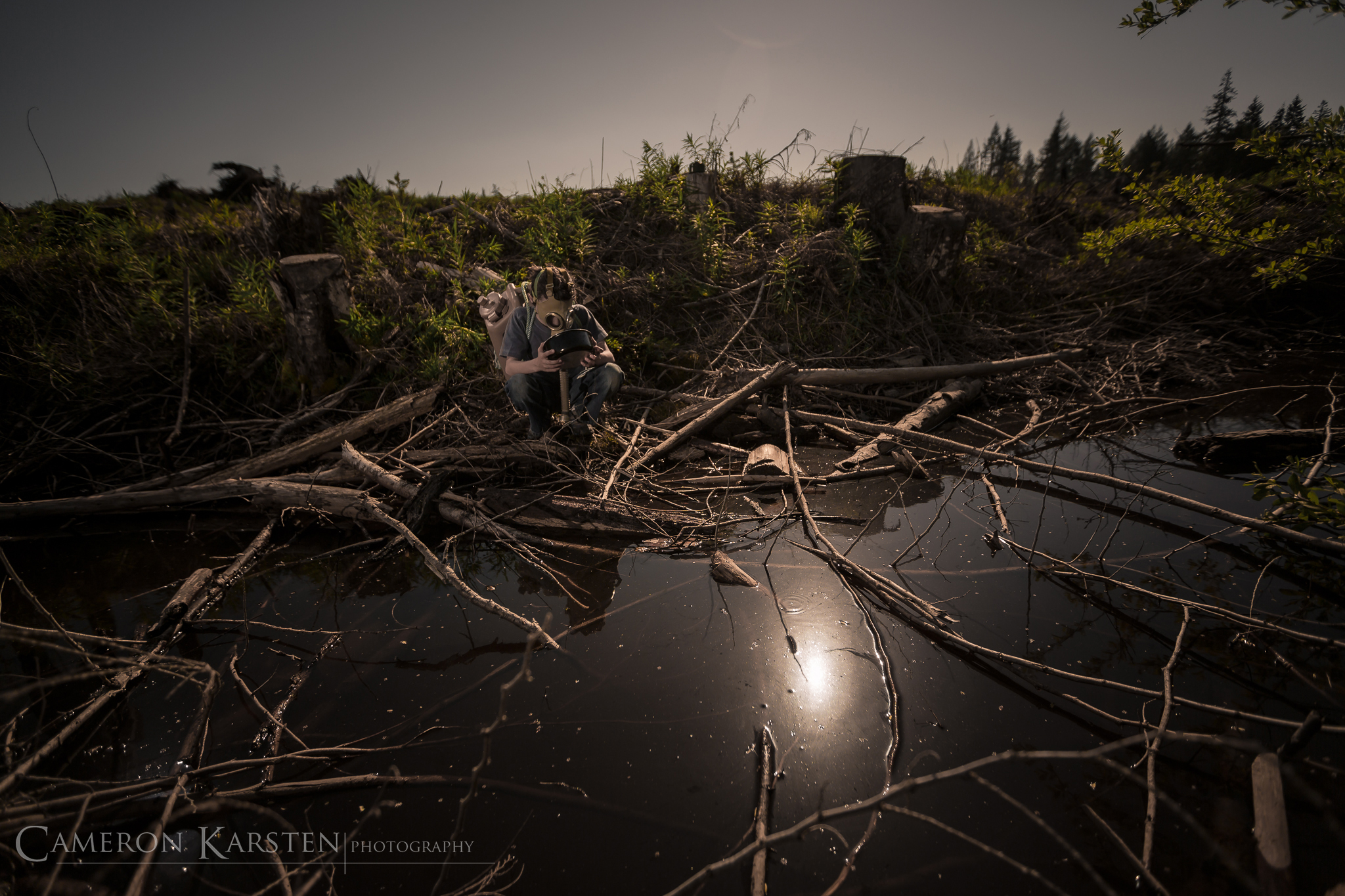 The Pool of the Un-Drinkable
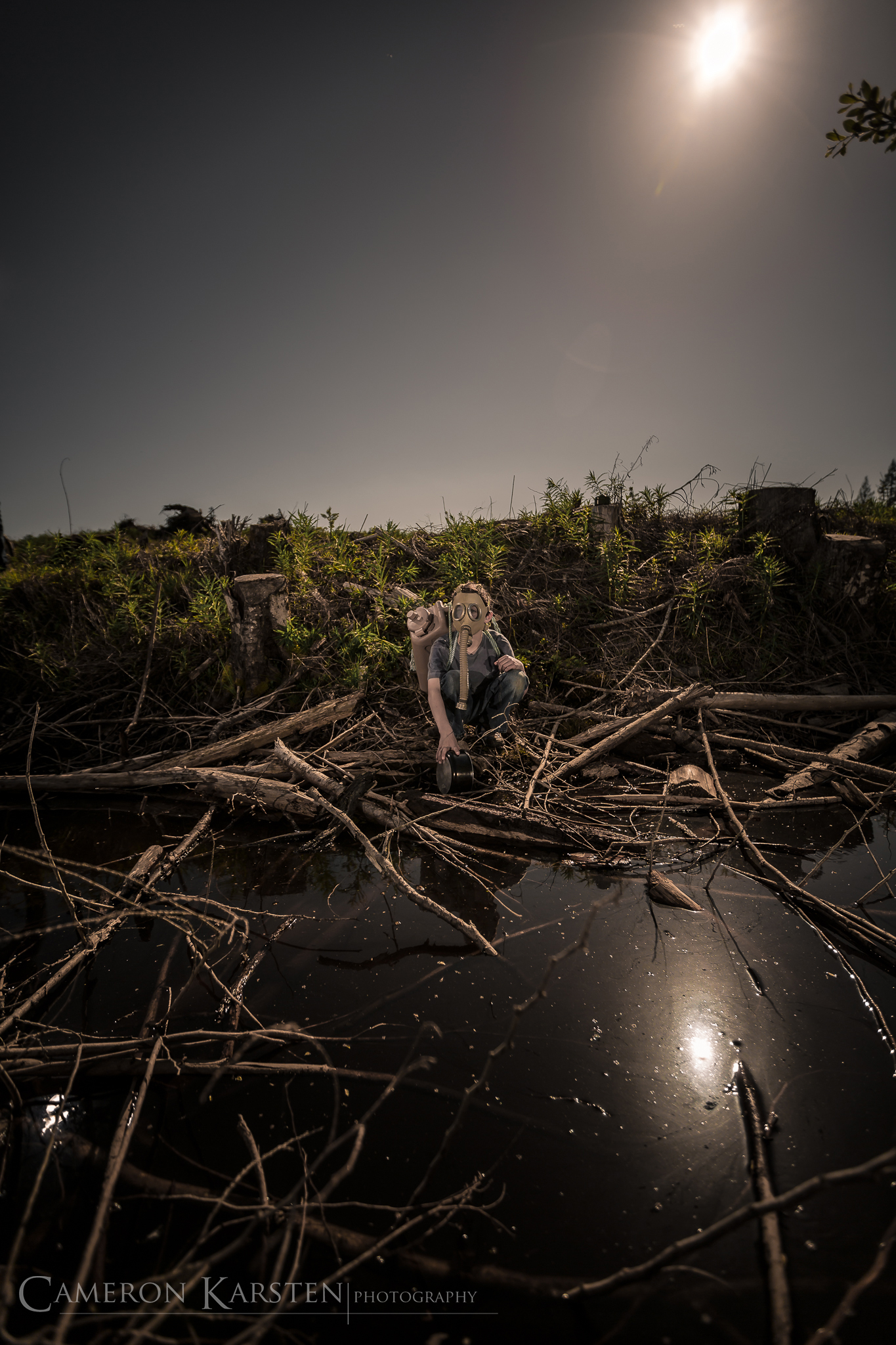 Spotted
 Fishing the Uninhabitable
 Alone and Surviving
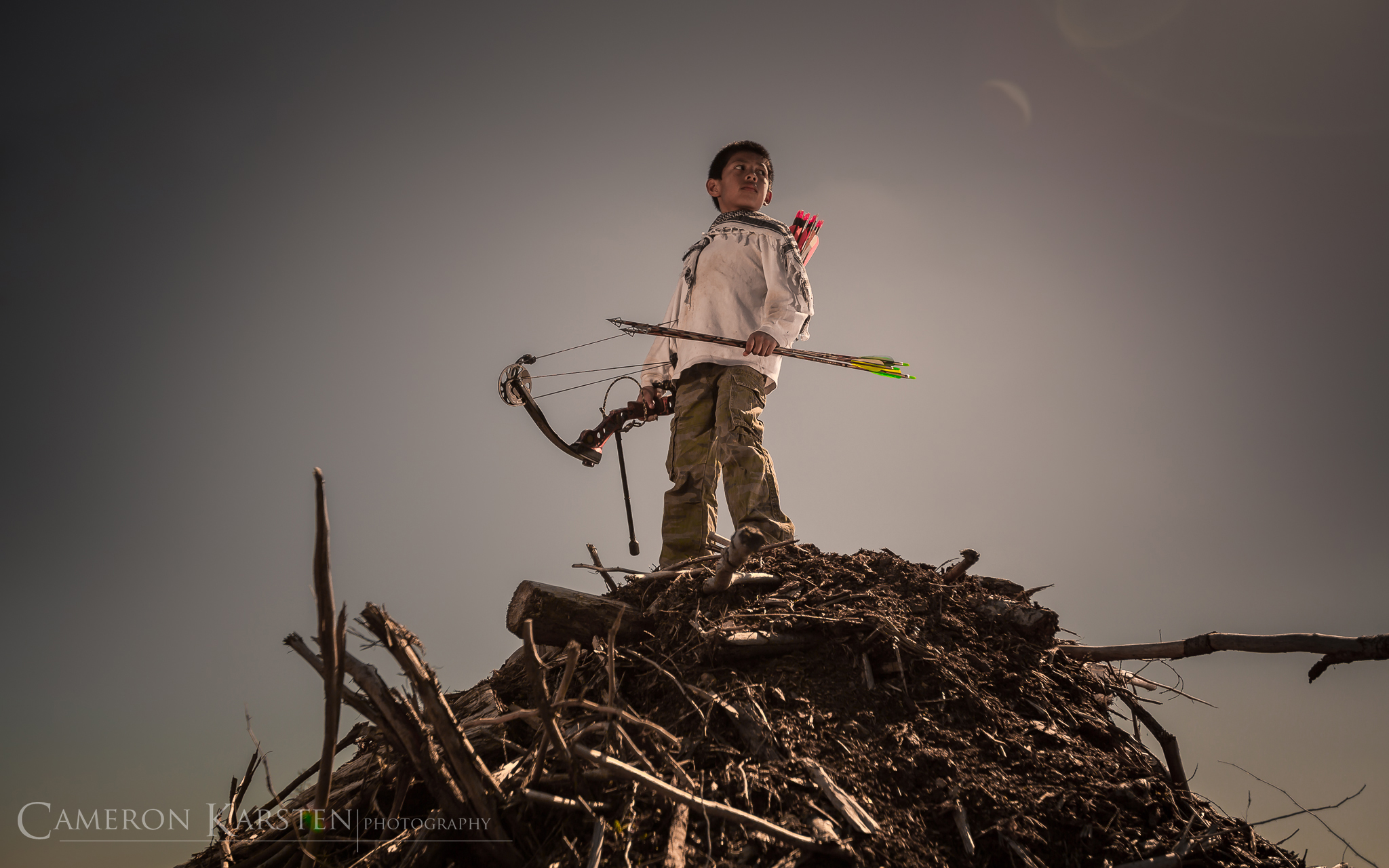
Portrait of the Warrior

Portrait of the Warrior II
 The End of Innocence
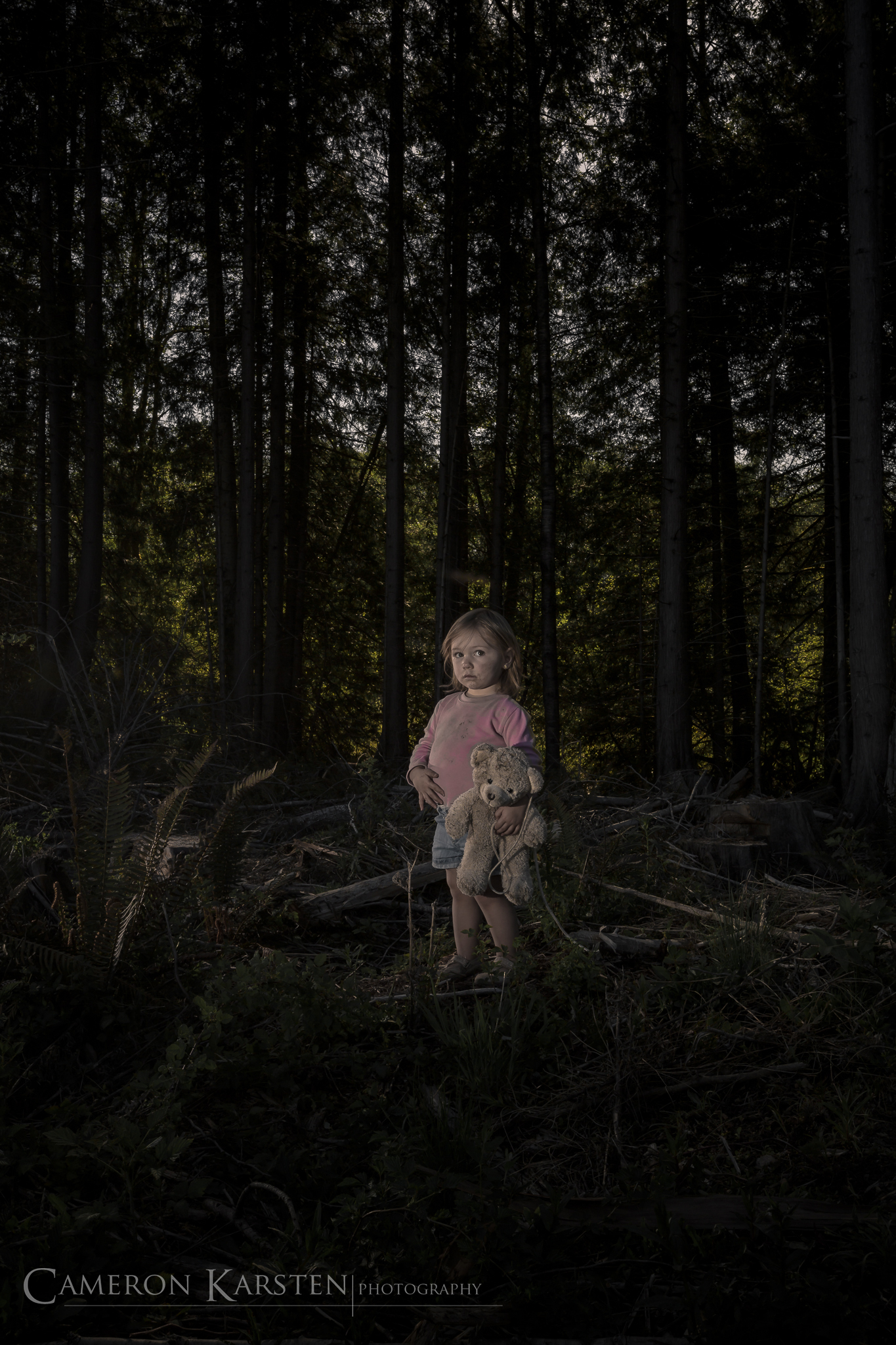 Back to the Woods
For more visit http://www.CameronKarsten.com

Sneak peak of a Youth Survival Group shoot: In a post-apocalyptic world, a band of youths group together to fight the threats of day-to-day survival.
More imagery to come!
Location: Clear-Cut Field – Olympic Peninsula, WA
Camera/Lens Specifics: Canon 5D MarkIII w/Canon EF 24mm f/1.4L II USM Autofocus Lens
24mm, 1/160 sec at ƒ/18, ISO 100, tripod, composite.
Post: Capture One & Adobe PS6

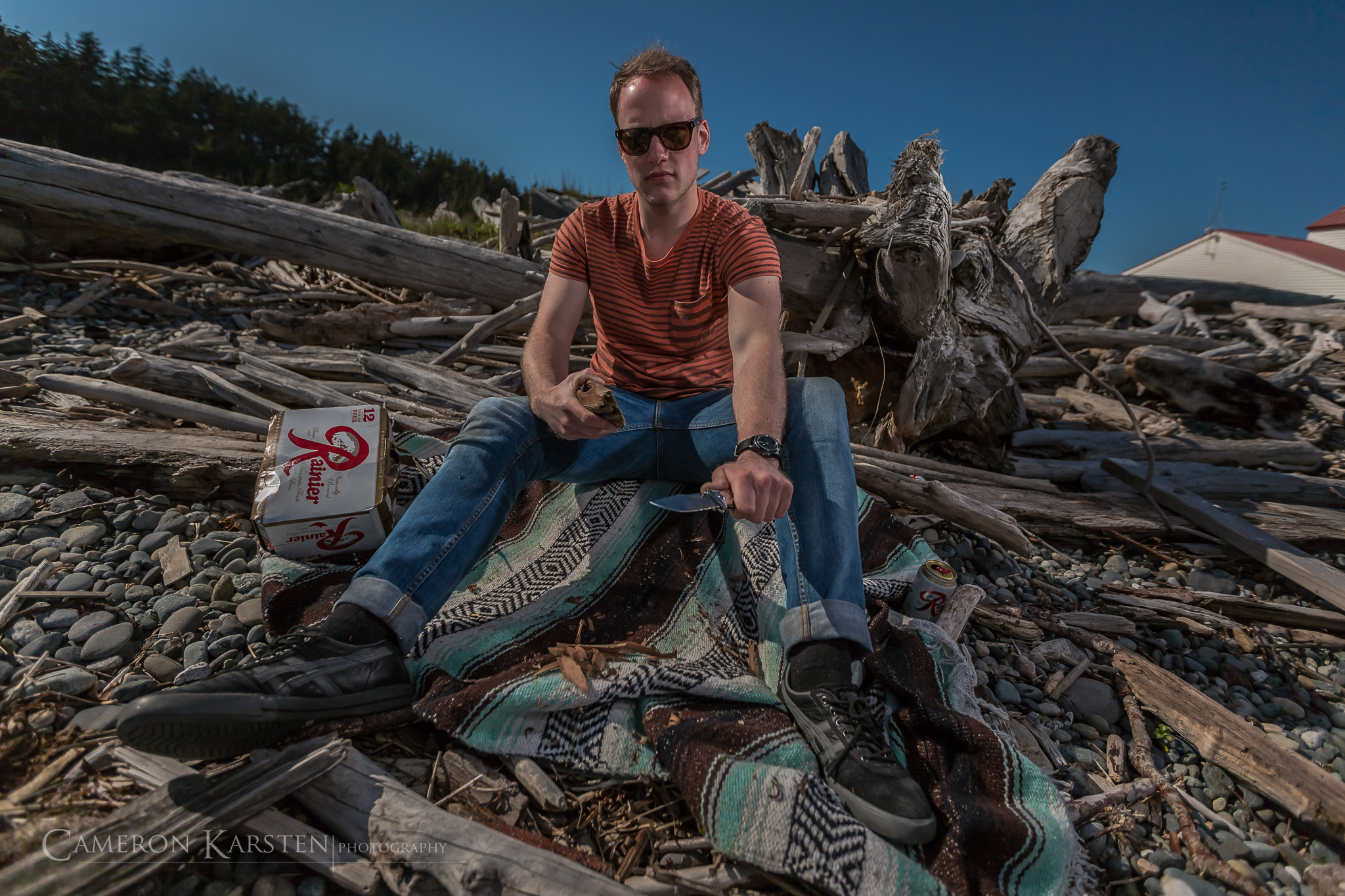
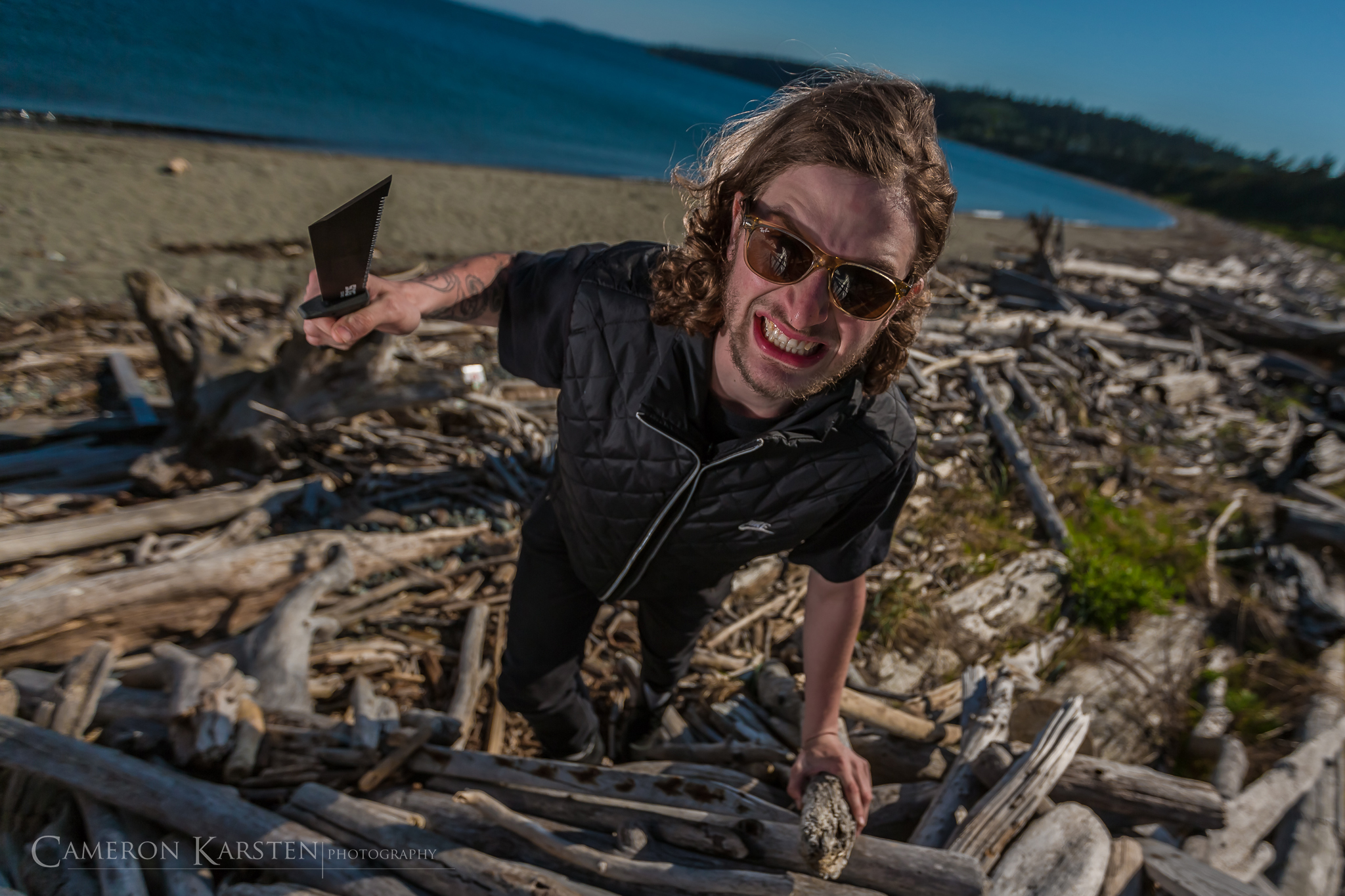
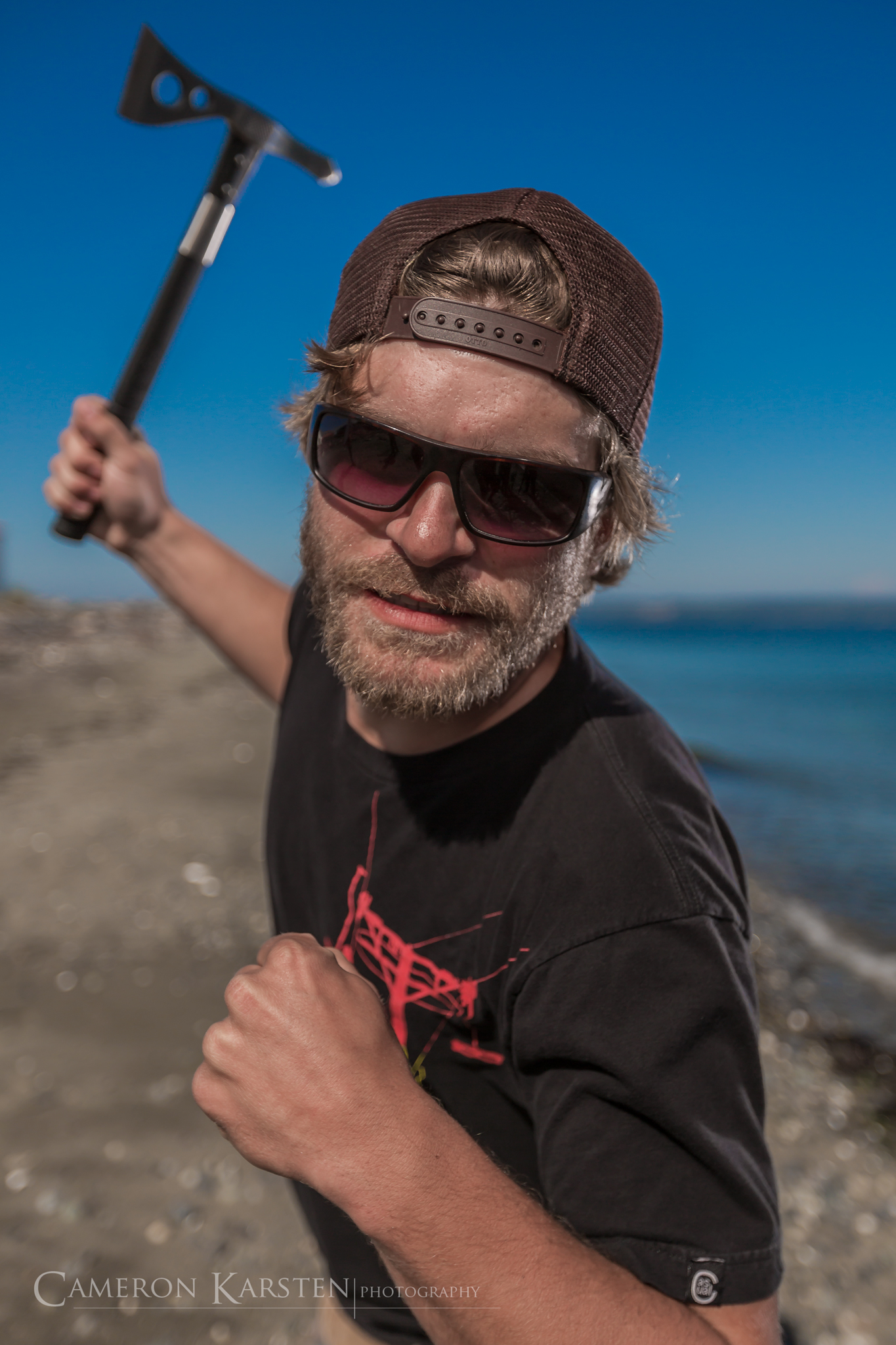
Unveiling the faux SOG Knives Beach Party Campaign. I had a blast with this shoot, from vision to pre-production to execution outdoors and the very fine details in-studio. Then there was post-production. Here you have the SOG Fielder knife, the SOG Machete and two SOG Tomahawk throwing axes (one chrome, one black) – and the characters that like to use them.




Visit www.CameronKarsten.com for more

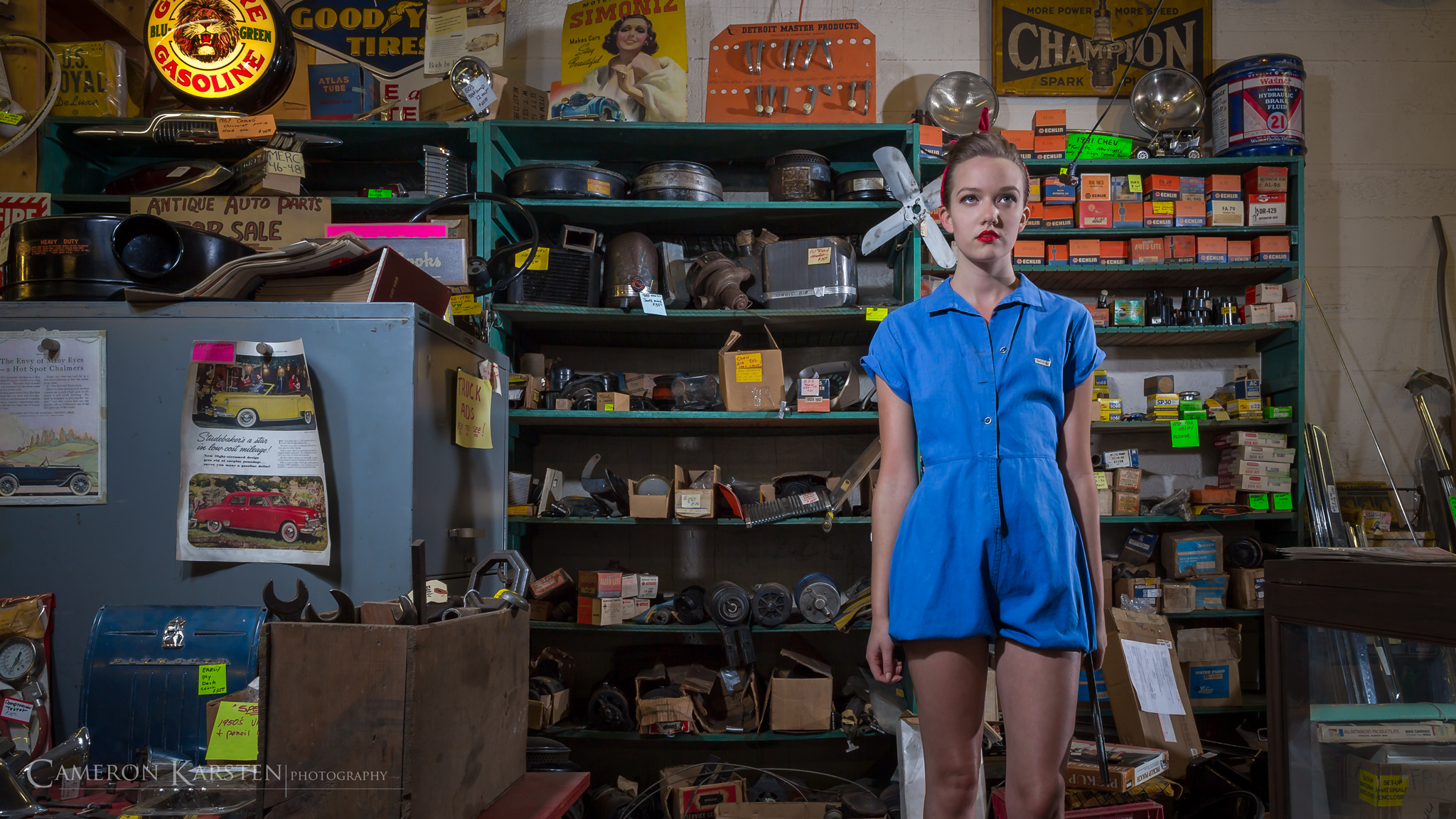
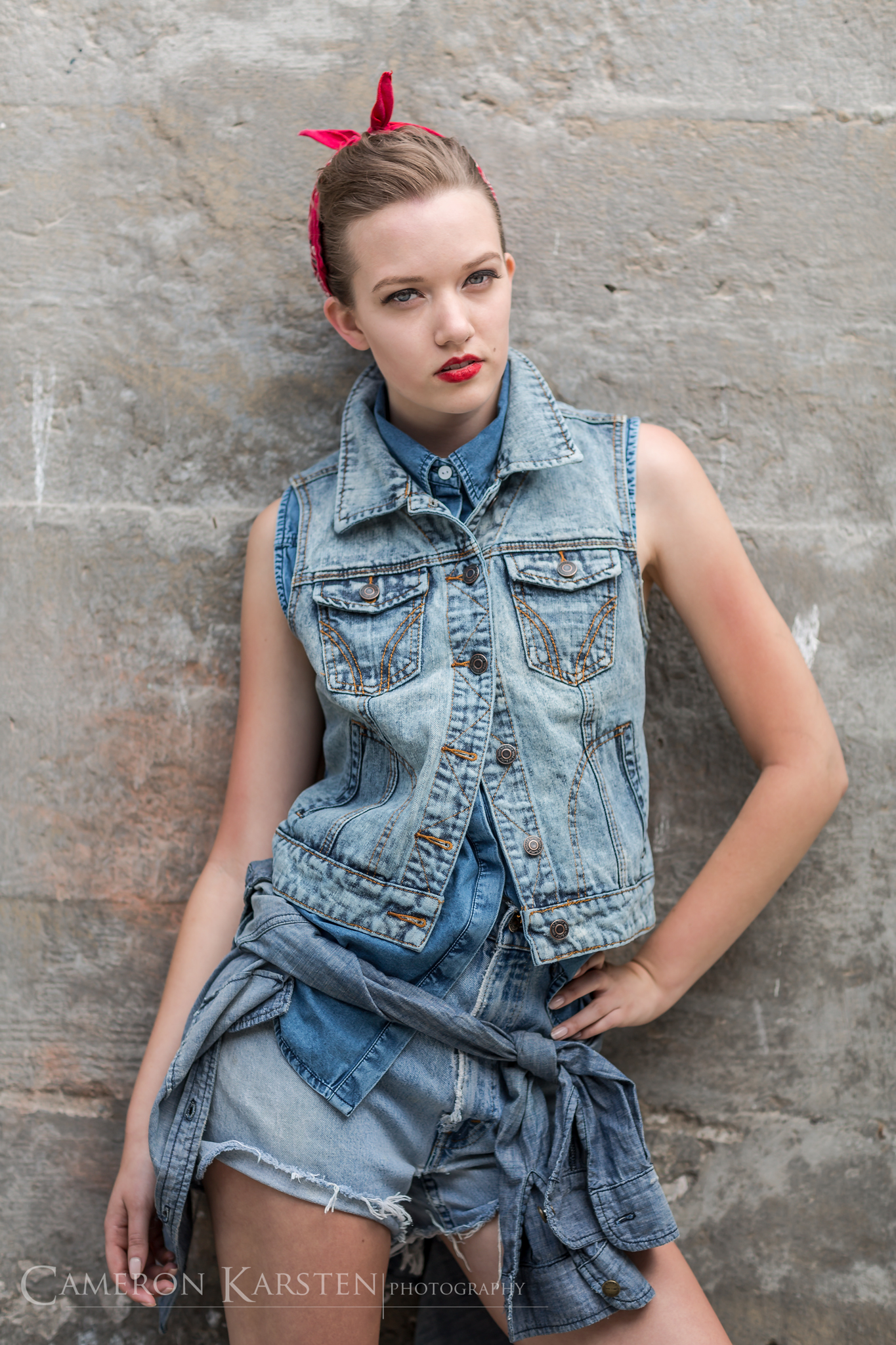
Madison Rose of Heffner Management came up to Port Townsend with a crew to help create a working-woman’s scene set in vintage era, somewhere between 1936 and 1955. Bergstrom’s Antique & Classic Autos became the perfect setting with a garage full of antique parts shelved from floor to ceiling. Here Maddie played Rosie the Riveter, slowly transforming into an era of classic fashion and the American denim.
Model: Madison Rose
Stylist: LK
HMU: Todd Baylor of Firefly Salon
Photography Assistants: Carson Artac and Bryan Anton







For more visit www.CameronKarsten.com


