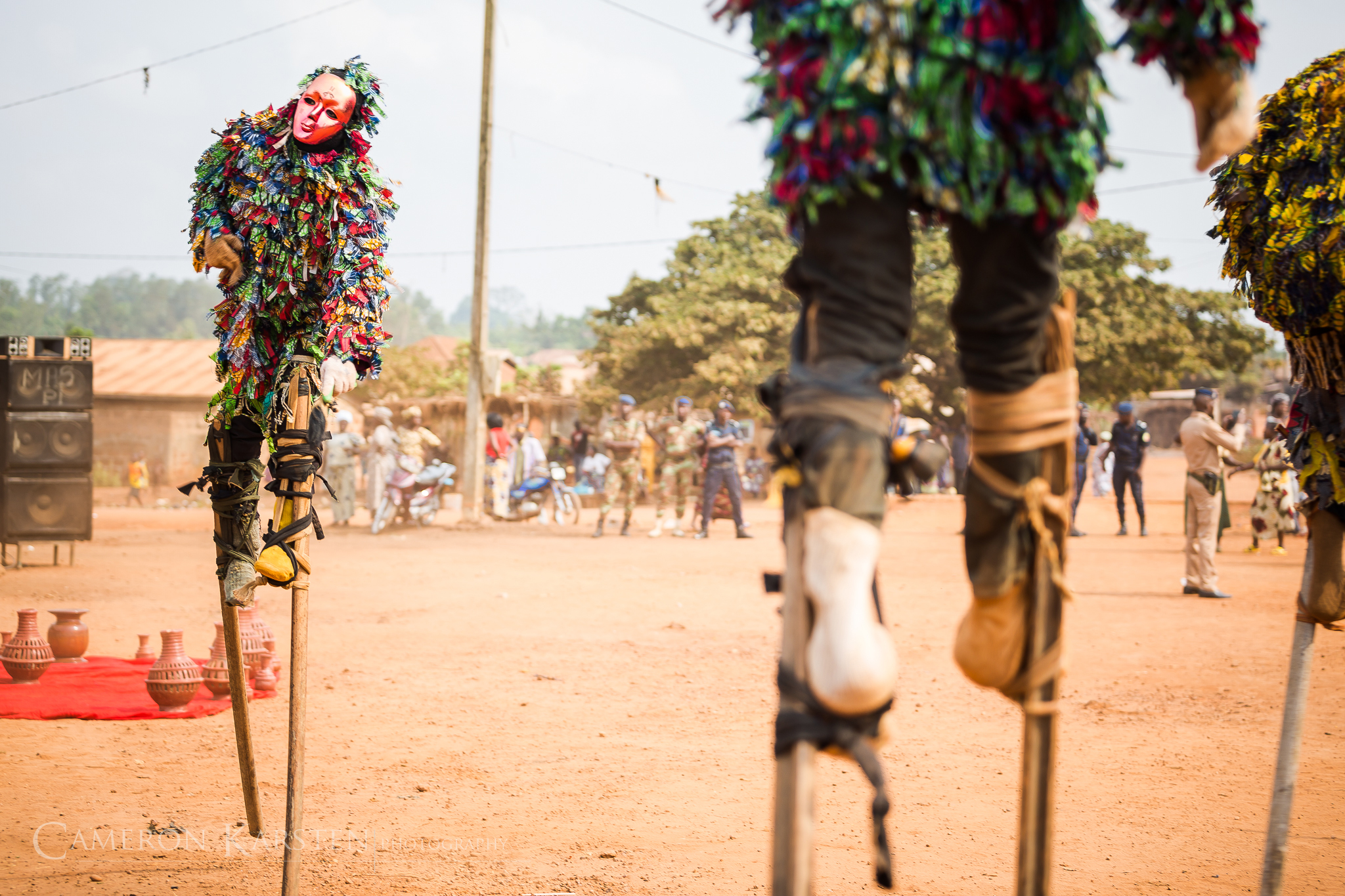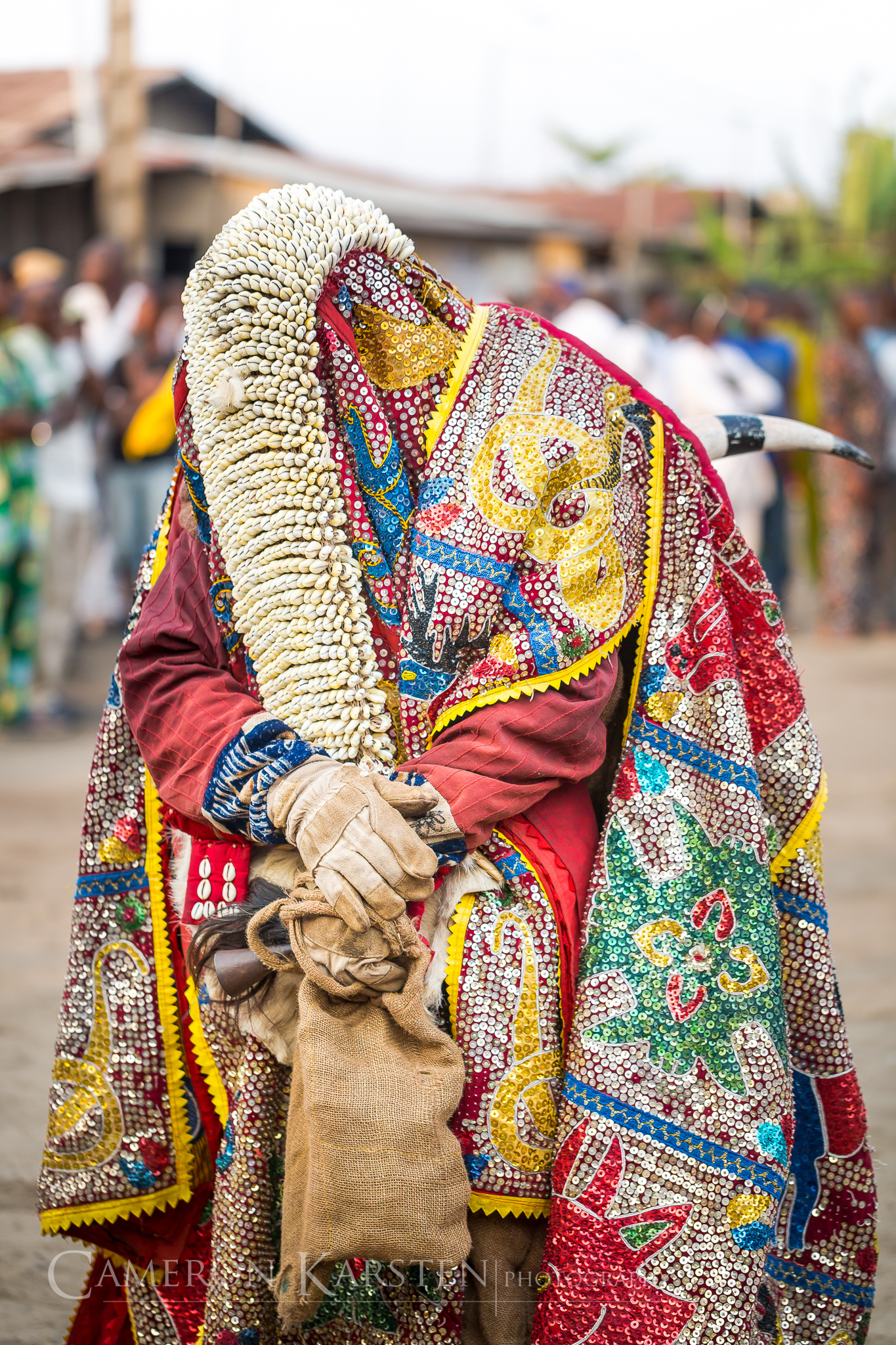
Vodou Footprints: I Have a Fetish For You in Togo

Day10_11_Lome-23

Stepping out of the car, there is a flurry of excitement. Not the over-zealous, exaggerated enthrallment of celebration, but one of sprinted adrenaline, like termites scurrying from an anteater’s invasion.

We emerge from our vehicle as another approaches, spitting up dust from a pair of screeching rear tires. We have just pulled into a fenced compound in the middle of a thick market district of Lome, the capital city of Togo. It is late in the afternoon and the sun is low, casting a beautiful soft orange light through a low-hanging haze that spills across the bamboo sheds. People suddenly go from lounging on benches in shadows to shouting amidst a frantic escapism. But it’s not because of us.
Day10_11_Lome-392

Walking into Togo, one has to step out of one’s car and pass through a series of guarded gates. First stamp passports at the Beninese customs stand. They couldn’t care less who you are. Next pass through a doorway where a man checks you have been stamped. Then into another concrete bunker where you’re waved through into Togo. Follow signs, enter another building. Stand in front of two Togolese officials and hand over your passports. They’ll take them and slowly go through the process of filling out a handwritten visa; and if you stand in front of their television, with a flick of the wrist they’ll tell you to move because they’re busy watching a dubbed-over original 1950’s version of Rashomon.

Looking around the scabby office, one will notice a few framed photographs of Togo’s president, Faure Essozimna Gnassignbe. He’s a round young looking man (actually he’s 48), comfortable and content with an education from George Washington University and the Sorbonne in Paris. Next to him is an intriguing sign. My partner points it out:

If the sheep’s courtyard is dirty, it’s not for the pig to say it.

I repeat it in my head while he silently laughs under his breath. We look at each other and then back at our guide Stephano.

Day10_11_Lome-52

When passing through the series of gates from Benin to Togo, we realized Stephano presented no papers, no identification, nothing. Entering Togo he joked with the official and slipped him a quick cash-laddened handshake. When we asked him about this he shrugged and shook his head.

“Fucking Togo. I hate these corrupt bastards.”

Our eyes lit up and we laughed slapping him on the back. “But you have no ID,” my partner said.

“No. I don’t need one.”

“What do you mean you don’t need one?”

“I didn’t bring one,” Stephano confirmed. “I don’t want these fuckers to know me.”
Day10_11_Lome-333

We couldn’t believe it until now, until we stood affront the two absorbed Togolese officials underneath the sign that spoke the truth.

The officials charge us both ten extra dollars for our visas and without argument we hand it over. The sheep’s courtyard is definitely dirty, but the pig’s is dirtier. We’re the pigs. The government claims to be the sheep. How dare we judge them as mere citizens.

We jump in our car only to be accosted by another Togolese official, this time a soldier wielding a heavy semi-automatic rifle. Stephano puts up a fuss. The soldier is adamant and so is Stephano. They argue back and forth, the soldier’s grip firm on the trigger, Stephano glaring into his eyes. He leaves the car. Surrounding us is Togo and numerous roadside stalls. They are selling fresh meats fired on grease-stained grills. Kabobs of red encrusted chicken legs and thin slices of beef steak sizzle. Towers of glass bottles reading Jack Daniels and Crown Royal. Packets of gum and tissue. Young men walking around selling toilet paper. And the older ones seated on stools with handfuls of currency from neighboring countries. Apparently, we weren’t supposed to get in the car at that particular point along the roadway. Fines are dished out.
Day10_11_Lome-124

An hour’s drive and we’re in Lome. Nothing special. Just another African city. We find our hotel. Check in. Leave. Pass a restaurant called Mama Tampons. And then enter the market district. Today, we come to Togo for one thing and one thing only: The Akodessewa Fetish Market.

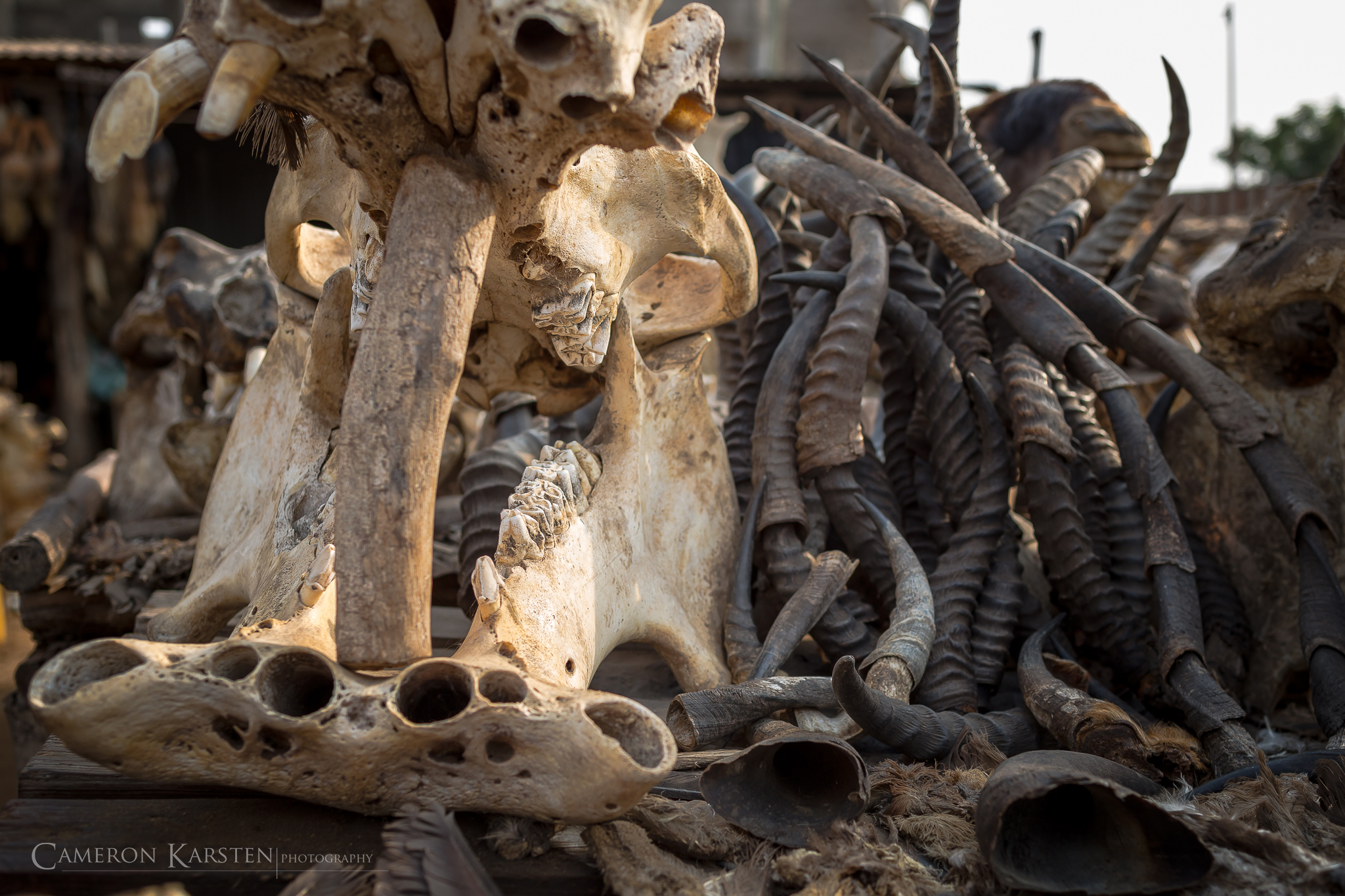
Tables and stalls of dried animal parts. Bones, skins and pelts, organs and jars filled with more anatomical remnants of species once living; we begin to take it all in as a man says goodbye. He’s thrown into the car that sped up behind us, the one that sent the market sellers in a frenzy. He’s cuffed and guarded by two soldiers harboring those semi-automatics. Everyone is dressed in civilian clothes and as quickly as they came, they’re gone. Just another day. Just another illegal deal.

A local takes us around. I’ll call him Steve. He’s a nice man, completely welcoming and excited we’re here. This is a new feeling to us because most individuals are suspicious, albeit welcoming, but suspicious. Steve, however, expresses none of that and kindly guides us from stall to stall explaining the uses of the ingredients and their importance to Vodou culture.

Day10_11_Lome-107

Fetish. Not the toe-sucking fetish. The spanking, pulling hair, hand-cuffed lashings of S&M fetishes in Hollywood, but the West African fetish. You mention fetish to a Ghanaian and they shriek. You say fetish to a Beninese, they smile. You say fetish to a Californian, their eyebrows lift licentiously and they begin to think. That’s what my partner first thought. That’s what I was imagining. But a fetish in Vodou is a powerful tool, a magic ingredient, and a witchdoctor’s answer to the spiritual, which allows him to communicate with the gods and deliver their healing powers.

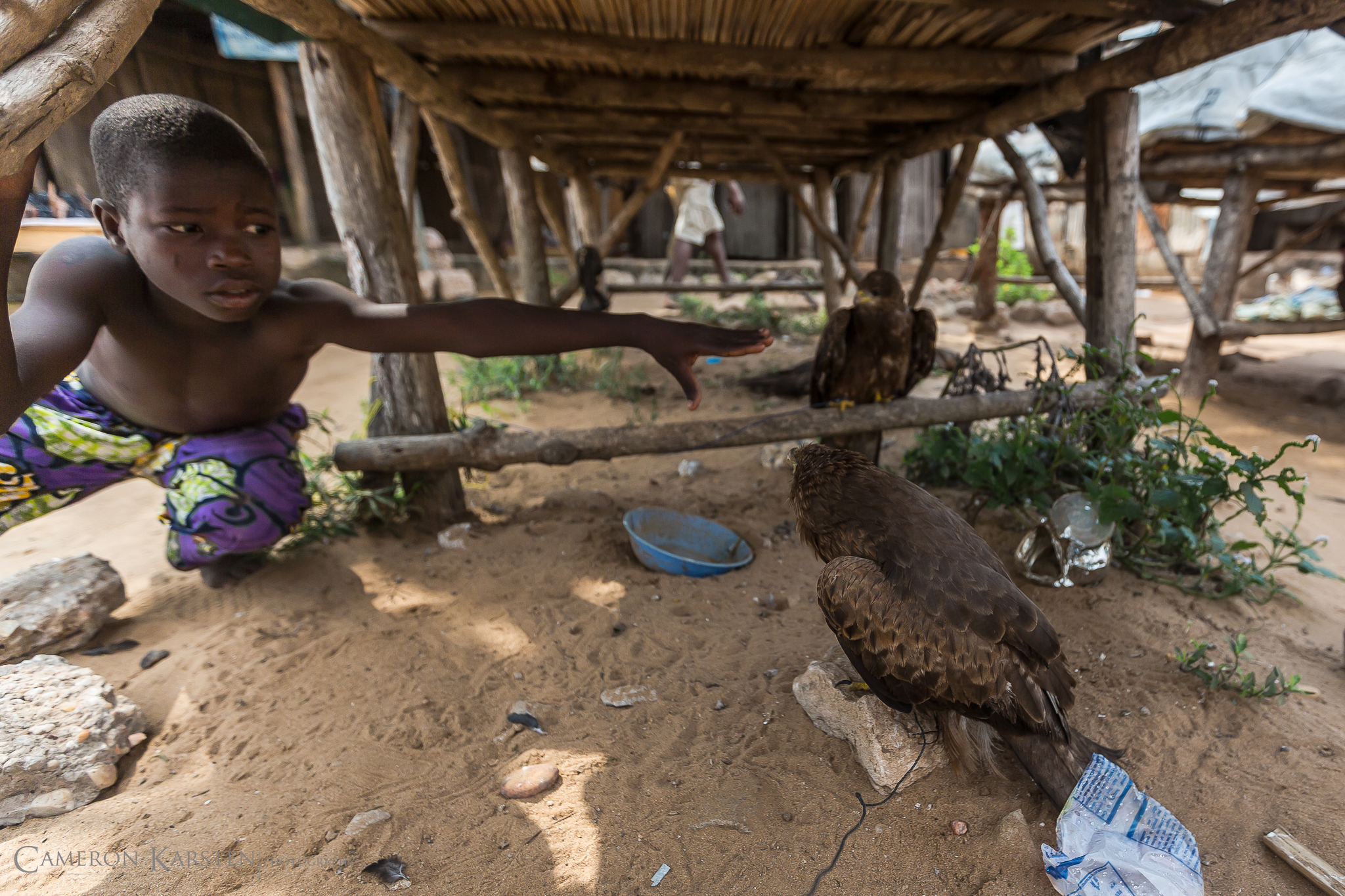
Take for example this live hawk. It looks depressed and any bird lover would see it in his eyes. The hawk has been underneath the table, tied at its fleshy leg to the wooden leg by a thick nylon cord. There is plastic debris surrounding it, along with a filthy bowl of water. I watched one of the hawks poop in the little plastic bowl, which is meant to be their drinking source. So much for nature.

Day10_11_Lome-399

Well this bird is a tool used by Vodou practitioners. If a client comes to a Vodou priest explaining evil spirits possesses them, the witchdoctor will consult the god specific to his/her temple and discover the necessities to treat. Out at the market, the priest will purchase the ingredients, one of them being a live hawk. And the following day with the possessed client present, the doctor will perform the rituals and as a symbol of letting go, the hawk will be released with the client’s evil spirit upon it’s back. Client healed. Exorcism complete.

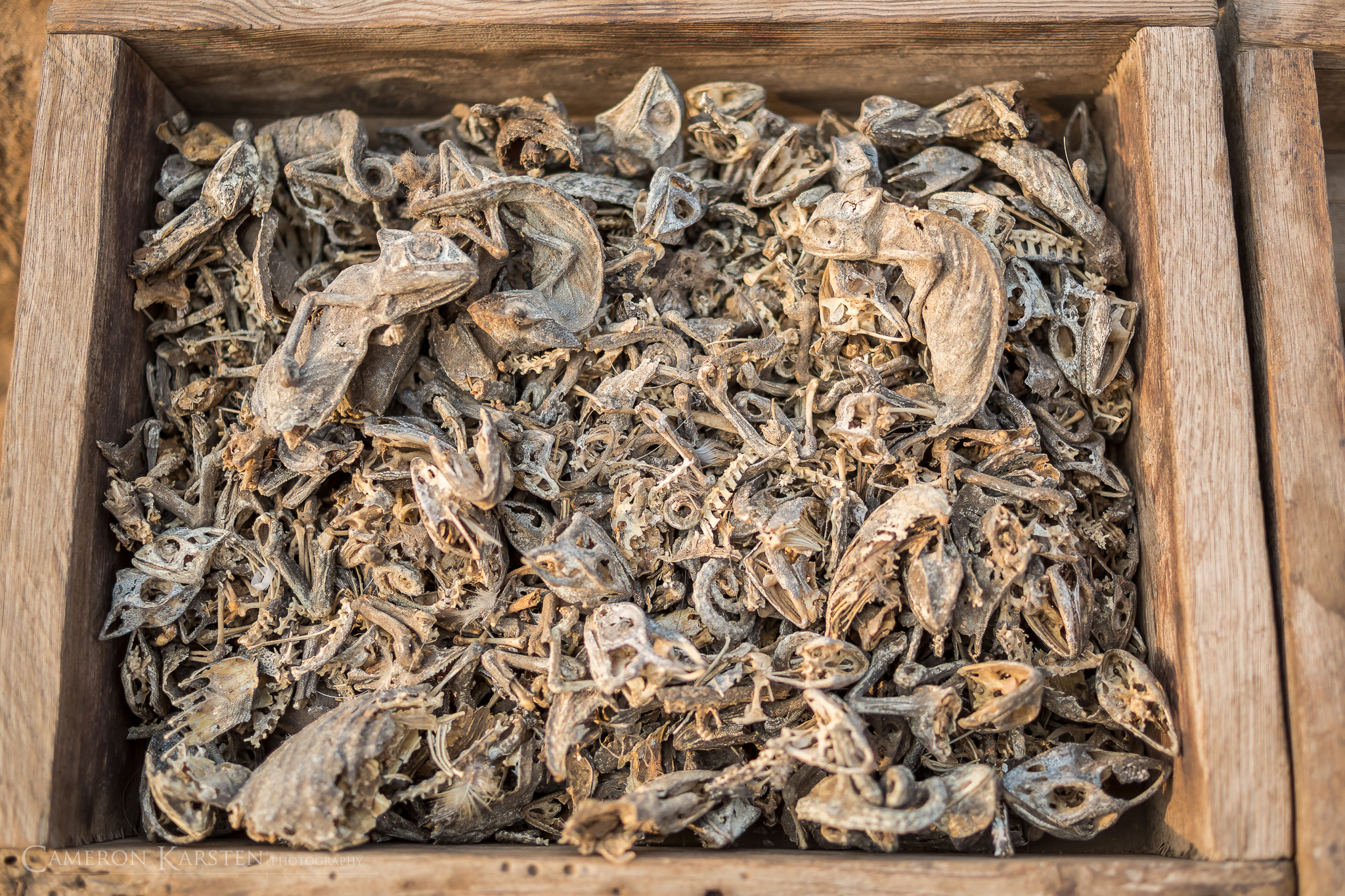
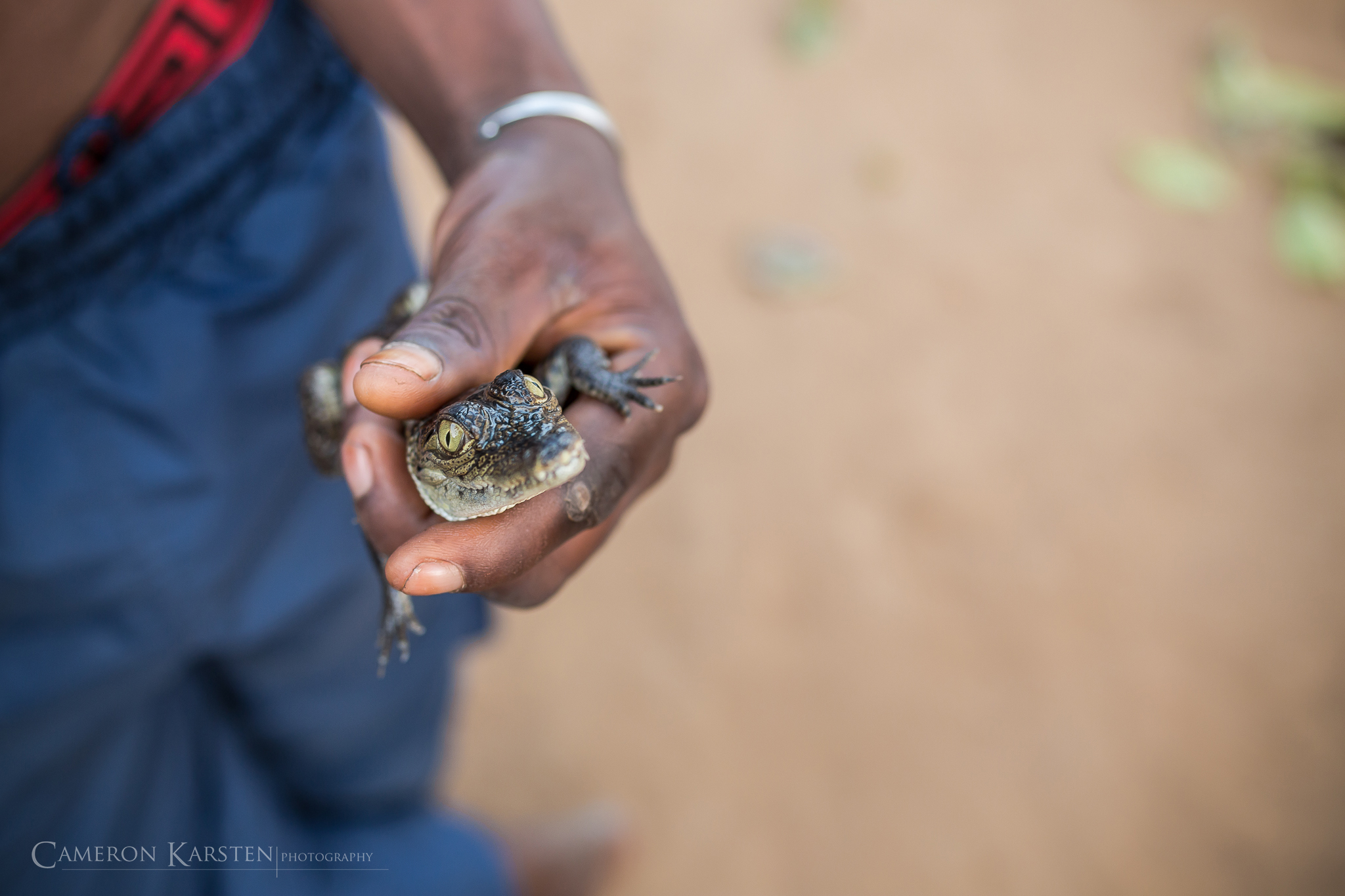
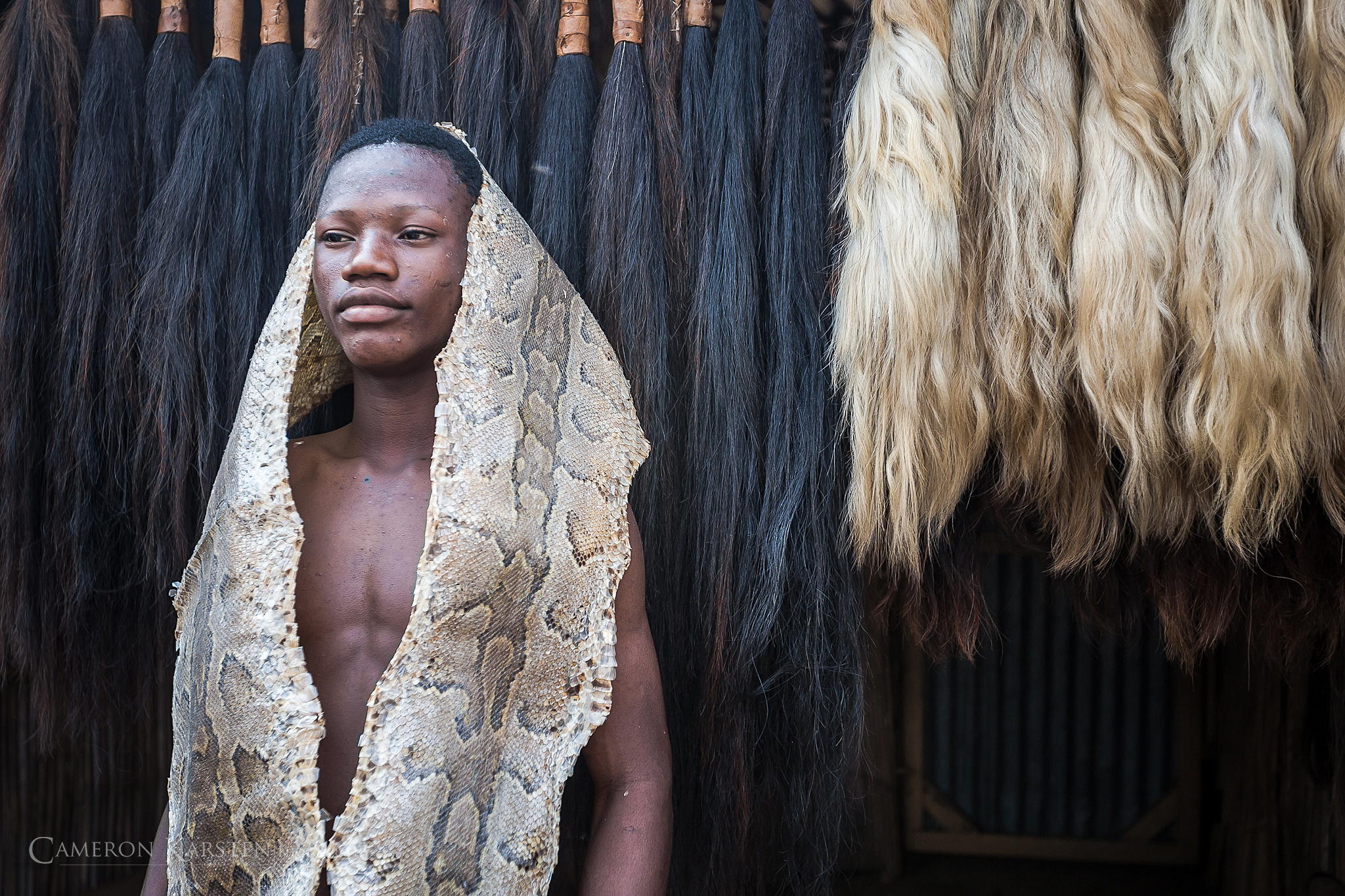
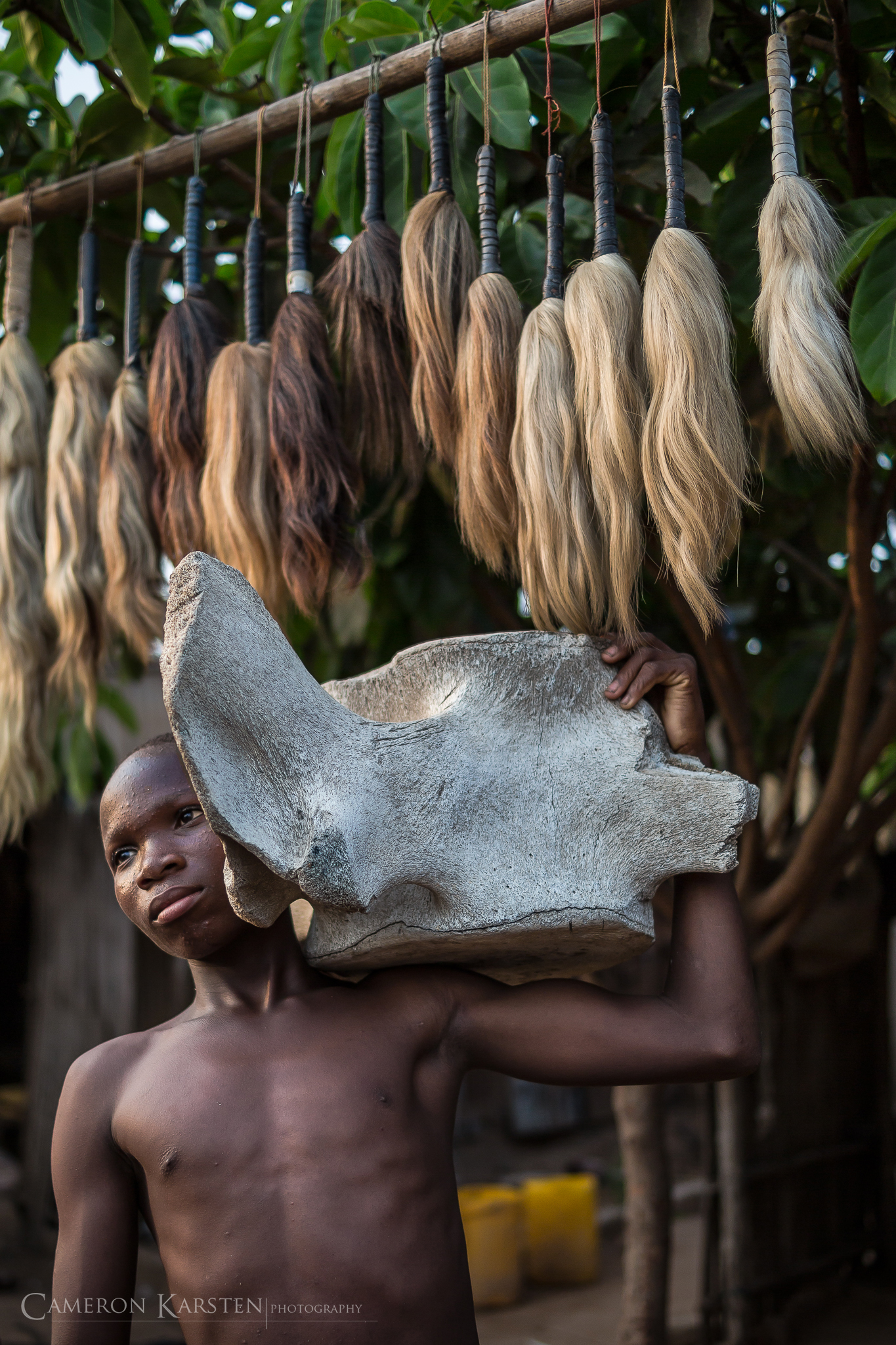
This is just one version of many different possibilities. Vodou is an open book and anything is available. At the fetish market, young boys run around showing us whale vertebrae bones, live baby crocodiles in yellow plastic jerry cans, stacks of dried herbs, cages of mice, frightened turtles, boxes of dried chameleons, enormous mummified cockroaches, shelves of stacked monkey skulls, decapitated wild dog heads with jaws open as if frozen in time, hippopotamus skulls, antlers four feet tall, snake skins, baboon, hyena and leopard heads, as well as the most poignantly disturbing of all.

Day10_11_Lome-387

There was one little boy. He was the quietest of the lot. Others yelled out Monsieur! Monsieur! incessantly. But this boy was calm, tapped us on the shoulder and held up a foot.

There is that famous photograph of local rangers in the Virunga National Park within the Democratic Republic of Congo. The photograph by Brent Stirton is taken from above of a silverback lying on its back upon a tourniquet made of branches. Wrists tied back over his head. Feet tied at the ankles. A huge protruding belly facing the heavens. Locals are beneath the animal, carrying it through the war-torn jungles of the DRC, dead because of gun shot wounds by supposed illegal charcoal traders. This was the image I thought of as I saw the little innocent child holding up a dried gorilla’s foot. He wanted his photo taken.

Day10_11_Lome-162-Edit

The next morning we return to Vodou’s largest fetish market. The oddity strikes and we know we want to discover more. For hours we linger, wandering the stalls, photographing, talking to the kids. A Vodou practitioner arrives on his motorbike. The sellers scramble, running toward him to garner the morning’s first sale. Then I realize, this is the first pharmacy ever. Take away the metal fence, the motorbike and the corrugated tin roofs. What you have left are wooden stands, bamboo walls and dirt. Locals come, foreigners from afar—they’ll all seeking a cure. If you have tendinitis. There is a cure. If you have a wart on you finger. There is a cure. If you want to win your next soccer match and score a hat trick. There is a way. Come to Akodessewa Fetish Market in Lome, Togo.
Next essay –>

Day10_11_Lome-4

Day10_11_Lome-454

Day10_11_Lome-185-Edit

Day10_11_Lome-92

Day10_11_Lome-158

logo_blackTrajan

Vodou Footprints: A Faraway Land in Benin’s Cradle of Vodou

Day6_AlladaVodou-452

Geography, for many Americans, is that daunting and embarrassing mystery—a dim knowledge largely confined to wartime allies, historical enemies, and the occasional topical hotspot. Beyond this so-called important handful—Western Europe, the Middle East, possibly China or Japan—everything else is clumped together into a world of unknowns.

When I told acquaintances of my impending trip, the average response was somewhere between hesitance and puzzlement. Like a jargoning doctor to the common patient, my words didn’t ring many bells.

Well, perhaps Benin is a faraway land.

Day3_Ganvie-356

Admittedly, I too couldn’t place Benin in its exact location prior. West Africa, I’d say evasively, somehow hopeful that several nations would willingly surrender their unique identities to their greater region. Technically, I wasn’t wrong. But not surprisingly, I soon discovered that Benin deserved far more respect and scrutiny than I had originally expected. Take a closer look and you’ll begin to unravel a majestic tangle of complexity and misconception.

Benin borders Nigeria’s western edge, touches Togo’s eastern boundary, and supports Niger and Burkina Faso above. It is one of those tiny West African countries that stretch north to south. Sneeze and you’ll miss it. In fact, picture Africa’s western shoreline as a nose. Benin sits just beyond where the mouth and the nose would meet—at the nostrils, if you will—a sliver of land anchored by the fabled Bight of Benin.

And then there’s magic. In the West, the word conjures up David Blaine, television’s greatest living magician. A levitating, fire-breathing, death-defying illusionist. A beloved celebrity of record-setting endurance. A talent, no doubt. From the Beninese perspective, however, he is not a man of magic. Call him master of deception. Magic in Benin is a way of life.

Day1_Ouidah-112

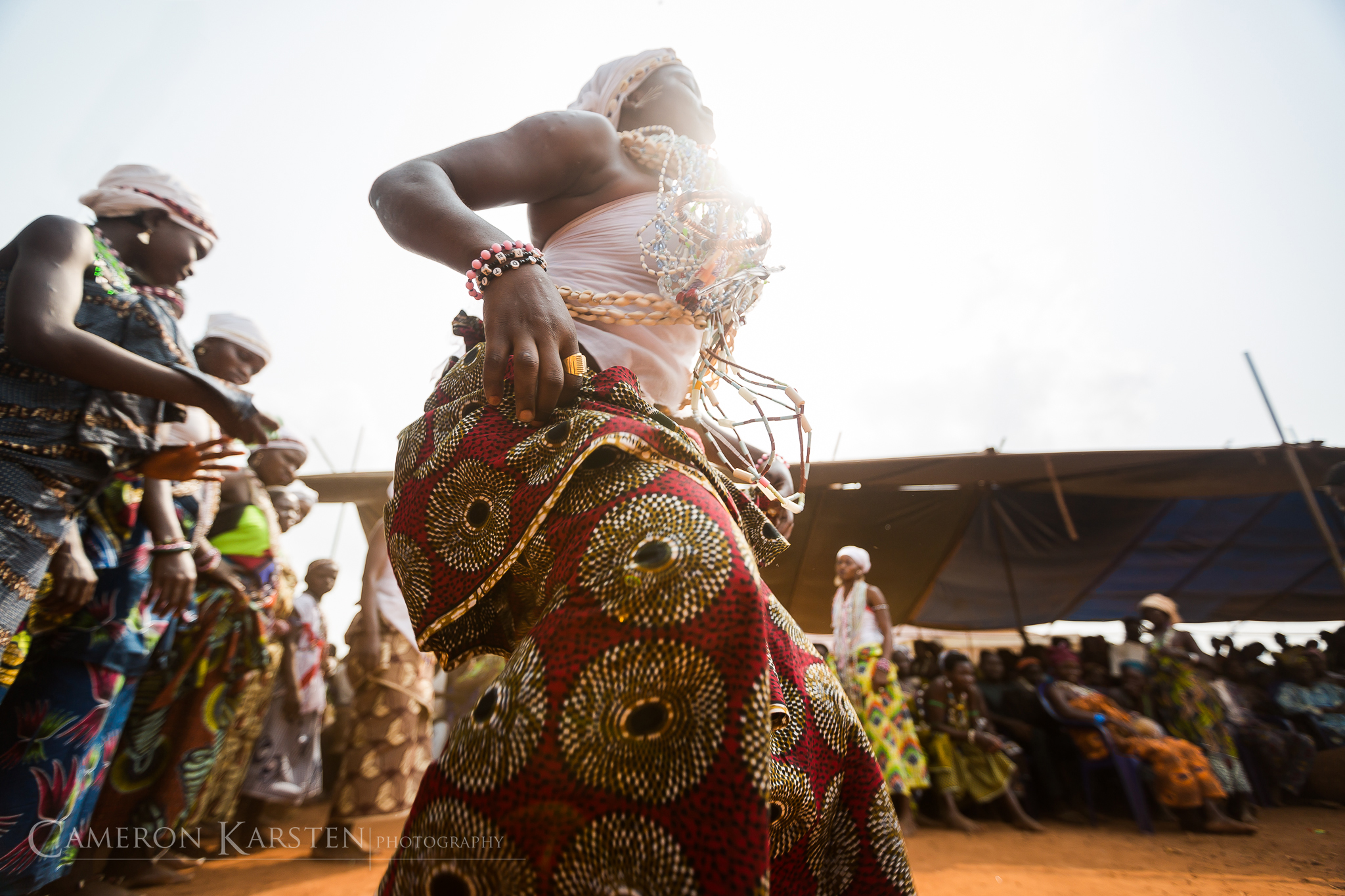
Everywhere there is magic. It’s in the red earth of the landscape, the throbbing fury of the sun, and the relentless currents of the great flowing rivers. It’s their religion—a religion in which the interactions between nature and humanity are cherished and respected every day. Magic is Vodou. And with 4,000 years of magic backing it up, Benin is the undisputed cradle of Vodou.

Personally, I believe in magic, both as a form of deception as well as a supernatural expression of the energies beyond ordinary comprehension. For millennia, Homo sapiens—the self-proclaimed wise man—has existed, evolved, and generally erred, all the while attempting to explain: What lies beneath? What forces create the churning seas of the ocean and the gyrating clouds of the sky? What energies course through veins and roots alike? Indeed, what does our cunning and craft amount to aside vast incomprehensibilities? Our attempts to solve breed yet further questions. No matter our advancements or industry, the sun still rises and the moon ever orbits to a language seemingly all their own.

Day5_Allada-173

Countless cultures have contrived to explain these fundamental phenomena. Some grow. Most fade beneath the all-consuming flames of war and oppression. And yet, incredibly, amidst the largest powerhouses of the world, there exists a small country—undeterred by the folly of others and sorely ravaged by the horrible histories of slavery—where the primeval practices still prevail and the honor of the mysteries of the world take precedence.

Cast aside the linear mindset and the textual teachings of the West. Simply observe what is before you and what has come to pass. Only then will you understand Benin. Here the supernatural and natural worlds converge; everyday occurrences take on special meanings; and the privileged traveler may join the setting sun into the obscurity of a secret and sacred society to appreciate the mysteries of what Benin declares its official religion: the worship of the Vodou.

Day6_AlladaVodou-366

It is a world of shadow and dance. Of masks, scars, and tattoos. A country where Kings remain the Kings of Kings, and the leopard and snake reign in the household tale. Feel the pulsing rhythm of Vodou, transcend the merely tangible, and let the beat of the drum lift your mind into the realm of the metaphysical. Once you have crossed this threshold, once you have heeded this singular call, the world around can never be the same.

For us, there is no retreat. There is only the universal language of Vodou, and together we will drink from this bottomless cup.

Together we’ll reach a faraway land.

Next essay –>

Day6_AlladaVodou-507

Day2_Cotonou_Egungun-236

Day6_AlladaVodou-173

Day2_Cotonou_Egungun-1

Day6_AlladaVodou-578

Day4_AbomeyCalavi-197

logo_blackTrajan

Vodou Footprints: Origins of Vodou (West Africa)

The Mono flows out into the sea on a bleak, wind and sand-blasted beach that is not very likely to entice you in for a swim…If your interest is in Voodoo then with luck (and some bravery) you might be able to persuade someone to paddle you over to one of the villages hidden on the backwaters where the Voodoo spirits are especially active…One village especially, Kpossou Gayou, would be fascinating to explore, but the chances of getting someone to take you are very remote because of the sheer power of the Voodoo here and the bad vibes surrounding it. It’s said that the fetish is so strong that almost anyone can hear it speaking quite openly and most of the boatmen in the area are much too frightened to take a foreigner there.

Butler, Stuart. “West of Cotonou.” In Benin: The Bradt Travel Guide. Chalfont St. Peter: Bradt Travel Guides, 2006.

Giving-Self---Version-2

These were the words that sealed my fate—that stirred an inexplicably ancient power and compelled my to explore. Something deep within was awoken. Something unfamiliar, incomprehensible, perhaps unknowable. While the boatmen supposedly trembled with fear at the mysterious forces, I tingled with desire. With each new mist-shrouded image or wind-savaged vision, a growing vortex drew me down towards the vague, inscrutable center. Determined not to flee, I embraced it unnervingly.

The more I read, the more I realized the sheer inevitability. Wants became needs, and more than curious, I was famished for answers and driven by pure adventure. There was no turning back.

Magic-Makers

But first, some backwater backstory: Vodou, established by short-term president Nicephoro Soglo, became the official religion of Benin on Jan. 10, 1996. Subsequently, this day became the National Day of Vodou, when the world’s largest Vodou festival occurs every year in the old slave port of Ouidah. And yes, I soon realized I was going.

A project plan emerged. Guesthouse. Driver. Guide. An itinerary with just enough structure, but purposefully rough to match the raw mystique of our journey. In total, 37 hours of travel, 37,000 feet above the earth, separated us from departure in Seattle to touchdown in Cotonou, the unofficial capital of this land called Benin. Across ocean, sea and desert, those fateful readings would finally come to life.

Of course, Vodou (or voodoo to our ears) is anything but the doll-and-pins novelty it’s often indifferently ascribed. Rather, it is an active mysticism that has weathered thousands of years on the continent of humanity’s birthplace. As such, in undertaking our own journey, we also endeavored to understand Vodou’s journey: from its cradle in West Africa, its reluctant passage across the unforgiving slave route, and its ultimate assimilation into the cultural and religious stew of the West—thousands of miles and meanings away from its native land. But I digress; it’s time to approach the destination ahead. Pluck up your courage. Open your eyes and ears to the spirits. And follow closely as we enter: Vodou Footprints – Origins of Vodou.

Next essay –>

Global-Educates

The heart of the Lower Omo Valley, Ethiopia

Spine-of-Lower-Omo

Hamar territory – Lower Omo Valley, Ethiopia 

The-Elephant-That-Could

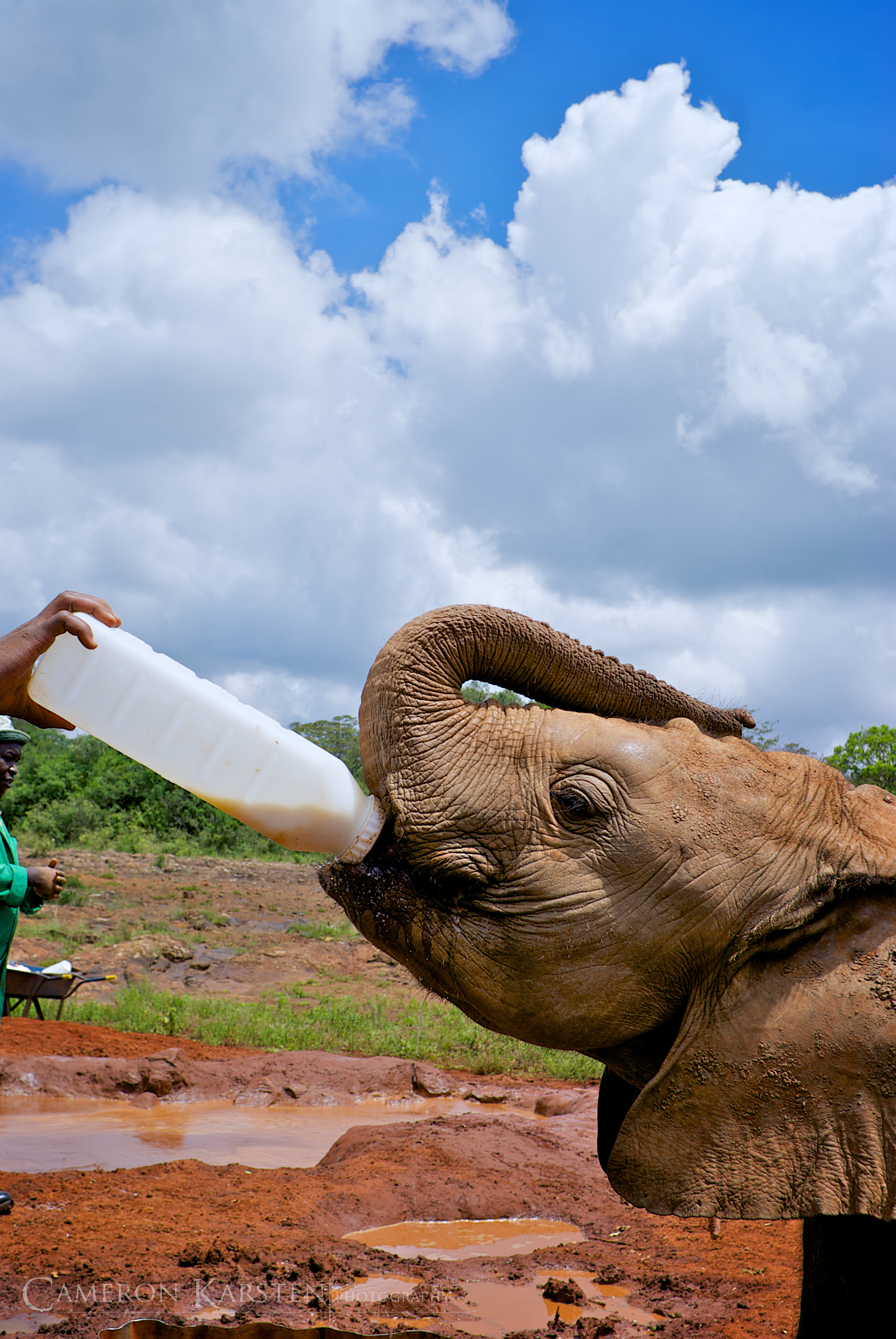
An orphaned elephant being fed at the David Sheldrick Wildlife Trust – Nairobi, Kenya 

DSC_0092-(4)---Version-4

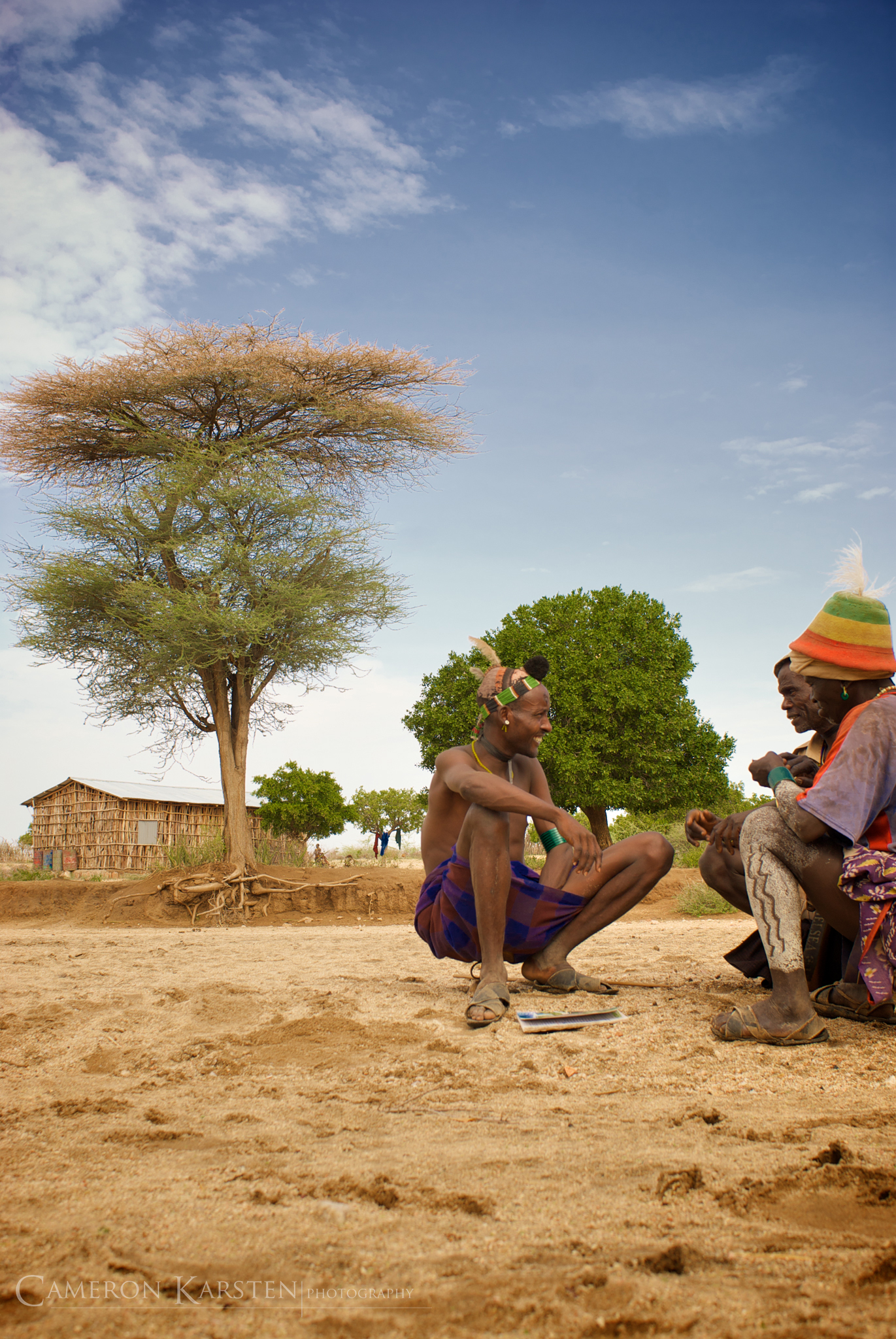
 A dry riverbed in the Lower Omo Valley. The government’s proposed dams have dried up the Hamar’s traditional water sources

Colee's-Retribution

In the riverbed – Lower Omo Valley, Ethiopia

Wild-West

The Wild West of Nigeria – Niger Delta, Nigeria

DSC_0085-(3)---Version-3

Jinka’s town square – Jinka, Ethiopia

logo_blackTrajan

Firefly Salon Fall 2013

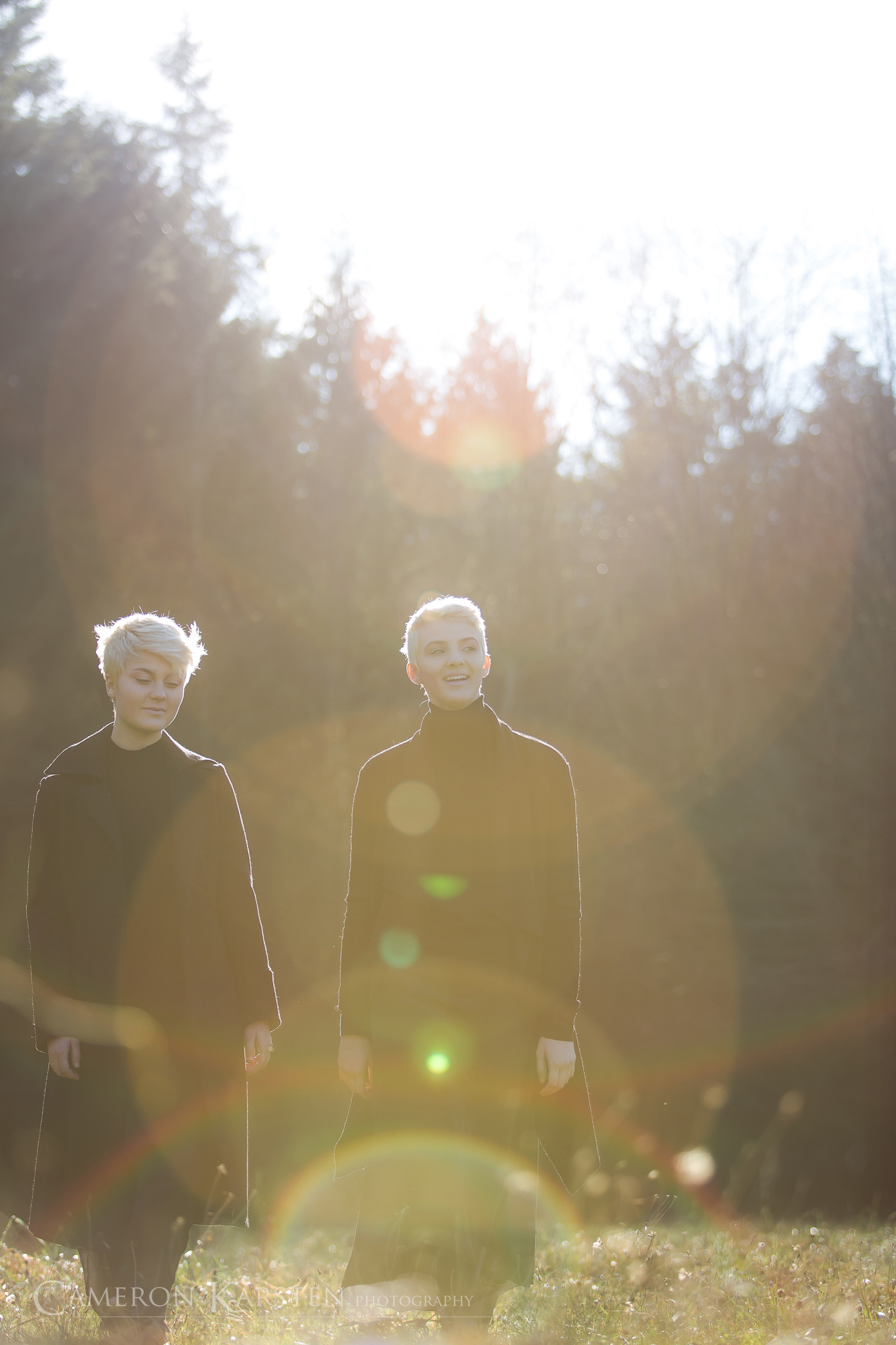
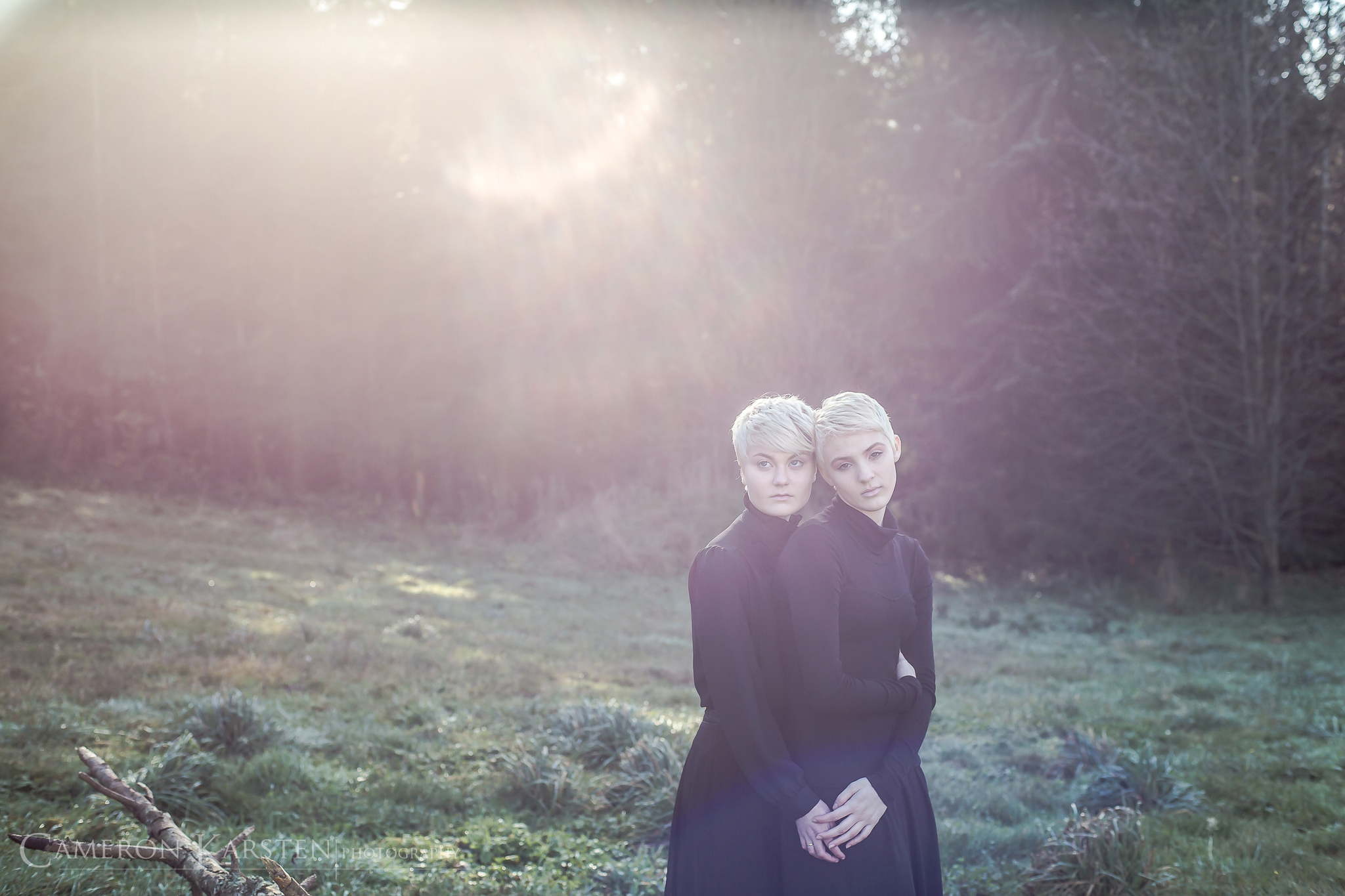
FireFlySalon-367Fall 2013 passed in the wind, and the styles of Firefly Salon became light but short, simultaneously dark but long with contrasting shadows. Sisters both exit and enter the woods through a ray of cool warmth.

FireFlySalon-186

FireFlySalon-195

FireFlySalon-259

FireFlySalon-297

FireFlySalon-350

FireFlySalon-334

FireFlySalon-579

FireFlySalon-561

FireFlySalon2-87

FireFlySalon2-99

FireFlySalon2-61

HMU by Todd and Bronwyn Baylor of Hair by Firefly

Styling by LK

Wardrobe by Sweet Deal and Eloisa

logo_blackTrajan

America’s Gun Culture: The Young Guns

MatixC-243

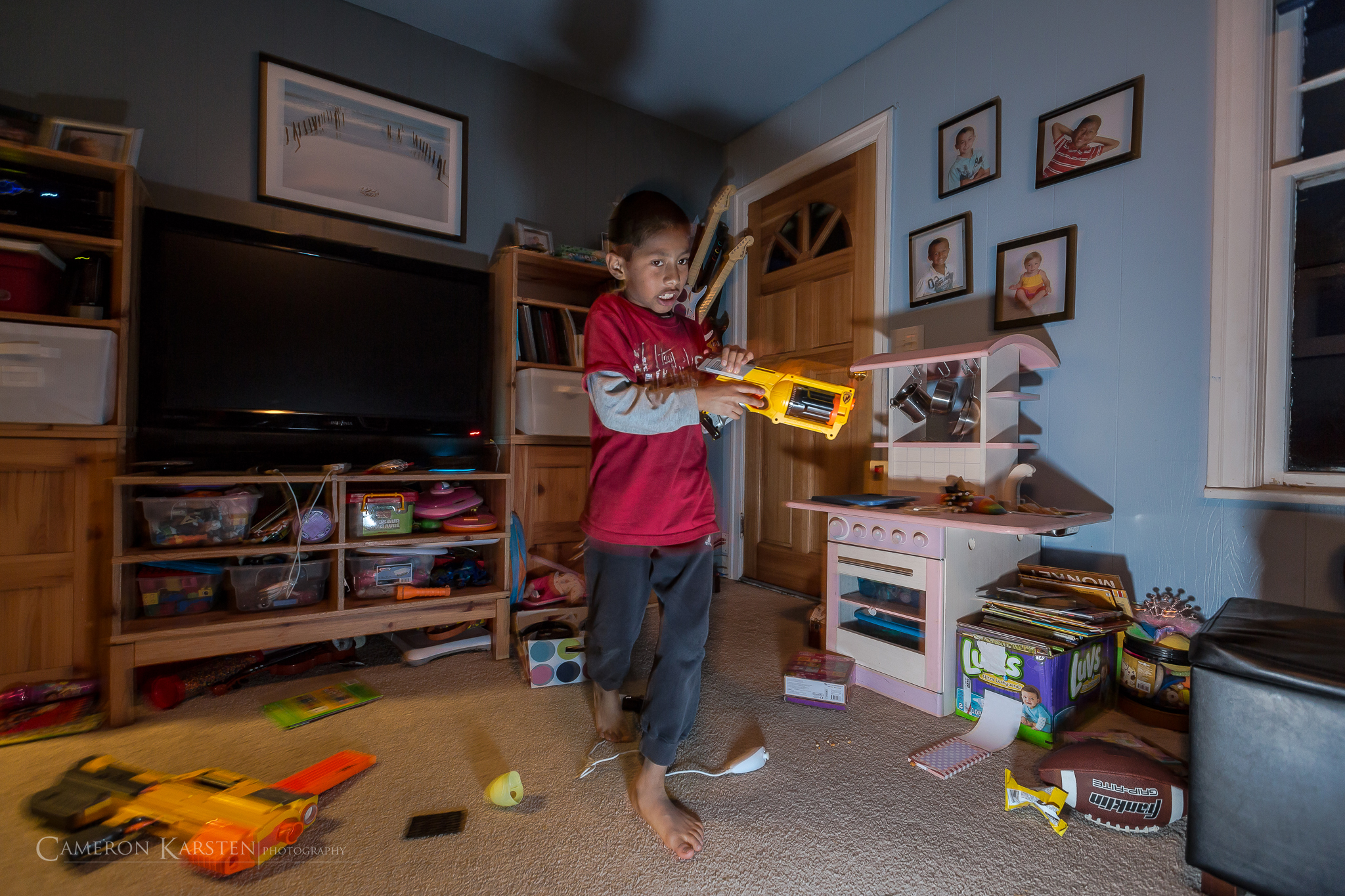
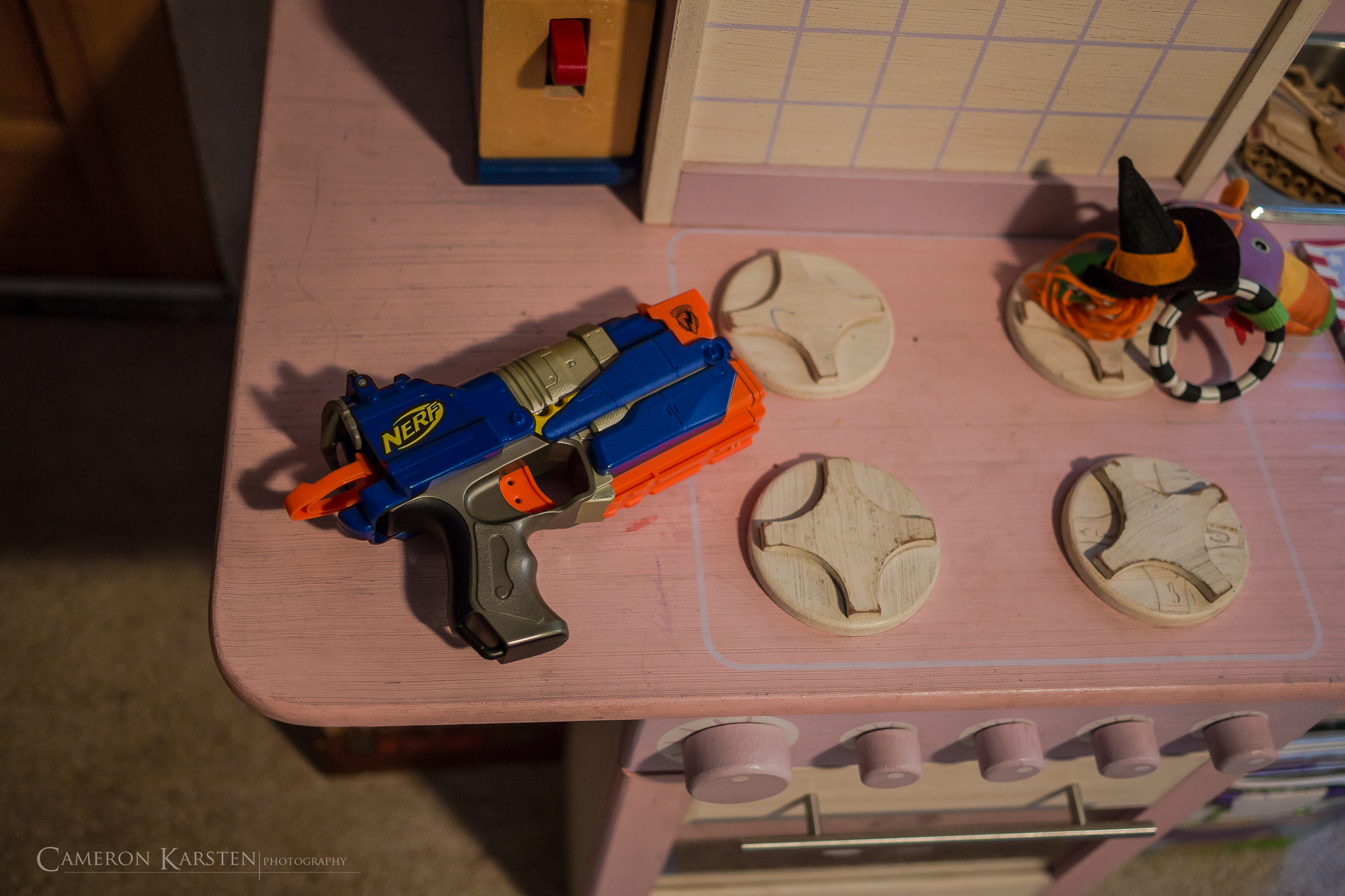
America has a gun problem. According to a Small Arms Survey in 2007 , 88 out of 100 Americans own a gun. That’s worthy of world domination. And after the latest elementary outbreak of gun violence in Sandyhook, Conn., questions continue to raise about the connections between guns, violent video games, and our American youth. Here are some images from an on-going project involving America’s young guns.

FieldsPlay-257

FieldsPlay-199

FieldsPlay-129

FieldsPlay-128

FieldsPlay-120

FieldsPlay-14

FieldsPlay-27

FieldsPlay-60

FieldsPlay-57

One mother I spoke with regarding the project declined to take part, but mentioned a story about her son. He was never permitted to play with toy guns. He wasn’t ever exposed to them in their household or on television. And she was unaware about any activities involving toy guns at their friends’ homes, but as soon as he reached a certain age where he began to develop his own personality, walk and make decisions on his own, something became apparent. When they would stroll on the beach or trek in the woods, the boy was instantly drawn toward sticks. These inanimate objects took on a life of their own. They became his toy guns. To this day she refuses to buy him any of these colorful plastic pieces.

DanePortrait-22

BroganVG-60

BroganVG-41

BroganVG-20

MatixC-110

MatixC-75

MatixC-27

When the United States military encourages their soldiers to play violent video games while on leave, and as the advent of drones is taking presence above foreign skies, it is intriguing how large the gaming industry has become. Not only is it exciting, competitive and imaginative, but it is also a fantasy world without consequences besides GAME OVER. From Mario Brothers to Grand Theft Auto, there has been an incredible evolution, blurring the lines of reality. America’s youth are also hooked.

MatixC-208

MatixC-273

MatixC-251

MatixC-287

For more, please visit America’s Gun Culture

logo_blackTrajan

The Countdown Begins: The Origins of Vodun

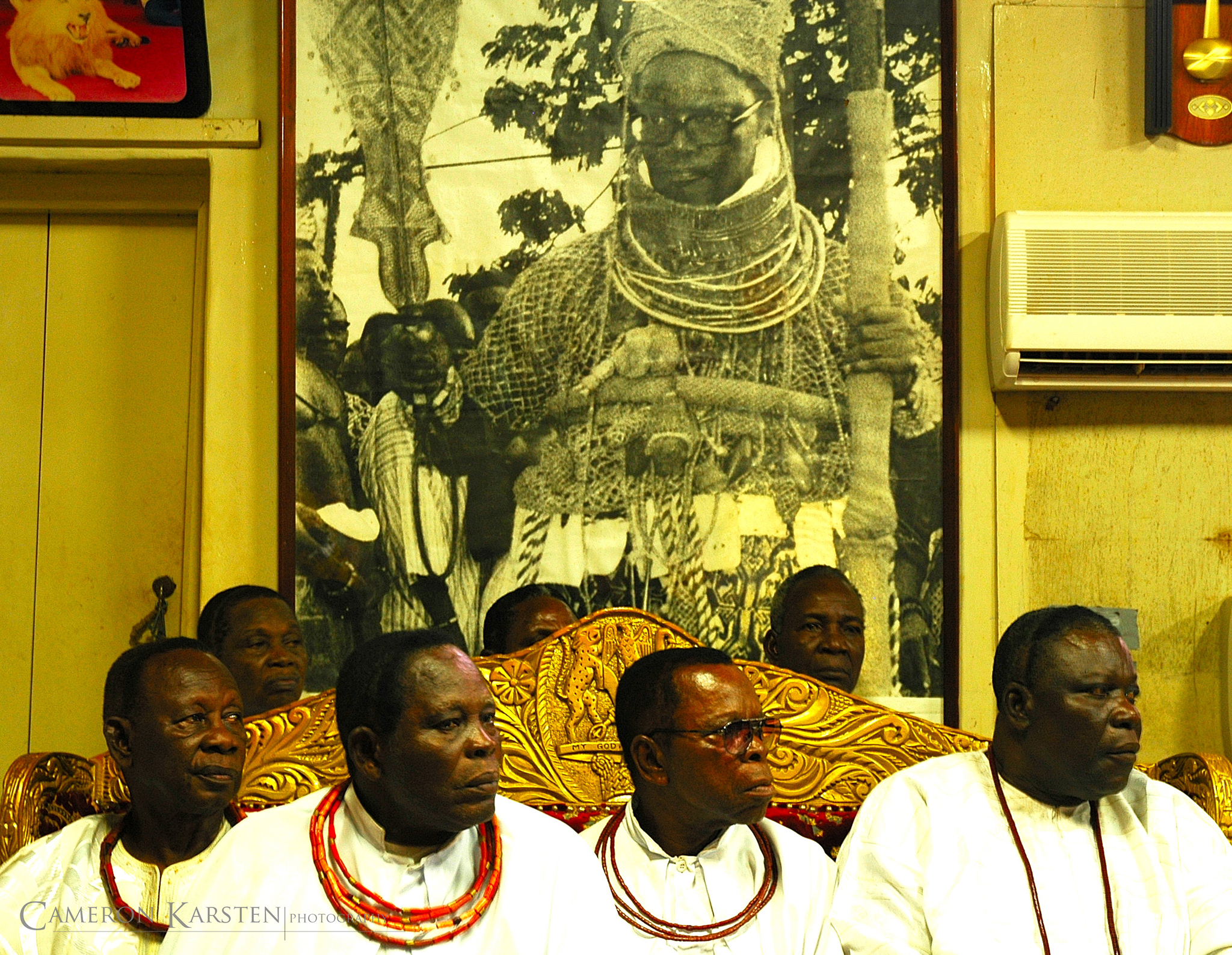
Who-Is-Oba-NowI’m stoked that the countdown has begun! On December 31st, I’ll be heading to Benin, Togo and Ghana for roughly four weeks to begin a project about the origins and evolution of Voodoo. As a practice of animistic worship of spirits, Vodun is the official religion of Benin and considered one of its birthplaces. I’ll be traveling with friend and fellow photographer Constantine Savvides to create a multi-continent multimedia series including still, motion, audio and text. West Africa will be the first of several locations, retracing the spread of Voodoo via the slave trade to the West Indies and Americas, to its survival in today’s organized societies. These guys, chiefs of the old slave port in Badagry, Nigeria, know what I’m talkin’ about.

I encourage you to follow my blog for in-country updates, where you’ll see us enticing boatmen to take us up river to black magic villages and feel the frantic energies of the world’s largest Vodun festival in Ouidah, Benin. A little throwback Sunday of past images taken in West and East Africa to stir the pot of adventure, culture and exploration!
Askar's-Ladies
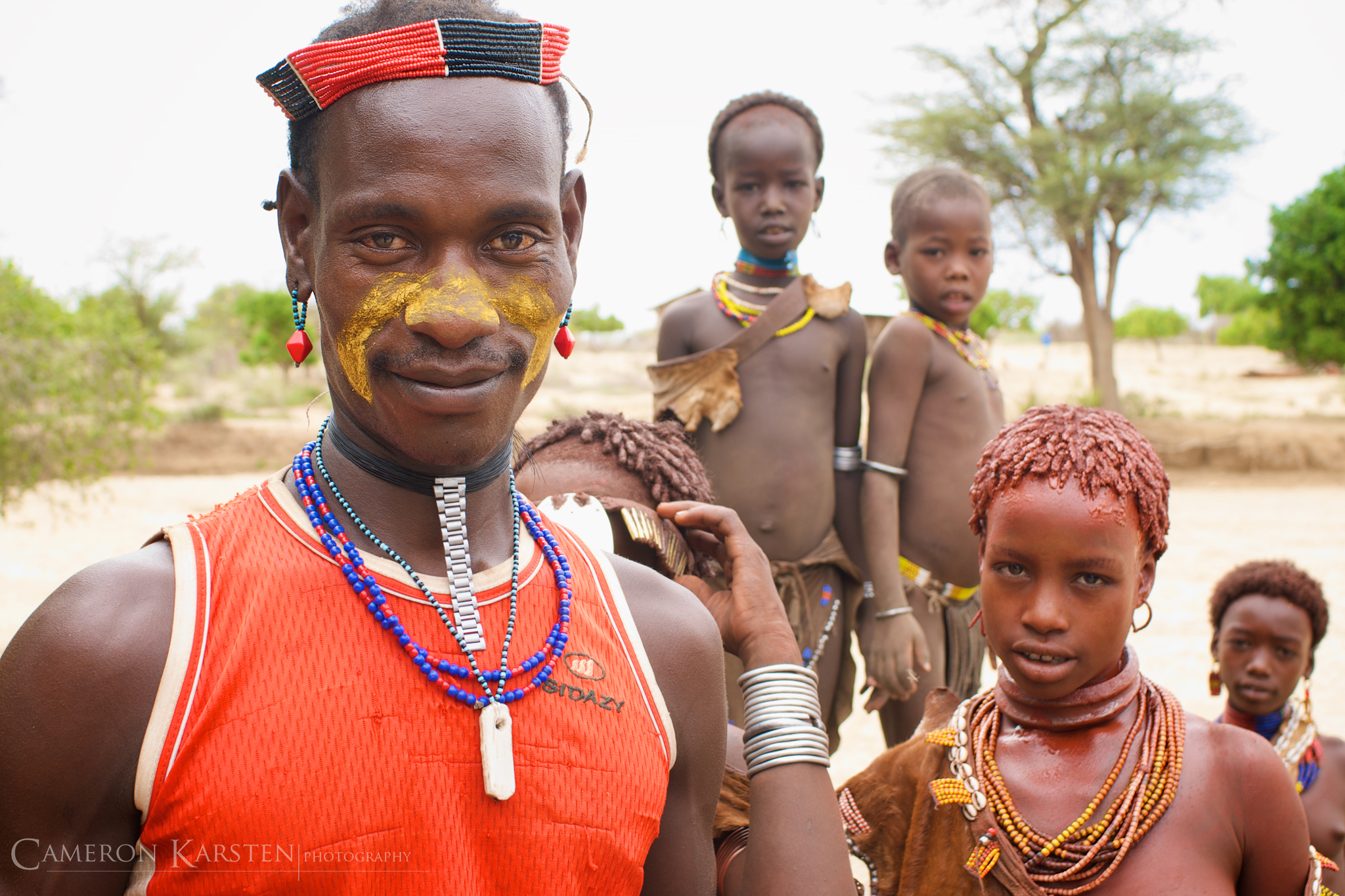
 Askar of the Hamar tribe in the Lower Omo Valley, Ethiopia
Balancing-Life
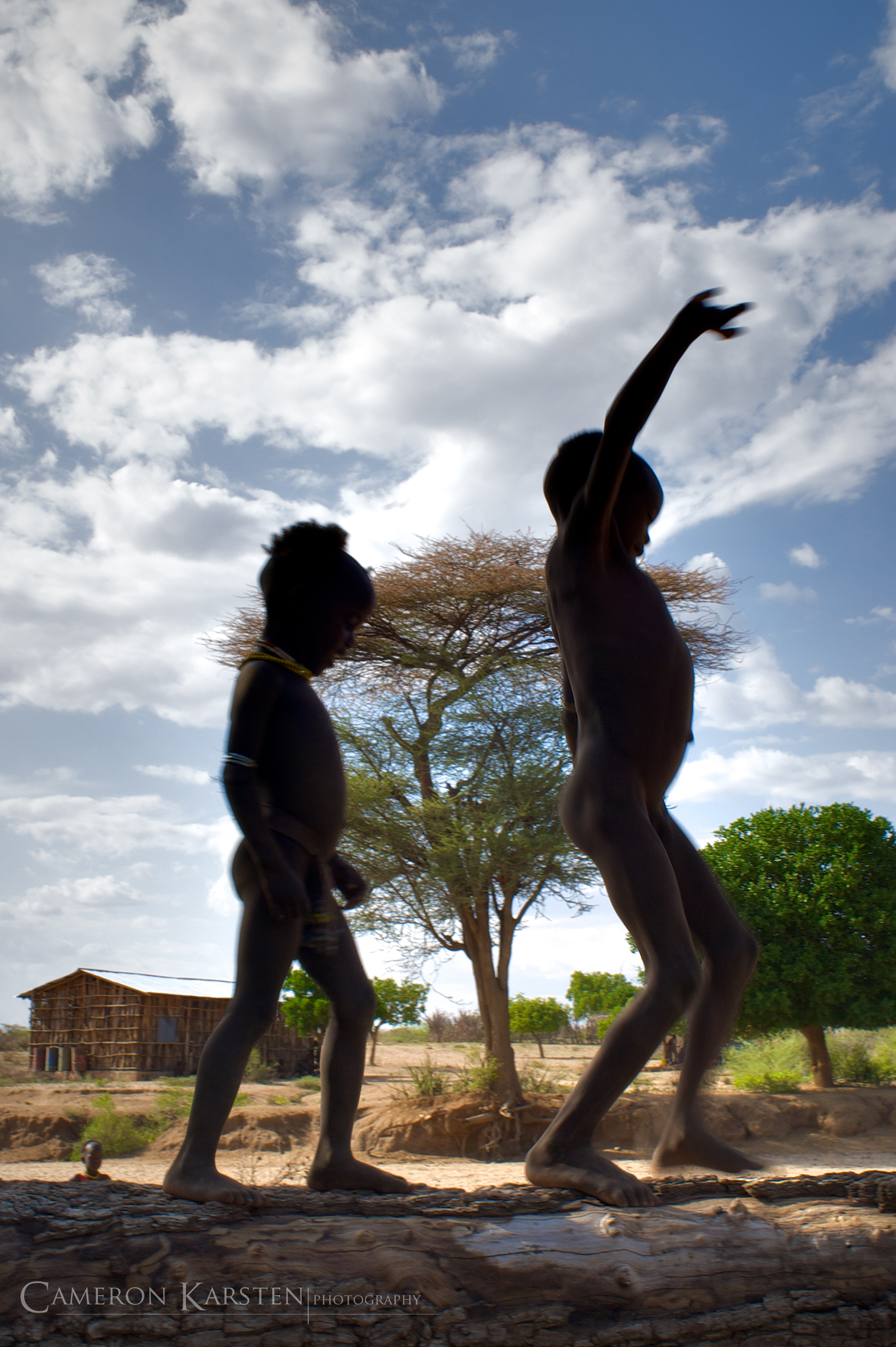
Hamar children playing in the shade – Lower Omo Valley, Ethiopia
DSC_0185---Version-2
The old train from Dira Dawa, Ethiopia to Djibouti City, Djibouti is a long slow uncomfortable slog through some of the most arid terrain in the world.
DSC_0895
A liquid gas burn-off at a Chevron oil platform in the Niger Delta of Nigeria
From-the-Ground
Local Hamar children in the Lower Omo Valley of Ethiopia
High-Risen
Sunrise along the Kenyan coastline near Diani Beach
The-FuryMonkeys will steal your things if you take too long of a nap – Diani Beach, Kenya
Dual-Reflects
Traffic – Lagos, Nigeria
Hyena-Reconciliation
A hyena-keeper feeds the wild dogs by moonlight in the Harer, Ethiopia
logo_blackTrajan

Ethan Currier – Sculpting the Power of Stone

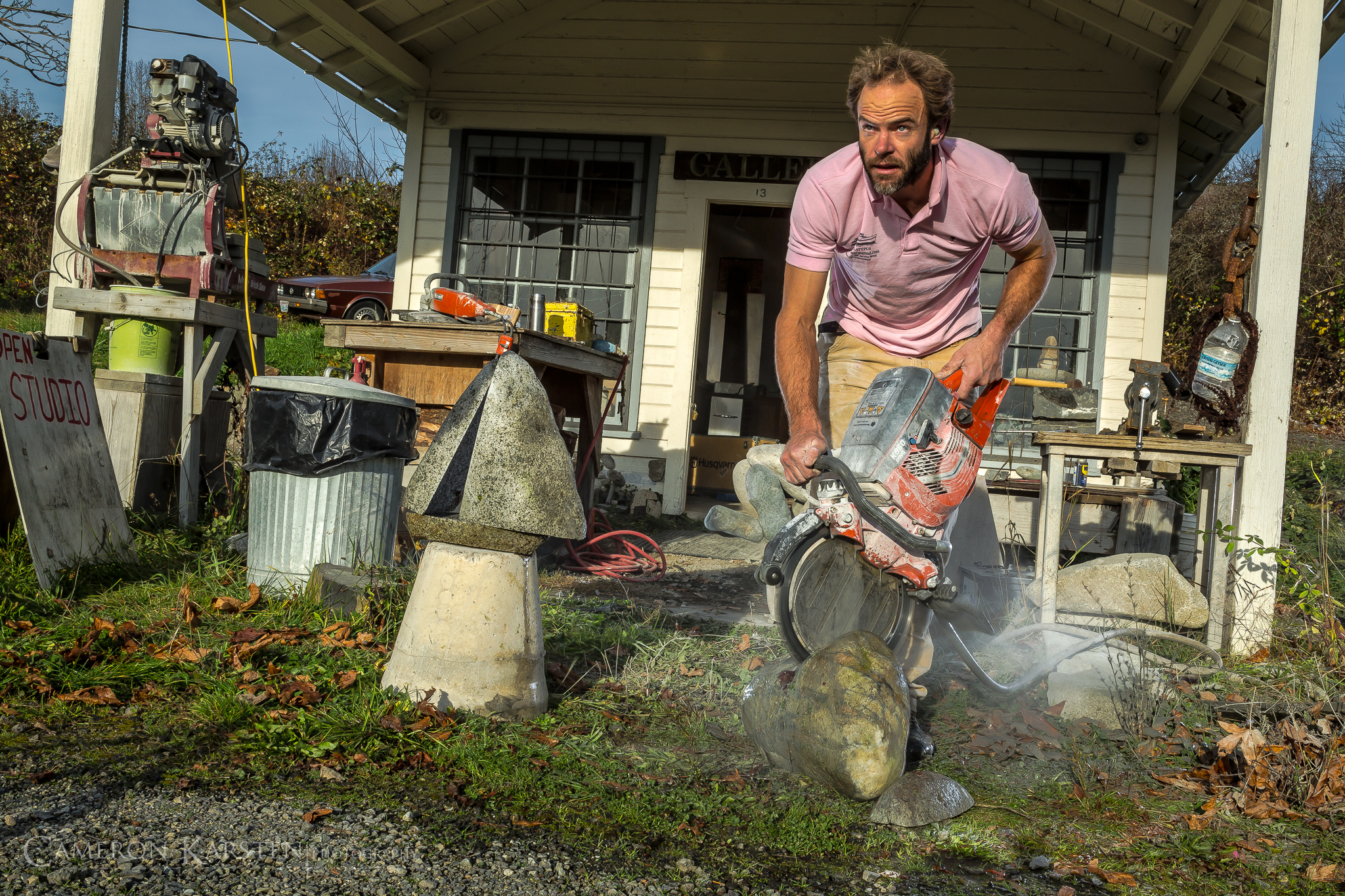
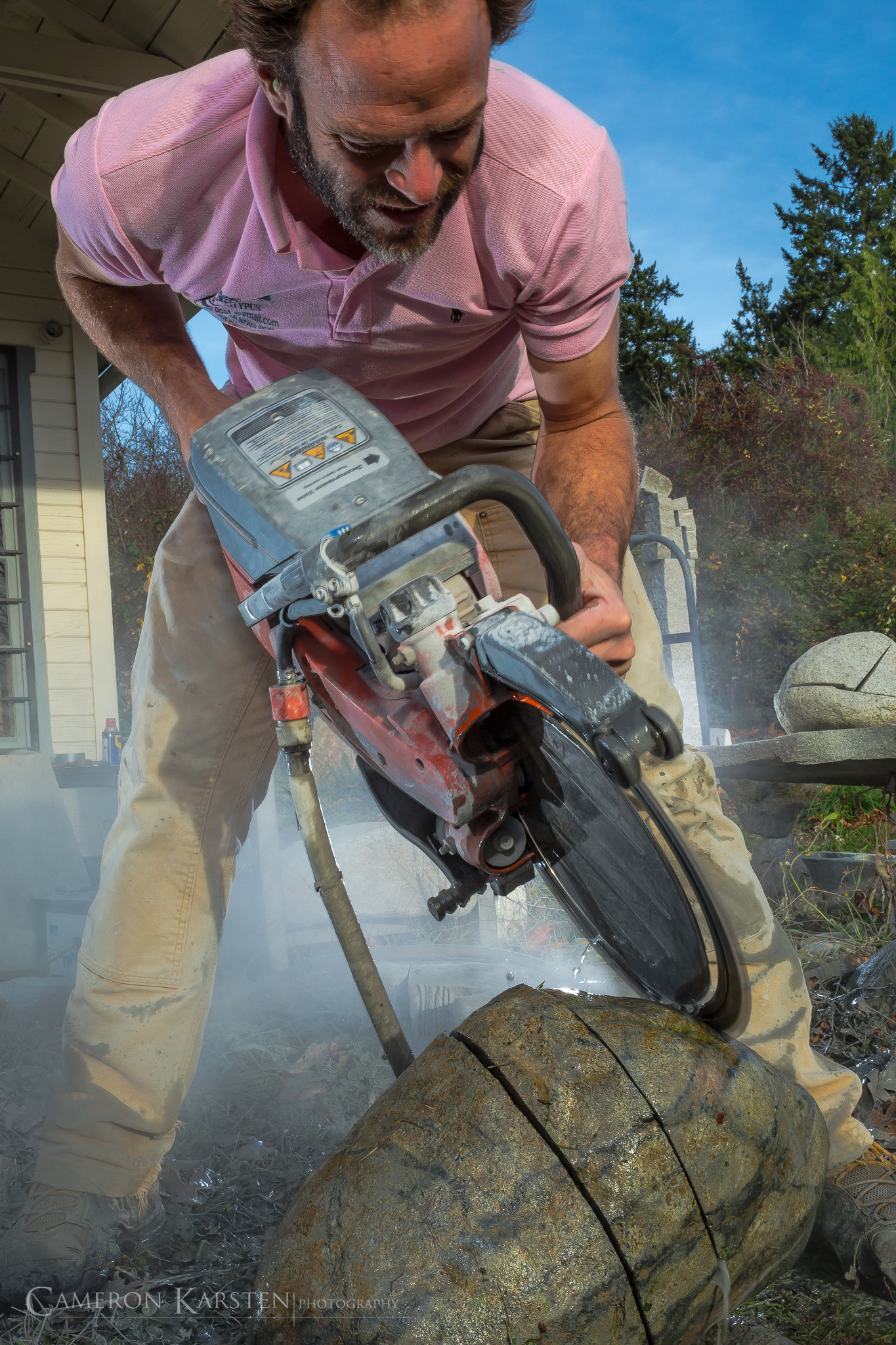
EthanCurrier-366To cut stone sounds like a recipe of alchemy. But it takes power, not always the power of enormous piston-driven spikes and powder-lit explosives. Often, with the right hand-tools and visionary skill, rocks can be as easily molded as clay. Meet Ethan Currier.

EthanCurrier-76-Edit

EthanCurrier-102

EthanCurrier-162

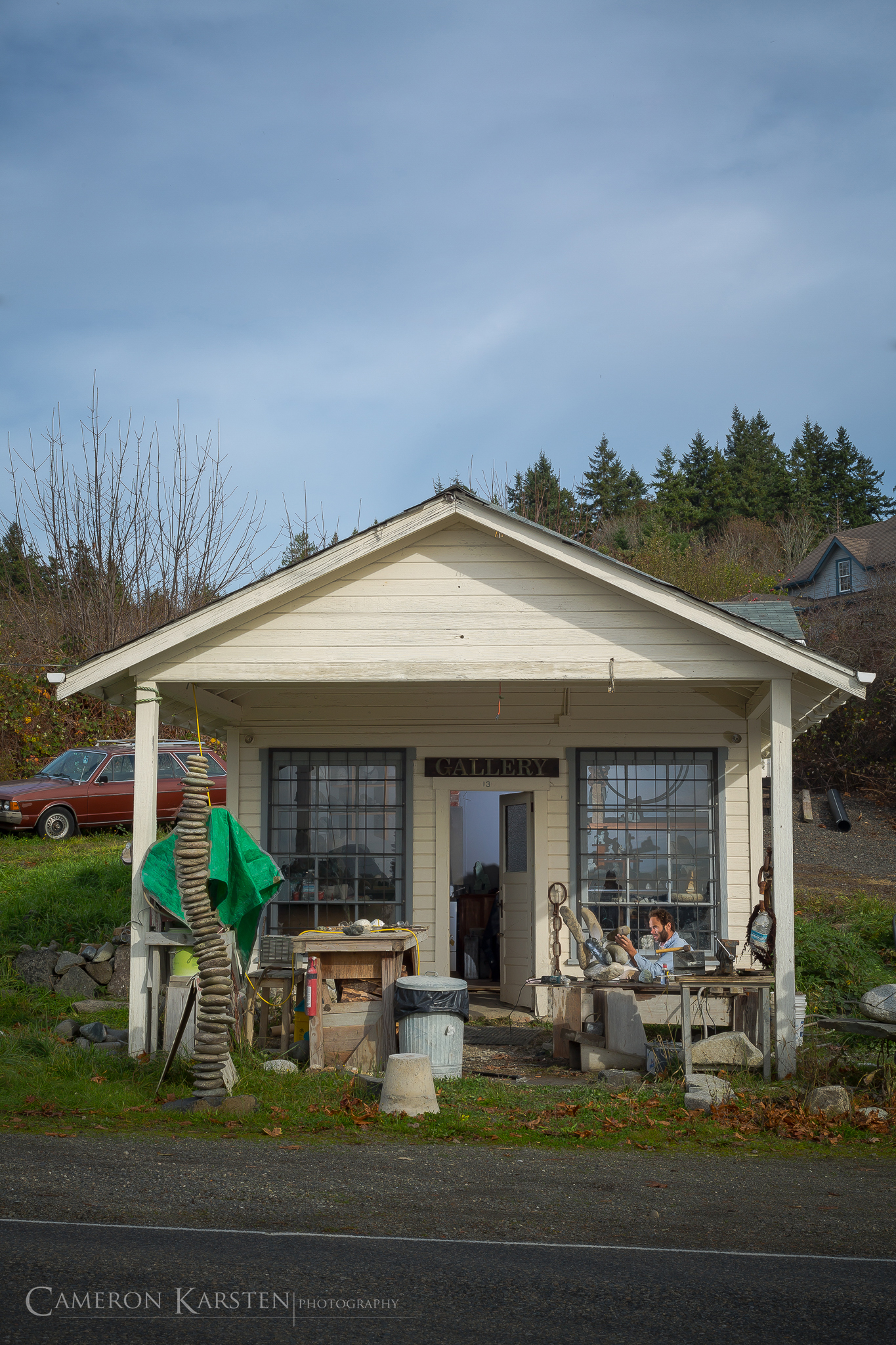
EthanCurrier-244When on Bainbridge Island, Ethan lives in Eagle Harbor aboard his 1940s’ refurbished navy boat, building unique rock sculptures by day. Located in a small modest workshop, which once ran as a single-pump gas station, Ethan brings in specific stones to match his concept of upcoming projects, visualizing their forms and structure prior. By design and with the use of few hand-tools, these ordinary stones take on new organic shapes.

EthanCurrier-267

EthanCurrier-184

EthanCurrier-129

EthanCurrier-276

EthanCurrier-235Having spent the summer on the east coast working on boats and building commissioned pieces for personal gardens and cityscapes, Ethan continues to create, building a reputation and potential-future following like those of artists Andy Goldsworthy and Dale Chihuly. A controvertial sculpture on a city-owned island Blakely Rock brought him in contact with people who both love and disapprove of his work. Over four nights in the middle of winter in 2012, Ethan installed a 12-foot tall stone man in the common yoga posture Tree Pose. Visible from the east shores of Bainbridge Island, as well as along the Seattle-Bainbridge ferry route, the sculpture has become in need of further special attention. Upon his recent return, people have continually asked him about it. He responds with a calming smile, “It needs repairs.” Locals now are expressing their interest in helping in anyway possible in its resurrection.

EthanCurrier-406

EthanCurrier-397

EthanCurrier-83

EthanCurrier-228

logo_blackTrajan

India – People + Places

They-Told-Us-To-Sit---Version-3India is a monstrous mothership of light.  I’ve spent 8 months total in the country, traveling from north to south along the west edges.  It is its’ own planet, huge and all-consuming.  I love reflecting back on my travels; the people, culture, food, the lessons learned.  I can’t wait to return.

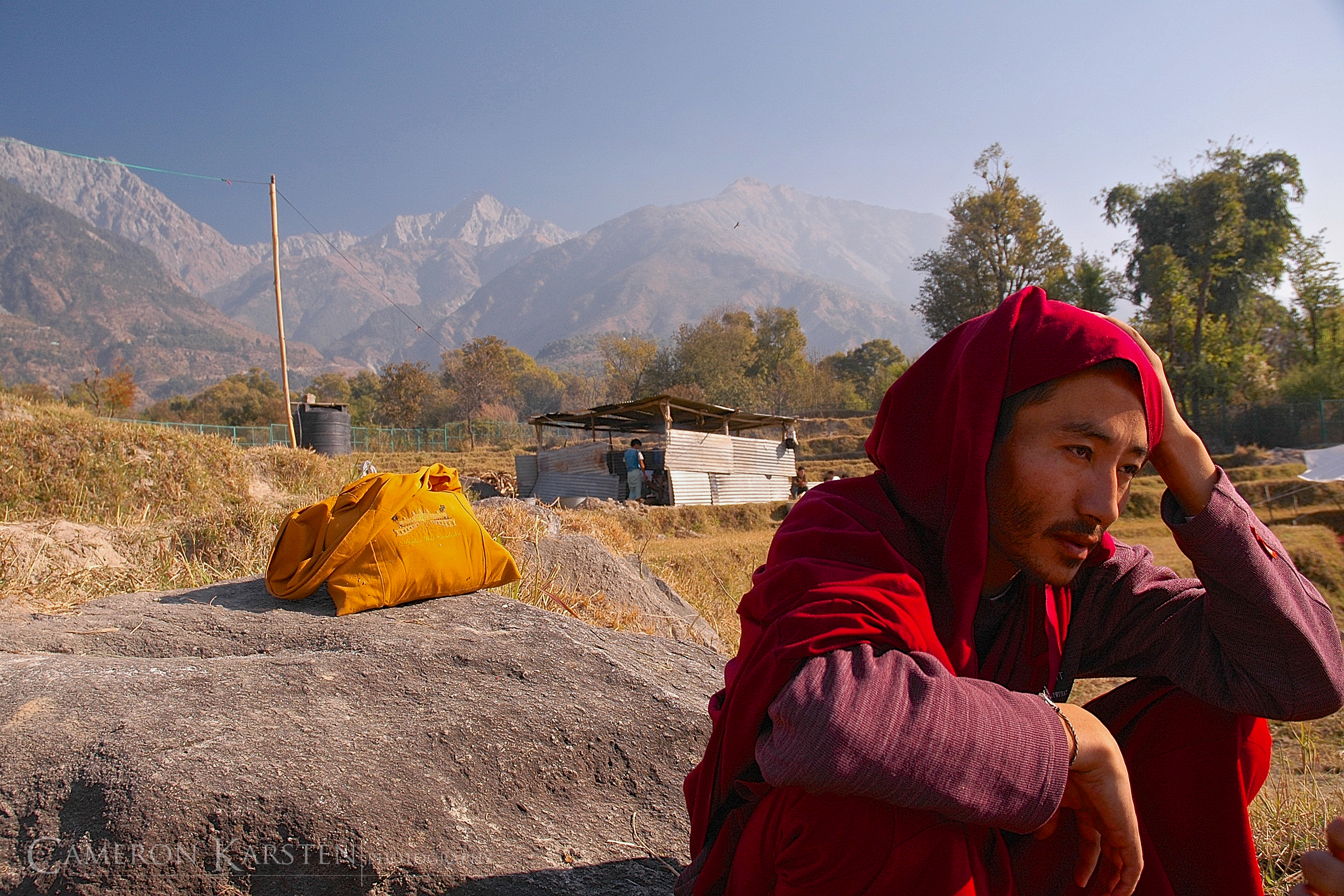
An-Orange-Dove---Version-2Buddhist monk passing along a Peace Crane made out of origami paper

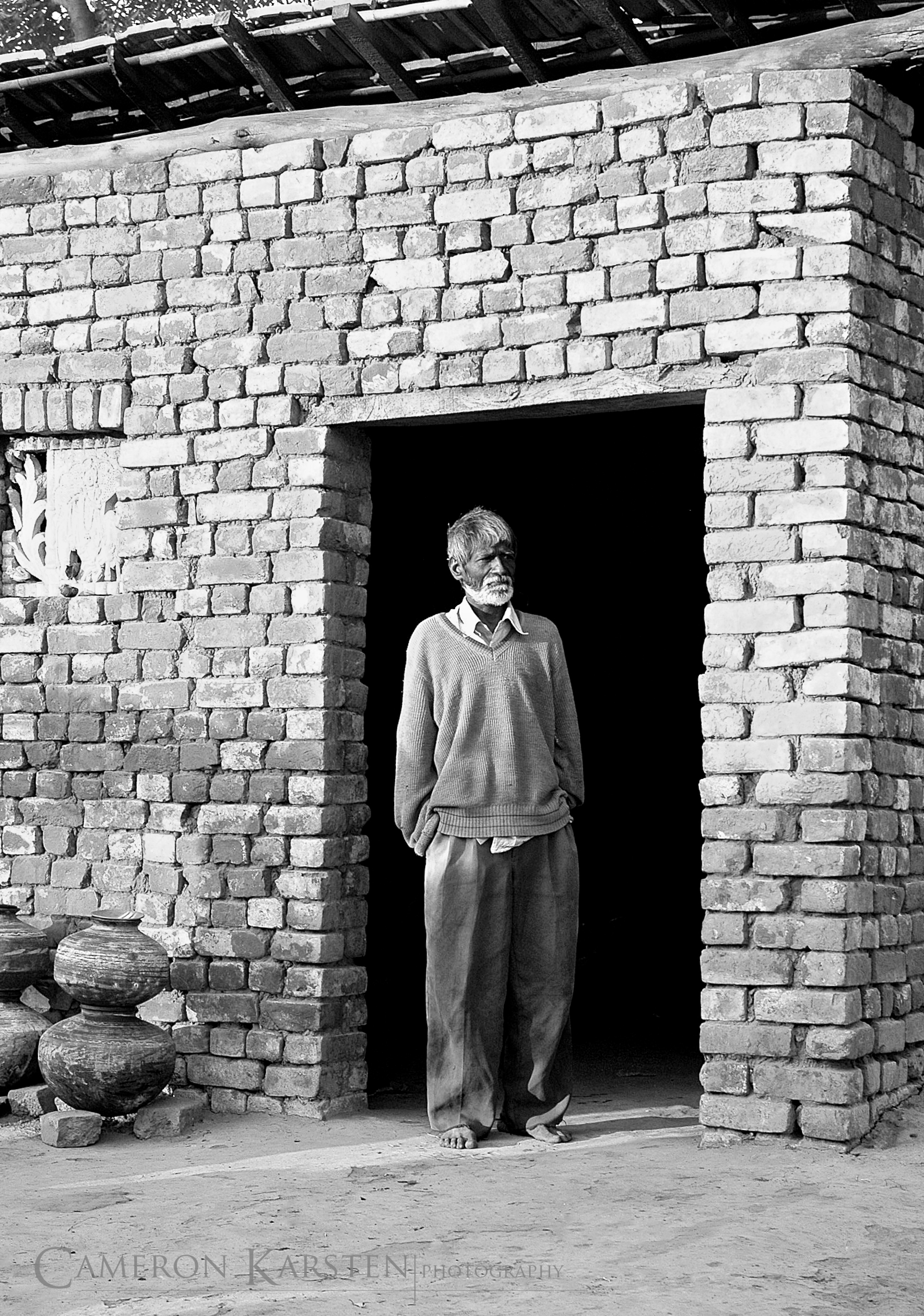
DSC_0037999---Version-2Man & hut in the Gujarat Desert

Indian-Blessings---Version-3Mother India

Shiva's-MaskingShiva on the streets of New Delhi

Thoughts-of-Another-Home---Version-2Exhaustion in exile in the Himalayas

DSC_0016999---Version-2Boys outside the meeting hall

For more, please visit Travel at cameronkarsten.com

Cameron Karsten Photography


Africa – People + Places

Cultures-ClashI’ve been sifting through imagery as I prepare to head to New York City for the 2013 Eddie Adams Workshop and meetings with potential clients.  What I’ve found has allowed me to relive the beautiful memories of past travels and the people and places I met.  Here, Africa represents itself in all its wondrous enjoyment, with the hopes of near returns on future assignments.

DSC_0086-(4)---Version-3Hamar, Omo Valley, Ethiopia

DSC_0206---Version-3Somewhere in the Afar Desert, Ethiopia

Gold-Stars,-Happy-FacesThe Layla House Adoption House, Addis Ababa, Ethiopia

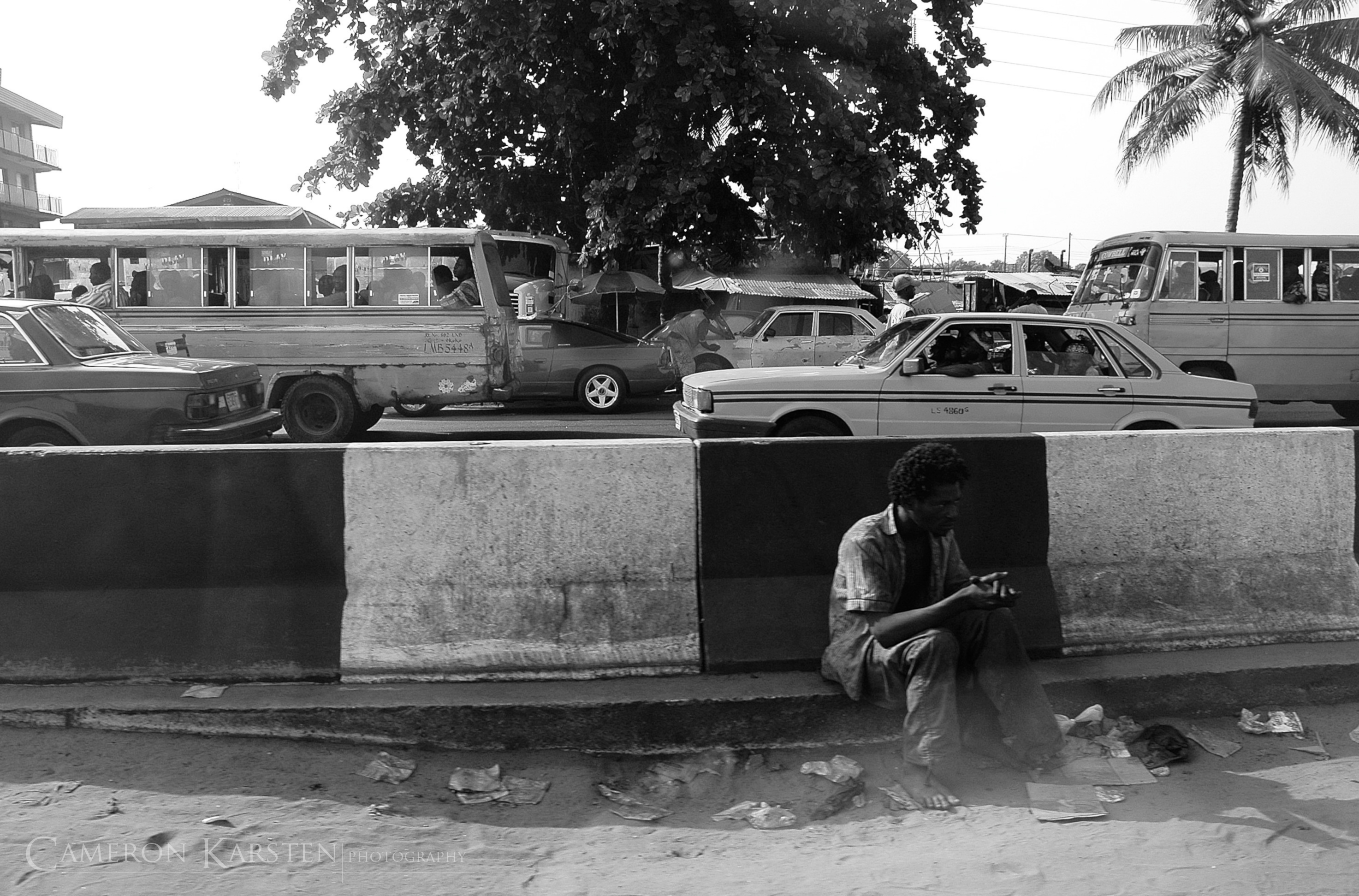
DSC_0179---Version-3The streets of Lagos, Nigeria

DSC_0024---Version-2The David Sheldrick Wildlife Trust, Nairobi, Kenya

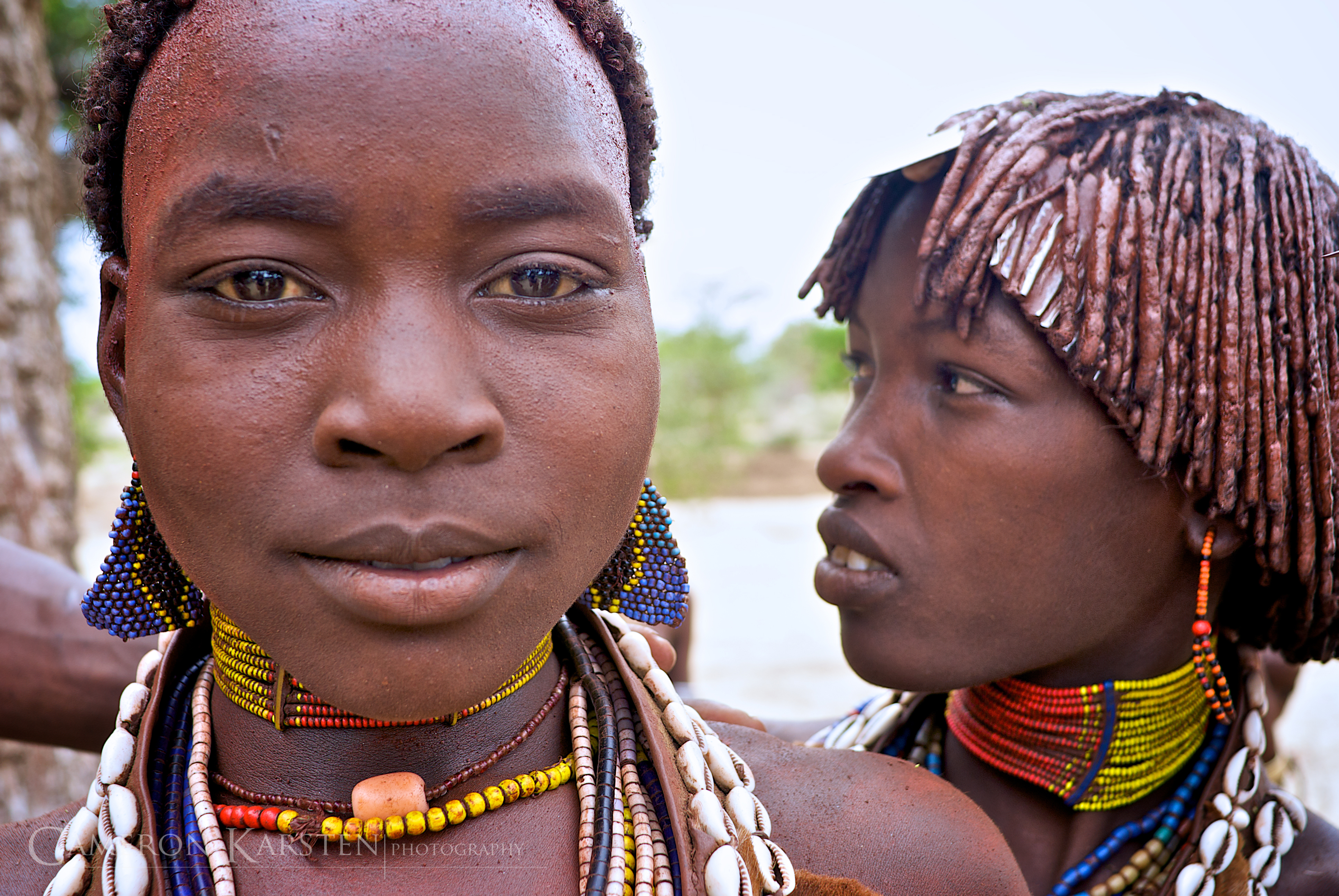
DSC_0307-(1)---Version-5Hamar boy, Omo Valley, Ethiopia

High-RisenDiani Beach, Kenya

DSC_0009-(4)---Version-3Hamar girls, Omo Valley, Ethiopia

Tuti-AliveTuti, Omo Valley, Ethiopia

For more please visit: Travel

Cameron Karsten Photography

Alpine Lakes Wilderness Area (B+W)

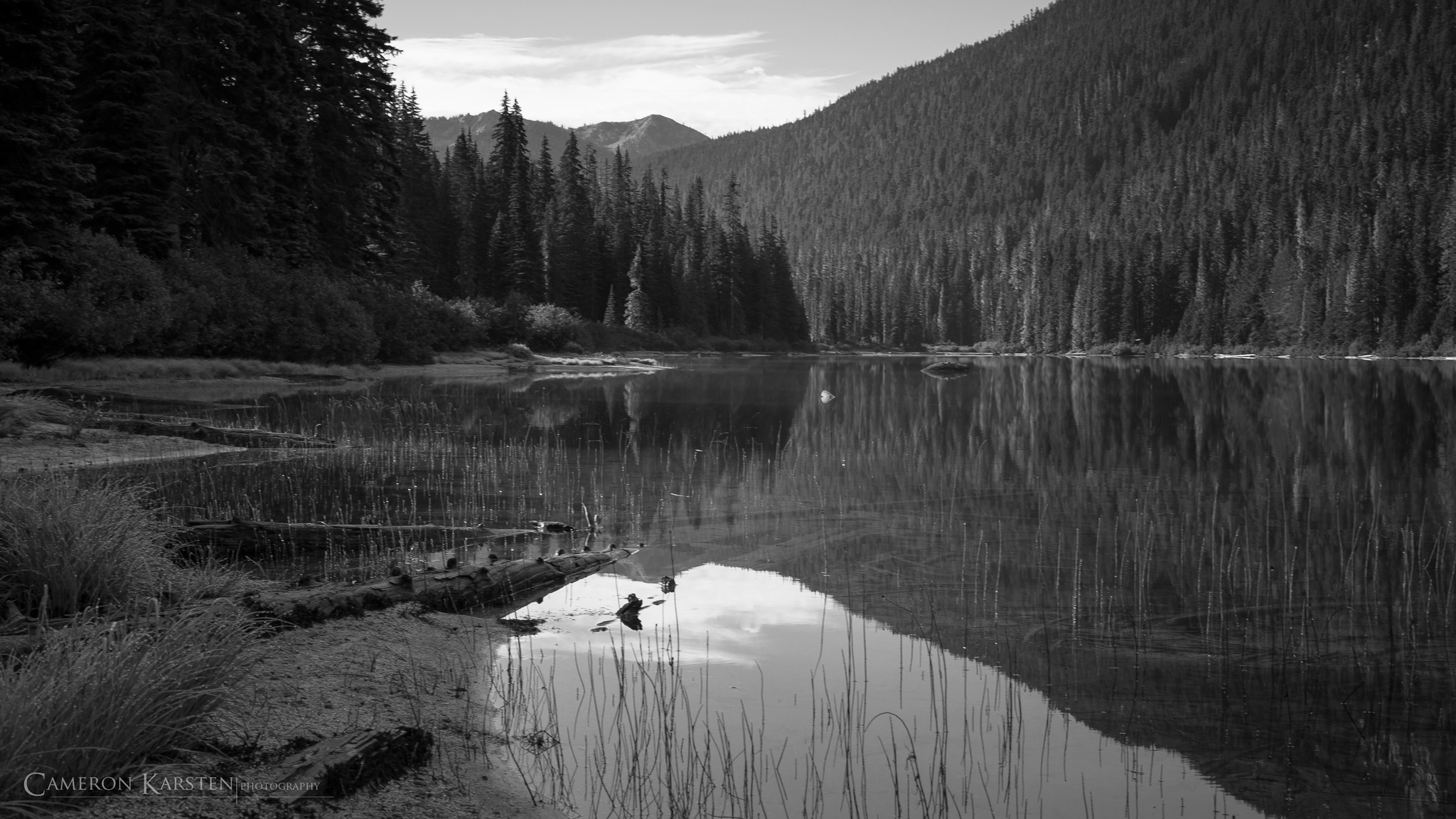
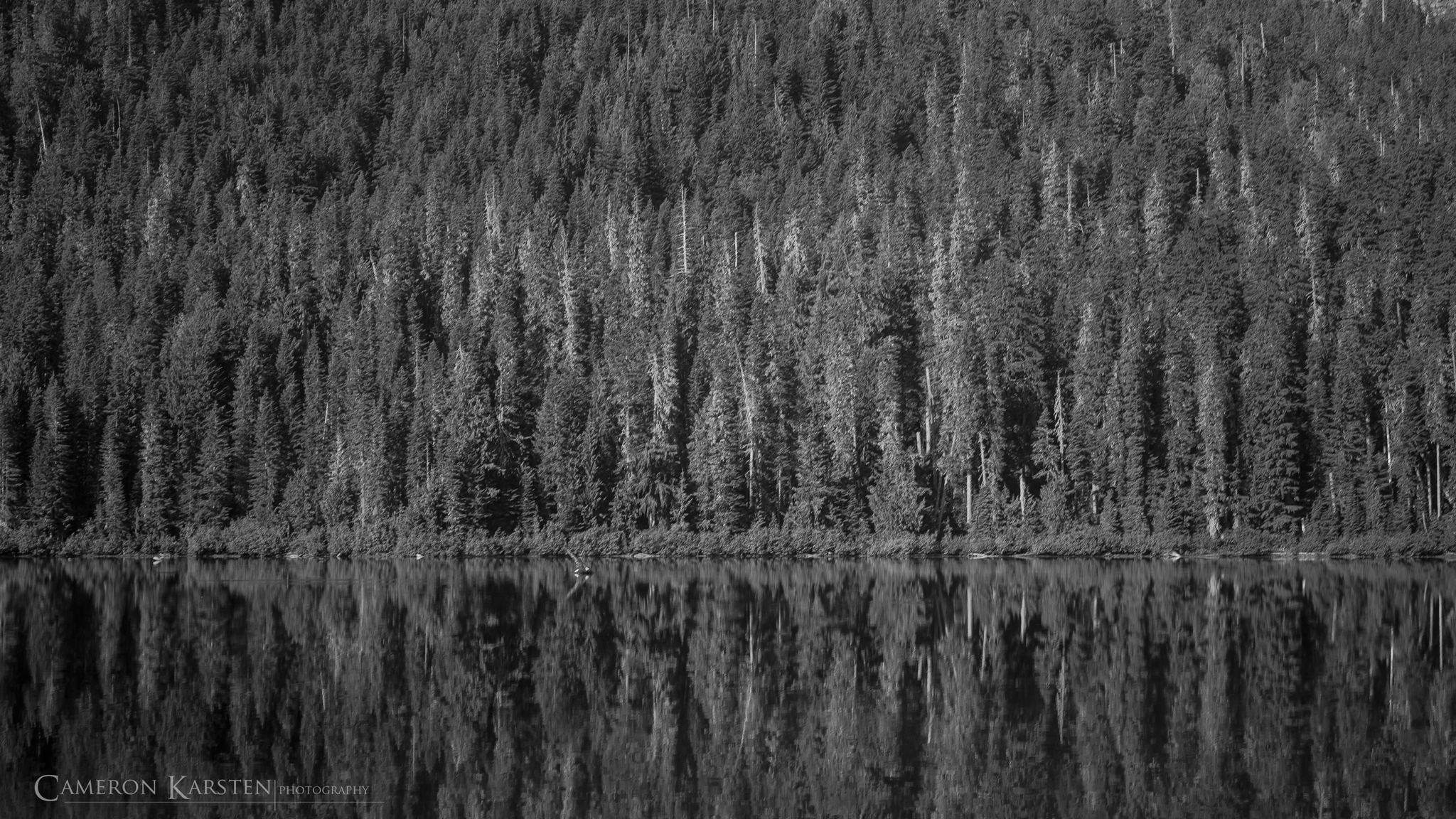
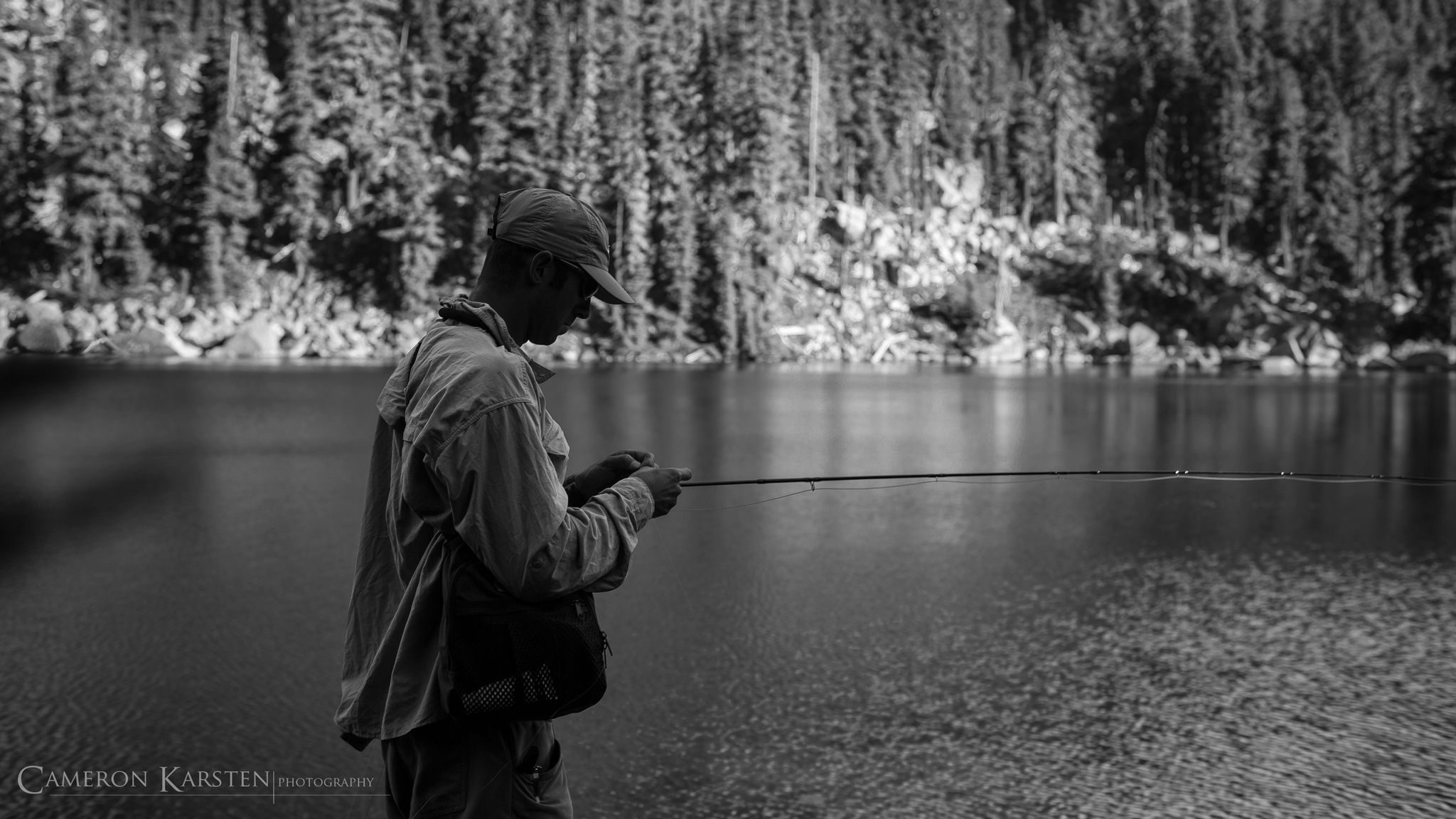
AlpineLakes2-29The Alpine Lakes Wilderness Area north of Interstate 90 in the Cascade Mountains of Washington State.  The land of 700 lakes.

AlpineLakes-41

AlpineLakes-58

AlpineLakes-160

AlpineLakes-128

AlpineLakes-470

AlpineLakes-213

AlpineLakes-169

AlpineLakes-181

AlpineLakes-295

AlpineLakes2-3

Cameron Karsten Photography