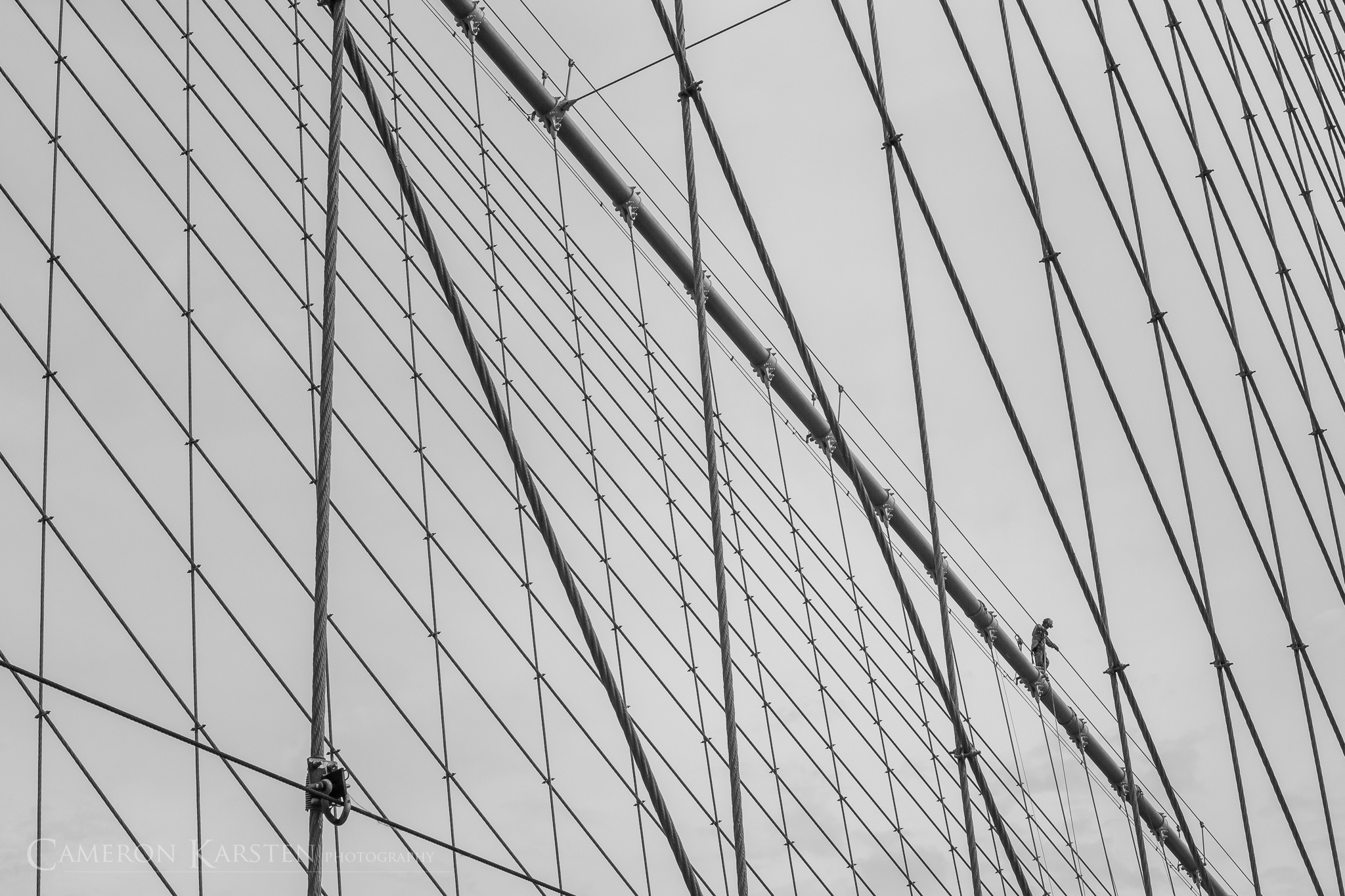
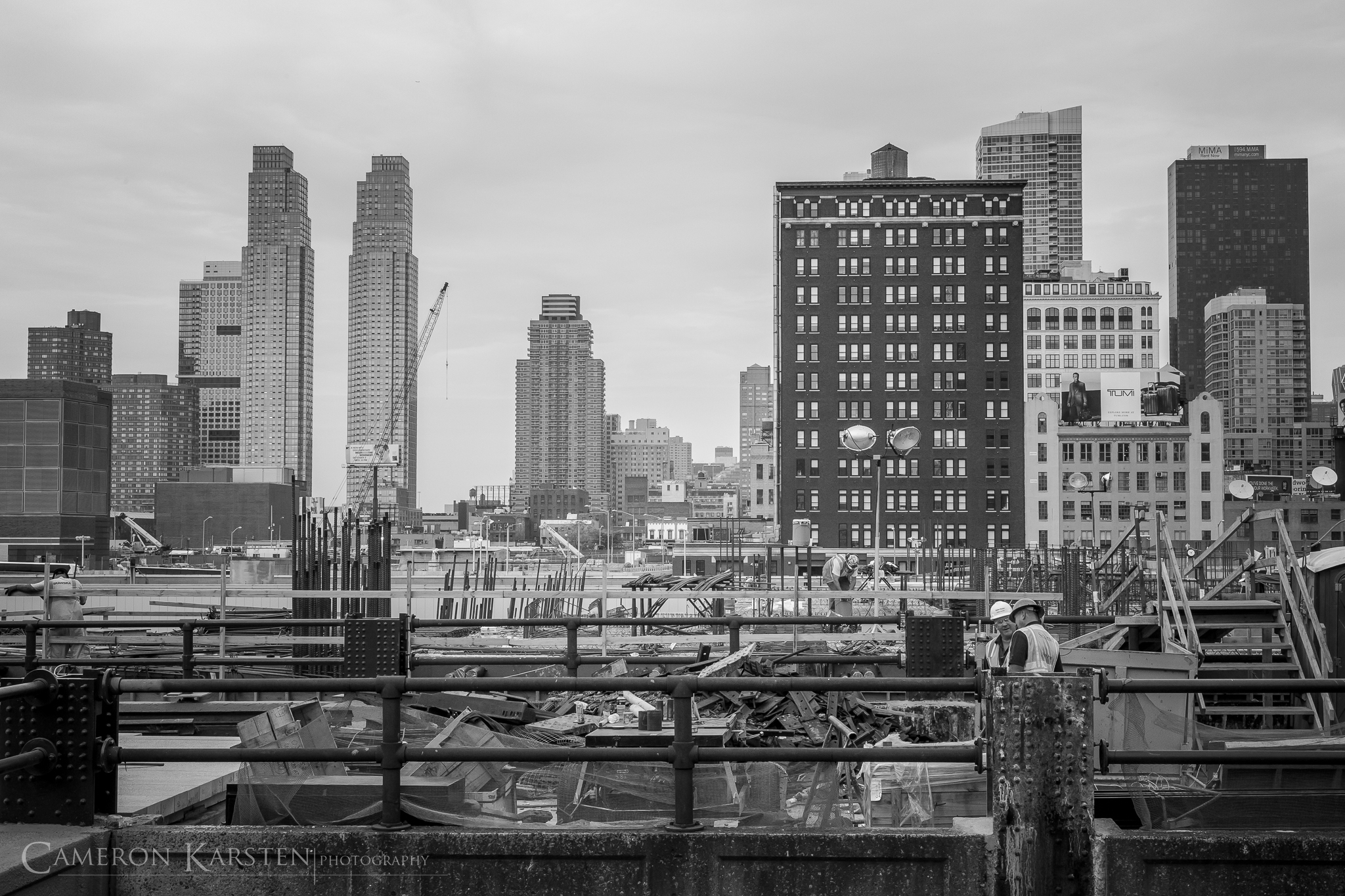
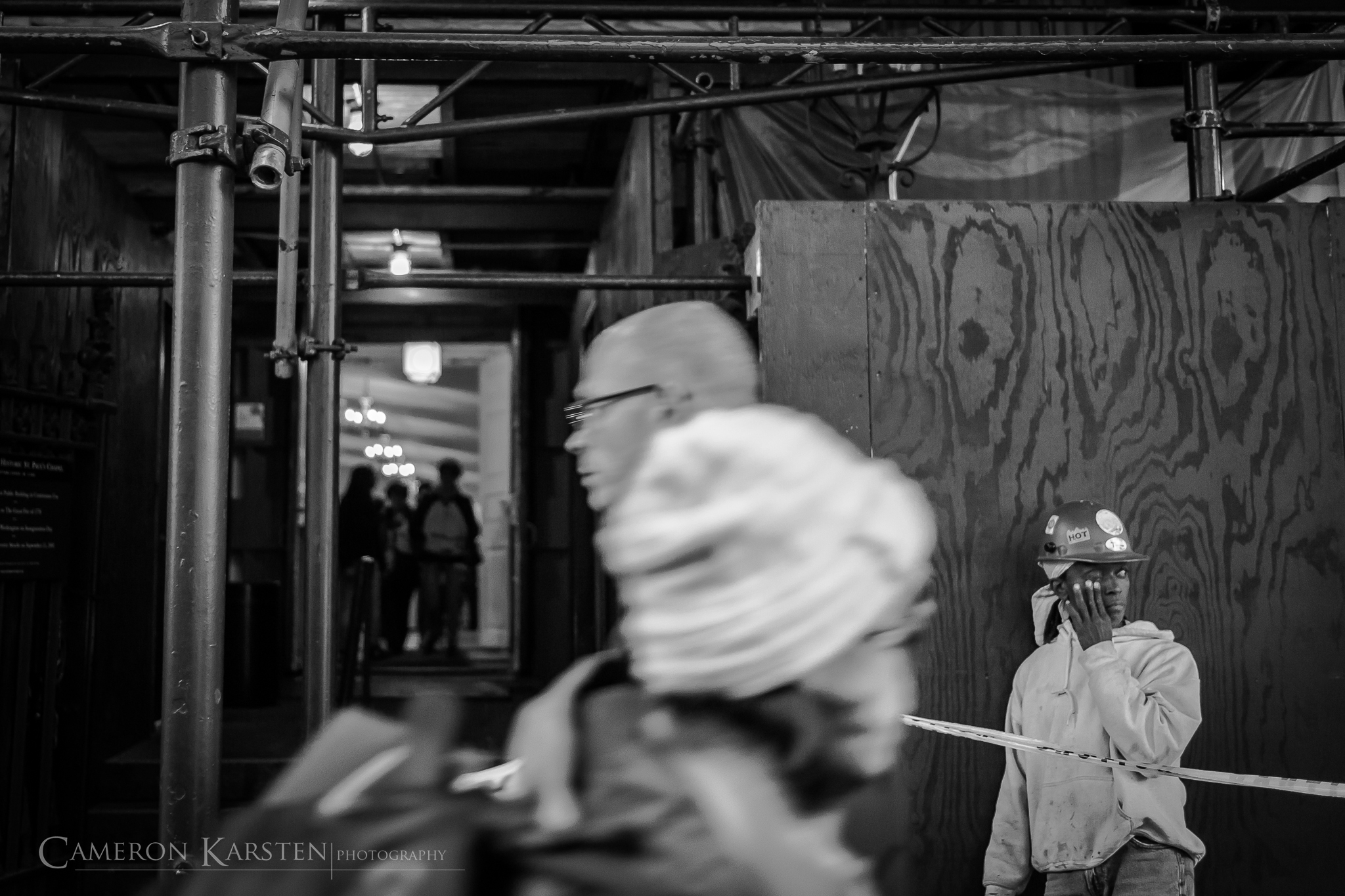
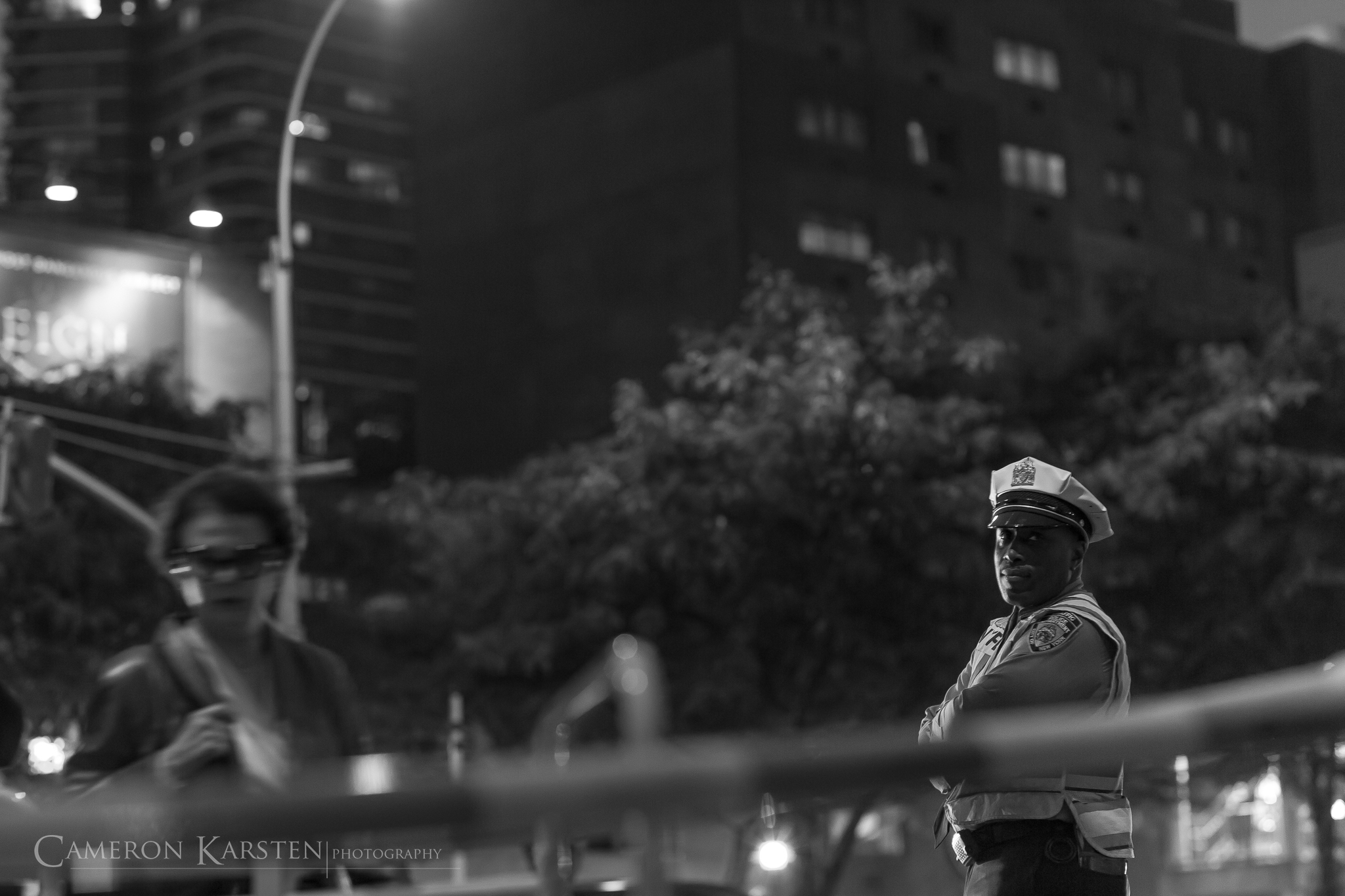
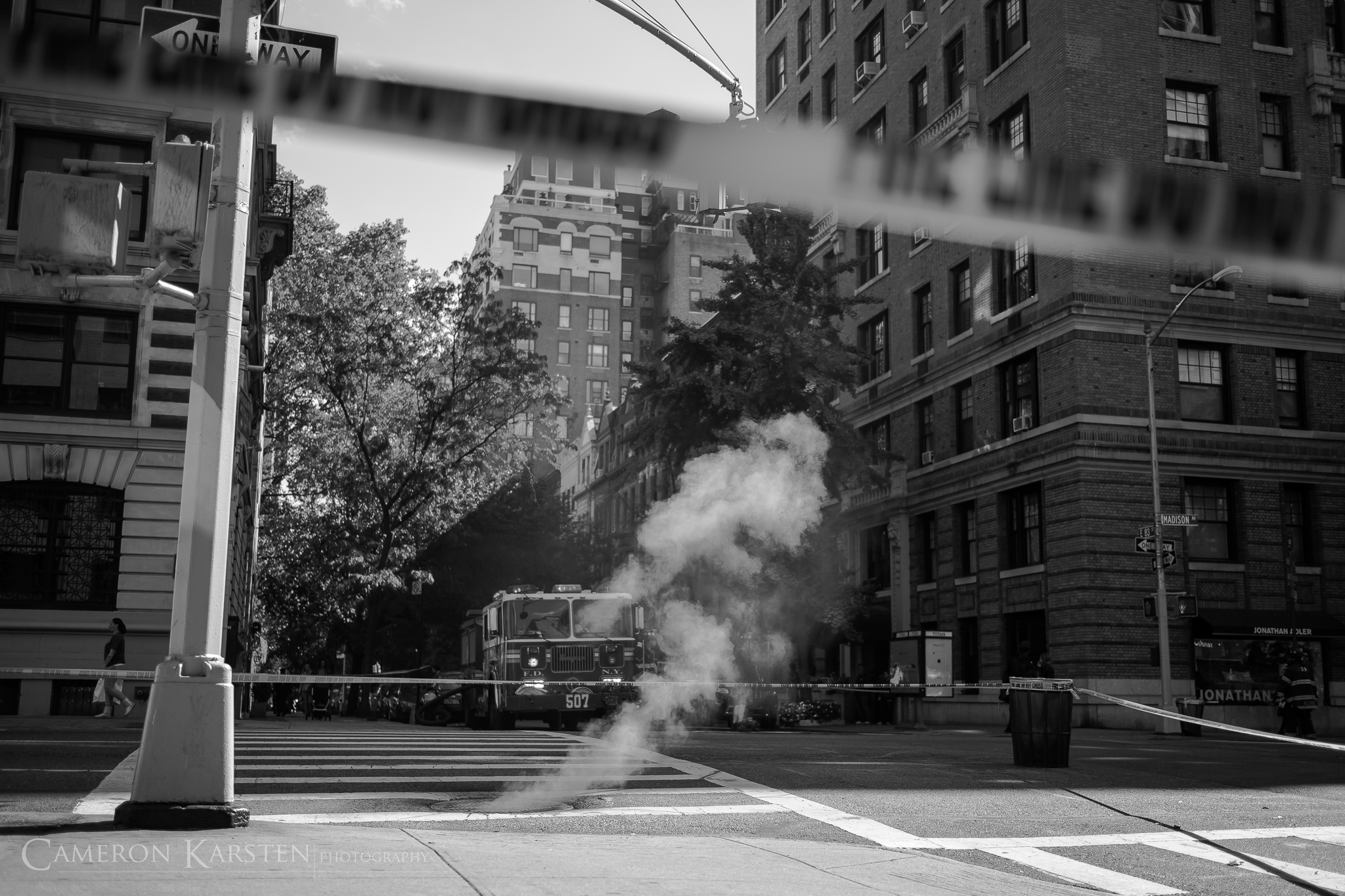
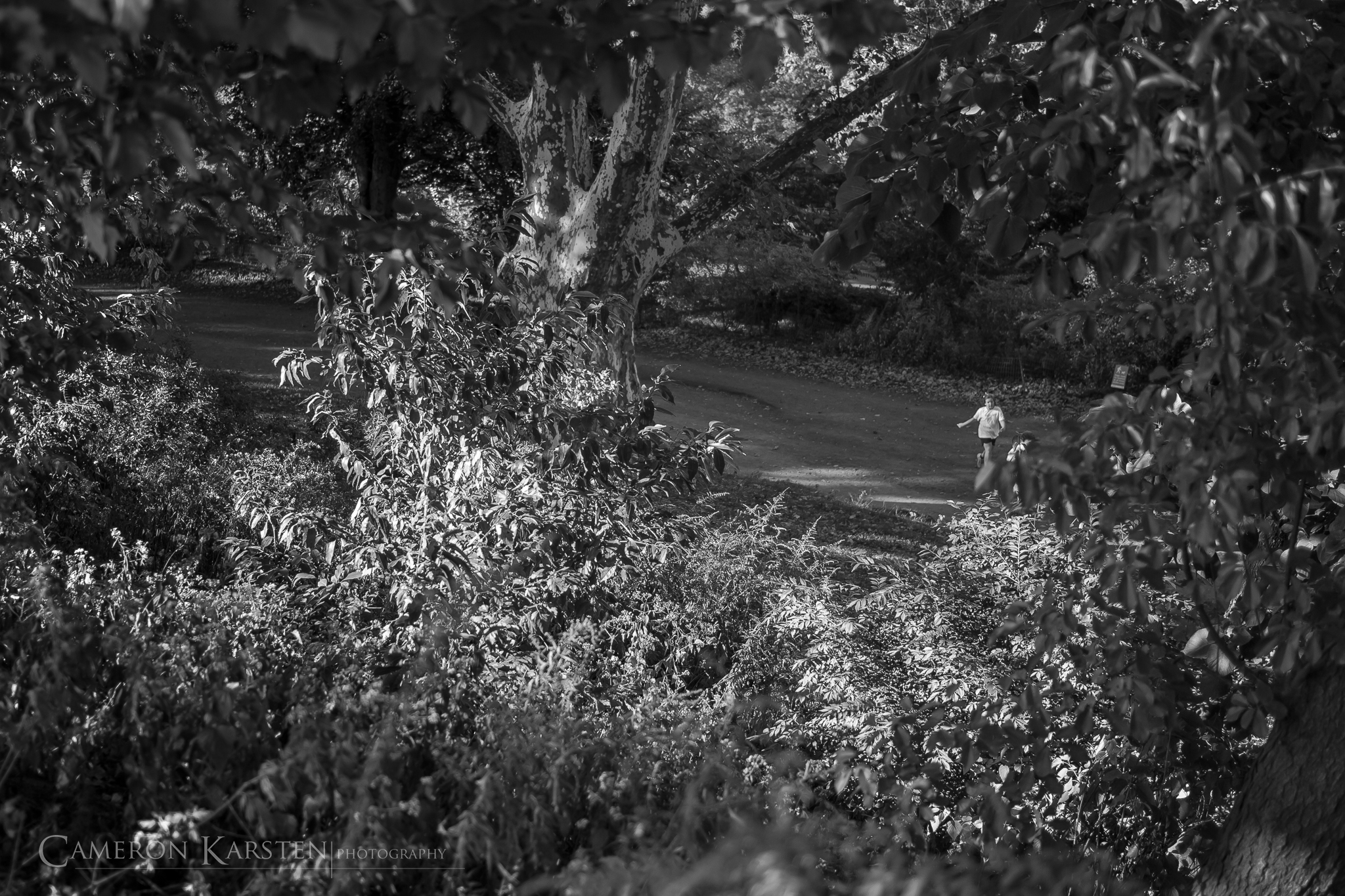
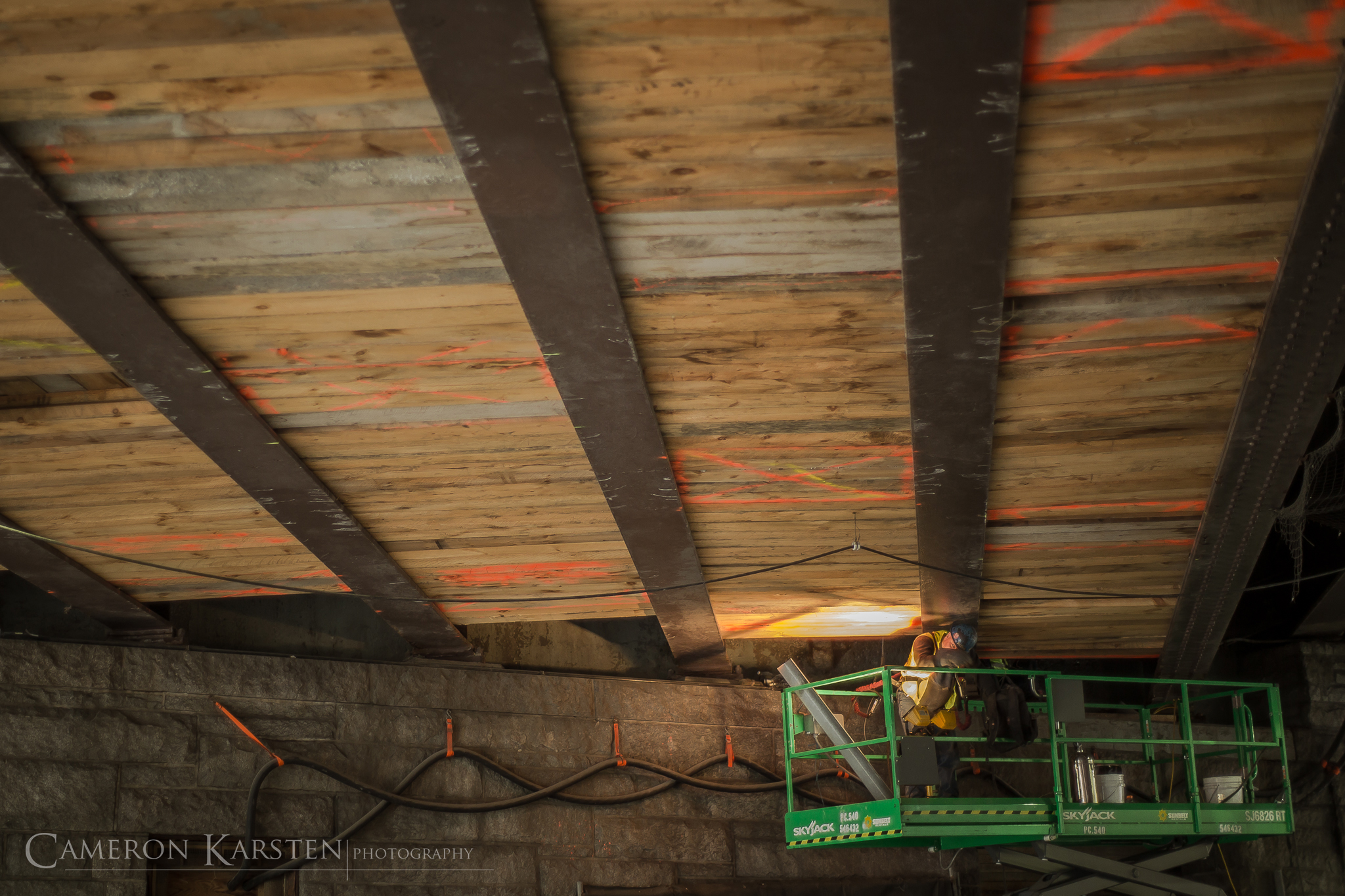
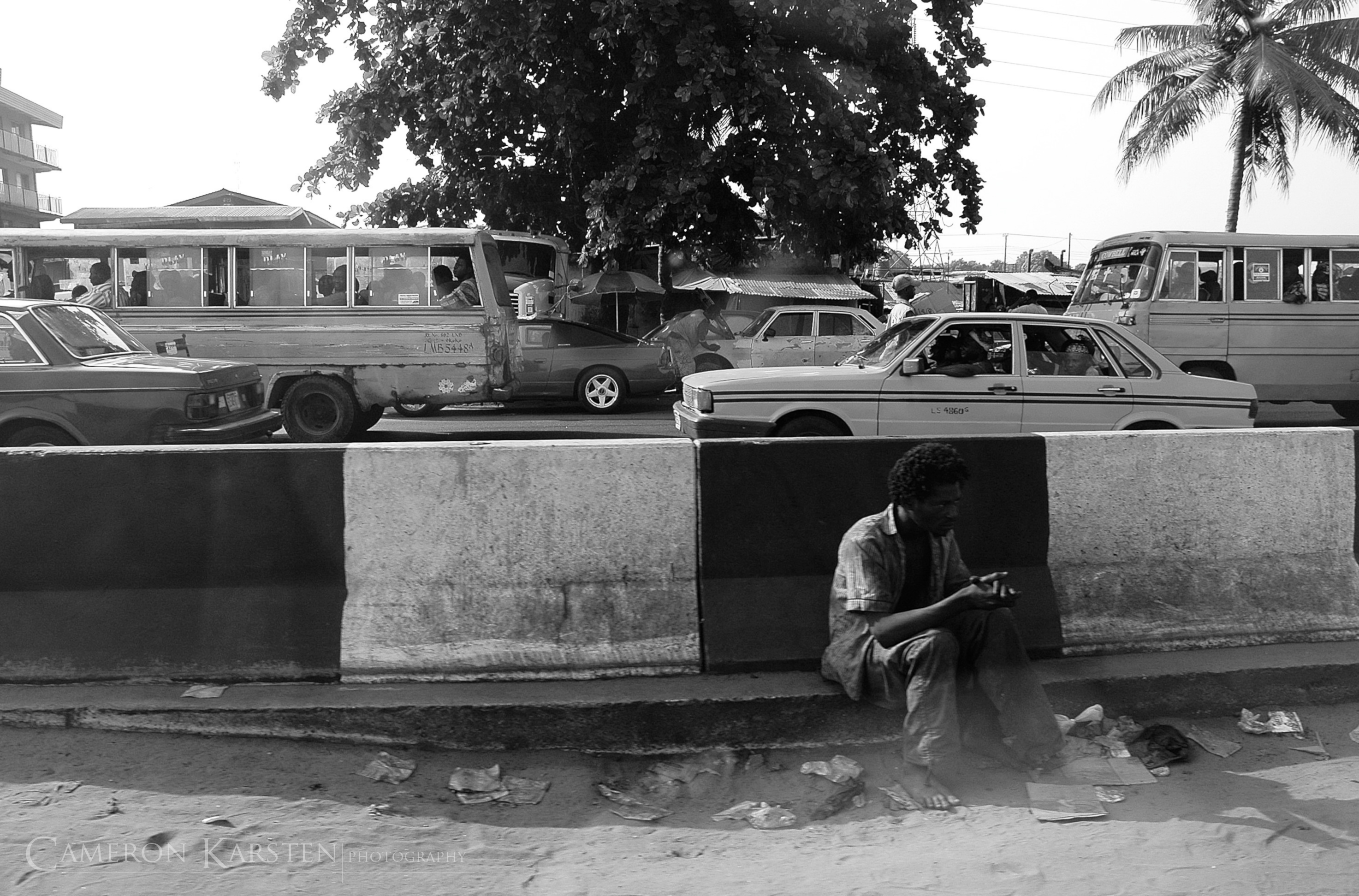
New York’s is pretty damn great. The thinner the dough, the crispier the crust, the more one can indulge in the topping’s flavors. Another spectacular characteristic about the city of New York are its’ people. There are millions. And thousands of languages. With my couple of weeks exploring NYC I’ve taken to walking, using two feet to get everywhere. I find it’s the absolute best way to observe one’s surroundings, watch city-life pass by and happen upon those split-second moments that will never occur again.
New York City
Eddie Adams Workshop 2013 – The Monticello Motor Club
Attending the 26th Eddie Adams Workshop was like stepping into a stadium at bat. The pitcher was Randy Johnson and you were expected to preform like any of the greats because in the audience master photographers like Jodi Cobb, Gregory Heisler, Howard Schatz and Marco Grob watched on. Their friends were there, including AP photographer Rodrigo Abd, Afghan photographer Zalmai, young gun Peter Yang and more. And they brought their friends; Directors of Photography like AP’s Santiago Lyon, Nat Geo’s Photo Editor Elizabeth Grist and Time’s Photo Editor Kira Pollack. That was just to name a few, and they were there among others, watching, waiting to see you preform your work.
One hundred students were selected from a vast pool of applicants, and these one hundred students were given a free 4-day workshop with the industry’s best of the best. All we had to do was get there. So we show up at B+H Photo in New York City with ants in our pants, butterflies in our stomachs. We’re loaded up in vans and buses and head north into the Catskills of Upstate New York. We arrive at The Barn, the late and great Eddie Adams’ home away from home. Teams are selected, we’re divided up. Myself and nine other students have our work cut out for ourselves: Our team leader was AP photographer based in Peru, Rodrigo Abd; our team producer was freelance photographer who covered the last elections Eric Thayer; and our team editor was a man larger then his title, AP Director of Photography Santiago Lyon.
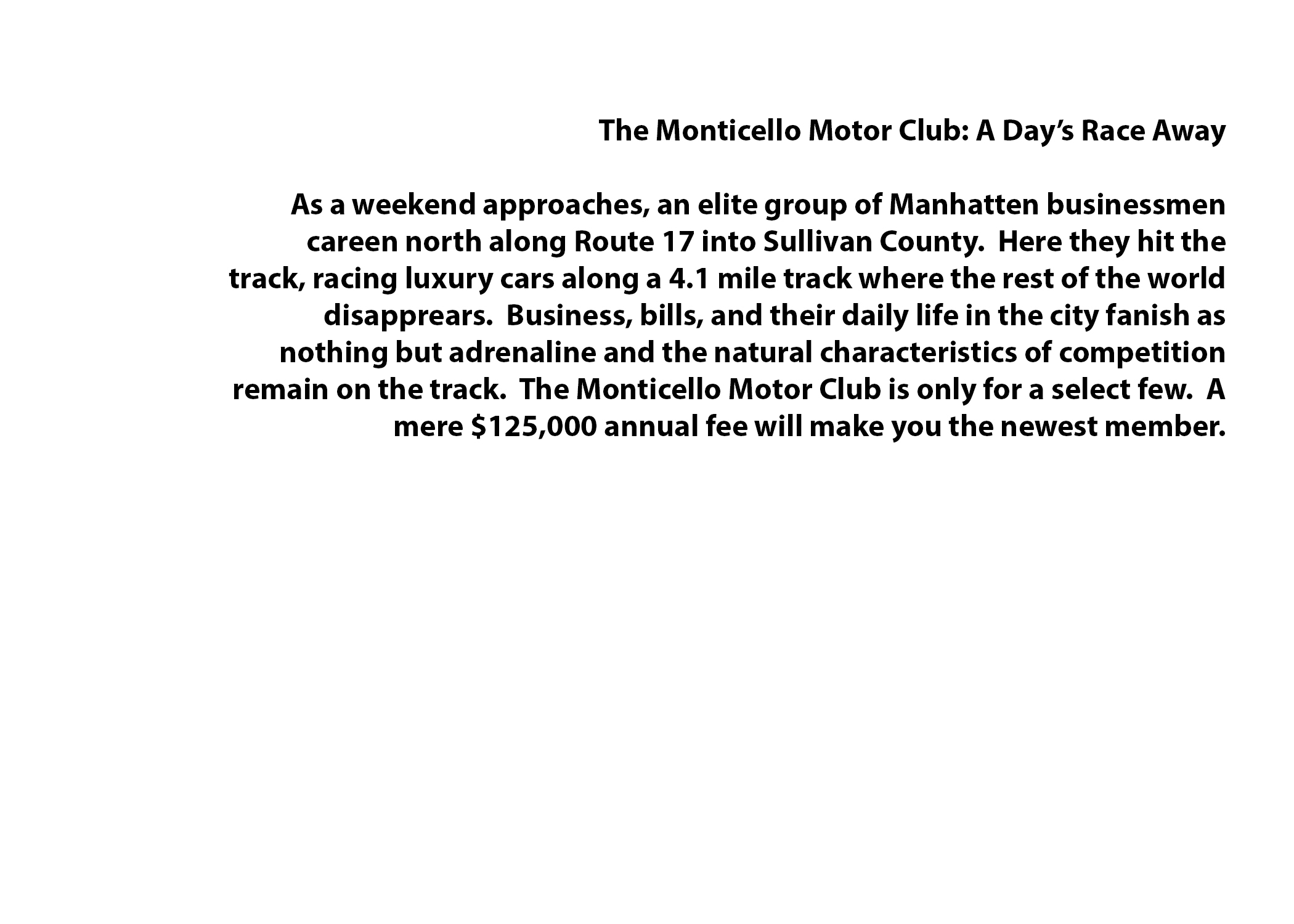
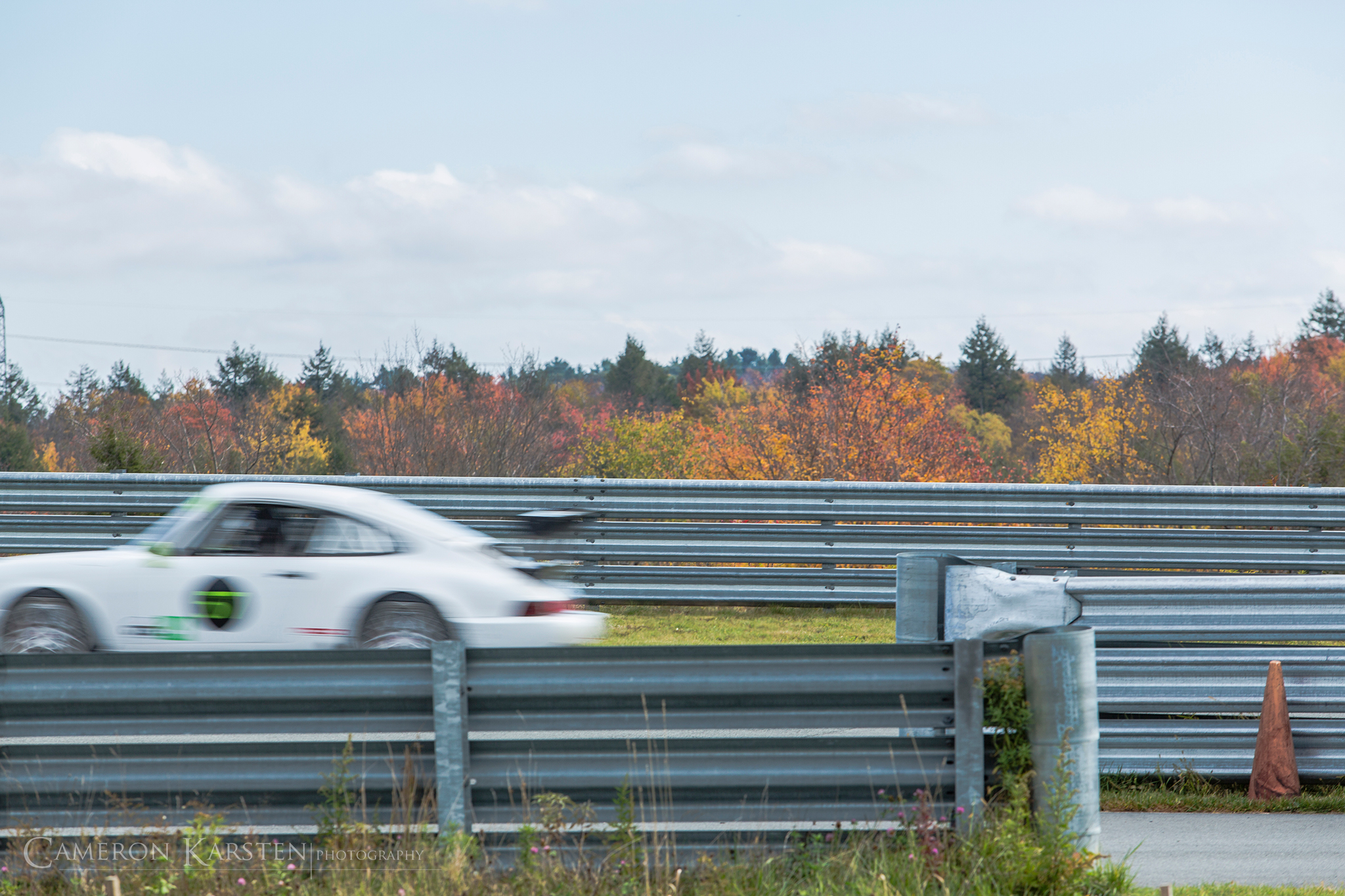
Our theme: The Golden Years. My personal assignment: The Monticello Motor Club.
While we were not shooting, we were listening to speakers, whose particular list resides above. The inspiration soaked within our blood and bones for the talent and passion within the Barn’s room permeated every living cellular structure. It was simply awe-striking for everyone attending, participating, facilitating and preforming. When not listening to speakers, we were sharing our excitement with new young colleagues, and sitting down with the industry’s leaders for portfolio reviews. Sleep found us at the wee hours in the morning before rising once more an hour or two later for breakfast and departure.
As I said, my team’s theme was The Golden Years, an idea reflecting on our elders, the joy they receive to keep them young, vibrant and passionate. Below is the produced work, with a link at the end to view the full multimedia slideshow, including audio.
For more please visit the entire multimedia piece at The Monticello Motor Club: A Day’s Race Away
India – People + Places
India is a monstrous mothership of light. I’ve spent 8 months total in the country, traveling from north to south along the west edges. It is its’ own planet, huge and all-consuming. I love reflecting back on my travels; the people, culture, food, the lessons learned. I can’t wait to return.
Buddhist monk passing along a Peace Crane made out of origami paper
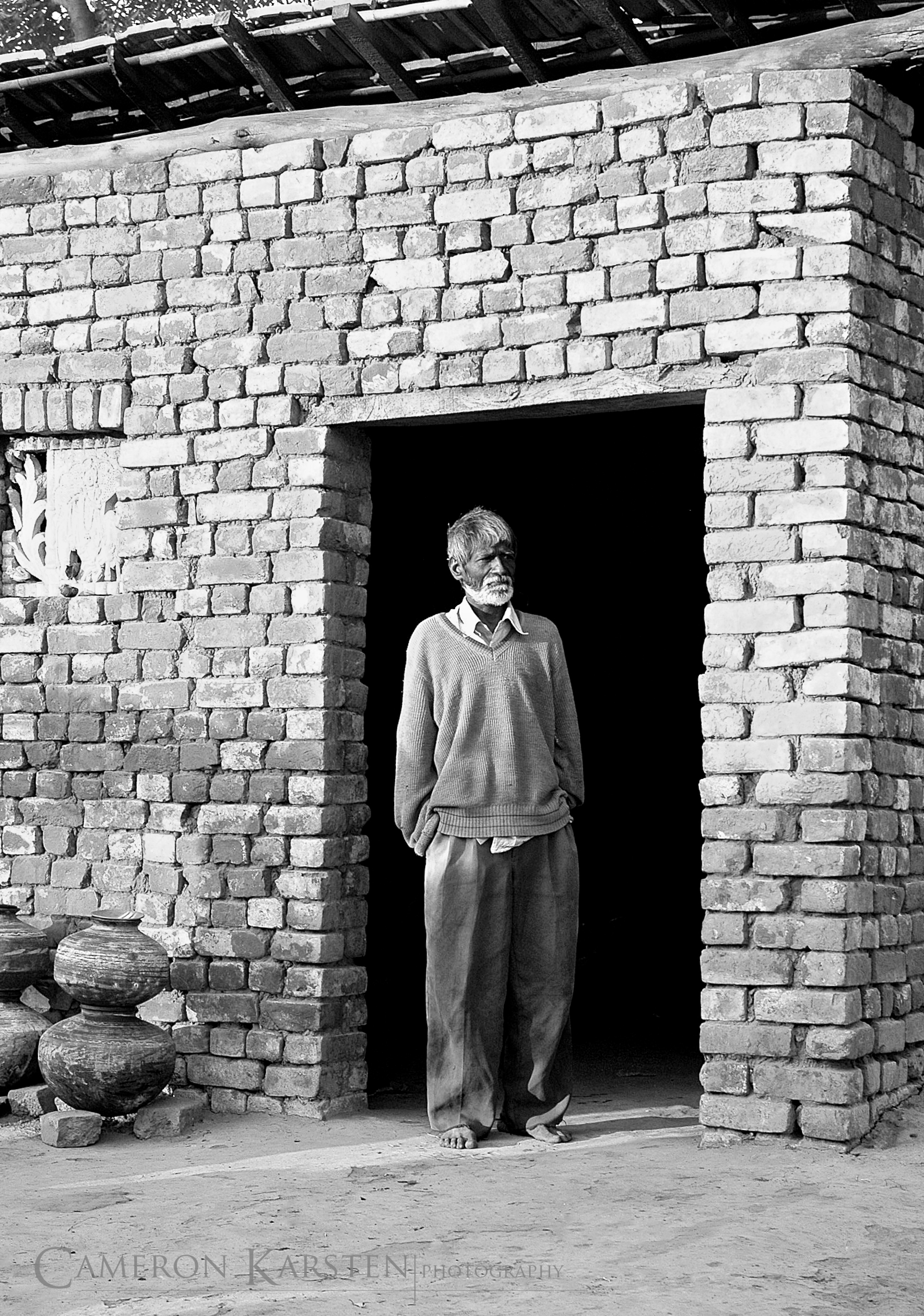
Man & hut in the Gujarat Desert
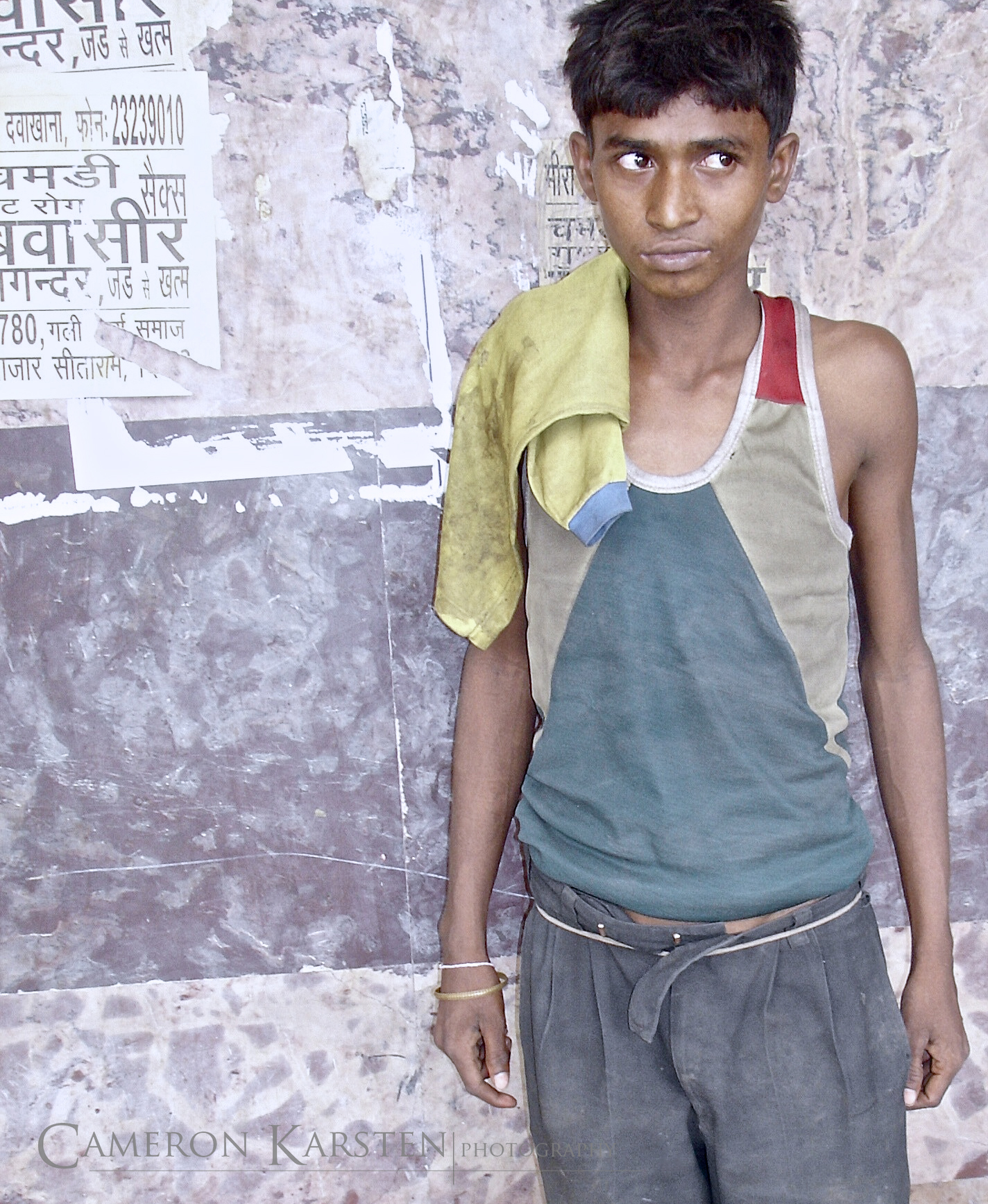
Shiva on the streets of New Delhi
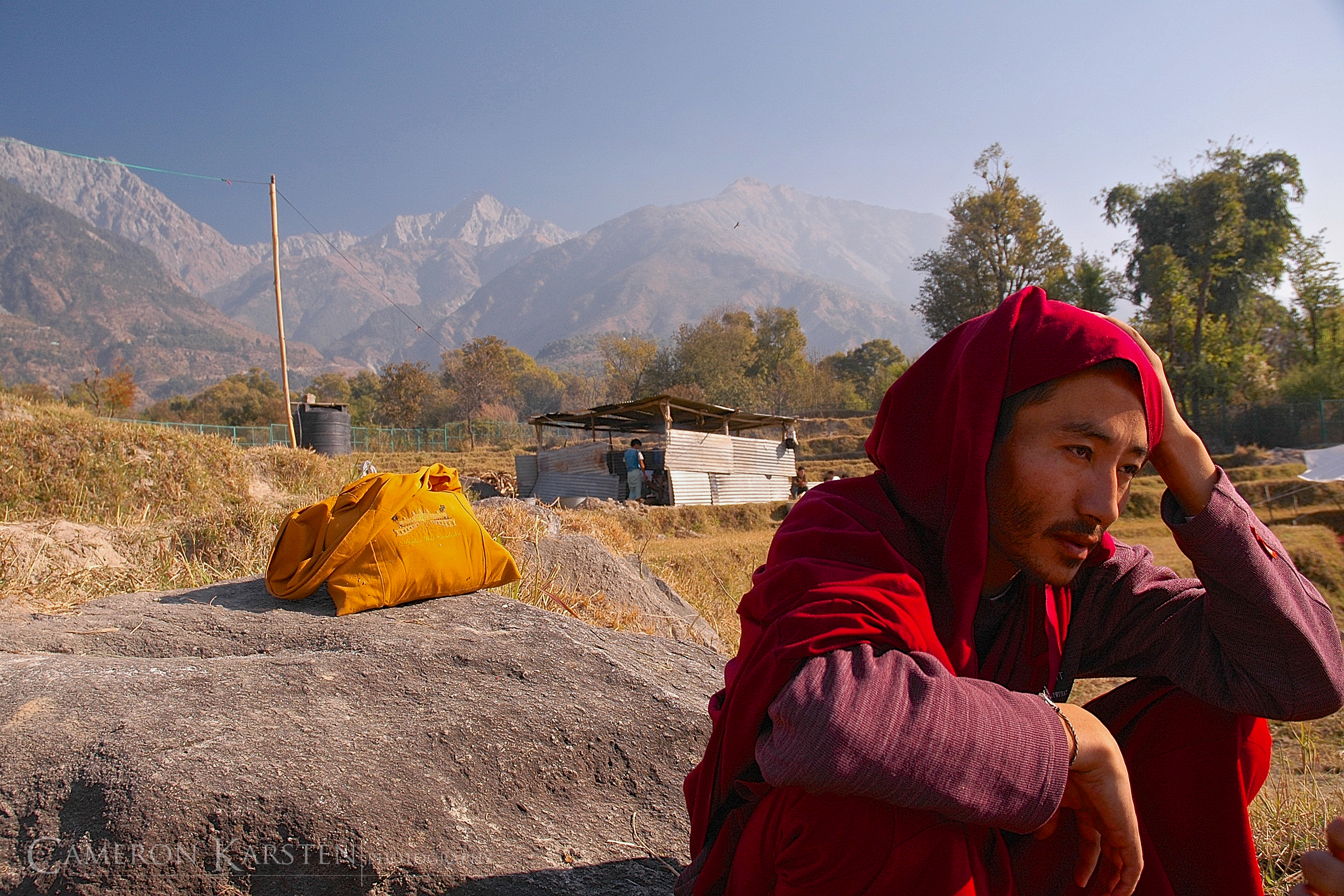
Exhaustion in exile in the Himalayas
For more, please visit Travel at cameronkarsten.com
Africa – People + Places
I’ve been sifting through imagery as I prepare to head to New York City for the 2013 Eddie Adams Workshop and meetings with potential clients. What I’ve found has allowed me to relive the beautiful memories of past travels and the people and places I met. Here, Africa represents itself in all its wondrous enjoyment, with the hopes of near returns on future assignments.
Somewhere in the Afar Desert, Ethiopia
The Layla House Adoption House, Addis Ababa, Ethiopia
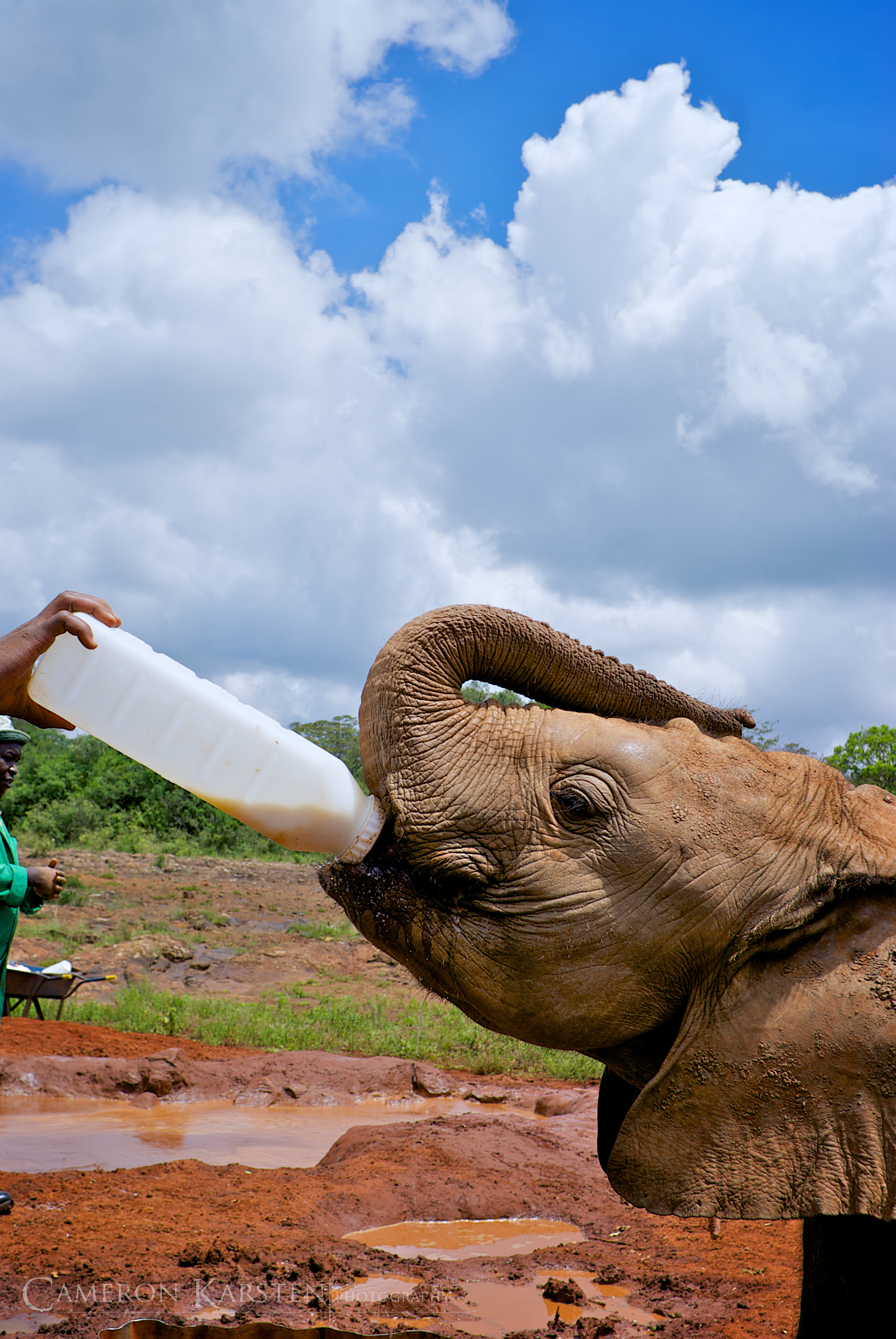
The David Sheldrick Wildlife Trust, Nairobi, Kenya
Hamar boy, Omo Valley, Ethiopia
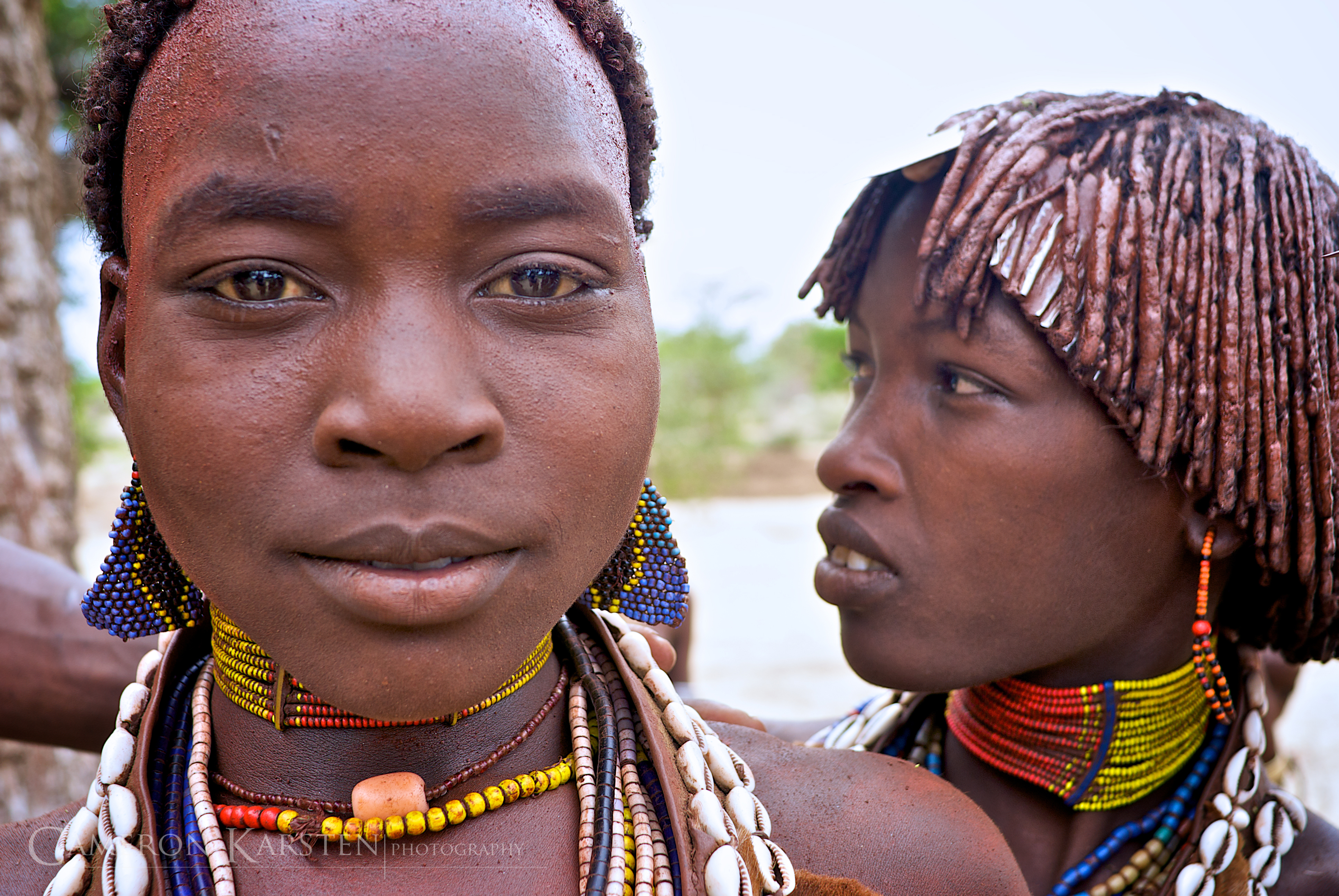
Hamar girls, Omo Valley, Ethiopia
For more please visit: Travel
Alpine Lakes Wilderness Area (B+W)
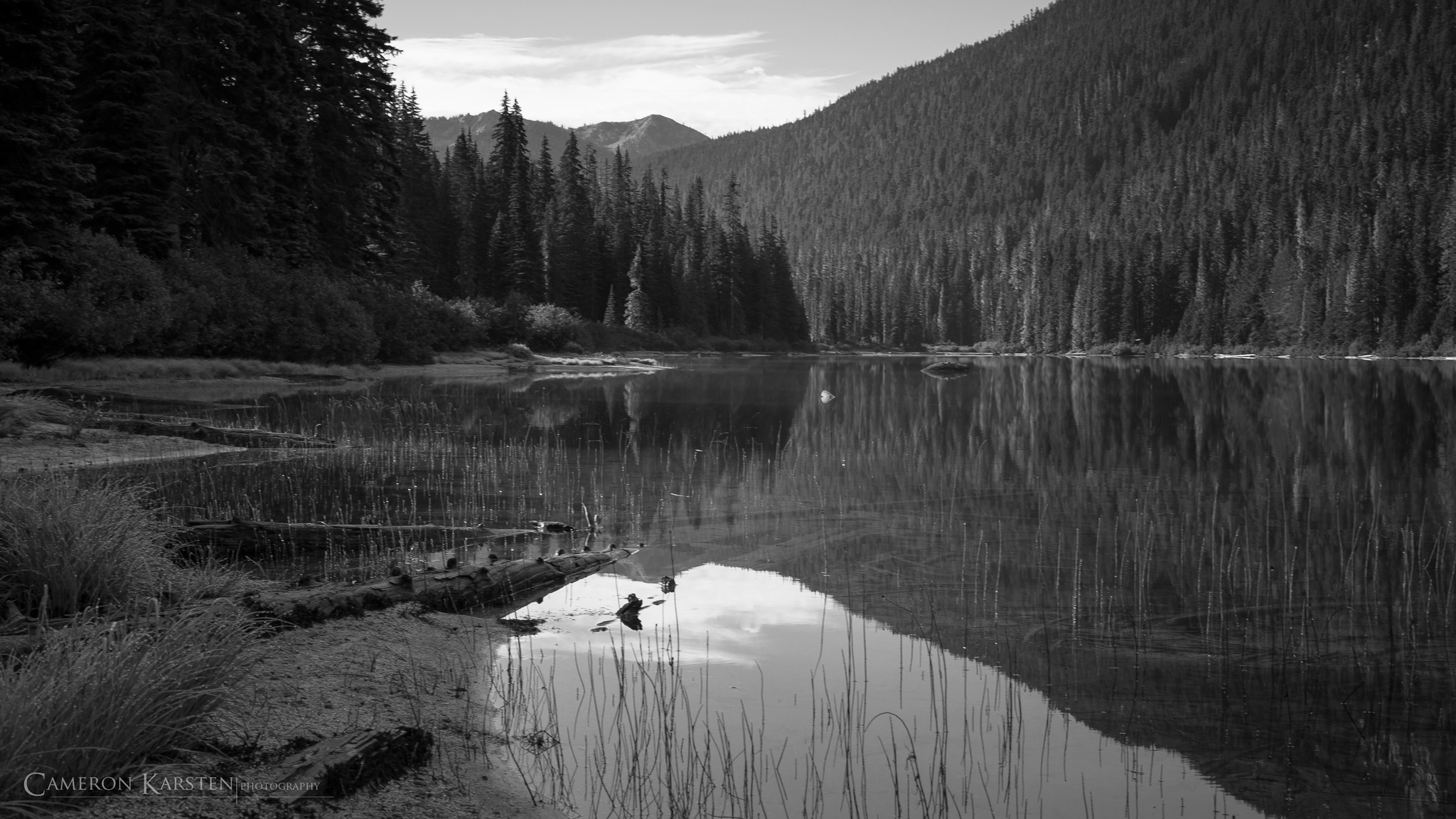
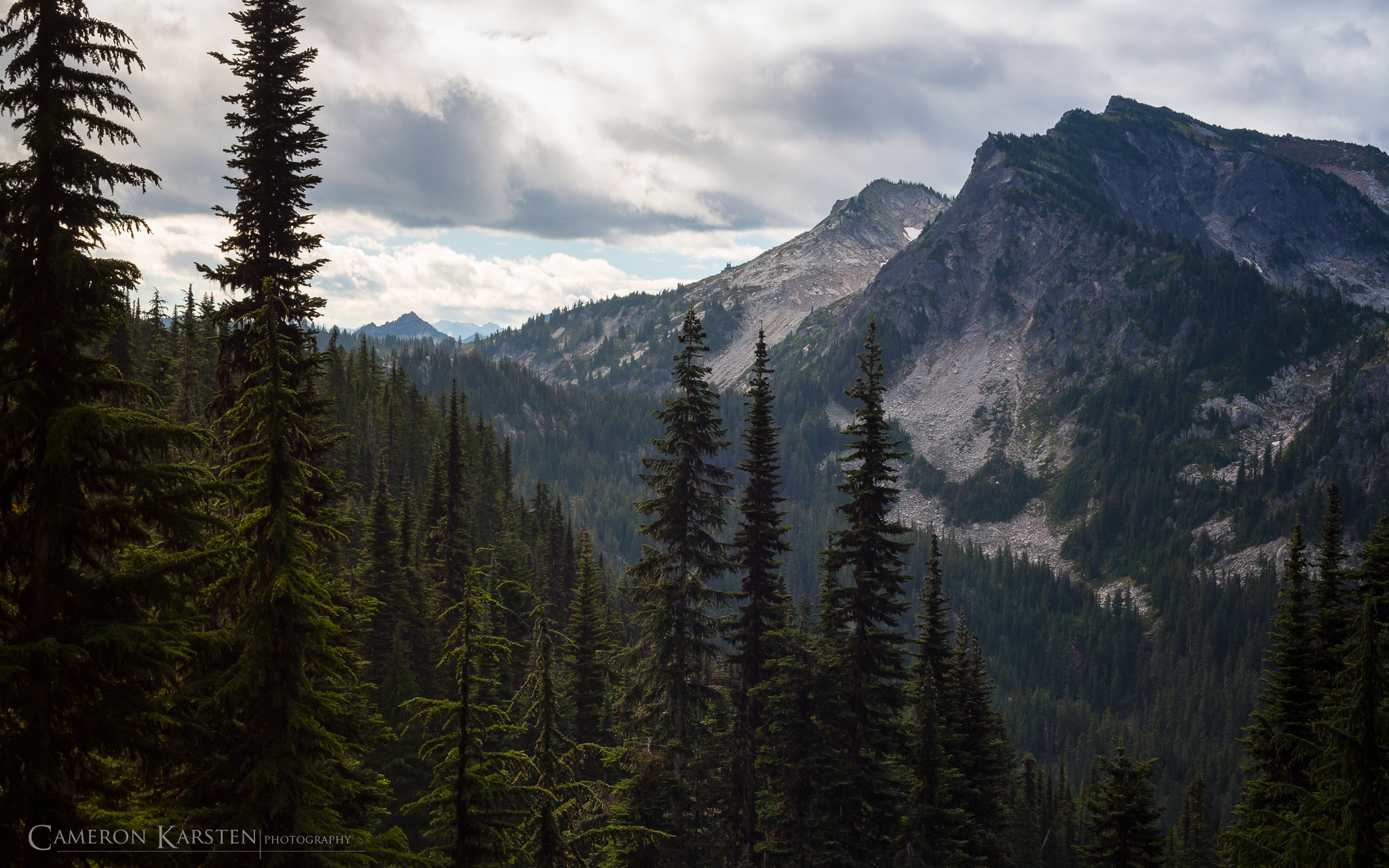
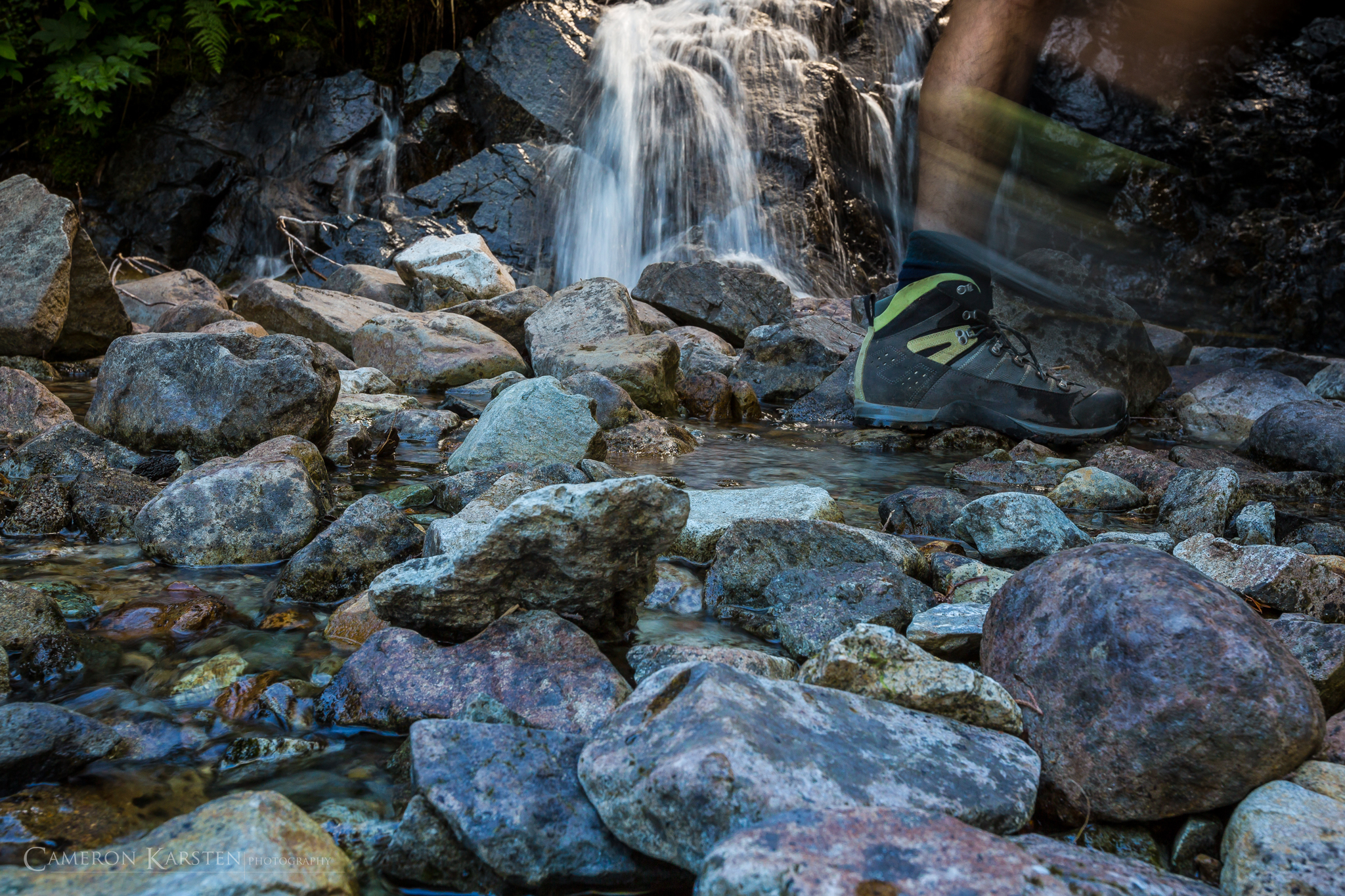
Washington State’s Alpine Lakes Wilderness (Cascade Mountains)
A short week of city work and then we were out. It was 6pm and we were stocking up, eating, forgetting things, stocking up again, getting licenses, and then heading east up and over Interstate 90. Seattle – Snoqualimie Pass – Roslyn – Salmon La Sac. It was dark by the time we reached the trailhead, about 11PM, and we were beat from the seemingly endless dirt road that only became visible through the truck’s headlights. Everything else was black as the sky above. We took swigs of whiskey, unrolled our pads and bags, and slept like babies under the canvas’ cover.
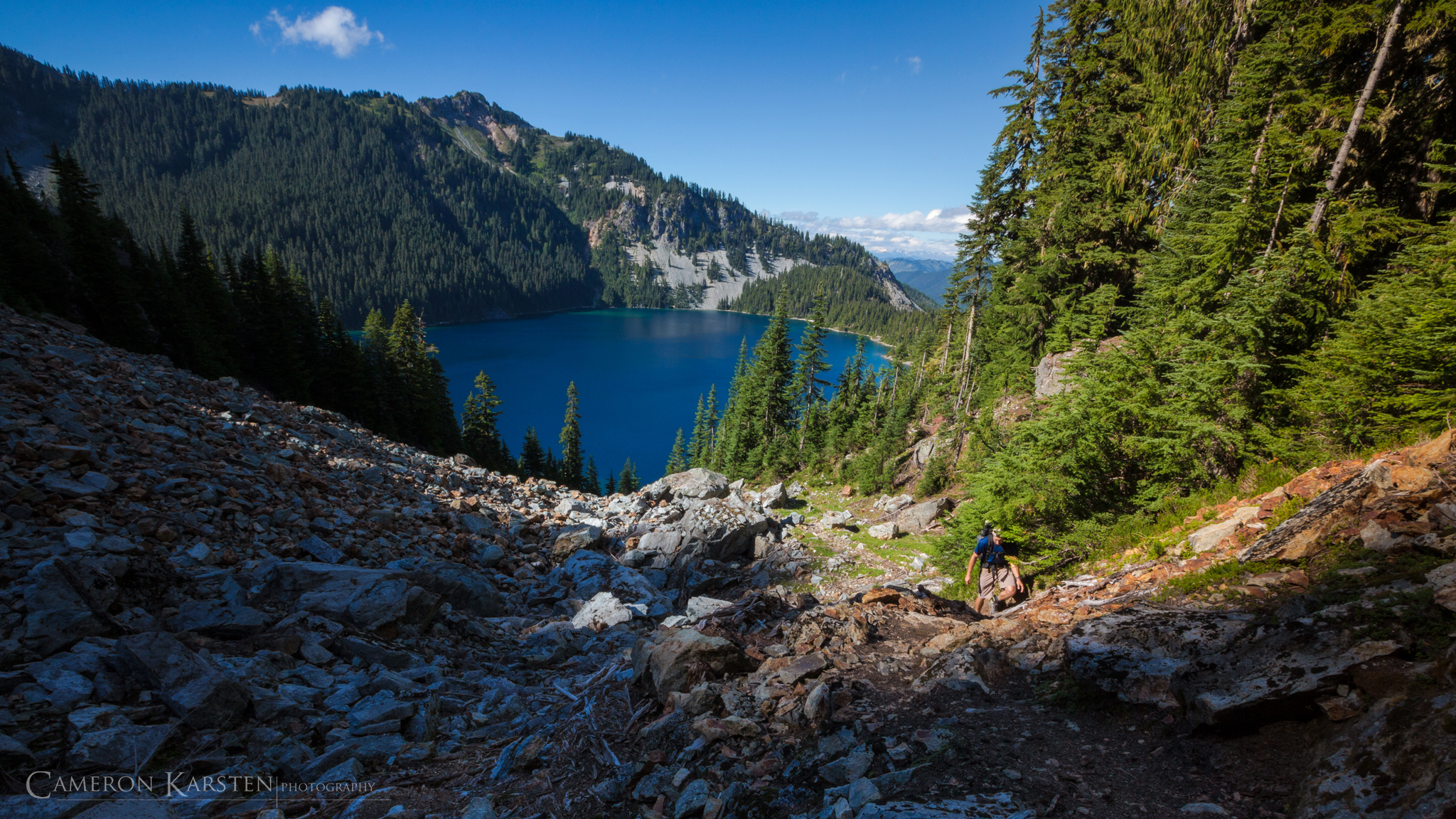
From Deception Pass trailhead, we enjoyed the wide path to Hyass Lake, before a slowly inclining climb got us sweating. Simon and I were conditioned. It had been too long since we were on the trail, so our mind’s excitement took up the body’s slack. In less then three hours we reached the pass, an uneventful merging with the Pacific Crest Trail.
We had no plans except a start date and the last day we needed to be back down heading home. We pulled out the topo maps and traced lines with our fingers.
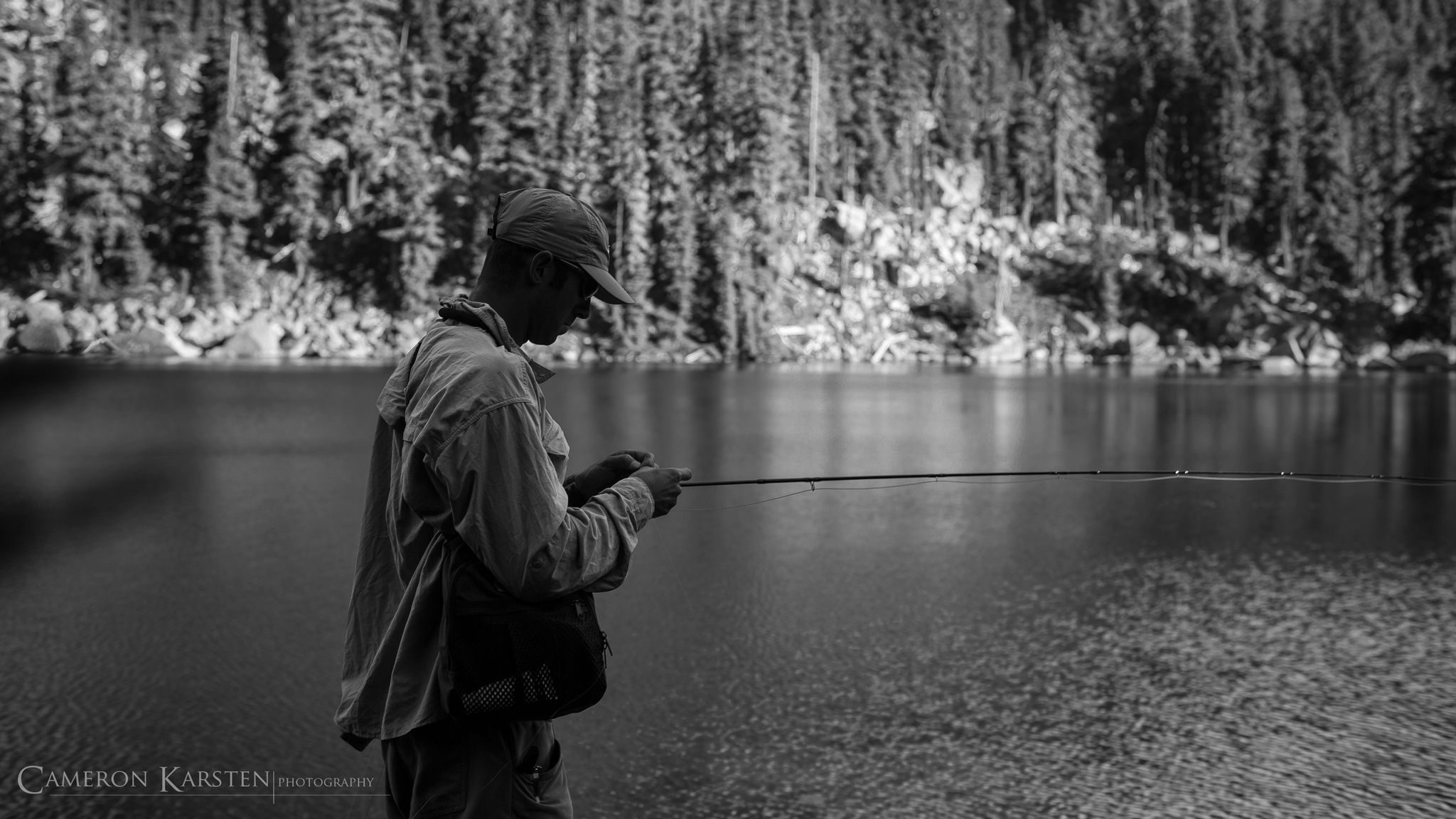
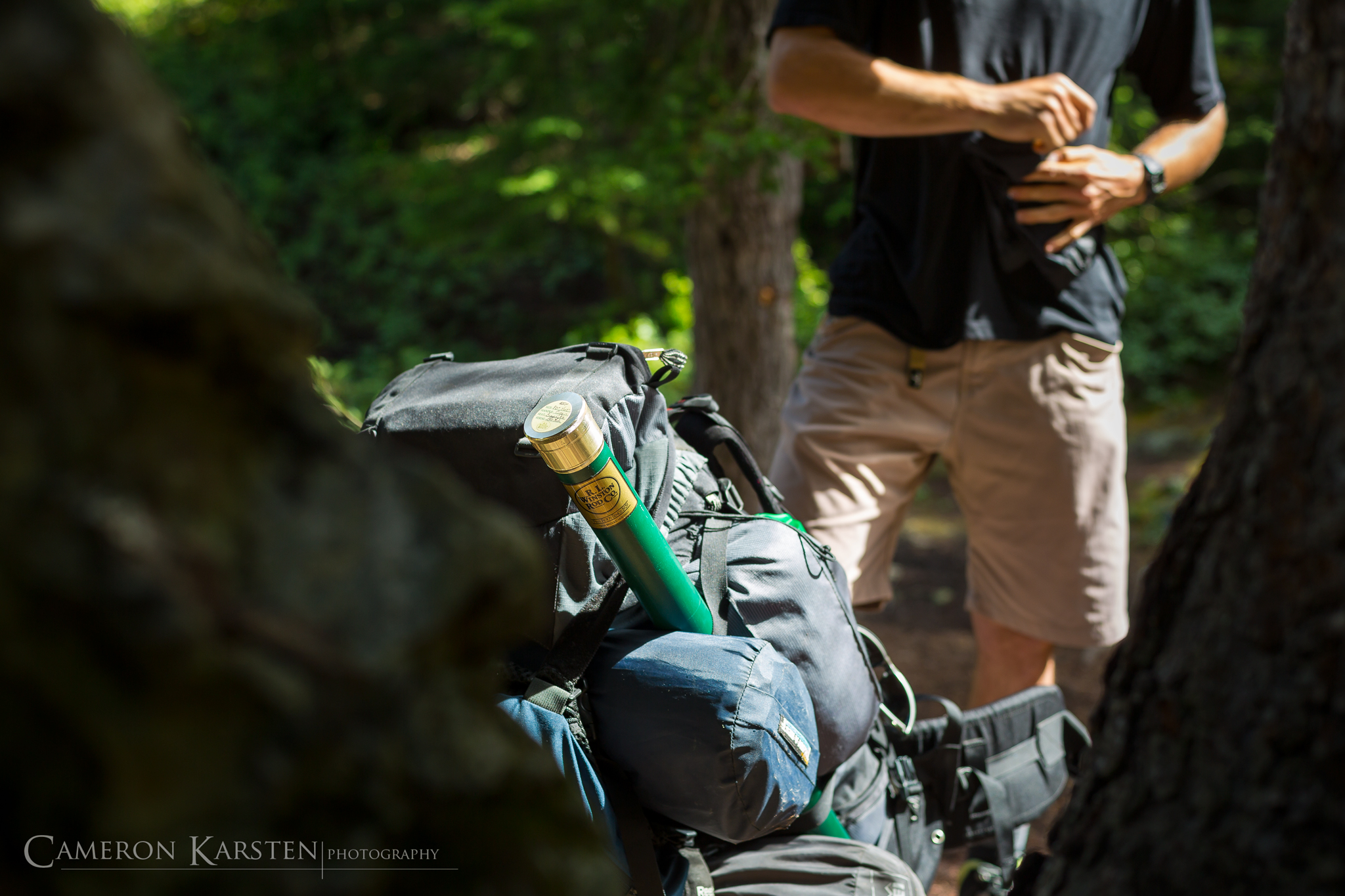
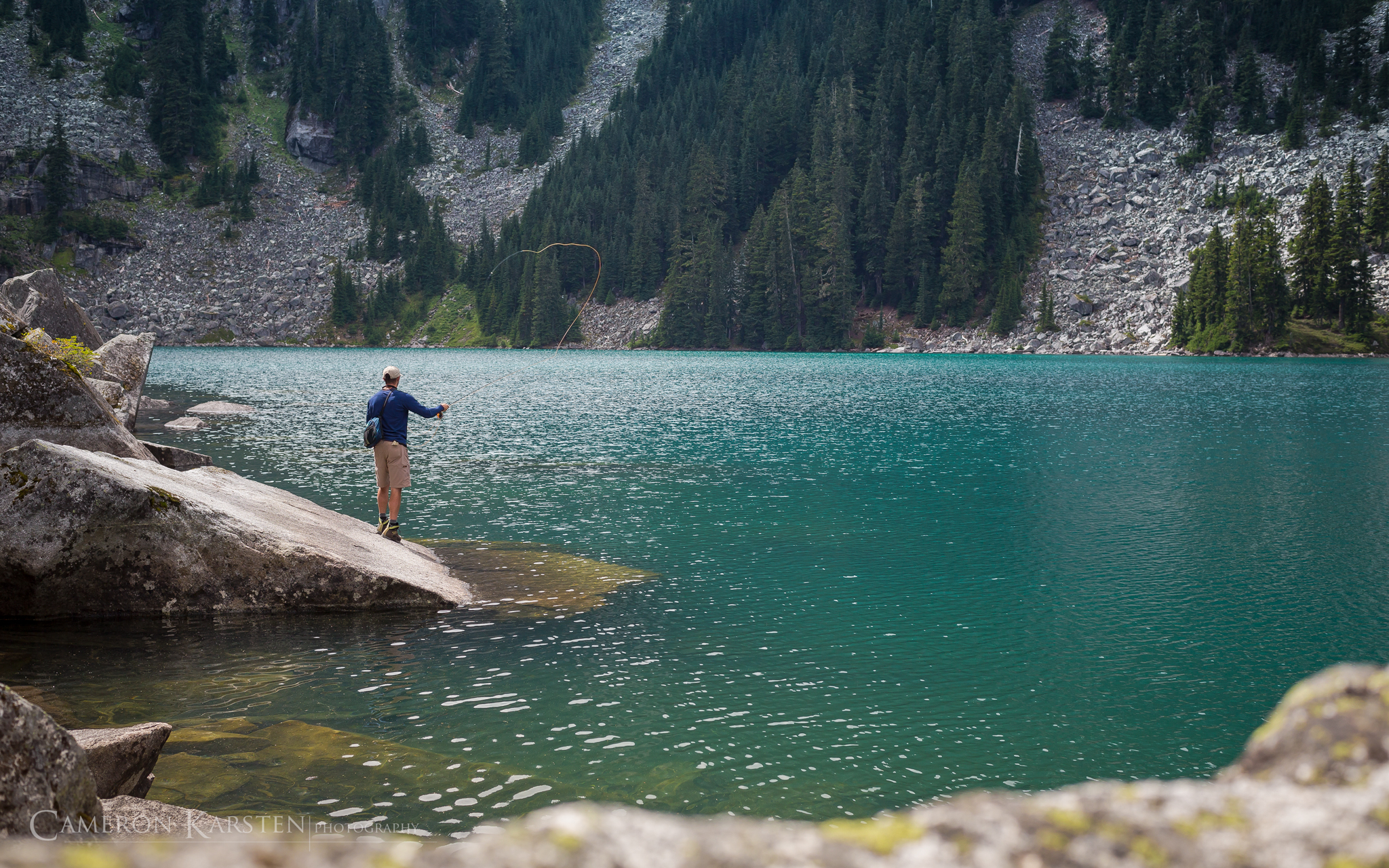
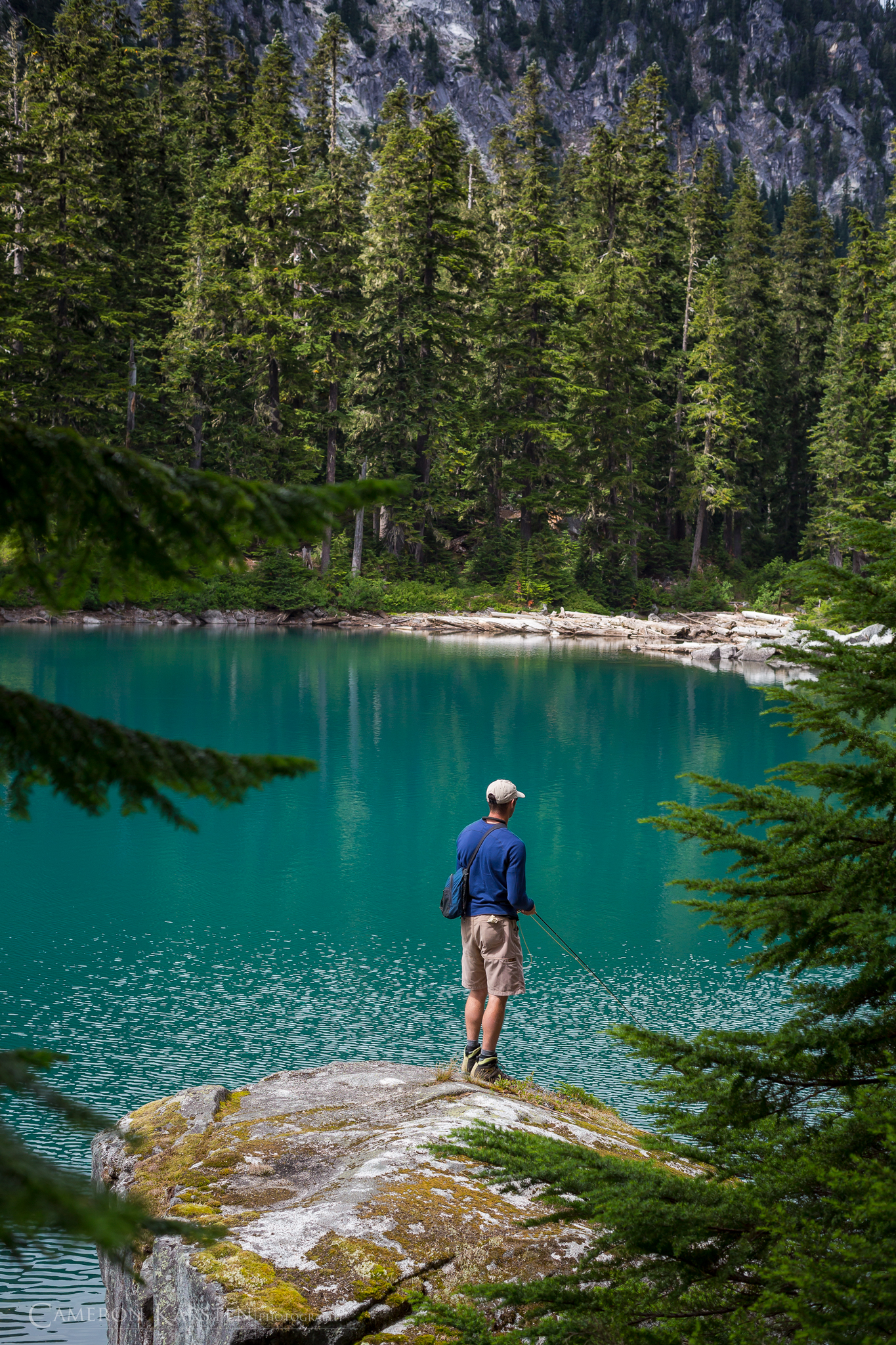
Our pace didn’t slow, it quickened with ease. We couldn’t contain the thrill of being out, winding north from Snoqualimie Pass in Washington State’s Cascade Mountains to Steven’s Pass. The area we were exploring was the Alpine Lakes Wilderness Area, a land nestled between I-90 and Hwy 2 with enough lakes to last you 10 lifetimes. And at high altitudes, many cresting above the timber line, they were quiet, and well stocked. Fly-rods: check.
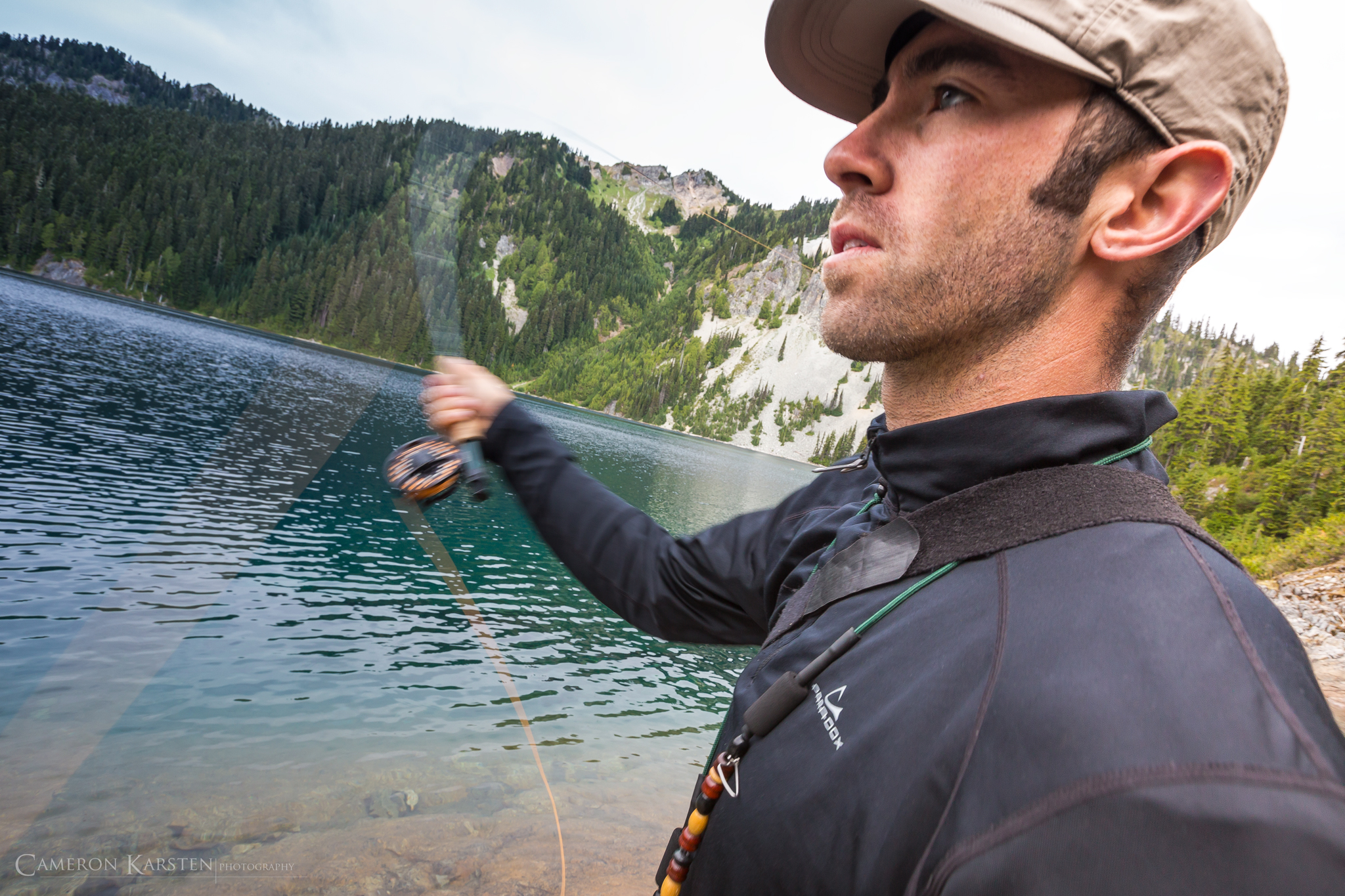
In less then 5.5 hrs from the trailhead, up to Deception Pass and north along the PCT we reached our first night’s destination: Deception Lakes. And they were exquisite. Two glistening bodies of water with long shallow shores that dropped into deep emerald hues. The fish were going crazy. Set up camp, pull shoes, rig the rods and throw some line. But there was one problem. These rainbow, brook and cutthroat trout were tiny, skipping across the water as they emerged for a vast array of insect life the size of gnats buzzing around your wine. We had nothing, they had everything. Hooking one small brook did not afford us the glamorous backpacking dinner we hoped, but the excitement to be here and how far exceeded expectations.
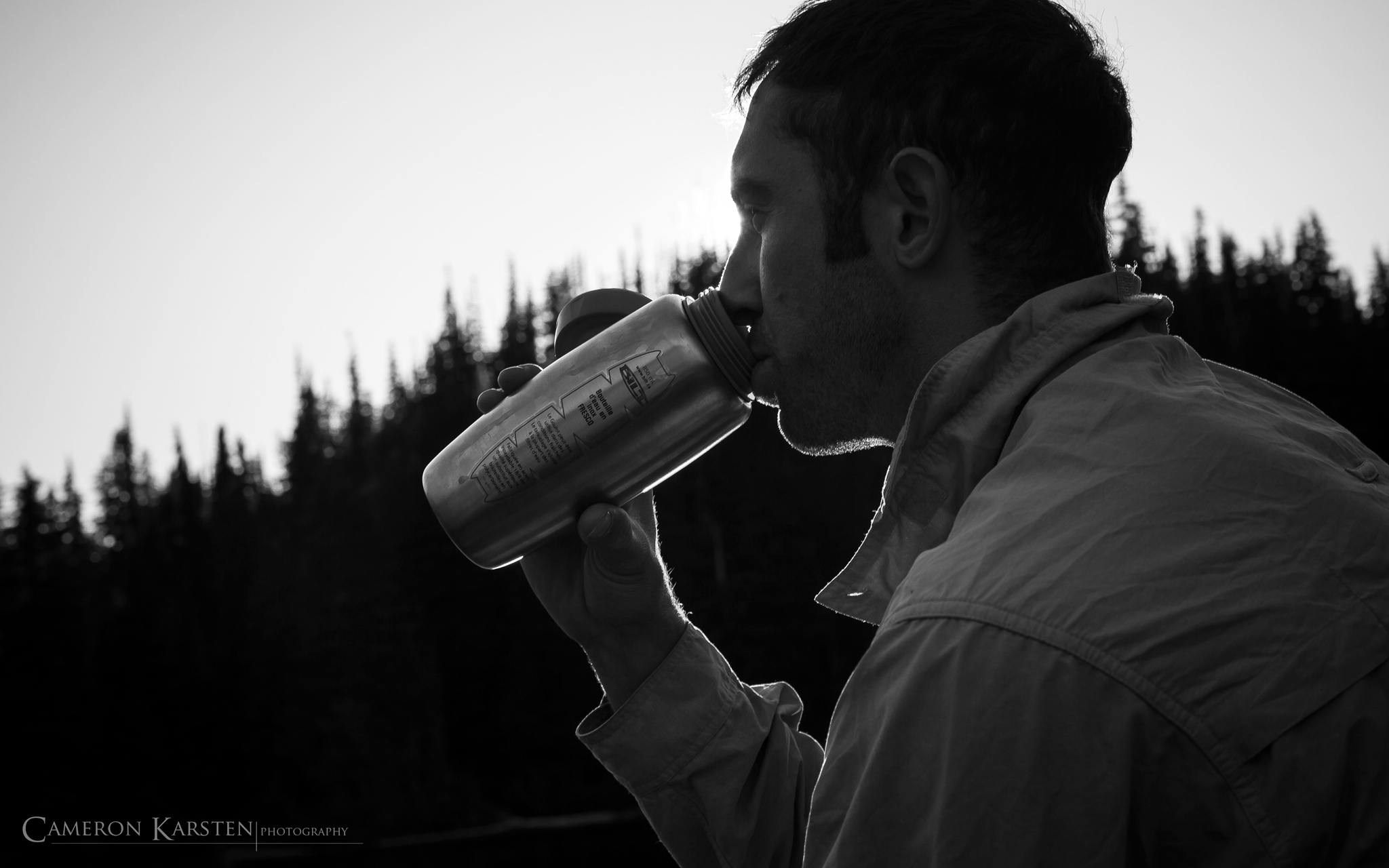
The next day we rose and kept camp at Deception. With light packs, food, water and fly gear, we headed up to Mt. Surprise for a summit before dropping down further north to Glacier and Surprise Lakes. More fish, more action, but the same small size. But what made the day was the Saturday morning spent atop Mt. Surprise. With a thick rolling cloud cover the temperature of a warm bath and nobody within eyesight or earshot, Simon and I sat, played a deck or two and sipped our libations. Nowhere else was more accommodating before dropping down through Piper Pass onto Glacier and Surprise Lakes.
To return to camp that evening, we continued along a loop, rejoining the PCT south to Deception Lakes, trying to never walk the same path twice.
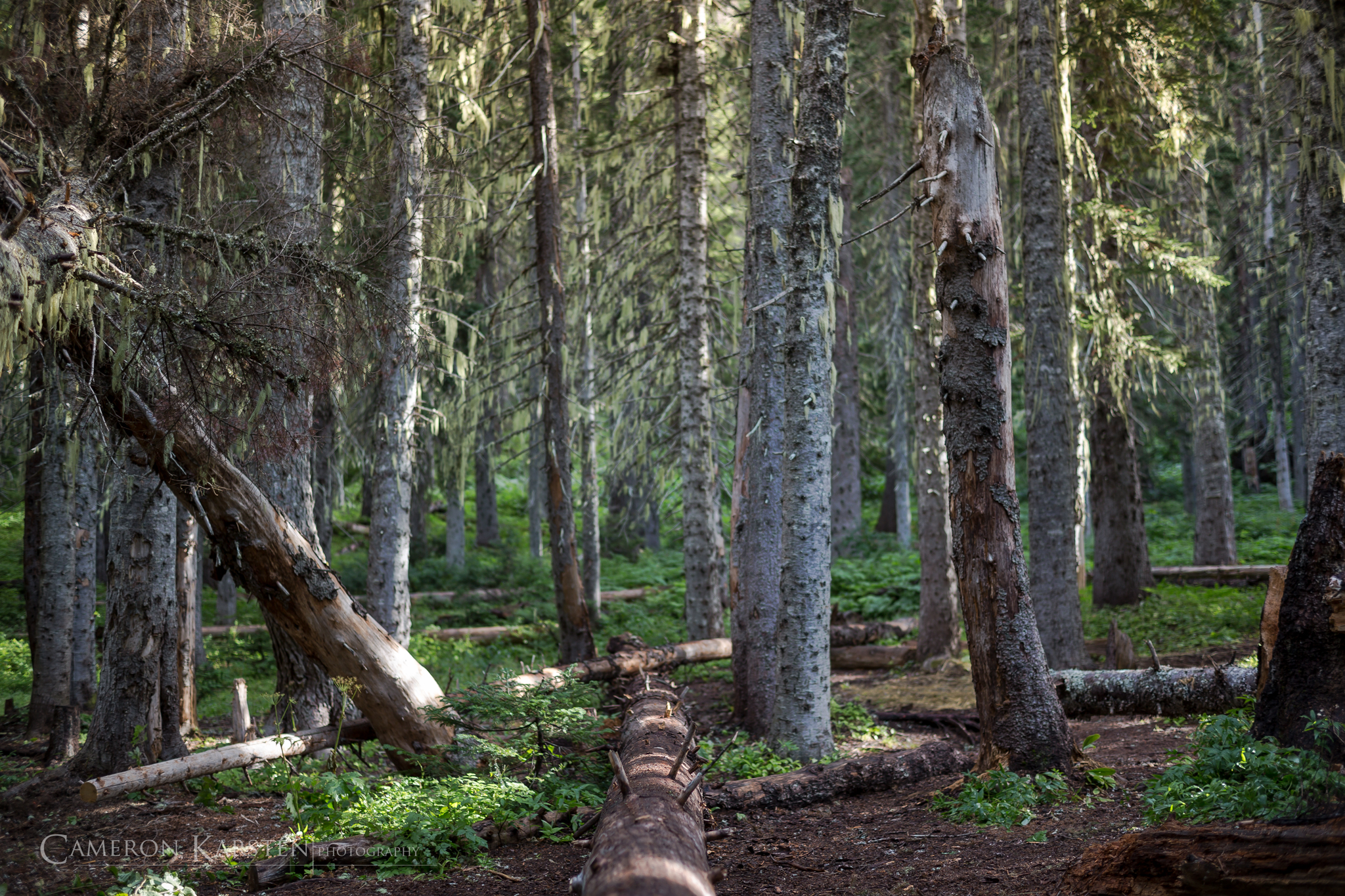
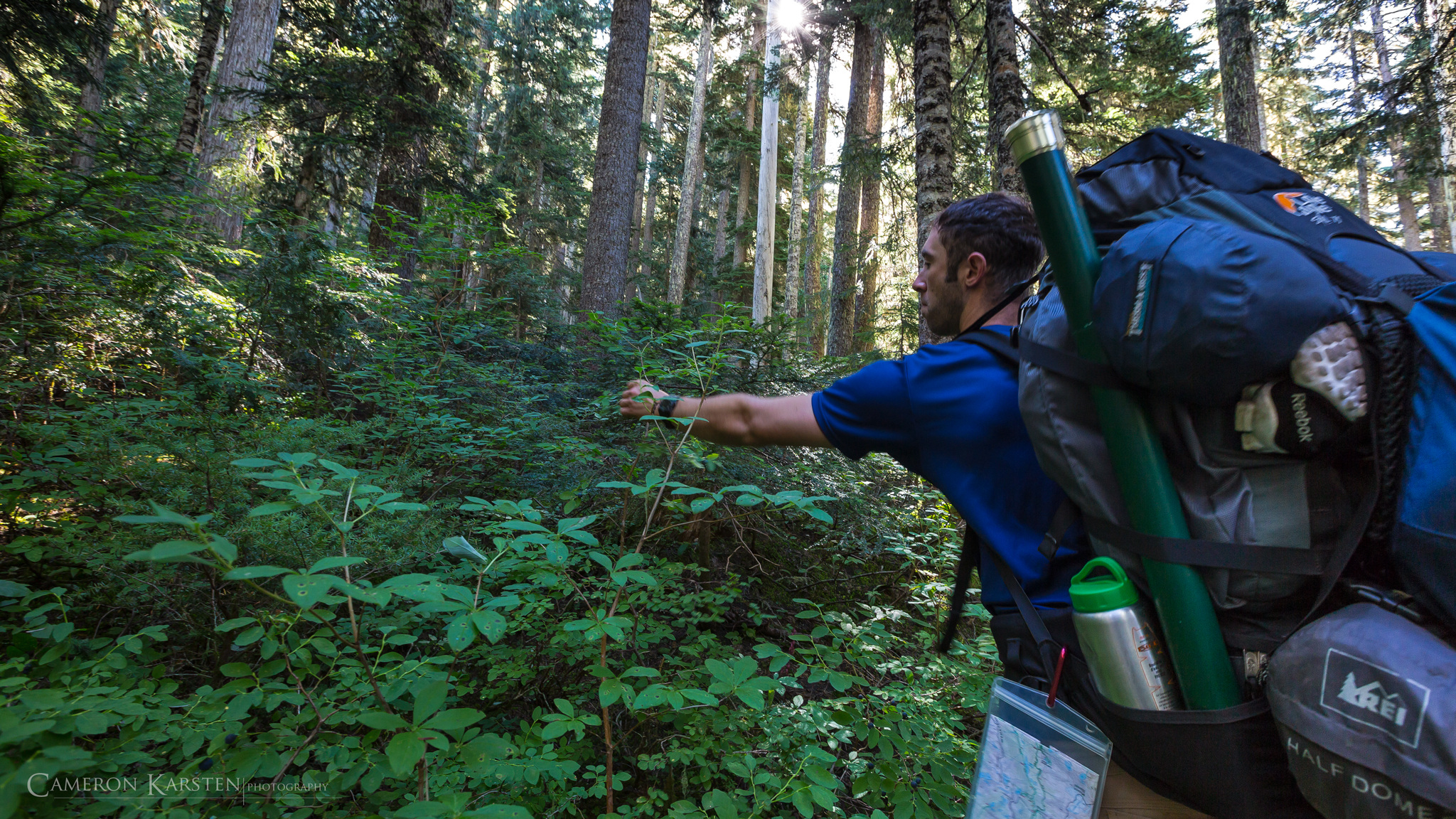
With sunrise, oats, and full water jugs, we packed camp and headed west down to Deception Creek, a small tight valley that originated at the base of Mt Daniels. Simon and I hiked south toward Deception Pass, taking a new less-traveled trail that brought us through a rich land of moss and wild mountain blueberries. The trail was minimal and our eyes were awake for lingering bears.
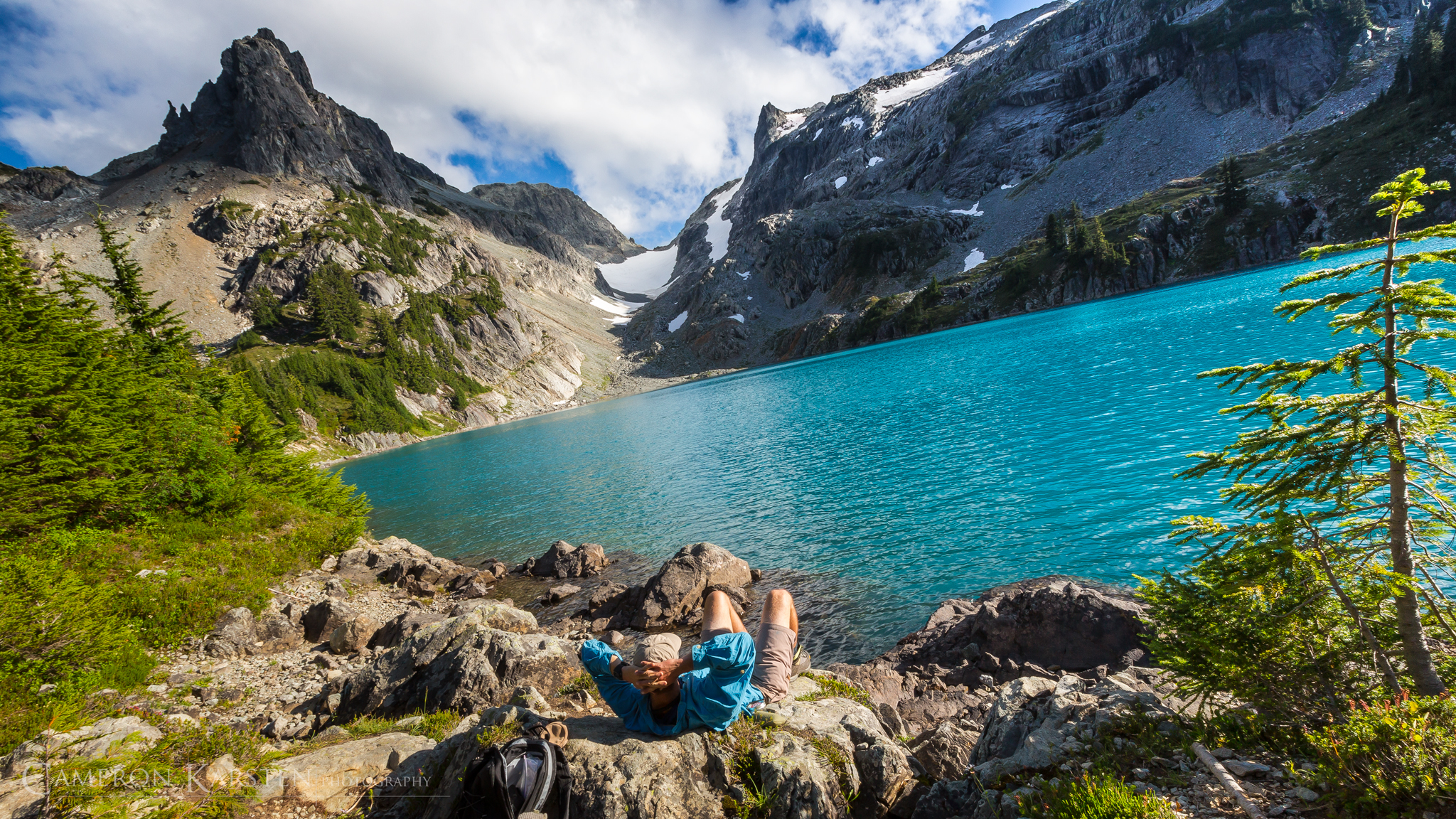
By noon we were back at Deception Pass, before turning west along Marmot Trail to Marmot Lake. And beyond that, a Shangri La called Jade. It was a long afternoon hike as we took side routes for smaller excursions to ampitheatres of rock and screen. The views were vast, as if we could reach out to the trails we were on just days prior. Shortly before the late afternoon, the thick blue waters of Marmot met us, but it was the Jade that took our breath away.
Jade Lake was an additional mile above Marmot, a steep perilous hike under darkness, but just manageable with light packs and three days of hiking under our feet and within our knees. Jade Lake with it’s hushing sounds of wind screaming through the pass just south, was all to ourselves and the large trolling trout that could be seen beneath the surface, careless about our imitation flies.
One more night, one more morning before the trail descended beneath our boots back to Salmon La Sac (after a morning fish of course). Beers and billiards at The Brick in Roslyn washed down the 4 day/3 night dream to mere memories. Next summer will be just as beautiful.
The Honey Harvest is Near
With the nearing end of the the summer, a north hemisphere-wide honey harvest is about to begin, and I’m feeling pretty damn excited. Longtime friend and fellow traveler Dennie P (aka D) stopped by and had the opportunity to check in on my hives. I’m hoping he’s hooked! He looks like it.
Location: BI, WA
Camera/Lens Specifics: Canon 5D MarkIII w/Canon EF 16-35mm 2.8L II USM Lens
35mm, 1/200 sec at ƒ/7.1, ISO 100, tripod.
Post: LR4 & Adobe PSCC
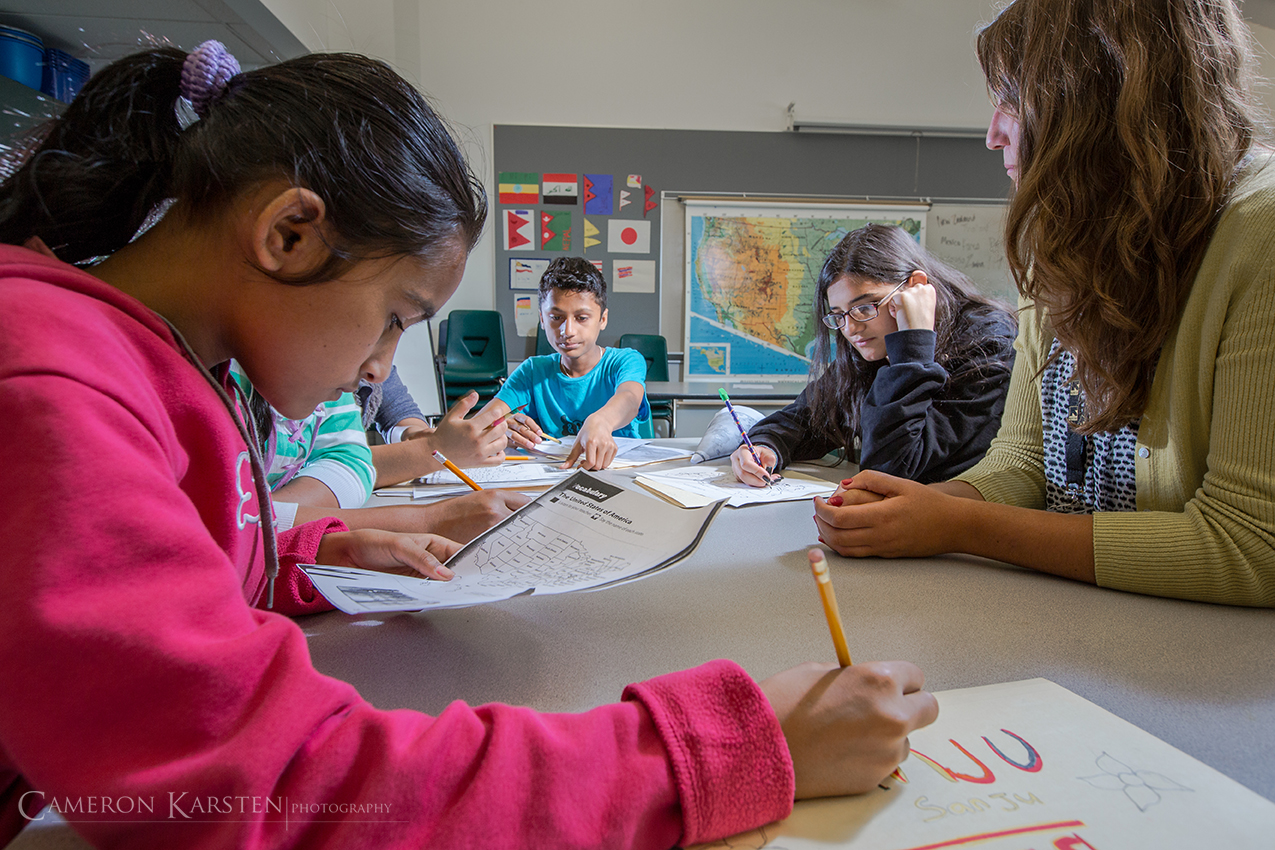
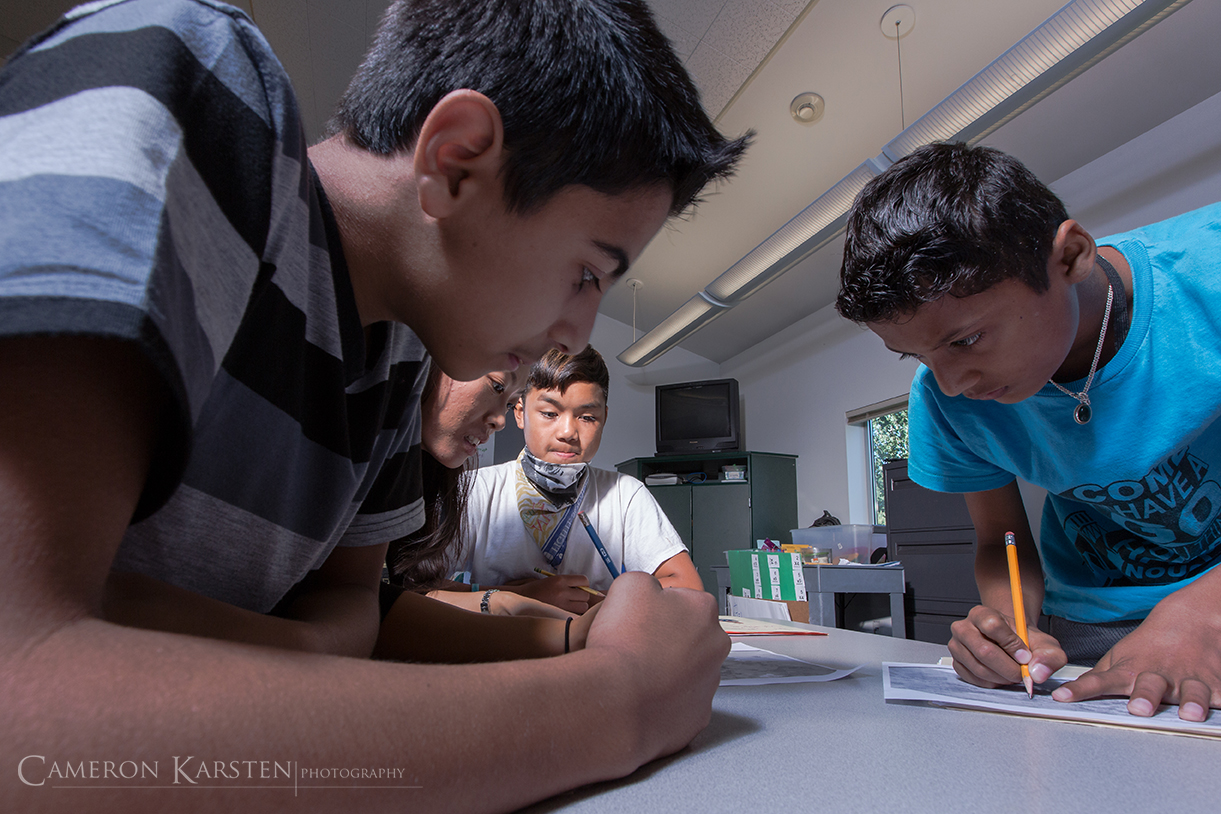
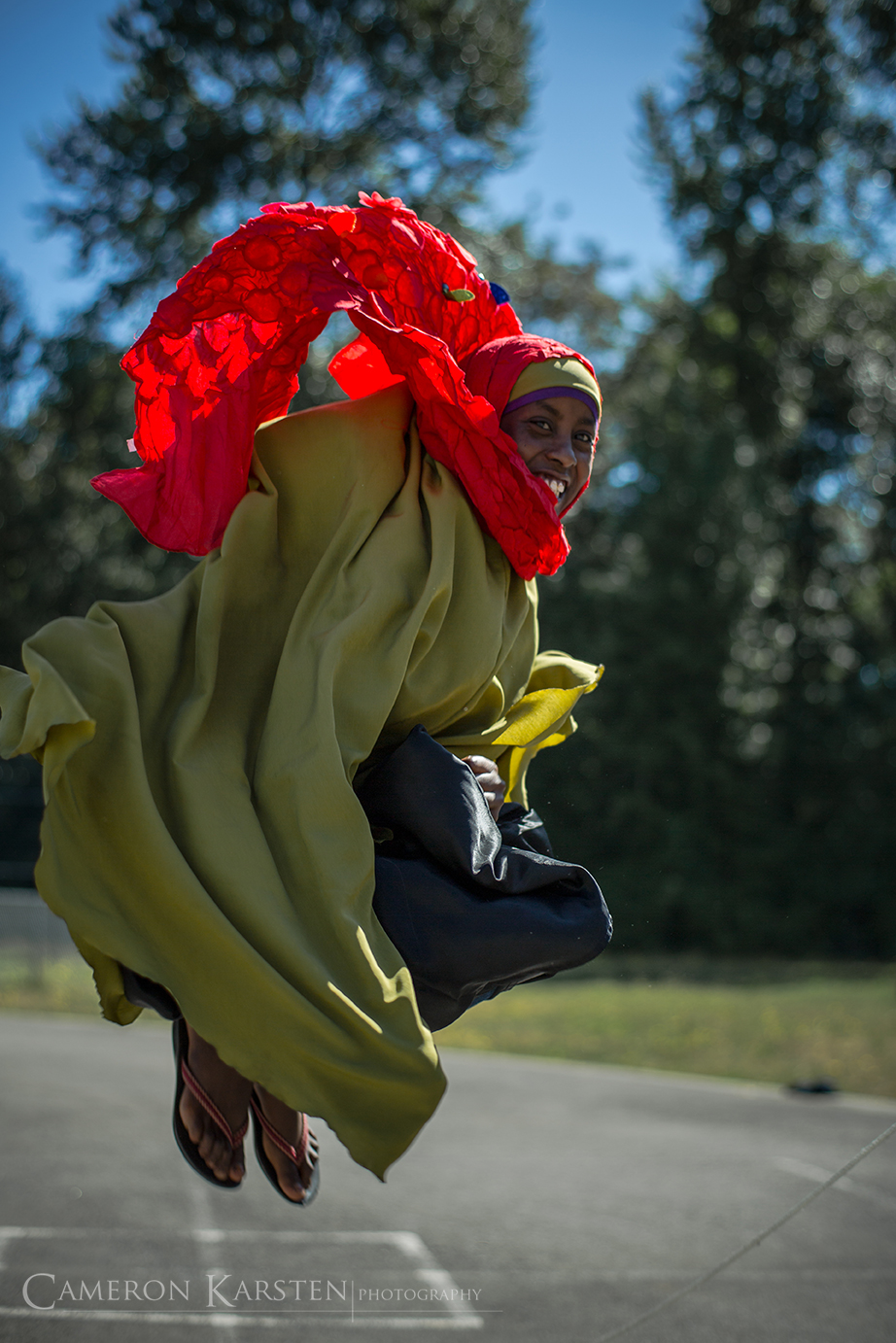
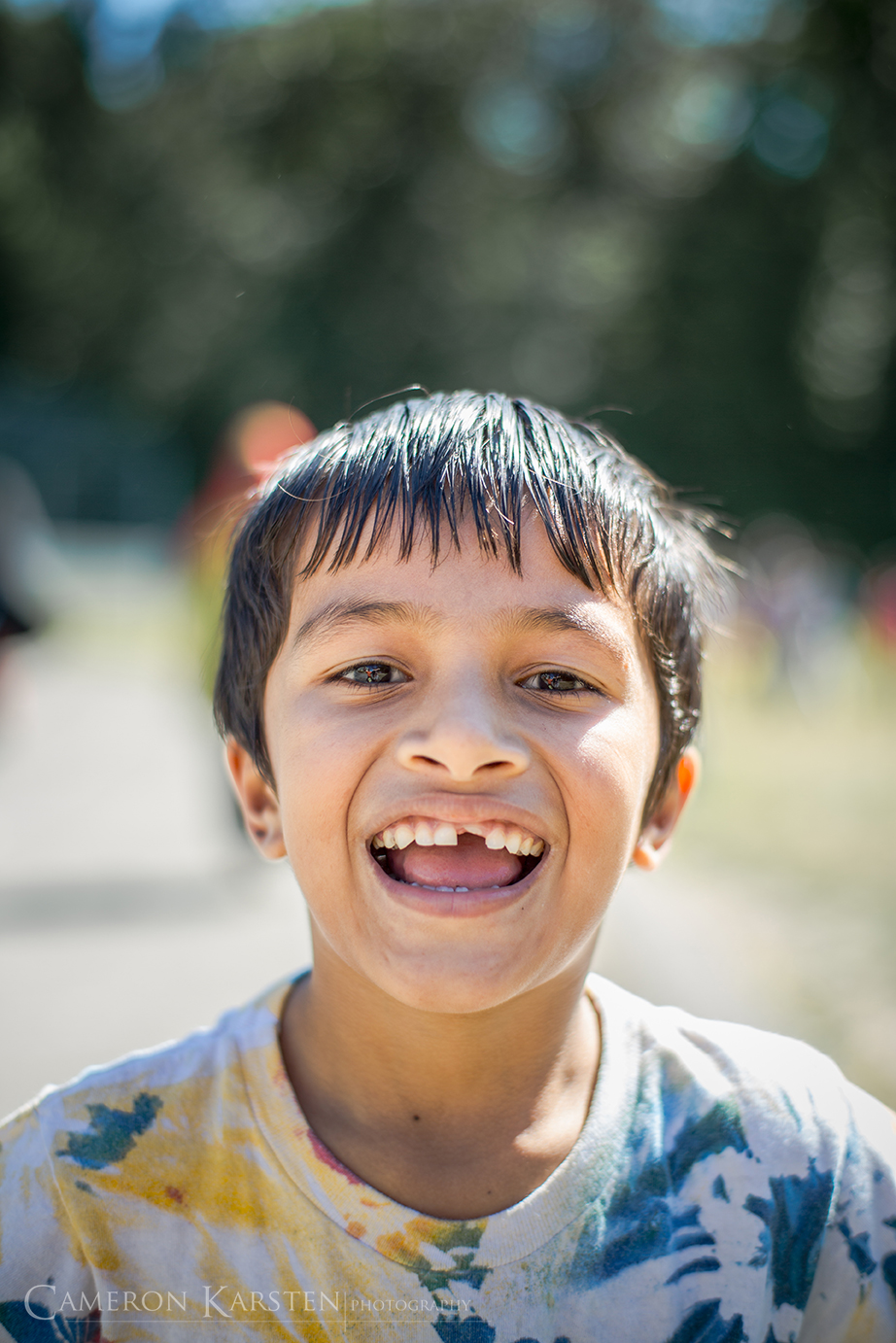
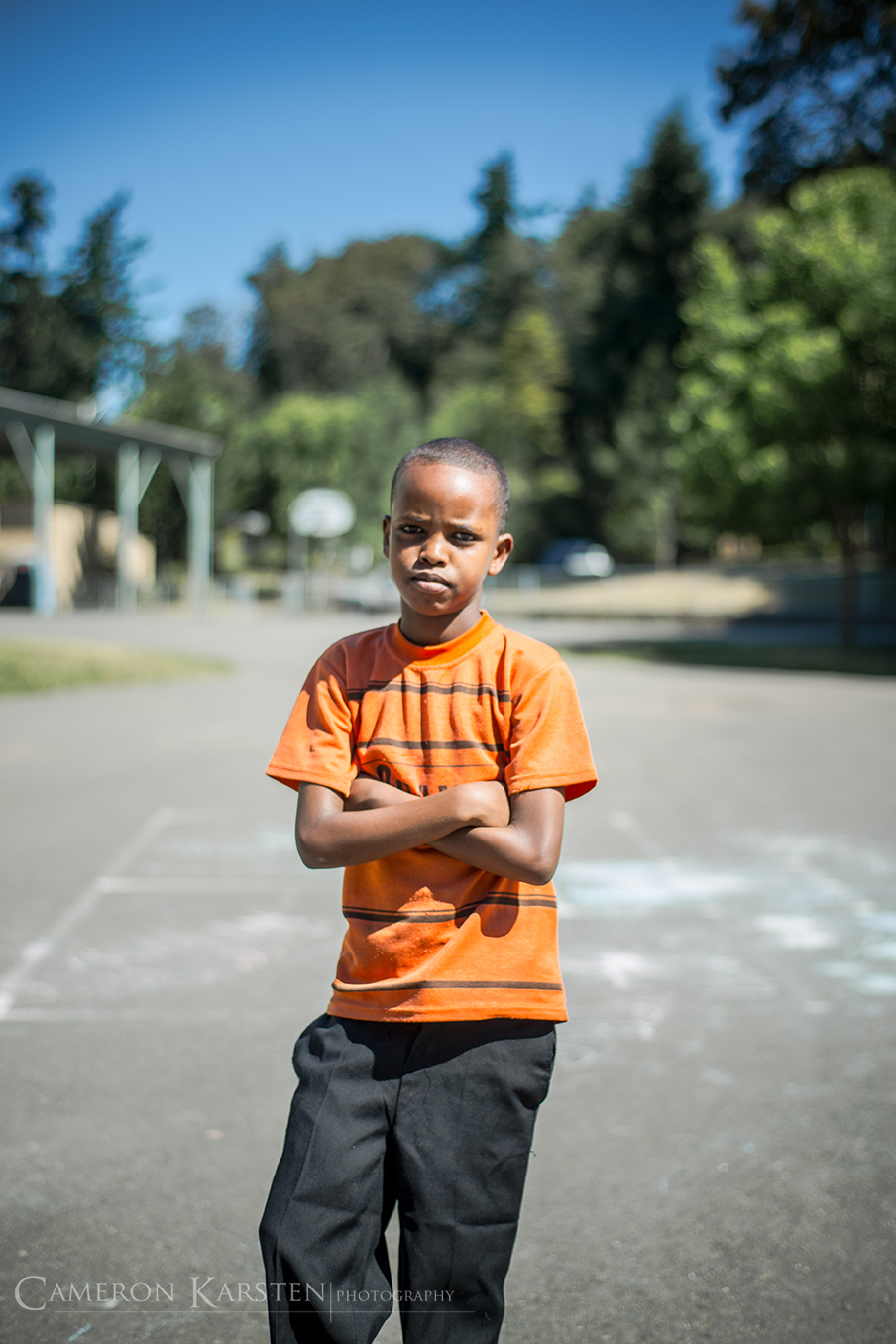
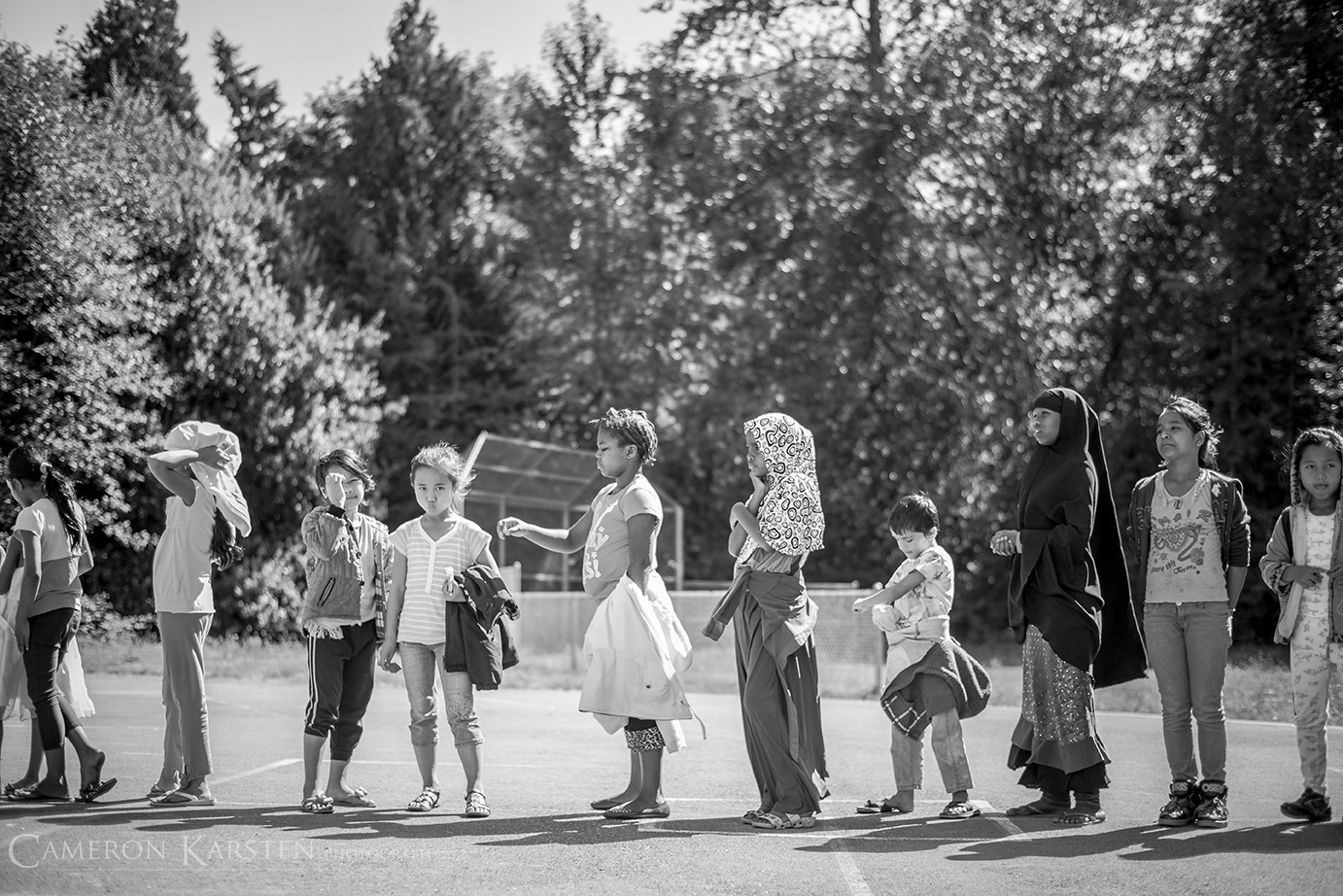
International Rescue Committee’s Summer Youth Programs – Seattle, WA
Ocean Acidification and our Oyster Culture – Part II
In order to prosper, every living creature requires clean air, clean water and abundant food. For ocean-thriving mollusks, clean seawater is a must. In December 2011, Washington State Governor Christine Gregoire formed a Blue Ribbon Panel. Their purpose: to investigate and study a new threat to Pacific Northwest waters. They were putting Ocean Acidification (OA) under the microscope.

What is occurring is evidence of our Industrial Period 100 years prior as heavy carbon dioxide (CO2) elements now begin surfacing in the shallow waters of the Puget Sound. As the spring and fall seasons of the Pacific Northwest bring strong northwesterly winds, currents in the Pacific Ocean stir up these century-old pollutants, pushing them upwards and east into the estuaries. These so-called up-wellings decrease pH levels, causing normal numbers of 8.25 to sink lower into the acidic levels of 8.14 (The pH scale is representative of aqueous solutions from zero to fourteen; where zero characterizes hydrochloric acid or battery acid, and fourteen is sodium hydroxide, better known as bleach). Acid is a solvent. It dissolves what it comes in contact with. Add acidic waters to oyster seed and you find its ingredients eating away at the calcium carbonate that makes up the mollusk’s shell.
Taylor Shellfish Farms is the first to experience this threat. They are attracting globe attention to what is occurring within their hatcheries and throughout their farms. They rely on clean healthy water for larvae seed to develop, but ocean acidification is effecting the development of these mollusks, prohibiting full and consistent growth of their calcium carbonate shells. What is the future of the mollusk culture if we continue burning fossil fuels and causing the climate to warm-up at faster then expected rate? Our industrial state affects more then just our air quality.
To see Part II of the multimedia project Ocean Acidification and our Oyster Culture, please click here
Ocean Acidification and our Oyster Culture – Part I
In March 2013, I met Benoit Eudeline. Benoit speaks in a thick French accent and is the lead scientific researcher at Taylor Shellfish Farms’ hatchery. Located in the pristine Dabob Bay, Taylor Shellfish is Washington State’s foremost producer of farm-raised shellfish, supplying the industry with top-grade oysters, mussels, clams and geoduck. It produces two-thirds of the state’s mollusk aquaculture and is the country’s largest supply to Asia, boosting its’ economy and solidifying the region’s bearing as a premium seafood culture. But in 2008, all this came to a screeching halt. Something was happening. Numbers were falling at Taylor Shellfish and each of the other farms in the area. Production was at a loss. Larvae within the confines of the hatcheries became insolvent at surviving. Holes appeared in their developing shells. Disease and predators disrupted growth. Something was brewing in the Pacific Northwest.
Nowhere else in the world was this environmental phenomenon occurring. Mollusks, particularly oysters, were thriving as usual, but in the northwestern estuaries of the Pacific Ocean, the declining health of young shellfish became obvious. First, the oysters; then slowly the shells of young geoducks and the tendrils of mussels, which they rely on to suspend to their host, began showing signs of frailty. As the seasons over the next few years passed in confusion, scientists began studying the changing environments until one thing became evident.
To see Part 1 of the multimedia project Ocean Acidification and our Oyster Culture, please click here