Vodou Footprints: GEO Magazin Publication/TearSheets

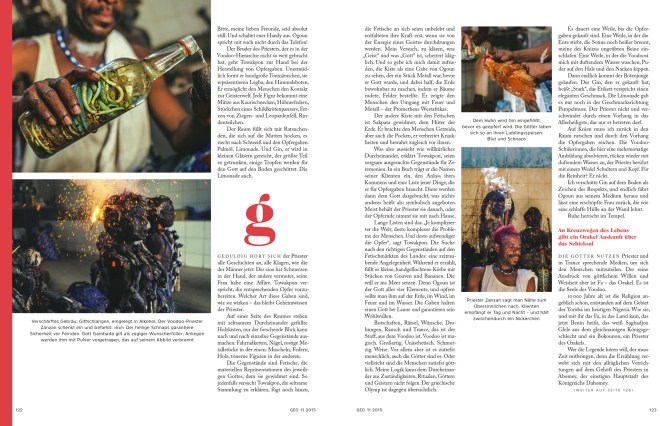
TearSheet_GEO_WestAfricaVodou_page1

Thrilled to share the current issue of GEO Magazin, printed and distributed in Germany and parts of Europe. To secure this story, I traveled to New York to meet with GEO’s editors and presented a printed portfolio of my travels in West Africa exploring Vodou culture. Following up, I expressed the fact that this type of documentation of Vodou has never been done before, shooting both stills and motion within a long-form multimedia project covering the origins and evolution of one of the oldest and most misunderstood religion in the world.

The following are tearsheets from the current article, along with a video produced by GEO for the iPad edition and website of video footage shot while in Benin and Togo, West Africa accompanying a photographer’s interview discuss the project and experience within the culture.

TearSheet_GEO_WestAfricaVodou_page2

TearSheet_GEO_WestAfricaVodou_page3

TearSheet_GEO_WestAfricaVodou_page4

TearSheet_GEO_WestAfricaVodou_page5

TearSheet_GEO_WestAfricaVodou_page6

TearSheet_GEO_WestAfricaVodou_page7

TearSheet_GEO_WestAfricaVodou_page8

logo_blackTrajan

Vodou Footprints: Photo Essay (Haiti)

A Haitian bathes and prays in the waterfall of Saut d'Eau during the annual pilgrimage.

A Haitian bathes and prays in the waterfall of Saut d’Eau during the annual pilgrimage.

Haiti is a magical island with a heart of generosity and resilience. It is a nation of peoples who were sent to their new home in the iron shackles and rusted chains, having crossed the tumultuous Atlantic Ocean in the bowels of wooden hulls, from a homeland of ancestral purity. The darkest hour of humanity was the Western slave trade, taking tribes from Guinea to the New World. One of their first stops, Hispaniola (Haiti). And there, centuries later, occurred the world’s only successful slave revolt. This, among many other feats of survival, including buckling before the atrocities of successive dictatorships, earthshaking natural disasters and a hopeless material poverty wrought with the inhumane forces of international policies and internal governmental corruption, couldn’t have happened without Haitians’ spirituality, the worship of the Loas, the great Les Mysteres, from the motherland of Africa.

A man spreads his arms under the falls of Saut d'Eau.

A man spreads his arms under the falls of Saut d’Eau.


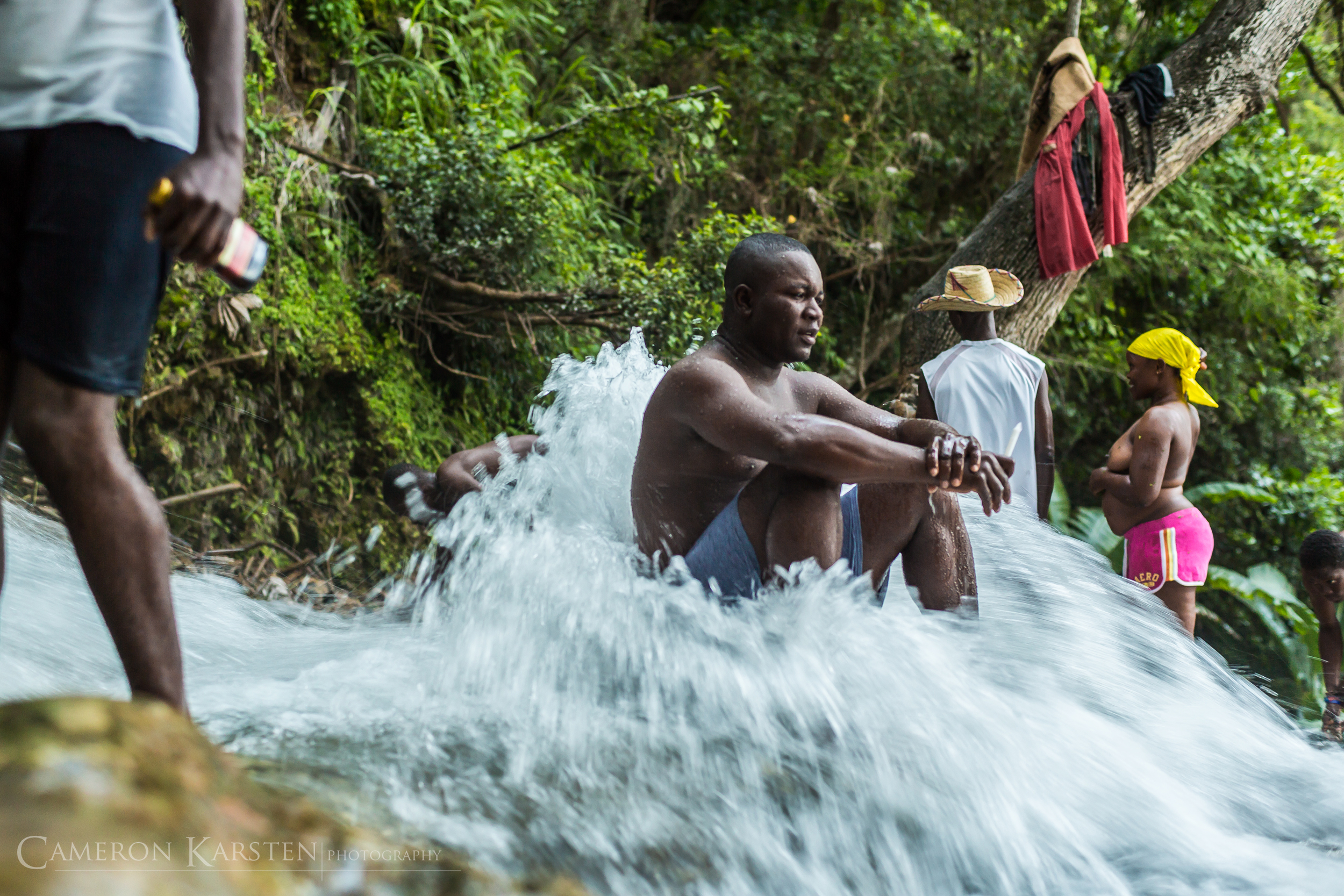
A pilgrim at Saut d'Eau sits still in the rushing waters.

A pilgrim at Saut d’Eau sits still in the rushing waters.


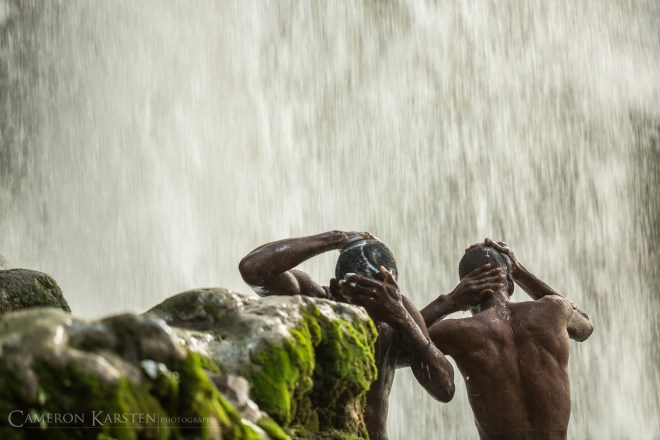
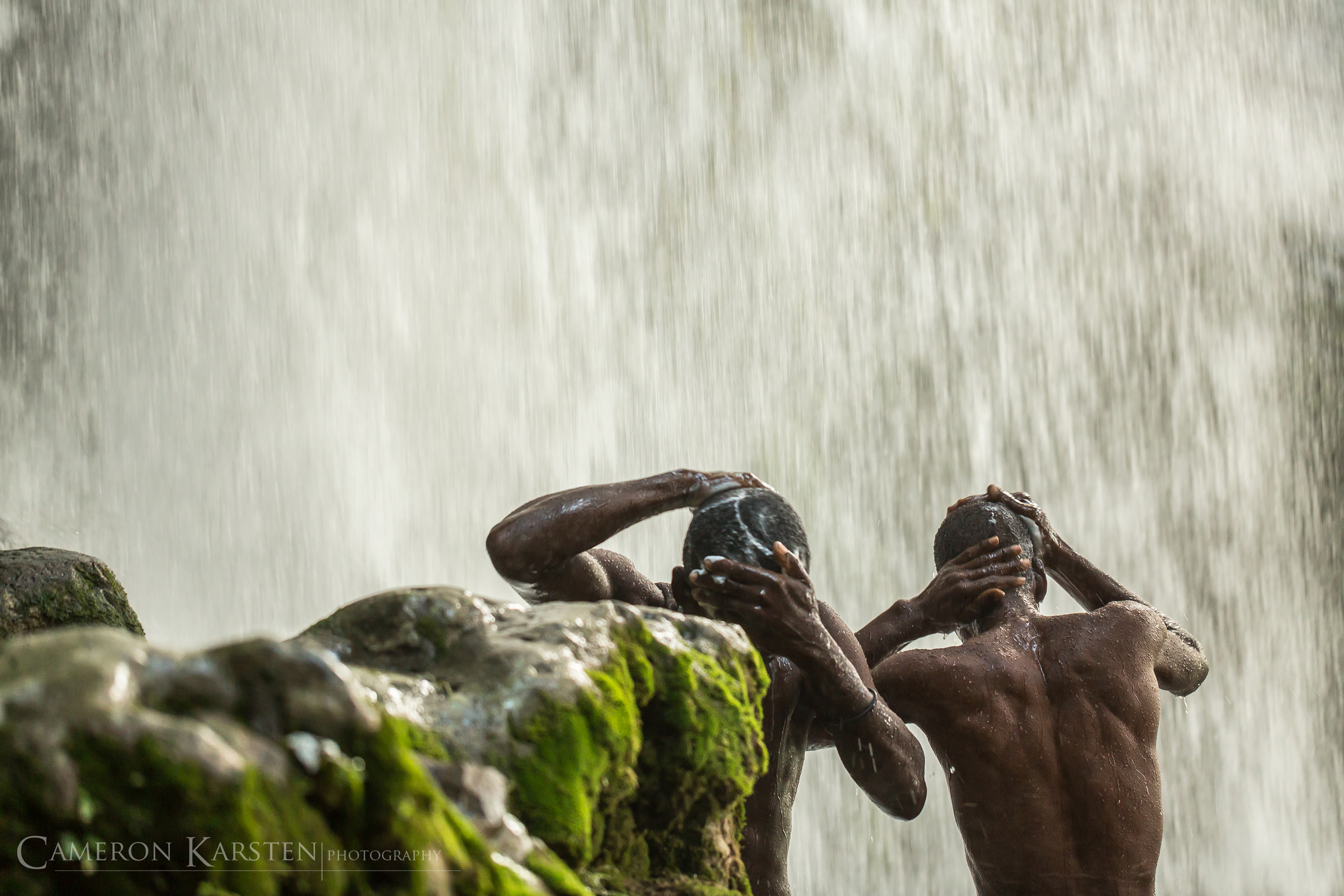
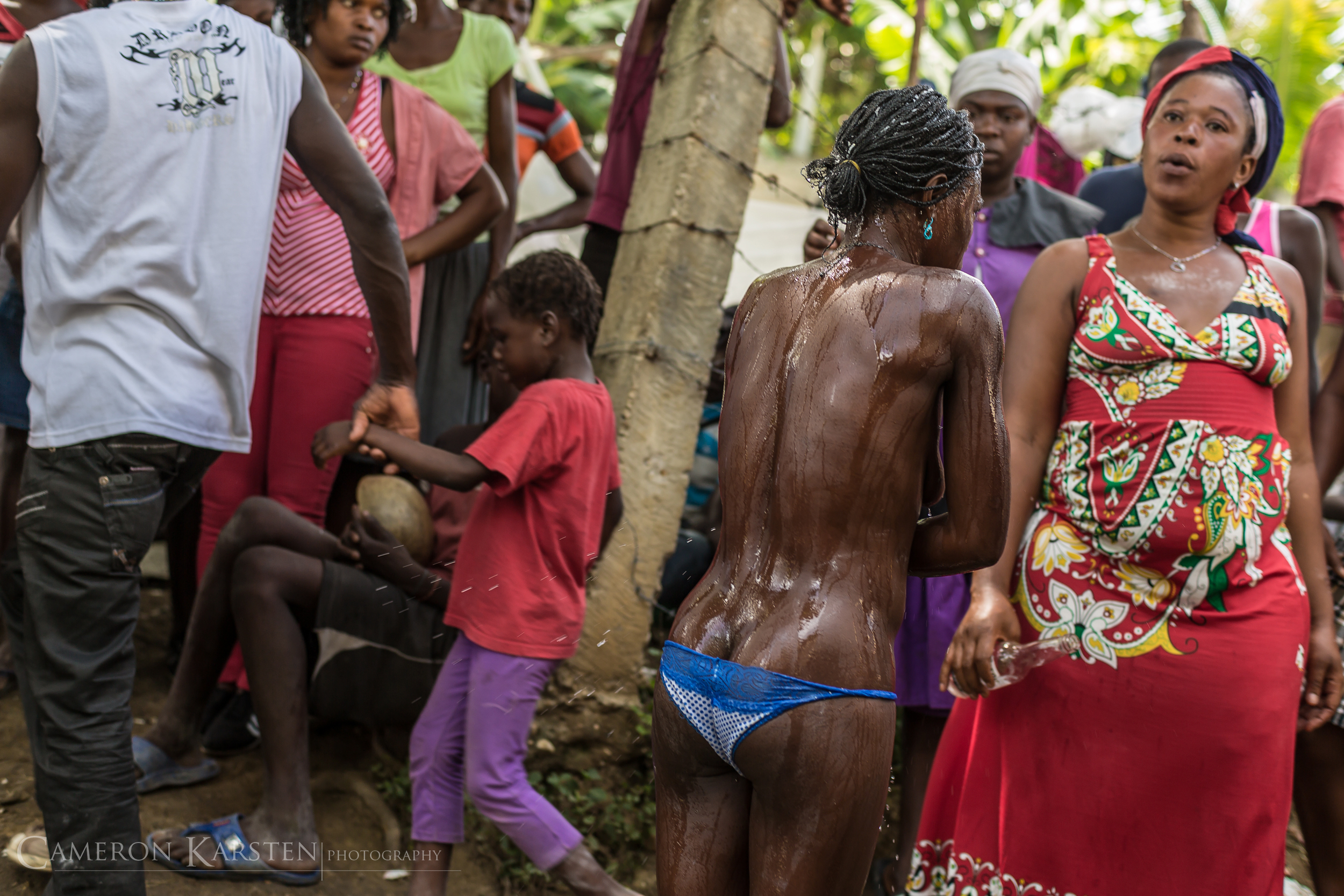
Two pilgrims bathe with soap near the falls of Saut d'Eau.

Two pilgrims bathe with soap near the falls of Saut d’Eau.


A man sells candles for pilgrims at the waterfalls of Saut d’Eau.

A man sells candles for pilgrims at the waterfalls of Saut d’Eau.


A man finds stillness among the throngs of pilgrims who often get completely nude to bathe in the waters.

A man finds stillness among the throngs of pilgrims who often get completely nude to bathe in the waters.


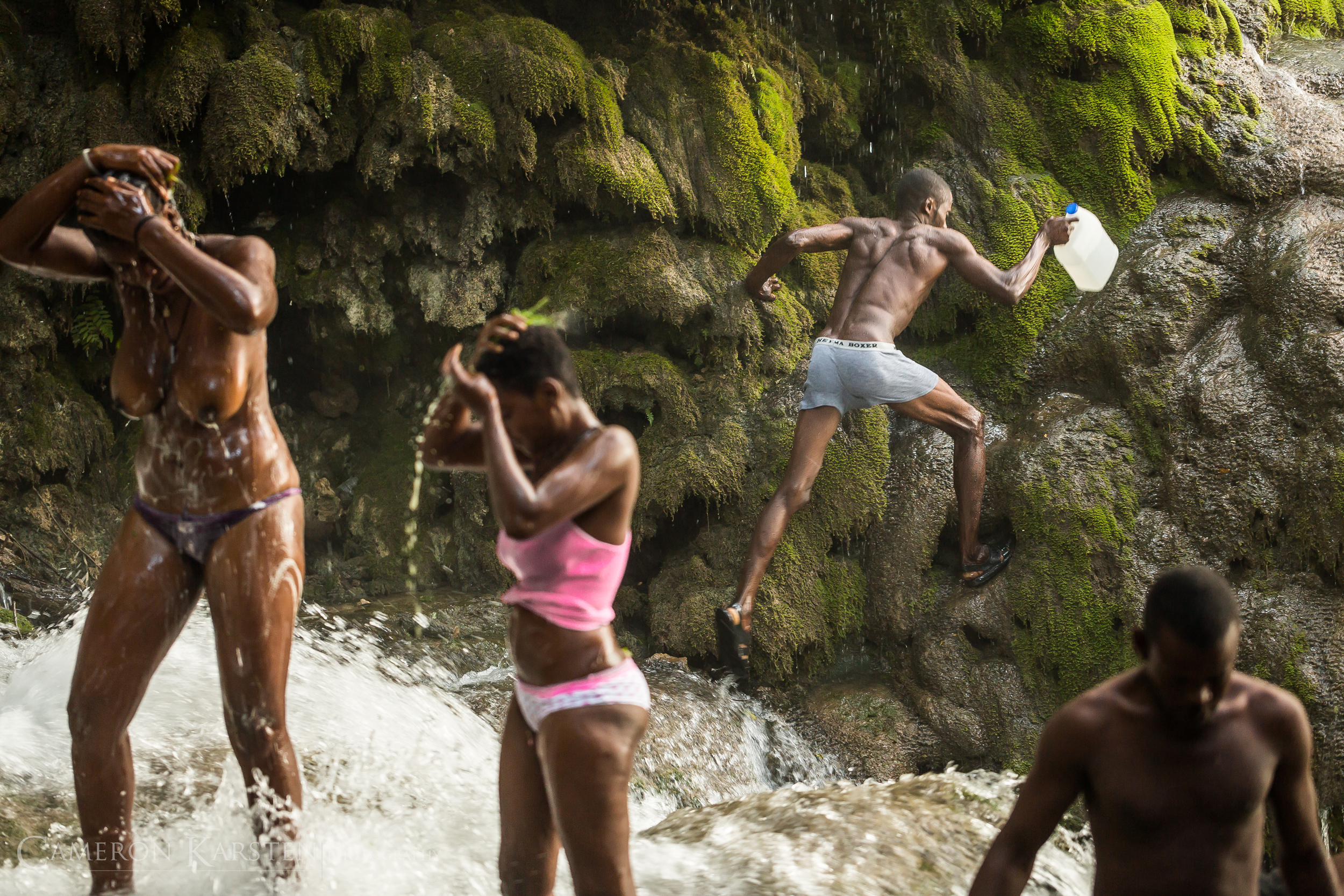
Pilgrims gather to bathe, scrub and offer prayers to the Virgin Mary and vodou spirits Iwa Damballah (the snake) and his wife Ayido Wedo (the rainbow).

Pilgrims gather to bathe, scrub and offer prayers to the Virgin Mary and vodou spirits Iwa Damballah (the snake) and his wife Ayido Wedo (the rainbow).


In a moment of solitude, a pilgrim enjoys the cool healing waters of Saut d'Eau.

In a moment of solitude, a pilgrim enjoys the cool healing waters of Saut d’Eau.


A young man prays before the waterfalls of Saut d'Eau in the Artibonite Valley.

A young man prays before the waterfalls of Saut d’Eau in the Artibonite Valley.


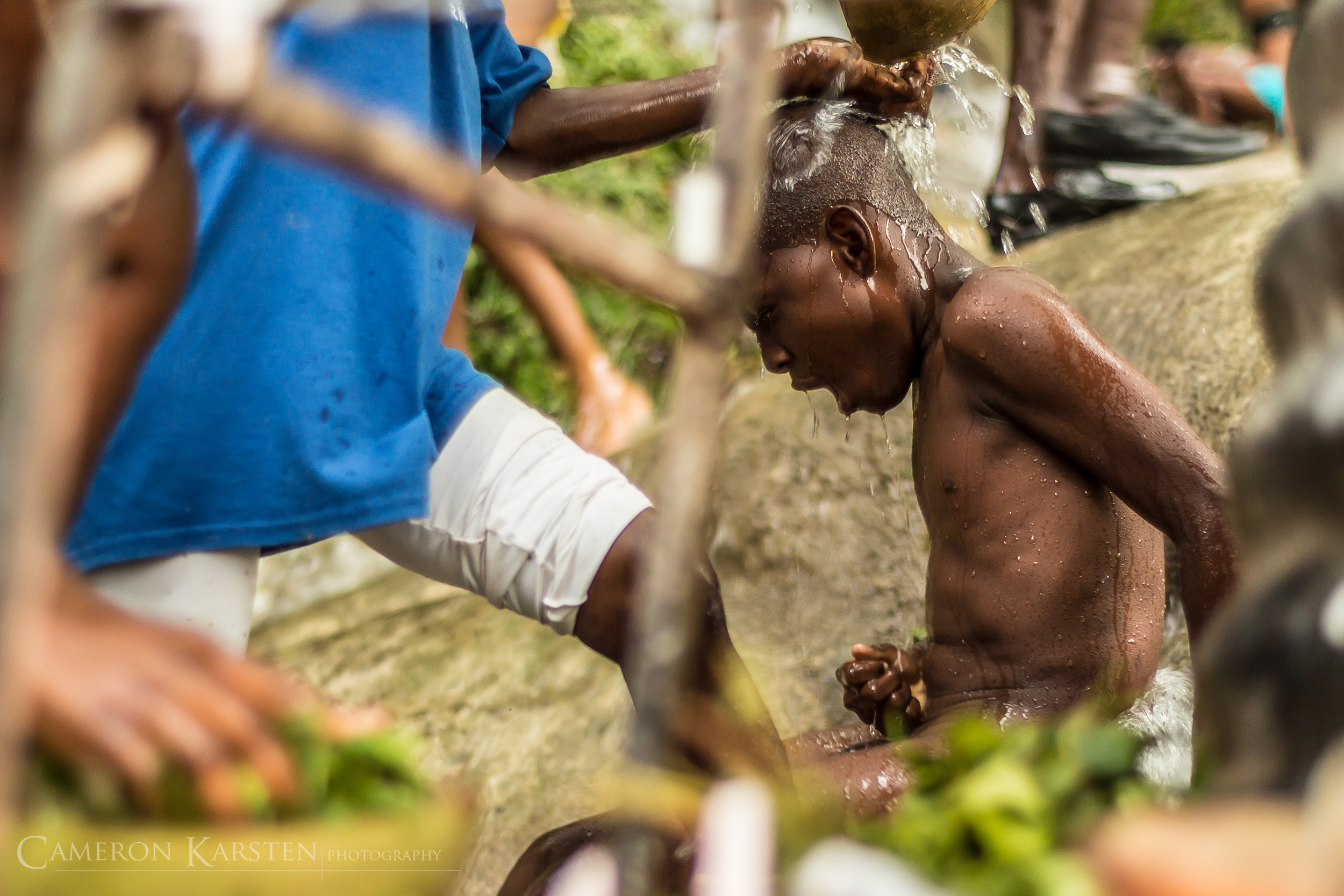
A young boy is bathed by his parents in the sacred waters of Saut d'Eau. He will also be scrubbed with a mixture of herbs including parsley and tree leaves believed to cleanse the body of sins that also bring good luck.

A young boy is bathed by his parents in the sacred waters of Saut d’Eau. He will also be scrubbed with a mixture of herbs including parsley and tree leaves believed to cleanse the body of sins that also bring good luck.


A man climbs the slick rocks to retrieve water from the waterfall to bring with him on his return home.

A man climbs the slick rocks to retrieve water from the waterfall to bring with him on his return home.


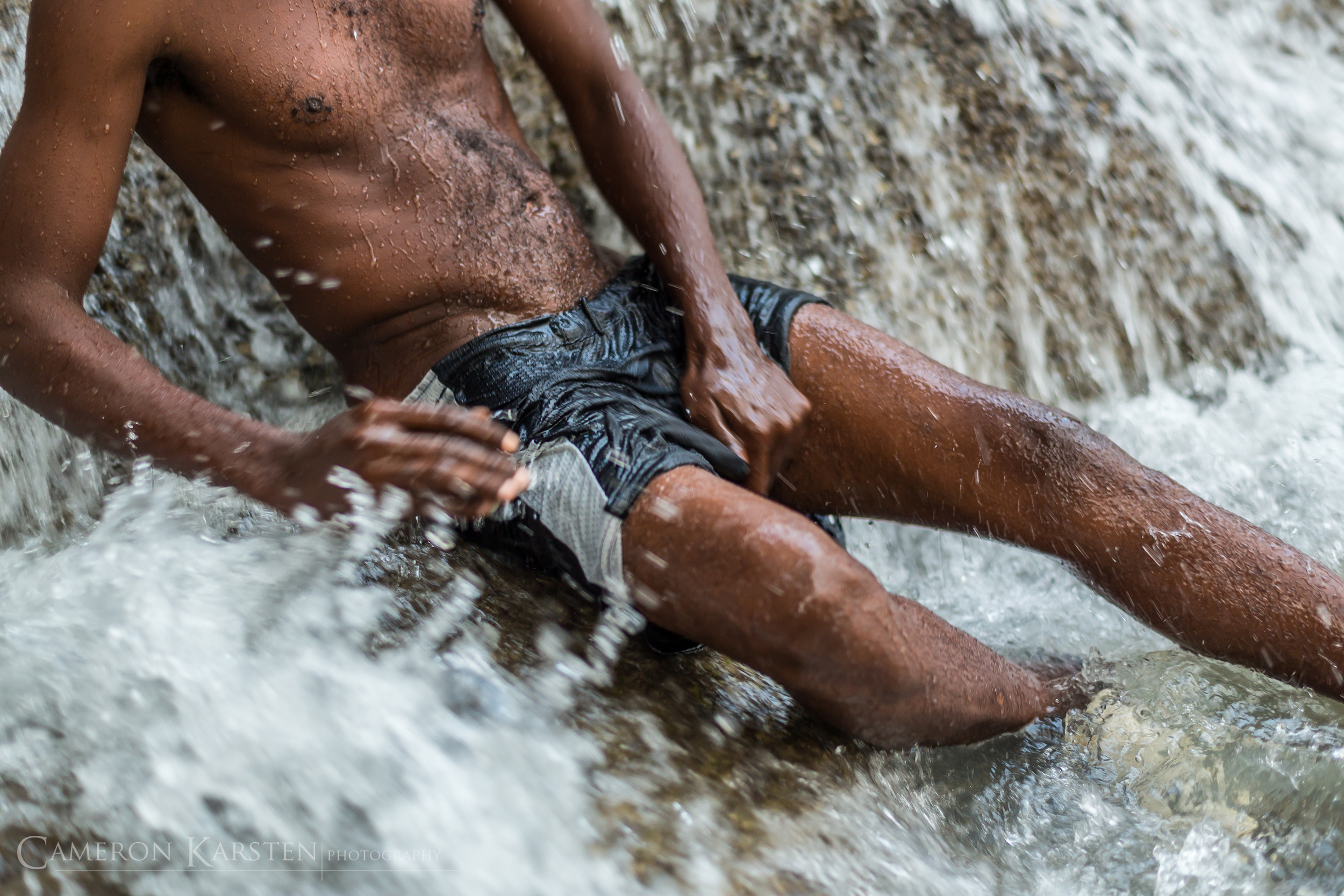
A pilgrim cleanses and scrubs himself of his sins in the waters of Saut d'Eau.

A pilgrim cleanses and scrubs himself of his sins in the waters of Saut d’Eau.


A young woman goes through a consultation with a vodou Mambo. Haitians visit Houngans or Mambos, vodou priests, in search of health, happiness and prosperity.

A young woman goes through a consultation with a vodou Mambo. Haitians visit Houngans or Mambos, vodou priests, in search of health, happiness and prosperity.


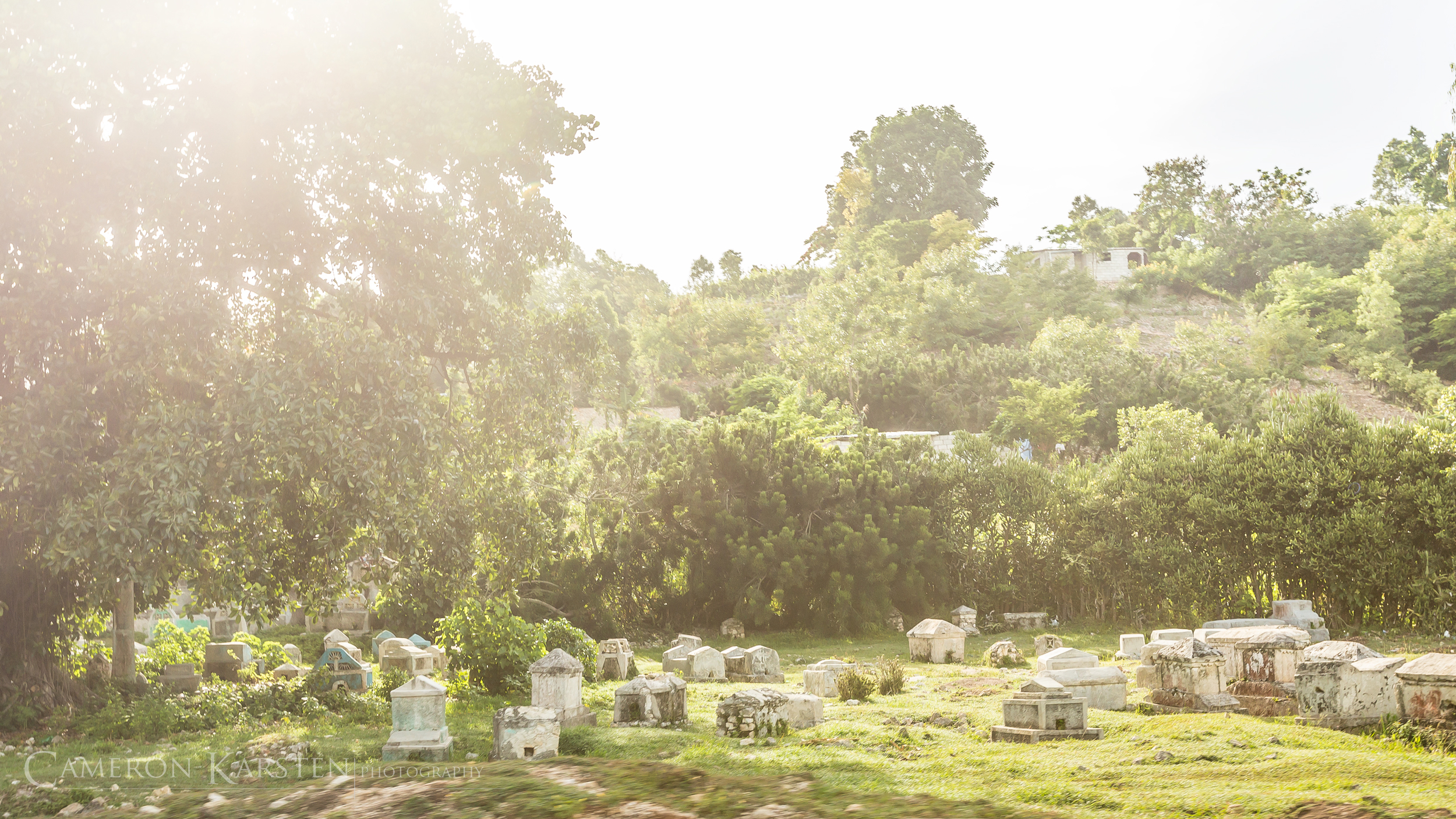
Cemeteries are both part of the Catholic and vodou traditions. For vodouisants, many of the celebrations surrounding the dead are held at cemeteries, as well as the much misconceived zombie phenomenon.

Cemeteries are both part of the Catholic and vodou traditions. For vodouisants, many of the celebrations surrounding the dead are held at cemeteries, as well as the much misconceived zombie phenomenon.


Charcoal is a huge commodity for the Haitian economy, yet as of 2006 there was only 2% of Haiti's original forests remaining. From the city streets to the country roads, charcoal can be found in large white canvas sacks sold by the "marmit" and not by weight. A marmit is approximately the size of your average coffee can, which in Haiti is the equivalent of about $0.60 USD.

Charcoal is a huge commodity for the Haitian economy, yet as of 2006 there was only 2% of Haiti’s original forests remaining. From the city streets to the country roads, charcoal can be found in large white canvas sacks sold by the “marmit” and not by weight. A marmit is approximately the size of your average coffee can, which in Haiti is the equivalent of about $0.60 USD.
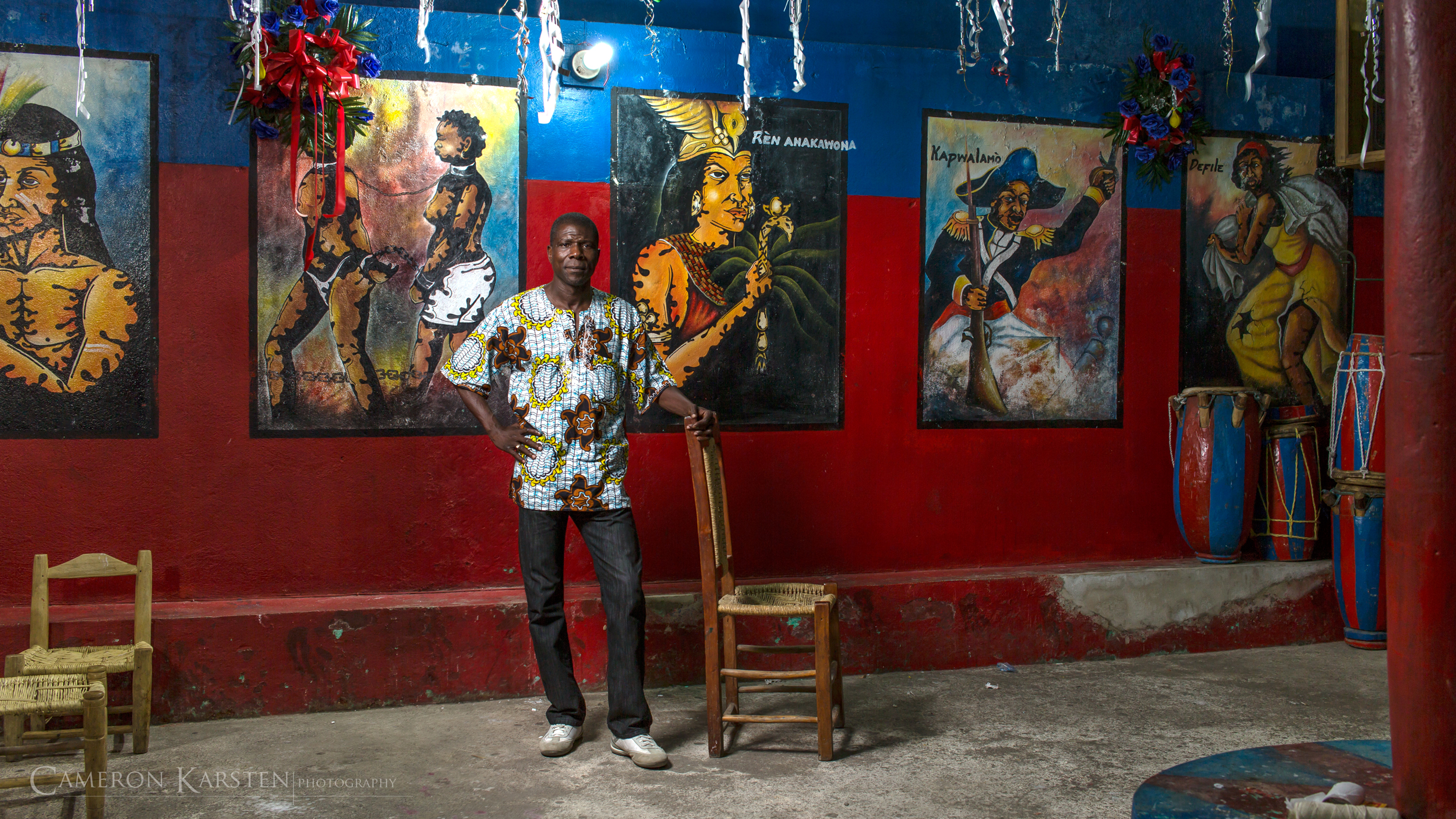
 

Construction vehicles and earthmovers dot the landscape from the failed efforts of international aid organizations to rebuild Haiti after the devastating 2010 earthquake. The earthquake registered a 7.0 magnitude, killing unconfirmed citizens. Estimates range widely from 100,000 to 316,000, leaving families ruined, debilitating the infrastructure and crippling an already suffering economy.

Construction vehicles and earthmovers dot the landscape from the failed efforts of international aid organizations to rebuild Haiti after the devastating 2010 earthquake. The earthquake registered a 7.0 magnitude, killing unconfirmed citizens. Estimates range widely from 100,000 to 316,000, leaving families ruined, debilitating the infrastructure and crippling an already suffering economy.


Haitians collect water and wash laundry in a dry river bed north of Port-au-Prince in the Artibonite Valley.

Haitians collect water and wash laundry in a dry river bed north of Port-au-Prince in the Artibonite Valley.


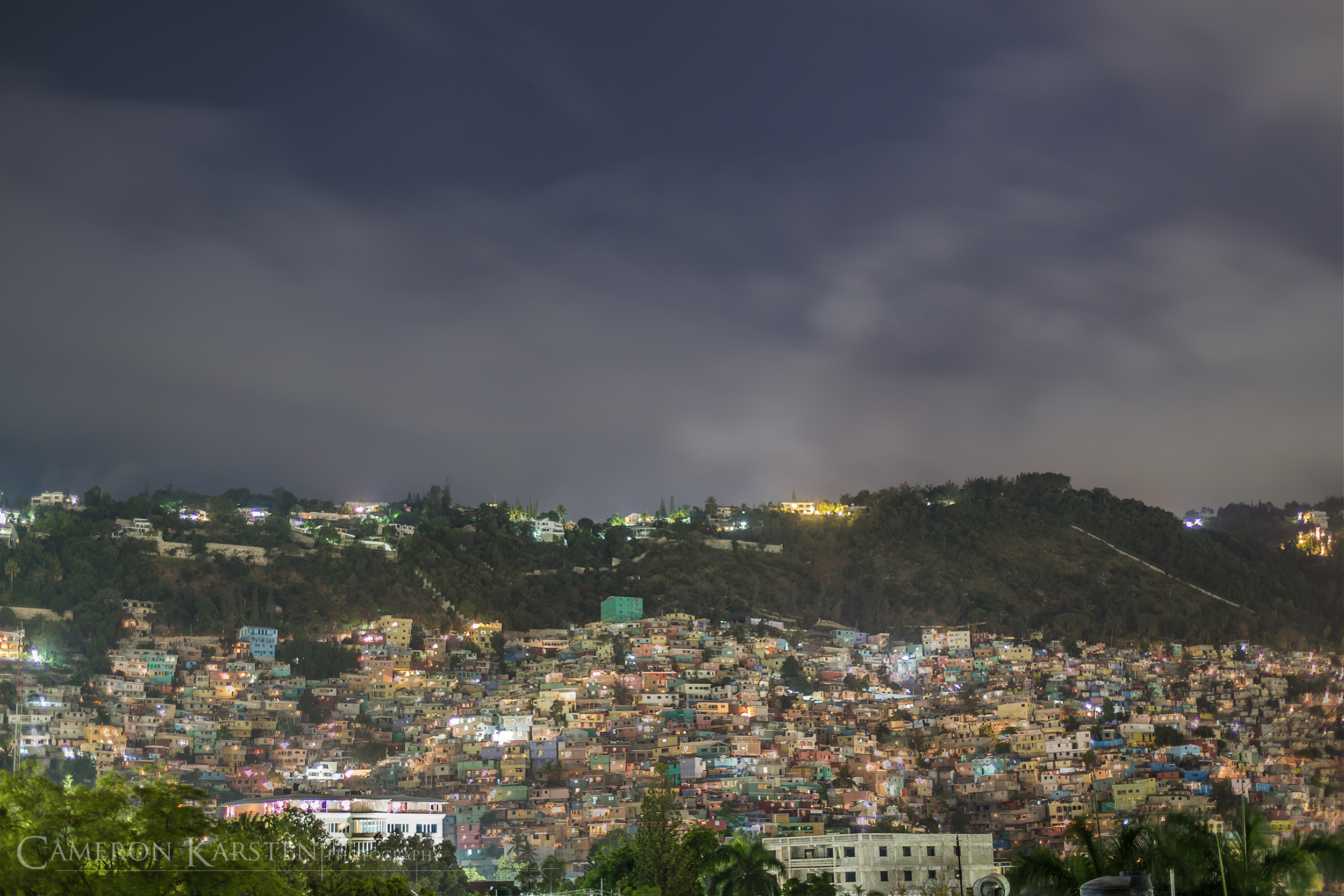
A view of the Port-au-Prince slum Jalousie, just above the affluent neighborhood of Petionville. Visible walls within the slum were painted a rainbow of colors to make the hillside more beautiful for Petionville residents.

A view of the Port-au-Prince slum Jalousie, just above the affluent neighborhood of Petionville. Visible walls within the slum were painted a rainbow of colors to make the hillside more beautiful for Petionville residents.


Sanba Zao is an internationally-renowned Haitian drummer with a rife knowledge of the history of vodou drums. Each drum has a specific role and is the key to calling Les Mysteres from across the waters in Africa to the island of Hispaniola.

Sanba Zao is an internationally-renowned Haitian drummer with a rife knowledge of the history of vodou drums. Each drum has a specific role and is the key to calling Les Mysteres from across the waters in Africa to the island of Hispaniola.


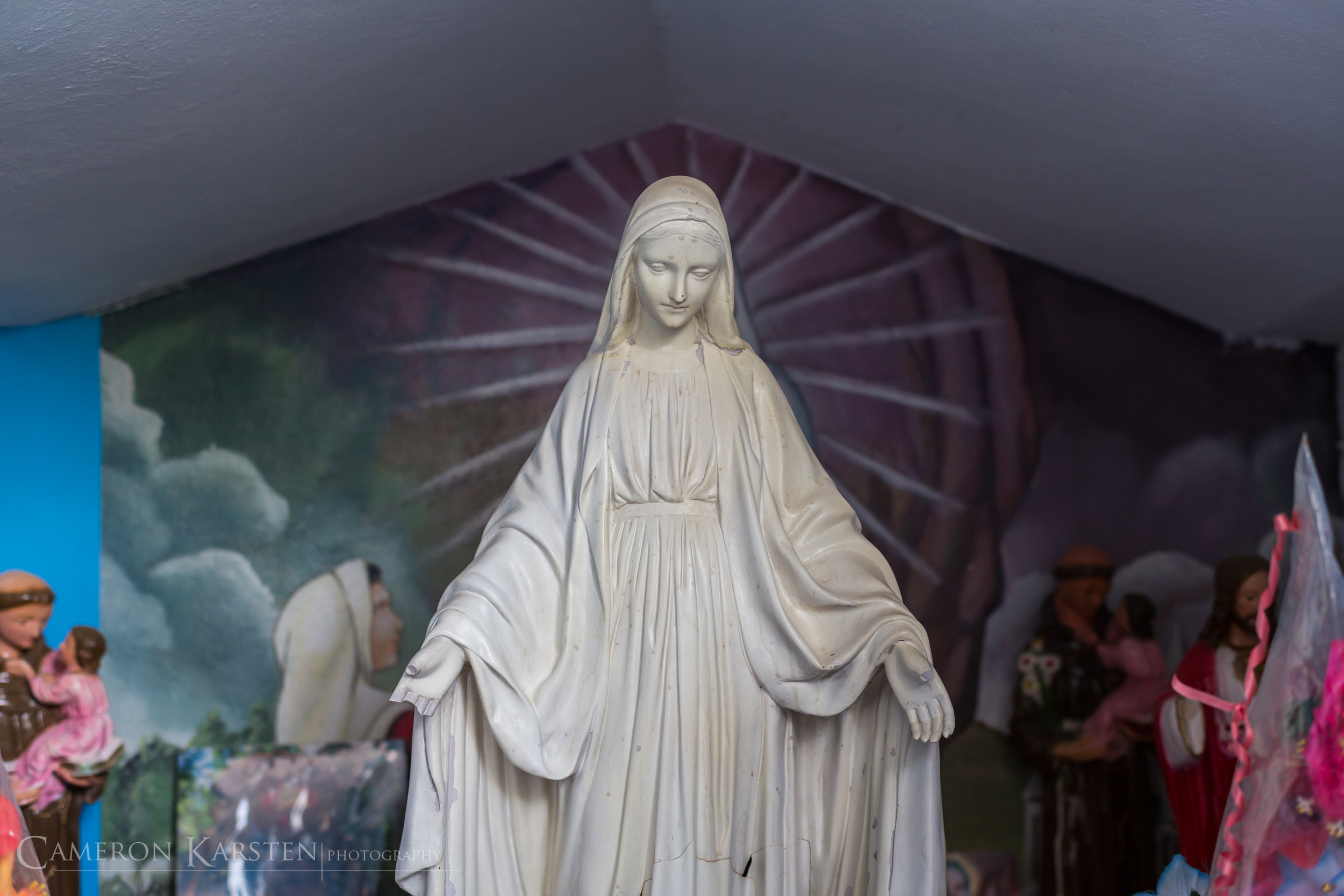
The Virgin Mary resides within an altar of a vodou temple, representing the facade Catholicism has played for the very survival of Haitian vodou.

The Virgin Mary resides within an altar of a vodou temple, representing the facade Catholicism has played for the very survival of Haitian vodou.


Catholicism and Haitian vodou are syncretic religions. Catholicism acted as the facade during the era of slavery, vodouisants utilizing the religion's idols to hide the true rituals of their African ancestors.

Catholicism and Haitian vodou are syncretic religions. Catholicism acted as the facade during the era of slavery, vodouisants utilizing the religion’s idols to hide the true rituals of their African ancestors.


A vodouisant prepares to receive the spirit Ogue Feray, the warrior spirit whose main color is red.

A vodouisant prepares to receive the spirit Ogue Feray, the warrior spirit whose main color is red.


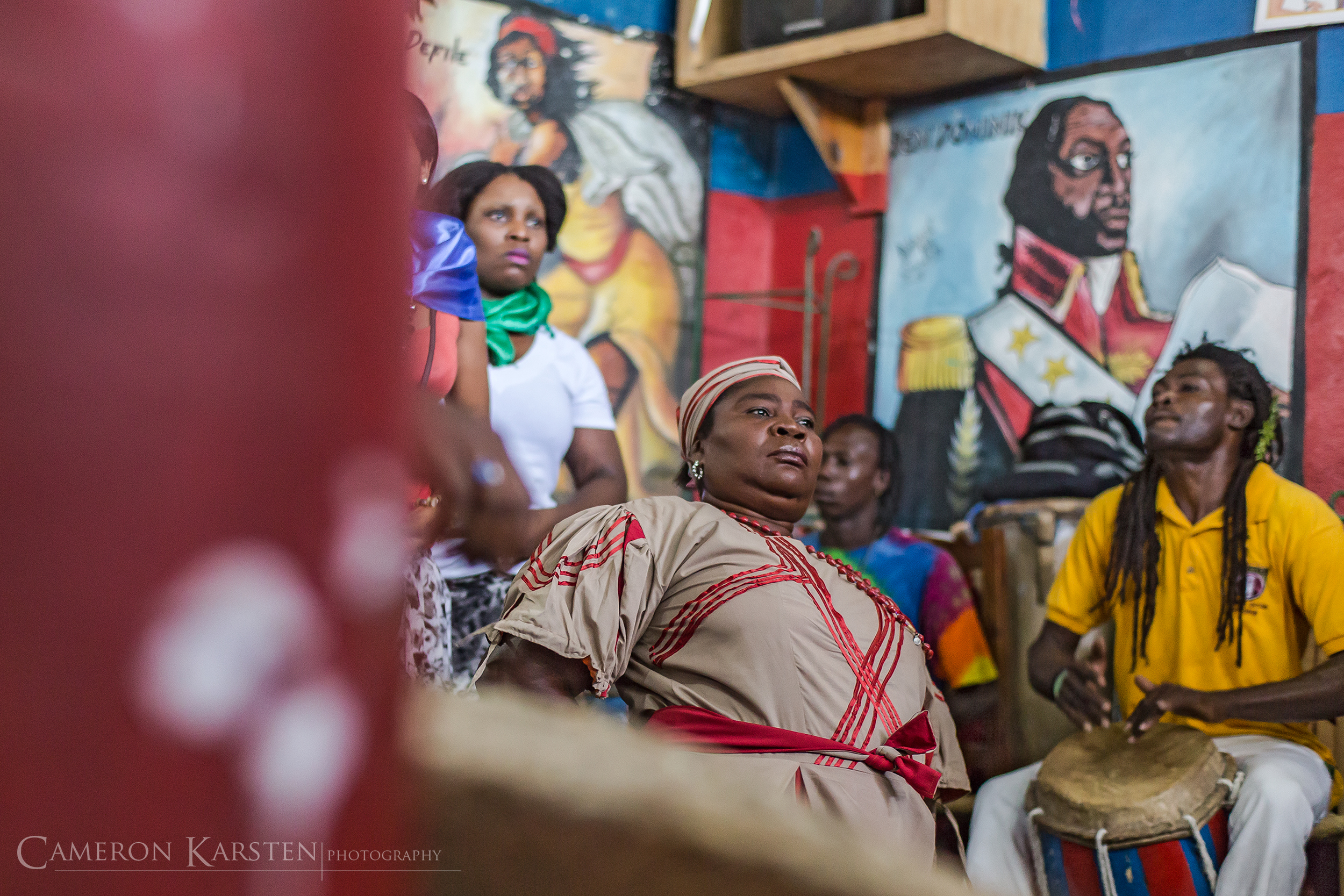
The houngan Sanba Zelle excites his congregation at his hounfour in Montagne Noire outside of Port-au-Prince. Haitian vodou is as much a party for the community as it is a religious celebration. Vodouisants gather to sing and dance, shedding the hardships they face in a post-earthquake Haiti. As of 2011, 61.7% of the population lives below the poverty line.

The houngan Sanba Zelle excites his congregation at his hounfour in Montagne Noire outside of Port-au-Prince. Haitian vodou is as much a party for the community as it is a religious celebration. Vodouisants gather to sing and dance, shedding the hardships they face in a post-earthquake Haiti. As of 2011, 61.7% of the population lives below the poverty line.


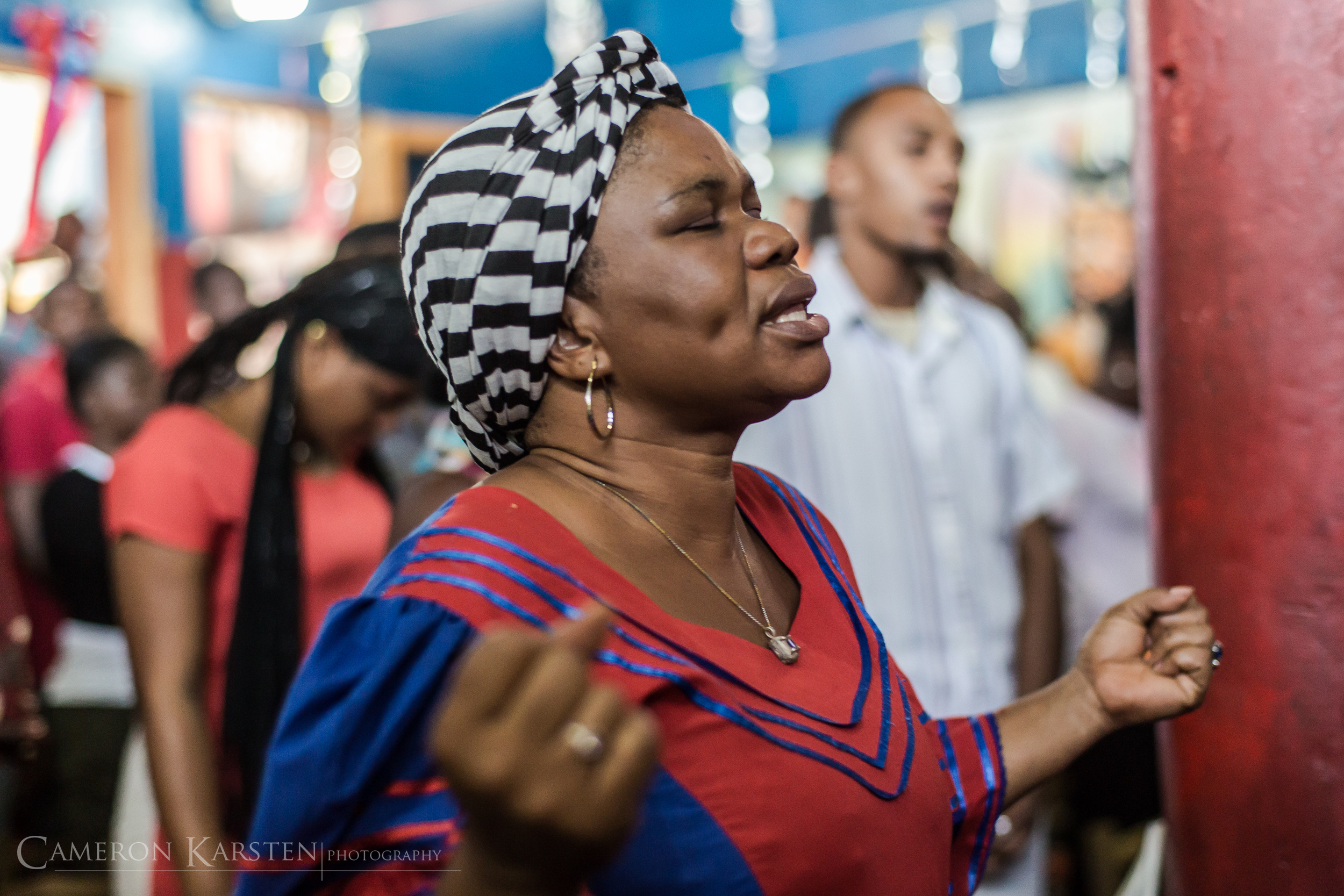
Vodouisants pray in congregation at Montagne Noire outside Port-au-Prince.

Vodouisants pray in congregation at Montagne Noire outside Port-au-Prince.


A vodouisant in attendance goes into trance as the congregation calls Les Mysteres from across the waters in Africa by the sound of the drums, the singing and pure merriment of the people. Vodou spirits are believed to have been mortals in past eras. By entering the body of a human, trance is the spirit's way of enjoying the pleasantries of humanity once again.

A vodouisant in attendance goes into trance as the congregation calls Les Mysteres from across the waters in Africa by the sound of the drums, the singing and pure merriment of the people. Vodou spirits are believed to have been mortals in past eras. By entering the body of a human, trance is the spirit’s way of enjoying the pleasantries of humanity once again.


A woman in trance by Ogue Feray embraces another vodouisant. When in trance, vodou spirits are looking to experience the physicality of humanity.

A woman in trance by Ogue Feray embraces another vodouisant. When in trance, vodou spirits are looking to experience the physicality of humanity.


Two congregation members in trance embrace at a hounfour in Montagne Noire, Port-au-Prince.

Two congregation members in trance embrace at a hounfour in Montagne Noire, Port-au-Prince.


Sanba Zelle is a Houngan, or Vodou priest, leading his community of vodou practitioners in Montagne Noir outside of Port-au-Prince. As a Houngan he is a leader who contacts Les Mysteres from across the waters in Guinea (Africa), helping his people find health, happiness and prosperity through Vodou.

Sanba Zelle is a Houngan, or Vodou priest, leading his community of vodou practitioners in Montagne Noir outside of Port-au-Prince. As a Houngan he is a leader who contacts Les Mysteres from across the waters in Guinea (Africa), helping his people find health, happiness and prosperity through Vodou.


A sculpture by André Eugène. All of the skulls in his work are real human skulls. I asked him how he was able to get a hold of the skulls and he said, “Many things are easy to come by in Haiti. All my work is recycled. You ask for a human skull, you can easily get one.”

A sculpture by André Eugène. All of the skulls in his work are real human skulls. I asked him how he was able to get a hold of the skulls and he said, “Many things are easy to come by in Haiti. All my work is recycled. You ask for a human skull, you can easily get one.”


André Eugène, founder of Atis Rezistans in downtown Port-au-Prince believes that Haitian culture must be preserved, from its past to present. Vodou is a part of Haitian culture. It is said that 95% of Haitians are Christian while 100% are vodou.

André Eugène, founder of Atis Rezistans in downtown Port-au-Prince believes that Haitian culture must be preserved, from its past to present. Vodou is a part of Haitian culture. It is said that 95% of Haitians are Christian while 100% are vodou.


A sculpture of Osama bin Laden from recycled bits by André Eugène, founder of Atis Rezistans on Grand Rue in downtown Port-au-Prince, Haiti.

A sculpture of Osama bin Laden from recycled bits by André Eugène, founder of Atis Rezistans on Grand Rue in downtown Port-au-Prince, Haiti.


Vodou Footprints is an intercontinental multimedia project that traces this millennia-old belief system from its roots in West Africa to the shores of the New World and beyond. For most people, the word “voodoo” conjures up images of needle-pierced dolls, imbued with dark magic, made to harm unsuspecting targets. This project shatters these narrow misconceptions by documenting the truth, both positive and negative, about the clandestine practices that make up Vodou. 

logo_blackTrajan


Malecón Nights

2015_Mazatlan-887

The thrill of travel is not just the location, change of weather, exotic food, cold crisp lager or sweet watered-down poolside cocktail; and neither that departure from the doldrums of a 9-5er as adventurer enters the foray of a new culture. In large part, it is the people and the very fine reclusive act of people-watching. Amble to a reposed locale, with or without inclement weather, put on your sunnies and take in the forms, motions, gestures and secret underlying nature of humanity’s greatest gift: the fleeting expression.
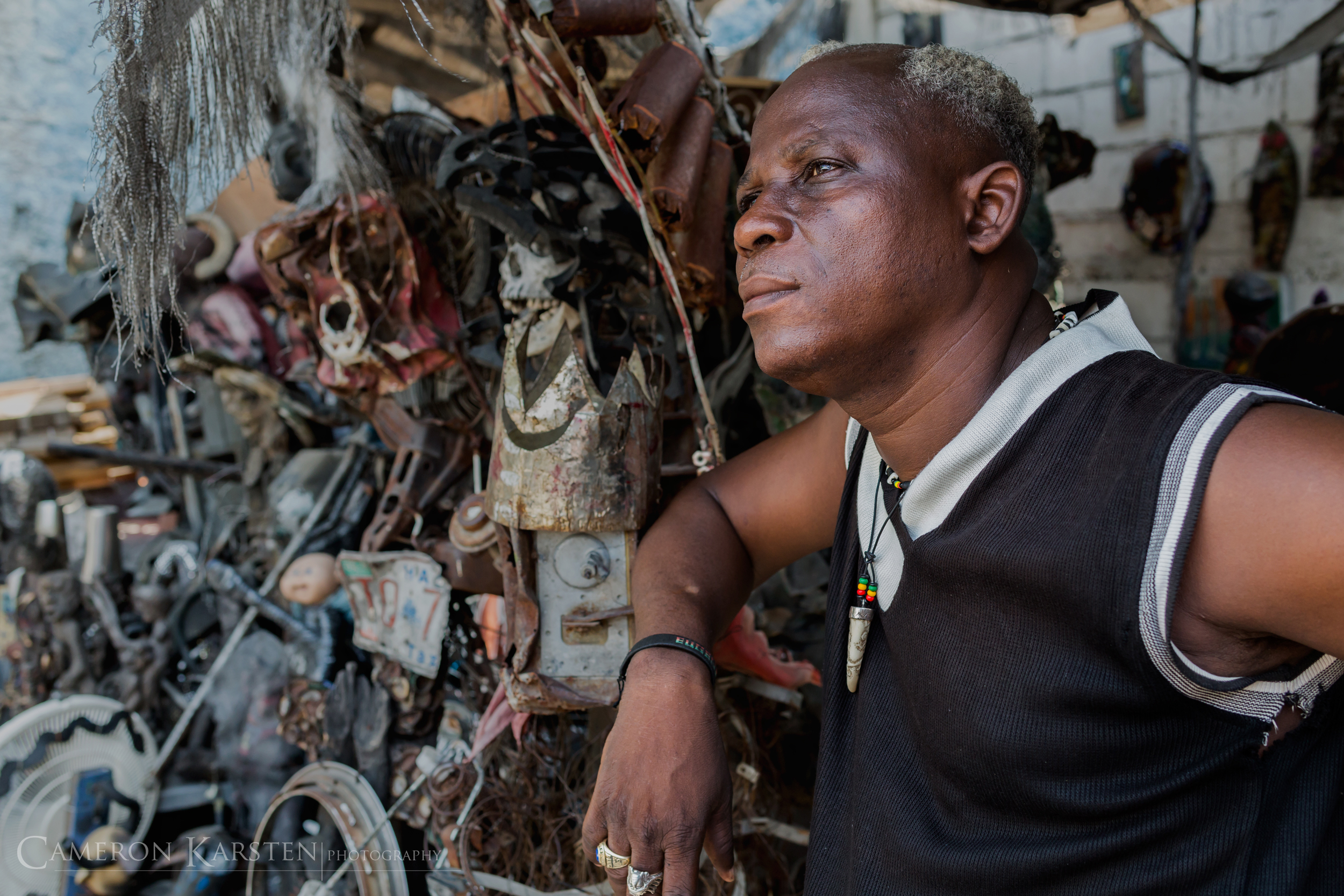
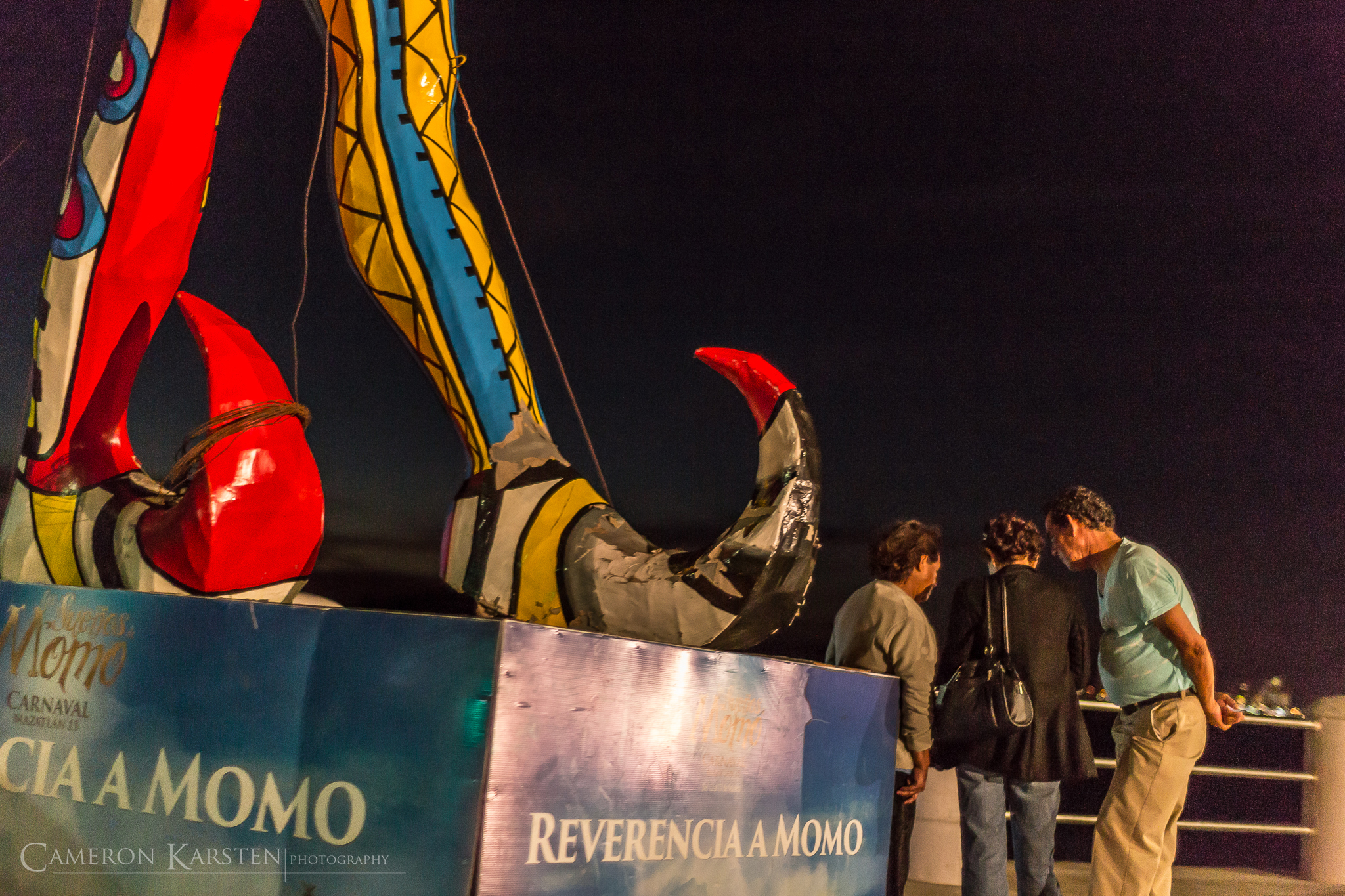
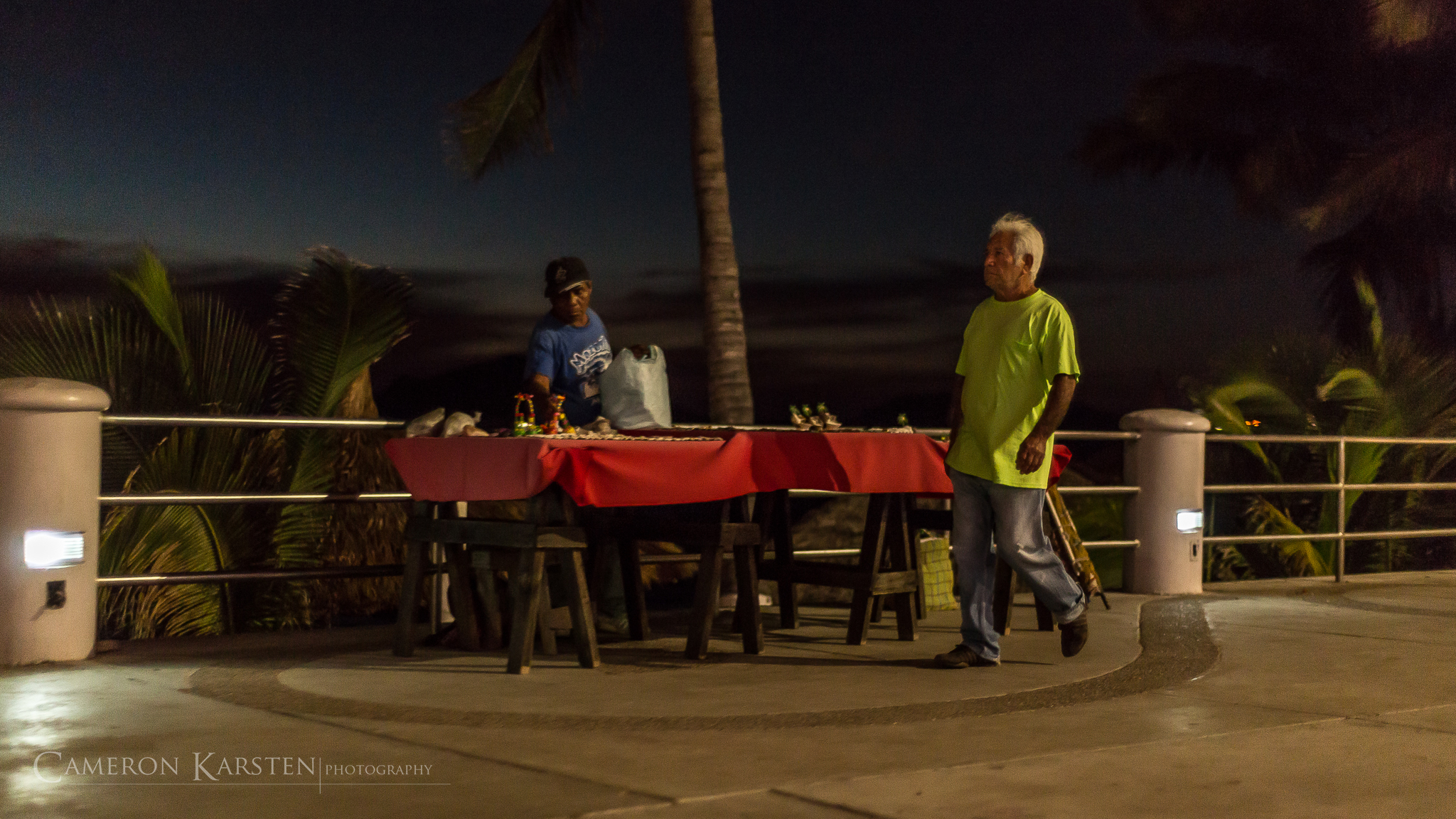
For this, I headed to the great malecón – Mazatlan, Mexico’s fine gift to locals and foreigners alike. The malecón is a boardwalk stretching a total of 13 miles along Pacific sand and stone, one of the world’s longest waterfront escapades. By daytime it’s sparsely populated, the heat and harsh bite of sun repelling personnel. But by night, as twilight dims, those heavenly swathes of orange, yellow and pink fade into sheer depths of purple, the individual and group collide along the concrete seawall. There are walkers. There are joggers. There are bikes, dogs, merchant stalls, blustery palms and ephemeral statues of a past Carnaval: el malecón.

2015_Mazatlan-868

2015_Mazatlan-875

2015_Mazatlan-999

2015_Mazatlan-1029

2015_Mazatlan-969

2015_Mazatlan-962

2015_Mazatlan-926

2015_Mazatlan-952

2015_Mazatlan-960

2015_Mazatlan-923

2015_Mazatlan-915

2015_Mazatlan-1043

logo_blackTrajan

The Last American Homesteaders: Pt II

CountryLife-126

Country living is dynamic, inside the cabin and out. Things don’t appear the same as if you’re living in an urban environment. Instead of concrete or brick foundations, walls are made of not just wood, but entire logs…big logs. And instead of finding house plants and framed pictures on these wall of beautiful distant locations, you’ll find what was once living in your yard stuffed, anthropomorphized and placed inside. Once again, country living is all about being in harmony, or being one, with nature, and then taking that to a new level.

CountryLife-143

Sand rats are friendly despite their appearance once giving a human personality

CountryLife-130

CountryLife-153

A coyote guarding the door

CountryLife-163-Edit

A black bear and badger go head-to-head for a dead sand rat.

CountryLife-7-Edit

Stepping outside you’ll spot a frozen land awaken as a river passes listlessly through the valley. Hints of pinks and oranges wash away the purples of night while geese begin to ruffle and hawks take flight. Another day in the country.

Next Post (Pt. III) –>

logo_blackTrajan

The Last American Homesteaders: Pt I

RanchHand-102

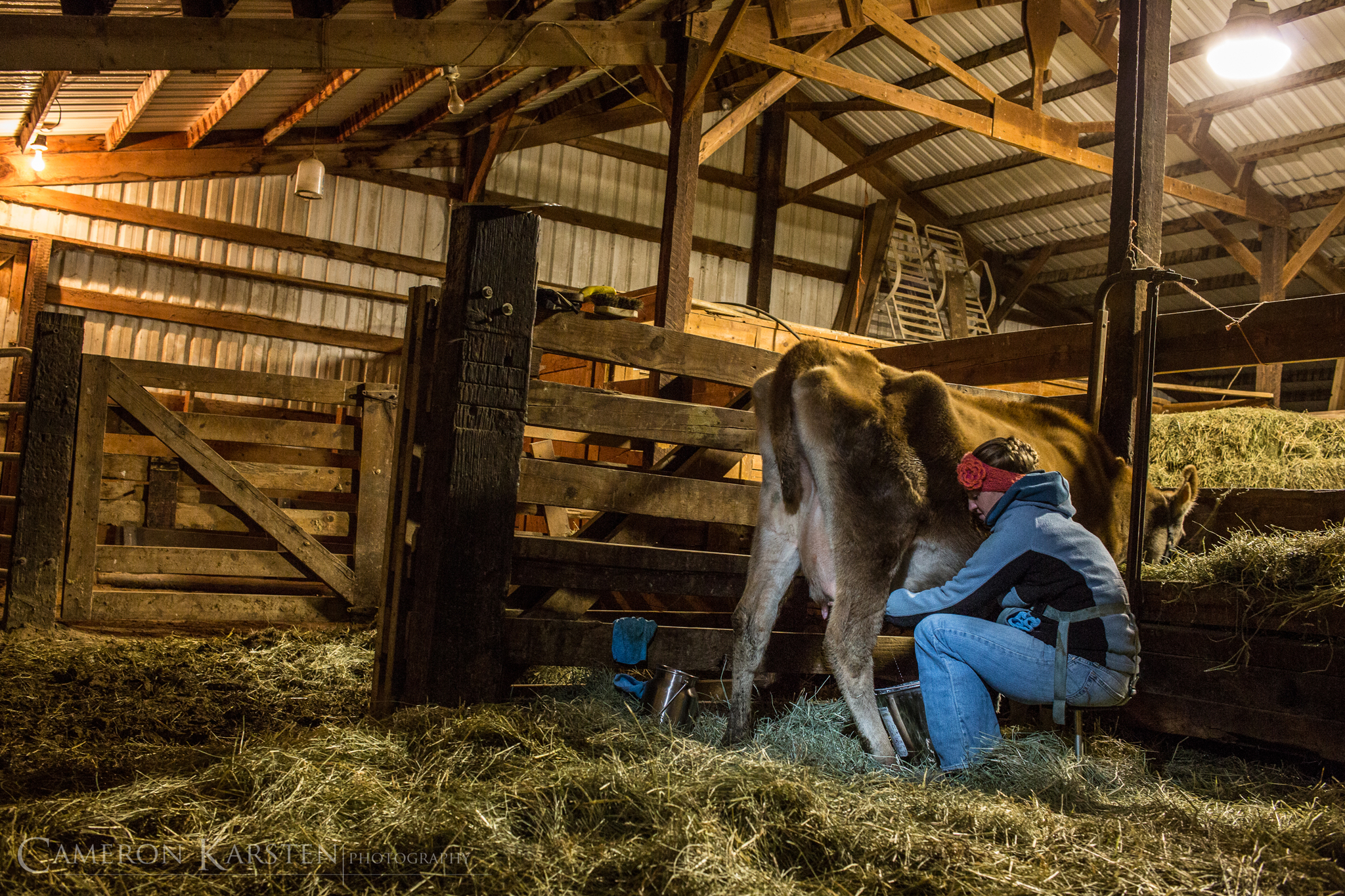
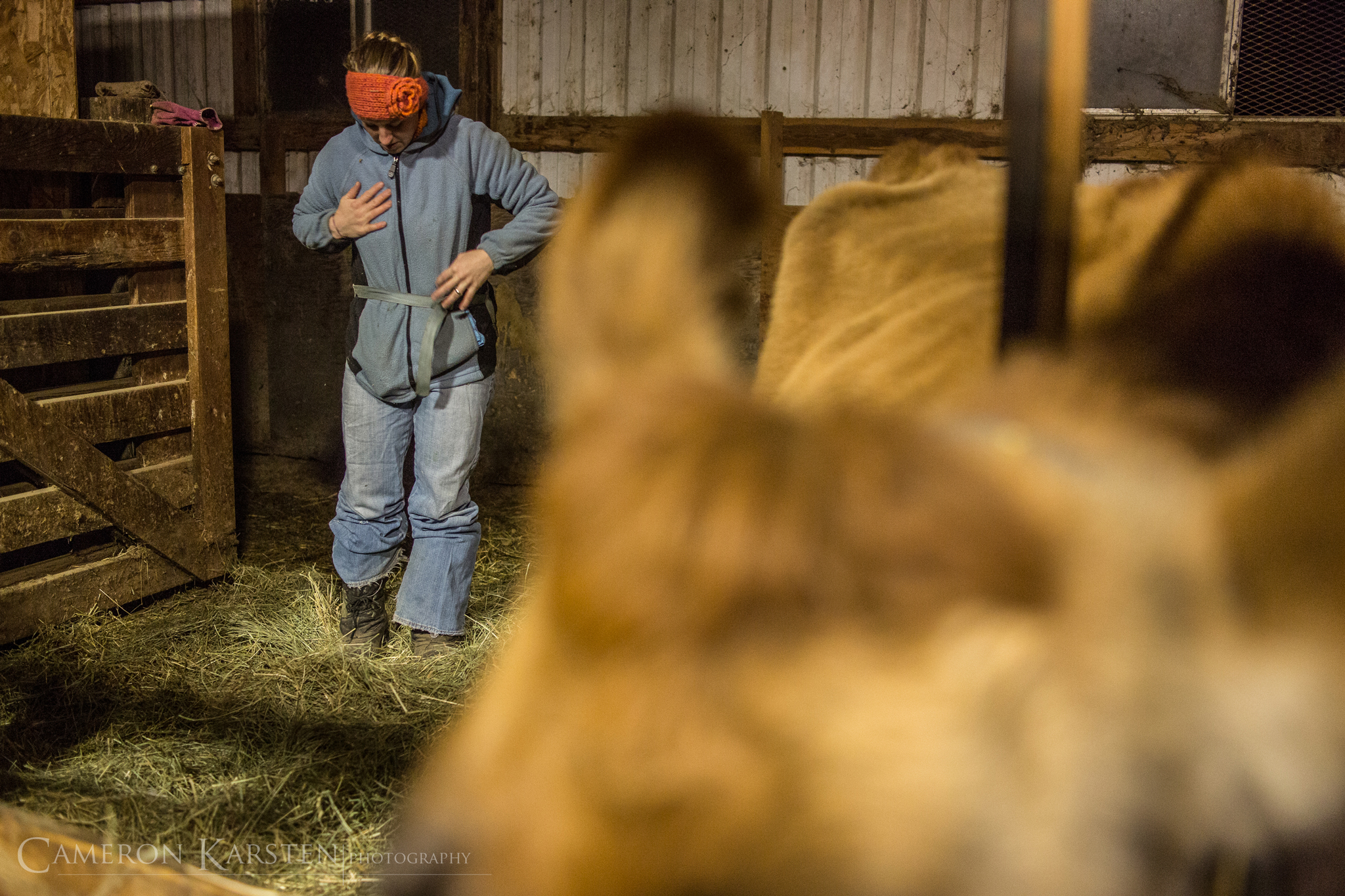
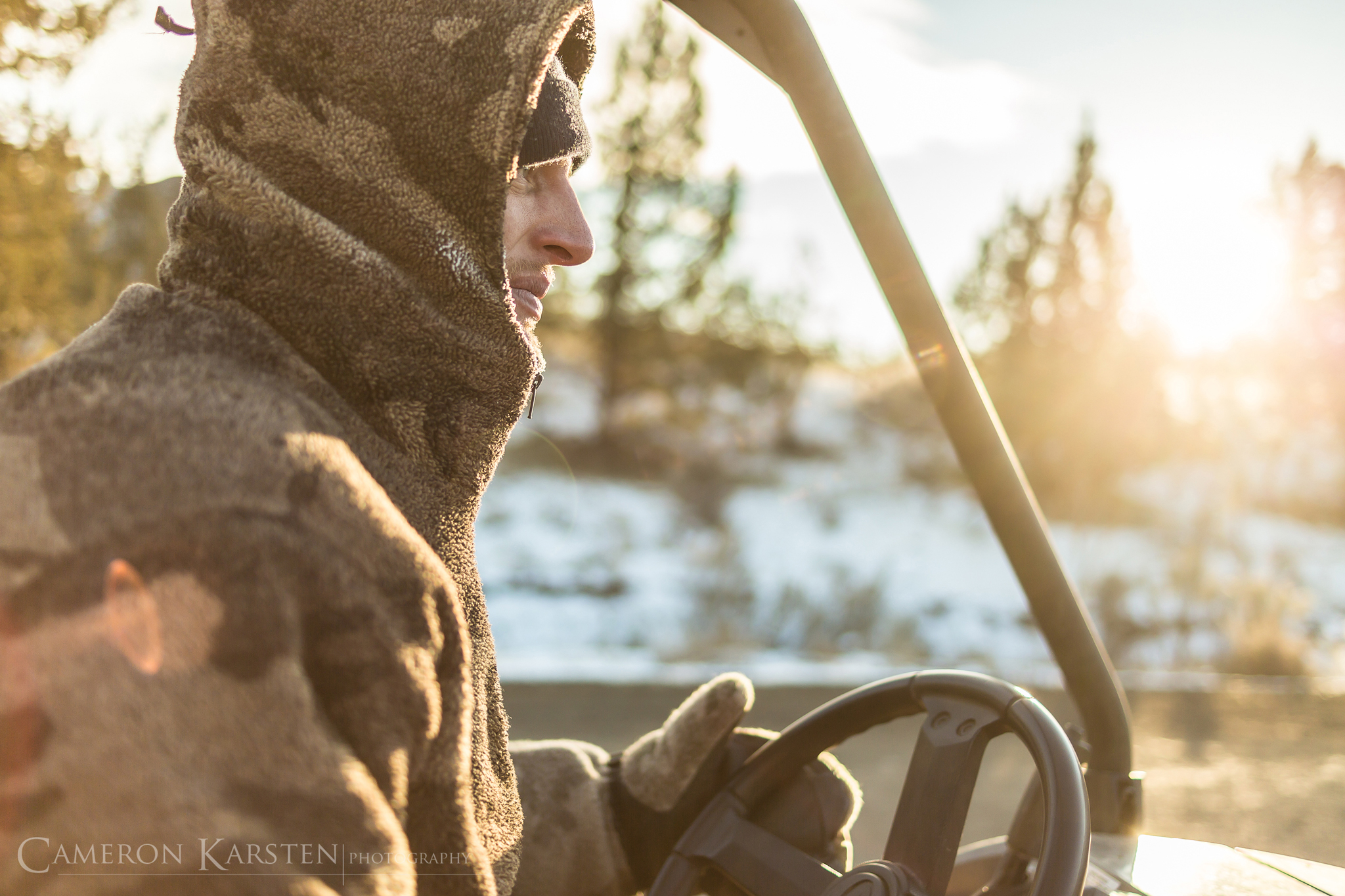
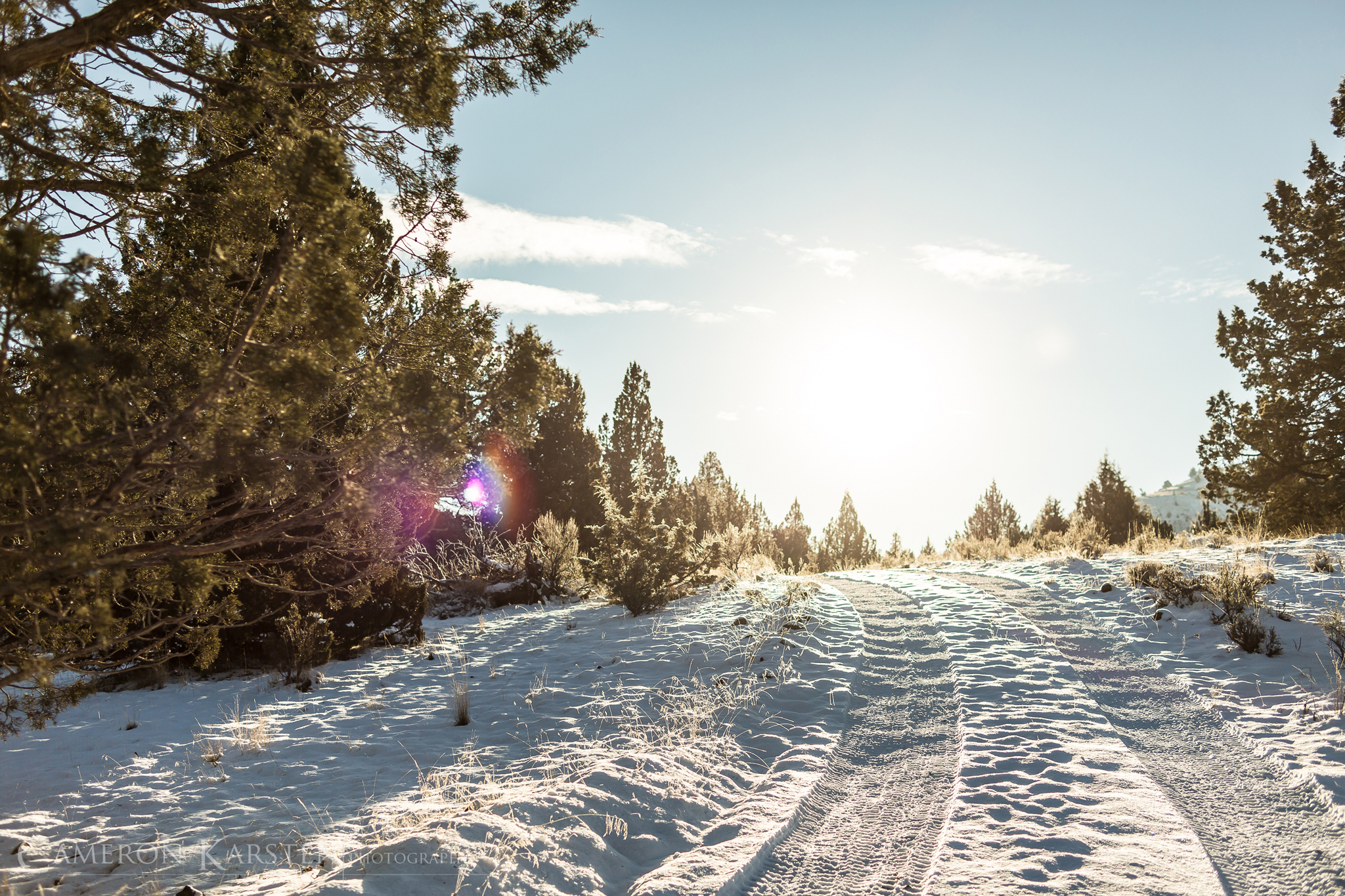
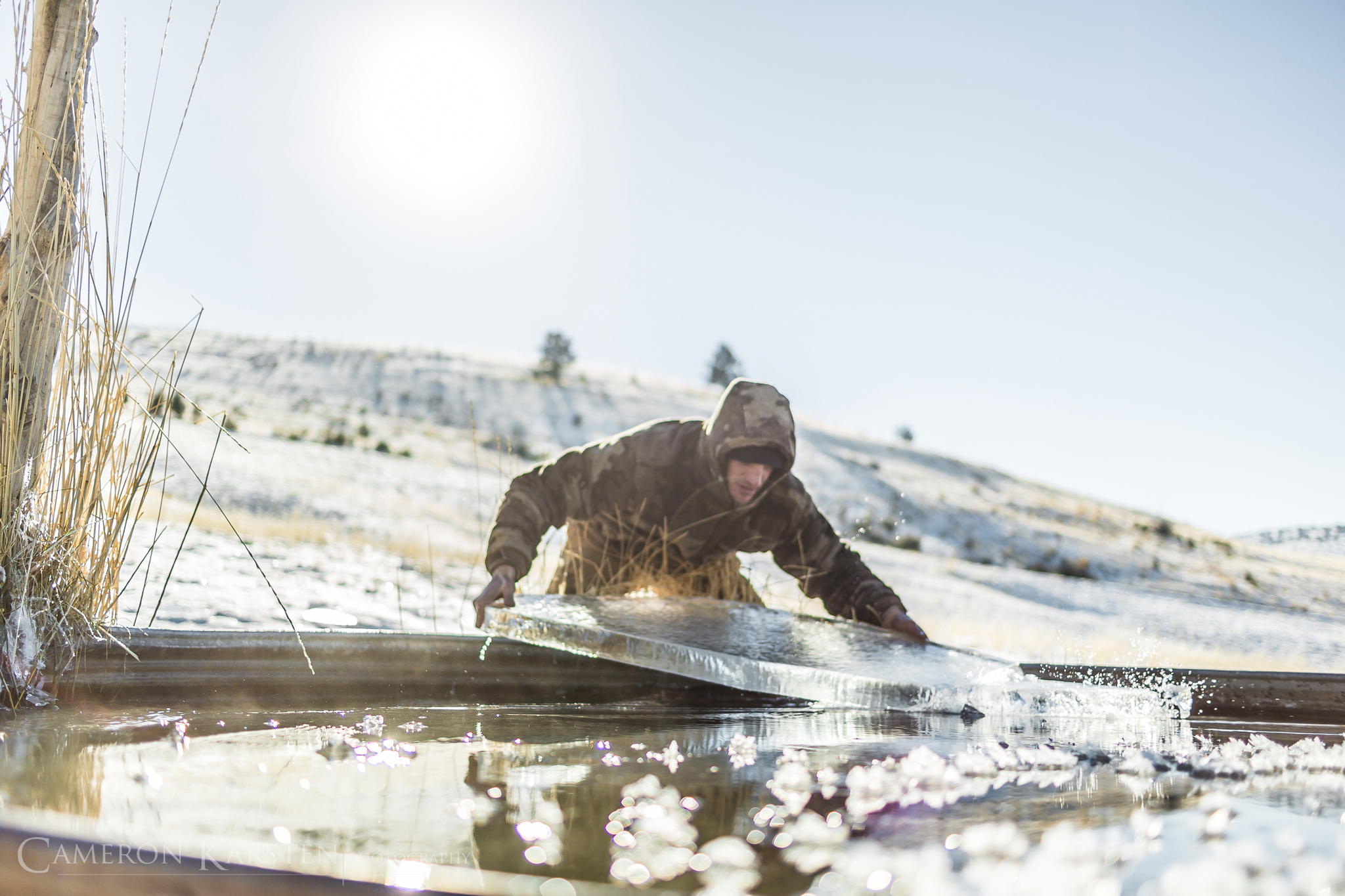
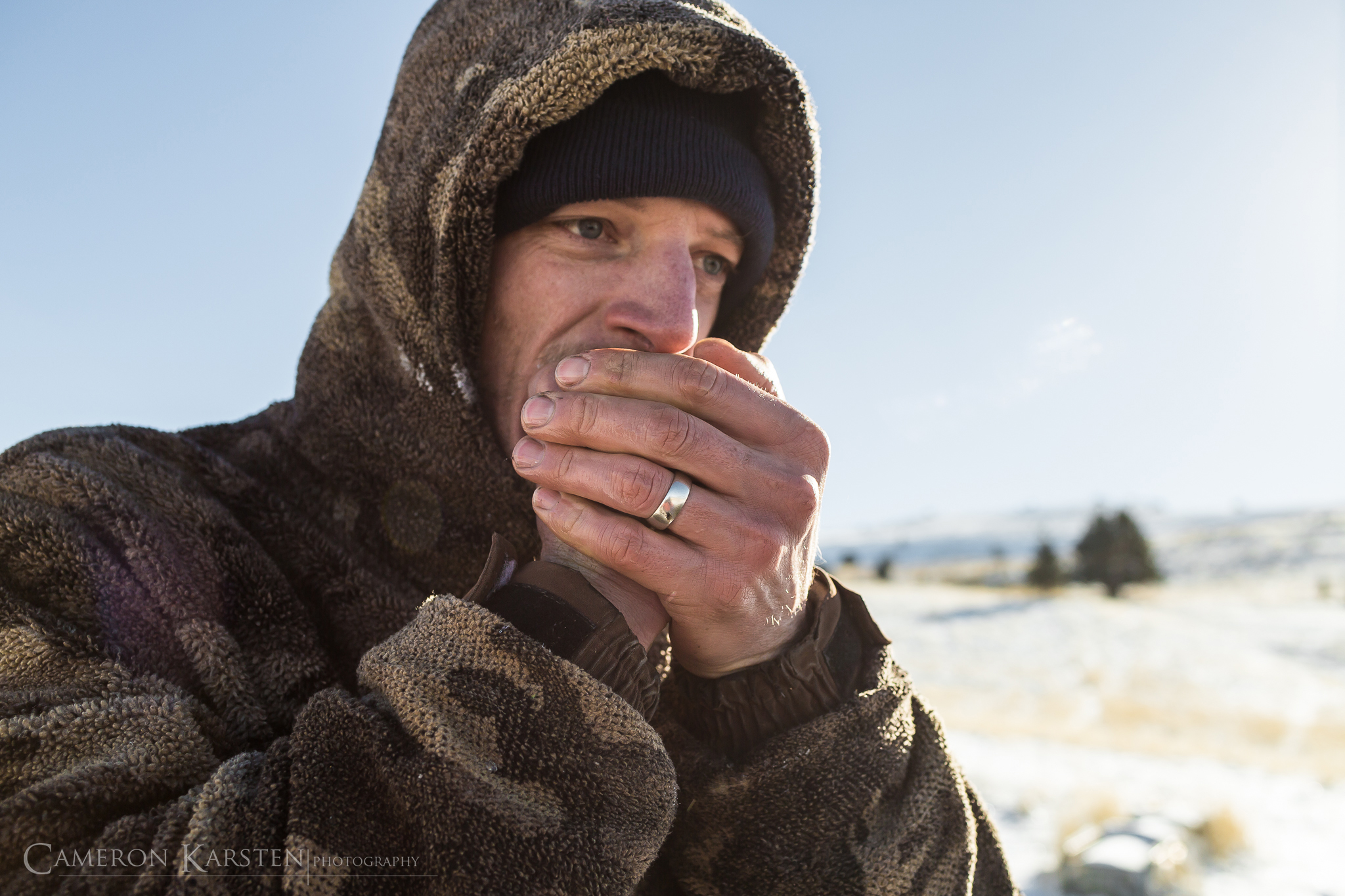
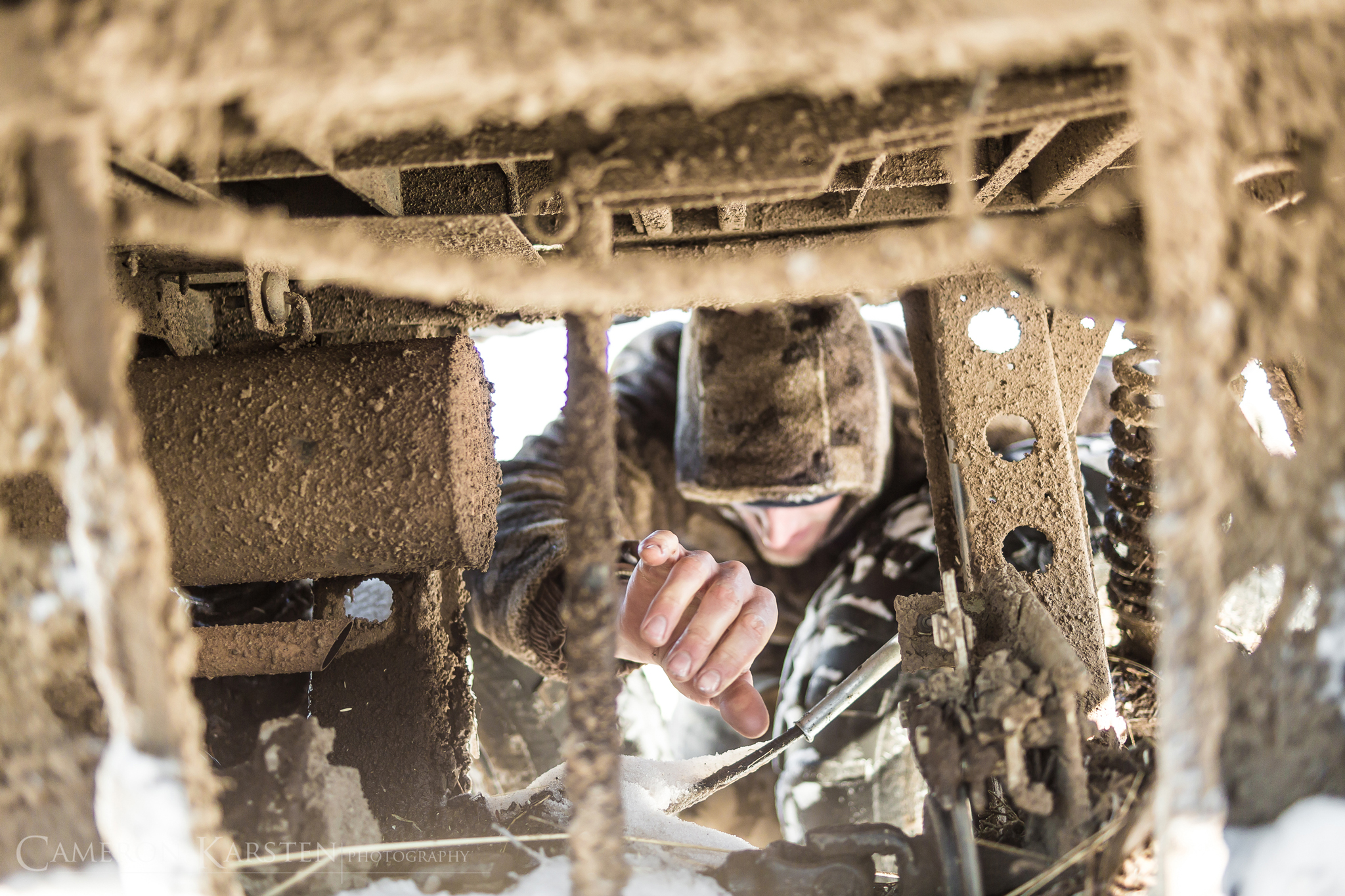
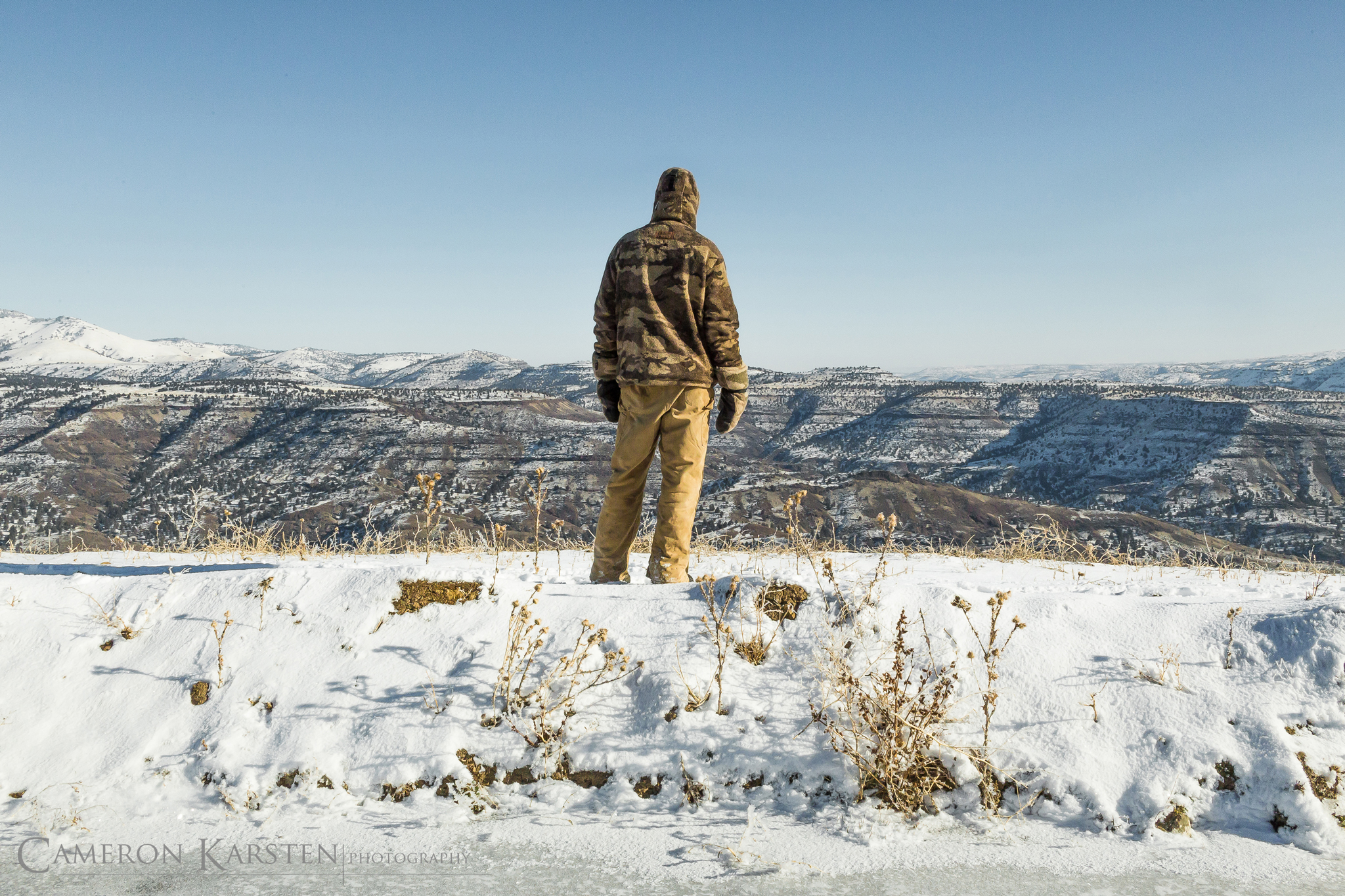
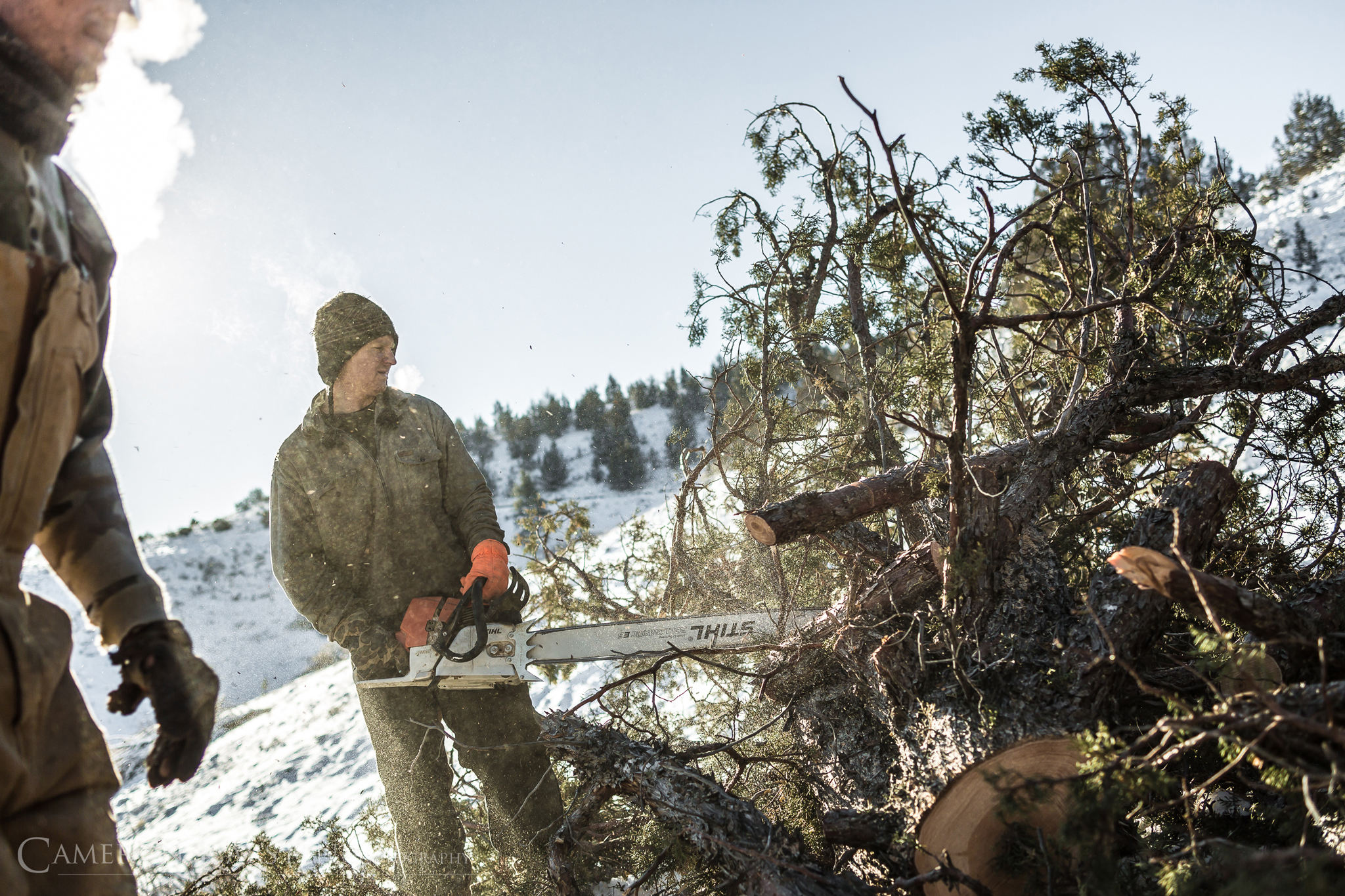
Life in the country is not an idealized peaceful existence unless you subscribe to the following as elements of such; 5AM start times to milk Daisy Bell the Cow, -5 degree temperatures while hopping on a quad with windchill factors in the -20s, your tears turning eyelashes into frozen shelves, your lips taut and crisp, ears and hands burning as if squeezed in a vice just before numbness sets in, and full days in the field, combing the backcountry for livestock and breaks in the fence line. Add to this clearing pathways of 50 foot toppled trees using a 32 inch chain saw or employing the exhaust of your Polaris’ engine to warm freezing hands after removing three inch thick ice sheets from the numerous watering troughs the cattle need to survive during these cold winter months.

To the ranchers and farmers who thrive out here around the John Day river near Spray OR on the east side of the Cascade mountains, these elements feed their deep spiritual and physical connection to the land. Our rewards for their sacrifice are fresh fruit, vegetables, grains and grass fed beef. Their rewards though are profound and pure. Fresh unpasteurized milk, with warm chicken and duck eggs, and turkeys for Thanksgiving. Here life is shared with elk herds that roam the pristine hills, with bears that hibernate in their caves while cougars and bobcats stalk deer and other game through the sparse pine forests of the hillsides and valleys. The setting sun with its darkening sky reveal, in this high desert, an Atlas of stars, shining with a native brilliance undimmed by the light pollution we’ve all grown accustomed to. A moody fog, lit by that brilliance, courses along the path of the frozen John Day below. As day turns to night, the night crawlers fall into their sleep as the daytrippers awaken.

All around the sounds of the natural world play unspoiled by human industry. The meter of this hard but simple life is not kept by a clock, rather, by the dawn’s early light, the shrunken shadows of high noon, and finally their elongated statures as the sun begins to set are, the timepieces of these hills. As the sky’s hues expand and intensify at sunset and the temperature begins to plummet, the body’s hunger will be satisfied in a kitchen where a pot of steaming milk with honey and spices warms and perfumes the air. Here is a glimpse of life in the high country of Spray, Oregon.

RanchHand-13

RanchHand-79

Daisy Bell the Cow being milked in the barn just after 5AM

RanchHand-11

RanchHand-171-Edit

At -5 degrees, this 2,000lb mare had no issue watching the morning sun rise

RanchHand-142

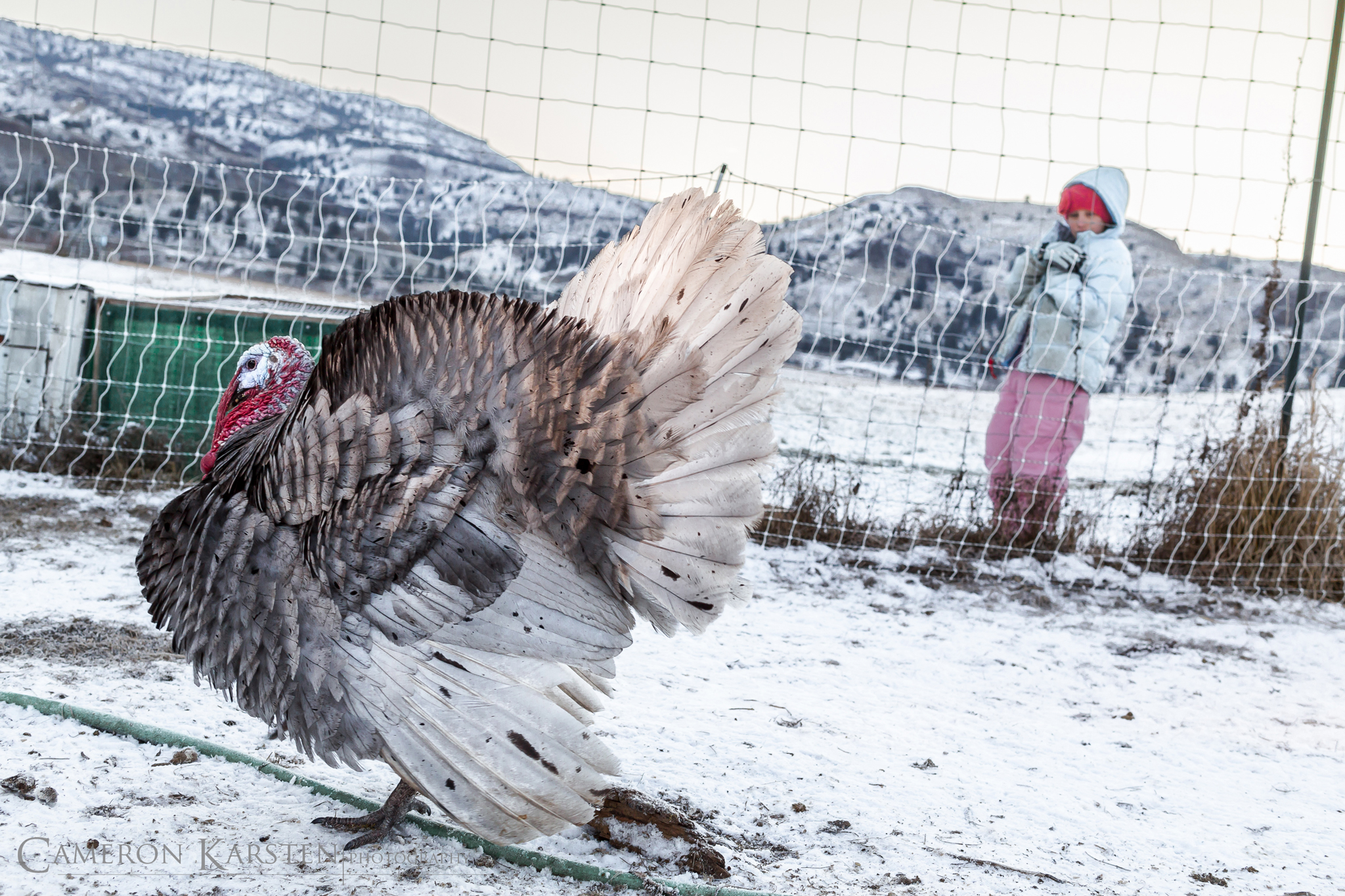
Tom the Turkey was the stud

RanchHand-124

RanchHand-216

RanchHand-219

Micheal F. starts the day with his wife at 5AM and as soon as there is light he is off into the backcountry. Micheal provides full-care to ranch owners; managing and operating a ranch, and learning new ways to evolve the farmer’s marketplace.

RanchHand-222

RanchHand-419

RanchHand-437

Clearing watering troughs requires thick skin, but the breath and the Polaris offer enough relief. The daily high while in Spray was 10 degrees.

RanchHand-442

RanchHand-366

RanchHand-368

The John Day River below

RanchHand-520

Providing mineral and salt blocks in the backcountry

RanchHand-324

RanchHand-274

Juniper trees are weeds in the high country. They are clear cut to make room for grasses in order to form pasture.

RanchHand-295

RanchHand-352

Sunset in the backcountry pasture at an elevation of 4000 feet

Next Post (Pt. II) –>

logo_blackTrajan

IRC’s Winter Party in Seattle, WA

International Rescue Committee's Winter Party in Seattle, WA

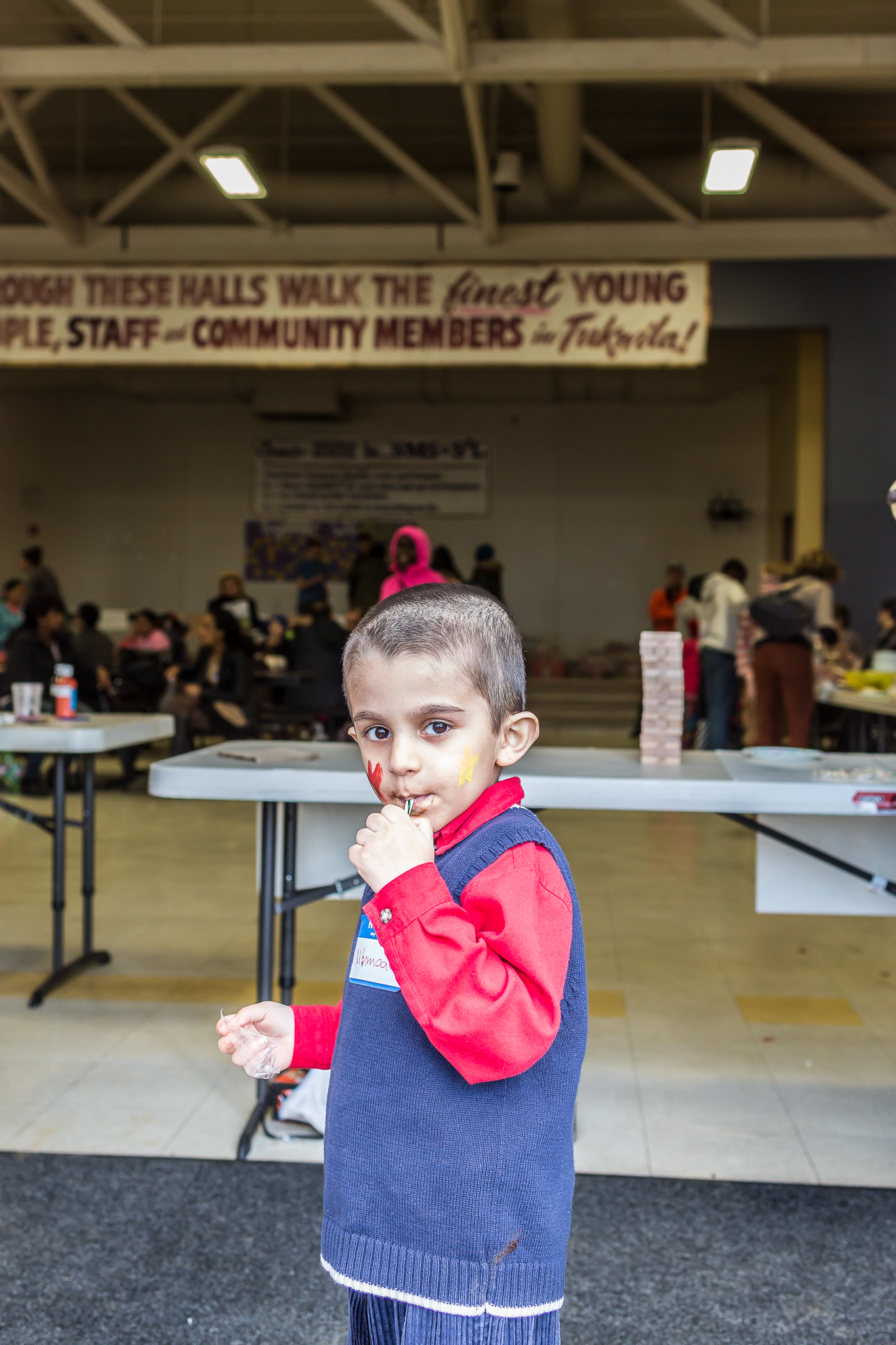
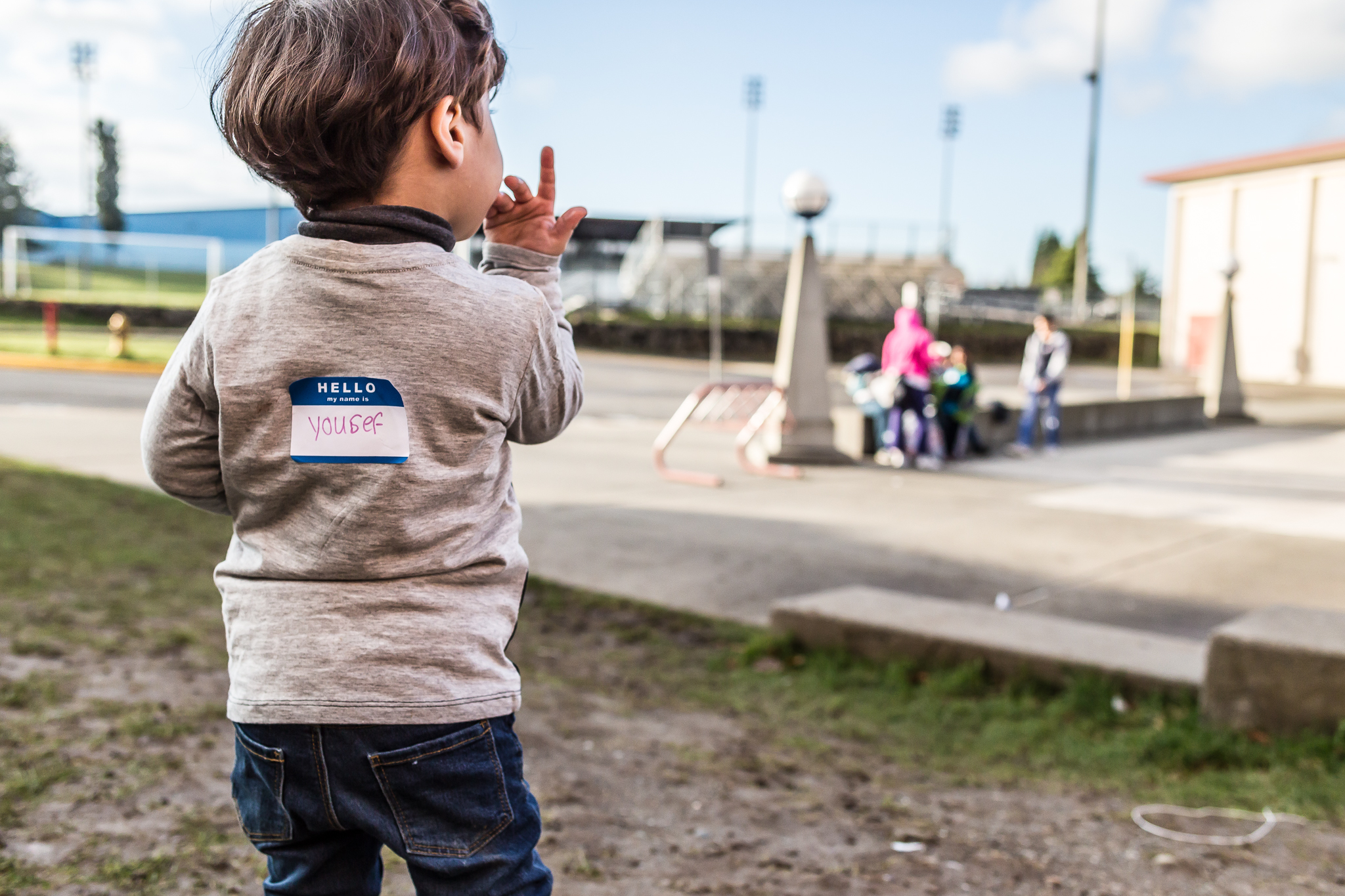
Seattle’s chapter of the International Rescue Committee celebrated a gift-exchange between refugees and sponsors this passed week. Families from around the world got together for gifts, games and activities, filling the auditorium with smiles, laughter and a few cries from the overwhelmed little ones.

International Rescue Committee's Winter Party in Seattle, WA

International Rescue Committee's Winter Party in Seattle, WA

International Rescue Committee's Winter Party in Seattle, WA

International Rescue Committee's Winter Party in Seattle, WA

International Rescue Committee's Winter Party in Seattle, WA

International Rescue Committee's Winter Party in Seattle, WA

International Rescue Committee's Winter Party in Seattle, WA

International Rescue Committee's Winter Party in Seattle, WA

International Rescue Committee's Winter Party in Seattle, WA

International Rescue Committee's Winter Party in Seattle, WA

International Rescue Committee's Winter Party in Seattle, WA

International Rescue Committee's Winter Party in Seattle, WA

IRC teams provide health care, infrastructure, learning and economic support to people in 40 countries, with special programs designed for women and children. Every year, the IRC resettles thousands of refugees in 22 U.S. cities.

IRC

logo_blackTrajan

STORMR Deer Camp: Into the Hoh Rainforest (Pt. IV)

STORMR_Deer-859

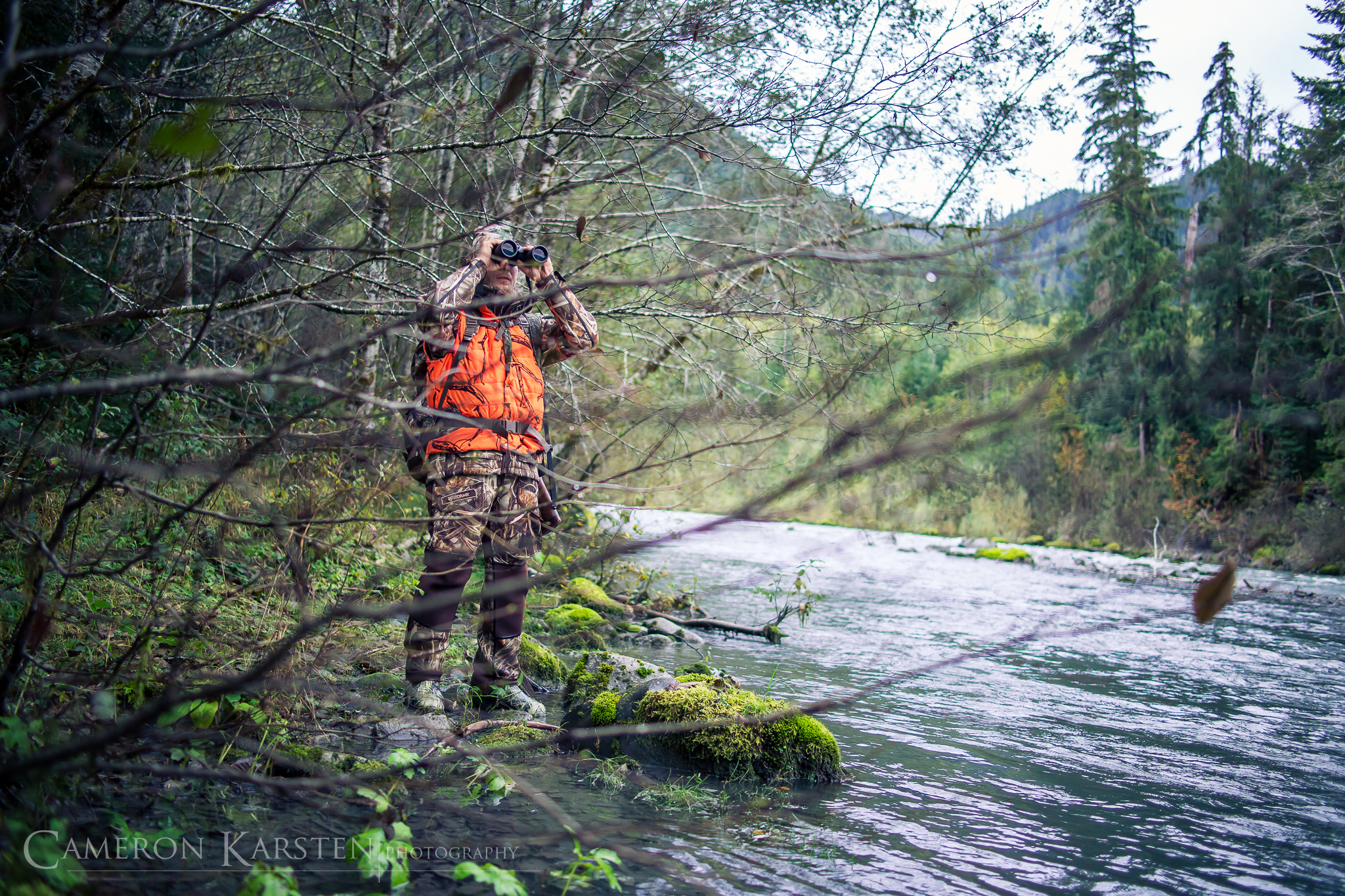
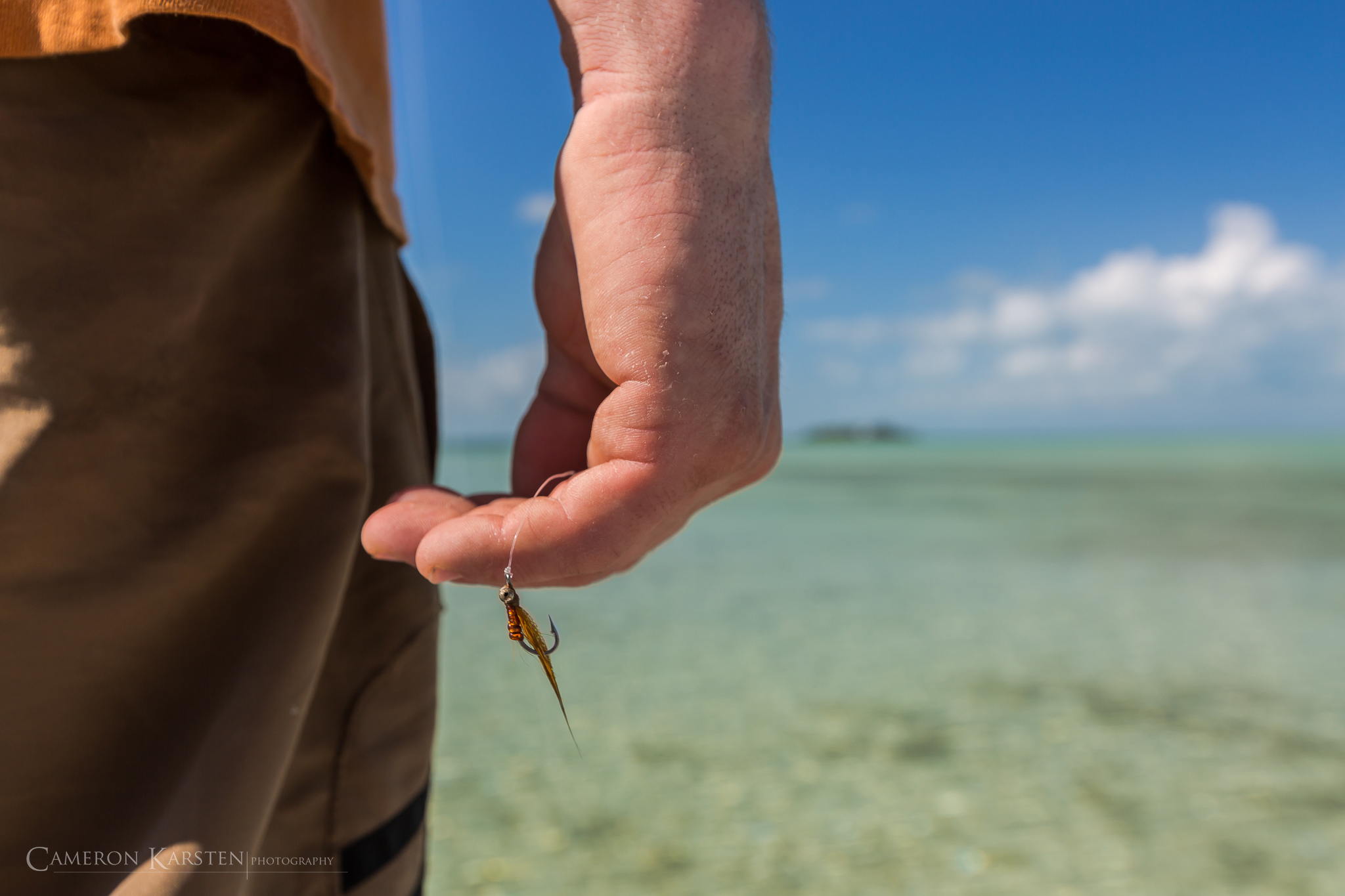
When there is a river nearby, there must be fish. Always bring your fly rod, seek the thrill and reel in those steelhead. Somewhere up the S. Fork Hoh River on the Olympic Peninsula of Washington State on a Stormr assignment.

STORMR_Deer-863

STORMR_Deer-829

STORMR_Deer-838

STORMR_Deer-825

STORMR_Deer-846

logo_blackTrajan

STORMR Deer Camp: Into the Hoh Rainforest (Pt. III)

STORMR_Deer-1060

Nature is stealth. Walk out into the woods and count the number of wild animals spotted. Many are heard, but few are seen. However there are eyes watching you and scents tracing your every movement. Stalking and hunting a wild animal is one of the most difficult thing to do, especially in the shadows of the Hoh Rainforest, but the rewards are one that will feed your family for months to follow. Practice the art of patience, endurance and awareness while chilled temperatures permeate the saturated environments of the Olympic Peninsula. On the hunt with STORMR foul-weather gear.

STORMR_Deer-1130

STORMR_Deer-1239

STORMR_Deer-1175

STORMR_Deer-1048

STORMR_Deer-1086

STORMR_Deer-1334

STORMR_Deer-1327

STORMR_Deer-930

STORMR_Deer-899

STORMR_Deer-1332

STORMR_Deer-1316

STORMR_Deer-1394

STORMR_Deer-1420

imgres

logo_blackTrajan

Life by Water: Ambergris Caye, Belize

CayeCaulkerSail-168-Edit

And this was a lot of fun!

BelizeBoneFishing-111-Edit

CayeCaulkerSail-30

CayeCaulkerSail-119

BelizeReefFishing-277

BelizeBoneFishing-125-Edit-2

BelizeBoneFishing-113

BelizeBoneFishing-98

BelizeBoneFishing-18

BelizeBoneFishing-146

CayeCaulkerSail-157

BelizeReefFishing-52

BelizeReefFishing-211

BelizeBoneFishing-90

BelizeReefFishing-398-Edit

Cameron Karsten Photography

Pastorals Gone East

_N9A4373

“Simplicity is the glory of expression.” -Walt Whitman

A road trip last summer into the high plains off the eastern slopes of the Rocky Mountains.

_N9A4498

_N9A4284-Edit

_N9A4204-Edit

CameronKarsten_Landscape-8

_N9A4524-Edit

_N9A4276-Edit

_N9A4195

_N9A4376-Edit

_N9A3792

_N9A4723-Edit

_N9A3931-Edit

_N9A4967-Edit

_N9A4442

_N9A4008

_N9A5986

For more work please visit http://www.CameronKarsten.com

Cameron Karsten Photography