The Honey Harvest is Near

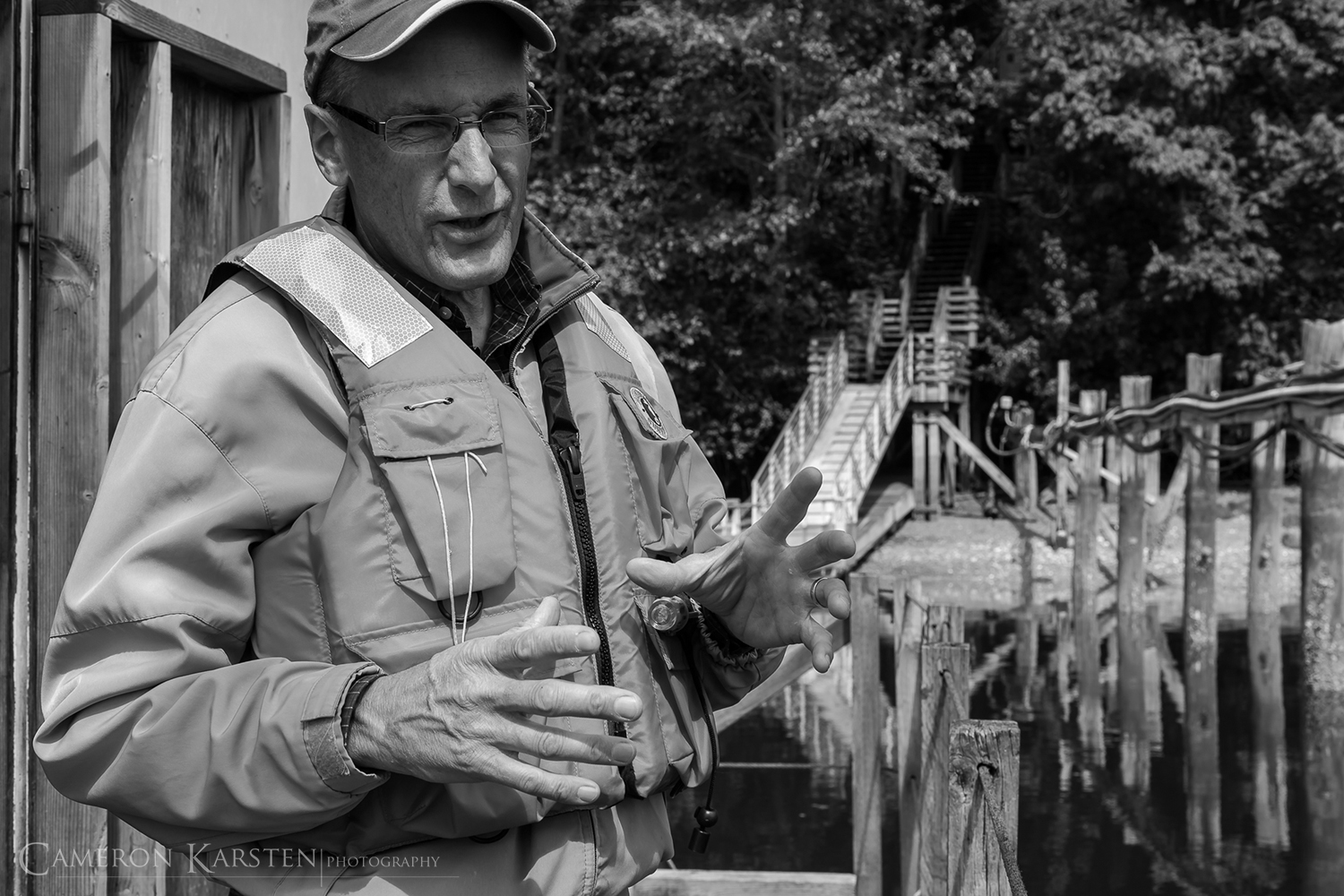
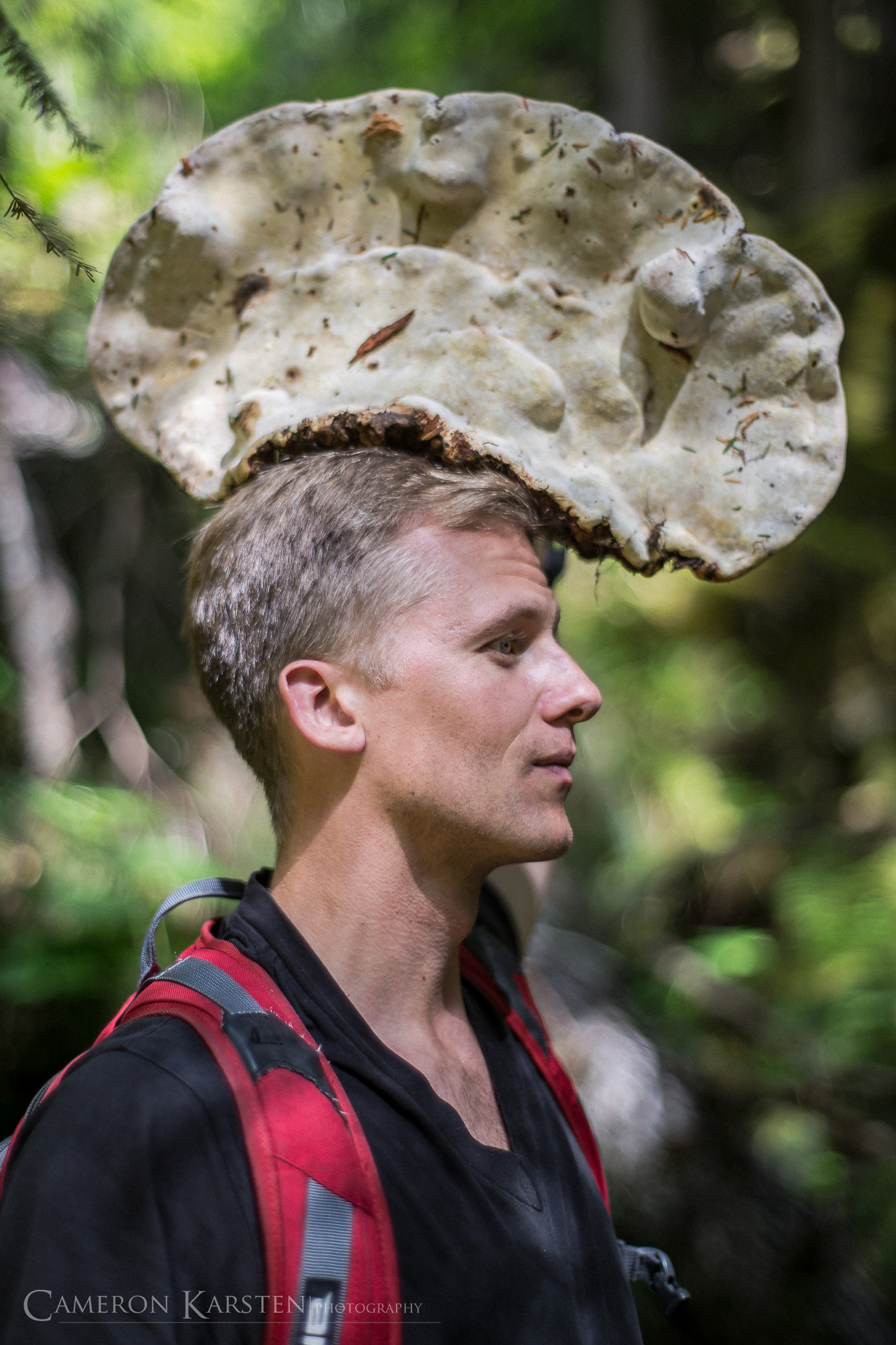
DennisBeePortrait

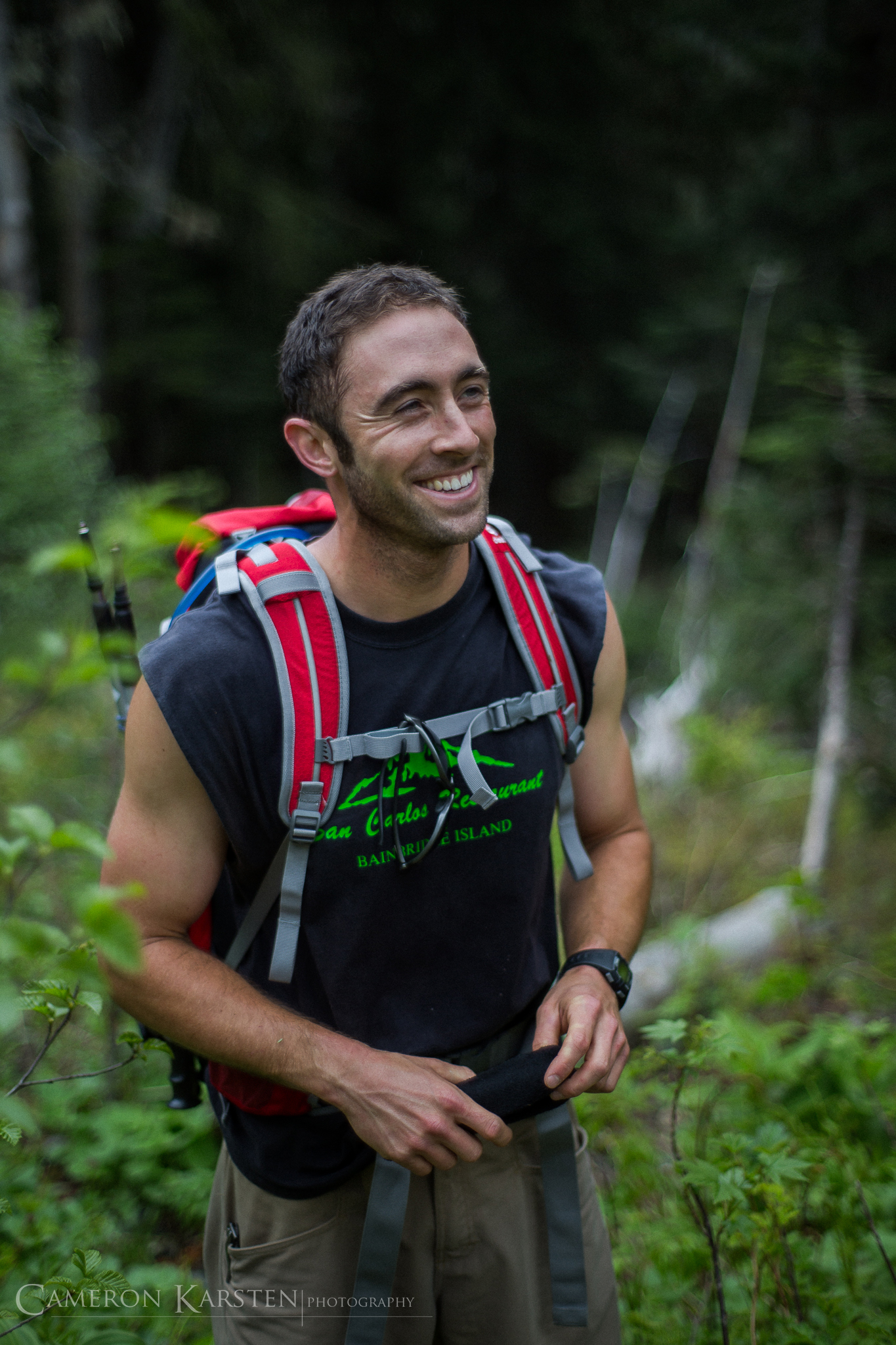
With the nearing end of the the summer, a north hemisphere-wide honey harvest is about to begin, and I’m feeling pretty damn excited.  Longtime friend and fellow traveler Dennie P (aka D) stopped by and had the opportunity to check in on my hives.  I’m hoping he’s hooked!  He looks like it.

Location: BI, WA

Camera/Lens Specifics: Canon 5D MarkIII w/Canon EF 16-35mm 2.8L II USM Lens

35mm, 1/200 sec at ƒ/7.1, ISO 100, tripod.

Post: LR4 & Adobe PSCC

Ocean Acidification and our Oyster Culture – Part II

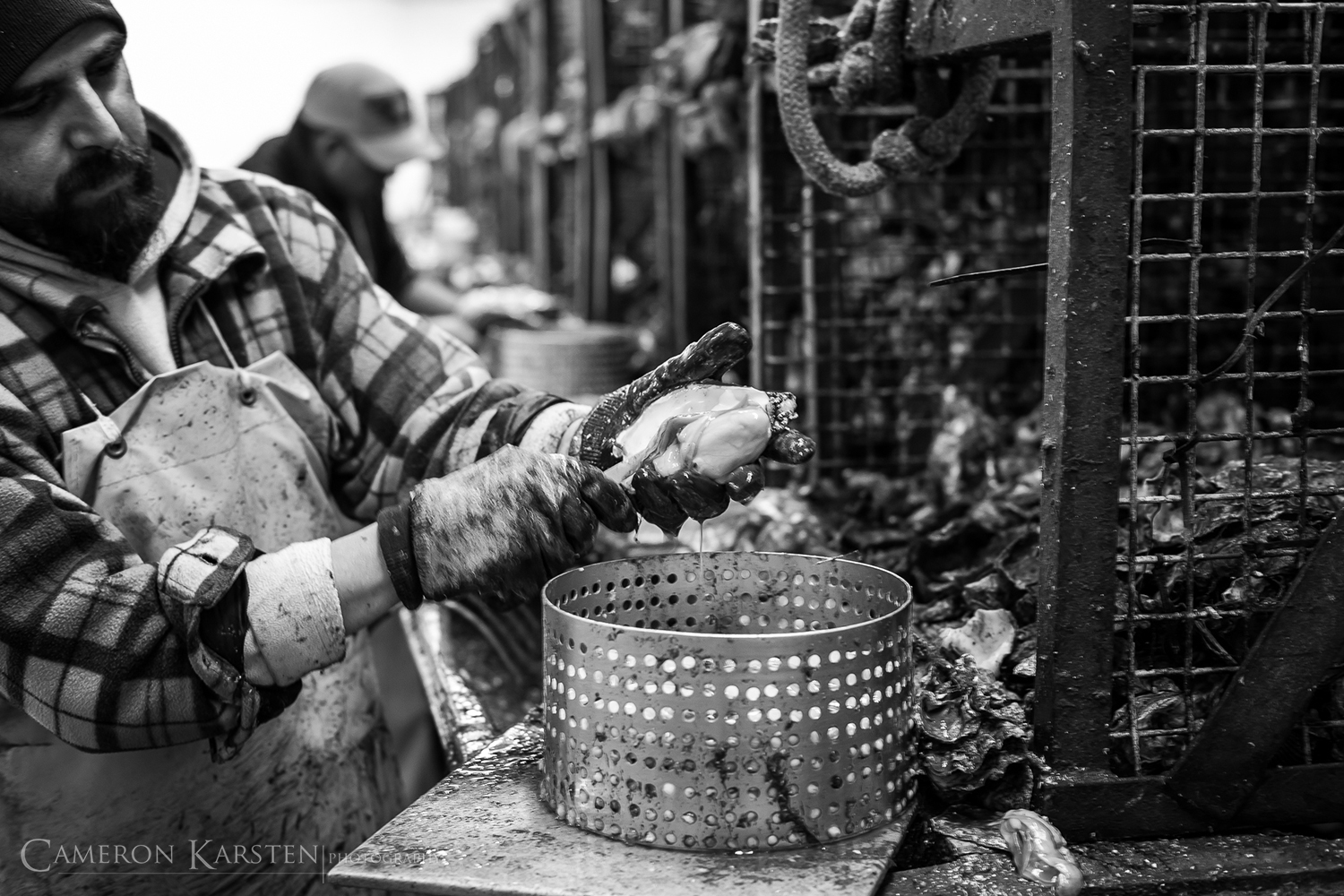
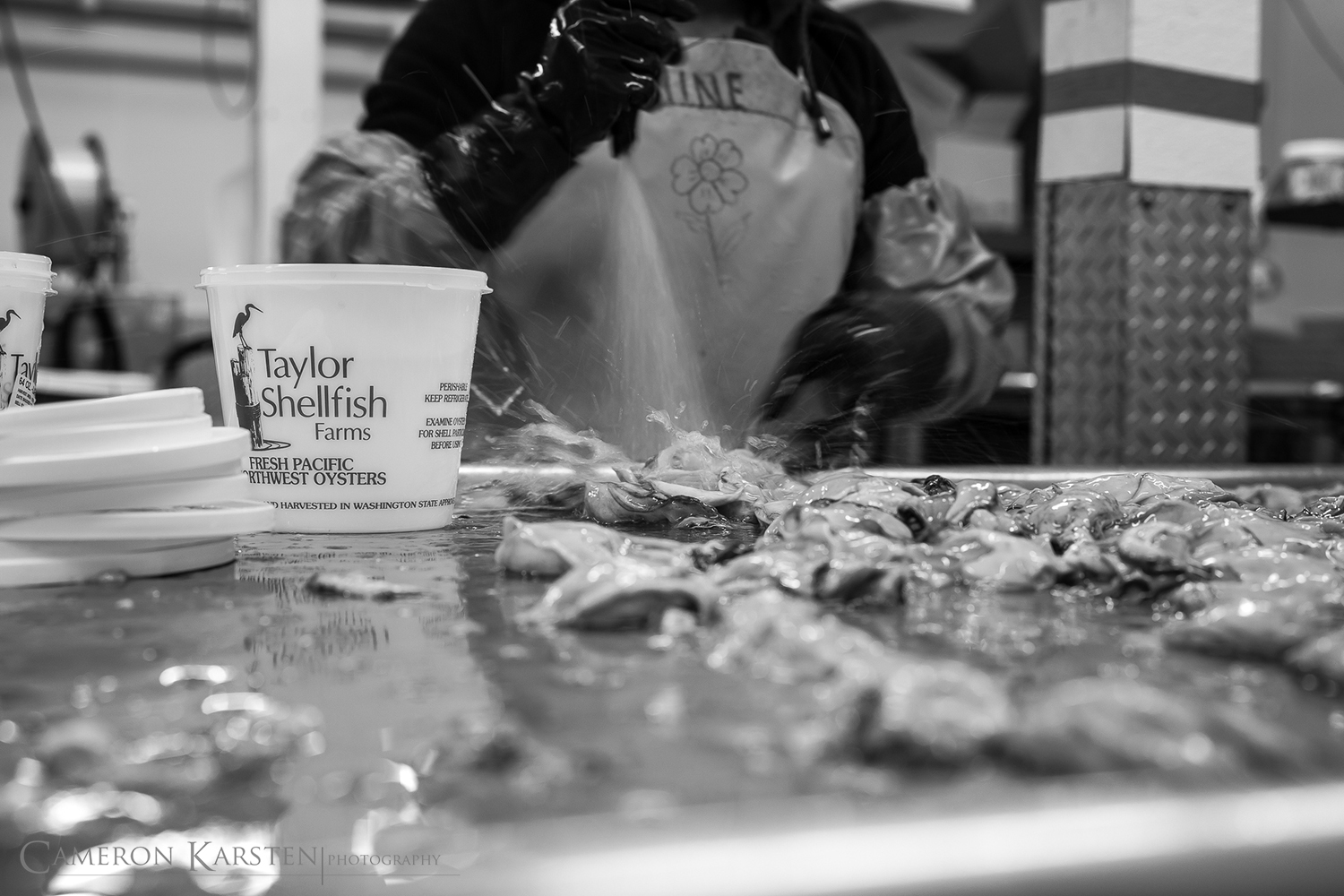
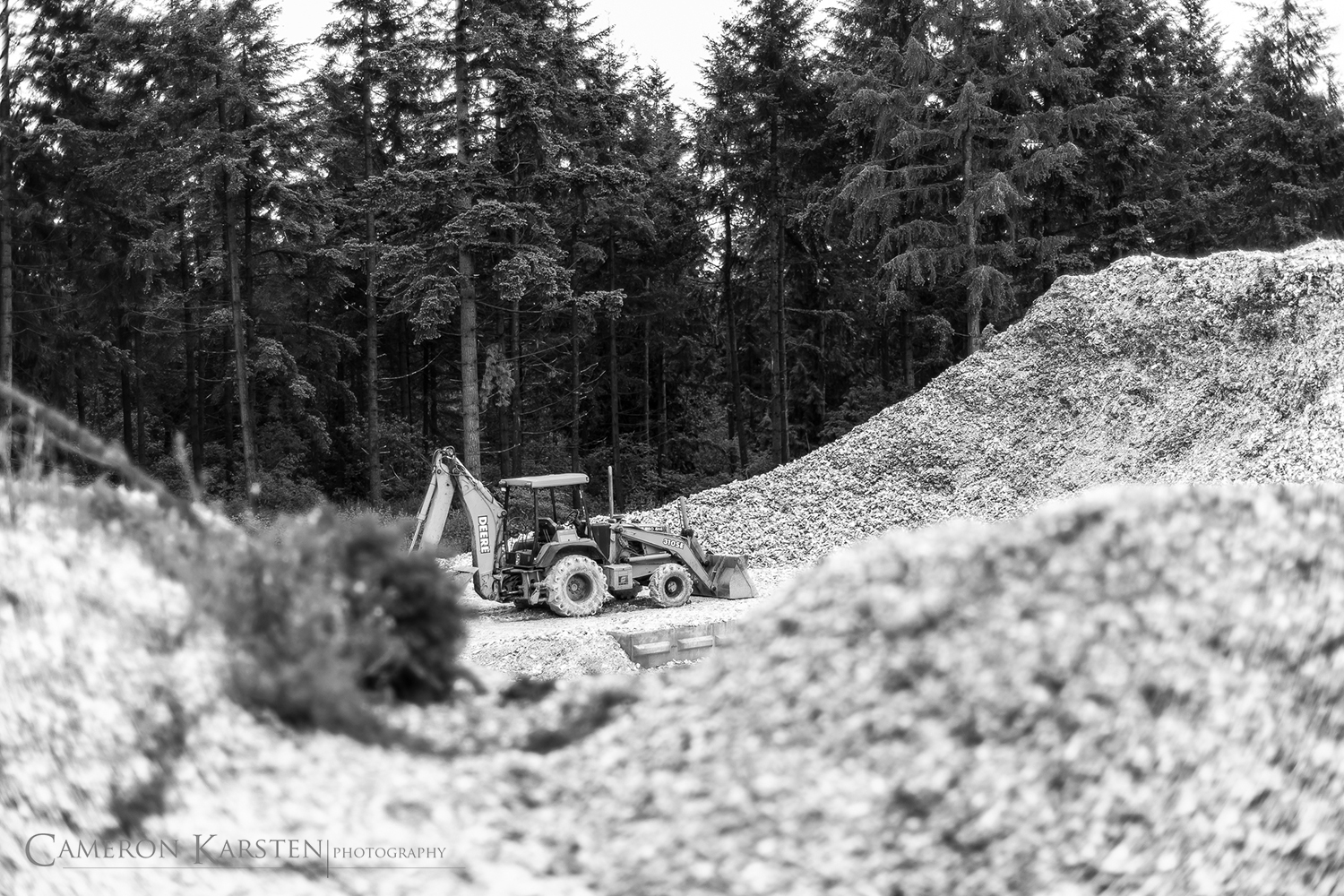
karsten_cameron_12In order to prosper, every living creature requires clean air, clean water and abundant food.  For ocean-thriving mollusks, clean seawater is a must.  In December 2011, Washington State Governor Christine Gregoire formed a Blue Ribbon Panel.  Their purpose: to investigate and study a new threat to Pacific Northwest waters.  They were putting Ocean Acidification (OA) under the microscope.

karsten_cameron_11

karsten_cameron_13
karsten_cameron_14What is occurring is evidence of our Industrial Period 100 years prior as heavy carbon dioxide (CO2) elements now begin surfacing in the shallow waters of the Puget Sound.  As the spring and fall seasons of the Pacific Northwest bring strong northwesterly winds, currents in the Pacific Ocean stir up these century-old pollutants, pushing them upwards and east into the estuaries.  These so-called up-wellings decrease pH levels, causing normal numbers of 8.25 to sink lower into the acidic levels of 8.14 (The pH scale is representative of aqueous solutions from zero to fourteen; where zero characterizes hydrochloric acid or battery acid, and fourteen is sodium hydroxide, better known as bleach).  Acid is a solvent.  It dissolves what it comes in contact with.  Add acidic waters to oyster seed and you find its ingredients eating away at the calcium carbonate that makes up the mollusk’s shell.

karsten_cameron_15

karsten_cameron_16

karsten_cameron_17

karsten_cameron_18

karsten_cameron_19

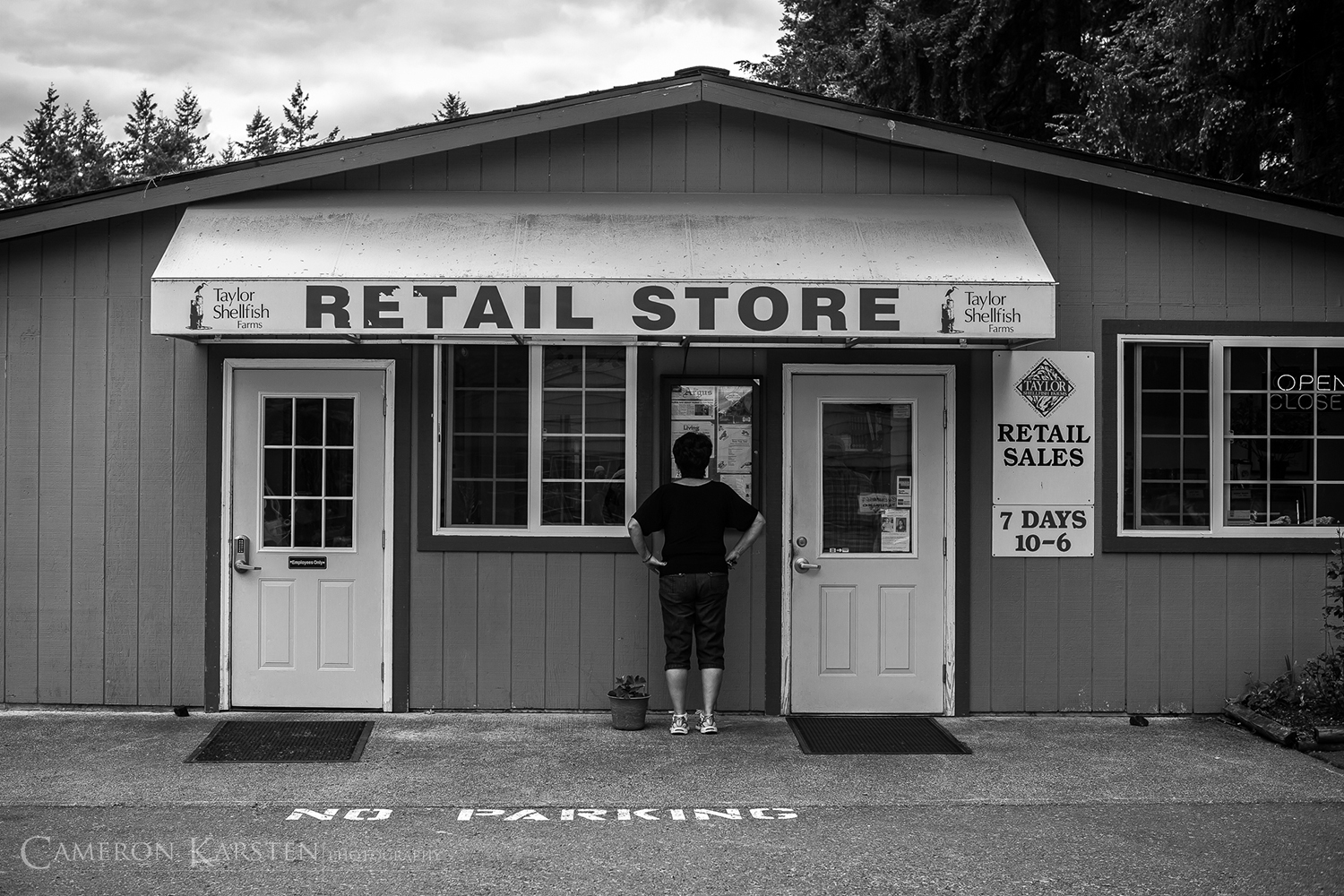
karsten_cameron_20Taylor Shellfish Farms is the first to experience this threat.  They are attracting globe attention to what is occurring within their hatcheries and throughout their farms.  They rely on clean healthy water for larvae seed to develop, but ocean acidification is effecting the development of these mollusks, prohibiting full and consistent growth of their calcium carbonate shells.  What is the future of the mollusk culture if we continue burning fossil fuels and causing the climate to warm-up at faster then expected rate?  Our industrial state affects more then just our air quality.

To see Part II of the multimedia project Ocean Acidification and our Oyster Culture, please click here

Olympic Day Hiking – The Brothers

OlympicHiking-34

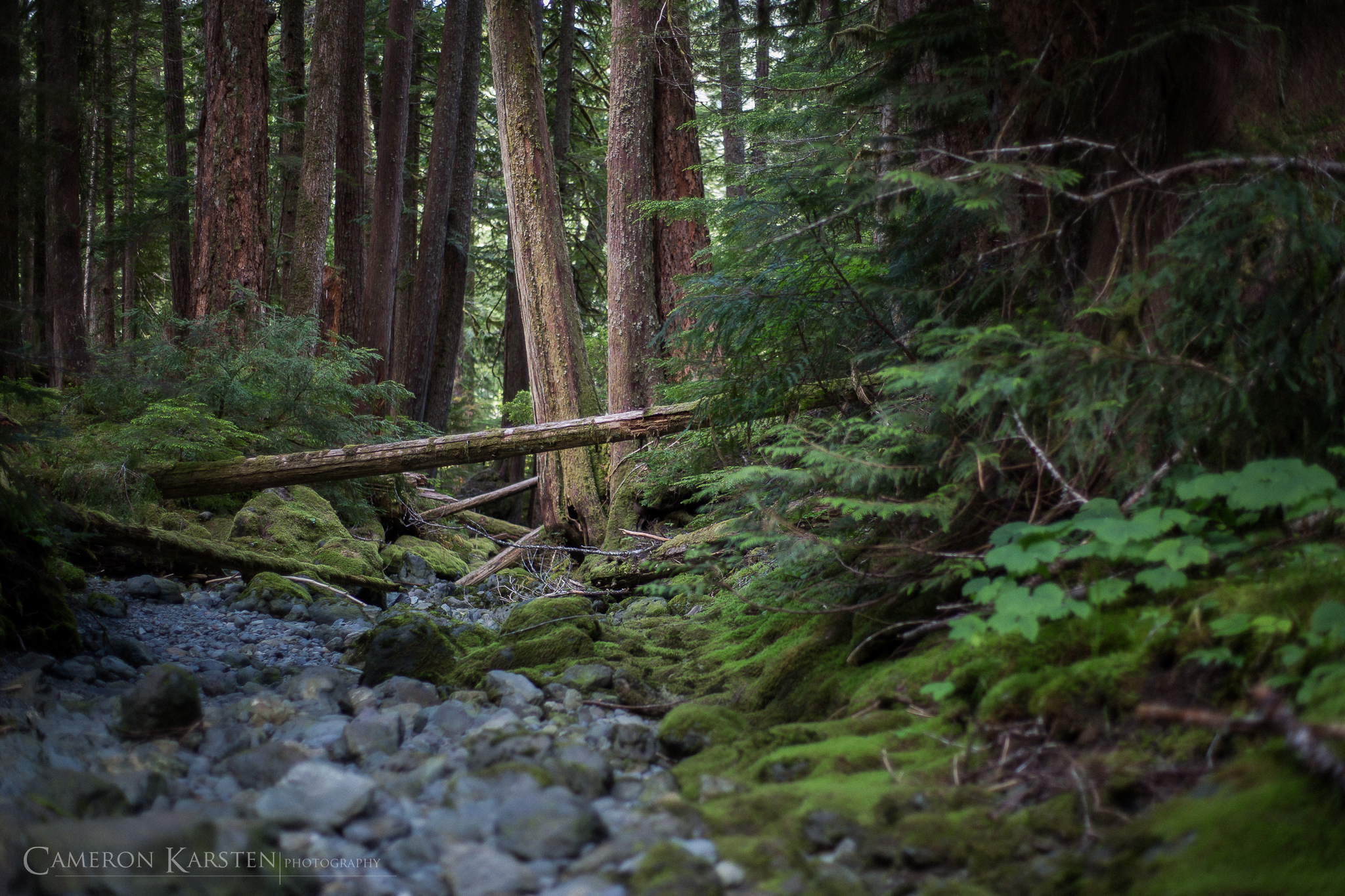
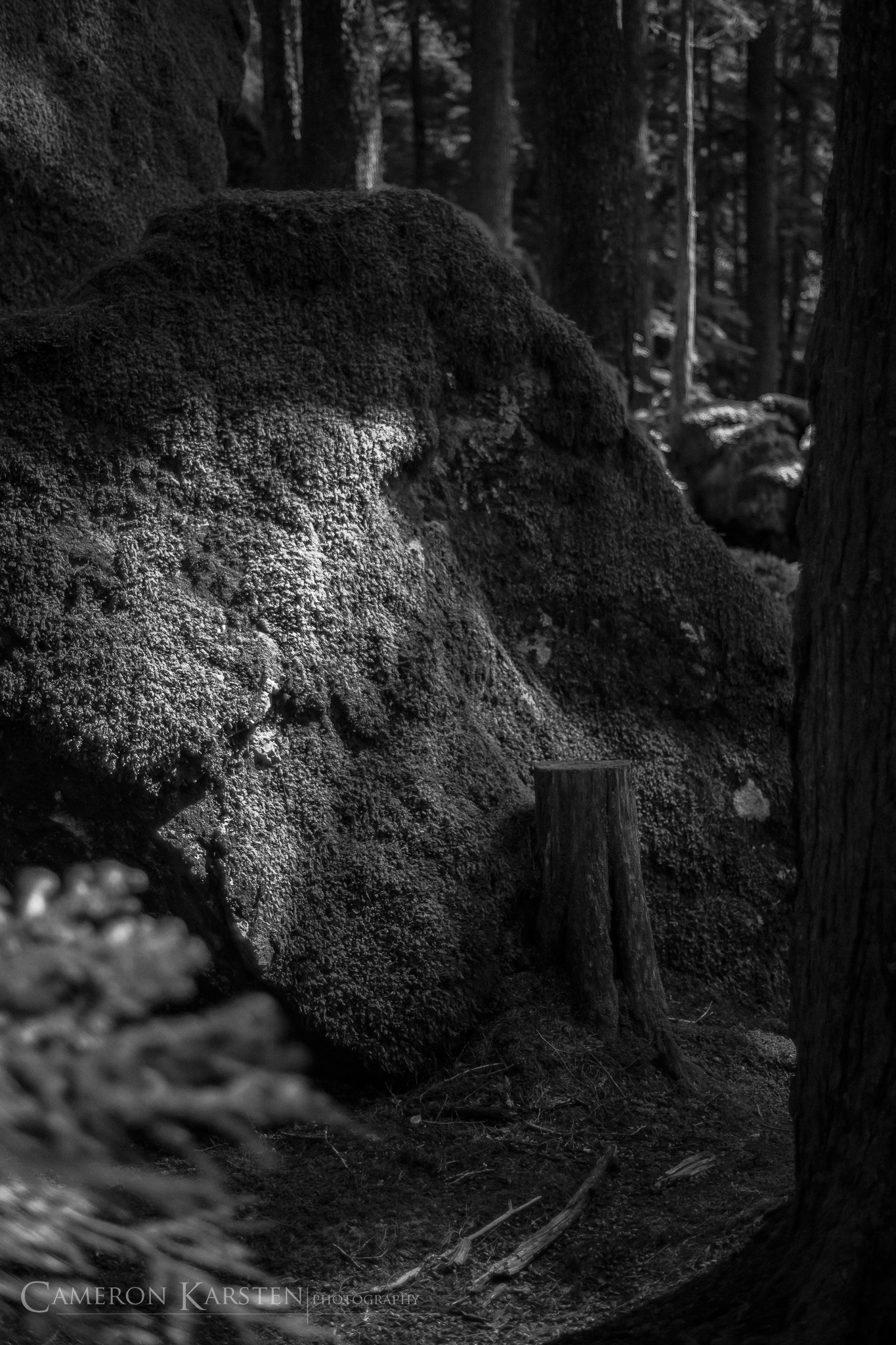
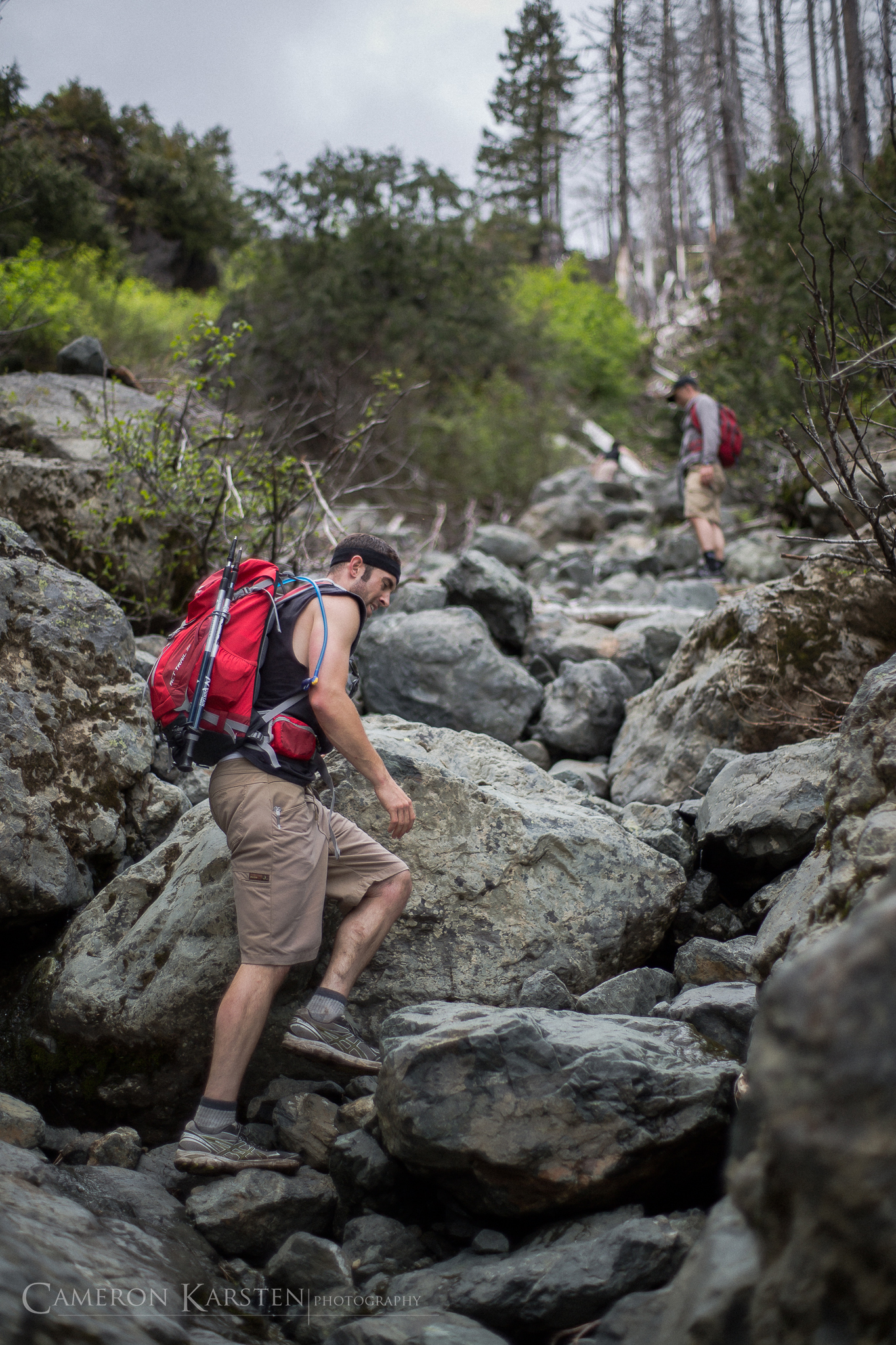
Spent a sunny summer day hiking to the base of The Brothers on the Olympic Peninsula, reaching just above the tree-line before running out of time.  An hour and twenty minutes up to Lena Lake and then an additional three hours upwards.  We passed below massive pines and wound through streams that disappeared beneath the riverbeds.

OlympicHiking-45

OlympicHiking-62

OlympicHiking-13

OlympicHiking-4

OlympicHiking-205

OlympicHiking-78

OlympicHiking-115

OlympicHiking-119

OlympicHiking-206

OlympicHiking-122

OlympicHiking-132

OlympicHiking-99

OlympicHiking-105

Cameron Karsten Photography

Photo Essay: Wood – A Story from the Olympic Peninsula (Pt. III)

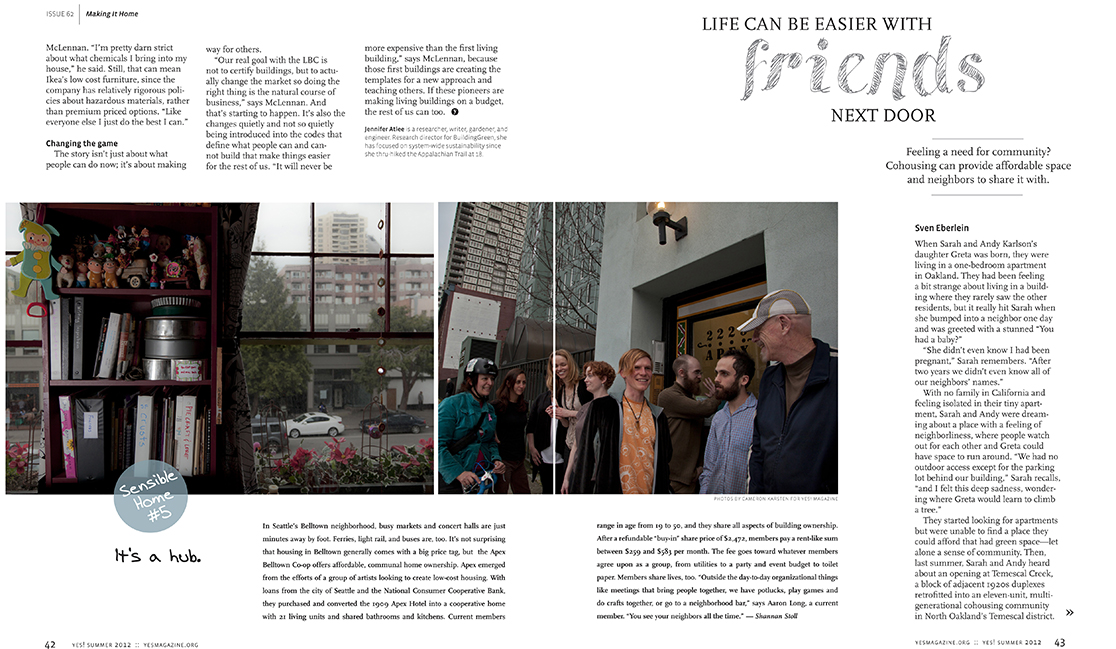
Photography Assignment: Apex Belltown Cooperative for YES! Magazine


Apex Belltown Cooperative in downtown Seattle, WA for YES! Magazine. Summer 2012 Issue.

Seattle Central Creative Academy: Photography Assignment (High Key Product)

High Key photography is a classic product set-up: bright subject, with few shadows and nice highlights.  To go with au naturel consumerism, Tom’s of Maine toothpaste came into play.

The idea was to showcase the “Crystal Clean” result after using Tom’s.  Somewhat pleased, I don’t feel totally successful with the project.  The crystal in my model’s hand appears too large and the actual toothbrush on the right feels unnatural due to the lack of the bottom of the brush.  In the end, the photographer decides about his/her image, while the audience decides on their individual experience.

Location: SCCA Studios, Seattle, WA

Camera/Lens Specifics: Canon 5D Mark II with Canon EF 100mm f/2.8L IS USM Macro Lens

variety of settings, ISO 100.

Post: Adobe LR3 & PS5

Photo Essay: Wood – A Story from the Olympic Peninsula (Pt. II)

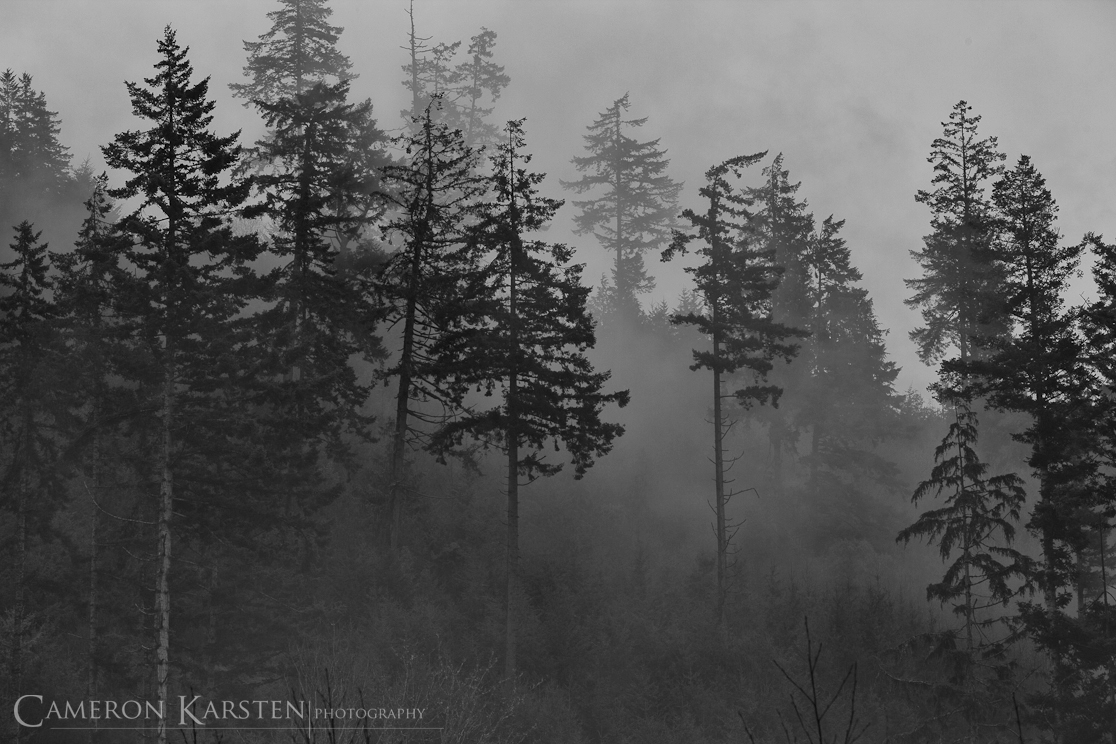
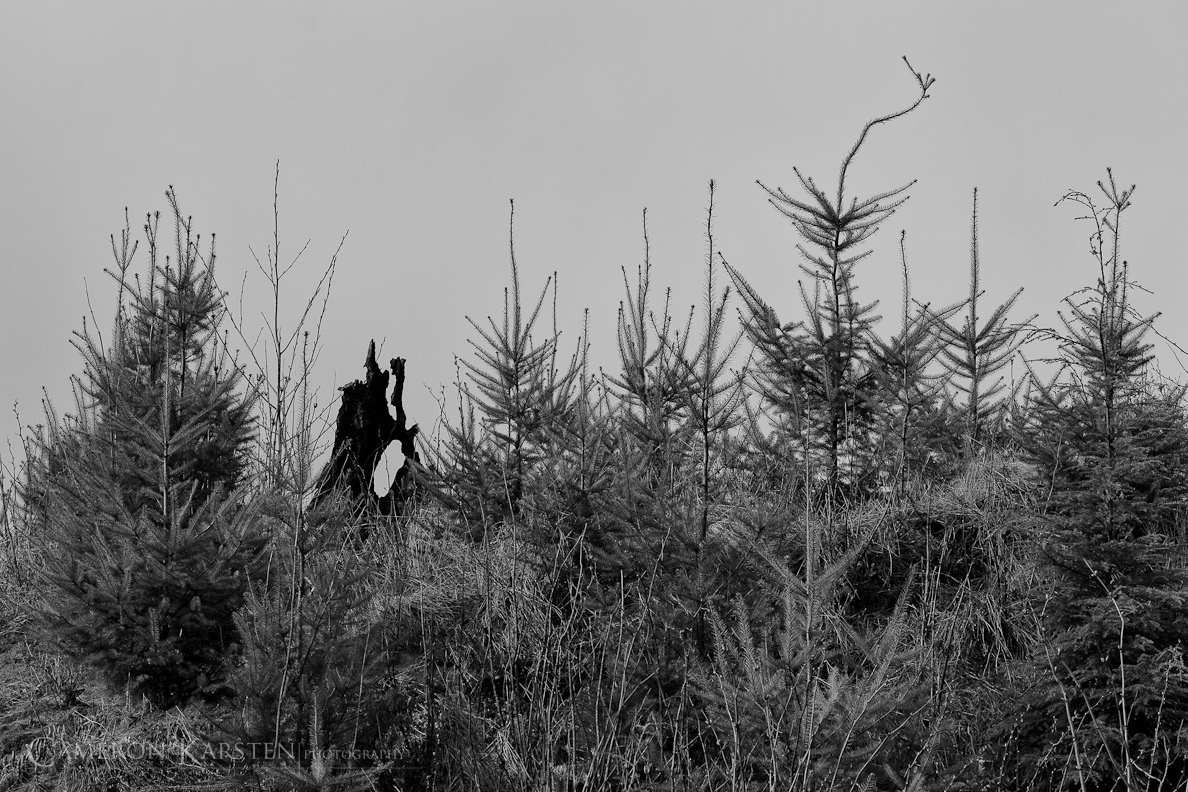
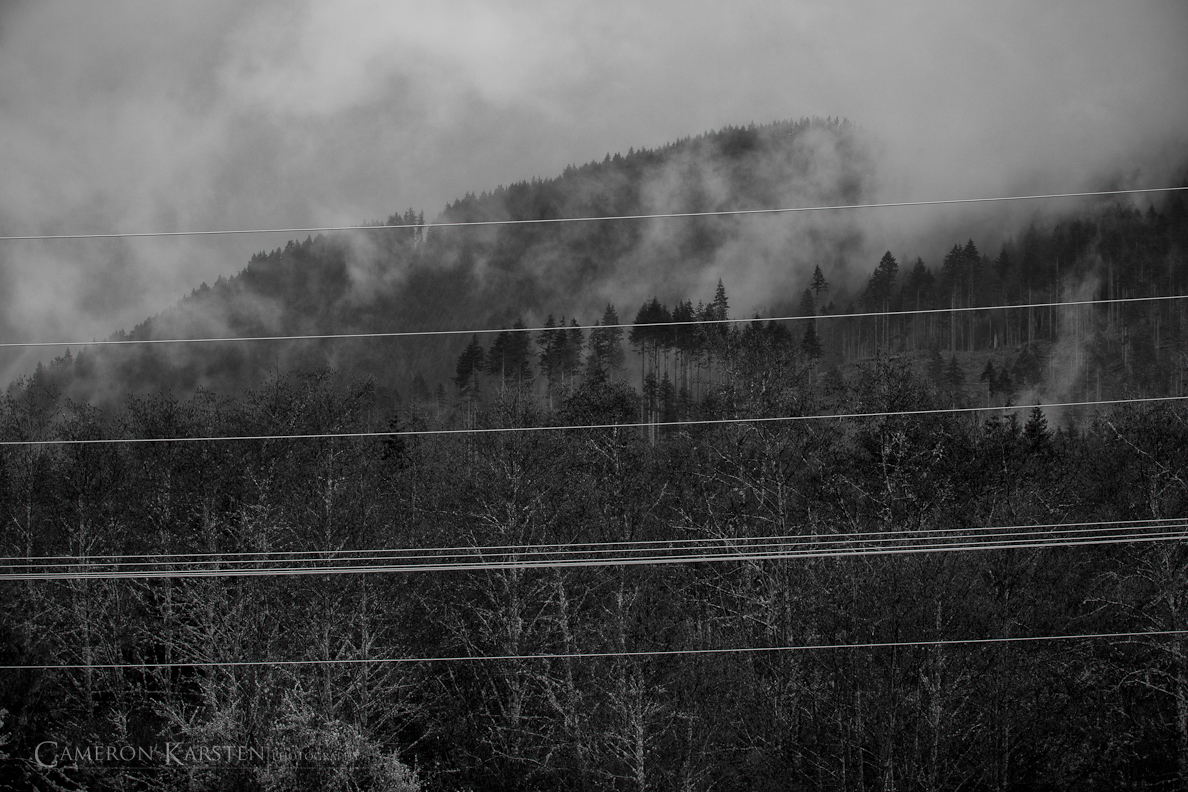
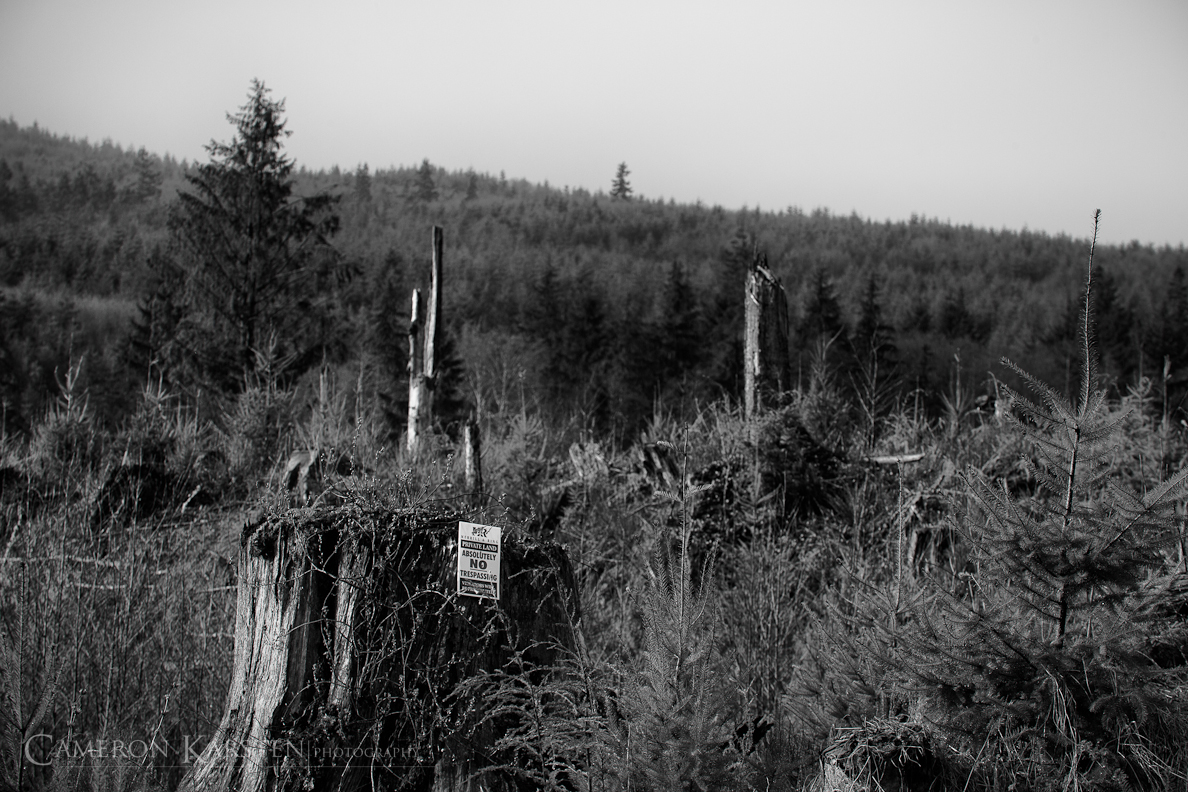
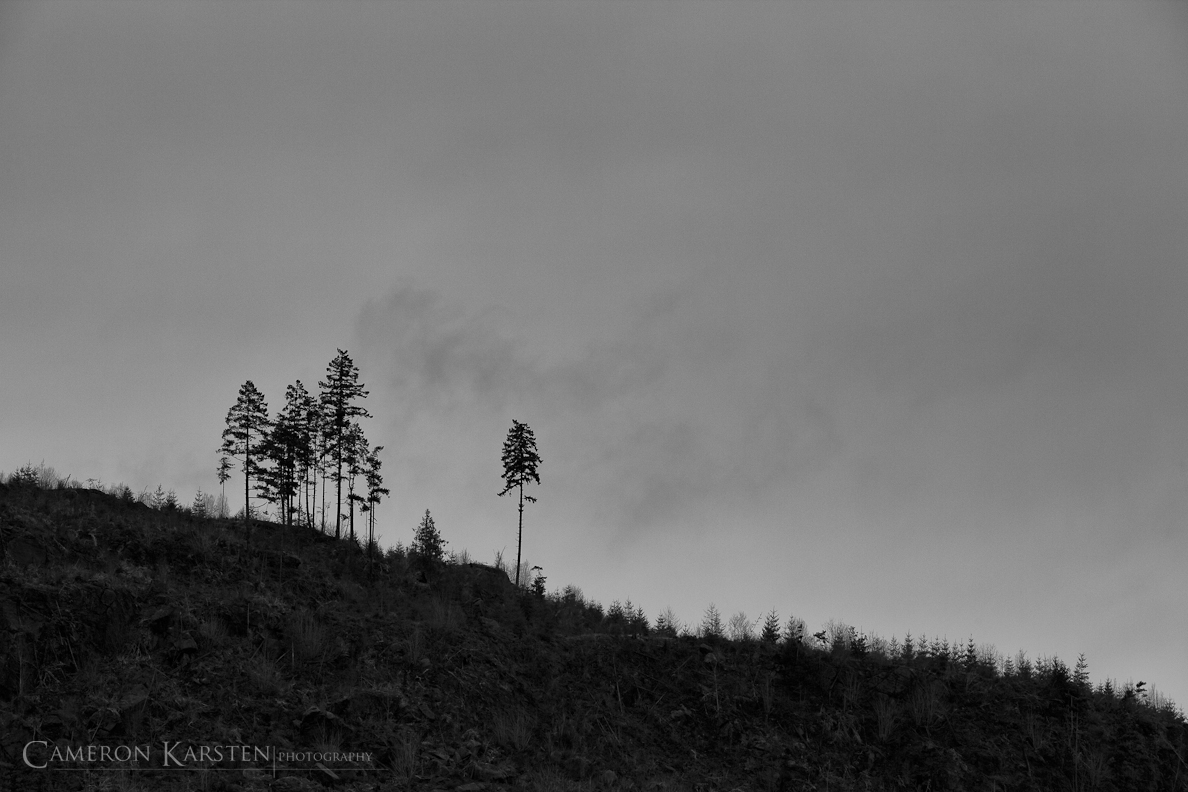
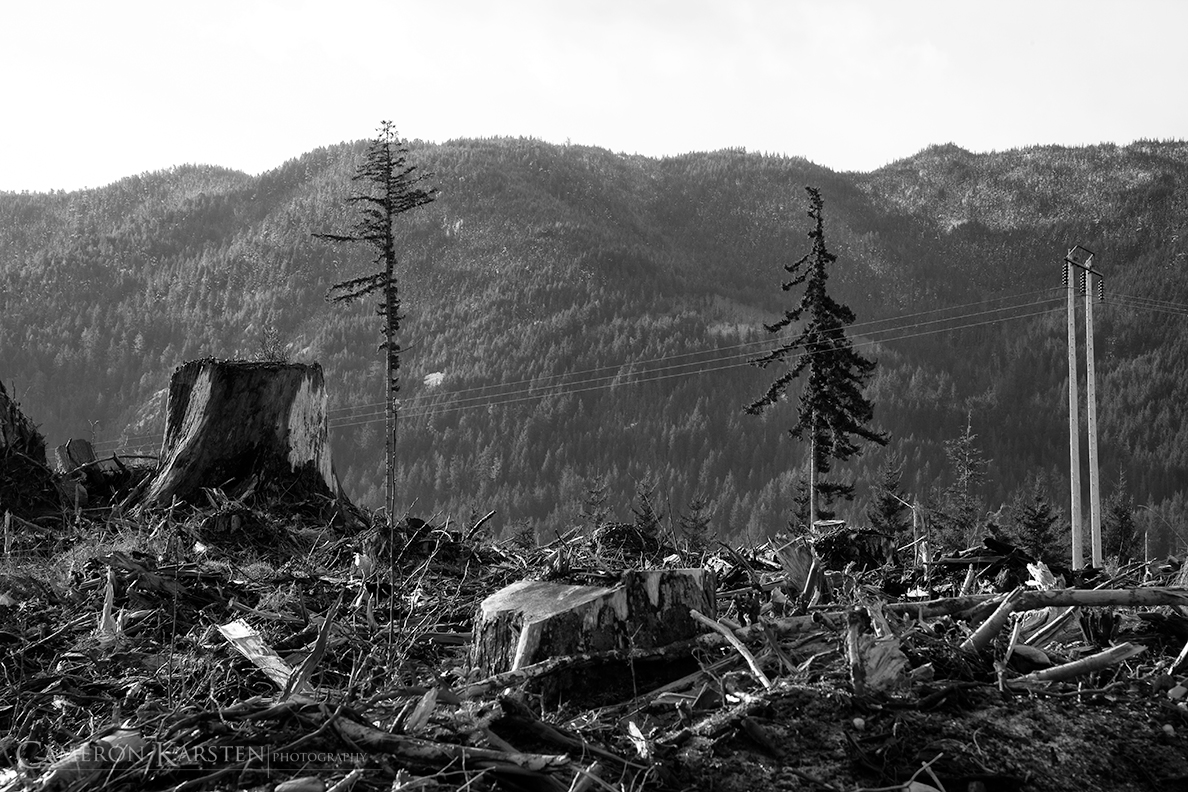
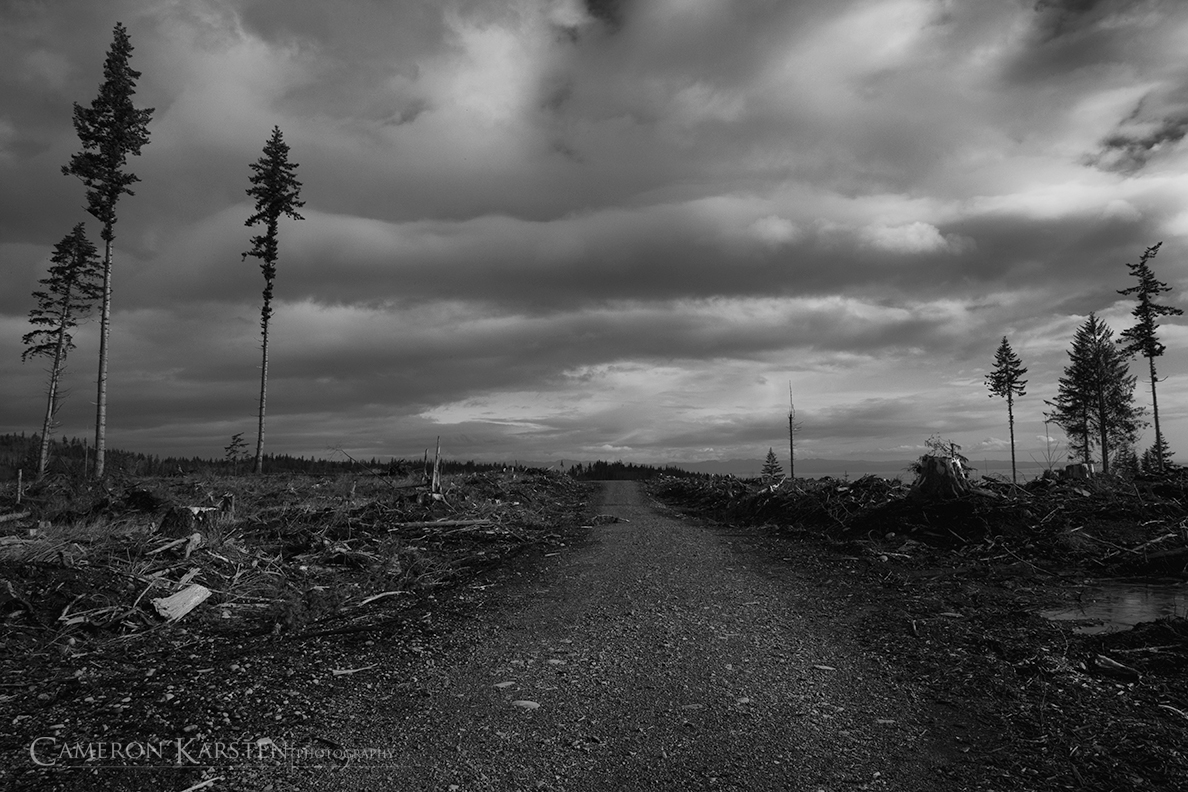
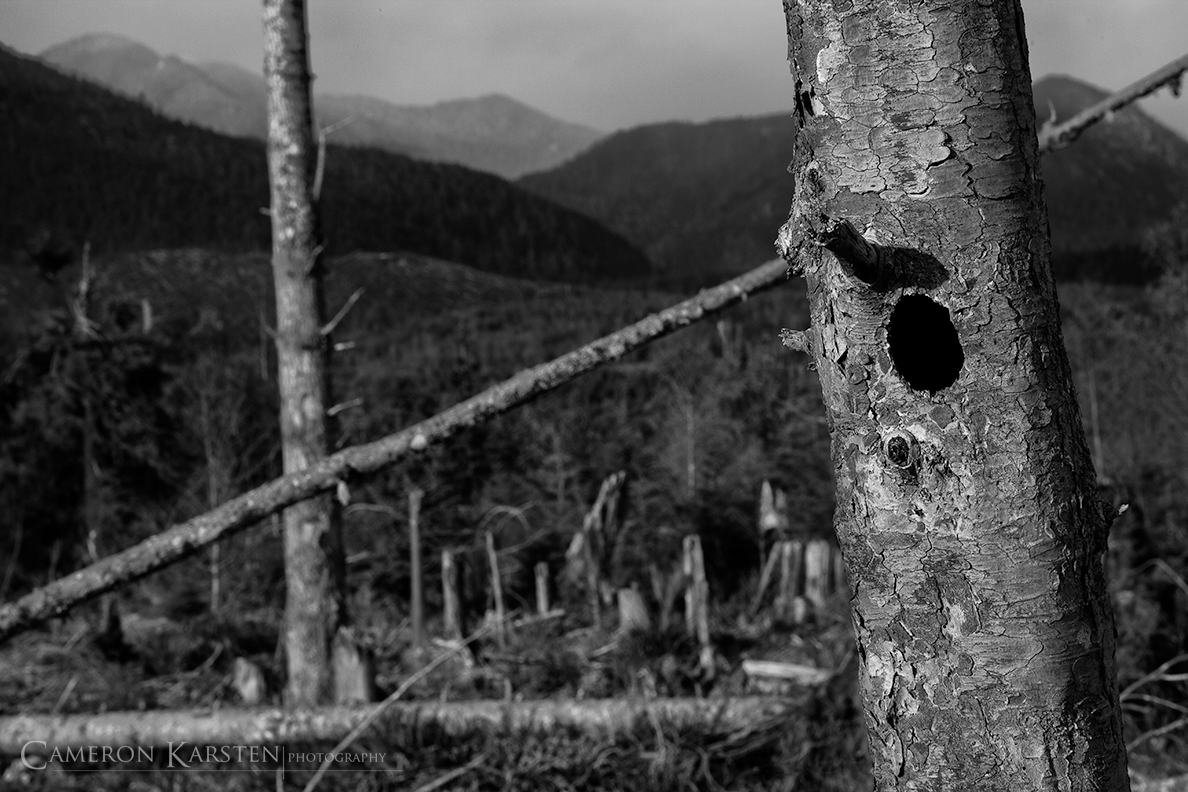
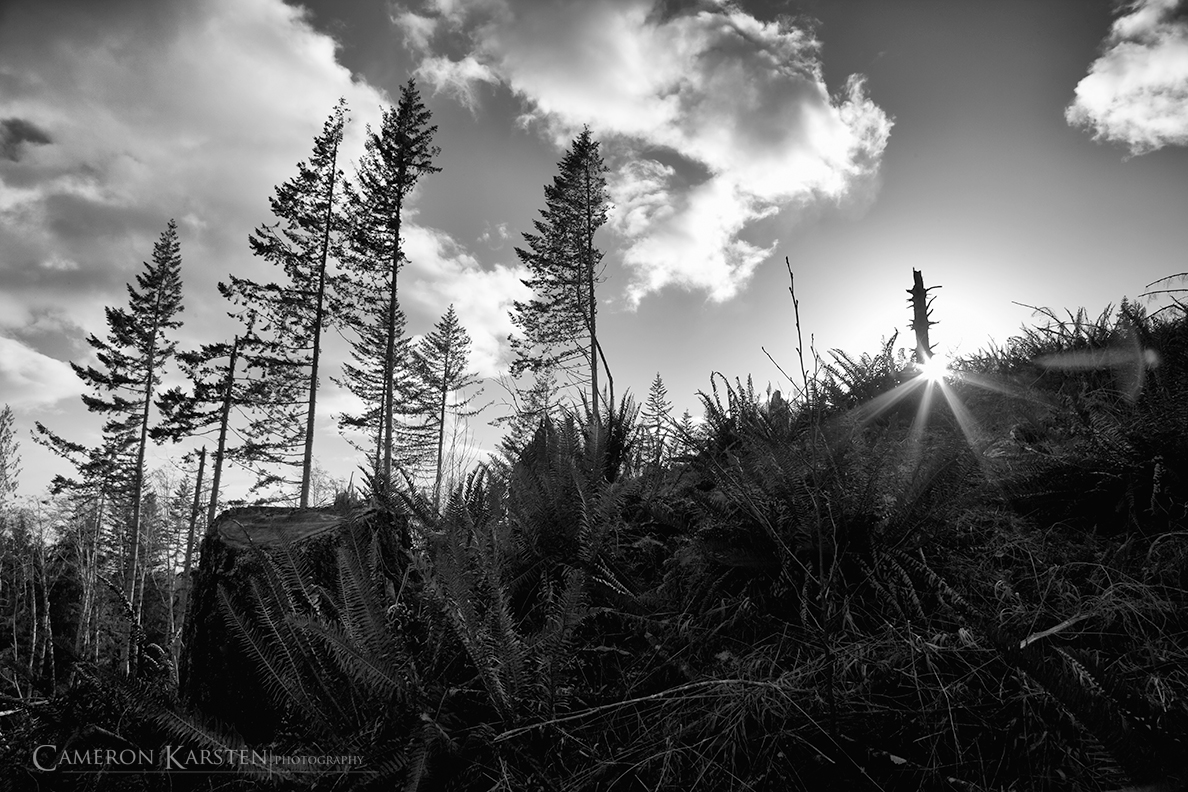
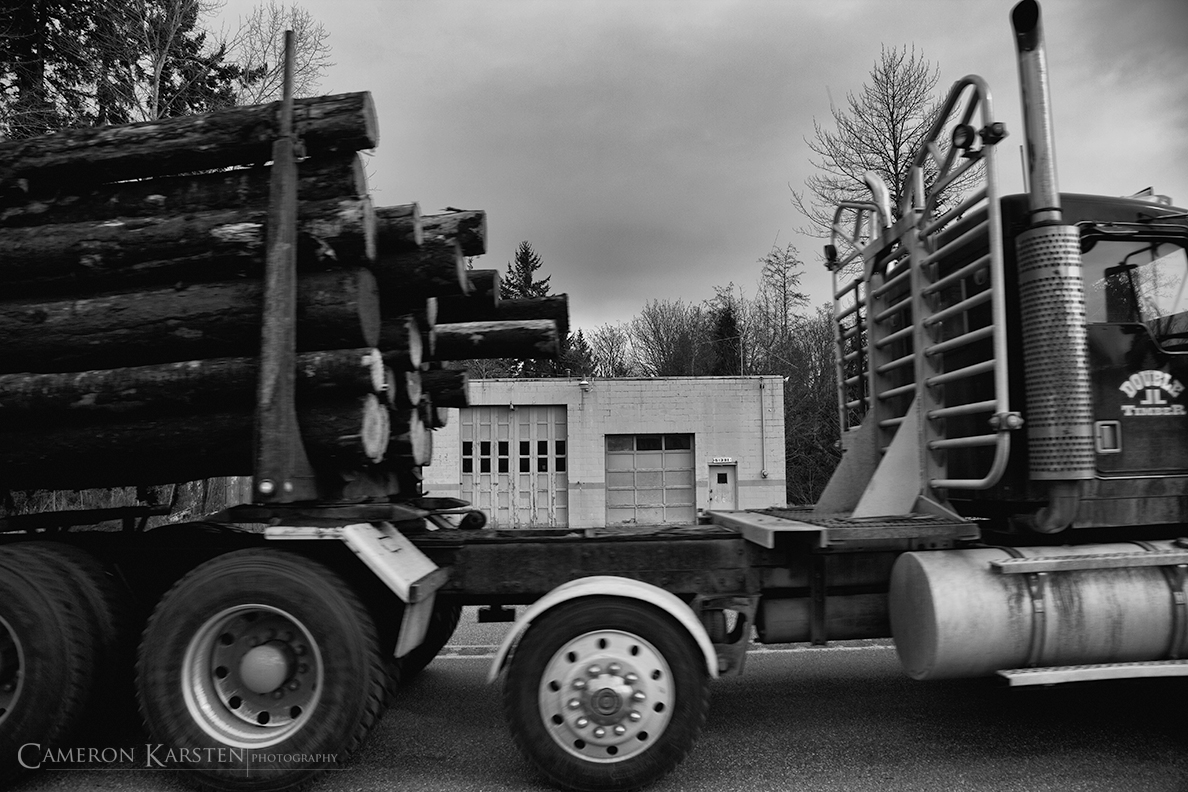
As I continue to drive out into the Olympic Peninsula, camera bags full and surf gear packed, I slowly observe the culture of a timber industry unfolding before my eyes.  It is a people’s livelihood, their subsistence within the forest, bringing shelters over families heads and food to their hungry tables.  And for the blue collar, it is not a wealthy industry.  They are the cutters, sawers, operators, drivers and haulers of a civilization taking over the wild places.

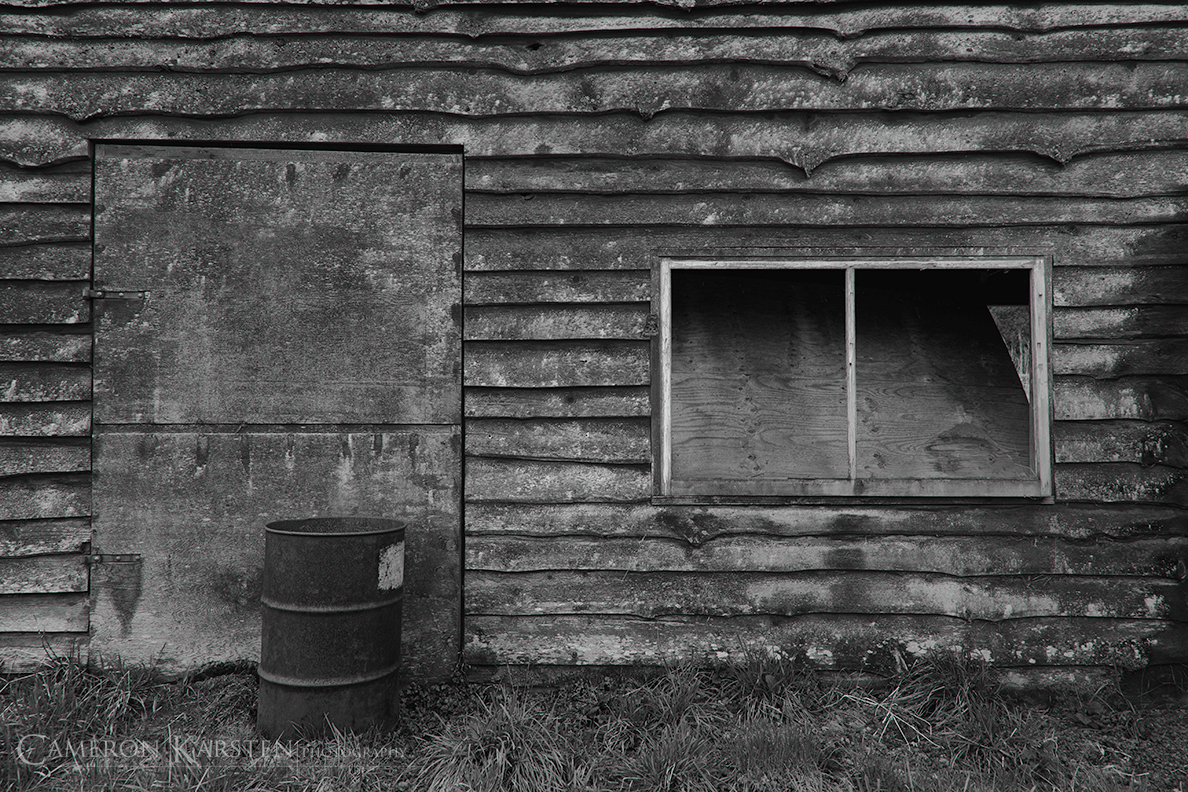
With video files and the numerous still images of the cold cloudy spring passing over the Northwest wilderness, this project is evolving into an unbiased perspective of Man vs. Nature, and how the two can equally subsist; prosper side by side and thrive within one another.

Below is the second essay of imagery and visual thoughts from a story of wood deep within the Olympic Peninsula.

Photo Essay: Wood – a Story from the Olympic Peninsula (Pt. I)

Wood; a precious commodity.  Cut, sawed, shaped, nailed, lacquered, stained.  Occasionally it’s replanted, and years later, generations gone, money is made again.  Wood is money.  The forests are for sale, for their resources, for their lands, for their habitat.  The following images are the start of a multimedia project telling the tale of wood, from origin to combustion, and the phases of transition in-between.  How does it effect us?  How does it feed us?  How is the life under our feet and that above our heads impacted today, tomorrow and those generations ahead?

Seattle Central Creative Academy: Photography Assignment (Environmental Portrait)

To create a narrative environmental portrait, I had three fellow photographers with one Elinchrom and two Triton strobes, as well as a lonely Speedlite.  The Tritons were placed behind the subject through the doorway, with the Elinchrom resting beneath the camera pointed at the foreground and up the stairs.  The Speedlite, attached to a PocketWizard, was placed directly at the feet of my subject (aka Tre).  And once the exposure and lighting was perfected, I placed a handful of potato starch in Tre’s right hand.  One.  Two.  He lobbed the starch over his head.  Three.  I released the shutter, capturing the four flashes while dragging the shutter to 2.5 seconds in order to absorb the ambient light and the fall of the potato starch.  The effect?  A man and his dog, come upon the viewer and suddenly something mystical transpires.  The man is not who we think he is.  Neither is his dog.

Location: U District, Seattle, WA

Model: Tre Williams

Camera/Lens Specifics: Canon 5D Mark II with Canon EF 24-105mm f/4.0L IS USM Zoom Lens

24mm, 2.5 sec at f/11, ISO 400, tripod mount.

Post: Adobe LR3 & PS5

Seattle Central Creative Academy: Photography Assignment (Food Prep)

Food Prep.  An enjoyable shoot because after you’re finished you get to eat it.  I wanted to create a striking image focusing strictly on the food and a particular message.  And the message?  Polluting our planet, polluting our food.  We live off the resources this planet provides us, and by wrapping a plastic holder for a six-pack can of Dale’s Pale Ale around the salmon’s head while floating over a white ceramic plate, represents the sense of fragility yet power which our food is.  This image is a composite: one image exposed for the plate, the other for the salmon which was hung with 15lbs fishing line cleaned up in PS5.

Location: SCCA Studios, Seattle, WA

Camera/Lens Specifics: Canon 5D Mark II with Canon EF 70-200mm f/2.8L IS USM Telephoto Zoom Lens

70mm, 1/25 sec at f/4.5, ISO 100, tripod mount.

Post: Adobe LR3 & PS5