International Rescue Committee’s Summer Youth Programs – Seattle, WA

YouthSummerPrograms-407

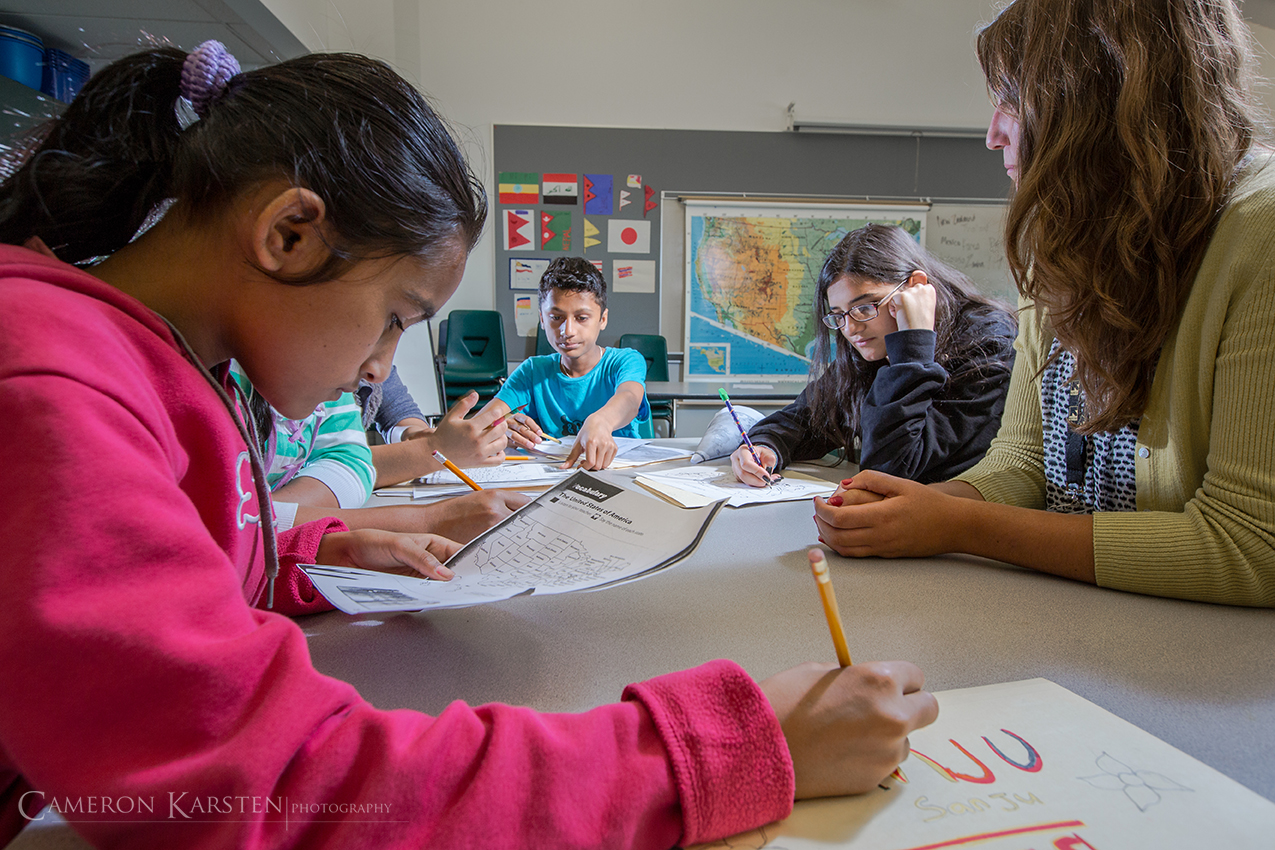
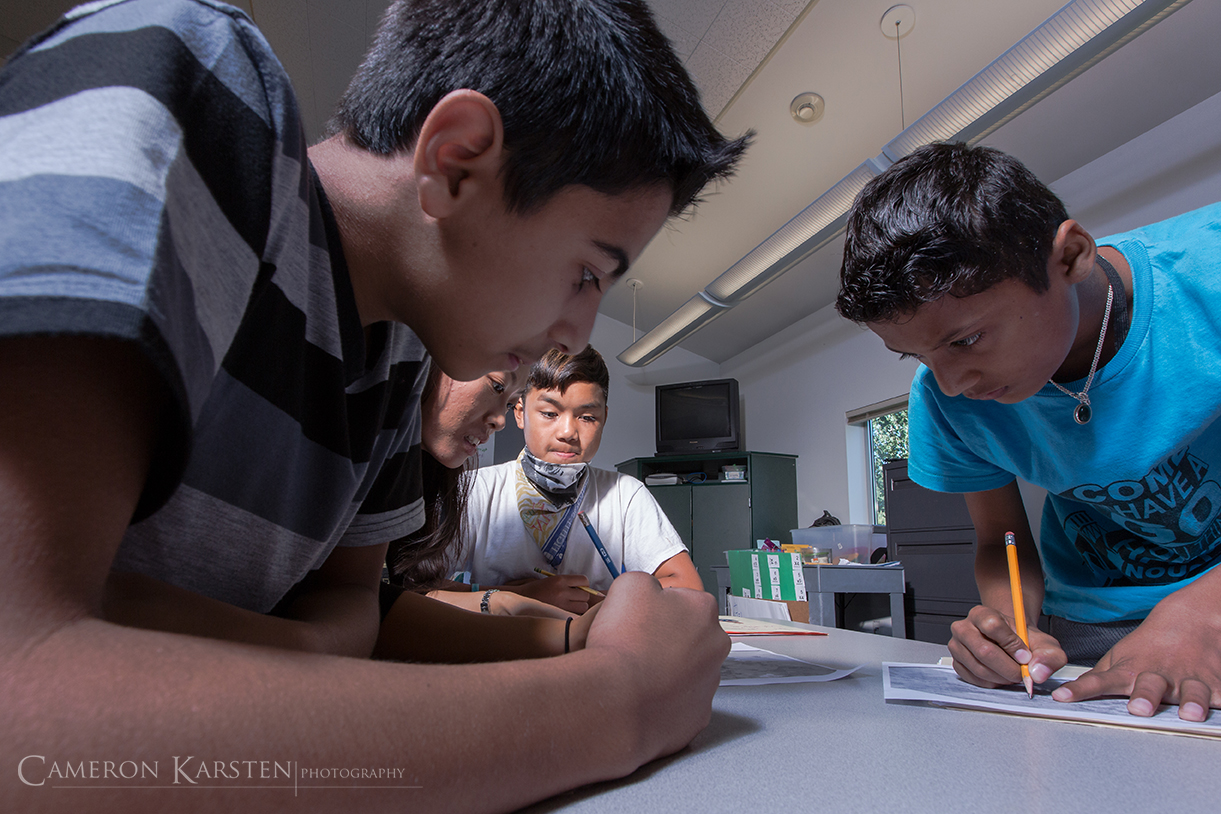
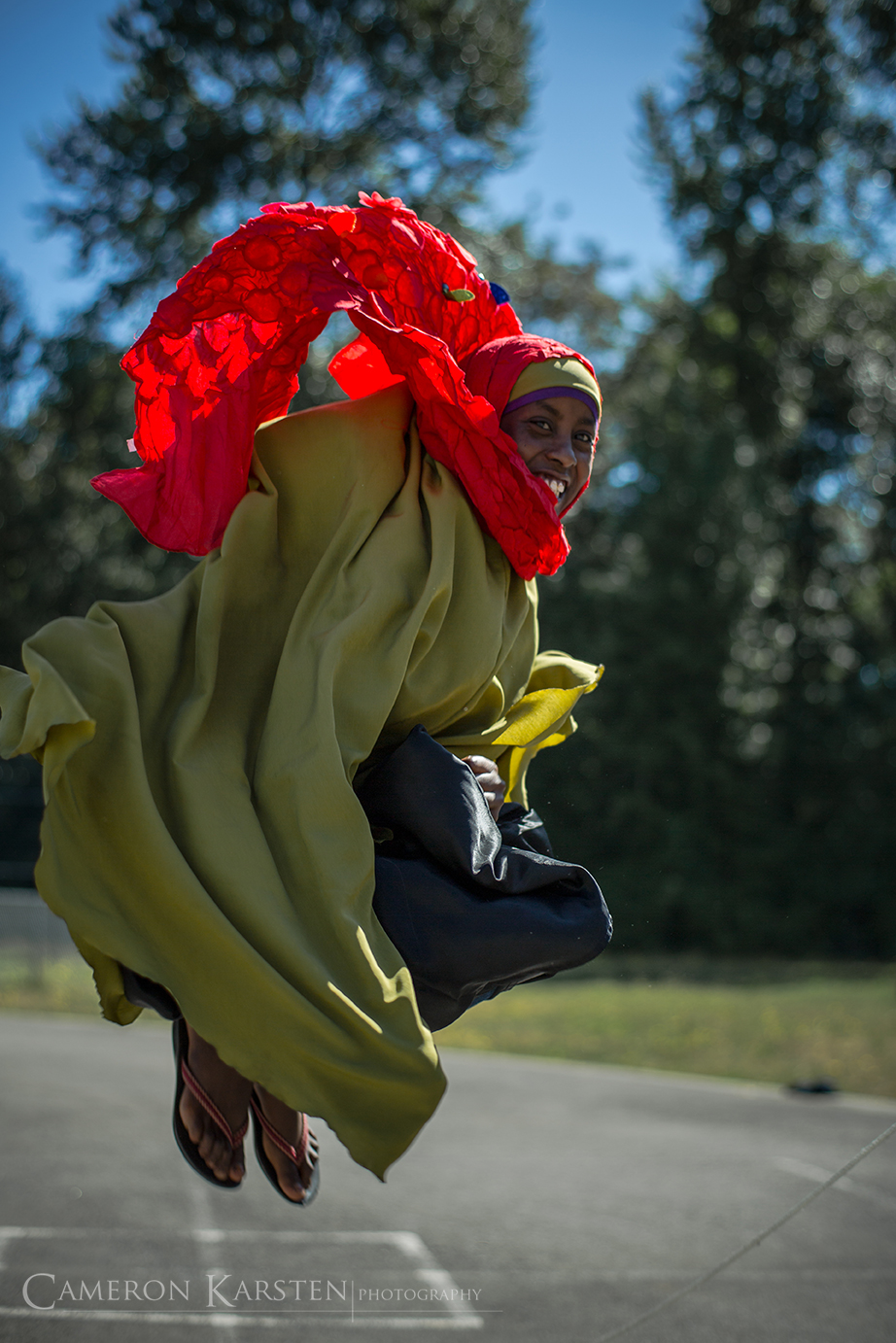
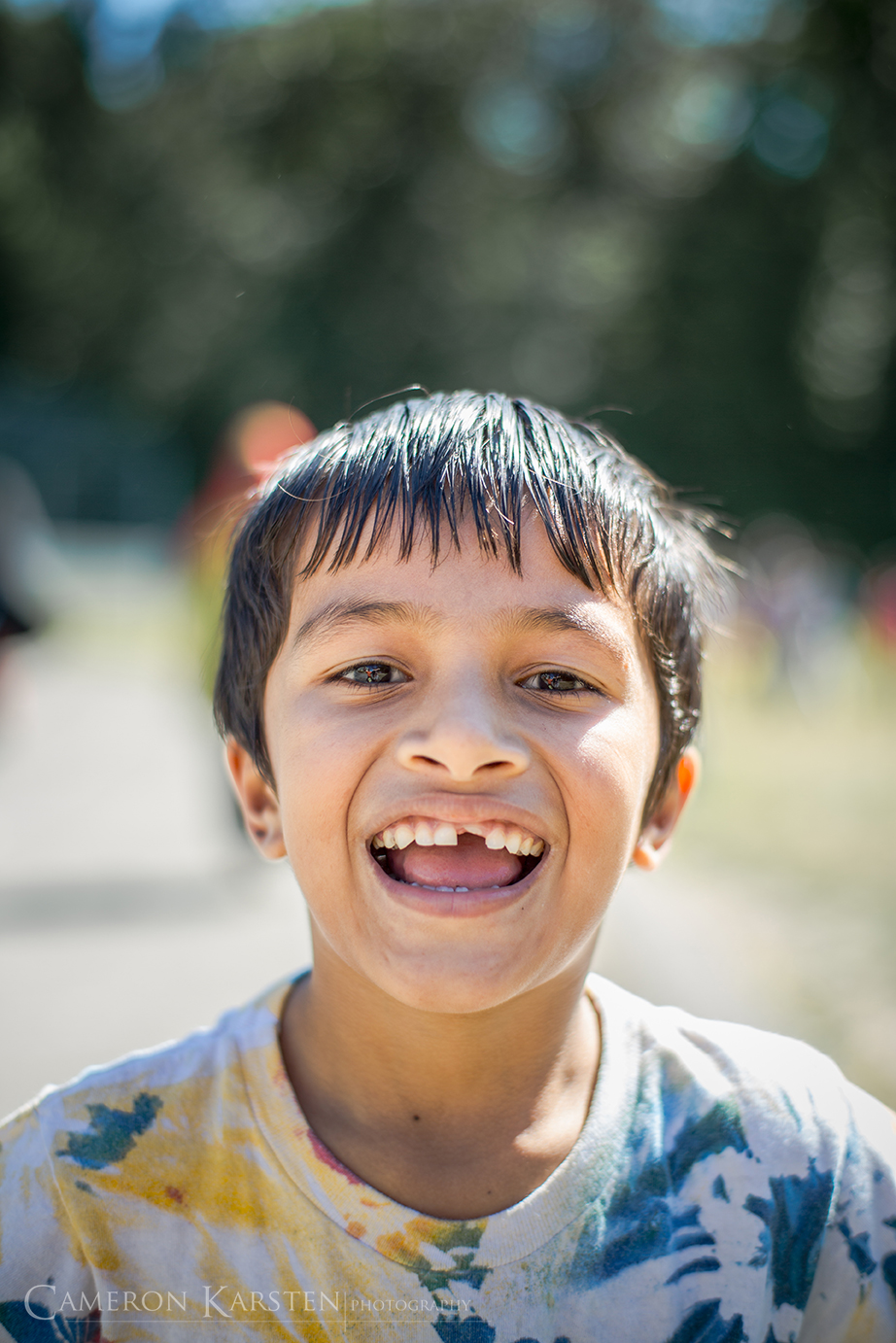
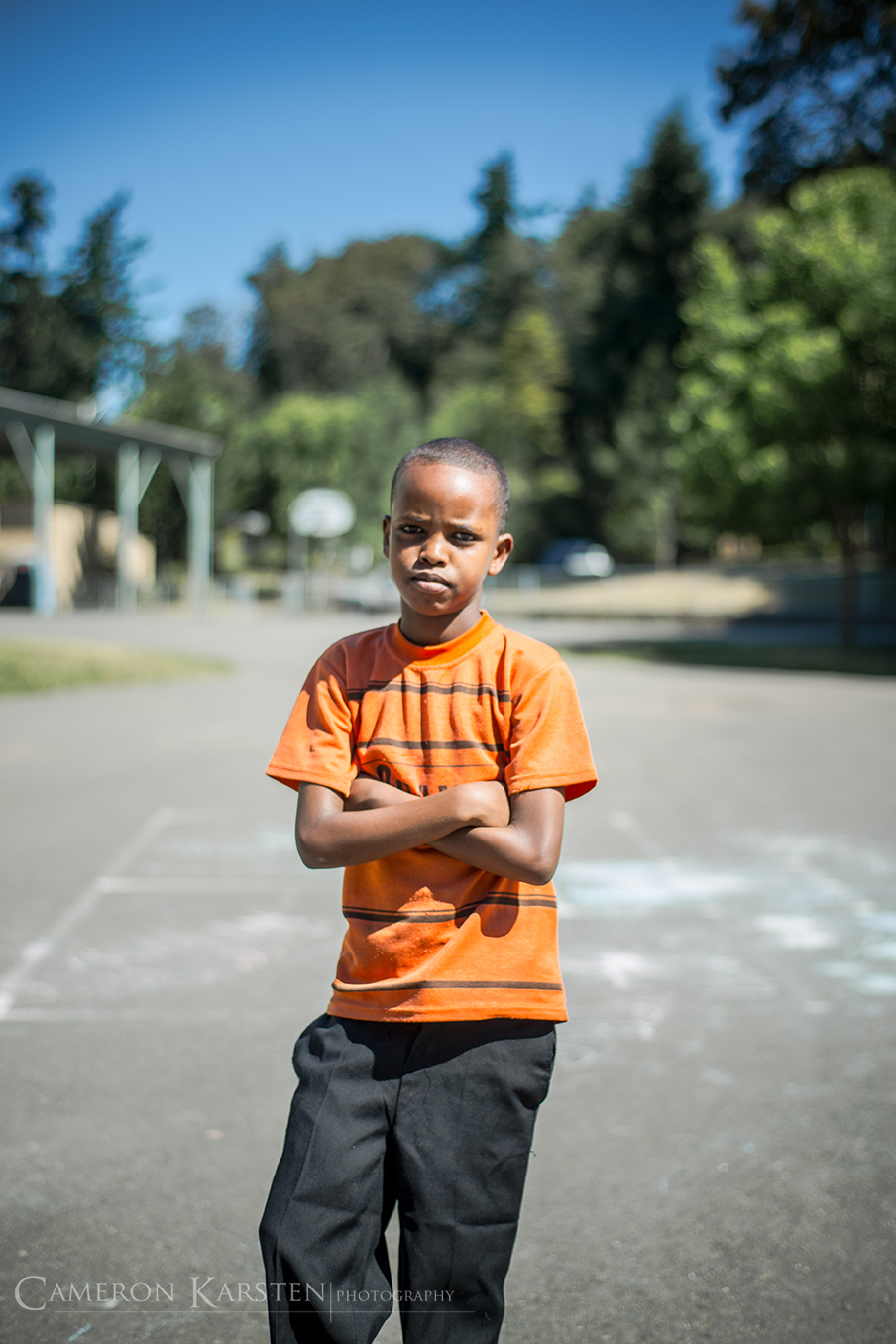
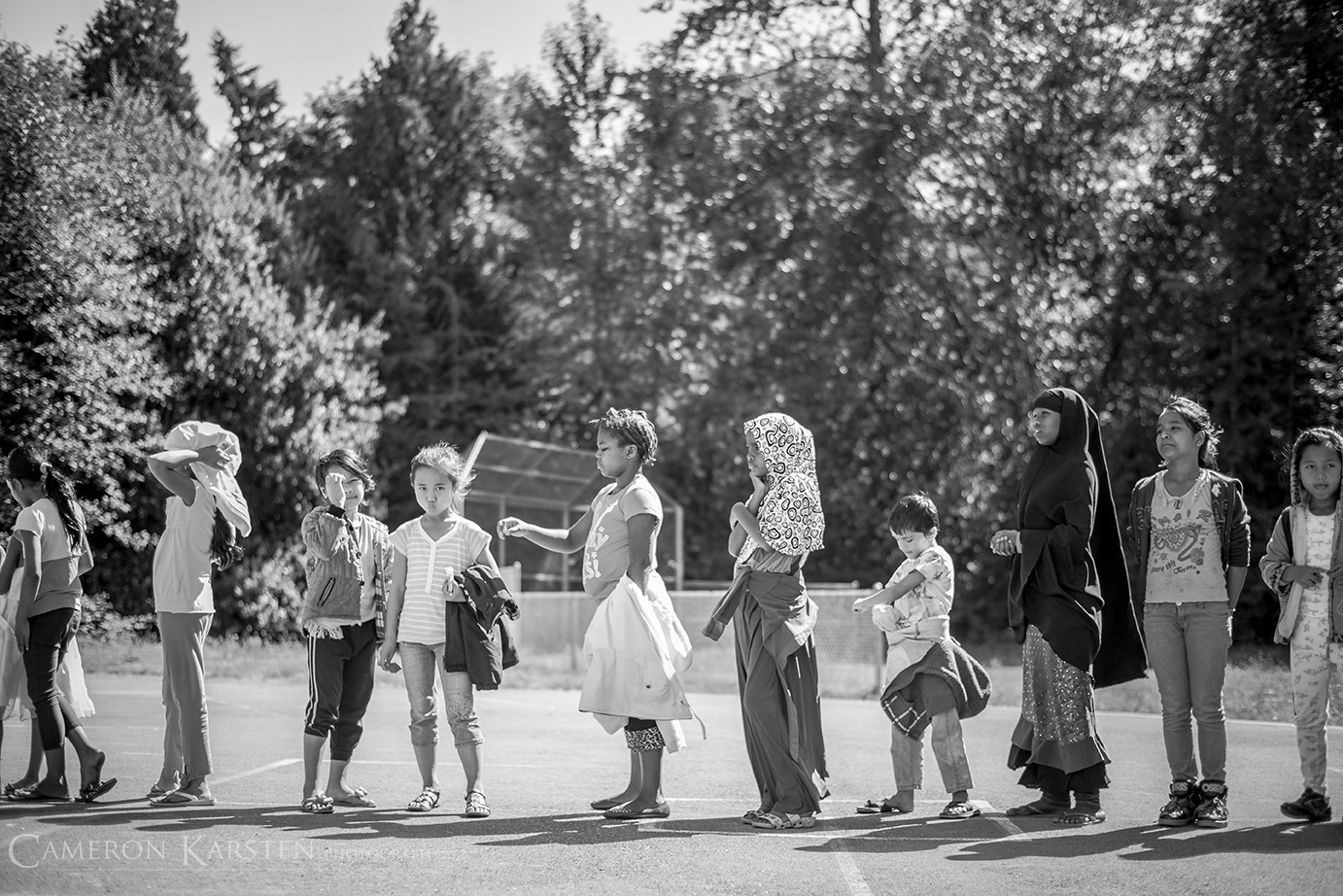
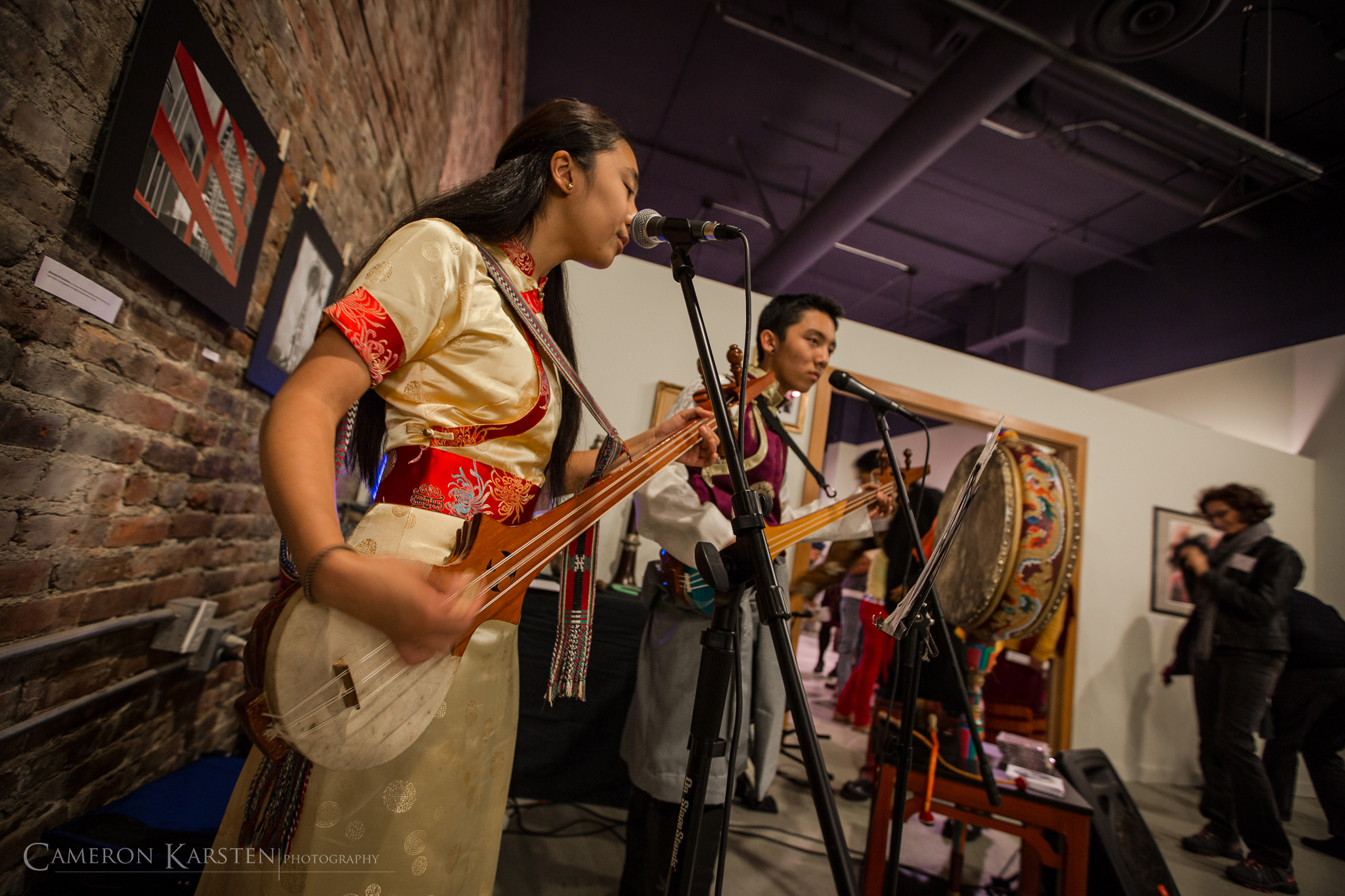
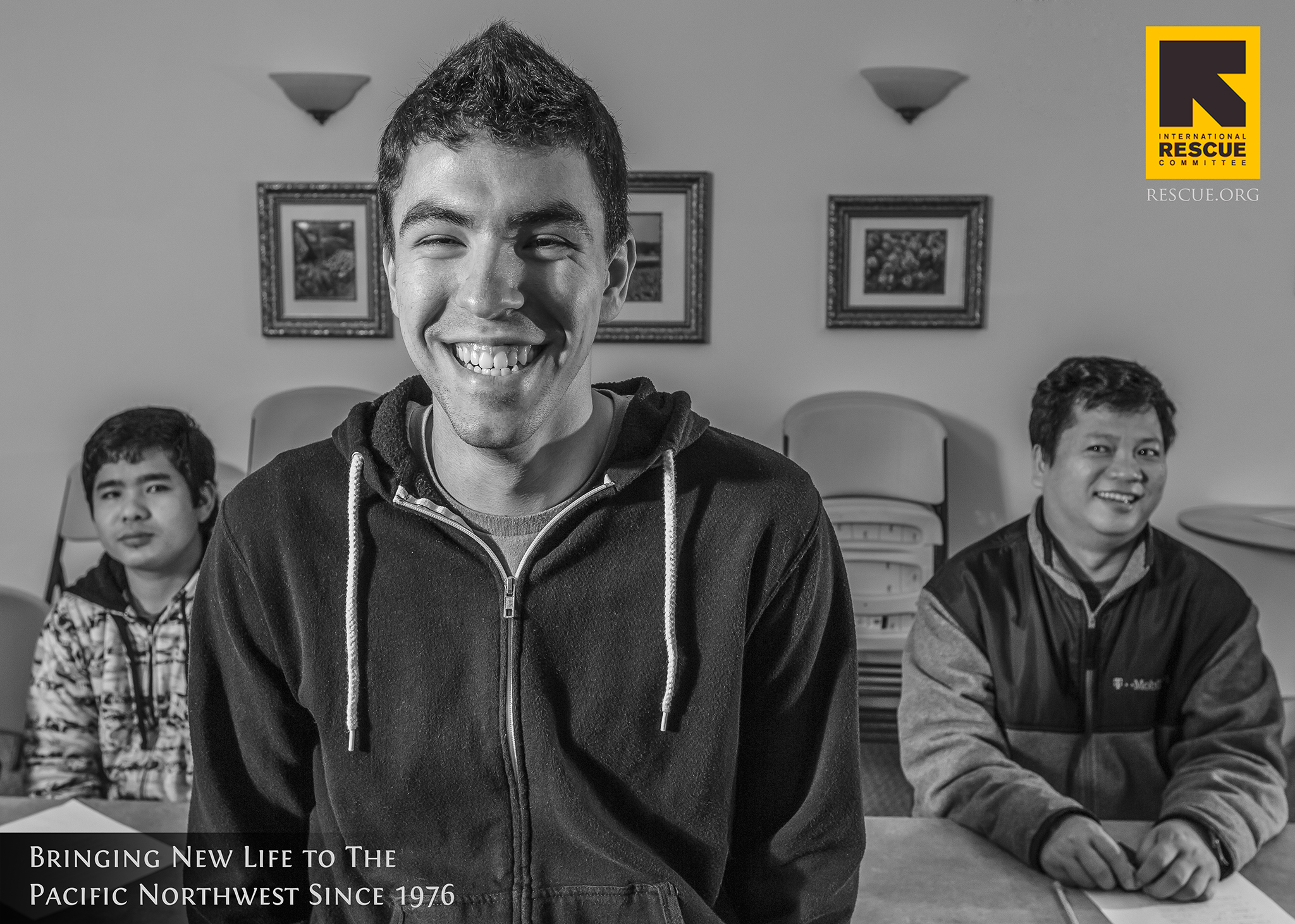
The International Rescue Committee (IRC) puts on two summer youth programs, bringing recently resettled refugees together into the American school system.  Some have basic English skills, others have none.  This is just the intro into their new life, from harm to home in the U.S.

YouthSummerPrograms-144

YouthSummerPrograms-147

YouthSummerPrograms-169

YouthSummerPrograms-434

YouthSummerPrograms-244

YouthSummerPrograms-274

YouthSummerPrograms-316

YouthSummerPrograms-351

YouthSummerPrograms-335

YouthSummerPrograms-329

YouthSummerPrograms-359

YouthSummerPrograms-364

IRC

Cameron Karsten Photography

Ocean Acidification and our Oyster Culture – Part II

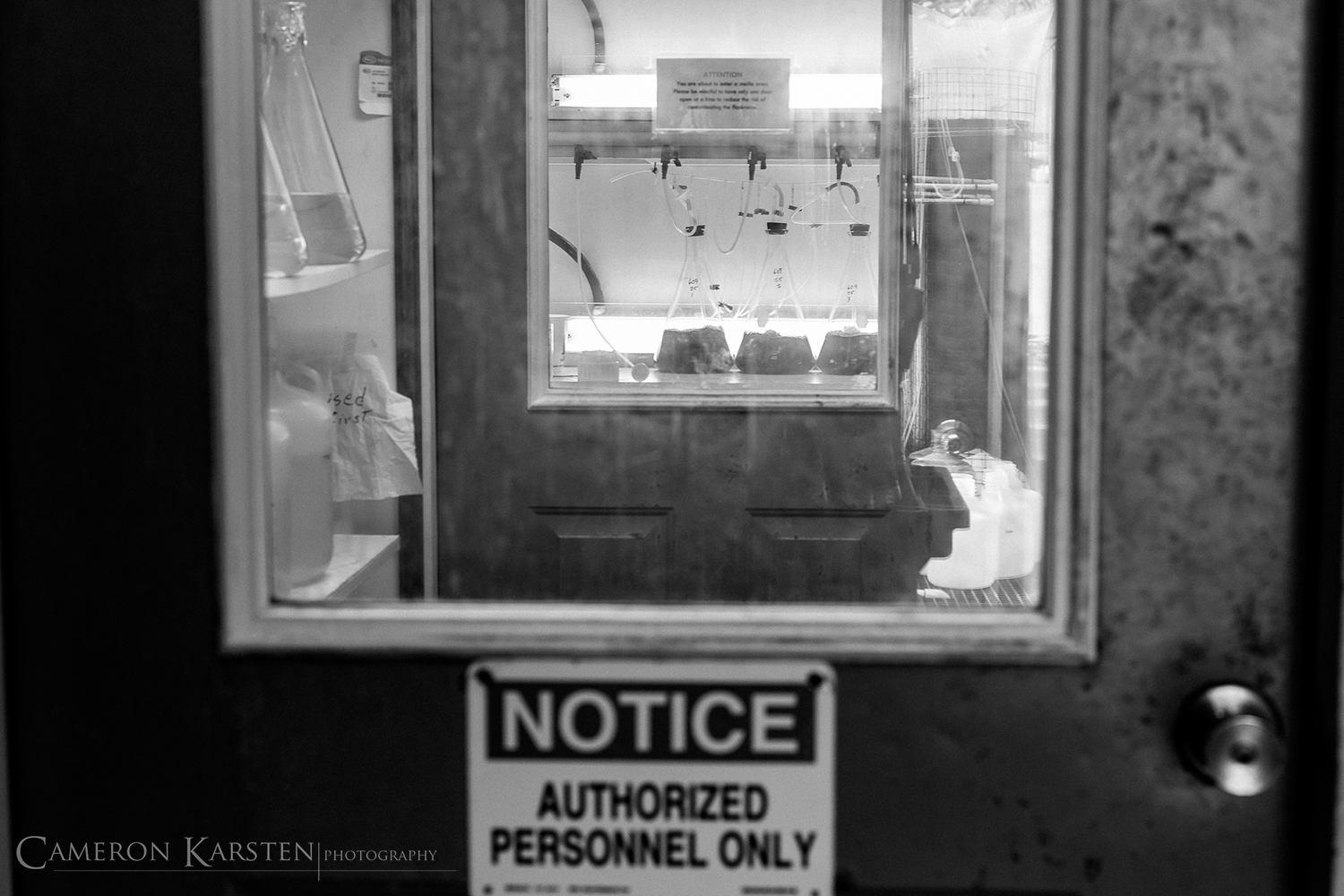
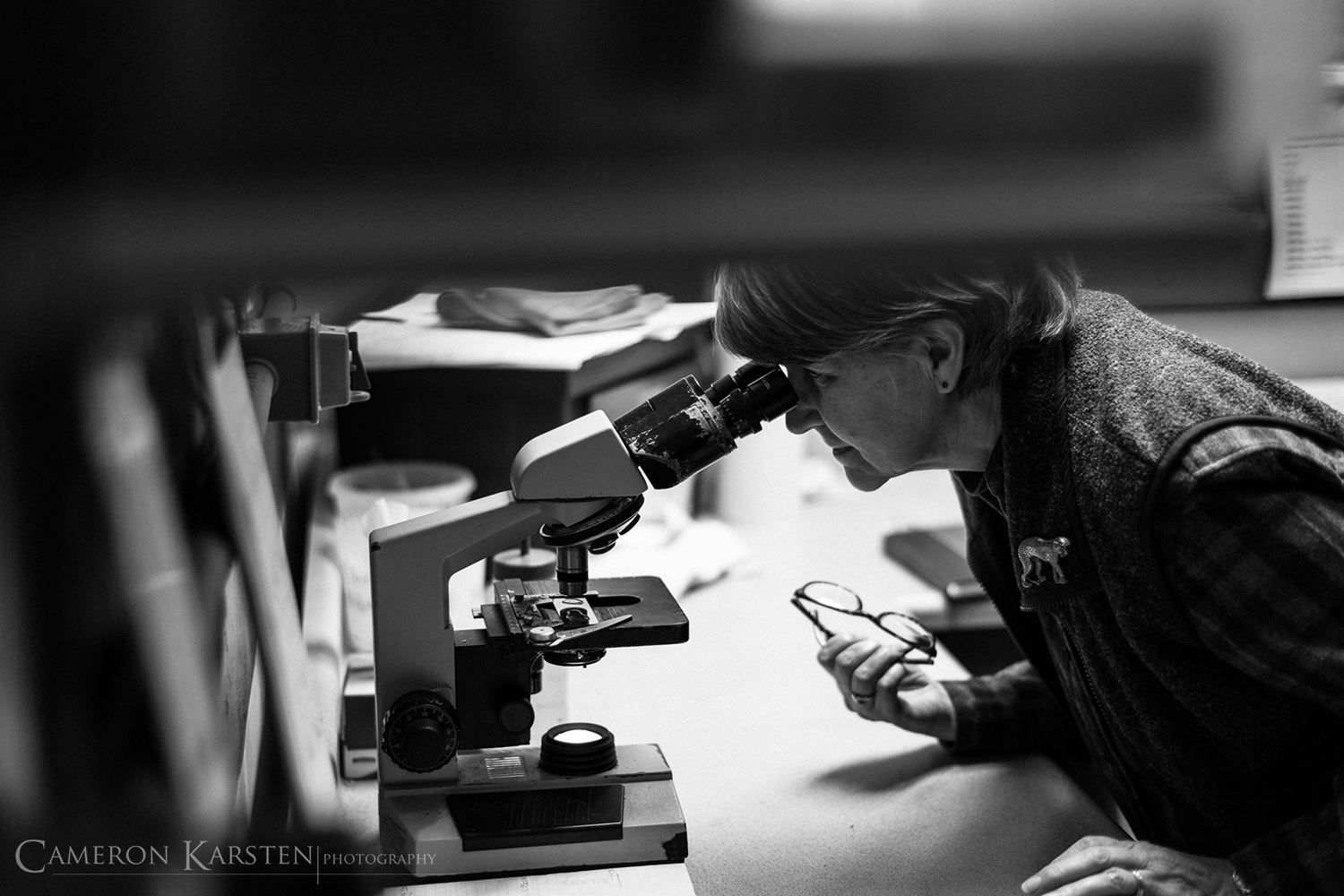
karsten_cameron_12In order to prosper, every living creature requires clean air, clean water and abundant food.  For ocean-thriving mollusks, clean seawater is a must.  In December 2011, Washington State Governor Christine Gregoire formed a Blue Ribbon Panel.  Their purpose: to investigate and study a new threat to Pacific Northwest waters.  They were putting Ocean Acidification (OA) under the microscope.

karsten_cameron_11

karsten_cameron_13
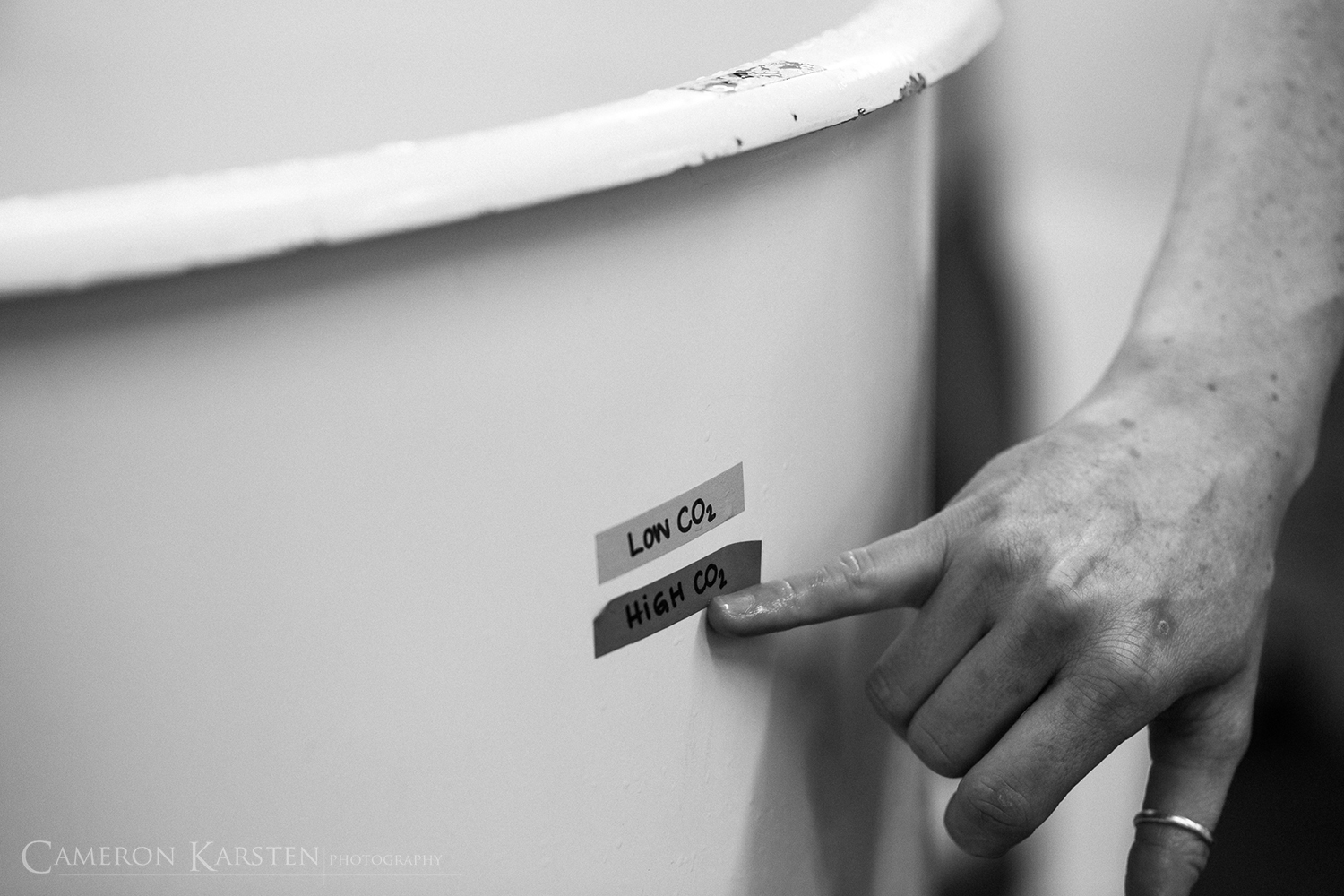
karsten_cameron_14What is occurring is evidence of our Industrial Period 100 years prior as heavy carbon dioxide (CO2) elements now begin surfacing in the shallow waters of the Puget Sound.  As the spring and fall seasons of the Pacific Northwest bring strong northwesterly winds, currents in the Pacific Ocean stir up these century-old pollutants, pushing them upwards and east into the estuaries.  These so-called up-wellings decrease pH levels, causing normal numbers of 8.25 to sink lower into the acidic levels of 8.14 (The pH scale is representative of aqueous solutions from zero to fourteen; where zero characterizes hydrochloric acid or battery acid, and fourteen is sodium hydroxide, better known as bleach).  Acid is a solvent.  It dissolves what it comes in contact with.  Add acidic waters to oyster seed and you find its ingredients eating away at the calcium carbonate that makes up the mollusk’s shell.

karsten_cameron_15

karsten_cameron_16

karsten_cameron_17

karsten_cameron_18

karsten_cameron_19

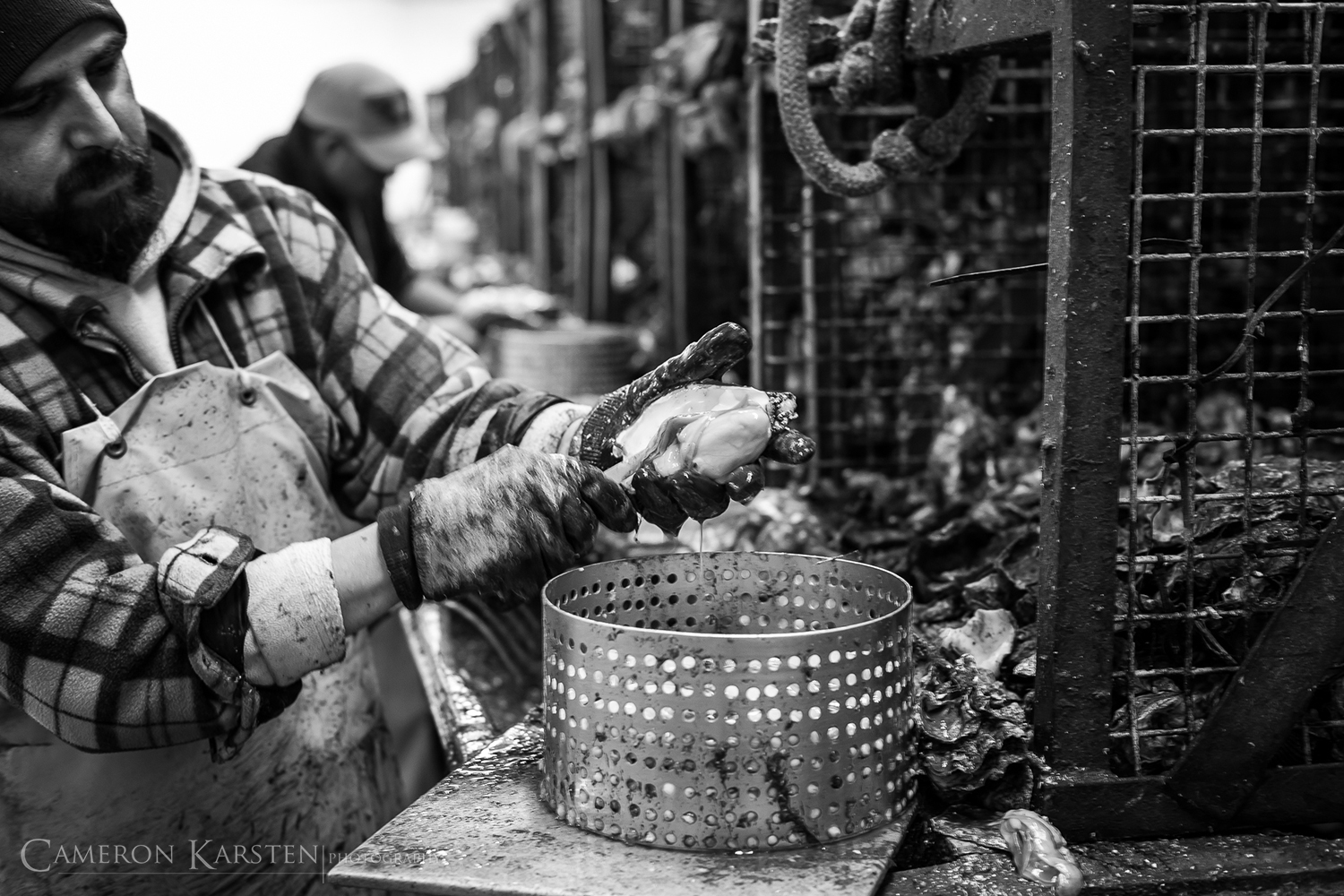
karsten_cameron_20Taylor Shellfish Farms is the first to experience this threat.  They are attracting globe attention to what is occurring within their hatcheries and throughout their farms.  They rely on clean healthy water for larvae seed to develop, but ocean acidification is effecting the development of these mollusks, prohibiting full and consistent growth of their calcium carbonate shells.  What is the future of the mollusk culture if we continue burning fossil fuels and causing the climate to warm-up at faster then expected rate?  Our industrial state affects more then just our air quality.

To see Part II of the multimedia project Ocean Acidification and our Oyster Culture, please click here

Ocean Acidification and our Oyster Culture – Part I

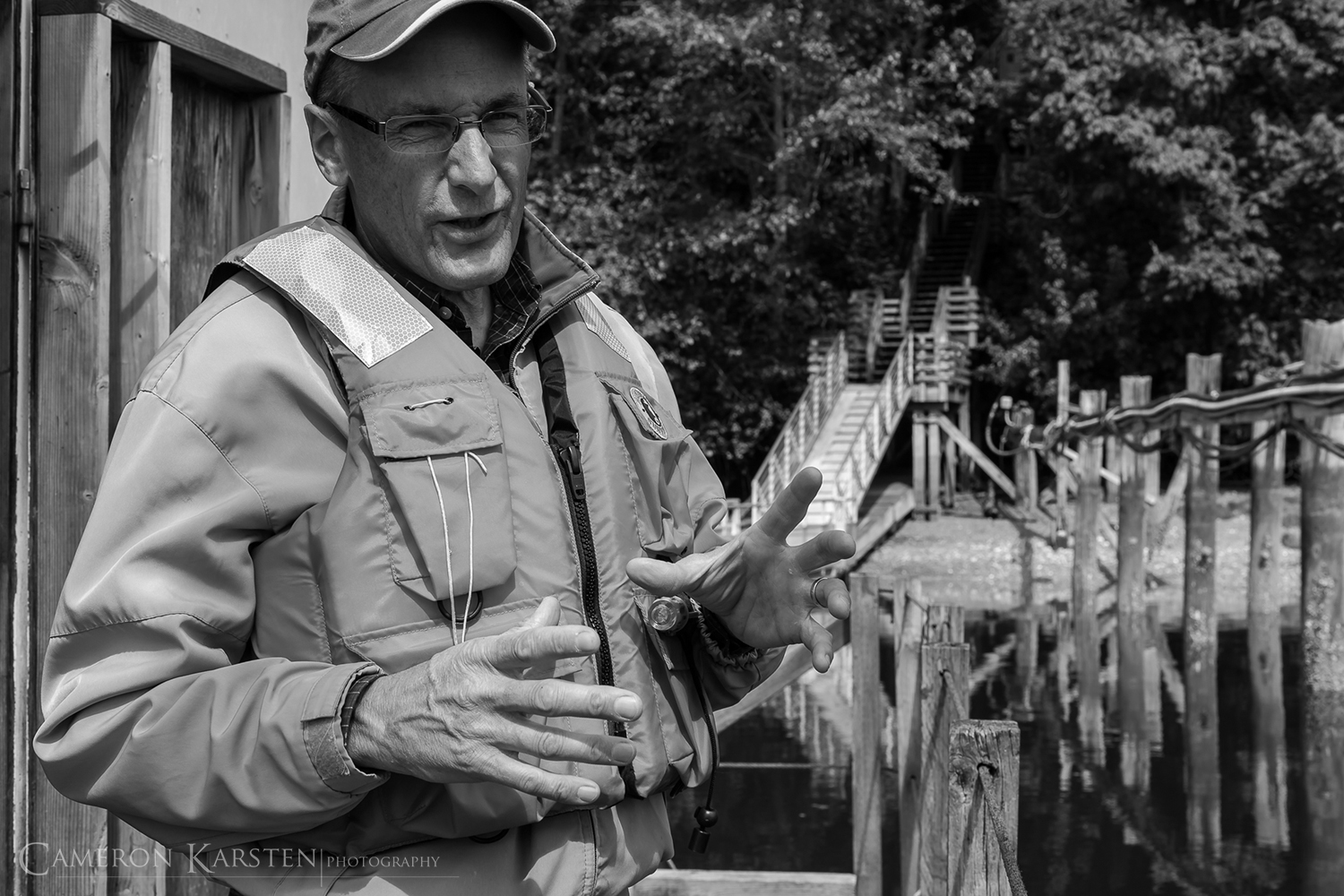
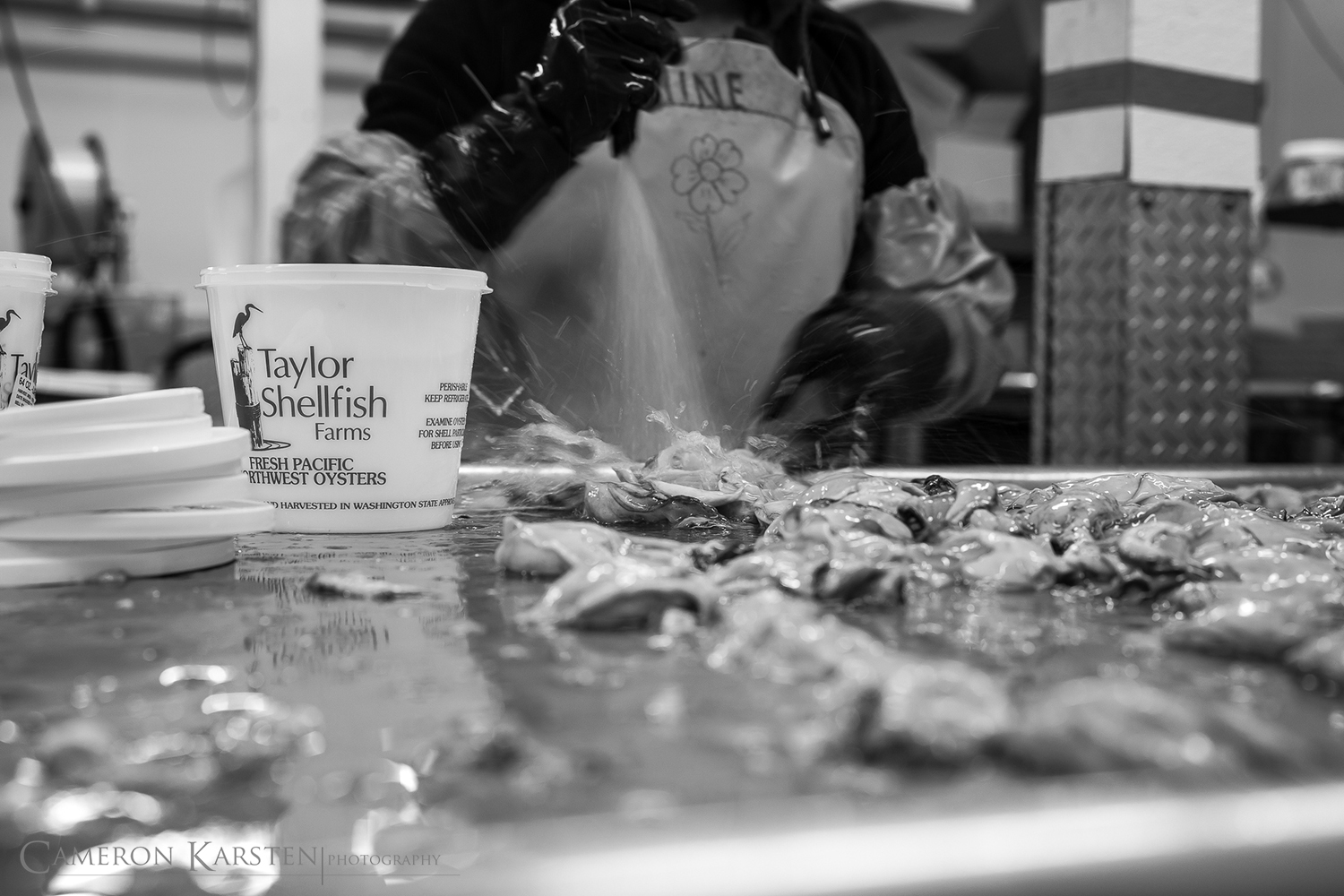
karsten_cameron_01In March 2013, I met Benoit Eudeline. Benoit speaks in a thick French accent and is the lead scientific researcher at Taylor Shellfish Farms’ hatchery.  Located in the pristine Dabob Bay, Taylor Shellfish is Washington State’s foremost producer of farm-raised shellfish, supplying the industry with top-grade oysters, mussels, clams and geoduck.  It produces two-thirds of the state’s mollusk aquaculture and is the country’s largest supply to Asia, boosting its’ economy and solidifying the region’s bearing as a premium seafood culture.  But in 2008, all this came to a screeching halt.  Something was happening.  Numbers were falling at Taylor Shellfish and each of the other farms in the area.  Production was at a loss.  Larvae within the confines of the hatcheries became insolvent at surviving.  Holes appeared in their developing shells.  Disease and predators disrupted growth.  Something was brewing in the Pacific Northwest.

karsten_cameron_02

karsten_cameron_03

karsten_cameron_04

karsten_cameron_05

karsten_cameron_06

karsten_cameron_07

karsten_cameron_08

karsten_cameron_09

karsten_cameron_10Nowhere else in the world was this environmental phenomenon occurring.  Mollusks, particularly oysters, were thriving as usual, but in the northwestern estuaries of the Pacific Ocean, the declining health of young shellfish became obvious.  First, the oysters; then slowly the shells of young geoducks and the tendrils of mussels, which they rely on to suspend to their host, began showing signs of frailty.  As the seasons over the next few years passed in confusion, scientists began studying the changing environments until one thing became evident.

To see Part 1 of the multimedia project Ocean Acidification and our Oyster Culture, please click here

International Rescue Commitee’s Naturalization Ceremony – Seattle, WA

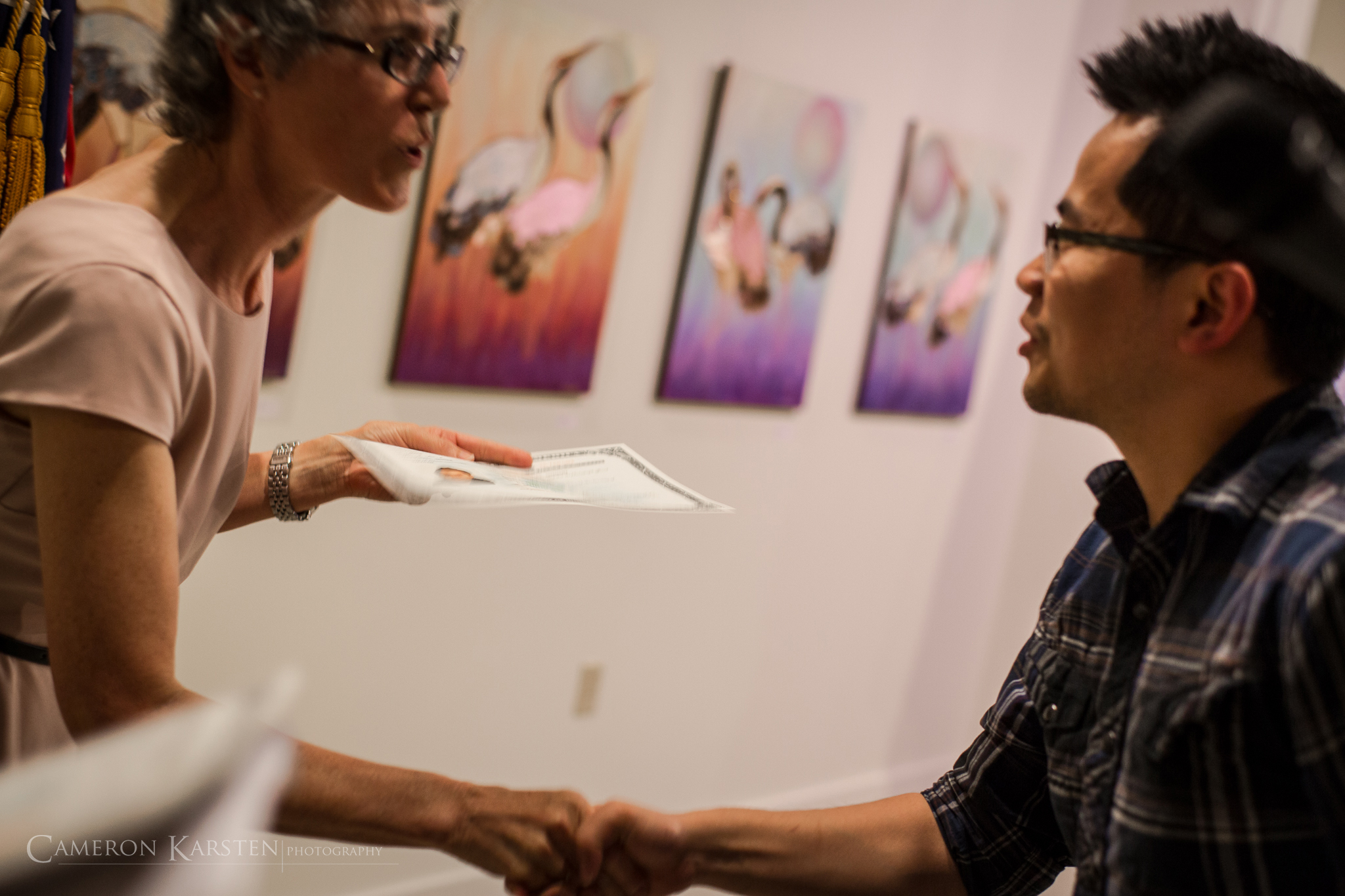
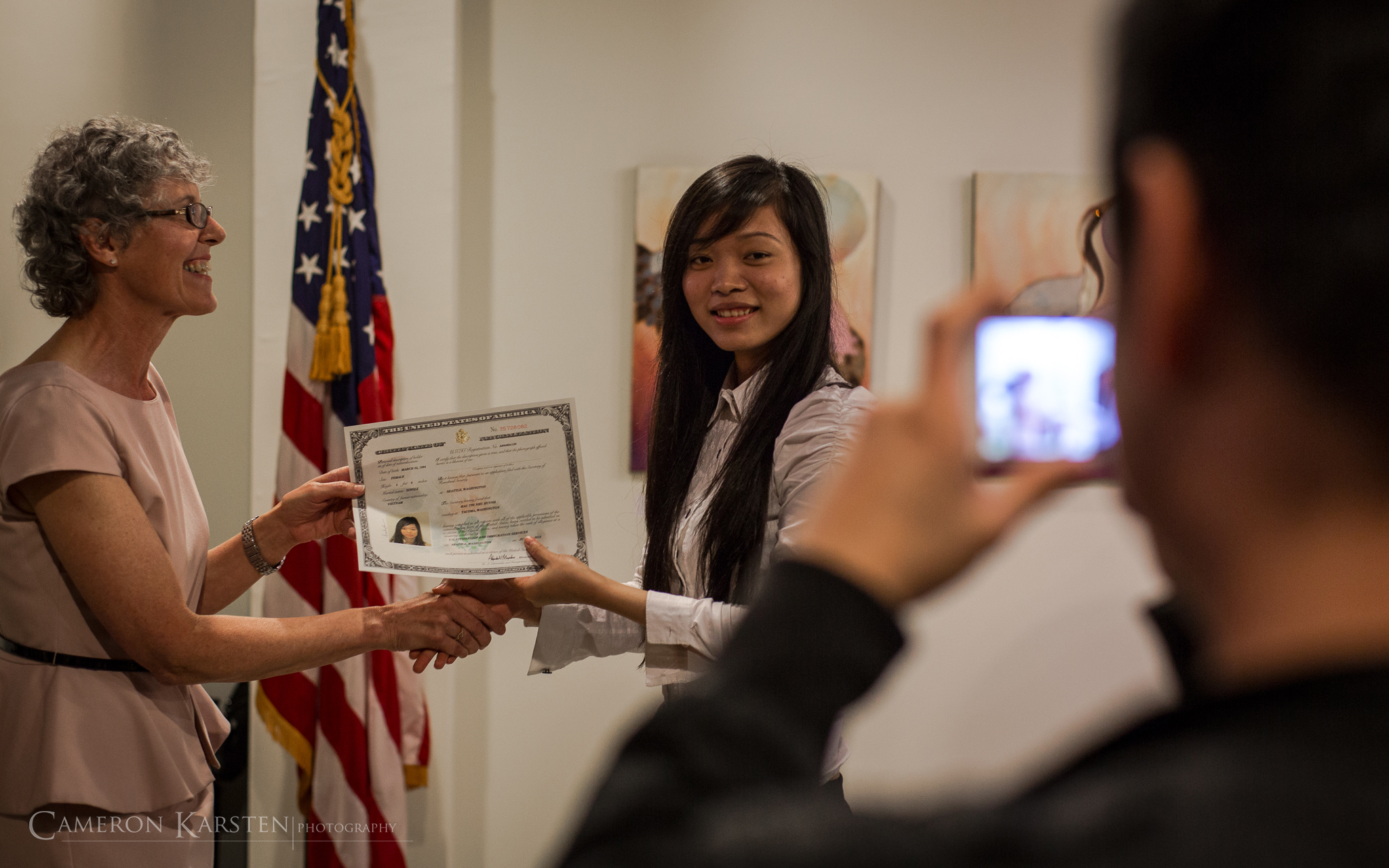
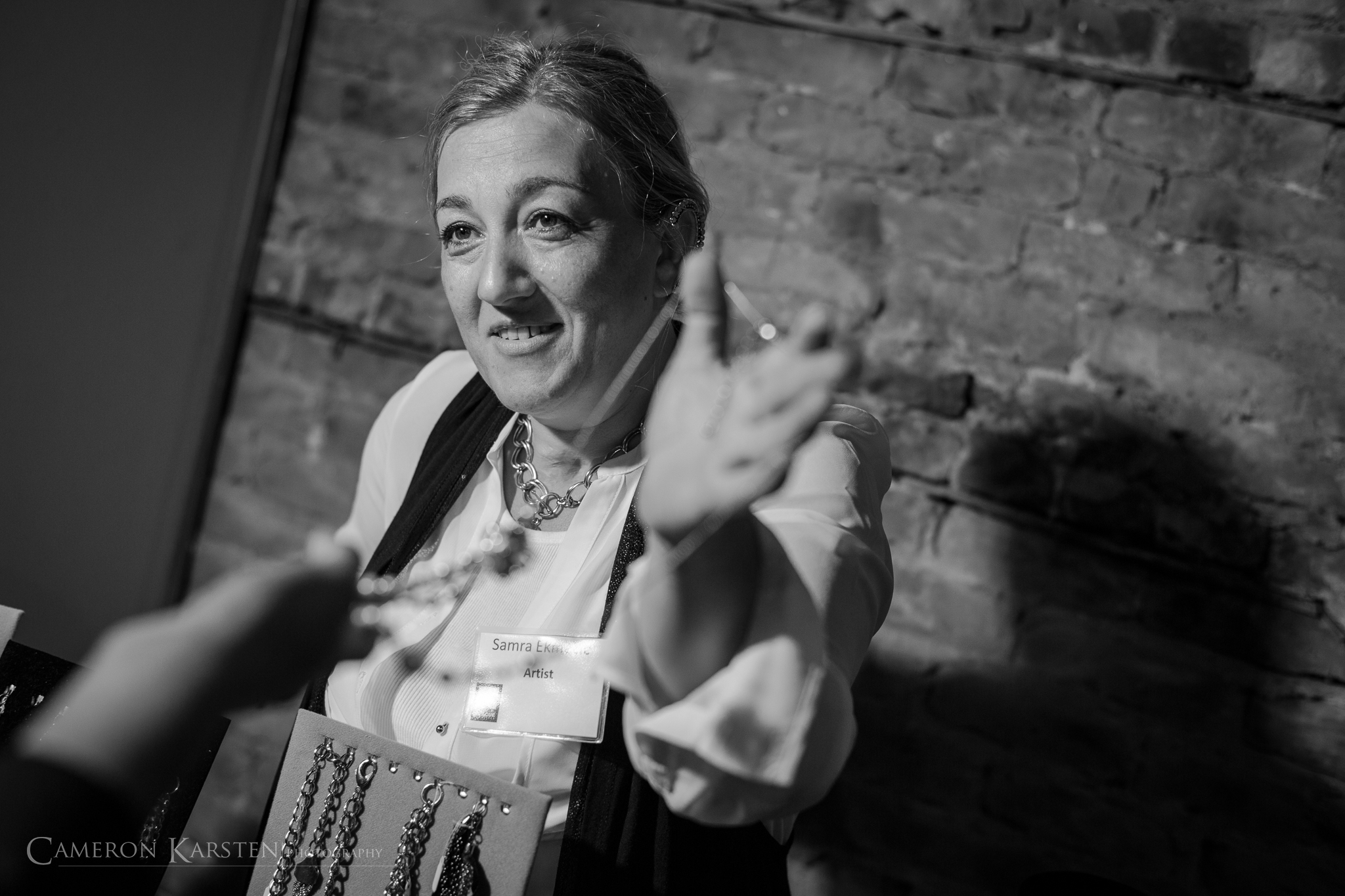
Naturalization-66I’ve had the pure joy of working with IRC’s Seattle Chapter since the start of 2013, connecting with a broad range of international community members around the Pacific Northwest region.  June 20th, 2013 was none other then World Refugee Day where a handful of individuals received their United States Citizenship at a local art gallery in downtown Seattle, which exhibited art by IRC-sponsored refugees turned U.S. citizens.  Here is a look at a naturalization ceremony, welcoming these newly-recognized U.S. citizens.

Naturalization-24

Naturalization-27

Naturalization-19

Naturalization-50

Naturalization-54

Naturalization-120

Naturalization-86

Naturalization-92

Naturalization-219

Naturalization-338

Naturalization-199

Naturalization-116

Naturalization-154

Naturalization-133

Naturalization-317

Naturalization-109

Naturalization-266

Naturalization-40

Naturalization-358

IRC

Cameron Karsten Photography

Olympic Day Hiking – The Brothers

OlympicHiking-34

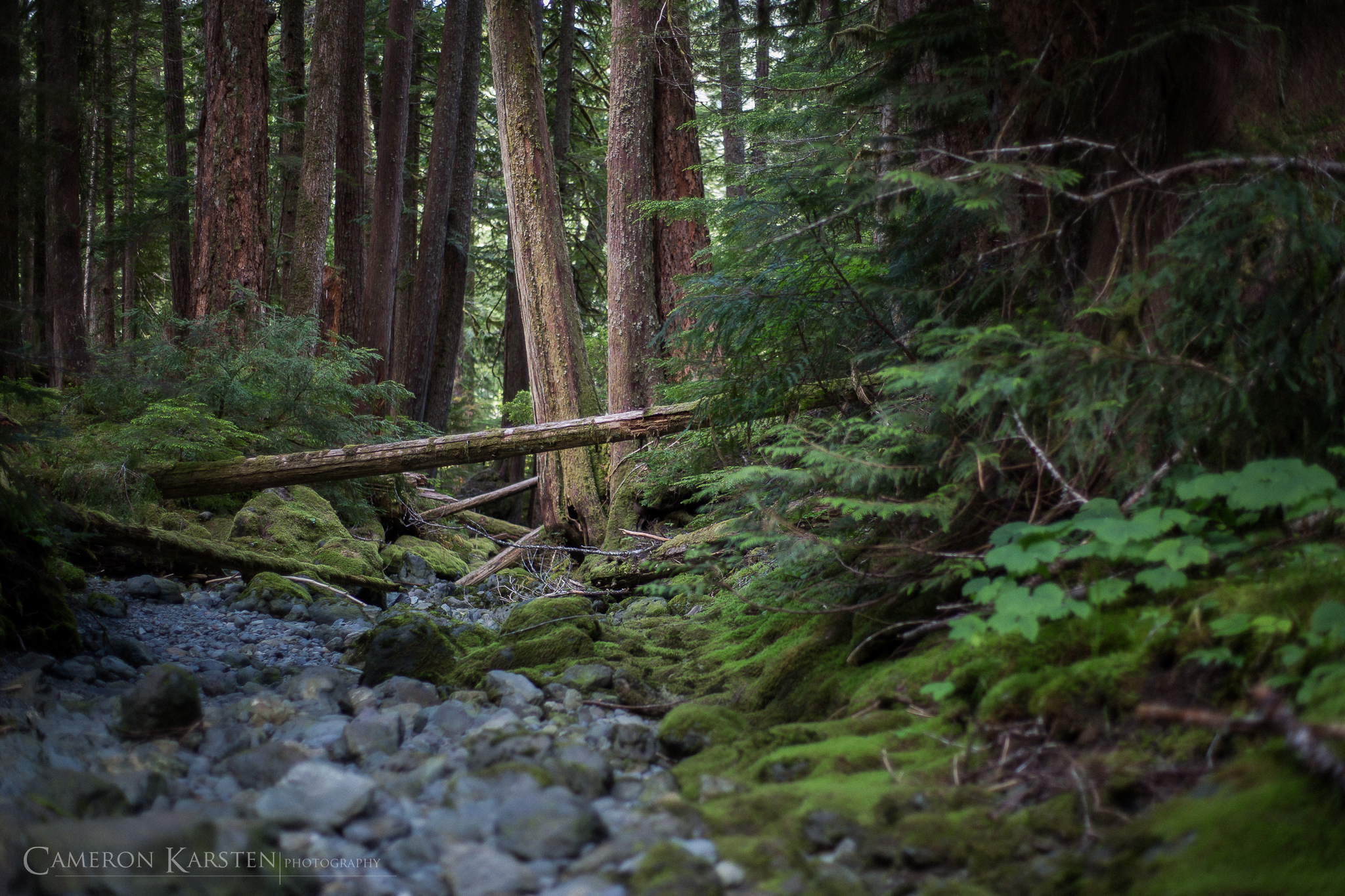
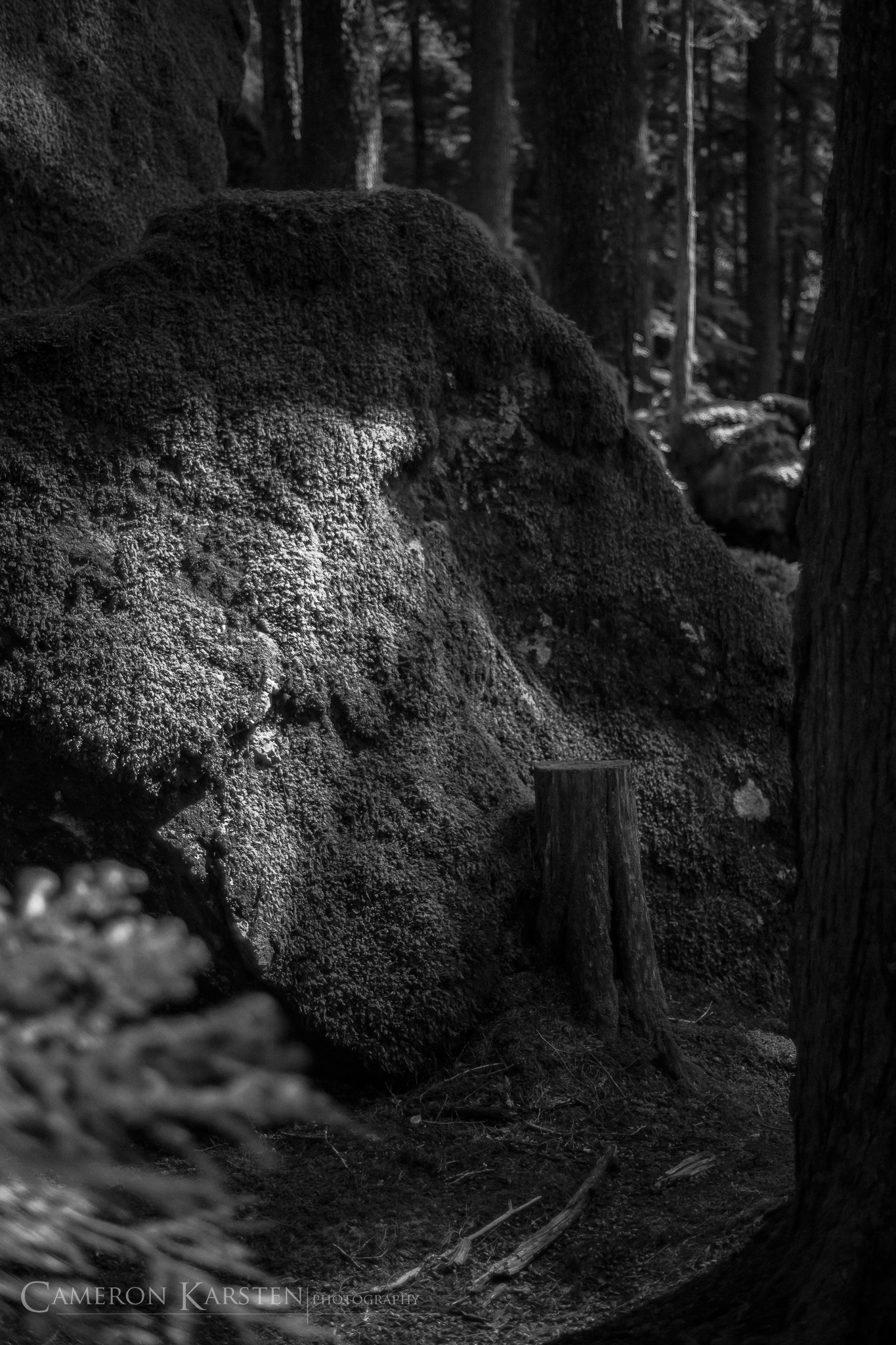
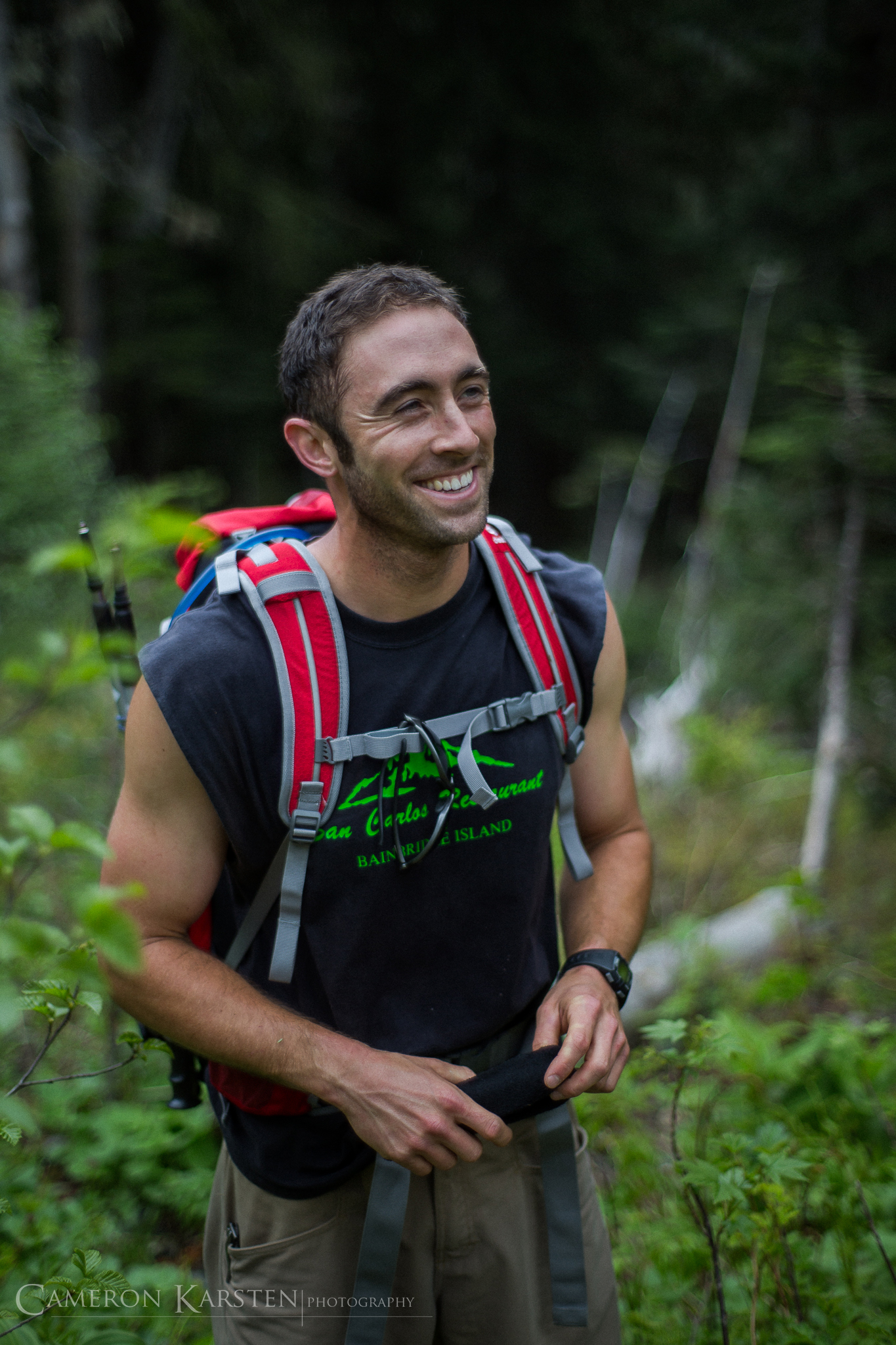
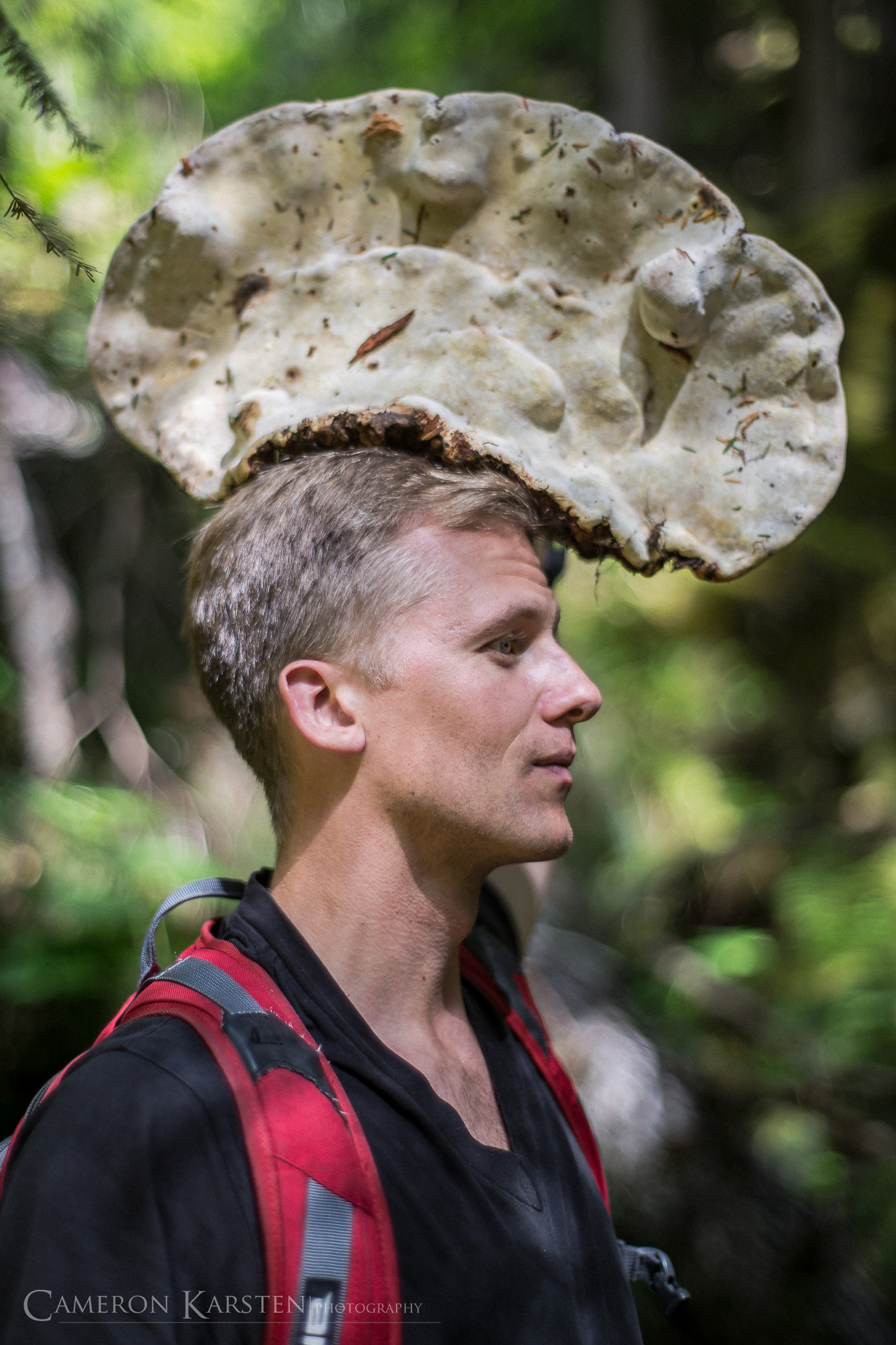
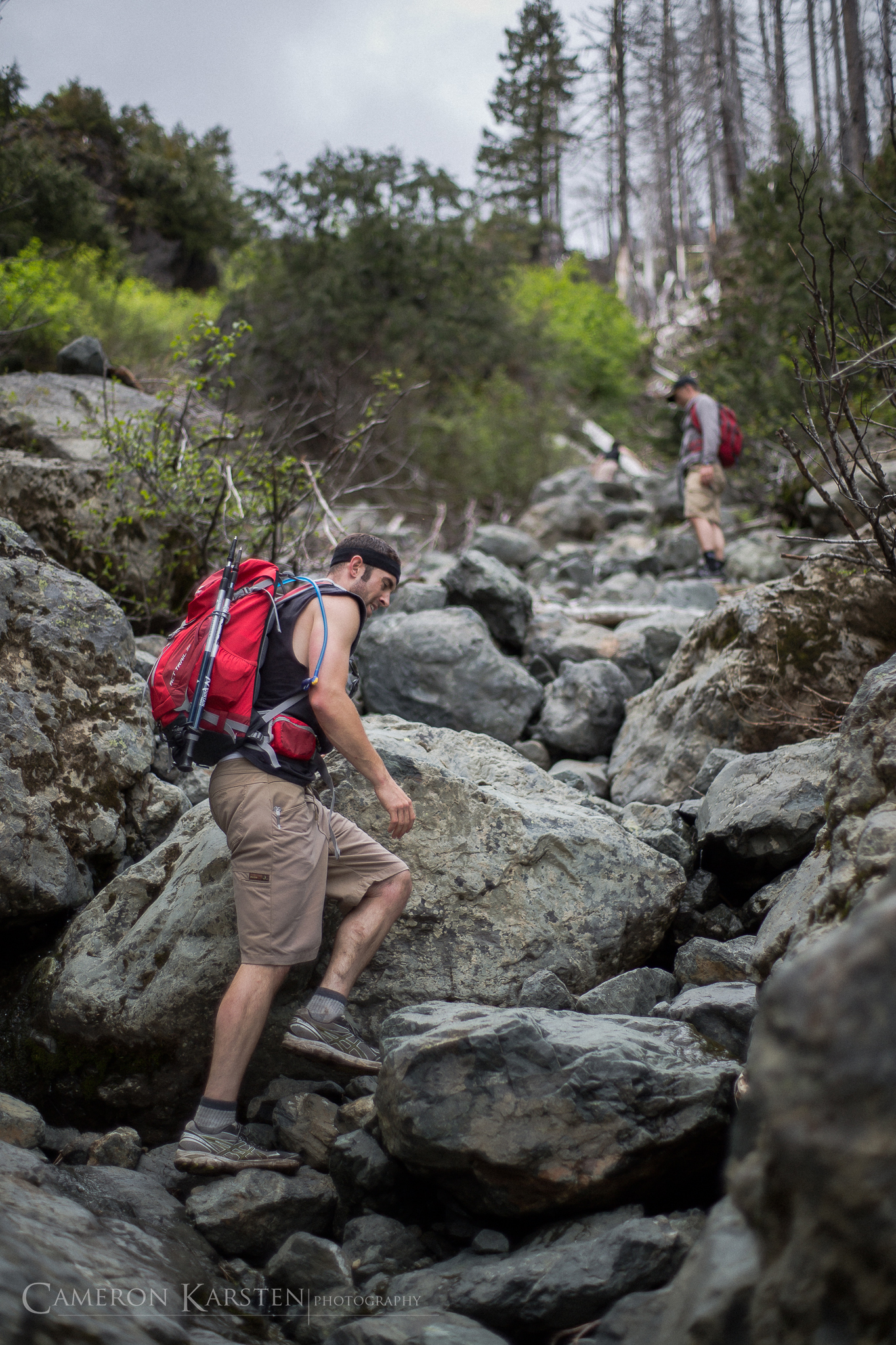
Spent a sunny summer day hiking to the base of The Brothers on the Olympic Peninsula, reaching just above the tree-line before running out of time.  An hour and twenty minutes up to Lena Lake and then an additional three hours upwards.  We passed below massive pines and wound through streams that disappeared beneath the riverbeds.

OlympicHiking-45

OlympicHiking-62

OlympicHiking-13

OlympicHiking-4

OlympicHiking-205

OlympicHiking-78

OlympicHiking-115

OlympicHiking-119

OlympicHiking-206

OlympicHiking-122

OlympicHiking-132

OlympicHiking-99

OlympicHiking-105

Cameron Karsten Photography

YES! Magazine: Marjorie Kelly

MarjorieKelly_MarketMovement-1

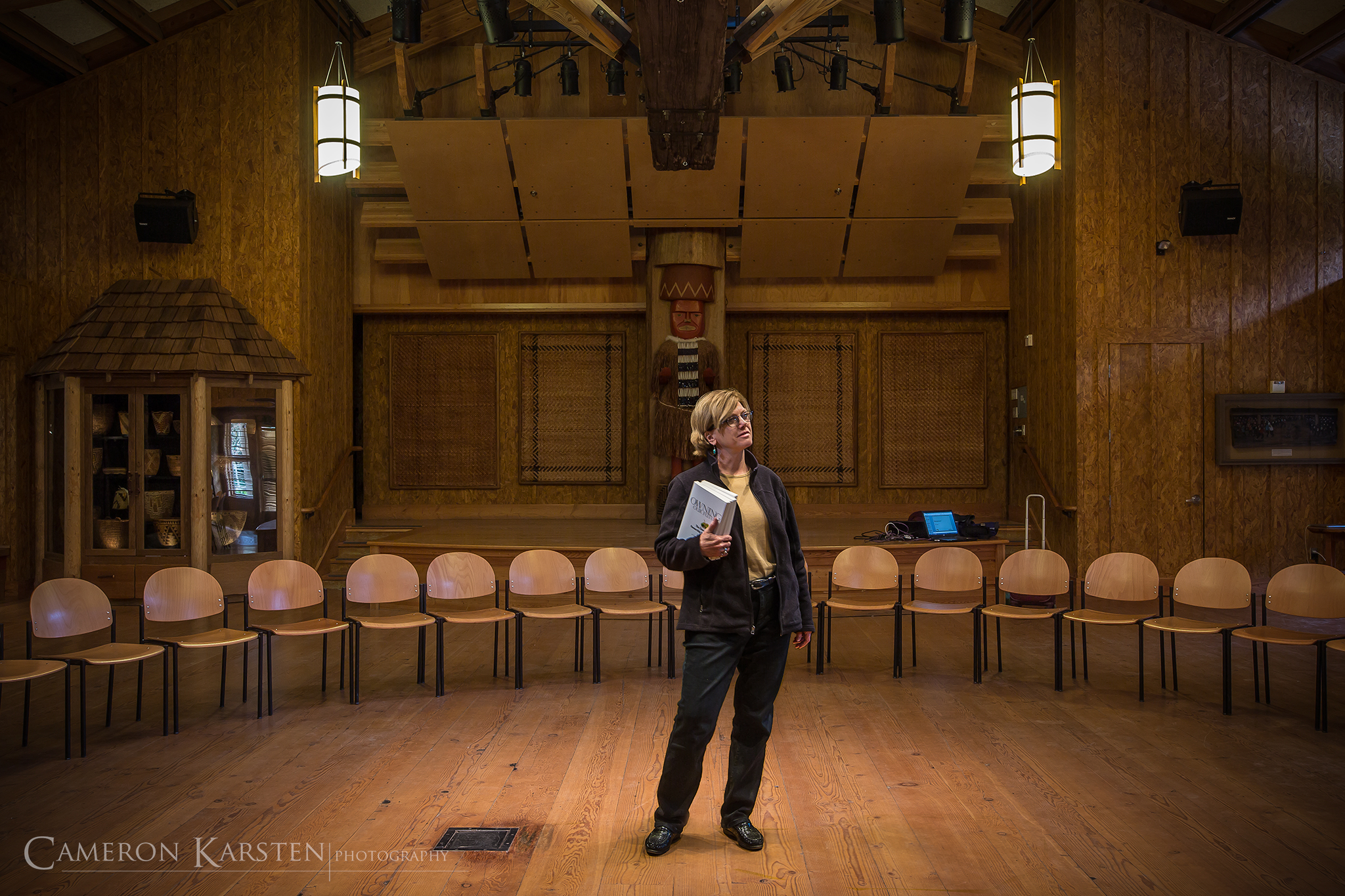
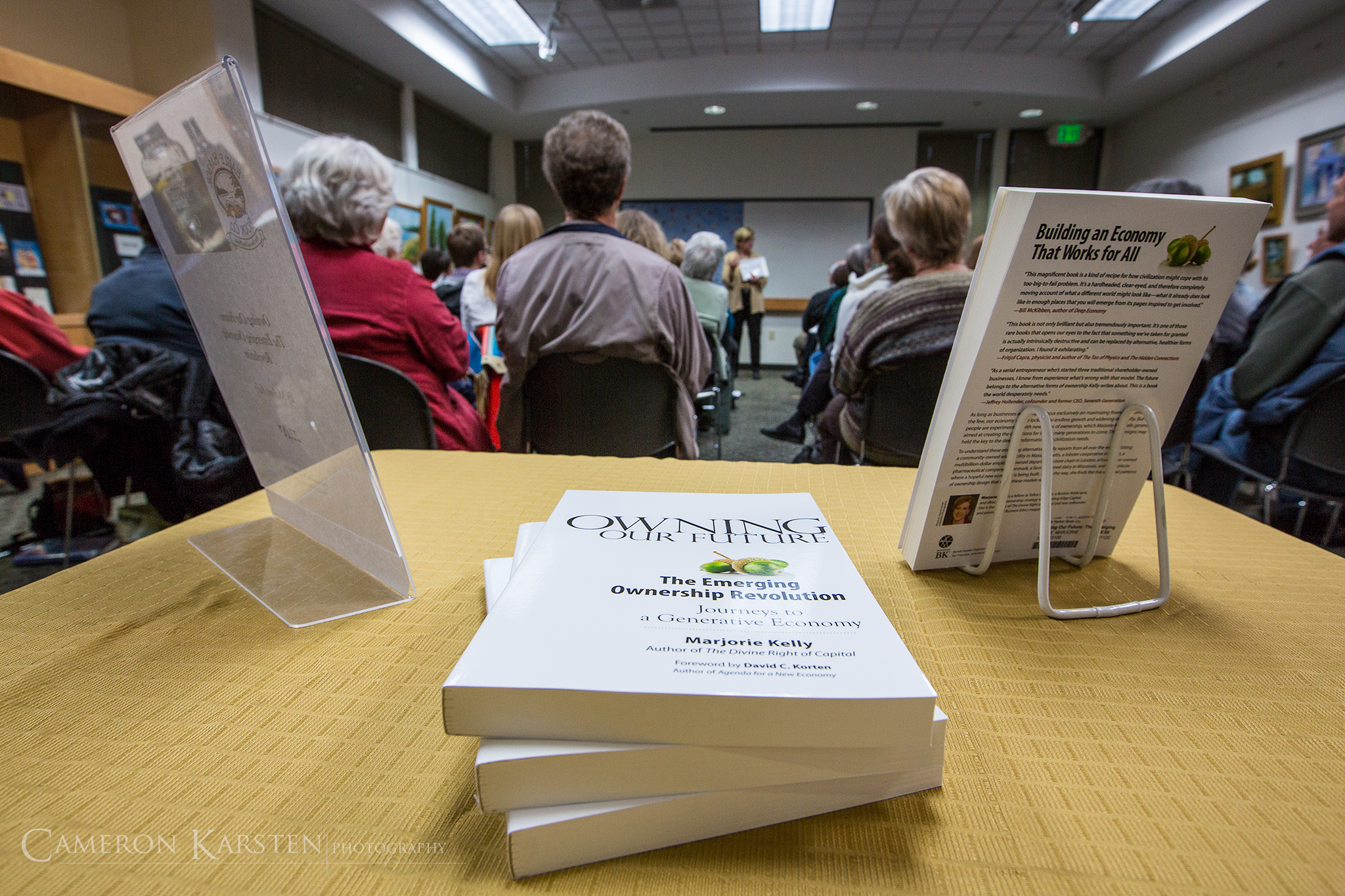
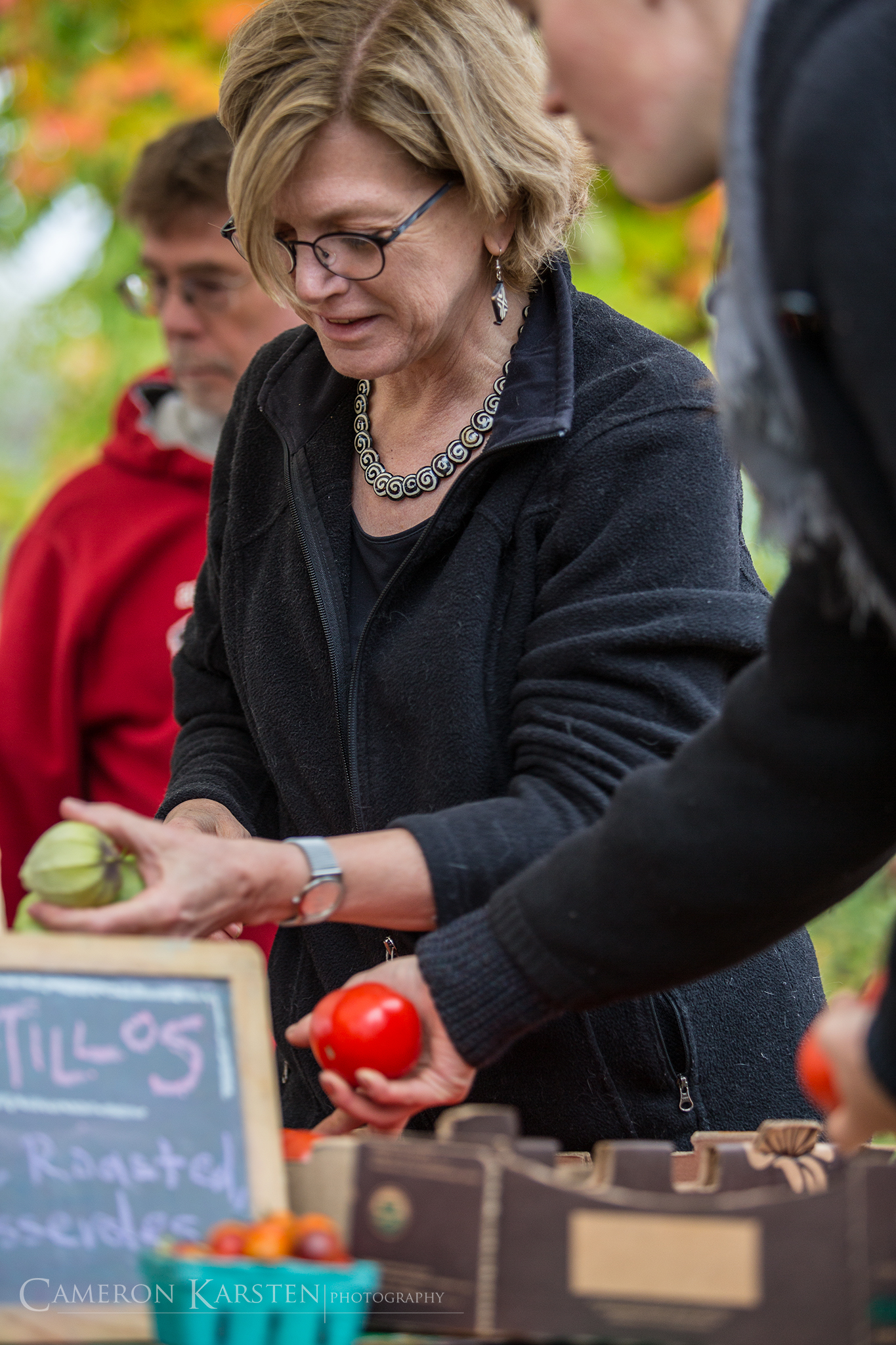
From YES! Magazine’s Spring 2013 Issue #65, author Marjorie Kelly arrived on Bainbridge Island as a speaker in residence in Island Wood’s Business Management program.  For YES! Magazine, I had the opportunity to spend a few hours with her, photographing at a few different locales.  Kelly’s article The Economy: Under New Ownership discusses the positive roles of cooperatives, specifically their business models, and how they’re creating a healthier more stable world economy for employees and consumers.  She is also author of her new book Owning Our Future: The Emerging Ownership Revolution

MarjorieKelly-1

MarjorieKelly-4

MarjorieKelly-6

MarjorieKelly-14

Cameron Karsten Photography

Photo Essay: International Rescue Committee (IRC) Seattle Chapter

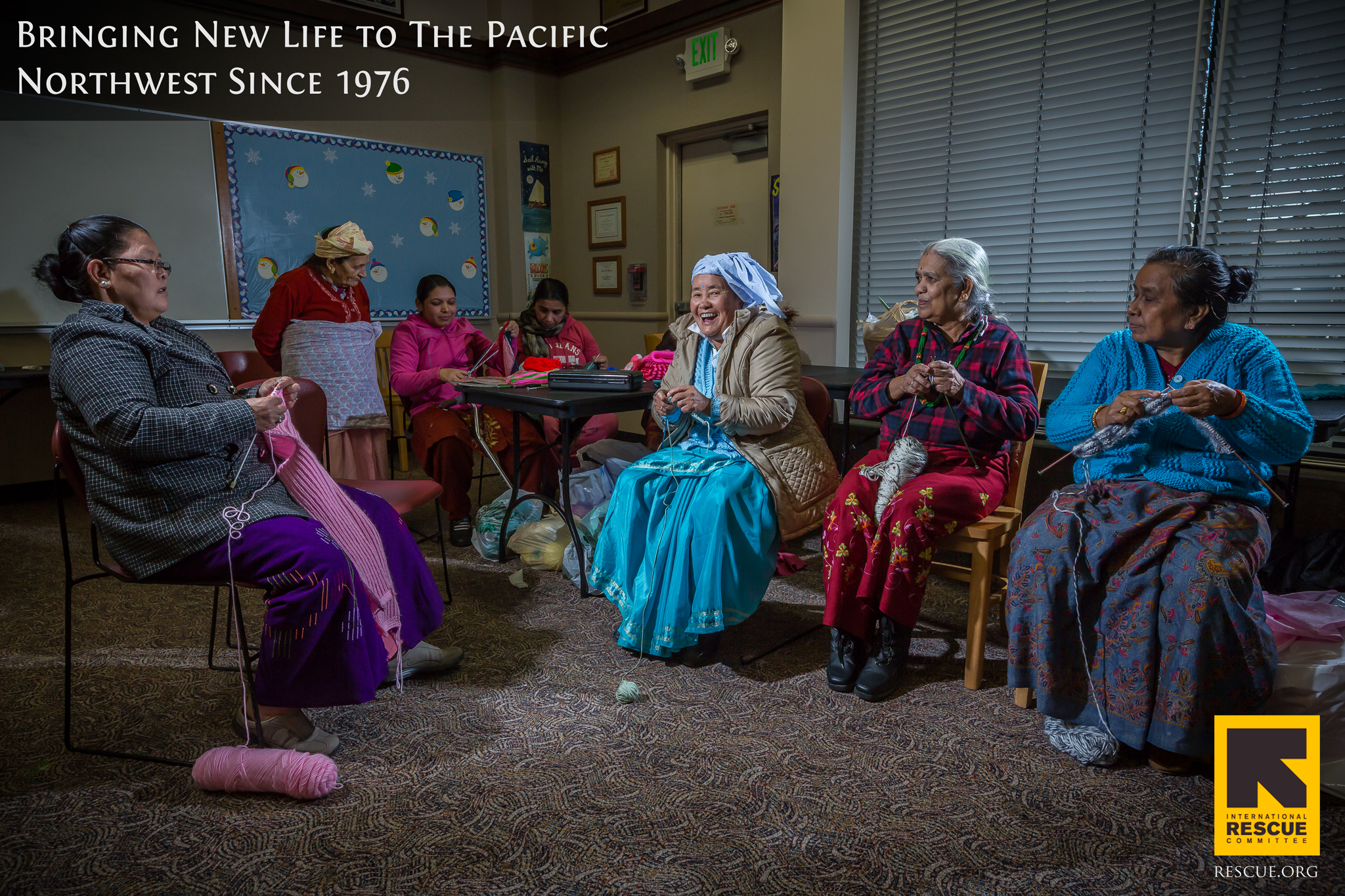
CameronKarsten2013_NonProf1Having recently connected with International Rescue Committee’s (IRC) Seattle Chapter, doors opened to a host of incredibly humbling experiences.  Shooting for them takes me back to my travel roots, experiencing other cultures and the people.  The above photograph is a group of recently arrived refugees from Nepal and Bhutan who wanted to create a knitting community.  The experience being there resulted in the women erupting in traditional song and laughter, with communication spoken via hand and body gesture.

Started in Seattle in 1976, little presence is known of their existence within the city.  The continuing goal working with them is to create a library of imagery that they can utilize as posters, thank you cards, newsletters, website material and more.  Below are more images taken for IRC’s Seattle Chapter.

CameronKarsten2013_NonProf2

A knitting community created by recent arrivals of IRC’s Seattle Chapter

CameronKarsten2013_NonProf3

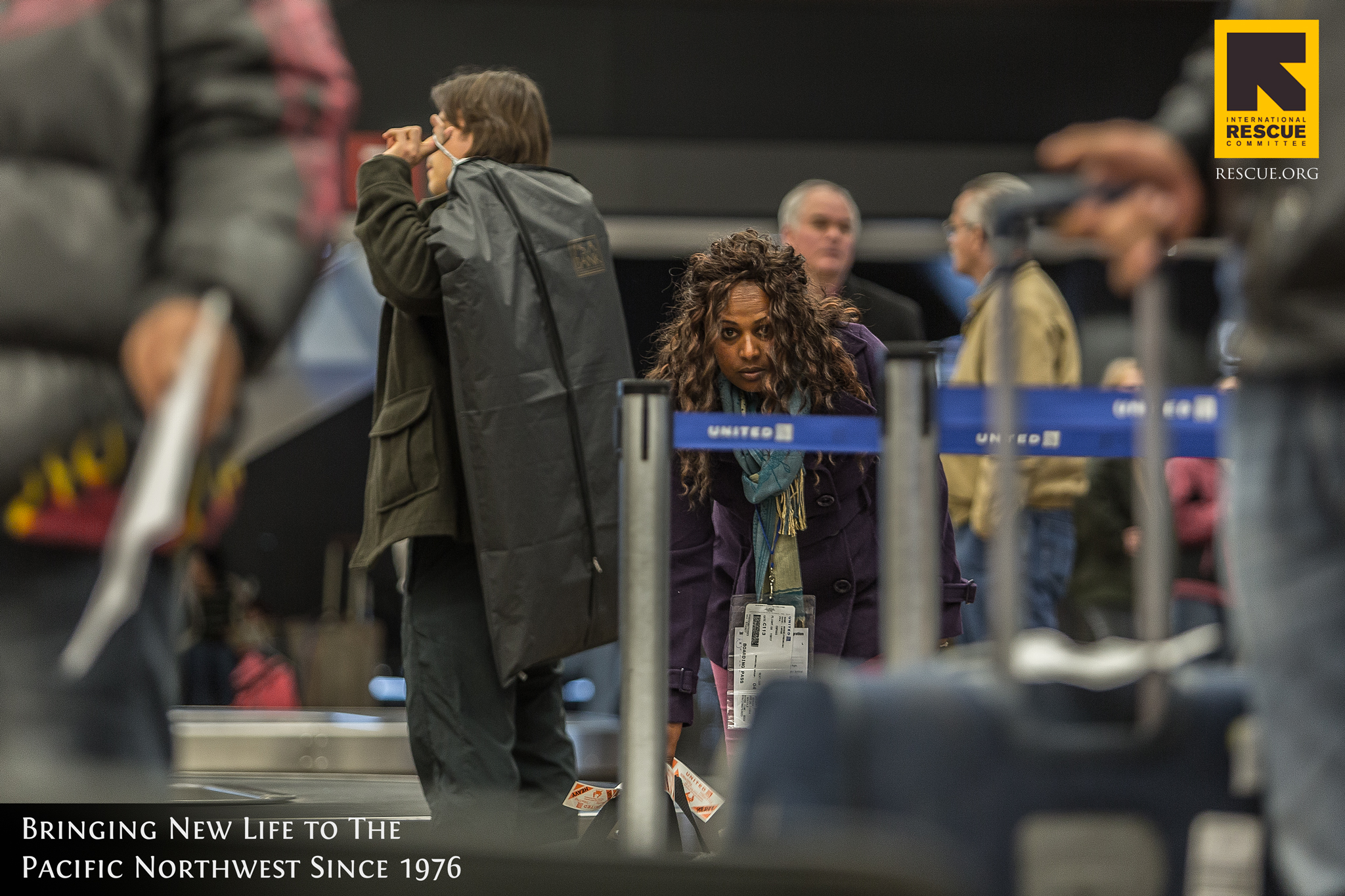
A daughter who recently arrived from Eritrea sees her father for the first time in over one year.

CameronKarsten2013_NonProf4

A joyous father is happily reunited with his daughters after flying into SeaTac from Eritrea.

CameronKarsten2013_NonProf5

A woman practices job training skills at an activity created by IRC for newly arrived refugees.

CameronKarsten2013_NonProf6

A man from Burma studies basic job training skills in Tukwila, WA after arriving to the United States three months ago.

CameronKarsten2013_NonProf7

A teacher back in Burma, now faces a new language, a new culture, and a new set of skills acquired at IRC’s job training class.

CameronKarsten2013_NonProf8

Denis, a refugee from Bosnia under IRC from over 14 years ago, now volunteers to help new arrivals adapt to American culture and job market.

Learn more by visiting IRC Seattle Chapter

IRC

Cameron Karsten Photography

Photo Essay: 12/21/12, Lamanai, Mayan Ruins, Belize (not the end of the world)

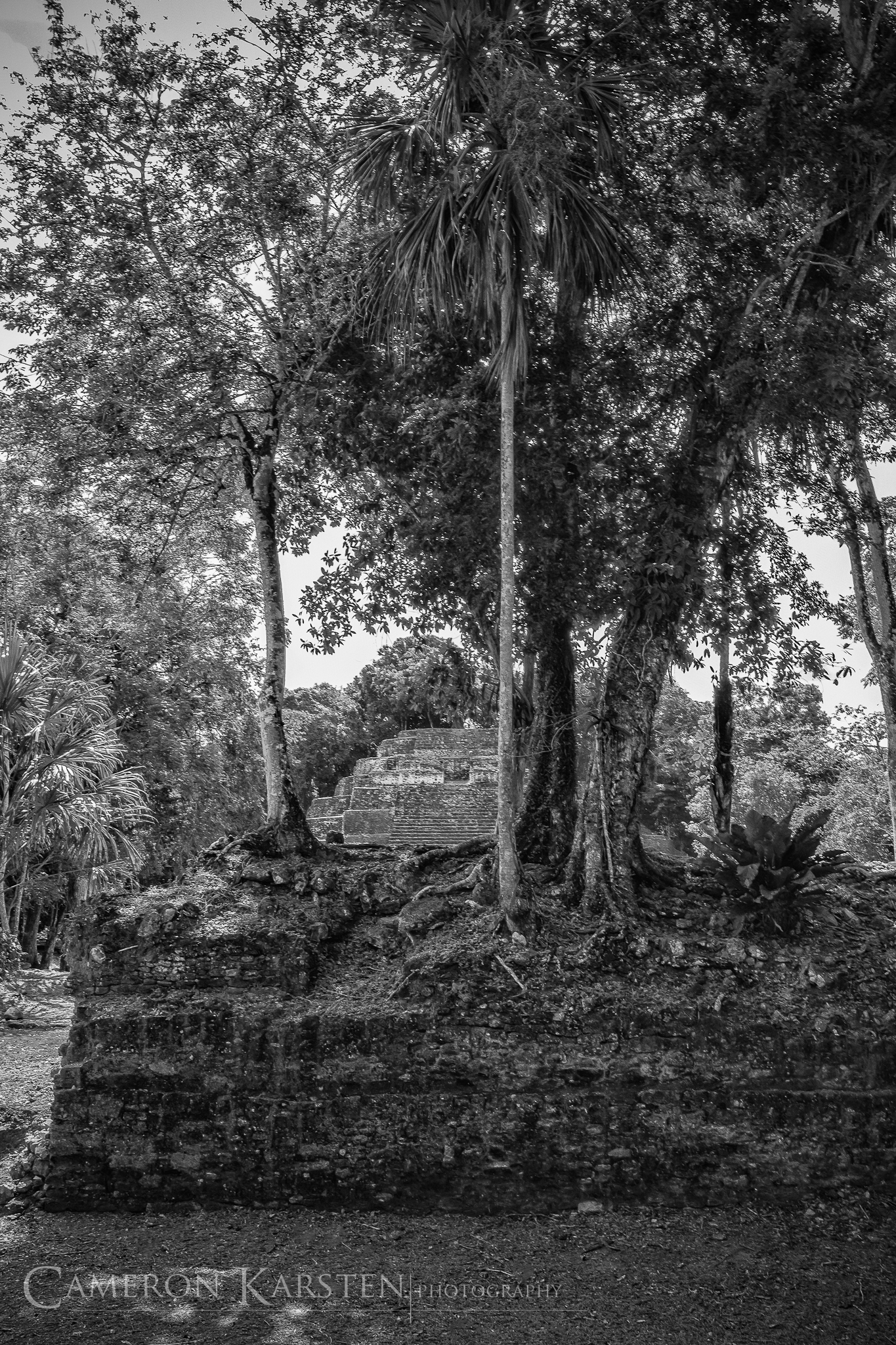
As prophesied throughout the Western world, 12/21/12 was thought to be the last day of civilization, the last Friday, the end of the Mayan calendar.  But as expressed via the wisest of the oldest known cultures (i.e. Hindu culture, i.e. Mayan culture), civilization does not come to an end, but embarks upon a new era.  Within tens to hundreds of thousands of years, humanity lives through periods of certain growth.  The Hindu calendar currently resides within the Kali Yuga, which according to ancient scriptures began in 3012 BC and is expect to last 10,000 years.  The Mayans have a similar system.  December 21st, 2012 was the end of an era, specifically the 13th Baktun, a 5,125-year cycle overall.  The Mayan Long Count Calendar continues.

Belize2012-625-Edit

And so, we embark into a new cycle of life (according to the Mayans), and on that fateful day of Friday, December 21st, 2012, we visited Lamanai, the one of many Mayan ruins located within the jungles of Belize.  We found plenty of old, and many things anew.

Belize2012-536-Edit

Belize2012-523-Edit

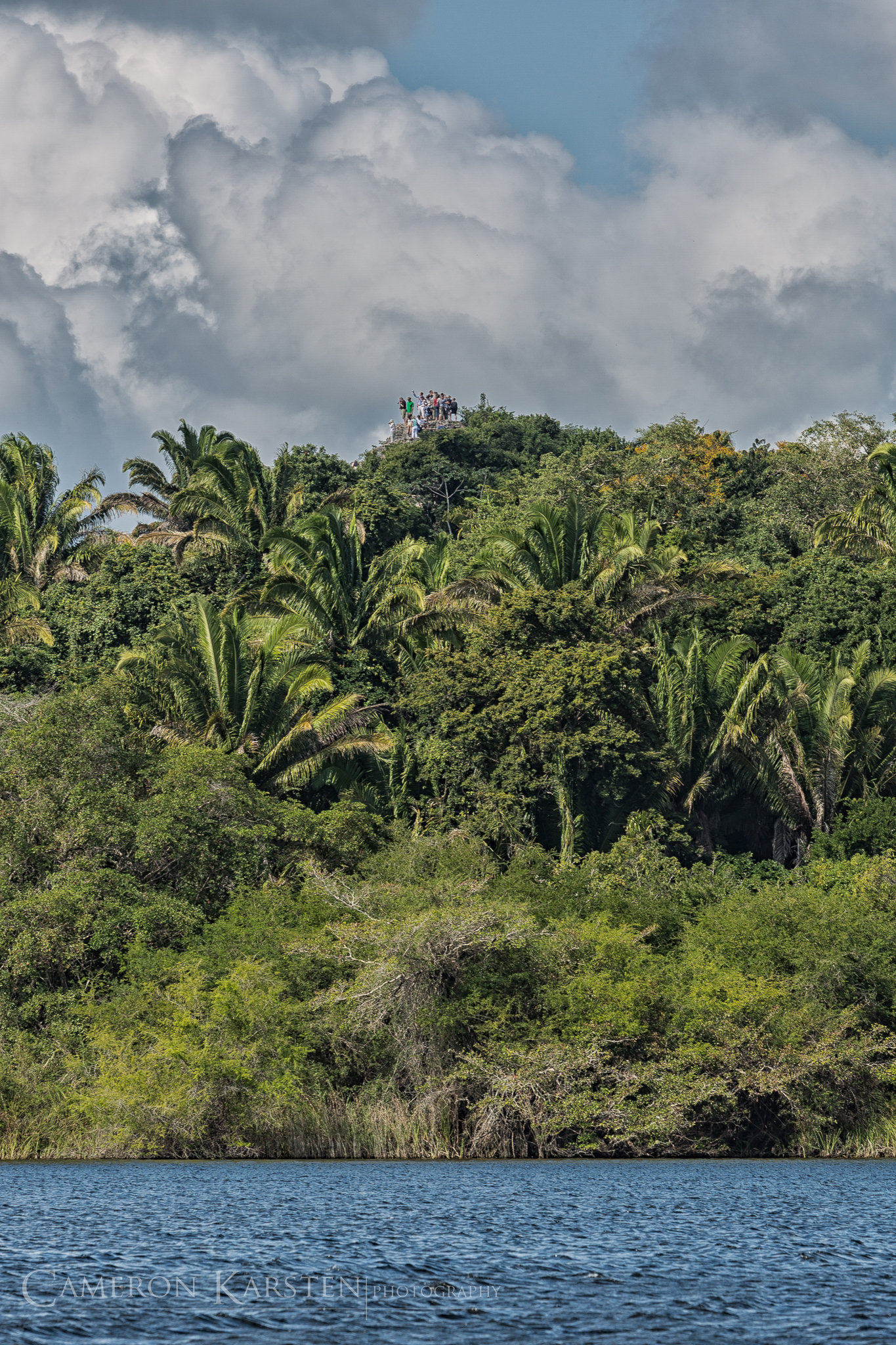
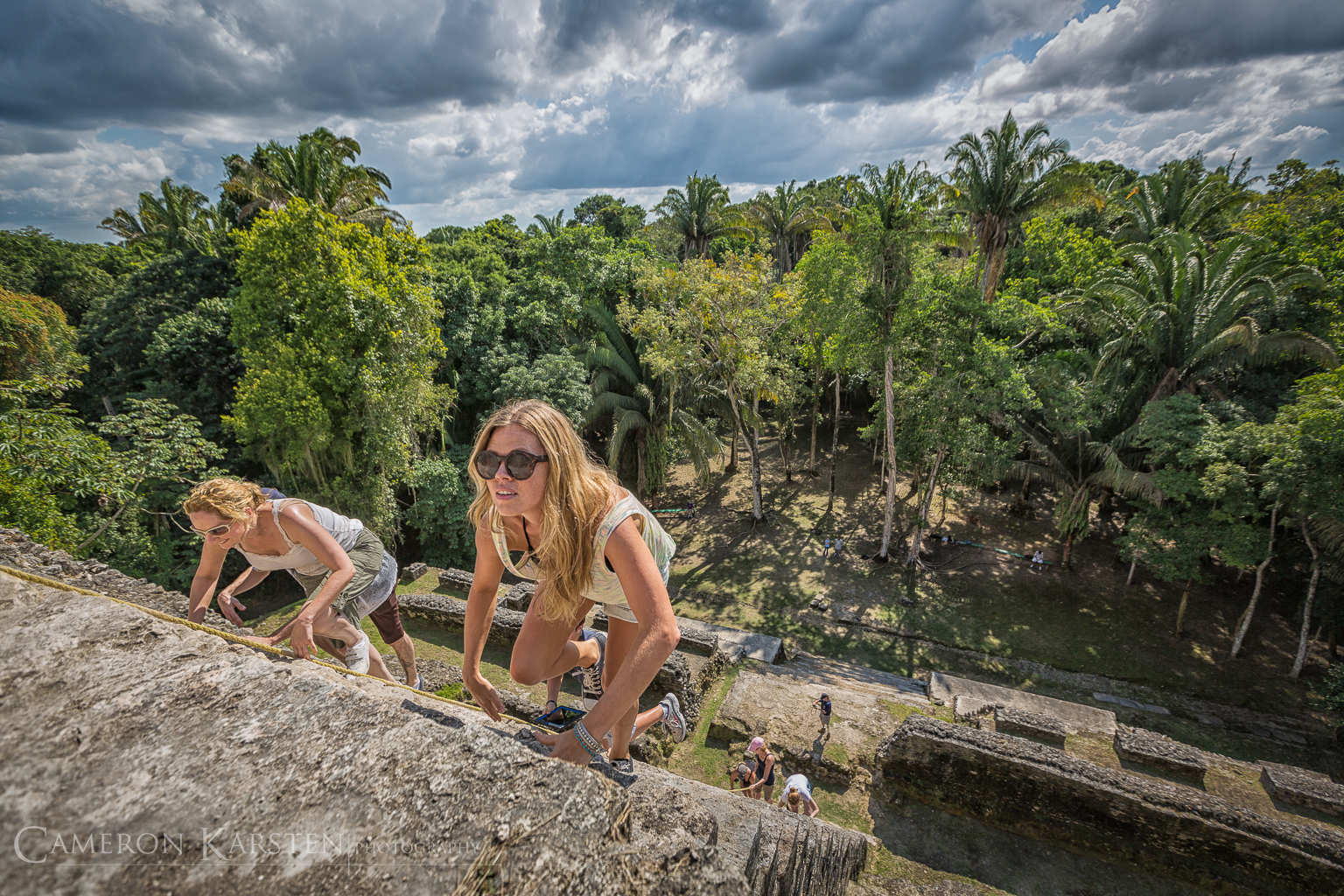
Belize2012-524-EditVisitors standing atop the largest remaining temple dedicated to astrological research.

Belize2012-584-Edit

Belize2012-591-Edit

Belize2012-616-Edit

Belize2012-636-Edit

Belize2012-580-Edit

Belize2012-587-Edit

Belize2012-601-Edit

Belize2012-620-Edit

Belize2012-520-Edit

A local rum distillery, located directly next to a rehabilitation center for rich foreigners…

Belize2012-638-EditWelcome to the jungle

Photo Essay: Belize in Winter

Belize2012-169

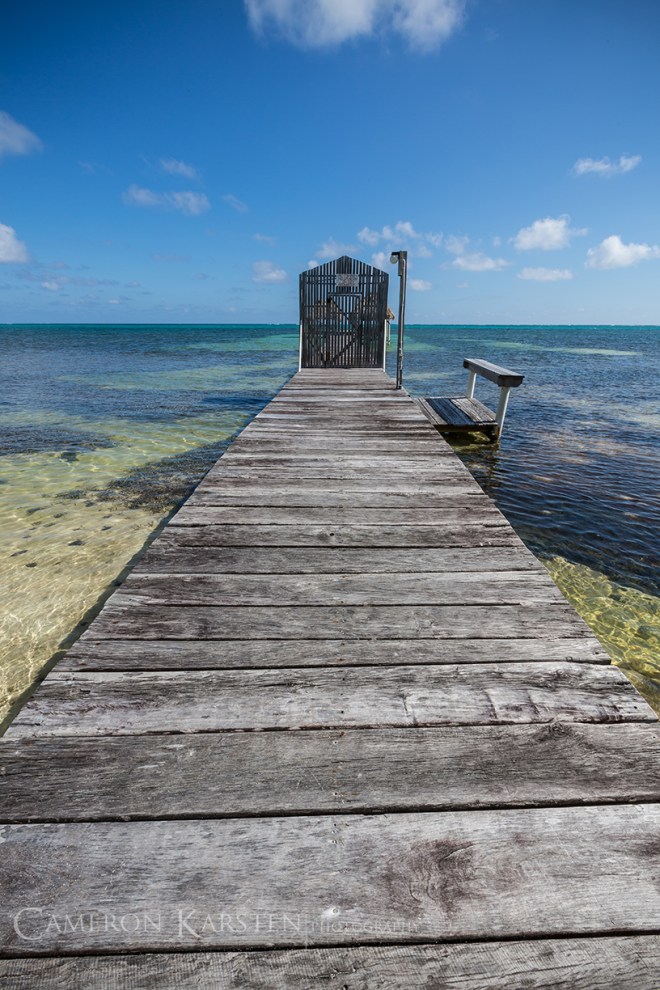
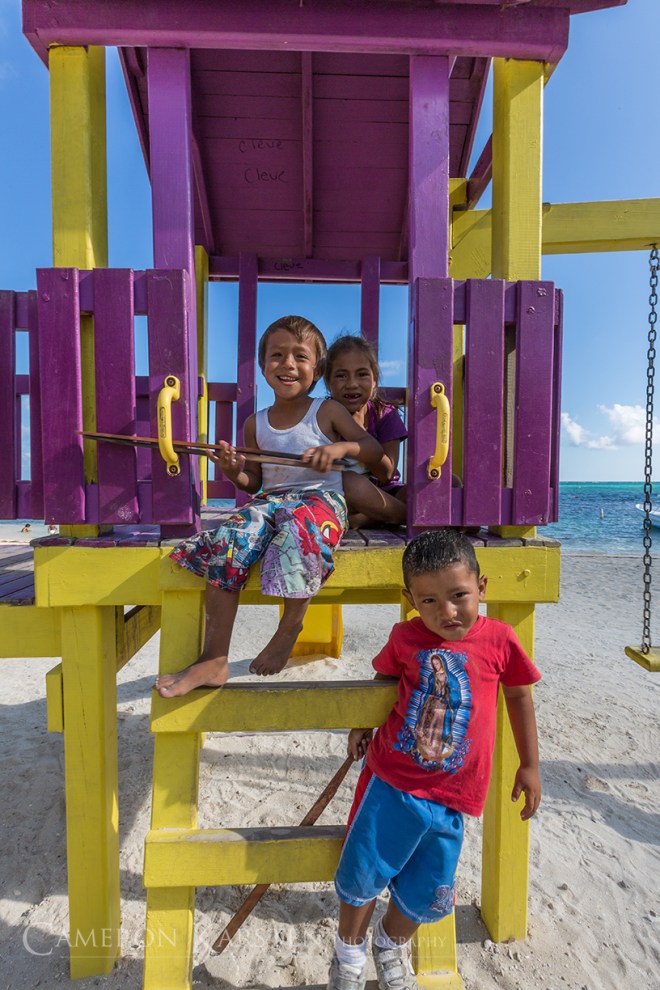
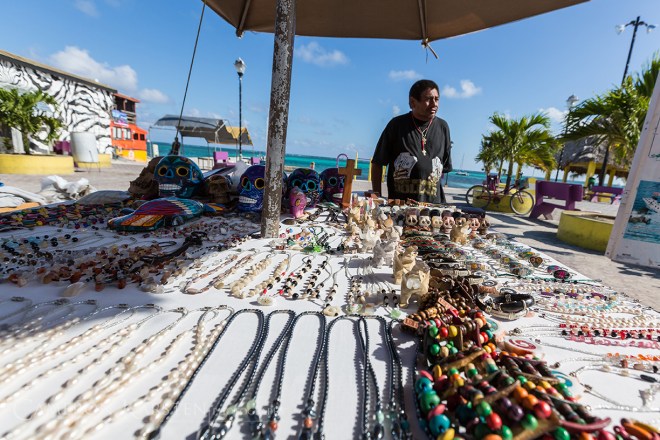
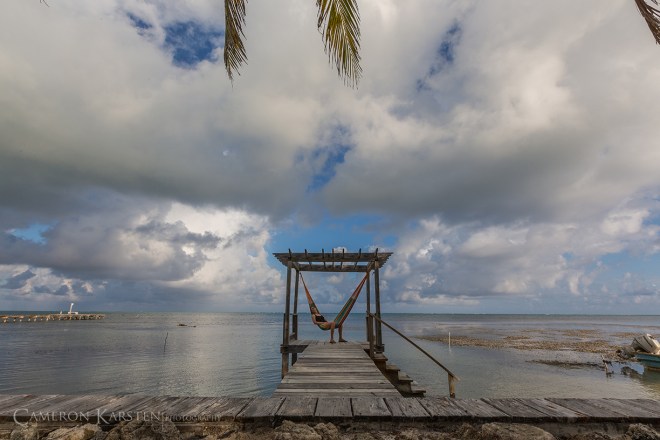
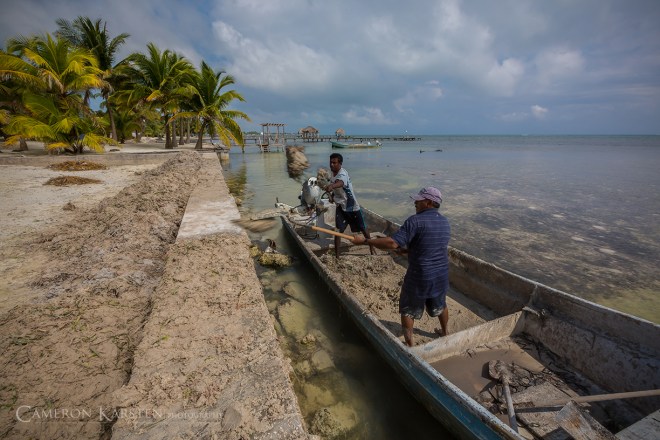
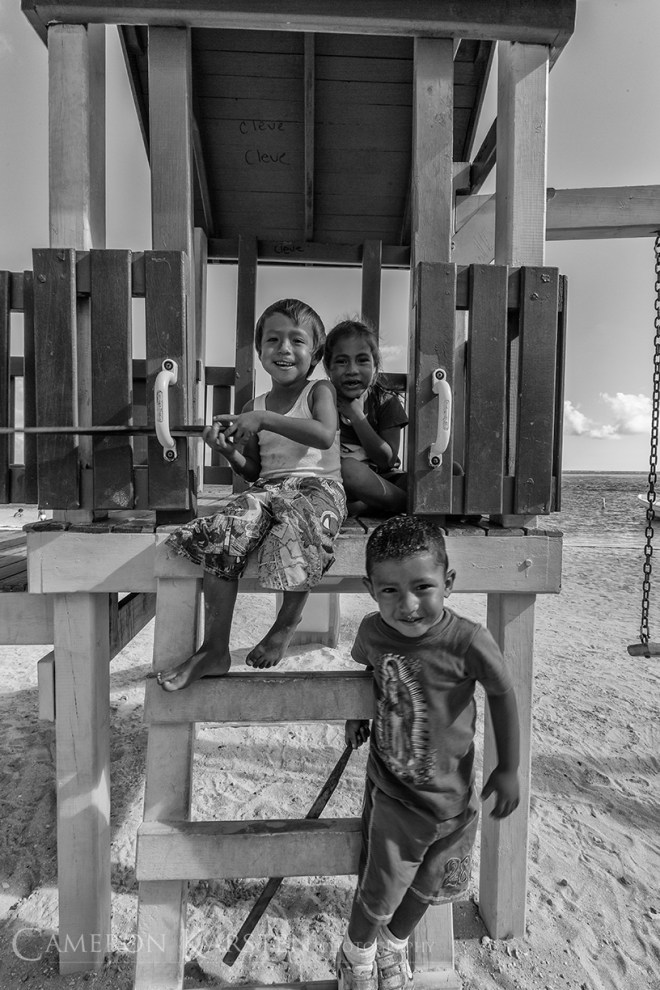
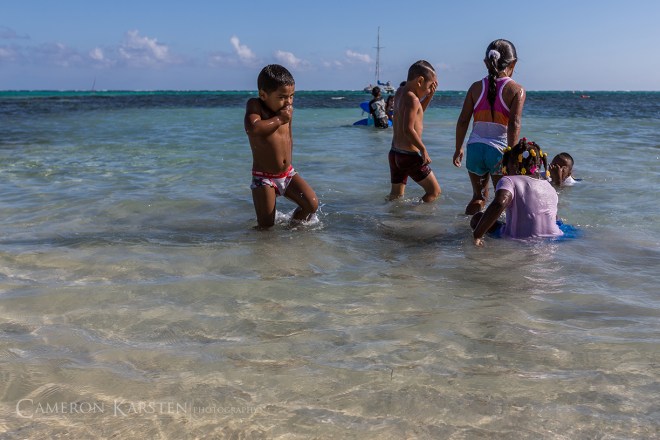
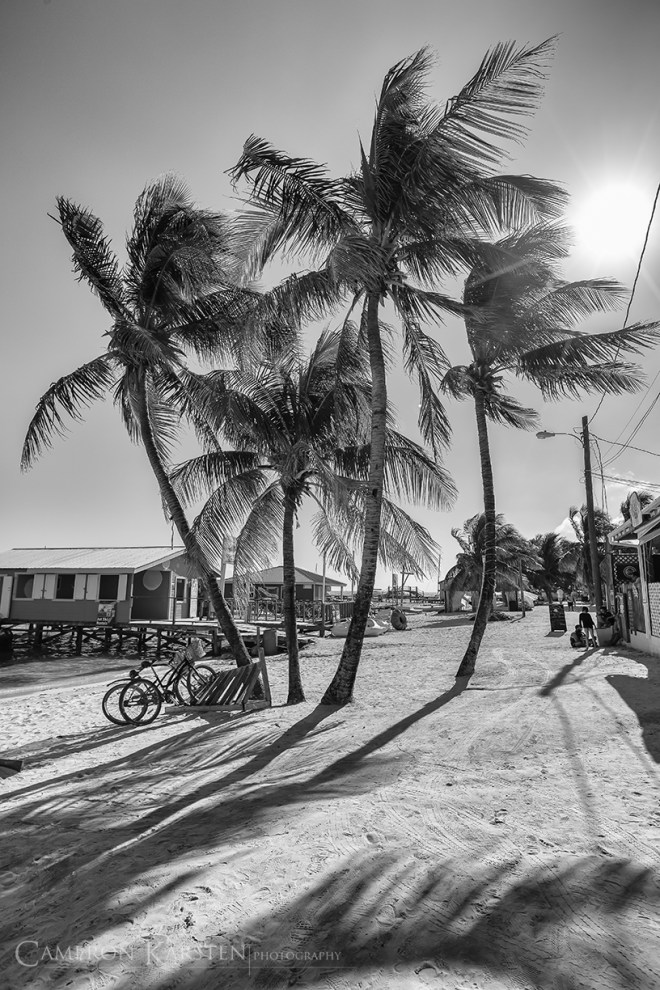
Belize… heaven on Ambergris Caye for 10 days underneath the Caribbean skies.

Belize2012-159

Belize2012-206

Belize2012-154

Belize2012-92-Edit

Belize2012-185

Belize2012-156

Belize2012-60

Belize2012-195

Belize2012-216-Edit

Belize2012-199

Belize2012-145

Belize2012-51

Belize2012-158

Belize2012-97-Edit

Belize2012-187-Edit

Belize2012-201

Belize2012-56

Belize2012-205-Edit

Dog Days of Summer: PNW Surfing

With the summer gone and while shuffling through imagery for a short film I’m putting together, these images remind me of what warmth use to feel like on the coast of Washington.  However, come the cold water arrives a beautiful swell.  As the season turns on in the PNW, the last thing I want to do is sit on the shore and shoot.  ‘Til next summer.

Location: Somewhere on the West Coast

Camera/Lens Specifics: Canon 5D Mark III with Canon EF 500mm f/4L II USM Lens

various settings, tripod.

Post: Adobe LR4 & PS6