Vodou Footprints: André Eugène – Atis Rezistans of Port-au-Prince, Haiti

Day1_PAP_Eugene17

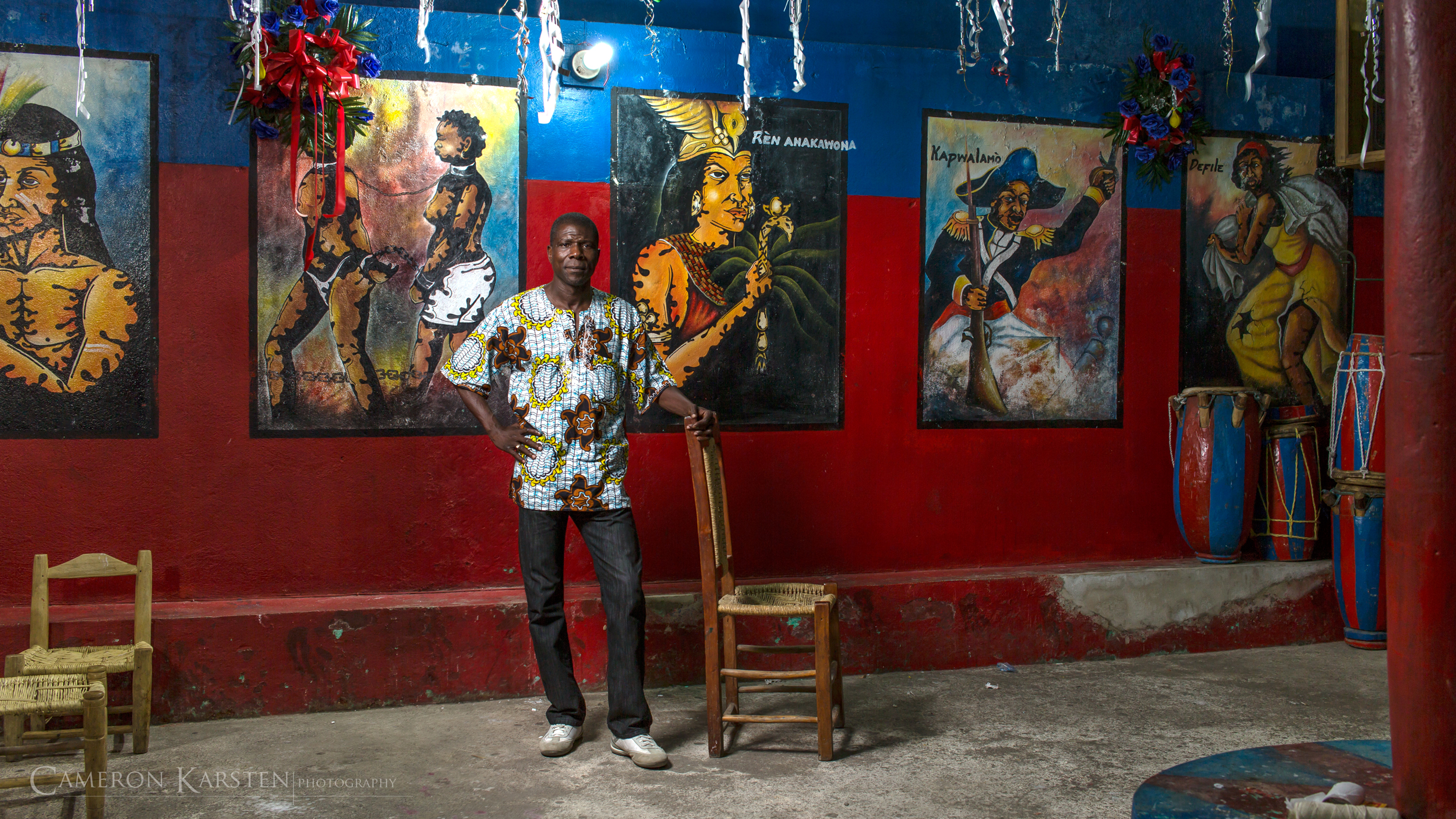
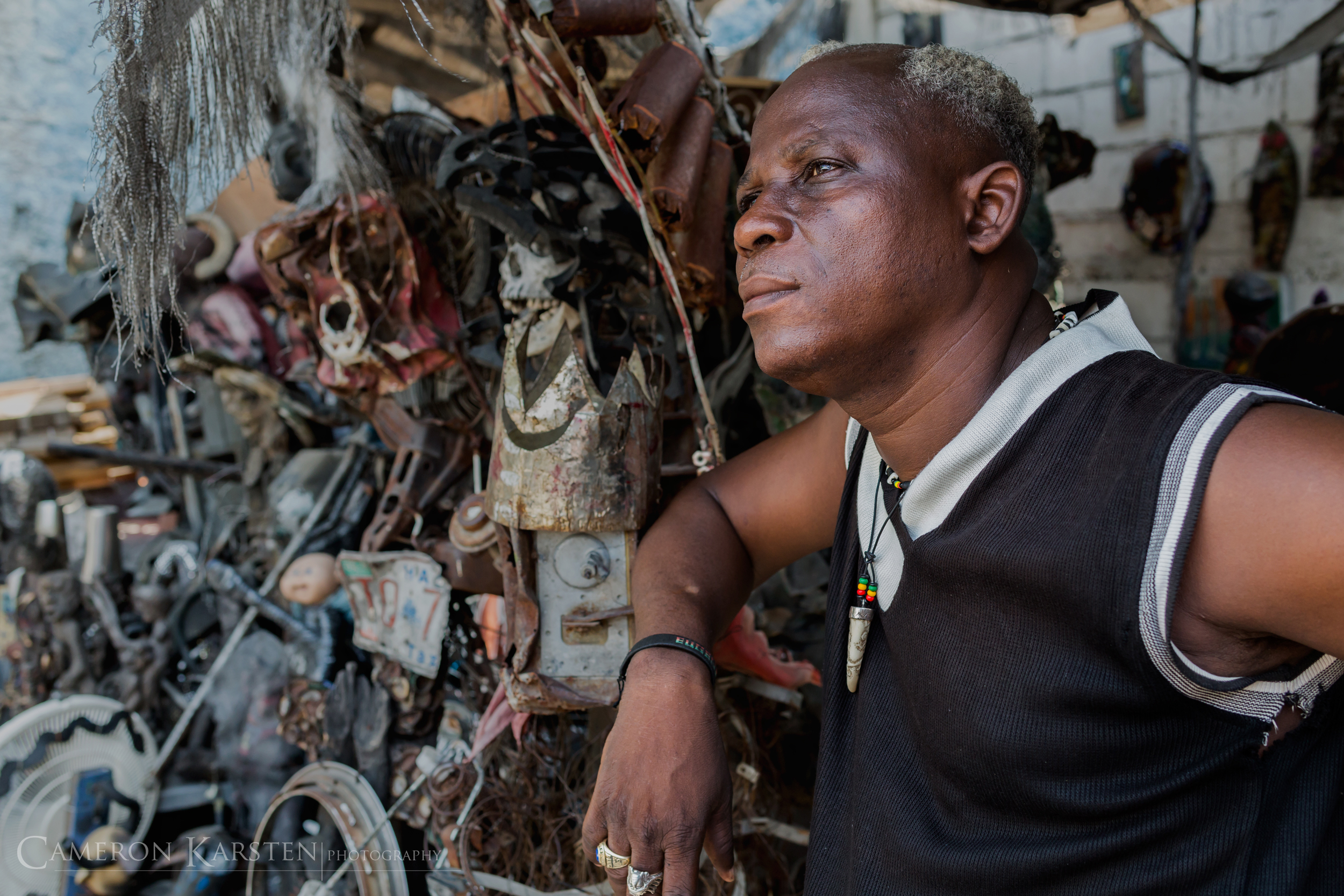
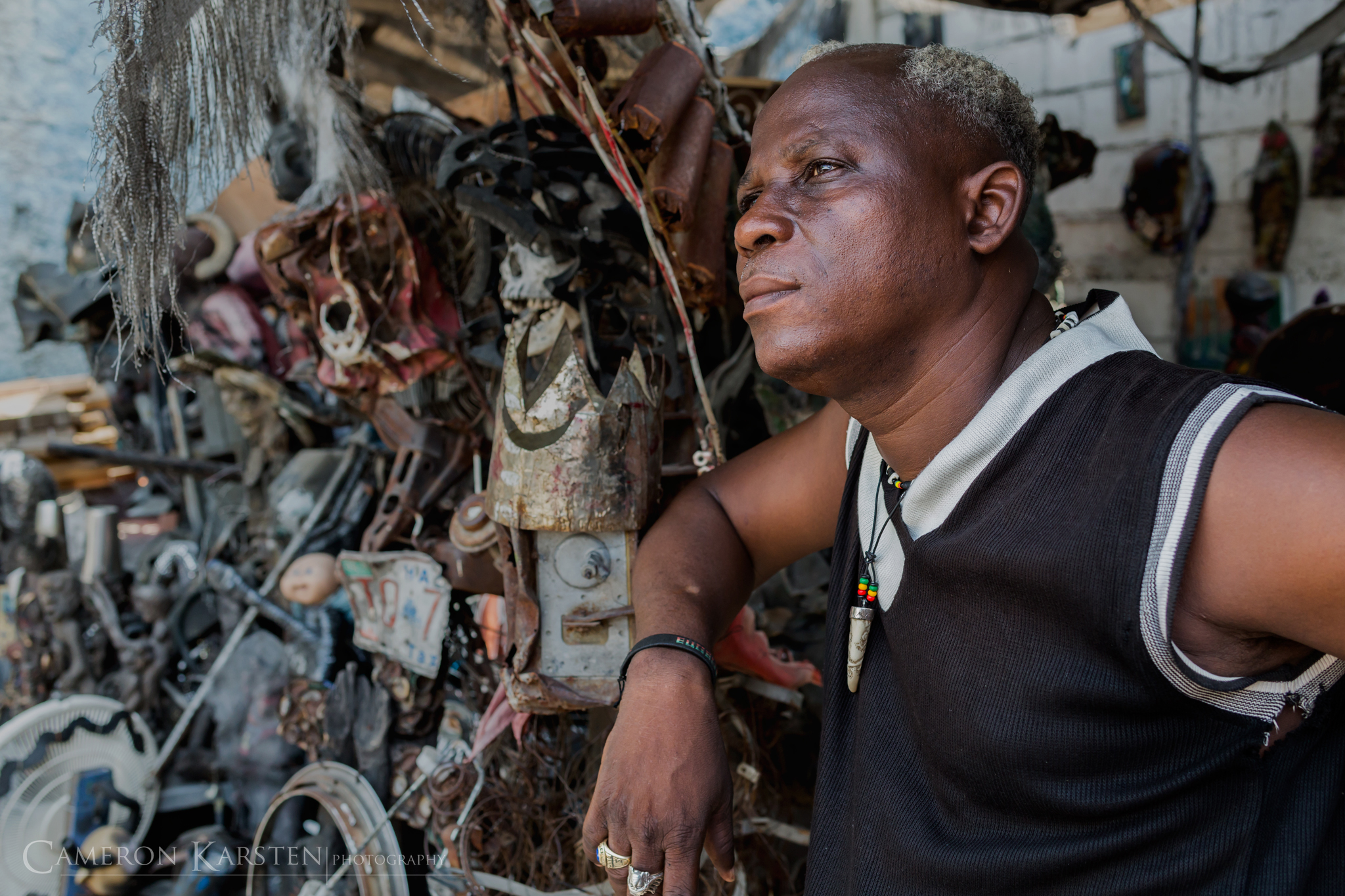
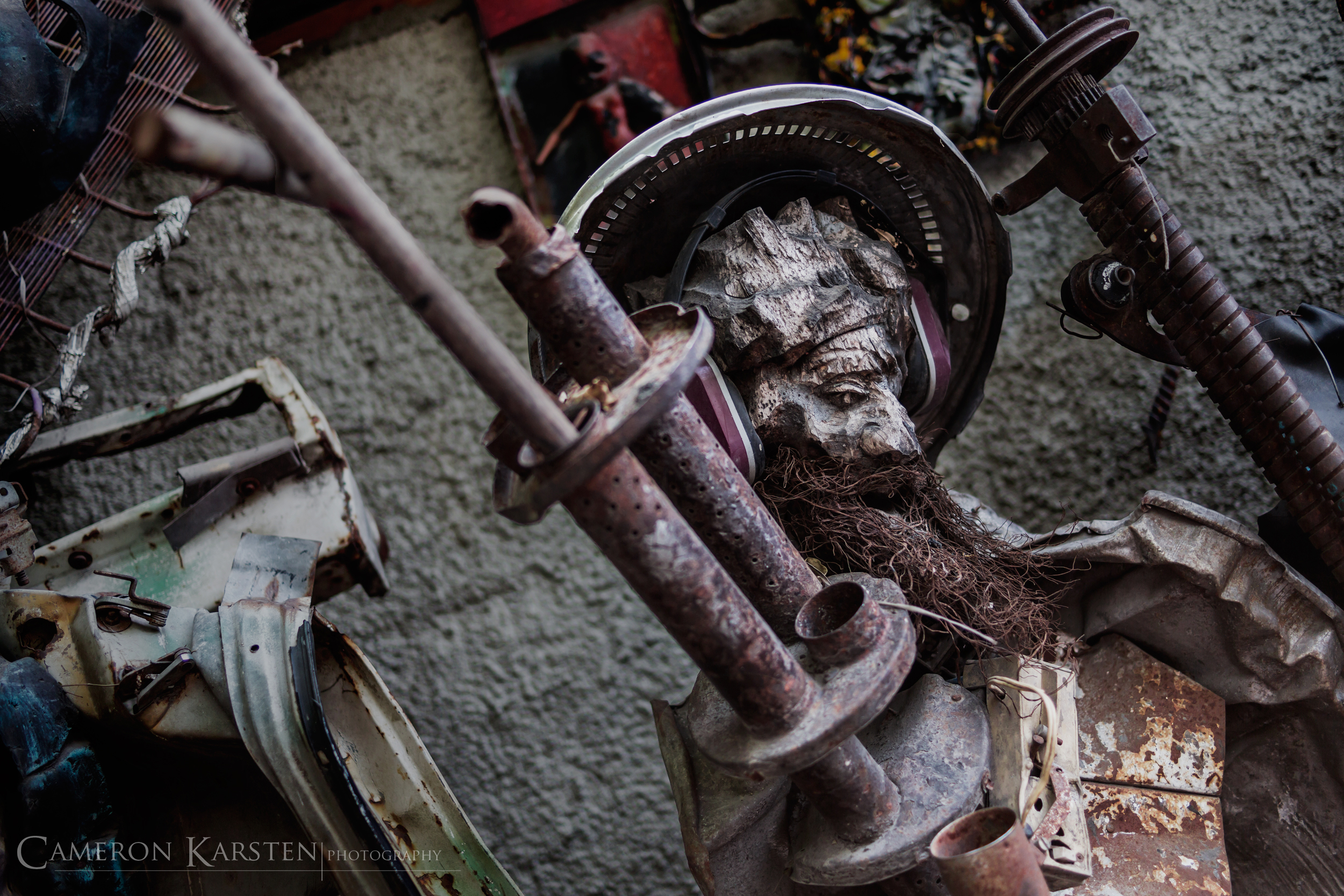
Portrait of sculpture artist André Eugène, founder of Atis Rezistans on Grand Rue in downtown Port-au-Prince, Haiti.

Day1_PAP_Eugene5

Day1_PAP_Eugene4

Day1_PAP_Eugene3

Day1_PAP_Eugene

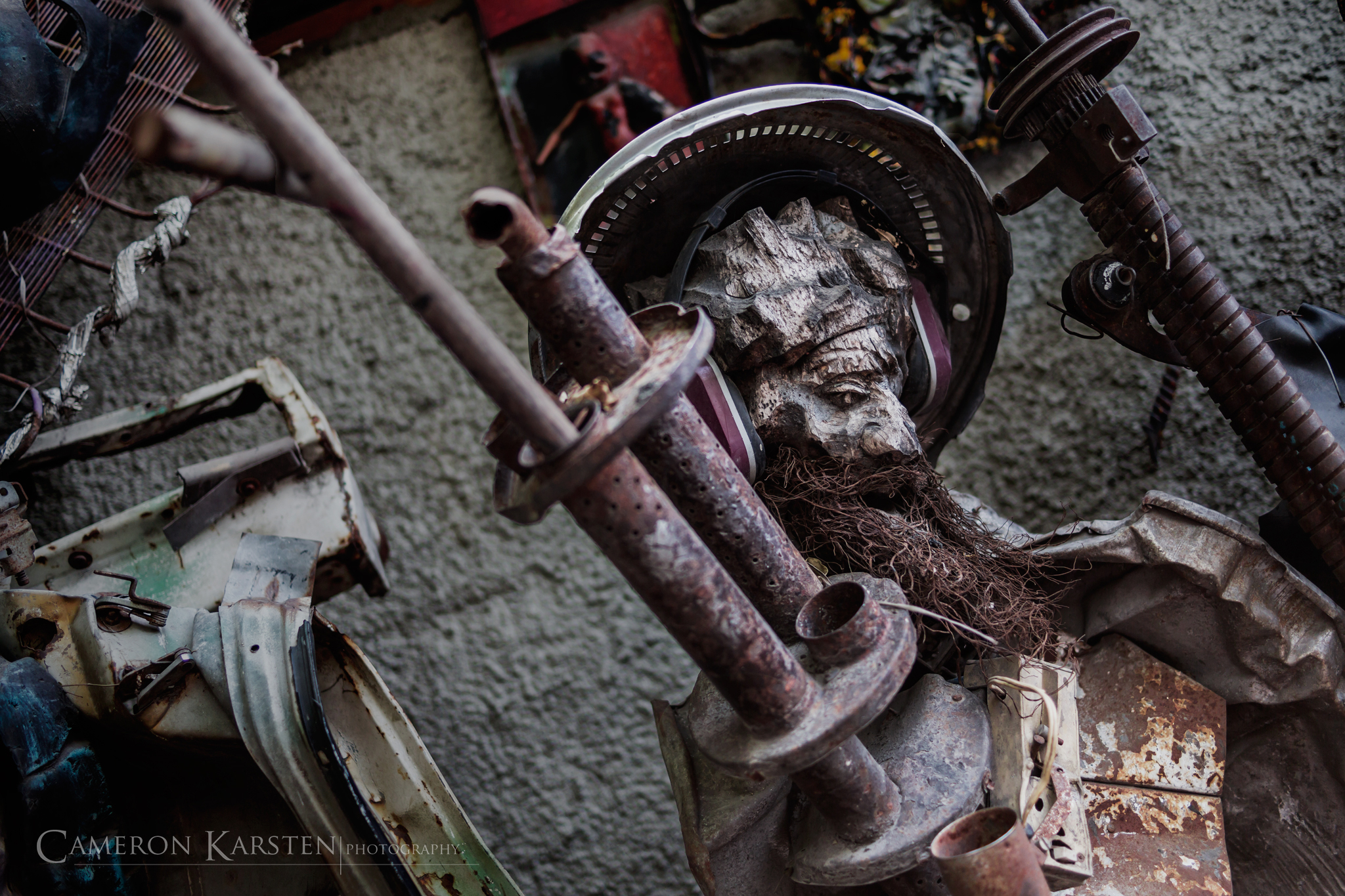
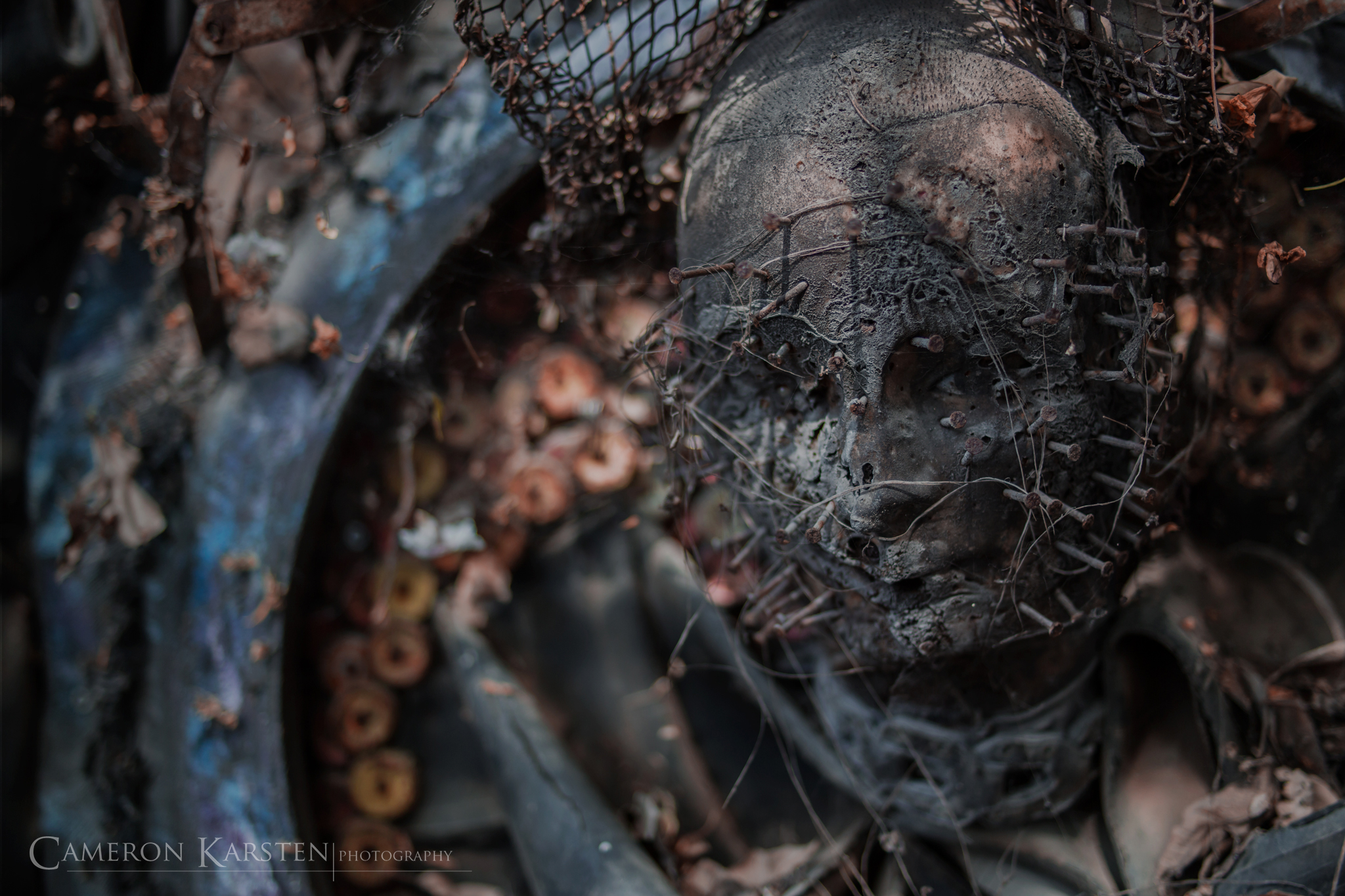
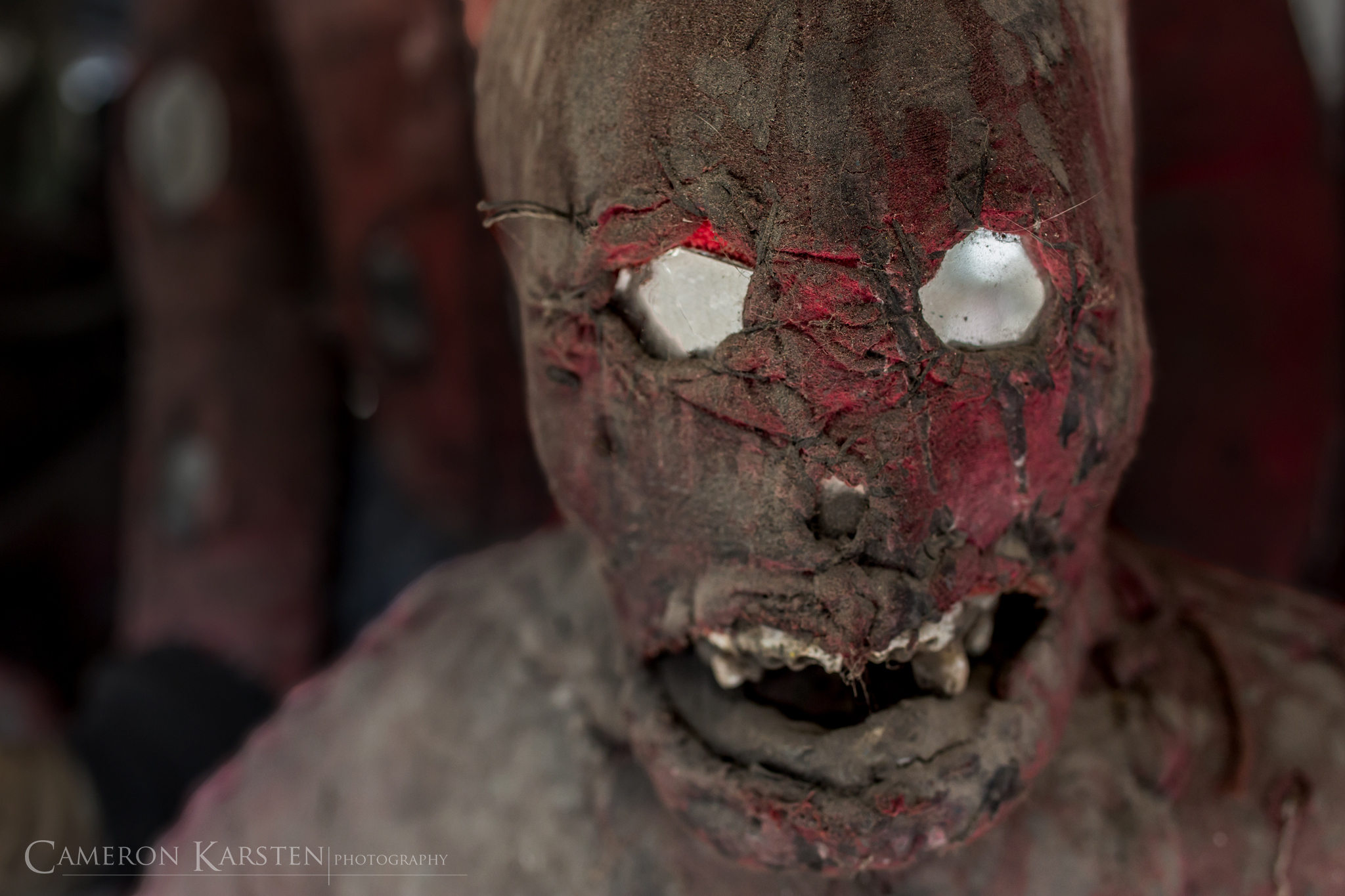
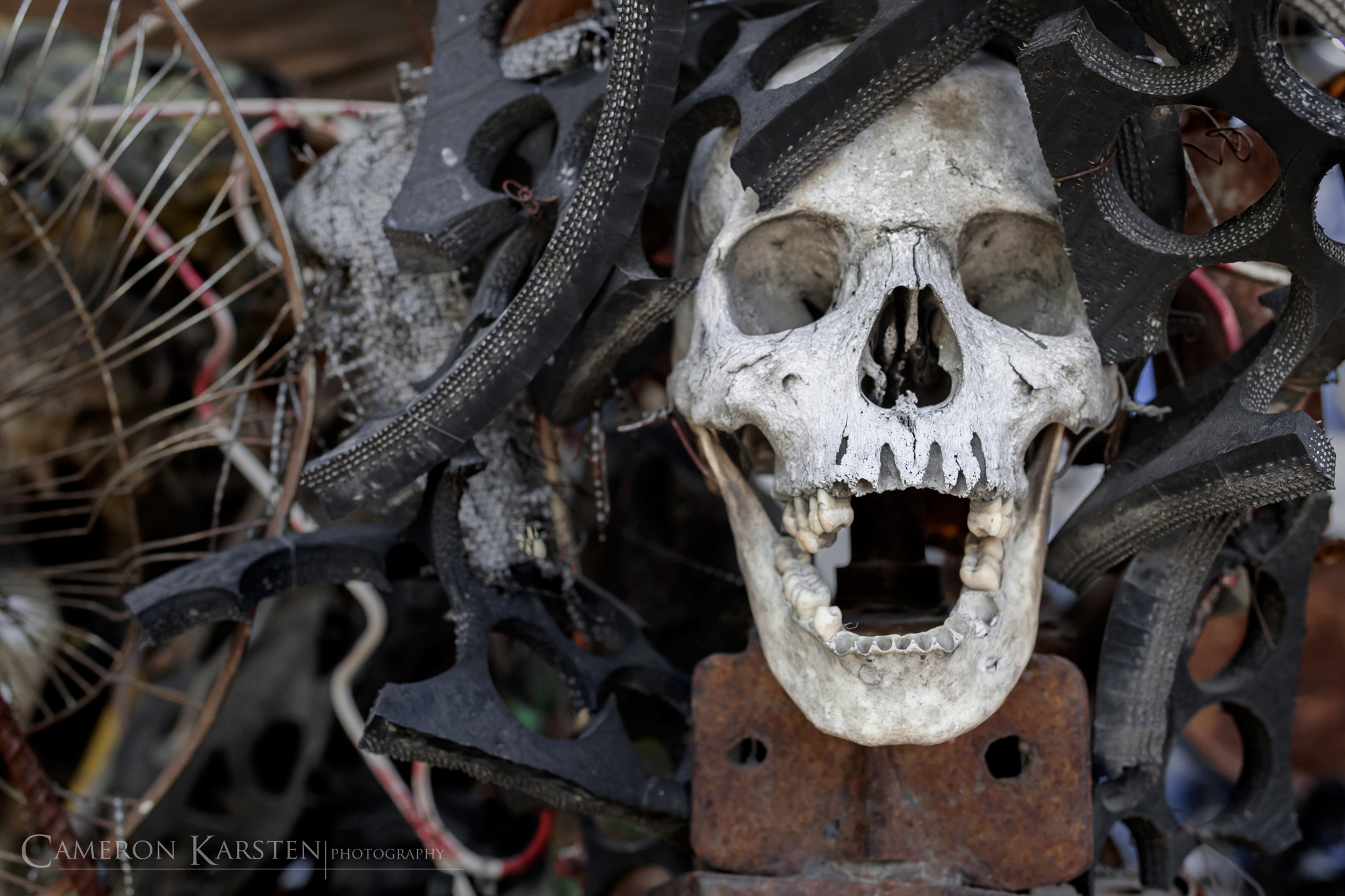
All of his skulls in his work are real human skulls. We asked him how he was able to get a hold of them and he said, “Many things are easy to come by in Haiti. All my work is recycled. You ask for a human skull, you can easily get one.”

Day1_PAP_Eugene6

Day1_PAP_Eugene18

Day1_PAP_Eugene11

Day1_PAP_Eugene9

Day1_PAP_Eugene8

Day1_PAP_Eugene10

Day1_PAP_Eugene14

Day1_PAP_Eugene15

Day1_PAP_Eugene16

logo_blackTrajan

New Lifestyle Work

2015_ModernDentistry0726

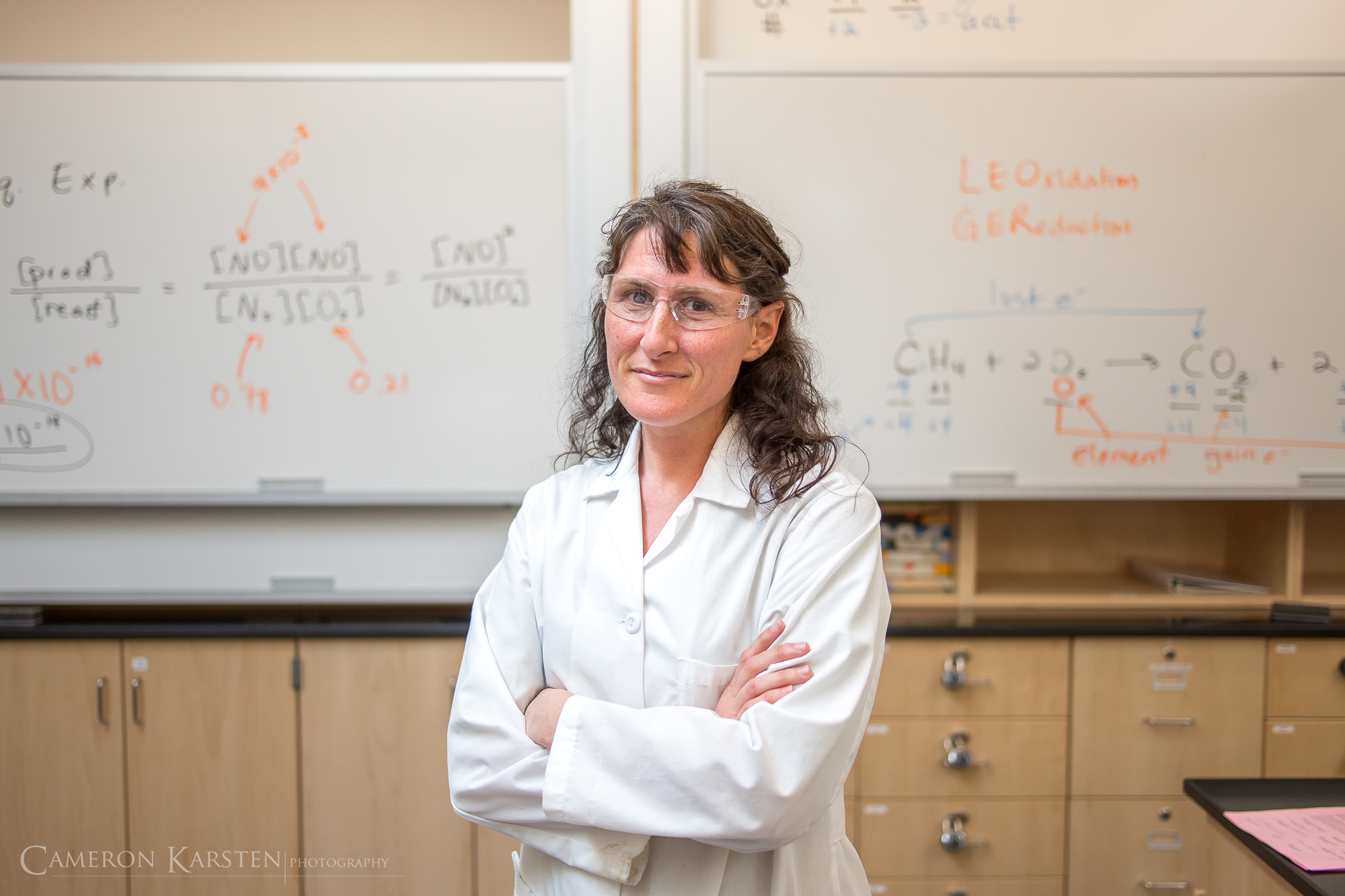
I love the way people work. Put them in their environment, watch them focus, study, learning and adapting. It’s the human brain and the psychology of man and woman to be determined, to want to understand, to want to help and create. It is self-empowerment and to photograph this from within a person feels like waves crashing on the coastline, a raw energy that has been with us since the beginning. Be sure to visit the updated Lifestyle portfolio at cameronkarsten.com

2015_ModernDentistry0782

2015_NorthSeattleCollege-191

2015_NorthSeattleCollege-779

2015_NorthSeattleCollege-903-2

2015_NorthSeattleCollege-2255

2015_NorthSeattleCollege-2626

2015_NorthSeattleCollege-1101

Day1_SouthSeattleCollege-782

2015_NorthSeattleCollege-3018

2015_NorthSeattleCollege-1171

Day1_SouthSeattleCollege-250

2015_NorthSeattleCollege-2530

2015_NorthSeattleCollege-2980-Edit

2015_NorthSeattleCollege-1138-2

2015_NorthSeattleCollege-3137

Day1_SouthSeattleCollege-382

2015_NorthSeattleCollege-2828

Day1_SouthSeattleCollege-694

Day1_SouthSeattleCollege-564

2015_EngineerToBe_ImageBrief20027

logo_blackTrajan

Bloomberg Businessweek Shoot: Willapa Bay’s Future w/Neonicotinoids

KimPatten_Bloomberg-5

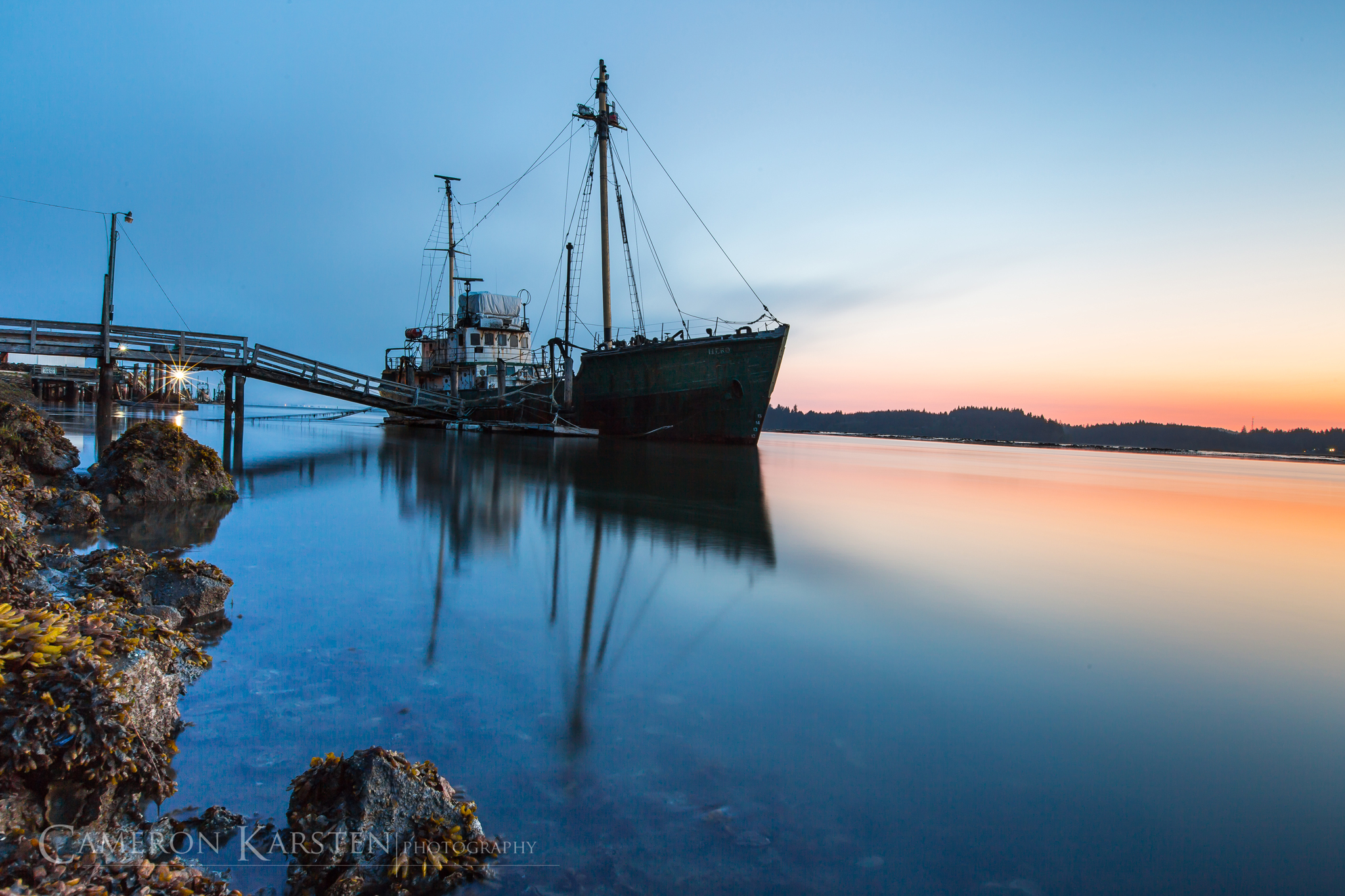
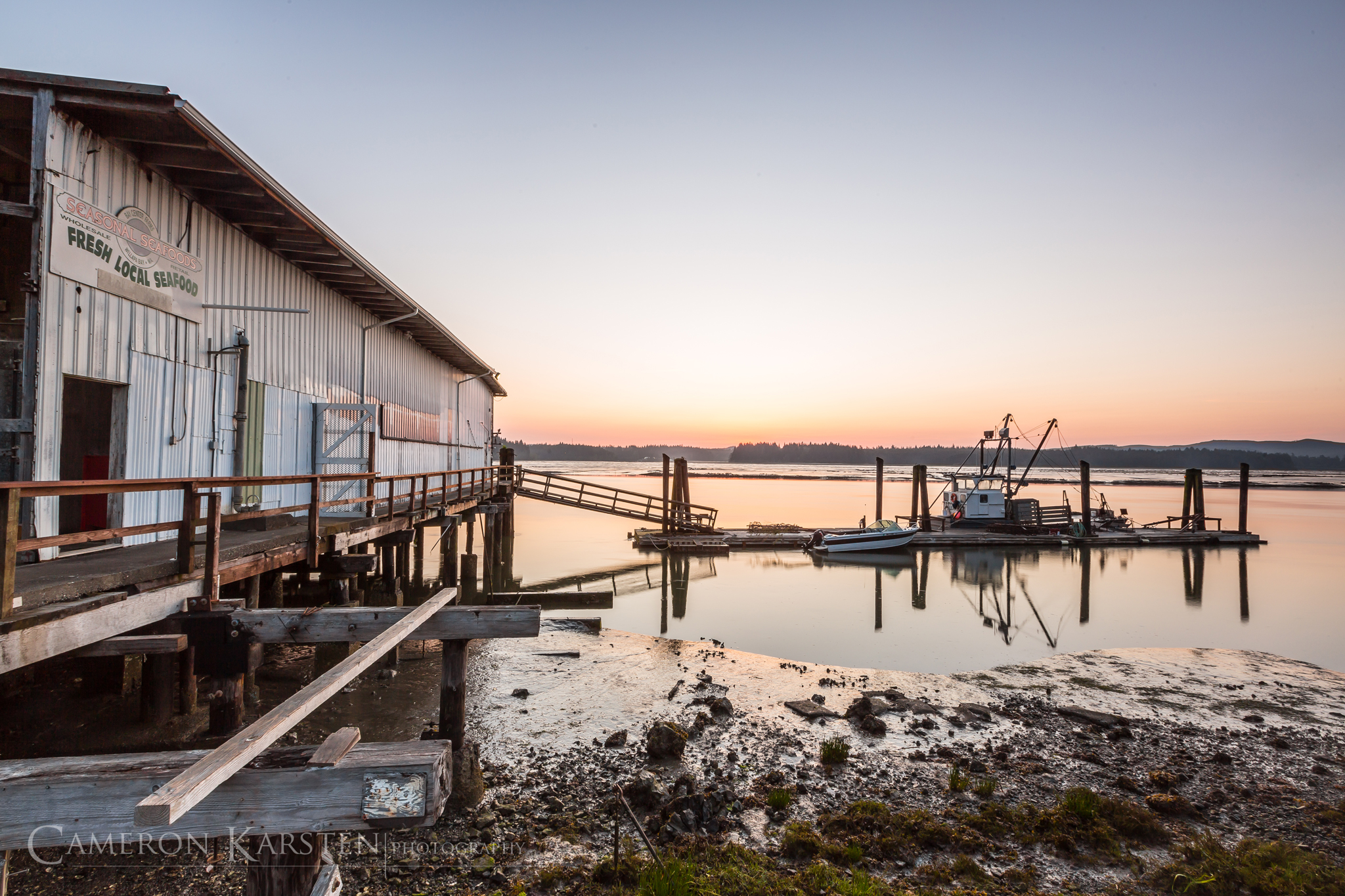
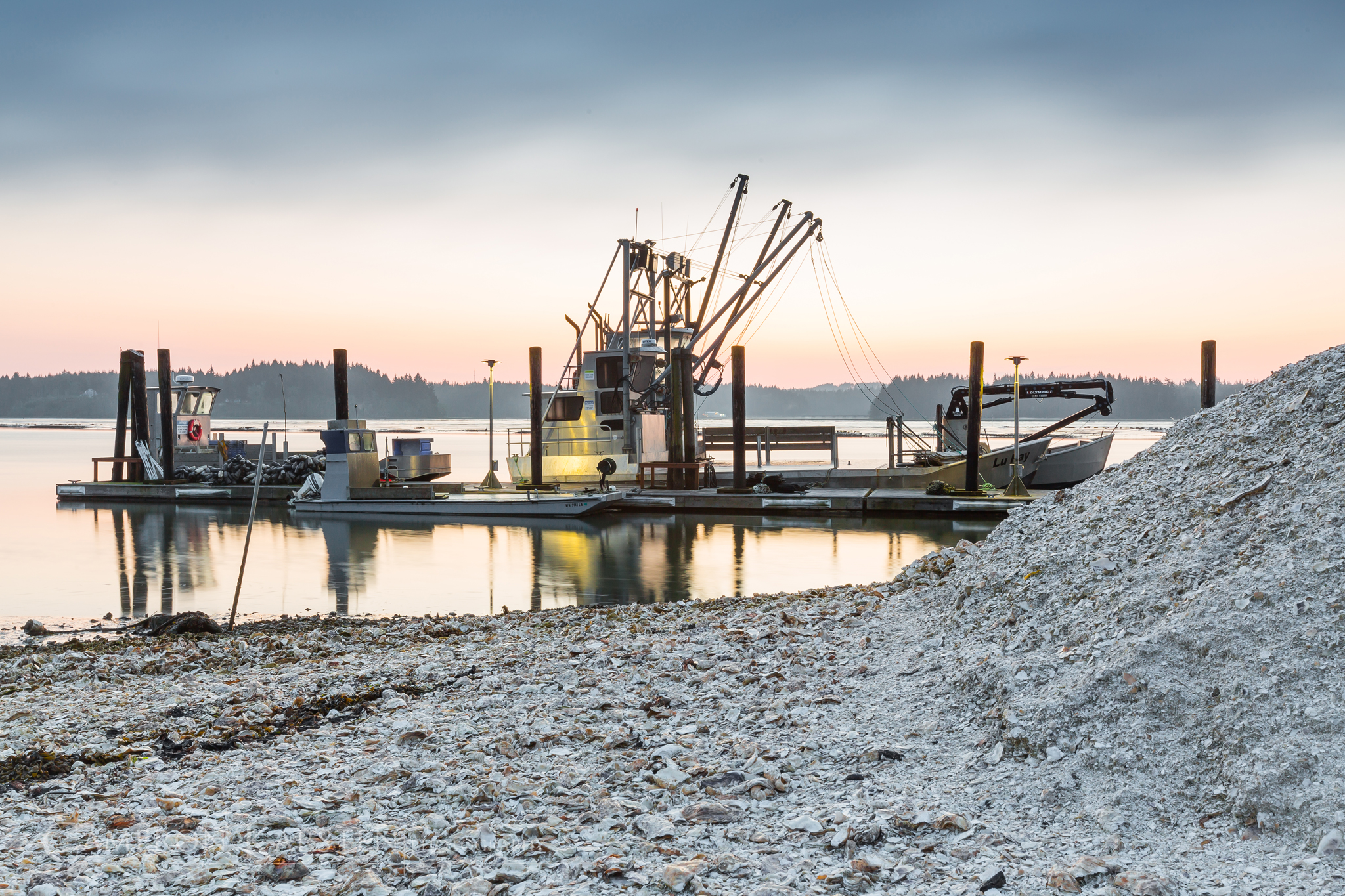
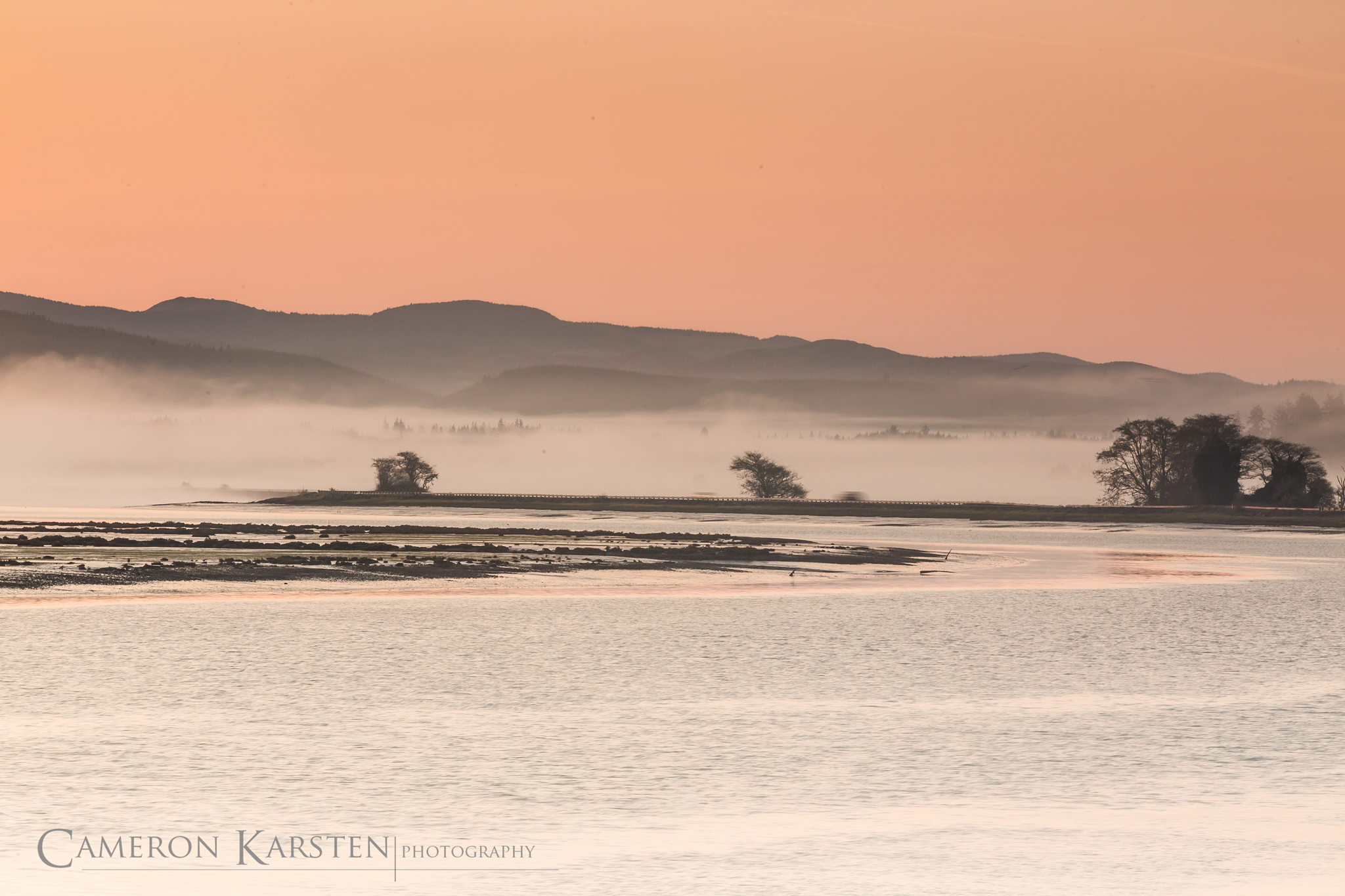
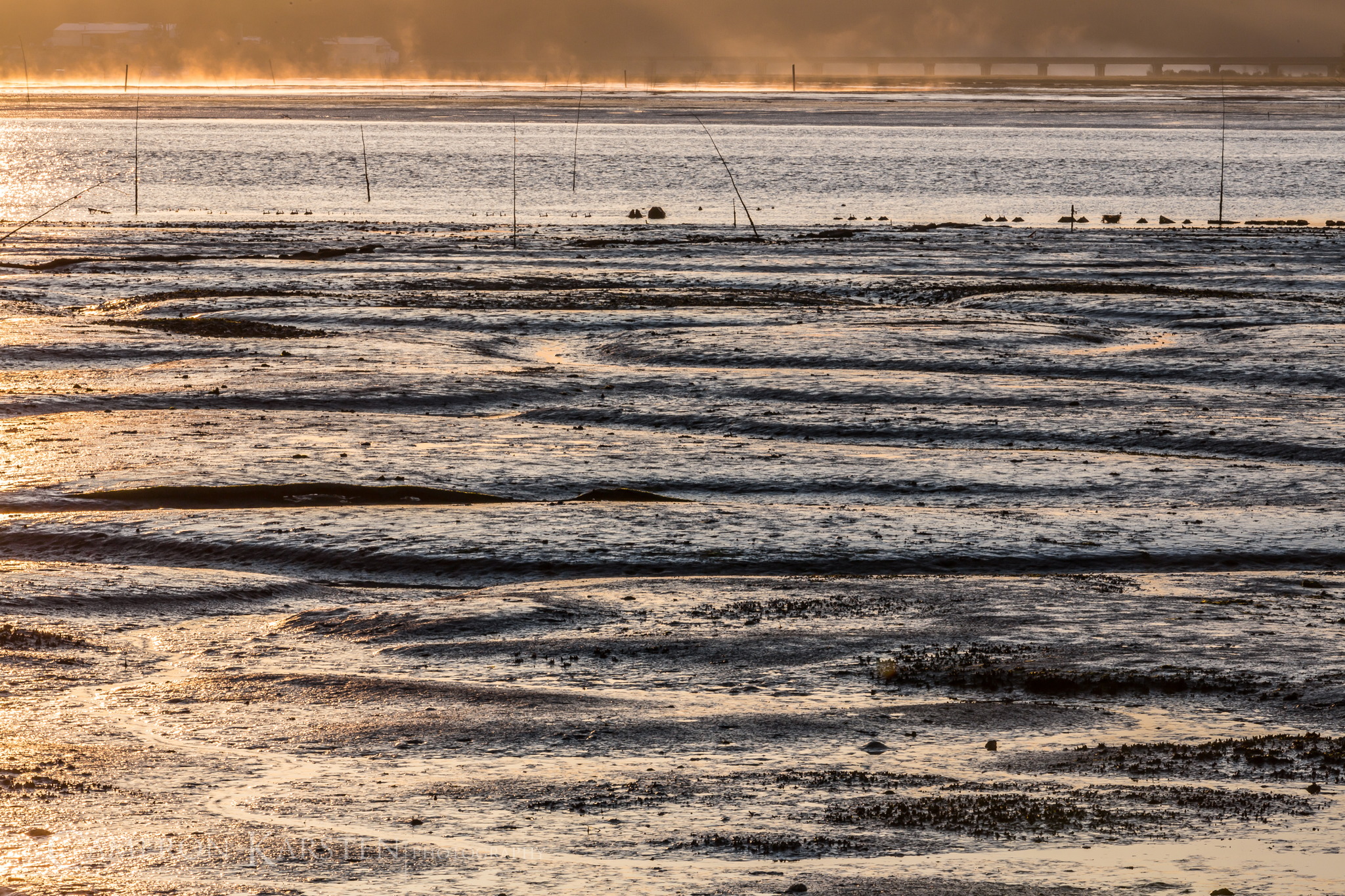
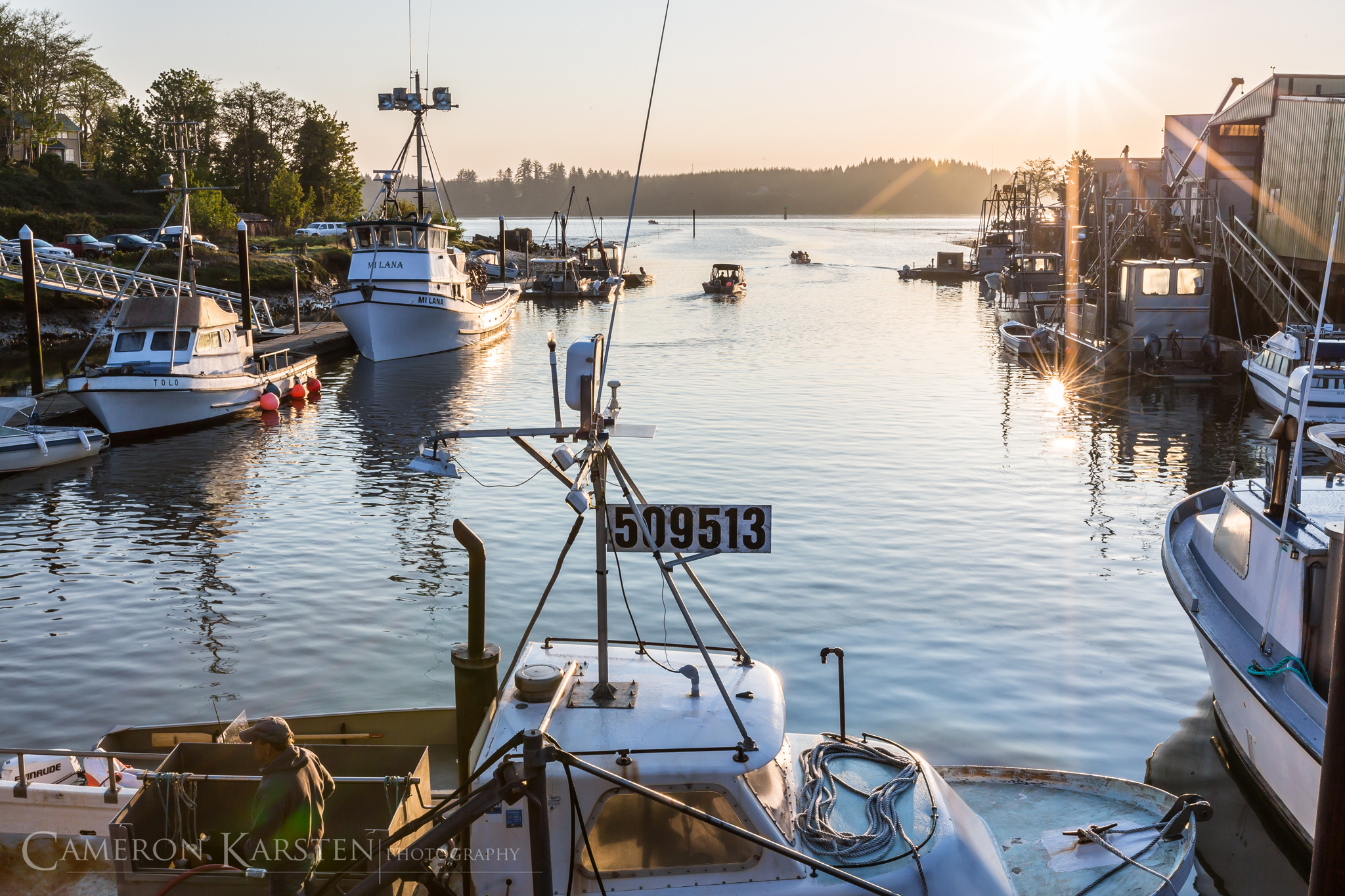
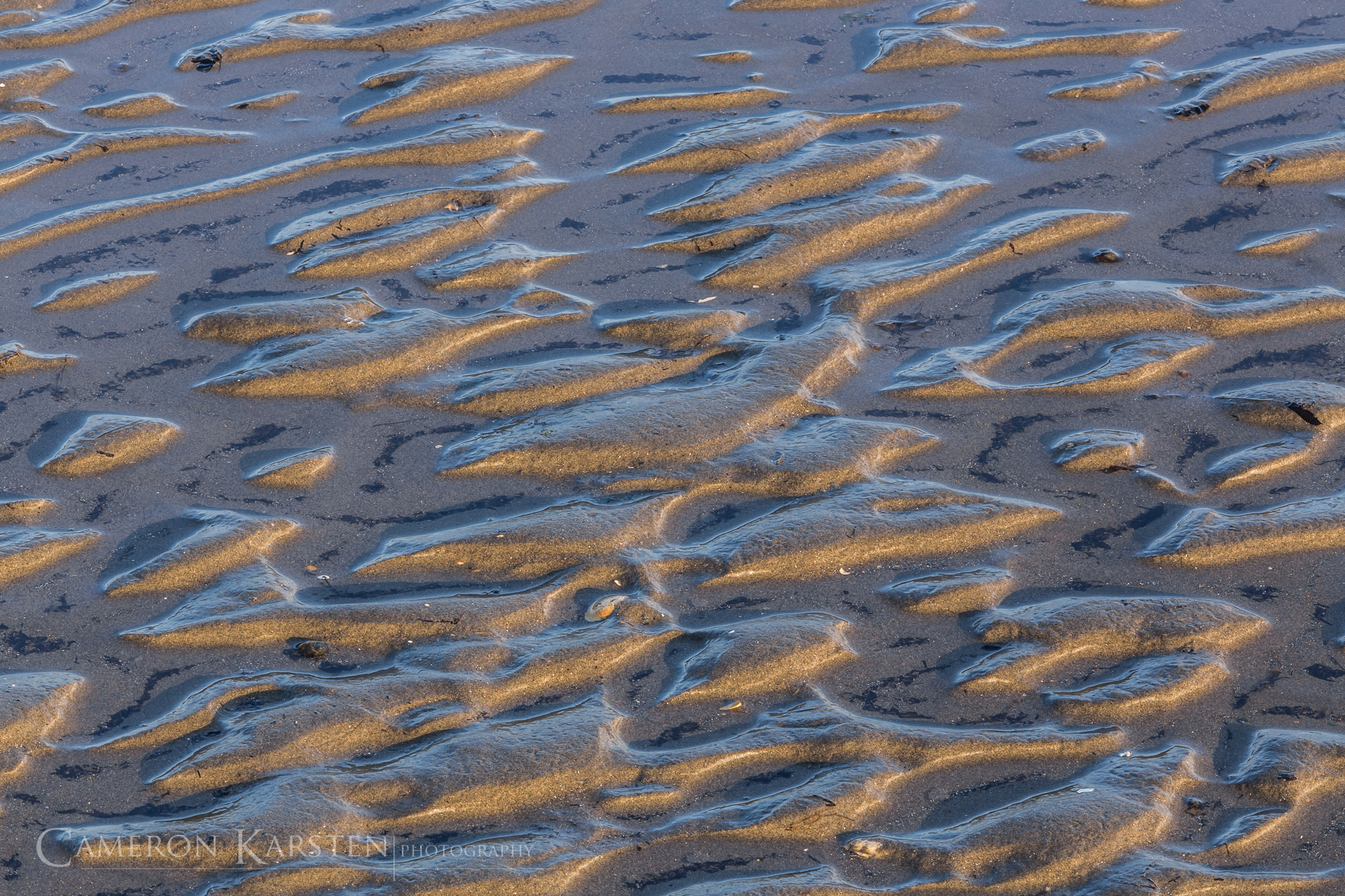
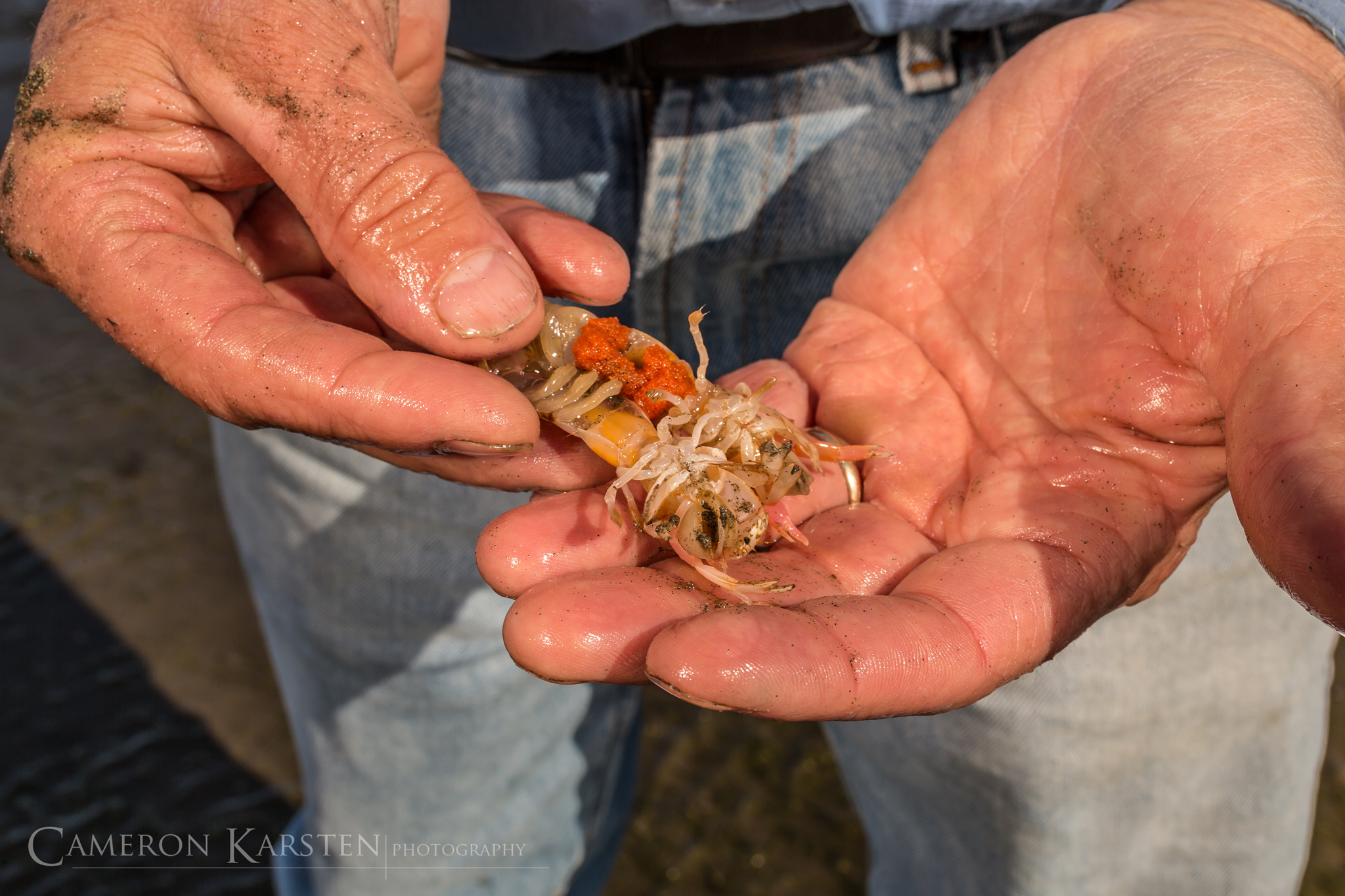
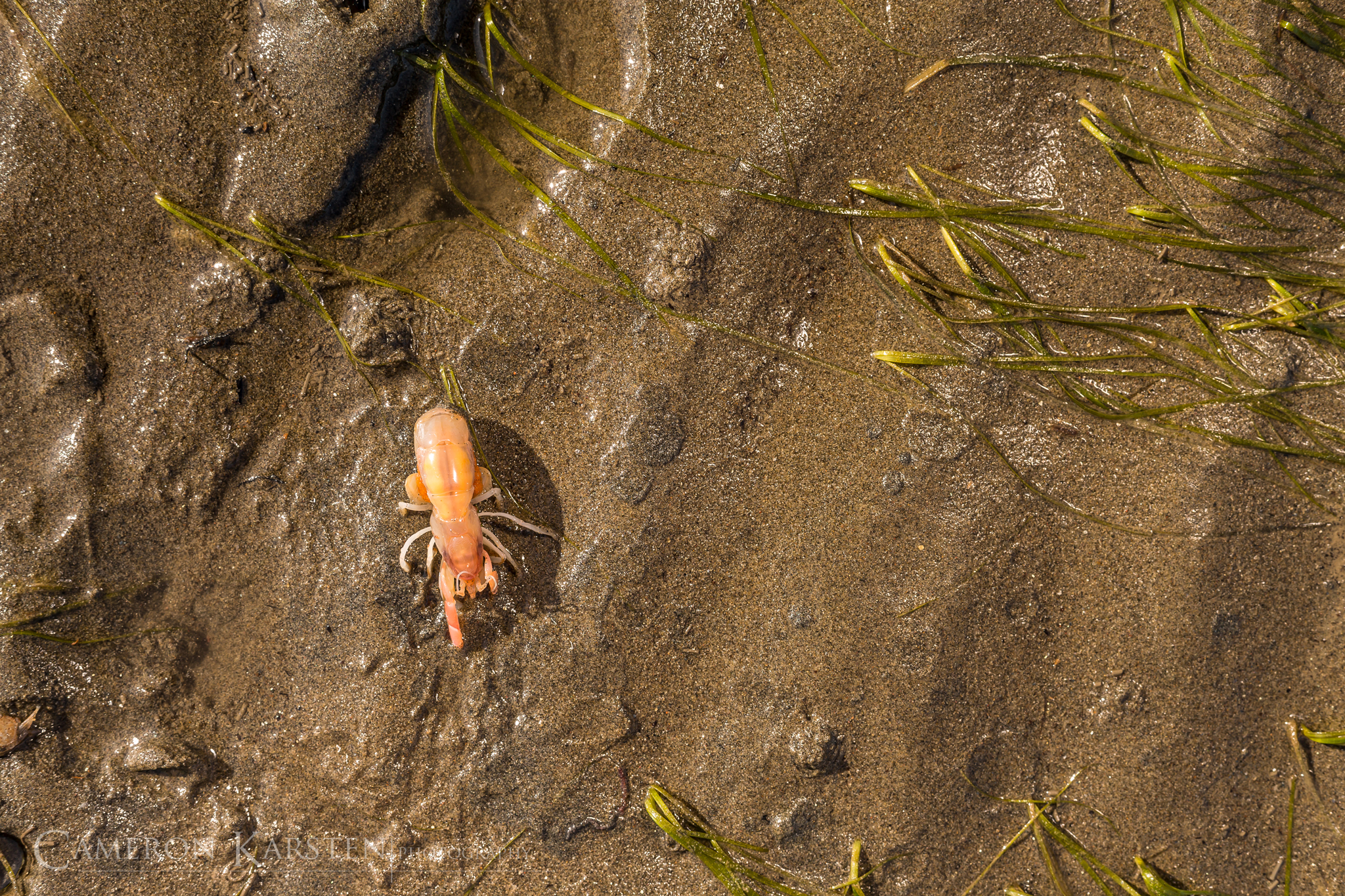
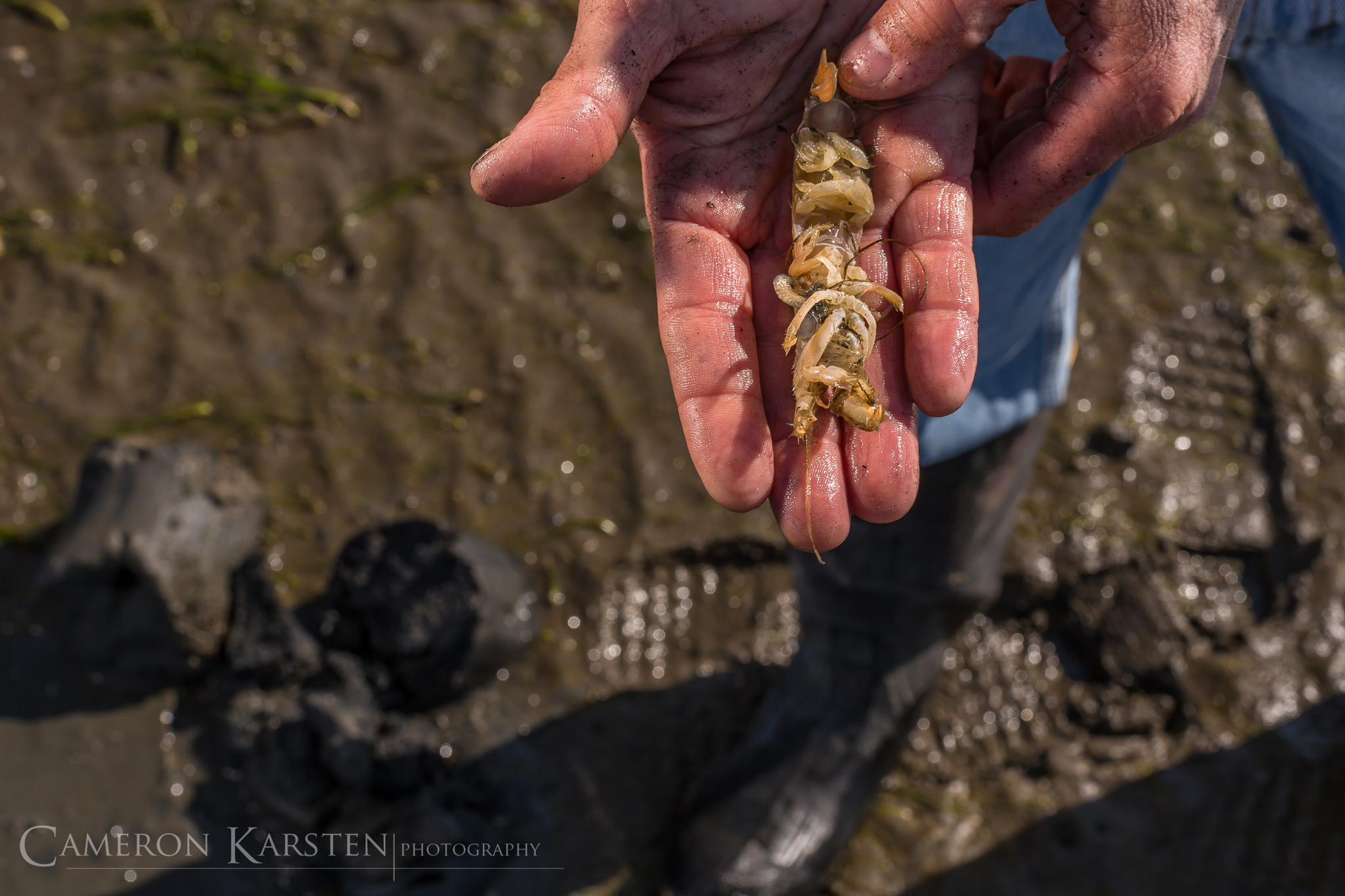
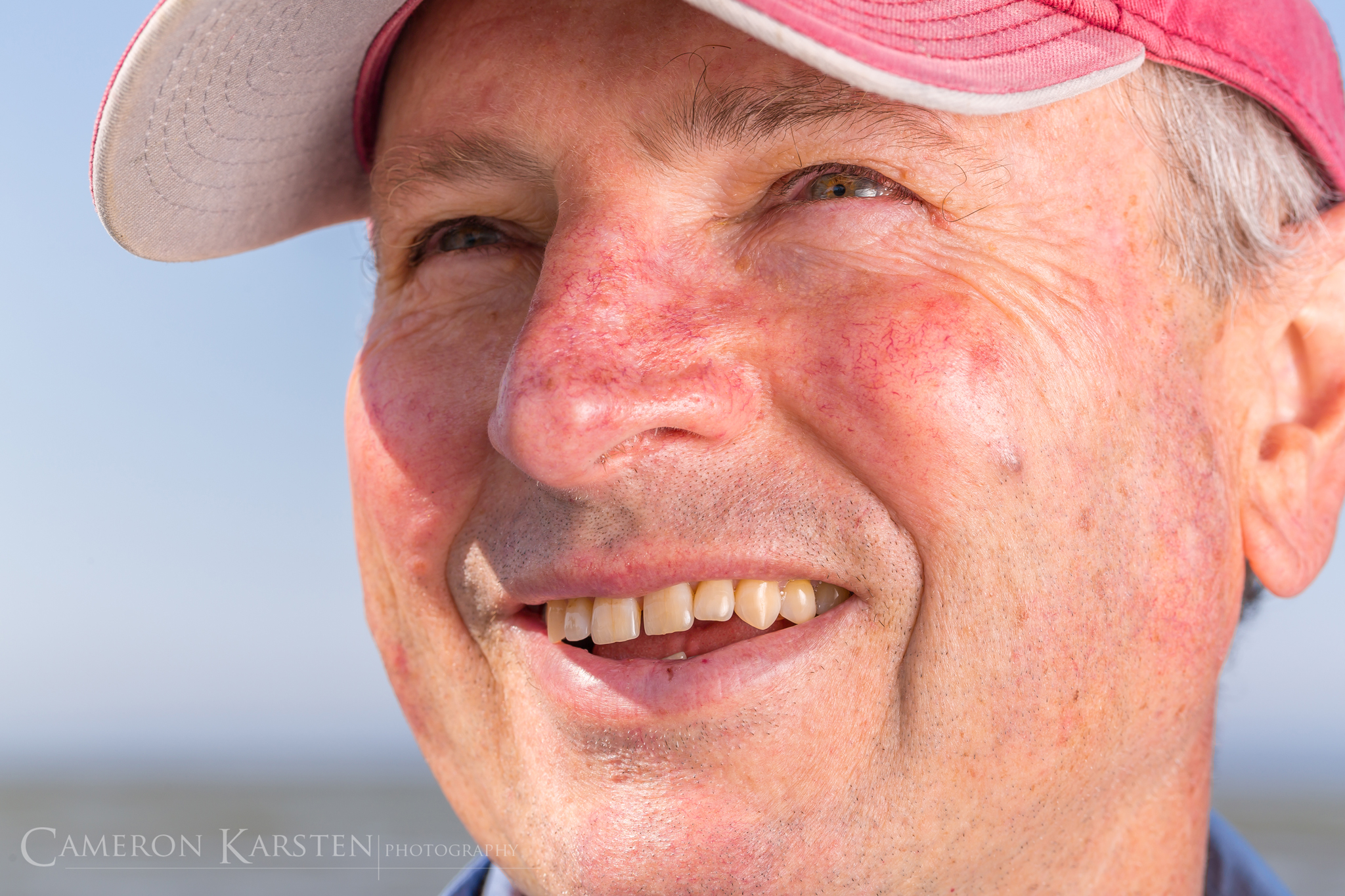
Last week I was called by Bloomberg and headed to Willapa Bay in southwestern Washington to photograph WSU scientist Kim Patten and the surrounding environment of Bay Center, WA. Waking up at 2:30am on Monday, I spent the morning driving 3hrs to catch a clear sunrise over the waters, which have been the center of Washington’s oyster industry for generations. At over 260 square miles, the bay nearly empties at low tide, creating the second largest estuary on the U.S.’s west coast. But a local shrimp has been disrupting the area’s economy for too long, suffocating oyster beds as the crustacean burrows 1 to 2 feet beneath the surface, turning mudflats into quicksand. The published article is available in the link and the selects from the morning’s shoot are below.

Bloomberg Businessweek: Washington State Turns to Neurotoxins to Save Its Oysters

KimPatten_Bloomberg-23

KimPatten_Bloomberg-10

KimPatten_Bloomberg-63

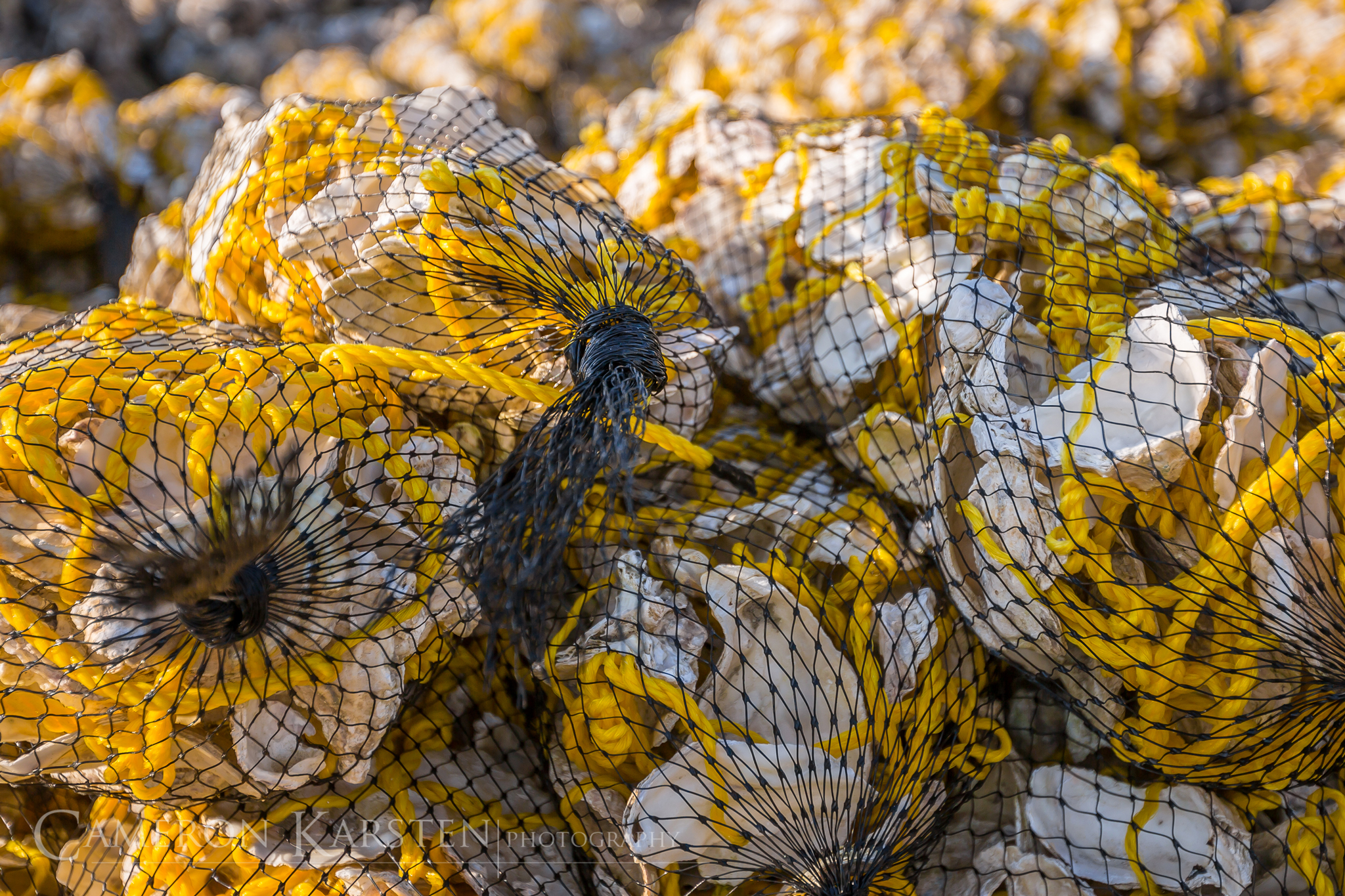
A pile of discarded oyster shells are left in the sun so organic matter can decompose before being bagged and placed back in the water as a refuge for young oyster seed.

KimPatten_Bloomberg-51

KimPatten_Bloomberg-44

KimPatten_Bloomberg-68

KimPatten_Bloomberg-77

KimPatten_Bloomberg-88

KimPatten_Bloomberg-105

KimPatten_Bloomberg-112

KimPatten_Bloomberg-122

KimPatten_Bloomberg-137

Long-line oyster beds stretch across the tidal flats of Willapa Bay as a front of morning fog recedes westward.

KimPatten_Bloomberg-157

Old oyster shells wrapped in bags ready for delivery outside an oyster nursery

KimPatten_Bloomberg-147

KimPatten_Bloomberg-150

KimPatten_Bloomberg-142

KimPatten_Bloomberg-207

WSU scientist and researcher Kim Patten uses a clam digger to pull out an invasive shrimp from one to two feet beneath the mud.

KimPatten_Bloomberg-252

KimPatten_Bloomberg-227

A male and female shrimp (the female is carrying orange egg sacks)

KimPatten_Bloomberg-261

KimPatten_Bloomberg-295

KimPatten_Bloomberg-272

KimPatten_Bloomberg-392

KimPatten_Bloomberg-334

KimPatten_Bloomberg-349

KimPatten_Bloomberg-364

KimPatten_Bloomberg-289

KimPatten_Bloomberg-338

KimPatten_Bloomberg-381

KimPatten_Bloomberg-399

KimPatten_Bloomberg-403

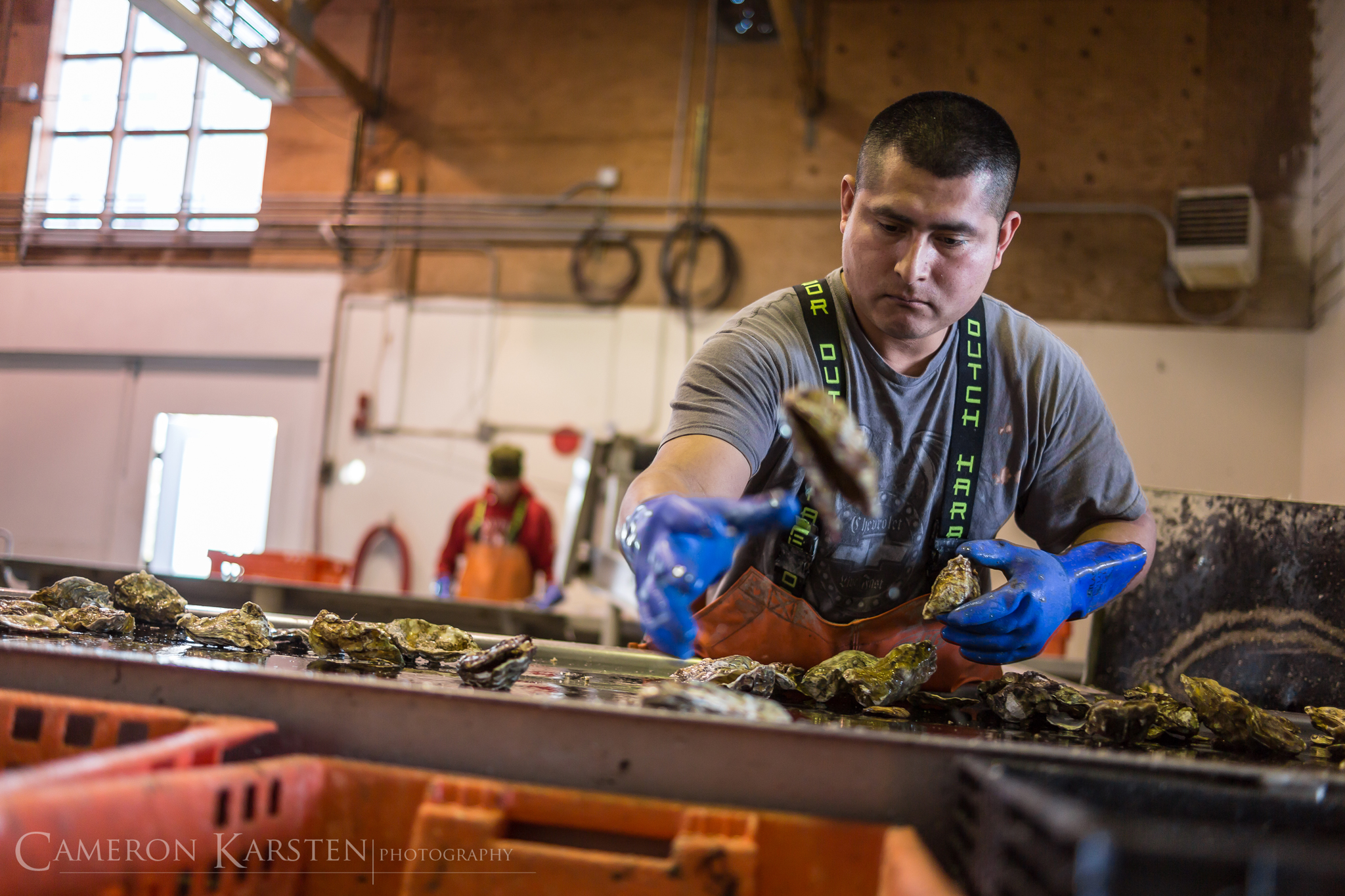
An oyster shucker in Bay Center, WA

KimPatten_Bloomberg-430

KimPatten_Bloomberg-484

KimPatten_Bloomberg-458

KimPatten_Bloomberg-497

KimPatten_Bloomberg-510

KimPatten_Bloomberg-534

logo_blackTrajan

Mexico: The Land of the Craft

2015_Mazatlan-2029

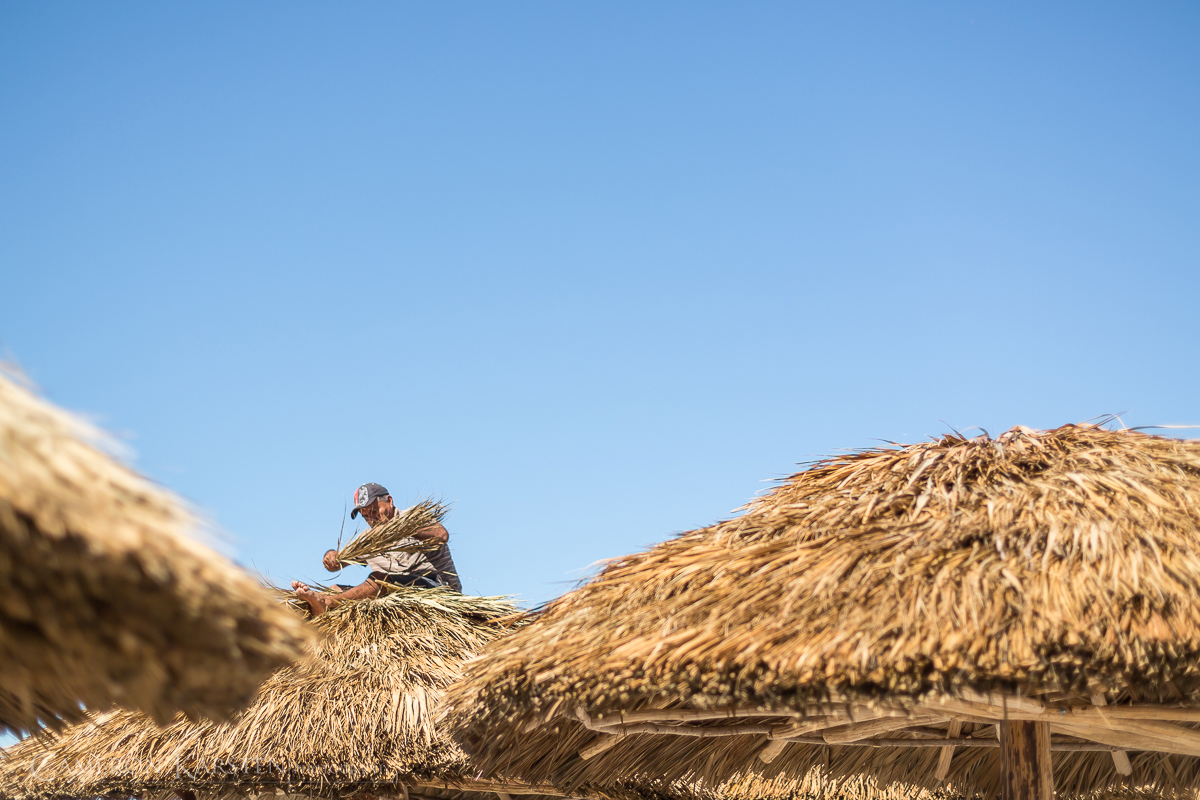
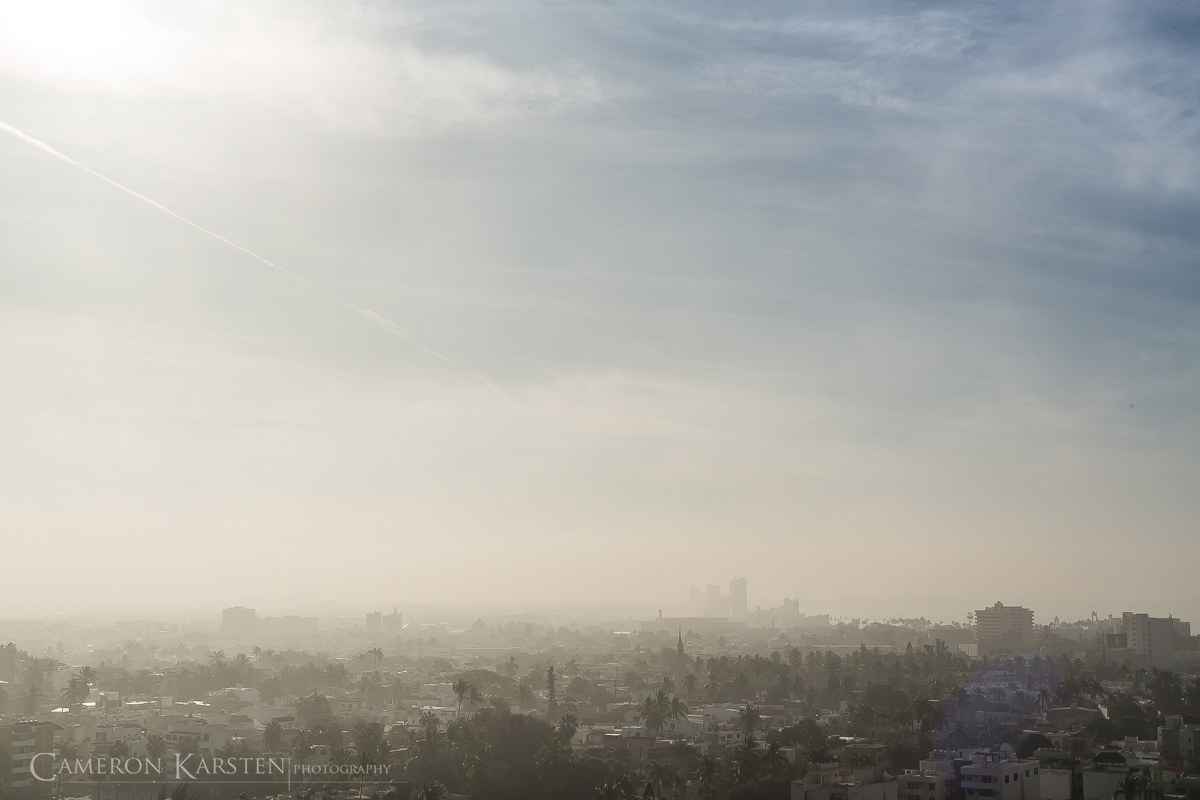
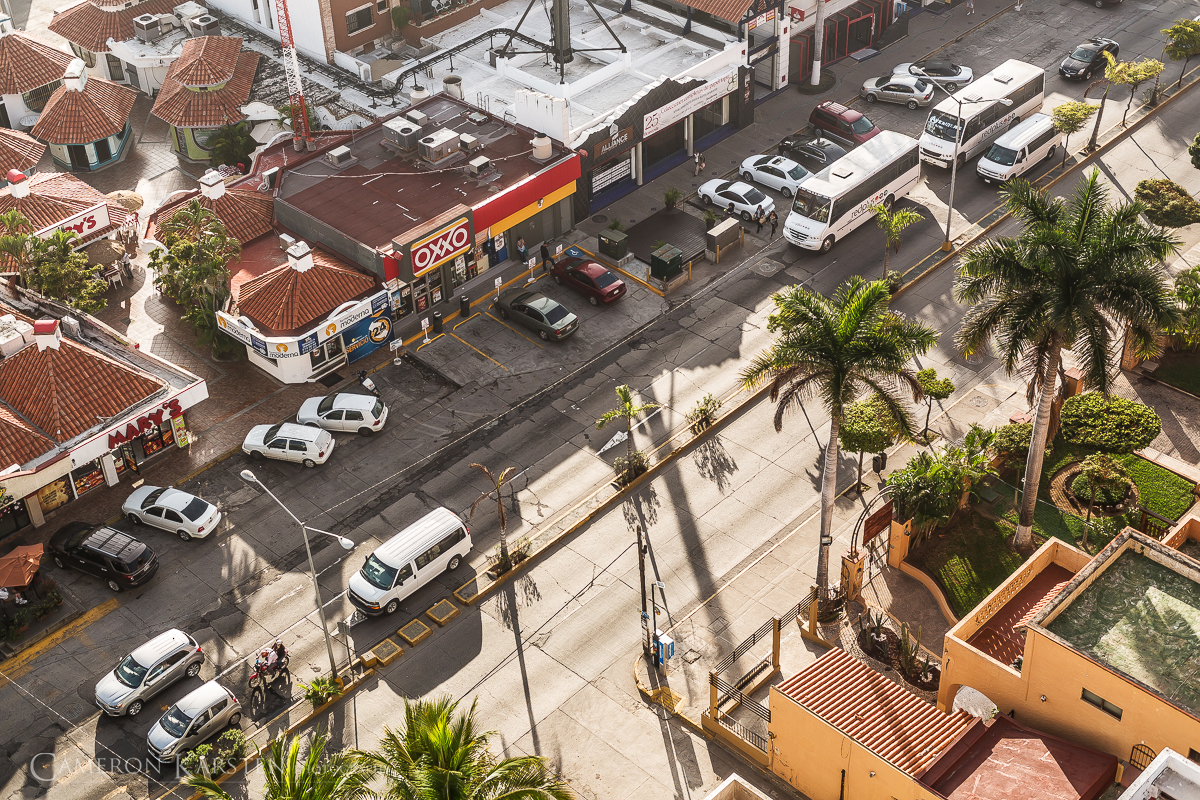
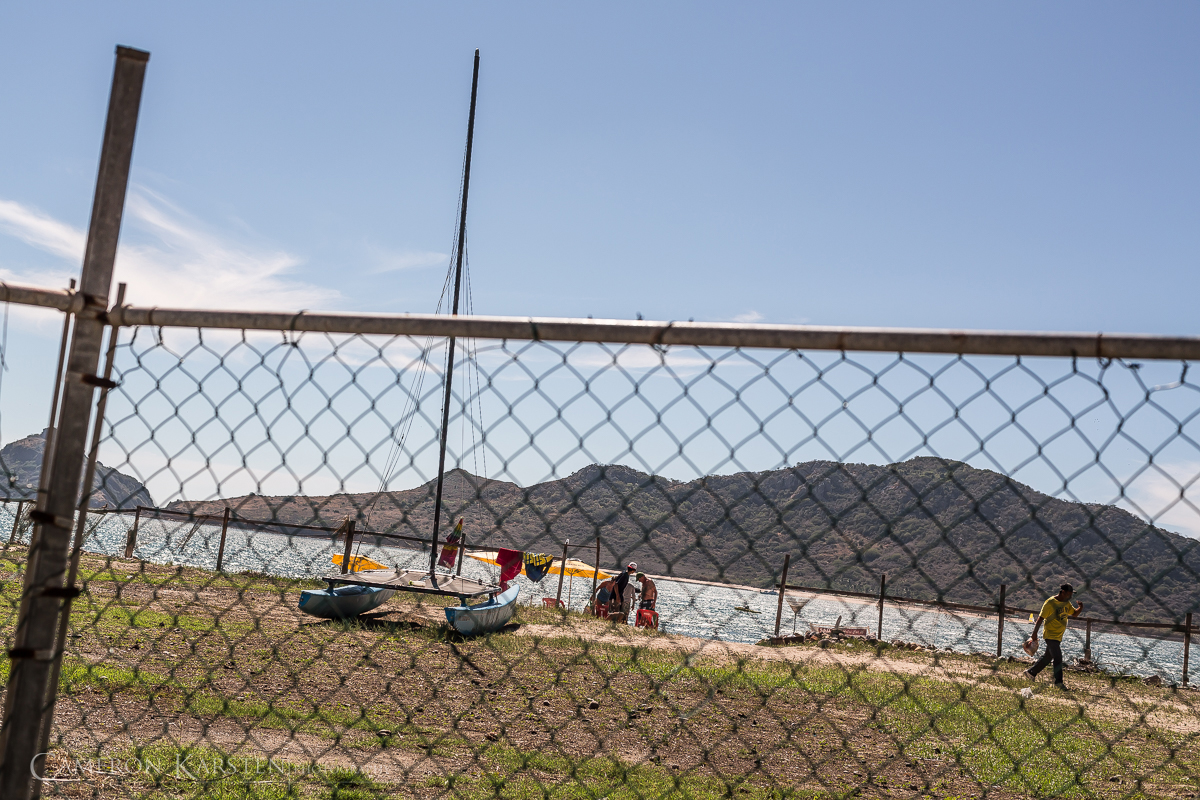
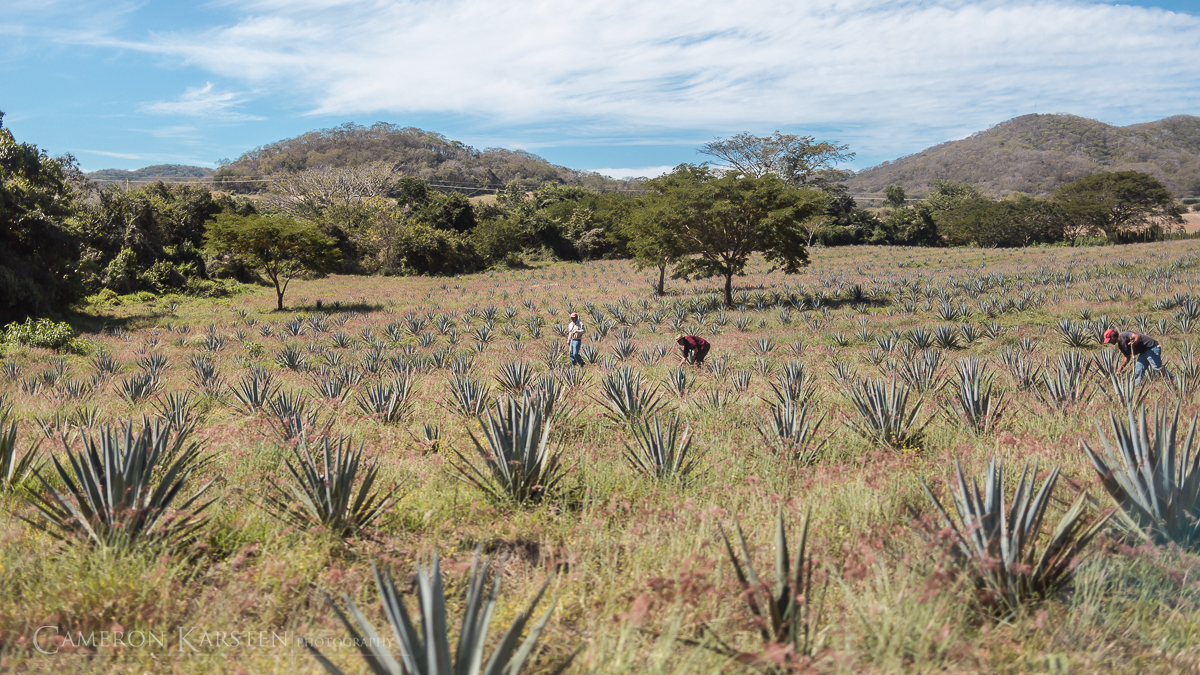
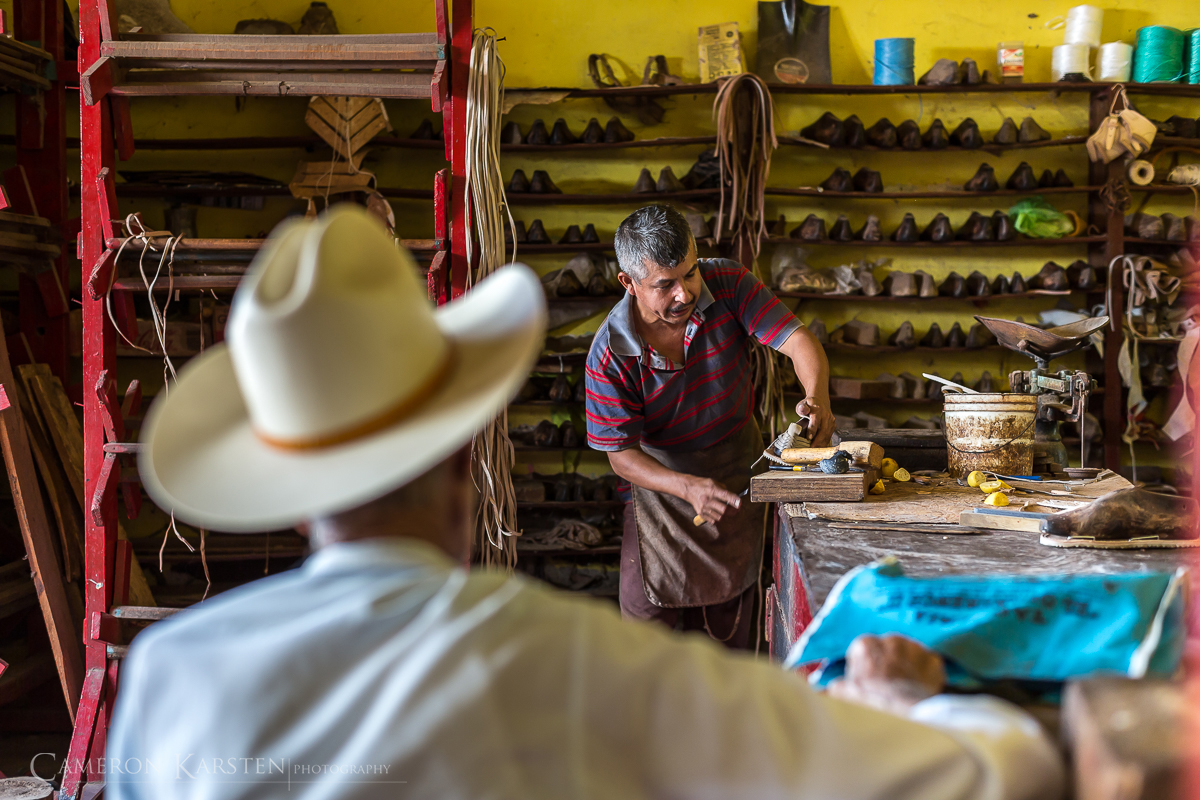
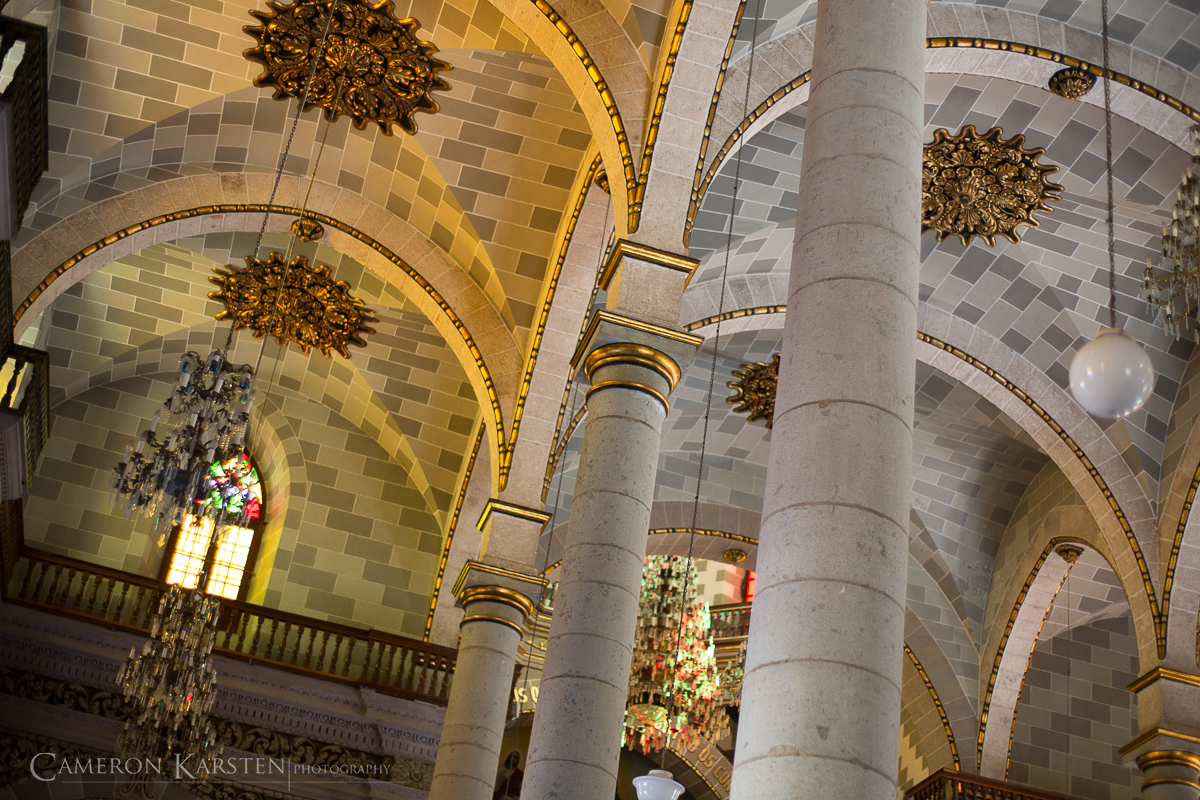
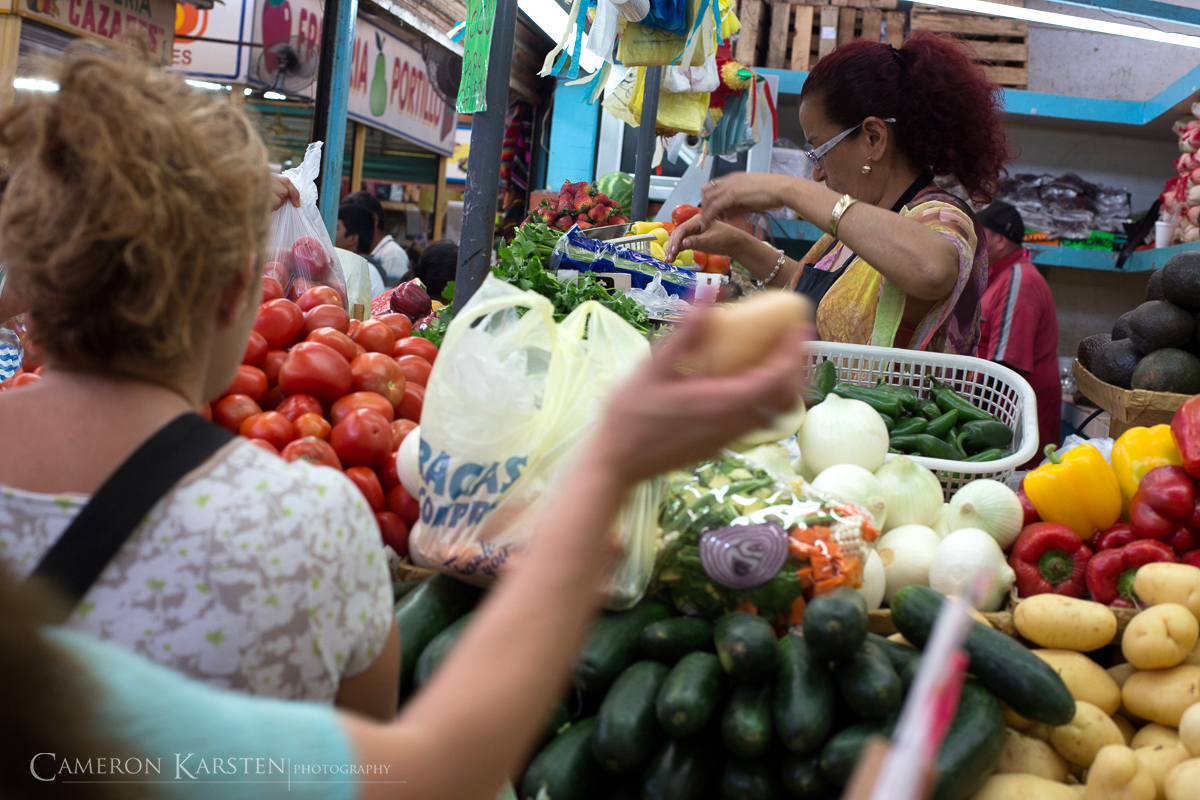
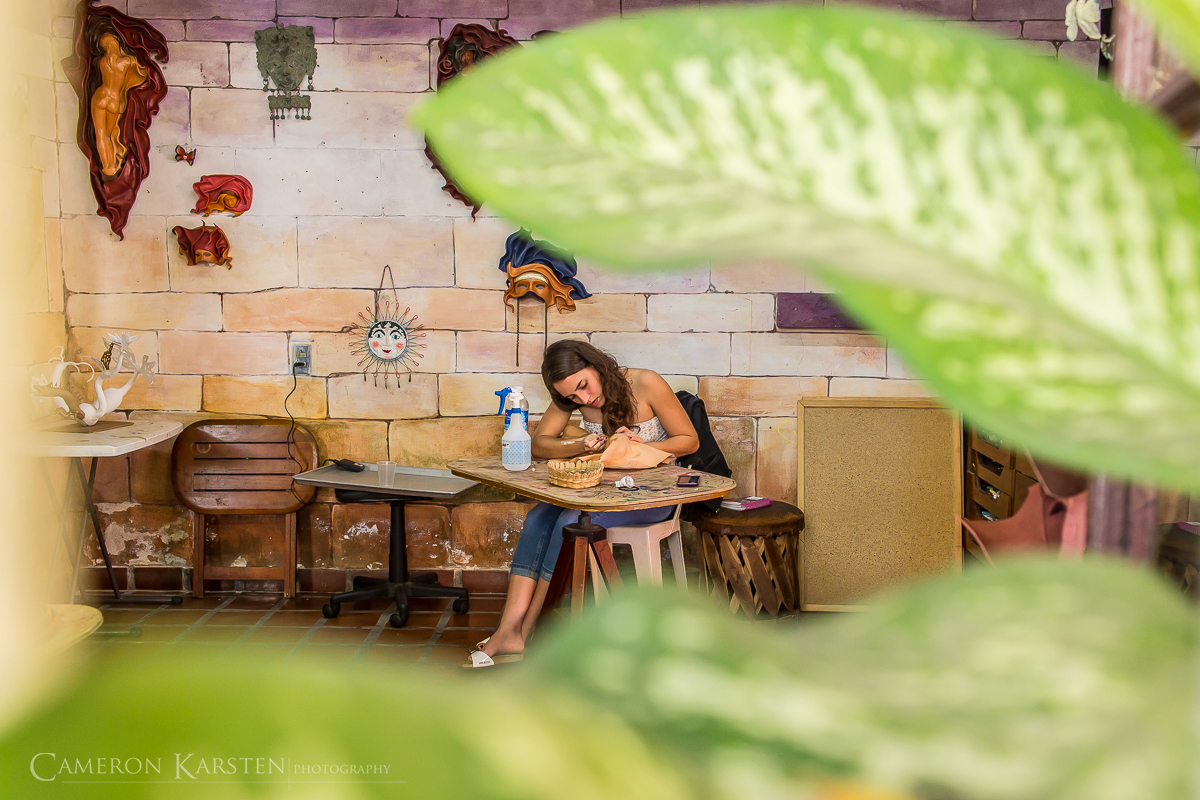
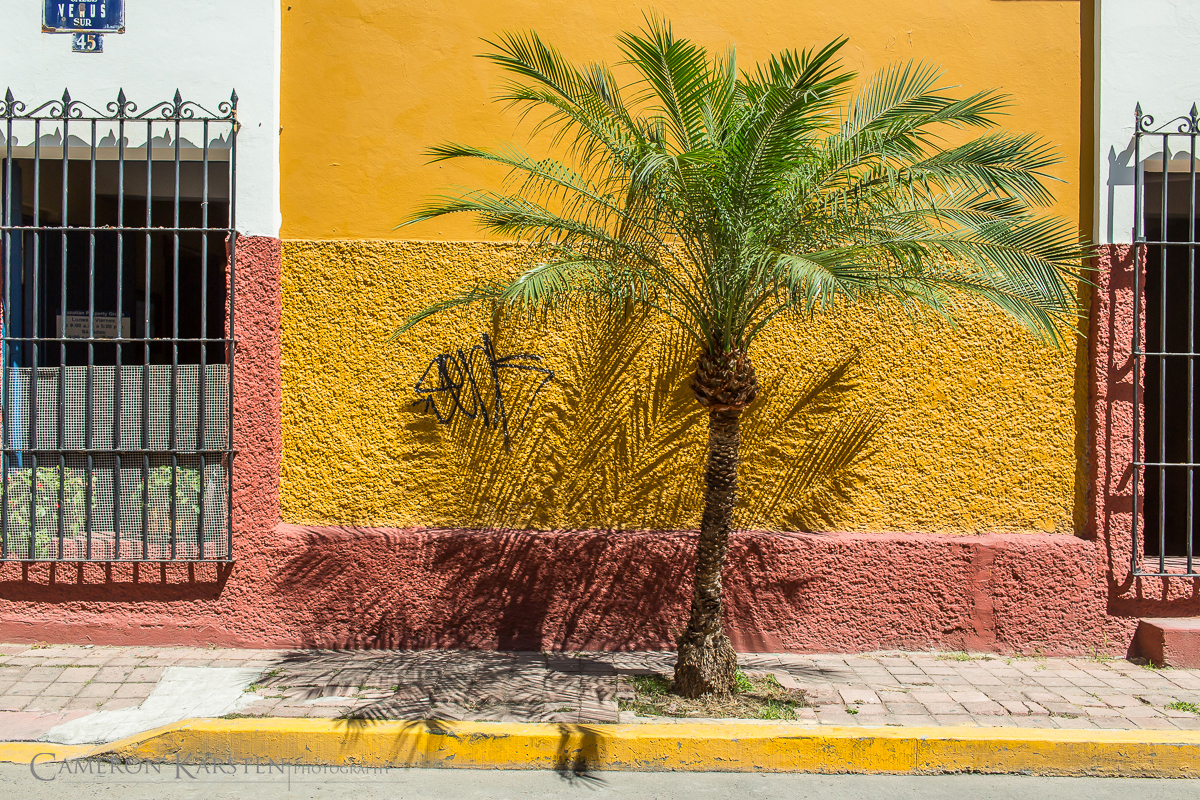
Mexico is a land of southern sun, warm sands, dusty cobbled streets filled with wafting scents of freshly grilled meats, buttery shrimp skewers and braying donkeys laying idle under the shades of ruffled palm fronds. It is a humble mix of ocean beaches to classic hacienda-style farmland below centuries-old ranches to the hurrying belches of city horns and graffitied buses intermixed within a colored historic city center. The people of Mexico know very well how to eat like ruling kings and drink like maddening queens. They choose their ingredients from the busy market stalls where meats and seafoods, produce and local spices and herbs carry lines of shoppers out to the homegrown rows of agave that stretch along arid rolling landscapes into the wild brushes of the traditional vaquero. Their culture very much resembles a barter and trade system of long ago, with real crafts-people, who to this very day continue to subsist on a technique passed down from generations.

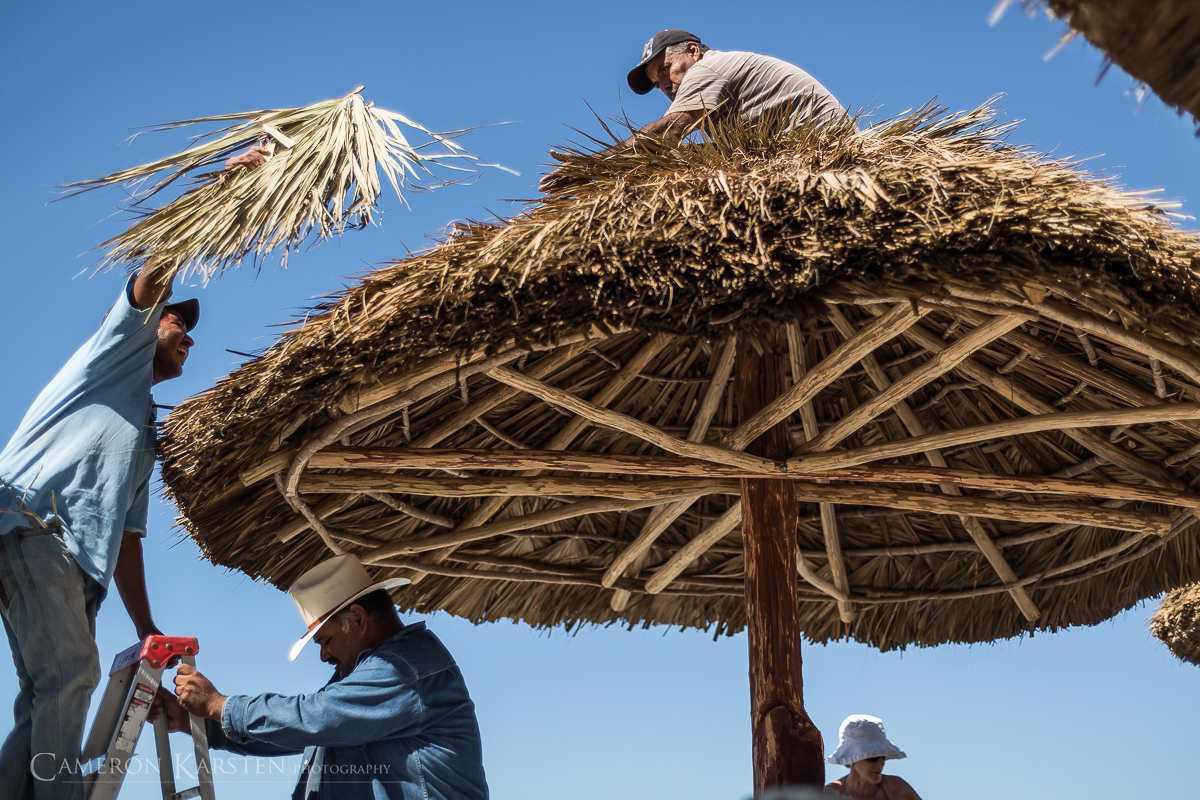
There is pride in the people, the ones who truly know how to carve a cow into the choicest of meats, to the repairman that returns the hurricane-battered palapa back into that exotic specimen above brown leathery Texans and Californians. South of the border is where the Americas’ craftsmanship dwells, behind the colonial walls and feathered into the waves left by the dawn-patrolling ponga. What is in Mexico is from Mexico, built by the people.

2015_Mazatlan-1152015_Mazatlan-1282015_Mazatlan-6932015_Mazatlan-6252015_Mazatlan-10482015_Mazatlan-10572015_Mazatlan-10522015_Mazatlan-6852015_Mazatlan-13912015_Mazatlan-14382015_Mazatlan-14402015_Mazatlan-14982015_Mazatlan-15112015_Mazatlan-20242015_Mazatlan-20422015_Mazatlan-24412015_Mazatlan-24292015_Mazatlan-2461

logo_blackTrajan

The Last American Homesteaders: Pt II

CountryLife-126

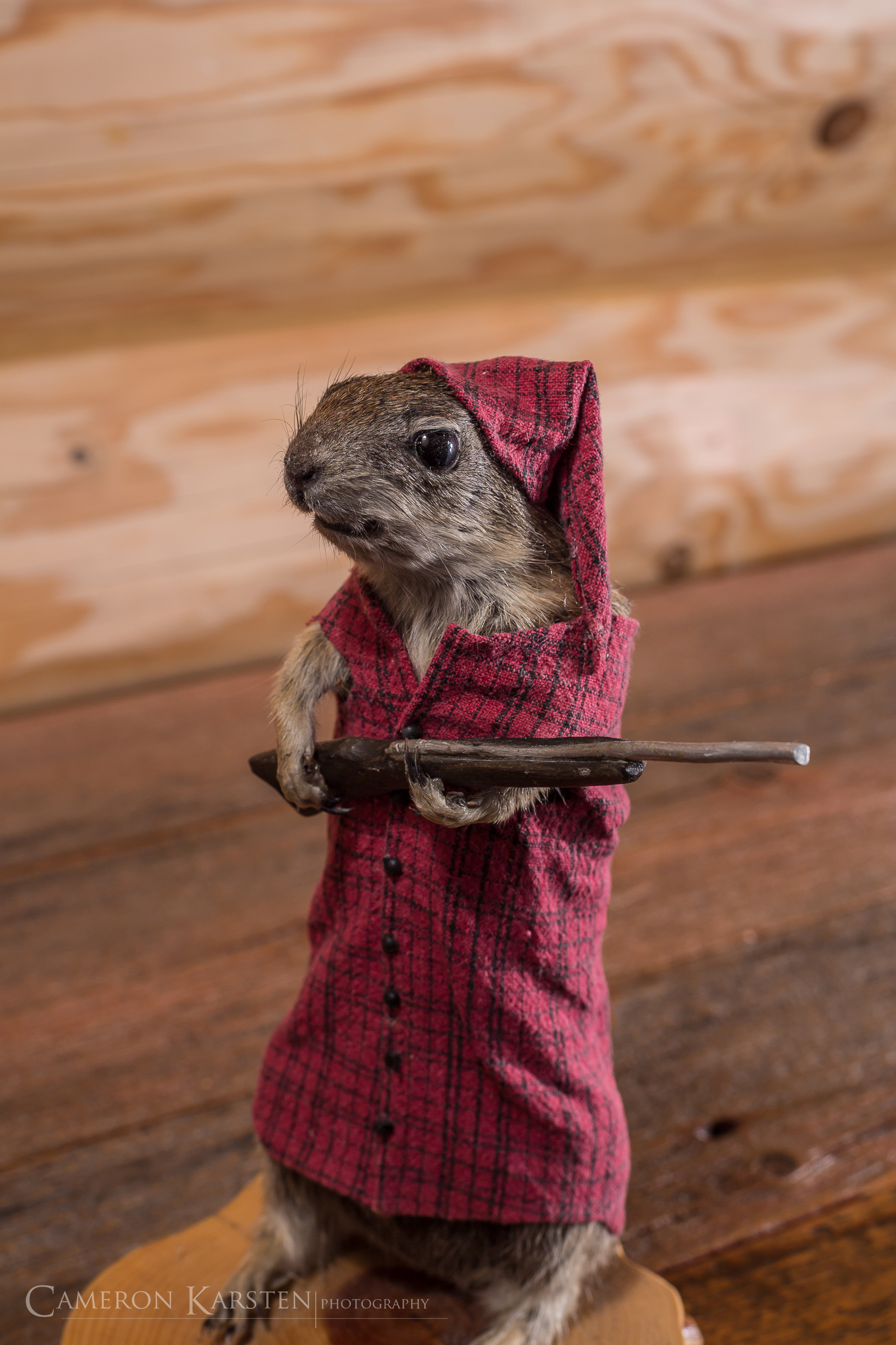
Country living is dynamic, inside the cabin and out. Things don’t appear the same as if you’re living in an urban environment. Instead of concrete or brick foundations, walls are made of not just wood, but entire logs…big logs. And instead of finding house plants and framed pictures on these wall of beautiful distant locations, you’ll find what was once living in your yard stuffed, anthropomorphized and placed inside. Once again, country living is all about being in harmony, or being one, with nature, and then taking that to a new level.

CountryLife-143

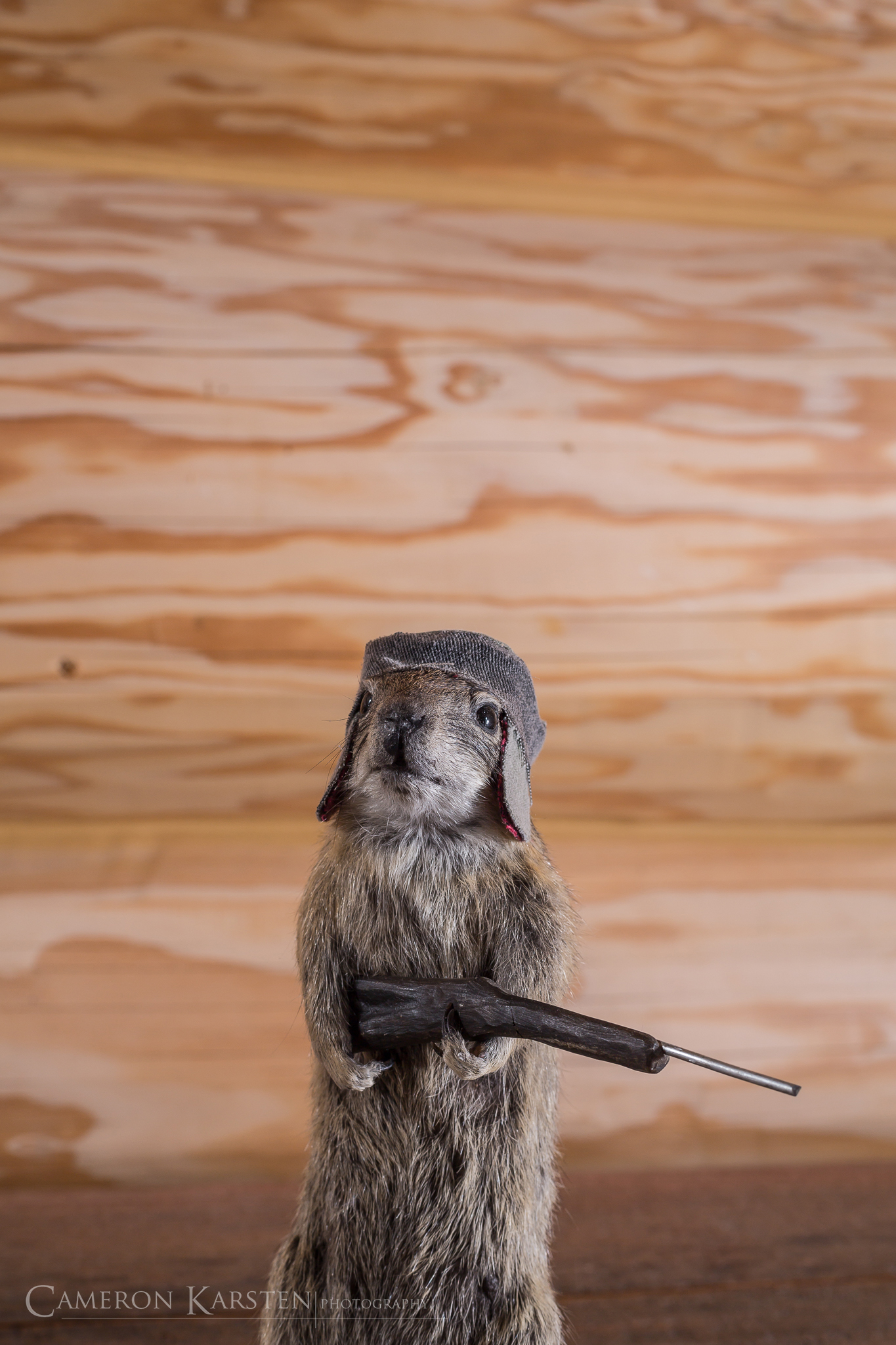
Sand rats are friendly despite their appearance once giving a human personality

CountryLife-130

CountryLife-153

A coyote guarding the door

CountryLife-163-Edit

A black bear and badger go head-to-head for a dead sand rat.

CountryLife-7-Edit

Stepping outside you’ll spot a frozen land awaken as a river passes listlessly through the valley. Hints of pinks and oranges wash away the purples of night while geese begin to ruffle and hawks take flight. Another day in the country.

Next Post (Pt. III) –>

logo_blackTrajan

STORMR Deer Camp: Into the Hoh Rainforest (Pt. IV)

STORMR_Deer-859

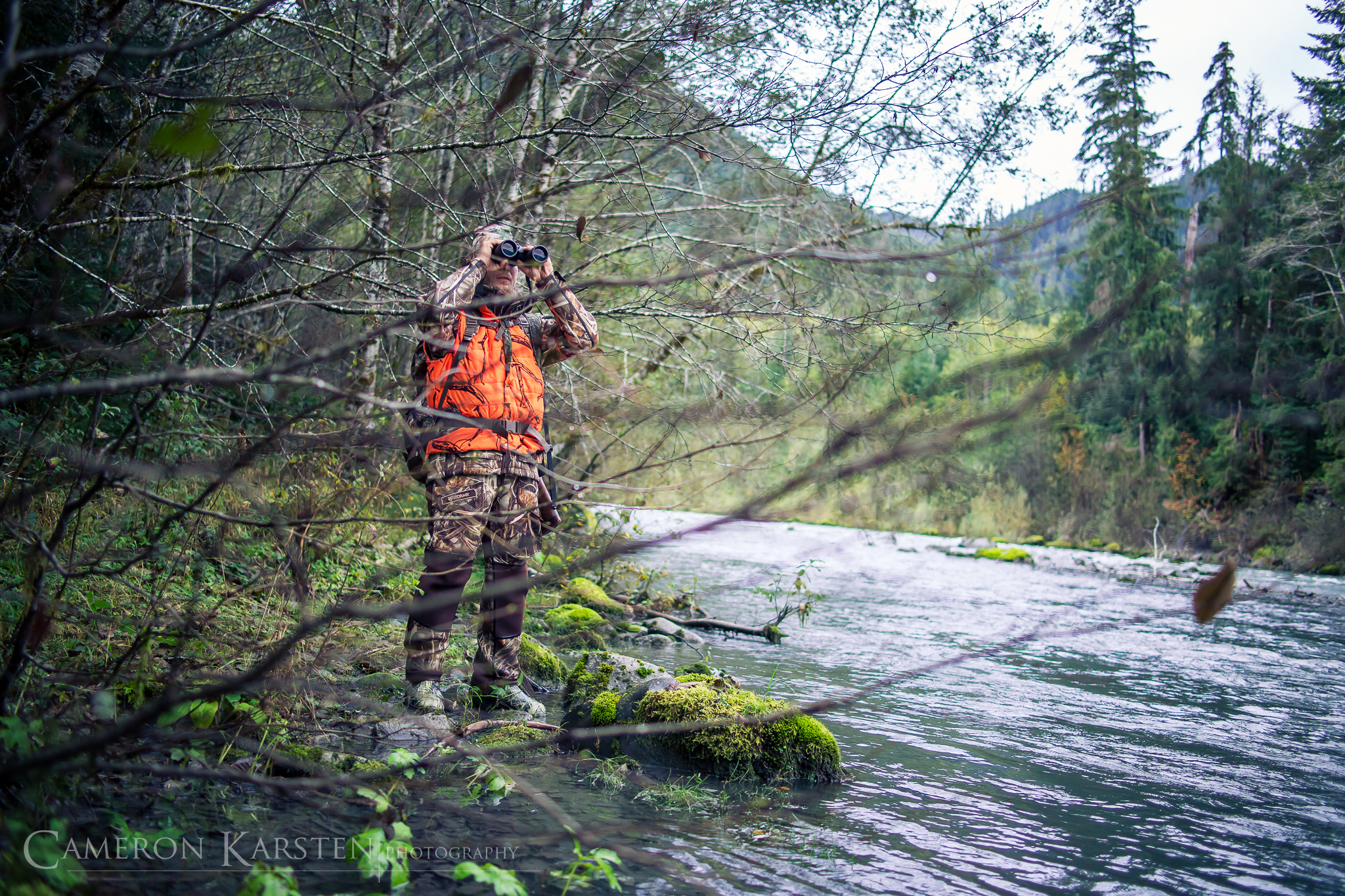
When there is a river nearby, there must be fish. Always bring your fly rod, seek the thrill and reel in those steelhead. Somewhere up the S. Fork Hoh River on the Olympic Peninsula of Washington State on a Stormr assignment.

STORMR_Deer-863

STORMR_Deer-829

STORMR_Deer-838

STORMR_Deer-825

STORMR_Deer-846

logo_blackTrajan

STORMR Deer Camp: Into the Hoh Rainforest (Pt. III)

STORMR_Deer-1060

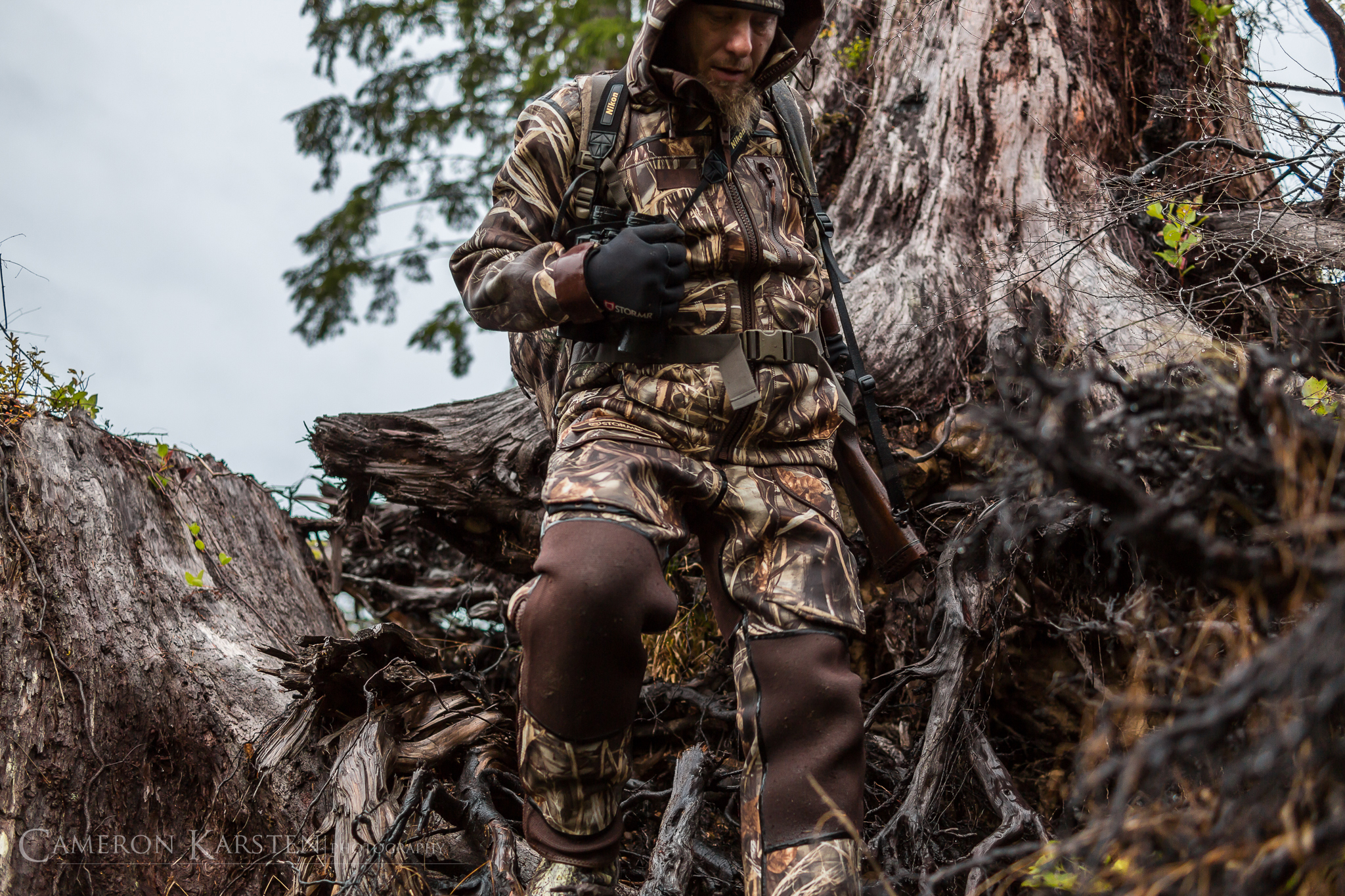
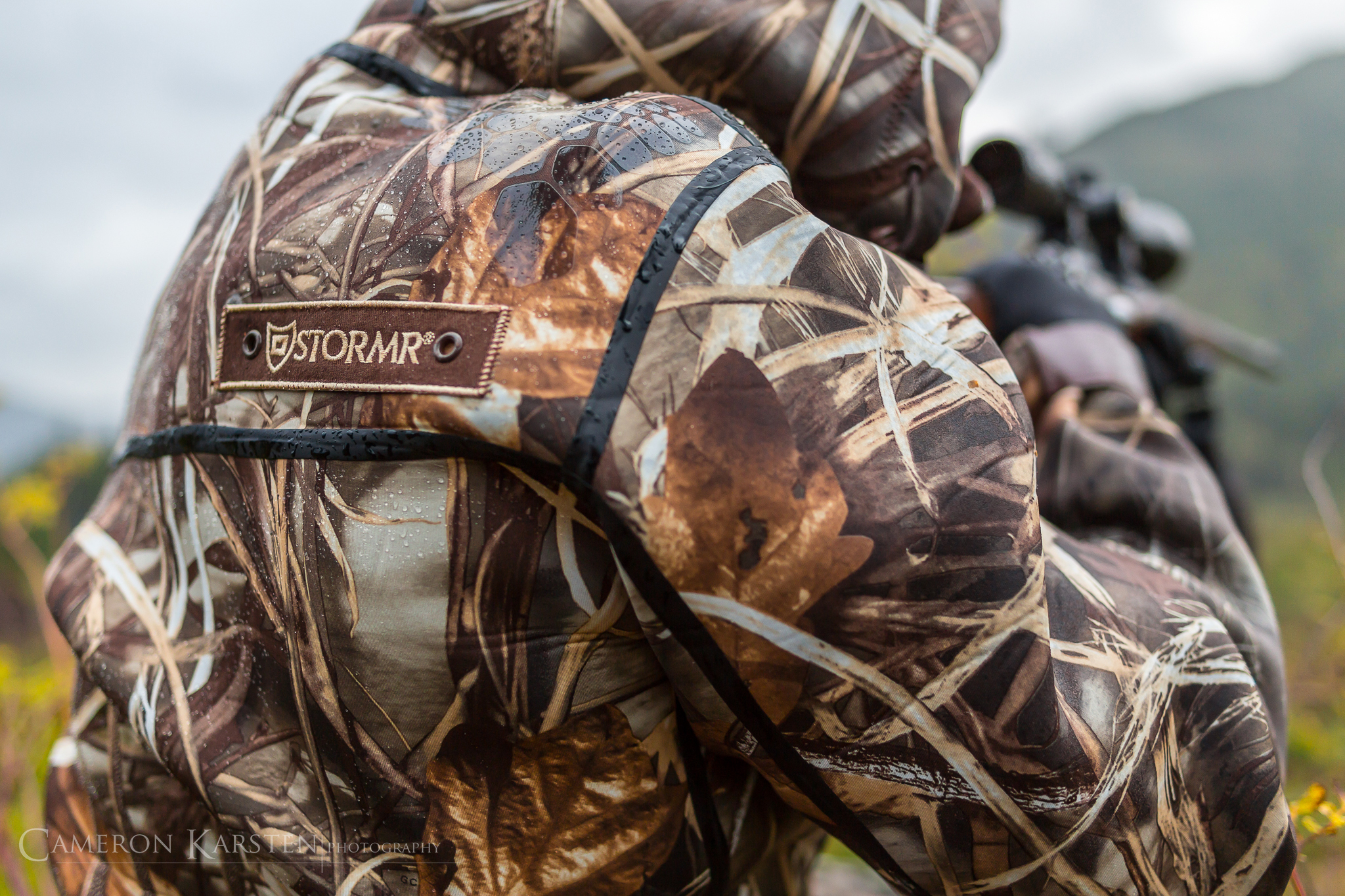
Nature is stealth. Walk out into the woods and count the number of wild animals spotted. Many are heard, but few are seen. However there are eyes watching you and scents tracing your every movement. Stalking and hunting a wild animal is one of the most difficult thing to do, especially in the shadows of the Hoh Rainforest, but the rewards are one that will feed your family for months to follow. Practice the art of patience, endurance and awareness while chilled temperatures permeate the saturated environments of the Olympic Peninsula. On the hunt with STORMR foul-weather gear.

STORMR_Deer-1130

STORMR_Deer-1239

STORMR_Deer-1175

STORMR_Deer-1048

STORMR_Deer-1086

STORMR_Deer-1334

STORMR_Deer-1327

STORMR_Deer-930

STORMR_Deer-899

STORMR_Deer-1332

STORMR_Deer-1316

STORMR_Deer-1394

STORMR_Deer-1420

imgres

logo_blackTrajan

STORMR Deer Camp: Into the Hoh Rainforest (Pt. II)

STORMR_Deer-404

It rained and then it poured. With STORMR gear, the woodsmen were kept warm as a low ceiling of clouds passed, and dry as the hiking became arduous with sweat and fatigued. Heavy ferns draped in our path while carpets of green moss stretched before us. Animal trails were easy to find, their beaten paths the only thing breaking the wildness of the Hoh Rainforest. These led us to the wide open swaths of America’s logging industry.

STORMR_Deer-274

STORMR_Deer-330

STORMR_Deer-249

STORMR_Deer-660

STORMR_Deer-4

STORMR_Deer-263

STORMR_Deer-314

STORMR_Deer-370

STORMR_Deer-422-Edit

STORMR_Deer-632

STORMR_Deer-792

STORMR_Deer-350

STORMR_Deer-122

Cameron Karsten Photography

STORMR Deer Camp: Into the Hoh Rainforest (Pt. I)

STORMR_Deer-1265-Edit

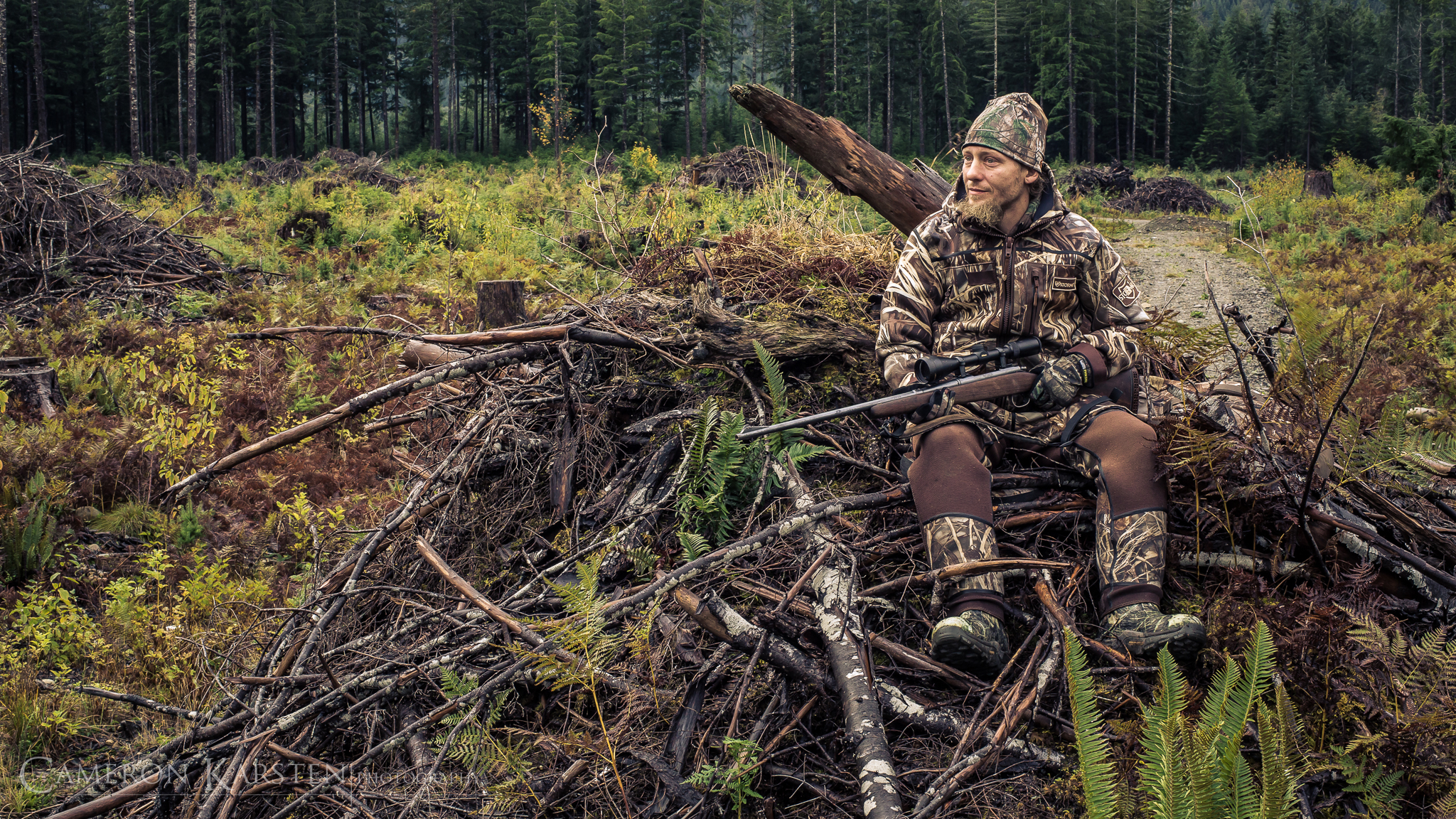
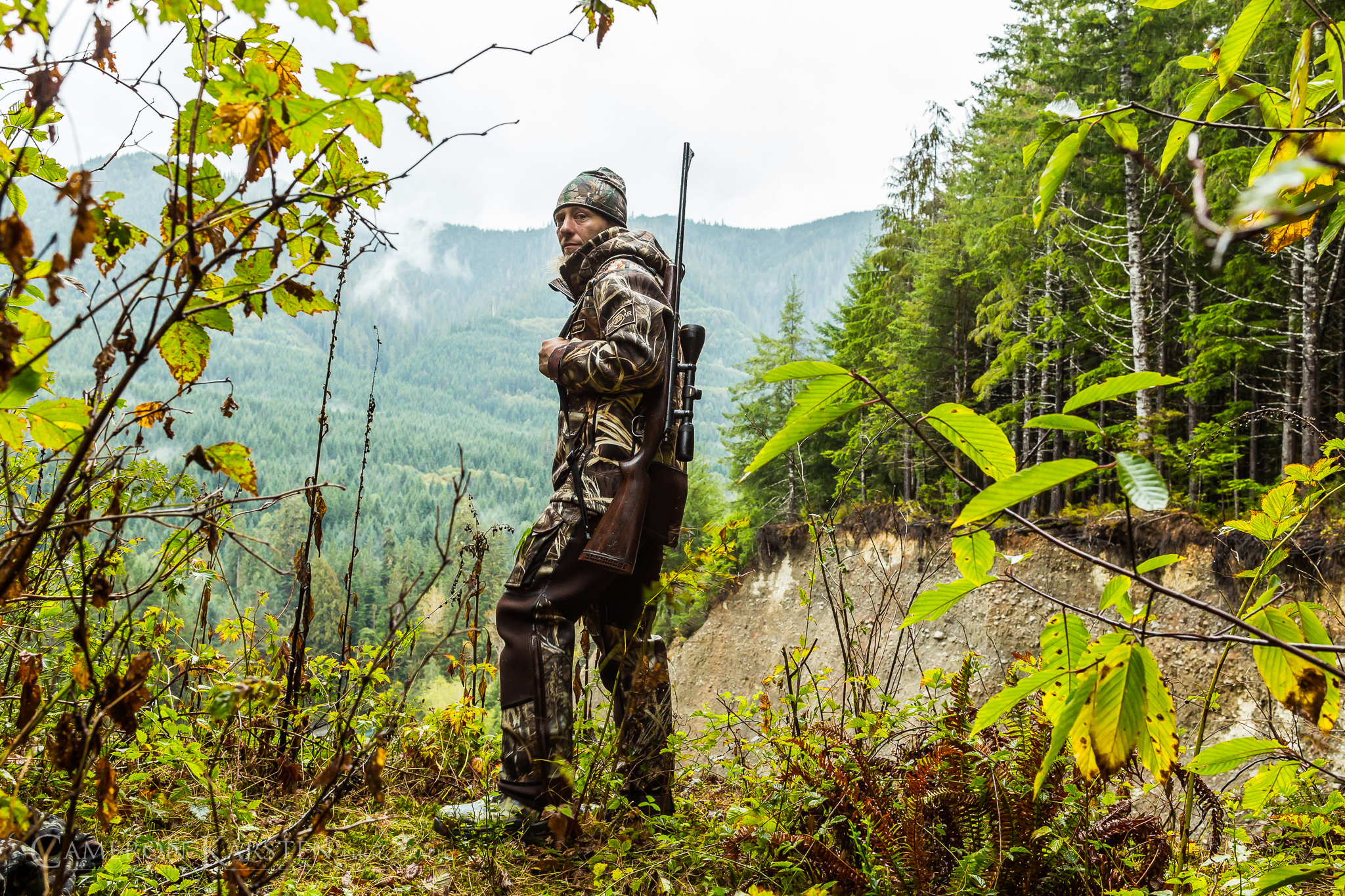
Recently, I ventured into the Hoh Rainforest with STORMR foul-weather gear for a 4-day 3-night adventure. With four woodsmen we explored a sodden mossy wilderness furthest from humanity. These are the western edges of the Olympic Peninsula; a place so remote and ecologically diverse that it could be considered its own evolutionary island.
What we were in search of was the elusive black-tail buck. What we discovered were torrential downpours, rivers full of returning steelhead and King salmon, as well as pockets of clear-cut forests amidst pristine woodlands of idyllic nature where migratory elk bugled near the trails of deer, bear, and cougar scat.

STORMR_Deer-1284-Edit

STORMR_Deer-1046-Edit

STORMR_Deer-1020-Edit

STORMR_Deer-1293

STORMR_Deer-1300

STORMR_Deer-985-Edit

STORMR_Deer-1001

For more visit www.STORMRrusa.com and www.CameronKarsten.com

imgres

Cameron Karsten Photography

Puget Sound Restoration Fund: The Oyster Harvest

PSRF2-76

Oysters are delicious, but they’re also highly important to our marine ecosystem. They’re natural filtration systems, removing toxins and cycling nutrients back into the water that help combat pollution. Oysters within the Puget Sound are also some of the first species to feel the effects of a new threat called Ocean Acidification (OA). As the ocean becomes more acidic due to decreasing pH levels from human industrialization, oyster seed shells begin to dissolve causing holes, disease and early death.

Puget Sound Restoration Fund (PSRF) is helping restore these mollusks by planting native oyster beds throughout Puget Sound. They’re creating a community of oyster harvesters through their CSA program, as well as partnering with research institutes to further study and treat the effects of OA. On an early morning on Bainbridge Island, Washington local volunteers gather to take advantage of the low tide and collect the native oysters.

PSRF2-23

PSRF2-38

PSRF2-16

PSRF2-109

PSRF2-137

PSRF2-126

PSRF_Harvest1-30

PSRF_Harvest1-46

PSRF_Harvest1-103

PSRF_Harvest1-168

PSRF_Harvest1-176

PSRF2-200

PSRF_Harvest1-239-copy

PSRF_Harvest1-204

PSRF_Harvest1-157-copy

PSRF_Harvest1-99

PSRF_Harvest1-249

PSRF_Harvest1-259

For more visit the Ocean Acidification Project

Cameron Karsten Photography