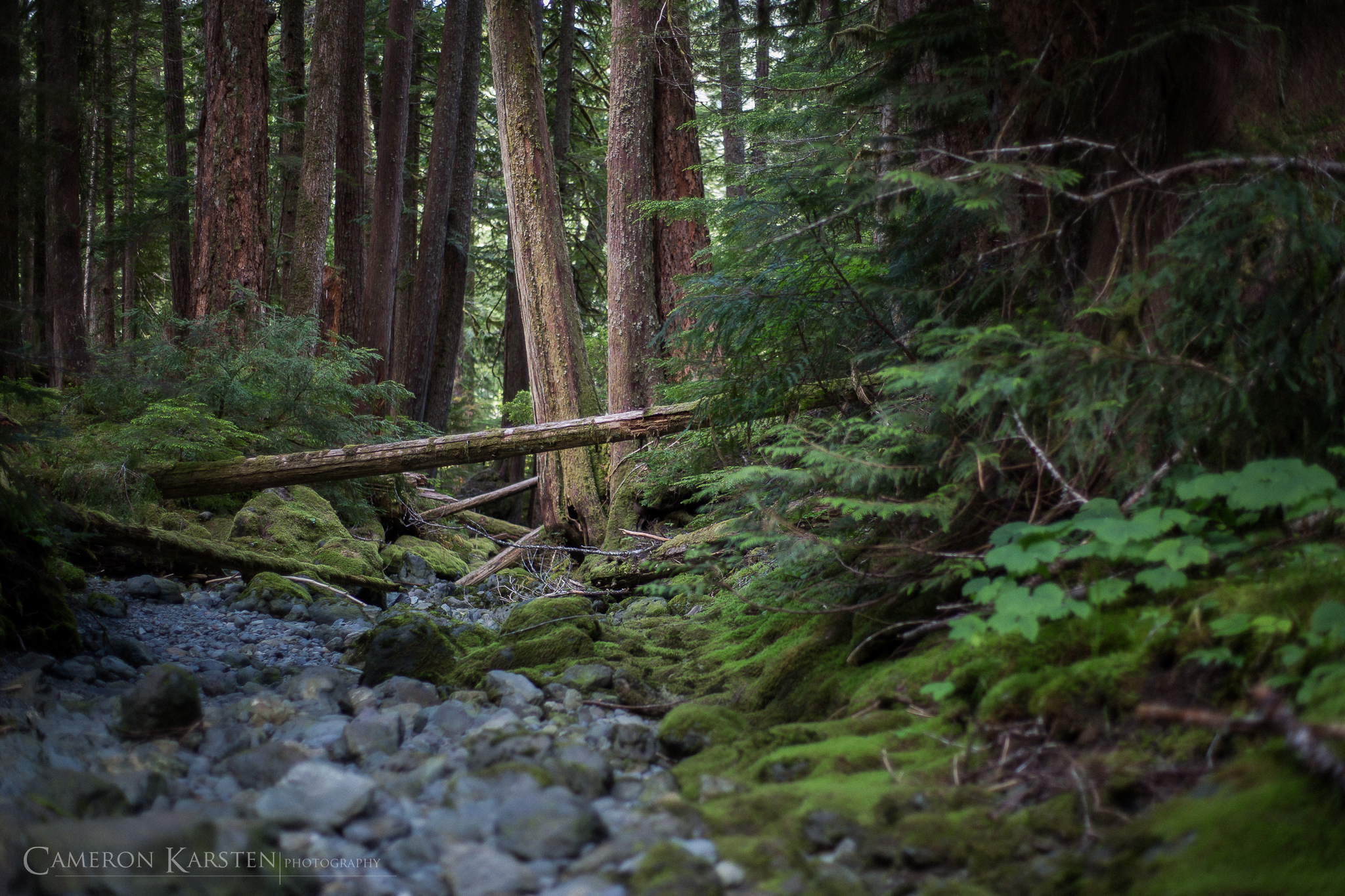
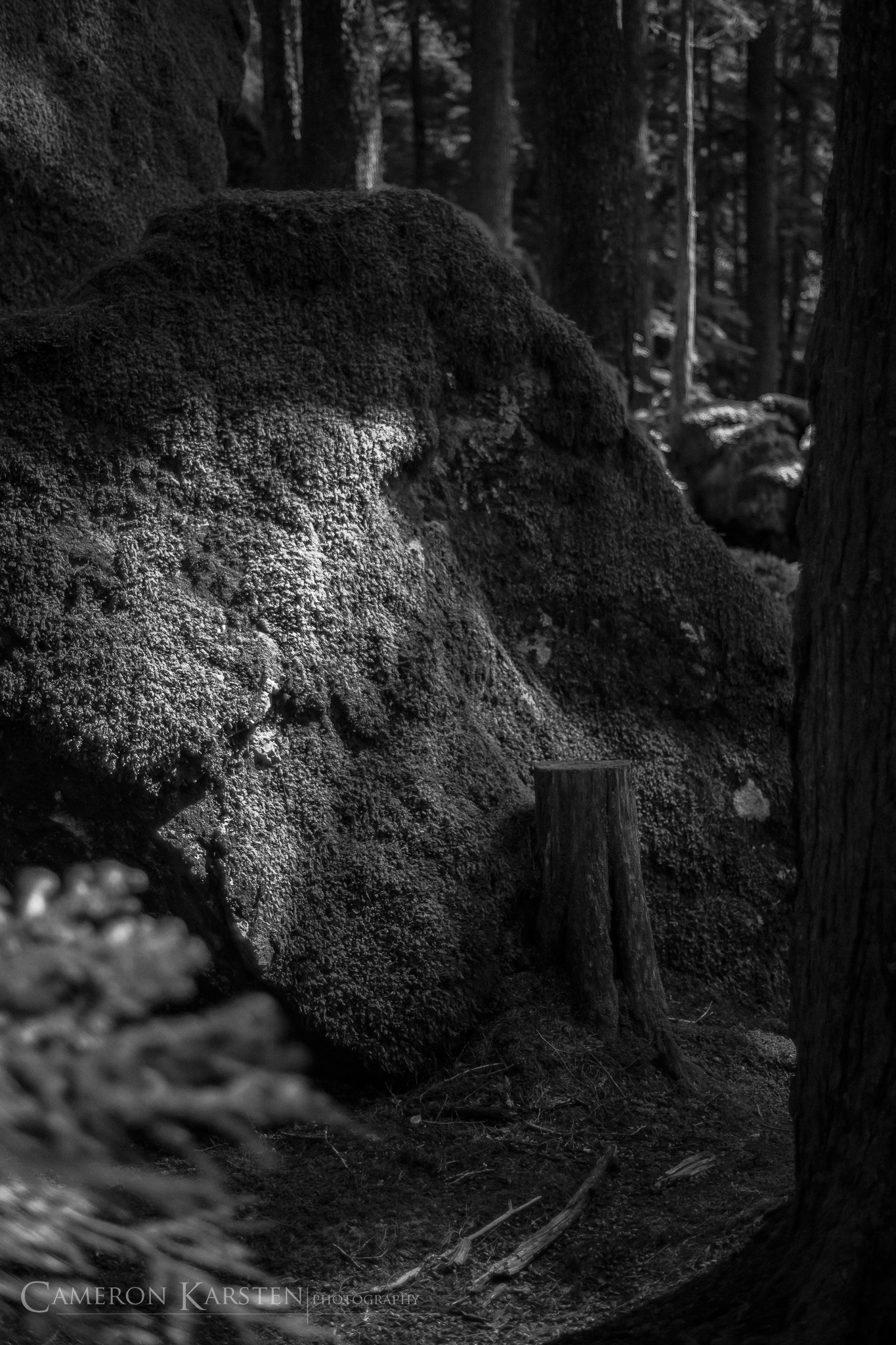
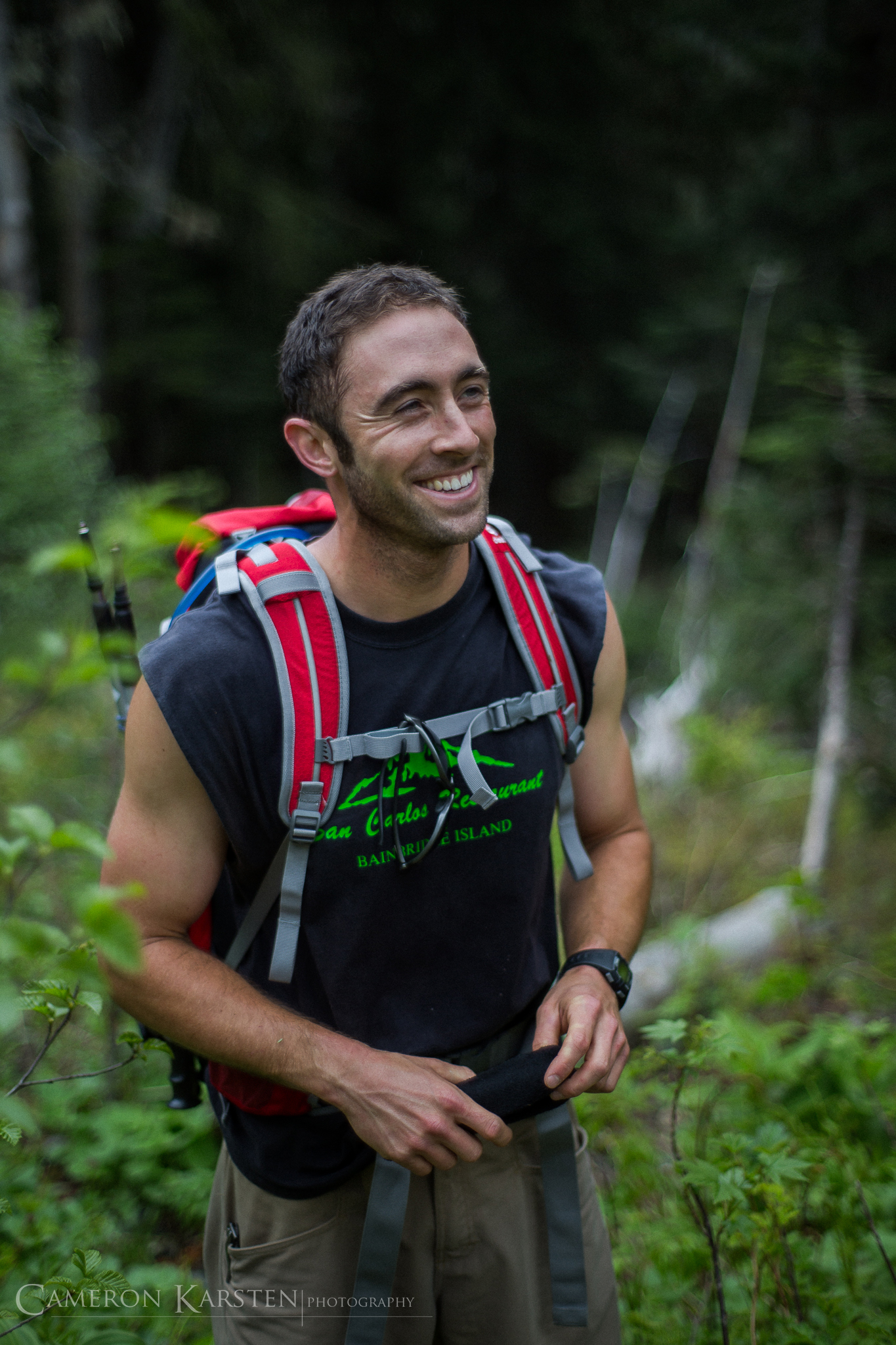
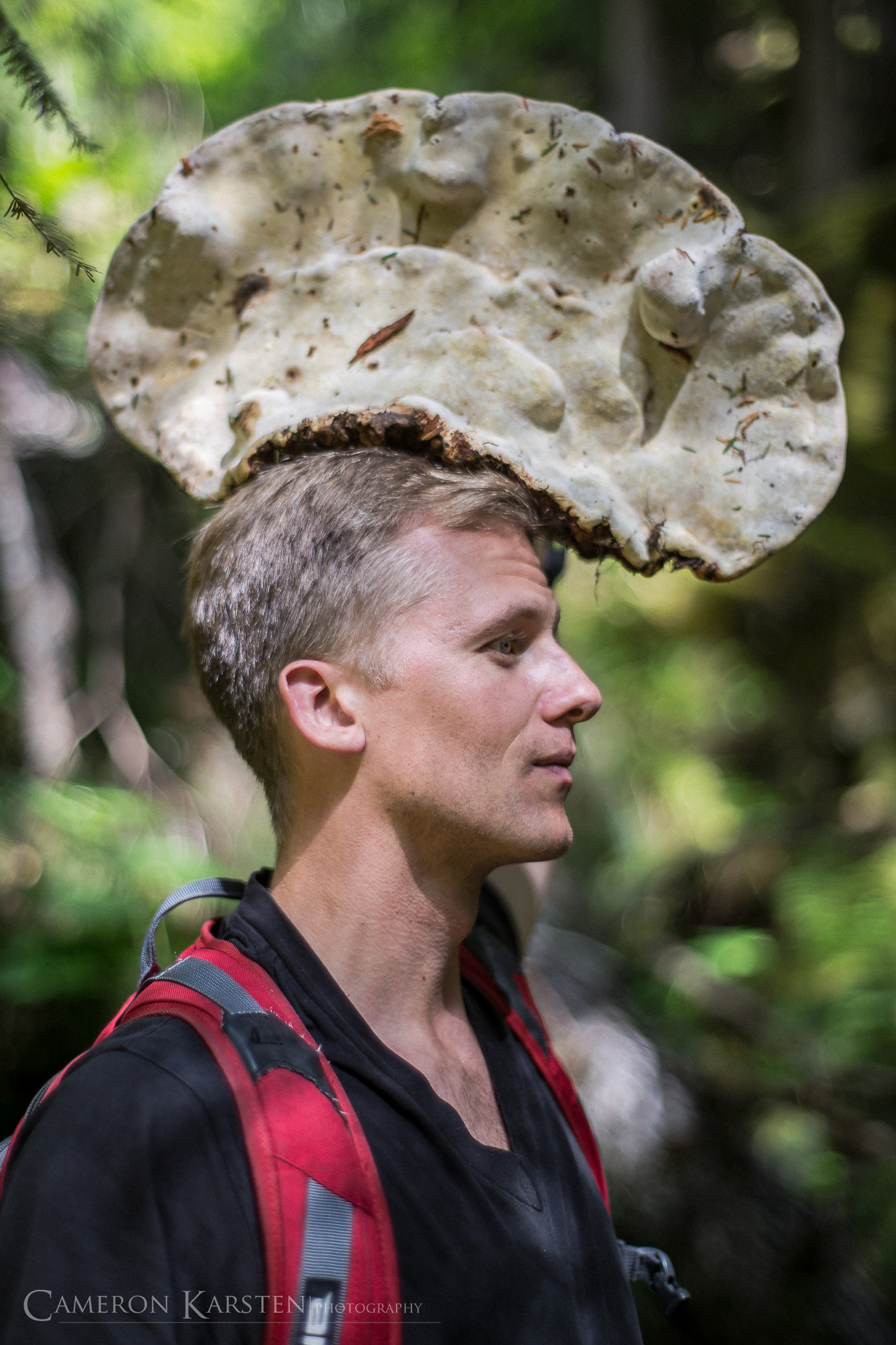
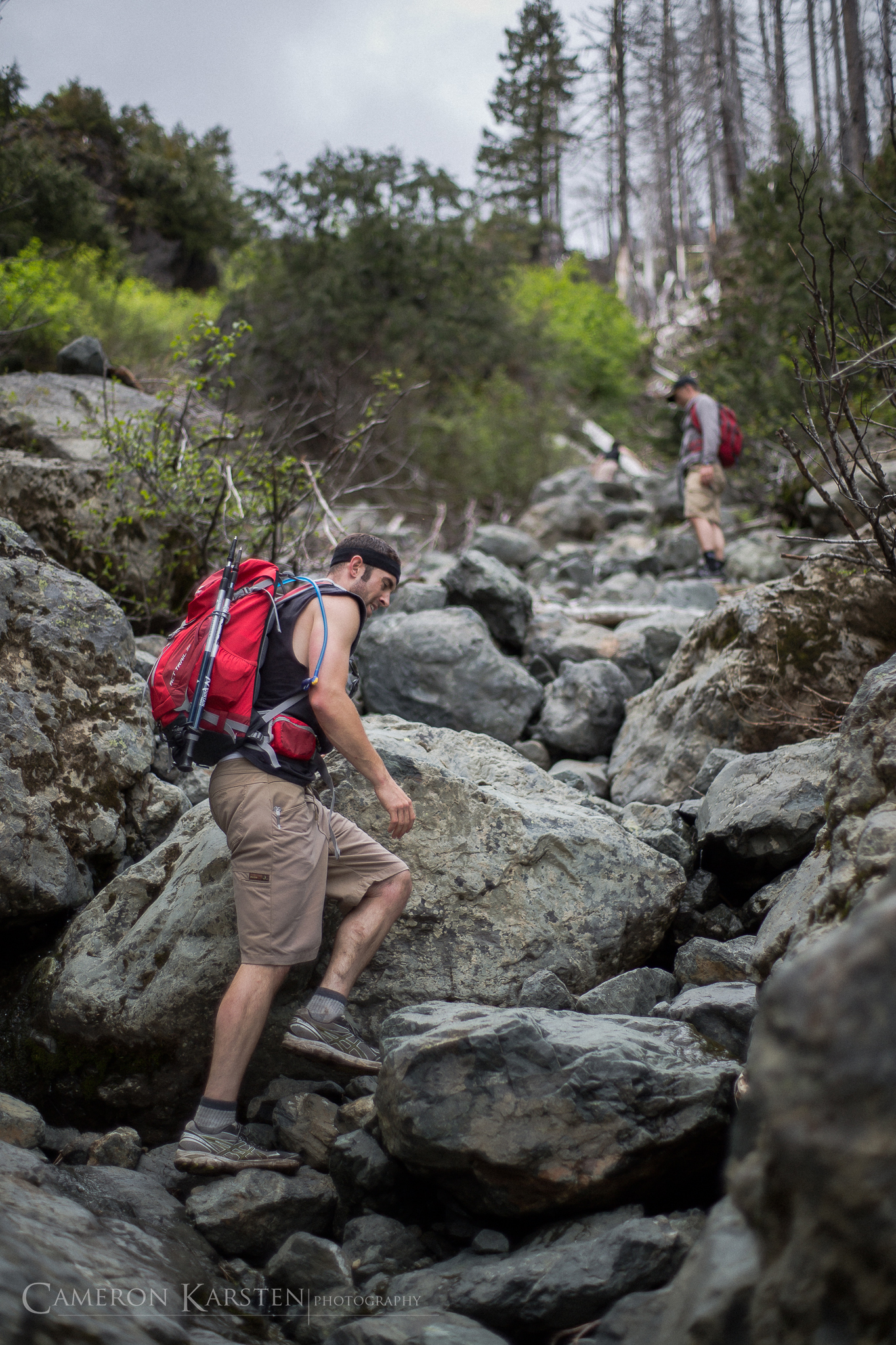
Spent a sunny summer day hiking to the base of The Brothers on the Olympic Peninsula, reaching just above the tree-line before running out of time. An hour and twenty minutes up to Lena Lake and then an additional three hours upwards. We passed below massive pines and wound through streams that disappeared beneath the riverbeds.
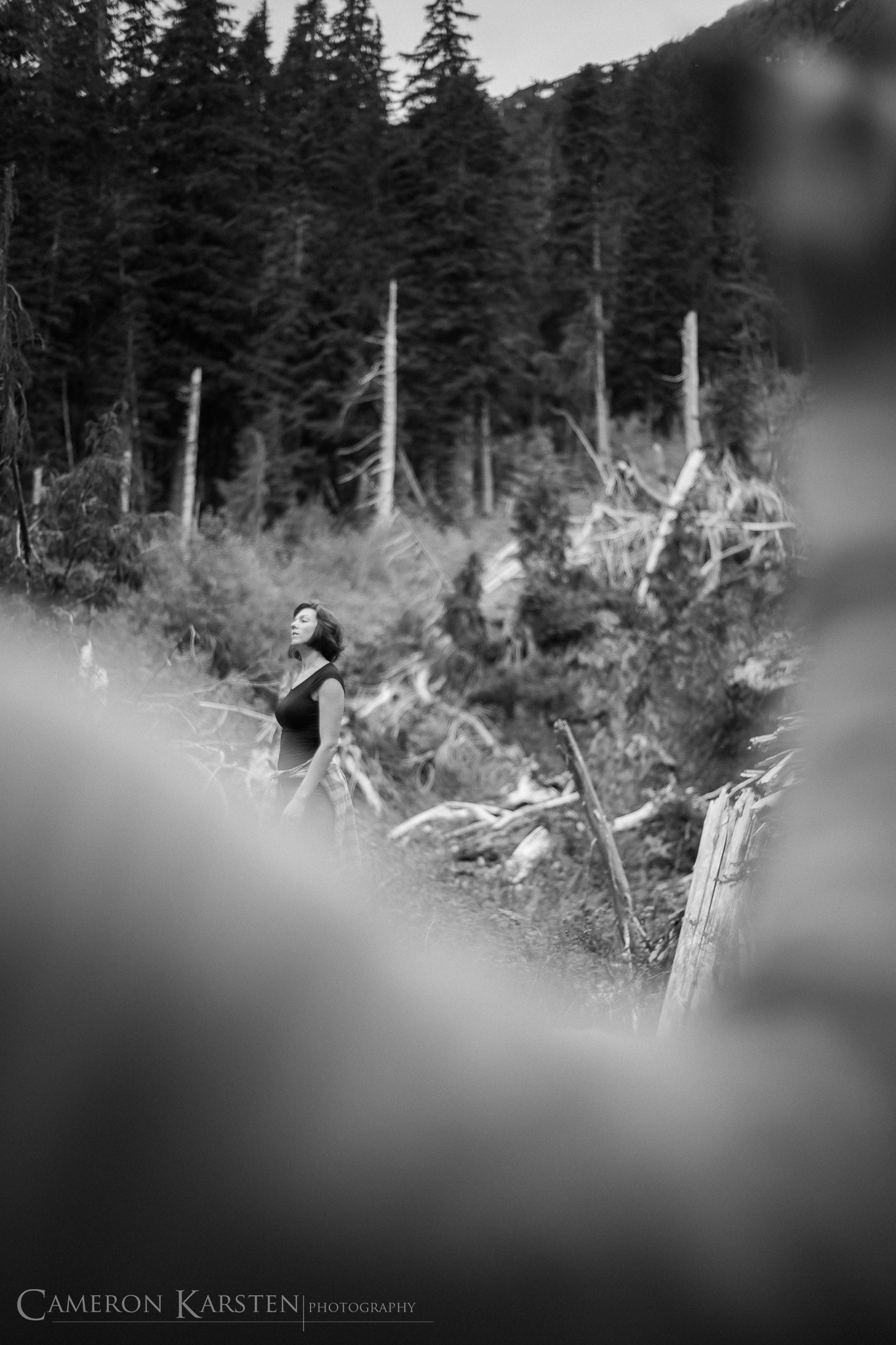
Post-Apocalyptic Youth Survival Group sneak peek!
Sneak peak of a Youth Survival Group shoot: In a post-apocalyptic world, a band of youths group together to fight the threats of day-to-day survival.
More imagery to come!
Location: Clear-Cut Field – Olympic Peninsula, WA
Camera/Lens Specifics: Canon 5D MarkIII w/Canon EF 24mm f/1.4L II USM Autofocus Lens
24mm, 1/160 sec at ƒ/18, ISO 100, tripod, composite.
Post: Capture One & Adobe PS6
Photo(z) of the Day: MK Cuttin’ It All Down
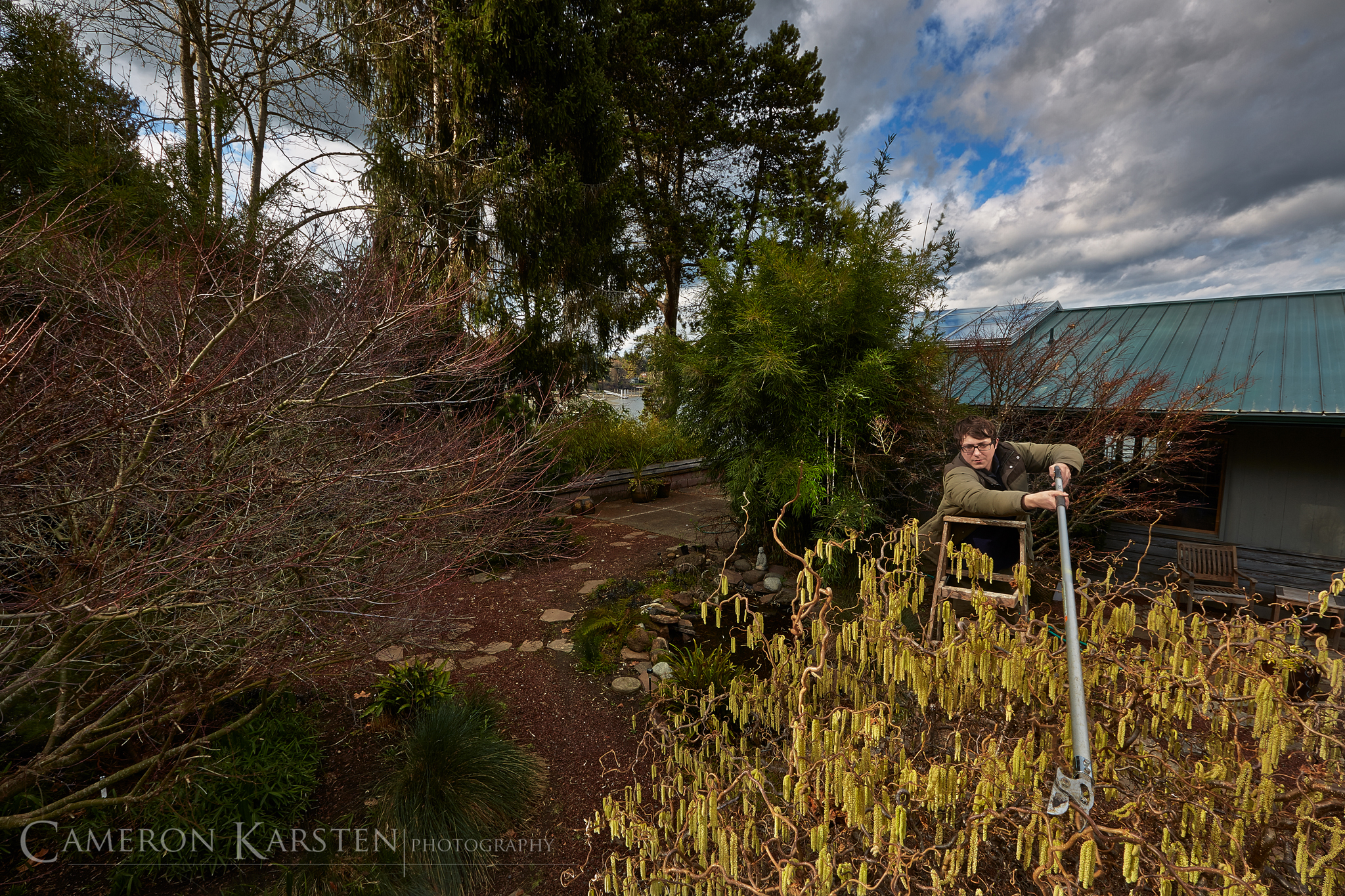
I invited Matt over on an unusually warm late winter day in the PNW. Two ideas: Matt in his element pruning trees outside (above); Matt taking the outdoor technique indoors and getting a little carried away (below).
This blossoming flibert tree (also known as a hazelnut tree) is a sign of the beginning of spring. The pollen on each flower is loaded, and the slightest gust of wind releases plumes of the fine yellow dust. Honey bees were loving it, one of their few choicest sources of food this time of year. Matt climbed the ladder. I positioned lights and posted on top of his car. Snap.
Banzai pruning is an artform, same as large-scale pruning, but on a different level. Instead of setting up Matt to look like a Zen master delicately snipping away at this miniature money tree, I wanted him to look guilty, cutting away his profits with shock and awe. Maybe it also reflects the scale of environmental damage that the fracking on the Bakken Shale in Montana and North Dakota cause, as well as the further advancement of permitting for the Keystone XL Pipeline. As an individual, spending his days outdoors working with trees, Matt chooses the preservation and cultivation of nature over the growth of the “money tree”.
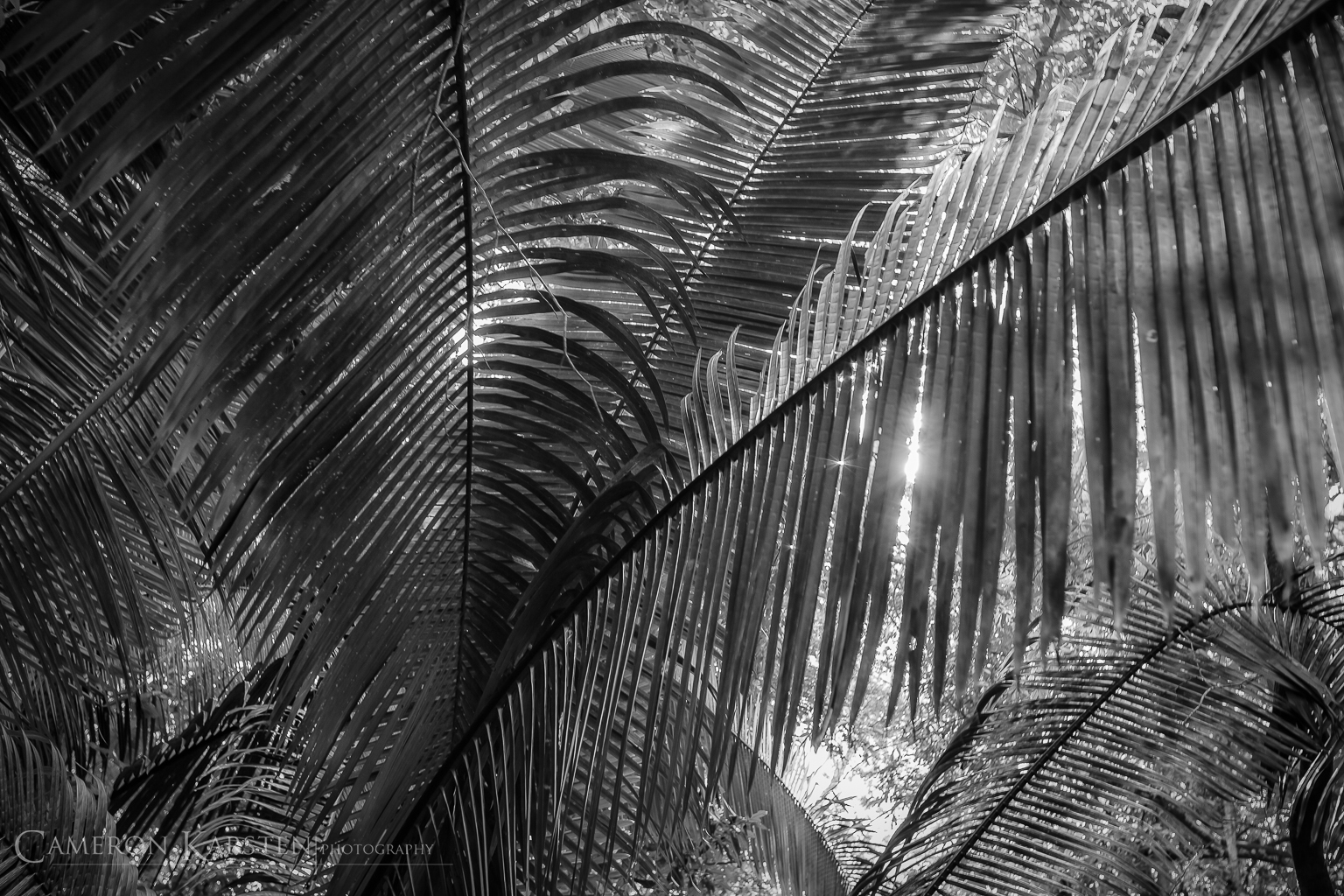
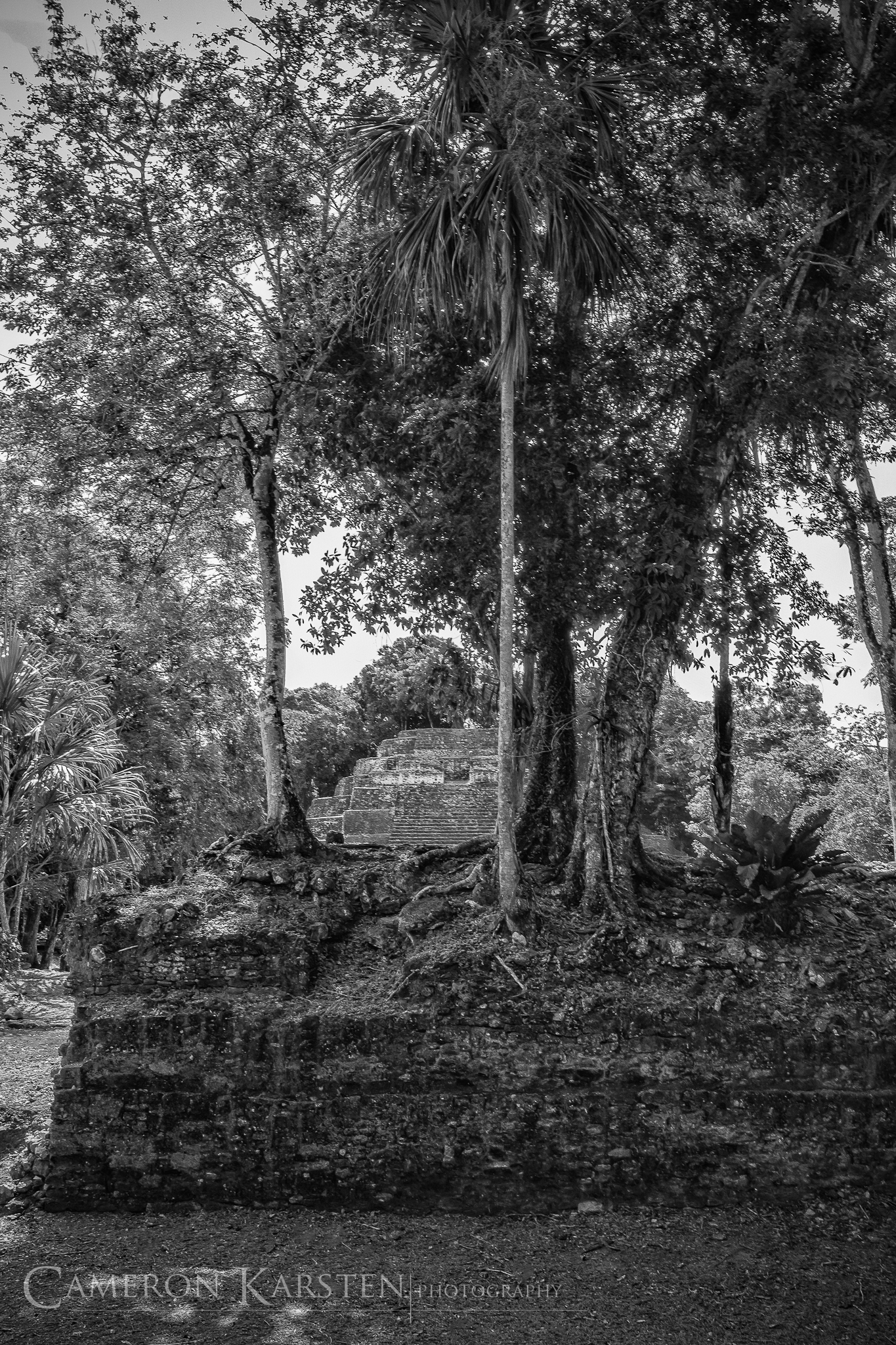
Photo Essay: 12/21/12, Lamanai, Mayan Ruins, Belize (not the end of the world)
As prophesied throughout the Western world, 12/21/12 was thought to be the last day of civilization, the last Friday, the end of the Mayan calendar. But as expressed via the wisest of the oldest known cultures (i.e. Hindu culture, i.e. Mayan culture), civilization does not come to an end, but embarks upon a new era. Within tens to hundreds of thousands of years, humanity lives through periods of certain growth. The Hindu calendar currently resides within the Kali Yuga, which according to ancient scriptures began in 3012 BC and is expect to last 10,000 years. The Mayans have a similar system. December 21st, 2012 was the end of an era, specifically the 13th Baktun, a 5,125-year cycle overall. The Mayan Long Count Calendar continues.
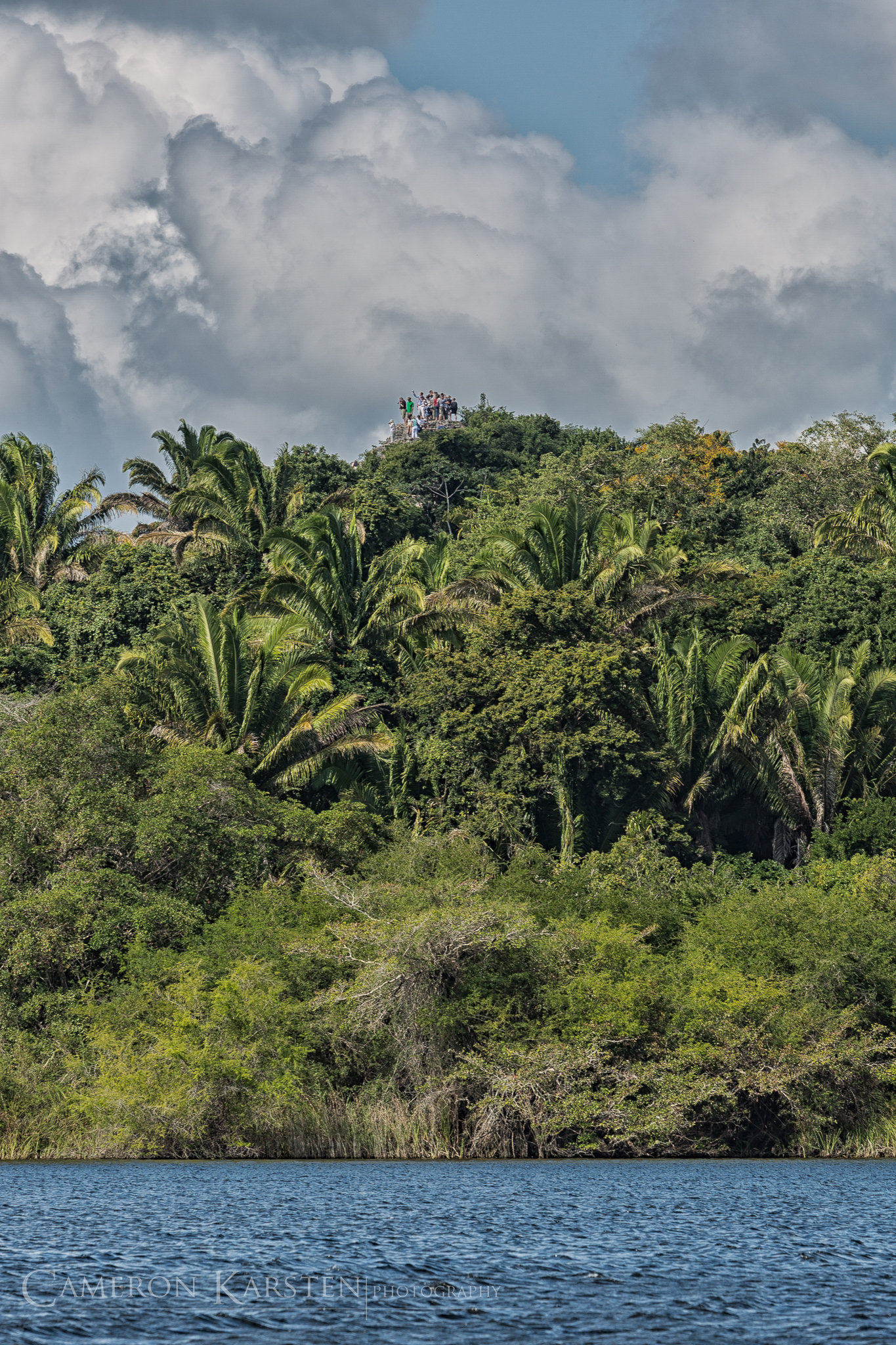
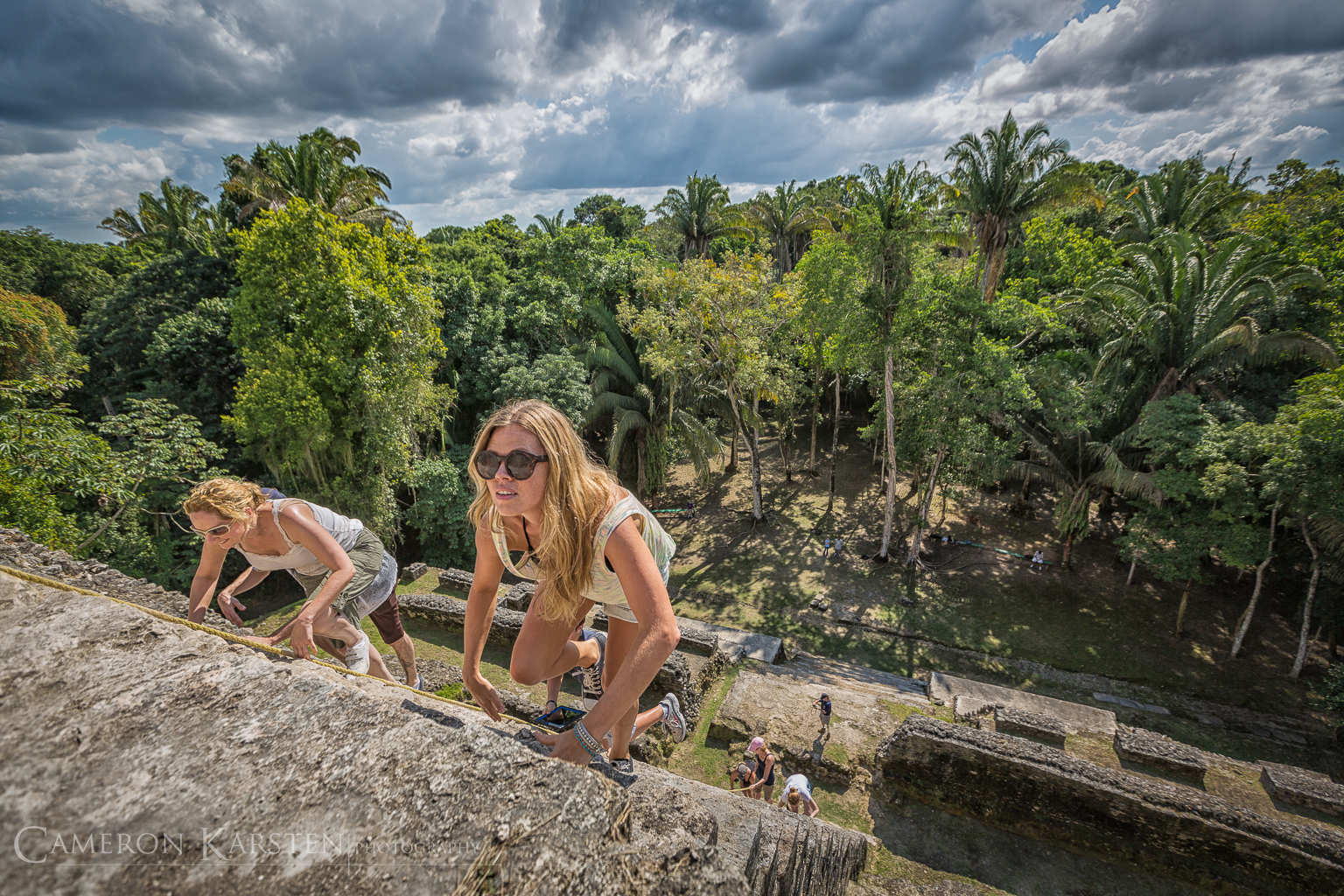
And so, we embark into a new cycle of life (according to the Mayans), and on that fateful day of Friday, December 21st, 2012, we visited Lamanai, the one of many Mayan ruins located within the jungles of Belize. We found plenty of old, and many things anew.
Visitors standing atop the largest remaining temple dedicated to astrological research.
A local rum distillery, located directly next to a rehabilitation center for rich foreigners…
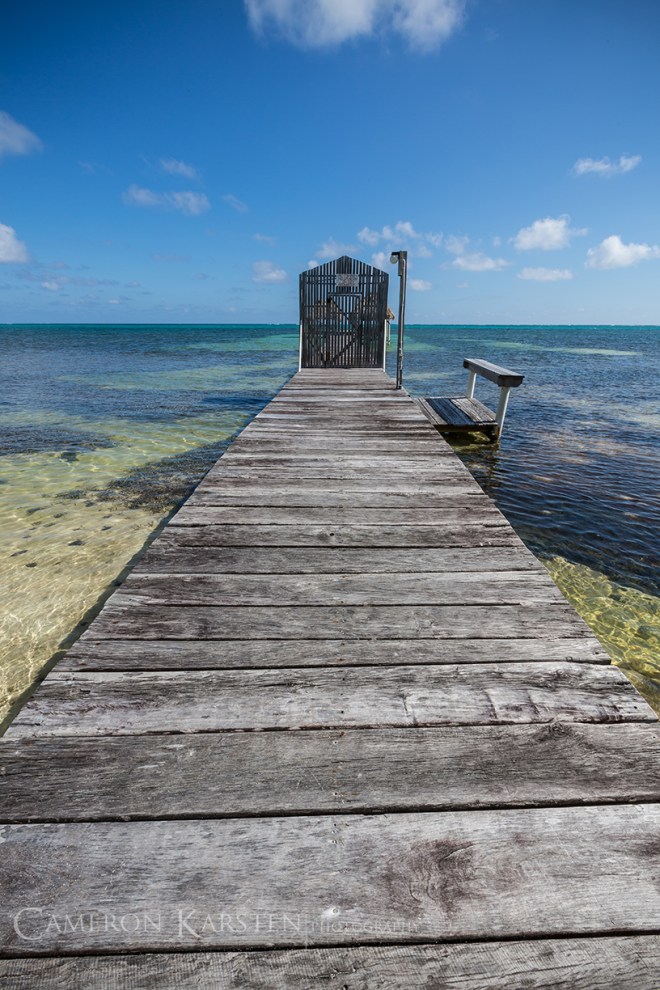
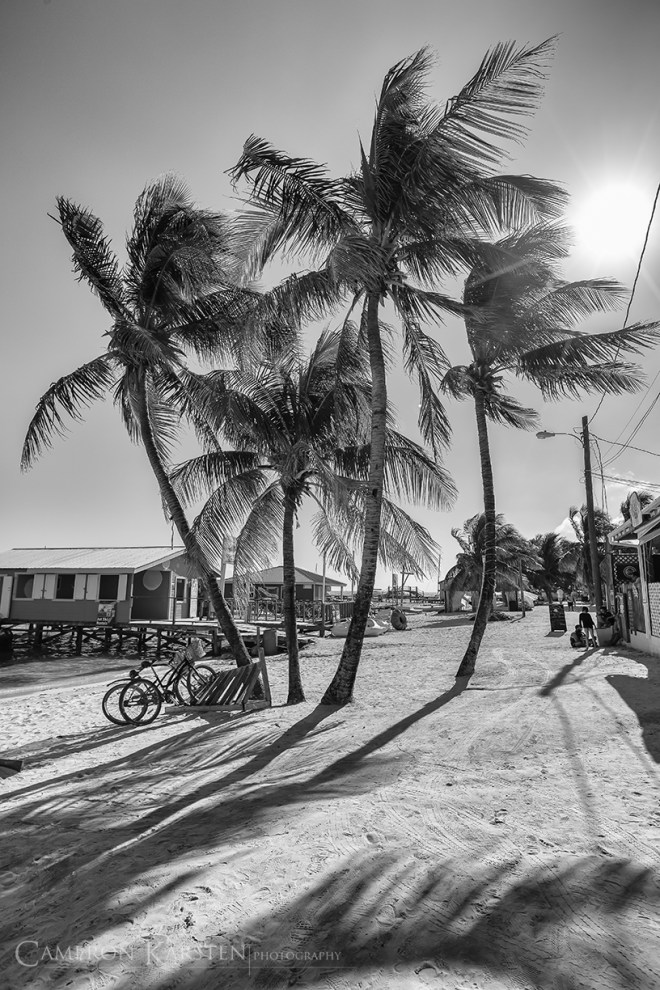
Photo Essay: Belize in Winter
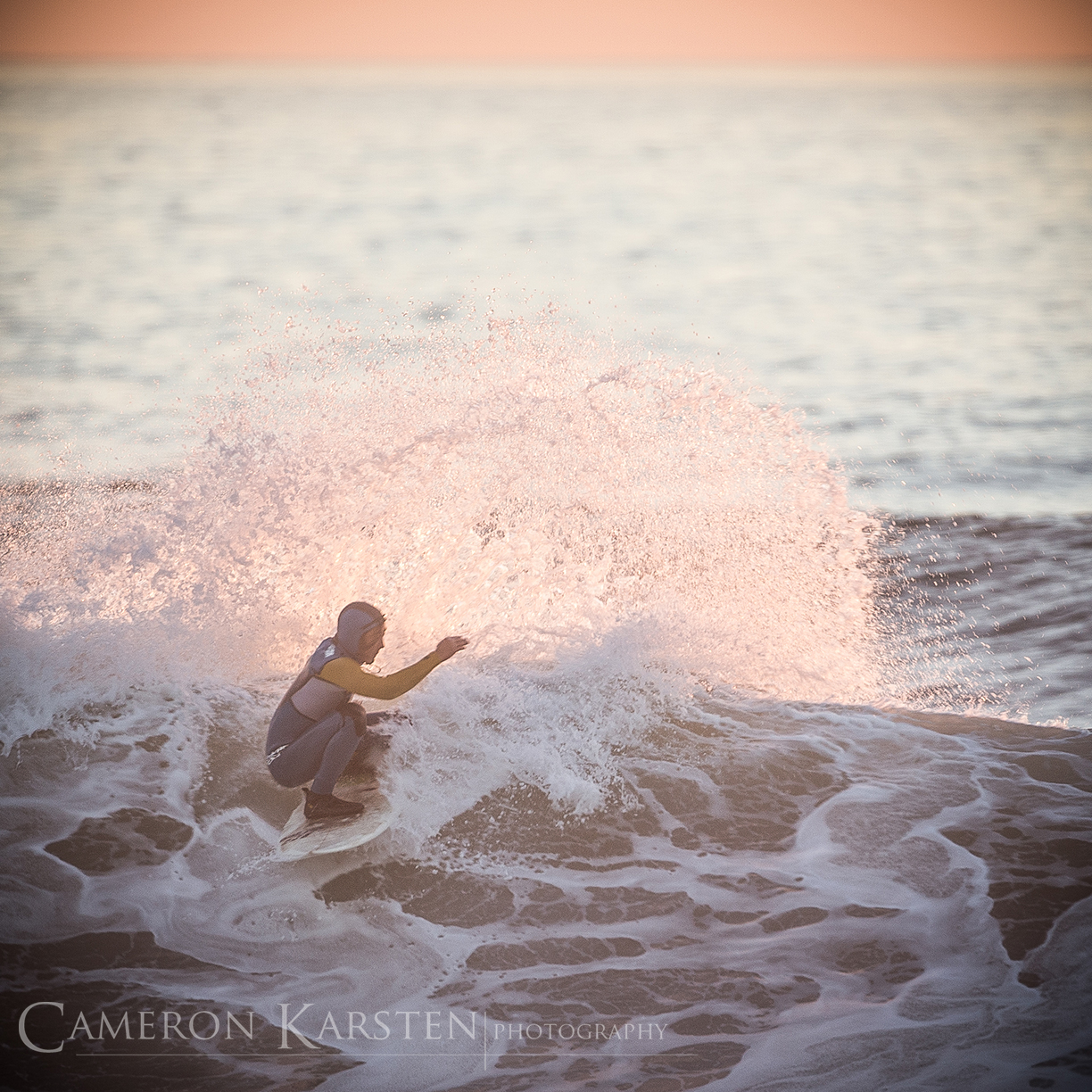
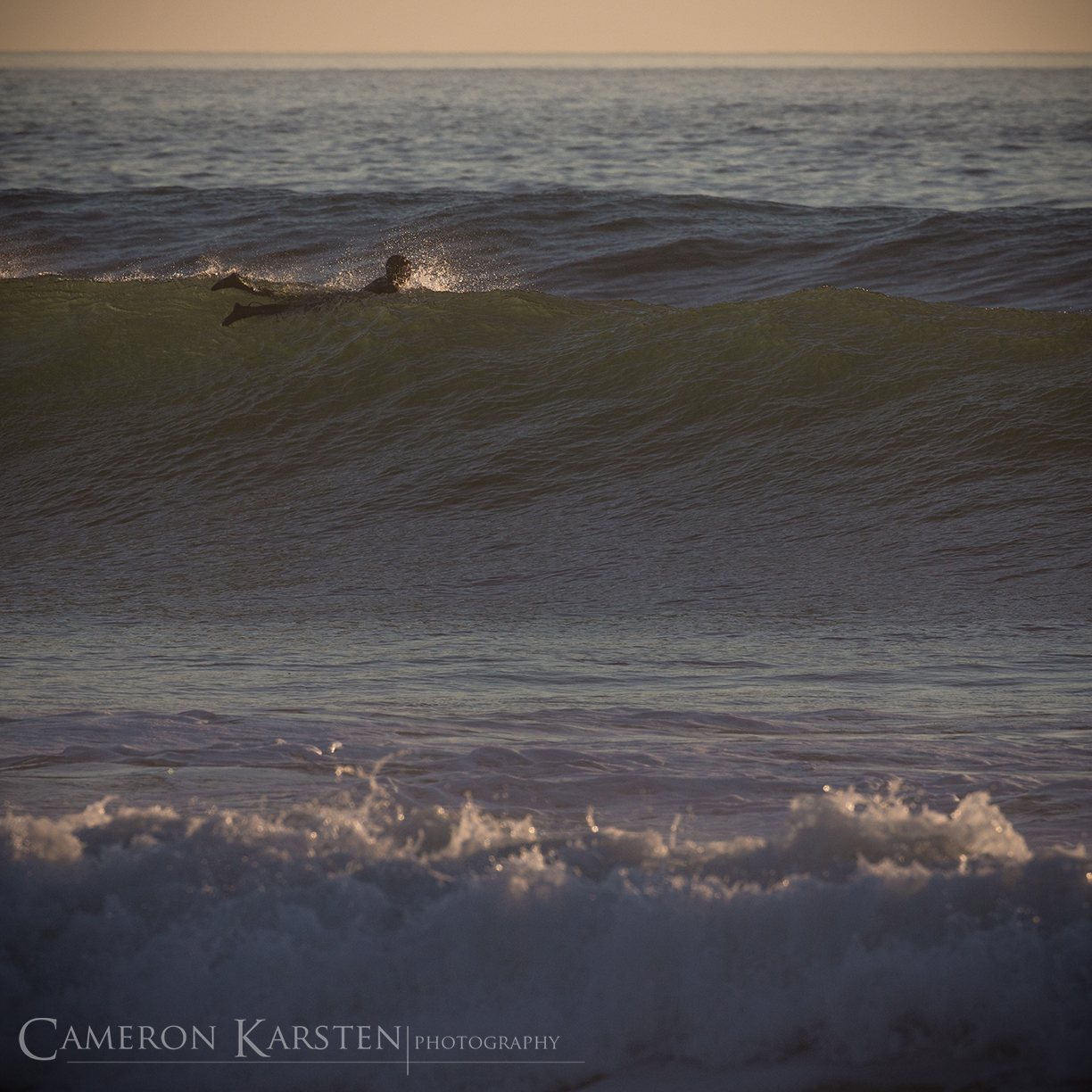
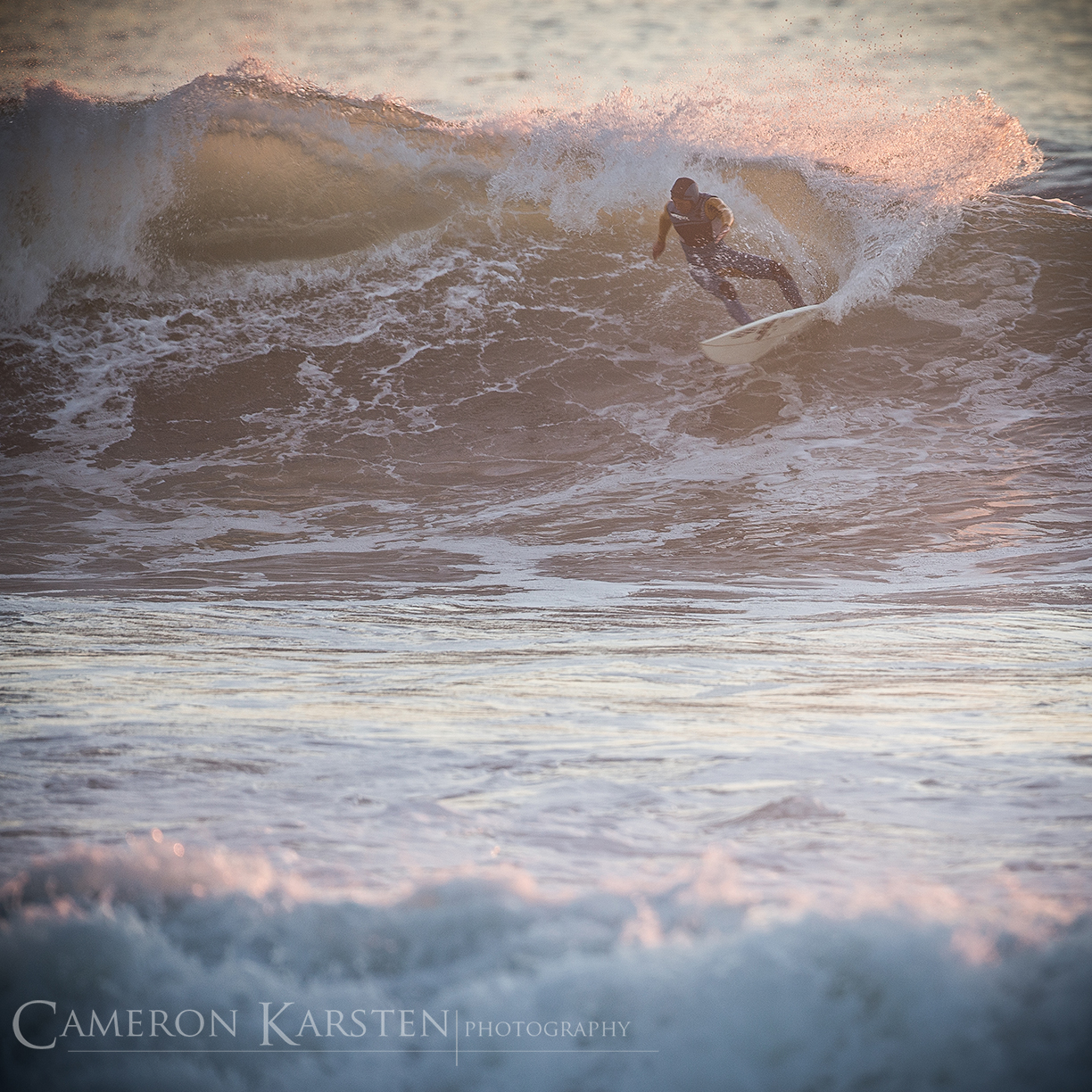
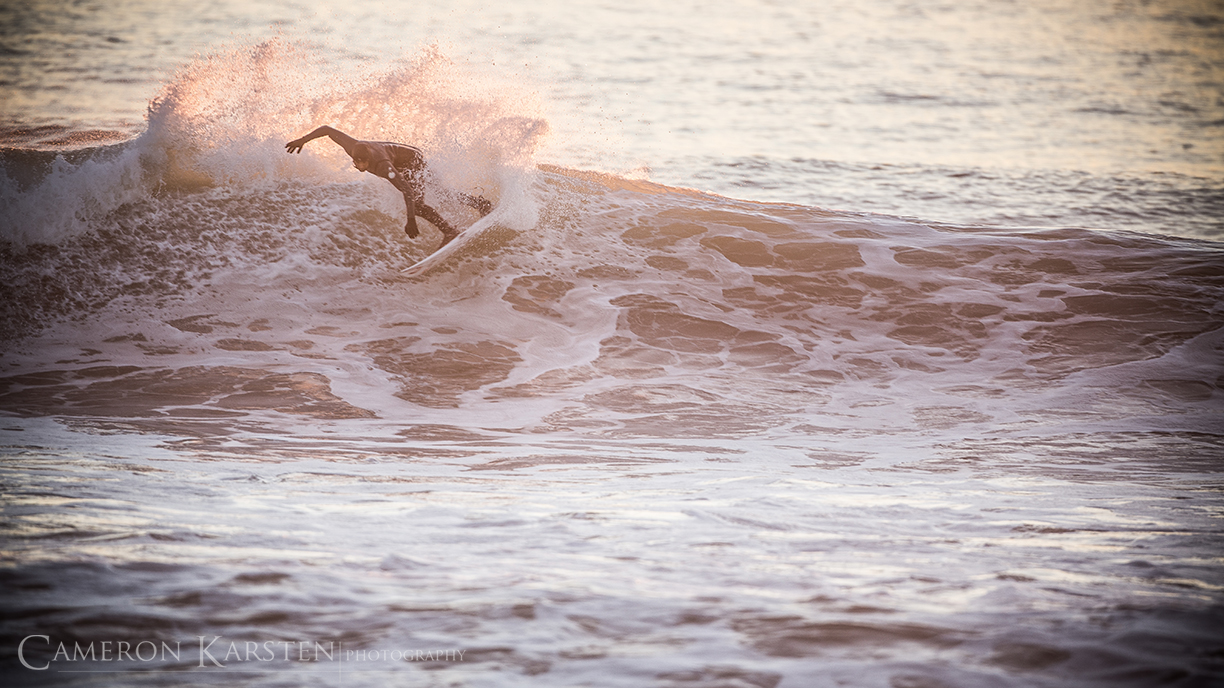
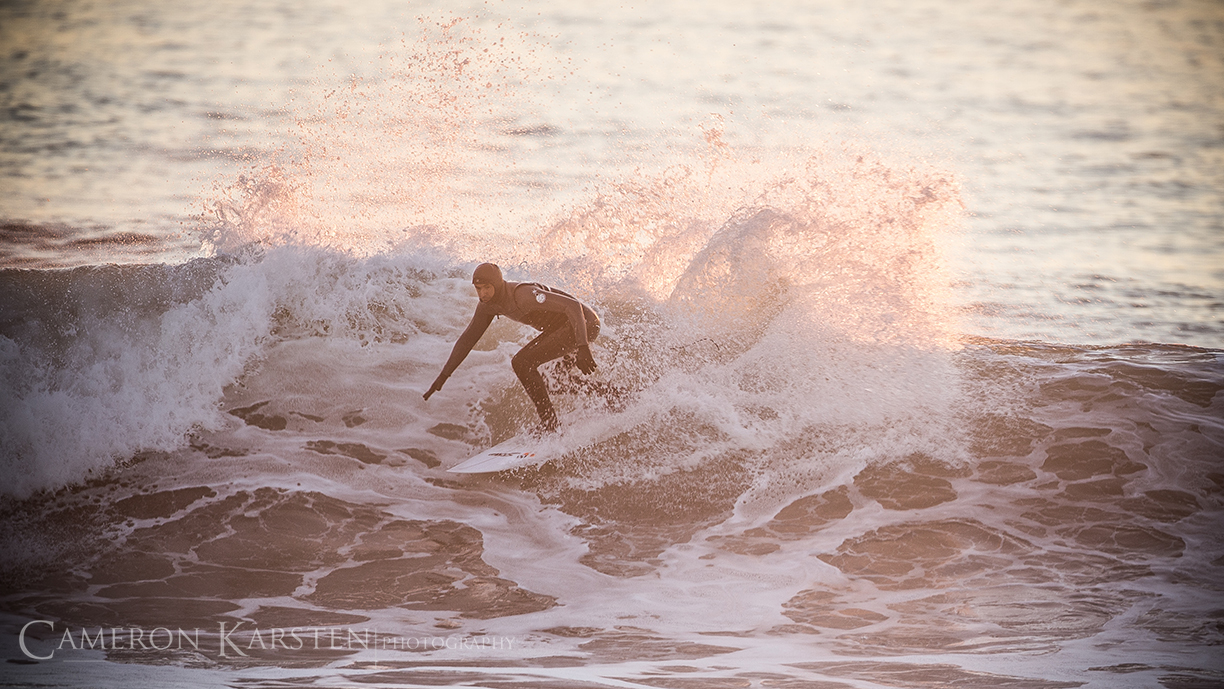
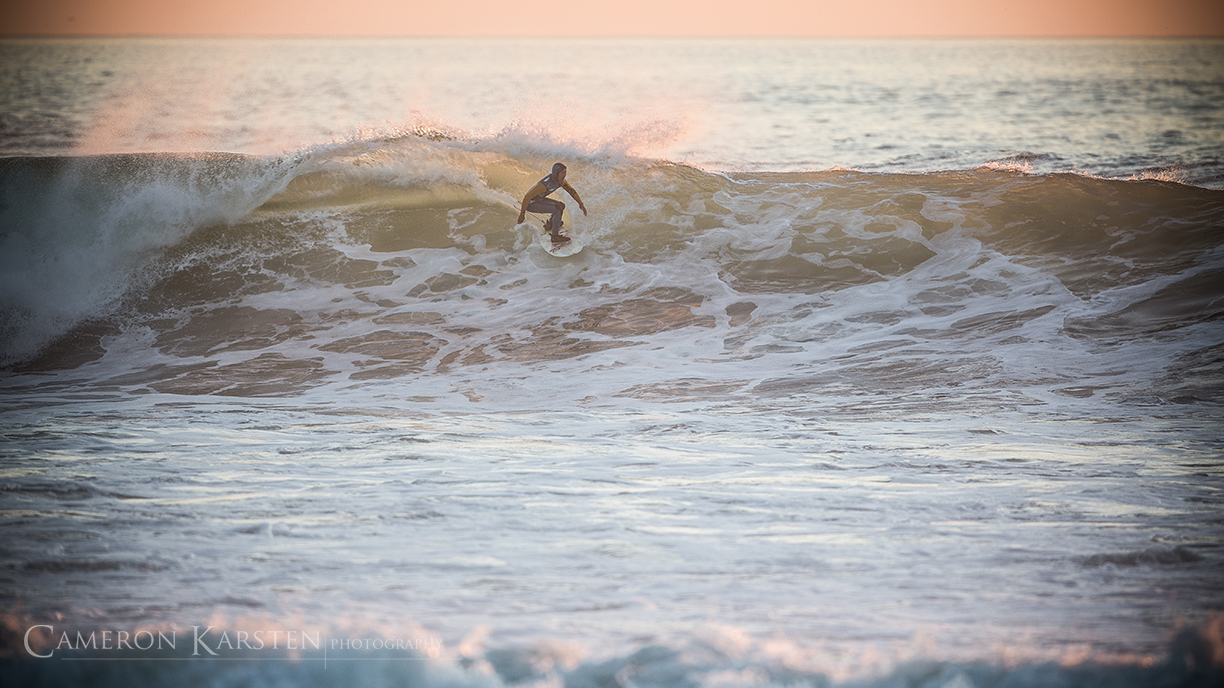
Dog Days of Summer: PNW Surfing
With the summer gone and while shuffling through imagery for a short film I’m putting together, these images remind me of what warmth use to feel like on the coast of Washington. However, come the cold water arrives a beautiful swell. As the season turns on in the PNW, the last thing I want to do is sit on the shore and shoot. ‘Til next summer.
Location: Somewhere on the West Coast
Camera/Lens Specifics: Canon 5D Mark III with Canon EF 500mm f/4L II USM Lens
various settings, tripod.
Post: Adobe LR4 & PS6
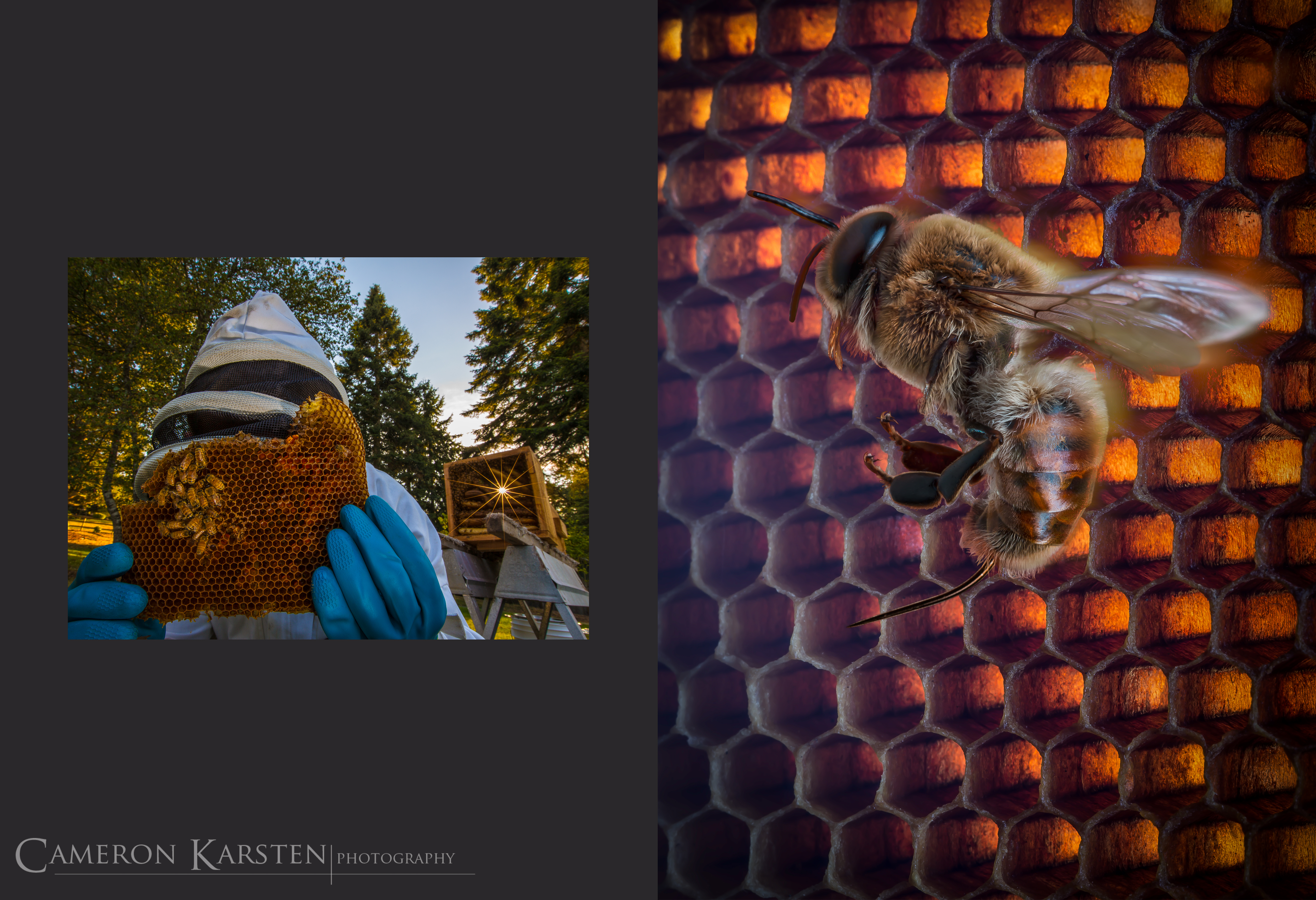
Photo of the Day: Bee vs. Bee-Keeper
Location: Bainbridge Island, WA
Camera/Lens Specifics: Canon 5D Mark III with Canon EF 16-35mm f/2.8L II USM Lens and Canon EF 100mm f/2.8L IS USM Macro Lens
Composites
Post: Adobe LR4 & PS6
After my adventures with bee-keeping, I spent an afternoon this fall harvesting 20lbs of fresh honey from my hives. I could have collected more, but the honey they gather throughout the spring and summer becomes their food surplus for the cold fall and winter months ahead. They were already pretty pissed, as one can tell.