All Across Africa – Women’s Cooperatives in Rwanda

Day1_Weavers_BuyDay-891

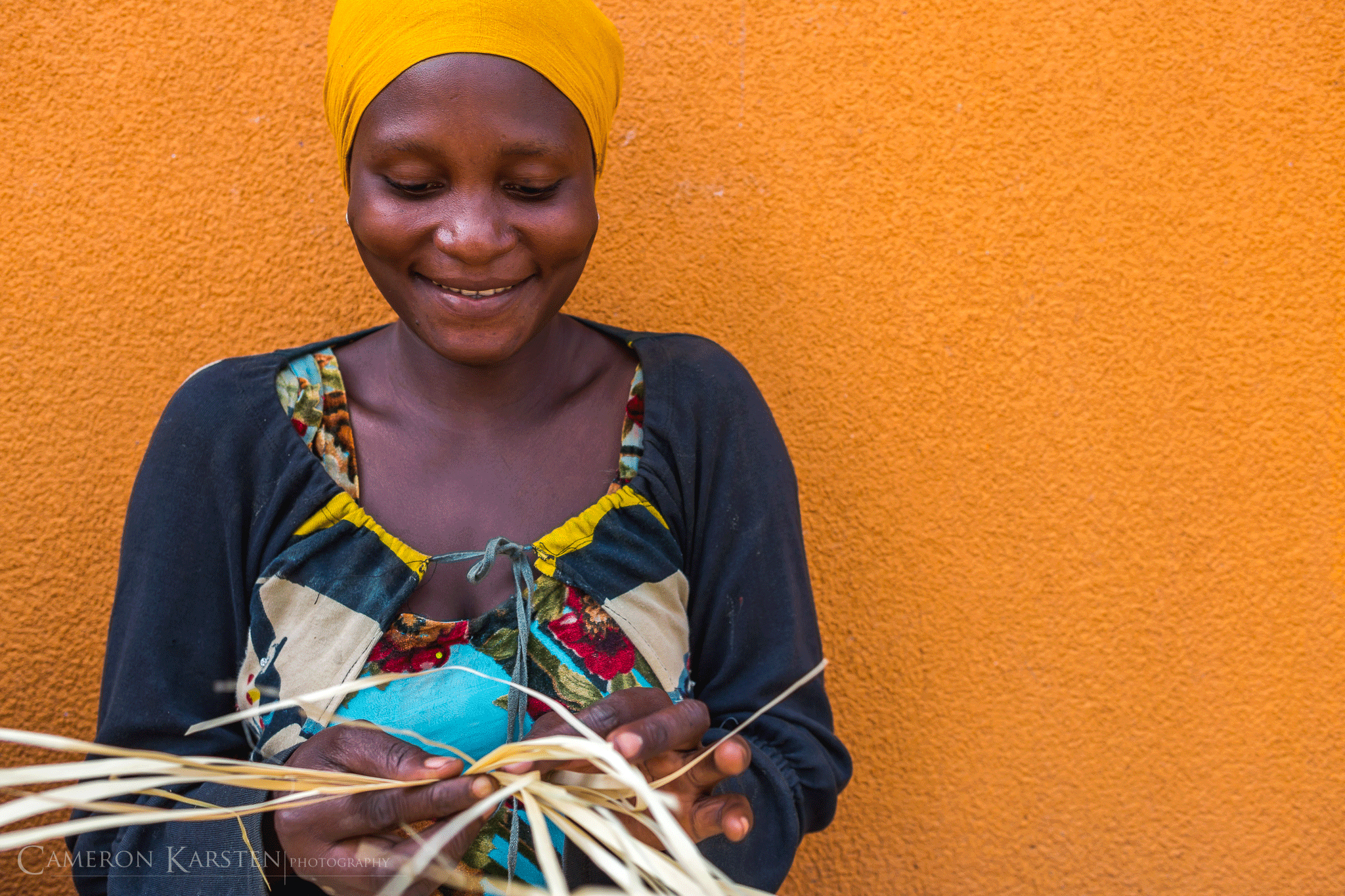
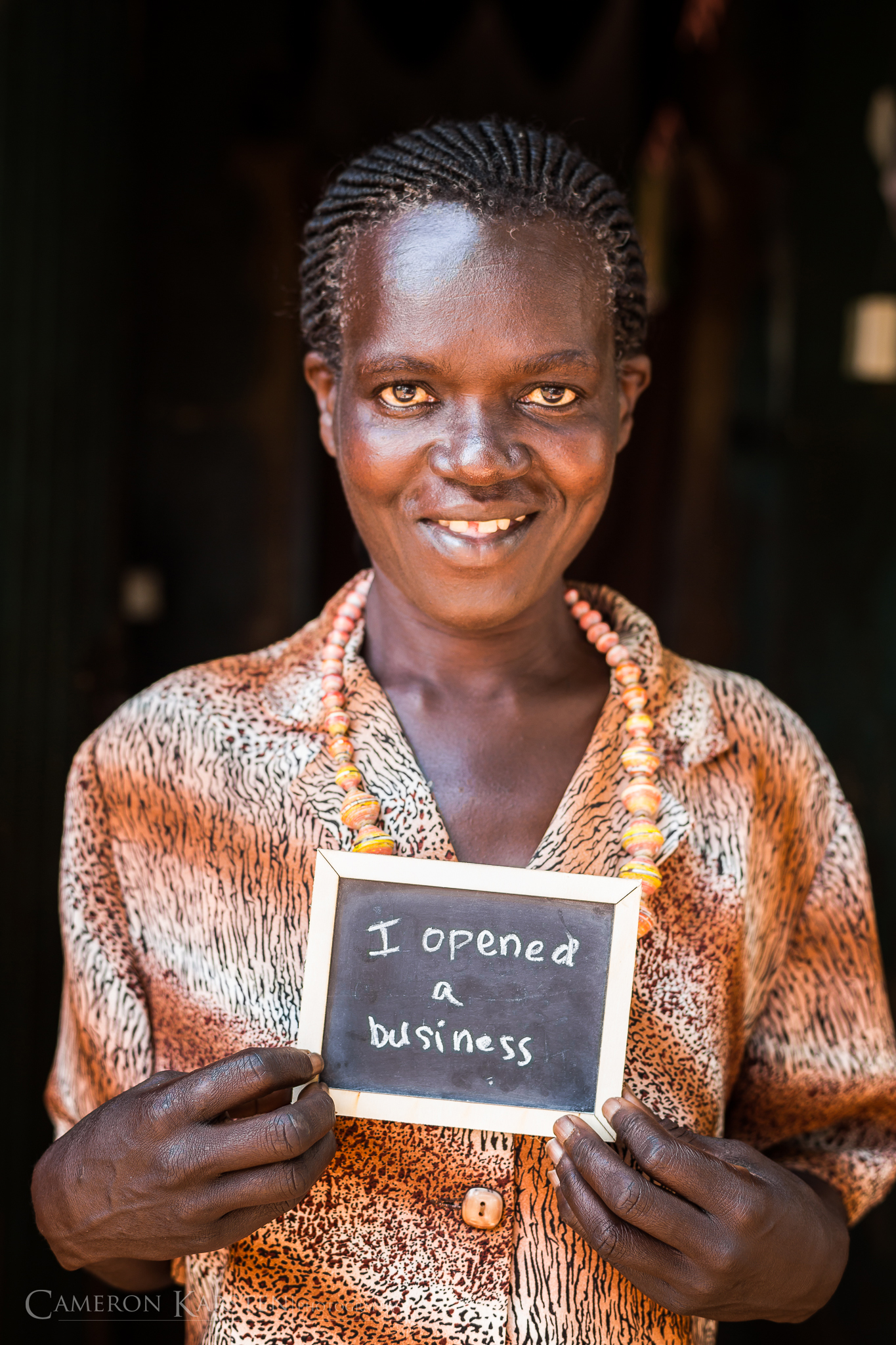
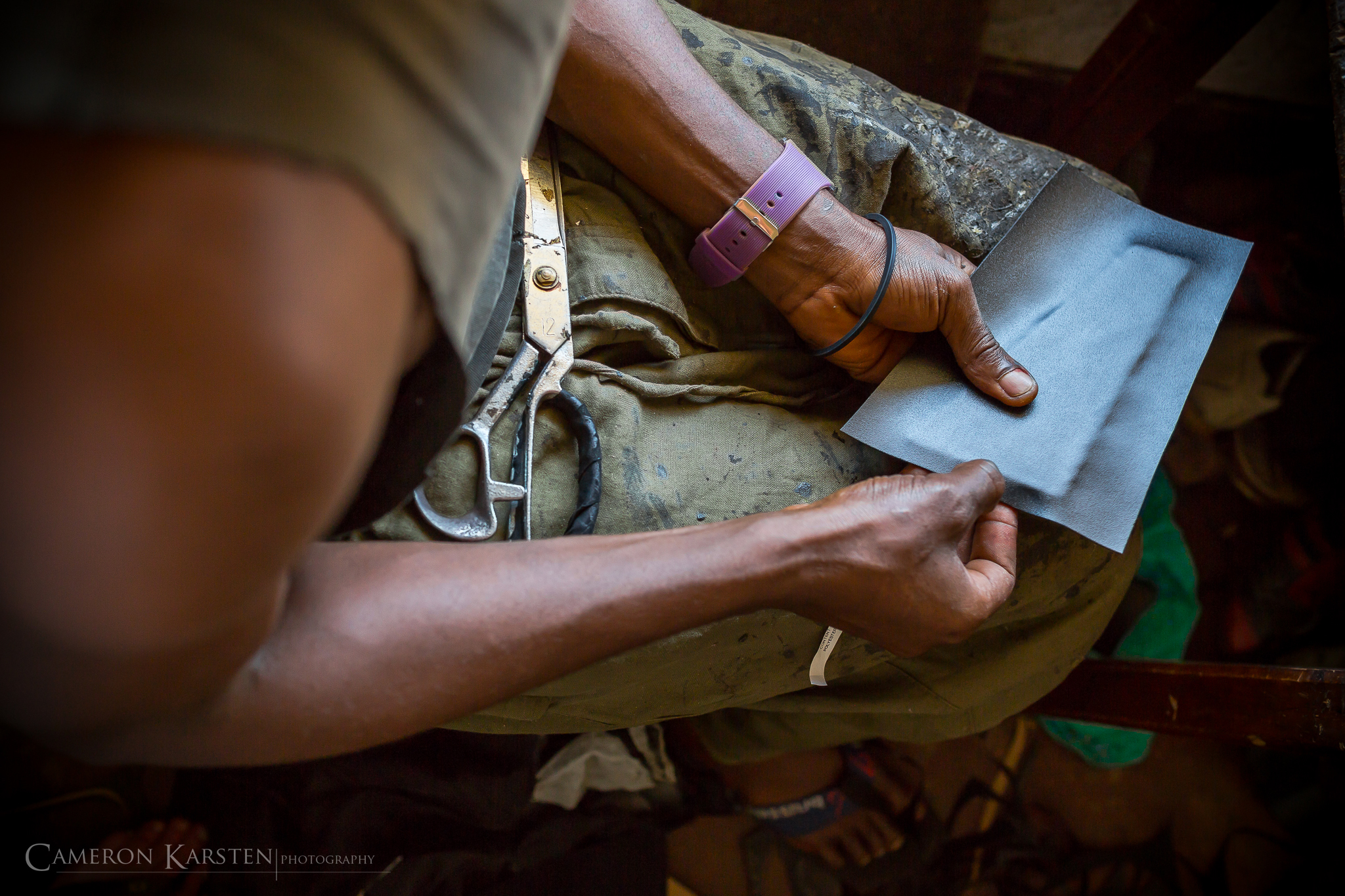
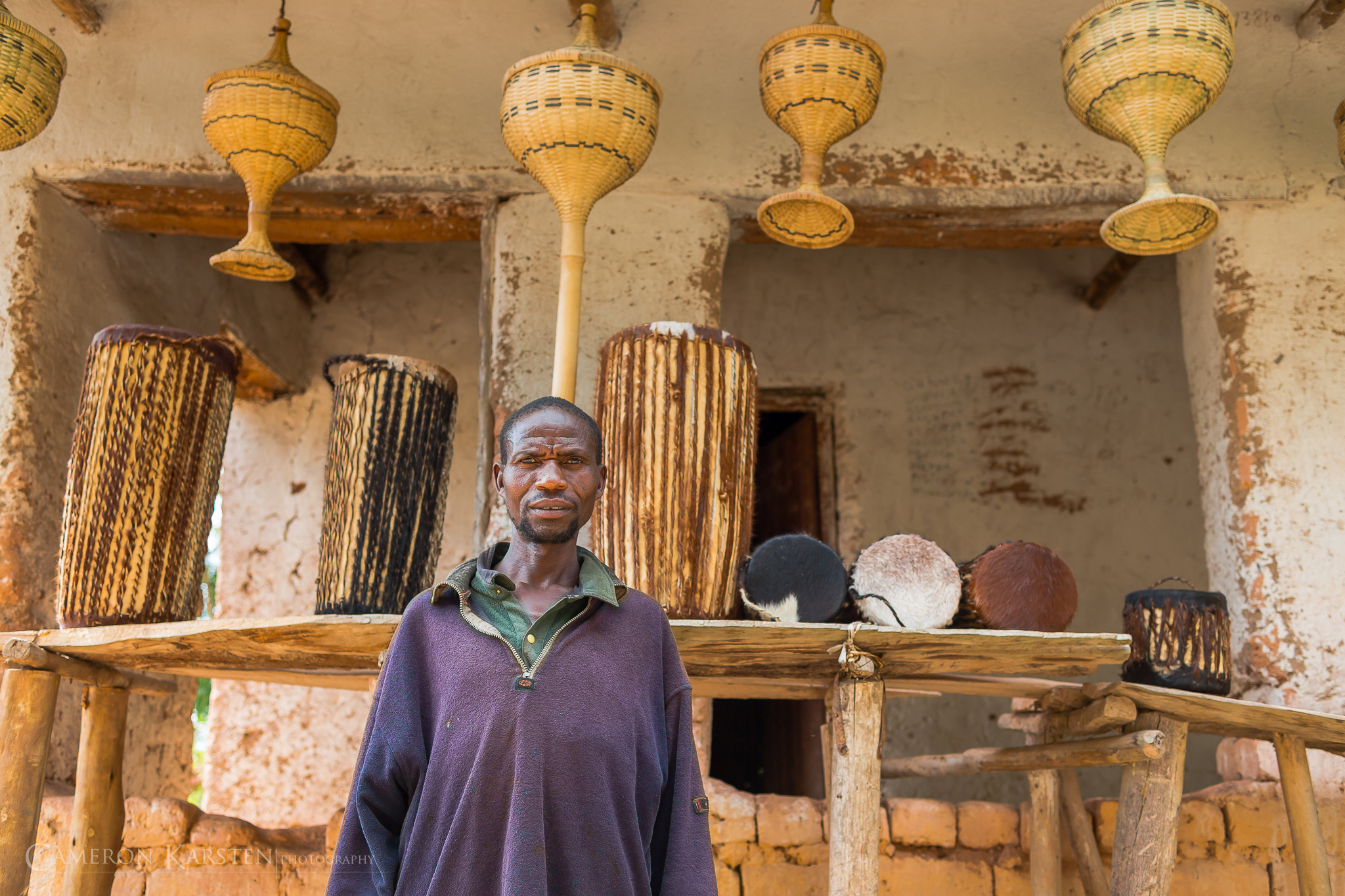
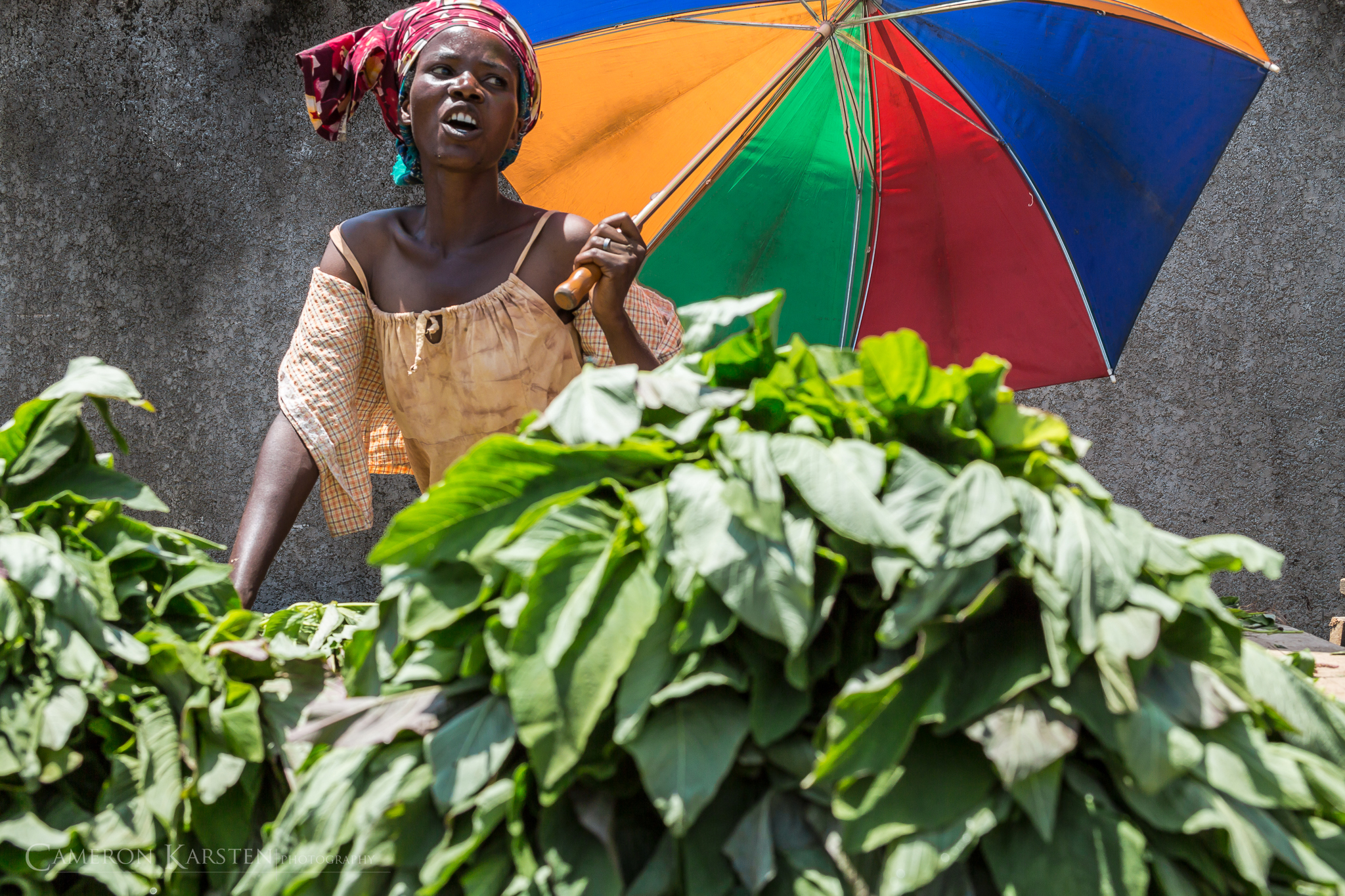
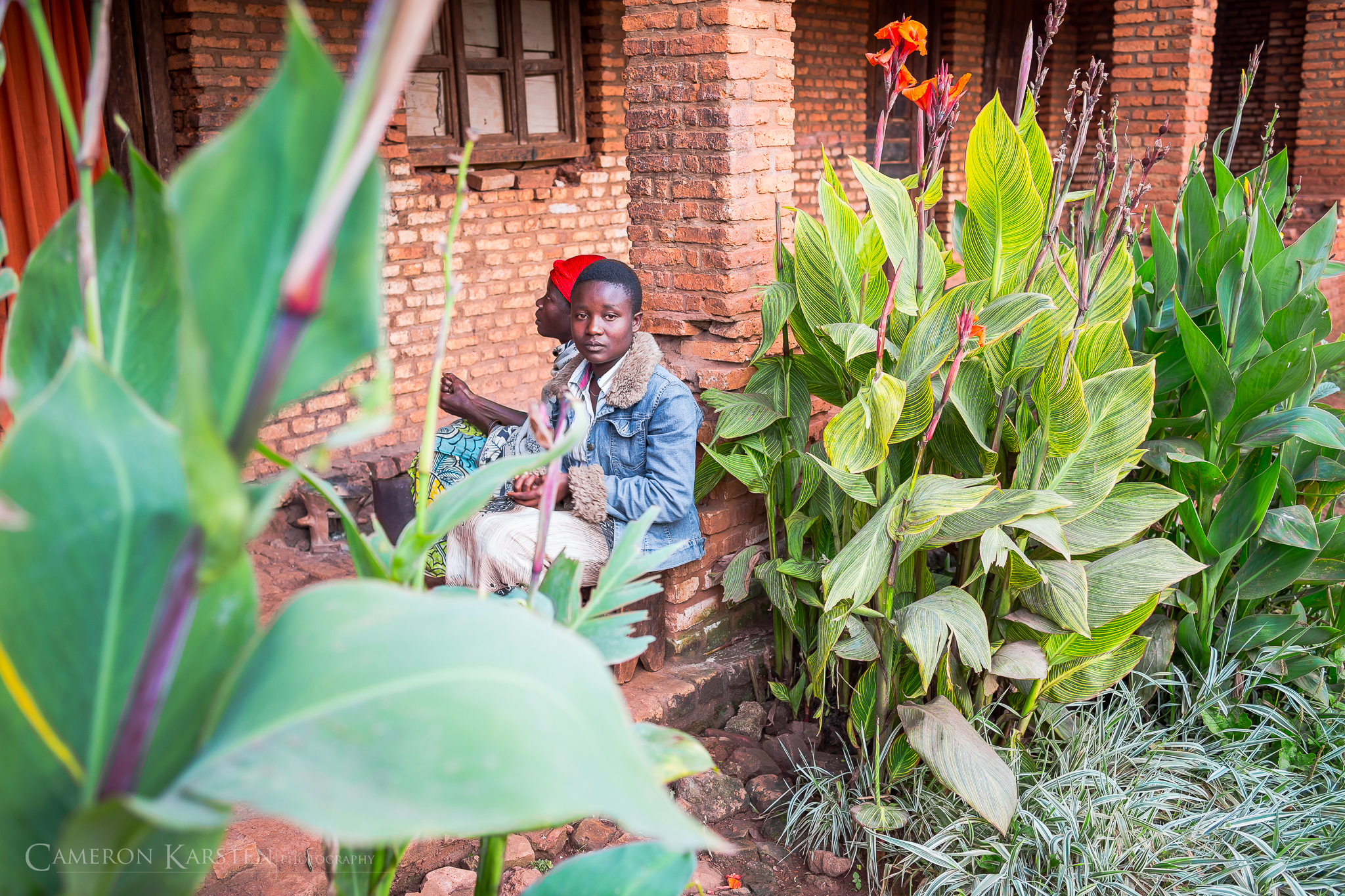
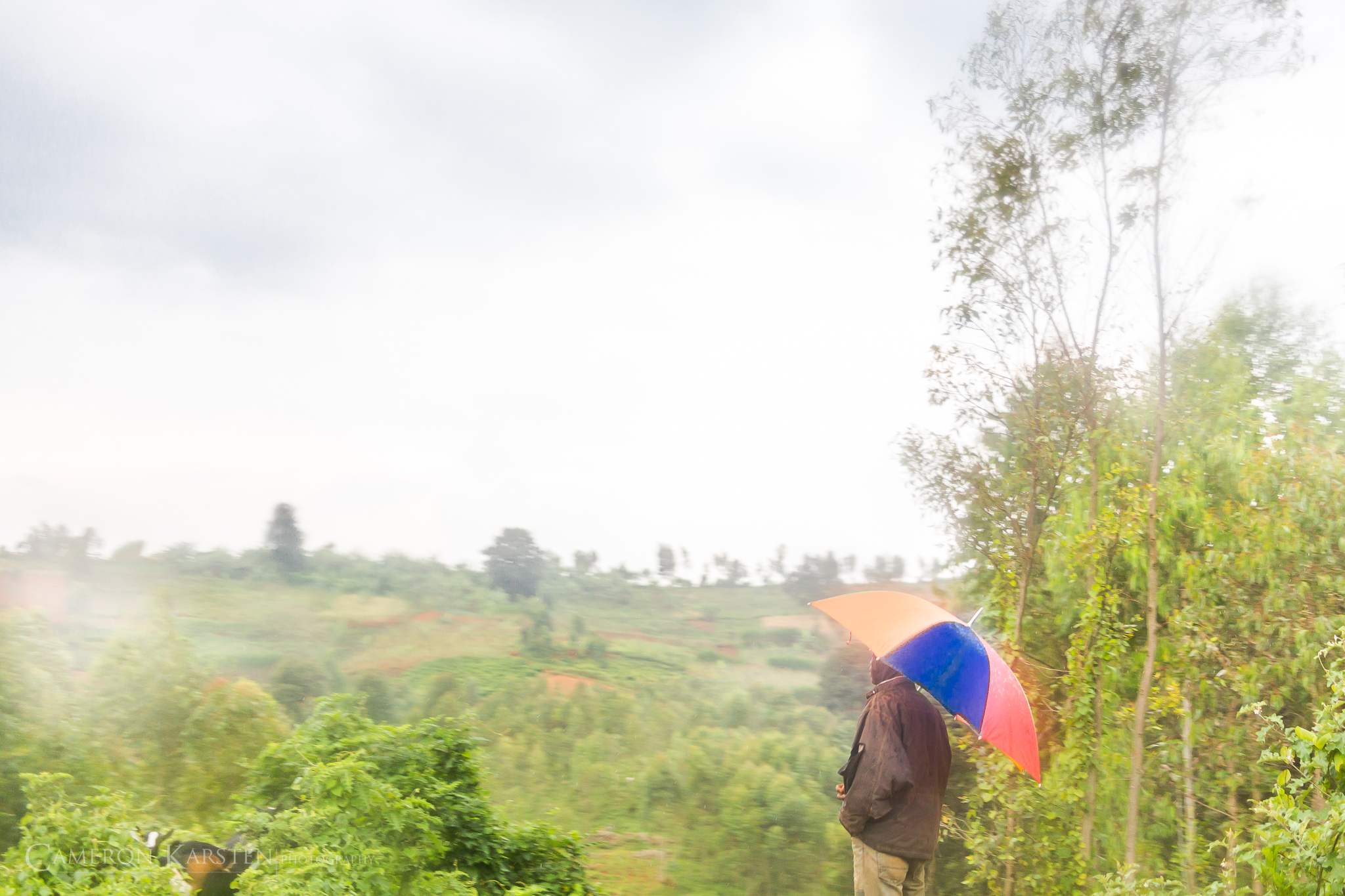
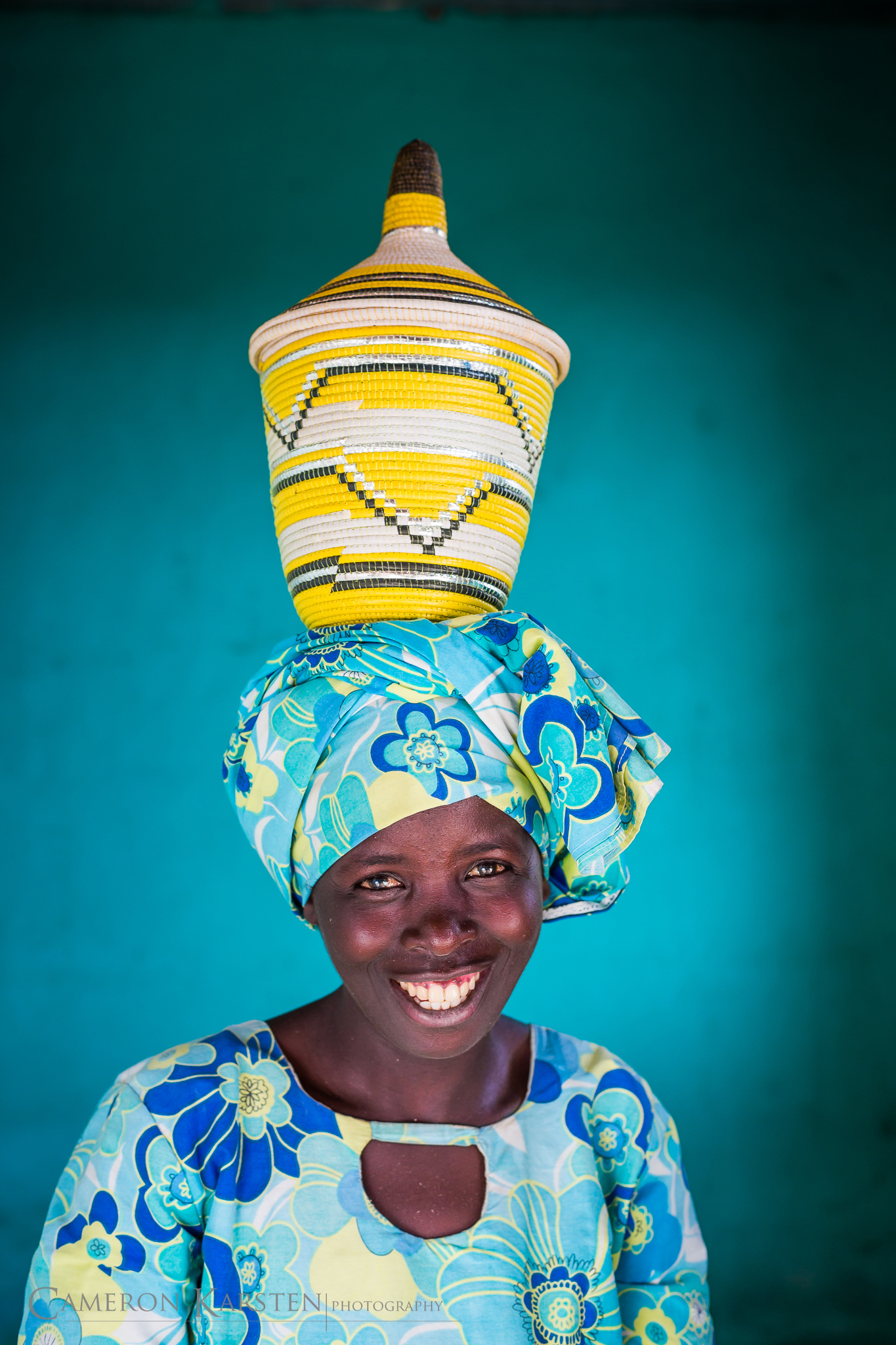
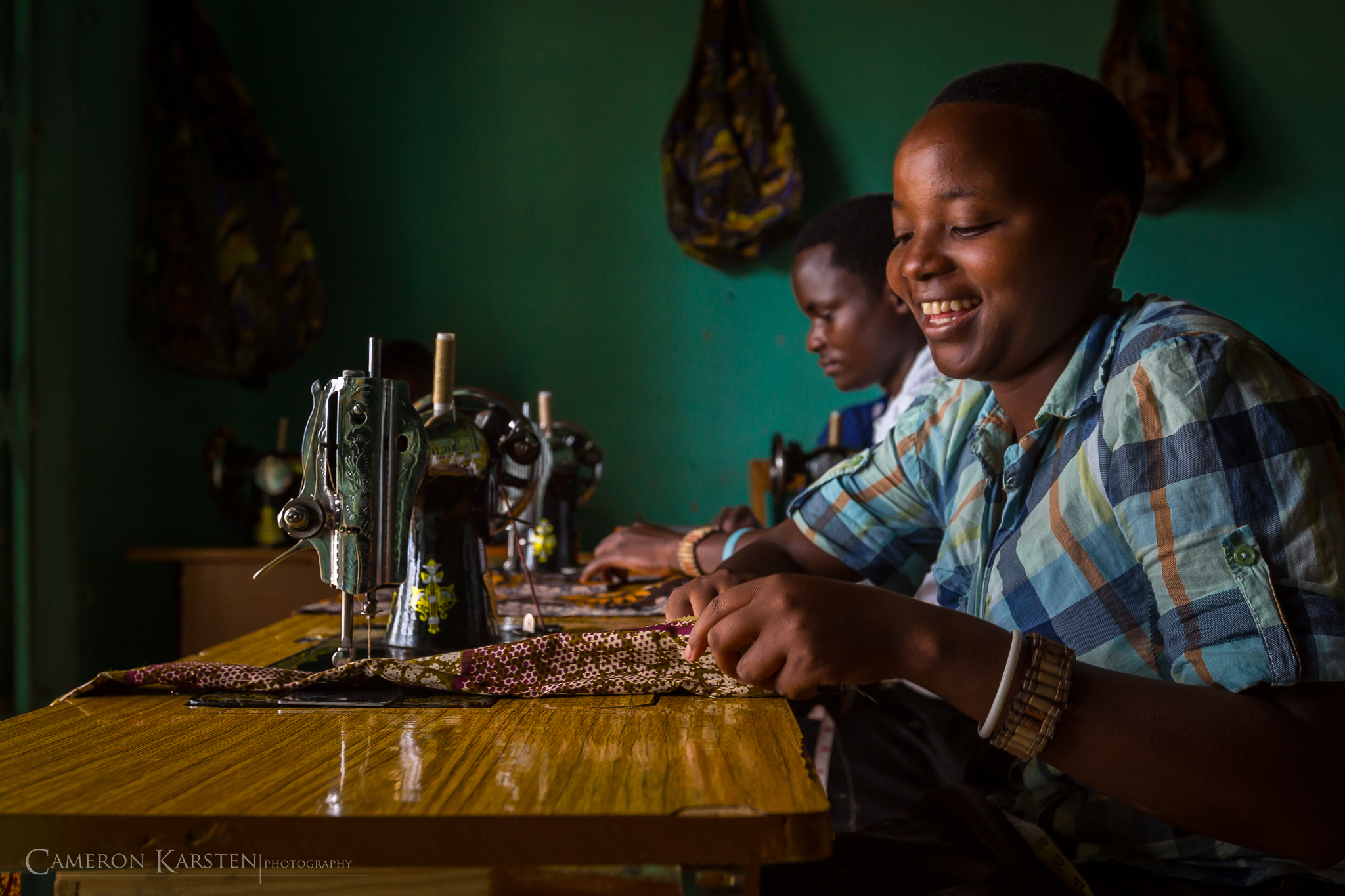
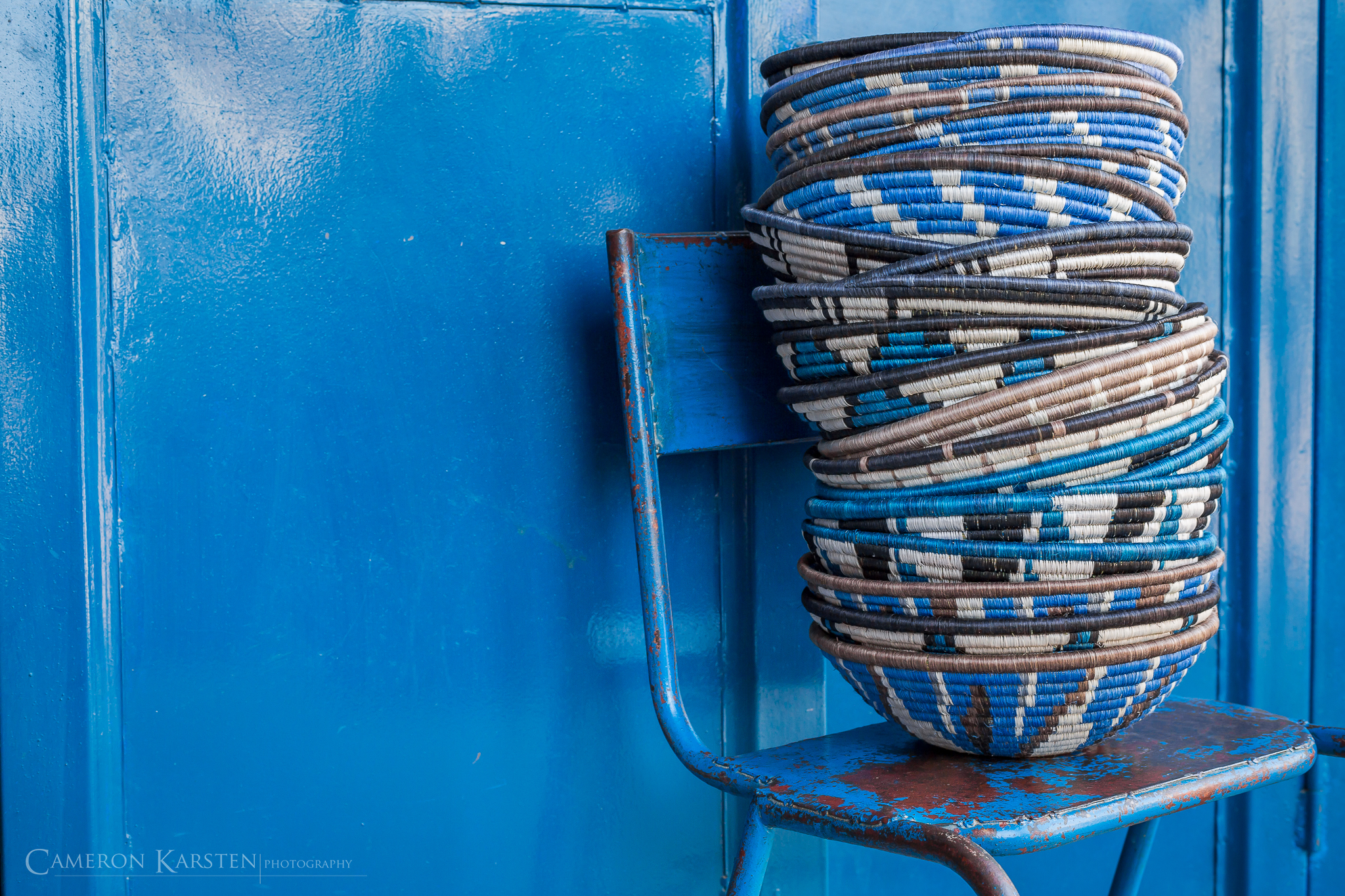
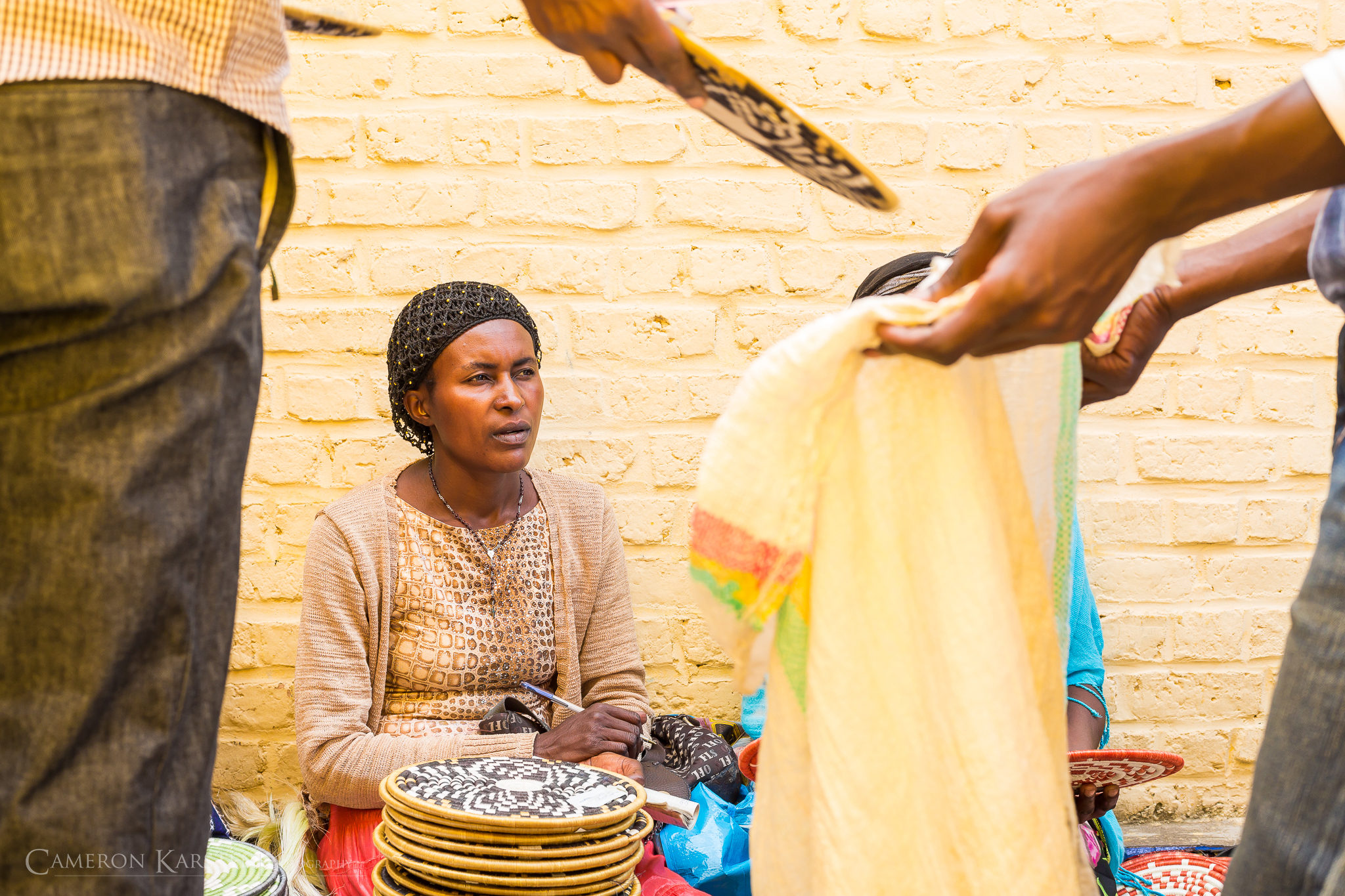
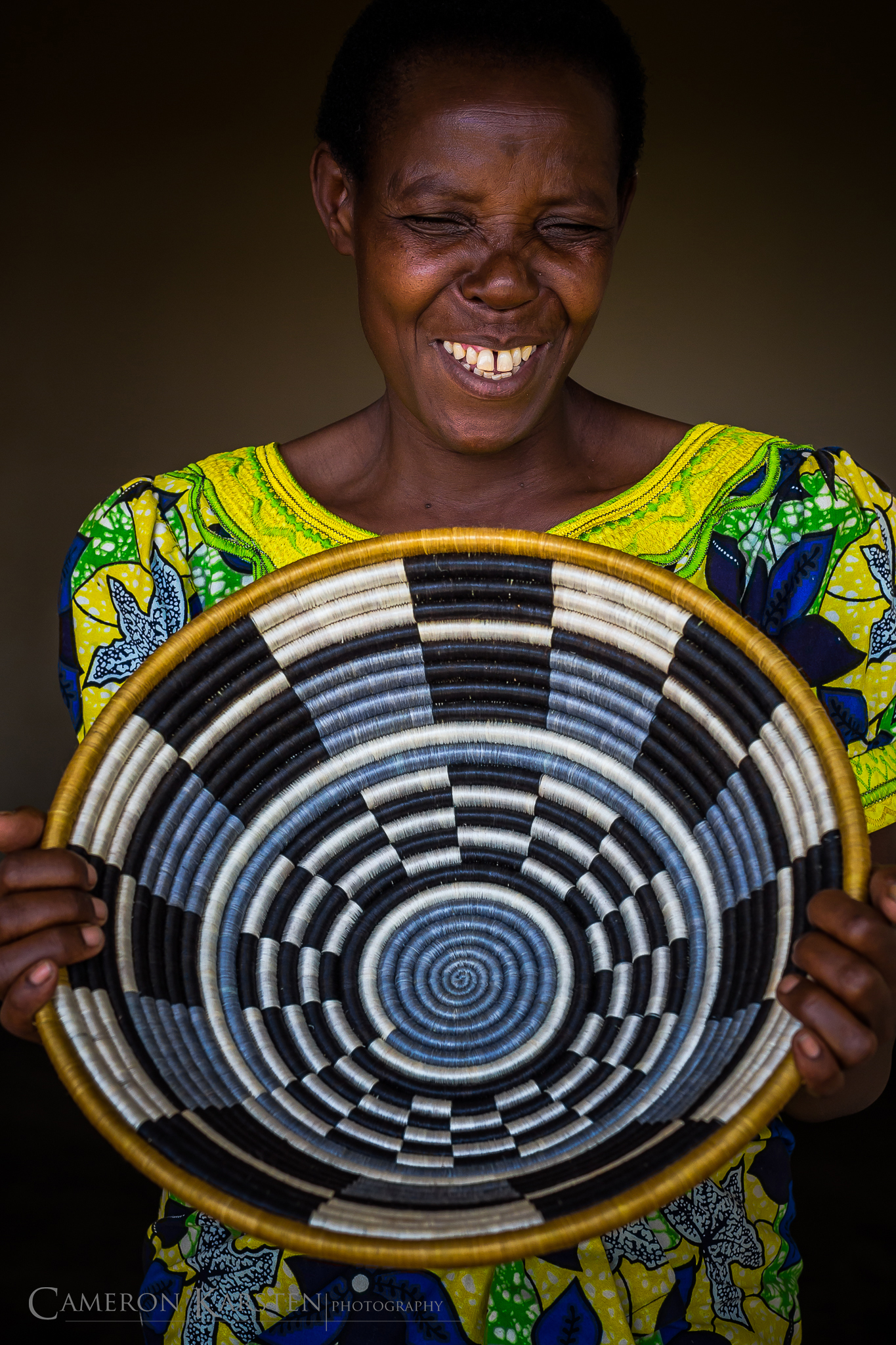
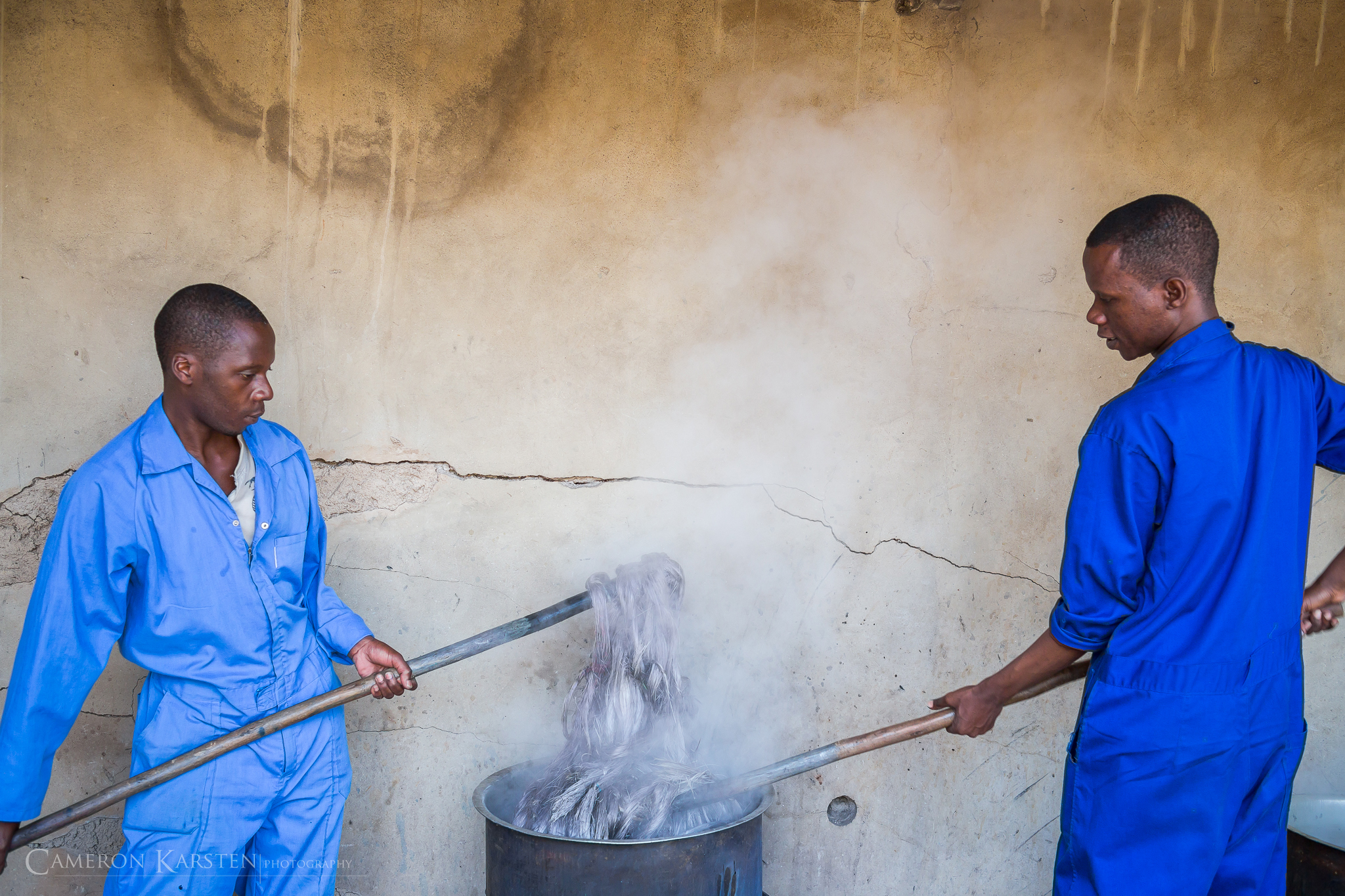
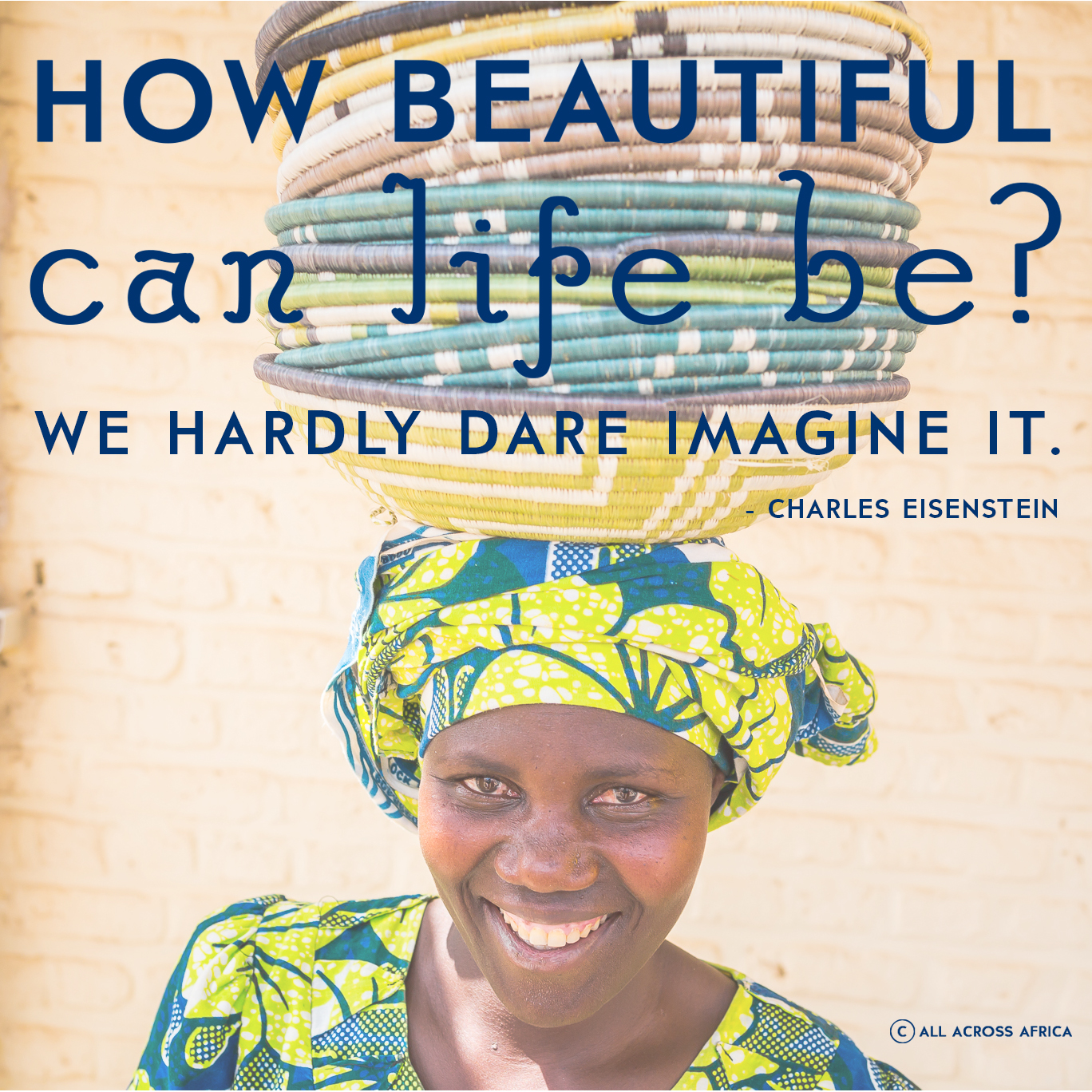
In February of this year, I joined All Across Africa in Rwanda, Uganda and Burundi for an amazing two-week journey through their women’s basket weaving cooperatives, as well as sewing schools designed for young adults. It was a beautiful experience showing the strength of a non-profit empowering locals by providing proper skill set training as well as a growing community of business development. The following are images throughout Rwanda. All products can be purchased by going to www.AllAcrossAfrica.org

Day13_RwandaSisalDye-576

Day2_Sewing_Bracelets-451

Day1_Weavers_BuyDay-522

Day13_RwandaSisalDye-1302

Day1_Weavers_BuyDay-425

Day1_Weavers_BuyDay-73

Day1_Weavers_BuyDay-1032

Day13_RwandaSisalDye-1163

Day2_Sewing_Bracelets-691

Day12_RwandaGikondo-296

Day1_Weavers_BuyDay-1258

Day2_Sewing_Bracelets-303

Day1_Weavers_BuyDay-1371

Day13_RwandaSisalDye-386

Day13_RwandaSisalDye-479

Day13_RwandaSisalDye-790

Day13_RwandaSisalDye-303

Please visit www.AllAcrossAfrica.org to support the women of Rwanda, Uganda and Burundi

Cameron Karsten Photography

All Across Africa – Designs by Nightingale Handmade

All Across Africa in Kampala, Uganda

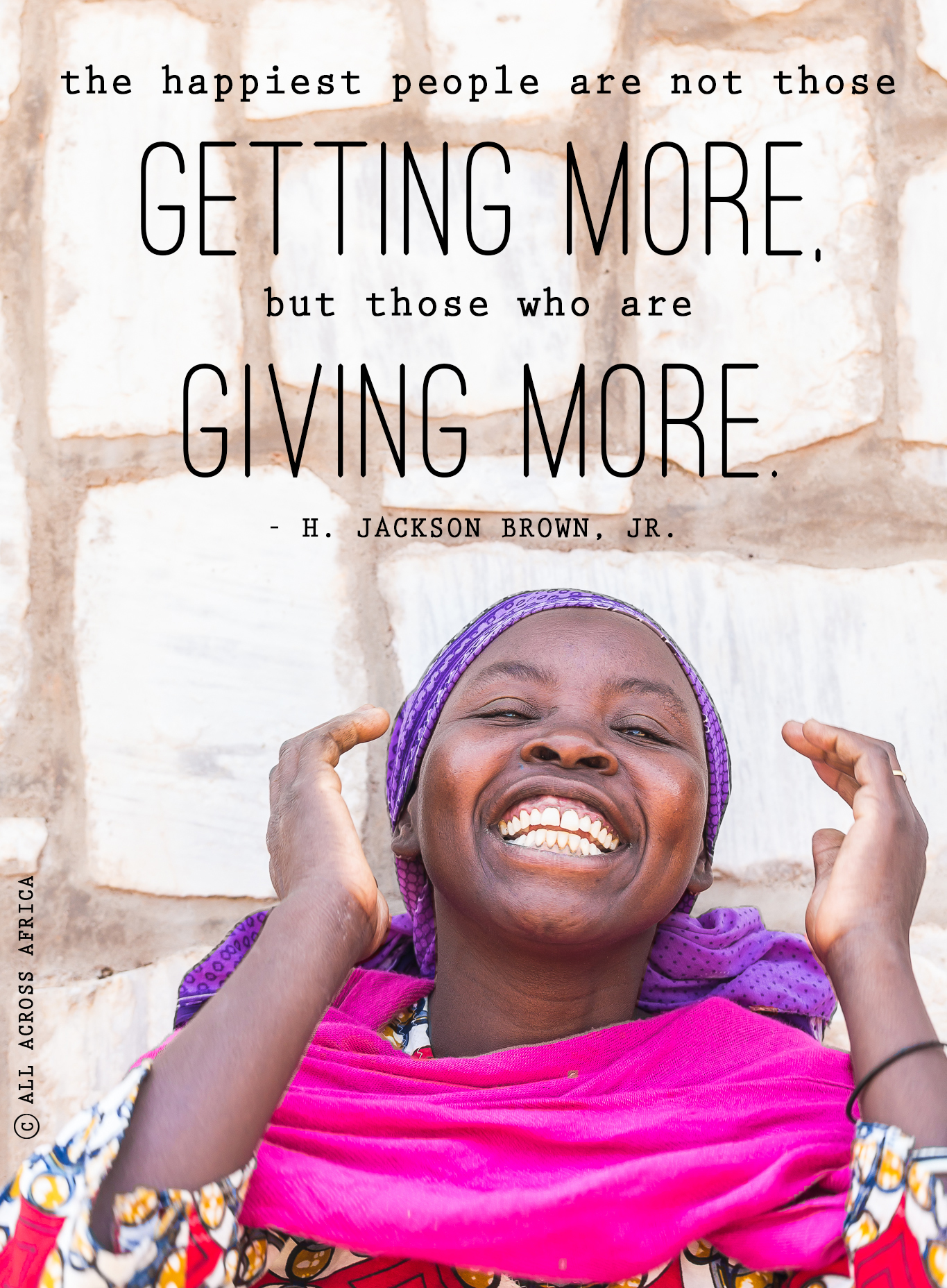
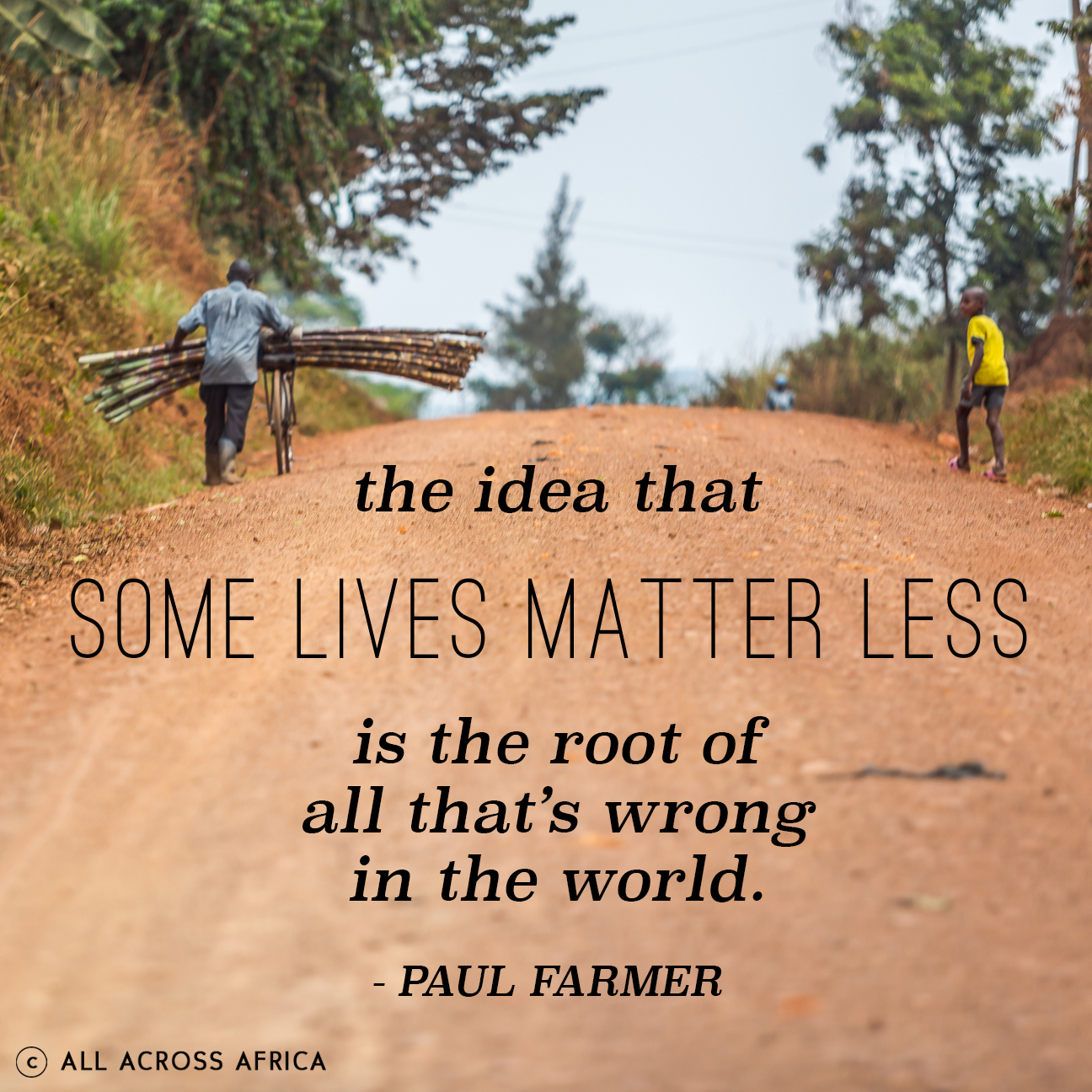
Earlier this year I spent two weeks with All Across Africa helping them rebrand their work throughout Rwanda, Uganda and Burundi. With their new website up and running, I’ve fallen in love with Margaret’s (Nightingale Handmade) designs on a few of the images created for AAA. Enjoy these beautiful postcards and go visit www.AllAcrossAfrica.org to make a purchase for the women of East Africa.

All Across Africa in Rwanda

Weavers and a Buy Day in Rwanda for All Across Africa

All Across Africa in Kampala, Uganda

All Across Africa in Rwanda

Weavers and a Buy Day in Rwanda for All Across Africa

Cameron Karsten Photography

STORMR Campaign: Olympic Wildness Pt. III

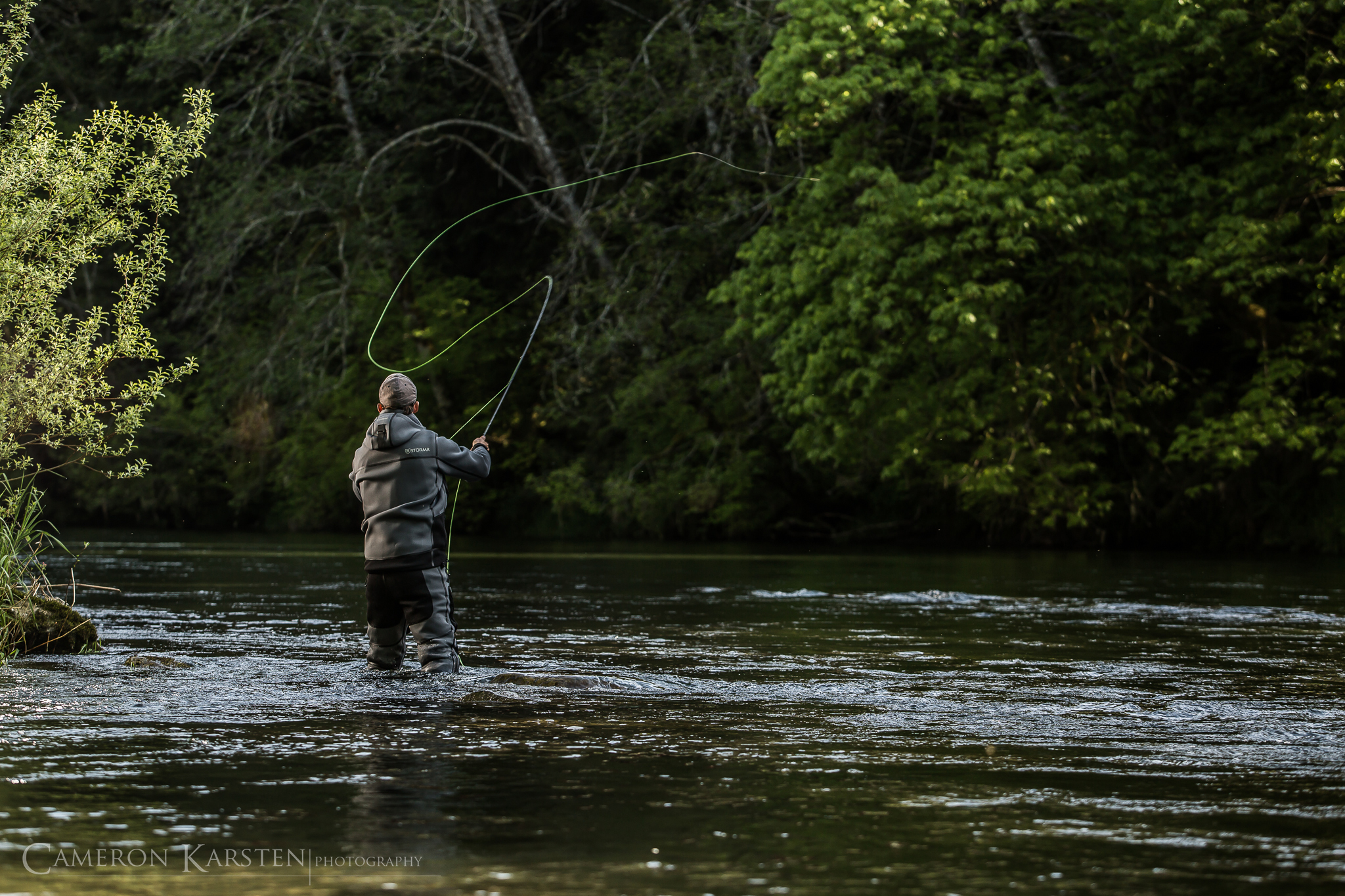
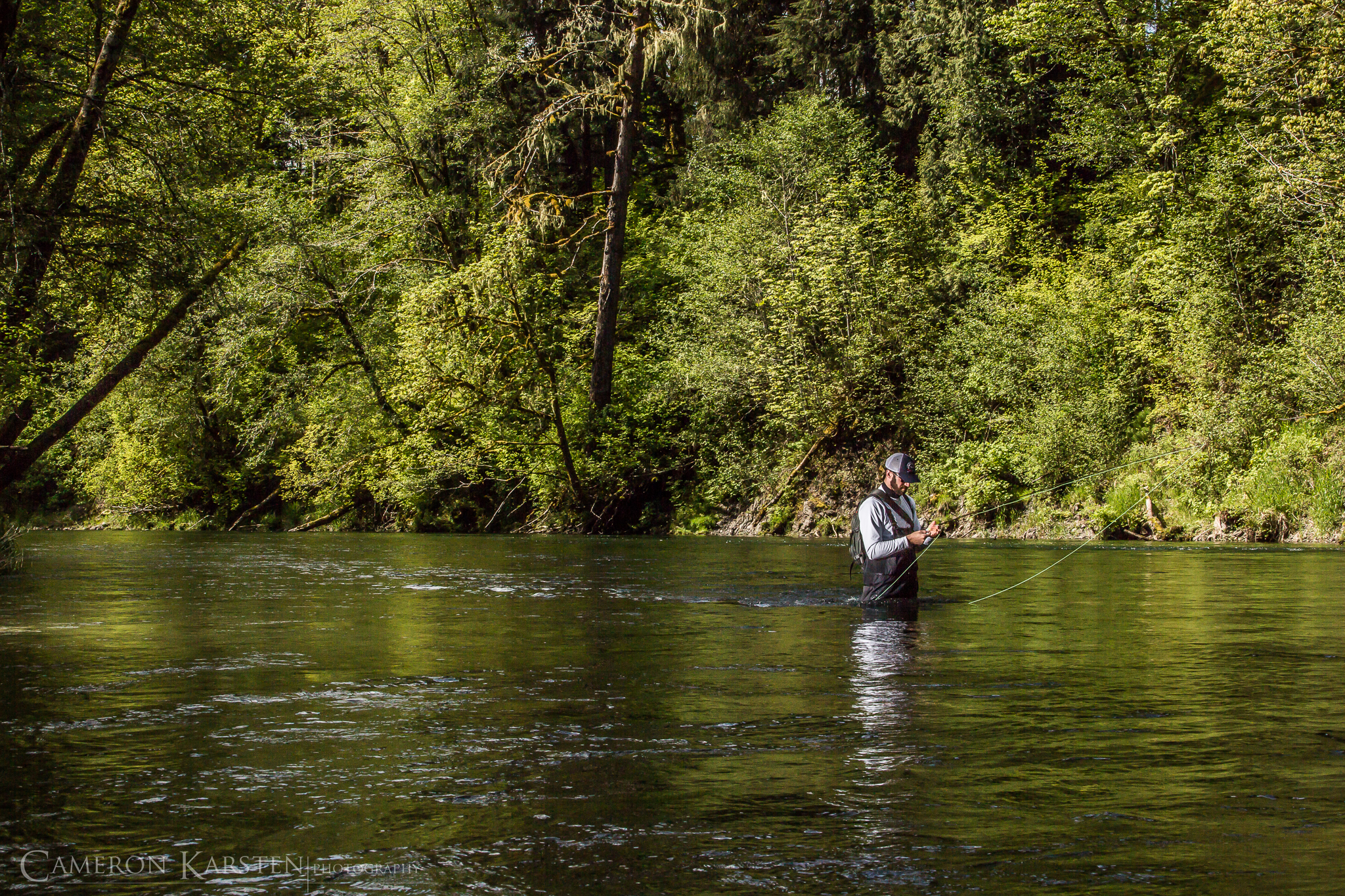
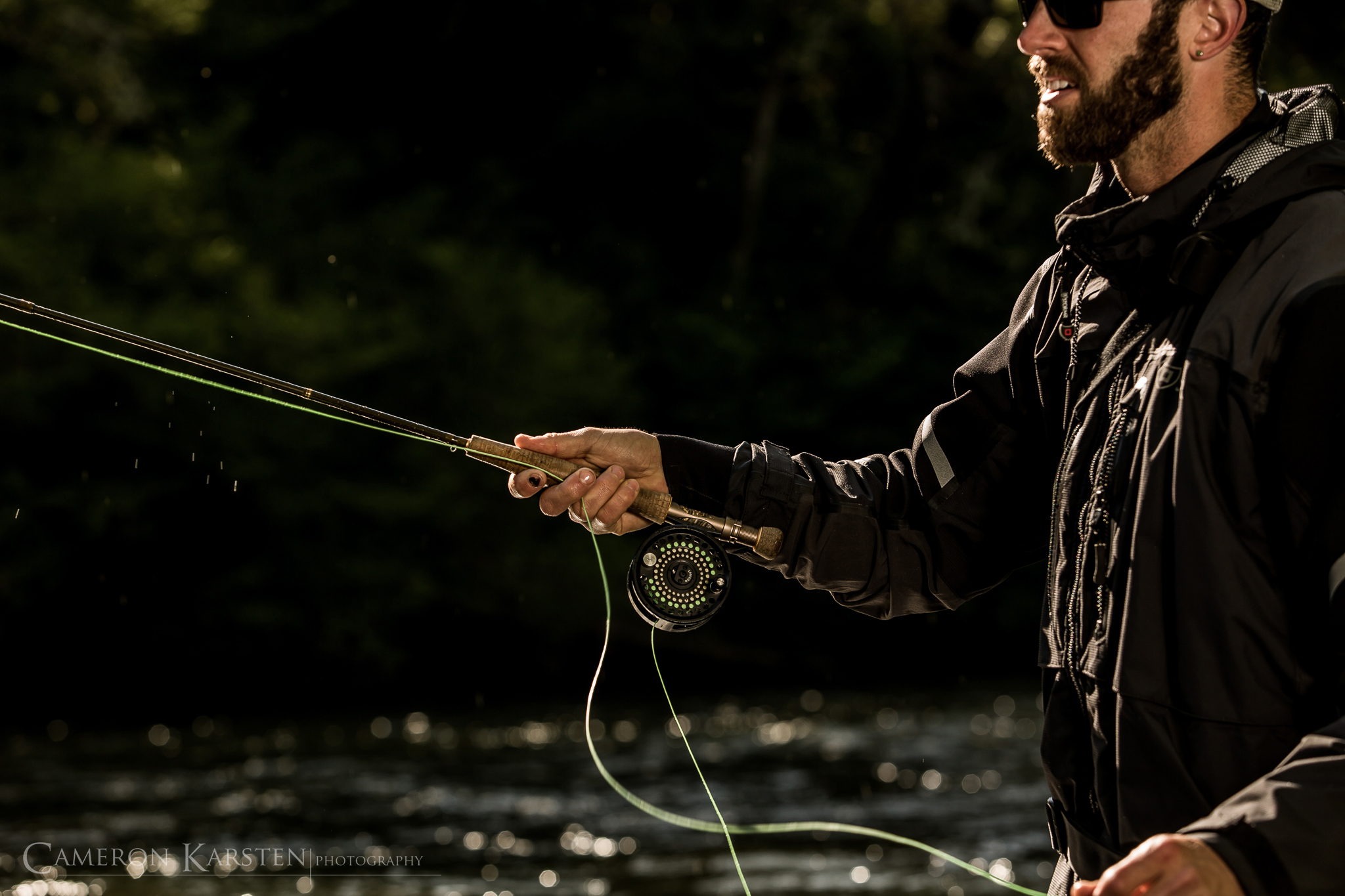
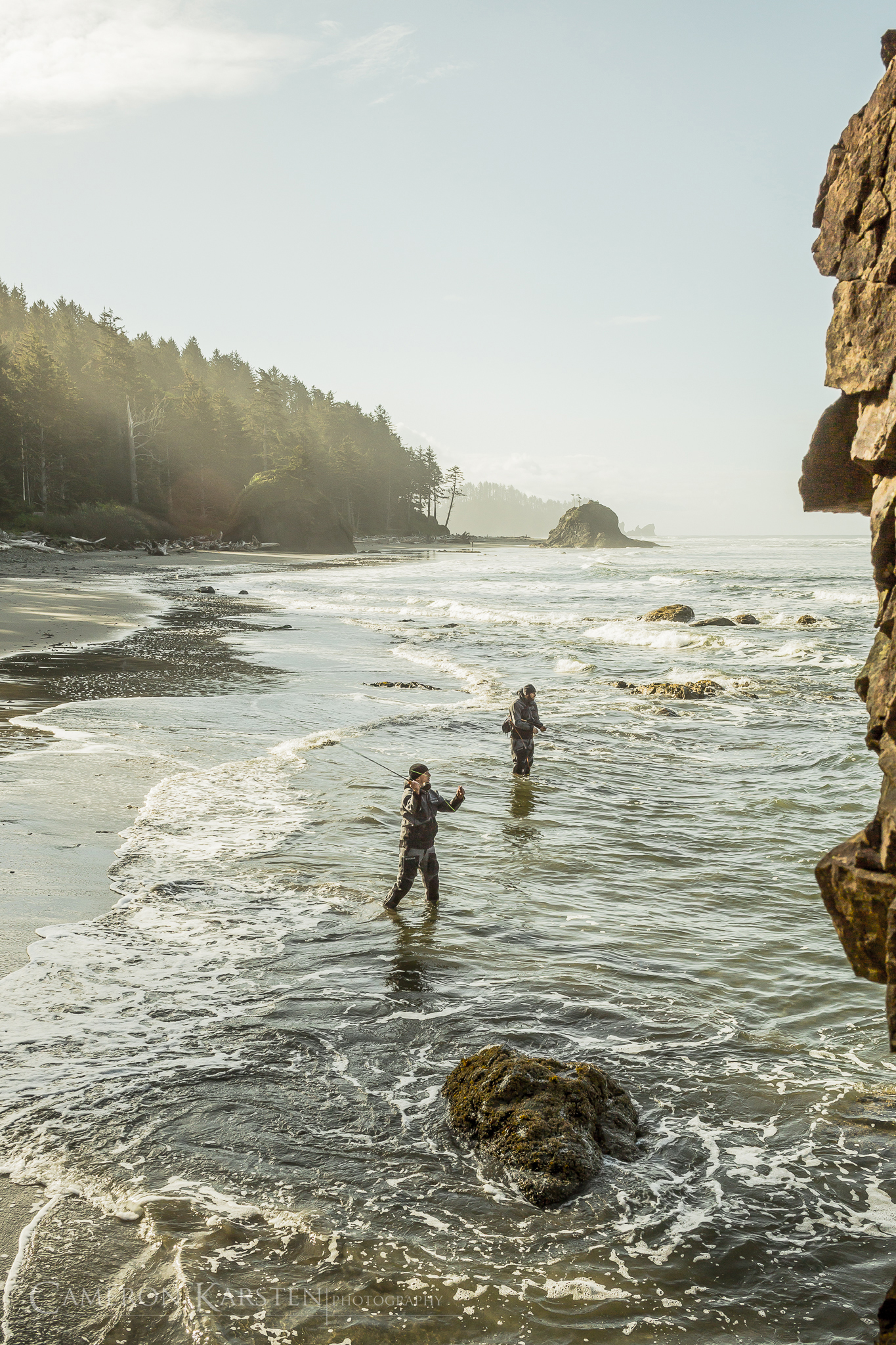
_N9A4726After a night’s rest, the men returned to the waters, this day wading into the flowing waters of the Olympic tributaries. Their STORMR foul-weather gear proved protective and durable as fishermen Simon Pollack and Skyler Vella threw flies before returning steelhead and salmon.

_N9A4689-Edit

_N9A4791

_N9A4665

_N9A4350

_N9A4334-Edit

_N9A4432-Edit

_N9A4439

_N9A4537

_N9A4545

_N9A4636-Edit

_N9A4598

_N9A4461

_N9A4311

For a complete portfolio, please visit www.CameronKarsten.com

logo_blackTrajan

STORMR Campaign: Olympic Wildness – Pt. II

_N9A3916

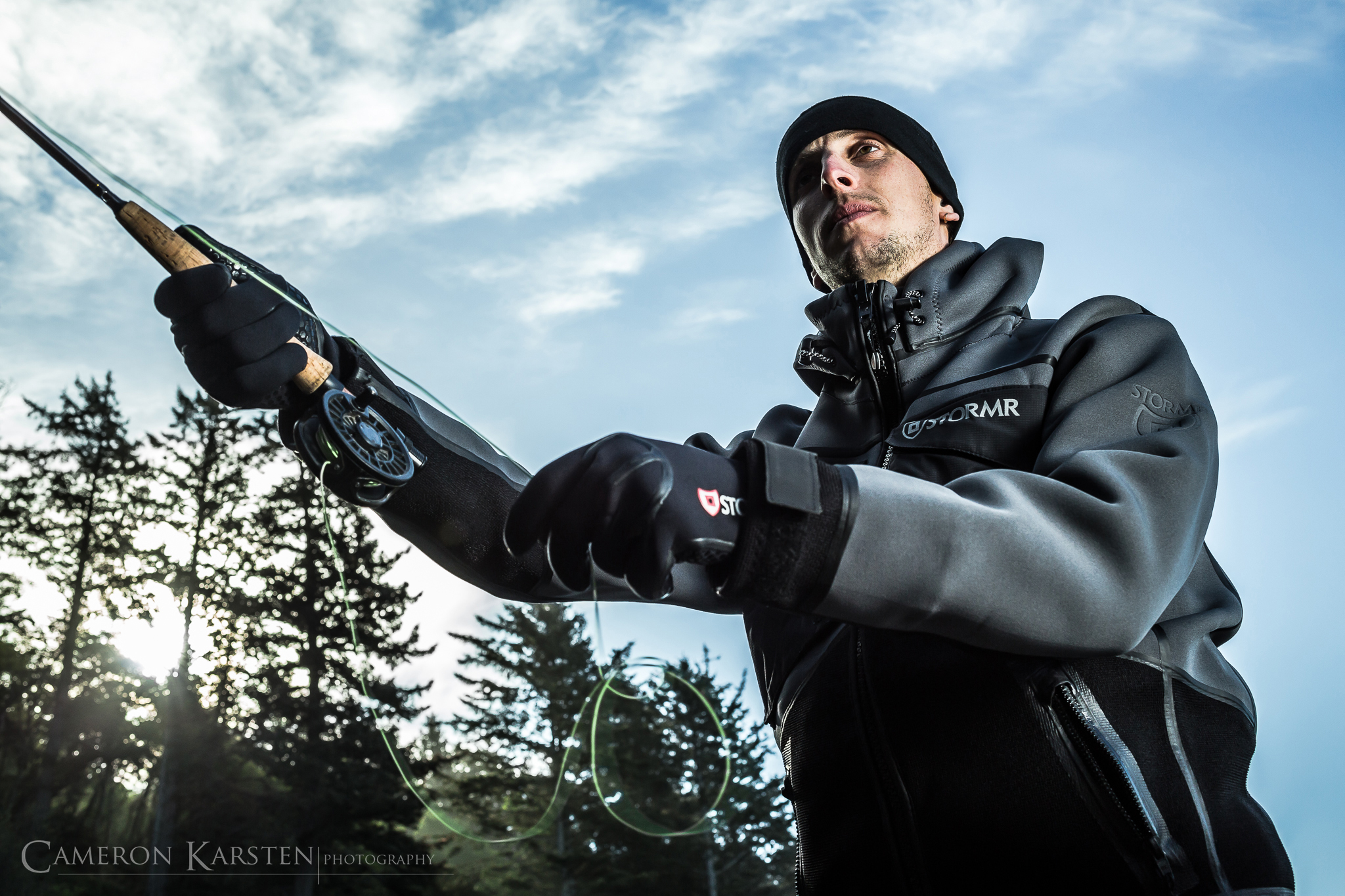
Fishermen Simon Pollack and Skyler Vella reload and reseek the elusive steelhead within the Wild Olympics on a recent campaign for STORMR foul-weather gear.

_N9A3940

_N9A3946-Edit

_N9A3934-Edit

_N9A3971

_N9A4198-Edit-Edit

For a complete portfolio, please visit www.CameronKarsten.com

logo_blackTrajan

STORMR Campaign: Olympic Wildness – Pt. I

_N9A3703-Edit

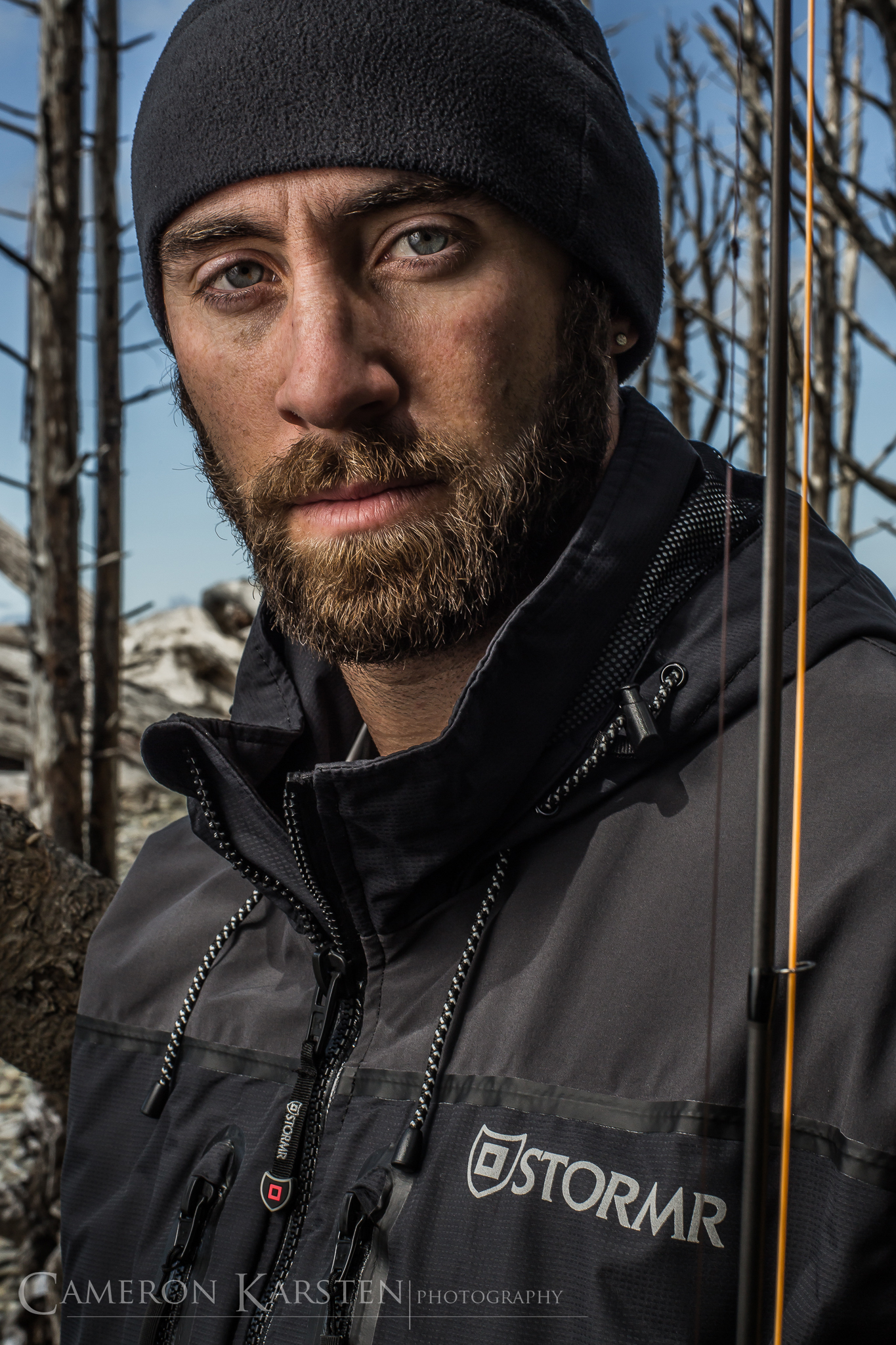
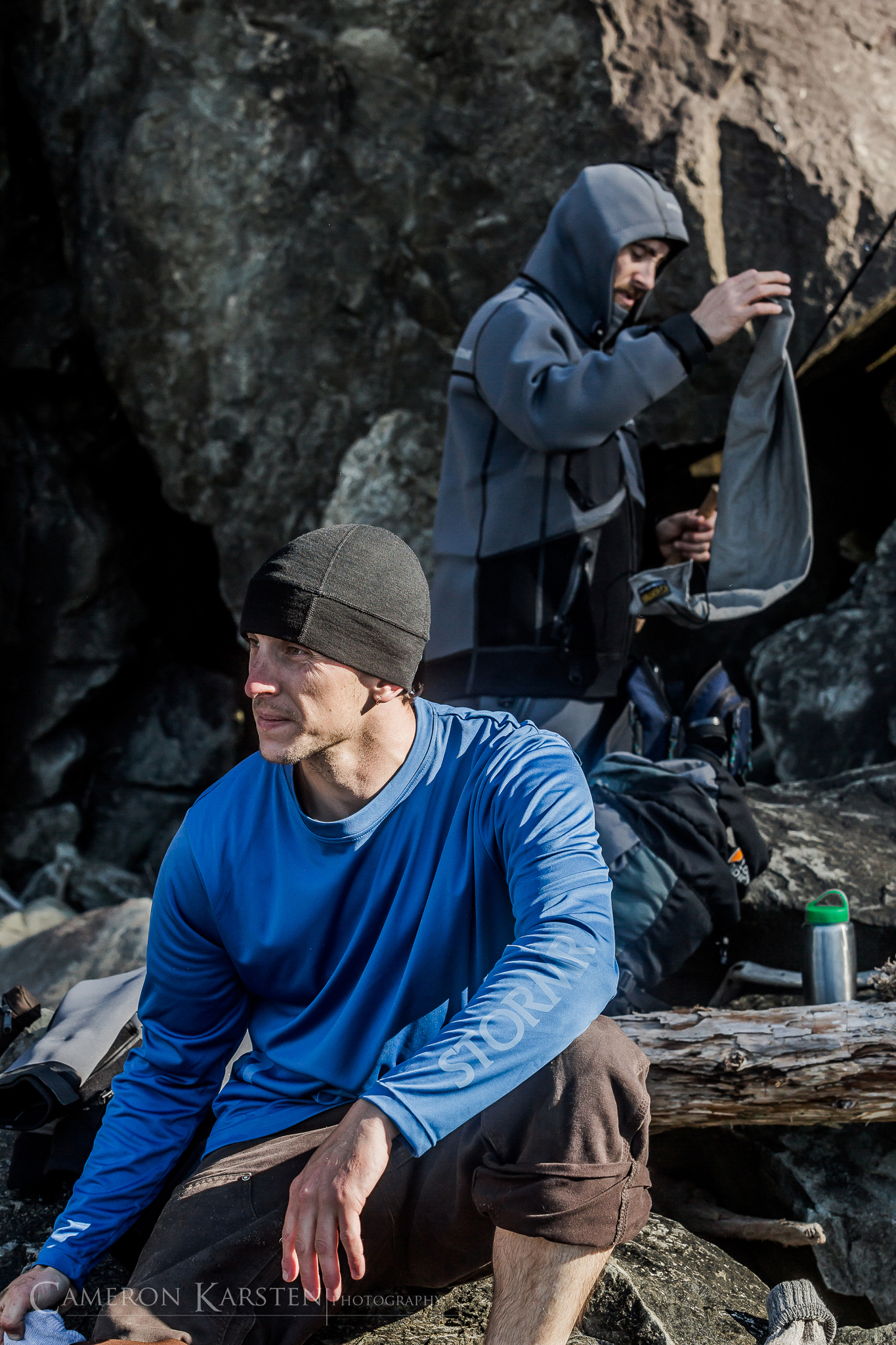
 Walking into the Olympics of western Washington is a step back into time. Undisturbed and wild America – a land of the tallest trees, isolated mountains, rugged coastline, and an epic run of salmon and steelhead. Here’s a sneak peek at a recent campaign for STORMR foul-weather gear with fishermen Simon Pollack and Skyler Vella.

_N9A3330

_N9A3375

_N9A3824

_N9A3773

_N9A3579-Edit

_N9A3634-Edit

_N9A3636-Edit

_N9A3645-Edit

_N9A3641-Edit

_N9A3646

_N9A3639-Edit

_N9A3675

For a complete portfolio, visit www.CameronKarsten.com

logo_blackTrajan

Africa Transporting

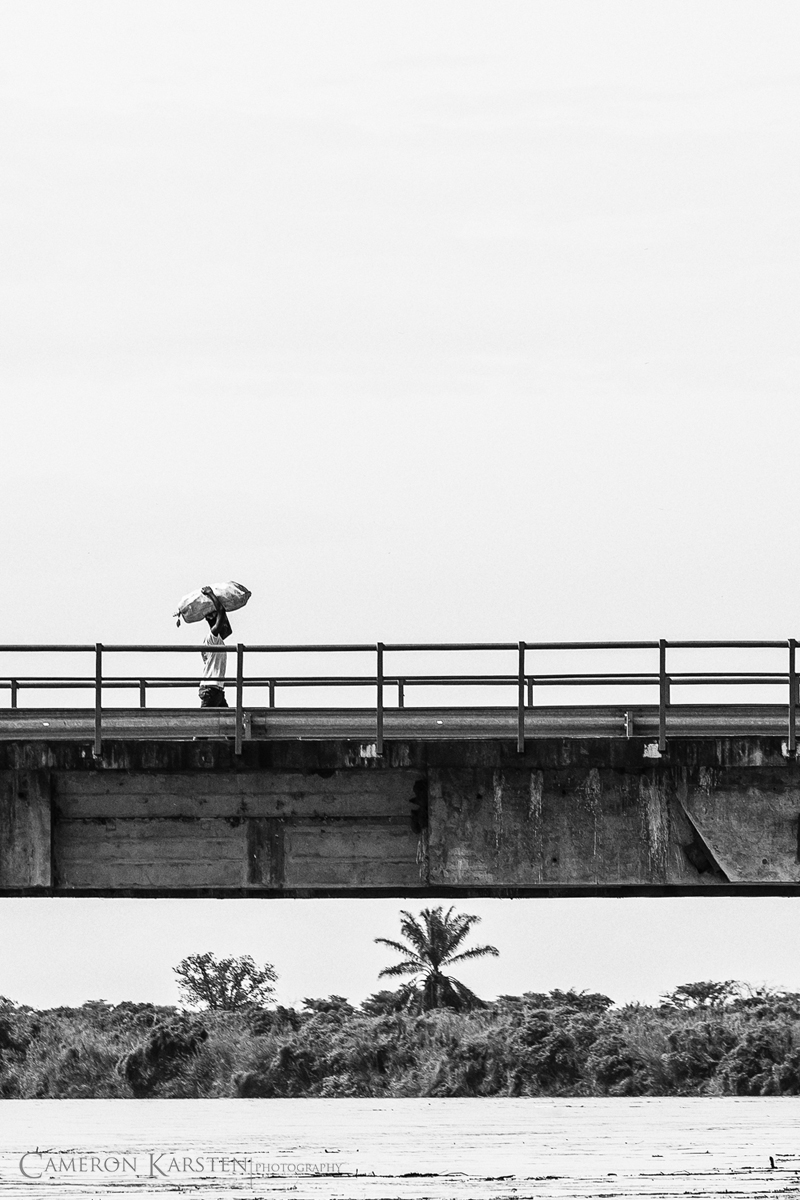
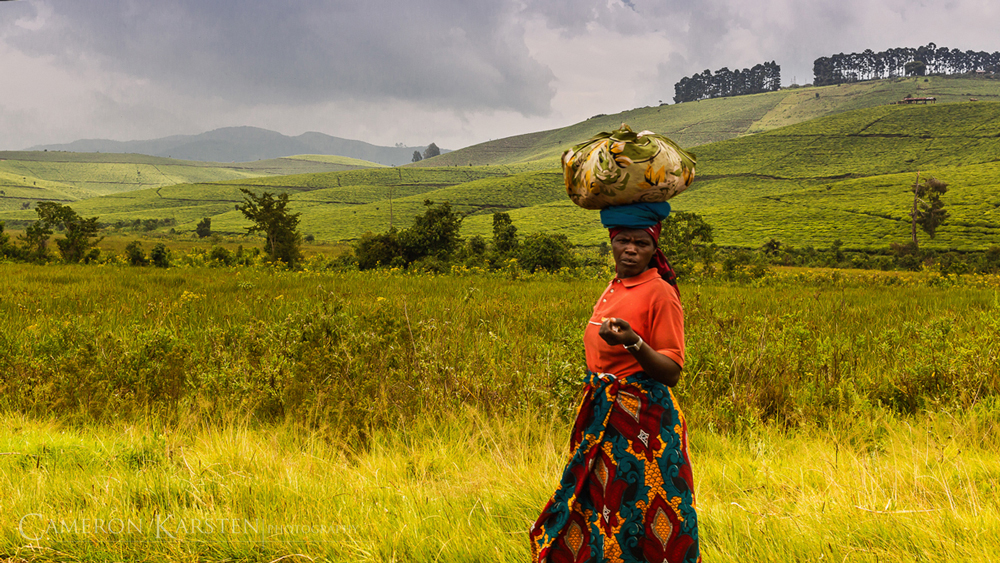
While on assignment in Africa for the first two months of 2014, I was captivated by the way humanity transports itself and its’ cargo. This new project highlights the unique and massive modes of transportation the African continent moves about. From West African countries Benin and Togo to East Africa’s Rwanda, Uganda and Burundi, all modes are the same: extreme, beautiful and oddly delicate.

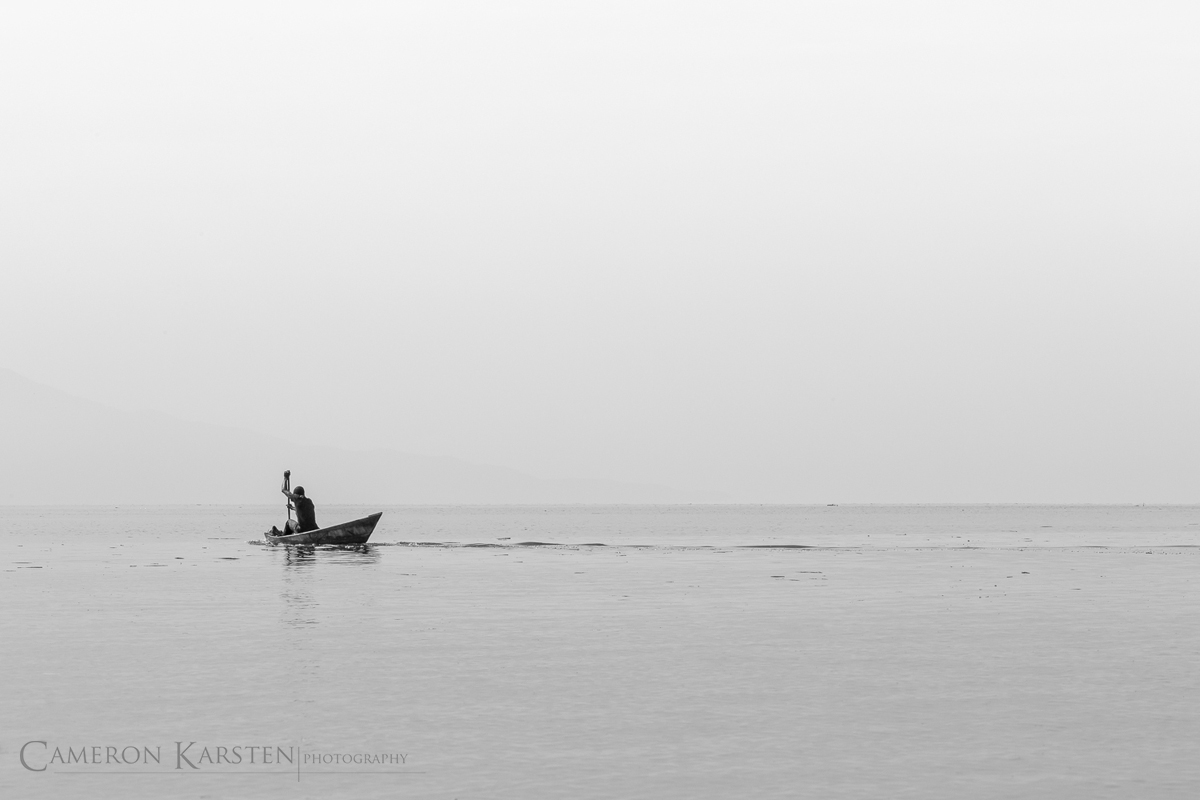
Day4_BurundiNature-136-Edit-EditThe paddle boat is an easy means of transportation for fisherman and the obvious choice for floating villages – Lake Tanganyika, Bujumbura, Burundi.

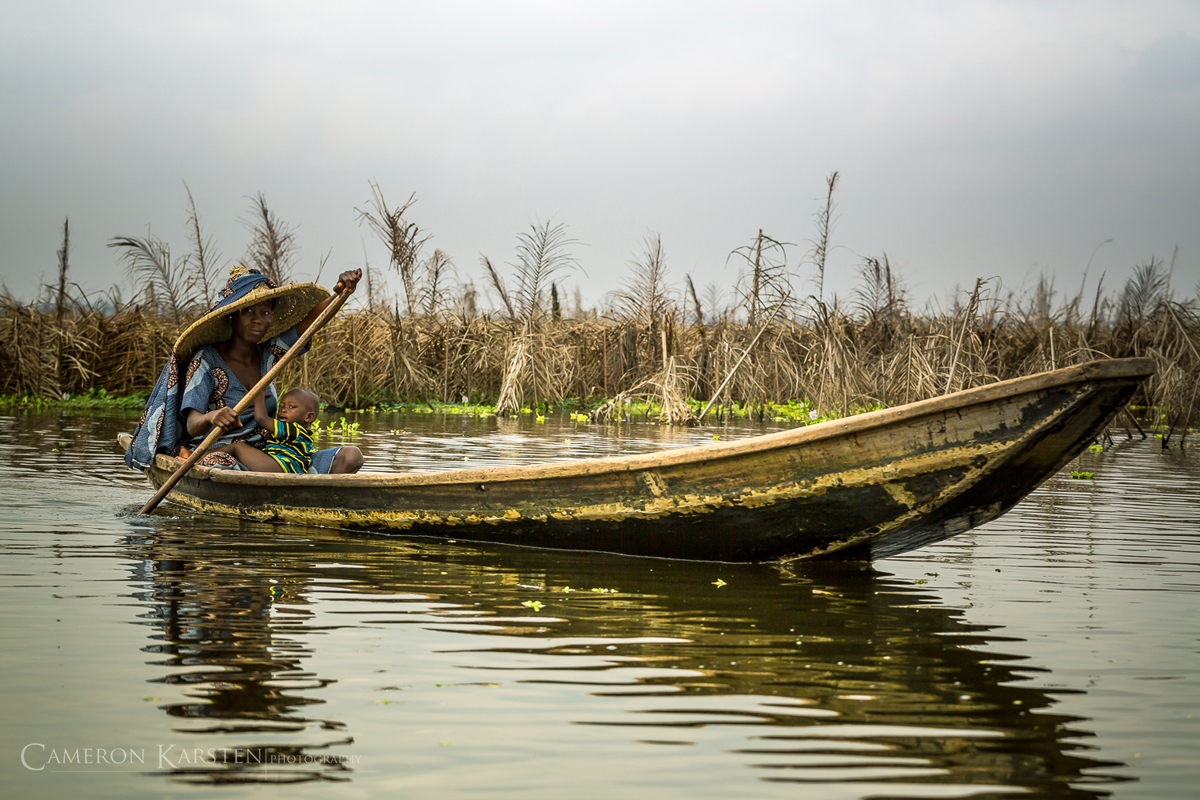
Day3_Ganvie-356-EditA woman paddles with her child in the early morning to the floating market of Ganvie – Lake Nakoue, Ganvie, Benin.

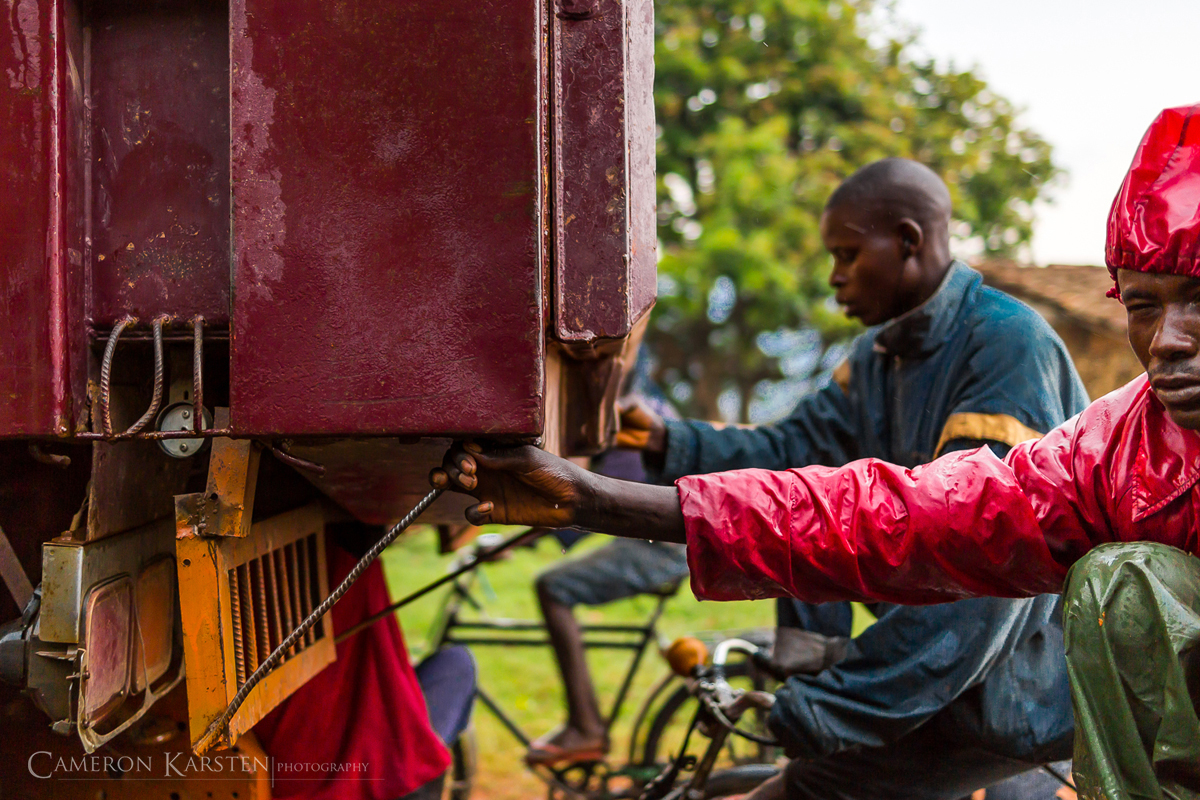
Day4_BurundiNature-512-EditBikes are cheap and easy to fix, but the roadway and traffic can be horrendous – Bujumbura, Burundi.

Day3_BurundiCrafts-121Oil drums being transported through downtown Bujumbura, Burundi.

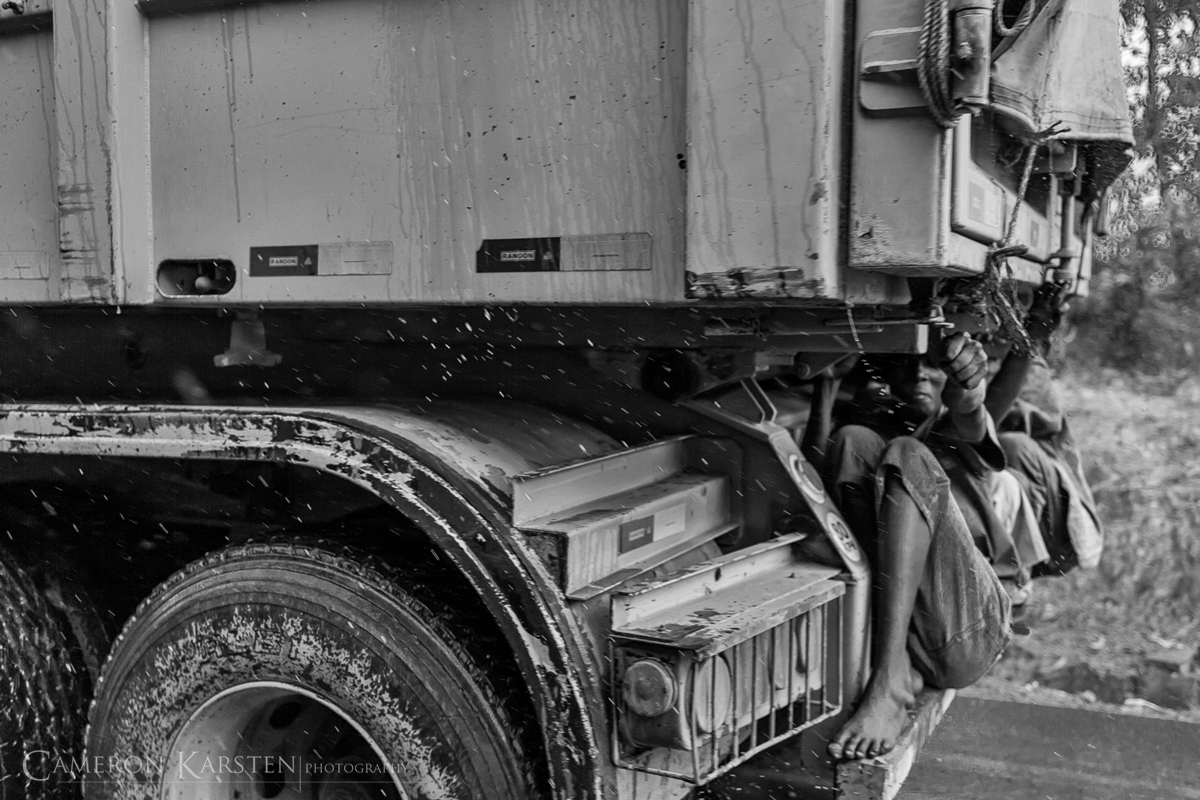
Day6_BurundiNgozi2-717Bicycles are ubiquitous, and so are mountainous hills, in northern Burundi. Men hitch rides by grabbing onto the sides and rear of large lorry trucks heading up and heading down – Northern Burundi.

Day6_BurundiNgozi2-684-EditMany young men hop lorry trucks when traveling up and down the northern hills of Burundi – Northern Burundi.

Day4_BurundiNature-272-Edit-EditA long walk to the border from Bujumbura, Burundi to The Democratic Republic of Congo. Burundi is ripe with agriculture, so many travel to the border to sell their harvests to Congolese – Bujumbura, Burundi.

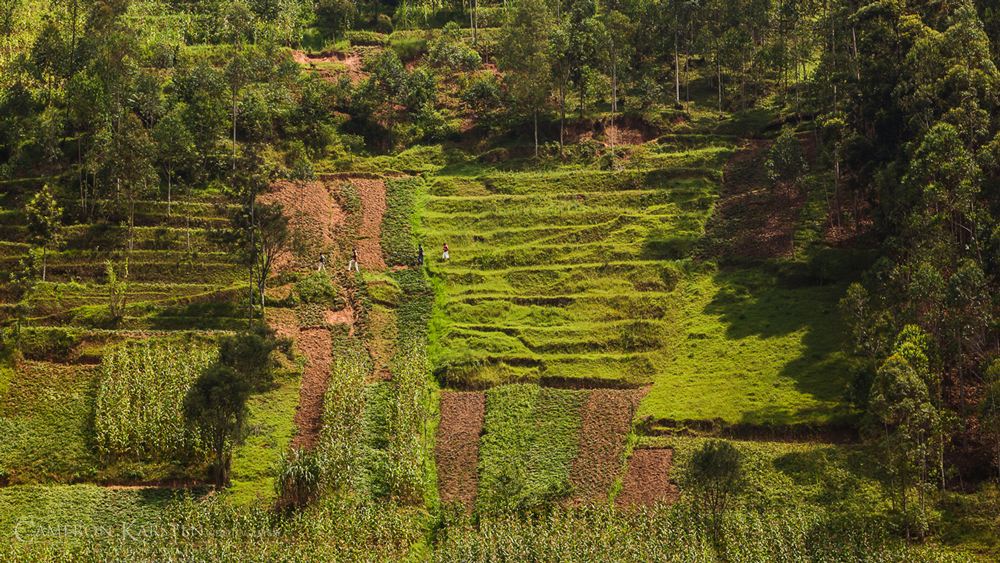
Day10_RwandaVirunga-17-Edit-EditIn the countryside, the movement of people on foot often looks like a mass exodus. People walk miles to crop land, distant markets, and back home within a day – Virunga Mountains, Rwanda.

Day10_RwandaVirunga-25-EditSlopes are carved out with foot paths that lead to neighboring villages and fields – Virunga Mountains, Rwanda.

Day6_AlladaVodou-578Dotting Africa are a host of infrastructure projects, most sponsored by Chinese firms. Here a Djagli, a mythical bird in Vodou culture, rests between performances – Allada, Benin.

Day6_BurundiNgozi2-736-EditAn infrastructure project in Northern Burundi, which was washed out by the previous season’s flash floods – Northern Burundi.

Day6_BurundiNgozi2-544-EditA tea picker near Ngozi, Burundi walks home after a day’s work – Burundi.

Day6_BurundiNgozi2-552-EditAn empty wheel barrel on the tea plantation – Ngozi, Burundi.

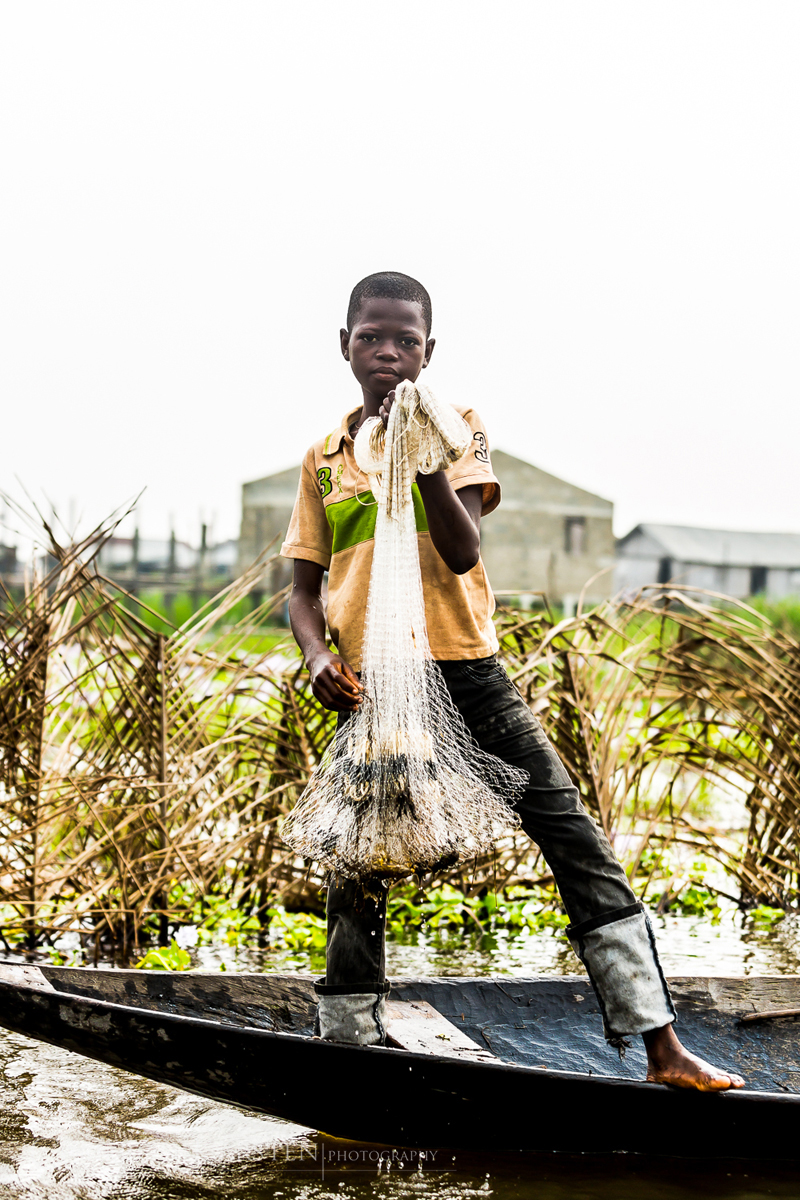
Day3_Ganvie-159A young boy fishing on Lake Nakoue – Ganvie, Benin.

Day5_BurundiNgozi1-411Along a construction road, young boys and men haul bananas to roadside stands offering produce, charcoal grilled corn, meats, and assorted snacks – Northern Burundi.

Day6_BurundiNgozi2-739-EditTraffic careens and passes the two-lane highways, passing villages, bustling markets and school courtyards. Traffic hazards are many for motors, cyclists and children heading to and from school – Northern Burundi.

For more visit http://www.CameronKarsten.com

logo_blackTrajan

Vodou Footprints: Resurrecting the Royal Wife

Day16_Houegbo-380

I’m exhausted. We’ve been traveling, working, shooting, exploring, discovering, eating, drinking throughout Benin, West Africa. It’s been almost three weeks. Now early morning, with already two hours of rough roads underneath our belts, I feel sick. We have come north to Houegbo; a small rural town, more or less community, spattered along a passing highway. We’ve come here to witness what we’ve been told would be an initiation rite of young practitioners emerging from a year of training, which includes dance, ritual, language and study of this ancient belief system, called Vodou. We’ve come to see them emerge into society as true initiates. But soon we learn this is not an initiation ceremony. Nope. Definitely not.
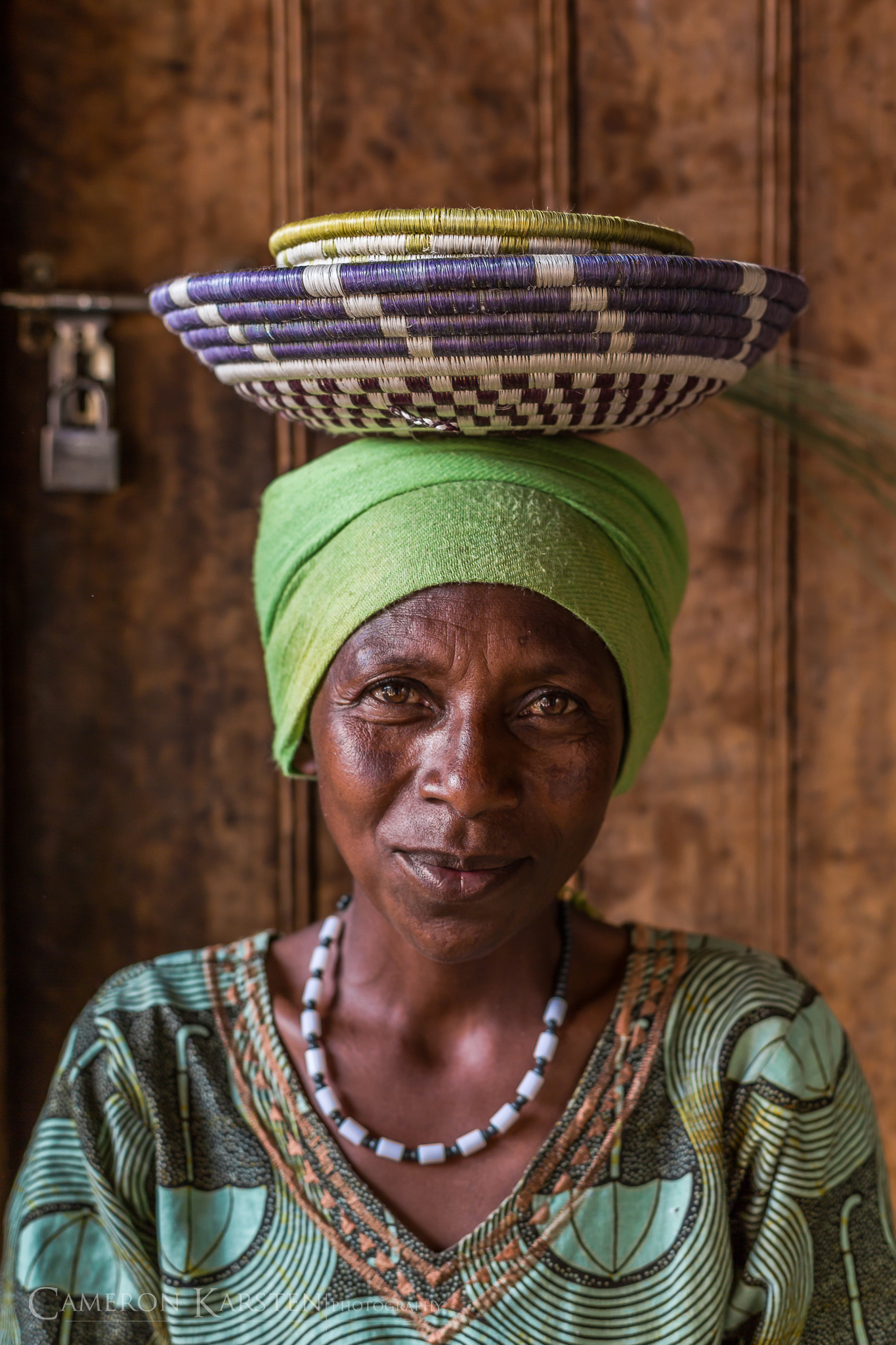
A woman approaches. She’s introduced to us as our guide Stephano’s aunt. He hasn’t seen her for over a year. She’s a Vodou practitioner. Stephano is not. He tells us before we see her that since he was a little boy he has always been scared of her. His Christian mother used to tell him stories of his aunt, demonic ones of strange impossible things she would participate in. Thanks to our recent escapades, he was willing to see her.

“I’m amazed. Just amazed!” he chimes in full of awe. “It’s too hard to explain, but it happens. And it’s beautiful.”

So he called his long lost aunt and she invited us into her home.

Day16_Houegbo-224

As mentioned, I’m exhausted. At 8:30 in the morning, it’s already balmy. The dry West African heat drenches me. The air I inhale burns my nostrils. My hair is wet, damp for what feels like weeks. Beads pour down my forehead. They sting the eyes as rivulets of dust crease my cheeks. My head slowly starts to pound.

Inside, the room is dark and the couches spring-less. We sit and sink into their frames. The Great Aunt offers us refreshments. Coke? Un Bier?

I take a beer. Within five minutes the 22oz of Les Beninoise is empty. She brings another. I’ll need it because we just found out the truth of our presence, the Why have we come so far?

Day15_Ketou-76

We ask The Great Aunt. “No,” she points out. “This is not an initiation ceremony. It’s a ritual for a young woman. She has been taken from us while working in the fields. We will attempt to bring her back.”

“Where’d she go?”

“While she was working she was struck down. Sakpata took her as his royal wife.”

I shook my head, not sure if I was hearing this correctly. “Sakpata?”

In Vodou mythology, Sakpata is the god of well being for mind, body and spirit. He is also the god of disease. To honor Sakpata, one will remain healthy throughout life, and if one were to become ill, sick, contract AIDS or a virus, one’s sole survival tactic would rely on Sakpata, worshiping him in every waking hour until one’s last breath. Apparently this woman we’re here to see failed to honor Sakpata. She birthed a child. The child died. She visited a Vodou priest who told her to perform specific rituals for Sakpata. She ignored the prescription. This angered Sakpata and so he was out for payment, which happened to be her.

This all sounded pretty dismal to our ears, but we soon learnt the great fortune this woman overcame by being struck down by Sakpata. She had been potentially chosen to be Sakpata’s royal wife, a huge honor in Vodou society. This upcoming ceremony was to confirm her royal matrimony. It would be an ancient practice long thought to be dead, but instead extremely rare and secretive when it does becomes necessary.

I finish my beer. It’s 9AM and the infamous Resurrection is about to take place.

Day16_Houegbo-54

We’re sitting before the priest of Houegbo. The man’s name is Hounnogan Letoby Hounfodje and he begins telling us about this ancient practice:

“The ceremony that takes place is Vodou. It is a very old Vodou ceremony that was performed by our ancestors. They handed this down to us.

But not all used to practice this. Zedego and Malego were the ones who brought Sakpata here. Then Sakpata took the whole region. They started to appoint Sakpata priests in every part of Houegbo. Here are the roots of Sakpata Vodou.”

“What ceremony are you performing today?”

“When Sakpata chooses to take a wife,” the priest continues, “it is something truly extraordinary. It doesn’t happen every day. Today, Sakpata has taken a wife here. Three days ago we showed the corpse of the girl to the whole village. Today, we’re going to bring the corpse out and resurrect her in front of everybody. Sometimes we try to resurrect, but the body doesn’t wake up and we call the family to come and bury it. But if Sakpata truly chose his wife and the priests do the resurrection, the person will come back to life. There is no other way.”

Day16_Houegbo-294

We listen to this man. He’s seated in a dashiki; colorful fabrics folded one over the other. A hat adorns his head as cowrie shells and metal beads hang from his neck and wrists. Seated around him are his people, his son and fellow practitioners. They listen contemplatively, their eyes cast down nodding in subtle submissive agreement. Their only other movements are hands that rise and grab a fold of fabric to wipe the heat from their faces.

Beyond our interview are the chants of the village. Women wrapped in pagne garments. Beads and cowrie shells embellish. They’re dancing in circles, singing to the sounds of small drums and clanging bells. They’re all here to witness this event, to put the depths of their belief into the resurrection of this young beautiful girl. They want her alive as much as Sakpata does.

“What happens if she’s awoken?” I ask.

“She will dance throughout the night and then become devoted to Sakpata. She will be Vodou.”

Day16_Houegbo-122

We’re watching the chanting women. Their scarification shines beneath pearly sweat, while hours of suffering and devotion pour into their song, the rhythm of stamping feet. Men throw coins and make offerings to their gods. Some ask for the resurrection. More ask for health to family and friends. Others need it themselves.

Inside the shrine, we are restricted behind an invisible line. Beyond it we see a courtyard where young devotees take shots of sodabi and perform more unique dancing. They twist their bodies as if in trance, throwing back their heads in swirls, before erupting in spurts of spontaneous laughter. Beyond them is a door.  And beyond that is a room where the woman is being prepped for her resurrection. We ask to enter, but are declined. We ask again. No. Only Vodou initiates.

At this point, as the hours pass and we wait, we wonder at the possibilities and suddenly realize the lack of suspicion we harbor. Up to this point I’ve believed everything the priest has told us. Of course we were going to witness a resurrection. Of course these practitioners believe in it. And of course I believe it. I’m in Benin, on the Vodou Trail, in search of the truth behind Vodou. Everything will happen.

Day16_Houegbo-142

Through this thought process when one is so immersed within the environment, the outside doesn’t exist. Like a climber on the slope of mountain ice, one doesn’t reflect on breakfast with family, that dinner party with friends, those personal or worldly affairs they’re missing. Like the climber summiting the moment before them, there is only one real world, the world they’re in, that mountain and the summit of their existence. It’s a Nano-second to Nano-second burst of life, there and gone to never exist again.

The Buddha proclaimed, “All that we are is the result of what we have thought. The mind is everything. What we think we become.”

Magic, myth, the Vodou Trail, this resurrection. An outside individual can only presume it is all fake, an illusion of the mind tricking one to believe the impossible. The community of Houegbo believes otherwise and has gathered with the full force of their believe system to help resurrect this young woman. They will be concentrating the power of their belief to help her reawaken into the world of the living.

Day16_Houegbo-89

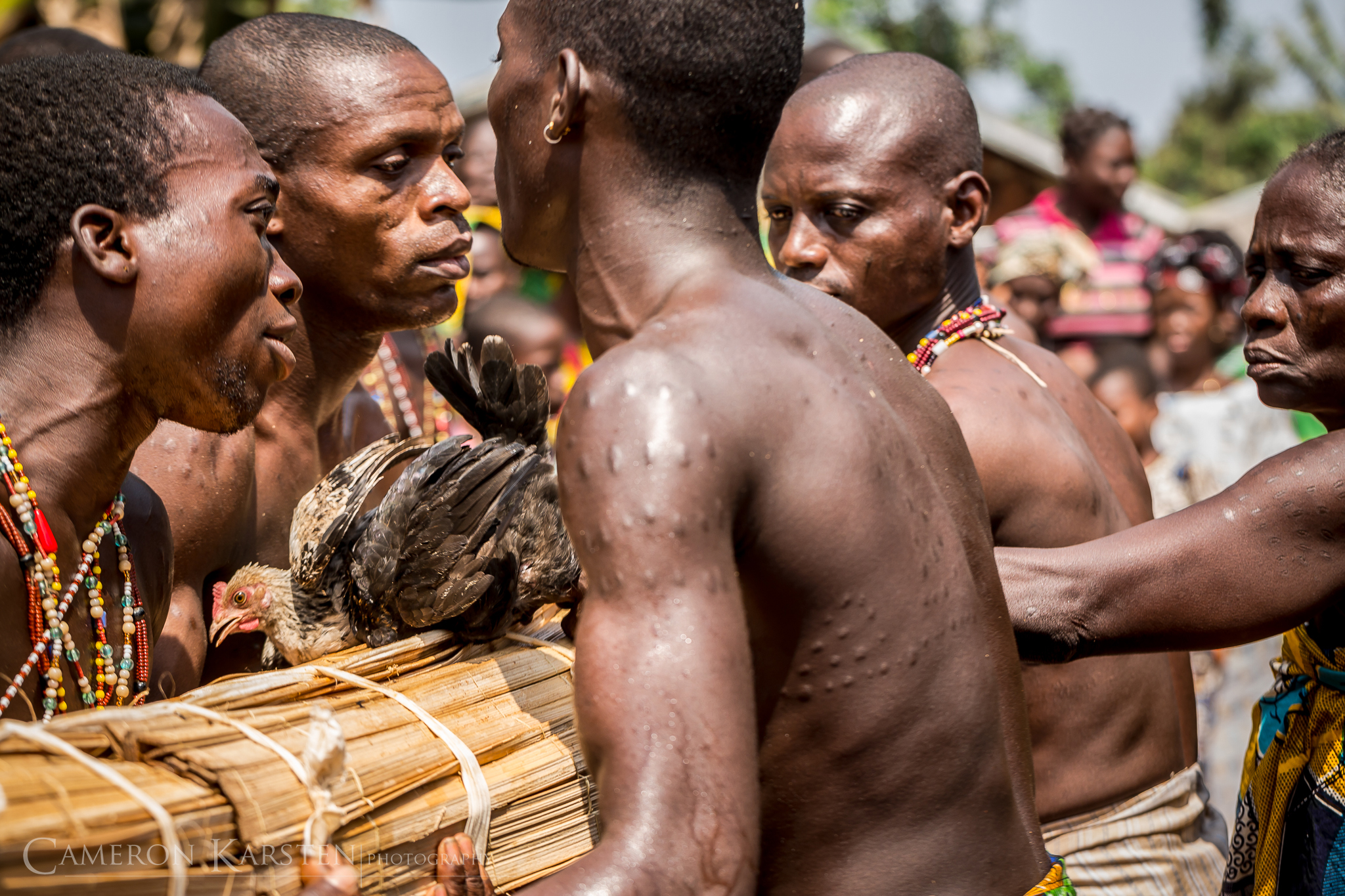
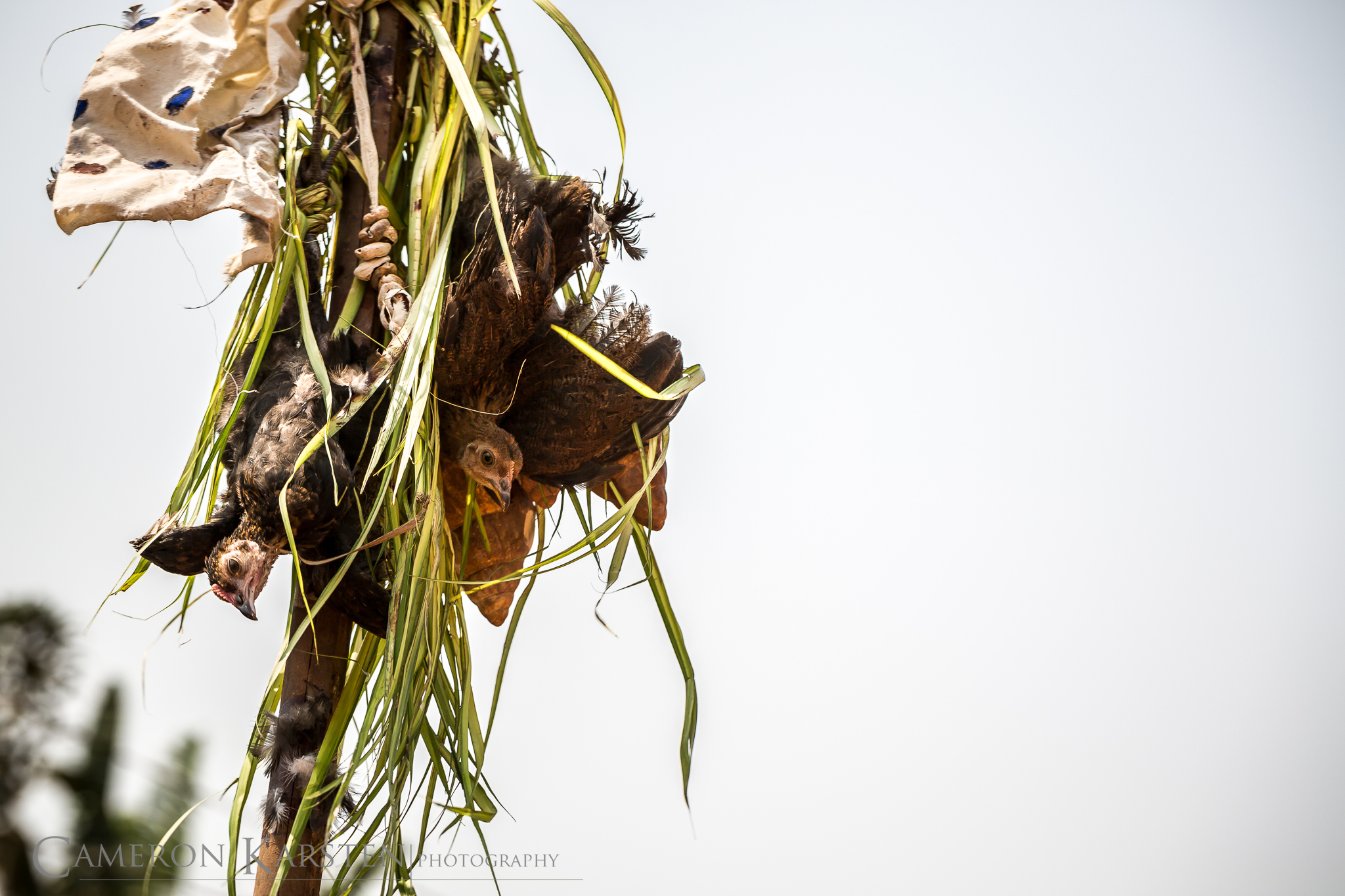
A cluster of young men appears. They are chanting, bodies covered in a pattern of scarification. Then a larger procession, and a larger, before a crowd carrying what looks to be a 6-foot long slimmed-down chile relleno appears. The priest is there. He’s holding a 12-foot pole topped with palm fronds, cowrie shells and two flailing chickens. Everybody is in a rush of frenzy as they slide out of the temple gate and onto the dirt pathways. They begin marching through the community. I follow.

For the next forty-five minutes the band of devotees sing and dance, speeding through the village in circles carrying this chile relleno. We soon learn this is the woman. She has been prepped and wrapped in a reed blanket. She looks tiny from how tightly wrapped the human relleno is, and as the ceremony’s procession continues, the crowds swell to observe. They all join in song and some create clusters of their own chanting and clapping. The band carrying the woman stops. They swing her side to side, spit sodabi over the reeds and slap chickens over its exterior. Then they bring it to rest on a mat. The crowd settles. Only the priest speaks, as well as another old man, whom we presume to be the village witch doctor. He carries a staff of cow jawbones and seven times repeats a prayer where the crowd calls out in response.

Day16_Houegbo-341

I find myself crouching close to the woman in the reed blanket. I’m pressed between the crowds who squeeze forward to have a closer look. I can’t see my partner, but I trust he is where he needs to be. We wait but have no idea what we’re waiting for.

Suddenly, on the seventh call and response, the priest yells out, drags the cow jawbones across the human relleno and in a stale moment of silence we hear a muffled shout. The sound emanates as if coming through a wall. It is brief, like a cheer of jubilant emotion. It is soft, like a young woman’s cry for release. It is apparently this very young woman, from beneath the tightly bound folds of the reeds, crying with fresh inhalation. The crowd immediately erupts in chaotic enthrallment, like a crazed New Years party, tearing at a gift from the gods.

What we see happen next is a caravan of people pull out a young woman from within the reeds. She is bare-chested, waist wrapped in a pagne, and with urgency she is hoisted in the air to be paraded through the grounds. They are moving fast, too fast to check if she is breathing. But her eyes are closed as if in sleep. We are shuffled away as the parade with the girl in the air makes their way back into the confines of the temple. She has arisen, or so we are told, thus the animal sacrifices begin.

Day16_Houegbo-409

We’re back in the Great Aunt’s house. “Tonight, the young woman will come out of the temple and dance Vodou all night. She is awake and will now be devoted to Sakpata. The ceremony was a success.”

I could see her pride. She was a believer and from what we saw, the Vodou ceremony worked and the woman was resurrected. People were excited. They believed, but we were skeptical. We could not stay to see the dance. We could not talk to her and confirm her… humanity. We were caught in a suspension of disbelief.

During our interview with the priest of Houegbo, his son Moladje Adime Hounssode spoke up about their god: “Sakpata, the God of the Earth, only does good for the world. If we are behind him we don’t lose ourselves. Everyone here is a Vodou adept. If we haven’t had goodness, we wouldn’t see them here. So that is why we are still behind him. Longevity, children, money and good fortune; that’s Sakpata. He never did any bad. It’s not only him that does good. All our Vodou divinities do good.”

A suspension of disbelief is the art of storytelling. In some philosophies, it is the world we live in, living a great dream where we all act in character, like a grain of sand in the ocean, ebbing and flowing with the tides of change. We witnessed this magical act as if in a circus, but it wasn’t a circus. It was these individuals’ lives. It was their grand dream. And it was this woman’s. It was enough to make me believe in the inexplicable powers of Vodou. All the more reason to return to find her breathing among the living, and learn more about this much-misunderstood practice and this ceremony believed to be extinct.

Day16_Houegbo-447

Day16_Houegbo-300

Day16_Houegbo-355

Day16_Houegbo-150

Day16_Houegbo-101

Day16_Houegbo-426

Day16_Houegbo-231

Day16_Houegbo-51

Day16_Houegbo-9

Vodou Footprints: One Goat, Two Goats, Three

Day14_Savalou-7

A most powerful fetish.

At this we were not phased. It was a must.

So powerful, practitioners didn’t even require a priest to commune with the divine.

So we drove. Andretti, our crazed young Beninese driver, swerved around potholes, weaving through the dry desolate land into Northern Central Benin. There was a dead flatness that prevailed. Dried cracked brambles. Dead trees and scorched earth. Every 50 miles a knoll of granite rose from the aridity that made it feel like we were driving across the moon, on our way to the dark side.

Day14_Savalou-163

Dankoli, they called it. Dankoli of Savalou. We were going somewhere, as were the large mega trucks headed for Niger, a three-day’s drive from Benin’s Port of Cotonou. Pineapples spilled from crates. Folds upon folds of mattresses built a Tetris game atop chugging Renault’s revived from a colonial era. They were massive and frightening, death traps for any other motorist on the roadway. I just thought of Dankoli of Savalou.

It sounded so romantic, the words and their syntaxes flowing out of the mouth with linguistic poetry—flicks off the tongue—as if Fon were in align with French or Latin. Fon is ancient. Dankoli is ancient. It is anything but romantic. I would never take my wife here, or a child under fifteen. The boy would probably become a sato-masochist following the traumatization of Dankoli.

The road north seemed to end. We turned east and drove for another ten minutes. My Italian Cinquterra suddenly vanished.

Day14_Savalou-87-Edit

Stepping outside the car young boys rushed us seeking to fill our Vodou prescriptions. With each customer that arrived, they had first dibs on a commission. The faster and the pushy the better. Plus tip. But we had neither.

Immediately another vehicle arrived, this time a small red motorbike. A man in traditional West African garb drove and strapped to his back seat was a pile of squirming fur. Five live goats hung from one another’s pelts, baying as the driver stopped and propped up his bike with trepidation. The young boys were already at his side, negotiating, untying the animals and preparing them for their fate.

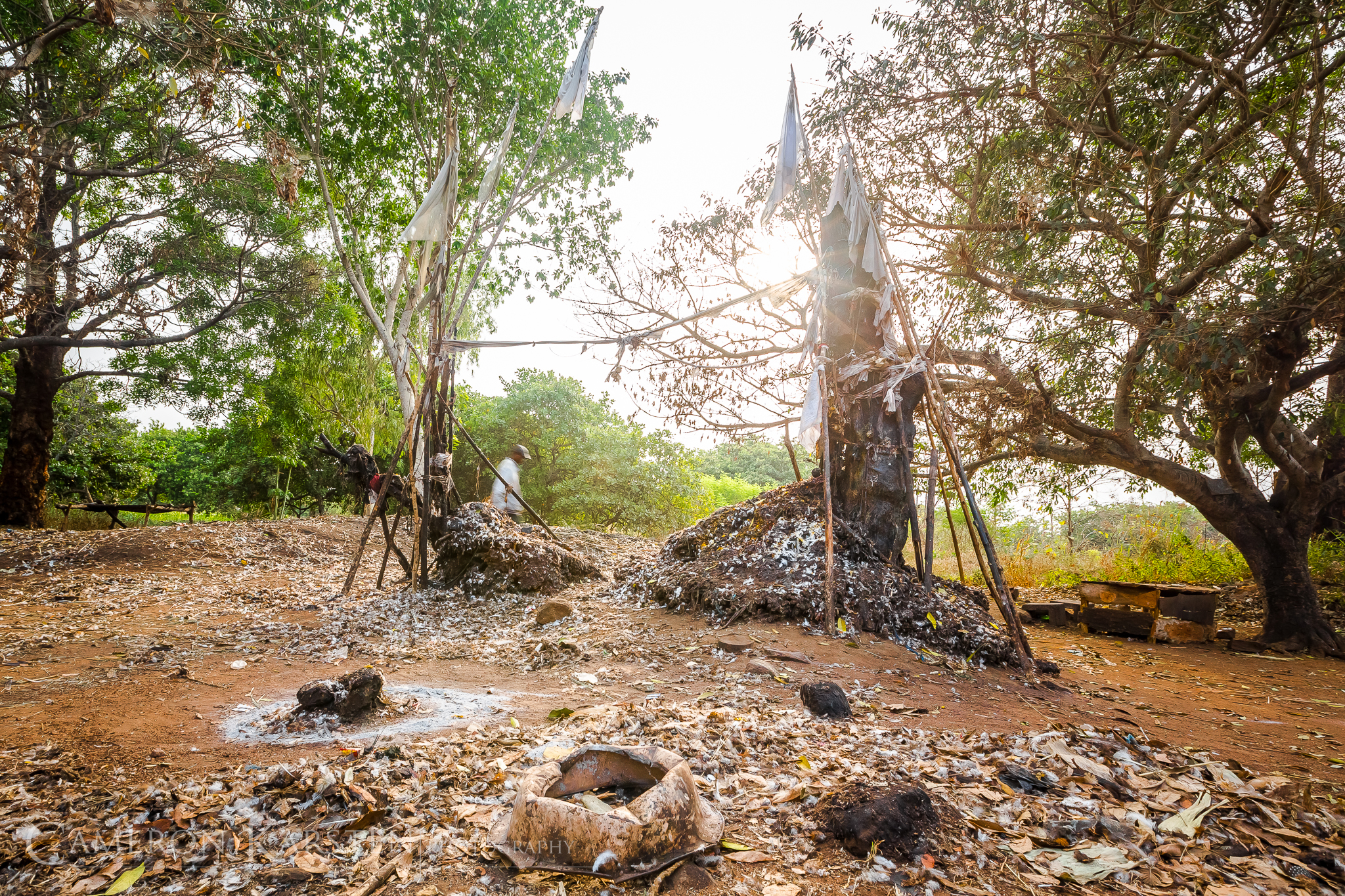
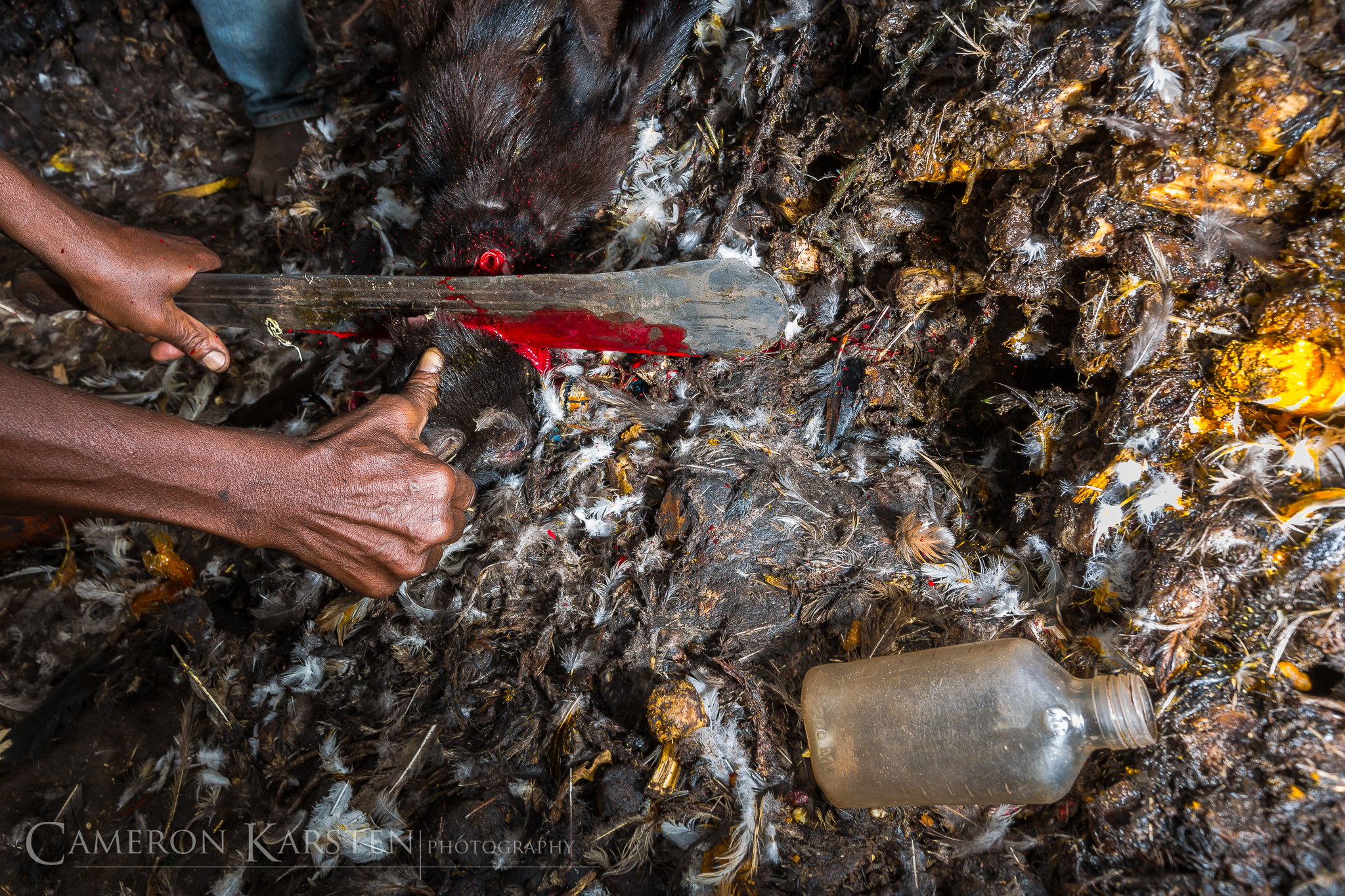
Dankoli is a place where Vodou practitioners come to ask for a blessing to the Vodou gods. They don’t need a priest due to its’ power, which is claimed to be a direct connection to the spirits. No other place in Vodou culture can offer this. Practitioners need nothing special—no powers, initiation rights or meditative skills—just palm oil, sodabi and a stick to club into the fetish. And what is this fetish? It is comprised of two conjoining mounds built up over the years with sticks, oily earth and gallons upon gallons of alcohol. Oh and also unquestionable miles of drained veins of blood given up by innocent chickens, goats and who knows what else. There were feathers everywhere, as well as bile from the butchered goats. It quickly stuck to the inside of my toes. Sandals aren’t recommended here.

Day14_Savalou-64

After a practitioner comes to Dankoli, asks for a blessing and promises of an offering in return, they leave. As soon as their blessing is fulfilled, the practitioner is then required to present the offering in the form of a sacrifice. Say your grandmother is ill. You come to Dankoli to ask for her health and long life, pound in a stub, pour palm oil and spit spicy sodabi over the fetish, all the while repeating your desire. Eight months later she’s healthy, vigorous like a 35 year old. So you return to this all-powerful fetish and offer your promised sacrifice. This young man offered five goats—roughly $100US. One by one they were given to the gods.

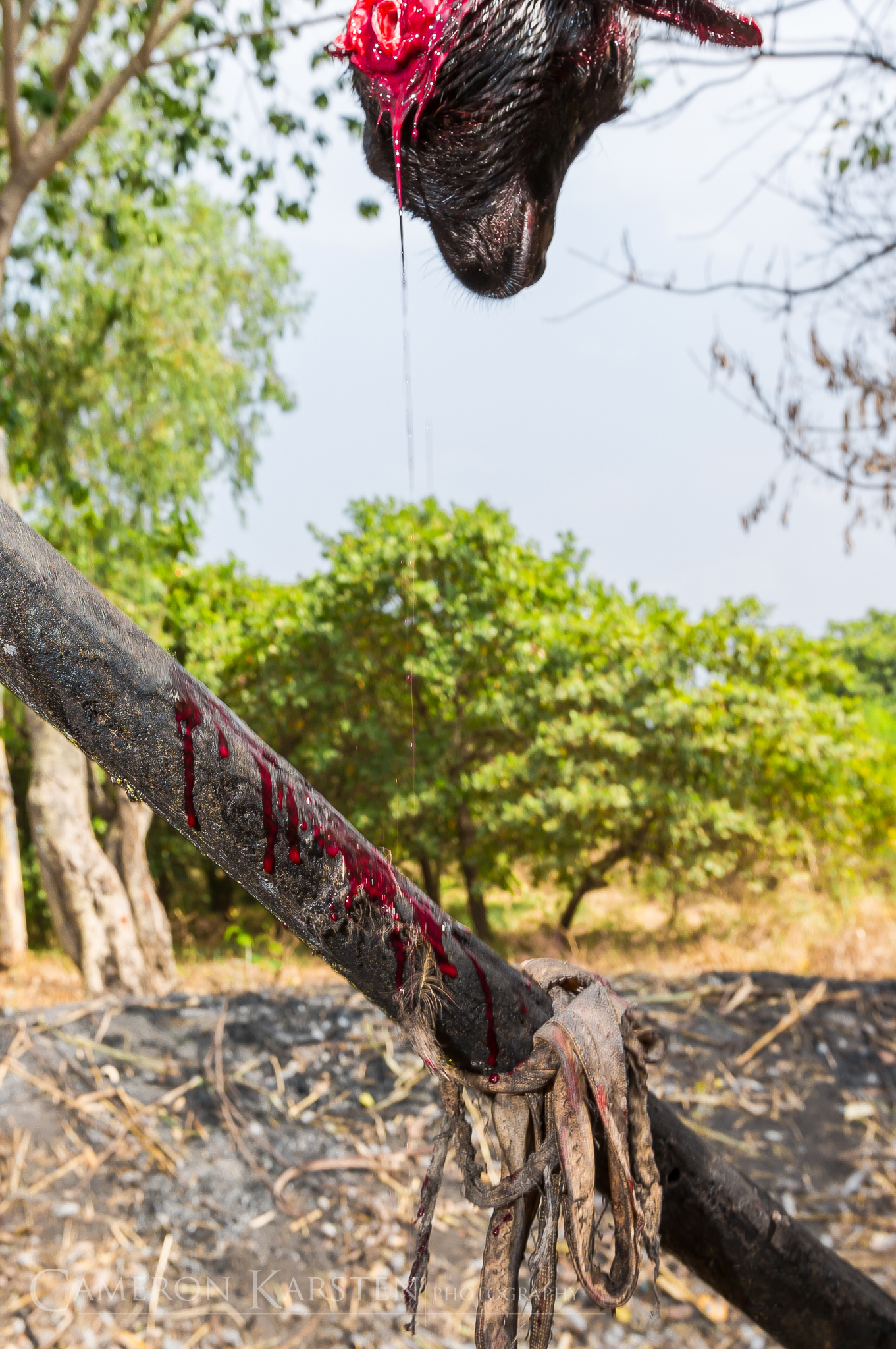
Assistants held the goats by the legs while another outstretched the neck. They were chanting, speaking to the Dankoli fetish, while the goats panted, overheating with fear. Behind them stood the practitioner, who oversaw his offering, and most likely expressed an internal gratitude. Suddenly, another assistant took up a rusty machete, rubbed it across the neck as if warming up, feeling out the arteries, before forcing the blunt blade into the throat and nearly severing the neck from the body. Blood flew like the millions of flies who shared the space, coloring the black fetish with spurting bright red. One after another. The assistants covered all sides of the fetish’s mounds, draining the lifeless creatures before hurling their bodies off to the side.

Once the offering was complete and new blood was poured over the satisfied fetish, nothing went to waste. The goats were immediately covered in dry grasses before being lit with a match. They charred, hair burnt off and meat preserved. Then rinsed and butchered, all parts of the goats divvied up among the assistants and keepers. Ribs split. Thighs carved. Belly diced. The head savored. And the practitioner, with his offering complete, saddled up his red motorbike and drove away with a plastic bag of meat hanging off the handlebars. Vodou success!

Day14_Savalou-315

From goats to chickens, the sacrifices came and went with the Vodou blessings. Often times the ambiance was dead like a long-gone roadside fill station until a roaring lorry truck blazed passed. We waited. We chatted with the locals, discovered their customs and dug further into understanding this ancient belief system. We had seen so much Vodou in such a short amount of time. We had to admit we had come upon good luck, good karma, good Vodou juju that allowed us to meet the right people and come upon the right ceremonies.

Vodou practitioners were friendly. They were open to our questions and cameras. All we wanted to know was the truth and share the power of Vodou with the rest of the world. There were no pins and needles and no dolls to poke, but there were sacrifices and other things we could not describe. So we let them be and swallowed our guts to watch the miles of veins drip with blood onto the various sacred spaces. One goat, two goats, three goats. One chicken, two chickens, three. One human, two humans…

“You want to be initiated into Vodou? If so, you will see many things. There are practices unknown and hidden. Only initiates can see. The Egungun initiation takes only one night. One night to hell and back.”

This was Alexander. We would meet him later down the road back in Ouidah. He wanted us to return to West Africa again in order to show us more secretive societies behind the veil of West African Vodou.

“Yes, Dankoli is strong. Many animal sacrifices. But there is human, too.”

Day13_AbomeySavalou-84

I could not and would not believe it. Maybe this guy was pulling our legs. Two days after becoming desensitized to the mass sacrificial offerings of Dankoli, we headed back south and into one of those moments we were trained not to believe, but first we need to honor the gods of Dankoli.

I took my turn. Bought a wooden peg, carved from a nearby tree, and with a wooden club made from another nearby tree, pounded the peg into the black oily fetish, repeating my wishes as I worked. Once it was firmly snug within Dankoli, I poured palm oil over it, again repeating my wishes. Then with a swig of a locally brewed sodabi, my lips puckered before spitting the rancid liquid over the pegs. But I forgot to mention two other nearby shrines, both honoring two distinctive characters within Vodou.

First was Legba. Legba is represented by a huge phallic symbol, similar to the lingam of Shiva within Hinduism’s pantheon. In Vodou mythology, Legba is the gatekeeper between the human world and that of the gods. He is the first to be invoked and the easiest to offer praise. He is also a figure of strength and virility, hence the penis shapes everywhere. So we poured our palm oil and spat on Legba.

Lastly, there are les Jumeaux. These are the twins, interesting stories within the Vodou culture.  Considered a sacred gift, the birth of twins is extremely profound and throughout their lives is treated with honor. Dankoli has its own shrine dedicated to the twins—two holes in the ground. We poured and spat in these, thus completing our Vodou wishes, which are not to be shared with anyone. From here we left and entered into a moment in time that seemed too mystical, too impossible to be possible. We would discover ourselves amidst a rare ceremony long believed to be dead within Vodou society: The Resurrection.

Next essay –>

Day13_AbomeySavalou-64

Day14_Savalou-290

Day13_AbomeySavalou-43

Day13_AbomeySavalou-32

Day14_Savalou-170

Day14_Savalou-197

Day14_Savalou-233

Day14_Savalou-255

logo_blackTrajan

Vodou Footprints: Outside the Blood Walls

Day11_Abomey-4

Careening east we leave Togo and turn northward, passing into Central Benin. It is flat. I think Africa and I think extremes. Something like Vodou, yes. Extreme. And now when I think Central Benin, heading north just off the coastline, I picture extreme flatness. The roads are straight as an arrow, gray asphalt that moves with the sun’s curvature. Arid dirt lines the peripheral with scrubland leading into an empty horizon. Towns come and go, stopping points for megalithic lorry trucks that bump along the three-day journey into Burkina-Faso and Niger, names in and of themselves that feel extreme. Andretti, or Geoffrey, is a fast driver. He’s our driver, and he’s safe. But going through Central Benin to Abomey feels like forever.

Abomey is the central focal point for power, the power that once was called the great Kingdom of Dahomey. It was a royal city and it was feared by its neighbors (remember the first King of Ganvie? He turned into a stork and fled across waters he was so afraid). It was feared by the colonial powers and nearly defeated the French in the year 1892. It was feared by its own people, traitors who were captured, pushed off its towering walls and sacrificed to the gods. And it is here that Bruce Chatwin’s character Francisco Manoel de Silva in The Viceroy of Ouidah, the beguiled Brazilian slave trader, was sent to as a prisoner, only to escape with the King’s mad half-brother:

The palace of Abomey had tall walls made of mud and blood but very few doors. It lay at a distance of twenty-three thousand, five hundred and two bamboo poles from the beach. In its innermost compound lived the King, his eunuchs and three thousand armed women.

Day2_Cotonou-11

It is here where the walls are made from the blood of enemies, where the King had the pleasure of sitting on a throne of skulls, as well as choosing from a harem of 40+ women for an evening’s lover. It is here where protection came in the form of those three thousand armed women, the world’s only true knowledge of the existence of the famed Amazonian women warriors; bare-chested females who hacked off heads and bit their foe with razor sharp teeth filed to points. Extreme.

It was dark by the time we reached Abomey, dark just as the night da Silva walked the length of those many bamboo poles into the Kingdom of Dahomey. To foreigners the Kingdom itself could not even be pronounced. The French misspoke it, the culture’s native tongue Danhomé, which in Fon means in the belly of Dan. This is the name of the great Vodou snake god—bringer of life and fertility, the symbolism of eternal recycling. But today it has erased that meaning, succumbing to the French woes, contrived to an erred Dahomey.

Day8_Ouidah-168

We got our room and sat down for dinner. A man arrived. Menus? Instead he asked if we wanted to see a Vodou ceremony. Right now? Yes. We had to go now. We all looked at each other. He was serious. We were serious. This was our moment with Dan, the master of a fertile project— Danhomé reconciled! Let’s go.

The man flagged three motorbikes once we were out on the dark dusty roads. In Abomey, there are few streetlights and those that worked are as yellow as a melted crayon mixing with its close orange counterpart. The tungsten stain is eerie in the damp heat of inner Africa, with no breeze but passing transportation. Once on the back of our motorbikes, we sped off down foreign roads and eventually arrived at an alleyway. We got off, paid for our fare and our escort’s. There was no music. Hardly any people. we knew we were thinking the same thing: Shit. What have we done.

Day2_Cotonou-4

Follow me, he said. So we did like puny submissive sheep leaving the tungsten night to follow our shepherd into the shadows of a narrow alley. There was dust beneath our feet, fine red African dirt that would easily soak up the blood spilled from our dying bodies. He was just looking for another human sacrifice: The blood of two foreigners! Abomey’s new theme among the throngs of Vodou tourists.

The man who led us here was in front and he kept waving us onward as my fists clenched tighter with each twisting corner. I felt like the walls were closing in, my backpack of camera gear tightening on my chest with each heavy breath. Then there was music. Tam tams drumming. People singing. An air of excitement reaching our thriving bodies. The yellow-orange glow began to return. Suddenly from the darkness we rounded another corner and stepped into the thrill of a local Vodou ceremony.

Day11_Abomey-24-Edit

It took minutes that felt like hours to negotiate with the head priest. Meanwhile we were standing by in a thick crowd of black skin. Everyone was pushing together, inching closer to see the performers in trance, taking on the likeness of their gods. They spun in gallant costumes, led by the auditory energy of the drummers who sat under a dim light beneath an expansive green tree. People sat on the dirt, dignitaries in plastic chairs and locals up on the walls and roofs of the surrounding housing. I loosened my fists. Relaxed my shoulders and let out an air of tense breath. I felt my whole body relax into this sacred space of Vodou, a space that we have submersed ourselves in for close to two weeks. We were documenting, exploring and inevitably becoming a part of this culture, a practice that supersedes any other form of religion since the dawning of humanity. 24/7 we were breathing Vodou and spinning its threads within our minds.

Day11_Abomey-36-Edit

For the next two hours we secured the trust and permission of the people to photograph their local ceremony. Two white photographers with their cameras and lenses and one flash each. We crouched near the Vodou practitioners, studying their movements, watching their feet kick up the red earth and stamp back down to the timing of the many drum beats. We stared and felt that process when an outsider slowly melds into the inner circle. It was impossible not to become a part of the discovery.

As photojournalists and writers, we strive every second to learn more about our subject. Knowledge is the avenue to the complete intimacy of exposure. When the project was first proposed—Hey, how about Vodou?—we knew very little if anything. Pins, needles and a doll? No thanks Hollywood. This goes beyond the misnomer of one of the world’s most unidentified cultures that holds its complex belief system in absolute secrecy. But as the modern age reveals itself and as the lucrative endeavors within the tourism industry help provide for individuals, families and their country, Benin in particular has opened its doors just slightly, allowing those willing enough to go the distance, entrance into a place of origin where signs of evolution are omnipresent.

Day11_Abomey-30

The ceremony ends. Our guide, the man who led us to this remote part of Abomey, where the magic history of Vodou and the powers of a royal city in the likes of Timbuktu and Zanzibar dominate, took us away. We were back at our hotel, a sweet little spot called Chez Monique. It was late. The kitchen was asleep as a group of large women lounged next to a blaring television, only paying attention during fits of sleeplessness—a strange scene with the romantic French tongue licking at the shadowed night. A blue cast flickered into these thick crevasses. We sat down. Our food was still warm; a plate of couscous with half a chicken and half a rabbit. The night governed and that feeling permeated deeper: The traveler in a far land with the ebbs and flows of successes, not judged by good or bad, but merely by the feeling of excitement and the fluctuations of extremes, traveling from one end to the next and back again. A life of the unknown. This is Vodou land, beyond pins and needles.

Next essay –>

Day11_Abomey-35

Day11_Abomey-43

Day11_Abomey-41

Day11_Abomey-53

logo_blackTrajan

Vodou Footprints: I Have a Fetish For You in Togo

Day10_11_Lome-23

Stepping out of the car, there is a flurry of excitement. Not the over-zealous, exaggerated enthrallment of celebration, but one of sprinted adrenaline, like termites scurrying from an anteater’s invasion.

We emerge from our vehicle as another approaches, spitting up dust from a pair of screeching rear tires. We have just pulled into a fenced compound in the middle of a thick market district of Lome, the capital city of Togo. It is late in the afternoon and the sun is low, casting a beautiful soft orange light through a low-hanging haze that spills across the bamboo sheds. People suddenly go from lounging on benches in shadows to shouting amidst a frantic escapism. But it’s not because of us.

Day10_11_Lome-392

Walking into Togo, one has to step out of one’s car and pass through a series of guarded gates. First stamp passports at the Beninese customs stand. They couldn’t care less who you are. Next pass through a doorway where a man checks you have been stamped. Then into another concrete bunker where you’re waved through into Togo. Follow signs, enter another building. Stand in front of two Togolese officials and hand over your passports. They’ll take them and slowly go through the process of filling out a handwritten visa; and if you stand in front of their television, with a flick of the wrist they’ll tell you to move because they’re busy watching a dubbed-over original 1950’s version of Rashomon.

Looking around the scabby office, one will notice a few framed photographs of Togo’s president, Faure Essozimna Gnassignbe. He’s a round young looking man (actually he’s 48), comfortable and content with an education from George Washington University and the Sorbonne in Paris. Next to him is an intriguing sign. My partner points it out:

If the sheep’s courtyard is dirty, it’s not for the pig to say it.

I repeat it in my head while he silently laughs under his breath. We look at each other and then back at our guide Stephano.

Day10_11_Lome-52

When passing through the series of gates from Benin to Togo, we realized Stephano presented no papers, no identification, nothing. Entering Togo he joked with the official and slipped him a quick cash-laddened handshake. When we asked him about this he shrugged and shook his head.

“Fucking Togo. I hate these corrupt bastards.”

Our eyes lit up and we laughed slapping him on the back. “But you have no ID,” my partner said.

“No. I don’t need one.”

“What do you mean you don’t need one?”

“I didn’t bring one,” Stephano confirmed. “I don’t want these fuckers to know me.”

Day10_11_Lome-333

We couldn’t believe it until now, until we stood affront the two absorbed Togolese officials underneath the sign that spoke the truth.

The officials charge us both ten extra dollars for our visas and without argument we hand it over. The sheep’s courtyard is definitely dirty, but the pig’s is dirtier. We’re the pigs. The government claims to be the sheep. How dare we judge them as mere citizens.

We jump in our car only to be accosted by another Togolese official, this time a soldier wielding a heavy semi-automatic rifle. Stephano puts up a fuss. The soldier is adamant and so is Stephano. They argue back and forth, the soldier’s grip firm on the trigger, Stephano glaring into his eyes. He leaves the car. Surrounding us is Togo and numerous roadside stalls. They are selling fresh meats fired on grease-stained grills. Kabobs of red encrusted chicken legs and thin slices of beef steak sizzle. Towers of glass bottles reading Jack Daniels and Crown Royal. Packets of gum and tissue. Young men walking around selling toilet paper. And the older ones seated on stools with handfuls of currency from neighboring countries. Apparently, we weren’t supposed to get in the car at that particular point along the roadway. Fines are dished out.

Day10_11_Lome-124

An hour’s drive and we’re in Lome. Nothing special. Just another African city. We find our hotel. Check in. Leave. Pass a restaurant called Mama Tampons. And then enter the market district. Today, we come to Togo for one thing and one thing only: The Akodessewa Fetish Market.

Tables and stalls of dried animal parts. Bones, skins and pelts, organs and jars filled with more anatomical remnants of species once living; we begin to take it all in as a man says goodbye. He’s thrown into the car that sped up behind us, the one that sent the market sellers in a frenzy. He’s cuffed and guarded by two soldiers harboring those semi-automatics. Everyone is dressed in civilian clothes and as quickly as they came, they’re gone. Just another day. Just another illegal deal.

A local takes us around. I’ll call him Steve. He’s a nice man, completely welcoming and excited we’re here. This is a new feeling to us because most individuals are suspicious, albeit welcoming, but suspicious. Steve, however, expresses none of that and kindly guides us from stall to stall explaining the uses of the ingredients and their importance to Vodou culture.

Day10_11_Lome-107

Fetish. Not the toe-sucking fetish. The spanking, pulling hair, hand-cuffed lashings of S&M fetishes in Hollywood, but the West African fetish. You mention fetish to a Ghanaian and they shriek. You say fetish to a Beninese, they smile. You say fetish to a Californian, their eyebrows lift licentiously and they begin to think. That’s what my partner first thought. That’s what I was imagining. But a fetish in Vodou is a powerful tool, a magic ingredient, and a witchdoctor’s answer to the spiritual, which allows him to communicate with the gods and deliver their healing powers.

Take for example this live hawk. It looks depressed and any bird lover would see it in his eyes. The hawk has been underneath the table, tied at its fleshy leg to the wooden leg by a thick nylon cord. There is plastic debris surrounding it, along with a filthy bowl of water. I watched one of the hawks poop in the little plastic bowl, which is meant to be their drinking source. So much for nature.

Day10_11_Lome-399

Well this bird is a tool used by Vodou practitioners. If a client comes to a Vodou priest explaining evil spirits possesses them, the witchdoctor will consult the god specific to his/her temple and discover the necessities to treat. Out at the market, the priest will purchase the ingredients, one of them being a live hawk. And the following day with the possessed client present, the doctor will perform the rituals and as a symbol of letting go, the hawk will be released with the client’s evil spirit upon it’s back. Client healed. Exorcism complete.

This is just one version of many different possibilities. Vodou is an open book and anything is available. At the fetish market, young boys run around showing us whale vertebrae bones, live baby crocodiles in yellow plastic jerry cans, stacks of dried herbs, cages of mice, frightened turtles, boxes of dried chameleons, enormous mummified cockroaches, shelves of stacked monkey skulls, decapitated wild dog heads with jaws open as if frozen in time, hippopotamus skulls, antlers four feet tall, snake skins, baboon, hyena and leopard heads, as well as the most poignantly disturbing of all.

Day10_11_Lome-387

There was one little boy. He was the quietest of the lot. Others yelled out Monsieur! Monsieur! incessantly. But this boy was calm, tapped us on the shoulder and held up a foot.

There is that famous photograph of local rangers in the Virunga National Park within the Democratic Republic of Congo. The photograph by Brent Stirton is taken from above of a silverback lying on its back upon a tourniquet made of branches. Wrists tied back over his head. Feet tied at the ankles. A huge protruding belly facing the heavens. Locals are beneath the animal, carrying it through the war-torn jungles of the DRC, dead because of gun shot wounds by supposed illegal charcoal traders. This was the image I thought of as I saw the little innocent child holding up a dried gorilla’s foot. He wanted his photo taken.

Day10_11_Lome-162-Edit

The next morning we return to Vodou’s largest fetish market. The oddity strikes and we know we want to discover more. For hours we linger, wandering the stalls, photographing, talking to the kids. A Vodou practitioner arrives on his motorbike. The sellers scramble, running toward him to garner the morning’s first sale. Then I realize, this is the first pharmacy ever. Take away the metal fence, the motorbike and the corrugated tin roofs. What you have left are wooden stands, bamboo walls and dirt. Locals come, foreigners from afar—they’ll all seeking a cure. If you have tendinitis. There is a cure. If you have a wart on you finger. There is a cure. If you want to win your next soccer match and score a hat trick. There is a way. Come to Akodessewa Fetish Market in Lome, Togo.

Next essay –>

Day10_11_Lome-4

Day10_11_Lome-454

Day10_11_Lome-185-Edit

Day10_11_Lome-92

Day10_11_Lome-158

logo_blackTrajan