

Exploration with Culture
Lamu is a UNESCO World Heritage Site. Narrow winding alleys, exquisitely carved wooden doors lining coral pathways and the bustling Arabs with the men’s flowing white gowns and the women’s mystic black bui-buis (traditional Islamic head scarves), each sparkling in the fierce village lighting. The town is enchanting with scents of humanity harvesting, preparing and cooking spicy Swahili dishes. Mix the aromas with various loads of donkey dung, cat shat, raw prawns and decomposing red snapper, and some squashed cockroaches into the perfume and viola—a rustic seaport ripe with tradition. Only two cars exist on the island—one belonging to the hospital, the other to the police station—therefore the colony of donkeys dominate transportation, together with the fleets of dhows and long narrow motor boats.
To watch the newest film about our experience in Lamu, which is directed and produced by Cam2Ygoi Productions, please follow the below link. Forewarned… the film is 10:33 minutes, with film footage, photographs, dialogue and music, so the downloading time will require patience:
Viewing also available on Vimeo at: http://vimeo.com/12815753
Certainly out of our league. When we entered the building, there was an air of leaving the world behind and indulging in the high-status frequency of world economics and infrastructure. I passed a sign, or more a mural embedded within a wall like thick corrosive sludge in the shore’s seagrass. It was iridescent, out of place, colorful within the drab building of white walls, symmetric hallways, and black electronics blinking, beeping, interrupting and heeding. It stated:
Integral to everything we do is a commitment to valuing the uniqueness of the individual, harnessing the strengths of a diverse work force, and respecting and learning from the communities in which we operate. As we succeed, so too should our partners in Nigeria, Kazakhstan, Venezuela, and other countries around the world.
Hmm.
I gave some thought worth pause.
My camera was in hand. I snapped a photo. A security guard approached.

“You take no photo. No. No photo.” His head shook. It was black as night. It was black. It was beautiful.
I pointed playing dumb, “This?”
“No photo.”
Too late.
Here we were, average citizens, turned global, now becoming diplomats. We were inside the headquarters of Chevron Nigeria Limited. We came for a meeting with the senior managerial staff to probe, to understand, and of course, to “respect and learn from the communities in which we were operating.” We were twenty Americans about to sit down in a boardroom with the decision makers of Chevron’s involvement within Nigeria. We left this exact country behind as we found ourselves within leather- and cotton-cushioned seats in a room outfitted with top-of-the-line conferencing technology. Where was Nigeria?
“You are citizen diplomats in the inner sanctum of Chevron!” Susan shouted in a belligerence of excitement.

As we waited, prepared, and sat in anticipation, our penmanship doodled in quick fury. It jittered with the unknown that was about to arrive. What would we say? What would happen? What would come about with this meeting, and how could we all benefit from it, especially the people of the Niger Delta? Together, we felt like we were a world apart from the streets of Nigeria in which we had just left. The madness, the horns, the heat, the people and the bodies—crammed crushed beaten—the charred metals of slashing motors and their bikes. It was a pure black ebony traffic jam on our way through the streets of the once-capital—Lagos. With an estimated population somewhere between 10 and 15.5 million people, making it the second largest city in Africa (Cairo being number one), we drove across town with the hoards of traffic in slow crawl. Buses, vans, sleek black Mercedes with chrome wheels and tinted windows, along with clunking heaps of metal, motto-bikes and foot-traffic allowing time to pass slowly. People moved in all directions, against all civil rules in what often looked like a rumble of rusted parts held together by bolts and the people themselves. And despite the exodus of everyday Lagos, we reached our meeting with the precision of planning after the hours of simply crossing town, staring out the windows at the revolutions of Africa’s intensity. Here we were, within white walls, within silence, putting back on the layers we had been stripped of as a stern, stubborn vent hissed a chilled air over our heads. We had only spent one night and one morning in the country, and now we were gone. We were in the corporate country of Nigeria; a Wonderland entirely different.
I sat back. My leather chair responded; bounced, squished, squeaked, and reclined like a rocket launch. The air filtered. It hummed. Mr. Denji Hastrup and Mr. Simon Winchester entered.
There were short introductions, which seemed wholly fruitless in the scope of their ripening money tree. Hands were extended as we greeted the senior management of Chevron Nigeria Ltd., and our attentions spanned, as did the tailored wealth of their headquarter lawns. Susan spoke with a leader’s determinacy; “We’re not tourists, we’re delegates. We’re here to learn and bridge all sides. We hope with our presences, with loving hearts and open minds, we can create more trust.” She paused. “We’re really here to listen.”

Listening. This was Susan Partnow’s thing, as well as the other facilitators of The Compassionate Listening Project around the world. And this was a part of our journey. How else to learn, but listen?
Alright, indeed there is experience, but within the act and art of experience, you listen. This is the essence. Within experience, you don’t just listen with the ears, catching sounds, but you listen with it all. Your body listens to the environment. It feels the senses. It absorbs them with the input they receive. It immerses itself within the energy of the atmosphere. It sucks from it—a nectar, the bee. The body and the experience, when in a union of totality, are one. They compliment each other. They feed from one another. And in order to accomplish this awareness, the body listens.
The Compassionate Listening Project, in an esoteric perspective, is this bodily listening. It is an awareness of your body to that which is before you—whether a person communicating, whether more than one, or whether the environment you are within—to best understand it and open up to the potential for growth and healing, if necessary. Deeper, you reach the level of the heart and soul, where your love innately resides; waiting, stirring, believing. In its patience, your love lingers for your own initiative to release and fill others.
“We’re really here to listen.” Susan’s phrase extended to a whole source of purpose. As I sat there, I could see it written and pasted on a refrigerator, one of those magnets of wise sayings and quotes:
We’re really here
to listen
-Susan Partnow
I could look at it as a spiritual meaning. We’re here to hear—to hear the inner voice of our guidance to direct us to the most beneficial, most safe, most loving home upon this planet where we could operate from the source of love and peace where this precise guidance emerges. We’re here to listen to one another—something called respect, which could solve any and all problems, each catastrophic war and each domestic dispute among family, friends and strangers. We’re here to listen.
As Susan spoke of our project within the Niger Delta, Denji and Simon indeed listened, but they often checked their watches, flipping their wrists, or allowed their eyes to wander round the room’s walls as if marveling at the technological masterpieces in which they had at their fingertips. “Damn we’re good,” the eyes spoke.
The two execs were businessmen and this was the air within that hissing, humming, chilling boardroom. They spoke to us with diligence and professionalism.
“It is not practically possible to have a full understanding of the complexity of the Niger Delta. It is a region of tribes and peoples each with a distinct history and kinship to one another. And for us to operate within it, we face daily trials dealing with the tribes who compete and survive based on their own and their neighbors’ performance. There is jealousy and often hostility involved. It is a very, very complex situation we have. Once you know the problem, it is only half solved.”
We knew what Mr. Denji was speaking of. We had had our history lessons of the region. We were aware of the violence, the suffering, between the peoples of the Delta, and we were also aware of the turning of a blind eye in which companies such as Chevron, Shell, ConocoPhillips and Exxon ignored, even instigated.
But it was never all bad, that is…their participation and operations. Back in the late ‘90s, Chevron funded the construction and operation of a hospital near a platform called Escravos, but relied on the Delta government to supply the doctors from the nearby industrial port of Warri. This was the high point with the local ethnic peoples. It was a time when relative stability settled over and under the oil-rich region and both multinationals and locals sought to work with one another. Many projects such as these flourished. Or maybe the word flourished used here is a little to ostentatious. How ‘bout developed? On top of the Delta’s development in the oil industry and its exportation and sales, the communities within and surrounding the oil platforms developed from the broad opportunities for employment. Relatively speaking, most were happy, or that was the feeling within those communities reaping the benefits off their own land, as it should be.

This was the high point. The two separate worlds, one of developed business fueling the rest of the world and one of primitive African fisherpersons, working with one another and both coming out on top—or so most thought.
The hospital near Escravos was up and running. Local people had medicine. Pregnant women had a source where they could be cared for, supported, and children could have the chance for survival with modern vaccines when they faced the struggle against disease and virus strains. Working with one another. Both coming out on top—or so we assume.
In 1999, the hospital, the drugs, the whole project burnt to the ground. It was charred, seared, a place of modernity and community within the raw world of Africa’s tribes. A local group, apparently due to the inter-conflicts between tribes, torched it, leading one to ask, “Was jealousy involved?” “Why did they get a hospital and not us?” “My water’s spoiled, as is theirs: What do we get?”
Chevron returned and helped to rebuild the community’s hospital, one open to all peoples of the region, but the region is big, taking hours, maybe days to cover through the narrow alleyways of water in what is called The Creeks. So others were not pleased. They wanted theirs. It burnt down again in 2003.
Simon looked around at us. He wanted us to know the complexity. He wanted us to know the frustration they all face within the business when the people help fuel this adversity of fairness and just responsibility. “We have to find stability in the region. It does not make sense to throw money where it will not benefit the people, where it will not care for the children and those who are ill.”
So the leaders at Chevron Nigeria Ltd. developed a new model for sustainable development within the communities, for the communities. They would fund representatives from each community to create and develop the communications necessary. It would be termed Regional Council Development, or RCD. Within this board, representatives would meet and discuss funding options to get input and educate the locals about the prospects for development. Likewise, a priority among responsible business management is the transparency of the company and its operations. Therefore, RCD would discuss the costs of the project to create an open and indistinct development. Simon put the mustard behind the bread; “When we know the cost of a project, when we know the cost of a gift, we are less likely to destroy it so quickly.”
RCD incorporates four basic principles:
With the first principle, Simon reiterated the success between partnerships when each member is involved and active in the developing process. Open communication is key, involving as many perspectives with those present. In regards to transparency and accountability, if the information and knowledge is not clear, it advocates the spread of rumors from a third party source. When each participant and community individual is aware of the operation and aware of the contribution to operation, those opposing it in any way are less likely to react in retaliation since all honesty among the other participating member is open and on the board.

As I was listening, I was thinking: Smart man, right?.
And the third point Mr. Simon Winchester highlighted was on empowerment. We all know empowerment; its strength, its force, its lifting qualities to make one believe and be believed. Empower the people, Simon emphasized. “Unleash their potential to develop community in order to create sustainability and stability. If Chevron leaves, the project and creation will continue in the hands of its successors.” I was beginning to see Simon as the next Zig Ziglar of the corporate world.
Empowerment is complete power shift. It is a giving of power, or the potential for realization of power, back to someone. But was that power ever taken?
Power is in one’s own beholding. If one has power, conviction, belief, it is only taken from one if that person allows it to be. Power is yours to keep, and it always is yours. No one can ever take it; it is only yours to give. And in the frame of empowerment, empowering people, especially the tribes of the Delta, would be allowing them the opportunity to reclaim their strength and participate in the development of their own land—something they have never had in this emerging world of business. The new process, according to Simon, would involve the action of both woman and child—another foreign concept in the eyes of village elders. This is the transparency process of RCD.
Our eyes were open; our ears receptacles from abroad in a world of distinguished differences. But we listened through each capable orifices of reception. We learned.

“This is community engagement 101,” Denji finished. “And always be on alert.” That last remark jumped out from the bush, and I wondered its relevance to the new model, but he summed up his feelings, whether business to business, or just straight person to person—an equal plane. “You’re a bridge to us. You’re a bridge to them.”
As we left the room, we all had the opportunity to ask more questions in a casual, wondering, cocktail-party ambiance. I chose to wonder and be an observer.
My thoughts burrowed deep within a conscious questioning with every other diplomat, searching for an understanding of the issues facing the oil-rich region of the Niger Delta. We heard Chevron’s proposed programs in order to meet the local’s needs, needs that have been ignored, trampled and despoiled among the multinational corporations’ greed for revenue and demand. Yes, their words were professional, understood to be addressing a group of twenty philanthropic workers. They were shakers of hands, and we met theirs, grateful for the time allotted to us humble seekers. I wandered and approached a wall near the south exit and stood before a large plastic poster inscribed with the Codes of Conduct. How professional.
Chevron
Nigeria/Mid-Africa SBU
Operational Excellence
Safe, Reliable, Efficient and Environmentally Sound Operations
Do it safely or not at all
There is always time to do it right
Tenets of Operation
Always—
Achieving World-Class Performance Through
Organizational Capability
Out the security borders and beyond the gated walls. Out back into Nigeria, with Africa’s most populous nation at hand.
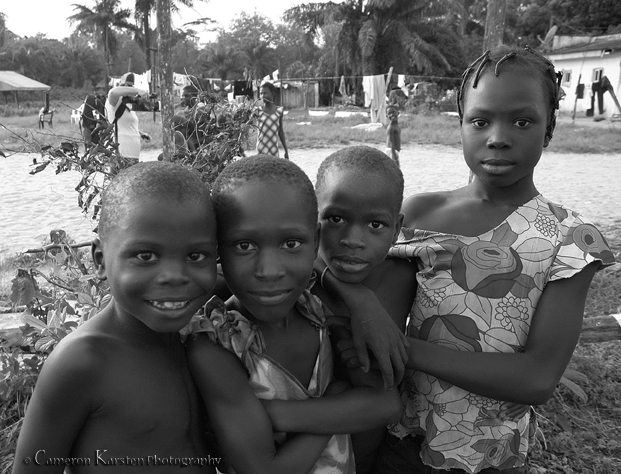


 There were stories after stories. I sat outside and listened to the man. He was panting. Sweat trickled down his black face, shimmering off the pools on his forehead. He wore a sleeveless T-shirt and baggy shorts. Both were dirty and unkempt and both stuck to his sticky skin. Atop the head and woven into his hair was a basket of woolen fabric knitted into a hat. It contained his dreadlocks; a local Rastafarian resembling Bob Marley in plump form. But this man’s name was Kito. He had come to visit his friend, a young Abdullah. Abdullah was in prison, locked in the local cell on top a hill overlooking Lamu town. And apparently, Abdullah was not looking well.
“Abdullah’s eyes are glossed over,” Kito explained. “And puss is coming from the corners. He says he wakes up every morning and cannot open the eyes because of crust.”
Pinkeye: conjunctivitis born as a viral disease from surrounding bacteria: Conjunctiva of the eye inflames; belonging to the genus Arterivirus; highly contagious.
I asked Kito what the jail cell looked like.

“It’s small, no more then this deck.” We were clustered outside the police station, in an area no larger then four feet by six.
“And there are three other prisoners with him.”
“What about beds?” Lily queried.
“No sista. No beds. No chairs. No blankets. No sinks. No nothing, except one bucket. They sleep on the concrete floor. They sit on the concrete floor. They eat off the concrete floor. And they squat over this one bucket and shit into it.” Kito paused for effect, dropping his head in abjection. “And there’s no washing of hands or body. No moving for the exercise. He doesn’t have much longer, you know? Nobody does in this place,” he concluded pointing inside the building.
Kito had been to jail… like myself. For eight months Kito was locked up in England after living there for ten years. He was married to an English woman. They had a daughter together. Then he was jailed and later deported back to the island of Lamu off the coast of northeastern Kenya. He saw his daughter whenever his ex-partner decided to visit. She was coming in one week. It had already been over a year.
“So I treat my friends as my family. They’re all I have in this place. Abdullah is my brother, you know? He is family. And my brother will not live long in this jail, nobody can. Maximum one year and then dead. You get sick and you die. Jail in Kenya is execution. Abdullah is going to die and it was not his fault.”
Abdullah was a businessman in the tourist trade of Lamu. He was a sailor and organized trips to take people to Manda Toto for snorkeling, as well as sunset sails through the mangroves on local dhow boats. On one particular trip, a group canceled the night before. Abdullah had already bought the supplies for the all-day sail. The one remaining passenger was nowhere to be found and thus showed up the morning of the scheduled departure. Abdullah explained the situation—they weren’t going. Of course, the one remaining tourist wanted his money back. But Abdullah did not have it. It was in the groceries. So the English tourist reported him to the police and the police came to arrest Abdullah. He was locked up with bail set at 2000ksh, approximately $30USD.

That was seven days ago and to this day his family is too poor for that. His friends have their families to care for. 2000ksh is a fortune in many parts of the world, in fact, in too many parts of the world.
Shortly, Solomon appeared. This was the Chief of Police for the Department of Tourism on the Island of Lamu; the man the English had dealt with, the man who arrested poor Abdullah. On this day, Lily and I arrived to report the incident that occurred the night before—robbed by an axe-wielding heroin addict who threatened my life and ran away with a $4000USD camera. In retrospect, we would be deciding the fate of another local, a man like Abdullah and Kito and police chief Solomon. But a man with a question mark on his soul of whether or not he was deserving of such a fate. That was yet to be decided.
I stepped into Solomon’s office and stood behind a counter while he and three other large bald Kenyans maneuvered into the room. Solomon was tall and lanky, skinny with a narrowing head and dark brown eyes. “So please recount the story of last night,” he requested, “with as much detail as you can remember.”
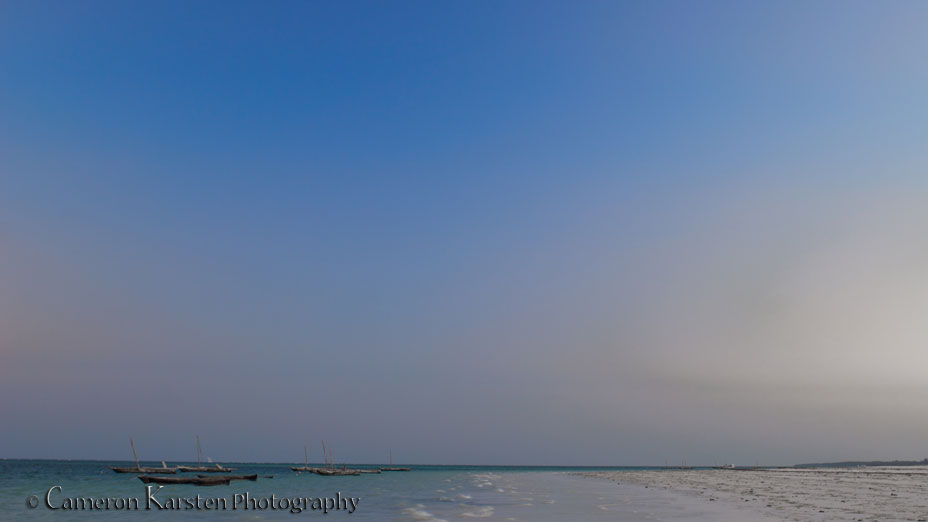
Lily and I were each drinking a jug of juice—one sweet lime and one fresh coconut. It was Monday. Two days had passed since the mugging, one day since our report to the police. We were at Bush Gardens along the waterfront of Lamu town, observing an old Swahili culture beat under the heat. The sun was high. Sweaty bodies pushed donkeys, men rode them like over-sized children, and others hauled empty oil drums in trembling carts while most stood at the jetty staring. Their clothes were faded from the sun and the lifestyle of fisherman and sailors.
It is a separate experience ambling along the waterfront of Lamu town. While walking along the boardwalk, a tourist’s amble quickly turns into something akin to a trot as hawkers and touters goad for your attention:
“Nice pants brotha!”
“Hey sista!”
“Where you go? To Shela? I take you there?”

“Jambo nice couple, you want to snorkel? Or maybe an evening mangrove sail? The sunset, you know?”
They hawk and then they wait. And then they stalk, these local fishermen and sailors of the tourist trade. We are their sole income. We must help.
After recounting the incident to Solomon and his police chiefs, we were led into further information. Lamu is a tourist economy. When economy is up, the culture thrives. When it is down, it suffers.
Since the outbreak of violence after Kenya’s 2007 election, the entire country’s economy has suffered. Few travelers care to explore the culture. Now three years later, things are looking brighter. Yet people are still desperate.
“There is a problem,” one man began telling me. He was a boat driver and gave us a ride from Shela to Lamu town. After we told him about the mugging, he gave us his sentiments and shared the deeper side of Lamu. “People inland have drug and alcohol problems. Many many use heroin. And many drink. Inland is where they have problems, and at night they come out to the beaches to do what they did to you.”
“So it happens often?” Lily asked.
“Yes, but it is better now.” We paused as the motor droned and the sea breezes cooled our skin. “But heroin is bad. Alcohol is bad. We don’t do that. I’m a native and our people of Lamu are not happy with this. My father told me it is okay to smoke the marijuana. You can think. You can work. You can live a good life. He said, ‘Smoke marijuana if you want, but stay away from everything else.’
“So brotha,” our captain said looking at me. “Smoke the marijuana and be happy.”
Solomon had said the same… about the increase of violence: “Last week two German ladies were robbed. Same place. Same time. The man came from the bush onto the beach and pulled out a knife. He took their cameras and their mobile phones and some money. But we caught him and he is here in the cell. So I think we have a good chance with this one.”
We spread the word. We told our friend Habeeb at the General Store. We told the boat captains and the hawkers and asked for their help. We told other tourists and travelers to be weary—cautious—to have eyes in the back of their heads. We told them to be smart. And what everyone told us was this:
Don’t walk at night!
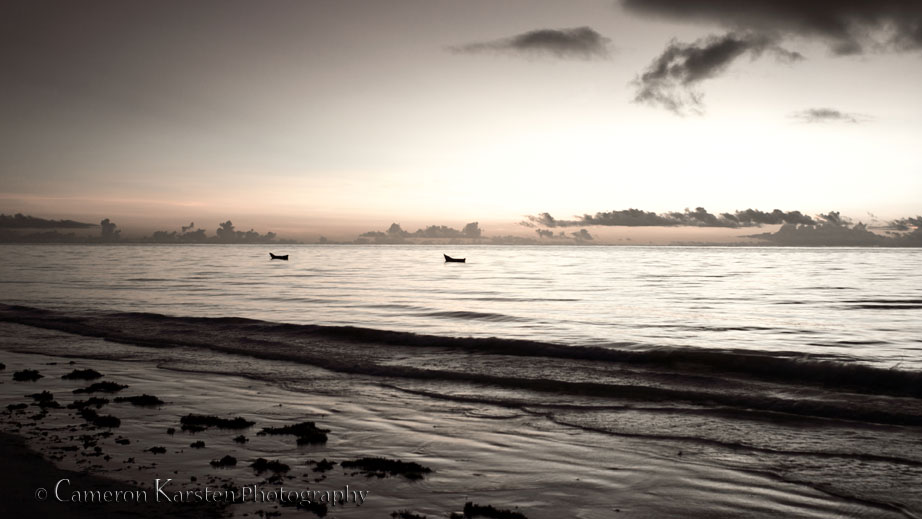
Lily and I had let our guard down. We believed we were in paradise, a land of imagination, one fueled by emotions. And we walked the beach at night under a cloudless sky littered with flittering debris of stardust and spacious chatter. We paid the price because we were on a continent called Africa. We were on a planet called Mother Earth where humanity suffers and resorts to violence against fellow brothers and sisters. In retrospect, it made no difference where we were. It could have been Mexico or Hawaii or New York. The man with the axe, strung out on heroin, walked away with my camera loaded with a full memory card. We walked away with our lives. Consider us lucky.
Throughout the remaining week, I checked in with Solomon. He wrote up an official report for insurance purposes and relayed any information. “We have leads the camera is in Mombassa.”
“Mombassa!”
“Yes,” Solomon nodded. “We think he has left the island and is in Mombassa to sell the camera. It will be difficult now, but we will keep trying.”
I told Kito about the news and he shrugged. “I’m sorry we could not help you more, but these things are hard and too often. This island is beautiful, but it is as normal as Nairobi. You know, we have more serious issues. The jail here, where Abdullah is, is full of guns, bombs and weapons. If one thing happens, this town will go up.”
“What do you mean? Why?”

“Why the guns?”
“Yeah, why is the jail full of them?”
“Last month,” Kito began, “there was a small fishing boat off the shore. They were two fishermen from Lamu and it was night. Suddenly, they saw a flare go off from another boat, so they motored to it and found a group of men. The group needed help so the two fishermen rode up. All of a sudden there were guns on them everywhere. The other boat was full of Somali pirates.”
As the crow flies, the island of Lamu is approximately 70 kilometers south of Somalia. It’s in the hotspot. The island is a dichotomy of beauty versus evil. It is pristine, yet chaotic.
Kito continued. “There is a US Navy base somewhere here. It’s hidden. Nobody knows where. When the fishermen were able to make a SMS call from their mobile, Kenyan police and US Navy swarmed the area and captured the pirates…all eleven of them. And now their guns are here, and others from earlier times.”
Pirates, drugs, violence and paradise. It all seemed to fit the adventurous package in which we were seeking. I realized Lamu was like any other place, with the good and the bad. While Lily and I were there, with the experiences we had, we offered our good energies to help the good, promote the positive. Abdullah needed help, so we approached Kito.
“We’d like to help Abdullah. How can we help?”
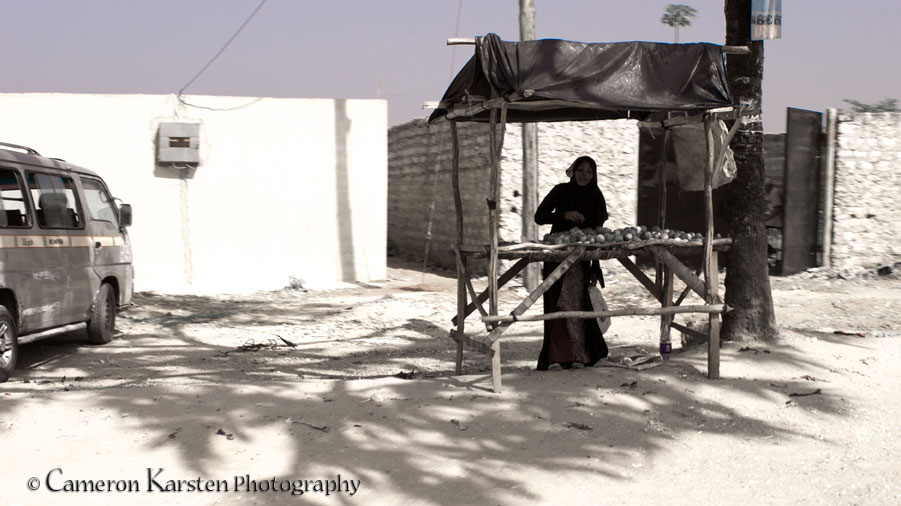
Kito smiled broadly. “He needs to get out of there now. He is sick and slowly dieing. We need 2000ksh to bring him home and then he needs medicine to heal.”
Lily and I looked into Kito’s eyes and then we analyzed the situation. We felt from our hearts and allowed our decisions to be lead from this place. Then we handed over 2500ksh, some to get Abdullah out of jail and some for his medicines.
Kito’s face lit up. His eyes became grateful. And then he disappeared, heading up the hill to the police station.
Stories of life filled our conscience. It flowered our appreciation for life and nurtured our understanding about the diversities of humanity. We saw the good and the bad, the beautiful and the ugly. We shook Abdullah’s hand and felt his happiness. We promoted our brothers Vasco de Gama and Omar with a snorkeling trip to Manda Toto. Then days later we left Lamu with its lessons. We bused back to Nairobi via Mombassa into the palace of Alison, and then onward over land and sea to the place from which we came. We were safe. We were sound. We were richer with life, culture and understanding. And then we slept, waiting for Africa to return.

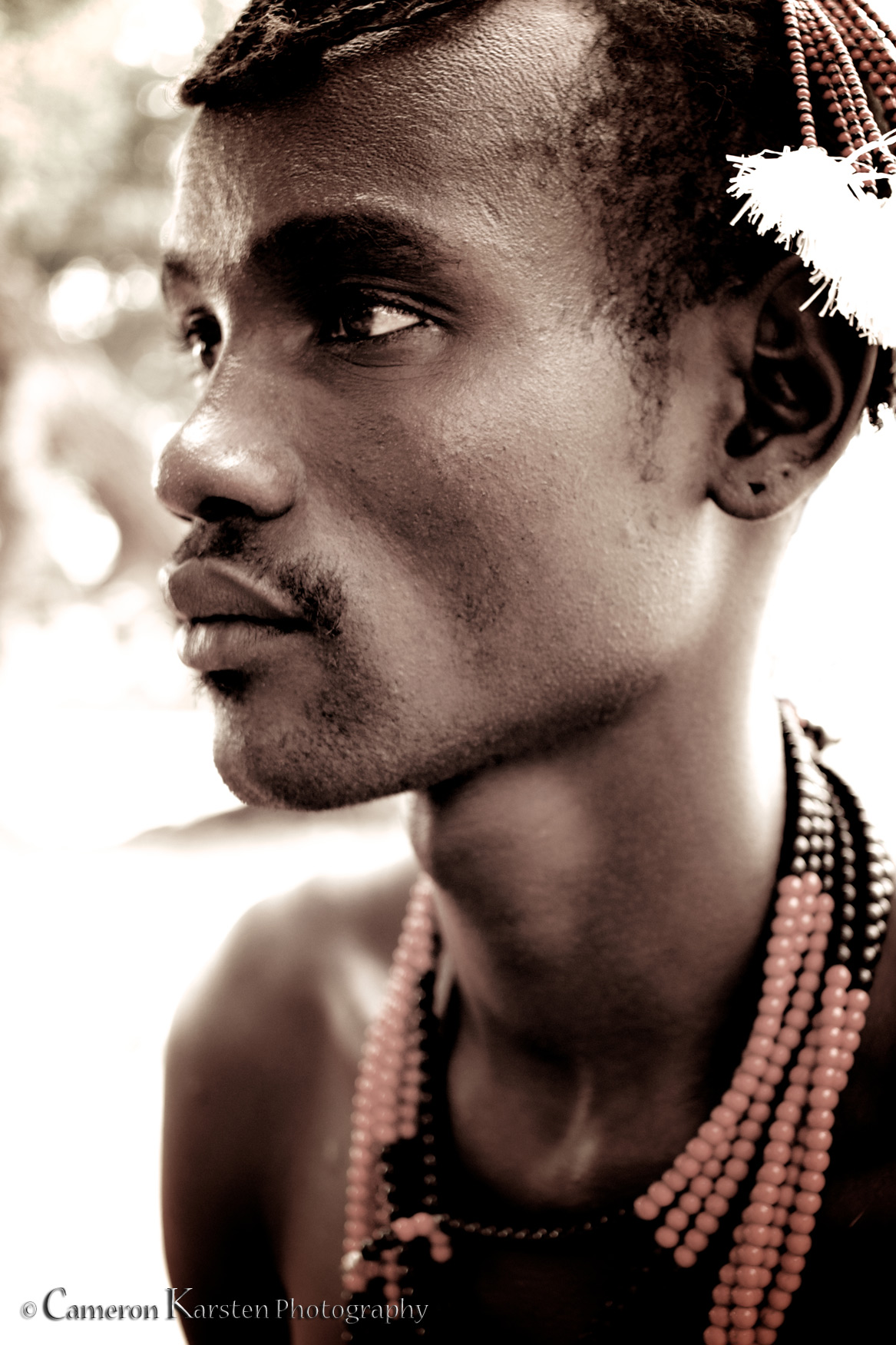
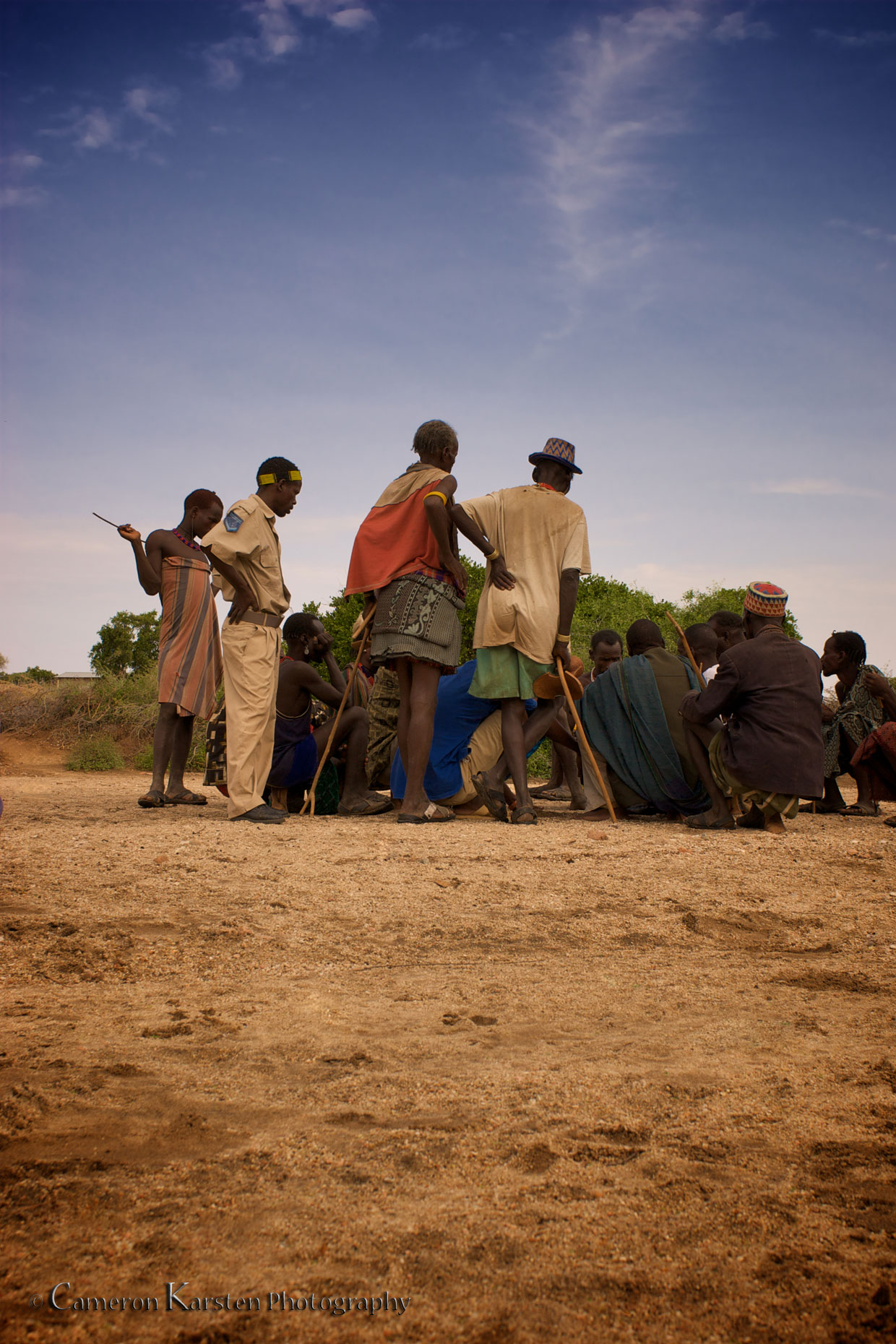
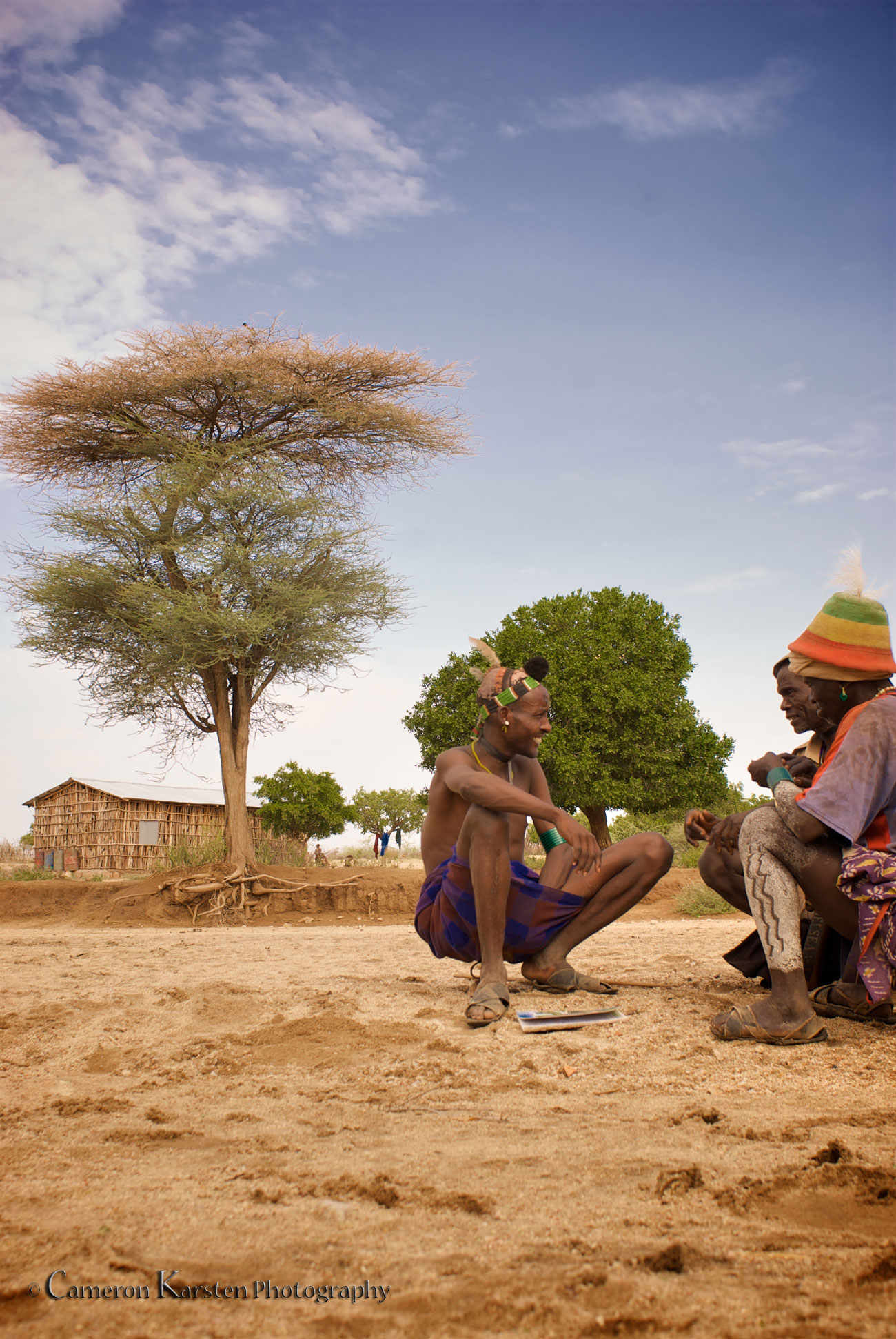
Welcome to Wasemo in Menogelty in the Lower Omo of Ethiopia. This is the Hamar region where tradition prevails as elders meet with their guns, muscle and testosterone while work with Lori Pappas of the Bainbridge Island based nonprofit Global Team for Local Initiative.







 Cameron Karsten's Imaginarium