Grundens Campaign Pt III – Florida Keys

Driving south over long interloping bridges connecting the dots of sands and mangrove swamps, where history tells a story of shipwrecks and jewels, and wise adventurers who lived the edge forging these sunken treasures. It was hot then, and it’s hot today, as the sun and gulf stream tropics stir an air of heat and humidity. Our treasure also lies underwater, lurking among the throngs of baitfish and circling sharks.

Grundens takes us to the Florida Keys, a tropical paradise for vacationers stretching back to the early 1900s when railroad tycoon Henry Flagler completed the first railway connecting the Keys to the mainland. Destroyed by hurricanes and now part of the world’s longest segmental bridge, we roll atop the Florida Keys Overseas Highway just waiting to  get off pavement for turquoise waters. For more visit the Grundens’ Florida gallery.


Grundens Campaign Pt II – Norway

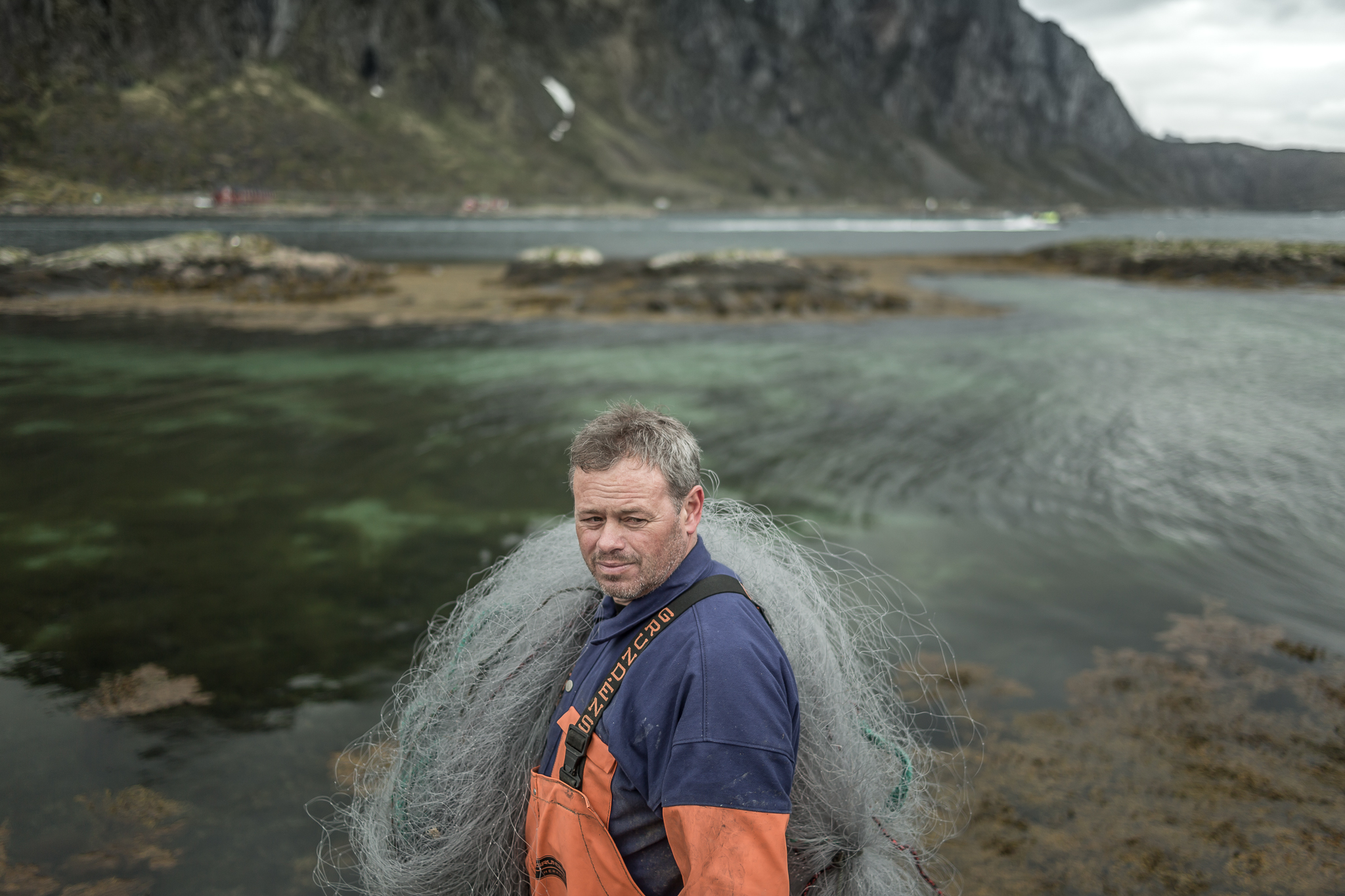
Grundens recreational and commercial fishing clothing line in Norway

I asked the Cod Father where the heads go.

“Nigeria,” he laments with a sigh. “Ahh, yes. We sell them to the Nigerians. They come all the way up here to buy the heads for soup. You know,” he grunts with a pause. “Fish head soup.”

All the way up here was speaking very literally. I was in Lofoten, an archipelago in northwestern Norway, a carved land where plummeting cliffs meet dark azul waters, and sea eagles circle at snow lines searching for prey.

We were hanging with Gier the Cod Father of Lofoten, a masterful fisherman who scours the frigid waters all year long, especially from February thru April when the world famous cod fish enter the fjords to mate. At times the temperatures reach far below zero, freezing the water’s surface, along with his buoys and long nets.

Geir continued, “Our fish are the finest quality called skrei. It dries on large racks in the perfect temperature. This is what makes our stockfish so prized. The Italians pay premium, and this trade with Nigerians, Italians and others has been happening for centuries.”

But as I learn from Geir and my research, this skrei is facing a dilemma. In the past few years, temperatures have fluctuated, becoming unseasonably warm when winter temps should reign, and dropping to frigid numbers when the sun should be high. It rains when it should be dry, and it’s arid when it needs to be wet. This, unsurprisingly, effects the outdoor drying process of the cod fishery, putting the Lofoten’s largest and oldest fishery on edge. For more visit the Grundens gallery