Preserving 38: A Bainbridge Island Land Trust Success Story

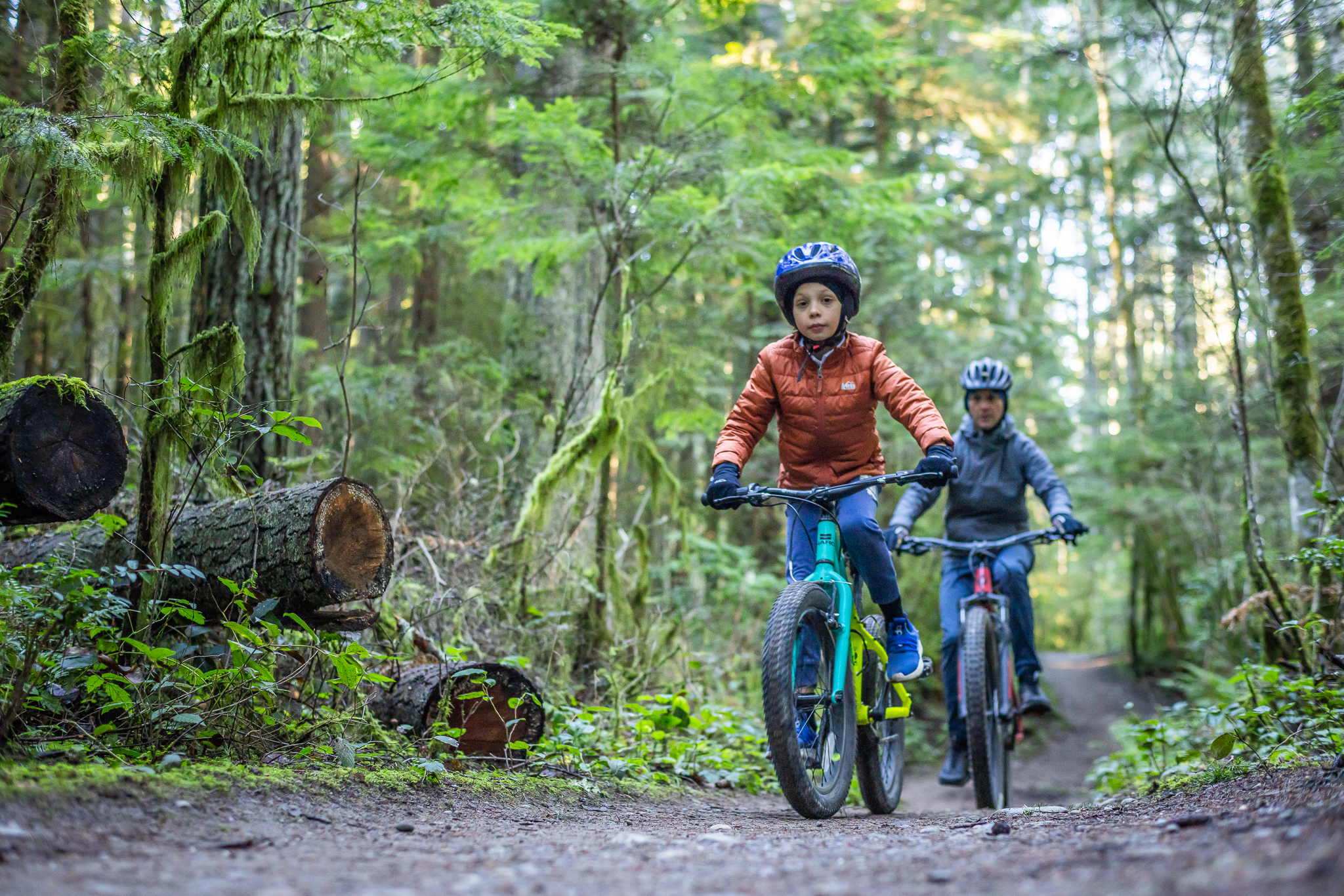
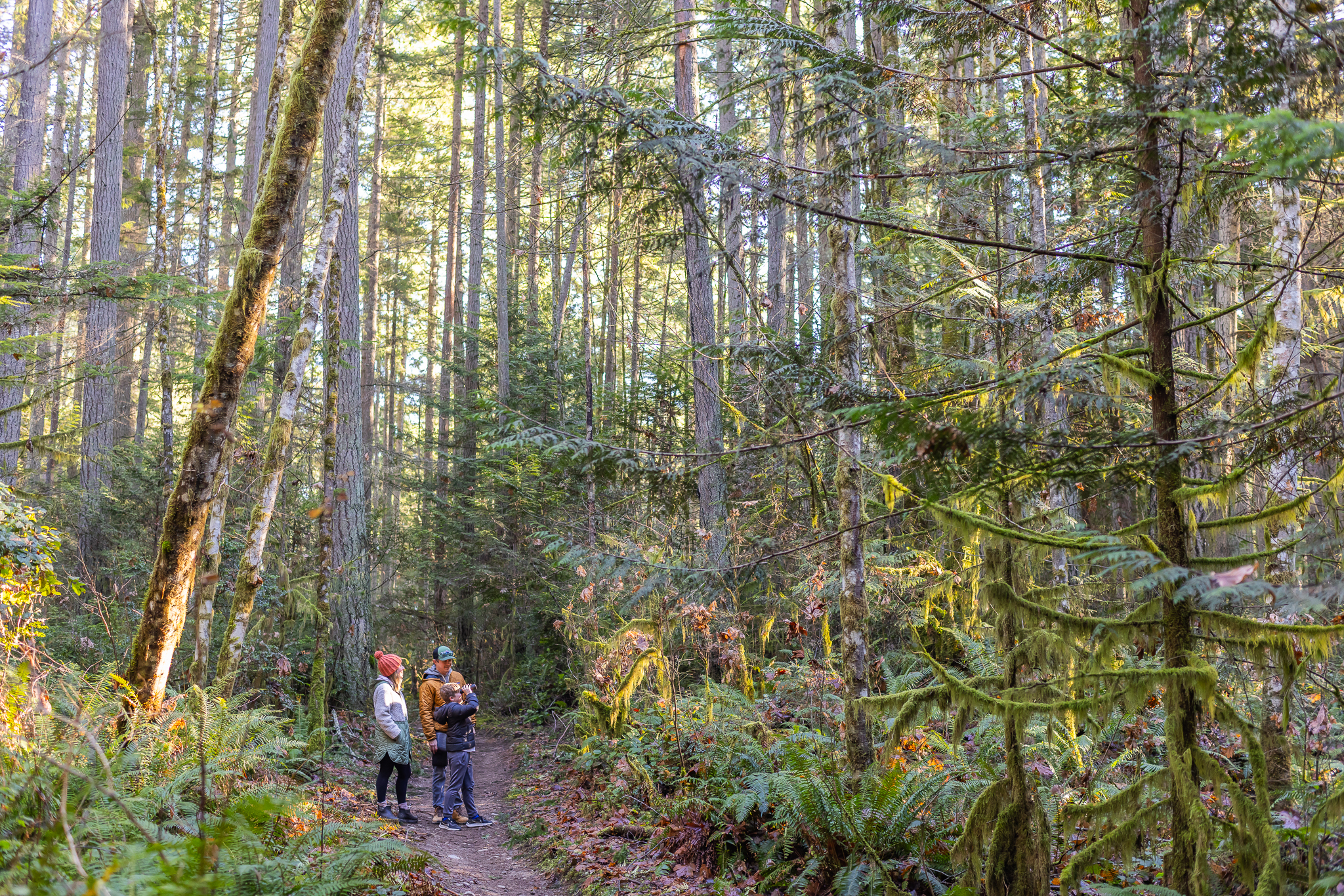
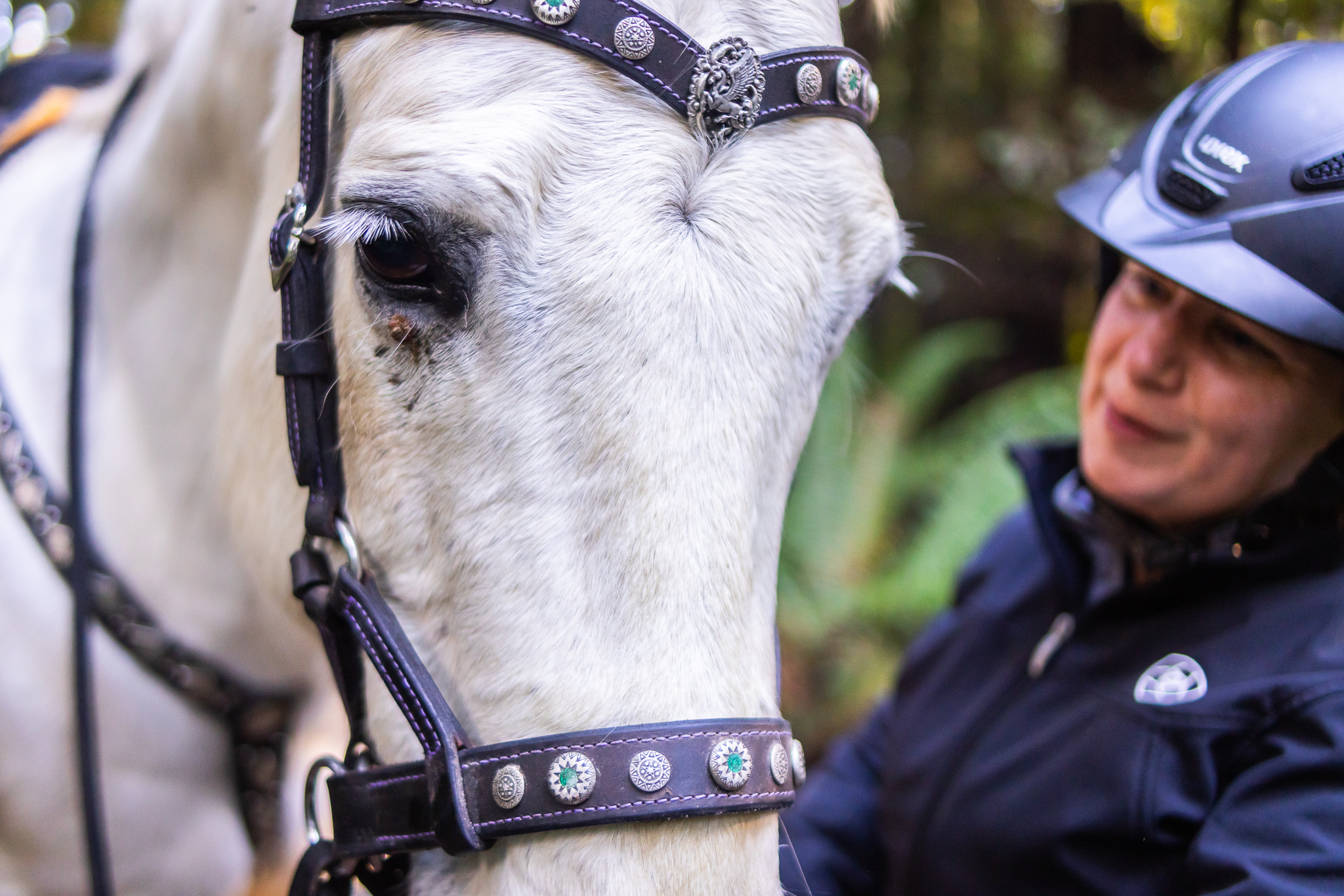
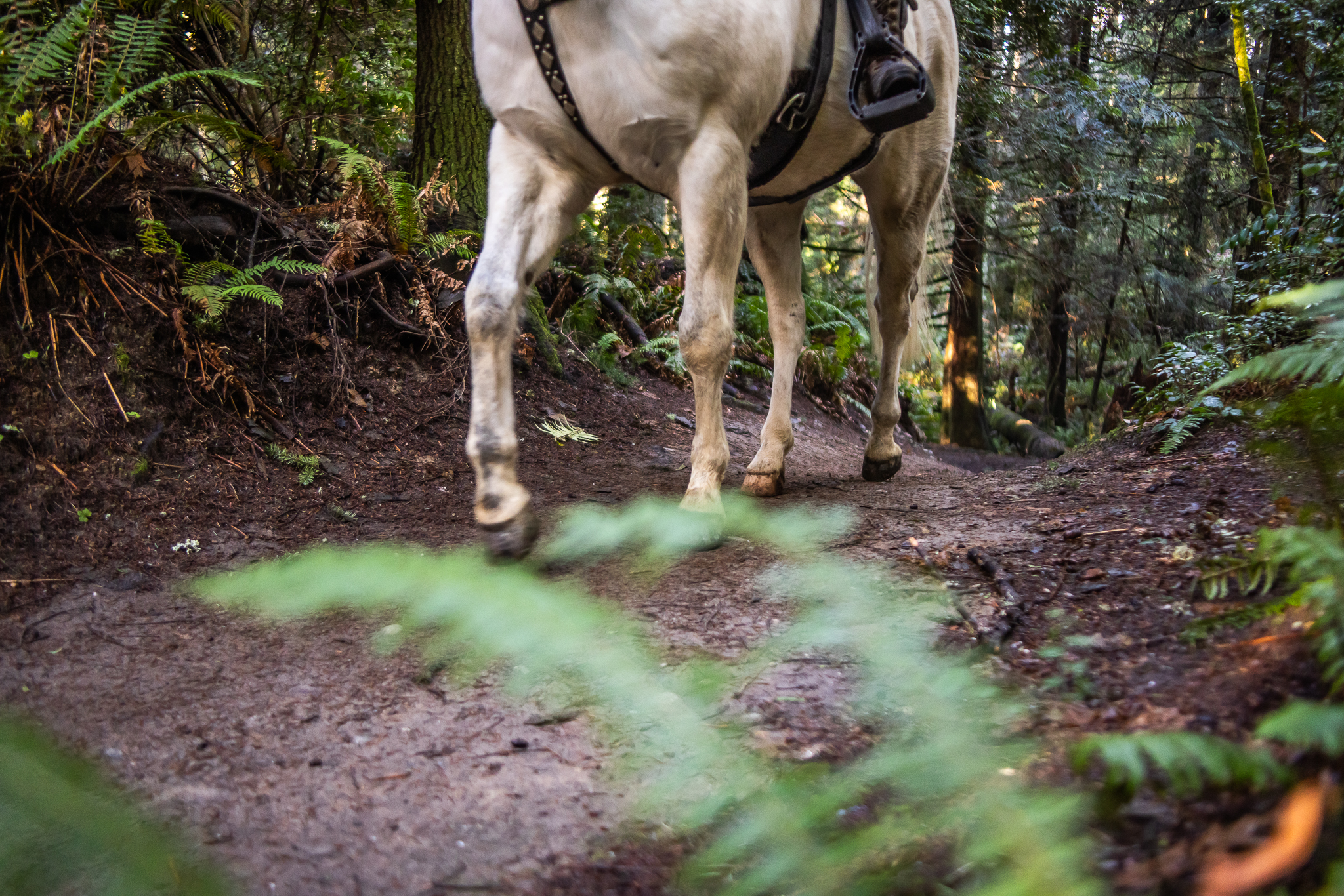
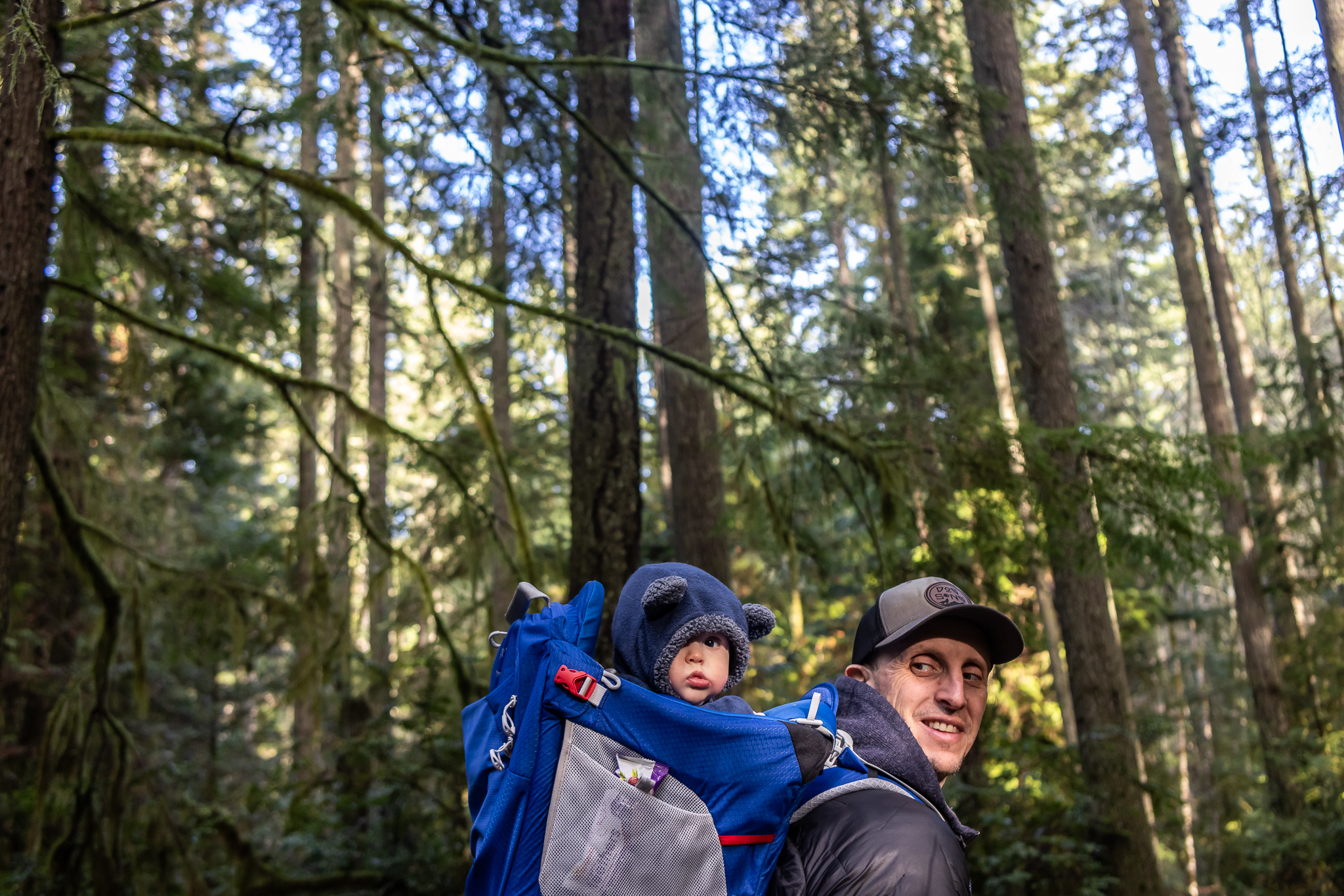
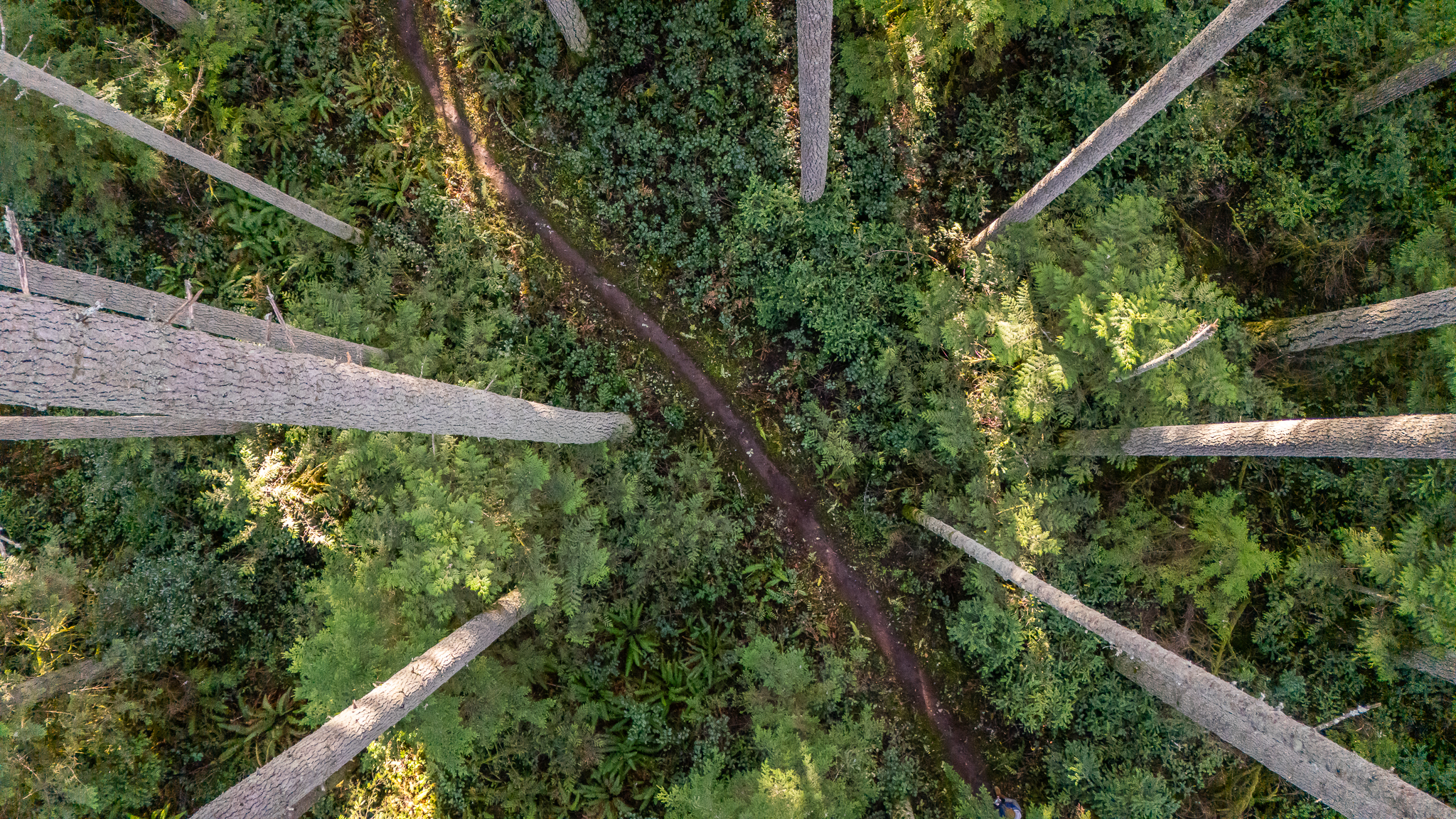
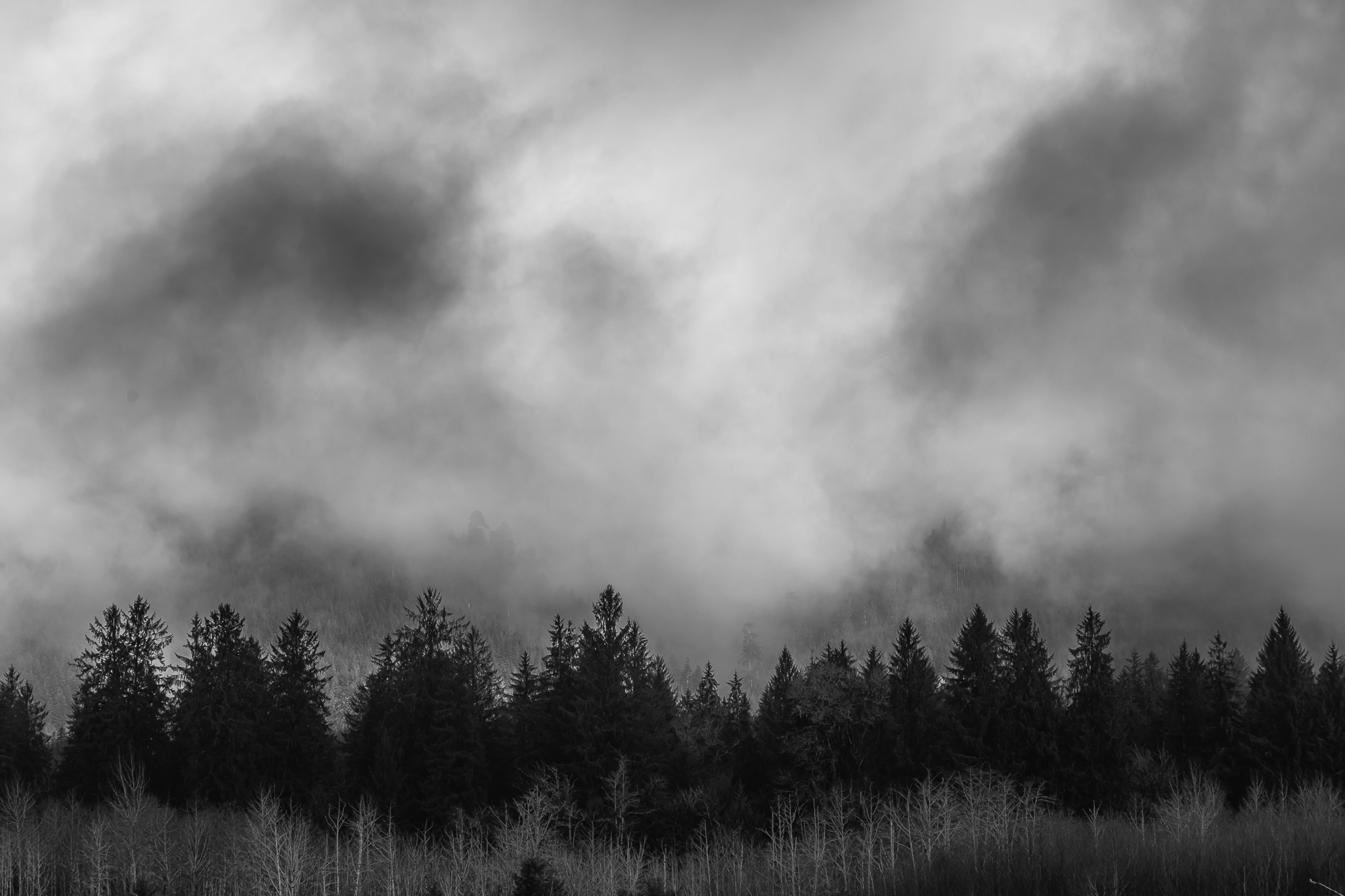
At the start of 2025, Bainbridge Island Land Trust came to me with urgency; 38 acres of pristine forest was up for sale to the highest bidder. The Grand Forest East now had a price tag, and in today’s land grab, the outcome could be disastrous. Within this expanse of wildland is a network of intertwining pathways that allows the broader community to experience the serenity of the outdoors. It is a place of activity, hills and valleys of ferns and moss were people gather to walk, hike and bike; and safe trails for the local cross-country team to train upon; as well as horseback riders searching for rays of sunlight piercing through the canopy up high. It is a room without walls for an overall experience of mental health.

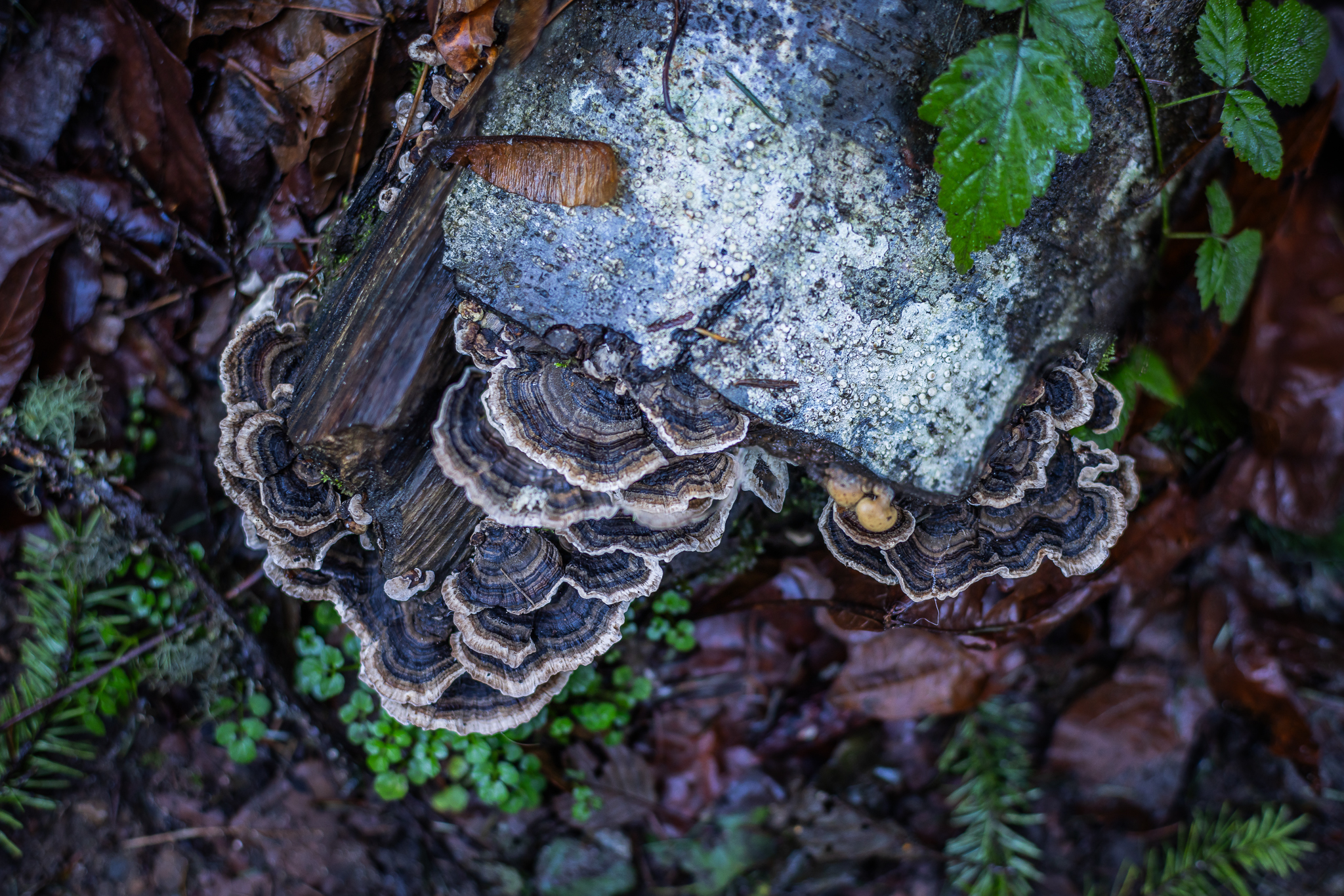
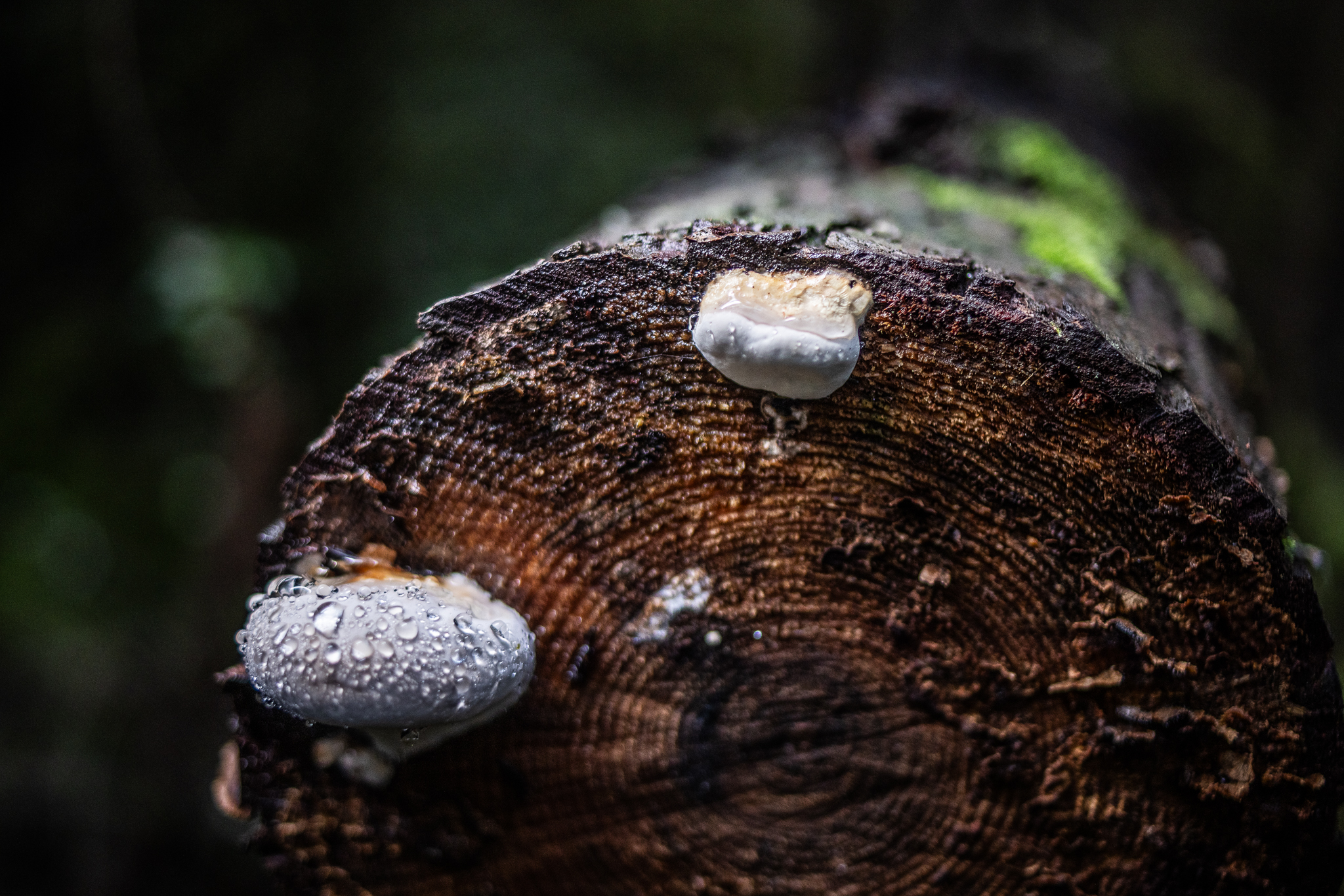
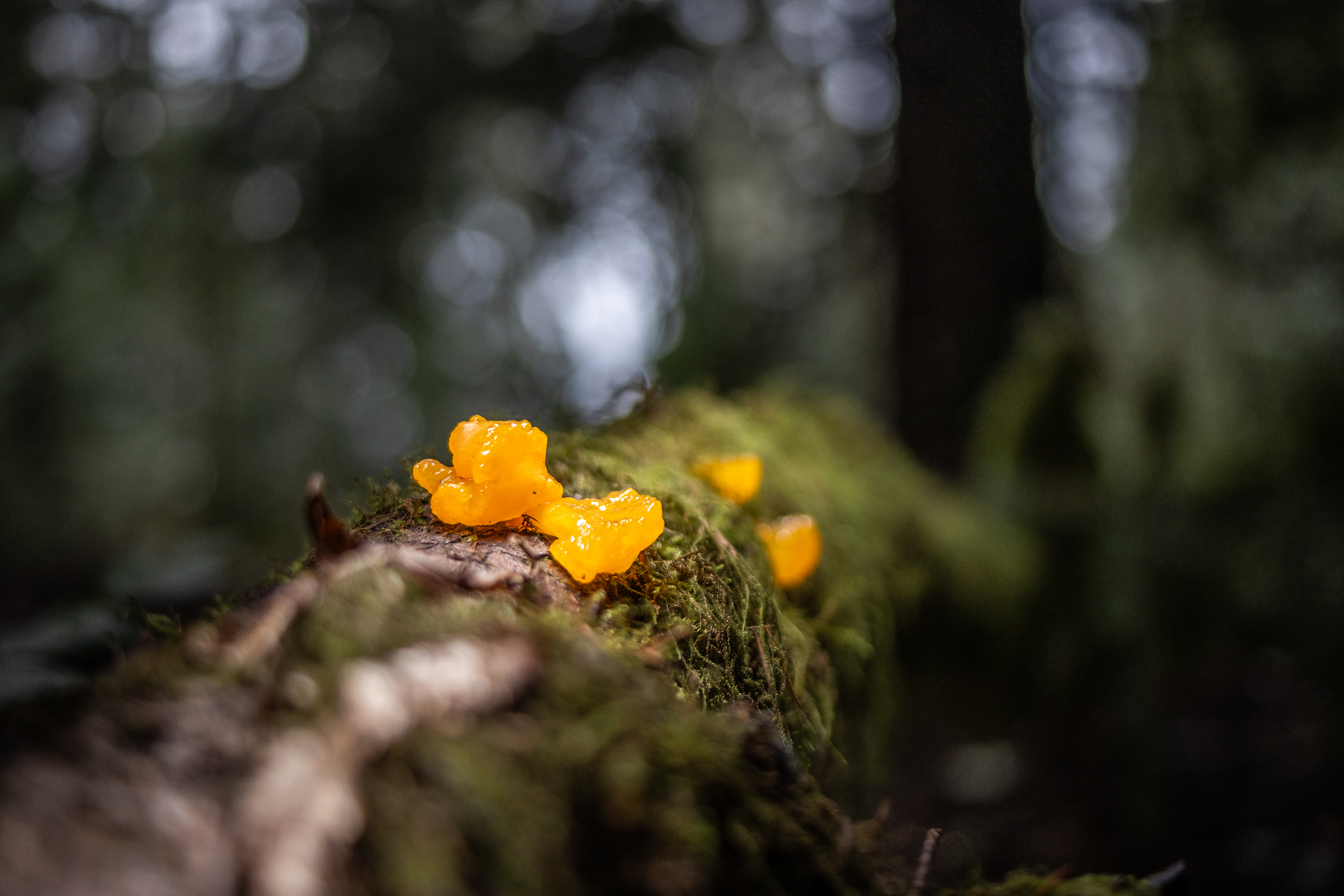
Not only do the local residents thrive within, but the native flora and fauna thrive as well with little to no noise pollution disturbing the air between the woodland’s thick fur stands. Various fungi find the shade and moisture between a natural compost, and species from raccoon, owl, black bear and deer pass through as a part of a larger natural causeway for animal passage.

So with a deadline of one month I was tasked to capture still photography and a dozen or so motion vignettes of the people and their activities within the 38 acres that represent for the community as a whole. Released online and varying social media channels, the BI Land Trust in partnership with the Parks and Trails Foundation were able to secure the necessary funding to purchase the land and preserve the heritage of a wild outdoor space for generations to come.

For more visit www.CameronKarsten.com | www.the-subconscious.com

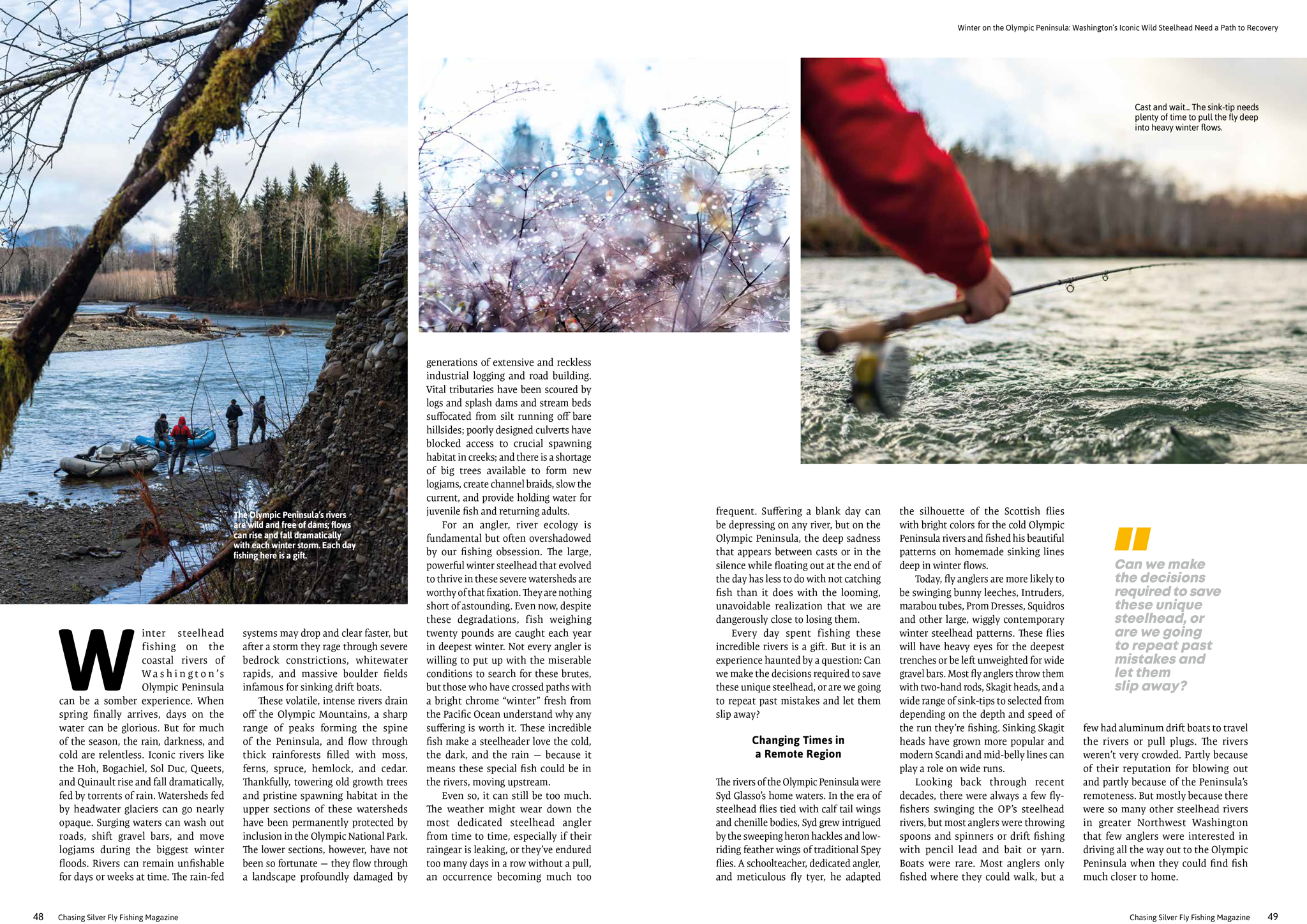
Chasing Silver’s “Washington’s Iconic Wild Steelhead Need a Path to Recovery”

Written by Gregory Fitz. Photographed by Cameron Karsten

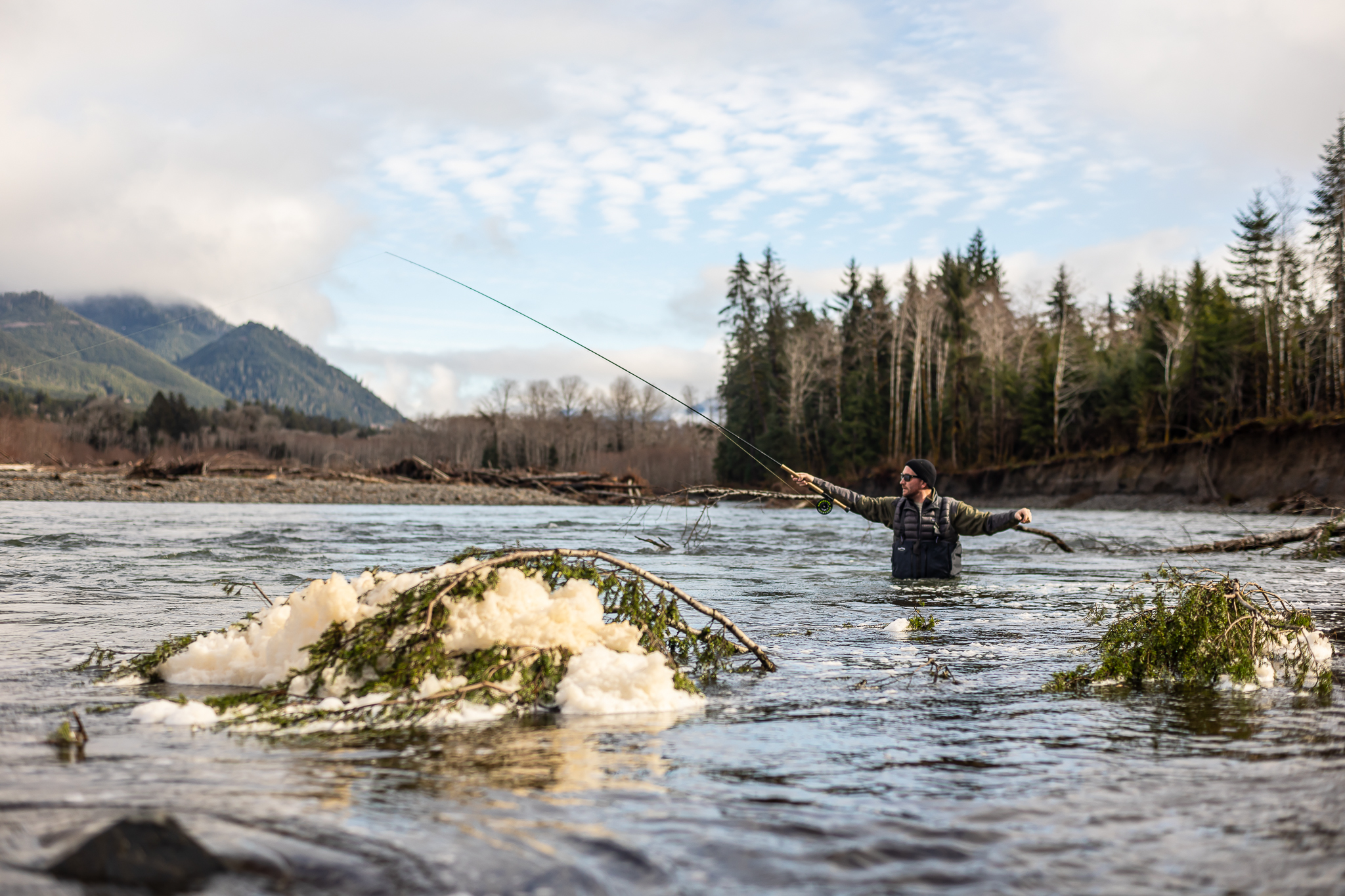
Any day on the river with Gregory Fitz fishing, learning, exploring waterways and discovering how best to save this iconic species is a wonderful day.

Last Chance to Get It Right – by Gregory Fitz PT – 1

© Cameron Karsten Photography photographs steelhead fly fising on the Olympic Peninsula in Washington State for Patagonia and the Wild Steelhead Coalition

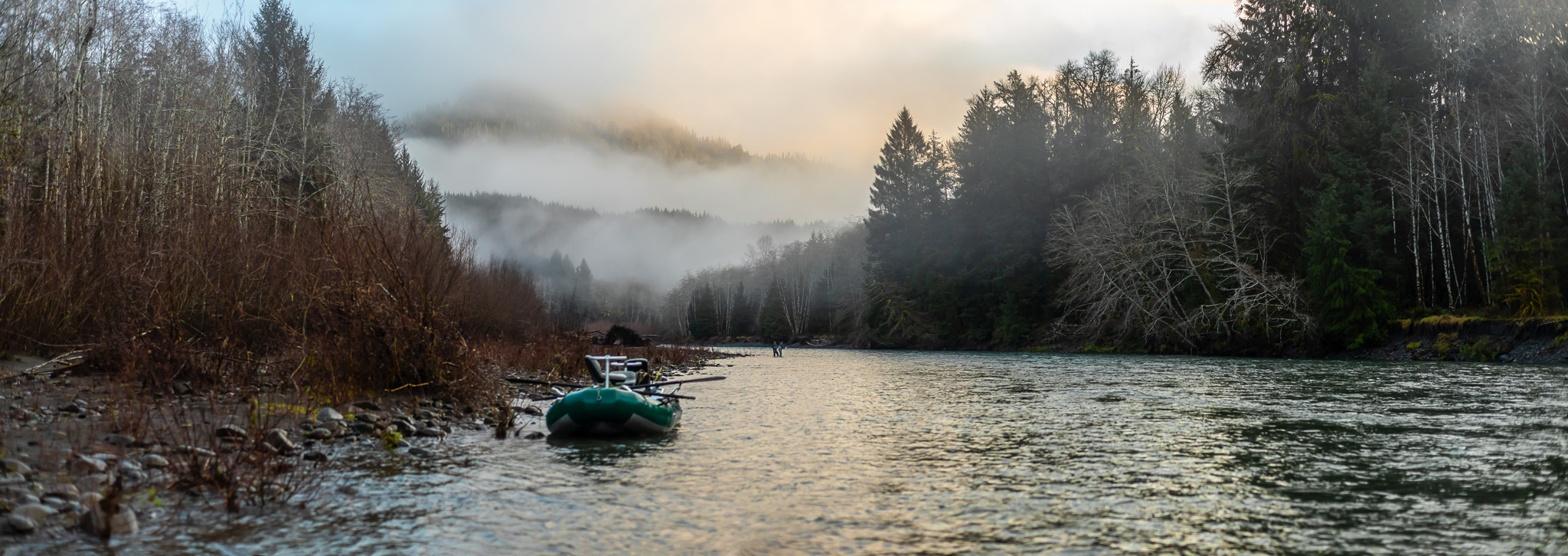
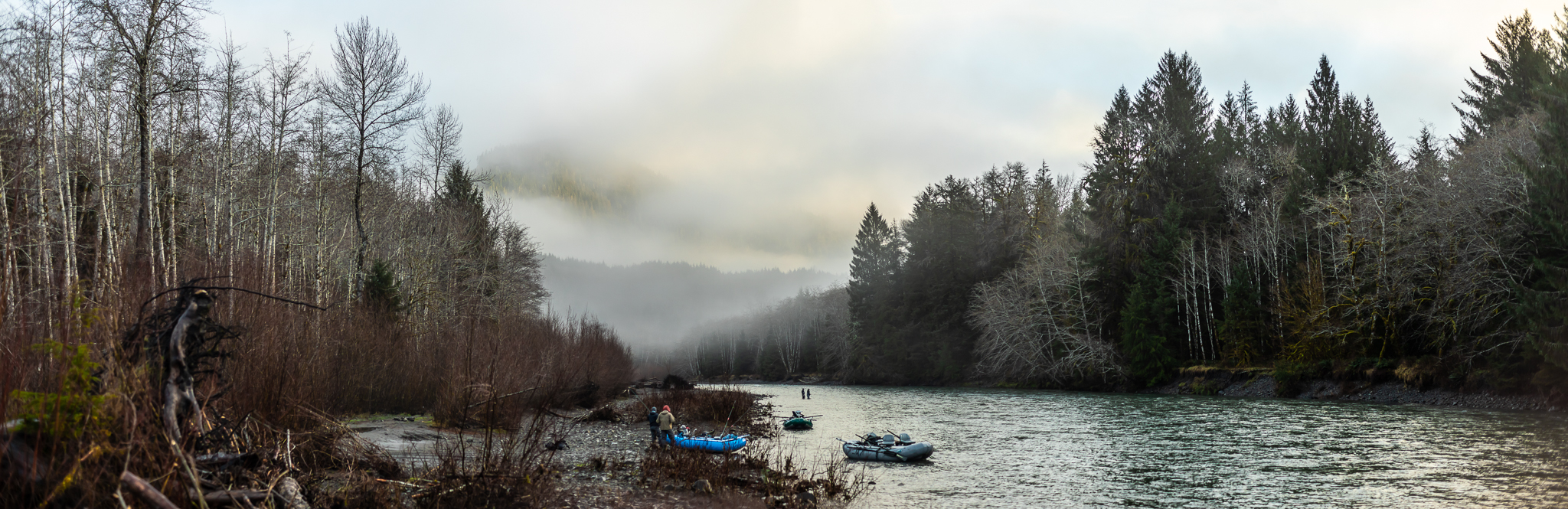
The Olympic Peninsula (OP) is home to one of the last remnants of primeval temperate rain forest in the continental United States, but it is the rivers that draw anglers to the coast each winter. Named for the Indigenous peoples who’ve lived here for thousands of years, the Hoh, Queets, Quinault, Quillayute, Elwha and other rivers are volatile, wild watersheds with a powerful strain of large steelhead that evolved to migrate during the cold winter deluge.

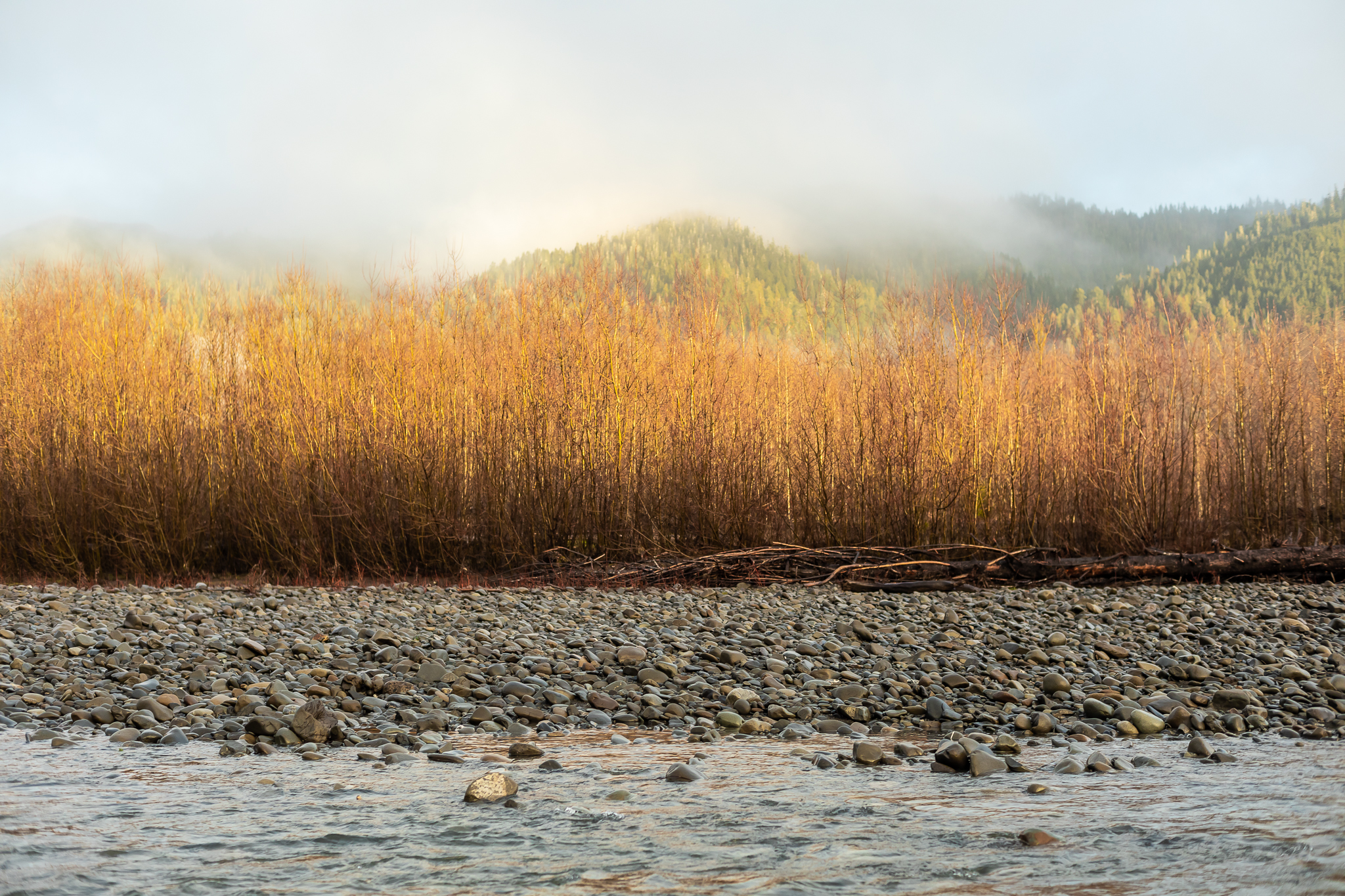
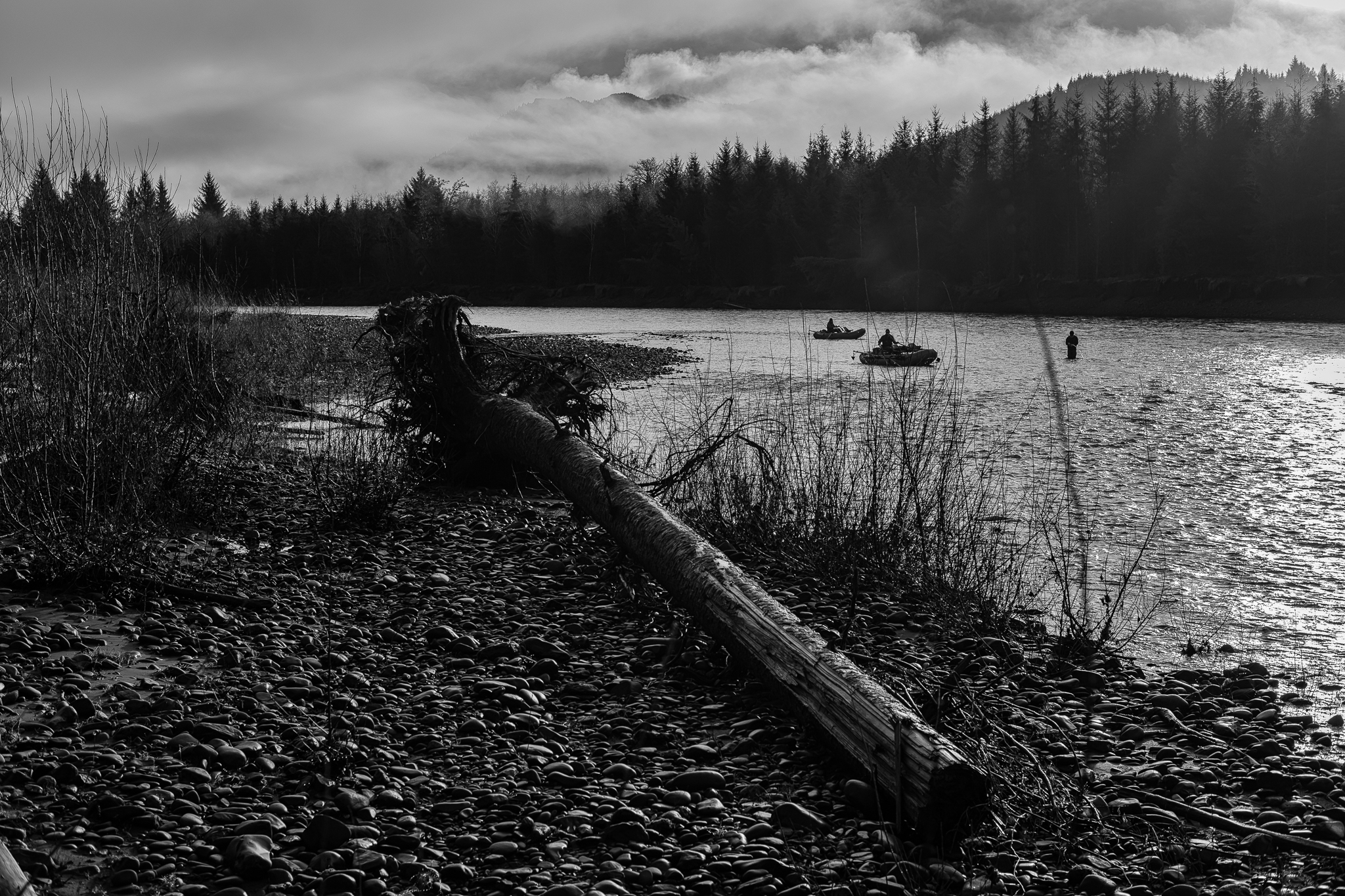
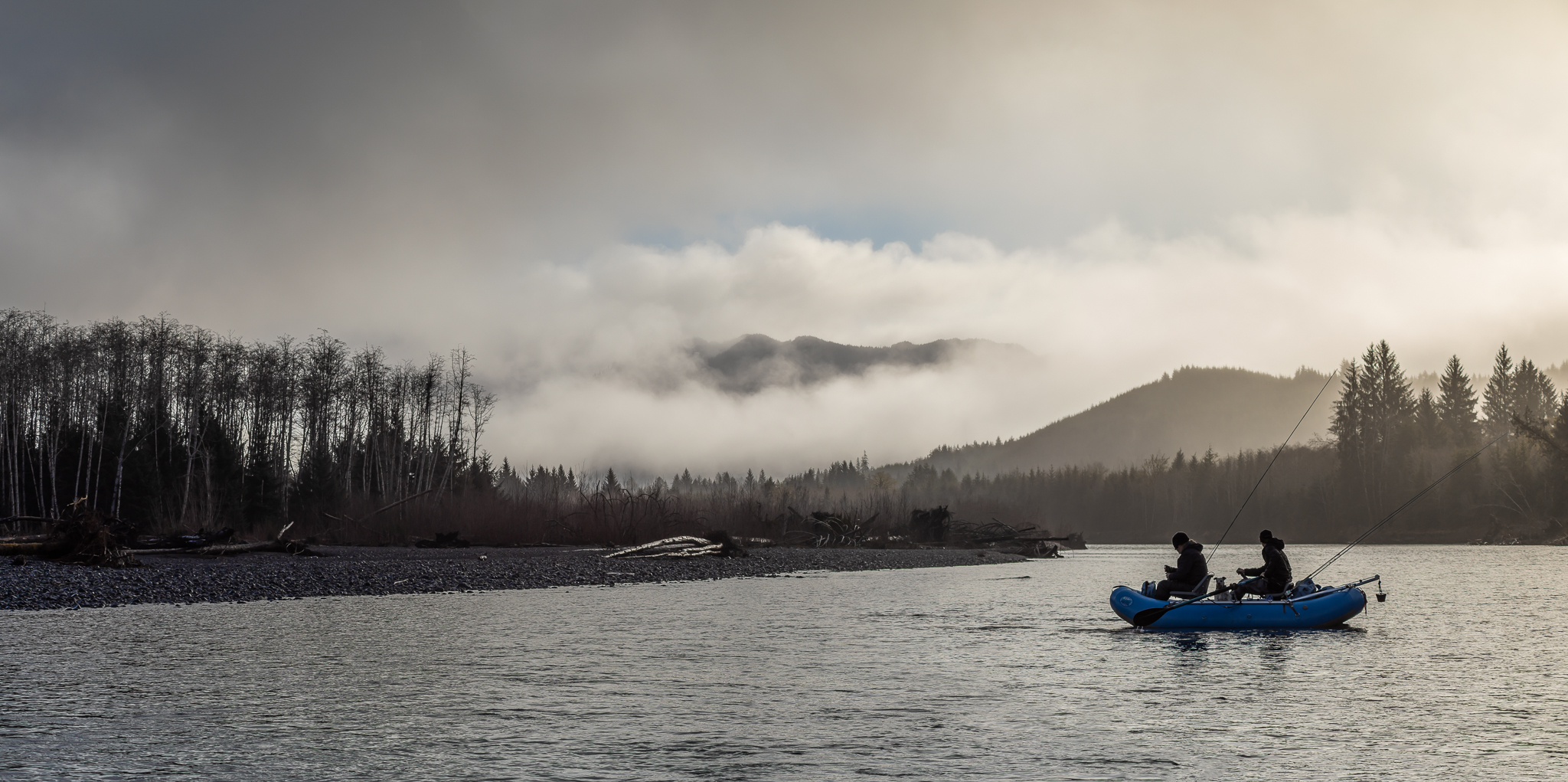
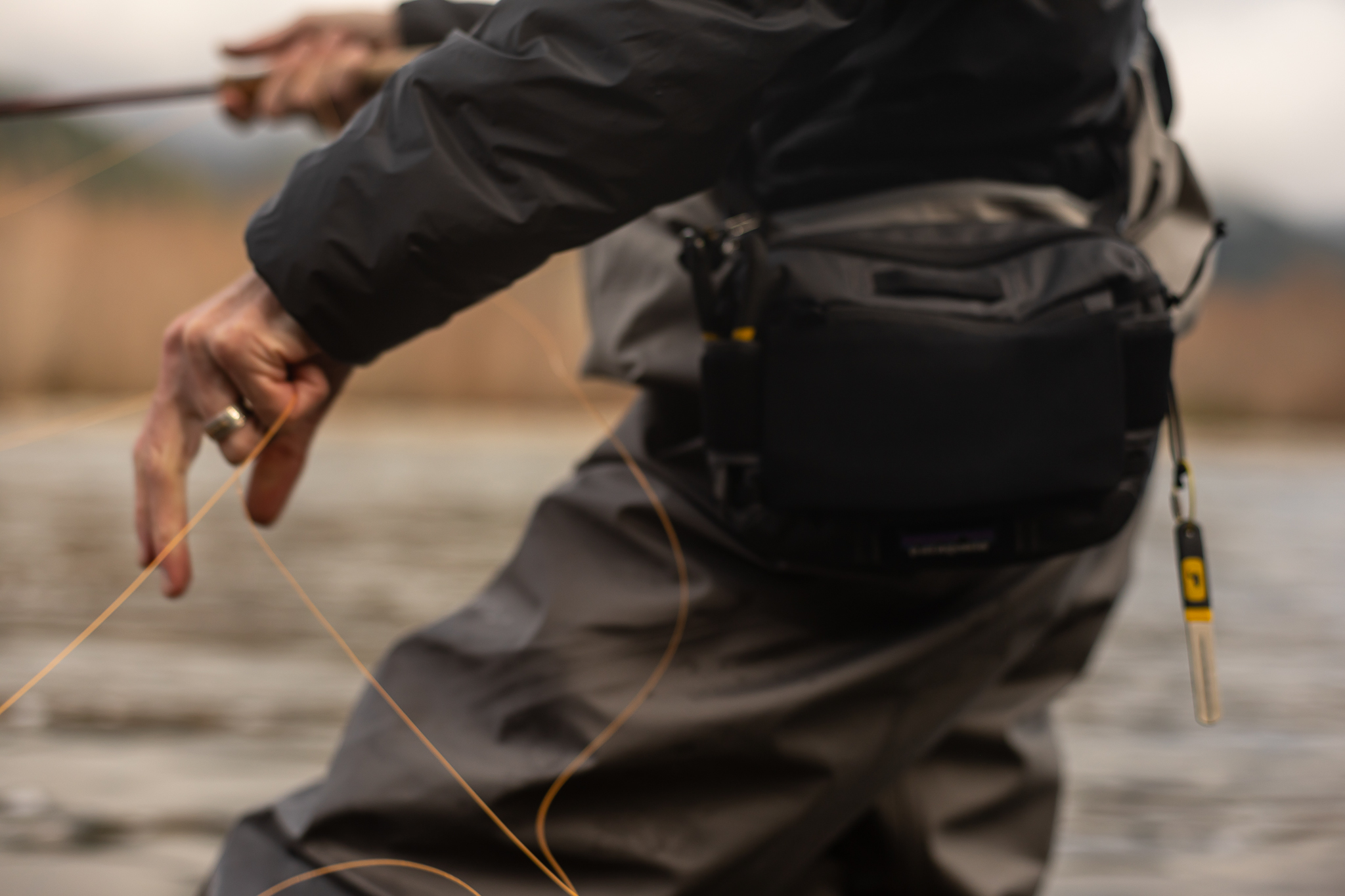
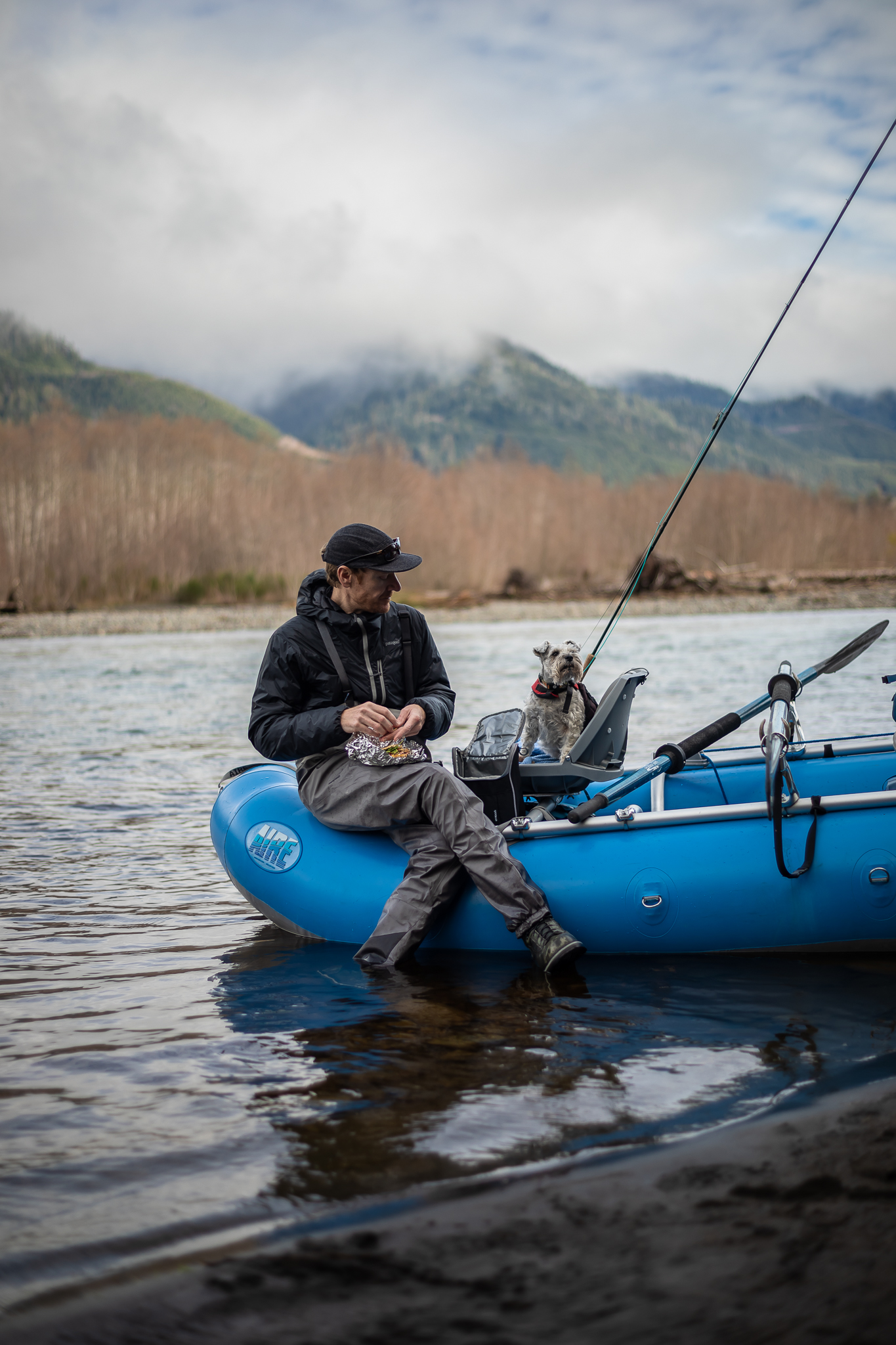
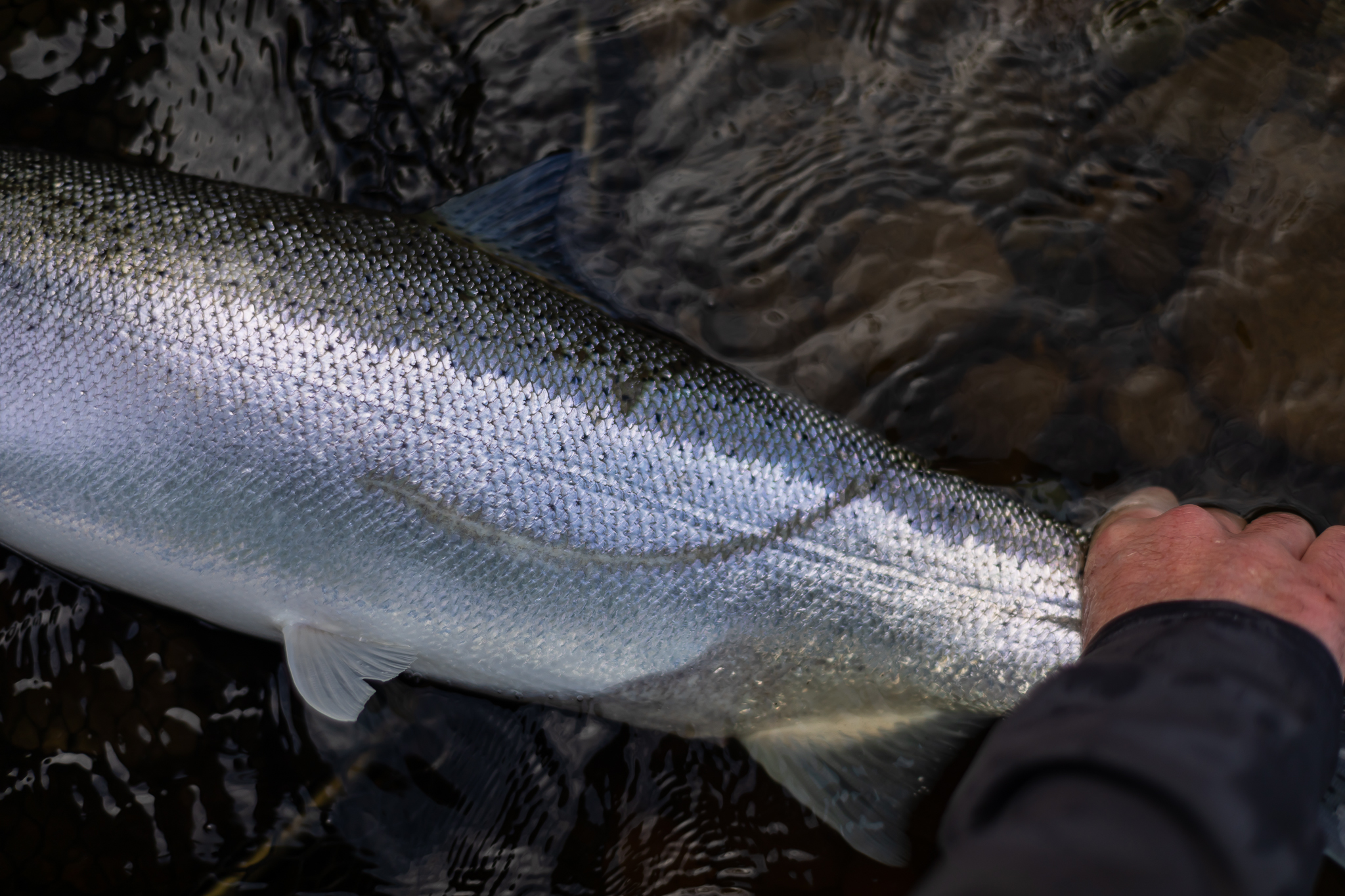
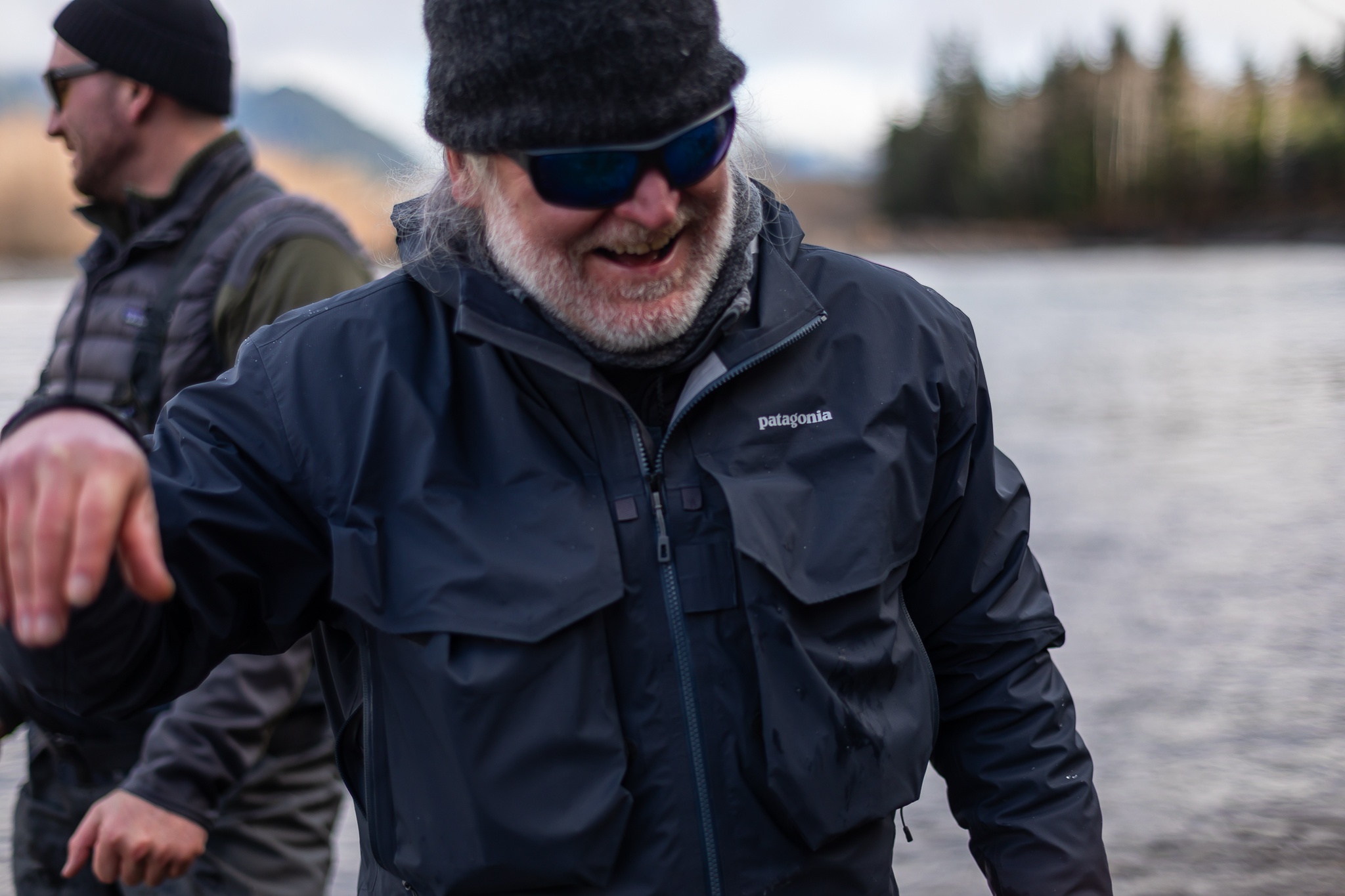
The above is an excerpt from an article written by Gregory Fitz for Patagonia regarding the state of wild steelhead within the wild tributaries of The Olympic Peninsula of Washington State. I had the pleasure of photographing Greg, Steve Duda (Patagonia’s Managing Editor for Fly Fishing), Matt Millette (Head of Marketing, Patagonia Fly Fishing) and Gray Struznik (Fly Fishing Legend and Guide) for two days as they floated, waded and wandered the waters in search of the seasonal steelhead run.

The published article speaks for itself. It is poignant, crafted with an ease of the need to spring to action, as well as consider all parties involved. Gregory paints a picture of the OP as it is – a rainforest of endless ferns, brambles, huckleberries and salal with climbing towers of ancient breathing wood carpeted with wet mosses. It is a place of beauty that is on the edge of imminent disaster.

Can we embrace restraint and become guardians of these rivers and wild fish, instead of mobs of enthusiastic user groups? Long days of fishing give a guy plenty of time to dwell on this question. When I’m leaning against the current, and the fly is swinging through the cold water at the right speed, I find myself settling into a blend of gratitude and anticipation that I struggle to describe to anyone who isn’t an angler. Time seems to slow, and I feel connected to the river, the ancient cycle of fresh and saltwater, and the weight of what we have already lost. I want to believe that we can do better and demand better of our peers. If we can’t meet this higher standard, then the only option is for all of us to stop fishing here until we can adequately honor the privilege, and our responsibility, instead of taking it for granted.

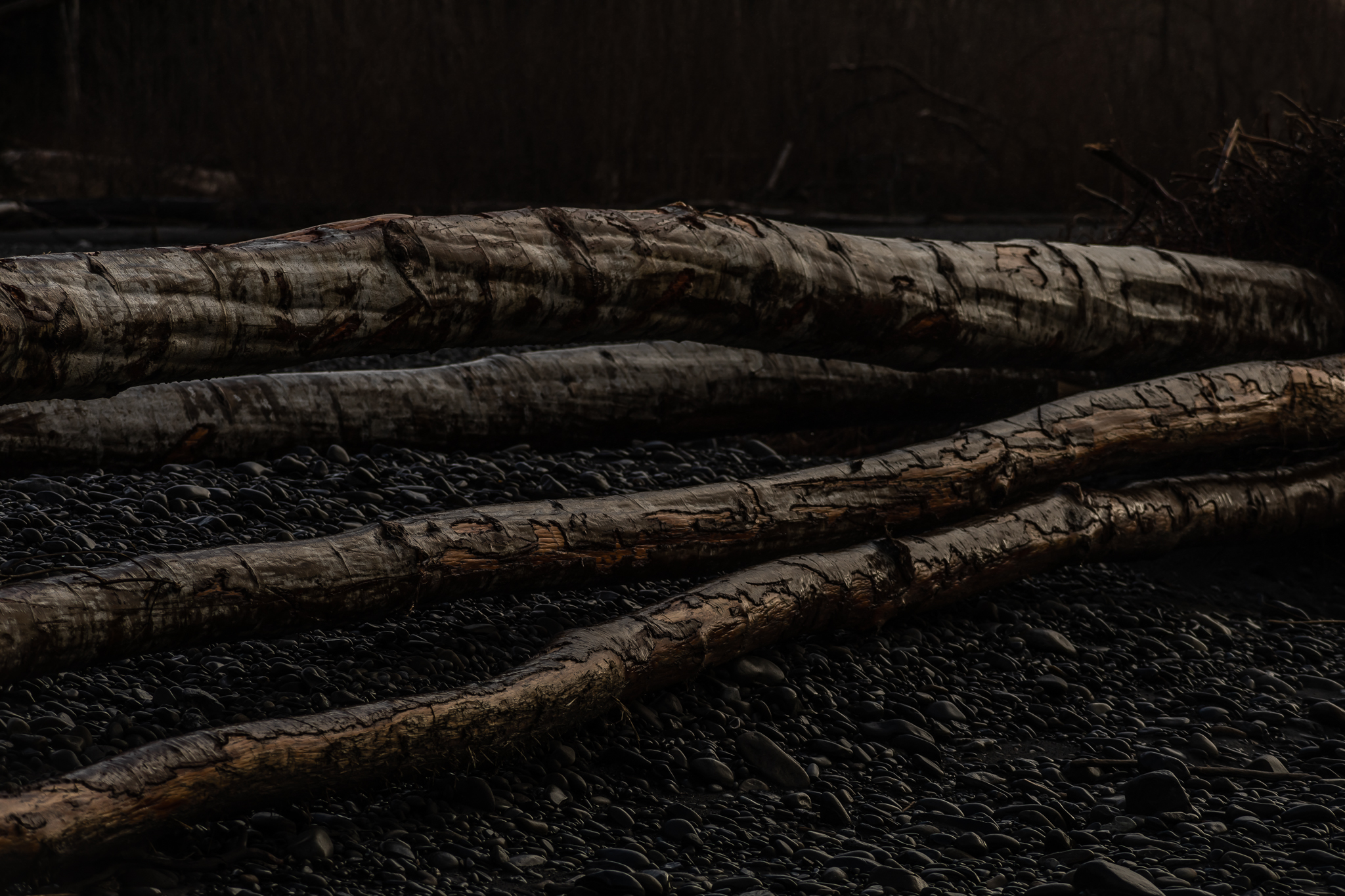
I offer the link to the full article published on Patagonia’s website Last Chance to Get It Right as well as additional photography from this winter’s assignment. Speak up for our planet and take action with the following organizations:

Wild Steelhead Coalition

The Nature Conservancy

American Rivers