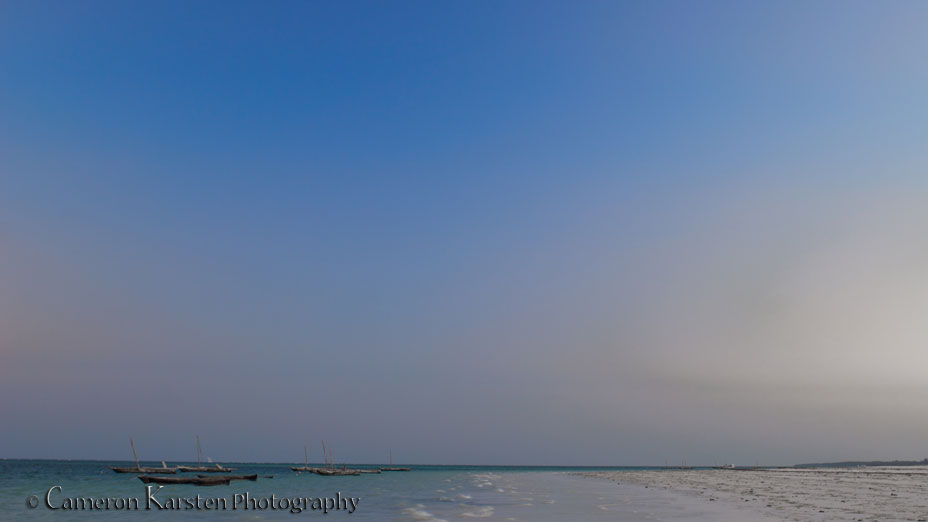
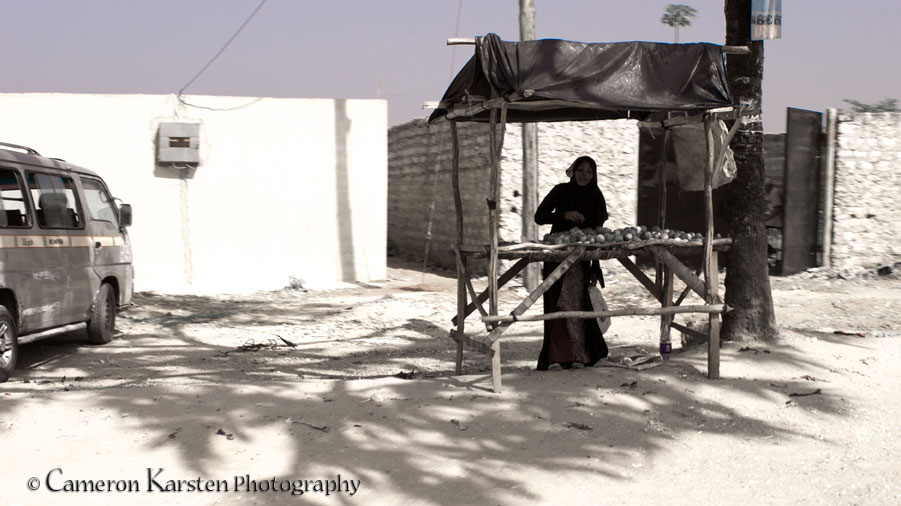
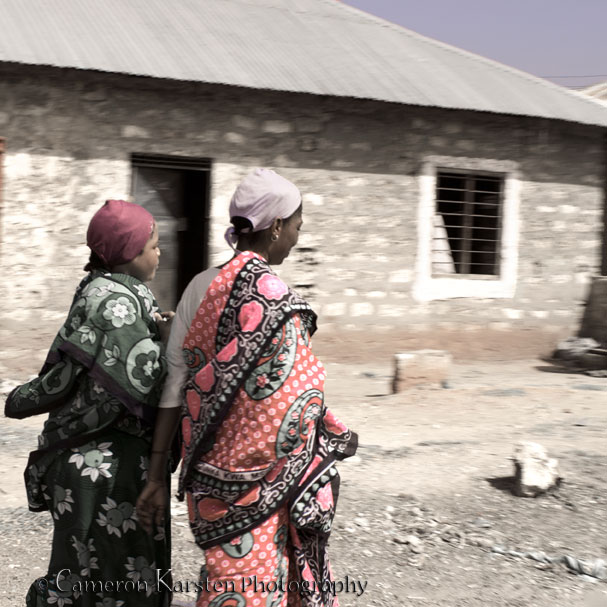
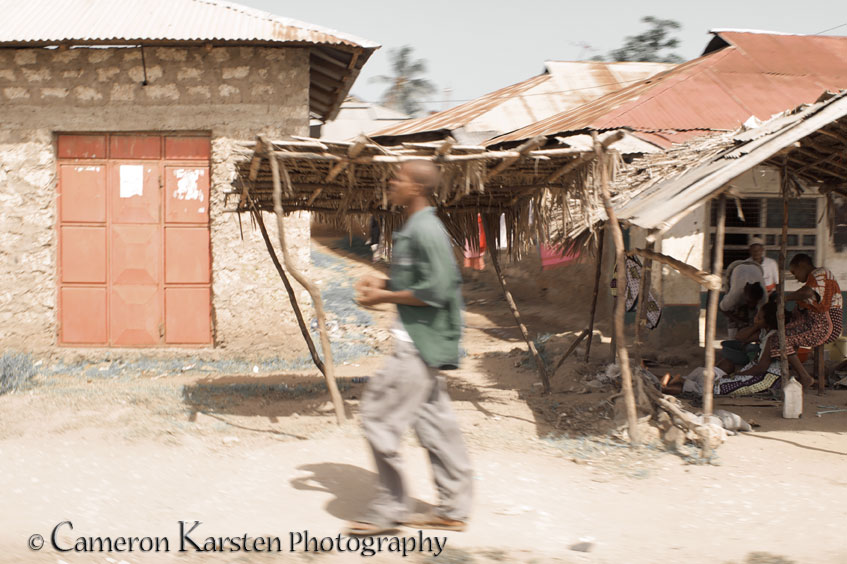
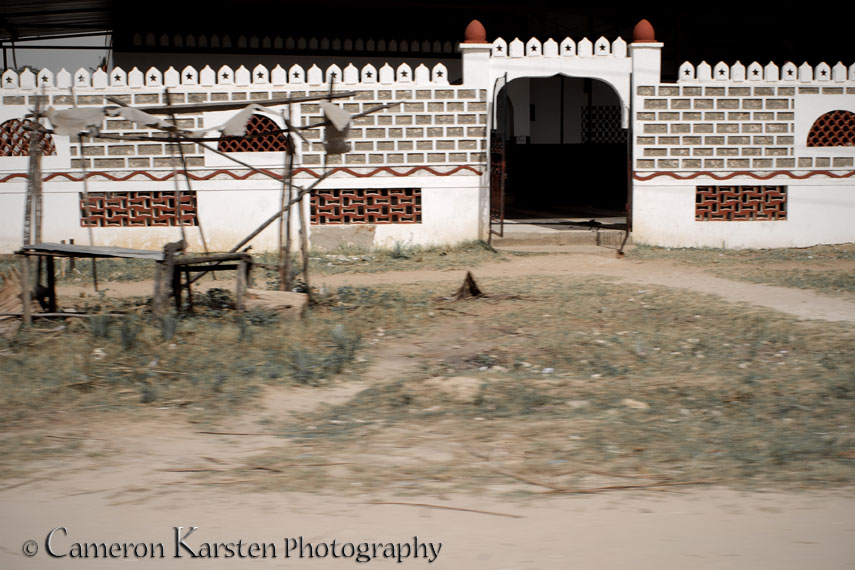
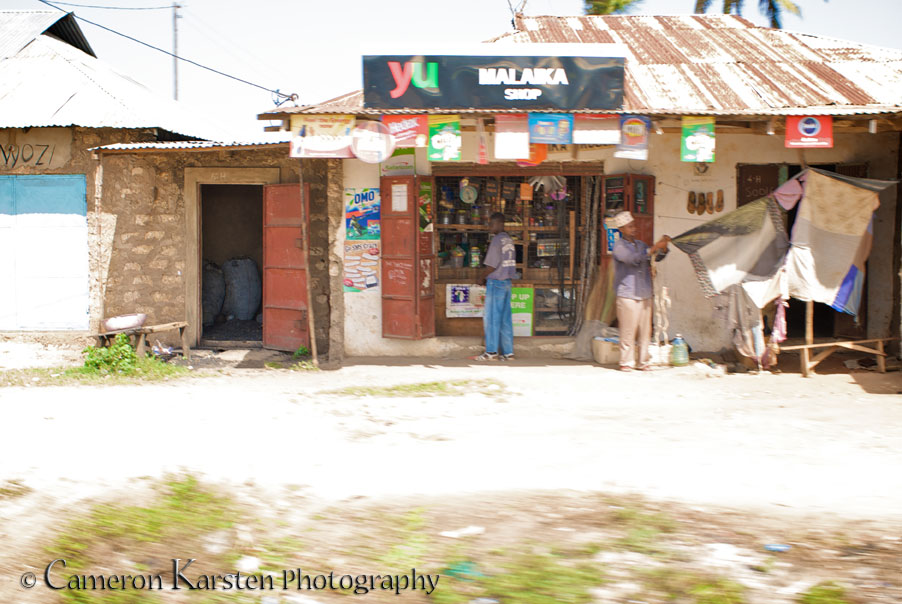
Lamu is a UNESCO World Heritage Site. Narrow winding alleys, exquisitely carved wooden doors lining coral pathways and the bustling Arabs with the men’s flowing white gowns and the women’s mystic black bui-buis (traditional Islamic head scarves), each sparkling in the fierce village lighting. The town is enchanting with scents of humanity harvesting, preparing and cooking spicy Swahili dishes. Mix the aromas with various loads of donkey dung, cat shat, raw prawns and decomposing red snapper, and some squashed cockroaches into the perfume and viola—a rustic seaport ripe with tradition. Only two cars exist on the island—one belonging to the hospital, the other to the police station—therefore the colony of donkeys dominate transportation, together with the fleets of dhows and long narrow motor boats.
To watch the newest film about our experience in Lamu, which is directed and produced by Cam2Ygoi Productions, please follow the below link. Forewarned… the film is 10:33 minutes, with film footage, photographs, dialogue and music, so the downloading time will require patience:
Viewing also available on Vimeo at: http://vimeo.com/12815753






 There were stories after stories. I sat outside and listened to the man. He was panting. Sweat trickled down his black face, shimmering off the pools on his forehead. He wore a sleeveless T-shirt and baggy shorts. Both were dirty and unkempt and both stuck to his sticky skin. Atop the head and woven into his hair was a basket of woolen fabric knitted into a hat. It contained his dreadlocks; a local Rastafarian resembling Bob Marley in plump form. But this man’s name was Kito. He had come to visit his friend, a young Abdullah. Abdullah was in prison, locked in the local cell on top a hill overlooking Lamu town. And apparently, Abdullah was not looking well.






















 Cameron Karsten's Imaginarium