Vodou Footprints: A Faraway Land in Benin’s Cradle of Vodou

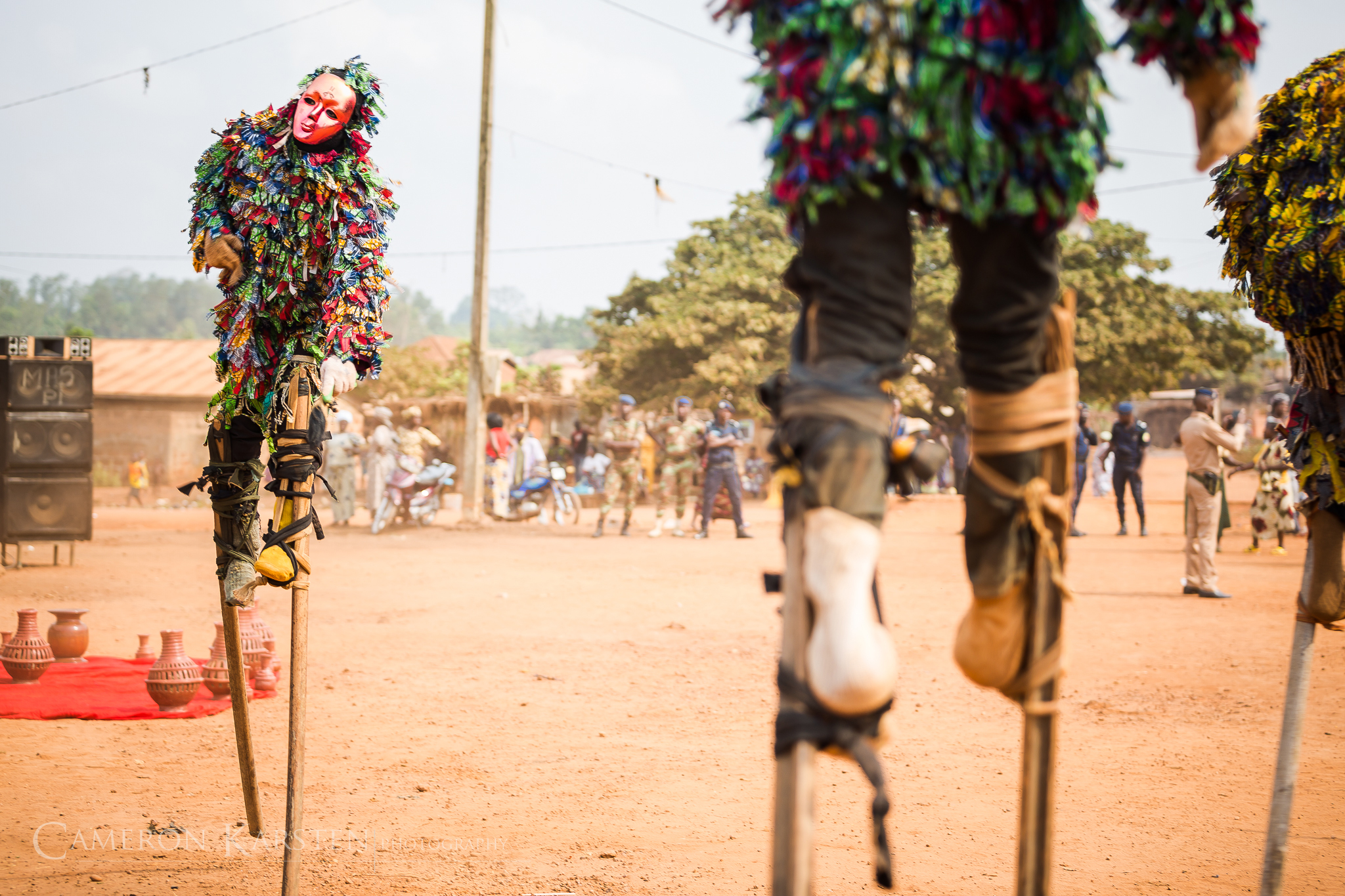
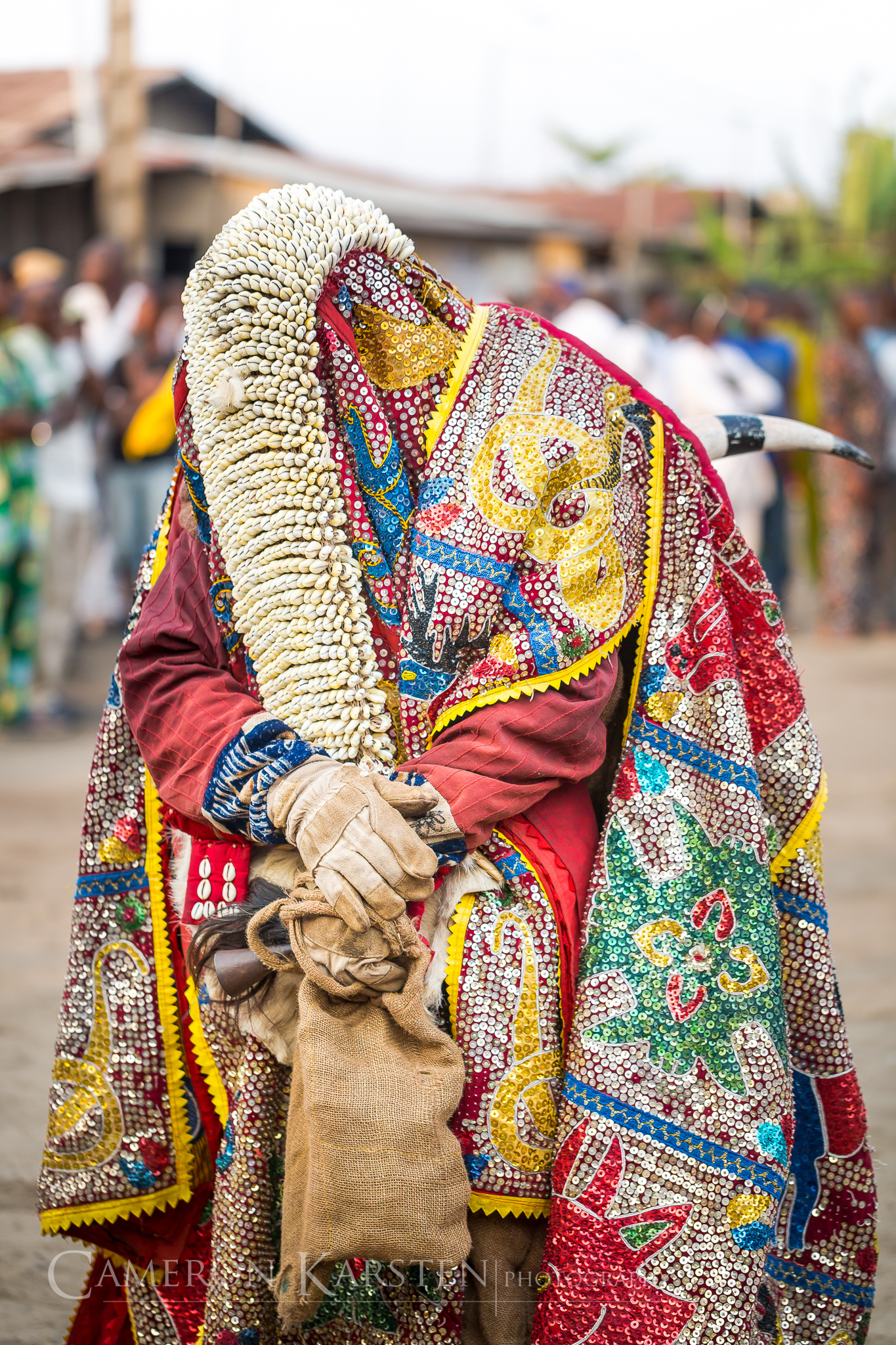
Day6_AlladaVodou-452

Geography, for many Americans, is that daunting and embarrassing mystery—a dim knowledge largely confined to wartime allies, historical enemies, and the occasional topical hotspot. Beyond this so-called important handful—Western Europe, the Middle East, possibly China or Japan—everything else is clumped together into a world of unknowns.

When I told acquaintances of my impending trip, the average response was somewhere between hesitance and puzzlement. Like a jargoning doctor to the common patient, my words didn’t ring many bells.

Well, perhaps Benin is a faraway land.

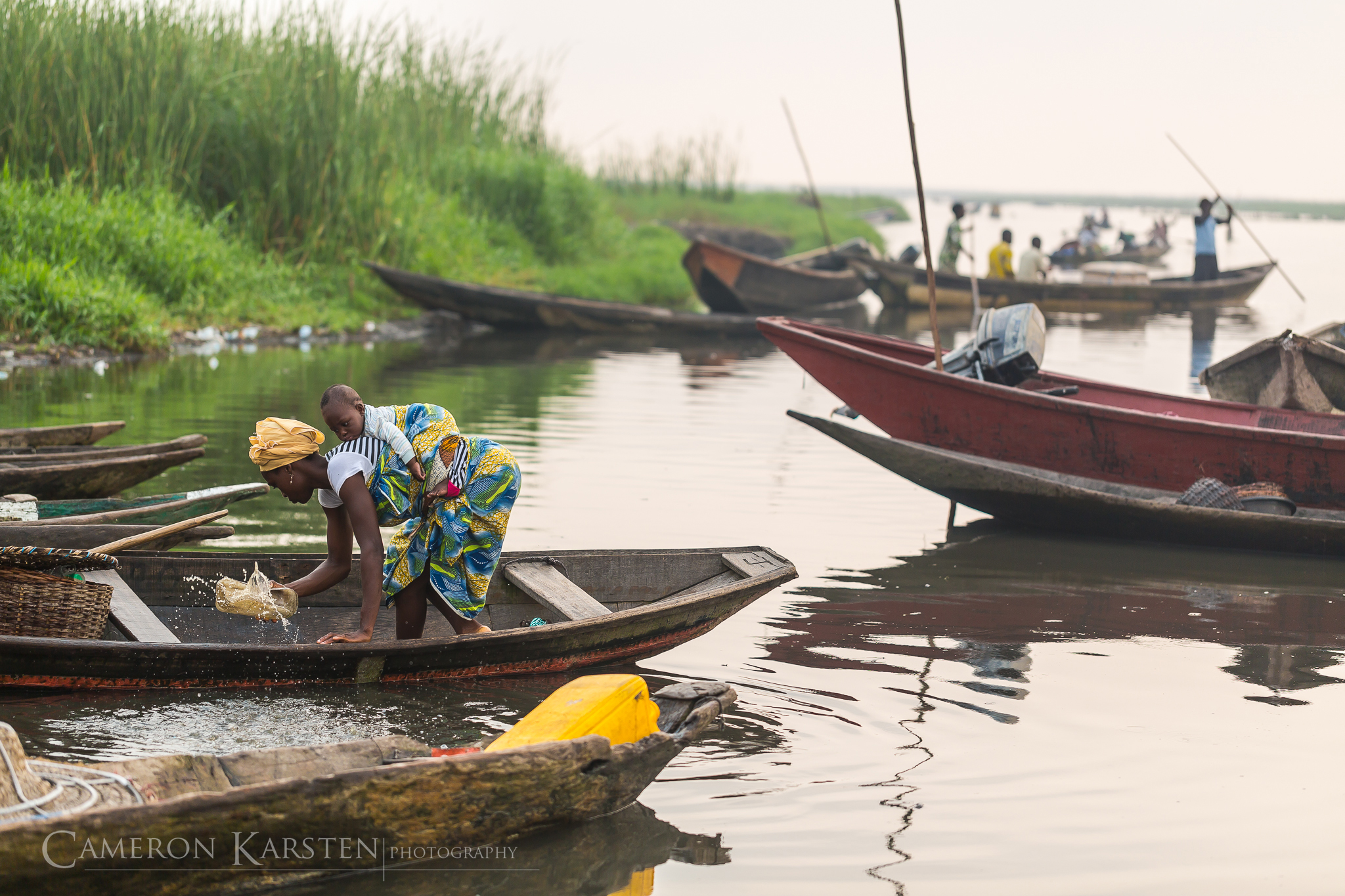
Day3_Ganvie-356

Admittedly, I too couldn’t place Benin in its exact location prior. West Africa, I’d say evasively, somehow hopeful that several nations would willingly surrender their unique identities to their greater region. Technically, I wasn’t wrong. But not surprisingly, I soon discovered that Benin deserved far more respect and scrutiny than I had originally expected. Take a closer look and you’ll begin to unravel a majestic tangle of complexity and misconception.

Benin borders Nigeria’s western edge, touches Togo’s eastern boundary, and supports Niger and Burkina Faso above. It is one of those tiny West African countries that stretch north to south. Sneeze and you’ll miss it. In fact, picture Africa’s western shoreline as a nose. Benin sits just beyond where the mouth and the nose would meet—at the nostrils, if you will—a sliver of land anchored by the fabled Bight of Benin.

And then there’s magic. In the West, the word conjures up David Blaine, television’s greatest living magician. A levitating, fire-breathing, death-defying illusionist. A beloved celebrity of record-setting endurance. A talent, no doubt. From the Beninese perspective, however, he is not a man of magic. Call him master of deception. Magic in Benin is a way of life.

Day1_Ouidah-112

Everywhere there is magic. It’s in the red earth of the landscape, the throbbing fury of the sun, and the relentless currents of the great flowing rivers. It’s their religion—a religion in which the interactions between nature and humanity are cherished and respected every day. Magic is Vodou. And with 4,000 years of magic backing it up, Benin is the undisputed cradle of Vodou.
Personally, I believe in magic, both as a form of deception as well as a supernatural expression of the energies beyond ordinary comprehension. For millennia, Homo sapiens—the self-proclaimed wise man—has existed, evolved, and generally erred, all the while attempting to explain: What lies beneath? What forces create the churning seas of the ocean and the gyrating clouds of the sky? What energies course through veins and roots alike? Indeed, what does our cunning and craft amount to aside vast incomprehensibilities? Our attempts to solve breed yet further questions. No matter our advancements or industry, the sun still rises and the moon ever orbits to a language seemingly all their own.

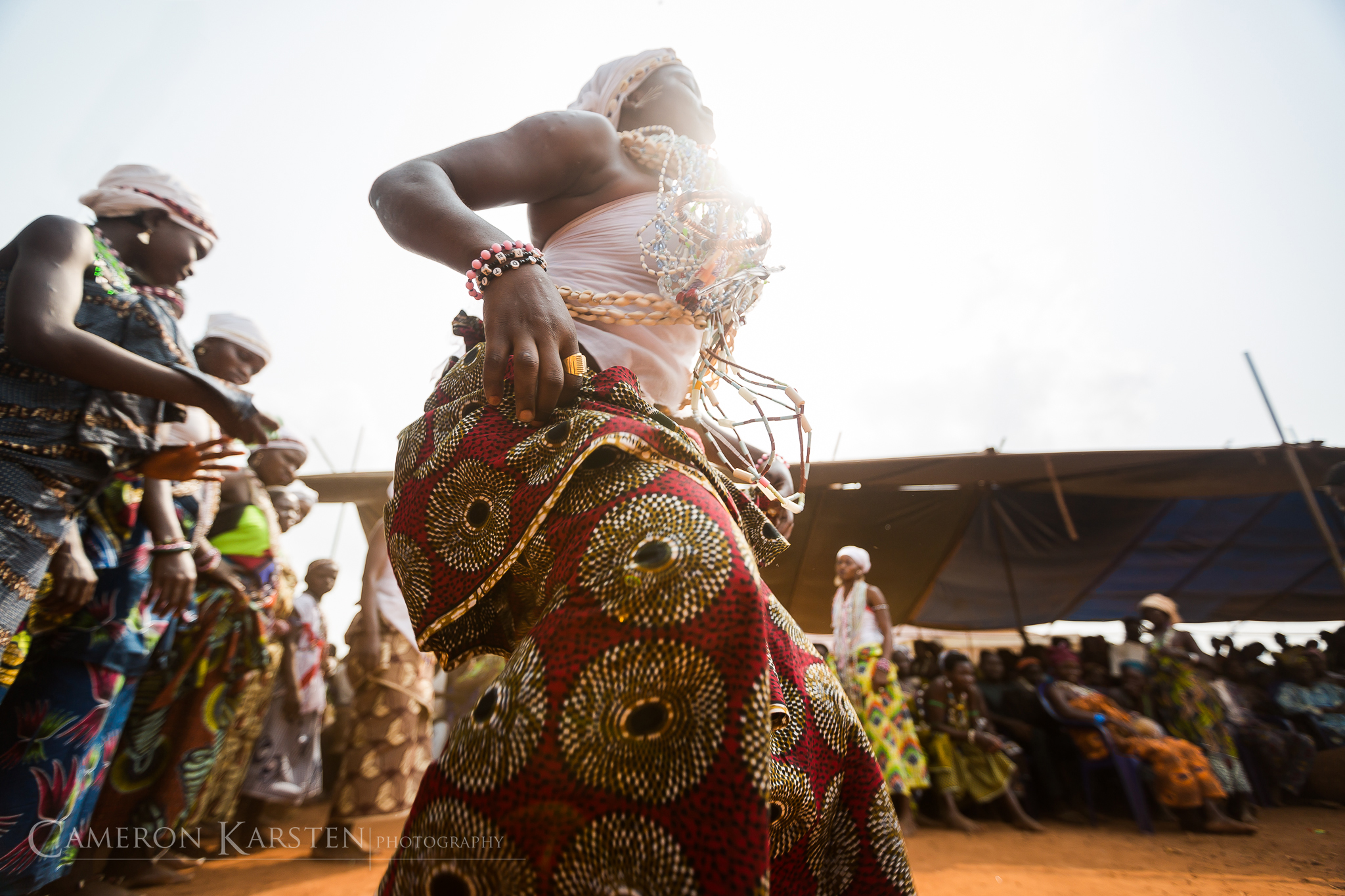
Day5_Allada-173

Countless cultures have contrived to explain these fundamental phenomena. Some grow. Most fade beneath the all-consuming flames of war and oppression. And yet, incredibly, amidst the largest powerhouses of the world, there exists a small country—undeterred by the folly of others and sorely ravaged by the horrible histories of slavery—where the primeval practices still prevail and the honor of the mysteries of the world take precedence.

Cast aside the linear mindset and the textual teachings of the West. Simply observe what is before you and what has come to pass. Only then will you understand Benin. Here the supernatural and natural worlds converge; everyday occurrences take on special meanings; and the privileged traveler may join the setting sun into the obscurity of a secret and sacred society to appreciate the mysteries of what Benin declares its official religion: the worship of the Vodou.

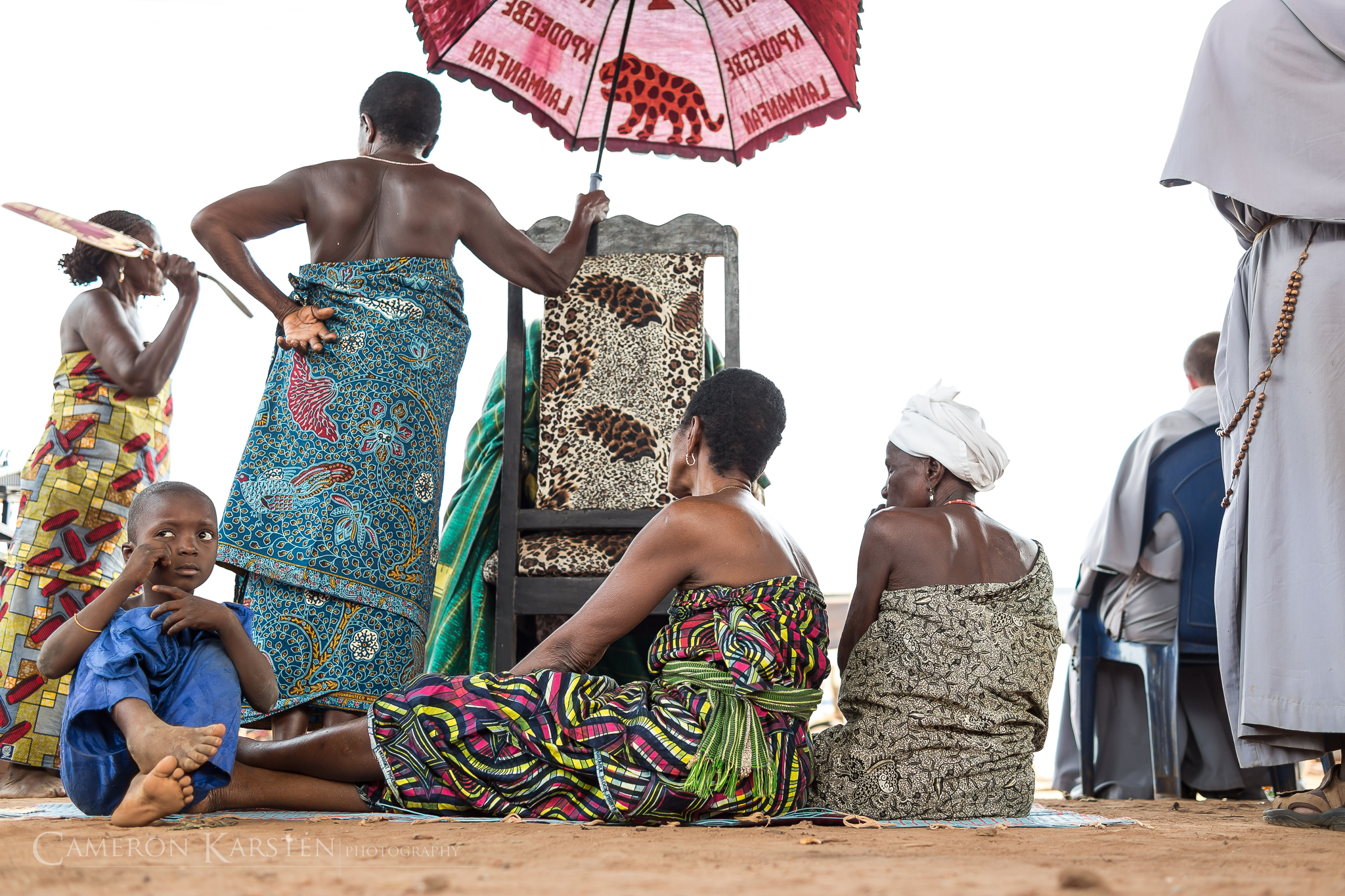
Day6_AlladaVodou-366

It is a world of shadow and dance. Of masks, scars, and tattoos. A country where Kings remain the Kings of Kings, and the leopard and snake reign in the household tale. Feel the pulsing rhythm of Vodou, transcend the merely tangible, and let the beat of the drum lift your mind into the realm of the metaphysical. Once you have crossed this threshold, once you have heeded this singular call, the world around can never be the same.

For us, there is no retreat. There is only the universal language of Vodou, and together we will drink from this bottomless cup.

Together we’ll reach a faraway land.

Next essay –>

Day6_AlladaVodou-507

Day2_Cotonou_Egungun-236

Day6_AlladaVodou-173

Day2_Cotonou_Egungun-1

Day6_AlladaVodou-578

Day4_AbomeyCalavi-197

logo_blackTrajan

Vodou Footprints: Origins of Vodou (West Africa)

The Mono flows out into the sea on a bleak, wind and sand-blasted beach that is not very likely to entice you in for a swim…If your interest is in Voodoo then with luck (and some bravery) you might be able to persuade someone to paddle you over to one of the villages hidden on the backwaters where the Voodoo spirits are especially active…One village especially, Kpossou Gayou, would be fascinating to explore, but the chances of getting someone to take you are very remote because of the sheer power of the Voodoo here and the bad vibes surrounding it. It’s said that the fetish is so strong that almost anyone can hear it speaking quite openly and most of the boatmen in the area are much too frightened to take a foreigner there.

Butler, Stuart. “West of Cotonou.” In Benin: The Bradt Travel Guide. Chalfont St. Peter: Bradt Travel Guides, 2006.

Giving-Self---Version-2

These were the words that sealed my fate—that stirred an inexplicably ancient power and compelled my to explore. Something deep within was awoken. Something unfamiliar, incomprehensible, perhaps unknowable. While the boatmen supposedly trembled with fear at the mysterious forces, I tingled with desire. With each new mist-shrouded image or wind-savaged vision, a growing vortex drew me down towards the vague, inscrutable center. Determined not to flee, I embraced it unnervingly.

The more I read, the more I realized the sheer inevitability. Wants became needs, and more than curious, I was famished for answers and driven by pure adventure. There was no turning back.

Magic-Makers

But first, some backwater backstory: Vodou, established by short-term president Nicephoro Soglo, became the official religion of Benin on Jan. 10, 1996. Subsequently, this day became the National Day of Vodou, when the world’s largest Vodou festival occurs every year in the old slave port of Ouidah. And yes, I soon realized I was going.

A project plan emerged. Guesthouse. Driver. Guide. An itinerary with just enough structure, but purposefully rough to match the raw mystique of our journey. In total, 37 hours of travel, 37,000 feet above the earth, separated us from departure in Seattle to touchdown in Cotonou, the unofficial capital of this land called Benin. Across ocean, sea and desert, those fateful readings would finally come to life.

Of course, Vodou (or voodoo to our ears) is anything but the doll-and-pins novelty it’s often indifferently ascribed. Rather, it is an active mysticism that has weathered thousands of years on the continent of humanity’s birthplace. As such, in undertaking our own journey, we also endeavored to understand Vodou’s journey: from its cradle in West Africa, its reluctant passage across the unforgiving slave route, and its ultimate assimilation into the cultural and religious stew of the West—thousands of miles and meanings away from its native land. But I digress; it’s time to approach the destination ahead. Pluck up your courage. Open your eyes and ears to the spirits. And follow closely as we enter: Vodou Footprints – Origins of Vodou.

Next essay –>

Global-Educates

The heart of the Lower Omo Valley, Ethiopia

Spine-of-Lower-Omo

Hamar territory – Lower Omo Valley, Ethiopia 

The-Elephant-That-Could

An orphaned elephant being fed at the David Sheldrick Wildlife Trust – Nairobi, Kenya 

DSC_0092-(4)---Version-4

 A dry riverbed in the Lower Omo Valley. The government’s proposed dams have dried up the Hamar’s traditional water sources

Colee's-Retribution

In the riverbed – Lower Omo Valley, Ethiopia

Wild-West

The Wild West of Nigeria – Niger Delta, Nigeria

DSC_0085-(3)---Version-3

Jinka’s town square – Jinka, Ethiopia

logo_blackTrajan

The Countdown Begins: The Origins of Vodun

Who-Is-Oba-NowI’m stoked that the countdown has begun! On December 31st, I’ll be heading to Benin, Togo and Ghana for roughly four weeks to begin a project about the origins and evolution of Voodoo. As a practice of animistic worship of spirits, Vodun is the official religion of Benin and considered one of its birthplaces. I’ll be traveling with friend and fellow photographer Constantine Savvides to create a multi-continent multimedia series including still, motion, audio and text. West Africa will be the first of several locations, retracing the spread of Voodoo via the slave trade to the West Indies and Americas, to its survival in today’s organized societies. These guys, chiefs of the old slave port in Badagry, Nigeria, know what I’m talkin’ about.

I encourage you to follow my blog for in-country updates, where you’ll see us enticing boatmen to take us up river to black magic villages and feel the frantic energies of the world’s largest Vodun festival in Ouidah, Benin. A little throwback Sunday of past images taken in West and East Africa to stir the pot of adventure, culture and exploration!
Askar's-Ladies
 Askar of the Hamar tribe in the Lower Omo Valley, Ethiopia
Balancing-Life
Hamar children playing in the shade – Lower Omo Valley, Ethiopia
DSC_0185---Version-2
The old train from Dira Dawa, Ethiopia to Djibouti City, Djibouti is a long slow uncomfortable slog through some of the most arid terrain in the world.
DSC_0895
A liquid gas burn-off at a Chevron oil platform in the Niger Delta of Nigeria
From-the-Ground
Local Hamar children in the Lower Omo Valley of Ethiopia
High-Risen
Sunrise along the Kenyan coastline near Diani Beach
The-FuryMonkeys will steal your things if you take too long of a nap – Diani Beach, Kenya
Dual-Reflects
Traffic – Lagos, Nigeria
Hyena-Reconciliation
A hyena-keeper feeds the wild dogs by moonlight in the Harer, Ethiopia
logo_blackTrajan

New York City is Black, White and All-Encompassing

_N9A9714

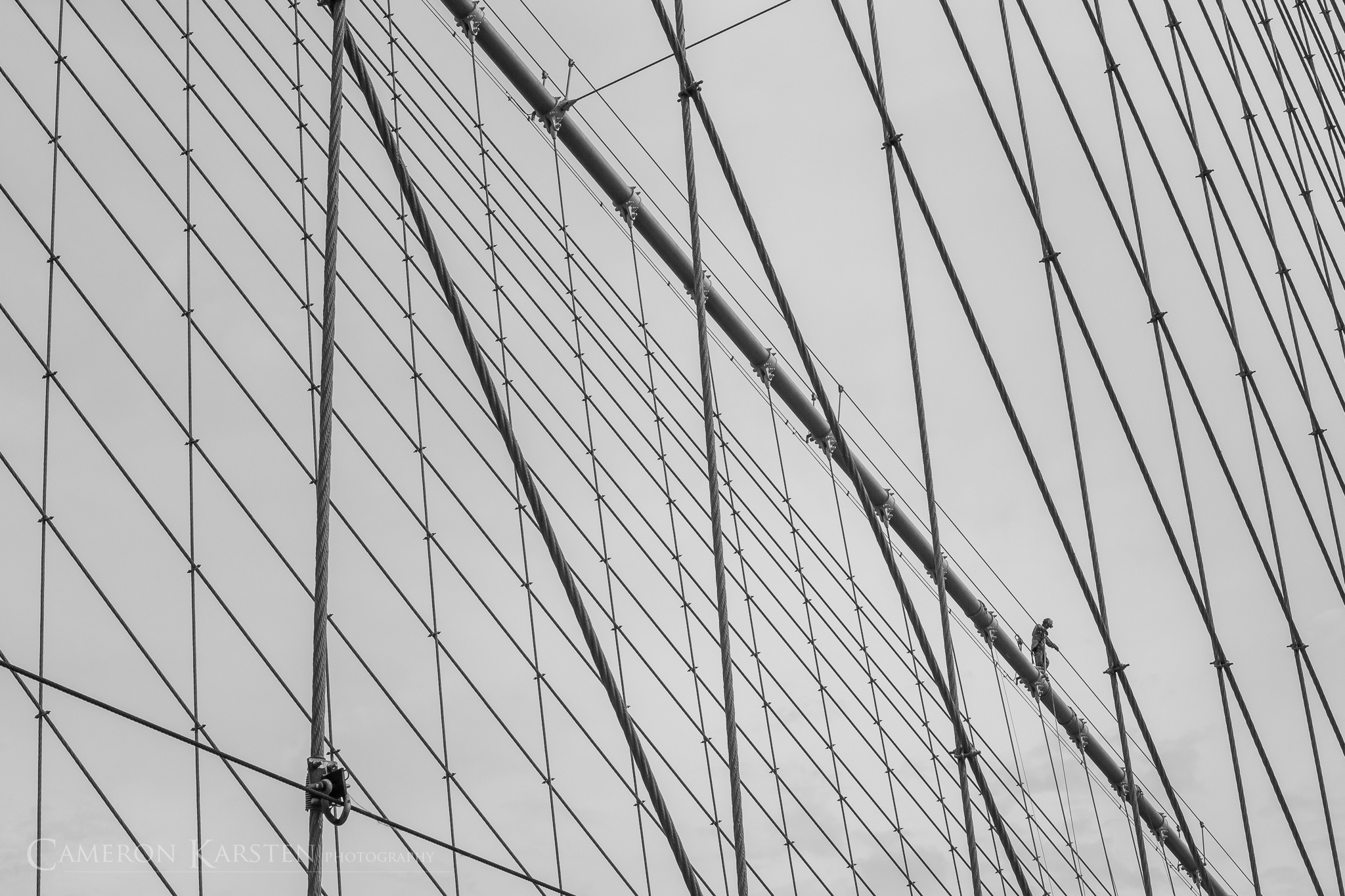
I see New York City in black and white.

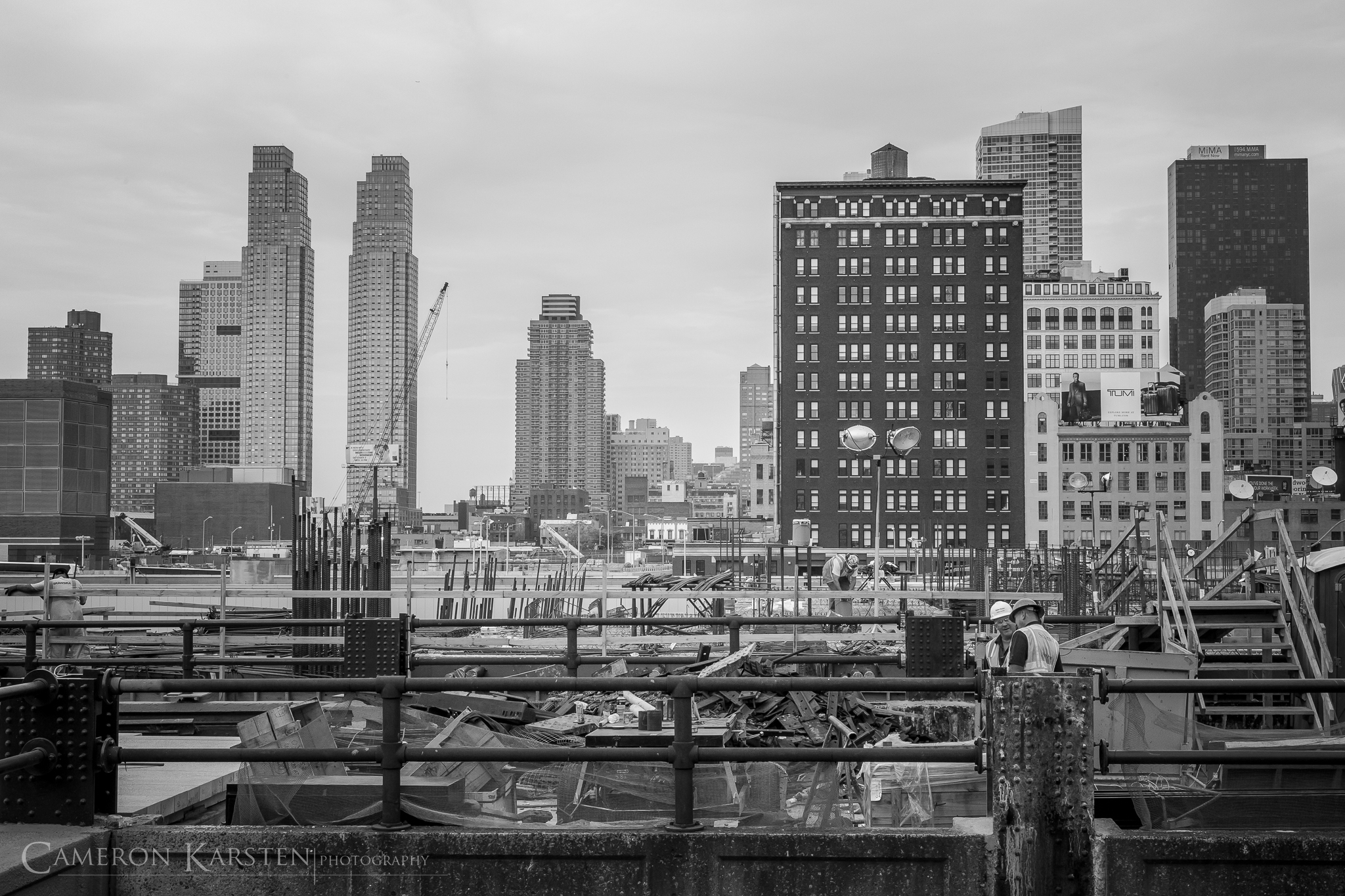
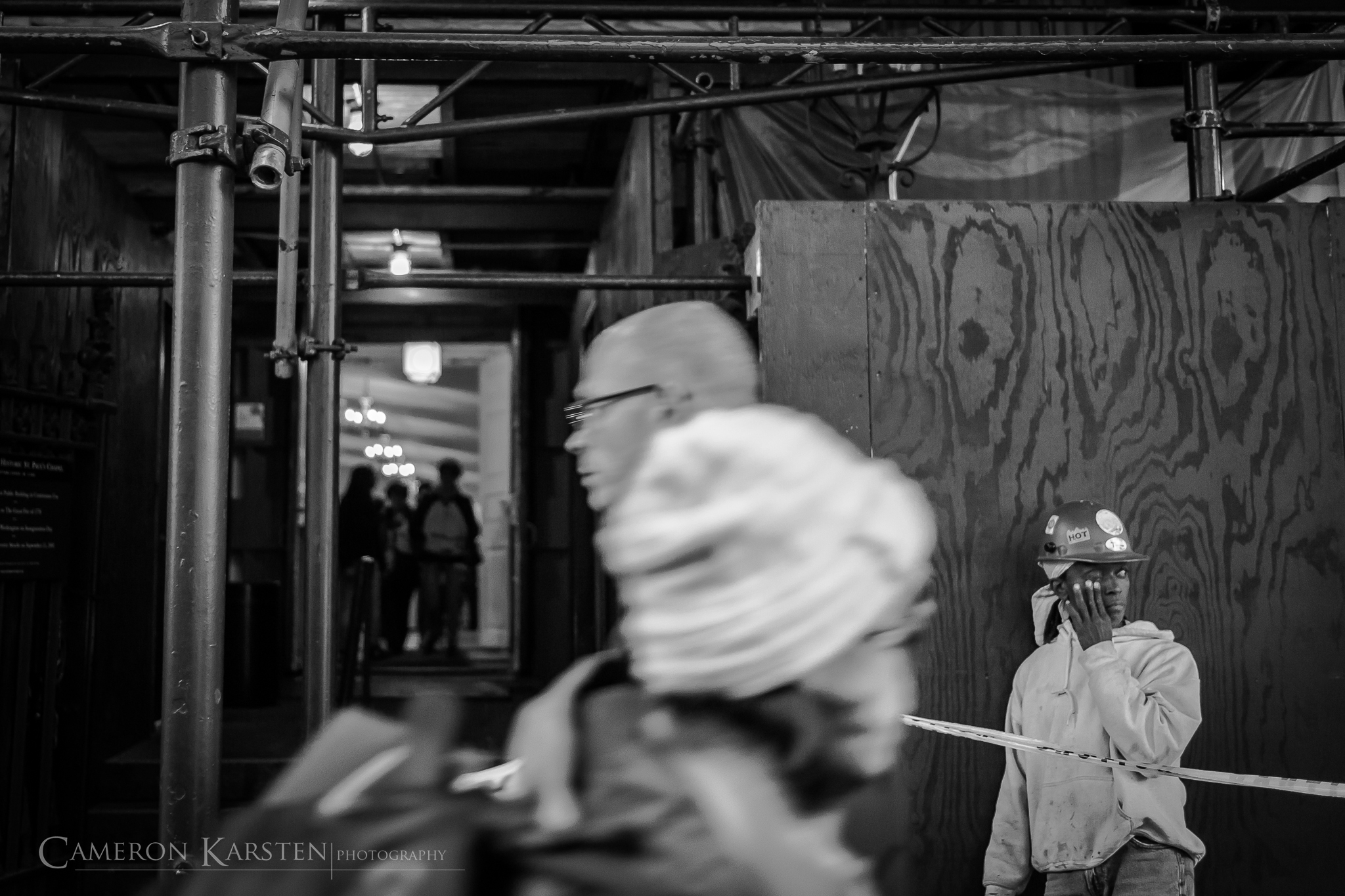
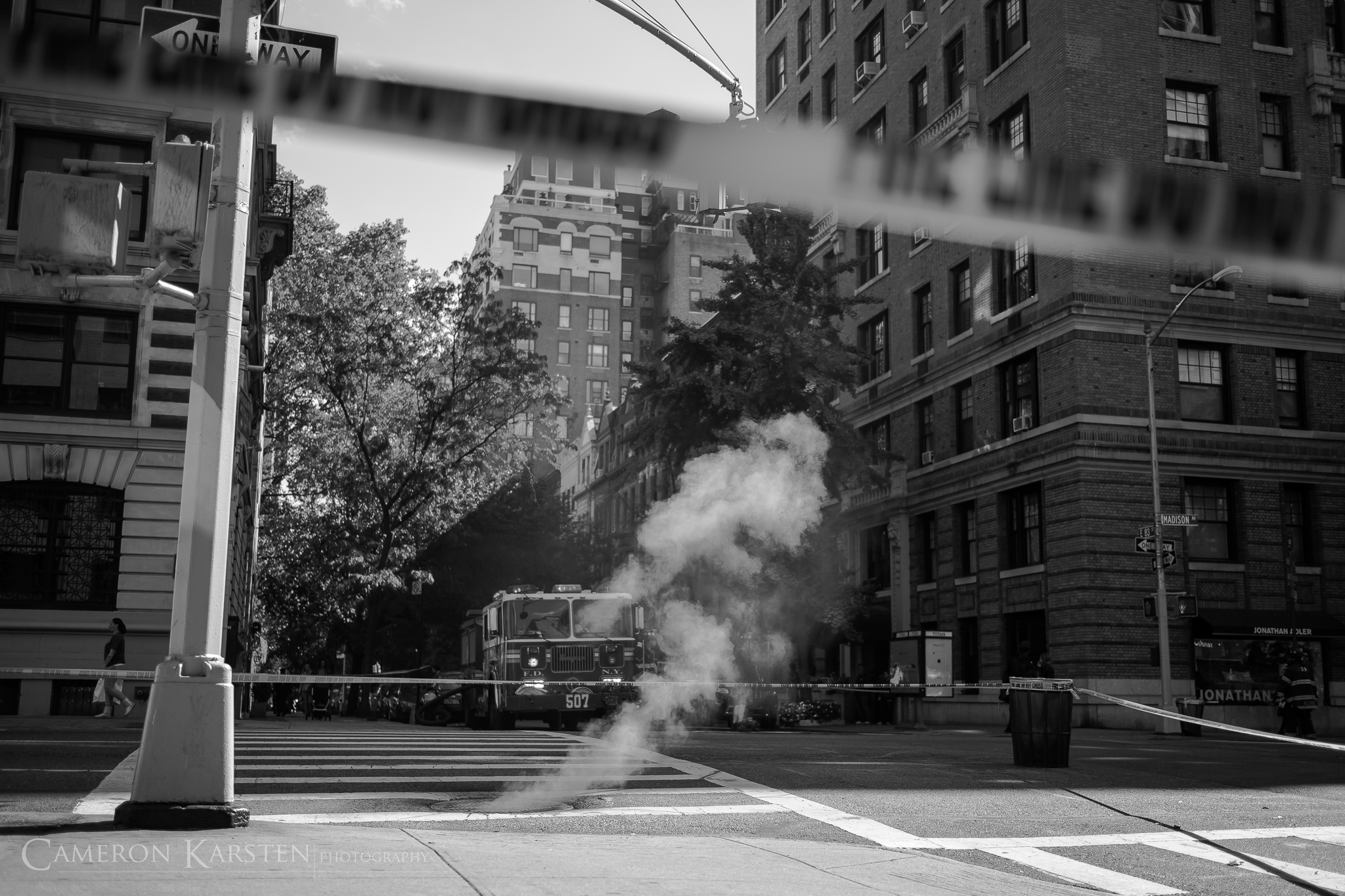
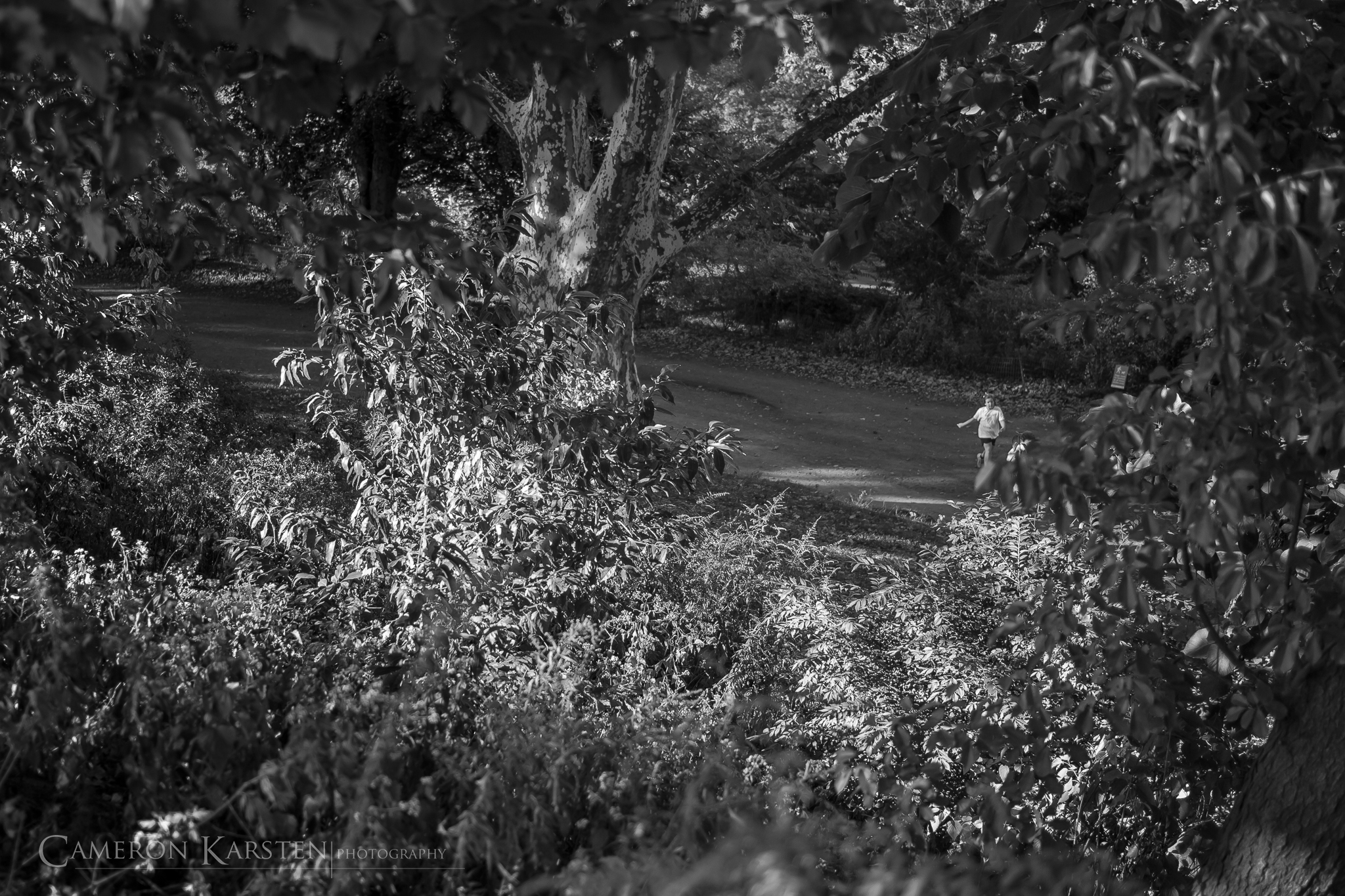
Take away all the flickering lights, the sirens and neon dashboards of Time Square.  Strip away the info panels and varying colors of orange, yellow and blue emanating from street posts, from billboards of business and commerce.  Add a sunny fall day.  Let it stretch out those oblong shadows, appearing like identical characterizations chasing every man, woman, child, pet dog and moving transportation.  Let it bounce off the glass cathedrals that tear into the sky, reflecting once, twice, maybe three times into the soft shower of diffusion. Add clouds and see the geometry of humanity unfold in pattern after pattern, revealing how intrinsically woven we are into the chaos of Mother Nature.

It’s maddening among the crowds as they each race toward their God-given creed.

Now, turn all to black and white and there only remains a lingering elegance of time passed, one cherished from the yesteryears that will only be forgotten as one shiny element after another flares passed the weary observer.

_N9A9661

_N9A9851

_N9A9865

_N9A9853

_N9A9582

_N9A9607

_N9A9539

_N9A0406

_N9A9572

_N9A9796

_N9A9802

_N9A9489

_N9A9884

_N9A9809

logo_blackTrajan

The Karmic Consequences of Wal-Mart (Location: Bainbridge Island, Washington)

I rose from the television, my evening’s indulgence, and walked through the crystal glare to the kitchen.

Flicking on the lights, I reached the pantry, opened its doors and pulled down two contents: a can of Equal Exchange Organic Hot Cocoa and a plastic bag of Western Family Marshmallows—jumbo-sized.

Outside, a layer of clouds blocked the night sky and a sheet of rain piddled on the patio.  As the teakettle came to a boil, I turned down the gas flame and filled my mug.

The powdered chocolate and white puffs of sugar stirred, and the marshmallows dissolved into sweet perfection.  I wondered: is true sustainability possible?

A Sickness At The Root

Back in the TV room, I continued watching the documentary Wal-Mart: The High Cost of Low Price.  Directed by Robert Greenwald, the film captures the stories of employees and those affected across the United States.

It’s a story of American capitalism gone askew.  Like David versus Goliath, the mega-store behemoth slams into a community and entices families with its cheap plastic products.  We hear from an employed mother forced to seek government-assisted healthcare to raise her children, and a family-owned hardware store crushed by the neighboring Wal-Mart superstructure.

The movie recalled my recent journey to Mazatlan, Mexico and the newly razed soils of tradition to accommodate the acres of asphalt and high ceilings of cheap Wal-Mart goods.  Not only has the corporation captured the minds and bodies of Americans, but now it extends across Mexico, Europe, and countless other countries.

Wal-Mart imports an outrageous amount of overseas products.  On November 29, 2004, Jiang Jingjing of China Daily reported, “The world’s largest retailer, Wal-Mart Stores Inc., says its inventory of stock produced in China is expected to hit US$18 billion this year, keeping the annual growth rate of over 20 per cent consistent over two years.”

That’s an estimated $18 billion pumped out of sweatshop factories employing the young, naïve women, men and children living in poor provinces.  According to Global Exchange, Wal-Mart employs 400,000 workers abroad.

It’s everywhere.  At the beginning of this year, just 15.59 miles from my doorstep, a Wal-Mart Supercenter opened its doors on January 31, 2007 in Poulsbo, WA.  Its 203,000 sq. ft. store provides 525 new jobs in 36 departments that remain open to customers 24 hours a day, seven days a week.

What’s more amazing, apart from the $35,000 donated to local organizations through its Good Works community involvement program, is the fact that twelve miles down the road is another Wal-Mart Supercenter in Silverdale.

The Accomplice In The Mirror

As always, my cocoa was delicious.  Let it be known hot cocoa without marshmallows is not the same.

Continuing with the film, I felt a pang of guilt.  Here I was, drinking organic hot cocoa fairly traded through the worldwide network of small farmers and co-ops, yet I topped the sustainability with gigantic, jumbo-puffed, falsified sugar marshmallows.

No, the marshmallows were not organic, fairly traded, or manufactured with conscious decisions.  They were packed, shipped, stacked and stored for months.  They were not sustainable; the plastic bag unsalvageable—America’s weak recycling programs will not help this time.

The movie ended.  I went to the kitchen sink and washed my brown, sugar-stained mug.  I opened the pantry and perused its contents.  I took note of the products: most were organic, purchased in bulk.  They were stored in containers able for reuse or recycling.

They were fresh and limited; only the necessities and few luxuries, not piled with the excesses of your average soccer-crazed Mom in an over-zealous fear of Judgment Day.  But still…those marshmallows.

Despite my reassurance about the impact I was making on the world, I felt I needed to do more (or less).  This yearning carries me into each and every experience.  It’s one of caring—for the world, for our family of brothers and sisters.

It’s a desire to look forward into the future and make sure we have preserved the beauty of the land and its resources for generations to come.

What more can I do?  What more can we do to better our minds and lifestyles?  And what more can we do to make a difference in the way economies run so economic tyrants like Wal-Mart return to their more modest roots.

Sam Walton, Wal-Mart’s founder, once said, “You can’t create a team spirit when the situation is so one-sided, when management gets so much and workers get so little of the pie.”  I wonder if today’s CEO Lee Scott remembers his words?

The Karmic Consequences

In Mexico, I overheard a woman who had been traveling to Mazatlán for twenty-five years.  She was grateful for the new Wal-Mart and Sam’s Club.  Now just a mere five-minute pulmonia ride, she buys all her groceries as if she were back home.  “We arrive. We shop at Sam’s Club.”

I found myself that night in the heart of Old Mazatlán, wandering the Centro Historic in Mercado Pino Suárez.  This was Mexico.

The large market holds vendors offering traditional foods of homebrewed recipes to clothing and appliances.  It felt real.  It was a culture supporting its people.  It was their livelihood mingling among their rich traditions of agriculture, textiles and cooking.

Purchase Made

Back home, the US continues to expand and dominate other regions from the Latin world, to China, India and Bangladesh, to Europe and beyond.

There are those among us who condemn this expansion, who believe in a higher standard, not of income or consumption, but something that far surpasses the physical world.  We’ve come to recognize Mother Earth’s life.  If some don’t take notice, it’s bound to fall into hands more omniscient.

On March 15, 2007 the Wal-Mart of Poulsbo saw a glimpse resistance.  The Seattle Times reported a suspicious fire that broke out in the women’s undergarment department causing one million dollars of damage.  Nobody was injured and officials are looking into suspected arson.

Would You Like Culture With That? (Location: Mazatlán, Mexico)

In a city engulfed by corporations and Americana, the essence of true culture is always changing.

Mazatlán, Mexico.  It conjures a precision of memories.  For many years my family met once a year to live, laugh, eat and drink, recounting memories beneath the Mexican sun.

We lounged like the afternoon’s iguanas, strolled and swam like leaves in the fall, shopped the Zona Dorada with red eyes, rode horses through the waves and parasailed as if we were birds.  For once a year, The Inn at Mazatlán became our home for two weeks, where we relished in relaxation as a family conglomerate stuck together by the sticky juices of squeezed limes and empty Margarita mixes.

But every once in a while, certain members would miss the reunion and due to my direction in various travels, I was one who often missed these annual Mexican fiestas.  After three consecutive absences, I was looking forward to the next year’s, which reintroduced me to a culture buried within the memories of youth.

As I sat in the back of a taxi outside General Rafael Buelna International Airport, located seventeen miles south of downtown Mazatlán, heat and dust drew in through the open windows and swirled around my head.  It smelled hot.  It smelled tropical.  I thought I caught a scent of a distant sea as a faded CD hanging from the rearview mirror flashed in my eyes.  On one side of the disc, Mother Mary gave me a reserved glance before rotating out of view.

An Unrecognizable Return

I watched out the window: a beloved Mexico and its culture, passing high-walled penitentiaries, catching drafts of burning trash and the odd pile of rubber.

The land was sparse to the city, impoverished with corrugated roofs and sheds, wiry fences enclosing pigs and cattle while chickens roamed freely.  Then, broken by an obtrusive power, gorging the expanse of the countryside, were paved lots of multinational corporations.  They found their way into a culture as Mexico fell to the global faces of Wal-Mart and Home Depot.

Noise and debris, rising dust-clouds of eternal heat, rapturous signals, stoplights and padded feet across cracked asphalt. Then the next race of unholy exhaust pipes flooded the streets.

I breathed in, and as tin and brick and corrugation turned to unfinished concrete harboring spikes of rebar, the city-center approached.

A culture, historic in its patternless flow of work, family and tradition.  Mix in nutritious rice, beans, corn tortillas and a few cooling cervezas.  And then birth the working-class as a mother interlinks her arms throughout five children before dodging traffic, and los federales rolling in their crisp black ’06 GMC pickup trucks and waxy Ford Mustangs, circling fat signs and stripped lands with their sweating asphalt and gymnasiums of cheap simplicities.

My heart skipped a beat at their infiltration.  But as I drew another inhale and observed the life surrounding, I continued witnessing a thriving Mexico.  The dust tickled my throat.  I coughed.

How unburdened can a culture remain?  I was about to find out.

Arrival at the Inn

The Inn dressed as usual.  Elegant in contrast with the streets beyond its whitewashed walls.  A new tower touched the sky with 215 luxury rooms crowned with one three-bedroom ten-person penthouse.   Larger pools.  Fully functional waterfalls.  Yoga classes in the morning and increased prajna after a night of drinks, chips, salsa and guacamole.

There were painting classes, weekly Bingo for the crowds accompanying time-shares in Branson, Missouri, as well as Mexican piñata fiestas for the kin Wednesday nights at seven.  With a restaurant on premise, The Inn was a self-sufficient community of lounge-chair tortillas here for a deep-fry.

I searched a meat menu for a vegetarian plate.

Culture? I ask:

¿La cultura? ¿ Dónde está la cultura?

Indeed, it wasn’t to be found within the walls of the large resorts and hotels fabricated for the broadening American and Canadian tourists, unless, say, you worked your Spanish with the maids and gardeners.

But outside, in the heat and noise, Mexico awaited.

Mazatlán Idol

One evening the family piled into two pulmonias (a crazed golf-cartesque taxi blaring an ungodly noise of music ranging from YMCA to CCR’s Bad Moon Rising). We drove north to La Costa Marinara.

Inside the seafood restaurant, I scanned for something traditional, simple, clean.  I came up empty.  Drink, talk, laughs of the previous evening, and then to eating.  After our meal, the American music toned down and the DJ slapped on a record of classic Mexican rhythms.

Suddenly, as if transformed into Mexico’s next “American Idol,” a waiter stepped onto the patio platform with microphone in hand.  He held it tight, not in nervousness, but passion.

With reverence, he sung his heart out, swooning the customers in love song.  One local, loaded with two of his buddies at a game table of empty beer bottles, joined and grumbled to the melody.  I cringed.

“Tom Jones!” my sister exclaimed.  Reborn and alive, south of the border in Mazatlán.

In all the years we had been coming to this restaurant by the sea, we never saw the bills paid and tables emptied as quickly as they had that night.

Visit From the Country

Señor Jones was not the only performance.  Directly afterwards, six blonde children dressed as Midwestern cowboys appeared.

Between the ages of five and fifteen years, they appeared out of place from the average Mexican; not only the pressed red-squared collared shirts, jeans and boots, with chaps, bandannas and dresses, but also their faces.

These six little children seemed to have come off the beaches of Santa Cruz with tanned white skin and sandy hair.  Let alone, it was nearing ten o’clock on a school night.

The DJ queued the music.  Georgia-born Alan Jackson, in thick accent, rolled with Chattahoochee.  In practiced timing, they kicked their boots’ heels in square dance.  Suddenly, I was transported on a stagecoach time machine to a backwoods Montana bar.

An American woman, apparently from a similar locale, clapped in dramatized exuberance.  “I love this song!  Love it!”  I didn’t dare look over, but from the far corner of my eye I spotted her Margarita bowl near bottom.

Signaling the end of the dance, the youngest three removed their plastic cowboy hats and bowed, before turning them upside down and requesting alms from each table.

Old Streets, Same Bathrooms

I walked back to The Inn that evening with my uncle on the main Avenue Cameron Sabalo.  We passed Japanese restaurants, American burger joints, tapas of Spain, and I thought of the real Mexican dishes in los pueblos y montañas: the simple rice and beans of the Latin world.

The previous day, my mother recalled the sole brilliance of the establishment known in more languages as simply: McDonalds.

“At least we can rely on a clean bathroom no matter where we might find ourselves in the world.”

Yes, Home Sweet Mickey D’s, along with other chains, soon to include Dairy Queen, Domino’s Pizza, Subway, Wal-Mart and Home Depot.

Culture.  Mazatlán.  The input of the West’s power, yet out on the streets, there was Mexico at its finest.

Yesterday’s Today

Blocks are now splashed with the primary colors of the restaurants’ and consumer stores’ façades, but the dust still rises, trash still burns, with the Chevy trucks and the workers down in the shades, mothers sprinting across traffic with young flailing and babies wailing.

Things and their monsters.  They let loose to dilute the beauty of this original culture. Yet cervezas y guacamole, no matter how diluted, still reinvigorate the Mexican culture of memory to the old and young.

Culture is life.  Life is change.  Change is Culture.

It is the beauty of the world, no matter how desperate, no matter how congested and overflowing, omnipresent like a McDo, in Mexico, India, China, France or across the street from your Ace Hardware chain.

Collecting Forks, Making Decisions (Location: The Traveler’s Road)

Experience is based on our personal choices, and we can bring as much or as little choice into the matter as we wish.

Life revolves; as the motion of the sun, as the pleating horizon and its contrasting hues from light to darkness and back.  The individual, from one’s perspective, is the traveler.  And upon all travels, there is a road to follow.

This road is full of choices. Which fork will you choose?

This question came to me long ago as an adage.  I was young, say nine years old.  It stated thus: “If there’s a fork in the road, take it.”

And I laughed.  I laughed until it hurt.  Who would put a fork in the road, and why would I want to take it?

It was a phrase filled with ridiculousness to my budding imagination, but one of deep wisdom as I grew into understanding.

The quote was read to me out of a book written by Pat Riley (one of the top ten NBA coaches of all-time according to NBA.com) entitled The Winner Within. I now see it in its full light.  I can taste the fork, the food of life from the past, present and future.  The flavors of choice.

The Life of a Student

Paris—its ancient European splendor discovered on one’s lap in the finest literature or upon the walls of the most selective galleries.

Five months I signed my life away and gave my word to family, friends, and Paris—I would be a student of the City of Lights.  But five months for the traveler is eternity.

The French classes, the home-stay with a lone parisienne woman, and the intense independence of a traveler buried within his consciousness.  The forks were many, arriving and departing, offering me choices in all directions.

Stay in Paris: the marooned traveler locked in a conceived commitment like a child to its bottle.  Return home: my mind, body and soul thirsted for a rest within familiarity, before the dusty lane of a lingering wanderer caught his scent afar once again.

I couldn’t help but sink beyond the mind-fuck of options into a wordless image of the road, where long curving paths travel outward, into movements of the unknown, guiding to new towns and hostels.  Flavors constantly pushing onward.  Possibilities endless.  The road limitless. Where was I?

From the start, way before the birth of my Parisian studies, I collected my forks.  This was my reassurance that I was okay.  Every choice in the road that led to the enrichment of adventure, shaped in spontaneity, was my destiny.  I was not lost.  I was not stuck.  I was on the road less traveled where the unabated borage of questions my mind teased me with was none other then normal brain activity.  I didn’t have to sit in mediation longer.  I didn’t have to eat healthier: rawer foods and purer waters.  I needed to breathe, observe and continue questioning until the choice felt right.  Until I made the decision to pick up the fork and own it.

My present moment—my past and future—rolled into one.  They were in my hand, on the fork, before sliding onto my tongue and across the palate.

The Manufacturing of Commitment

To commit is dedication.  With the soft pavement beneath my feet, as with the crisp steel shaping the idiom’s many forms, I’m dedicated to the life of the traveler.  Time in Paris was up.  I clearly saw my fork and I took it.

A thought is a thought.  Experience it.  Accept it.  Leave it at that and move on.

When a choice is made there’s a manufacturing of commitment.

“I will do this.”

You tell yourself.  You tell others.

There’s a response from all: Yes you will, or no you won’t.

And as word spreads around, a bond is created.  A thought, into speech, turned to action.

However, a choice remains at its origin in that plain thought.  Here lies the trouble: Perhaps you can’t let go.  Maybe, just maybe, you’re stuck because you took it too seriously, so whole-mindedly that there was nothing else to stand in its’ way.

A thought is a thought.  Experience it.  Accept it.  Leave it at that and move on.

Return to the Road

Although I thought about Paris from its conception, where I shared it, created it as my reality, and experienced it’s artistry for five months; whose commitment was it?

It was mine and I could change it.

Remember Cameron, you have the fork.  My conscience was speaking clearly.  You picked up the fork.  You own it now.  This is your life to decide what to do, when to do, without questioning why.  Feel your way through the flavors of destiny.

I stopped, took in a breath, and experienced the current circumstances.  A perceived commitment, which never existed, vanished for good as my path along the road became unblocked.  I let go and my movement proceeded, far from Paris.

No, I’m not married to any single thought.  I never was, and I never made a commitment, except to that originating decision to do it.  But then there is another, and another, and another, from the past, into the future sitting before me on the plate of the present moment.  And with my fork, I decide where, when and how I live this moment.  As my road evolves and revolves, new choices are made, affecting the current life circumstances.

I don’t allow someone else or something else to begin collecting my forks for me.  They’re mine.

In other words, it all comes down to this:  Bundled in a ball, simple enough for a nine year old to play with, Pat Riley continued, “Don’t let other people tell you what you want.”  Deliberately take it upon yourself to recognize and embrace your life’s choices.

Remember:  If there’s a fork in the road, take it.


Uncovering Your Inspiration in the Present Moment (Location: Global)

I’m traveling.  I’m in the middle of nowhere, say the Indian countryside in the heat of the monsoon.

I’m soaked, damp, wet, sticking with my own fluids and gritty under a haze-laden sun.  Or maybe I’m in Nepal, trekking alone within the Himalayas.  A snowstorm descends upon me and I’m instantly lost, wandering from the trail by the blinding white winds.

This is the present moment.  This is the only situation that exists.

You’re in it, alone or accompanied, and it’s what you’re experiencing.  Whatever the circumstances might be, you have access to inspiration, you have the key to its discovery.

What do you need?  You need nothing.  You are the experience and the experiencer.  But inevitably your energy is zapped, and life suddenly teeters on a ledge.  One side leaning towards life and the other down into an unfathomable abyss.  You’re not ready for the latter, so you breathe.

This is your inspiration.

The root of the word inspiration originates from Latin: inspiration(n-).  The noun forms from its verb inspirare, which has two meanings:

First, it is that imaginary force of mental stimulation luring toward the potentials of illimitable creativity.  Second, inspiration is simply the drawing in of the breath.  In other words: to inhale and fill the lungs with air.

Breath is the key to life.  With each observed inhale, our awareness is renewed and deepened.  We honor the present moment and whatever situation we find ourselves in.  Equipped with breath and awareness, the fundamentals of our internal search are created and the tools for life and inspiration are in our hands.

Every morning we rise from our beds, glide upon our weighted feet, with the potential to pursue further, harder, deeper and with more conviction into each day’s possibilities.

This force of mental stimulation is inspiration – as real as your own skin and as impermanent as your own bitten nails.  It is the drive toward maximum creativity into that which you live for and that which you thrive upon.

But then suddenly it’s gone.

Drained, we find ourselves rummaging our own streets and into the debris in our pockets, wondering how we accidentally threw this force out the window.

If we grasp it too hard, if we claim it as ours and only ours, a slap in the face will remind us that inspiration is a fine balance.  When we have something in our possession and then lose it, we realize its importance, how necessary it was to carry and sustain us among our life’s journey.

Without inspiration, we come to believe we’re lost, stuck in the swamp of mind’s banality.

Suddenly, we realized we stopped breathing.

There comes a soft ticking to our ears.  It’s gentle, peaceful amidst the cacophony, subtly resounding within our body.  The blood feels it.  Our heart vibrates as the arteries contract and dilate.  Within our observance, the awareness returns to the source of this heart’s beat and we’re breathing once more.

Our breath, the awareness.  Hello present moment.

No map is good or bad.  There isn’t one out there with the capability of leading us to how we uncover our own inspiration.  But here’s one to chew on:

You’re at the center of your being; breathing, living, recognizing the moment in your life directly before you.  It’s a piece of art.  It’s nature and the solemn mountains in your backyard.  It’s the smile on your child’s face and the beauty within the pages of your tattered book.

Whatever it is, wherever you are, your present moment is the inspiration, and as you watch your breath and become aware of its life-giving force, the pumping of the heart stimulates the mind.

By letting go of everything else but the present moment, creativity is at your fingertips.

While embarking on a new business idea, a new relationship, or exploring the damp, dank corners of India, these are the experiences that force you to stop and touch your inspiration: inhale and live.

The mind is the pick, the heart the hammer, and they chisel as one, directing your will into the vastness of creativity that lies within your soul.  The hammer and the pick—these are yours to explore and discover.

The Art of Spiritual Travel (Location: Your Soul)

You’re at home.  Priorities, concerns, handling of money and dealing with the collection of physical accoutrements placed before you.  You observe life, you fall into it, and then suddenly one day a choice presents itself.

You feel a desire to leave everything: your work, your friends, your life behind.  It is the inevitable moment of choice: shall you choose the same rigorous routine, or a whole new dream, unknown and only imagined.

Which will you push aside?

There was the time in my life when the choice arose.  I remember it specifically: I could have shrugged my shoulders and assumed that playing the role of a “normal” life is what I had been selected to play; or I could have instead dropped everything and disregarded the responsibilities that beckoned me into a deepening well of apathy.

I regarded the two choices (go with it or change it) with all my senses, and then I threw them aside.  I decided to follow the choice presenting the illimitable possibilities within this world.

I listened to my heart and soul and disregarded the insignificant.  I dreamed of travel.  I yearned for the freedom of exploration.  My heart and soul whispered of tales abroad among a new life of transformation.

It was simple.

I packed the few possessions I thought I needed and left with a flexible ticket to the Orient.

There, I realized I didn’t need anything I had first suspected, and so I emptied my sack of all the perceived necessities and placed myself in the hands of my new environment.

With my mind lightened and my worries about necessities eased, my awareness expanded off the pack upon my shoulders to my surroundings.  This observance immediately came full circle, returning me to an original recognition of the potential that rested within.

Suddenly, traveling became an immersion into inner experience.

My lifestyle transformed from the ordinary railway line of dead-ahead tracks that began with my birth — to that of something entirely different.

Prior to my traveling transition, I longed to see as far ahead into the future as possible.  From as early as I can remember to as recent as the present day, society told me what to do, where to go and what to aspire towards.

I was assured through this dependence that the highest education and the most respected career would bring me happiness.  The future was what I needed: that was where my happiness lied, and subsequently, would forever be.  I sincerely believed it.

But then my lifestyle became an inner journey.

I no longer strained to peer into a remote future, but stopped far short and inhaled.  I breathed in the present moment and realized that in this very slice of existence—right before me, existing nowhere else—happiness prevailed.

Travel, and the immersion into an inner experience, begets more and more—and more—travel.  It’s not an addiction.  Nor is it a habit of escapism.  It is a transformation of lifestyles.  True travel is a place of opening yourself to the processes of inner journeying.

It is laying down the arms of ordinary life and undertaking a new style wholly involving oneself and the world abroad.  It is a return to the recognition of who you are, where you came from and where you’re going within the mass of global evolution.

I was traveling and this was my dream.  With this simple decision to follow my heart, I reclaimed my own destiny.  Without it I was not myself, and with it I could do anything.

My life became a spiritual journey.

Culture Hopping: Life is the Essential Ingredient (Location: Planet Earth)

Like a roasted pepper, you’re done: well cooked, charred on the outside, burnt and spent. But on the inside, hidden within the veil of life’s fire-burner, you’re soft and ready.  Anticipating for more.

However, it doesn’t come all that easy.  After the months, weeks, or maybe only the days of travel, you return home to the accustomed life once left behind, and there, piled with new baggage you were ready to unpack, you find yourself overloaded with a new beginning.

And despite how many times you attempt to escape from this, seeking the bliss of freedom discovered upon the open road, mixed within the world’s vast cultures—leaving, returning, leaving, returning—you are met face to face time again with this long winding road home.  It stares at you.  It tempts you.

Upon returning, afflictive emotions once erased resurface (hint: they never leave!).  In order to take this road, you know you must begin the new journey with your new bags; keep on traveling, keep on truckin’ to peel away your surface layers to reach that core initially sought.

You must emerge from the cultures of the ancient times of open-air fires with stone, brick and mortar to reveal the modern complexity of steal and chrome.  The time allotted is the progress made, and until then the core will not be exposed.  Instead, the fires will continue to char, and char, and char returning you back to the start of that winding path, through and through.  Call it culture hopping.

And You Are?

Whether Africa, Asia, Southeast Asia, Europe, South America, North America, or some distant cardinal tropic marooned from the flanks of one’s accustomed culture, the traveler is an explorer in the miasmic layers, colors and spices of the world’s cultures.  To have that desire for taste, for preparation and creative roast is to obtain the initial interest of discovering a lifestyle other than one’s own.

It is a yearning for experience, for knowledge, for an accumulation of wealth that can never be bought, taught or sought in books:  It’s the potential growth of the soul that comes with willingness, dedication and an awareness given the time and space to be sown in the soils of one’s consciousness.

Through the journey beyond, an epic tale of letting go and allowing the fires to char on their own accord, experience becomes wisdom.  It becomes that seed enriched with appreciation for life, a life involving a continued exploration of man, woman, Nature and their intriguing interwoven dynamics.  Alone, this path cultivates and further roasts one’s seed of awareness allowing the pepper to blossom and the fires cook.

For such a traveler, life is the essential ingredient.  Within mind, body and soul there contains essential components only fed when the traveler throws oneself into this very unknown.  This is where life revolves.

Certain characters are necessary for the traveler to embark and take upon these fires when ready:  Such one loves the unknown.

He or she loves taking this upon destiny like a parasite caught in flesh.  It is a necessity, a fertilizer sucked from the deepest soils, where the senses abide to the farthest root tips; stretching, distending, growing further and reaching for that appreciation of life, its beauty and the diversity which flourishes.  These cultures of humanity define the sustenance of life, and without their firsthand experience there would be no worth to the traveler in the life surrounding.

And so, with a firm grip upon an adventurous nature, a character ready and willing to let it all go for something without any future at all, the traveler within me tossed this mind, body and soul into the deep soils of the earth.  Seed planted, sustenance fed—my pepper of various layers, colors and spices began to sprout.  The fire was already provided.  I began my culture hopping.

Cultures Revealed, The Culture Transformed

I went abroad, explored the cultures of islands, of development and riches, of poverty and those stricken with the despair of unjust treatment to their basic human rights.  I went abroad and found turmoil in the markets, unlike my hometown grocer’s well stocked and aligned isles.  I was ingrained within these new markets like a spider in a neighbor’s web, weaving my thread with theirs, calm and observant with the people of Africa, Asia, south-north-east-west and beyond.  I spun more, throwing an innocuous trust within my surroundings.

Further, I found isolated pockets of forest, tropical with malarial mosquitoes and monkeys.   I saw fauna and flora of the imagination, and I let my own wander to color my thoughts with its fragrance.

Things filled my senses.  Life invaded me.  From one culture to the next, I let go, stepping deeper into the unknown.  And I let go once more.

Literally it all consumed me, and as the small seed, a sponge underneath the flowing faucet, I soaked in it.  I was free.  I was the traveler.  I absorbed this flow—people, thoughts, situations and circumstances, foreign politics, cuisines and their palates, lifestyles and manners.  They became a part of who I was, and who I sought to become.

From one individual to the next, from village to village, city to city, via bicycle, rickshaw, tuk-tuk, taxi, bus, train, boat—or by foot—I was culture hopping.  I was experiencing this life I knew and never knew.  It was withdrawn from within me where I allowed an awareness to manifest the road ahead.  And on every step, the journey started anew as the flames were fueled, the fires turning hotter.

Eventually, I was done.

The pepper: blackened, charred, burnt on the outside.  Work was now necessary to peel away the layers, and so the traveler returned home to the culture left behind.  There, after faced with one phenomenon to the next, culture hopping at its finest (the pepper well-done, the spider entombed within, a sponge oozing the sustenance of life), explorations changed courses and routes led homeward to the familiar lifestyle.  But through each interlope and interchange of culture there was that reunion affected by this so-called hopping.

It was a reemergence with the traveler’s old self, bags ready to unpack before discovering there were still more bags to be carried.

Still Traveling

Often it’s unexpected, meeting this thing left behind which is now present; all around you, within family and friends and customs and routines.  It is the traveler of the past; the traveler before the traveler was ever a “traveler”.  In essence it is the mind, body and soul in which everyone knew and everything expected despite the change.

Returning from Southeast Asia to southern California, my confidence and belief within my own self and the direction I was heading hit a steel-plated wall.  All happiness faded.

But now, unexpected, the new traveler facing the old traveler before the traveler was ever a traveler becomes paralyzed.  He or she is overwhelmed with the past culture amounting to that of the new various cultures adopted.  Known collectively as “culture shock”, there is no turning back.

The old sages comment, “Easy is the choice to begin or not, but once begun, better finish.”

And like a dish of foie gras to a vegetarian consciousness, like a Russian bath for the Hawaiian local, culture shock throws you into a chasm where the lights are dimmed to view only the faintest silhouettes ahead.  There is nothing left behind.  You must continue and accept a responsibility, for this very shock is the effect of your culture hopping.  It stuns, saddens—and more significantly—paralyzes the senses and any feeling of centeredness.

Questions arise again, afflictive emotions stir as remorse composes a symphony of disgust, despair and pain before the next layer of pepper is charred.  There’s never the chance of having the opportunity to live the life of its soft sweet flesh.  This is the case of reemergence into Western society.

Returning from Southeast Asia to southern California, my confidence and belief within my own self and the direction I was heading hit that wall.  Happiness gone.  Despair arisen.  Confusion ahead.   What I remember most having returned from the months abroad was entering that Ralph’s “superstore” on Colorado Boulevard in Pasadena.

Culture shock as loaves of bagged bread—signed, sealed and delivered—shook with a consumerism’s shopping rage.  It was like an exemplified spree; carts with gargantuan mouths, open and wired to the teeth.  They could be stuffed full, occupying up to ten bags if willed.  There were meats, animals to be more specific, which now took the form of slice after slice, shank and steak and thigh and breast—or why not whole? My eyes witnessed the abundant glory to what a Newari family in the Nepalese Himalayas might perceive:  I’m in heaven!

No.  To me, having experienced the impoverished of India, Africa and Asia—as well as the freeway underpasses of California’s forgotten homeless; having walked the mountains and beaches where a family was considered lucky if a porter succeeded in bringing what they requested, this mass production of animals, genetically modified fruits and vegetables, and aisles upon aisles of sugared dumplings called Ding-Dongs hit my lower abdomen with an iron cudgel.

Cheeses and yogurts fermented beyond their expiration date.  Fizzing bottles of Coca-Cola and Dew blew their tops.  Bottles of water became dirty.

What happened to the market?  To morality?  What happened with globalization and to our care for others’ well-being?

No, I concluded, there was never a moral concern for life.  And there never will be.  What the hell am I doing here? I was culture shocked.

A Welcome Home

It’s the most difficult stretch of the journey; to return home to family and friends, to routine—to life as you once knew it—and apply successfully all the lessons of travel.  People look at you as they did in the past, but you say, you stand up for yourself:  No, I’ve changed.

The world revolves.

You see the news.  You have the luxuries you once forgot and indeed took advantage of in the past.  Daily life causes its stresses.  Anger, confusion, and all the other emotions come to greet you with a slap in the face, smiling like they’ve never done before.  Even those plates of food adorning your dining table are a blessing, but no one else seems to see.

Likewise, you yourself begin to struggle.  In your silent prayers you return your conscience back to the center and thank the sustenance before you and your family.  You thank the Universe for this life compared to others witnessed far away, an observance you’re beginning to forget.

As with most, the first return and its adaptation is the hardest.  You cope with it, you deal with it and you hopefully take in the lessons for your growth.  The second and third become easier due to experience, and with the appropriate placement of the lessons recalled, your life, whether traveling or at “home” in your own culture, becomes a continued journey of culture hopping.

You are the traveler and you feed this, caring for yourself with the practice of your experiences from the places you’ve been.  It is your new culture in which you live and grow from.  But how do you get passed the initial return, and the second and the third?

Over my travels, an unknown quote to an unreligious individual has reminded me of strength and courage: “God comforts the disturbed and disturbs the comfortable.”  It is a message shouting there is always more growth to be had.  Once you think you’ve reached the top, you’ve actually hit bottom.

Greeted with the eruption of past habits and routines, I have taken the journey of reentering the life I left behind as a whole new opportunity to evolve further to that infinite goal.  And what keeps me sane throughout the process is the remembrance of the journey passed and how it’s still in its entirety churning within me.

Therefore, I’m brought to the present, the internal traveler awoken within to become the traveler of the present moment no matter what road I might be on.  I see family and friends; they might mistake me for someone of the past.

Sure, I’m still that person, but now I’m him, which includes this new traveler.

I see shelves of abundance in a culture appearing oblivious to the rest of humanity’s infirmities and I become grateful to have that awareness of the resources in my life, their precious blessings, and how most persons round the globe might not have such a luxury as the basic necessity of shelter to plates to eat upon, or surviving family and a network of friends.

I remember how I used to take things for granted, including as a boy that dumpling of sugar, the so-called Ding-Dong.  Hence, there is no need to despise it, but better yet be appreciative of the options and leave it for others who might harbor interest.  And I’m grateful for the world’s diversity and the cultures out there to be explored.

Though what remains most important, disregarding the adventure of external discovery, is the magnitude of a continued internal exploration.  It is an application of one’s new understanding and belief into mainstream life that keeps this cyclone of the Self gyrating.

Barriers discovered, analyzed and then toppled; passed through to advance further into the conscious Self.

Each step hosts the opportunity for growth—mentally, emotionally and spiritually—and with the continued practice of one’s lifestyle within the new surroundings of home, obstacles of daily living no longer appear as they once did.  Instead they take the form of that flame, licking the edges of skin to provide a tool to peel away the outer layers to reach its deepest core.  That fire is of love and peace, as is the core—as is the practice, the people and places—as are those once termed “obstacles”.

And So, To Hopping

Today, there is more of Asia, West Africa, Europe and more Central America, including my own culture, within me.

As a traveler with a continuous yearning for growth through an experience of culture hopping, and a lessening culture shock, I have come to peer through a cleared perception, recognizing the differences and similarities of each land and its people.  I have come to accept these cultural barriers as a part of this physical world, established in total for our growth.  Beyond these barriers, they dissolve and I perceive a life with the oneness of all peoples.  My heart opens as I remind myself and take recognition.  Happiness returns.

Yes, I’m still traveling.

Life keeps churning, and as a morsel within the stew—that spice—as a bubble in a boiling pot, I have only so long before I leave and transform, before I am eaten by my own creation.

In order to fill this duty with its finest, in order to allow the fires to masterfully complete its roast, a strive to dig deeper attains progress.  It is the act of reaffirming the underlying connection between people and their cultures.  It is the subtle continued establishment within the mind that they—we—have founded this very life and that we are here together to share it.  Through this realization, carrying for myself and reawakening from sleep each fleeting moment, the afflictive emotions associated with the road and the return into daily life subsides.

A roasted pepper, charred skin peeled, I am now ready to continue with the ingredients of this infinite stew of culture, traveling deeper into the feast of life.  Culture hopping is my vehicle of choice.