STORMR Campaign: Olympic Wildness – Pt. II

_N9A3916

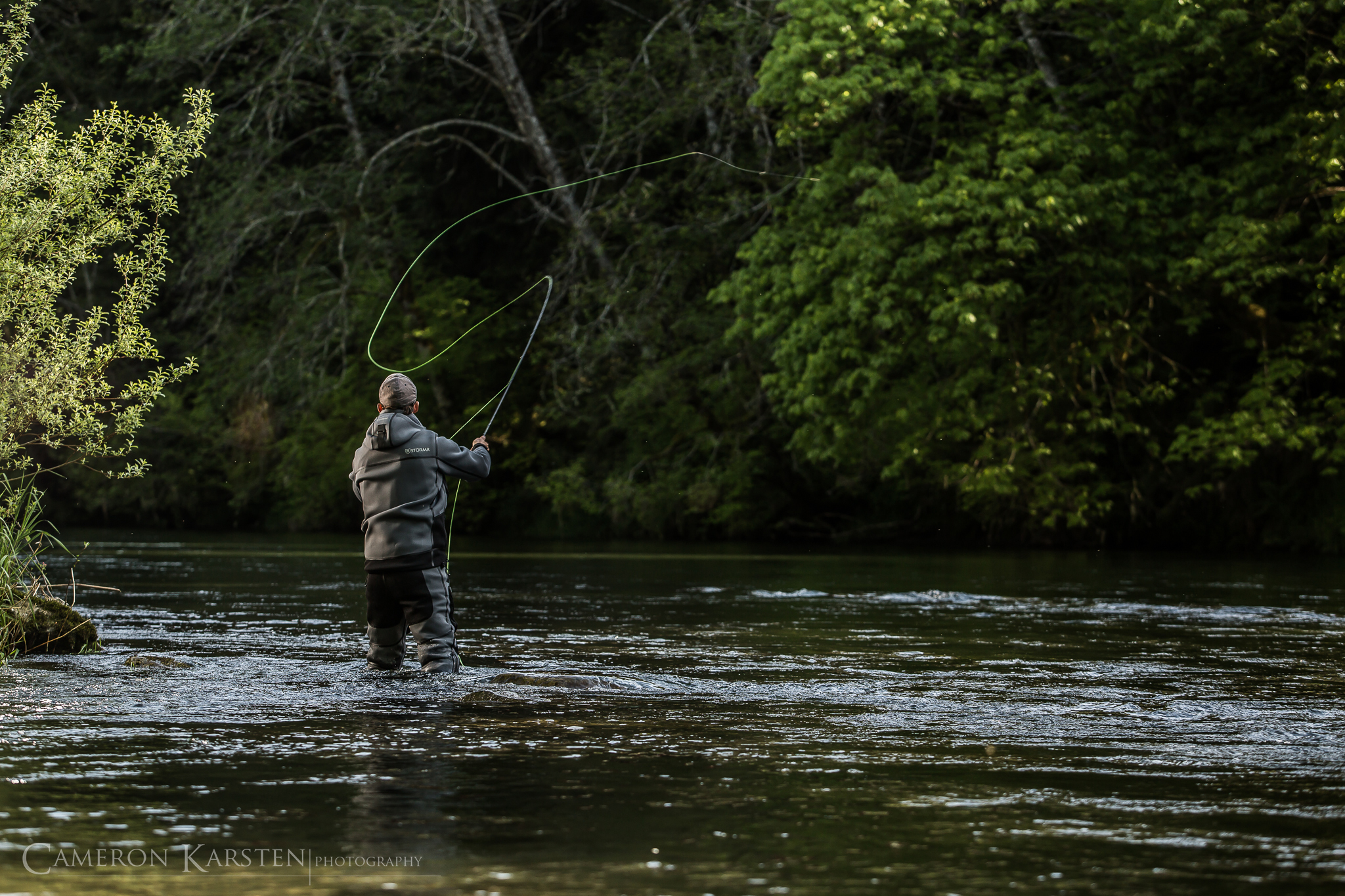
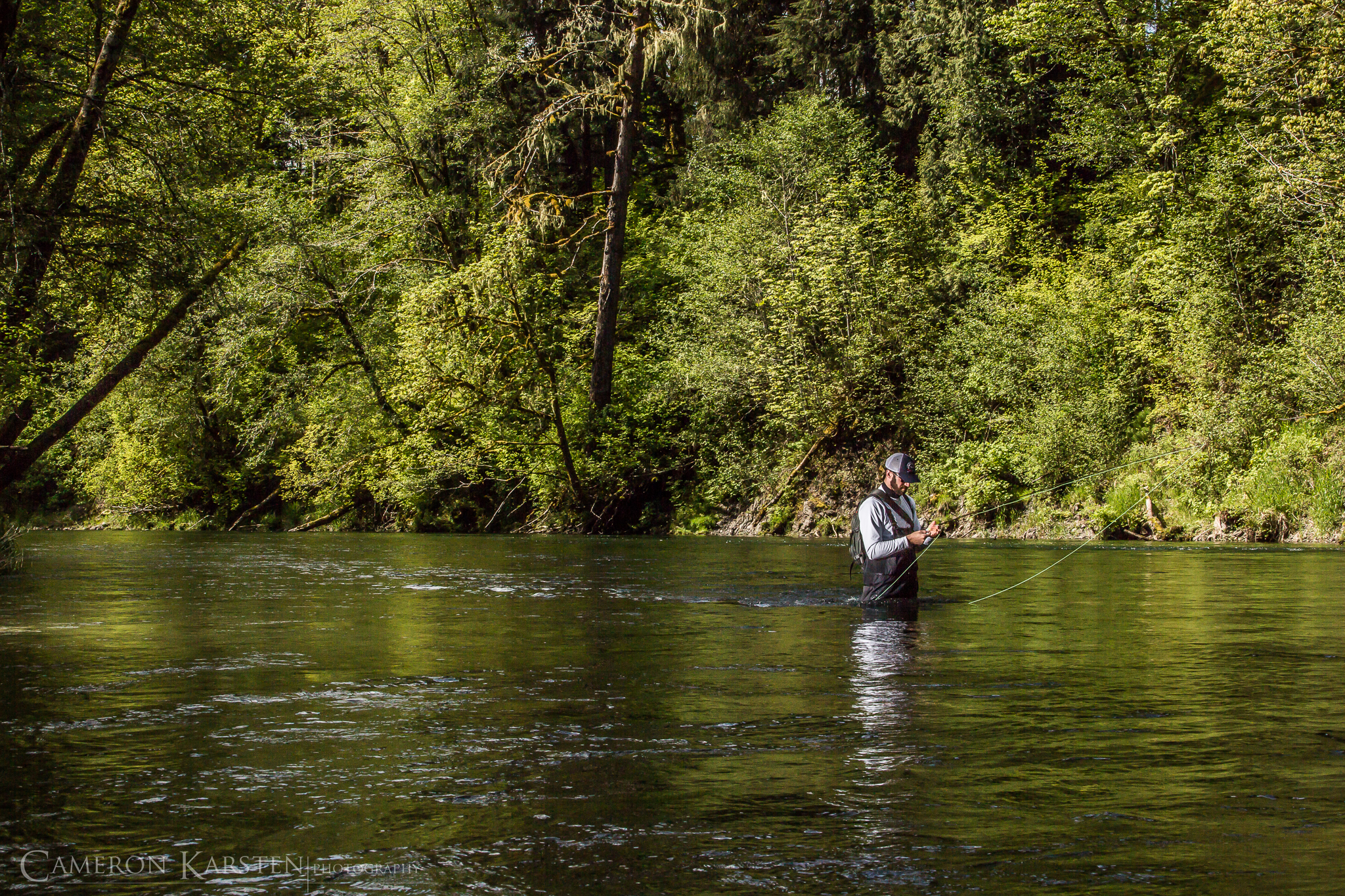
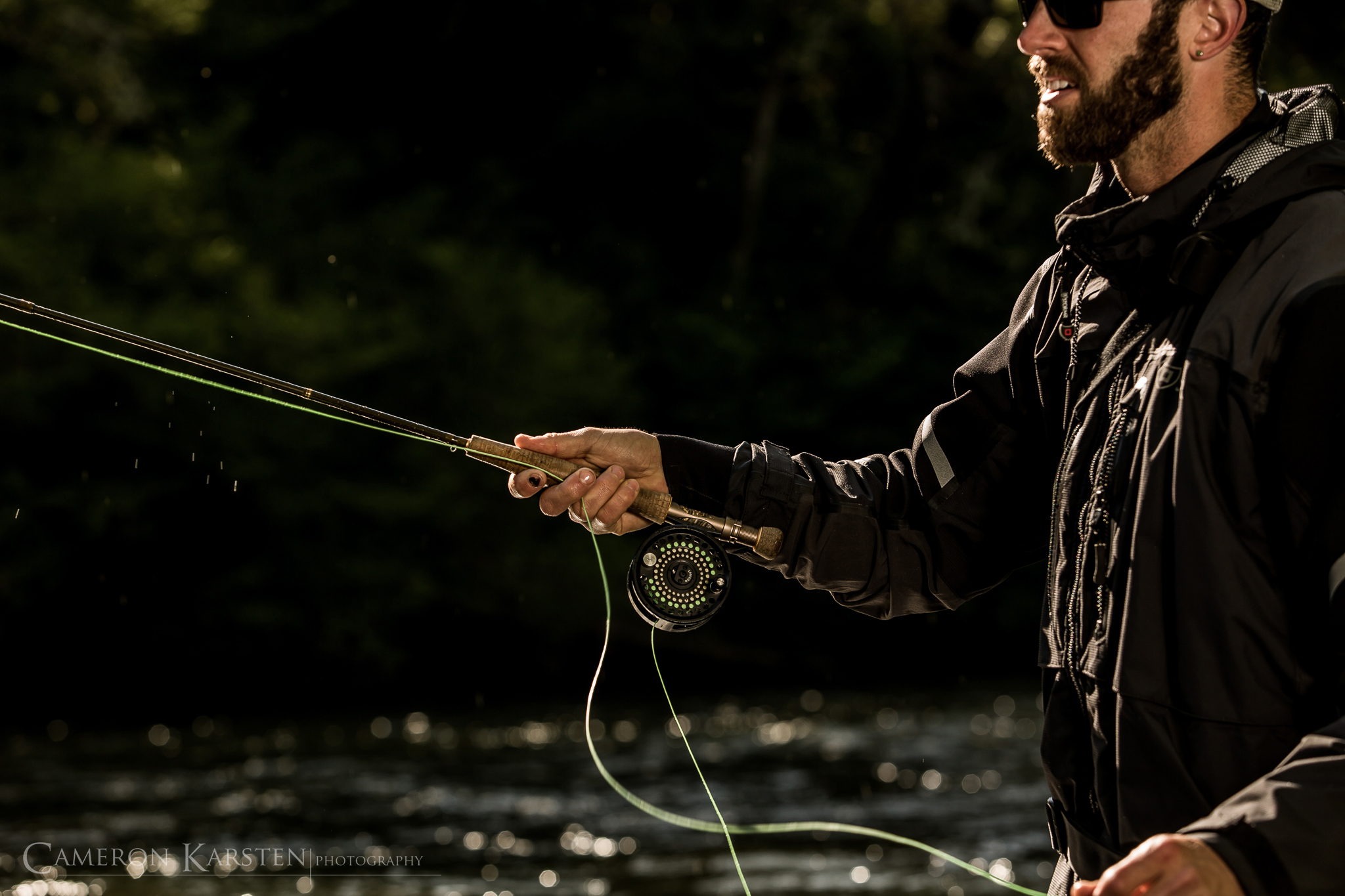
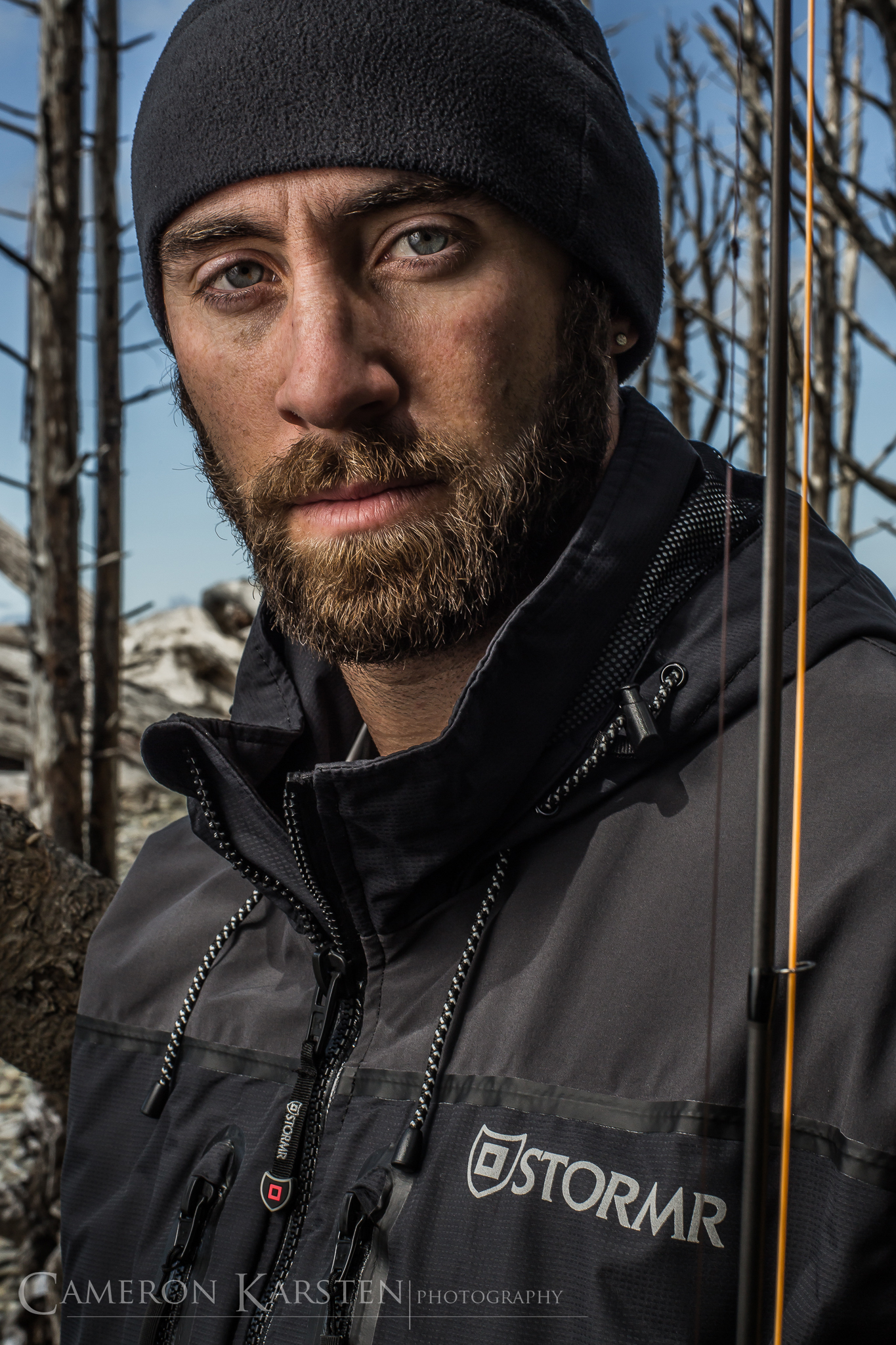
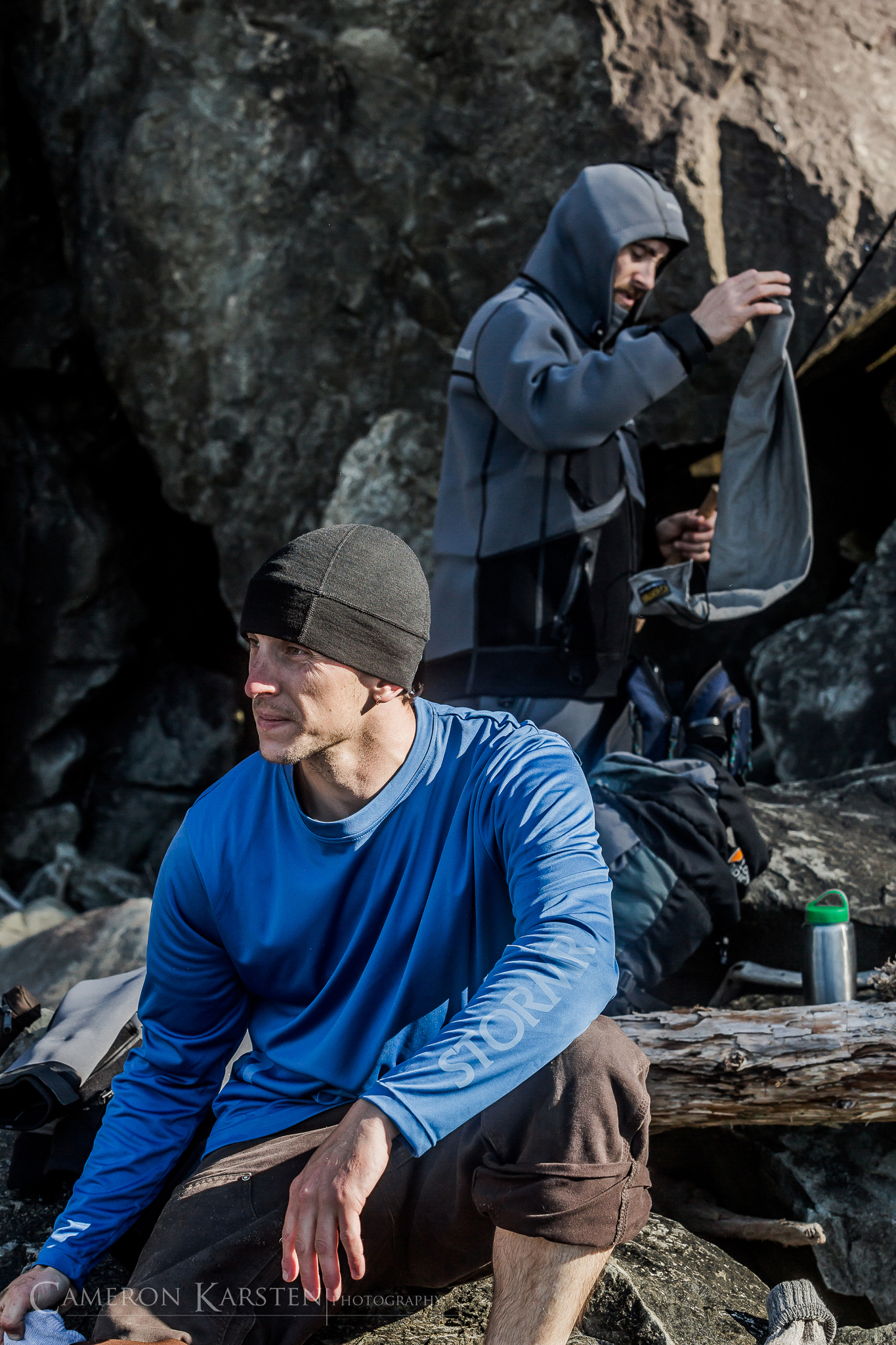
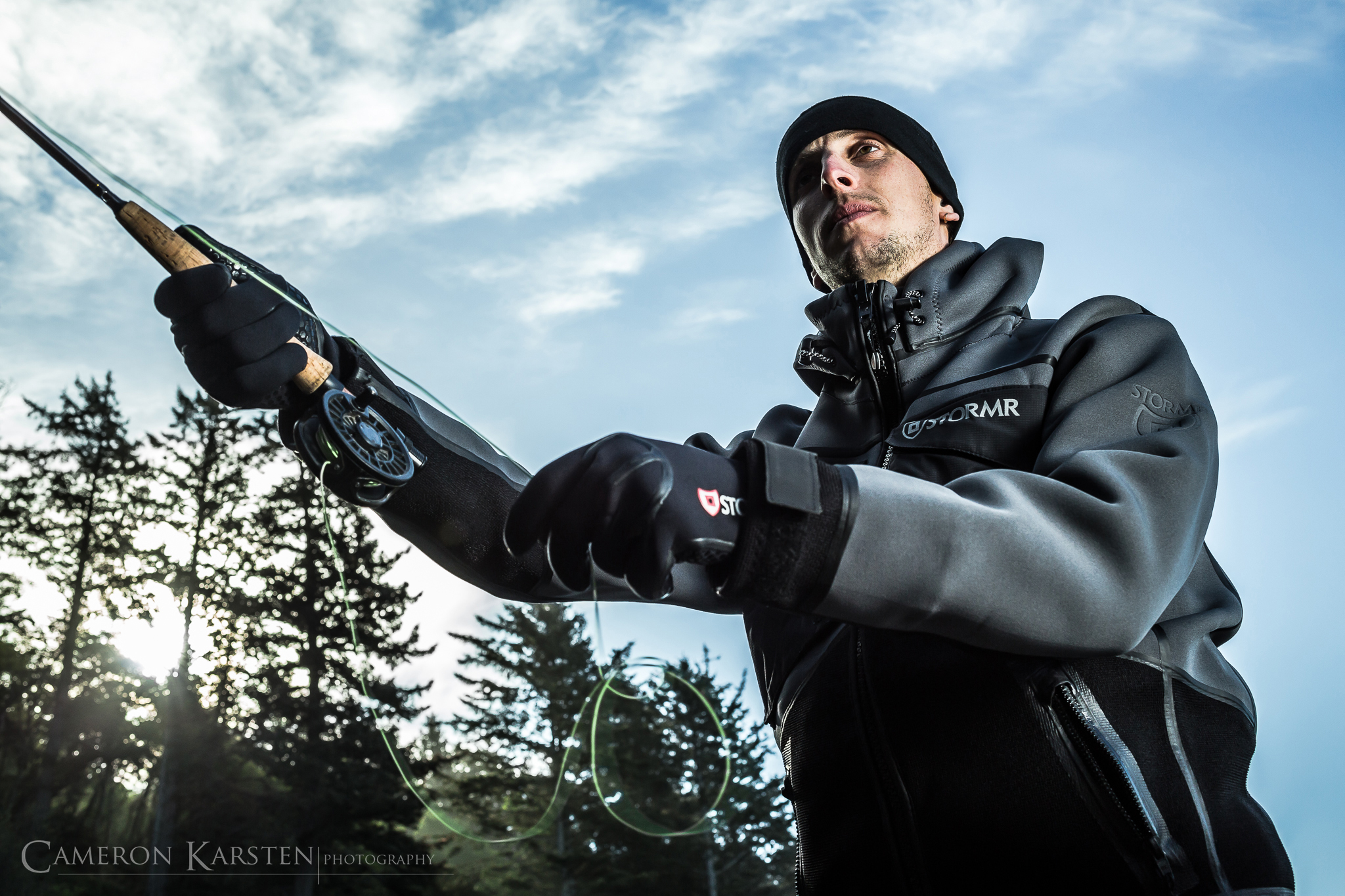
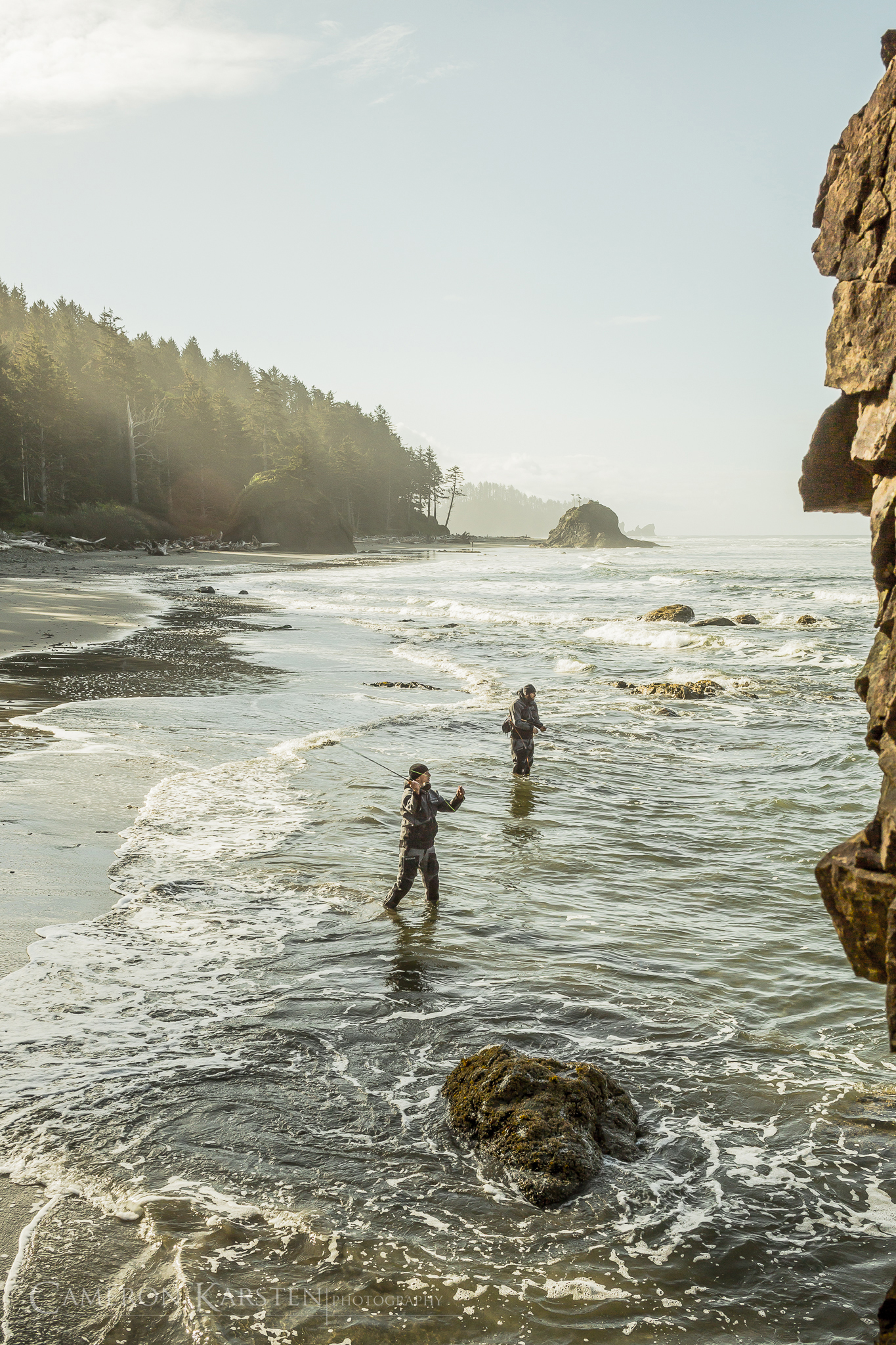
Fishermen Simon Pollack and Skyler Vella reload and reseek the elusive steelhead within the Wild Olympics on a recent campaign for STORMR foul-weather gear.

_N9A3940

_N9A3946-Edit

_N9A3934-Edit

_N9A3971

_N9A4198-Edit-Edit

For a complete portfolio, please visit www.CameronKarsten.com

logo_blackTrajan

STORMR Campaign: Olympic Wildness – Pt. I

_N9A3703-Edit

 Walking into the Olympics of western Washington is a step back into time. Undisturbed and wild America – a land of the tallest trees, isolated mountains, rugged coastline, and an epic run of salmon and steelhead. Here’s a sneak peek at a recent campaign for STORMR foul-weather gear with fishermen Simon Pollack and Skyler Vella.

_N9A3330

_N9A3375

_N9A3824

_N9A3773

_N9A3579-Edit

_N9A3634-Edit

_N9A3636-Edit

_N9A3645-Edit

_N9A3641-Edit

_N9A3646

_N9A3639-Edit

_N9A3675

For a complete portfolio, visit www.CameronKarsten.com

logo_blackTrajan

Vodou Footprints: Outside the Blood Walls

Day11_Abomey-4

Careening east we leave Togo and turn northward, passing into Central Benin. It is flat. I think Africa and I think extremes. Something like Vodou, yes. Extreme. And now when I think Central Benin, heading north just off the coastline, I picture extreme flatness. The roads are straight as an arrow, gray asphalt that moves with the sun’s curvature. Arid dirt lines the peripheral with scrubland leading into an empty horizon. Towns come and go, stopping points for megalithic lorry trucks that bump along the three-day journey into Burkina-Faso and Niger, names in and of themselves that feel extreme. Andretti, or Geoffrey, is a fast driver. He’s our driver, and he’s safe. But going through Central Benin to Abomey feels like forever.

Abomey is the central focal point for power, the power that once was called the great Kingdom of Dahomey. It was a royal city and it was feared by its neighbors (remember the first King of Ganvie? He turned into a stork and fled across waters he was so afraid). It was feared by the colonial powers and nearly defeated the French in the year 1892. It was feared by its own people, traitors who were captured, pushed off its towering walls and sacrificed to the gods. And it is here that Bruce Chatwin’s character Francisco Manoel de Silva in The Viceroy of Ouidah, the beguiled Brazilian slave trader, was sent to as a prisoner, only to escape with the King’s mad half-brother:

The palace of Abomey had tall walls made of mud and blood but very few doors. It lay at a distance of twenty-three thousand, five hundred and two bamboo poles from the beach. In its innermost compound lived the King, his eunuchs and three thousand armed women.

Day2_Cotonou-11

It is here where the walls are made from the blood of enemies, where the King had the pleasure of sitting on a throne of skulls, as well as choosing from a harem of 40+ women for an evening’s lover. It is here where protection came in the form of those three thousand armed women, the world’s only true knowledge of the existence of the famed Amazonian women warriors; bare-chested females who hacked off heads and bit their foe with razor sharp teeth filed to points. Extreme.


It was dark by the time we reached Abomey, dark just as the night da Silva walked the length of those many bamboo poles into the Kingdom of Dahomey. To foreigners the Kingdom itself could not even be pronounced. The French misspoke it, the culture’s native tongue Danhomé, which in Fon means in the belly of Dan. This is the name of the great Vodou snake god—bringer of life and fertility, the symbolism of eternal recycling. But today it has erased that meaning, succumbing to the French woes, contrived to an erred Dahomey.

Day8_Ouidah-168

We got our room and sat down for dinner. A man arrived. Menus? Instead he asked if we wanted to see a Vodou ceremony. Right now? Yes. We had to go now. We all looked at each other. He was serious. We were serious. This was our moment with Dan, the master of a fertile project— Danhomé reconciled! Let’s go.

The man flagged three motorbikes once we were out on the dark dusty roads. In Abomey, there are few streetlights and those that worked are as yellow as a melted crayon mixing with its close orange counterpart. The tungsten stain is eerie in the damp heat of inner Africa, with no breeze but passing transportation. Once on the back of our motorbikes, we sped off down foreign roads and eventually arrived at an alleyway. We got off, paid for our fare and our escort’s. There was no music. Hardly any people. we knew we were thinking the same thing: Shit. What have we done.

Day2_Cotonou-4

Follow me, he said. So we did like puny submissive sheep leaving the tungsten night to follow our shepherd into the shadows of a narrow alley. There was dust beneath our feet, fine red African dirt that would easily soak up the blood spilled from our dying bodies. He was just looking for another human sacrifice: The blood of two foreigners! Abomey’s new theme among the throngs of Vodou tourists.

The man who led us here was in front and he kept waving us onward as my fists clenched tighter with each twisting corner. I felt like the walls were closing in, my backpack of camera gear tightening on my chest with each heavy breath. Then there was music. Tam tams drumming. People singing. An air of excitement reaching our thriving bodies. The yellow-orange glow began to return. Suddenly from the darkness we rounded another corner and stepped into the thrill of a local Vodou ceremony.

Day11_Abomey-24-Edit

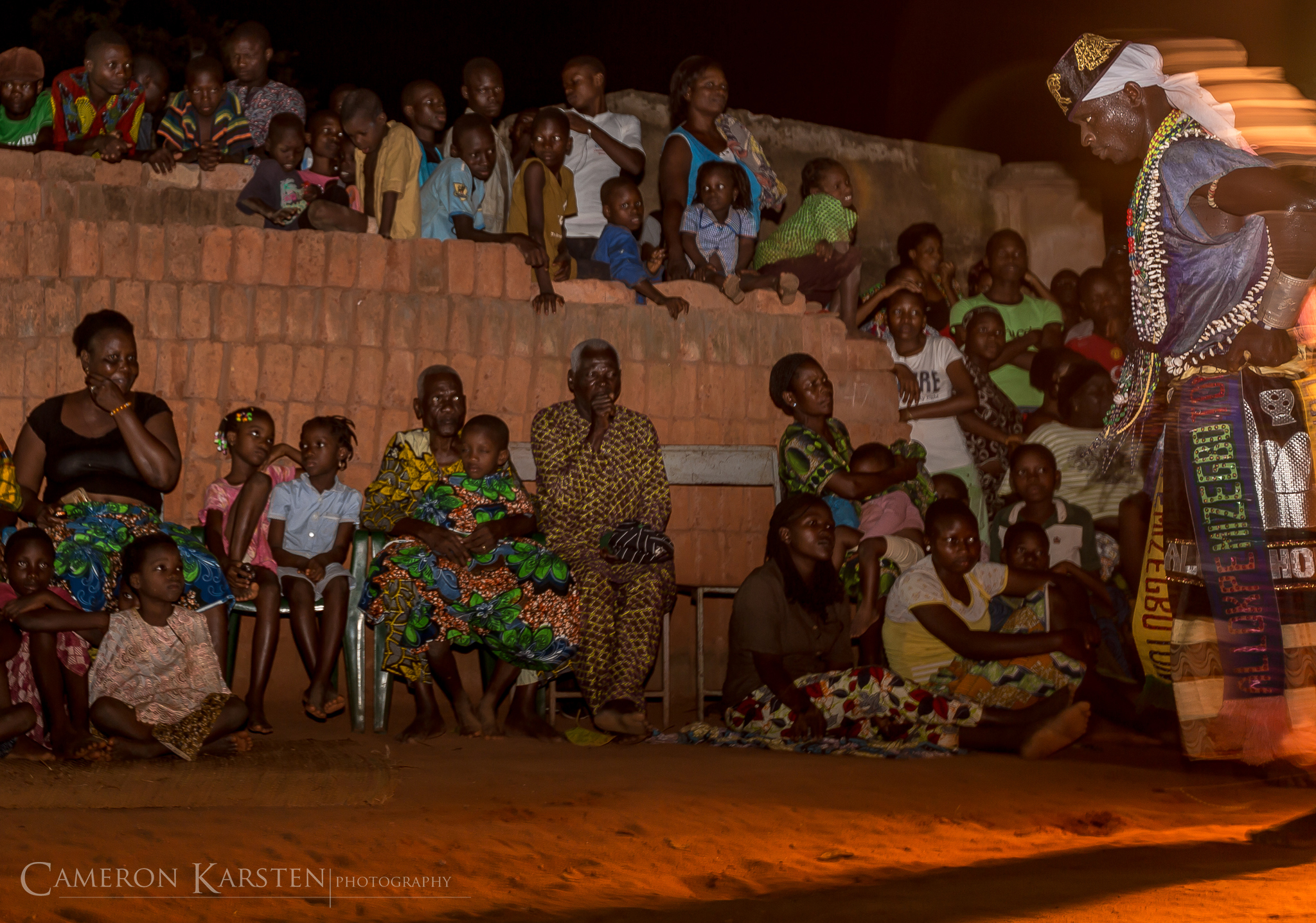
It took minutes that felt like hours to negotiate with the head priest. Meanwhile we were standing by in a thick crowd of black skin. Everyone was pushing together, inching closer to see the performers in trance, taking on the likeness of their gods. They spun in gallant costumes, led by the auditory energy of the drummers who sat under a dim light beneath an expansive green tree. People sat on the dirt, dignitaries in plastic chairs and locals up on the walls and roofs of the surrounding housing. I loosened my fists. Relaxed my shoulders and let out an air of tense breath. I felt my whole body relax into this sacred space of Vodou, a space that we have submersed ourselves in for close to two weeks. We were documenting, exploring and inevitably becoming a part of this culture, a practice that supersedes any other form of religion since the dawning of humanity. 24/7 we were breathing Vodou and spinning its threads within our minds.

Day11_Abomey-36-Edit

For the next two hours we secured the trust and permission of the people to photograph their local ceremony. Two white photographers with their cameras and lenses and one flash each. We crouched near the Vodou practitioners, studying their movements, watching their feet kick up the red earth and stamp back down to the timing of the many drum beats. We stared and felt that process when an outsider slowly melds into the inner circle. It was impossible not to become a part of the discovery.

As photojournalists and writers, we strive every second to learn more about our subject. Knowledge is the avenue to the complete intimacy of exposure. When the project was first proposed—Hey, how about Vodou?—we knew very little if anything. Pins, needles and a doll? No thanks Hollywood. This goes beyond the misnomer of one of the world’s most unidentified cultures that holds its complex belief system in absolute secrecy. But as the modern age reveals itself and as the lucrative endeavors within the tourism industry help provide for individuals, families and their country, Benin in particular has opened its doors just slightly, allowing those willing enough to go the distance, entrance into a place of origin where signs of evolution are omnipresent.

Day11_Abomey-30

The ceremony ends. Our guide, the man who led us to this remote part of Abomey, where the magic history of Vodou and the powers of a royal city in the likes of Timbuktu and Zanzibar dominate, took us away. We were back at our hotel, a sweet little spot called Chez Monique. It was late. The kitchen was asleep as a group of large women lounged next to a blaring television, only paying attention during fits of sleeplessness—a strange scene with the romantic French tongue licking at the shadowed night. A blue cast flickered into these thick crevasses. We sat down. Our food was still warm; a plate of couscous with half a chicken and half a rabbit. The night governed and that feeling permeated deeper: The traveler in a far land with the ebbs and flows of successes, not judged by good or bad, but merely by the feeling of excitement and the fluctuations of extremes, traveling from one end to the next and back again. A life of the unknown. This is Vodou land, beyond pins and needles.

Next essay –>

Day11_Abomey-35

Day11_Abomey-43

Day11_Abomey-41

Day11_Abomey-53

logo_blackTrajan

Vodou Footprints: I Have a Fetish For You in Togo

Day10_11_Lome-23

Stepping out of the car, there is a flurry of excitement. Not the over-zealous, exaggerated enthrallment of celebration, but one of sprinted adrenaline, like termites scurrying from an anteater’s invasion.

We emerge from our vehicle as another approaches, spitting up dust from a pair of screeching rear tires. We have just pulled into a fenced compound in the middle of a thick market district of Lome, the capital city of Togo. It is late in the afternoon and the sun is low, casting a beautiful soft orange light through a low-hanging haze that spills across the bamboo sheds. People suddenly go from lounging on benches in shadows to shouting amidst a frantic escapism. But it’s not because of us.

Day10_11_Lome-392

Walking into Togo, one has to step out of one’s car and pass through a series of guarded gates. First stamp passports at the Beninese customs stand. They couldn’t care less who you are. Next pass through a doorway where a man checks you have been stamped. Then into another concrete bunker where you’re waved through into Togo. Follow signs, enter another building. Stand in front of two Togolese officials and hand over your passports. They’ll take them and slowly go through the process of filling out a handwritten visa; and if you stand in front of their television, with a flick of the wrist they’ll tell you to move because they’re busy watching a dubbed-over original 1950’s version of Rashomon.

Looking around the scabby office, one will notice a few framed photographs of Togo’s president, Faure Essozimna Gnassignbe. He’s a round young looking man (actually he’s 48), comfortable and content with an education from George Washington University and the Sorbonne in Paris. Next to him is an intriguing sign. My partner points it out:

If the sheep’s courtyard is dirty, it’s not for the pig to say it.

I repeat it in my head while he silently laughs under his breath. We look at each other and then back at our guide Stephano.

Day10_11_Lome-52

When passing through the series of gates from Benin to Togo, we realized Stephano presented no papers, no identification, nothing. Entering Togo he joked with the official and slipped him a quick cash-laddened handshake. When we asked him about this he shrugged and shook his head.

“Fucking Togo. I hate these corrupt bastards.”

Our eyes lit up and we laughed slapping him on the back. “But you have no ID,” my partner said.

“No. I don’t need one.”

“What do you mean you don’t need one?”

“I didn’t bring one,” Stephano confirmed. “I don’t want these fuckers to know me.”

Day10_11_Lome-333

We couldn’t believe it until now, until we stood affront the two absorbed Togolese officials underneath the sign that spoke the truth.

The officials charge us both ten extra dollars for our visas and without argument we hand it over. The sheep’s courtyard is definitely dirty, but the pig’s is dirtier. We’re the pigs. The government claims to be the sheep. How dare we judge them as mere citizens.

We jump in our car only to be accosted by another Togolese official, this time a soldier wielding a heavy semi-automatic rifle. Stephano puts up a fuss. The soldier is adamant and so is Stephano. They argue back and forth, the soldier’s grip firm on the trigger, Stephano glaring into his eyes. He leaves the car. Surrounding us is Togo and numerous roadside stalls. They are selling fresh meats fired on grease-stained grills. Kabobs of red encrusted chicken legs and thin slices of beef steak sizzle. Towers of glass bottles reading Jack Daniels and Crown Royal. Packets of gum and tissue. Young men walking around selling toilet paper. And the older ones seated on stools with handfuls of currency from neighboring countries. Apparently, we weren’t supposed to get in the car at that particular point along the roadway. Fines are dished out.

Day10_11_Lome-124

An hour’s drive and we’re in Lome. Nothing special. Just another African city. We find our hotel. Check in. Leave. Pass a restaurant called Mama Tampons. And then enter the market district. Today, we come to Togo for one thing and one thing only: The Akodessewa Fetish Market.

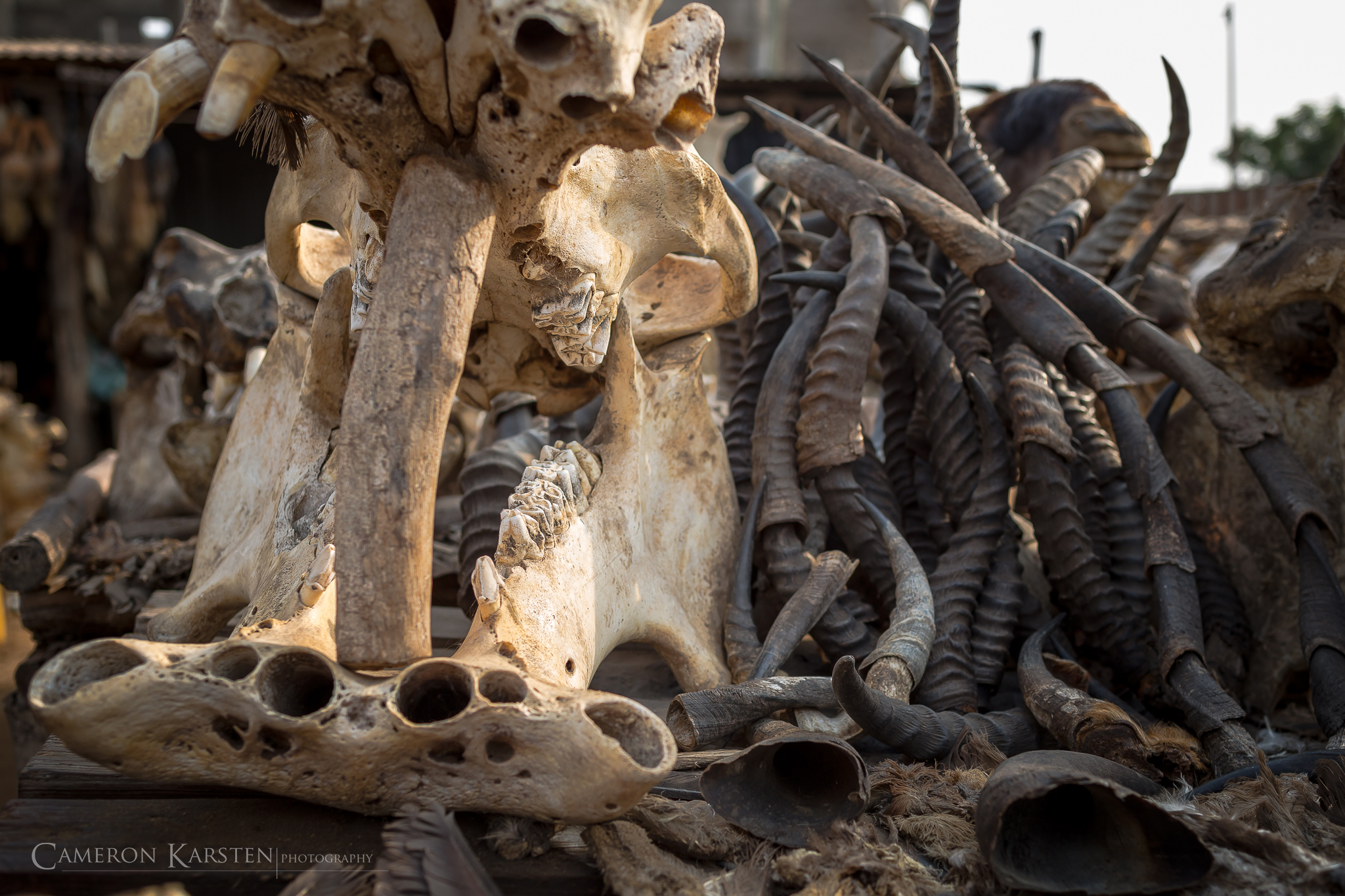
Tables and stalls of dried animal parts. Bones, skins and pelts, organs and jars filled with more anatomical remnants of species once living; we begin to take it all in as a man says goodbye. He’s thrown into the car that sped up behind us, the one that sent the market sellers in a frenzy. He’s cuffed and guarded by two soldiers harboring those semi-automatics. Everyone is dressed in civilian clothes and as quickly as they came, they’re gone. Just another day. Just another illegal deal.

A local takes us around. I’ll call him Steve. He’s a nice man, completely welcoming and excited we’re here. This is a new feeling to us because most individuals are suspicious, albeit welcoming, but suspicious. Steve, however, expresses none of that and kindly guides us from stall to stall explaining the uses of the ingredients and their importance to Vodou culture.

Day10_11_Lome-107

Fetish. Not the toe-sucking fetish. The spanking, pulling hair, hand-cuffed lashings of S&M fetishes in Hollywood, but the West African fetish. You mention fetish to a Ghanaian and they shriek. You say fetish to a Beninese, they smile. You say fetish to a Californian, their eyebrows lift licentiously and they begin to think. That’s what my partner first thought. That’s what I was imagining. But a fetish in Vodou is a powerful tool, a magic ingredient, and a witchdoctor’s answer to the spiritual, which allows him to communicate with the gods and deliver their healing powers.

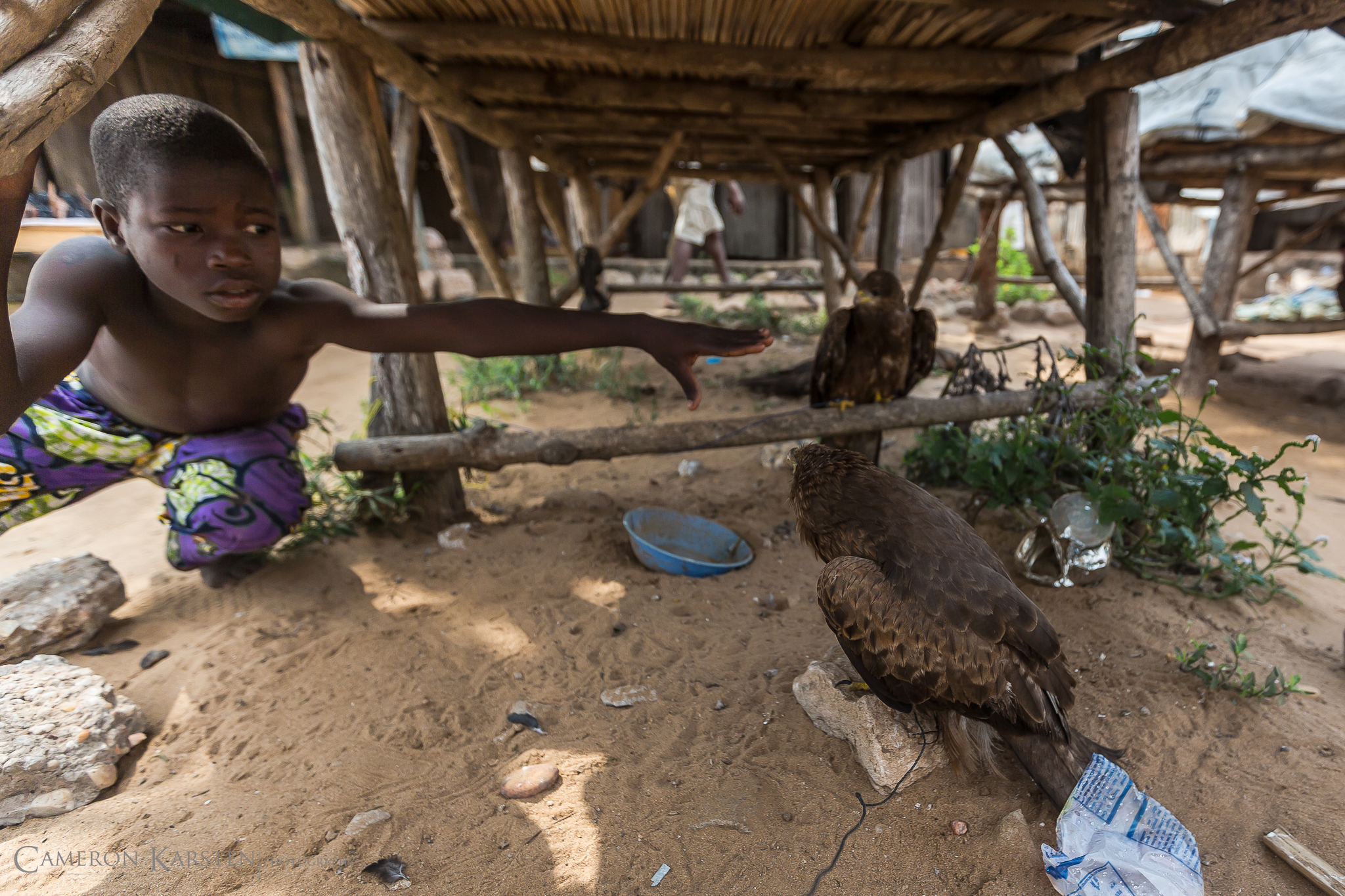
Take for example this live hawk. It looks depressed and any bird lover would see it in his eyes. The hawk has been underneath the table, tied at its fleshy leg to the wooden leg by a thick nylon cord. There is plastic debris surrounding it, along with a filthy bowl of water. I watched one of the hawks poop in the little plastic bowl, which is meant to be their drinking source. So much for nature.

Day10_11_Lome-399

Well this bird is a tool used by Vodou practitioners. If a client comes to a Vodou priest explaining evil spirits possesses them, the witchdoctor will consult the god specific to his/her temple and discover the necessities to treat. Out at the market, the priest will purchase the ingredients, one of them being a live hawk. And the following day with the possessed client present, the doctor will perform the rituals and as a symbol of letting go, the hawk will be released with the client’s evil spirit upon it’s back. Client healed. Exorcism complete.

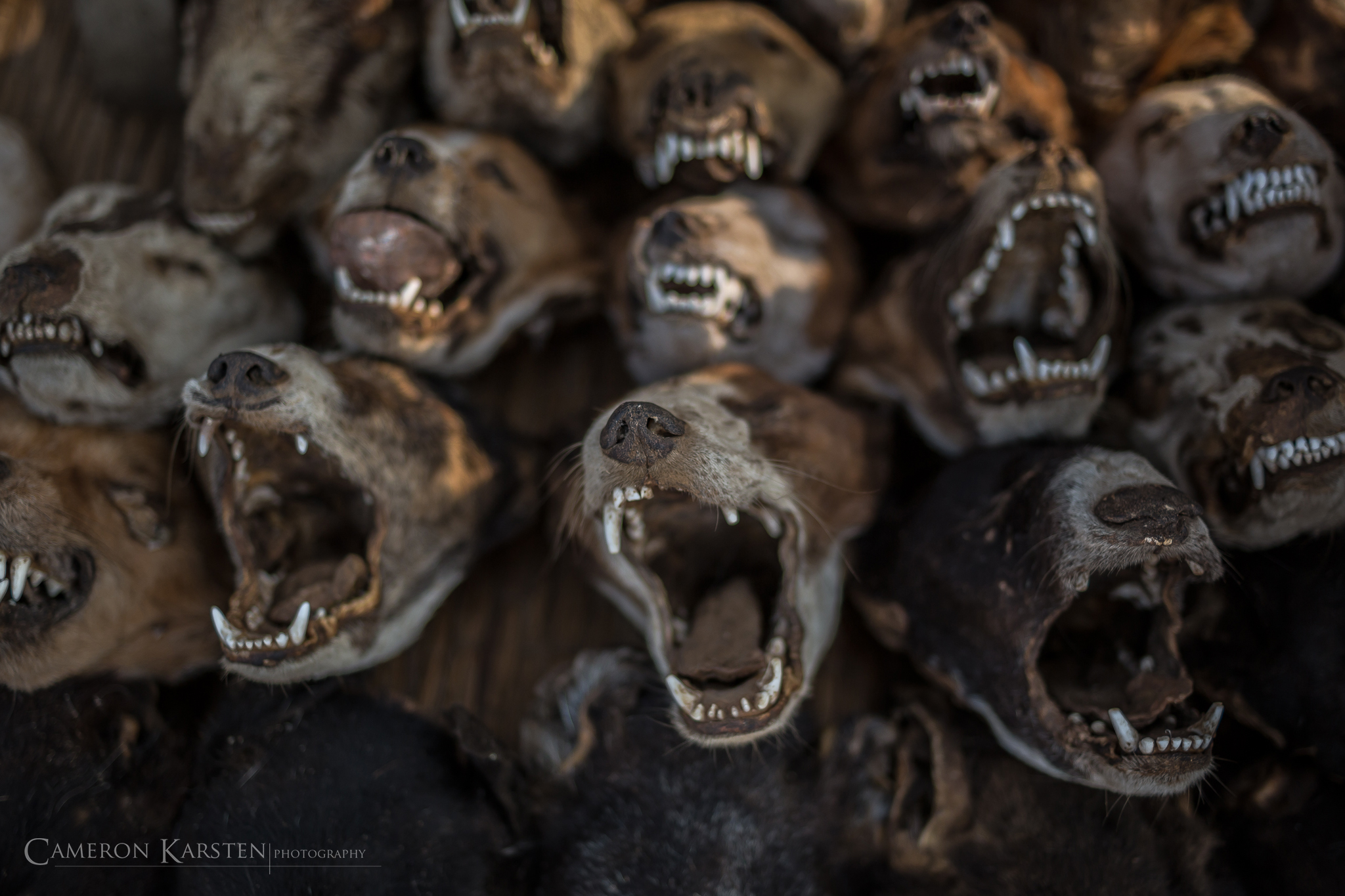
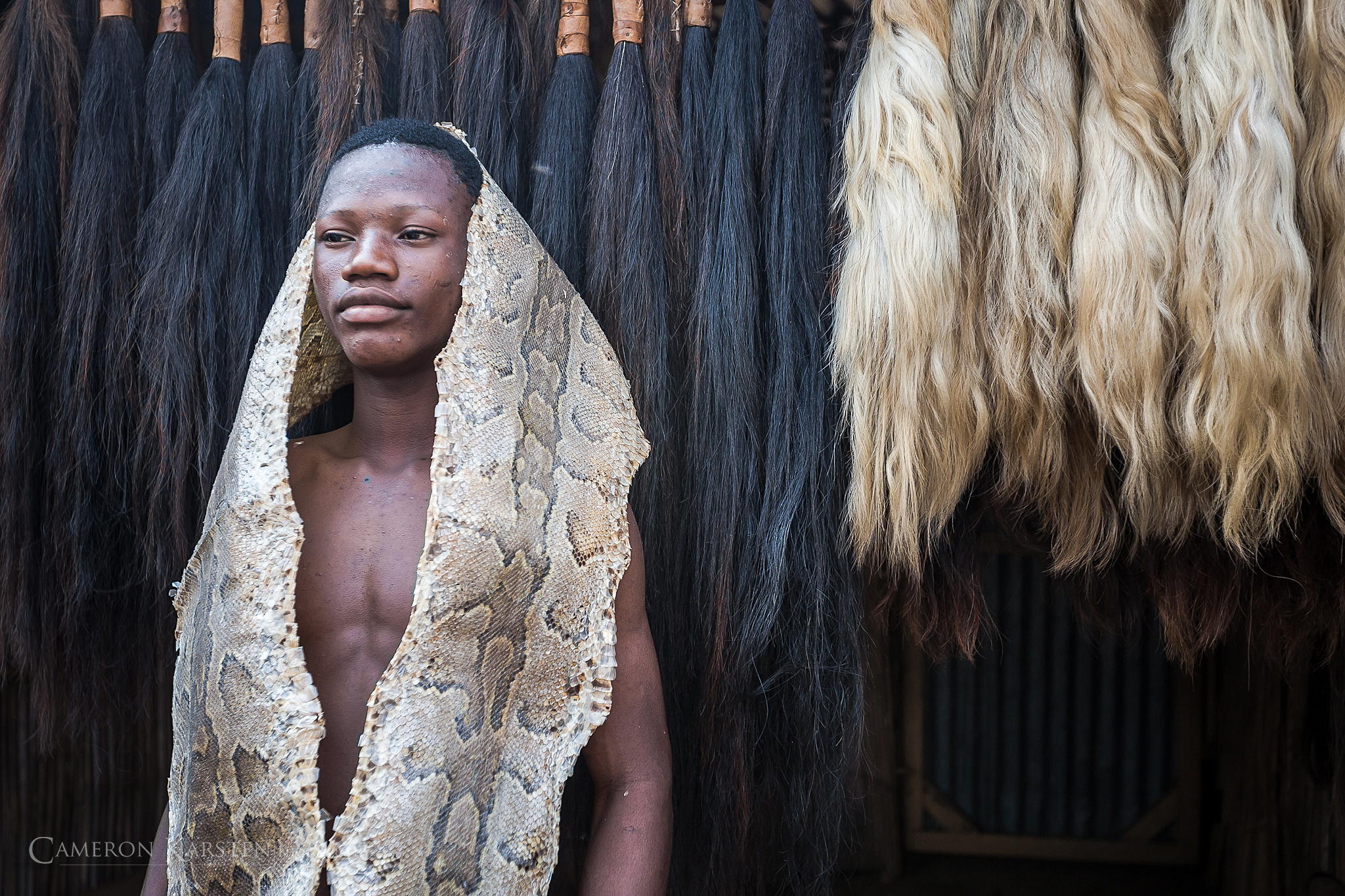
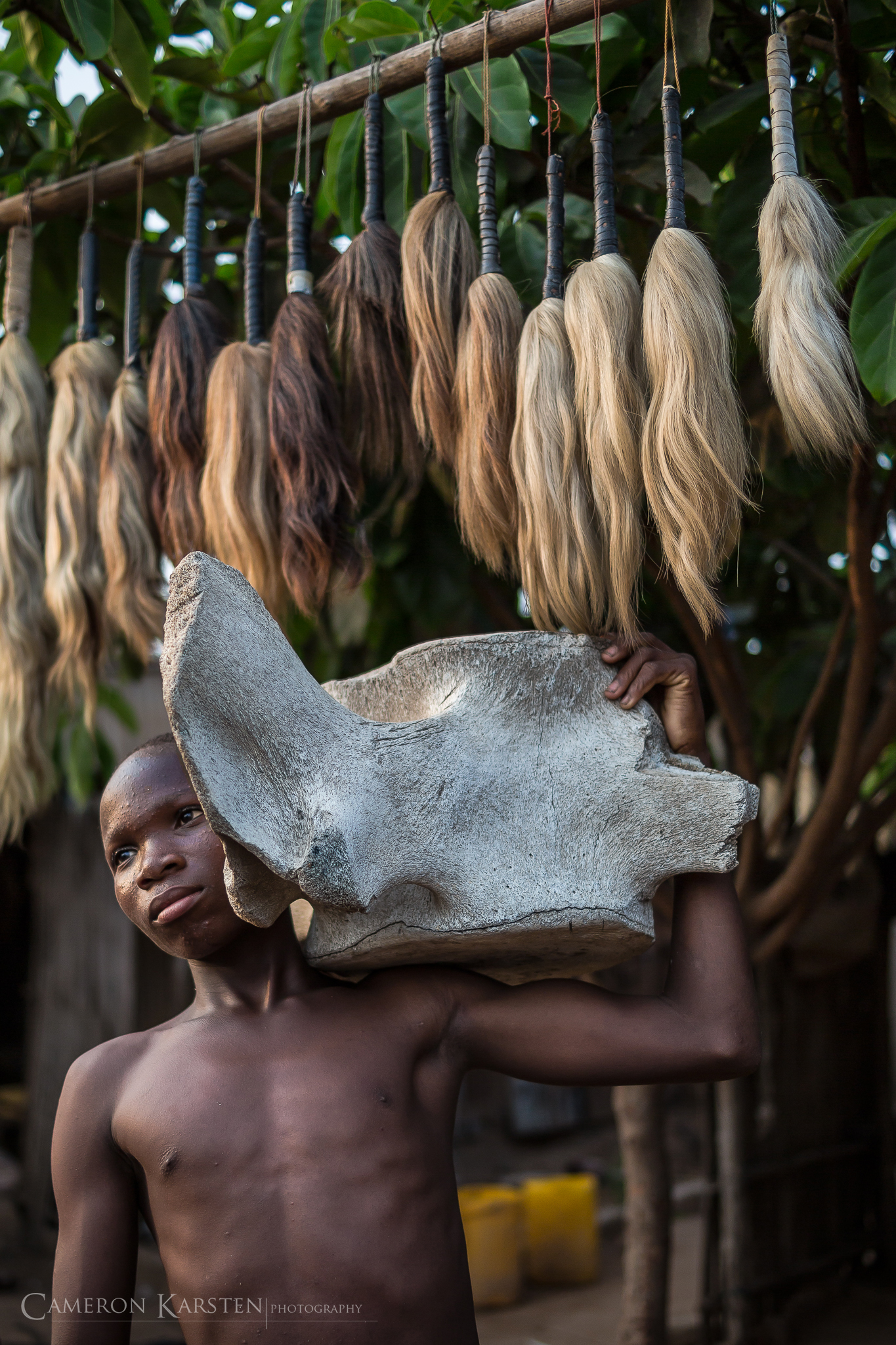
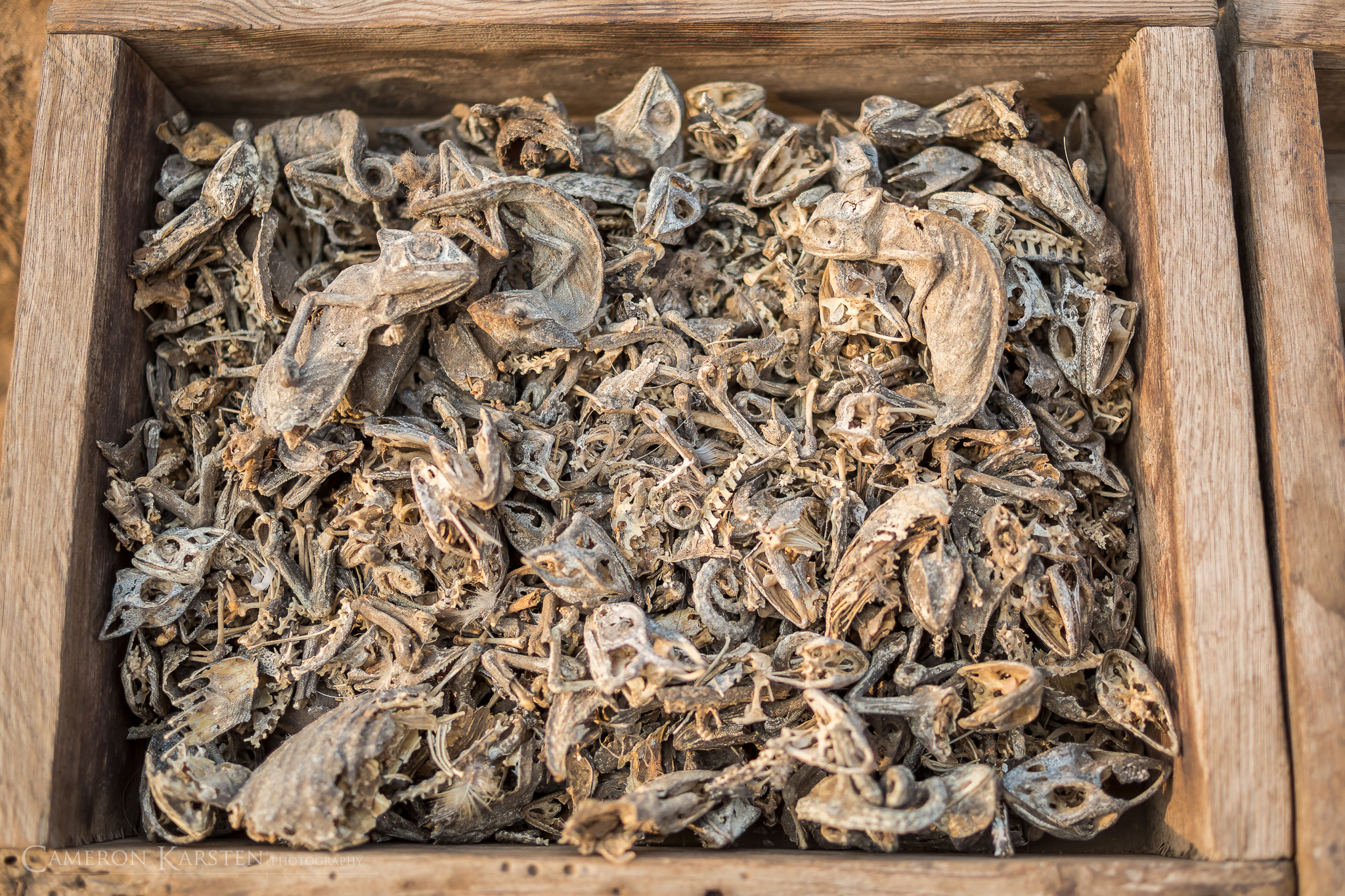
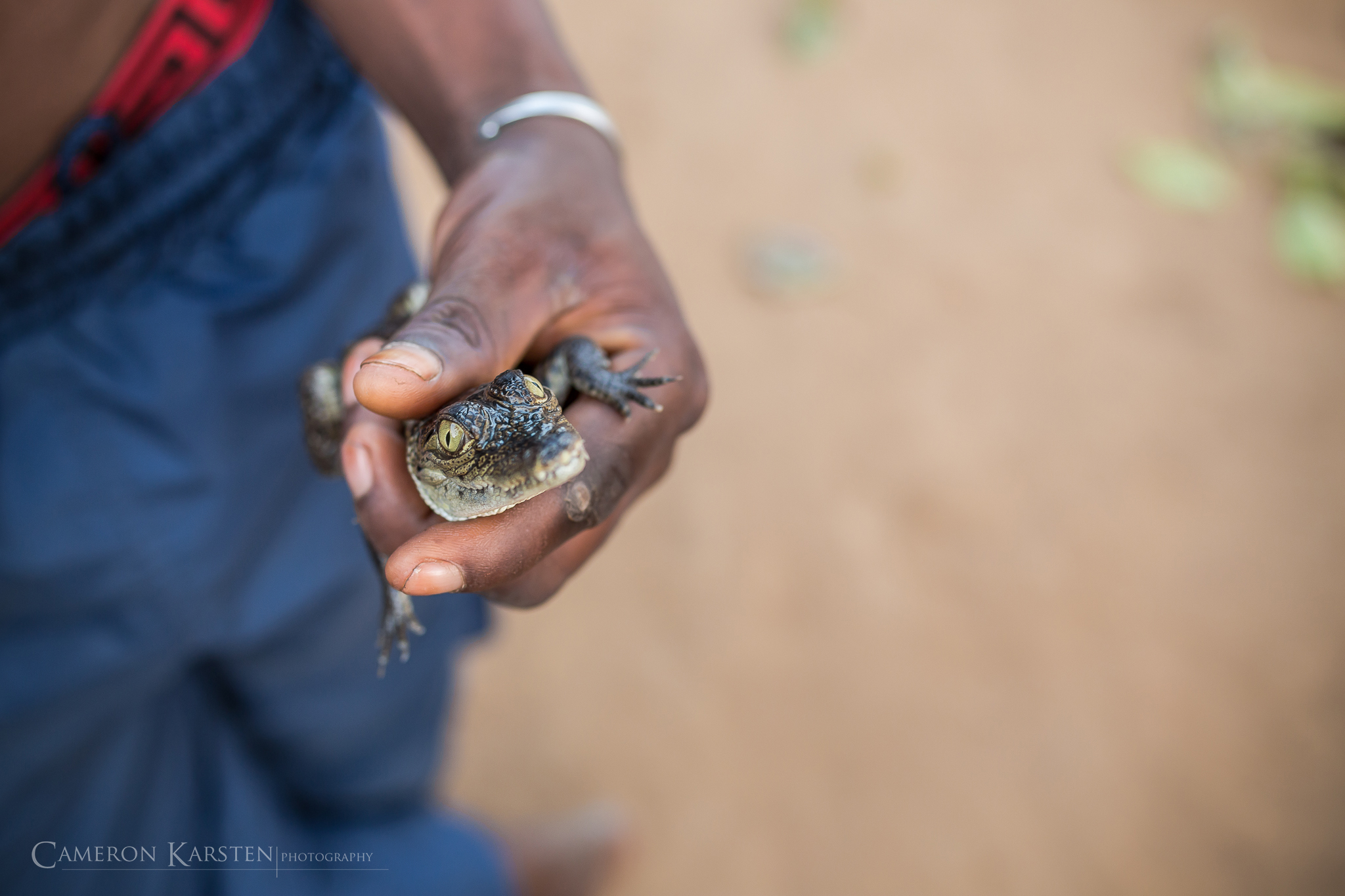
This is just one version of many different possibilities. Vodou is an open book and anything is available. At the fetish market, young boys run around showing us whale vertebrae bones, live baby crocodiles in yellow plastic jerry cans, stacks of dried herbs, cages of mice, frightened turtles, boxes of dried chameleons, enormous mummified cockroaches, shelves of stacked monkey skulls, decapitated wild dog heads with jaws open as if frozen in time, hippopotamus skulls, antlers four feet tall, snake skins, baboon, hyena and leopard heads, as well as the most poignantly disturbing of all.

Day10_11_Lome-387

There was one little boy. He was the quietest of the lot. Others yelled out Monsieur! Monsieur! incessantly. But this boy was calm, tapped us on the shoulder and held up a foot.

There is that famous photograph of local rangers in the Virunga National Park within the Democratic Republic of Congo. The photograph by Brent Stirton is taken from above of a silverback lying on its back upon a tourniquet made of branches. Wrists tied back over his head. Feet tied at the ankles. A huge protruding belly facing the heavens. Locals are beneath the animal, carrying it through the war-torn jungles of the DRC, dead because of gun shot wounds by supposed illegal charcoal traders. This was the image I thought of as I saw the little innocent child holding up a dried gorilla’s foot. He wanted his photo taken.

Day10_11_Lome-162-Edit

The next morning we return to Vodou’s largest fetish market. The oddity strikes and we know we want to discover more. For hours we linger, wandering the stalls, photographing, talking to the kids. A Vodou practitioner arrives on his motorbike. The sellers scramble, running toward him to garner the morning’s first sale. Then I realize, this is the first pharmacy ever. Take away the metal fence, the motorbike and the corrugated tin roofs. What you have left are wooden stands, bamboo walls and dirt. Locals come, foreigners from afar—they’ll all seeking a cure. If you have tendinitis. There is a cure. If you have a wart on you finger. There is a cure. If you want to win your next soccer match and score a hat trick. There is a way. Come to Akodessewa Fetish Market in Lome, Togo.

Next essay –>

Day10_11_Lome-4

Day10_11_Lome-454

Day10_11_Lome-185-Edit

Day10_11_Lome-92

Day10_11_Lome-158

logo_blackTrajan

Vodou Footprints: Beheaded Coconut Stories & More Blood

Day8_Ouidah-266

Stuck at the typical Vodou crossroads, I’m sitting with a Kokou priest in Possotome. Outside, spinning Zangbetos litter the pathways like rebellious street sweepers. Dust flies up in thick clouds and chokes the fiery hot air while children run haphazardly between the boundless spirits, daring to touch. Their screams confess both joy and fear. The gyrating hay whizzes past and down an alleyway. For once, I’m not in the midst. Instead, I’m inside and removed from the immediate action—approaching something far greater than any dried grass dance routine.

Under the shade of a corrugated steel roof, seven of us are clustered together in a small room, no more than 40 square feet. Thick ochre clay walls confine the space further.

A stream of sweat rolls off my face as I struggle to operate the monopod—finding angles, details, close-ups. I notice a growing puddle of soft mud at my feet. Sweat and soil. My partner is grabbing the formal headshot on tripod. He too wears a noticeable layer of sweat. It’s 95° Fahrenheit. The palpable humidity pushes it much higher. And the interview is just starting to heat up.

Under these conditions, a simple lapse in concentration can be disastrous. The desire and curiosity to capture once-in-a-lifetime moments must constantly be tempered with a commensurate patience and circumspection. Maintaining this balance is ridiculously trying. Opportunity and safety wrestle round after round in one’s mind. One tempts: This is Vodou. It doesn’t wait for me, and it doesn’t care whether I’ll be back or not. I must be willing at all times. The other balks: I’m messing with a fire I barely understand. One sorcerer crossed and I could be finished. One wrong room discovered. One performance witnessed—with the wrong witches, the wrong witchdoctors, the wrong evil spirits. Am I in over my head? Back and forth, the two breed a mounting doubt. And in this land, doubt is a dangerous thought to entertain.

Day9_Possotome-69

At a moment’s reflection, I recall the calming words of Sir Richard Francis Burton, the great 19th-century bastion of English exploration and curiosity—a man of uncharted territories: “Of the gladdest moments in human life, methinks, is the departure upon a distant journey into unknown lands.” In a place like this, the cradle of Vodou, his dauntless philosophy rings especially true.

I turn back to the talking priest with renewed composure. His name is Anansihounde Kouassi, and he is a priest of Kokou—one of the most feared and violent Vodou warrior gods. His warnings are strong, but I’m pushing him to see the act. I want the ceremony I’ve come for.

“Kokou is not for children,” he urges. “It is only for the mature. Before you go into trance, you fall first. Then you rise and begin cutting yourself.”

Odd as it sounds, this is exactly why I came to Possotome. Not for the impromptu Zangbeto party, but for the blood-soaked Kokou ordeal. Piqued by tales of 12-hour trance, I’m here with open eyes and ears to understand one of the most violent forms of Vodou celebration.

As with all Vodou ceremonies, the Kokou ceremony involves an essential act of mollification—but for this particular god, blood alone appeases. Through violence, incantation, and the incessant beat of the tam tam, a bewitching trance transforms the initiate from mortal to willing capsule. It is then that the god enters.

Day9_Possotome-104

In Kokou practice, the participant wears a hay skirt, which acts as both conduit and protection—allowing the initiate to perform the celebrations unscathed. The priest continues, “It’s the Vodou Kokou that has this power inside of it. If you are an adept of this Divinity, you have to cut yourself. The day they carry the weight, I’m talking about these fetishes here that we carry, the Divinity himself exists, and when you have him on you, you go into a trance.”

To my linear Western mindset, these words are incredibly intriguing, if not baffling. With each explanation, several new questions arise. But by now, I have a solid foundation to work with: Vodou, an ancestral worship of cosmological-supernatural forces predating the advent of Christianity, is about respect to the gods. Beyond that, of course, Vodou is so much more. It is thousands of specific and varied acts. It is priests, drums, prayers, dancing, initiation, sacrifice, preparation, and celebration. It is ritualized offerings, daily sanctimonies, and monthly ceremonies that involve a lifetime of commitment and intense moments of trance to confirm one’s devotion. It is the exchange of constant devotion for health, prosperity, happiness, and protection. It is appeasement and guidance. It is guardianship. It is community. And ultimately, it is power. For the people around me, this knowledge is as old and as constant as the night stars. It is known deep inside. For myself, I place the new words of the priest carefully into my fluctuating understanding.

Day9_Possotome-230

I realize too that when the Kokou Priest says “weight,” he’s referring to the burden of trance. It’s not easy to become an initiate. Often it can take an entire year, in which young Vodou adepts vanish into the forest adapting the song, dance, prayer, and langage (or language) of a certain divinity. Other times it’s as short, and as painful, as one severe night with both heaven and hell. For Kokou, this is unspecified. But the weight alone is enough to prevent many from initiating—and understandably so. It must be a tough sell filling seats to a half-day conscious-altering trance and possible mutilation.

“You will start to have the power within you,” continues the priest. “Sometimes we can take a sharp knife and start to cut our skin. You won’t see anything. That’s how this Divinity manifests. If you have problems, the Divinity will work them out for you. You won’t have any death or pain.”

Once in trance, Kokou seeks the taste of human blood, and so, with either knife or broken glass, the initiates appease with cuts to the arms, legs, face, chest, and tongue. Blood like red yarn adorns the twirling skirt. They are said also to swallow sharp objects, razor blades, and syringes, and smash their heads on hard objects to further beat in their devotion. I push for more access, but no blood will be shed today.

He ends the interview: “You never know the day you’ll have to face Kokou.” That’s our cue to depart.

Day9_Possotome-315

After Possotome, I head west along the coast to Grand-Popo, a town determined to overcome its woeful name. The long beach, as it opened into the vast Atlantic, was a sight to behold. Deep churning currents with thick waves pummeled the steep embankments and large sweeping sands. Tides so strong they resembled a river. Stunning and alarming. Beauty and danger colliding. I was warned that uninformed Beninese sometimes entered for a quick dip only to end up disappearing some distance down the beach. The cautions didn’t seem exaggerated.

I arrived at Grand-Popo in time to witness a massive haul—a communal event of gargantuan proportions. Folk of all types, young and old, joined together to bring in the fishing net set the previous day—hundreds of yards of straining rope weaving through salty hands. It’s an effort that can take nearly five hours to finish. All involved will have the first pickings before being sold to the fish-buyers of nearby markets. Back-breaking work, but the rewards are sweet. With evening descending, I took a turn—up for the challenge, but also compelled by sheer energy to contribute. The distant sounds of tam tam and chanting lulled me into an immediate rhythm. After a minute or two, it felt strangely natural, as though I had done this many times before. Net metaphors aside, I felt genuinely connected. I sensed that timelessness of community, which in urban society appears increasingly and dishearteningly rare.

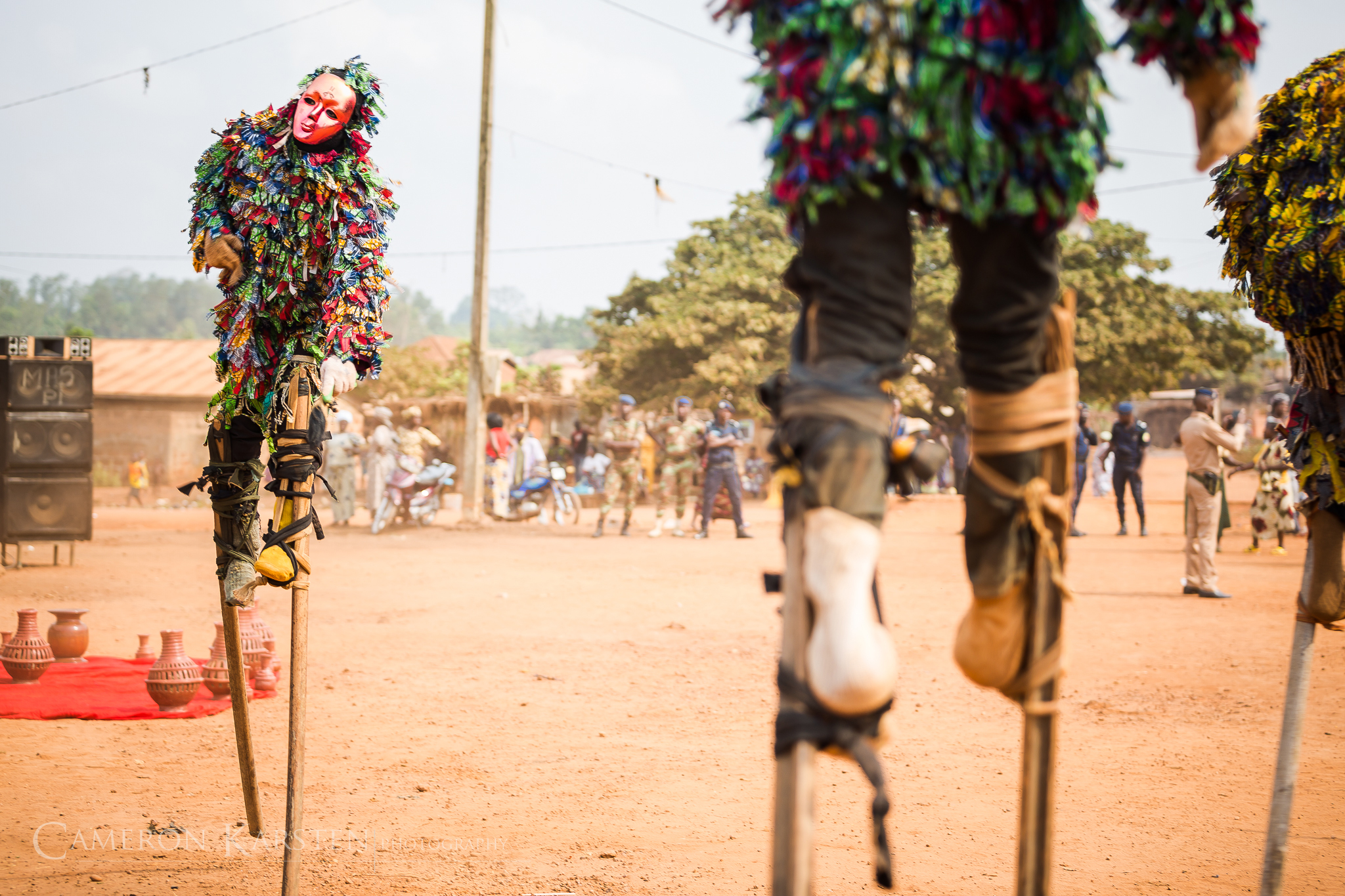
Muscles sore and spirits lifted, I bade farewell to the haulers and followed the sounds of a growing crowd along the nearby riverbank. From my distance, the running and circling figures appeared like shadows of schoolchildren on a playfield, but I sensed Vodou. Approaching closer, I could distinguish several towering shadows above the rest—telltale signs. A spectacle to the spectator and anathema to the village witches, those stilted bird-spirits, the Djaglis, were on the prowl.

With a swift pirogue (boat) ride across the water, I found myself immersed in the ceremony—the spiritual complement to the feast on the shore. As I had come to expect, my partner and I were the only two foreigners among a throng of dance, music, and sodabi (palm liquor). And aided by my evident innocence and intrigue, I was welcomed like an old friend to a holiday gathering. The Vodou gods, of course, were also present. The air was intoxicating. The dusk spread an otherworldly gauze upon it all. Even the typically tameless toddlers succumbed to this Vodou spell. Enraptured, they crawled on the ground and waddled fearlessly towards the lofty Djagli. Incredibly, two tots even began to scale the Djagli’s twelve-foot wooden stilt legs. Any danger was lost upon these brave babies.

Day10_GranPopo-107

Not to be outdone, the showy sun, now clung low to the horizon, lit the sky into a tangerine haze and transformed the thick swaying trees into bold silhouettes. Burton’s mantra was now solidified: Exploration. Unfettered. Unexpected. Unadulterated discovery. The trail’s reach down the beaches, across rivers, and deeper into the heart of the cradle of Vodou became limitless. I was scratching the surface of a new world—my Western ways and presumptions one-by-one becoming exposed, overturned, and finally restored to something at once ancient, yet refreshingly new. I felt a tipping point.

Once back on the opposite side of the river, I came down from the high of energy and collected myself. I was back at the site of the great haul, now prepped for dinner. The place was abuzz with the steam and smoke and splatter of busy cooks and their hungry hoard. The pure mass of ridiculously fresh seafood was almost absurd, but somehow my appetite was still set on something else.

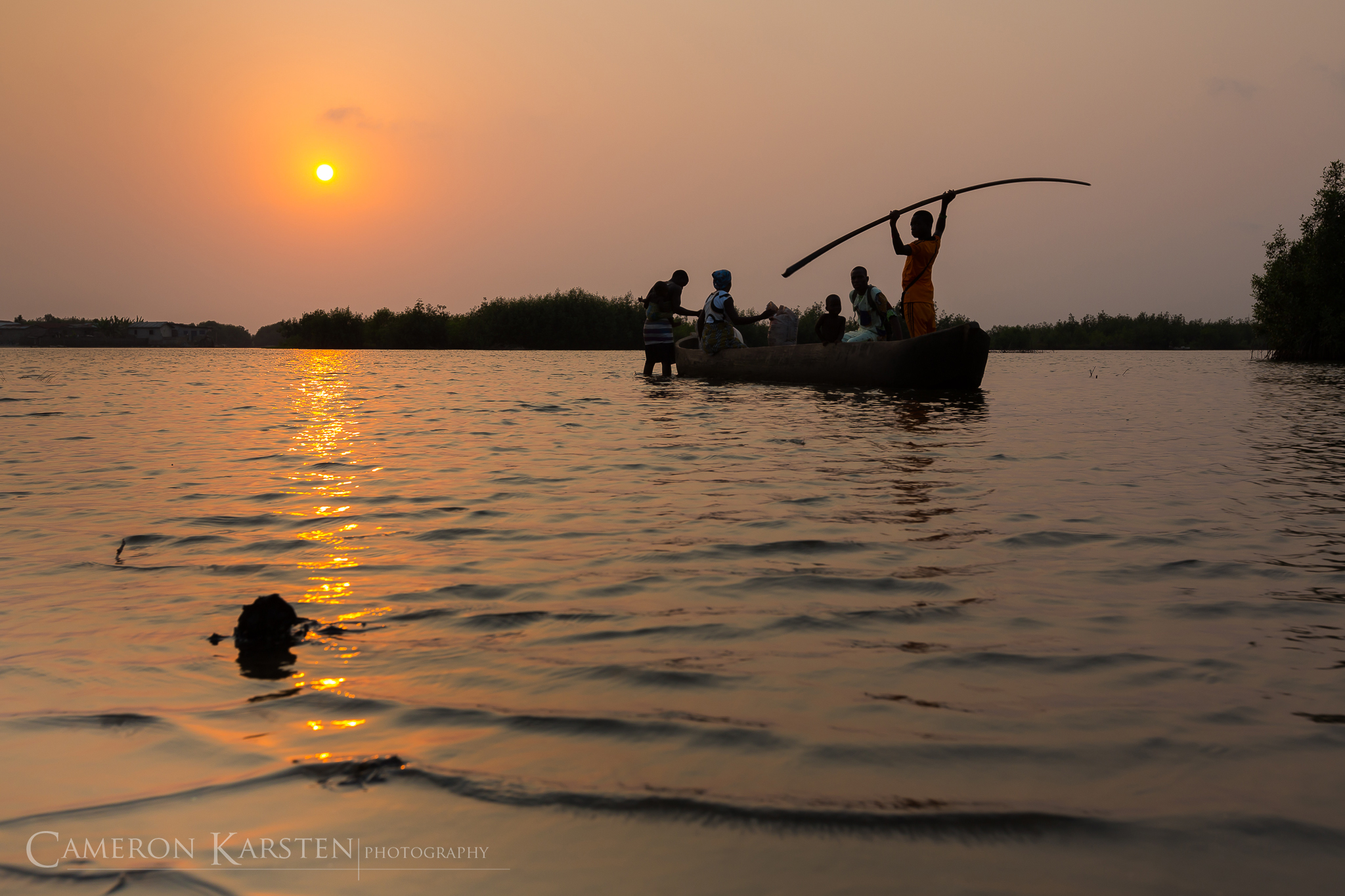
Incidentally, besides its impressive beaches and bountiful marine life, Grand-Popo also guards a coveted jewel of Vodou history, a place whose legends had stirred my imagination long before my first real taste of the Vodou—a place of fear and wonder. Warily, I approached a fellow sitting near: a pirogue captain, a man trained to navigate the merciless seas with a wooden boat and a single pole. Capable and tested, he was no stranger to risk. I reckoned he knew his way around, too. He met me with a wry smile.

“Excuse me. We want to see the village of Kpossou Gayou. We want to visit Les Bouches du Roi.”

The smile contorted and faded. His eyes widened briefly, and then narrowed. I could see the thoughts passing through his mind. Finally, the smile slowly reappeared, though not quite as it was before. He motioned for me to wait, and walked quickly off.

A few moments later, he returned. This time, his hands were stacked with steaming plates of food—the catch of the day, expertly filleted, seasoned, and stewed. It was a delectably soft and tender fish, stewed in a spicy tomato sauce and served with the region’s ever-present cooked cassava paste—a kind of necessary neutralizer to the powerful flavors. Any sane tourist would have been in absolute heaven, but surely he misheard me. “I’ll take you on the Mono River down to Les Bouches Du Roi where the river meets the ocean. Many animals and wildlife. It will be a half-day for $80 per person. For lunch, I’ll cook you fresh shrimp with bottles of Les Beninoise.” Okay, so he hadn’t misheard at all. Instead, the daring tour of the Vodou backwaters had been upgraded to a sedate and romantic river cruise. It was close, but not close enough.

“Kpossou Gayou,” I insisted, brandishing a large piece of fish in my right hand. “We’re only interested in Kpossou Gayou.” I casually ran the fish through the thick sauce and into my mouth.

“No. Not possible.” He watched me intently. “I will not take you there.”

“No problem. Then I’m not interested.” I finished chewing and took a strong swig of beer. I had learned to control my emotions during negotiations.

He shook his head. “The Vodou power is so strong there that if you go you will meet the same fate. You will have your heads cut off.”

I turned to my partner and we smiled at one another. So be it.

Day10_GranPopo-104

The next morning, undaunted and unfazed, I pressed our hotel owner for directions. He relented with little fuss. Whether he knew more or less than the worrisome captain, I’ll never know. Nonetheless, with a driver, our guide, and a young Kpossou Gayou local named Donald, we sped off down the highway towards the infamous village. I took a last deep breath. From here out, I put my trust in Vodou.

Twenty minutes in, we turned off the pavement and met a narrow dirt road overhung with dense palms and gnarled vines. Behind these draping green serpents hid cloisters of red palm nuts. Grasses swayed on the ground, where pigmy goats and so-called bicycle chickens darted across our path. Labyrinthine and wild with life, the road seemed to open and close in a space around us—like some twisted jungle drive-through car wash. Winding on, I spotted banana trees, yellowing with age, green with unripe fruit, tucked beneath the shadows. We turned a corner, round another, past dirt walls and homemade brick fences. Signs of human life signaled our approaching nearness. We felt that distinctness of eyes upon us. Eyes on the flesh. With a flash of bright cloth, or a ducking head, I stole mere glimpses of the locals. As usual, the fearful became the feared.

Parked and stepping out into town center, we were greeted by the village chief: Chief Domingo Xavier. He was of small, almost miniature, stature. Yet head shaven and lean with taut muscles, he displayed a visible strength—a strength of totality that doesn’t come from lifting cold weights in a gym. The rumors led us to imagine a man of brutal power, yet when I looked into his eyes to speak, he shied away, casting his gaze downward to his hands. At his side, he carried a well-worn machete, and he held himself with a kind of confident ease. After the exchange, we were led away from the village into a maze of coconut tree trunks. The setting was incredible. Pure, untouched beauty. The grasses covered the flatlands as towering coconut trees burst skyward from the blades. Surely, no one would ever find our bodies.

Day10_GranPopo-3

We arrived on the banks of the Mono River to find a concrete structure latticed with makeshift scaffolding: a temple seated at a place of convergence—where the land meets the water, where the Vodou spirits are most active. He led us close. We knew the spot well, for it’s here where many in this area consider sorcery strongest—where passing boats can hear the cries of the dead, the whirling white noise of the spirit, and the many other voices of the devil. The chief pointed with his machete to the fateful and much-feared shrine. Below, two decapitated heads were historically secreted. In the local Mina dialect, he explained:

At the time of war between the various kingdoms, many fought over the land we stood on. But the river was strong and people were swept away to drown in its waters. There were two military men that were powerful. Their names were Kpossou and Gayou. They had special powers given to them by Vodou priests. They came from Abomey in the north, where many people have such powers. Once they crossed the river and reached the village, they waged a violent and bloody war. However, the locals were determined to care for their land and defeated the invading army. Eventually the warriors were captured and for their powers they were turned into divinities. Through a divinity called Legba, they were worshipped and buried here beneath this shrine.

News reached the Kingdom of Abomey about the defeat and loss of their warriors. In response, a dispatch was sent to the village by sea to recover at least their heads. As they attempted to dig up the warriors’ bodies, which had turned into fetishes, the locals began to hear voices screaming, alarming them about the grave-robbery. They went to the river’s edge and discovered the strangers, fighting them off to preserve their shrine.

At this, he lowered his head. The story ended.

Day10_GranPopo-18

I looked anew at the concrete that surrounded me, its fortress-like appearance suddenly apparent. Once an open shrine, the temple was today a permanent and guarded enclosure, deeming it neigh impossible to disturb the famous warriors’ heads tucked inside.

The chief stood briefly by the small Legba shrine, remained sullen during quick portraits, and soon made his departure known. The tour was over. He followed behind me while I walked back through the tall grasses and tree trunk mazes of Kpossou Gayou. It was an odd relief realizing my body wasn’t worth fighting over, but I embraced that relief wholeheartedly. Let the warriors war.

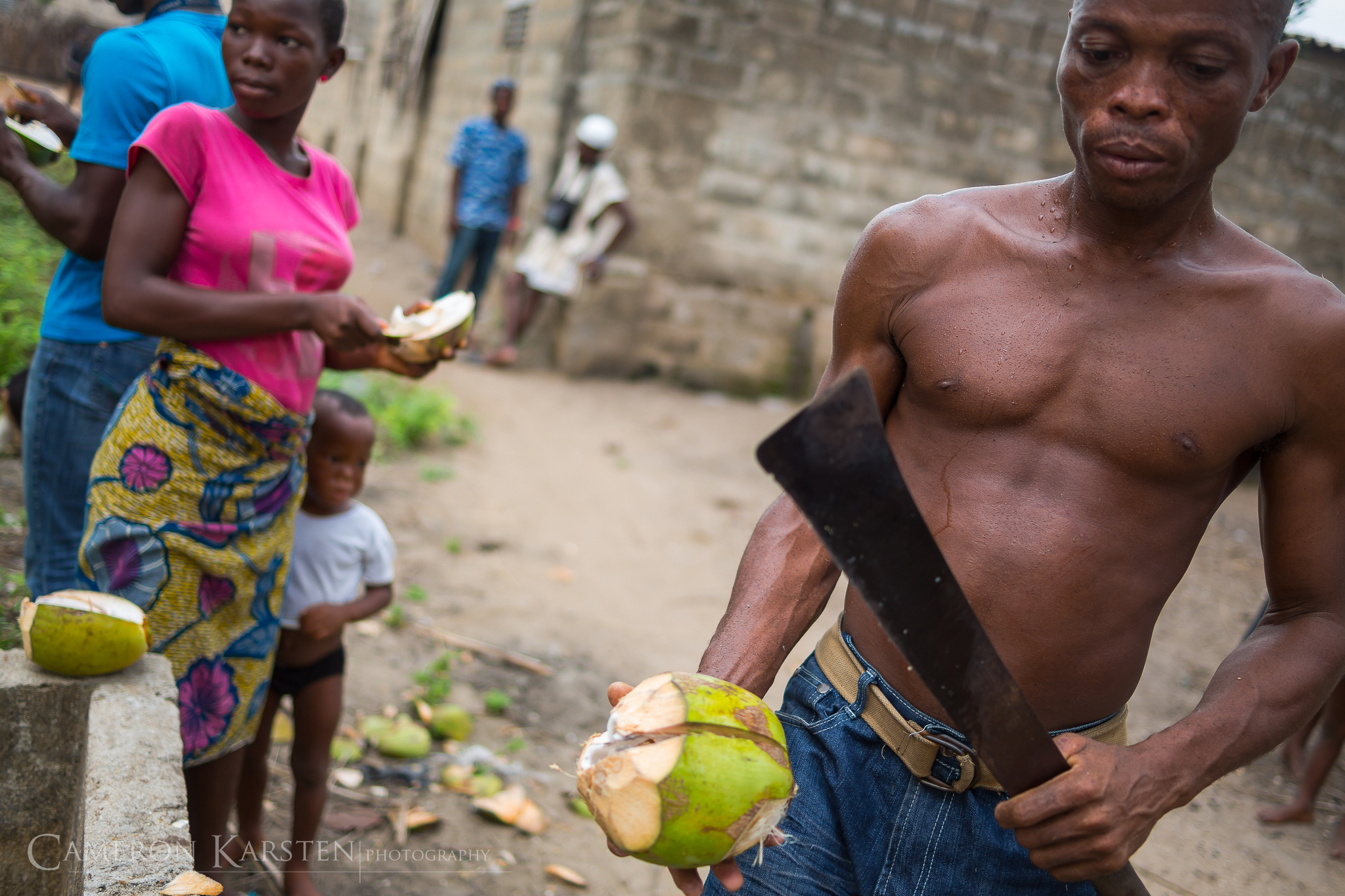
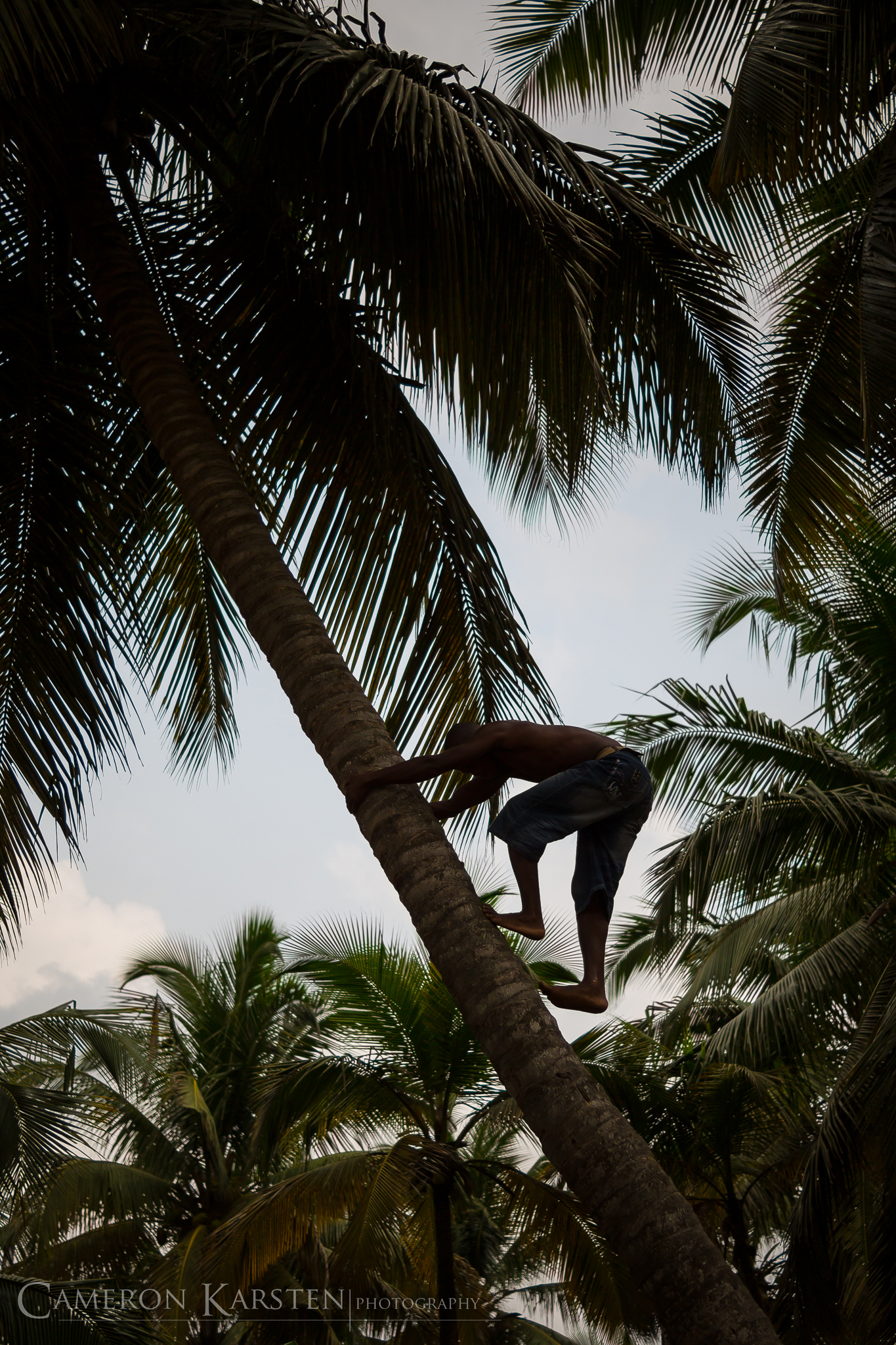
Back in town, I was treated to a feast and a show. Our once-somber chief, now quite animated, performed daring feats as he scampered up trees to fetch bundle after bundle of coconuts. Like a squirrel after a nut, he was up a 30-foot trunk by the time I turned my head. Questions of his strength evidently absurd, Chief Domingo Xavier was undoubtedly the area’s finest coconut climber-gatherer. All around me, the dropping fruit hit the jungle floor with the thud of distant bombs. Echoes of ancient war came alive as the tranquil village transformed into a hungry combat zone. The alarm had been sounded. Villagers emerged with battle-ready machetes. With deft hands and sharp thrusts, they discarded husks and collected loot of sweet water and white shiny meat. The wars had left these lands, but the strength and memories had not.

Day9_Possotome-117

I had my fair share, and then some, of the sweet coconut and bark-soaked sodabi (the barrel-aged version of the local liquor). My belly full, camera cards data compact, humbled and grateful, I left the infamous village much as I had come—with my head intact.

With Kpossou Gayou behind, I traveled west out of Benin and into an equally mystical land. A place where the fetishes remained supreme and the corruption blatant, where dried pelts and bones crowded the marketplace, where endangered implied only precious, and where living jaws and beaks cried for justice.

There was no justice in Togo.

Next essay –>

Day8_Ouidah-188

Day9_Possotome-157

Day9_Possotome-182

Day6_AlladaVodou-250

logo_blackTrajan

Vodou Footprints: To Where the People Don’t Go

Day6_AlladaVodou-91

Ouidah was absolute shit. The first words I had ever read about the historic slave port west of Cotonou suggested the opposite. It sounded downright enthralling:

In the nineteenth century the Kingdom of Dahomey was a Black Spar squeezed between the Yoruba tribes of present-day Nigeria and the Ewe tribes of Togo. Her Kings had claw marks cut on their temples and were descended from a Princess of Adja-Tado and the leopard who seduced her on the banks of the Mono River. Their people called them Dada which means “father” in Fon. Their fiercest regiments were female, and their only source of income was the sale of their weaker neighbors.

Abomey was the name of their upland capital. The name of their slave port was Ouidah.

Here, in the opening pages of Bruce Chatwin’s The Viceroy of Ouidah, I was immediately lost—caught in the mystery and myth of a city, lying on the edge of the Bight of Benin, where hundreds of thousands of humans underwent the horrific transformation into slaves. Captured, sold, and shipped to the Americas as commodities, they were stripped of freedom and left with only their skin, the memories of their community, and their Vodou faith.

Day8_Ouidah-131-Edit

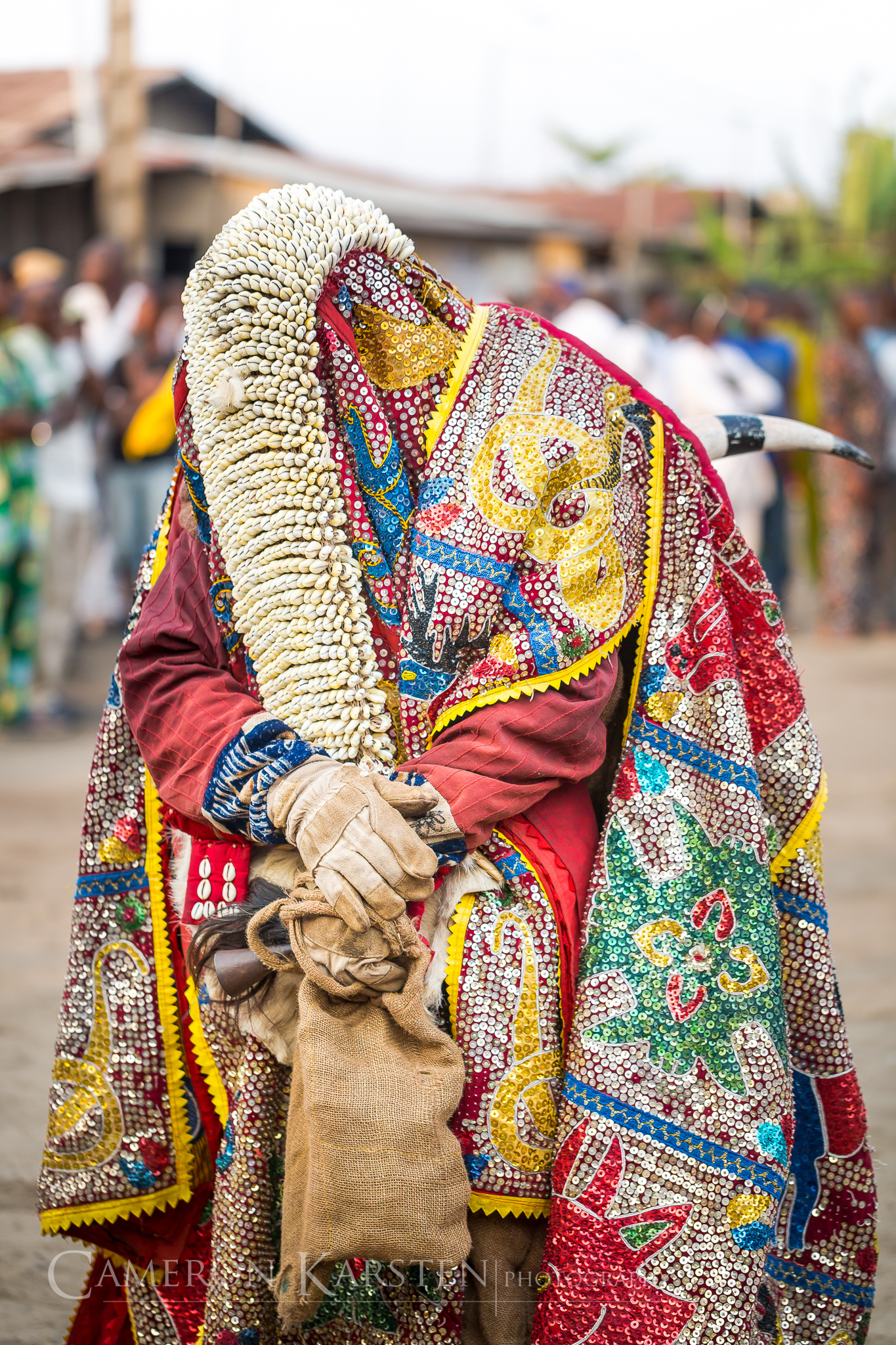
Understandably, expectations were high. Mere days from our first Vodou experiences in Cotonou—the electric Thron ritual and riveting Egungun ceremony—and we were already feeling an insatiable urge for more. More history, more stories, more magic. What then could possibly be more exciting than arriving in Ouidah on January 10th, the annual National Vodou Day? We foresaw it vividly: Vodou would reign down upon the crowd from spirits on high, transforming all in its wake into full-fledged initiates. Clear skies would suddenly give way to huge rolling thunderheads whose gray suffocation heralded a torrent of water-filled miracles. There would be lightning. Plenty. It would be a sign of the power of the Vodou. Thousands converted. Peoples overcome by the reality of this cosmological magic.

Okay. Perhaps the imagination deserved reigning in, but we had little reason to doubt the event of the year, tourists and all.

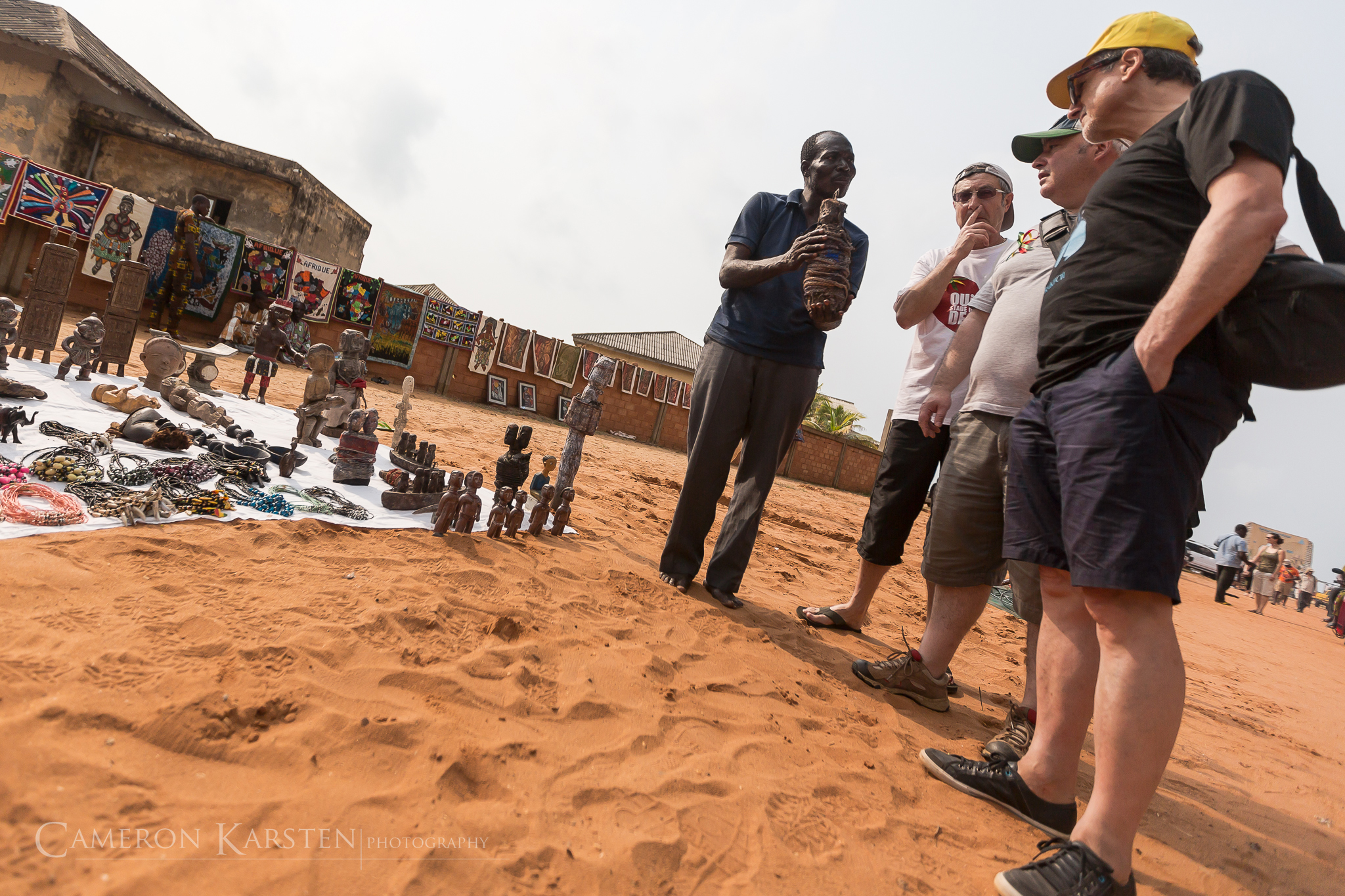
Well, tourists we got—by the acre. Copious heaps of burnt red flesh pecked and pried and gawked like avian inspectors armed with unscratched point-and-shoots, DSLRs (many still proudly adorned with Samy’s Camera price stickers) and the one medium format bull’s eye. It was ridiculous. The hallowed history of the place seemed an afterthought amongst the farmhouse throngs. The site on the beach near the memorial Gate of No Return looked like a pasture of naked sheep corralled under desperate shade. Instead of troughs, the flocks clustered around nourishing drum circles with scary predictability. Souvenir stalls lined the road like fencing. Bottomless piles of goods dotted the grounds like mounds of manure. Everything from native instruments to woven fabrics and cheap coconut-shelled carvings with market-flooded beads filled the space-fearing JanSport sacks and fanny packs. We’d been had. Whatever power once flourished here had longed dried up. So, under the stifling heat of man and sun, I downed three gourds of fresh coconut juice, recalculated our position, tossed the emptied containers, and hurriedly fled the scene.

Day7_OuidahFestival-4

It’s fitting, I suppose, that a place of such historical horror should remain so true to its roots, but nevertheless we were ill-prepared for the commodified abomination of Vodou found in Ouidah—and likely spoiled by the day before.

In Allada, an inland town with a storied lineage of powerful leaders, His Majesty King Kpodegbe Toyi Djigla reigns as the King of Kings of Benin; elsewhere, he remains the Jerk of Jerks of Humanity. But despite his ample shortcomings and long litany of offenses, the man in silk can admittedly host a hell-of-a Vodou ceremony. Twenty-four hours earlier, without the whisper of a mention of National Vodou Day, the people of Allada celebrated with a candor that made Ouidah’s festivities look like postcard imitations and a beauty of song, rhythm, and movement that was simply spectacular.

Moreover, for every hastily-shined statuette that Ouidah’s shop stocked, Allada had the real thing: colorful, sinuous, vibrant, and alive—woman.

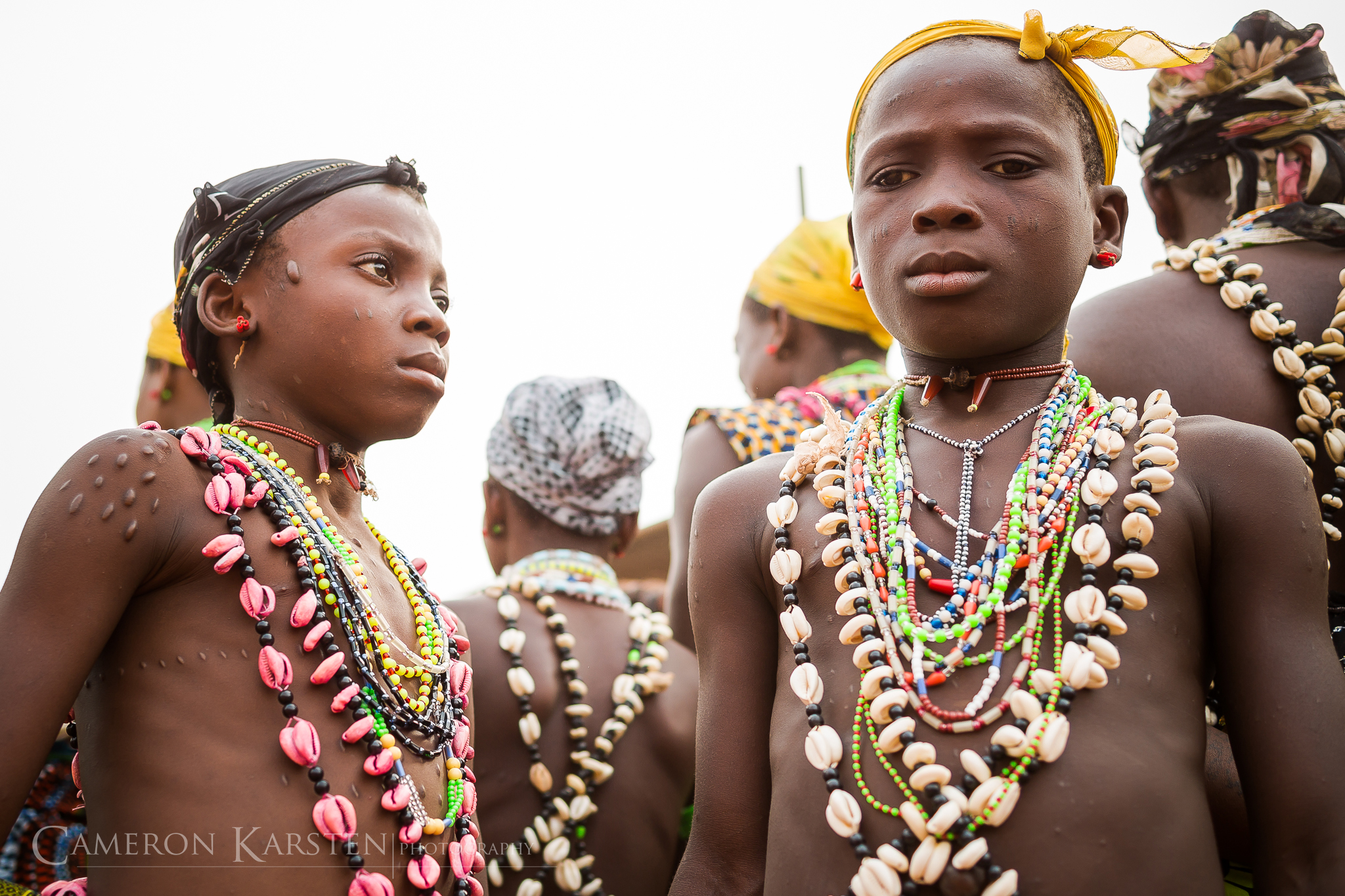
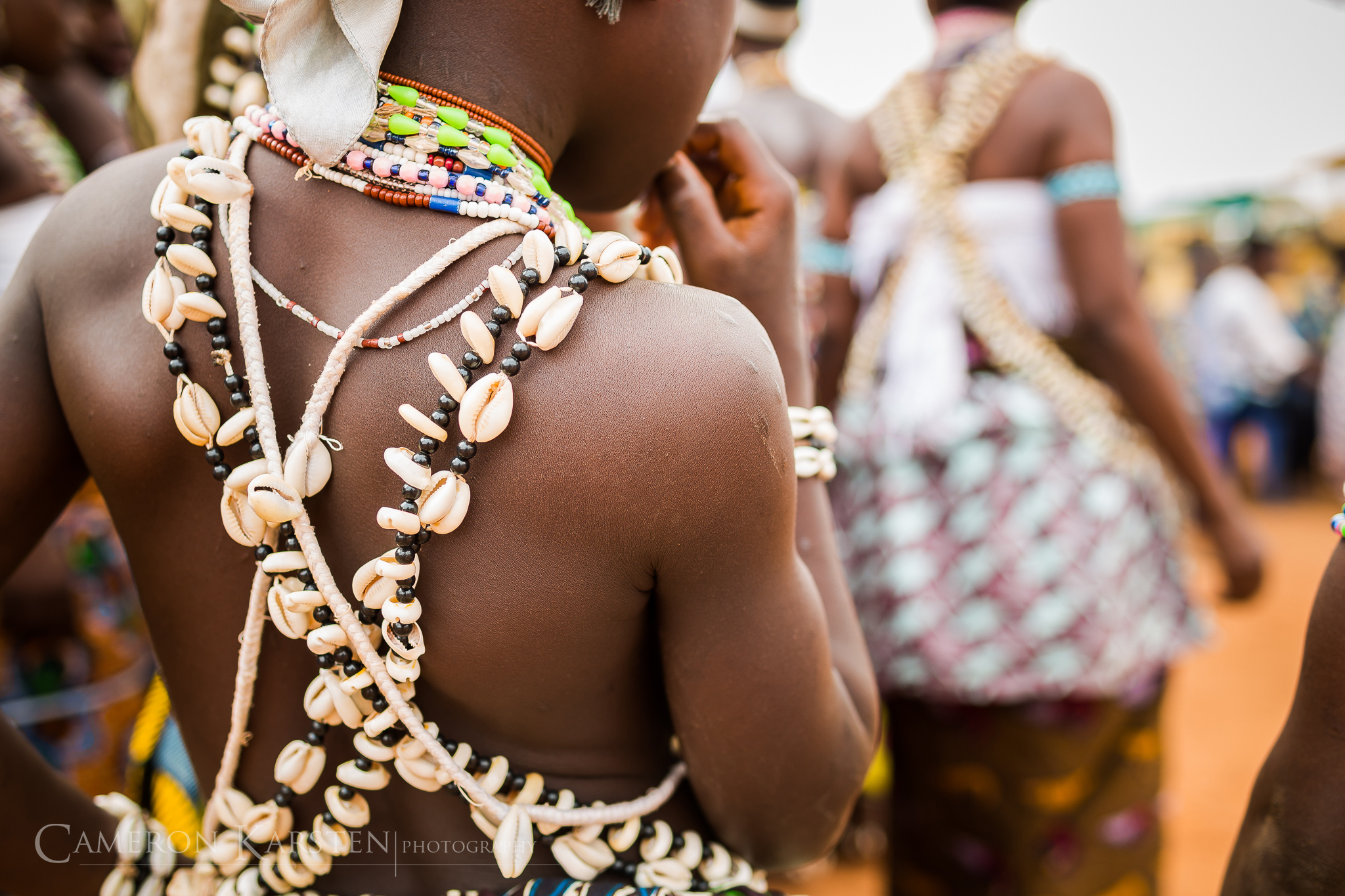
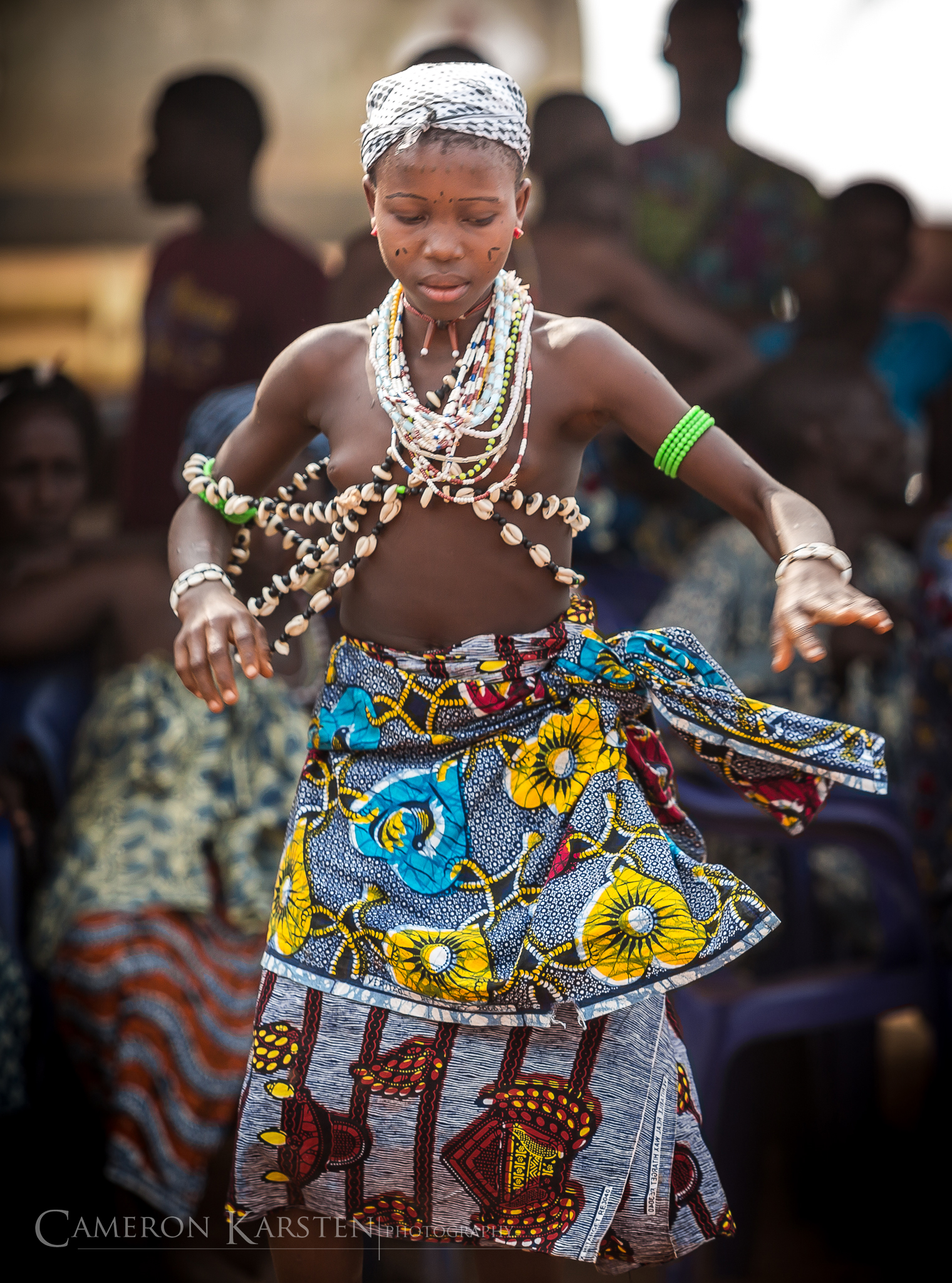
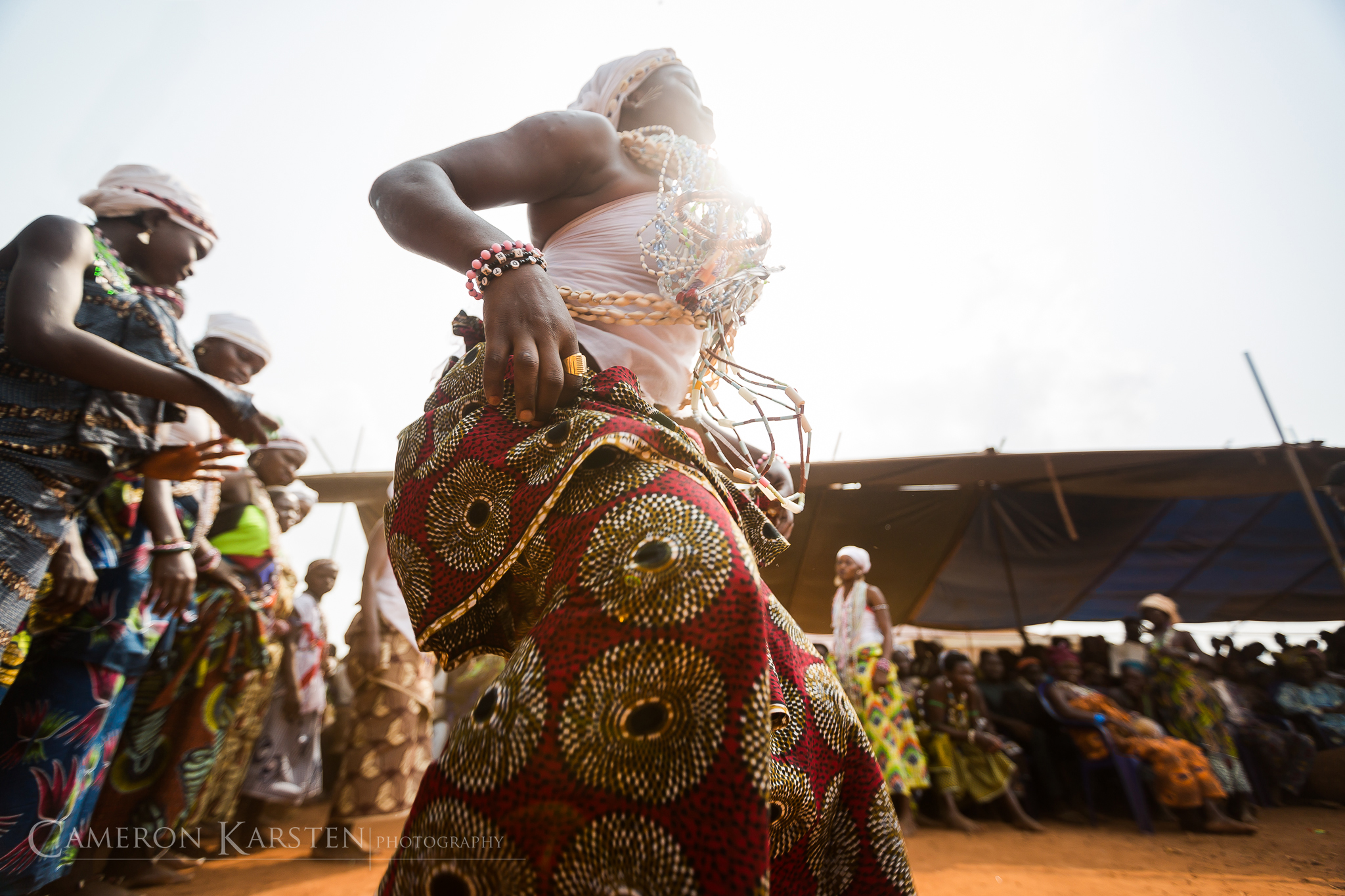
Women are the dance and song of West African Vodou. Gathered in seated circles, singers clap in time and harmonize through stretching syllables of choral softness. Voices like dreams rise from the village valley. Through song, the women praise their ancestors and the strength behind their past, while keeping a hopeful eye towards the future. As music fills the willing space about them, attending dancers twirl, twist, and undulate center stage. Arms flail. Spines pulse. Bare feet stamp red earth, kicking up dry dust like herds of wild mares. The song feeds and fuels the dancing bodies in a swarm of heated energy. On the outside, dresses swing with strands of shell and metal that clank like wind chimes in storm, while bracelets slide up and down the arms and ankles as though remnants of their ancestor’s shackles. Freely, they surrender themselves to the rhythm, the tam tam drummed up from man’s force.

Day6_AlladaVodou-115

Situated at the heart of song, the beat provides the basis and soul. Here, a group of men beat animal skins in a rain of sweat. Muscles taut. Stern. Eyes fixed in concentration. Each of them lost in the trance of uninterrupted reverberation. Ultimately, everyone is involved. Dancing the stage. Singing a history. Drumming the timeless beat. Taking turns in yielding to ancient tradition, they build something special—a collective power greater than its parts.

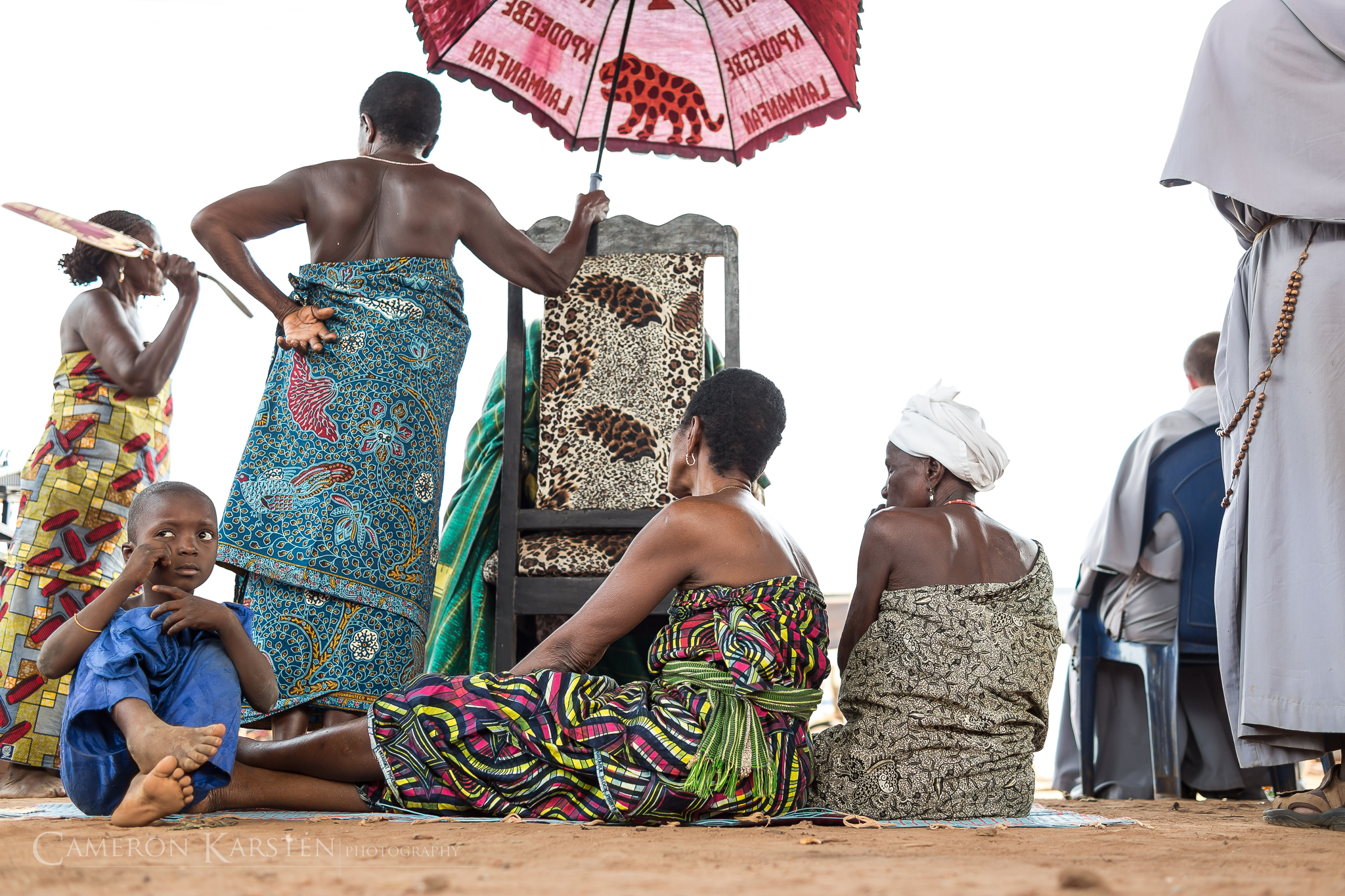
For hours, we watched the performances in Allada with transfixed fascination. The King, followed by his egg-shell-walking procession, arrived fashionably late and scornful as ever. His servants shuffled with the weariness and fear that results from near-constant royal berating. There were also other dignitaries, along with their own escorts. And then there were the stilt-men.

Day6_AlladaVodou-574

To fully understand these towering oddities, it is helpful to begin by imaging how they came to be: Take a young boy. This boy is curious, active, and dedicated. Curiously enough, he has personally constructed and assembled a pair of stilts, and for many years, he has practiced on them. Instead of sports or games or troublemaking, he spends every spare hour honing his skill on the stilts. When he isn’t working the fields or helping his mother with choirs, he’s on his stilts—from the break of dawn until much past his bedtime.

Now, he is grown. He’s a stilt virtuoso. Not only can he walk, jump, hop, skip, and do practically anything that a normal human can on solid ground, but he’s also a Juilliard-level contortionist: A nimble and confident master of the art. Years of practice have paid off. The boy is now a man, and his name is Djagli.

Day9_Possotome-224

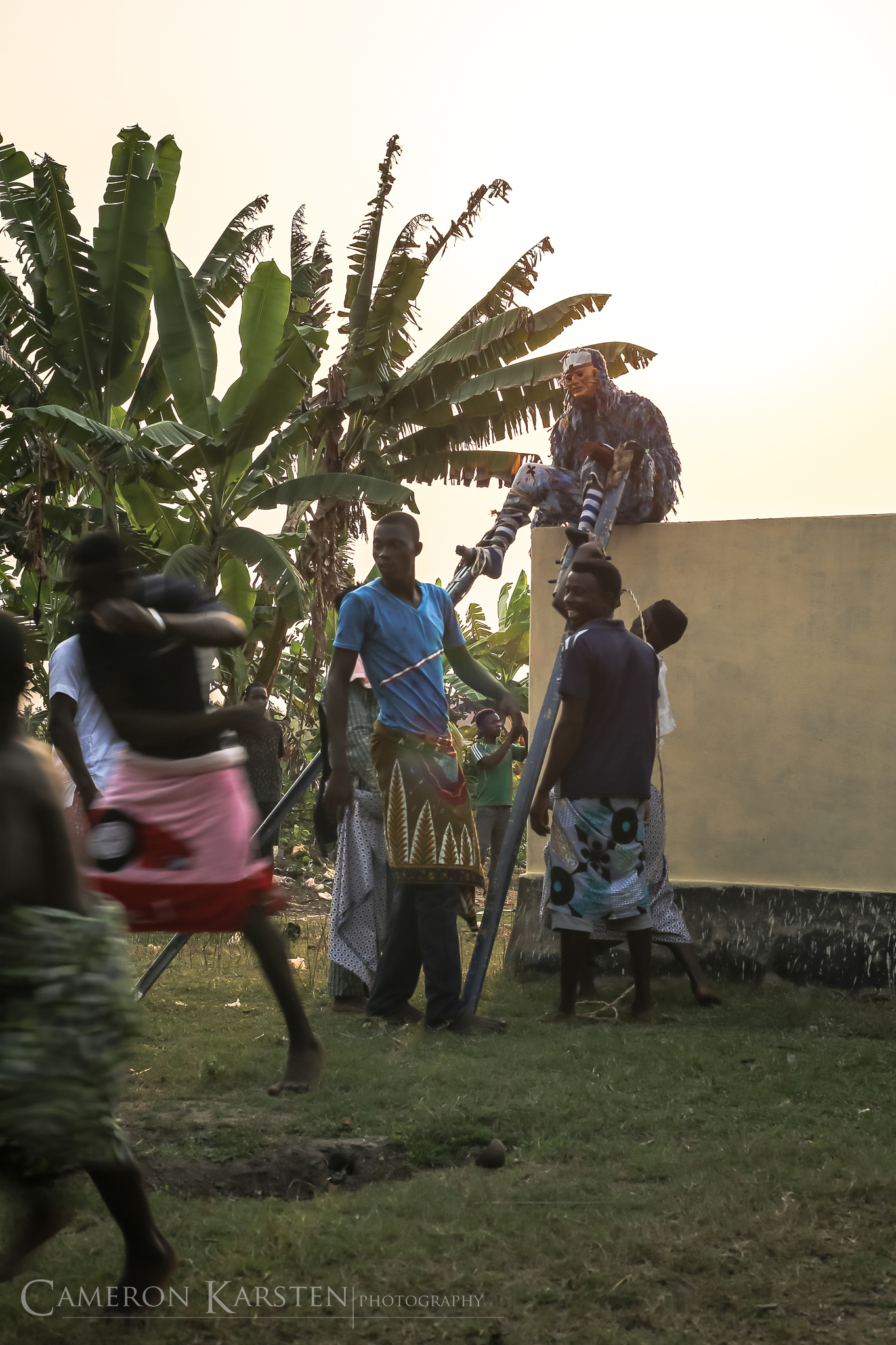
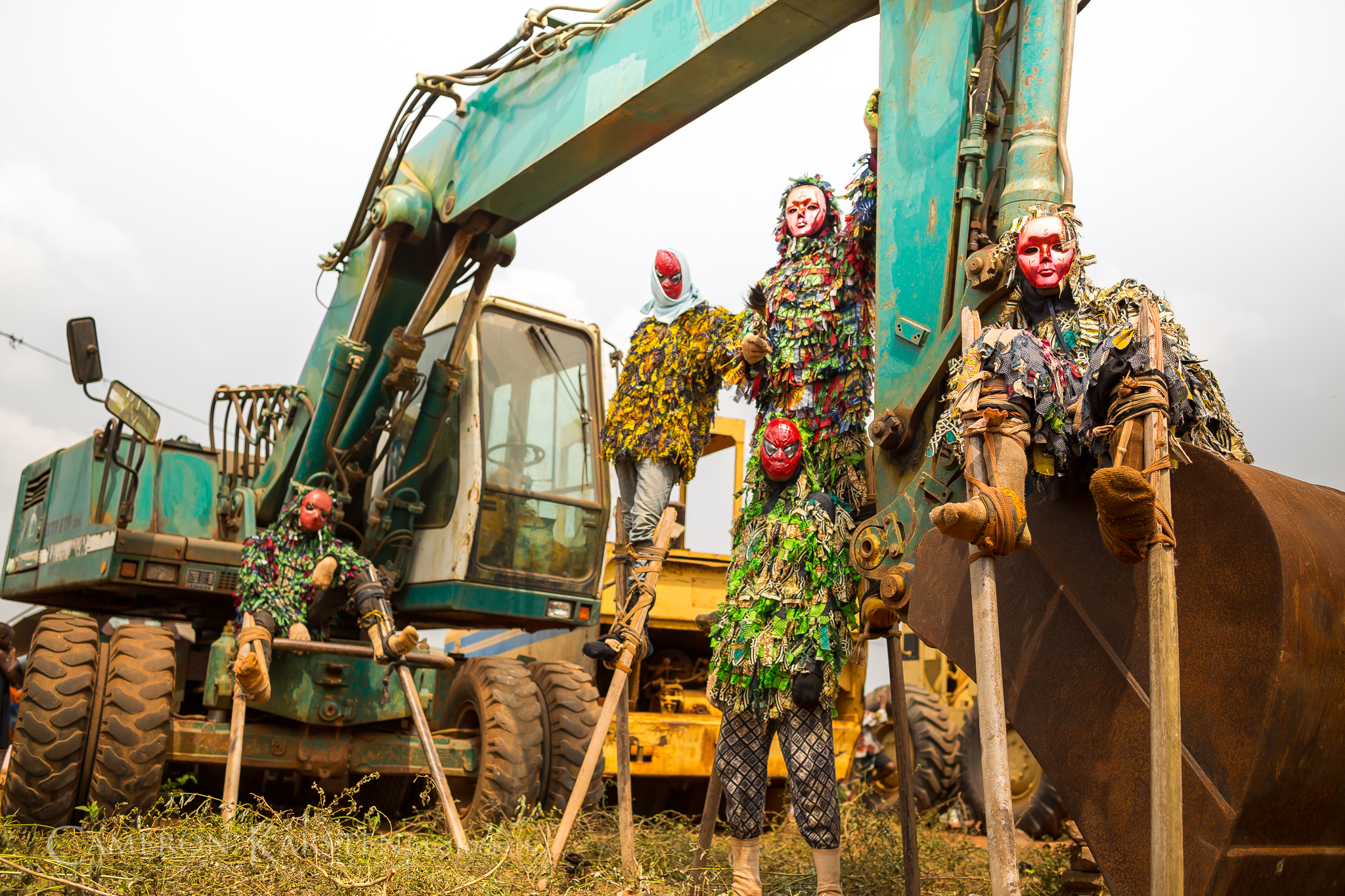
At this point Djagli is not even human. In Vodou, Djagli is an ancient warrior god protecting villages from witchcraft. Dressed like a giant stiff-legged stork, this god will actually transform into one as soon as the initiate enters the trance state. For less conspicuous sneaking, witches too are believed to turn bird, but fortunately fail to recognize the bird state of Djagli. The two feathered vertebrates are basically immortal tricksters, chasing each other out of town into the countryside. Once captured, the witch relinquishes her powers, and Djagli heroically restores village life to normal.

The Djagli-entranced performers in Allada were amazing. Five in total, they spun, dipped, and ran with incredible perfection. They scattered dirt at screaming children. Their trained movements were masked by a kind of uncontrollability, but I witnessed not a single error or misstep. Surely, if the talent scouts of Vegas ever caught wind of this feat, the tawdry cabaret and lowly magic club would be swiftly trampled into history. But while this spectacle started the Vodou party, it was the Zangbetos who topped it off.

Day6_AlladaVodou-595

In ancient Vodou life, there is no need for traditional policemen or guards. If a civil dispute arises, the King’s administration or Vodou priest listens. Details are discussed. Many suns and moons pass. Rituals performed, concoctions prepared. Eventually, issues are resolved. It’s not a knee-jerk society. Instead, it’s actively preventative; disputes are snuffed out well before they can mature. And under the dark West African skies, the all-seeing Night Watchmen keep the peace.

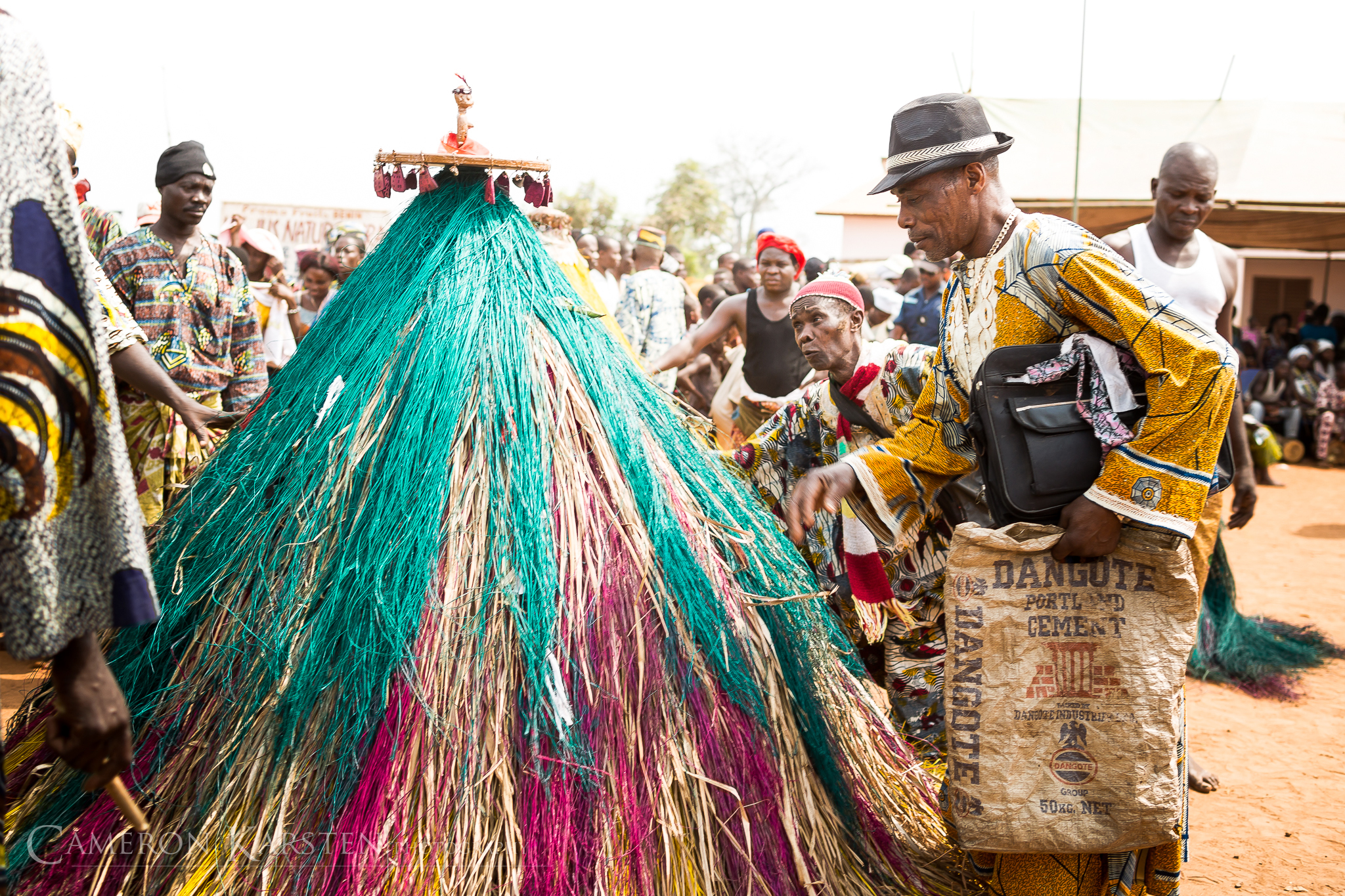
Known as Zangbetos, these enforcers patrol the streets by moonlight. Dressed in bushels of hay, they possess unspoken amounts of magical powers. They’re feared, respected, and little discussed. In performance and in trance, the gods spin—and then spin like hell. If you’ve ever seen an upside down six-foot spinning top composed of a hundred bristling broom heads, then you know exactly what this looks like. With abnormally wide hay-loads and reckless whirling, these gyrators manage to stir up more plumes of dust than even the dust-loving Djagli. Mouth-spit gin and sodabi (local palm liquor) glistens on their shells as fresh chicken blood drips down their crowns. They’re on the move with the drumming. And like all things Vodou, they possess a seemingly-endless supply of energy.

Day9_Possotome-102

We watched this otherworldly culture with awe. All around us, villagers danced. They moved around the Zangbetos with anticipation and excitement. The spirits’ guards helped clear the crowd, pushing the souls along, shouting calls for the energies of Vodou to hear. Then everything stopped.

In a flurry, stacks of hay were thrown off and the inner cores of the Zangbetos revealed. I peered inside. Dirt. Nothing but open air and dirt. Then, as my eyes adjusted to the darkness, I noticed a small woven basket. Evidently, not only do the Night Watchmen serve death sentences to the unruly of Benin, but they also present a variety of gifts to the lawful.

A guard quickly snatched and tossed the basket to the ground. People oohed with wonder and gawked with greed. Scurrying around the basket like hungry piglets at a sow, all approached. I too neared, hopeful to grab a few gold coins in reward for a lifetime of somewhat goodness. Dramatically, in one swift motion, the guard flicked off the lid.

Day6_AlladaVodou-663

You guessed it: crabs. This Zangbeto had fooled us, sending into the crowd a dozen live crabs. With red snapping pincers, they dispersed and the people were sent in a frenzy. They screamed, hollered, leapt onto chairs. Some collided into one another as they ran in opposite directions. Tucked away in this upland village, most had probably never seen a crab before. They were terrified and justifiably so. But for every trick-playing Zangbeto, there were a few kindly offering presents of rice and corn, sodabi, gin, or cigarettes—the necessities.

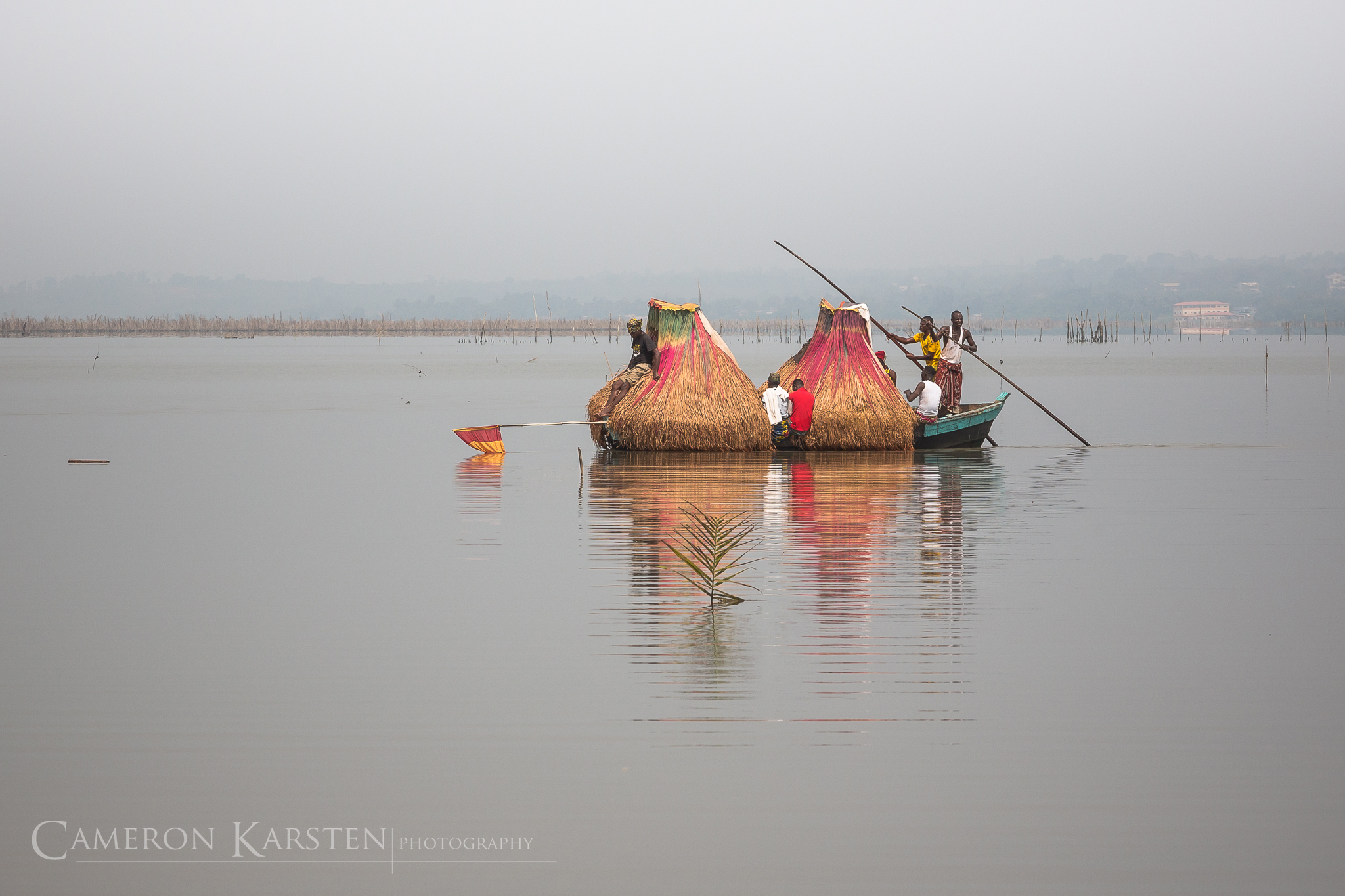
Later, west of Allada on Lac Aheme, we would have one more opportunity to witness the Zangbetos. We would stop on our way to the famous fetish markets of Togo, at a village we were advised not to enter. Don’t enter, a stranger had told us. Don’t enter—unless you want your heads cut off. So naturally, we entered.

Next essay –>

Day6_AlladaVodou-154

Day6_AlladaVodou-338

Day6_AlladaVodou-60

Day9_Possotome-243

Day6_AlladaVodou-614

Day6_AlladaVodou-313

Day7_OuidahFestival-78

logo_blackTrajan

Vodou Footprints: A Faraway Land in Benin’s Cradle of Vodou

Day6_AlladaVodou-452

Geography, for many Americans, is that daunting and embarrassing mystery—a dim knowledge largely confined to wartime allies, historical enemies, and the occasional topical hotspot. Beyond this so-called important handful—Western Europe, the Middle East, possibly China or Japan—everything else is clumped together into a world of unknowns.

When I told acquaintances of my impending trip, the average response was somewhere between hesitance and puzzlement. Like a jargoning doctor to the common patient, my words didn’t ring many bells.

Well, perhaps Benin is a faraway land.

Day3_Ganvie-356

Admittedly, I too couldn’t place Benin in its exact location prior. West Africa, I’d say evasively, somehow hopeful that several nations would willingly surrender their unique identities to their greater region. Technically, I wasn’t wrong. But not surprisingly, I soon discovered that Benin deserved far more respect and scrutiny than I had originally expected. Take a closer look and you’ll begin to unravel a majestic tangle of complexity and misconception.

Benin borders Nigeria’s western edge, touches Togo’s eastern boundary, and supports Niger and Burkina Faso above. It is one of those tiny West African countries that stretch north to south. Sneeze and you’ll miss it. In fact, picture Africa’s western shoreline as a nose. Benin sits just beyond where the mouth and the nose would meet—at the nostrils, if you will—a sliver of land anchored by the fabled Bight of Benin.

And then there’s magic. In the West, the word conjures up David Blaine, television’s greatest living magician. A levitating, fire-breathing, death-defying illusionist. A beloved celebrity of record-setting endurance. A talent, no doubt. From the Beninese perspective, however, he is not a man of magic. Call him master of deception. Magic in Benin is a way of life.

Day1_Ouidah-112

Everywhere there is magic. It’s in the red earth of the landscape, the throbbing fury of the sun, and the relentless currents of the great flowing rivers. It’s their religion—a religion in which the interactions between nature and humanity are cherished and respected every day. Magic is Vodou. And with 4,000 years of magic backing it up, Benin is the undisputed cradle of Vodou.

Personally, I believe in magic, both as a form of deception as well as a supernatural expression of the energies beyond ordinary comprehension. For millennia, Homo sapiens—the self-proclaimed wise man—has existed, evolved, and generally erred, all the while attempting to explain: What lies beneath? What forces create the churning seas of the ocean and the gyrating clouds of the sky? What energies course through veins and roots alike? Indeed, what does our cunning and craft amount to aside vast incomprehensibilities? Our attempts to solve breed yet further questions. No matter our advancements or industry, the sun still rises and the moon ever orbits to a language seemingly all their own.

Day5_Allada-173

Countless cultures have contrived to explain these fundamental phenomena. Some grow. Most fade beneath the all-consuming flames of war and oppression. And yet, incredibly, amidst the largest powerhouses of the world, there exists a small country—undeterred by the folly of others and sorely ravaged by the horrible histories of slavery—where the primeval practices still prevail and the honor of the mysteries of the world take precedence.

Cast aside the linear mindset and the textual teachings of the West. Simply observe what is before you and what has come to pass. Only then will you understand Benin. Here the supernatural and natural worlds converge; everyday occurrences take on special meanings; and the privileged traveler may join the setting sun into the obscurity of a secret and sacred society to appreciate the mysteries of what Benin declares its official religion: the worship of the Vodou.

Day6_AlladaVodou-366

It is a world of shadow and dance. Of masks, scars, and tattoos. A country where Kings remain the Kings of Kings, and the leopard and snake reign in the household tale. Feel the pulsing rhythm of Vodou, transcend the merely tangible, and let the beat of the drum lift your mind into the realm of the metaphysical. Once you have crossed this threshold, once you have heeded this singular call, the world around can never be the same.

For us, there is no retreat. There is only the universal language of Vodou, and together we will drink from this bottomless cup.

Together we’ll reach a faraway land.

Next essay –>

Day6_AlladaVodou-507

Day2_Cotonou_Egungun-236

Day6_AlladaVodou-173

Day2_Cotonou_Egungun-1

Day6_AlladaVodou-578

Day4_AbomeyCalavi-197

logo_blackTrajan

Vodou Footprints: Origins of Vodou (West Africa)

The Mono flows out into the sea on a bleak, wind and sand-blasted beach that is not very likely to entice you in for a swim…If your interest is in Voodoo then with luck (and some bravery) you might be able to persuade someone to paddle you over to one of the villages hidden on the backwaters where the Voodoo spirits are especially active…One village especially, Kpossou Gayou, would be fascinating to explore, but the chances of getting someone to take you are very remote because of the sheer power of the Voodoo here and the bad vibes surrounding it. It’s said that the fetish is so strong that almost anyone can hear it speaking quite openly and most of the boatmen in the area are much too frightened to take a foreigner there.

Butler, Stuart. “West of Cotonou.” In Benin: The Bradt Travel Guide. Chalfont St. Peter: Bradt Travel Guides, 2006.

Giving-Self---Version-2

These were the words that sealed my fate—that stirred an inexplicably ancient power and compelled my to explore. Something deep within was awoken. Something unfamiliar, incomprehensible, perhaps unknowable. While the boatmen supposedly trembled with fear at the mysterious forces, I tingled with desire. With each new mist-shrouded image or wind-savaged vision, a growing vortex drew me down towards the vague, inscrutable center. Determined not to flee, I embraced it unnervingly.

The more I read, the more I realized the sheer inevitability. Wants became needs, and more than curious, I was famished for answers and driven by pure adventure. There was no turning back.

Magic-Makers

But first, some backwater backstory: Vodou, established by short-term president Nicephoro Soglo, became the official religion of Benin on Jan. 10, 1996. Subsequently, this day became the National Day of Vodou, when the world’s largest Vodou festival occurs every year in the old slave port of Ouidah. And yes, I soon realized I was going.

A project plan emerged. Guesthouse. Driver. Guide. An itinerary with just enough structure, but purposefully rough to match the raw mystique of our journey. In total, 37 hours of travel, 37,000 feet above the earth, separated us from departure in Seattle to touchdown in Cotonou, the unofficial capital of this land called Benin. Across ocean, sea and desert, those fateful readings would finally come to life.

Of course, Vodou (or voodoo to our ears) is anything but the doll-and-pins novelty it’s often indifferently ascribed. Rather, it is an active mysticism that has weathered thousands of years on the continent of humanity’s birthplace. As such, in undertaking our own journey, we also endeavored to understand Vodou’s journey: from its cradle in West Africa, its reluctant passage across the unforgiving slave route, and its ultimate assimilation into the cultural and religious stew of the West—thousands of miles and meanings away from its native land. But I digress; it’s time to approach the destination ahead. Pluck up your courage. Open your eyes and ears to the spirits. And follow closely as we enter: Vodou Footprints – Origins of Vodou.

Next essay –>

Global-Educates

The heart of the Lower Omo Valley, Ethiopia

Spine-of-Lower-Omo

Hamar territory – Lower Omo Valley, Ethiopia 

The-Elephant-That-Could

An orphaned elephant being fed at the David Sheldrick Wildlife Trust – Nairobi, Kenya 

DSC_0092-(4)---Version-4

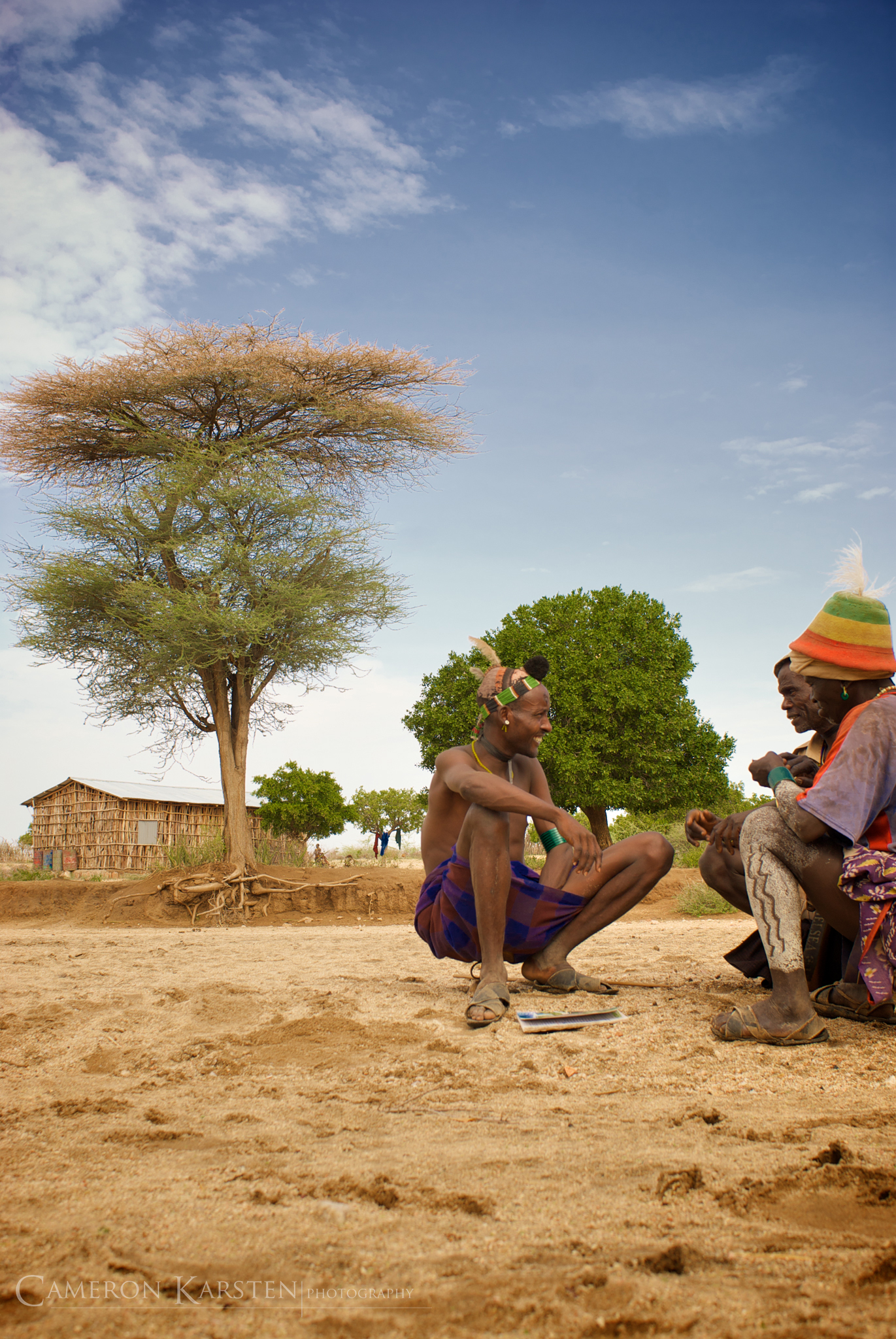
 A dry riverbed in the Lower Omo Valley. The government’s proposed dams have dried up the Hamar’s traditional water sources

Colee's-Retribution

In the riverbed – Lower Omo Valley, Ethiopia

Wild-West

The Wild West of Nigeria – Niger Delta, Nigeria

DSC_0085-(3)---Version-3

Jinka’s town square – Jinka, Ethiopia

logo_blackTrajan

Firefly Salon Fall 2013

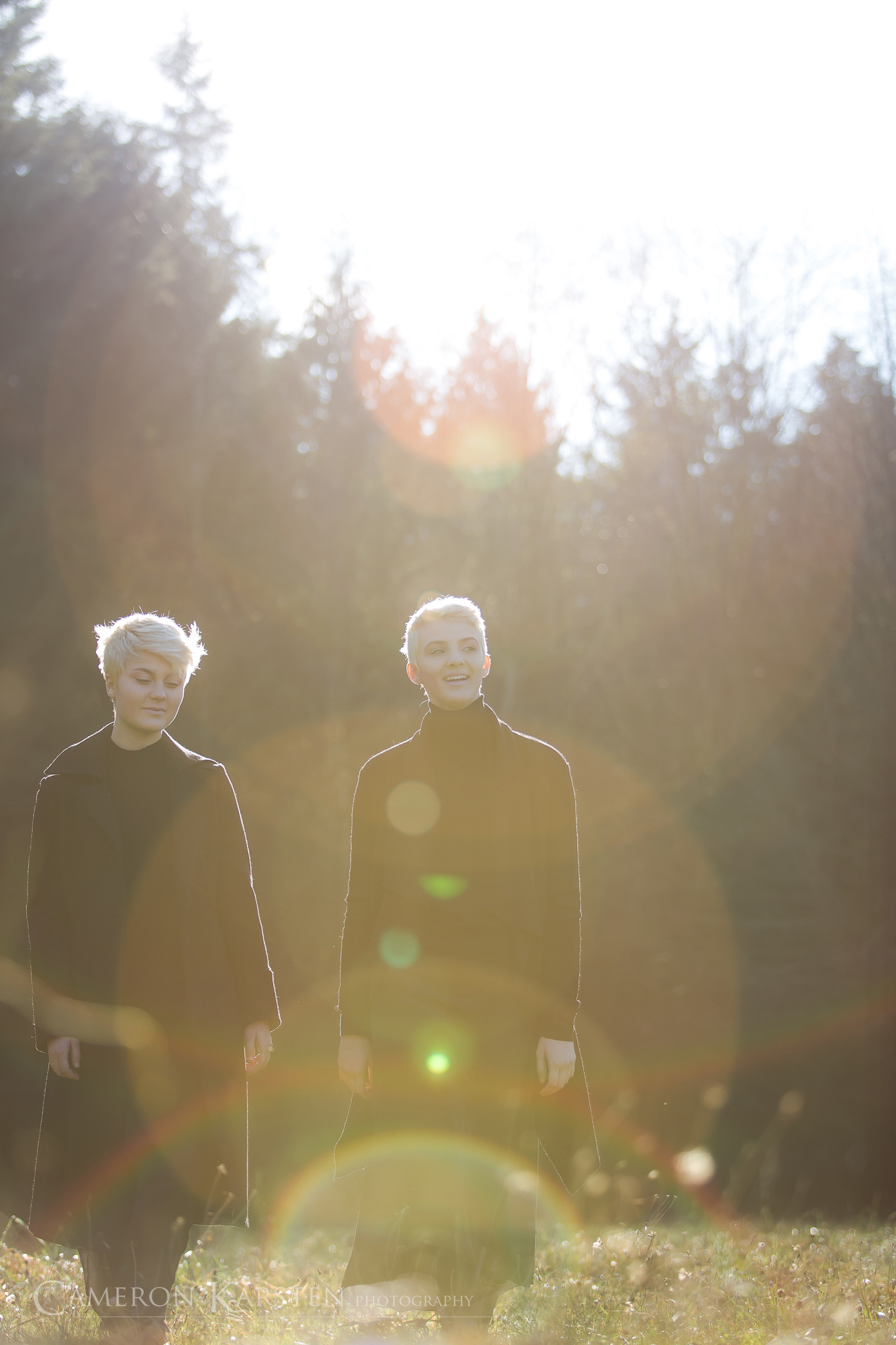
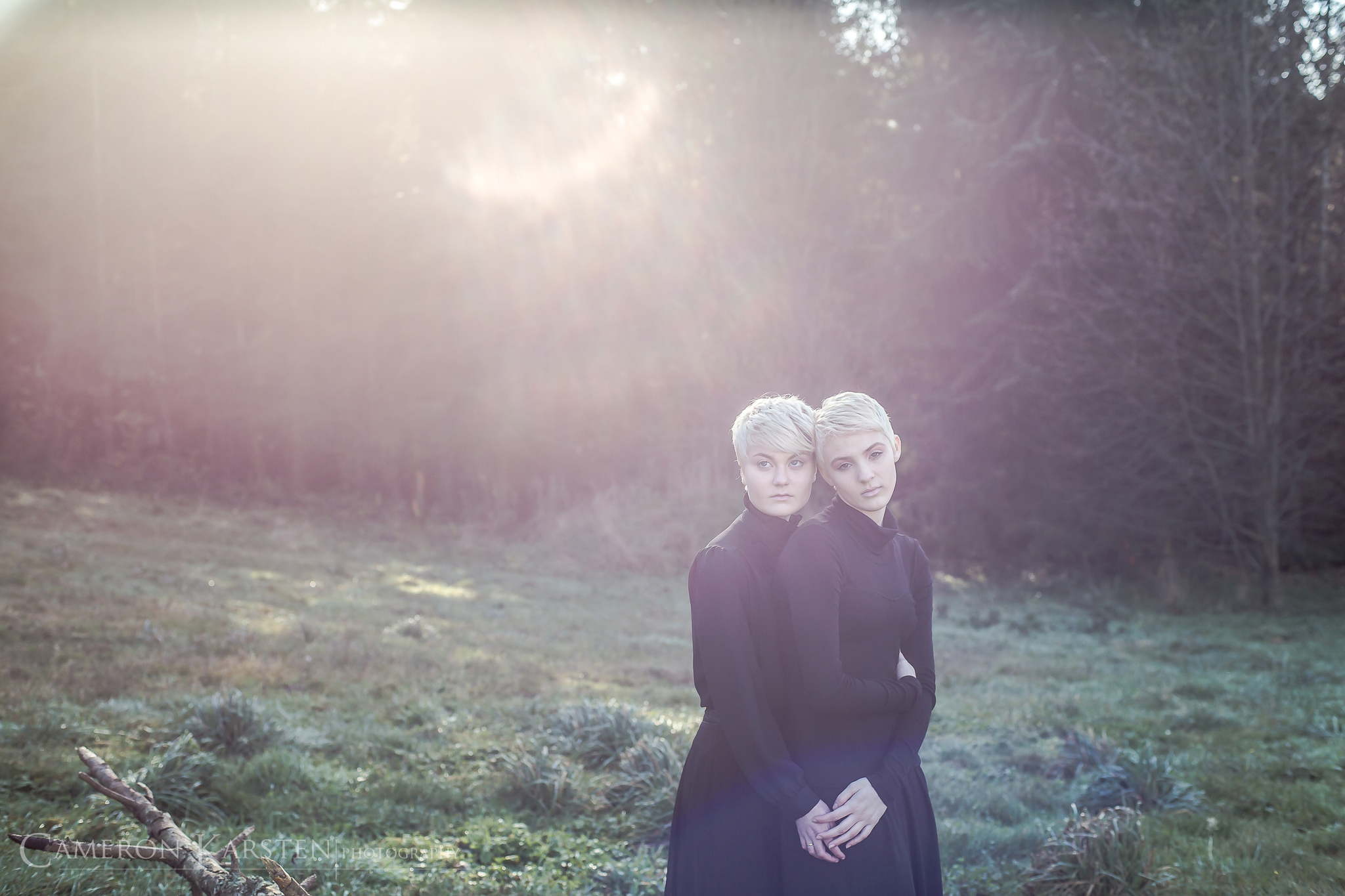
FireFlySalon-367Fall 2013 passed in the wind, and the styles of Firefly Salon became light but short, simultaneously dark but long with contrasting shadows. Sisters both exit and enter the woods through a ray of cool warmth.

FireFlySalon-186

FireFlySalon-195

FireFlySalon-259

FireFlySalon-297

FireFlySalon-350

FireFlySalon-334

FireFlySalon-579

FireFlySalon-561

FireFlySalon2-87

FireFlySalon2-99

FireFlySalon2-61

HMU by Todd and Bronwyn Baylor of Hair by Firefly

Styling by LK

Wardrobe by Sweet Deal and Eloisa

logo_blackTrajan

America’s Gun Culture: The Young Guns

MatixC-243

America has a gun problem. According to a Small Arms Survey in 2007 , 88 out of 100 Americans own a gun. That’s worthy of world domination. And after the latest elementary outbreak of gun violence in Sandyhook, Conn., questions continue to raise about the connections between guns, violent video games, and our American youth. Here are some images from an on-going project involving America’s young guns.

FieldsPlay-257

FieldsPlay-199

FieldsPlay-129

FieldsPlay-128

FieldsPlay-120

FieldsPlay-14

FieldsPlay-27

FieldsPlay-60

FieldsPlay-57

One mother I spoke with regarding the project declined to take part, but mentioned a story about her son. He was never permitted to play with toy guns. He wasn’t ever exposed to them in their household or on television. And she was unaware about any activities involving toy guns at their friends’ homes, but as soon as he reached a certain age where he began to develop his own personality, walk and make decisions on his own, something became apparent. When they would stroll on the beach or trek in the woods, the boy was instantly drawn toward sticks. These inanimate objects took on a life of their own. They became his toy guns. To this day she refuses to buy him any of these colorful plastic pieces.

DanePortrait-22

BroganVG-60

BroganVG-41

BroganVG-20

MatixC-110

MatixC-75

MatixC-27

When the United States military encourages their soldiers to play violent video games while on leave, and as the advent of drones is taking presence above foreign skies, it is intriguing how large the gaming industry has become. Not only is it exciting, competitive and imaginative, but it is also a fantasy world without consequences besides GAME OVER. From Mario Brothers to Grand Theft Auto, there has been an incredible evolution, blurring the lines of reality. America’s youth are also hooked.

MatixC-208

MatixC-273

MatixC-251

MatixC-287

For more, please visit America’s Gun Culture

logo_blackTrajan