













Travel Photographer Interviews: Cameron Karsten
April 14, 2010 by Leave a Comment
Travel Photographer Interviews: Cameron Karsten by Lola Akinmade (from The Traveler’s Notebook)
In a new series on Notebook, we interview professional photographers, and discuss their different perspectives on travel photography as well as tips for taking better pictures.
Photographer Cameron Karsten is currently traveling around East Africa, documenting the work of various communities and nonprofit organizations. With a unique eye for composition and lighting, Cameron is capturing particularly soulful images. According to him, “he yearns for expansive adventure of the deepest value in order to express the tales of humanity.”
Cameron Karsten has also written a series of spiritual and health travel articles for Brave New Traveler. He left his formal classroom studies to indulge in dreams of travel at 19 years old, and has been wandering ever since.
Over the past few months, Cameron has also contributed to MatadorU’s Travel Photography Program. Matador Goods Editor Lola Akinmade and Matador contributing editor Paul Sullivan took some time out to ask Cameron a few questions:
How long have you been a professional photographer?
I’ve been practicing photography for six years. It was only two years ago I decided to convert the hobby into a passionate career.
What – or who – got your initial interest going in terms of photography?
Travel. At the age of 19 I left my comfort zone with backpack, journal and pen, and my camera. I began writing and photographing in order to share my experiences and inspire other individuals to follow their passions. Today, with diligent practice and belief, I continue to develop and evolve my skills to create the life I desire.

What were your first photographic experiments or experiences?
The first time I mindfully began photographing was on the first day I landed in Bangkok, Thailand at 19. The new culture, architecture, environment and faces sent my eyes spinning along every street. I was enthralled with the new surroundings and found every detail, from an old shirtless man to the spires of a golden temple, worth photographing.
My family and friends had to see what I was witnessing. It became a way to transport my followers into my traveling adventures and become a part of the journey.
How would you describe the work you do now? Are you involved in the commercial world also? Any stock photography?
I am continuously building and expanding my photographic styles. Currently, I work as a professional portrait, wedding, and event photographer. However, my drive is to develop into a full-time commercial, travel and editorial photographer with fingers in lifestyle and fashion. The possibilities in the industry are limitless, and these options keep me inspired as I move forward.
Which other photographers – old or contemporary – inspire you most?
Ansel Adams with his patient lighting. Ricard Avedon with his brilliant creativity and stylistic eye. Annie Leibovitz through her skill of caricatures and personalities. And Steve McCurry for his wanderlust.
You seem to have an eye for shapes and working with patterns. Is this a fair assessment?
Shapes and patterns are where my eyes are drawn to. Within my surroundings, through my lens and into my brain, I see the world as shapes creating patterns. Everywhere, there are arrangements of order built within a format of forward-movement. From whatever cause, whether my practice in meditation to my careful observations abroad or at home, I have adapted this technique as my first and foremost.
Like jumping into a stream and letting the current take you, I pick up my camera only when the moment feels right, only when that inner fuel burns and that surge of inspiration sears.

When you are approaching subjects to shoot, how do you set about it? Do you chat and explain what you’re doing? Or shoot first, ask questions later?
As mentioned above, when there’s inspiration, I shoot. When there’s none, I leave it alone and keep truckin’. Often, I leave my house, hotel, or camp without my camera.
There are many scenes, subjects and settings that are so captivating, there’s no reason to try and capture it. Then and there, I soak it in and use that moment for my inner fires.
Pick and choose selectively. Don’t shoot everything. Beauty is everywhere, all the time.
When approaching a human subject I wish to photograph, the situation varies. Sometimes I sit down and create a conversation before photographing; therefore, the image will have a deeper story in my memory and in print. Other times, I make eye contact, smile and politely ask/gesture for a photograph.
Other times, when in the zone and feeling the comfort of the atmosphere, I shoot and shoot and keep shooting, moving my feet while snapping the shutter. I go with my instincts photographing, writing, traveling, and daily living.

What’s the craziest or most inspiring encounter you’ve had in general?
Most inspiring moments are when I find myself in nature. I spent four weeks backpacking from Giri to Everest Base Camp alone, without a guide or porter. That time by myself was intense during the off-season. I met locals. I sat alone atop granite spires overlooking the Khumbu Valley. I walked through sun, wind, rain and snow. I sat with locals and heard their tales of The Yeti.
I bumped into Maoist rebels and experienced the tension of a violin string coarse thru my veins. And I drank chai with Royal Nepalese soldiers over conversation about the region’s struggles.
Those memories will live on forever.
What kit do you use / carry with you / can’t do without (camera make, lenses, flashguns etc.)?
Nikon for life. I used to carry two lenses, a 55-200mm Nikkor and a 28mm. Yet, I’ve liked the challenge of cutting out the zoom and forcing myself to get into the scene, closer and more intimate. Therefore, I’ve sold the 55-200mm and dove into the photograph with my 28mm.
Finally, what else are you working on right now and what are your ambitions for the future in terms of your photography work or anything else?
Currently, I’m finalizing a new photography website that will enable me to sell and distribute my work online to a wider audience, which can be found on PhotoShelter. This site is combined with new websites for my writing and multimedia projects. I’m off to East Africa in January 2010 for six months to document the visions and progress of various communities and nonprofit organizations through these mediums.
My ambitions are to continue creating a lifestyle of travel with photography, writing, and multimedia as an outlet to educate and bring awareness to the world about different cultures, their current issues, and how we can preserve their environments for sustainable well-being.
To see more of Cameron’s work visit his site, www.cameronkarsten.com

Waking in Addis Ababa
January 17, 2010 by 4 Comments
Addis Ababa sneaks up on you under the cover of darkness and smashes into your senses at the first light of day. Molasses mixed with gasoline and diesel spews from exhaust pipes, filling the grills of the public lines packed with humanity. Everything under the African sun thuds into 250 square kilometers of valley and pumps out a life bursting with tenacity. Dirty, dusty and polluted—Africa’s 4th largest city is… surprisingly easy. Catch a minibus from the roadside to a nearest transport hub and in an hour the whole sprawl is at your fingertips for less than a dollar (at the time of writing, 12 birr equals one US$1). Hiking trails along the outskirts dot mountaintops. Splashes of exotic cuisine from local injera to pans of pizza pie ring the clock. Shopping malls for the elite and markets for the audacious (the Merkato being Africa’s largest) is vibrant with traditional to global commerce. And nightlife thumps with labels of alcohol from around the world.

So how do you begin to navigate a rumpled city of 3 million people?
The answer: Step out onto the street, buy a bag of avocados from a vender, sit down on a stool to spoon a mixed juice (called spress) down your gullet and take a stroll. Wander. Breathe. Smile at the smooth faces of Ethiopia. And ask lots of questions. You’re sure to find an answer.
Lily and I were riding a minibus to the Merkato. Caught up by the innocent face of a child hung over the seat before us, I started photographing. Everywhere in the city, strangers touch the heads of young kids as a sign of admiration. In general, adults are physical. They grab fingers when talking. Arms wrap around shoulders. Men walk together hand in hand as friends. People care for people. Children care for children. Society is one grandiose family, including the homeless who gain their wages begging in the streets for their days’ meals—and they make it.
As we poked at the giggling youth, other passengers paid attention and brought the child’s cheeks from brown to maroon red. Shortly, we reached the market; disembarked and walked into what the majority of locals (called habisha) and all foreigners (known as ferenge) consider the most dangerous neighborhood in all Addis Ababa.
A man on the bus who paid his dues to the enchanting youth turned to us. “What are you doing here?”
Lily and I looked at one another. “We’re here for the Merkato.”
The man gazed thoughtfully and nodded. “Yes. Really?”
“Really.”
On the ride we had learned of the man’s character. He graduated from Addis Ababa University in journalism and was an avid runner. “Do you know Kenenisa Bekele?”
No.

“But the Jamaican sprinter you know? Really?”
We nodded. “Yes. Usain Bolt, the current record holder.”
“But not Kenenisa?”
We shrugged.
“Eshi. Eshi. Okay, I will take you through the Merkato. My name is Endalk.”
This is the essence of Ethiopian kindness. For three hours Endalk the Journaling Sprinter led us through a maze of alleys, shops and culture. However, being a Sunday in a country of Orthodox Christians and devote Muslims, the market was low-key; not the expected miasmic chaos of an African bazaar deemed the largest of such a continent. We felt safe. We felt calm. Yet faces turned towards ours while eyes beamed into our souls. Undoubtedly, Lily and I were the only western individuals pasted white in a sea of slick black, and we were the only ones carrying backpacks seeping of a camera, two US passports and wads of cash.
Endalk was searching for a job. “There is no work in this country. I have a major in my studies, but still I find little. Look at all these people with nothing!”
Bodies were everywhere—clean, dirty, ragged and crisp. Humanity was thriving in all the ways possible.
“Then what do you want to do?” I asked. “If there’s anything, any kind of work available, what’s your dream job?”
“I want to write for a newspaper, editorial and political topics; but you know, there is no way around the government. They own. They control.”
In the hours of strolling, our conversation ranged from the political to the orthodox to the relaxation of companions from varying cultures familiarizing one another. Before long, we’re facing a group of Endalk’s friends in a small chat hut.
“Come in and sit.”
The room was square, roughly 4 feet by 5 feet, crammed with six bodies.

Chewing chat with a cluster of warm-hearted strangers in Ethiopia is akin to nirvana. Lily and I were out of the sun in cool shade, hydrating our bodies while resting our feet with a cheek full of chat among new friends.
The four men didn’t speak a lick of English, so Endalk translated. “They know you have a strong head on your shoulders and big hearts. They want to invite you to a coffee ceremony at their house. Will you come?”
Swallowing, we nodded. “Of course,” we answered.
Smiles, laughter, Obama claps, and chat. We took our leave under the wing of Endalk and continued exploring.
One deranged thing about Addis is a crosswalk. In the West, crosswalks symbolize the movement of feet and the respect of self-transportation. Engines halt. Machines rest. Bipedals progress. Yet in Addis, like most otherworldly metropolises, the foot passenger is at the bottom of the food chain while spewing beasts of metal, steel and oil surge to the top lost behind the obscurity of their blindfolds. Cross streets with care. Look both ways, then look again in both directions before stepping into the streets. Remember: Don’t hold your breath, and at the slightest breach of traffic (and with keen judgment in self-care) shuffle swiftly. Cars won’t stop and buses won’t forgo their passenger’s eye; in fact, drivers will accelerate at the sight of your vulnerability. It’s all or nothing when crossing a busy street, especially in darkness when impaired judgment is tenfold like a deer in headlights.
So be a wise mammal, one with a head on its shoulders and a big warm-blooded heart. Breathe in the African air, even when passing those green rivers that emit the scent of raw feces stirring in an eternal batch of brown foam. And don’t mind the random dismembered goat heads lying in the ditches and the rocky dirt roads torn asunder by torrential rains. Remember to smile, be brave, and realize we’re all one people. When in Ethiopia, give praise to the culture’s independence, which arises from a history that bubbles with creation and sustenance. Sweetness is aplenty in Addis Ababa, a city whose English translation means “New Flower”. She is a beautiful one indeed.

Tips for Photographing Urban Landscapes & Architecture
December 8, 2009 by Leave a Comment
Exploring an urban setting is enticing. So much is occurring as movement, color, smell, taste in the air and flavor on the table. There are millions of sites to indulge the eyes upon, whether you’re creeping down an alley to a reserved local restaurant or venturing across a sweeping bridge to view the waterways of floating traffic, its languid chorus and panoramic views. Without doubt, taking in a new village, town, city or metropolis with camera in hand is one of the most creative experiences upon the traveler’s road. But within these possibilities, you don’t want to get overwhelmed. You want to enjoy it, capture the city-life, feel it’s hustling pulse and bustling vibration, and present its’ personalities to your audience.
On my first trip to India, it took me 45 minutes to ground myself on the hostel rooftop before I felt comfortable entering the New Delhi chaos. This is the most important rule in any new city. Get grounded. Find your bearings. Take a few long deep breaths before leaping into the crowds of a foreign culture, especially in a massive population. Activate and calm your senses. You’ll need them not only for photography, but for your basic survival. Realize the earth is beneath you, and then jump into the fray.
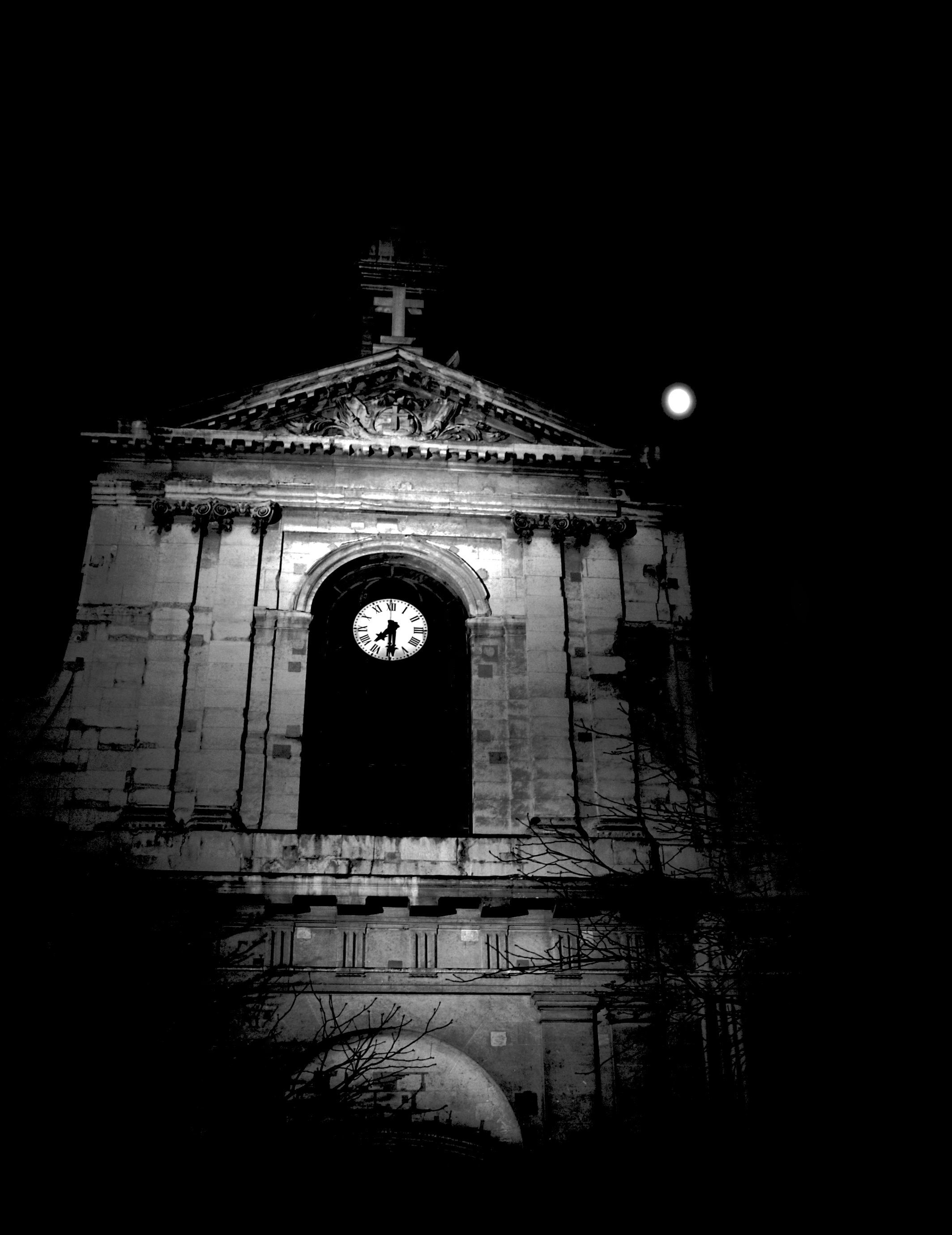
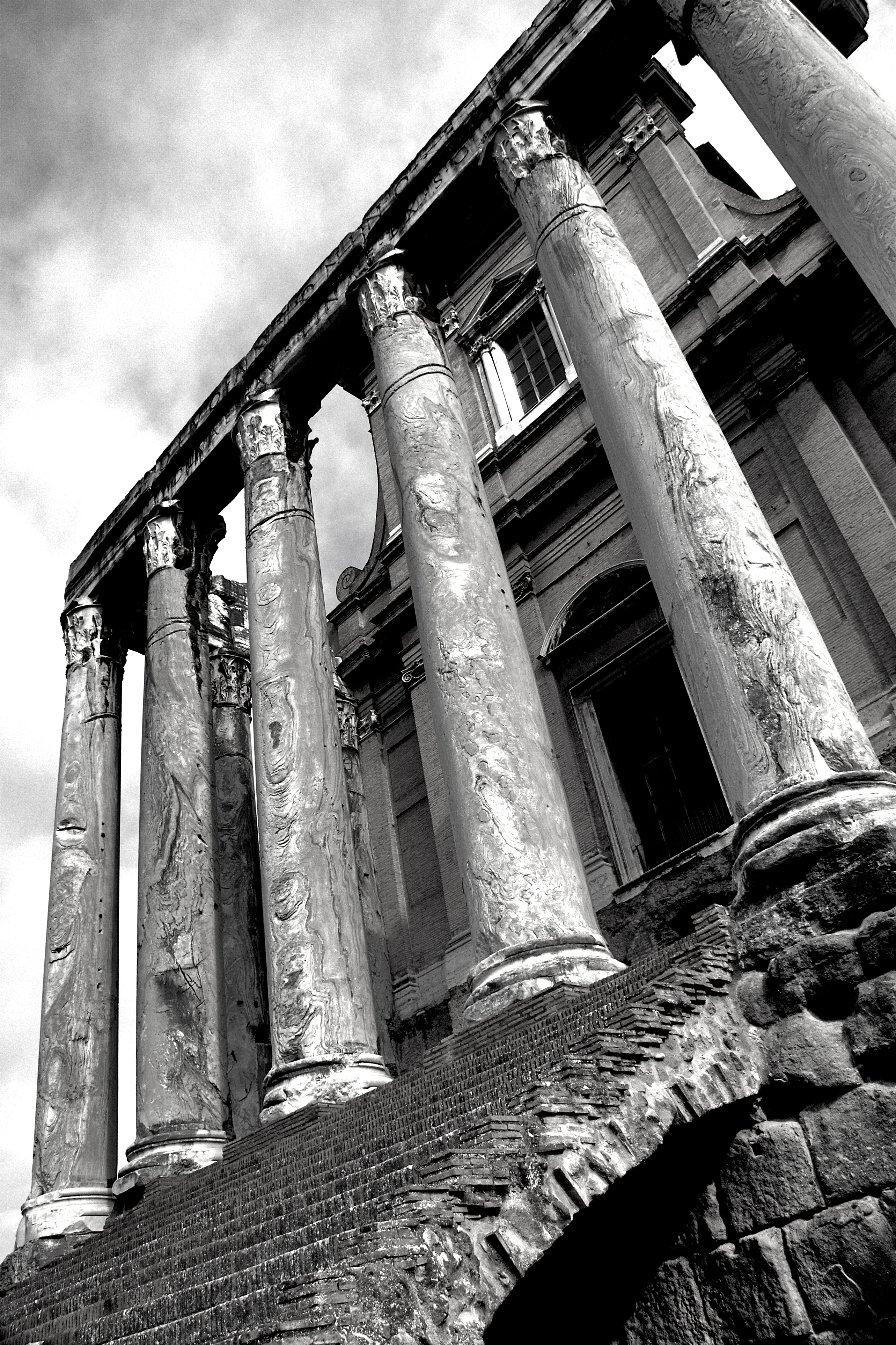
When photographing a city for the first time, everything looks new and enthralling. Get warmed up and start snapping. Approach the city streets with intrigue and view each subject as a creation of civilization. Men and women built it with their hands. This rudimentary understanding will give a whole new perspective to architecture. It has personality. It has angles, unique to its design. It has caricatures within its face. Find them by stopping and observing. Take your time before walking around, circumnavigating the towering building while exploring with the eyes and lens. Squat down, crane your neck and view it from various angles. Then stand tall. Find the highest vantage point. Every change in your personal viewpoint will present a new element within the building or cityscape. It is a structure of artistic design. See it with as many eyes (or perspectives) as possible and don’t forget to explore all of its features, from the historical districts and monuments, to those mundane alleys with debris, dumpsters and unexpected surprises.
From the gallant, most gawdy form of spires and gargoyles to the elementary adobe huts of a nomadic tribe, architecture is an expression of a civilization’s art history, whether practical or conjectural. However, the thrill will eventually wear off. Here is where your skills are put to the test. Go to the same building or viewpoint, but witness your subject during a different time of day when the light will effect mood, reflection and personality. Lit up at night in the quiet of darkness or active under the bright sun of rush hour, your subject will always give you something new, rain or shine. A good practice is getting out and walking your own hometown. Do this as much as possible and rewire your vision to see the new in what has been called “the old”. Step back and see your main street from afar and then creep in to find the most intimate details of cracks in the paint.
The key to capturing the essence of any city is within your mind. See the beauty surrounding you. Everyday is a new chance to wake up and live as if it were your first and your last. Carry your camera as you explore. Squat. Stand tall. Lay down on the ground. And climb high for more vantage points. Be that insect and be that bird. And most importantly, have fun, enjoy, keep your feet moving and be safe. Cities have hidden jewels to inspire as well as the darker characters to cause fear. As a photographer, writer or traveler, you need to have your head on your shoulders and both feet on the ground.
Cameron Karsten Photography offers professional imagery. With a unique eye for composition and lighting, Cameron draws excellence into any industry, specialized to help make your business, family and event shine in the light of infinite creativity. Whether requiring the finesse of a skilled photographer, updating old image archives for your website or looking to spark your new product with eye-catching advertisement, utilize Cameron Karsten Photography to professionalize your life, business, product or marketing material. For more imagery, please visit the following link: http://www.photoshelter.com/c/cameronkarsten
Risking 7 Lifestyles: How To Save For Travel
November 14, 2009 by 1 Comment
The modern world blows, sometimes nice and hard. As a traveler, you must step back and take a look: technology amidst mansions, cars, oils, gases, rising costs of amenities and those heavy monthly bills. Then right beside us there’s poverty, famine, disease, war and constant power struggle. To top it off, all of this costs money, and lots of it.
Contrary to civilization is travel, real travel where the backpacker leaves all wastelands behind to discover new culture, ways of living and knowledge to experience. Thus the traveler gains wisdom.
But in this society, traveling wisdom comes with a cost. It’s no longer free like the age of Basho, wandering with rucksack along trails from shed to shed, over mountain ranges and across rivers. No. Border guards prevent this. Visas, rules and modern transportation make this virtually impossible. But why let them stop you?
Tired of the hustle and bustle, out of money with mounting wanderlust, how do you obtain enough monetary resources to make this happen? Here are a seven opportunities to help hit the road.
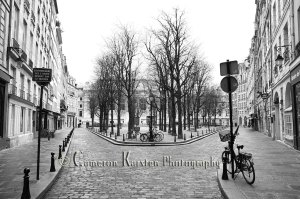
First, add up those monthly expenses. What are your bills? An average person is going to have the following dues:
• Rent
• Food + laundry
• Cellphone
• Internet
• Transportation + gas
• Insurance
• Play
The above are the basics of the modern world enabling you to live, work, connect and remain mobile. Depending on your lifestyle you can have monthly bills ranging from the low-end frugality of $1300 to a high-end butterfly of $4000+. But as a traveler, you have to rearrange these priorities, including your values.
Once you have a total, let’s take apart the list and see what can be cutback for the next adventure.
1. Foremost is rent. Rent is a bitch. In the developing world it’s tough to find a studio apartment for less than $600. So what do you do? Housesitting is key. You live for free; in fact you get paid to sleep in others’ homes, taking care of daily routines with cats, dogs, iguanas, maybe a ferocious chimpanzee, and possibly more. Rent is now gone. And with those spaces between jobs there is couch surfing with friends, crashing with a family member, or visiting a long-lost lover.
2. Food and laundry is almost inescapable. You need to eat and most often food costs money. However, if you’re housesitting, make sure you get the go-ahead to indulge the pantry, but go light on the booze. Otherwise, dumpster diving is free and many times generates pirate’s booty. Clothes? Wear what you have.
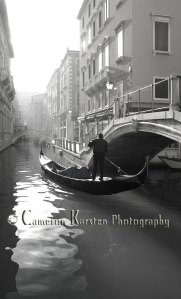
3. Cellphones are despised in my world. Chuck them towards the depths of the growling sea and give text messaging the Bird. Yet it’s hard to live without, but fortunately cheaper then landlines if you forgo cable television. Find a cheap plan and stay under your minutes.
4. Internet. Cut it. Ever heard of the library? Head there with a laptop for free wifi and surround yourself with travel books. And that housesitting gig? Ask for their router’s password and connect.
5. Transportation is an easy one. Sell your car and buy a bicycle. Check your public bus lines and light rail schedules. You’ll save money and eliminate stress and gas. Help yourself. Help the environment.
6. Insurance might be difficult, especially with rising plans and an indecisive government that simply wants more control. Solution? Get fit by riding that bike and cancel car insurance. Wear a helmet and eat healthy. You’ll suddenly discover $300/month for medical insurance is wasteful. Be your own doctor with something called preventative healthcare.
7. We all need to play. Going out with friends. Dancing at live music venues. Movies, events, museums and recreation are keys to balance in life. But what is more valuable: spending $100/night with friends resulting with head in strange porcelain tub or $3/night for a bungalow on the edge of Thailand’s Andaman Sea? This is a personal choice based on personal experience.
To travel in today’s world, you must reorganize priorities by taking a step back to observe your monthly expenses. What will it take to buy that next plane ticket? You decide. And if you really want it, whatever lifestyle that may be, it’s possible. Travelers know that if there’s a will there’s a way. The most expensive purchase will be that plane ticket to get you started, whether it’s a roundtrip itinerary or the elusive one-way journey casting away those monthly dues.
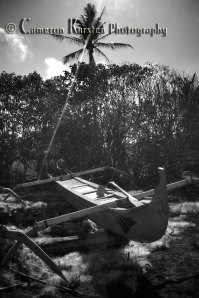
10 Online Magazines That Survived (& will continue to survive) the Writer’s Market
November 5, 2009 by 1 Comment
 It is often daunting to think of presenting your personality to an audience, whether in the form of art such as painting, drawing or sculpting, down to the very basics of speaking a hand-written speech to a rabble of family, friends and strangers. You express. You divulge in a passion. But are you ready to share?
As a writer, you are an artist with words. They are your tools like a paintbrush is to a painter. And language is your color palette; a vast choice of styles, techniques and individuality. Once the order is composed, the structure aligned and your voice vibrant with character, it’s time to reveal your creation and share.
But how? What’s next is the submission process to expose your artistic skill as a writer to audiences that will gain a new perspective and understanding, and hopefully appreciate your abilities. Below is a list of publications that cater to the adventurous, the culture dwelling, and the storyteller of the senses—lived by travelers, composed by travelers and read by travelers. These peoples are your friends, and they’re hear to assist you in your passion.

Travel Explorations
Want to expose the fearful? TravelExplorations.com is an online magazine devoted to shedding grassroots light where there is media darkness, revealing a culture from behind the iron curtain by true explorers. Real travel. Real adventure. Real investigation by undercurrent people. No mainstream bullshit here.
Editor(s): Geir Moen & Stein Morten Lund
Submissions: Compose an article about your adventure, an exploration—a journey into the heart of “darkness”. Spice it with your soul at 1,000-1,500 words and email the symphonic words to Stein@TravelExplorations.com
Inside Out Magazine
By backpackers and the independent wayfarers, this bimonthly publication is for those who prefer the new versus the old. Instead of consuming, collecting and rotting within the four walls of daily routine, sell your shit, hit the road with a new lifestyle on your back and begin exploring the cultures of this planet. Ready to share? InsideOutMag.com
Editor(s): Helene Goupil
Submissions: Briefs, tips and facts; destinations to languages, health to the traveler’s life—pull your words into a structured alignment for the budgeteer and send it off to submissions@insideoutmag.com. Upon publication you’ll receive $10-$20 for your expenses.
Go World Travel Magazine
“Honest, down-to-earth descriptive writing” is the focus of this magazine. Prizing intelligent composition, GoWorldTravel.com wants more than the How to get there and the What to do. They want the picture of a back alley in Fez painted in twilight mood and a spice market within Kashmir to tickle your nose and water your eyes—all with words.
Editor(s): Mim Swartz, Rachel Barbara & Sheri L. Thompson
Submissions: Travel within the last two years is good for description, so recall your memory or sculpt a new journey within a 500-1200 word article. Check your facts before shipping it to submissions@goworldpublishing.com. Include article location in the e-mail subject line with your pasted manuscript, word count, brief author biography and whether images are available. $35-$50 upon publication.
The Cultured Traveler
Whether freelance or tour host/travel agency, TheCulturedTraveler.com works around a monthly editorial calendar with theme-based publications searching for stories about the unexpected, the bizarre and the eclectic. Not only anecdotes, but facts, tips and resources are necessary for the all-around traveler’s account.
Editor(s): Patrick Totty
Submissions: With the regal elegance of an opera performance, conduct your language into a 1,000-3,000 word count and invest in the guidelines. Specifics here, so follow the formats on the submissions page and prepare for edits, rewrites and a $25 sum after publication.
Travel Outward
Looking for a story of the senses portraying a unique destination combined with history, culture, people and your own melodic adventure? TravelOutward.com is a place for your craft to evolve, develop and be shared via publication, focusing on that preferred destination. This is not a place to divulge romantic sojourns in the arms of the jet stream’s cherubs, but a community narrowed down to intelligence and knowledge.
Editor(s): Laurence Constable & Harman Stinson
Submissions: Features from 1,500-2,500 words should be attached to an email to Travel Outward as a Word doc. that includes a brief bio with “Submission” in the subject line.

EscapeArtist Travel Magazine
Not for the faint hearted, EscapeArtist.com seeks the daring, the challenging, those who live, travel and express on the edge…possibly the cusp of insanity. But the publication is not out to offend, simply to present intelligent writing about culture with history, purpose and flares of risqué.
Editor(s): n/a
Submissions: An article between 1,500-3,000 words flavored with the ribald and the daring that highlights a cultural expedition through the heart of the unknown. Should be completed and either faxed or sent via email. Check the Article Submission page for specifics.
TravelMag
Welcome to the worldwide writer’s circle of fellow explorers. Set up as an online magazine, TravelMag.co.uk wants whatever you got, as long as it reads well, structured with a unique perspective and offers an angle that is possibly more esoteric than your standard publication.
Editor(s): Jack Barker
Submissions: Travel away, then write away. If your article is interesting, unique, lively, filled with senses and intelligently composed at an approximate word count of 2,000 send ‘err off in an email with accompanying photographs to ed@travelmag.co.uk
InTheFray Magazine
At InTheFray.org, writers are provided with a plethora of categories from reporting international news to travel narratives and today’s evolving art world. This publication seeks everything that is cleverly written and allows readers to be a part of a progressive evolution. Race, gender, activism, sexuality and ecological impacts are center stage.
Editor(s): Vivian Wagner, Annette Marie Hyder, Anja Tranovich, Matthew Heller, Liz Yuan & Naomi Ishiguro
Submissions: Check out the various sections featured in the publication, format your article to its specifics and submit your finalized piece including full name, email address and phone number to the designated editor of your selected category. Pay ranges between $20-$75.
Get Lost Magazine
Seeking travel, adventure, natural history and lifestyle writing, GetLostMagazine.com is an award-winner with stories ranging from the basic facts and tips to the more daring adventure of description and risk. Who eats acorns? One man does, and he chose to write about it, discovering flavors akin to billy goat semen. Not sure about either of those tastes.
Editor(s): Leslie Strom
Submissions: Articles should be under 1,000 words and fall into the distinguished character of “top-notch”. Paste article into the body of an email with accompanying photographs formatted as .jpeg or .gif and send to lstrom@getlostmagazine.com. Don’t expect payment upon publication.
In The Know Traveler
You wanna be In The Know. Readers wanna be In The Know. So get In The Know and write to inspire. InTheKnowTraveler.com’s number one priority is to inspire travel with acceptance and appreciation. Readers of this online magazine want to learn about the world’s diverse cultures and those funky destinations, not in investigative reporting, but in the skillfully written articles about your traveling.
Editor(s): n/a
Submission: Correct grammar and punctuation, somewhere between 400-600 words, and send it on in with photographs to editor@intheknowtraveler.com. Time to get published, but before you receive a whopping $10, be prepared to edit to the editors liking. Then you’re In The Know.

Advice? Keep traveling. Keep writing. Keep photographing. Keep doing whatever you’re doing as long as you’re happy and respecting those around you. You’ll be in the know no matter who publishes you. Such is the traveler’s life.

 Cameron Karsten's Imaginarium