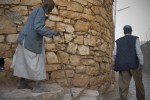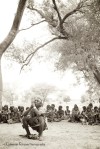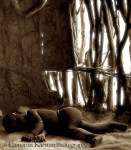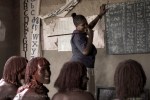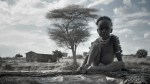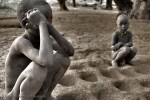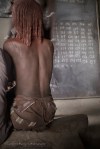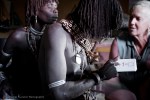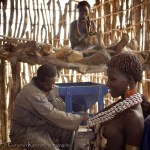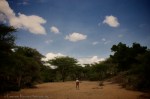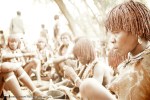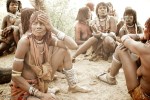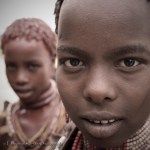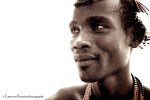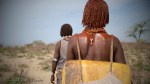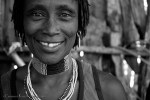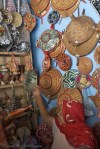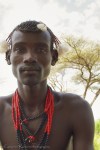
Come join Lori Pappas, founder of BI-based Global Team for Local Initiatives (GTLI) on Friday, December 10th, from 5 – 6:30PM at The Bainbridge Commons on Bainbridge Island. As founder of the non-profit, Lori spends over six months in Africa working with the Hamar Tribe of southwest Ethiopia and has returned to WA to share her stories of building a school to educate the Hamar women, as well as the trials of teaching the people basic hygiene and sanitation as preventative illness practices. Earlier this year, Lily Brewis and I spent 10 days with Lori and the Hamar, documenting GTLI’s work with pictures and film. I’m pleased to announce the debuting of the first short film I’ve helped put together about their work among the Hamar. There will also be a slideshow, drinks and snacks to consume, as well as authentic Hamar jewelry and two fine art prints by Cameron Karsten Photography (matted and framed) depicting the Hamar people available for purchase. Proceeds will go towards Global Team for Local Initiatives. I hope to see you there!
Global Team for Local Initiatives and the Hamar Tribe of SW Ethiopia
Global Team for Local Initiatives (GTLI) is dedicated to helping indigenous people lead healthy lives. Working closely with tribal elders, GTLI helps implement sustainable development projects for long-term survival and income generating activities for immediate relief.
Currently, GTLI is working with the 23,000 member Hamar tribe in remote southwest Ethiopia. Through projects in water, health, education, and income generation, they are helping this ancient tribe, affected by drought and disease, gain the skills they need for continued survival.
Visit www.gtli.us for more
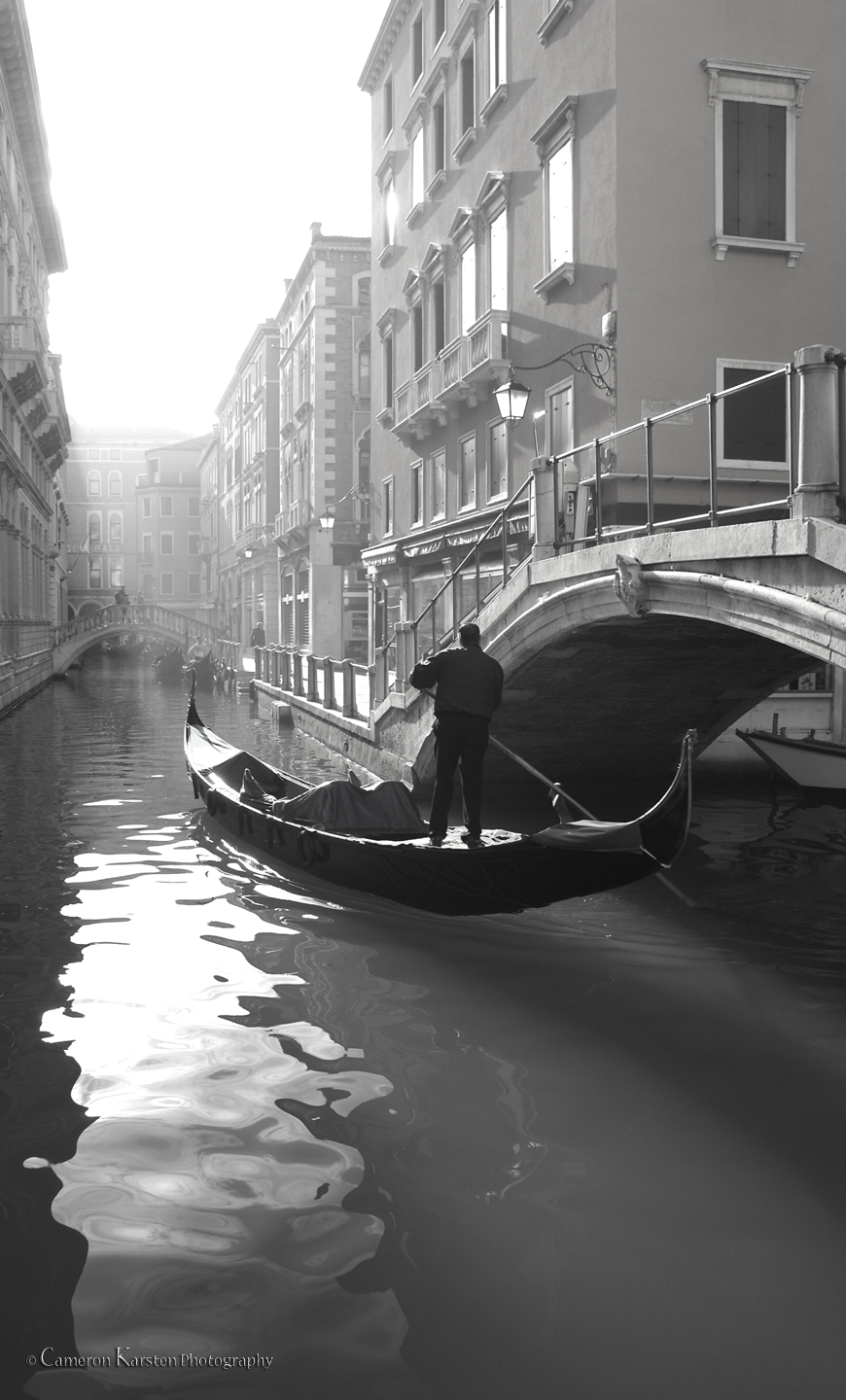
Paying for Your Mind: The Magic of Venezia (Location: Venice, Italy, Europe)
Venice. Silence all but the jabbering tourists, grumbling water taxis and yapping dogs. The days of Venice are mystical, a realm from an ancient water world. Nights upon the isles are a mesmerizing mystery with foggy passages and cold stonewalls. The gypsy coin peddlers back in Florence and Rome feel like a gossamer memory from youth.
Amidst the city, some four hundred gondolas make their rounds, kicking off enclosing walls for guidance as they pocket a romantic’s savings. In their adept grace and good humor, the stillness of the narrow waterways off the main aquatic freeways simply adds to the hypnotic state found upon the lands of the Venetian lagoon. Albeit, even the temporal condition of a traveler’s enthrallment comes with a price. The fee for a few days upon The Queen of the Adriatic is priceless.
WHAT THE VENETIAN CREATURES CALL HOME
On the first evening’s arrival, a numinous fog hung onto the waters off the canal. Wandering through the alleys, the walls and cobbles wet with dew, people shouted and echoed, their faces obscured by the condensation off their breath. Things felt tight, empty, until the principal square of Venice opened into an expanse. Piazza San Marco, where the 16th and 17th century walls faded into a dream as tours of pigeons and people gathered for feed and sociability.
Under the mystique of the sky, consumed by the omnipresence of these Venetian creatures, lights along the outside of the San Marco perimeters snapped into luminescence by the touch of a reclusive finger. The crowds, under the trance of the sudden whim of magic, wailed in exasperation, and together they hummed, creating a synchronized tune amidst San Marco’s grandiosity.
Like the Doge’s command, the crowd’s choir quickly faded as Beethoven’s quintet raged with passion. Outside a café, the classy four-piece band battled with another opposite the square. From Mozart to Luciano Pavarotti into the classic modernity of The Sound of Music, the front ensembles in stiff tuxes fought each other for the thickest audience. By feet, the music was free, yet under the carefree ambiance at a table in the piazza, nothing went without a charge.
EXCUSE ME, WAITER
With the appellation applied to the Adriatic city, every nook and cranny is entitled to the Queen’s throne.
At Caffé Florian, a small table draws up two tweed seats. Settling into San Marco’s atmosphere, people watching and inhaling the thick sea air passes time as service flies away with a pigeon. Eventually, a well-tucked and tight-fitted waiter consisting of frigidity and an empty tray appears without a gaze. Eight euros – a glass of white wine. Eight euros – a set of tea infused with lavender. An hour ticks. Nothing seems to matter but a refill.
Within Venice, twilight morphs into a yellow evening as street lamps alight like single shard from a dying sun. The pigeons disappear, as do the clusters of families with their young throwing feed and karate-kicks. Life appears to slow down as echoes through the street become more commonplace and mist from the November fogs settle atop shoulders. Things feel vacant and the intimacy of a Venetian restaurant lurks between its neoclassical alleyways.
Café tabs paid, the cover charge for ambiance is no less surprising. It’s complete with all of Venice; from the city’s Piazza San Marco with its gaudy basilica, its bell towers and their clapping ring upon each hour, to the historical empire, mystique seclusion, hordes of civilization, to the famed crafts of blown glass on the isle of Murano and the Venetian school of Renaissance paintings by the Bellinis and Vivarinis. It’s the foggy ambiance of surrealism, whether sunny, rainy or dreary under a gray layer of high clouds. In essence, it is Venezia and it’s worth it, including the supplemental music charge.
Looking around, the tables are full and will be for the remainder of the evening. Therein, each person at each table pays a bill and coin of five and fifty euros just to sit and indulge in the magic of Venice.
THE BELL’S BRONZE, A HEART’S GOLD
With time’s strike upon the hour, the two bell towers ring and heads turn skyward. The same hum radiates from the many mouths at that moment, looking up and then turning back down to smile and find the lover, the family, the friend or stranger with eyes of equal amusement. Venice is a silent bustling paradise marooned from the cultures abroad where the Queen timelessly sings.
BPA’s The Rocky Horror Picture Show
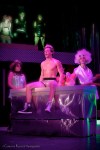
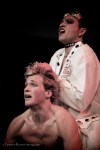
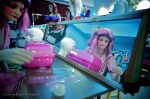
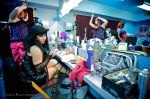
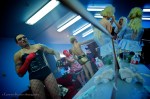
Directed by Steven Fogall and choreographed by Joanna Hardie, Bainbridge Performing Arts of Bainbridge Island, WA let their stars shine from October 15 – 31, 2010 as Brad (DeSean Halley) and Janet (Bronsyn Foster) wound up in the hands of Frank ‘n’ Furter (Todd Baylor). This classic story by Richard O’Brien was first performed live as a musical in 1973 and later adapted onto the movie screen as the well-know 1975 film starring Tim Curry, Susan Sarandon and Barry Bostwick. This year’s BPA production was one-of-a-kind, riddled with ripe humor and lustrous vocals, deserving its own local cult following.
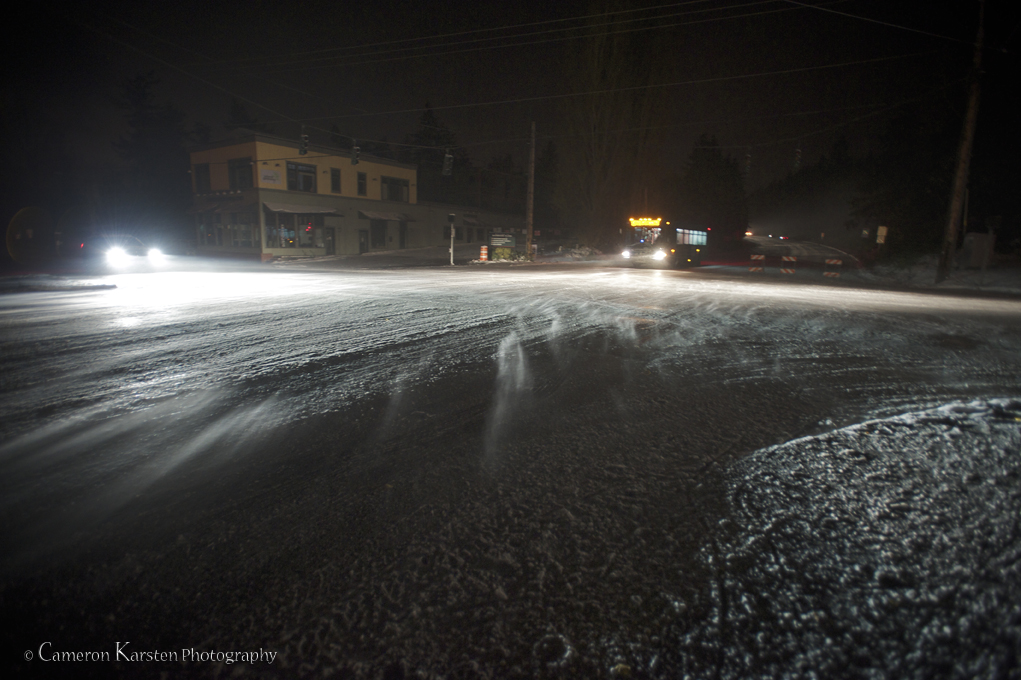
Bainbridge Island, WA – November 2010 Freeze
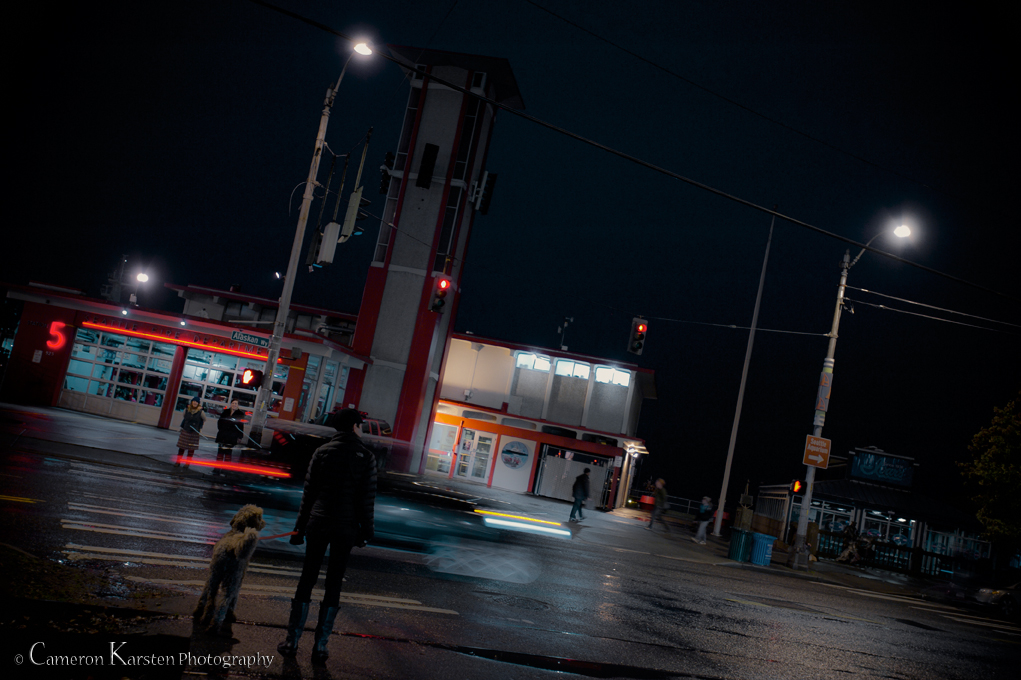
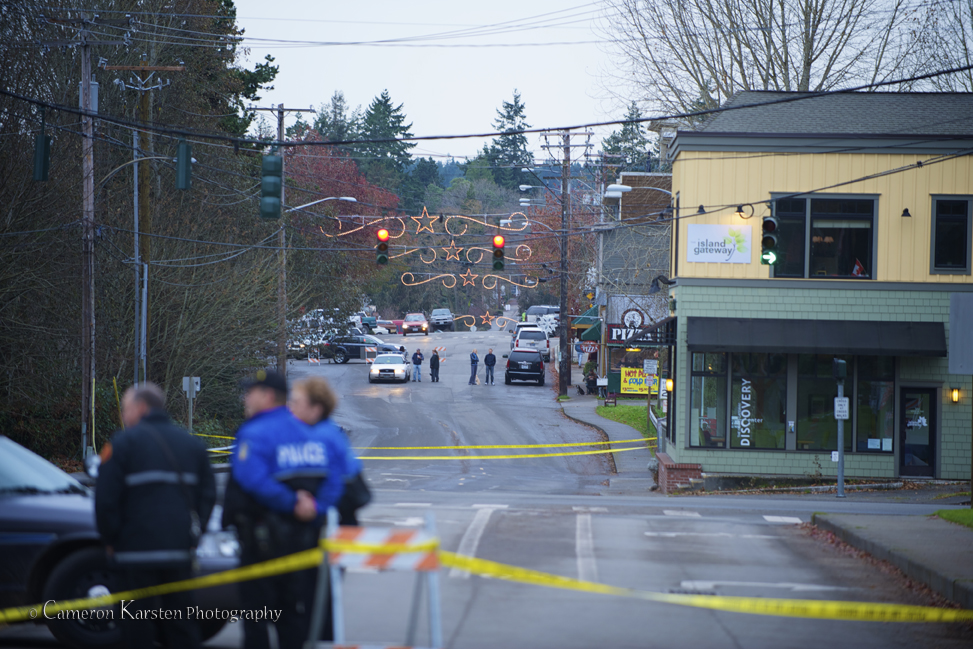
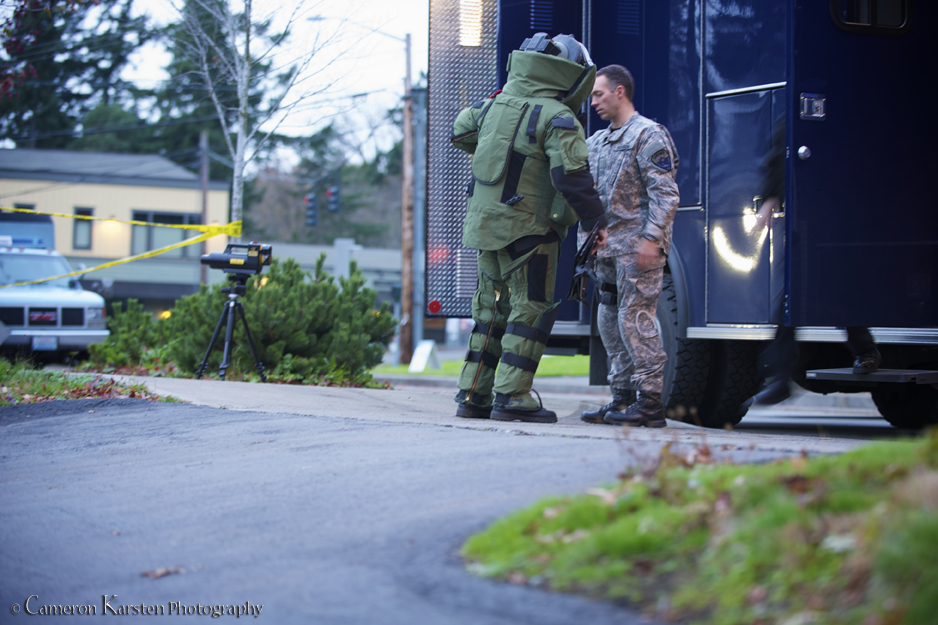
Monday, November 22nd, 2010. It’s dark – 7PM – and the power just went out. Outside, the wind howls upon the walls, ducking into niches, overhangs, and under door seams. It whistles. It cries. It tears apart the outside world. With layers of clothing, I step into the storm in search for the power it has taken from my home. This is what I find.
Gaia Skin Care – Homemade Sustainability for Body & Soul
The time has come to take care of your well-being – mentally, physically and spiritually. This means a variety of lifestyle adjustments from taking time to be with yourself, eating healthy home-cooked meals, finding time to laugh and be silly, to disciplining your mind to do what’s right, speak your mind, and act appropriately in all situations. It’s about taking a vow of non-violence through thoughts, words and actions, to setting aside money to buy organic produce and earth-friendly supplies. It’s about going local and minimizing your carbon footprint. It is just the time to introduce to you Gaia Skin Care products.
Handmade and home-brewed with organic products from the PNW, Bainbridge Islander, Karen Ries is bottling an array of all-natural skin care products. From bath salts and foot scrubs, to face toners and washes, along with specialty cleansing sets – Gaia Skin Care is a new way of looking healthy with local sustainability on your mind and body. And with the holidays just around the corner, Gaia Skin Care products creates the perfect opportunity to provide your loved ones with a healthy new look while supporting a small business owner.
Visit Gaia Skin Care at www.gaiaskincare.com
Product photography by Cameron Karsten Photography
Warri-Town: In the Dark Bus (Location: Warri, Delta State, Nigeria, Africa)
Just as it was with countries like Cambodia, India, and Nepal, Nigeria was real, it was raw, and it was dirty. Asked why, a simplified answer spoke of how the people and their land were utterly besmeared by the hands of humanity. Rounded up as slaves by an advancing world, sold, exploited, freed and once again colonized into a vicious cycle, it was their livelihoods and their land that received the brunt of destruction. Today, the culprit is called oil: The Blood of the Earth. And a market of big leaguers stuffing their pockets with cash continues to fuel.
Twenty Seattleites found themselves in the epicenter of the Federal Republic of Nigeria where approximately 240 dialects throughout thirty-six states interacted within 357,000 square miles. In the weeks we began familiarizing ourselves with one another and the culture pervading, each of us recognized a common bond. We were here to experience Africa and we all came together, each independent persons with distinct perceptions, yet each harboring a unifying soul with similar intentions. Like threads in a blanket, we wove ourselves into a network of talent to design a new pattern.

Deemed grassroots diplomacy with Global Citizen Journey, we desired understanding and compassion, which emerged into a deeper awareness: People needed to know. Our families and friends around the world. Our neighbors and strangers back home. Consumers and producers. The people needed to become aware of the real Africa and the real conditions its citizens faced due to our hands. This was our purpose, what brought us together—to become aware of our abilities as citizen diplomats, taking the reins of our life and society, and transforming them to meet their needs.
We were in Nigeria, an underdeveloped society striving for a chance, fighting to grow, sitting on a wealthy cache of resources. We were in the Delta State about to embark on a journey down The Creeks to the village of Oporoza, where something slick and dark moved like a nighthawk. It killed and pillaged. It led clear minds astray and clean hands to dirt. It was pushing Africa down. Meet greed, the second culprit in this case, and greed and oil do not mix.
Nigeria, Nigeria, Nigeria. I caught myself repeating this mantra beside Los Angeles-native, Eric Esplin. We looked at one another and chanted as if in trance. Nigeria, Nigeria, Nigeria. Eric and I were finally there after the months of preparation and research. I had sold my car. Eric kissed his wife goodbye. And we both left wanting this experience to permeate our being, infuse us with understanding that would transcribe into compassion and evolve into new lifestyles. Together, along with a few others, we decided to act on our inhibitions and venture into the masses of Warri-town.
Warri was a significant metropolis of Nigeria’s Christian south. It went by Warri-town, Wassi, the Oil City of Humanity, Wild West of Africa—and the atmosphere was riddled with the sense of something new, something alive. Our select group tasted this and felt the need for adventure. From the plush marble walls of the Wellington Hotel, we left behind its automatic doors and the gated entrance to meet the world of Nigeria’s booming oil town. And after traveling from Lagos to Benin City, meeting up with twenty new Nigerian delegates, and together moving further along the road, it became just that: Warri in the Dark.
It was what all advisors warned against, including our own leaders and delegates (some of them from the city itself). The traffic, the madness, the exodus of humanity returning home with the 6PM closure of shops and subsequent seven o’clock road-ban of motorcycles due to recent unrest. The jam was a river of creosote-stained logs, spinning in a whirlpool of rusted industry.
But what intrigued us the most was the sheen of the skin, its black gloss. It cast a mellow glare like hot candle wax, while headlights from oncoming traffic reflected like sandblasted glass through the rising dust. Men’s bald heads, their lanky necks and broad, ram-boned shoulders; women in color, rainbows of woven crystal magnified in the haze-ridden beams of night traffic: These two aspects of male/female clashed before slamming into one another with a meager quality of production and care, prosperity and concern. Their heat infused in the mass of ground movement and mixed within the airborne ether of the African atmosphere.
Again, it was dark—a thick black held in a global container of humidity. There were few stars, only faint specks seen burning through the dank layers above, and as we crossed the Danger Zone our Nigerian delegate, Nicholas Ijabor, announced, “In the mid ’90s, even at the turn of the century, this was a battlefield.”
We nodded. We stared. White eyes blinking without sound. There was nothing but black and that brown night beyond the bus’ thin glass. Our bubble felt small, insignificant.
“This junction is the line,” Nicky continued, “the line of property both Ijaw and Itsekiri battled for.” His talk was smooth, stirring our fears with his ease of localism.
I know what we were all thinking just then. First, the reality of being in Nigeria. I heard that chant in my head. I looked across at Eric. He felt it. It was in his heart: Nigeria, Nigeria, Nigeria. In a peculiar way, we were all familiarized by now, but at the same time, we knew we never would be. We were Americans in Africa. We came from a culture that exploited their livelihoods and raped their lands. At that moment, we were taking their oil, paying the multinationals to supply our economy, which gave the people little in return. This was not our land. It was not our oil. It never was and it never will be. We turned a blind eye as people died, wars raged and violence within a suppressed people’s revolution prevailed. Oil was spilling across humanity.
Secondly, the US State Department recently released a statement on its website specifically advising travelers not to enter the Delta State. This surfaced immediately. Our minds spun with the cars, mottos, lorries, and people outside. The bubble became smaller.
The feelings, the facts—our rationality—compiled. As I sat in my seat the bus trundled thru traffic. I came to a third carriage of thought. The Security General had reported to our delegation his own personal concern: Do not travel outside Lagos, Africa’s 2nd largest city, without a trunk-full of AK-47s and a MOP squad for escort.
Suddenly, there was space for reflection. The churning seas parted and we saw the Security General as a professional with words; sentences used by professionals for those very professional reasons. That was what he was there to do. Cogs and bolts greased, the mind’s moving machine continued, traveling with the rest of Warri as a ship across calming waters.
Now a fourth and final respect reared: our own leaders, one by the name Joel Bisina—a local of Warri-town—warned of the adverse potentials after nightfall. Looking out the windows again, blinking, and making sure what we saw was real, we wondered whether our bus with its government plates was a paradox. We were white, rich in most eyes, with the world at our fingertips. And we were traveling through their existence, at the opposite end of the spectrum, through the blackest of nights. A deep brown of raw earth permeated my vision and there was only that steady darkness within my mind and within those who stared at our bus’ identification.
Being white in Africa, I seemed to relate with what was white. Therefore, the only visibility I could perceive from our air-conditioned vehicle was the eyes and teeth of our fellow humans. They were a clear, clean reflection that caught the glare of passing headlights. They reflected back like moonlight on a pond, soothing us, reminding us of the perceptions we perceived and the choices we made. Our minds reflected an external landscape. Our environment mirrored that of our internal framework. Everywhere was an oily darkness that stuck to the skin, but there were those eyes, those teeth—the inner brilliance of the light of the soul. My eyes adjusted, my mind reorganized, and what I saw was the reality of an oasis amidst a midnight dust storm.
Our eyes remained wide, our thoughts pondered the “adverse potentials” as we crossed the Danger Zone, and we played nervous finger games among ourselves while the bus surged through any opportunity for space. Then we crawled out, smelled the air and broke the bubble. The eyes and teeth were filled with the light of many smiles as colors absolved. This was Warri, the West African oil boomtown we sought. This was our level of desire, arriving for awareness, breaking down fears and moving forward to change. We were freely caught in this chant—Nigeria, Nigeria, Nigeria—where the oil suddenly ceased importance, where money did not matter, and what only existed was humanity and the planet we thrived upon. I had an opportunity. He had that opportunity. She had the opportunity. It was their land and their lifestyle. But it was our connection as humans that united us within that African night.