Puget Sound Restoration Fund: The Oyster Harvest

PSRF2-76

Oysters are delicious, but they’re also highly important to our marine ecosystem. They’re natural filtration systems, removing toxins and cycling nutrients back into the water that help combat pollution. Oysters within the Puget Sound are also some of the first species to feel the effects of a new threat called Ocean Acidification (OA). As the ocean becomes more acidic due to decreasing pH levels from human industrialization, oyster seed shells begin to dissolve causing holes, disease and early death.

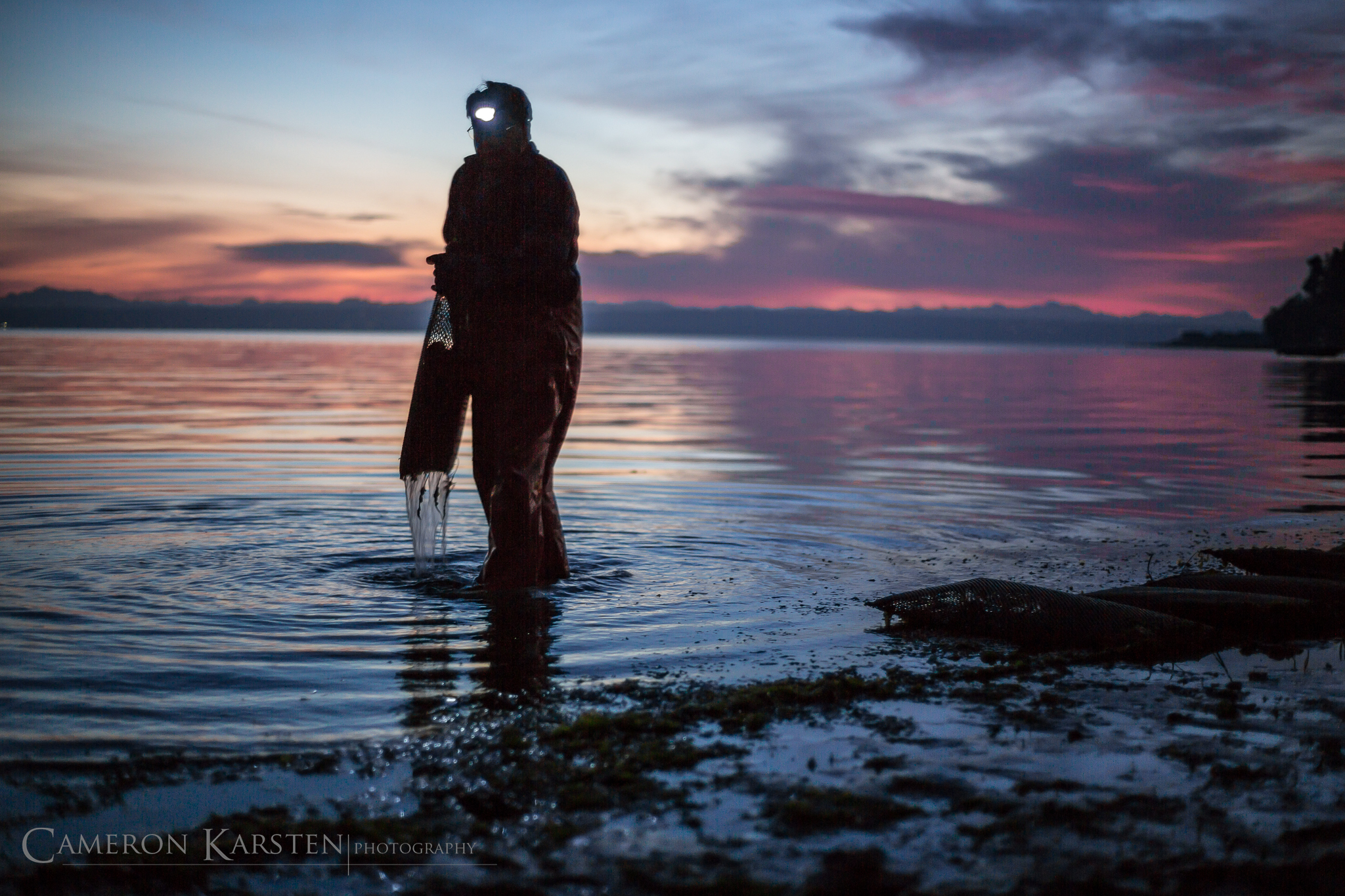
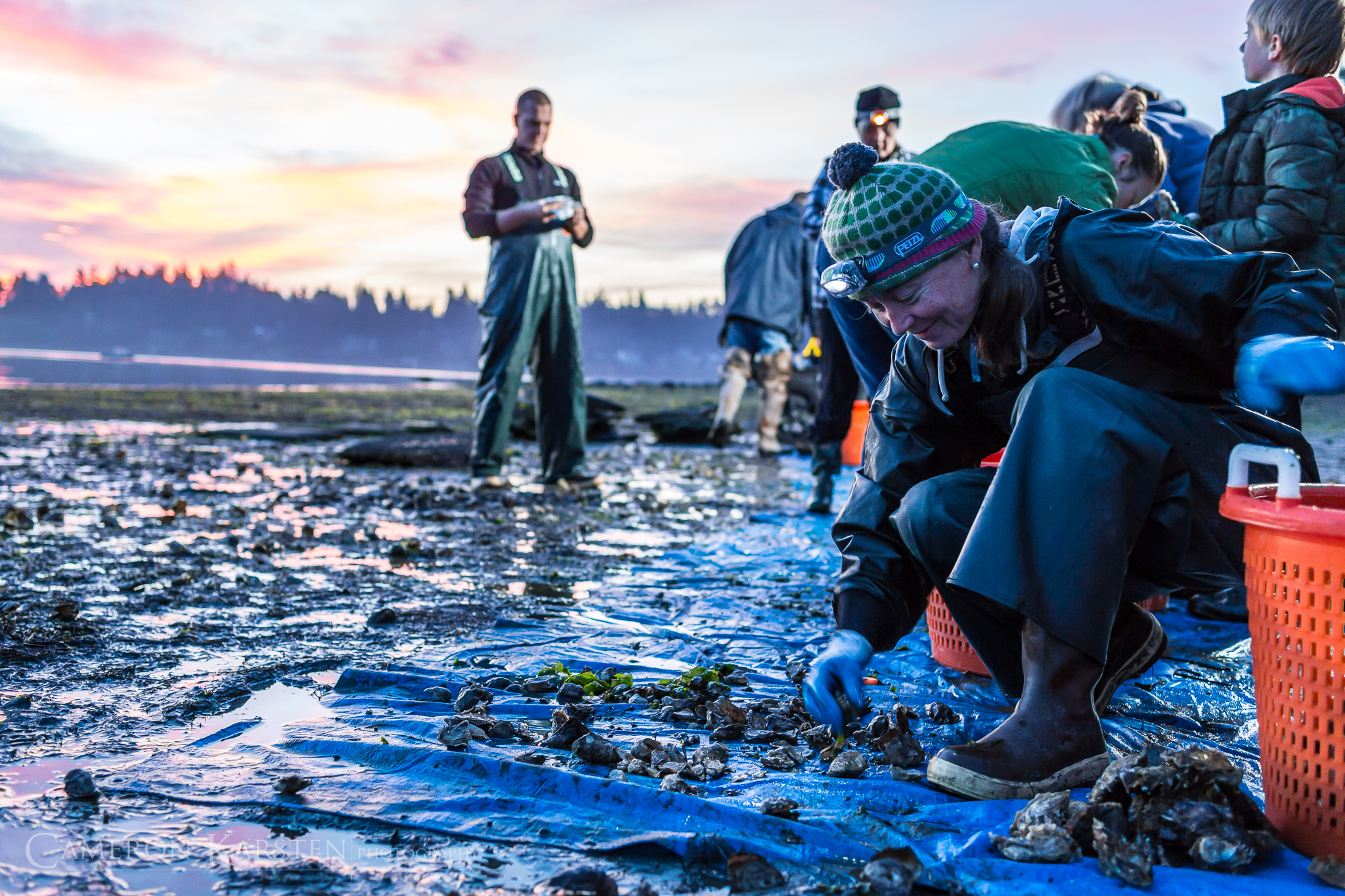
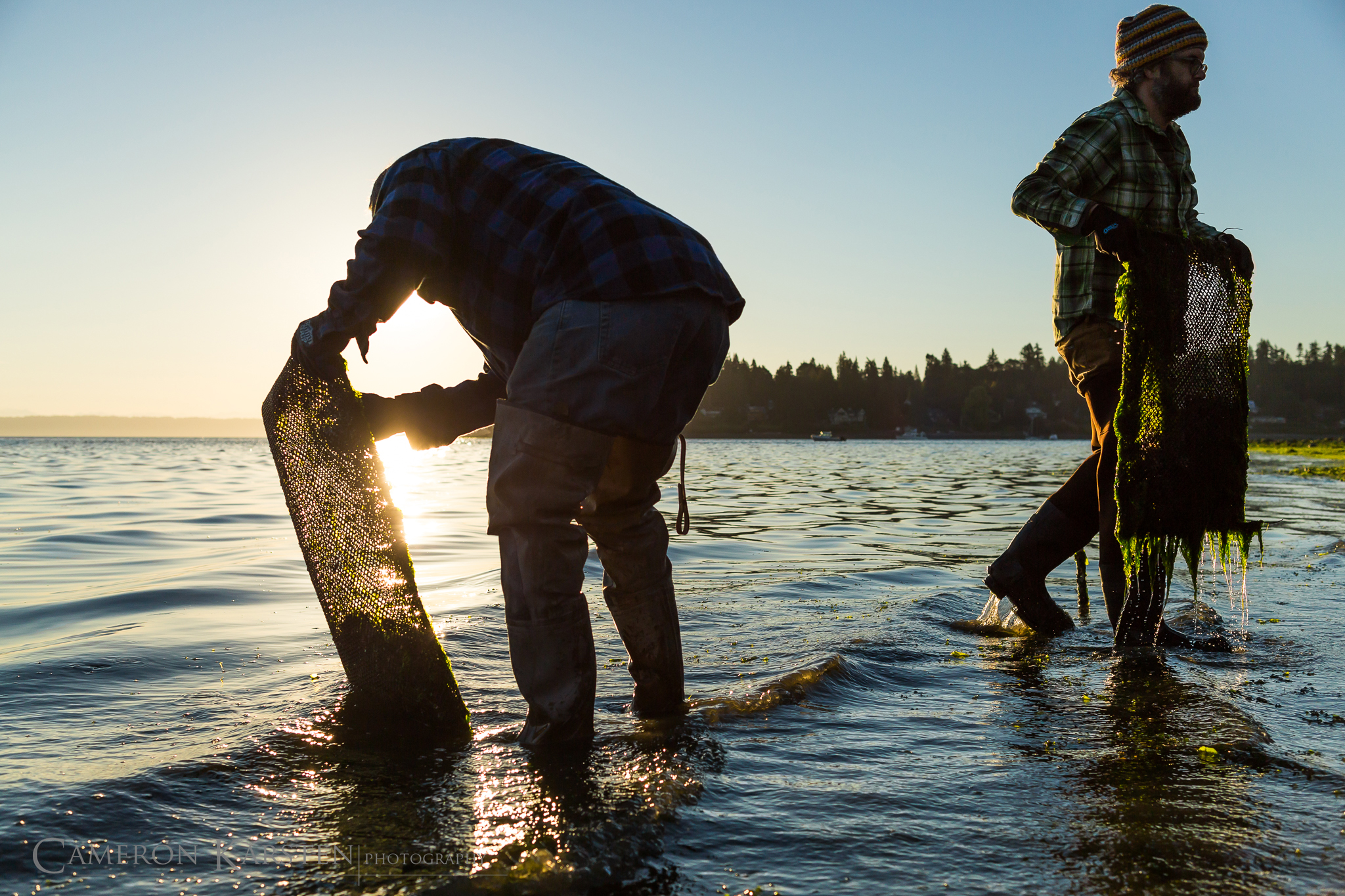
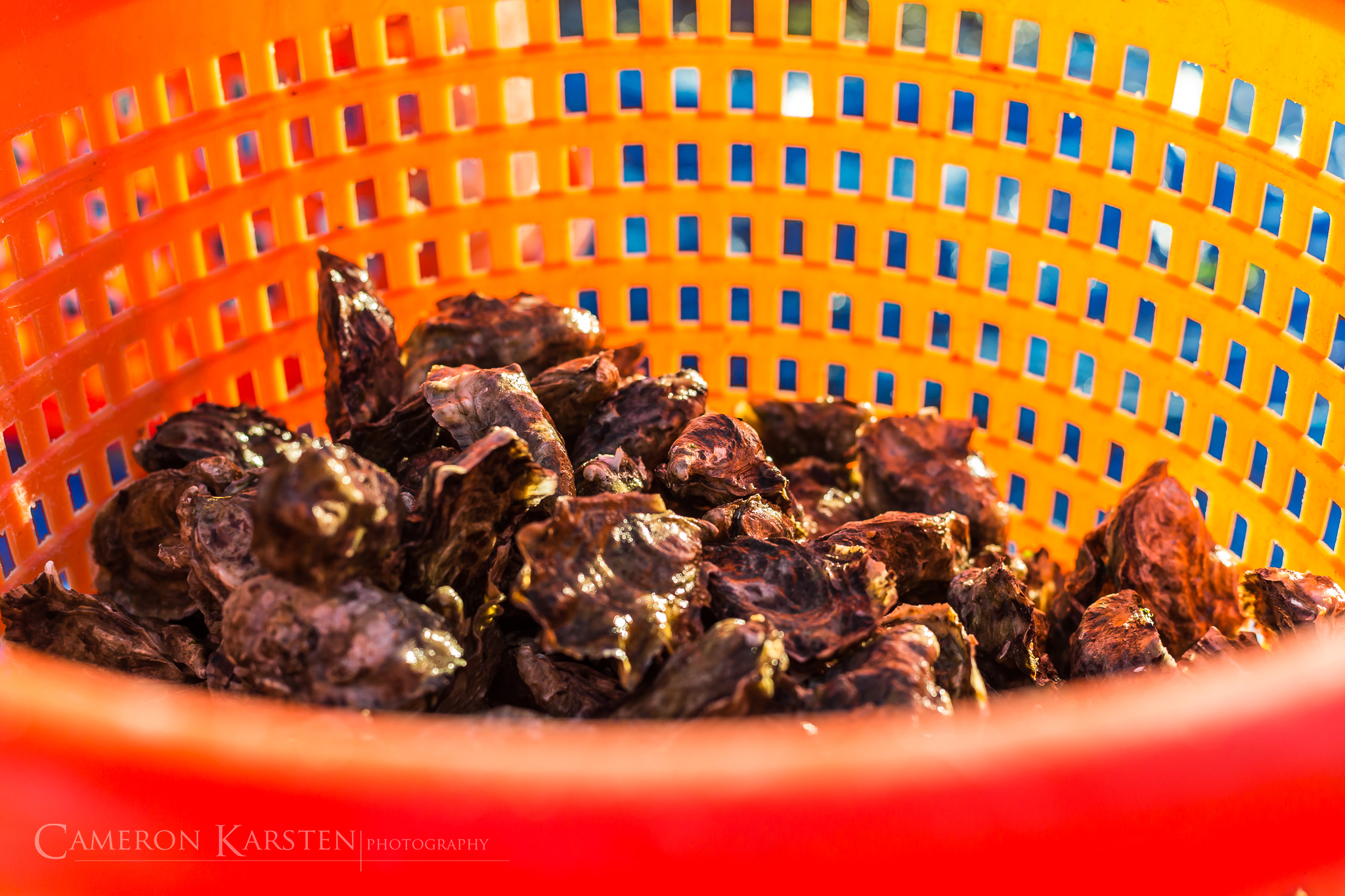
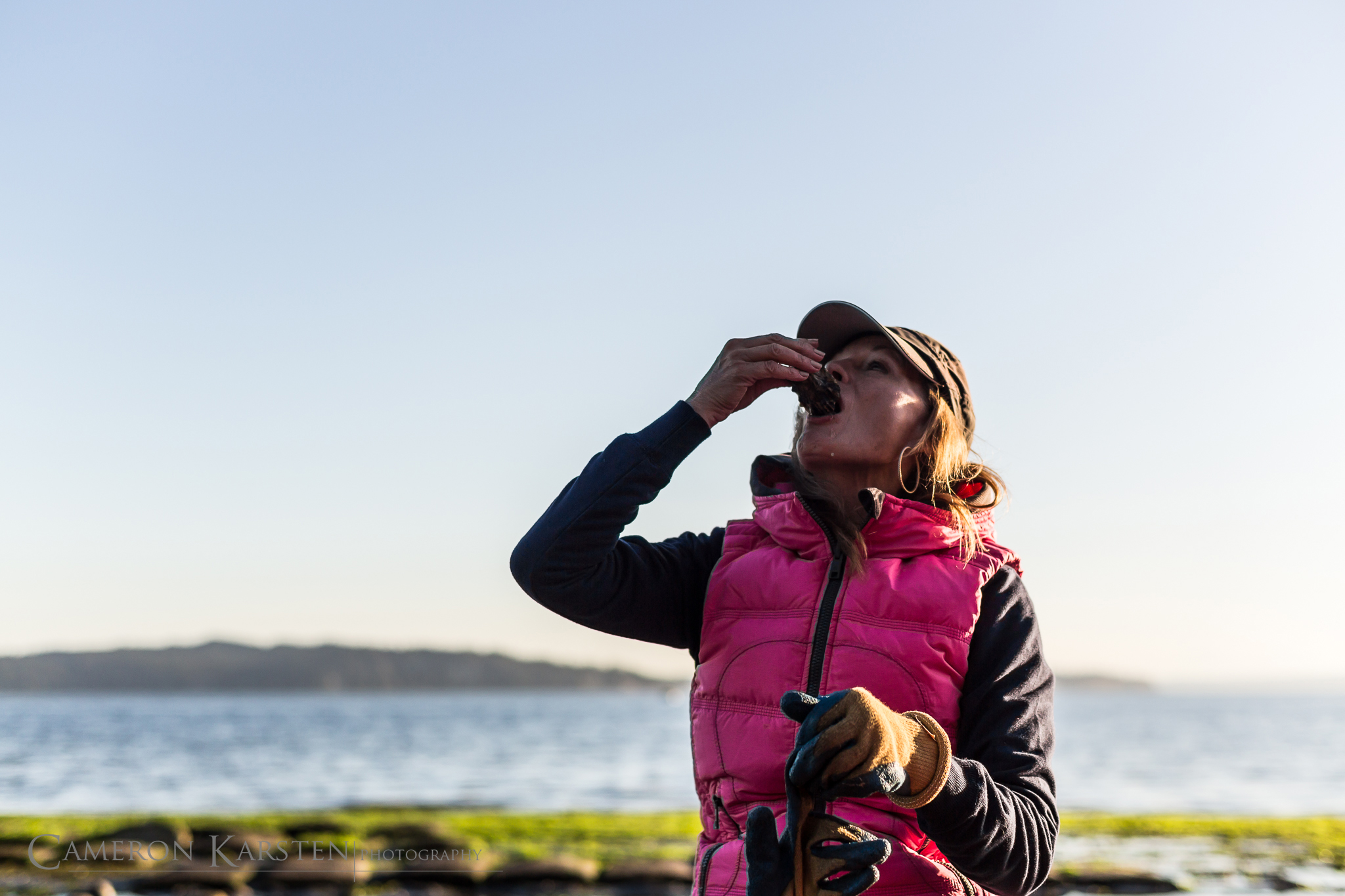
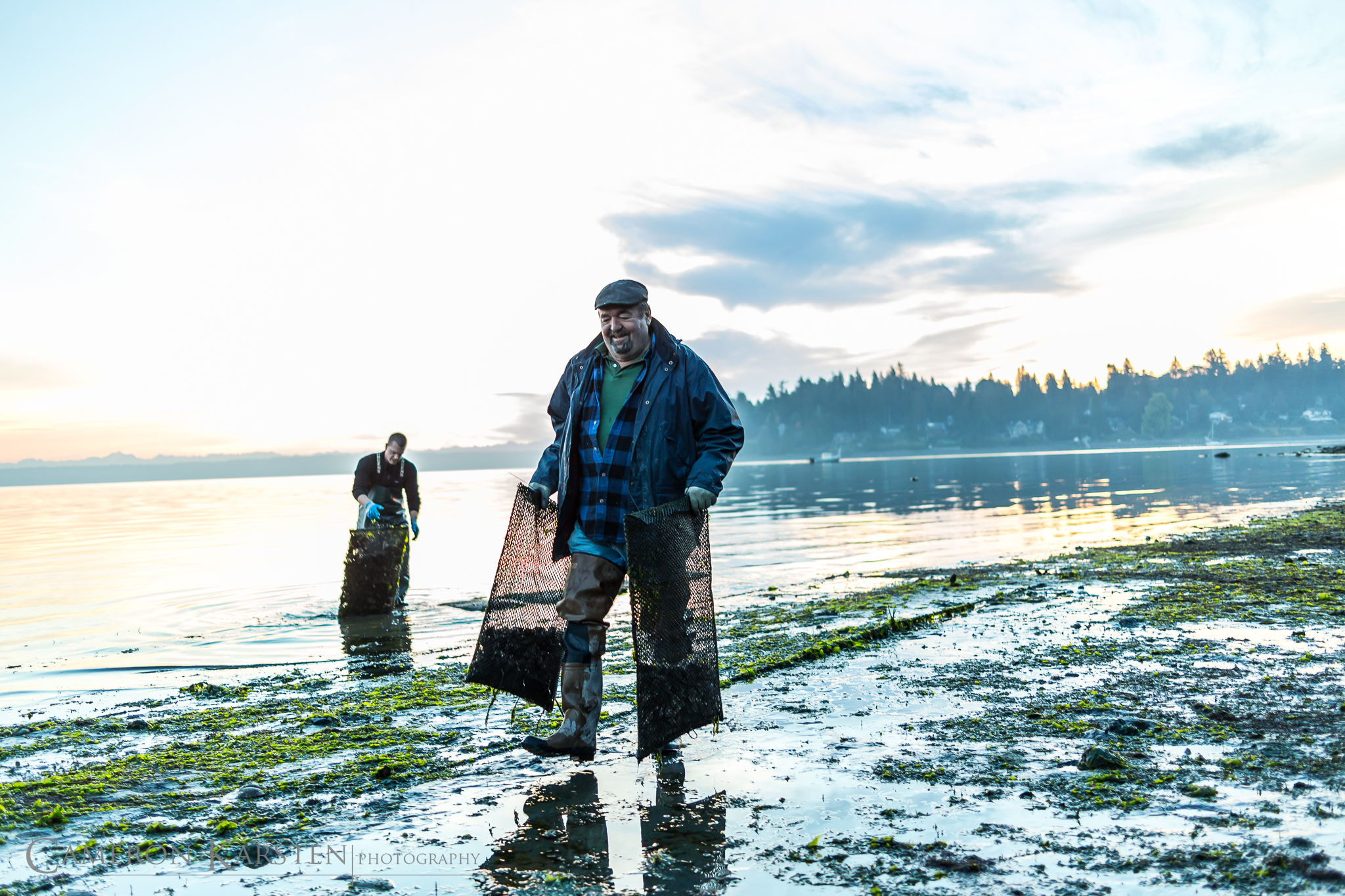
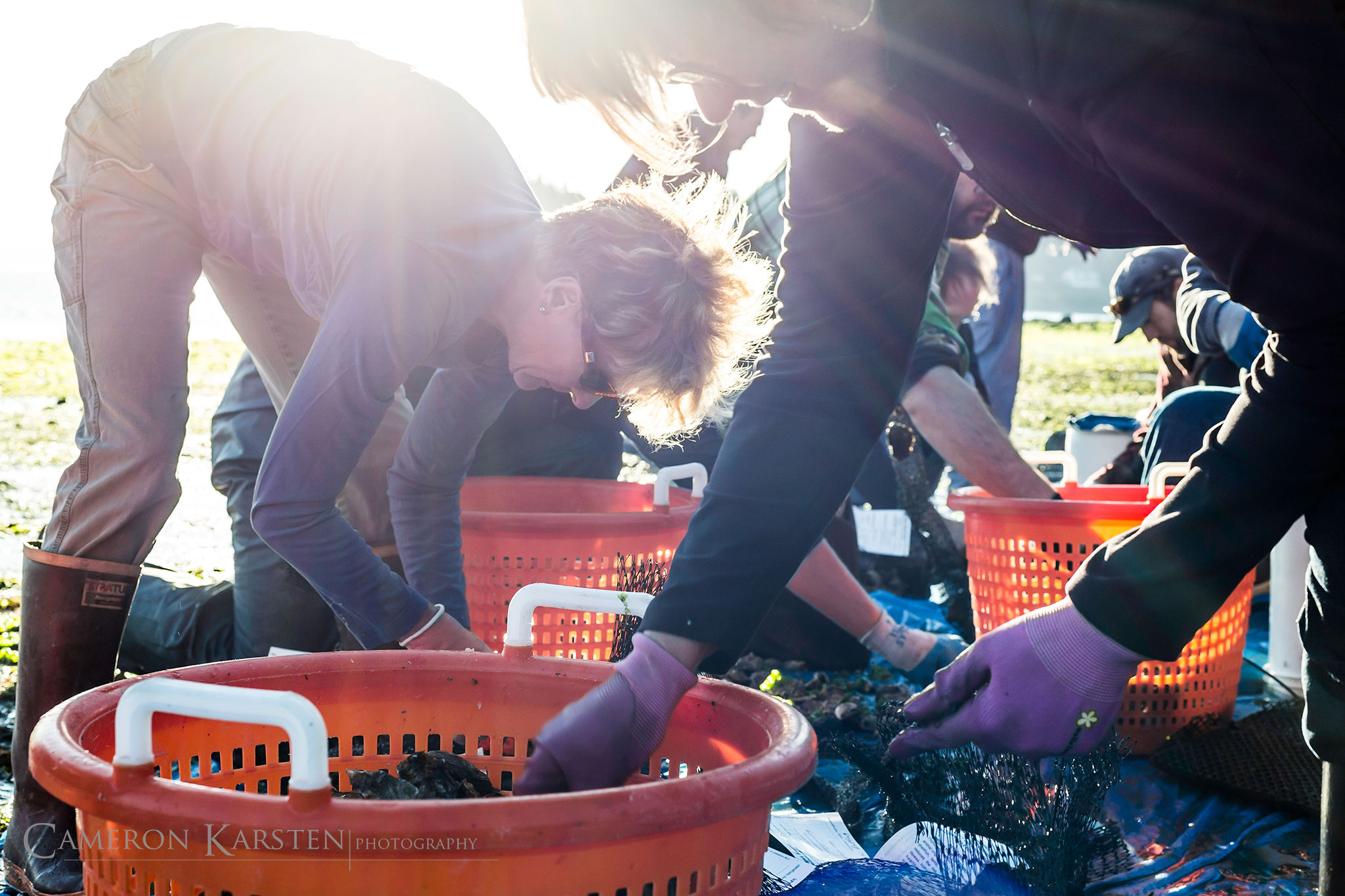
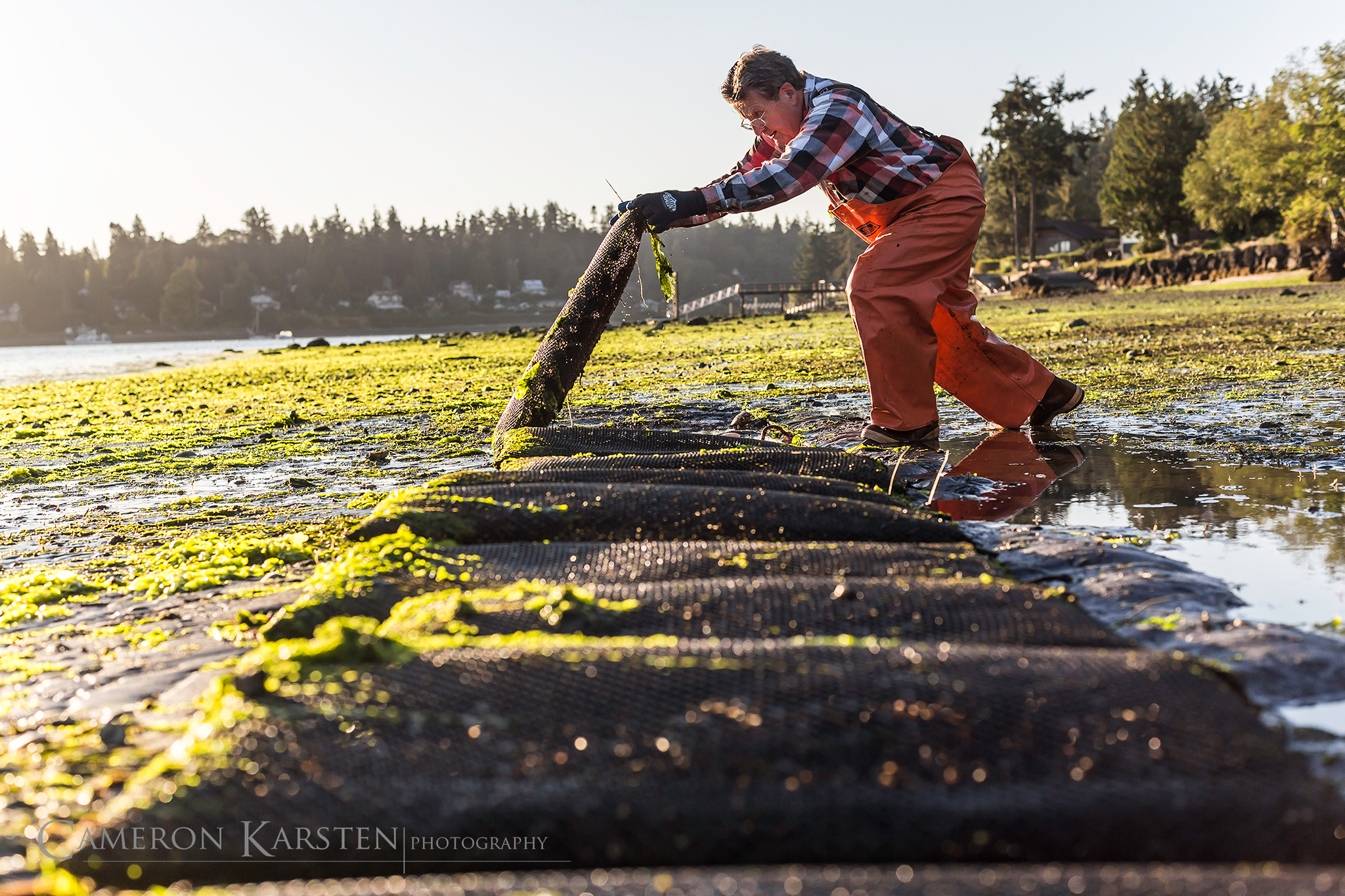
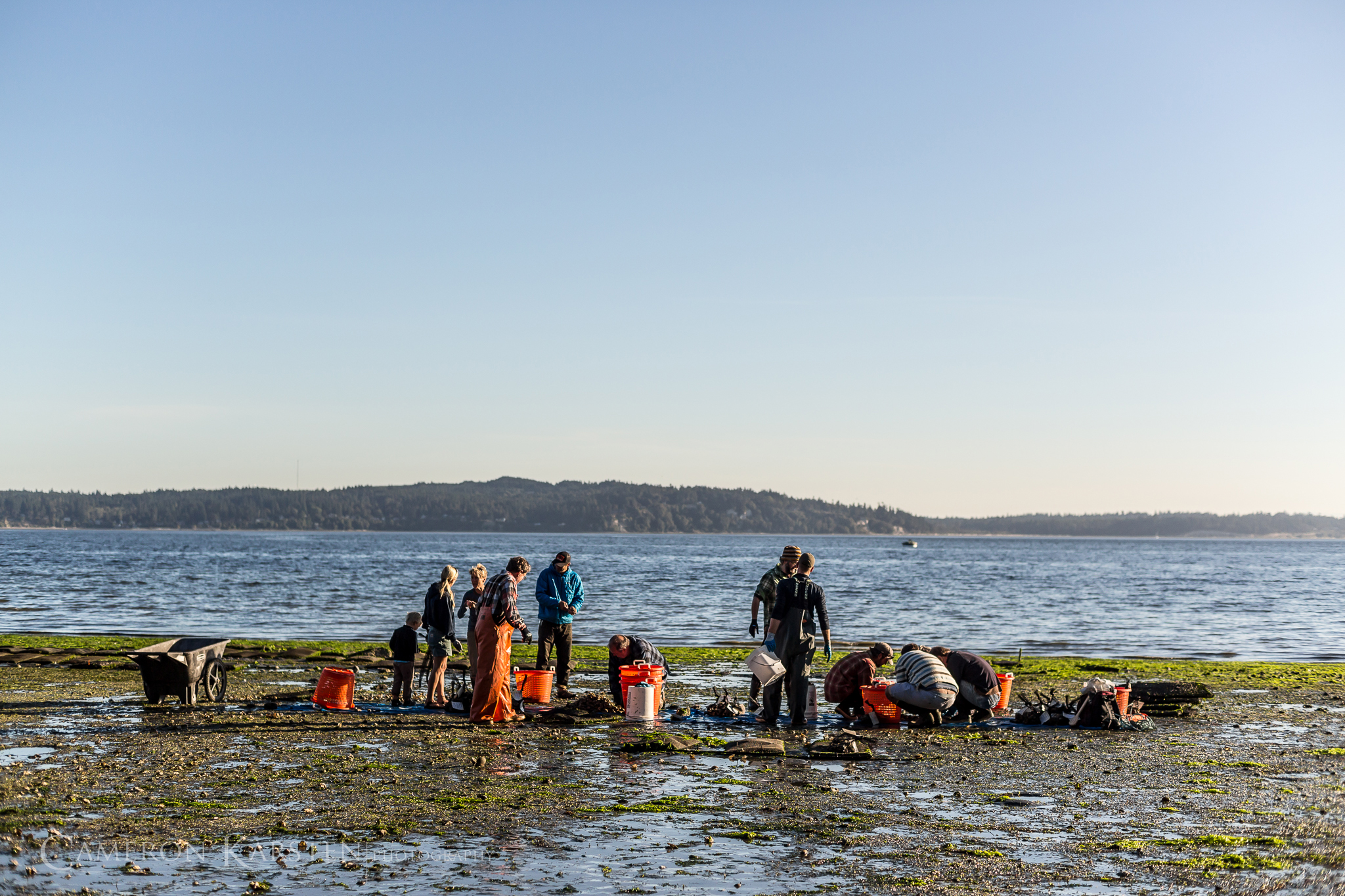
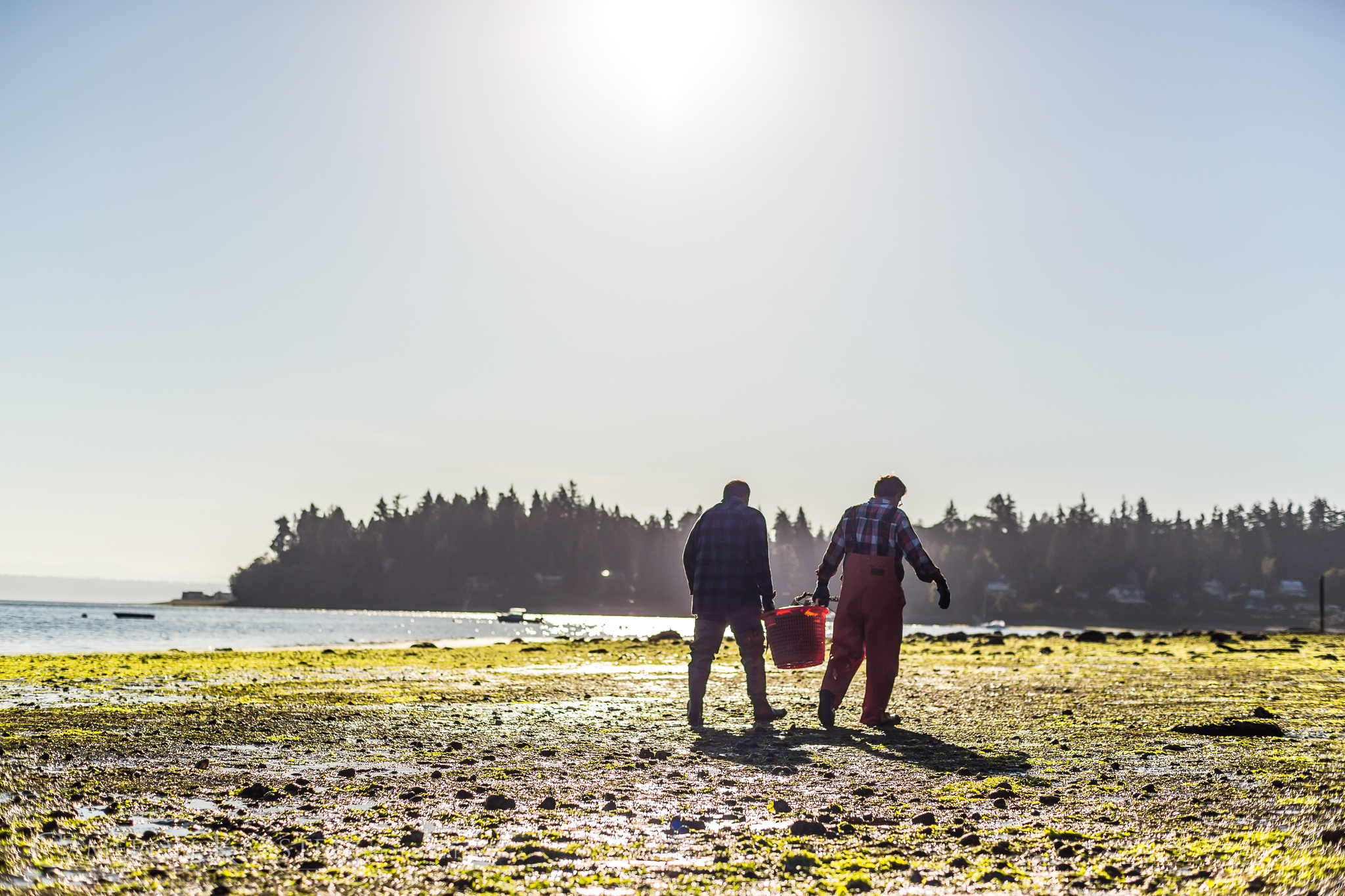
Puget Sound Restoration Fund (PSRF) is helping restore these mollusks by planting native oyster beds throughout Puget Sound. They’re creating a community of oyster harvesters through their CSA program, as well as partnering with research institutes to further study and treat the effects of OA. On an early morning on Bainbridge Island, Washington local volunteers gather to take advantage of the low tide and collect the native oysters.

PSRF2-23

PSRF2-38

PSRF2-16

PSRF2-109

PSRF2-137

PSRF2-126

PSRF_Harvest1-30

PSRF_Harvest1-46

PSRF_Harvest1-103

PSRF_Harvest1-168

PSRF_Harvest1-176

PSRF2-200

PSRF_Harvest1-239-copy

PSRF_Harvest1-204

PSRF_Harvest1-157-copy

PSRF_Harvest1-99

PSRF_Harvest1-249

PSRF_Harvest1-259

For more visit the Ocean Acidification Project

Cameron Karsten Photography

Life by Water: Ambergris Caye, Belize

CayeCaulkerSail-168-Edit

And this was a lot of fun!

BelizeBoneFishing-111-Edit

CayeCaulkerSail-30

CayeCaulkerSail-119

BelizeReefFishing-277

BelizeBoneFishing-125-Edit-2

BelizeBoneFishing-113

BelizeBoneFishing-98

BelizeBoneFishing-18

BelizeBoneFishing-146

CayeCaulkerSail-157

BelizeReefFishing-52

BelizeReefFishing-211

BelizeBoneFishing-90

BelizeReefFishing-398-Edit

Cameron Karsten Photography

Pastorals Gone East

_N9A4373

“Simplicity is the glory of expression.” -Walt Whitman

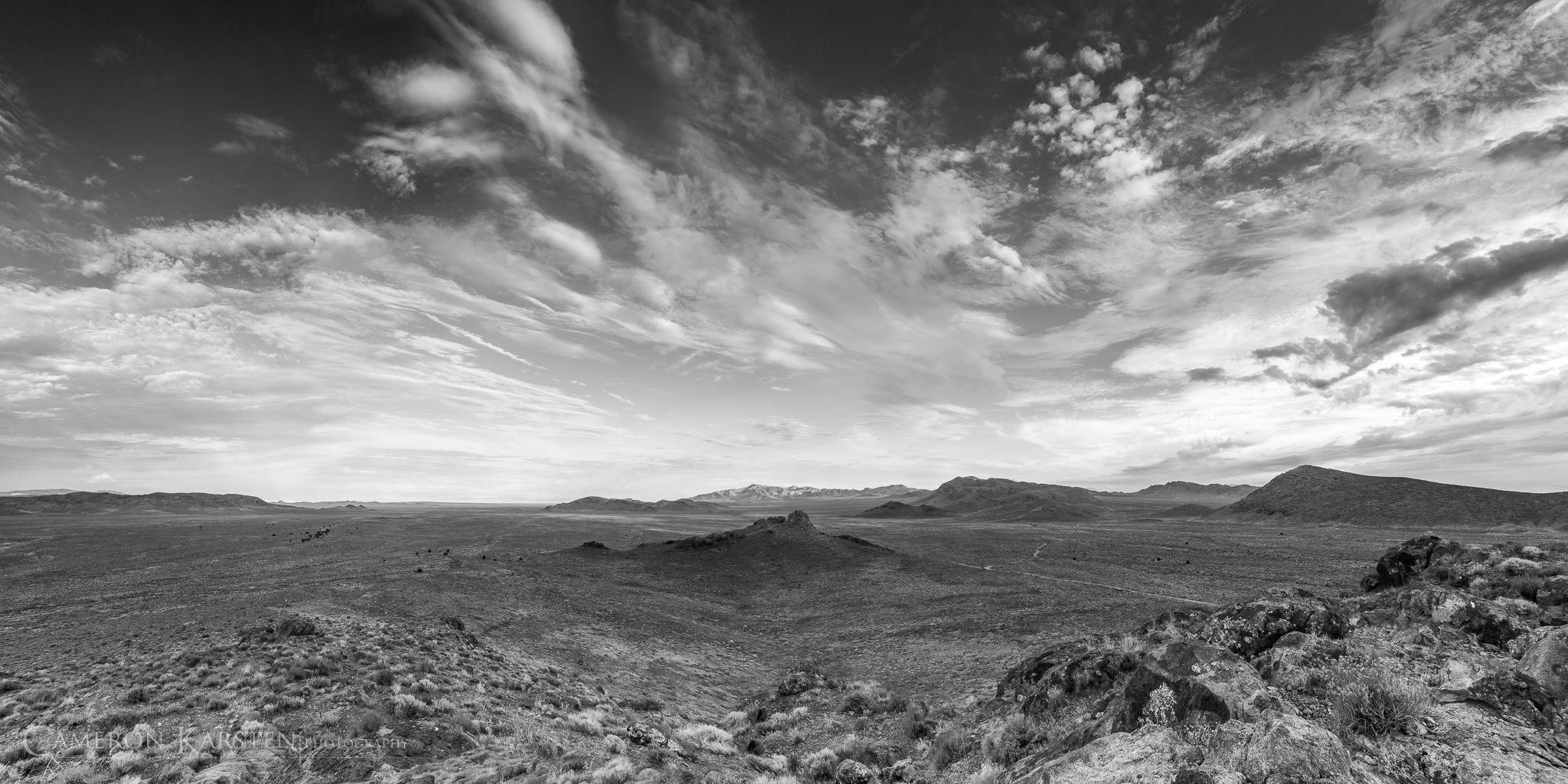
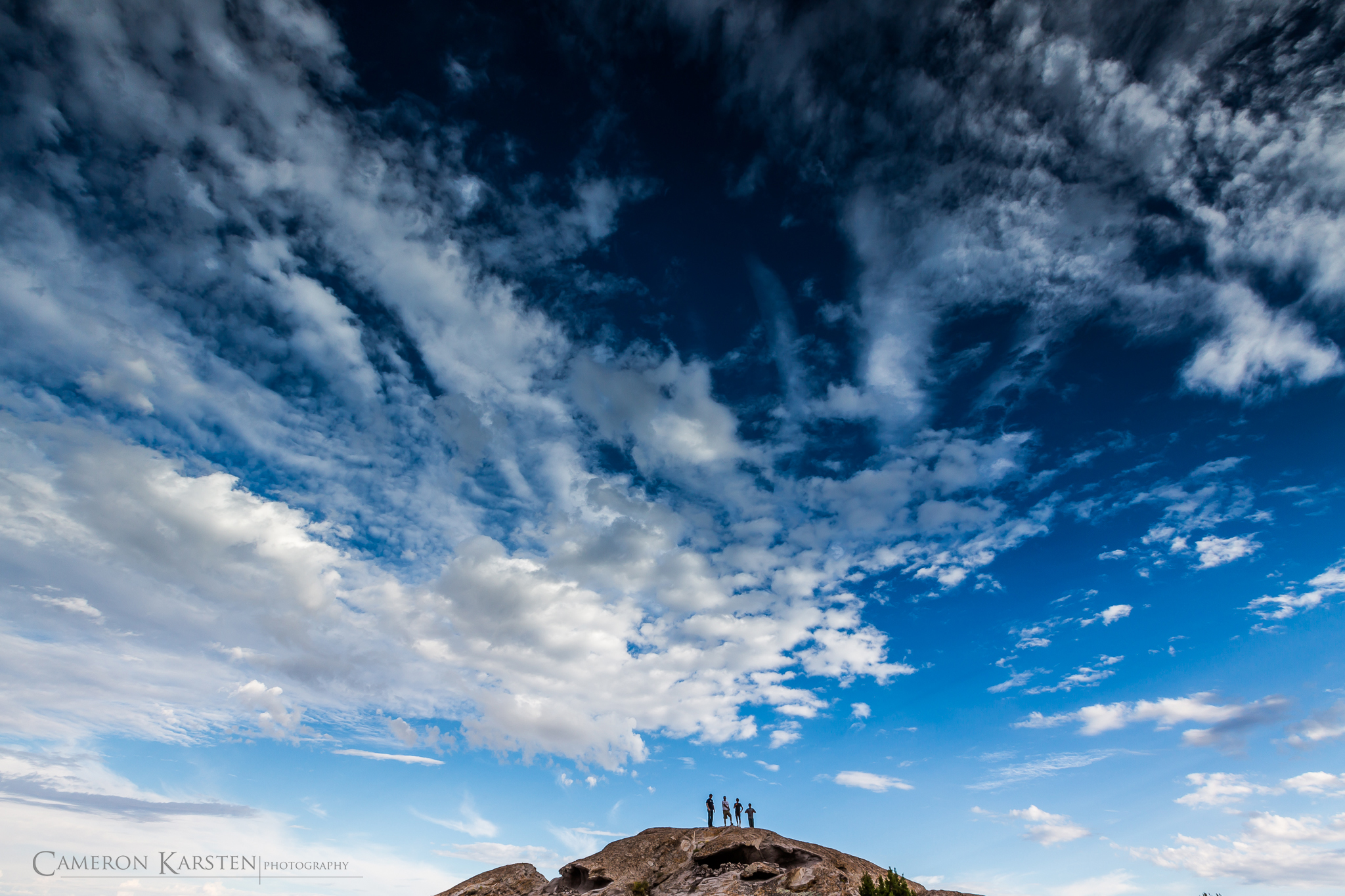
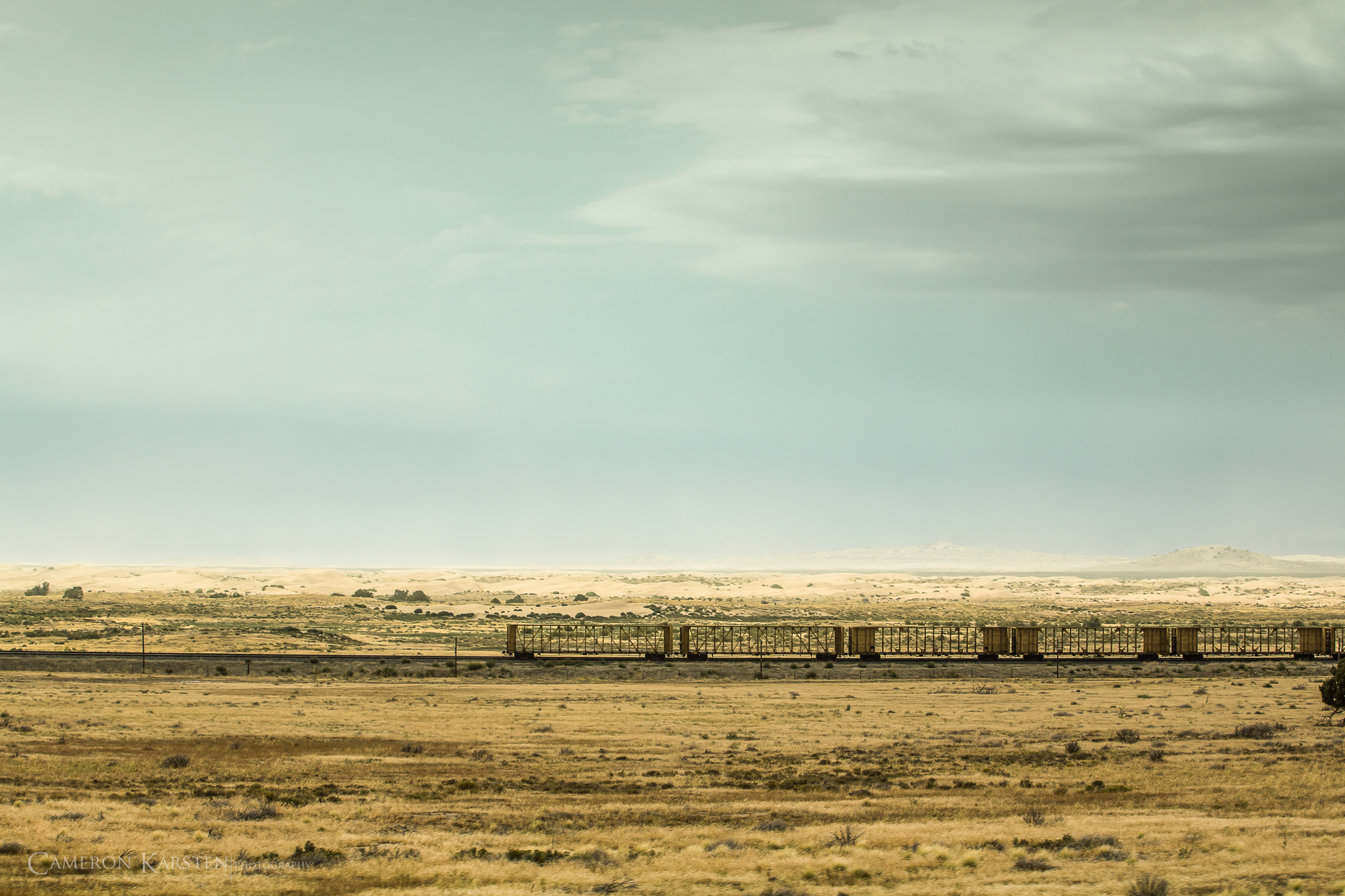
A road trip last summer into the high plains off the eastern slopes of the Rocky Mountains.

_N9A4498

_N9A4284-Edit

_N9A4204-Edit

CameronKarsten_Landscape-8

_N9A4524-Edit

_N9A4276-Edit

_N9A4195

_N9A4376-Edit

_N9A3792

_N9A4723-Edit

_N9A3931-Edit

_N9A4967-Edit

_N9A4442

_N9A4008

_N9A5986

For more work please visit http://www.CameronKarsten.com

Cameron Karsten Photography

All Across Africa: In Uganda

Day8_UgandaJinja-657

Meet Margaret, a paper bead jeweler from the Lira District in Northern Uganda. Margaret moved to Jinja in the early 1980s to escape the Lord’s Resistance Army. Today, she is able to pay rent each month all thanks to All Across Africa in Uganda.

Day9_UgandaHornsPalm-395

Day8_UgandaJinja-759

Day7_KampalaBeads-943

Day8_UgandaJinja-217

Day9_UgandaHornsPalm-357

Day8_UgandaJinja-359

Day8_UgandaJinja-467

Day7_KampalaBeads-129

Day7_KampalaBeads-648

Day7_KampalaBeads-752

Day9_UgandaHornsPalm-700

Day8_UgandaJinja-640

For more visit www.CameronKarsten.com

Cameron Karsten Photography

All Across Africa – Designs by Nightingale Handmade

All Across Africa in Kampala, Uganda

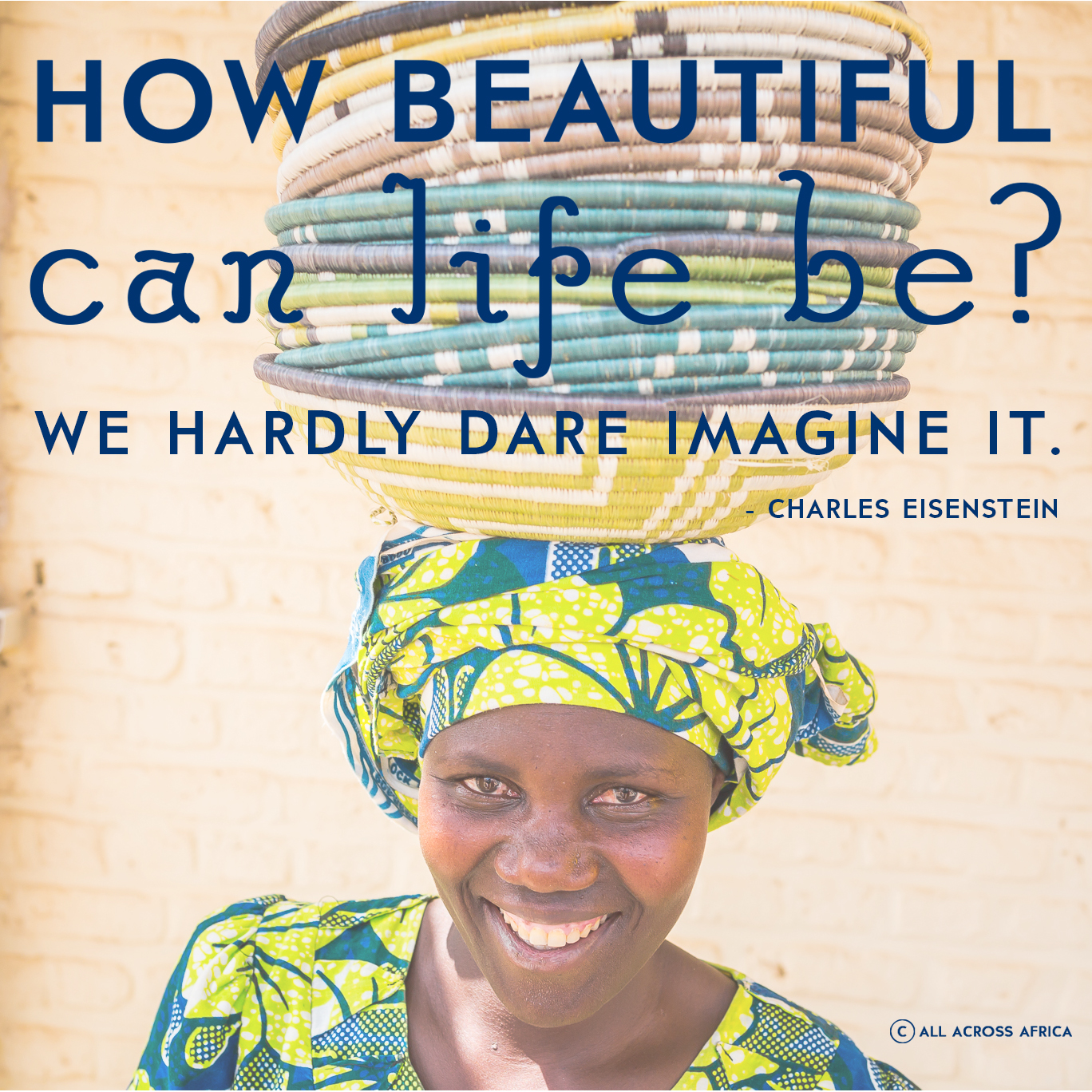
Earlier this year I spent two weeks with All Across Africa helping them rebrand their work throughout Rwanda, Uganda and Burundi. With their new website up and running, I’ve fallen in love with Margaret’s (Nightingale Handmade) designs on a few of the images created for AAA. Enjoy these beautiful postcards and go visit www.AllAcrossAfrica.org to make a purchase for the women of East Africa.

All Across Africa in Rwanda

Weavers and a Buy Day in Rwanda for All Across Africa

All Across Africa in Kampala, Uganda

All Across Africa in Rwanda

Weavers and a Buy Day in Rwanda for All Across Africa

Cameron Karsten Photography

STORMR Campaign: Olympic Wildness Pt. III

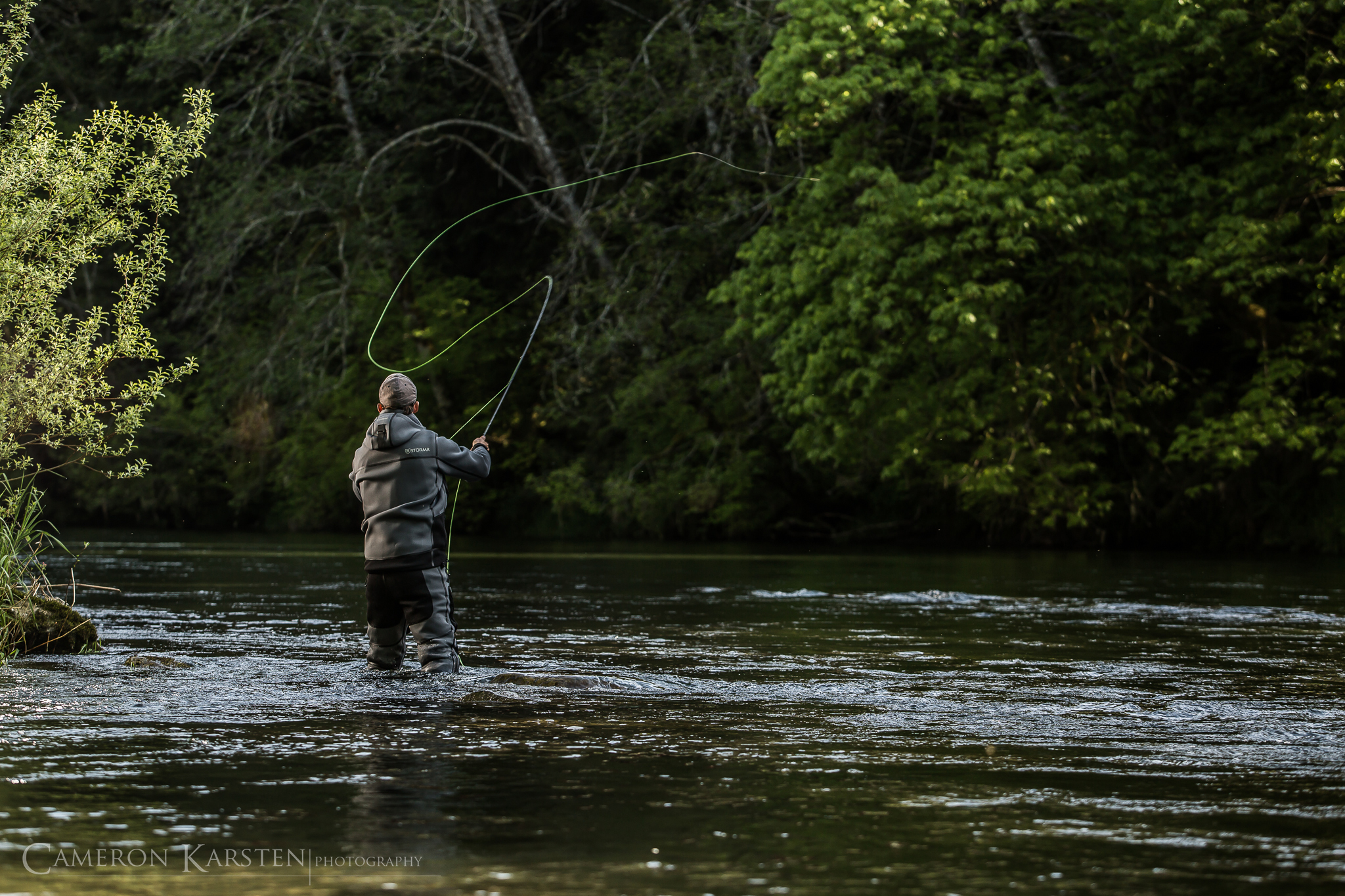
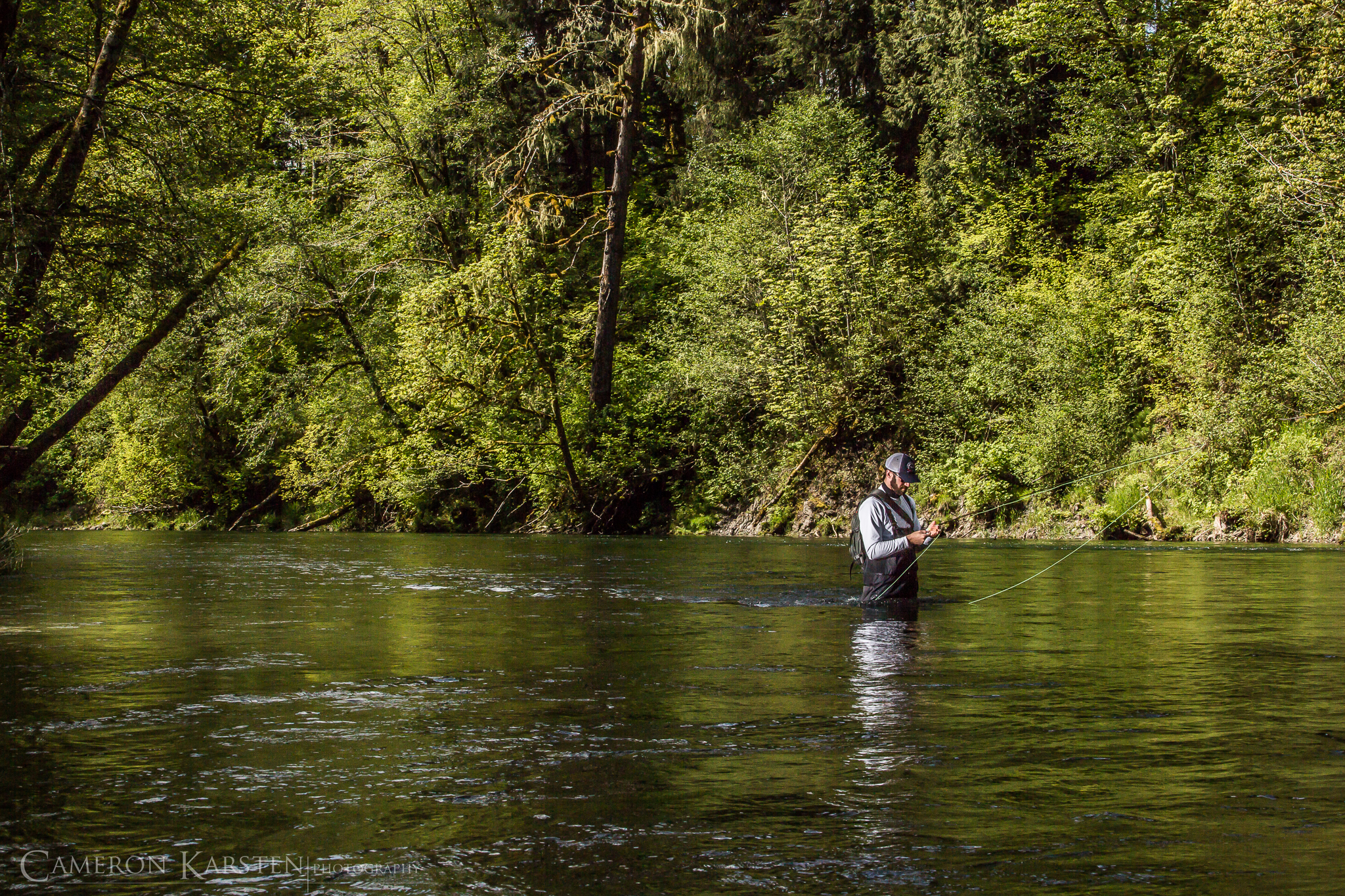
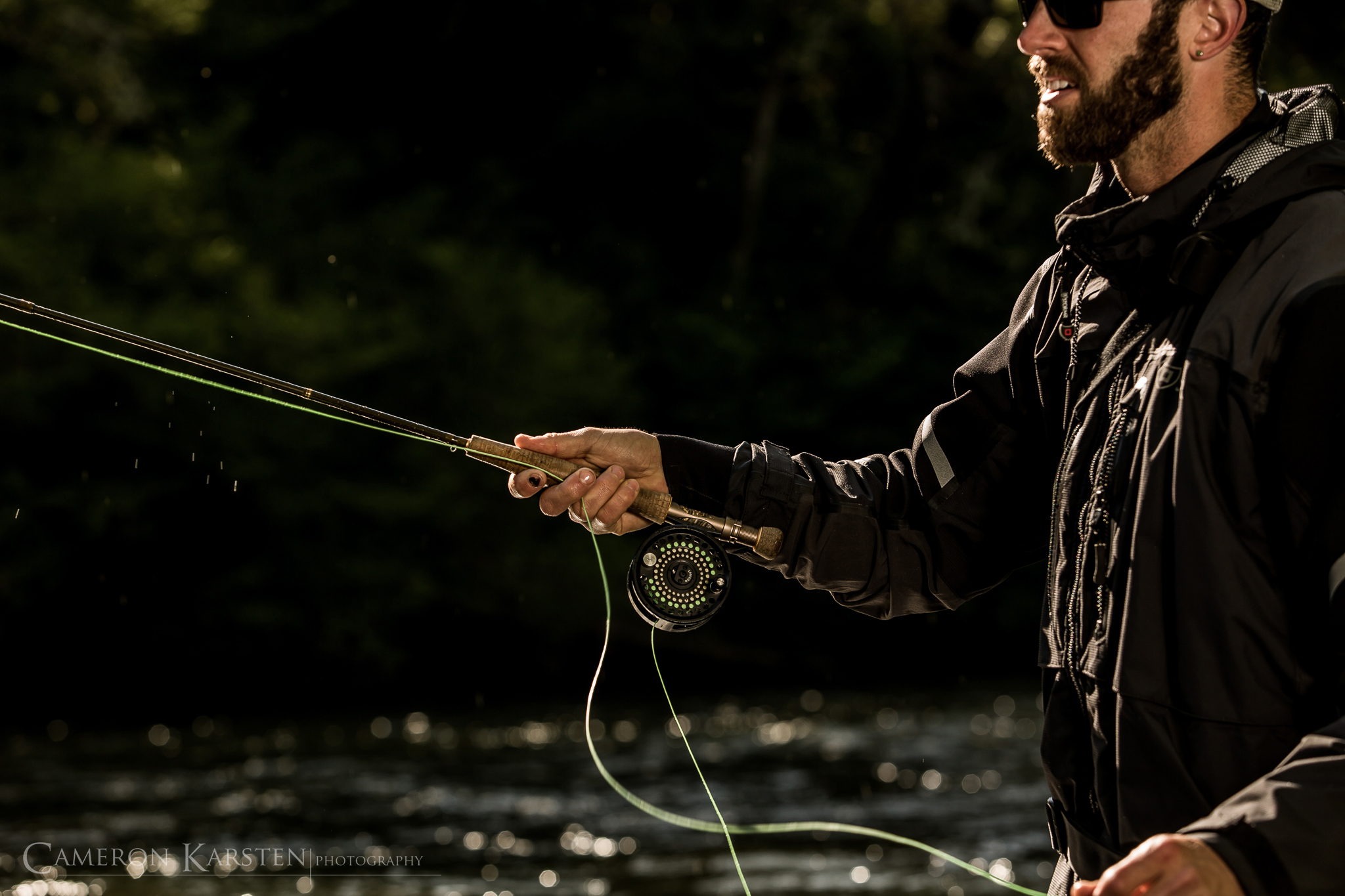
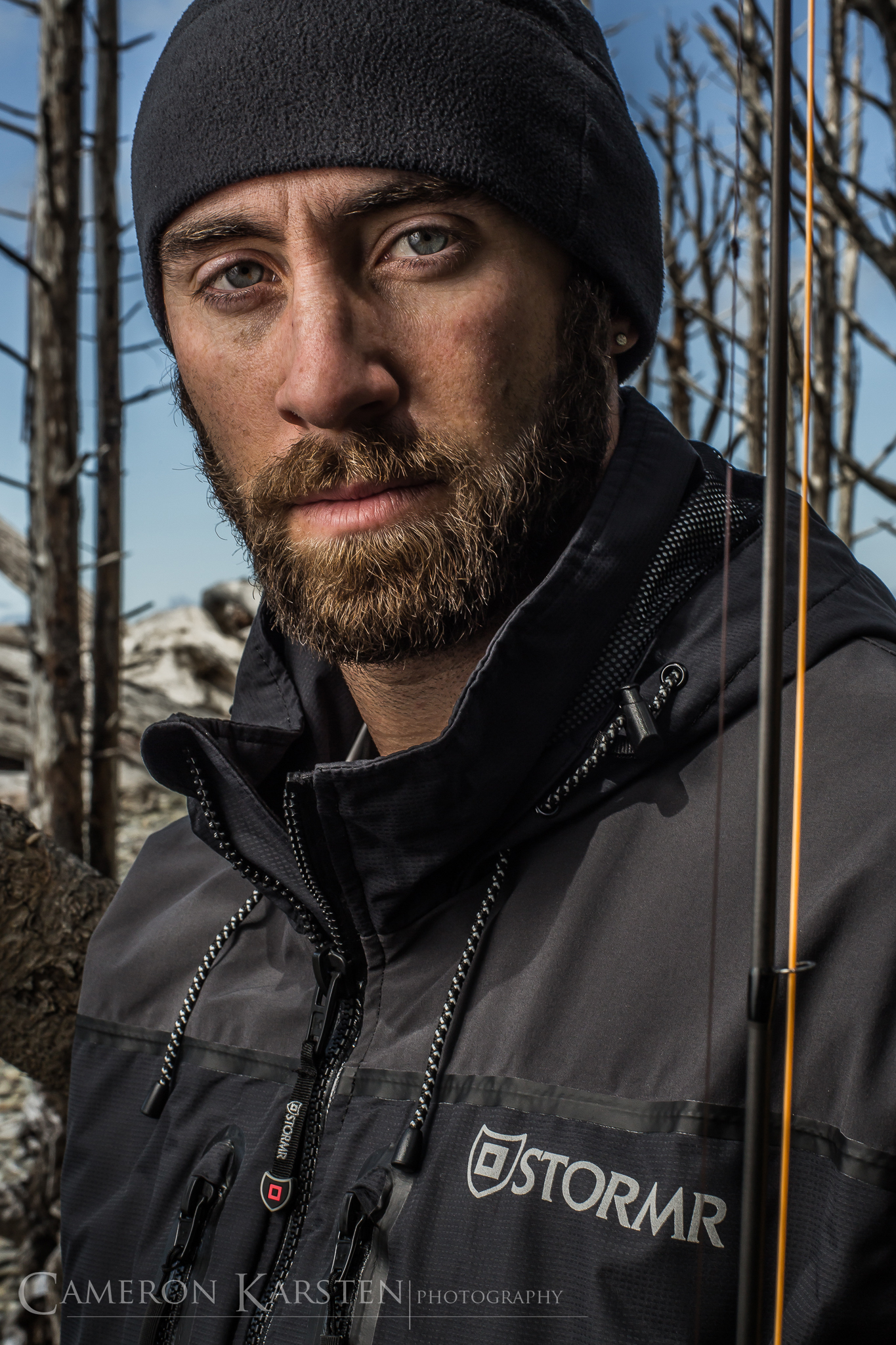
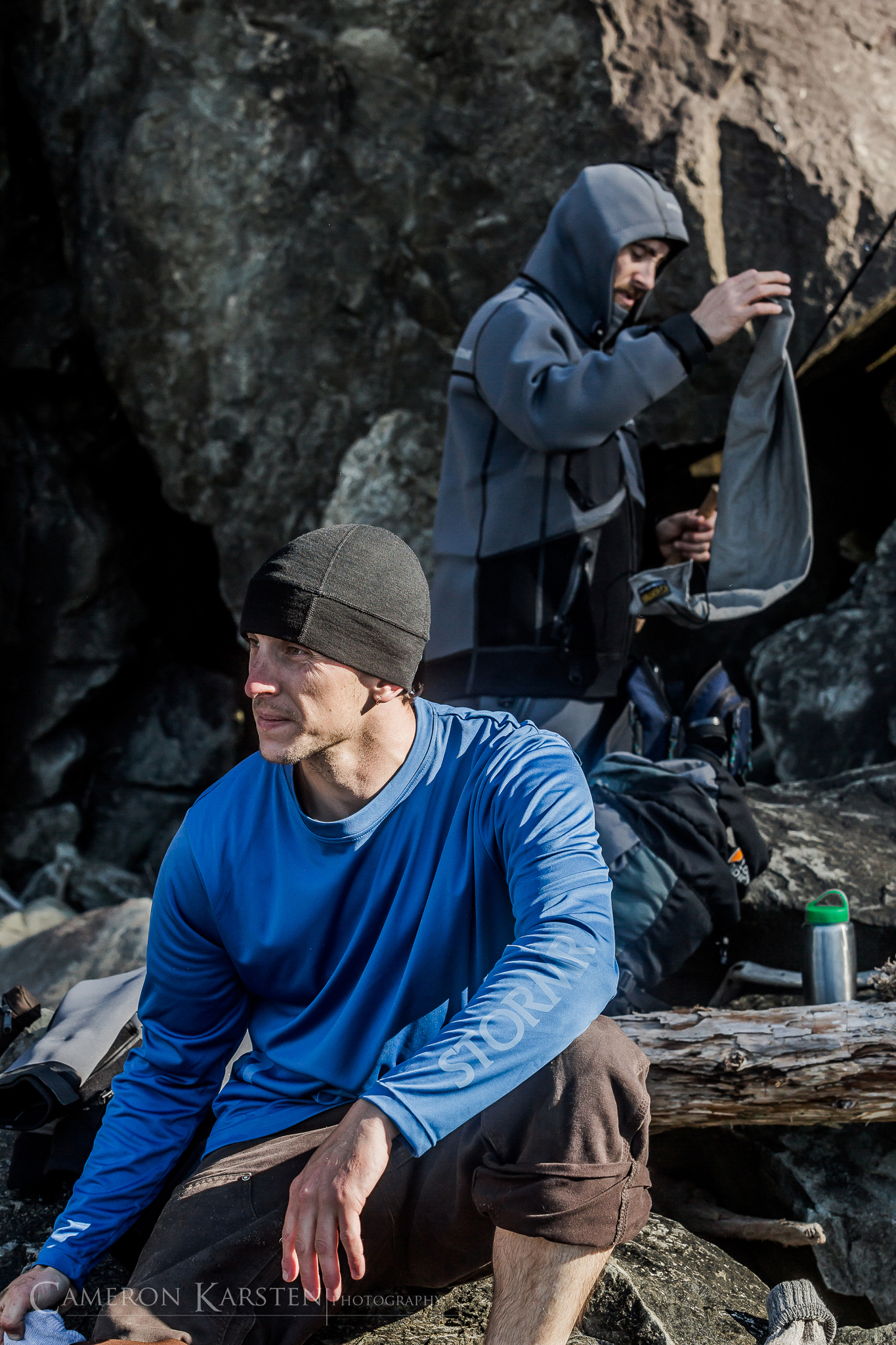
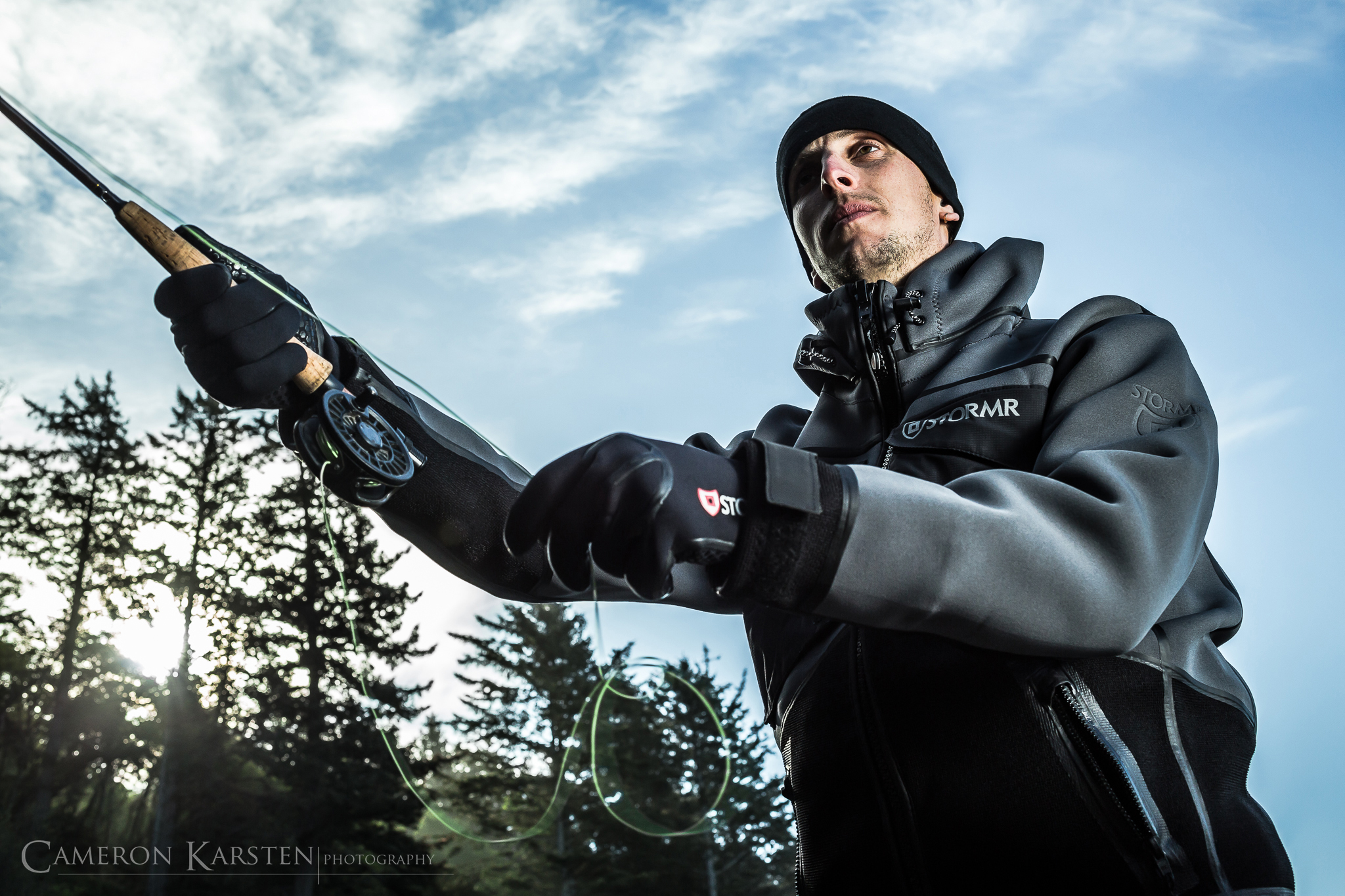
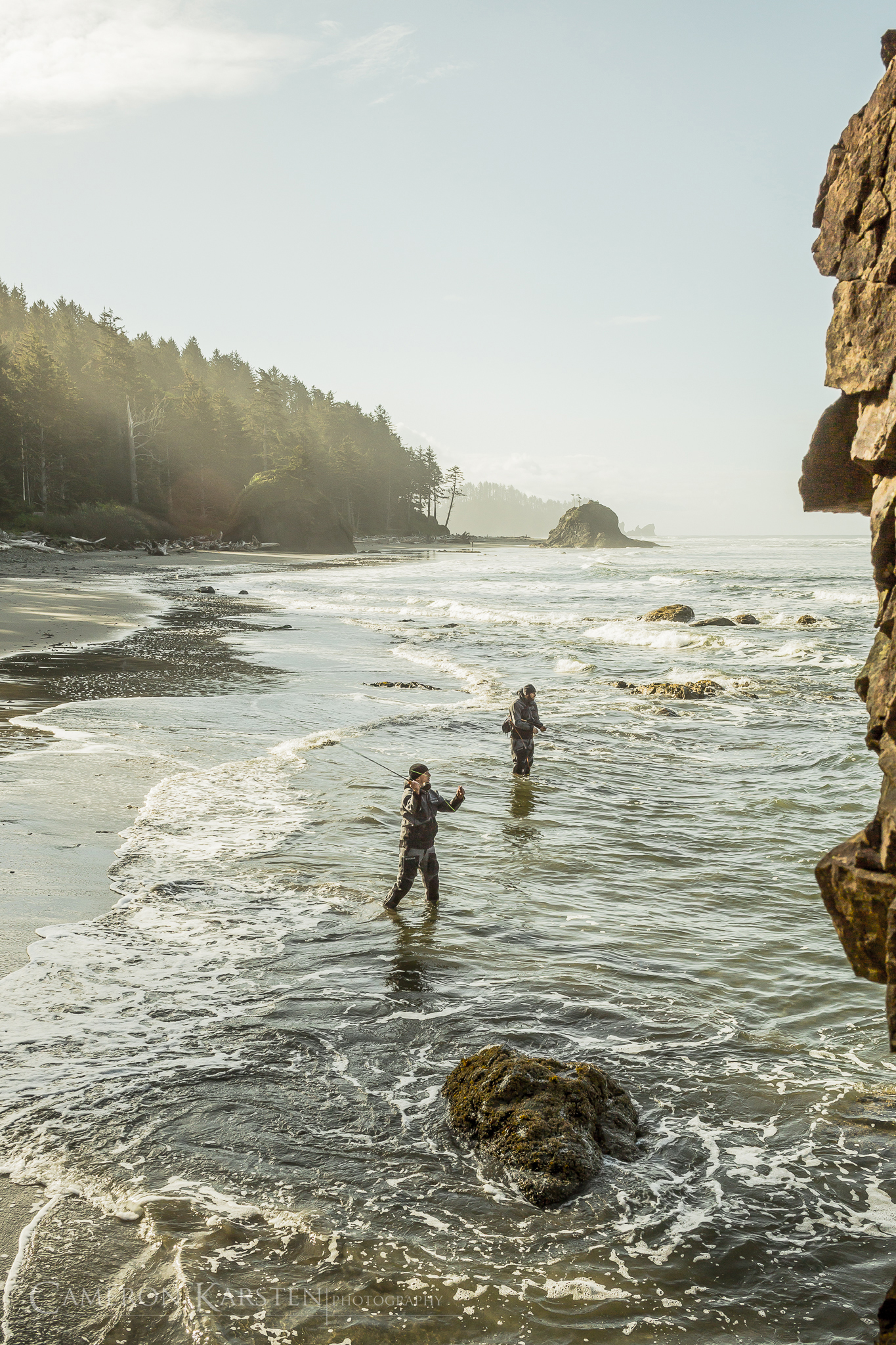
_N9A4726After a night’s rest, the men returned to the waters, this day wading into the flowing waters of the Olympic tributaries. Their STORMR foul-weather gear proved protective and durable as fishermen Simon Pollack and Skyler Vella threw flies before returning steelhead and salmon.

_N9A4689-Edit

_N9A4791

_N9A4665

_N9A4350

_N9A4334-Edit

_N9A4432-Edit

_N9A4439

_N9A4537

_N9A4545

_N9A4636-Edit

_N9A4598

_N9A4461

_N9A4311

For a complete portfolio, please visit www.CameronKarsten.com
logo_blackTrajan

STORMR Campaign: Olympic Wildness – Pt. II

_N9A3916

Fishermen Simon Pollack and Skyler Vella reload and reseek the elusive steelhead within the Wild Olympics on a recent campaign for STORMR foul-weather gear.

_N9A3940

_N9A3946-Edit

_N9A3934-Edit

_N9A3971

_N9A4198-Edit-Edit

For a complete portfolio, please visit www.CameronKarsten.com

logo_blackTrajan

STORMR Campaign: Olympic Wildness – Pt. I

_N9A3703-Edit

 Walking into the Olympics of western Washington is a step back into time. Undisturbed and wild America – a land of the tallest trees, isolated mountains, rugged coastline, and an epic run of salmon and steelhead. Here’s a sneak peek at a recent campaign for STORMR foul-weather gear with fishermen Simon Pollack and Skyler Vella.

_N9A3330

_N9A3375

_N9A3824

_N9A3773

_N9A3579-Edit

_N9A3634-Edit

_N9A3636-Edit

_N9A3645-Edit

_N9A3641-Edit

_N9A3646

_N9A3639-Edit

_N9A3675

For a complete portfolio, visit www.CameronKarsten.com
logo_blackTrajan

Africa Transporting

While on assignment in Africa for the first two months of 2014, I was captivated by the way humanity transports itself and its’ cargo. This new project highlights the unique and massive modes of transportation the African continent moves about. From West African countries Benin and Togo to East Africa’s Rwanda, Uganda and Burundi, all modes are the same: extreme, beautiful and oddly delicate.

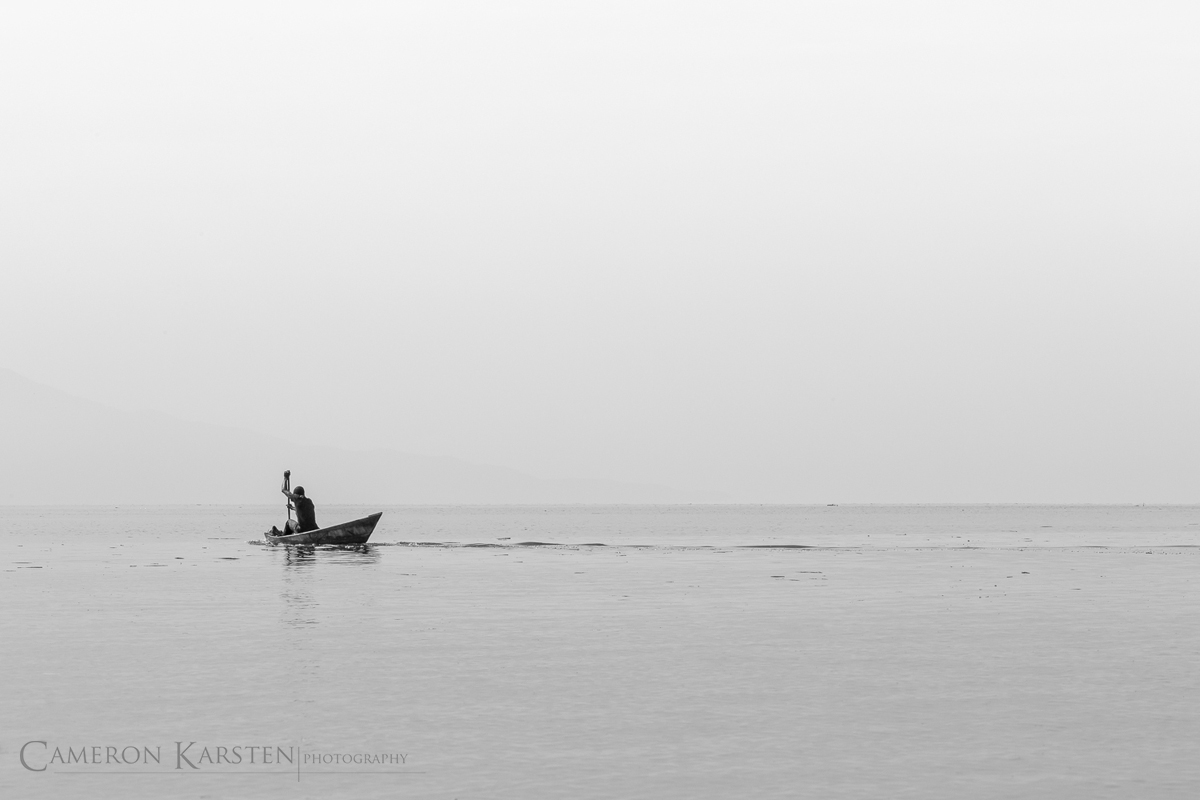
Day4_BurundiNature-136-Edit-EditThe paddle boat is an easy means of transportation for fisherman and the obvious choice for floating villages – Lake Tanganyika, Bujumbura, Burundi.

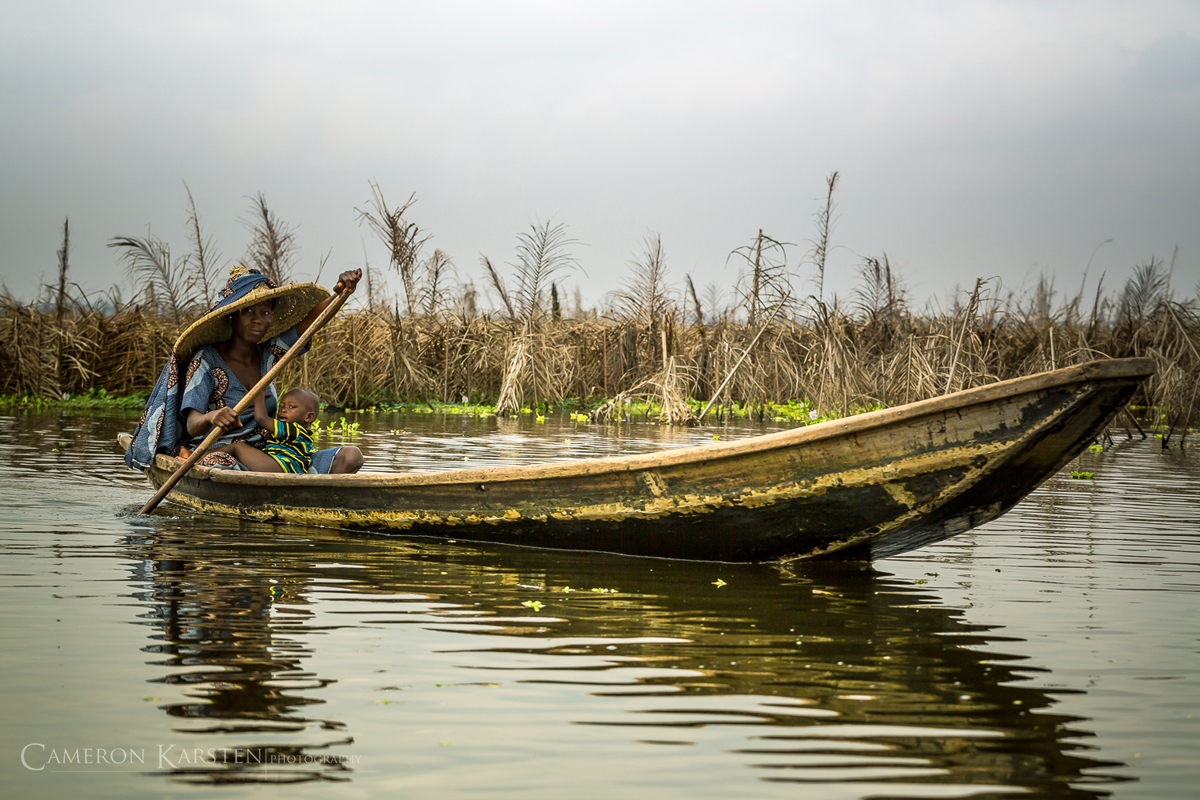
Day3_Ganvie-356-EditA woman paddles with her child in the early morning to the floating market of Ganvie – Lake Nakoue, Ganvie, Benin.

Day4_BurundiNature-512-EditBikes are cheap and easy to fix, but the roadway and traffic can be horrendous – Bujumbura, Burundi.

Day3_BurundiCrafts-121Oil drums being transported through downtown Bujumbura, Burundi.

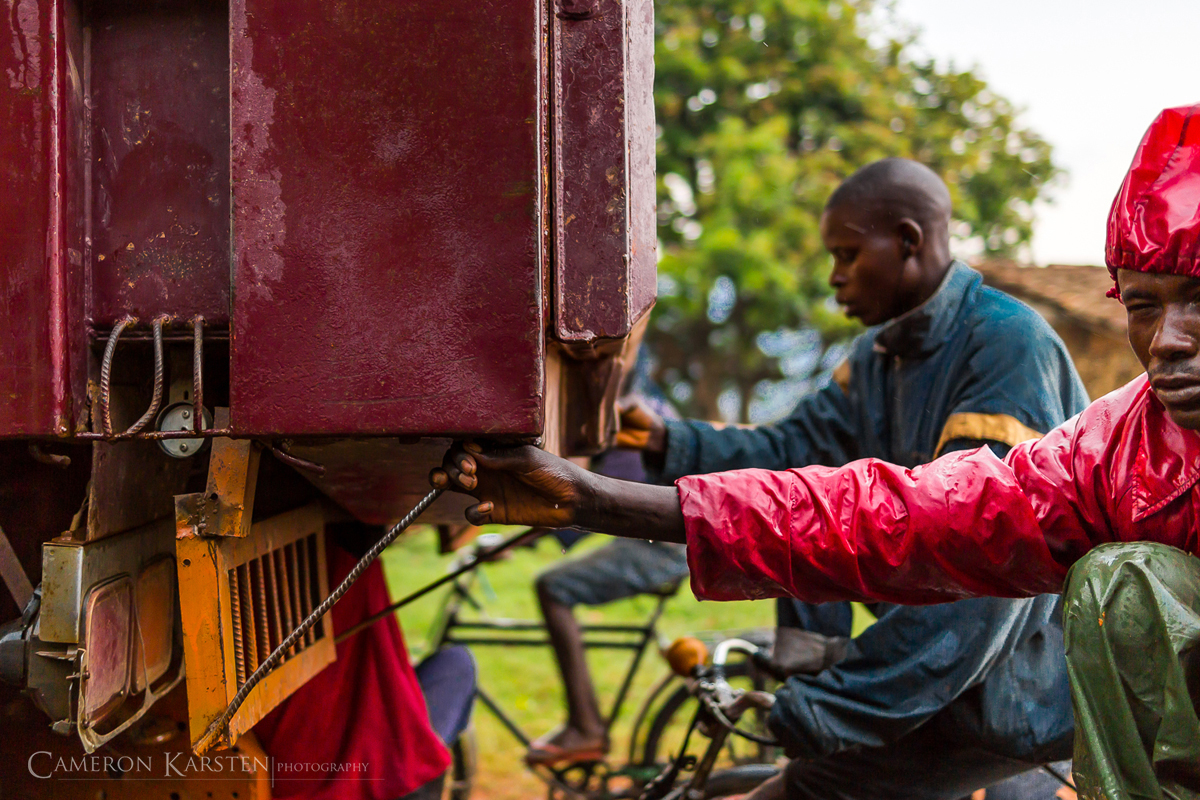
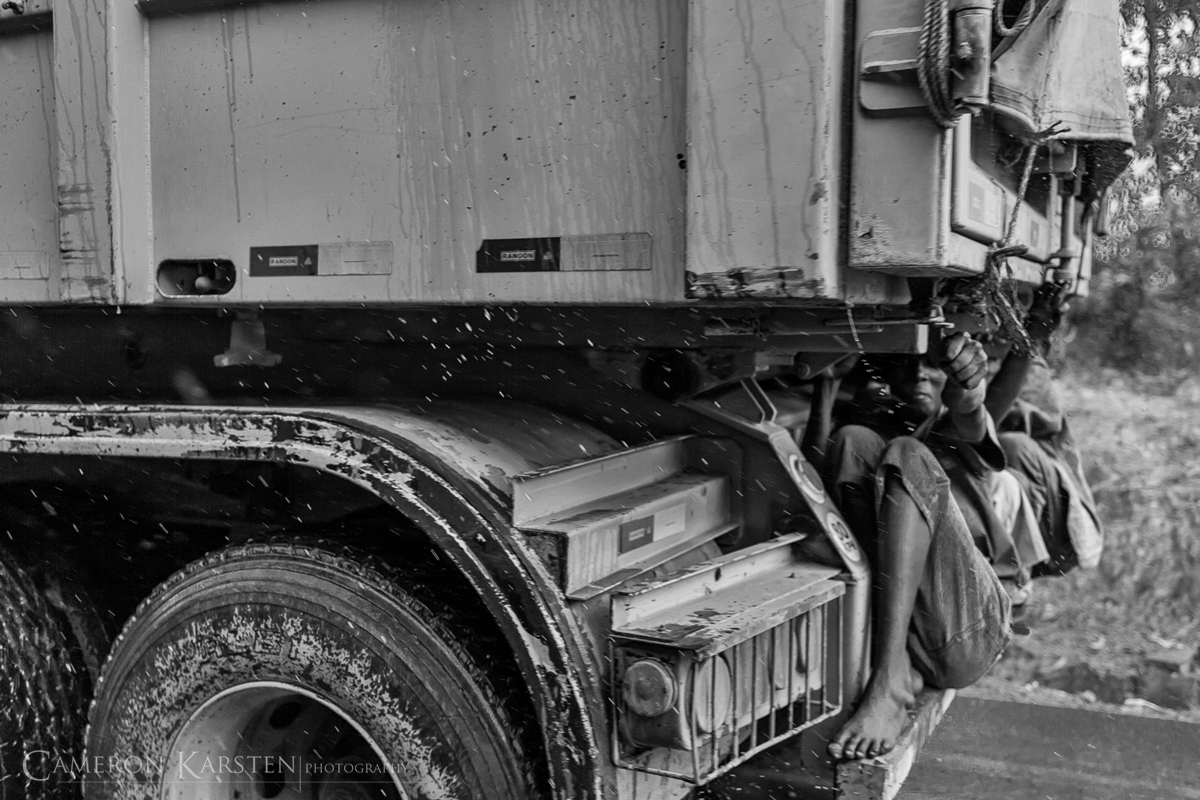
Day6_BurundiNgozi2-717Bicycles are ubiquitous, and so are mountainous hills, in northern Burundi. Men hitch rides by grabbing onto the sides and rear of large lorry trucks heading up and heading down – Northern Burundi.

Day6_BurundiNgozi2-684-EditMany young men hop lorry trucks when traveling up and down the northern hills of Burundi – Northern Burundi.

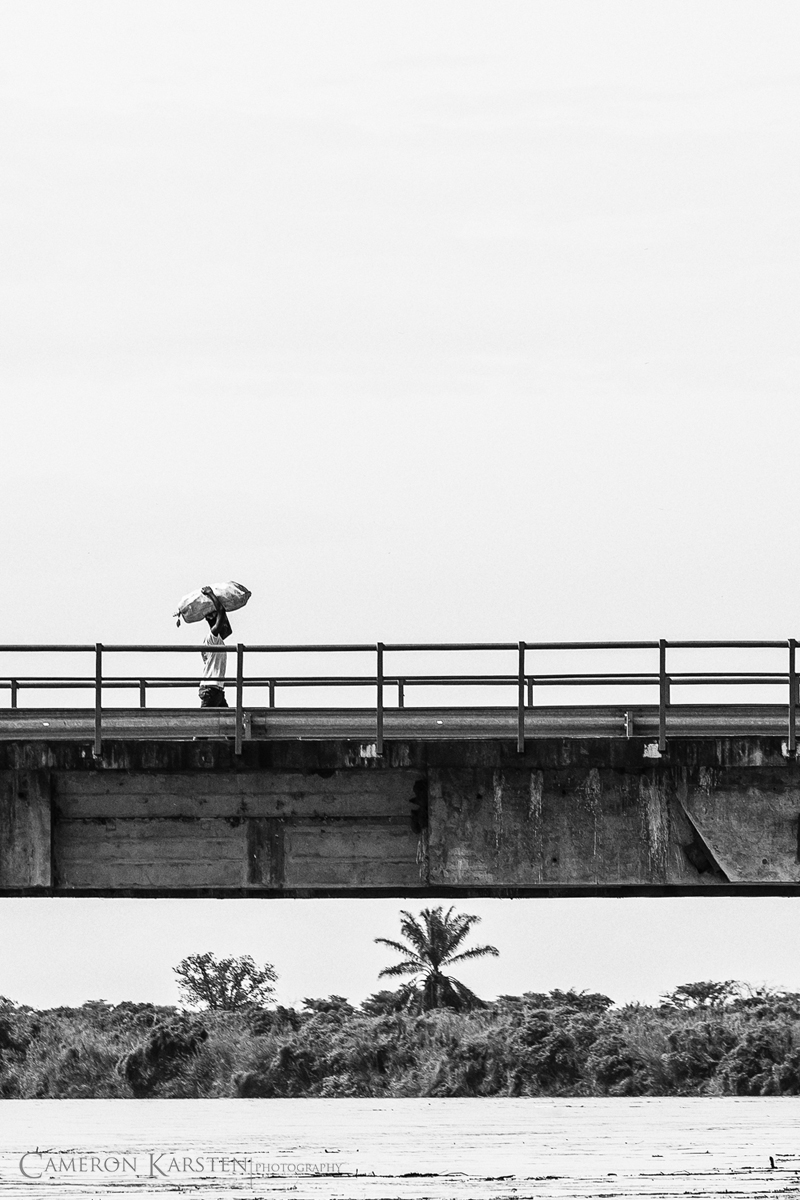
Day4_BurundiNature-272-Edit-EditA long walk to the border from Bujumbura, Burundi to The Democratic Republic of Congo. Burundi is ripe with agriculture, so many travel to the border to sell their harvests to Congolese – Bujumbura, Burundi.

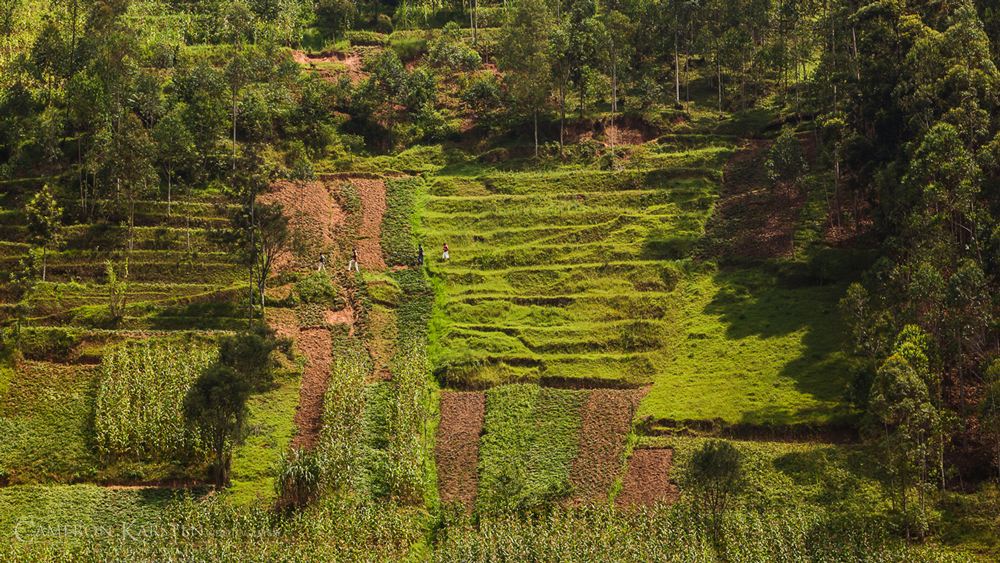
Day10_RwandaVirunga-17-Edit-EditIn the countryside, the movement of people on foot often looks like a mass exodus. People walk miles to crop land, distant markets, and back home within a day – Virunga Mountains, Rwanda.

Day10_RwandaVirunga-25-EditSlopes are carved out with foot paths that lead to neighboring villages and fields – Virunga Mountains, Rwanda.

Day6_AlladaVodou-578Dotting Africa are a host of infrastructure projects, most sponsored by Chinese firms. Here a Djagli, a mythical bird in Vodou culture, rests between performances – Allada, Benin.

Day6_BurundiNgozi2-736-EditAn infrastructure project in Northern Burundi, which was washed out by the previous season’s flash floods – Northern Burundi.

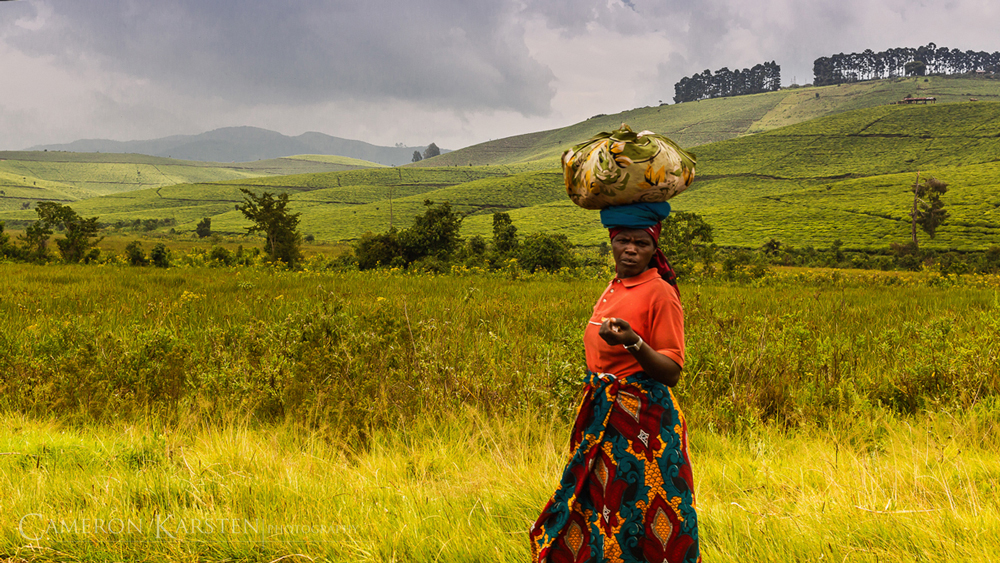
Day6_BurundiNgozi2-544-EditA tea picker near Ngozi, Burundi walks home after a day’s work – Burundi.

Day6_BurundiNgozi2-552-EditAn empty wheel barrel on the tea plantation – Ngozi, Burundi.

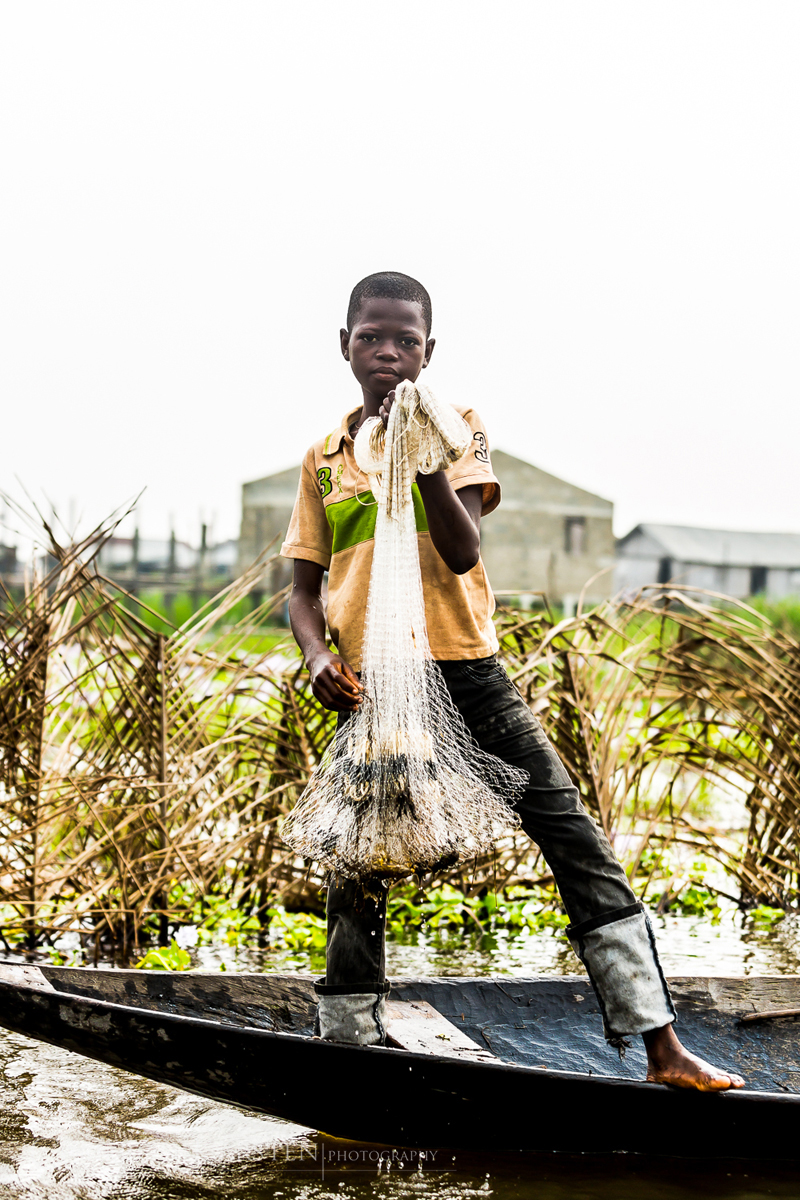
Day3_Ganvie-159A young boy fishing on Lake Nakoue – Ganvie, Benin.

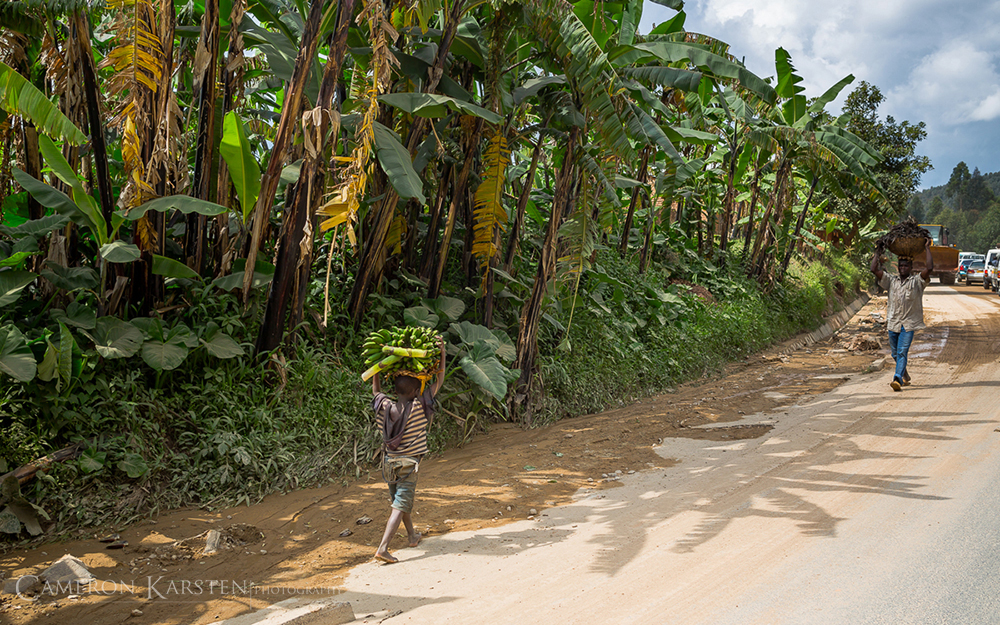
Day5_BurundiNgozi1-411Along a construction road, young boys and men haul bananas to roadside stands offering produce, charcoal grilled corn, meats, and assorted snacks – Northern Burundi.

Day6_BurundiNgozi2-739-EditTraffic careens and passes the two-lane highways, passing villages, bustling markets and school courtyards. Traffic hazards are many for motors, cyclists and children heading to and from school – Northern Burundi.

For more visit http://www.CameronKarsten.com
logo_blackTrajan

Vodou Footprints: I Have a Fetish For You in Togo

Day10_11_Lome-23

Stepping out of the car, there is a flurry of excitement. Not the over-zealous, exaggerated enthrallment of celebration, but one of sprinted adrenaline, like termites scurrying from an anteater’s invasion.
We emerge from our vehicle as another approaches, spitting up dust from a pair of screeching rear tires. We have just pulled into a fenced compound in the middle of a thick market district of Lome, the capital city of Togo. It is late in the afternoon and the sun is low, casting a beautiful soft orange light through a low-hanging haze that spills across the bamboo sheds. People suddenly go from lounging on benches in shadows to shouting amidst a frantic escapism. But it’s not because of us.
Day10_11_Lome-392

Walking into Togo, one has to step out of one’s car and pass through a series of guarded gates. First stamp passports at the Beninese customs stand. They couldn’t care less who you are. Next pass through a doorway where a man checks you have been stamped. Then into another concrete bunker where you’re waved through into Togo. Follow signs, enter another building. Stand in front of two Togolese officials and hand over your passports. They’ll take them and slowly go through the process of filling out a handwritten visa; and if you stand in front of their television, with a flick of the wrist they’ll tell you to move because they’re busy watching a dubbed-over original 1950’s version of Rashomon.

Looking around the scabby office, one will notice a few framed photographs of Togo’s president, Faure Essozimna Gnassignbe. He’s a round young looking man (actually he’s 48), comfortable and content with an education from George Washington University and the Sorbonne in Paris. Next to him is an intriguing sign. My partner points it out:

If the sheep’s courtyard is dirty, it’s not for the pig to say it.

I repeat it in my head while he silently laughs under his breath. We look at each other and then back at our guide Stephano.

Day10_11_Lome-52

When passing through the series of gates from Benin to Togo, we realized Stephano presented no papers, no identification, nothing. Entering Togo he joked with the official and slipped him a quick cash-laddened handshake. When we asked him about this he shrugged and shook his head.

“Fucking Togo. I hate these corrupt bastards.”

Our eyes lit up and we laughed slapping him on the back. “But you have no ID,” my partner said.

“No. I don’t need one.”

“What do you mean you don’t need one?”

“I didn’t bring one,” Stephano confirmed. “I don’t want these fuckers to know me.”

Day10_11_Lome-333

We couldn’t believe it until now, until we stood affront the two absorbed Togolese officials underneath the sign that spoke the truth.

The officials charge us both ten extra dollars for our visas and without argument we hand it over. The sheep’s courtyard is definitely dirty, but the pig’s is dirtier. We’re the pigs. The government claims to be the sheep. How dare we judge them as mere citizens.

We jump in our car only to be accosted by another Togolese official, this time a soldier wielding a heavy semi-automatic rifle. Stephano puts up a fuss. The soldier is adamant and so is Stephano. They argue back and forth, the soldier’s grip firm on the trigger, Stephano glaring into his eyes. He leaves the car. Surrounding us is Togo and numerous roadside stalls. They are selling fresh meats fired on grease-stained grills. Kabobs of red encrusted chicken legs and thin slices of beef steak sizzle. Towers of glass bottles reading Jack Daniels and Crown Royal. Packets of gum and tissue. Young men walking around selling toilet paper. And the older ones seated on stools with handfuls of currency from neighboring countries. Apparently, we weren’t supposed to get in the car at that particular point along the roadway. Fines are dished out.

Day10_11_Lome-124

An hour’s drive and we’re in Lome. Nothing special. Just another African city. We find our hotel. Check in. Leave. Pass a restaurant called Mama Tampons. And then enter the market district. Today, we come to Togo for one thing and one thing only: The Akodessewa Fetish Market.

Tables and stalls of dried animal parts. Bones, skins and pelts, organs and jars filled with more anatomical remnants of species once living; we begin to take it all in as a man says goodbye. He’s thrown into the car that sped up behind us, the one that sent the market sellers in a frenzy. He’s cuffed and guarded by two soldiers harboring those semi-automatics. Everyone is dressed in civilian clothes and as quickly as they came, they’re gone. Just another day. Just another illegal deal.

A local takes us around. I’ll call him Steve. He’s a nice man, completely welcoming and excited we’re here. This is a new feeling to us because most individuals are suspicious, albeit welcoming, but suspicious. Steve, however, expresses none of that and kindly guides us from stall to stall explaining the uses of the ingredients and their importance to Vodou culture.

Day10_11_Lome-107

Fetish. Not the toe-sucking fetish. The spanking, pulling hair, hand-cuffed lashings of S&M fetishes in Hollywood, but the West African fetish. You mention fetish to a Ghanaian and they shriek. You say fetish to a Beninese, they smile. You say fetish to a Californian, their eyebrows lift licentiously and they begin to think. That’s what my partner first thought. That’s what I was imagining. But a fetish in Vodou is a powerful tool, a magic ingredient, and a witchdoctor’s answer to the spiritual, which allows him to communicate with the gods and deliver their healing powers.

Take for example this live hawk. It looks depressed and any bird lover would see it in his eyes. The hawk has been underneath the table, tied at its fleshy leg to the wooden leg by a thick nylon cord. There is plastic debris surrounding it, along with a filthy bowl of water. I watched one of the hawks poop in the little plastic bowl, which is meant to be their drinking source. So much for nature.

Day10_11_Lome-399

Well this bird is a tool used by Vodou practitioners. If a client comes to a Vodou priest explaining evil spirits possesses them, the witchdoctor will consult the god specific to his/her temple and discover the necessities to treat. Out at the market, the priest will purchase the ingredients, one of them being a live hawk. And the following day with the possessed client present, the doctor will perform the rituals and as a symbol of letting go, the hawk will be released with the client’s evil spirit upon it’s back. Client healed. Exorcism complete.

This is just one version of many different possibilities. Vodou is an open book and anything is available. At the fetish market, young boys run around showing us whale vertebrae bones, live baby crocodiles in yellow plastic jerry cans, stacks of dried herbs, cages of mice, frightened turtles, boxes of dried chameleons, enormous mummified cockroaches, shelves of stacked monkey skulls, decapitated wild dog heads with jaws open as if frozen in time, hippopotamus skulls, antlers four feet tall, snake skins, baboon, hyena and leopard heads, as well as the most poignantly disturbing of all.

Day10_11_Lome-387

There was one little boy. He was the quietest of the lot. Others yelled out Monsieur! Monsieur! incessantly. But this boy was calm, tapped us on the shoulder and held up a foot.

There is that famous photograph of local rangers in the Virunga National Park within the Democratic Republic of Congo. The photograph by Brent Stirton is taken from above of a silverback lying on its back upon a tourniquet made of branches. Wrists tied back over his head. Feet tied at the ankles. A huge protruding belly facing the heavens. Locals are beneath the animal, carrying it through the war-torn jungles of the DRC, dead because of gun shot wounds by supposed illegal charcoal traders. This was the image I thought of as I saw the little innocent child holding up a dried gorilla’s foot. He wanted his photo taken.

Day10_11_Lome-162-Edit

The next morning we return to Vodou’s largest fetish market. The oddity strikes and we know we want to discover more. For hours we linger, wandering the stalls, photographing, talking to the kids. A Vodou practitioner arrives on his motorbike. The sellers scramble, running toward him to garner the morning’s first sale. Then I realize, this is the first pharmacy ever. Take away the metal fence, the motorbike and the corrugated tin roofs. What you have left are wooden stands, bamboo walls and dirt. Locals come, foreigners from afar—they’ll all seeking a cure. If you have tendinitis. There is a cure. If you have a wart on you finger. There is a cure. If you want to win your next soccer match and score a hat trick. There is a way. Come to Akodessewa Fetish Market in Lome, Togo.

Next essay –>

Day10_11_Lome-4

Day10_11_Lome-454

Day10_11_Lome-185-Edit

Day10_11_Lome-92

Day10_11_Lome-158

logo_blackTrajan