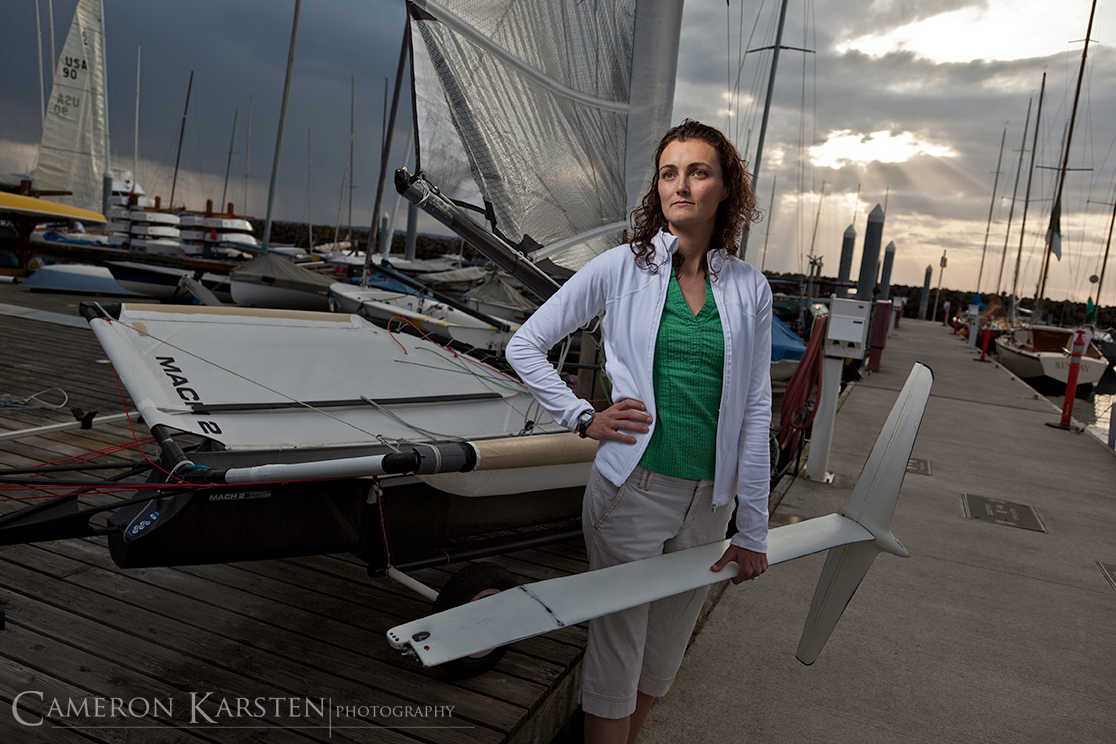
Lindsay Bergan’s environmental portrait with her Mach II moth sailboat for 1859 – Oregon’s Magazine. Publication for July 2012.

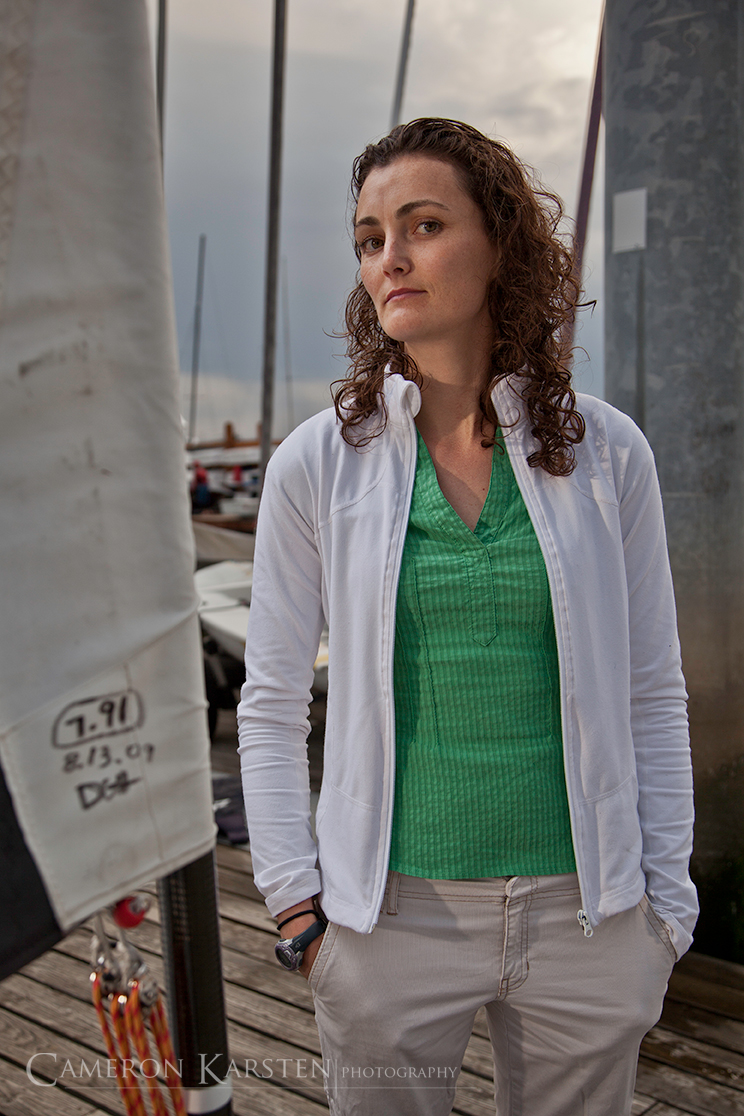

Exploration with Culture
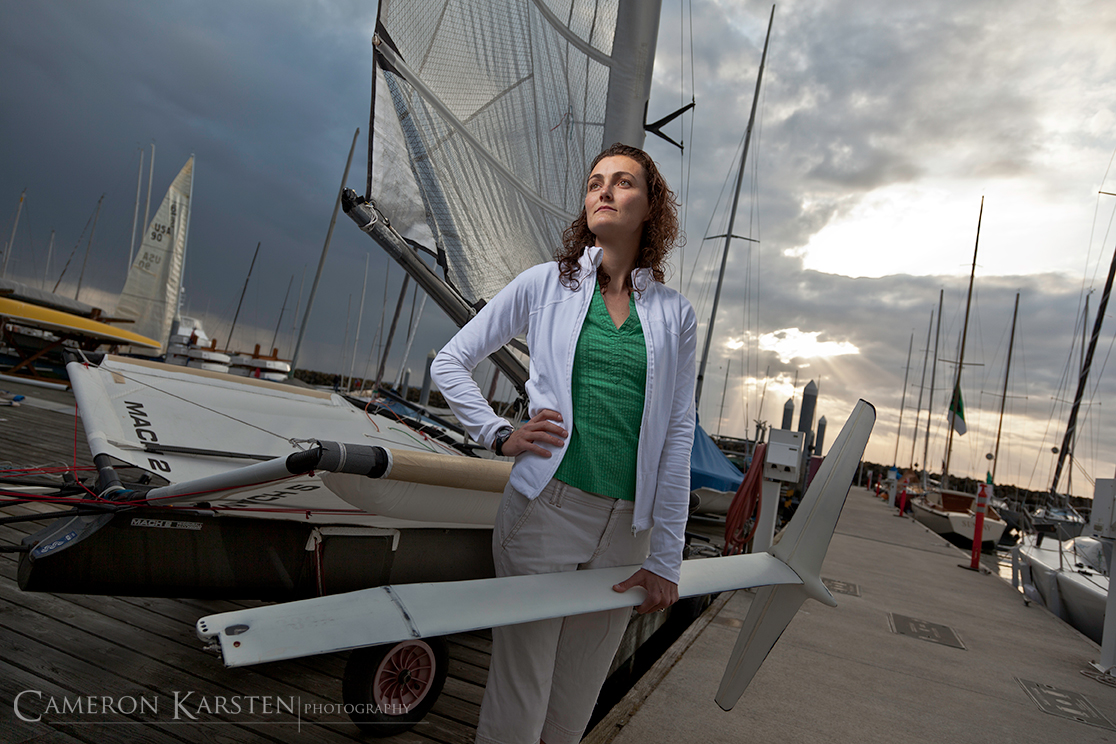
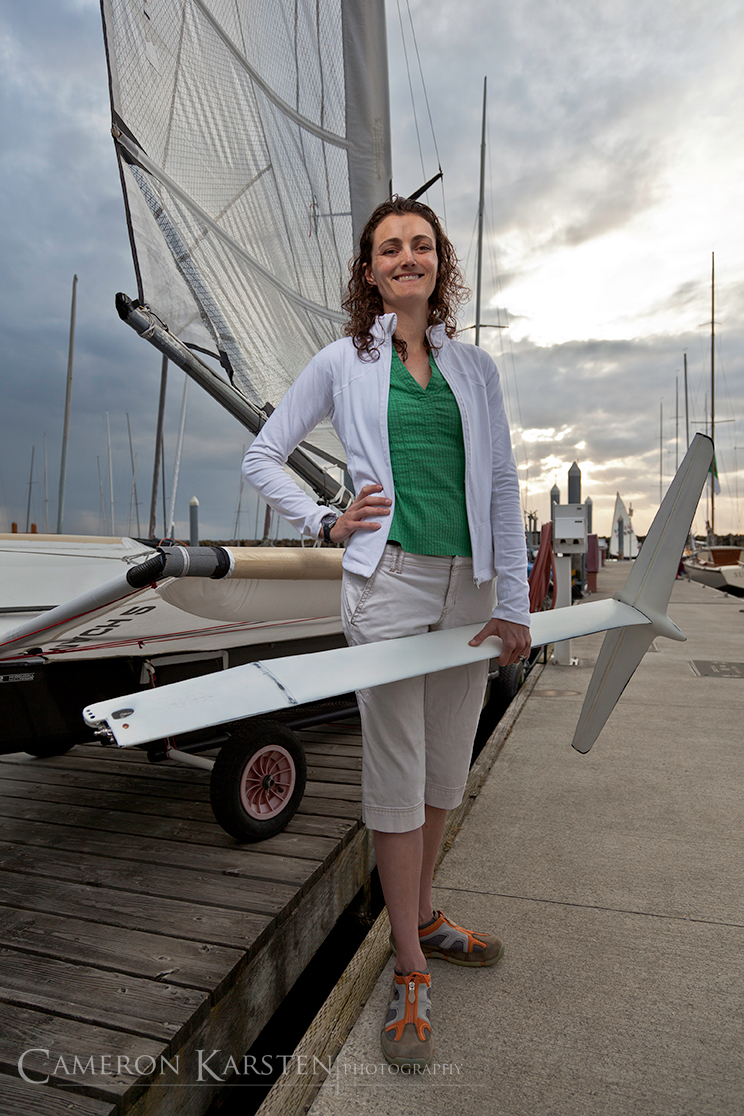
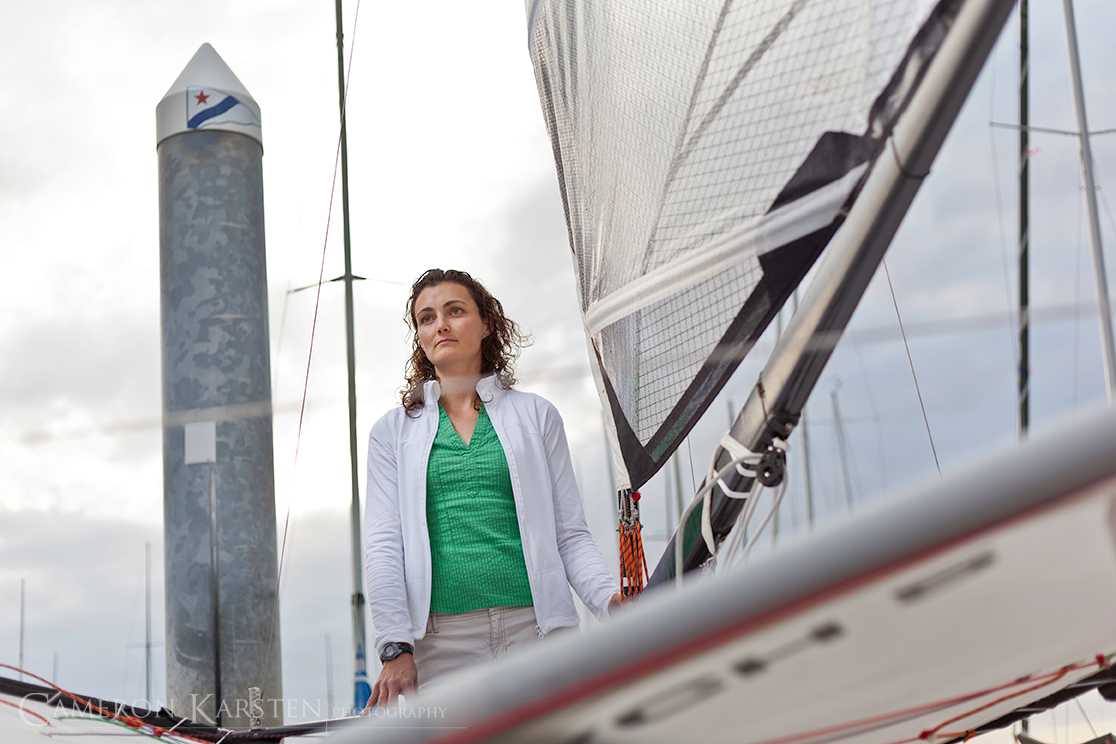
Lindsay Bergan’s environmental portrait with her Mach II moth sailboat for 1859 – Oregon’s Magazine. Publication for July 2012.
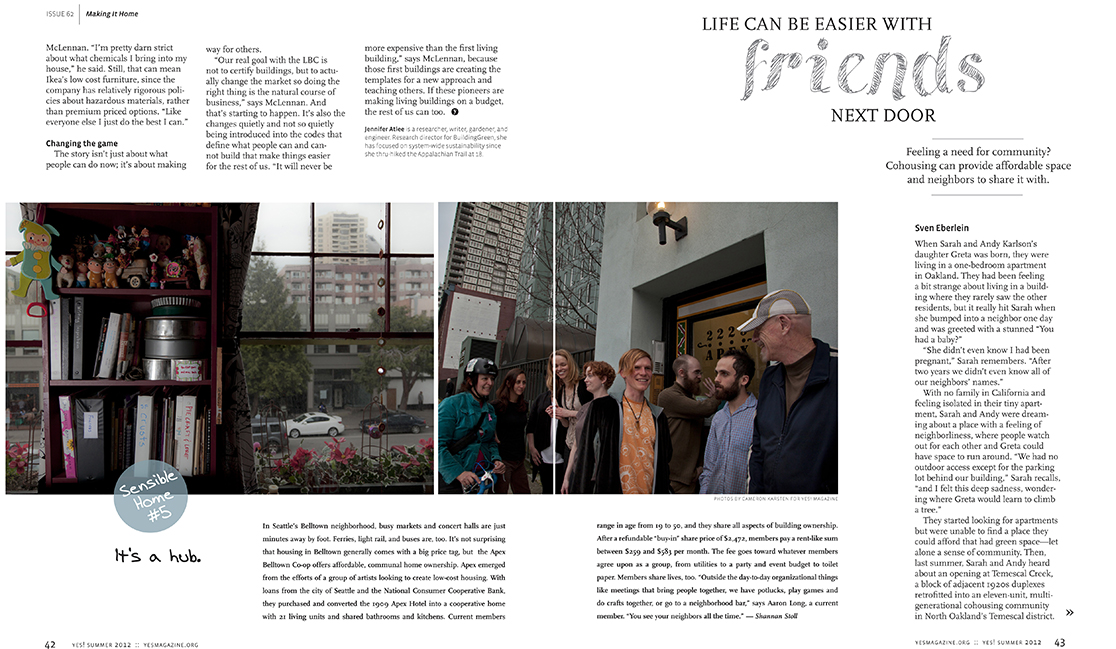
Apex Belltown Cooperative in downtown Seattle, WA for YES! Magazine. Summer 2012 Issue.
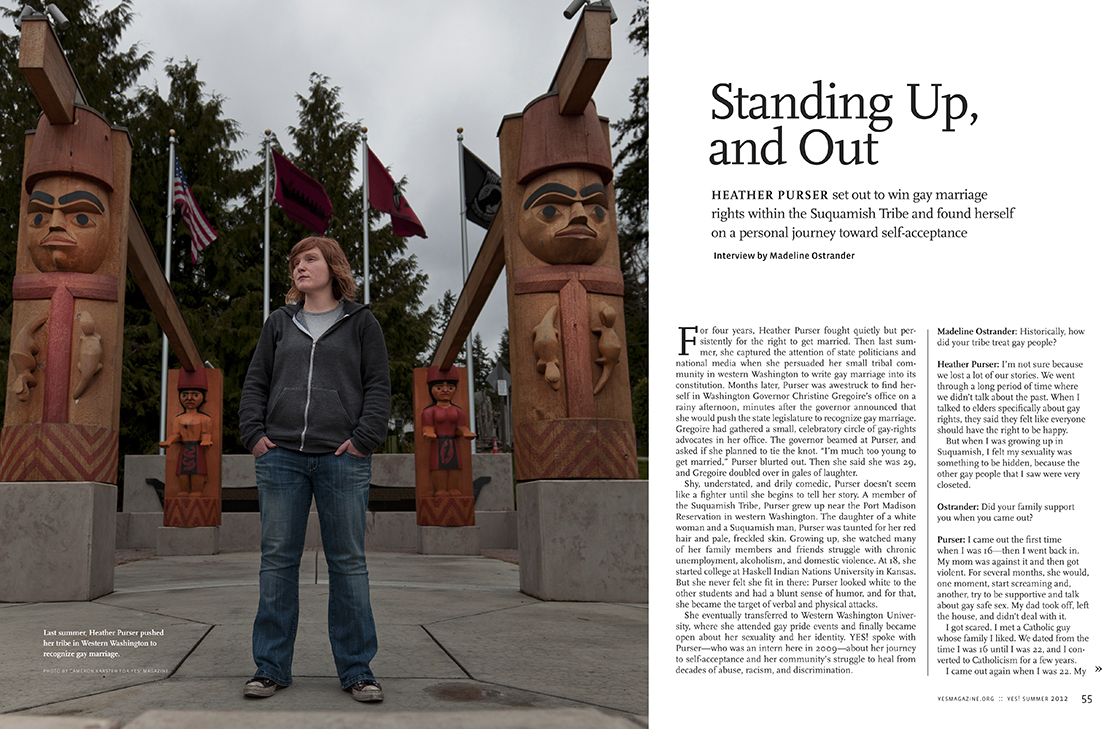
Heather Purser environmental portrait for YES! Magazine. Summer 2012 Issue.

Three shots in three separate scenes, telling the same story within a narrative series. It tells the tale of a model of three eras of fashion: the 60s, 80s and modern. As a model, she’s on the journey of her career. Although she has it all – the beauty, the clothes, the style and money – she finds herself at a crossroads seeking more, but is subsequently slipping into a lifestyle she’s becoming all-too familiar with.
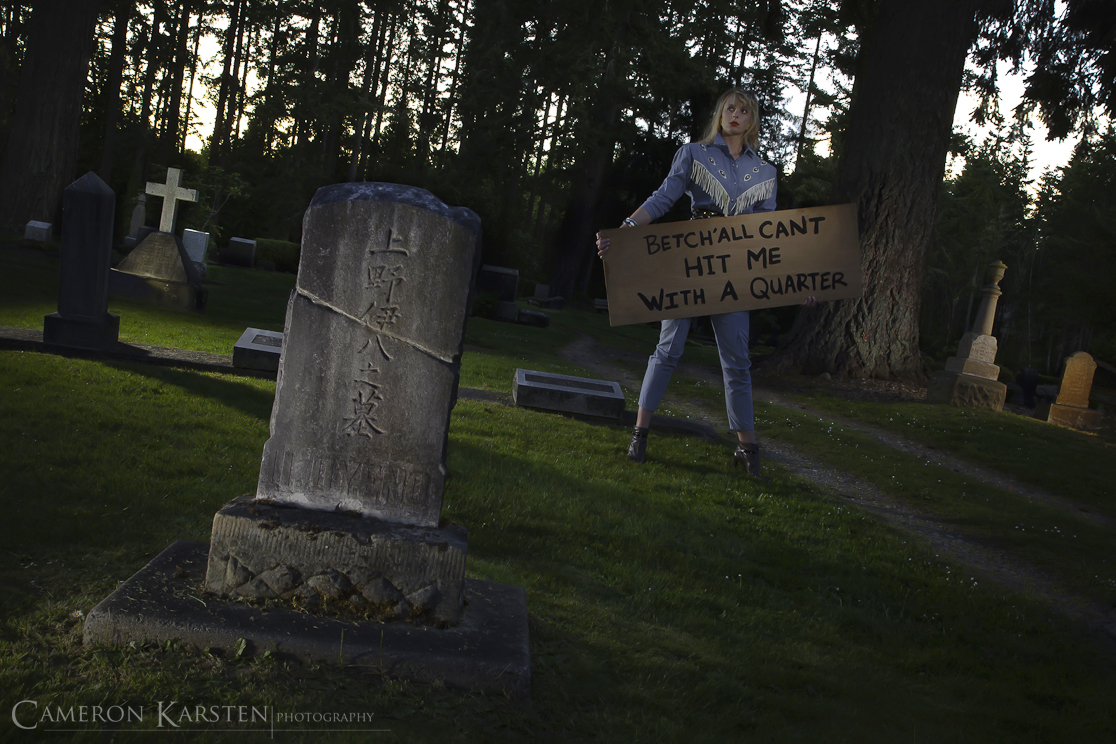
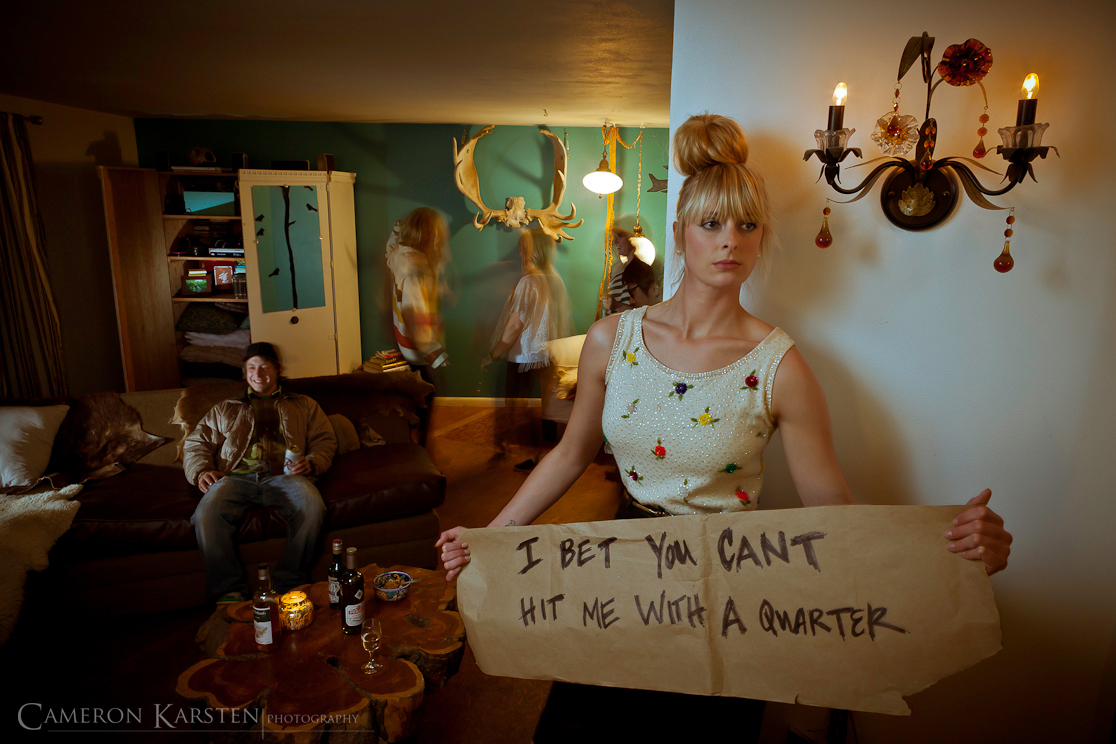
Location: Bainbridge Island, WA
Model: Morgan Terry
Stylist: LK
Camera/Lens Specifics: Canon 5D Mark II with Canon EF 24-105mm f/4L IS USM Telephoto Lens
variety of settings, ISO 100, tripod mount.
Post: Adobe LR3 & PS5
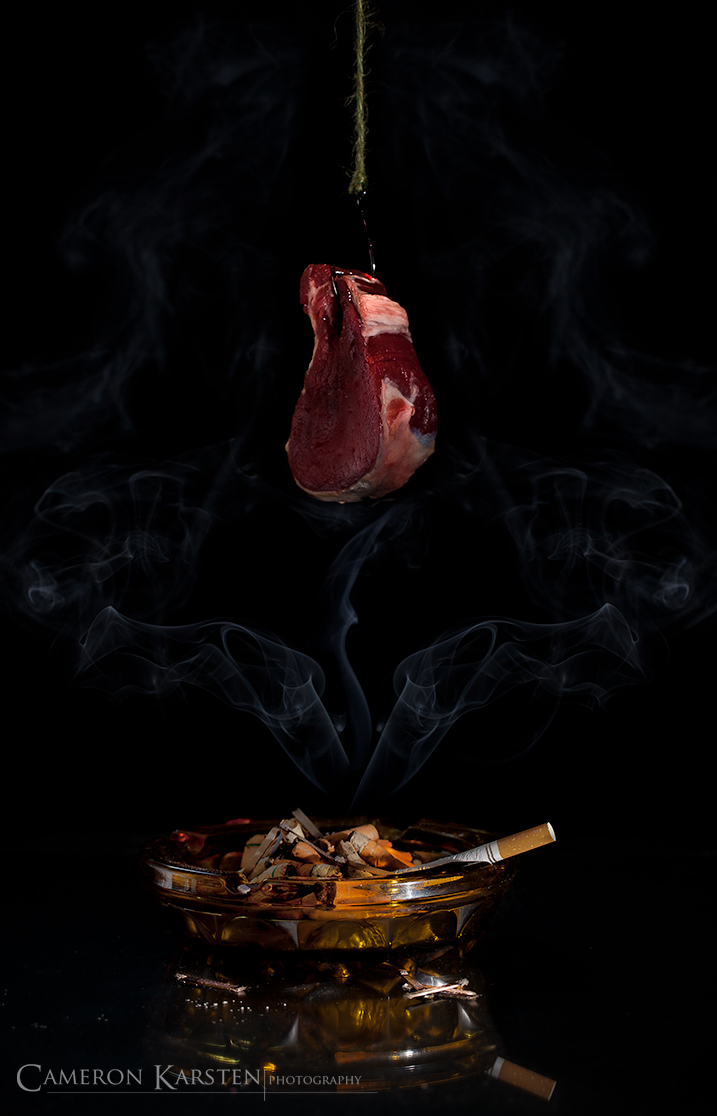
Tobacco-smoked meat; it’s what’s for dinner. This is my “still-life food” shot for an anti-smoking advertisement. Originally I sought to make the meat look like a heart hooked and strung-up over a smoking ashtray, but the meat just looks like meat. Next time, I’ll get a realistic-looking heart and blacken it a little more to show the ill-fated effects of smoking cigarettes.
Window light was the light source to camera left and an off-camera Canon 580EX II Speedlite bouncing off a silver reflector was the fill at camera right.
Location: CK Studio, Bainbridge Island, WA
Camera/Lens Specifics: Canon 5D Mark II with Canon EF 100mm f/2.8L IS USM Macro Lens
100mm, 1/10 sec at ƒ/6.3, ISO 100, tripod mount.
Post: Adobe LR3 & PS5
There were numerous things that went wrong with this shoot, which I did not become aware of until after during the hours upon hours of editing. To say it before I present to you these pieces: I don’t like them. In fact, I loathe them. Then why this post, you might ask?
First off, it is a visual record. Having rediscovered my love of fire, unleashing the pyromaniac youth within, stored memories from the times after school alighting pine needles with a magnifying glass to more explosive encounters involving cans of highly flammable RAID and a stack of wood set next to my mother’s house, I love fire. So, why not shoot it?
Secondly, I want these images to rest upon this web layout as a stage of photographic development. With this rekindled love of flame, I now have the desire to master the quickest, most intense flash of heat through the lens, and elegantly incorporate it’s fluid speed into my work creating a uniqueness and individuality.
Thirdly, using fire during work makes work so much more exciting.
So I present the first two shots involving TRESemme and fire. Again, these images are not worthy of due credit or professionalism, therefore I would never finalize them for a client and expect a pat on the back with a fat check. They’re merely a recording of the road to fire I am just now beginning.

The first one was shot with the bottles on a white background. These have too many reflections in the cans to represent the product accurately. Then when shooting the flames I discovered the speed at which they release. I sprayed the hairspray over a lighter, which singed all knuckle-hairs instantaneously, and witnessed these flames all but vanished on the sensor before the white background. So I switched it out for black and added a mass of strobes and hot lights. When I went to composite the images in PS5, I realized the task at hand to mask the black background flames with the white background cans was near impossible for a realistic, sellable product. Plus, for stop motion, the flames are not frozen, even at 1/1000th of a second!

This next image is an improvement considering the background, but the rest is just an attempt to experiment and learn after staring at a computer screen for 5 hours. I’m displeased with how both of these turned out, but the learning curve was steep and that’s all that matters right now.
Location: SCCA, Seattle, WA
Camera/Lens Specifics: Canon 5D Mark II with Canon EF 100mm f/2.8L IS USM Macro Lens
variety of settings, ISO 100, tripod mount.
Post: Adobe LR3 & PS5

High Key photography is a classic product set-up: bright subject, with few shadows and nice highlights. To go with au naturel consumerism, Tom’s of Maine toothpaste came into play.
The idea was to showcase the “Crystal Clean” result after using Tom’s. Somewhat pleased, I don’t feel totally successful with the project. The crystal in my model’s hand appears too large and the actual toothbrush on the right feels unnatural due to the lack of the bottom of the brush. In the end, the photographer decides about his/her image, while the audience decides on their individual experience.
Location: SCCA Studios, Seattle, WA
Camera/Lens Specifics: Canon 5D Mark II with Canon EF 100mm f/2.8L IS USM Macro Lens
variety of settings, ISO 100.
Post: Adobe LR3 & PS5

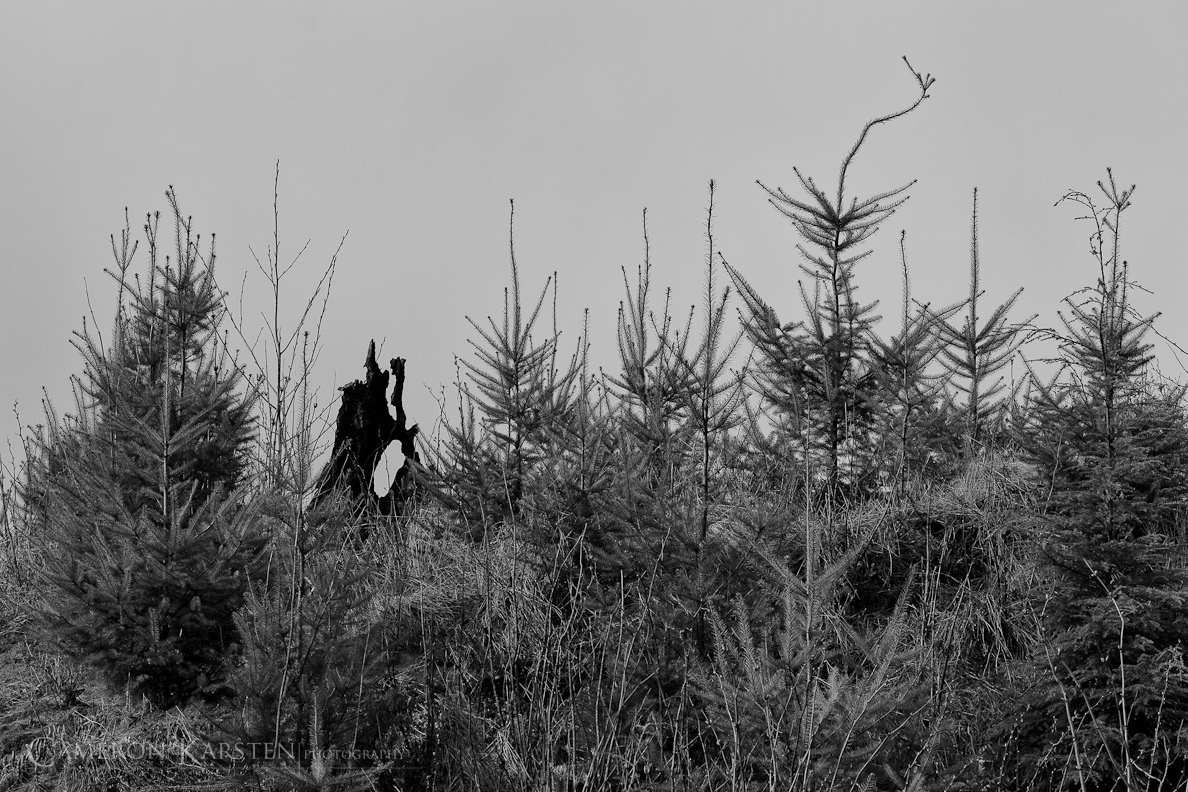
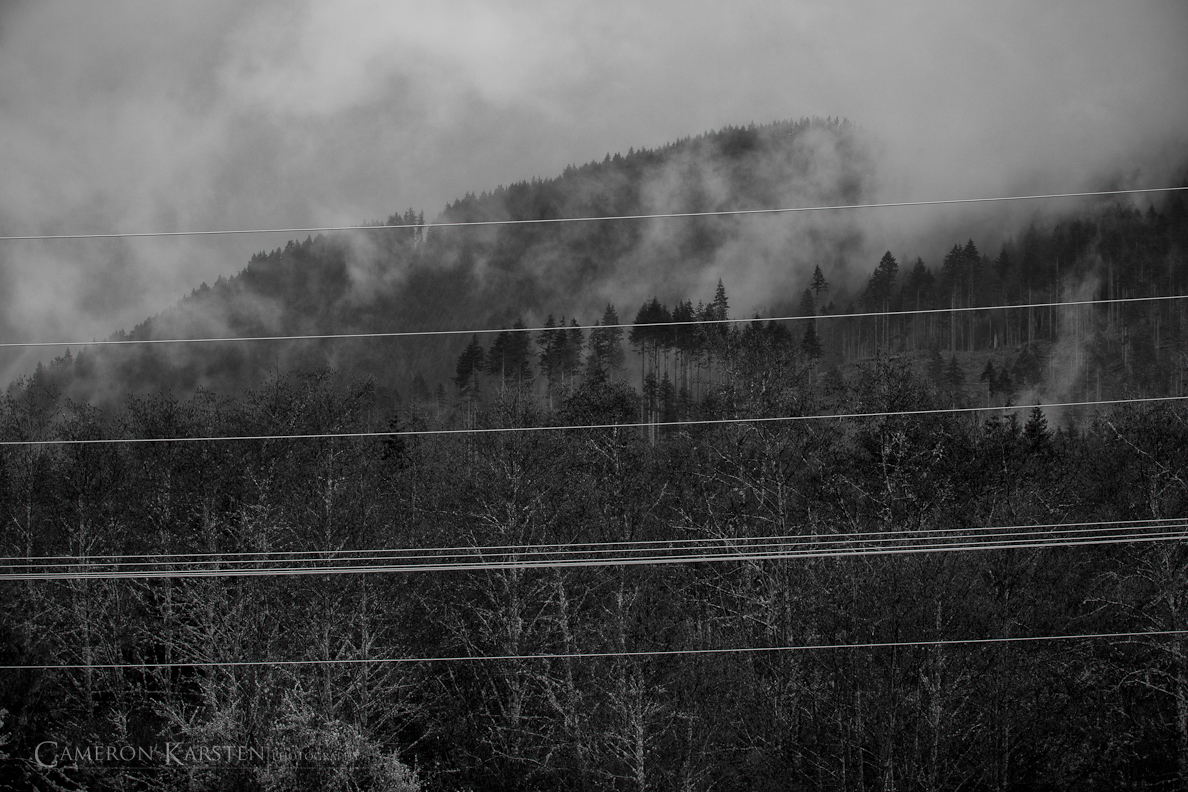
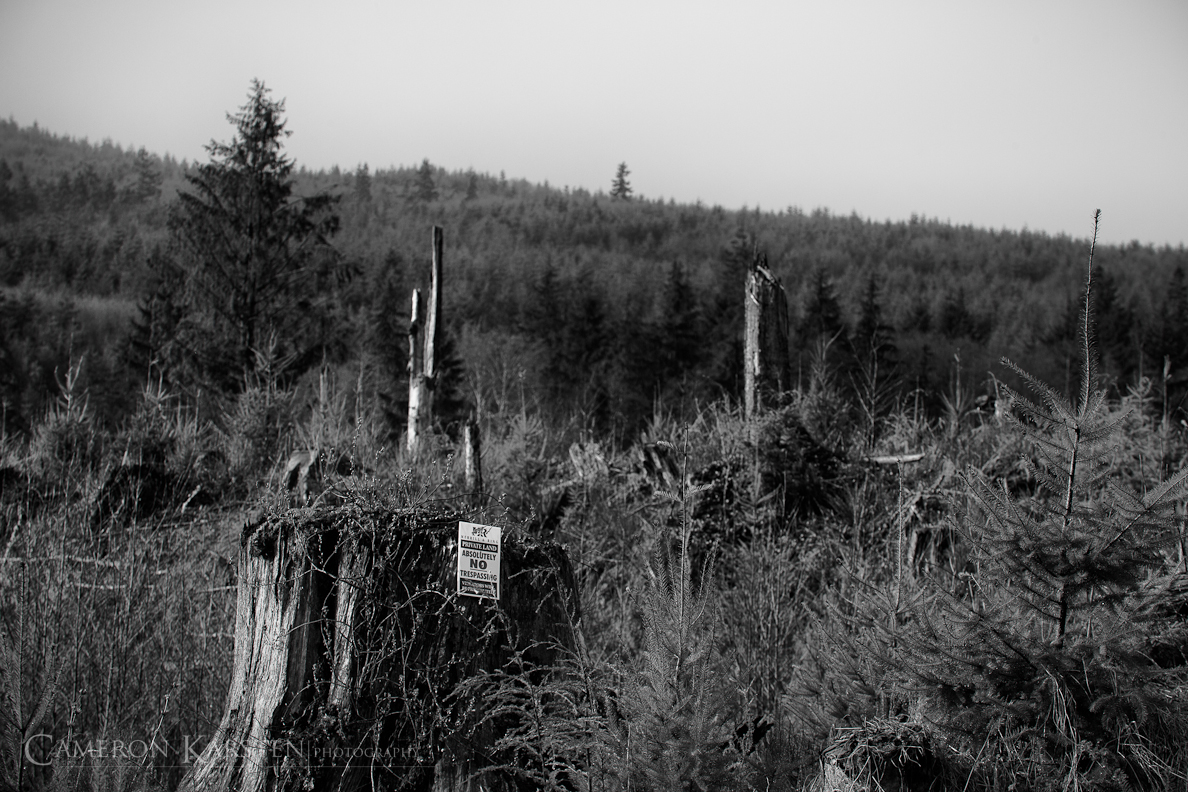
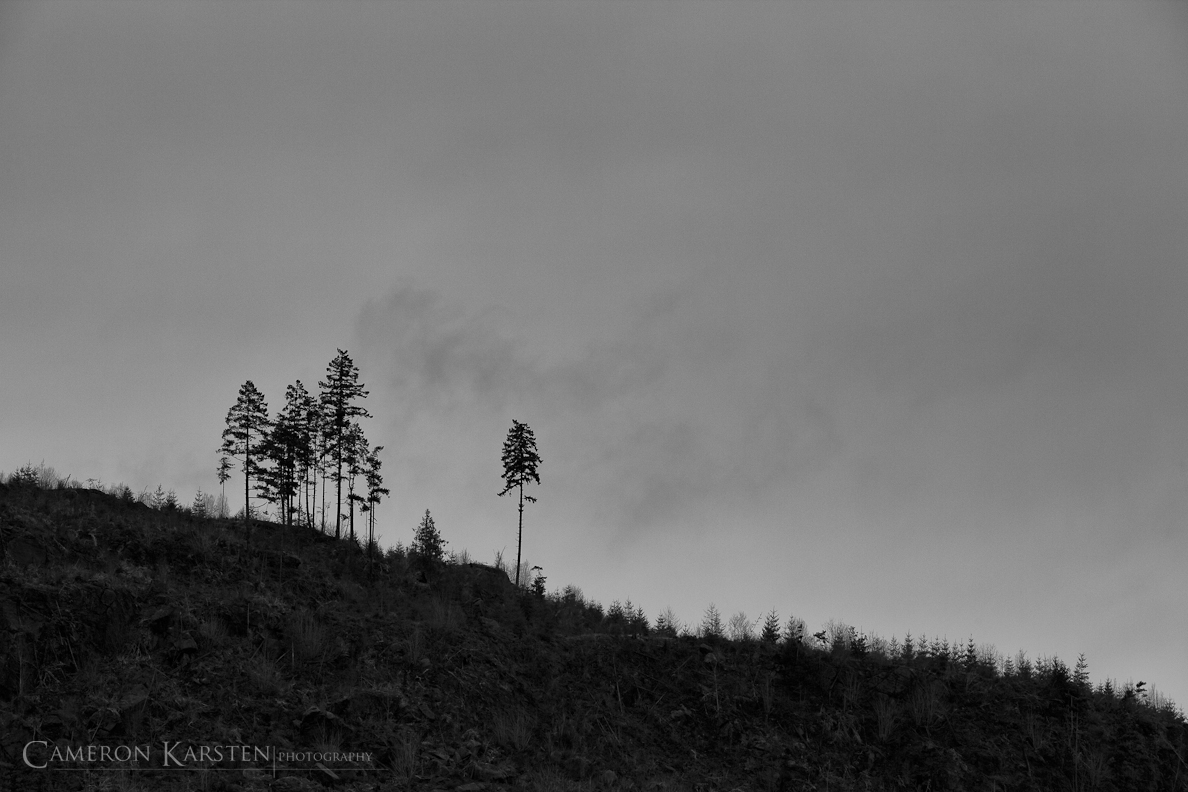
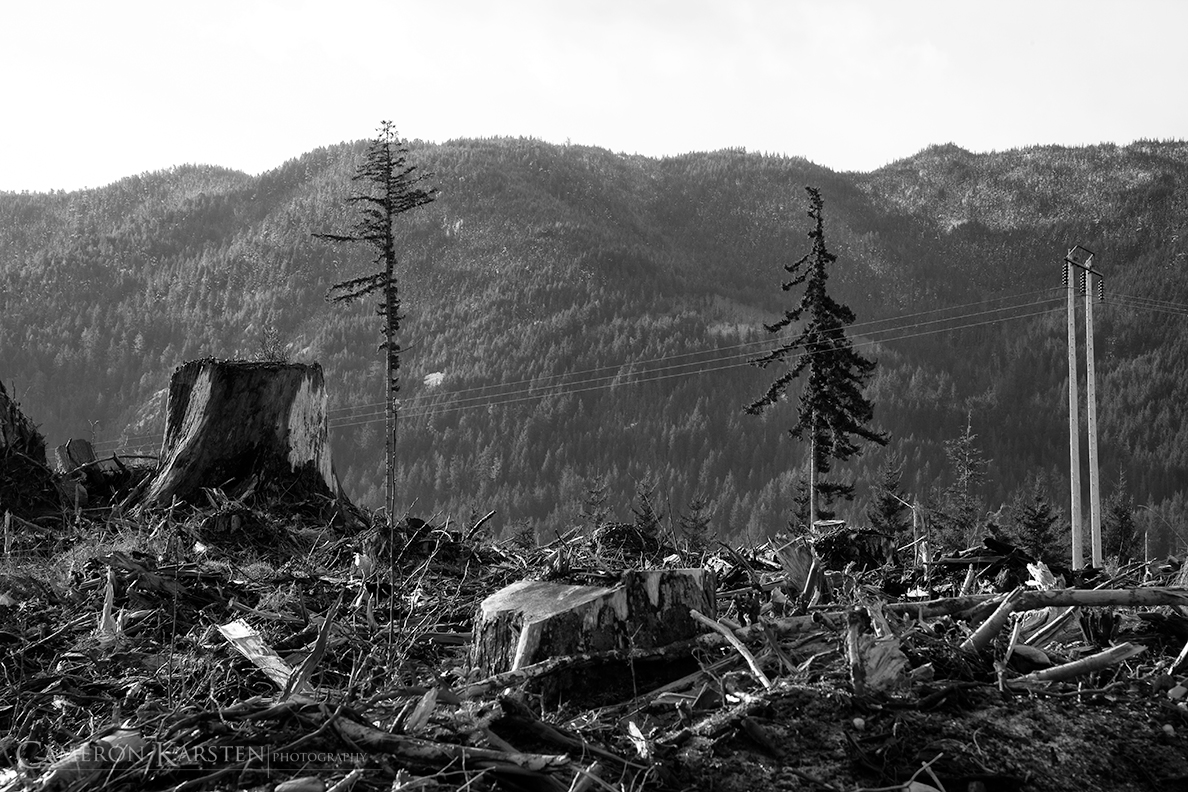
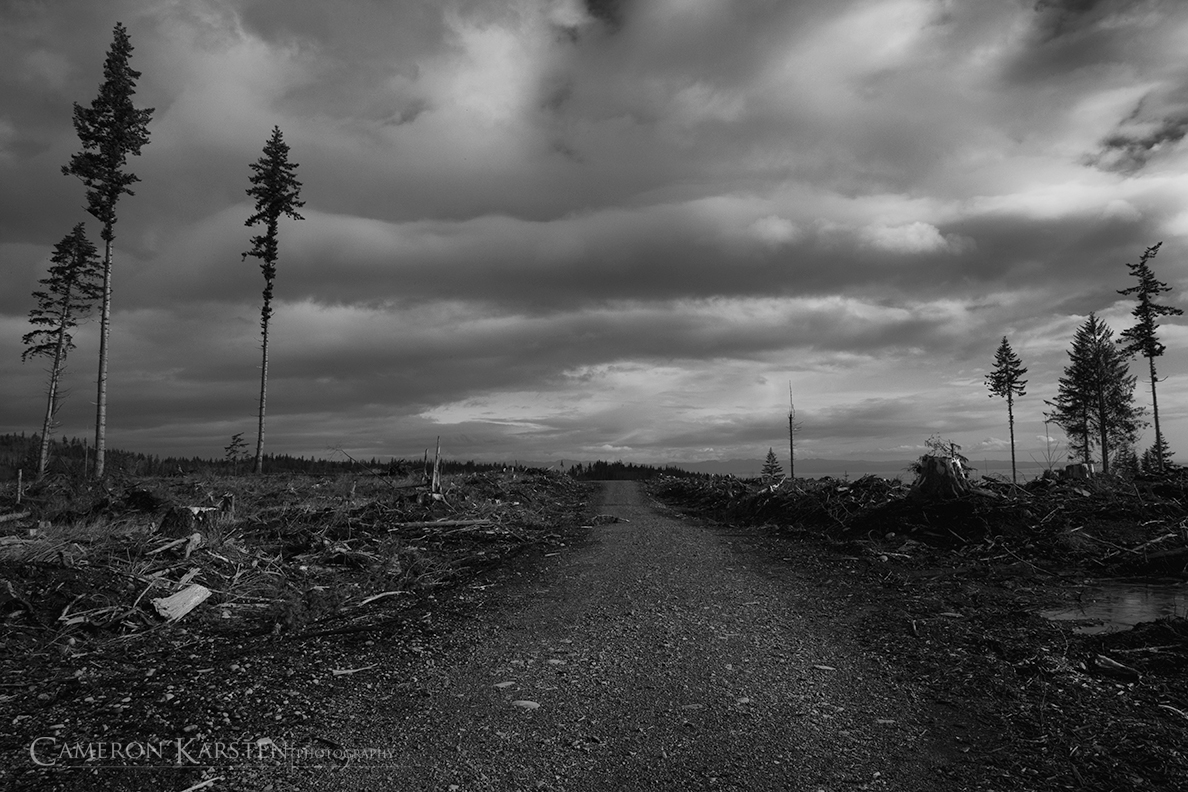
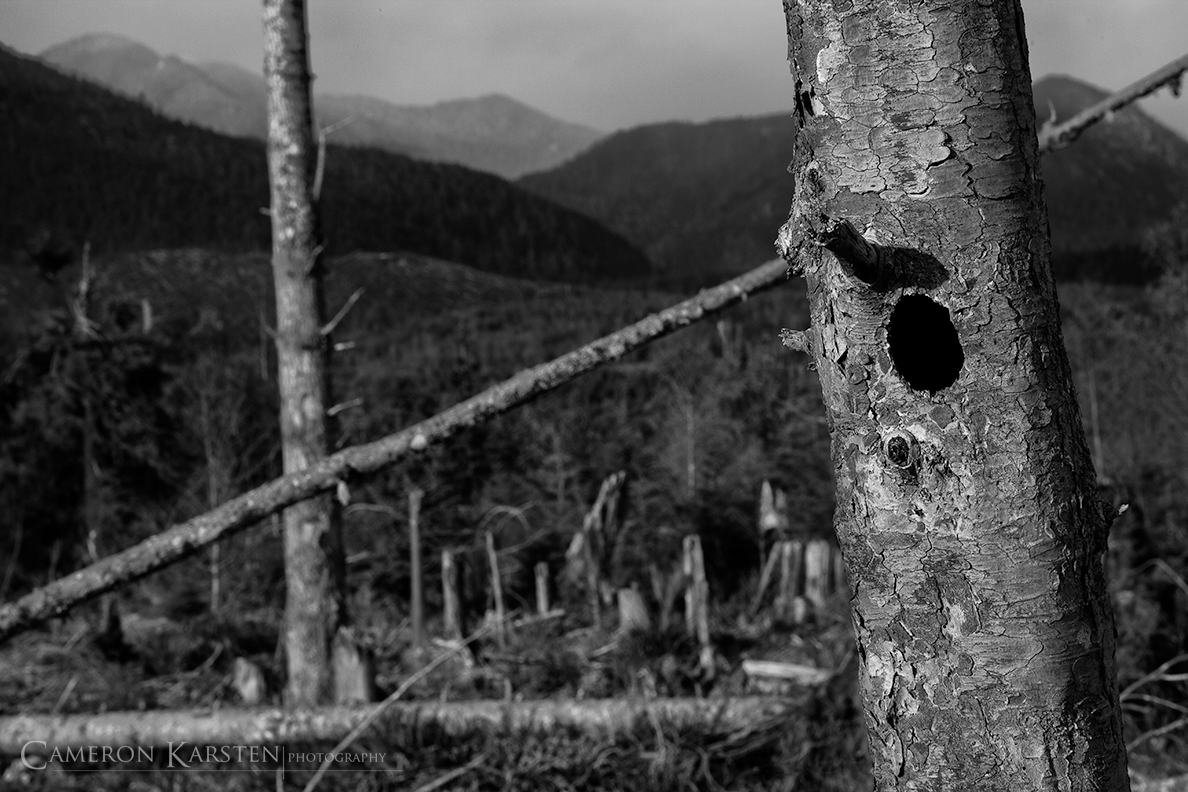
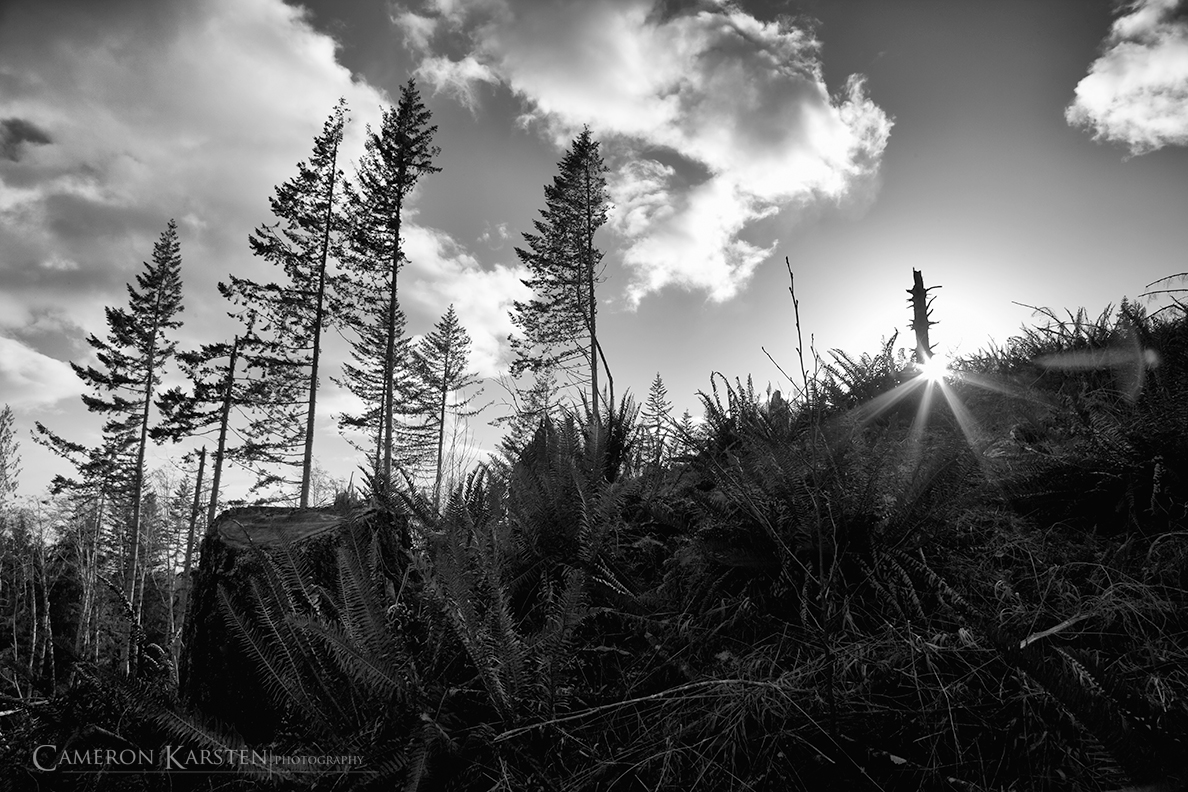
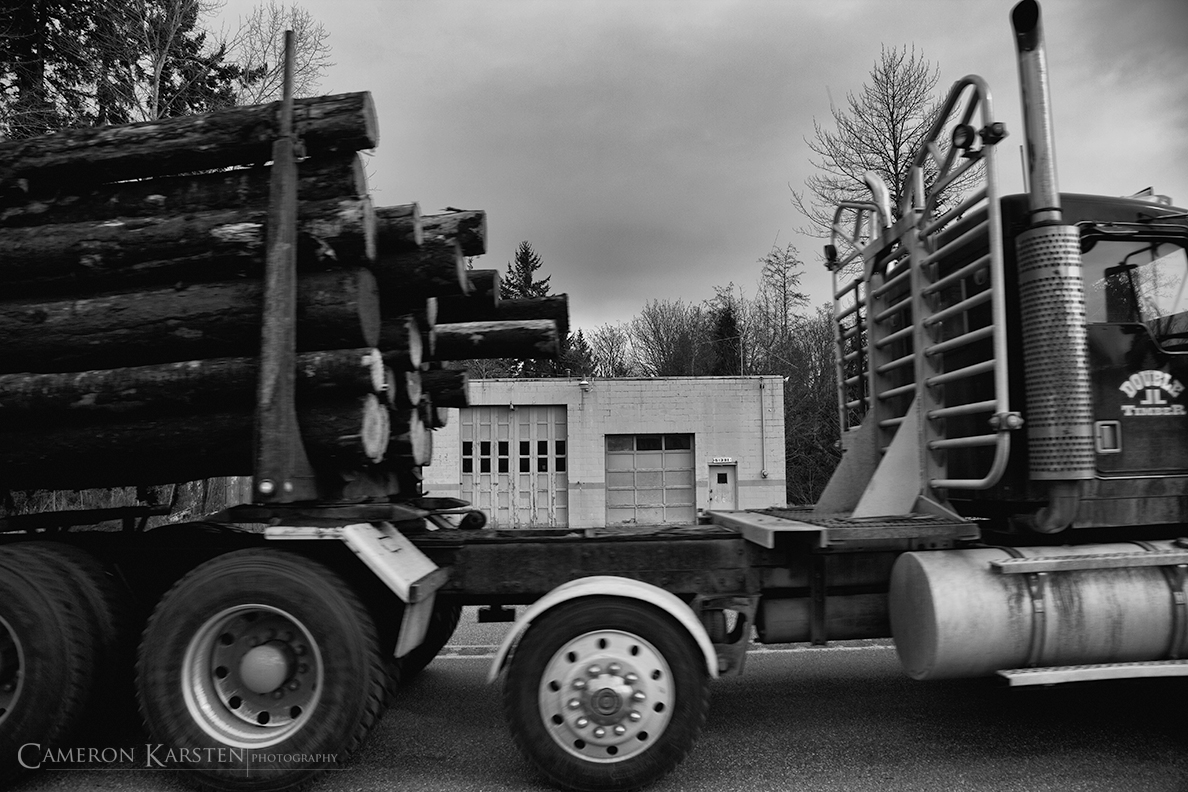
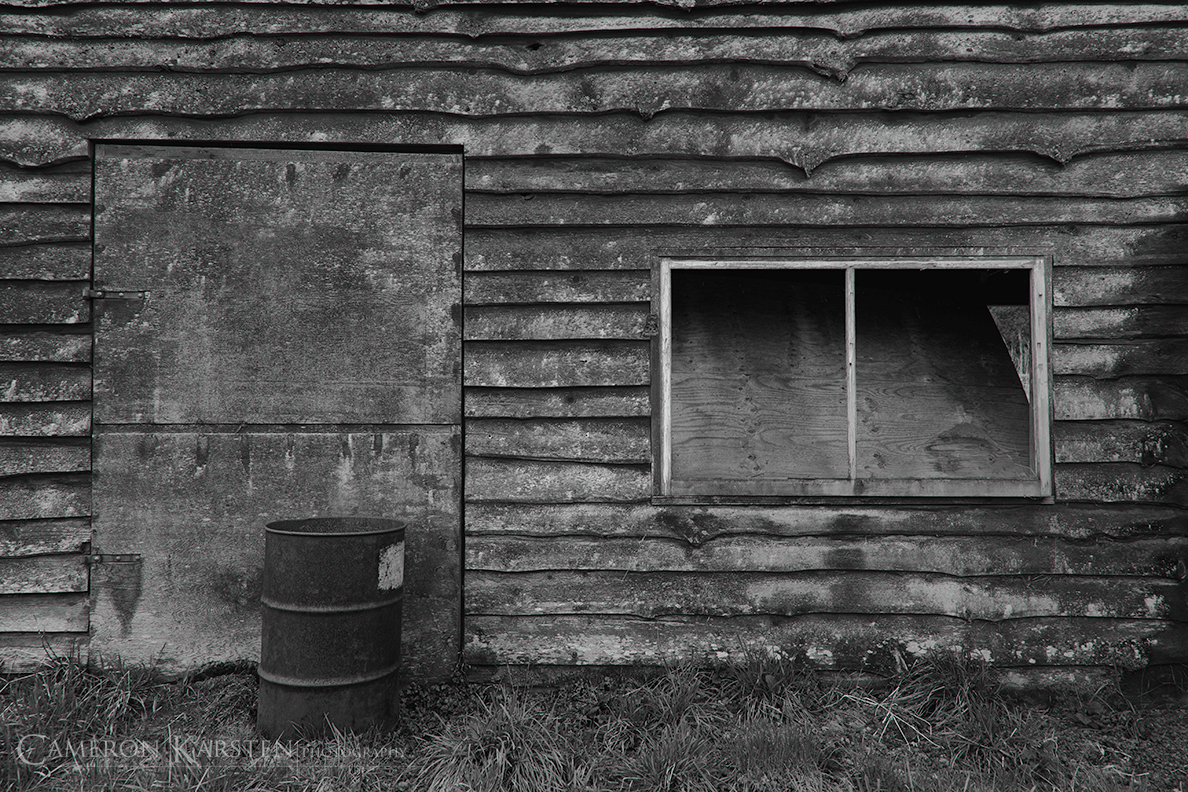
As I continue to drive out into the Olympic Peninsula, camera bags full and surf gear packed, I slowly observe the culture of a timber industry unfolding before my eyes. It is a people’s livelihood, their subsistence within the forest, bringing shelters over families heads and food to their hungry tables. And for the blue collar, it is not a wealthy industry. They are the cutters, sawers, operators, drivers and haulers of a civilization taking over the wild places.
With video files and the numerous still images of the cold cloudy spring passing over the Northwest wilderness, this project is evolving into an unbiased perspective of Man vs. Nature, and how the two can equally subsist; prosper side by side and thrive within one another.
Below is the second essay of imagery and visual thoughts from a story of wood deep within the Olympic Peninsula.







While on break, I had three weeks to come up with a composition for dark glass. When I was young, my grandfather gave me this old Kahlua bottle, and for years I burnt a candle in the crown. So, with the ambience of candlelight, I created an evening scenario with the added smooth tasting digestif White Russian.
I shot the bottle, and from there worked around the composition. And since it was an old bottle, the label was long removed. Therefore, I took today’s bottle, captured the label, and masked it within PS5, shot the tumbler with the White Russian, added reflections and a tabletop, brushed in the smoke and took my archived image of a wood stove fireplace to fill the background. The text was selected from the label and fit within the frame. Complicated but well-worth the time, as well as multiple White Russians consumed throughout the process.
Location: CK Studios, Bainbridge Island, WA
Camera/Lens Specifics: Canon 5D Mark II with Canon EF 100mm f/2.8L IS USM Macro Lens
variety of settings, ISO 100, tripod mount.
Post: Adobe LR3 & PS5

Wood; a precious commodity. Cut, sawed, shaped, nailed, lacquered, stained. Occasionally it’s replanted, and years later, generations gone, money is made again. Wood is money. The forests are for sale, for their resources, for their lands, for their habitat. The following images are the start of a multimedia project telling the tale of wood, from origin to combustion, and the phases of transition in-between. How does it effect us? How does it feed us? How is the life under our feet and that above our heads impacted today, tomorrow and those generations ahead?










 Cameron Karsten's Imaginarium