Vodou Footprints: Cotonou’s Spark

Day2_Cotonou_Egungun-336

I’m four beers deep and still have the need for another. It’s only 90°F, but 85% humidity feels much hotter—as though my blood is simmering from the inside out. I’ve sweat all water from my body and therefore have settled for the coldest beer a man can find. Here it’s Castel, a favorite from Ethiopia. Although I know it’s not scientifically sensible, the heat has decreed my parched lips the ultimate authority. At one point, it looks as though the barman has run out. So when a case of chilled Les Beninoise is proudly unveiled, the relief amongst the patrons is palpable. I might just survive this after all.

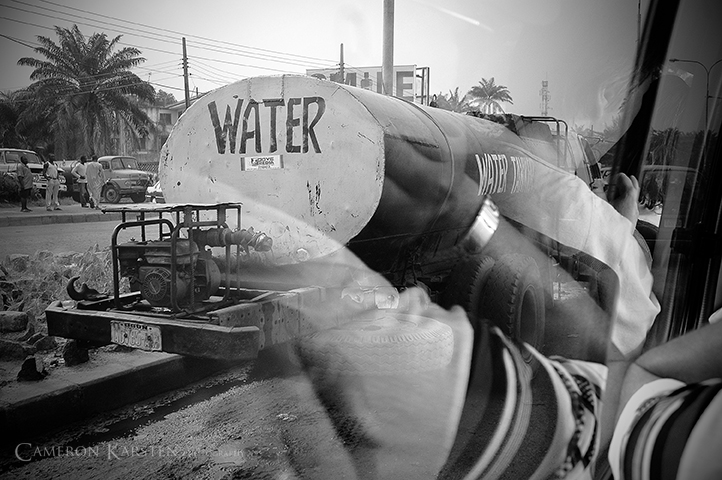
Cotonou is an African mega-metropolis. This means it’s not fun. Streets are clogged with dirt, dust, and worst of all, a constant plume of suffocating exhaust. It is full of life, and yet its conditions seem to defy it. Nevertheless, with population estimates exceeding one million, the inhospitality of this land simply cannot match the resilience of its inhabitants.

Day5_Allada-42

Welcome to Benin’s unofficial capital and undeniable commercial force. It is a city of hustle and bustle—a city whose voice is a cacophony of screaming motors and exposed engines. Where bush-taxis appear and dissolve at each shifting gear. Monstrous lorry trucks creak from bent chassis and blare horns willy-nilly. And the omnipresent zemidjan (motorbike) blisters the road with fearless abandon. A mind will not rest in a city with such movement.

Of course, there is no way to avoid this city. One must fly into the airport of Cotonou Cadjehoun to land in Benin. This is how I arrived, after 37 hours of relatively painless travel. Upon arrival, however, my body instantly succumbed to the shock of the heat. A heavy sweat filled the creases of my back and brow. My nose filled with a miasma of burning trash and hot spice. I was disintegrating. At customs, the usual challenge of patience became nearly intolerable in this climate. Time above the desk registered 2AM. I was exhausted, and still there were cases to collect—not only those filled with more or less replaceable clothes, but also thousands of dollars’ worth of photography and video equipment. My mind wandered. I was helpless among the fray of fatigue.

Day2_Cotonou_Egungun-18

Incredibly, everything (including my arranged pickup) arrived incident-free, and I quickly secured the necessities of bed, air-con, and mosquito net. The next thirteen hours were nonexistent.

When I awoke, Constantine had arrived and was similarly in need of recovery. He slept. I slept more. Instinctively, we both knew that whatever lay before us demanded the utmost mental and physical preparation—no matter how unforeseeable and incomprehensible.

***

The Dantokpa Market is over twenty hectares in size and grosses over a million dollars a day. We met its alleyways with amazement—the endless stalls contrived of scraps of wood and stacked with every conceivable produce, electronic device, food, and knickknack. Baguettes abutted sunglasses. Plastics flanked pottery. Eerie fluorescent liquids from Passotome glowed in unlabeled water bottles. Fried fish charred under a searing sun-glare while flies swarmed in frenzy. And no matter what the ware, a smell that can be described only as uncomfortable pervaded. But these things only piqued minimal interest. We sought something more bizarre—something more truly sacred to the people of West Africa: the fetish.
Day2_Cotonou-16

We had met at the Eddie Adams Workshop in upstate New York a mere three months before. As we traded stories and aspirations of travel and photography, we quickly formed a strong connection—a common desire to capture beautiful images of cultures around the world. On the second day of the workshop, he had approached me with a simple enough question: “How ‘bout a project?”

“Well, yeah. I’m interested.” Unbeknownst to me, he was proposing a much larger collaboration than I understood at the time.

“How about Voodoo?” he asked.

My hesitation was barely noticeable. “Hell, yes,” I blurted. Just like that. Although I knew little about Voodoo (or perhaps because of that ignorance), I couldn’t turn down such an enticing opportunity. It hadn’t been a question; it had been a summoning.

Day4_AbomeyCalavi-161

Three months later, we saw our first glimpse of the fetish. At Marché Dantokpa, we came across a table laid with an assortment of dried animals and constituents: monkey heads, gator claws, mandibles, chameleons, snake skins, and numerous bone fragments. To our untrained eyes, most of it was practically unrecognizable; but we knew we’d hit the jackpot.

It was guarded by two young Beninese men who clearly wanted nothing to do with us. At first, they simply ignored our presence. Undeterred, we continued to ogle the various items with wonderment—all the while attempting that woeful balancing act of respectful distance and inquiring curiosity. A few moments later, it was obvious that we weren’t intimidated by their coldness, and so the guards began to shoo us away: “No tourists! C’est mal por vous!”

We had no choice but to leave, and leave we did—but not without first satisfying and redoubling our growing determinations to see and to know what exactly had sent us halfway around the world in the first place.
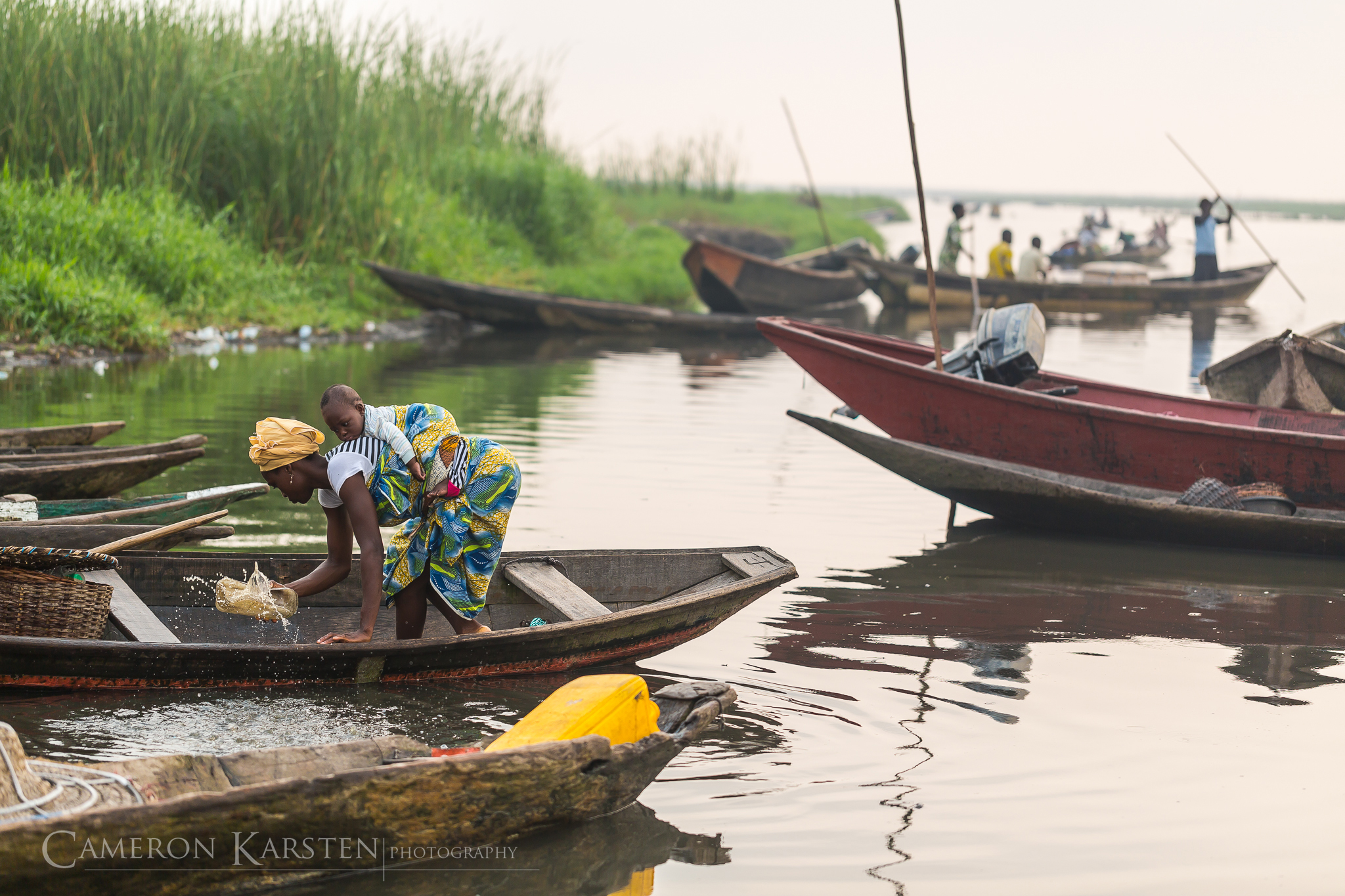
Day3_Ganvie-40

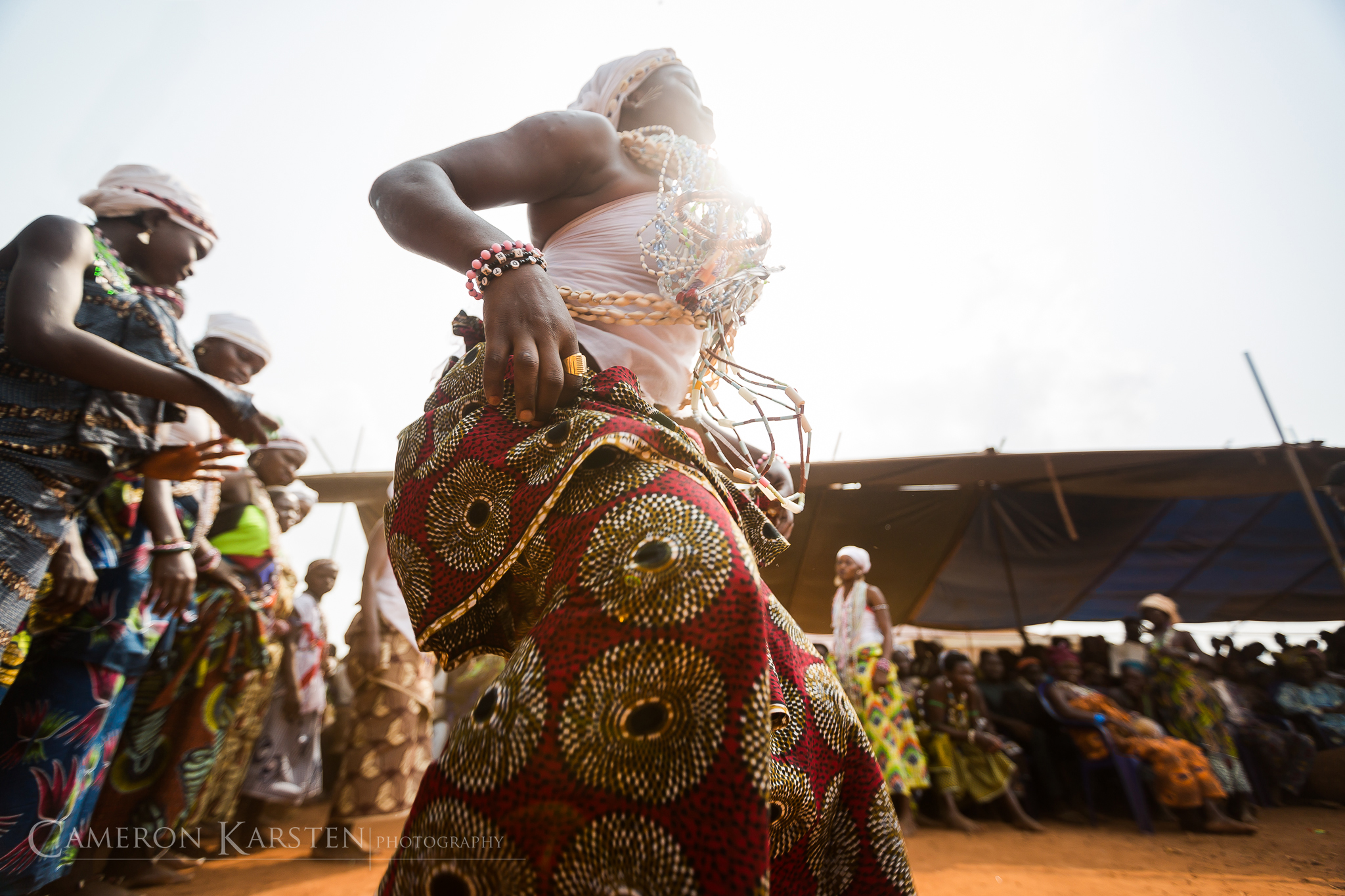
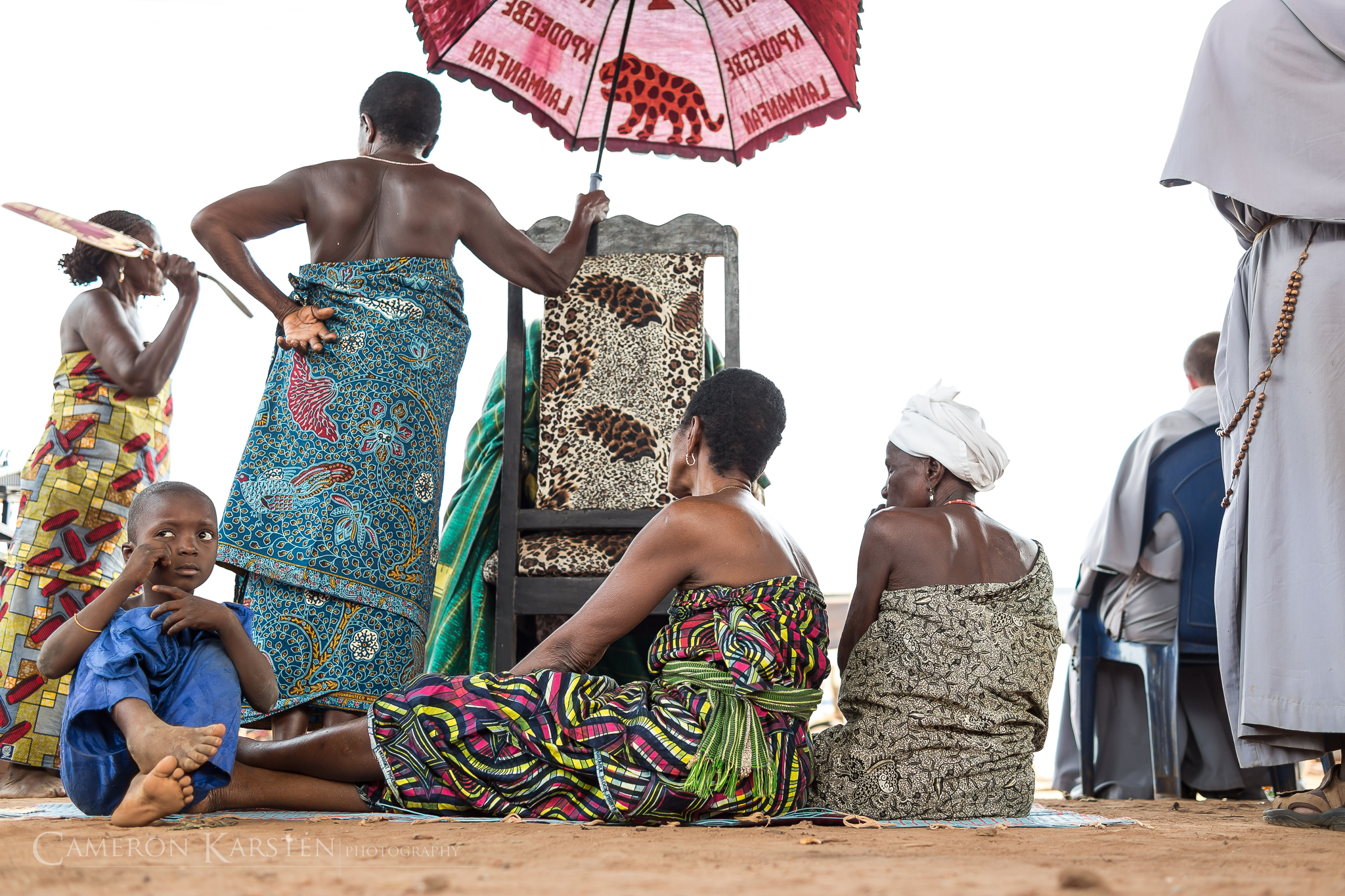
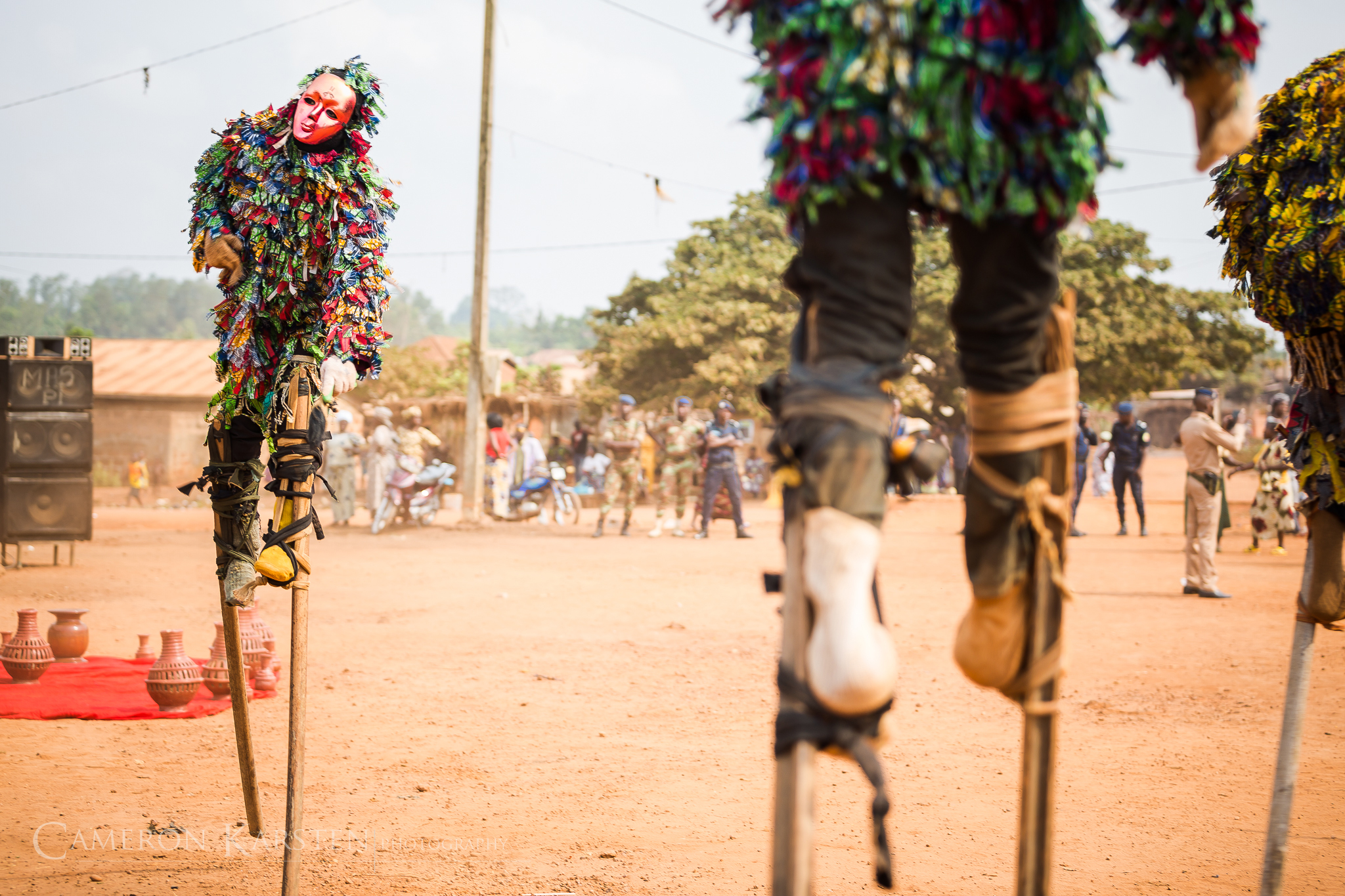
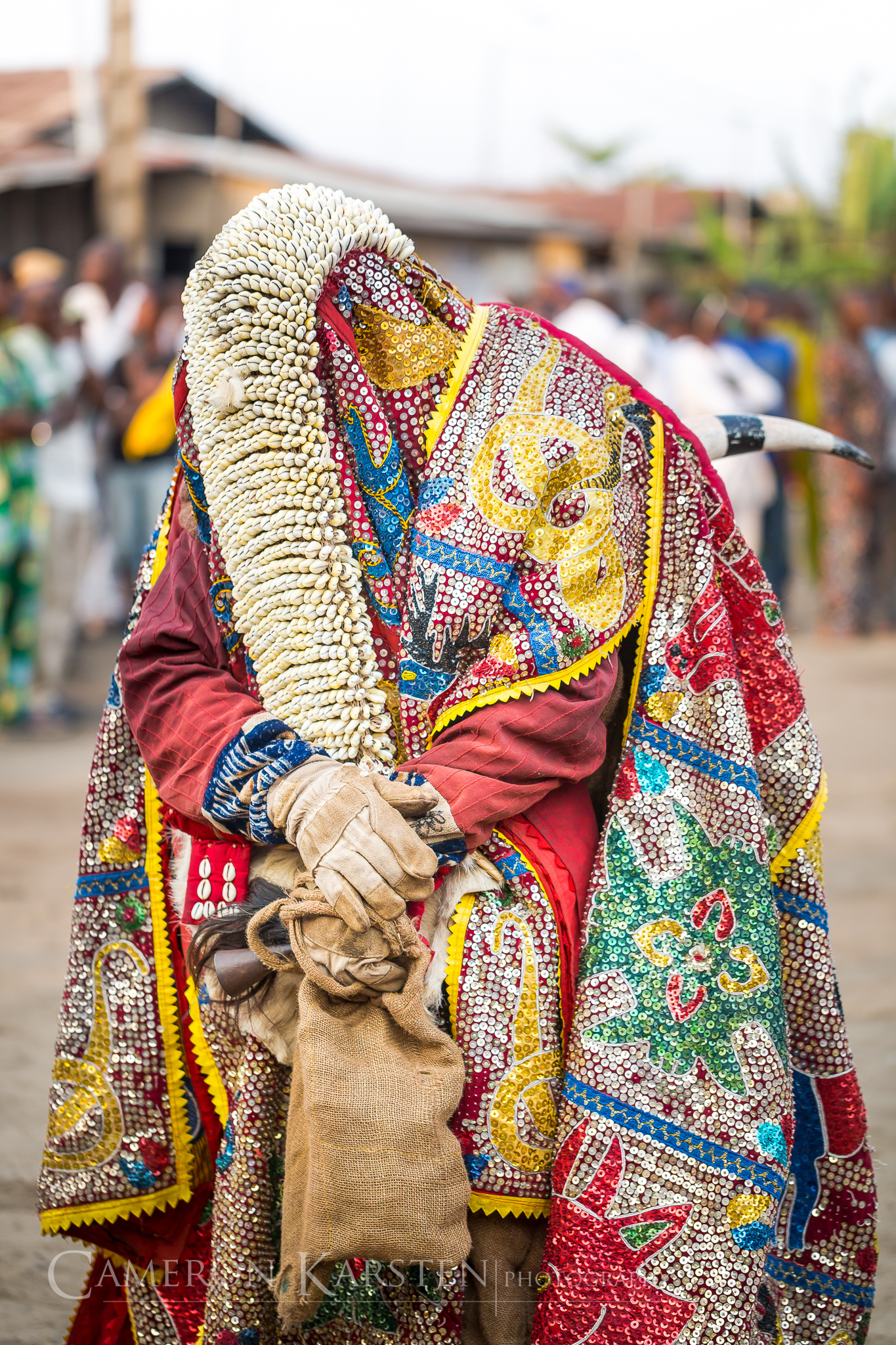
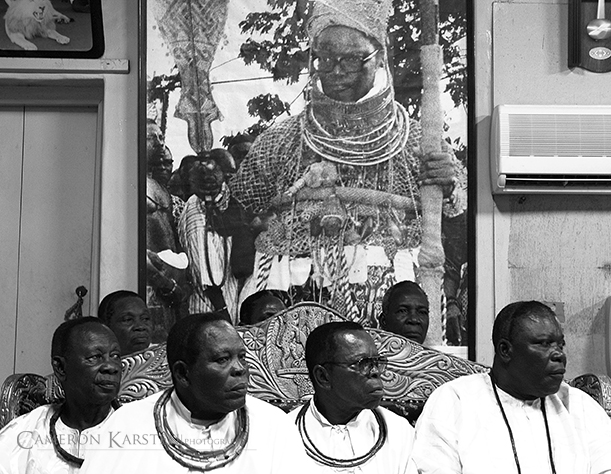
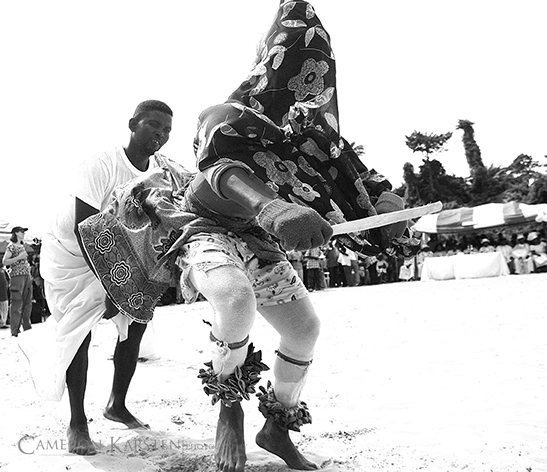
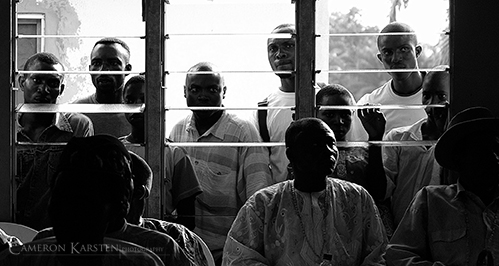
Even still, little could we have predicted that within hours of dismissal we’d suddenly find ourselves thrust headfirst into the ceremony of the Thron god, face-to-face with Egungun spirits, and openly accepted into the Vodou community. Ultimately, the fetish market of dried livers and crispy hyena hairs, fascinating as it was, would be but a rousing sip from the bountiful tonic of Benin.

We had caught the spark of Cotonou.

Next essay –>

Day5_Allada-204

Day3_Ganvie-238

Day6_AlladaVodou-84

Day2_Cotonou-141

logo_blackTrajan

Vodou Footprints: A Faraway Land in Benin’s Cradle of Vodou

Day6_AlladaVodou-452

Geography, for many Americans, is that daunting and embarrassing mystery—a dim knowledge largely confined to wartime allies, historical enemies, and the occasional topical hotspot. Beyond this so-called important handful—Western Europe, the Middle East, possibly China or Japan—everything else is clumped together into a world of unknowns.

When I told acquaintances of my impending trip, the average response was somewhere between hesitance and puzzlement. Like a jargoning doctor to the common patient, my words didn’t ring many bells.

Well, perhaps Benin is a faraway land.

Day3_Ganvie-356

Admittedly, I too couldn’t place Benin in its exact location prior. West Africa, I’d say evasively, somehow hopeful that several nations would willingly surrender their unique identities to their greater region. Technically, I wasn’t wrong. But not surprisingly, I soon discovered that Benin deserved far more respect and scrutiny than I had originally expected. Take a closer look and you’ll begin to unravel a majestic tangle of complexity and misconception.

Benin borders Nigeria’s western edge, touches Togo’s eastern boundary, and supports Niger and Burkina Faso above. It is one of those tiny West African countries that stretch north to south. Sneeze and you’ll miss it. In fact, picture Africa’s western shoreline as a nose. Benin sits just beyond where the mouth and the nose would meet—at the nostrils, if you will—a sliver of land anchored by the fabled Bight of Benin.

And then there’s magic. In the West, the word conjures up David Blaine, television’s greatest living magician. A levitating, fire-breathing, death-defying illusionist. A beloved celebrity of record-setting endurance. A talent, no doubt. From the Beninese perspective, however, he is not a man of magic. Call him master of deception. Magic in Benin is a way of life.

Day1_Ouidah-112

Everywhere there is magic. It’s in the red earth of the landscape, the throbbing fury of the sun, and the relentless currents of the great flowing rivers. It’s their religion—a religion in which the interactions between nature and humanity are cherished and respected every day. Magic is Vodou. And with 4,000 years of magic backing it up, Benin is the undisputed cradle of Vodou.

Personally, I believe in magic, both as a form of deception as well as a supernatural expression of the energies beyond ordinary comprehension. For millennia, Homo sapiens—the self-proclaimed wise man—has existed, evolved, and generally erred, all the while attempting to explain: What lies beneath? What forces create the churning seas of the ocean and the gyrating clouds of the sky? What energies course through veins and roots alike? Indeed, what does our cunning and craft amount to aside vast incomprehensibilities? Our attempts to solve breed yet further questions. No matter our advancements or industry, the sun still rises and the moon ever orbits to a language seemingly all their own.

Day5_Allada-173

Countless cultures have contrived to explain these fundamental phenomena. Some grow. Most fade beneath the all-consuming flames of war and oppression. And yet, incredibly, amidst the largest powerhouses of the world, there exists a small country—undeterred by the folly of others and sorely ravaged by the horrible histories of slavery—where the primeval practices still prevail and the honor of the mysteries of the world take precedence.

Cast aside the linear mindset and the textual teachings of the West. Simply observe what is before you and what has come to pass. Only then will you understand Benin. Here the supernatural and natural worlds converge; everyday occurrences take on special meanings; and the privileged traveler may join the setting sun into the obscurity of a secret and sacred society to appreciate the mysteries of what Benin declares its official religion: the worship of the Vodou.
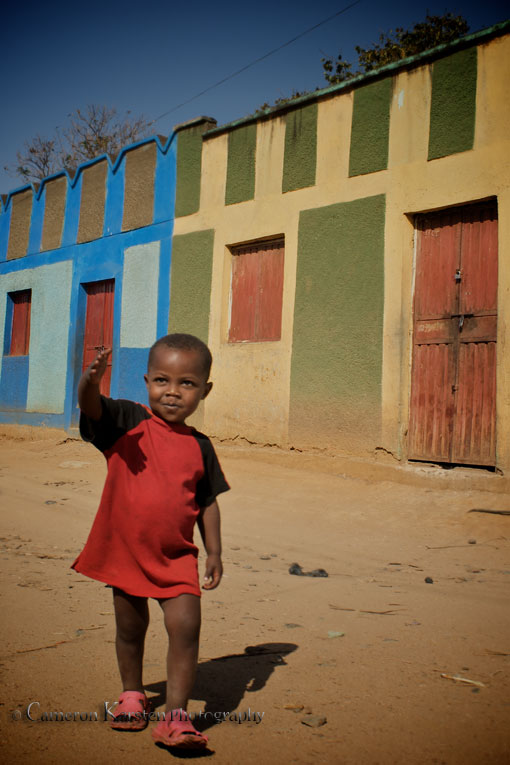
Day6_AlladaVodou-366

It is a world of shadow and dance. Of masks, scars, and tattoos. A country where Kings remain the Kings of Kings, and the leopard and snake reign in the household tale. Feel the pulsing rhythm of Vodou, transcend the merely tangible, and let the beat of the drum lift your mind into the realm of the metaphysical. Once you have crossed this threshold, once you have heeded this singular call, the world around can never be the same.
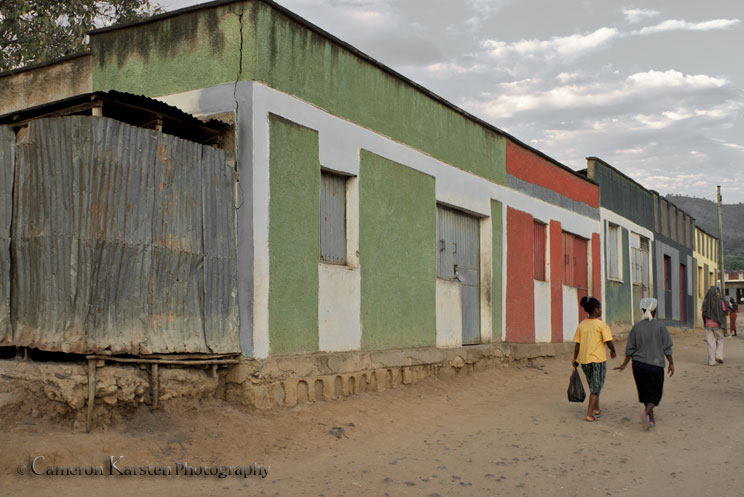
For us, there is no retreat. There is only the universal language of Vodou, and together we will drink from this bottomless cup.

Together we’ll reach a faraway land.

Next essay –>

Day6_AlladaVodou-507

Day2_Cotonou_Egungun-236

Day6_AlladaVodou-173

Day2_Cotonou_Egungun-1

Day6_AlladaVodou-578

Day4_AbomeyCalavi-197

logo_blackTrajan

The Countdown Begins: The Origins of Vodun

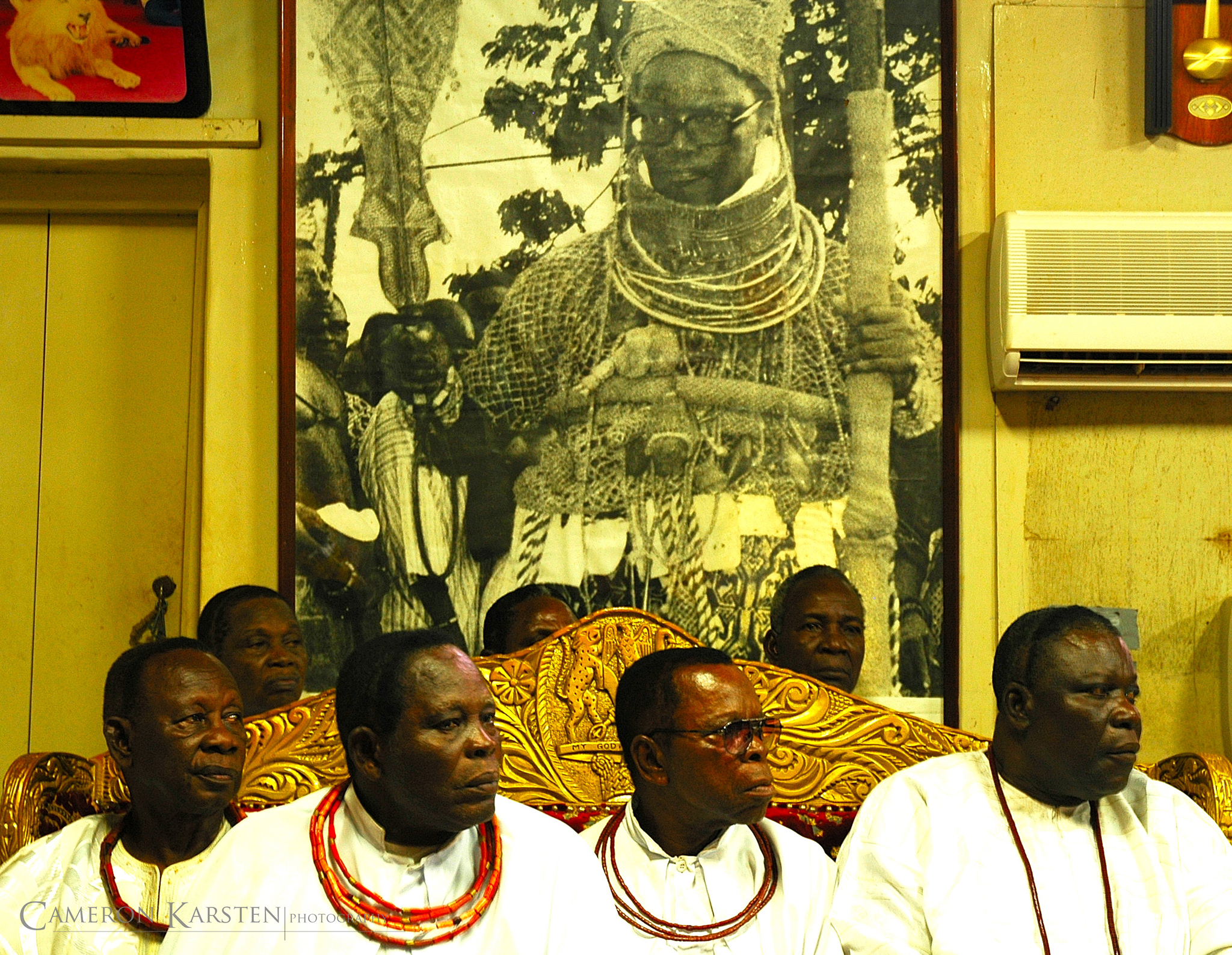
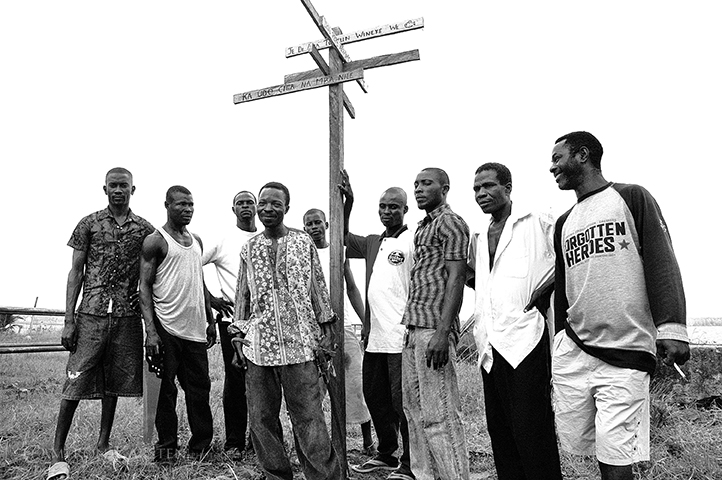
Who-Is-Oba-NowI’m stoked that the countdown has begun! On December 31st, I’ll be heading to Benin, Togo and Ghana for roughly four weeks to begin a project about the origins and evolution of Voodoo. As a practice of animistic worship of spirits, Vodun is the official religion of Benin and considered one of its birthplaces. I’ll be traveling with friend and fellow photographer Constantine Savvides to create a multi-continent multimedia series including still, motion, audio and text. West Africa will be the first of several locations, retracing the spread of Voodoo via the slave trade to the West Indies and Americas, to its survival in today’s organized societies. These guys, chiefs of the old slave port in Badagry, Nigeria, know what I’m talkin’ about.

I encourage you to follow my blog for in-country updates, where you’ll see us enticing boatmen to take us up river to black magic villages and feel the frantic energies of the world’s largest Vodun festival in Ouidah, Benin. A little throwback Sunday of past images taken in West and East Africa to stir the pot of adventure, culture and exploration!
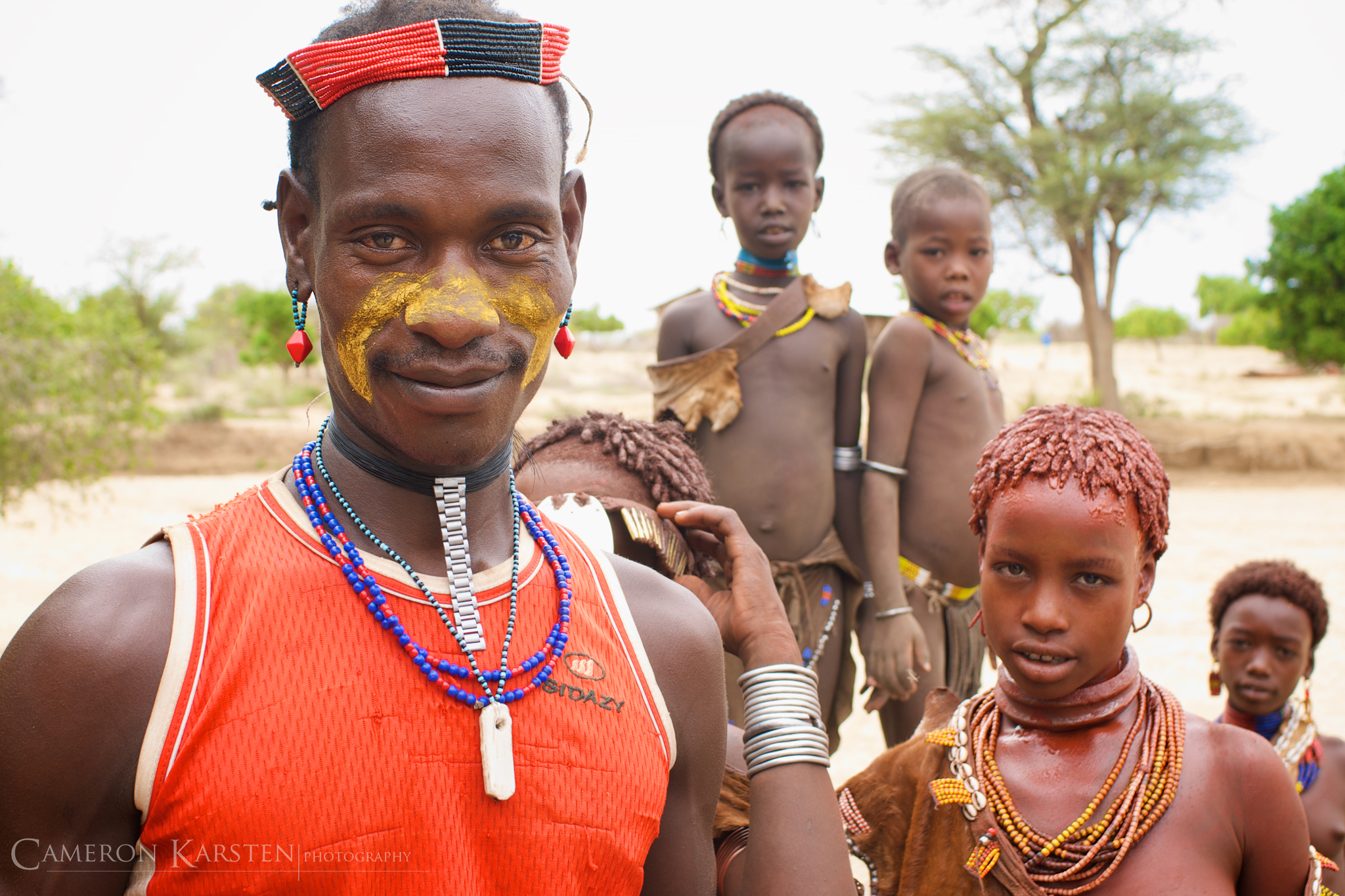
Askar's-Ladies
 Askar of the Hamar tribe in the Lower Omo Valley, Ethiopia
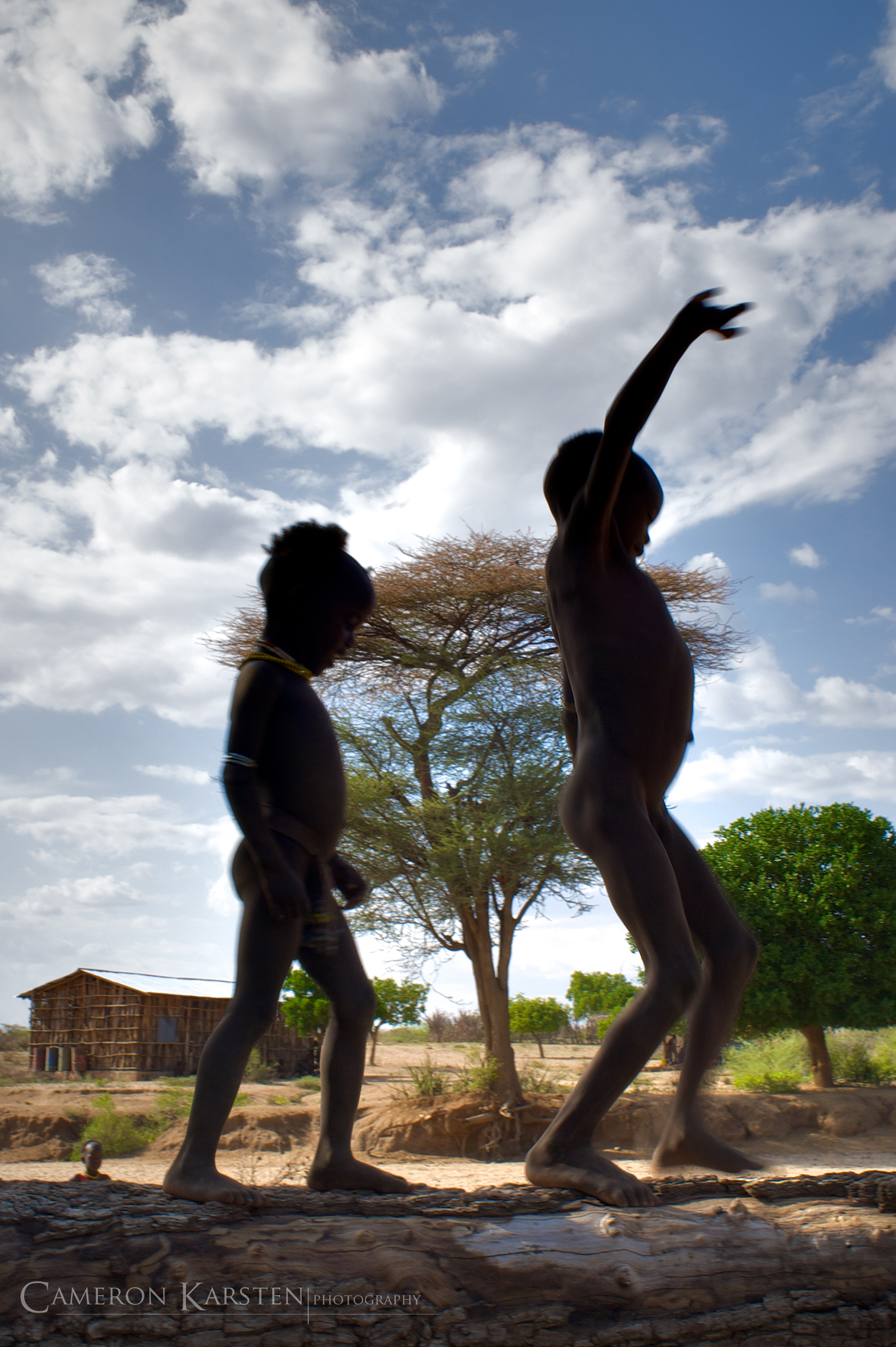
Balancing-Life
Hamar children playing in the shade – Lower Omo Valley, Ethiopia
DSC_0185---Version-2
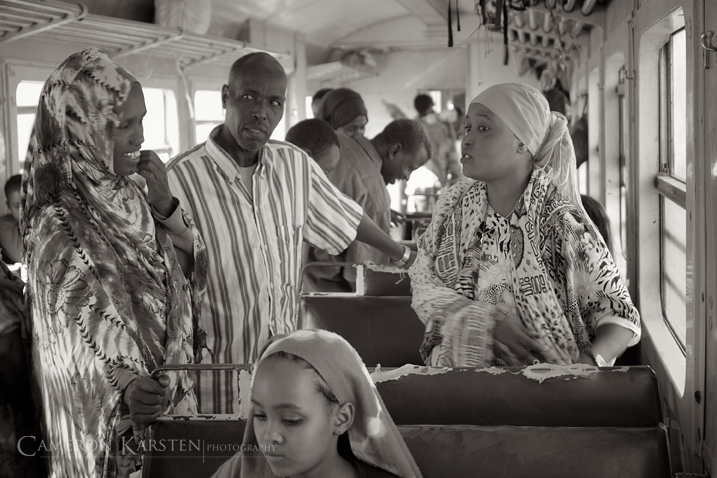
The old train from Dira Dawa, Ethiopia to Djibouti City, Djibouti is a long slow uncomfortable slog through some of the most arid terrain in the world.
DSC_0895
A liquid gas burn-off at a Chevron oil platform in the Niger Delta of Nigeria
From-the-Ground
Local Hamar children in the Lower Omo Valley of Ethiopia
High-Risen
Sunrise along the Kenyan coastline near Diani Beach
The-FuryMonkeys will steal your things if you take too long of a nap – Diani Beach, Kenya
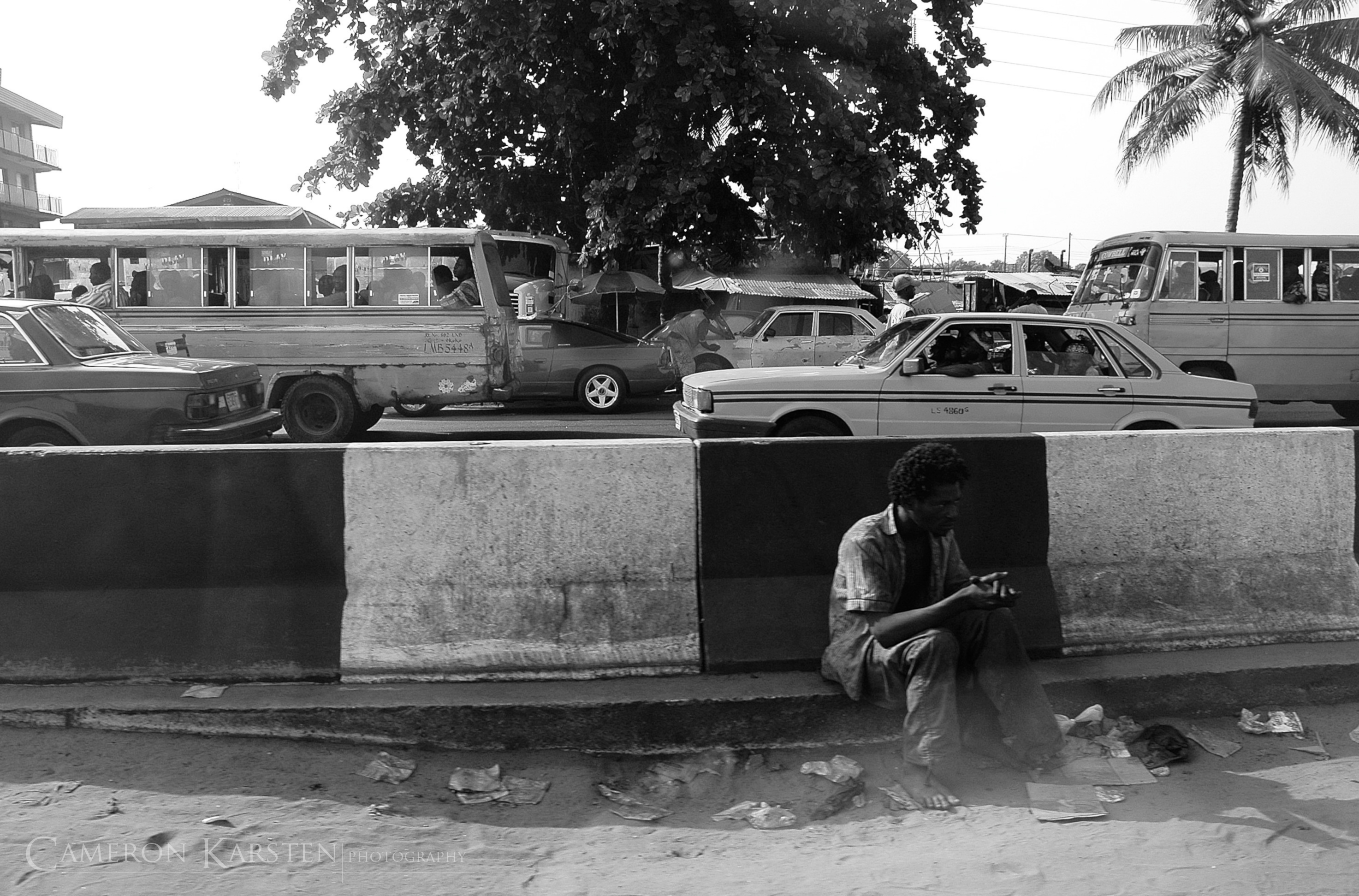
Dual-Reflects
Traffic – Lagos, Nigeria
Hyena-Reconciliation
A hyena-keeper feeds the wild dogs by moonlight in the Harer, Ethiopia
logo_blackTrajan

Africa – People + Places

Cultures-ClashI’ve been sifting through imagery as I prepare to head to New York City for the 2013 Eddie Adams Workshop and meetings with potential clients.  What I’ve found has allowed me to relive the beautiful memories of past travels and the people and places I met.  Here, Africa represents itself in all its wondrous enjoyment, with the hopes of near returns on future assignments.

DSC_0086-(4)---Version-3Hamar, Omo Valley, Ethiopia

DSC_0206---Version-3Somewhere in the Afar Desert, Ethiopia

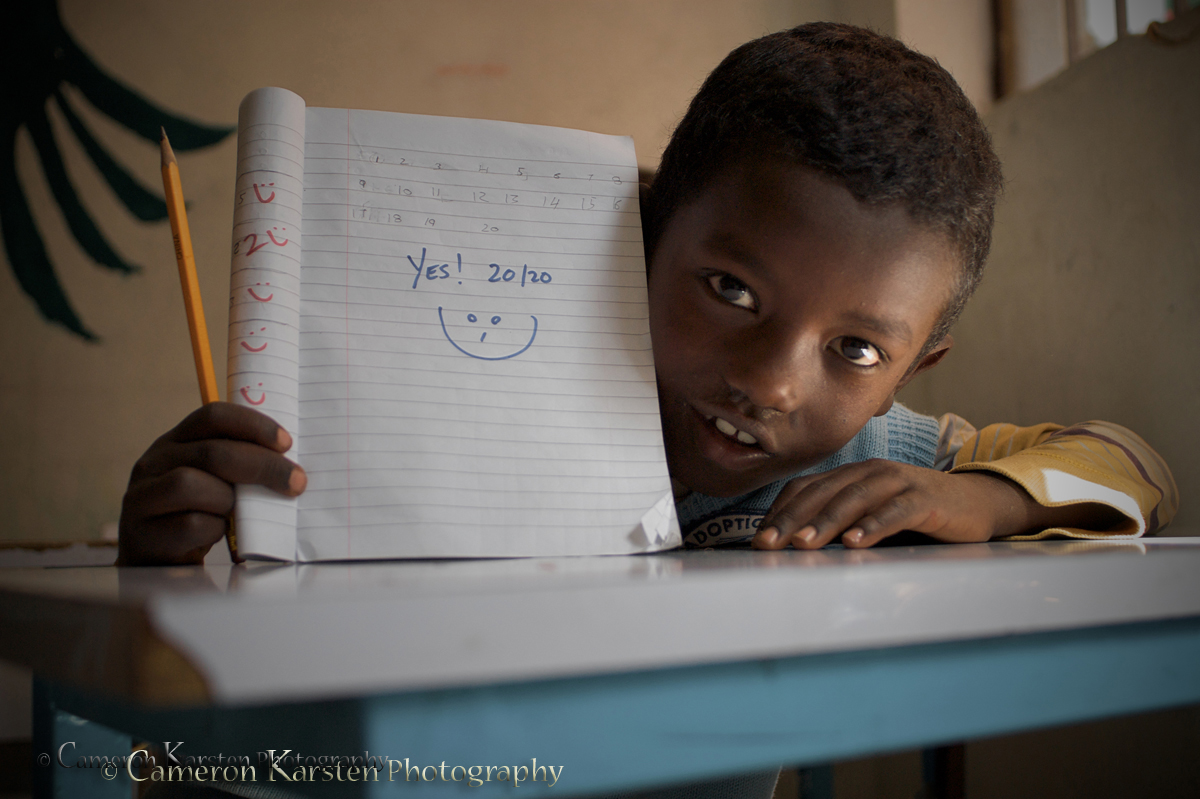
Gold-Stars,-Happy-FacesThe Layla House Adoption House, Addis Ababa, Ethiopia

DSC_0179---Version-3The streets of Lagos, Nigeria

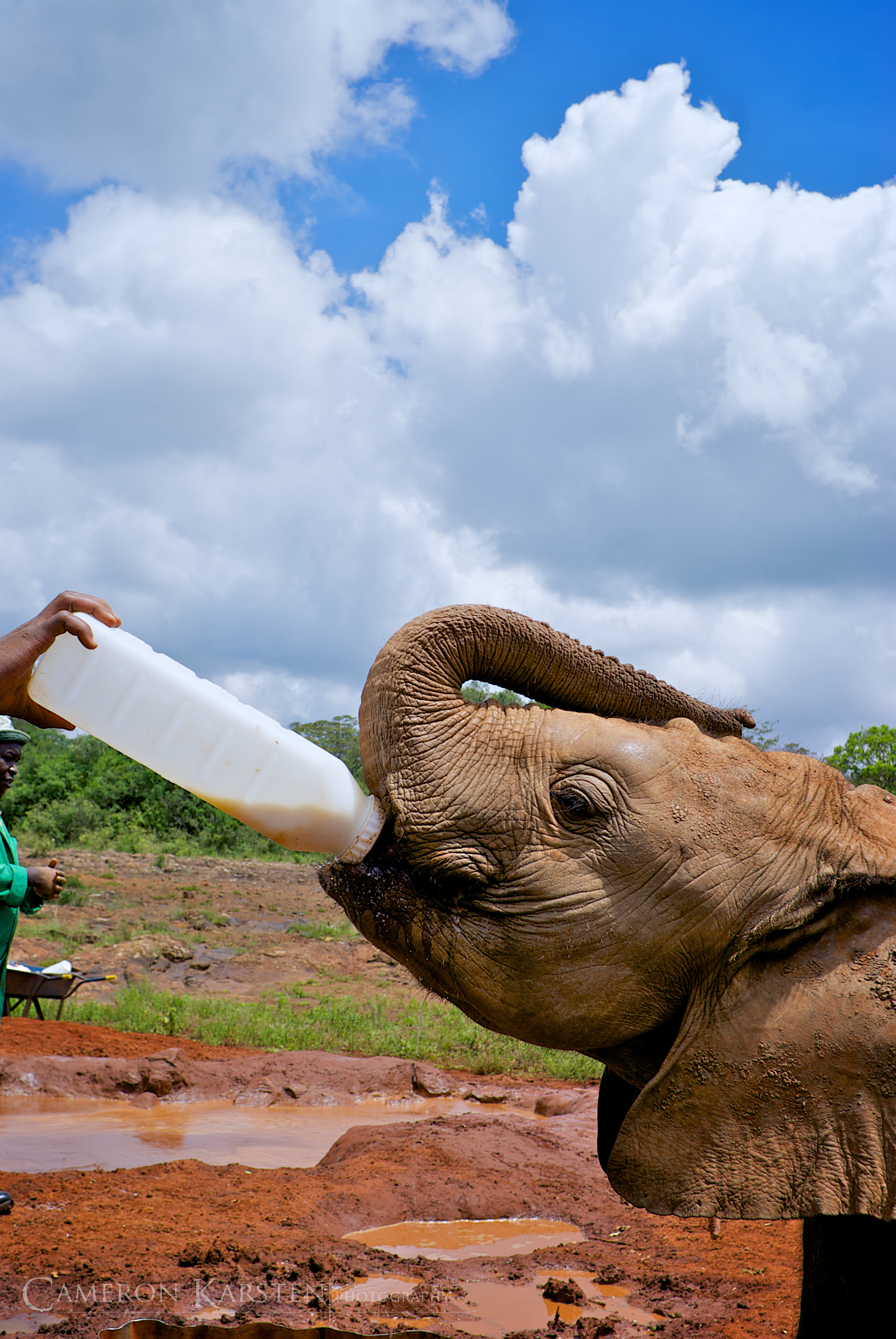
DSC_0024---Version-2The David Sheldrick Wildlife Trust, Nairobi, Kenya

DSC_0307-(1)---Version-5Hamar boy, Omo Valley, Ethiopia

High-RisenDiani Beach, Kenya

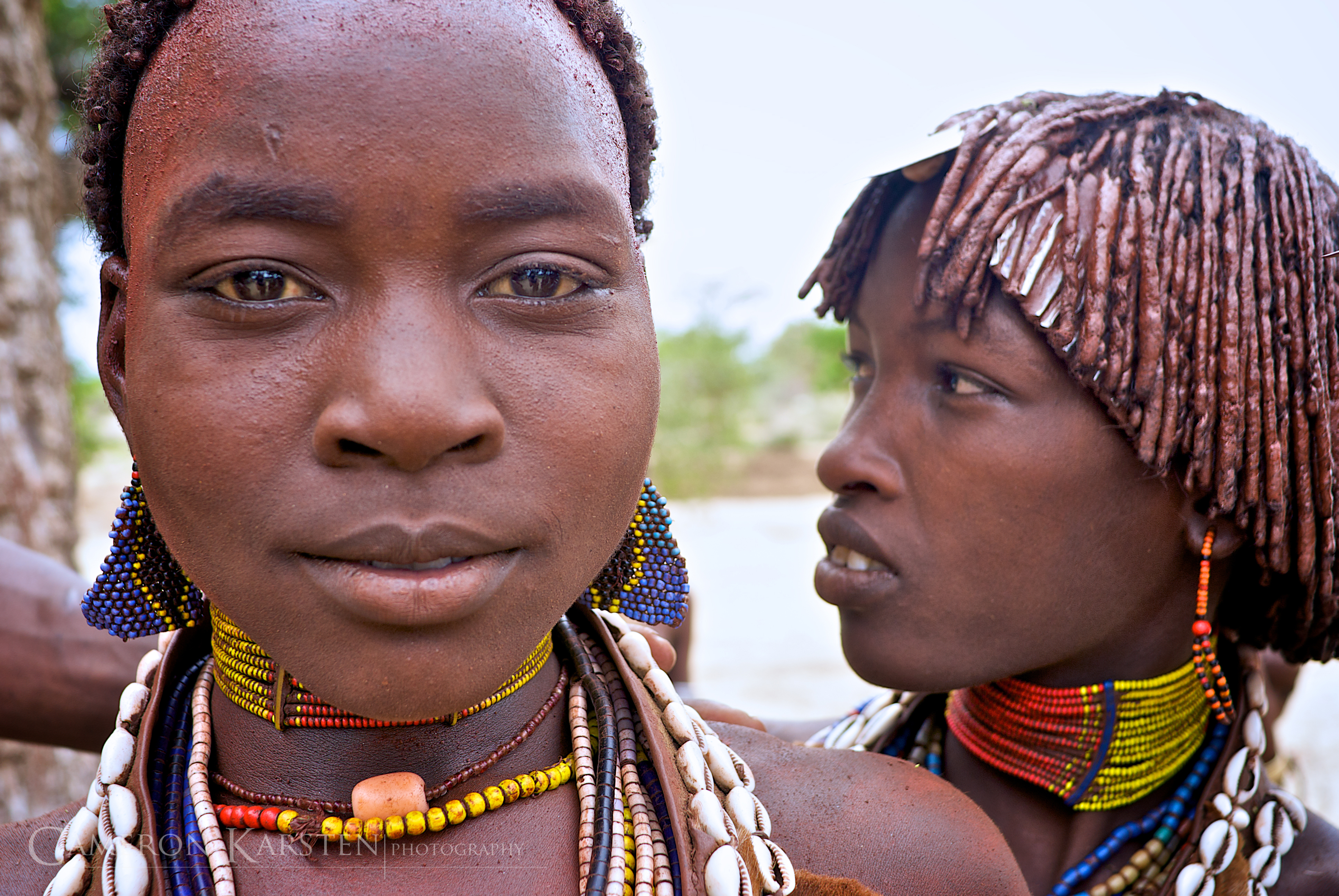
DSC_0009-(4)---Version-3Hamar girls, Omo Valley, Ethiopia

Tuti-AliveTuti, Omo Valley, Ethiopia

For more please visit: Travel

Cameron Karsten Photography

International Rescue Commitee’s Naturalization Ceremony – Seattle, WA

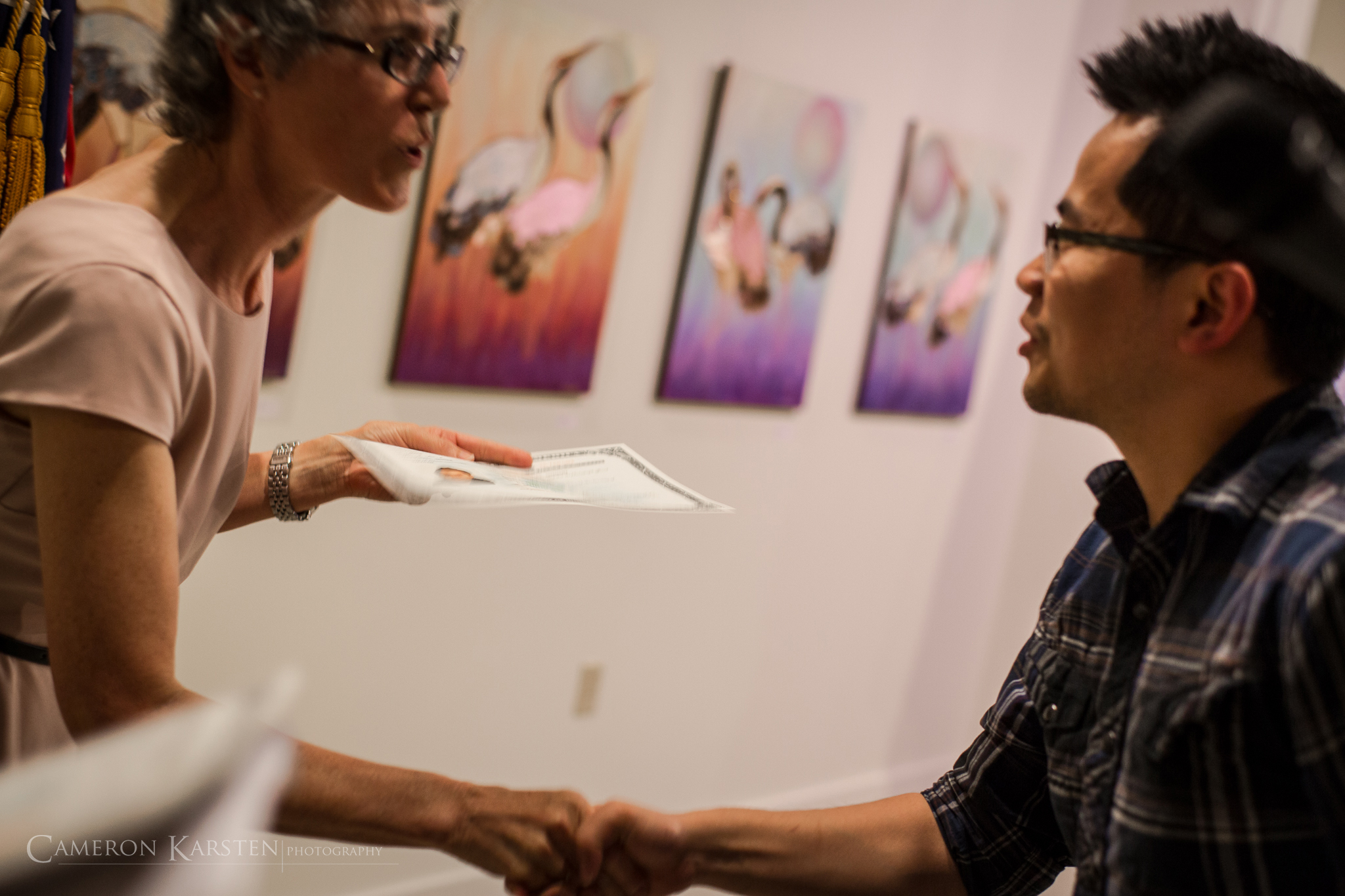
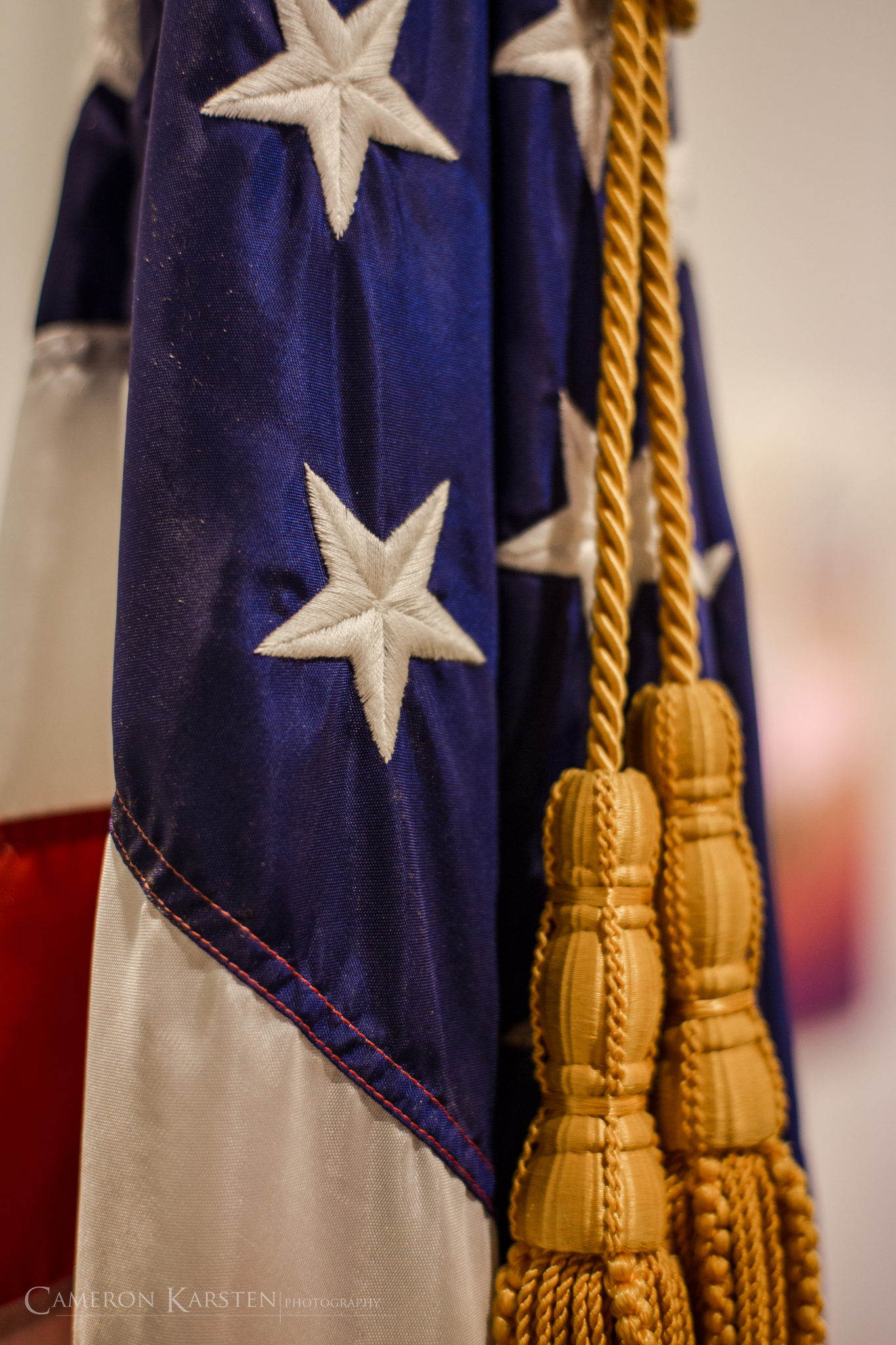
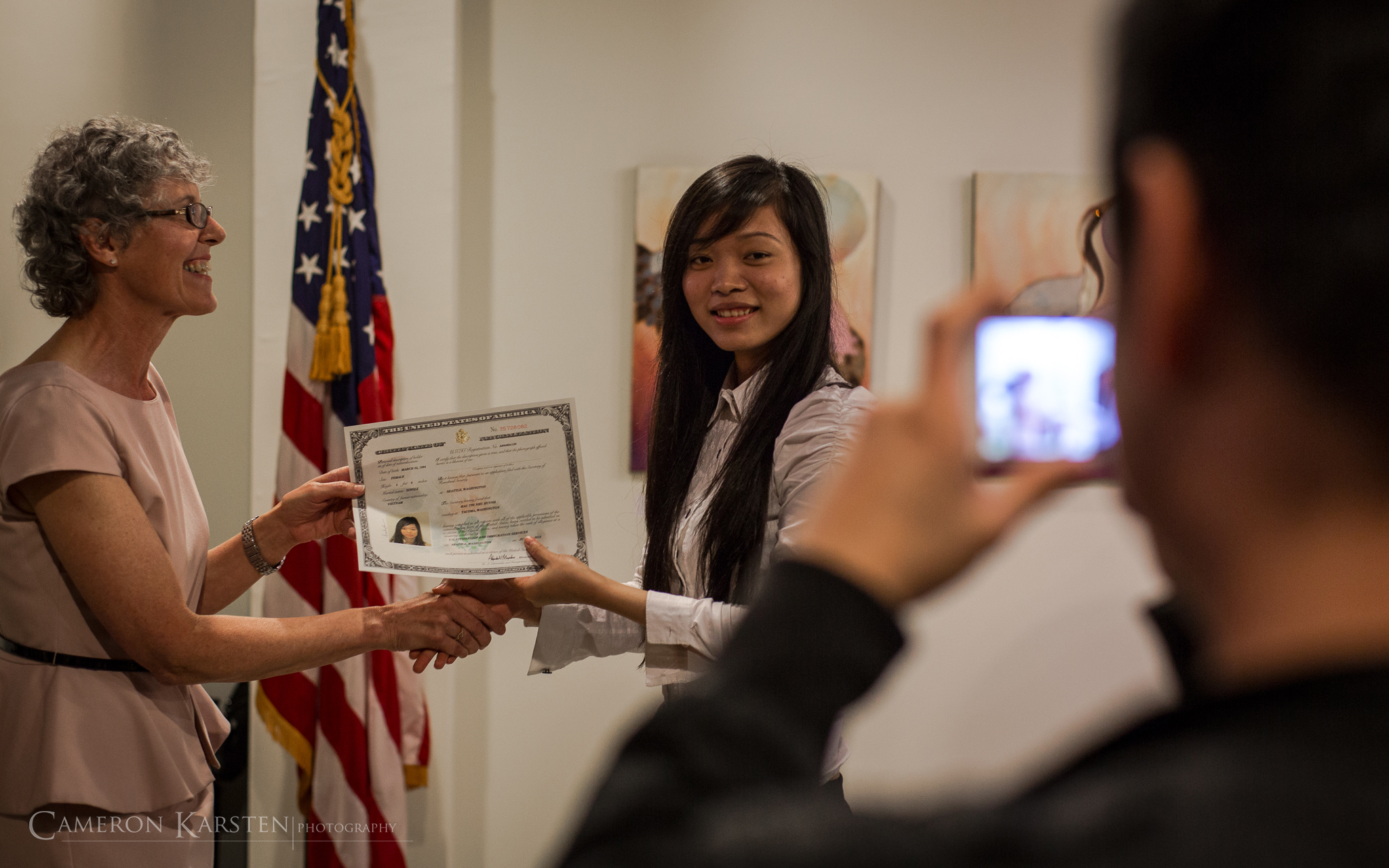
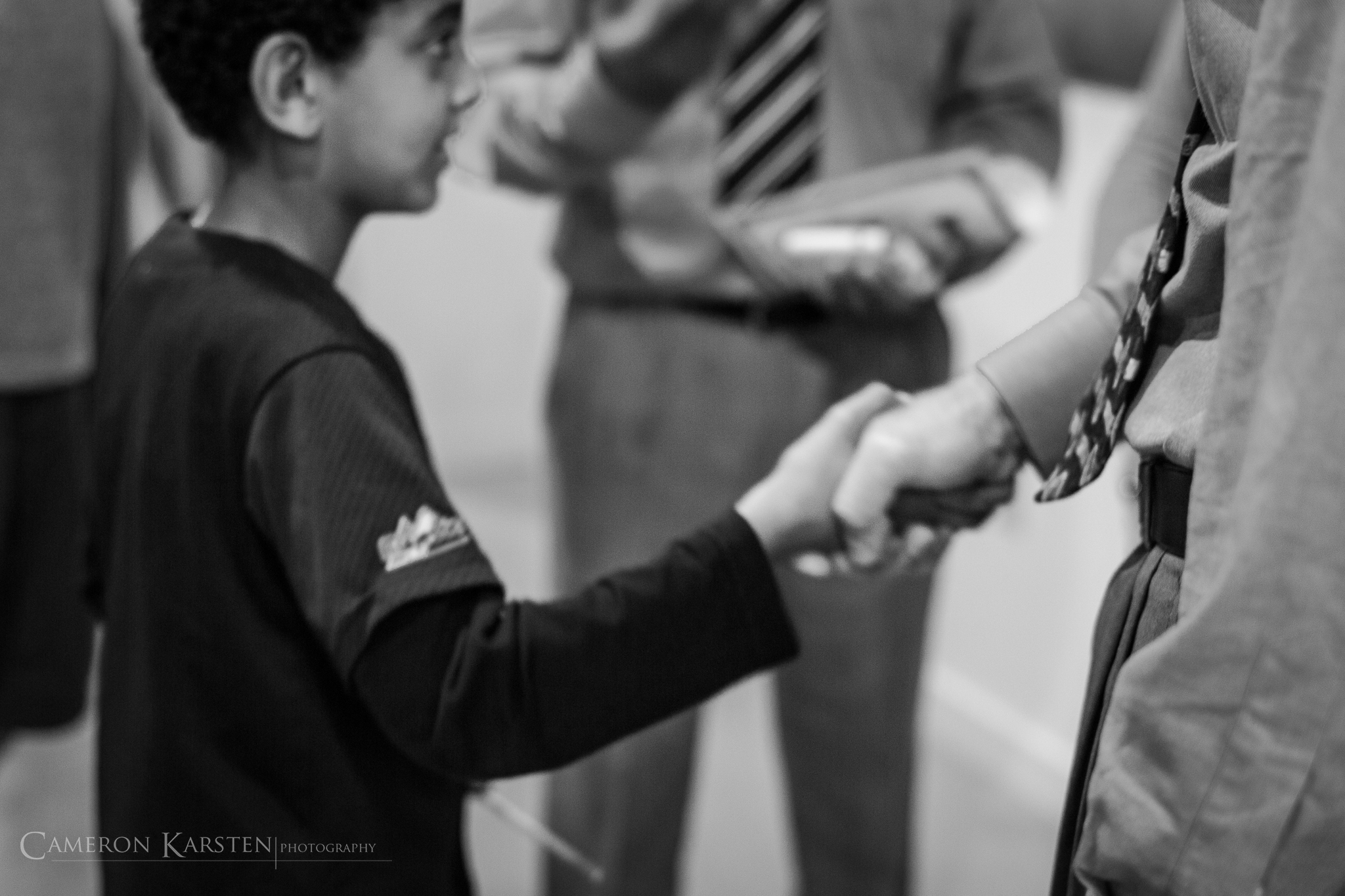
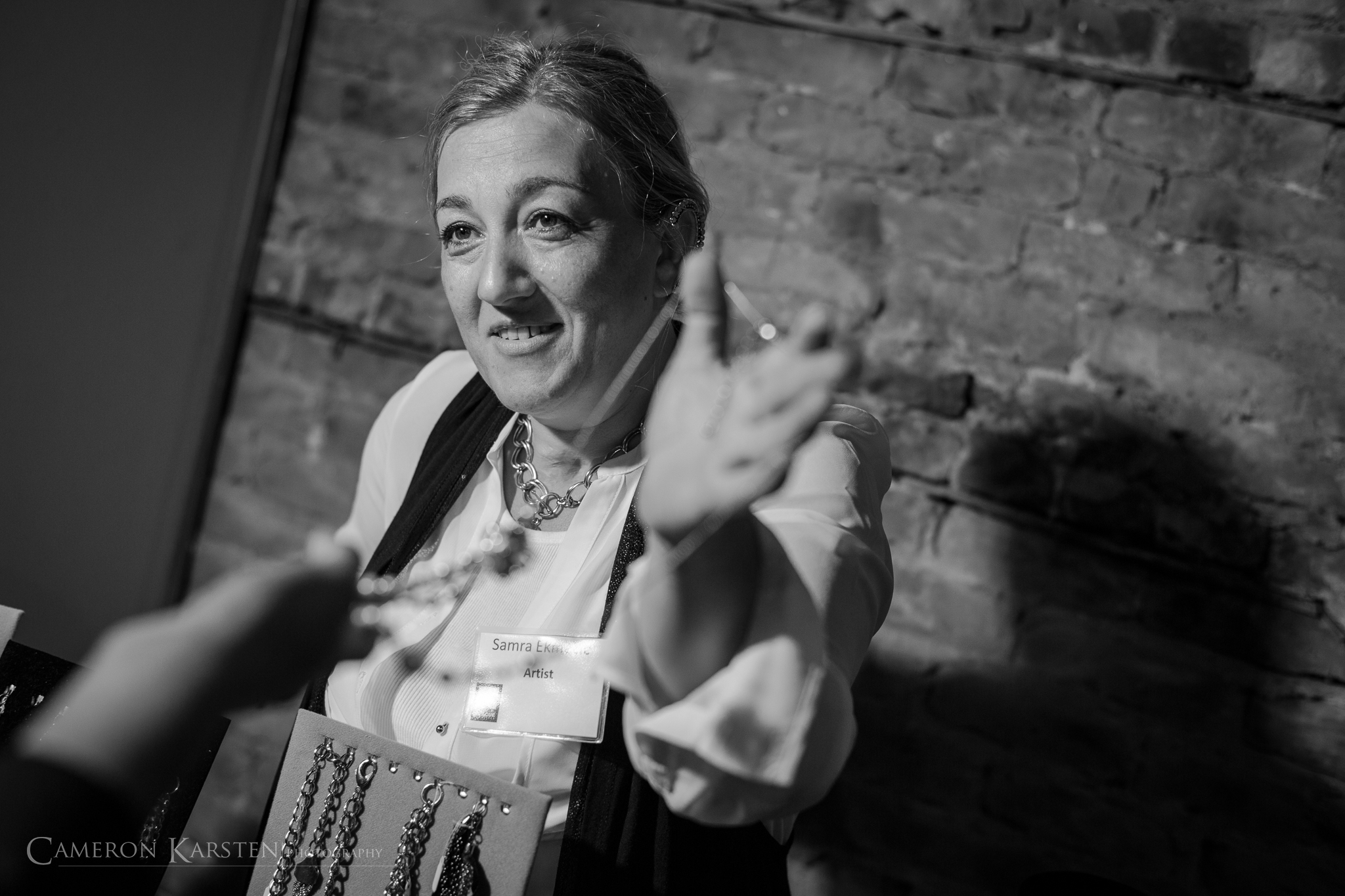
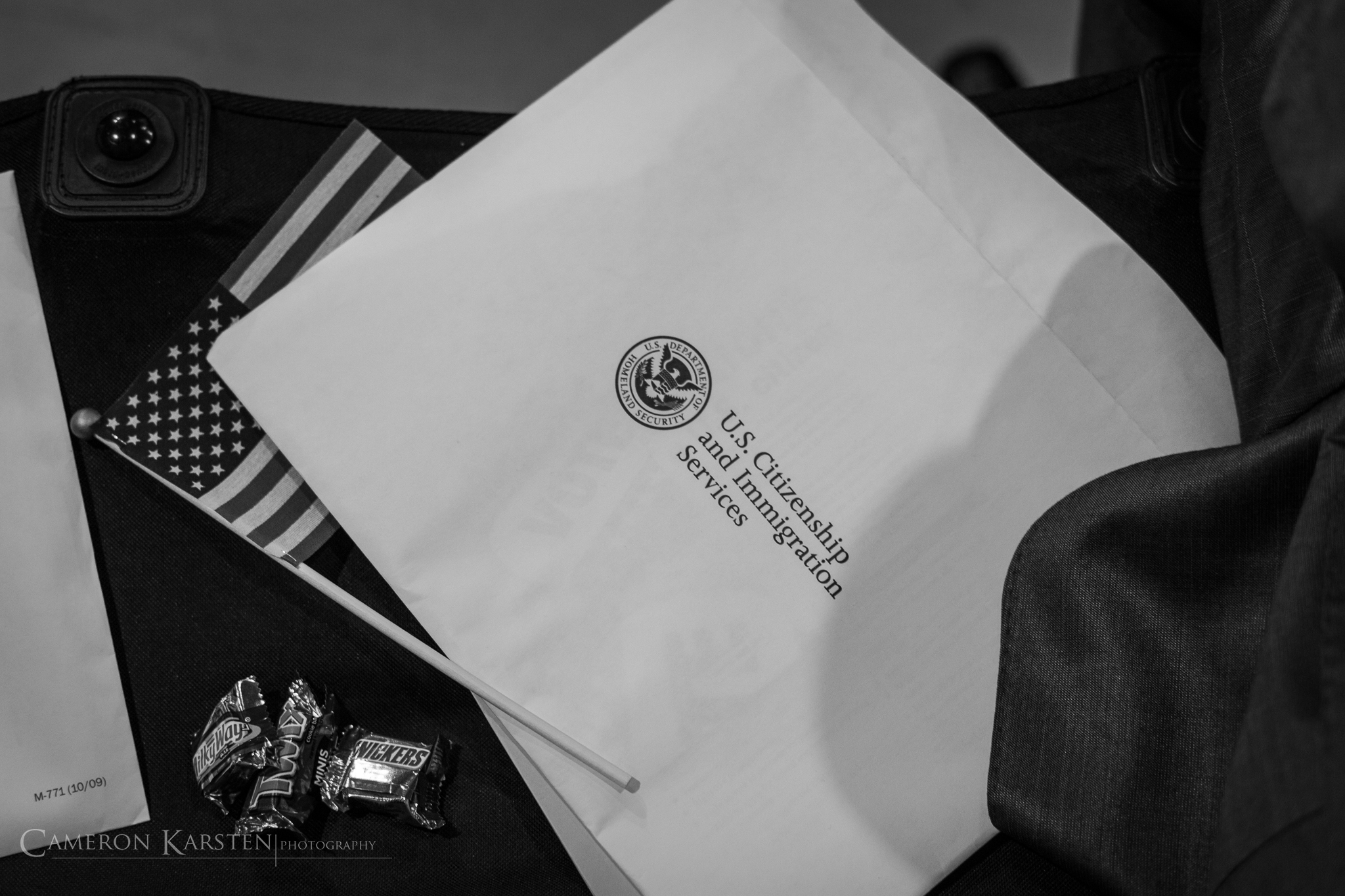
Naturalization-66I’ve had the pure joy of working with IRC’s Seattle Chapter since the start of 2013, connecting with a broad range of international community members around the Pacific Northwest region.  June 20th, 2013 was none other then World Refugee Day where a handful of individuals received their United States Citizenship at a local art gallery in downtown Seattle, which exhibited art by IRC-sponsored refugees turned U.S. citizens.  Here is a look at a naturalization ceremony, welcoming these newly-recognized U.S. citizens.

Naturalization-24

Naturalization-27

Naturalization-19

Naturalization-50

Naturalization-54

Naturalization-120

Naturalization-86

Naturalization-92

Naturalization-219

Naturalization-338

Naturalization-199

Naturalization-116

Naturalization-154

Naturalization-133

Naturalization-317

Naturalization-109

Naturalization-266

Naturalization-40

Naturalization-358

IRC

Cameron Karsten Photography

Product Photography: Rwanda Partners Bowl Series

RwandaPartners_6inBowl

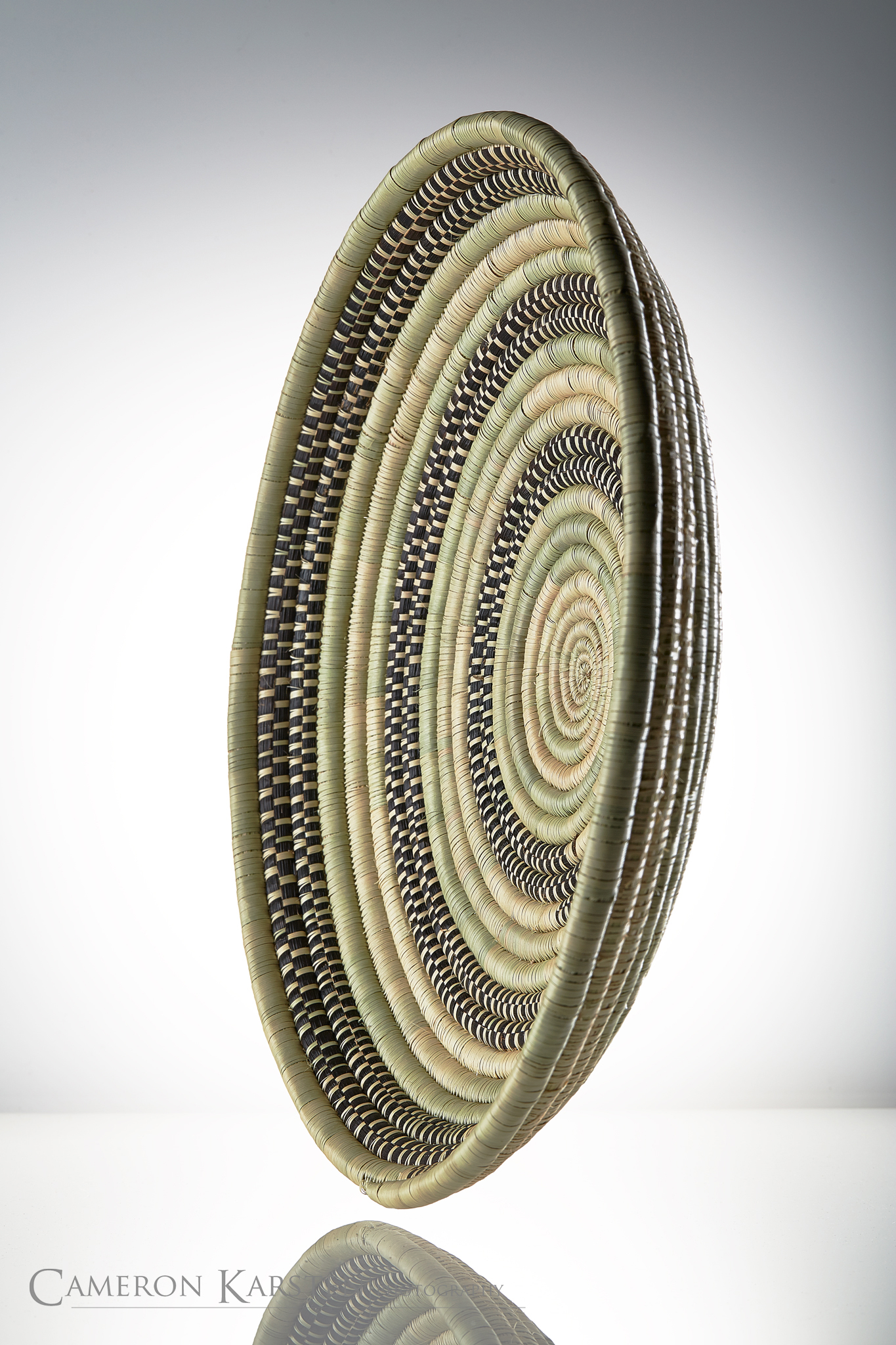
By approaching Rwanda Partners and offering them my help, I scored the opportunity to take a selection of their bowls into the studio and photograph them for their website.  With three lights, some plexi glass and fishing line, I was able to create a clean, depth-defining product shot to help them better portray their products.  Hopefully, more opportunities will arise with Rwanda Partners after the initial shoot.  Visit RwandaPartners.org for more.

Location: SCCA Studios

Camera/Lens Specifics: Canon 5D Mark III with Canon EF 100mm f/2.8L IS USM Macro Lens

100mm, 1/160 sec at ƒ/16, ISO 100, tripod.

Post: Capture One & Adobe PS6

RwandaPartners_16inJumboBowl

RwandaPartners_12inBowl

RwandaPartners_12inTray

RwandaPartners_BreadBasket

RwandaPartners_Trivet

Cameron Karsten Photography

Photo Essay – The Creeks Vs. Chevron (Location: The Creeks, Nigeria, Africa)

Photo Essay: Djibouti Rails – Dire Dawa to Djibouti City (Location: Ethiopia/Djibouti)

One Life: An International Photography Competition – Vote for CK Photo!

One Life is launching a photography competition and I’ve uploaded my images to share with the world.  Please check out the slideshow highlighting the human element of people and their bodily expressions.  Then consider voting for my drive and passion within the field.  Thank you!

One Life: Cameron Karsten Photography

Visit One Life now to view the rest of the images and vote!

Photography Essay: The Mursi of Jinka (Location: The Lower Omo Valley, Ethiopia)

Welcome to Jinka of The Lower Omo Valley in southwestern Ethiopia.  It is a vibrant market town where the local nomadic tribe of the Mursi people come to trade for supplies.  The Mursi are traditionally cattle herders and live in one of the most isolated regions of Ethiopia.  They are most known for the clay plates, which women wear starting at the age of 15.  It took us three days to reach Jinka, combining the transportation of local buses, taxis and hitch-hiking along dusty dirt roads that roared through every vertebrae within your spine.