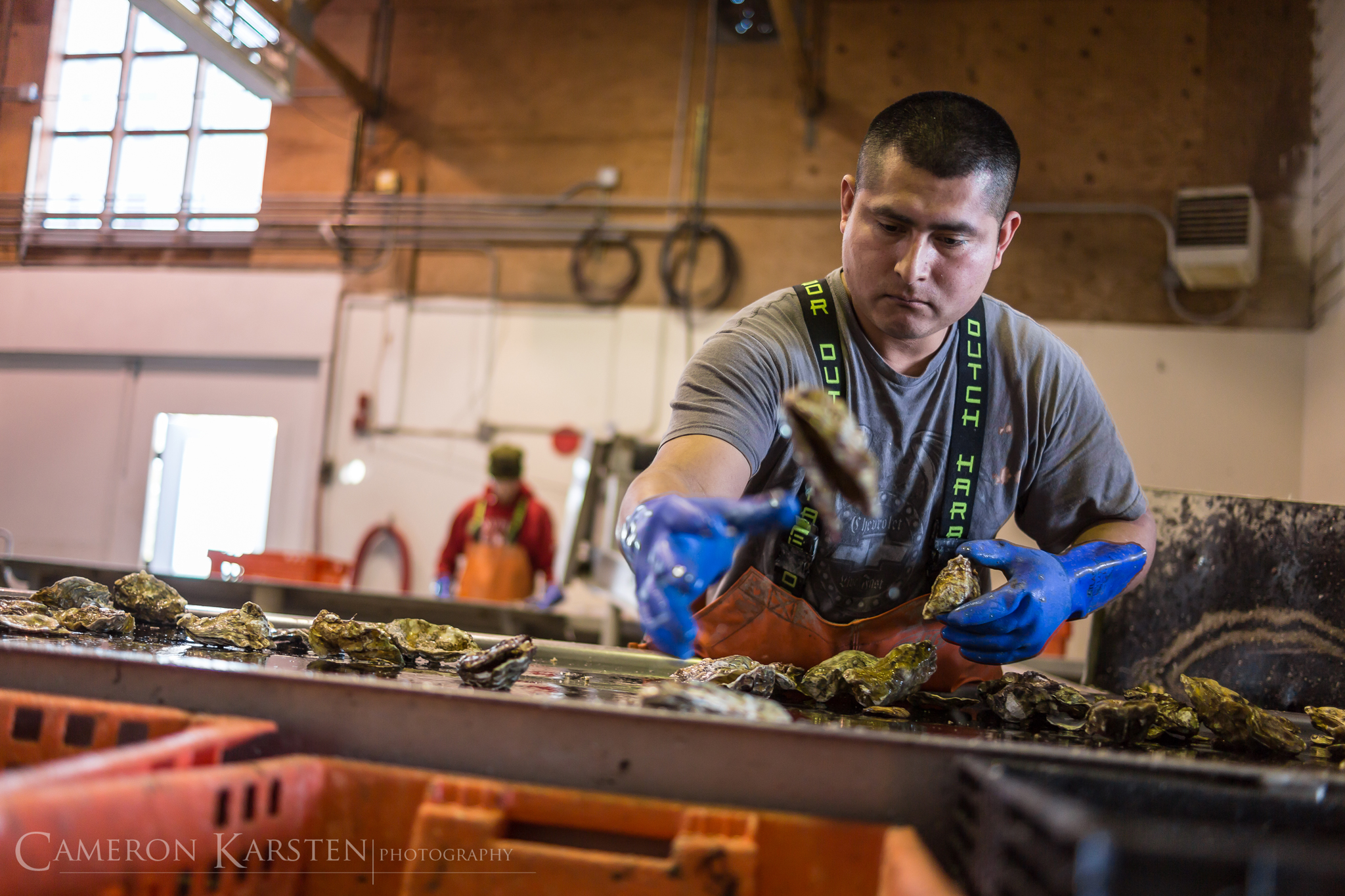
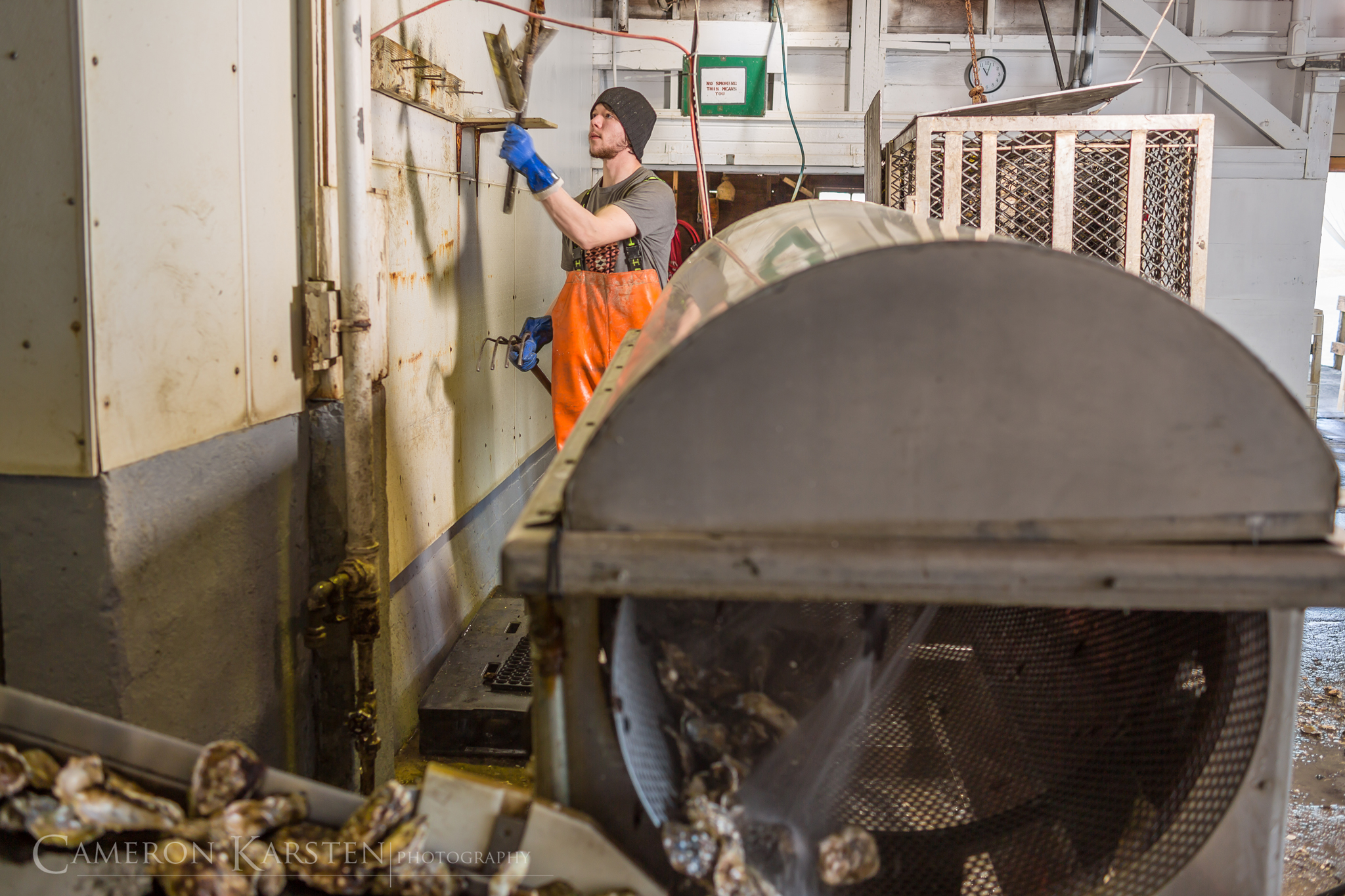
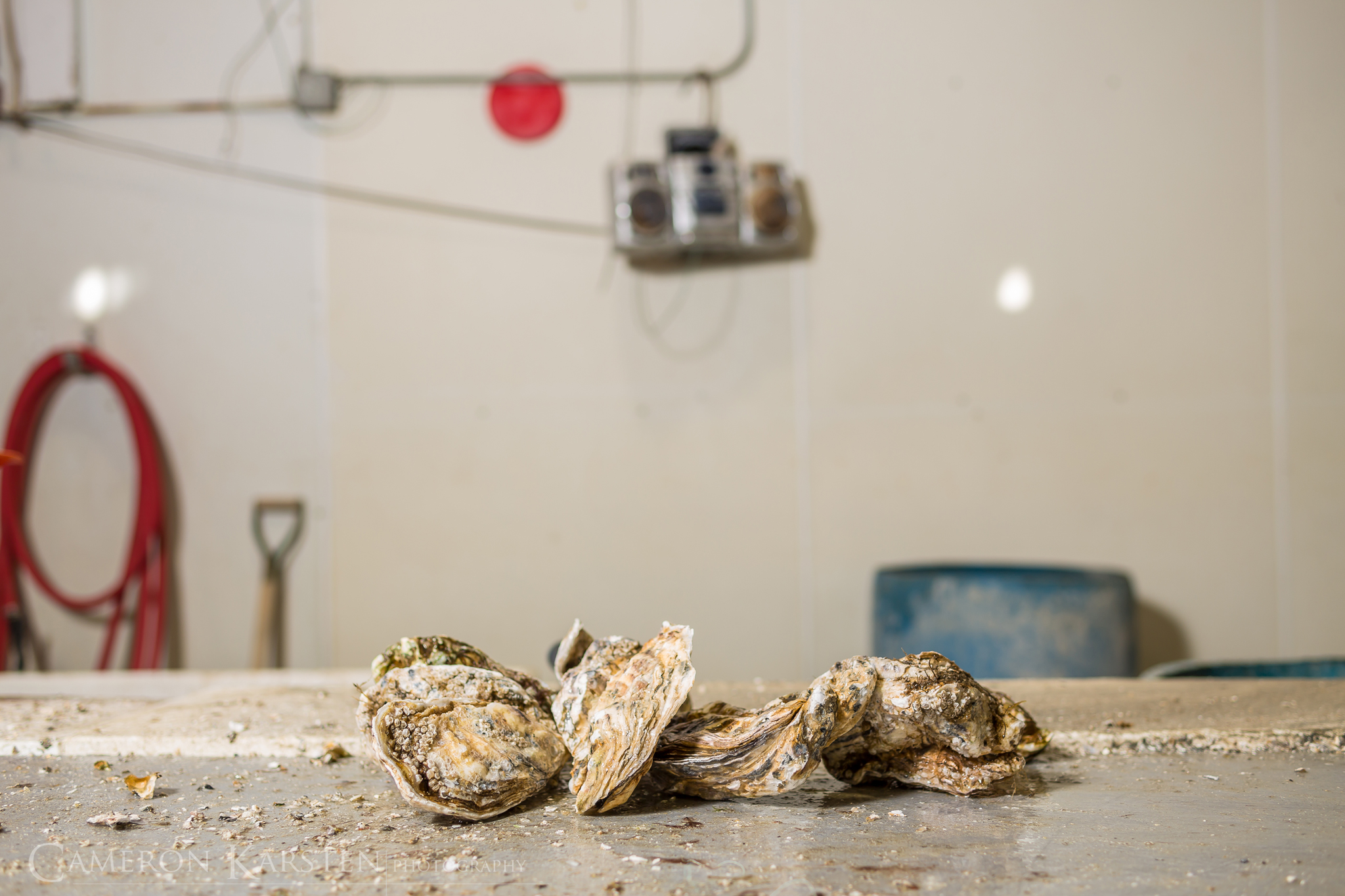
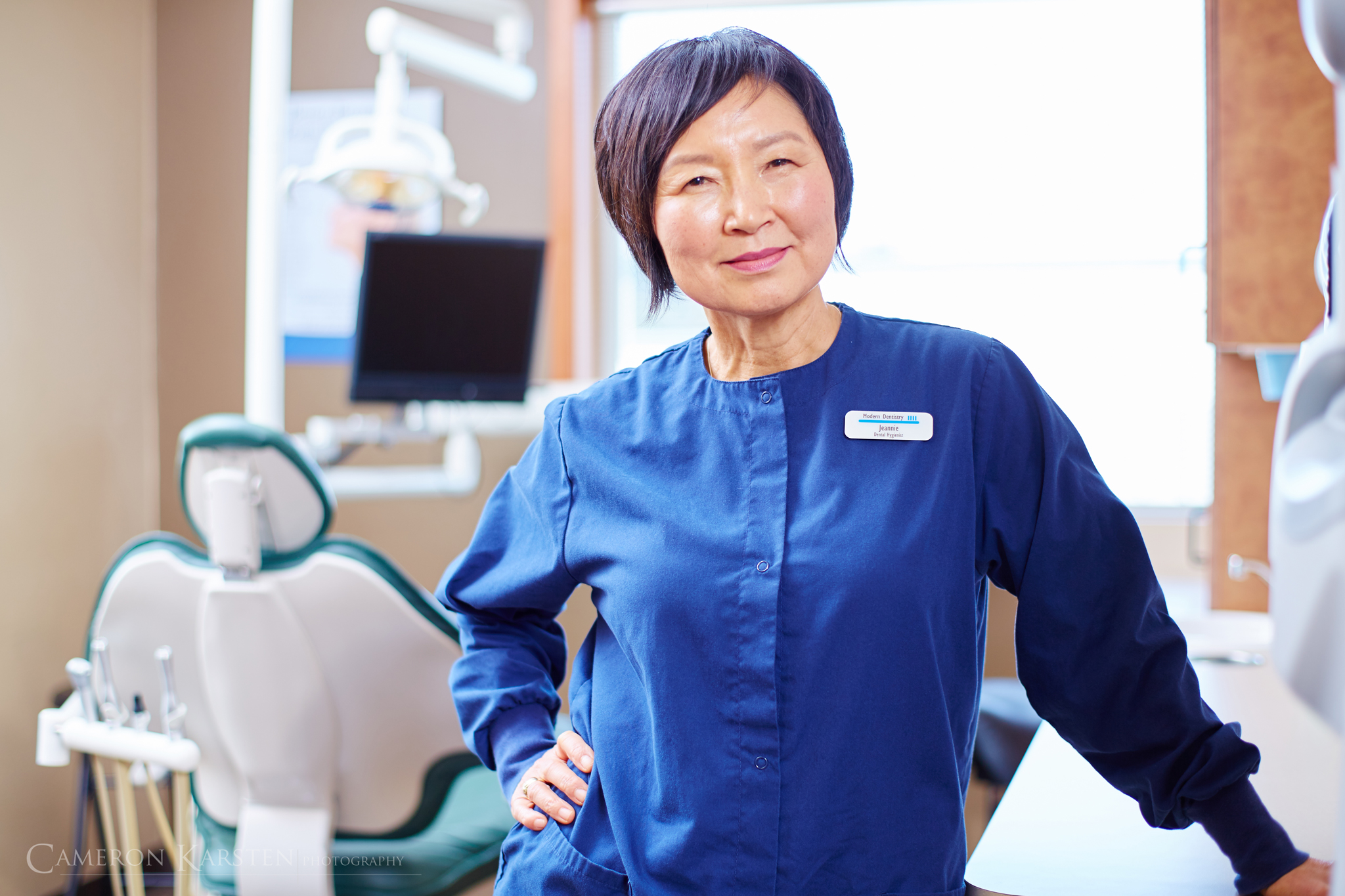
I love the way people work. Put them in their environment, watch them focus, study, learning and adapting. It’s the human brain and the psychology of man and woman to be determined, to want to understand, to want to help and create. It is self-empowerment and to photograph this from within a person feels like waves crashing on the coastline, a raw energy that has been with us since the beginning. Be sure to visit the updated Lifestyle portfolio at cameronkarsten.com
Bloomberg Businessweek Shoot: Willapa Bay’s Future w/Neonicotinoids
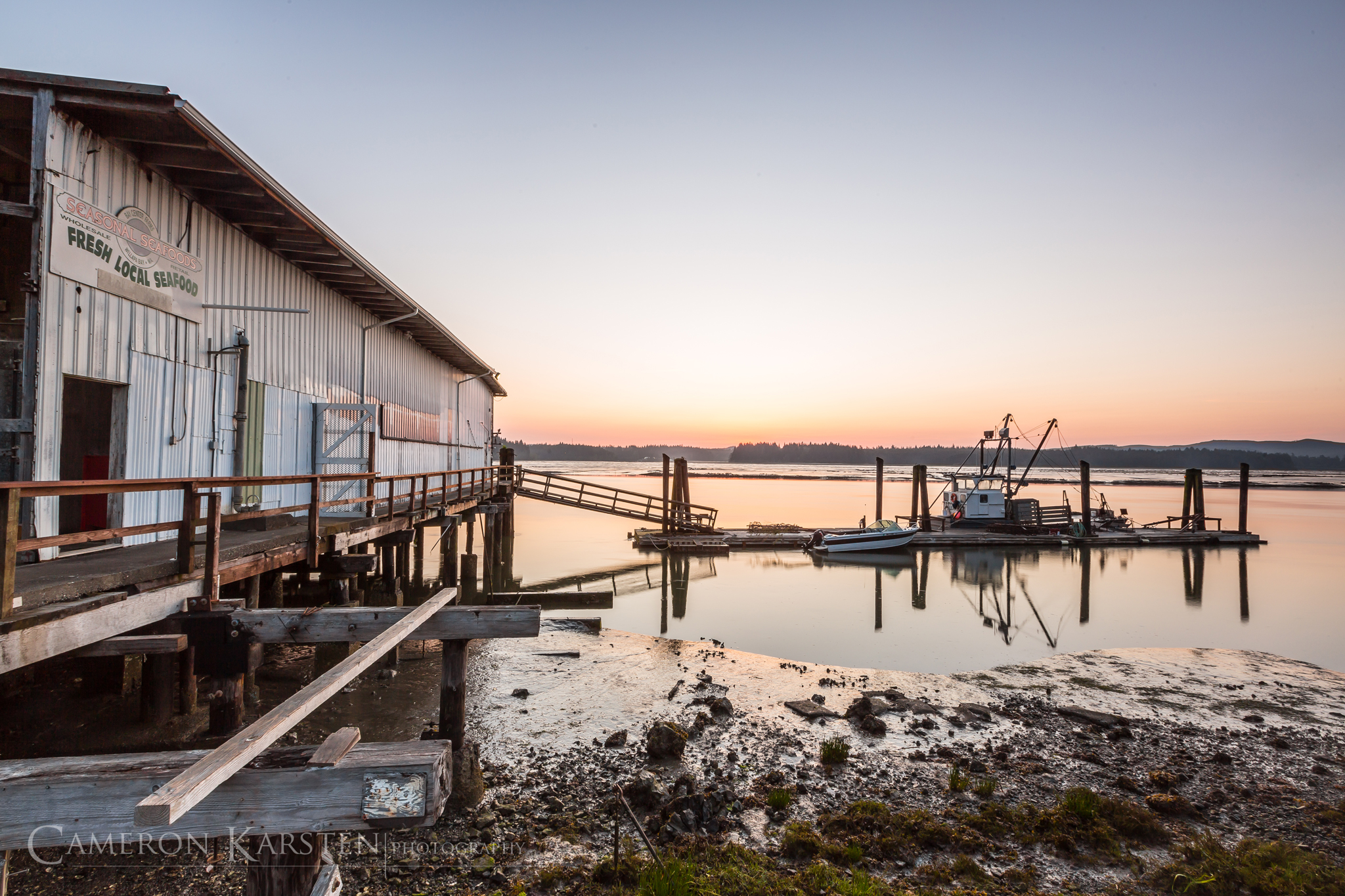
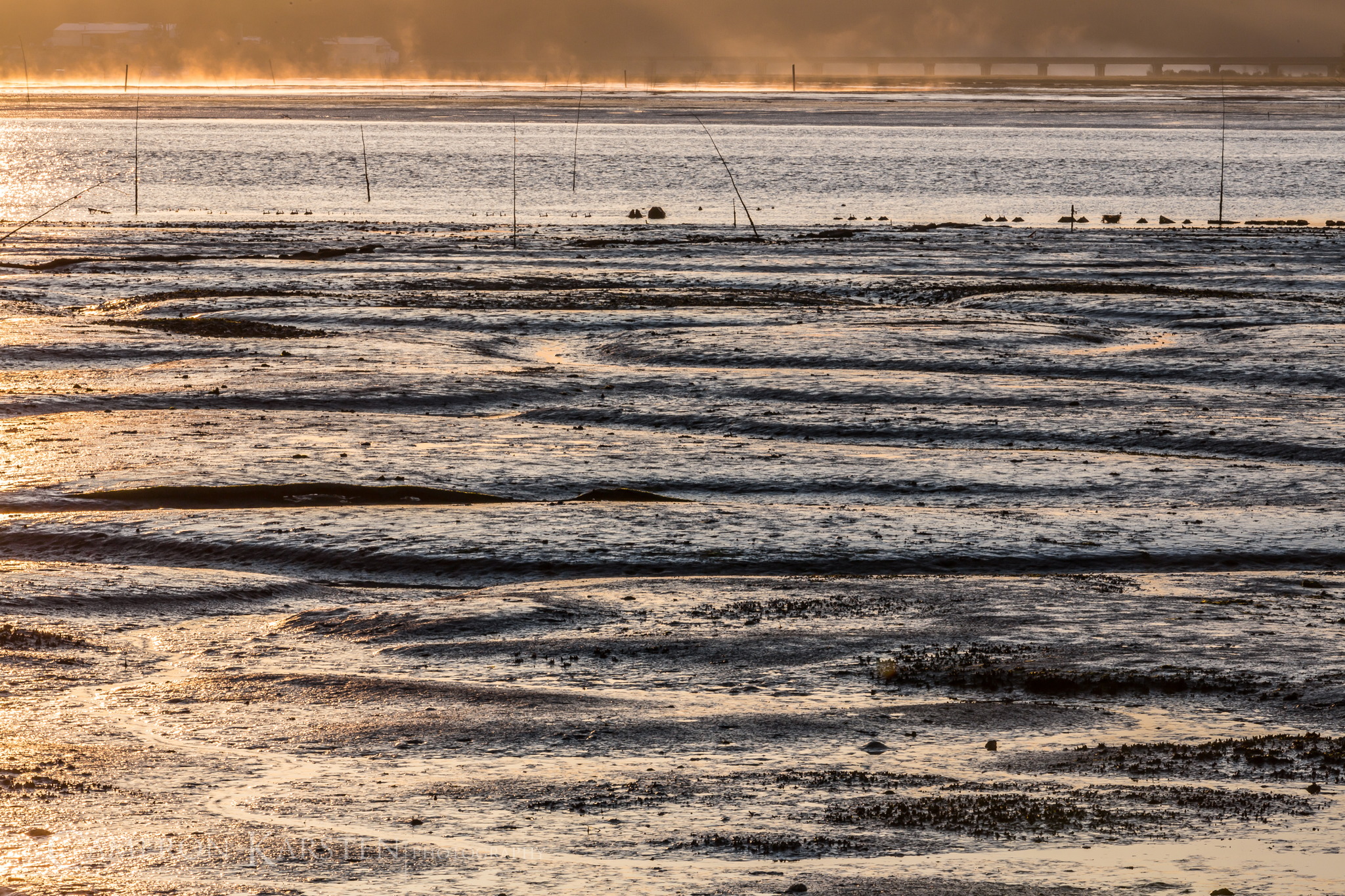
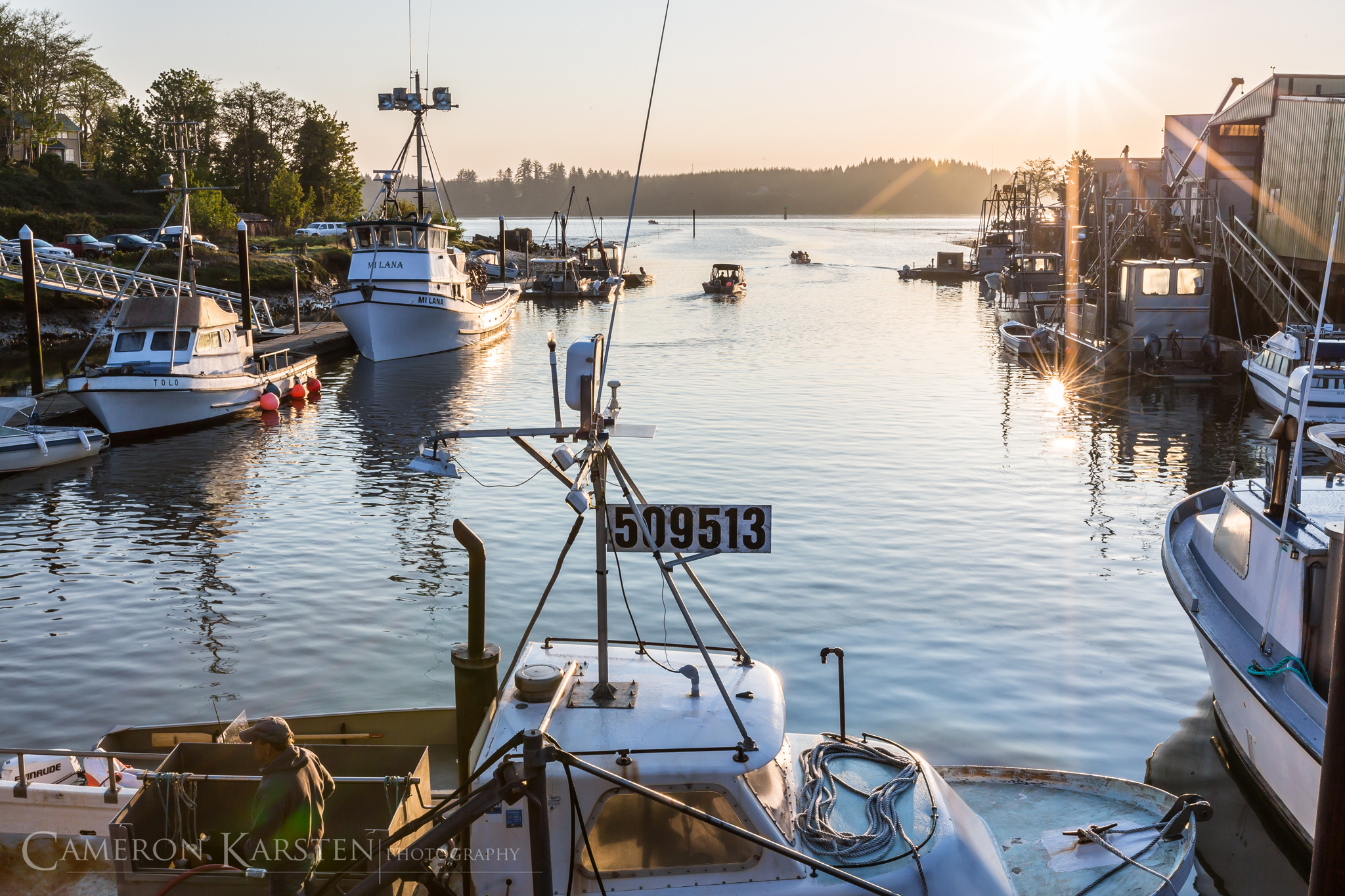
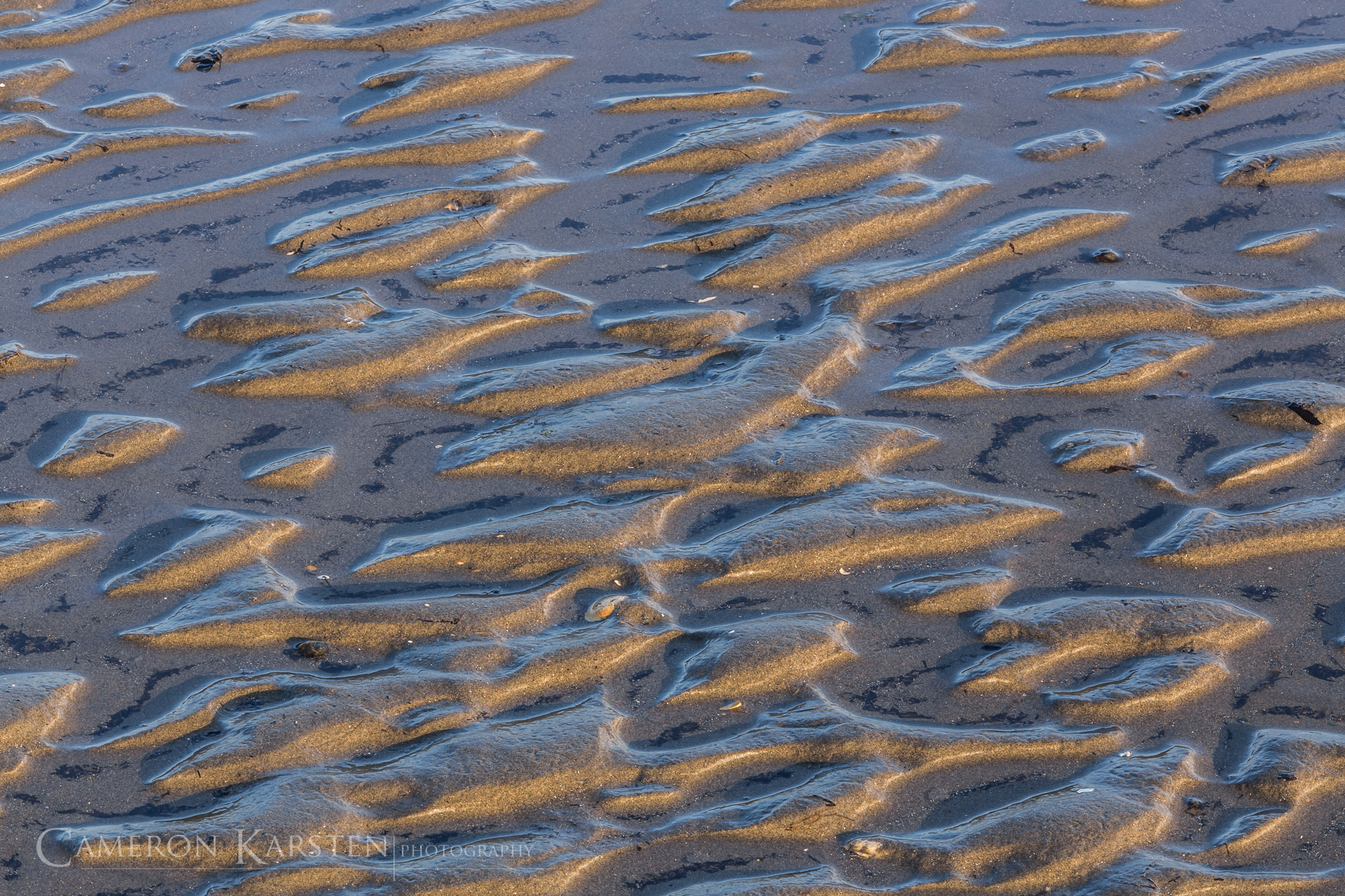
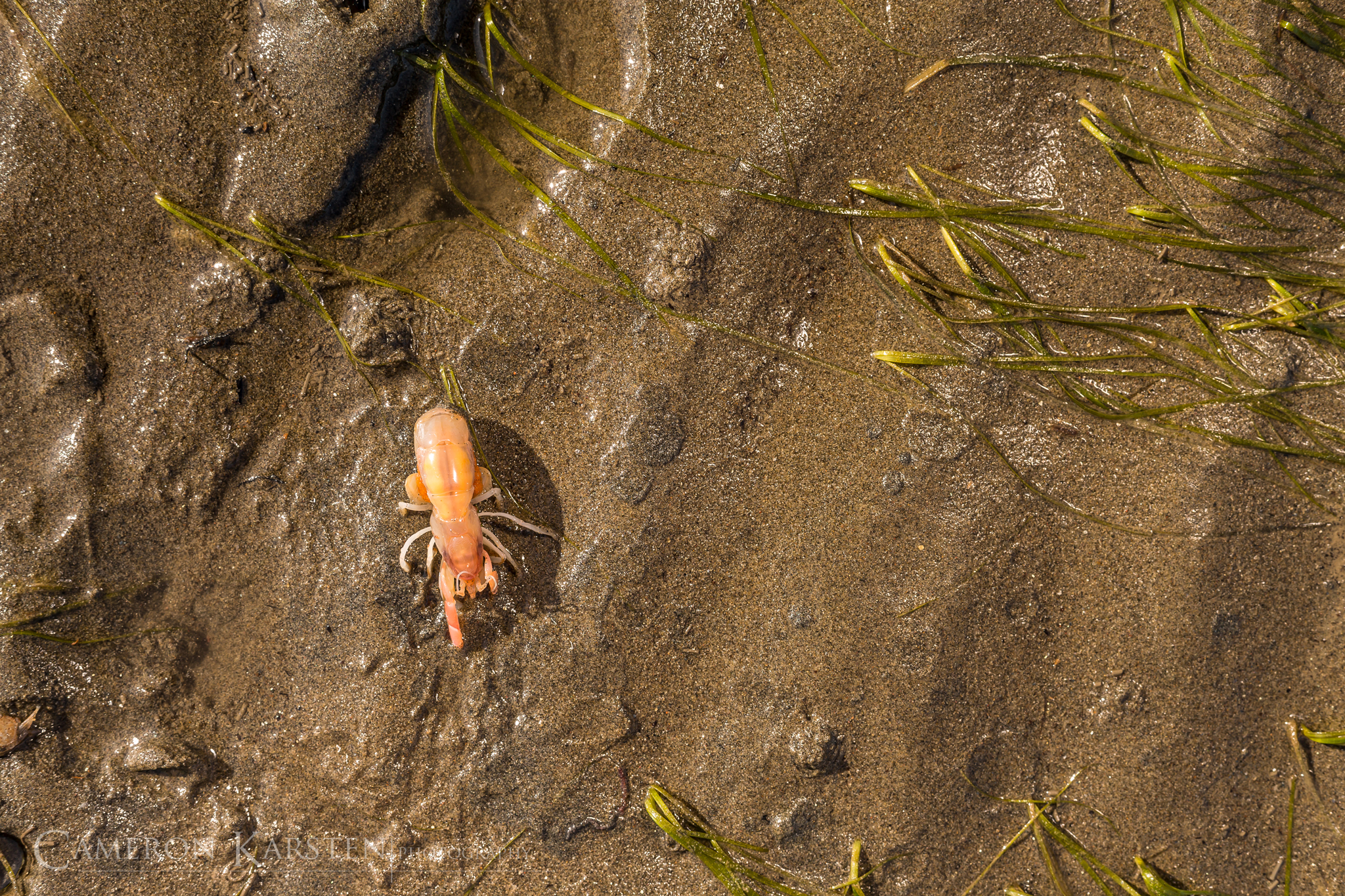
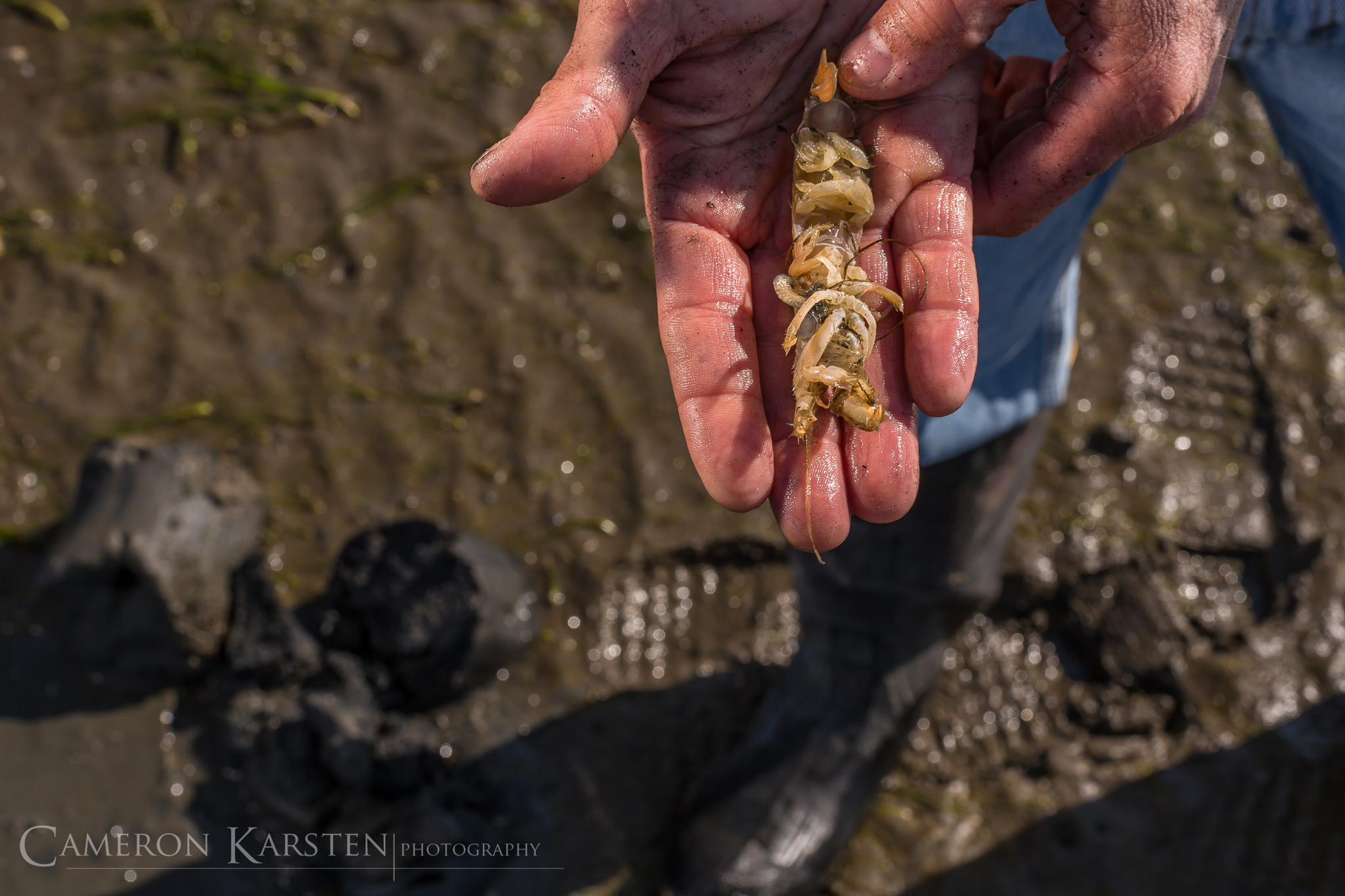
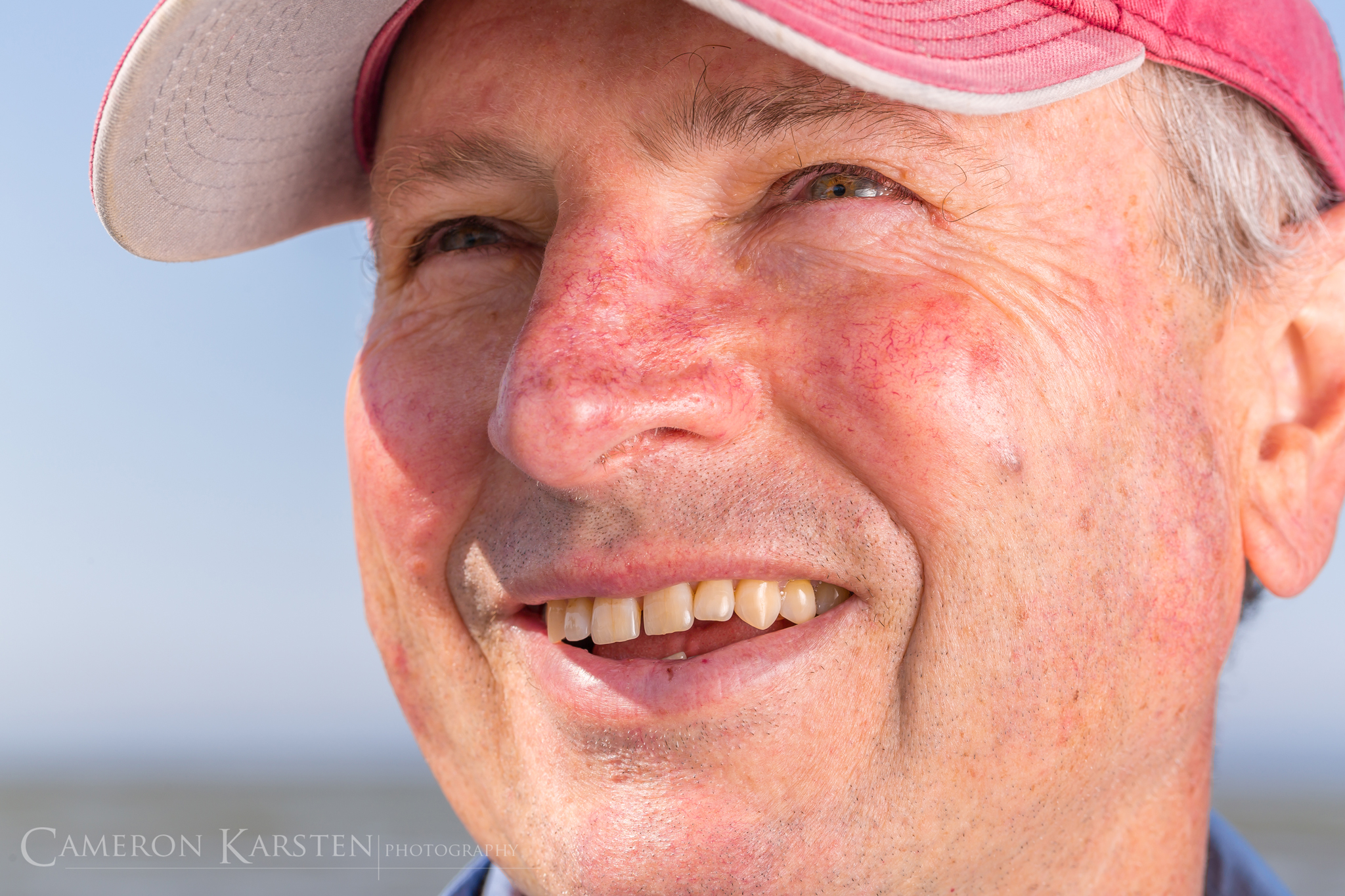
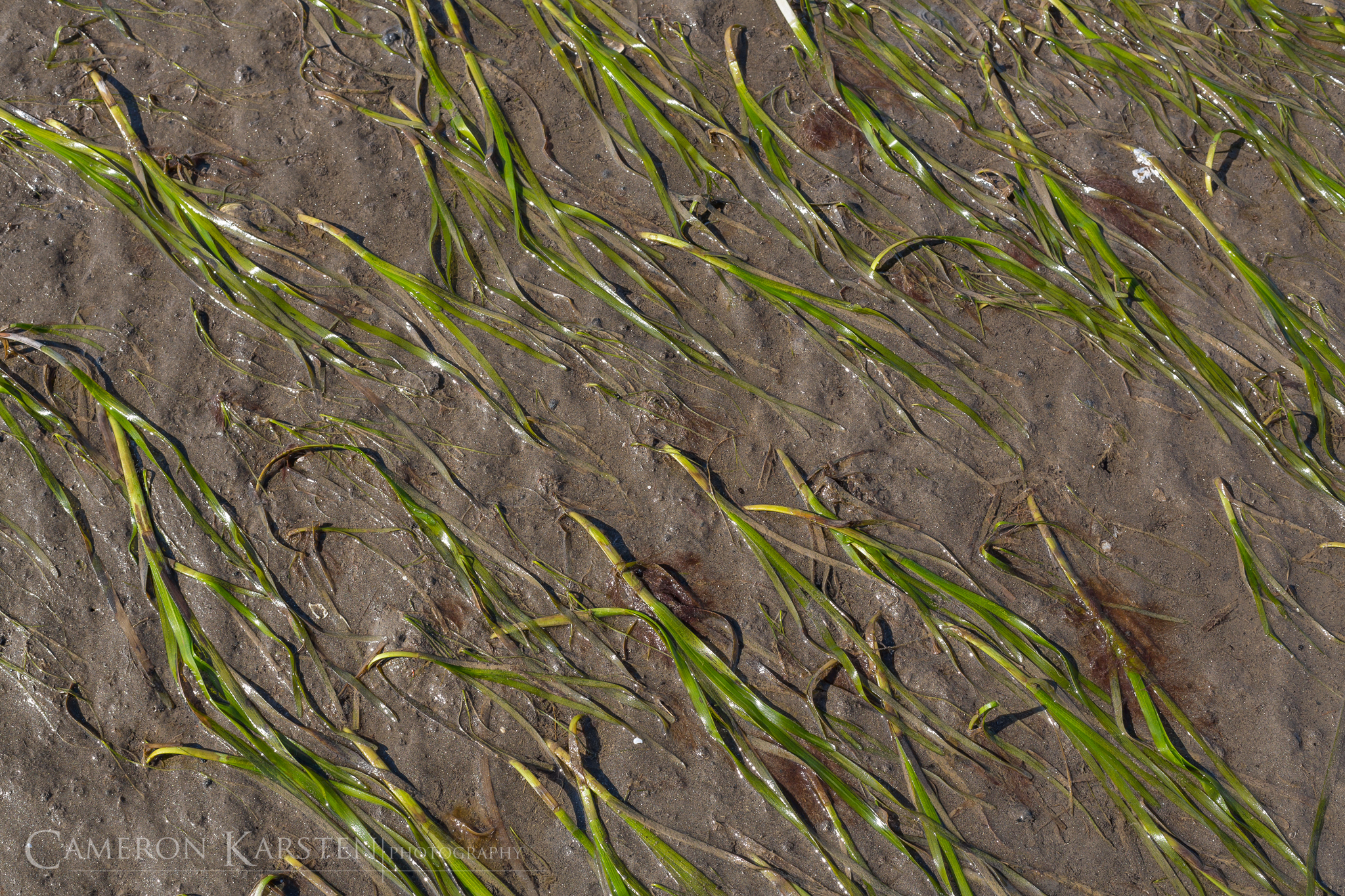
Last week I was called by Bloomberg and headed to Willapa Bay in southwestern Washington to photograph WSU scientist Kim Patten and the surrounding environment of Bay Center, WA. Waking up at 2:30am on Monday, I spent the morning driving 3hrs to catch a clear sunrise over the waters, which have been the center of Washington’s oyster industry for generations. At over 260 square miles, the bay nearly empties at low tide, creating the second largest estuary on the U.S.’s west coast. But a local shrimp has been disrupting the area’s economy for too long, suffocating oyster beds as the crustacean burrows 1 to 2 feet beneath the surface, turning mudflats into quicksand. The published article is available in the link and the selects from the morning’s shoot are below.
Bloomberg Businessweek: Washington State Turns to Neurotoxins to Save Its Oysters
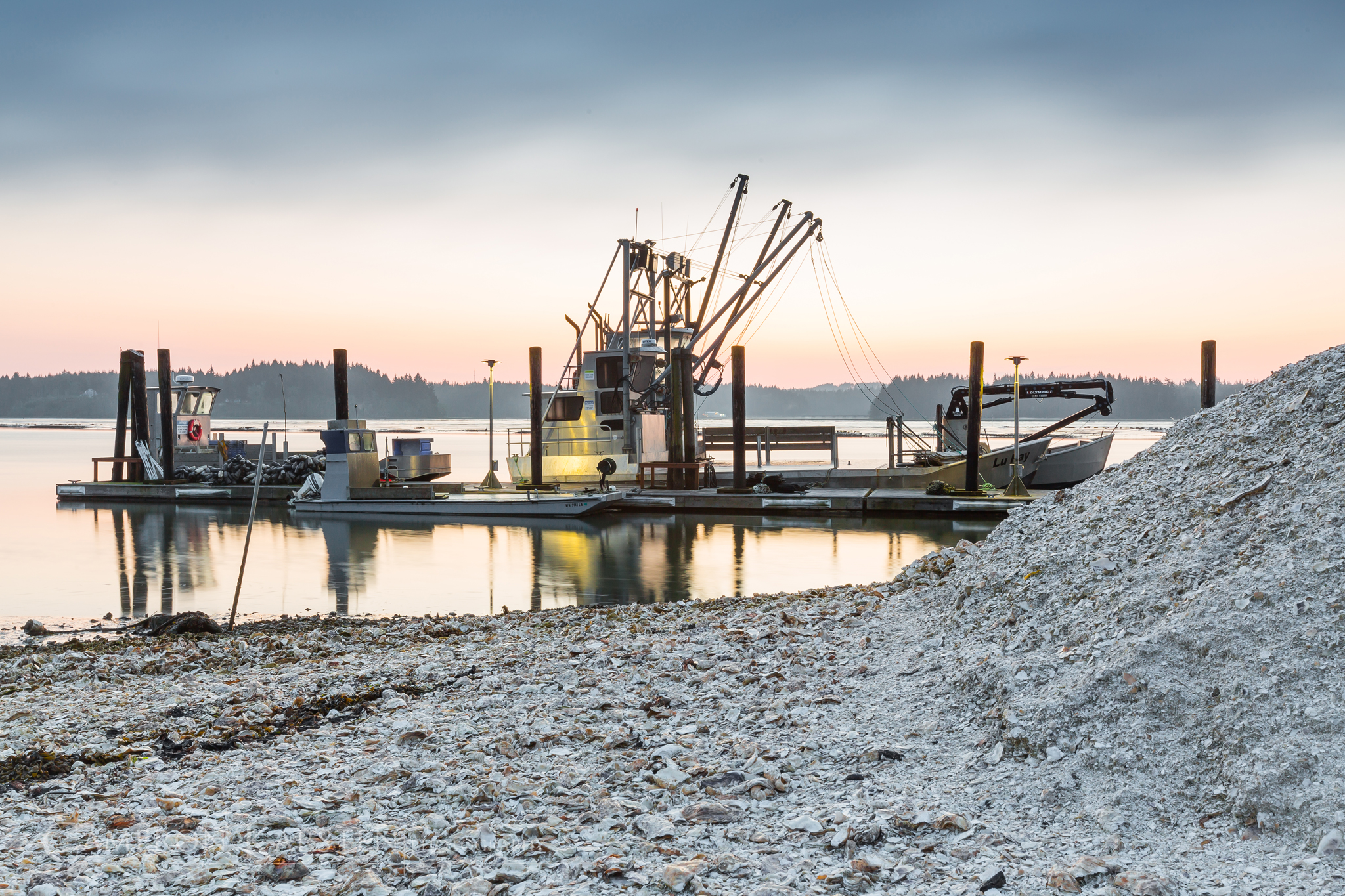
A pile of discarded oyster shells are left in the sun so organic matter can decompose before being bagged and placed back in the water as a refuge for young oyster seed.
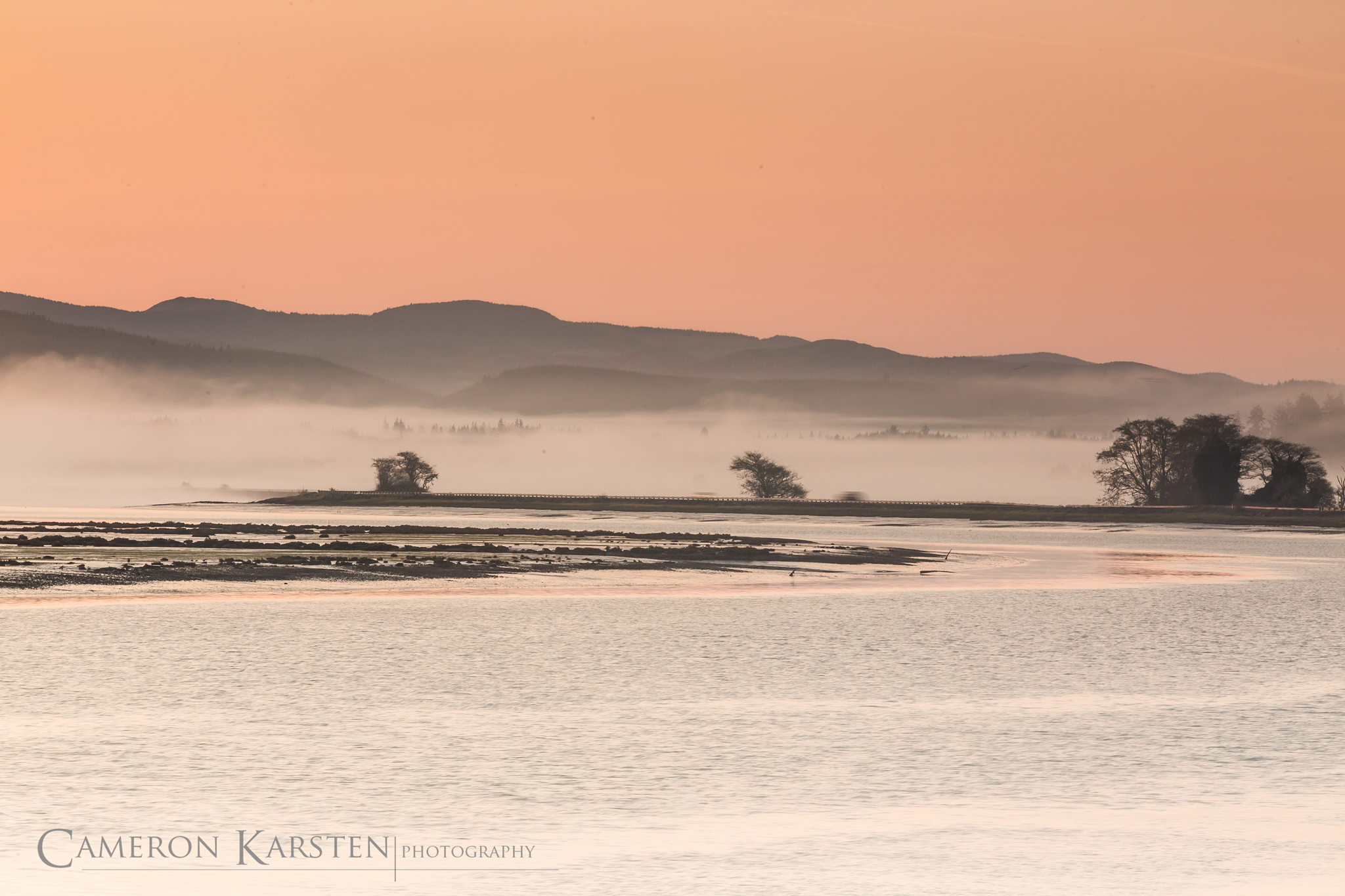
Long-line oyster beds stretch across the tidal flats of Willapa Bay as a front of morning fog recedes westward.
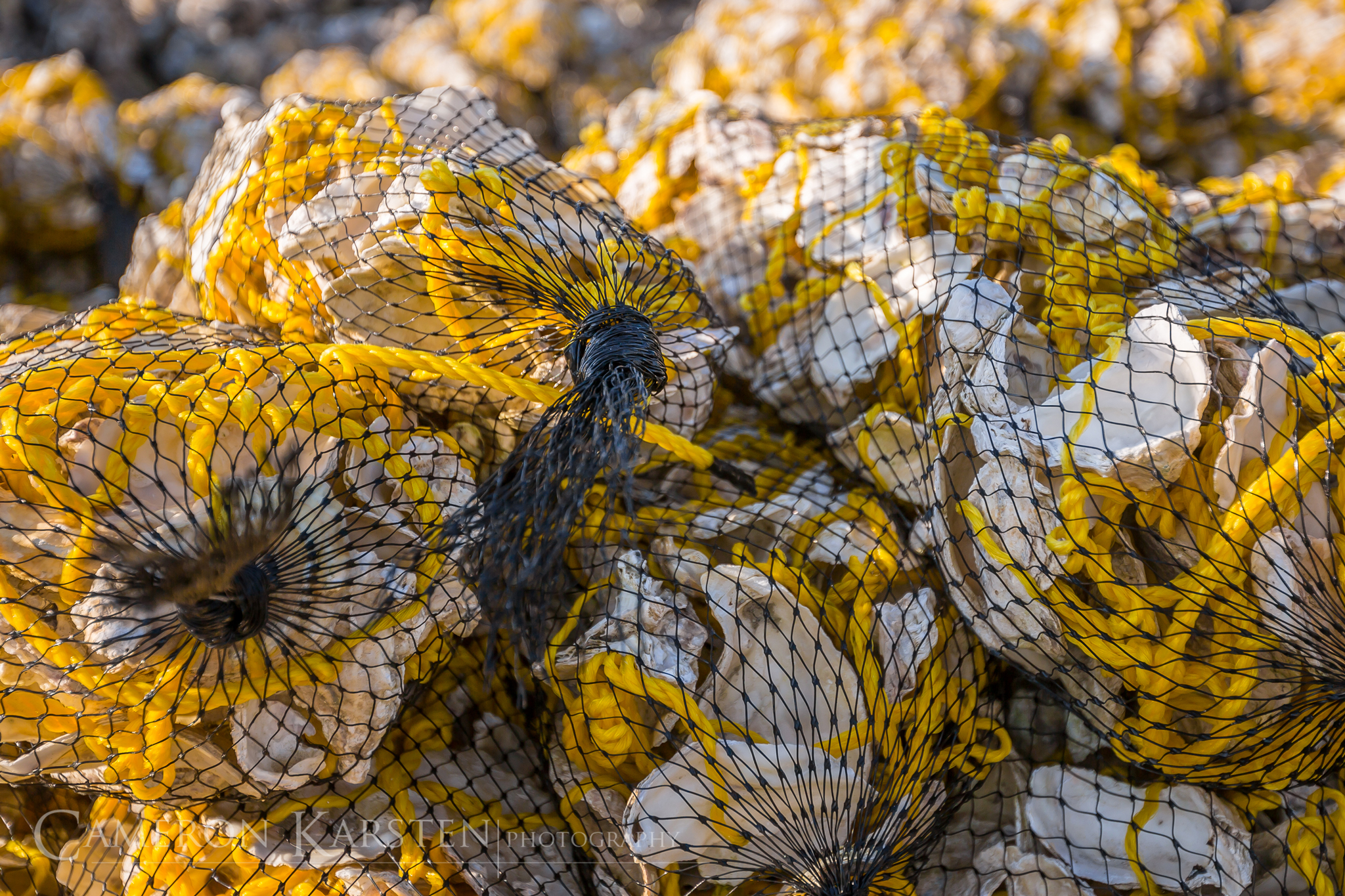
Old oyster shells wrapped in bags ready for delivery outside an oyster nursery
WSU scientist and researcher Kim Patten uses a clam digger to pull out an invasive shrimp from one to two feet beneath the mud.
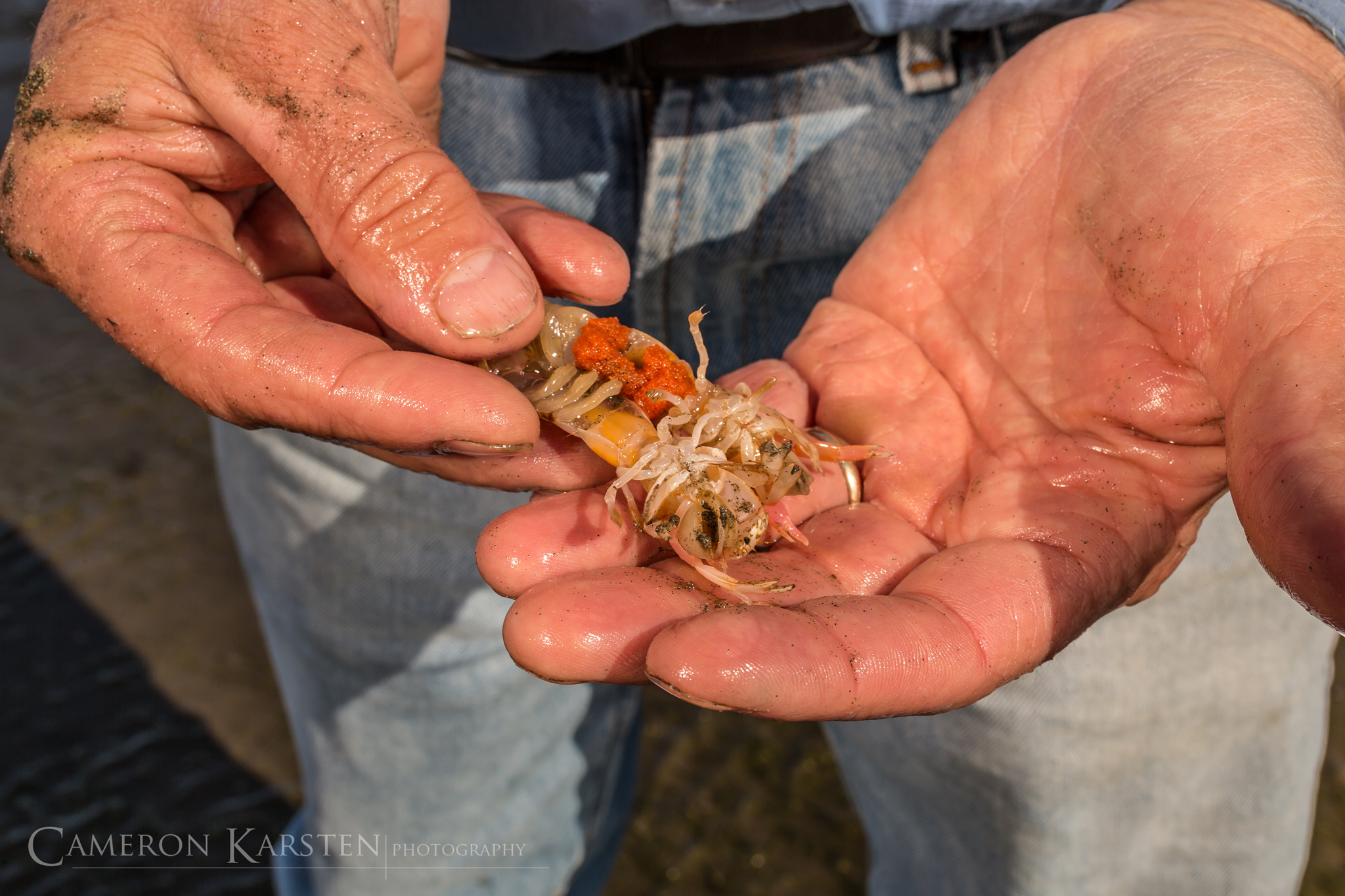
A male and female shrimp (the female is carrying orange egg sacks)
An oyster shucker in Bay Center, WA