Vodou Footprints: A Wonderful Machine Interview

Below is an excerpt from Wonderful Machine, who earlier this week posted an interview about my project within the Vodou religion. It is an effort to learn more about the Vodou Footprints project, the preparation and experiences had within this magical culture, future direction and goals, as well as help spread the news about the successful publication in GEO Magazin. Share the knowledge and enjoy!

Cameron Karsten : Vodou

Dec 1, 2015
PHOTOGRAPHER NEWS

Largely misunderstood in Western culture, Vodou has often been depicted as an evil or sinister type of black magic, with the all too familiar dolls and accompanying pins and needles created to punish or torture your enemies. For photographer Cameron Karsten, who views exploring a new culture, place, or people as a continuous source of inspiration, he admittedly felt that he too hugely misunderstood this ancient religion. It wasn’t till extensive research and a one way ticket to West Africa that he began to have a clearer picture and deeper appreciation for this ancient religion. What transpired was a multimedia project spanning across two countries Benin in West Africa and Haiti uncovering the untold stories on the origins and evolution of Vodou. Read more of the Q&A with Cameron below!

The West Africa Project - Origins of Vodou, Ouidah Priest consultation

Zanzan the Witchdoctor of Ouidah pours a shot of venomous snake-infused gin. Take the shot, repeat, “Danji, Danji!” and you’ll be protected from your enemies.

How does this project fit into your photographic style? Were there any new approaches you took to capture it?

Having spent a ton of time out of the country around the world—traveling, writing and photographing—this project was a natural progression in the development of my career. The combination of both still and motion, along with audio components and writing, fit my skill set well. What I added to the stylistic approach is the option of lighting the individuals in an editorial style with strobes and modifiers. In the end, it’s a lot of gear, but with the amount of time I spent in-country and the amount of research, it was worthwhile and allowed for a unique form of storytelling.

Day10_11_Lome-162-Edit

A boy vendor sells a dried gorilla foot at the Akodessewa Market in Lome, Togo.

Were there any challenges involved with this project? If so, how did you overcome them? 

The challenges were plentiful, though rewarding. Securing attendance into specific rare ceremonies and the related logistics around the timing of these events or celebrations was understandably tough. Additionally, West African Vodou is entirely different from Haitian Vodou. Although the religion traveled westward to the New World with the slave trade route, the metamorphosis was great, and this is exactly why it survived the brutality of slavery and the successive dictatorships that crippled the people. Keeping track of these differences, as well as making and maintaining key contacts across two opposing continents, required the creation of a new volume of research and planning to fully understand each real and true Vodou ceremony.

The West Africa Project - Origins of Vodou, Visiting the Kingdom of Allada in central Benin during Allada's Vodou FestivalDjagli spirits, known to chase witches from villages, rest after a performance in Allada during the National Vodou Day in Benin, West Africa.

What was involved in planning/preproduction? 

Before leaving home, I read and researched like mad. From books to blogs and personal tourist memoirs to anthropological university studies, I devoured as much as possible. Likewise, I reached out to locals via social media and email, asking for advice and on-the-ground knowledge. Finally, I organized, packed and carefully deliberated over gear—performing that rigorous judicial act of every seasoned traveler: what to bring.

The West Africa Project - Origins of Vodou, Ketou Guelede dancing mask ceremoniesKetou Guelede dancing mask ceremonies last all night, from sunset to sunrise. The costumes are rare these days, made by artisans from the Yoruba tribes of Nigeria.

What has the reaction to the images been so far? 

Reactions to the work from West Africa, specifically Benin and Togo, from the first trip have been phenomenal. The still and motion work, combined with the essays, have offered people exposure to a culture that has never before been documented with such visual impact and cultural appreciation. With the subsequent chapter in Haiti, the response has been likewise, as the images have carried a little more darkness and mystery behind Vodou’s changes from its place of origin across the waters in Africa. GEO Magazin picked up the West African piece, utilizing both stills and motion for their publication. National Geographic continues to show interest, encouraging the project to develop and progress.

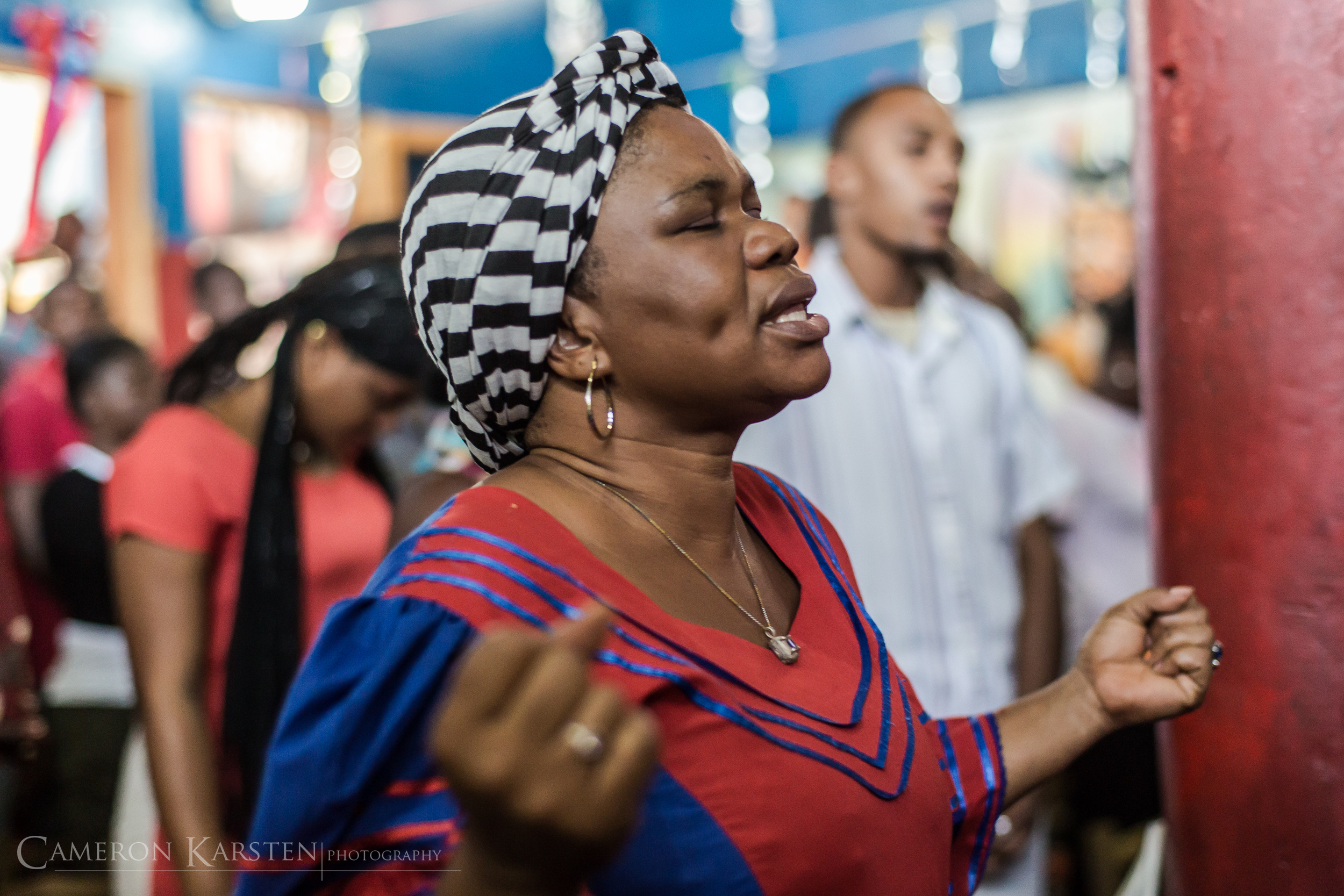
The Vodou Trail in Haiti exploring the ceremonies and rituals of Haitian VodouVodouisants pray in congregation at Montagne Noire outside Port-au-Prince, Haiti.

Any future plans for this project? 

The Vodou Footprints project has only just begun. In 2016, I will return to Haiti in July/August and October/November in order to complete that chapter before moving north in 2017 to document Vodou throughout the American south. After this, I intend to trace the historical spread of Vodou across the Caribbean, Central and South America, as well as east from West Africa into the surrounding countries as far as Zanzibar. The final goal for this long-term multimedia project is a complete visual encyclopedia of modern day Vodou, from where it originated in the cradle of Vodou to its evolution through the wake of the European slave trade. This will include a volume of books, traveling exhibitions, presentations and a documentary film.
The Vodou Trail in Haiti exploring the ceremonies and rituals of Haitian Vodou

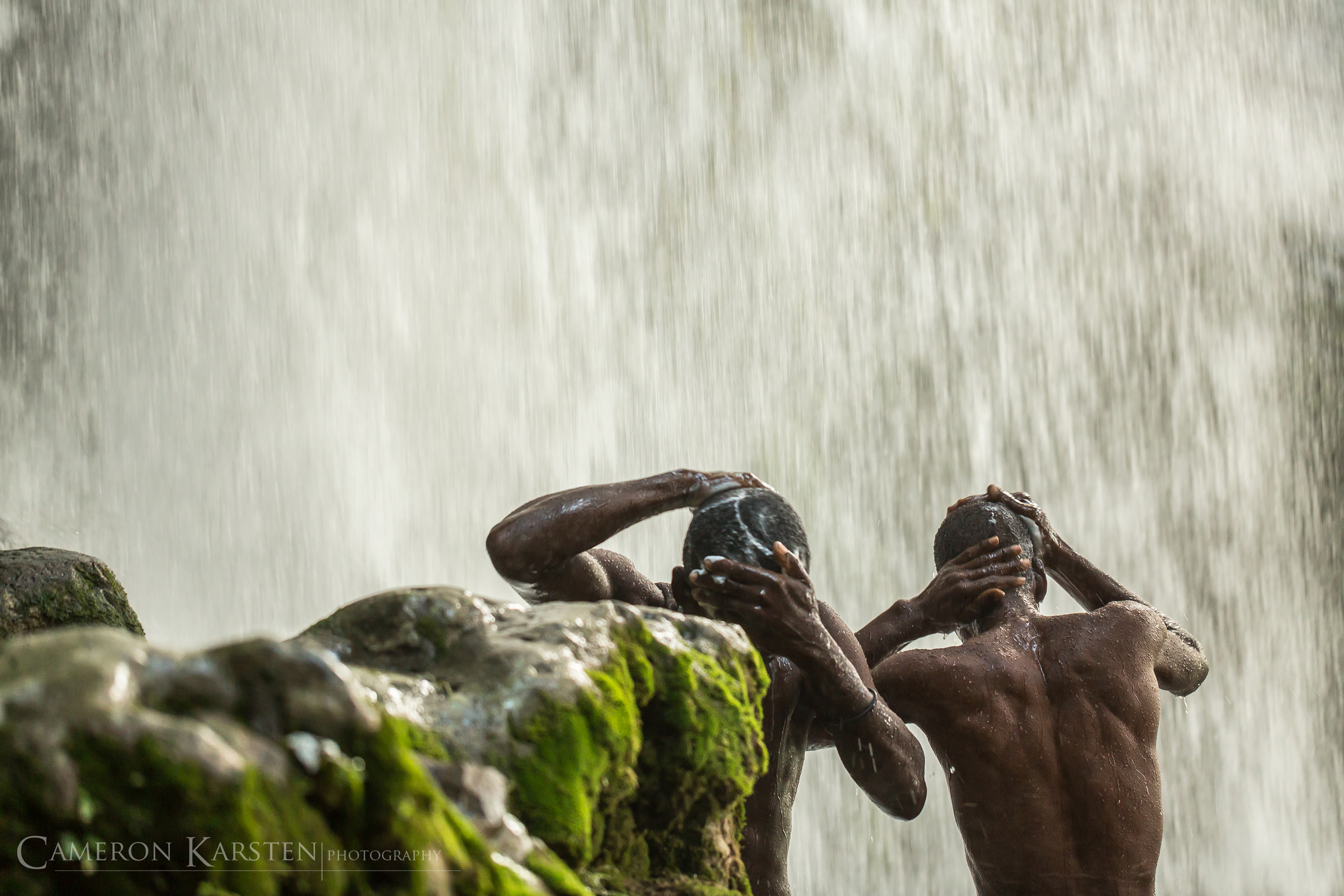
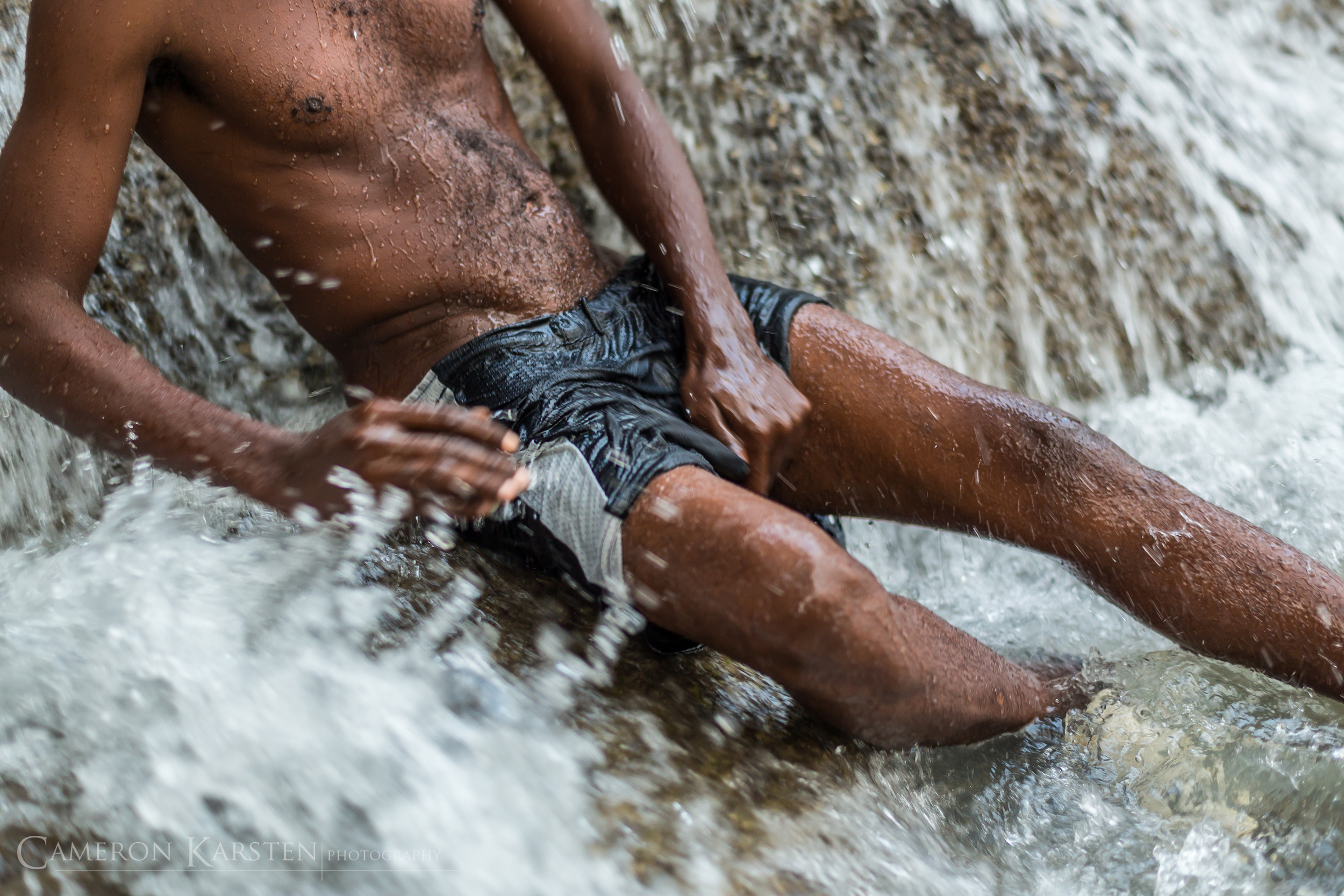
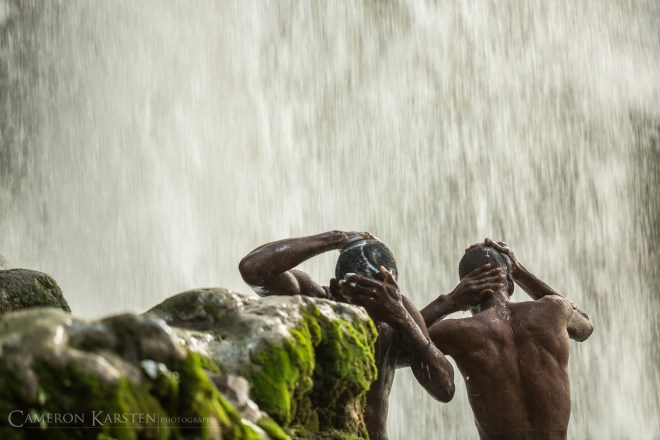
Two pilgrims bathe in the sacred falls of Saut d’Eau

Did you learn anything through the creation of this series?

As with every foreign culture, it’s offered me glimpses into the complexity yet simplicity of our world. Vodou’s sole purpose is to celebrate life and death while providing all participants access to every human right: health, happiness and prosperity. It is a beautiful, mysterious and unique tradition, which has nothing to do with a doll or pins and needles. And of course, the more I develop this project, the more I myself develop—both as a growing presence in this ever-changing technological industry and as a critical practitioner of compelling storytelling.

View the video Cameron created below :


logo_blackTrajan

To see more of Cameron’s work visit cameronkarsten.com

Vodou Footprints: Photo Essay (Haiti)

A Haitian bathes and prays in the waterfall of Saut d'Eau during the annual pilgrimage.

A Haitian bathes and prays in the waterfall of Saut d’Eau during the annual pilgrimage.

Haiti is a magical island with a heart of generosity and resilience. It is a nation of peoples who were sent to their new home in the iron shackles and rusted chains, having crossed the tumultuous Atlantic Ocean in the bowels of wooden hulls, from a homeland of ancestral purity. The darkest hour of humanity was the Western slave trade, taking tribes from Guinea to the New World. One of their first stops, Hispaniola (Haiti). And there, centuries later, occurred the world’s only successful slave revolt. This, among many other feats of survival, including buckling before the atrocities of successive dictatorships, earthshaking natural disasters and a hopeless material poverty wrought with the inhumane forces of international policies and internal governmental corruption, couldn’t have happened without Haitians’ spirituality, the worship of the Loas, the great Les Mysteres, from the motherland of Africa.

A man spreads his arms under the falls of Saut d'Eau.

A man spreads his arms under the falls of Saut d’Eau.


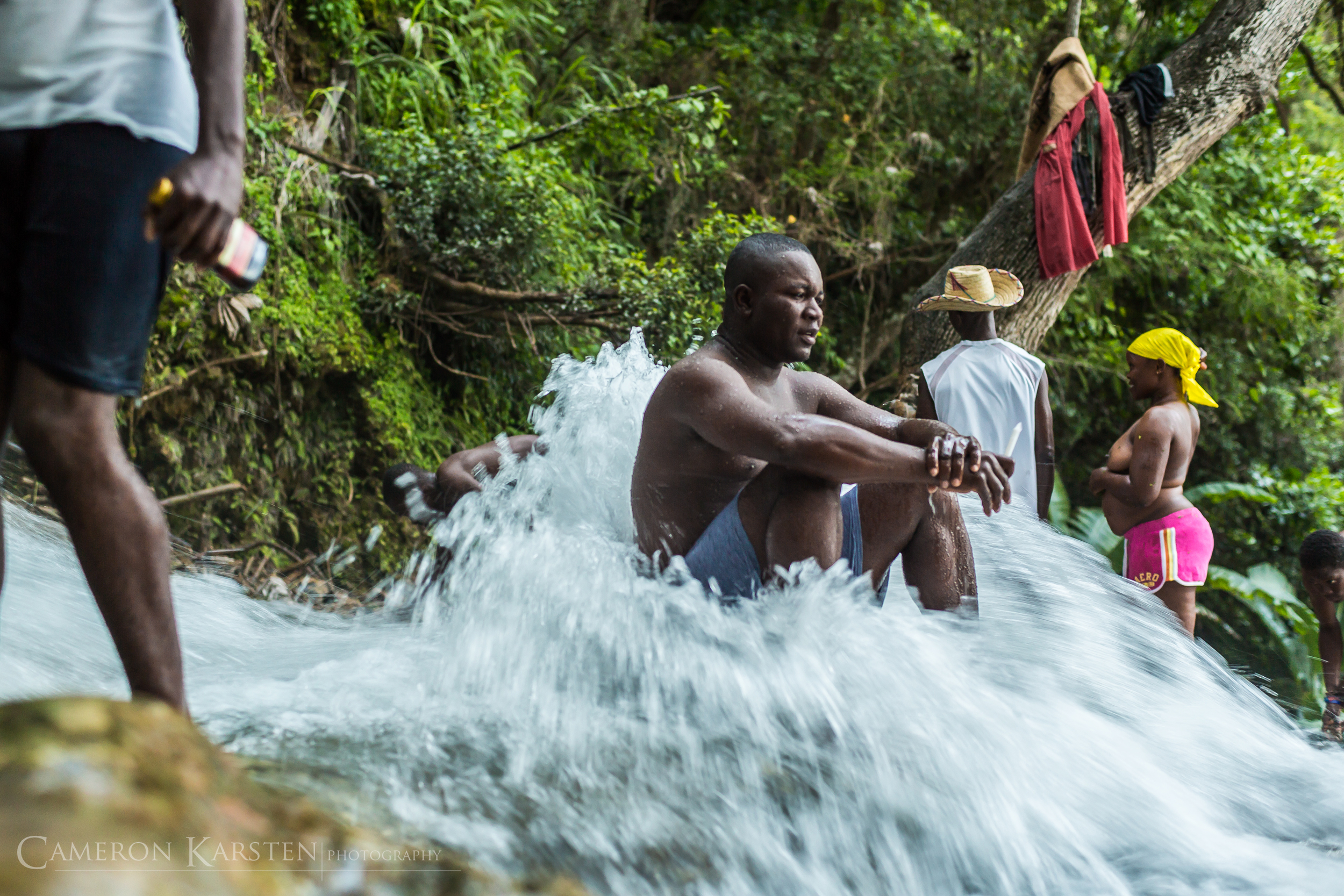
A pilgrim at Saut d'Eau sits still in the rushing waters.

A pilgrim at Saut d’Eau sits still in the rushing waters.


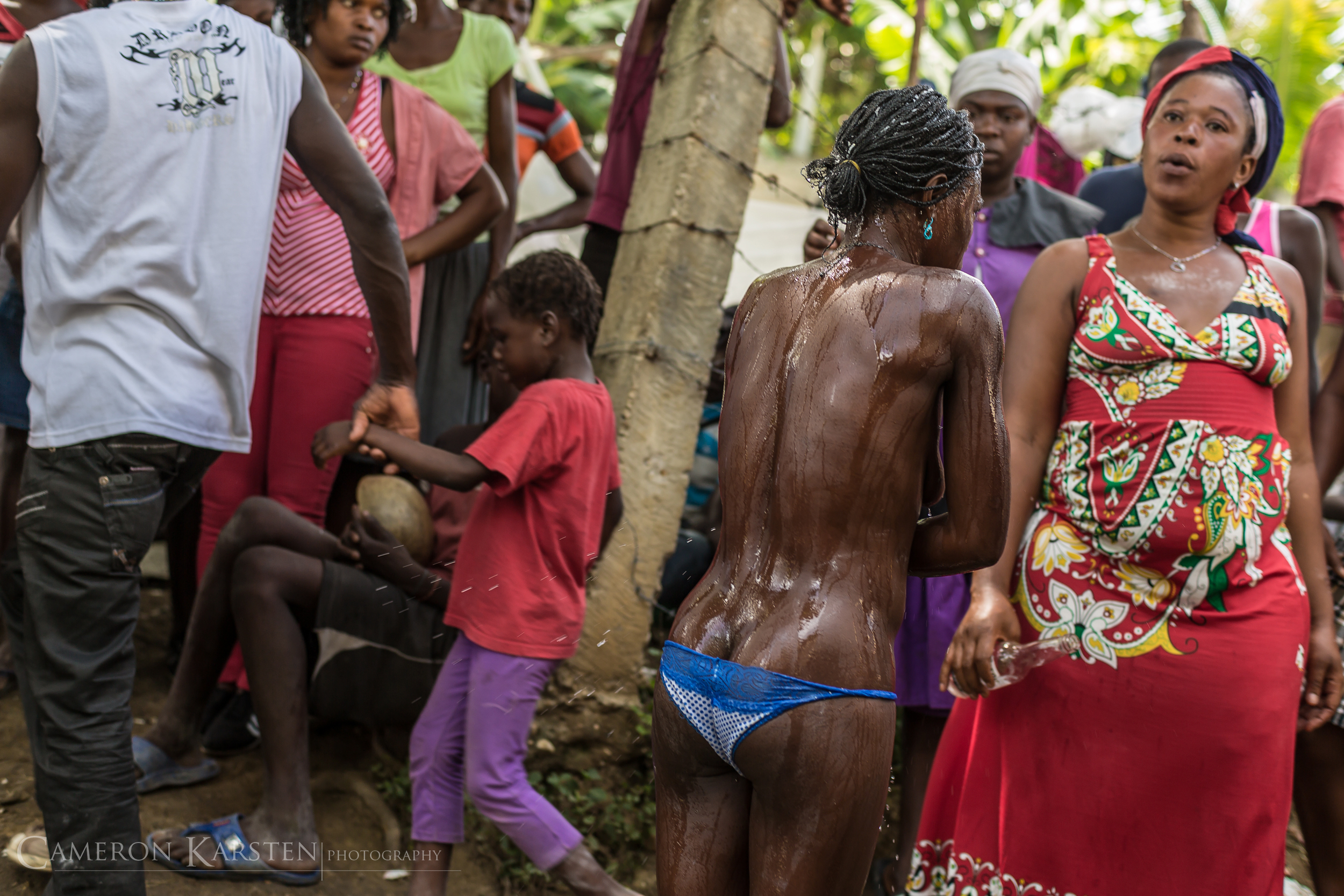
Two pilgrims bathe with soap near the falls of Saut d'Eau.

Two pilgrims bathe with soap near the falls of Saut d’Eau.


A man sells candles for pilgrims at the waterfalls of Saut d’Eau.

A man sells candles for pilgrims at the waterfalls of Saut d’Eau.


A man finds stillness among the throngs of pilgrims who often get completely nude to bathe in the waters.

A man finds stillness among the throngs of pilgrims who often get completely nude to bathe in the waters.


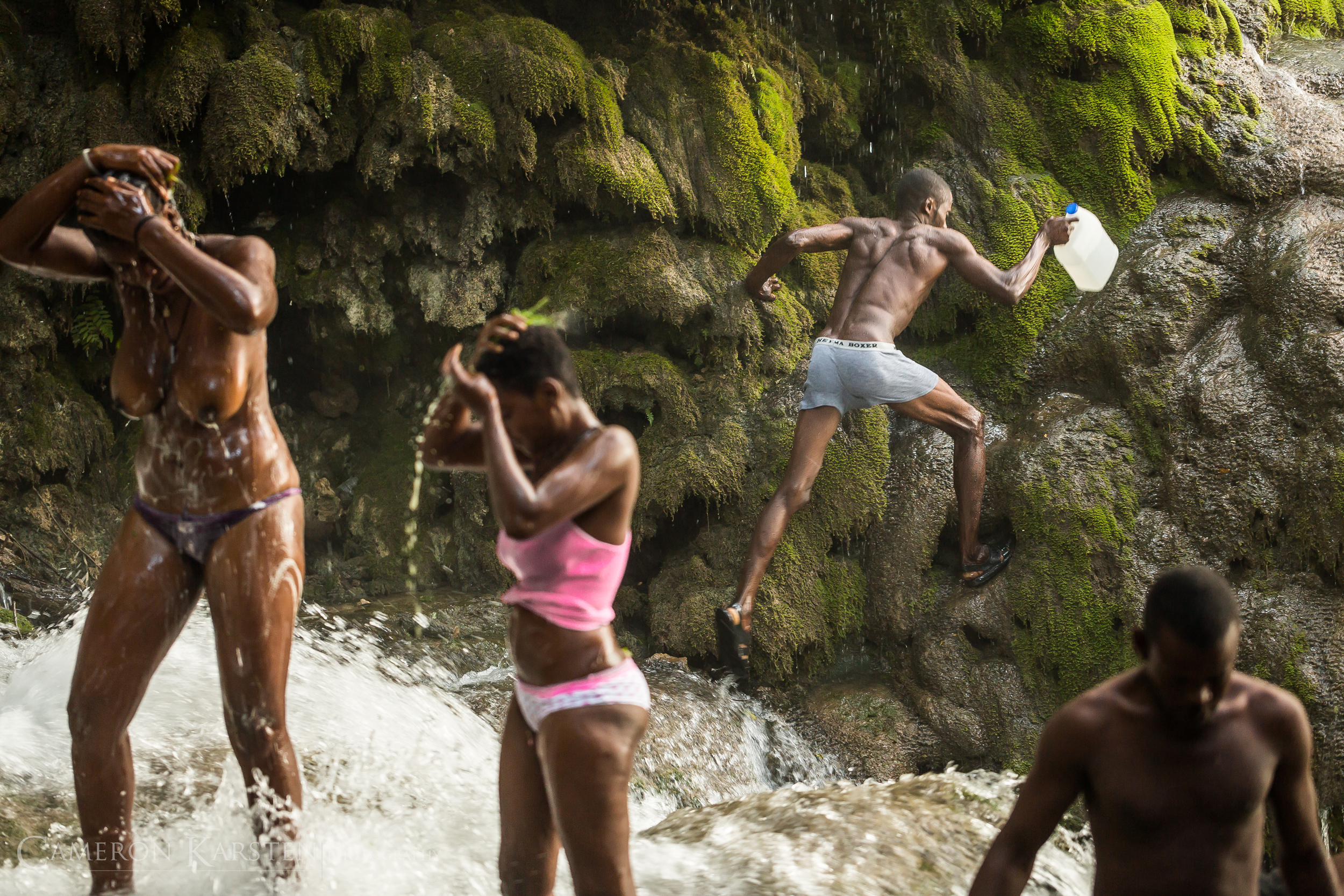
Pilgrims gather to bathe, scrub and offer prayers to the Virgin Mary and vodou spirits Iwa Damballah (the snake) and his wife Ayido Wedo (the rainbow).

Pilgrims gather to bathe, scrub and offer prayers to the Virgin Mary and vodou spirits Iwa Damballah (the snake) and his wife Ayido Wedo (the rainbow).


In a moment of solitude, a pilgrim enjoys the cool healing waters of Saut d'Eau.

In a moment of solitude, a pilgrim enjoys the cool healing waters of Saut d’Eau.


A young man prays before the waterfalls of Saut d'Eau in the Artibonite Valley.

A young man prays before the waterfalls of Saut d’Eau in the Artibonite Valley.


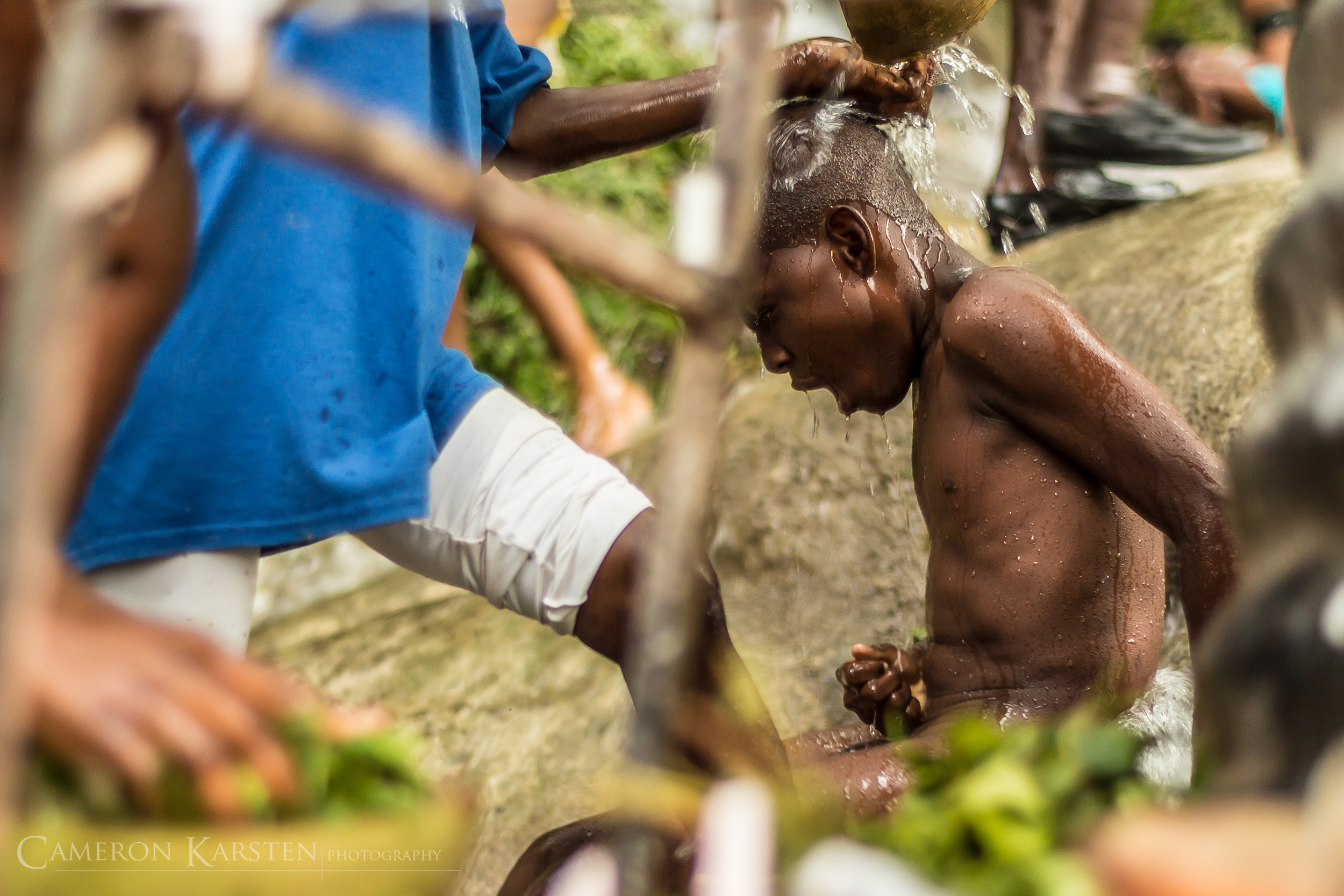
A young boy is bathed by his parents in the sacred waters of Saut d'Eau. He will also be scrubbed with a mixture of herbs including parsley and tree leaves believed to cleanse the body of sins that also bring good luck.

A young boy is bathed by his parents in the sacred waters of Saut d’Eau. He will also be scrubbed with a mixture of herbs including parsley and tree leaves believed to cleanse the body of sins that also bring good luck.


A man climbs the slick rocks to retrieve water from the waterfall to bring with him on his return home.

A man climbs the slick rocks to retrieve water from the waterfall to bring with him on his return home.


A pilgrim cleanses and scrubs himself of his sins in the waters of Saut d'Eau.

A pilgrim cleanses and scrubs himself of his sins in the waters of Saut d’Eau.


A young woman goes through a consultation with a vodou Mambo. Haitians visit Houngans or Mambos, vodou priests, in search of health, happiness and prosperity.

A young woman goes through a consultation with a vodou Mambo. Haitians visit Houngans or Mambos, vodou priests, in search of health, happiness and prosperity.


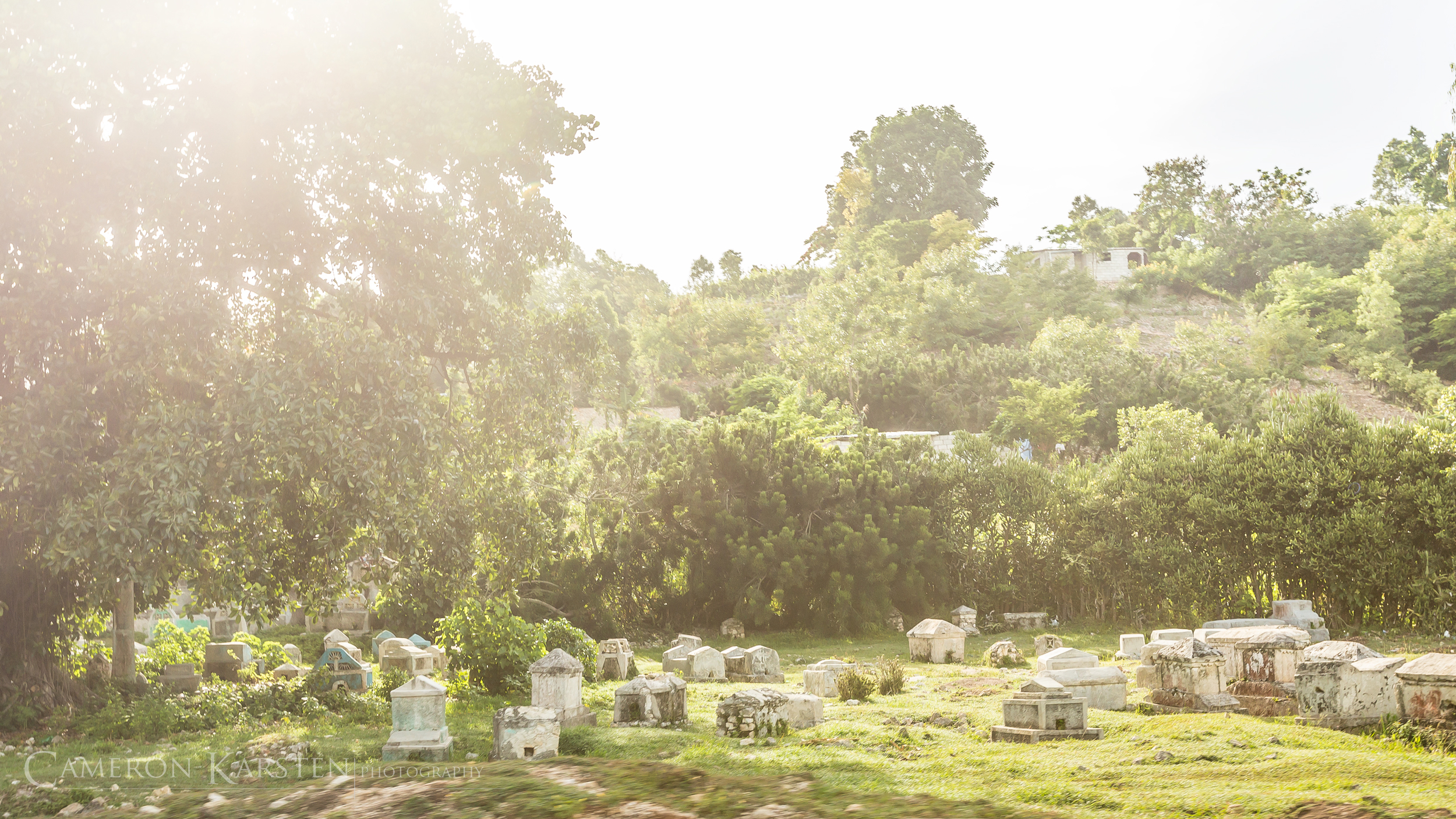
Cemeteries are both part of the Catholic and vodou traditions. For vodouisants, many of the celebrations surrounding the dead are held at cemeteries, as well as the much misconceived zombie phenomenon.

Cemeteries are both part of the Catholic and vodou traditions. For vodouisants, many of the celebrations surrounding the dead are held at cemeteries, as well as the much misconceived zombie phenomenon.


Charcoal is a huge commodity for the Haitian economy, yet as of 2006 there was only 2% of Haiti's original forests remaining. From the city streets to the country roads, charcoal can be found in large white canvas sacks sold by the "marmit" and not by weight. A marmit is approximately the size of your average coffee can, which in Haiti is the equivalent of about $0.60 USD.

Charcoal is a huge commodity for the Haitian economy, yet as of 2006 there was only 2% of Haiti’s original forests remaining. From the city streets to the country roads, charcoal can be found in large white canvas sacks sold by the “marmit” and not by weight. A marmit is approximately the size of your average coffee can, which in Haiti is the equivalent of about $0.60 USD.


Construction vehicles and earthmovers dot the landscape from the failed efforts of international aid organizations to rebuild Haiti after the devastating 2010 earthquake. The earthquake registered a 7.0 magnitude, killing unconfirmed citizens. Estimates range widely from 100,000 to 316,000, leaving families ruined, debilitating the infrastructure and crippling an already suffering economy.

Construction vehicles and earthmovers dot the landscape from the failed efforts of international aid organizations to rebuild Haiti after the devastating 2010 earthquake. The earthquake registered a 7.0 magnitude, killing unconfirmed citizens. Estimates range widely from 100,000 to 316,000, leaving families ruined, debilitating the infrastructure and crippling an already suffering economy.


Haitians collect water and wash laundry in a dry river bed north of Port-au-Prince in the Artibonite Valley.

Haitians collect water and wash laundry in a dry river bed north of Port-au-Prince in the Artibonite Valley.


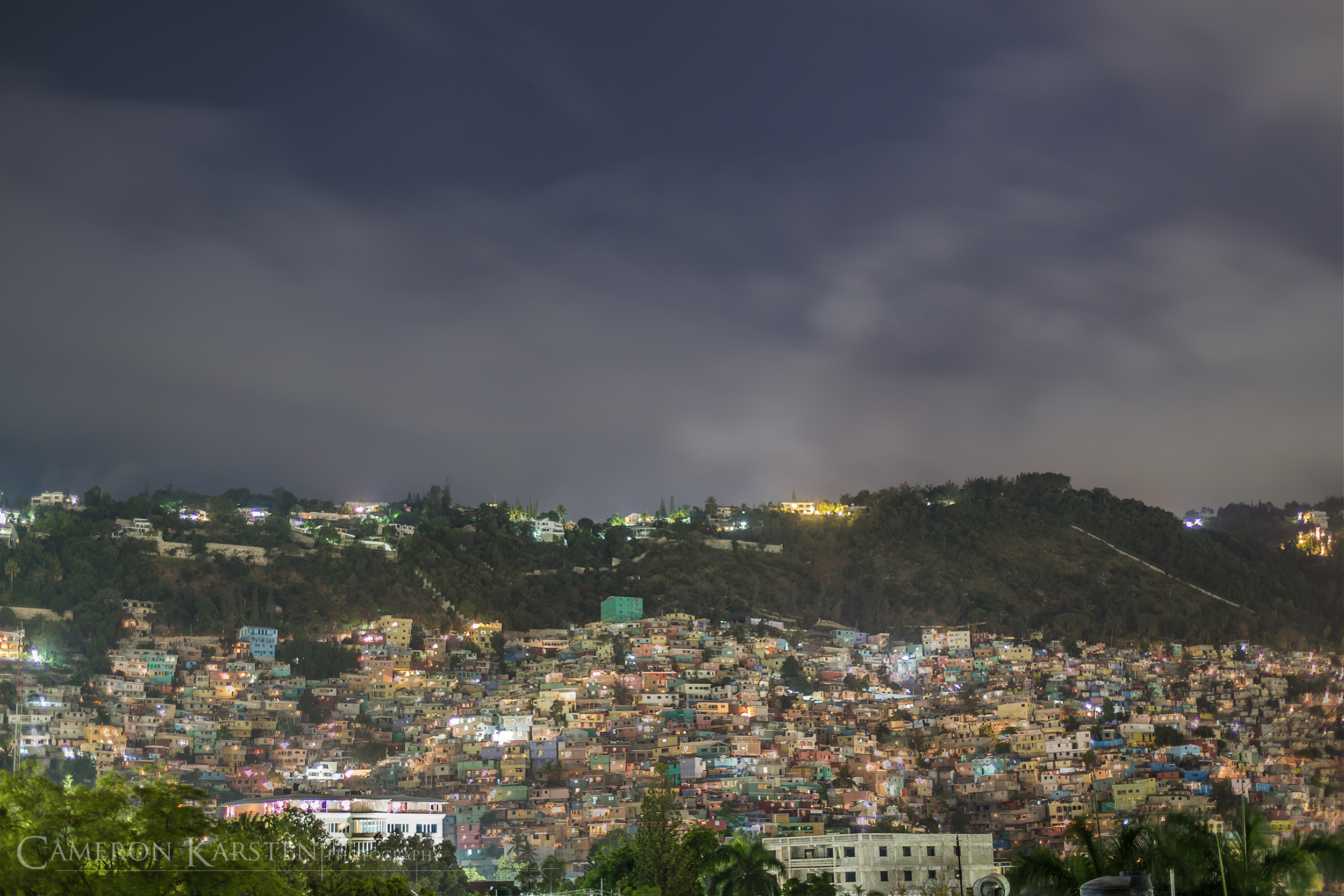
A view of the Port-au-Prince slum Jalousie, just above the affluent neighborhood of Petionville. Visible walls within the slum were painted a rainbow of colors to make the hillside more beautiful for Petionville residents.

A view of the Port-au-Prince slum Jalousie, just above the affluent neighborhood of Petionville. Visible walls within the slum were painted a rainbow of colors to make the hillside more beautiful for Petionville residents.


Sanba Zao is an internationally-renowned Haitian drummer with a rife knowledge of the history of vodou drums. Each drum has a specific role and is the key to calling Les Mysteres from across the waters in Africa to the island of Hispaniola.

Sanba Zao is an internationally-renowned Haitian drummer with a rife knowledge of the history of vodou drums. Each drum has a specific role and is the key to calling Les Mysteres from across the waters in Africa to the island of Hispaniola.


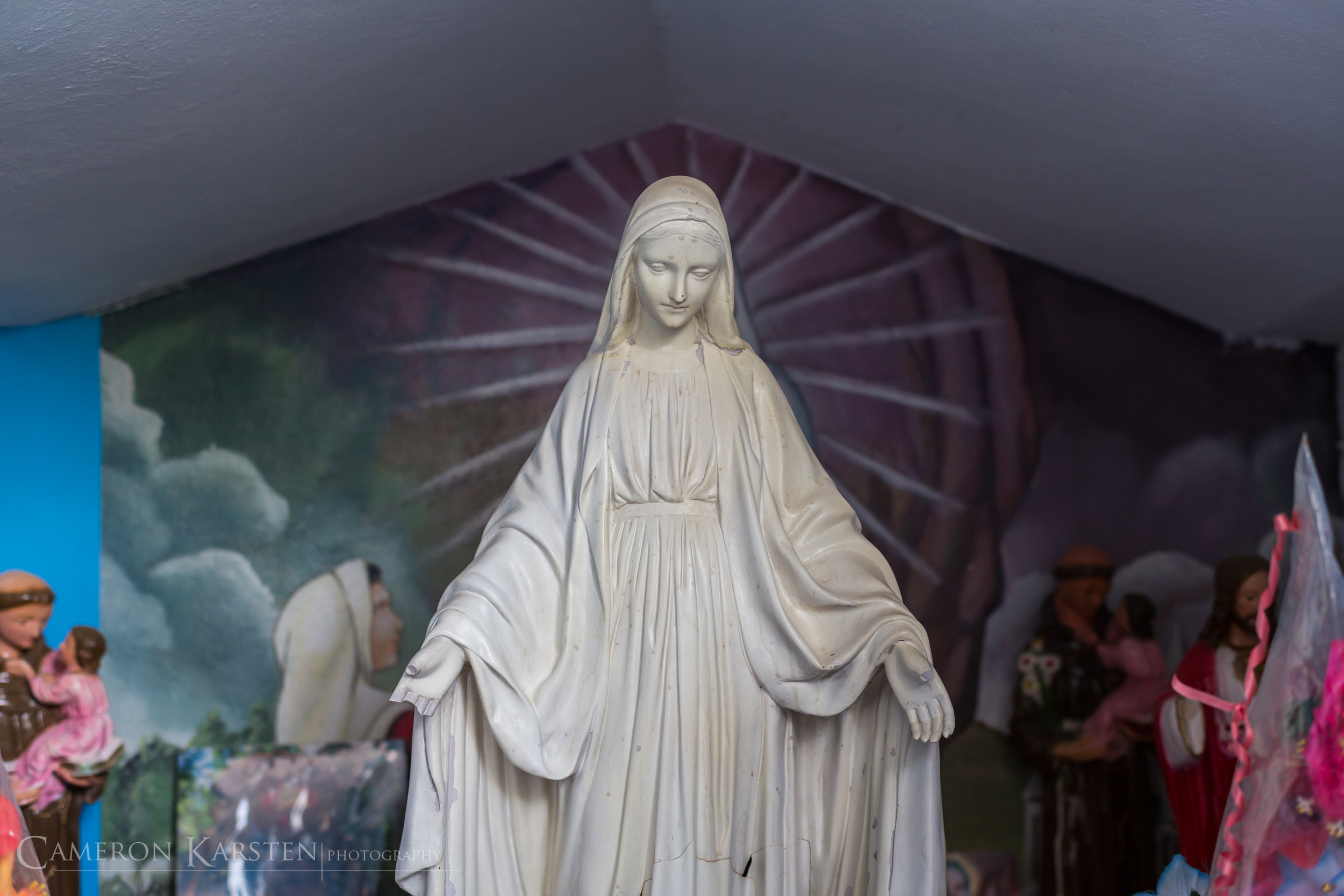
The Virgin Mary resides within an altar of a vodou temple, representing the facade Catholicism has played for the very survival of Haitian vodou.

The Virgin Mary resides within an altar of a vodou temple, representing the facade Catholicism has played for the very survival of Haitian vodou.


Catholicism and Haitian vodou are syncretic religions. Catholicism acted as the facade during the era of slavery, vodouisants utilizing the religion's idols to hide the true rituals of their African ancestors.

Catholicism and Haitian vodou are syncretic religions. Catholicism acted as the facade during the era of slavery, vodouisants utilizing the religion’s idols to hide the true rituals of their African ancestors.


A vodouisant prepares to receive the spirit Ogue Feray, the warrior spirit whose main color is red.

A vodouisant prepares to receive the spirit Ogue Feray, the warrior spirit whose main color is red.


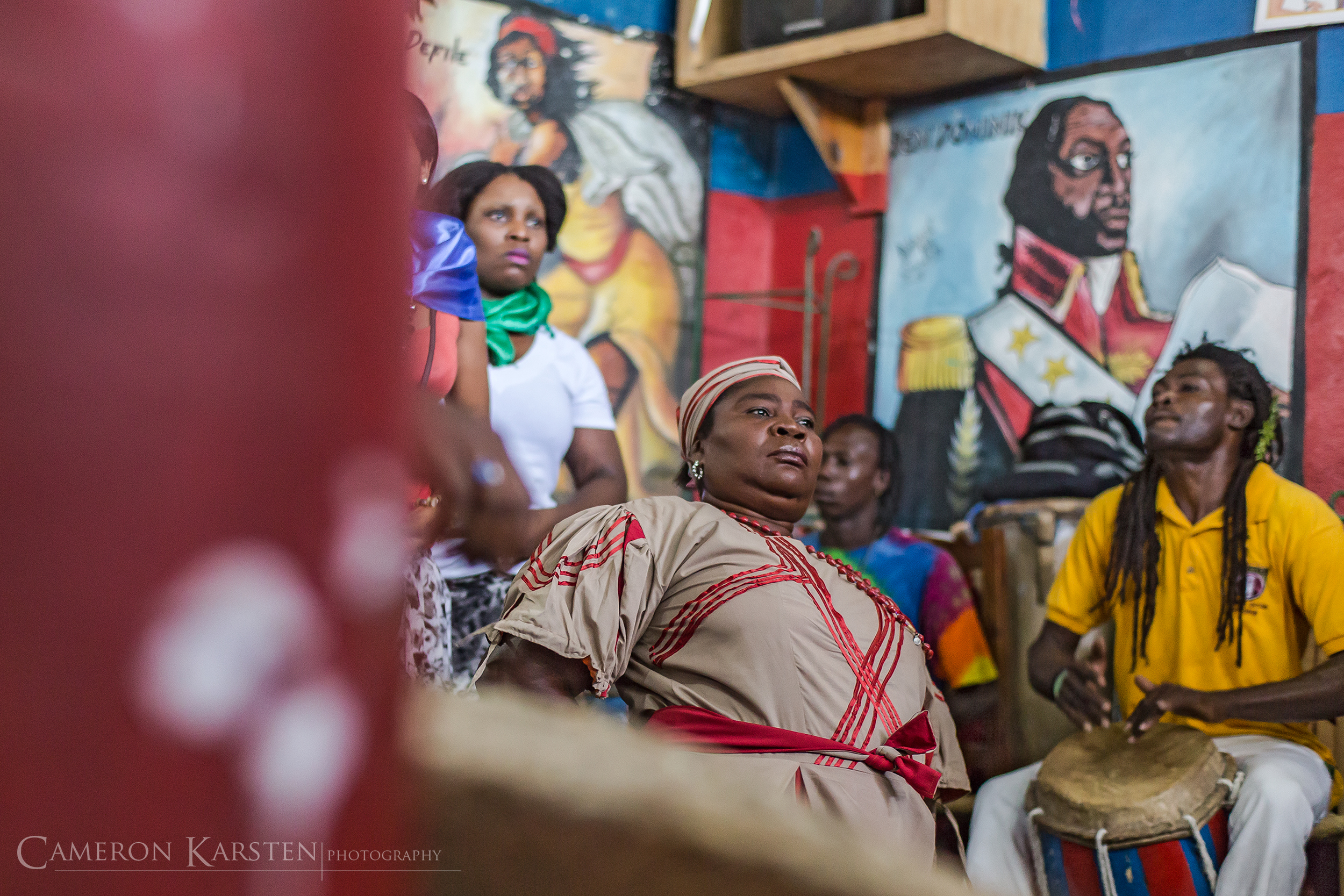
The houngan Sanba Zelle excites his congregation at his hounfour in Montagne Noire outside of Port-au-Prince. Haitian vodou is as much a party for the community as it is a religious celebration. Vodouisants gather to sing and dance, shedding the hardships they face in a post-earthquake Haiti. As of 2011, 61.7% of the population lives below the poverty line.

The houngan Sanba Zelle excites his congregation at his hounfour in Montagne Noire outside of Port-au-Prince. Haitian vodou is as much a party for the community as it is a religious celebration. Vodouisants gather to sing and dance, shedding the hardships they face in a post-earthquake Haiti. As of 2011, 61.7% of the population lives below the poverty line.


Vodouisants pray in congregation at Montagne Noire outside Port-au-Prince.

Vodouisants pray in congregation at Montagne Noire outside Port-au-Prince.


A vodouisant in attendance goes into trance as the congregation calls Les Mysteres from across the waters in Africa by the sound of the drums, the singing and pure merriment of the people. Vodou spirits are believed to have been mortals in past eras. By entering the body of a human, trance is the spirit's way of enjoying the pleasantries of humanity once again.

A vodouisant in attendance goes into trance as the congregation calls Les Mysteres from across the waters in Africa by the sound of the drums, the singing and pure merriment of the people. Vodou spirits are believed to have been mortals in past eras. By entering the body of a human, trance is the spirit’s way of enjoying the pleasantries of humanity once again.


A woman in trance by Ogue Feray embraces another vodouisant. When in trance, vodou spirits are looking to experience the physicality of humanity.

A woman in trance by Ogue Feray embraces another vodouisant. When in trance, vodou spirits are looking to experience the physicality of humanity.


Two congregation members in trance embrace at a hounfour in Montagne Noire, Port-au-Prince.

Two congregation members in trance embrace at a hounfour in Montagne Noire, Port-au-Prince.


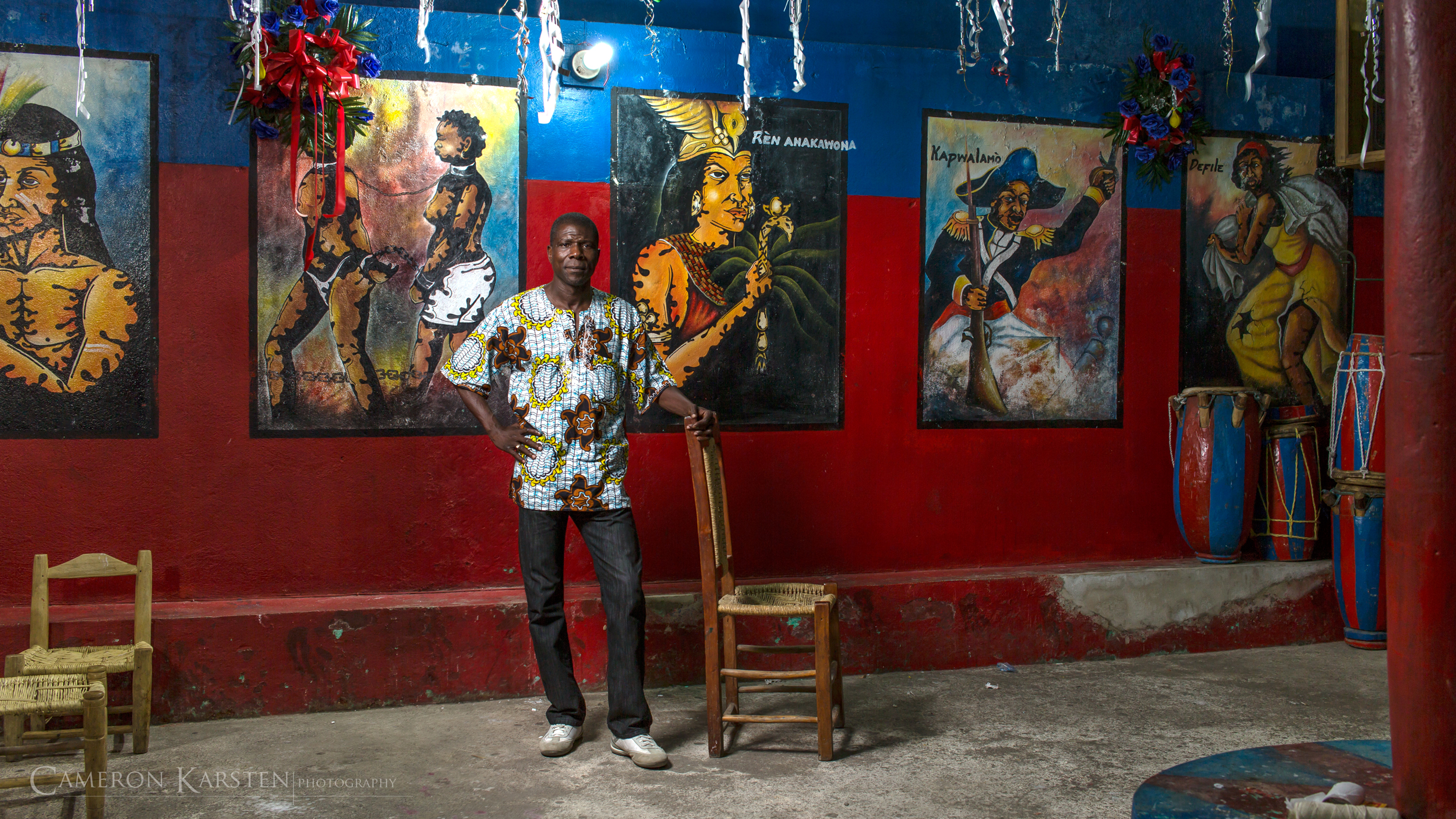
Sanba Zelle is a Houngan, or Vodou priest, leading his community of vodou practitioners in Montagne Noir outside of Port-au-Prince. As a Houngan he is a leader who contacts Les Mysteres from across the waters in Guinea (Africa), helping his people find health, happiness and prosperity through Vodou.

Sanba Zelle is a Houngan, or Vodou priest, leading his community of vodou practitioners in Montagne Noir outside of Port-au-Prince. As a Houngan he is a leader who contacts Les Mysteres from across the waters in Guinea (Africa), helping his people find health, happiness and prosperity through Vodou.


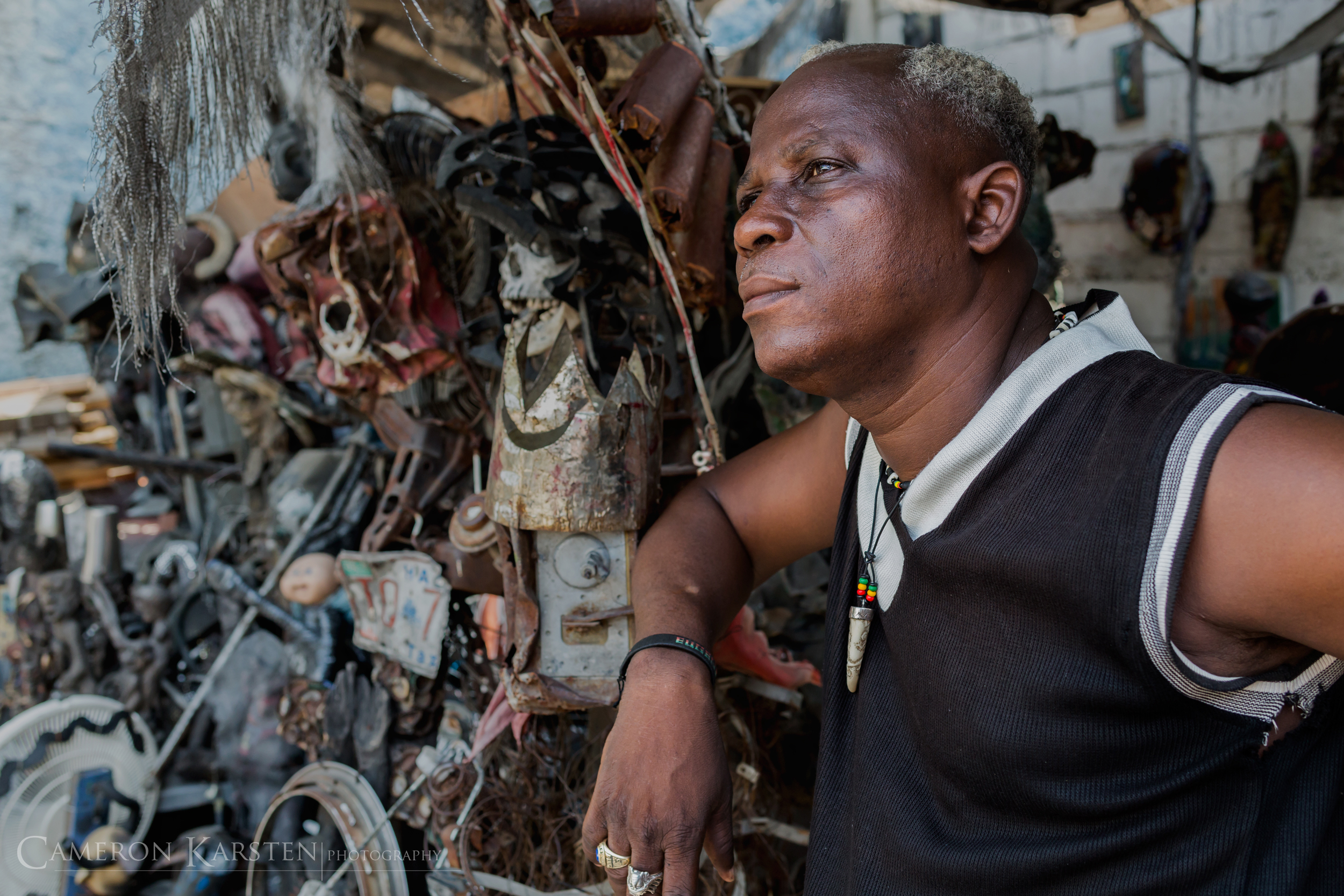
A sculpture by André Eugène. All of the skulls in his work are real human skulls. I asked him how he was able to get a hold of the skulls and he said, “Many things are easy to come by in Haiti. All my work is recycled. You ask for a human skull, you can easily get one.”

A sculpture by André Eugène. All of the skulls in his work are real human skulls. I asked him how he was able to get a hold of the skulls and he said, “Many things are easy to come by in Haiti. All my work is recycled. You ask for a human skull, you can easily get one.”


André Eugène, founder of Atis Rezistans in downtown Port-au-Prince believes that Haitian culture must be preserved, from its past to present. Vodou is a part of Haitian culture. It is said that 95% of Haitians are Christian while 100% are vodou.

André Eugène, founder of Atis Rezistans in downtown Port-au-Prince believes that Haitian culture must be preserved, from its past to present. Vodou is a part of Haitian culture. It is said that 95% of Haitians are Christian while 100% are vodou.


A sculpture of Osama bin Laden from recycled bits by André Eugène, founder of Atis Rezistans on Grand Rue in downtown Port-au-Prince, Haiti.

A sculpture of Osama bin Laden from recycled bits by André Eugène, founder of Atis Rezistans on Grand Rue in downtown Port-au-Prince, Haiti.


Vodou Footprints is an intercontinental multimedia project that traces this millennia-old belief system from its roots in West Africa to the shores of the New World and beyond. For most people, the word “voodoo” conjures up images of needle-pierced dolls, imbued with dark magic, made to harm unsuspecting targets. This project shatters these narrow misconceptions by documenting the truth, both positive and negative, about the clandestine practices that make up Vodou. 

logo_blackTrajan


New Lifestyle Work

2015_ModernDentistry0726

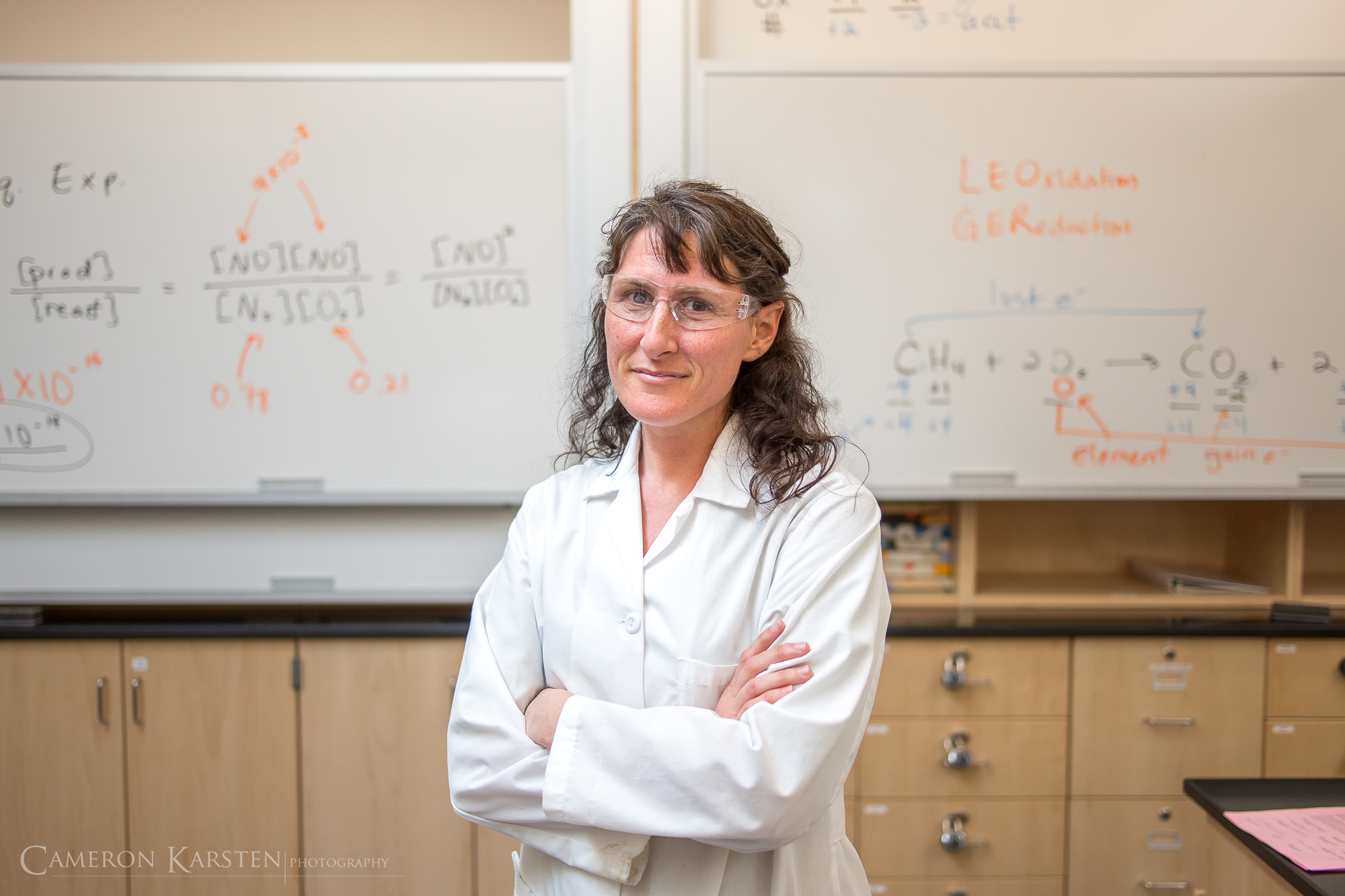
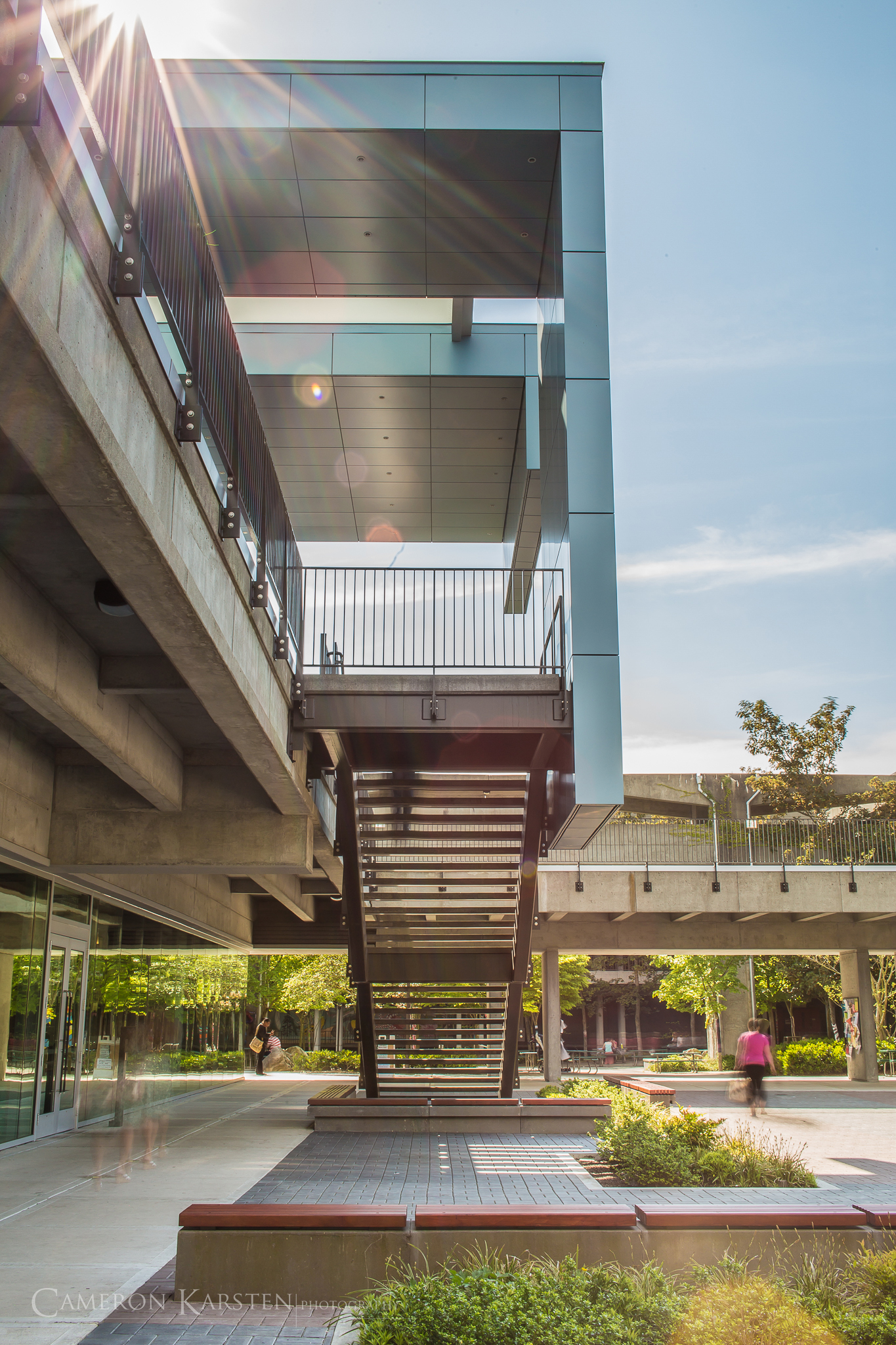
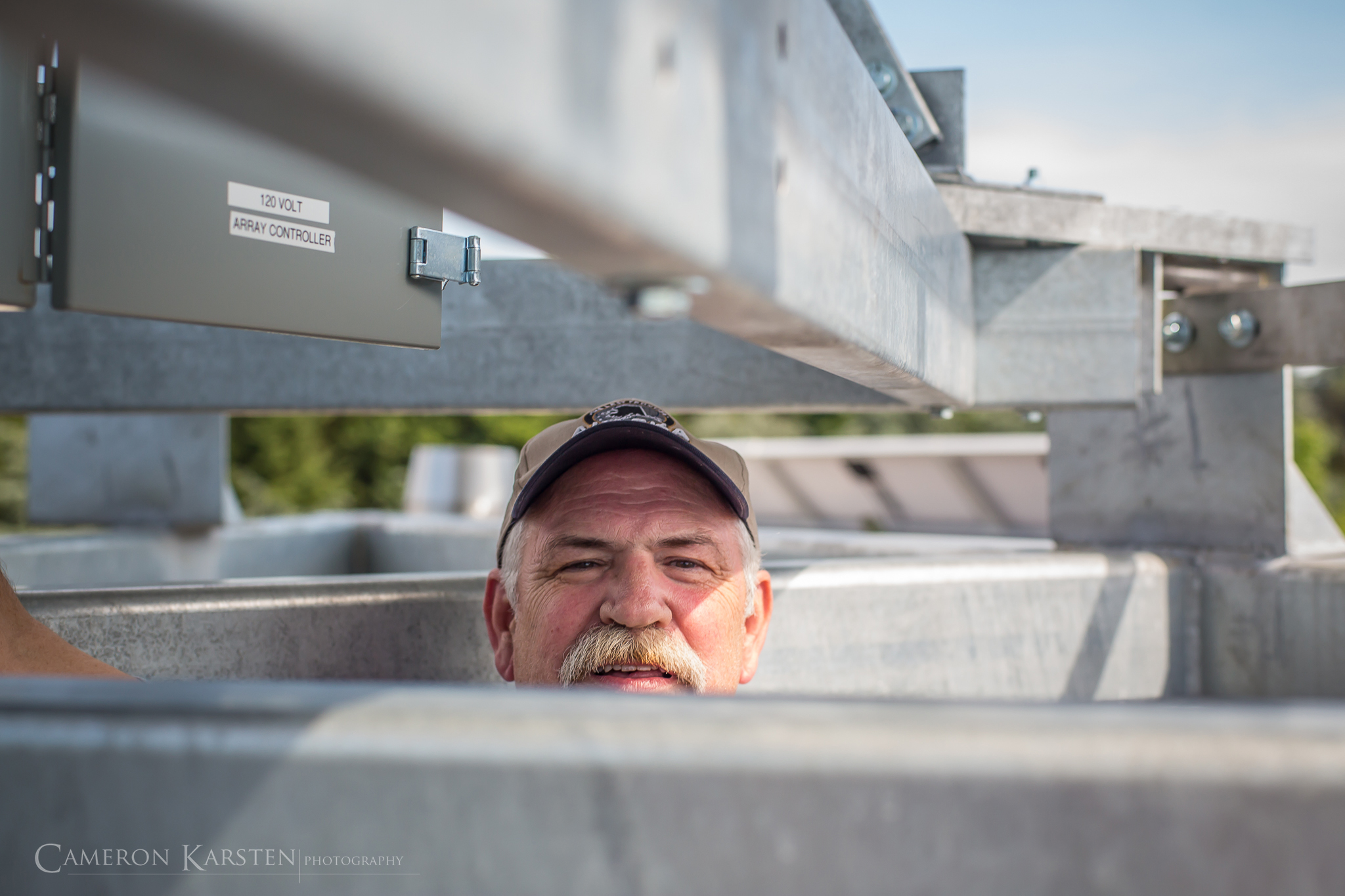
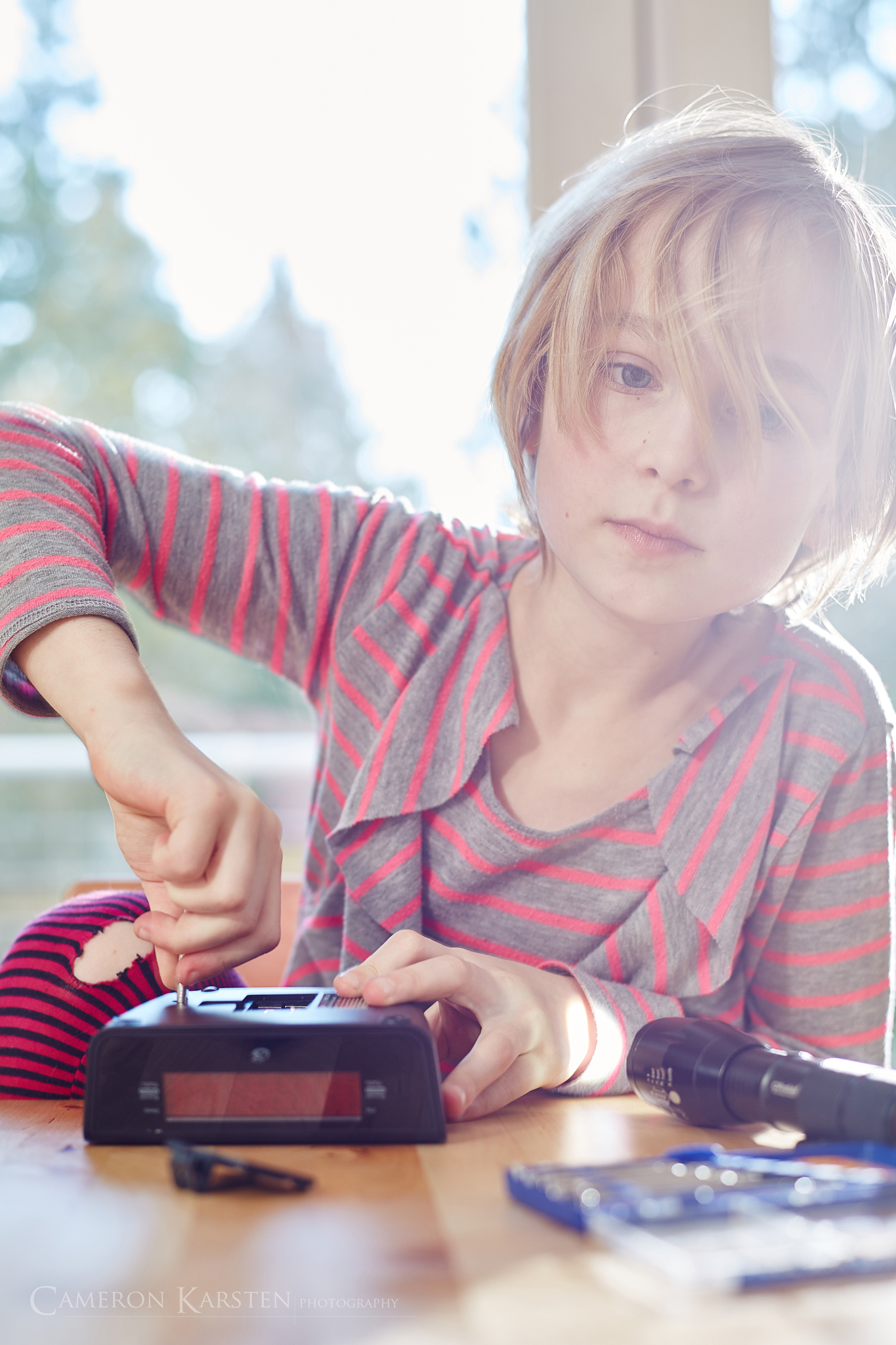
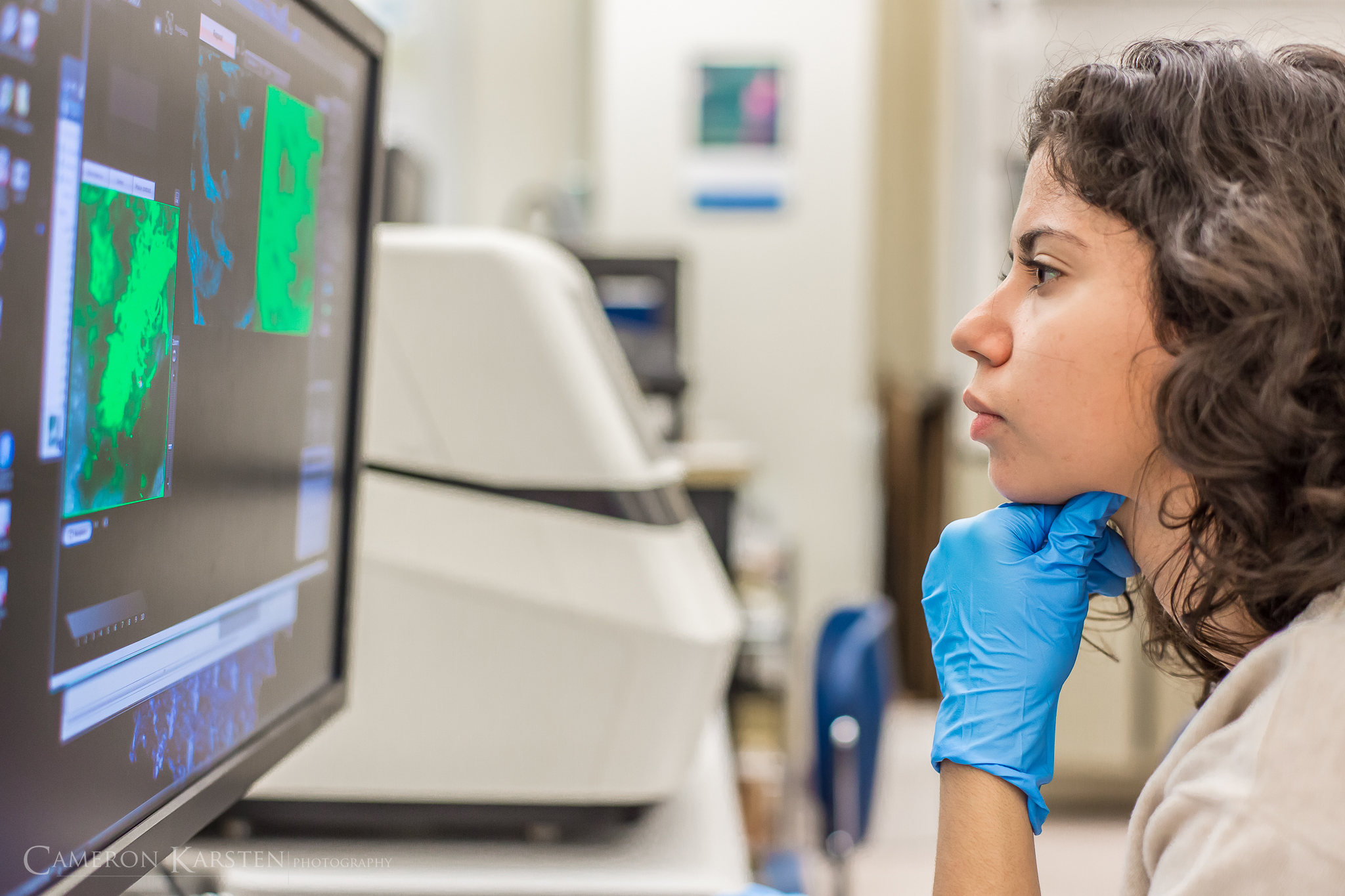
I love the way people work. Put them in their environment, watch them focus, study, learning and adapting. It’s the human brain and the psychology of man and woman to be determined, to want to understand, to want to help and create. It is self-empowerment and to photograph this from within a person feels like waves crashing on the coastline, a raw energy that has been with us since the beginning. Be sure to visit the updated Lifestyle portfolio at cameronkarsten.com

2015_ModernDentistry0782

2015_NorthSeattleCollege-191

2015_NorthSeattleCollege-779

2015_NorthSeattleCollege-903-2

2015_NorthSeattleCollege-2255

2015_NorthSeattleCollege-2626

2015_NorthSeattleCollege-1101

Day1_SouthSeattleCollege-782

2015_NorthSeattleCollege-3018

2015_NorthSeattleCollege-1171

Day1_SouthSeattleCollege-250

2015_NorthSeattleCollege-2530

2015_NorthSeattleCollege-2980-Edit

2015_NorthSeattleCollege-1138-2

2015_NorthSeattleCollege-3137

Day1_SouthSeattleCollege-382

2015_NorthSeattleCollege-2828

Day1_SouthSeattleCollege-694

Day1_SouthSeattleCollege-564

2015_EngineerToBe_ImageBrief20027

logo_blackTrajan

Bloomberg Businessweek Shoot: Willapa Bay’s Future w/Neonicotinoids

KimPatten_Bloomberg-5

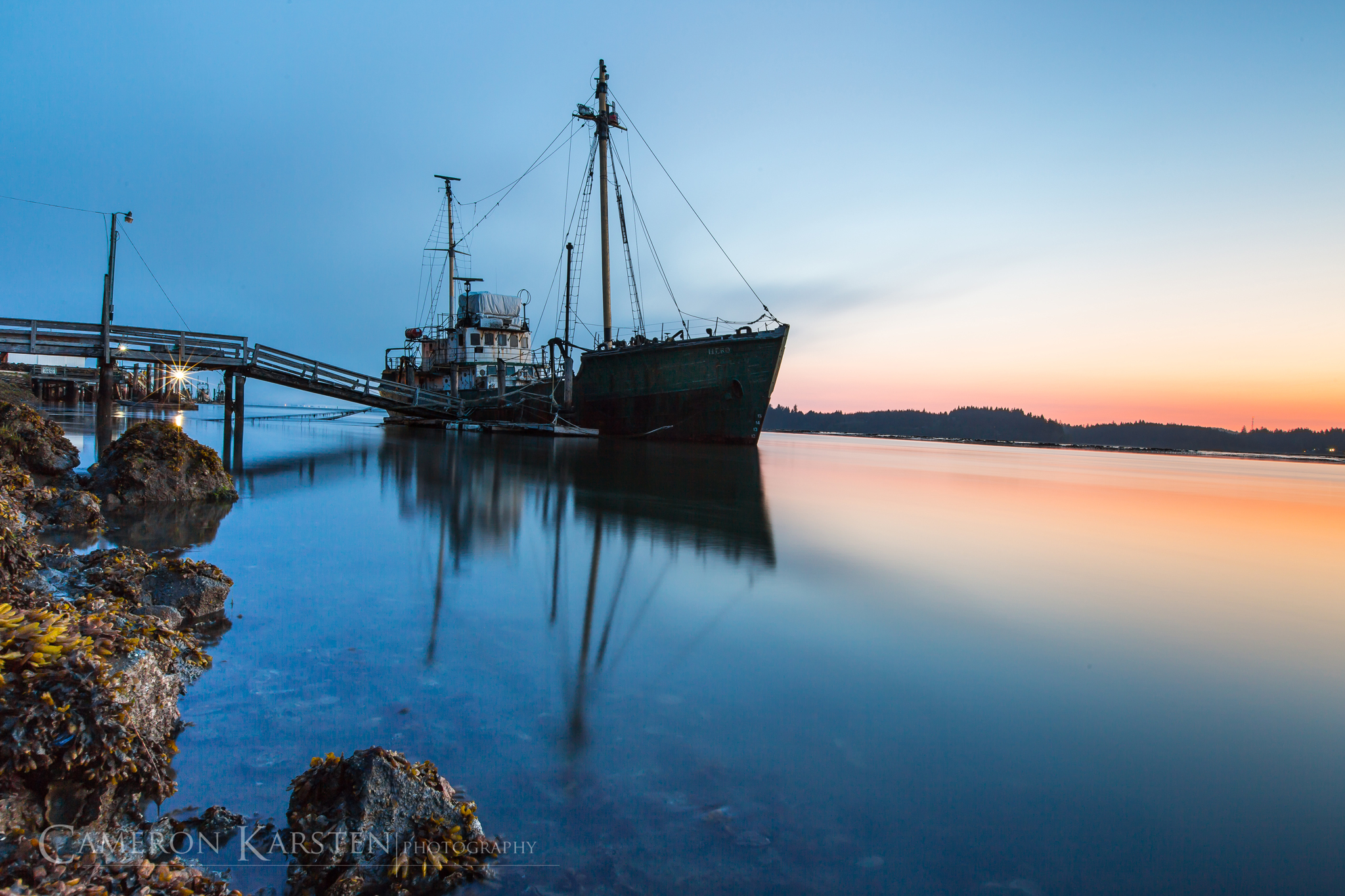
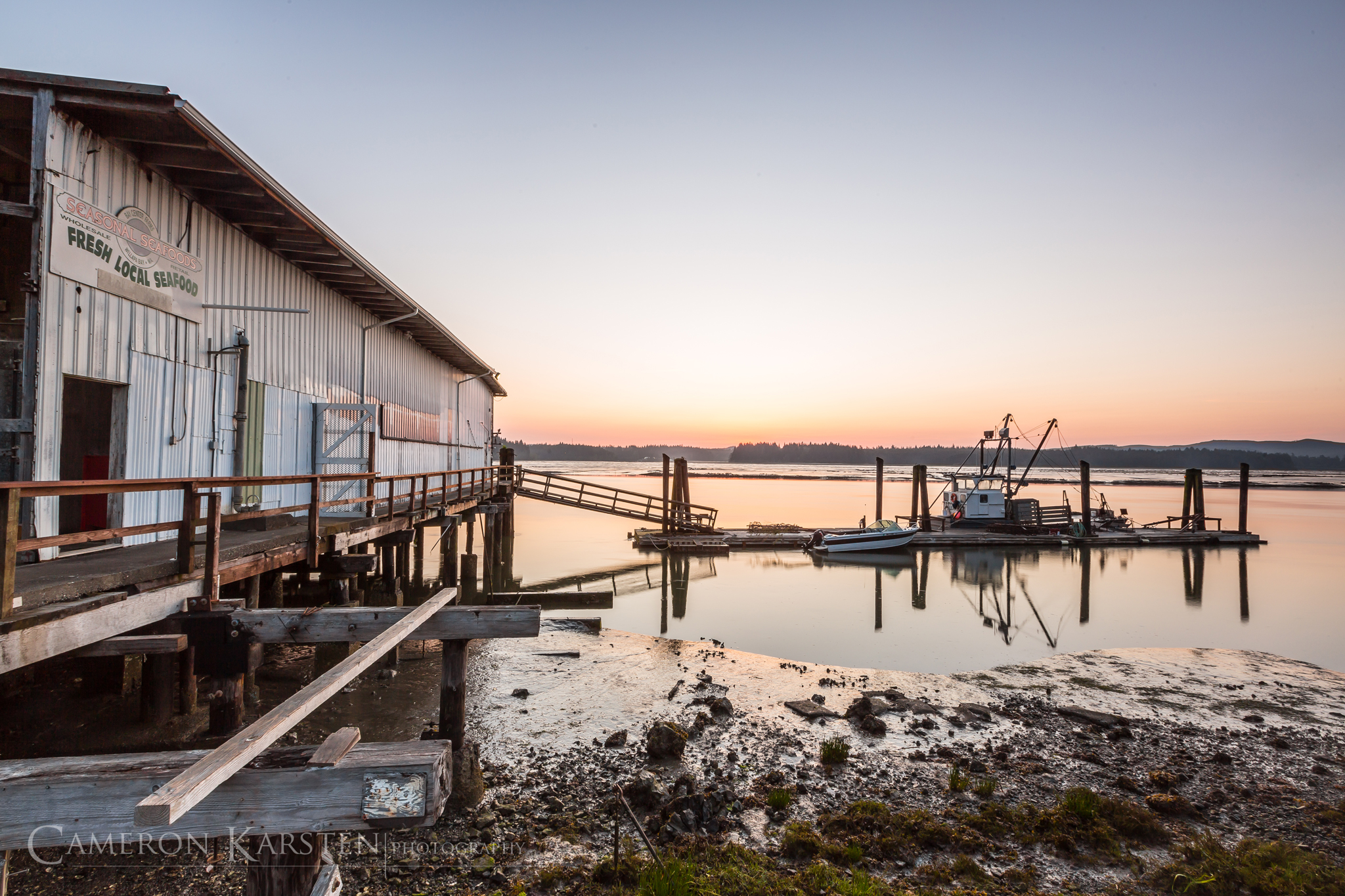
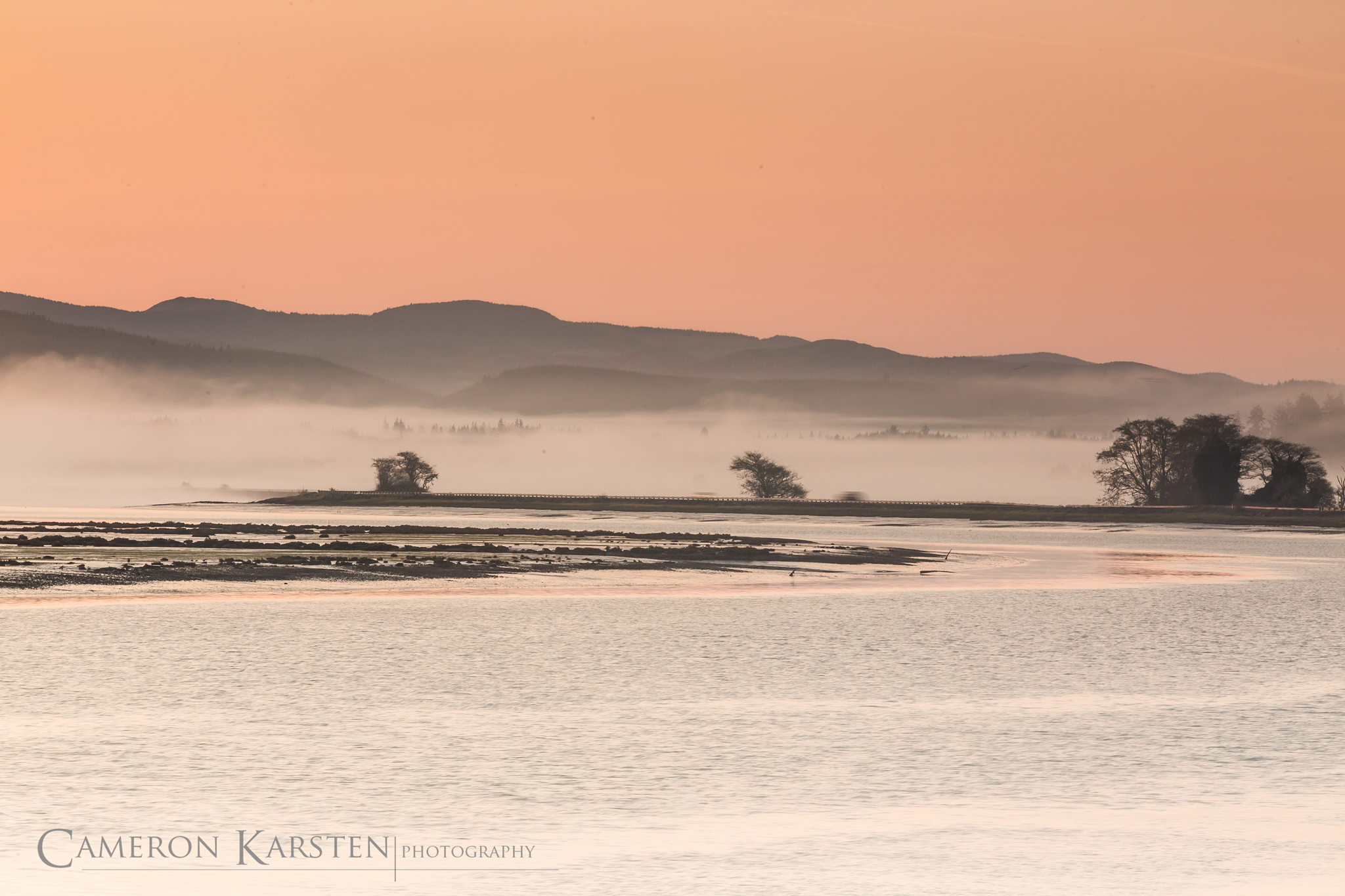
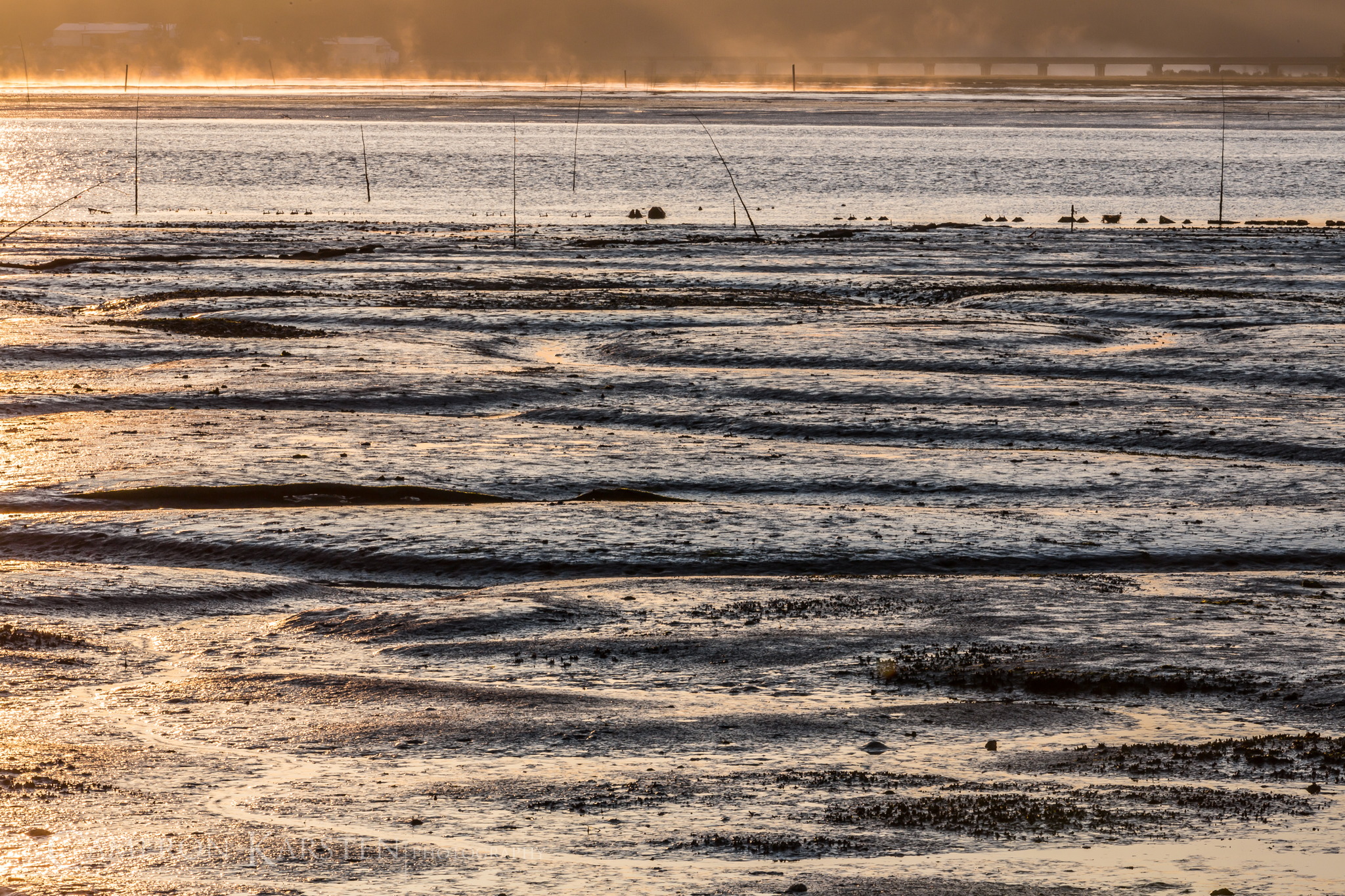
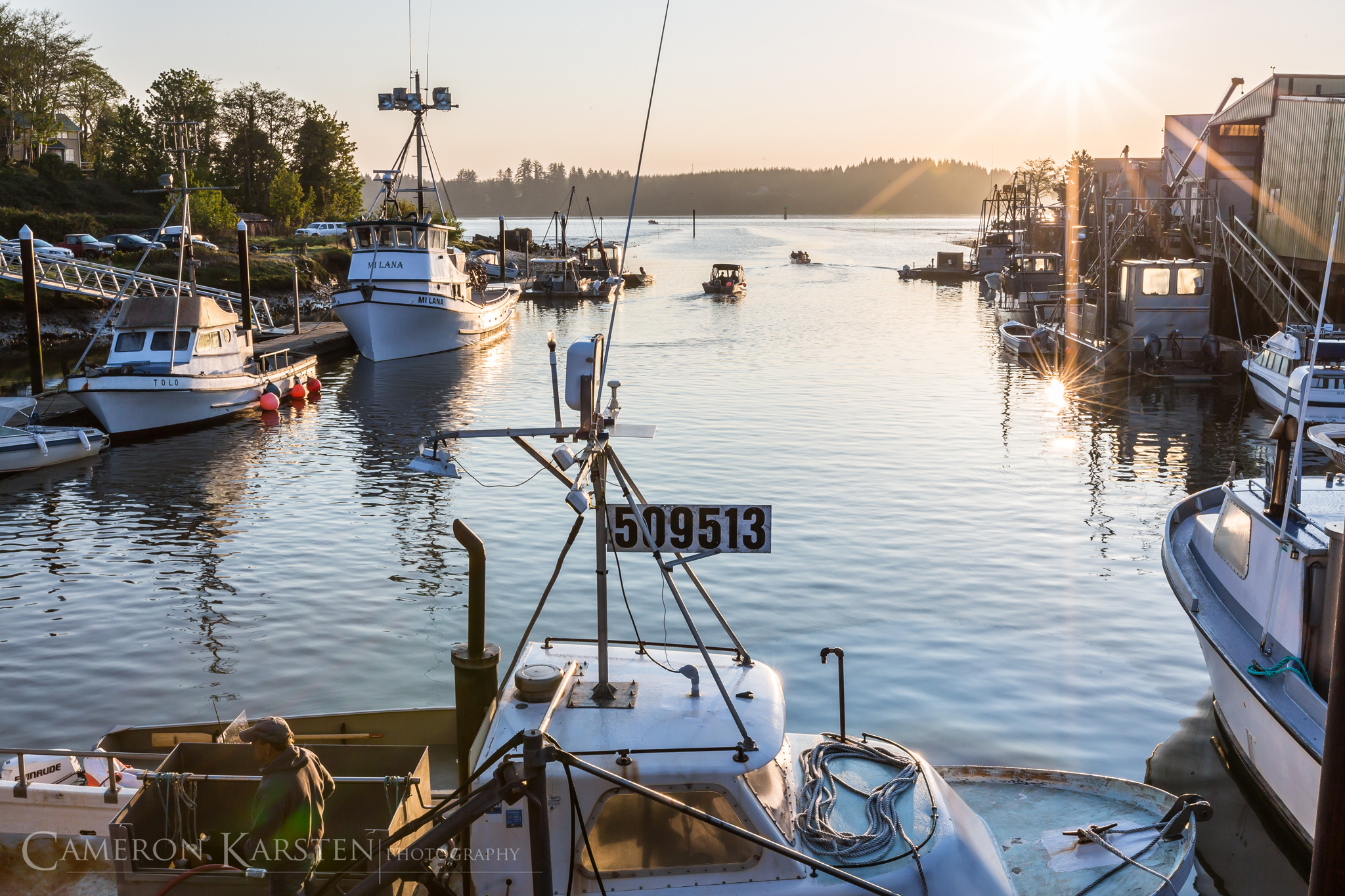
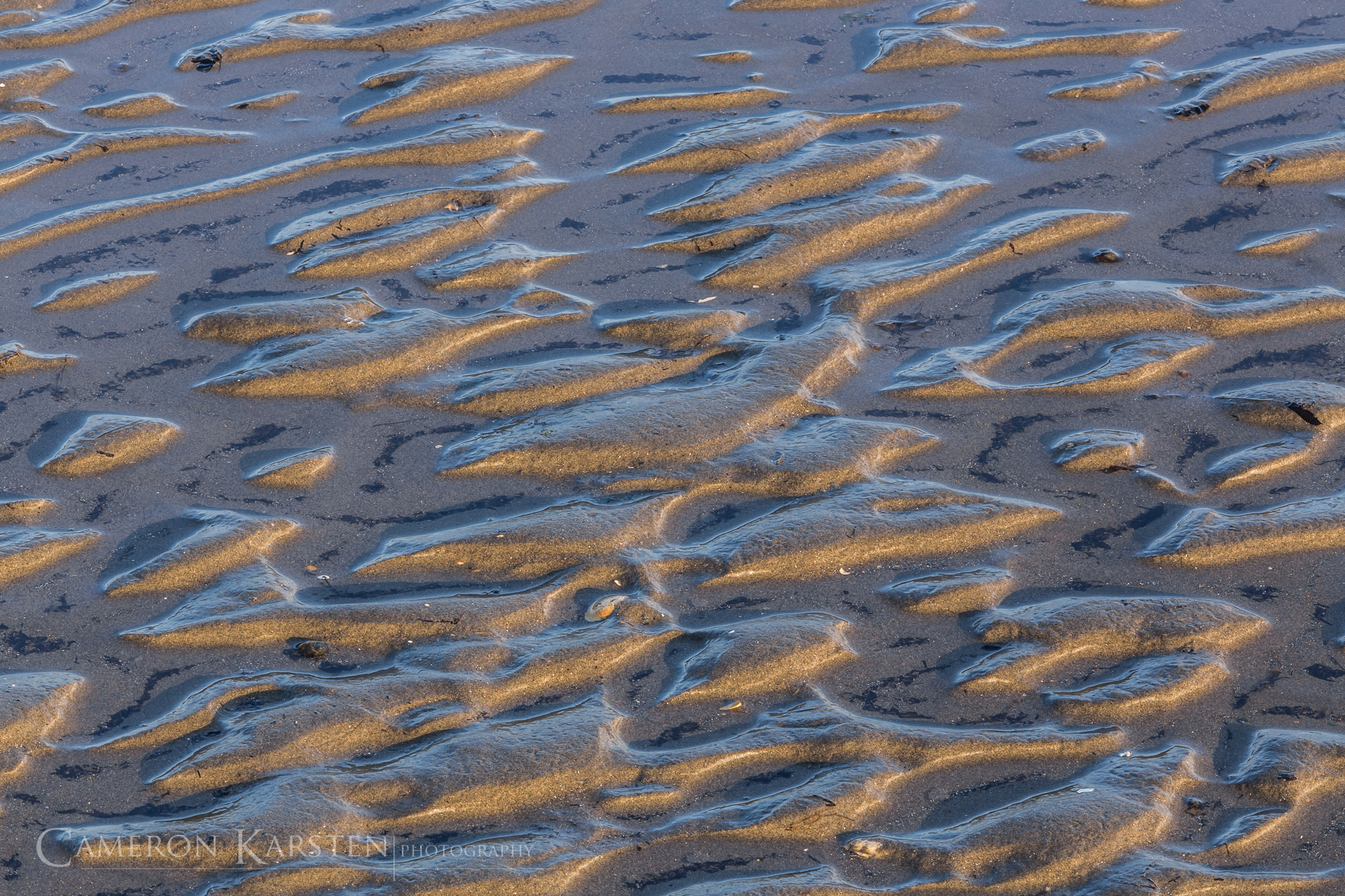
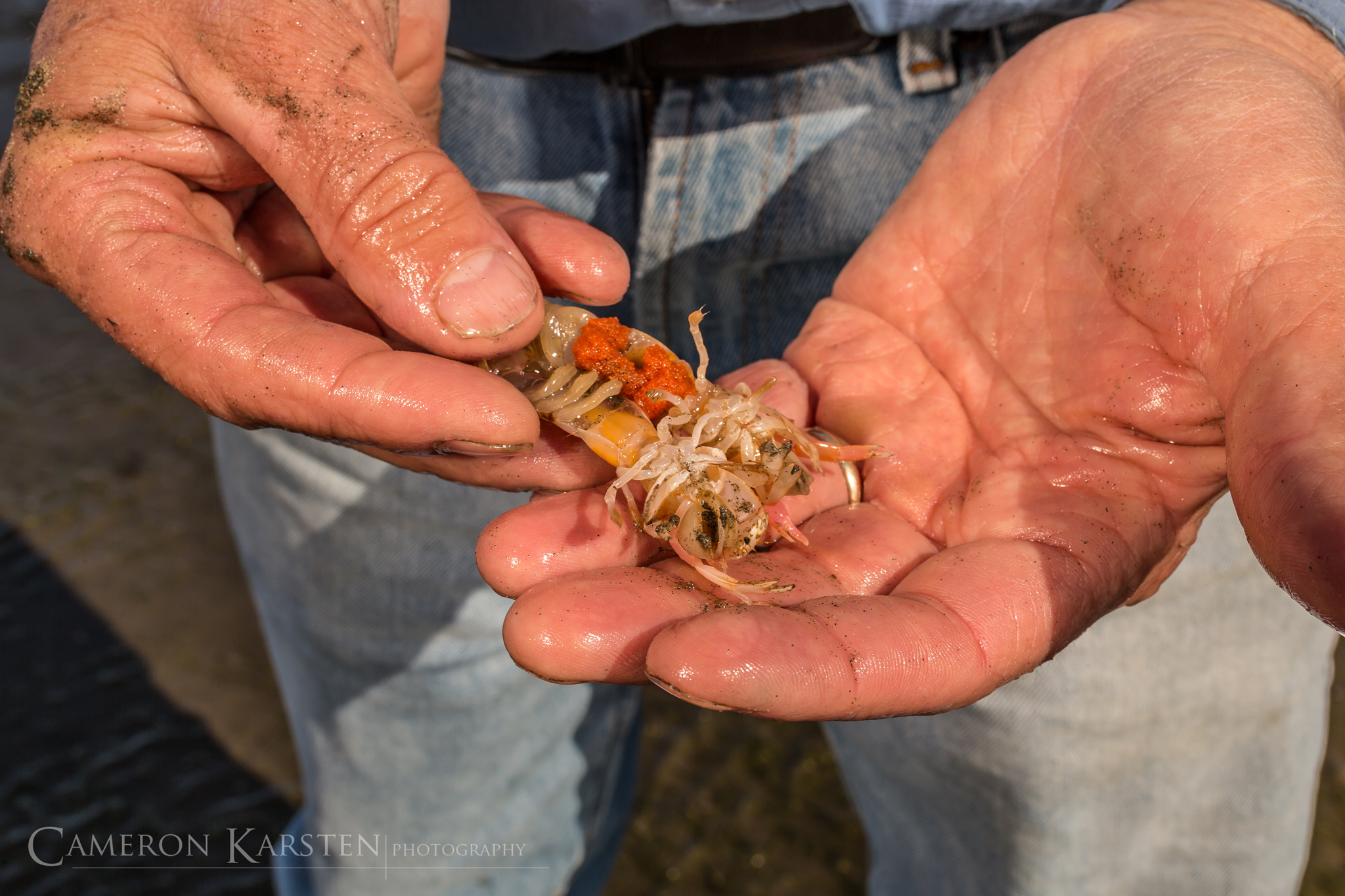
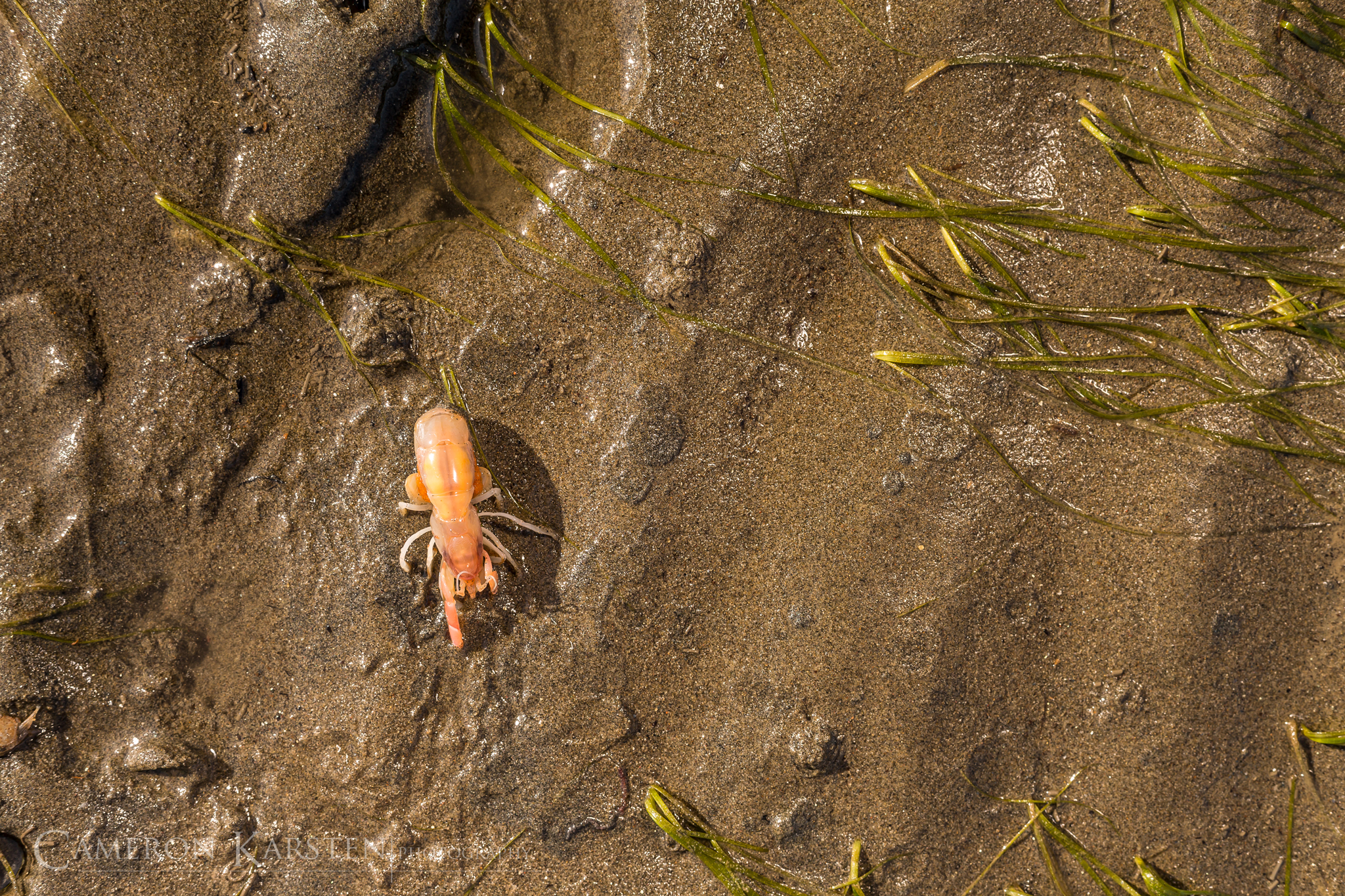
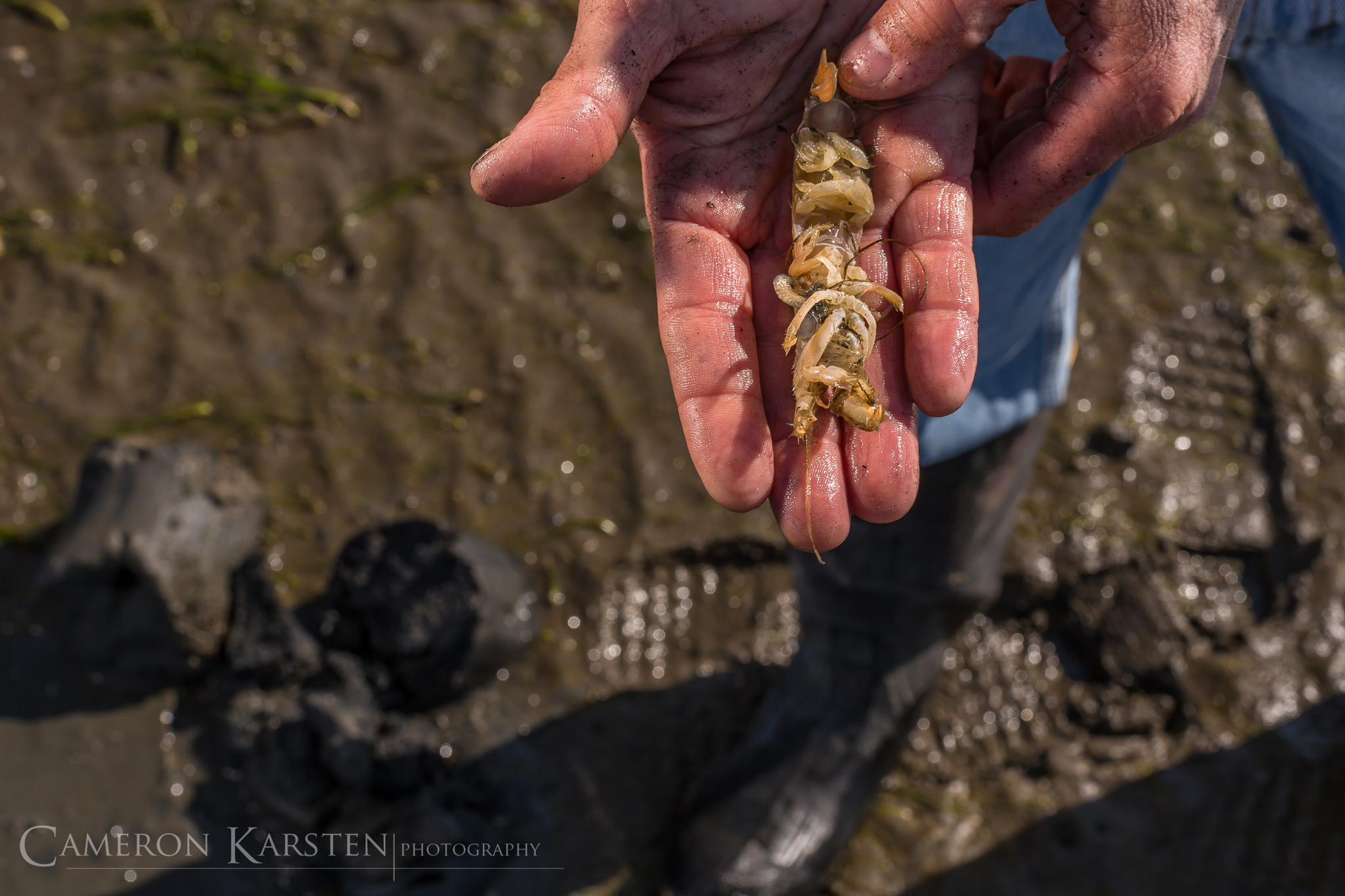
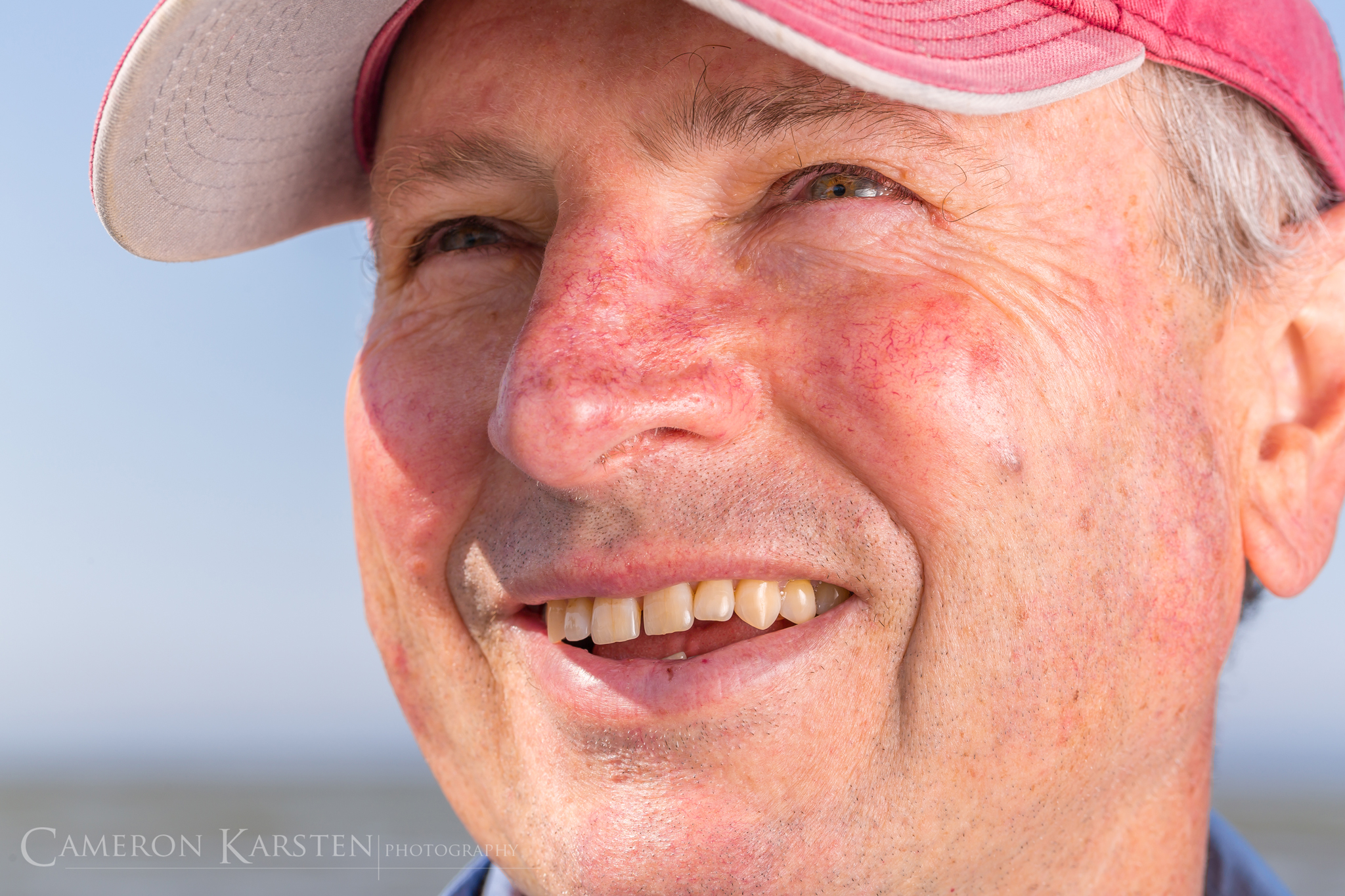
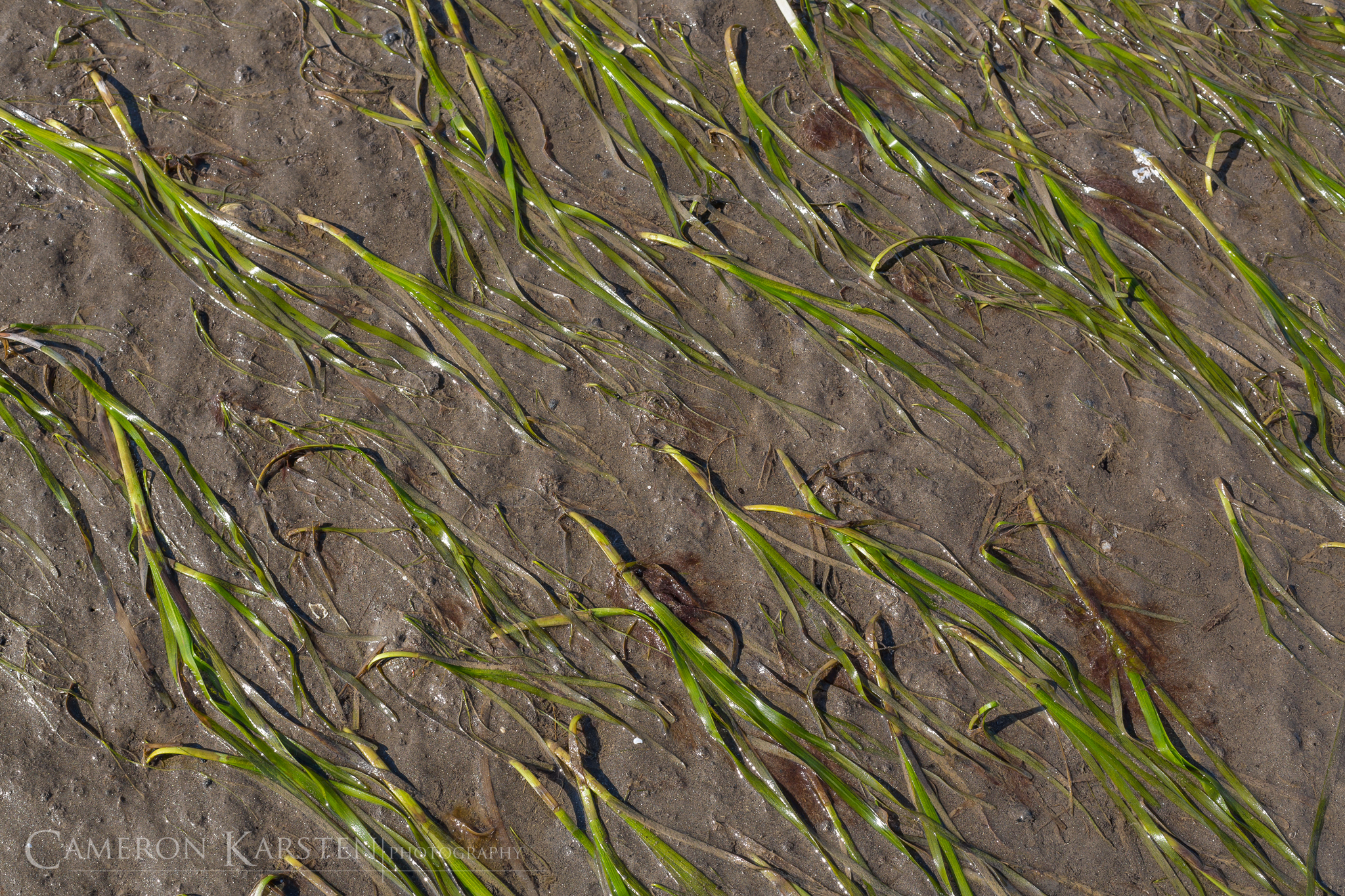
Last week I was called by Bloomberg and headed to Willapa Bay in southwestern Washington to photograph WSU scientist Kim Patten and the surrounding environment of Bay Center, WA. Waking up at 2:30am on Monday, I spent the morning driving 3hrs to catch a clear sunrise over the waters, which have been the center of Washington’s oyster industry for generations. At over 260 square miles, the bay nearly empties at low tide, creating the second largest estuary on the U.S.’s west coast. But a local shrimp has been disrupting the area’s economy for too long, suffocating oyster beds as the crustacean burrows 1 to 2 feet beneath the surface, turning mudflats into quicksand. The published article is available in the link and the selects from the morning’s shoot are below.

Bloomberg Businessweek: Washington State Turns to Neurotoxins to Save Its Oysters

KimPatten_Bloomberg-23

KimPatten_Bloomberg-10

KimPatten_Bloomberg-63

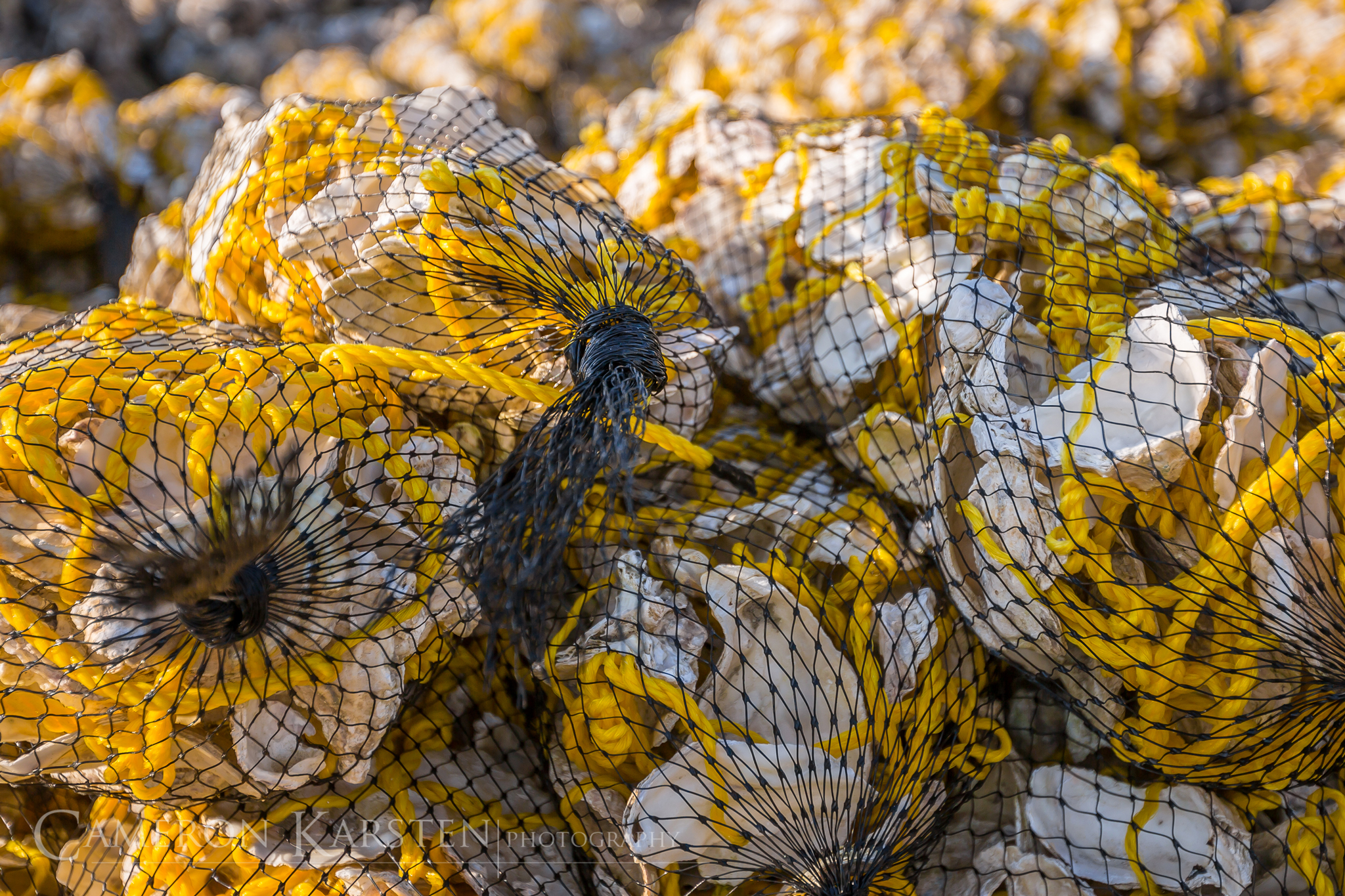
A pile of discarded oyster shells are left in the sun so organic matter can decompose before being bagged and placed back in the water as a refuge for young oyster seed.

KimPatten_Bloomberg-51

KimPatten_Bloomberg-44

KimPatten_Bloomberg-68

KimPatten_Bloomberg-77

KimPatten_Bloomberg-88

KimPatten_Bloomberg-105

KimPatten_Bloomberg-112

KimPatten_Bloomberg-122

KimPatten_Bloomberg-137

Long-line oyster beds stretch across the tidal flats of Willapa Bay as a front of morning fog recedes westward.

KimPatten_Bloomberg-157

Old oyster shells wrapped in bags ready for delivery outside an oyster nursery

KimPatten_Bloomberg-147

KimPatten_Bloomberg-150

KimPatten_Bloomberg-142

KimPatten_Bloomberg-207

WSU scientist and researcher Kim Patten uses a clam digger to pull out an invasive shrimp from one to two feet beneath the mud.

KimPatten_Bloomberg-252

KimPatten_Bloomberg-227

A male and female shrimp (the female is carrying orange egg sacks)

KimPatten_Bloomberg-261

KimPatten_Bloomberg-295

KimPatten_Bloomberg-272

KimPatten_Bloomberg-392

KimPatten_Bloomberg-334

KimPatten_Bloomberg-349

KimPatten_Bloomberg-364

KimPatten_Bloomberg-289

KimPatten_Bloomberg-338

KimPatten_Bloomberg-381

KimPatten_Bloomberg-399

KimPatten_Bloomberg-403

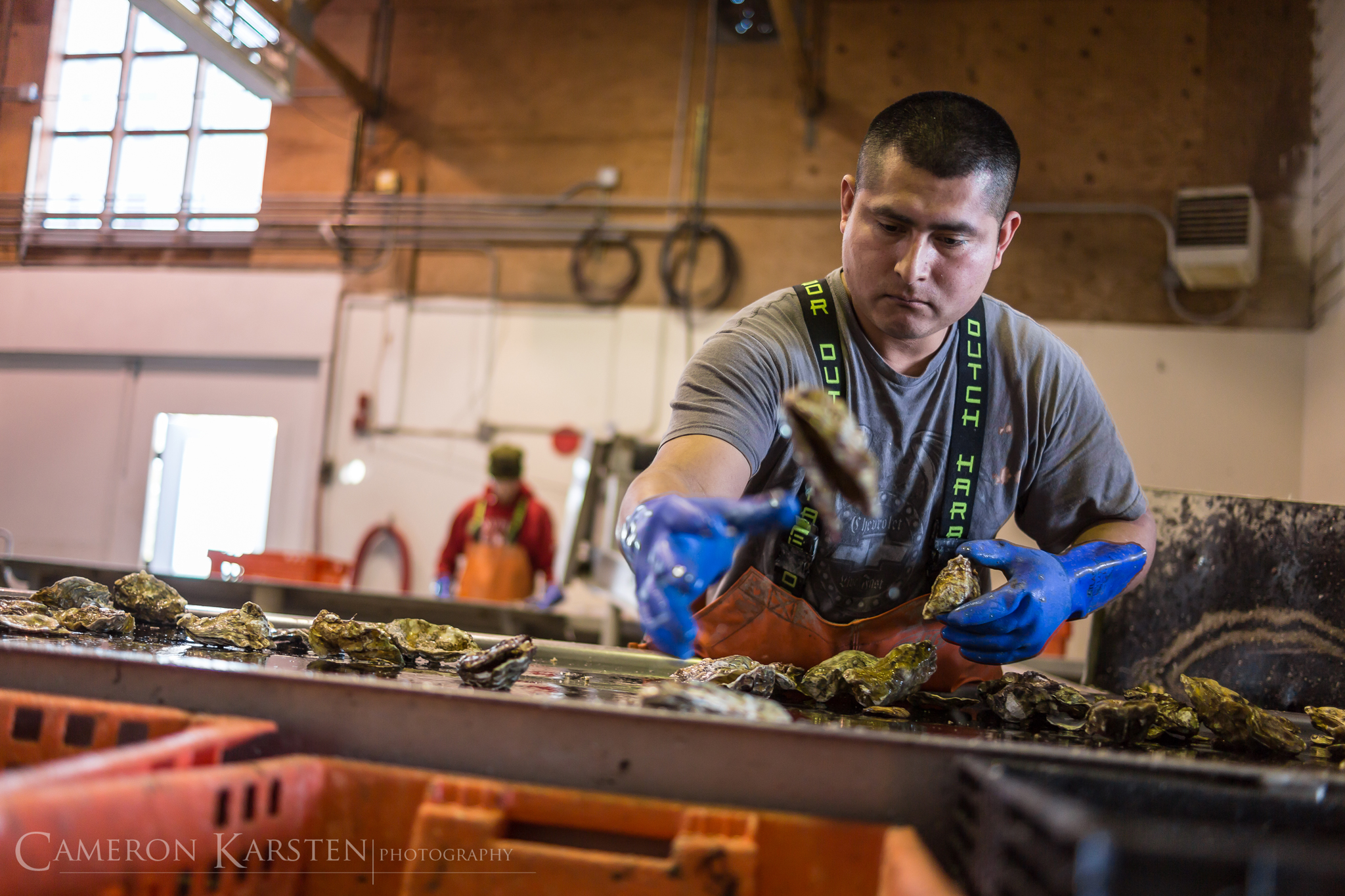
An oyster shucker in Bay Center, WA

KimPatten_Bloomberg-430

KimPatten_Bloomberg-484

KimPatten_Bloomberg-458

KimPatten_Bloomberg-497

KimPatten_Bloomberg-510

KimPatten_Bloomberg-534

logo_blackTrajan